Matching Tracksuits

fun in fours

growing

New

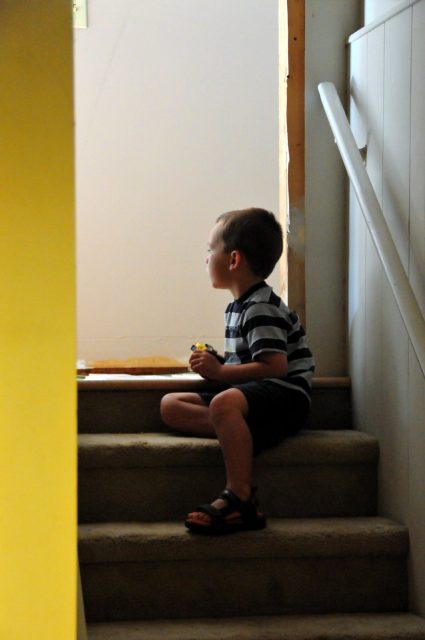
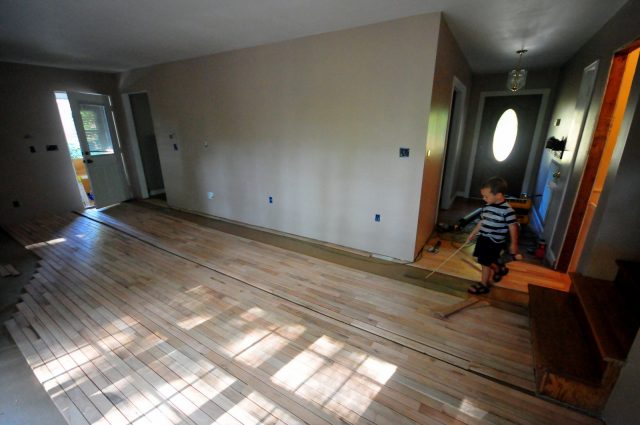
The day began with a treat for the Boy: the flooring company installed our new hardwood, which has been sitting in the living room for close to a month, acclimating to our house's moisture levels. E sat at the top of the basement stairs and watched as two men laid out the wood for the main part of the room while another worked on the small area in front of the basement door.
1-DSC_5051

They took a smoke break after finishing the layout, then came back and finished the rest of the job in less than a couple of hours.
2-DSC_5062

He of course chatted them up the entire time.

"Sorry about how shy my son is," I laughed. The gentlemen found him generally amusing, though, and were very patient with his questions and own little explanations.
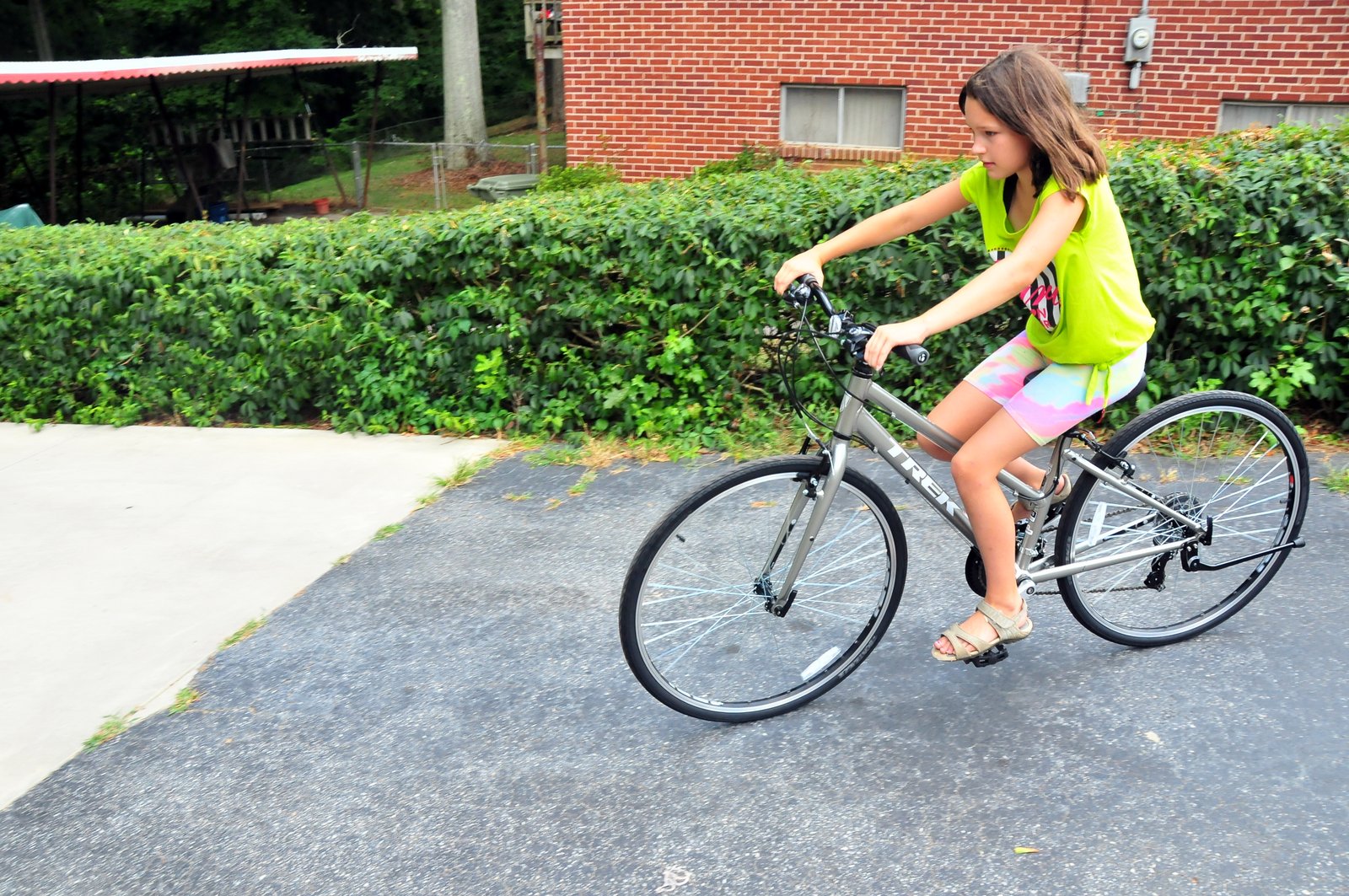
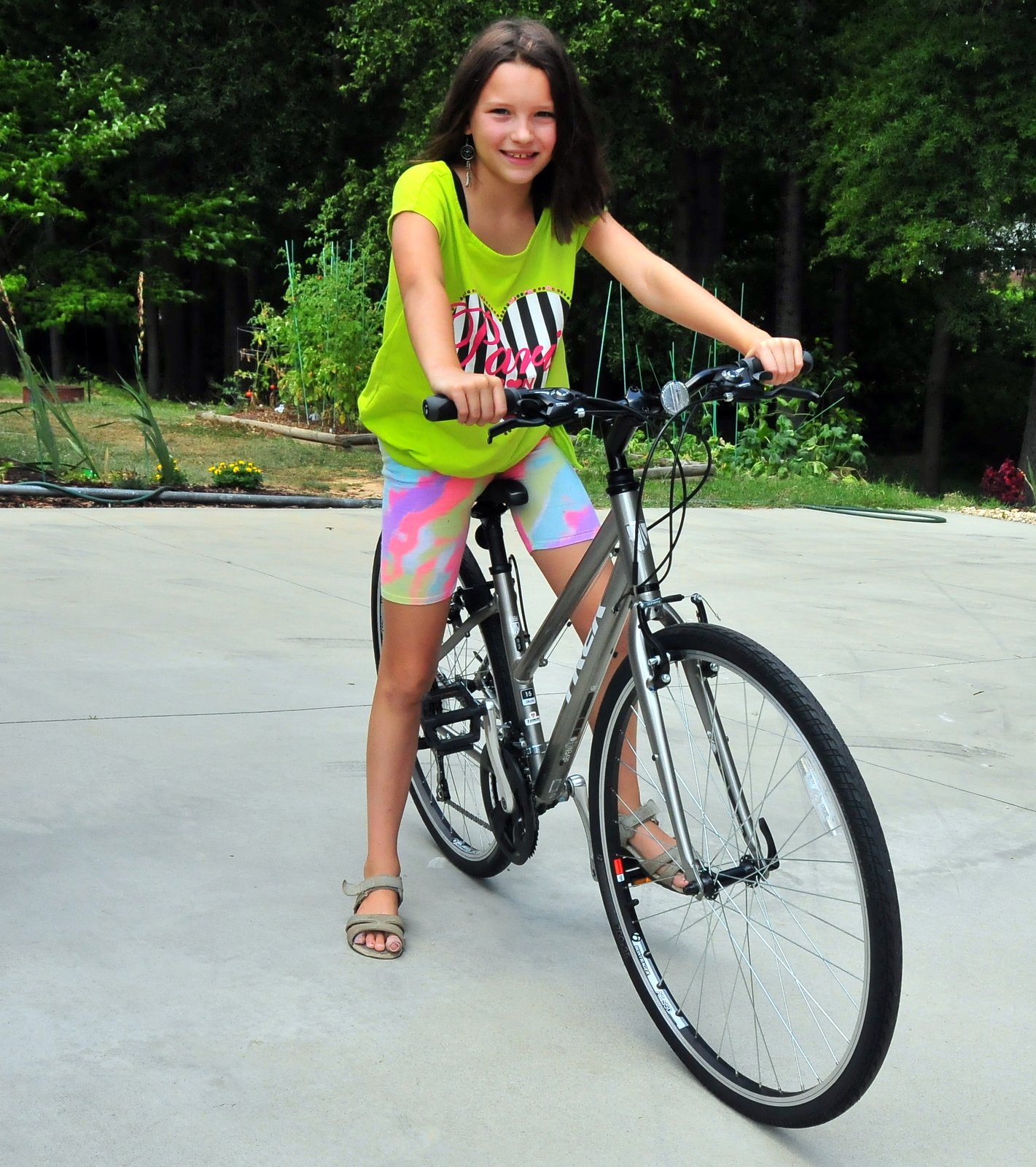
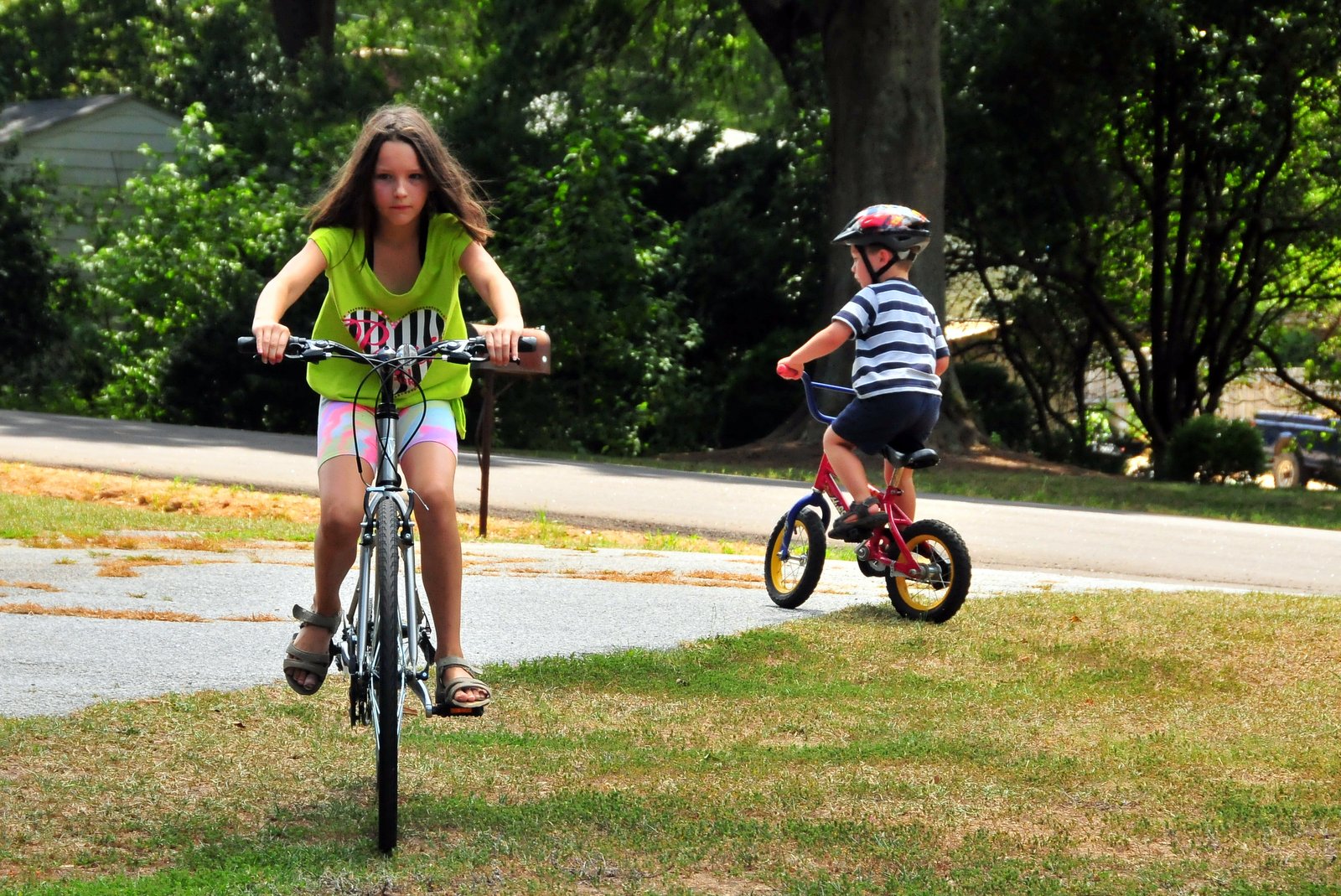
The afternoon, though, was all about the Girl: we bought her a new bike, a Trek FX, which is in fact a small adult bike. Lots of big changes for her: braking with her hands, shifting gears. Plus the size change -- theoretically, this is a bike that can last her for ten years.

When K came home from work, she was happy to see the Girl's bike (which we took out for an initial ride in the evening of 11 km), but was even more happy to see the floor.
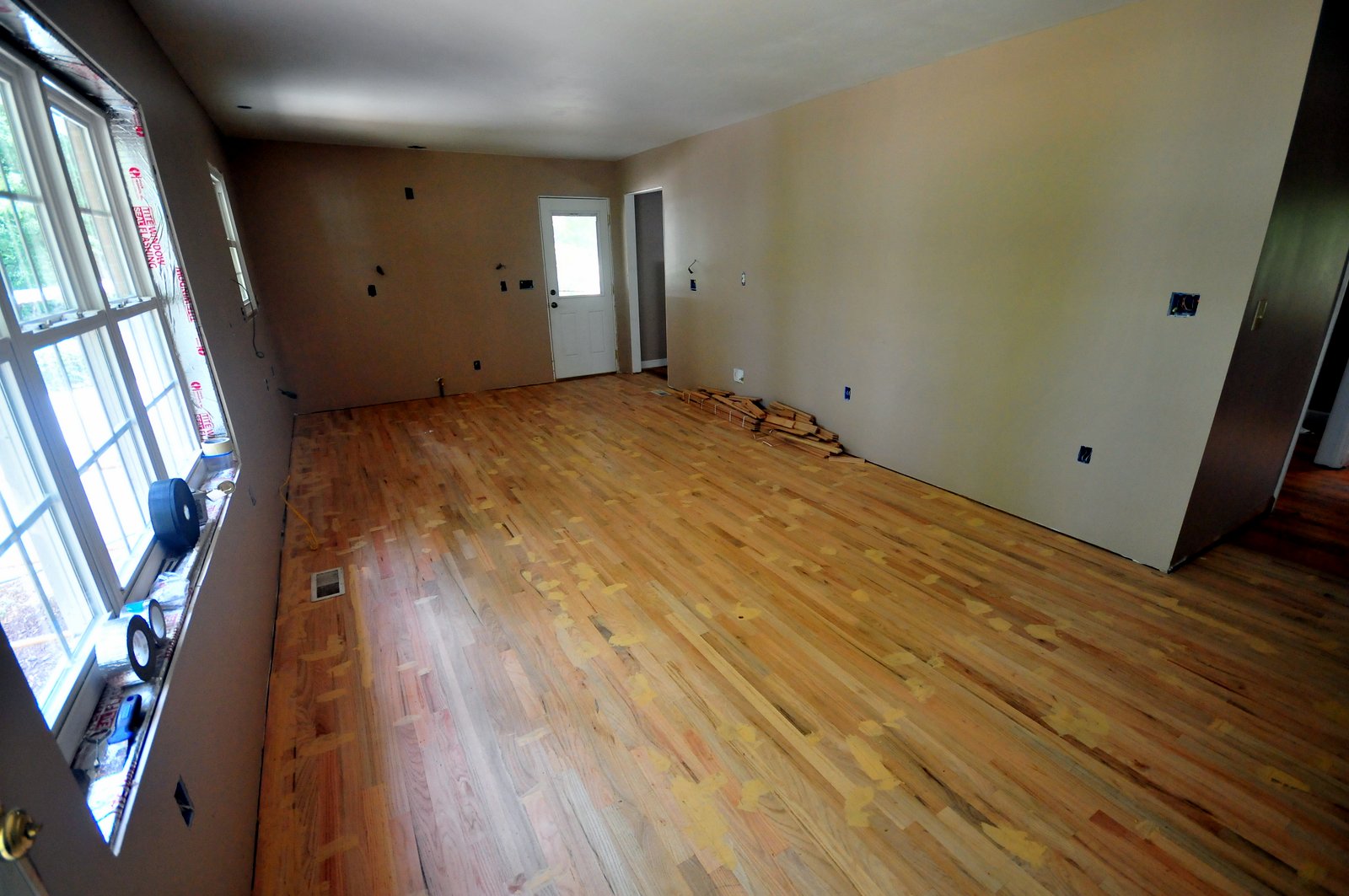
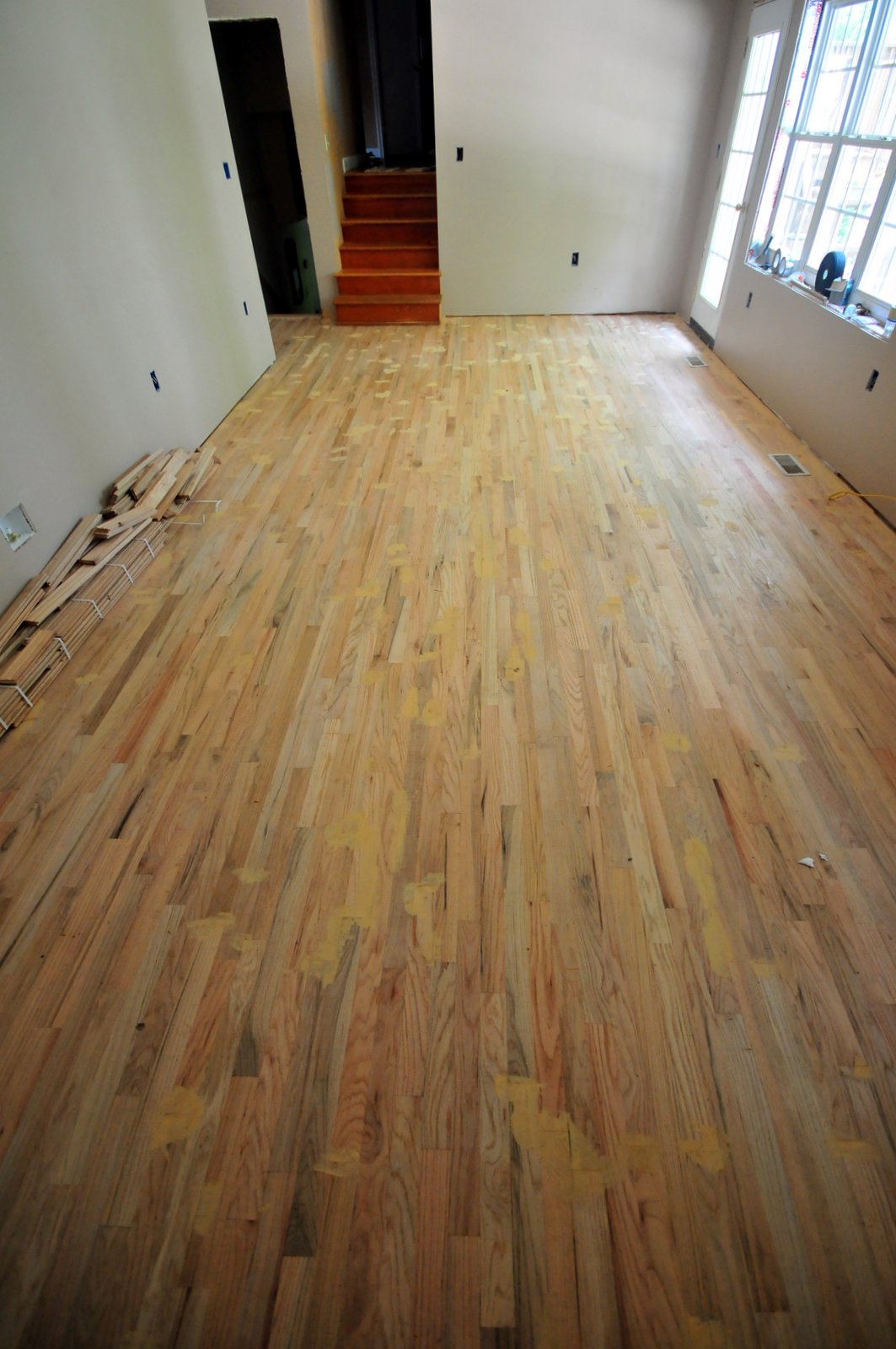
It looks like a room again.
Larry

The smoke from my Saturday-evening cigar blurs the view of his picture that hangs over the fireplace in our basement, and I look down at the wad of burning leaves pressed between my fingers and realize that it's because of men like him, my uncle whom I never met and after whom I am named, that I can enjoy such a little pleasure. In the picture, he sits before a brick wall, his peaked cap pushed back to show a hint of his hairline, his forearms on his knees, fingers almost fidgeting, with an expression of tired sadness. I really have no idea when the picture was taken. Perhaps he was home from Vietnam on leave; maybe he hadn't even shipped out yet. In a way, it's not as important as the simple fact that the expression on his face mirrors my own when I really think about him, when I remember the odd bits and pieces I heard about him growing up, when I think of the simple but profound fact that, after my parents adopted me and decided that the name my short-term foster mother had been using for me fit me perfectly, they decided his name would make the perfect middle name. The uncle who, my mother more than once laughed, hated baths as much as I love them. The uncle I never met.

As a child, I remember seeing this picture hanging in my grandparents' home, smudged brown with the nicotine of thousands or even tens of thousands of cigarettes. It was the house in which they both died tragically, though ironically neither passed as a result of the stains that seemed to cover so many of their possessions of their house. Like so many in my family, they died not from what everyone in the family thought would kill them -- like my uncle. The picture -- one of only two I know of him as an adult, of only three I know of him in his short life -- is framed in a gold-painted rectangle that, after all these years, seems brighter than the picture itself. The mortar and the bricks behind him have faded into an almost indistinguishable hue that seems only a darker shade of his uniform, and the triangle of his white undershirt seems only a lighter shade still.

The other picture of him as an adult seems likely to have been taken at the same time, though perhaps earlier. The same brick wall seems to be over his left shoulder, but he hadn't yet pushed back his cap, and its brim hides his eyes in shadow. I think he would have liked it that way. Perhaps the tired expression in the second picture comes from being asked, badgered, to push his cap back a bit, "so we can see your eyes." Over his right shoulder is a tree, and in the triangle of his right arm he stands with his hands on his hips is is a dumpster with white letters stenciled in to instruct someone about something that must at all costs be "down." Or "town"?

He died on Thanksgiving, a fact that seems so fought with irony that it almost seems like it must be one of those made-up details that our memory seems sometimes to invent in order to add almost unconsciously to the most significant events. I heard this week that there are only two truly significant American holidays: Thanksgiving and Memorial Day. My uncle embodies them both.

I am much older than he, the baby boy of the family, was in the picture, and I have been blessed with what he likely dreamed of: a beautiful, loving wife, the mother of my two incredible children. A house with a room downstairs where I can smoke my cigars with offending my wife's nose, harming my children, or leaving a stain over picture frames that hold images of their lives. Two cars parked on a pad of concrete. A few tomato vines and zucchini plants in the backyard. All of which I have because of people like my uncle.

Jumpin’ [Scott] Flash

An example video I made for students.

Counting

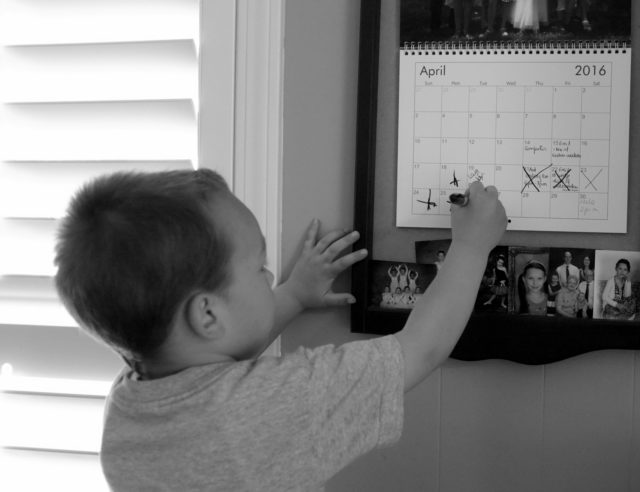
The Boy’s birthday is approaching. He’s excited — we’ve promised him that he can open one of the two classic Polish cars Babcia sent a couple of years ago. He’s had them on his shelf, unable to touch them, and has now begun insisting he’s old enough. We’ve kept it from him because of the worry that, as rough as he can be with toys, he’ll destroy them in no time.

1-DSCF8829

And so he’s begun marking off the days.

Art Show

Early Evening at the Park

Busy Day

Burnt Norton

1-BW0_1533

Time present and time past
Are both perhaps present in time future,
And time future contained in time past.

Everything I do in life teaches my children something. I try to remember that, but it’s not always in the forefront of my thoughts. Still, whether I remember it or not, such is the reality. How I treat K teaches L how a man should treat a woman, how a husband should treat a wife, and E learns the same lessons from the other perspective. How I respond to disasters, real and imagined, teaches them how they should respond in such situations. Their future, in other words, is contained in our present.

I, in turn, learned how to behave by watching my own parents, and they from theirs. Being human, we sometimes give good bad examples, but that’s part of the limitations of humanity — concupiscence, as the Catholic Church describes it:

In its widest acceptation, concupiscence is any yearning of the soul for good; in its strict and specific acceptation, a desire of the lower appetite contrary to reason. To understand how the sensuous and the rational appetite can be opposed, it should be borne in mind that their natural objects are altogether different. The object of the former is the gratification of the senses; the object of the latter is the good of the entire human nature and consists in the subordination of reason to God, its supreme good and ultimate end. But the lower appetite is of itself unrestrained, so as to pursue sensuous gratifications independently of the understanding and without regard to the good of the higher faculties. Hence desires contrary to the real good and order of reason may, and often do, rise in it, previous to the attention of the mind, and once risen, dispose the bodily organs to the pursuit and solicit the will to consent, while they more or less hinder reason from considering their lawfulness or unlawfulness.

A fancy way of saying our tendency toward the less refined appetites in life.

1-BW0_1537

And then there are the other lessons: teaching the kids how to raise kids. Playing with them is always critical, but sometimes those lower appetites get in the way, the selfish appetites, the desire to do one’s own thing because “I’m tired” or whatever silly excuse.

Incomplete thoughts on an incomplete evening…

Learning

My job is about learning. It's about teaching, too, but the more I stand on this side of the desk, the more I realize that teaching is learning. It's not just the simple process -- as if it were so simple in truth -- of learning how to teach. There's that, certainly. I'm better this year than I was last year, I hope. I'm better this year than I was five years ago, I'm sure. I'm better this year than I was fifteen years ago, I know.

DSCF8087

It's not pedagogy and method that I have in mind, though. I've learned that learning is so much more than simply figuring out how to write a good paragraph, understanding how to do geometric proofs, seeing the logic of the scientific method. These things are all well and good -- and important. But they all serve as simple means to ends. We learn to write a good paragraph to be able to communicate better. We work on proofs to be able to construct a scaffold of surety around our knowledge -- to prove to ourselves what is is. (And to move on to higher and more challenging math.) We study the scientific method because it's the best way to find out things about the physical world.

All this knowledge helps us in our day to day functioning, but it does very little to help with our living. I'm not more at peace with myself because I can write a paragraph. I can't show compassion better because I can manage geometric proofs. I'm not more mature because I know the scientific process. My life can bump along just fine without this knowledge, and having this understanding is in now way insulation or protection against anything. I'm not a better person for this.

DSCF8099

I'm a better person when I connect with other people. I'm a better person when I understand that the most precious and instructive moments in life are those flashes when a couple of people connect in a real and meaningful way.

I teach my students how to make sense of Shakespeare (and, by proxy, many other challenging texts), and I show them how to organize a paragraph coherently, then how to string several paragraphs together in a logical order. Useful skills, but not life changing. Yet sometimes I get so wrapped up in the importance of those minutia (relatively speaking) that I miss the real teaching and learning opportunities. I forget that just because they're not learning just what I want in just the way I planned it than my students aren't learning. I forget that just because what they're doing for a particular session has nothing to do with English than they're not become better people. I forget that, at it's base, that's what all good teaching is about. There's the subject matter, true, but all the teachers we really remember taught us more than just their subject matter. In some rare cases, we can sometimes barely even remember what exactly they taught us about English or math or Spanish, but we remember what they taught us about life.

DSCF8101

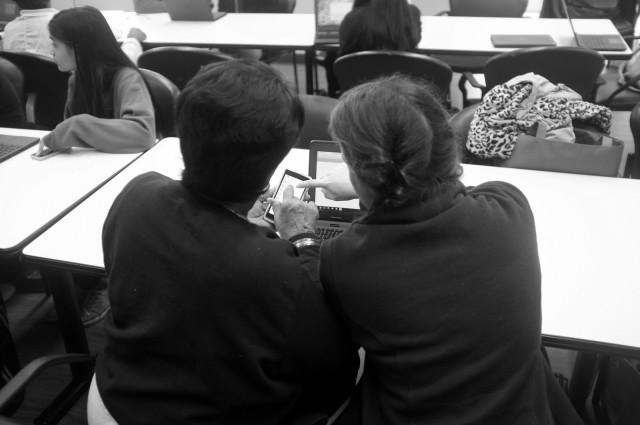
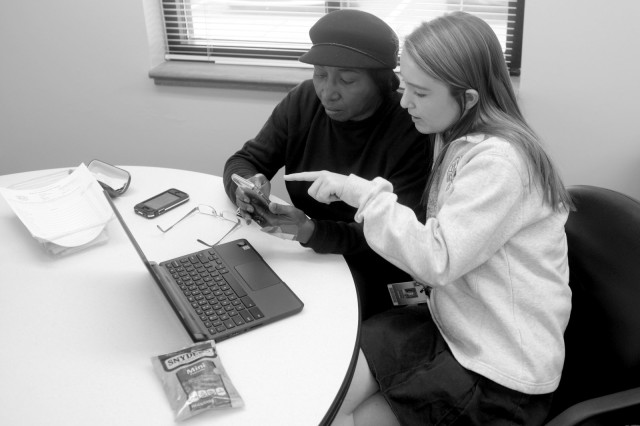
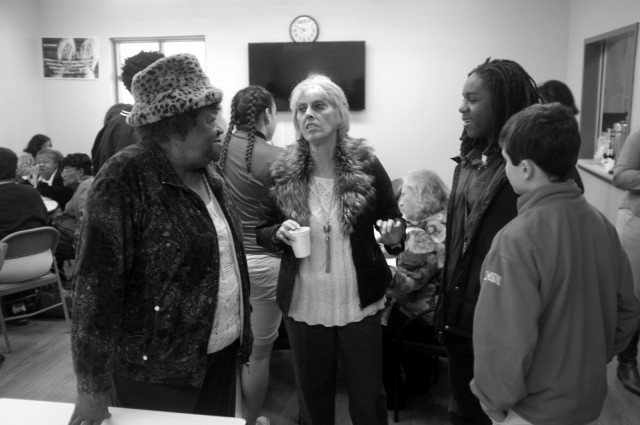
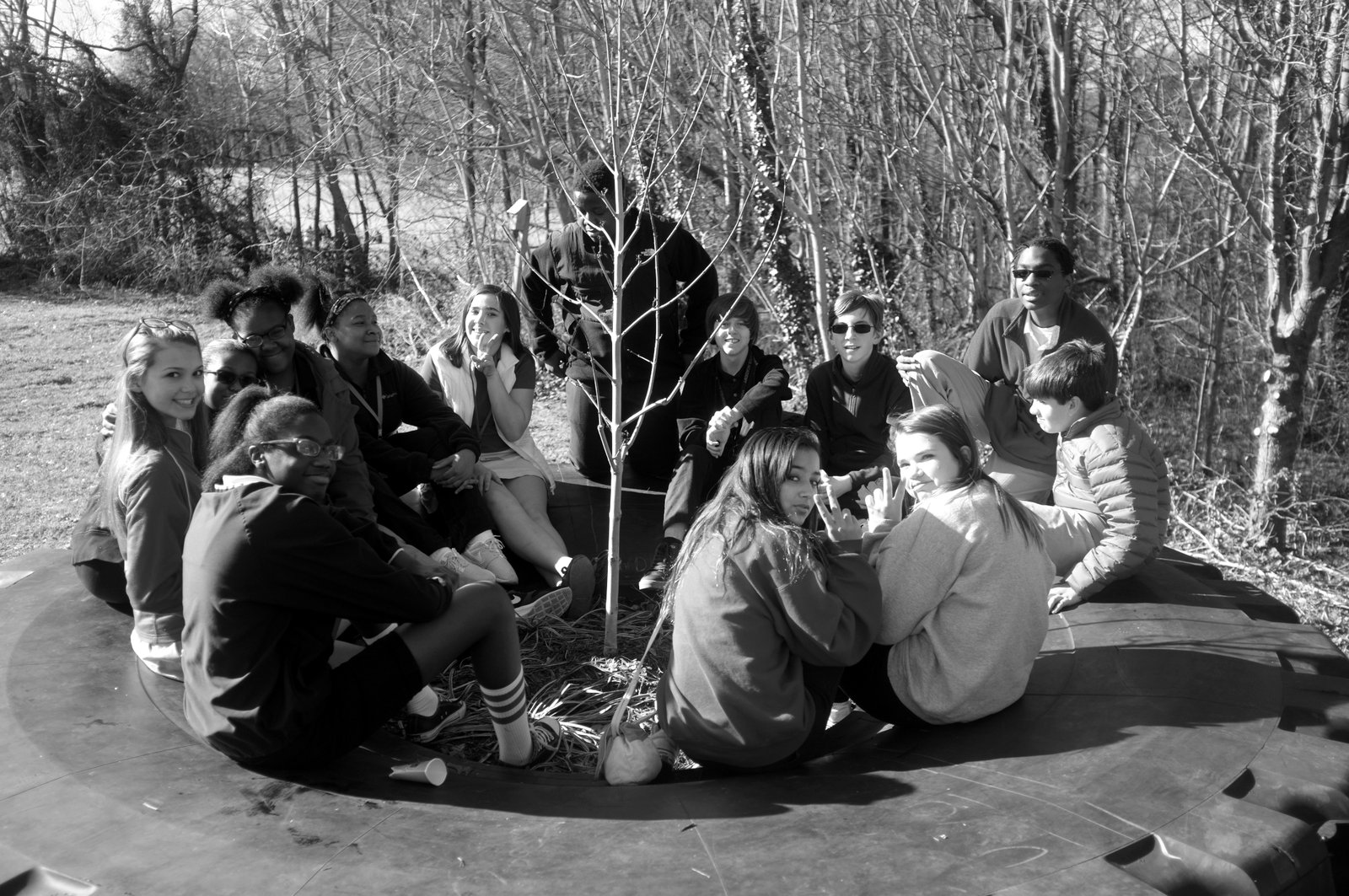
Today, I had the privilege of taking about twenty of my students down the street to a community center than has a trice-weekly seniors program. The plan was simple. The plan didn't work as planned due to technical issues. And so from a certain point of view, it was a complete waste of time. It didn't do what I wanted it to do. The plan didn't behave properly. And in that mini-disaster, I learned once again -- my students taught me once again -- that there's more to teaching and learning than nouns and rays and Erlenmeyer flasks.

DSCF8095

Sometimes lessons just come along than can't be planned because the lessons themselves come simply from the messiness and unpredictability of life. Sometimes a room full of teens and seniors offers such individualized lessons that could never be planned, never be executed because life can often never really be planned. And that in itself is part of the lesson.

DSCF8114

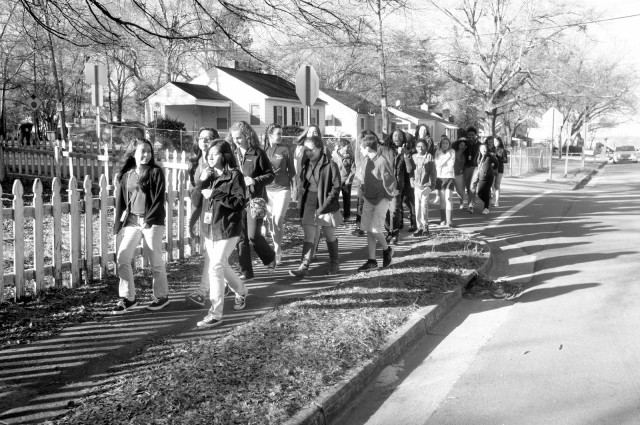
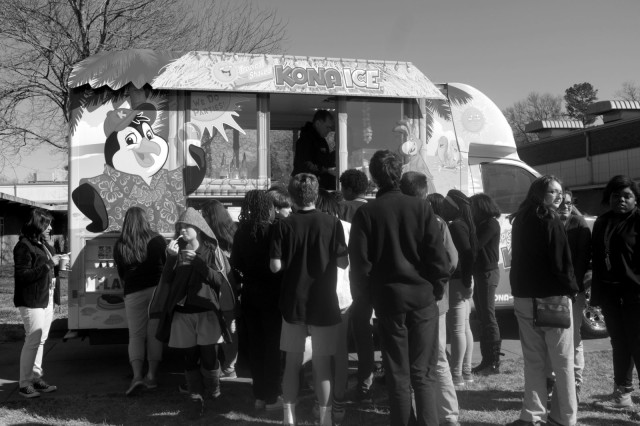
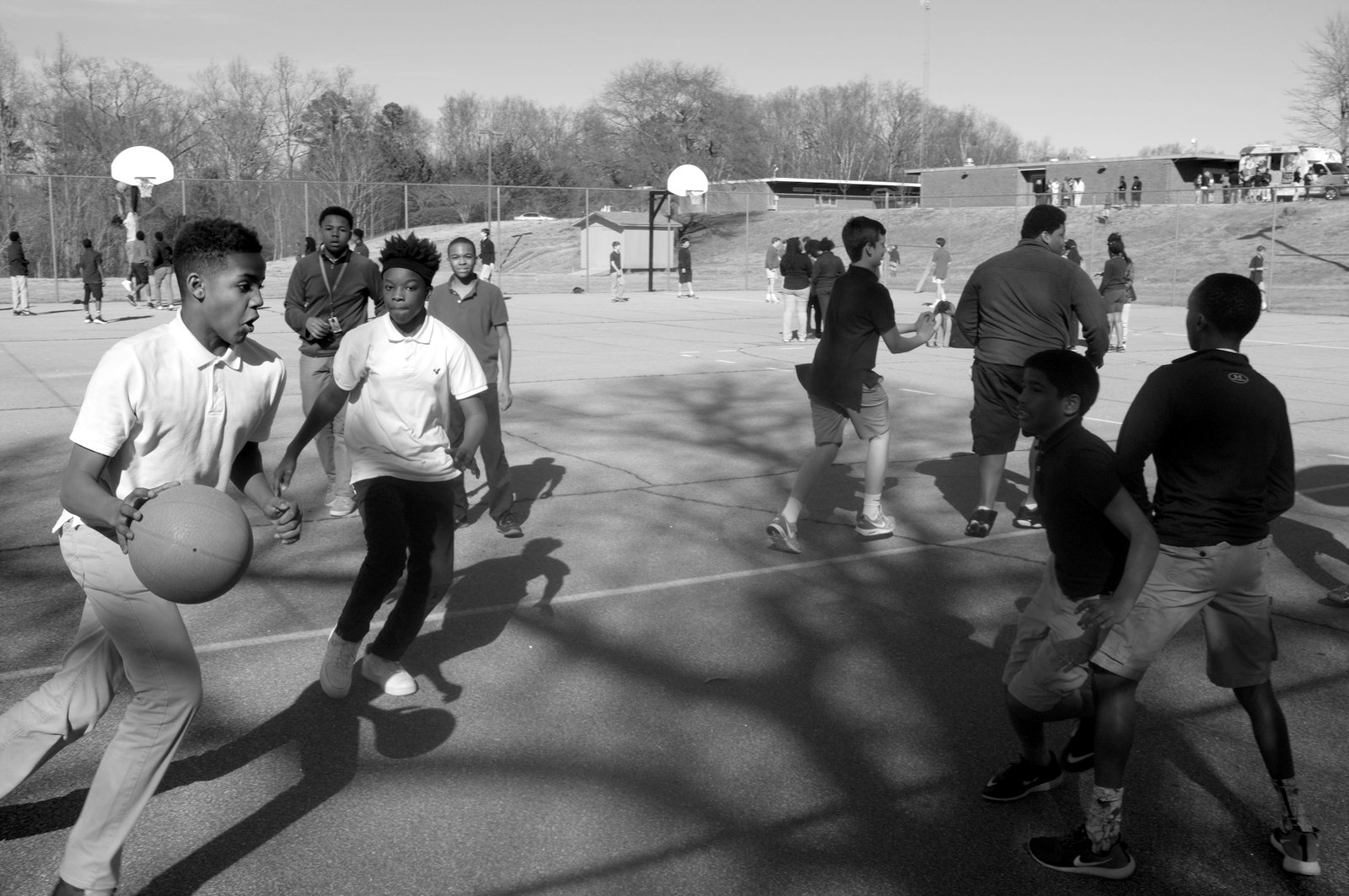
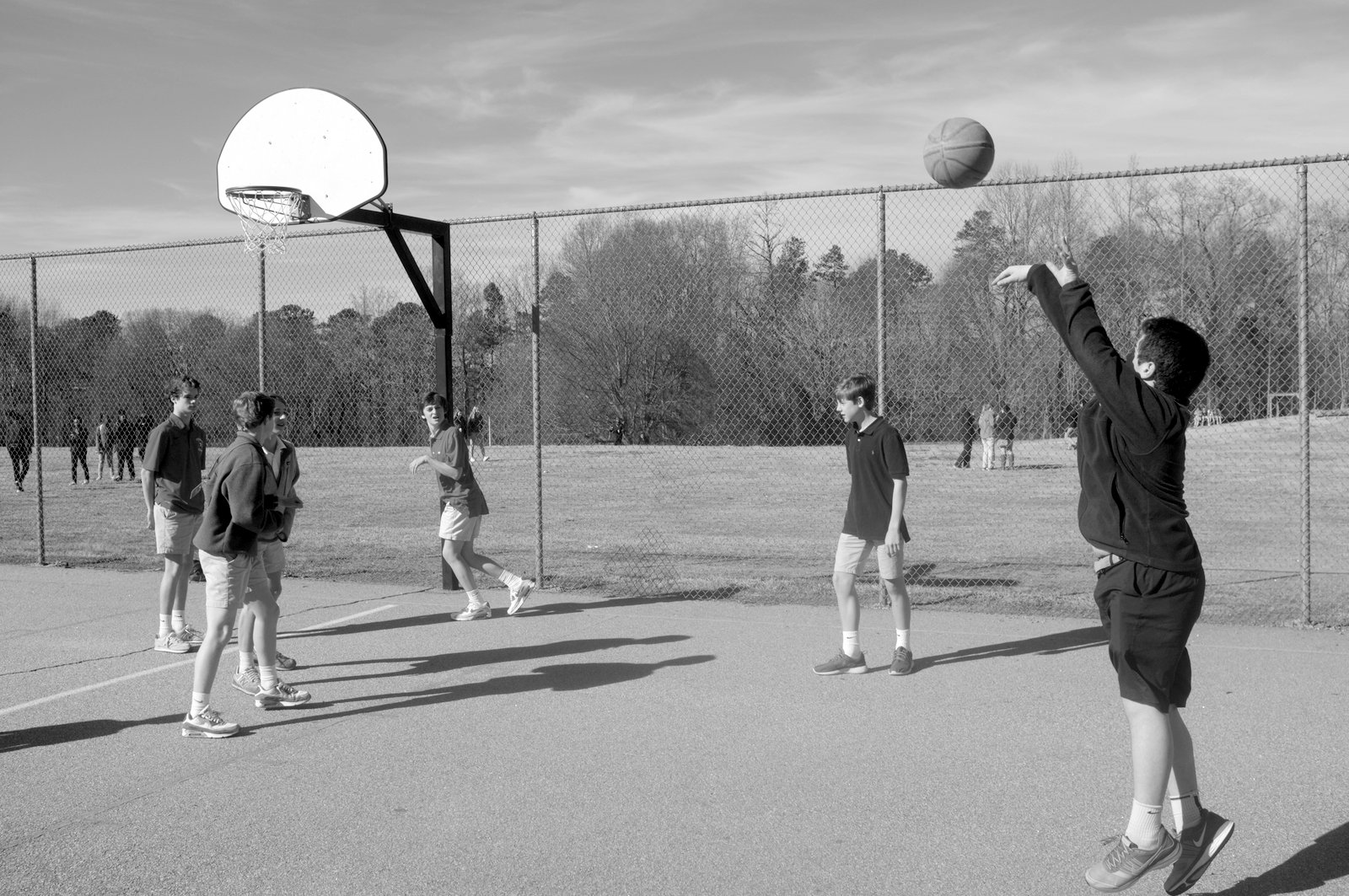
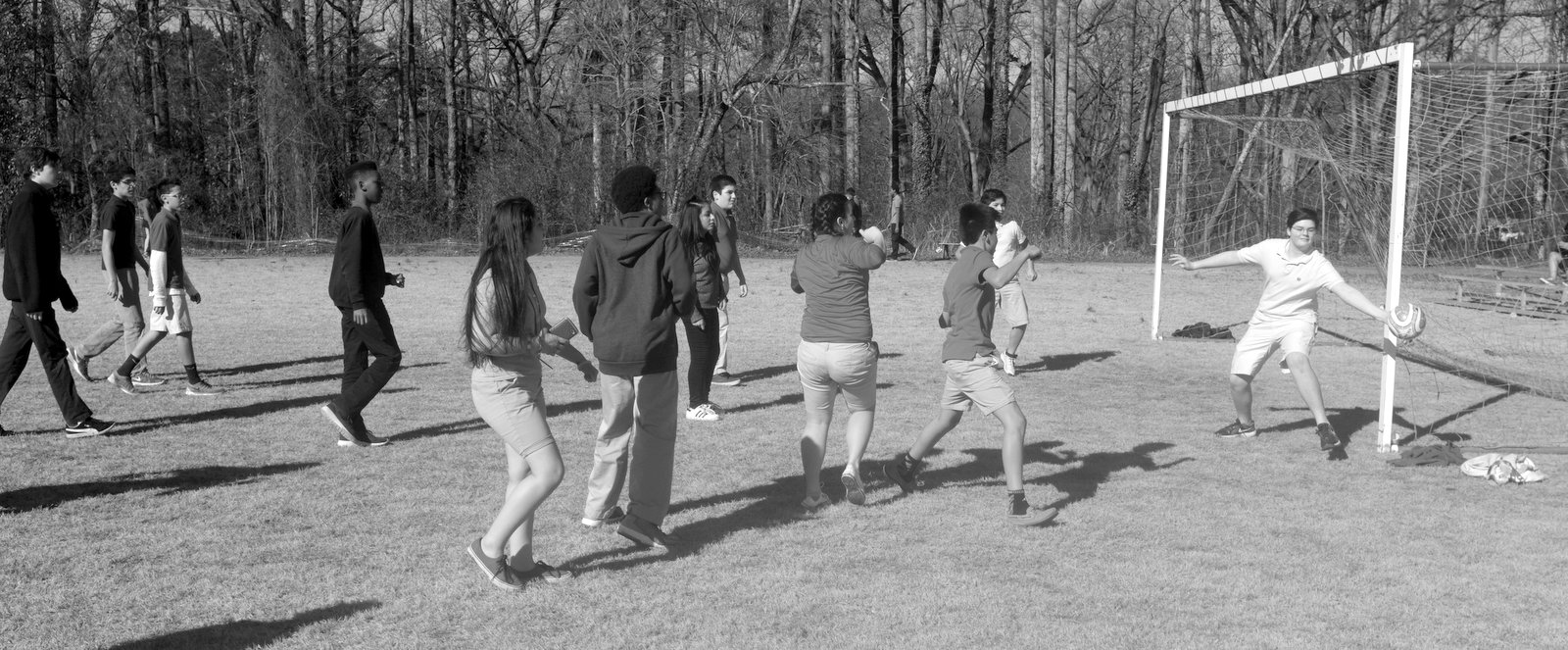
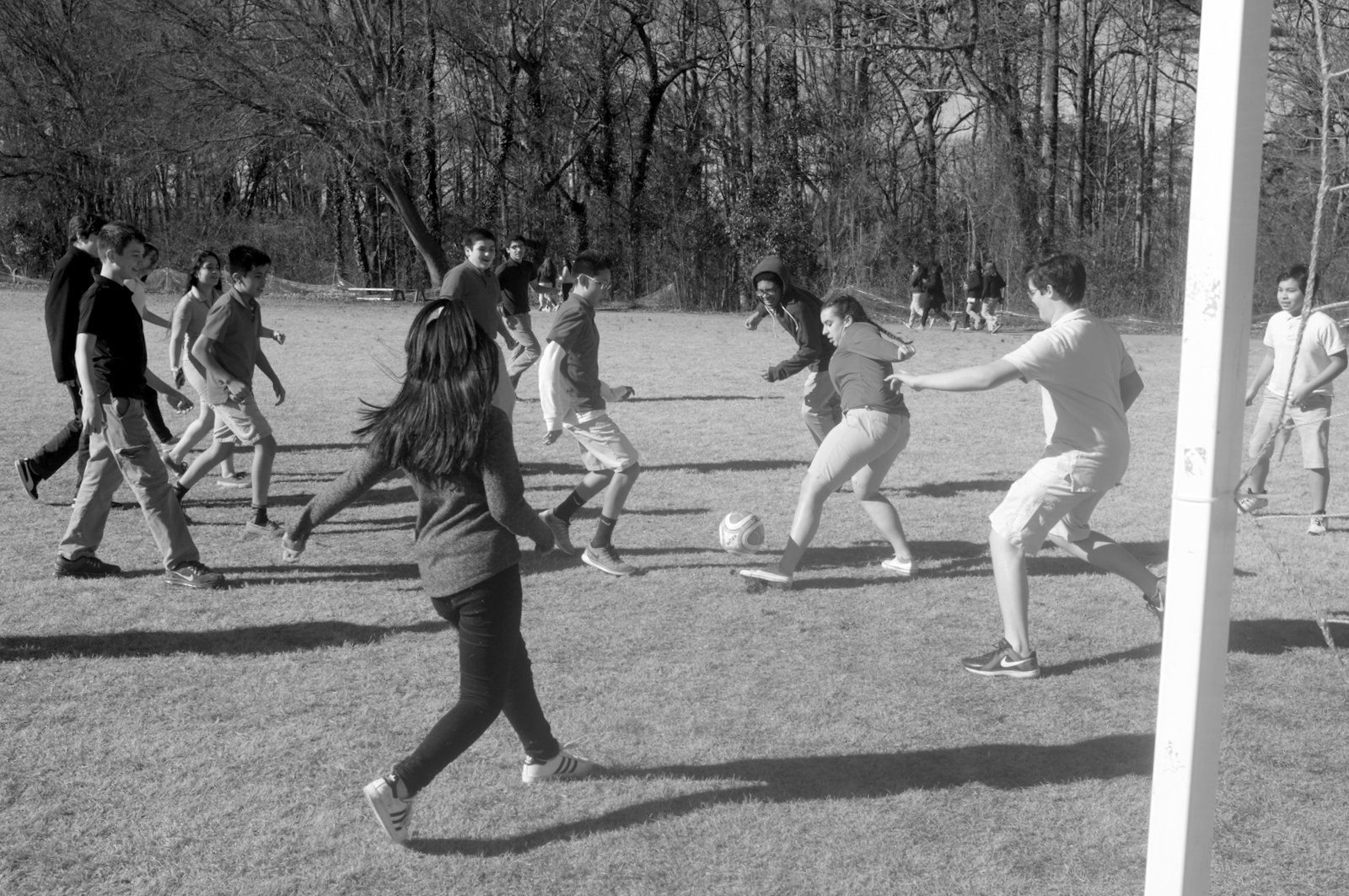
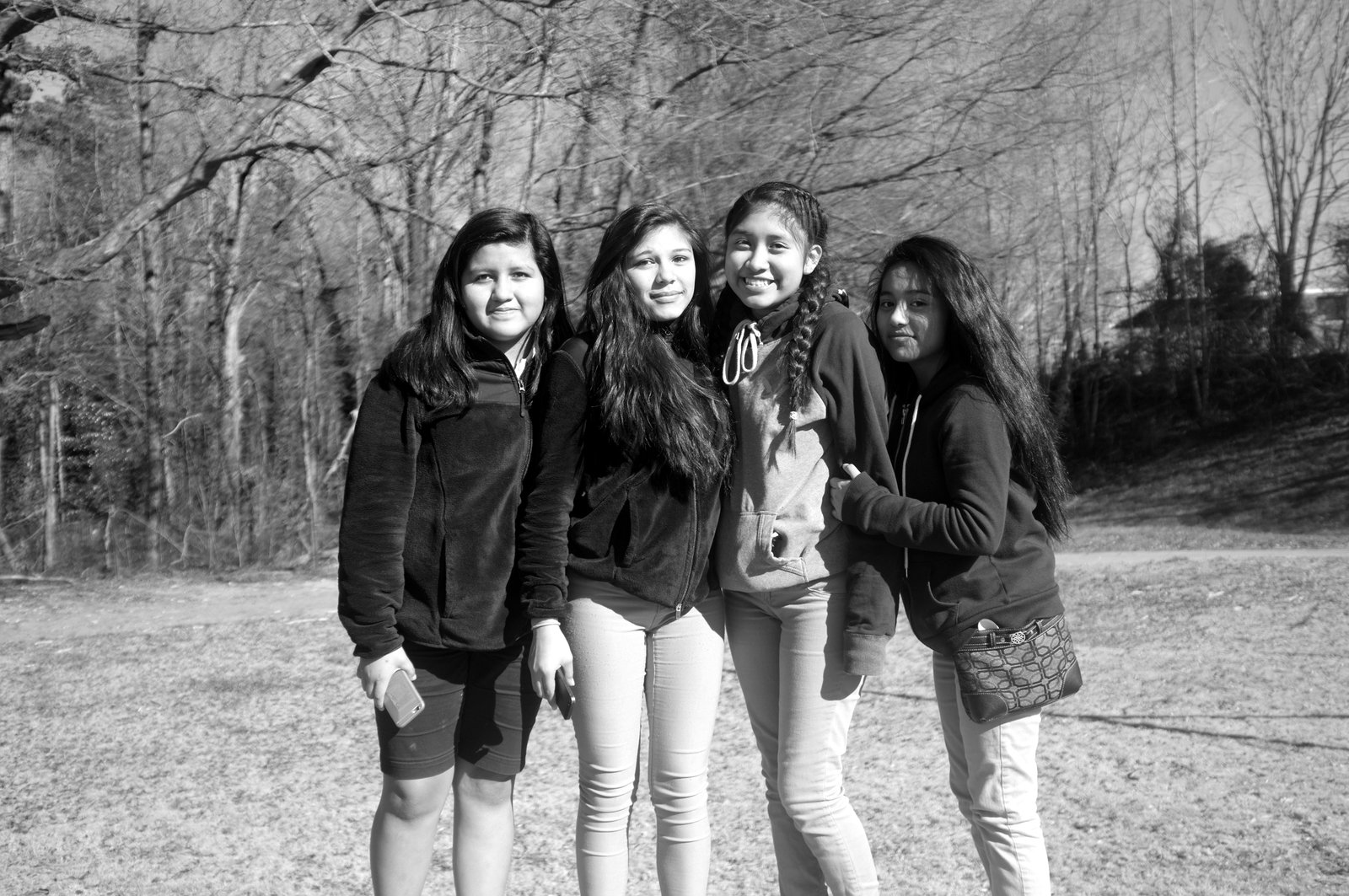
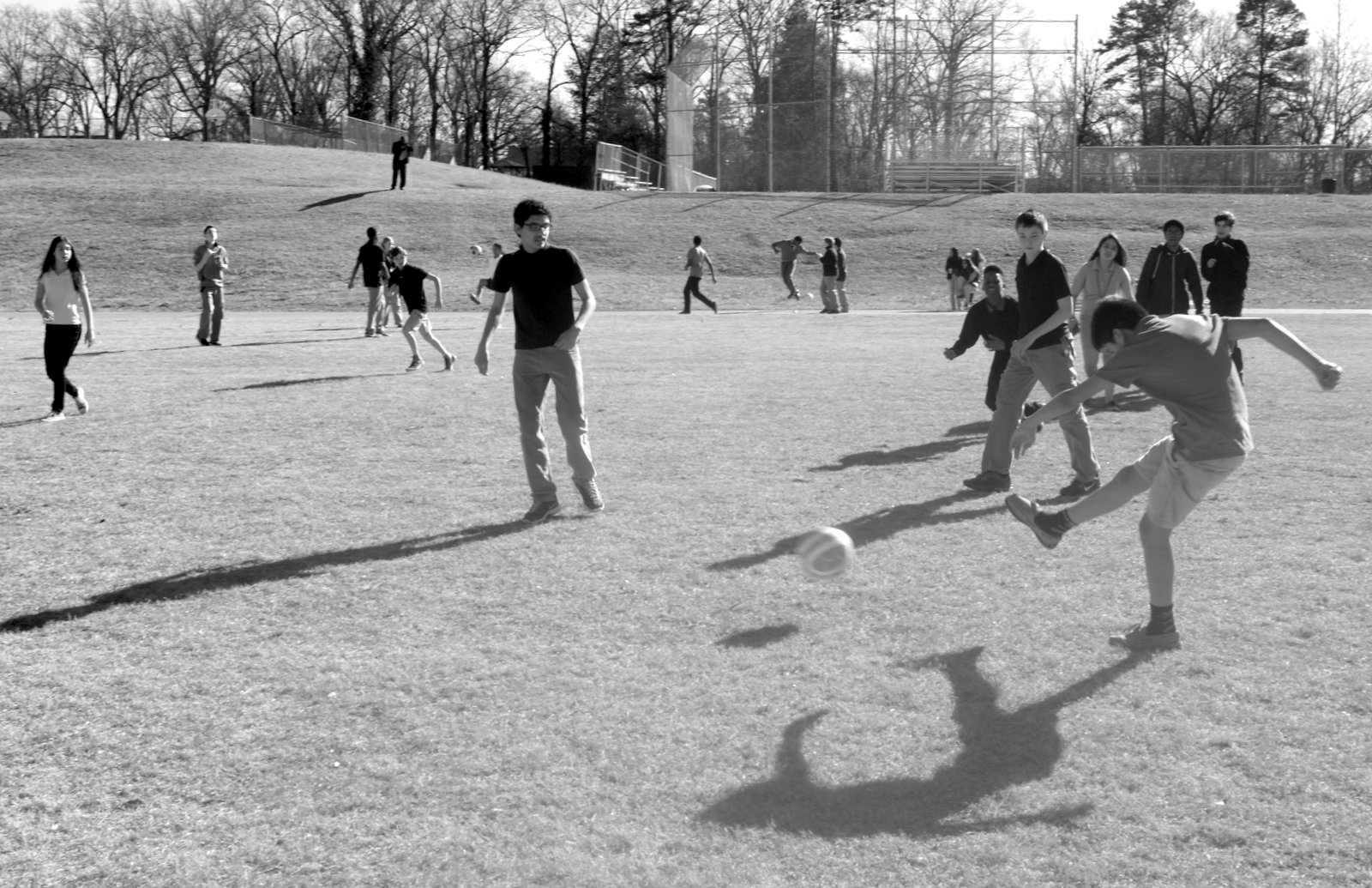
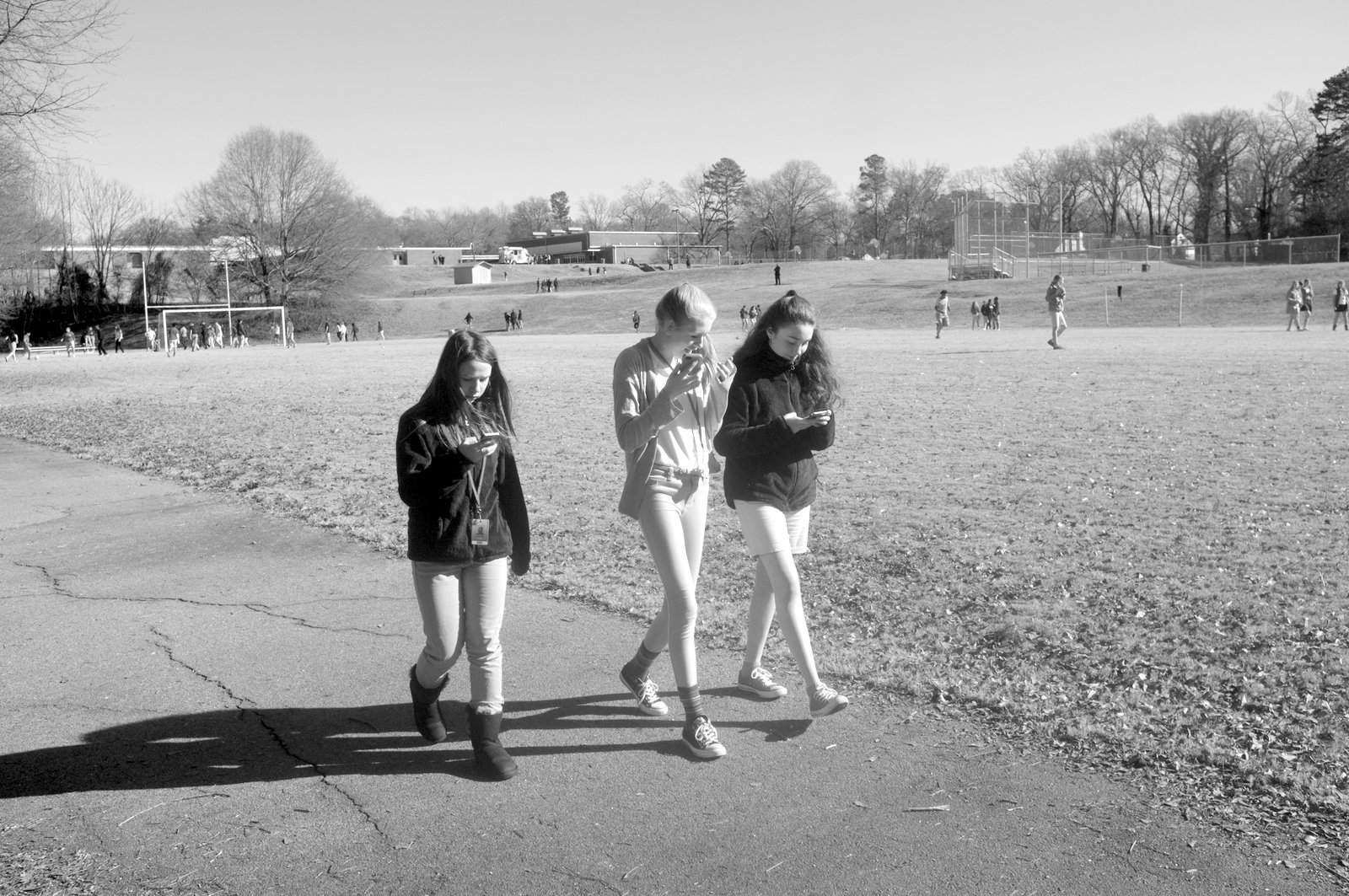
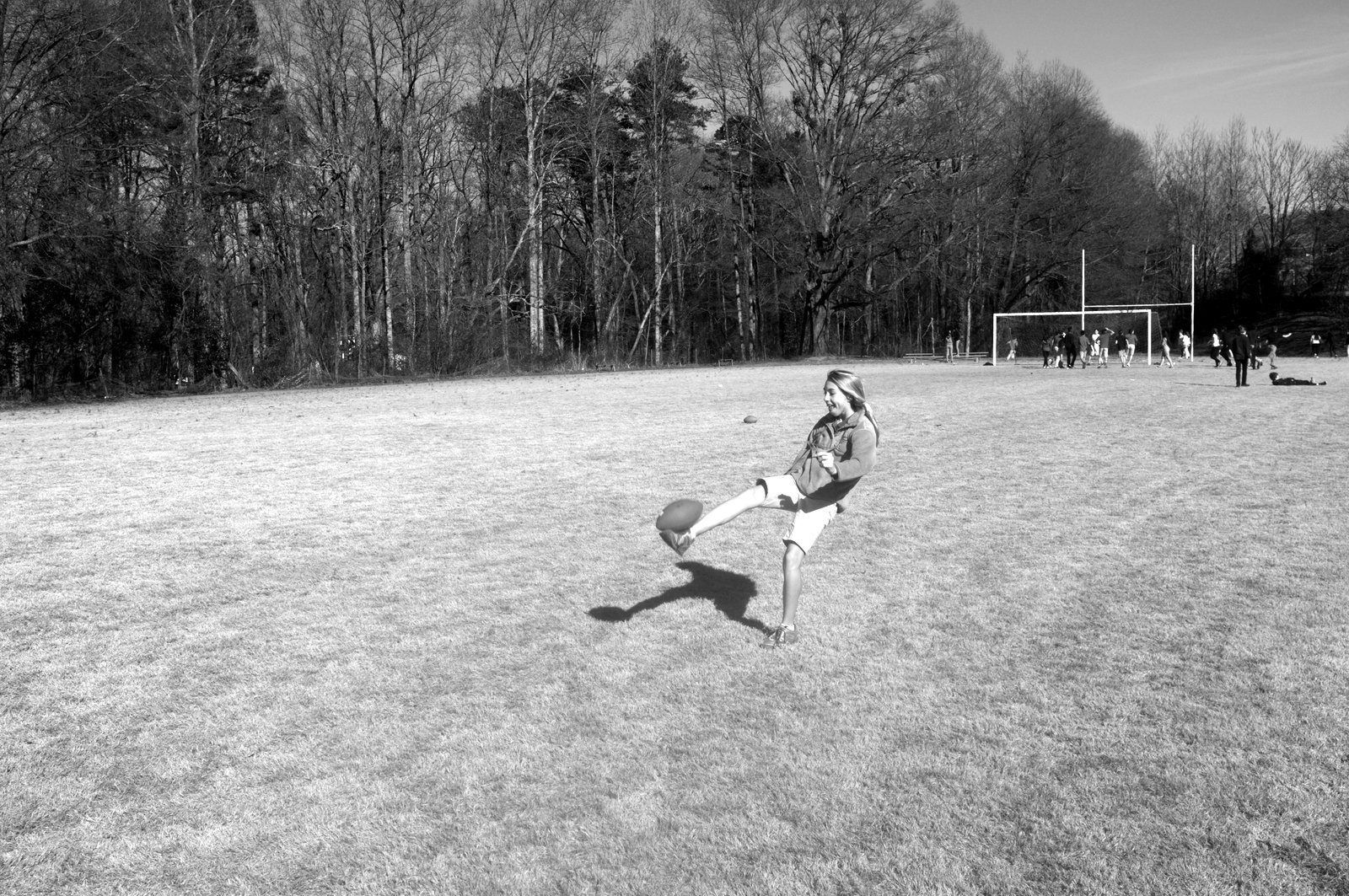
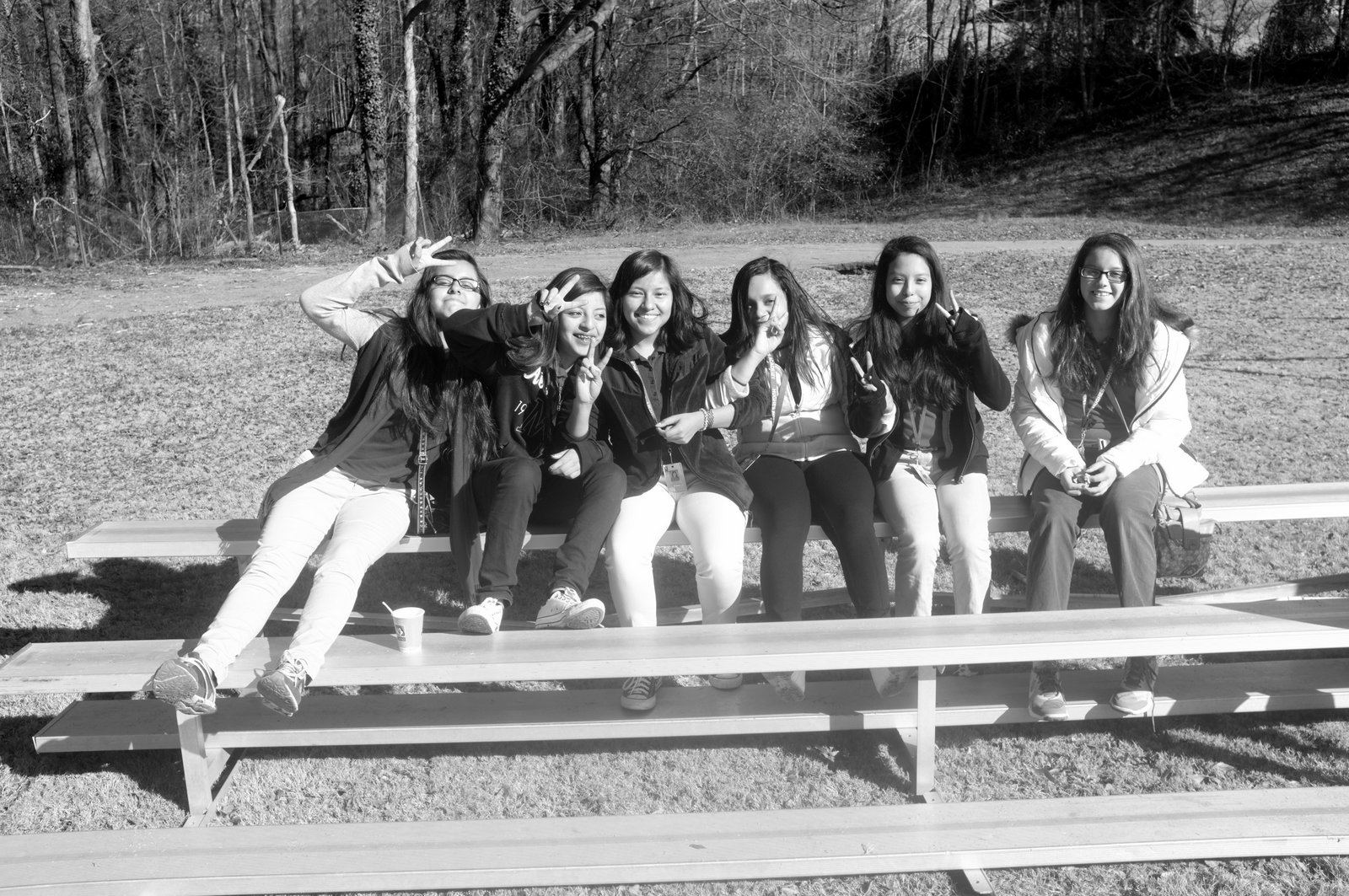
In the afternoon, another lesson about learning: not all learning has any adults at all involved. The kids headed out for their quarterly (or is it more often? I can never remember) reward day, which consists basically of forty-five minutes of freedom outside. Some kids play basketball; some kids play soccer. Some kids walk around and gossip orally; some kids walk around and gossip electronically.

And some kids just do a little bit of everything. The lessons there? Countless, and completely unplanned.

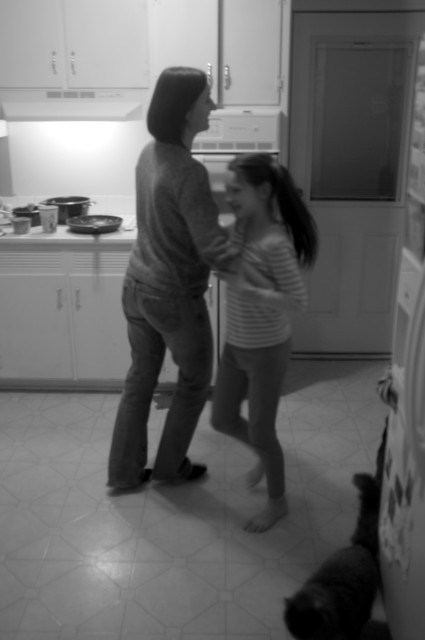
Back at home, L asked K to help her with a traditional Polish dance that she'd like to use to try out for the school talent show later this year. Tryouts are coming soon, and the Girl is not quite sure what she's going to do. This is the first year she's eligible, so she's feeling a bit stressed about making a good impression. She'd noticed that all the Indian students in the past who'd done traditional dances made it to the show itself, so she reasoned that a Polish Highlander dance might stand a good chance.

2-DSCF8214

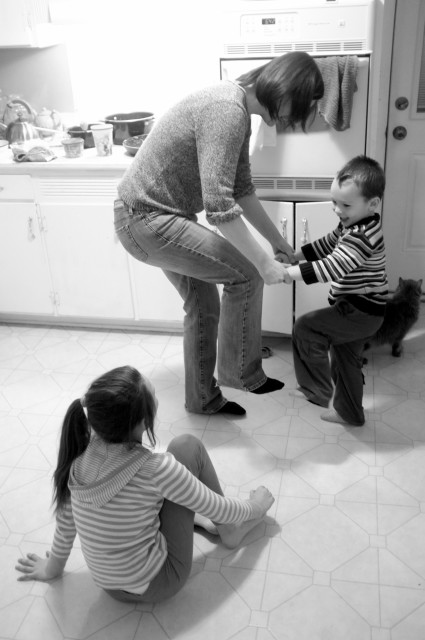
So K began working on it with her. I'm not quite sure how this is supposed to work because Polish Highlander dances are really not solos -- unless you're dancing a male part. This bit of information prompted a bit of begging from the Girl, so K showed a few male moves. And E decided he wanted to learn them all, male moves and female moves.

1-DSCF8223

Another unplanned lesson.

They're really all around us. The opportunities are endless. And the miracle of it all is that we really don't even have to be aware of it.

Build and Destroy

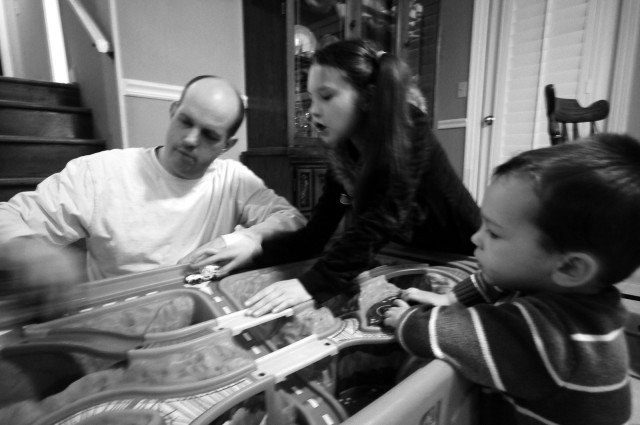
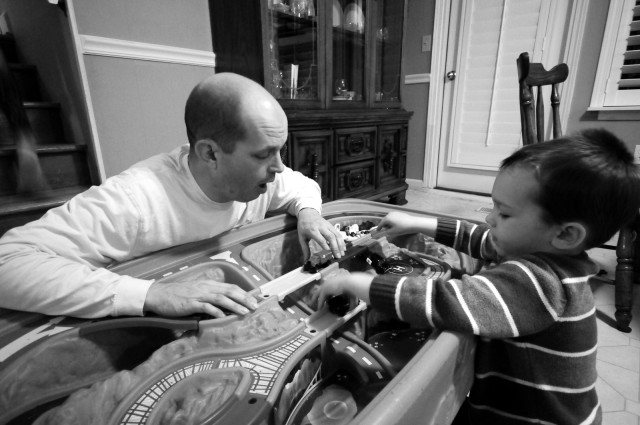
"Daddy, let's play!" chirps the Boy with such excitement, such genuine joy and anticipation, that it's difficult to say "No." Sadly, I do have to say just that occasionally.

"I'm working in the yard," I explain, and then he responds, "Oh, I'll come help you."

6-DSCF8058

Another time: "I have to grade papers." That's really a misnomer because most of my students' work is now online, which means I'm sitting at a computer when "grading papers." And so comes the obvious: "Oh, I'll just sit on your lap while you work."

Every now and then, though, I'm able to beat him to the idea. Such was the case tonight. "E, let's play."

"Let's play!" came the response.

5-DSCF8052

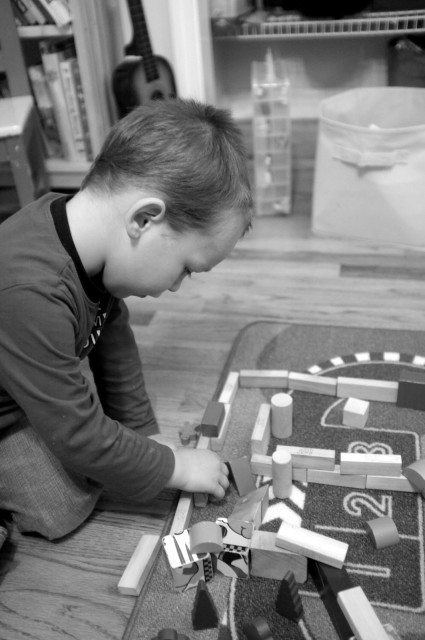
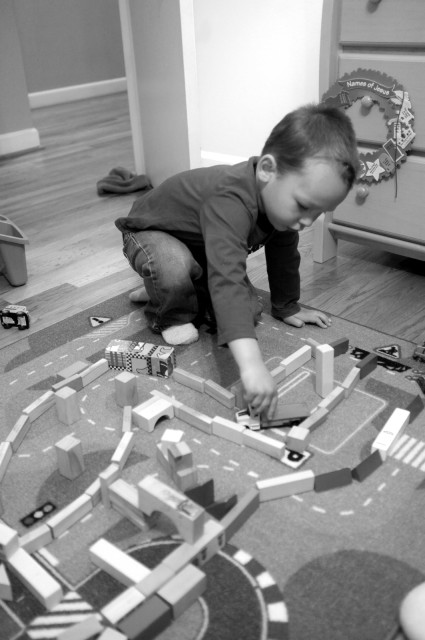
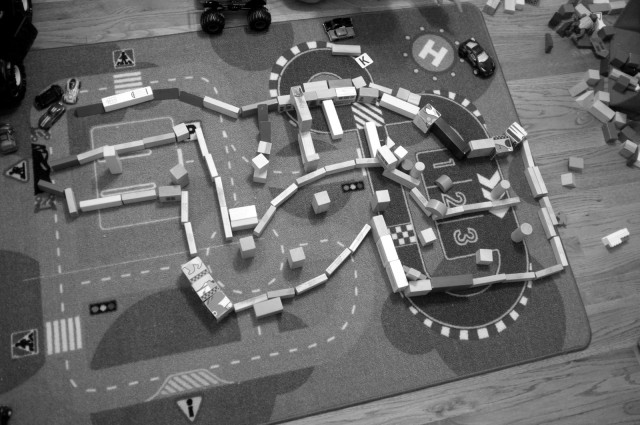
So we headed up to his room, discussing our options as we went. Whatever else might be involved, cars are a prerequisite. Want to build something with Legos? Fine, as long as it's a device to work on cars. Want to create something with wooden blocks? Great, as long as it's a miasto -- a city for his cars to drive around.

3-DSCF8047

Today, though, I thought we might try something new: an obstacle course.

4-DSCF8048

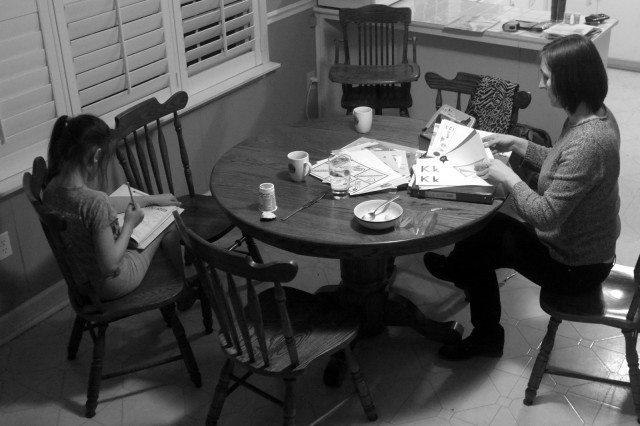
The ladies, in the meantime, were downstairs, struggling through Polish lessons. It can be a challenge. Part of it is the simple fact that it's more schooling after a day of school. But more challenging, I think, is the Girl's reluctance to make mistakes. She flies through work at school, catching on quickly and mastering skills without much effort, it seems. "Math is boring now," she says. But Polish? It's not so easy. It's not mistake-free. And even though she has a linguistic master in the house, she hesitates.

1-DSCF8071

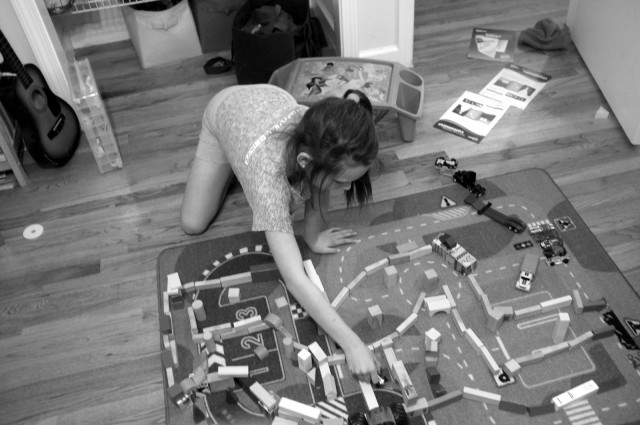
Once she got the work done, though, she came up to join us.

And then disaster struck: "E, it's time for a bath. Let's clean up." The fact that we could rebuild did nothing to comfort him. The fact that I promised we could rebuild tomorrow did nothing to soothe him. Now is now; tomorrow is unimaginable. "But Daddy," he sobbed, "I have to get up, and go to school, and then we can build it." I can understand that frustration. I experience it. I see it in my students. And I see how some of them deal with it. So when the Boy and I finished with the clean up, and he was still sniffing, I took him in my arms and said, "That was a very difficult thing to do. No one likes to do something they don't really want to do." Perhaps in destroying, we were able to build some character.

"Okay," he said. And by bath time, five minutes later, it was completely forgotten.