His homework: write a realistic story.
“What does that mean?”
“No dragons and such.”
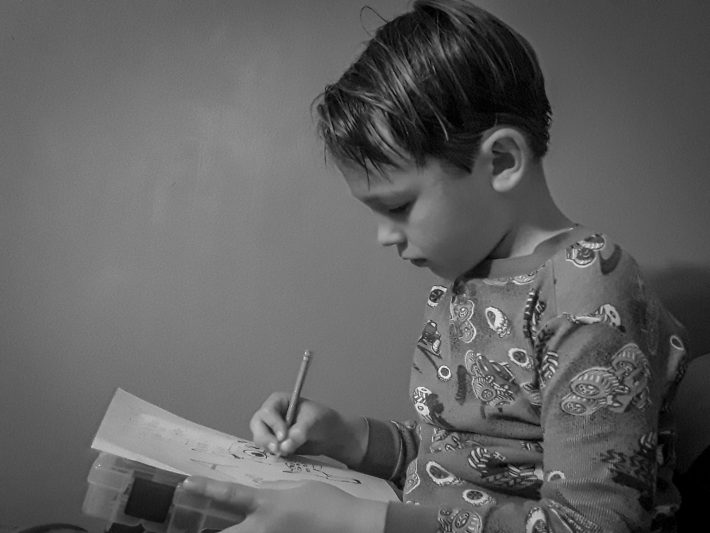
He wrote a story about a little boy who eats cereal for breakfast and watches Tom and Jerry as he eats.
Where do you think he got that idea?
fun in threes, sometimes fours
growing
His homework: write a realistic story.
“What does that mean?”
“No dragons and such.”
He wrote a story about a little boy who eats cereal for breakfast and watches Tom and Jerry as he eats.
Where do you think he got that idea?
The Boy only took a couple of evenings to memorize his short poem for his class's "Shelebration," which was a celebration of Shel Silverstein's poetry for children. ("Did he write anything but poetry for children?" Yes, in fact, he did.) It's quite short, after all -- four lines:
They could be poison ivy,
They might be poison oak,
But anyway, here’s your bouquet!
Hey--can’t you take a joke?
Fortunately, the performance was at the beginning of the school day, else I would not have been able to attend. K, having other obligations, was unable to attend. Thus, the Boy would have been probably the only child there without a parent or grandparent in attendance. Which would have been heartbreaking for him, I know. It would be for anyone.
After the performance, when we (read: E) were partaking in the after-show snacks, he was very clingy, very physically affectionate. I looked around the room and realized quickly that he was being more physically affectionate with me than any other child with his/her parent that I could see. I was touched and a little worried. Was he that glad I was there or was he just a bit clingy, a bit lacking in confidence that I provided by being there?
It should have been a positive experience -- you don't expect to come home from a Cub Scout meeting with an upset little boy, but that's what happened. After the meeting, all the den leaders and assistants gathered for a quick meeting and the boys went off to play for a while. The Boy walked over last, and when he did, everyone decided to play Sharks and Minnows and declared that the Boy was the shark.
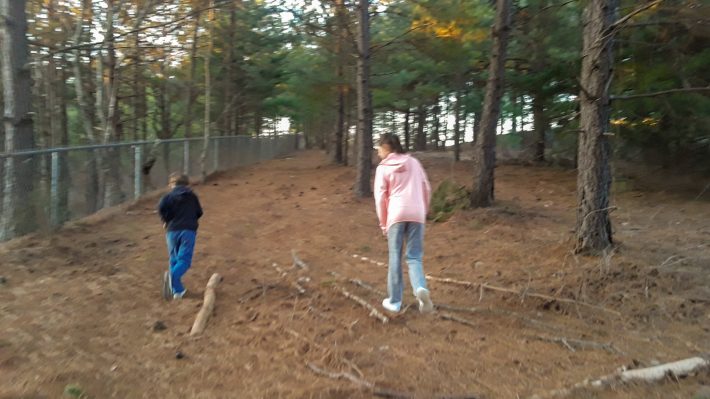
I instantly had a bad feeling about it.
"Minnows in!" E shouted enthusiastically, and everyone ran into the play area, dodged the Boy's attempts at tagging them, and made it to the other side.
"Minnows in!" E shouted, still smiling, still enthusiastically.
The same thing happened.
Then the taunting started. It wasn't mean-spirited taunting. "Nana nana boo boo you can't catch me" -- that type of thing. But the truth was, the Boy couldn't catch them. Several of them were just too fast because they were naturally faster or because they were older, and the Boy still has not developed a good Sharks and Minnows strategy. (Then again, who has?)
And so they continued. Two times. Three times. Four times. Each time, the Boy shouted "Minnows in!" with the same enthusiasm and smile, but I could tell it was starting to be strained.
Finally, after the fifth time, with the taunting increasing, I called the Boy over and said, "Time to go."
"Okay," he said. No begging to stay. No asking for five more minutes. Just a quick response and a jog over to my side.
As we left, one of the boys said, "I could walk to the other side, and you couldn't get me."
"How'd you feel about that?" I asked as we walked to the car.
"Bad."
We talked about it more on the way home, and the Boy declared simply, "Scouts are not supposed to act like that."
There was no real maliciousness in the boys' actions. They were just first- and second-grade boys being silly boys. But our boy -- the Boy, forever capitalized -- is especially sensitive to such things.
"I've learned I can't trust a lot of people," he confided on the way home.
It was a sad parenting decision, but I suggested that might be a good idea. Sometimes it's best to be a little skeptical about people, I explained, in simpler terms. "Trust is something we earn. Don't just give it away."
We got back to the house, snuggled a little, and everything seemed okay, but tonight, while brushing his teeth, he confided to K, "I just can't stop thinking about it."
Neither can I.
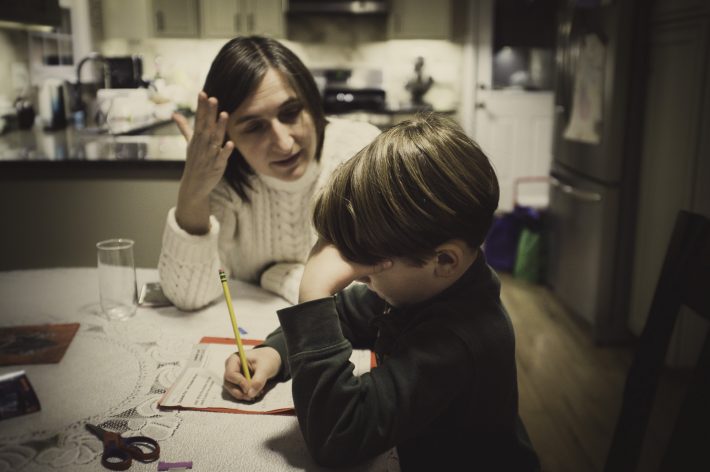
Sometimes, everyone gets a little frustrated with homework.
A busy day for everyone culminates in us arriving separately at home after seven, two hours after we normally eat dinner. After school, a long meeting, and a visit with Nana (out of the hospital and back in rehab -- hurrah!), I'd stopped for something for us to eat; after work, shuttling the Girl to choir practice while taking the Boy shopping, running the Boy to basketball practice after dropping the Girl off at volleyball practice, then picking everyone up, K arrived shortly after.
As we ate, the kids and I decided that K's plan for the rest of the evening was flawed.
"I'll put away all the groceries and then go to bed if you'll put the Boy to bed."
"Nope. I'll put away the groceries while you take a hot bath, and then I'll put the Boy to bed while you go to bed yourself." L and E agreed -- Mama needed to call it a day. As I was bustling about the kitchen, I remembered it was garbage night.
"L, take the garbage and recycling out," I said, expecting a little fussing.
"Okay." Nothing more.
She came back in, a little whiny, and said, "E always takes out one of them. Can he take out the recycling? I'll go with him."
"No, sweetie, it's late. Just do a little more than you have to."
"Oh, okay." Nothing more.
From this, a simple inference: our daughter really is growing up. She's not just sprouting vertically (she's almost 5'4" now); she's not just developing into a young woman; she's maturing. With my nose pressed to the ever-present every day, I forget that sometimes. It escapes me.
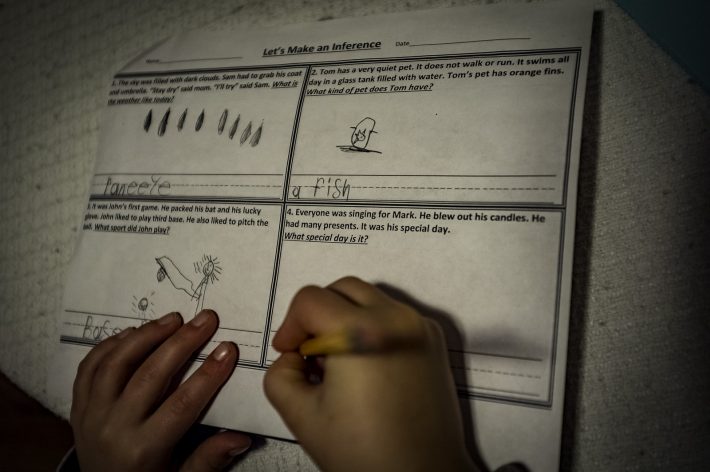
While all this was going on, the Boy had started his homework.
"What are you working on tonight?" I asked him.
"Inferring. We learned it today."
As an English teacher, I've been working on the Boy's (and the Girl's) inferring skills for years. I taught him the word; he must have forgotten. The teacher did a better job today. "What's that?" I asked.
"Making a good guess."
Not a bad definition. I usually tell my students it's "making a reasonable guess based on evidence."
And there you might notice something: I teach eighth grade; my son is in first grade. Am I really teaching inferring again? Well, I'm not teaching inferring -- they know what it is. But we're still practicing it. Like mad. Especially (really, that should read "solely") with my lower-achieving students. I give them a text like this:
Every day after work Paul took his muddy boots off on the steps of the front porch. Alice would have a fit if the boots made it so far as the welcome mat. He then took off his dusty overalls and threw them into a plastic garbage bag; Alice left a new garbage bag tied to the porch railing for him every morning. On his way in the house, he dropped the garbage bag off at the washing machine and went straight up the stairs to the shower as he was instructed. He would eat dinner with her after he was “presentable,” as Alice had often said.
I then ask a question: What type of job does Paul do? How do you know this? I have the students back up their answers with three specific pieces of evidence from the text, then explain how that evidence is evidence. A good student response (an actual student response) looks like this:
Paul is a farmer.I know this because he is wearing muddy boots. Wearing muddy boots is evidence that he is a farmer because if he were to work in an office or inside he wouldn't have muddy boots. Also, he is wearing overalls in which he would not have been wearing if he was working inside. Finally, Paul’s overalls are dusty and most farmers work a lot outside so he must have gotten dirty from working outside.
So I applied the same thing to the Boy's work. The same thing -- a text followed by a question:
Everyone was singing for Mark. He blew out his candles. He had many presents. It was his special day. What special day was it?
E read the text and said, "It's his birthday!"
"How do you know this?" I prodded.
"Because he got presents."
"But we get presents at Christmas as well. How do you know it's not Christmas?" He looked stumped for a moment, so I told him what I tell my own students: "Go back to the text. Find something in the text that shows it's not Christmas."
He read a while, thought a while, then said with a smile, "Because it says it's his special day, not everyone's special day. Christmas is everyone's special day."
I thought he'd pick up on the candles. That's the more obvious piece of evidence. He went the more subtle route.
"That's great. A very good observation. Now, can you find a third piece of evidence?"
Again, he looked, read, thought. "The candles. You don't blow out candles on Christmas."
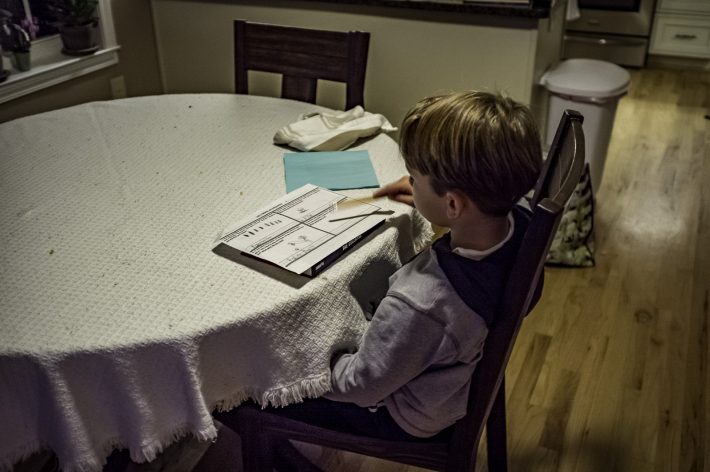
After a tiring day, what a perfect ending.
The Boy collected a bit of money for Christmas, and it's been gnawing at him ever since. He wants to spend it. Badly. But he has a way of spending his money on items that just don't last. K and I let him make those decisions once we've advised him, like buying a radio controlled car that was clearly of poor quality and obviously wouldn't last long, then we try to help him reflect on the wisdom of that decision. He deemed the radio controlled car a poor decision.
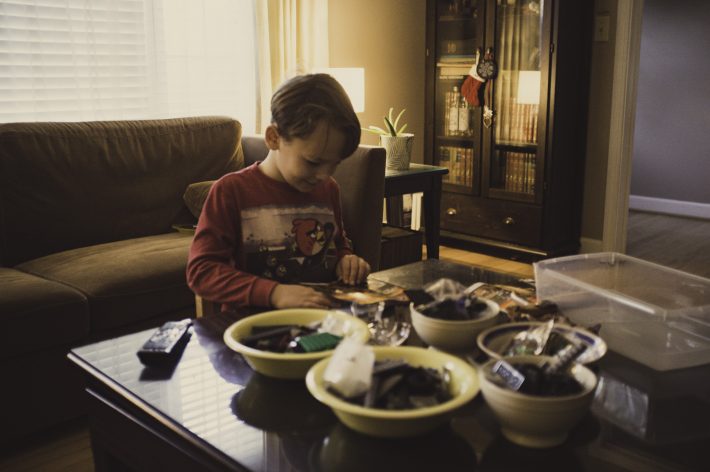
With that in mind, we tried to steer him toward something that would last a bit longer. Given his love of Legos, it wasn't that difficult. The difficulty came in choosing which enormous set he'd actually buy.
He went with a Jurassic World set, even though he's never seen any of the movies.
"Can I watch one of the movies?"
"No, it will only frighten you."
That's as far as it's gotten, but one doesn't have to have seen the film to enjoy the Lego set. And he knows enough about the movie to make proclamations like, "I'm going to go against the rules: the dinosaurs are going to be friends with the people, not enemies."
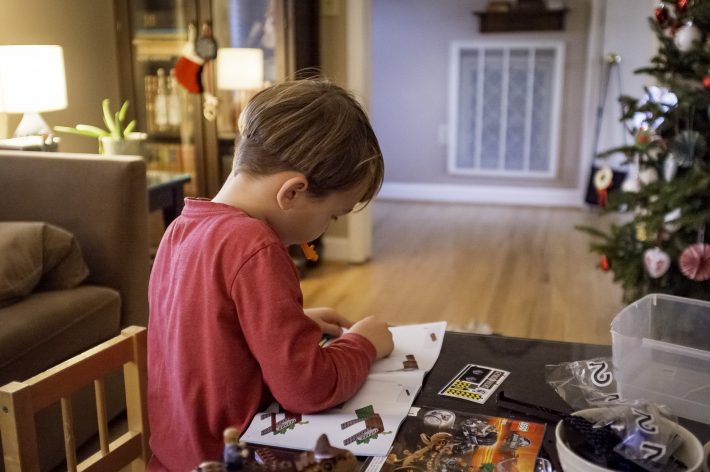
As of today, I'm on the back half of my forties, the downhill slide to fifty. Truth be told, it's all been a slide, year to year.
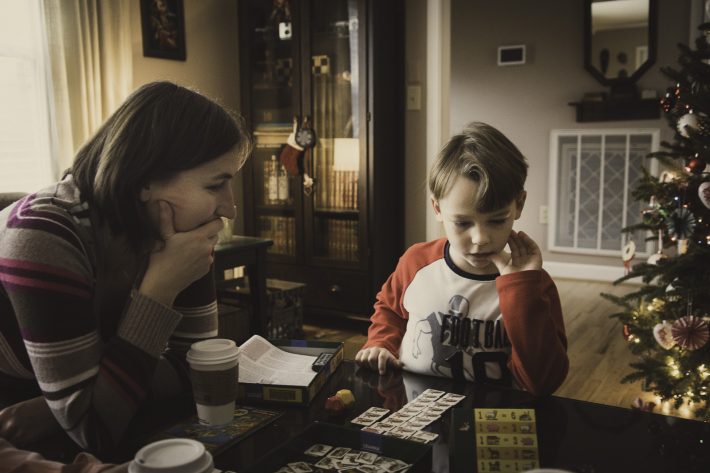
It doesn't seem like I've changed that much since the time I worried about the things the Boy worries about: how do I compare to the other boys? Am I as fast? Am I as coordinated? Am I as brave?
How do you console such worries? How do you reassure your son in this hyper-masculine culture about his fears of not measuring up to the other boys? The truth is, I not only worried about such things when I was young but continued stacking myself up against others and finding myself coming short well into my twenties thirties forties. I think most people who tell you they don't do that are lying, probably to themselves first of all.
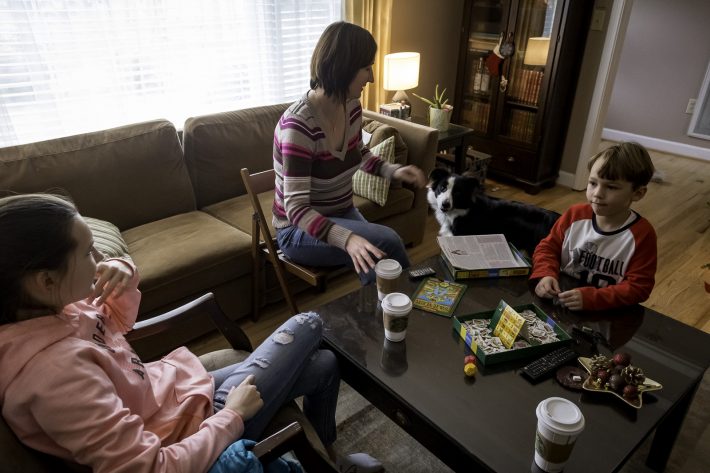
Life is not kind to most little boys like E, boys who are actually sensitive to others' feelings, who can spontaneously show compassion and empathy. Who take a little while to settle into new sports. Who are so scrupulous about following rules that they ask daddy when on the road, "Daddy, how fast are you going? Are you speeding?"
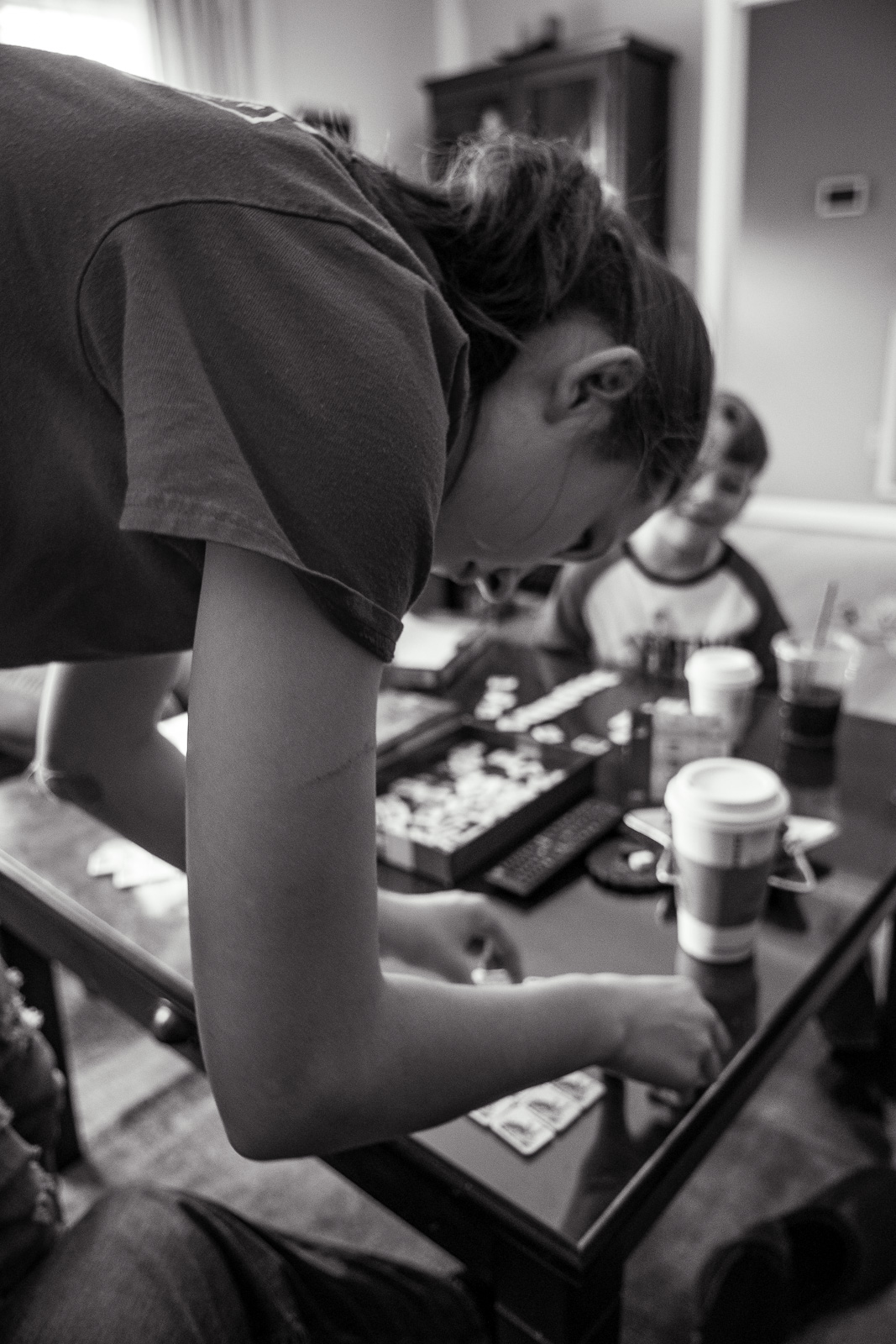
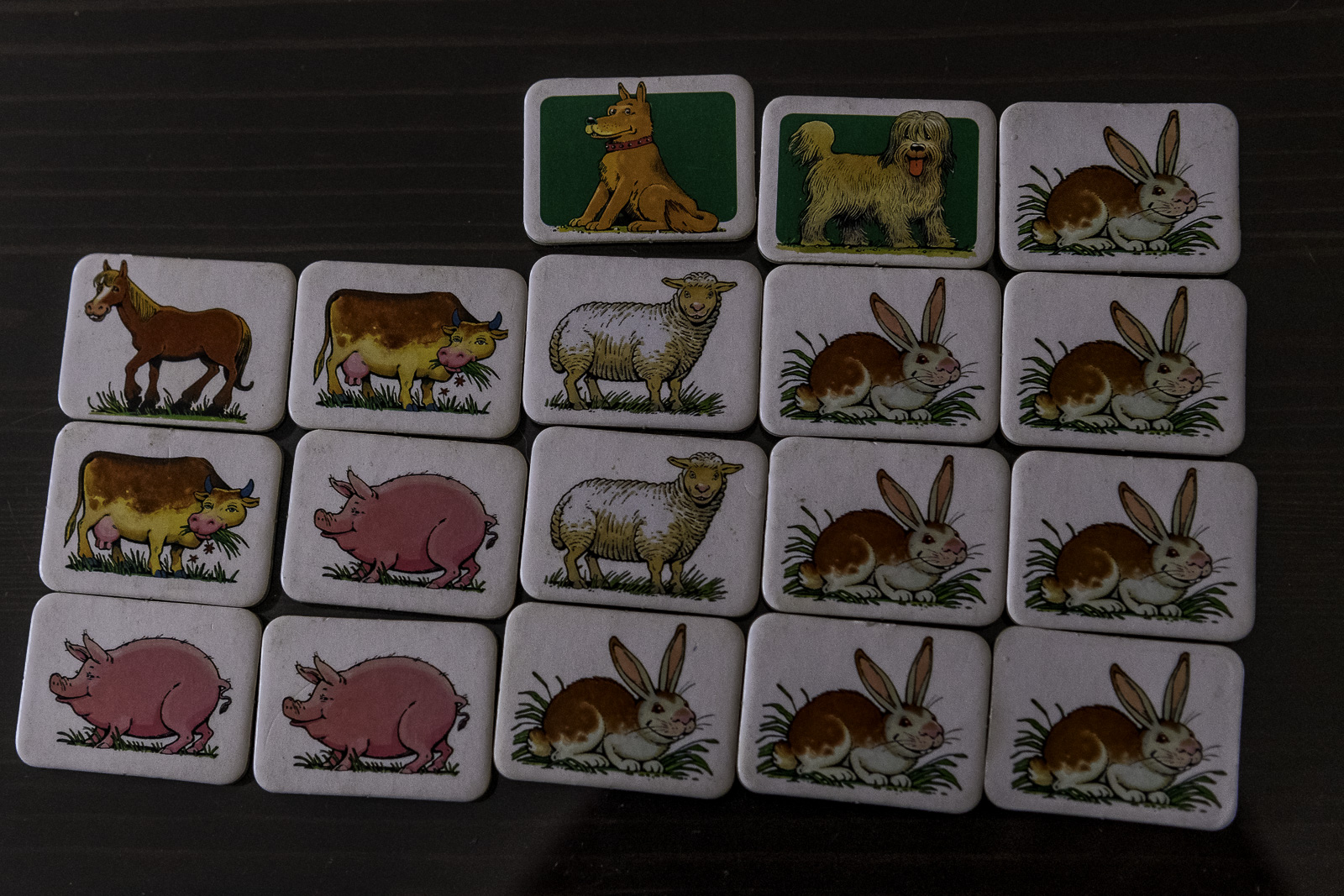
I don't have answers. I don't even know if I understand the questions.
K and I talk about it. We encourage him. We support him. But we're not there on the playground when he's struggling to keep up with the other boys as they run about. We're not there when kids are mindlessly cruel, and he struggles to understand why people could be so mean.
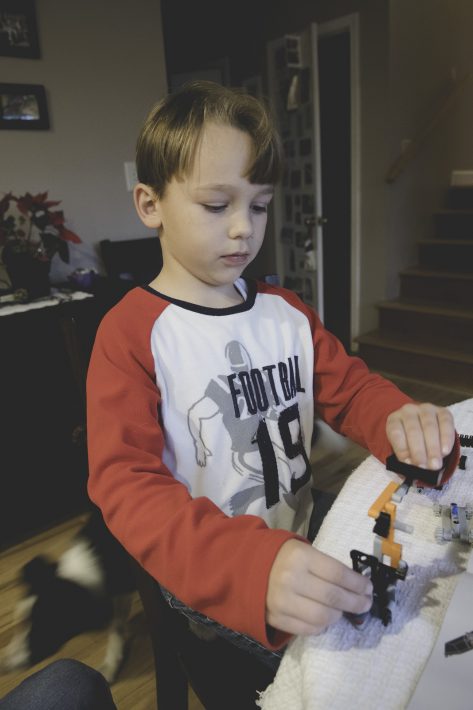
Good souls win in the end, don't they? I look around the world and struggle to find an answer to that question other than, "Afraid not."
No doubt about it -- this has been a tough week. Probably the worst week we've had in memory, K suggested. A good friend died on Monday; our cat died on Wednesday; Thursday saw two funerals (the friend and the cat, obviously) and a visit to the emergency room with Papa; and Nana still in rehab this whole week. The kids are likely feeling neglected but are showing great patience with everything. The parents are feeling exhausted. And, well, the kids, too.
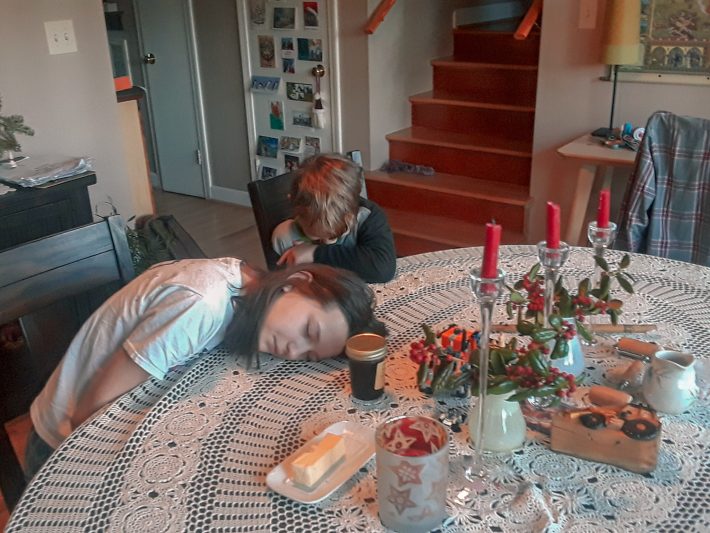
Breakfast this morning started with a little nap at the table. After breakfast, we went our separate ways: the kids with K to church; I went to spend the morning with Nana.
When we came back, the clear skies, after weeks, months, no years of cloudy, rainy weather, called us outside. First things first: I finally finished up Bida's grave. We've been afraid that the dog might be too curious and tempted by the freshly dug earth despite the fact that we put a large stone to mark and protect the spot.
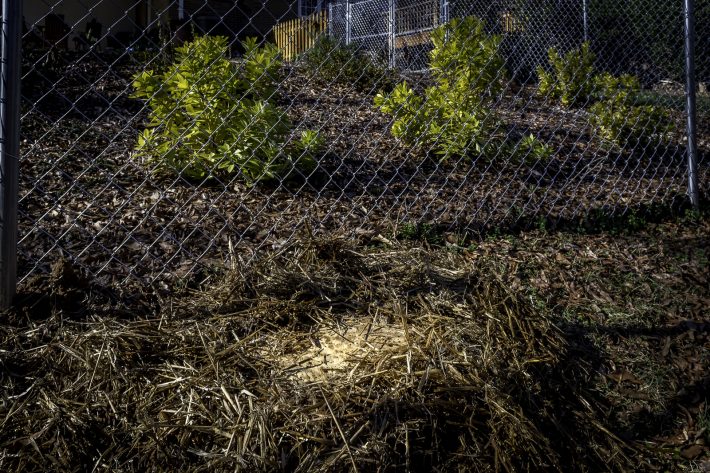
So today, I spread the best dog-digging-deterrent we've found al around: straw. K thinks it's because the straw gets in the dog's nose as she's sniffing around, which would cause a fair amount of pain, I suppose, if the strand of straw got jammed in a dog's nose just right. Or it could be that it hides odors, because the digging always starts with sniffing. Whatever the cause, we feel better about Bida's grave now, though we don't feel so much better about her absence. It's amazing how much a little old gray grumpy cat adds to the family dynamic.
Next, we went down for some swinging, jumping, and Clover-entertaining.
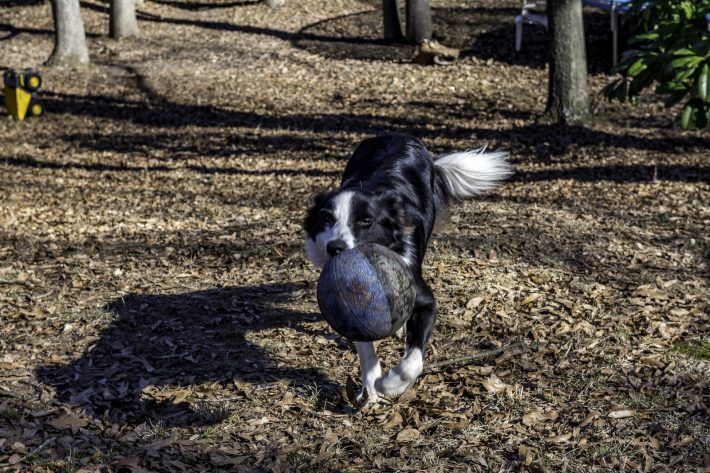
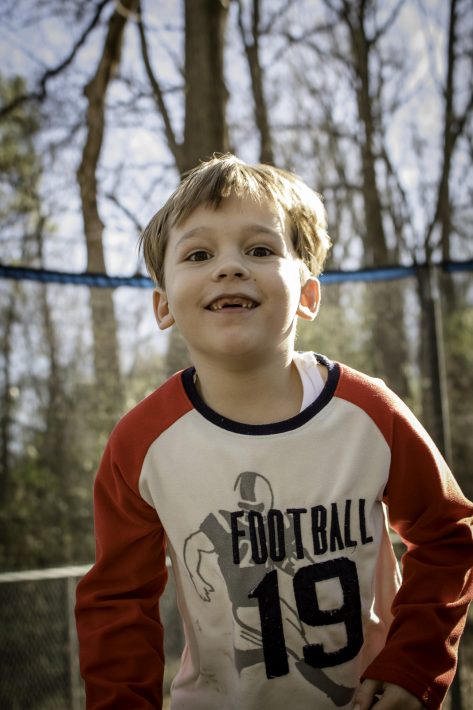
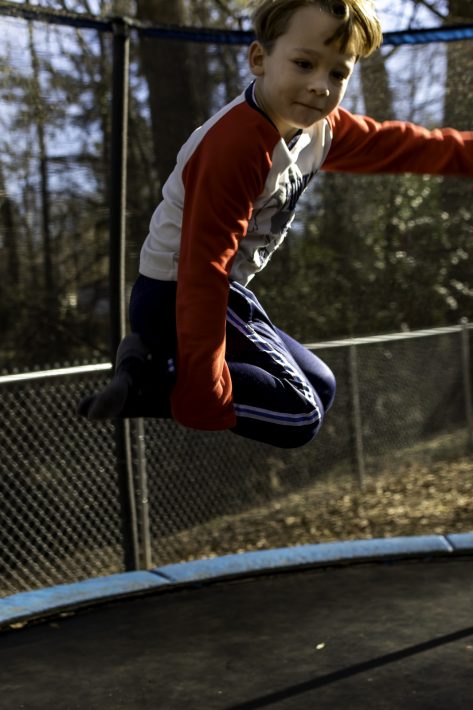
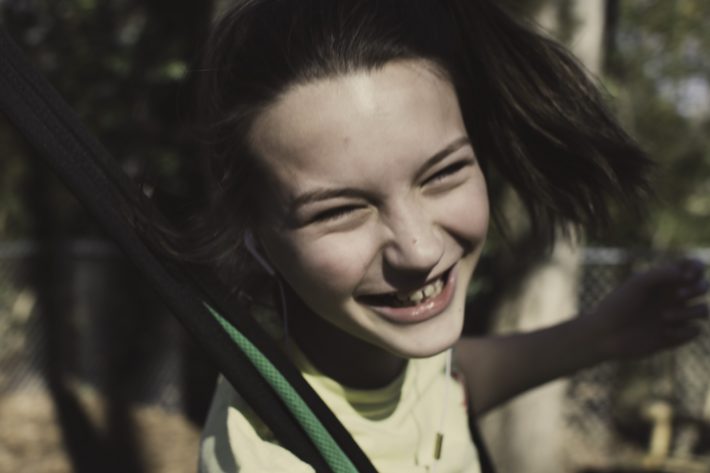
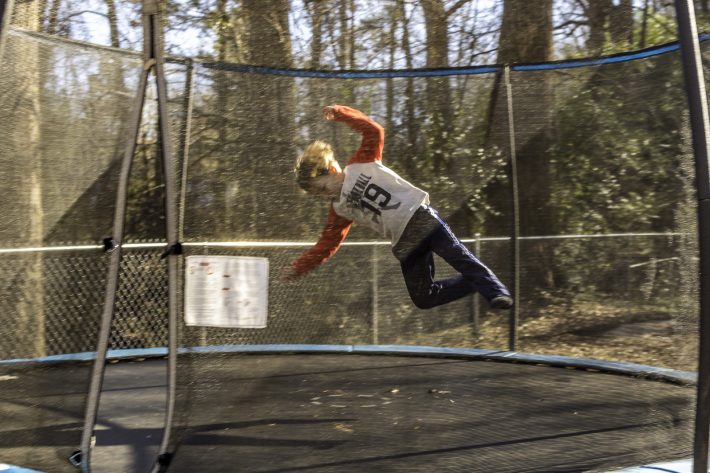
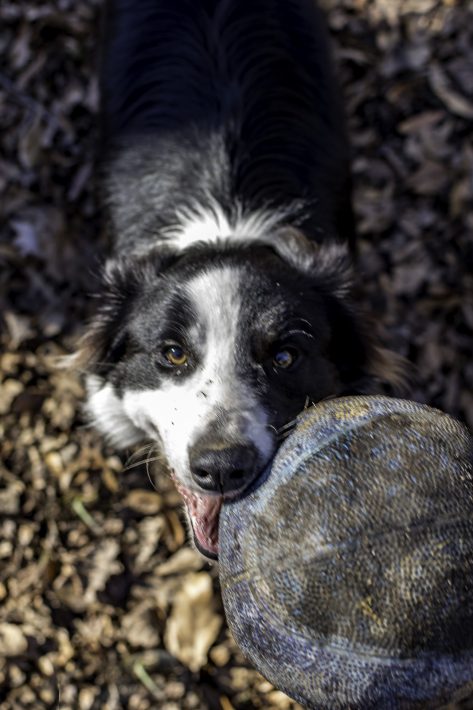
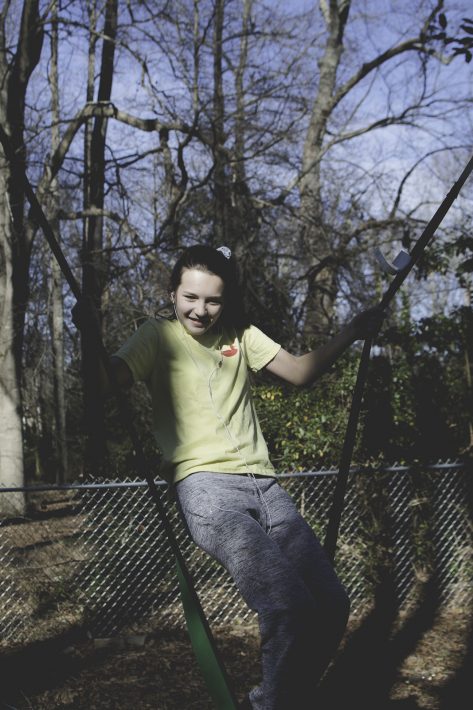
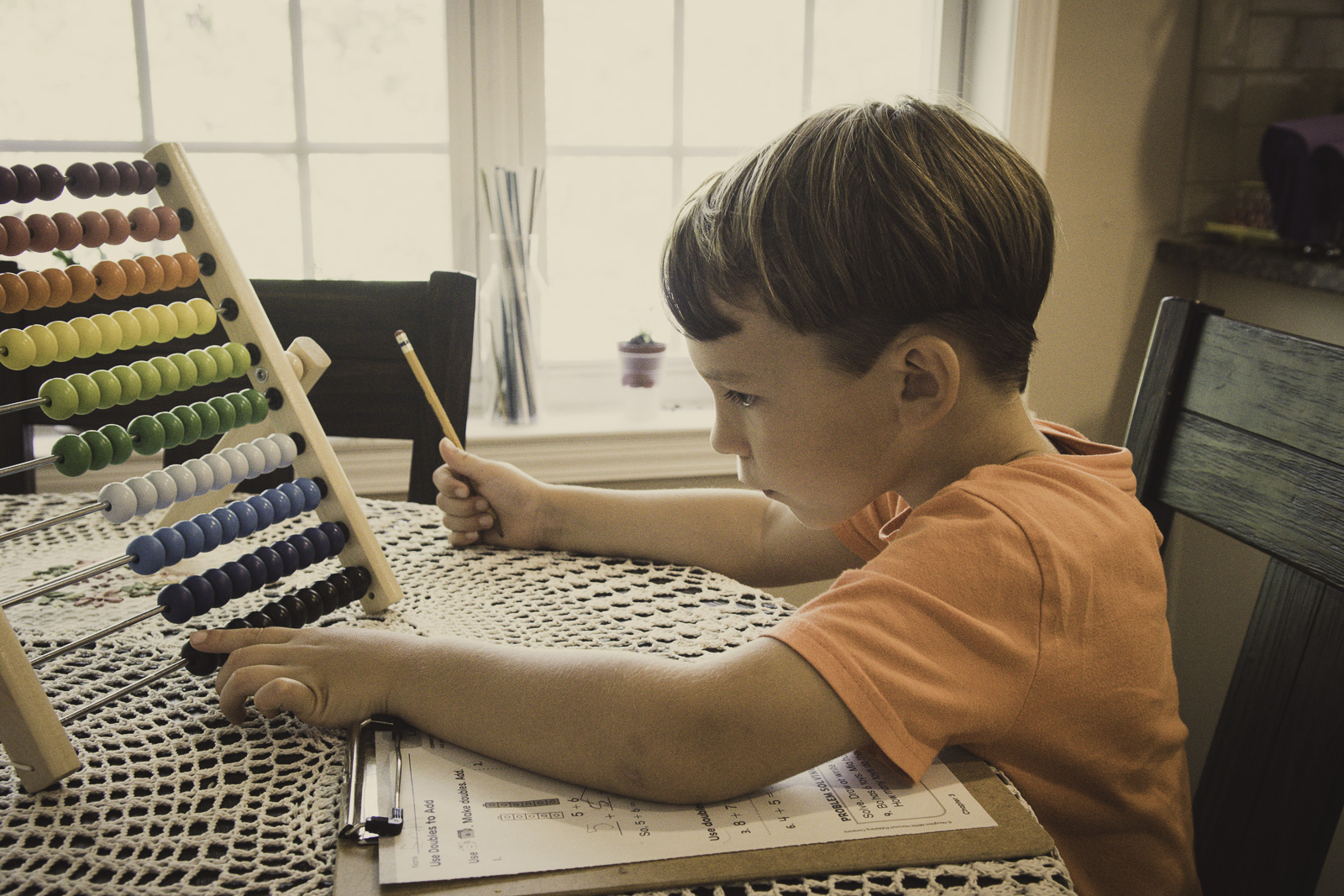
Next, a little homework. We're trying to get everyone back into a normal schedule, which includes daily reading and writing, especially for the Boy. The Girl takes her own initiative with the homework. The Boy -- not so much.
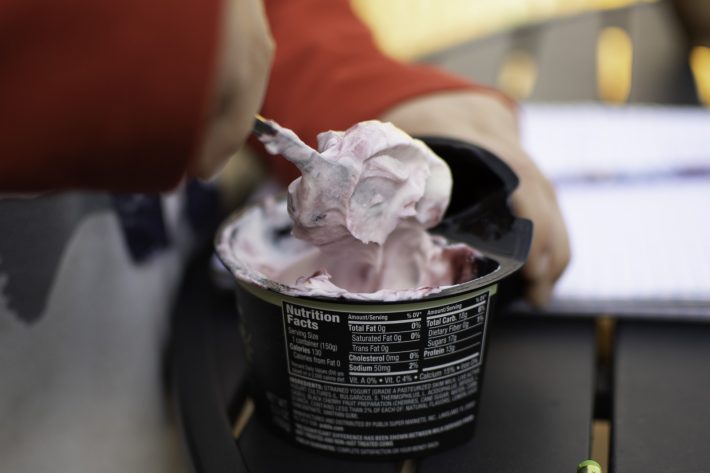
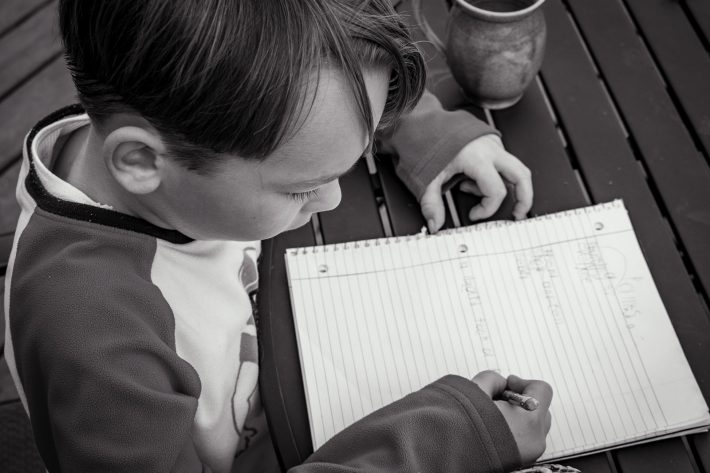
So we sat on the deck, and between yogurt breaks and tossing the ball for Clover, we finally finished the homework. The Boy was trying his best to make the process more difficult than it needed to be, and I just wanted to get through it all, because I knew what we were planning next:
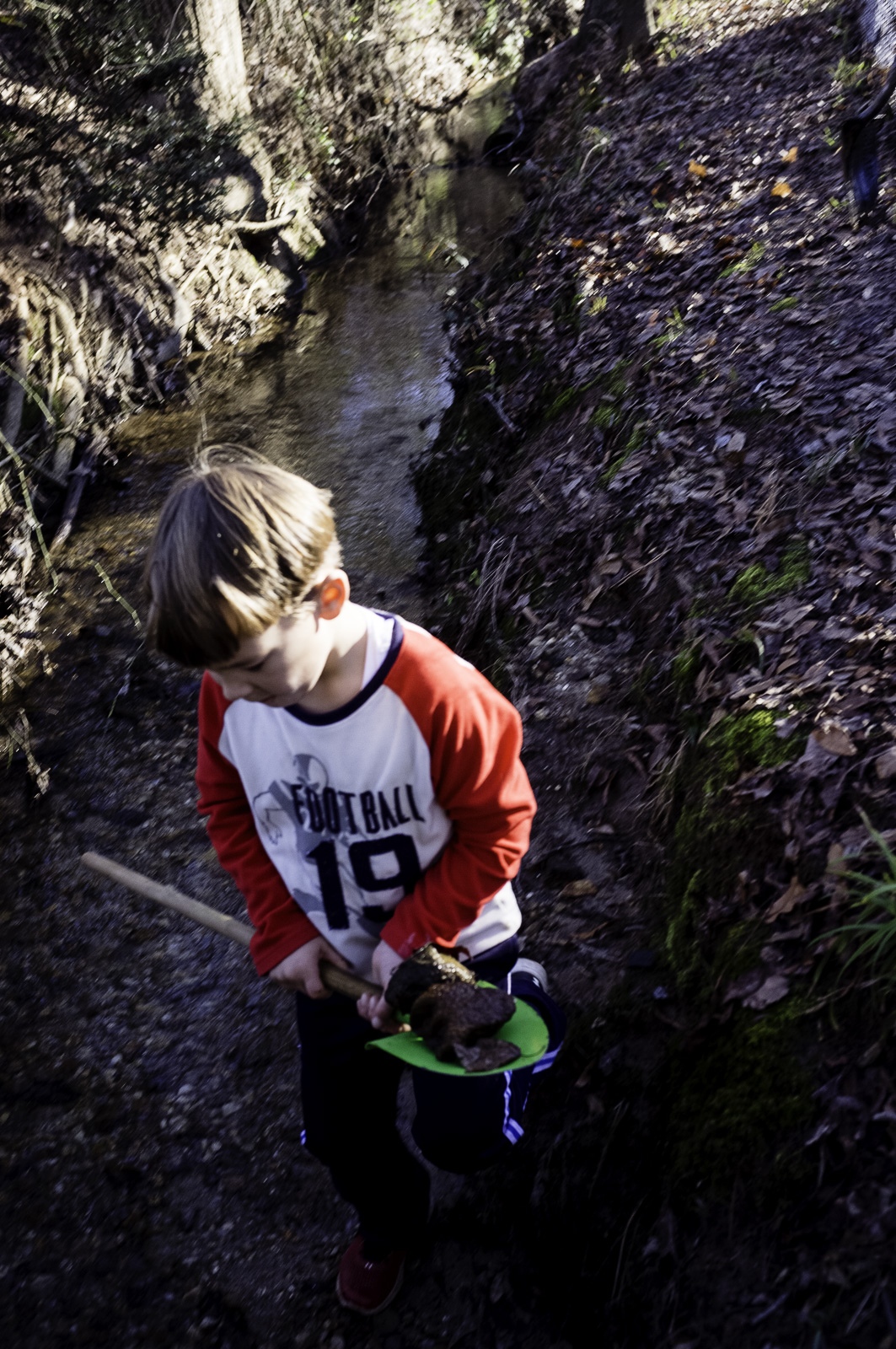
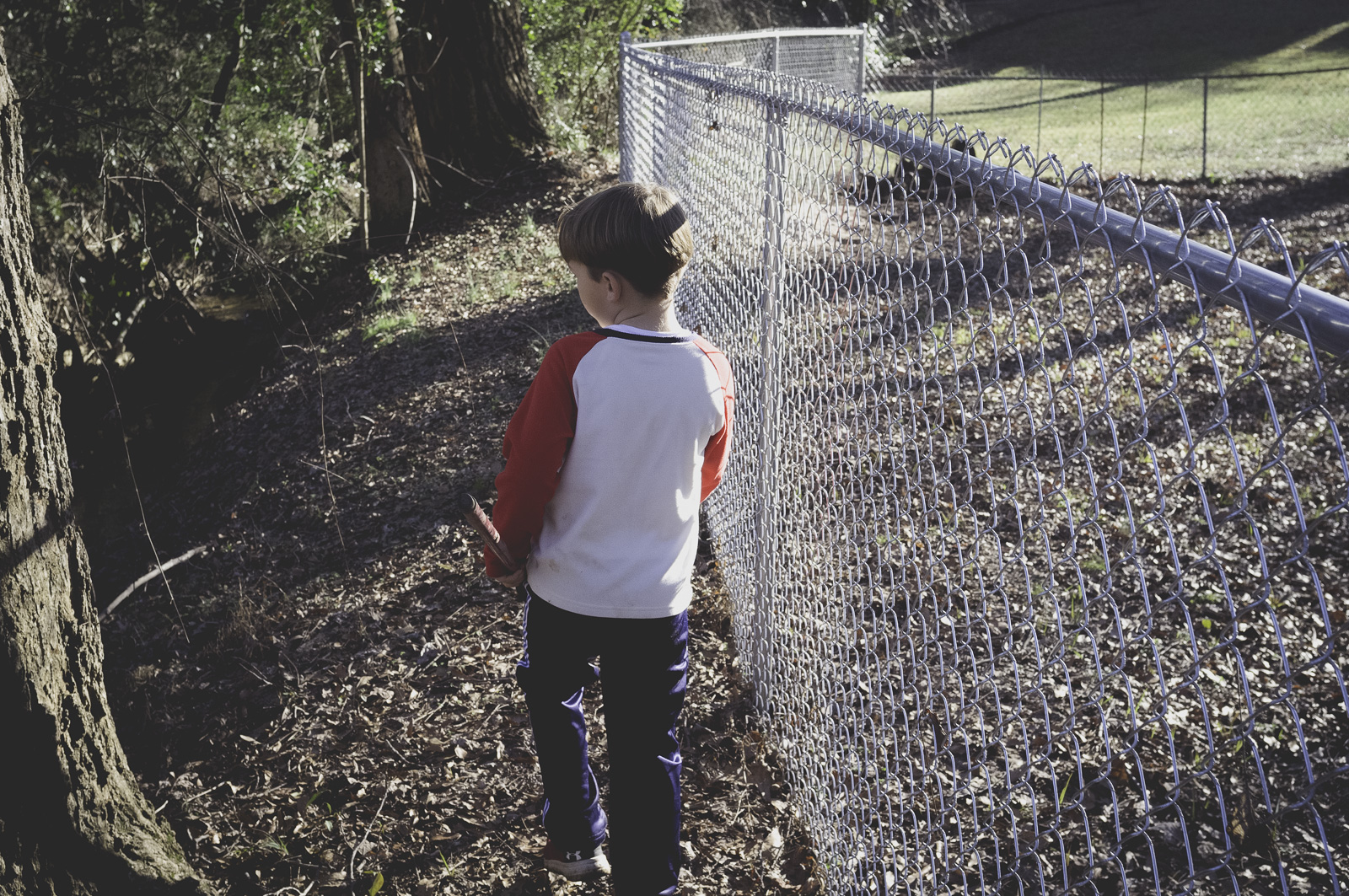
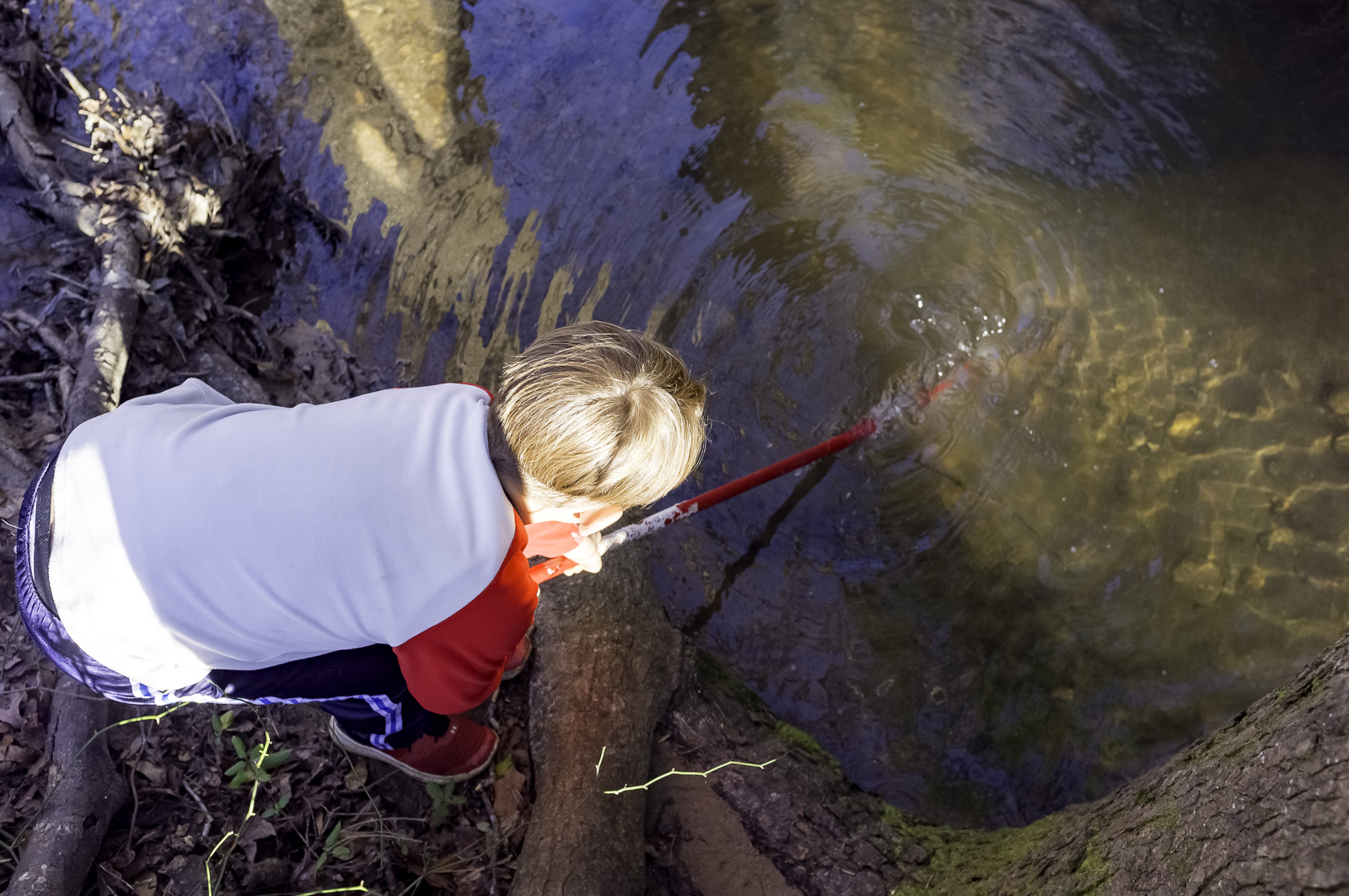
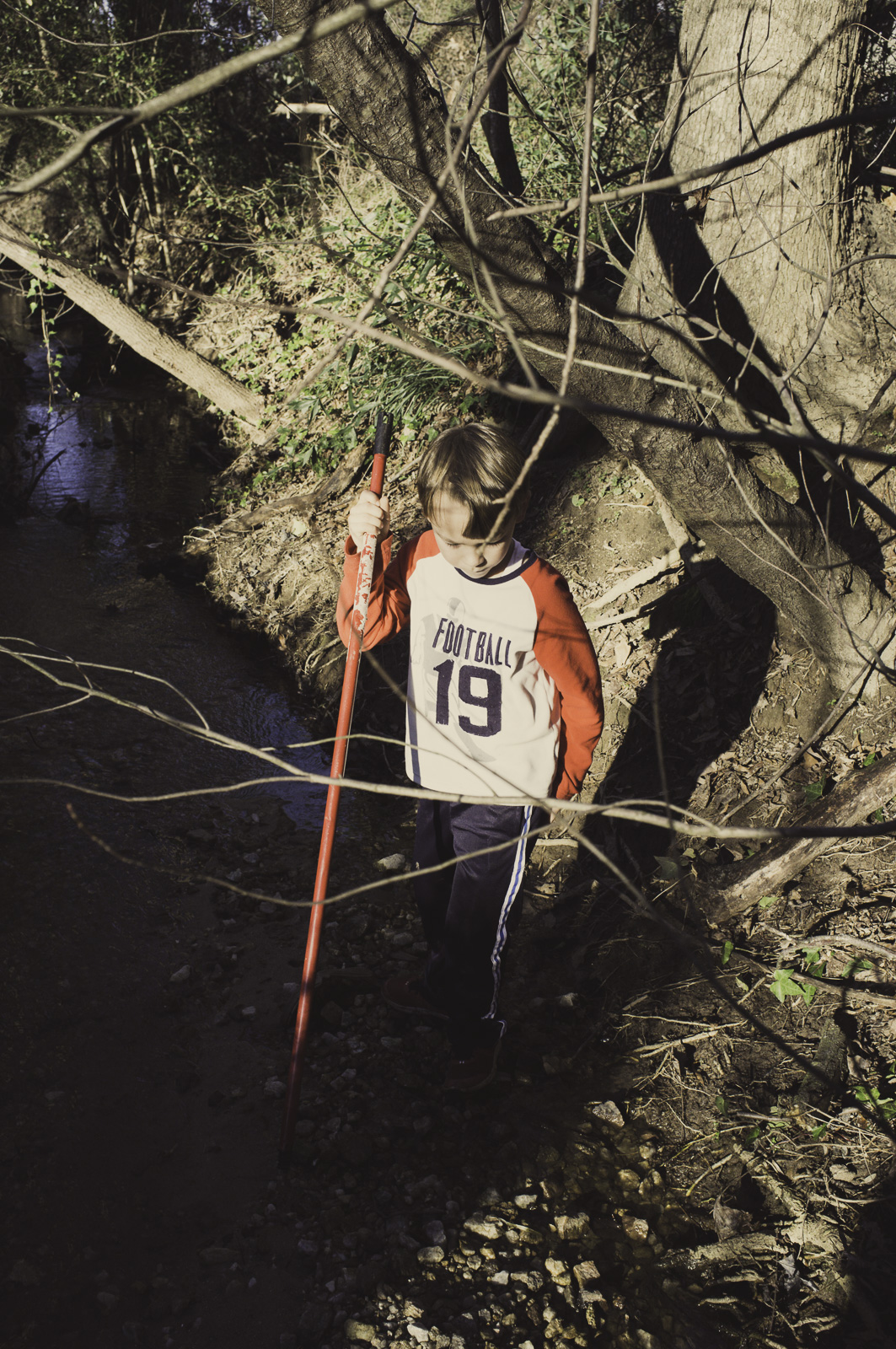
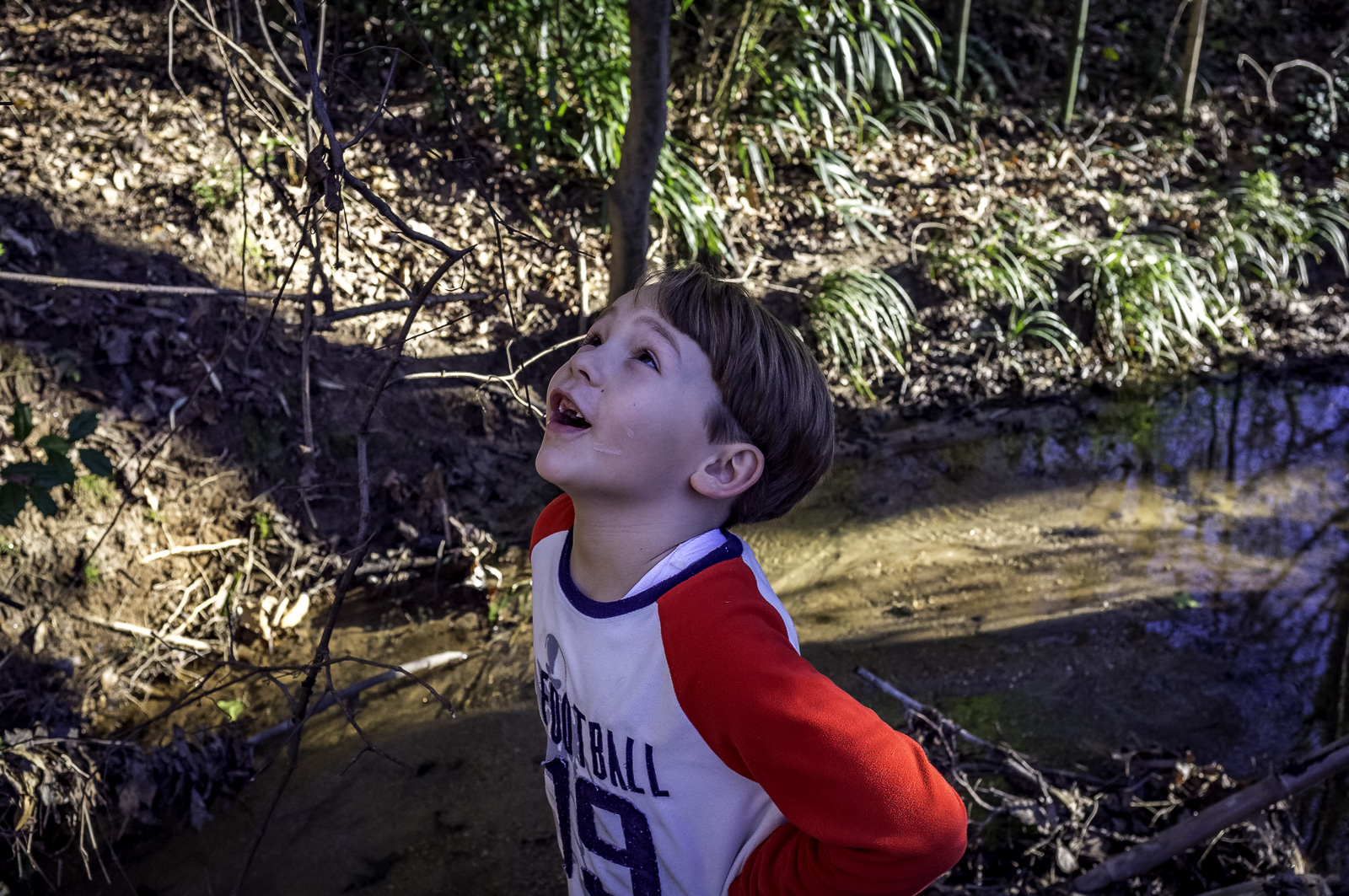
Today's task: find a way to cross the creek. We found one, made another. Something tells me we'll be spending more and more time out there as the weather warms.
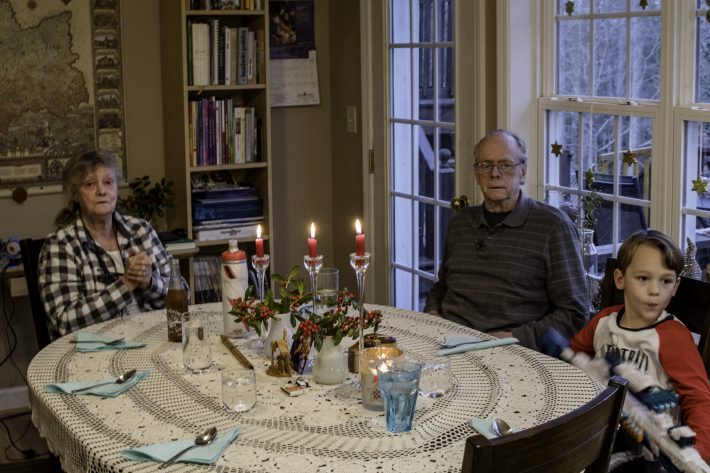
Finally, a small dinner with Aunt D, who's come to stay with her big brother and help out with everything.
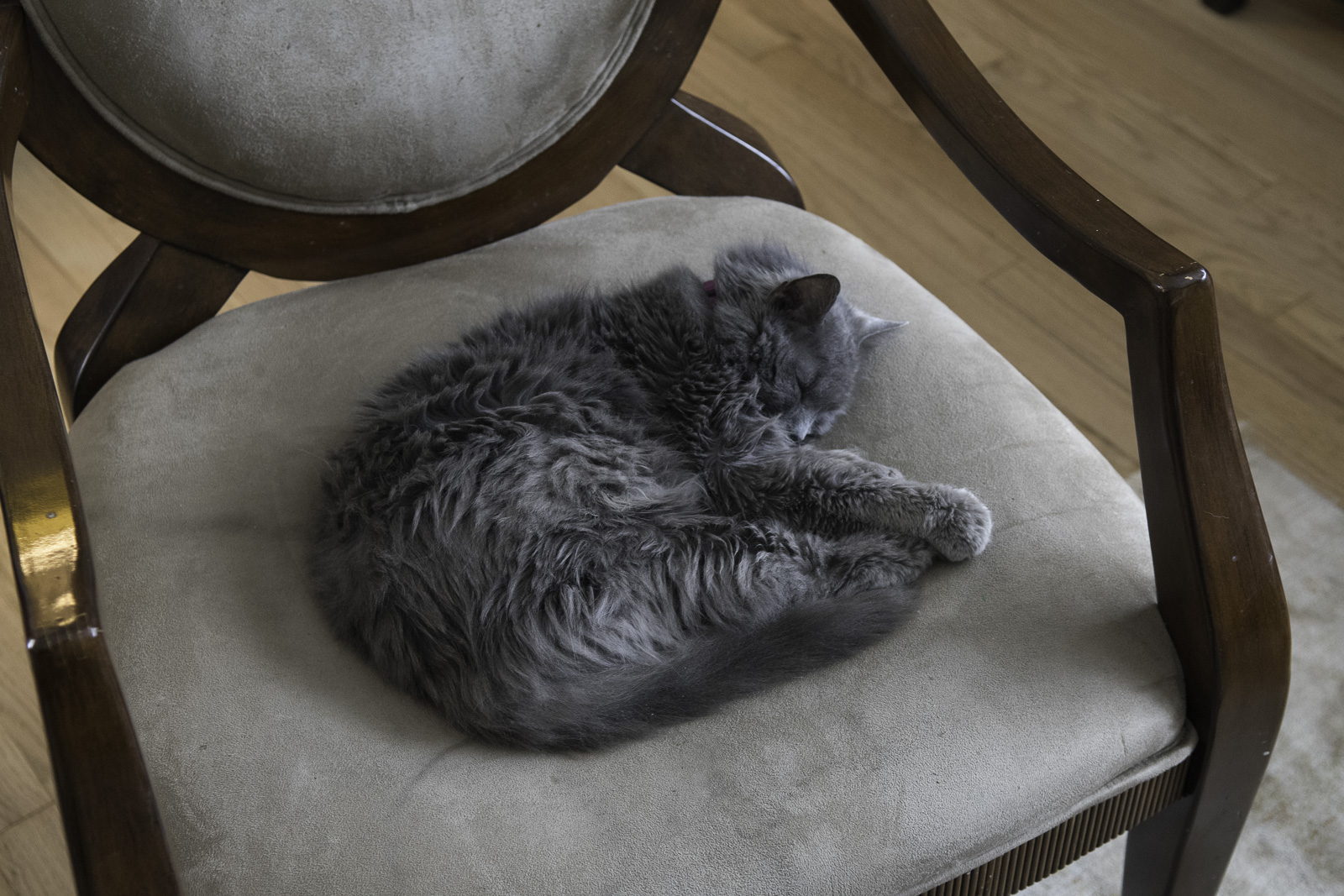
The idea was simple: twelve pictures to represent twelve months. It was something I used to do with the Girl, but with a full family -- wife, two kids, two cats, and a dog -- that quickly became unreasonable. I had twelve pictures and I wasn't even through a quarter of the year.


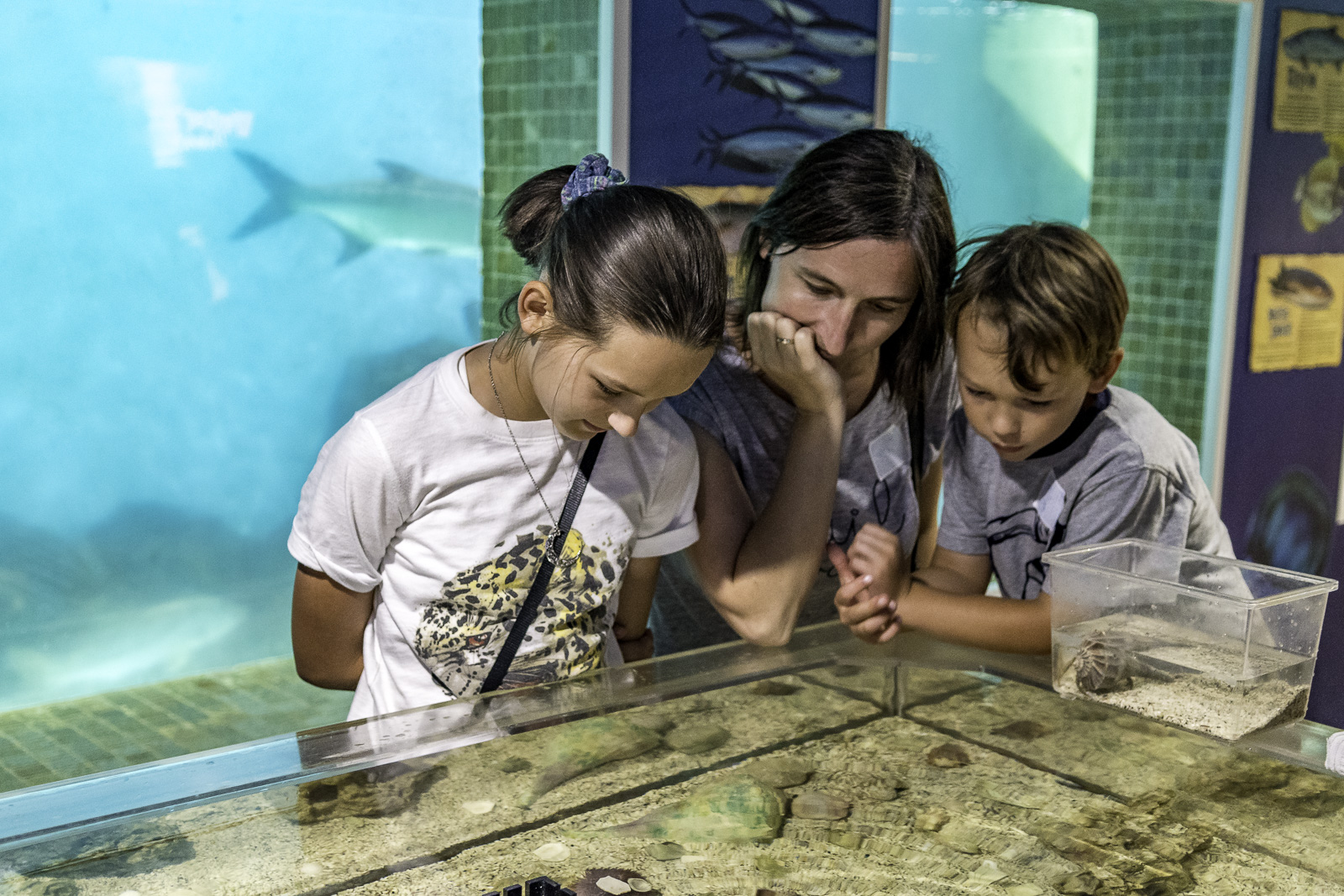
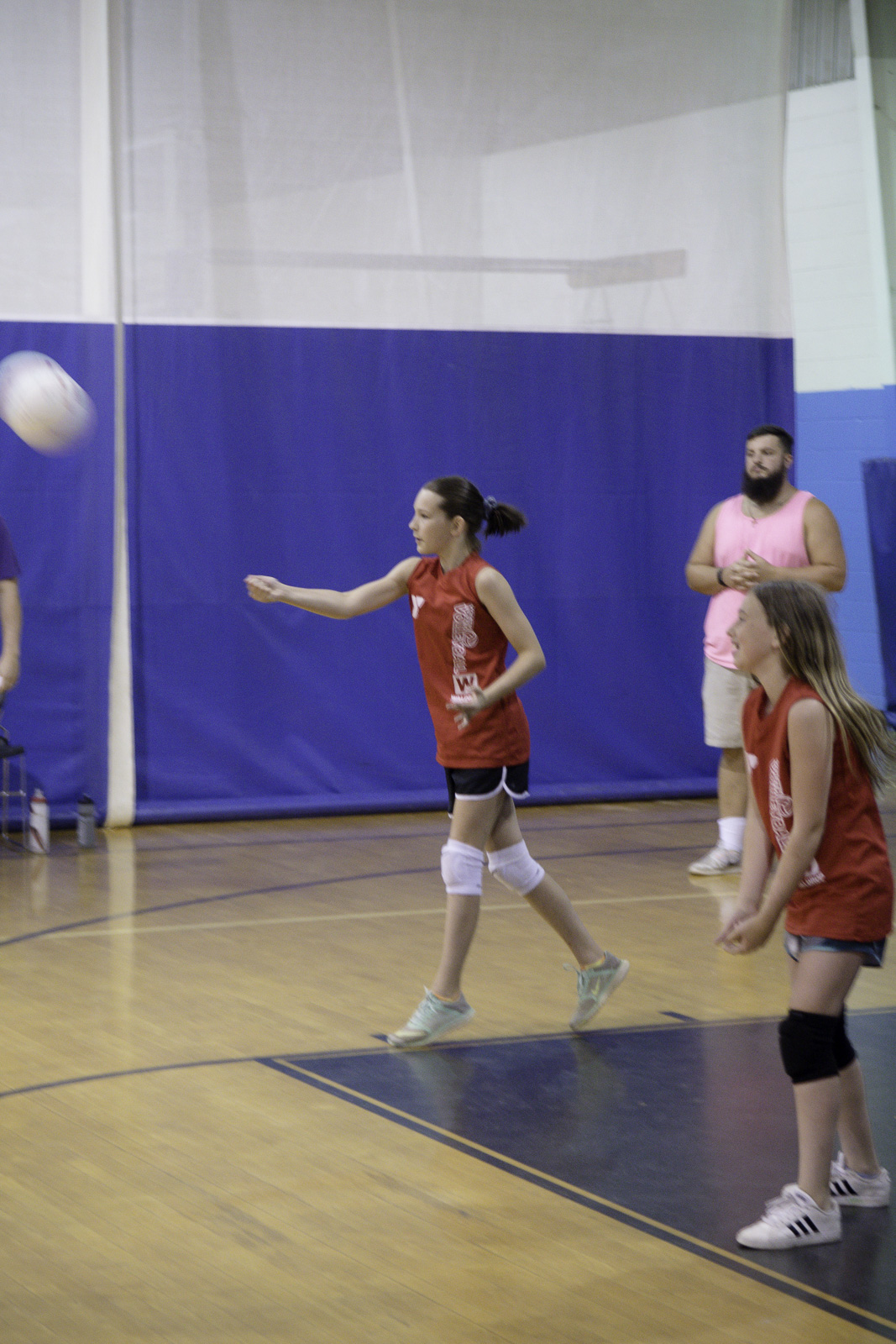
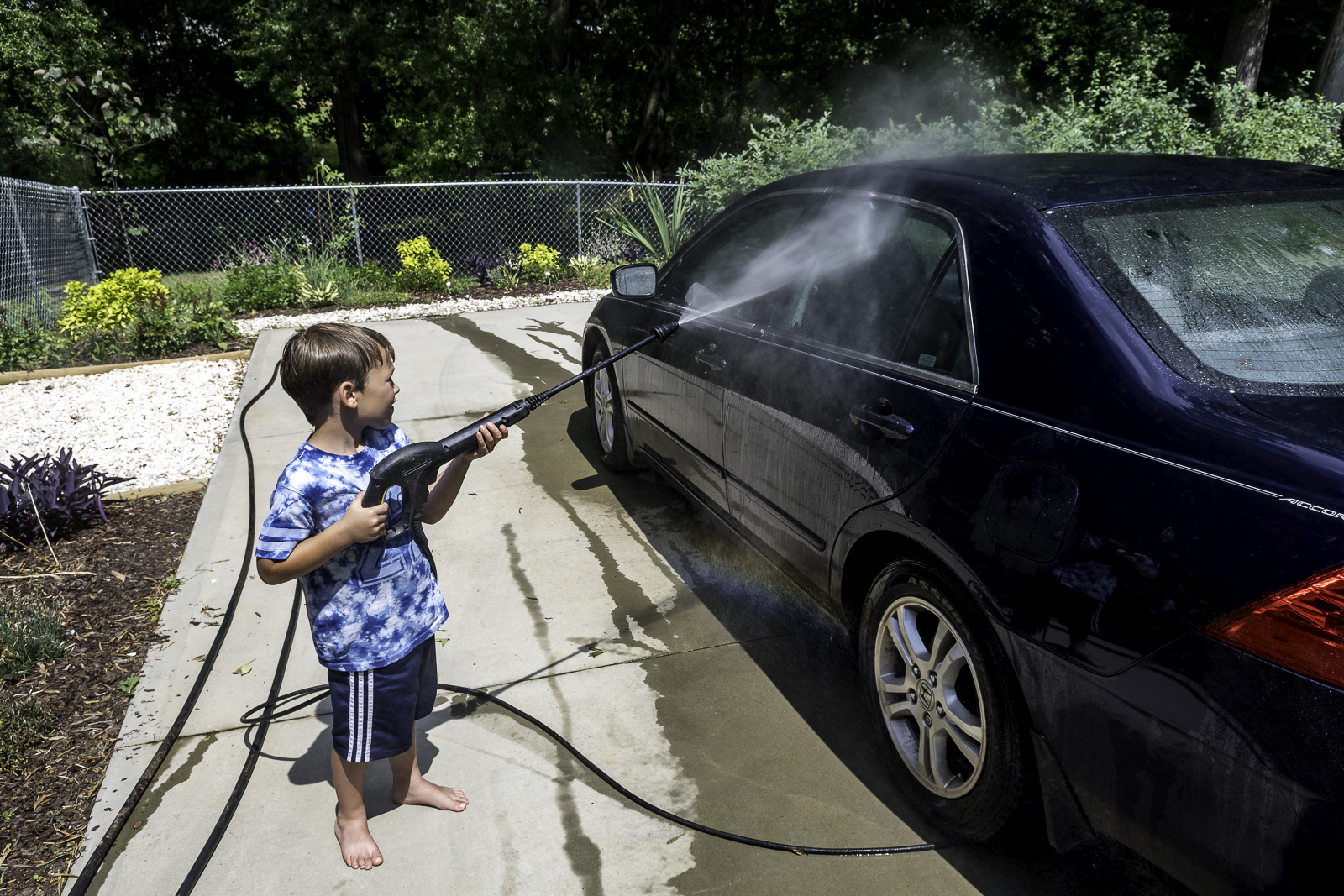
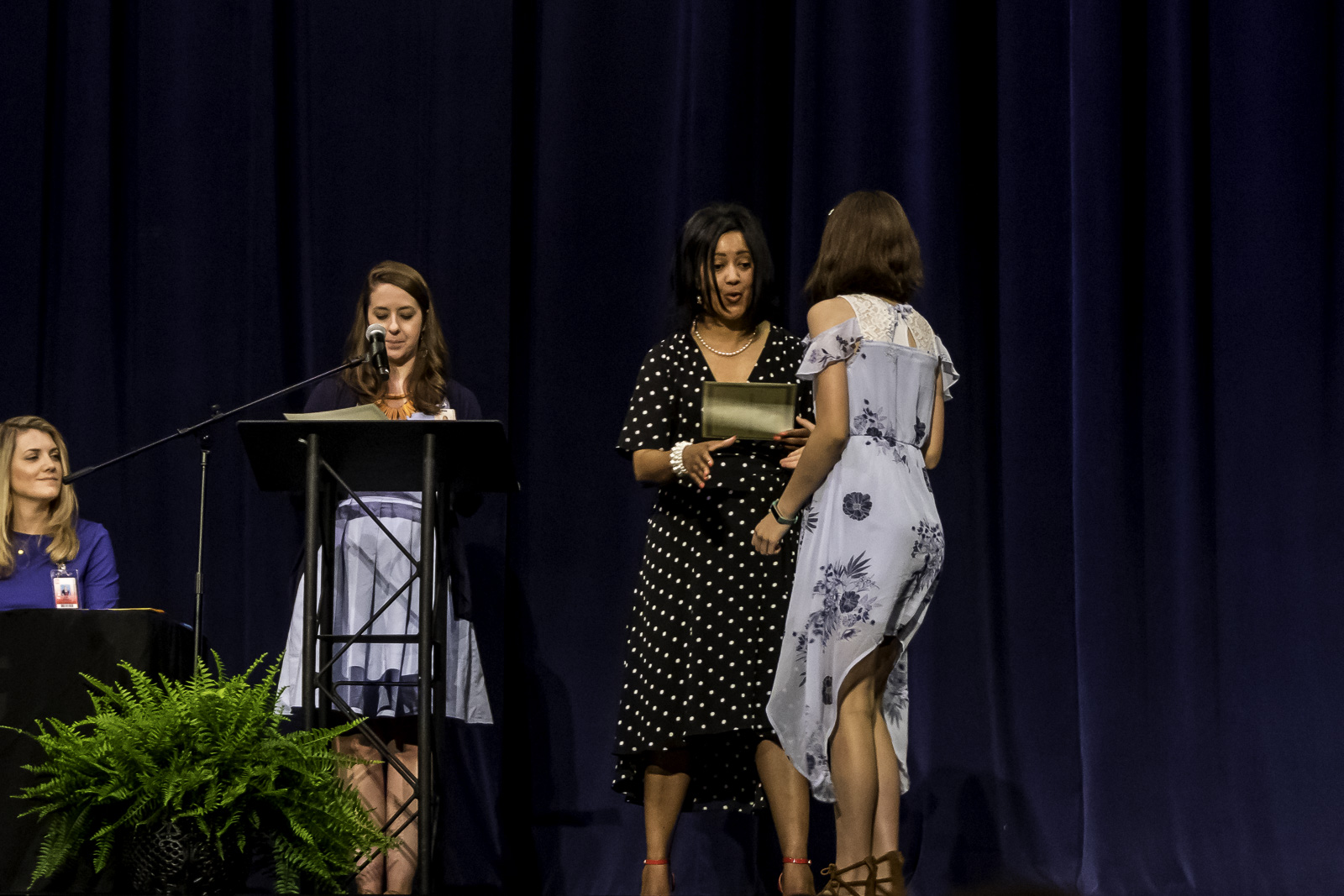
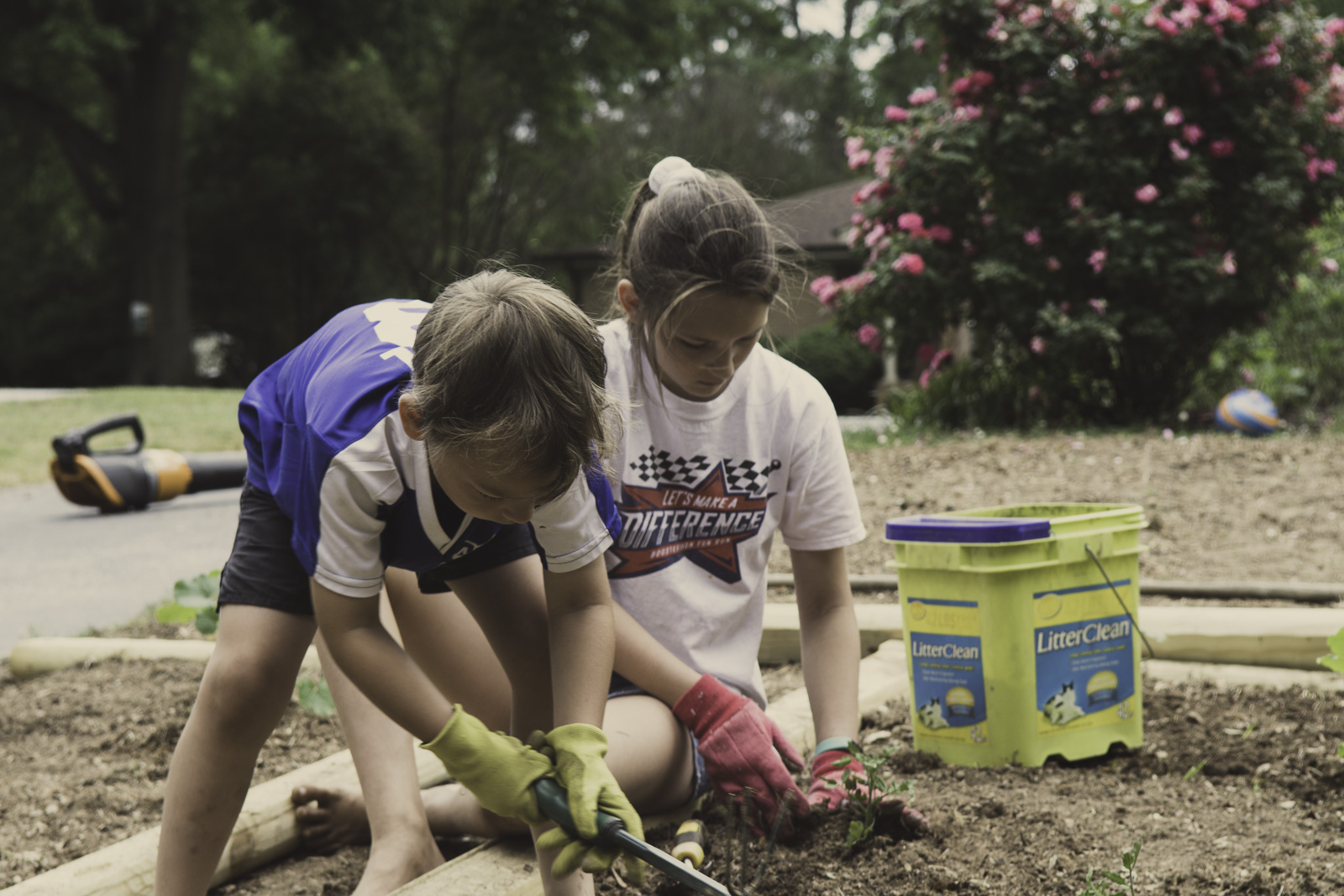
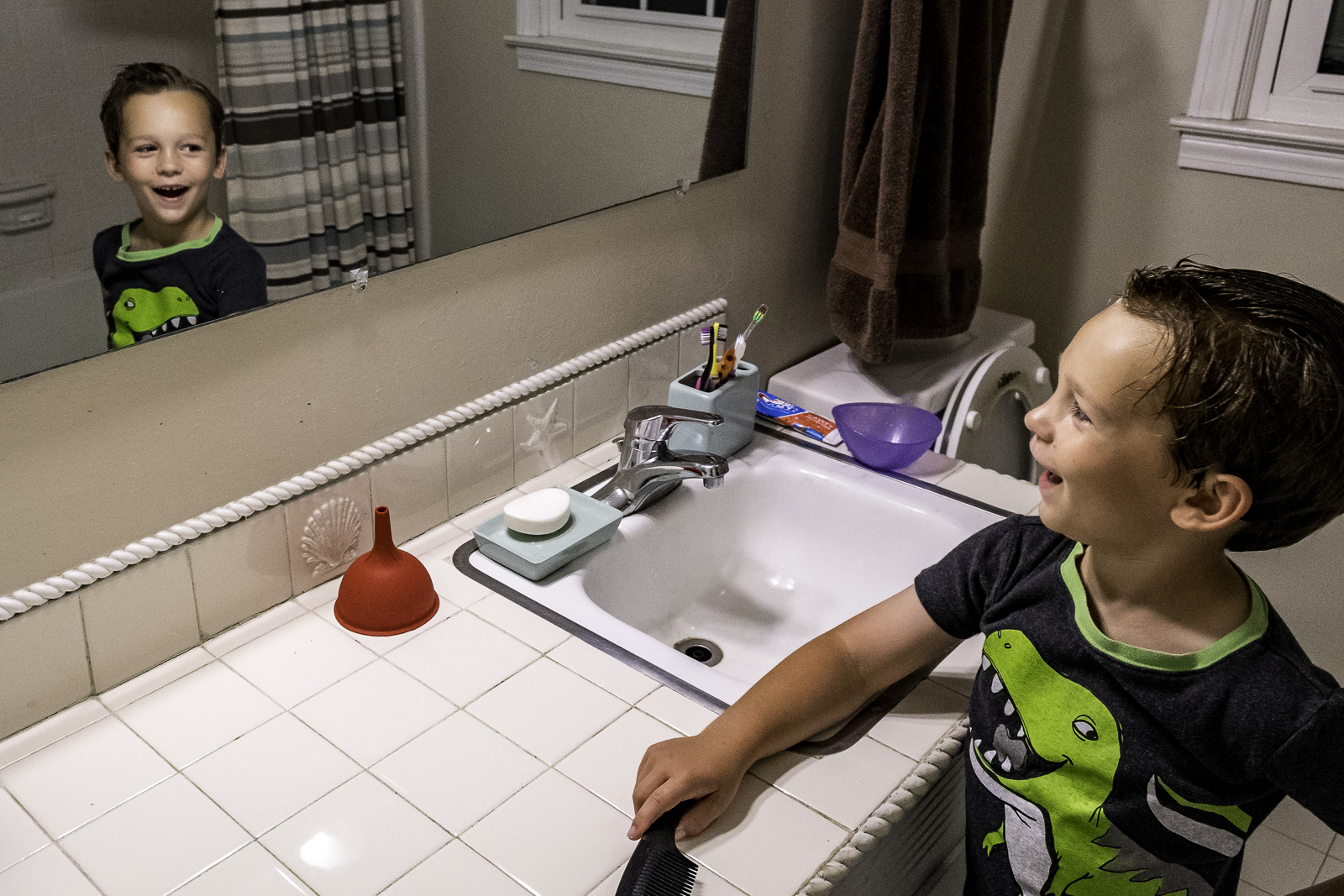
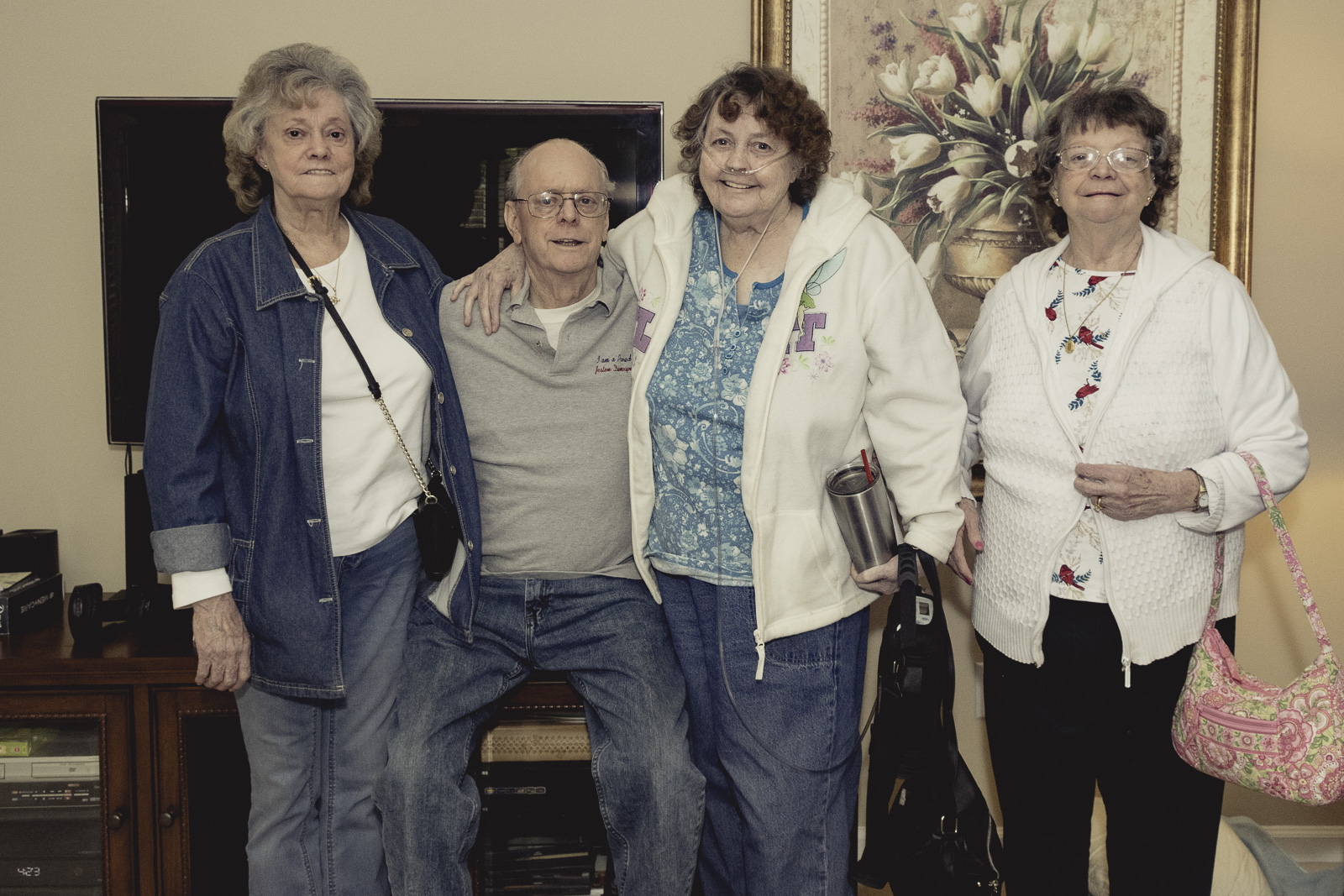
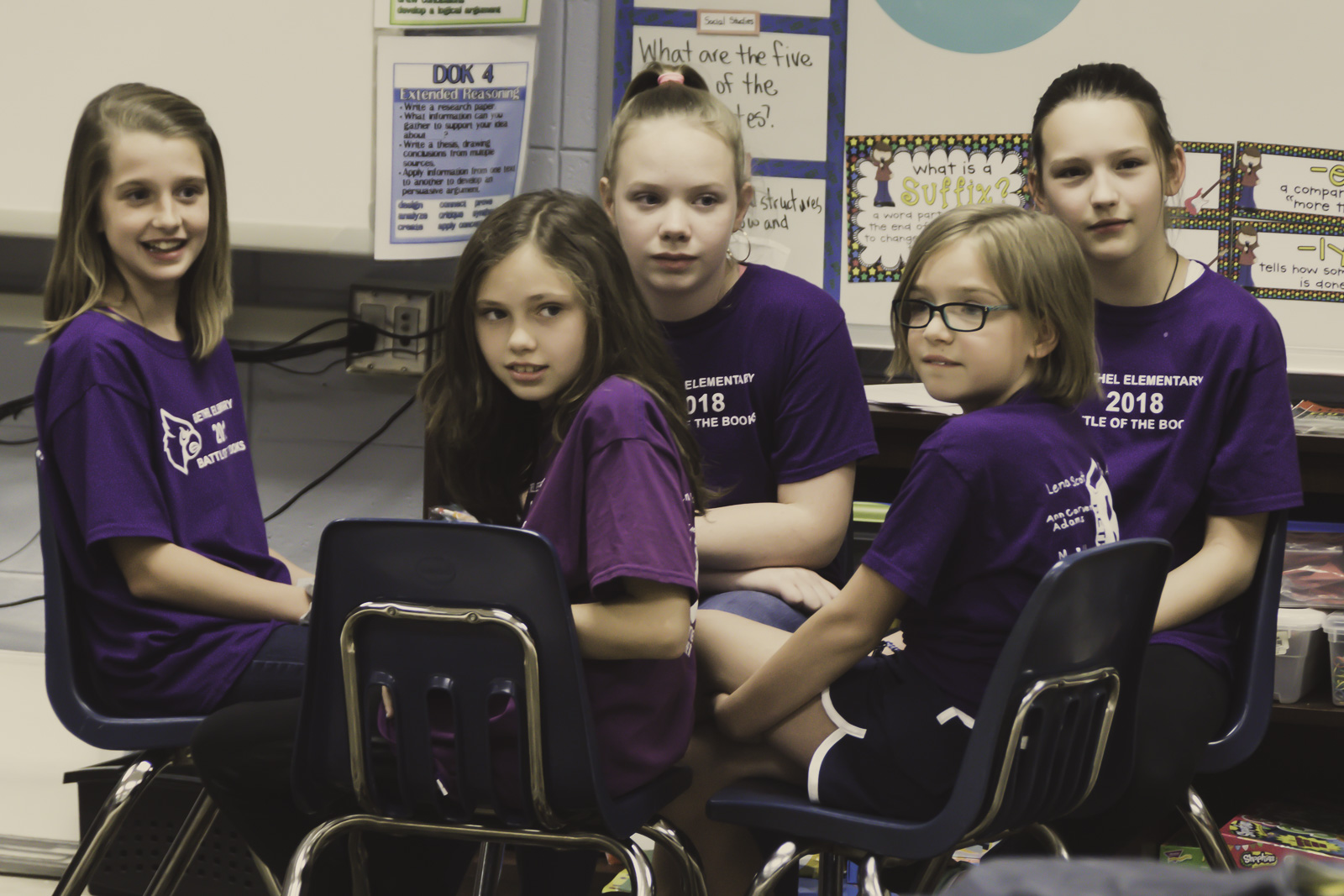
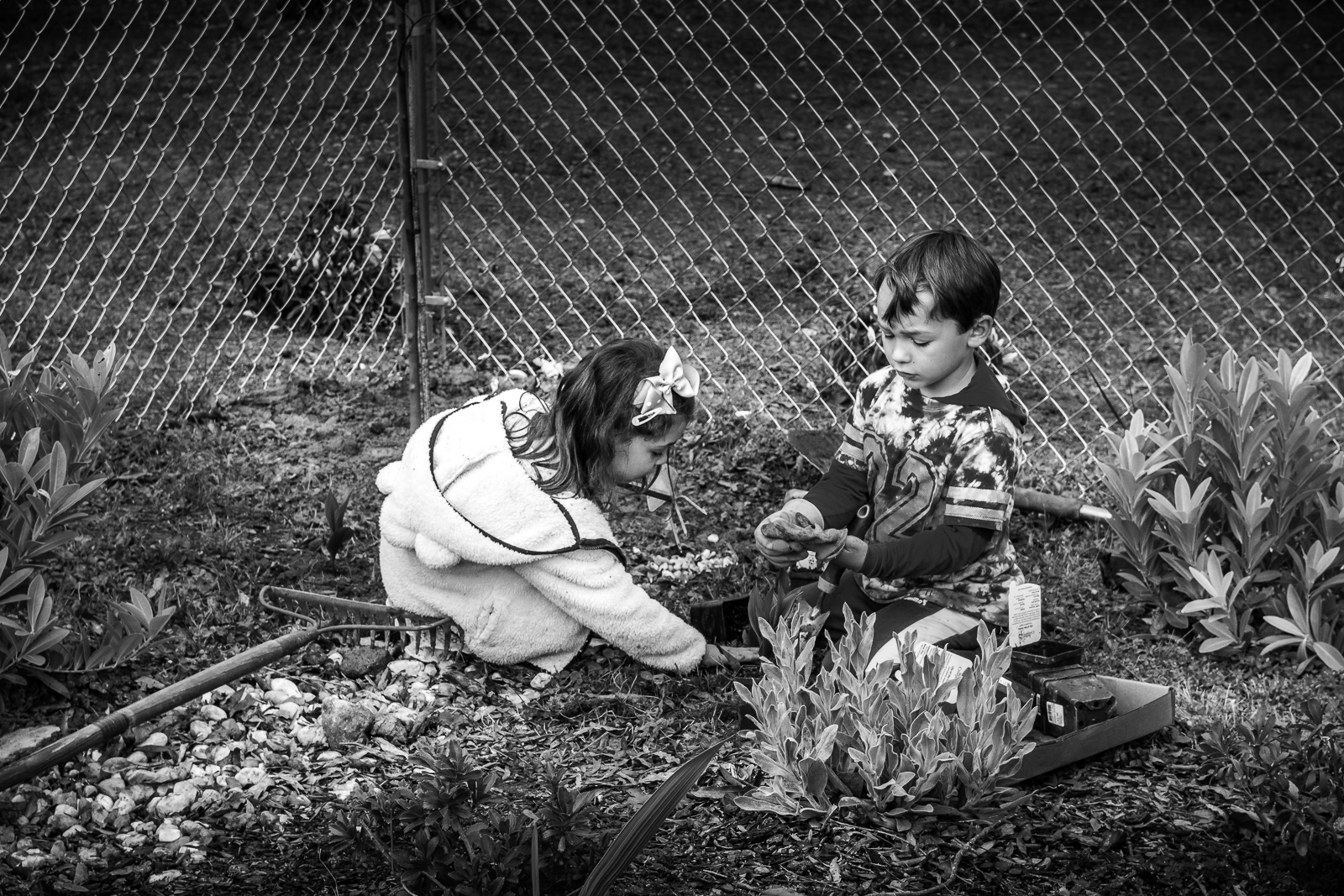
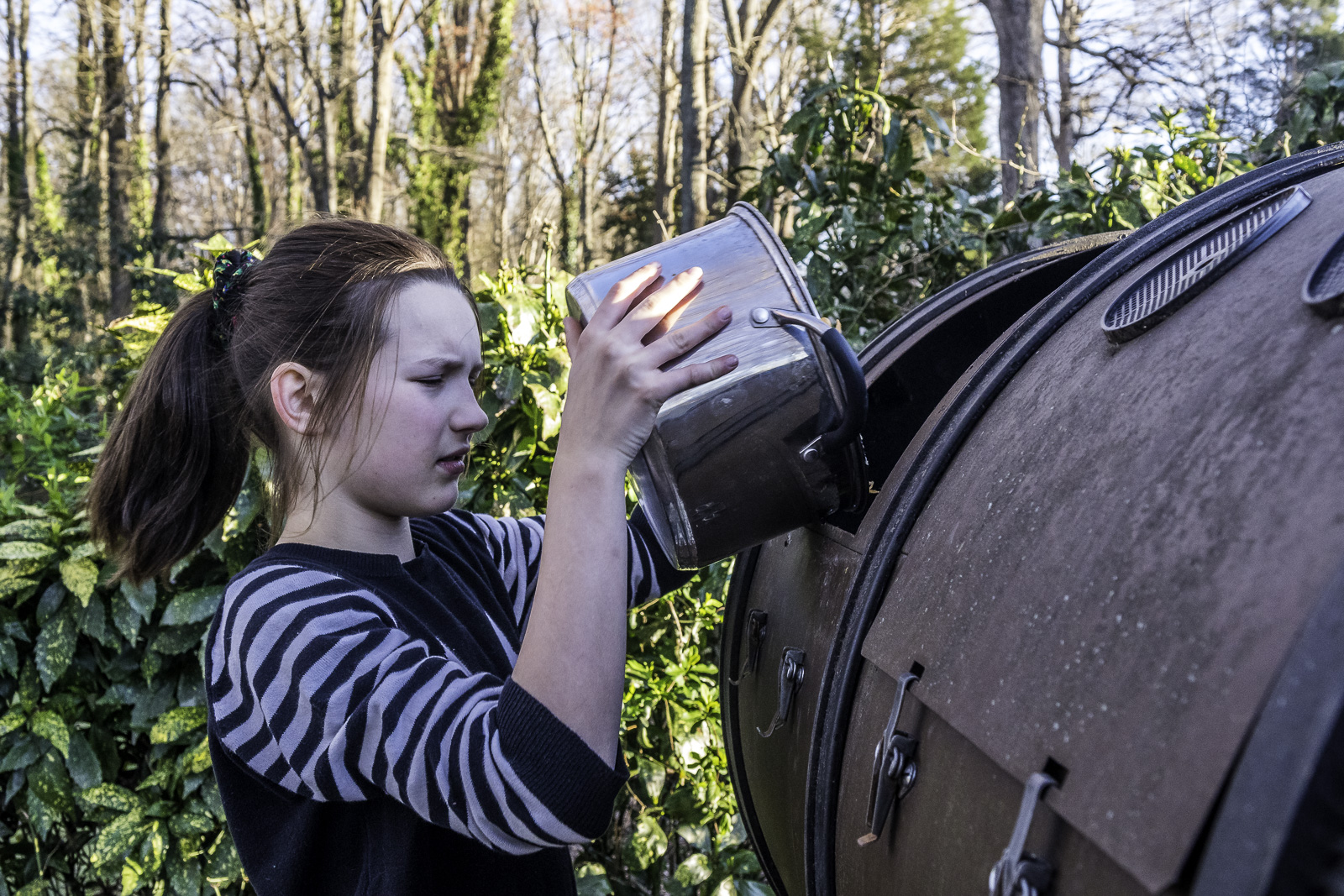
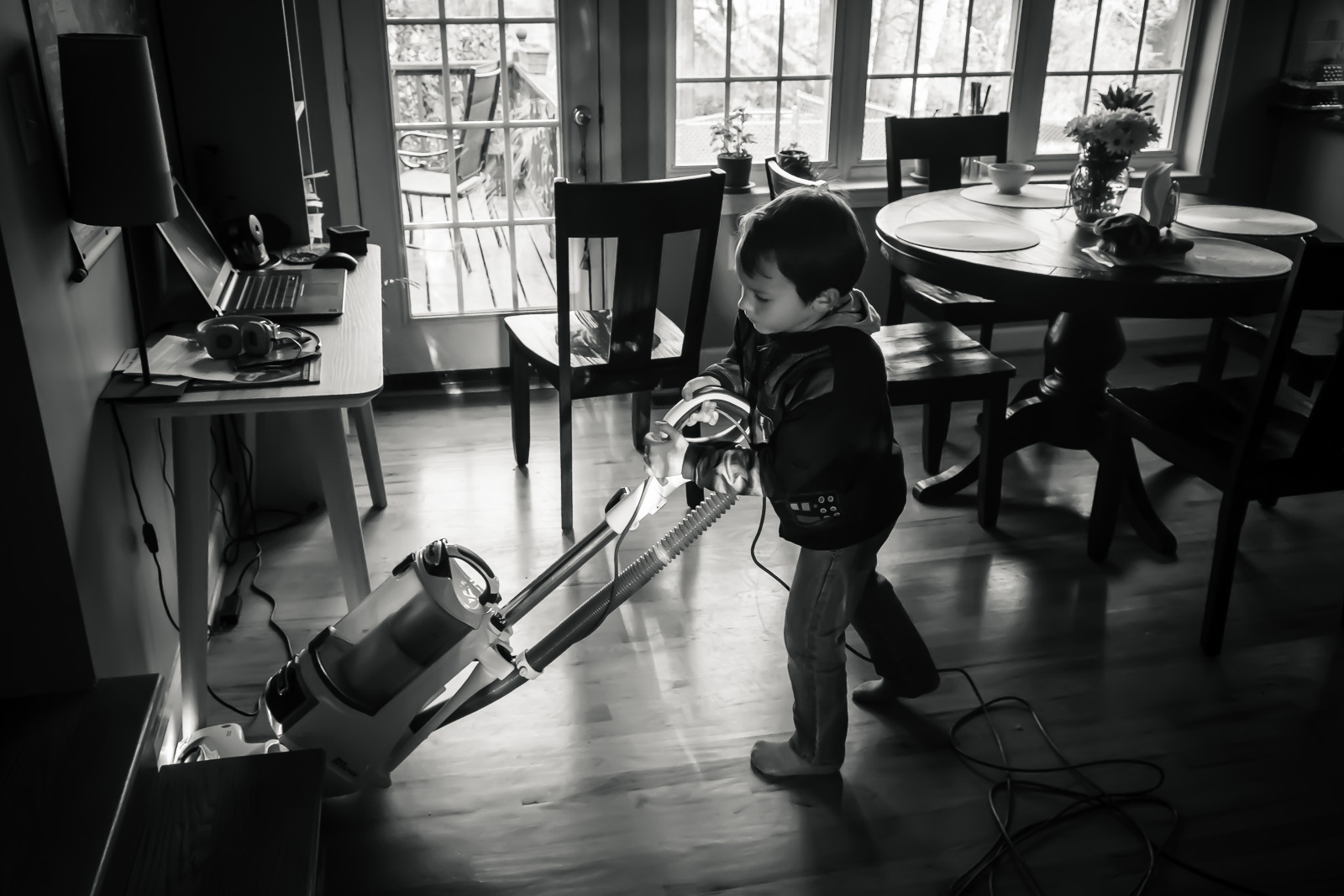
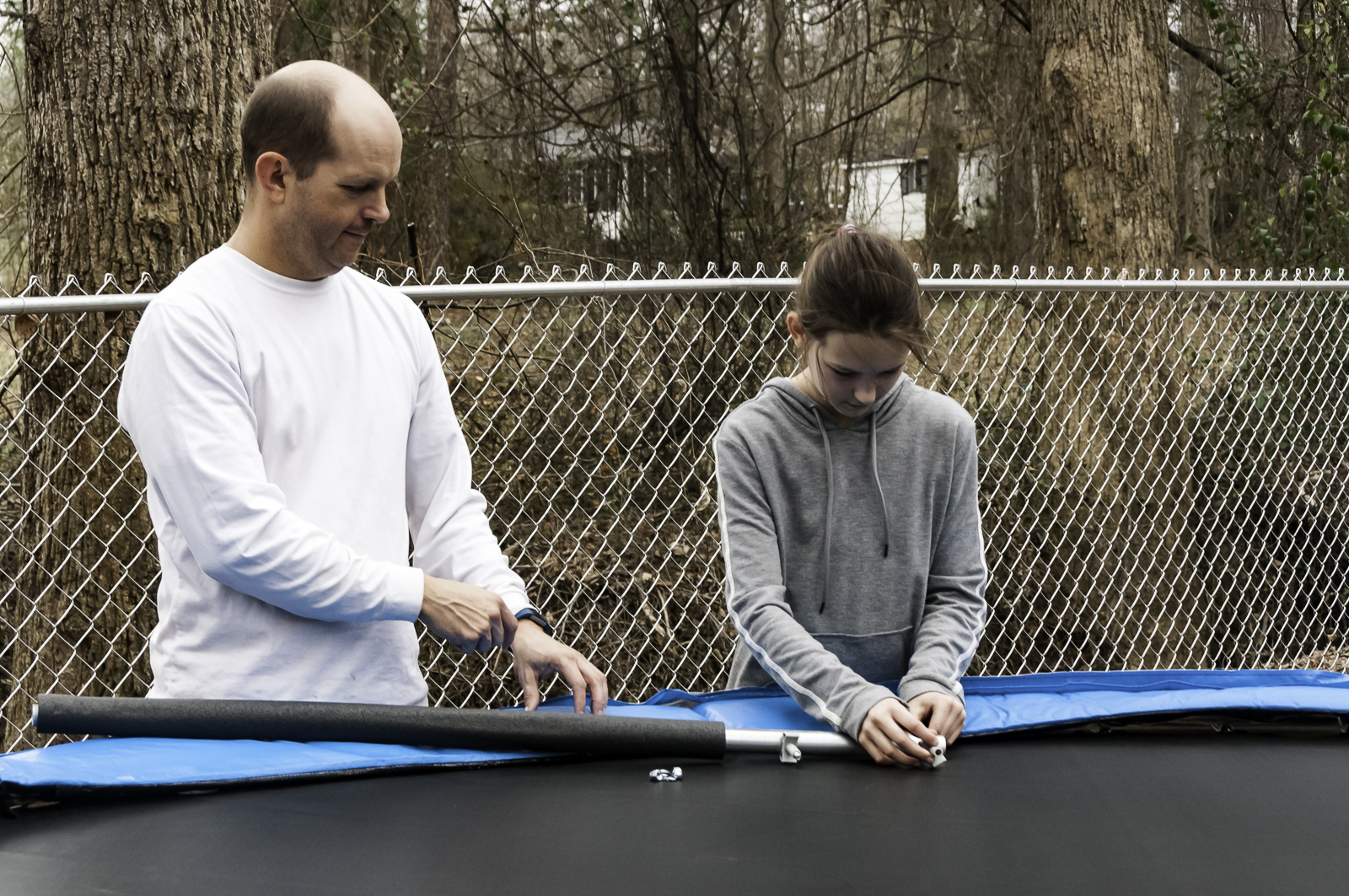
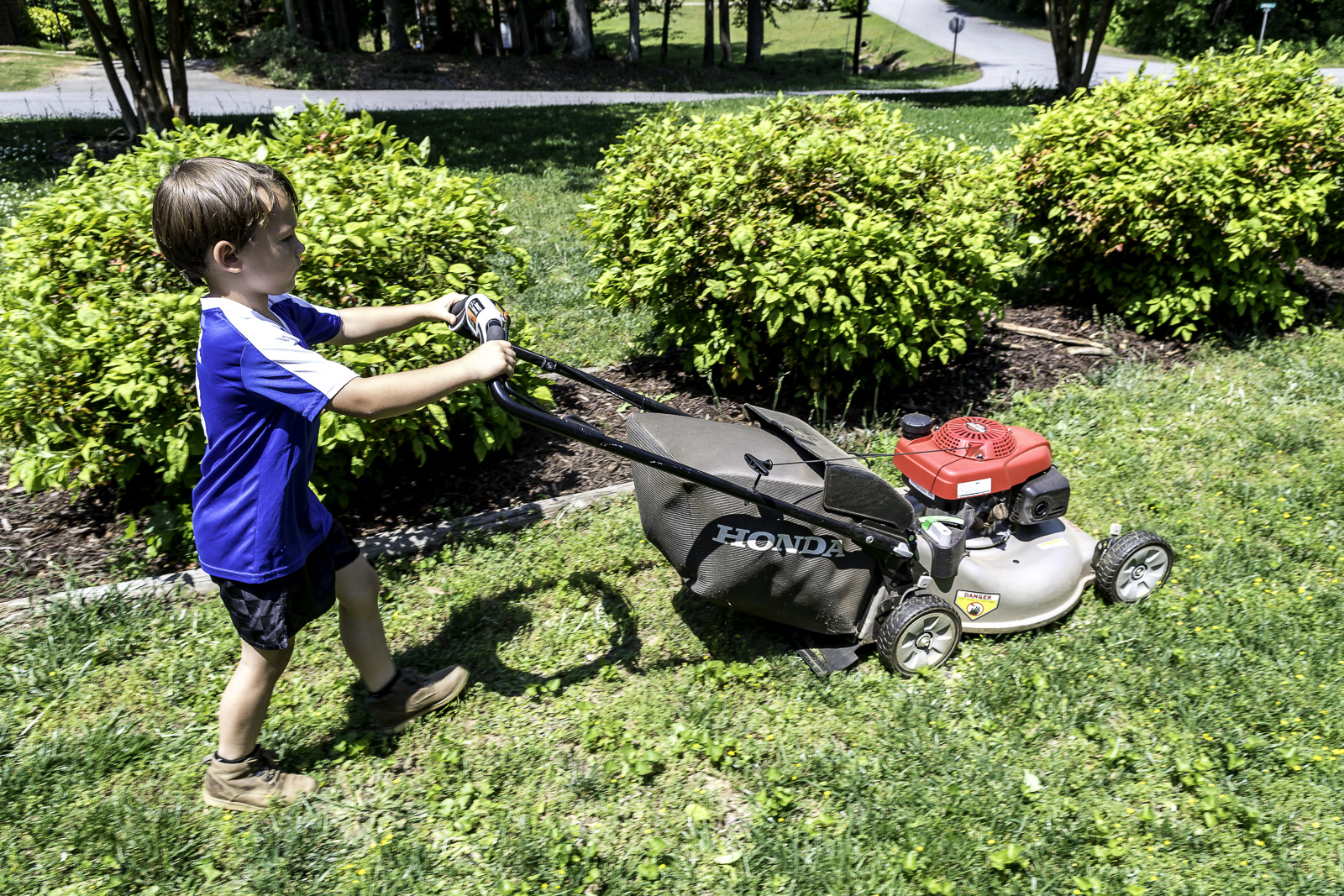
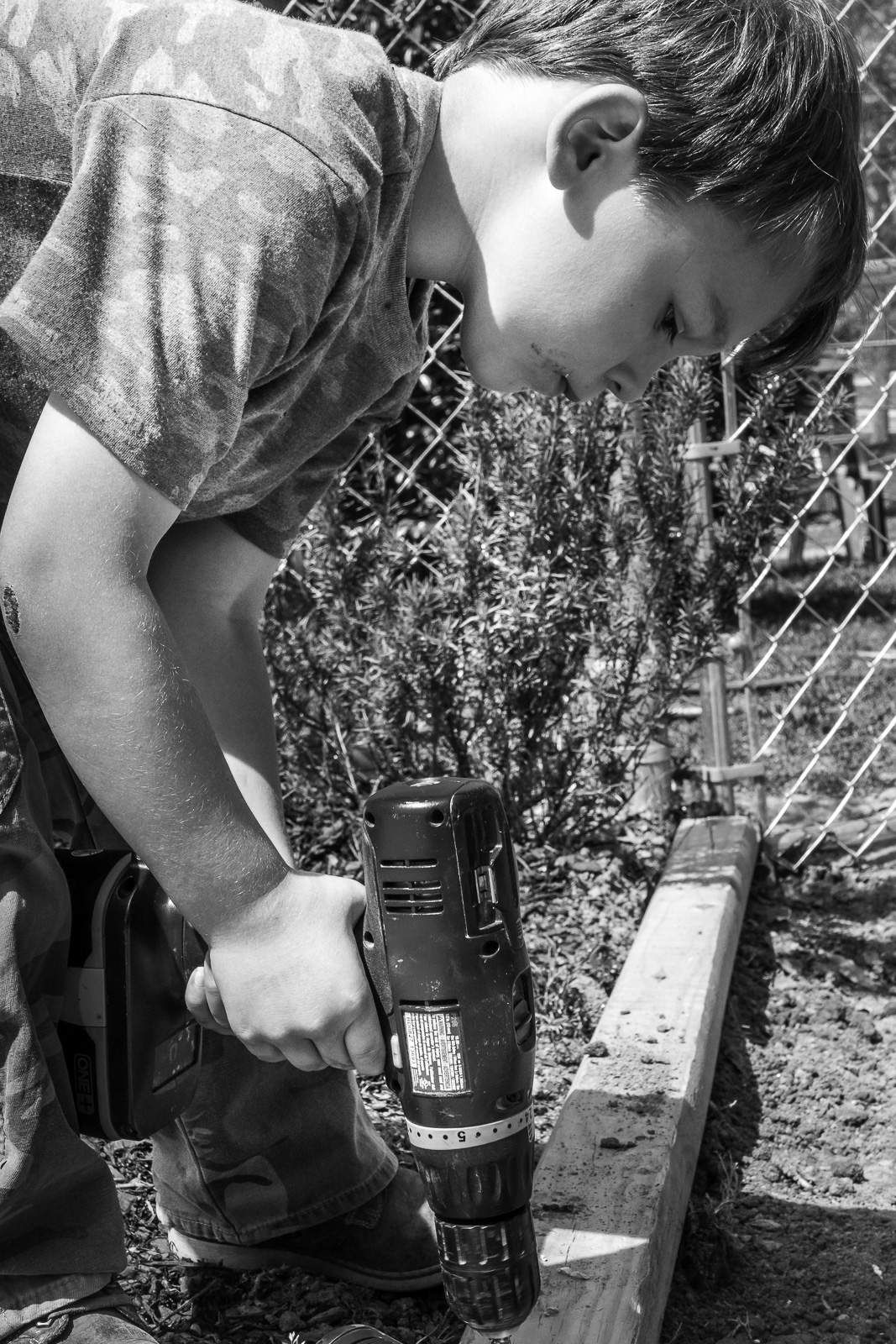
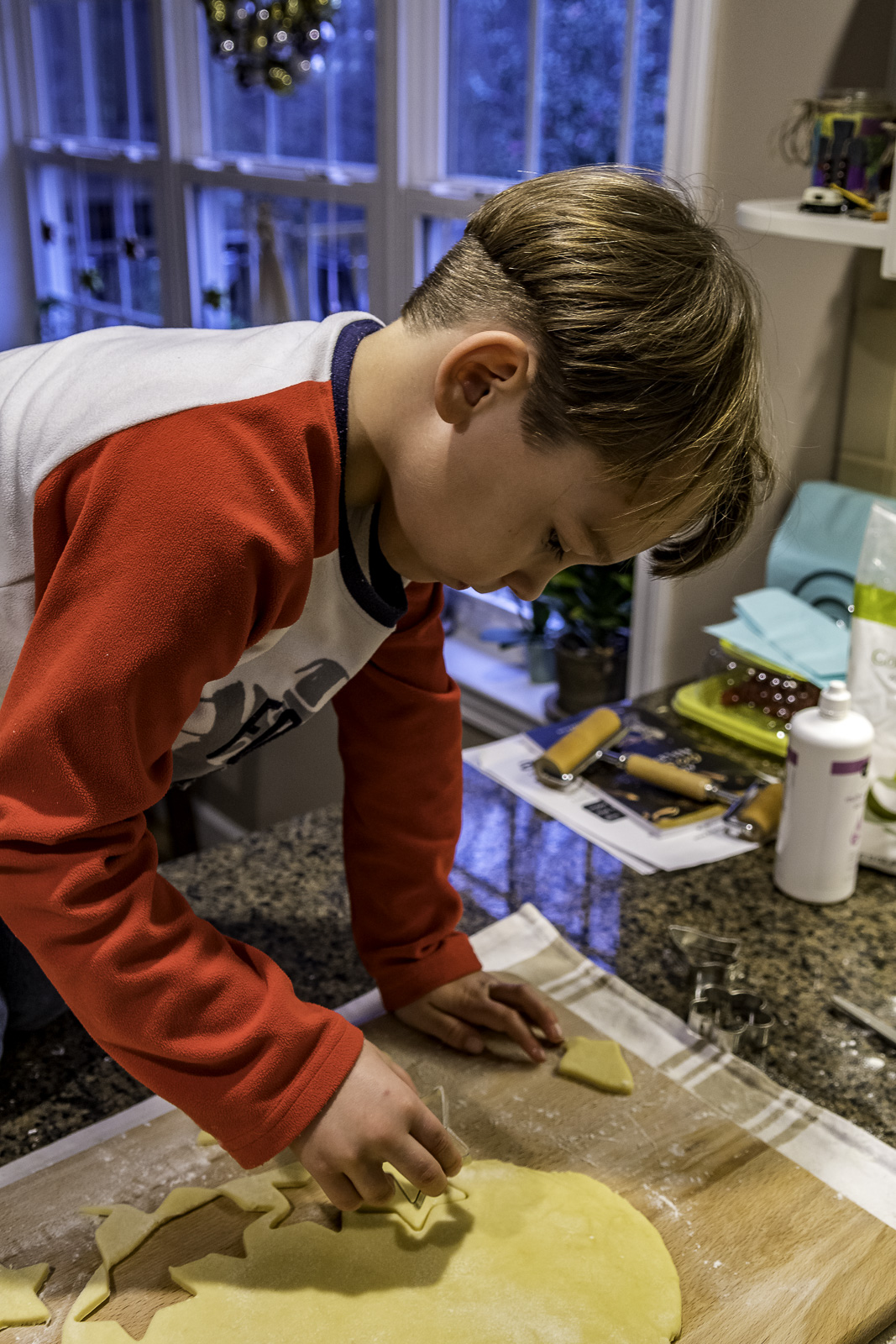
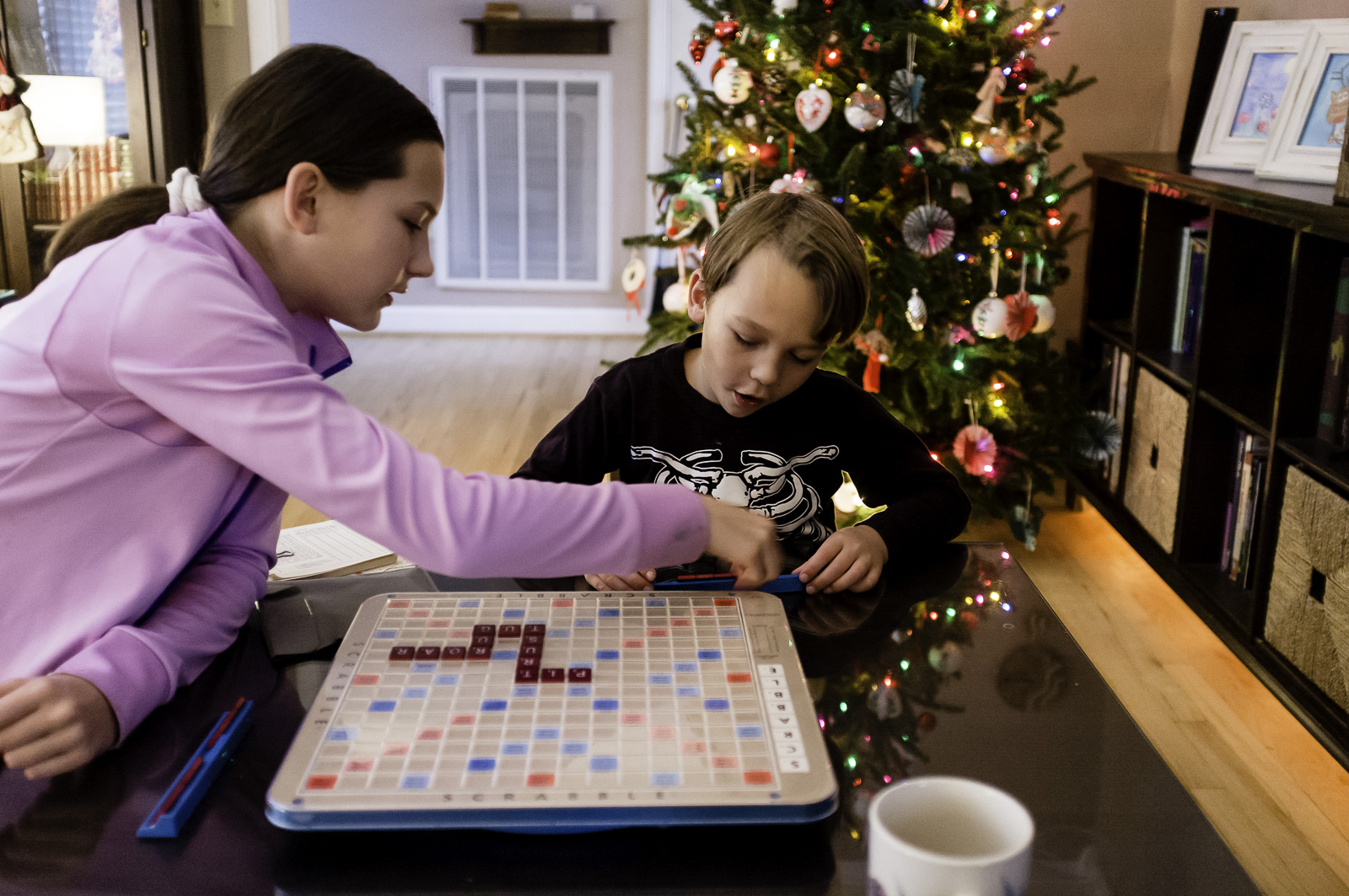
Then I began noticing a theme in the pictures, both the ones I'd selected and the ones I was noticing: maturity and independence. The kids working more, helping more, taking more on for themselves. The kids showing interest in things they'd never shown interest in before. Sure, there were lots of pictures of the kids being kids, but there were lots of pictures of kids growing up. Mowing, baking, reading, helping.
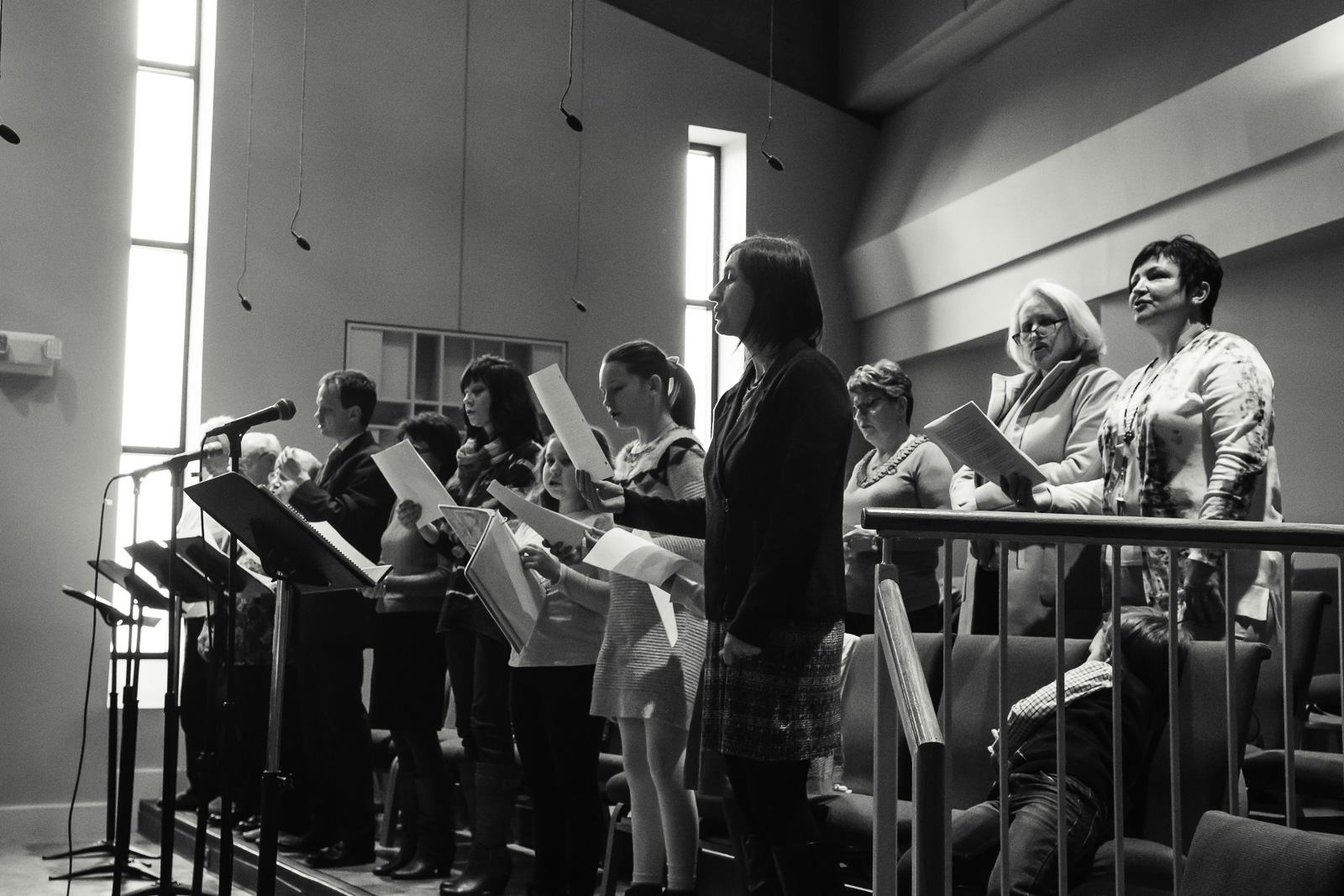
L finished elementary school and dove into middle school with eagerness. The Boy went from barely reading to showing an interest in chapter books and excitement at the prospect of reading them on his own. The Girl committed herself to singing in the church choir, now led by an Italian who was the associate choir director at the Sistine Chapel and has the girls singing most of their stuff in Latin these days.

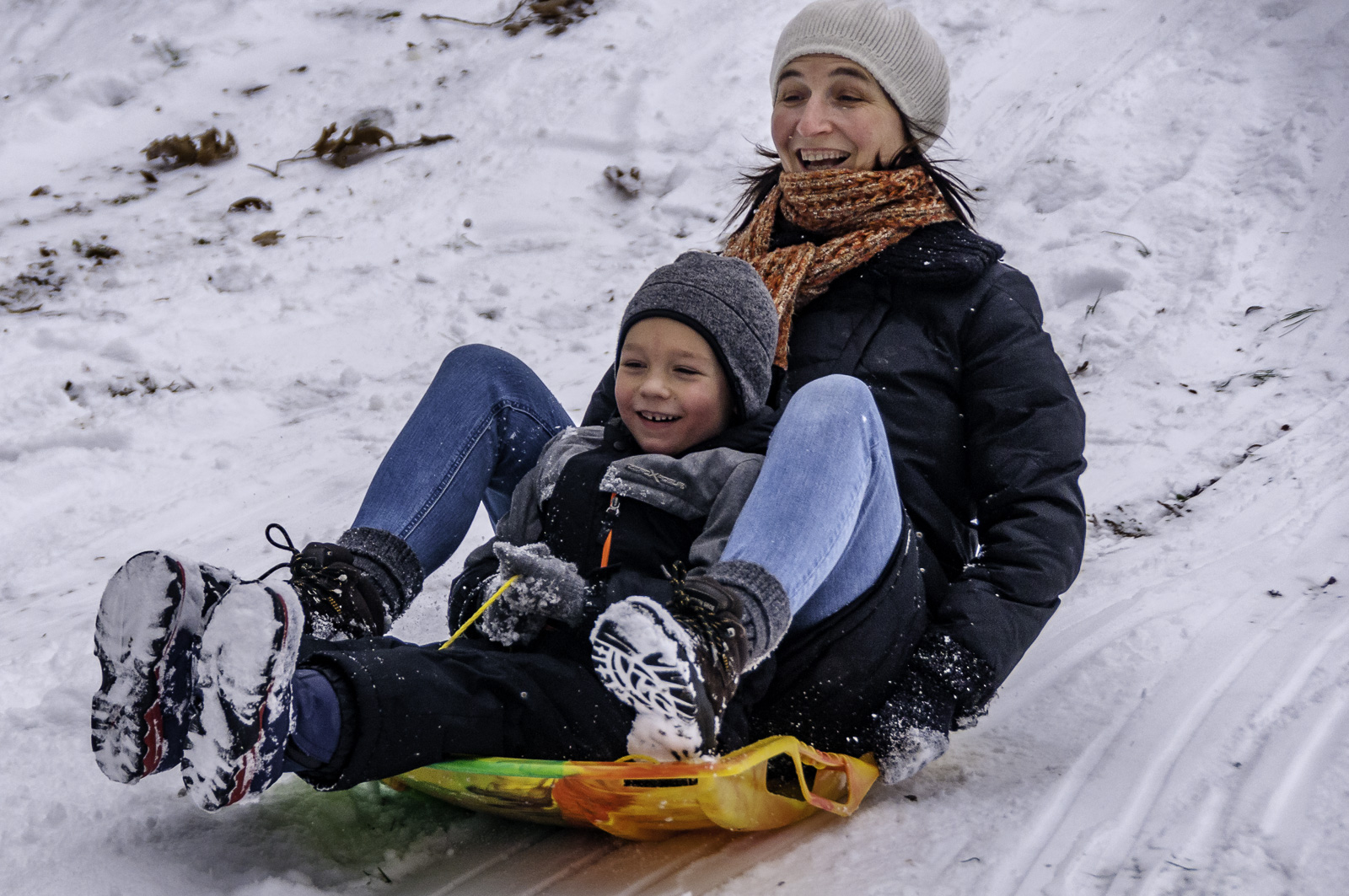
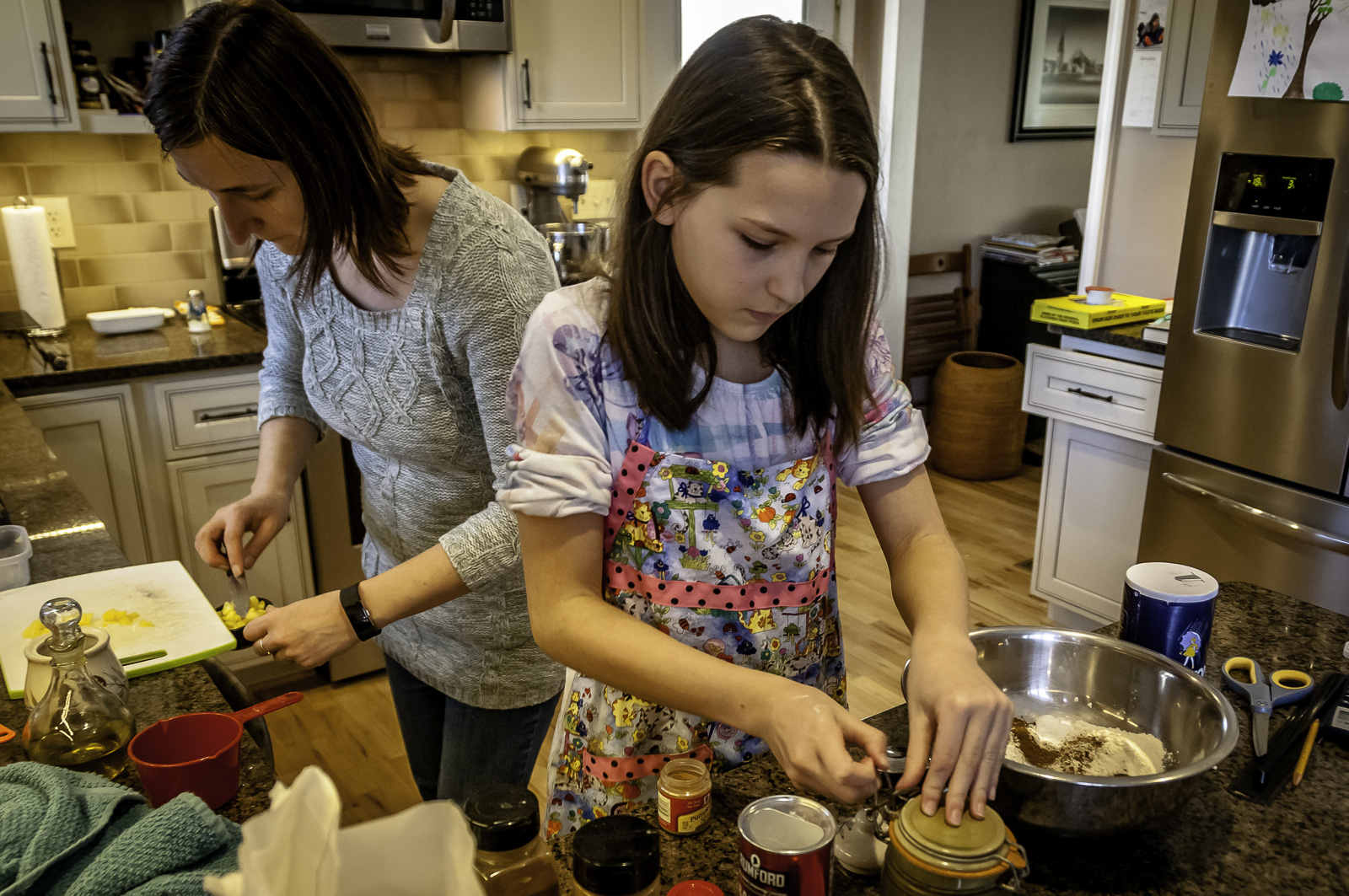
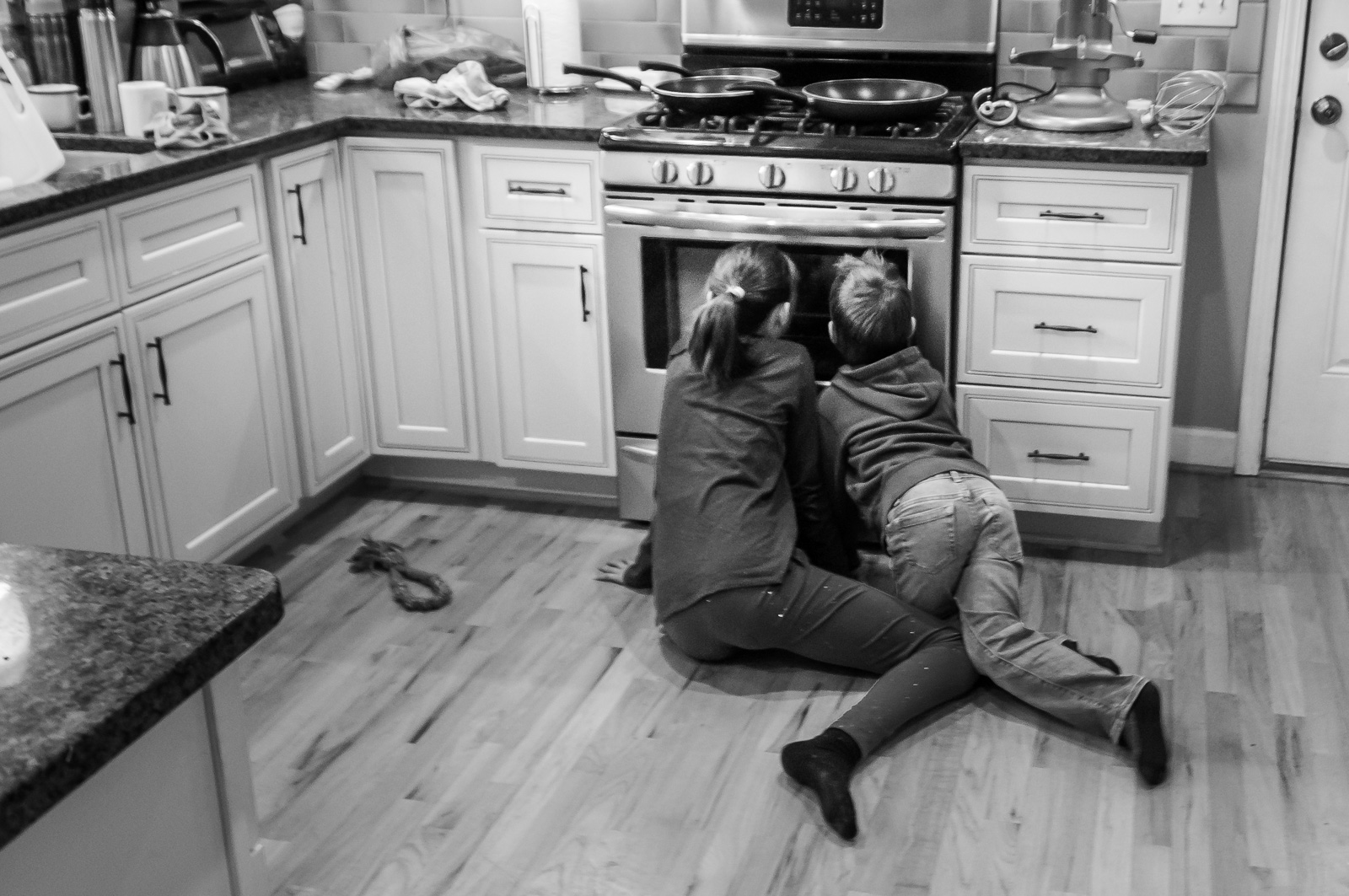
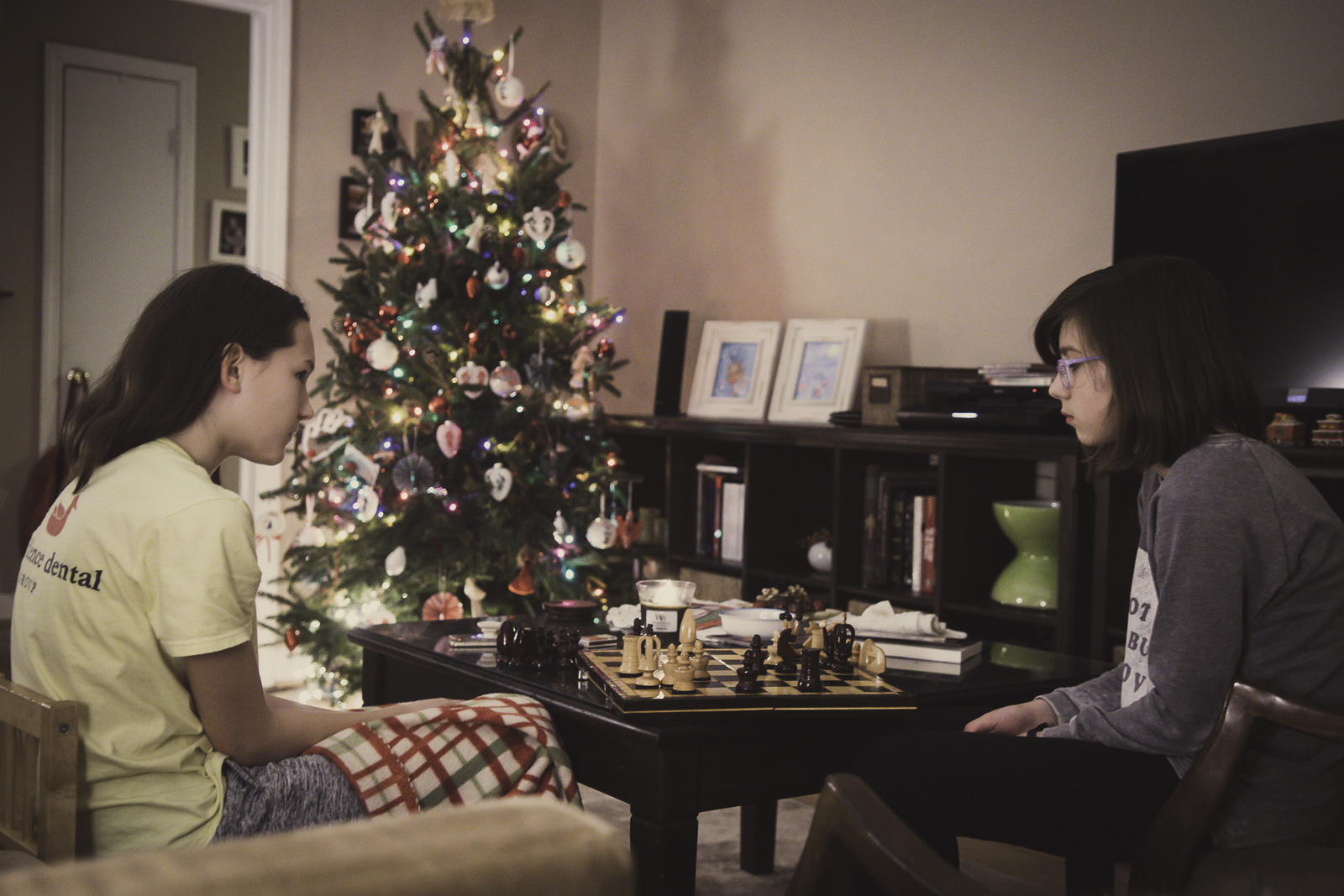
There were some downs as there always are. One of Papa's sisters passed away unexpectedly, and our dear friend who was battling cancer and had been given four to eight weeks to live survived only a few more days. Bida is growing more and more pathetic (in the classical sense of the word), and with her slowly stopping eating and moving less and less, for the first time, K and I discussed the inevitable. Not for a while, that's true, but it's coming, I fear.
This year will bring even more changes. The Girl will officially be a teenager. I will begin the second half of my forties. The Boy will likely be eating more that K. The Girl will likely be taller than K. And no matter the other changes, family will still be family.

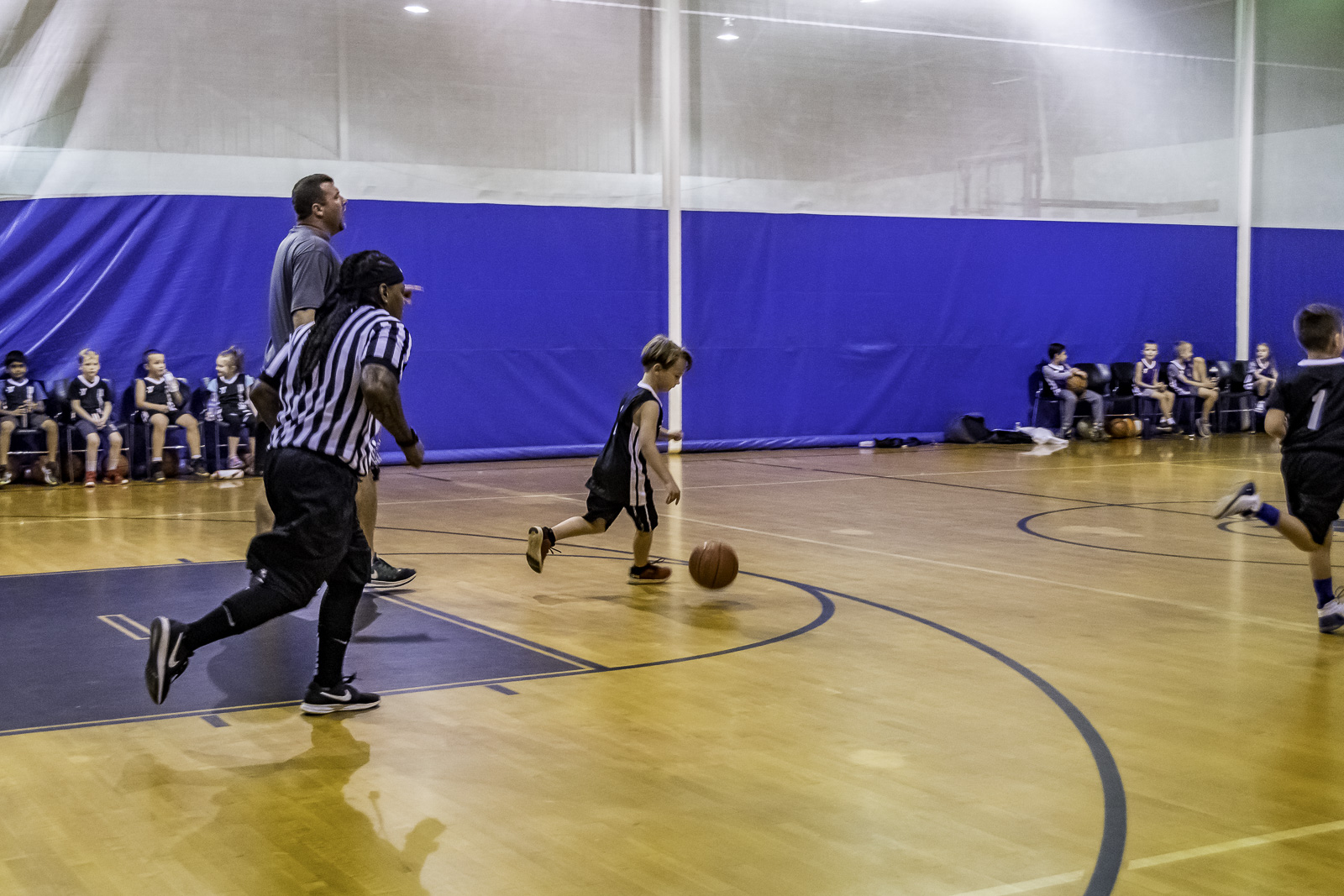
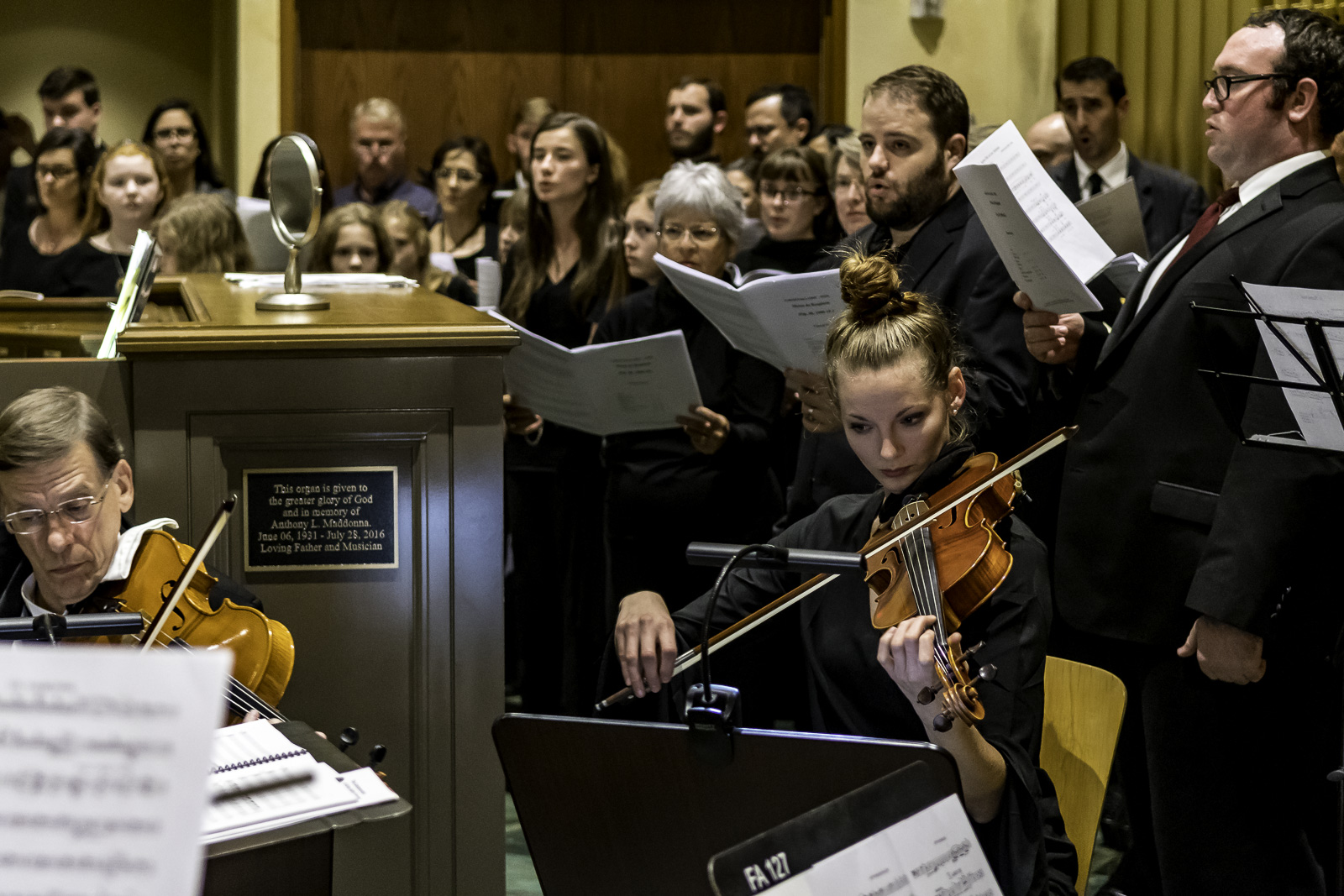
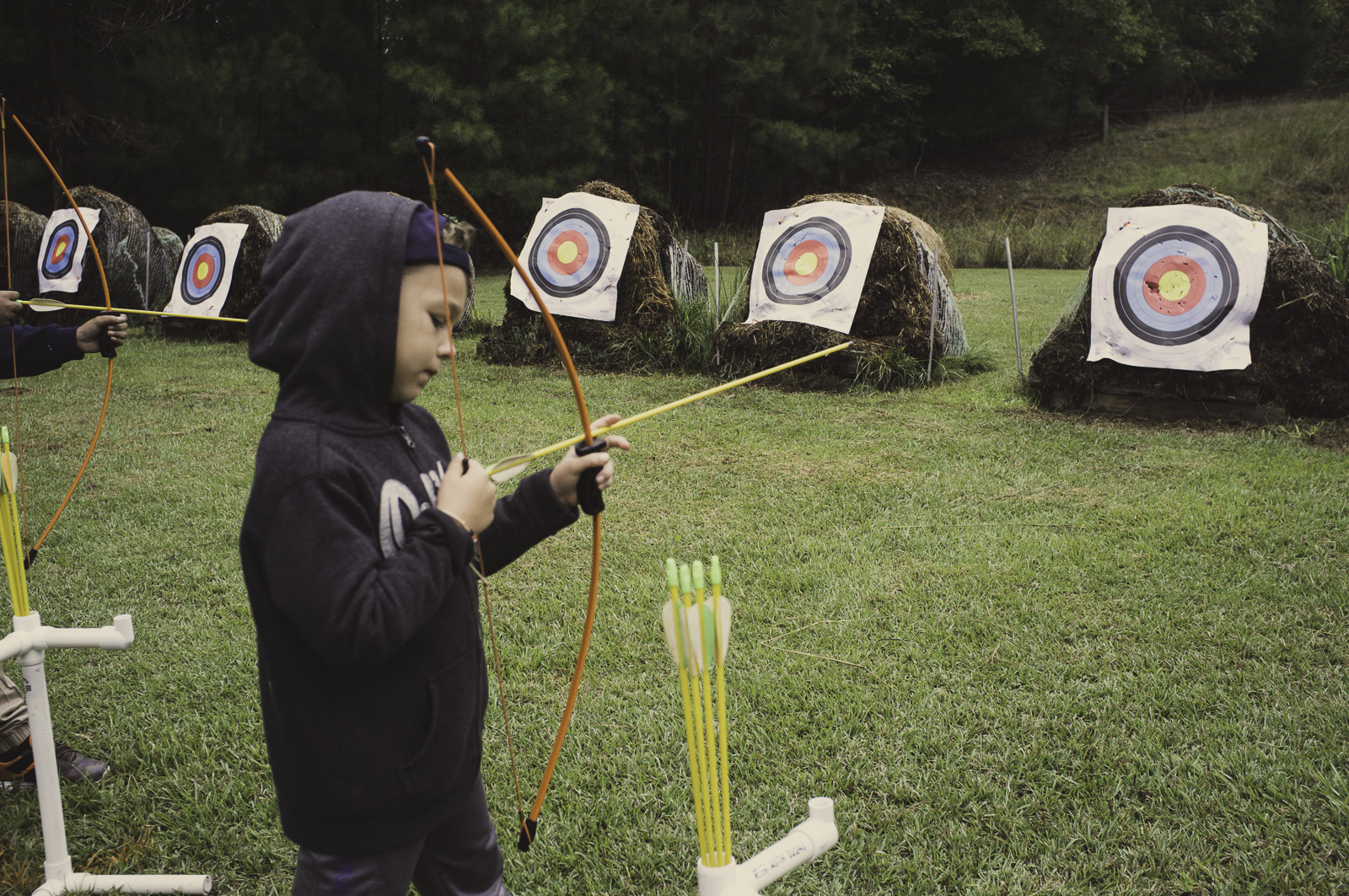

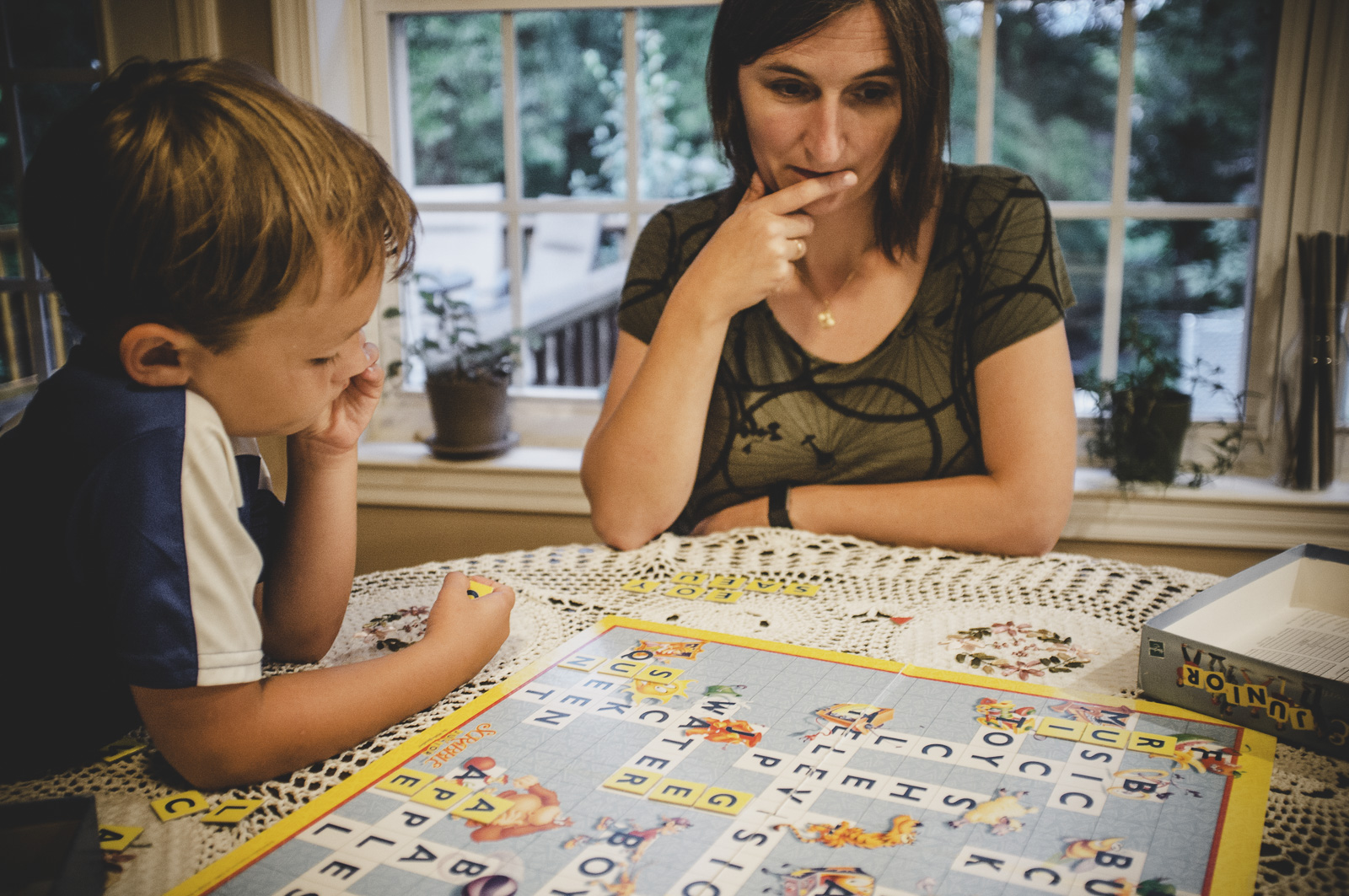
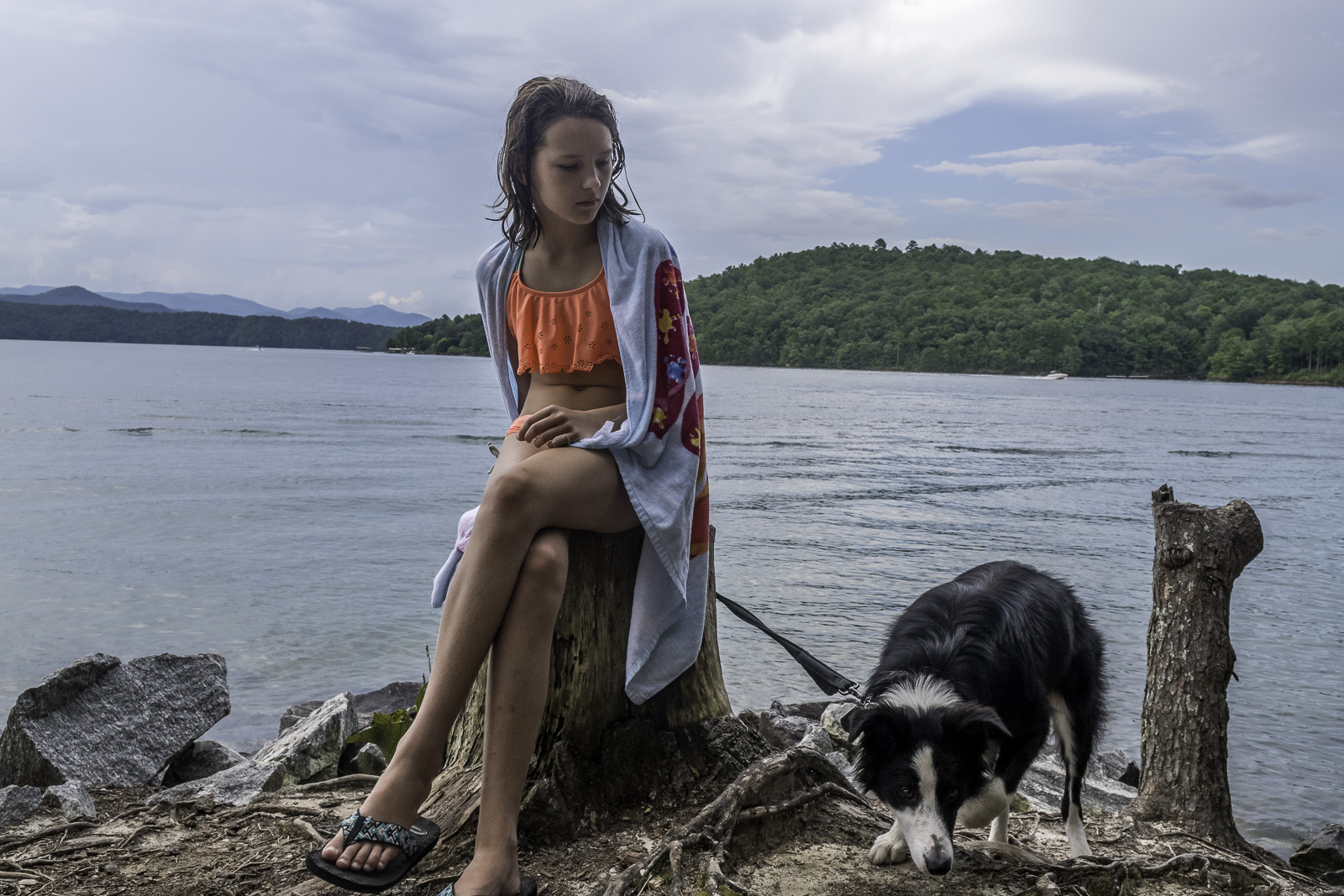
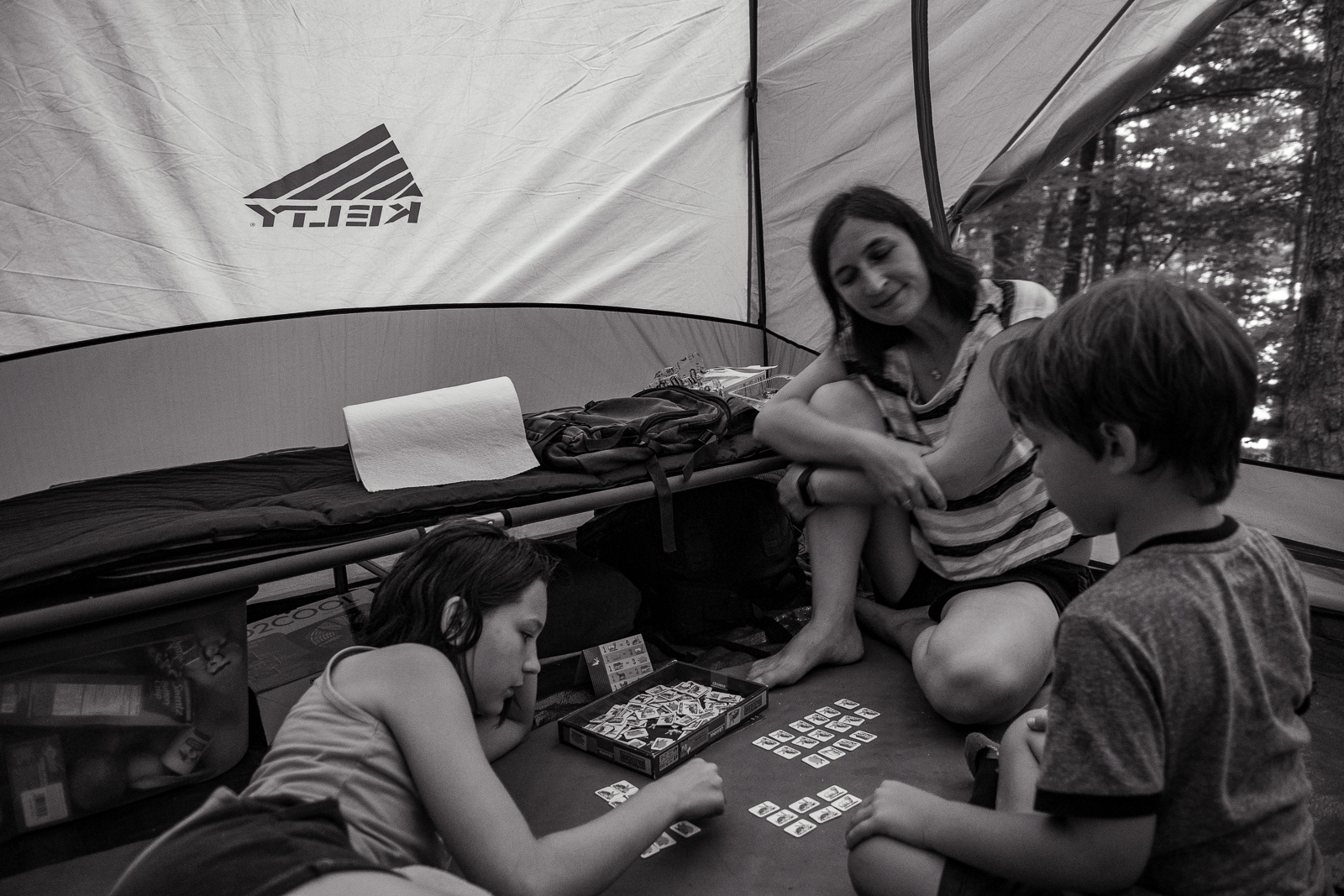
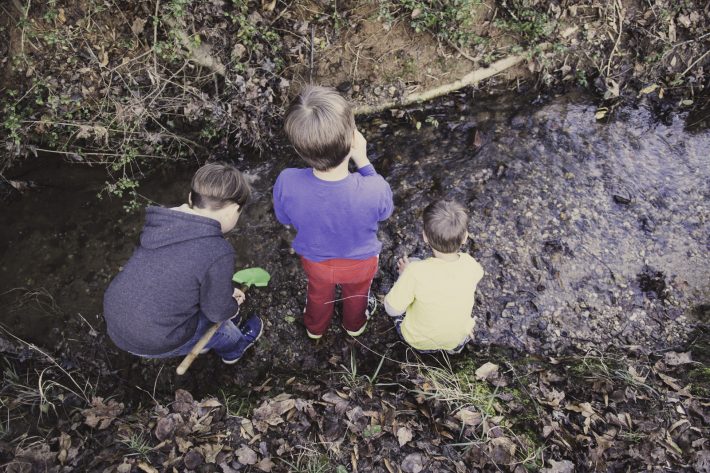
N and R came over for a little play time today after the Boy spent a couple of hours at their house this morning as K and I went to visit a dear friend who is in the final stages of a battle against cancer.
"The fight's gone. It's done," said our friend. And what a fight he'd put up: this summer I helped him with an addition to his home, and he worked with a chemo backpack on, pumping him full of pain to fight the ultimate pain.
Seeing the boys playing, with all their energy, excitement, and passion was jarring in juxtaposition. All three of those boys will, at some point, grow old and die, long after I've done the same thing.
That's what we all assume. We all wake up every day and work under that assumption without even thinking about it. We obviously can't paralyze ourselves thinking every day, "Something could happen this day that takes someone we love away from us," but a little reminder about our mortality is a good thing from time to time. It inspires us to do the little things that we might not have done because we're tired, we need to do something else, or we just have other priorities at that moment.
Perhaps that's what's just beyond the edges of the addiction to pain some athletes feel. I'm nowhere near that level, but three nights of running have left my muscles aching in a way that I almost look forward to the next run, the next shot I have at pushing through the pain, of bettering the pain, because I won't always be able to do that. There will come a time when I have to give up the fight, but each night I run, I can push against it.
Seeing that perseverance, limited though it might be, in my own children would be the purest blessing. One of the character traits I consistently see less and less frequently in my students is perseverance, or "grit" as edu-speak likes to call it these days. So many give up before even trying, convinced that they can't do it, persuaded before they even begin that there's no use in even trying.
It's a natural enough inclination, I think. I already see it in E: he sometimes gives up on something so quickly that K and I just look at each other, that concerned parent look on our faces simultaneously. So when E suggested tonight that he might want to join me on my run, it brought such a smile.
"But we'll run the whole time, Daddy," he said.
We did half a mile in just under seven minutes, with three short walking breaks and a lot of sweet, nonsensical chatter.
So I left for my solo run with a lighter step: the Boy took a little step toward becoming a fighter, toward realizing that that excitement in the creek with his friends can be found even in moments of pain.