The Girl got braces today. She wasn't happy. Neither was our bank account. But such is life for us all...



fun in threes, sometimes fours
growing
The Girl got braces today. She wasn't happy. Neither was our bank account. But such is life for us all...
The Boy was the goalie when it happened — the break, through the pack that always orbits the ball, past the last defenders who have spent most of the year looking on, that left the Boy basically one-on-one with the attacker.
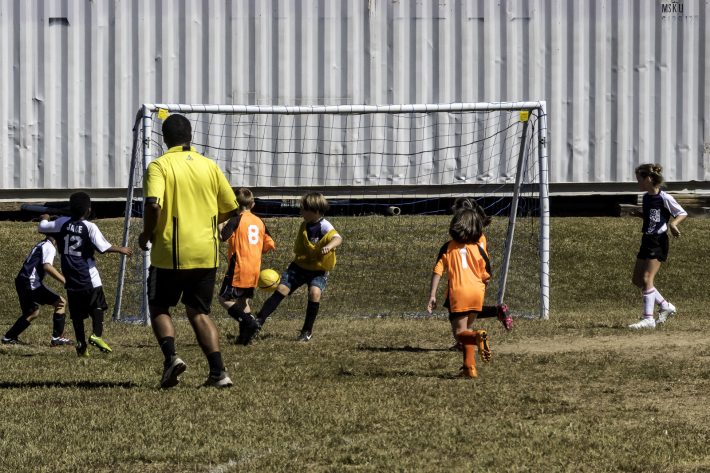
From the moment the break started, I fear for the worst. And a few short seconds later, there it was. The first goal of the game. The only goal of the game. The team’s first loss. With E manning the goal.
I knew he would be distraught about it. “I’m no good at defense,” he declared.
The question is, will this affect his love for the game? Can we help him move past it? How long will this bother him? These were the thoughts I rehearsed on the way back to the house.
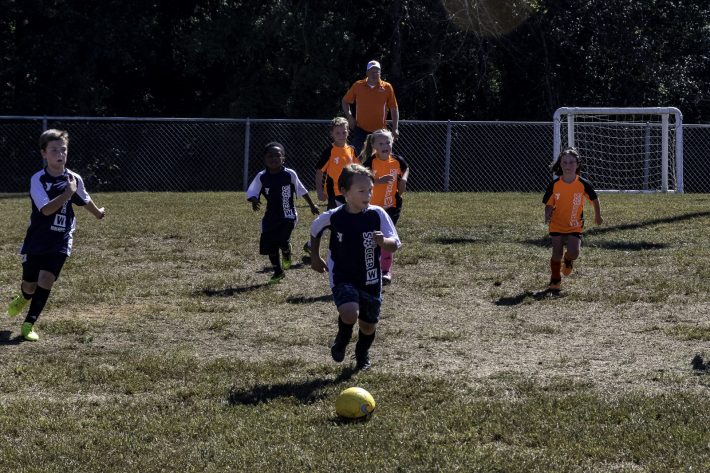
By the time we got home, there was no real mention of it. No mention of it for the rest of the day. But what about Tuesday, when it’s time to go to soccer practice?
"He knocked me down, and I stayed calm. I didn't even say, 'Why do you have to be so mean?'"
The Boy and I were on our way back home, and he was explaining some adventure or other that he'd had during recess. He's taken to playing soccer then, and he's often telling me about what happened during the game.
"Why would you have said, 'Why do you have to be so mean?'" I asked.
"Well, I didn't say it."
"But why would you have said it? Why are you specifically pointing out to me why you didn't say it?" I suspected it was because someone had said that to him at some point.
"Well, I was playing soccer the other day with X" (I can't remember the name) "and I tried to sweep the ball away from him. I didn't mean to, but I knocked him down. He just jumped up and screamed, 'Why do you have to be so mean!?'"
It's usually the Boy on the receiving end of such things, and I'm always trying to help him see the other point of view: perhaps it was an accident. "Oh, no, Daddy, it wasn't an accident," he usually insists. So I asked him, "Did you tell him you didn't mean to?"
"I tried to," he explained with a frustrated edge in his voice. "I said, 'I'm sorry. I didn't mean to knock you down,' but he just walked away from me and ignored me."
Sometimes, I feel like the Boy can't win: even when he's the (accidental) aggressor, it somehow ends with him feeling like a victim.
On the way to soccer practice the evening, the Boy brought up Frida Kahlo. One of his multi-age class groups (they're called "houses") is named after her. "Do you know who she was?" he asked.
"Was she the Mexican painter?" I asked, thinking of the uni-brow painter who did so many self-portraits.
"Mexican? I thought she was German," he replied quizzically.
I'm not up on painters, so I just suggested that perhaps I was thinking of someone else. "Was she friends with Trotsky?" I asked, knowing the response.
"Who was Trotsky?"
Who indeed.
"A generally bad man," I said.
"Why?"
"Because he was responsible for the deaths of many thousands of people."
He thought about it for a moment then asked, "Were they innocent or did they deserve to be shot?" He paused, thought some more, then corrected himself. "Well, I don't mean deserved to be shot. They were just bad. Were they bad?"
From there, the conversation devolved: "Oh like Hitler?" "Who killed more?" "Who's Stalin?" "Did anyone kill more than him?" "Mao what?"
Then I got to wondering: on the playground were these men the aggressors or the aggrieved? And how in the hell did that conversation end up there?
"We don't say that to anyone, though, because we don't want them to laugh at us." The Boy was describing to me, as we drove home from his school, a new game he and some of his friends had invented. Apparently, they have a graphic design company (of course, he didn't use that particular term) because they all love drawing, and this weekend, they all have "a lot of work" to get done for the firm. However, they've kept it a secret from their non-drawing peers to avoid mockery.
How much of this potential mockery would become actual mocker, I do not know. E is sensitive, and simple, one-time, childish comment from a peer might feel like persistent, tormenting mockery to him. Still, I found his words both encouraging and discouraging. On the one hand, they suggest a certain awareness of what's out there, an understanding that the world can be a nasty place that doesn't smile on things that appear out of place. That's much better than a simplistic naivety. On the other hand, he deals with that by hiding that part of himself from others to avoid it all. Of course, he's just a second-grade boy: I don't expect the kind of emotional fortitude that would lead someone to say, "Look, we enjoy it, and that's all that matters," to potential tormentors.
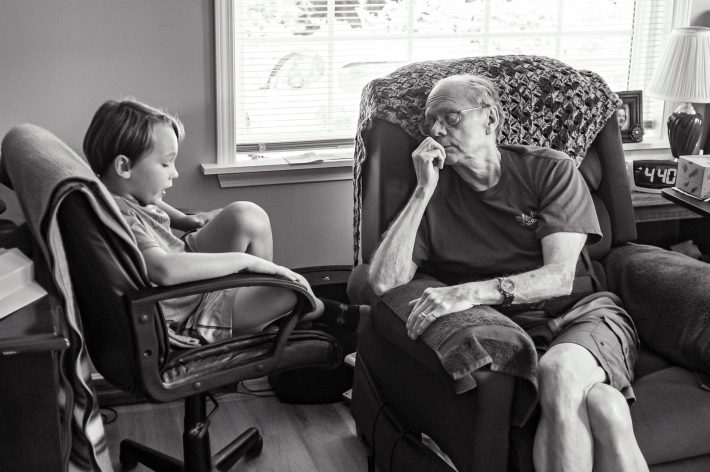
When he got home, he talked to Papa about it and a few other things. He always has a captive discussion partner when talking to Papa: it's the number one duty of grandparents, I suppose. Parents can say, "Not now, sweetie -- I have to X" but not grandparents.
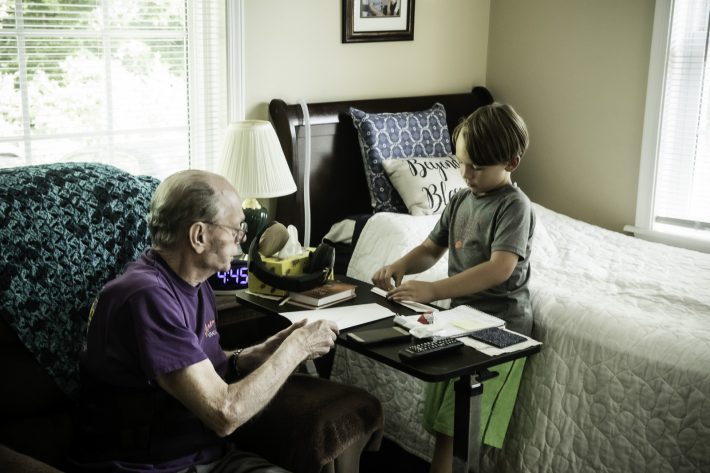
Afterward, they built a few paper airplanes together.
The Boy has taken to drawing again. And being the generous soul that he is, the kind soul that he is — so much a more generous, a kinder soul than I — he regularly draws things for his friends at school.
Today he explained he was drawing a soccer ball for a friend at school who loves soccer.
“Is he a good friend?” I asked because I had certain concerns.
“Well, we don’t really talk. Just when we’re playing soccer. You know, stuff like ‘Let’s get the ball!’ and things like that,” he explained. That didn’t sound like the closest friend in the world. More like a soccer-field acquaintance.
And so I imagined a nightmare scenario of E, so thrilled with his drawing and happy to give something to someone that he imagines will bring only joy, giving this boy this drawing and the boy being completely nonchalant about it. Or worse, asking something like “Why’d you do this?” Or worse still, throwing it away in front of the Boy.
And then I imagined the conversation later, the confusion and pain the Boy might feel. “I would never do anything like that to someone,” he would protest. “Why would anyone do that?”
Why, indeed?
I don’t know that this will happen; I don’t know that, if it does, the Boy will even bring it up. But I do know that I can’t always be there to step in and block a painful situation, that I can’t always steer him away from people that seem callous or hateful, that I can’t always stop the pain before it starts, so I let it go at that. We’ll see tomorrow how his friend took the gift.
“What should I do with my tooth?” the Girl asked. She’s had to have three baby teeth pulled because they just weren’t coming out correctly. This last one was the final to come out before she gets her braces on, something she’s not really looking forward to.
“Why not put it under your pillow for the Tooth Fairy,” I suggested.
She looked at me, furrowed her brow, screwed up her lips, marched over and said, “Right.”

“Well, why not? Get a little money. She gets another tooth. It’s win-win.”
Again, “Right.”
“What do you mean, ‘Right’?” I tried to keep from smiling, but I could feel the edges of my lips creeping upward.
“I know it was you guys,” she proclaimed.
“Oh, really?”
I’ve been waiting for this conversation for years now, wondering when she would admit that she knew K and I were the Tooth Fairy and Santa.
“Yes, I saw you!”
“And how do you know it wasn’t the Tooth Fairy. She could be a shapeshifter.” I was wondering if she would come back with, “Those don’t exist, either!” but instead, she just insisted again that she’d seen me.
Then the bombshell: “E doesn’t even believe in Santa!”
Our kids have grown up swimming in the pool at Nana's and Papa's condo complex. More often than not, we were the only ones there, and the kids really came to think of it as a private pool for us. "Oh, someone's here," was the common moan when we pulled up to find that someone from the complex was already there. In all the years we've been going there, I can think of exactly one time when it seemed crowded: at most, there were half a dozen other swimmers there every other time.
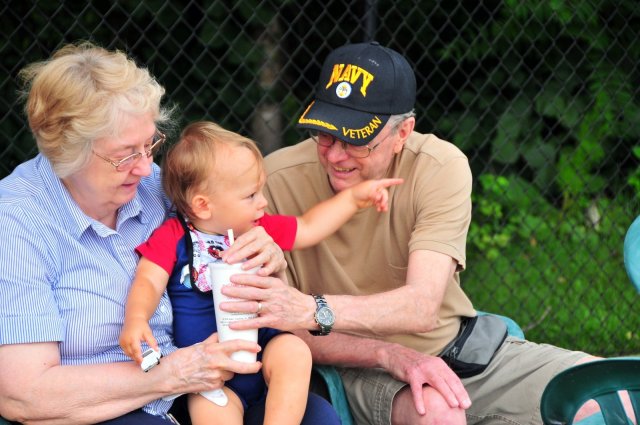
Most often, Nana and Papa would meet us at the pool, and we would try to entertain them by entertaining ourselves. Lately, though, say in the last two years, Nana and Papa made it less and less frequently. With the problems she had with polymyalgia rheumatica, Nana had greater and greater difficulty walking, and they came less and less frequently. And then Nana passed away, and all the changes that came with that...
Now we're getting ready to sell the condo, and so this season will be our last season swimming there. Which meant today was our last day swimming there.
It's not the loss of the pool that has drawn me into a thoughtful mood but what it means -- the end of an era of our lives. Nana's passing was, of course, the most significant, the most painful, but since then, the door to that era has remained slightly open. The apartment was still there, still filled with furniture, dishes, clothes, and all the memories attached. After the estate sale, most of the furniture was gone. A few trips to a local charity and almost everything else is gone. The apartment is empty except for a large dresser that Nana and Papa bought in 1979 from a family in the apartment complex where we lived. They were going through a split up and everything had to go.
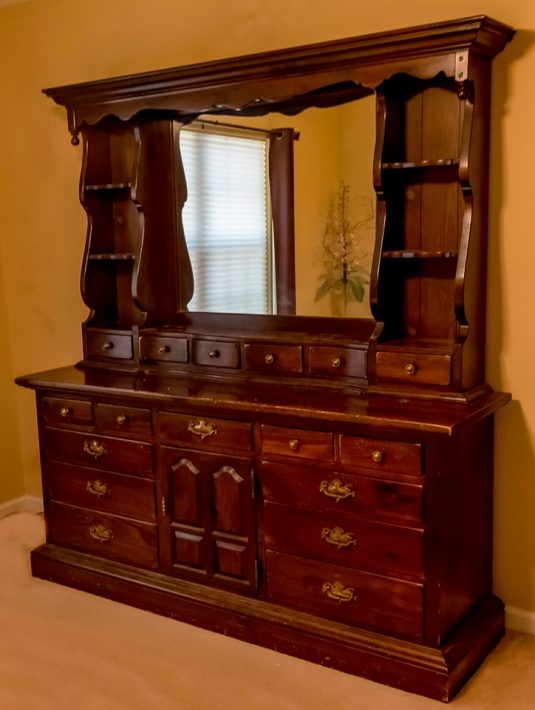
In 1979, I was six, so this dresser was a constant presence in my life, the one piece of furniture connected to the time when I was E's age. We've been trying to sell it for ages. We've dropped the price again and again until it's now almost free, and still no one is interested.
That seems somehow sadly appropriate. Who wants someone else's 40-year-old memories?
Through all this, though, we kept going to that pool this summer. Somehow I was unconsciously thinking, perhaps, that continuing ritual kept everything from changing for good.

I guess what it is, is simple: that pool represents my kids as kids. It will bookend a period when they were both kids, for L at nearly 13 is no longer a little kid. She's nearly as tall as K, and her interests are maturing to match: she's started watching Grey's Anatomy on Netflix because so many of her friends have been watching it, and she wants to keep up with them. When we go to the store, she's asking to buy makeup instead of toys. The thought of going to Starbucks for some iced coffee drink nonsense thrills her. Our Daddy-L time is no longer playing with this or that but practicing volleyball. She's getting braces soon and will likely not find boys disgusting for very much longer.
It's all inevitable, but that doesn't make it any less bittersweet.
The Boy headed over to his young soccer team with a nonchalant gait that suggested ambivalence.
"Run, E," I said. "Show some enthusiasm."
He broke into his power stride: he slams his feet down in short strides and rocks his whole upper body back and forth. It's not a particularly efficient gait, and I've tried several times to help him improve it.
"Slamming your feet down quickly doesn't help you run faster," I once explained. "In fact, it really has the opposite effect." We practied a better step together, but anytime he wants really to run, he reverts back to his jerky, stomping gait.
I suppose his thinking is logical in a way: to run full speed, you have to put all your energy into your run. What more obvious way is there of accomplishing this than expending massive amounts of energy in slamming your feet down?
So he was running across the field toward the circle of players while I retrieved my folding chair from the trunk. I closed it, looked up, and saw E sprawled on the ground, his arms out at his side, his feet still traveling upward as he rocked ever so slightly onto his upper body from the momentum of the running and falling.
I sighed.
The Boy has such a time with his self-confidence. He's keenly aware that he's slower than a lot of his peers; he's quite cogniscient of the fact that he's far from the most aggressive player on the soccer field; he knows he doesn't play any number of sports as well as his friends. The only thing he feels truly comfortable and confident doing is riding his bike with me.
I couldn't tell what happened in the end. He just got up and continued over to the group, but I don't know if anyone said anything, but I don't think that's even necessary: we're perfectly capable of feeling we've made a fool of ourselves without anyone saying a word.
The question was, should I say something?
There was a part of me that wanted to talk to him, wanted to reassure him, wanted to make sure he was okay, that his ego hadn't taken too big of a hit. Yet there was another part that felt I should just let it go. Bringing it up later might not do anything positive, I thought.
In the end, I just let it go. He never said anything about it, and it seemed like the coach was giving him a little extra dose of praise later -- perhaps thinking the same thing I was and trying to give that confidence a little boost? I don't know. I didn't talk to him about it either.
It's that fine line -- when to step in and when to back off -- that I suppose every parent tries to find in every situation.
When we got back home, the Girl was asleep: she'd just finished a volleyball game and had been fighting a sniffle for most of the day. "Just let her sleep a while," K said, and so we did.
"How was the game?" I asked.
It turned out that L's team didn't just beat the other team; they completely demolished them. "I'm not sure the other team had a total of 25 points in both sets combined," K said sympathetically.
The coach of the other team had come out and told the audience that they were a young and inexperienced team. "Please give them all the support you can," she said.
I'm not sure how I feel about that. In a way, that's like saying, "We know we're about to get our asses handed to us, but cheer for them anyway." It's a tacit admission of what's about to happen. And yet what's wrong with that? Isn't that really just knowing one's own limitations?
In my own brief coaching career, I got reprimanded by a parent when, after a player on our team, watching the other team warm-up, declared, "We're going to lose! There's no doubt," I replied with, "Yes, you certainly are." Dramatic pause. "If that's how you see it, that's exactly what's going to happen." I continued by pointing out that they'd given up before they even started, and nothing good ever comes of that.
"Well, I think you could have been more encouraging," the mother said.
Perhaps. By that time, the girls had lost not only every single match but every single set. We won one set the entire year and lost every single match. I'd been trying to encourage them, but I suppose it wasn't enough -- not for the girls, not for this particular mother, not for any of them.
It was my one and only season of volleyball coaching. Fortunately, I have a lot more seasons of parenting to get it right.
Sometimes, we just don't think things through and come to regret the results. Some mini-disasters would be so easily avoidable if we simply stopped for a moment, looked at what we were about to do, and asked, "Is this really a great idea? What's the worst that could happen if I do this? What's the best?"
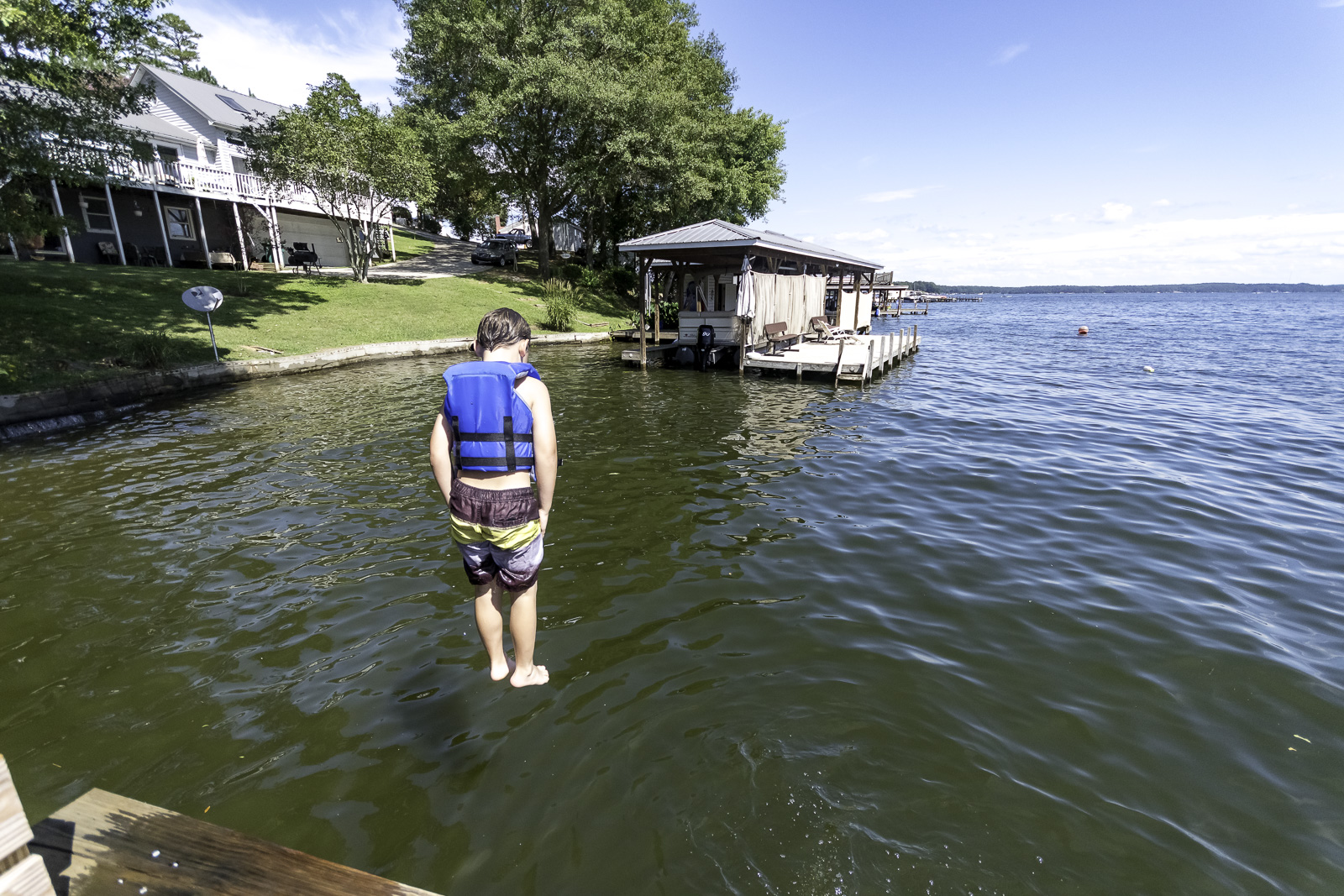
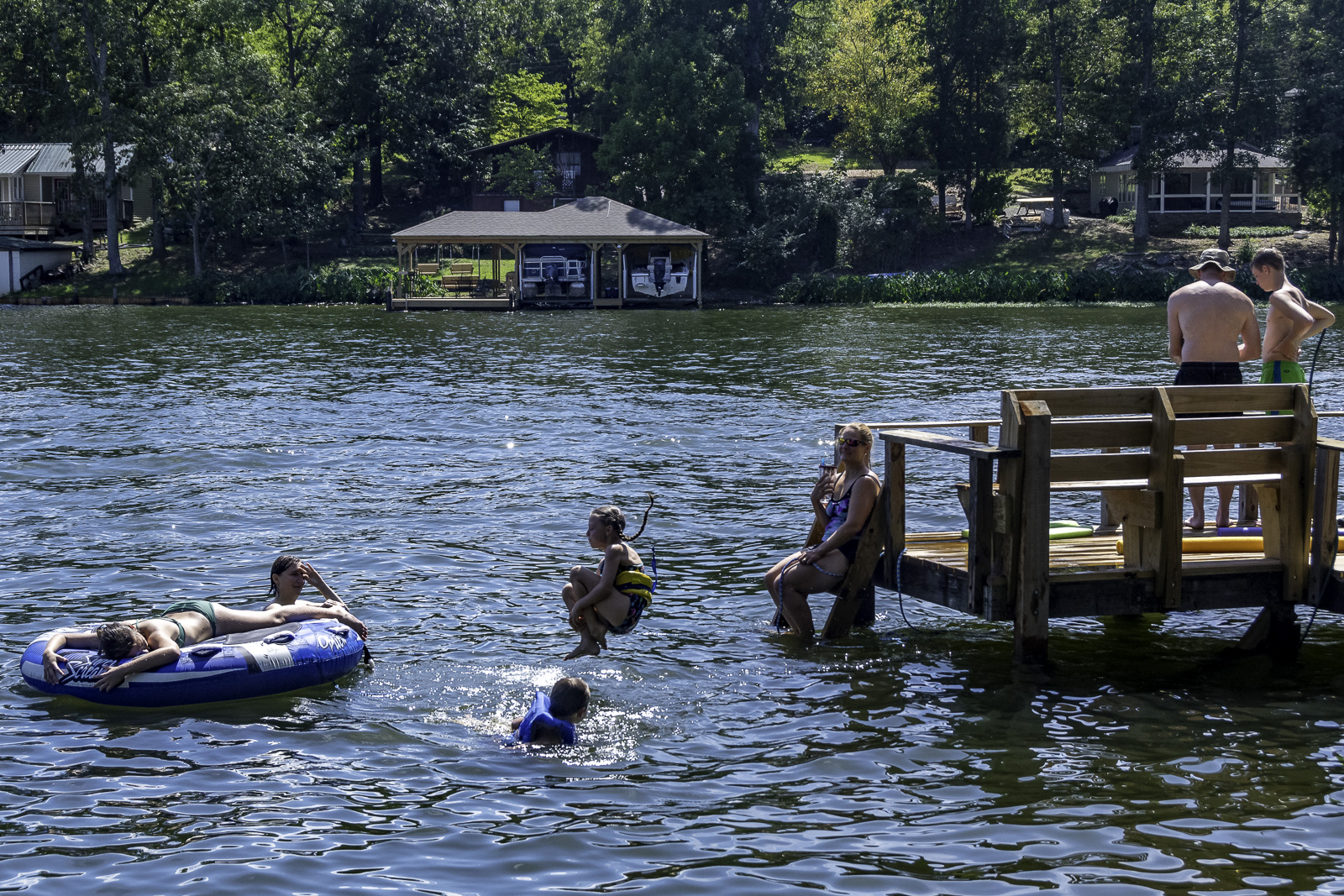


Twelve-year-olds who are sure they're about to turn twenty are particularly suspectible to this. I know I was at that age. At that age, we have an excuse: our brains simply haven't finished forming despite all outward appearances to the contrary. After all, our bodies are soon reaching their fullest potential, and our learning curve has not been anywhere near as steep as it was when we were first wandering about the world. Surely the brains are done at that age. But they're not, and this is especially true of the area of the brain that controls impulses. So we do things at that age without thinking about it because the portion of our brain that does that thinking isn't fully developed yet.
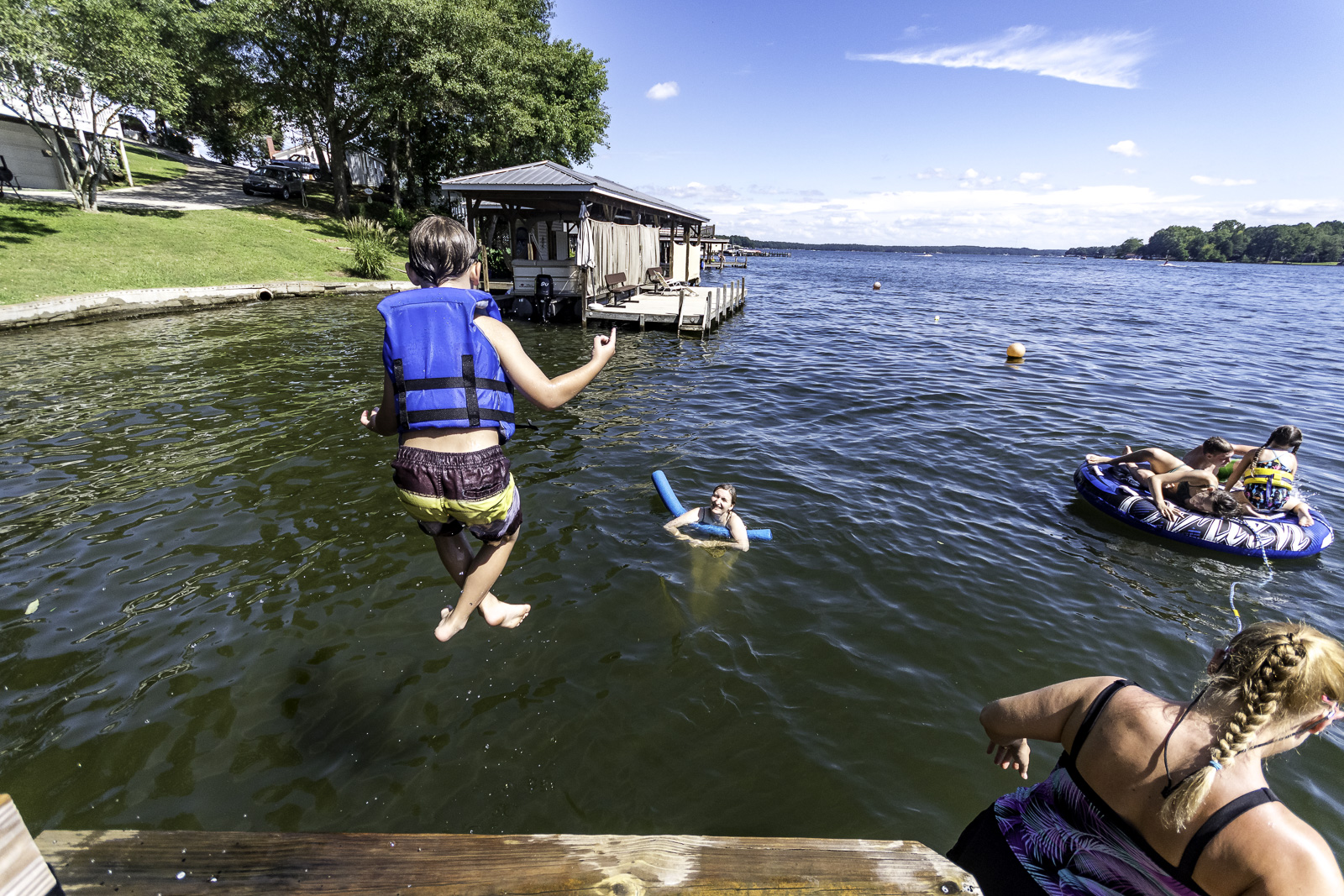
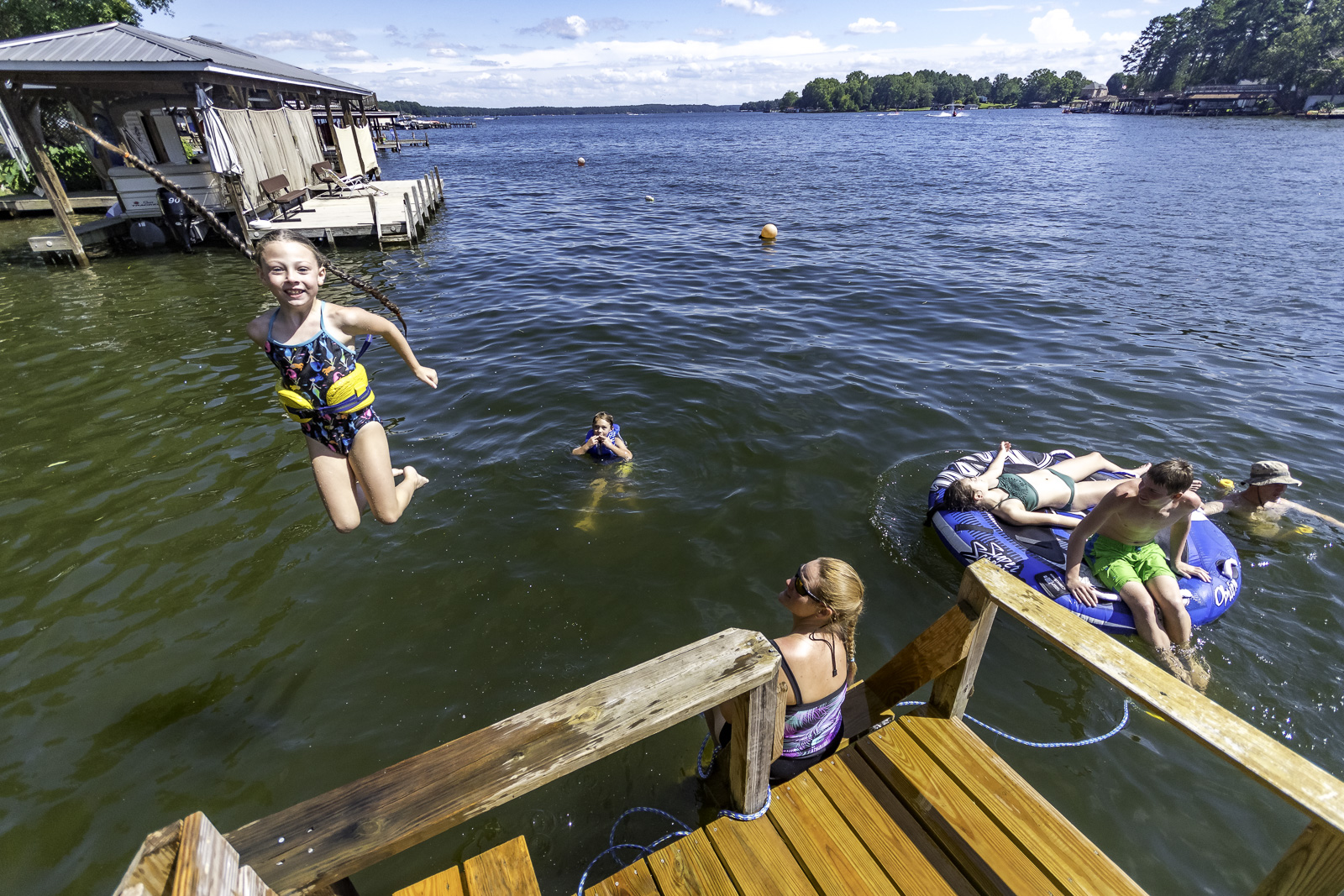
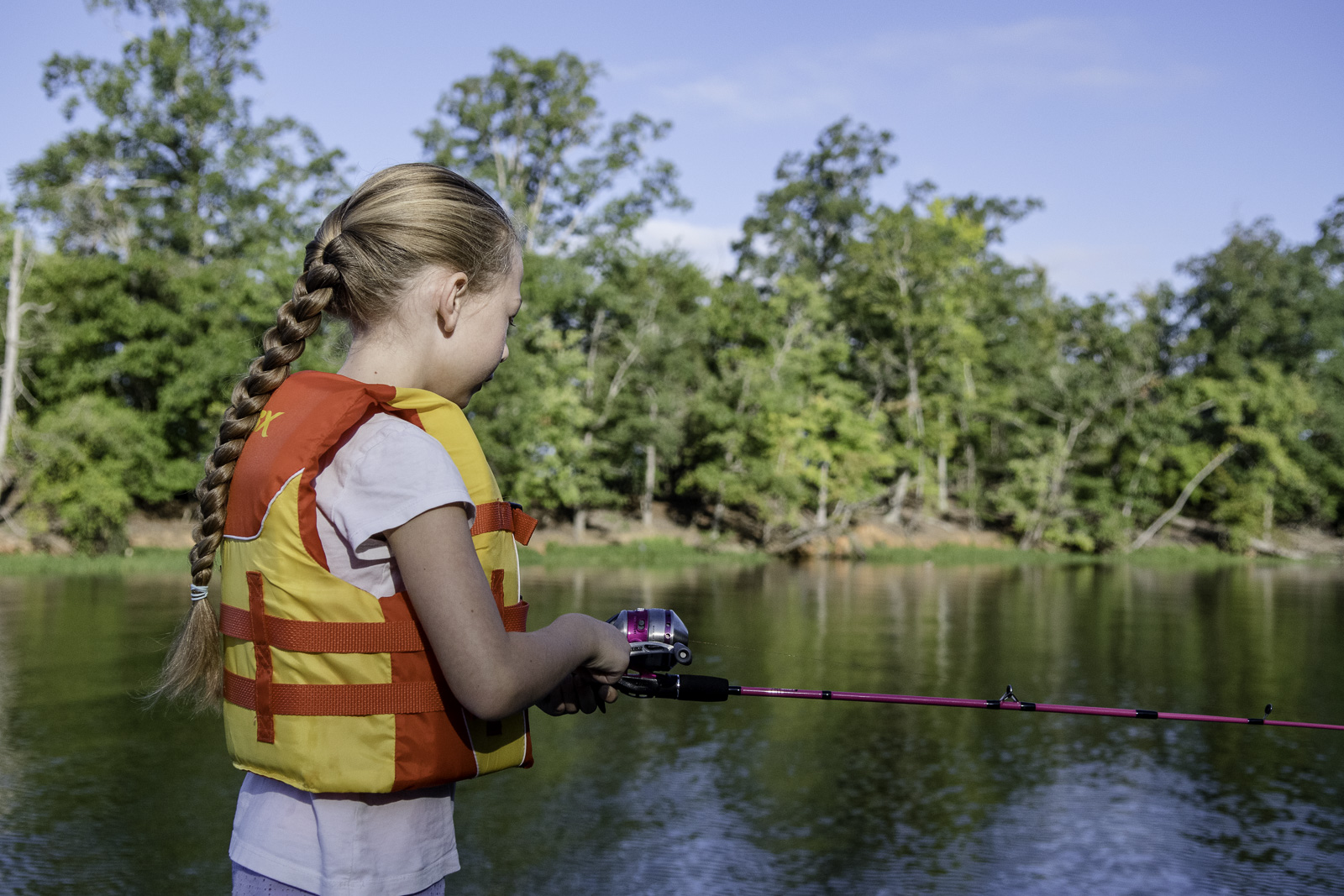
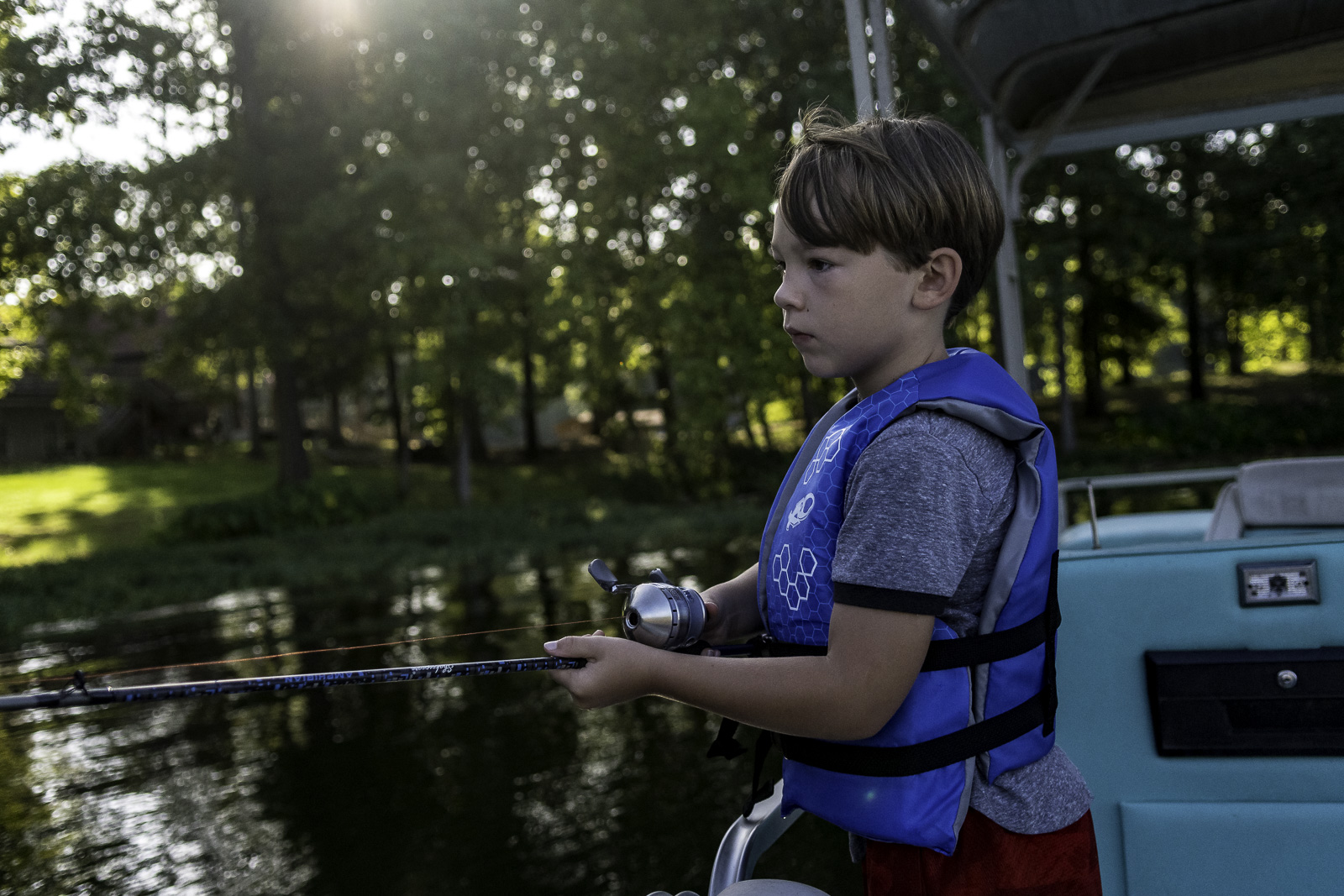
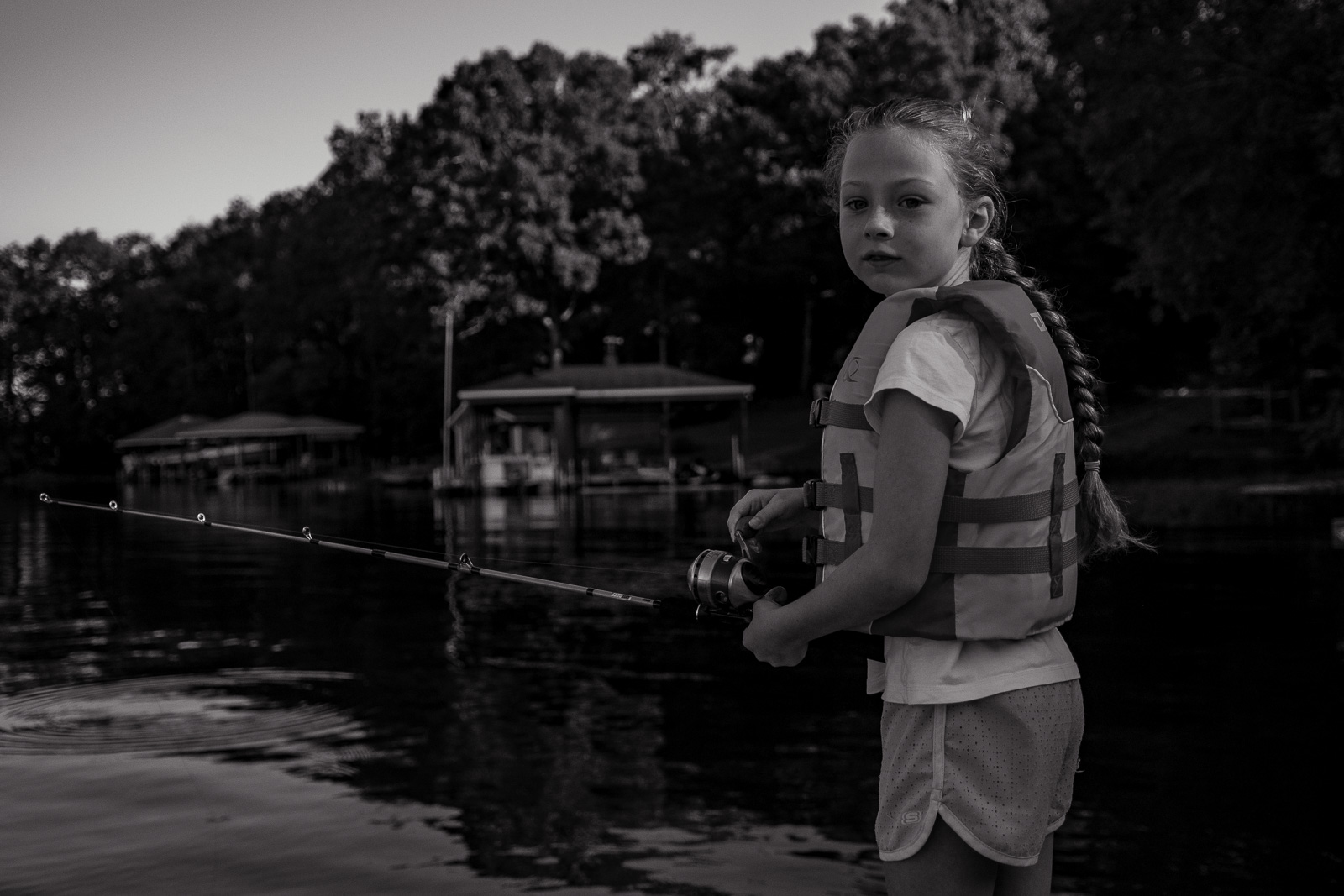
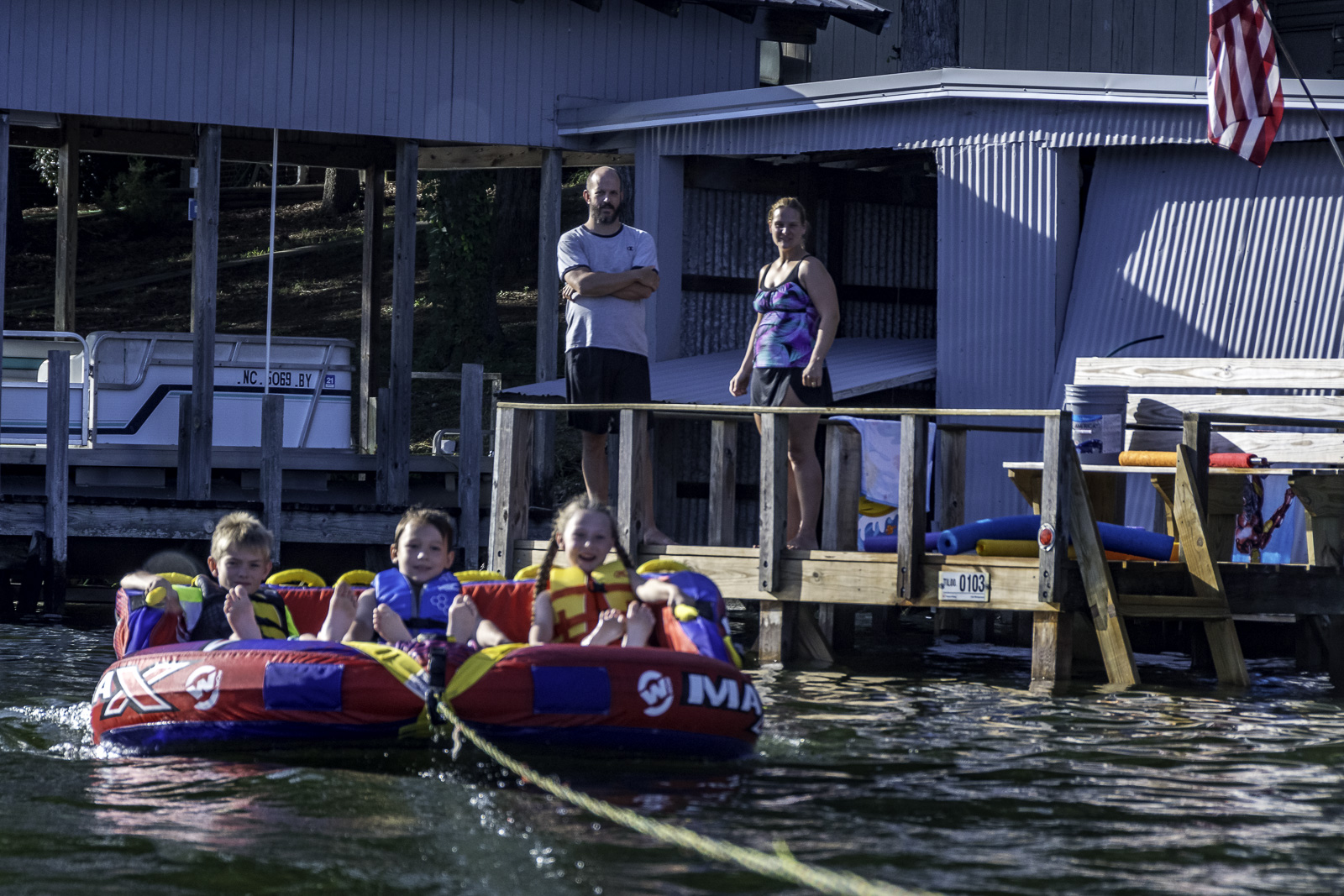
This weekend at the lake with friends, L did something that could have foreseeably mini-disastrous (super-duper-mini-disastrous, micro-disastrous, even, but disaster was still the little nugget at the center of it all) consequences and resulted in the unintended destruction of someone else's property.
The Girl, though, was calmly willing to go to the owner and discuss with him what happened. It helped that he was on his back porch and that she didn't have to knock on the door. Still -- a proud little moment for us.


Tonight, the Girl had her first game as a member of her middle school volleyball team. She tried out last year, but she didn’t make the cut. That was not going to cut it. She worked and practiced for the last year and this year, her first year, she’s actually a starter.
How did she do? She showed an awareness of the game that was impressive; she was a good sport and supportive team member; she cheered her team enthusiastically when she was on the bench; she smiled a lot.

I sat with K and the Boy and cheered. And felt a fair amount of frustration about the fact that I’d forgotten to take a camera with me to school…