At this point, I barely know any of their names. They have 4 new names to learn; I have almost 120 new names to learn. Still, we're getting to know each other, learning what makes each other tick...
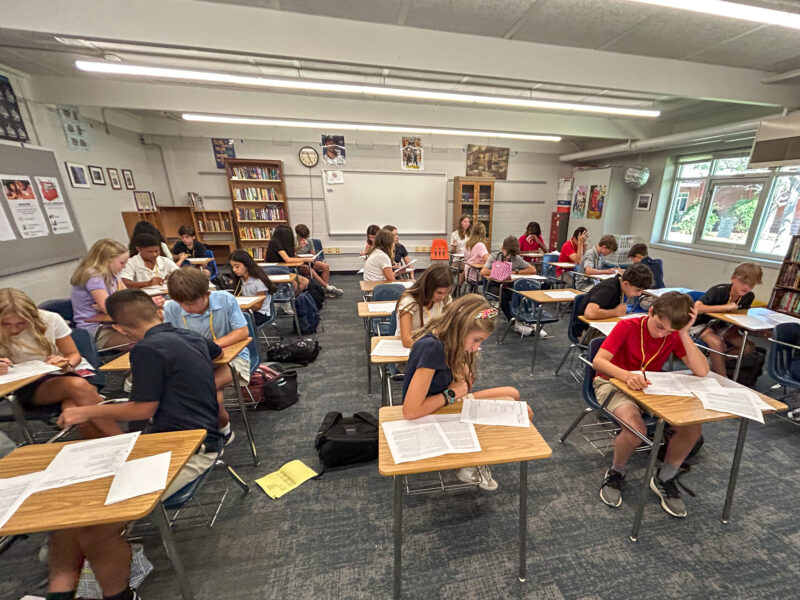
A good first day at school.
fun in threes, sometimes fours
education and teaching
At this point, I barely know any of their names. They have 4 new names to learn; I have almost 120 new names to learn. Still, we're getting to know each other, learning what makes each other tick...
A good first day at school.
Tomorrow, I begin my twenty-fifth year teaching, my sixteenth with Greenville County Schools. Am I ready? I've reviewed and signed all my IEPs and 504 plans. I've worked with other eighth-grade teachers to create this week's lesson plans (and of course, the administration tweaked the lesson plan template, as they do every single year). I've spoken to teachers and administrators about which students I need to focus on early in order to form a good relationship so that when things sour, I have that good relationship to appeal to. I've spoken to my co-teacher in my inclusion class about what we'll be doing and had a fruitful discussion about how we will work together. I've watched (almost) all my safety training videos (the same ones, year after year after year after year after year...). I've done everything I'm supposed to do, and I still don't feel ready for tomorrow.
Part of that is because of what I've heard about this year's group of kids. "They're the toughest bunch we've ever had" was the common assessment of most seventh-grade teachers. I'm not looking forward to a year like that. Yet they always mature some over the summer, so I'm hopeful that will mitigate things a bit.
The Boy, though, feels even less prepared than I do. "I just want to go back to elementary school" has been his mantra. New starts always make him nervous, but K pointed out to him all the new things he's thrived in this summer: a new scouting troop; summer camp with a different scouting troop; band camp with a group of strangers. Still, he's reticent. I can understand that.
The Girl is just ready to go. She's got so many AP classes this year that it's troubling (seven out of her eight classes are AP: four the first semester, three the second semester), but she's stubborn and resilient. She'll make it.
K is not looking forward to the morning rush, but she and I will slip back into it.
Only the animals are calm about it...
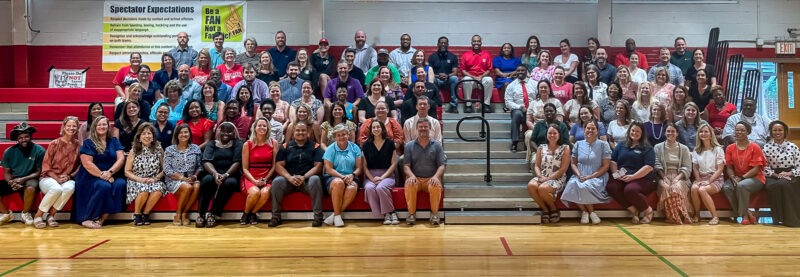
Here's a picture of our entire school staff -- teachers, custodians, counselors, paraprofessionals, administrators, and cafeteria workers.
And here are all the people who were working here when I first started teaching at the school:
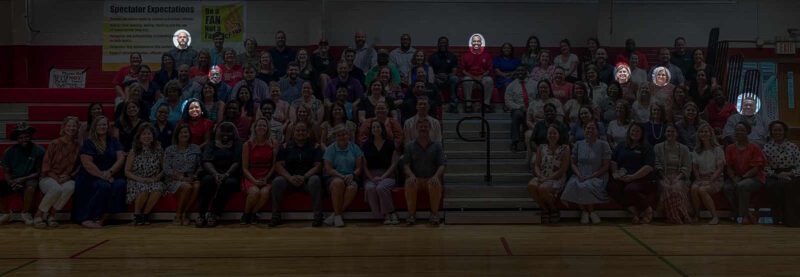
I am, in short, the seventh-longest serving teacher at the school at this point.
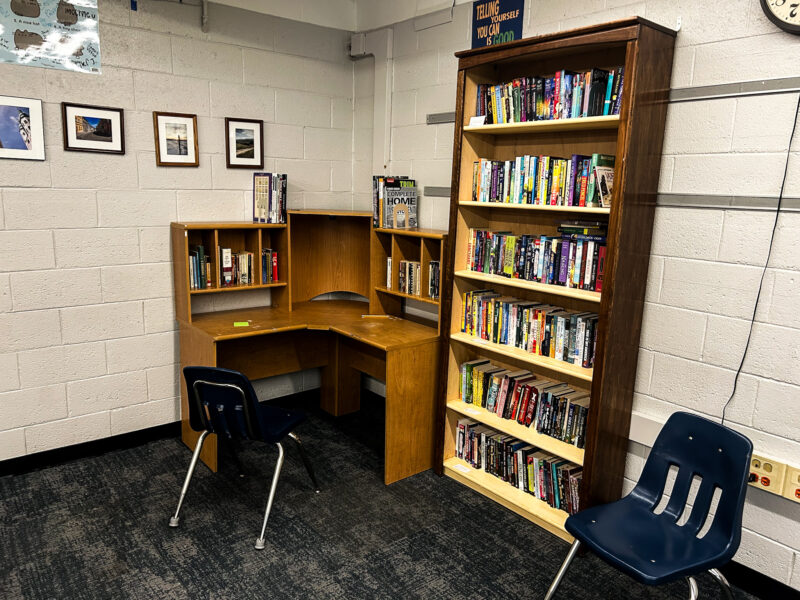
This is my new reading/focus corner. All those books? Mostly provided by the generosity of the state's education department. But the state has also said all books I have students read have to be vetted. By three teachers. So I don't know if it applies to these books or not. If so, I'll hang a sign on the bookshelf:
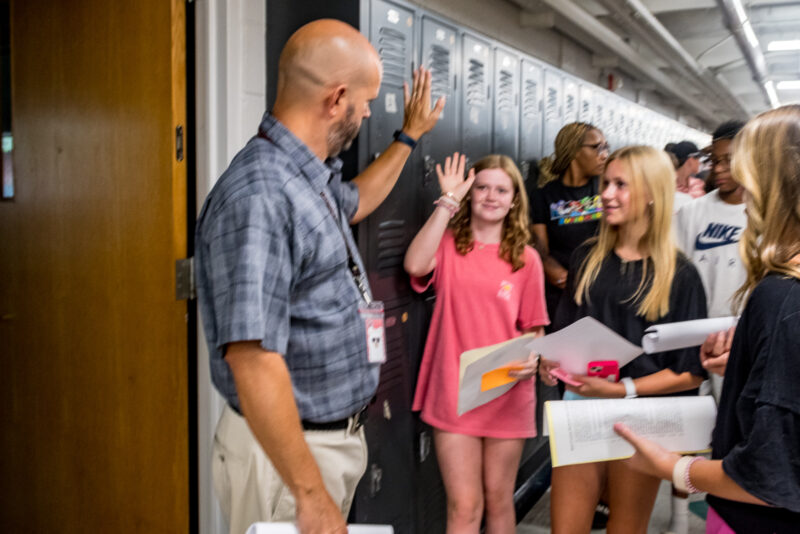
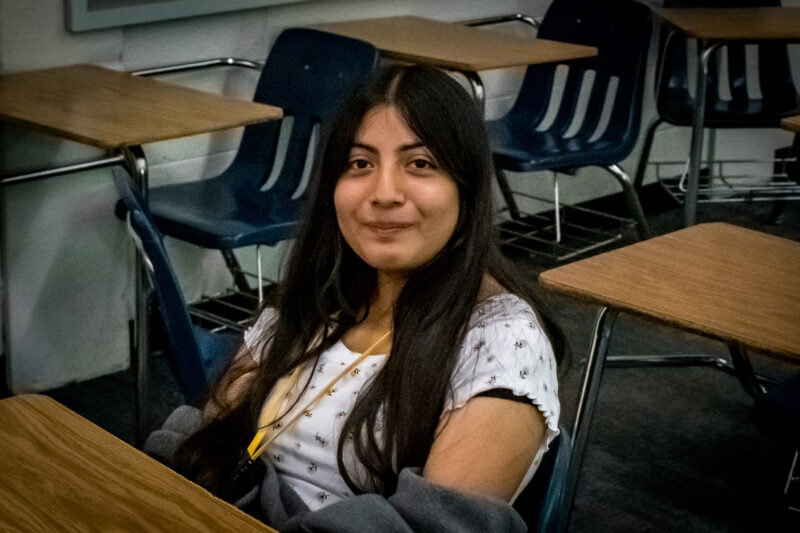
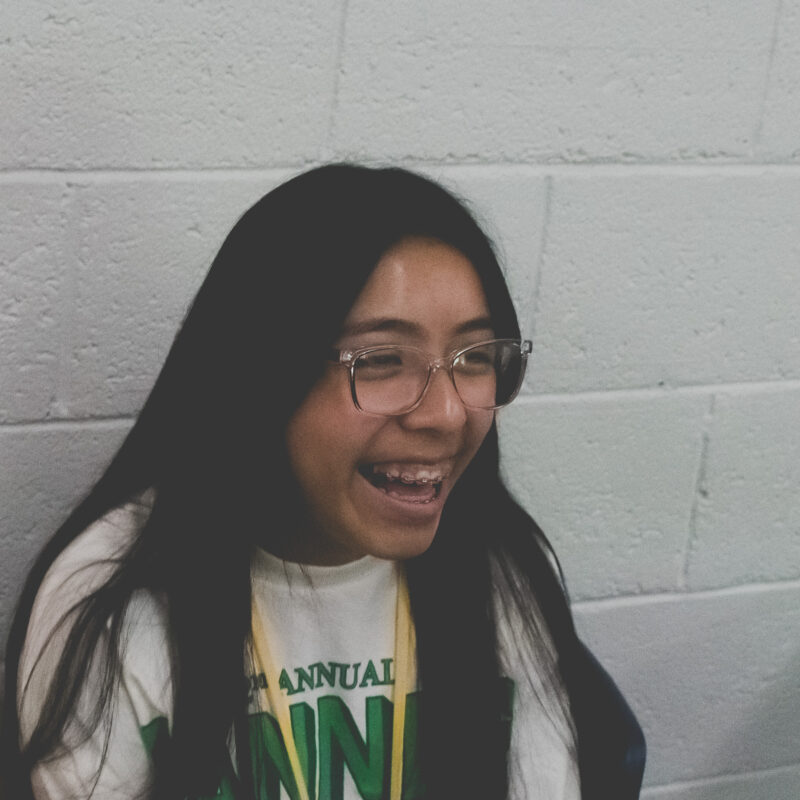
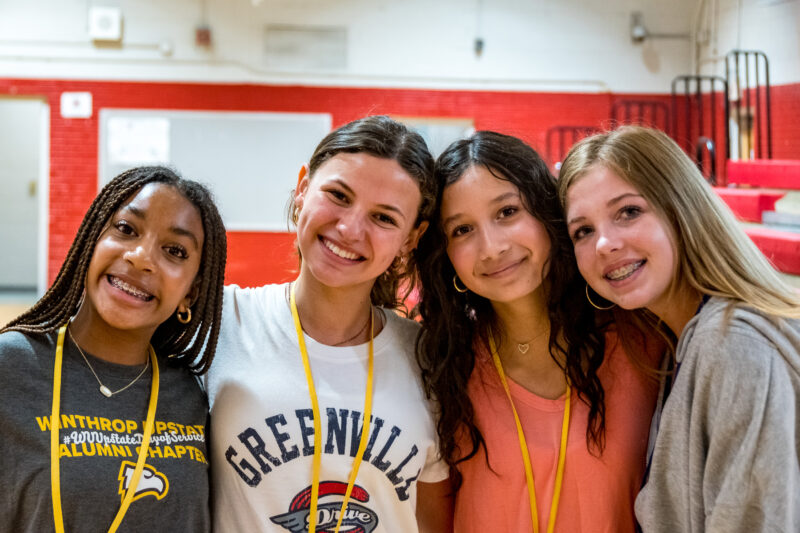
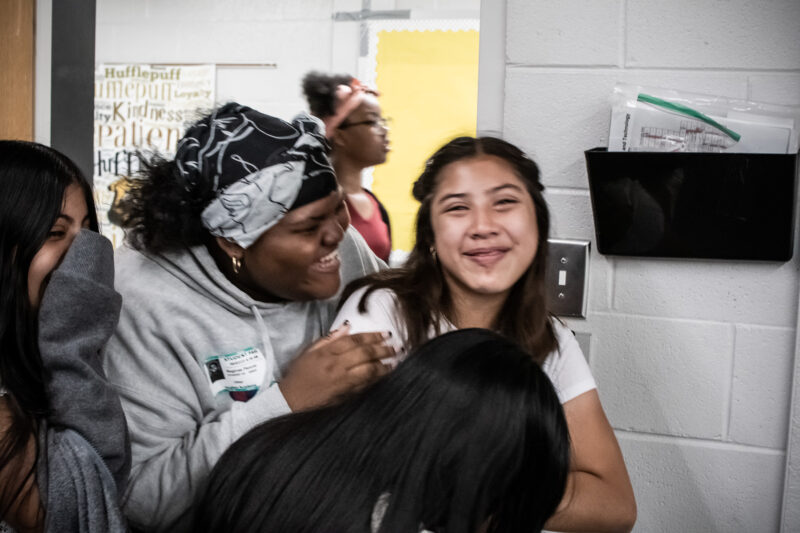
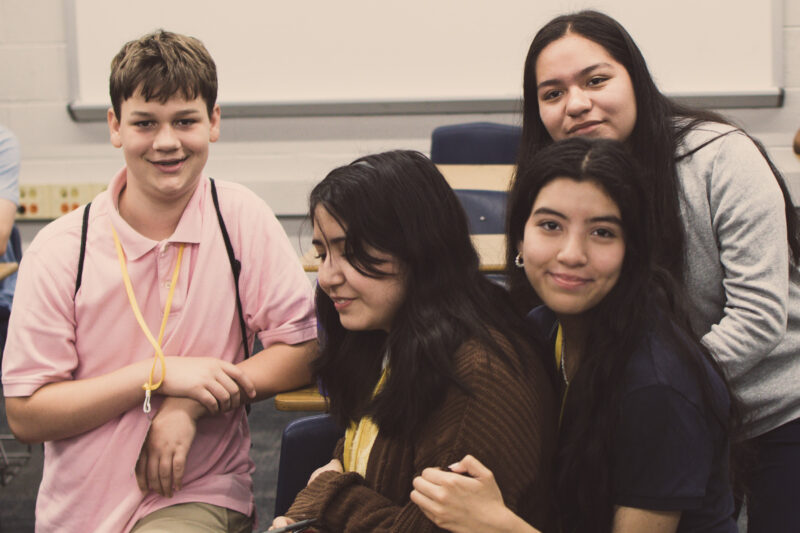
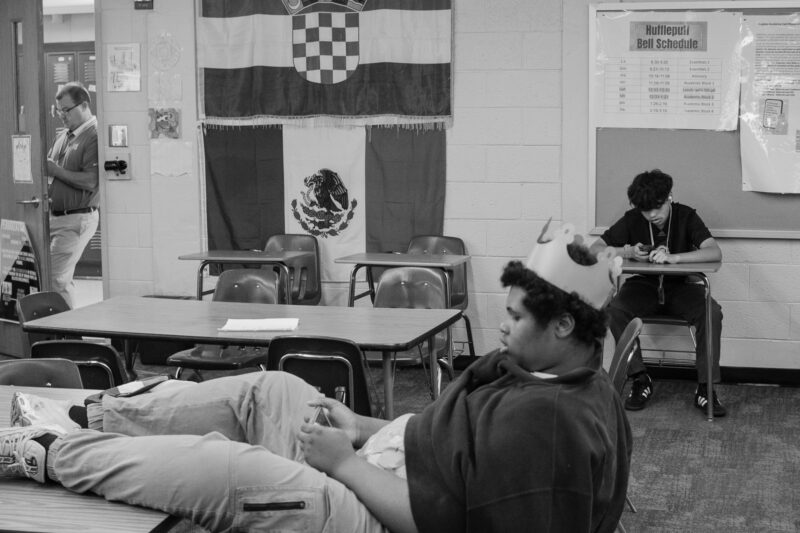
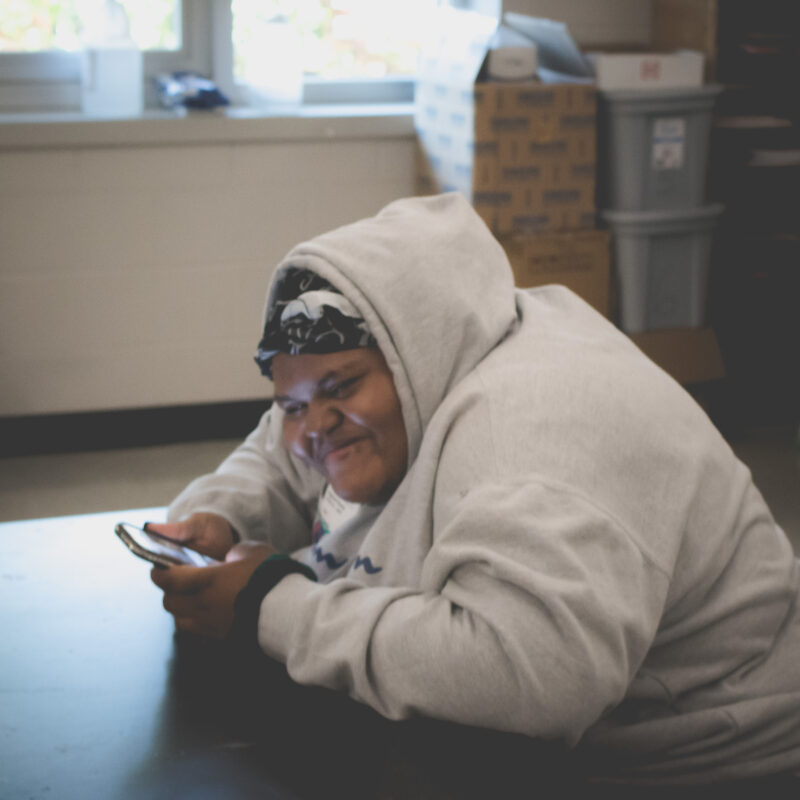
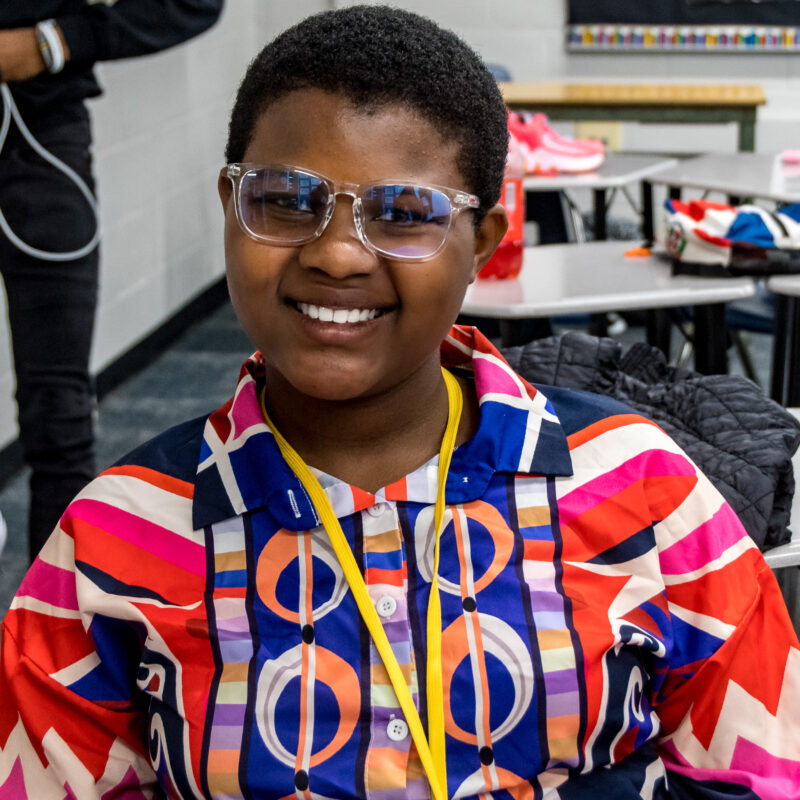
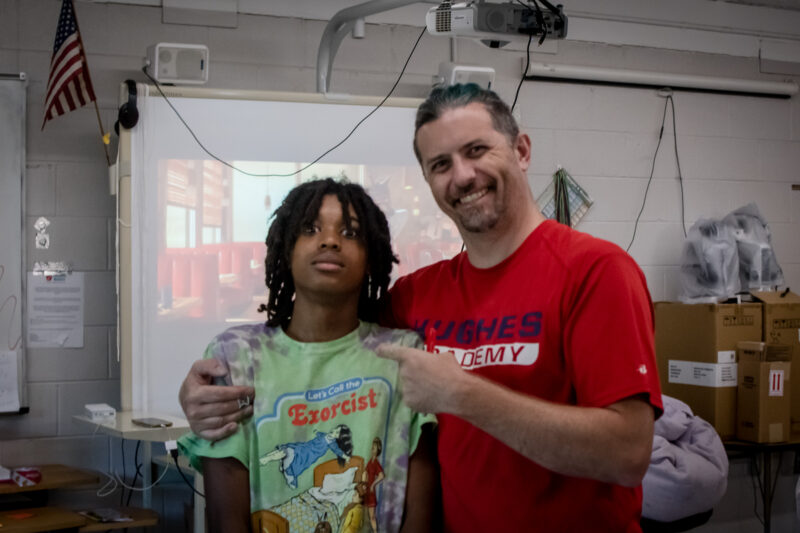
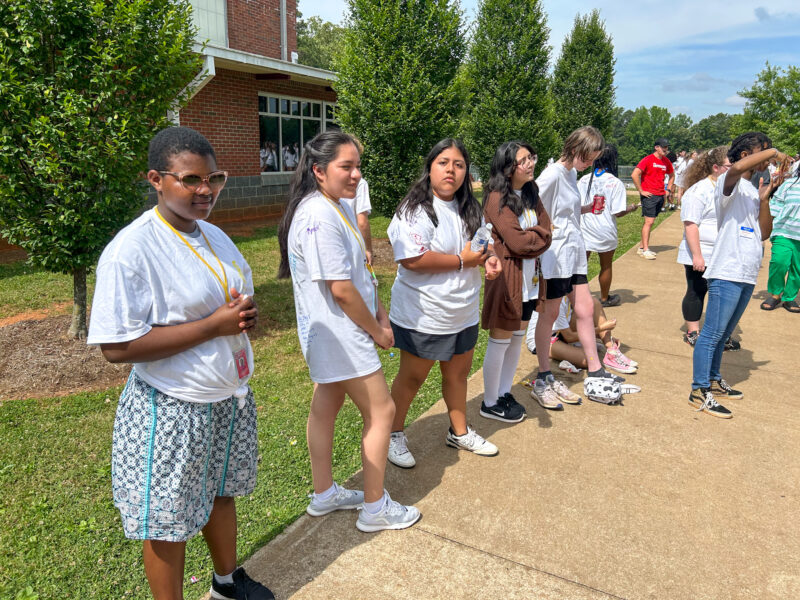
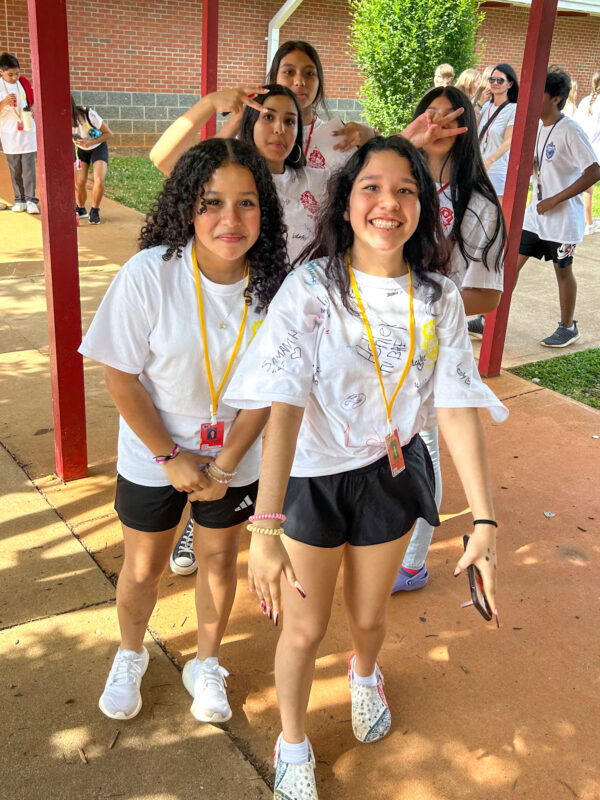
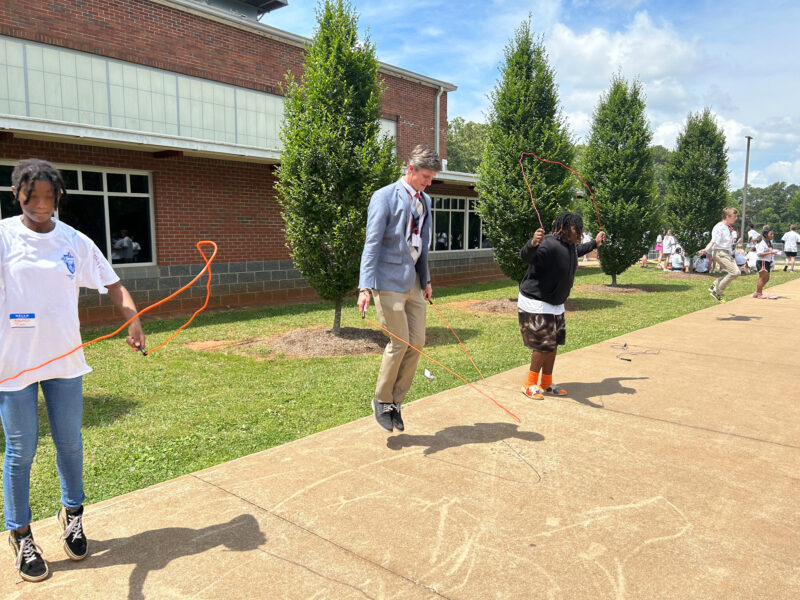
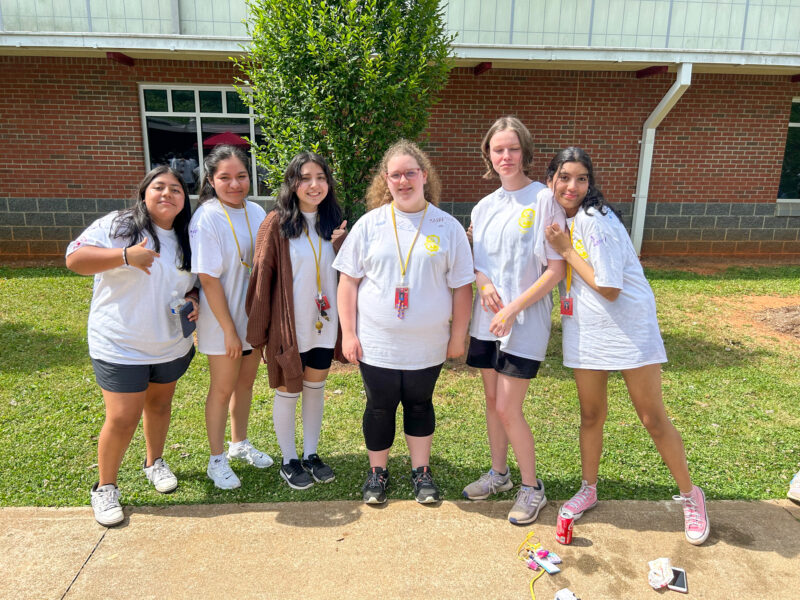
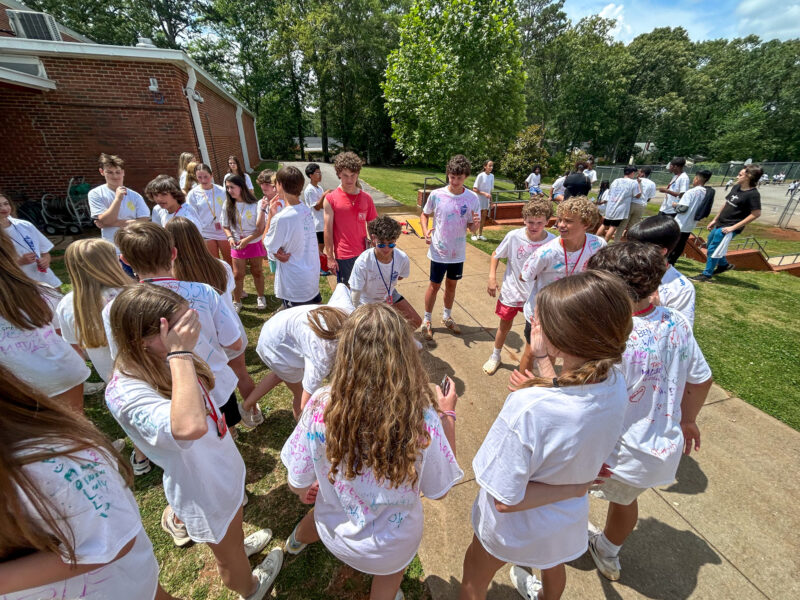
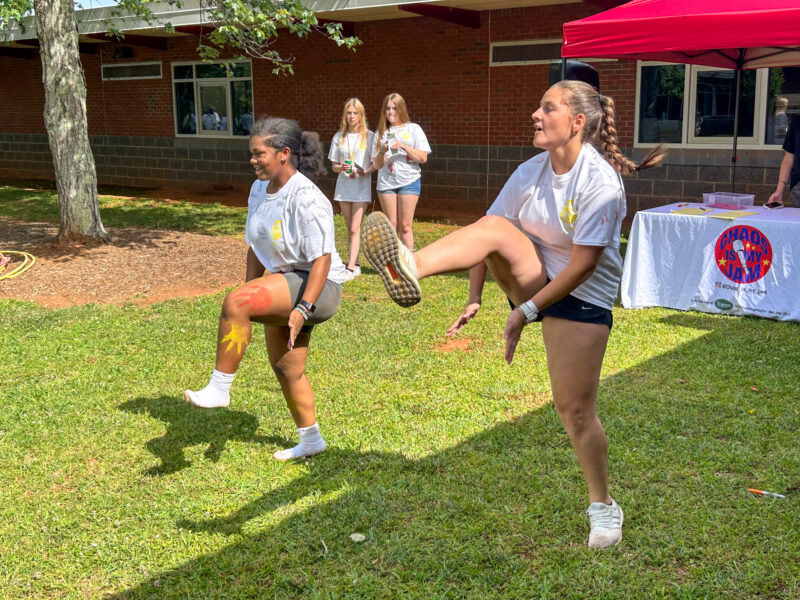
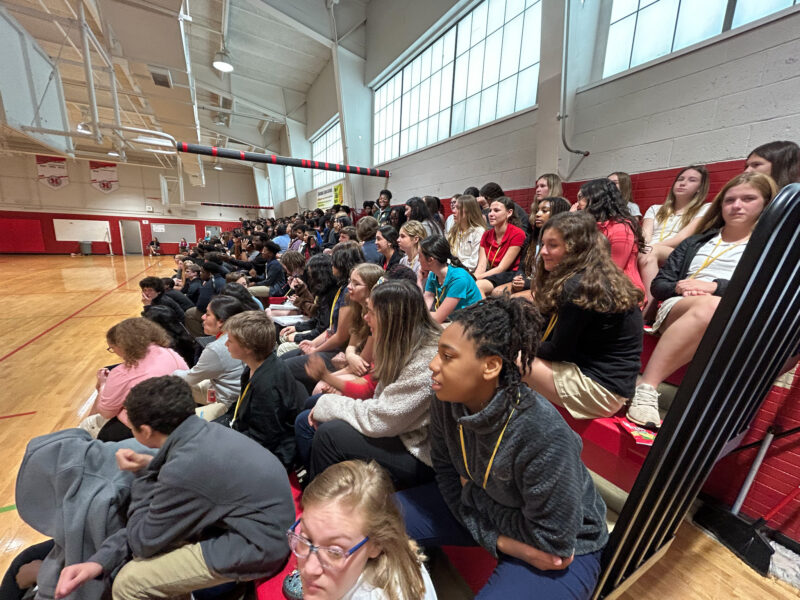
I spent the day in a sixth-grade classroom covering for a teacher wanted to go on today’s eighth-grade field trip. I met about 100 young men and ladies who are about to move into the seventh grade, students who will eventually turn out to be my students. I started each session taking roll and asking them about first impressions.
“What is a first impression?” I asked, and some really didn’t know. They’d heard of it, but they didn’t really know what it was or how we create those critical impressions that serve as the initial foundation for all future interactions.
“Are you making a first impression?” I asked Jose when I called his name.
“What are you doing that is creating a first impression,” I asked Sara ask I continued down the roster.
“What first impression have you presented to me?” I asked James when I got to his name.
“That’s making an impression,” I said to Nadia, pointing to her foot that bobbing up and down. She looked down then stopped immediately. “I’m not saying it’s a bad impression — I’m just pointing out that it is contributing to the first impression you’re creating.”
These are the basic social-emotional skills and awarenesses that so many kids are completely clueless about. They’re not aware of the simple fact that they are communicating with every single thing they do. They’re not aware that even when they think that no one is watching, that no one is drawing conclusions from how they walk, how they talk, how they interact with their friends — when they think they’re completely invisible.
This year's entries:
As the school year comes to an end, so does the rigor...