
fun in threes, sometimes fours
education and teaching
There's a lesson I share with my students every year that I both look forward to and dread. It's at the beginning of the Anne Frank unit, and what I try to do is simple: make them empathize with the plight of Anne and all the other Jews (and non-Jews) who were victims of the Nazis' fury. It's a two-part lesson, with both parts running simultaneously. The main portion involves a presentation to build students' background knowledge of the Holocaust. We begin with the rise of the Nazis, go through the systematic alienation and stigmatization of the Jewish population, touch on the ghettos, and end with the stark directions of Nazi doctors at the Birkenau train station: left or right. Death or imprisonment.
Through this whole process, students stop to reflect. We start with putting ourselves in Anne's place:
We're all unique in some way, and we all belong to a group that is itself unique in some way. Find the one thing that connects you to one group of people yet makes you different from many other people. It can race, religion, political views, where your family comes from—anything.
As we move through the lesson, students have other opportunities to reflect:
Leaders are blaming you subgroup for all the country's problems. They are taking steps to remove your group's power and influence in society. Write a diary entry about how your group is being singled out and treated differently.
Could this happen in the States? Many of my students divide themselves mentally in this exercise along racial lines, and many of my students are African American. It sounds to them like a return to the worst of the Jim Crow days. Could anything like that happen in 2018?
One day, soldiers come to your house and tell you and your family that everyone must move to a new section of town. You're given ten minutes to gather your belongings. What do you take with you?
I'm surprised at how many students immediately write, "Cell phone." Surprised and not surprised.
You hear rumors that people are being rounded up in other parts of the country and murdered. Write a dialog you overhear among adults.
Could this happen in 2018? Could an oppressed people be completely cut off from the reality of their situation? As students write, I find myself doubting it. Yet didn't many Jews in the West doubt the initial reports of the Holocaust? "Why kill us? We're their workforce!" The Jews who'd been shipped into concentration camps from the east knew, though. They'd already seen the Holocaust of bullets: men, women, and children, lined up in front of ditches, shot in the back of the head. Repeat.
One night, soldiers burst into your house and force you into trucks that begin speeding down the highway to an unknown location. Write a description of the experience for your diary.
I go over how wretched the transport was to the camps. Standing room only in boxcars. Need to go to the bathroom? There's only one option. Back aching from standing for days on end? Too bad.
You arrive at the camp. You're split apart from your family and forced into a small barracks with many other people. Write a conversation you might have in the barracks with someone your age who has been there for several months.
What is there to say? I tell them about the reality of many of those who made it through selection: some inmate or another pointed at the smoke billowing out from the chimneys of the crematoria and said, "There's your family."
As all of this is going on, we play a game. "I have a lot of little slips of paper with an 'X' on it. You don't want this slip of paper. You want to avoid getting one at all costs. And if you get one, you want to avoid getting a second one. Your goal is two-fold: end the lesson with as few of these slips as possible, and figure out what leads to getting one of these slips." In the past, I made it more obvious: the paper had a small image of a bullet on it. The exercise was more explicit: "You're going to try to avoid getting one of these bullets." They figure out pretty soon -- immediately, in fact -- that I'm putting them in the situation of Jews in a ghetto or concentration camp. With the mass shootings that have been taking place in the last few months, I decided a bullet wasn't a good idea, and it provided an unexpected benefit. The kids didn't initially know what was going on with the slips. They didn't know what they represented.
I passed them out in increasingly random fashion. The first people to get a slip were those who talked out of turn. Then I started handing them out to students who just asked a question. To students who simply raised their hand. To students who just made eye contact with me. At one point, I had all the students stand up. I counted them off and gave every fifth student a slip. Sometimes, toward the end of the lesson, I'd ask a student, "Do you have a slip?" He'd say, "No," and I'd give him one. Then I'd ask another student the same question. She wouldn't get a slip.
"What was the point of the slips?" I asked at the end of the lesson. By then they'd figured it out. "How could you avoid getting them?"
"You couldn't," one student answered immediately.
"Precisely. You had no rules by which you could simply put your head down, play by the rules, and make it safely to the other side. This was the reality of the Jews of Europe between 1939 and 1945. This is what Anne Frank and her family were trying to avoid by going into hiding."
I think they're actually excited to begin reading it tomorrow.
What a depressing way to end the day. Fortunately, the kids provided just the perfect antidote to such thoughts.
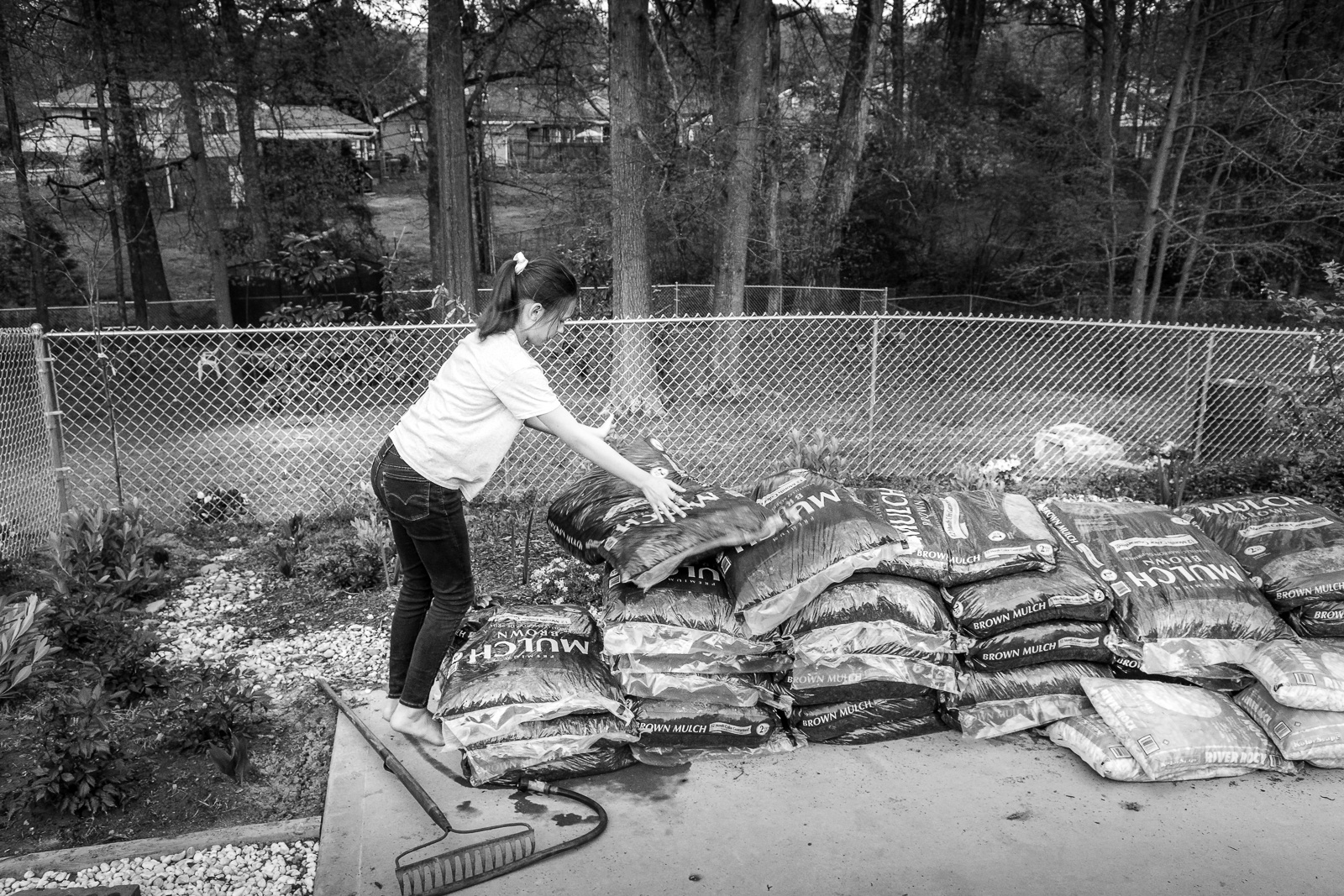
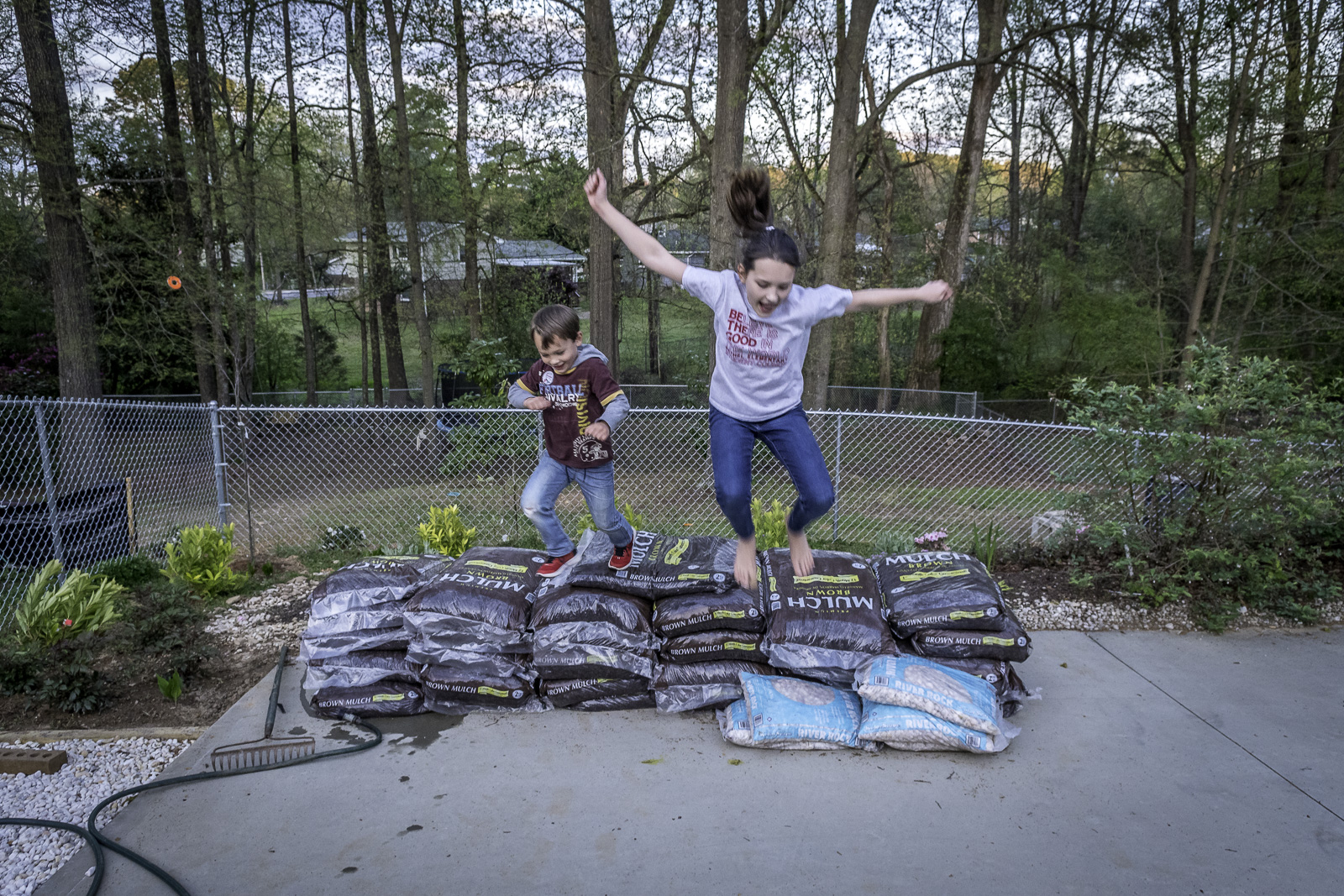
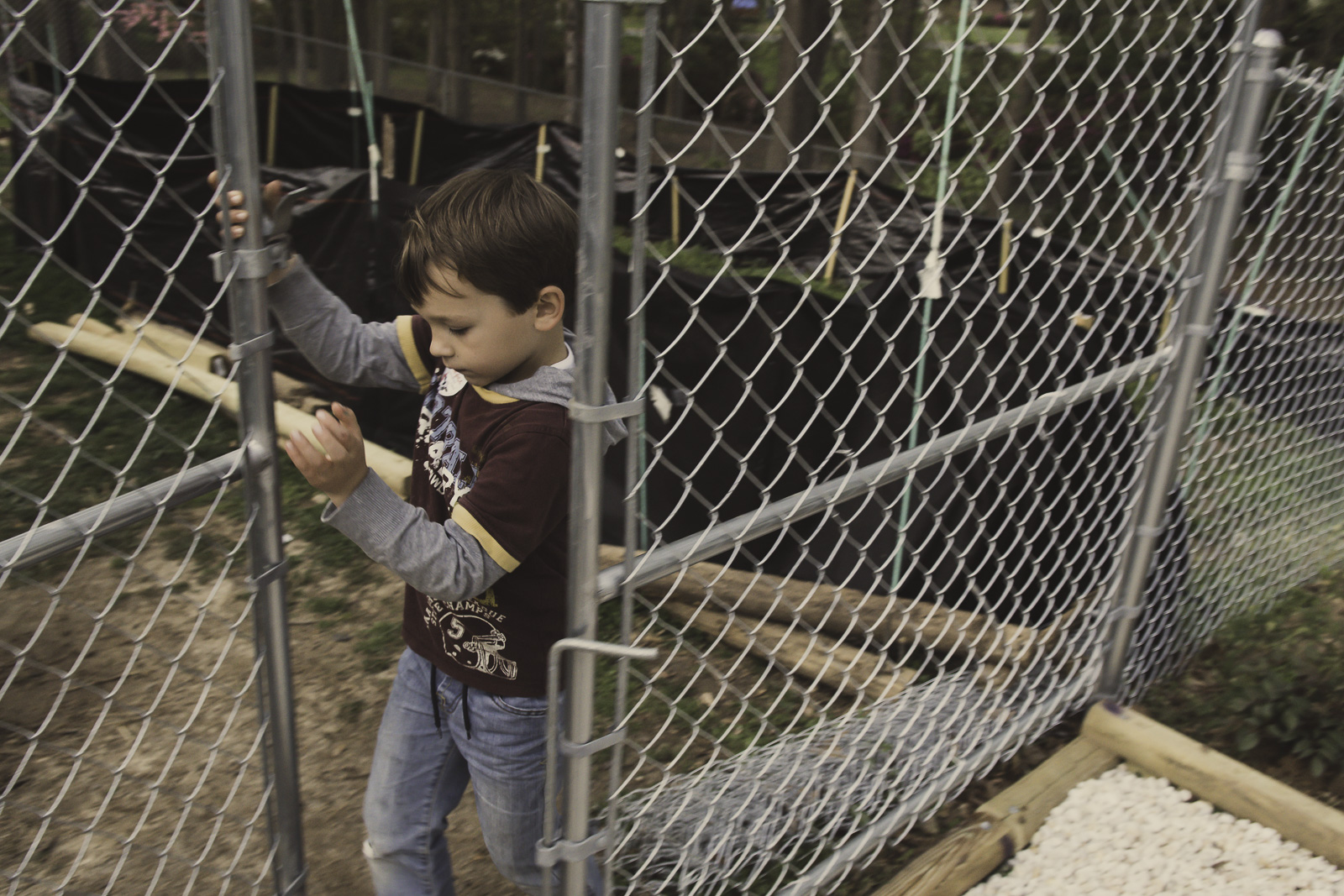
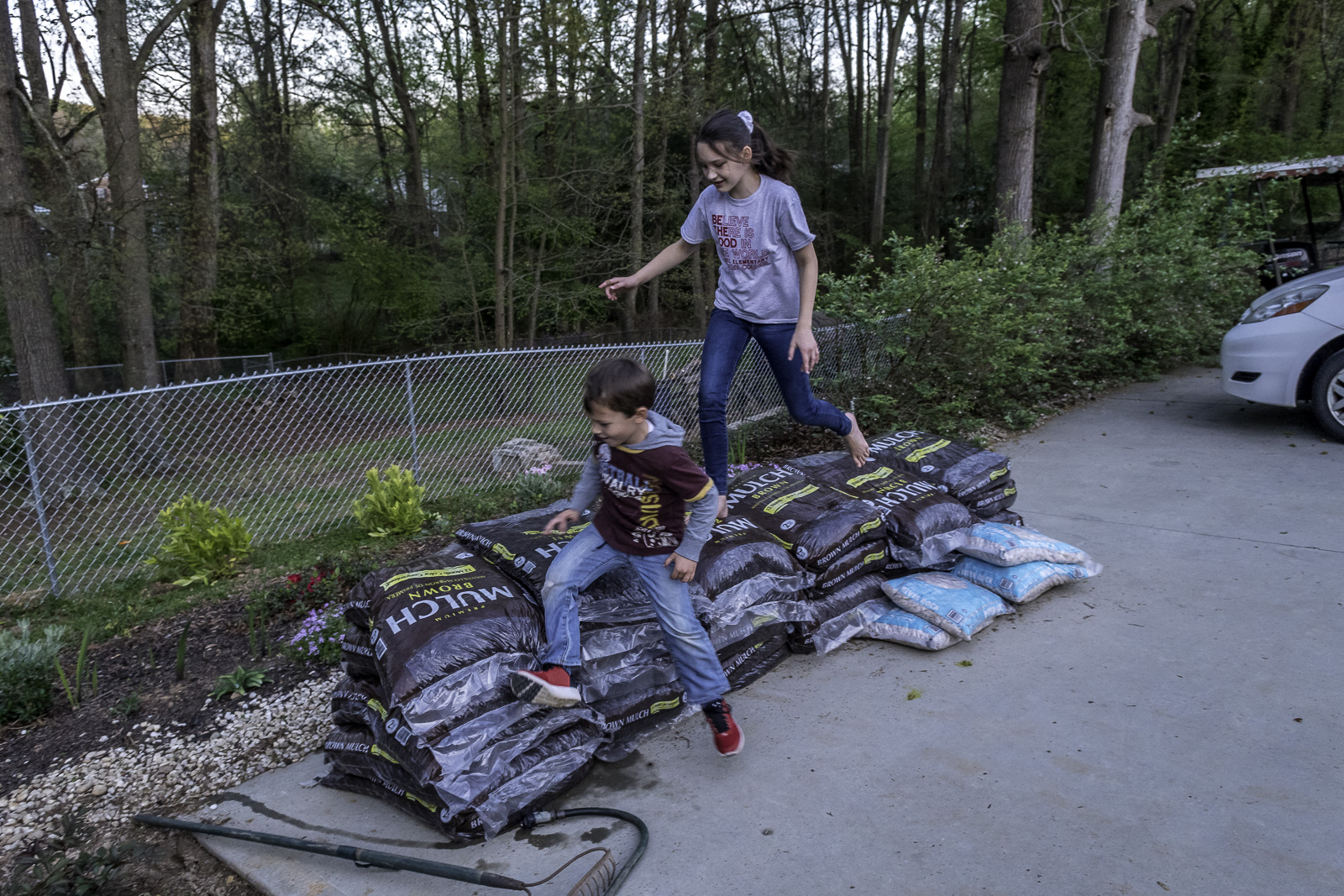
They made up a game. What was the goal? I have no idea -- I couldn't really figure it out. E, I think, couldn't figure it out either. What were the rules? They changed, as they always do. What was the result? Isn't it obvious?
with modern educational thinking…
I don’t know how many times I’ve told students that, nine out of ten times, it’s not what you do that gets you in trouble but rather how you react to being corrected. It’s not the phone out that’s the problem; it’s how you responded when told to put it away. It’s not the mild horseplay that’s the problem; it’s how you responded when told to stop. It’s not the talking; it’s the reaction to being told to be quiet.
Today, when I had hall duty, one young man insisted on chatting in the time before school actually begins, when all students sit in the hallway, leaning against the walls, and relatively silent. There’s always some whispering, and all teachers ignore that because it’s not a problem. It’s when the kids start talking, and then others talk, and then the first group has to raise their voices to be heard above the increasing din, and soon, it’s chaos on the hall. So we — as well as all other grade levels — insist on silence. This young man, though, insisted on chatting despite being told to stop talking.
In such situations, I take a simple strategy: I tell the kid to go to my classroom and wait for me there. “When it’s locker time and my duty is therefore over, I’ll come talk to you about this.” Most kids comply without issue. And what do I do when I talk to them? Sometimes I sign their school behavior cards (ROCK cards they’re called) on the positive side for complying without problems and tell them next time, it’s a negative. And sometimes, it’s a negative.
Today, I had a batch of kids that I’d never had to call down, so I took their names and told them I was pressing them into service for tomorrow: “You’re going to be my leaders, my CEOs, those who set the good example and get the others around you who are talking to stop and whisper instead.” I looked at them with a pause for effect, then asked, “And you know what happens to CEOs who don’t perform well, right?” One girl answered, “They get fired.” “And you know what that means for you, right?”
But one boy just couldn’t get past his sense of victimization. I told him, “P, you need to go to my room please.”
“What’d I do?” he asked indignantly.
“You just need to go to my room, alright.”
“I didn’t do nothin’.”
“You just need to go to my room, alright.”
“I didn’t do nothin’.”
“You just need to go to my room, alright.”
“I didn’t do nothin’.”
“You just need to go to my room, alright.”
“I didn’t do nothin’.”
Literally about that many times. Well, maybe not that many times: I don’t have that much patience. I just ended the encounter with him still sitting where he had been sitting, leaving him with the comment that he can discuss it with the assistant principal when I complete the disciplinary referral.
What will happen to him? He’ll get a day or two of In-School Suspension. Will that change him? Not at all. He sees himself as a victim — I don’t teach him, but all his teachers confirm this first impression.
It’s such kids’ futures that seem so bleak to me. How can someone like that hold down a job? How can someone like that even make it to an interview?
The only hope is age: perhaps in the next four years, by the time he becomes an adult, something will click.
At times, the school year seems to extend endlessly, a pile of days that stretches beyond our sight, under which we all seem to be crushed slowly. If there's a class that's an inordinate challenge, the weight of that pile seems to double, and somehow, no matter how well things are going in the year, a few more days seem to be tossed carelessly on the pile as third quarter approaches. "What?! I'm this exhausted, and we're just now in the back half?!"
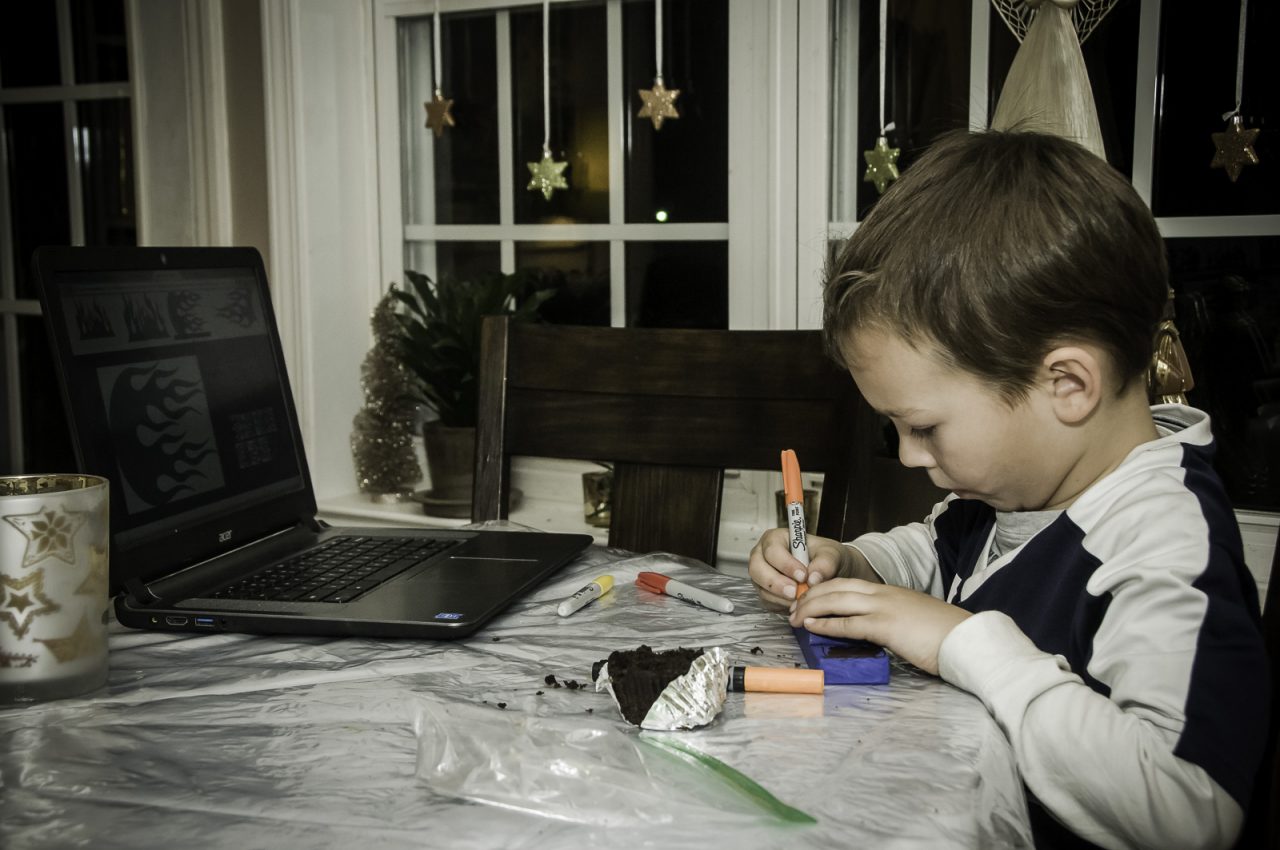
Other times, the year seems entirely too short, something requiring calipers to measure. The list of standards the state requires teachers to cover seems to require twice the days the state allocates for the challenge. Some standards seem as if they might take a lifetime to master in and of themselves. "Assess the processes to revise strategies, address misconceptions, anticipate and overcome obstacles, and reflect on completeness of the inquiry." I'm still working on that one. "Determine appropriate disciplinary tools and develop a plan to communicate findings and/or take informed action." Ditto.

In between those two, the powers that be, in their infinite wisdom, allocate a certain number of days to testing. In the decade-plus I've taught in the States, that number seems to grow every year. In the case of the hard-to-handle classes, it's a relief in a sense -- for the obvious reasons. It's tiring keeping them focused and engaged every day, and a test is just the right mind-numbing exercise to make the period pass by fairly painlessly. They get little to nothing out of it, and they put little to nothing into it, and everyone knows that's what's going to happen, but we do the dance anyway, and everyone goes home with their dance card happily filled. And yet for those same classes, it's a nightmare, for teachers already feel we're trying to cram too much into to little.
It just doesn't seem like the proper use of time.
Wednesday afternoons are often when I catch up with school work. The Girl has choir practice, until five and K and the Boy are out doing the grocery shopping as they wait, and so when I arrive home, the house is empty and silent. I make a cup of coffee, get out some papers to grade, or more likely, load this or that website that now holds my students' work and begin assessing, or I start sketching out my plans for the next week's activities.
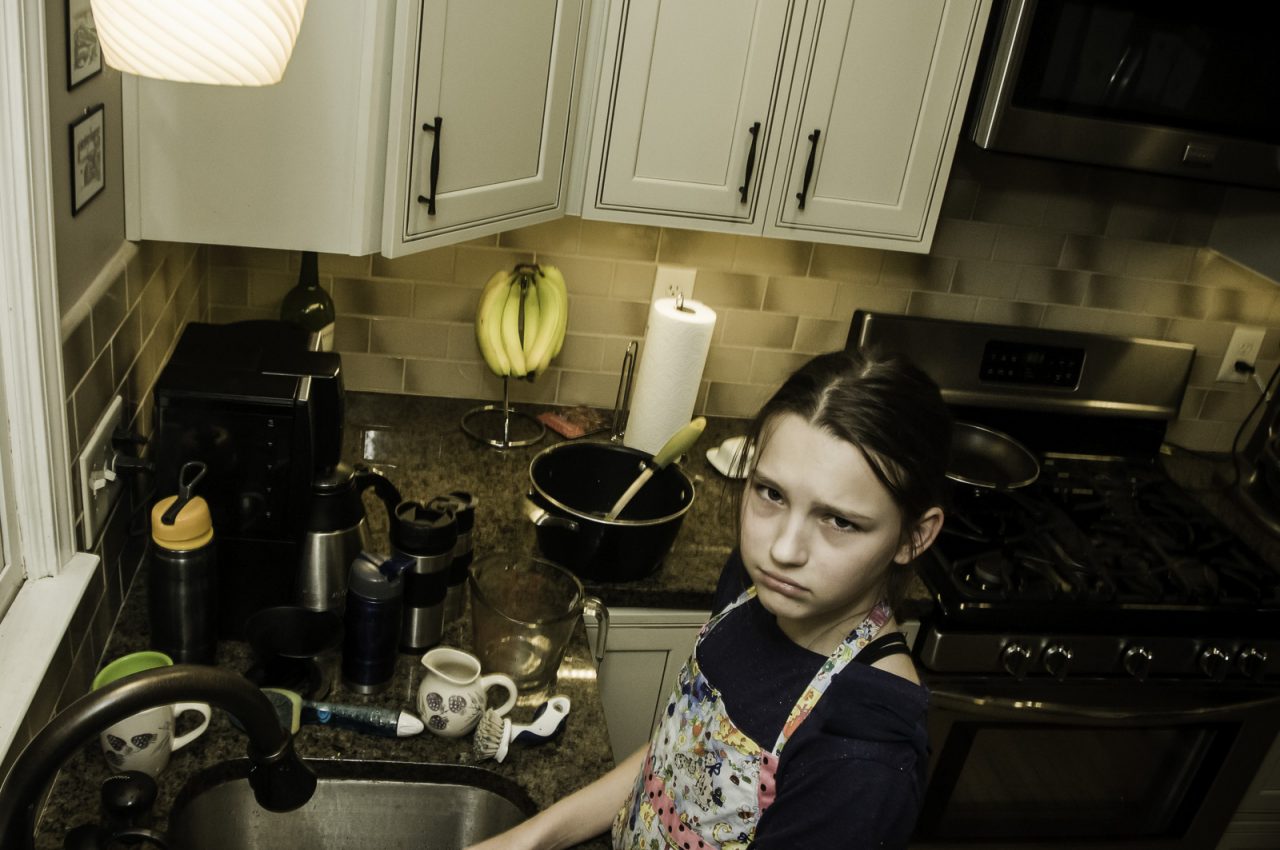
Today, however, I had a thought: I don't have anything to do for school that is terribly pressing; my school is quite near the Aldi where K and E are shopping; I could easily pick up the Boy and take him home for a bit of playing. I called K; she asked the Boy; he was thrilled. Home we went, talking all the way about what we might play.

We settled on cars, with a bit of blocks. And in the midst of it all, out of seemingly nowhere, we ended up building jails for the misbehaving cars. E designed one, which meant he placed the blocks, and I hunted them down for him if he couldn't find them. Then we tested it, which meant he rammed a big car into the jail to see if it stood. It didn't; the bad car escaped. So we did it again, alternating who designed the jail. No jail held the prisoner for longer than a few moments when the Boy really set his mind and muscles to the task.
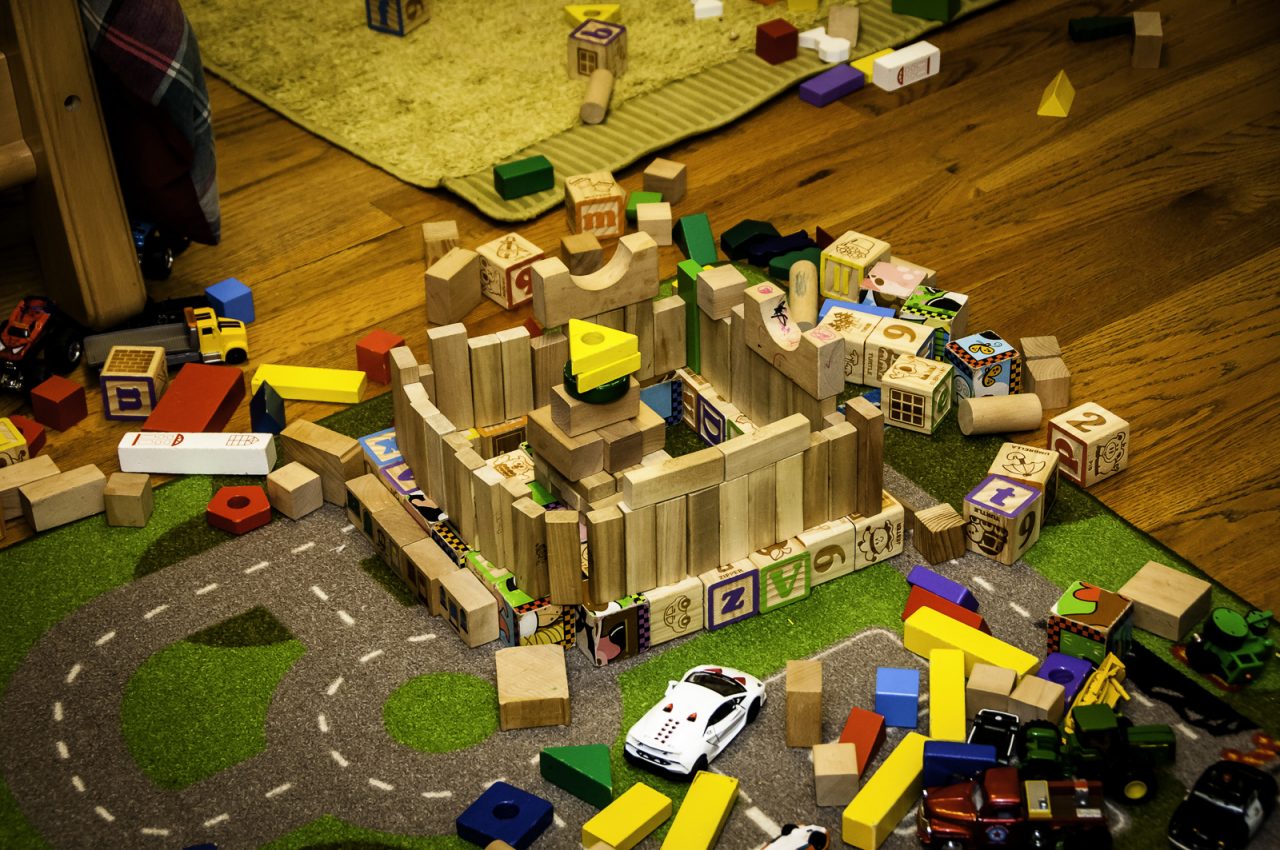
We made a big mess. The Boy got semi-hurt as he crashed his car into the pile a bit too hard. I accomplished absolutely nothing for school.
It was a proper use of time.
Coming back to school can be a relief for many of our students. They come from less than stable home lives, and the predictability of school is a comfort for them. These are often the kids that most often exhibit problematic behavior. Our principal sent us all an email to this effect. It read, in part, "Many of our students have experienced unrest over the break. Without their normal routines, meals, and social interactions found at school, they may need a readjustment period (and your grace) when returning."
One of the things I'd decided to change in my class was to provide a mechanism for regular praise of students, both individual and group. The individual is easier: it's just one person praising another. The group praise, though -- lots of kids focusing on the good actions of one student. That was a tough one.
In developing the lesson, I thought we should spend some time writing and thinking about praise, so I prepared a Pear Deck for the kids (which allows them to respond to given prompts and see their and others' responses projected anonymously. It's a great way to have a real-time anonymous discussion), asking questions about when they were last praised, how it felt, when they last praised someone else, how that felt.
Some of the answers were telling, echoing the ideas in the principal's email.
I asked students when they last remembered being praised. One student's response was memorable:
The last time I remember being praise was when I manage to talk to people because I can't really socialize with people. Another time I was praised was when I was working on something for a story and the person read it, and they said it was an amazing idea!
This young lady is one of the best students I've ever had: hard-working, kind, very intelligent, but painfully shy.
When I asked "How does it feel when you're praised," some of the answers really stood out:
Finally, I asked students to consider why praise might be important, given all the responses they'd given and read. One showed that at least one student understand how much impact something positive can have: "For example, it could be one compliment that could save someone's life...... They could be depressed and just needed someone to be nice to them and show them that people care about them."
Contrast this awareness with how students so often treat each other, with insults and snide comments that are meant to build themselves up by tearing others down. I wonder if anyone else saw the irony. Smart kids -- I'm sure they did.
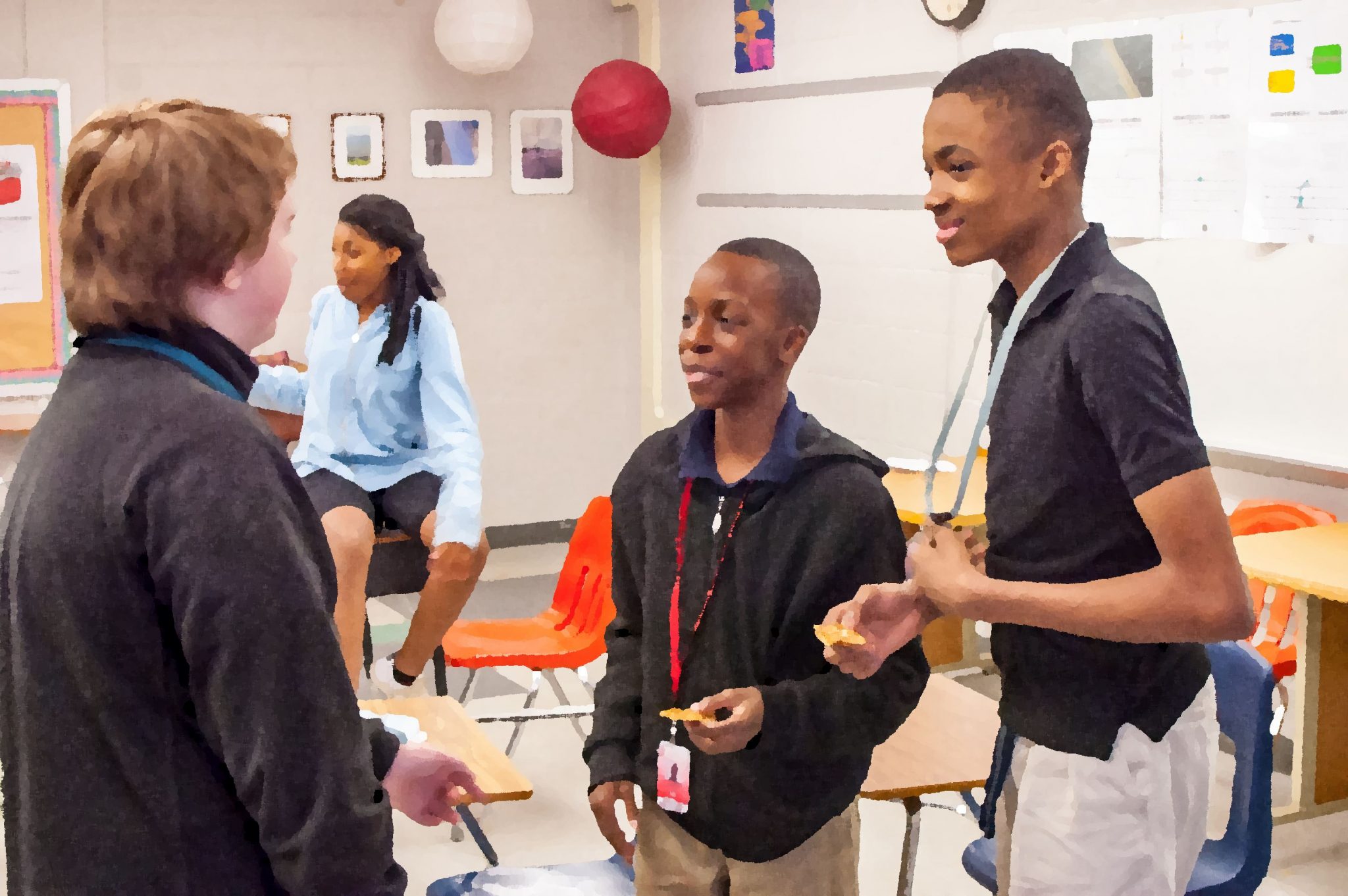


My model response in a Romeo and Juliet online discussion forum at school. The question: We watched two versions of the balcony scene (2.2). Which one more-realistically shows two people in love? Provide three pieces of evidence from the video that touches on pacing and/or tone of voice. Additionally, you might want to use body language.
Of the two versions of the balcony scene, the Royal Shakespeare Company’s interpretation shows more realistically that Romeo and Juliet are in love simply because the actors’ performances are so natural as opposed to the wooden, flat way the BBC actors appear. This is first most noticeable in the famous lines, “O Romeo, Romeo! wherefore art thou Romeo? / Deny thy father and refuse thy name.”
The way she says “Deny thy father” makes it clear that she thinks this is an absurdly impossible idea and yet says it as if she were suggesting he change his mind about what he’ll have for lunch. She looks down and laughs just before she continues as if she’s laughing at her own absurdity.
This continues to the point where she says, “Be some other name,” which she says so slowly that it emphasizes her frustration with the situation.
A final touch that makes it all seem more realistic is the way they interrupt each other during the passage about swearing to the moon.
Twice Juliet begins her lines before Romeo has finished his, and that is a much more natural way of speaking. We often talk over each other in our excitement or frustration, and by talking over each other here, it highlights the excitement they feel about each other and the frustration they feel about their situation.