Matching Tracksuits

fun in fours

catholicism

No One Is Surprised

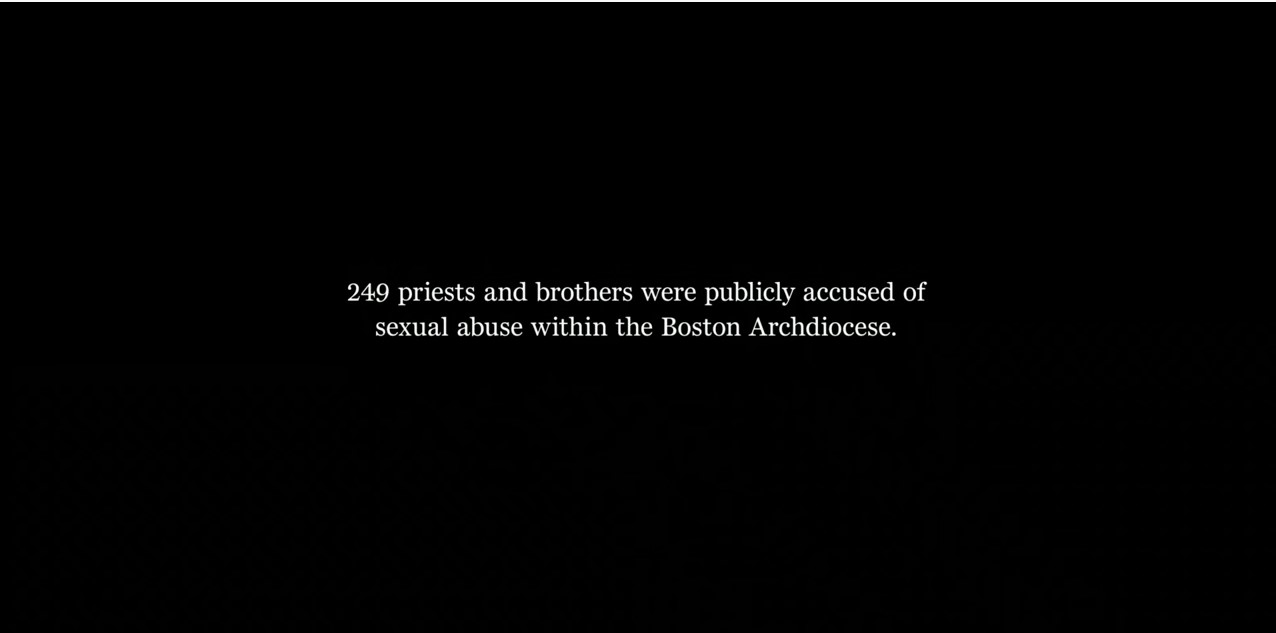
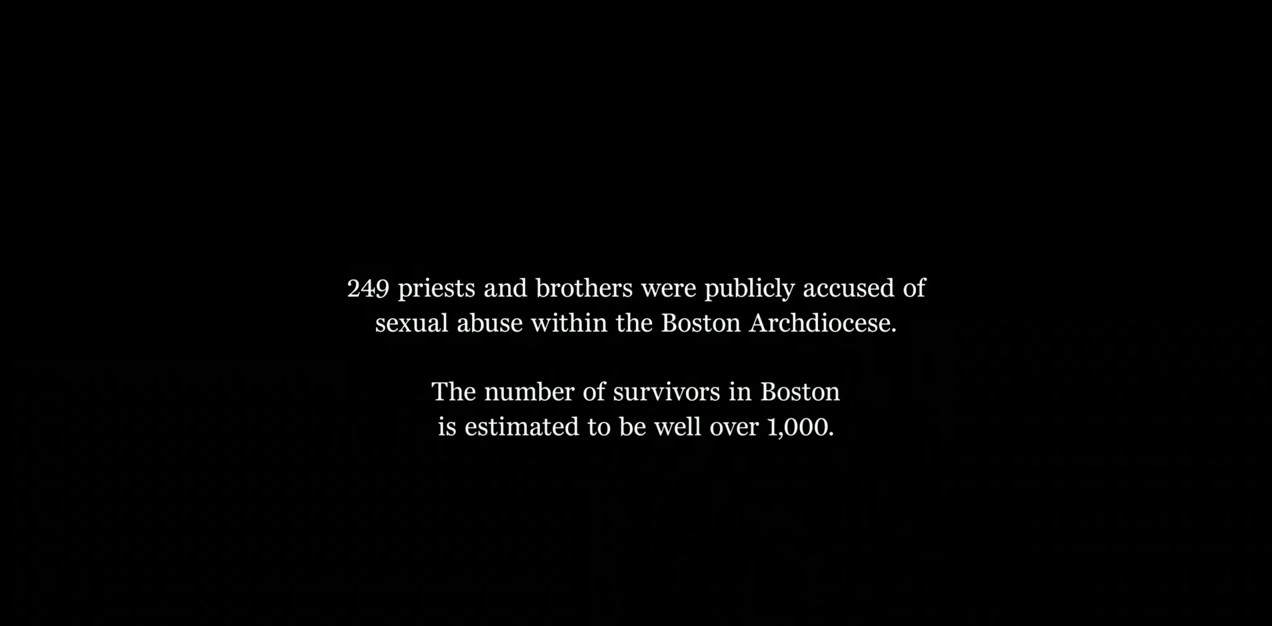
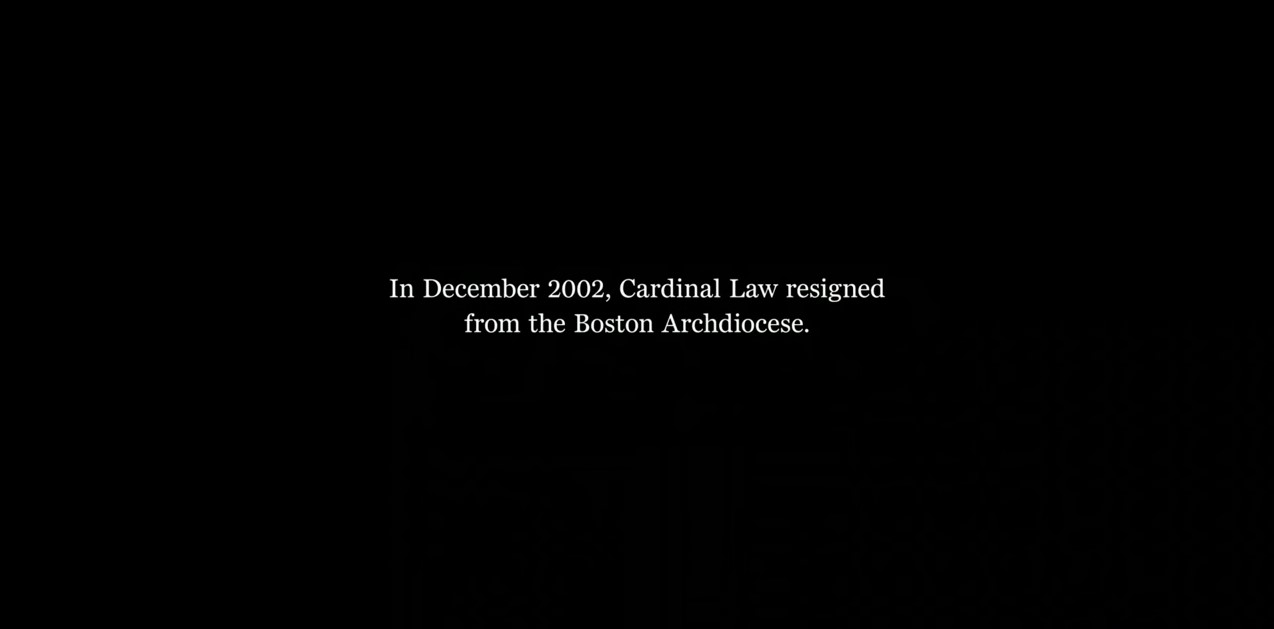
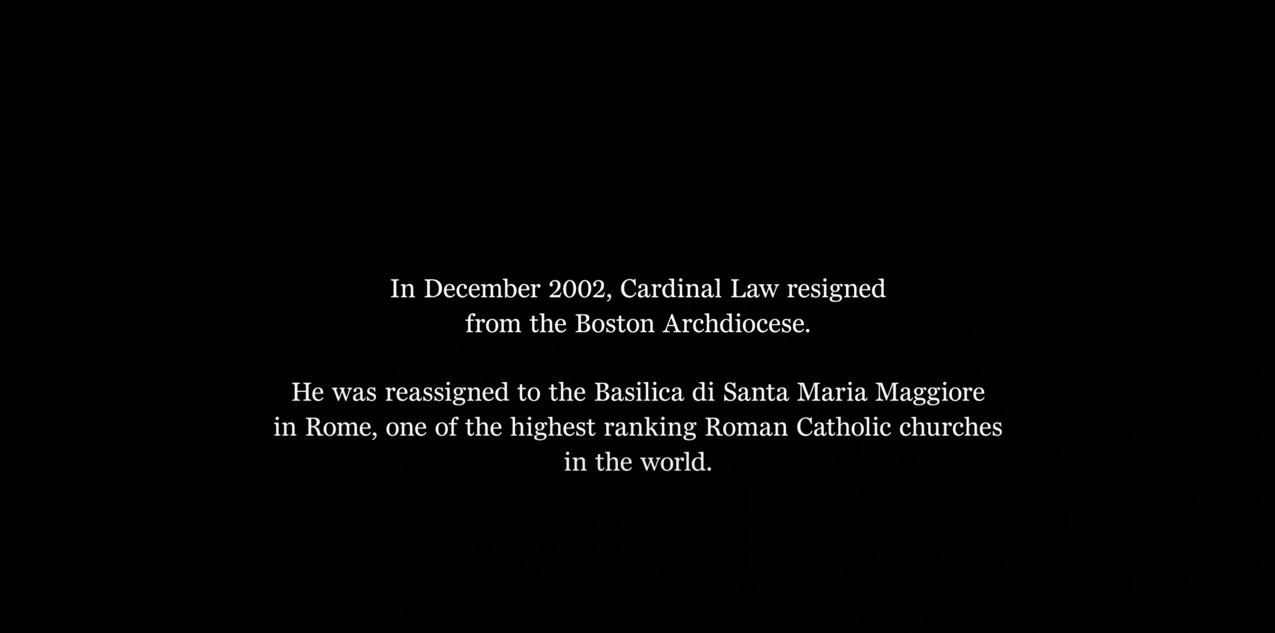
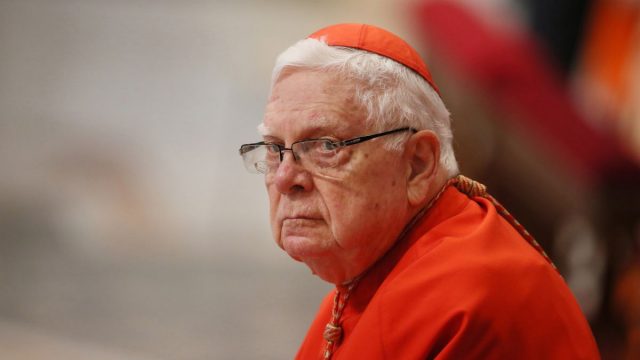
Surely no one is surprised today to see the Catholic church yet again shown to be the exact opposite of everything it claims to be. Over 200,000 victims of sexual abuse in the French Catholic church and the "Eric de Moulins-Beaufort, the head of France's Conference of Bishops, said Tuesday that the scale of abuse outlined in the report was 'more than we ever could have imagined,' and asked forgiveness to 'those who were victims of such acts'" (CNN) Asked forgiveness? How could this asshole have not known it was going on? How are we to believe that the upper echelons of the church wouldn't know about this? Hell, the Boston Globe broke the story of Cardinal Law and the widespread sexual abuse in the Boston diocese almost twenty years ago. That was huge and it should have been the spark that engulfs all these pedophiles and assholes who cover them up, but every few years, it happens again.  Next we'll hear about Italy. Then Spain. Then Poland. And it should all be common knowledge now. These jerks should have all been behind bars for a decade now.

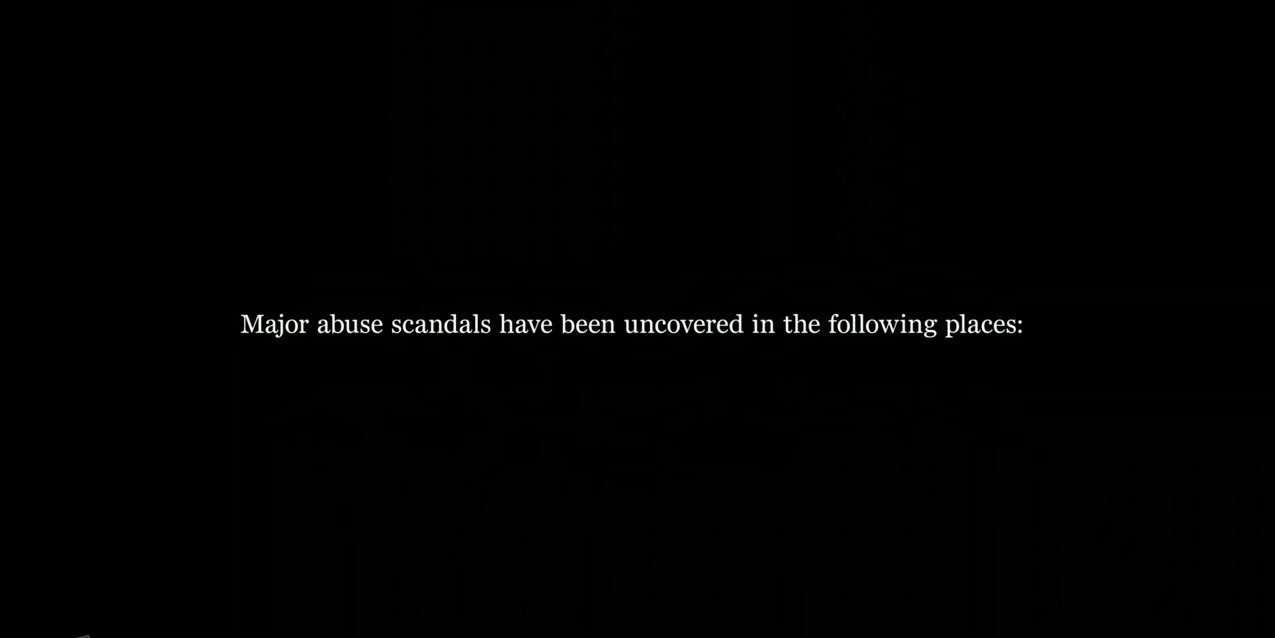
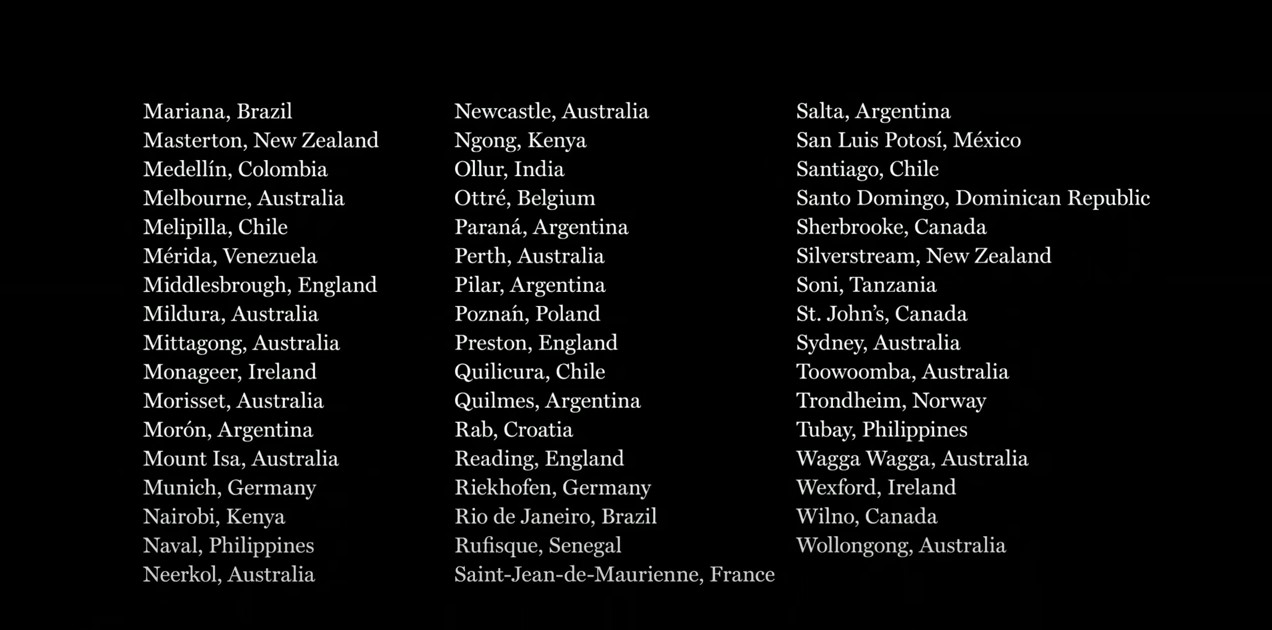
The film Spotlight detailing the Boston crime is six years old, and it ends with these words:
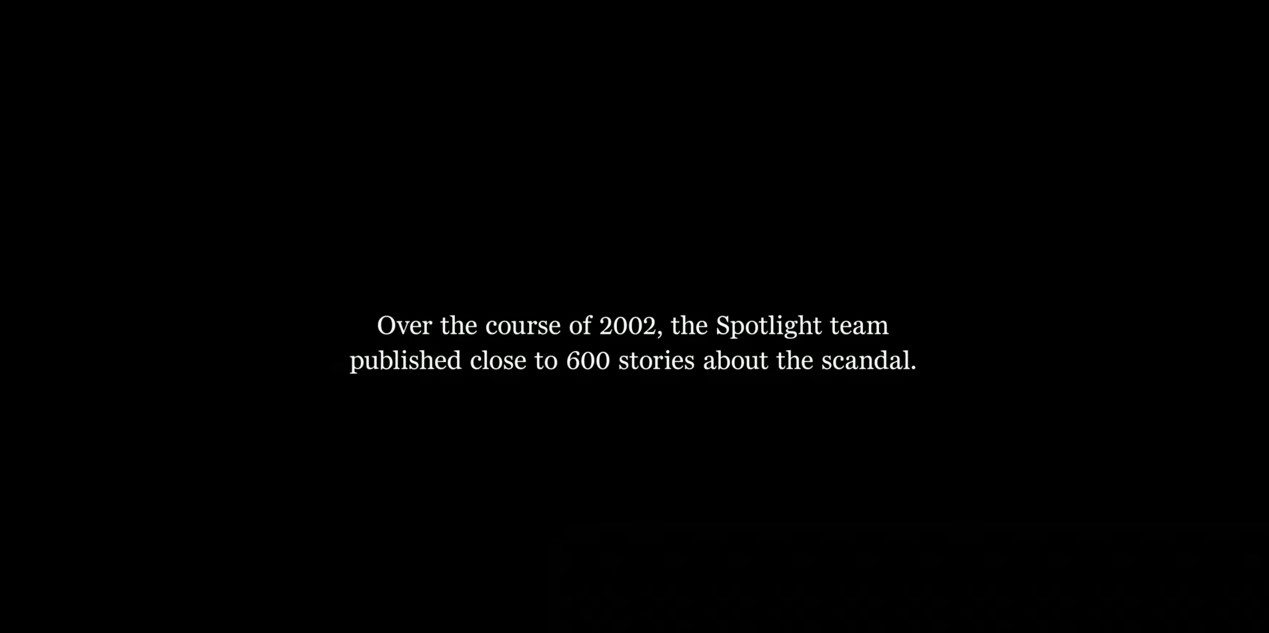
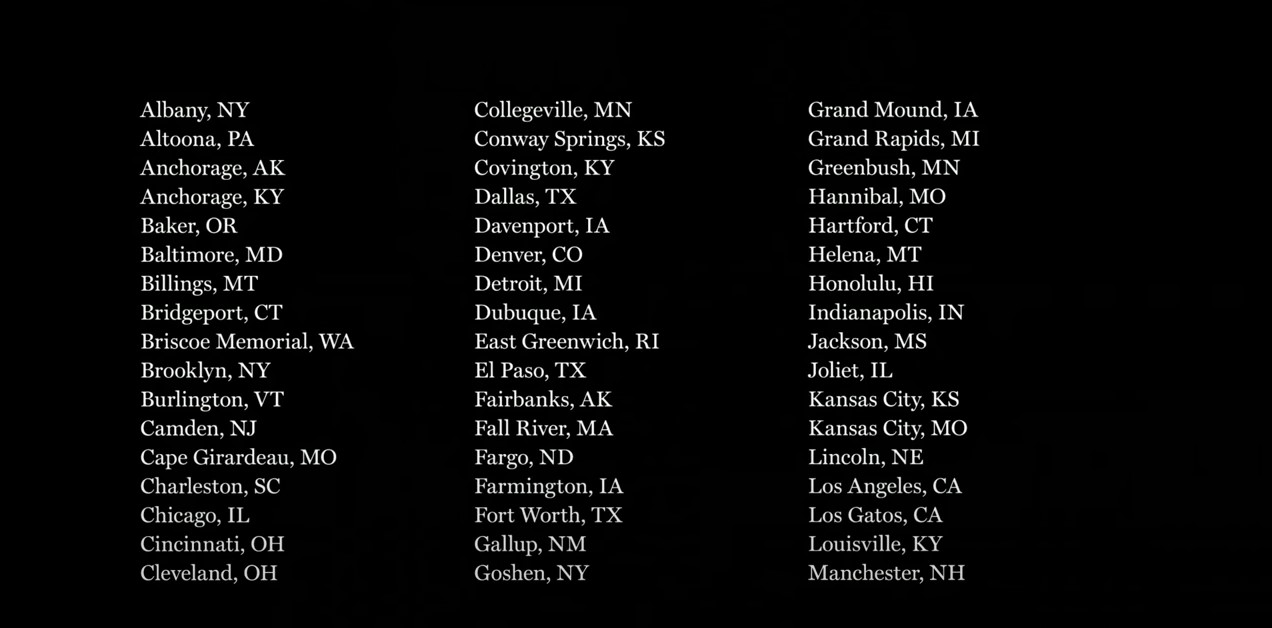
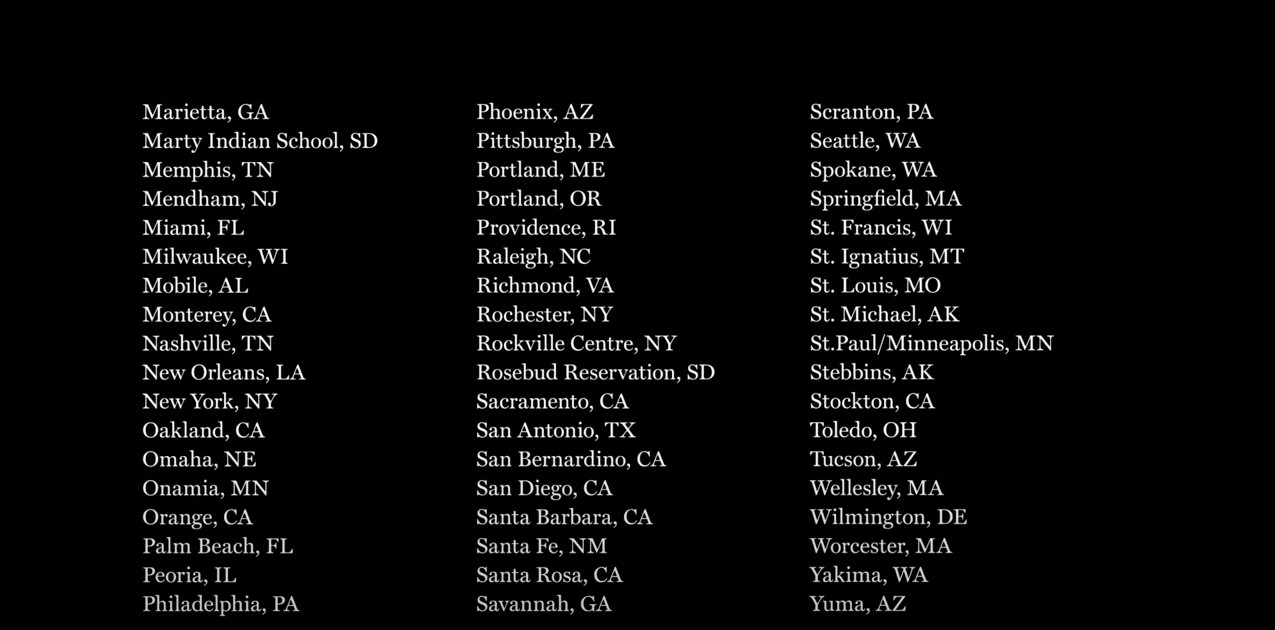
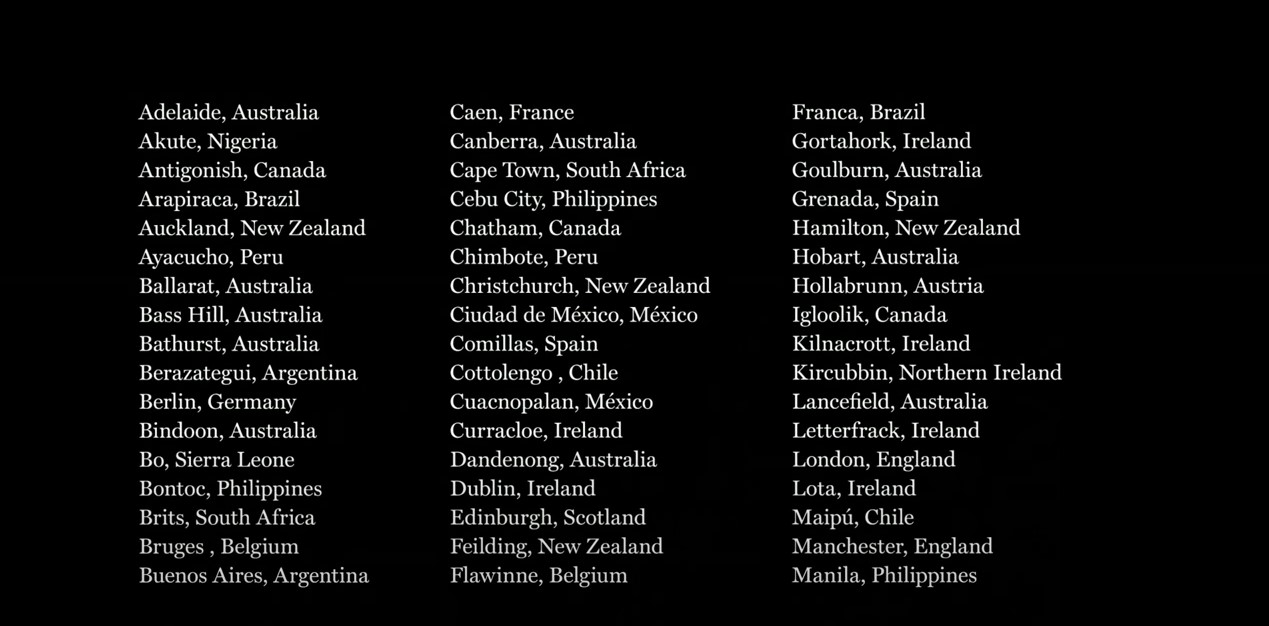
The scandalous crimes have been surfacing now literally for decades and they're still not all out in the open.

There is only one way the church can regain any moral credibility: each and every priest, monk, nun, and non-religious employee must be fully and completely investigated at the cost of the individual diocese. The church must make the results of the investigations that turn up anything public and turn them over to the police. It will bankrupt many dioceses, but that is the price they must pay for the coverup that apparently has been going on for centuries and is continuing.

And if the people in the pews had any sense of -- I don't even know what -- they would refuse to donate any money until that is done.
Comfort

Christianity gives comfort — that’s what its apologists claim. That comfort, though, is a comfort from a fear that Christianity itself creates. It creates the disease and then sells the cure.

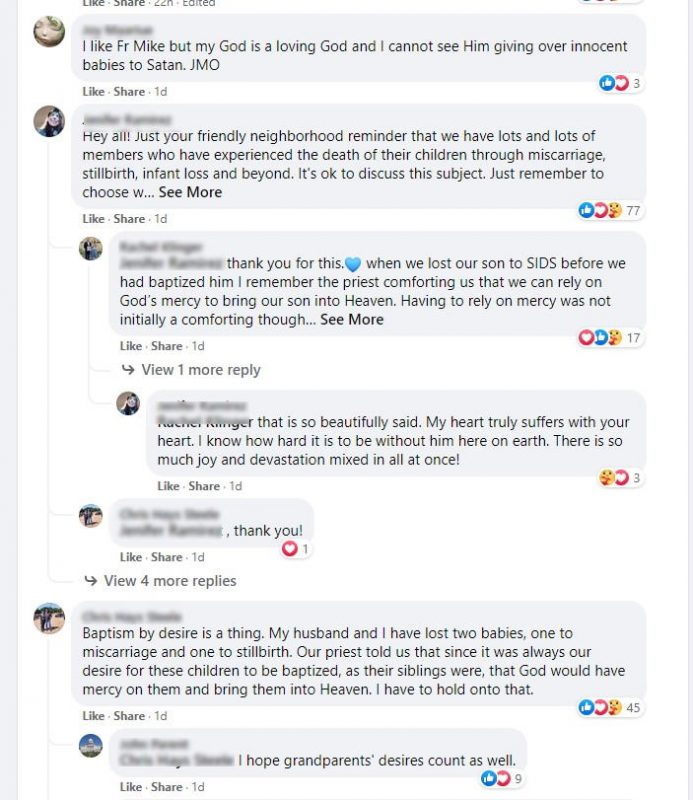
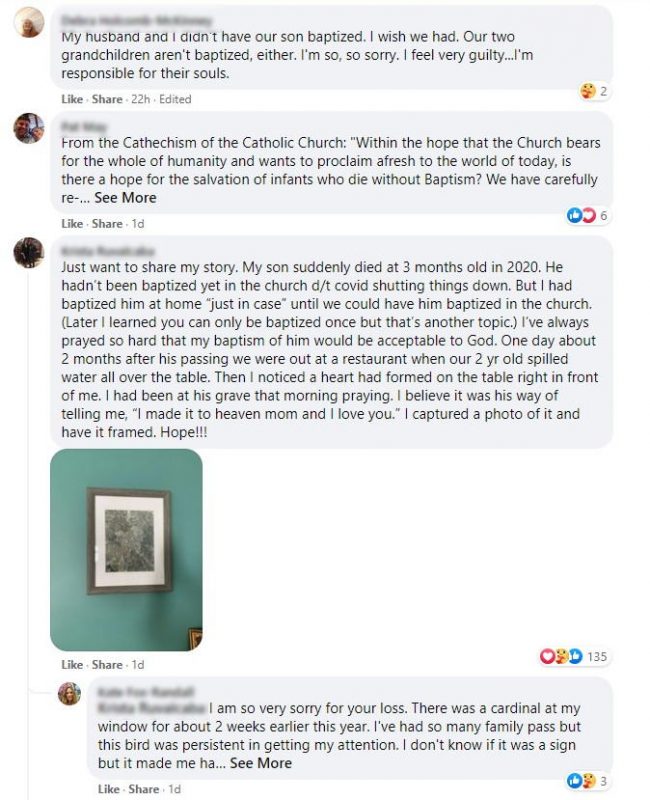
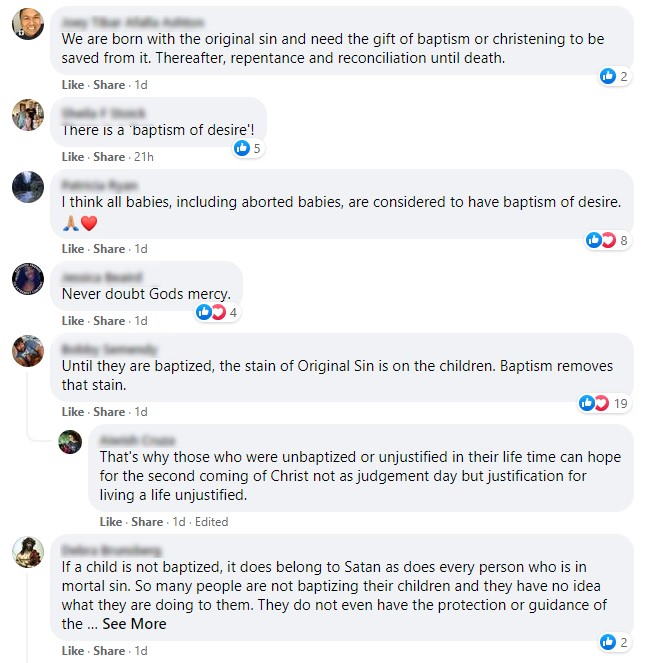
“I know my sins are forgiven by the blood of Jesus!” they’ll proclaim, but the whole notion of sin and the need for blood atonement via a perfect sacrifice — that whole idea comes from Christianity itself. But even if that irony escapes them (the savior is also the one twisting the thumbscrews), there should be enough discomfort in the idea of hell to give anyone second thoughts. Note the following exchange:

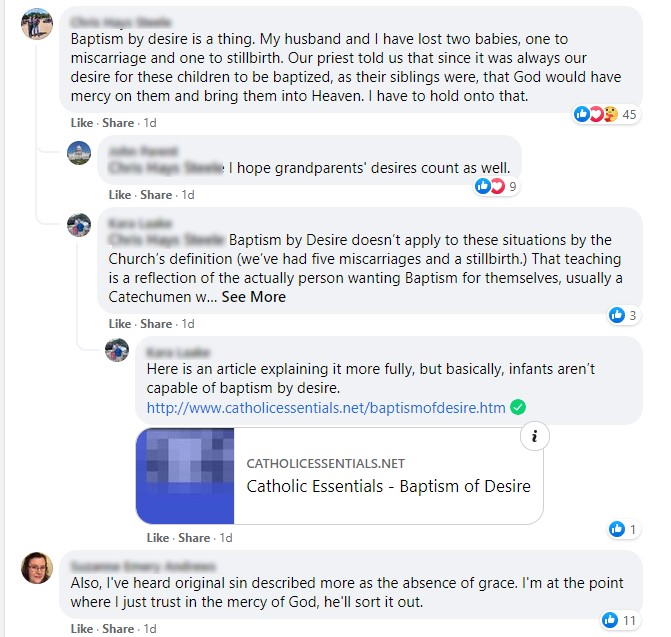
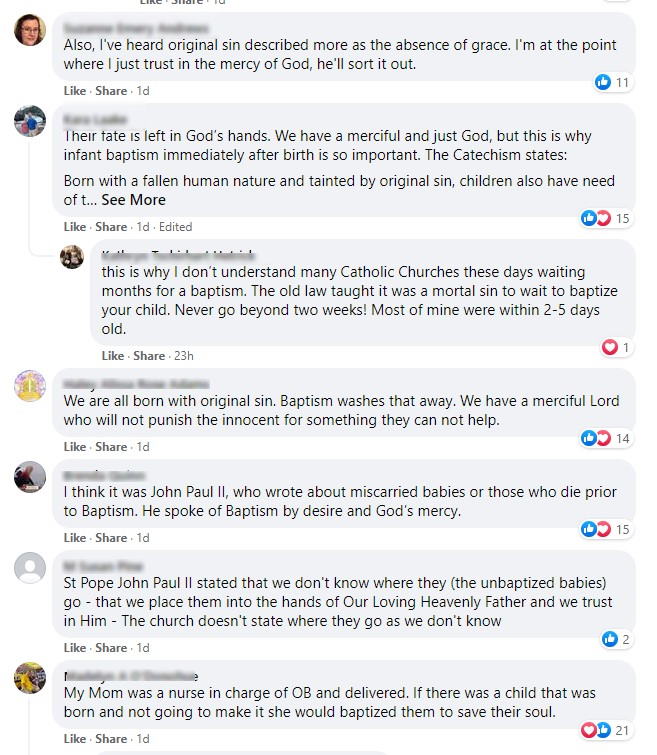
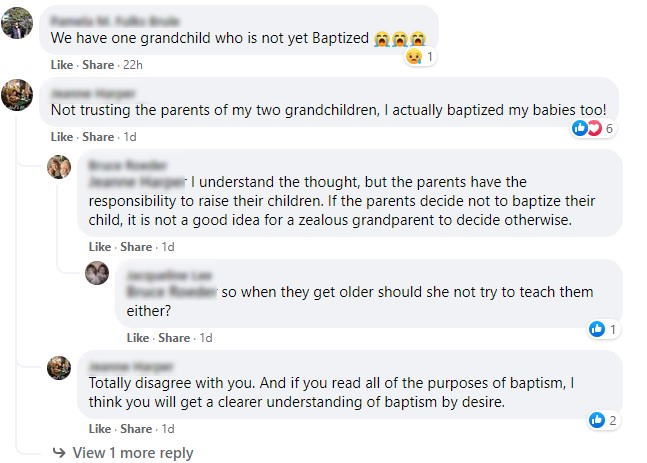
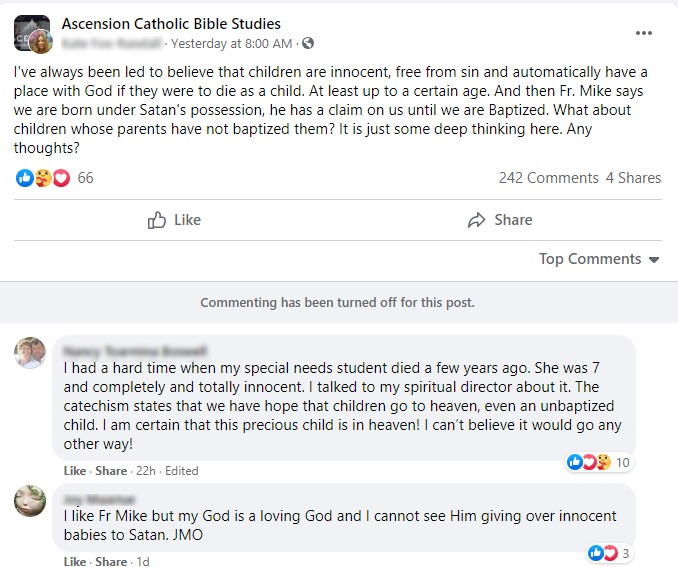
Here we have people tying themselves into ethical and emotional knots, tearing themselves apart because they can’t reconcile two things:

  1. Their church teaches that children are born with the “stain of Original Sin” and are thus damned to hell unless they’re baptized.
  2. There are lots of children who die unbaptized, and the thought of them being tortured in hell is, well, hellish.

How do you reconcile it?

In the midst of all these horrible losses, children still-born or dying shortly after birth, there’s the secondary pain that because their children weren’t baptized, they’re worried that maybe, just maybe, their god, in his infinite wisdom and mercy, is not letting them suffer as they, being stained with Original Sin, in fact, should.

They find a way to explain it, even though the church taught for ages that unbaptized babies went to hell. Limbo becomes something of a compromise, and now, if these posts are to be believed, intent seems to be enough. So these parents can rest easy: their children are probably not writhing in agony. They will be reunited in heaven.

Yet within even this is comfort there hides another discomforting fact: once these people get to heaven, they’ll discover that someone they love dearly is not in heaven. They’ll know that their brother or their aunt or their grandfather is in hell, in torment, in agony. How could you live in heaven knowing your loved one is in hell?

We could expand this beyond familial bonds: how could anyone enjoy heaven knowing that any person — with a few monstrous exceptions — is in hell? And while they’re living on earth, that knowledge must drive them crazy if they think about it. It must drive them to do one of two things:

  1. Redouble their efforts to make sure everyone they love is at least baptized. (Of course, once we get into the Protestant tangle, it could be any number of things required to make sure you’re not going to hell, so it could be more complicated than that.)
  2. Not think about it.

I would wager most choose option two.

Really, I suppose there’s another option: rationalization. Catholics especially are good at this. The Bible says Jesus had a brother James. The Catholic church says Mary was a perpetual virgin, so any siblings would be impossible. How to get out of this? Simple — Aramaic, in the language Jesus would have been speaking, there is no separate word for “brother” and “cousin,” so James was just the cousin of Jesus. Done. (There is, of course, one small problem with this line of reasoning: no matter what language Jesus spoke, the Gospels were written in Greek, which does have different words for “brother” and “cousin.” But it’s best not to think about that too much — it will lead to an unraveling of that seamless garment of Catholic faith.)
I guess they do what they have to in order to maintain the faith.

Yoga Fears

I'm still following a couple of Bible in a Year podcast groups on social media, and the other day I saw this post:

Hi. I was wondering If someone can tell me if practicing yoga goes against the Catholic religion? If you are doing it for stretching and relaxation purposes ? Thanks. I met a woman in a store that heard me mention yoga and went off on how that’s like devil worshipping.

I remember encountering such concerns when I was a kid. Everything seemed a potential link to the Dark One: popular music, popular films, popular anything. The devil, it seemed, was always lurking just around the corner, always waiting for us to slip up so he could slip in. Yoga was among these worries.

Not everyone was having it, though:

You would think the church would worry about important things...and I don't think yoga and keeping your body healthy and breathing are much of a problem.

Every now and then, I see a kindred spirit on these message boards, someone who thinks, "Hold on -- that doesn't make sense," and then goes ahead an says it.

How many people are actually like that, though? I'm fairly sure that thought comes into plenty of people's minds and they simply disregard it or even banish it as being a trick of the devil.

Some people in the message stream, though, seemed to be of two minds, or to have changed their mind:

Yoga has become so mainstream and it seems so innocent. I did it for years. Then I learned how it was occult and stopped.

"It seems so innocent." That is how the devil lures you in: he seems so innocent and then, boom! He's got you!

I find myself wondering whether these folks see the contradiction in their thinking. On one hand, they're always saying that "the Lord's got this" and "I have no fear because I trust in God." Yet moments latter, they're hyperventilating about how the devil can sneak in unawares and possess your soul.

At this point, an authority figure -- a church deacon -- stepped in and shared his thoughts:

As a deacon in the church and someone who has been specifically trained and has done deliverance ministry within the confines of the church, while i can’t go into detail, practicing yoga like Ouija boards, like believing in horoscopes telling the future, like tarot cards, like hypnotism, like spiritualism, like seances etc. is like opening a crack into the evil one’s domain.

Specifically to yoga, the poses emulate the postures of Hindu gods, the mantras can be prayers to the pagan gods, etc.. While. the rationale of intent is used as a reason, I. E. That it depends upon the intent, when the guard is down, inadvertent openings occur. While you likely won’t find a definitive statement from Rome, I believe it safe to say that avoiding a potential issue is practicing safe spirituality. It is best practice to avoid the near occasion of evil. there are alternatives. Often seen as new age which should be avoided.

The things he lists as potential entry points for a demonic spirit just waiting for a chance, for a moment when everyone's guard is down, deserve some scrutiny.

Ouija boards appeared in the late 19th century, but it wasn't until World War I that spiritualists began claiming that they could use the boards to contact the dead. Scientific inquiry has determined that participants are moving the planchet through ideomotor responses, which are all involuntary. In other words, it's not spirits doing the moving; it's the participants themselves.

Next the deacon listed "believing in horoscopes." Other than just making you look gullible, I'm not sure how believing in the vaguely written horoscopes so-calls psychics create can in any way open you up to demonic possession.

Derren Brown, the English mentalist, has shown how these horoscopes are vague nonsense by giving readings to different people and providing them with the exact same horoscopic predictions. They were all of different astrological signs and had all had in-depth conversations with Brown, but they all felt that the reading and prediction that followed was eerily accurate even though it was the same one for each and every one of them.

The skeptic James Randi once wrote horoscopes for a newspaper by taking old horoscopic predictions from other newspapers and simply scrambling them.

The same thoughts apply to tarot cards as to horoscopes, so I won't rehash that.

Hypnotism, more than anything else, shows the weakness of the brain to manipulation than it shows any sort of spiritual danger. In an odd way, then, it counts against another element of these conservative Christians' belief, that of creationism. A brain that can so easily be manipulated does not seem to be the creation of an omnipotent being, but Christians have an easy out for this: the Fall corrupted everything. Press that issue with questions (How exactly? What is the mechanism that this mythical disobedience led to physical changes in humans and the planet itself?) and many will simply resort to, "I don't know how, I just have faith in God's word, and that's what God's word says." Point out that actually the Bible says nothing about the so-called Fall leading to a deterioration, a spoiling of the physical world and that that, therefore, is mere interpretation and you'll likely see that this person doesn't even understand the objection and will simply reiterate earlier points. It's easy to see why: opening up to such doubts is more dangerous than opening up to potential demonic possession, because doubts lead to visible consequences (people leaving churches) where as demonic possession -- not so much.

The deacon next mentioned "spiritualists," which I assum he means those who claim they can talk to the dead. People like James Randi and Derren Brown have so completely and thoroughly debunked this whole practice, this whole industry, that it's shocking anyone still thinks these spiritualists are talking to the dead. In fact, they are doing nothing more than cold reading.

Seances were nothing more than parlor tricks of the late nineteenth century, and those conducting seances were hucksters and con artists. The bumps, thumps, and noises were manipulations, and the levitation was nothing more than common performance tricks.

So science, logic, and common sense have shown every concern the deacon raised to be, in fact, nonexistent, or worse, a hoax.

Next, the deacon explained that "While. the rationale of intent is used as a reason, I. E. That it depends upon the intent, when the guard is down, inadvertent openings occur." I have so many questions about this.

First of all, what is this guard he's talking about? It would have to be some kind of spiritual guard since we're talking about spiritual issues. (Never mind the fact that a consciousness without a physical brain is, as far as science has determined thus far, impossible, thus rendering the whole existence of any spiritual being, good or bad, impossible.) If we don't even know what it is, how can we be sure it is up or down?

Second, what are these openings he's talking about? If it's all spiritual to begin with, there are no "openings" or "closings" because those are descriptions of physical things, places physical objects can slip through other physical objects. A spirit doesn't need an opening. Even in the New Testament, the resurrected Jesus walks through walls and such. What is this opening?

Third, how can these things be on purpose or inadvertent if we don't even know what they are or how to control them?

This leads to the most troubling question: what kind of god, who loves his followers and wants them to be safe, would allow such inadvertent openings to exist? Is it out of his control? It also calls into question the supposed benevolence of such a being. It seems like he's saying, "Oops -- you let your guard down. I know you didn't realize you'd done it, but that's how these things go. I'm just going to let this demon slip on in and control you."

Of course, the whole idea of demonic possession in the twenty first century is laughable. It's oddly telling that only Christian believers get possessed and not atheists.

I'm sure most Christians would simply reply, "Well of course they get possessed: they just don't realize it or even believe in it, so they're not going to do anything about it." Indeed, evangelical podcasters and broadcasters regularly declare that this person or that person is, in fact, demon possessed.

Finally, someone just asked point blank:

I may be dumb, but why in the world would that go against our religion.

I guess this individual hadn't read the deacon's detailed response, but another member gladly and succinctly explained it:

because of the yoga positions are honoring Hindu Gods

You can only prod a skeptic so long before he responds: I had to join the conversation.

Just what do you think, [name redacted], being in those positions does? Doesn't intent matter? If one is not doing it in order to honor the Hindu gods, is one actually honoring those gods? It seems odd to think that getting into position X with the motivation of strengthening certain muscles would cause harm just because someone else gets into position X with the motivation of honoring some non-existent god.

Another participant tried to explain it this way:

sometimes our subconscious leads us into places WE don’t need to go so I’m just suggesting you watch the women of Grace video and I have a different opinion but mine is lead by our GOD so I’m trusting HIM. I respect each person opinion as well

I replied,

So getting into these positions will somehow trick our subconscious, which will then subvert our conscious intent and make us unconsciously worship these gods? I'm not trying to sound snarky -- I just don't understand.

The other participant simply pointed out that it was not her job to convince me and that I need to turn this over prayerfully to God for guidance. Reason had broken down. Logic had disappeared. Faith had entered.

My ability to hold back ever diminishing, I got a little ridiculous:

What if I am playing with my son, wrestling around, being silly, and one of us accidentally strikes one of these poses? If intent doesn’t matter, then I could’ve accidentally opened some demonic gateway just by playing with my son. Does that make sense? It doesn’t to me.

It seems like a childish objection, but in fact, it's a serious concern if these Christians are right about yoga. If intent doesn't matter, then getting into one of these compromising positions accidentally should be a major concern.

The opposite, though, is another concern: what about non-Christians making the sign of the cross? Does this have some kind of inadvertent effect? Is God just waiting for us to slip up and slide a little grace in just like the devil is waiting for us to slip up and take our souls?

I suspect the deacon, were I to ask him these questions, would not have a ready answer, or he would not have an answer that, in turn, raises more logical issues. Believers see this as getting carried away. "You can always find a loophole, some kind of 'what if' question," they might respond. They might call it a juvenile objection as our parish priest once did on his blog when discussing the problem of pain. They'll likely tell you that they're praying for you. But they will all eventually reach this point, where there's no rational response to the objection.

In the past, I avoided all this by simply not asking the questions to begin with. I was, quite honestly, scared to ask those questions because I knew there were no answers, and I knew the doubts such questions would bring could swamp what little bit of faith I had. I ignored it, and I suspect I'm not the only one who does that. No, I don't merely suspect; I know. Statistically speaking, it must be the case for some percentage of believers.

Social Media Theology

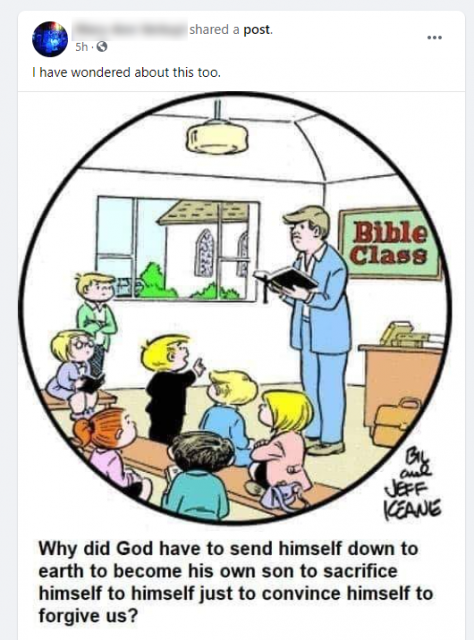
I'm scrolling through a social media group dedicated to the Bible in a Year program with Fr. Mike when I see a post that took me aback:

This seems to be a parody caption put under a Family Circus cartoon. I suspect this because:

  1. Family Circus is a fairly pro-Christian cartoon, and this particular cartoon is pointing out the circular logic and near-absurdity of the Christian idea of salvation and
  2. It seems like the font just doesn't fit the rest of the cartoon.

I recall when I expressed my own doubts how I was attacked and lambasted when, instead of accepting the offered explanations serenely, I replied the rebuttals I'd thought of long ago.

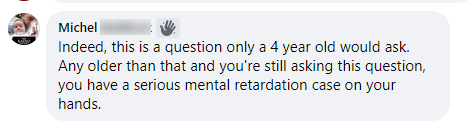
Michel, as if on cue, enters with a classic ad hominem argument.

I try to keep quiet, but I can't: "An ad hominem argument from an apologist is always effective."

Yet one person doesn't see it that way:

How to interpret this? A misunderstanding or the dawning of doubt? Probably the former. But I was curious how they would respond to this ineloquent way of explaining a weird little knot of contradiction that lies at the heart of Christianity, all complicated further by the doctrine of the trinity.

The basic idea is this: Christianity teaches that Jesus had to die in order to make humanity right with God somehow. Through the "stain of Original Sin," humans are separated from God, and to bridge this separation required a sacrifice. But only a pure and unblemished sacrifice would do the trick because God is completely holy. So God sent "his only begotten son" down to die a horrid death he didn't deserve because he lived a perfect and sinless life, thus serving as the sacrifice that makes all good with God. God did this because he loves humanity and wants humans to spend eternity with him, but the sinful nature of humans prevents this. He's perfect; we're not. He can't be around the imperfect, so there must be some way of atoning for those imperfections. (I probably didn't explain that well because there are a million different interpretations on what exactly Jesus's sacrifice accomplishes depending on the denomination of the apologist. I know for a fact that I mixed and matched several different explanations of what Jesus's sacrifice, in the eyes of believers, really does, but that's kind of the point. They can't even agree on what's going on here.)

The first problem with this comes when we consider the supposed omnipotence of God. If God is all-powerful, why not just forgive and welcome everyone back into the fold? Why all this song and dance about Jesus? What's more, if you don't believe this and accept it, it's back to square one with you: you'll remain forever separated from God, destined for the eternal firy torments of hell. (Never mind for a moment the painfully obvious question: why would a being who is even vaguely decent let alone completely benevolent like Christians teach their god is send anyone to eternal punishment for anything?)

The biggest problem comes when we mix the trinity into all this. Because God and Jesus are the same entity (as well as the Holy Spirit -- never mind how that seems to make no sense in and of itself), we can replace all those instances of "Jesus" with the more generic "God." That shows the absurdity of it clearly. God is doing the sending and is sent. God is doing the condemning and the restitution. God is sending God to die to satisfy God's demand of punishment for humanity's disobedience of God. What kind of sense does that make at all? Skip all the middle man stuff and just forgive humanity.

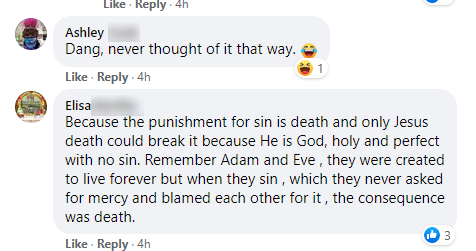
That's what the cartoon is highlighting. The poster's comment of "I've wondered about this too" as well as Ashely's admission that she "never thought of it that way" with a smiley face indicates that the circular logic breaks through to others' thinking for just a brief moment.

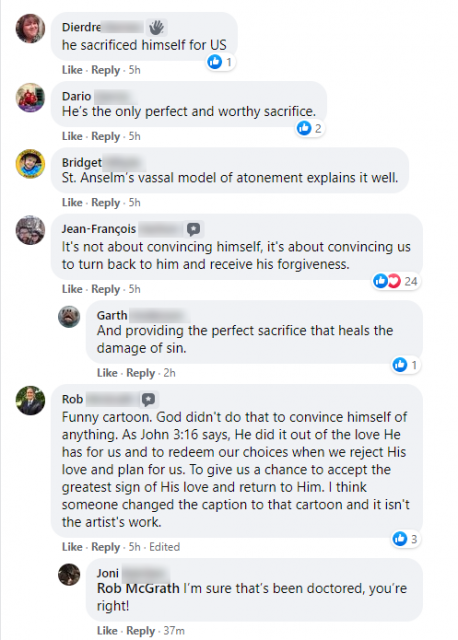
Others jump in quickly, though, trying to explain why Jesus had, in Christian theology, to die.

Elisa's contention is that Jesus could only "break" (not sure what that means) "the punishment for sin" by dying because "He is God, holy and perfect with no sin." Yet this doesn't get at the heart of the objection in the cartoon, which is that an omnipotent God shouldn't have to go through all this rigamarole to forgive people: if he's omnipotent, he just forgives them. End of story. This suggests that Elisa doesn't really grasp the underlying objection.

Others' explanations show the same lack of understanding:

They all turn back to the same explanation I butchered above. Sin separates us. God loves us. God wants to bridge that gap. So on and so forth.

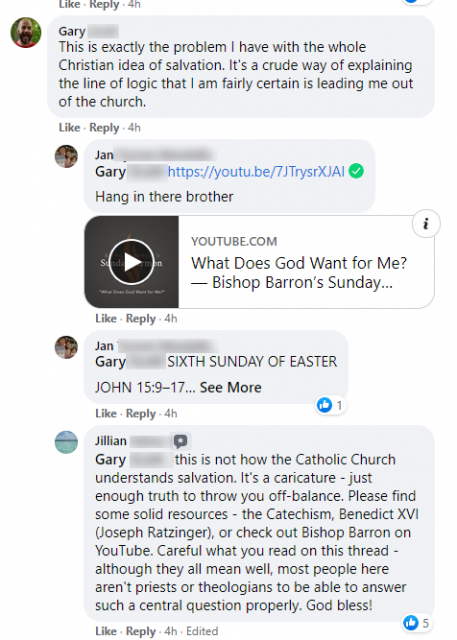
It is at this point that I jump in:

Granted, it's not "leading me out of the church." It and countless other objections have already done that. I just don't want to sound like an aggressive outsider. I want to see how they'll respond.

Bishop Barron's sermon that Jan links to just reiterates how God is love and that's why he died for us. It doesn't answer the question of why he couldn't just forgive outright.

Jullian rightly points out that "this is not how the Catholic Church understands salvation." He correctly admits that it's "a caricature." But that's the point. Caricatures by design highlight the absurdity of something to bring it in sharp relief. To make it stand out.

What's more interesting about Jullian's response is that "most people here aren't priests or theologians" who would be "able to answer such a central question properly." That raises an objection in and of itself. Why would an omnipotent god create such a convoluted system of salvation that only a specialist with years of theological study behind him (and remember that theologians don't really study God but simply study what other men have said about God) could answer?

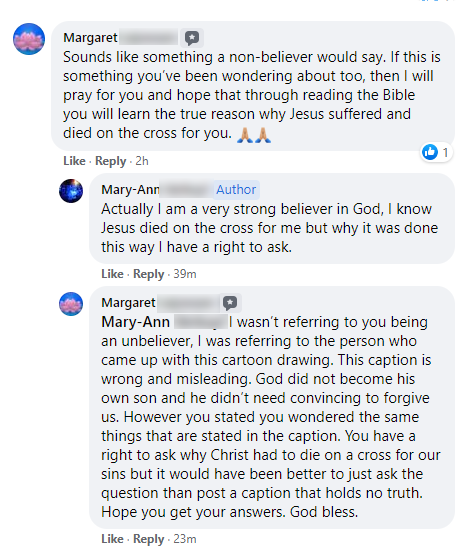
Finally, Margaret calls a spade a spade:

Mary-Ann, the post author, quickly reassures everyone (and likely herself) of her undying faith

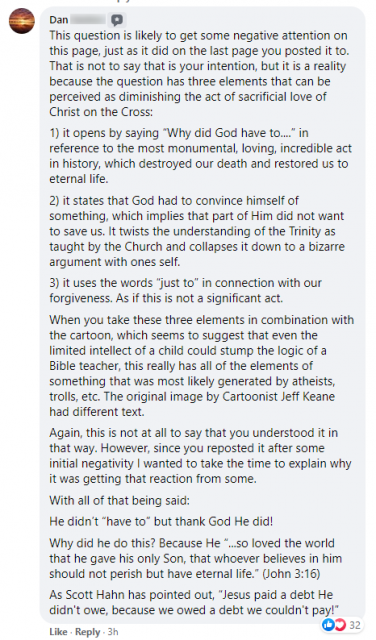
Finally, Dan tries to explain everything:

Dan's first objection is in using the formulation "Why did God have to." He didn't even answer what's behind the question: the notion is that without doing this, we can't be with God. If that's the case, and God wanted humans to be with him, then God did indeed have to do this.

Dan's second objection comes from the confusion this creates regarding the trinity: it "collapses it down to a bizarre argument with ones [sic] self." That is the point. In doing so, it highlights the absurdity of the doctrine of the trinity.

Dan's third objection is with "just to." I think that's meant to highlight the fact that, if God is omnipotent, he should be able just to forgive humans our foibles and move on. It's another reflection of the first objection, in other words.

He ends with Scott Hahn's assertion that "Jesus paid a debt He didn't owe because we owed a debt we couldn't pay." And we're right back where we started.

All this simply confirms what I've come to realize over the last couple of years: most believers don't seem to understand what's at the heart of most skeptics' objection to Christianity. Whether this is an inability to understand it because of their blind faith or an unwillingness to try because of a fear of the consequences, I don't know. Of course, there are other explanations, and it's likely the case that for most believers, it's a mix of any and all of them.

But I see these problems. And I can't unsee them.

The Inevitable Move

A few days ago, Fr. Mike, on day 50 of his Bible in a Year podcast read Exodus 37 and 38 as well as Leviticus 26. The passages in Exodus all had to do with sacrificial offerings, but the chapter from Leviticus was, in many ways, the most troubling passage in the whole Bible so far. It is, in short, a list of the punishments the god of Old Testament will mete out on Israel if they abandon the proper worship of him, but it presents such a conditional love, which bears all the hallmarks of an abusive relationship that I don't see how someone can read these chapters and not absolutely cringe.

It begins with a promise of what will happen if they do remain faithful:

“If you walk in my statutes and observe my commandments and do them, then I will give you your rains in their season, and the land shall yield its increase, and the trees of the field shall yield their fruit. And your threshing shall last to the time of vintage, and the vintage shall last to the time for sowing; and you shall eat your bread to the full, and dwell in your land securely. And I will give peace in the land, and you shall lie down, and none shall make you afraid; and I will remove evil beasts from the land, and the sword shall not go through your land. And you shall chase your enemies, and they shall fall before you by the sword. (Leviticus 26.3-7)

One might question whether this god would be upset to discover that people were worshiping him because they want all the benefits, but this supposedly omniscient being should know that and perhaps work that into the passage. "You must honestly love me and worship me." Something like that. Still, that's a trivial point compared to what happens later in the chapter.

By verse 14 it turns quite troubling:

“But if you will not hearken to me, and will not do all these commandments, if you spurn my statutes, and if your soul abhors my ordinances, so that you will not do all my commandments, but break my covenant, I will do this to you: I will appoint over you sudden terror, consumption and fever that waste the eyes and cause life to pine away. (Leviticus 26.14-16)

Fr. Mike, in his commentary, explains, "There are consequences for actions. [...] He hands them over because he loves them." If this doesn't call Israel back to their god, Fr. Mike explains, then their god will let more stuff happen to them until they do turn back to him. "The whole point of this is not punishment," Fr. Mike assures us. "The whole point of this is rescue." This is the first problematic idea, and it hits at one of the biggest issues I've had with Christianity for some time now. "Rescue" suggests the following:

  • Force A
  • affects entity X
  • and entity Y somehow stops force A by
    • getting rid of force A,
    • removing entity X from the effects of force A, or
    • mitigating the effects of force A.

Within all of this is the idea that force A is separate from entity X doing the rescuing. If I'm beating my son and then stop beating him, I'm not rescuing him. If I'm holding my daughter's head underwater and then stop holding her head underwater, I'm not rescuing her. It's only a rescue if someone or something else is doing it, and I somehow stop it.

The problem with Christianity is simple: this god is the one doing the beating; this god is the one holding heads underwater. How so? Simple: Christians frame all this "rescue" as a rescue from the consequences of sin. But the god of Christianity defined sin. He designed the consequences of sin (and everything else) by creating the world as he did. He's ultimately the victimizer and the savior. That's not rescuing. That's a sick relationship.

Putting that aside, though, it's disturbing to look at the consequences listed in Leviticus, through verse 45:

  • I will bring more plagues upon you, sevenfold as many as your sins.
    This is not a consequence. This is God responding to one's actions, and with a sort of severity that might even be rare in the mafia.
  • I will let loose the wild beasts among you, which shall rob you of your children, and destroy your cattle, and make you few in number, so that your ways shall become desolate.
    Who is really paying the price if the children are getting devoured by wild beasts? And what kind of relationship does this inspire? We're just cowering in fear of what this being might do to us.
  • I will walk contrary to you in fury, and chastise you myself sevenfold for your sins. You shall eat the flesh of your sons, and you shall eat the flesh of your daughters.
    What!? God here is saying he will, in fury, bring such desolation that the Israelites will turn to cannibalism. Will he be like with Pharaoh in Egypt? Remember: several times Pharaoh agreed to let the Israelites go, but according to Exodus, "God hardened his heart" so that he would change his mind. Is God going to harden the hearts of the Israelites to make them turn to cannibalism, or will things just get so bad that they won't feel they have any choice? (And when would a parent ever really feel that way?)
  • And I will devastate the land, so that your enemies who settle in it shall be astonished at it.
    The implication earlier is that Israel's enemies will do all this destroying, but here it seems to indicate that God doing it. After all, the enemies come and are astonished, presumably at the brutality which has swept through the land.
  • And as for those of you that are left, I will send faintness into their hearts in the lands of their enemies; the sound of a driven leaf shall put them to flight, and they shall flee as one flees from the sword, and they shall fall when none pursues.
    Again, God does this, not the enemies. He seems to be suggesting that he'll make them such cowards that they'll be eradicated.

How does Fr. Mike explain all this? He makes the move I've been waiting for him to make the whole time, really the only move he can make: The fact that it doesn't seem right is our fault. "We just need to trust God and understand that there is an answer to all these questions," he argues:

This is the discipline of a father, and this is so important to us. You know, when we approach scripture, and we don't trust God, we see these things and go, "Wow, that's crazy. I'm done with this. Day 50, that's it. I'm out." But when we approach the word of God, and we have that spirit of trust where it's like, "Okay, if I don't understand this, it must be me that doesn't understand this."

If I begin to be suspicious of God, and I say, "Wait, let me pause. God is a good dad. And while I don't understand what he's doing here or not doing there, I have to look at him, look at life, look at myself through the lens of 'Okay, God is a good dad.' So why would a good Dad allow these punishments to come upon those who are disobedient?" Well, because, like any good dad, like any good parent, I want more for you than just your comfort. I want more for you than for you to just go about your life and do whatever it is you want to do. I want the best for you.

So this is God, who is the good dad. And he says, "I want the absolute best for my children, so if they refuse to walk in my ways and walk contrary to me, here's the consequences. Because I want to bring them back to my heart."

But how do we know that this god is a "good dad," as Fr. Mike suggests? It hits at the very heart of the question of theism: how do we know anything about this supposed being? All Christians claim to know about him comes from three sources:

  1. Personal experiences with what we call the divine.

  2. What the church teaches about this being (and here I have in mind the Catholic idea that the Bible and the church are equal authorities).
  3. What the Bible says about this thing we call the divine.

Personal experiences are just that: personal. If you have a warm feeling in your heart, that's all you know. To attribute it to the Holy Spirit or anything else is interpretation and therefore highly subjective. In this sense, the believer is putting faith in herself and her interpretation of her inner experience. The other two sources, though, inform that faith.

What the church says about its god is just what other people say about, and so ultimately the believer is putting her faith in these other people.

The Bible is just a book. Nothing more, nothing less. If believers purport it to come from the hand of their god, there should be evidence of some sort in the book itself. The safest way to approach it, then, is to look at the Bible and ask, "What sort of god is presented in its pages?" From this reading in Leviticus, it seems a stretch to say that this being is in any sense "good." He's vindictive, envious, and petty at best and ghastly, wretched, and unspeakably cruel at worst.

So where does Fr. Mike get this "good dad" stuff? Simple: it's his working preconception. He's making assumptions about the Bible before he reads the Bible, and he's suggesting believers do the same. And to be fair, what else are they going to do? If they're committed to his idea that their god is good, they have to approach it with that assumption, and no one really wants to worship an evil god. In addition, if they were raised in the church, they were taught that their god is a good and loving god long before they can read the Bible for themselves and see all these terrors.

It is here that the true horror of the situation enters, for it is here that believers being to look like spouses in an abusive relationship. Take what Fr. Mike said about his god and reframe it: imagine that Fr. Mike is an abused wife and his god is the husband:

If I begin to be suspicious of my husband, and I say, "Wait, let me pause. My husband is a good husband. And while I don't understand what he's doing here [with all the unspeakable abuse mentioned earlier] or not doing there, I have to look at him, look at life, look at myself through the lens of 'Okay, my husband is a good a good husband.' So why would a good husband allow these punishments me? It must be because I am disobedient." Well, because, like any good husband, he wants more for me than just my comfort. He wants more for me than for me to just go about my life and do whatever it is I want to do. He wants the best for me.

That is classic victim-blaming. Worse: it's victim self-blame. "My husband beats me because I deserve it. It's for a greater good, and if I don't understand that, it's just because I'm not as smart as he is."

If any of our friends spoke this way, we would encourage her to go to a shelter immediately with her children. But Christians simply stay in this relationship. They believe they deserve it because of Original Sin and their own short-comings. How many times have I heard Christians talk about how wretched they are? "Amazing grace, that saved a wretch like me."

Most Christians would respond, I think, by saying, "That's the Old Covenant. Look at how beautiful the New Covenant is! That's where I draw my faith. Jesus saved us from all of that!" Yet the response to this is so simple that even a child can make it -- and has. "But that's the same god!" These are not different entities. The Christian doctrine of the trinity paints them into a corner, and they fail to see that it's happened. In doing so, it makes the relationship even more toxic.

I, for one, got out of that relationship, and I feel so much better for it.

First Communion

Prep

Today was a day of preparation. Rosol for tomorrow; lots of cleaning; a bit of discussion.

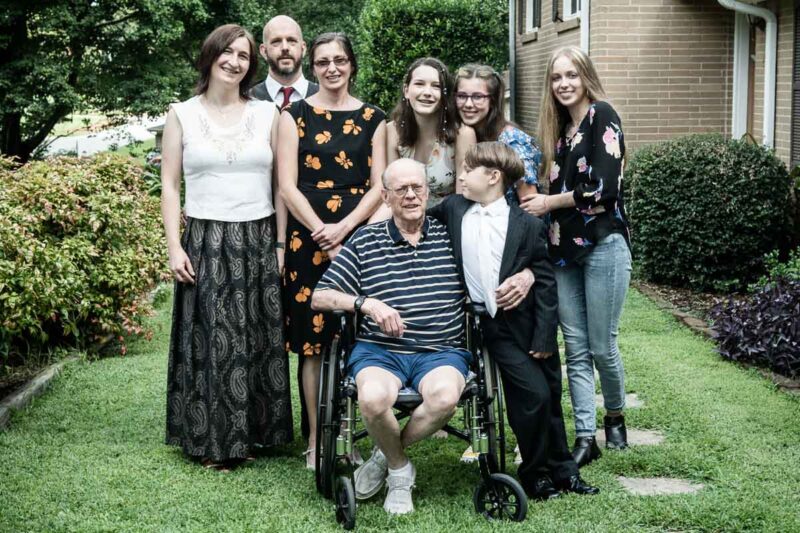
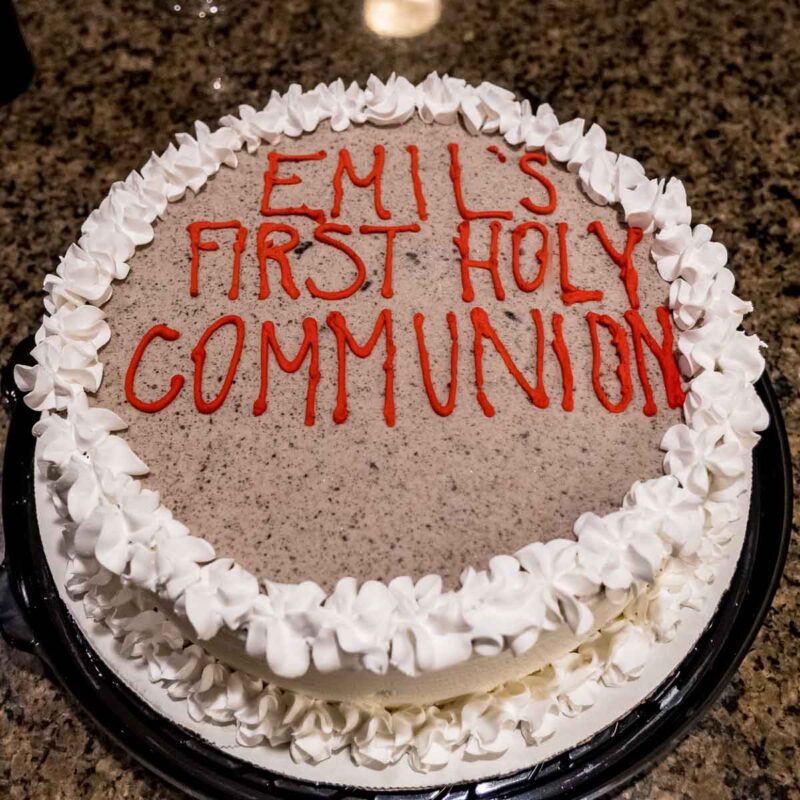
Tomorrow is the Boy's first communion. We're having the god-parents and their families over for dinner tomorrow after Mass.

Day 63: First Mass

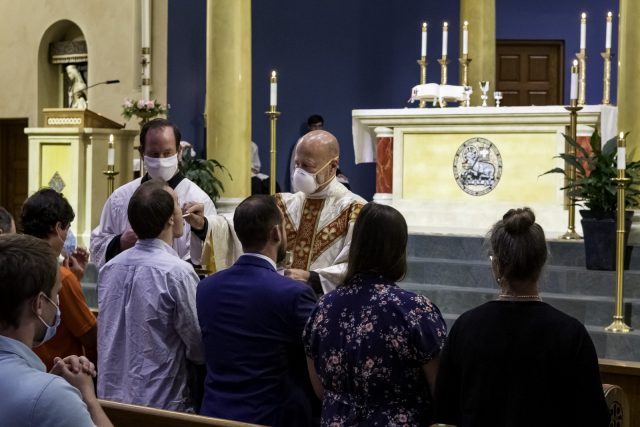
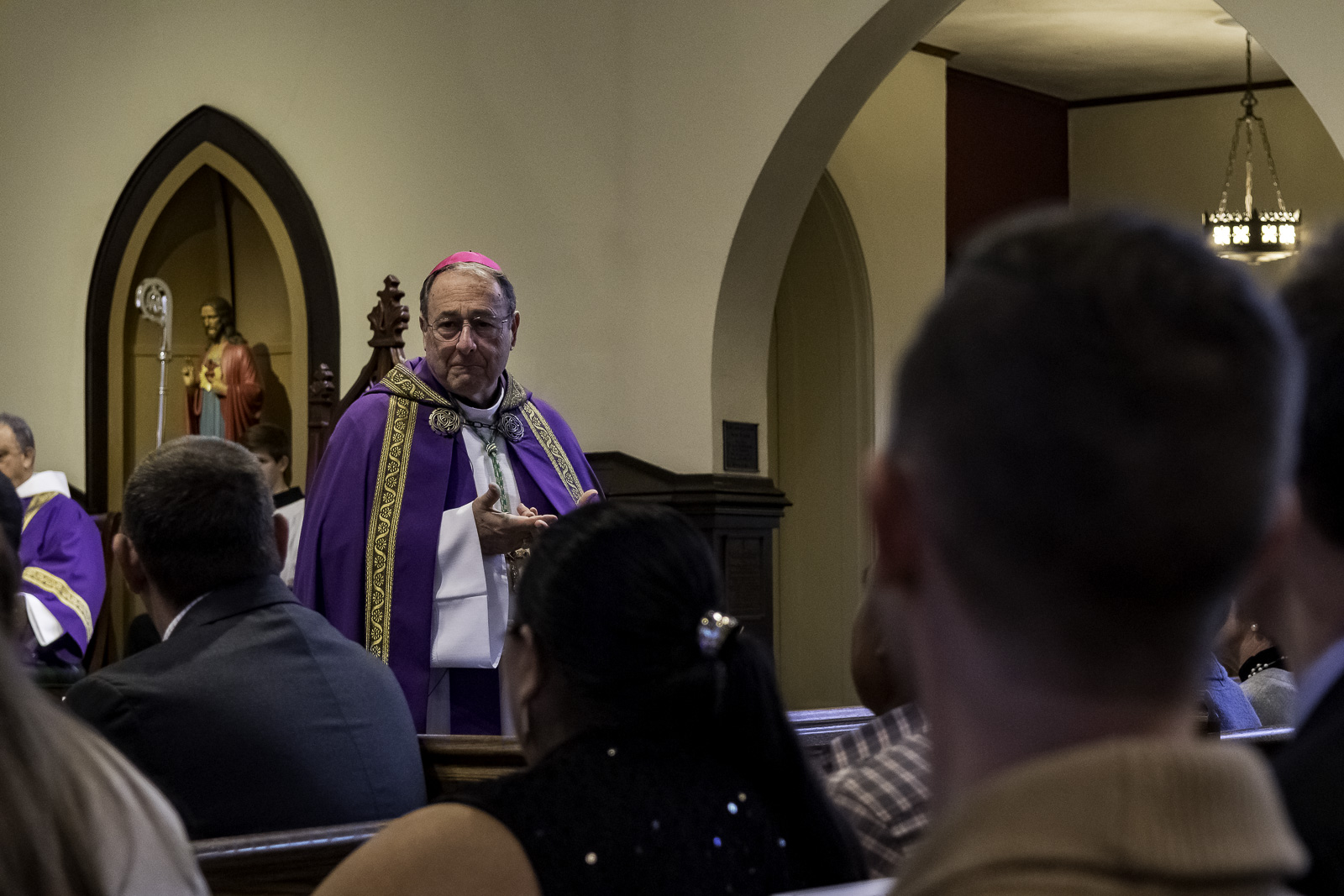
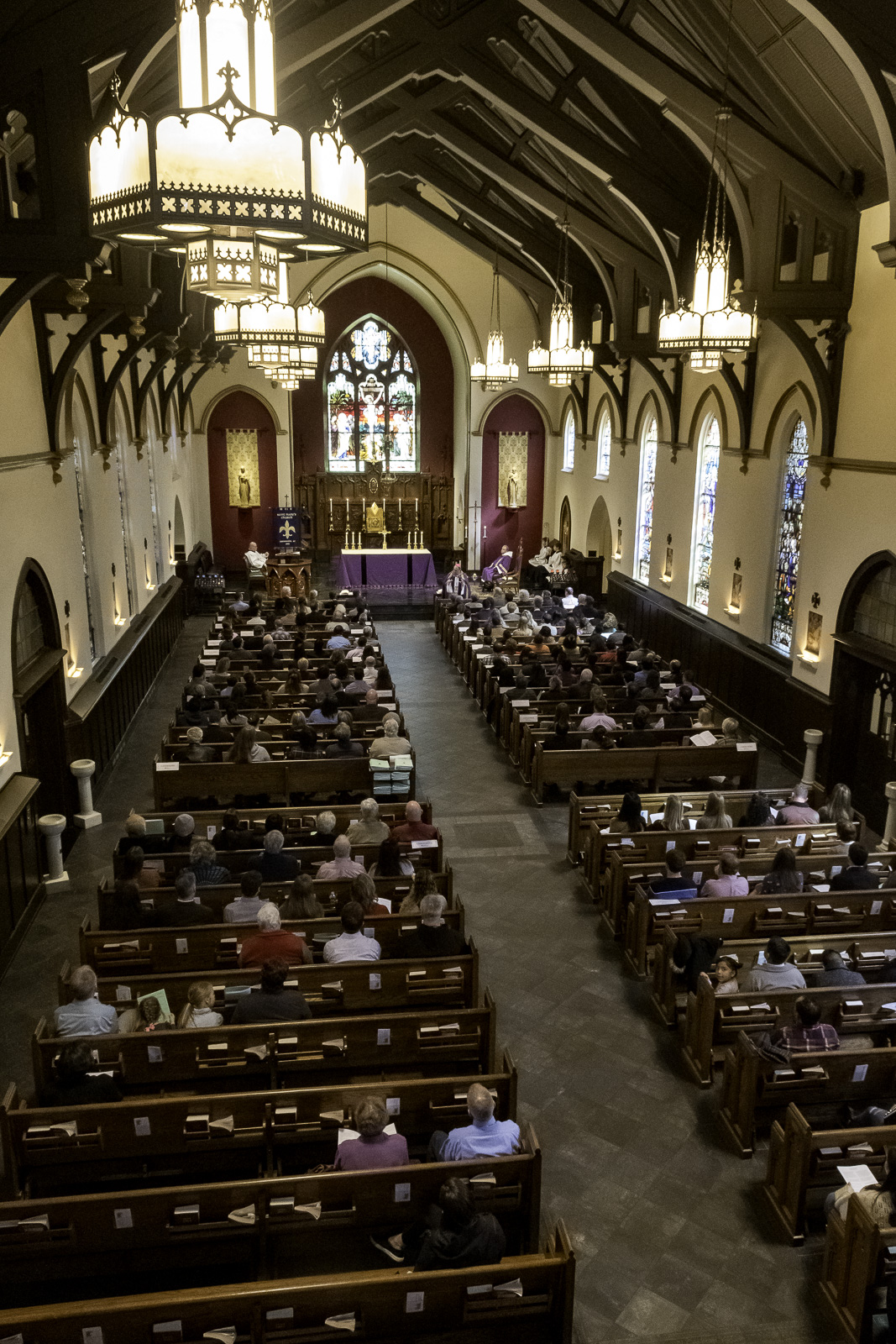
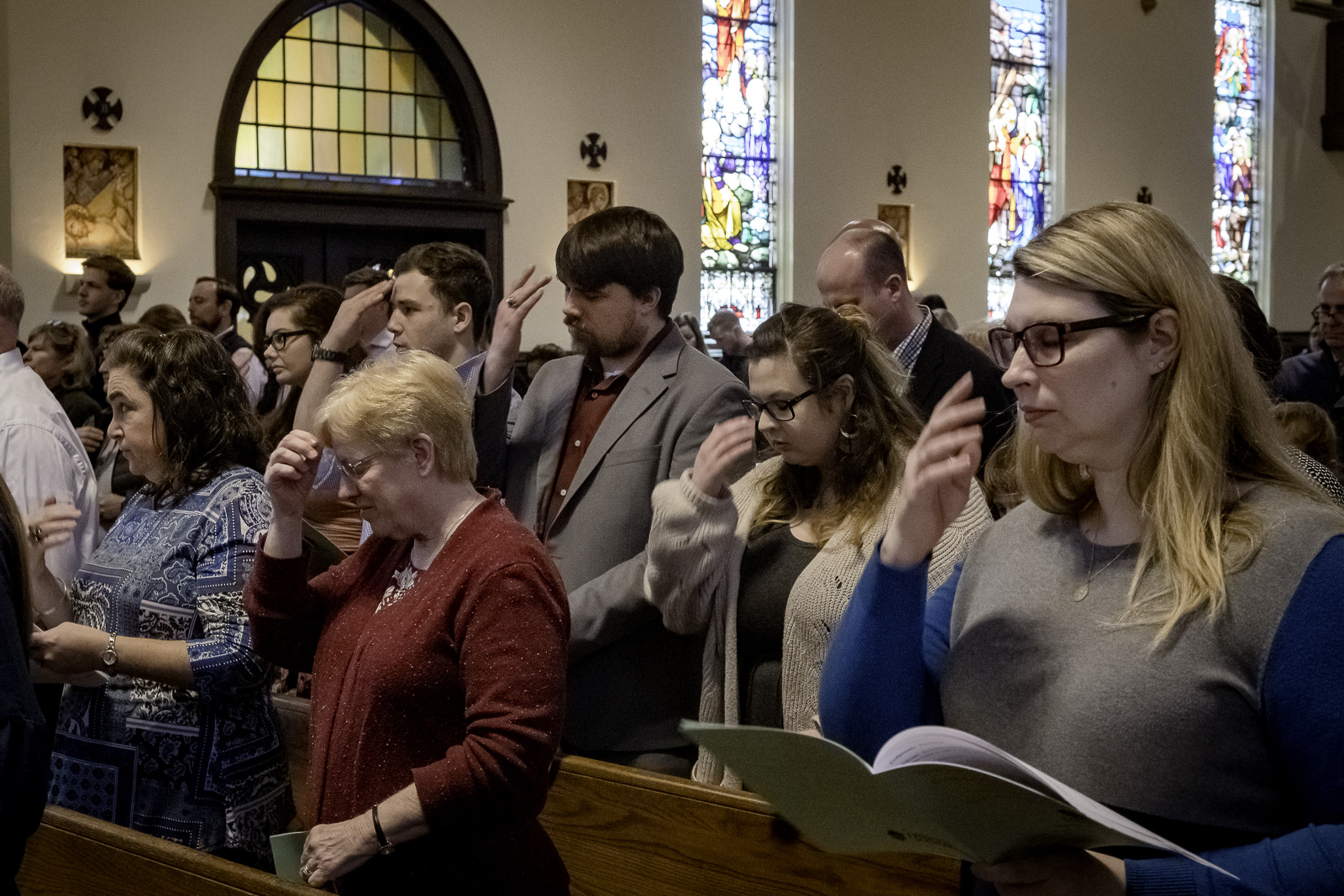
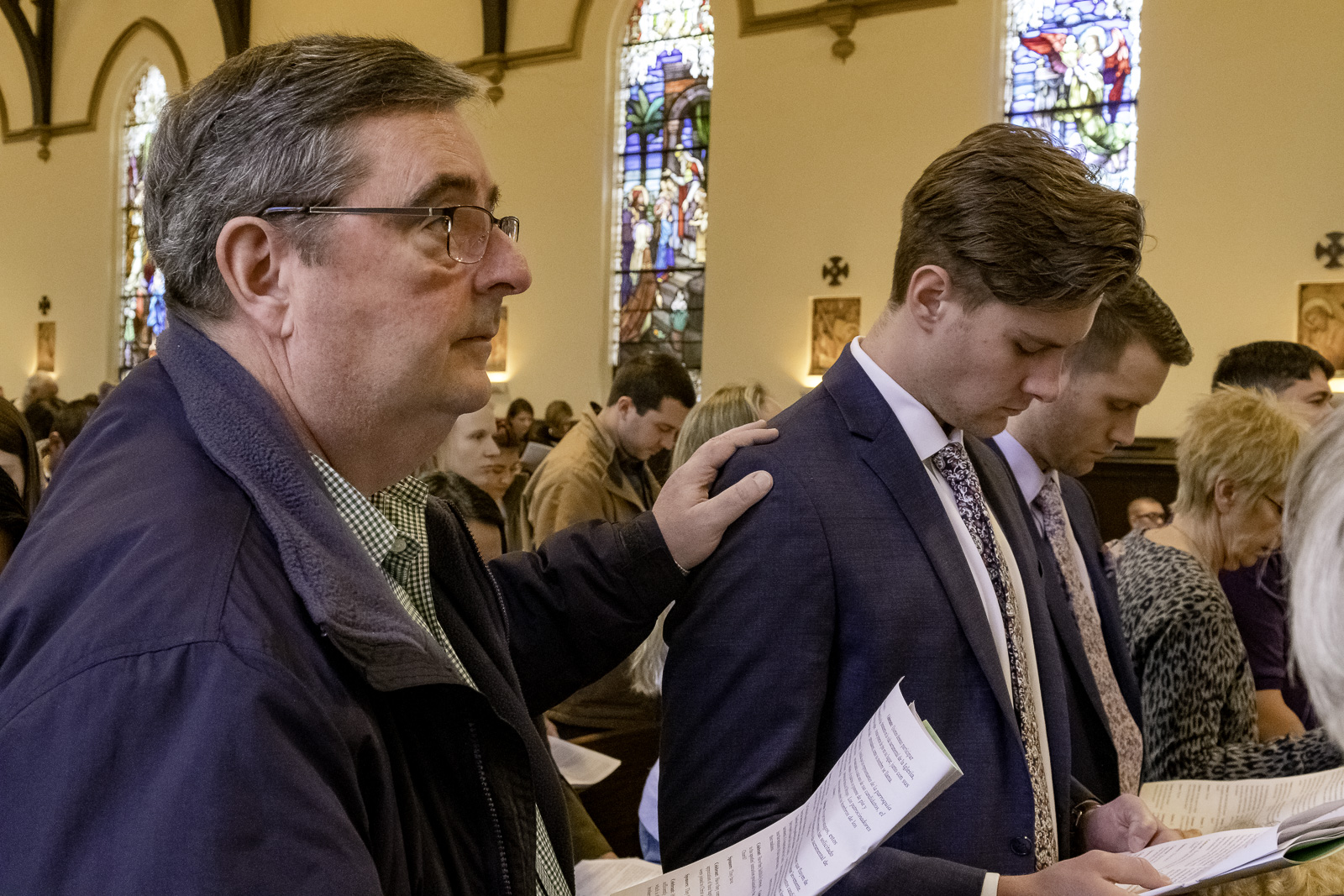
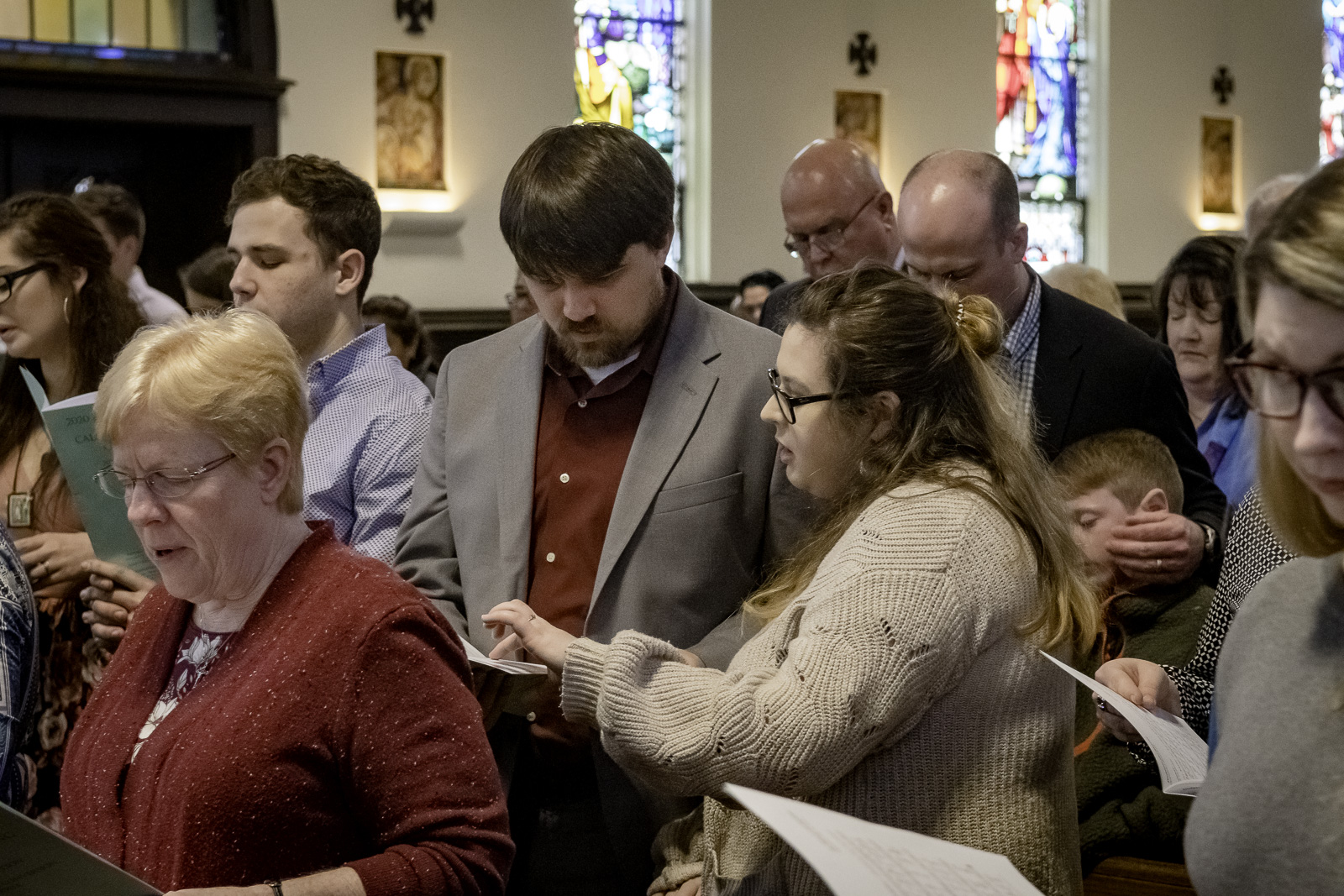
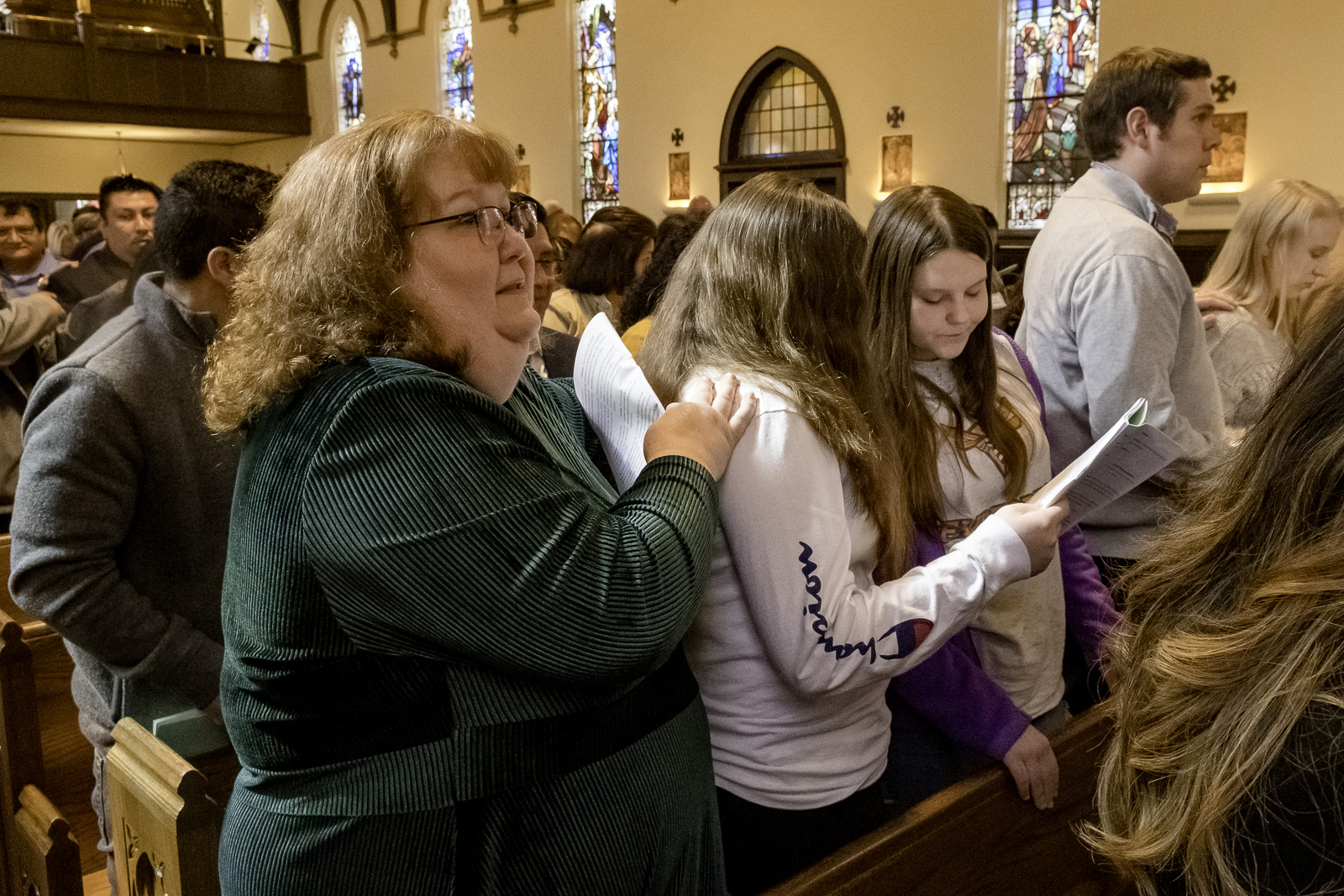
Today, parishes across the state were able to have public Mass for the first time in two months.

The local Catholic newspaper hired me to photograph Mass at a couple of locations.

A surreal scene, to be sure.

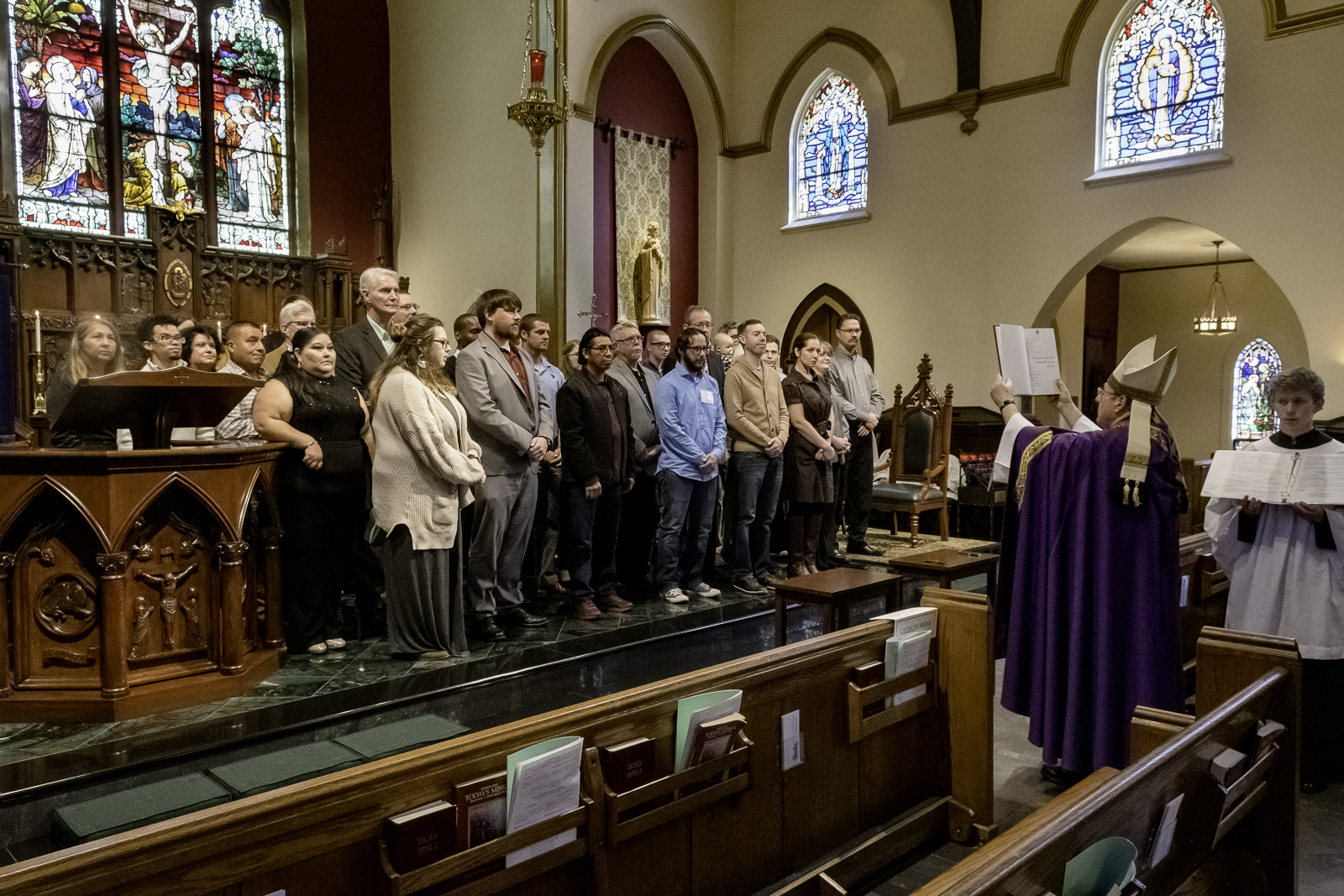
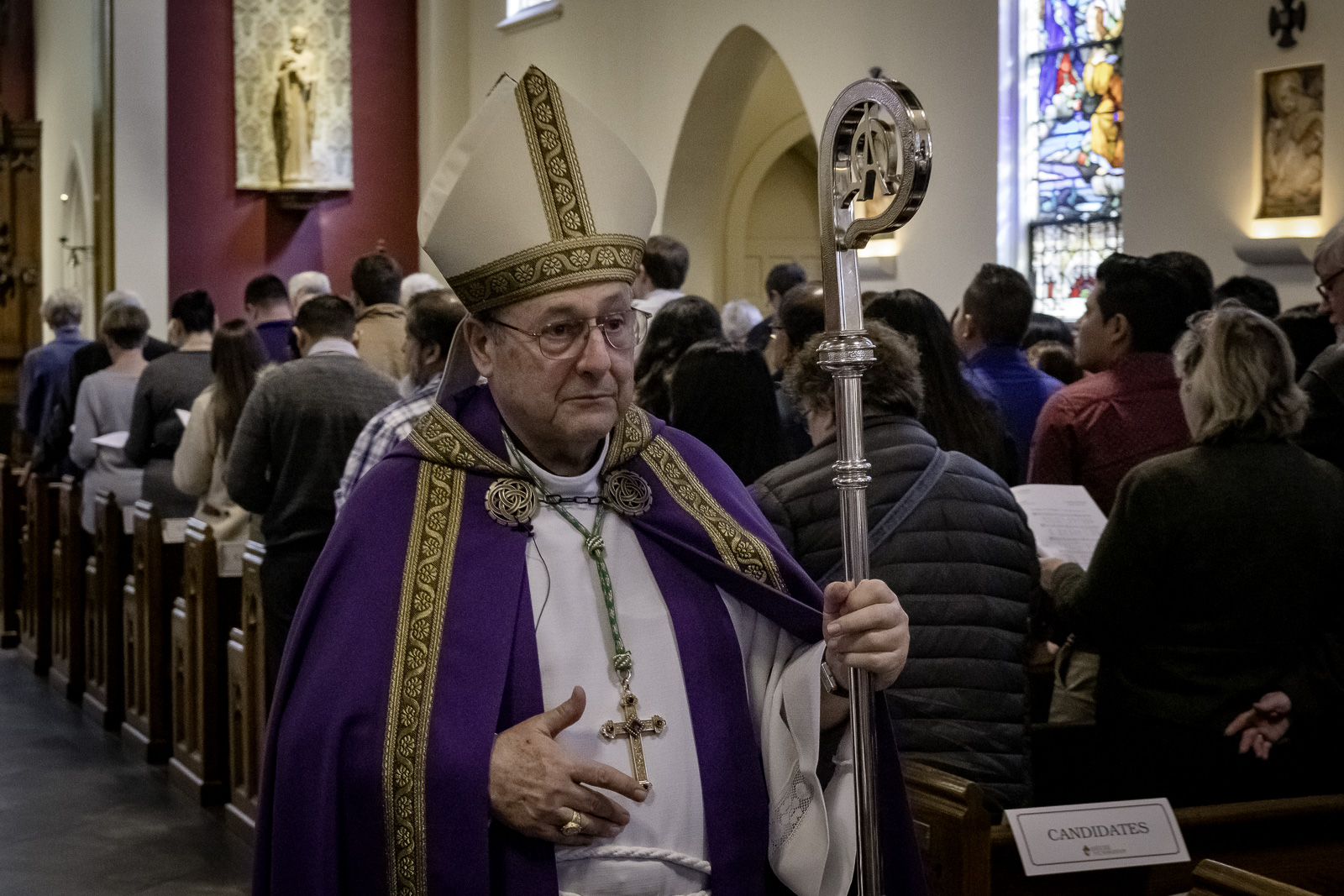
Shots from Yesterday’s Rite

Blessing 2020

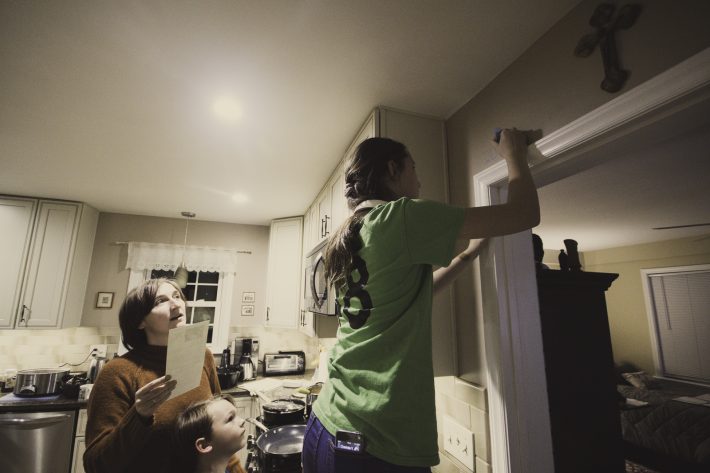
I first noticed it at a friend's house. Above one of the doors were some numbers and letters, and I thought it was perhaps a marking left behind during construction -- some kind of measurement or something. Of course, the house in question was long finished: it was not one of the half-built, "raw" houses that dotted the road that ran through Lipnica. This was a fully completed house, but I didn't really think about that. I just didn't have any idea why someone would write something in chalk on the wall.

And then I married a Polish Catholic and found out: it's the indication of the blessing of the house.

I've grown much more skeptical in the last few years and tend to have to fight the temptation to view these things as I once did, which is not all that positively. To begin with, the priest is supposed to do it. Our priest leaves a basket of blessed chalk in the church narthex with a card that includes instructions and the prayers. This year, we didn't get the blessed chalk, so we just used chalk that we bought at Walmart. Does that make a difference? Ontologically, it should: if not blessing it didn't make a difference, why bless it to begin with? And what exactly does blessing the chalk do? Is it possible to discern the difference between blessed and unblessed chalk?

There's not even consensus about the origin and meaning of what one writes in chalk:

The origin of this ritual comes from eastern Europe where homeowners mark their doors with the sign 20+C+M+B=(year). CMB are the initials of the three Wise Men: Caspar, Melchoir and Balthasar who are remembered on the Feast of Epiphany.

Another interpretation given of this sign is: Christus Mansionem Bededicat (Christ Blesses this Mansion). We welcome you to bless your home for the New Year using the blessed chalk and rite given below:

One person makes the inscription with chalk above the door (20+C+M+B+14), while another proclaims the corresponding words: The three Wise Men, Caspar, Melchoir, and Balthasar followed the star of God’s son who became Man (20) two thousand years ago. (+) May Christ bless our dwelling (+) and remain with us throughout the New Year.

If we don't know what it means, doesn't that kind of make it, well, useless?

Perhaps. Perhaps not. Perhaps what's more important is the unity involved in the process, both in the blessing itself and in the overarching idea. It keeps us thinking about the house as not just as a building, a location, but as a home, an idea.