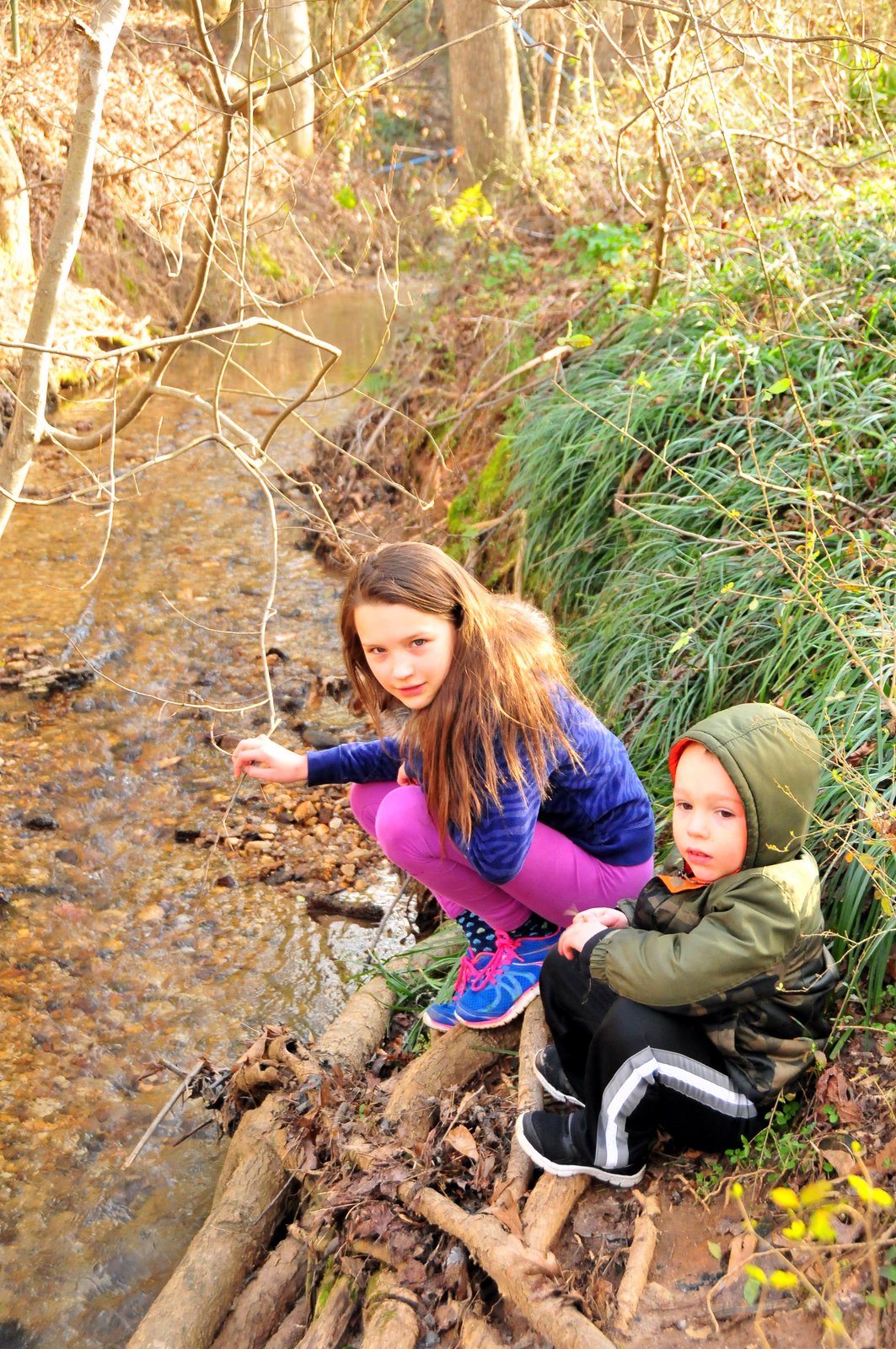
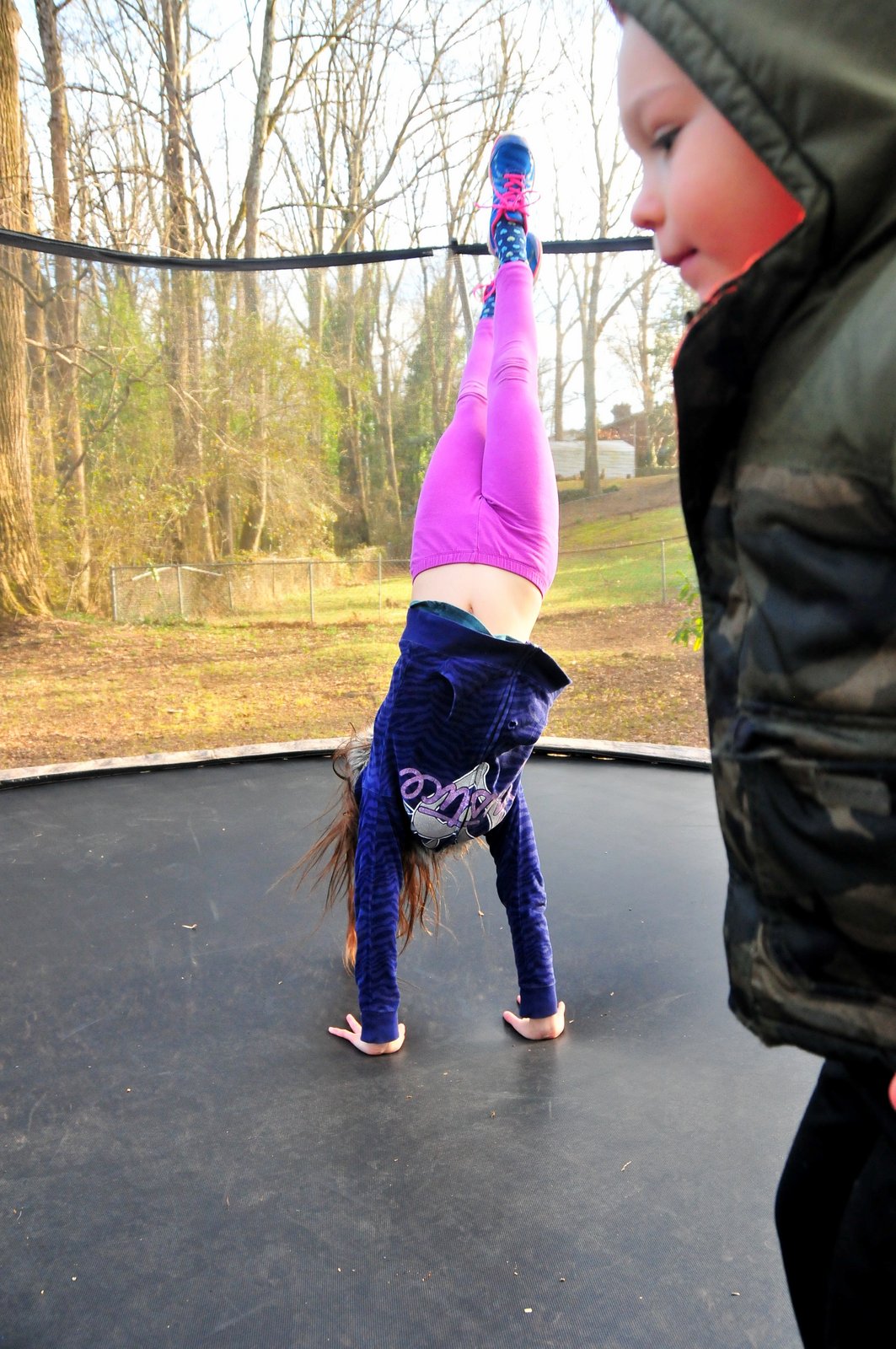
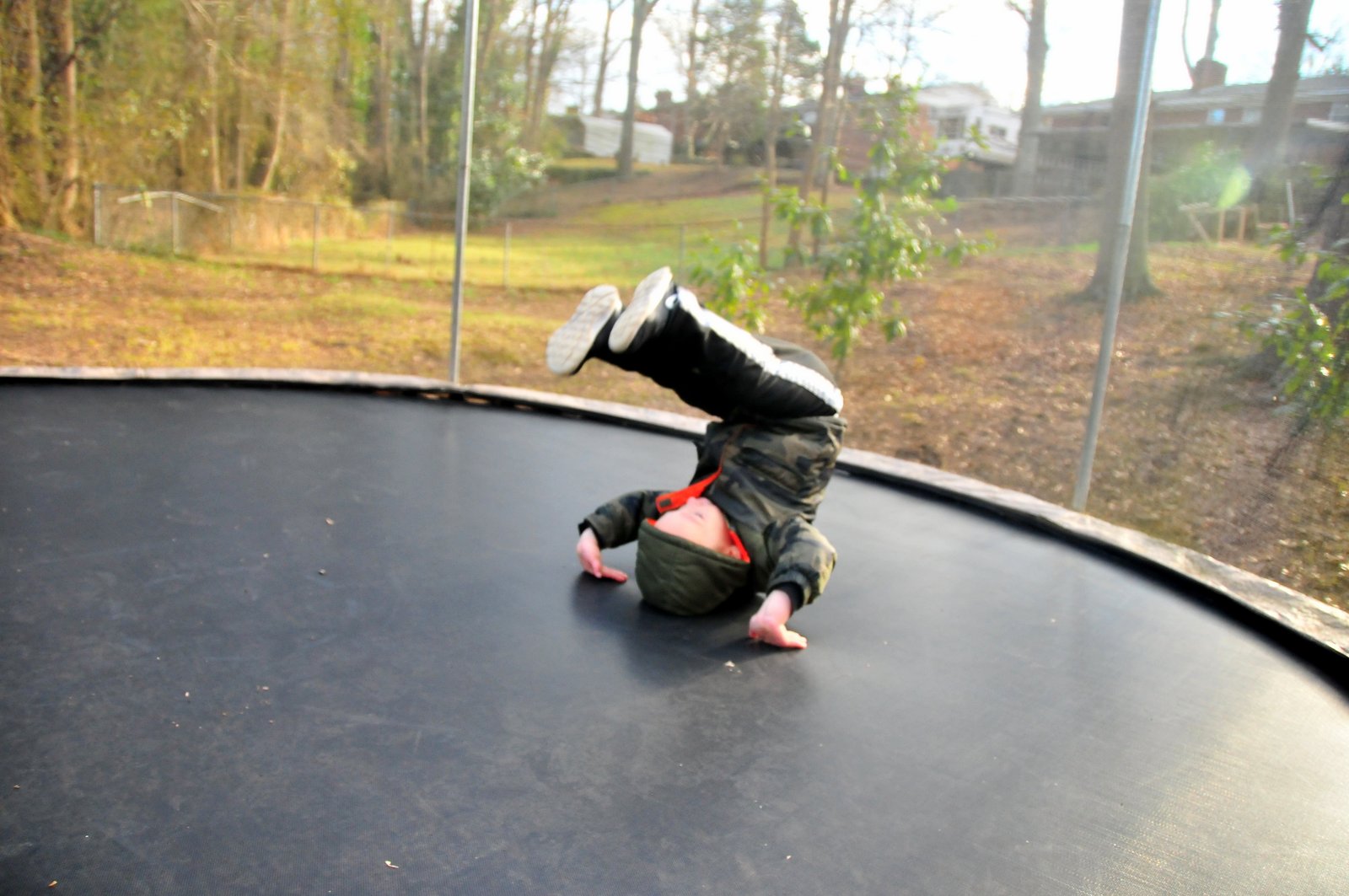
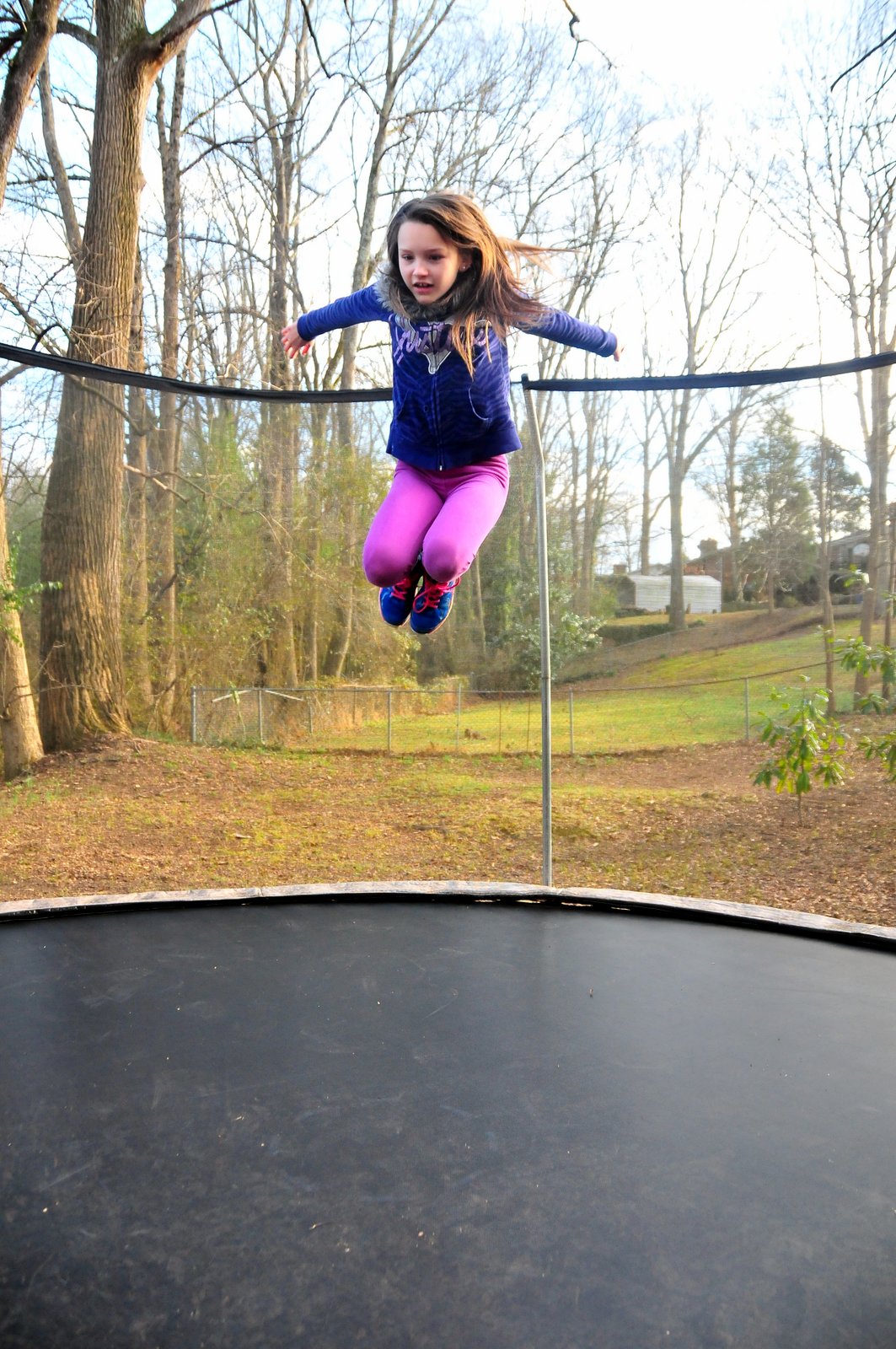
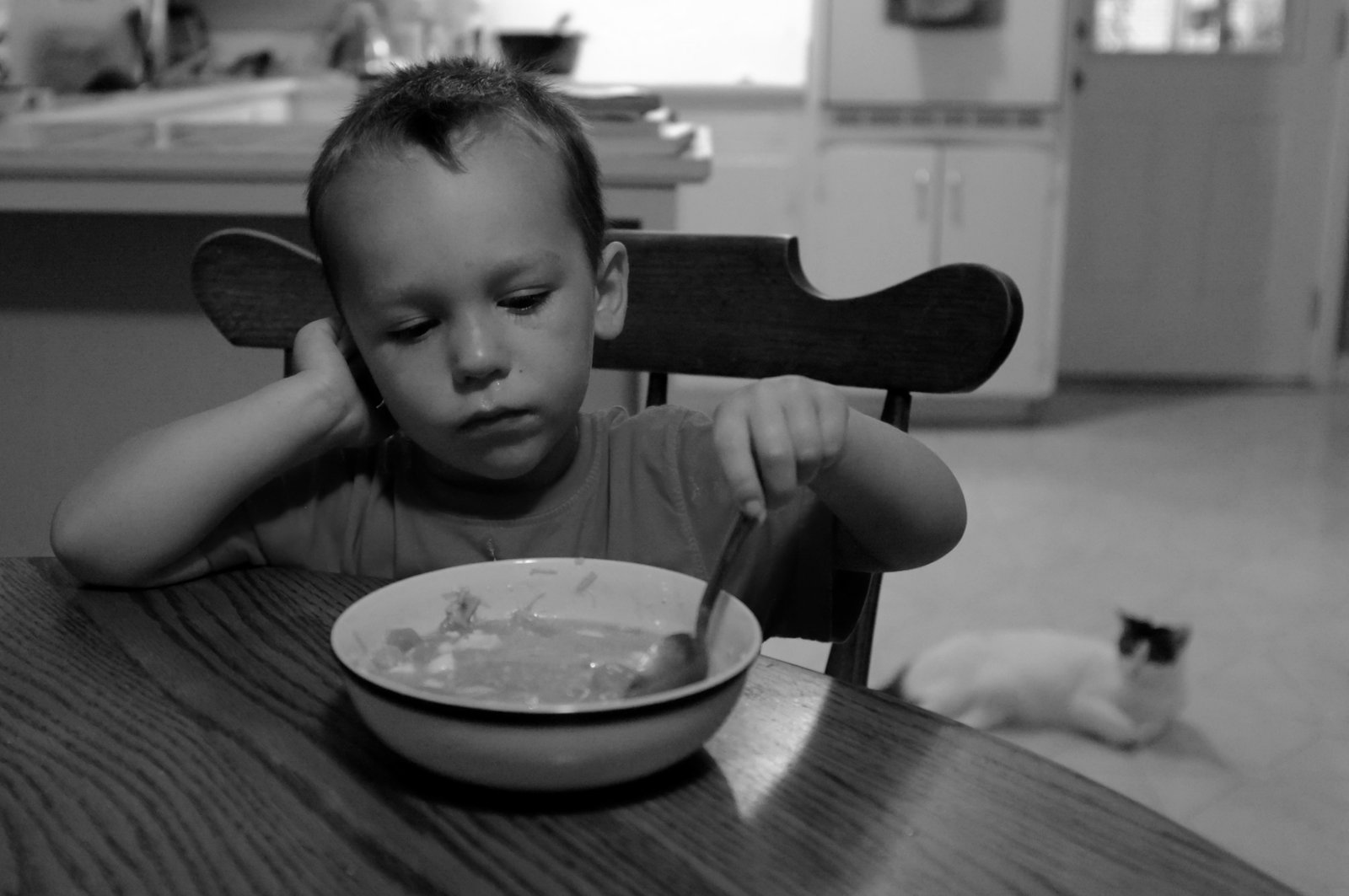
matching tracksuits

fun in threes, sometimes fours

catholicism

Perspective

What you see depends on where you stand. It’s true physically and culturally, and there is even some truth in it artistically. Take a novel like William Faulkner’s Absalom! Absalom! in which the story of Thomas Sutpen takes on mythic proportions among the various narrators, each seeing what they want to see, each perspective determined by time and place of birth as well as proximity to Sutpen. We come away from the novel wondering which of the narrators we can really trust, if any of them.
e1

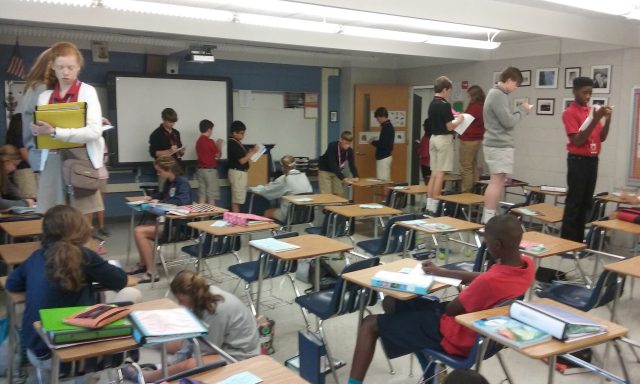
In class today, we began such an examination. Various students took various positions, each of which was determined by their birth date, and the described what they saw. What came out of it was predictable but poignant: everyone was in the same room but everyone’s notes of what they saw were different. No two people made the same notes, or even close to it.

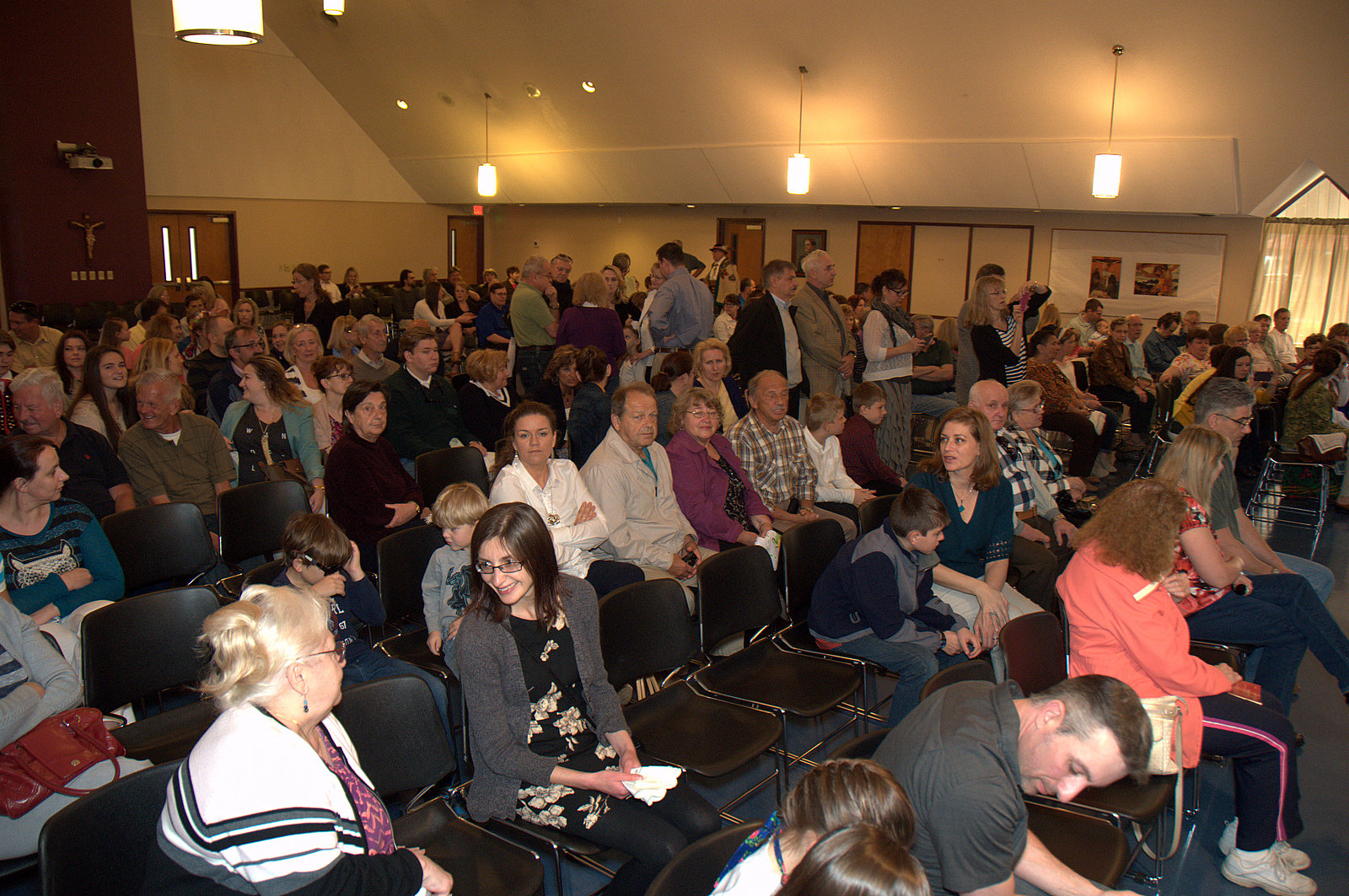
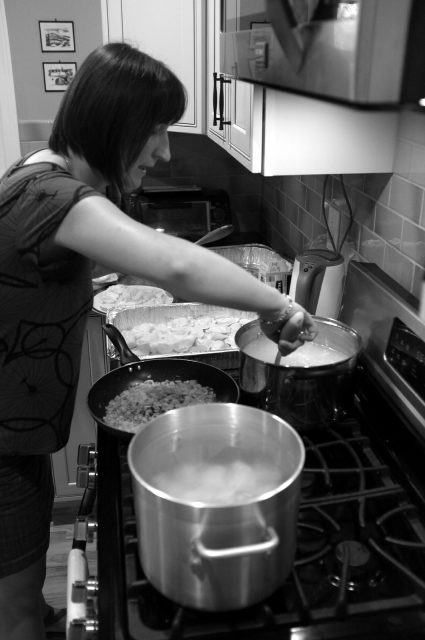
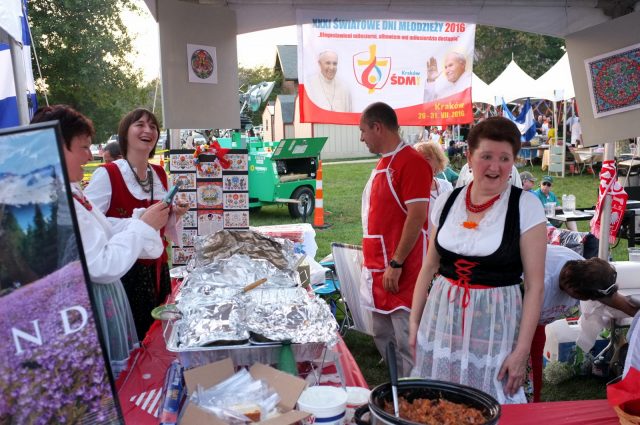
Back at home, K was getting ready for the international festival at our former parish, which still hosts the monthly Polish Mass and so still has a certain draw for us. The Polish community was to have their own booth, selling pierogi and bigos and sausage to raise money for the church.
dscf0446

K and some other Polish women spent last Saturday morning making and freezing pierogi, and today there was an unbelievably long line of people interested enough in Polish food to plop down a couple of $1 tickets for a bit of the old country. The bigos was not completely consumed by the end of the evening. “You know Americans and their wariness of sauerkraut,” K justified.
dscf0456

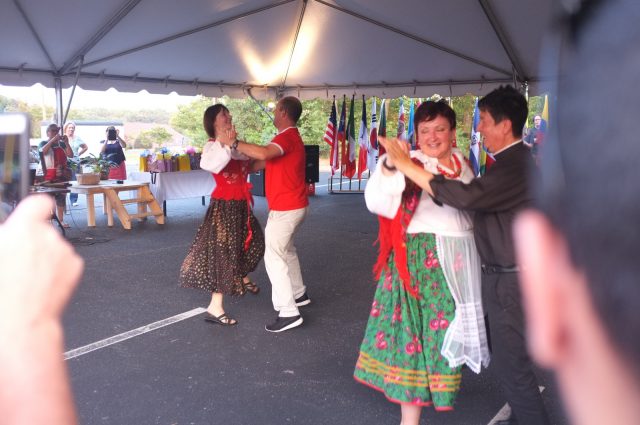
Still, all the pierogi disappeared, and the Poles got to show off their polka skills, and the Polish community even managed to get the pastor to take a quick shot of vodka as the evening drew to a close.
dscf0458

In some ways, then, the perspective of Poland didn’t really change for the visitors. Its cuisine is heavy on the cabbage and potatoes, and there’s usually alcohol involved — that would probably be the average take on Polish culture. And it’s not entirely wrong. But it is of course only one side of the culture. It would have been hard to show that in a three-hour festival along with all the other communities. People visiting a Polish booth expect pierogi, and so that’s what the community provides. A bit of a self-fullfilling prophecy, but when the food is that tasty, who really cares.
dscf0473

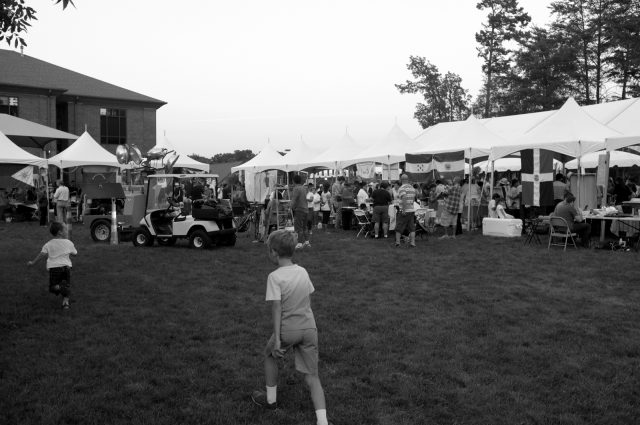
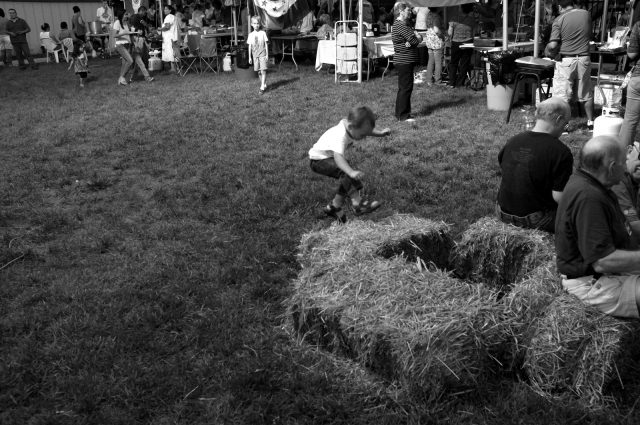
From the Boy’s perspective, it was a bit of a flop. Sure, there were hay bales to jump on and lots to see, but the music was loud, and most of the food was not to his liking.
dscf0476

As the sun set, a group of Latin American parishioners performed a dance that they use every year to pay homage to Our Lady of Guadalupe. One look at the costumes and it’s clear where it all came from. Indeed, G, the de facto leader of the Polish community, came running to the Polish booth urging everyone to come watch. “The Aztecs are coming!”

dscf0486

How strange from a modern perspective. The pre-Columbian Aztecs practiced human sacrifice on an unbelievable scale. And yet here are people dancing in Aztec garb some centuries later and imbuing it with a decidedly Catholic interpretation. Some Christians would naturally argue that it’s still pagan and quite profane: once pagan, always pagan. These are the folks likely not to have Christmas trees or hide Easter eggs.

But what you see depends on where you stand, it from where they stand, this is Christian worship. Far be it from me to say it isn’t.
Burnt Norton

1-BW0_1533

Time present and time past
Are both perhaps present in time future,
And time future contained in time past.
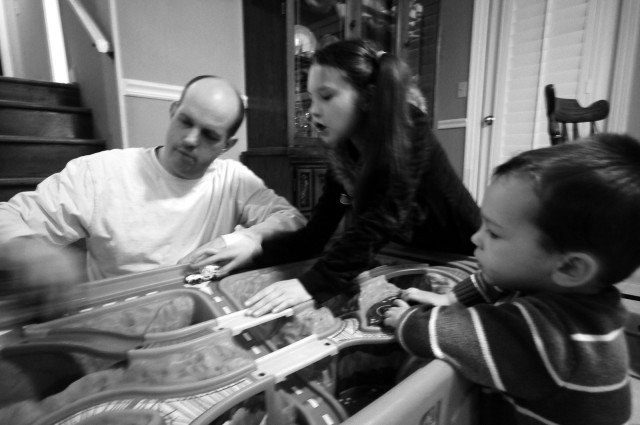
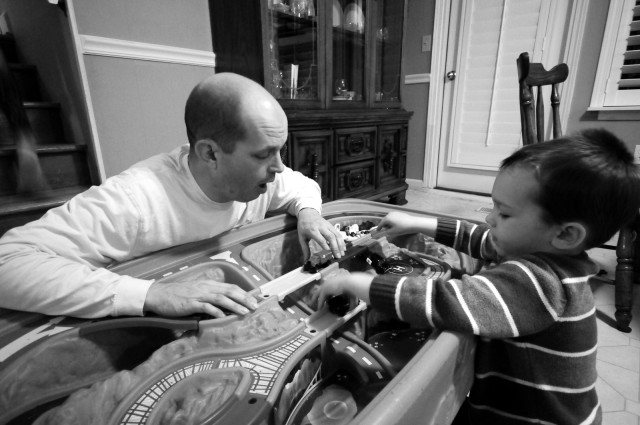
Everything I do in life teaches my children something. I try to remember that, but it’s not always in the forefront of my thoughts. Still, whether I remember it or not, such is the reality. How I treat K teaches L how a man should treat a woman, how a husband should treat a wife, and E learns the same lessons from the other perspective. How I respond to disasters, real and imagined, teaches them how they should respond in such situations. Their future, in other words, is contained in our present.

I, in turn, learned how to behave by watching my own parents, and they from theirs. Being human, we sometimes give good bad examples, but that’s part of the limitations of humanity — concupiscence, as the Catholic Church describes it:

In its widest acceptation, concupiscence is any yearning of the soul for good; in its strict and specific acceptation, a desire of the lower appetite contrary to reason. To understand how the sensuous and the rational appetite can be opposed, it should be borne in mind that their natural objects are altogether different. The object of the former is the gratification of the senses; the object of the latter is the good of the entire human nature and consists in the subordination of reason to God, its supreme good and ultimate end. But the lower appetite is of itself unrestrained, so as to pursue sensuous gratifications independently of the understanding and without regard to the good of the higher faculties. Hence desires contrary to the real good and order of reason may, and often do, rise in it, previous to the attention of the mind, and once risen, dispose the bodily organs to the pursuit and solicit the will to consent, while they more or less hinder reason from considering their lawfulness or unlawfulness.

A fancy way of saying our tendency toward the less refined appetites in life.

1-BW0_1537

And then there are the other lessons: teaching the kids how to raise kids. Playing with them is always critical, but sometimes those lower appetites get in the way, the selfish appetites, the desire to do one’s own thing because “I’m tired” or whatever silly excuse.

Incomplete thoughts on an incomplete evening…

Serve

"Do you have a sponsor?" A simple question several years ago in RCIA as I moved back toward theism and turned toward the Catholic church. A simple answer: "No." "Well, we'll have Joe C. be your sponsor then."

I'd seen Joe, a tall, lanky gentleman with a clean-shaved head, serving as emcee during Mass, but I had no idea who he was. Shortly after my short response to the simple question, though, I found out who he was. And in talking to him, I found out what kind of man he is. Quiet, humble, kind. A runner who gets up before four in the morning to complete all his rituals -- running, prayer, adoration on some days -- before heading to work, possibly to the 6:00 a.m. Mass beforehand. Always ready to serve, it seems like.

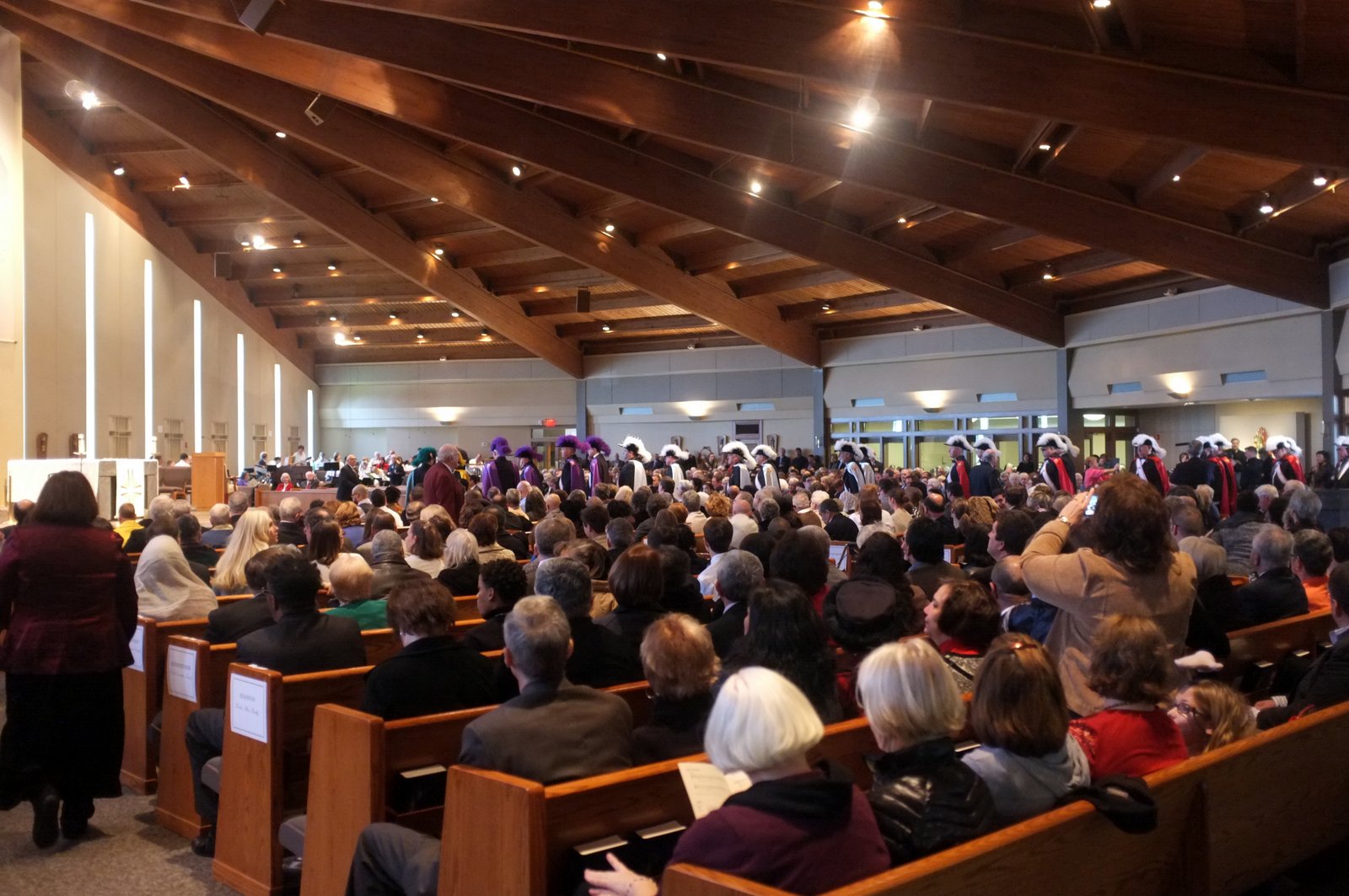
Knights of Columbus Honor Guard
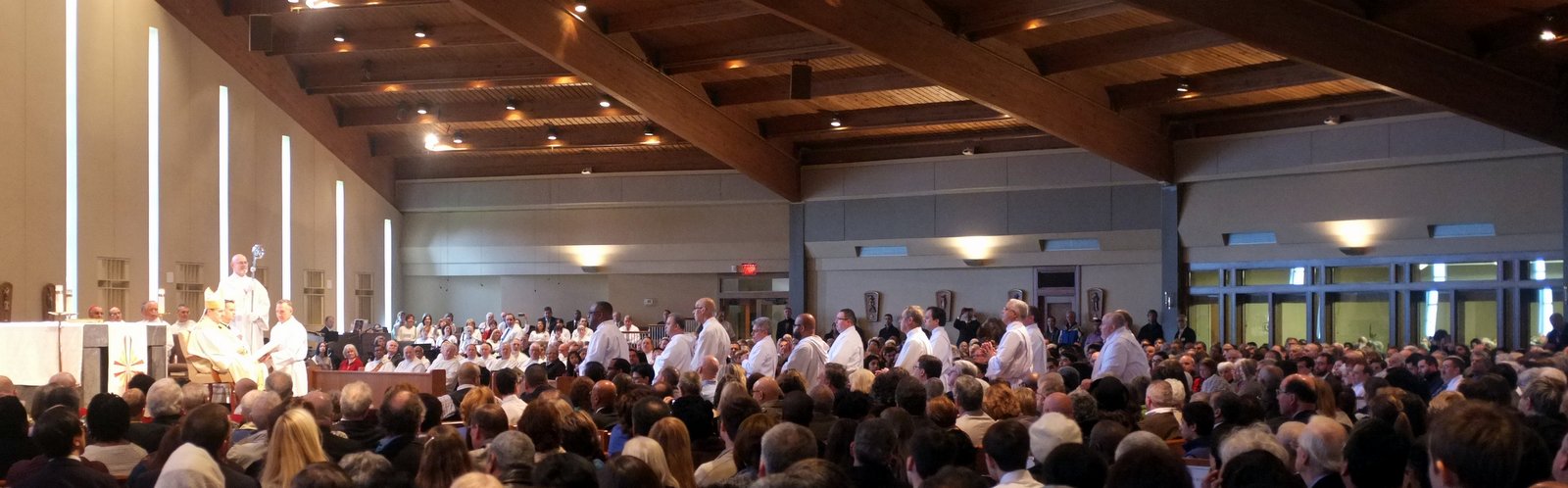
Presentation of Names
Candidates
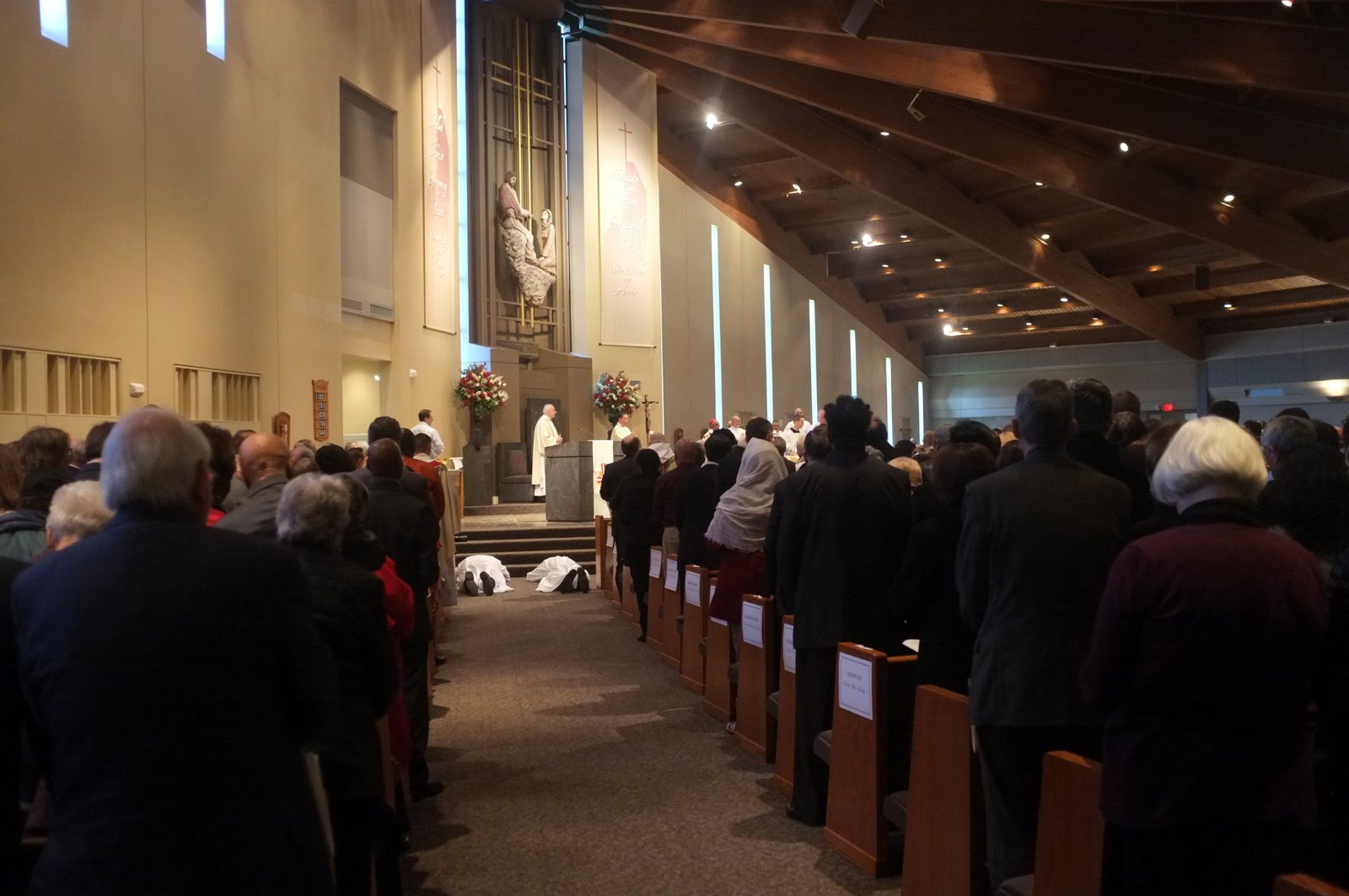
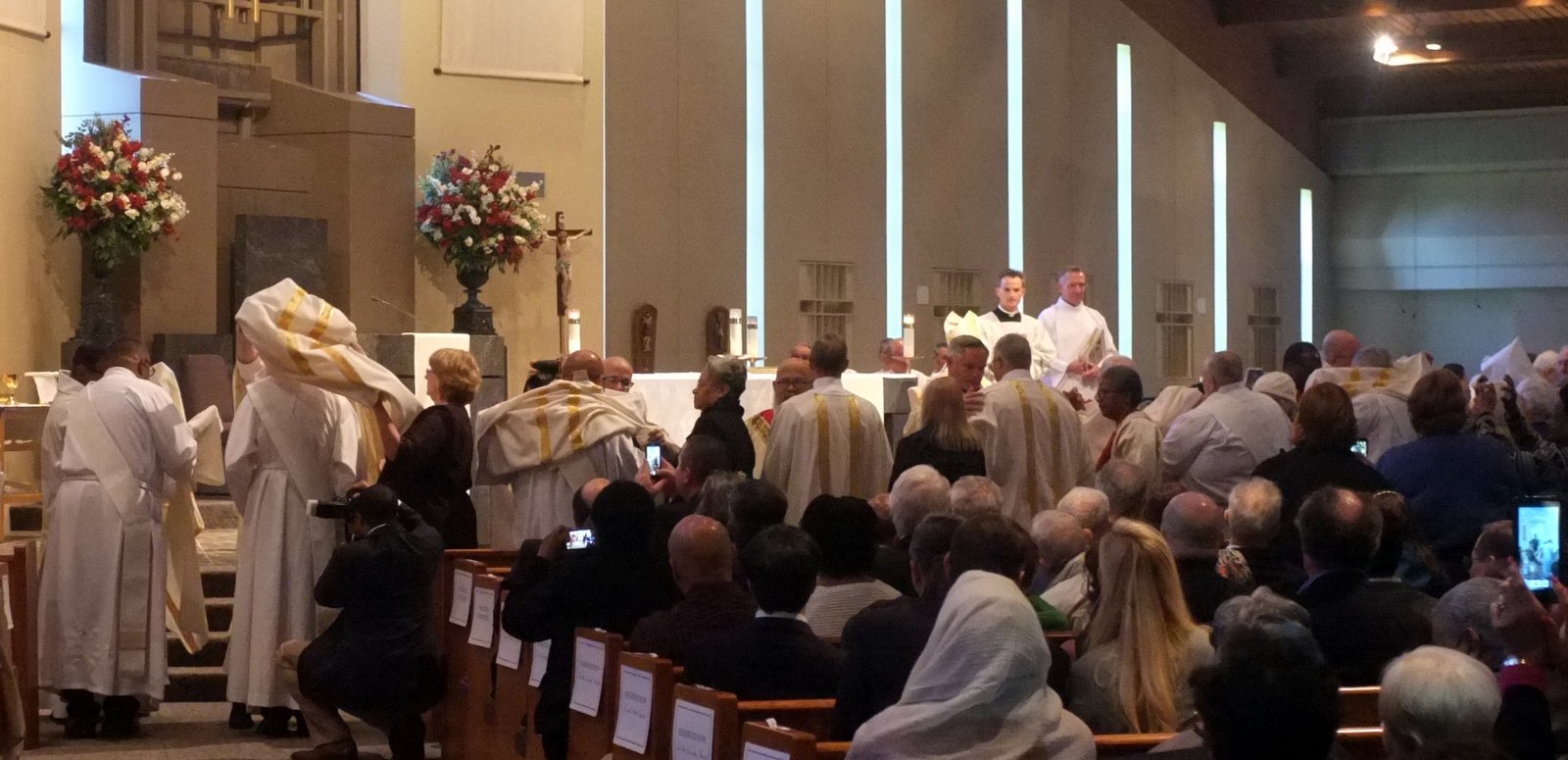
Prostrate
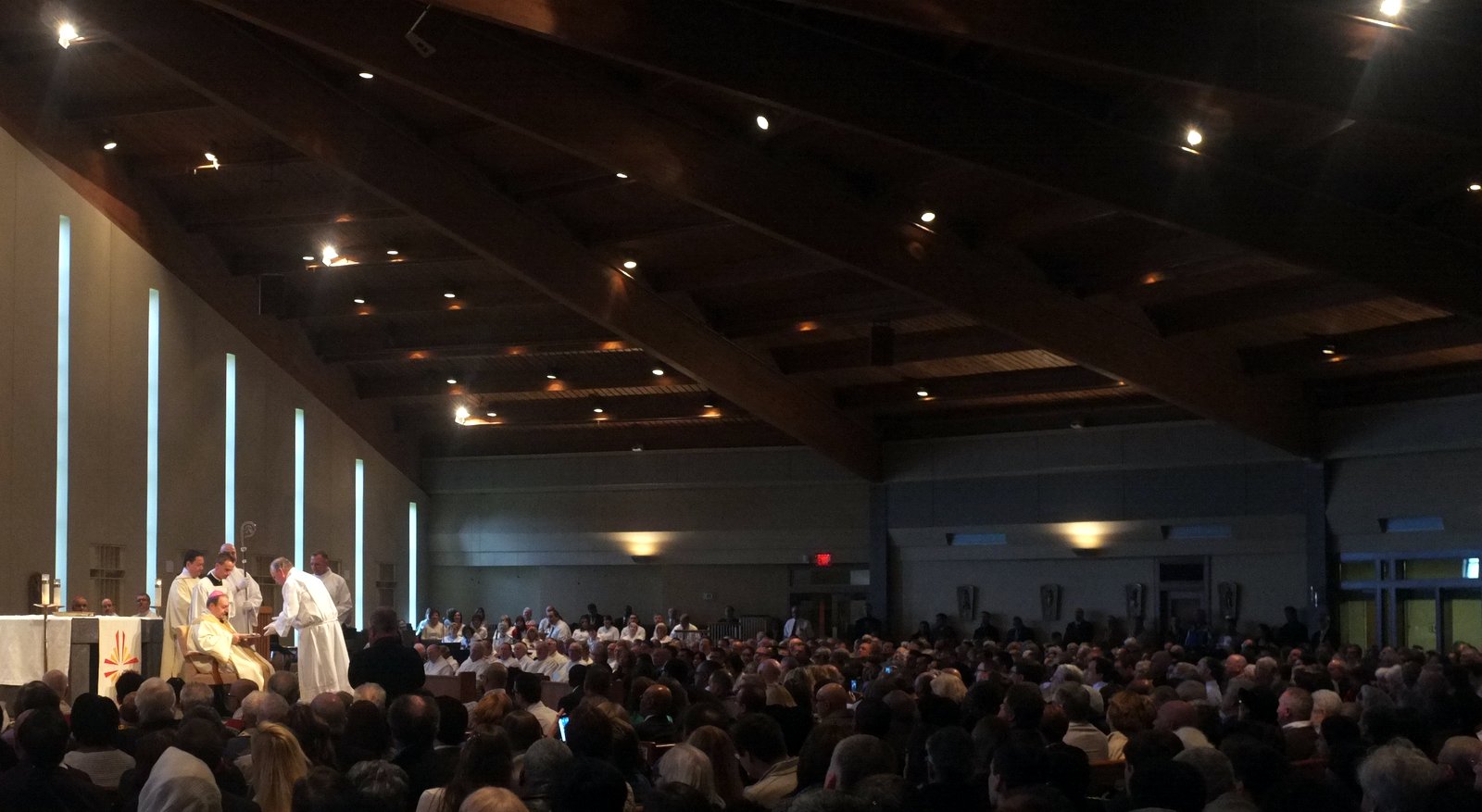
Robing
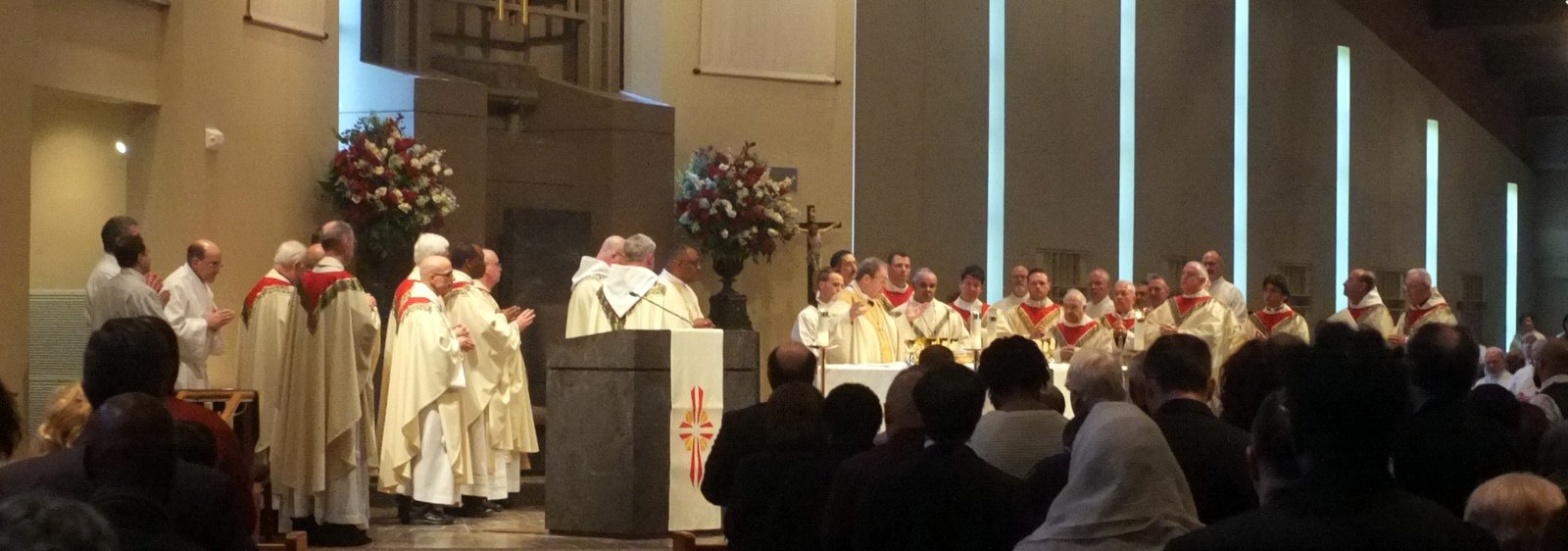
All the priests
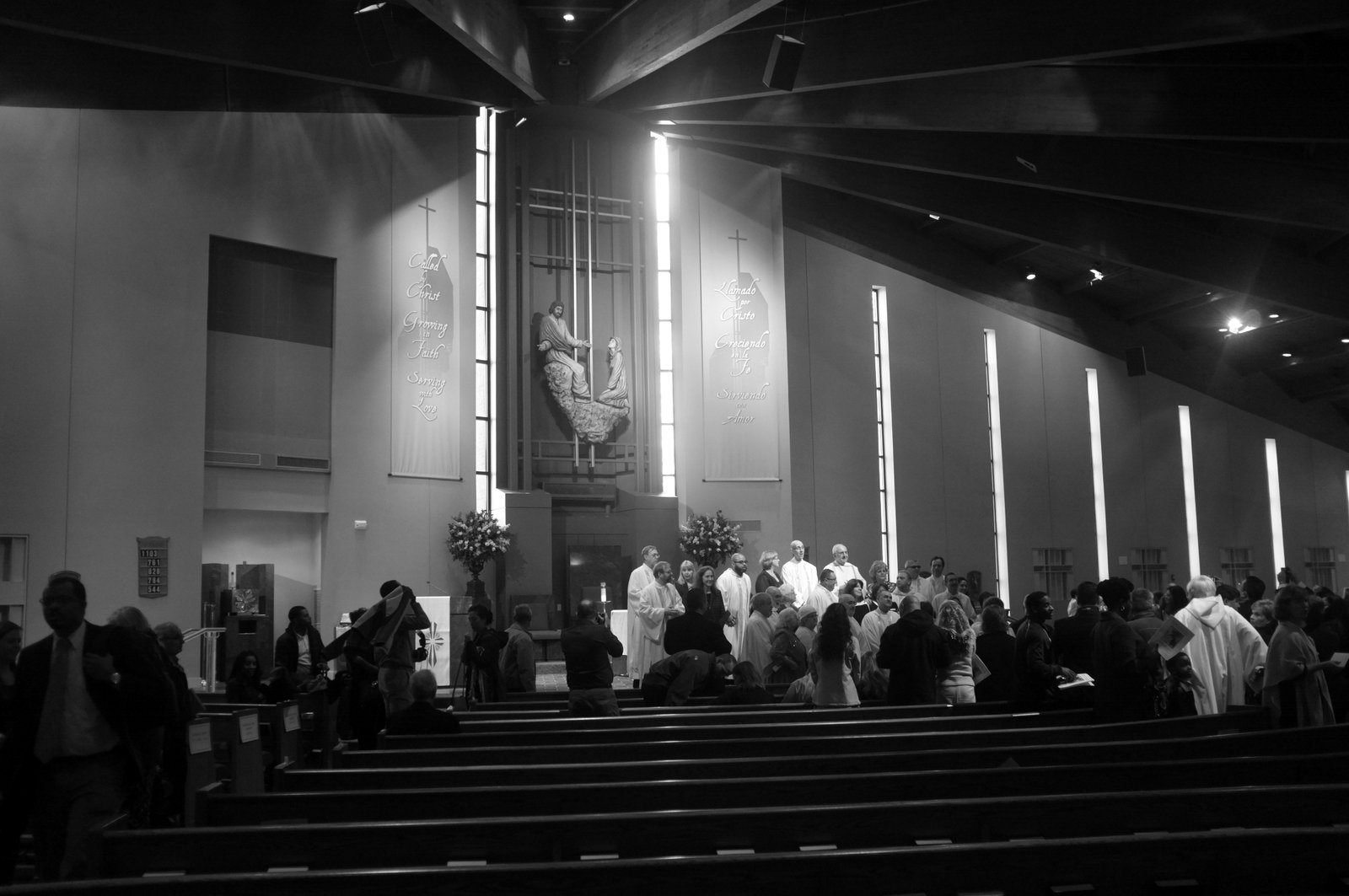
Pictures afterward

Today, he and seventeen other men -- four men total from our parish -- were ordained to the diaconate. K went to sing in the choir; I went to support my sponsor. Perhaps not as he'd supported me, for he is my elder chronologically and spiritually.

And the rest of the day?

asdf

Plans, Rain, and Barszcz

It's usually not until the end of the day, when it's too late, that I realize I haven't been living my life that day as if I had chosen, out of all days, to relive that one day. It's not until I'm with L, working through our examen (which we have re-initiated with our reunion after a summer break) that I see that I've been going through the day relatively blindly. I look back on the day at that point and realize I wasted time and energy wallowing about in this or that negative emotion, letting this or that frustration take control. I look back, I see these things, I promise to do better the next day, and I promptly forget.

During tonight's, though, it occurred to me that I'd been constantly aware of how lovely the day was as it unfolded. I rode my bike to school and was pleasantly surprised at my average speed. I had a long productive meeting with the other teachers on our instructional team, planning a multi-disciplinary unit that might not only teach some academic skills but also affect change in the kids' lives. Despite the afternoon rain, I made it back to the house relatively dry. I had a lovely dinner with my family, marveling at how the kids both devour beet-root soup, which seems unimaginable given the pickiness of L. We had a pleasant walk after dinner, with the kids scooting ahead and returning on their various vehicles.

1-DSCF5804-001

And then, during our examen, I looked down at our wiry, energetic (often frustratingly so), intelligent daughter, and I realized that simply being around all the wonderful people in my life should be enough to make me aware of the marvelously blessed life I have. I have incredible colleagues at work; I always work with a great group of students; I have children that make me beam; I married a woman that constantly astounds me; I have parents that give to our own family unconditionally. I am lacking nothing. We are lacking nothing. Nothing of any importance. Simply being aware of this is the trick to having a great day, day after day.

First Communion Pictures

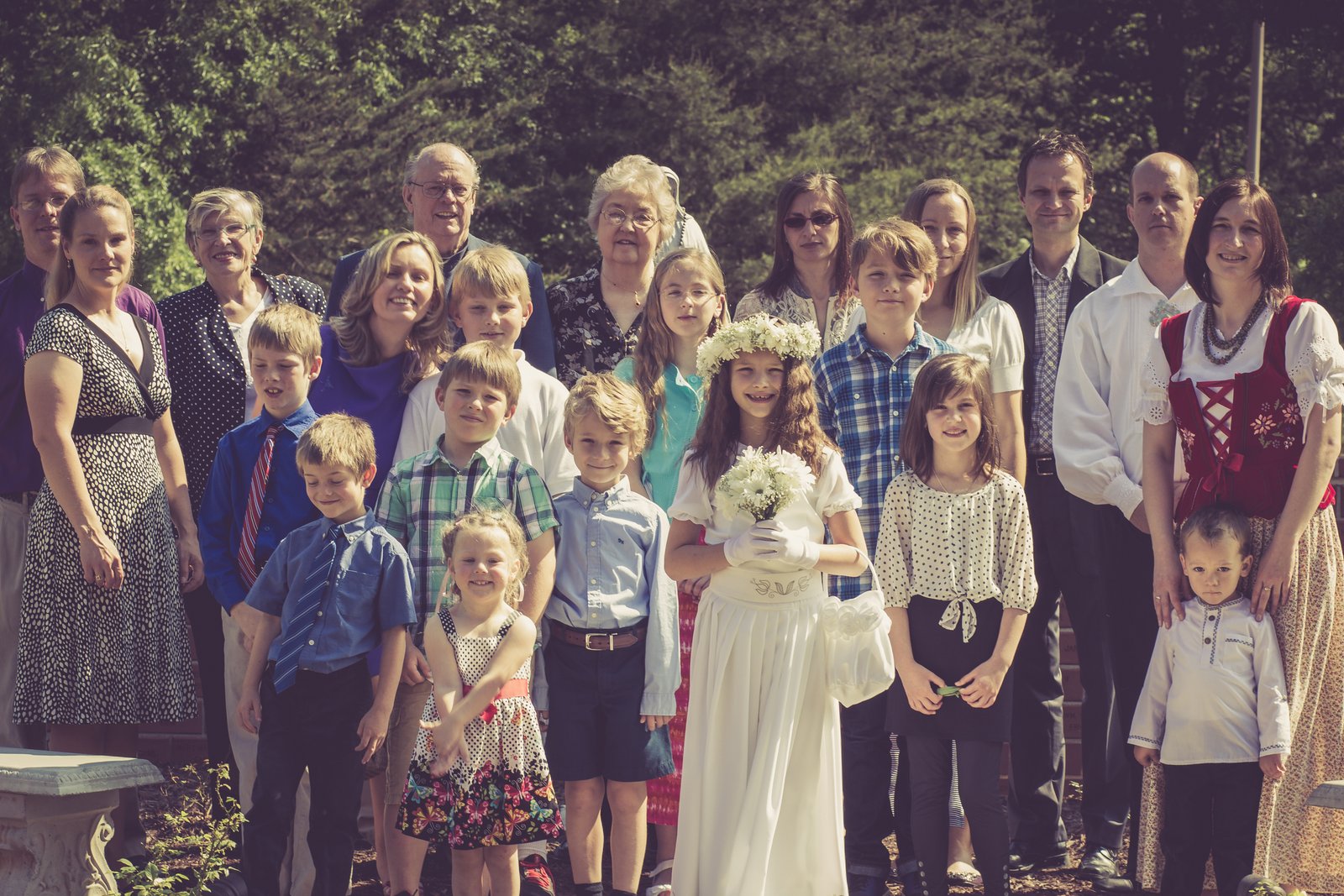
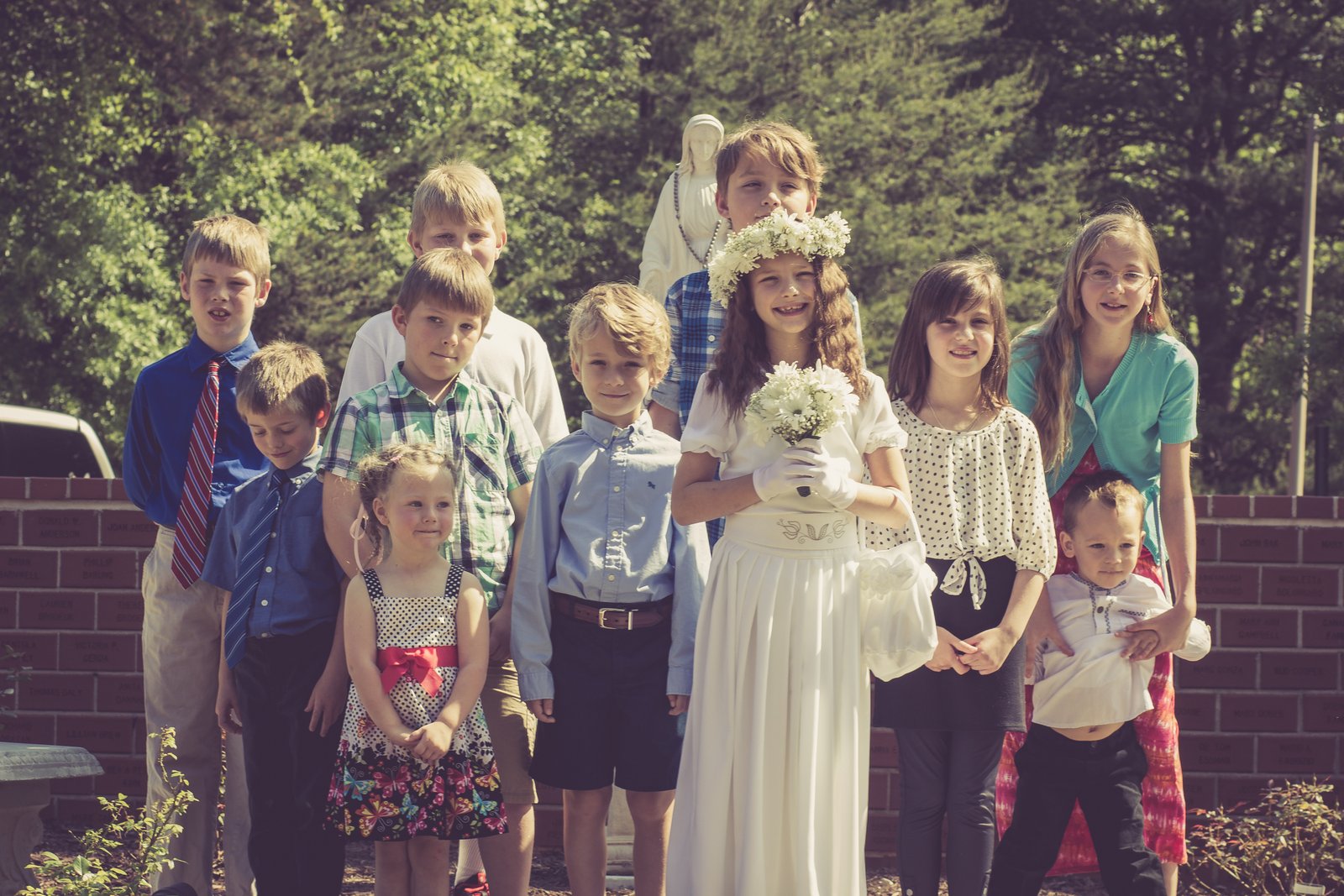
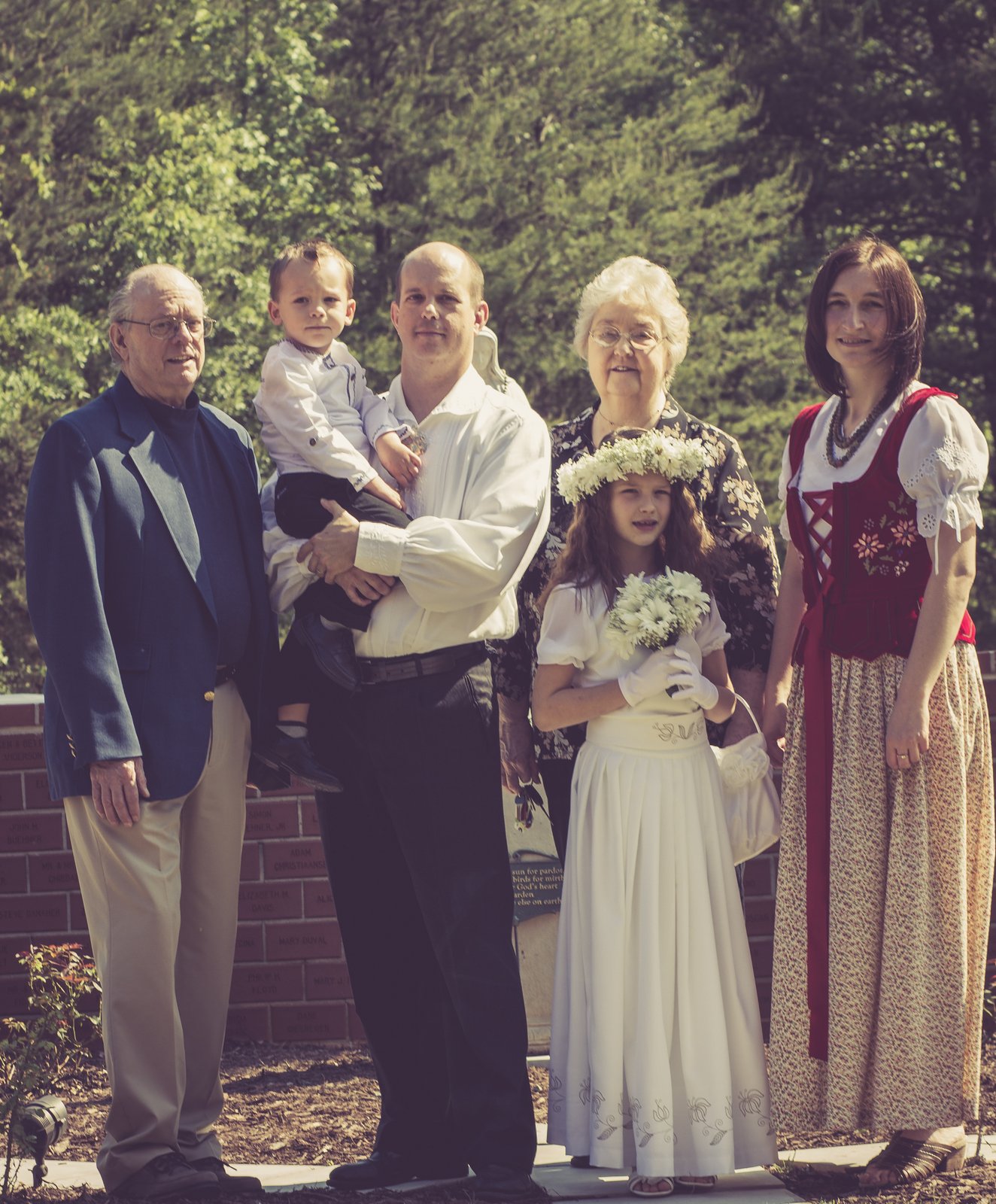
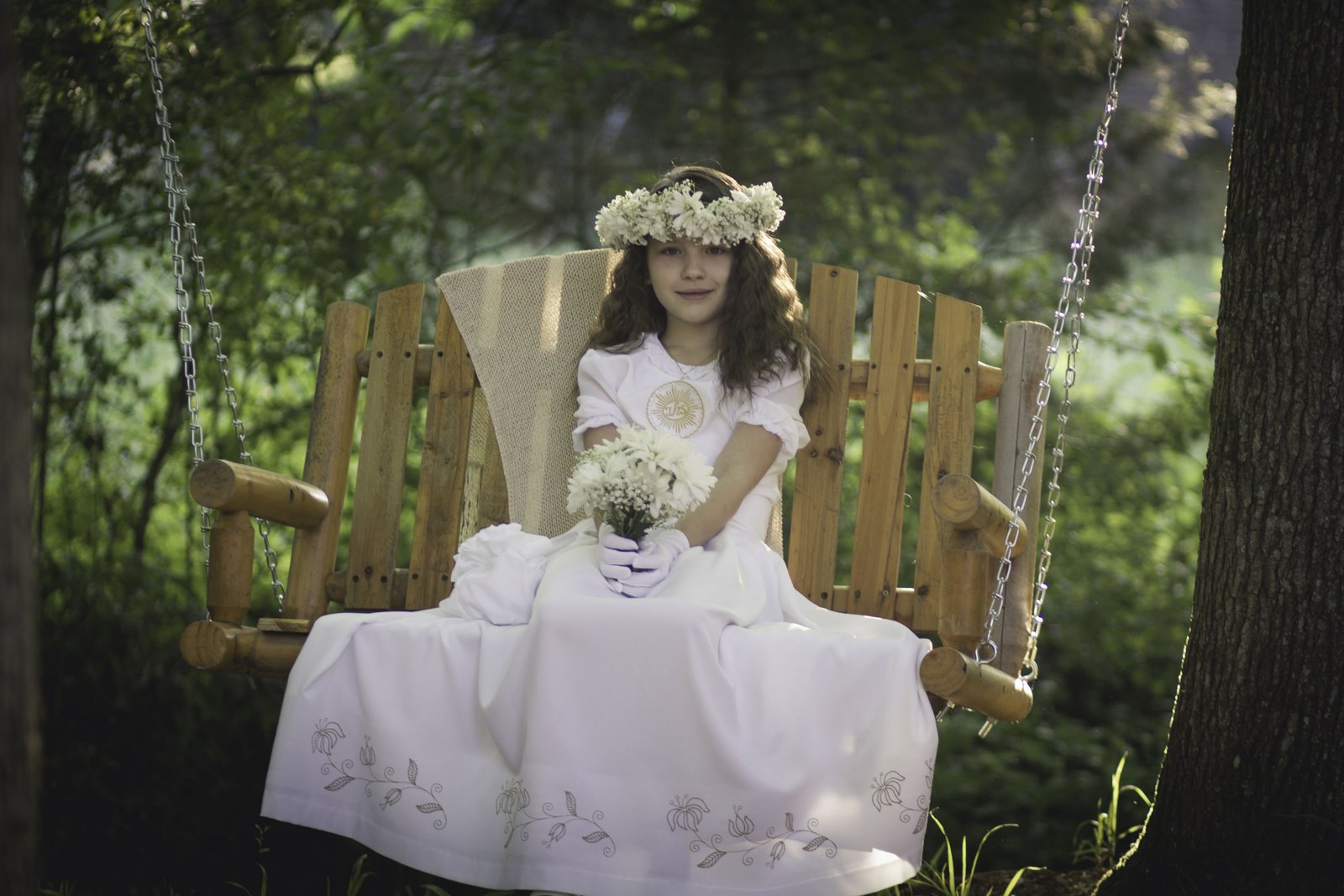
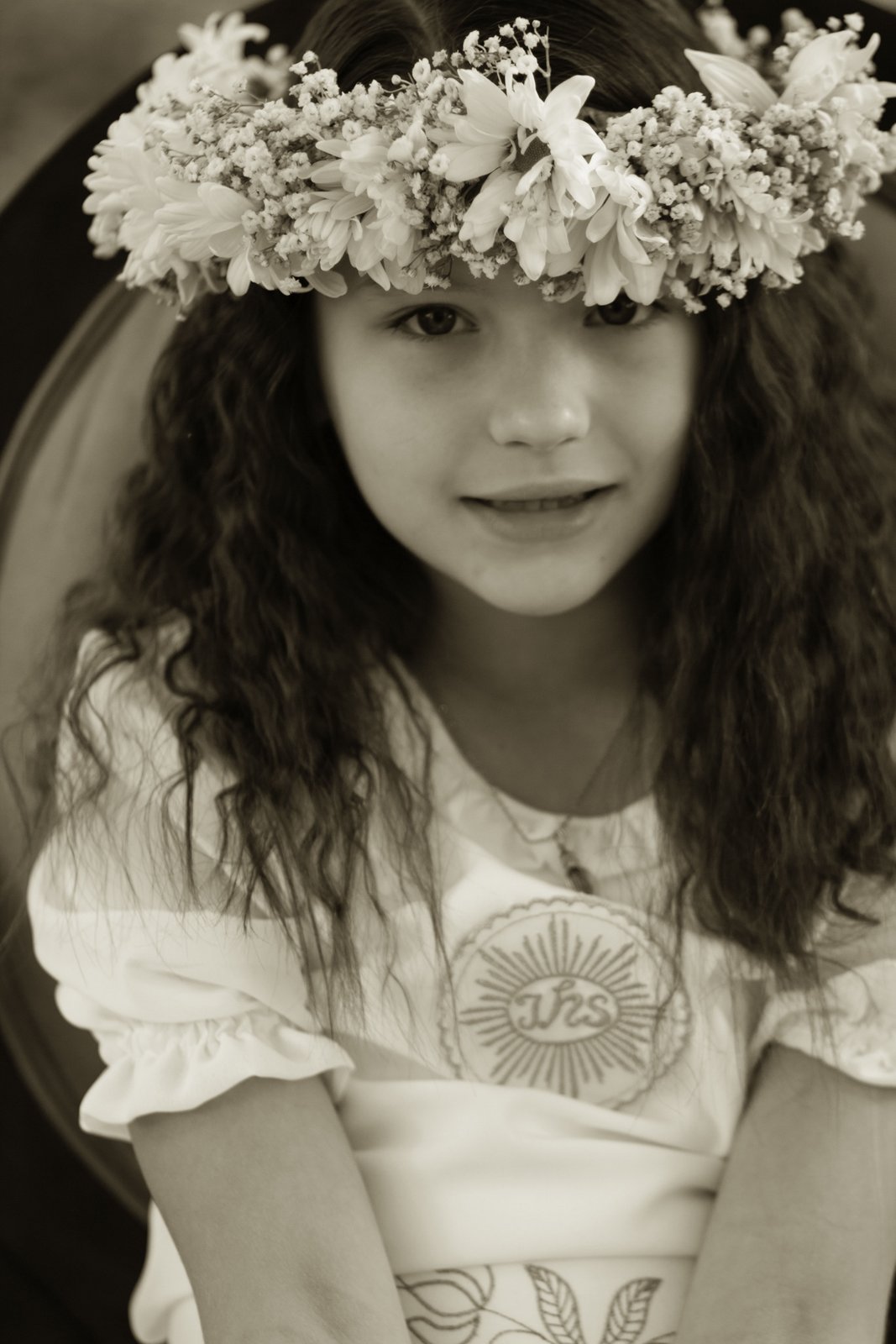
It's been a while since L's first communion, and we're just now getting around to publishing them.

Watch Me!

The third day I was in Poland, I encountered my first Corpus Christi procession.

Suddenly the bells began ringing and eventually I caught sight of a procession coming around from behind the church. Choir boys were dinging small bells and behind them was a procession of relics. A little behind that was the priest, walking under a canopy supported by six men, preceded by a young priest waving an incense burner. The head priest was holding a staff with a gold sun in front of his face -- he was led by the arms, for he certainly couldn't see where he was going. Behind the priest was a group of loosely organized lay-persons, singing a capella. The woman beside me knelt as the group went by.

Not having had much exposure to Catholicism, I'd assumed that the doctrine of transubstantiation was a relic of the past. (I also didn't know what a monstrance is, but that's really not the point.) But it is a belief alive and well among more traditionally-minded Catholics, which used to be, I think, much more of a universal description of Poland than it is now. I was in Radom when I first encountered Corpus Christi, and while Radom is no Warsaw, it's not some backwater village, virtually cut off from the urban realities of contemporary life. Still, when the Corpus Christi passed by, even those not participating knelt.

I used to wonder how many of those kneeling really believed in the doctrine of transubstantiation, that the host really is the body of Christ (hence Corpus Christi). It's a strikingly literal interpretation of the Bible. When Jesus said, "This is my body," he meant it.

52 Then the Jews began to argue with one another, saying, “How can this man give us His flesh to eat?” 53 So Jesus said to them, “Truly, truly, I say to you, unless you eat the flesh of the Son of Man and drink His blood, you have no life in yourselves. 54 He who eats My flesh and drinks My blood has eternal life, and I will raise him up on the last day. 55 For My flesh is true food, and My blood is true drink. 56 He who eats My flesh and drinks My blood abides in Me, and I in him. 57 As the living Father sent Me, and I live because of the Father, so he who eats Me, he also will live because of Me. 58 This is the bread which came down out of heaven; not as the fathers ate and died; he who eats this bread will live forever.” (John 6:52-58)

The argument is simple: if Jesus was only being metaphorical here, he would have said so. This is why Catholics kneel so much: it's a belief that we are in the physical presence of Christ, and if that's the case, kneeling is the logical response.

And so in predominately Catholic countries, on Corpus Christi, when the procession passes by with the glorified body of Christ in the monstrance, the usual reaction is to kneel. Or it was.

bozecialo
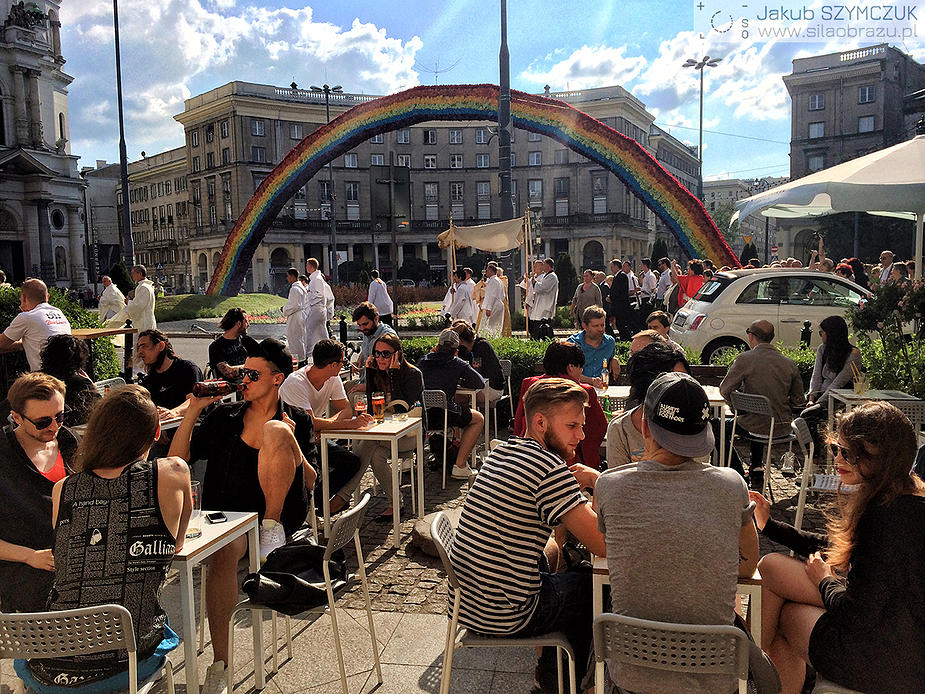
Photo by Jakub Szymczuk, used most decidedly without permission

This shot comes from a Corpus Christi procession in Warsaw earlier this month. Two things are striking: the first is the rainbow in the background, a sign of growing tolerance toward homosexuality in Poland. The second is what really caught my eye, though: the folks in the front, enjoying an afternoon at the cafe, appear to be completely oblivious to what's going on behind them. We can interpret this a couple of ways:

  1. No one at the cafe has noticed that there is a Corpus Christi procession passing by.
  2. No one at the cafe cares that there is a Corpus Christi procession passing by.

The first reason seems unlikely, but we can construct an argument: It happens so often, throughout the country on Boze Cialo ("Corpus Christi" in Polish) that perhaps it's just common place to them, and they just really don't think about it. Still, enough people are facing the procession to make this unlikely.

The second reason, to me, is quite sad. It's not that I'm worried about the de-Catholic-sizing of Poland. I am, and I think it's a great but inevitable tragedy. The Catholic faith has been the social glue that held Poland together for centuries, and it's gradually weakening effect suggests a gradually weakening sense of cultural identity. Certainly there's a lot about the Polish Catholic church that is, quite honestly, horrendous, but babies and bathwater come to mind in such a case.

What's really depressing about the picture is the fact that this group of young people doesn't even see it as important to show respect to those participating in the procession. Sure, they clearly don't believe in the faith once delivered, but showing respect to others beliefs just seems like a sign of maturity that I see as lacking in contemporary society, and clearly it's spread to the east as well.

Then there's the irony of the caption: Wszystko jest inne niz 10 lat temu. Boze Cialo jest tutaj inne. Fotografia jest inna - zdjecie zostalo zrobione telefonem komórkowym. "Everything is different than it was ten years ago. Corpus Christi is different. Photography is different: the picture was taken with a cell phone." So Szymczuk himself was at the cafe, but ironically he stood, perhaps out of respect but more likely to better frame the image.

I showed the picture to K, who was not surprised -- nor was I, to be honest. "Things are changing in Poland," she said (translating -- no need to put the original Polish). "Everyone in Poland is Catholic by birth, but fewer and fewer actually believe."

Again, it's not the lack of belief that's troublesome: it's the lack of respect.

That seems to be the defining characteristic of this new millennium. It's slowly becoming the case that I'm more surprised when a student is consistently respectful -- to me and to peers -- throughout the year than I am when someone is consistently disrespectful. And where does this come from? I think a song the DJ played today during the eighth-grade day celebration

I was mercifully unfamiliar with the number, but plugging "watch me song" revealed that it's someone who goes by the name Silento. The lyrics are fairly typical of today's music:

Now watch me whip (kill it!)
Now watch me nae nae (okay!)
Now watch me whip whip
Watch me nae nae (want me do it?)

Now watch me whip (kill it!)
Watch me nae nae (okay!)
Now watch me whip whip
Watch me nae nae (can you do it?)

Now watch me

Ooh watch me, watch me
Ooh ooh ooh ooh

Ooh watch me, watch me
Ooh ooh ooh ooh

Do the stanky leg, do the stanky leg

Now break your legs
Break your legs
Tell 'em "break your legs"
Break your legs

Now break your legs
Break your legs
Now break your legs
Break your legs

Now watch me (bop bop bop bop bop bop bop bop)

Now watch me whip (kill it!)
Now watch me nae nae (okay!)
Now watch me whip whip
Watch me nae nae (want me do it?)

Now watch me whip (kill it!)
Watch me nae nae (okay!)
Now watch me whip whip
Watch me nae nae (can you do it?)

Now watch me

Ooh watch me, watch me
Ooh ooh ooh ooh

Ooh watch me, watch me
Ooh ooh ooh ooh

Now watch me you
Now watch superman
Now watch me you
Now watch superman
Now watch me you
Now watch superman
Now watch me you
Now watch superman

Now watch me duff, duff, duff, duff, duff, duff, duff, duff (Hold on)
Now watch me duff, duff, duff, duff, duff, duff, duff, duff, duff

Now watch me (bop bop bop bop bop bop bop bop)

Now watch me whip (kill it!)
Now watch me nae nae (okay!)
Now watch me whip whip
Watch me nae nae (want me do it?)

Now watch me whip (kill it!)
Watch me nae nae (okay!)
Now watch me whip whip
Watch me nae nae (Can you do it?)

Now watch me

Ooh watch me, watch me
Ooh ooh ooh ooh

Ooh watch me, watch me
Ooh ooh ooh ooh

This is the "watch me" generation, to the point that a current hit is literally just the words "Watch me!" And this is why I see this as an issue of maturity: who typically runs around saying, "Watch me!"? Now, of course, we have seemingly countless ways to get people to watch us in the form of the endless stream of social media we're surrounded with. The point is simple: while we've always been a narcissistic species, technology has made it easier never to grow out of that.

He says on his blog.

No, watch me!

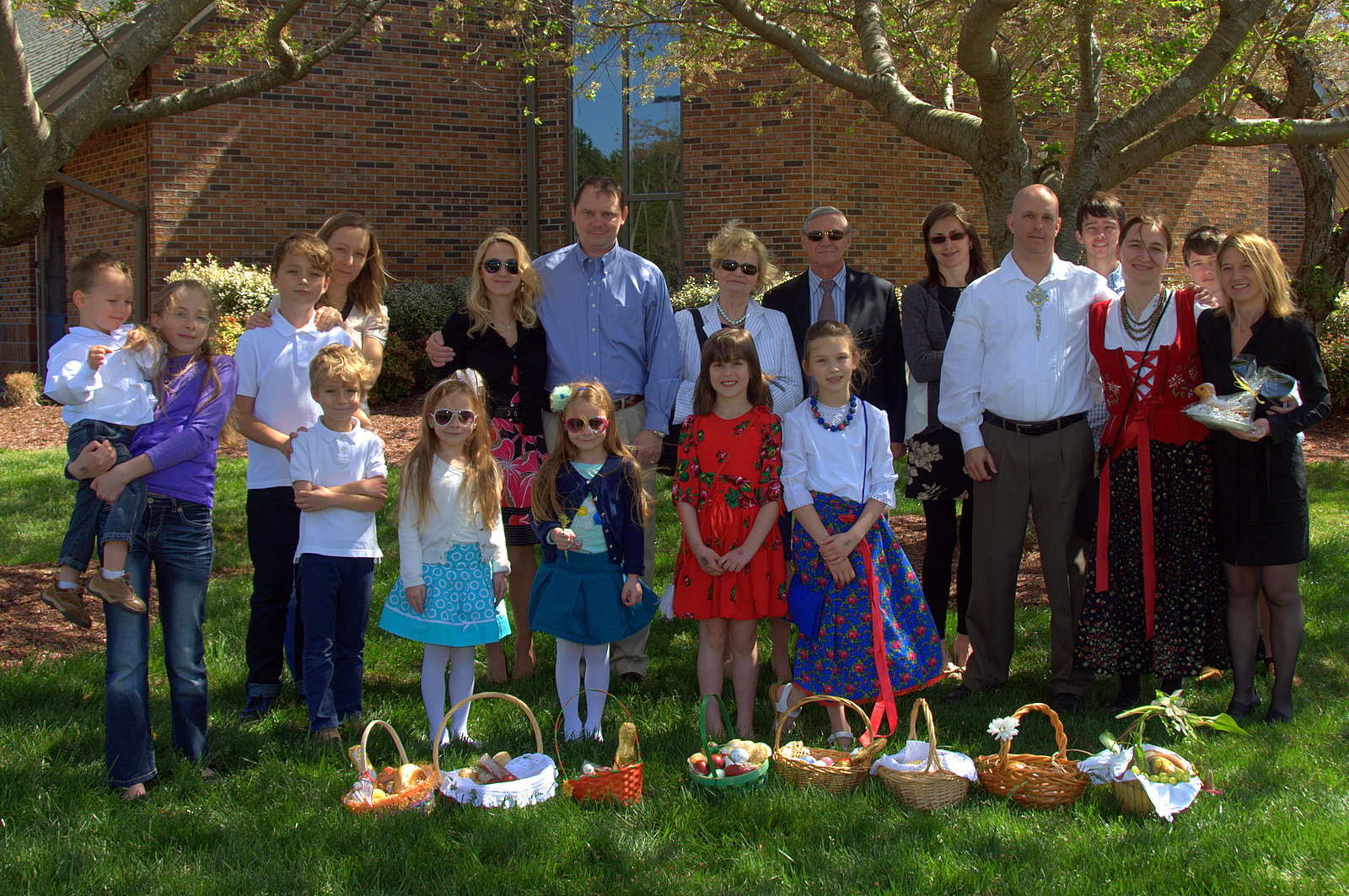
Baskets 2015

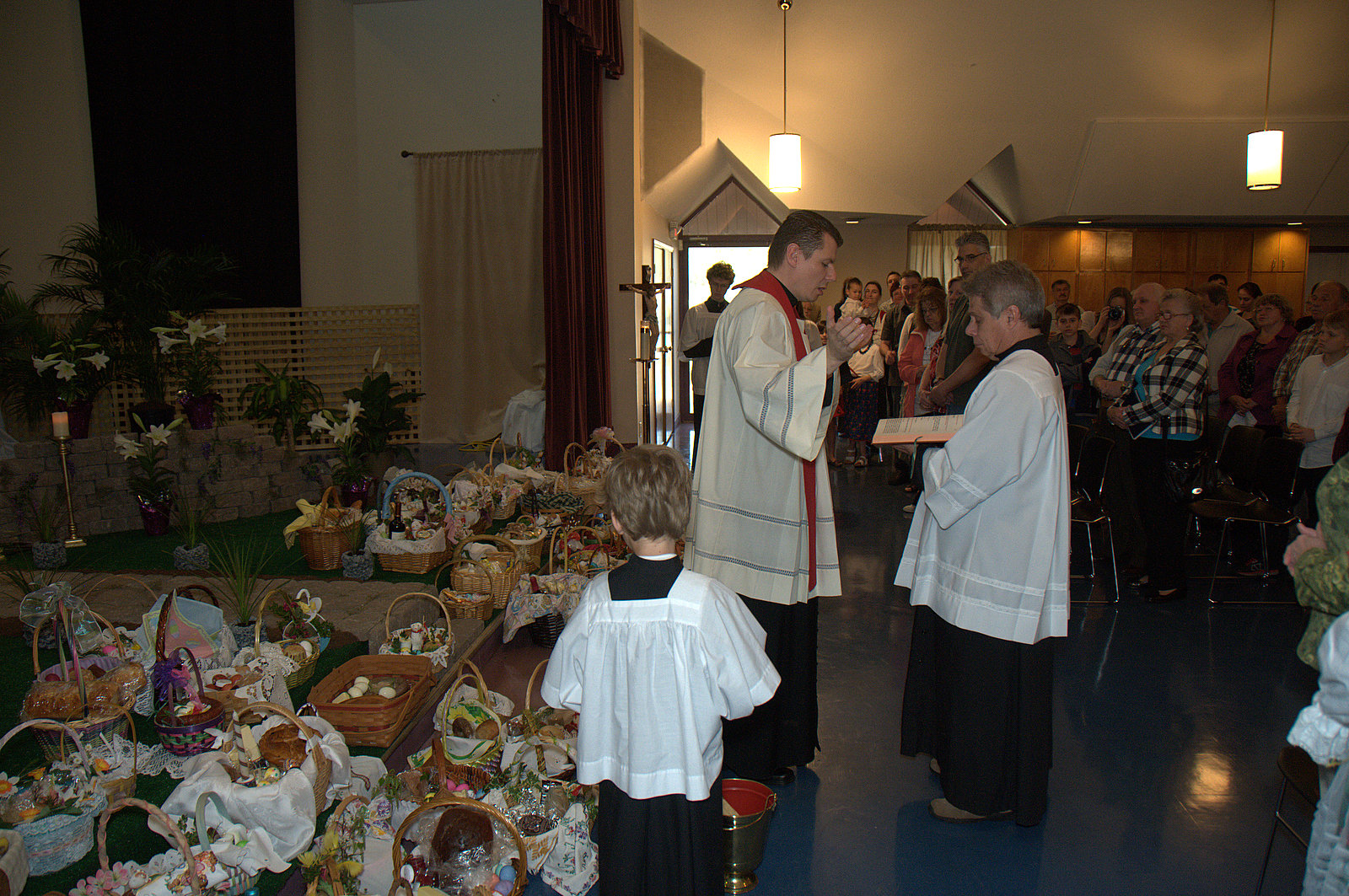
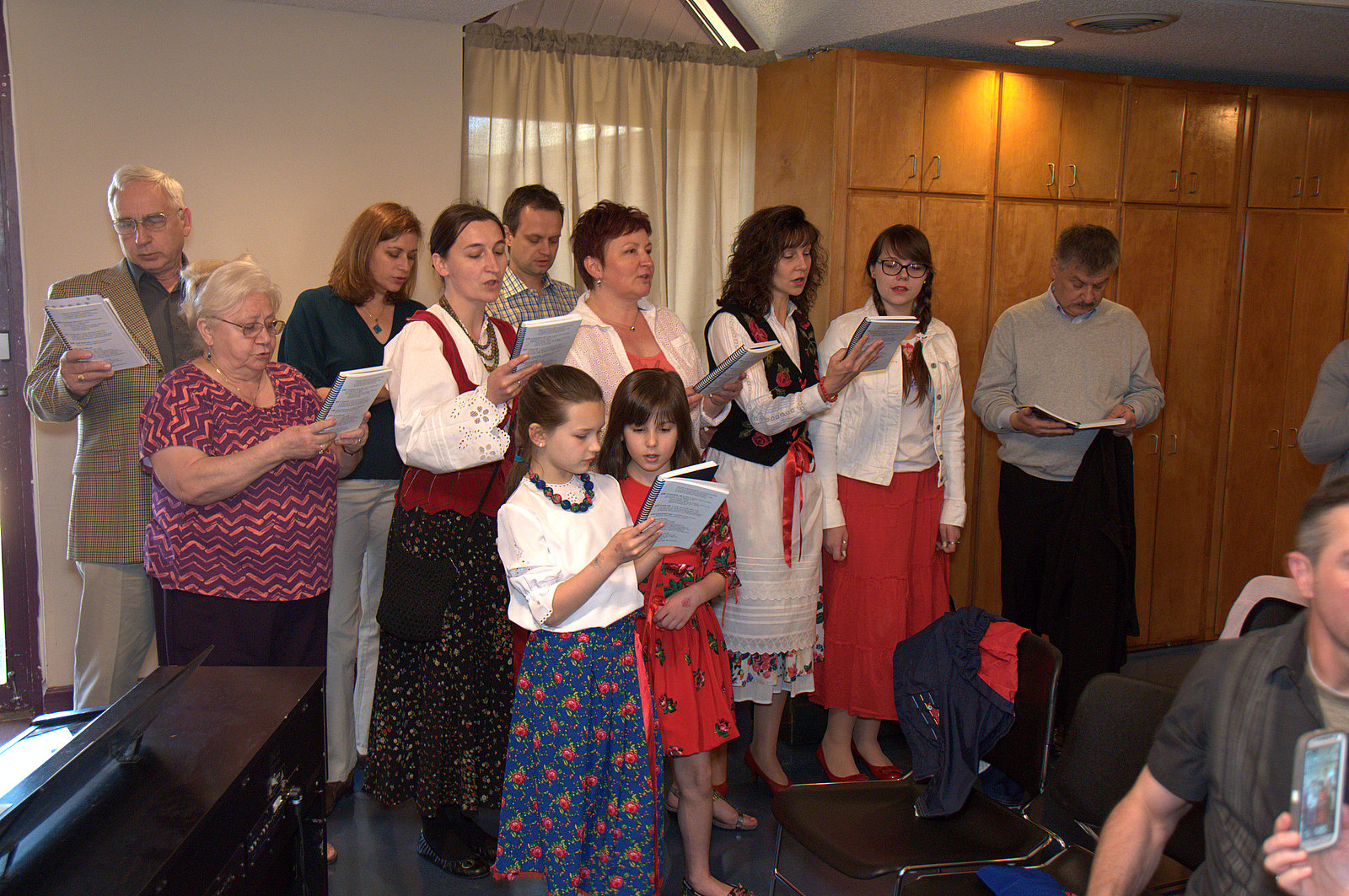
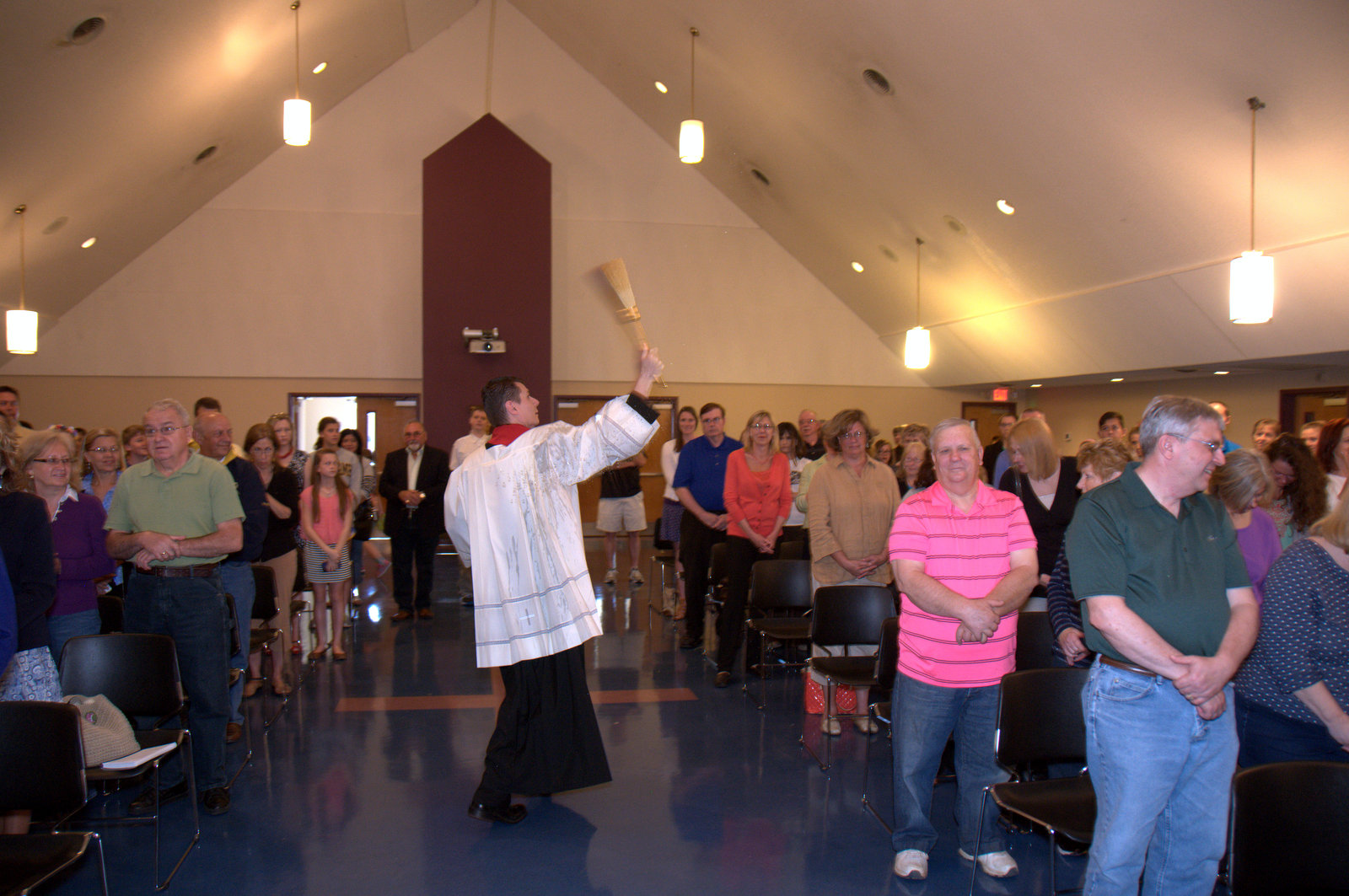
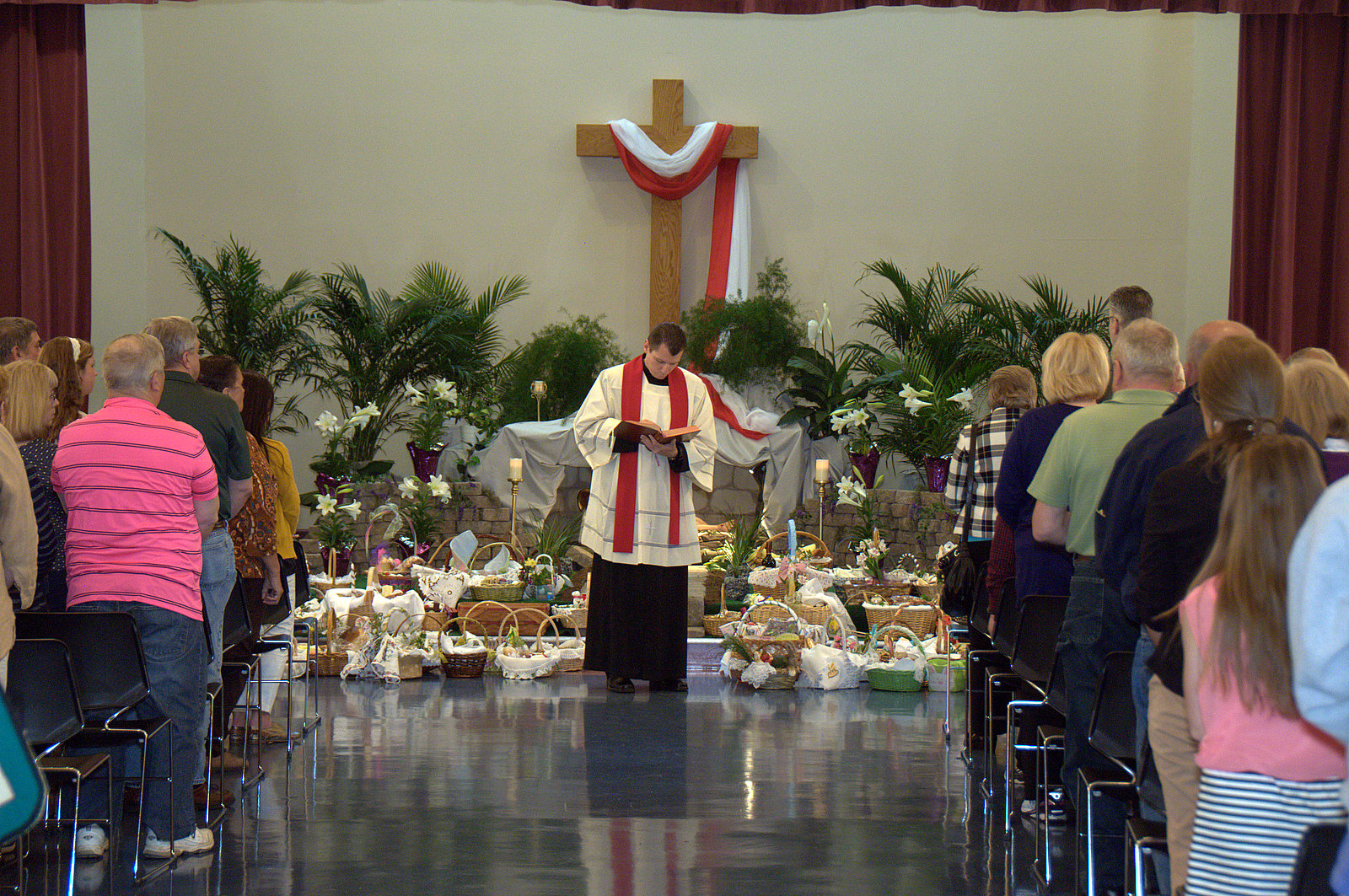
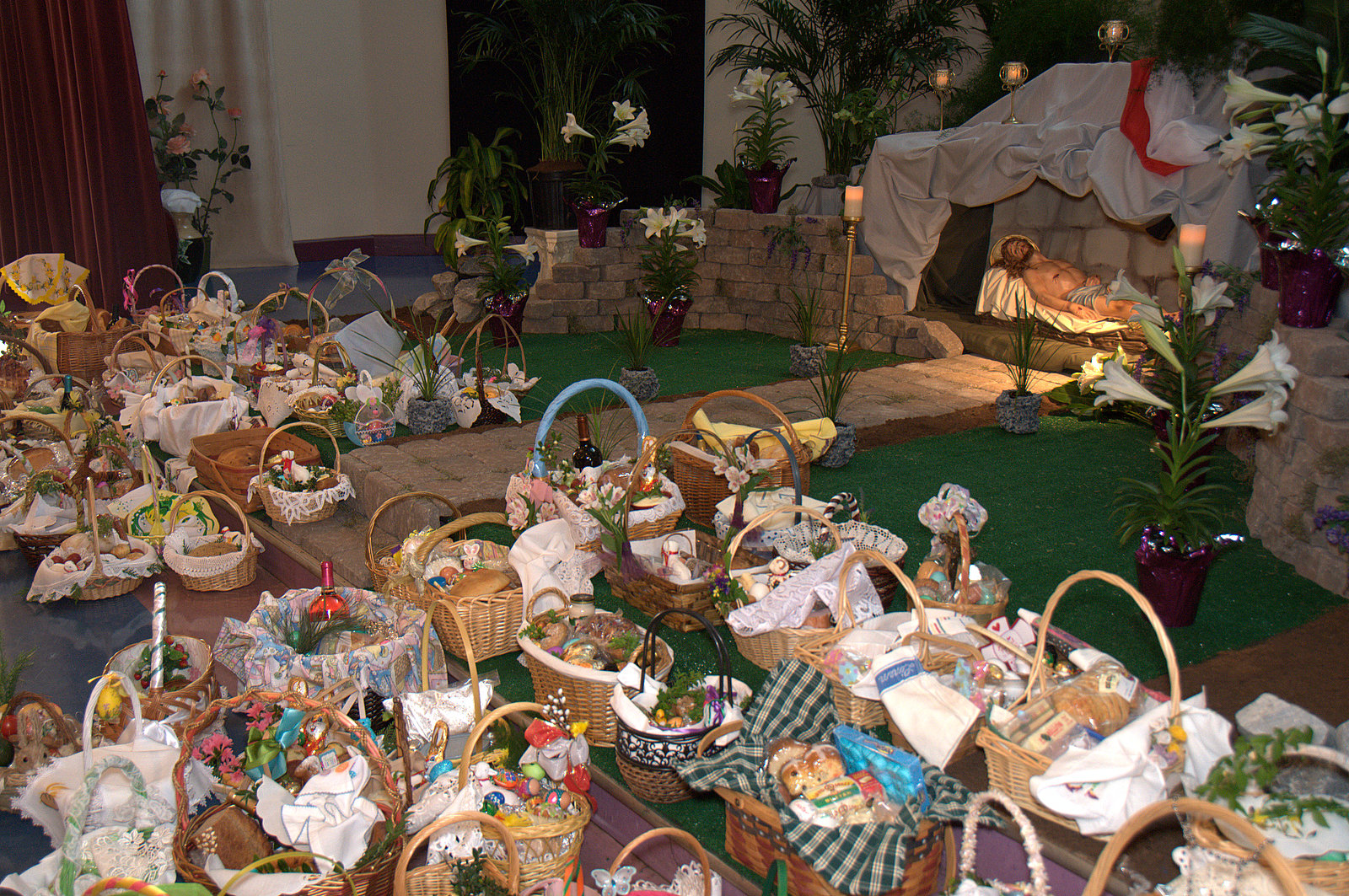
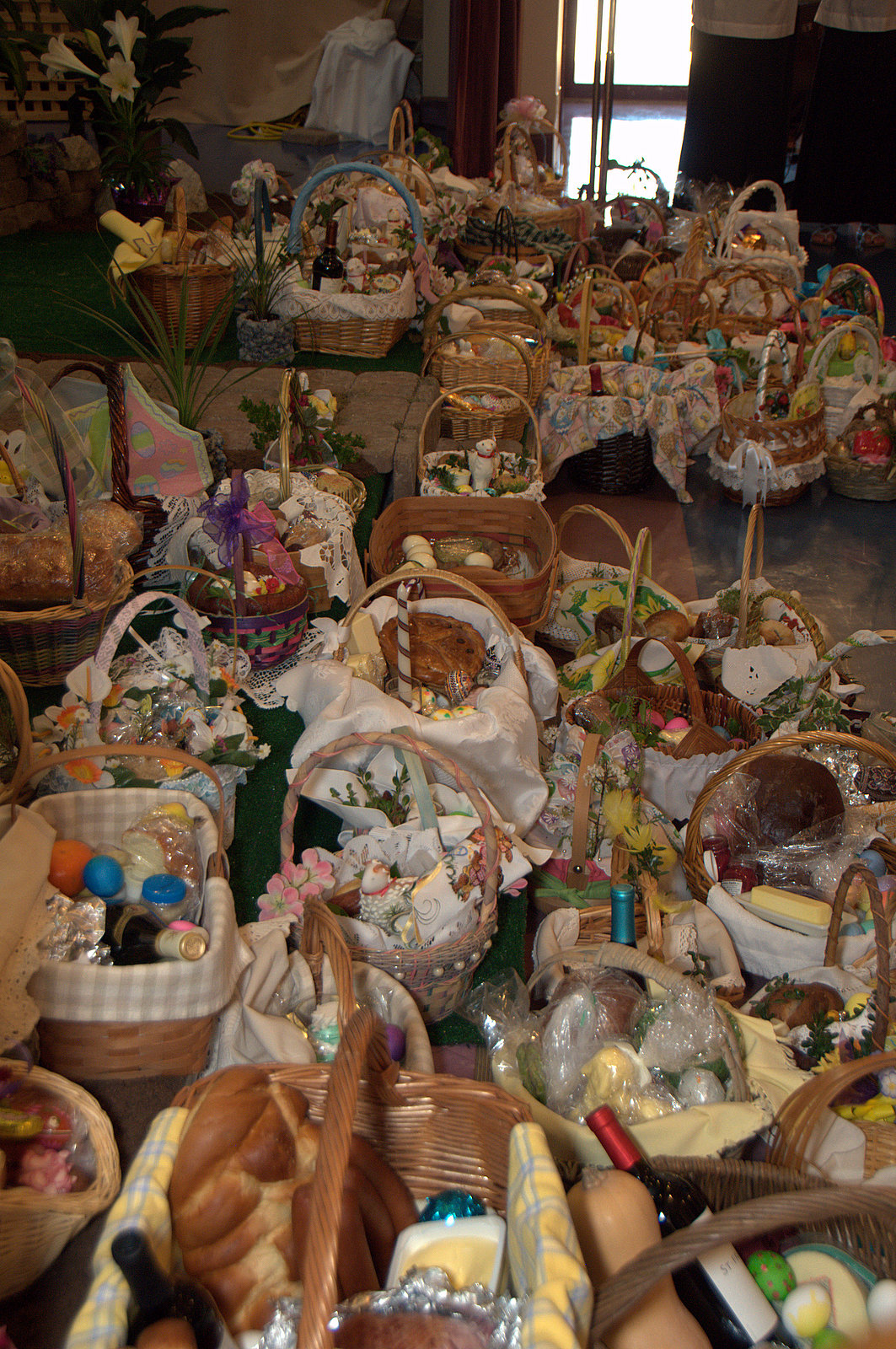
It's been steadily growing each year, and not just because more and more Poles attach themselves to our ever-growing church community. This year, for instance, there was a story in the parish bulletin about the Polish tradition of the Holy Saturday blessing of the baskets, and as a result, attendance was at an all-time high.

First Confession

Congratulations to our Girl, the big girl, and for at least fifteen minutes this evening after her first confession in preparation for her first communion, a saint.

The Sign of the Cross

We're starting simple, with the most basic prayer there is: the Sign of the Cross.

The Boy's getting it. Sort of.

Temptation

In Mass, there are a lot of temptations every Sunday morning. It really begins well before Mass, when as is always the case, we're running late. My temper flares, and I have to consciously tell myself that barking out orders won't make L put her shoes on any faster. But once we're there, the temptations only increase.

Inordinate pride is a big sticking point. I like to say that my children will be well-behaved in Mass because

  1. they understand the ontological reality of what's going on there and respect and believe in it;
  2. I am such an awesome parent that I have trained them like good little monkeys; and
  3. I don't want to disrupt anyone else's experiences in Mass.

In reality, it's that second one that gets top billing: I'm just embarrassed because my kid isn't as saintly as that kid, two pews up, just to the right.

Clothing is another area of temptation. Women come to Mass dressed like they're going out for a night on the town, and men come dressed like they're going to the beach or for a hike in the mountains. "Can you believe he/she wore that to Mass?" is on the tip of my tongue, and sometimes the temptation is just too great, and I point out to K the fashion offender. "Don't they know why we come to Mass?" I always finish, then regret that I even brought it up, that I gave into the temptation.

Then of course there are the temptations of distraction:

  • "Boy, that lector is really stumbling over that reading. Perhaps he should have reviewed more."
  • "Oh no! She's singing the responsorial psalm?!"
  • "Dear God in heaven, could he distribute communion any slower?"
  • "Really? Checking Facebook just after receiving the Eucharist?"
  • "Well, if I'd known he was giving the homily, I might have just stayed home."
  • "Why in the world would anyone select that hymn?"
  • "Doesn't he know any better than to wipe his nose with his right hand just before we do the sign of peace?"
  • "Cheapskates: they never put anything in the offering basket."
  • "I'm still kneeling here: you should be too so I don't have your nasty hair in my face."
  • "There is nothing in the missal to indicate that we should all be holding hands during the Our Father! Uggh!"
  • "If that kid doesn't stop putting that kneeler up and down and up and down and up and down, I'm going to..."
  • "Dang, if that guy behind me sang any more off key, he'd be singing in a whole different mode."
  • "Wow, that's a big hat."
  • "Really, only the priest should be praying in the orans position!"
  • "That is just the nastiest perfume on the planet. What is it? Eau de Dead Fish?"
  • "That's right -- do the Judas Shuffle: receive and leave. There's piety for you."
  • "You snotty little teenagers: this is the crying room, not the 'don't want to sit through Mass and would rather chat it up with my friends' room."

Of course in the summer, there's a whole new batch of temptations, most commonly about clothing selections. It usually goes like this: "He is a grown man, with graying hair and kids who appear college age, and he's still wearing shorts to Mass? Does he not realize that there comes a time in one's life when one understands that comfort is not always the be-all, end-all goal in life?" That thought is more often than not amended with, "And he's wearing flip-flops for heaven's sake! There's not a beach within three hours' drive of here, and even if there were and even if you were going to the beach immediately after Mass, you should be dressed like you're going to the beach while at Mass especially when you're a grown man!" Occasionally I can match it with another gripe: "She's wearing that top to Mass?! Really?" And every now and then, I can tack on one more: "And their teenage daughter is wearing tight short shorts?"

Pride is truly at the heart of all sin.