matching tracksuits

fun in threes, sometimes fours

catholicism

Blessing 2020

I first noticed it at a friend's house. Above one of the doors were some numbers and letters, and I thought it was perhaps a marking left behind during construction -- some kind of measurement or something. Of course, the house in question was long finished: it was not one of the half-built, "raw" houses that dotted the road that ran through Lipnica. This was a fully completed house, but I didn't really think about that. I just didn't have any idea why someone would write something in chalk on the wall.

And then I married a Polish Catholic and found out: it's the indication of the blessing of the house.
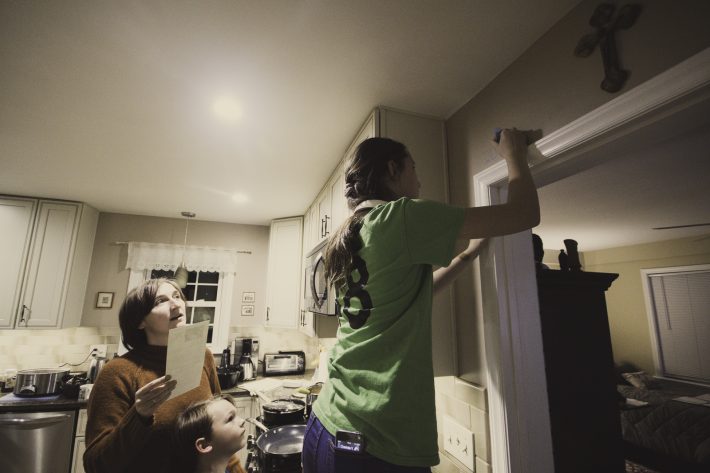
I've grown much more skeptical in the last few years and tend to have to fight the temptation to view these things as I once did, which is not all that positively. To begin with, the priest is supposed to do it. Our priest leaves a basket of blessed chalk in the church narthex with a card that includes instructions and the prayers. This year, we didn't get the blessed chalk, so we just used chalk that we bought at Walmart. Does that make a difference? Ontologically, it should: if not blessing it didn't make a difference, why bless it to begin with? And what exactly does blessing the chalk do? Is it possible to discern the difference between blessed and unblessed chalk?

There's not even consensus about the origin and meaning of what one writes in chalk:

The origin of this ritual comes from eastern Europe where homeowners mark their doors with the sign 20+C+M+B=(year). CMB are the initials of the three Wise Men: Caspar, Melchoir and Balthasar who are remembered on the Feast of Epiphany.

Another interpretation given of this sign is: Christus Mansionem Bededicat (Christ Blesses this Mansion). We welcome you to bless your home for the New Year using the blessed chalk and rite given below:

One person makes the inscription with chalk above the door (20+C+M+B+14), while another proclaims the corresponding words: The three Wise Men, Caspar, Melchoir, and Balthasar followed the star of God’s son who became Man (20) two thousand years ago. (+) May Christ bless our dwelling (+) and remain with us throughout the New Year.

If we don't know what it means, doesn't that kind of make it, well, useless?

Perhaps. Perhaps not. Perhaps what's more important is the unity involved in the process, both in the blessing itself and in the overarching idea. It keeps us thinking about the house as not just as a building, a location, but as a home, an idea.
10 Years

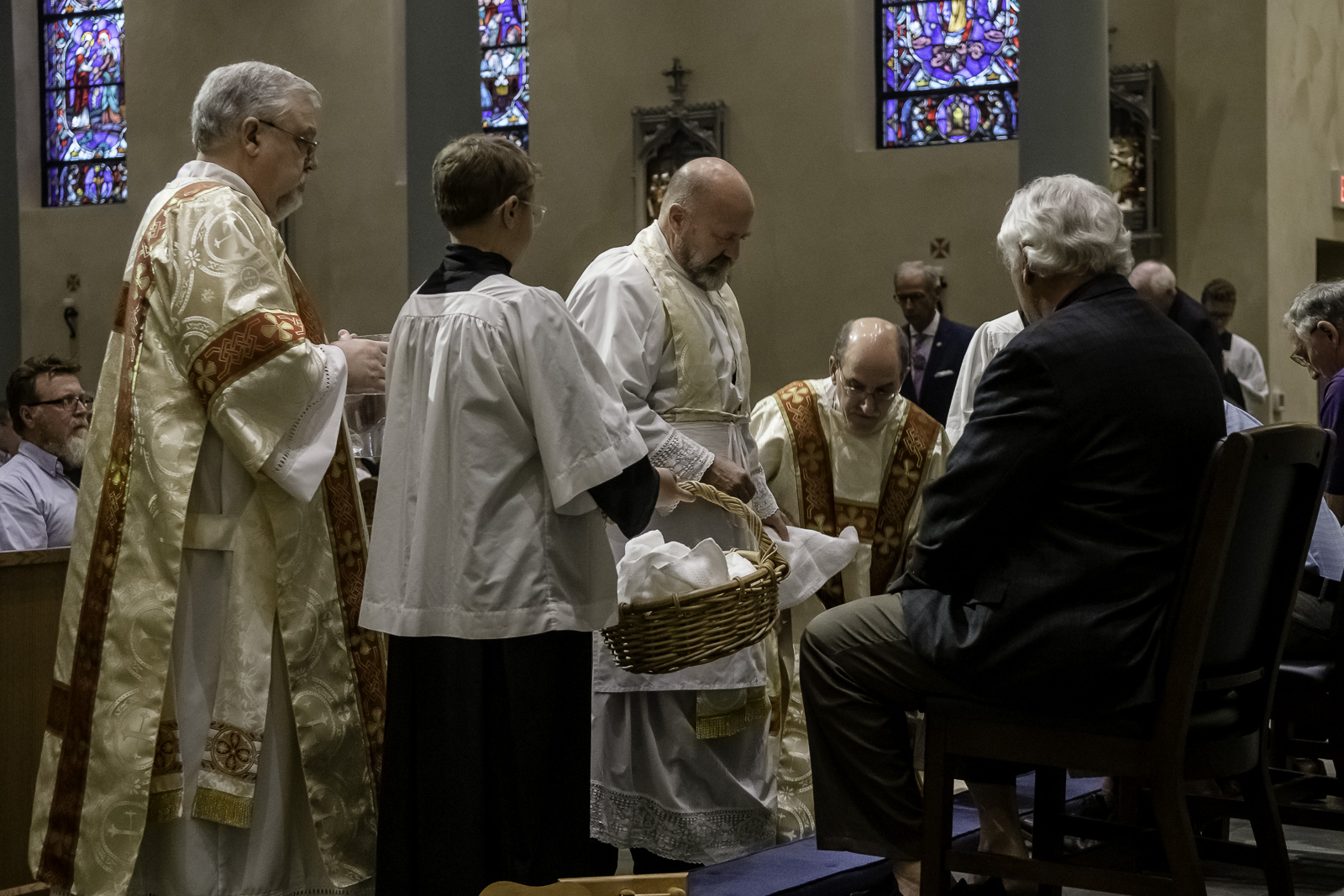
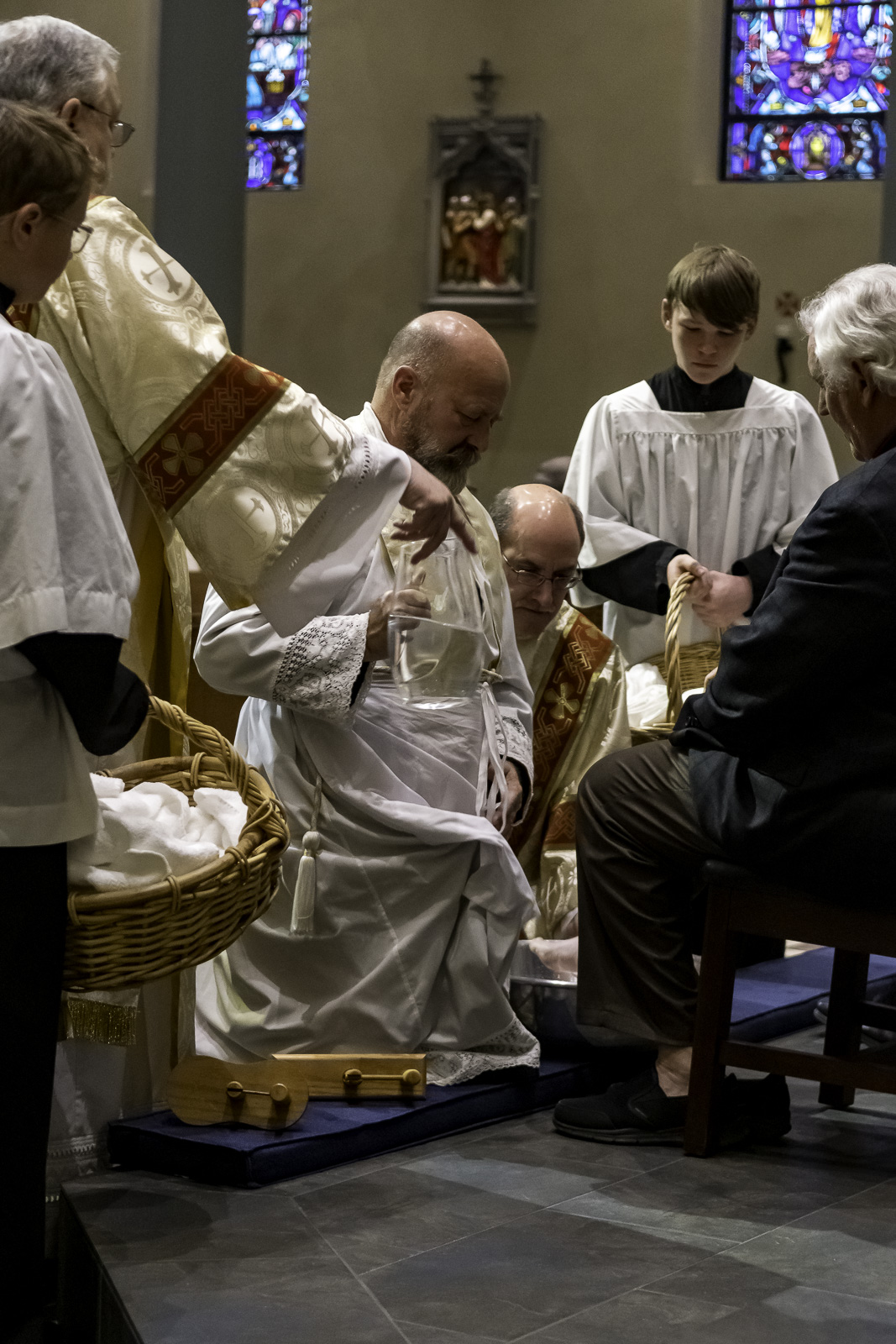
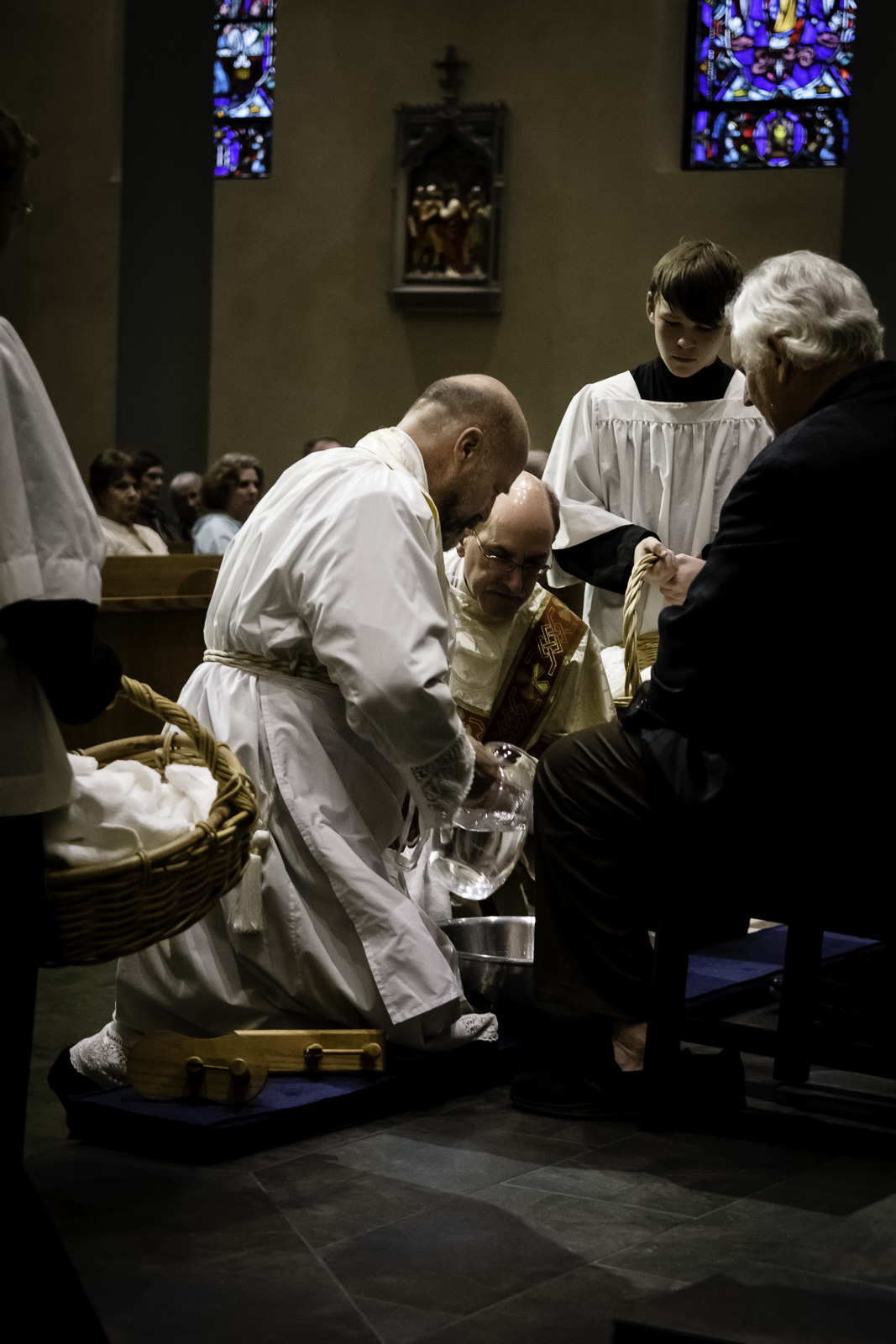
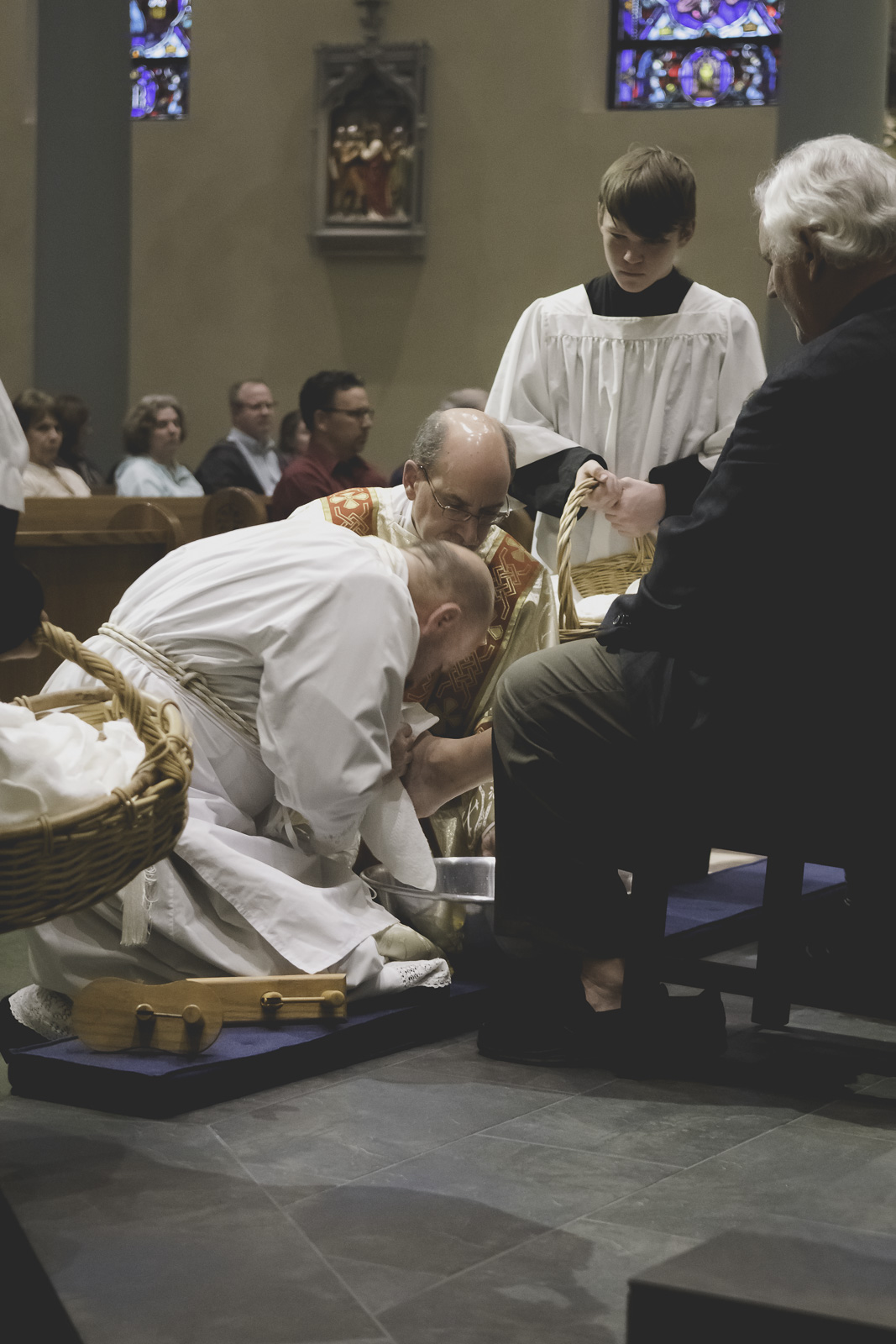
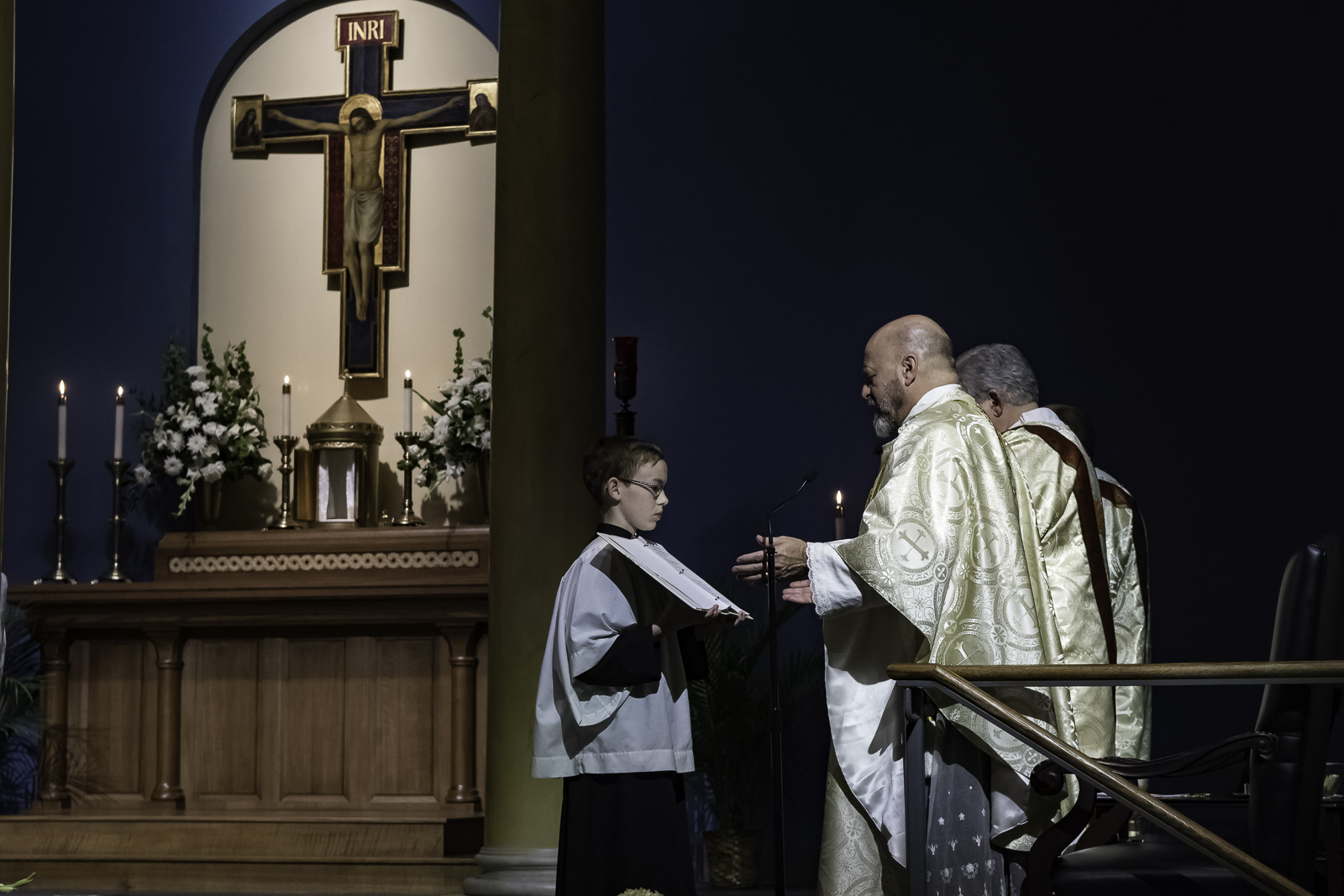
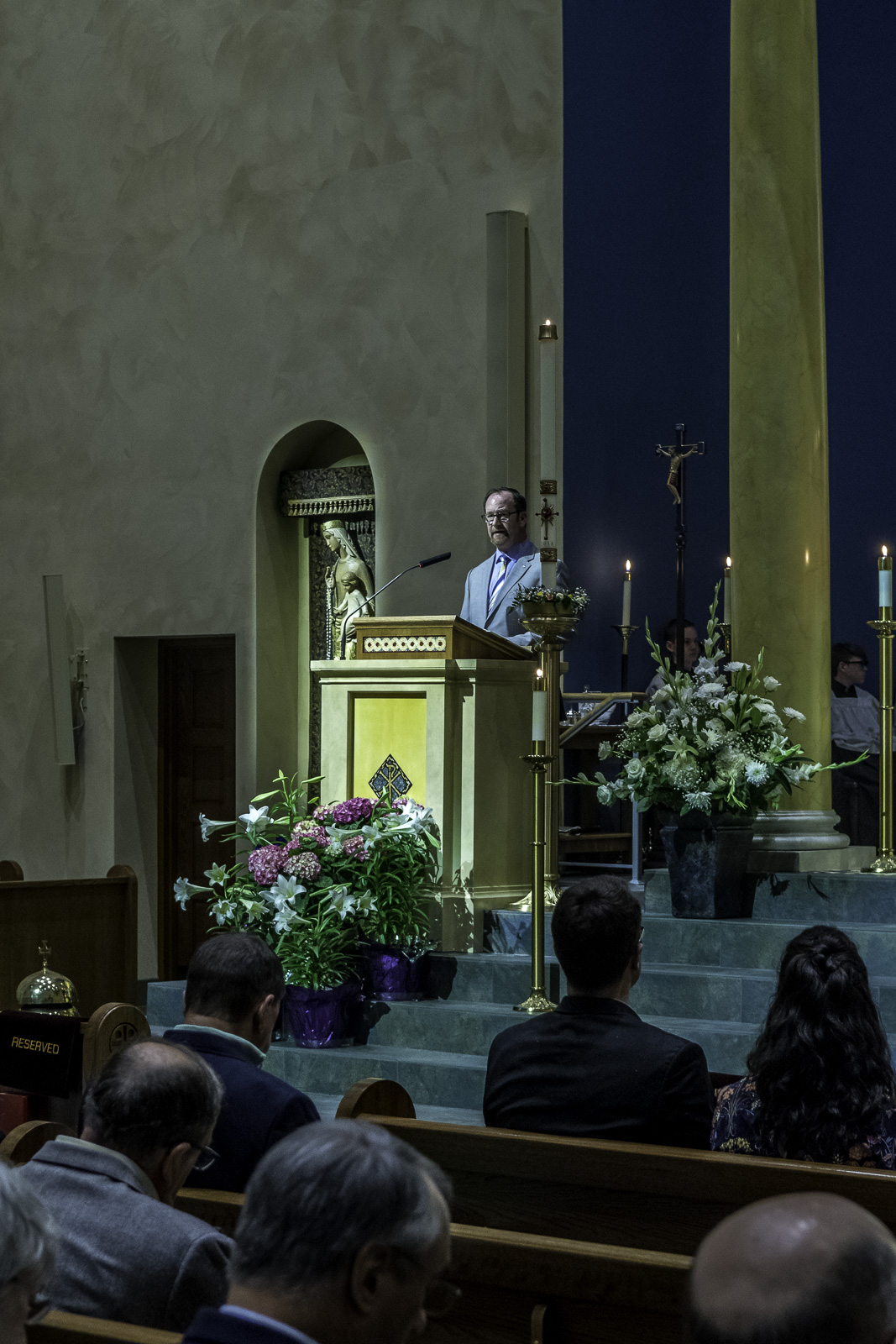
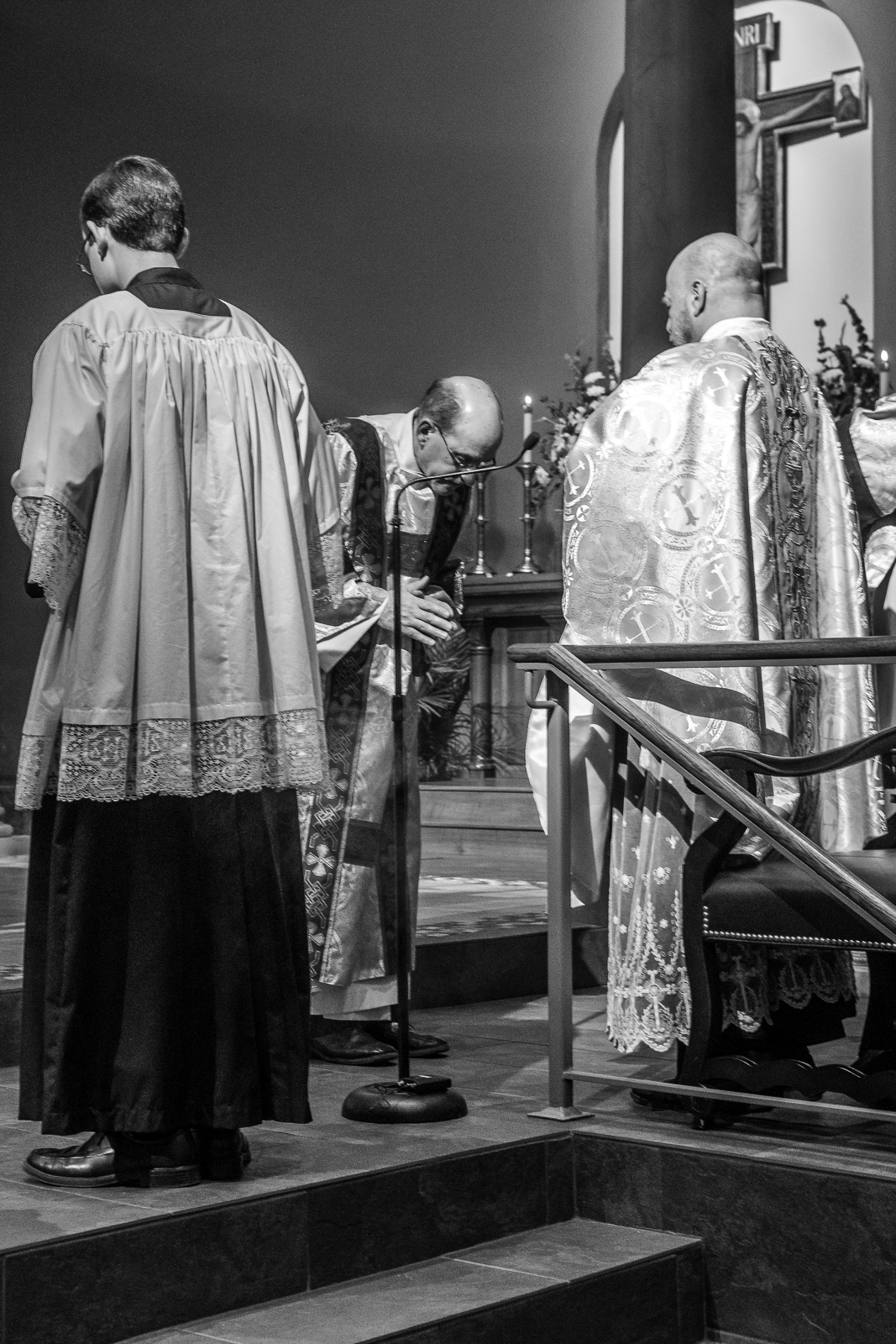
Maundy Thursday 2019

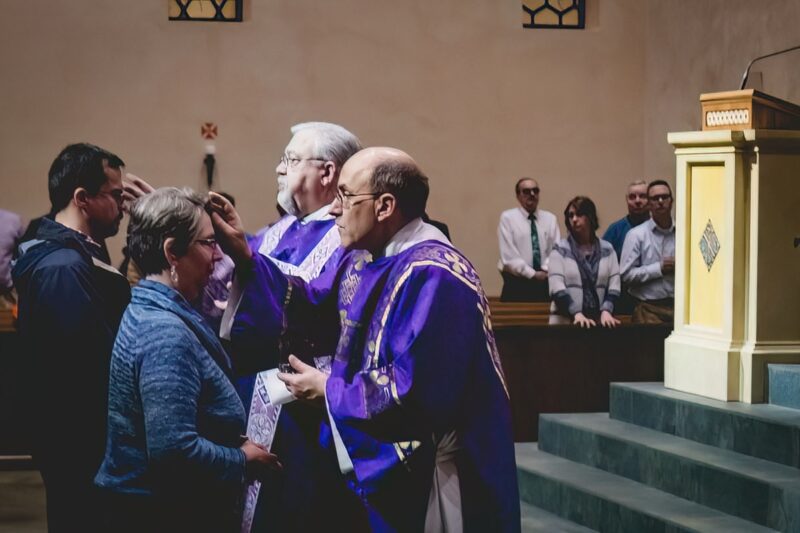
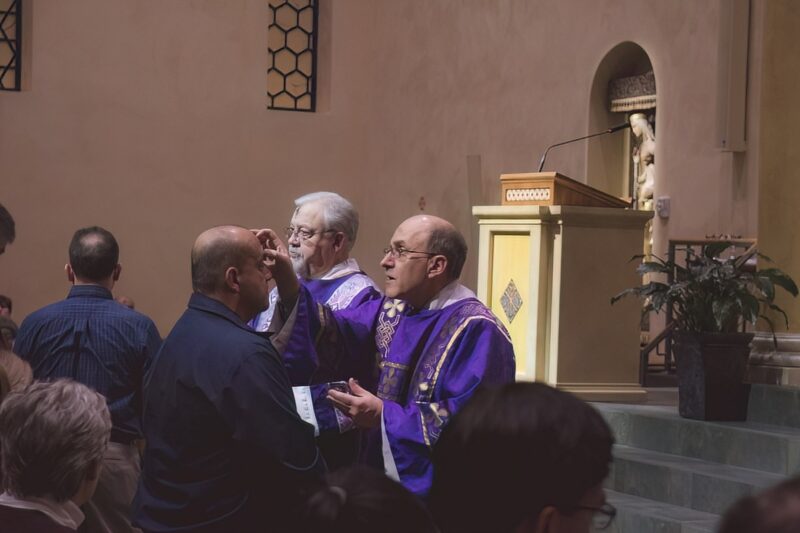
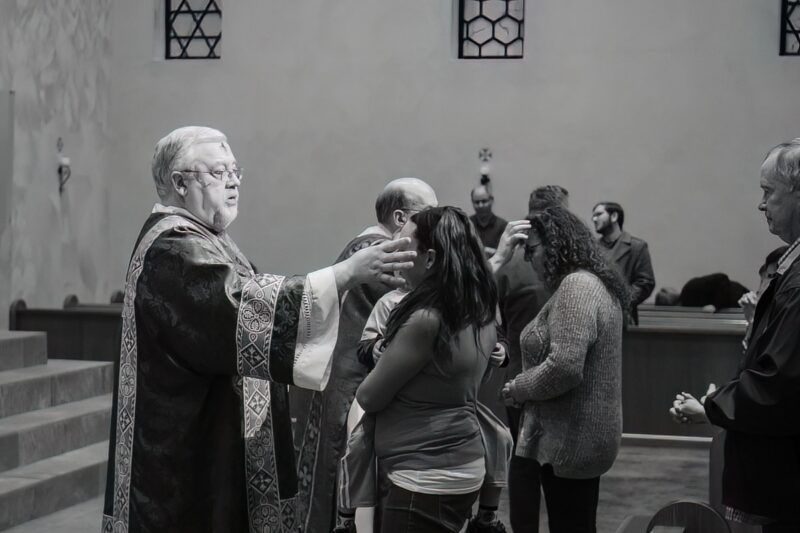
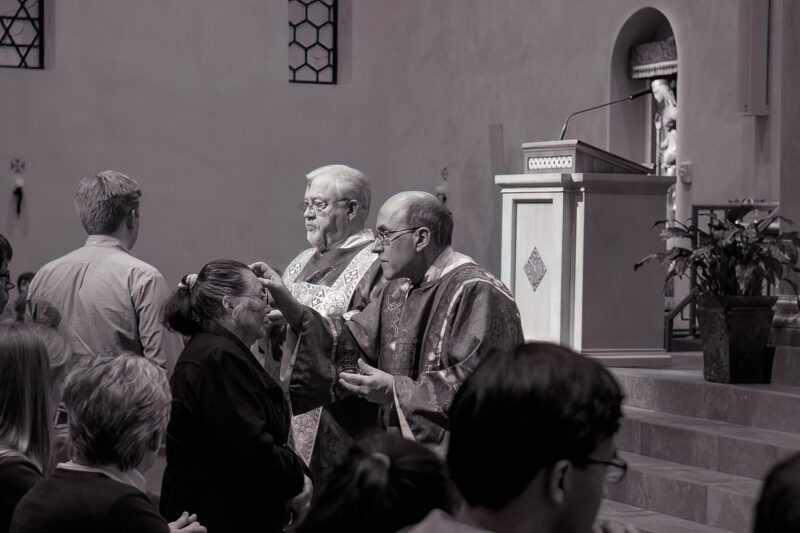
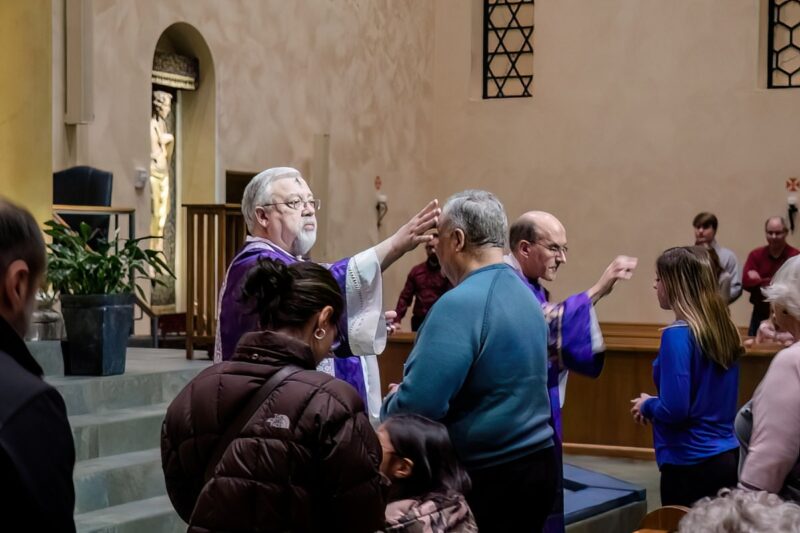
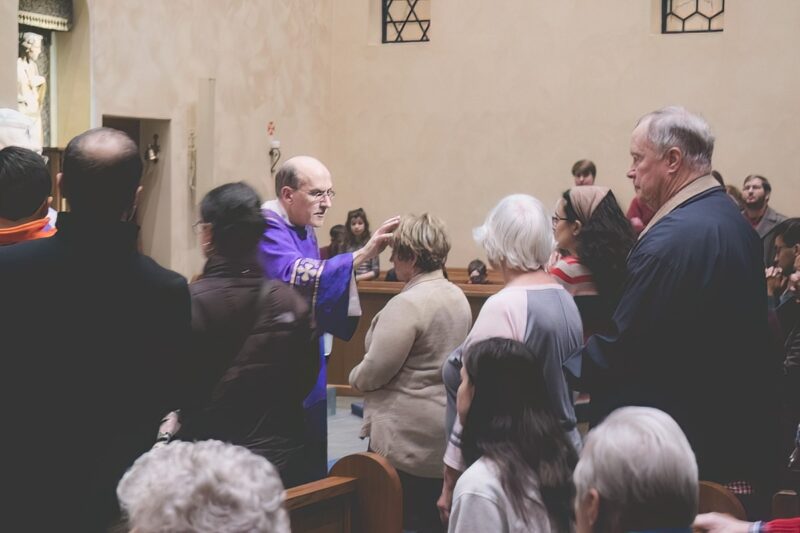
Ash Wednesday

"Repent, and believe the Gospel."

Sometimes that's easier than other times.
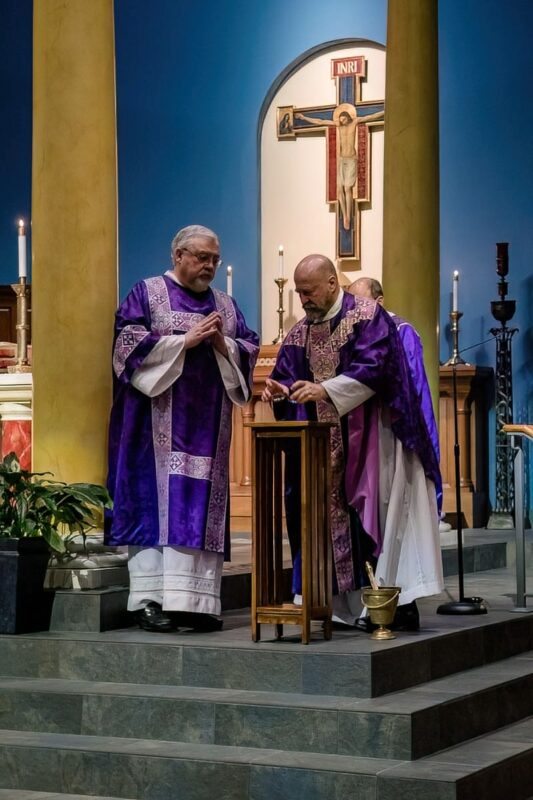
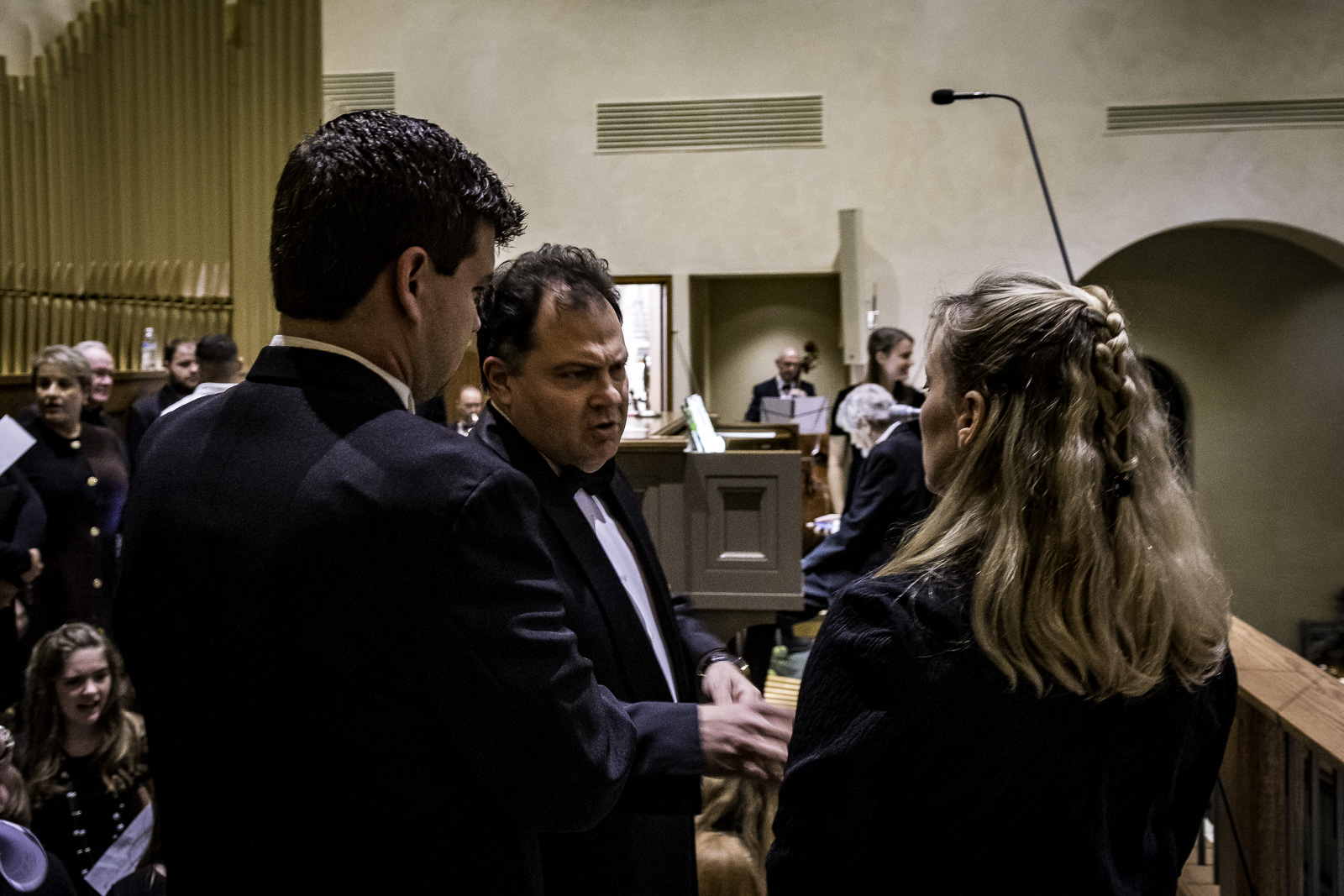
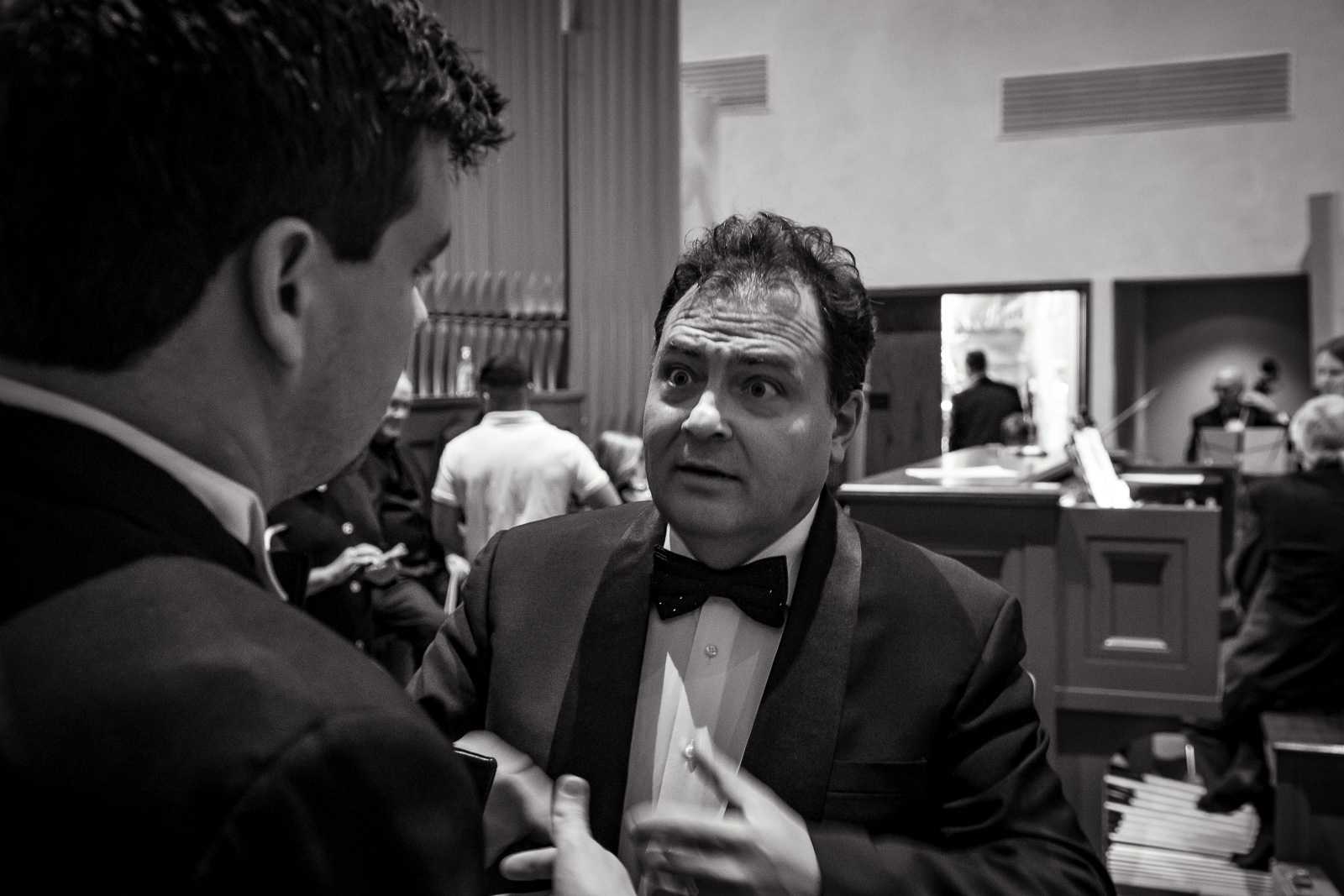
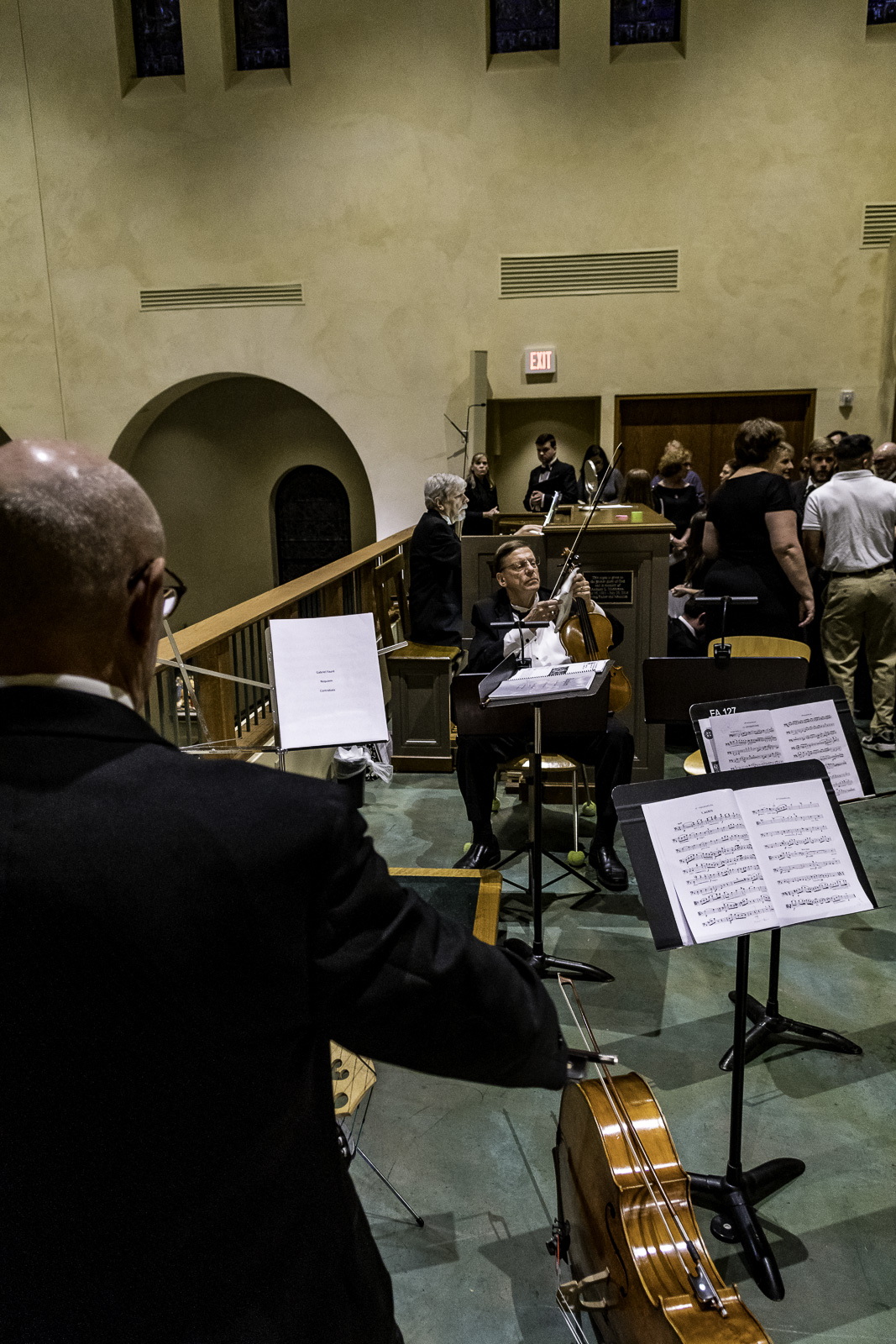
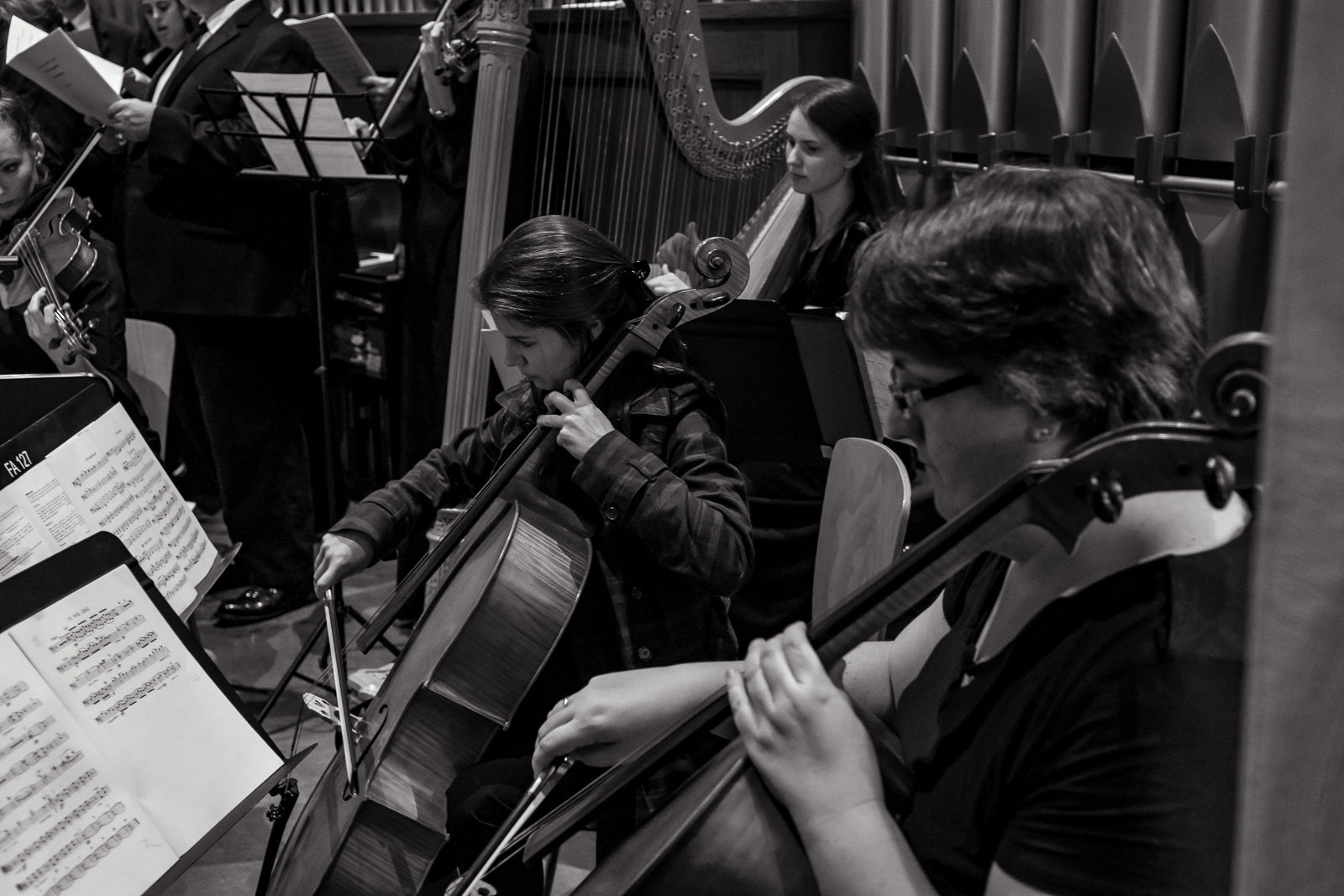
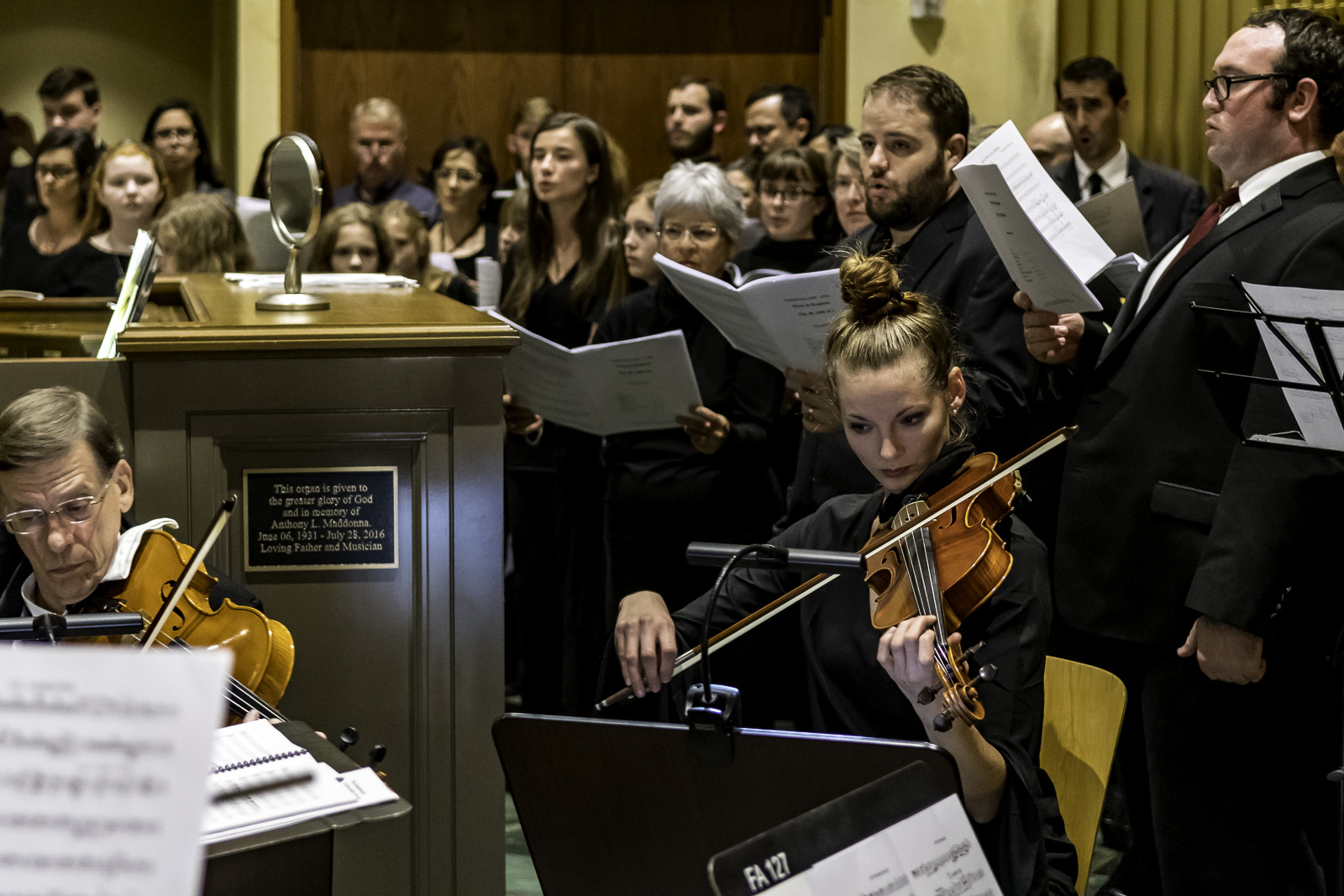
Gabriel Fauré’s Requiem

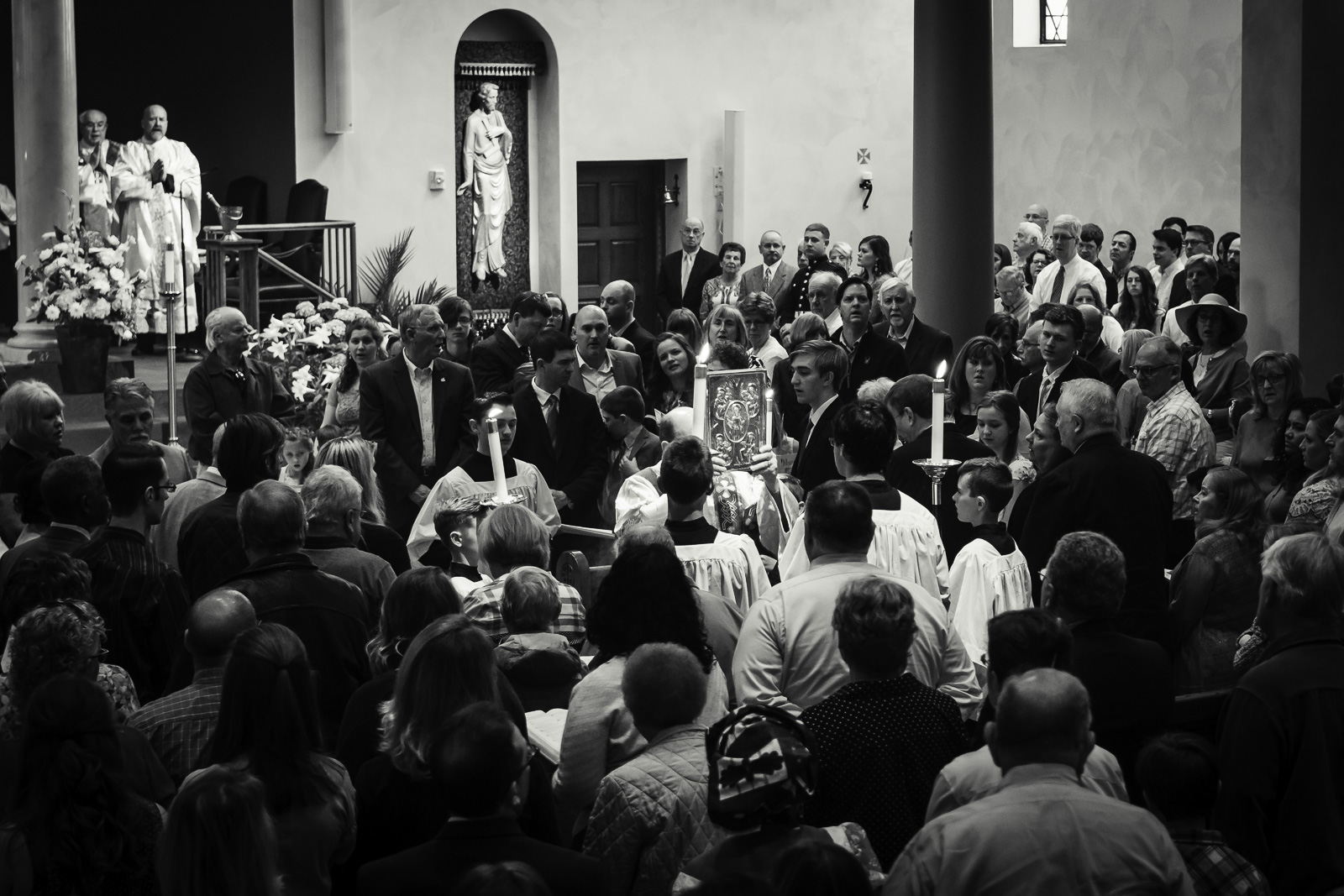
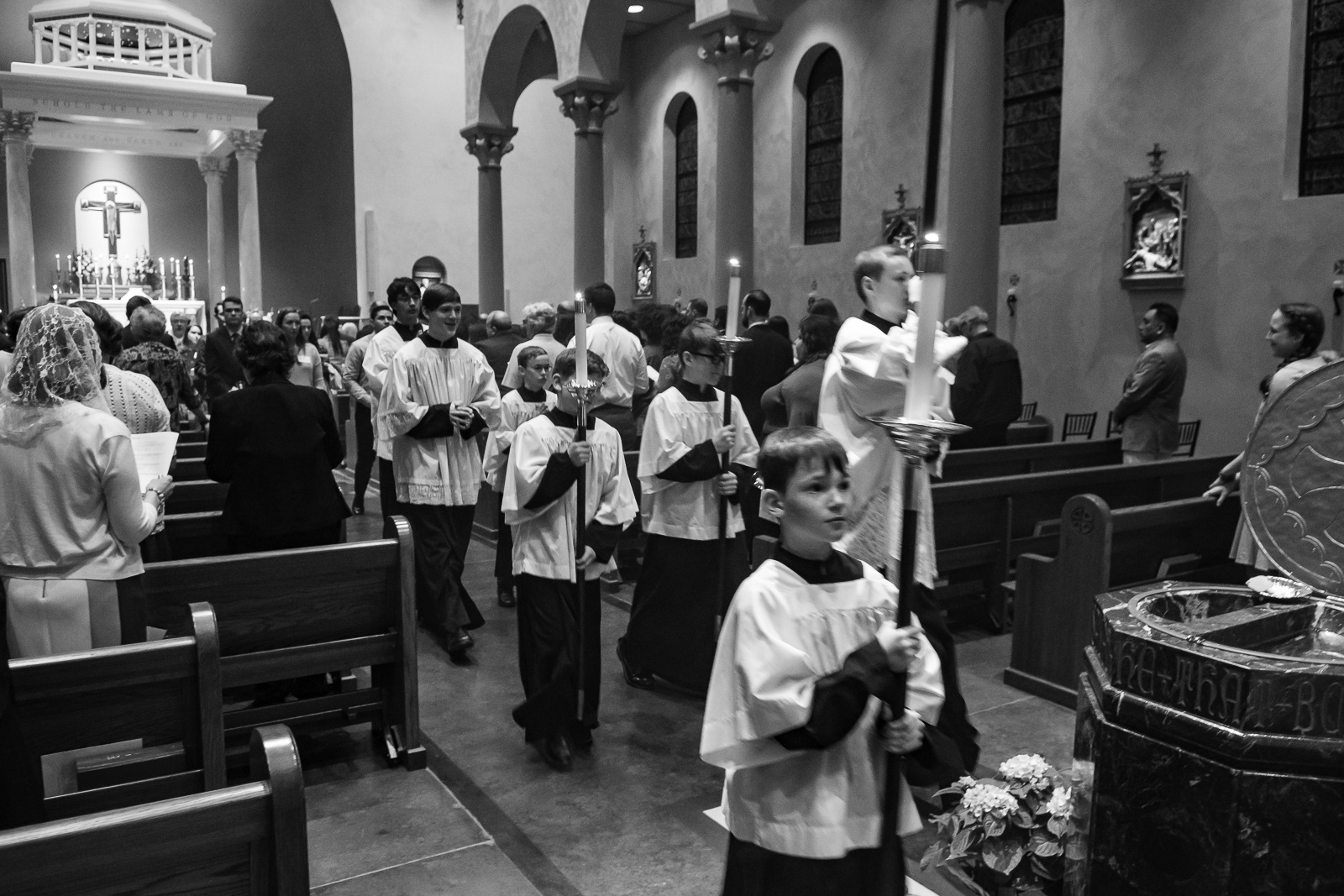
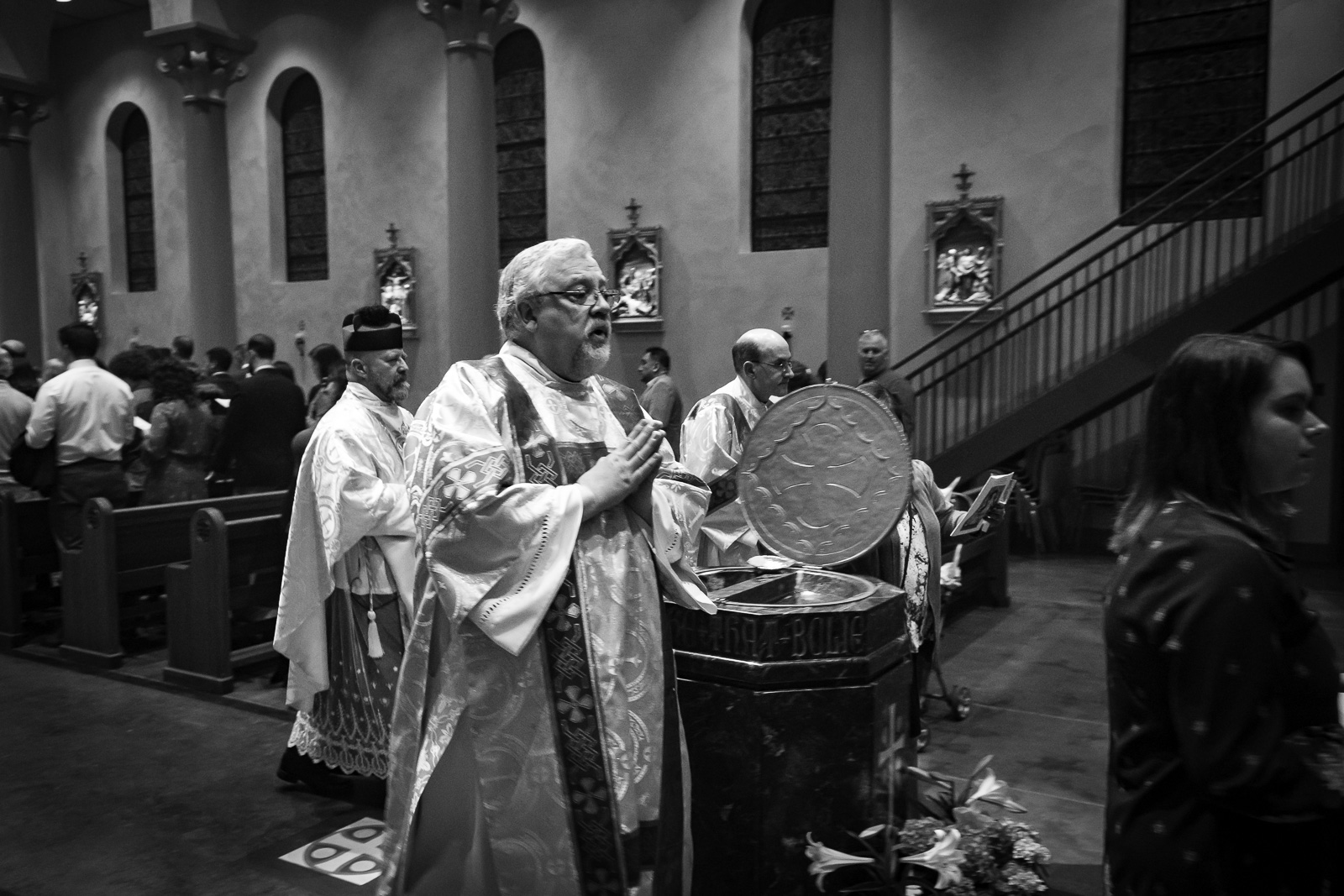
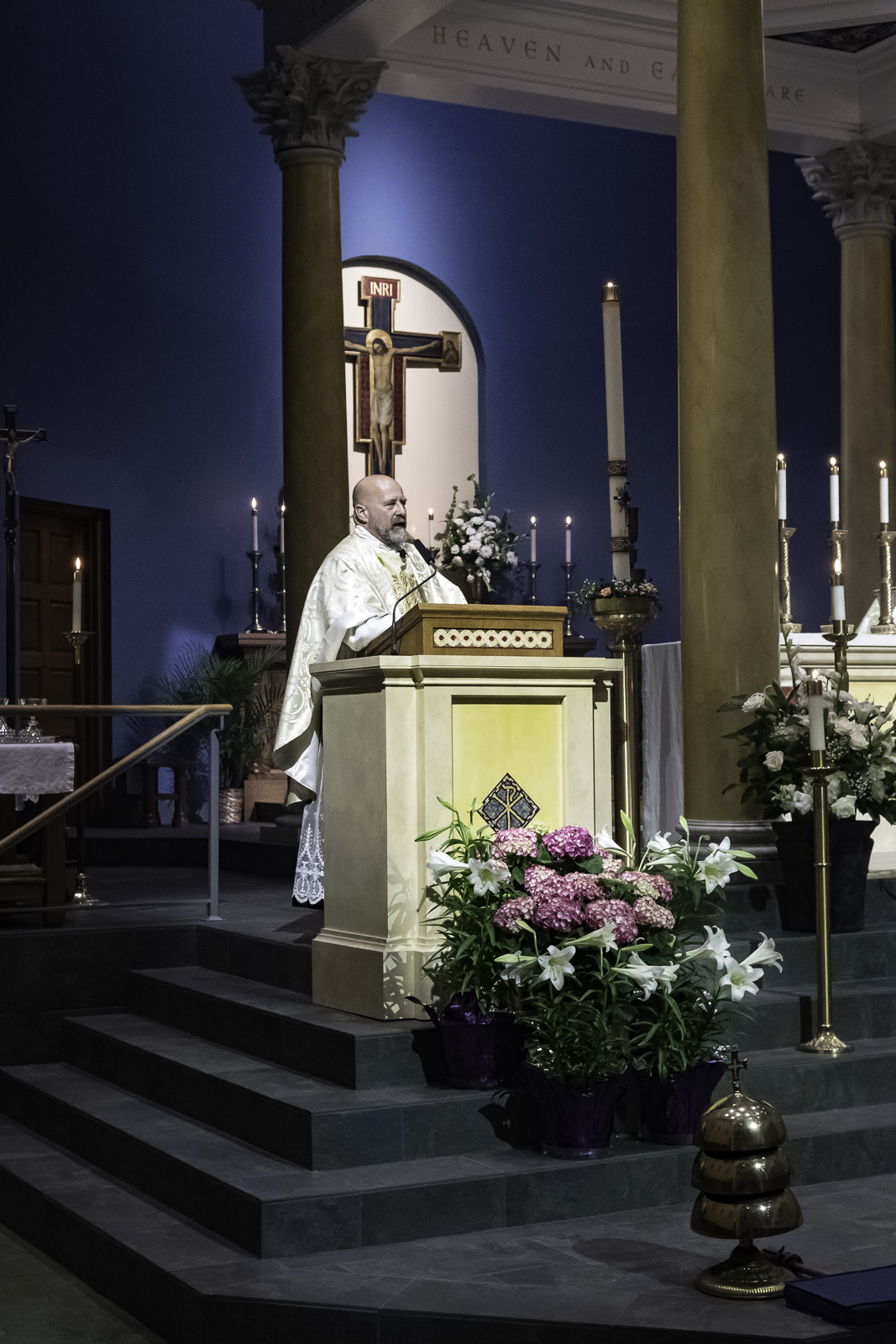
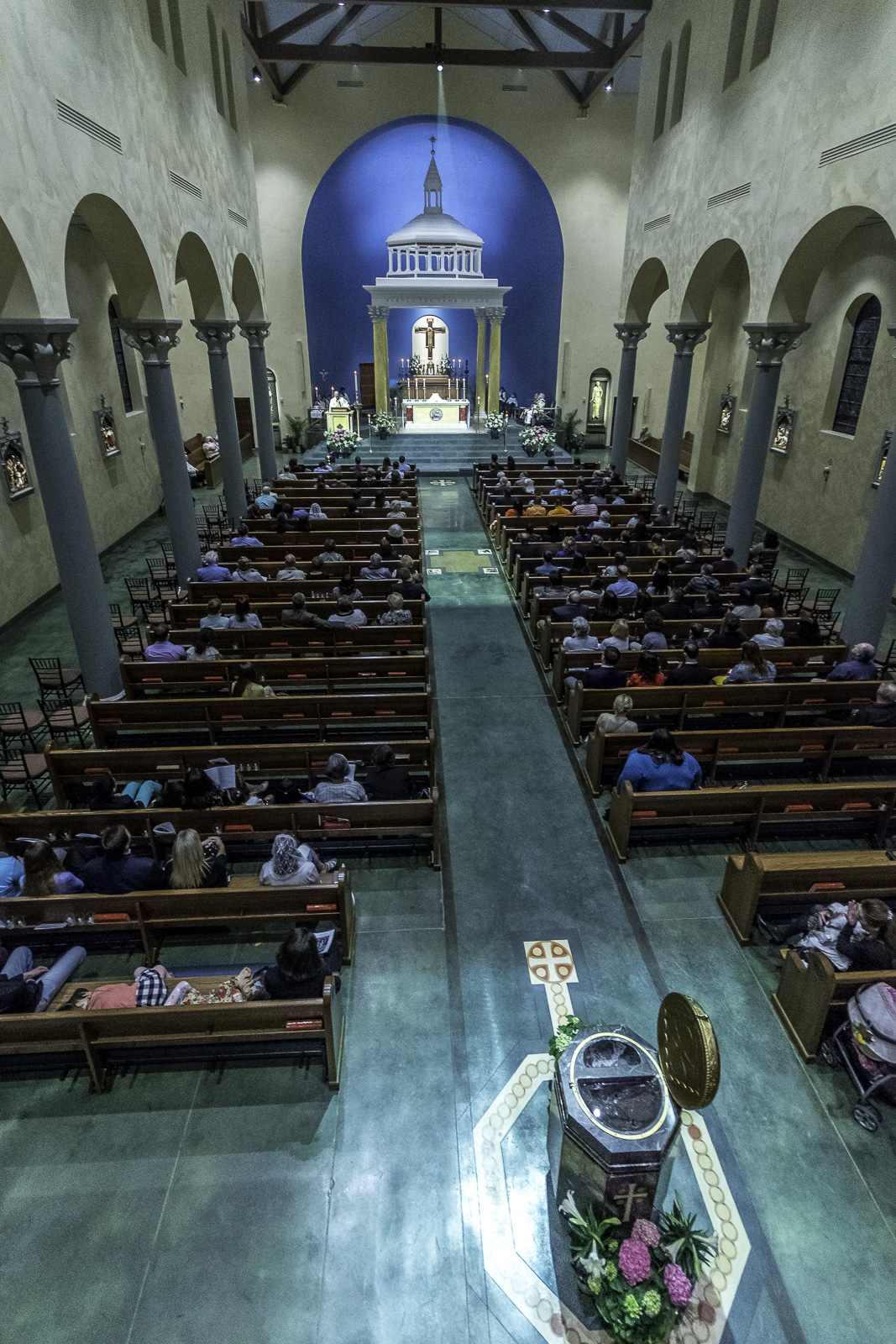
Easter Sunday Mass 2018

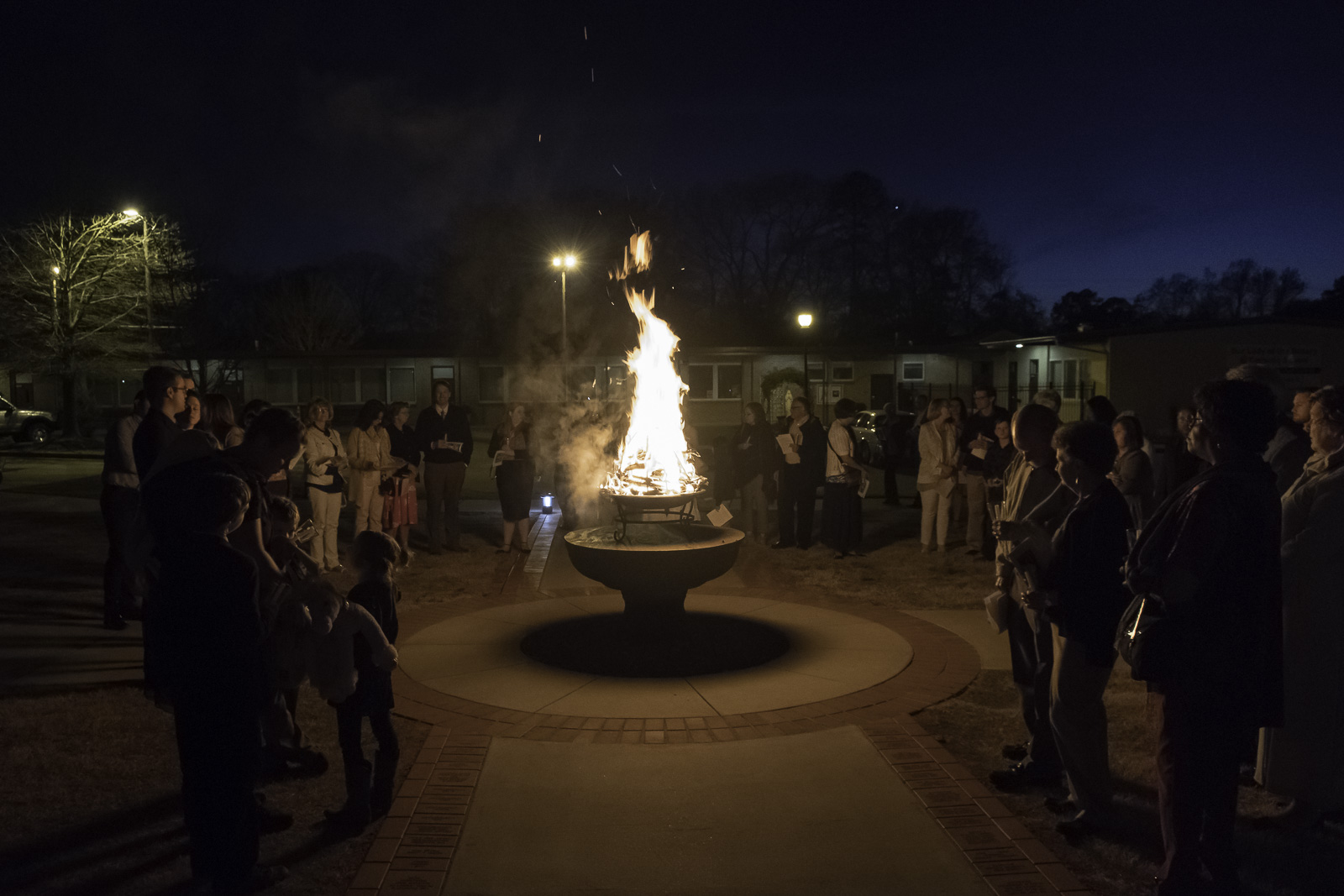
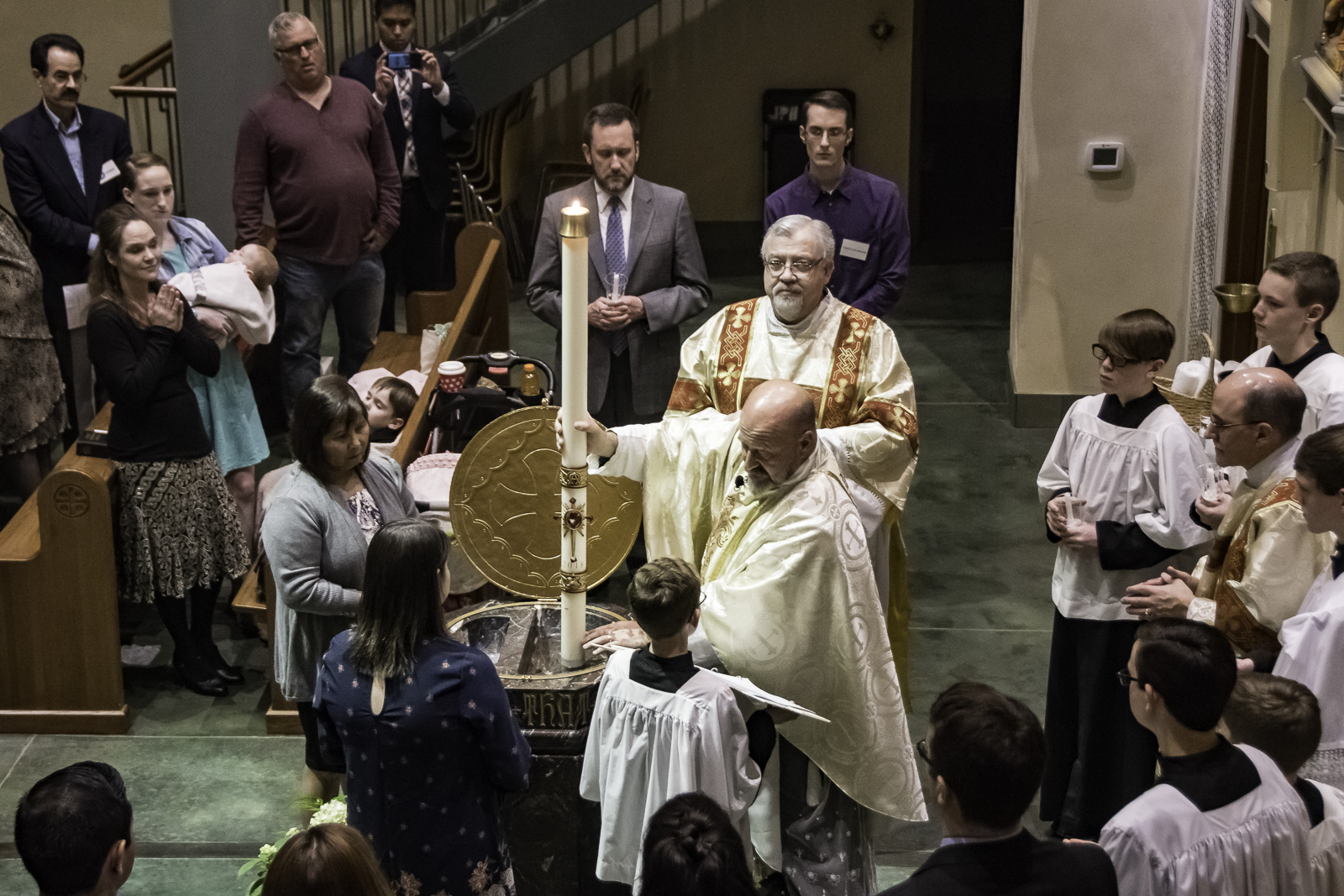
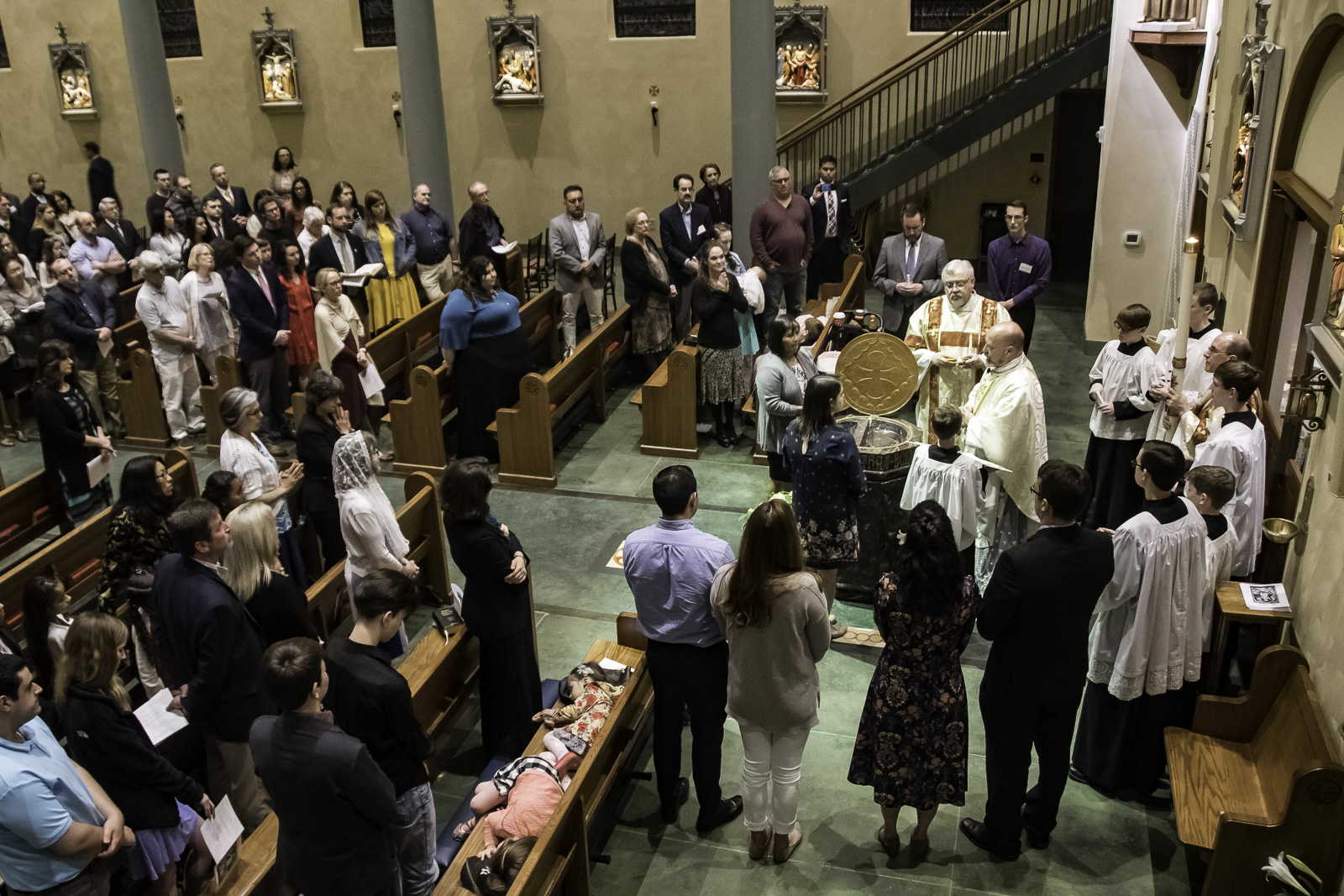
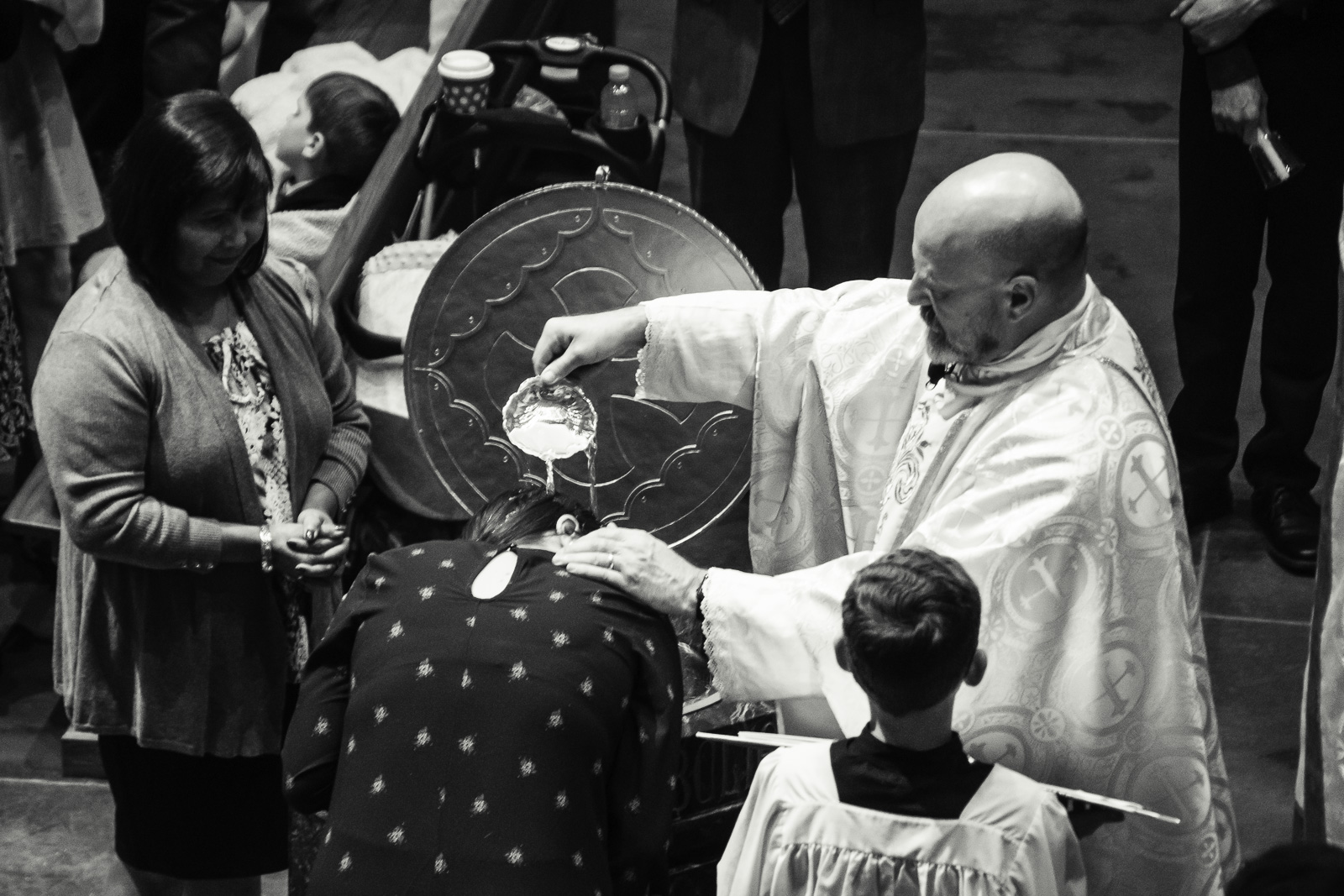
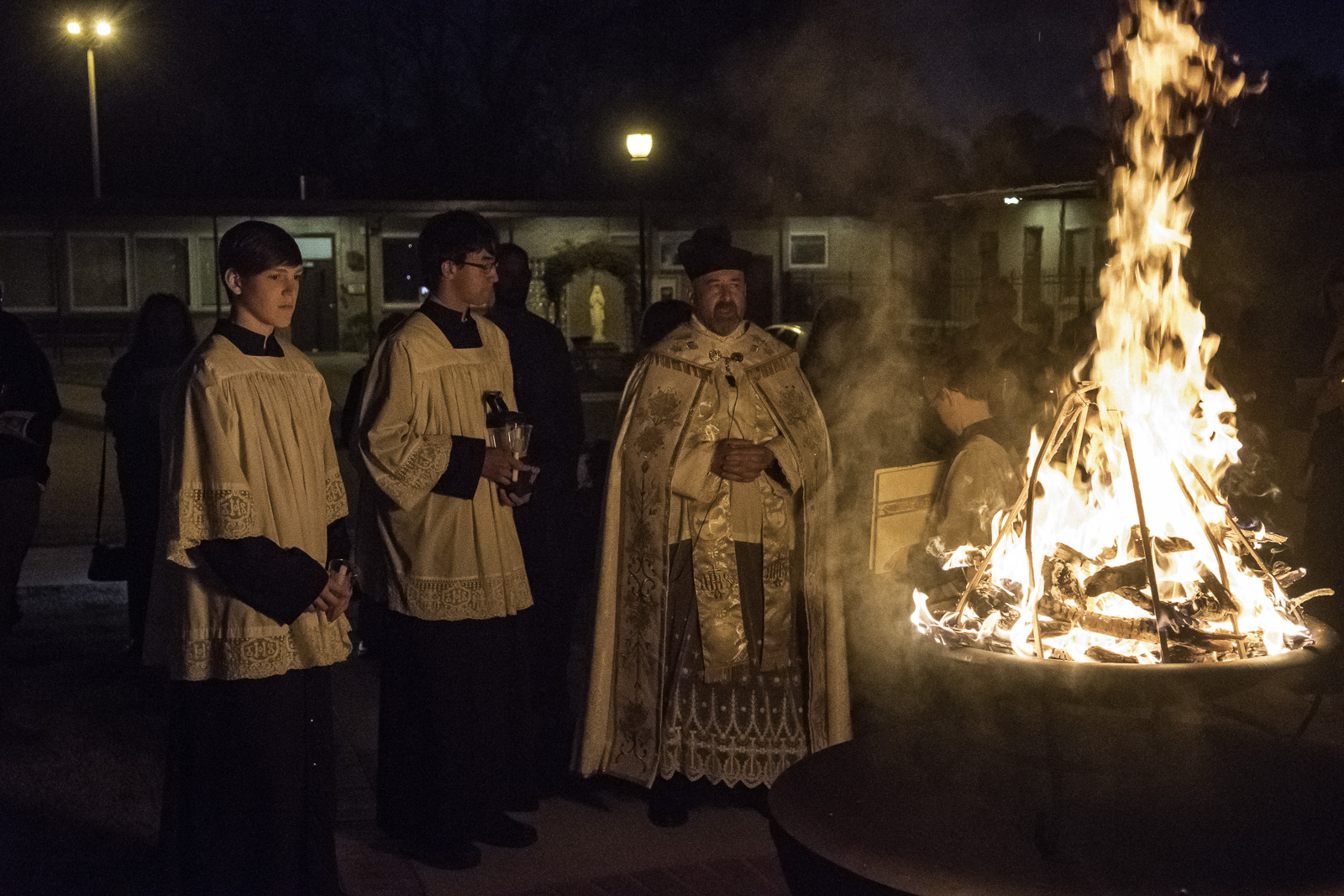
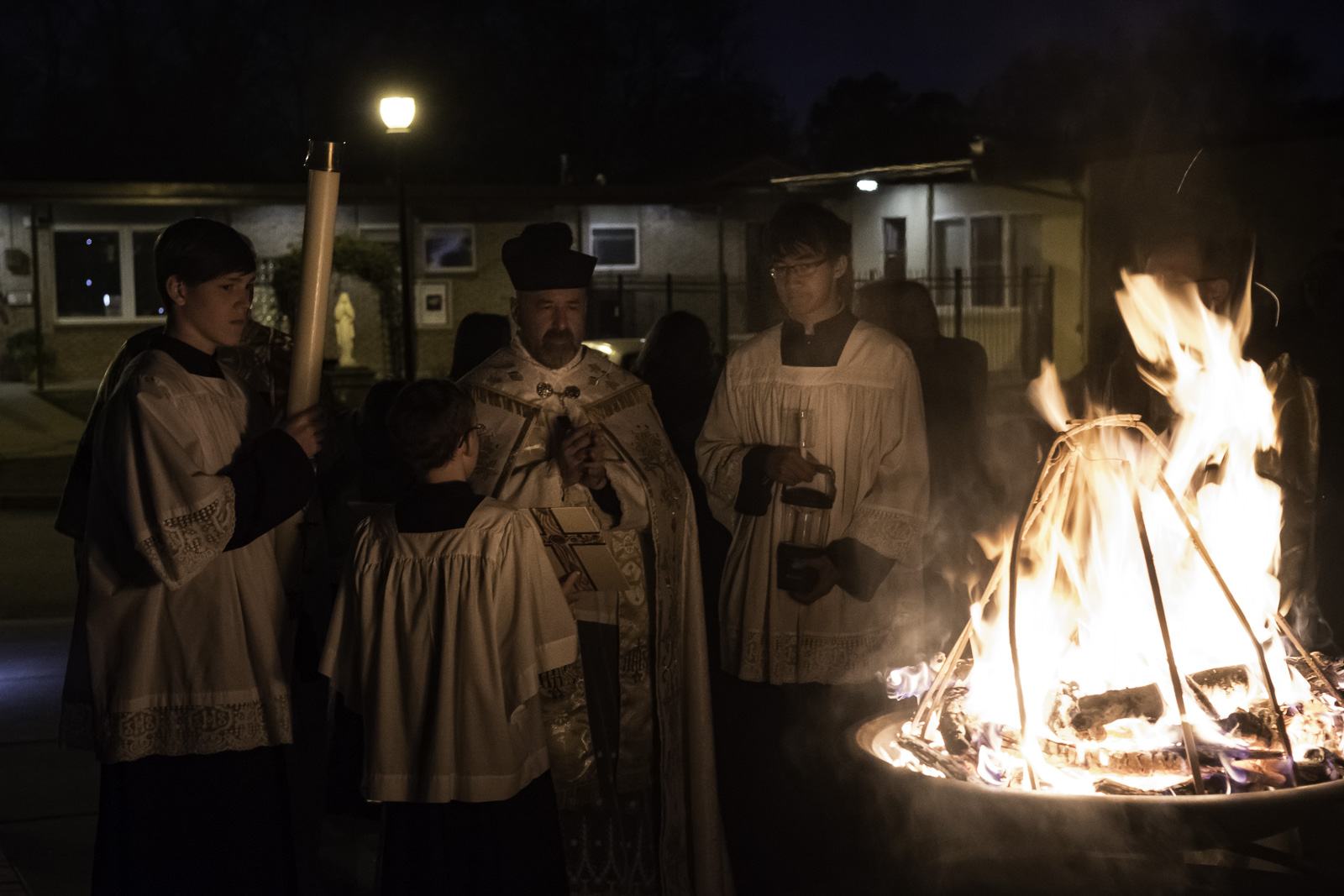
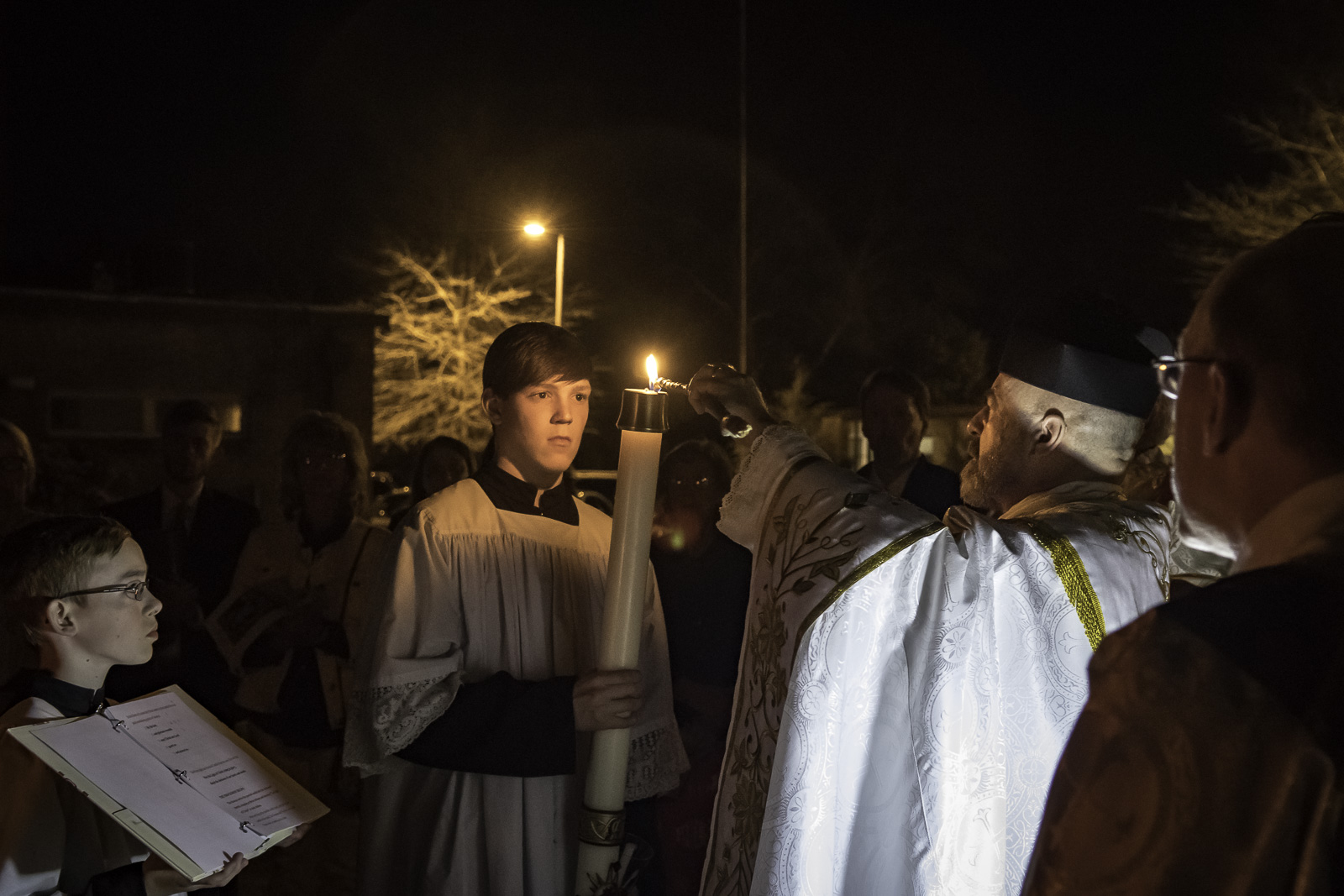
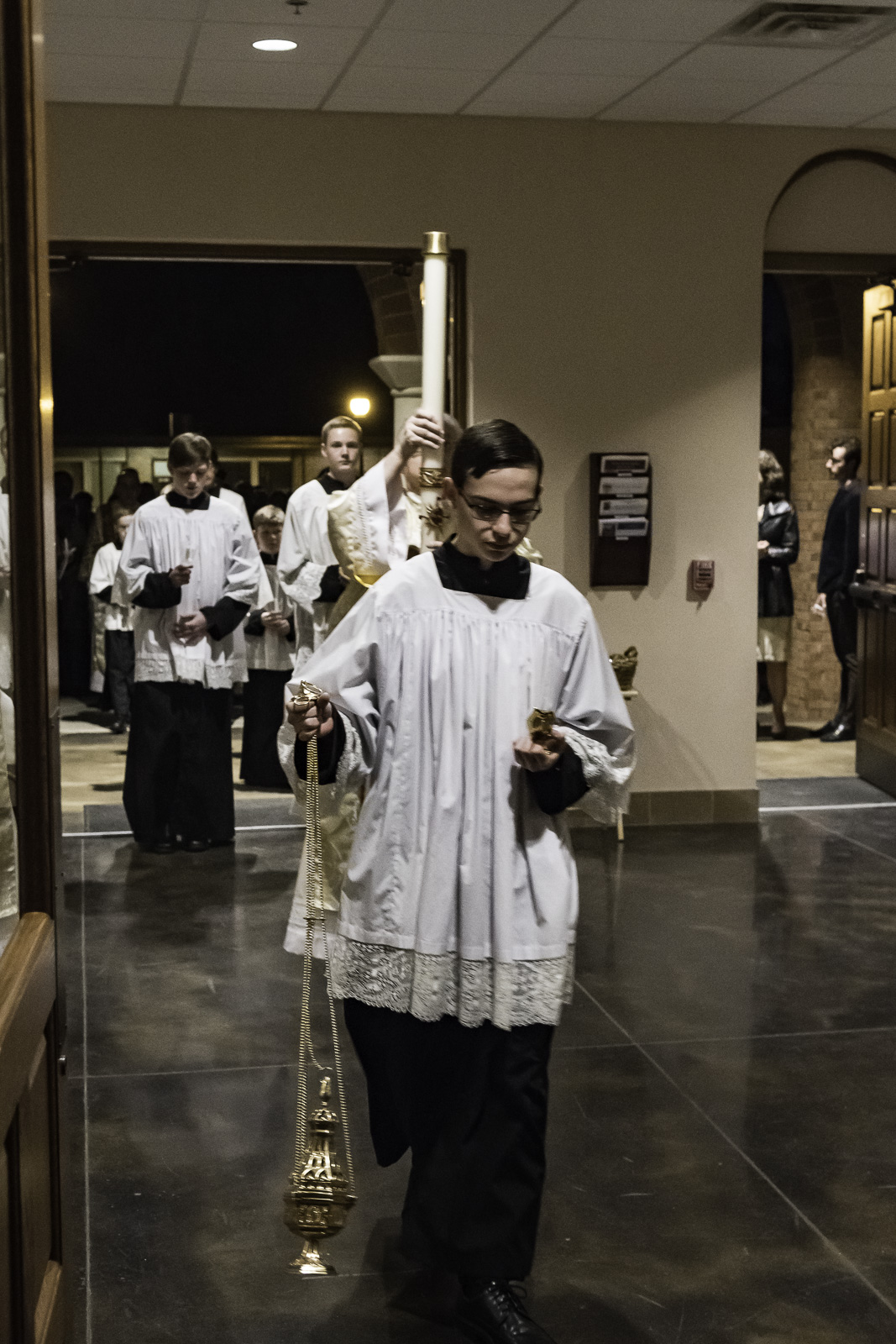
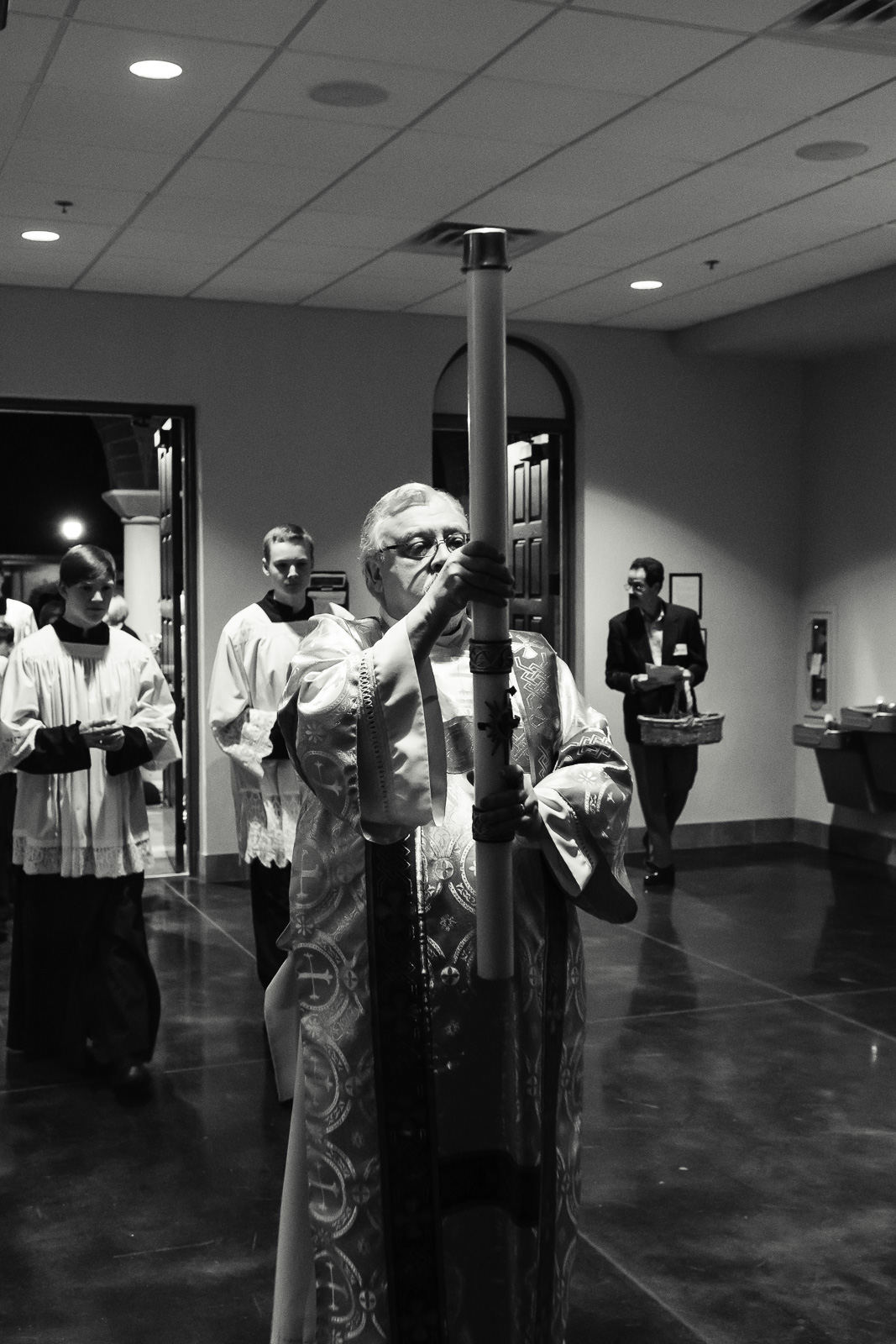
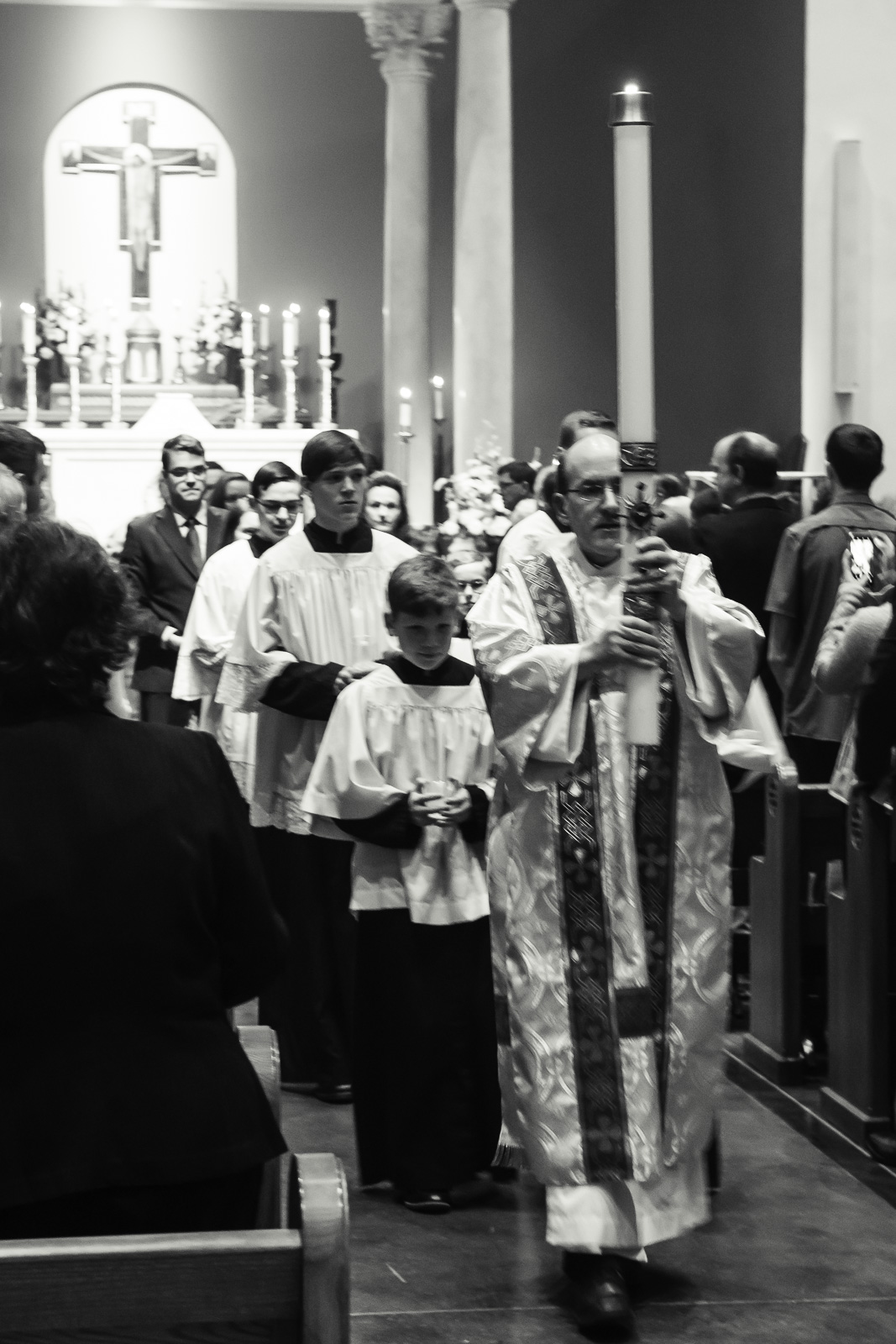
Easter Vigil 2018

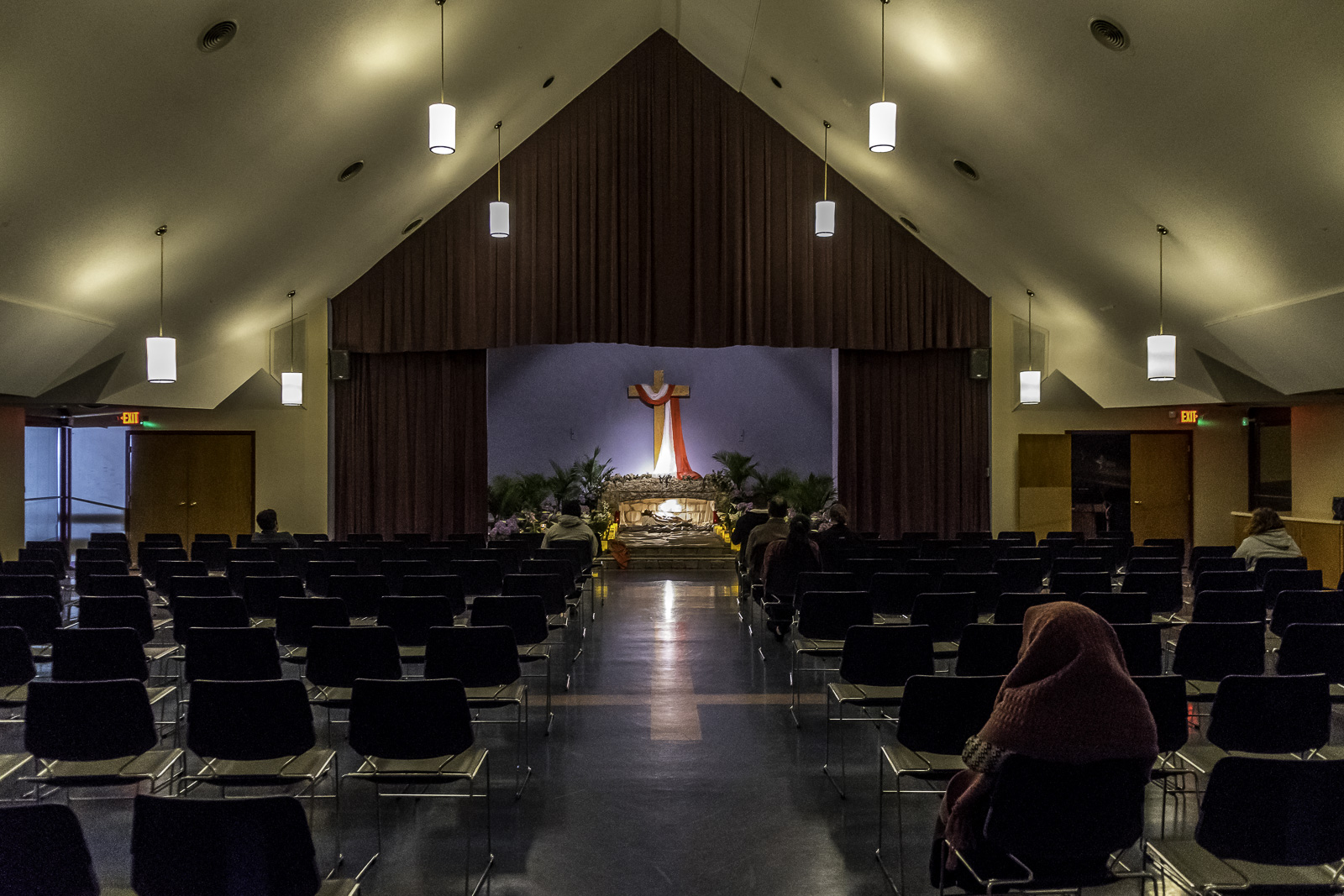
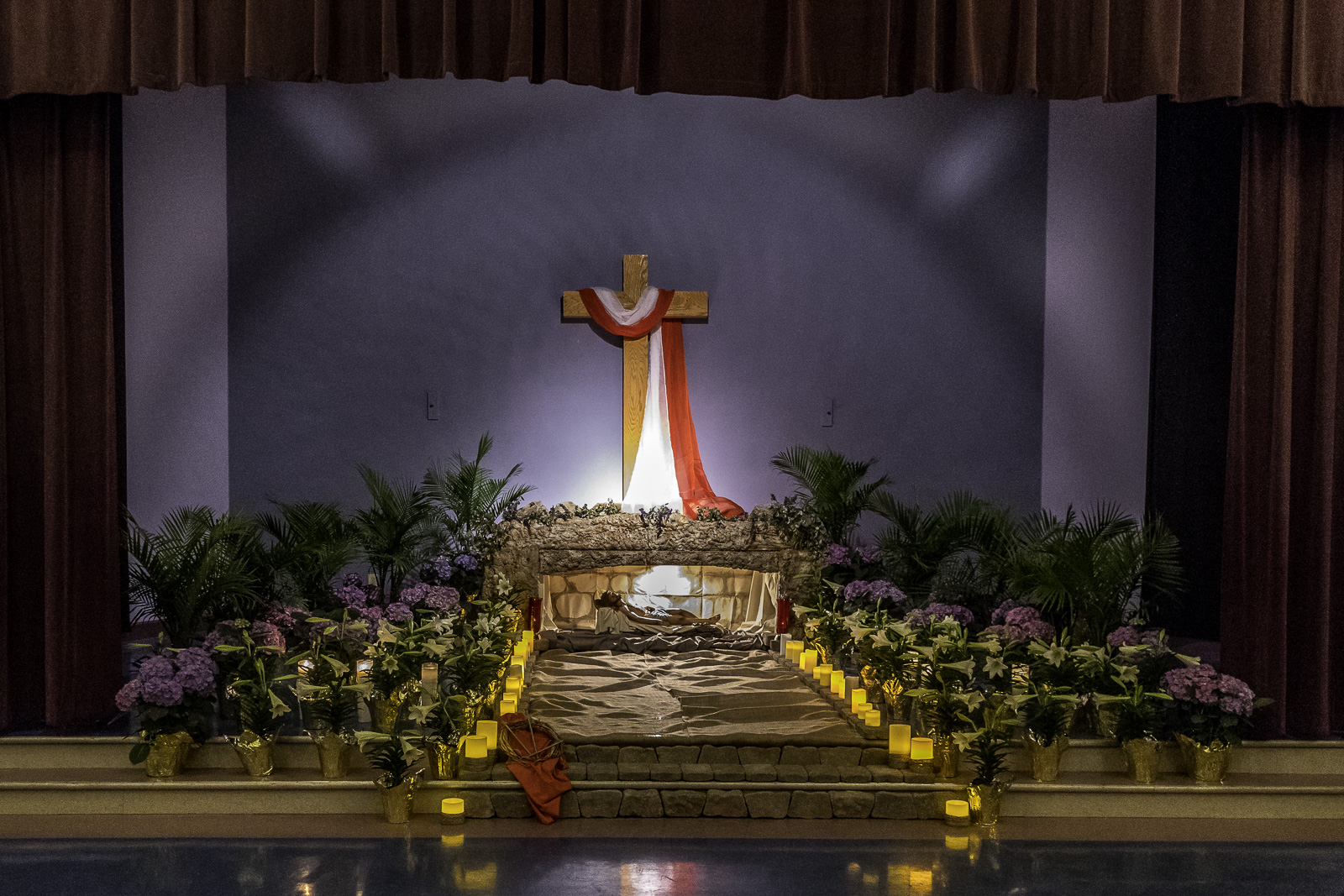
Good Friday 2018

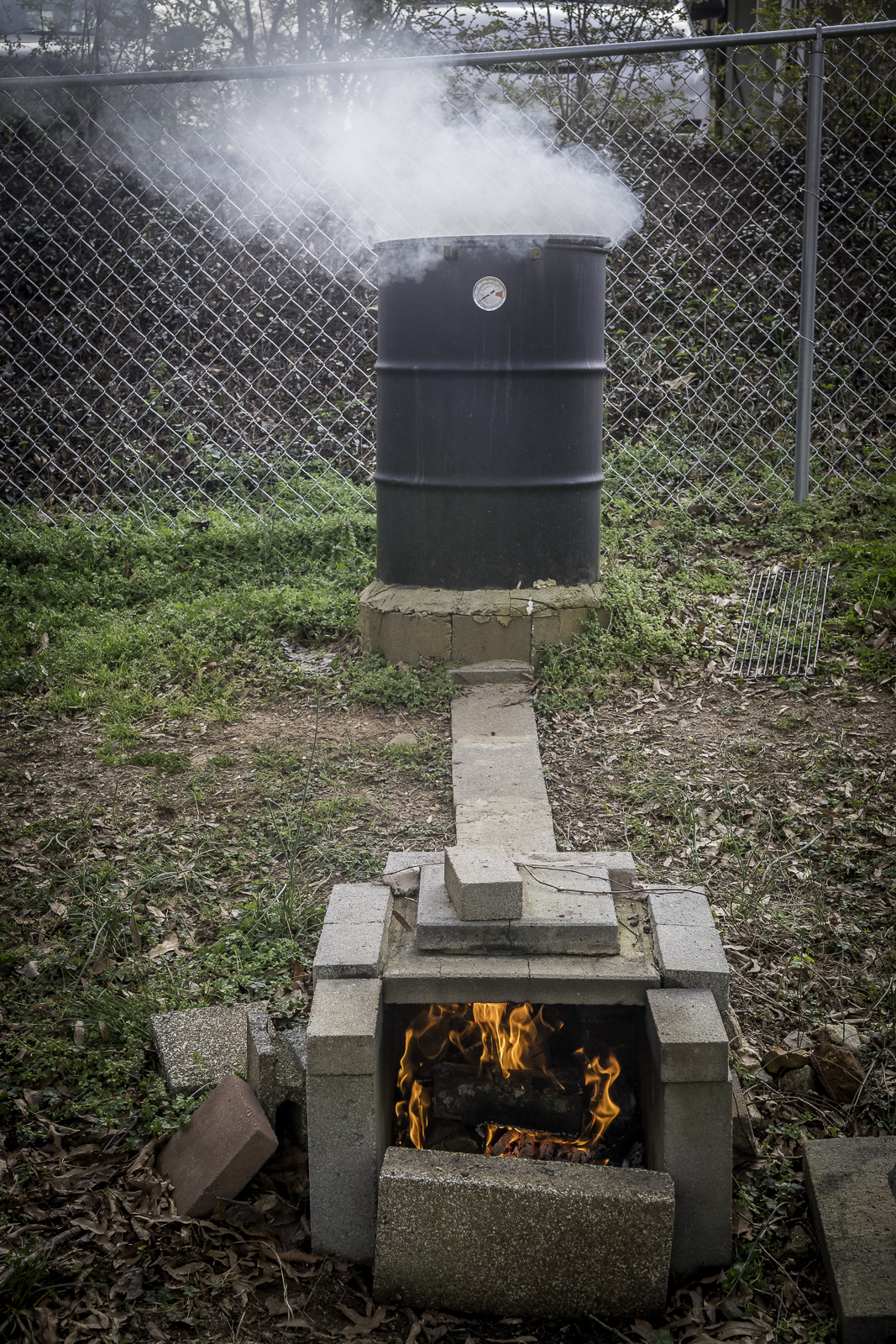
Smoking ribs for Easter żurek and a visit to the tomb the Polish community made.
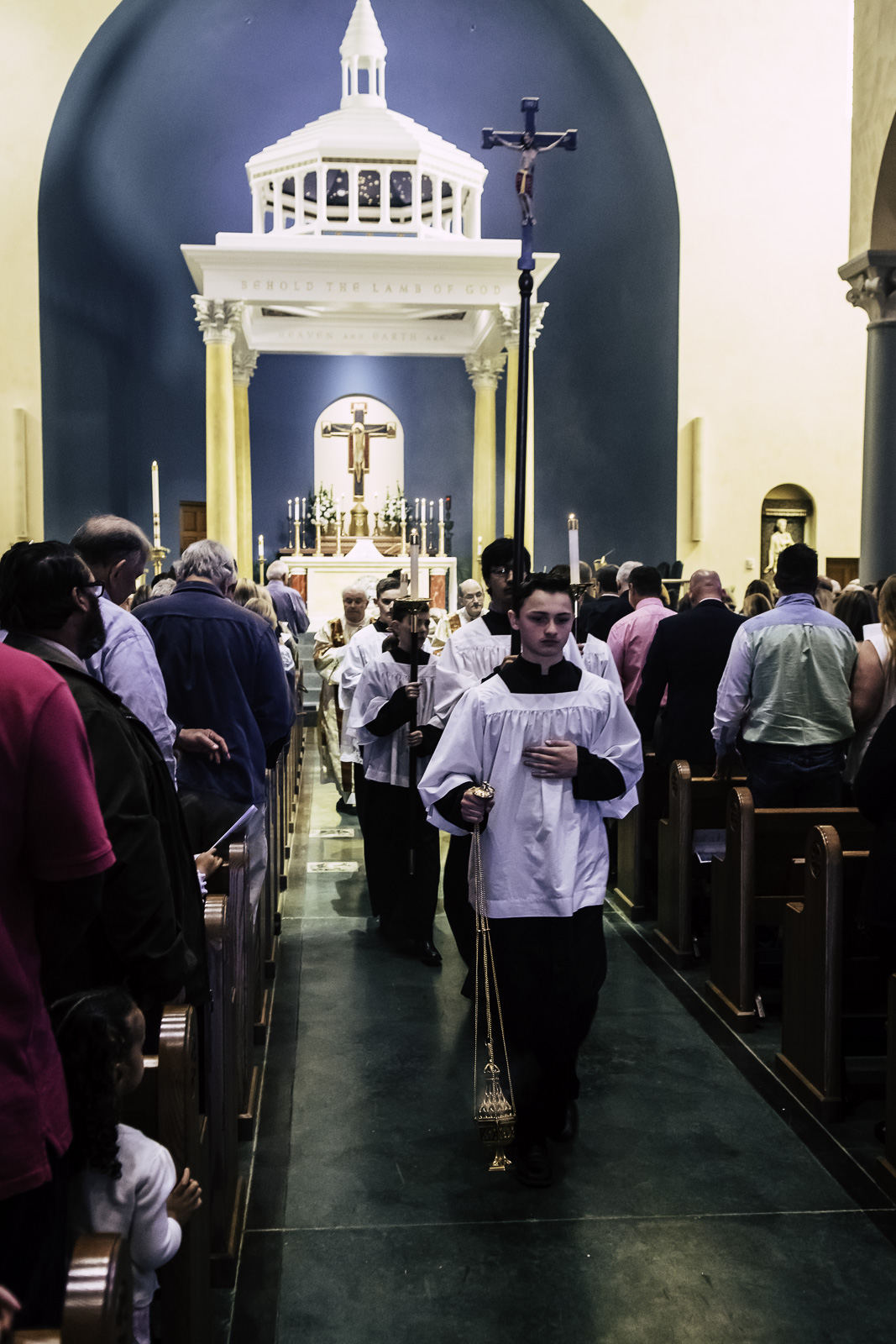
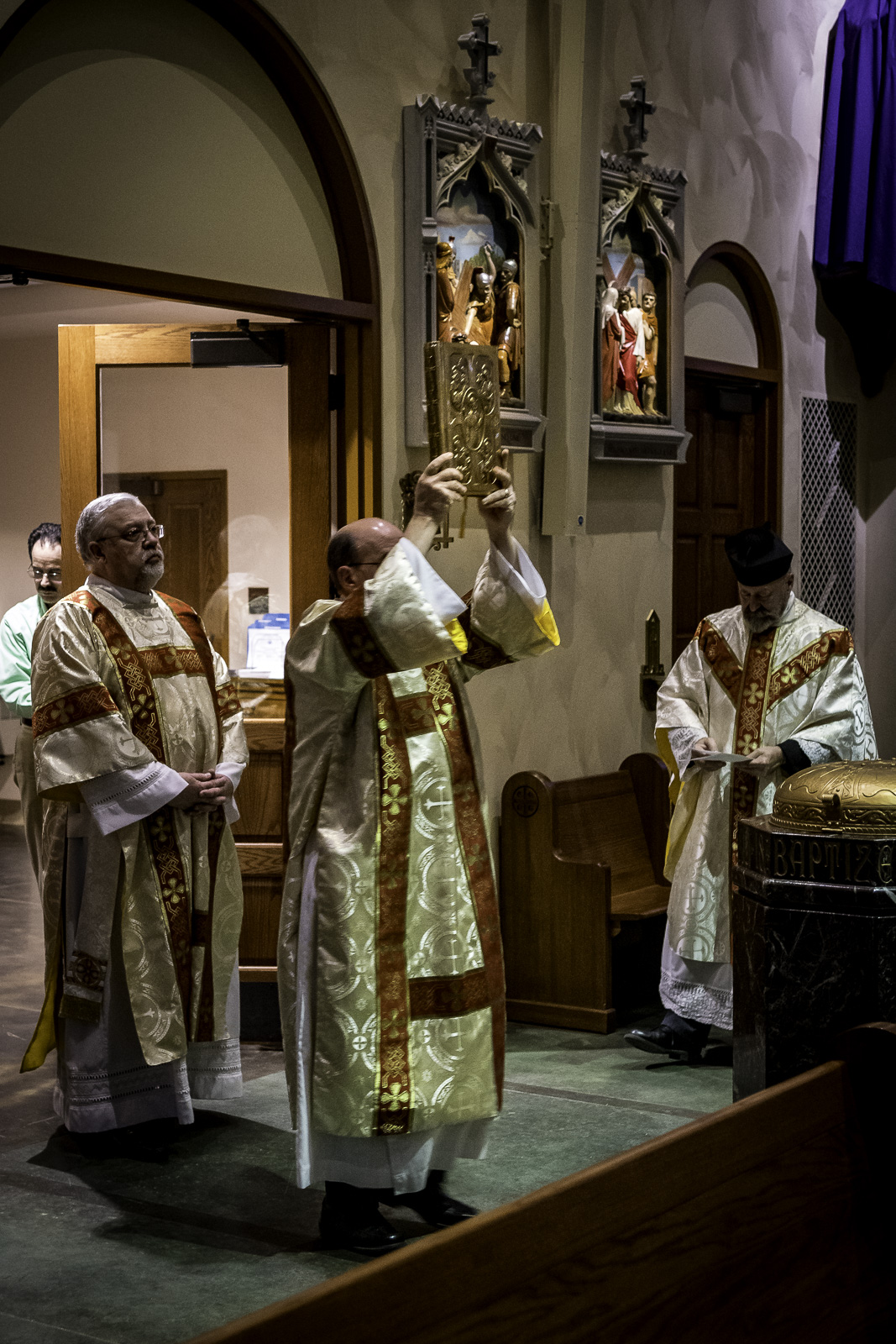
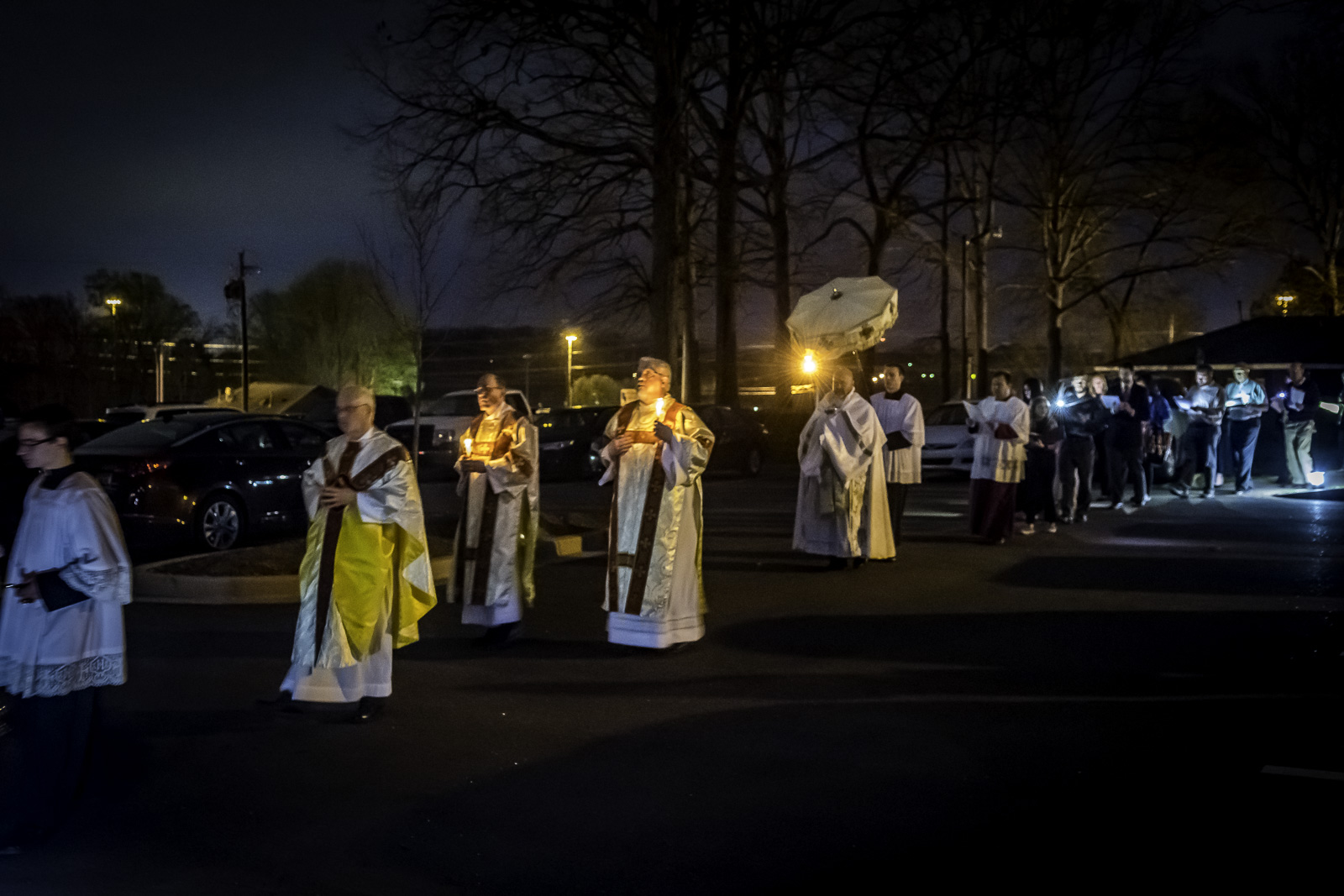
Holy Thursday 2018

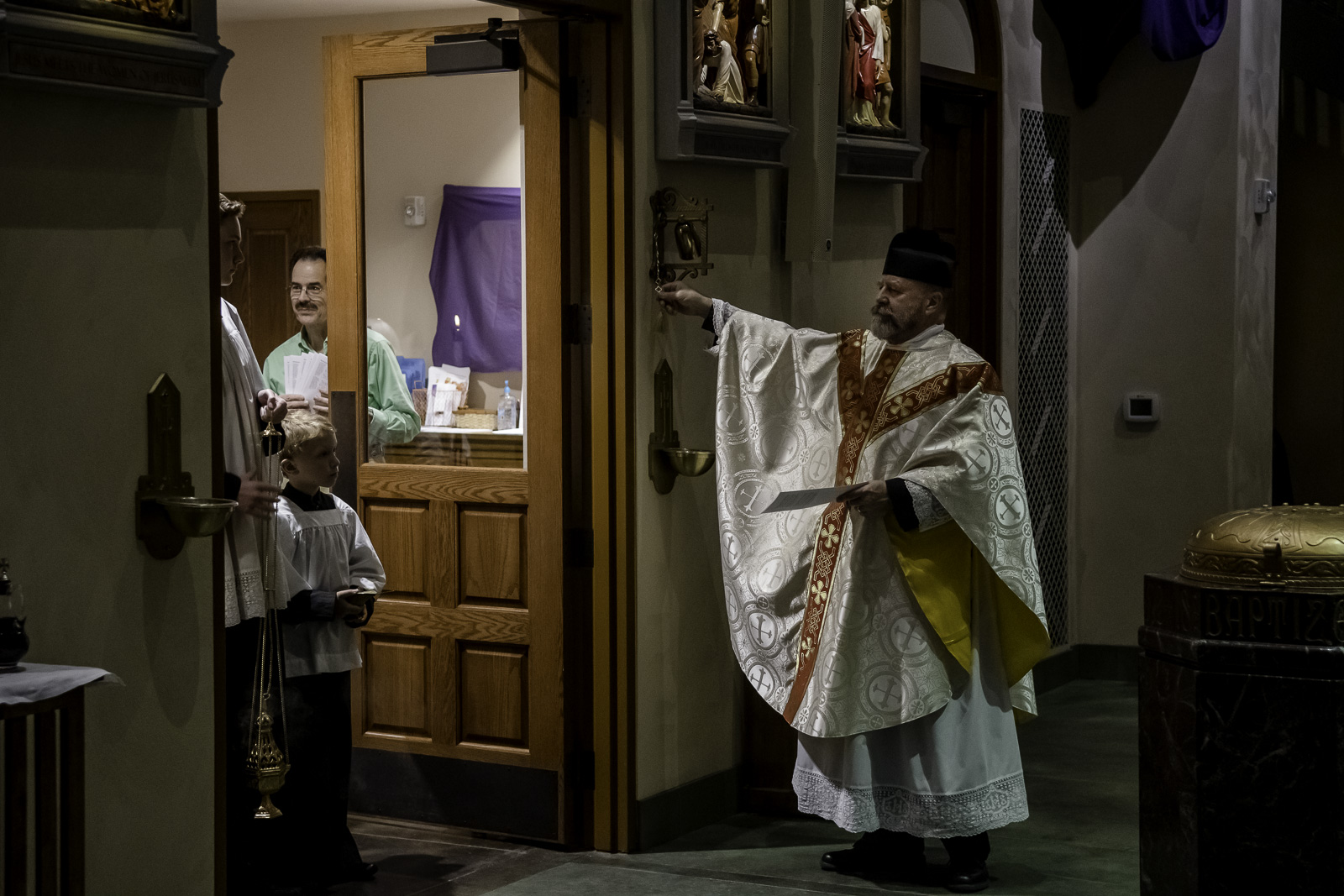
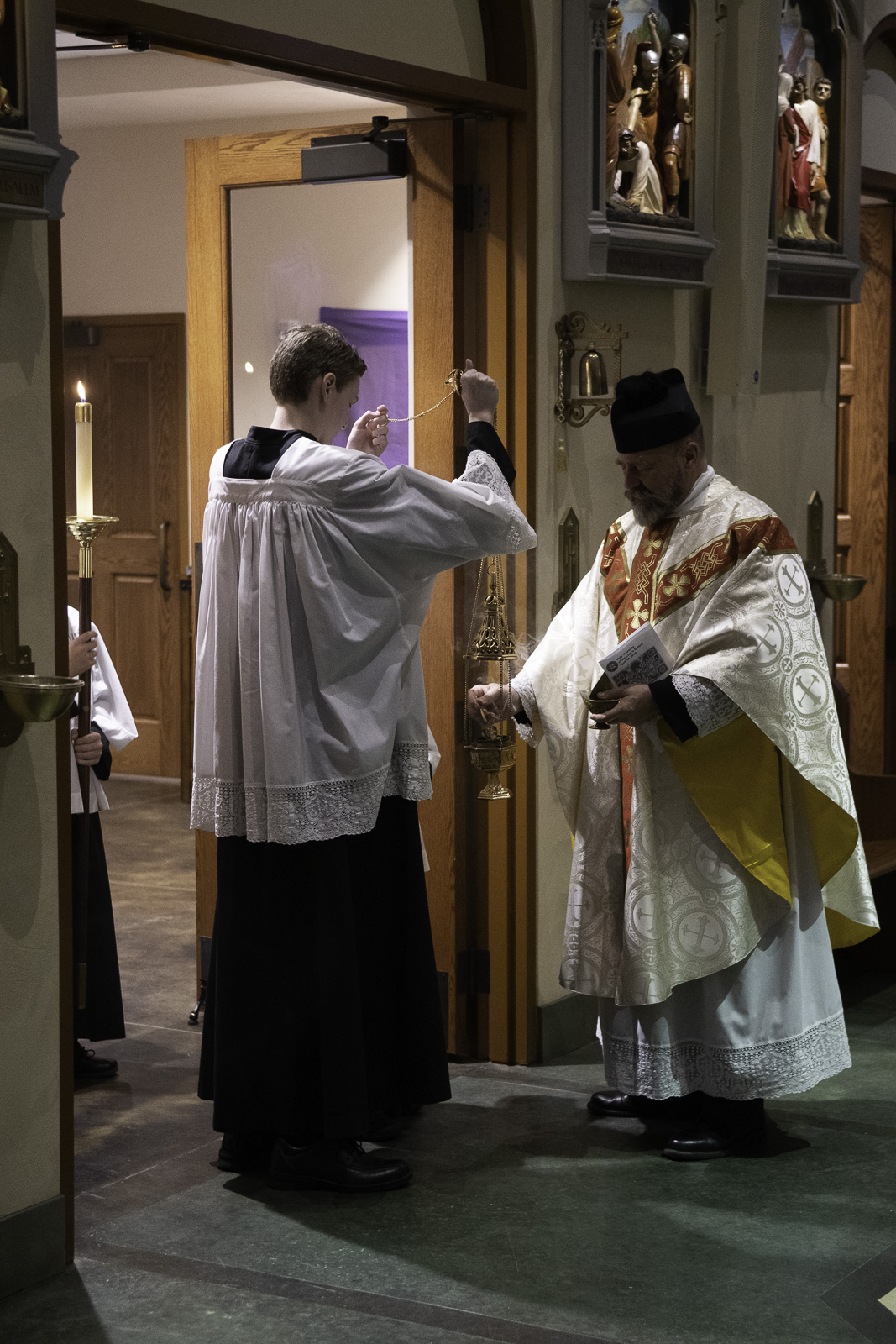
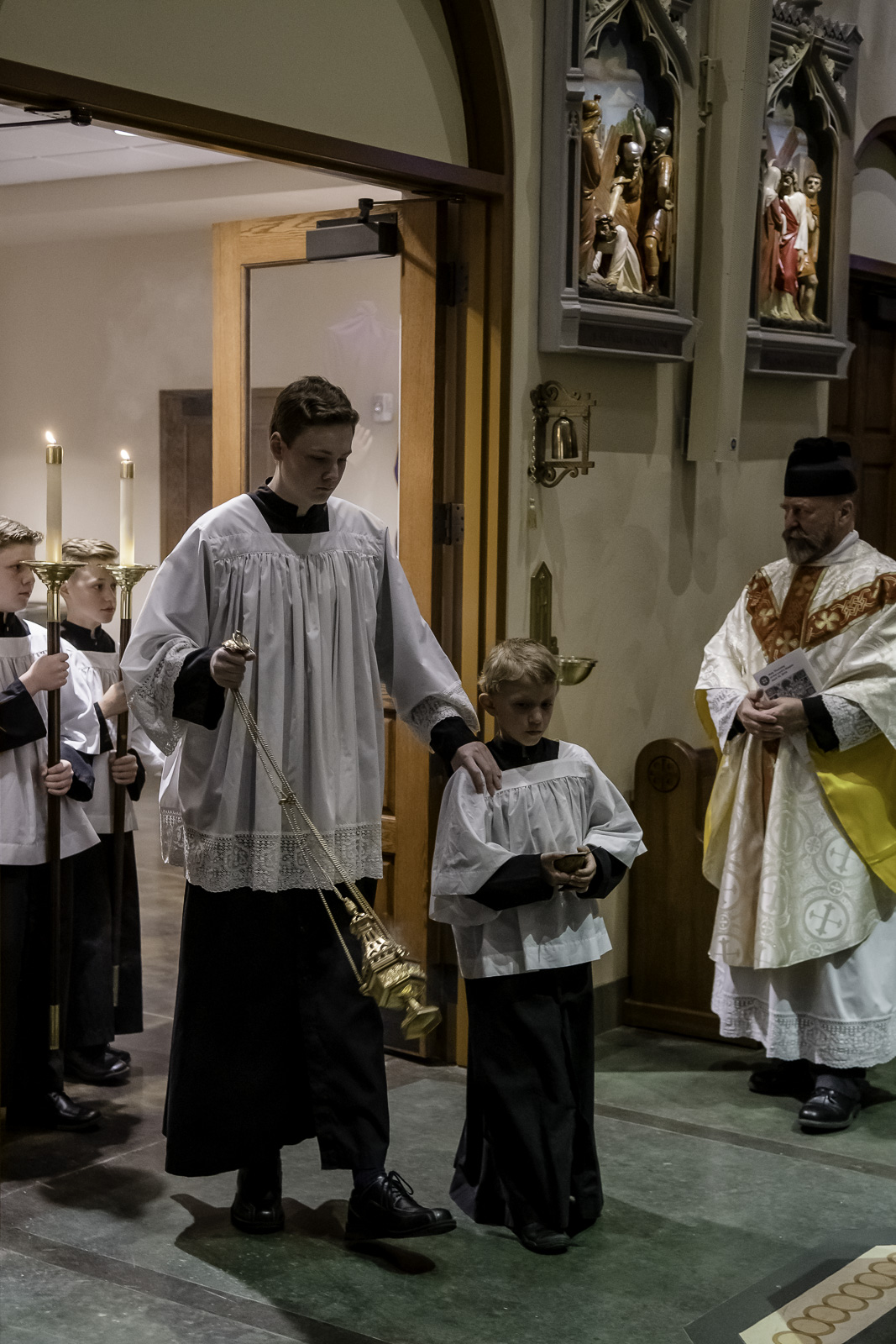
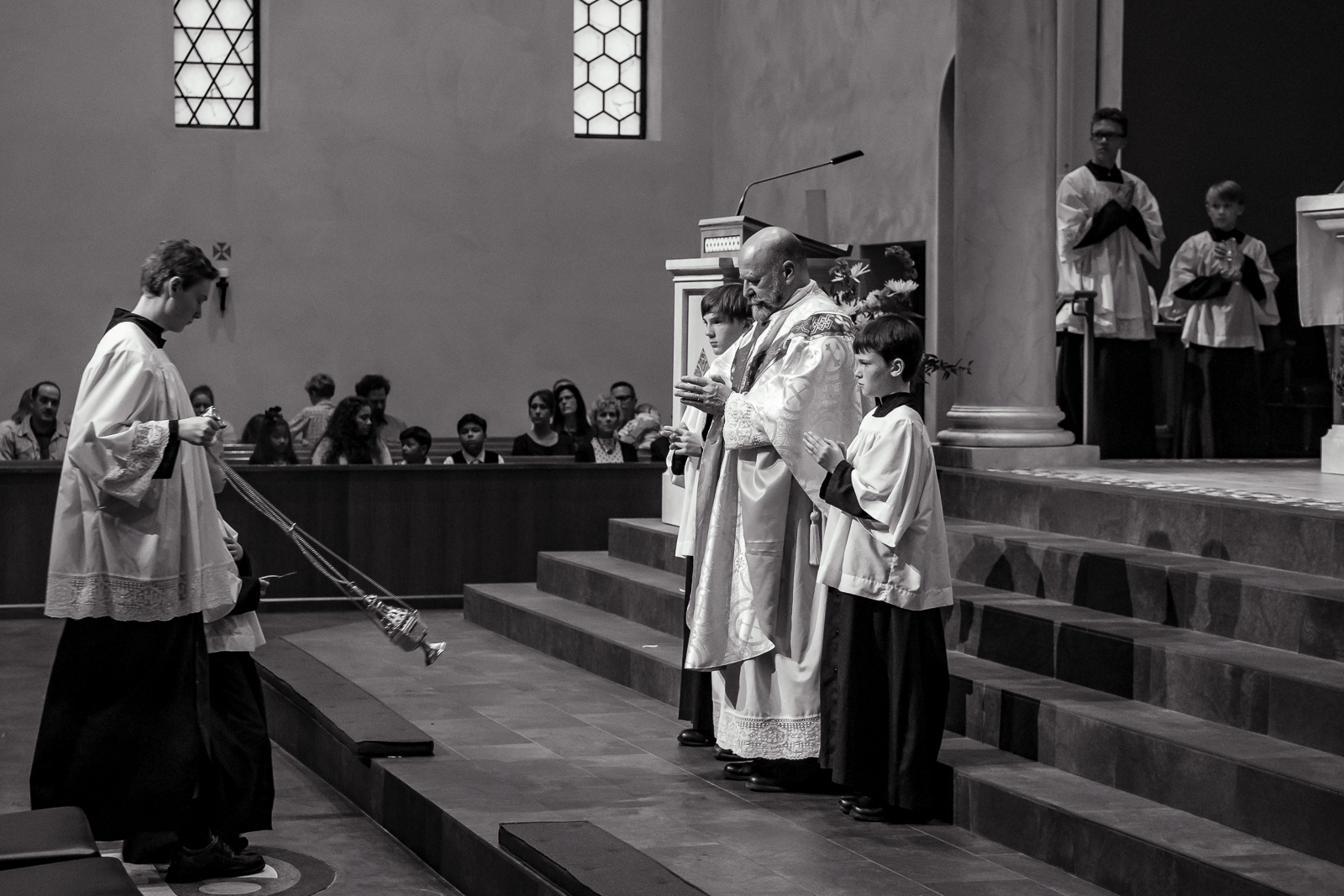
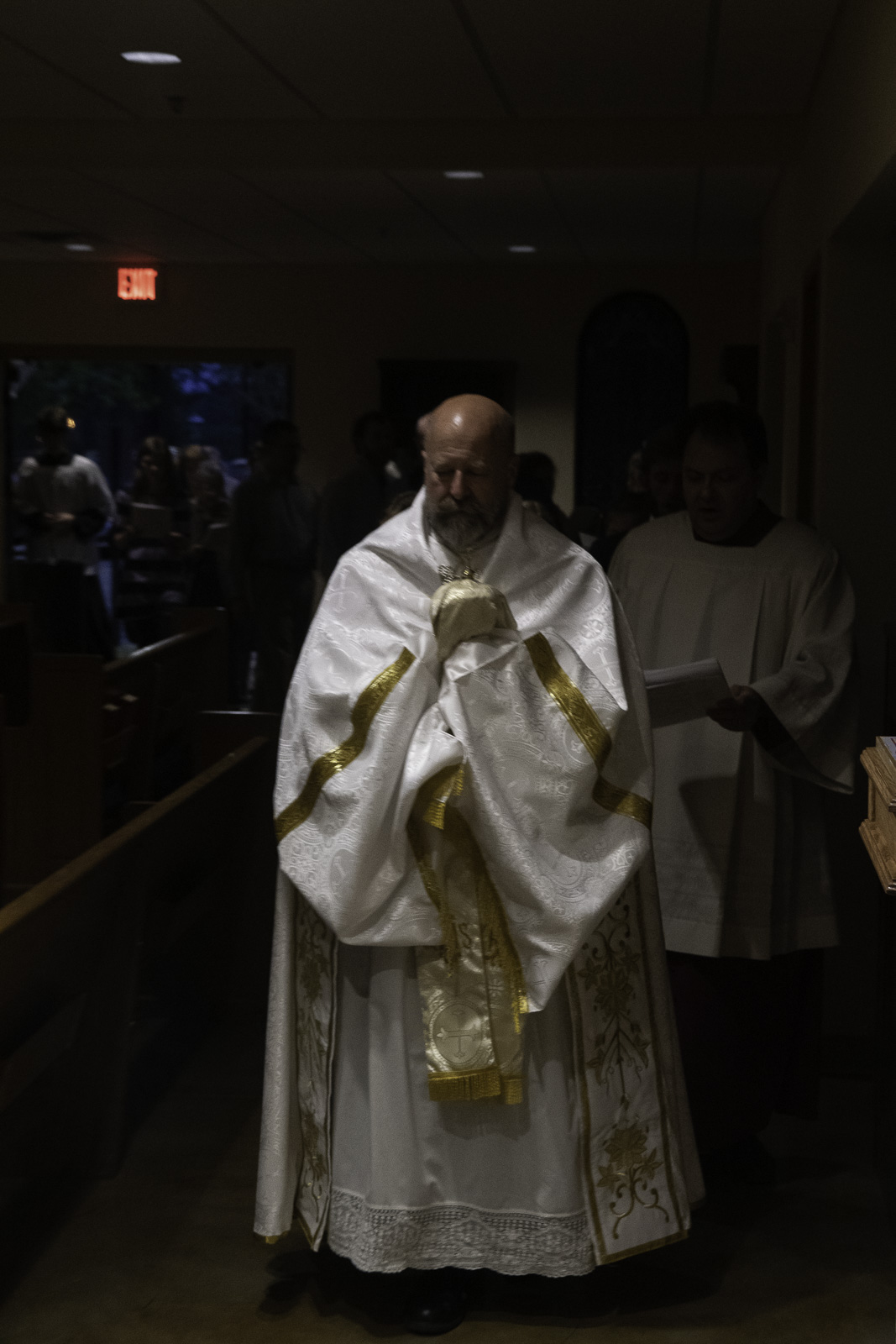
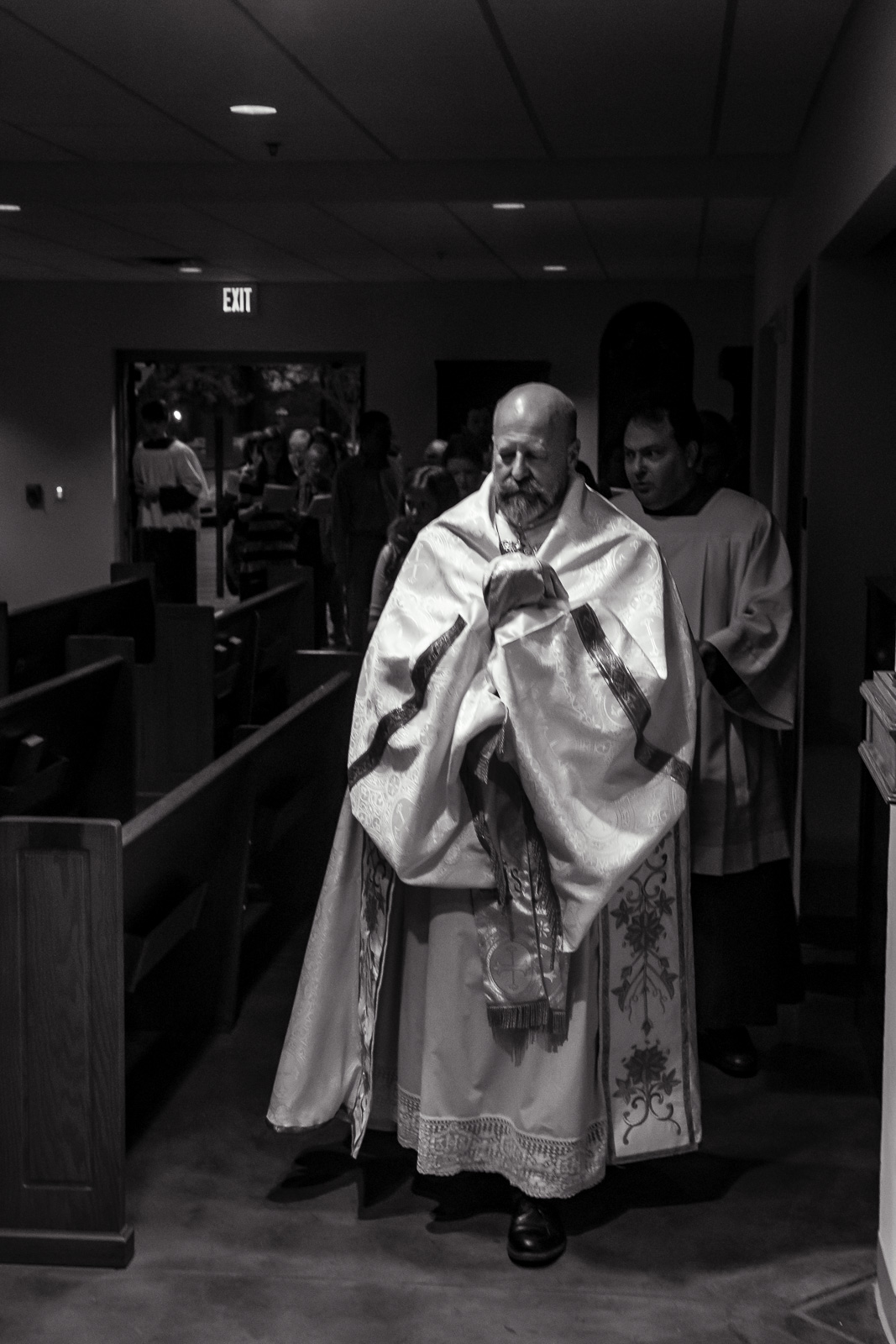
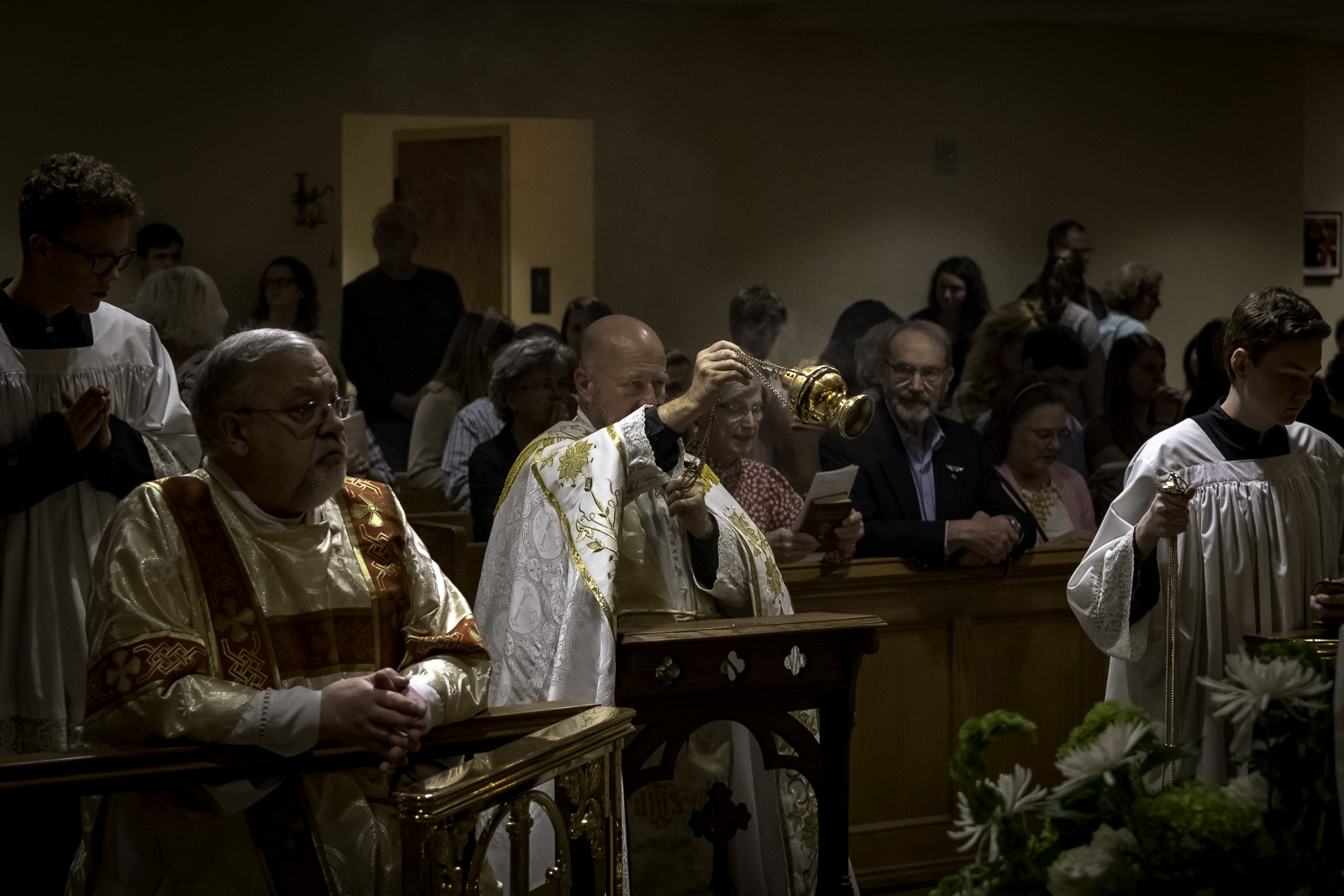
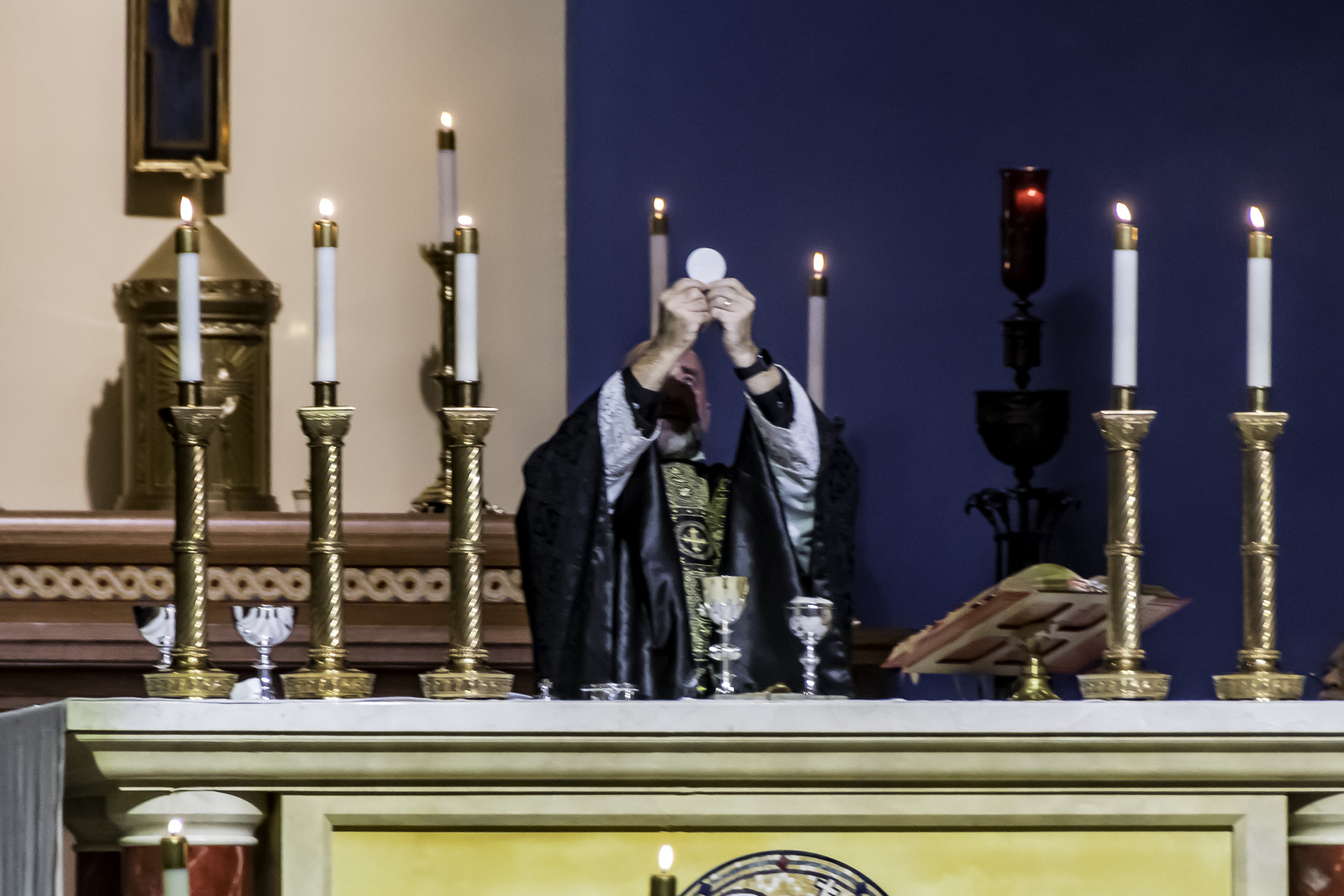
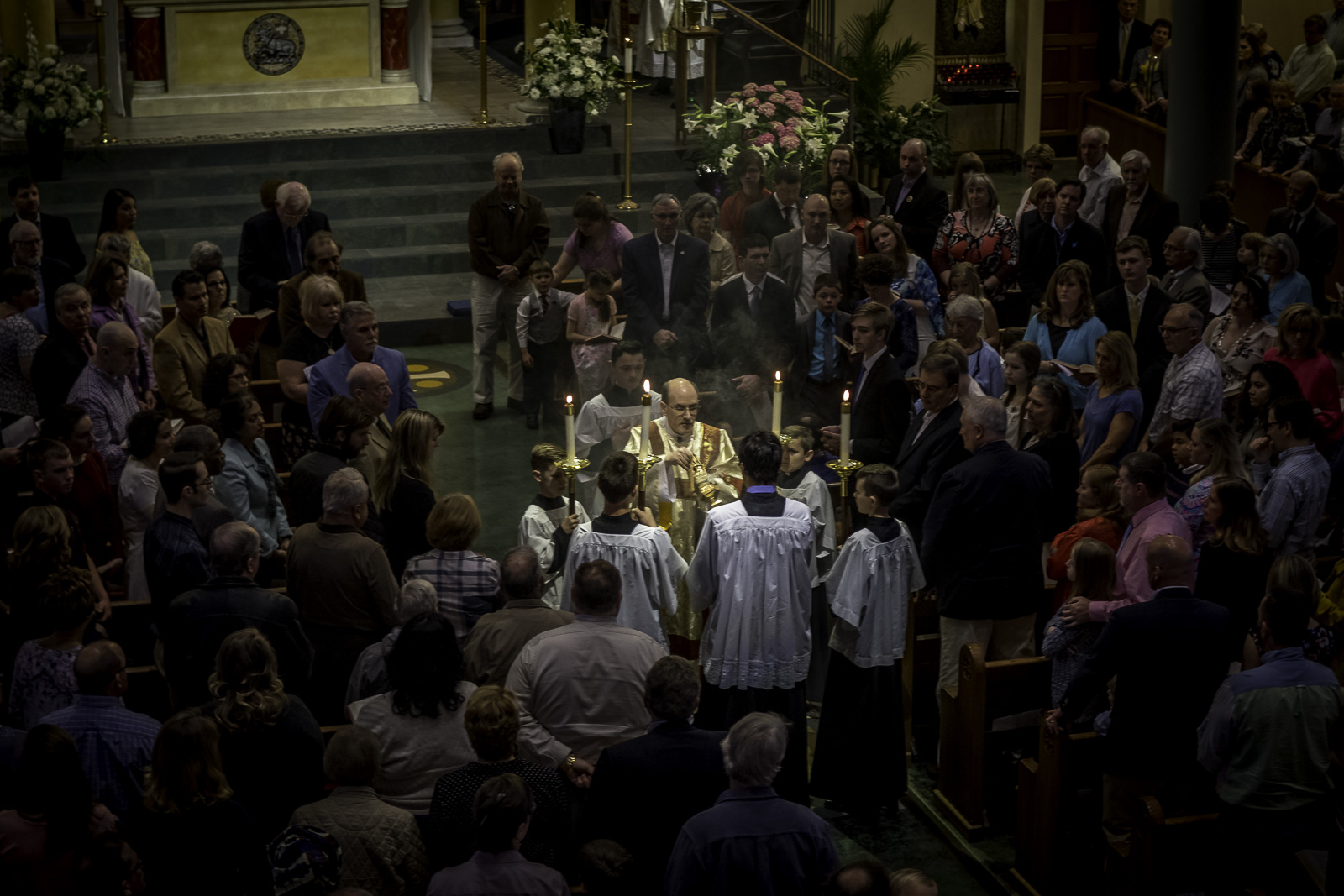
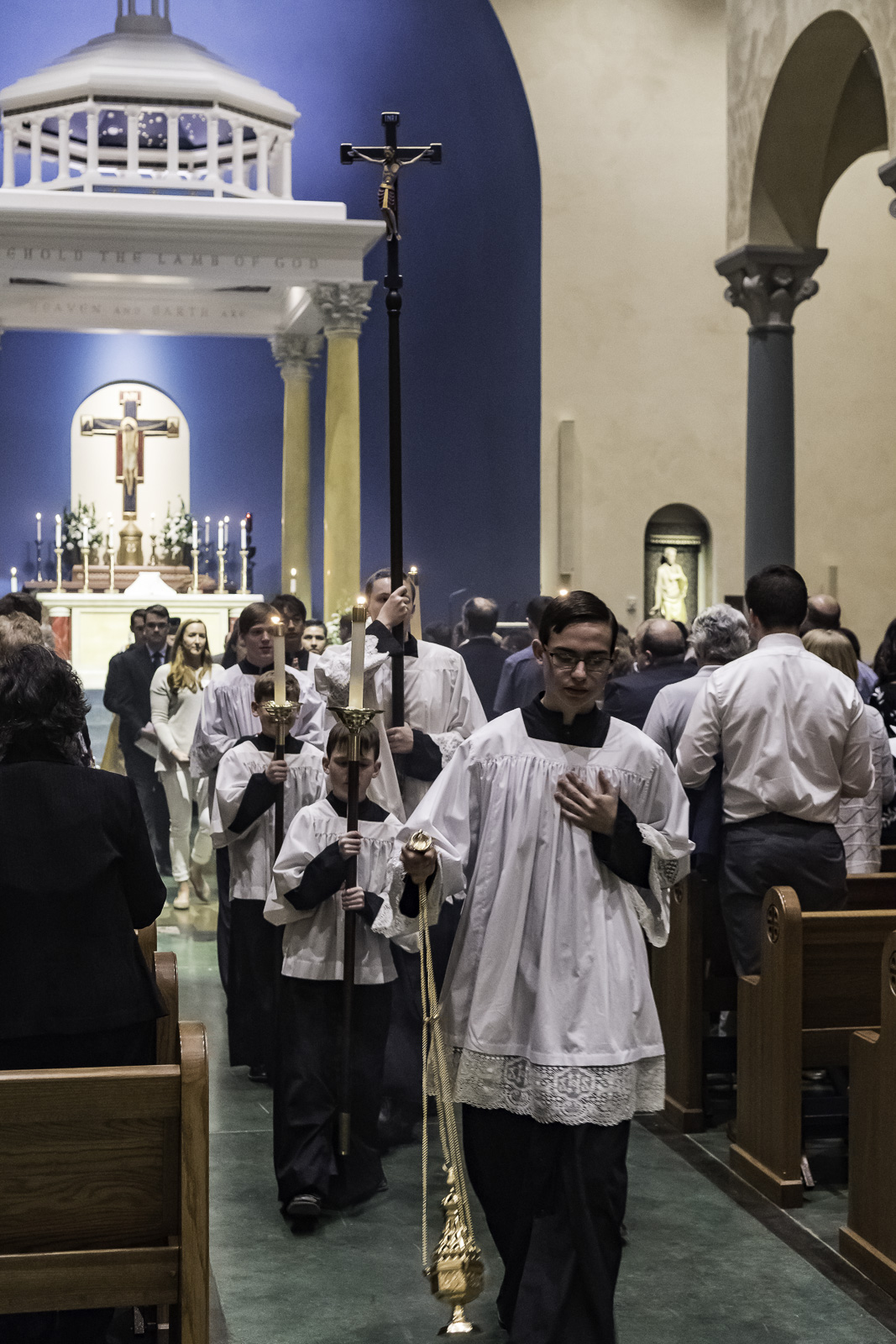
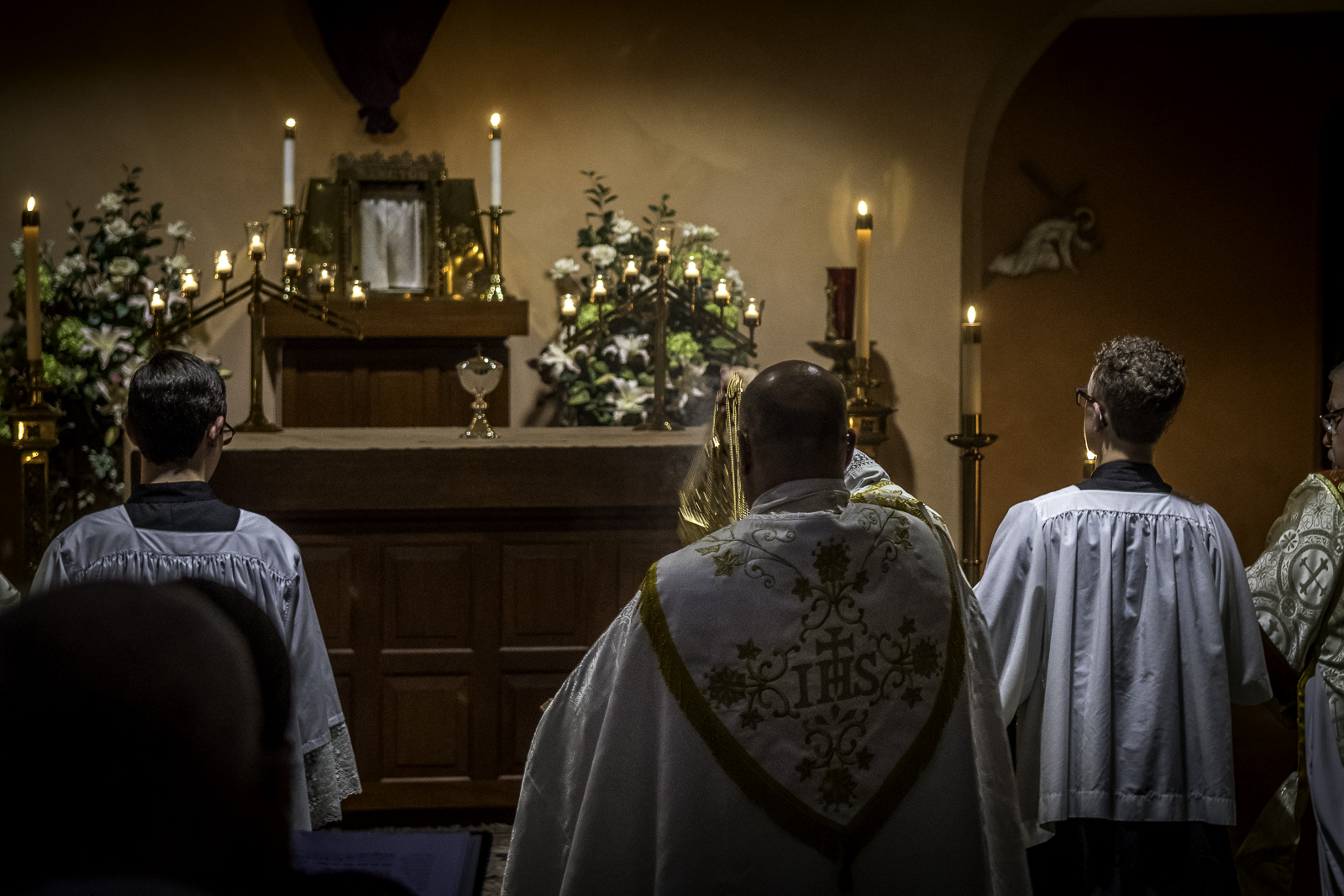
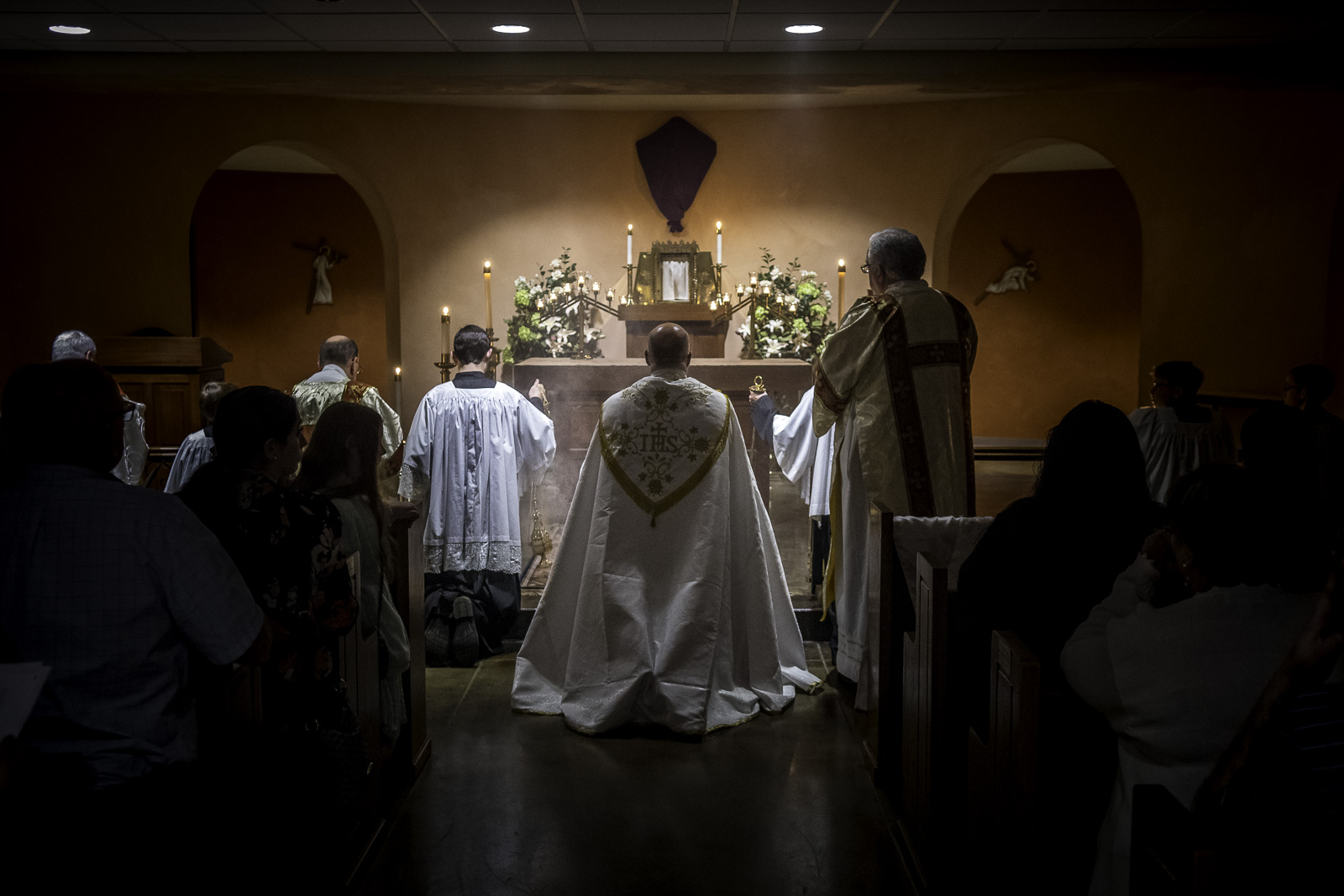
Incense: A New Metaphor

I’ve always heard of incense being symbolic of prayer, and most formulations follow something similar to what Doug Eaton writes at Christian Theology, where he gives four ways incense is like prayer:

  1. Incense was beaten and pounded before it was used. Likewise acceptable prayer proceeds from a broken and contrite heart.
  2. Incense rises toward heaven, and the point of prayer is that it ascends to the throne of God.
  3. Incense requires fire for it to be useful, and prayer has no virtue unless is set on fire by the power of the Holy Spirit.
  4. Incense yields a sweet aroma, and our prayers are a sweet aroma to the Lord.

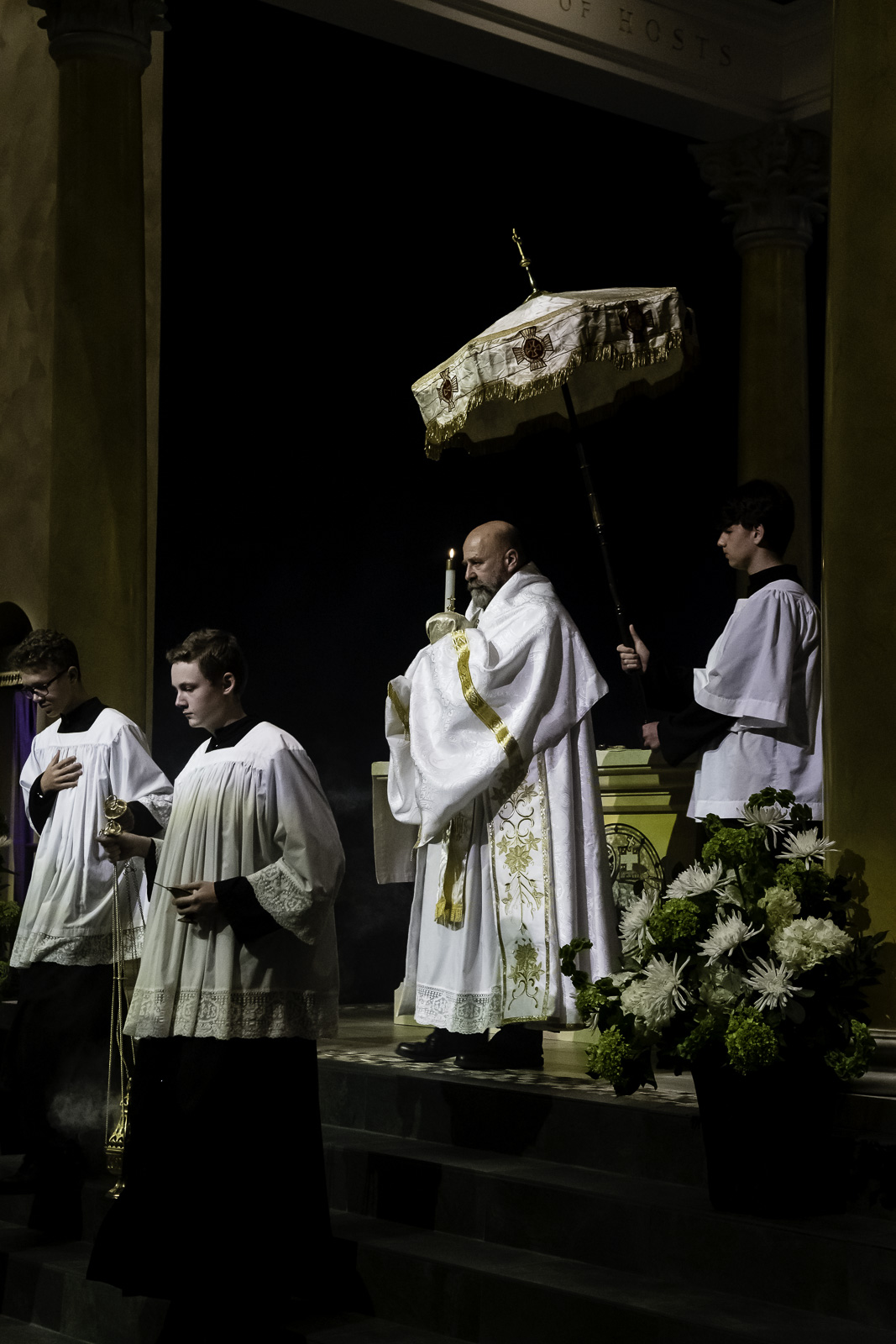
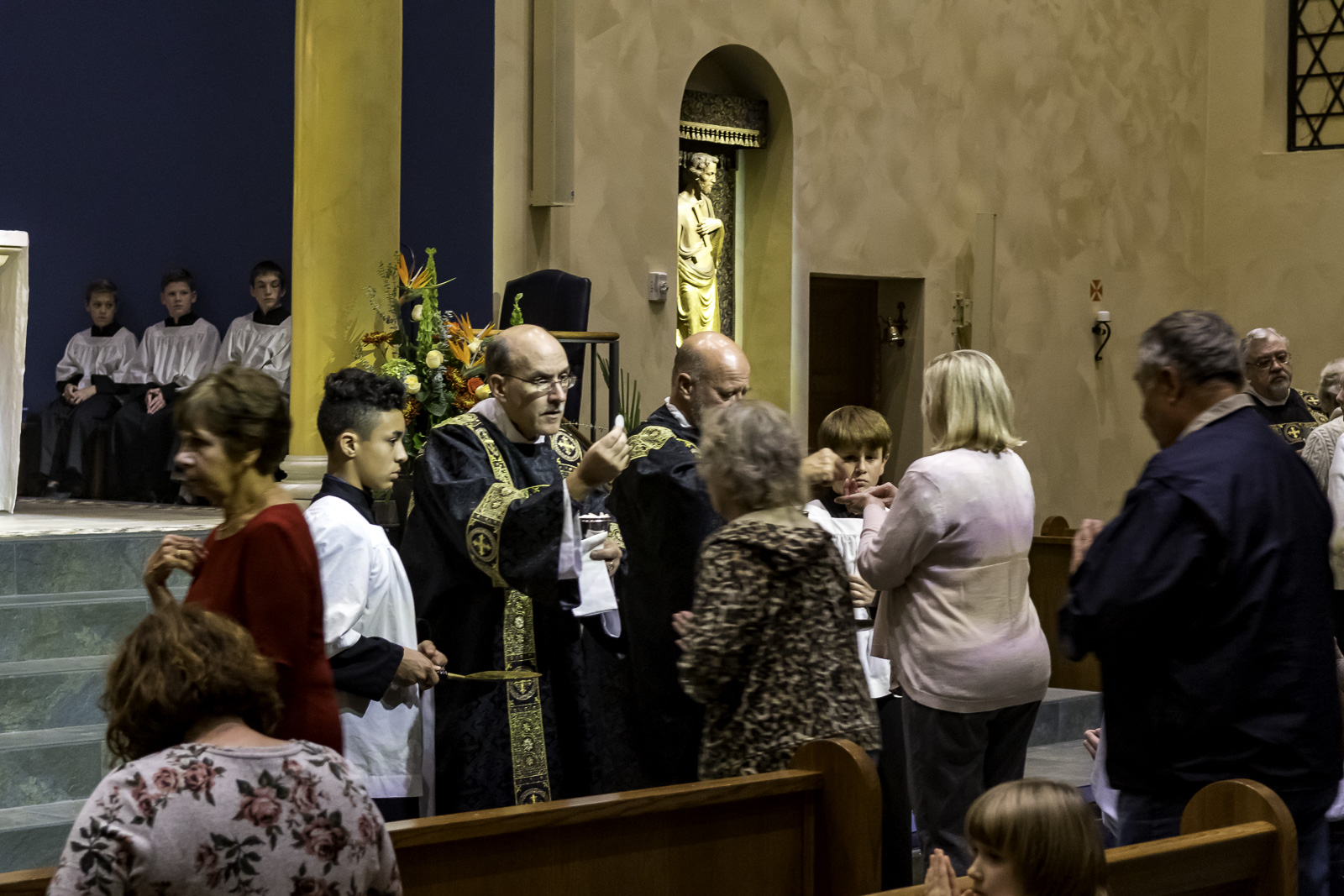
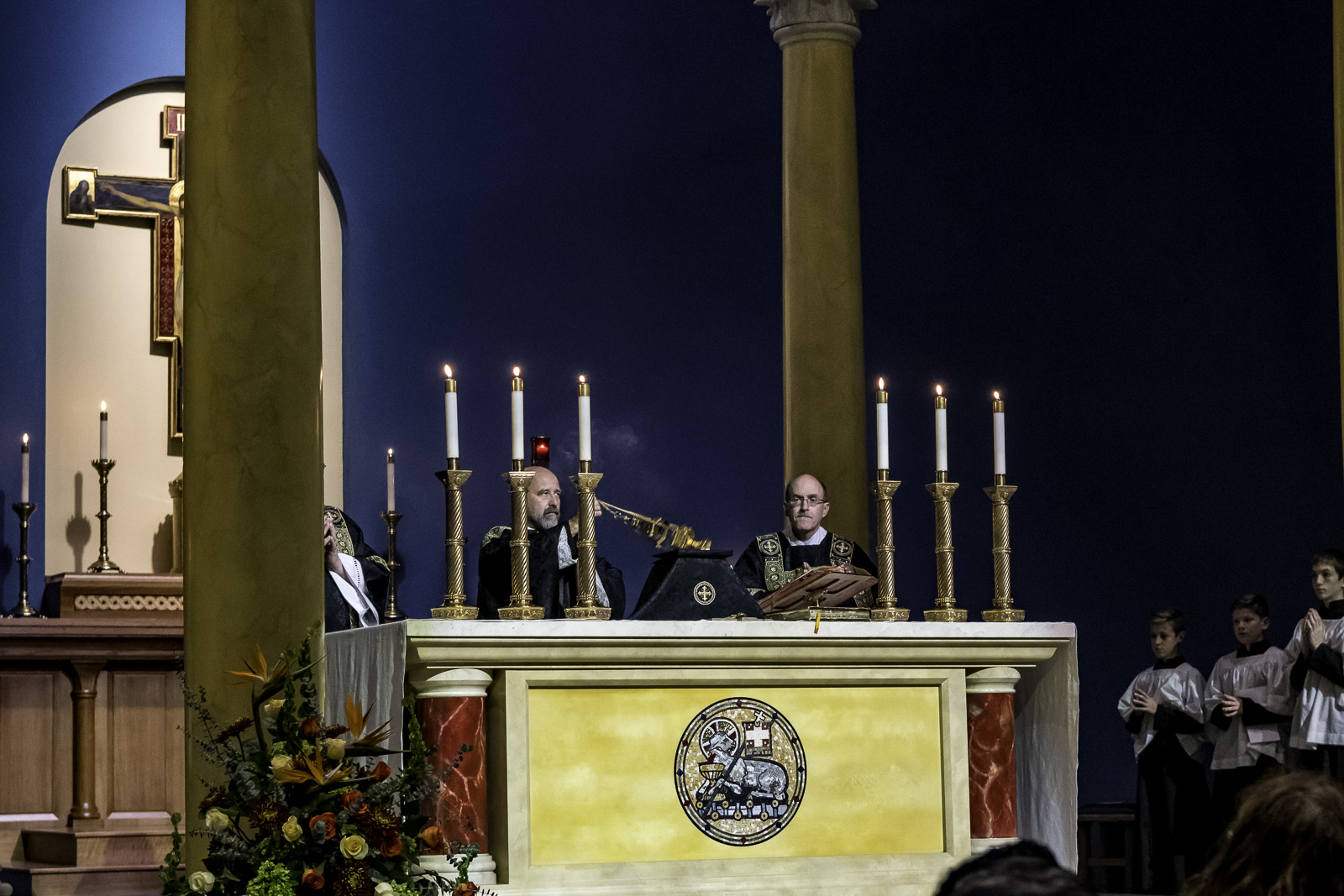
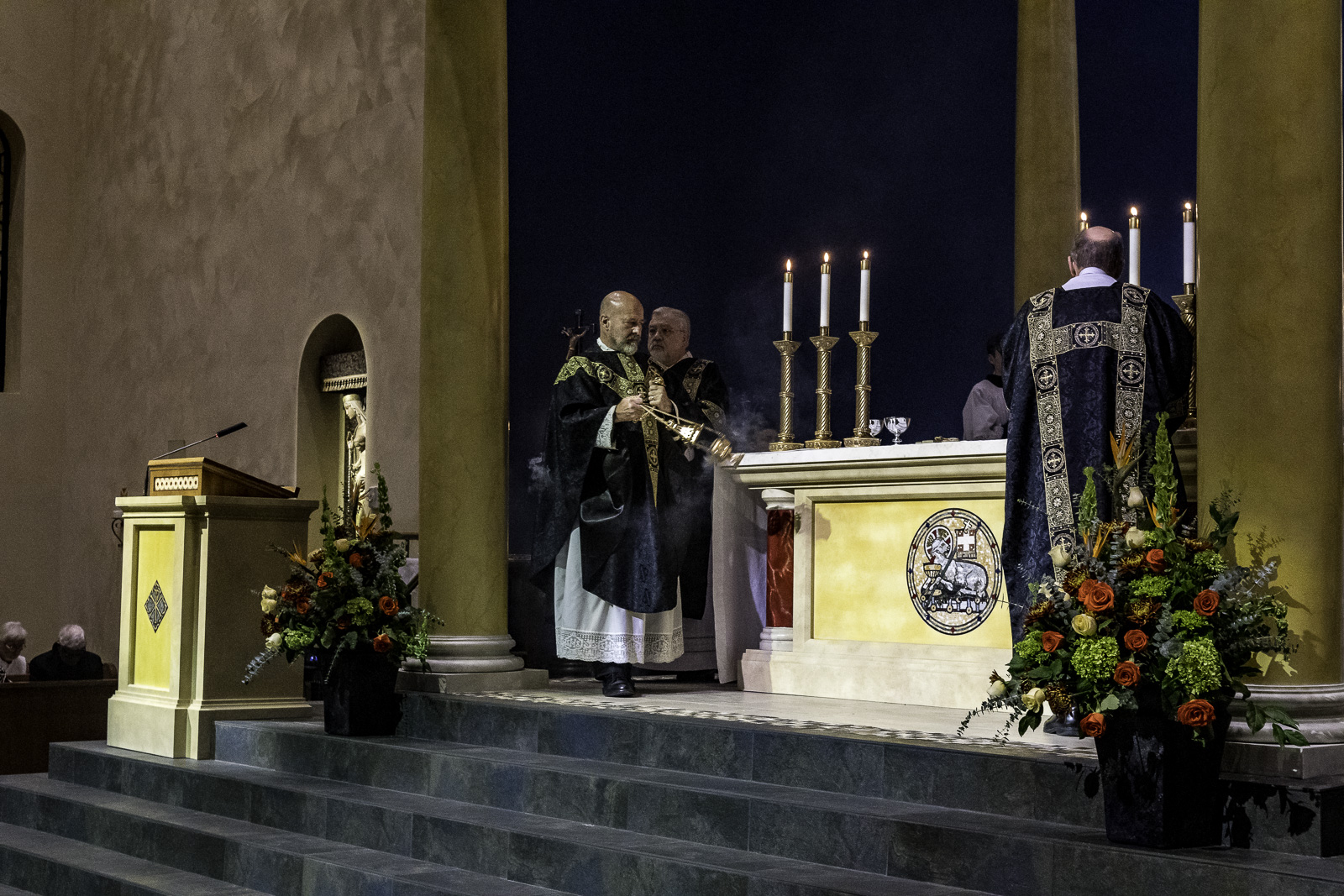
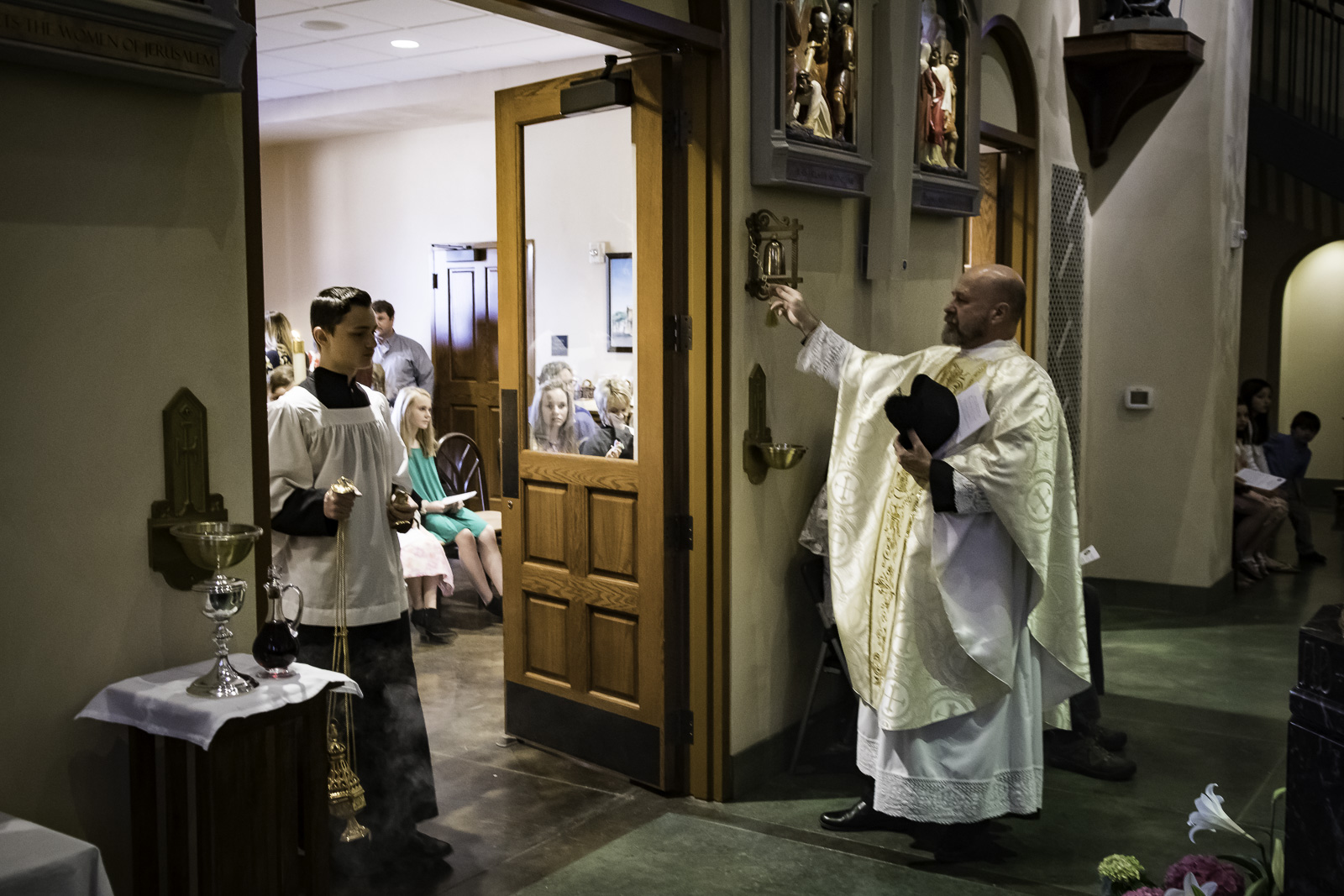
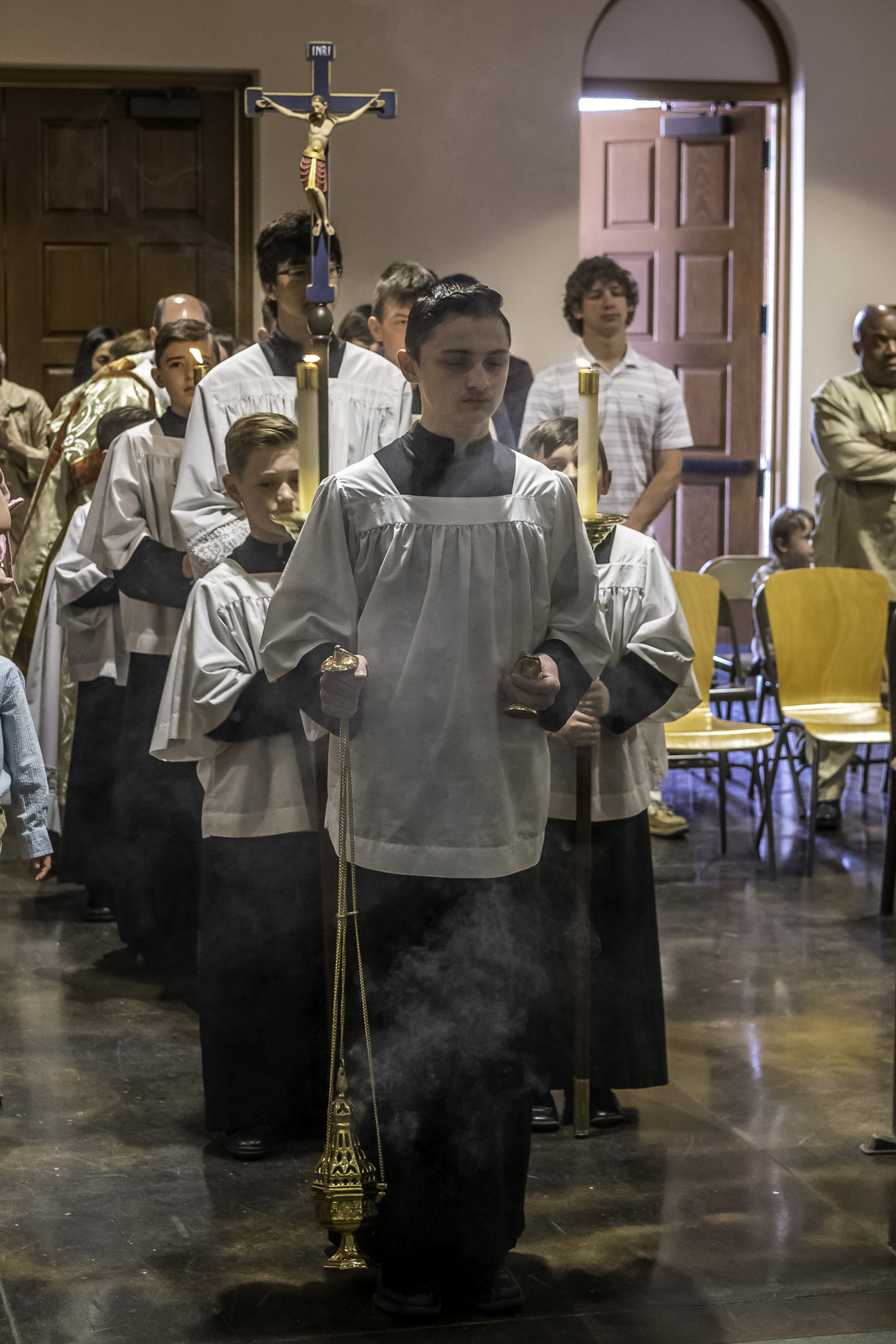
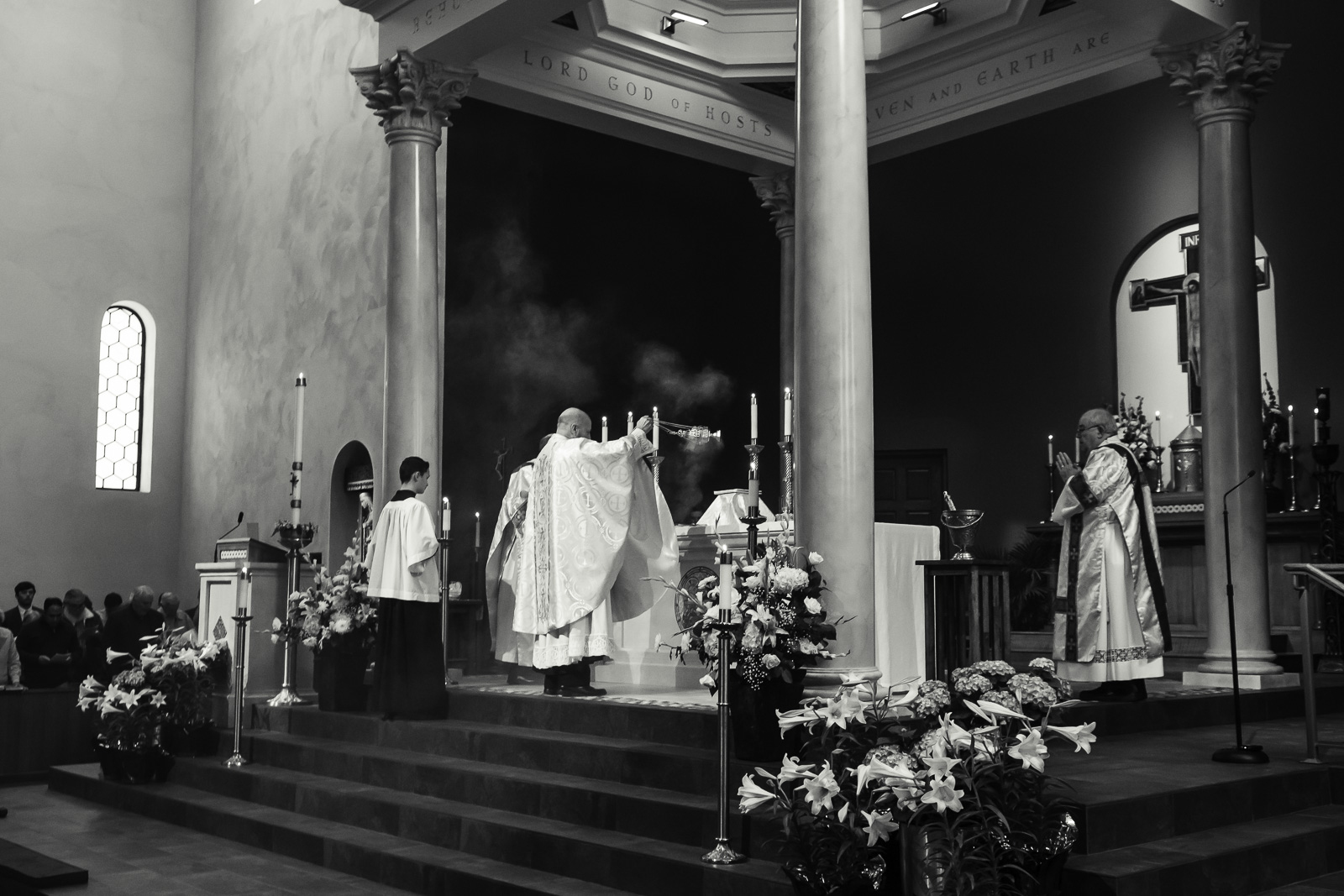
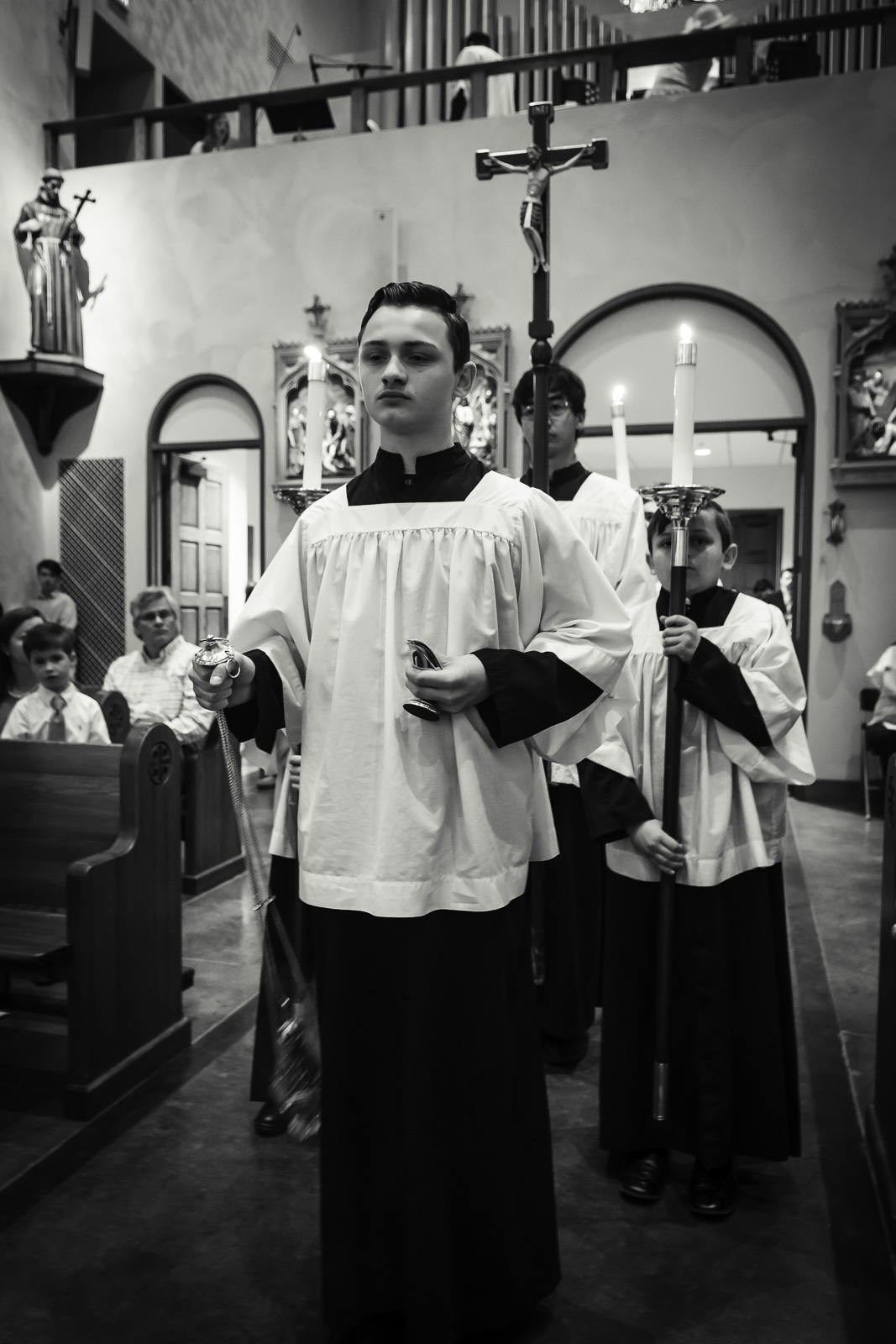
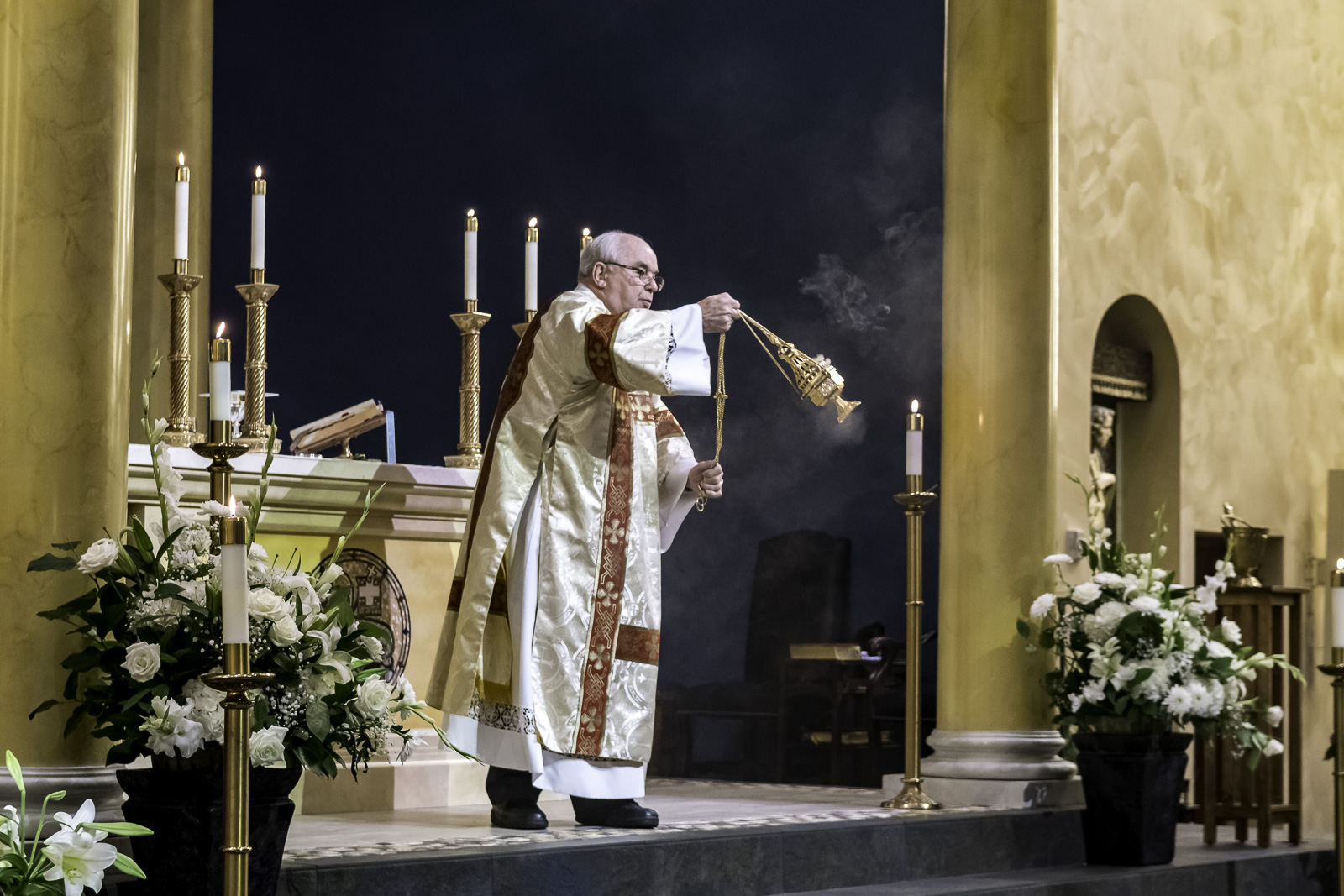
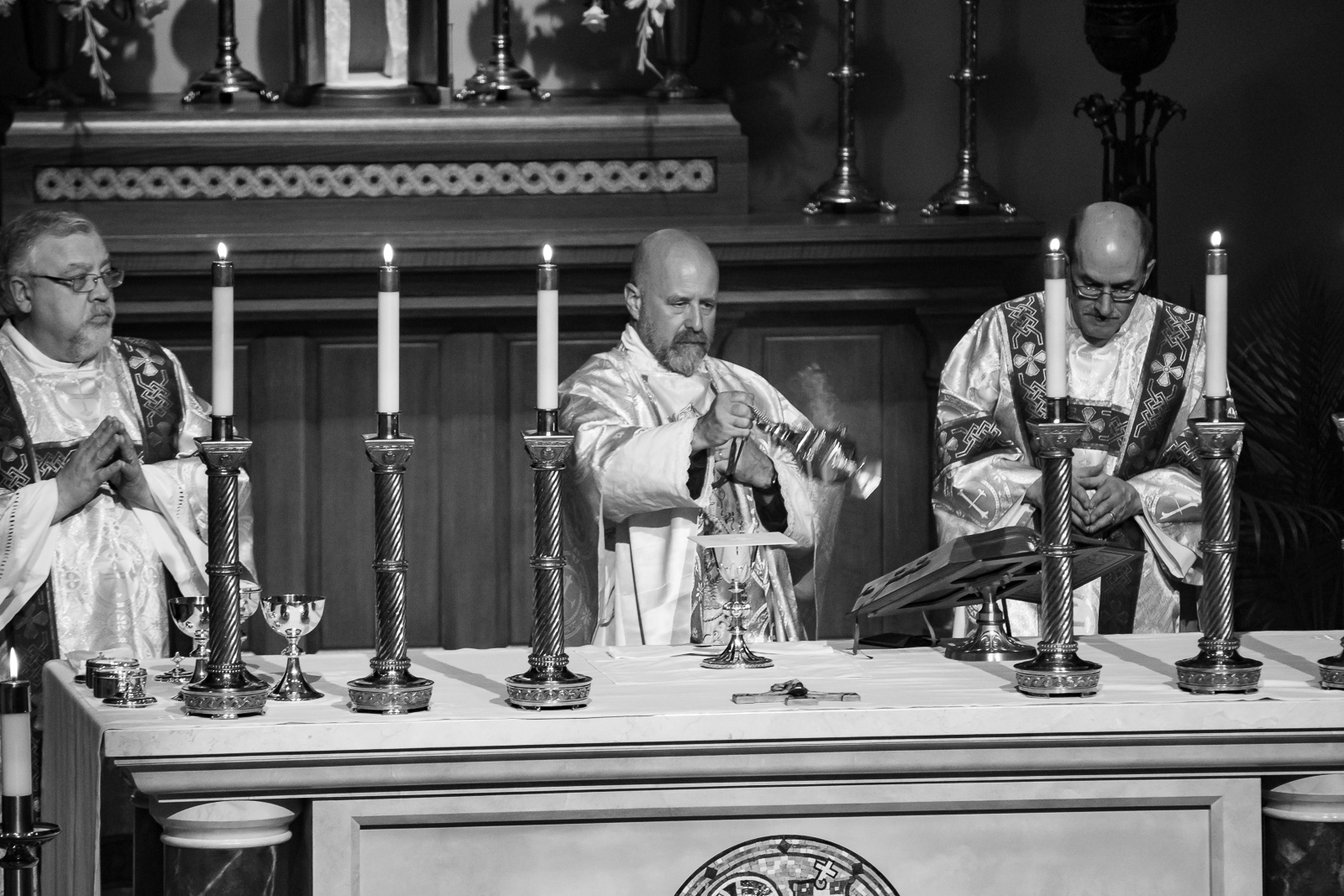
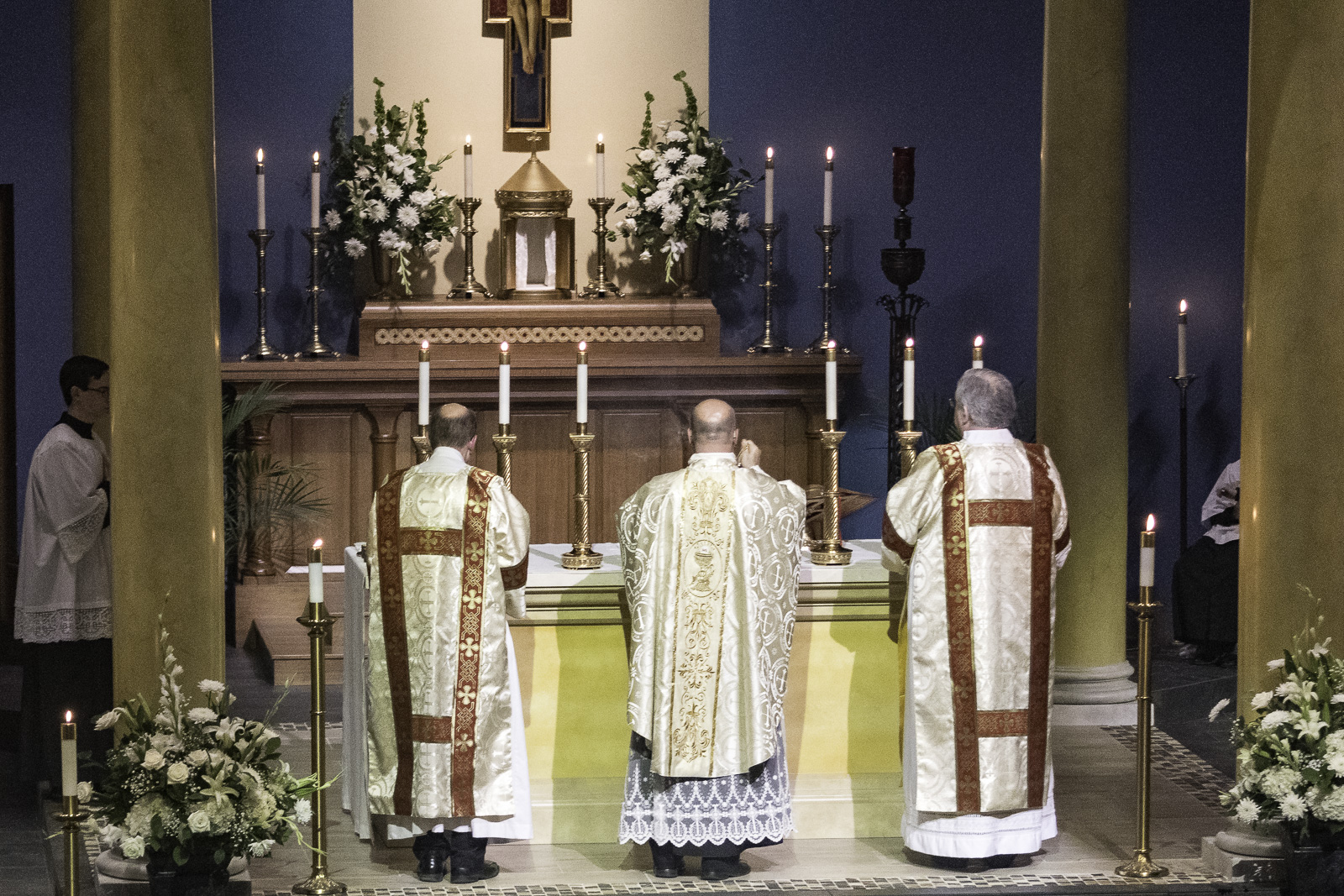
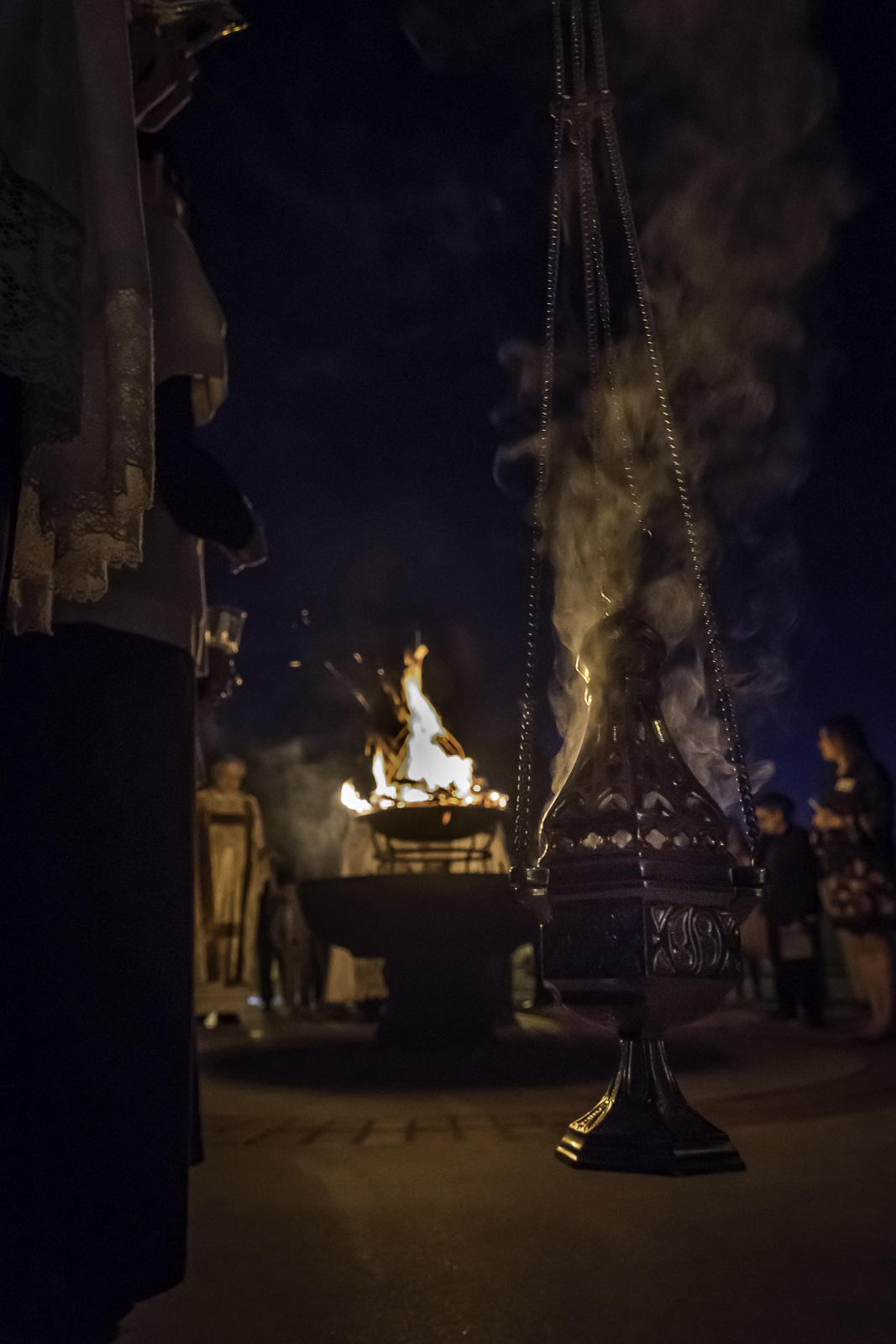
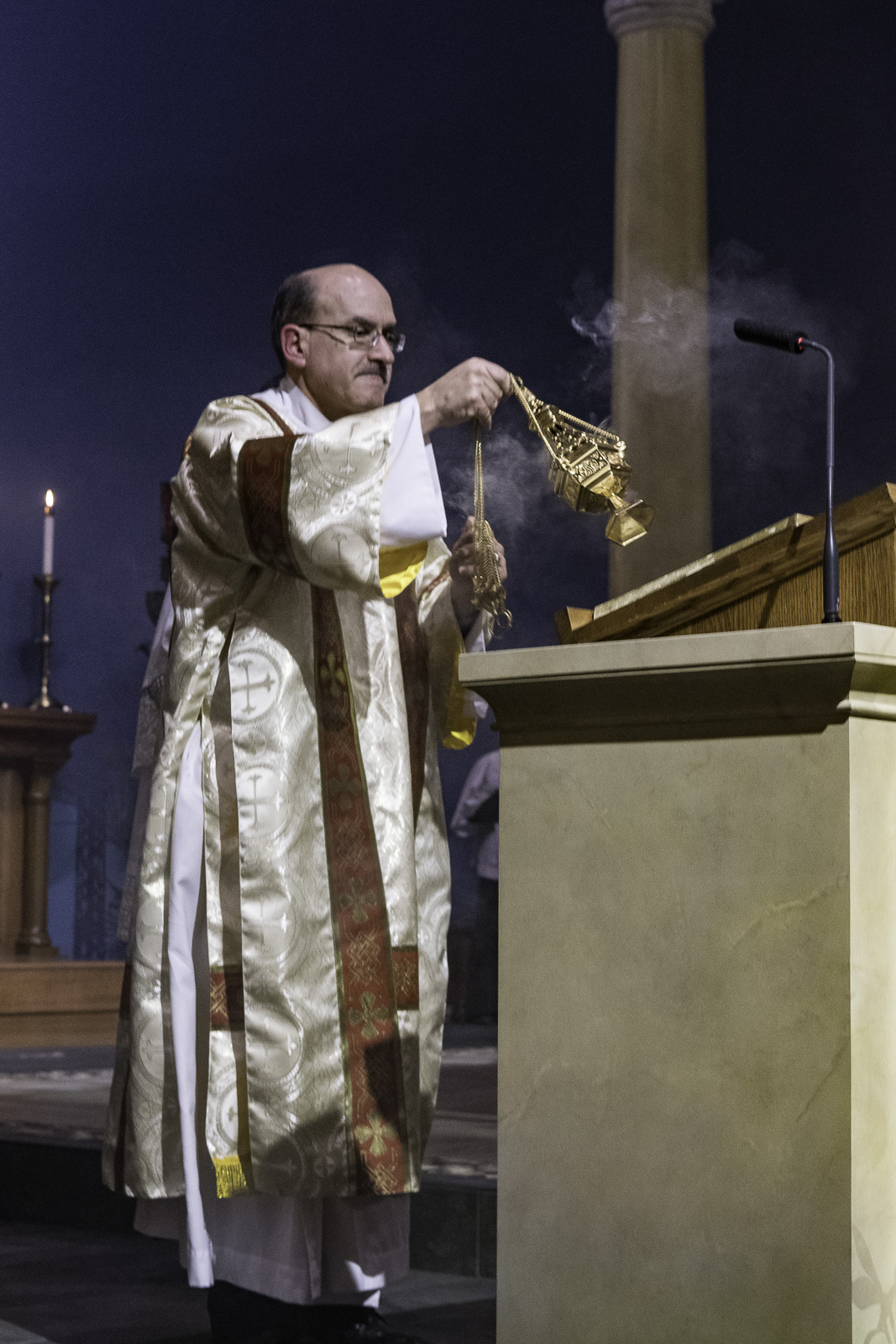
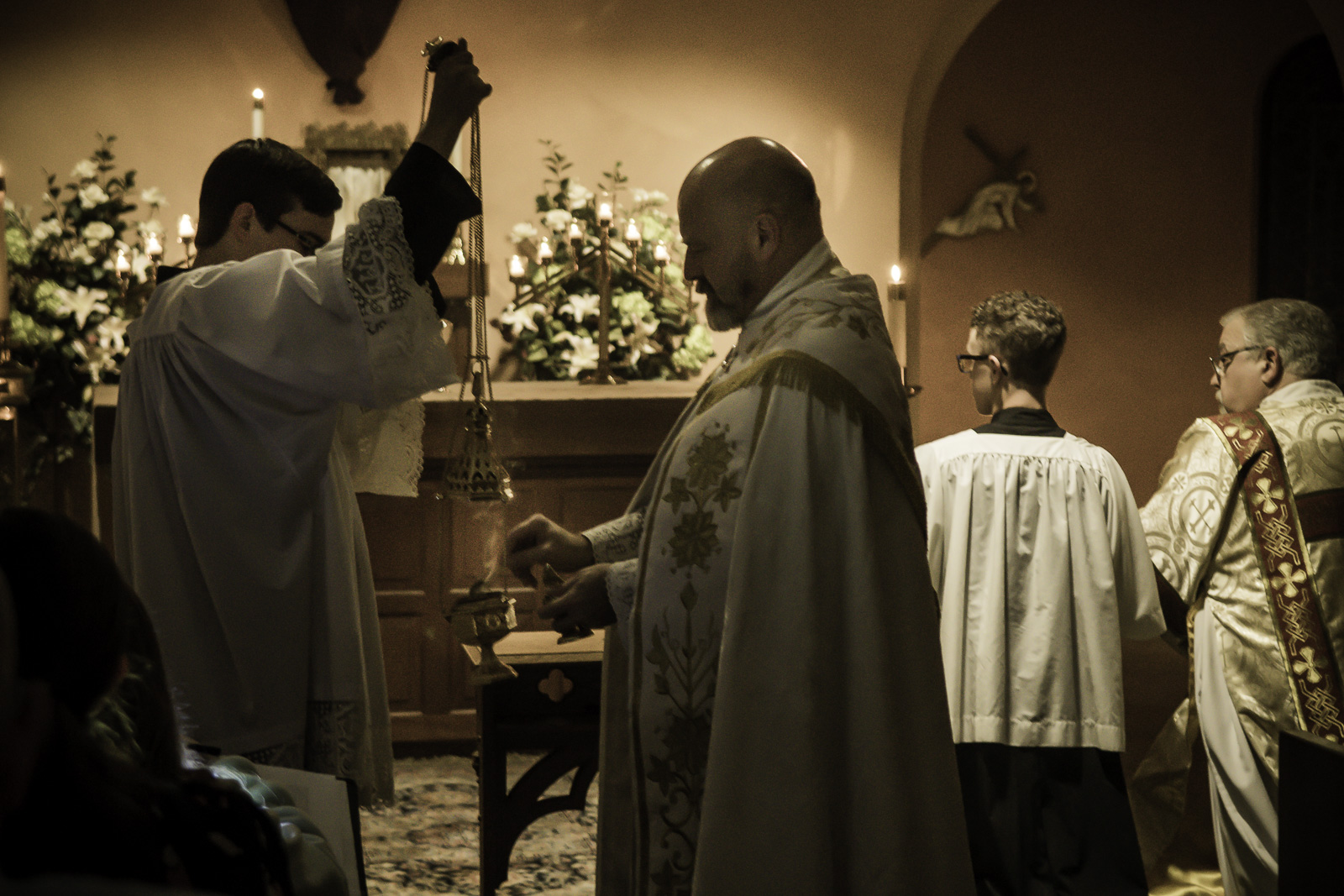
Today in Mass, watching the smoke waft up from the thurible into emptiness above it, I realized that, incense being smoke, there are a couple of ways a skeptic can continue to view incense as a symbol of a believer’s prayer.

Incense, being smoke, dissipates into nothingness

The priest swings the thurible and billows of smoke flow from it, but like the spidery line of smoke rising from a cigarette, a few feet above the priest’s head, it’s turned to haze. As it rises to the top of the church, it disappears, indistinguishable from the smokeless air.

So too, words mumbled in prayer dissolve to nothingness as soon as they leave the lips. They rattle around inside hearers’ heads for just a moment, producing a warm feeling if they are believers, to be sure, but if there is no god, they are just so much noise.

Incense, being smoke, is ultimately carcenogenic

Breath enough smoke and one risks cancer: we see that warning everywhere. The Mayo Clinic’s web site describes the process thus:

Doctors believe smoking causes lung cancer by damaging the cells that line the lungs. When you inhale cigarette smoke, which is full of cancer-causing substances (carcinogens), changes in the lung tissue begin almost immediately.

At first your body may be able to repair this damage. But with each repeated exposure, normal cells that line your lungs are increasingly damaged. Over time, the damage causes cells to act abnormally and eventually cancer may develop.

In my slow arc back from belief to skepticism, I’m reading again Sam Harris’s The End of Faith, and I think the idea of faith, and its outward expression through prayer, causing a brain to act abnormally — carcenogeically — is apt. The funny thing about prayer is that for the believer, even when it’s not answered, it’s answered. “God just said ‘No'” is the common response. Or “God has different plans.” Nothing counts against it. No evidence stands contrary to it.

That’s the very nature of faith, but that’s not how we work on a daily basis. We seek evidence for what we do. Teachers seek evidence for student mastery. Lawyers seek evidence for guilt or innocence. Construction workers seek evidence of a strong foundation before building higher. They all test, probe, ask questions, and ultimately, they might say, “No, there’s not sufficient evidence.” And faith is not enough. I don’t want to drive on a bridge that the engineers built on faith. I don’t want to get in an elevator that an inspector has inspected on faith.

Why should it be different with religious belief? Extraordinary claims require extraordinary evidence asserted Carl Sagan (among others). To do otherwise is to think, in a sense, abnormally.