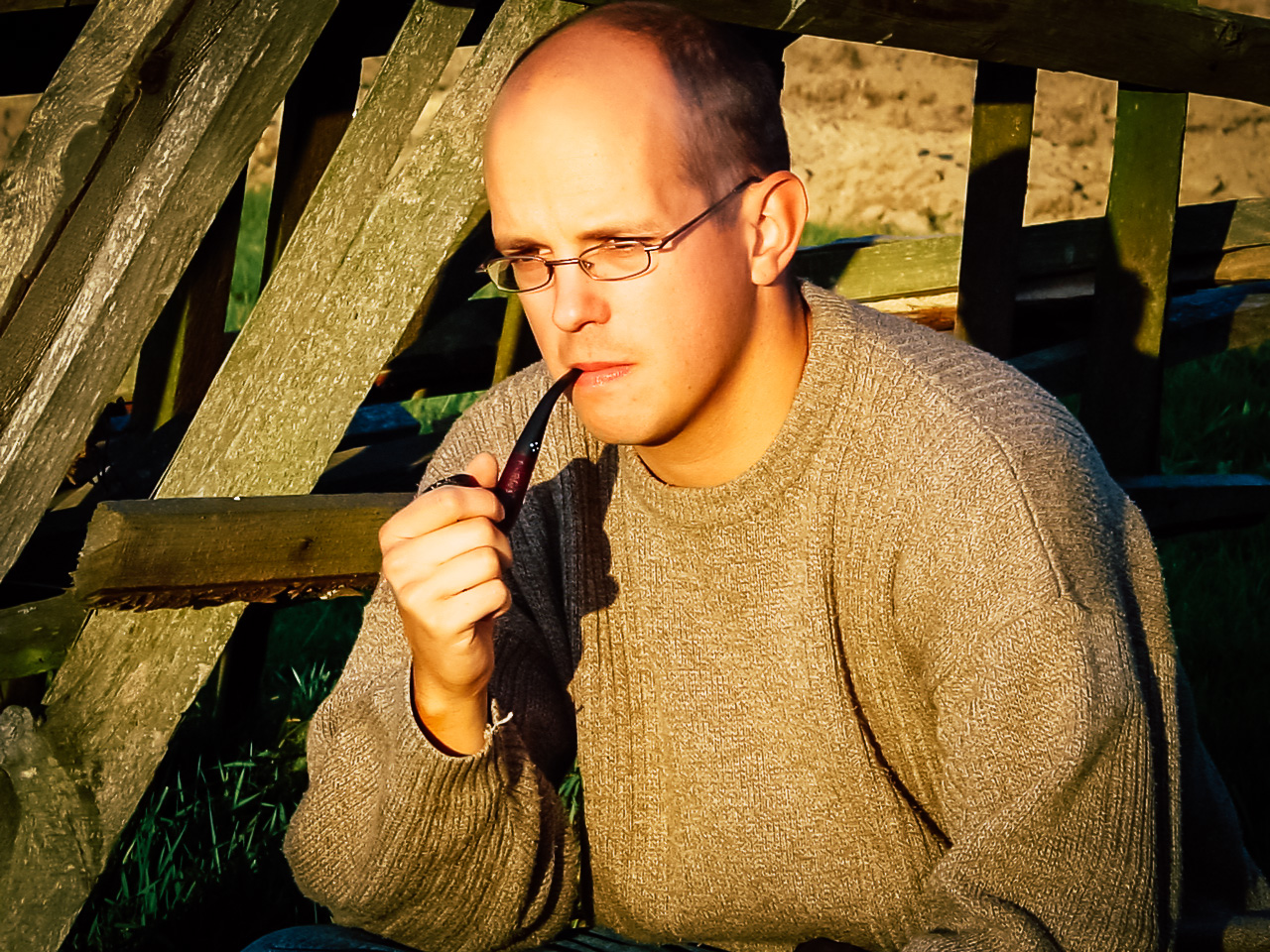
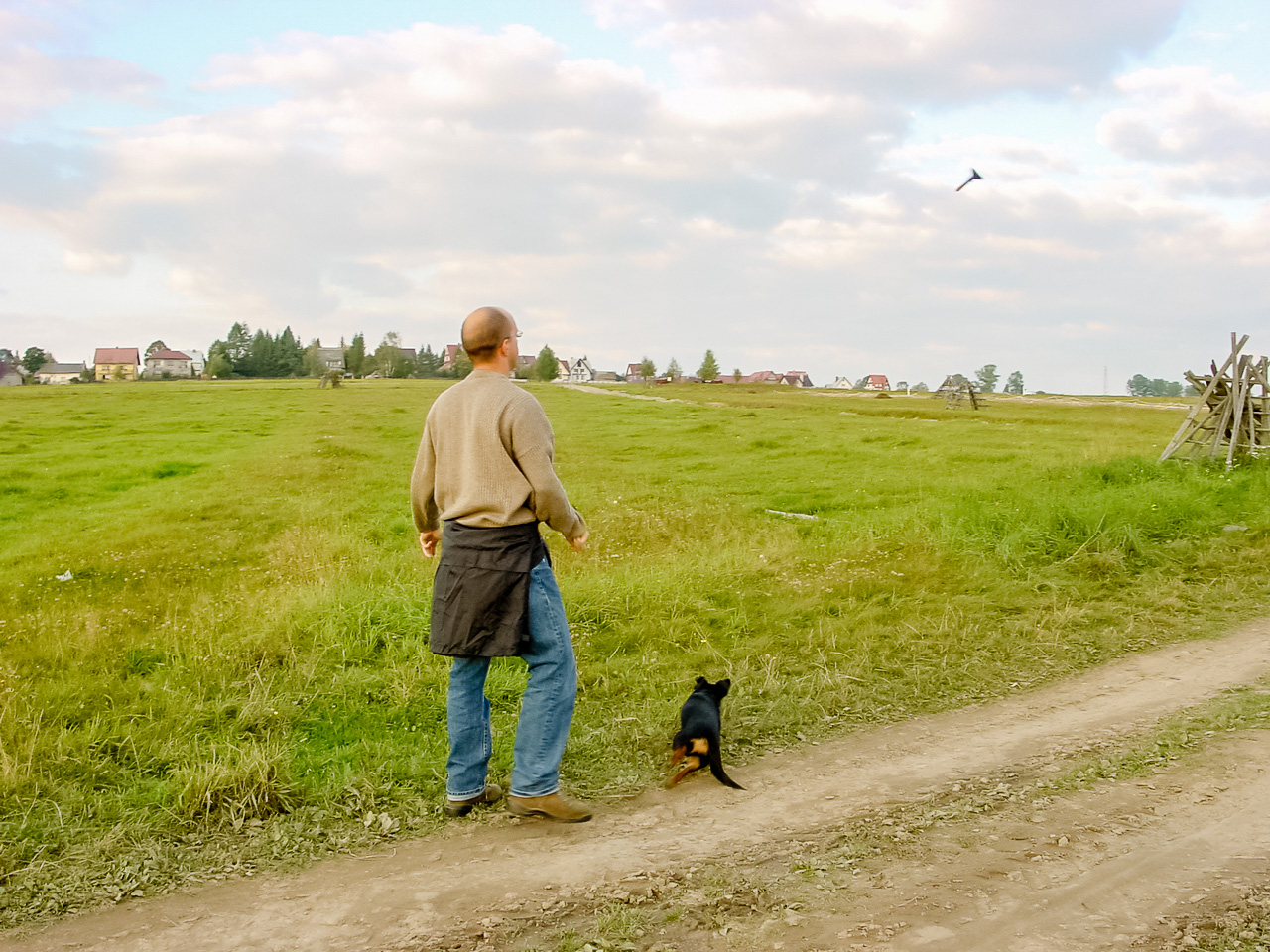
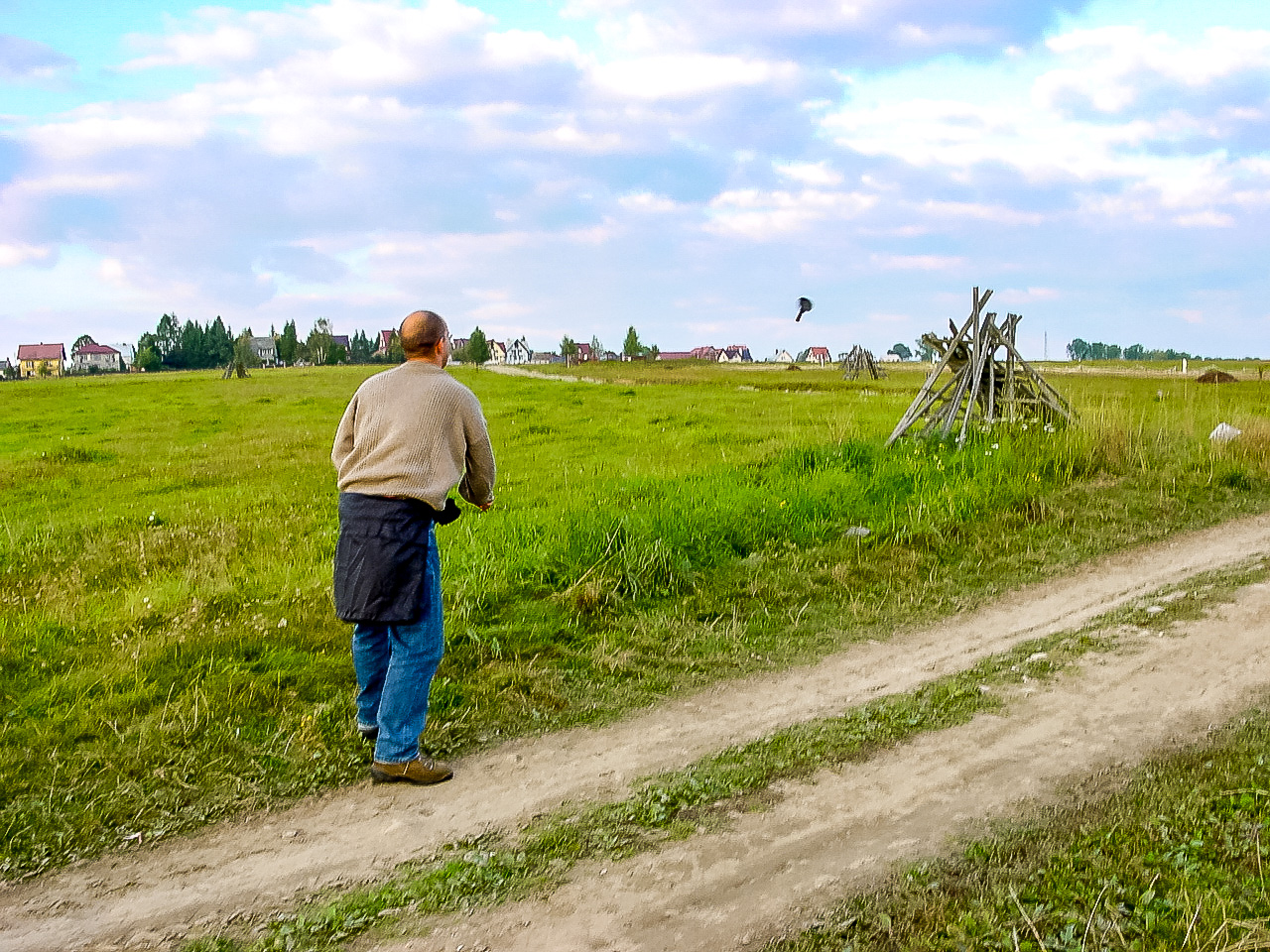
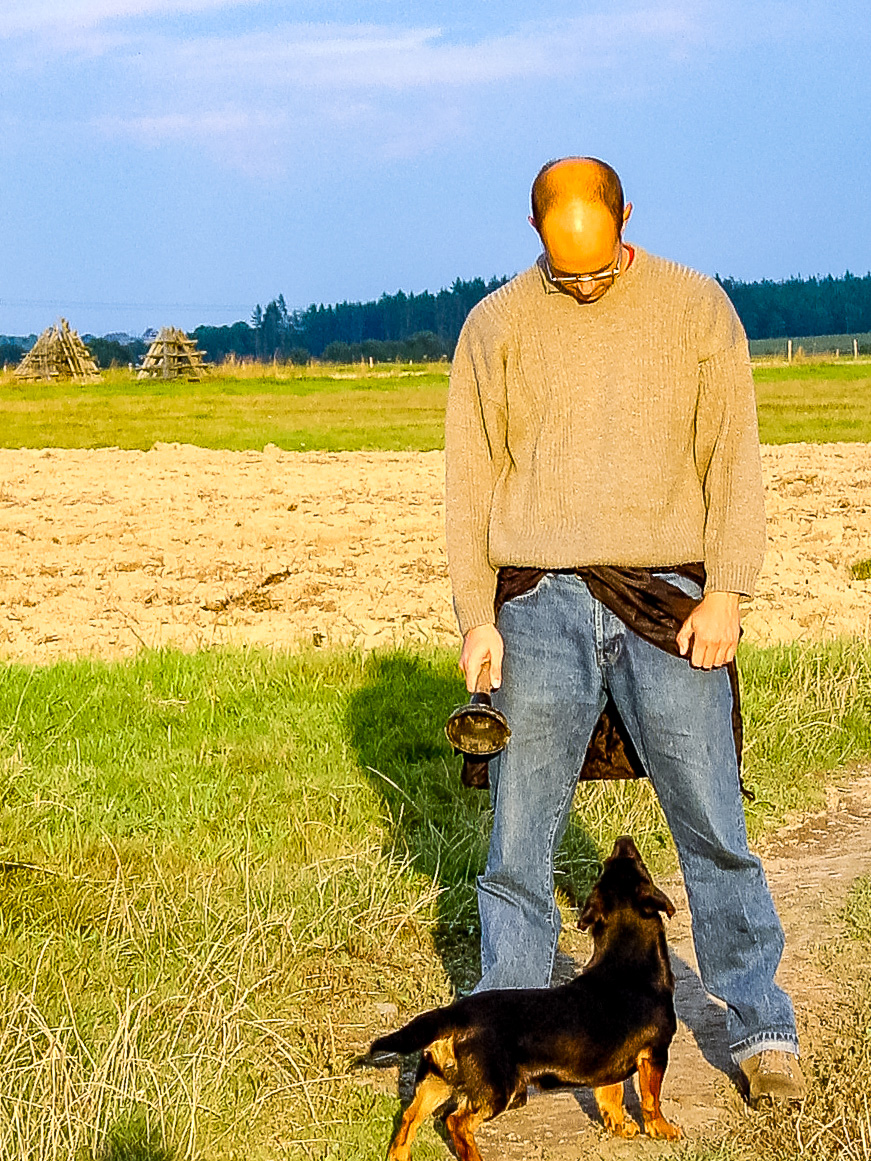
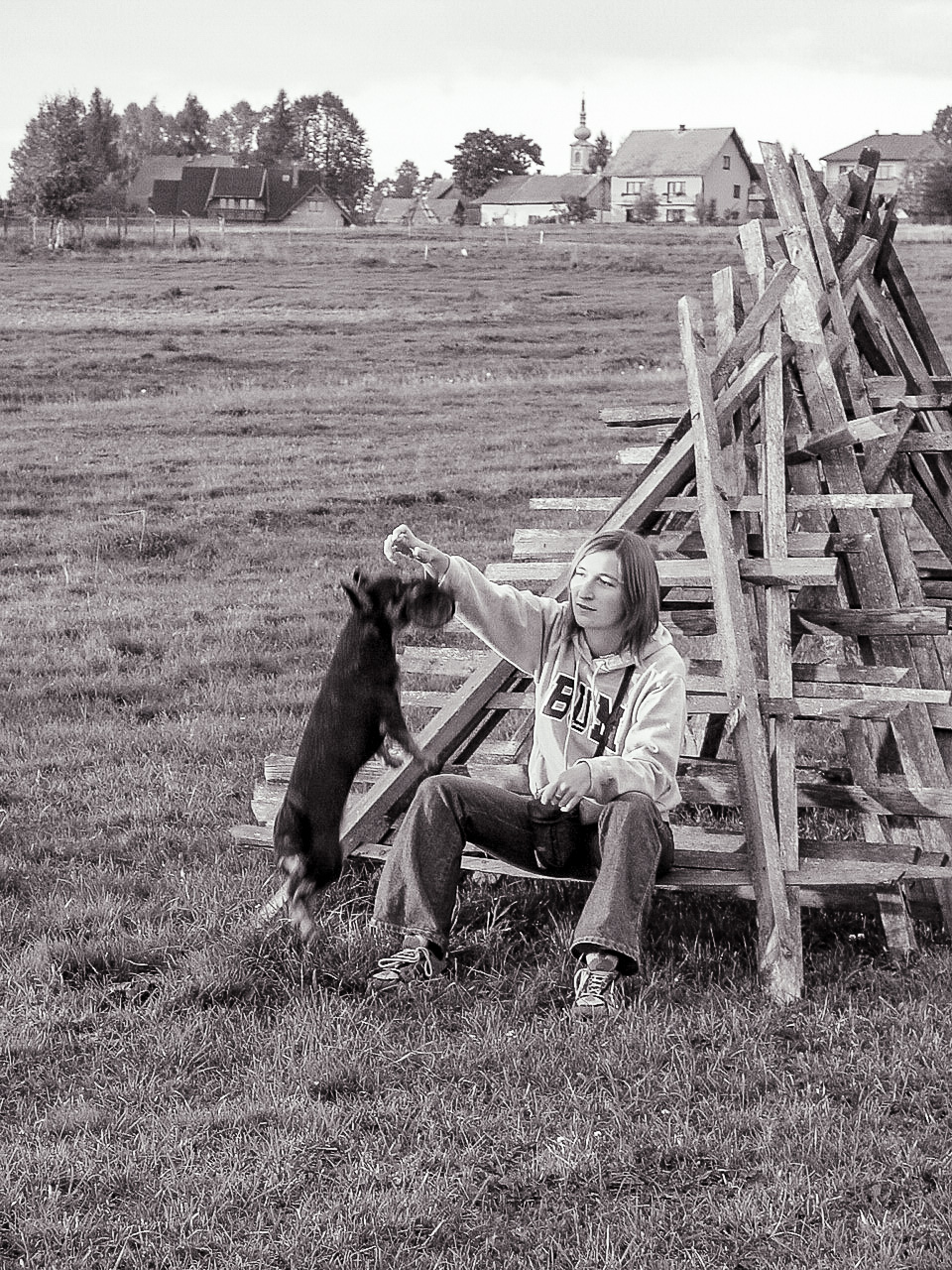
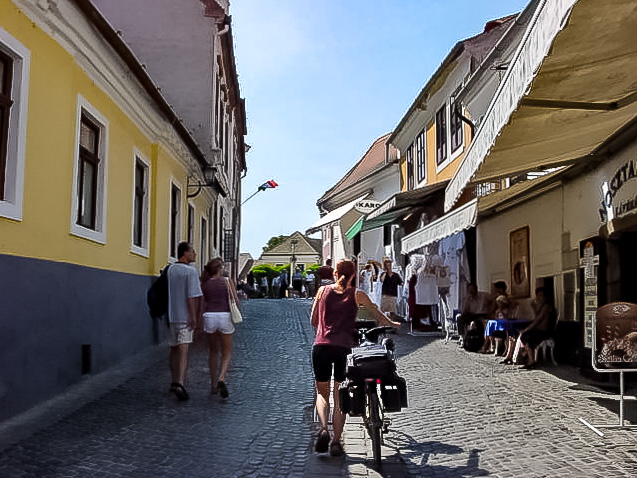
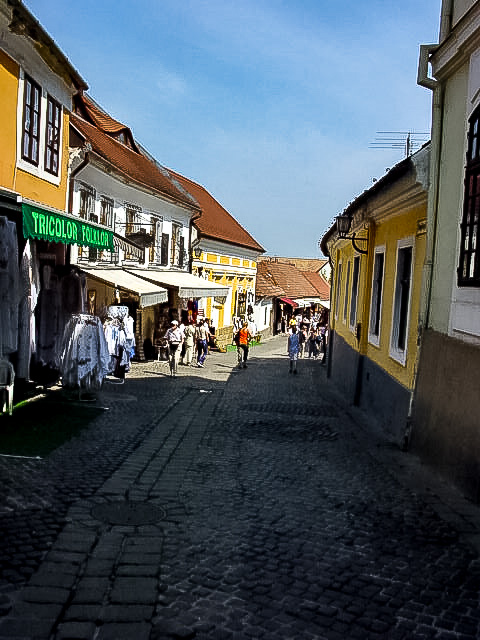
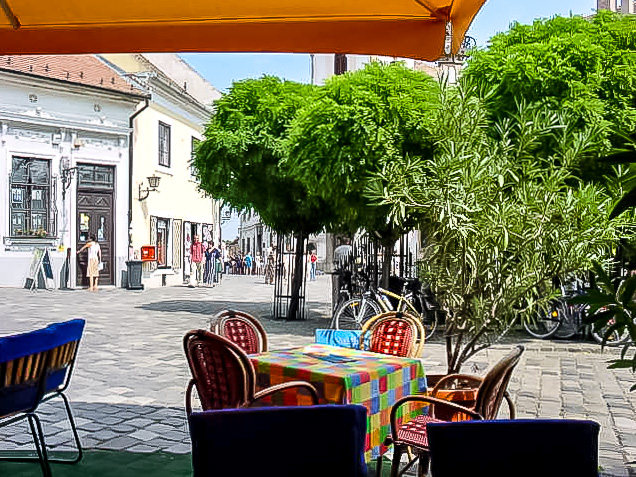
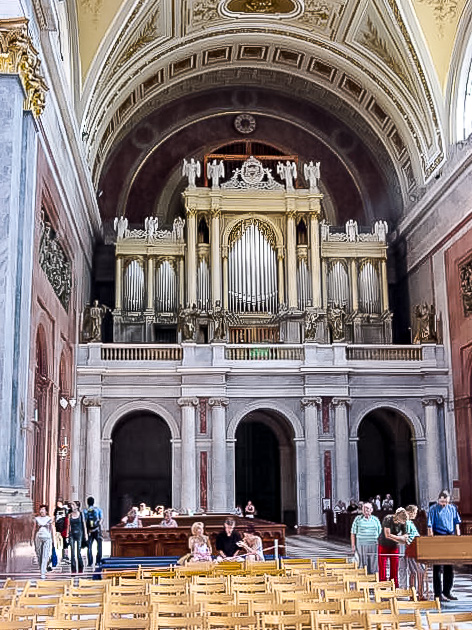
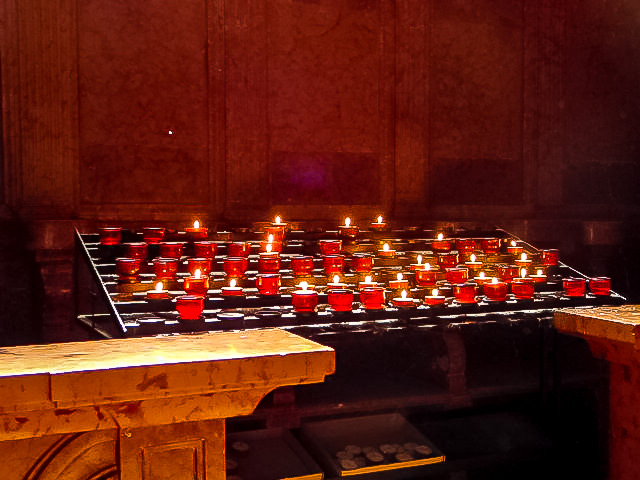
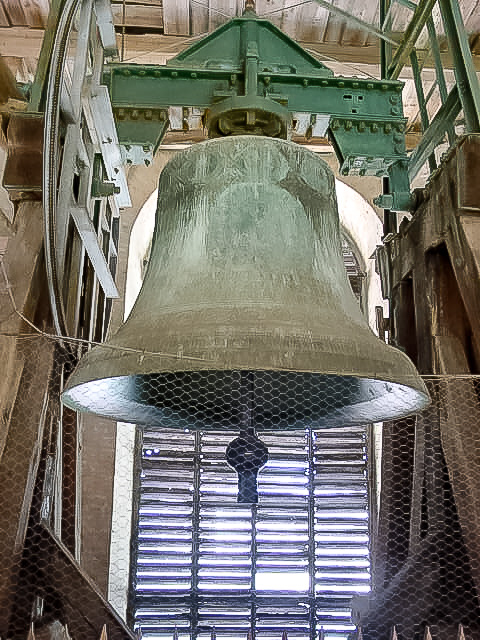
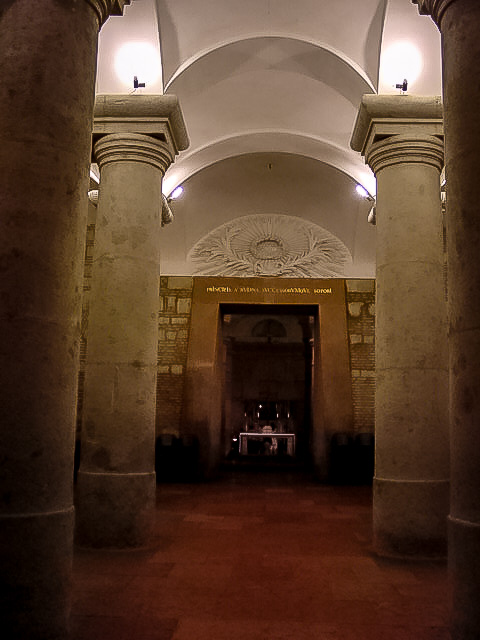
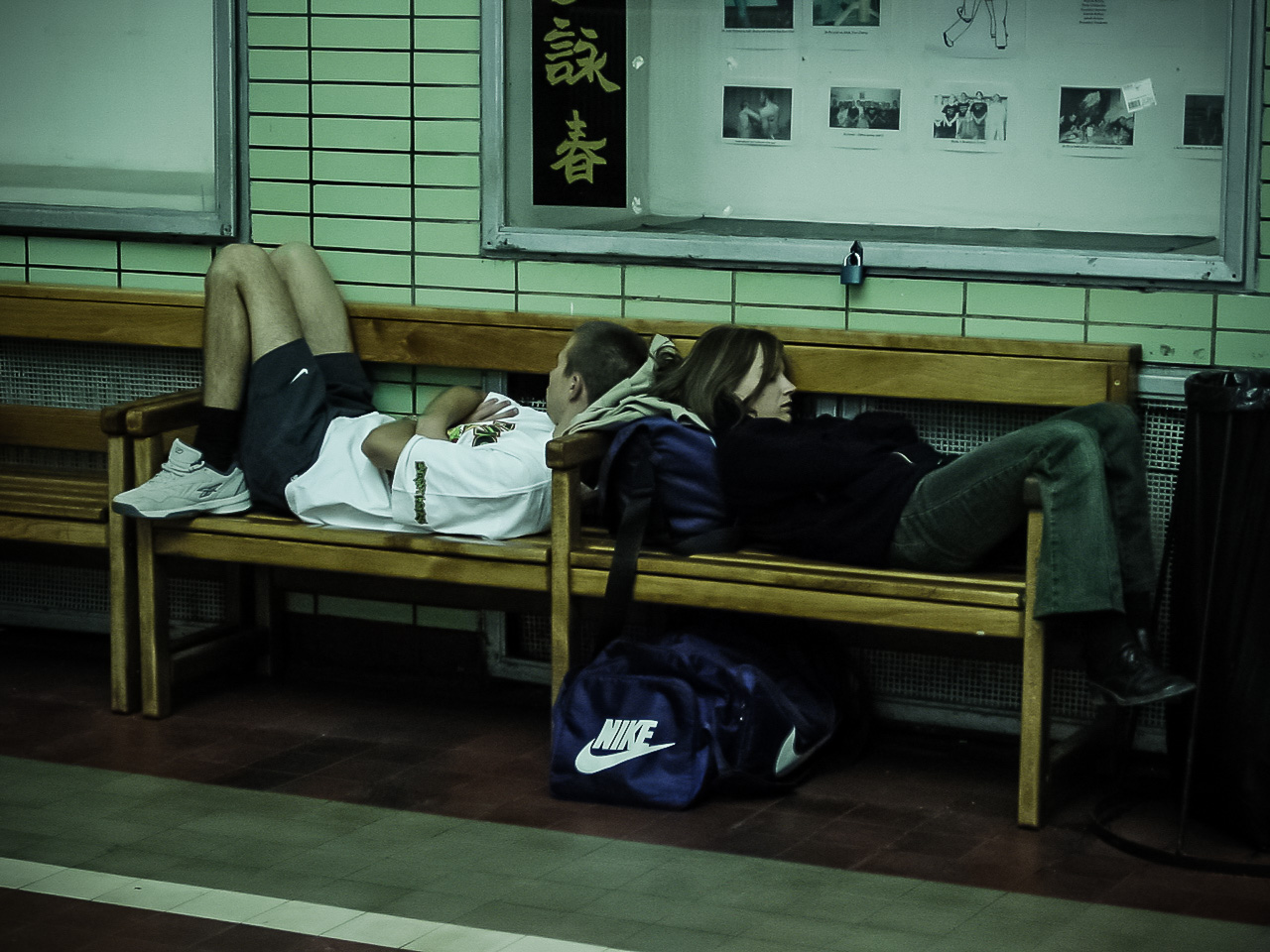
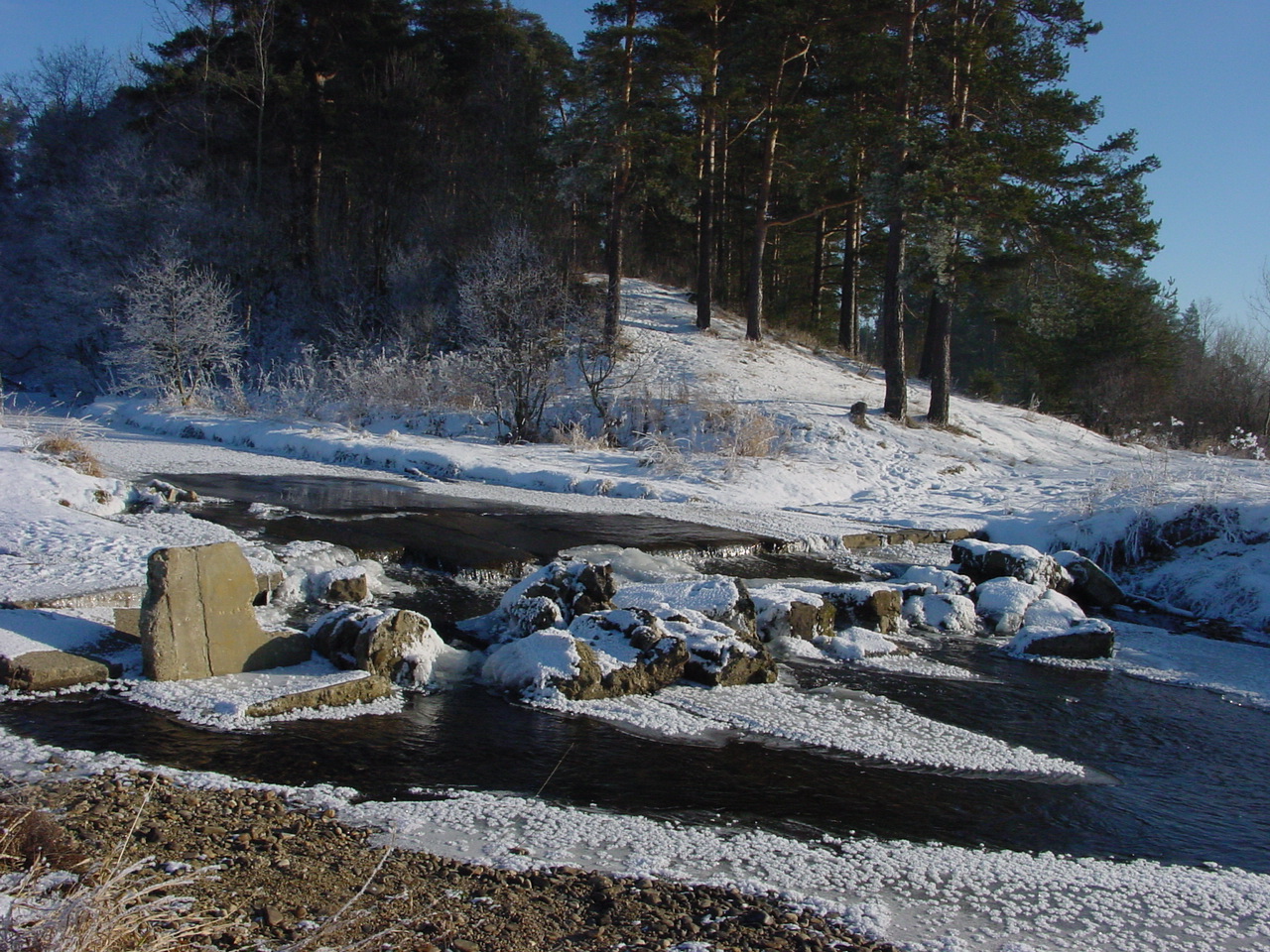
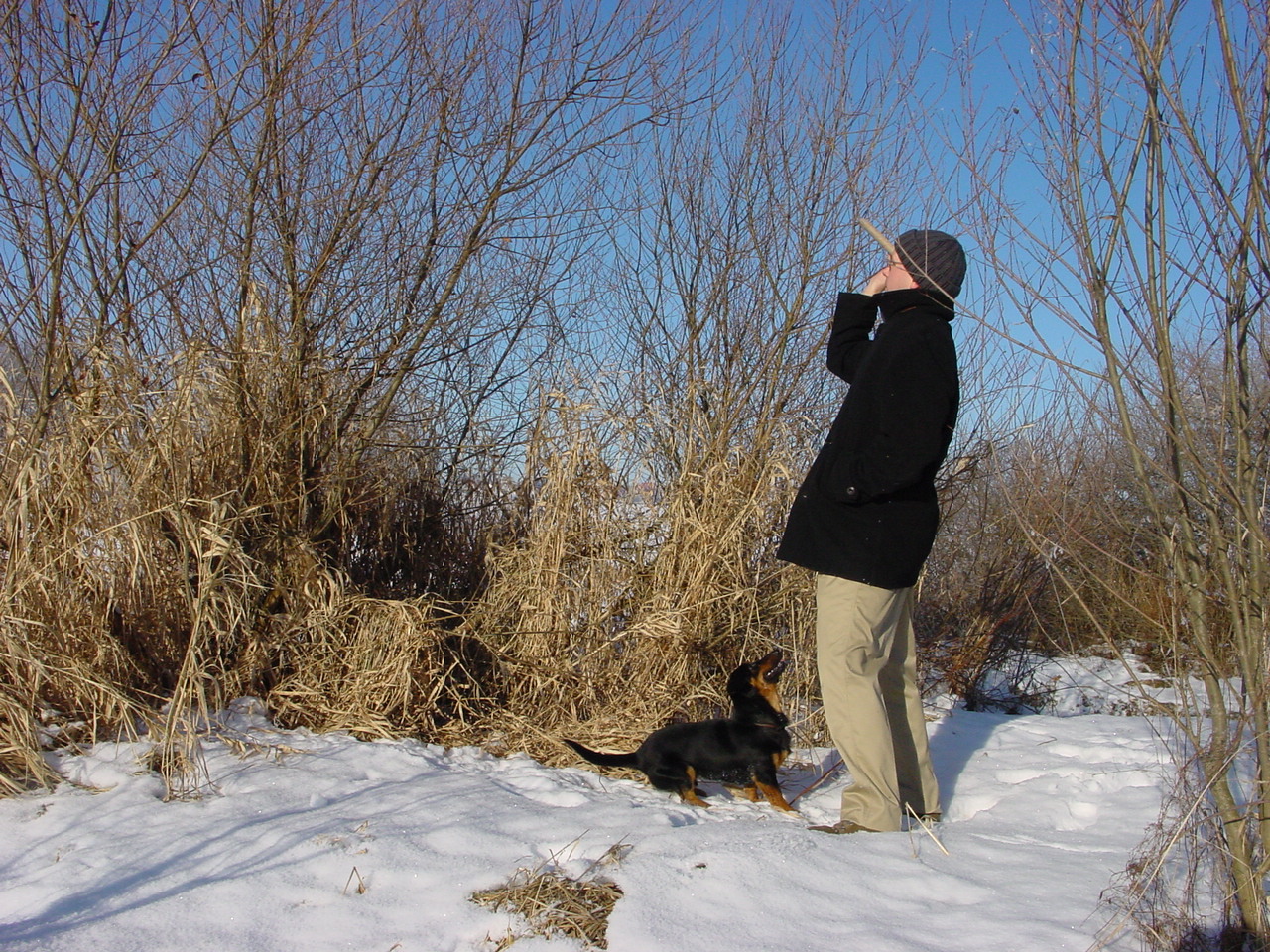
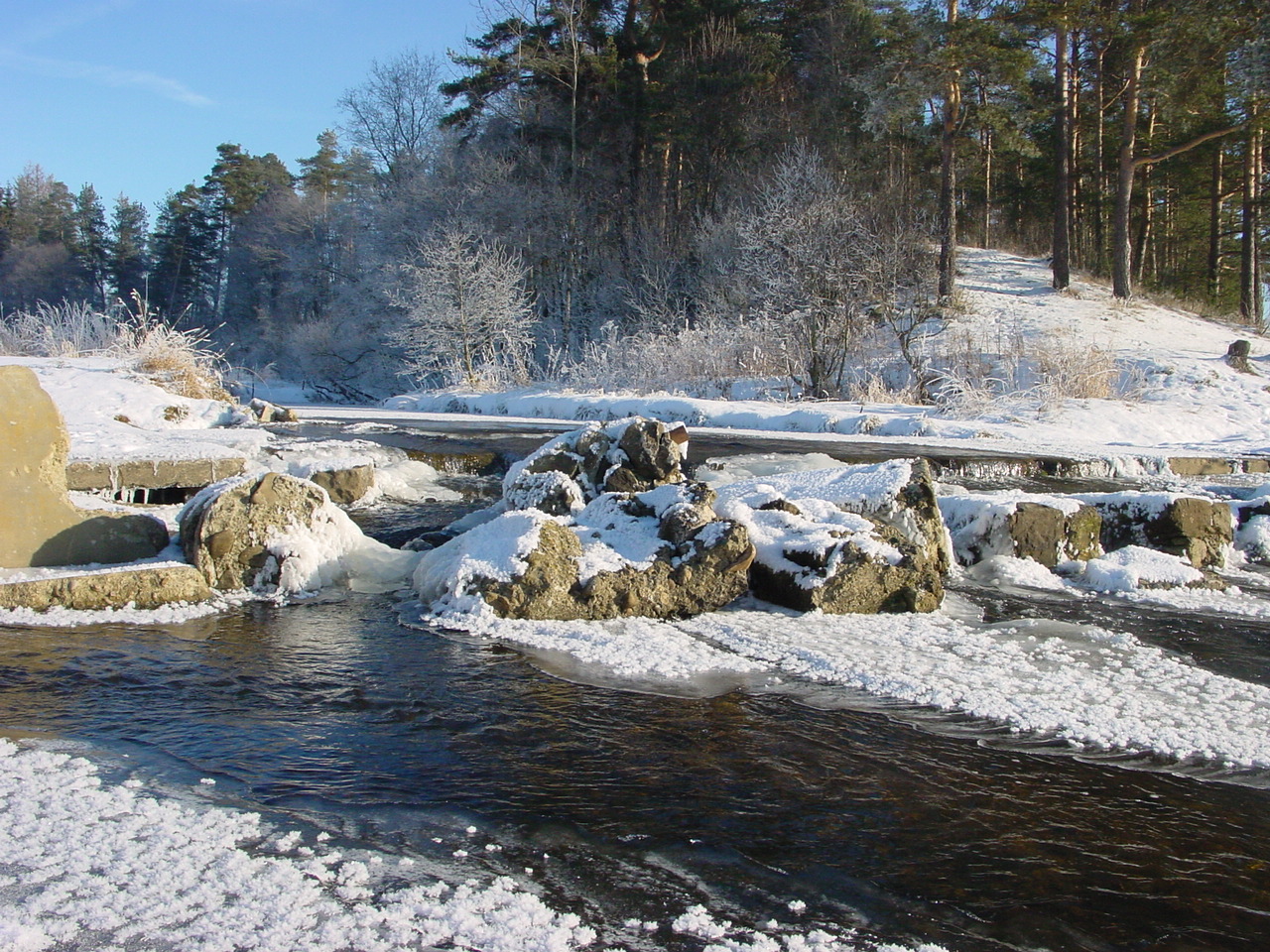
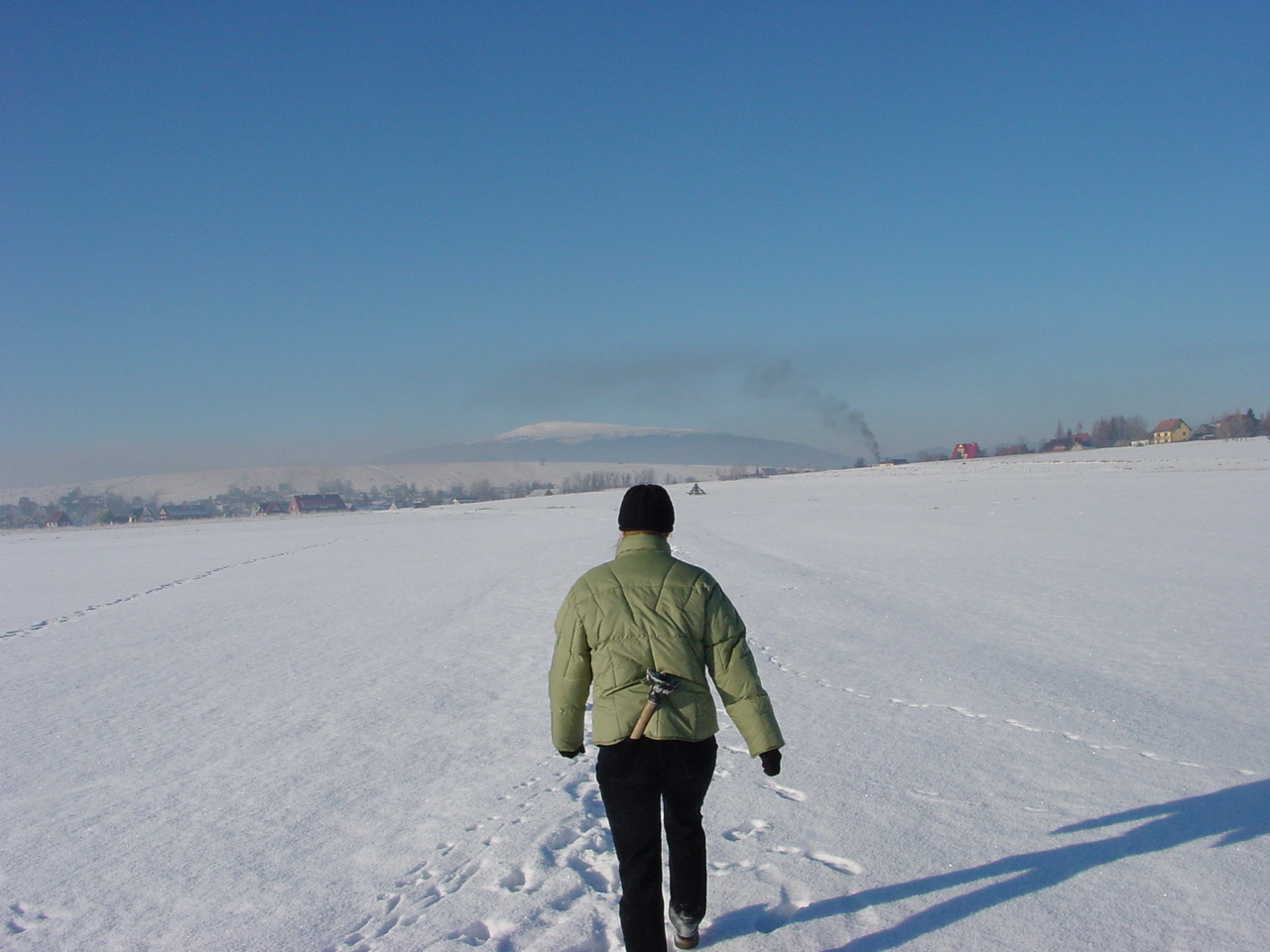
After Christmas dinner, we went for a walk. There's nothing else you can possibly imagine doing when it's this beautiful.

fun in threes, sometimes fours
After Christmas dinner, we went for a walk. There's nothing else you can possibly imagine doing when it's this beautiful.


Undoubtedly my favorite contemporary composer, Górecki often vies for "best composer of all time" in my opinion – it all depends on when you ask. It was his music, particularly his Third Symphony (subtitled"Symphony of Sorrowful Songs" – more information here) that was a major factor in my choosing Poland when I joined the Peace Corps back in 1996.

Since then, my appreciation of his music has only grown, particularly with my improved Polish and the ability to understand the texts of his vocal works.
When I was about to leave for Poland, I joked with someone that I was going to meet Mr. Górecki no matter what it took. I had my chance this weekend, in the most auspicious of occasions: Górecki conducting his Third Symphony in celebration of his seventieth birthday. In the end, I'm ashamed to say, I chickened out. I couldn't think of anything to say that wouldn't make me sound like a babbling teen meeting some superficial movie star.
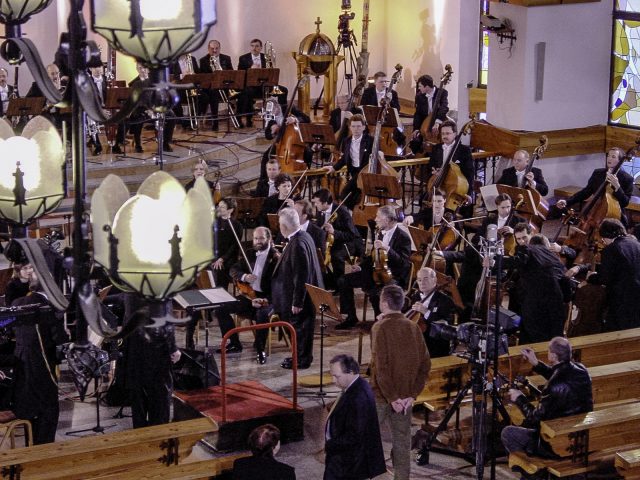
It's enough, I suppose, that I got to experience his Third Symphony, under his own baton (well, no – he didn't actually conduct with a baton), in a location that was intimately connected with the text of the second movement.
The whole adventure was blessed by luck from the beginning. Kinga and I left at 1:40 in the afternoon, not knowing when we had a bus or even how long it would take us to get there. We arrived at the bus stop just as a bus to Nowy Targ was pulling up. The chances of that happening are minuscule. We made it to Nowy Targ, waited half an hour for a bus to Zakopane, with me babbling like a little girl going to meet The Back Street Boys. Hopped off the bus in Zakopane, took a cab to the church, and arrived half an hour before the concert started. Those without invitations had to sit in the small balcony. Though we arrived only half an hour before the concert was to begin, the balcony was virtually empty. We ended up standing at the railing of the balcony to get the best view, and by the time the concert started, there was quite a crowd.
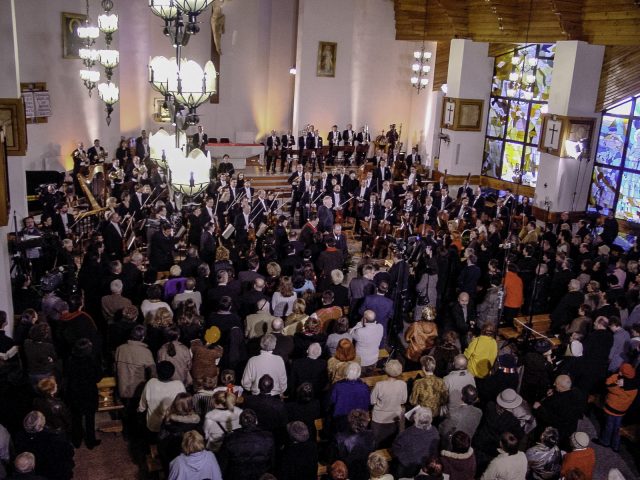
The concert itself was something of a blur. At 60+ minutes, the symphony could, I suppose, be called "moderate" by some standards, but for me, it seemed to last about ten minutes. I blinked and the first movement was over, with an outbreak of coughing and sneezing in the audience – the backlog of half an hour silent, respectful listening, I suppose. The second movement, at only nine minutes, seemed a flash. And the third moment, at about twenty minutes, seemed about a tenth that. I didn't take any pictures because the concert coordinator politely asked that we not.
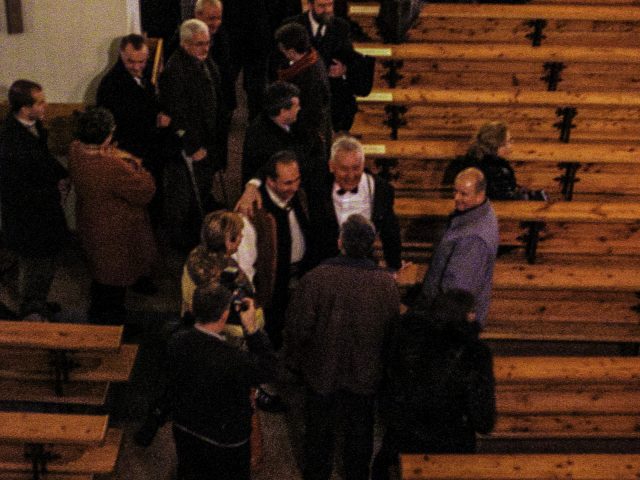
After the concert, the orchestra performed "Sto Lat" ("100 Years"), the traditional Polish well-wishing song. Mid-way through, Górecki jumped onto the podium again and directed everyone, audience and orchestra alike.
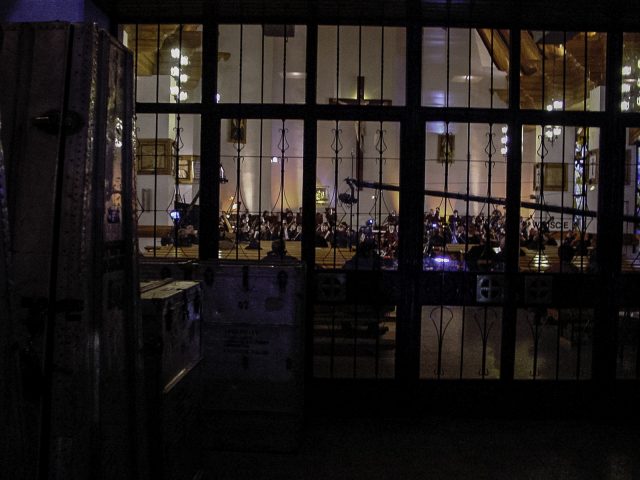
After some well-wishing and chatting, the orchestra came back out and they did a playback recording session, as this is intended to be a DVD released sometime later. It was a strange thing – they were basically making a music video, playing along with their earlier performance. They played for a bit – most of the first movement – then suddenly the director stopped everything just as the music reached it's most emotional point. Strange how art can so easily succumb to commercial needs.

Though I was previously warned about it in Peace Corps teacher training sessions (and it was probably even mentioned in “cross cultural” sessions), I was shocked at the level of cheating among students in Polish schools. Simply put, ninety-nine percent of students here will cheat in any and all perceived opportunities. They will whisper to each other; they will attempt to peak in their books; they will write on desks before a test; they will hide cheat-sheets in more places than you can possibly imagine; they will write on their hands, arms, and legs; they will copy their homework from each other — and that’s just the stuff I’ve caught them doing.
It is, though, a cultural difference. They don’t even see it as cheating, but more as “helping.” Intellectual honesty is, in my experience here, hard to come by. Cheating begins in elementary school and continues through university and into the workplace.
Two examples show the tolerance Poles seem to have for cheating:
It’s no wonder, then, that students cheat. It seems to be in the blood.But how do they do it?
To begin with, they talk. Literally, if I turn my back for one moment a murmur spreads across the classroom. But I usually watch them like a cliche hawk (no reading books whihle they’re taking a test here . . .), so they have to resort to written methods.
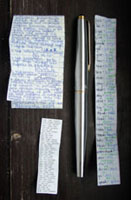
| The most common method (aside from writing on hands) is to make cheat sheets what are then hidden in shirt sleeves, taped to the knee (if it’s a girl wearing a skirt), taped to the inside of clothing, or numerous other places. | |
 |
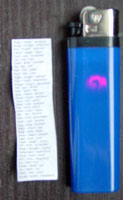 |
Another place students like to use these little “aids” is in conjunction with a pen. A little unbelievable, but here’s the proof: |
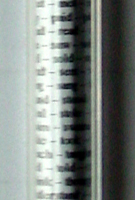
There’s two methods: the cruder form is simply to take the small, virtually illegible sheet on the outside of a pen. The more sophisticated way is to put it inside a pen with a clear casing.
Whenever I happen to find these, I keep them — so there’s at least a minimal consequence to cheating: loss of a z?oty.
Despite my best efforts, I can’t seem to stop this. I might have better luck trying to get my friends to give up smoking and drinking. It doesn’t matter than I have a zero-toleration policy, that I remind students of beforeevery test or quiz. Students know that there’s no questions asked, no arguing tolerated, and begging is ignored — they cheat in any form and I fail them for the assignment.
And still they cheat.
Usually I’m remorseless about failing them. After all, I’ve warned them repeatedly. But sometimes a usually hard-working, generally honest student (in other words, someone I really like) cheats. And that’s when it’s difficult to fail them. But I do, explaining my desire not to show favoritism and be fair at all costs.