
fun in threes, sometimes fours

Few things seem to cause as much angst in a Polish teenager's life like the matura: a series of compulsory written and oral exit exams. Required of all students are two exams from Polish: a written and a spoken test. Students must pass the written before they are allowed to take the oral exam.
The written matura consists of four essay questions read aloud at precisely 9:00 a.m. on the same day in high schools throughout Poland.
This year the questions included the interpretation of a Wisława Szymborska poem (though not the one I included on the 25 November 2002 page), and a question, "Od Adam i Ewy . . ." (From Adam and Eve), about the loss of one's home and one's place in society as illustrated through literature. Another question began, "If you want to know a person, look at his shadow . . ."
The second day brings the chosen exams, with most people picking history, with math coming a close second. (Ironically enough, most of the students who chose math were girls — probably something like 80%.) This year there were about six people taking the matura in geography and one girl chose biology. No one chose English, and for good reason: it's a difficult exam, concentrating mainly on the irregularities and exceptions of English grammar.
Once the students' pain is over, it's time for the teachers to get their dose: grading all those exams according to strict criteria.
Then comes the spoken exams — when my pain begins.






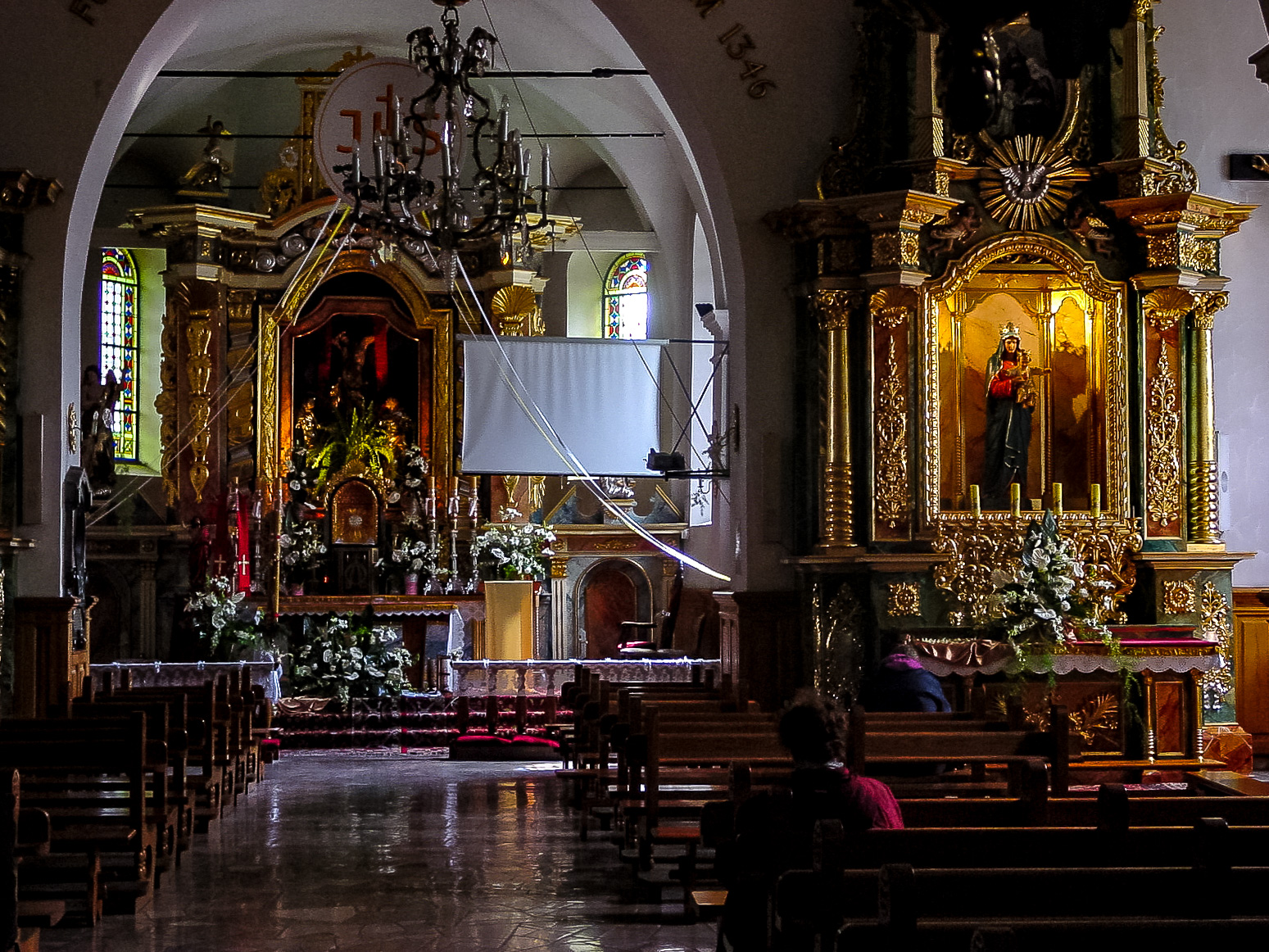










What is this thing, faith? I’ve been giving it a lot of thought lately. It seems that in the twenty-first century, it is, among other things, faith that science hasn’t figured it all out and won’t, and that will leave room for demons, souls, and other metaphysical entities. It’s a trust that you can believe the Bible, even though there are scores of contradictions in it, and it’s clearly rooted in archaic thinking.
Take demon possession, for instance. In the New Testament, there’s a lot of exorcisms going on, and most of it seems for things like epilepsy:
Just then a man from the crowd shouted, “Teacher, I beg you to look at my son; he is my only child. Suddenly a spirit seizes him, and all at once he shrieks. It convulses him until he foams at the mouth; it mauls him and will scarcely leave him. I begged your disciples to cast it out, but they could not.”
Jesus answered, “You faithless and perverse generation, how much longer must I be with you and bear with you? Bring your son here.”
While he was coming, the demon dashed him to the ground in convulsions. But Jesus rebuked the unclean spirit, healed the boy, and gave him back to his father (Luke 9.38–42).
Today we look at this and think, “Very clearly the boy had epilepsy.” But that’s not what the Bible says. So we can take a liberal interpretation and say, “Well of course Jesus, even though he knew, would not have said, ‘Your son has epilepsy,’ because no one would have understood him or believed him. He simply healed the boy, and explained in language they could understand.” The other extreme is what my father said once: most of the people in mental hospitals today probably just have demons.
There’s also the question of the soul, which eventually could be shown to have very little to do with our personality and very little room in which to do it. Of course you can’t prove there’s not a soul, and scientists are not out to do that. What you can do, though, is show that all the things formerly associated with the soul—personality, memory, etc.—are in fact chemical reactions in the brain and nothing more.
It’s the question of faith in what, also. I know if I went through the motions, if I pretended to believe, I might eventually believe. But is that “the spirit working in me,” or a result of psychological and sociological phenomena?