

fun in threes, sometimes fours
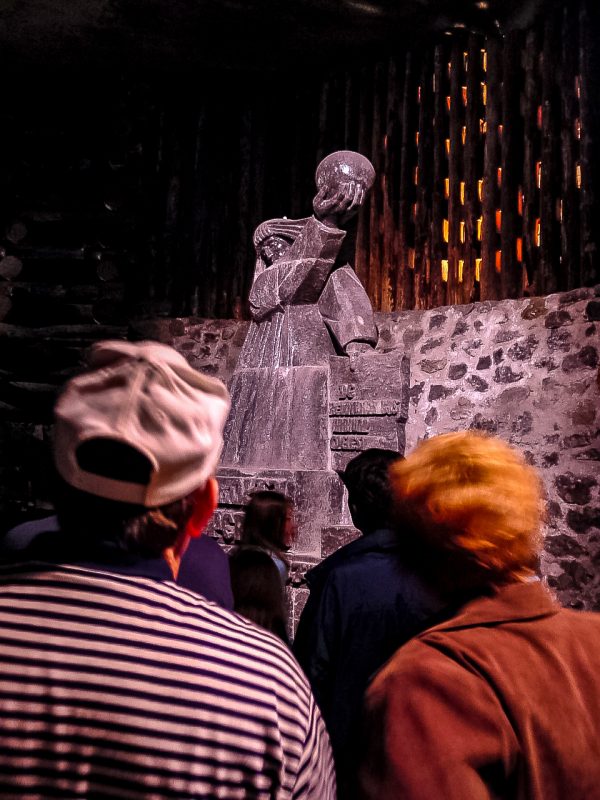
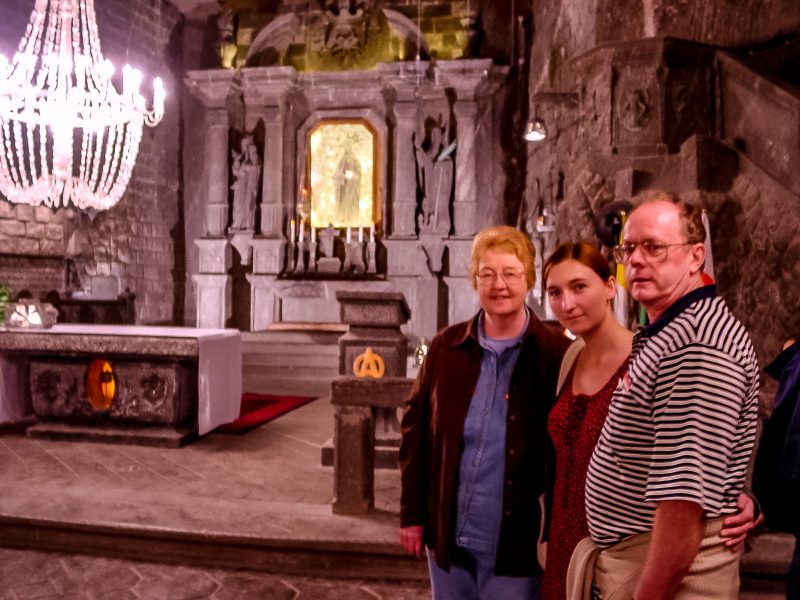
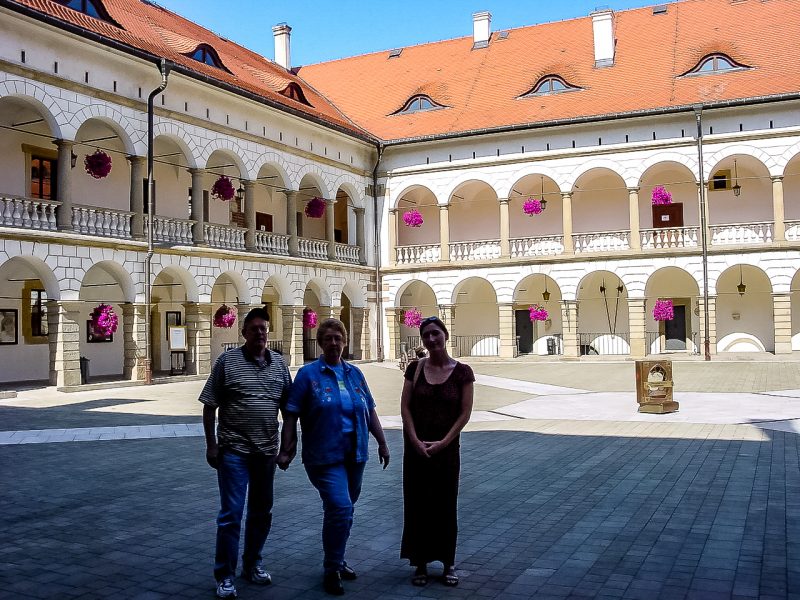
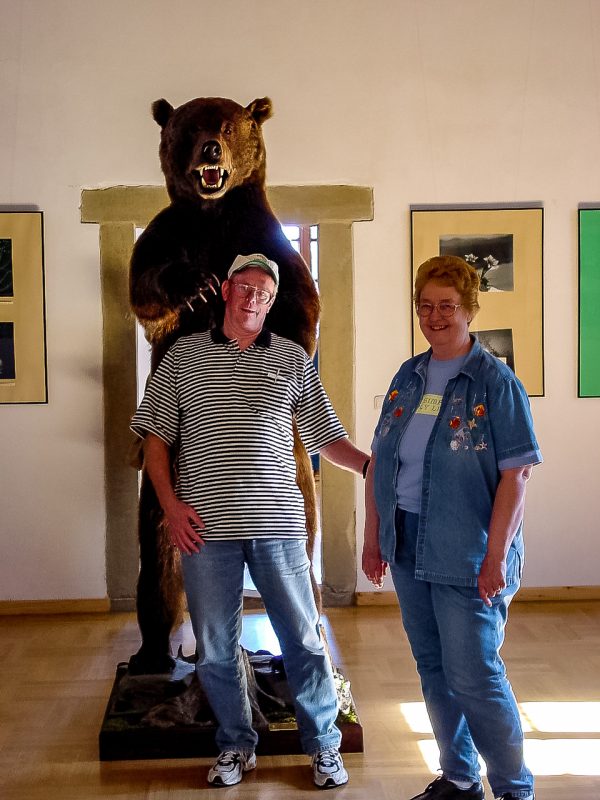
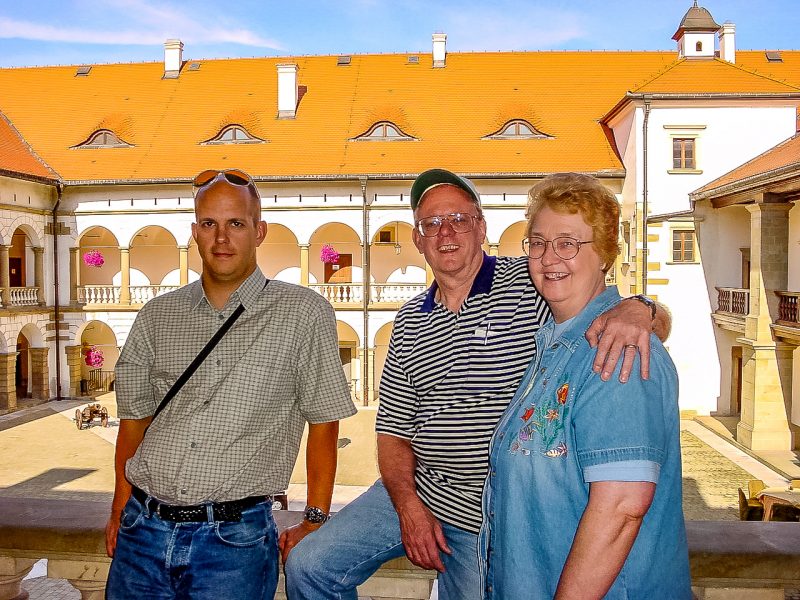
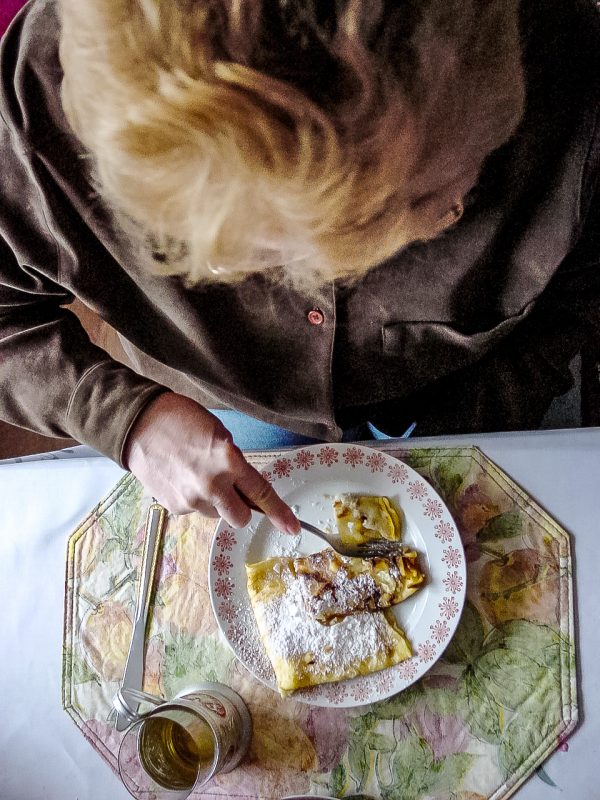
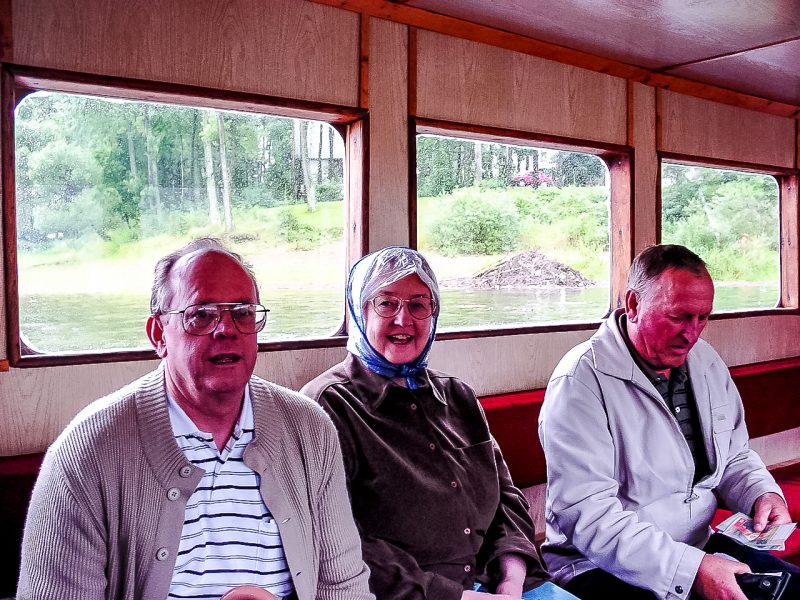
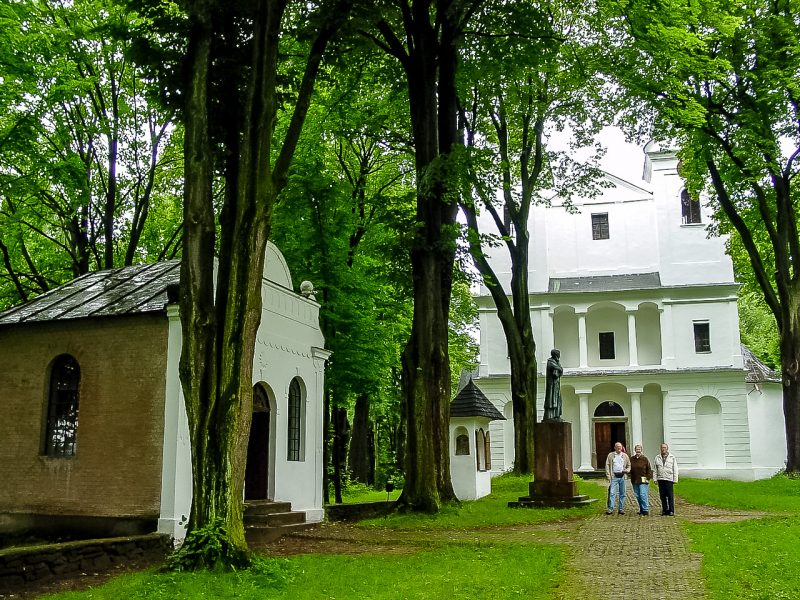
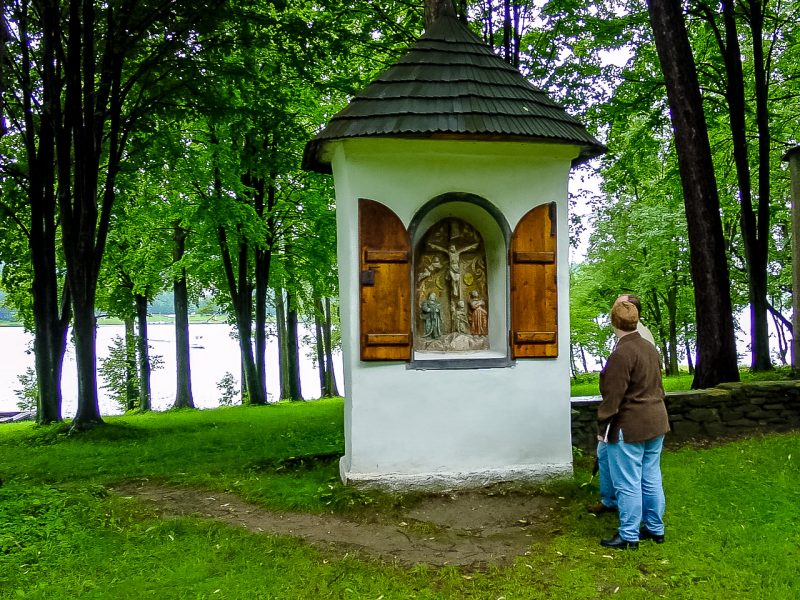
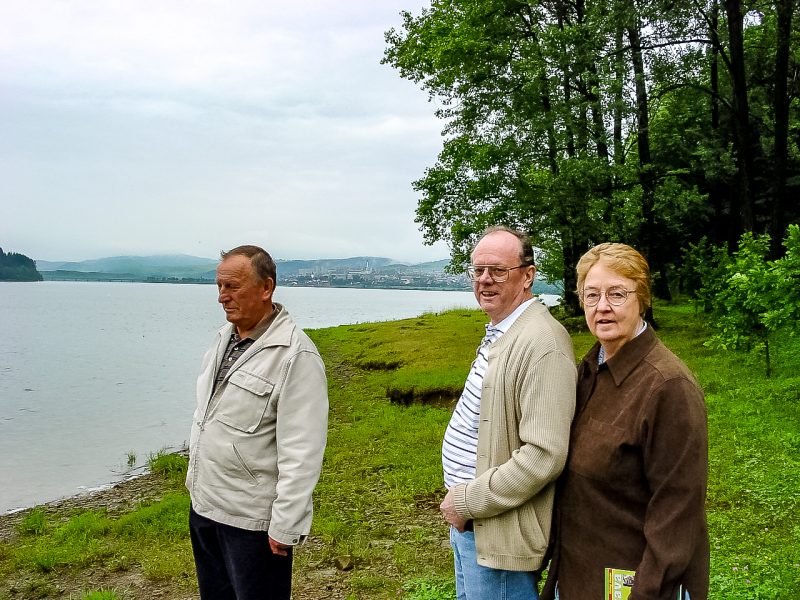
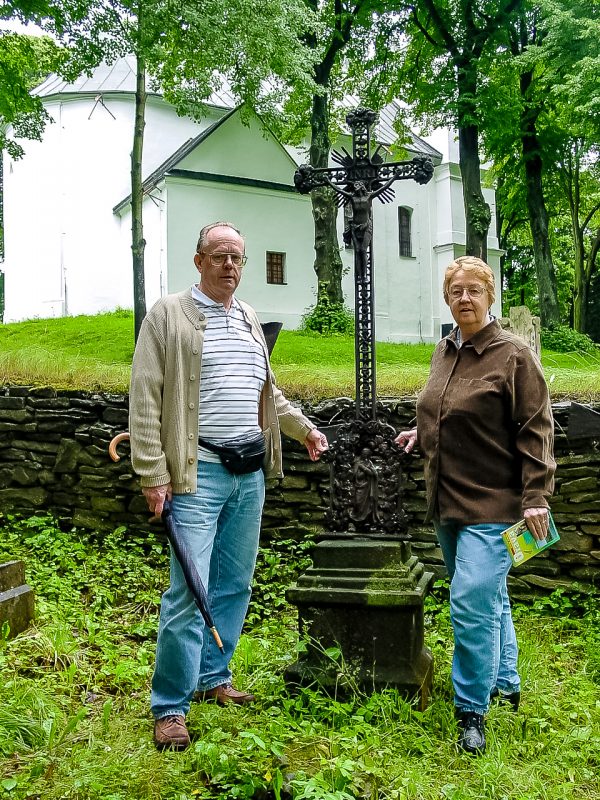
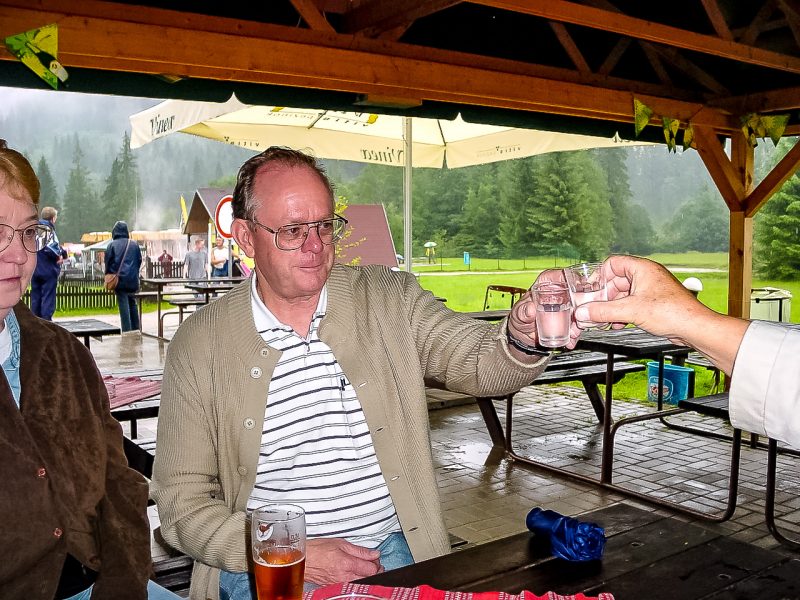

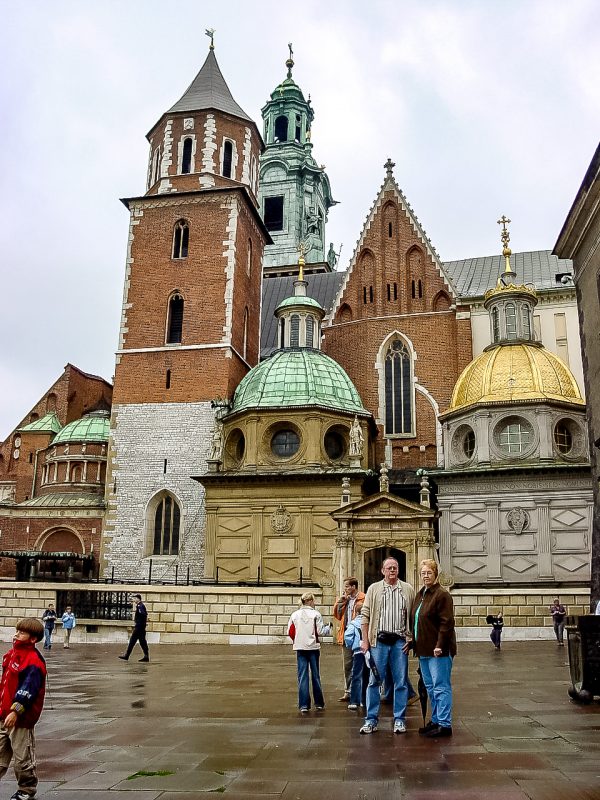
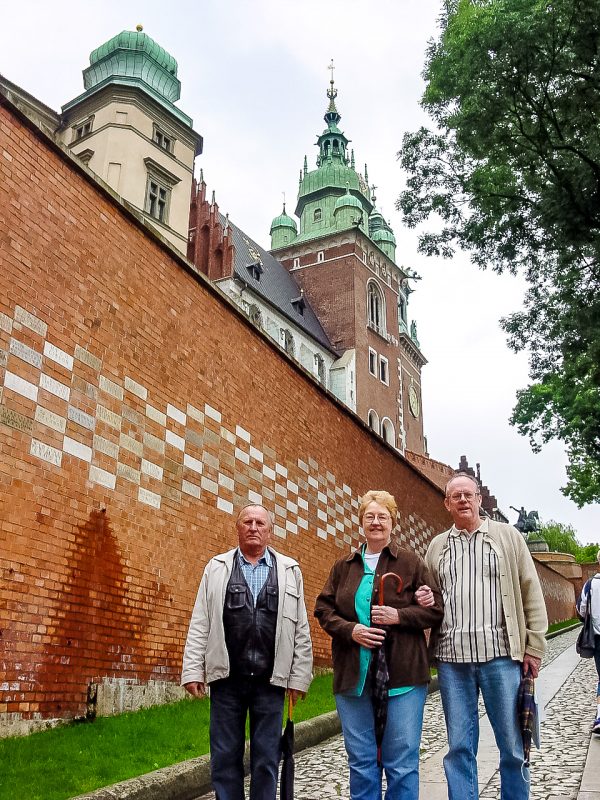
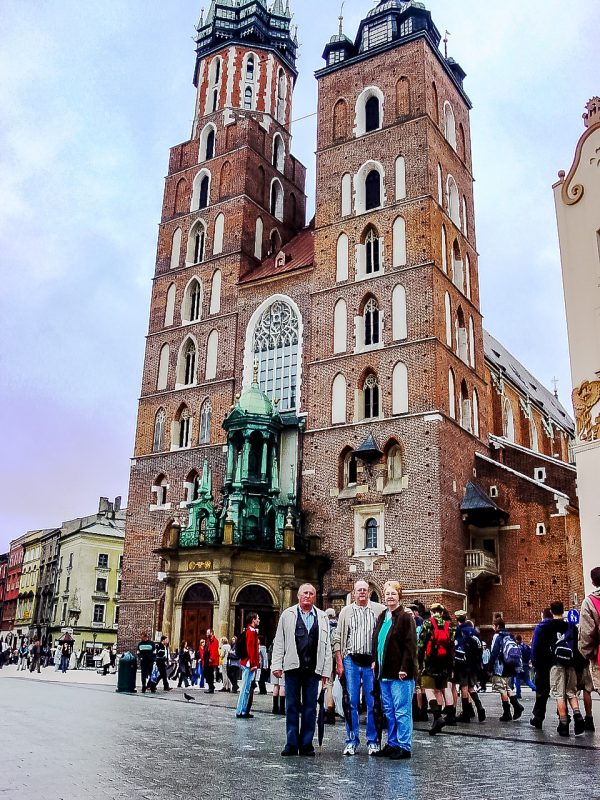


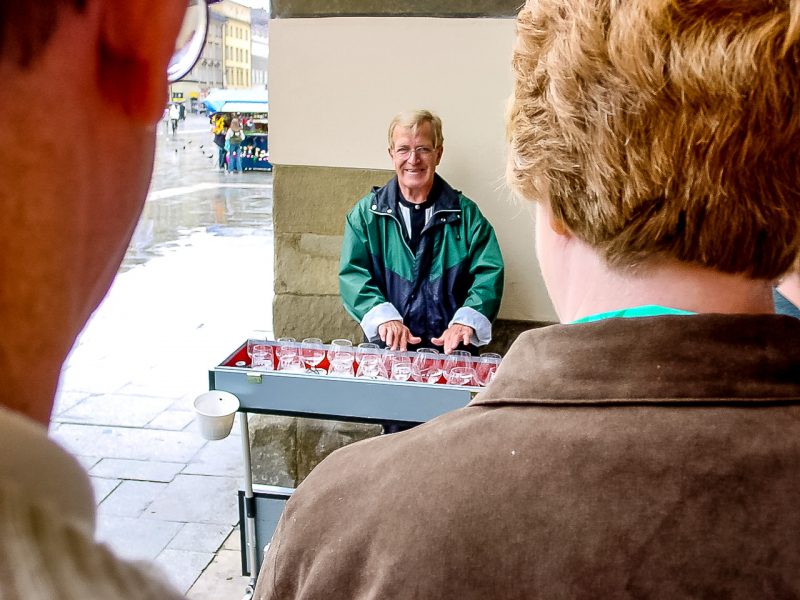

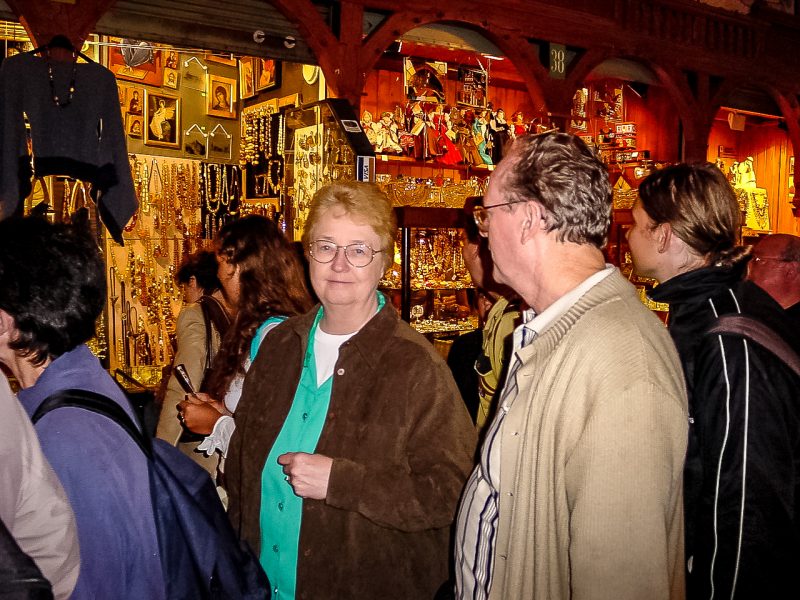


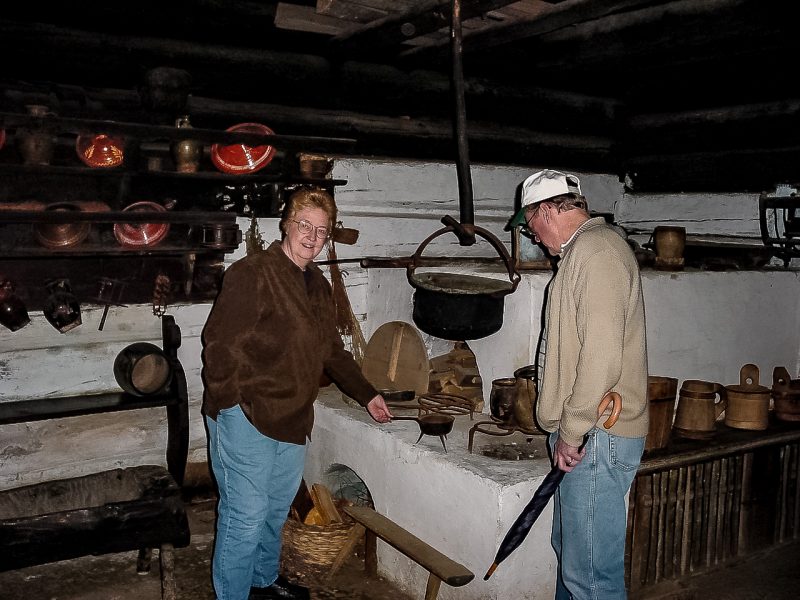
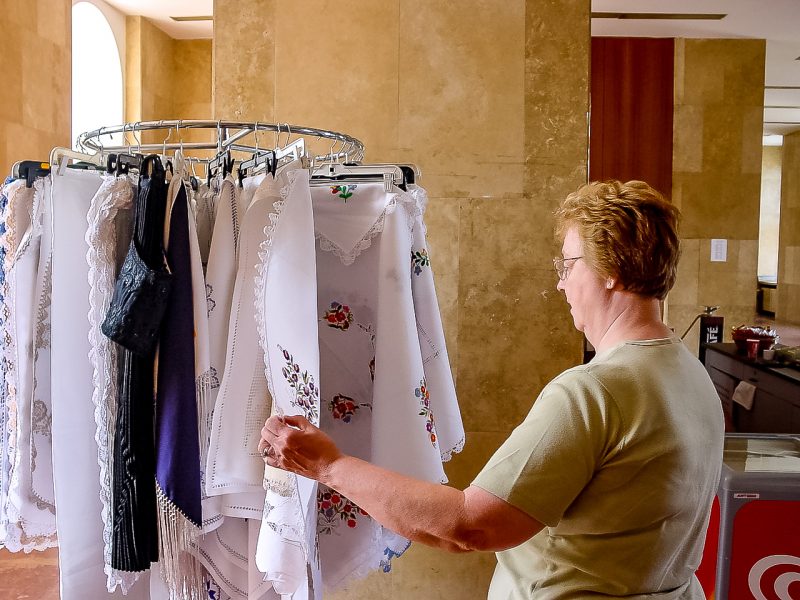
One of the first things Nana and Papa had to do in Poland was to buy some warmer clothes.
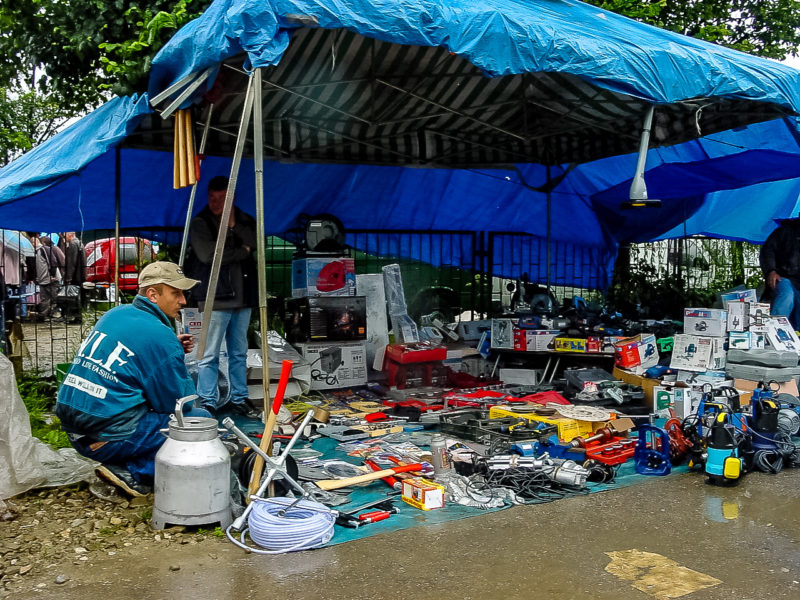
We took them to the market.


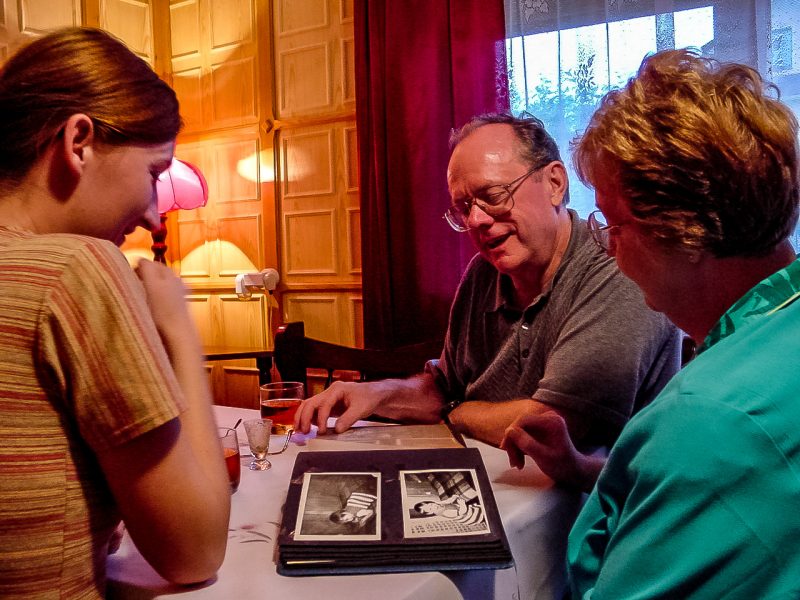
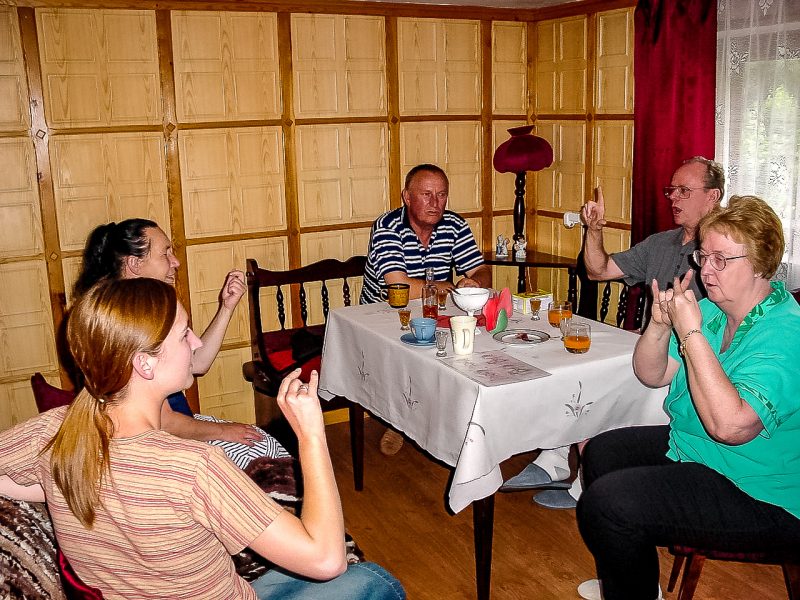
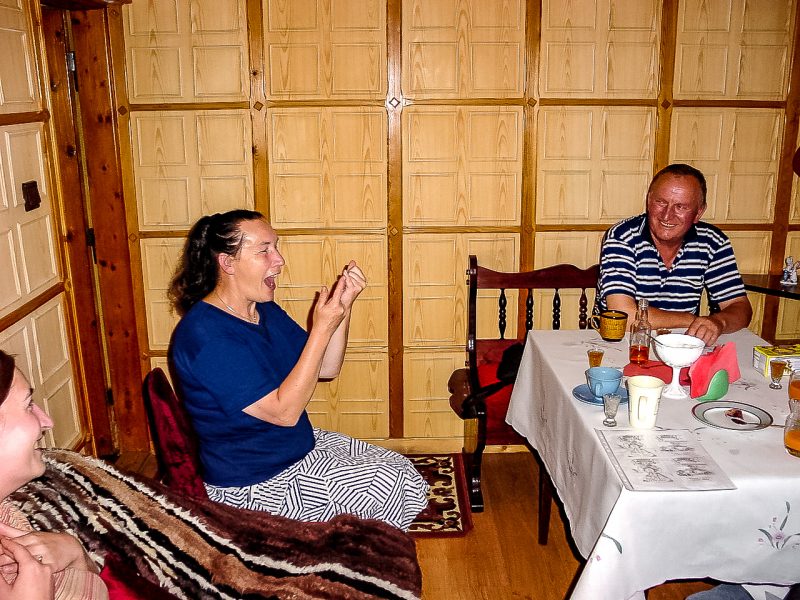



Umberto Eco defined translation as “the art of failure.” Boris Pasternak, on the other hand, said, “Translation is very much like copying paintings.” I’ve done very little translating and interpreting while in Poland. I’m a teacher by trade, and my Polish is relatively horrid. Still, I’ve been asked a few times during my time here to translate or interpret.
I’ve done just enough to realize Eco and Pasternak are right, and that I hate it.
Interpreting is in some ways the worst of the two, because as a barrage of words is constantly coming at you. I’ve never done simultaneous translation, for my Polish is not fluent and so I don’t really usually “think” in the language as it’s coming at me.
There have been some strange interpreting situations, though. Once I was called out of class and hustled to the mayor’s office to translate for “some Japanese woman” who was there. A Japanese woman? In little Lipnica Wielka (Polish speakers, no pun intended)? It turned out that she was working on a dissertation and wanted some information about traditional views of land and forest in the area. The local folklore expert was there, and I sat translating from Polish to English for the woman, then she scribbled notes in Japanese.
Translating is less stressful – you can do it with a cup of coffee and a few breaks. But I still don’t like it, at all. It’s all made doubly hard by the fact that I’ve never had any formal training in the theory of translation. Robert Frost once said that “Poetry is what gets lost in translation,” and I can readily understand that now, for it is simply impossible to “translate” something to another language – it’s re-creation in another language. It is, as Pasternak said, copying paintings: you’ll never get the brush-strokes identical, and the pigments won’t completely blend in the same way, but looking at it from five meters, you won’t see much difference.
I recently had to translate a description of a folk group for an application to perform in a folk festival in June, somewhere outside of Vienna. One would think, “Description of a folk group – that doesn’t sound difficult at all,” and truth be told, it wasn’t. There were perhaps three words in the text I didn’t immediately recognize. I knew from the context what they were (names of dances and such) but I wasn’t sure if the name had an equivalent in English. It was then that I was reminded: understanding a text is one thing; making it readable in another language is something entirely different.
Some of the sentences just gave me fits.
Often, it was because the words used in Polish are not used in the same way in English. An example of this was the sentence, Znawcy szczególnie podkreślają udane połączenie autentyzmu z estradowymi sceny. This would literally be translated, “Connoisseurs especially stress the successful combination of authenticity with entertaining skits.” That makes absolutely no sense, though. First of all, “connoisseurs” doesn’t apply to folk groups. To wine, to cigars, but not to folk groups. Second, without any context, you can’t say these connoisseurs/judges “stress” (literally “podkreślać” is “underline”) the successful combination. Stress to whom? For what? My version: “Judges have especially noted the group’s skits, which are both authentic and entertaining.”
Often, I simply had to write my own English version of the text. For example: Ponadto można zwrócić uwagę na używanie przez członków zespołu, tradycyjnych instrumentów ludowych m. in. fujarek, czy listka. W obecnej chwili instrument ten jest już rzadko spotykany w klasycznym instrumentarium ludowym. An absolutely literal translation: “Moreover, it’s possible to pay attention to the used by parts of the members of the group traditional folk instruments such as the fife and leaf. Presently this instrument is already rarely met in classical folk instrumentation.” Again, this is absolutely unreadable, and the sentence is both straight-forward and troublesome.
First, it highlights a couple of the idiosyncracies about Polish: subjectless, verbless sentences. The first portion, Ponadto można zwrócić uwagę, uses "można" -- technically, this is not a verb. But it's used as a verb, with an understood subject. In this context, I would translate it, "one can" or "you can." The sentence is idiosyncratic with its use of "zwrócić uwagę," which means "pay attention." In such a context, an English speaker would probably use "one can notice."
Second, there's some inexactness in the literal translation of "fujarek" as "fife," because in it’s not simply a wooden flute, but a unique, single-hole wooden flute. In other words, it’s a thin wooden pipe which is made to whistle by placing the forefinger over the bottom hole, with changes in pitch accomplished by varying the size of hole with said forefinger. That’s horribly clumsy, and not entirely necessary.
A third problem is stylistic. In English, I think the sentence would sound better in active voice and not passive, something like, "Several members of the band play uniquely traditional instruments." But since I was translating it and not editing it, I left it in passive.
My final version: “In addition, one should pay particular attention to the traditional folk instruments played by some of the group members, such as the ‘fujarek’ (a single-hole fife) and the rarely-played ‘listka’ (a beech tree leaf).”
This touches on the problems I always have when translating: When has an individual stopped translating and started editing? What’s the border between the two?
This question is most acute when I read bilingual editions of poetry. Kinga and I received a bilingual eition of Wisława Szymporska's Chwila (Moment). I read the Polish, then sometimes ask myself, "How would I translate that?" I glance over at the English side and find something completely different. The sense is there, but none of the words.
And it doesn't even have to be poetry. It can be simply the title of a book. For ages I've been reading Agata Tuszyńska's impressionistic biography of the Polish-born Yiddish writer, Isaac Bashevis Singer. In Polish the title is Pejzaże Pamięci. I read that in the bookstore and thought, "Landscapes of Memory. Singer. Sounds interesting." The English version of the book is published under the title, Lost Landscapes: In Search of Isaac Bashevis Singer and the Jews of Poland ("Amazon). "Lost" does not really mean the same as "of memory," but poetically speaking, it does. I wouldn't have had the guts to translate it that way, though.
Which is why I'm a teacher, not a translator.
Language teaching used to be simply a matter of teaching grammar and vocabulary, then requiring students to translate sentences from their target language to their native language and back. Theories of pedagogy now of course state that such a method is less than ideally effective, and besides, it's terribly boring. Still, from time to time, it's necessary and even useful.
Very often, when asknig a student to translate a sentence to Polish, I don't ask, "How would you translate this?" but rather, "How can we understand this." It's a reinforcement of a pet theory and method of mine: teach students that knowing the exact meaning of every word is not necessary to understanding the text as a whole. Context provides hints clues that can help students understand the general sense of the word (i.e., it's clearly an adjective, probably with a negative connotation) so that they don't go running to the dictionary continually.


As a child, I hated mushrooms — or what I took to be mushrooms: slimy little buds that came from cans. Admittedly, I'd never tried them. Eventually, I did, and I came to like what I'd mistakenly taken as "mushrooms."
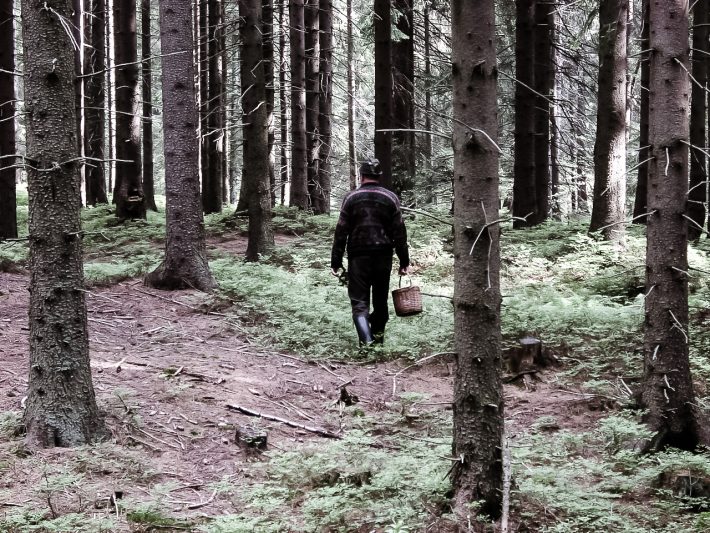
I also recall being in the woods and wondering why we didn't just pick the mushrooms that were all around us. Someone explained that they were poisonous, and my mother later clarified that "We only eat mushrooms we buy in stores."
That limits things somewhat: champignons, portabella, and shitake are the only non-canned mushrooms I recall seeing in stores in the States. Of course, I never really went out looking for other types, so I'm sure I'm misrepresenting mushroom's availability.
Then I came to Poland, and all my conceptions about mushrooms changed. Mushrooms became not something you bought in stores, but something you went out in the woods to find.
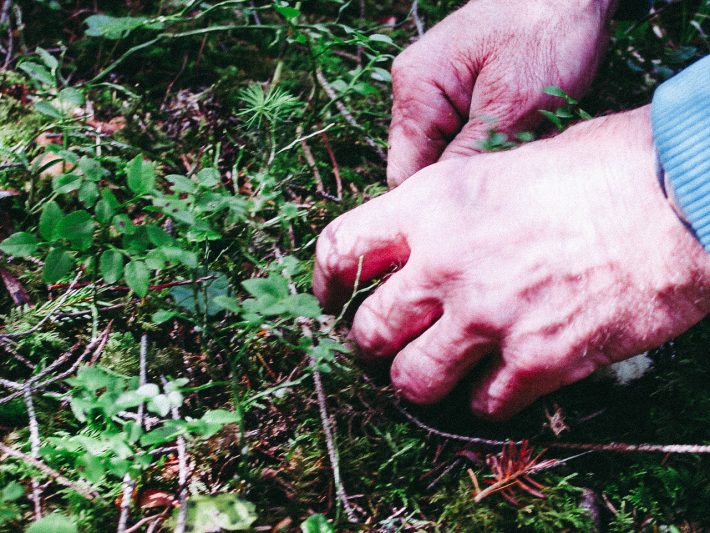
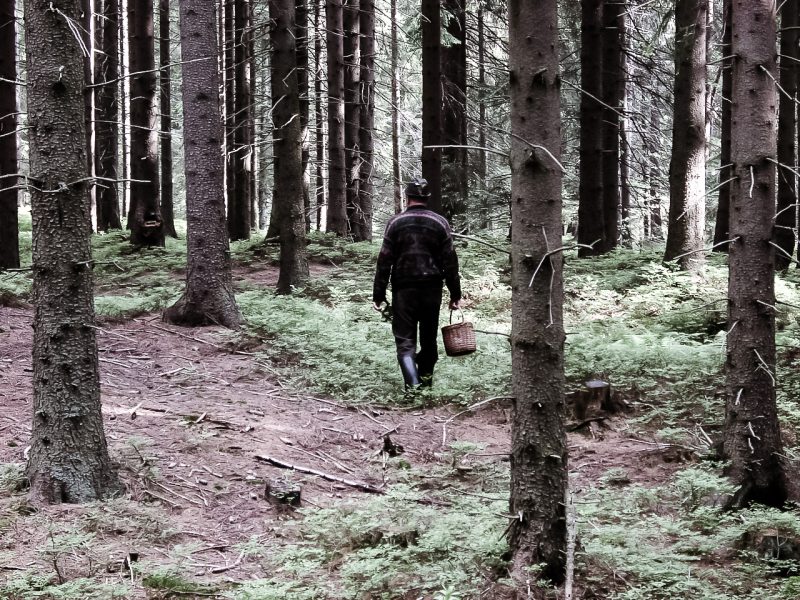
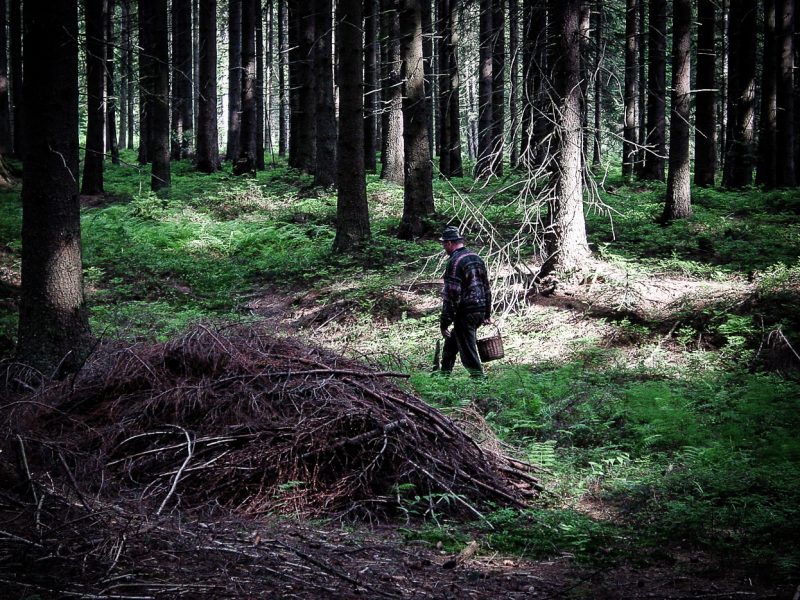
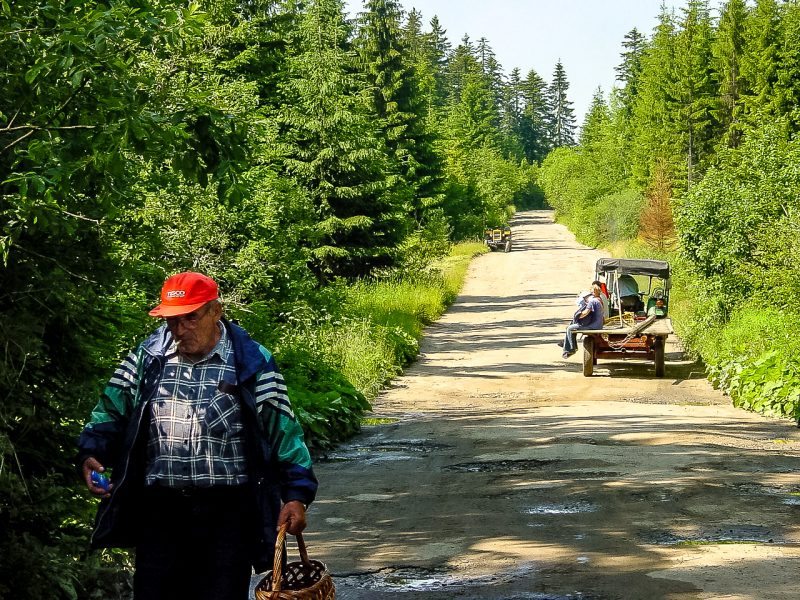
"Mushrooming," for lack of a better term, is a popular hobby in rural Poland, and not only, for often people come from the cities for the express purpose of "mushrooming." It's a simple concept, really: take a basket into the woods and wander around looking for mushrooms.
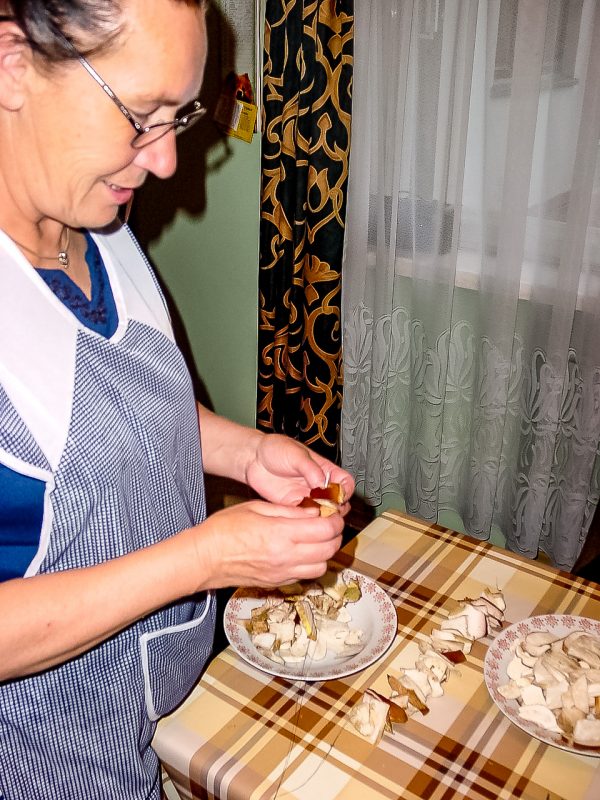
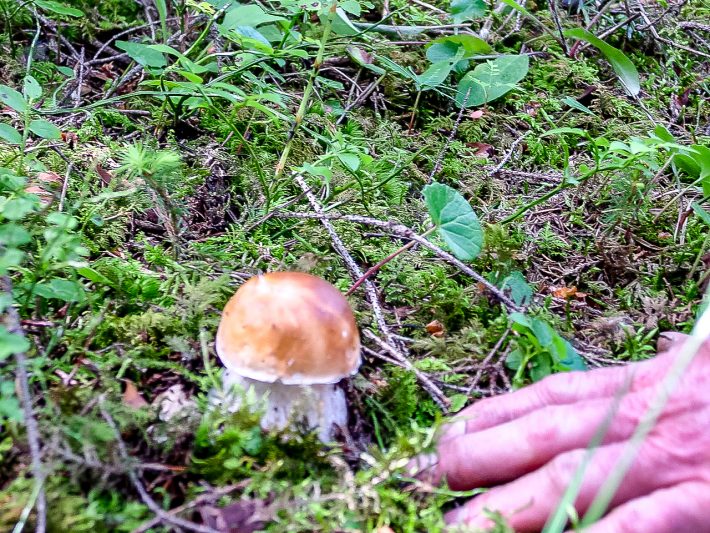
Of course, not just any mushroom will do. Some, as a shroomer put it, are "edible only once." Others don't taste so good. What everyone dreams of is finding "prawdziwki." I've no idea what kind of mushroom that would be (the mushrooms in the first image are "prawdziwki" — anyone know what they're called in English?), but the word "prawdziwki" would be literally translated "little real ones."
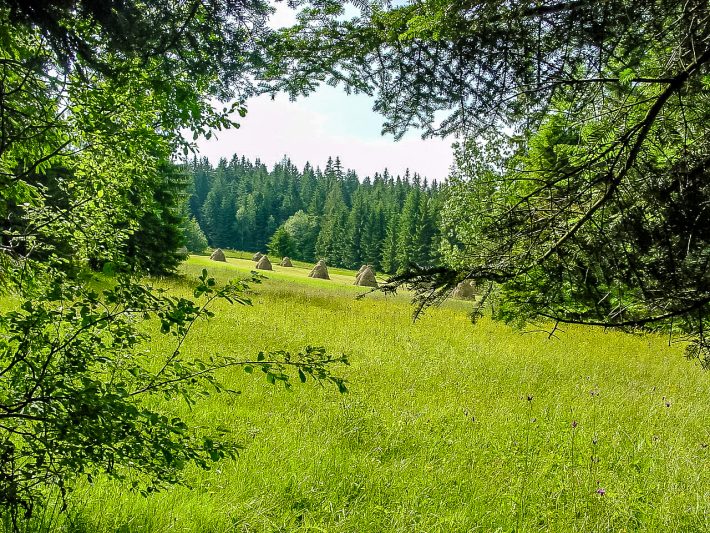
The first step is to find them. Most often they're at the base of trees, or near them, partially covered, growing in damp ground.
A friend told a story of someone who, while out hunting mushrooms, unexpectedly came upon a deer with a broken leg, it's antlers caught in the undergrowth. The gentleman managed to kill the deer with the small paring-knife he'd brought along for cutting mushrooms. Then he went back into the village, borrowed someone's van, drove out into the woods, and loaded the deer up, only to find that the animal was much larger than he'd imagined and the antlers were still on the ground. So he tied the antlers up to the roof of the van, drove it home, and had venison for a week.
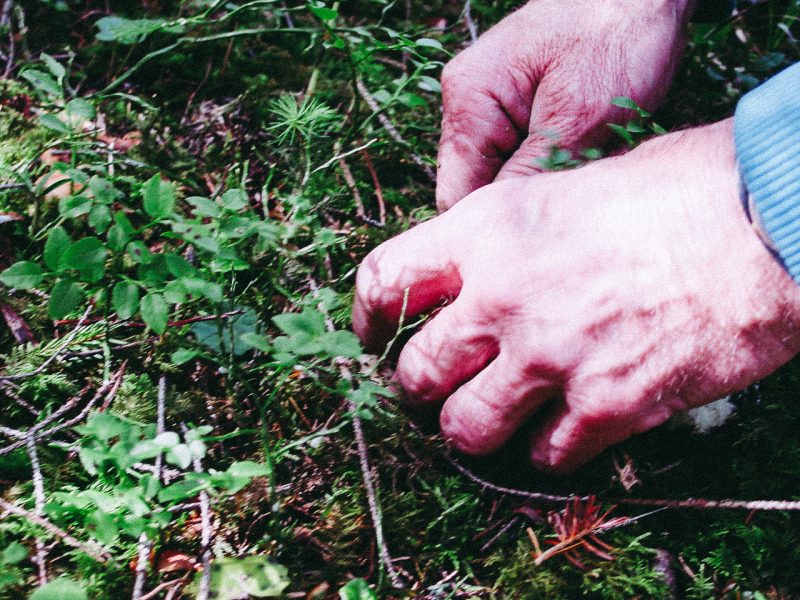
Once you find them, it's not a question of jerking them out of the ground. Instead, you have to cut them carefully at the base.
In some ways, it's a pleasant enough activity even if you don't find any mushrooms. Fresh air, sunshine, singing birds — a pipeful of tobacco in my case. It's not a bad way to spend a morning.
But the longer you look without finding anything, two conflicting thoughts start rising. First of all: "I've been out here for ninety minutes already and I haven't found anything edible. This is a waste of my time now." Second: "I've been out here for ninety minutes and I haven't found anything edible. I can't possibly go home empty-handed, so I'll look longer."
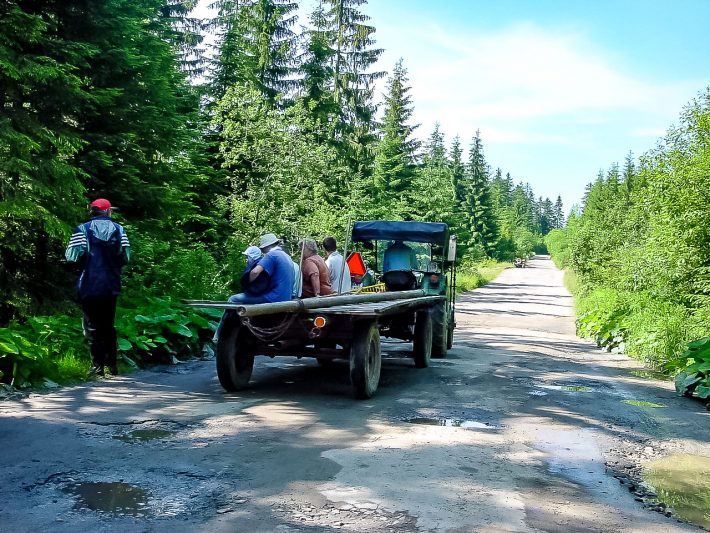
What's worse is when your shrooming partners are finding "prawdziwki" and you aren't. Of course, I'm a shrooming novice, and I guess I don't know how or where to look.
Transubstantiation—a doctrine I’m only now beginning to understand. A frightening doctrine in the twenty-first century. A doctrine based on an antiquated idea that has been shown, centuries ago, to be false. Transubstantiation is simply the Catholic doctrine that explains how the bread and wine, which after consecration are supposedly Jesus’ body and blood, still look suspiciously like bread and wine. Their substance has changed, retaining only their accidental appearance. And that, my friends, is Aristotelian “science” which has been shown to be false. It still permeates our thinking, though, as Pinker shows in The Blank Slate. Here is a whole doctrine based on—I don’t even know.
This helps explain for me how cupping glasses—something I need to write about for my site—can still be used here. It’s a country that abounds in antiquated thinking.
Obviously, I’m still reading Letters Between a Catholic and an Evangelical. It seems to be that the basic problem, the source of disagreement between Catholics and Protestants (and Protestants and Protestants) is the Bible itself, but that is never a considered possibility. The Bible in one place says one thing, and in another, something entirely different. What believers are forced to do is write books like The Hard Sayings of Jesus and WCG’s whole “difficult scriptures” idea to try to make obvious inconsistencies (which would be labeled as such were they found in any other book) appear as “seeming inconsistencies” or “difficult passages.”
Take for example the whole works versus grace thing:
On the other hand, we find Jesus (who should have known what is required for salvation if anyone in the world ever did) and James saying something quite different.
It also explains why there’s such (as I called it in my “Why I’m not a Christian” piece) a literal/figurative potluck.