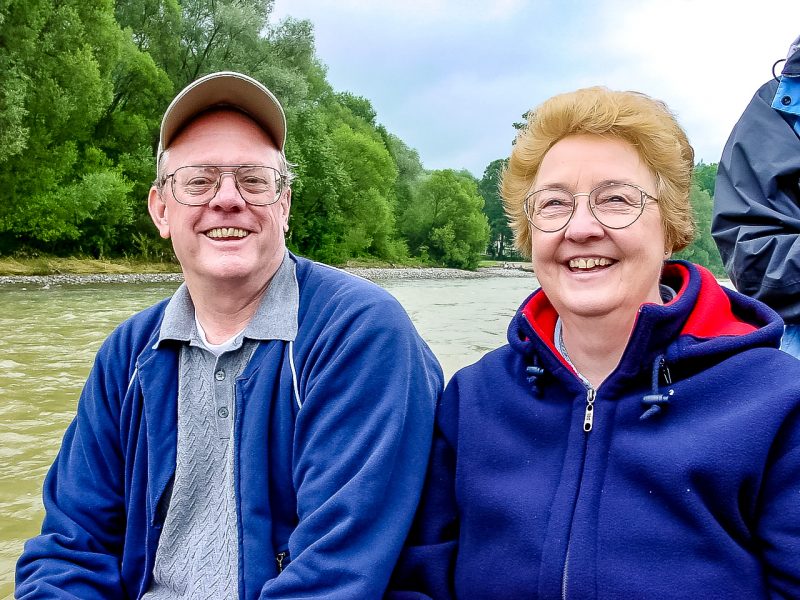
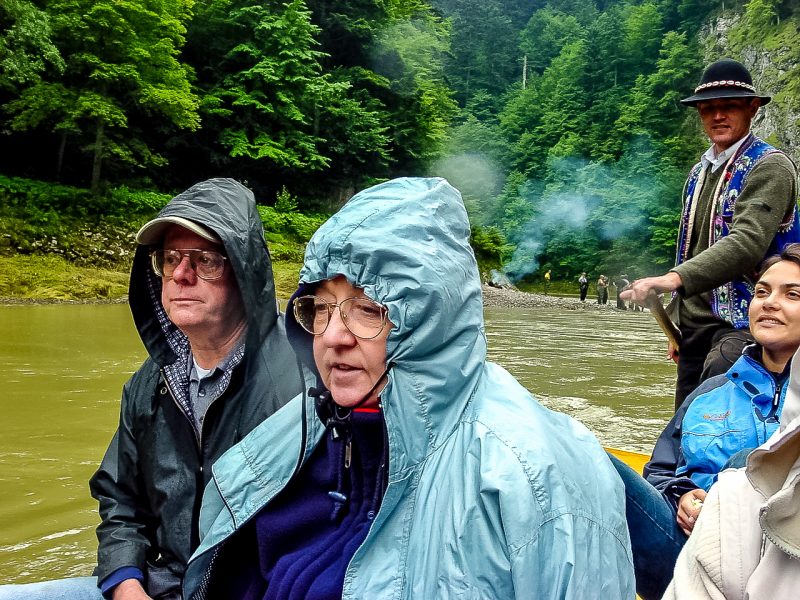
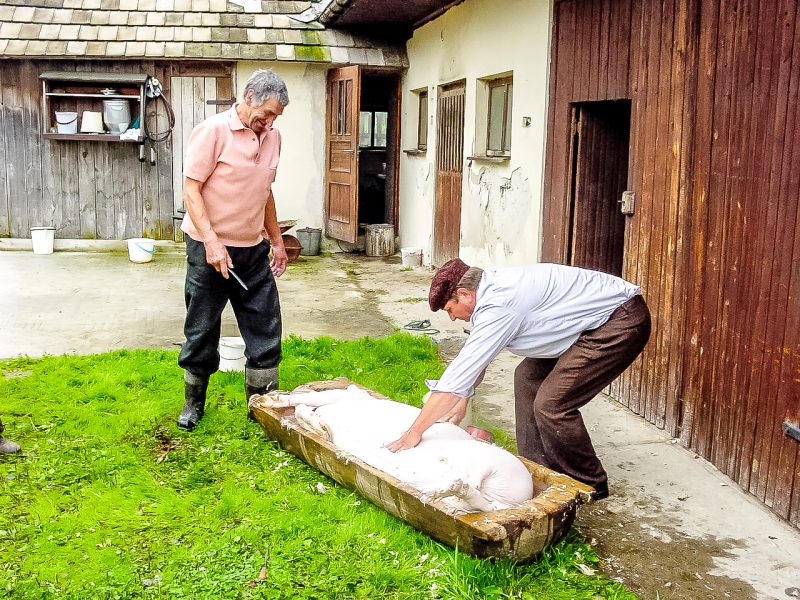
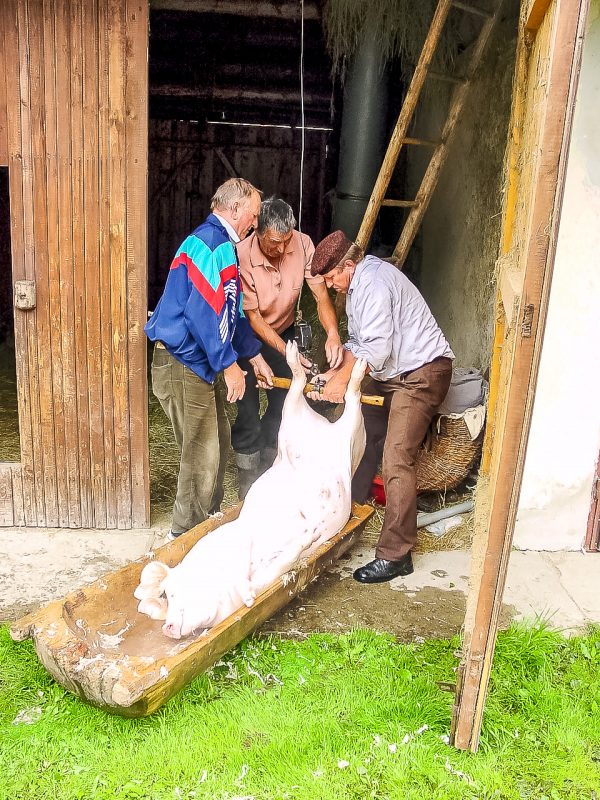
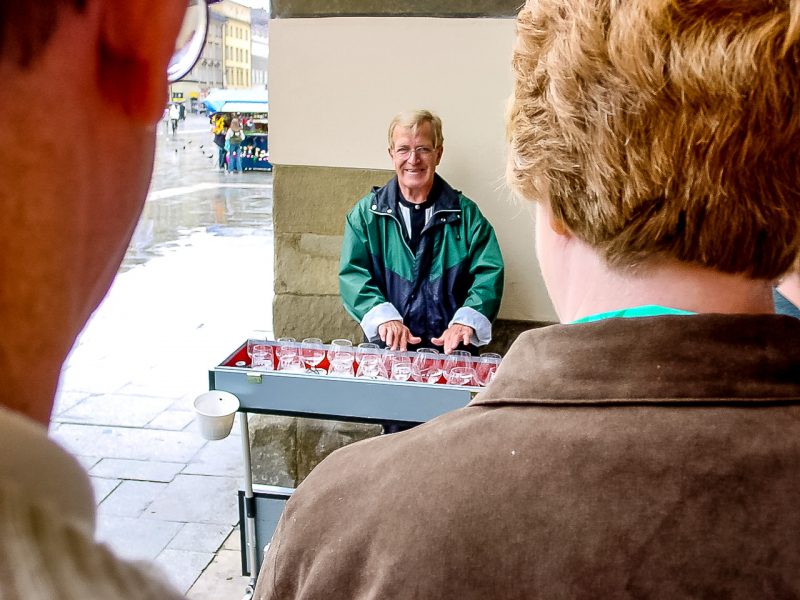
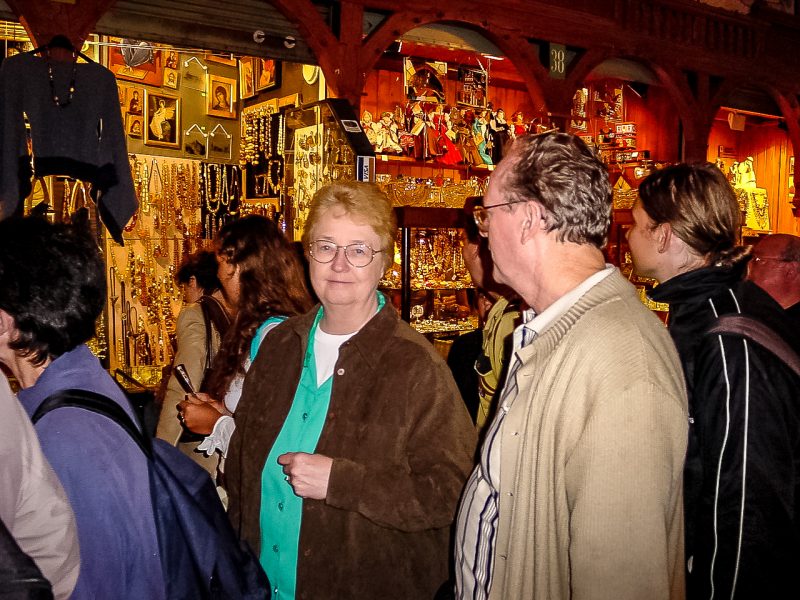
matching tracksuits

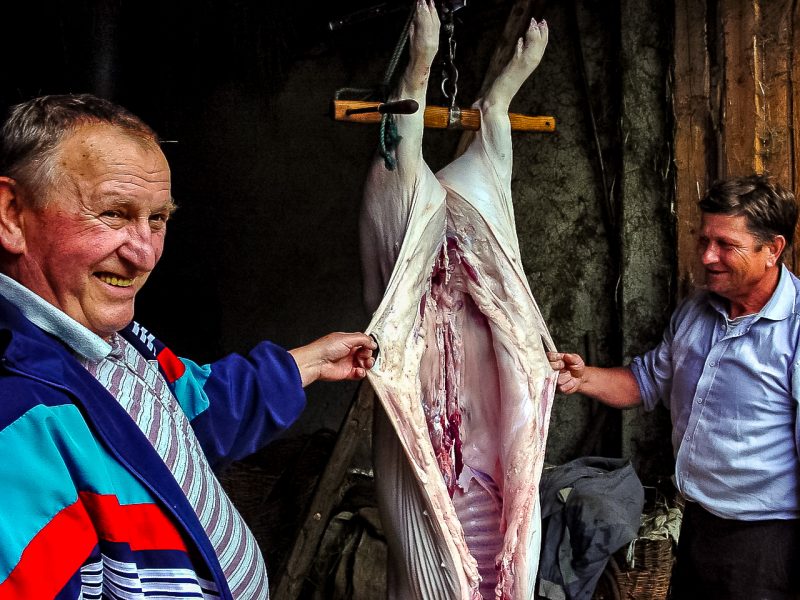
fun in threes, sometimes fours

Preparing for the Wedding

The Cooks and the Cakes

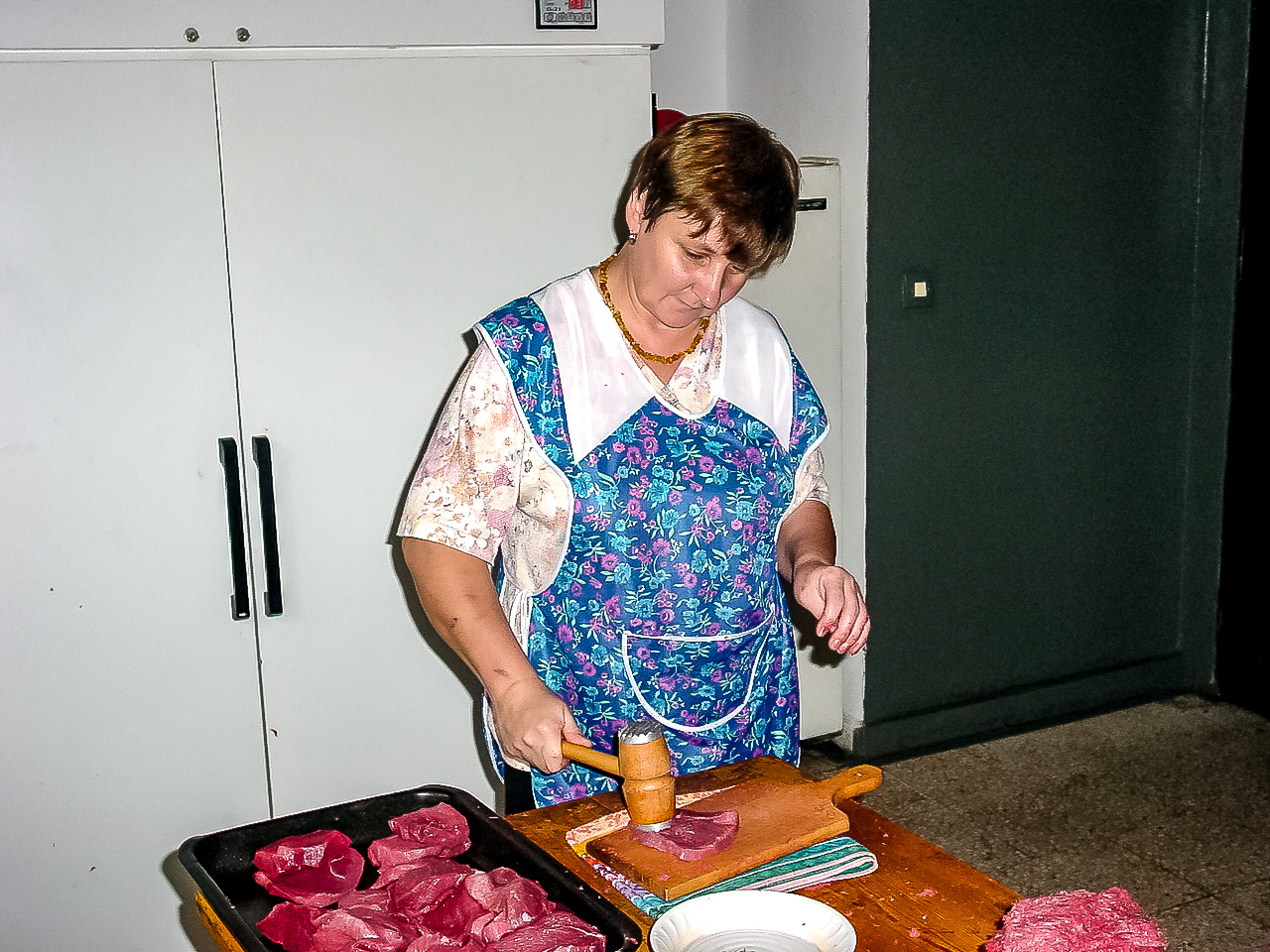
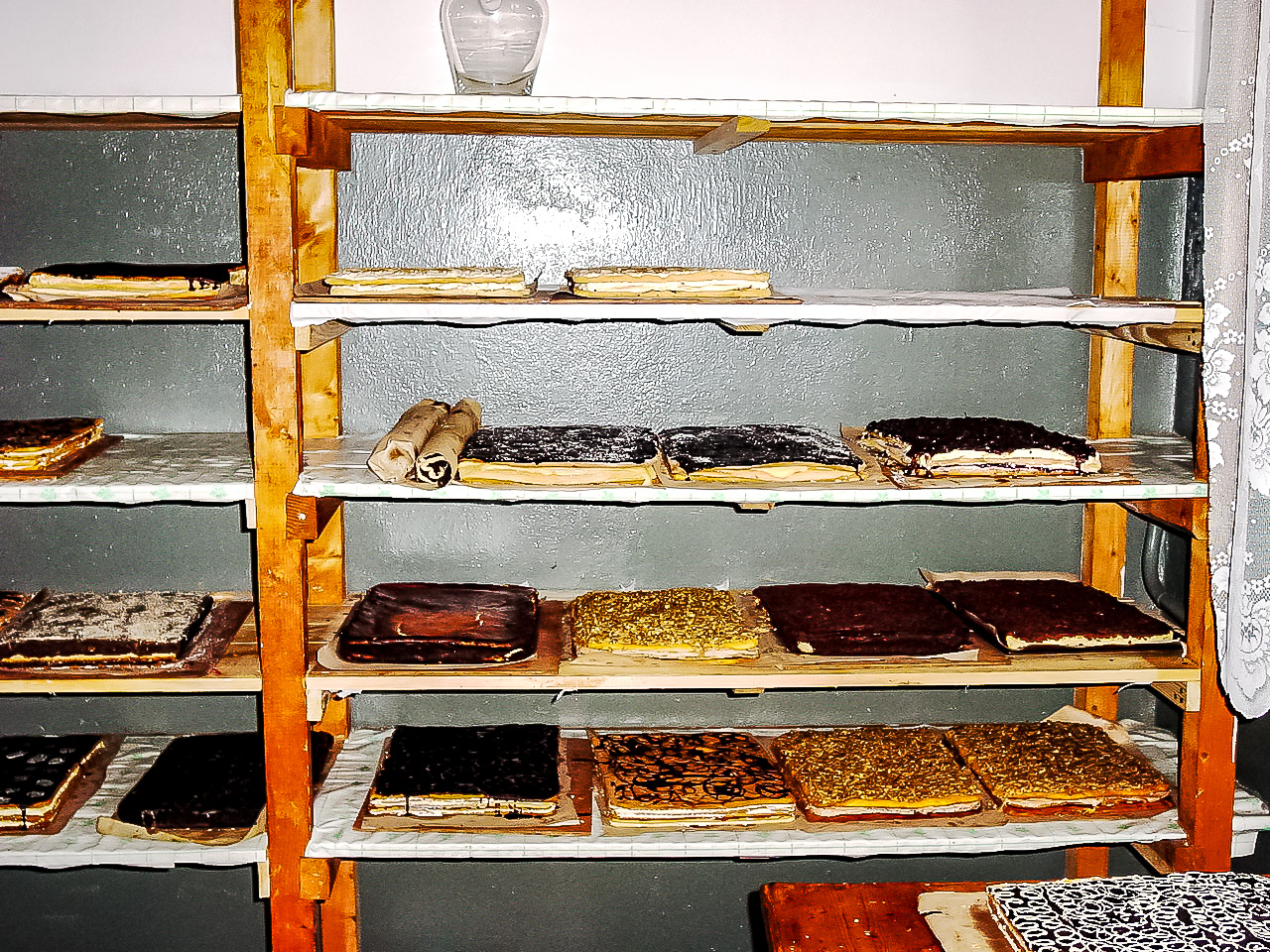
The four cooks began working Tuesday, actually. First order: making the cakes. Because it's part of the Polish wedding tradition to give departing guests a small box of cakes to take home, about double the logical amount of cakes is necessary. In other words, the cooks baked enough cakes for double the people.
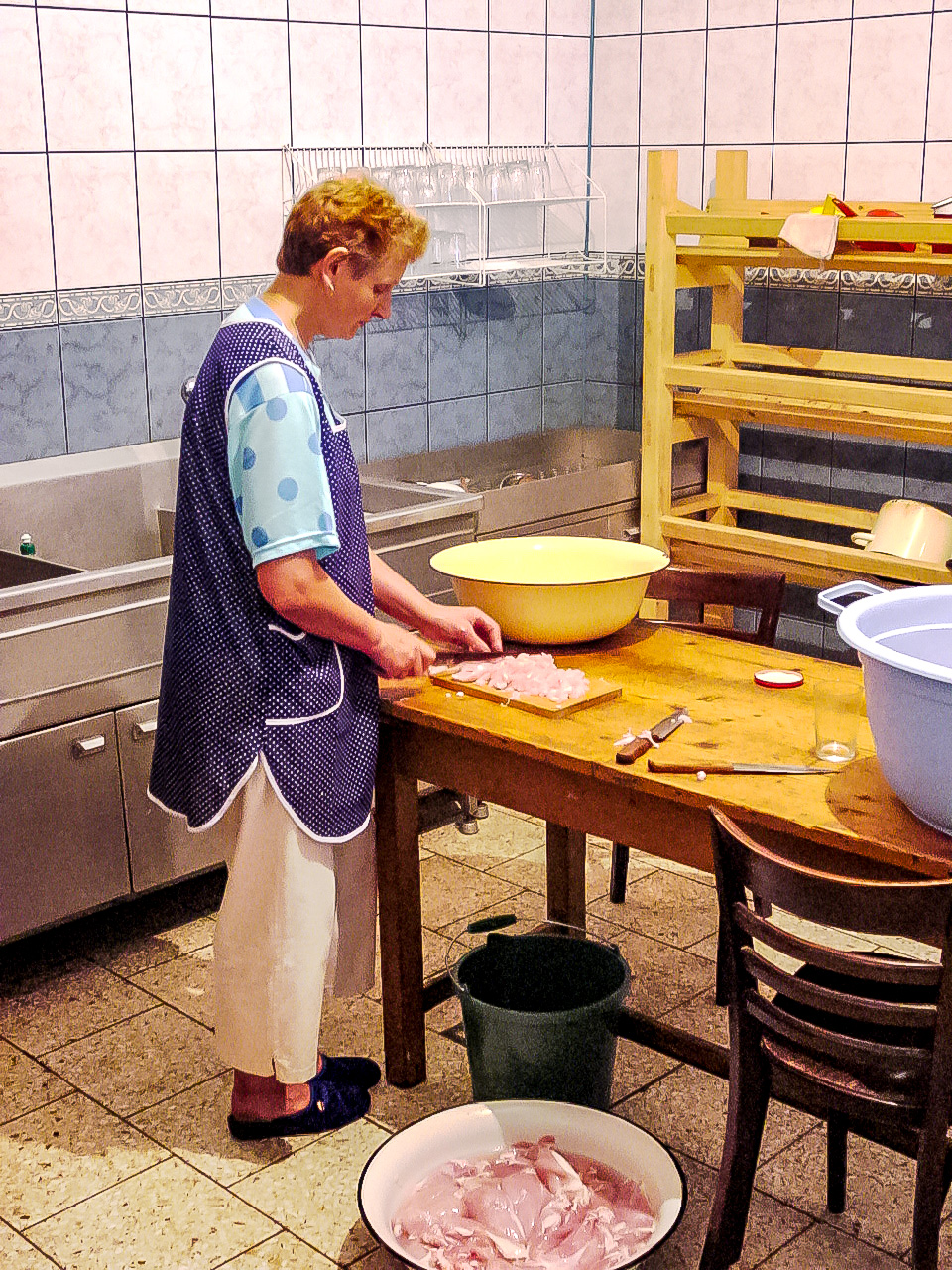
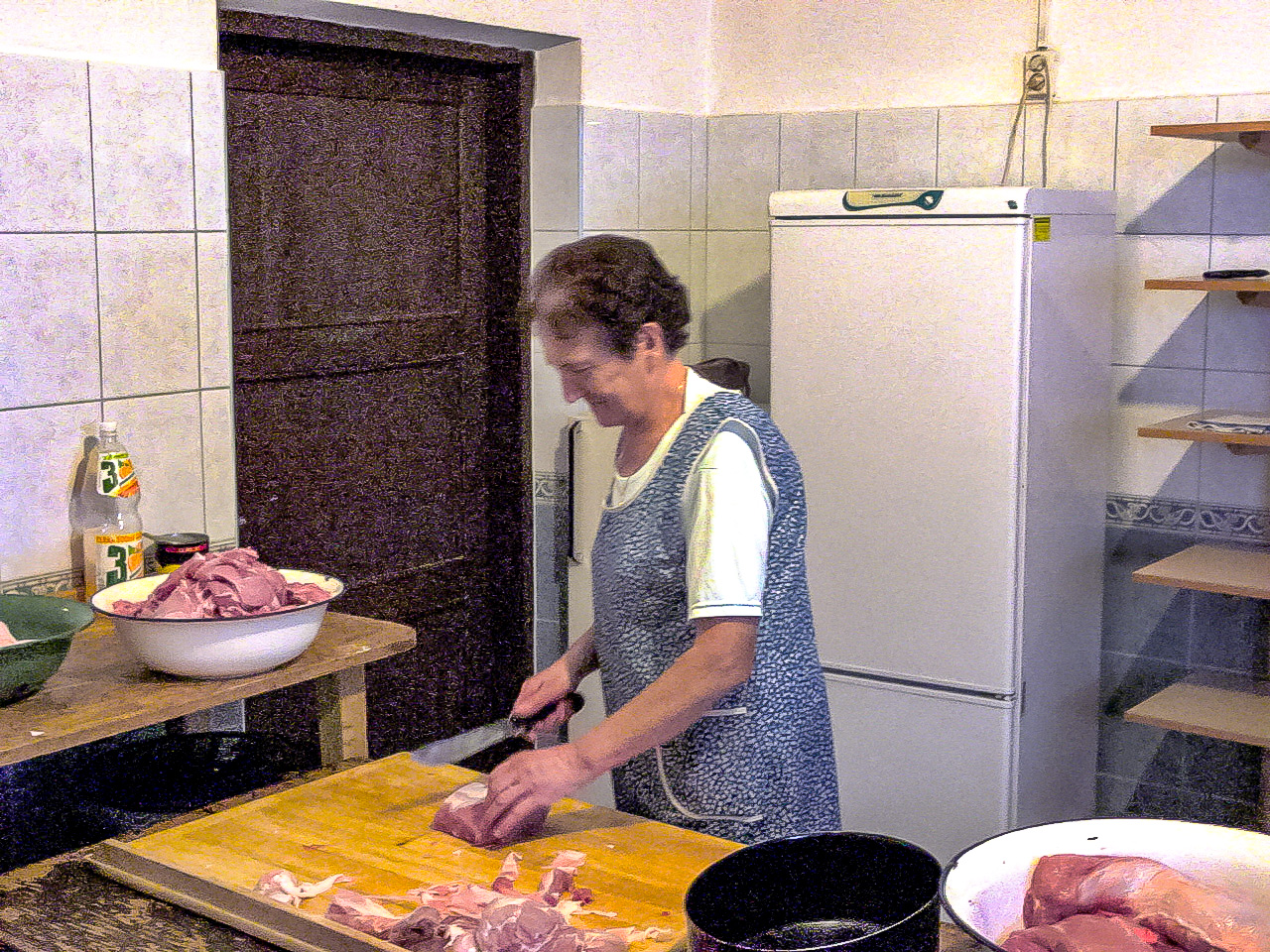
An abbreviated view of the assorted collection is below.
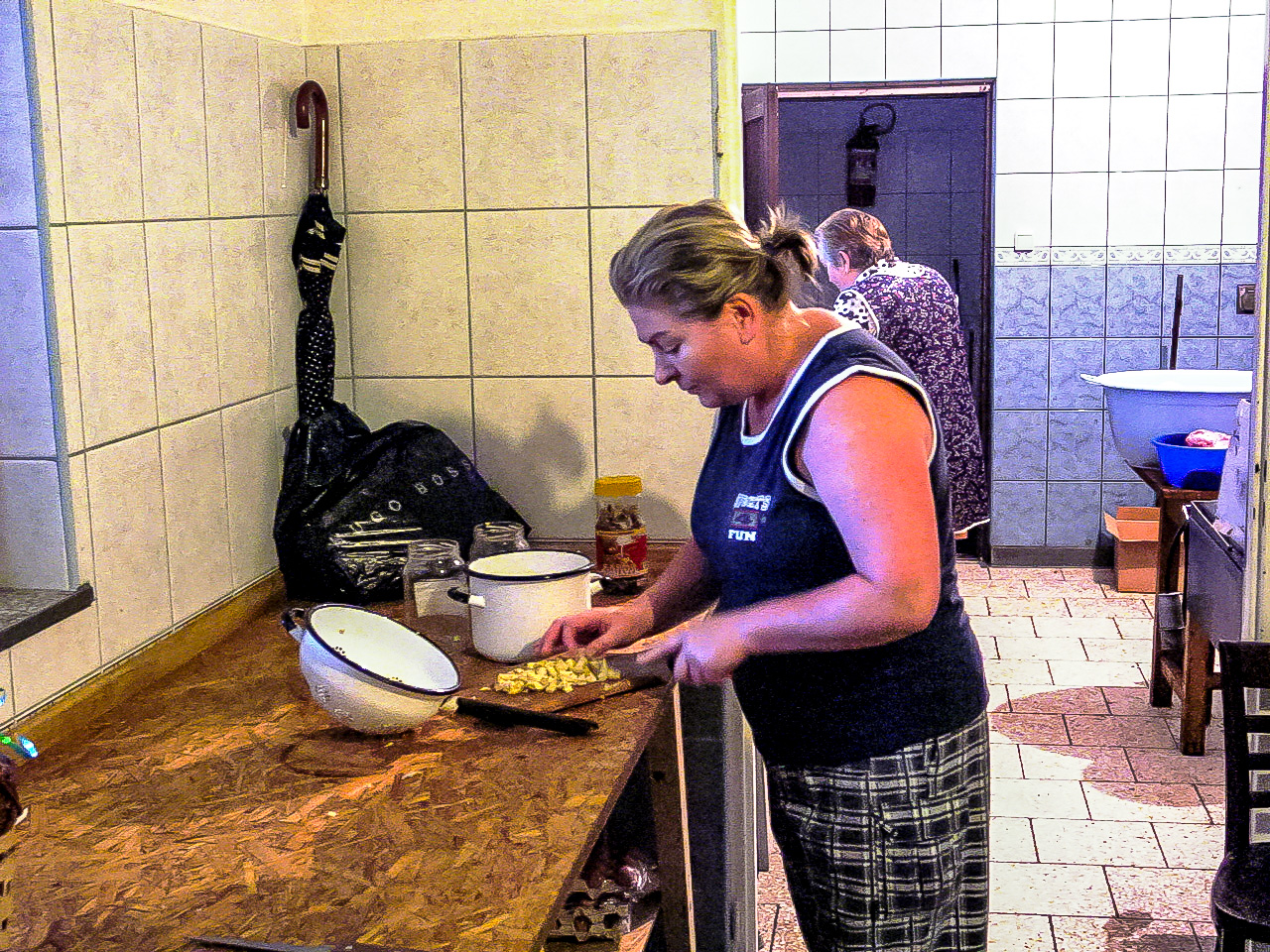
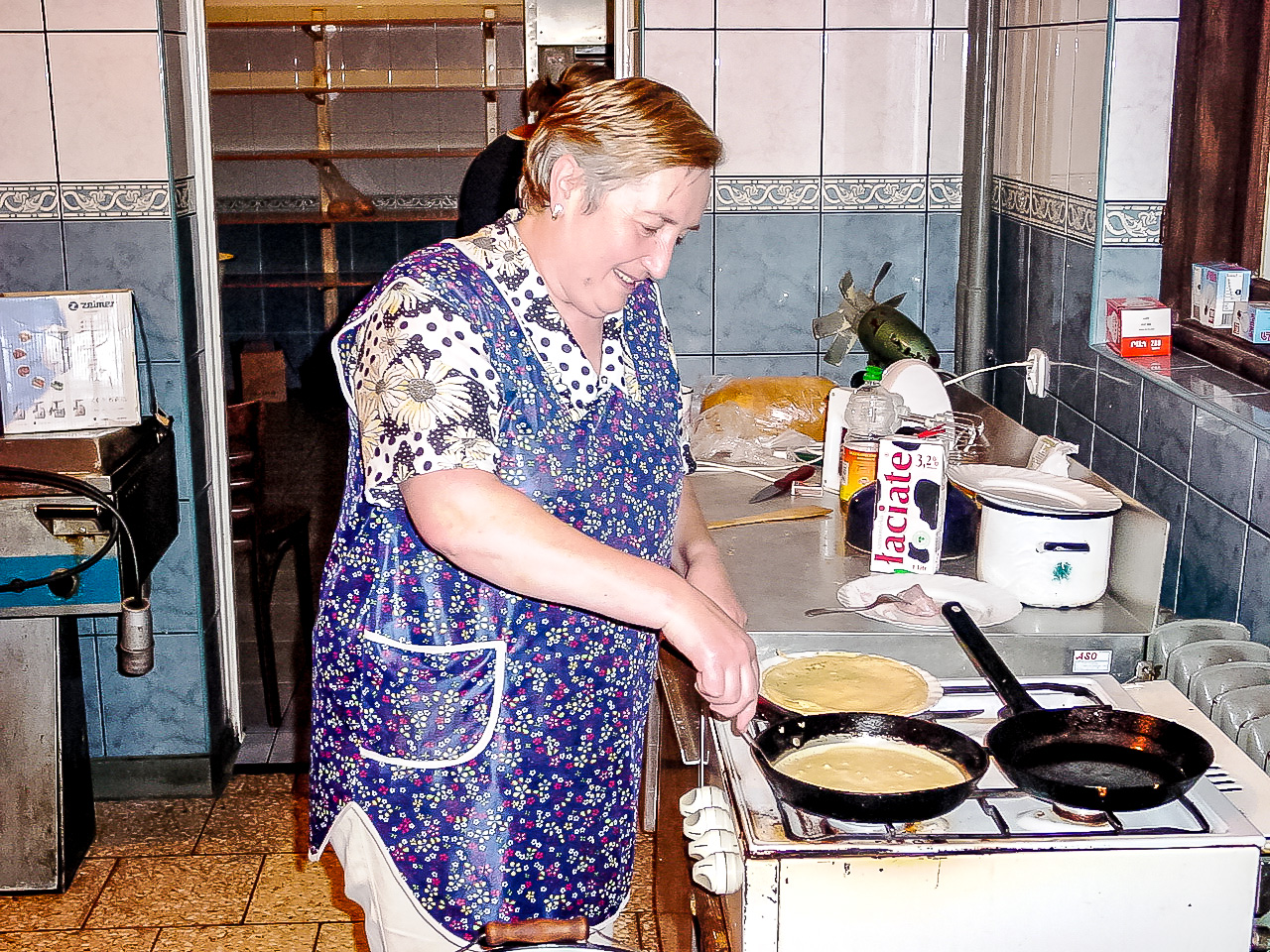
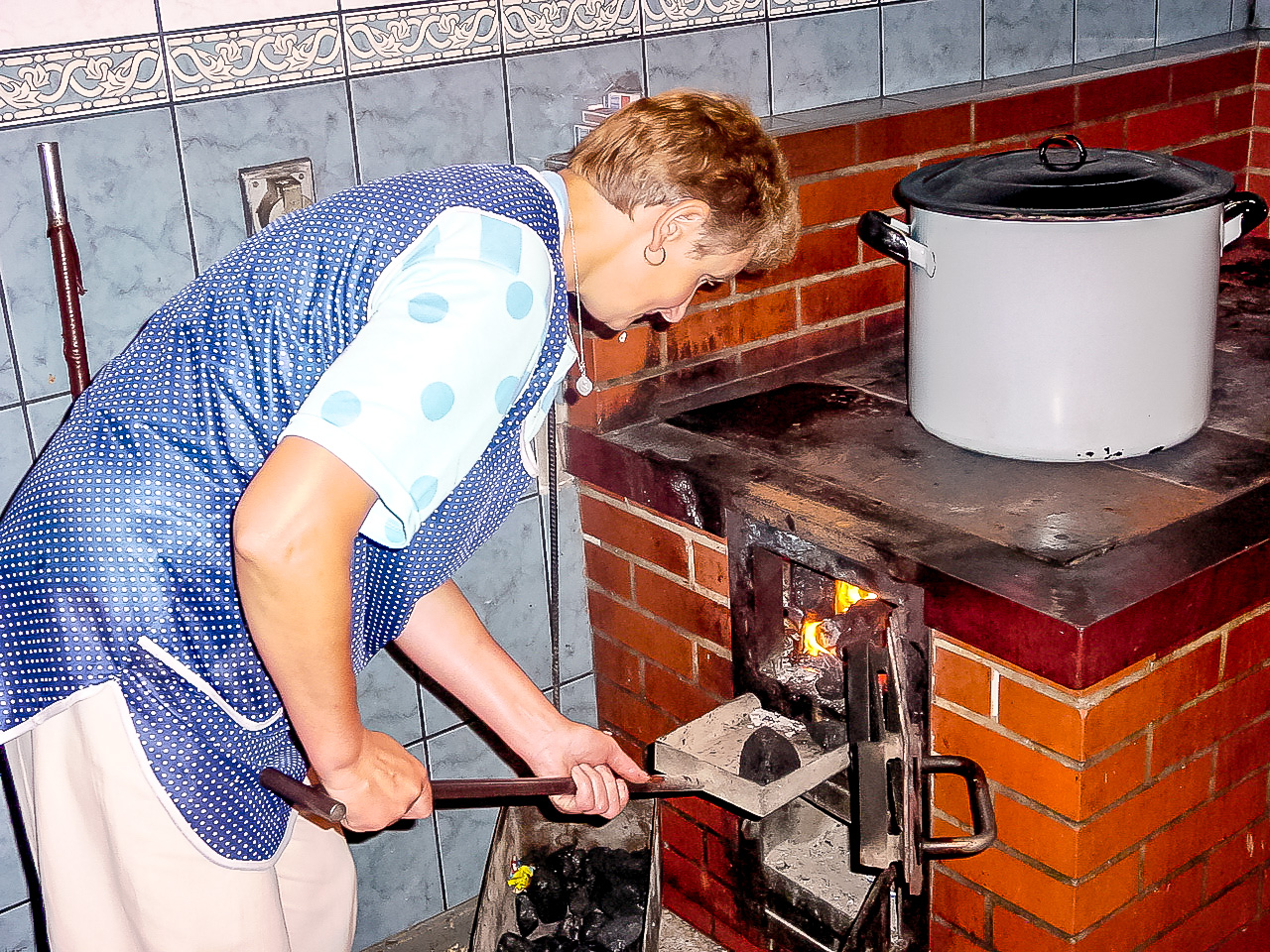
Thursday and Friday the cooks were chopping, grinding, frying, boiling, and everything else imaginable. And they were loading the main stove with coal, for people still cook with traditional ovens and stoves here.
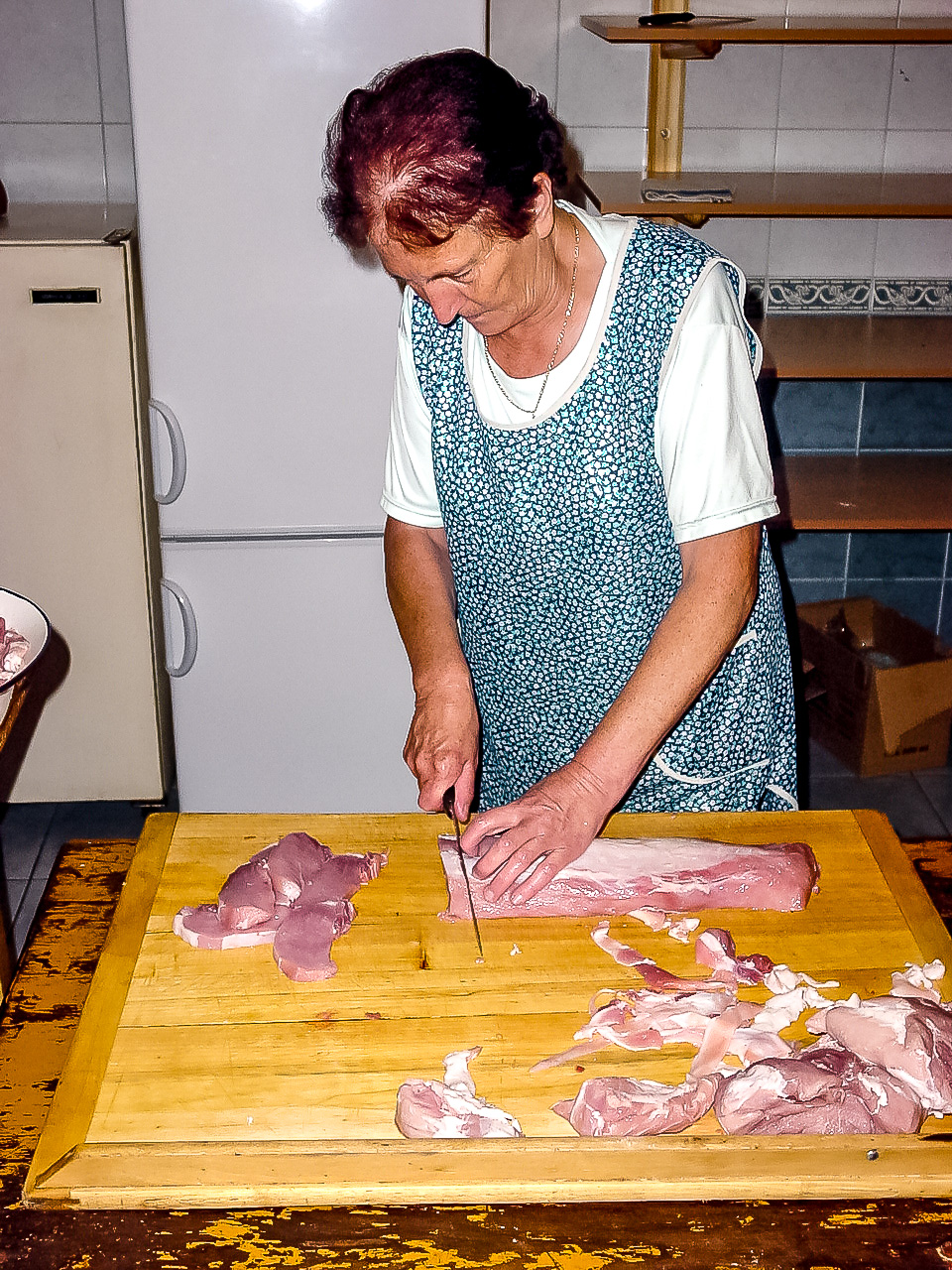
Four cooks, four days: that makes an estimated 130+ man-hours just for preparing the food.
The Drinks

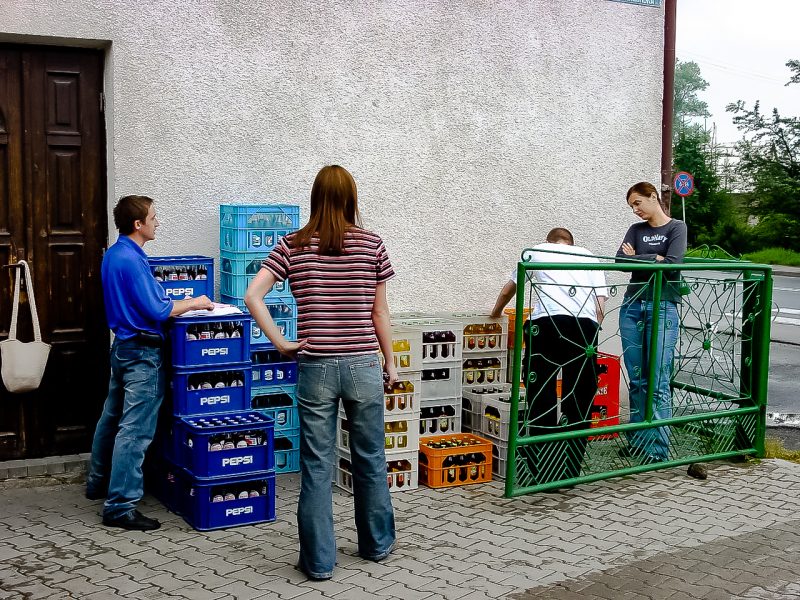
The amount of beverages for a twelve- to fifteen-hour party of one hundred forty people is almost back-breaking. Soft drinks, juices, and mineral water were on every table in abundance, and this meant it all initially had to be delivered and worse, taken upstairs.

Fortunately, we had quite a bit of help doing this. (Actually, "we" is not quite right, because I wasn't even there. I was off on another errand.) But when the party was over and all the empty bottles and unconsumed beverages had to be taken back downstairs, there were just two of us: my Dad and I.
The Decorations

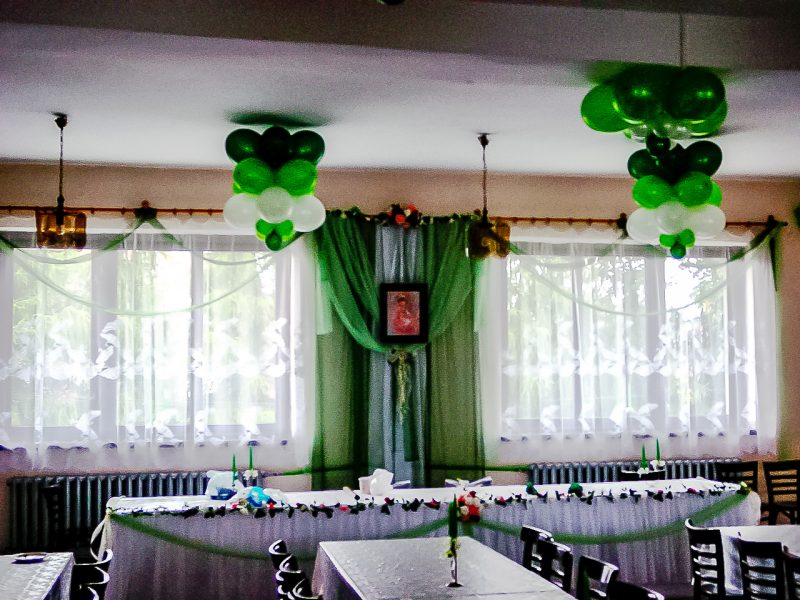
Over a thousand balloons were used to decorate the hall. Instead of ten of us sitting around half a day blowing up balloons, we hired a company to do it.

The tables were all our responsibility, though.
The Car

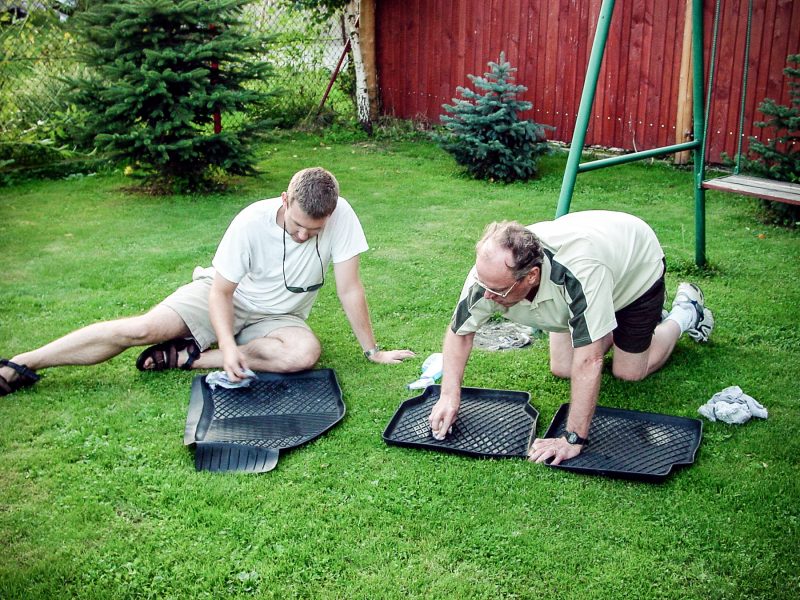
"Now, this is history," someone commented as we cleaned the car. "Four Americans cleaning a Pole's car!"

It's inconceivable to go to a wedding in a less than a perfectly clean car, so Dave and I set out cleaning it, inside (i.e., even deep into the trunk) and out Frday afternoon. Soon my father joined us, and Mom held the hose for a little while, giving rise to the history comment.
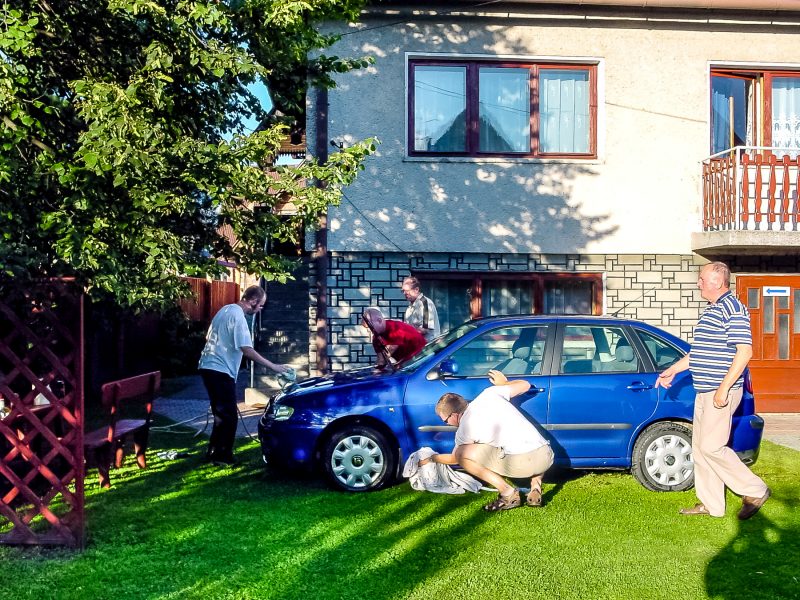
Dave and Kuba wax as Jan (my father-in-law) supervises
Johnny stops by
Dave and Dad get down to the details
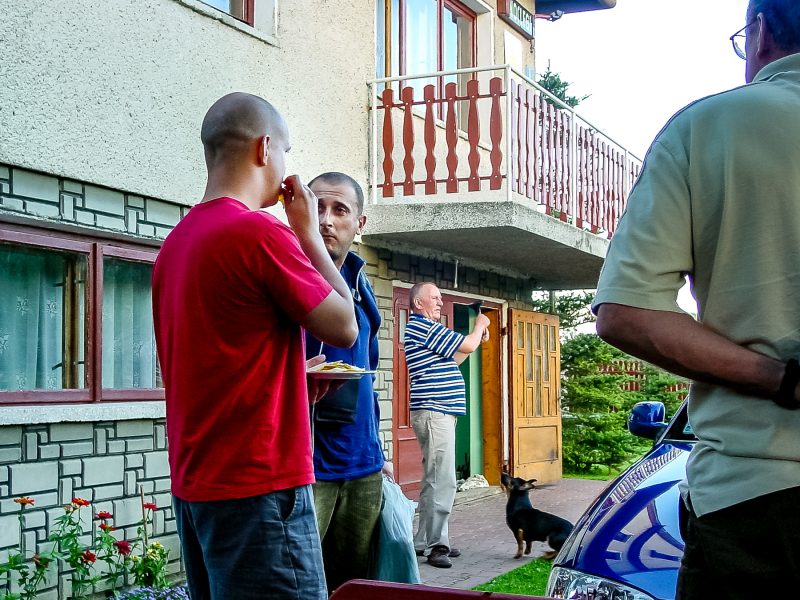
Dave drinks to Kuba as Dad and Jan look on

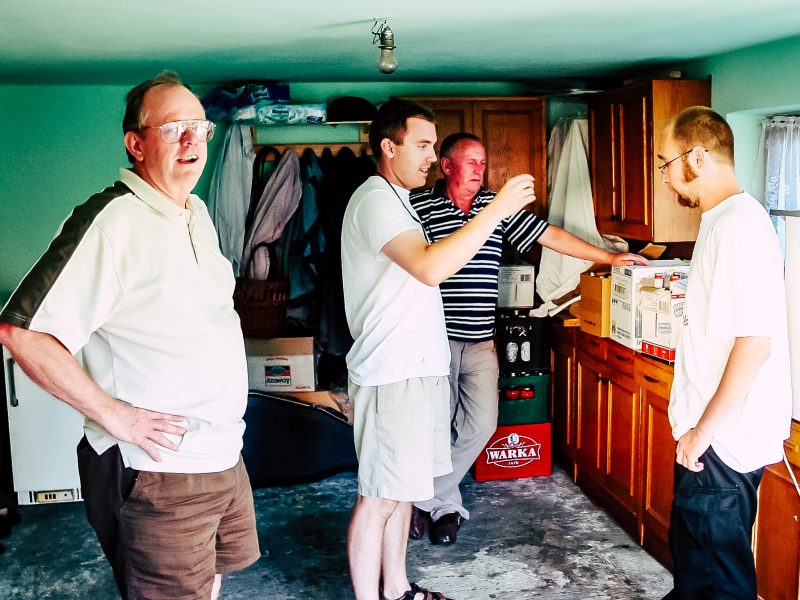
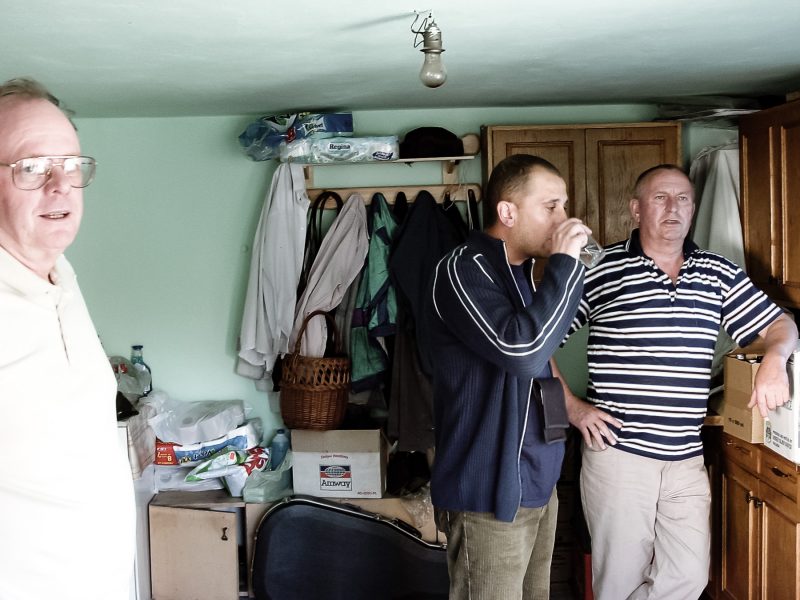
Of course, what's the good of cleaning a car in such a big group if there isn't a little bit of socializing going on as well? Jan called us all into the garage from time to time and gave everyone a shot of wedding vodka and instead of a chaser, we sampled the wedding oscypek. And Johnny, the best man, dropped in for a while on his way from Liverpool (!?!), making for a nice little afternoon.

And finally: the car's washed; the food's prepared; the clothes are ready.
Next: the wedding.
Review: Letters Between a Catholic and an Evangelical

McCarthy admits up front, in his foreword, that both he and Waiss had one aim: to convert the other. That the book is published by an evangelical publishing house testifies to the fact that Waiss failed; that the book is not titled “Letters that Converted a Catholic Priest” testifies to the fact that McCarthy failed.
Who won the debate is more a question of readers’ preconceptions than anything else. Catholics will be unconvinced by McCathy’s arguments, and few Protestants will be moved by Waiss’s somewhat bland presentation.

Of the two, McCarthy is much more aggressive, and in many ways, much more rational. But there is a mystical element in Catholicism that doesn’t mix well with pure rationalism. Recall that after consecrating the host in Mass, priest speak of the “Great mystery of faith.”

At the heart of the book is the question of authority: both accept the Bible as an authority, but evangelicals stop there, where as Catholics see Tradition and the Church as on equal footing as the Bible, comprising together the Word of God. Much of the book, then, revolves around Waiss trying to show how the Church’s extra-Biblical notions (i.e., those not specifically detailed in the Bible, such as the papacy, Mary’s Immaculate Conception, etc.) are, in some way, Biblically based while McCarthy chips away at Waiss’s arguments. The tables turn from time to time, especially discussing “sola scriptura,” but by and large, it’s a game of “Prove it from the Bible.”

As such, McCarthy and Waiss toss one phrase (or a derivative) at each other quite often: “No where in the Bible do we find X.” McCarthy fills in the variable with Papal authority, Marian devotion, the importance of Tradition; Waiss replaces “X” with the notion of “sola scriptura,” the Trinity, and a couple of other ideas. With the exception of “sola scriptura,” Waiss’s contention seems to be that McCarthy and evangelicals are essentially “guilty” (my term, not his) of the same thing they accuse Catholics of: incorporation of extra-Biblical doctrines. Waiss could have pushed McCarthy a bit harder on this point, I think, for he doesn’t even mention a host of non-Biblical based notions that “sola scriptura” evangelicals accept: Sunday worship, non-observance of Jewish holidays (i.e., no where in the Bible does it explicitly say that followers of Jesus are to stop observing the Jewish festivals), Easter, and Christmas come to mind.

This shows the Protestant notion of wanting to have its theological cake and eat it, too. Protestantism accepts the early Church councils’ decisions about the New Testament canon, the proper day of Christian assembly, the appropriateness of celebrating Jesus’ birth and resurrection, but most denominations (especially evangelicals) are unwilling to accept the Catholic Church’s continuing authority. This is one of the paradoxes of the Protestant movement, which necessarily implies that the Church started off correctly, but somewhere got tangled up in a mess of legalism and false belief. Sadly, questions like “At which point?” and “Why would God let such a thing happen despite his promise to the contrary?” aren’t mention in the book. It leaves me feeling that Waiss pulled some of his punches.

On the other hand, McCarthy demolishes some Waiss’s arguments in support of Catholic theology. His handling of whether Jesus had half-brothers (i.e., whether Mary remained a virgin her whole life and whether “brothers” in the New Testament should be translated “cousins,” as the Church maintains) is well done, for example.

As I mentioned earlier, who won the debate depends on readers’ preconceptions. As a non-Christian skeptic, I found the debate to be a draw. This is because “Letters” is a debate about the tenants of a religion based on a self-contradictory book, a notion neither McCarthy nor Waiss would take into account. For example, is one saved by faith alone or by faith and works? It depends on where you look in the Bible. Did Saul/Paul’s traveling companions on the road to Damascus hear a voice or not? It depends on which chapter of Acts you read. Does the bread and wine become Jesus’ actual body? It depends on how you read a couple of different NT passages. With such a flawed starting position, a draw is the best outcome either participant could hope for.

When such contradictions arise, the great literal/figurative differentiation arises. Indeed, much of the book also seems to be an argument as to whether or not to interpret this or that passage literally or figurative, with each side accusing the other of taking the passage out of context.

On the other hand, it is refreshing to see debate that doesn’t often (though sometimes, to a slight degree) slip into personal insults. While many Protestants (and this almost always includes fundamentalists, and often includes evangelicals) think the Catholic Church is the Whore of Babylon and the Pope the Anti-Christ and many Catholics regard Protestants as heretics, McCarthy and Waiss keep things civil the whole time.

One final criticism: the length precluded truly in-depth discussion, and many of McCarthy’s and Waiss’s comments go unanswered.

Overall, I would say it’s an interesting read for the simple fact of seeing to opposing views clearly (though perhaps too succinctly) presented.

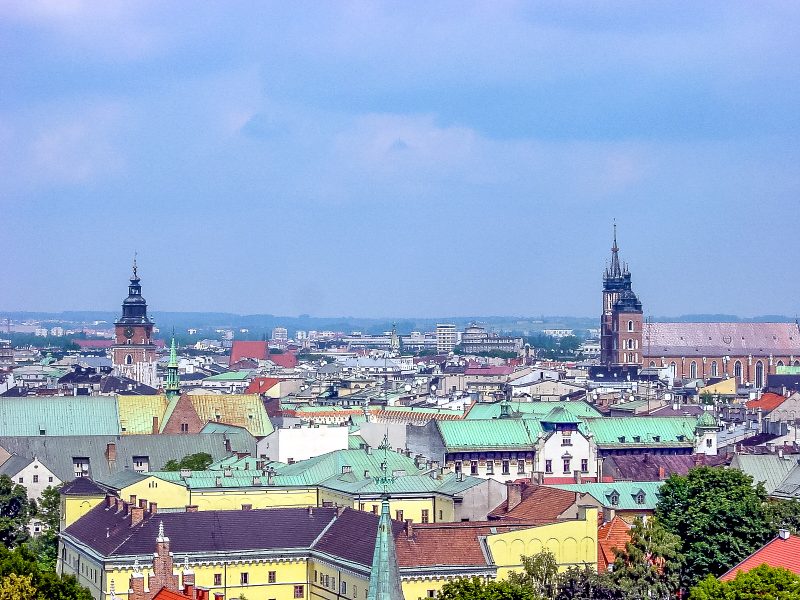
Best Friend in Krakow

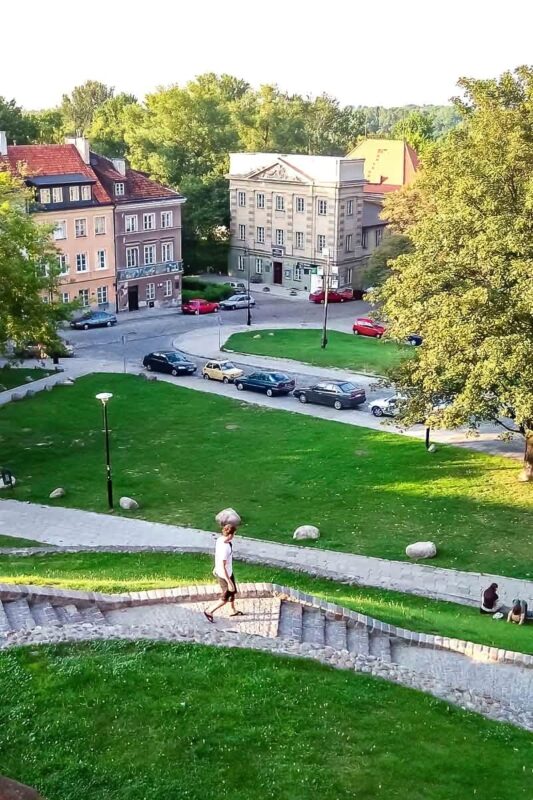
Warsaw with Best Friend

Berry Festival

Rafting the Dunajec

Walk

Vysoky Tatry

Pig Killing

Zakopane

Zab

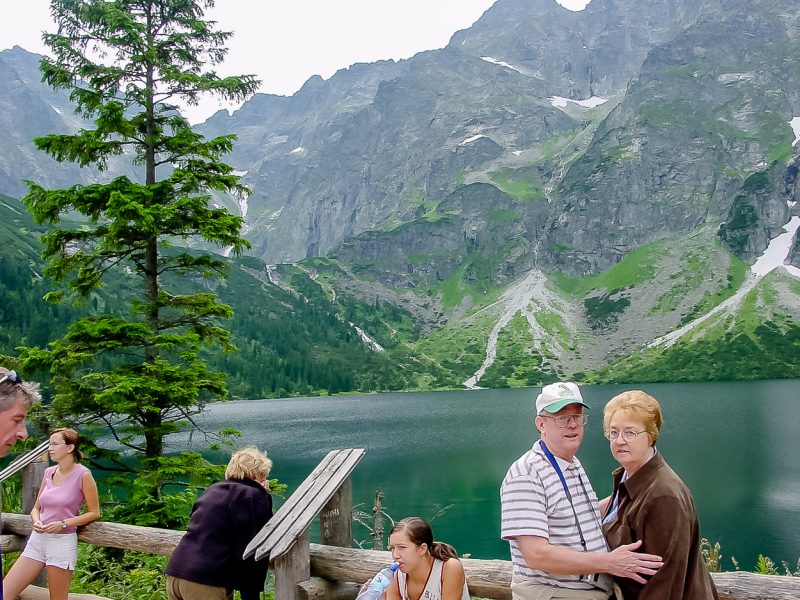
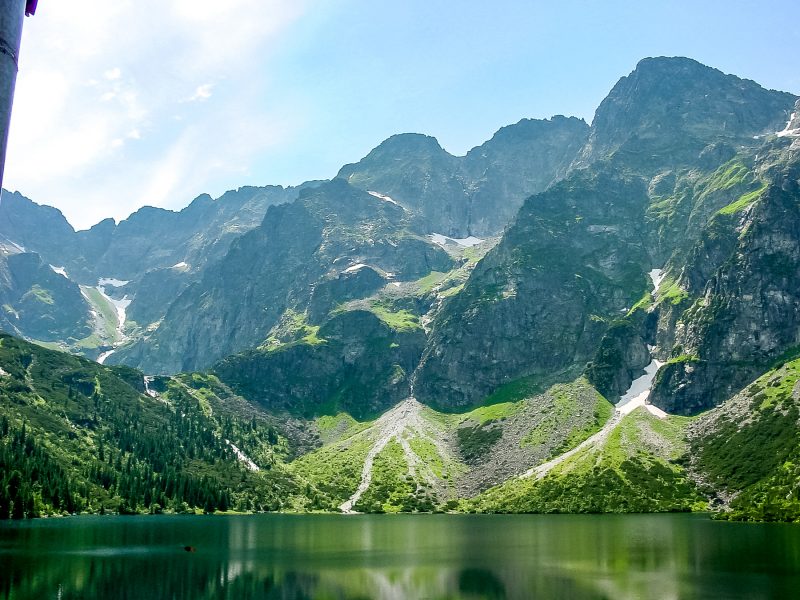
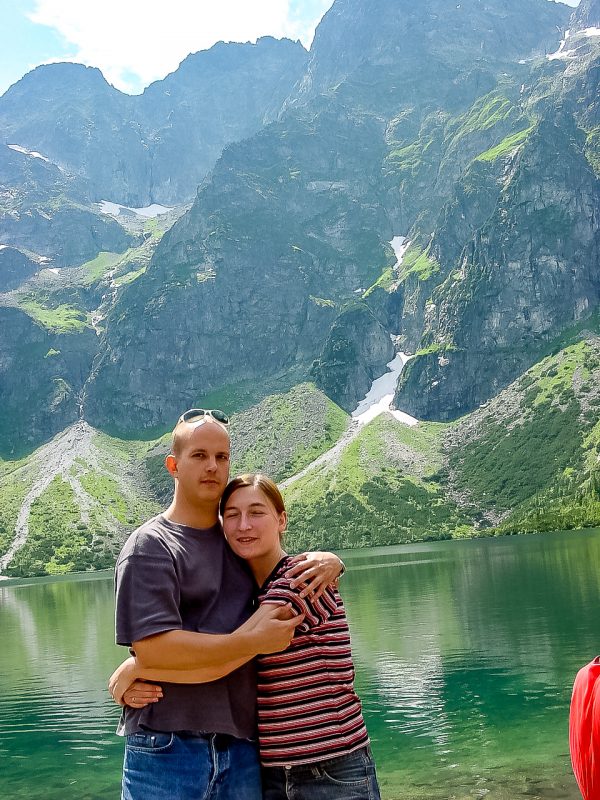
Morskie Oko

Karczma Szymkówka

Salt Mine

Trip to Slovakia

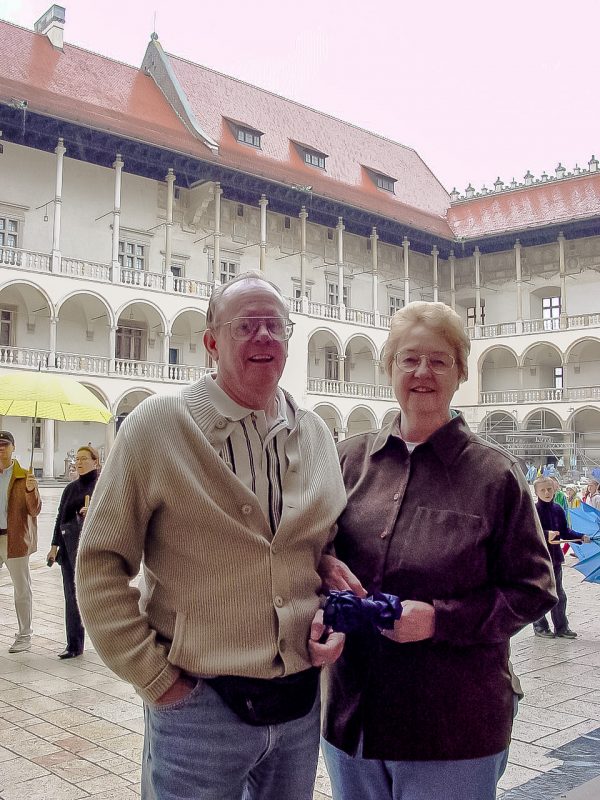
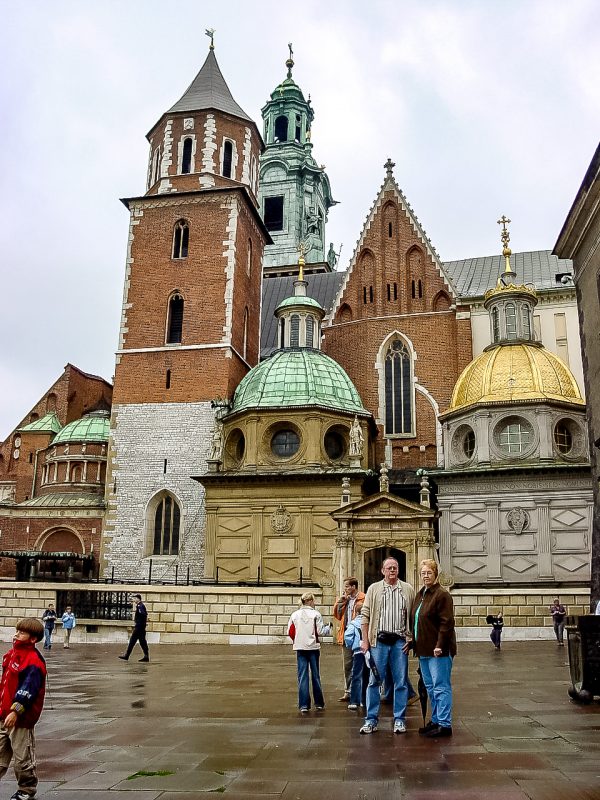
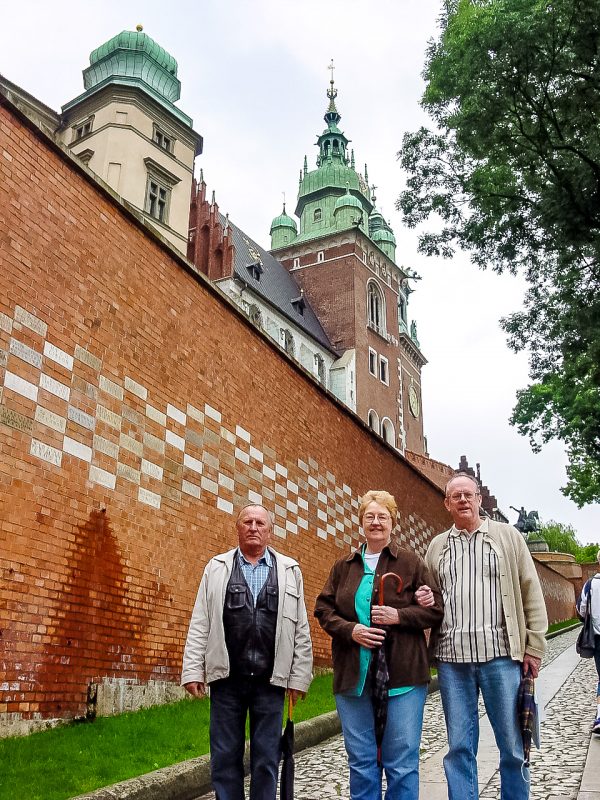
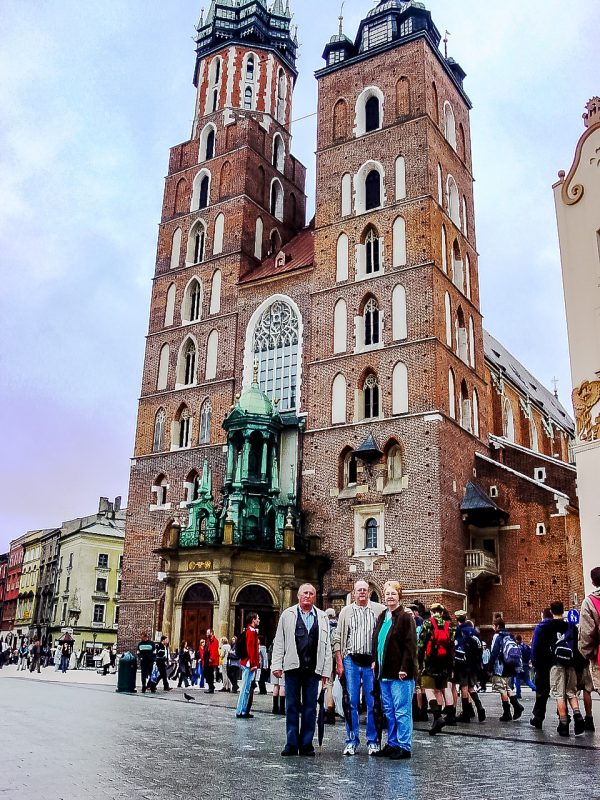
Taking the Folks to Krakow