Return 2026
fun in threes, sometimes fours
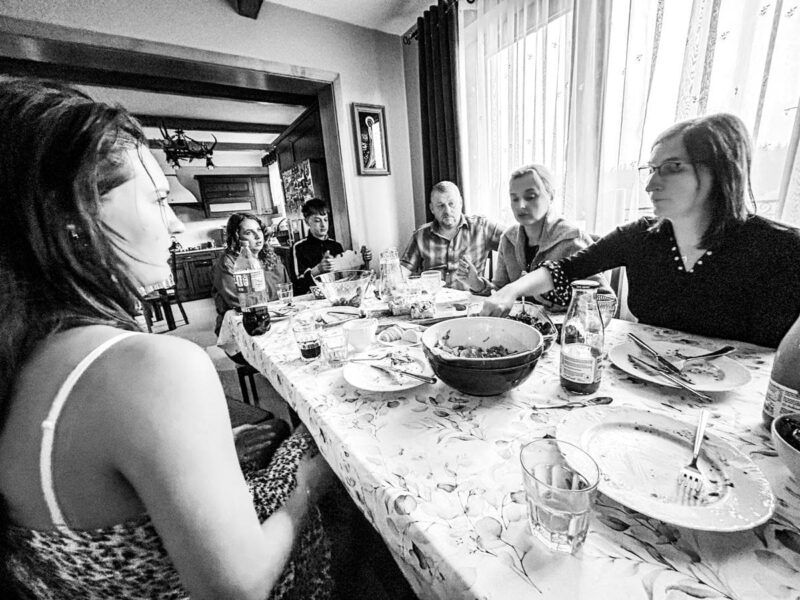
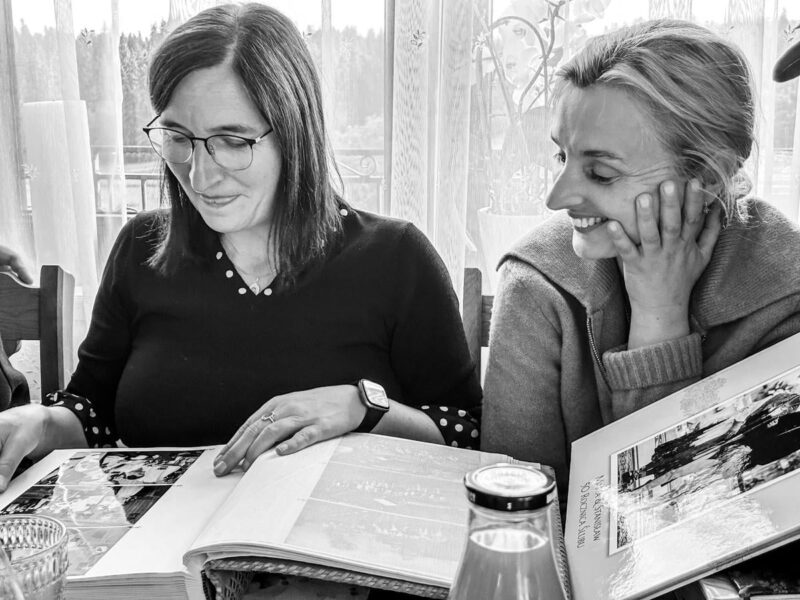
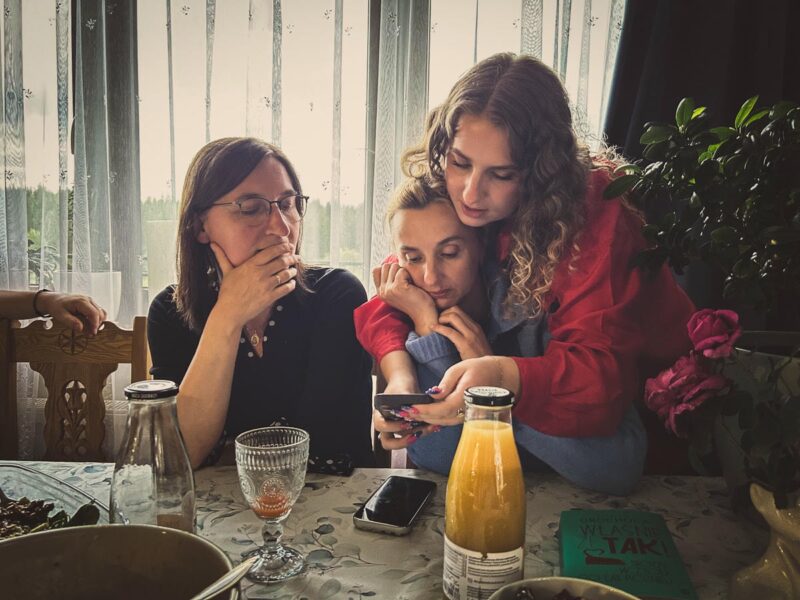
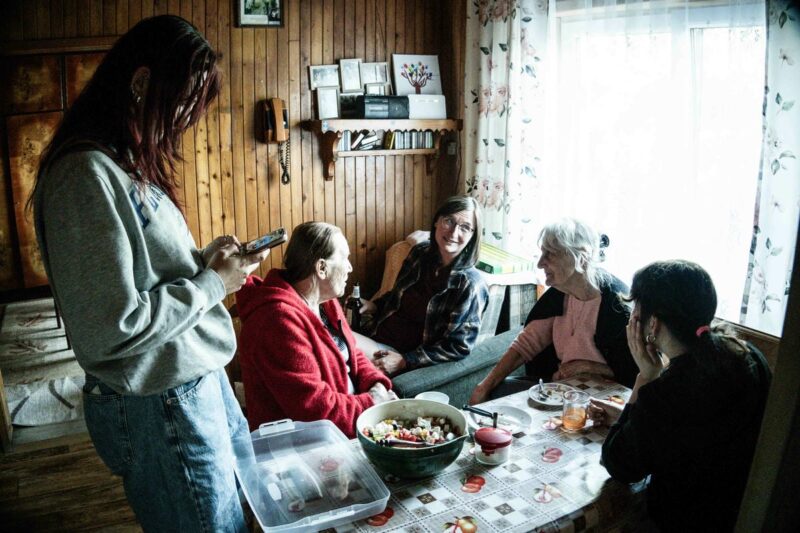
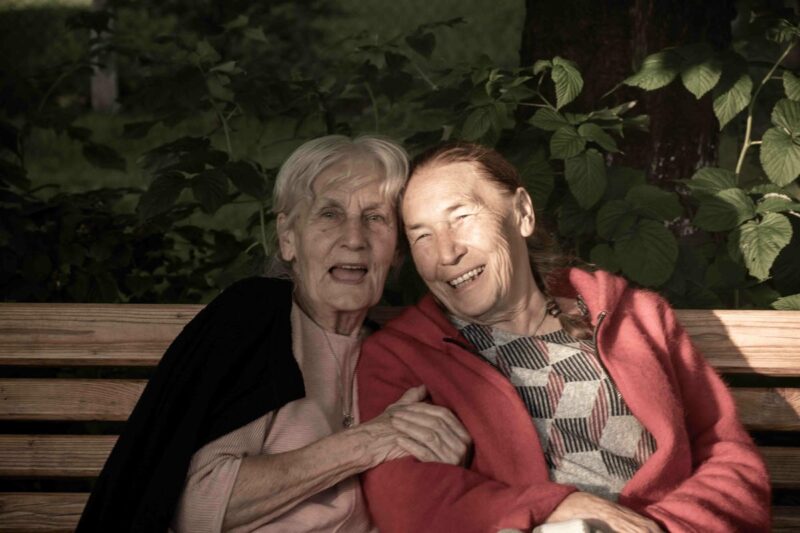
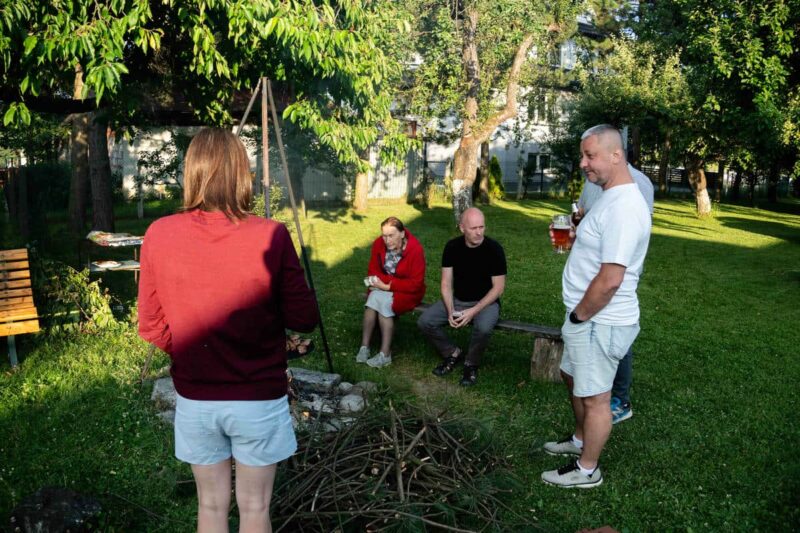
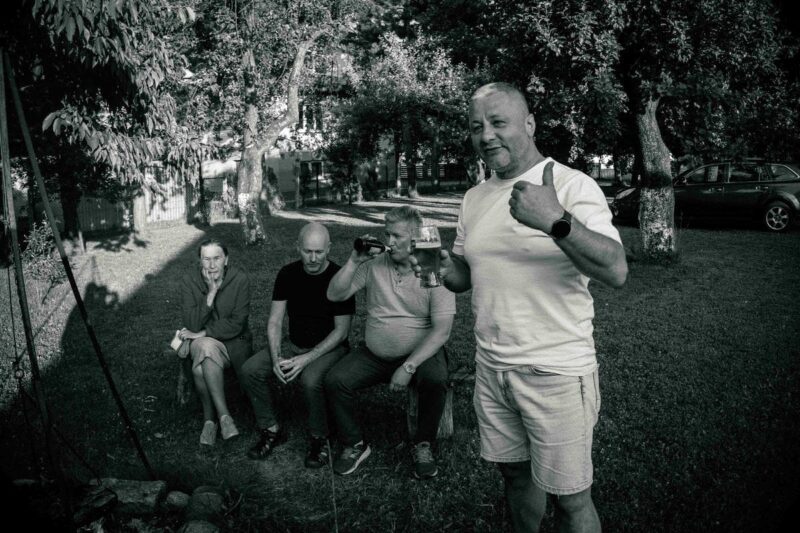
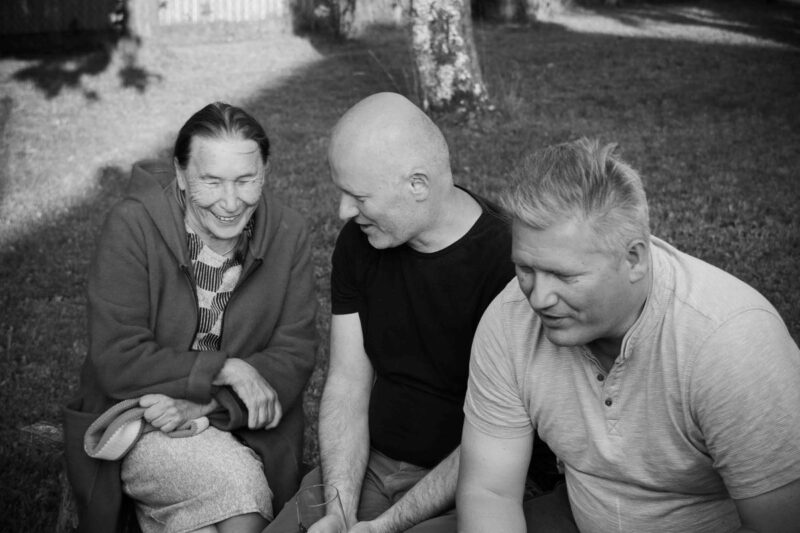
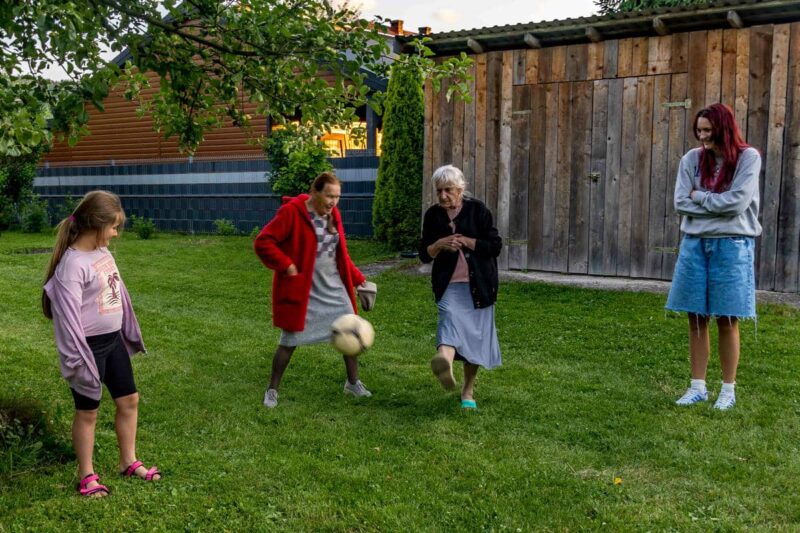
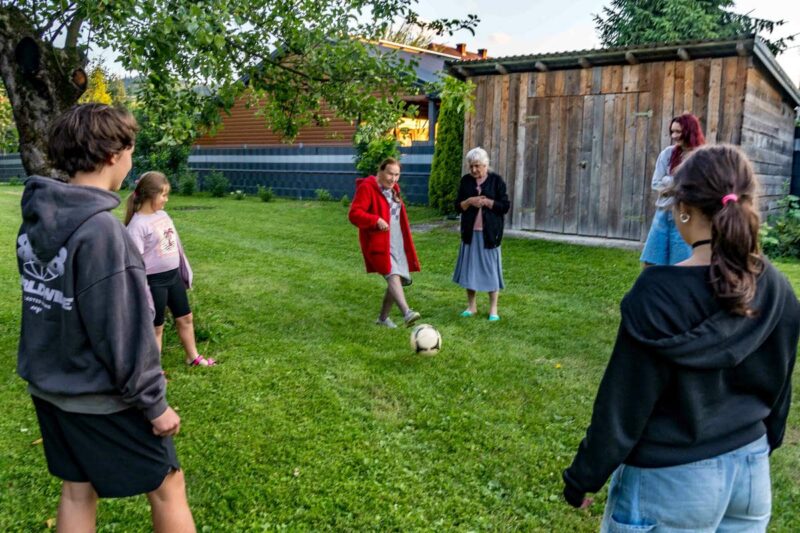
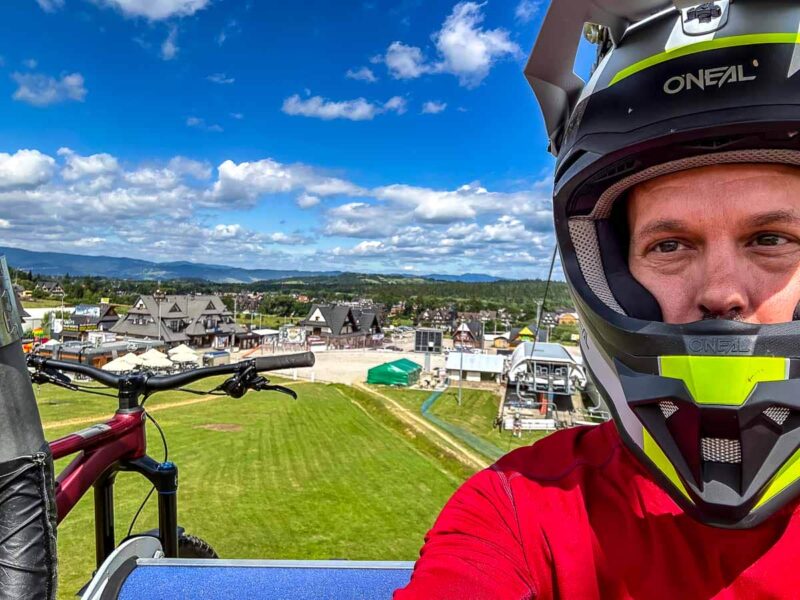
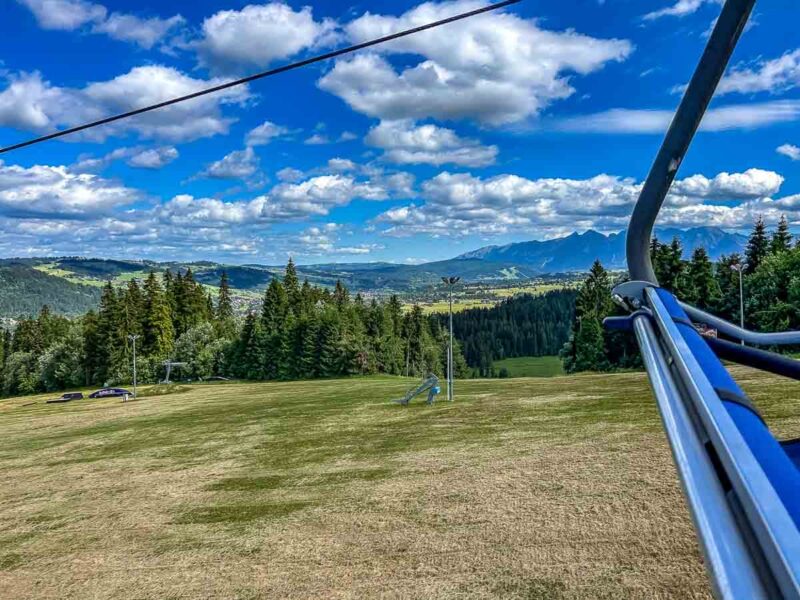
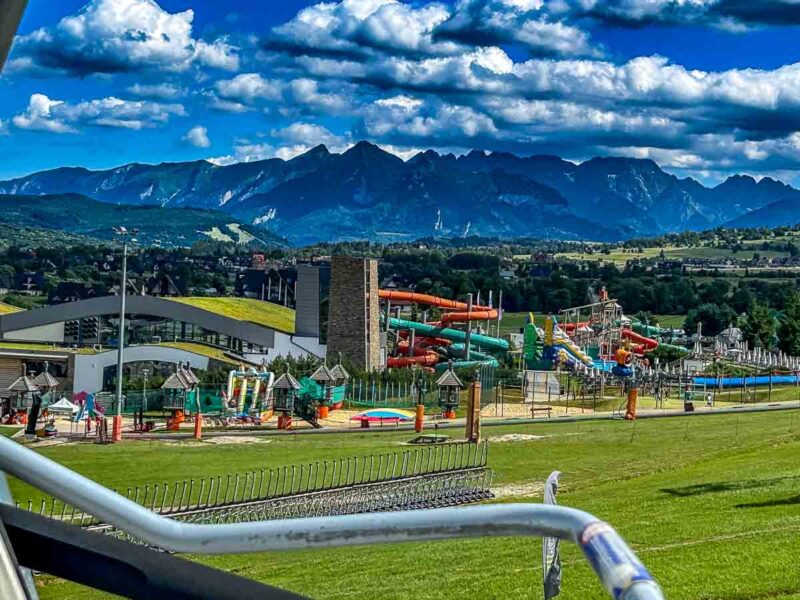
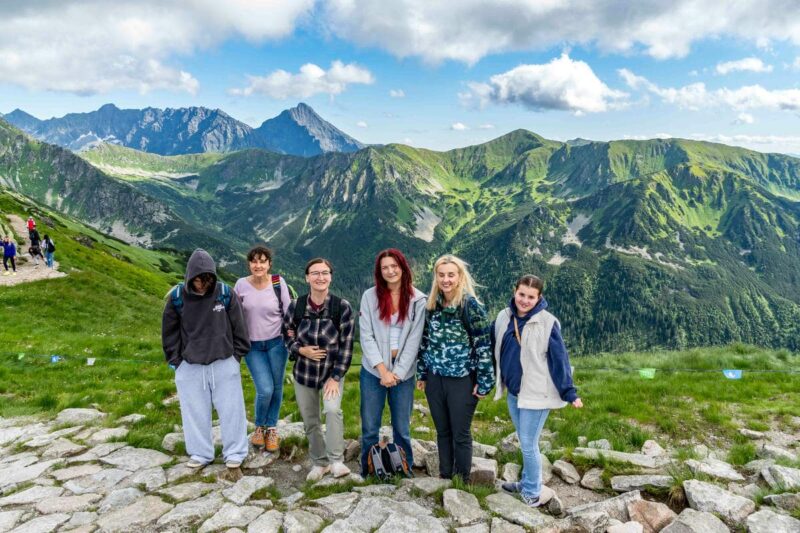
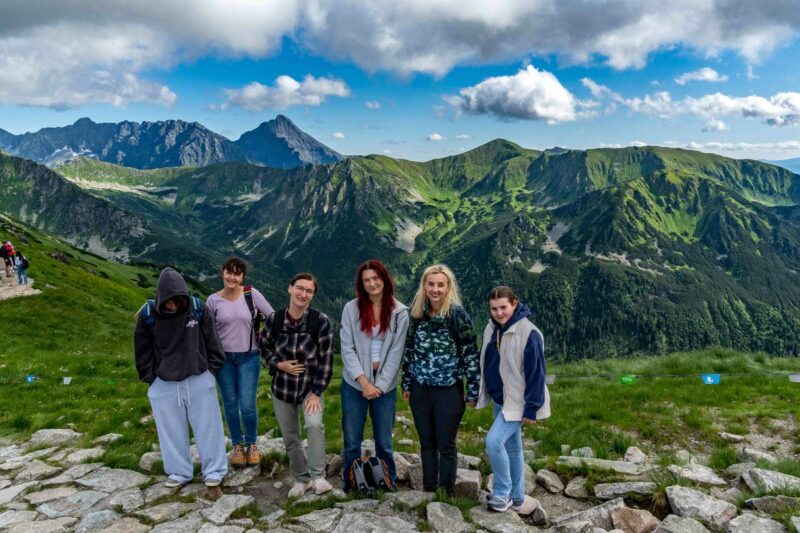
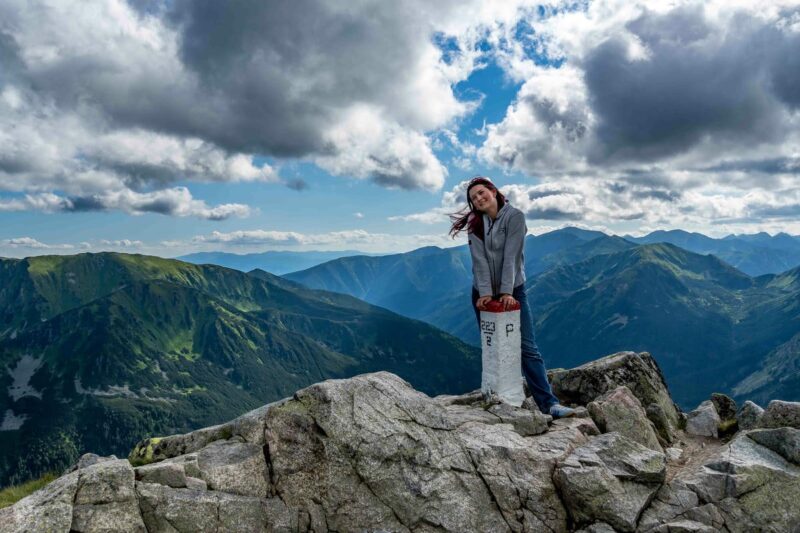
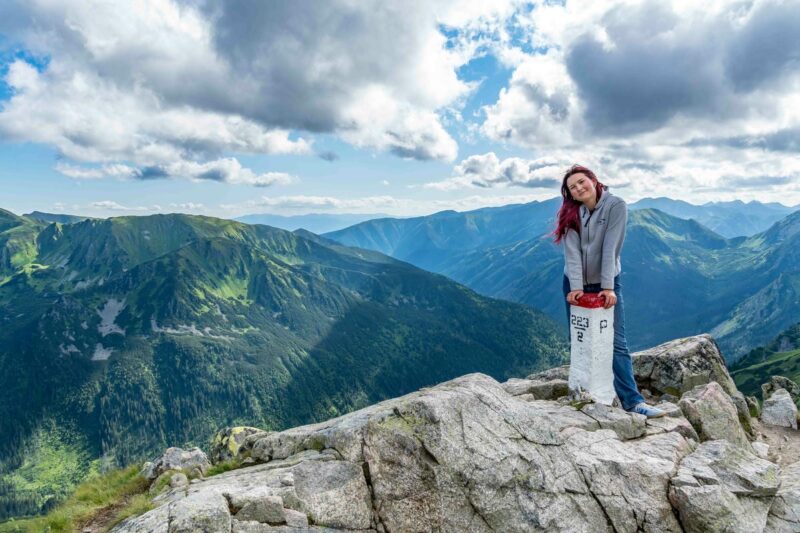
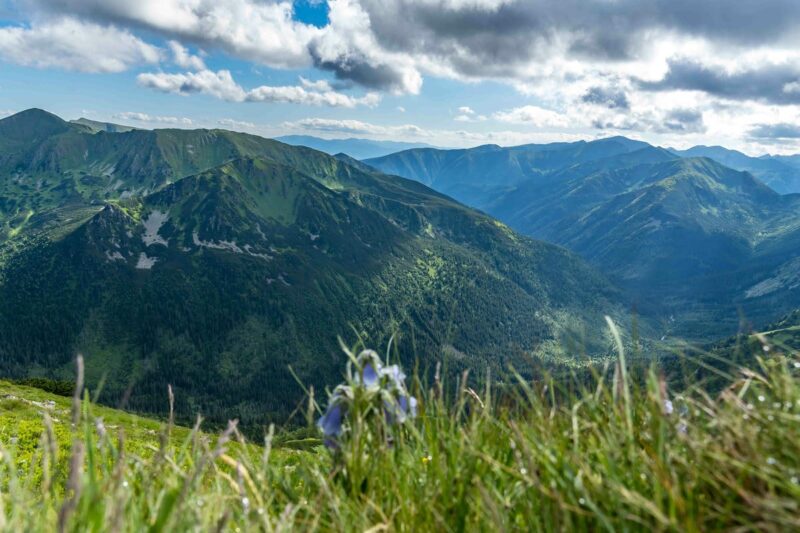
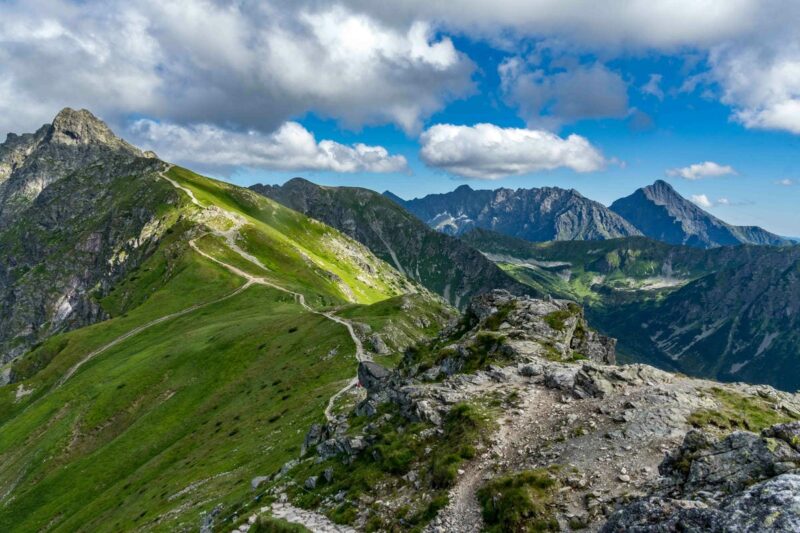
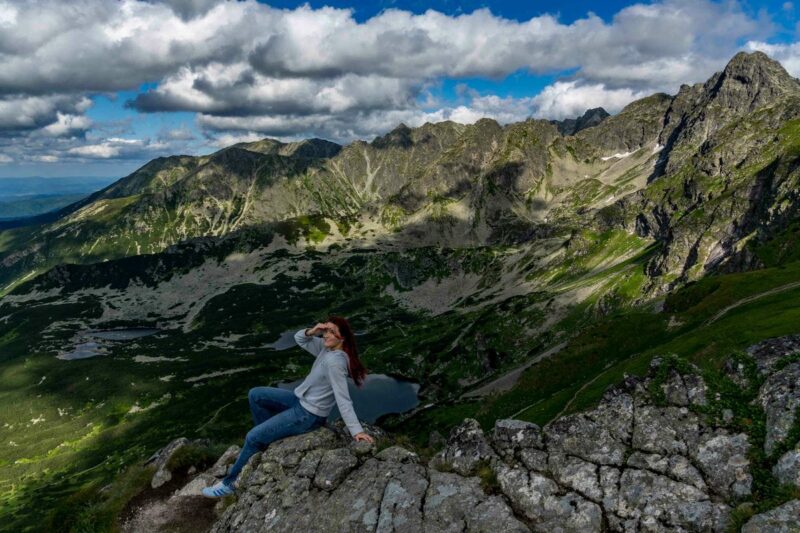
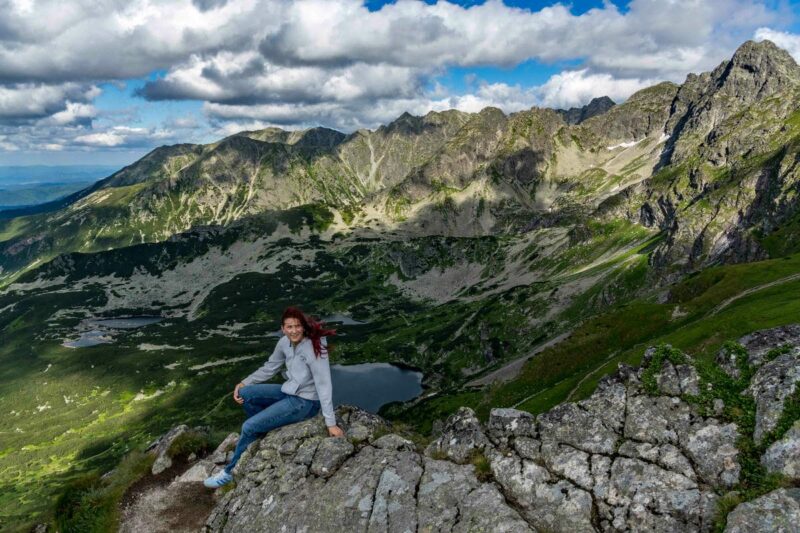
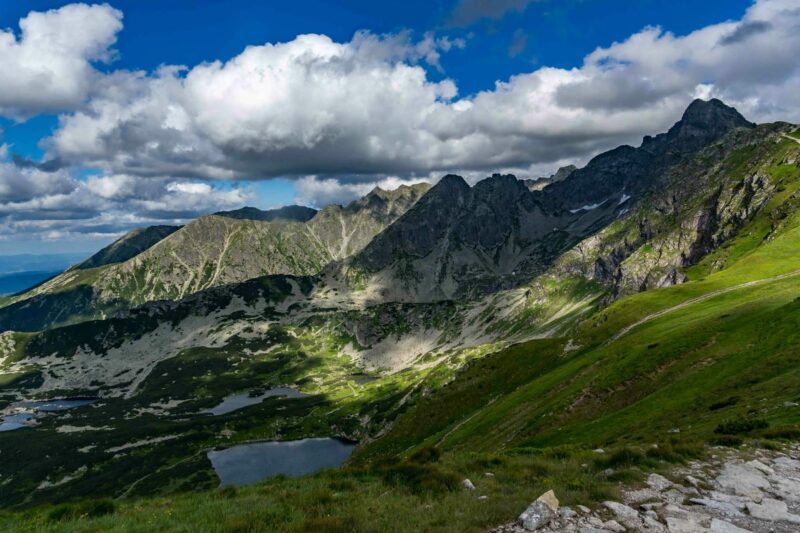
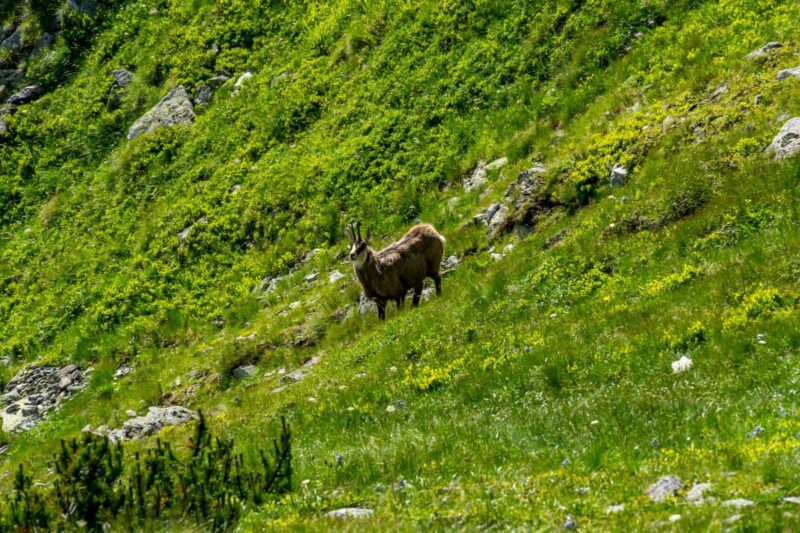
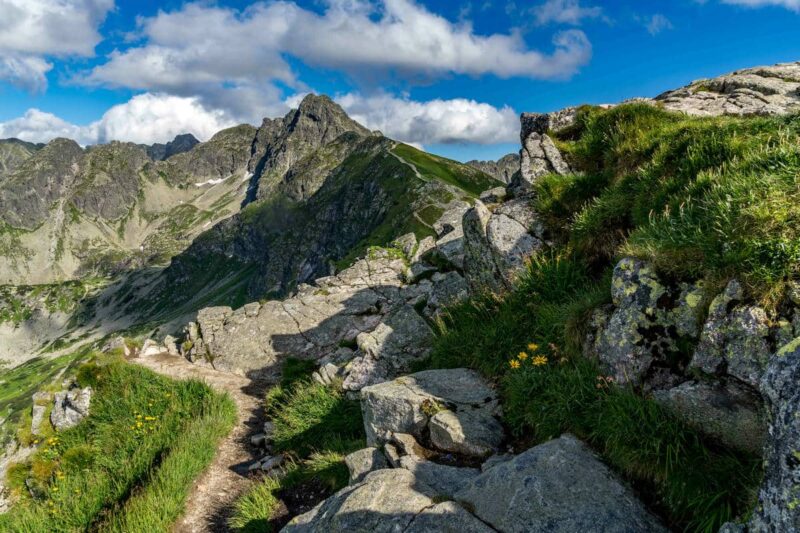
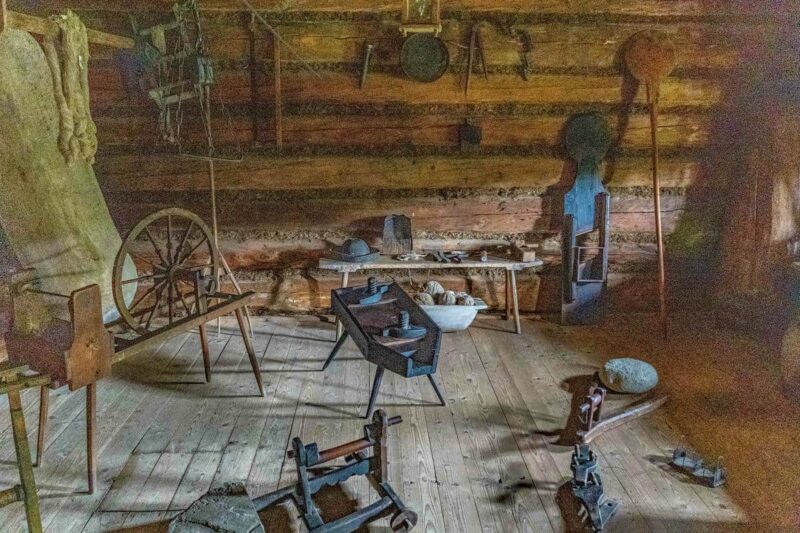
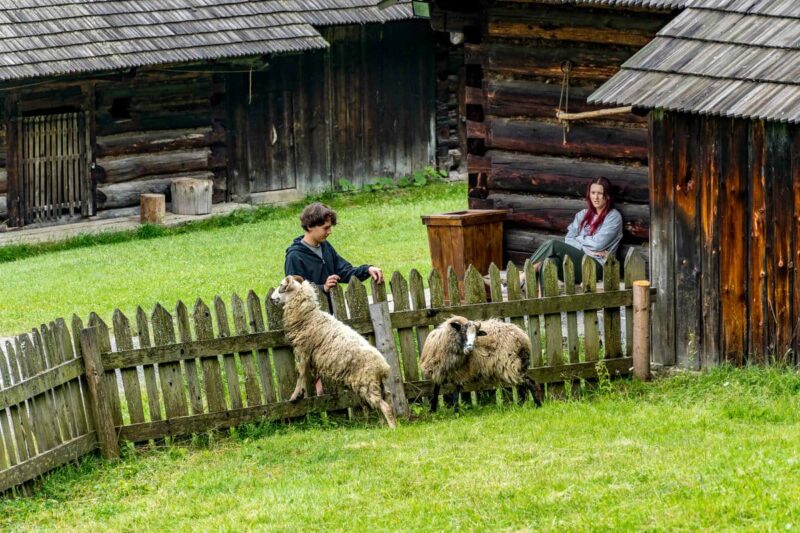
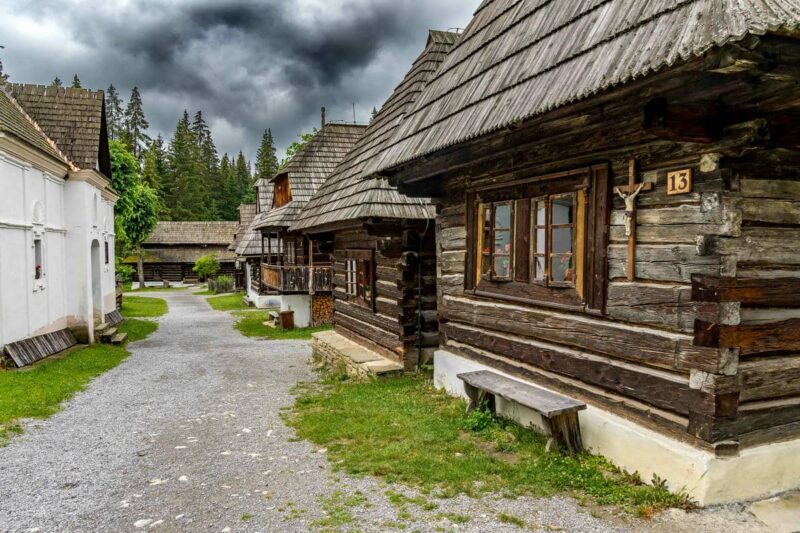
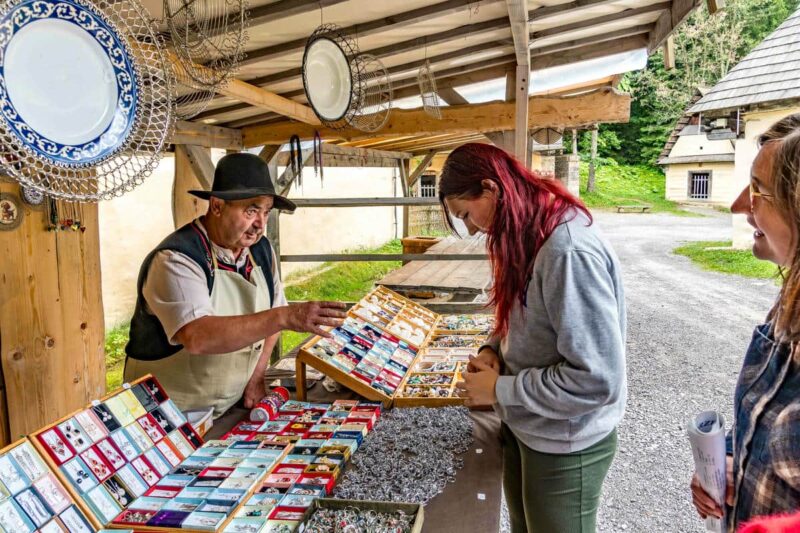
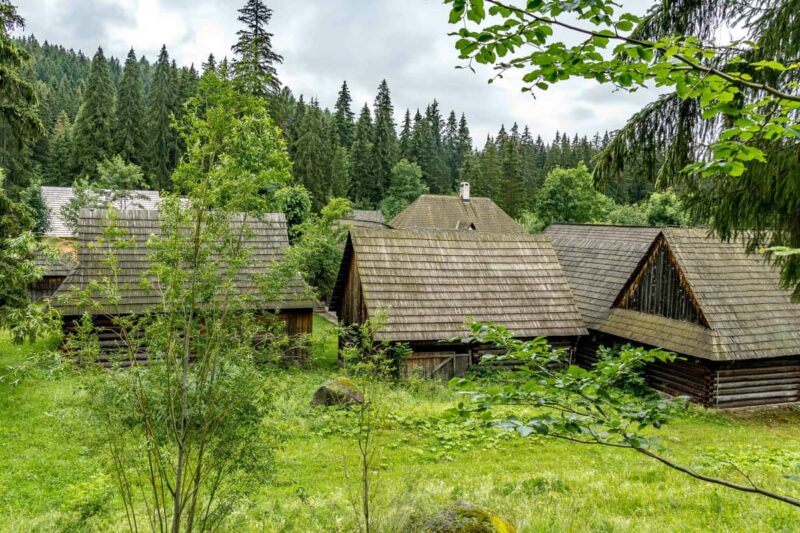
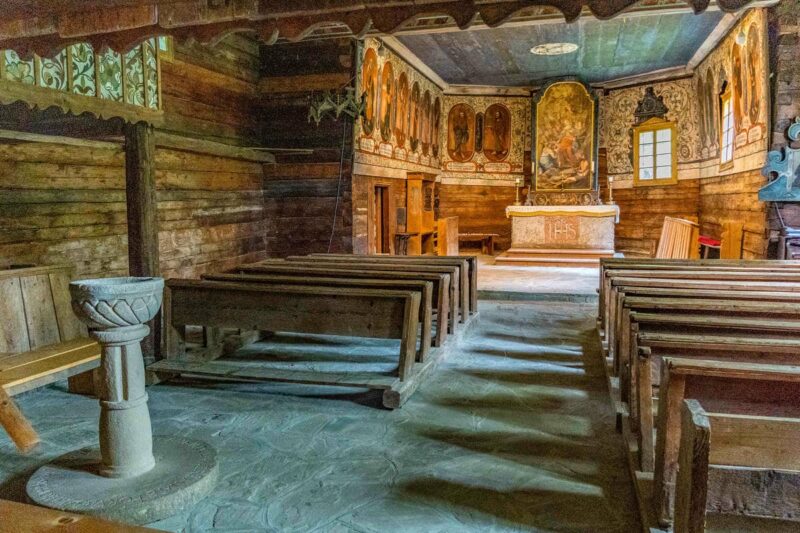
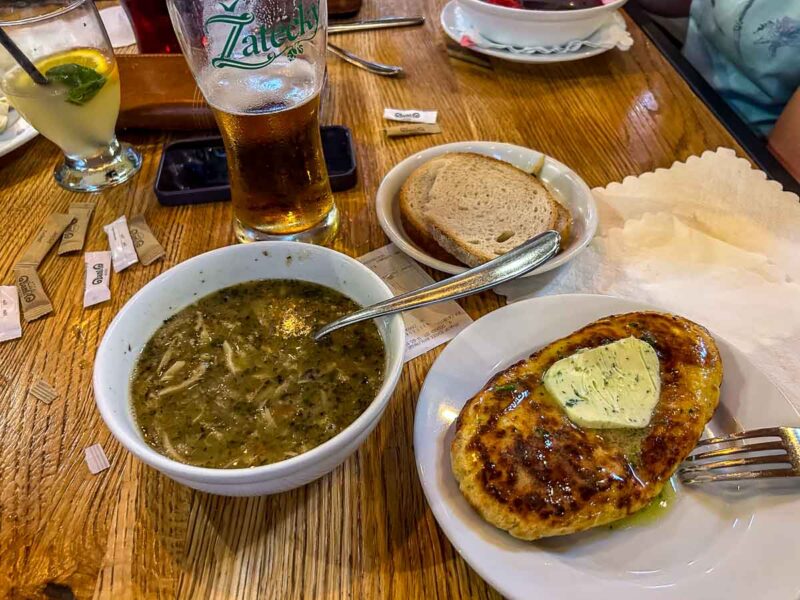
We've already spent a day in Slovakia, but it was not the day we always spend in Slovakia. That day was today: taking Babcia shopping in Slovakia and ending with some lunch (always bryndzové halušky for me). We changed things up a little today, though, by starting with a visit to an open-air museum. Not the one we've visited seemingly countless times in Zubrzyca Gorna. A new one. Yet also centered around Orawa.
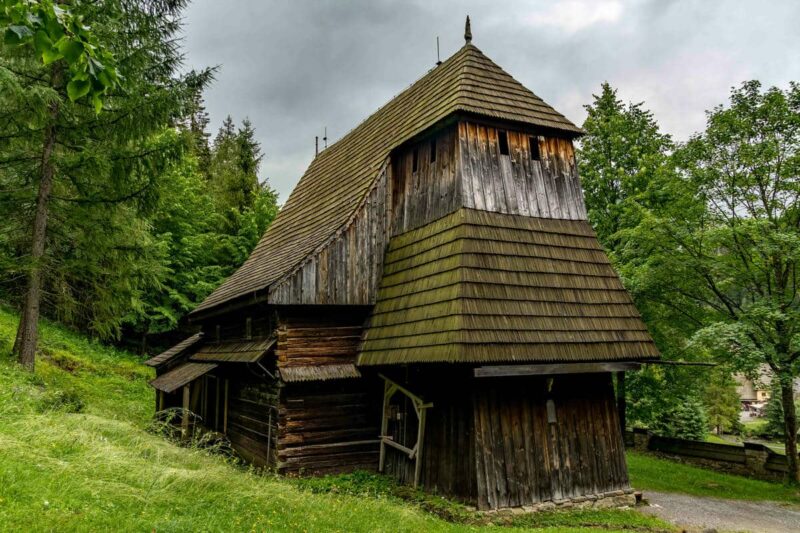
How could two open-air museums in two different countries be centered on the same regional history? Simple: Orawa is in both Poland and Slovakia. The Polish portion is just that because of Piotr Borowy, who led a coalition that went to Versailles to petition that Polish Orawa was just that and not folded into newly-created Czechoslovakia.
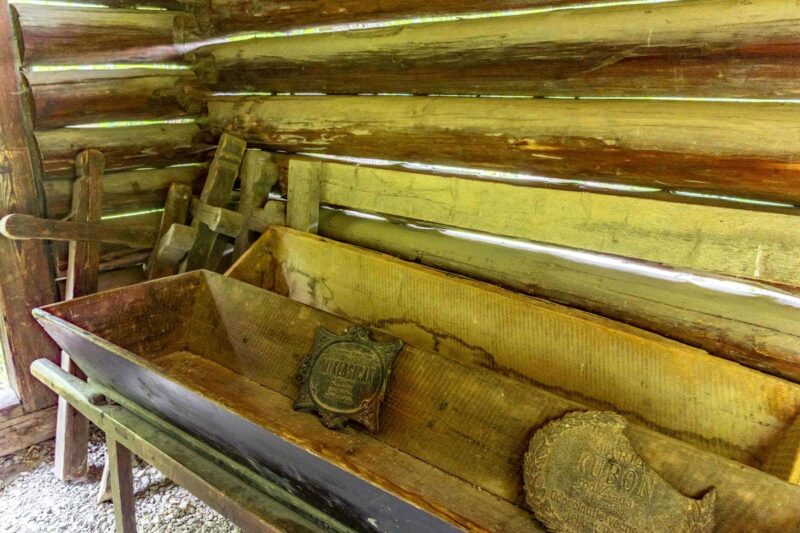
As we were exploring the skansen, the familiar melody of the song "Orawa" floating amongst the buildings. I've heard the song countless times, always in Polish-based Orawian dialect. This was in Slovakian. It called to mind the whole history, and I mentioned it offhandedly to K.
"You know, if it weren't for Piotr Borowy, I never would have met you." If Borowy had not advocated for a Polish portion of Orawa and all else was the same, I would have gone to a K-less Poland because she would have been Slovakian.
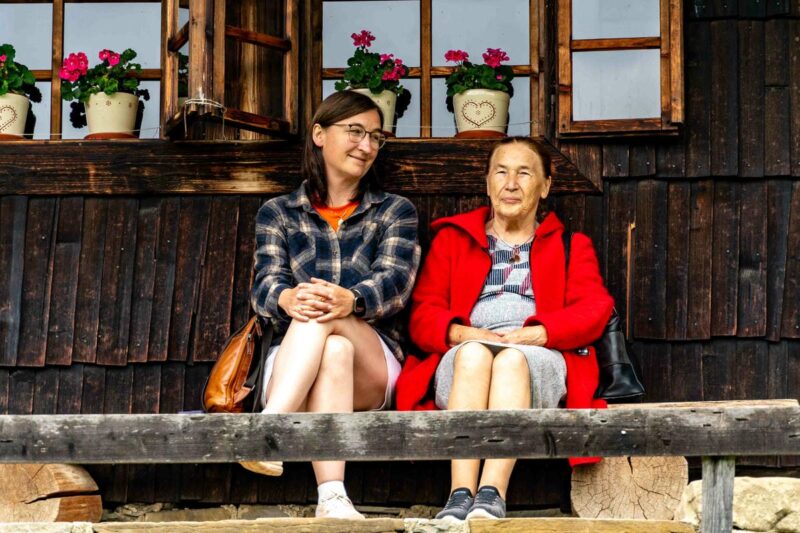
But K made a point that showed just how much that would have changed. "Babcia would have never met Dziadek," she clarified, trailing off with the obvious implication. Babcia, from a highlander family in Zab, would never have meet an Orawian Slovak like Dziadek.
And without Dziadek meeting Babcia, it wouldn't have mattered where I would have been teaching English in 1996.
And if I'd never met K, our children wouldn't even have been a thought, a possibility.
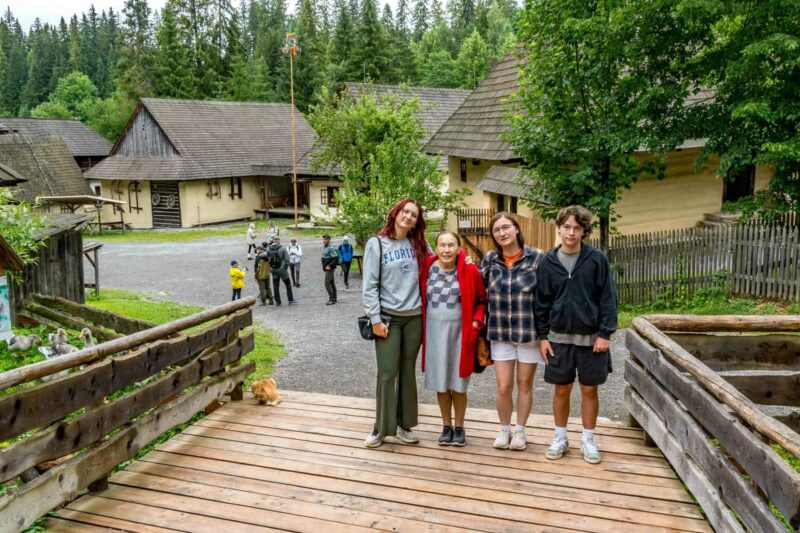
So because of Piotr Borowy, E wouldn't be obsessed with trombone while L studies at UF.
And D's children wouldn't be studying law, working as a programmer, or beginning driving instruction.
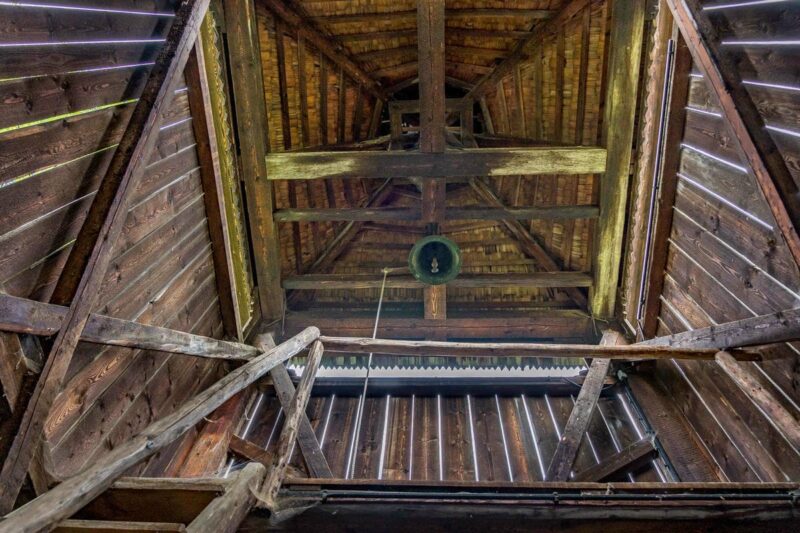
How many other dreams would be erased, how many other laughs disappeared, how many lives transformed or themselves erased if it weren't for a stubborn Pole who went to Versailles to argue for borders to fall where they do?
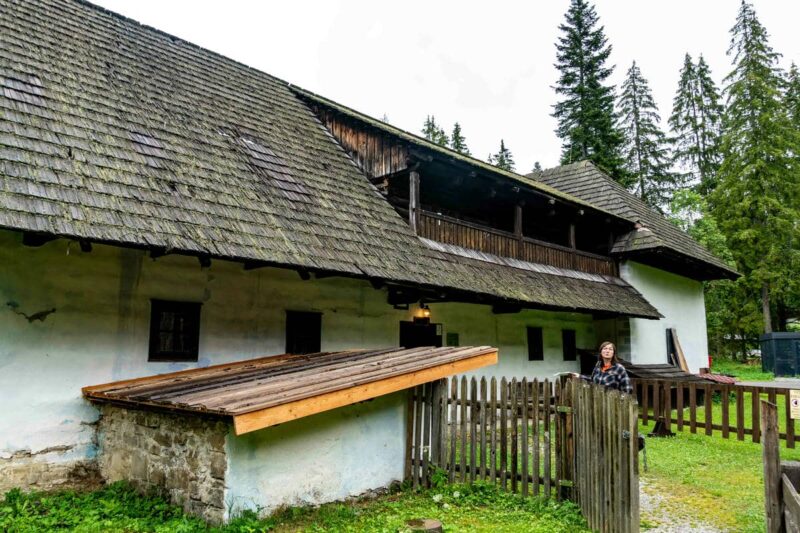
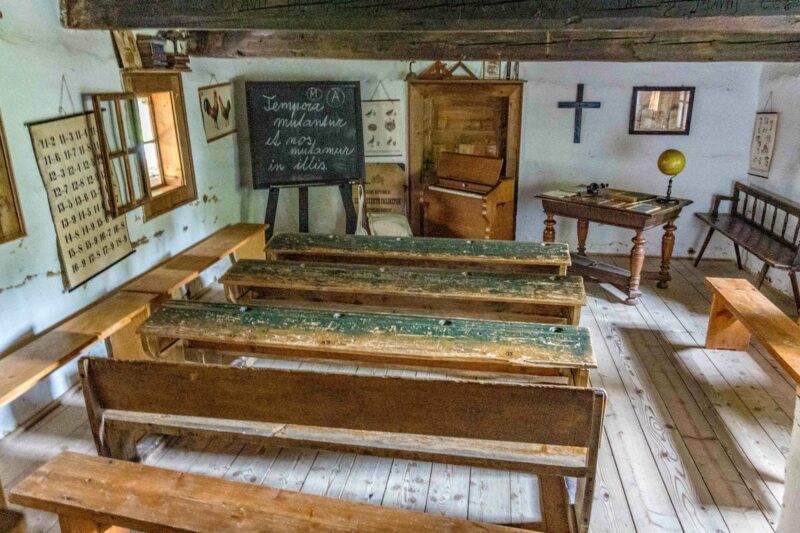
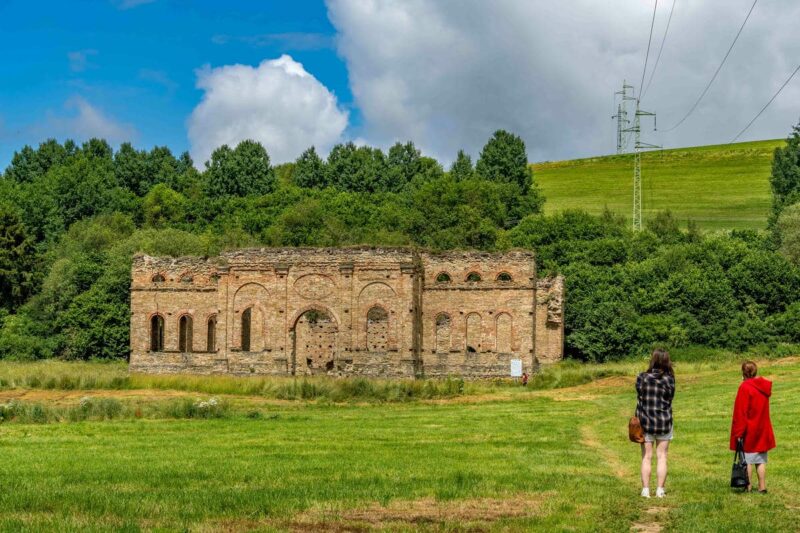
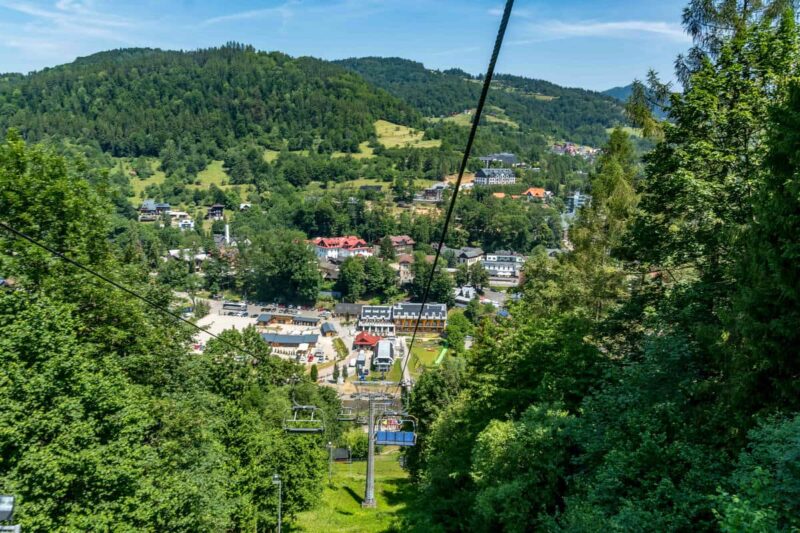
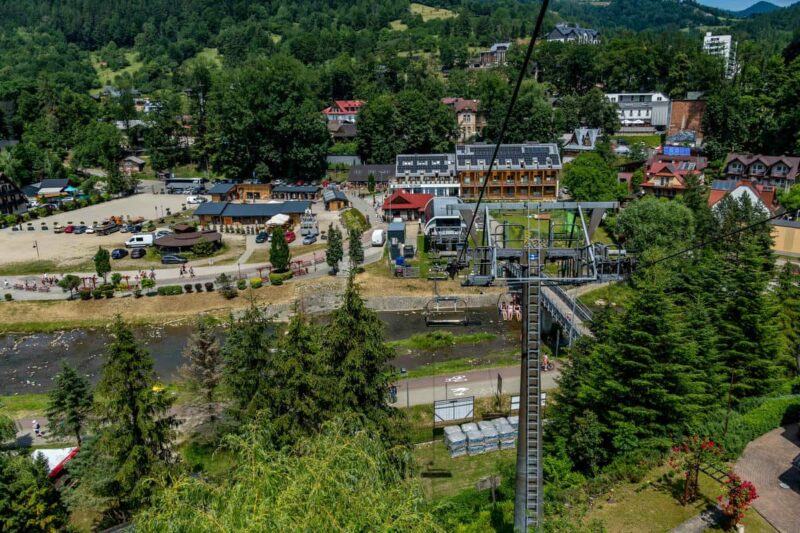
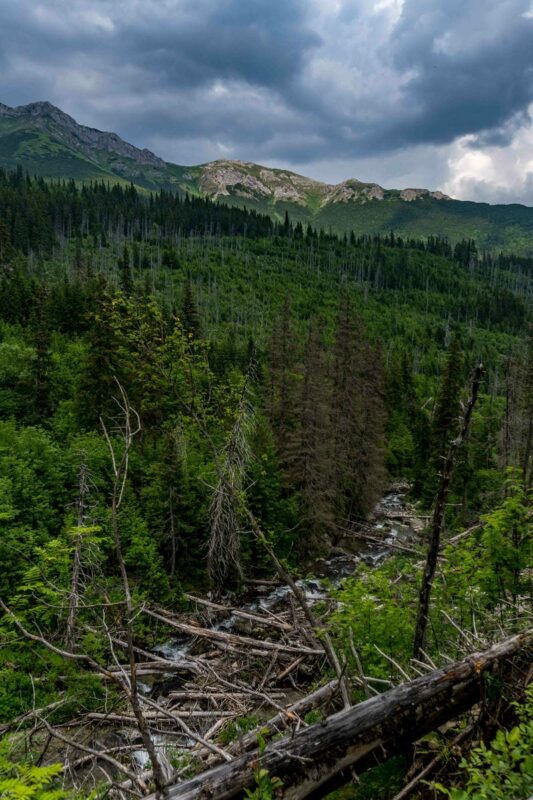
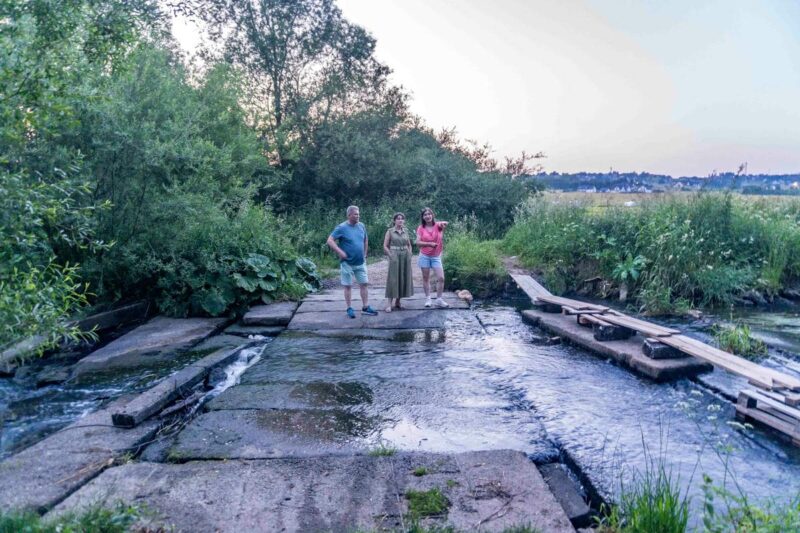
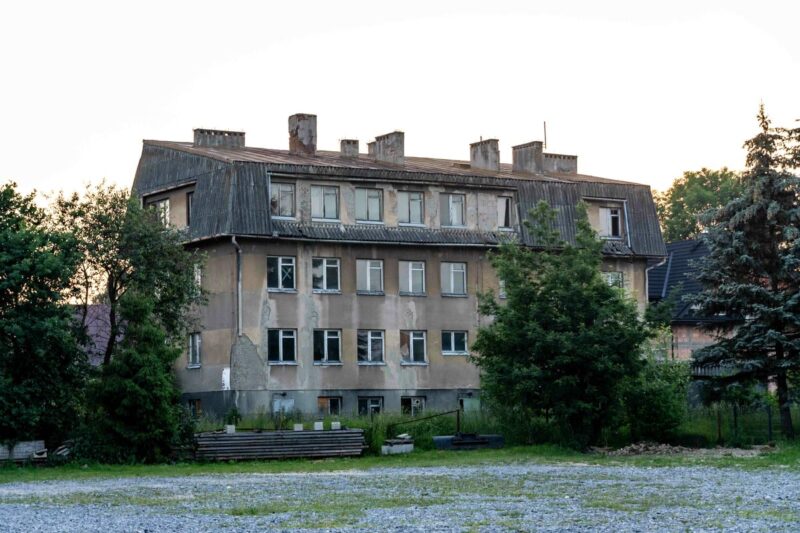
Just outside of Zuberec we saw a most mysterious edifice, and we all knew we'd have to stop and check it out on the way back. Was it a resort that burned? A government office strangely in the middle of nowhere? It turned out to be an ironworks from the nineteenth century.
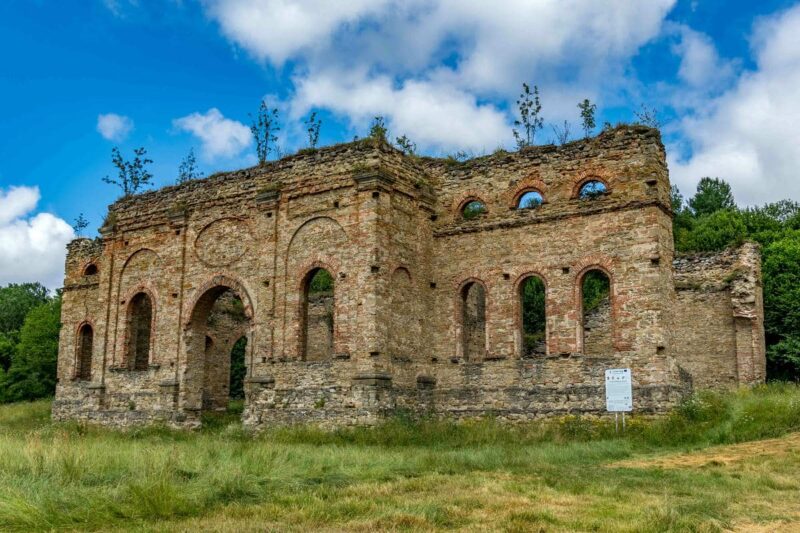
The Františkova huta came about because of locals' desire to make use of recently-discovered ore deposits as opposed to sending it off to enrich some other region. Dating from 1836, it was built by a British firm, but only twenty-seven years later, it folded. There were a few causes
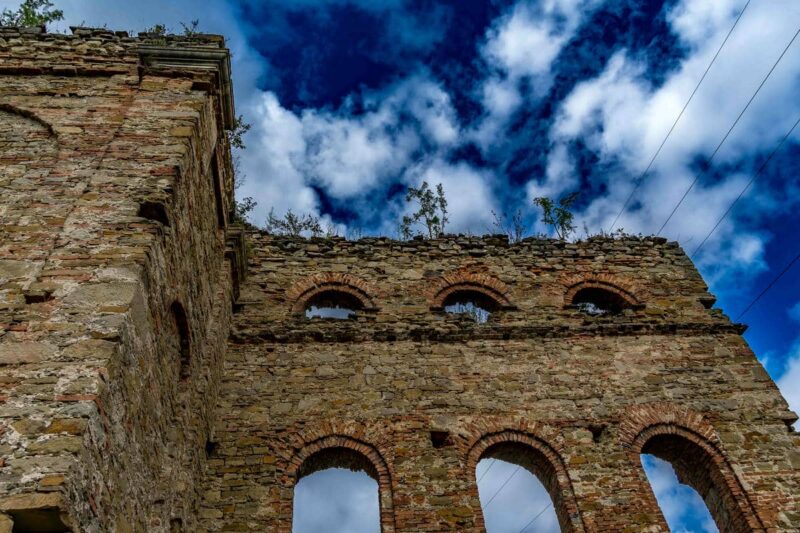
The local iron ore was relatively poor in quality. It produced brittle iron that was of little use.
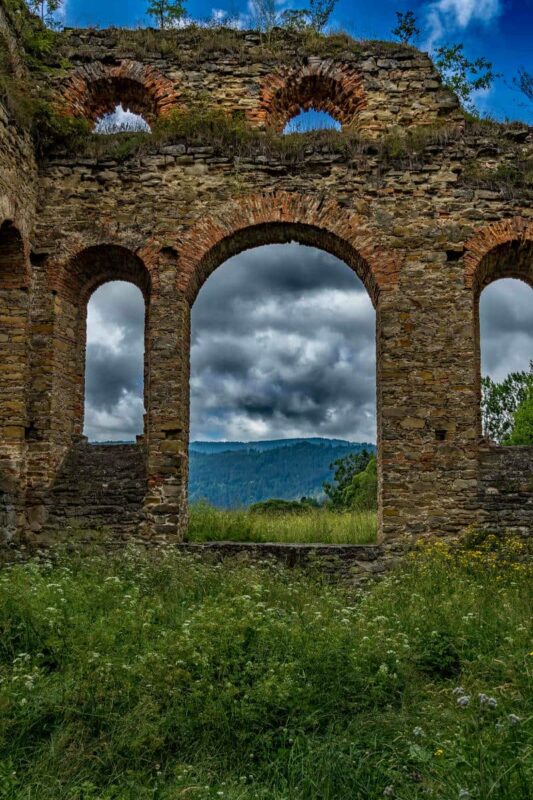
Modern coke-fired furnaces elsewhere in Europe produced iron more cheaply and efficiently, and the factory's remote location made it all but impossible to complete with more centrally located ironworks.
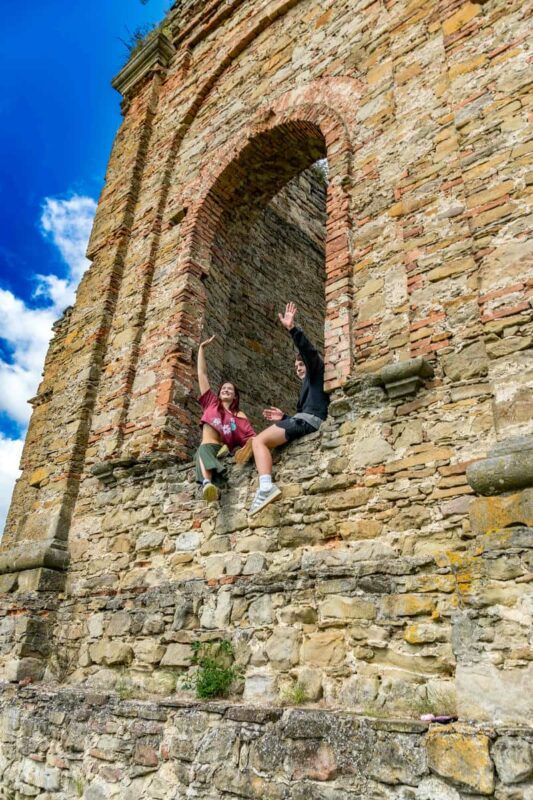
Finally, economic changes following the abolition of serfdom increased labor costs. And so now, it's just an enticing ruin on the side of a small road in rural northern Slovakia.
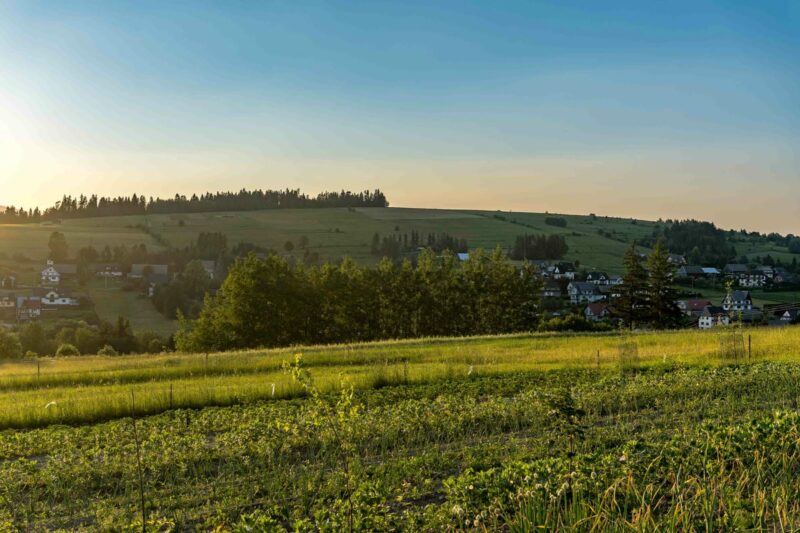
If I had to choose a favorite little town, Trstena would be a top contender. It's got the charm of a small town, and yet it's set in the middle of fields: you can see the hay fields rising from the town square, no more than a kilometer away in either direction.
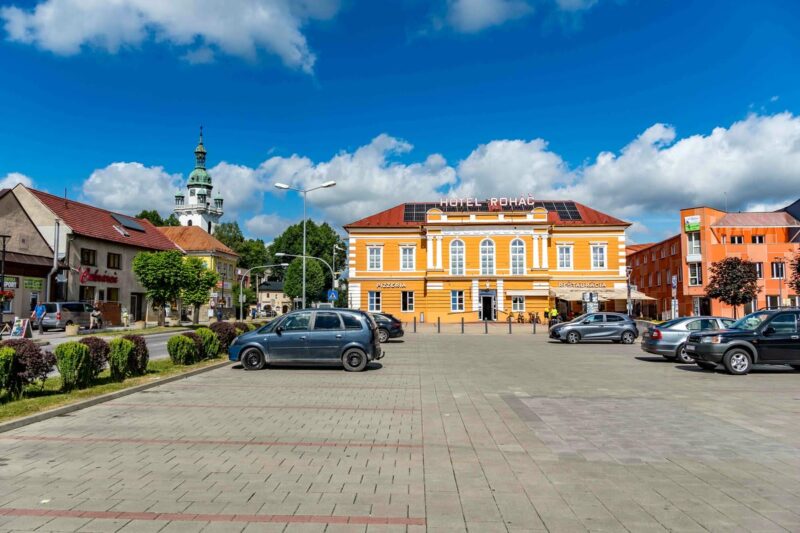
We often have lunch at the small restaurant in the Hotel Rohac when we take Babcia on her Slovakian outing, but we'd already eaten by the time we arrived, so we just went to the supermarket for Slovakian sweets,
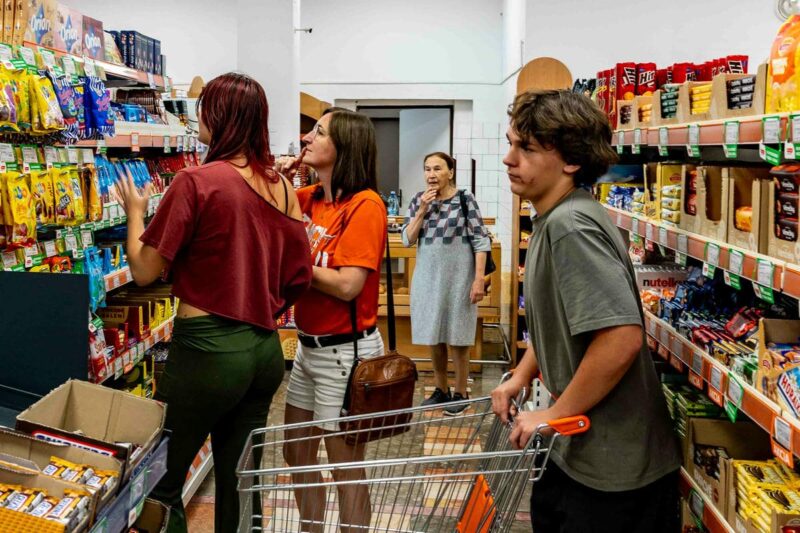
rum and flour for Babcia, and today, Slovakina egg noodles simply because of the cute packaging.
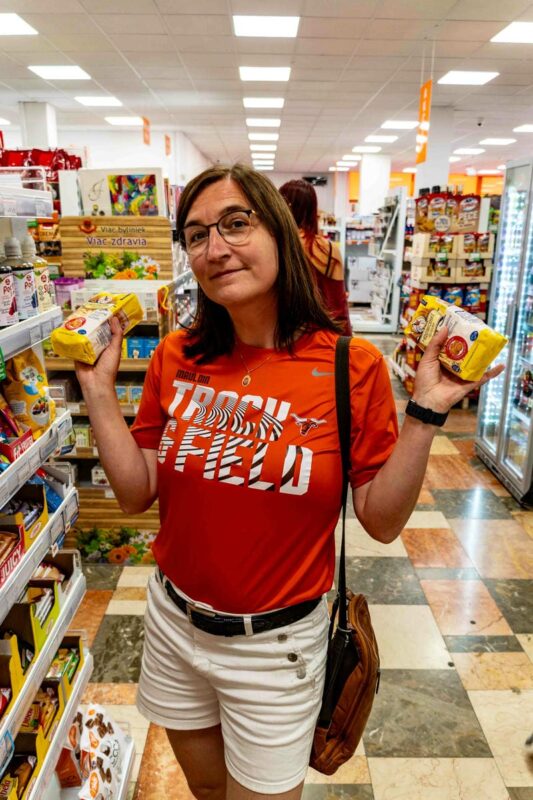
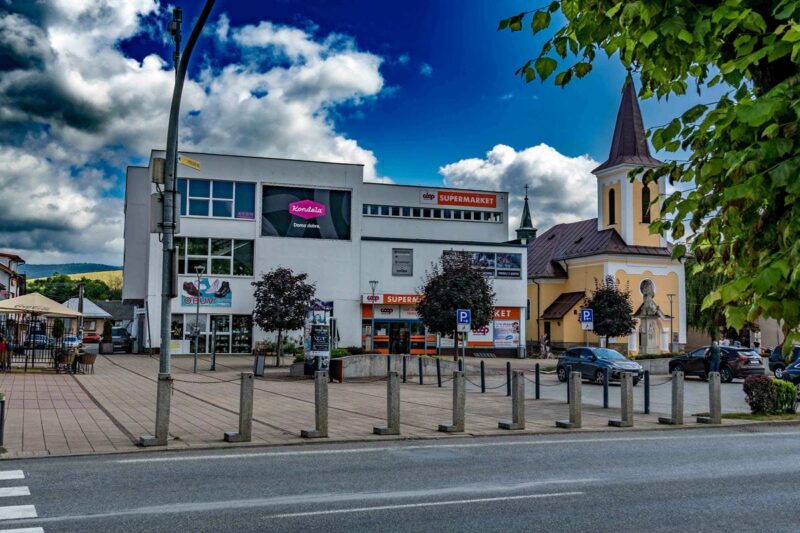
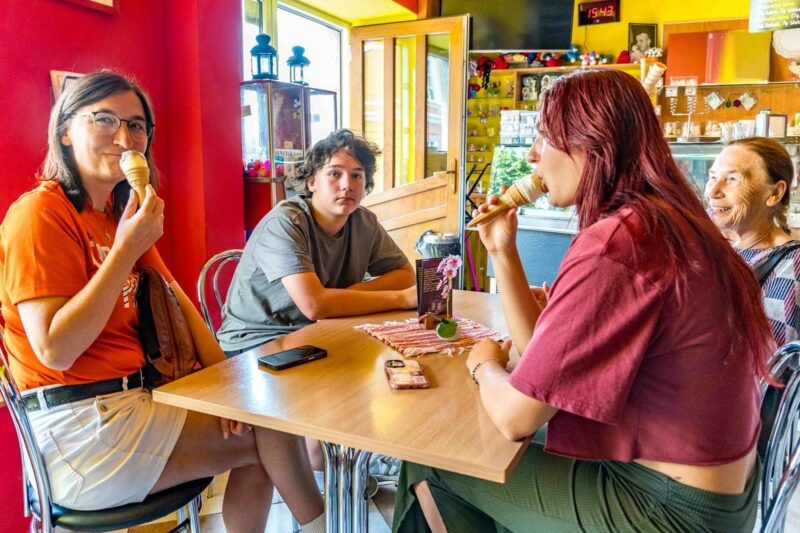
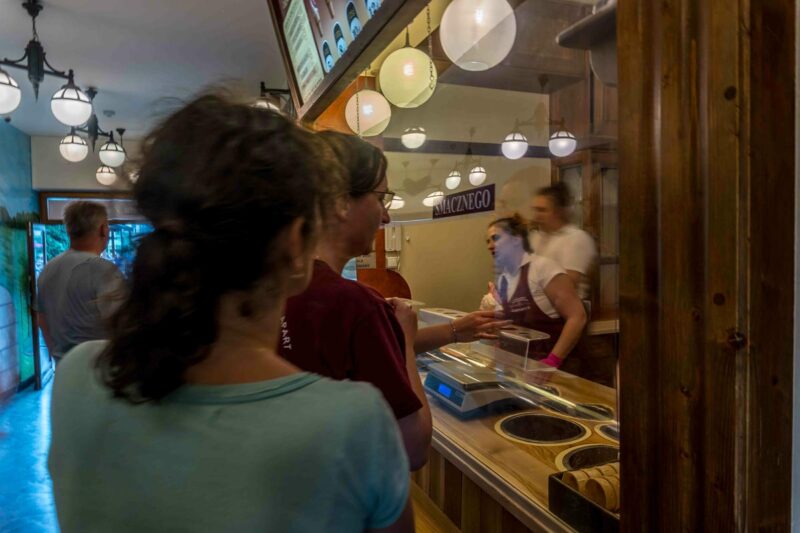
We did take time for some Slovakian ice cream, though. It's unlike any other ice cream: no matter what flavor you pick -- vanilla or rum, chocolate or raspberry -- it's always just a little sour in an oddly pleasant way.
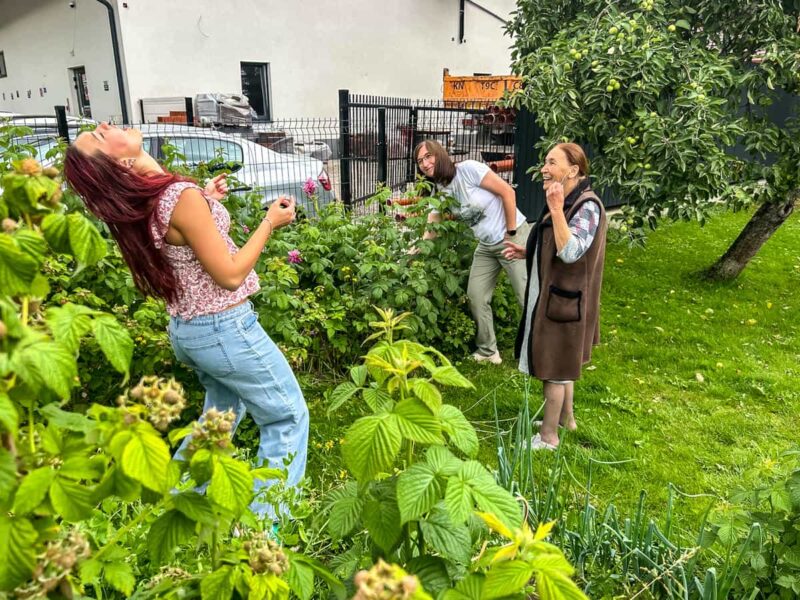
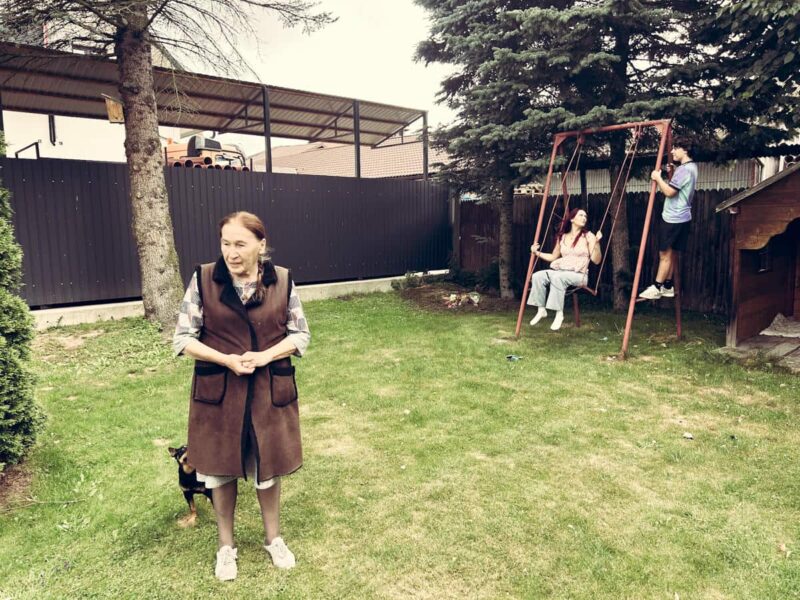
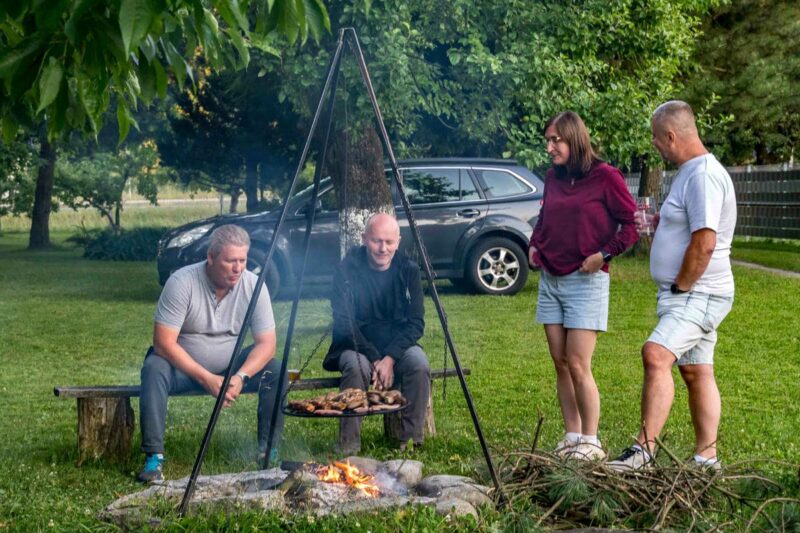
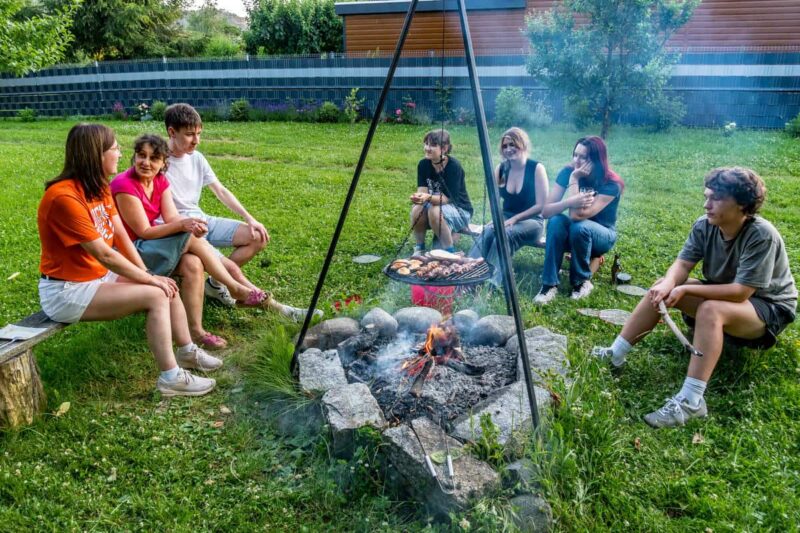
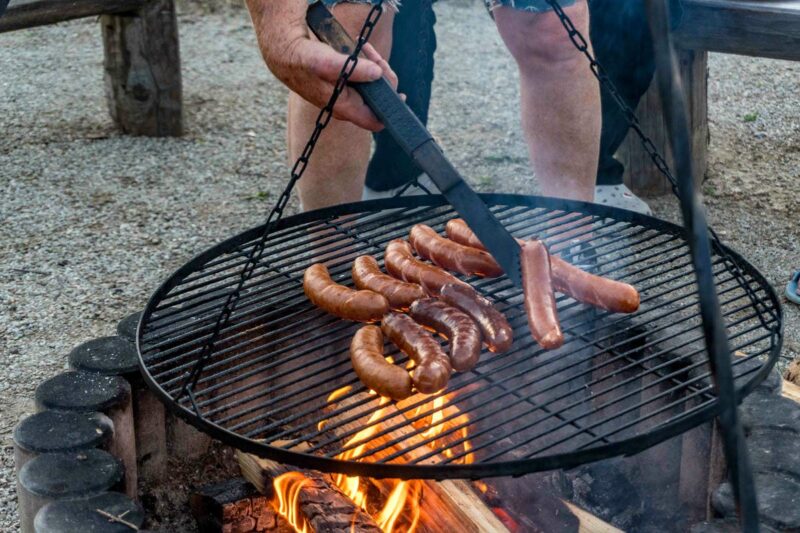
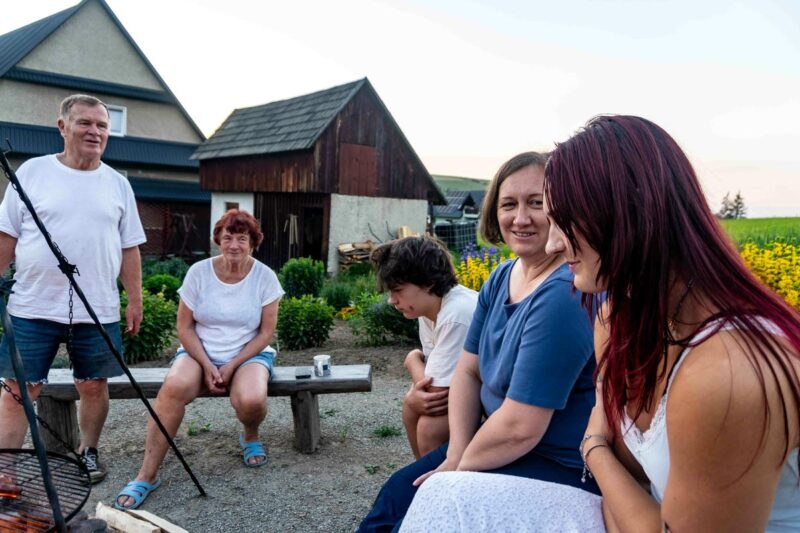
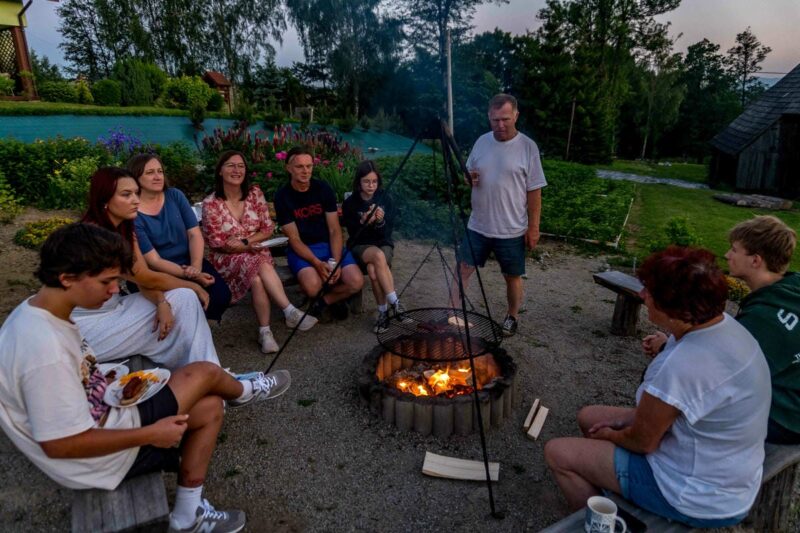
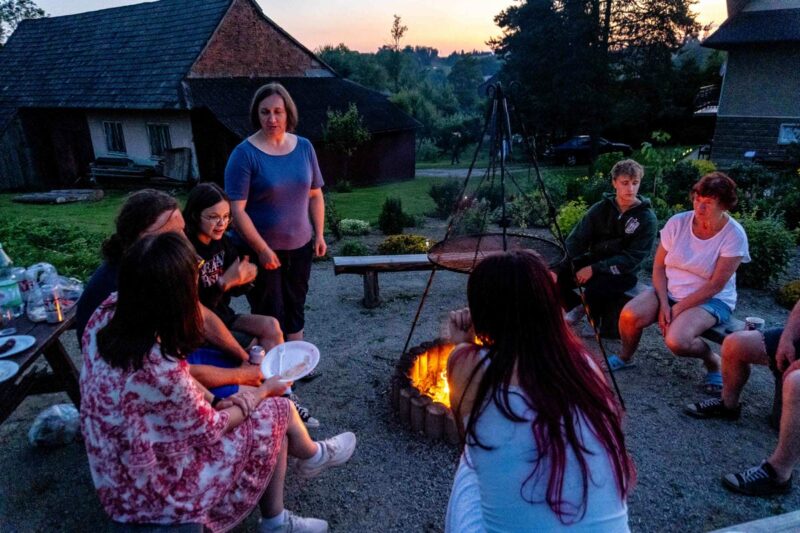
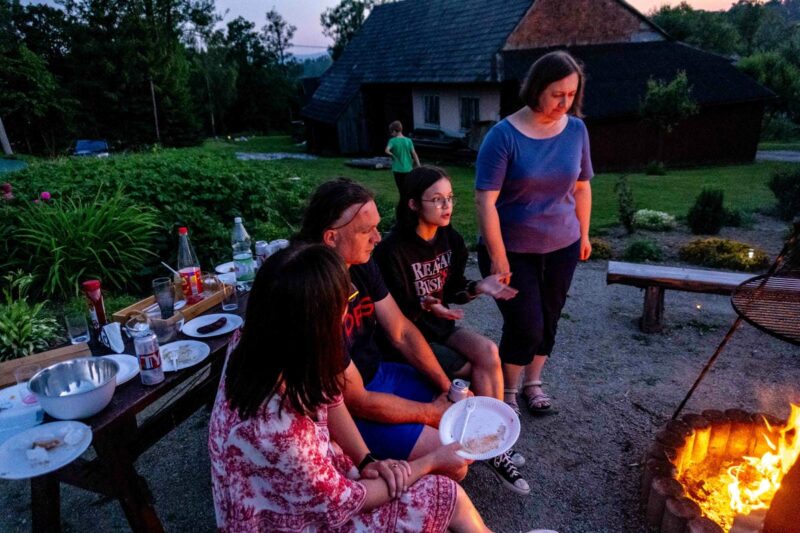
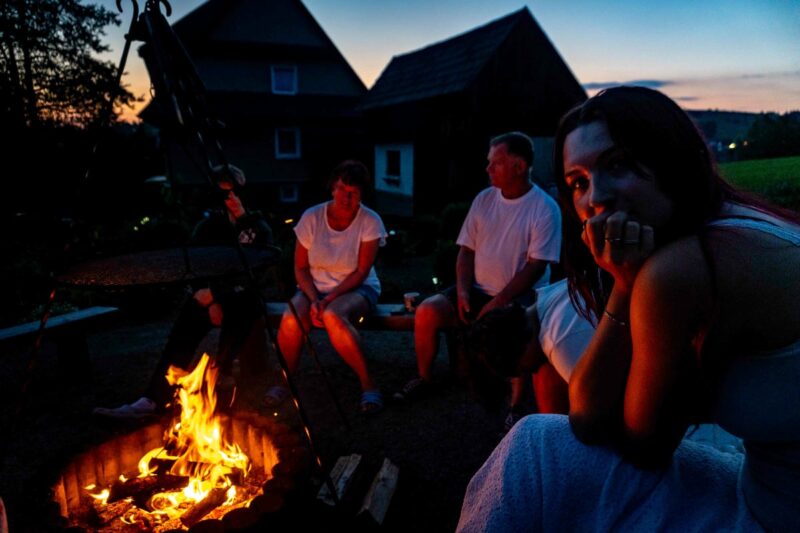
And there's only one way to end a day like this: an ognisko. There are three places we have ogniskos here, and each has its own character. We always end our trips at K's brother's house, and there's always a final ognisko there. Those ogniskos always have a bit of grey around the edges since we usually leave the next morning. Ogniskos at Babcia's are fairly rare, and they're usually small affairs. The ognisko everyone seems to wait for is the ognisko in Syptkowice A's family home.
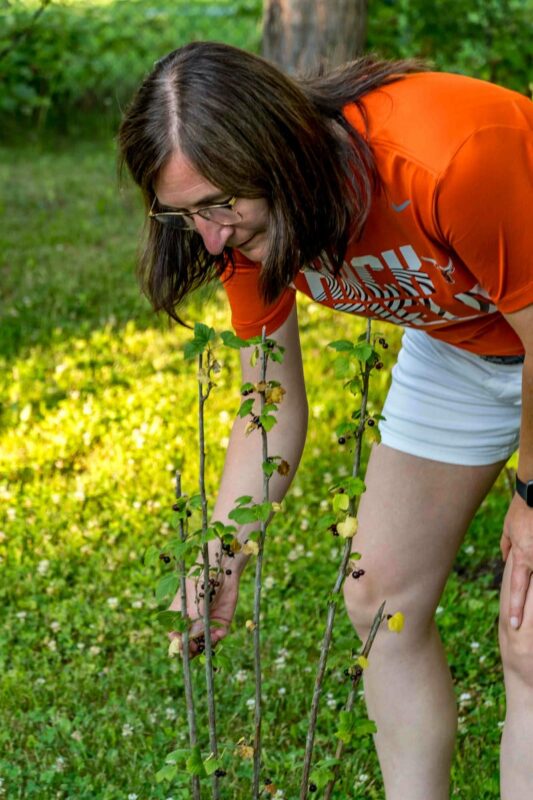
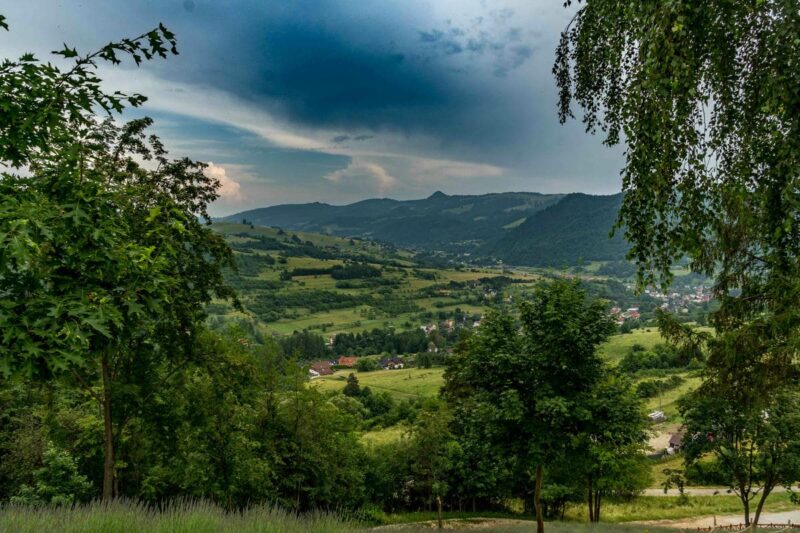
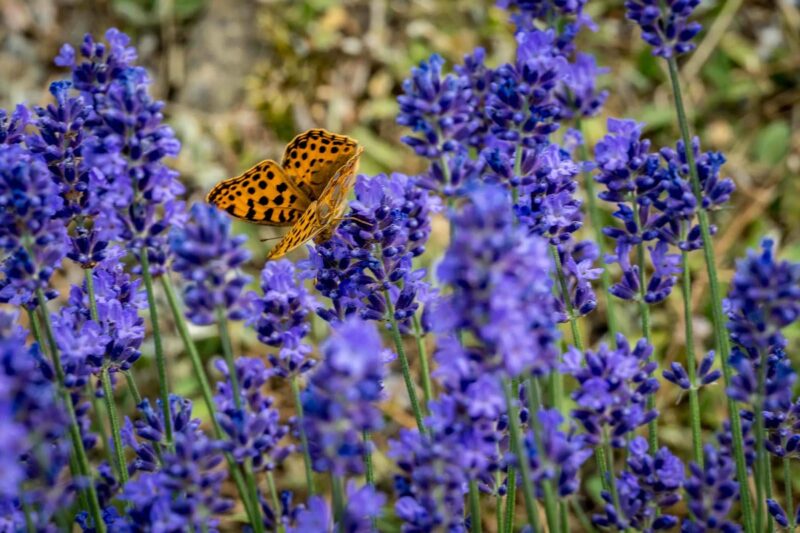
It's in the small apple orchard that fills the front of the property along with black currant bushes, lavender, roses, and seemingly countless other flowers.
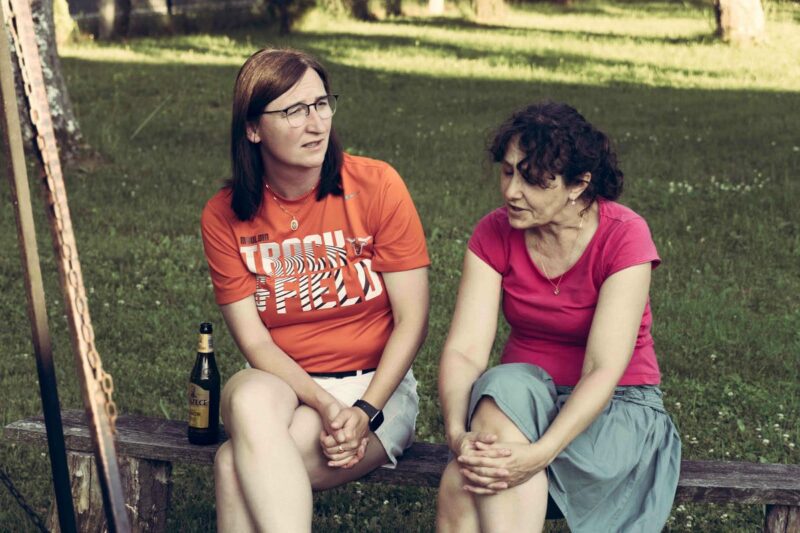
It's where all the important conversations occur,
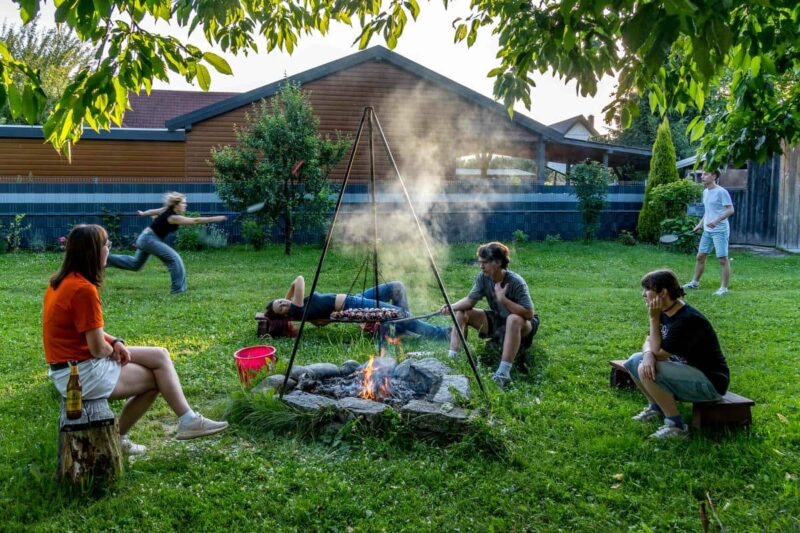
where all the kids' games take place,
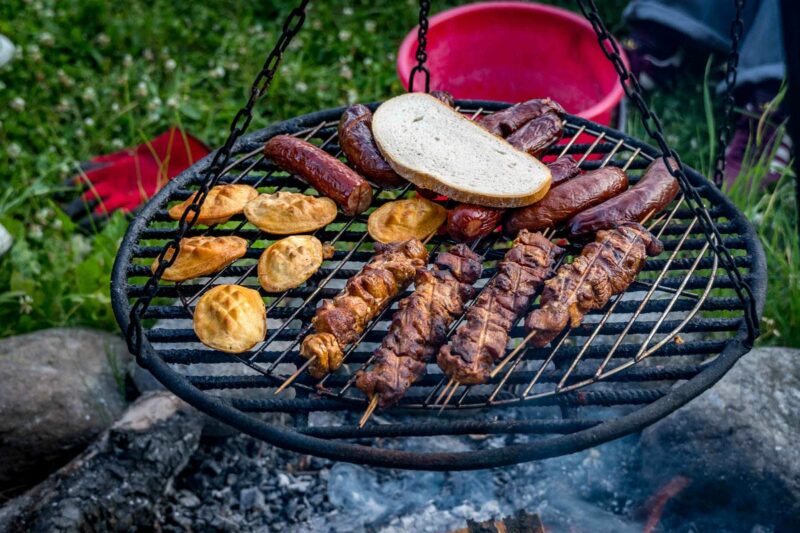
and of course where all the ognisko foods -- traditional and not-so-traditional -- appear and disappear.
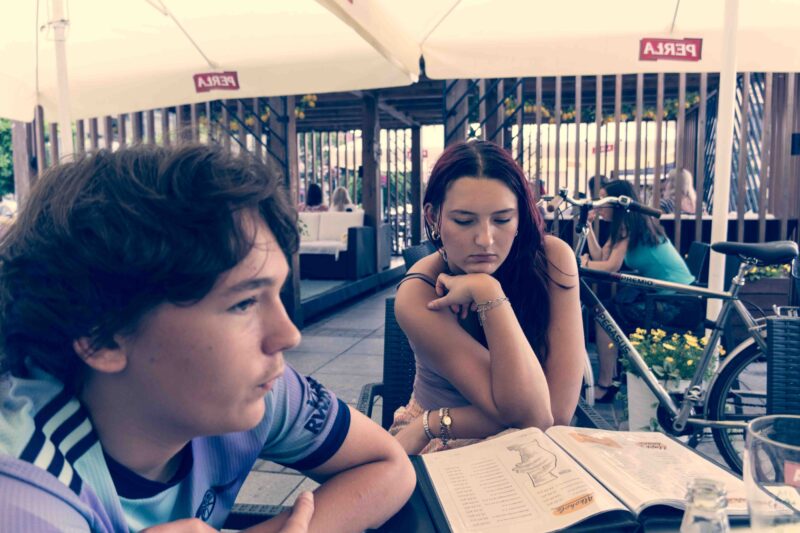
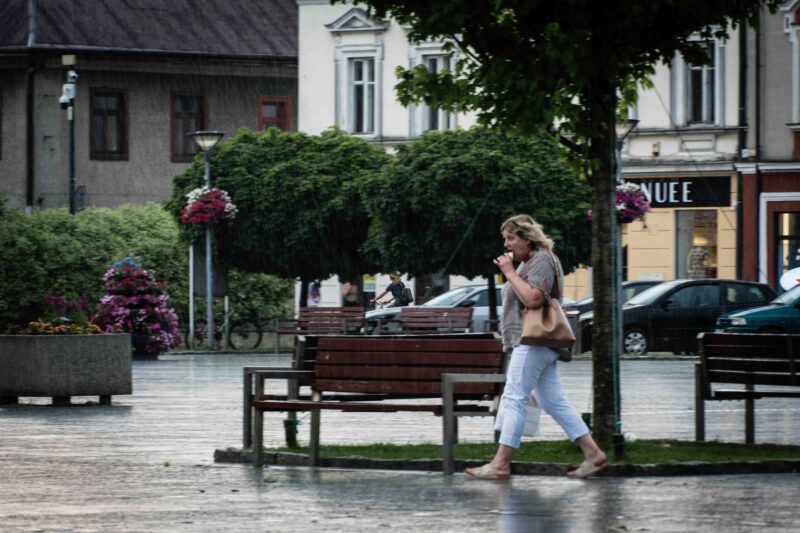
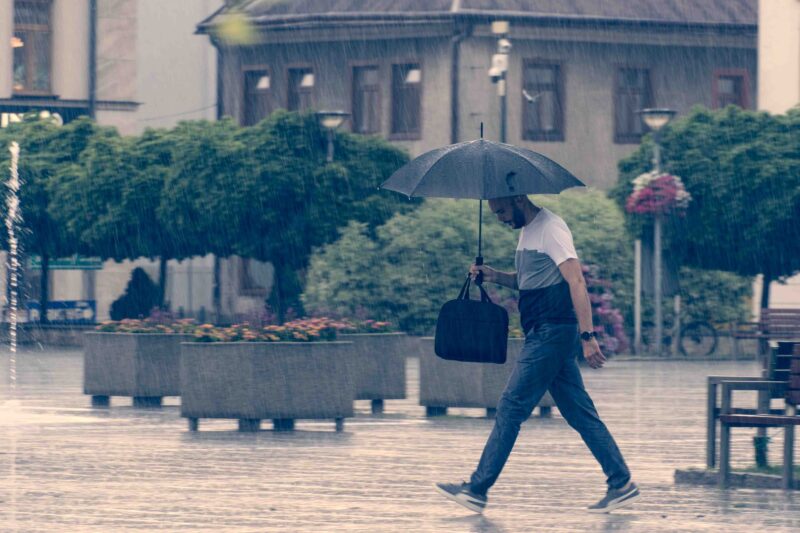
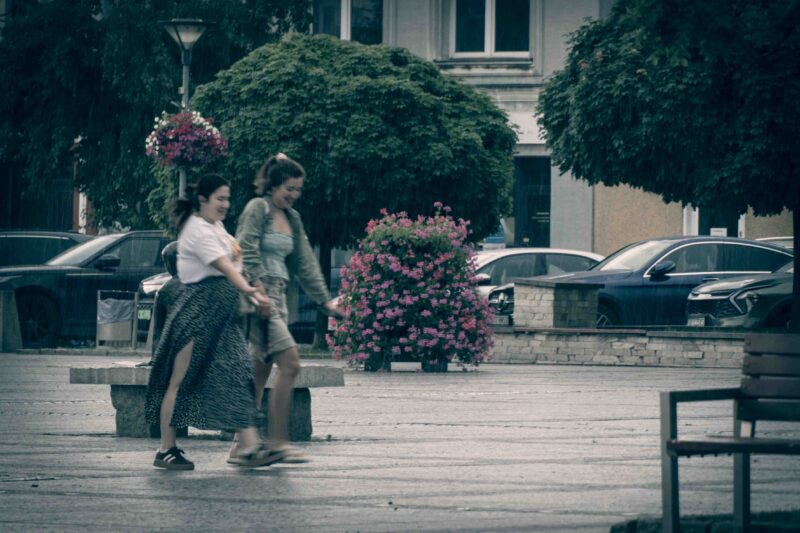
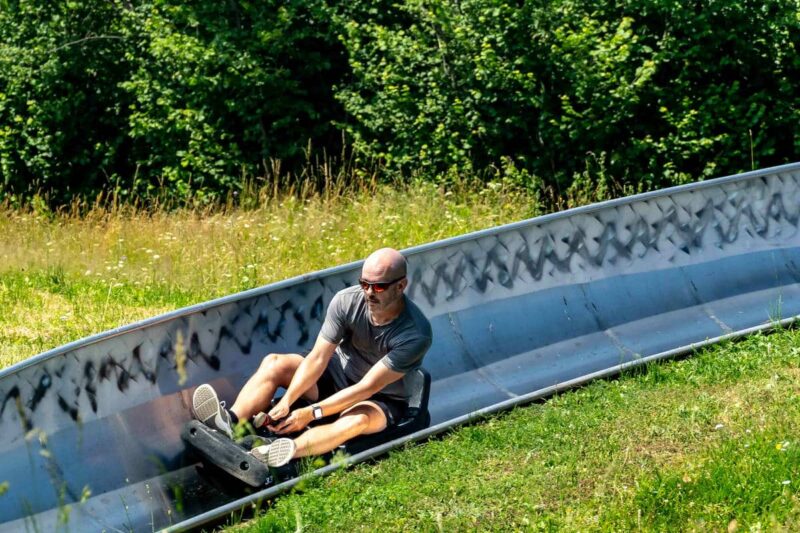
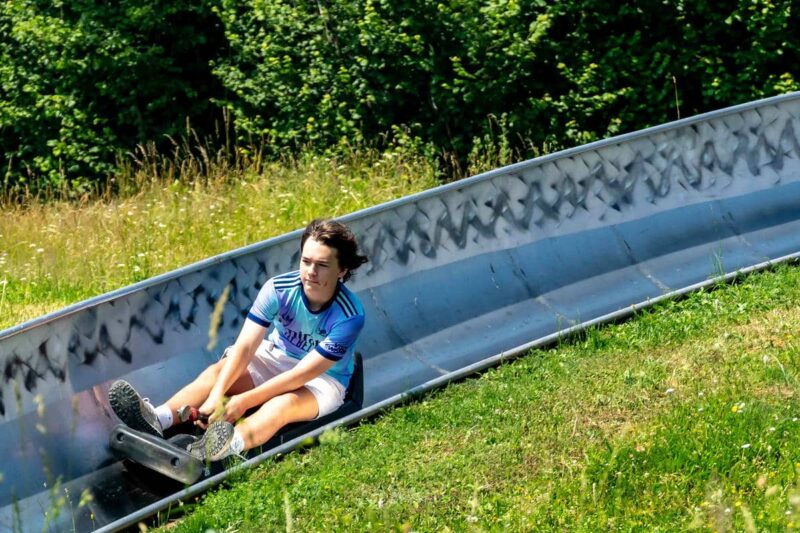
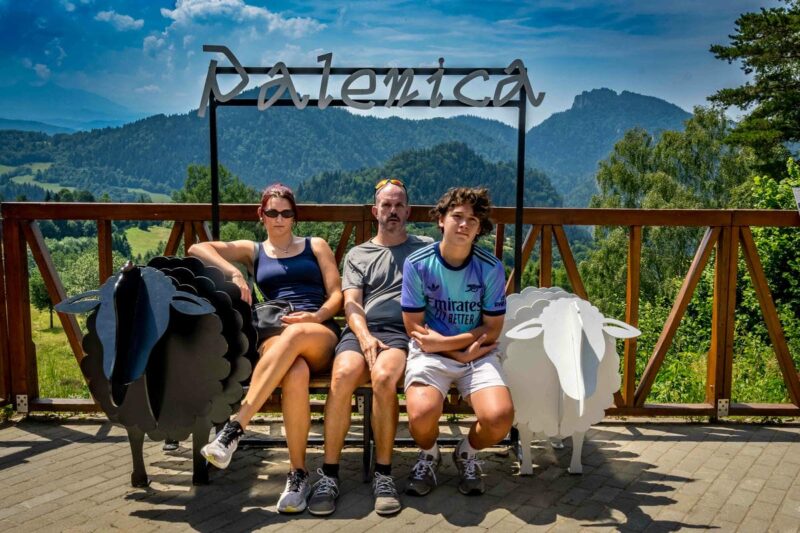
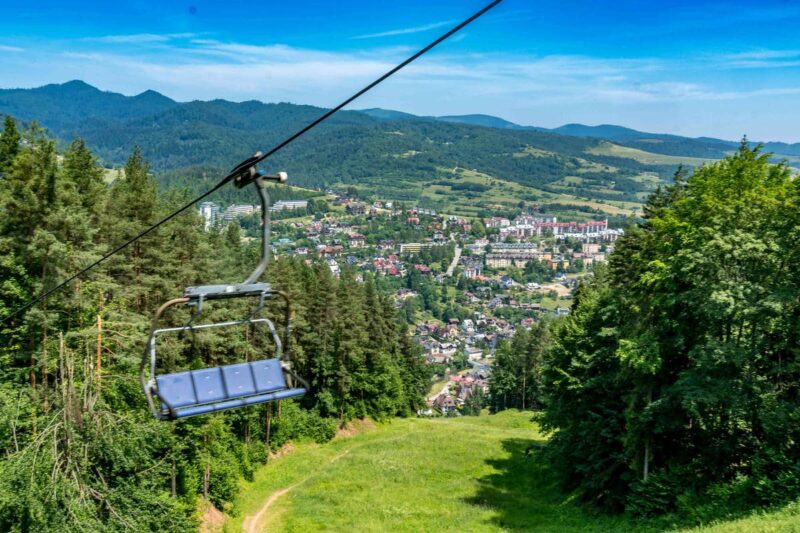
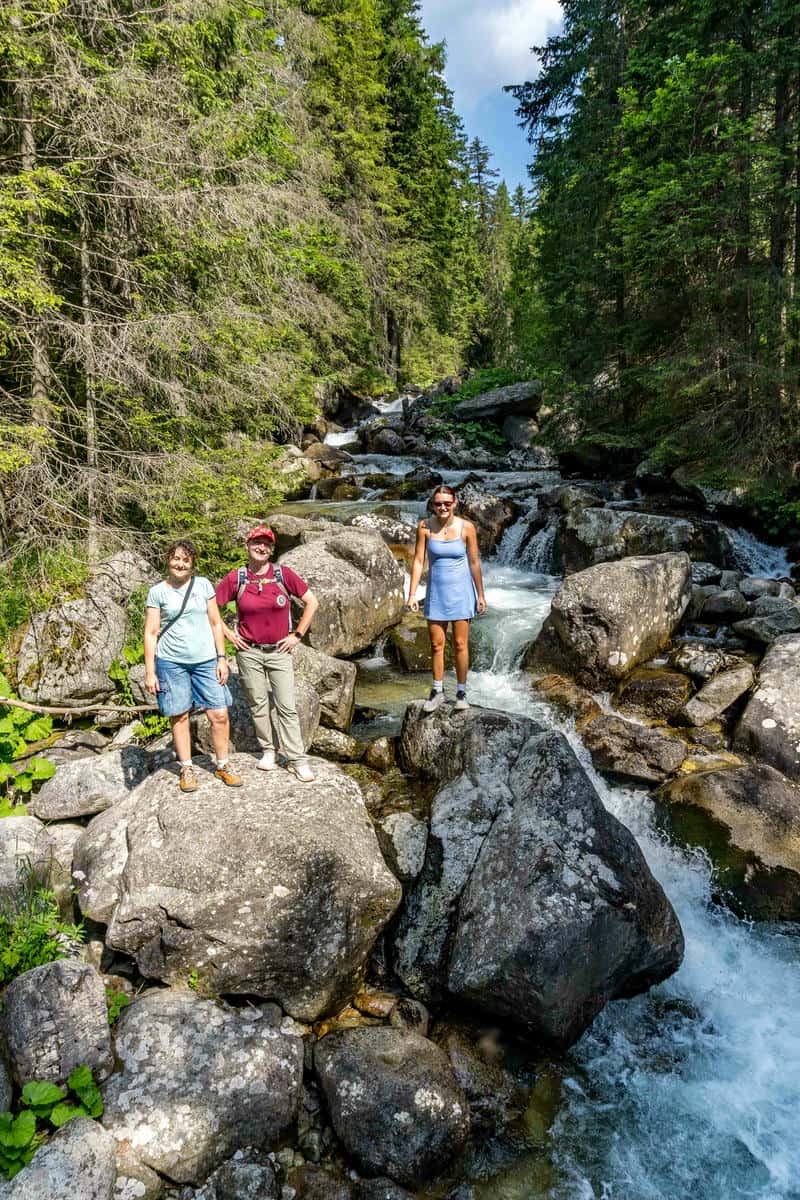
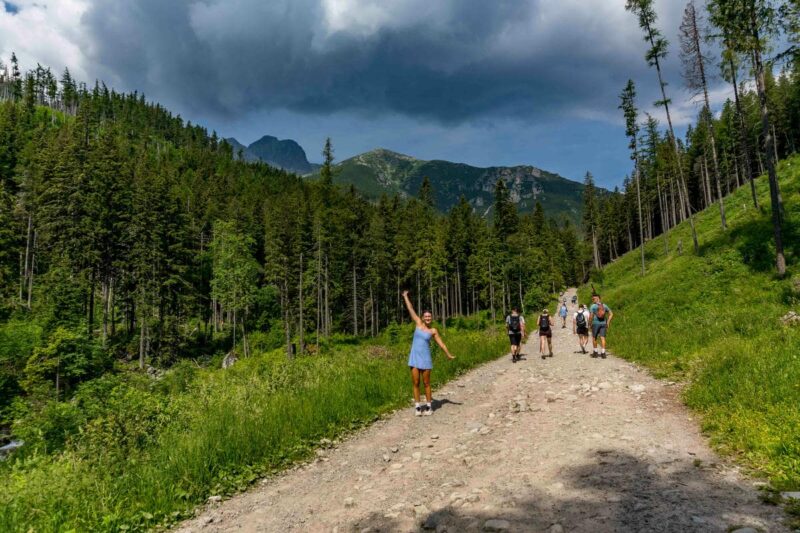
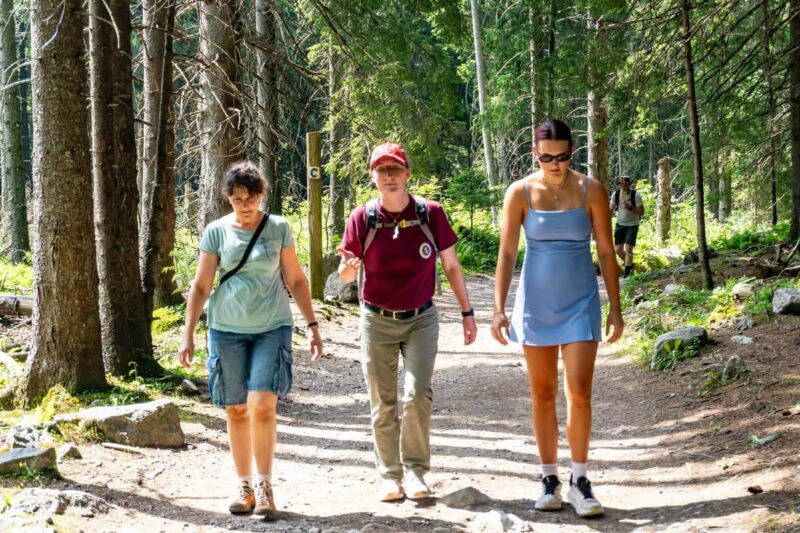
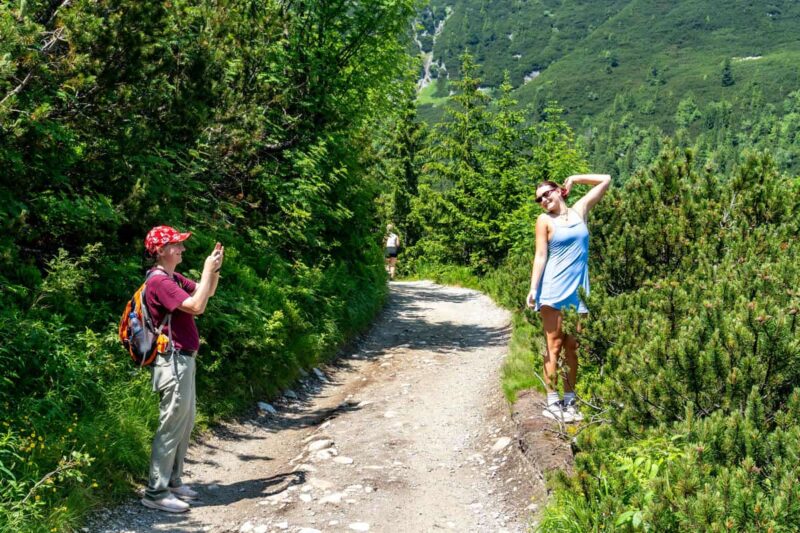
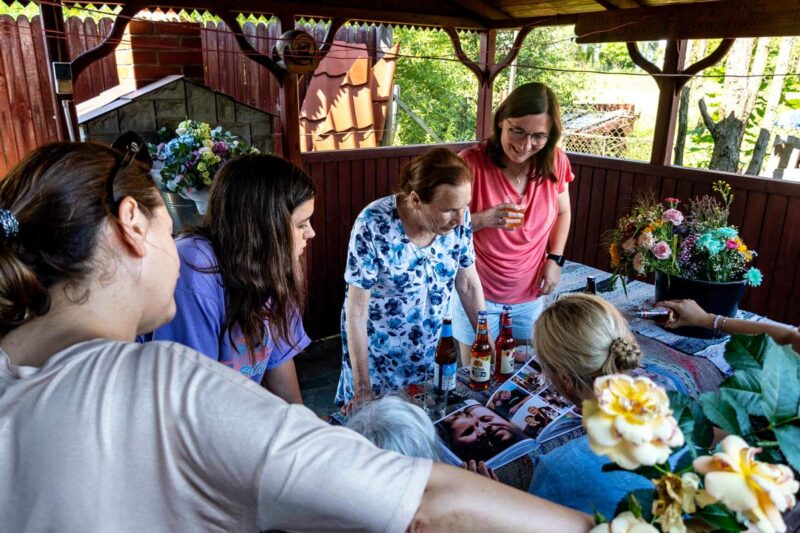
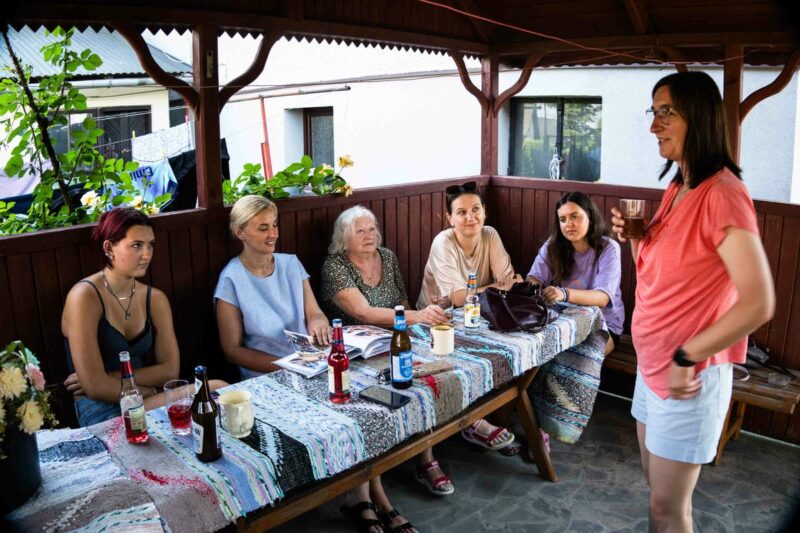
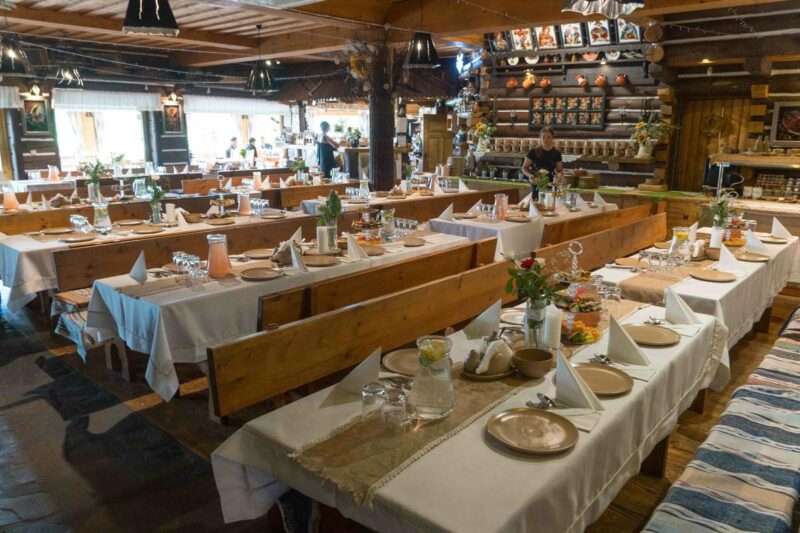
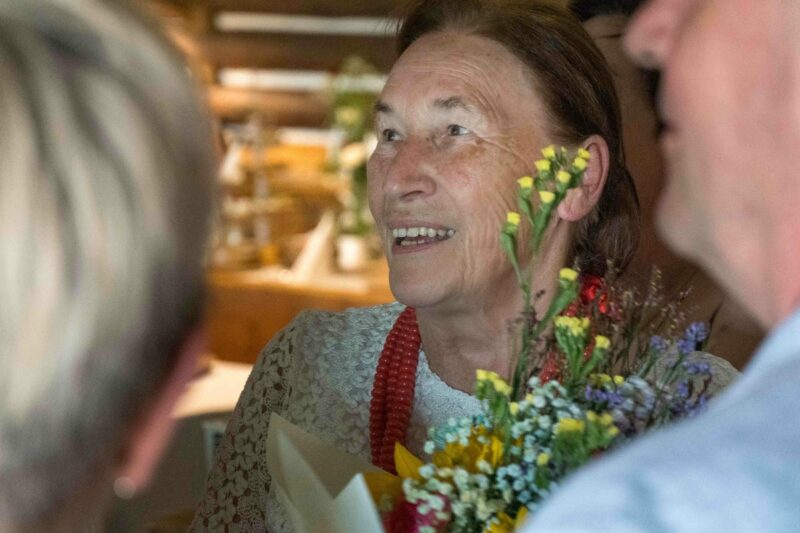
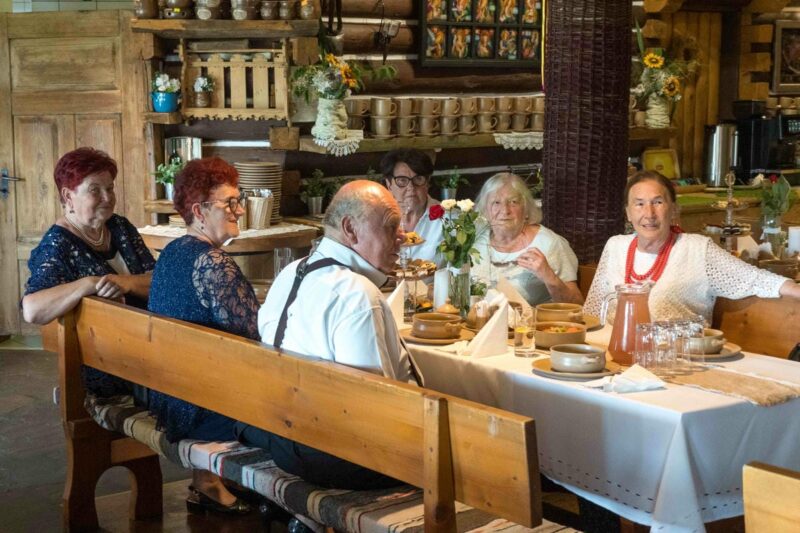
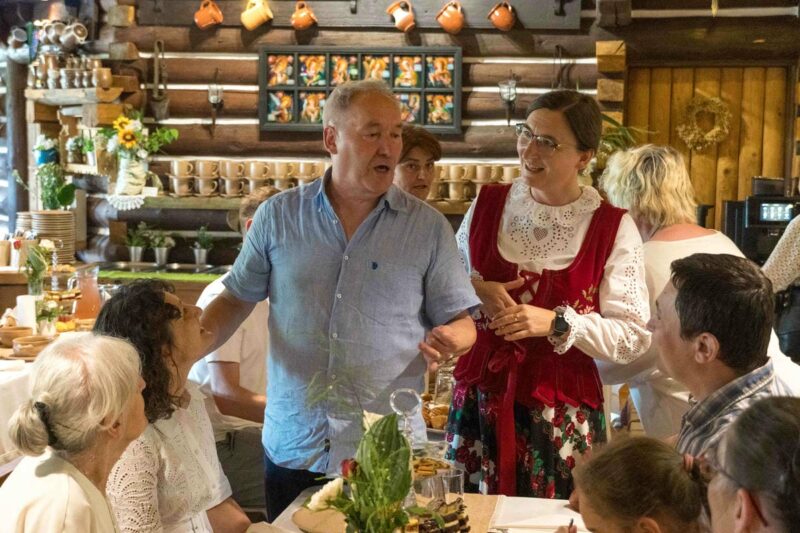
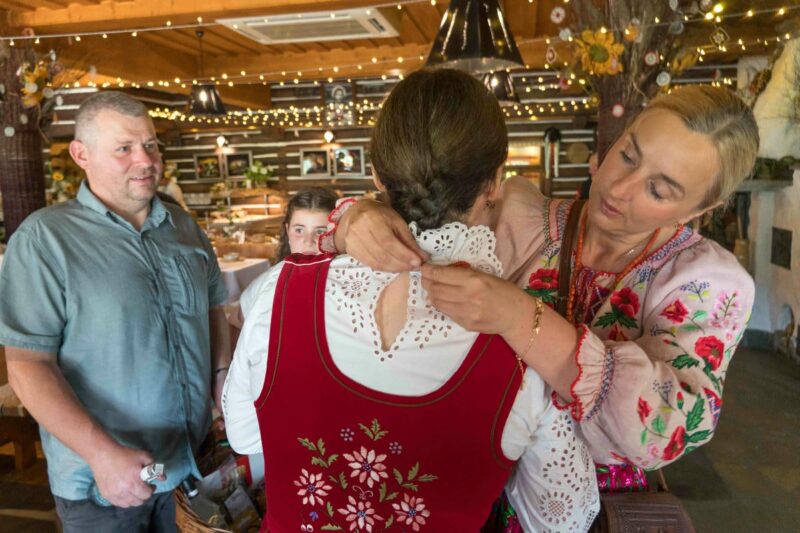
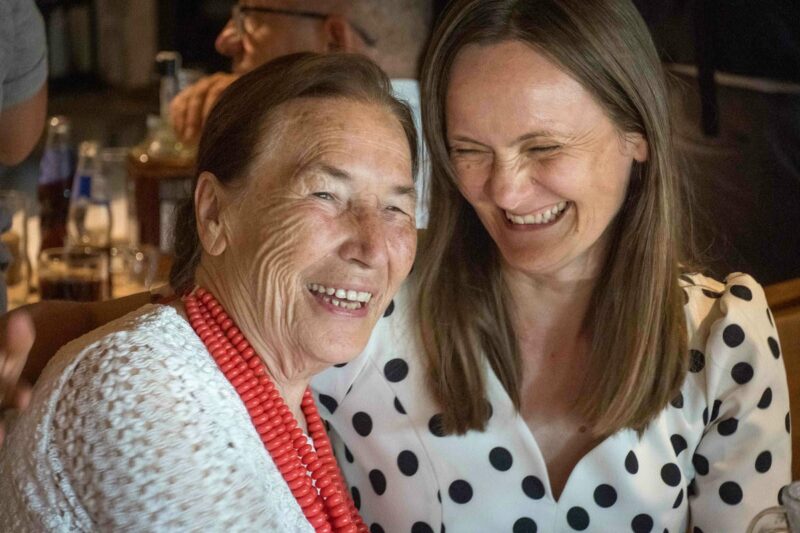
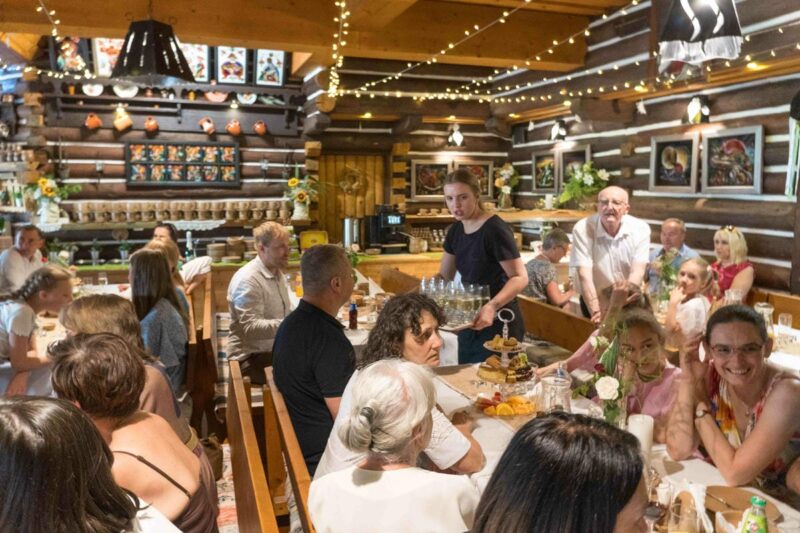
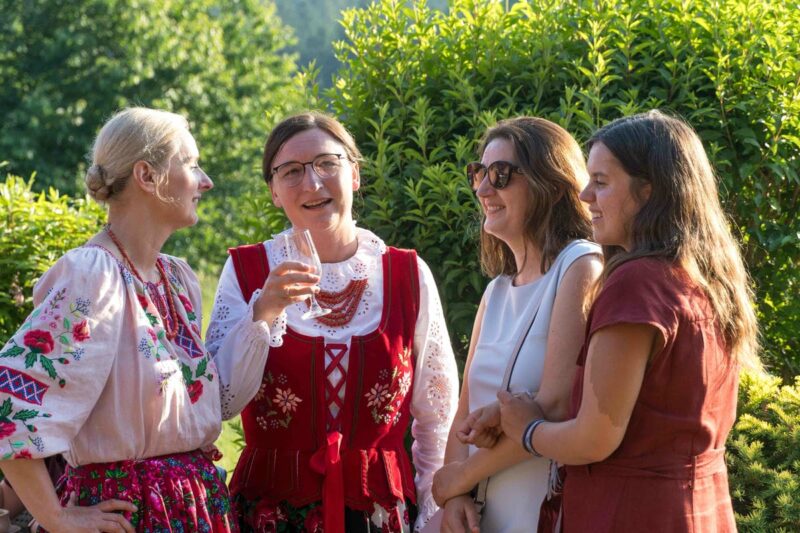
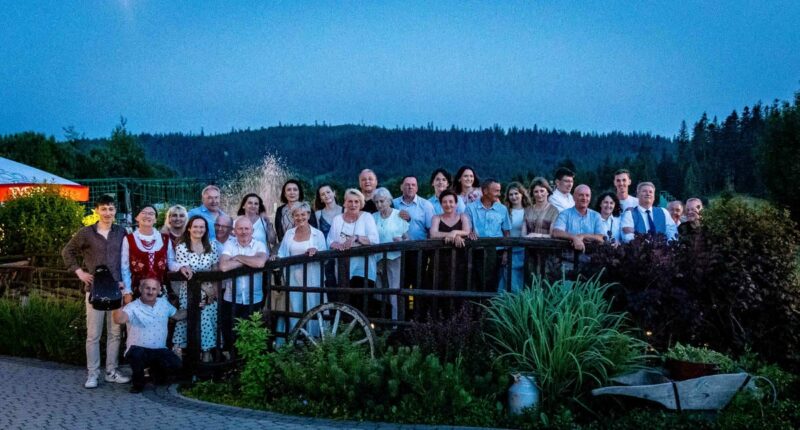
Tomorrow is Babcia's 80th birthday party, which means that this morning we went to Orawski Dwór, where we'll have the party, in order to finalize the details for tomorrow. In a similar situation in the States, the conversation would have gone something like this:
"We would like to do X."
"That's no problem. I thought we were going to do Y, but we'll adapt. Doing X will be no problem."
Or it might sound like this:
"One of our guests would need Y when they arrive," where Y is some service that restaurants don't usually provide.
"We don't currently have the facilities to do Y, to be honest, but we'll figure something out for them."
What wouldn't happen is a light, polite, passive-aggressive questioning of the client's plans. What wouldn't happen is a polite, passive-aggressive questioning of the client's knowledge of the invited guests and the likelihood of disaster if the client doesn't do X, Y, and Z as the manager suggests.
"That was a weird conversation," was E's summary of the two-hour (two-hour) experience.
The whole thing reminded me of my shopping experiences in the nineties when sales reps' response to customers' arrival was simple, direct, and undeniably impolite: "Słucham." Literally, "I'm listening."
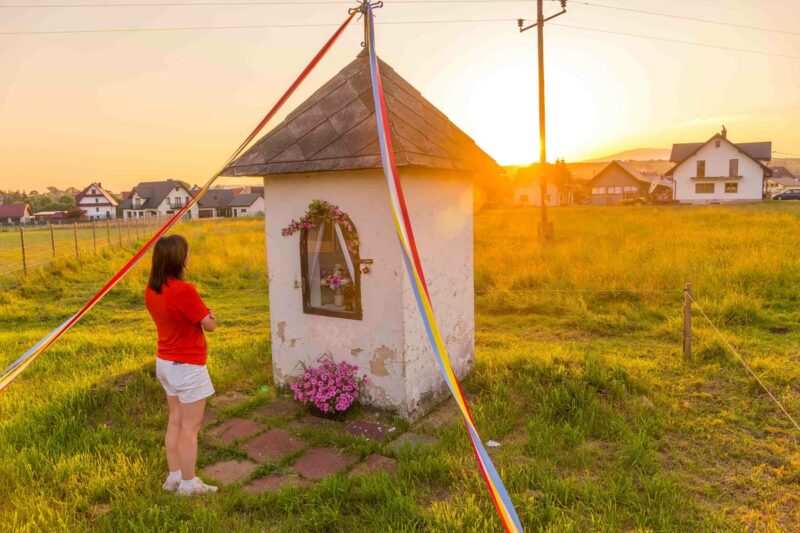
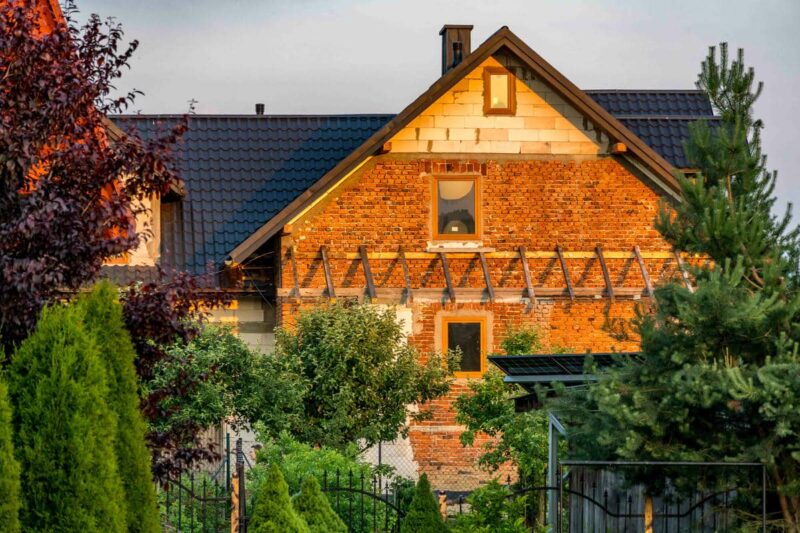
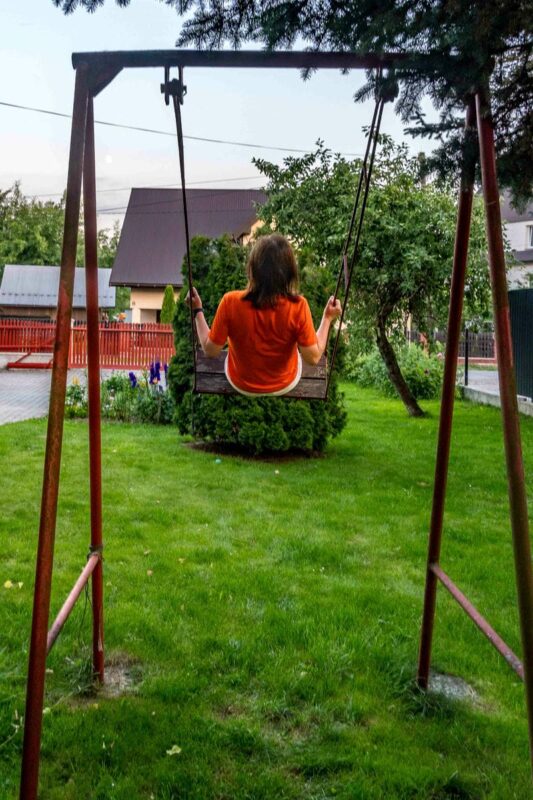
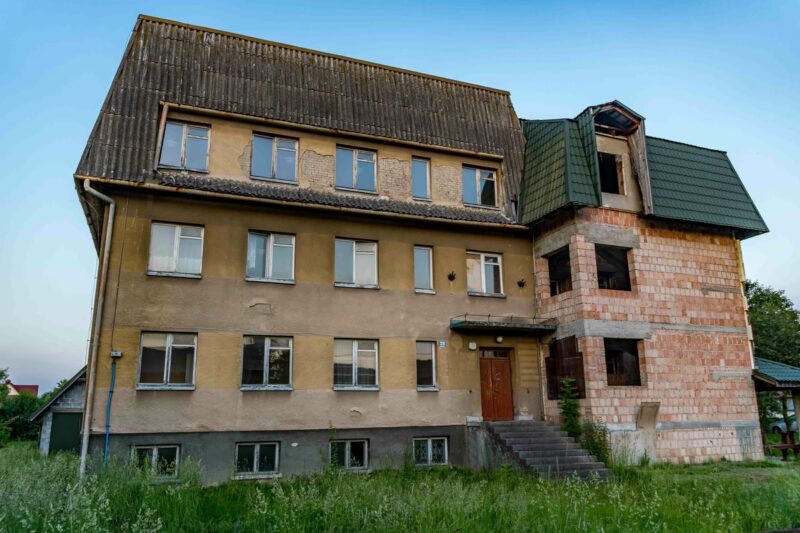
"We can just walk in? Just like that? In every school here?" E was incredulous: how could we have just walked into the high school where I taught for seven years without providing any sort of identification, without anyone stopping us at all, without anyone having anything to say unless they recognized me and, surprised to see me, greeted me with a bit of shock?
"They don't have school shootings here," L replied, as if it were completely obvious. As if school shootings, lock downs, and drills were so normal that everyone in the world could have answered that question because of the ubiquity of school violence.
"Oh, yeah," he replied, remembering the reality of the right's obsession with the NRA's re-interpretation of the second amendment that consumes the GOP and plagues the rest of us with the near-constant threat of mass violence.
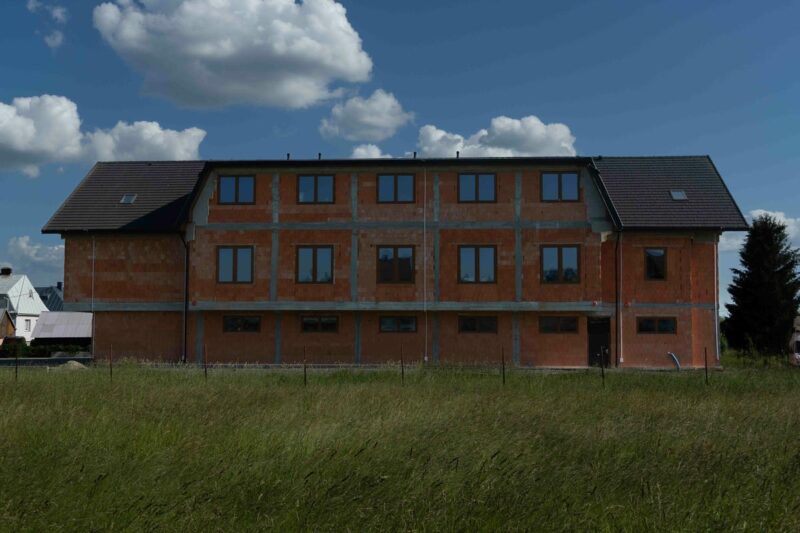
Thus we began our day with a quick visit to the school where I taught for seven years. Everything has changed and yet nothing has changed. But E was less interested in the school itself than he was with the fact that we just walked in as complete strangers and not a single person stopped us or even questioned us.
Is that how it should be in a school? Shouldn't School Resource Officers and metal detectors be completely superfluous to a well-functioning school? For me, it was another sign of the simple fact that in many ways, life in Poland now is vastly superior to life in the States. The standard of living in Poland in many ways surpassed that of America some time ago. Certainly it is not as rich a country in many respects, but must we always measure value in currency?
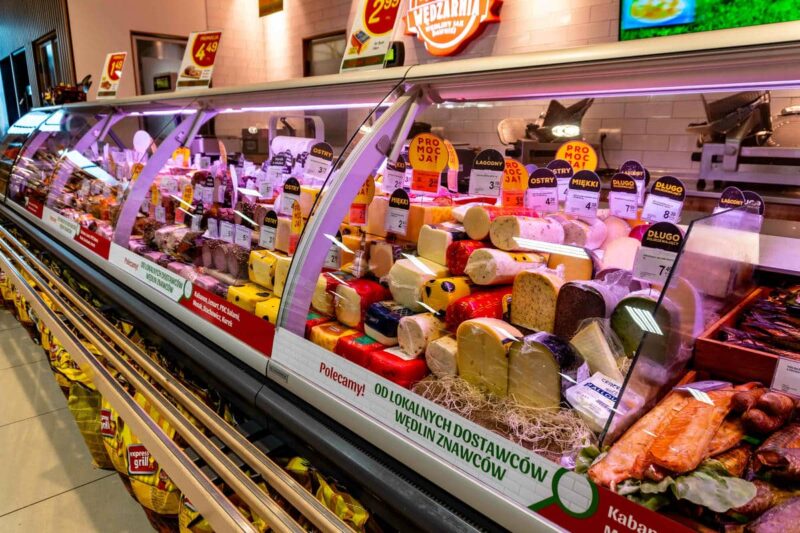
Long ago the kids commented on the better quality of food (particularly wędliny, which translates to "lunch meat" or "cold cuts" but such translations hardly do it justice, so superior it is to almost anything one can get in the States), and it's always the little things that make the difference -- as if going to school without fear of being shot is a little thing.
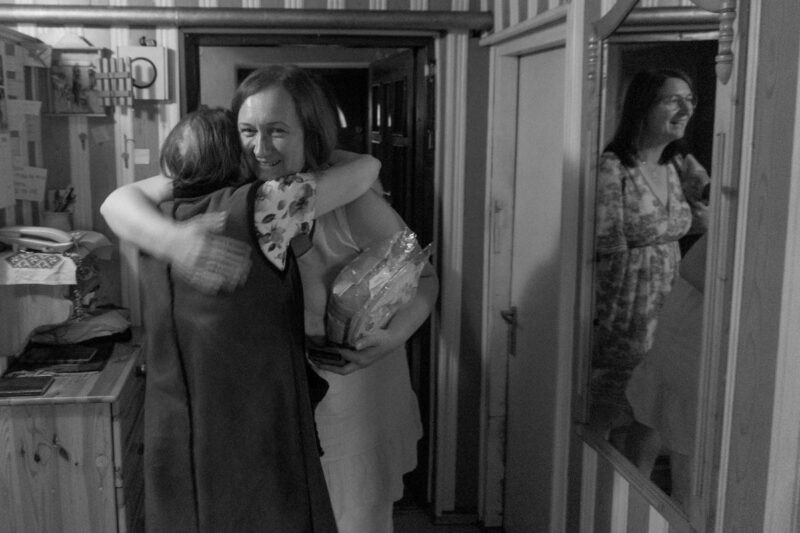
Afterward, I took the kids back to Babcia's and I returned to Lipnica for a little more visiting. I drove to the top of the village to visit another school where several other teachers with whom I'd worked were now teaching. I got to talking to the director -- who was the Polish teacher at my high school -- about the differences between American and Polish academic bureaucracy. We decided that both systems now have one thing in common: required reports that are so useless that one can simply drop some instructions in to one's favorite artificial intelligence interface and get a perfectly adequate report that one can submit in full confidence that absolutely no one will read it.
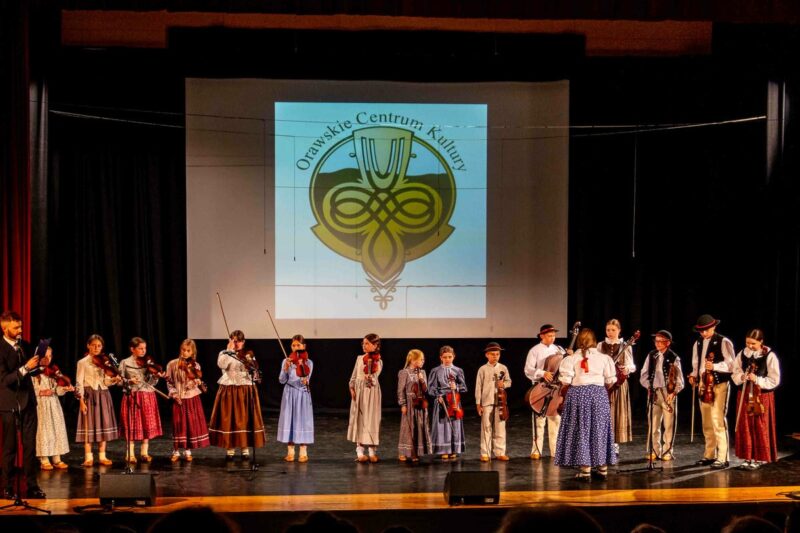
In the evening, yet another contrast: we attended an end-of-the-year concert of students in a local music school that focuses on traditional regional music and dance. To imagine such a school in America, funded by the state and focusing not just on the humanities but on very specific regional music -- to imagine is impossible.
Culture for us is something largely found only in yogurt, and it's certainly not something we're going to waste good taxpayer money on. No. We spend our taxes on the truly important things, like reliving the ultra rich of the unfair burden of paying their fair share of taxes. We spend our tax money on American Flag Blue liners for reflecting pools in order inadvertently to increase algae growth and make the reflecting pool a swampy metaphor for our ruling party. We spend our tax dollars attacking countries that have not attacked us only to negotiate a vastly inferior treaty that costs us even more and provides even less security. True democracies spend their money on increasing the anxiety and lowering the standard of living of all but its wealthiest citizens.
It amazes me how America served as the model for so many countries that in so many ways have now surpassed America. So many Poles who left the homeland for greener pastures have now realized that Poland is in fact in many ways now superior -- and they're returning. From America. From Ireland. From Germany. From Austria. Poland has reached a certain parity with these countries, and those who left searching for a brighter future in a foreign culture realize they can have a still brighter future in the culture of their youth.
Which leaves many who have not returned wondering if it's time to go back.
Everyone who leaves their home country must feel this way at some point or another. Leaving behind all that you know to start a life, to begin a family in a completely foreign culture -- it's not a decision one takes lightly.
And so people return. And those of us who do not return wonder if we shouldn't have stayed.
It's a question that will never reach any true sense of resolution, because to change everything from the last several decades is just as uncertain as leaving a country in the first place.
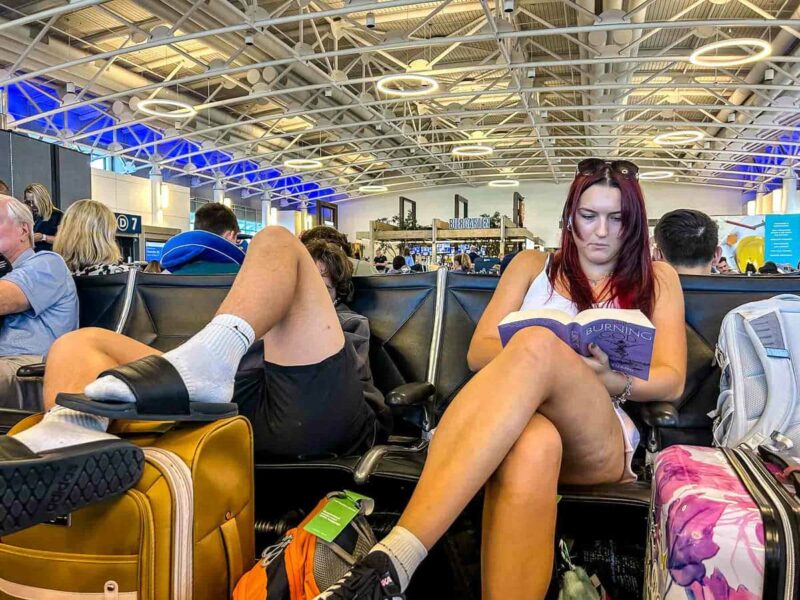
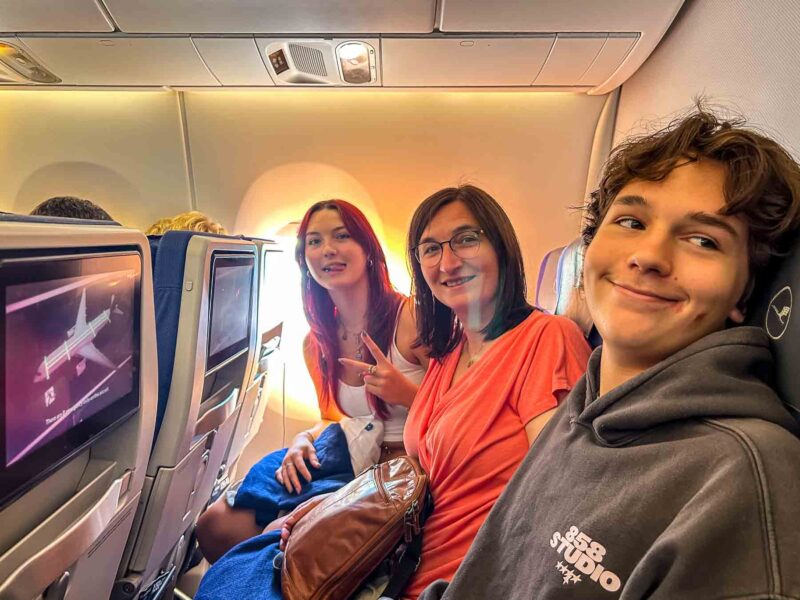
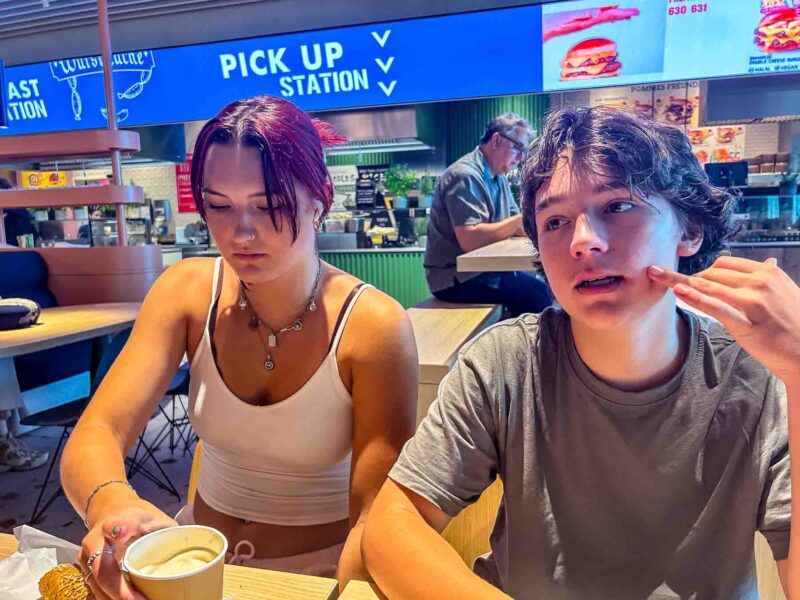
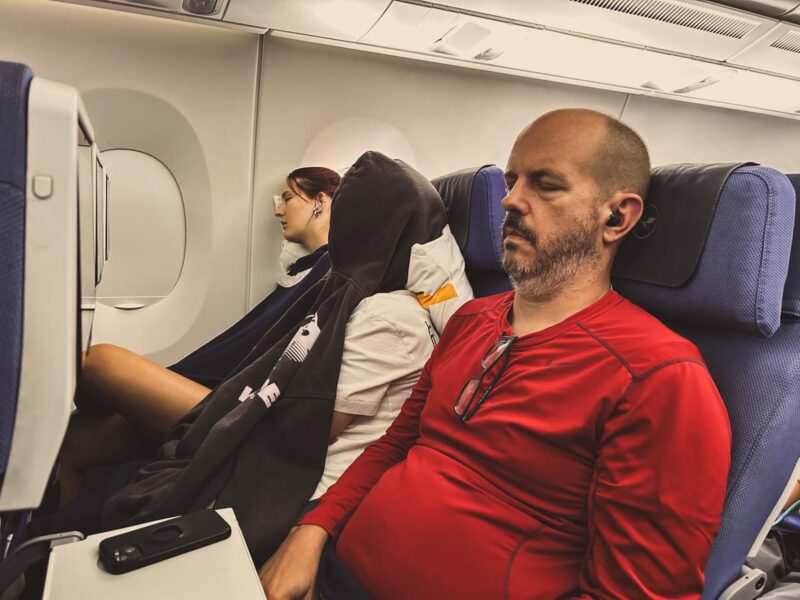
It’s always a long journey to get here. We have the hour and a half drive to the airport in Charlotte for the long obligatory wait after arriving well before our flight and even before the recommended time to arrive for an international flight. Then we have the flight itself: Charlotte to Munich is about 7 1/2 hours in the best case scenario. Then we have to wait in Munich for a flight to Cracow. The layover has been as long as six hours; it’s been as brief is 90 minutes. Once we land in Cracow we have to drive to D’s house. Of course we spend a few hours there visiting with D and his family. Finally there’s the hour and 15 minute drive from D’s house to Babcia’s house. All told it is 18 to 24 hours door-to-door.
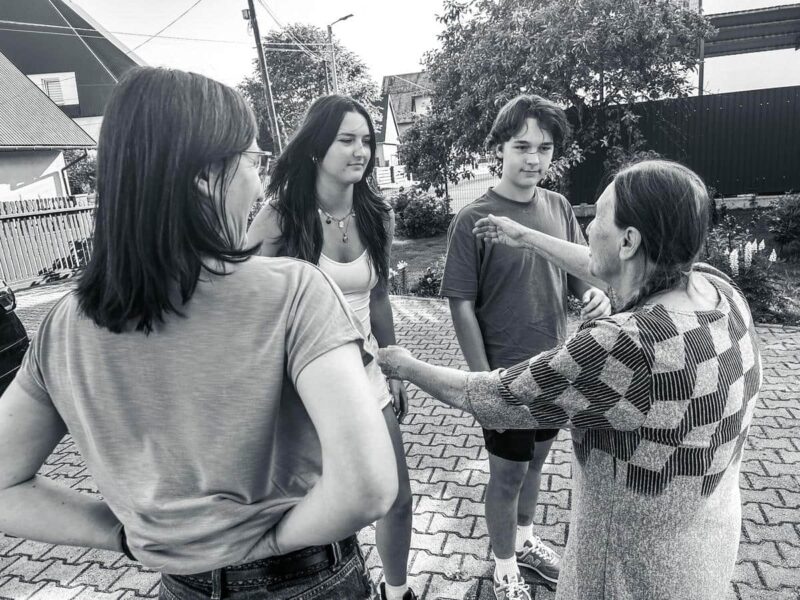
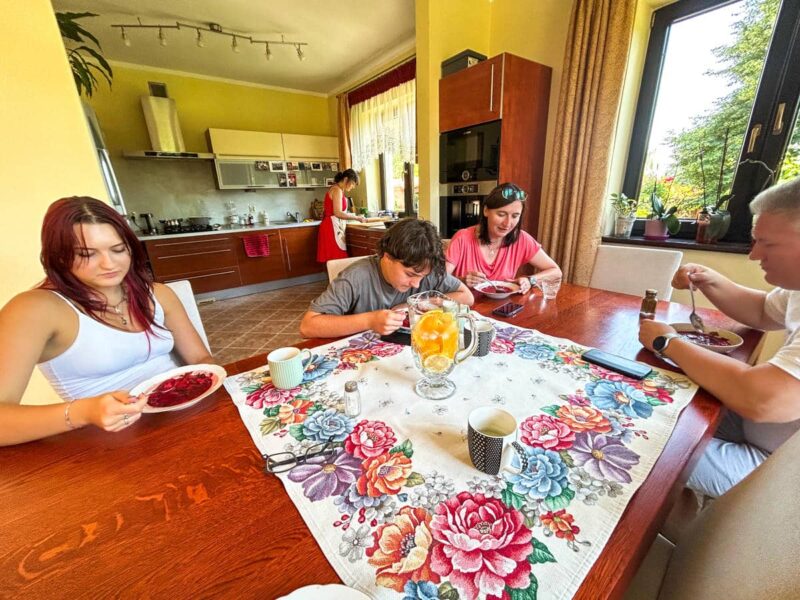
We all agreed though that this trip was our fastest yet. The flight to Munich seemed to go by in a blink. The layover in Munich was just a touch over two hours, which is just long enough to get through customs determine the gate, and find a nice place to have a coffee and pastry. Relax for a few minutes, and then head on to the gate. Traffic was mercifully light and we made it to Babcia’s just after six in the evening.
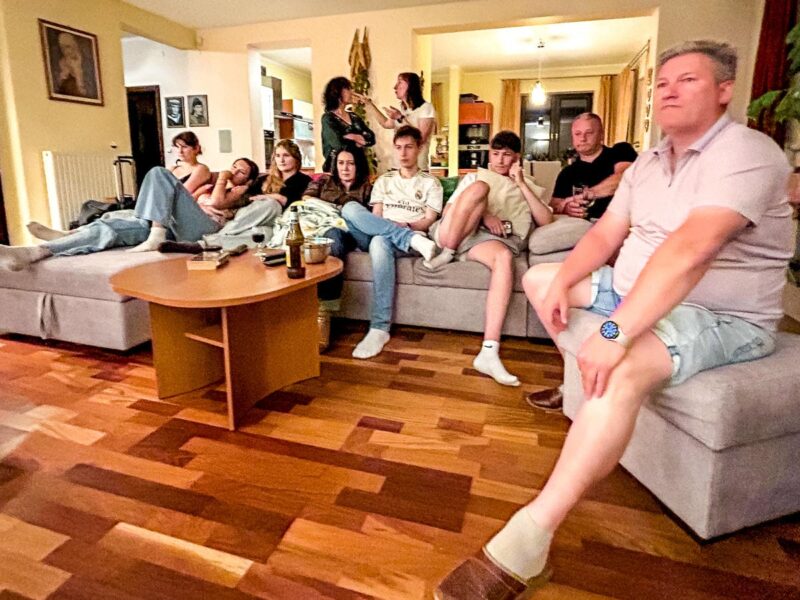
At D's, we spent a fair amount of time discussing what we might do together during our time here. Because of the way Babcia's birthday party falls, we really only have one full week here for tourism. The birthday party solves one problem: we get all our visiting done in one shot, so we won’t feel obligated to spend an afternoon with this family in the afternoon with those cousins and another afternoon here and get another afternoon there. Those visits are lovely, but when you really only have one solid week it’s nice to be able to have more options on the table. We made some plans and then some backup plans in case the weather does not cooperate and then some other backup plans. In case the weather turns vindictive. Starting next week, there was a high probability of storms, so that makes it difficult to plan with any accuracy.
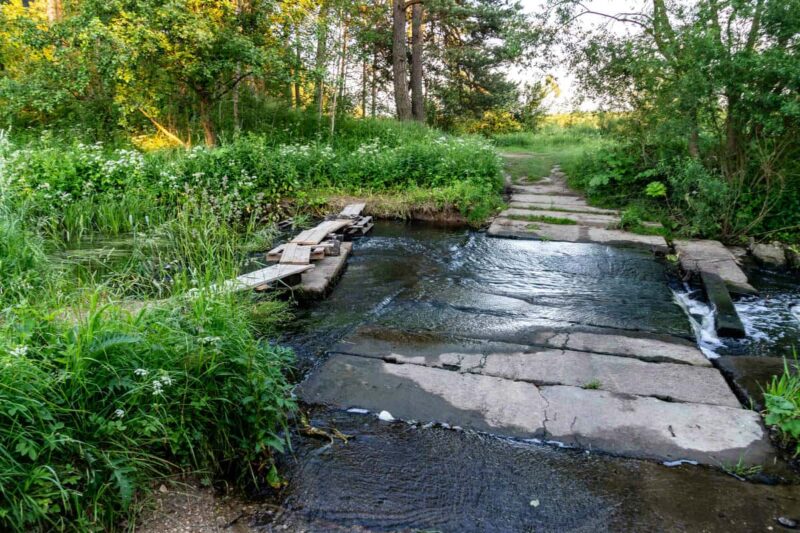
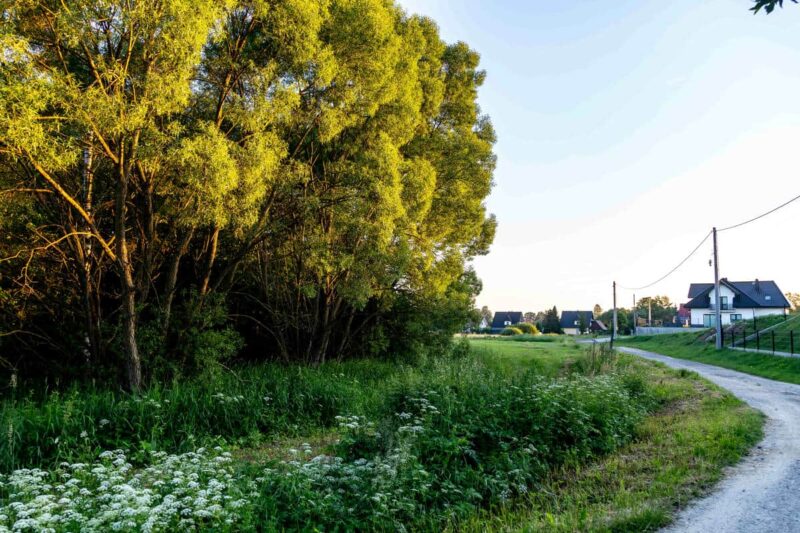
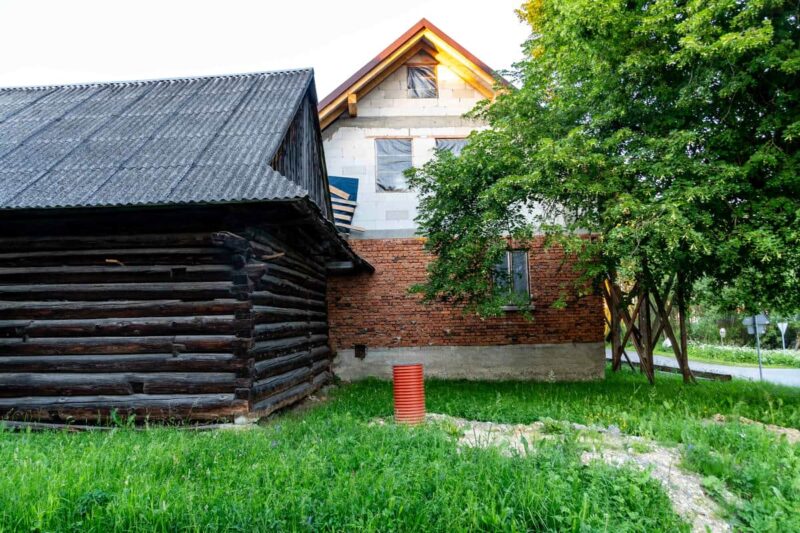
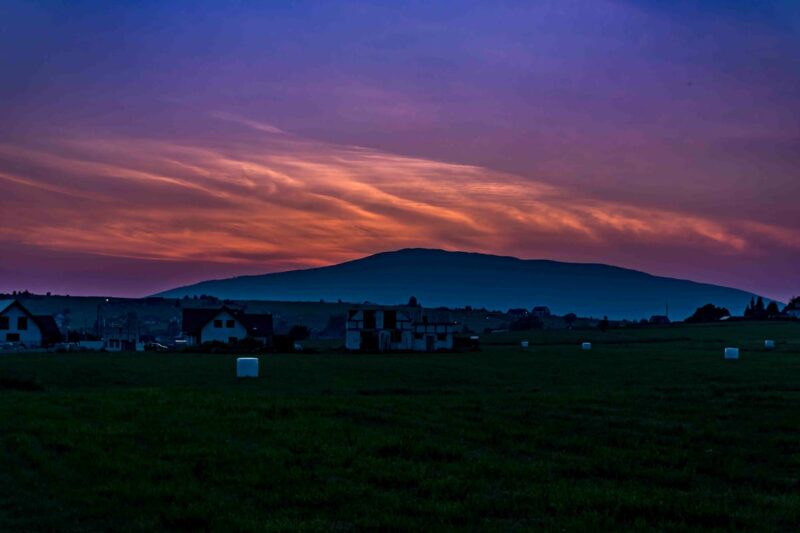
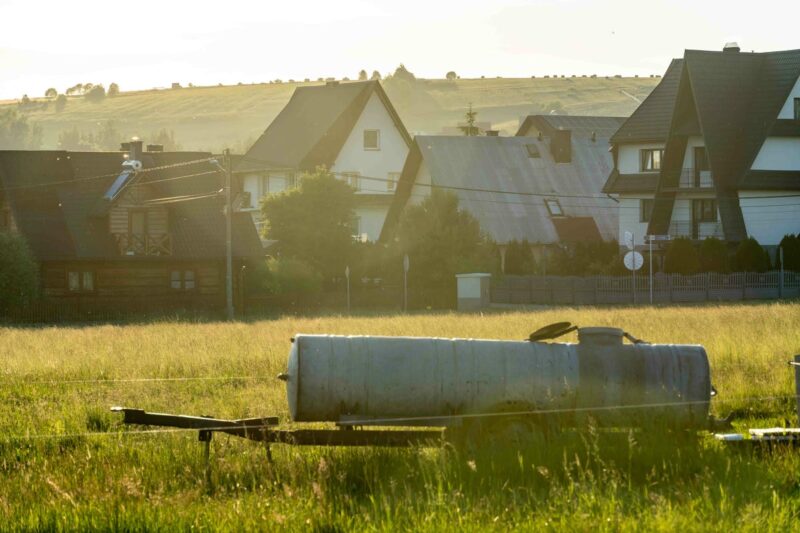
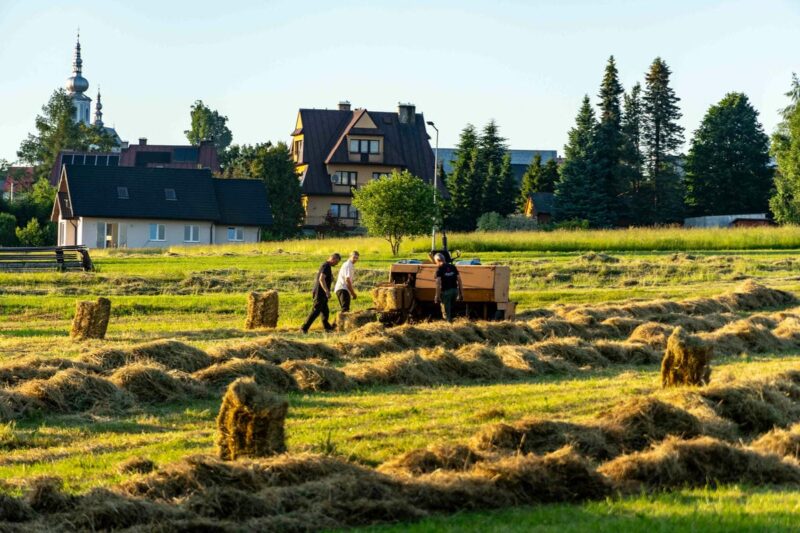
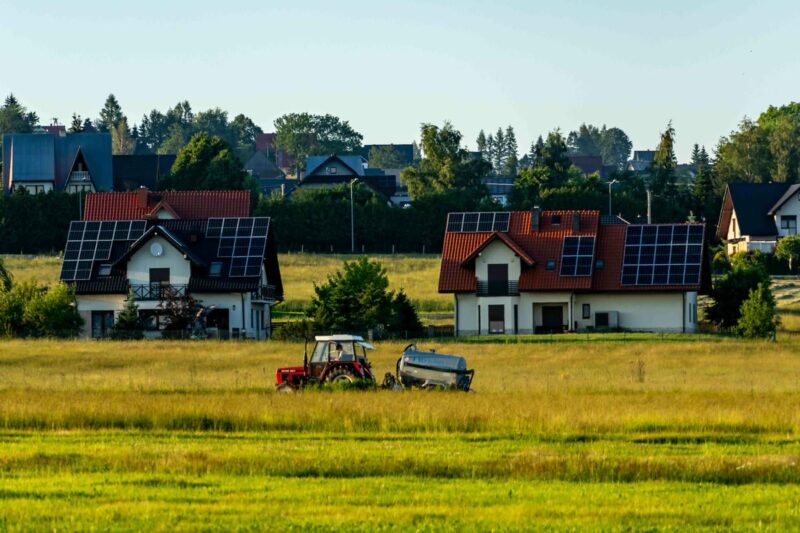
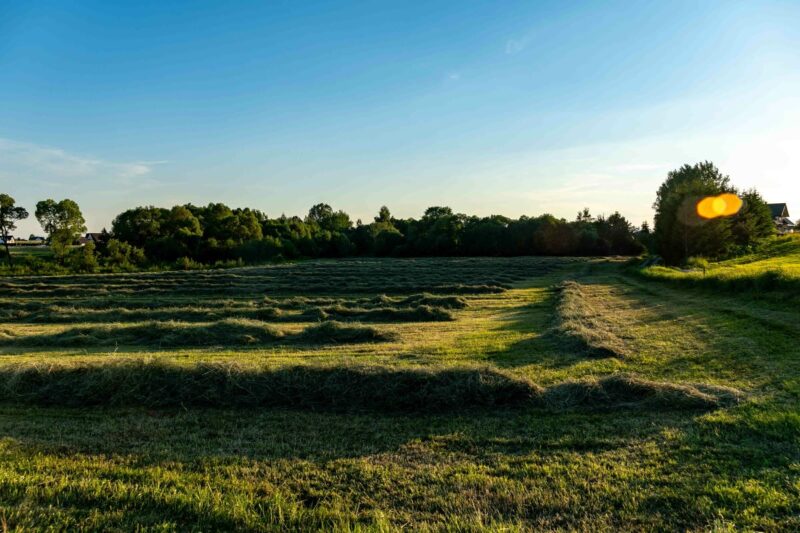
I’m always talking about the changes I see when we arrive back in Poland, especially the changes in a small village like Jablonka. Here, there were only fields that are now houses; rutted dirt paths have been replaced with new paved roads. The traditional ladders for drying hey have disappeared and in their place squat, white cylinders of rolled and wrapped hay. Evening walks that used to have lowing cows as a soundtrack have grown almost silent. And yet some things have not changed: as I headed out for a walk this evening, my first on our return, I heard a tractor behind me. It was pulling a large tank trailer. I knew what was happening immediately. It was about to go out into the fields to pour the byproducts of cows and horses on the fields is natural fertilizer. So while many things have changed, some of the smells are still the same.