matching tracksuits

fun in threes, sometimes fours

Gardening

We've planted our garden. Actually, that should be plural, because we're planting all over the place: some veggies in the back, some in the front.

Nothing we do will compare with Pani Barnas's garden in Poland. I live rented from her for a couple of years and every summer, she had a garden that amazed me.
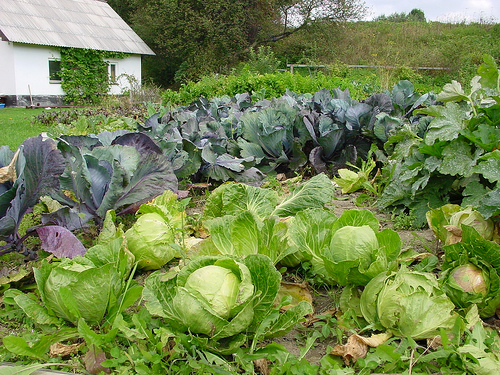
Cabbage
Dream Garden || September 2, 2002 || Lipnica Wielka, Poland

"One day," I tell K, "one day we'll have a garden like this."

Then I go out to prepare our two small patches for planting. The next day everything aches in a most splendid way, and I think, "Why rush?"
Trabant

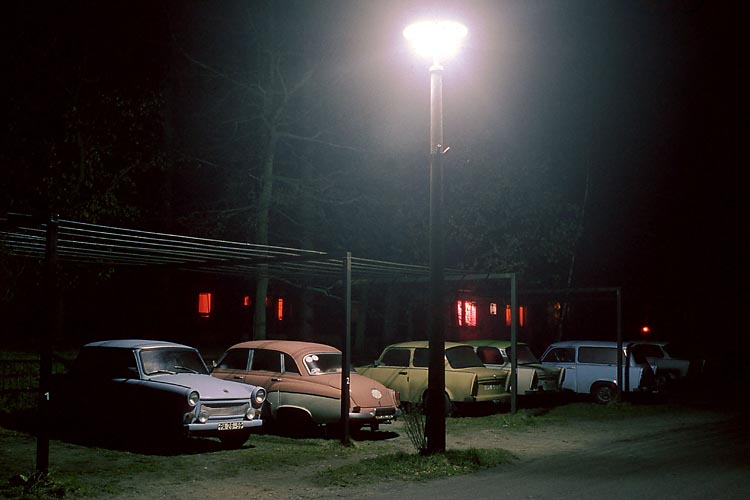
Nothing says communist East Germany quite like the Trabant -- a plastic car with a two-stroke engine that was produced in East Germany for nearly thirty years.

A friend of mine in Poland had a Trabi for a few weeks and I had the privilege of riding in it. Winter in rural Poland is the worst time to be on the road, as snow is continually packed down into ice, making conditions less than ideal. To ride around rural Poland in the winter in a plastic car with a lawn mower motor for an engine was probably not wise.

Der Spiegel has a photo essay on East Germany, comprised of pictures taken just after the Wall fell, in 1990. It includes many pictures of Trabis, including this one:

East Germany, Up Close and Personal

It's well worth a look.

Happy Birthday, Papa

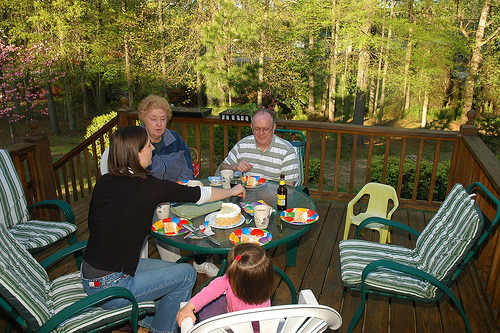
Friday was Papa's birthday: he's doing 50 again. He thought about going up to 51, but I talked him out of it. "Fifty is such a nice, round number," I argued. "Fifty-one has very little going for it. It's not even a prime number."

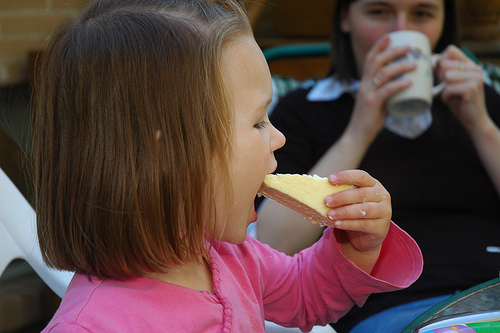
When Papa has a birthday, there's only one kind of cake we can buy with a clear conscience: cheese cake. The Girl liked it too, but seemed to enjoy the act of shoving it into her mouth more than actually eating it.

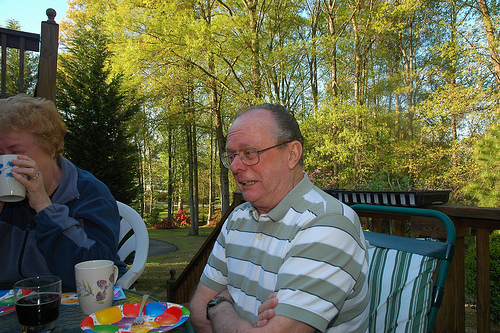
Papa didn't want to laugh -- thought it might encourage her to continue -- but he couldn't keep the laughter in forever. In the meantime, he looked a little goofy.

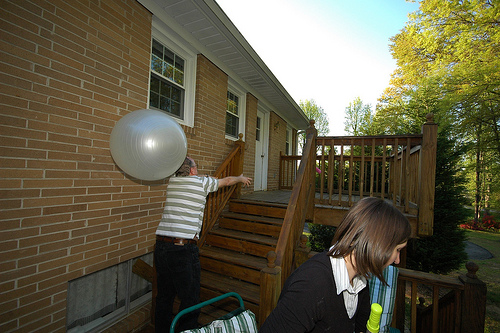
Afterward, it was time to play. Papa had some trouble throwing the exercise ball up the stairs, much to the Girl's delight. It's always fascinating to me how something so insignificant, repeated ad nauseum, can give her so much joy.

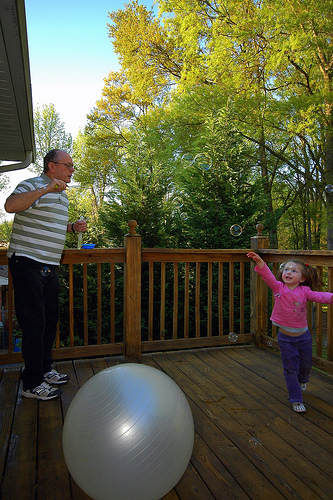
Bubbles followed, and L followed the bubbles.

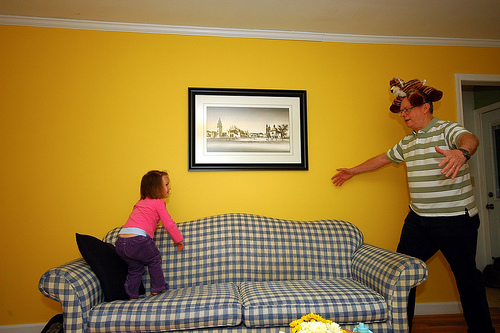
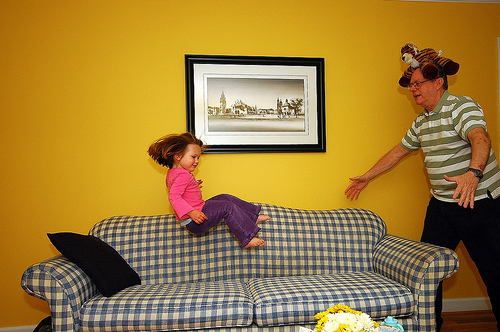
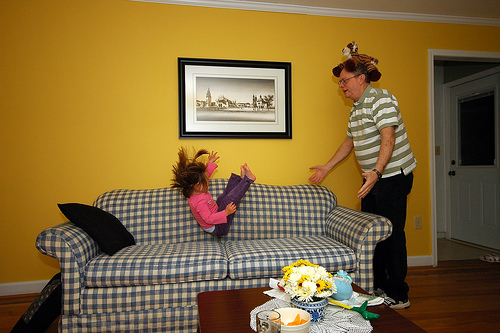
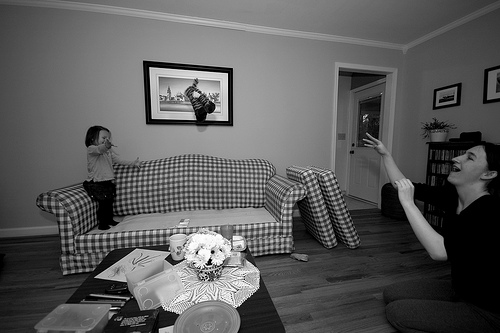
Inside, L showed her acrobatic nature while Papa showed his, well, Papa nature.

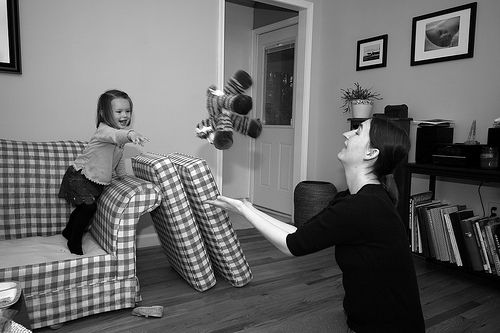
Catch!

Catching

Coordination is developing.

Throwing

Strength is improving.

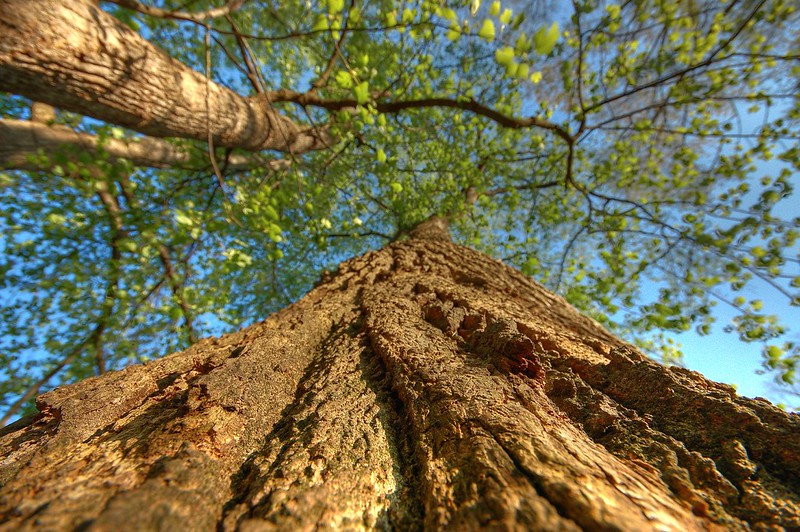
Tree Trunk

Spring Evening

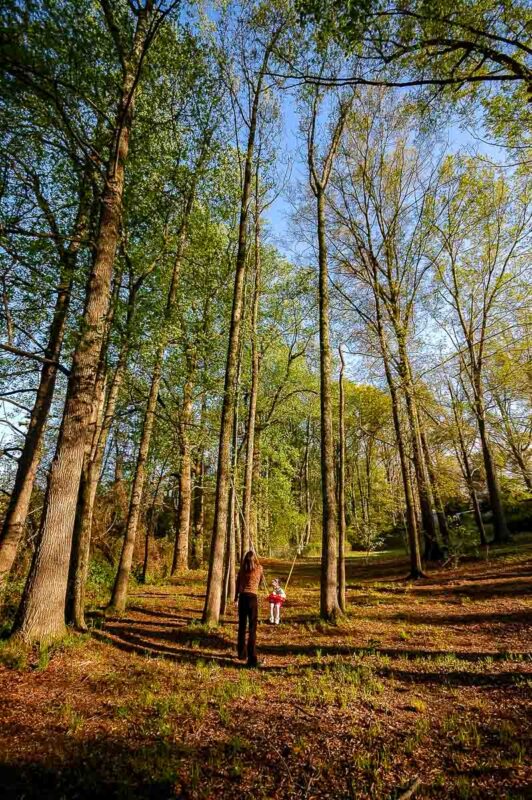
The trees in the backyard are slowly filling out; the sun came out today after two days' rain. The only option was to get out in the warmth.

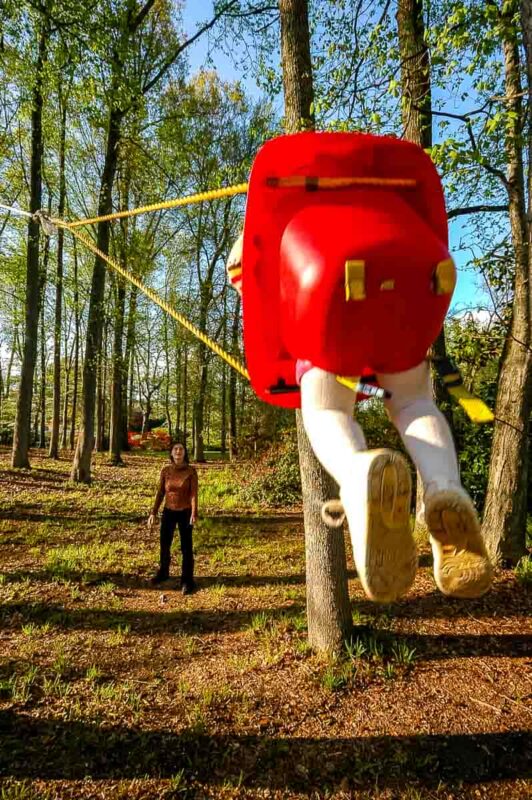
Swinging is always the start. Swinging sets the stage for everything else. It often bookends activities in the summer: it's that popular with the Girl.

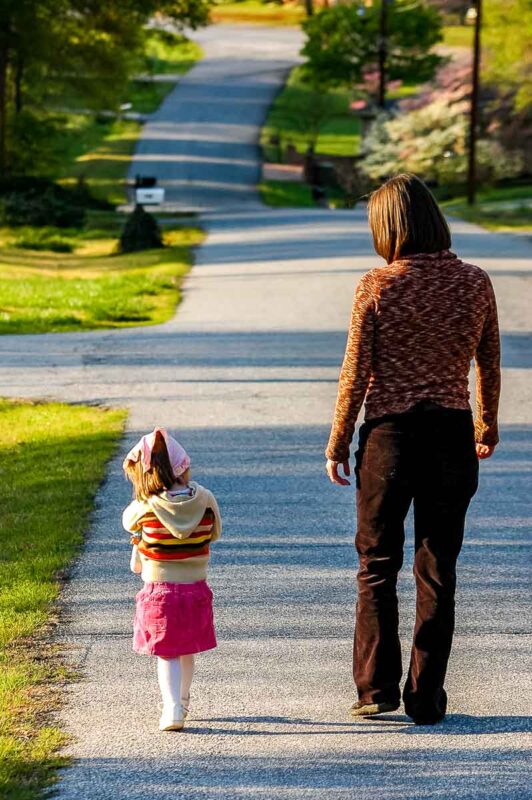
Afterward a walk -- such a change from last spring's walks.

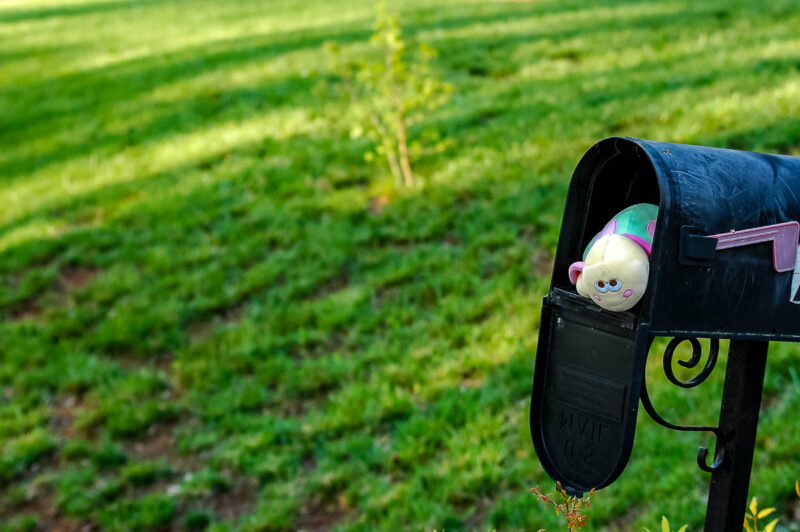
Baby came with us; turtle had to stay in the mailbox.

Lonely, I'm sure.

Warsaw Village Band

The Warsaw Village Band ("Kapela ze wsi Warszawa" in Polish) is a folk-ish band from Warsaw, Poland. Their music is more popular outside Poland, though, particularly with dance club DJs. Recently, the band released an album of remixed versions.

This is the opening track: "W Boru Kalinka."

This is one of the CDs recently-married Kuba and Maja gave us last summer during our homecoming visit.

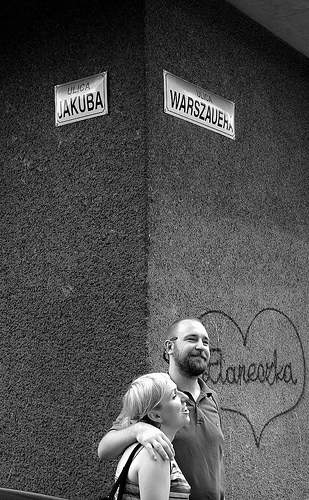
Kuba on His Street

The band has released a new album; a copy is on its way. Unfortunately, the package (which includes several CDs and a few DVDs) has been "on the way" for quite some time -- I suspect it's been "lost" in transit.

Easter Party

Yesterday was Easter: it was time for a party. What's a better way to celebrate anything than to be with family and friends?

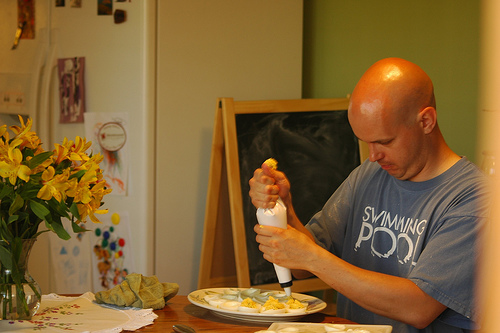
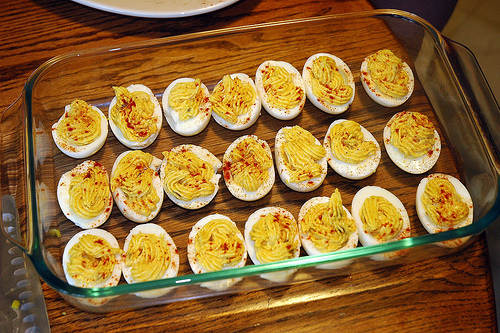
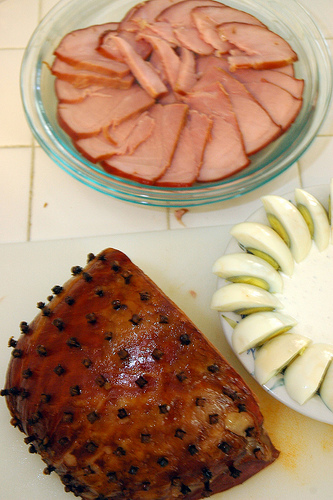
Naturally, there's a lot of preparation before hand. My job (other than smoking the tenderloin): deviled eggs. I'll admit: it was the first time I'd made them, and I was an utter disaster when it came to peeling eggs.

Still, they turned out well.

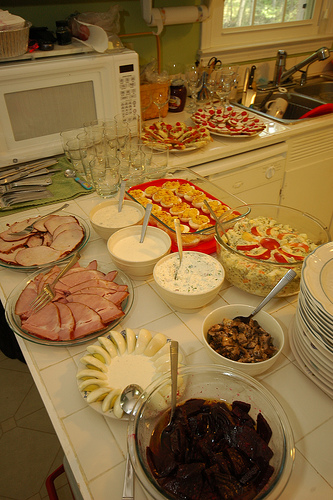
K made at least a million sauces to go with the multitude of different eggs, meats, and veggies.

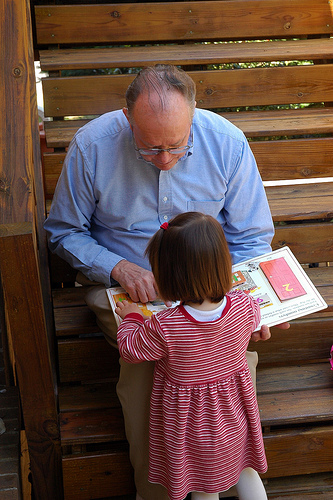
First to arrive were Nana and Papa -- always a good and helpful thing. It keeps L busy and out from underfoot.

By the time all the guests arrived, there was a tremendous amount of food. After every such party, I reaffirm my conviction that there should be a simple rule with parties: when you leave, take with you what remains of what you brought.

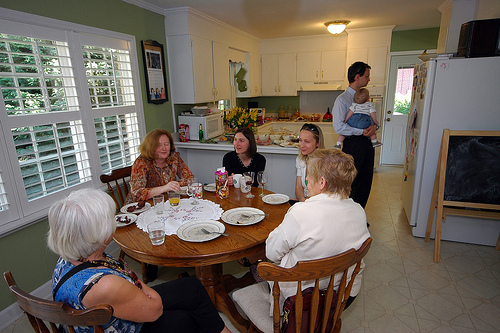
It wasn't as if there weren't enough people to eat it all. Guests in the kitchen;

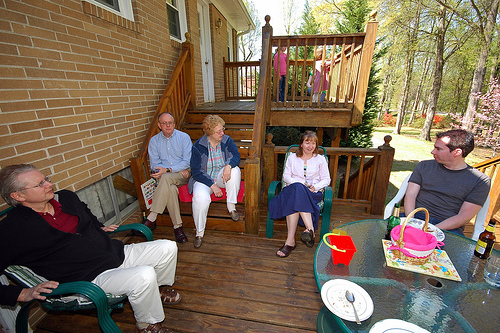
guests out on the deck.

After all the food and libation, it's a shame we all have to go to work tomorrow: things were cut entirely too short.

Happy Easter

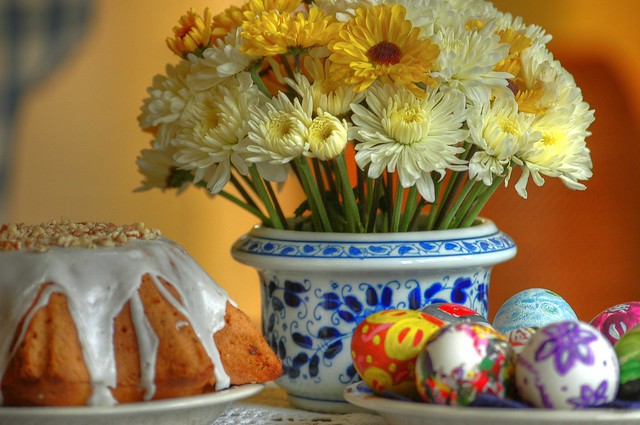
Easter 2009
Three exposures (1/8, 1/30, and 1/2), f/4.5, 120mm

Blessing the Baskets

On Holy Saturday (called "Great [as in, big, important] Saturday"), Poles (and others in Eastern Europe) head to the village or neighborhood church to have baskets filled with food blessed.

Usually, the contents are some of the main ingredients of the Easter morning breakfast: eggs, sausage, etc.

In the States, we've always sought out churches that have this tradition. And it's almost exclusively Poles who attend.

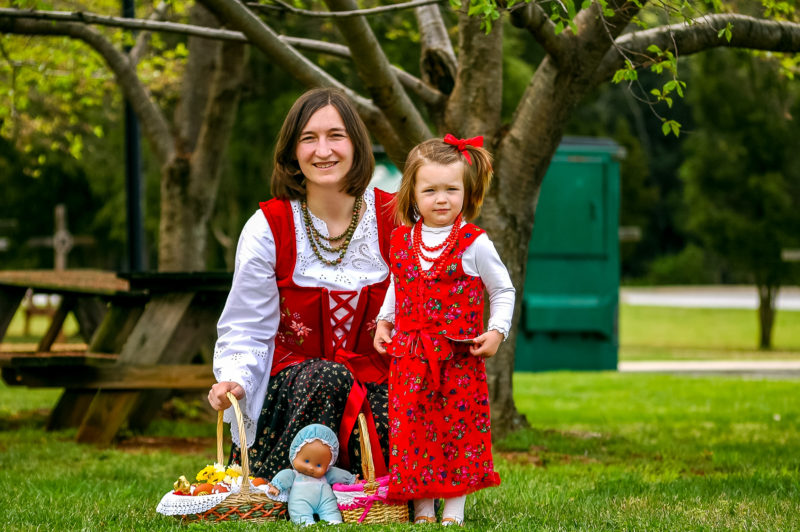
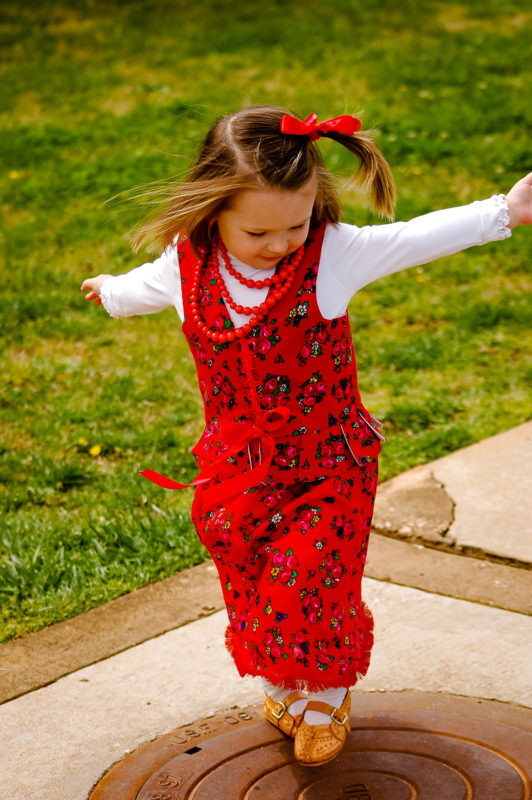
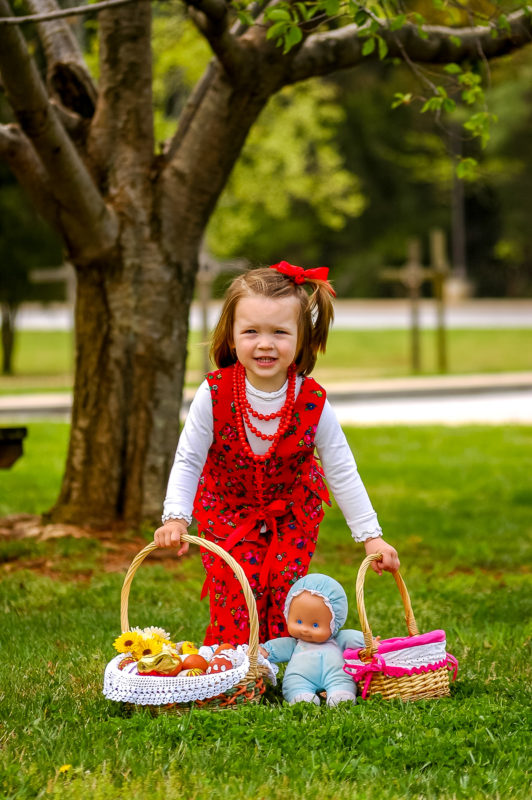
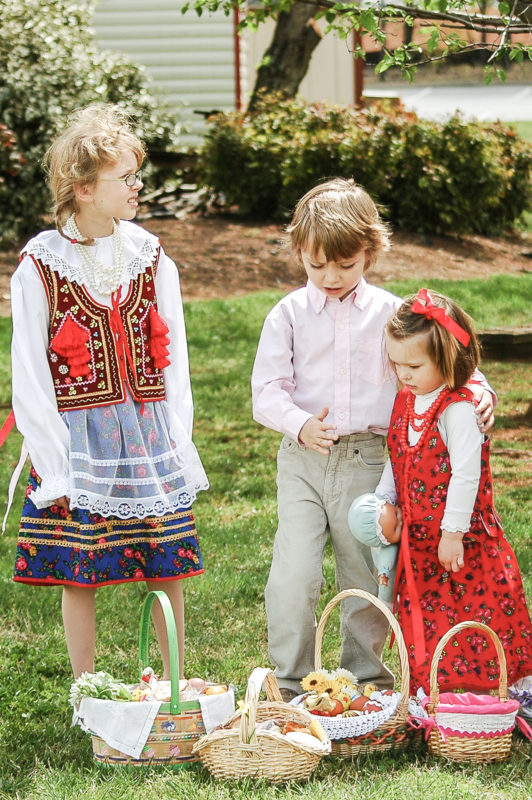
Today was no different. We were different, though: K and L both put on their finest Polish Highlander outfits for the service.

She kept wanting to go dance on the manhole cover.

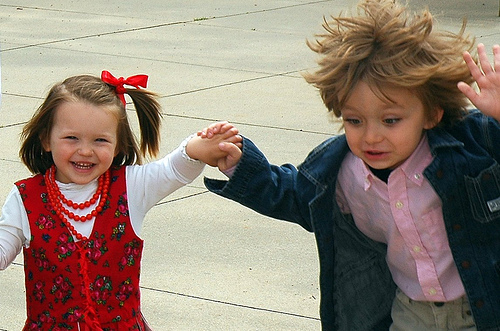
Before long, our friends had arrived, which meant the Girl's friends had arrived: everyone was thrilled.

DSC_4833

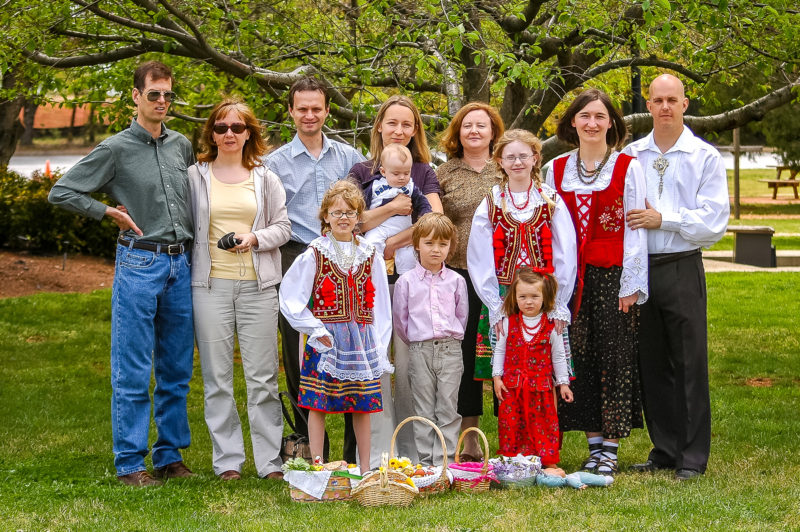
A group picture followed, with everyone seeming to forget that we were using digital cameras: "Here, take one with mine!" "Get one with mine next!"

Before leaving, one of L's friends had some words of wisdom to share. We're not quite sure what he said, but it must not have been pleasant: the Girl was fussy and whiny for much of the afternoon.

She wasn't the only one getting advice.

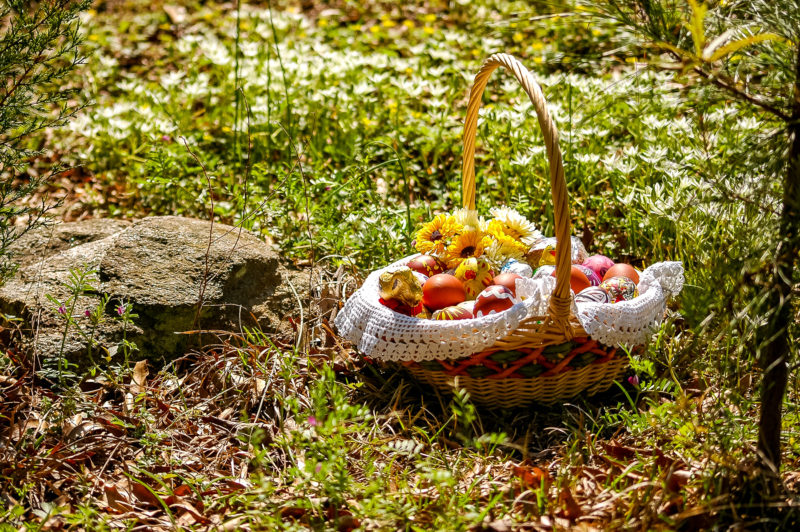
On returning home, K took the basket out for some pictures,

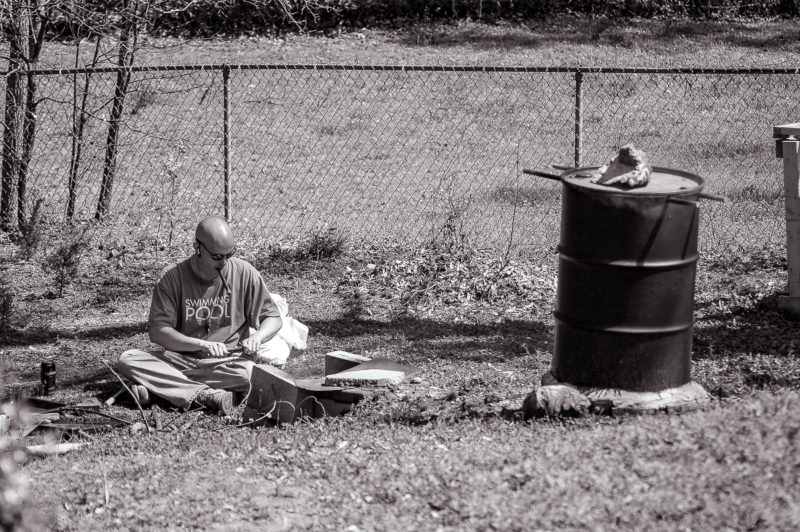
and I, with a cigar, Guinness, and Drive By Truckers in my ears while smoking meat in our barrel/smoker, felt positively conflicted.

Looking for a Spiritual Home

Obama is looking for a church in Washington. If he were Catholic or Eastern Orthodox, it might be a little easier. As it is, every church in town is vying for presidential membership.

But this is not a Jones-move-to-Knoxville type of search. There's more at stake here: the irony is that what's at stake is political, not religious.

Mr. Obama’s search for a church home has touched off a frenzied competition among ministers of various colors and creeds who are wooing the first family. The president, in turn, has sent emissaries to observe worship services, interview congregants and scrutinize pastors. (His aides even searched YouTube to vet one local minister.) [...]

Apparently, Obama is eager to avoid another Wright, and I suppose he's wise to do so. No one wants to be explaining the racial comments of his pastor while trying to pass an enormous budget, working to get banks lending, or deciding which CEO to fire next -- all the traditional jobs of a president.

There are many things to consider: the racial and economic demographics of the church are among the most important, according to some.

But the president’s spiritual quest has also revived the awkward questions that often simmer in a city where blacks and whites, rich and poor still live in largely separate worlds: Will the nation’s first black president join a predominantly black church or a predominantly white one? Will he pray in a wealthy community or in a neighborhood that is less prosperous?

“He is anxious to bridge those divides,” said Terry Lynch, director of the Downtown Cluster of Congregations here. “But it’s a difficult process. Wherever he goes to church is going to be a public issue.”

Maybe being a non-believer is the best option. It wouldn't have nearly the political baggage.

Oh, on second thought...

Via Washington Churches Eye a Prize, the Obamas - NYTimes.com.

Foreigners in Poland

There are not many expats living in Poland. It's not a country that welcomes huddled masses and such. Immigration, comparatively speaking, is virtually nil. Still, there are a few; I even know a handful of them.

When I left, foreigners were all the rage. There was a Polish-speaking German actor who was very popular, playing a character on one of the popular soap operas, M Jak Milosc ("L for Love"). There was also a television talk show with an alternating crew of non-Polish Europeans who lived in Poland. An English fellow and our German friend were standards, and the rest came and went. They sat around, speaking Polish to each other, basically their countries to Poland.

Poles are fascinated, it seems to me, with foreigners. There are so few of them that they're truly alien. (Couldn't resist.) When I lived there, most often I heard from Poles I'd just met questions about how I view Poland. Everyone was thrilled to learn what an "outsider" saw.

Here's an interesting clip -- mostly in English -- that recently appeared on TV. It deals with, not surprisingly, how foreigners view Poles and Poland.

Via Polandian

Identifying Passages

As part of our recent test on Romeo and Juliet, I included seven passages from the play for identification.

The instructions:

Identify the following passages. Who is the speaker? To whom is he/she speaking? How is this a critical passage in the play?

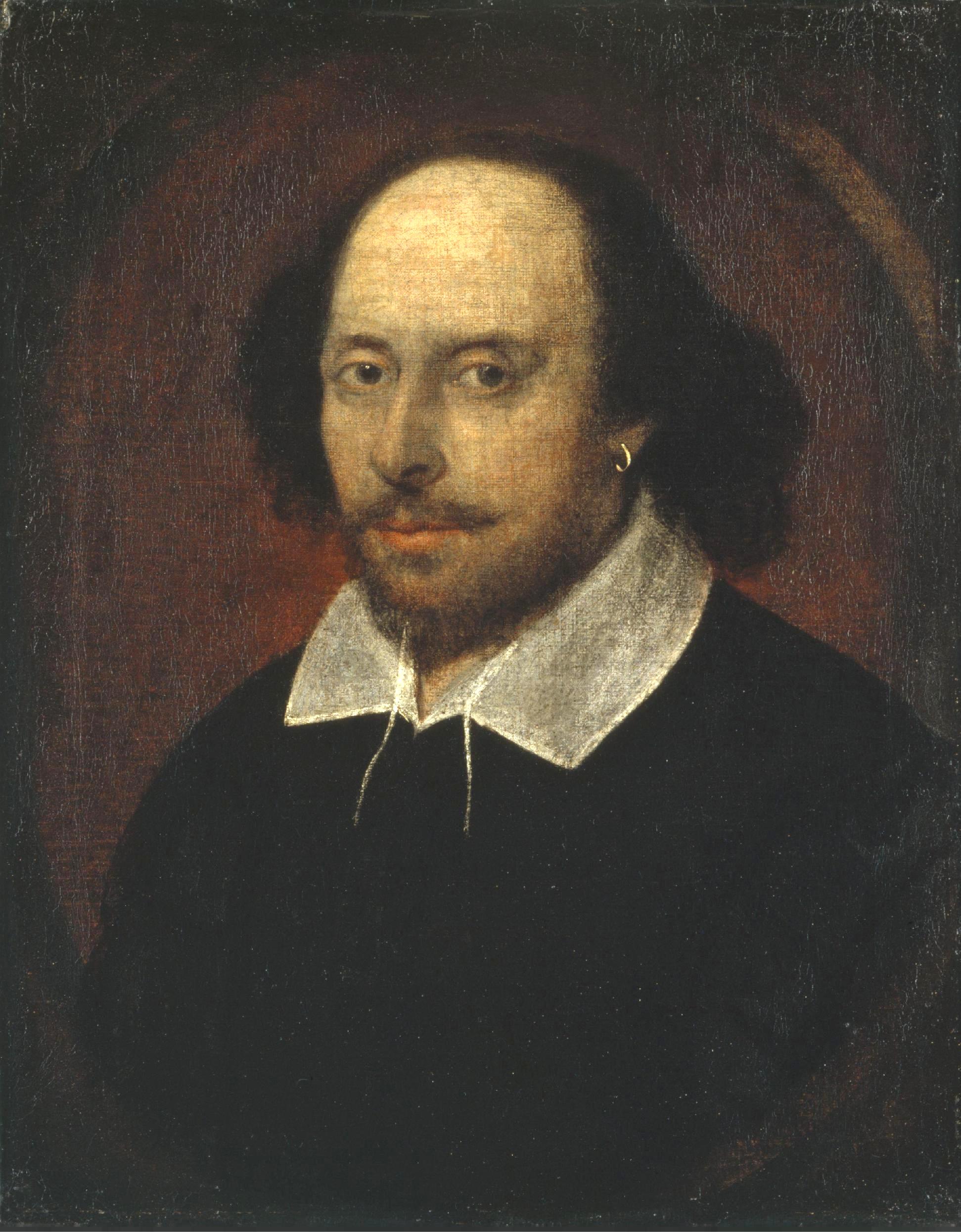
shakespeare

Here are the passages

  1. A plague on both your houses!
  2. I pray thee, good Mercutio, let's retire:
    The day is hot, the Capulets abroad,
    And, if we meet, we shall not scape a brawl;
    For now, these hot days, is the mad blood stirring.
  3. Compare her face with some that I shall show,
    And I will make thee think thy swan a crow.
  4. 'Tis but thy name that is my enemy;
    Thou art thyself, though not a Montague.
    What's Montague? it is nor hand, nor foot,
    Nor arm, nor face, nor any other part
    Belonging to a man. O, be some other name!
    What's in a name? that which we call a rose
    By any other name would smell as sweet;
  5. There is no world without Verona walls,
    But purgatory, torture, hell itself.
  6. What if it be a poison, which the friar
    Subtly hath minister'd to have me dead,
    Lest in this marriage he should be dishonour'd,
    Because he married me before to Romeo?
  7. Death, that hath suck'd the honey of thy breath,
    Hath had no power yet upon thy beauty:
    Thou art not conquer'd; beauty's ensign yet
    Is crimson in thy lips and in thy cheeks,
    And death's pale flag is not advanced there.

Some are easy; at least one is a little obscure (but covered in class as one of many examples of the Bard's incessant foreshadowing).

See how many you can get. No Googling!

Start the Presses!

How to keep dollars local in a global community? It's not quite isolationism, but it's a legitimate concern in these Made-in-China times. During the debate -- such as there was -- about Bush's first stimulus plan, many joked that we were borrowing money from China to buy Chinese products. Now consumers are more interested in keeping the resources local, and communities are helping out:

A small but growing number of cash-strapped communities are printing their own money.

Borrowing from a Depression-era idea, they are aiming to help consumers make ends meet and support struggling local businesses. [...]

About a dozen communities have local currencies, says Susan Witt, founder of BerkShares in the Berkshires region of western Massachusetts. She expects more to do it.

Under the BerkShares system, a buyer goes to one of 12 banks and pays $95 for $100 worth of BerkShares, which can be spent in 370 local businesses. Since its start in 2006, the system, the largest of its kind in the country, has circulated $2.3 million worth of BerkShares. In Detroit, three business owners are printing $4,500 worth of Detroit Cheers, which they are handing out to customers to spend in one of 12 shops.
(USATODAY.com)

A few thoughts -- mostly questions -- about this:

First, this shows how utterly arbitrary cash is. BerkShares or Cheers have value because people agree that they do. Dollars, Yen, and Euros, theoretically, work the same way; more people simply agree that they have value. They were willing to agree because currencies represented something tangible: gold, silver, or whatever. Of course the value of gold only arose -- in pre-scientific communities -- because people agreed it's valuable.

This leads to the second question: what backs this money? Indeed, we could ask the same of most world currencies, especially the dollar. Does anything, or is it just a dollar surrogate? Is it just pegged to the dollar? If so, that leads to the final thought.

Third, why do they need to do this? Just to keep the cash in the community? Couldn't they keep the dollars in the community as well -- a well-orchestrated campaign to "Keep the Dollars Here" or some such? Would this be happening if the dollar were actually worth something?

Lastly, what of that 5%? Who covers it? Why are banks willing to sell $100 of BerkShares or Cheers or gls-dollars for $95? (This seems to be hinting at what actually backs these currencies.) Is this debt? Do they get something in return from the business that agree to use these local currencies?

Sto Lat

The Girl was unconsciously showing off her growing linguistic fluency the other day. Singing "Sto Lat," she pranced around the kitchen, giving us quite a performance.

Sto lat, sto lat, niech zyje zyje nam.
Jeszcze raz, jeszcze raz, niech zyje, zyje nam.
Niech zyje nam!

One site gives the following translation:

Good luck, good cheer, may you live a hundred years.
One hundred years!

Even someone unfamiliar with the language realizes that there is only a repetition of two lines, not three. A more literal translation (i.e., word-for-word equivalent) would be:

One hundred years, one hundred years, may you live, live with us.
Once again, once again, may you live, live with us.
May you live with us.

That "jeszcze raz" is the key. "Once again," or as L might say, "Try again."

And so the second time through the song, L mixed things up for us a bit and sang,

Sto lat, sto lat, niech zyje zyje nam.
Try again, try again, niech zyje, zyje nam.