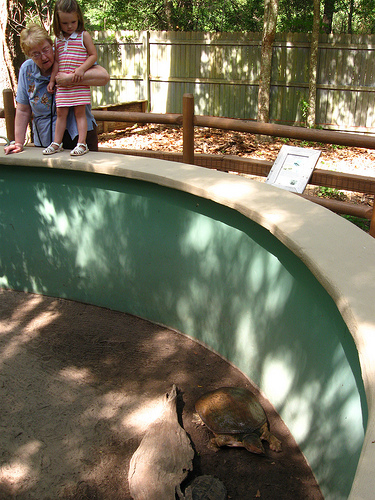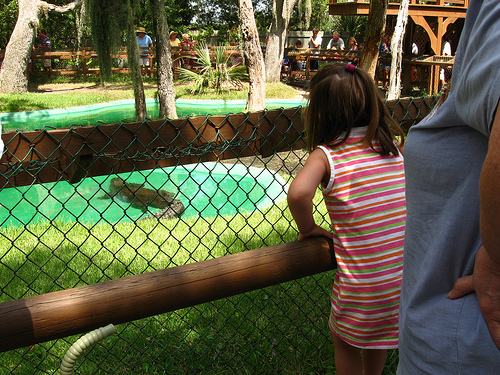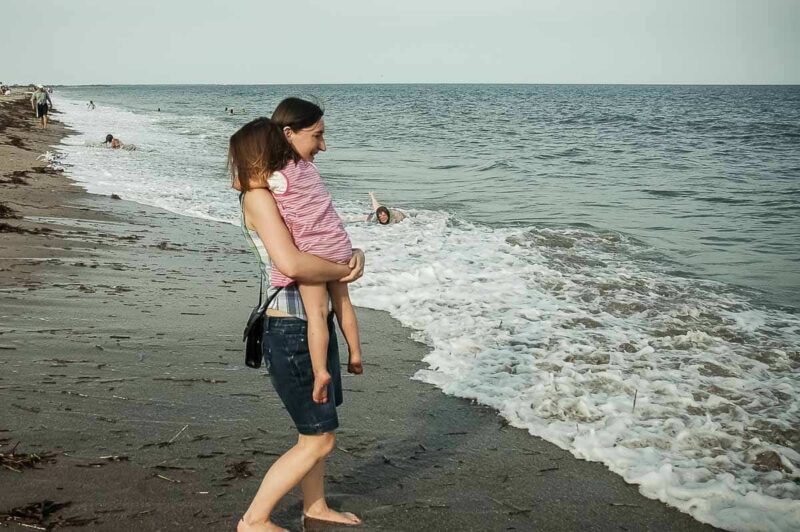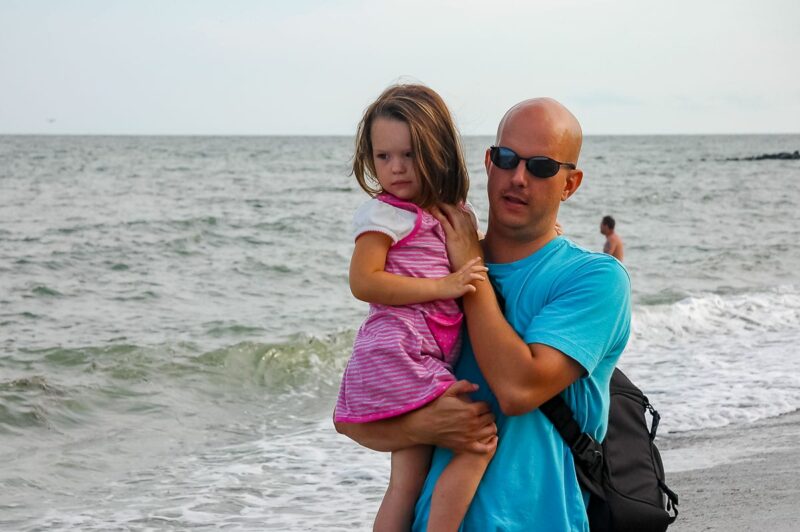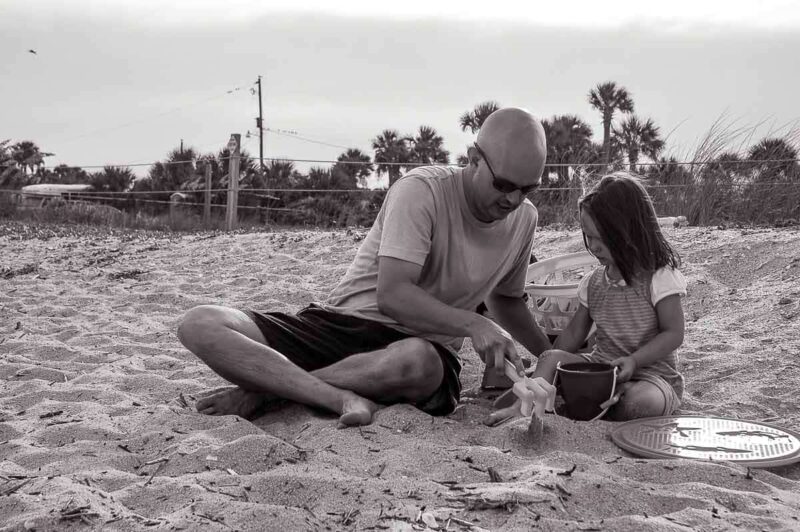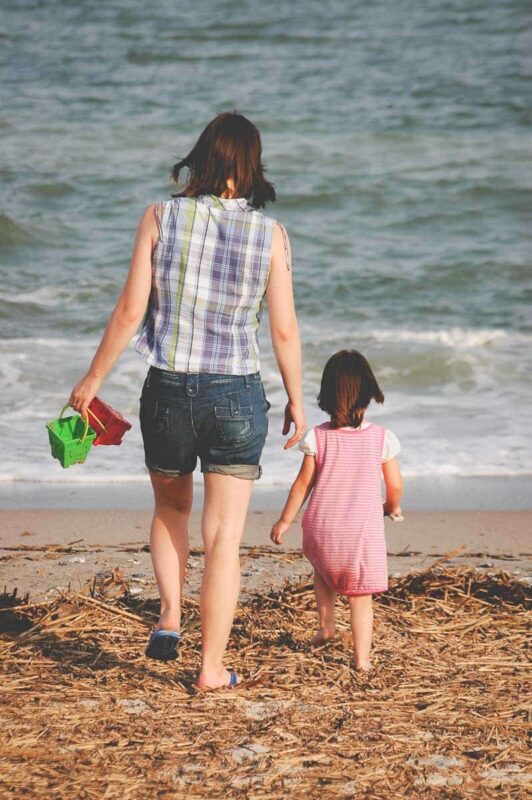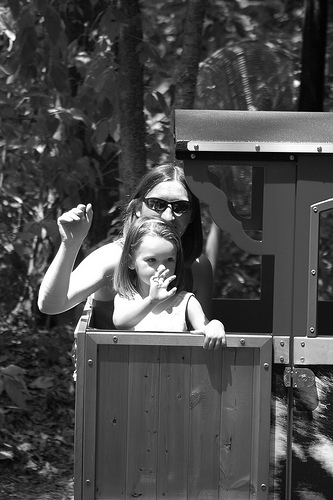
matching tracksuits

fun in threes, sometimes fours

Lie

faceThe evidence was everywhere: an empty wrapper; brown stains around the mouth; dark smears down the front of the dress; cocoa breath; the knick-knack box that stored chocolates sent from Babcia in Poland on the floor open.

“L, did you eat chocolate?” I ask.

She put her head down in shame — a new trick — and the looked up and said calmly, “No.”

I look at her quizzically and ask again. I get the same answers.

And suddenly, everything I’d learned about parenting during the last thirty-one months goes out the window. “How do you deal with someone lying who isn’t old enough to know what truth is?”

Some quick research shows that my assumption was right:

Your toddler lies because at this age he’s not yet able to differentiate between reality and fantasy. Until he’s 3 or 4, your toddler won’t fully grasp the concept of lying, because he doesn’t yet understand the idea of an objective truth based in fact. (S.Denham)

And yet, it didn’t seem like the the best idea simply to ignore it. Denham goes on to provide suggestions in her article, but standing there, looking at a chocolate smeared little girl who’d just told me ever so sweetly, “No, I didn’t eat chocolate,” I experienced something I hadn’t experienced at home for quite some time. At school, this happens quite frequently, but at home — not so much. In short, I stood there dumbfounded, wondering what in the world is the “right” way to handle the situation.

I told her that she’d lied, and I explained what that mean in concrete terms: “You told me you didn’t eat the chocolate, but you did eat it.”

And from there? Everything that came to mind just seemed so pedantic and ineffectual.

“Teach about the truth” is now on the parenting to-do-when-she’s-old-enough list.

Image: morguefile.com

On Fire, In More Ways Than Intended

I've been buying and reading books on pedagogy this summer, and one I bought was Rafe Esquith's Teach Like Your Hair's on Fire: The Methods and Madness Inside Room 56. Esquith is all the rage: after all, how many fifth grade teachers do Shakespeare with students after class?
There are some good ideas in there, and initially I was hopeful that it would be a useful book. His discussion of the importance of trust in the classroom and some ideas of how to integrate that into a classroom management plan excited me, as this was something I was hoping to focus on this year.
Soon, though, some things started to feel off. Discussing the fact that educators are role models, Esquith writes,

Some of my students laugh bitterly at a teacher they once had. They discuss her in the most unflattering of terms. She often comes to school late. [... She] talks on her cell phone constantly. Even when the kids are being taken somewhere, their fearless leader walks in front of them gabbing on the phone. [...] The same teacher thinks she is "secretly" shopping online while the kids do their science assignments. She believes the kids do not know what she is doing. She is very much mistaken. (10)

My initial reaction: what an awful teacher. My second, more thoughtful reaction: how in the world does Esquith know this? Certainly, a teacher can overhear students talking in class about a teacher they had, but if the conversation continues long enough for the teacher to garner this much information, one of two things is happening:

  1. These kids aren't working but sitting in class having free time, which they're using to gossip about another teacher; or,
  2. Esquith discusses other teachers with his classes.

Neither one of these is terribly flattering. The passage in the book is terribly unprofessional.

One passages deserves to be quoted at length:

You see, the children at our school do not read well. They do not like to read. As of this writing, 78 percent of the Latino children on our campus are not proficient in reading, according to our state's standardized tests. This means one of two things: Either we have the stupidest kids on the planet , or we are failing these children. Please believe me when I tell you that the vast majority of our students are perfectly capable of learning to read. No one wants to admit it, but a systemic conspiracy of mediocrity keeps these children on the treadmill of illiteracy.

To fight the problem, we now have "literacy coaches" at schools. Most of these "experts" are former classroom teachers who never accomplished much with their own students. [...]

Teaching our children to read well and helping them develop a love of reading should be our top priorities. People seem to understand this. Millions are spent on books and other reading material, celebrities make public service announcements, and thousands of hours are spent training teachers. The spin doctors at various publish companies tell us that our students are doing better, but honest people know this is simply not the case. Concerned teachers have learned not to bother raising their voices, because powerful textbook companies have carefully prepared answers to anyone who points out that the emperor has no clothes. Young teachers are afraid of being crushed by bureaucrats whose only real mission is to keep selling their product. As testing services compete to rake in millions of dollars, nervous school districts anxiously await the latest test results. And year after year, most children do not become passionate lifelong readers.

It's complicated. There is a lot of finger-pointing. But to borrow a phrase from another big, fat book that won a Pulitzer Prize, our children are victims of a sort of “confederacy of dunces.” Powerful forces of mediocrity have combined to prevent perfectly competent children from learning to love reading. These forces include television, video games, poor teaching, poverty, the breakup of the family, and a general lack of adult guidance. (29-31)

There is a lot of truth in the statement, Testing services do make a lot of money from the increasing number of standardized tests students have to take. There can be pressure to use state-funded textbooks regardless of a teacher's preference. But the bottom line is this passage is highly insulting by presumptively marginalizing literacy coaches.

This book has some good ideas, but most of the time, I found myself thinking, "I'm glad I'm not this guy's colleague!"

Still, listening to him on NPR, I sense a humility that just doesn't come across in his writing, which is too bad.

Returning

The Girl entertained herself with a box of bandages…

IMG_0373

IMG_0375

Botany Bay

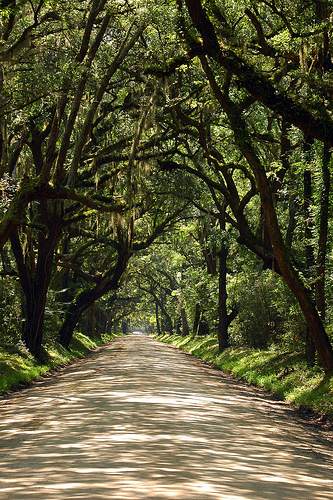
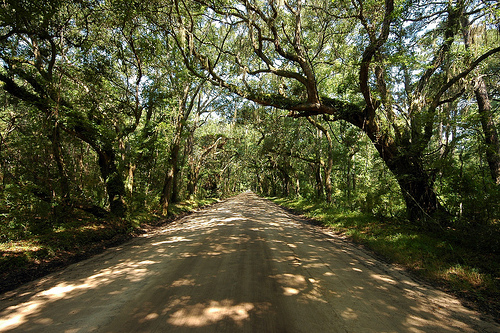
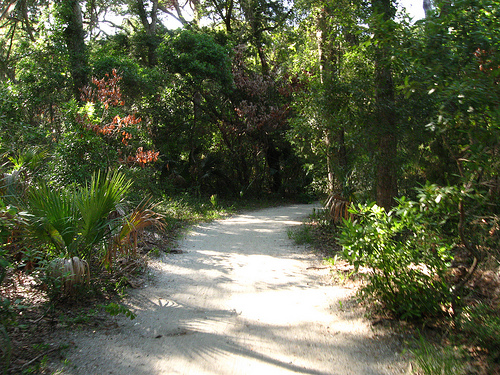
It's probably one of the most famous roads on Edisto Island: a sand lane that runs under a canopy of Live Oaks, looking positively like something out of Gone With the Wind.

DSC_7390
DSC_7372

Botany Bay Wildlife Management area is actually made up of three plantations: Bleak Hall, Botany Bay, and Sea Cloud. All three grew sea island cotton, which has particularly long fibers and was used in France for high quality lace.

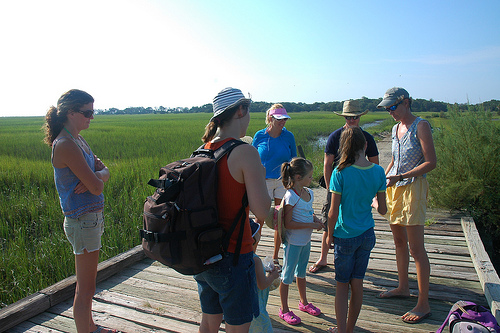
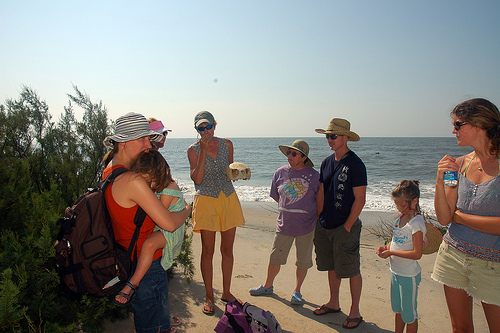
This morning, we're going on a botany tour -- appropriate, given the name of the site. One other family is joining us.

DSC_7317

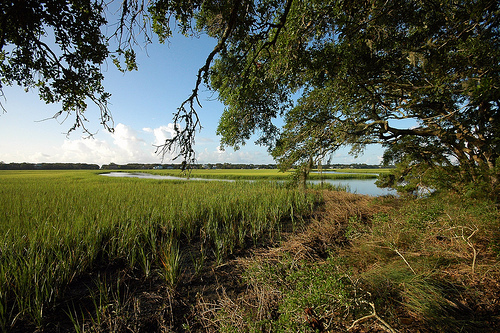
We walk among the marshes, stopping every few moments to learn a bit more about the island.

DSC_7324

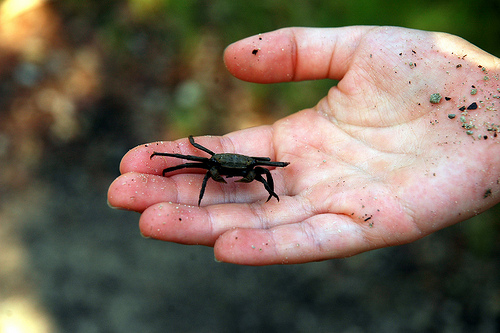
Along the way, one young lady catches a fiddler crab.

DSC_7321

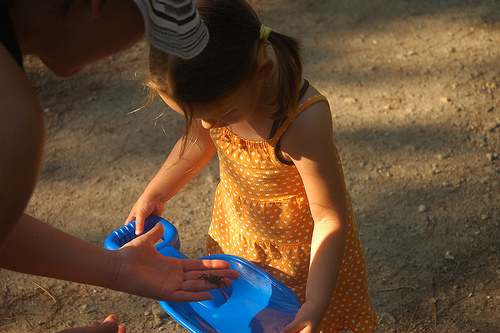
L gets her own:

DSC_7518

We learn about the importance of the marshes as a protective barrier for hurricanes: they act as sponges and thus do much to minimize the effect of higher tides from hurricanes.

We find out that the English came to Edisto in search of riches and found a treasure in the huge Live Oaks on the island.

We learn that the use of palms in South Carolina naval fortifications were literally so effective at dissipating energy that canon balls essentially bounced off them.

We arrive at the beach, where our guide, Meg, gave us more information on loggerhead turtles and residents' effort to help them.

DSC_7330

It's about the third time we've heard about loggerheads and the nest relocation activities of the Edistoians. They're obviously proud of it, and rightly so: it takes a great deal of dedication among many people to keep the program going.

DSC_7336

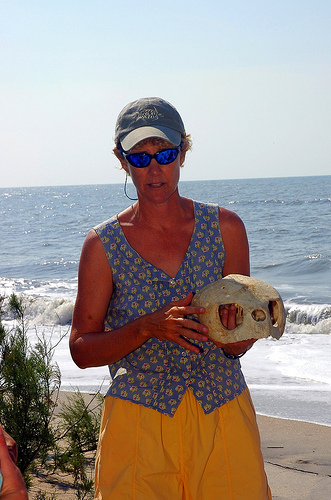
Meg shows us a loggerhead skull, and it's immediately obvious how huge the turtles are. The females drag their bodies out of the water to dig a nest, and often enough, they don't get beyond the high tide line.

DSC_7337

The incoming tide destroys the nests; volunteers on the island, though, head out nightly and relocate the nests. Then the hatchlings only have to worry about birds and raccoons as they make their way to the surf.

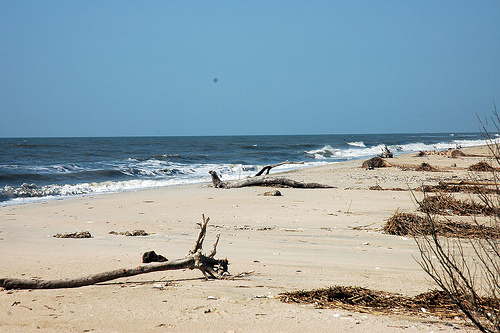
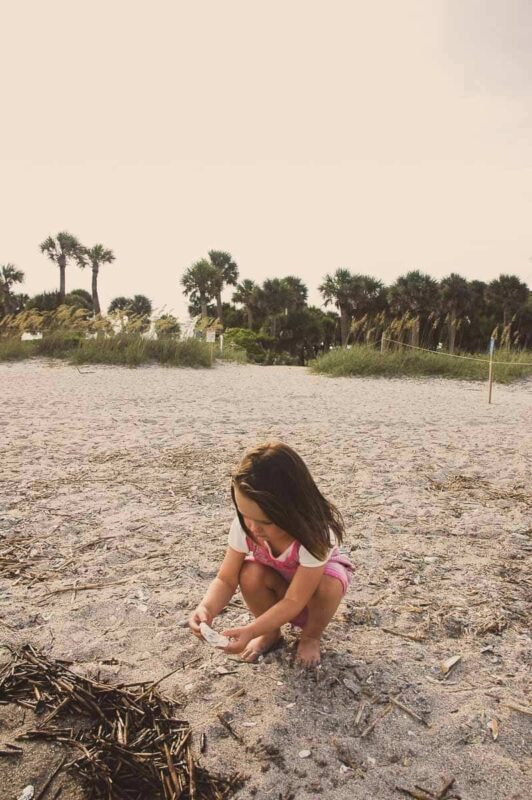
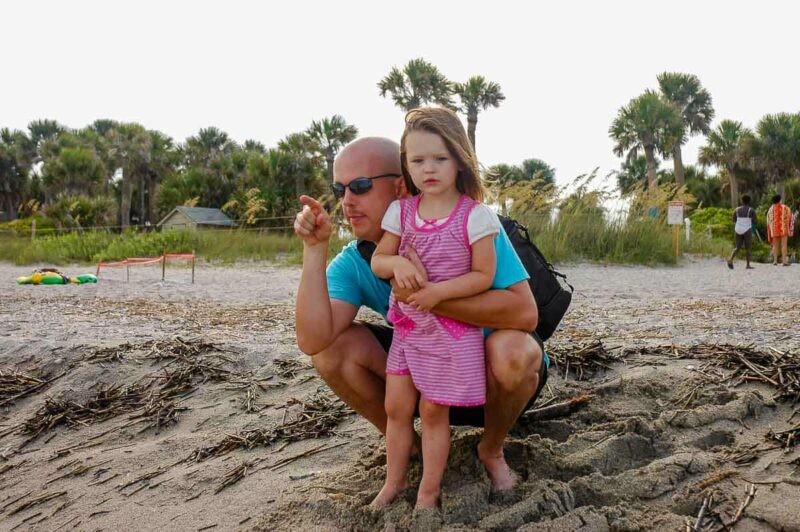
After Meg leaves, we explore the beach a bit on our own, and what a beach it is -- like something from a tourist brochure. In fact, it is.

DSC_7533

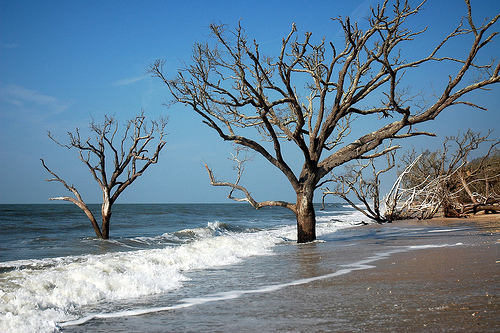
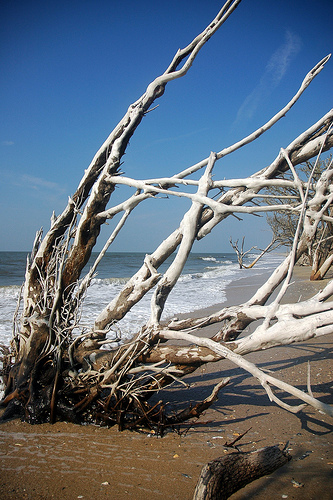
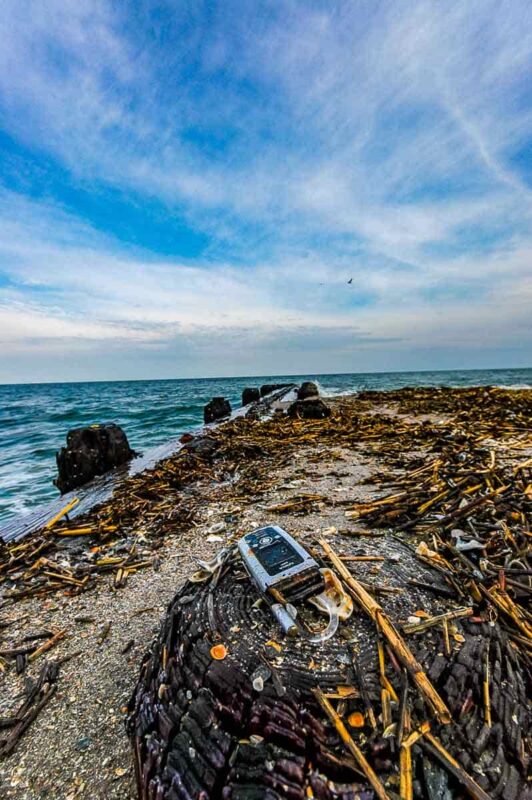
The ocean is slowly reclaiming this portion of the shore. It creeps inward at a relatively steady pace, turning everything into beach, and hence killing all the flora that cannot handle an intensely salty environment.

DSC_7551

K takes the camera and goes for a picture walk;

DSC_7553

I stay with the Girl, hoping to talk her into the ocean,

DSC_7559

unsuccessfully.

Ping Spong

The Sins of Scripture: Exposing the Bible's Texts of Hate to Reveal the God of Love is Shelby Spong's 2005 effort to deal with several problematic themes in the Bible. Divided into sections, each section contains several chapters dealing with:

  • The Bible and the Environment (Overpopulation and the Catholic imperative to procreate)
  • The Bible and Women (Misogyny in the Bible)
  • The Bible and Homosexuality
  • The Bible and Children
  • The Bible and Anti-Semitism
  • The Bible and Certainty
  • Reading Scripture as Epic History

Spong flip-flops on how to explain these problematic passages. Sometimes, he seems to say "We've been misinterpreting this all along"; with other passages, he seems to say, "Well, primitive times, backwards thinking." But with certain core items, he simply disregards them as being unscientific and unable to teach us anything.

He deals with the major passages about homosexuality in the first manner. The command in Leviticus not to lie with another man as one would a woman has been misinterpreted throughout the millenia. What it means, Spong explains, is not to treat men in a subservient manner, not to treat a man like a woman. In explaining it this way, Spong is essentially saying, "This is not a homophobic text; it's a misogynistic text!" Whew -- what a relief. Apparently, the writer of Leviticus just meant "Don't treat your lover as if he's lower than you" or "Don't treat him like a woman."

The other method of dealing with troubling texts is to employ the "they didn't know better; they were primitive people back then" argument. He does this with the misogynistic passages. He gives great detail about all the double standards in the Old and New Testament for women (women are ceremonially unclean longer when giving birth to girls; woman are not to hold positions of authority or even ask questions in church; when are to be sequestered when menstruating), and he seems simply to brush it aside by saying, "Well, we know God couldn't be misogynistic, so these texts represent the times and culture they're written in."

Yet Spong occasionally dismisses whole episodes in the Bible because they simply can't be true. For instance, the core of traditional Christianity is wrong:

Let me state this boldly and succinctly: Jesus did not die for your sins or my sins. That proclamation is theological nonsense. It only breeds more violence as we seek to justify the negativity that religious people dump on others because we can no longer carry its load. […]

We are not fallen, sinful people who deserve to be punished. We are frightened, insecure people who have achieved the enormous breakthrough into self-consciousness that marks no other creature that has yet emerged from the evolutionary cycle. (173, 4)

One reads this and thinks, "Well, what's the point then." The logical guess is that Spong will explain, "It's not Jesus; it's what he taught." Yet many of the says of Jesus -- particularly the "I am" statements in John -- didn't happen:

Of course, Jesus never literally said any of these things. For someone to wander around the Jewish state in the first century, announcing himself to be the bread of life, the resurrection or the light of the world would have brought out people in white coats with butterfly nets to take him away. (234)

There are so many problems with that that it's difficult to know where to start. At the most basic level, this shows a profound ignorance of the nature of first century notions of mental health. We only have to look at other passages in the Bible to realize there were none. It was all attributable to demons and mystery. And there certainly wasn't anything resembling a “funny farm,” even if we strip away the nineteenth century cliches of Spong's metaphor. Unless Spong has some archeological evidence he's keeping hidden, it just doesn't have any credibility whatsoever.

If it almost seems like Spong rejects the existence of a personal God, it's because he does.

Whoa! Spong doesn't believe in a personal God, the kind of God that the monotheistic religions have been preaching for millenia? That's fine -- I don't particularly believe in that God either, but what's the point of rooting around in scripture to explain this or that when Spong doesn't even believe in the God most theists hold to be, in one way or another, the author of that scripture?

That's why reading this causes a certain sense of cognitive whiplash -- and I'd assume it's an experience common to most of his books. "We don't have to throw out the Bible because of the homophobia that drips from its pages because those passages have been misunderstood for so long; but we do need to throw out the God who supposedly wrote the Bible because no one ever comes back from the dead." Isn't faith in that very thing the heart of Christianity?

Spong isn't trying to revise Christianity as much as he's attempting to create an entirely new religious system, one that puts all holy books on the same level as the Iliad or the Odyssey. I'm fine what that; that's the level I put most holy books: instructive, but in no way more authoritative than any other book. But then to insist on calling oneself a Christian seems ridiculous.

And what's the point of it all? No Christian who believes in the bodily resurrection of Jesus, the actual existence of Adam and Eve, and the need to be saved from Original Sin is going to say, "Hey, Shelby -- good point. I'm convinced." The only people who will be convinced are fence-riders like Spong himself, people who want the cultural comforts of belonging to a religion without any of the bothersome necessities of believing in God, Jesus, etc.

Additionally, no atheist is going to be convinced. To non-theists, Shelby seems to be taking a Trans-Am, gutting it, moving the engine to the back, and turning it into a boat and yet insisting on calling it a Trans-Am. It's not a Trans-Am, and Spong's creation is not Christianity.

Spong hints at what he's after:

Creation must now be seen as an unfinished process. God cannot accurately be portrayed as resting from divine labors which are unending. There was no original perfection from which human life could fall into sin. Life has always been evolving. The Psalmist was wrong: we were not created “a little lower than the angels” (Ps. 8:5, KJV). Rather, we have evolved into a status that we judge to be only a little higher than the ape's.

This is a very different perspective. There is a vast contrast between the definition of being fallen creatures and that of being incomplete creatures. […] We do not need some divine rescue accomplished by an invasive deity to lift us from a fall that never happened and to restore us to a status we never possessed. The idea that Jesus had to pay the price of our sinfulness is an idea that is bankrupt. When that idea collapses, so do all of those violent, controlling and guilt-producing tactics that are so deeply part of traditional Christianity.

It is like an unstoppable waterfall. Baptism, understood as the sacramental act designed to wash from the newborn baby the stain of that original fall into sin, becomes inoperative. The Eucharist, developed as a liturgical attempt to reenact the sacrifice that Jesus made on the cross that paid the price of our sinfulness, becomes empty of meaning. [...]

The first step is found, I believe, in acknowledging our evolutionary origins and dispensing with any suggestion that sin, inadequacy and guilt are the definitions into which we are born. […] We might be a dead end in the evolutionary process, a creature like the dinosaur, destined for extinction. We might instead be the bridge to a brilliant future that none of us can yet imagine. (177-9)

Basically, Spong is talking more Arthur C. Clarke/2001: A Space Odyssey than anything else. Yet recall that the sequel, 2010, ends with a very Garden of Eden-esque situation:

"ALL THESE WORLDS
ARE YOURS EXCEPT
EUROPA
ATTEMPT NO
LANDING THERE
USE THEM TOGETHER
USE THEM IN PEACE"

Or maybe Spong has something else in mind. Maybe Spong doesn't really know what he has in mind. Except that he's a Christian, but only insofar as he reads the Bible and thinks Jesus was damn fine man (in as much as we can tell from his sayings, after we scrape away everything he obviously never said).

Spong calls himself a Christian, but it leaves me wondering what kind? It's seems that, having been an Episcopal priest and bishop for so long, he simply can't let go.

Emtpy Handed

The first camera I remember owning was one our family bought at Sears just before a trip to California in 1984. I believe it was even a Sears brand; it seemed terribly fancy for a twelve-year-old, though it was just a point and shoot.

The next camera I remember was an SLR manual focus that I borrowed from a friend. I took some pictures of birds, but I don’t think I ever developed those shots.

It wasn’t until I went to Poland in 1996 that I became seriously interested in photography. I took a Canon point and shoot with me, but I quickly discovered its limitations. I headed to the market and bought a Zenit — a Russian made SLR that could drive nails. Literally.

K’s first camera was a Russian view finder that I can’t even recall the name of. She moved to Zenit and Nikon; I replaced my Zenit with a succession of Nikon and Canon manual and auto focus cameras.

Finally, K and I ended up with our current primary: a Nikon D70s, which was fairly cutting edge when we bought it. Since then, we’ve added a couple of lenses to our collection and have a whole bag of glass to carry around.

Friday, we pack our things and head to Charleston for a day of wandering about the city, stopping at cafes for coffee, taking pictures, and simply experiencing one of America’s most historic cities. We arrive and I glance in the back.

“Where’d you put the camera?” I’d been packing our bikes and related materials. I assumed…

“I didn’t get it. I thought you…”

We look at each other for a moment.

What to do?

Simple: enjoy Charleston without a camera. Life without a camera is possible.

In the meantime, Nana and Papa took the Girl to the serpentarium. Nana and Papa remembered their camera…

IMG_0318

IMG_0325

IMG_0333

IMG_0336

On the Ground

I’m left wondering how much the average German soldier knew about the plans for the inhabitants of the land they were invading. Did they realize that, ultimately, all Poles were to be made slaves or exterminated? That all Jews were considered subhuman, and the “logical” consequences of that?

I’m reading Blitzkrieg in their Own Words: First-Hand Accounts from German Soldiers 1939-1940.

The jacket description explains that the book was written during World War II.

Written in the naive, fresh style of young men new to combat, the texts recounts the ruthless destruction of the Polish and French armies in language that shocks in its brutal enthusiasm.

One writes about the “criminal insanity of the Poles.”

Also striking is the awful irony of some of the descriptions. One soldier writes about being ambushed in a Polish village. “Civilians and soldiers out of uniform are engaging in nasty, criminal warfare.” It doesn’t require perfect hindsight shows us the hypocritical irony of the soldier’s statement: it was true even as he wrote the words.

With the Current

Wednesday afternoon, Nana and Papa arrive for a short stay on their way down to visit friends in Florida. It's lovely to see them, but just as lovely is the prospect of having sitters for the Girl.

The day begins as it usually does: breakfast and the beach. This time, L makes a friend. They dig in the sand together, build things together, destroy things together.

IMG_0278

Then the girl heads to the water. We're hopeful: maybe L will see her friend playing in the surf and think, "Hey, maybe I'll give that a try." Maybe, but not likely.

090722_beach

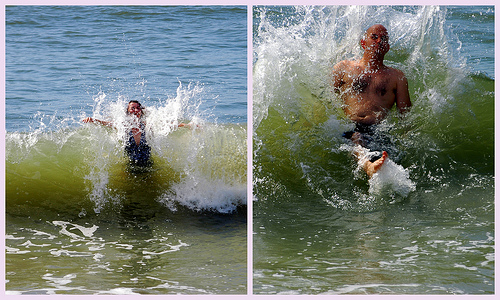
Still, with L occupied and Nana and Papa there to keep an eye on her, K and I do something we hadn't done all week: go swimming together. Papa obliges our photo request and does a fine job.

The afternoon brings more babysitting -- what to do? It's not that we're thrilled to be free of L, but we are. In a sense. Every time we're without her, the same things happen: a strange sense of freedom from obligation followed very quickly by a quirky little tinge of emptiness.

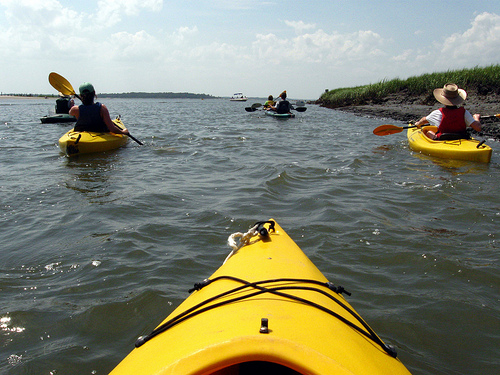
Before the tinge sets in, we get in kayaks for a quick tour of the marshlands.

IMG_0284

It has been over ten years -- closer to fifteen -- since I've been in a kayak, but I still keep my arm straight by my side when the guide asks, "Who has little to no experience in a kayak?" Surely it's like riding a bike. What's there to worry about? The greatest danger in a paid tour would be raising my paddle too high, dripping water onto my lap.

We set off, and sure enough, K and I are pros.

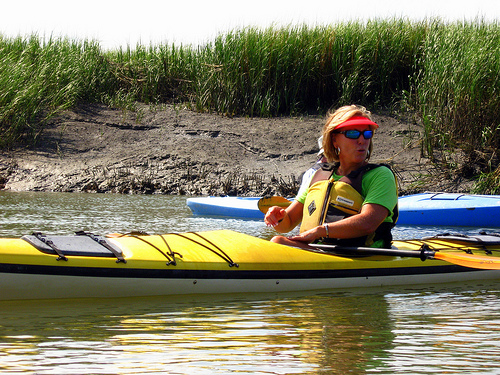
Lindsey, our guide, stops frequently to explain the flora and fauna about us.

IMG_0306

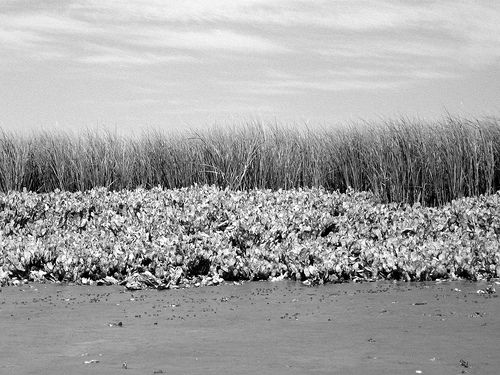
"How many think that's mud on the banks?" she asks. Some of us would probably raise our hands if we weren't so busy paddling. Lindsey explains that it is, in fact, hundreds of years of decayed marsh grass (I can't recall the name of the grass). It's also floating about in the water, and this is the primary component of the mussels' diet.

IMG_0293

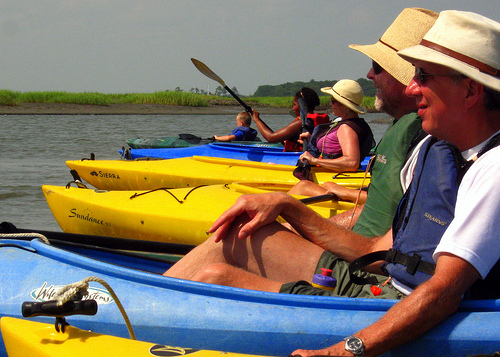
A couple of times, Lindsey has us back our canoes into the bank while she discusses the environment in detail, and answers questions.

The pressing question: Alligators? Generally, none in the marshes -- they stick to fresh water and keep themselves as far away from humans as possible.

IMG_0296

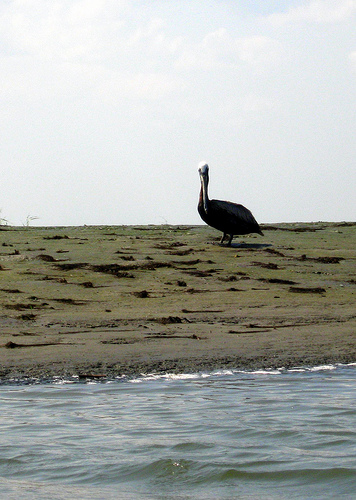
It's from Lindsey that we learn about pelicans' potential for eye damage due to diving for fish.

IMG_0303

As with the spider wasp, that lays its eggs in a paralyzed, still active spider so that its young can feast on the still-living spider, it strikes me as a particularly cruel twist.

Tides

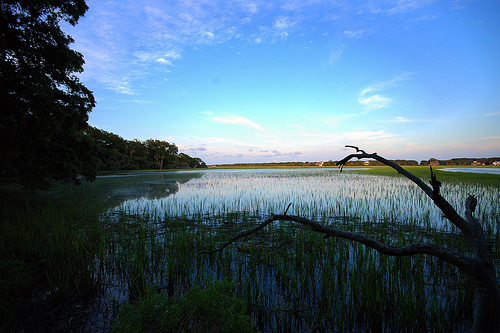
Our first view of the marsh behind our little cabin was at high tide: a sea of greenish water with twigs sticking out. We wait for low tide, wondering just how far down the water will draw.

DSC_7165

The next morning, our answer:

DSC_7172

I go out into the muck, make a quick discovery, then rush back for the girls. “You’ve got to see this,” I tell L, wondering if she’ll be as fascinated as I hope she’ll be.

DSC_7162

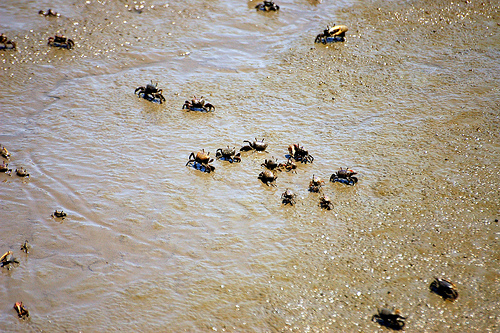
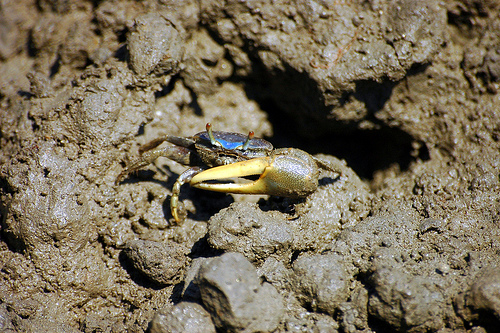
In the briny muck left behind, fiddler crabs roam about, the males waving their enormous claw, clamoring for the attention of the females.

DSC_7146

“Their name derives from the motions they make when they eat,” our kayaking guide will tell us later. “They raise their small claw up to their mouths very rhythmically, and juxtaposed to their large claw — which is used for nothing other than attracting females — it looks like they’re playing a fiddle.”

DSC_7156

L watches, and she’s immediately fascinated. It’s a fascination that will continue through the vacation, especially at Botany Bay. In the meantime, though, it’s beach time, and the Girl is ready for more digging in the sand.

DSC_7217

K and I insist on a hat for L, and with her Dora sunglasses, she proclaims, “I’m a movie star!” Judging from our YouTube account, I think I’d have to agree.

DSC_7236

After a nap and some lunch, we decide it’s time to explore downtown Edisto Island (inasmuch as there is a downtown) and get some ice cream. When we arrived, we drove about a bit, looking for the marina and shopping district we’d heard about, but all we found were million dollar beach-front homes and tourists like ourselves.

A slower pace should help.

IMG_0232

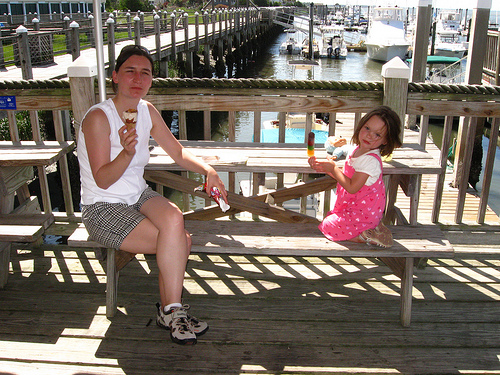
In the end, it takes us almost an hour to find the small marina tucked in the corner of the island. All the while, we’ve heard the same mantra from the bike trailer. “I want ice cream!” and it’s a relief when we find a tackle shop with a small freezer.

“I want blue!” L proclaims. It’s a common combination, food and color. She often pulls out our pots and pans to make soup and proclaims, “I’m making blue zupa!” combining the majority English with a single Polish word — another habit.

IMG_0202

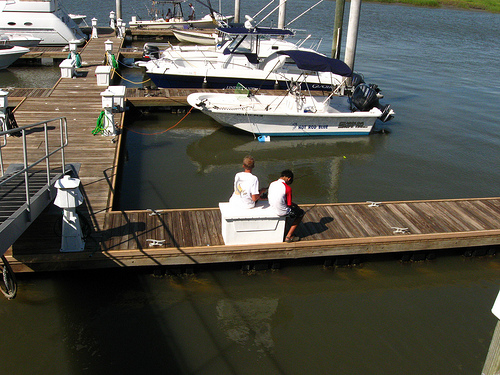
We take a quick walk down the short marina, pondering the prices of the boats and the careers of people who can afford $200k boats and $130k slips to moor them. To be able to afford such expensive toys would be a dream and a nightmare, I’m sure. K and I play the age old game of “What would we do if we were rich” as we walk along, and boats and expensive cars never come up. Living off the grid; having the fiscal freedom to live wherever we want; knowing that L’s education is paid for — these are the things we talk about. And maybe one or two toys…

IMG_0214

Satisfied with the wealth we do have — health, jobs, a happy family — we head back through the swamps.

IMG_0222

IMG_0229

Afternoon Bike Rides

This was the afternoon activity for our first morning on the beach. I didn't combine the posts because I had yet to transfer the pictures from the small Canon we borrowed from Nana and Papa.

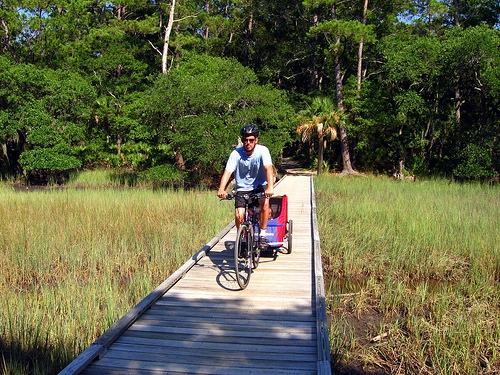
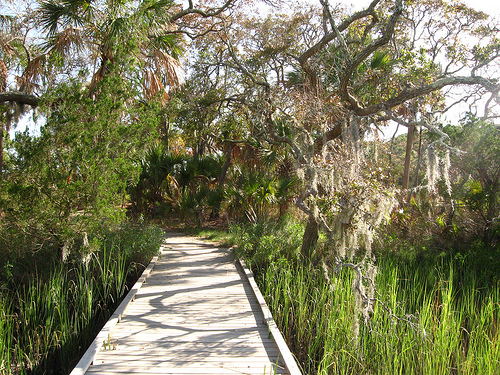
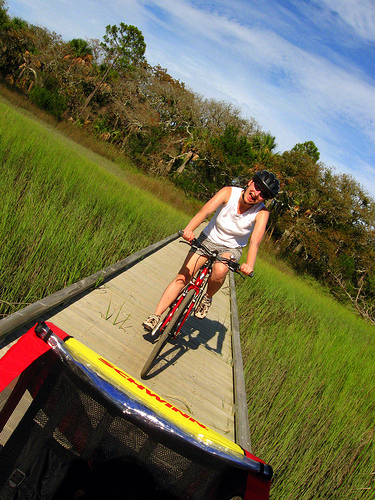
The first few days, we spent our afternoons on bikes, with L in a trailer. The state park at Edisto Island has a few miles of packed-shell bike paths with wooden bridges over the marshes. After negotiating the treacherous sand access road (riding on sand without knobby tires is much like riding in slushy snow that's layered atop pure ice: there's as much lateral movement -- sometimes the front tire, sometimes the rear, sometimes both simultaneously -- at times as there is forward movement), it was really a pleasure.

Who would enjoy riding in an environment like this?

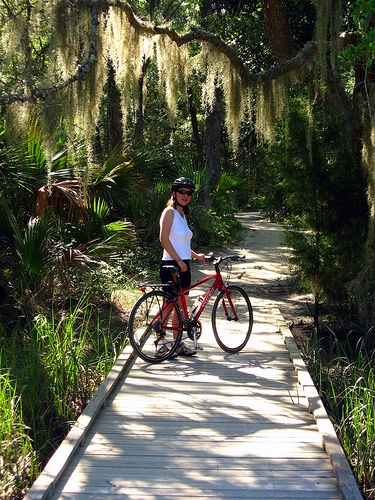
No strenuous climbs, as it was coastal terrain. No merciless sun, as it was all in a forest filled with Live Oaks and Spanish Moss. It was, in every sense, leisurely riding.

Several friends thought we were nuts to go cycling in a South Carolina July. The ocean breeze combined with unseasonably cool weather, though, and it was an absolute joy. Except for the sandy road.

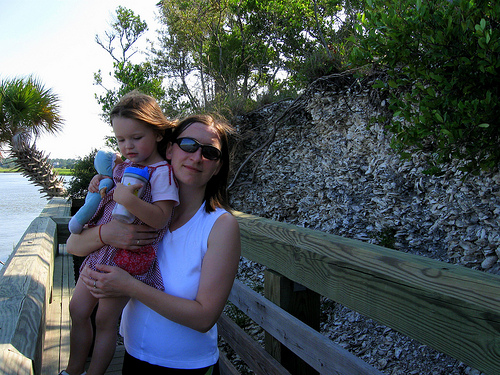
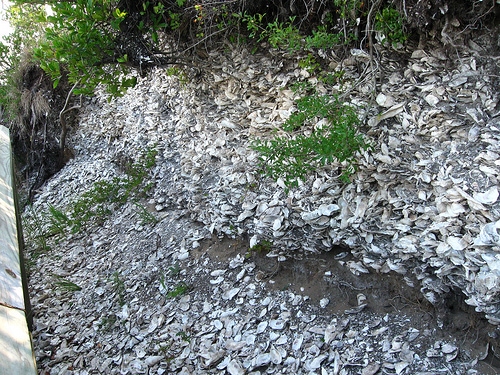
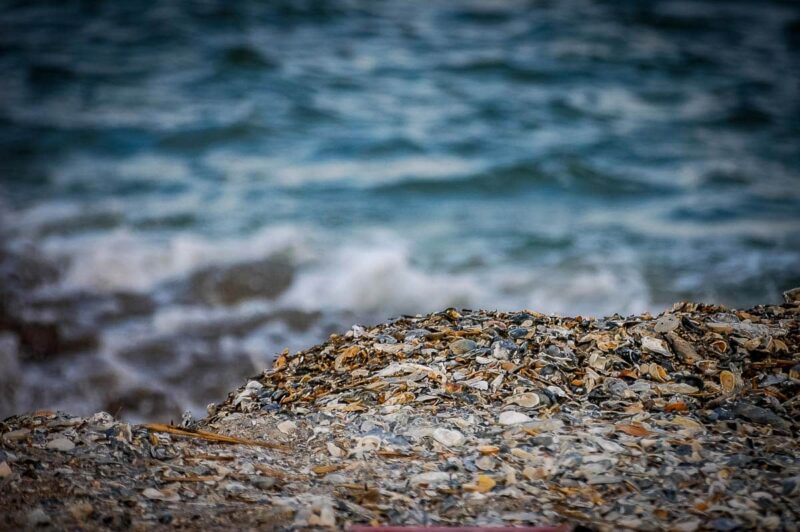
Our first destination: a prehistoric oyster shell bank. No one knows the significance of the location; no one knows why Native Americans chose this particular spot to eat oysters (and lots of them). But we do know that the mound is some ten percent of its size when discovered by Spanish explorers in the seventeenth century.

Perhaps this was inspiration for Lewis Carroll:

'A loaf of bread,' the Walrus said,
'Is what we chiefly need:
Pepper and vinegar besides
Are very good indeed --
Now, if you're ready, Oysters dear,
We can begin to feed.'

Or perhaps not. All the same, it was a frabjous day, and we chortled in our joy all the way back to the cabin.

Morning on the Beach

"They're a bit rustic," K's colleague said about the cabins at Edisto Beach State Park. "They're okay if you like 'roughing it,'" he concluded.

"If this is 'roughing it'," K said as we walked in, "then I'd hate to see what his idea of luxury is." We quickly determined that in between the two visits there must have been some extensive renovations.

Surely no one could call this "roughing it."

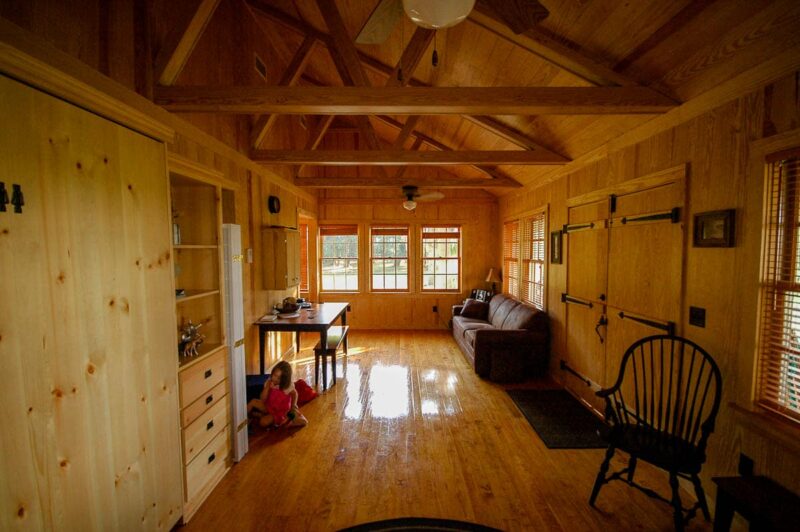
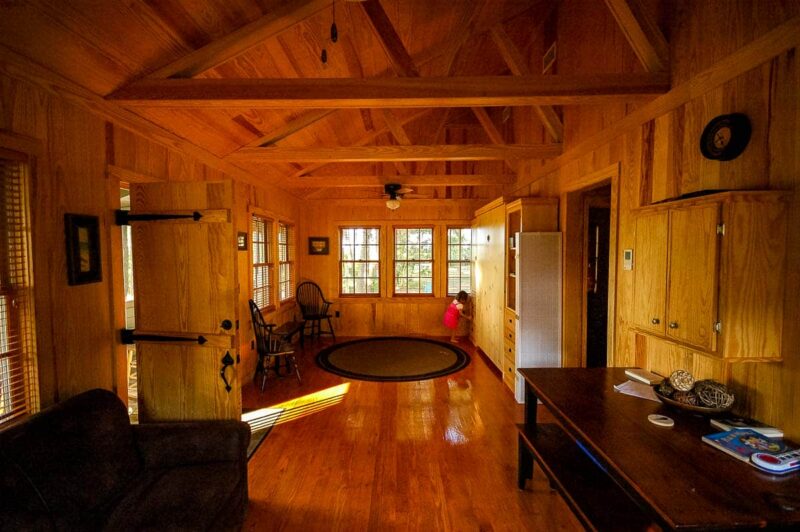
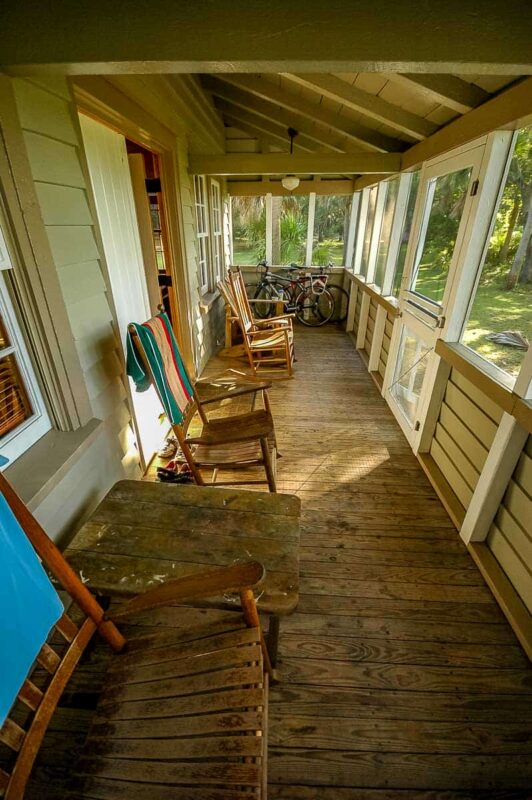
Hardwood floors and an interior done completely in unfinished pine -- it is a welcoming space from the beginning. The living room has a Murphy Bed and an ample sitting area.

At the other end, a small television (hidden in the cabinet on the wall) and a leather couch.

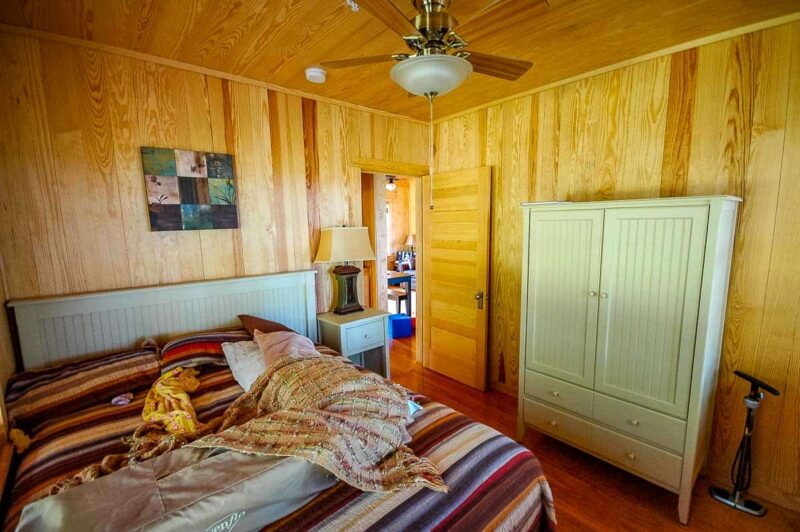
There's a small bedroom in one corner of the cabin -- it's L's bedroom.

The kitchen is well light (in the day, anyway) and perfectly adequate for vacation.

The real treasure, though, is in the back.

A restful night is a simple matter there, with the wind blowing through the palms and the crickets all around.

We wake the next morning to visitors: a family of four deer that almost managed to scamper away completely before I stumble back into the cabin for the camera.

Still, we didn't come to Edisto for the wildlife. We came for the beaches, eager to give L her first beach experience.

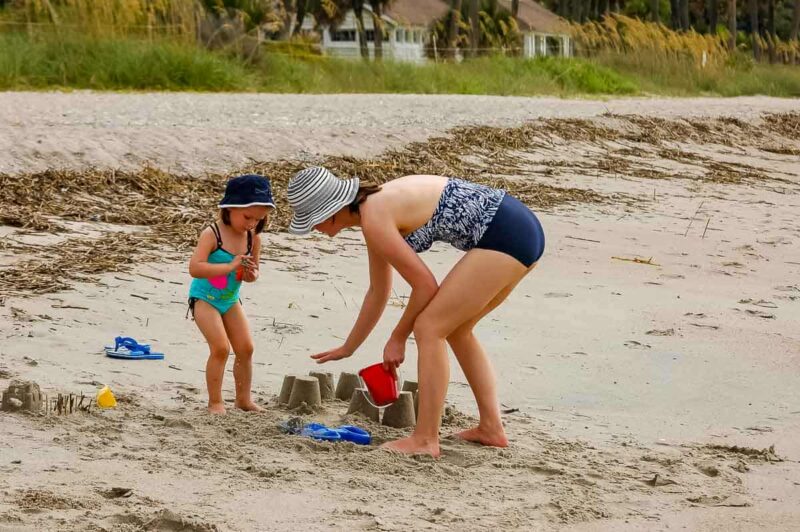
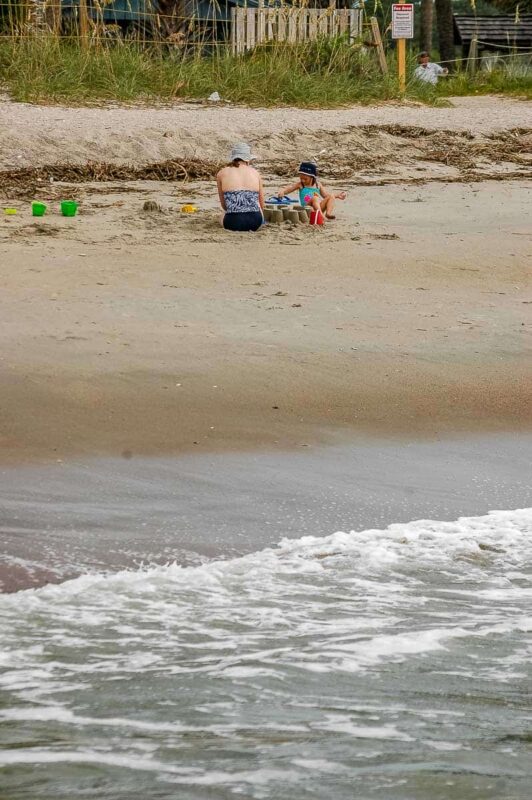
With the initial fear from the previous afternoon a distant memory, L is able to get down to some serious sand castle building. She carefully makes a ring of towers with an eventual moat. K, of course, only watches. Having grown up in southern Poland, she's had enough beach time in her life!

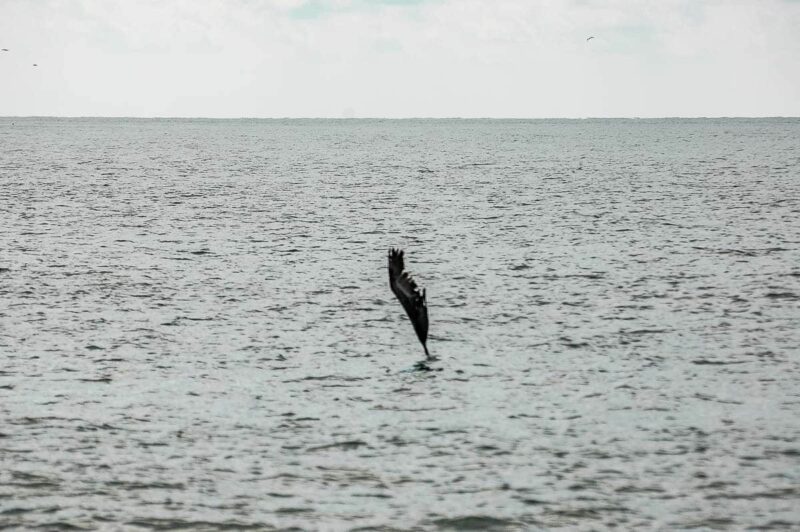
The pelicans off the coast have breakfast while the architectural wonders rise from the sand. They hit the water with shocking impact. We later find out that the repeated impact can so damage their eyes that they can eventually go blind.

The Girls, somewhat oblivious to the masochistic fishing exercise going on just behind them, continue to build.

Eventually, I try to convince L to approach the water and let the waves lightly wash over her toes. She's not receptive, and when I press the issue, assuring her that I'll hold her the entire time, that she has nothing to fear, that I'll never let anything hurt her (A lie? No: some things are out of my control, but those things that I can control I will control. Or will I? There is learning in pain...), that it will be great fun -- all for naught.

The more I reassure her, the more she panics. At last, I calm her down and assure her that I won't make her go to the water.

It's like with many foods: I know she'll love it as soon as she overcomes her distrust.

She should be glad that she's not a pelican, I decide. Then again, instinct is frightfully powerful, as is conditioning.

Age

A gentleman doesn't discuss a lady's age -- that's what tradition says, and I suppose when you're between 400-1400 years old, you'd rather keep that to yourself.

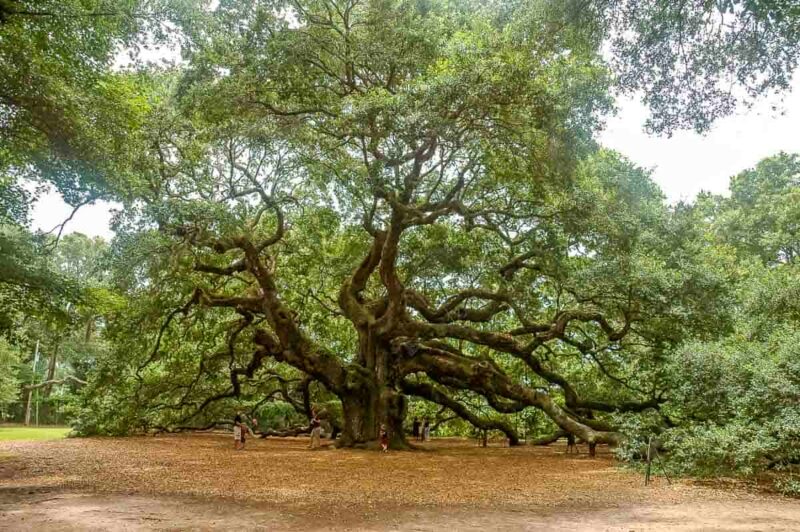
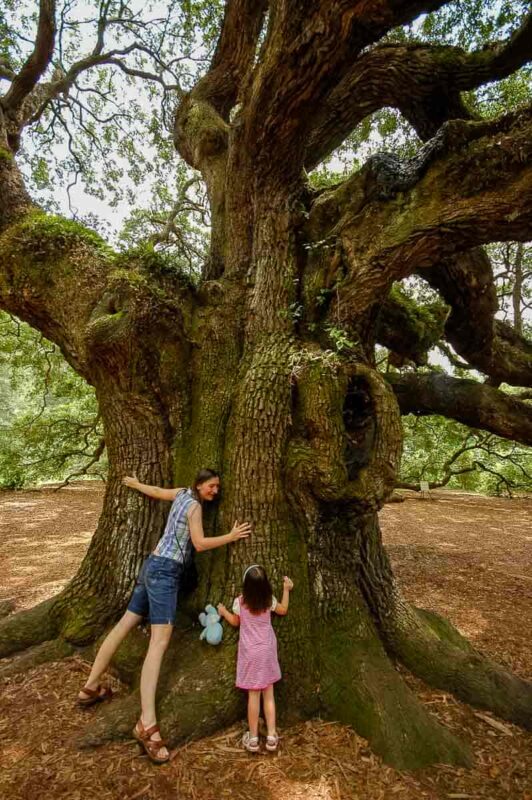
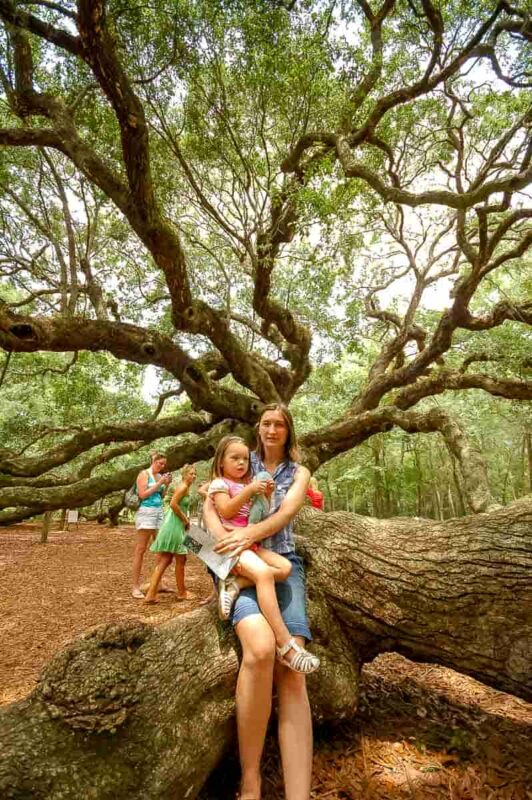
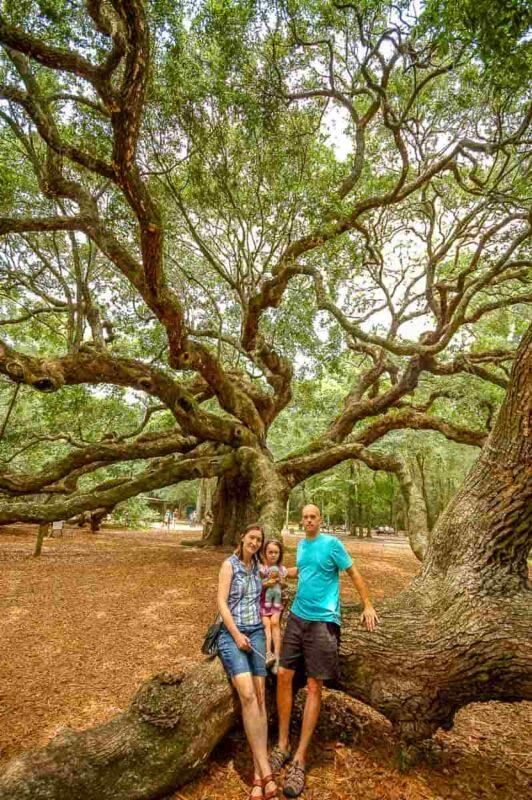
The first stop after our day at the zoo is Angel Oak, an enormous Live Oak tree on John's Island, just outside of Charleston, SC. It is, in a word, simply enormous. It is huge in the way that the Grand Canyon is immense: one hears about it, sees pictures, etc., but it's only the actual physical encounter that makes the impression.

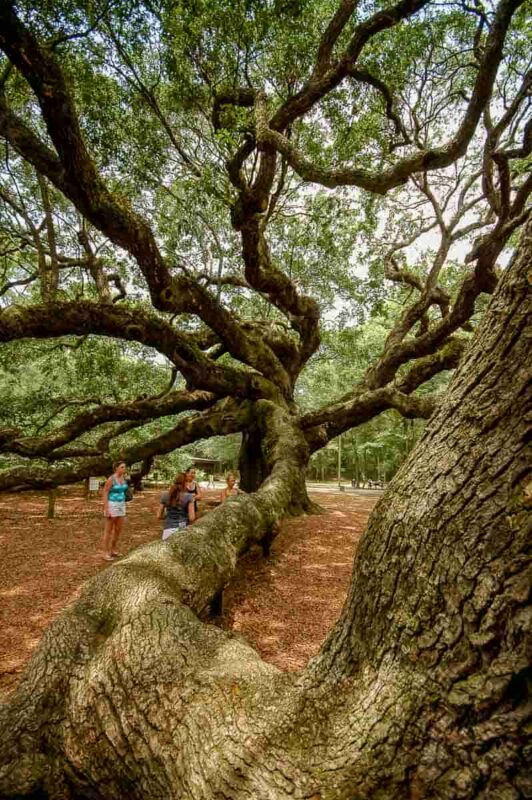
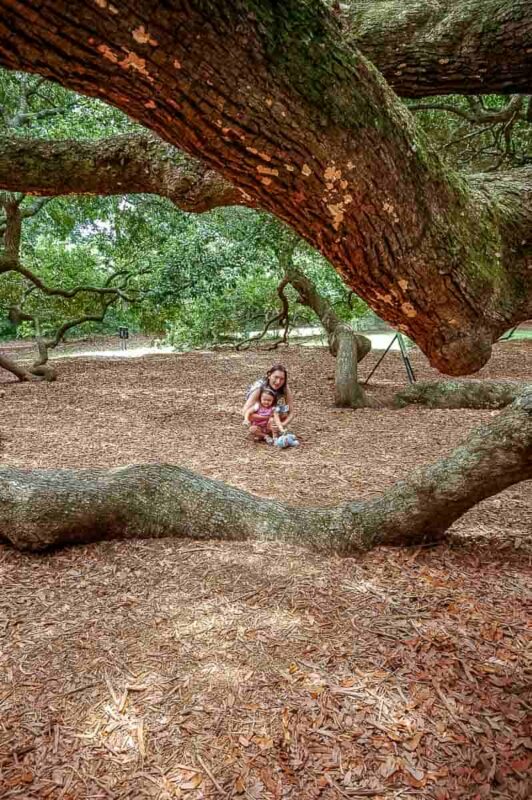
Branches on the tree are larger than most of the trees we have in our backyard. They're so large that a network of cables and metal supports seem to be the only things keeping them up.

It's difficult to imagine anything surviving long enough to grow to this size, but I'm not quite sure how old that is. Web information indicates an age of 1,400-1,600 years. Still, it's difficult to imagine a tree surviving that long. That would make it an acorn when the first ecumenical councils were formulating orthodox Christianity.

The brochure distributed at the oak, however, puts the age at 300-400 years. That's much more modest, but it's difficult to believe a tree growing that large that quickly. Our Tulip Poplar in the backyard is certainly 200 years old, and it's not even close to this size.

Still, age matters less than tenacity, and for a tree to grow to this size in such a relatively harsh, salty climate is remarkable.

Signs posted around the tree warn of dire consequences if anyone attempts to climb it, and that's certainly understandable. The tree would not last many more years if it invited a free-for-all of climbing, swinging, and the like. Still, it's difficult to resist walking up one of the great branches and taking a seat.

After a lunch break, we get back on the road, arriving at Edisto Beach mid-afternoon.

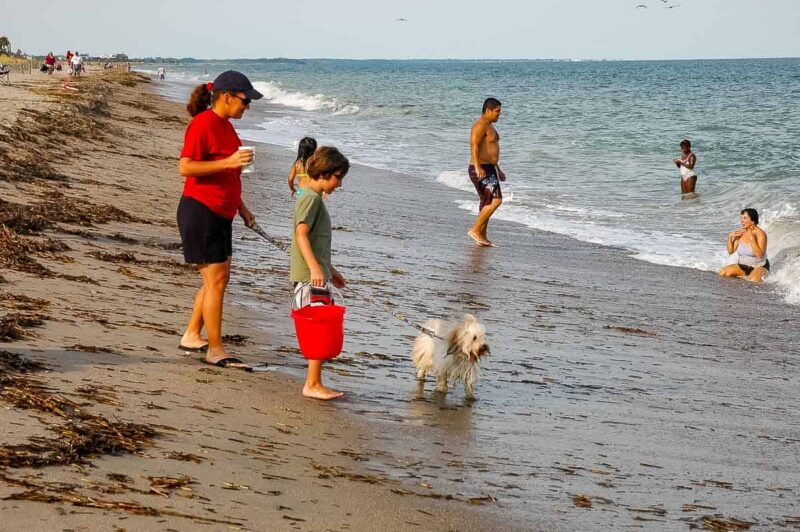
It's been three years since we've been on a beach: K and I head straight for the water, shoes off. L is much less enthusiastic. In fact, she is initially terrified of the water.

The sound, the motion, the size -- they're all too much for L and she spends most of our first walk in someone's arms.

Eventually, she calms down enough to play with her new basket of beach toys.

"We'll get her in the water by the end of the week," I assure K.

Home Again

And feeling fine. The vacation (or as L likes to pronounce it, “foe-kay-shin”) was a restful success. In many ways, the best part was being completely unplugged.

Over the next week, I’ll be posting a week-delayed account, writing in present tense, imagining how much more dreadfully busy the whole week would have been if internet access had been an option…

Antichrist Beast Obama

The site’s welcoming text reads,

Any fair study of the scriptures coupled with the study of the signs of the times will convince almost anybody with a modicum of intelligence that the end of the world is drawing nigh. […] Barack Obama is the Antichrist, and is leading doomed america [sic] to her final destruction and the destruction of the world! We’re not talking some vague, nebulus [sic] postulation, we’re talking plain, straight BIble [sic] talk backed up by an overwhelming amount of real evidence – on the ground! Watch this fascinating, three-part documentary and check out the rest of the site for Bible perspective on the rise of Antichrist in the last hours of these last, dark days.

Anyone who is not familiar with Fred Phelps and the Westboro Baptist Church would do well to watch this BBC documentary.

One might wonder what someone is hoping to accomplish by insulting its readers by suggesting that those who disagree (or who are not yet convinced) don’t even have a “modicum of intelligence.” Yet once it’s clear that this is one of Westboro Baptist Church’s many web sites, all is clear.

What’s interesting about this is the time line Phelps is setting up for himself here. By calling Obama the Antichrist, Phelps is painting himself into a corner; it is a definitive claim about prophecy.

When Obama leaves office and not a single thing has happened, what will happen? Will Phelps admit he was wrong and at last quiet his irrationally bigoted voice?

Doubtful — false prophets always have a way of reinventing themselves.

Site: http://www.beastobama.com/

Columbia Zoo

Being at a zoo can teach one many things.

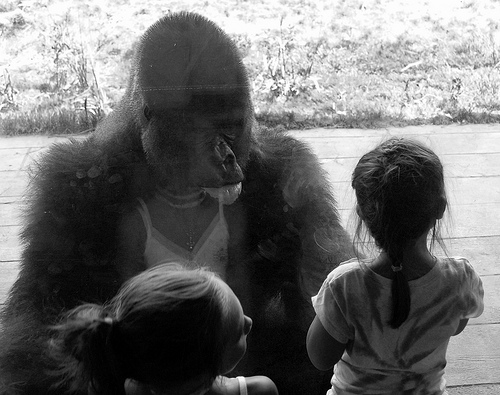
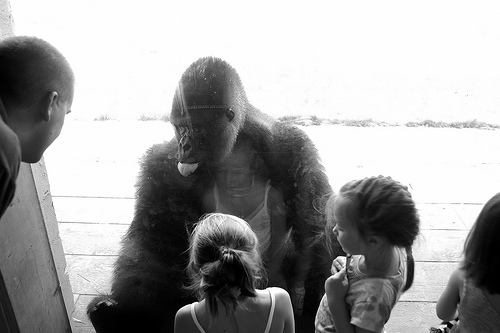
It can show you how close we are to the great apes. This great gorilla sat watching us as much as we watched him. His eyes darted from face to face, and occasionally he would furrow his brow. Proof of thought? Certainly not. It was humbling to look at him, though, thinking how closely related we are. Granted, we’re more closely related to chimps, genetically speaking, but I looked at the gorilla and saw shadows of us.

DSC_6766

It was not so clear who was watching whom.

DSC_6770

The elephants have better things to do. They’re more concerned with covering themselves with dust and looking old and wise.

DSC_6795

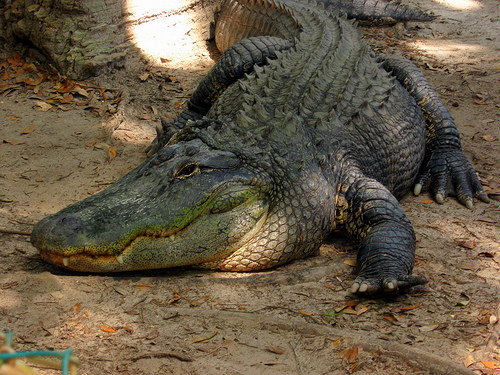
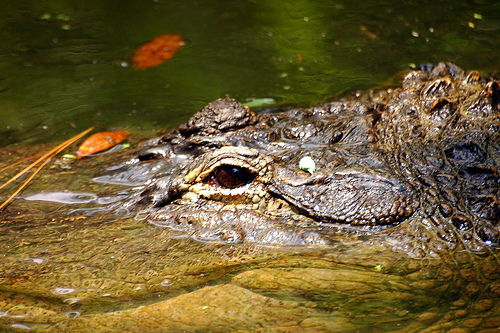
The alligators were looking sly, as if they knew how long they’d survived. “We walked with the dinosaurs,” they seem to say. “We’ll wait you out.”

DSC_6812

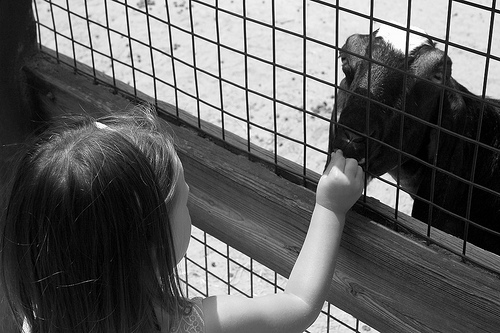
The goats, of course, were hungry. There’s not much to learn from goats, except how to deal with trolls under bridges.

DSC_6847

Trains come without tracks — the definition of “train” has become very flexible in the twenty-first century, but a ride on one is just as fun.

DSC_6862

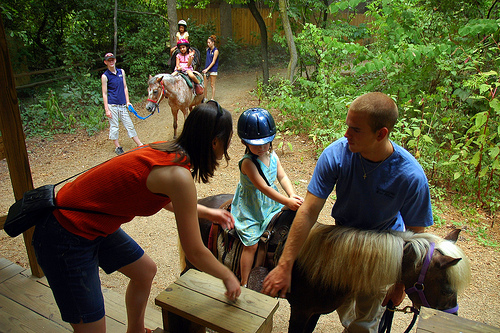
“Helmets are for bicycles,” declares the Girl.

“And for pony rides,” K explains patiently.

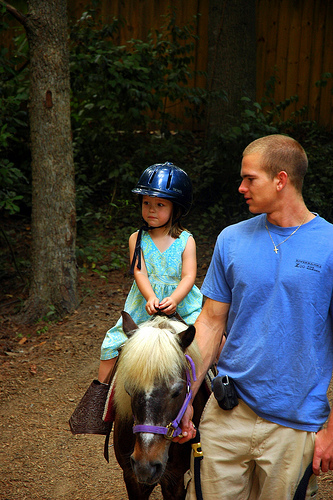
DSC_6865

And pony rides are for those who are big enough to venture out on their own, sort of.

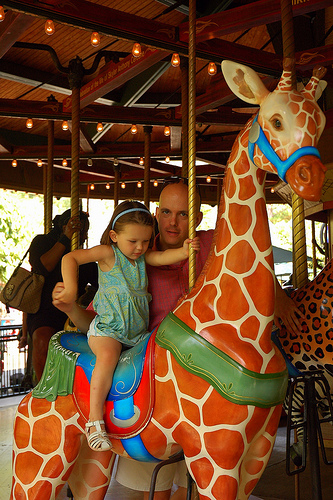
DSC_6870

In many ways, giraffe rides are more fun: they last longer, anyway. And they do a more thorough job of getting one dizzy.

DSC_6879

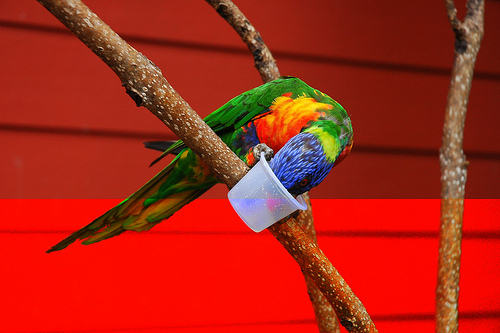
Some birds, growing so accustomed to regular feeding from visitors, take matters into their own claws.

DSC_6900

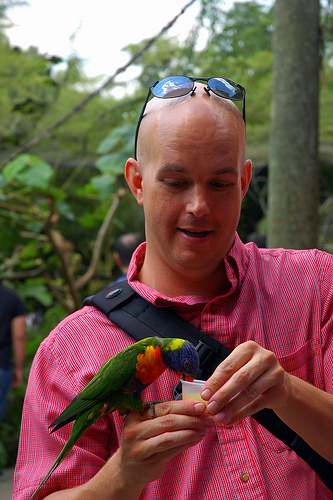
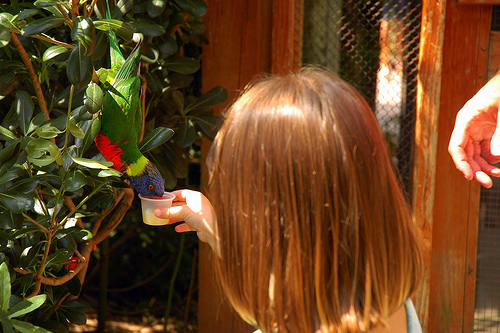
And it’s only with deliberate effort that visitors keep the greedy beasts from ripping the feeding cup out of one’s hand.

DSC_6908

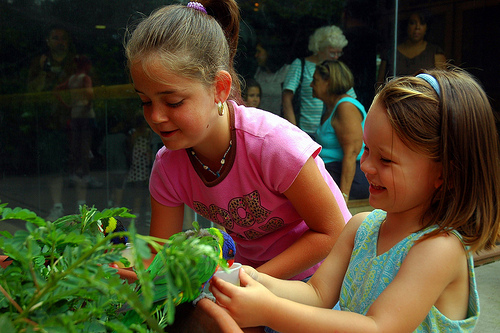
Feeding birds is a great way to make friends and giggle constantly.

DSC_6917

Birds will hang upside down to get food.

DSC_6928

Zookeepers can take the grizzly out of the wild but, well, you know the rest of the cliche.

DSC_6932

A quick swim when we got back to the hotel and everyone was ready for bed.

Tomorrow: a trip to Angel Oak, the oldest living thing this side of the Rockies (reportedly a 1,600 year old tree), then the final destination: Edisto Island.

From here on out, internet access is a big question mark. And that’s a good thing — we’re on vacation!