fun in threes, sometimes fours
"I'm hungry." It can come has a plaintive request, a frustrated fuss, or a simple statement of fact, but come bedtime, come bath time, it's always the same.
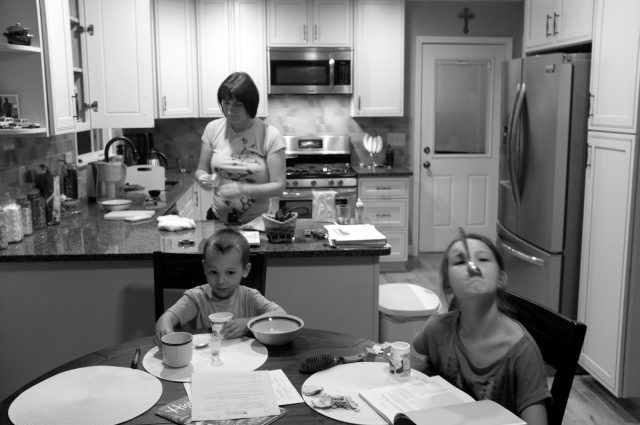
It doesn't matter how much dinner they ate. It doesn't matter whether we had watermelon, ice cream, cake or anything else as desert. They're always hungry.
The Boy pulls the step ladder we've added to our kitchen due to the high shelves and begins rummaging through the refrigerator. The Girl takes a yogurt, adds a graham cracker, then tops it off with a mandarin orange. The Boy sees the orange and wants to add one of his own.
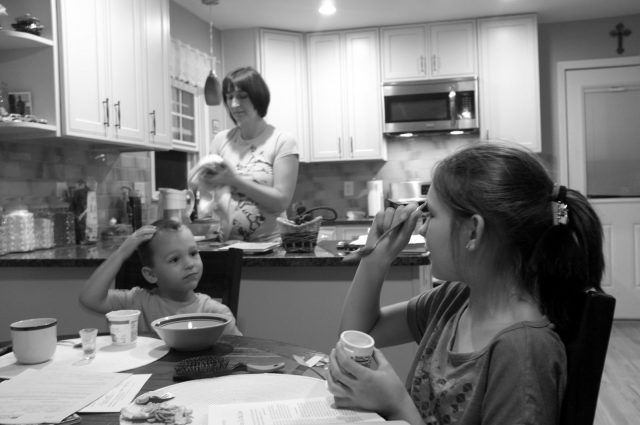
It's a moment to offer thanks that we have food for our kids whenever they get snacky.
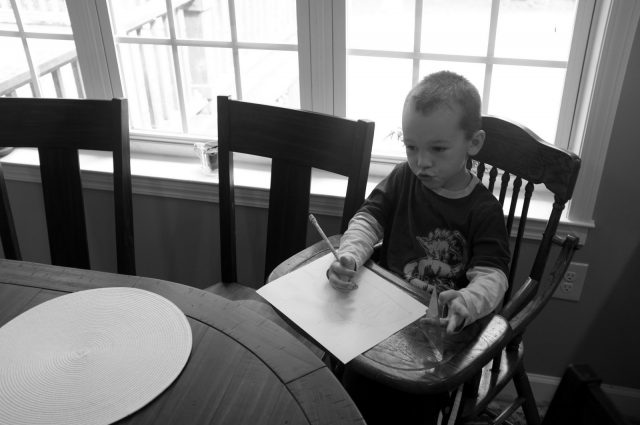
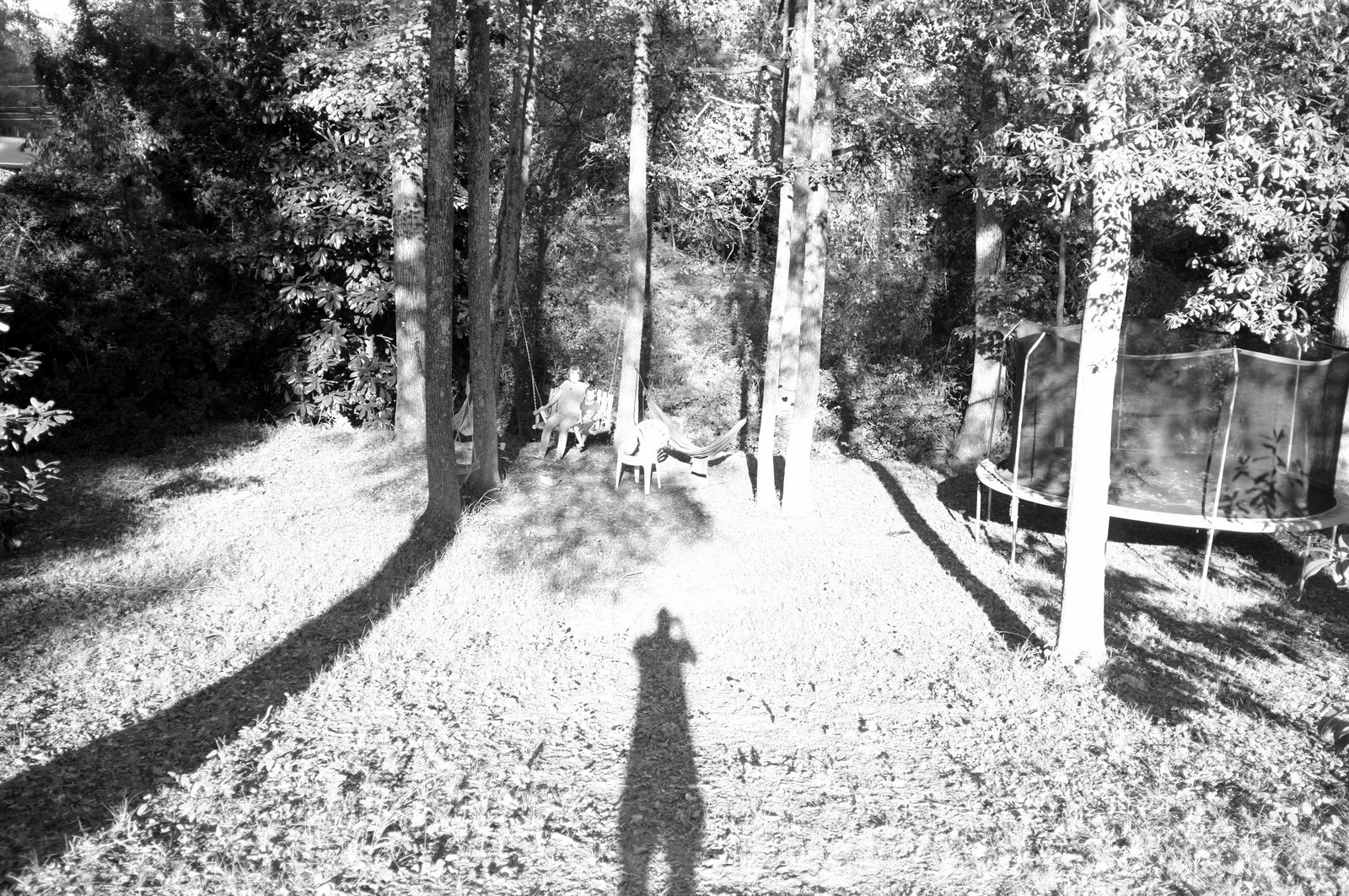
"Door" in Polish is a strange word. Like "pants" in English, it's always plural -- drzwi. It's likely because it's etymologically connected to "tree" and "wood," and since old doors were made of planks, it makes sense to call them something like "planks" (though that's not what drzwi translates to literally).
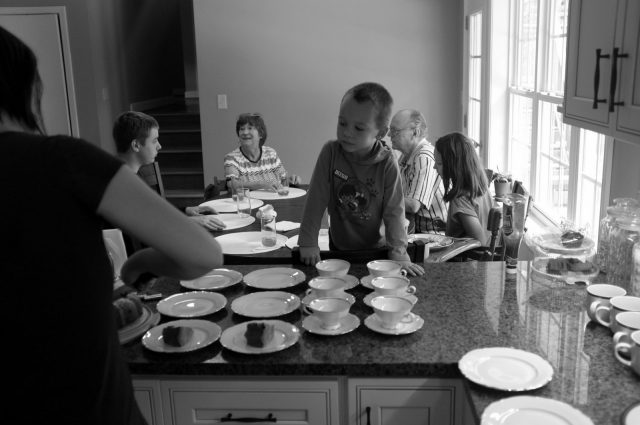
This morning, the Boy went to tell K as she was getting ready for a shower that he'd heard a scratching at the door, that it was Bida, our cat, who was trying to get his attention so that he would let her in, that he heard it and wondered what it was, that he'd figured it out, and that he let her in. K stood patiently, towel wrapped around her, listening to this whole story patiently, then asked, in Polish, for privacy: "Could you please shut the door so that I could shower?"
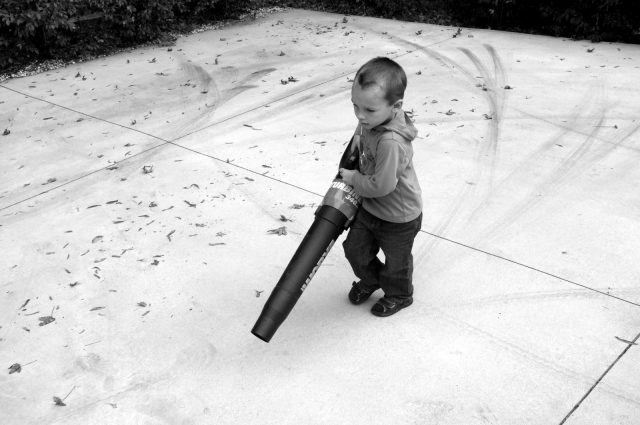
He replied, in English: "I'll close them and lock them so no one will come in." He applied Polish grammar to English, pluralizing a word that would be plural in Polish but is singular in English.
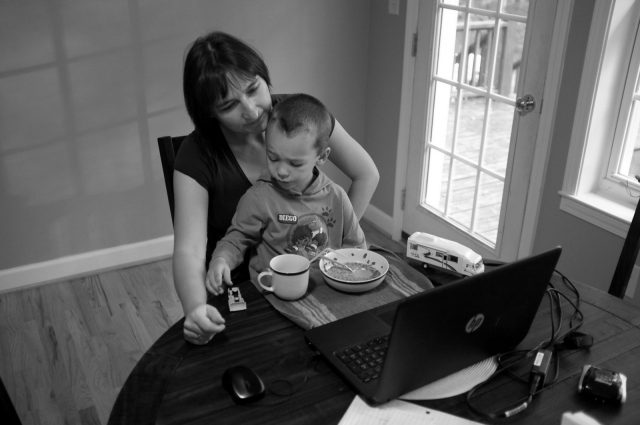
Some days, no matter how good you feel when you wake up, no matter how bright the sun, how promising the day, the thought of going back to bed just seems to linger throughout the entire day.

It’s not the haze of lack of sleep I speak of, that fog that seems to be almost physically discernible in the mind, as if a heavy set of drapes were spread across your brain. That is something that you shake off with your first cup of coffee, or on cold winter mornings, with that first bracing encounter with the early air.
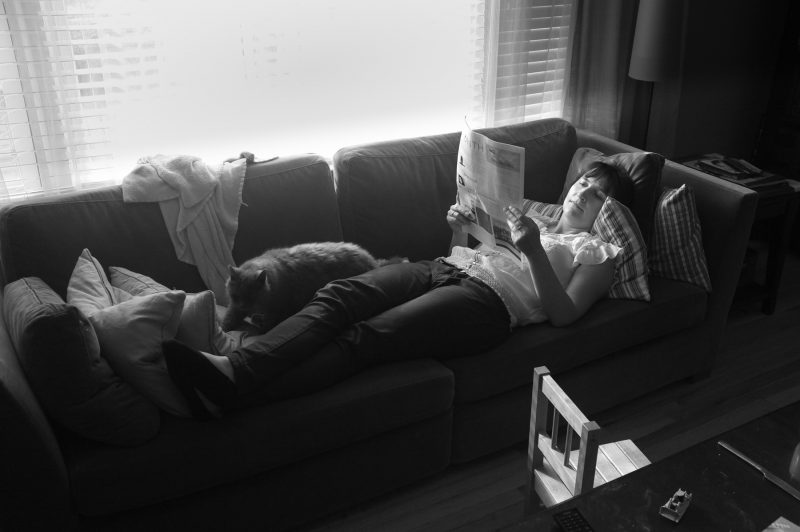
This is somehow different.
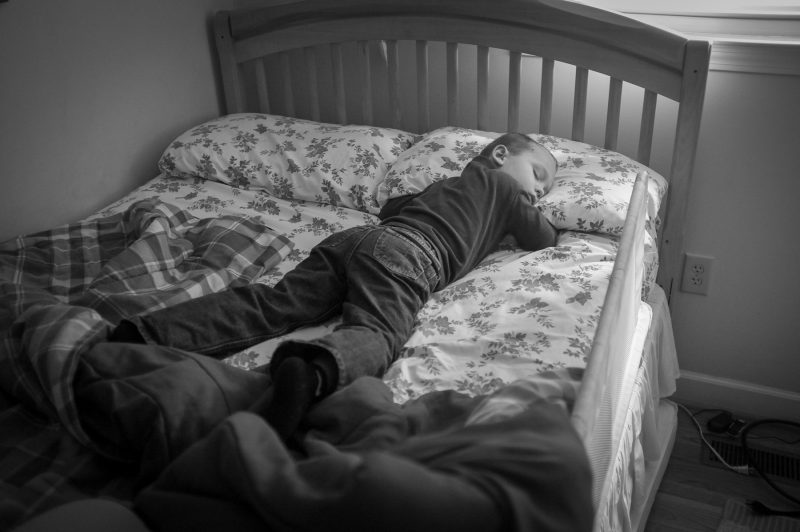
Somehow, but not much.
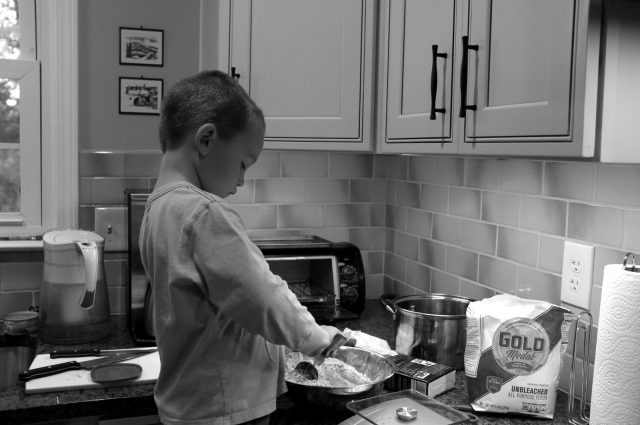
Tomorrow is the Boy’s snack day at pre-school. He’s making triple-chocolate muffins.
Our family seems to be a blended family in one sense: immunity to illness. It seems I never really get sick. K said the other day that she thought she could probably count all the times I've been really sick -- not just feeling a little bad and going to bed early one night -- during our marriage. Unfortunately, the reverse is not true: it seems that K makes up for my relative lack of illness.
So we were both a little curious regarding who would most influence our children's genetics in this regard. Obviously, the best case scenario would have been to take my immune system in its entirety and leave K's behind. Equally obviously, the worse case scenario would be the opposite.
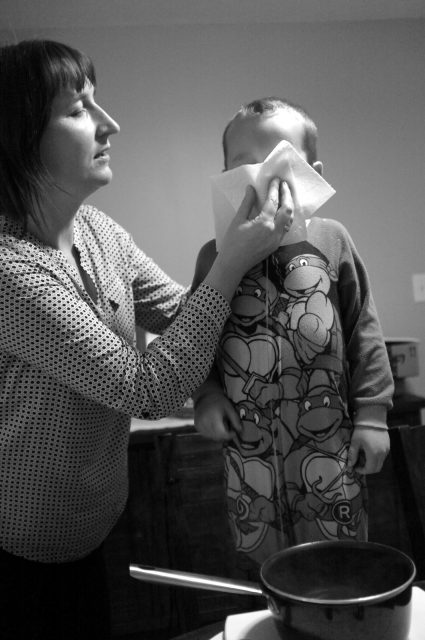
The obvious happened: the kids got a bit of both, probably making them fairly normal.
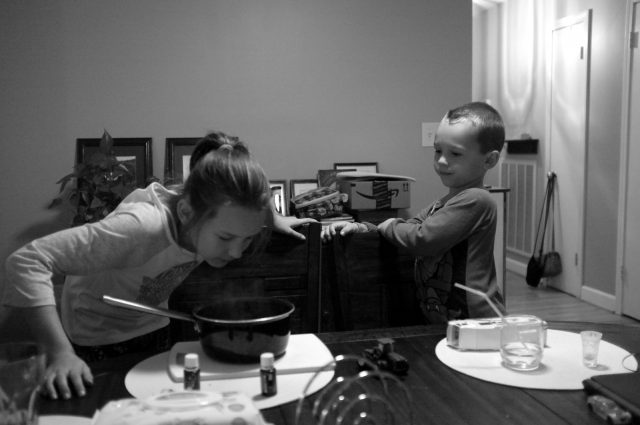
Photo by jspatchwork 
I sat in the Girl’s bedroom, helping her prepare for an English test tomorrow. Cobbler’s kids and all. We were going over how to remember the difference between interrogative sentences and imperative sentences when the Boy came in. We chatted for a while, and I encouraged him to leave us a lone so we could finish up the Girl’s test preparation.
“Okay,” he chirped and headed out, stopping at the door to ask me if we could spend a little time together after dinner.

Dinner complete, the Boy and I headed down to the trampoline as L and K went through the day’s Polish lessons. As we jumped, we found ourselves eventually lying on our backs staring up at the trees above us. For several weeks this summer, he was afraid that, as the wind blew, the trees could very easily come toppling down on us. Today, we just lay there watching the sun slowly disappear and the glow of the leaves slowly dissipate.