
fun in threes, sometimes fours
I first went to Krakow in the summer of 1996 (June 22 to be precise, according to my journal), catching a train in Radom at five in the morning to arrive some time around eight. I'd just arrived in Poland with my fellow Peace Corps volunteers, most of whom and come like I, to teach English. Half a dozen of us boarded the train, found an empty compartment, and chattered away as the train clattered away. "I never really thought I would be in this city. To be honest, I never thought about this city. But never the less, here I am," I wrote that first evening.
What struck me then was the ancient architecture: St. Mary's Basilica on the rynek, Wawel castle on the hill overlooking the old town, the rynek itself with its cobbles and pigeons. When I arrived at my home for two years (which eventually stretched to seven years), I went to Krakow frequently, and the churches and ancient architecture grew known and, dare I say it, common. It became part of "home" in an extended sense.
What I came to notice, sadly, was the negative, in particular the old bus station, where I arrived and departed for every trip to Krakow (and every trip to the north). It was small, with a crowded waiting room and only six ticket windows, most of which remained shuttered. Lines for tickets were long; lines waiting to get on buses out back were long. And everything -- everything -- was dull gray concrete.
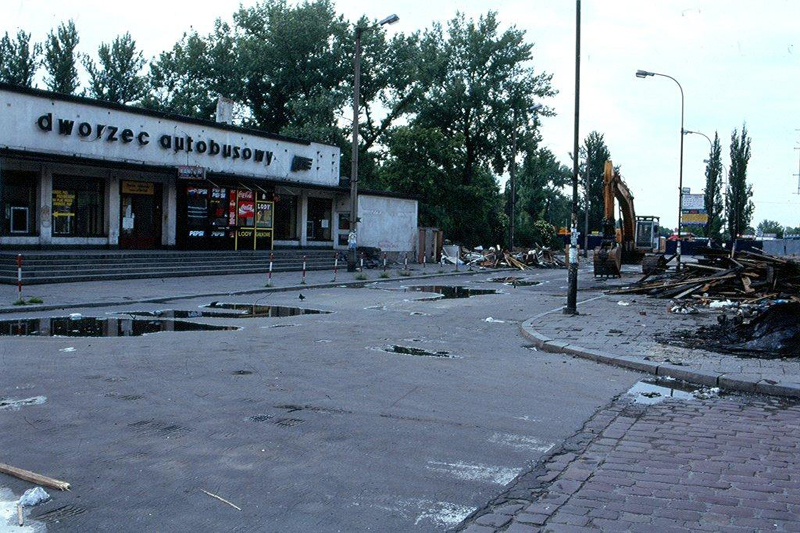
I hated waiting there. It was stuffy in the summer and freezing in the winter. It reeked of stale beer and urine, and everyone seemed angry -- and no wonder. Yet in the mid-nineties, there was no other option. There were a handful of private bus companies running, but the vast majority was the state-run Polskie Koleje Samochodowe, known simple as PKS. And due to where I lived, I had to wait somewhere. There was one direct bus to Lipnica Wielka that left every evening around six. If I finished at three, I had three hours.
There were options, of course. Most often, I simply planned my arrival to the station at around 5:30 to minimize waiting. In the meantime, I wondered the streets, sat in some cheap restaurant drinking tea, or dropped into a church to sit for a while.
The best option was a church: it was quite, relatively warm in the winter and cool in the summer, and free. I could find a quiet spot, sit, and read. Wandering the streets was always enjoyable -- who doesn't enjoy wandering around an ancient city? -- but in January, it was simply miserable.
Restaurants were the trickiest of all. The decent ones (i.e., clean and well-light) were often more expensive than what I was willing to pay. There was a McDonald's at the end of Florianska Street even in the mid-nineties, and I often dropped in for the simple reason of the cleanness of its restrooms and the brightness of its lights. But it was always crowded, often with fellow travelers like me, so the management quickly instituted a policy that restricted the restroom facilities to paying customers. I simply began buying a small order of fries or a small drink as an easy way around the problem.
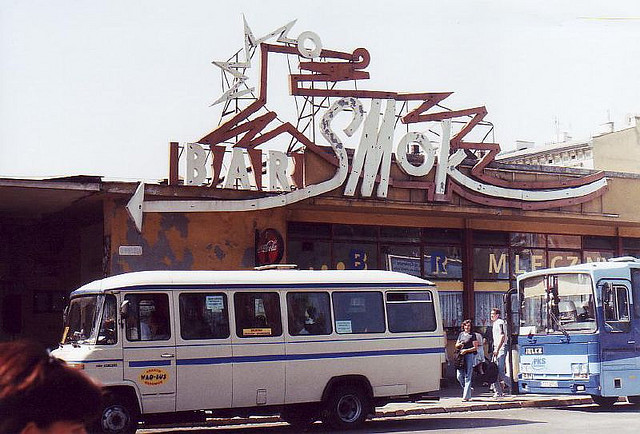
On the other hand, I learned I could always visit a milk bar for a quick, decent, cheap bite and a warm place to sit. Opposite the bus and train stations, in fact, there was a famous one, though notorious might be a better term: Bar Smok -- the Dragon Bar.
I didn't need to see a faded picture from the sixties to know how old the place was: one look at the sign was enough.
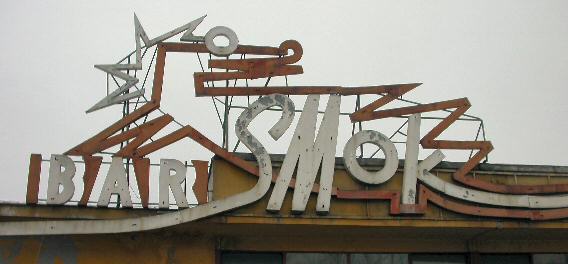
It was legend, though. Everyone knew about Bar Smok -- Poles from all over the nation and even the Americans scattered throughout the country in my PC group.
I believe I ate there once. That was enough. I likely waited there a couple more times, but as far as eating -- by the late-90s, no thanks. It wasn't the food as much as the atmosphere. As Gazetta Wyborcza explains it:
Krakowscy bonzowie pili tu gorzałkę, pielgrzymi zajadali się bułkami z jajkiem, a pechowcy czasami tracili obiad, podjedzony przez bezdomnych. Ale bigos i grochówka na stojąco były tu bezkonkurencyjne. (Source)
That introduction explains it fairly succinctly: there could be drunks consuming cheap vodka; there were often pilgrims having a cheap meal of rolls with an egg; and the unlucky did occasionally have food snatched from their plates by random homeless folks. When I dropped in the few times I did in the mid- and late-nineties, I saw all of these things. I didn't get a chance to try the bigos or pea soup that the introduction describes as "without competition." The other stuff just got in my way, I suppose.
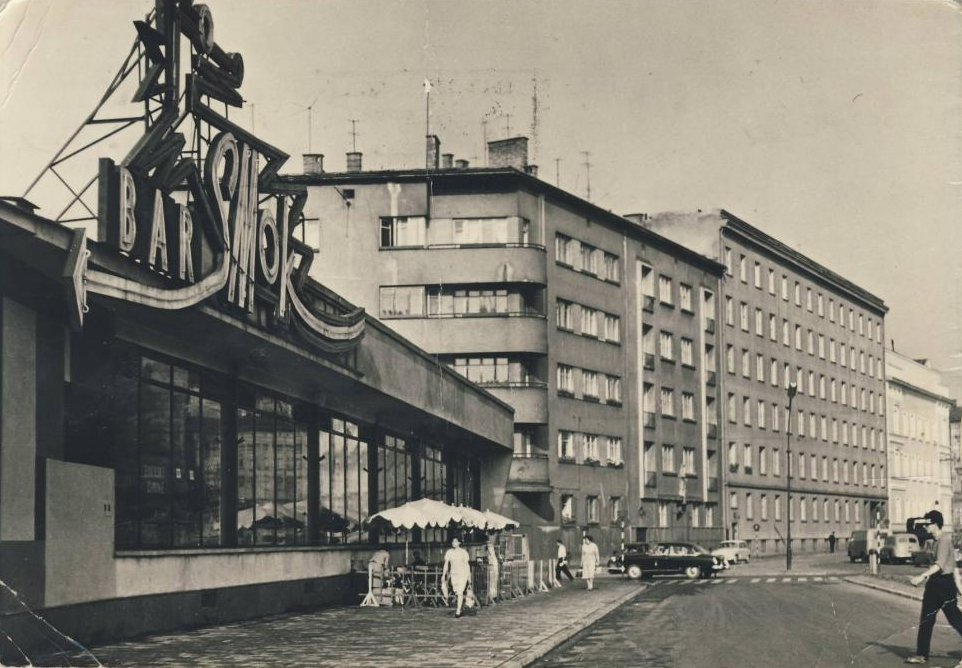
The old pictures tell a different story, though. Not a story of homeless men grabbing pierogi off of the diners' plates but a story of a fashionable, affordable restaurant with a modern, colorful neon sign. It stands in contrast with the gray office and apartment buildings around it, a flash of color in an otherwise-gray world. It was this fact that makes the neon signs stand out: "Nieco abstrakcyjny i kolorowy, rozjaśniał szarą rzeczywistość gomułkowskiej Polski," writes one article ("Somewhat abstract and colorful, [the neon] lightened the gray of Gomułka-era Poland" -- Source).
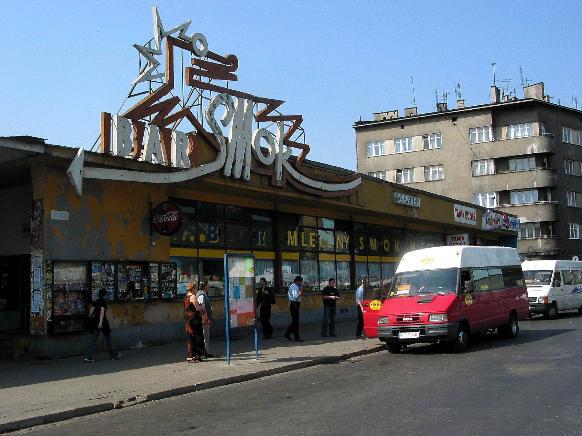
By the time I arrived, though, it had just become part of the gray. Dated and dilapidated, it was another of seemingly-endless examples of architecture that seemed like it could have never really been anything but dated.
By the time I left, though, in 2005, it was all gone: the old bus station, the Dragon Bar, and all the the gray buildings surrounding them, all torn down to make room for "Galeria Krakowa," a modern shopping complex that could only be called a mall.
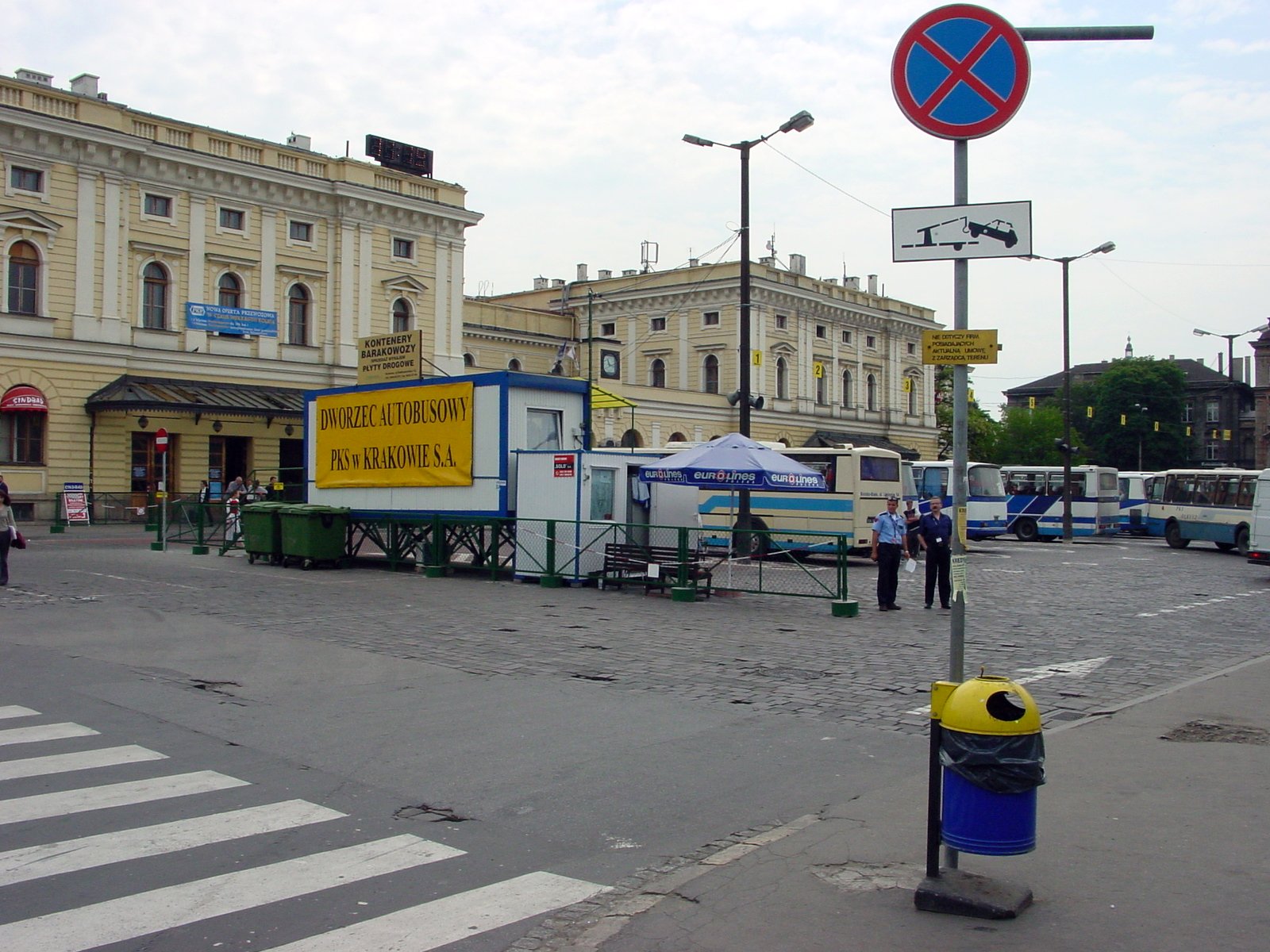
The bus station had moved to the cobblestone area in front of the train station, and the old buildings were not even a pile of rubble.
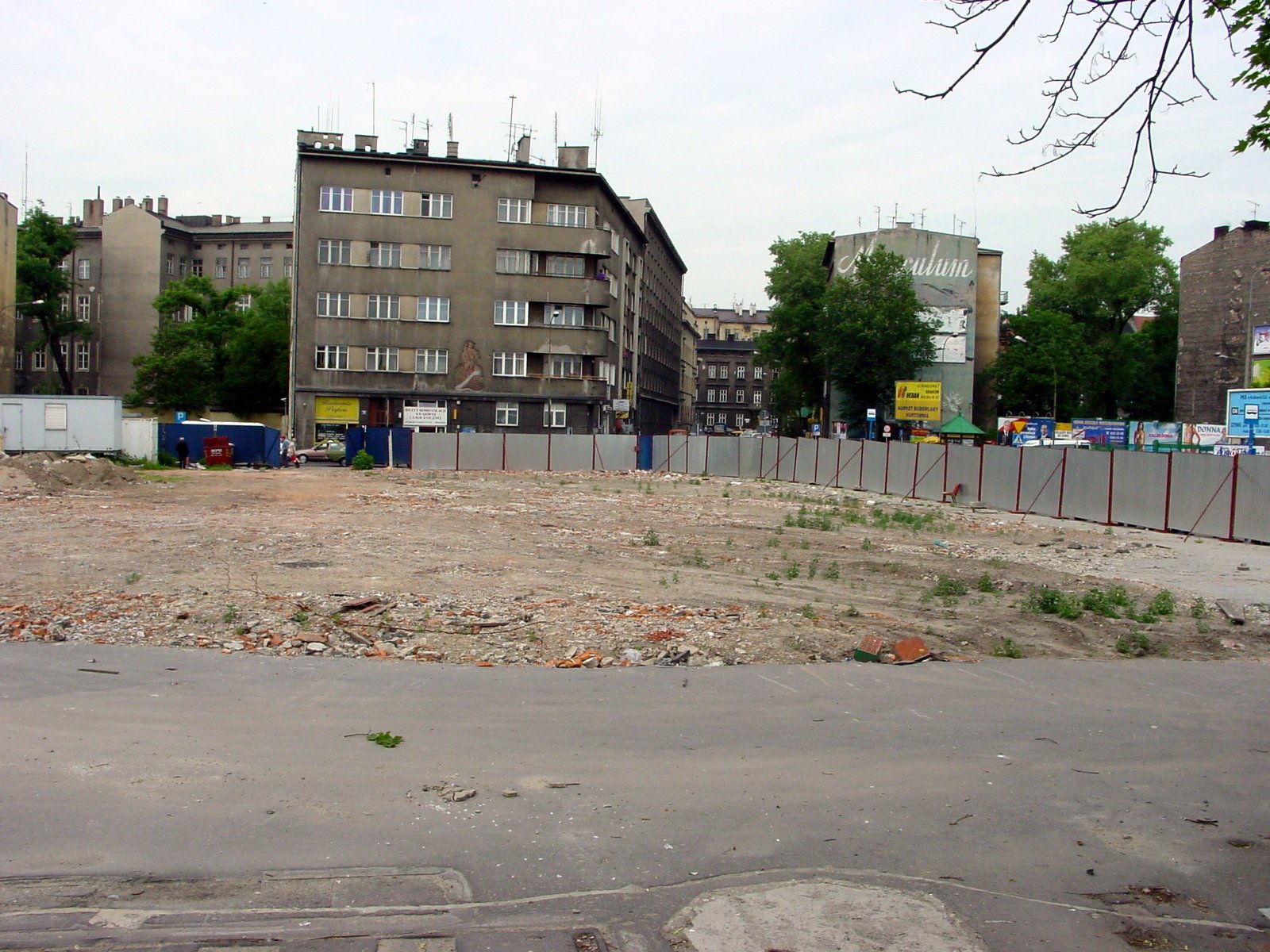
It's tempting to say something like, "No one really misses the bus station, but it's a real tragedy about the neon sign." Indeed, there is a small movement in Krakow (perhaps Poland?) to rescue the neon signs of the fifties, sixties, and seventies, but there's no sign of the Smok neon:
[P]o kilku latach nikt nie jest w stanie nam powiedzieć, gdzie się teraz znajduje "Smok". Od kilku dni próbujemy bezskutecznie to ustalić. A tymczasem to jeden z najcenniejszych przykładów neonów krakowskich. Zaprojektował go Adam Marczyński, profesor krakowskiej ASP, związany z Grupą Krakowską.
Więcej szczęścia miał neon kina Wanda przy ul. Gertrudy, które przegrało rynkową walkę z multipleksami. Ponieważ fasada (wraz z napisem) uznana została za zabytek - neon przetrwał.
The group was able to find the neon sign for the Wanda movie theater, but only because the building that housed it was declared a historical landmark building, and so the neon survived.
It's tempting to say that, to suggest that such an ugly building as the old PKS in Krakow is better off in memory only. Yet there seems to be a tragedy in that. Yes, it's an ugly building. Yes, it would be, had it survived, horribly dated. But I still think there's some value in keeping those buildings. Perhaps not all of them, but some. As it is, with fewer and fewer such places still standing every year, an entire portion of Polish architectural history is disappearing.

Left in its wake are the distinctly modern designs that seem just as destined to appearing dated at the old Bar Smok and buildings of its era.
I felt the same way about the old PKS station in Nowy Targ, a station I knew much better because of the frequency of trips I took to the NT, the nearest real city (in Poland) from where I lived.
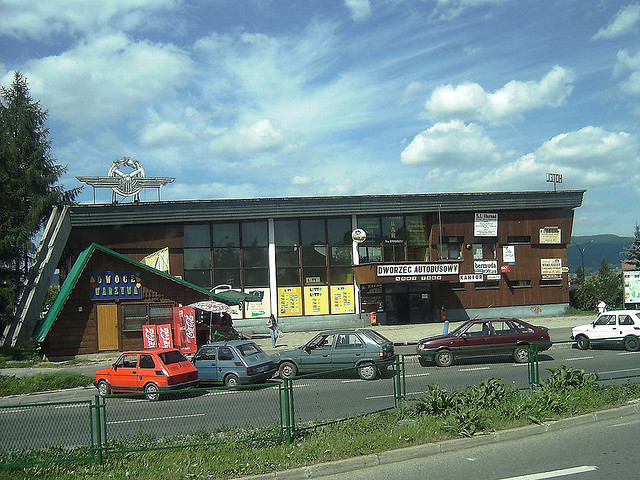
It too was strikingly dated, a relic from the sixties that was increasingly out of place architecturally. Yet that's precisely why it should still be standing: like so much of architecture, it's a palpable reminder of our past, of where we came from. "Perhaps Poles just want to forget that part," a friend suggested in 2013 when we walked by the place.

Perhaps. And perhaps renovation simply wasn't economically or architecturally feasible. Or maybe enough people just want to forget.
Does Trump forget that everything is recorded nowadays and his characterization of an event can be compared with the event itself? I’m no fan of Obama, but the man handled himself excellently in this situation. A man was protesting. Obama defended his right to protest, and even took the crowd to task for booing him. Trump characterized this as screaming at the protester. Trump suggested that if he spoke to protesters in a similar way, the media would declare “he became unhinged.” I think he’s right: if Trump ever speaks respectfully to a protester instead of inciting violence against him, many would believe he was unhinged — because it would be so out of character for him.
How do we explain this? Either he lied or he has terrible trouble interpreting body language, tone of voice, and the linguistic content of an utterance. Or he takes his supporters for chumps and thinks, “Well, even if they do go back and check on this clip and see I’m making things up, I won’t lose supporters.” Of course, if he hasn’t lost a given supporter by now, he never will. He probably could, as he bragged, shoot someone and not lose a certain segment of his supporters.
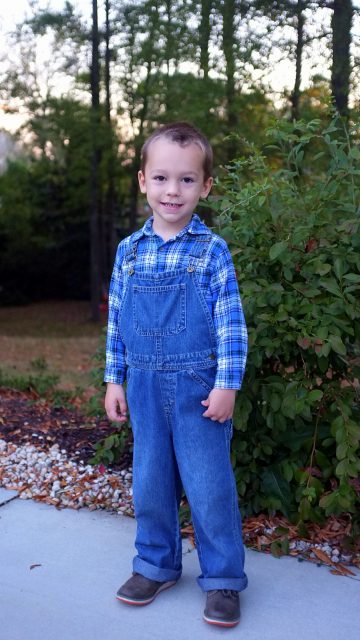
Two things conspired against the Boy this afternoon. The first was a late night with lots of excitement last night, which meant that he was unable to go to sleep immediately last night and then difficult to wake up this morning. We let the kids sleep in a bit this morning, but it was no help: he just didn’t want to get up.
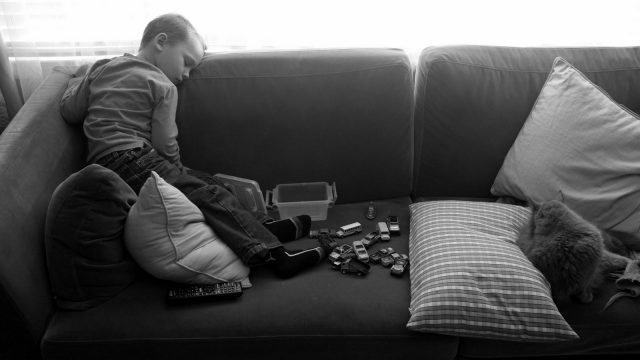
The second thing that conspired against him was the rash that’s developed on his belly. It hasn’t really gone away in a few days, so K gave him some Benadryl this afternoon to try to calm down that reaction. Not having had Benadryl in at least two years, the Boy was not really prepared for how hard it would hit him — neither was K. And so he fell asleep while playing on the couch.
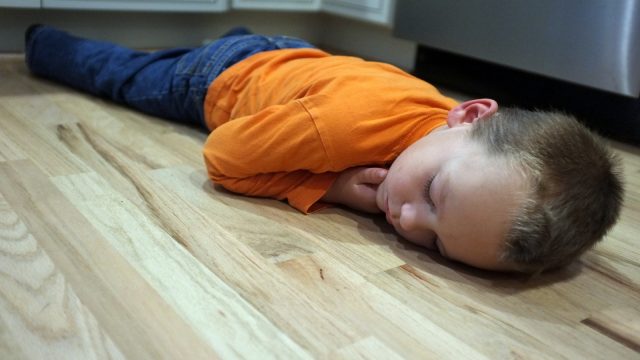
Once he goes to sleep late in the afternoon like that, though, he’s an absolutely nightmare to wake up. Today was no exception. I got to work on him a full fifteen minutes before dinner was ready, but he still needed a bit more time. And in the end, when I got him into the kitchen, he only ended up lying back down on the hardwood.
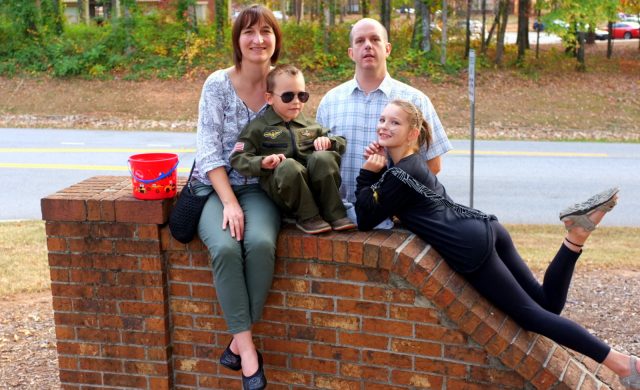
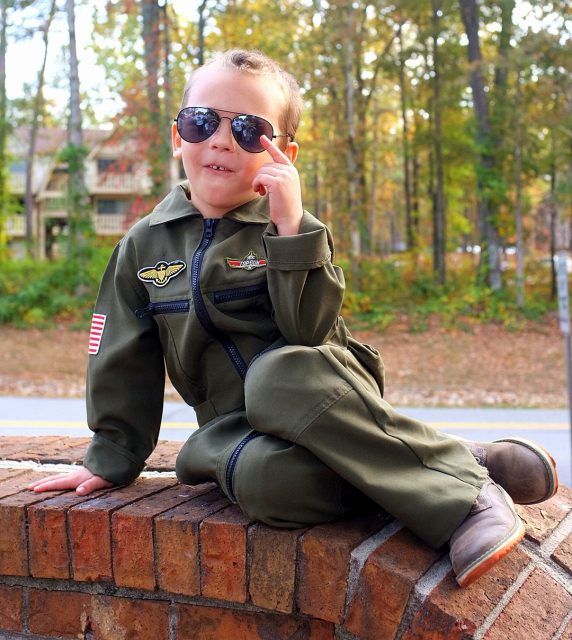
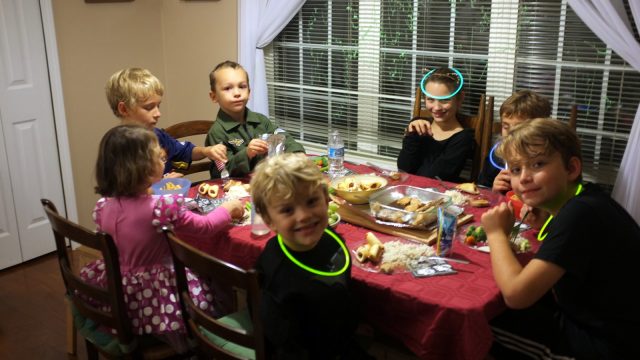
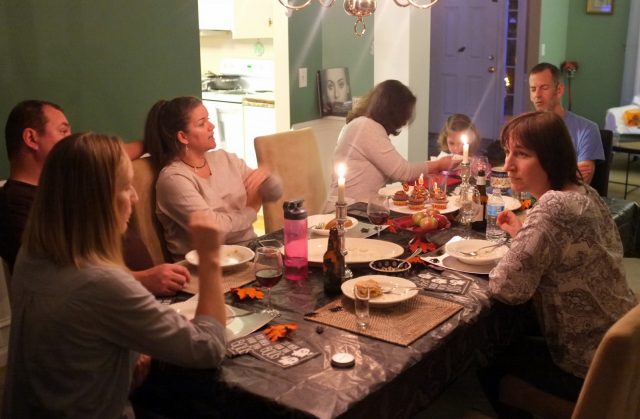
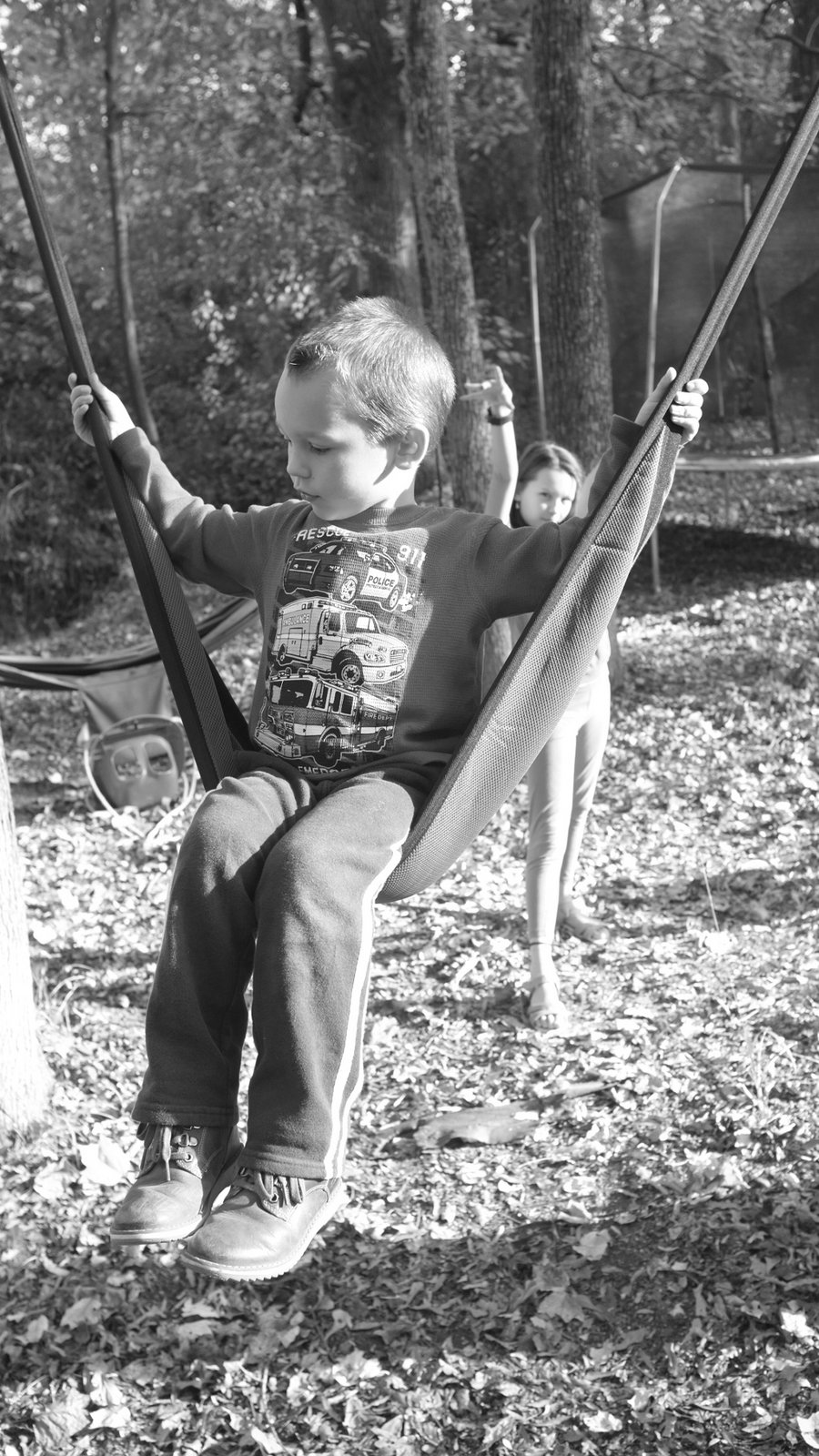
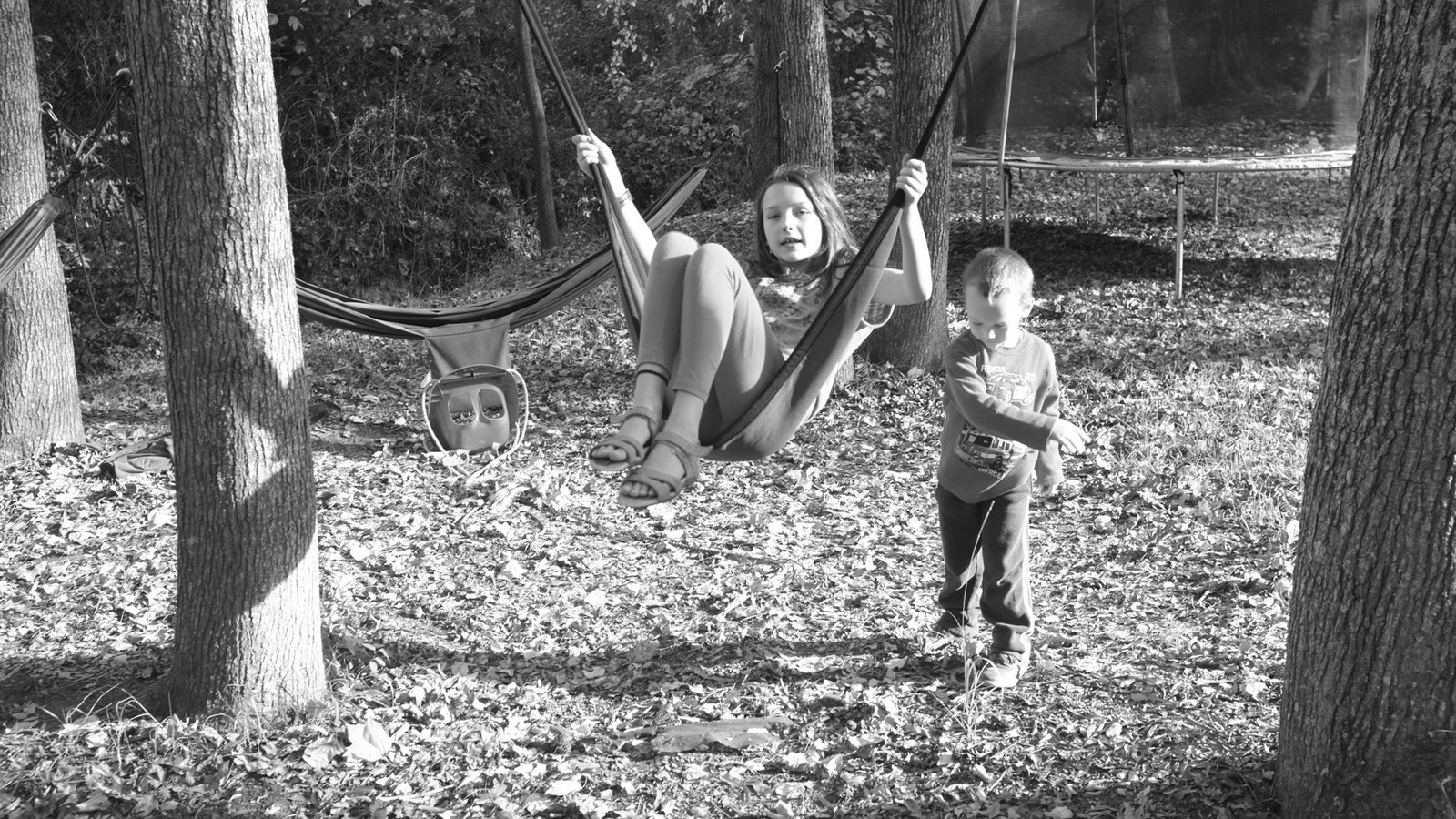
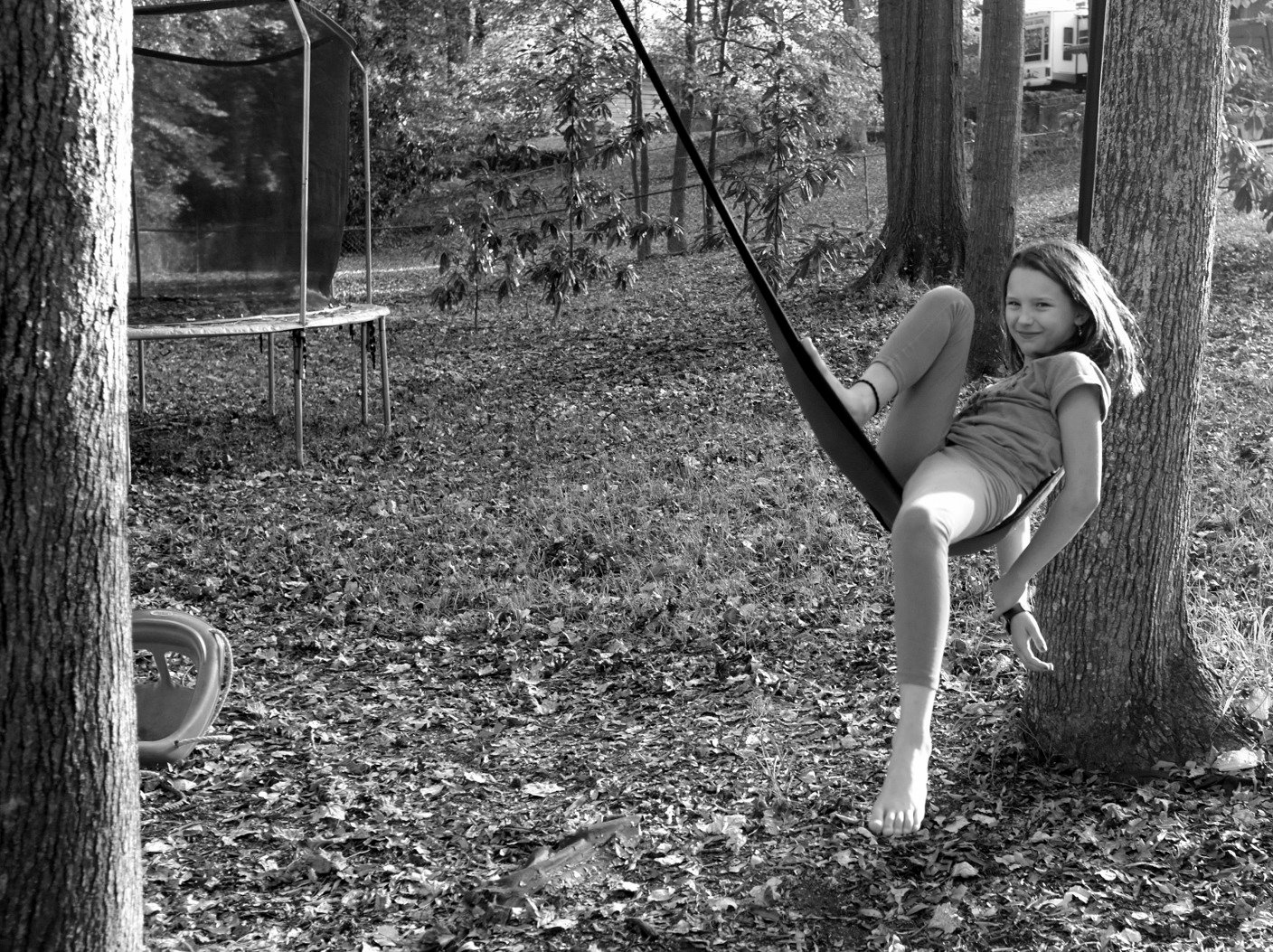
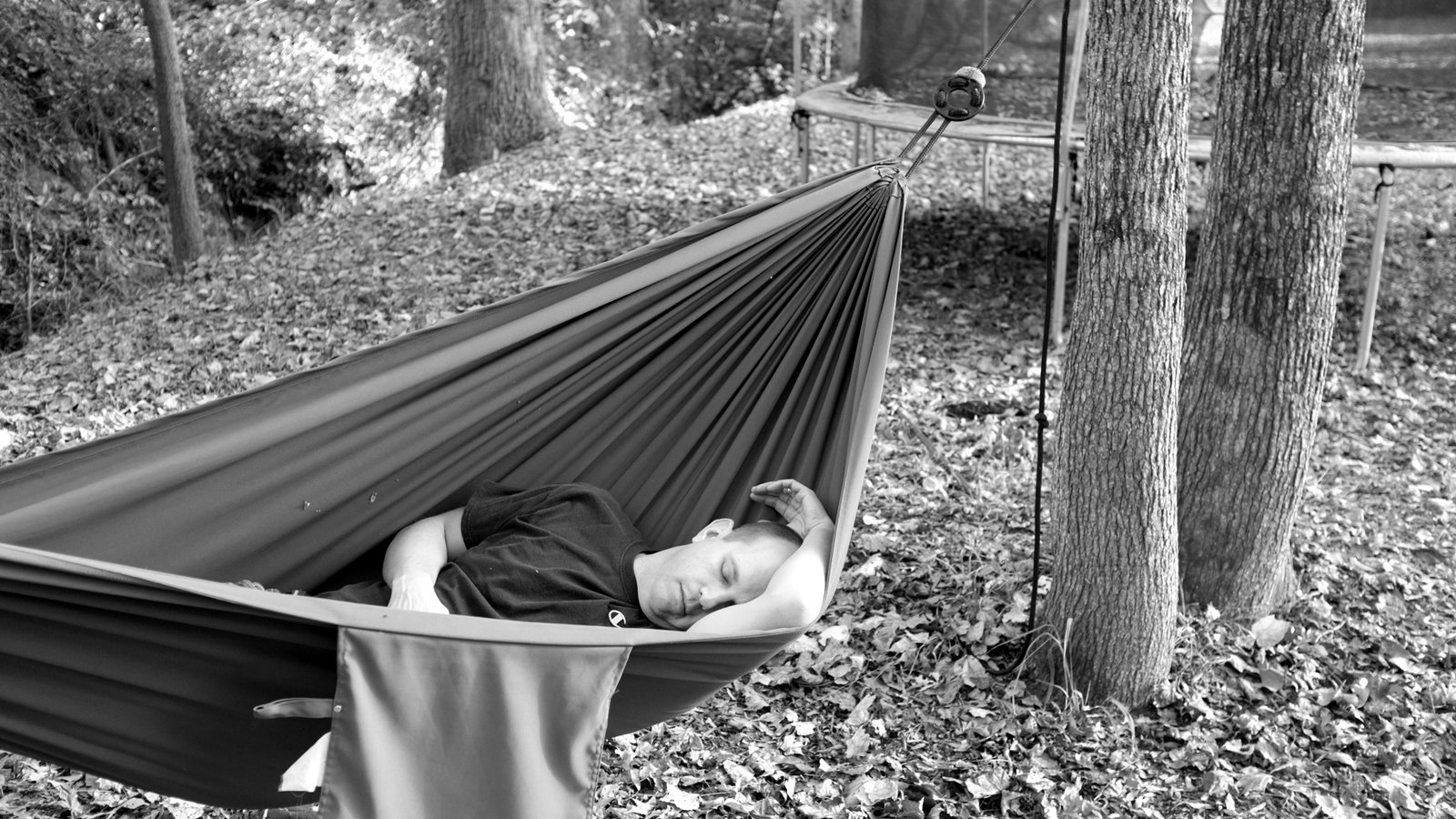
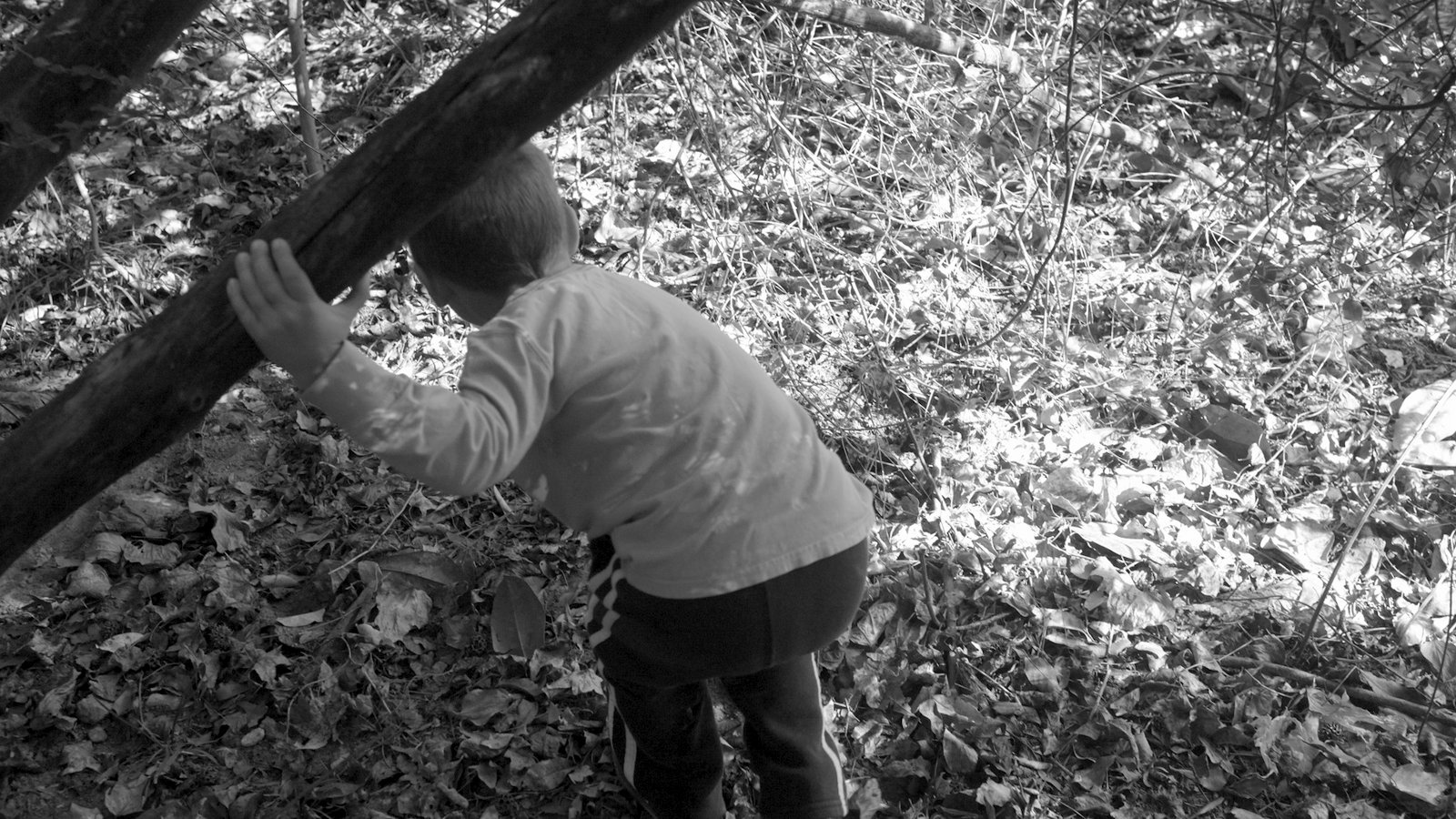
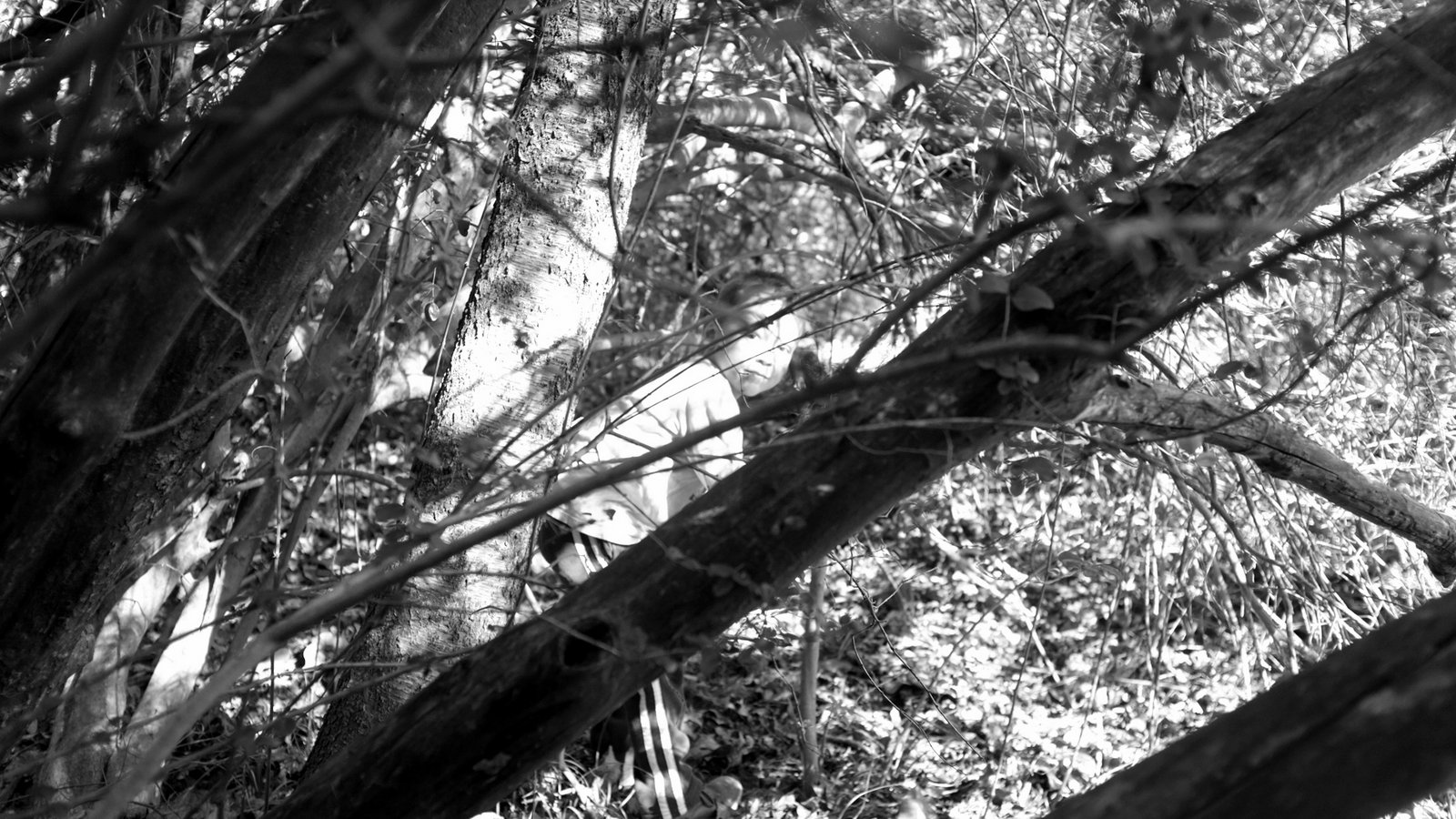
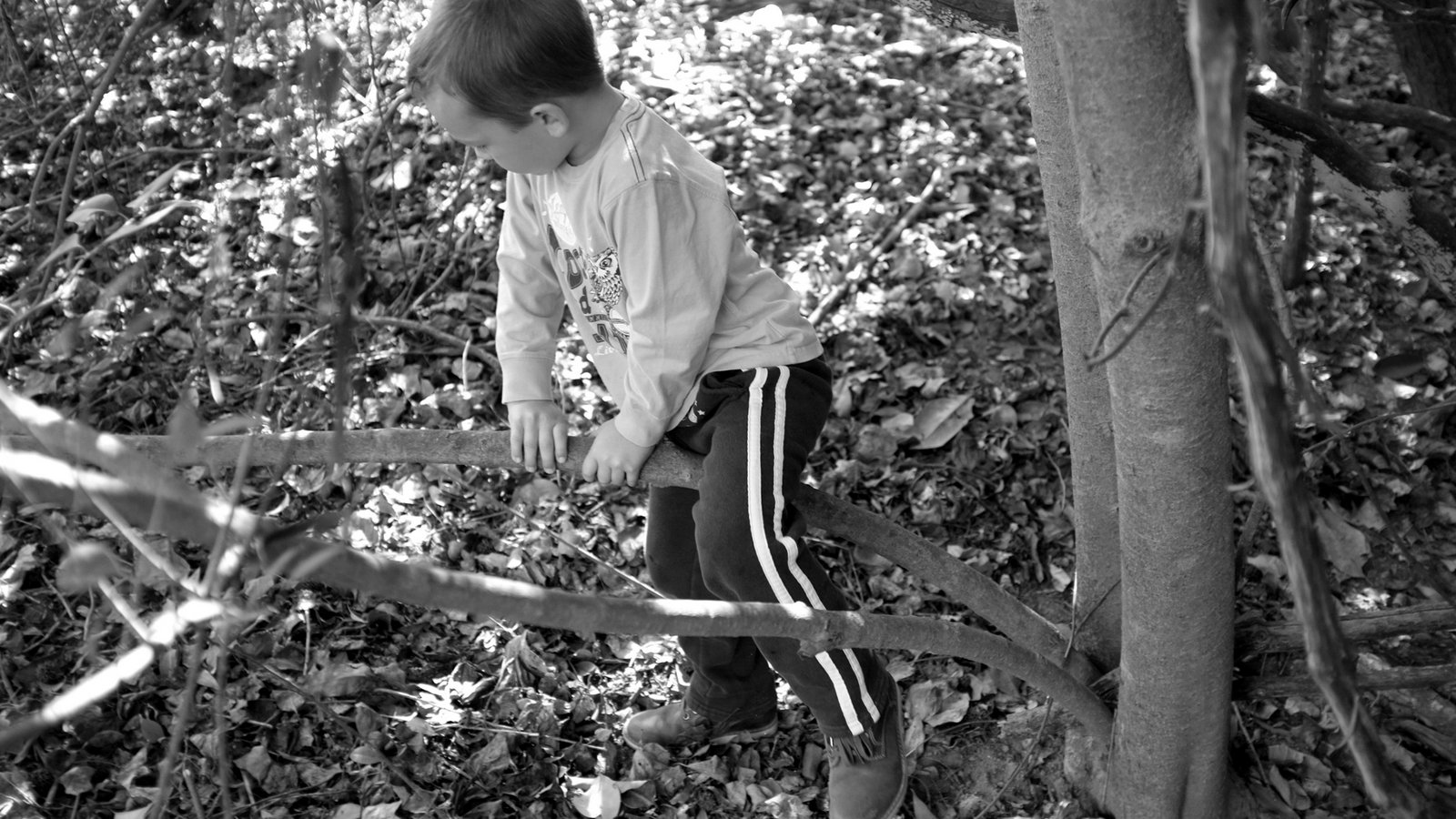
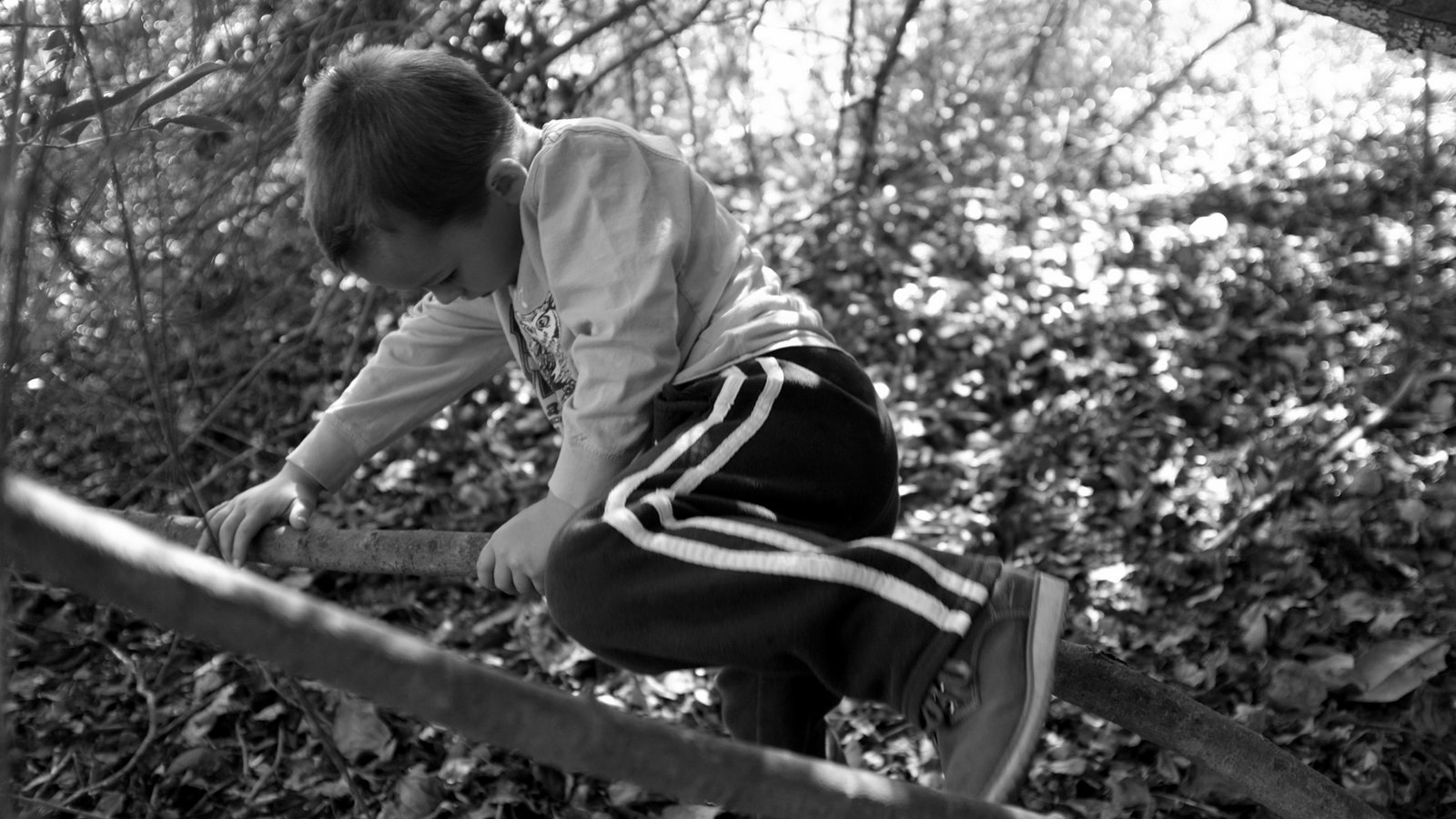
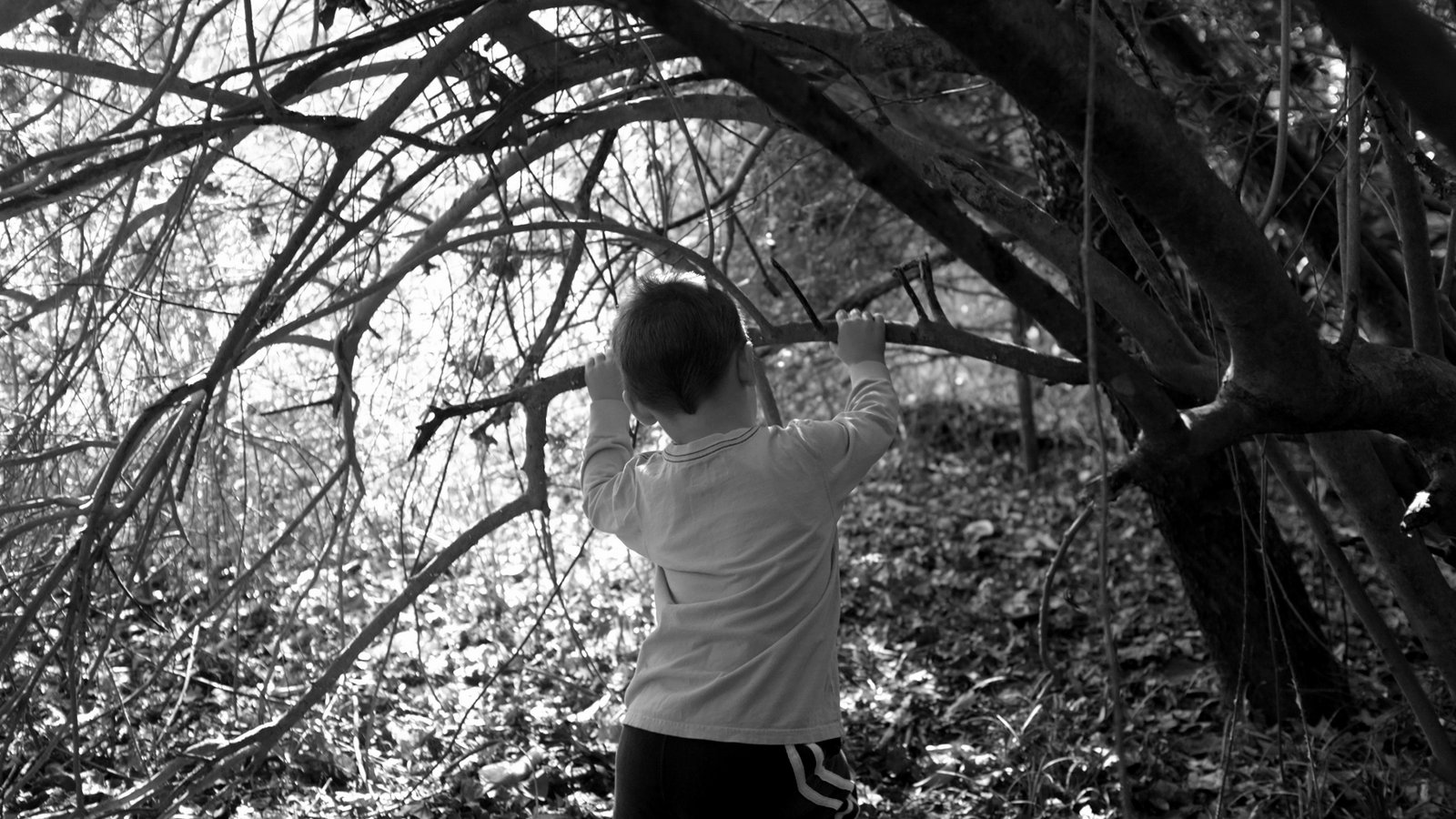
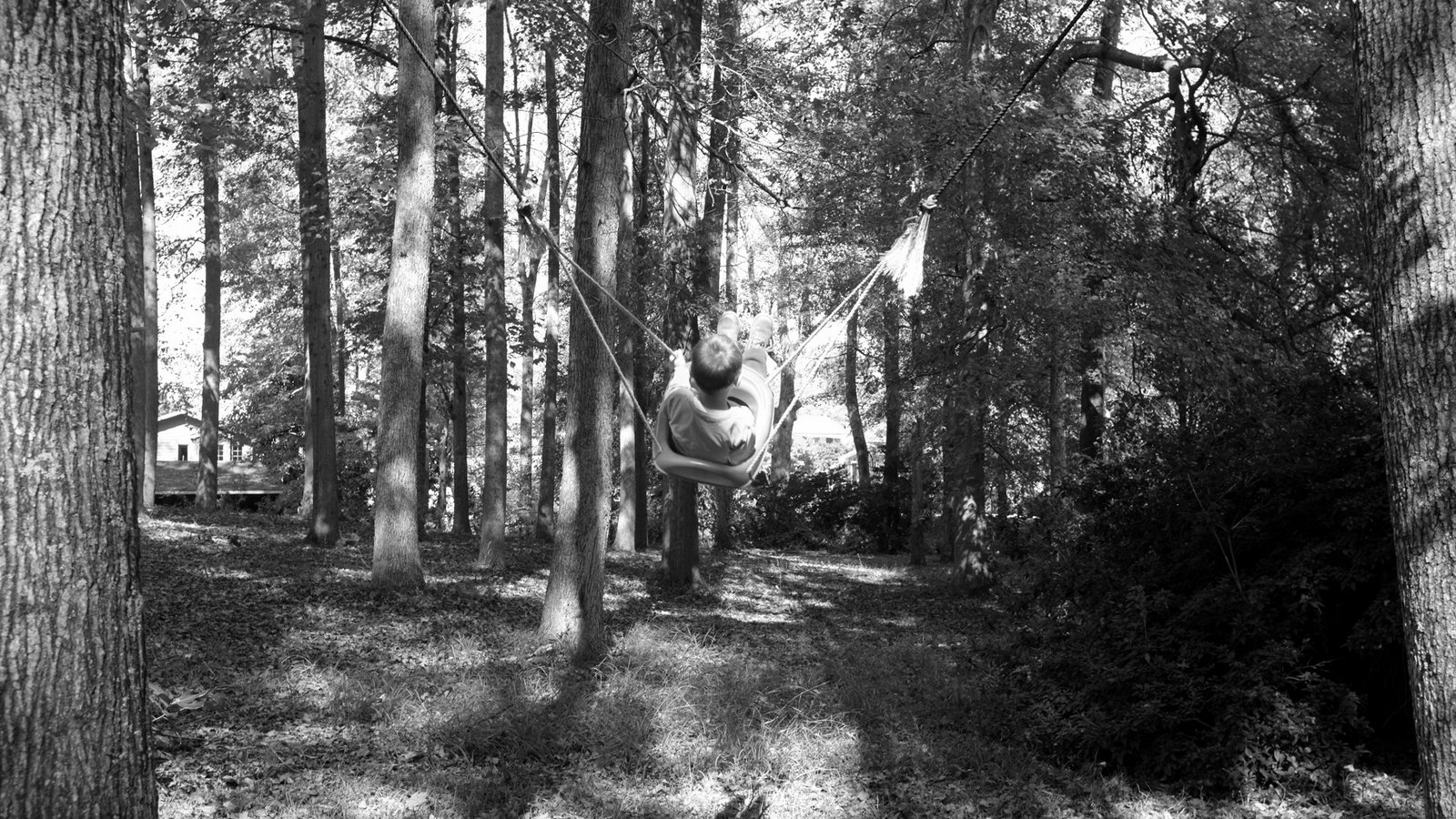
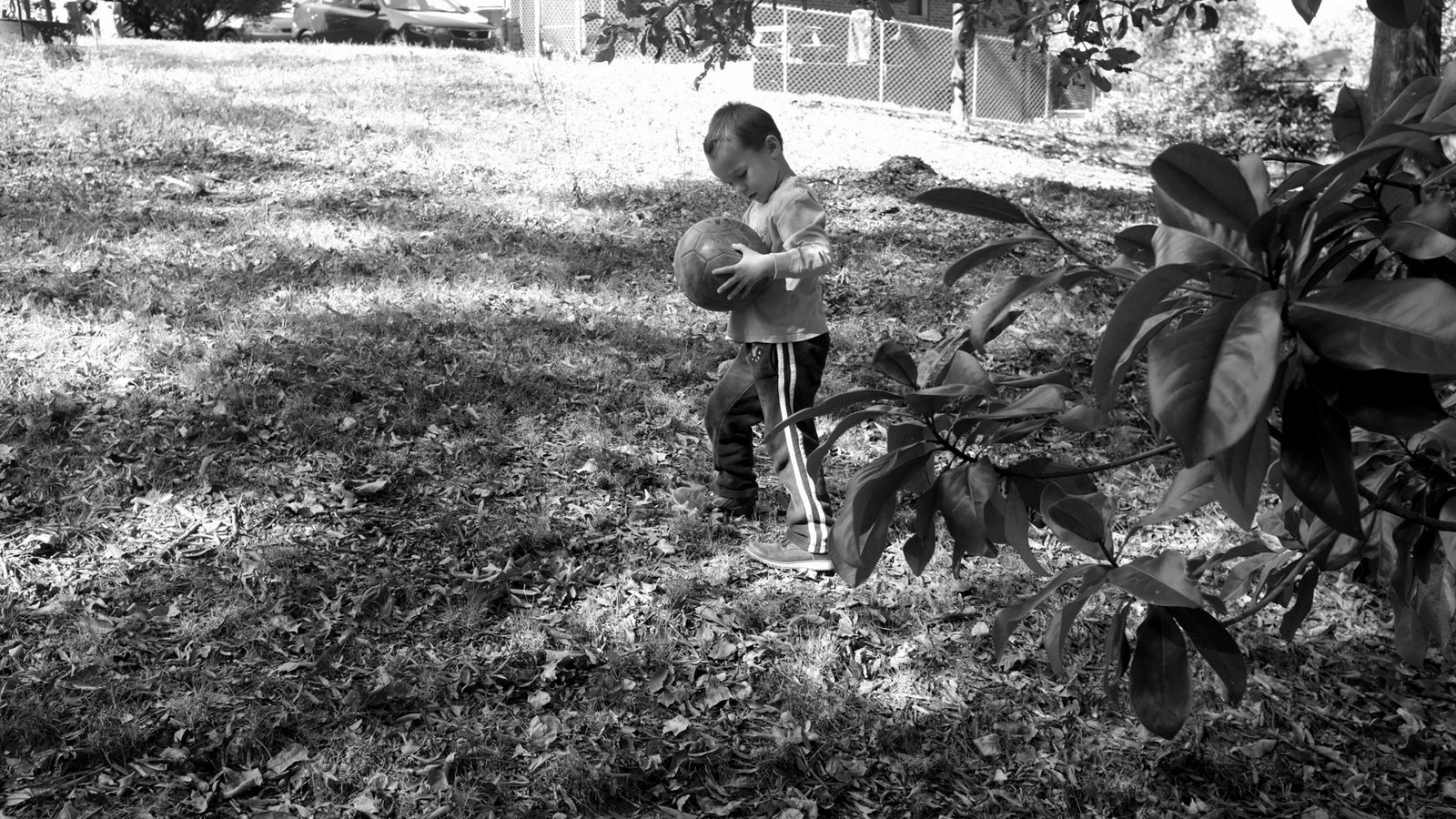
With it being the last Sunday of the month, our family had a lazy morning that included a bit of television, a bit of computer, a bit of baklava, and a bit of exploring, all before lunch. The Boy and I went to our normal haunts, though we decided this time to go a bit deeper into the "woods" that consist of vines and bushes on the property behind ours, the house abandoned now for several years. We went deep enough that I had to crawl for a moment. Afterward, there was the usual: swinging, exploring the creek (where we found our lost ball behind our neighbors' house), and lounging in the hammock. We were there when K came out onto the back deck to call us in for lunch.
"We're being lazy on the hammock," the Boy responded.
In the evening, Nana and Papa came by for dinner -- another adventure in "we're no longer worrying about whether our kids will eat what we cook because they can survive skipping one meal from hunger." Of course that won't really happen with the Boy: first, he's too adventurous with his eating for that to happen, and second, when push comes to plate, he quickly reaches a point at which the stubbornness gives way to the hunger.
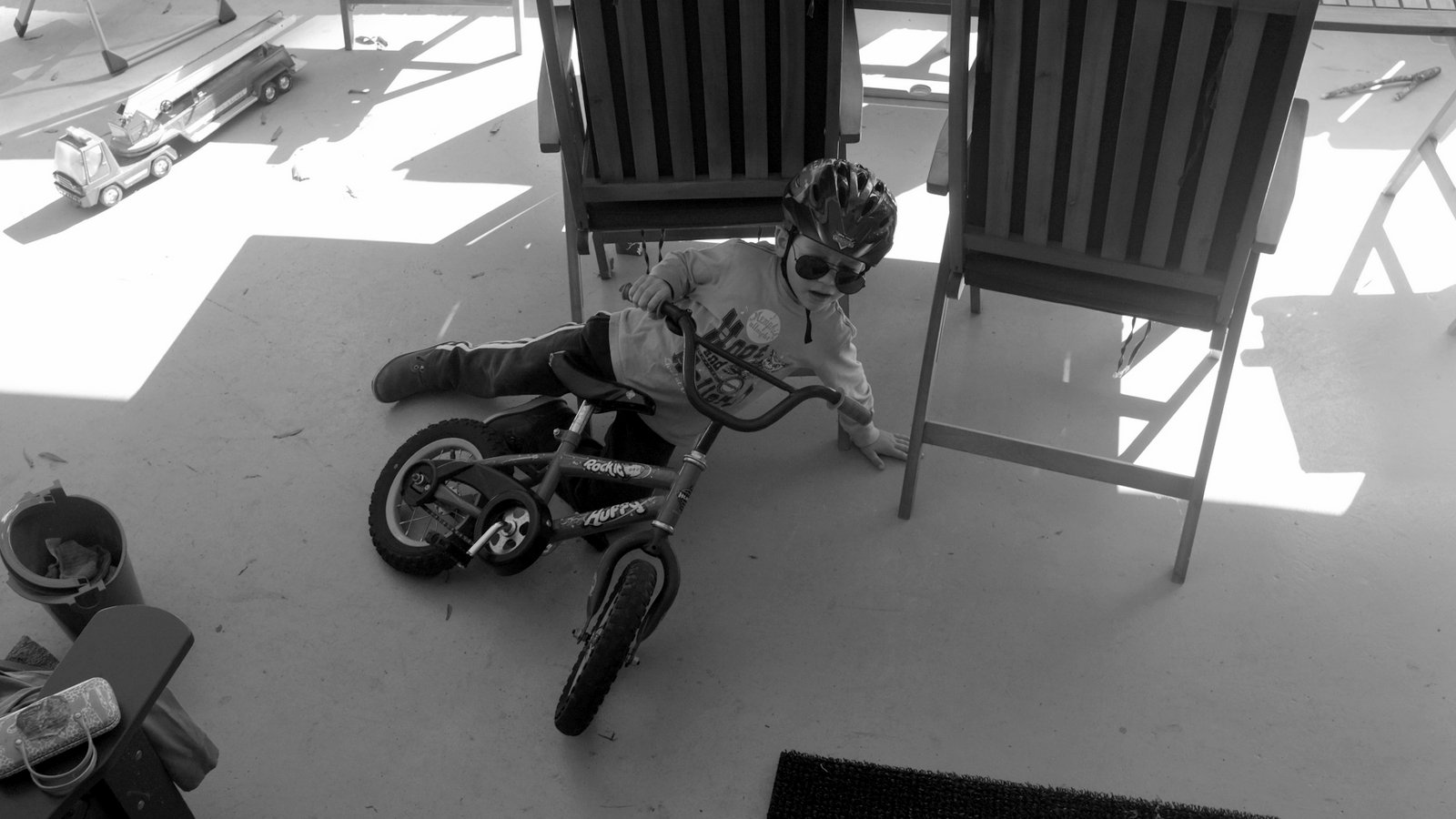
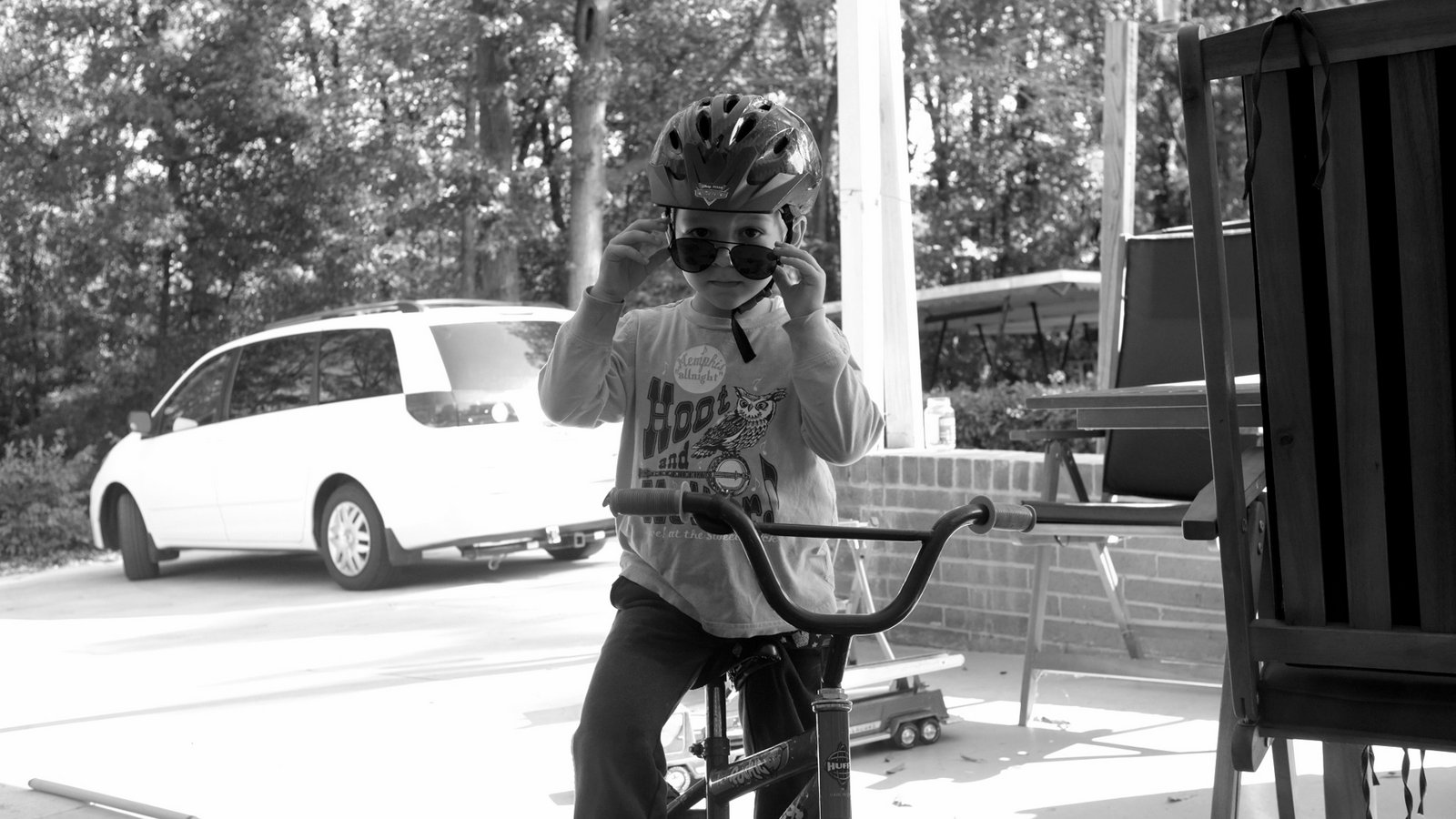
The Girl, of course, is an entirely different story, and I still wonder whether or not we're doing the right thing by her. That's the eternal worry of parenting, I guess, but I try to keep things in a more global perspective: hungry kids in Africa and all of that. Tonight was not all that much of a battle because it was tortellini: she likes pasta, though she predictably didn't like the fact that it was pasta stuffed with something. Despite the fact that she likes pierogi, which are essentially the same thing.
Sometime later this week, we're planning Indian -- dal with palak paneer. That should be a really interesting night...
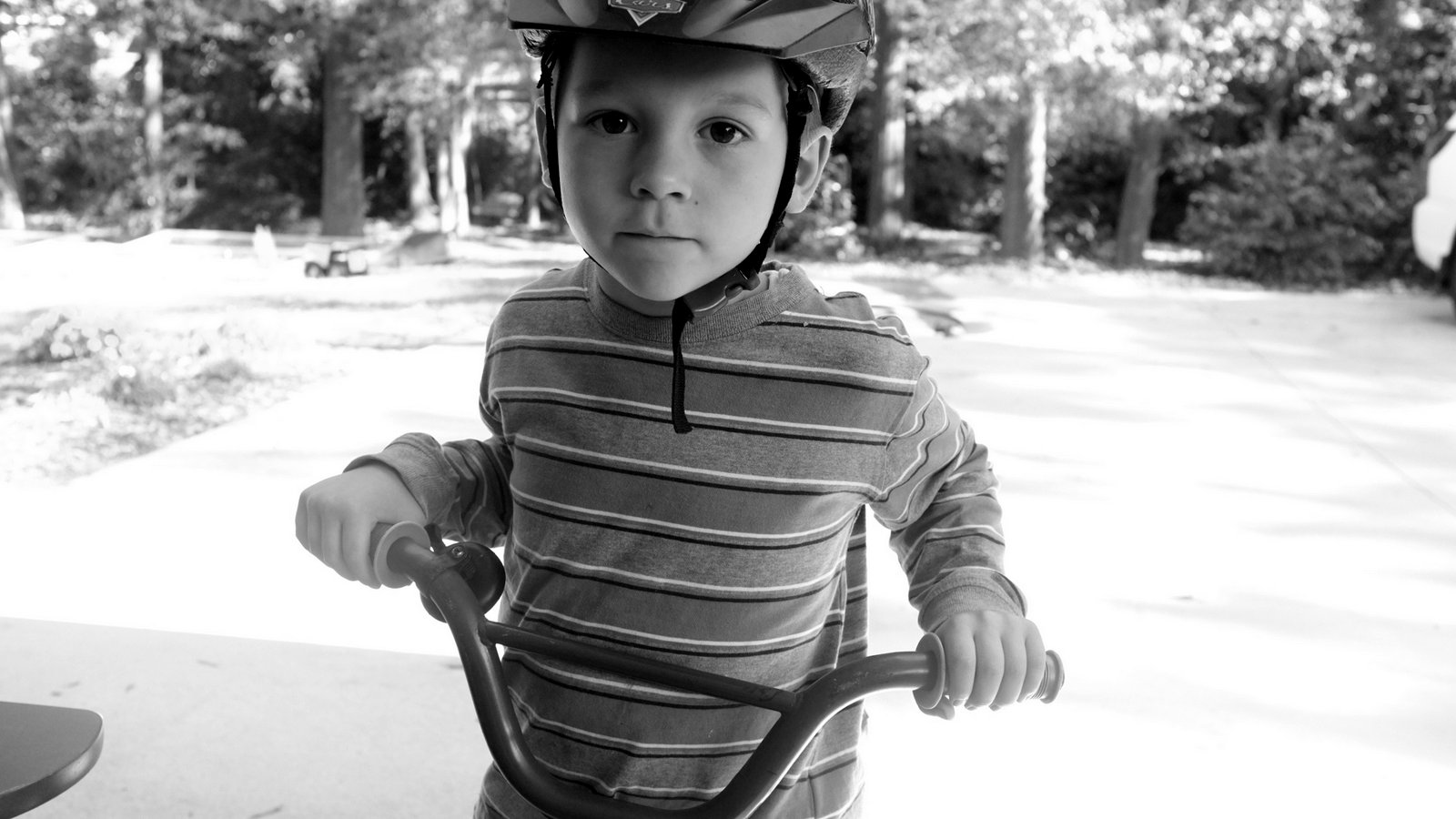
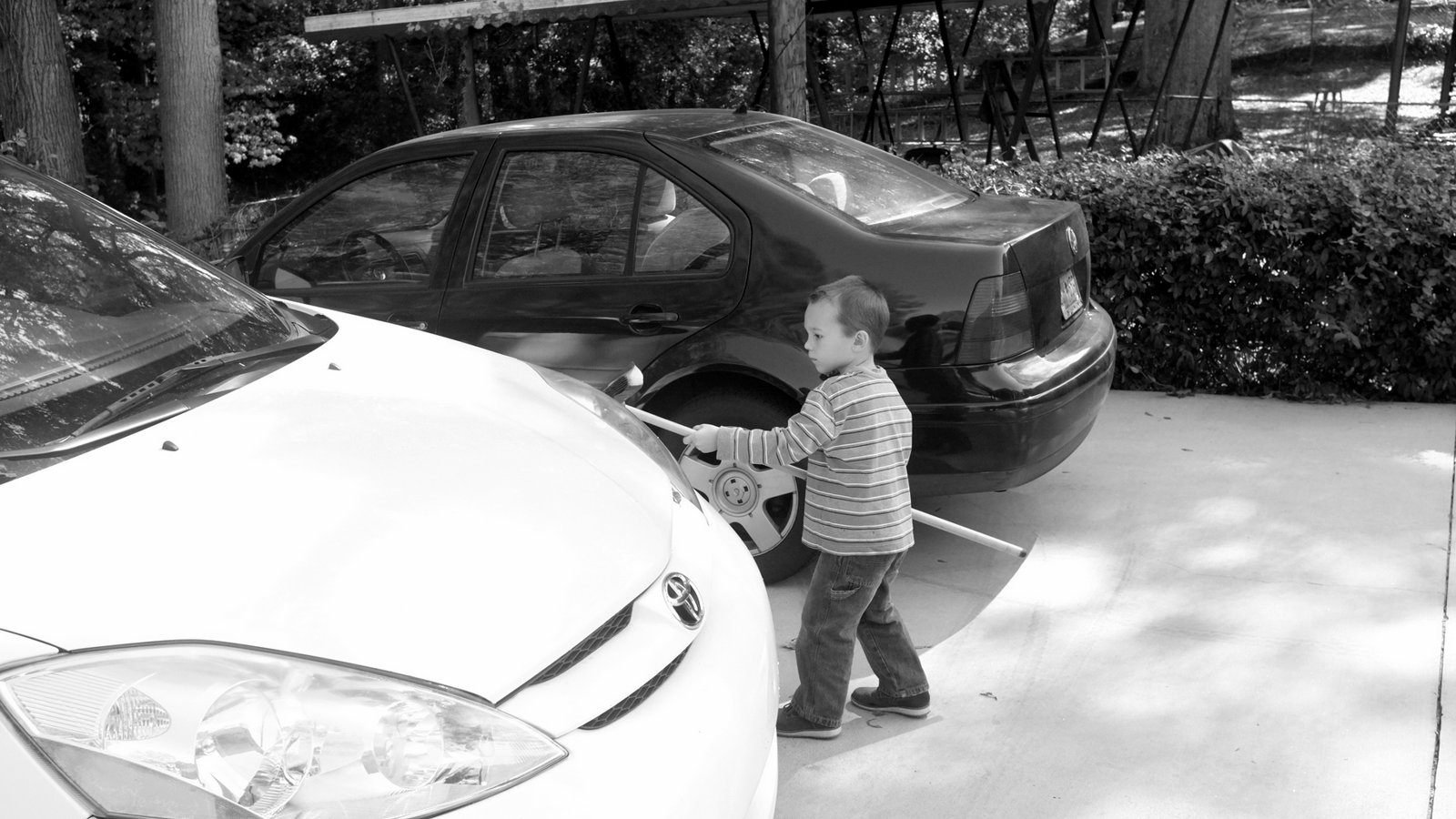
Every year, my students begin Romeo and Juliet with certain preconceptions, both about the play and about the character of Romeo. It’s a Shakespeare play, they reason. Shakespeare’s hard to read, noble and magnanimous and all that. He writes about noble ideas, noble dilemmas, high-minded philosophy. They don’t expect it when the play starts out and within a few lines, characters are saying things like this:
‘Tis all one, I will show myself a tyrant: when I
have fought with the men, I will be cruel with the
maids, and cut off their heads.Ay, the heads of the maids, or their maidenheads;
take it in what sense thou wilt.Me they shall feel while I am able to stand: and
’tis known I am a pretty piece of flesh.
I take them through the text enough to get them to realize that these two characters, like Donald Trump, are fond of locker room talk that involves suggestions of sexual assault. (No, I don’t bring in the politics, but the thought crossed my mind to make the connection at least today.) I don’t point out to them what Sampson really means when he says, “Me they shall feel while I am able to stand,” but I suspect some of them get it.
Then there’s Romeo: He’s going to be a good guy, they reason, because the play is the most famous love story of all time, and the most famous love story of all time can’t possibly have anything other than the ideal man in it. So we begin reading and find this passage in response to Benvolio’s queries about what exactly is making Romeo’s days so long:
Well, in that hit you miss: she’ll not be hit
With Cupid’s arrow; she hath Dian’s wit;
And, in strong proof of chastity well arm’d,
From love’s weak childish bow she lives unharm’d.
She will not stay the siege of loving terms,
Nor bide the encounter of assailing eyes,
Nor ope her lap to saint-seducing gold:
O, she is rich in beauty, only poor,
That when she dies with beauty dies her store.
“How has Romeo tried to win her?” I ask. We mark the text and make a list.
“She will not stay the siege of loving terms?” I ask, and the students figure it out.
“He’s used smooth words.”
“Nor bide the encounter of assailing eyes?” I ask, and the students get it.
“He’s been making eyes at her.”
“Good. Finally, ‘Nor ope her lap to saint-seducing gold’?” Here they stumble.
“Money?”
“No — how do guys use gold to win girls?”
Finally, someone gets it: “Oh, jewelry!”
“Right!” Then the question — should I pursue the issue further? Should I lead them to see just exactly what Romeo’s saying here? Some years, I don’t. This year, I did.
“And what about the rest of the line?”
They look at each other quizzically.
“What do you think he means by ‘ope’?” I ask.
“Open?” a student suggests.
“Correct. Now, she will not ‘ope her lap to saint-seducing gold’?” I see in some of their eyes that they’ve got it, so I suggest what I suggest every year. “We’ll have to behave as adults in this unit and not giggle and be immature about some of the topics. So what’s he saying?”
They get it. They’re mildly shocked. The girls are a little angry and disappointed that this supposed hero of the greatest love story of all time is a fairly typical male and simply trying to get Rosaline in bed — to spread her legs, literally.
“Nothing ever changes,” one student observes.
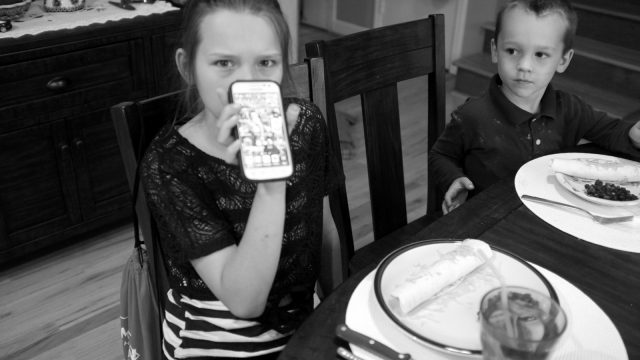
The Girl tonight hit on her own preconceptions and battled them mightily. Beans are nasty. She’s decided that already. Of course, at her age, I’d decided the same thing about a lot of things, most beans as well. But we have a rule in our house as Nana and Papa had when I was growing up: you have to try everything. In L’s case, it was about three bites of beans.
We jokingly took a picture with a time-stamp (that’s in fact illegible) to see how long it took her to eat them. Although she didn’t have to sit at the table the whole time, she had her final bite around ten minutes before bedtime.
I remember doing the same thing.
Nothing ever changes.