Polish Village Reality
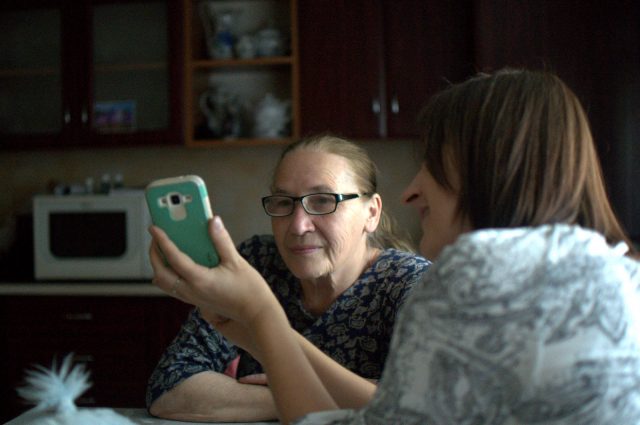
After a quick breakfast, a little reminder of Polish reality, at least an older reality: no hot water in the morning in the summer. The energy for heating the water is not electricity, for that would be far too expensive, but rather it comes from coal, as in a small coal-burning furnace. Babcia makes a fire in the evening to have warm water for baths, but by the morning, it's cooled down.
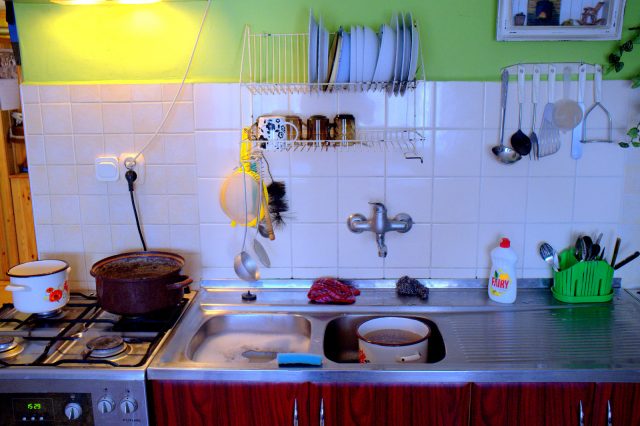
So to wash dishes, one has to warm water in a pot and then poured into the sink.
Homes built in the last fifteen years or so have different systems which means less work for the hot water. Apartment blocks in the city have central heating for hot water, as do whole neighborhoods in some sections. But in the village it was always (and is still at Babcia's) simple: to take a bath, build a fire.
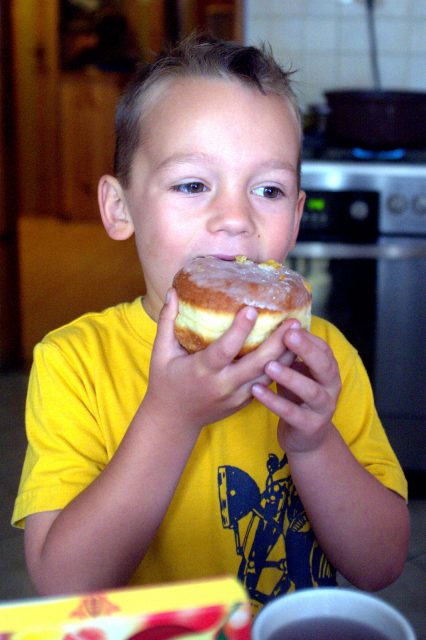
Jarmark
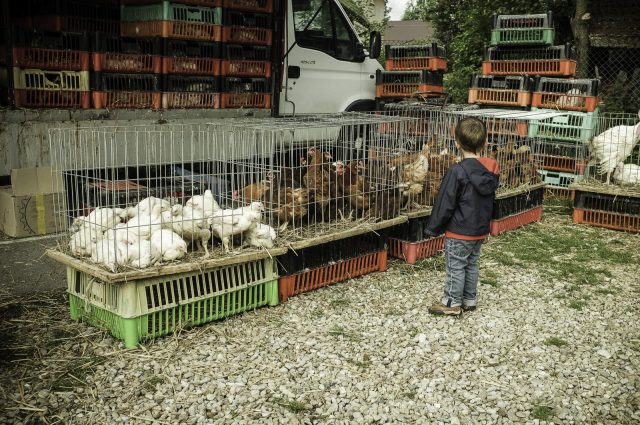
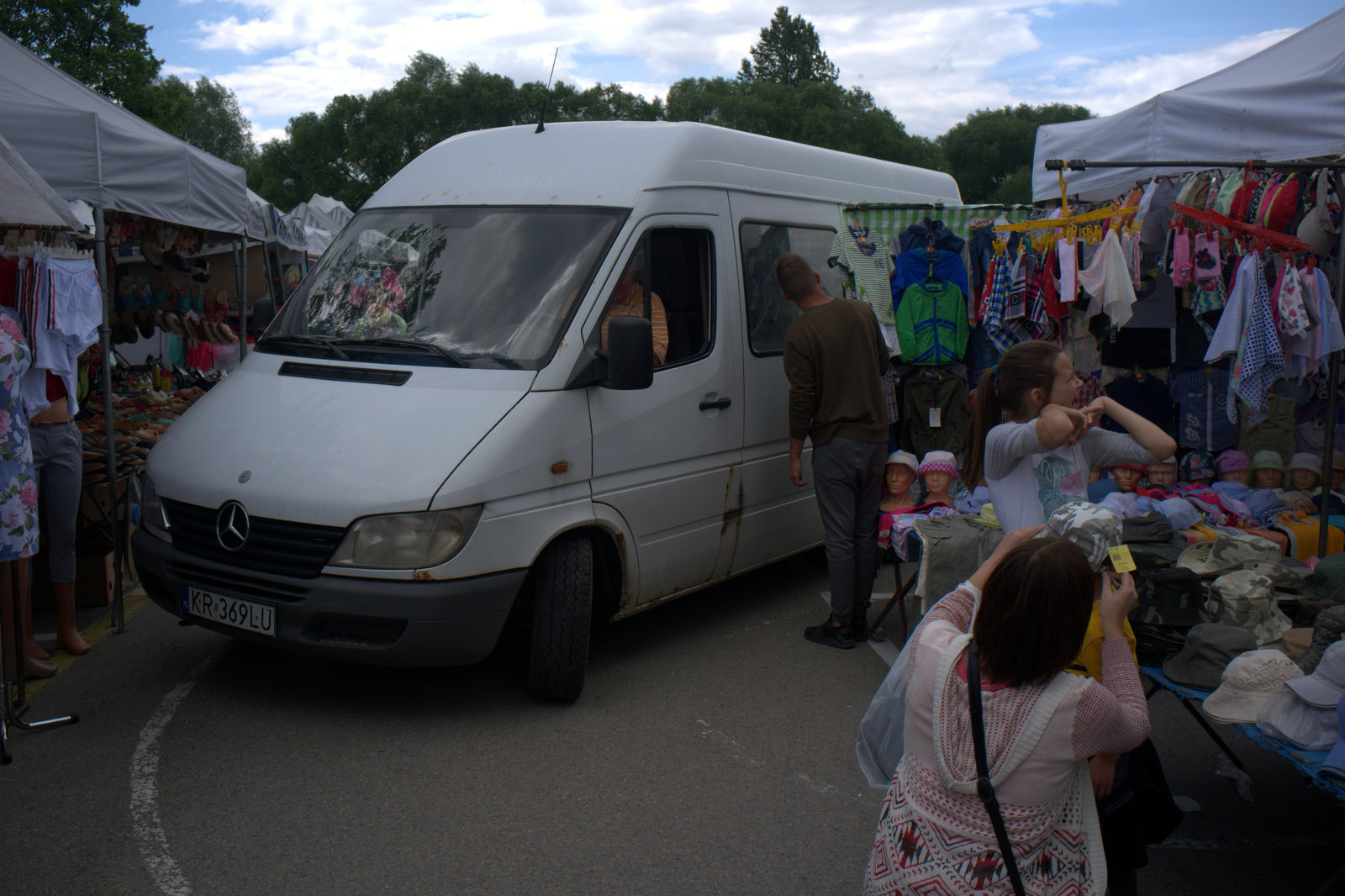
"Fish monger" is about the only use of "monger" I know in English. There must have been others, because the word exists, but it's largely fallen out of common use, but that's too bad: it would really come in handy when describing the flea market that appears every Wednesday in Jablonka. There are sock mongers, cheese mongers, suit mongers, hat mongers, jacket mongers, shoe mongers, farm tool mongers, auto part mongers, garden tool mongers, and just about anything else one could imagine.
Each of those mongers have a script, it seems, when it comes to selling. They begin always with "Prosze bardzo," which would really be translated "I really ask" but in essence "very please," which itself is a rather literal translation. It's not literally "Can I help you?" because that would be "Czym moge pomoc?" Yet it's a common greeting in stores. Next step: make a million suggestions about how this or that product is in fact perfect, is in fact just what the customer has been looking for. If the customer protests, well there's always this over here, which would be perfect.
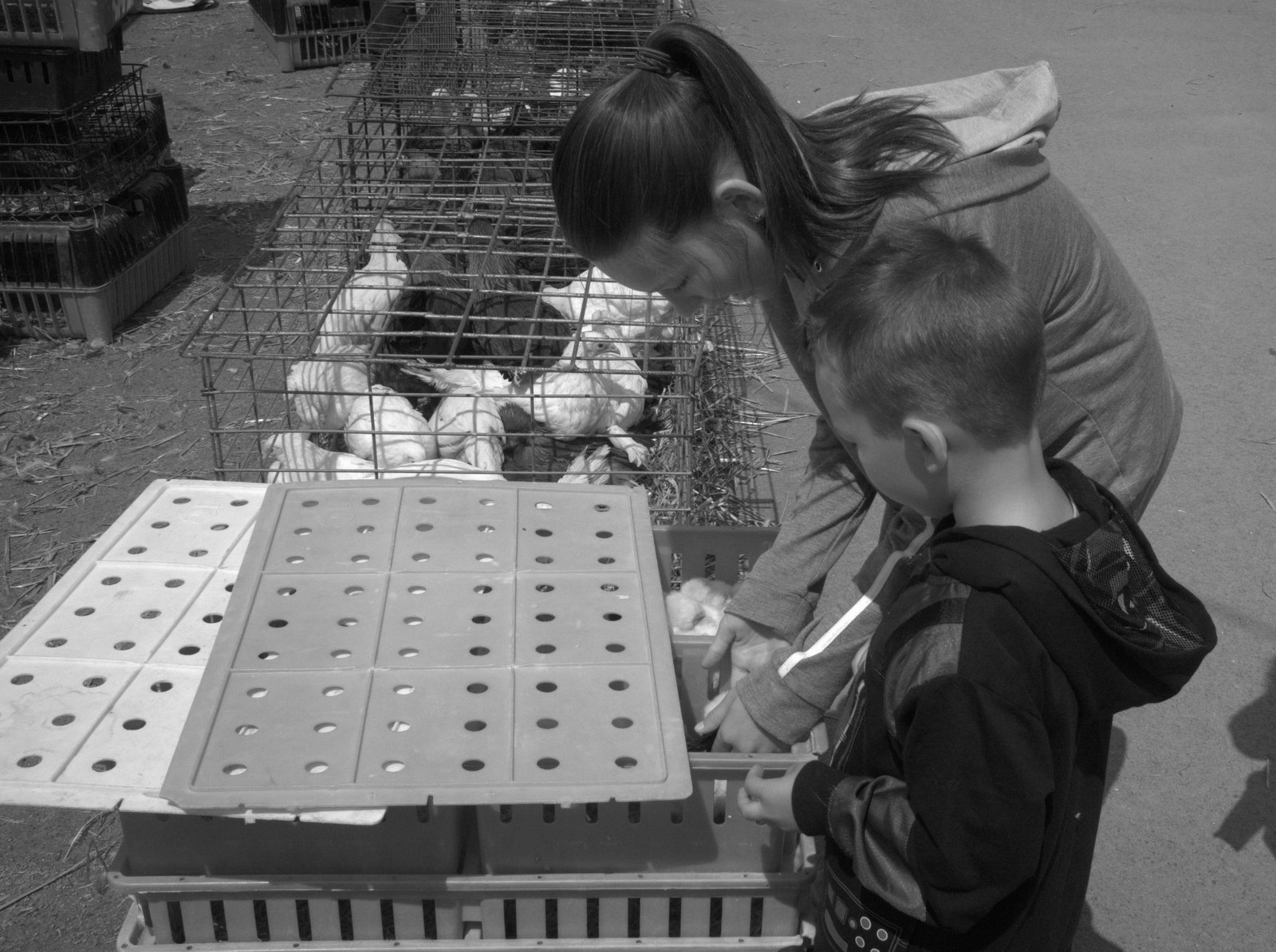
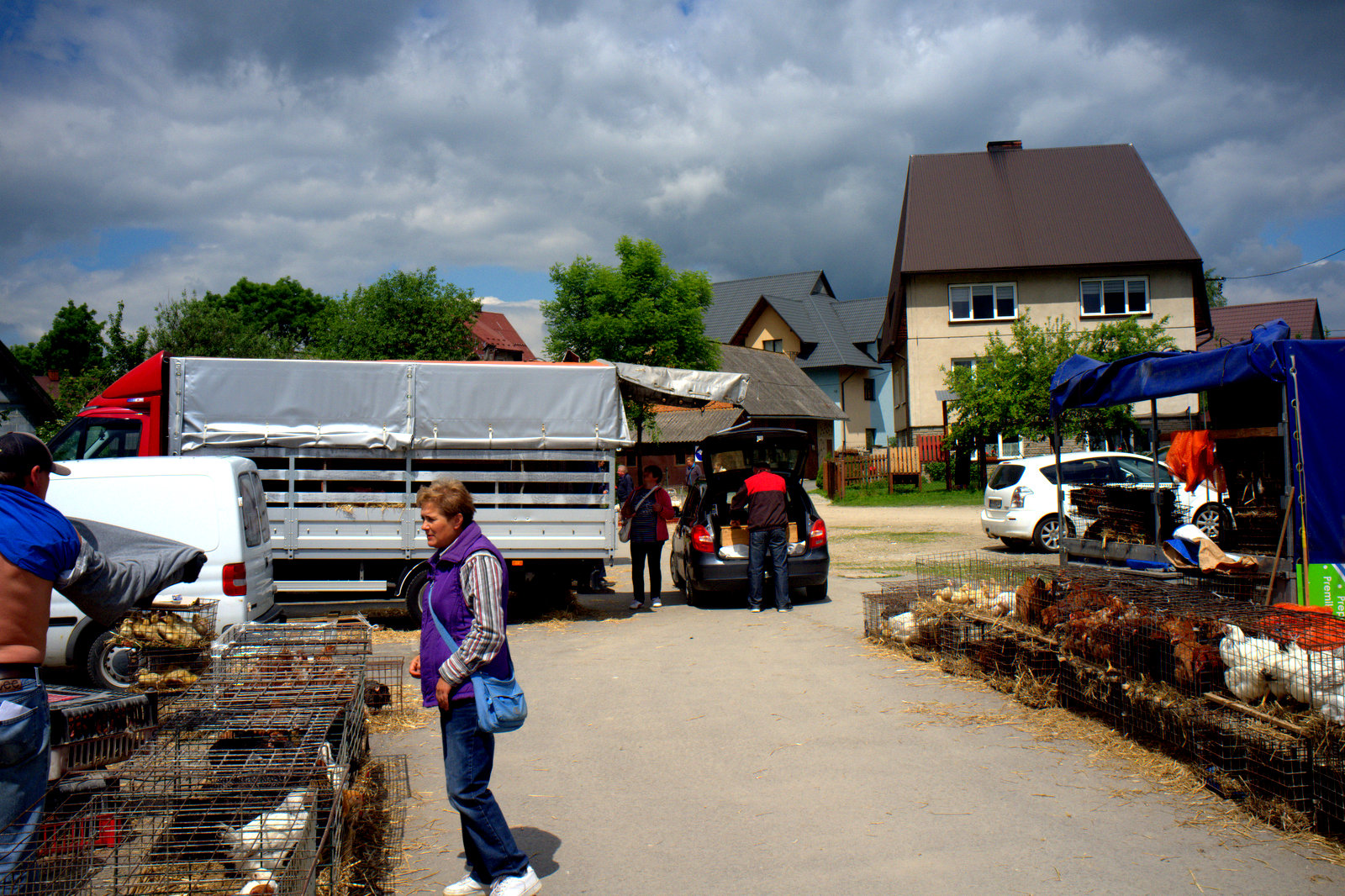
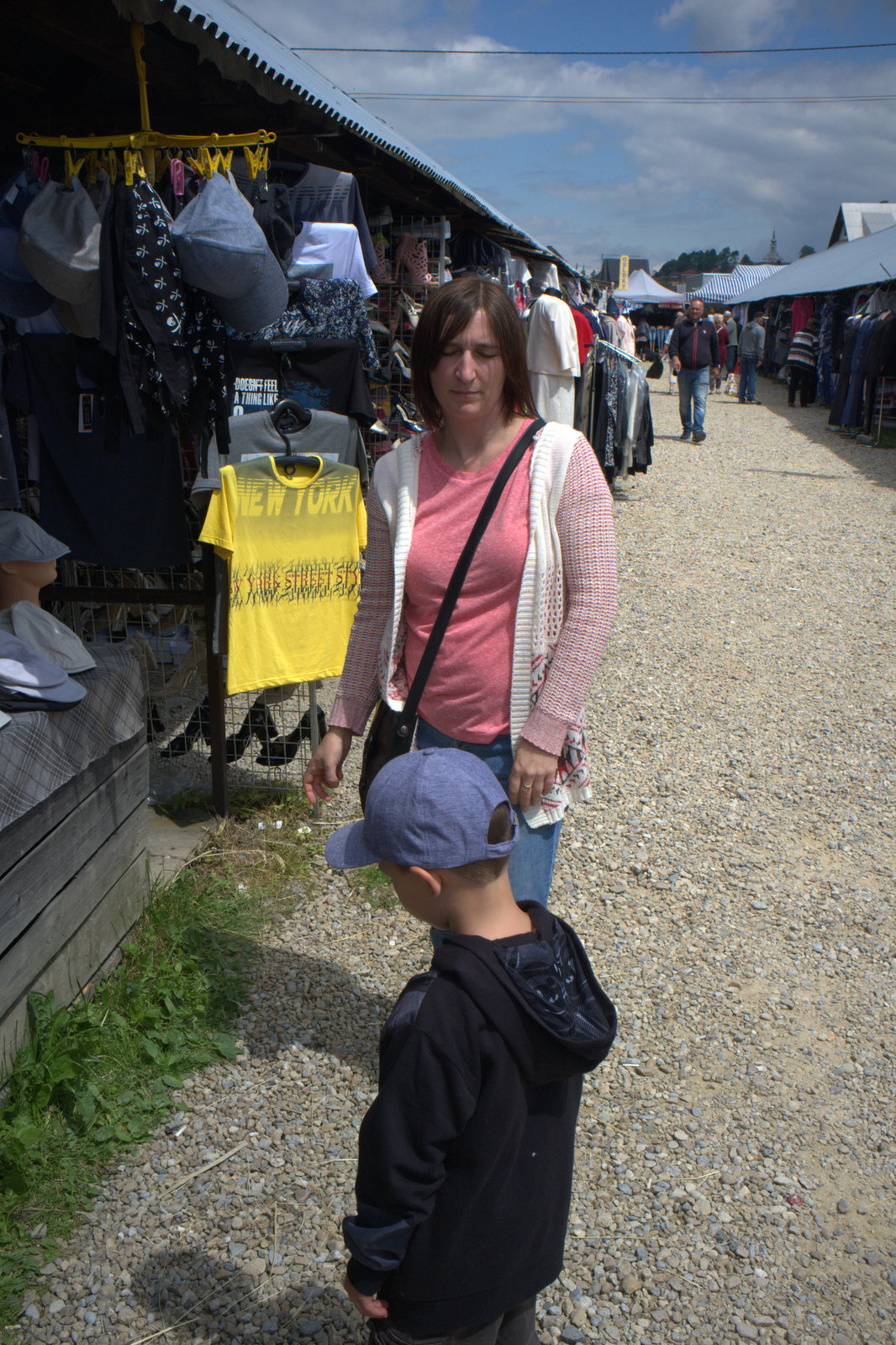
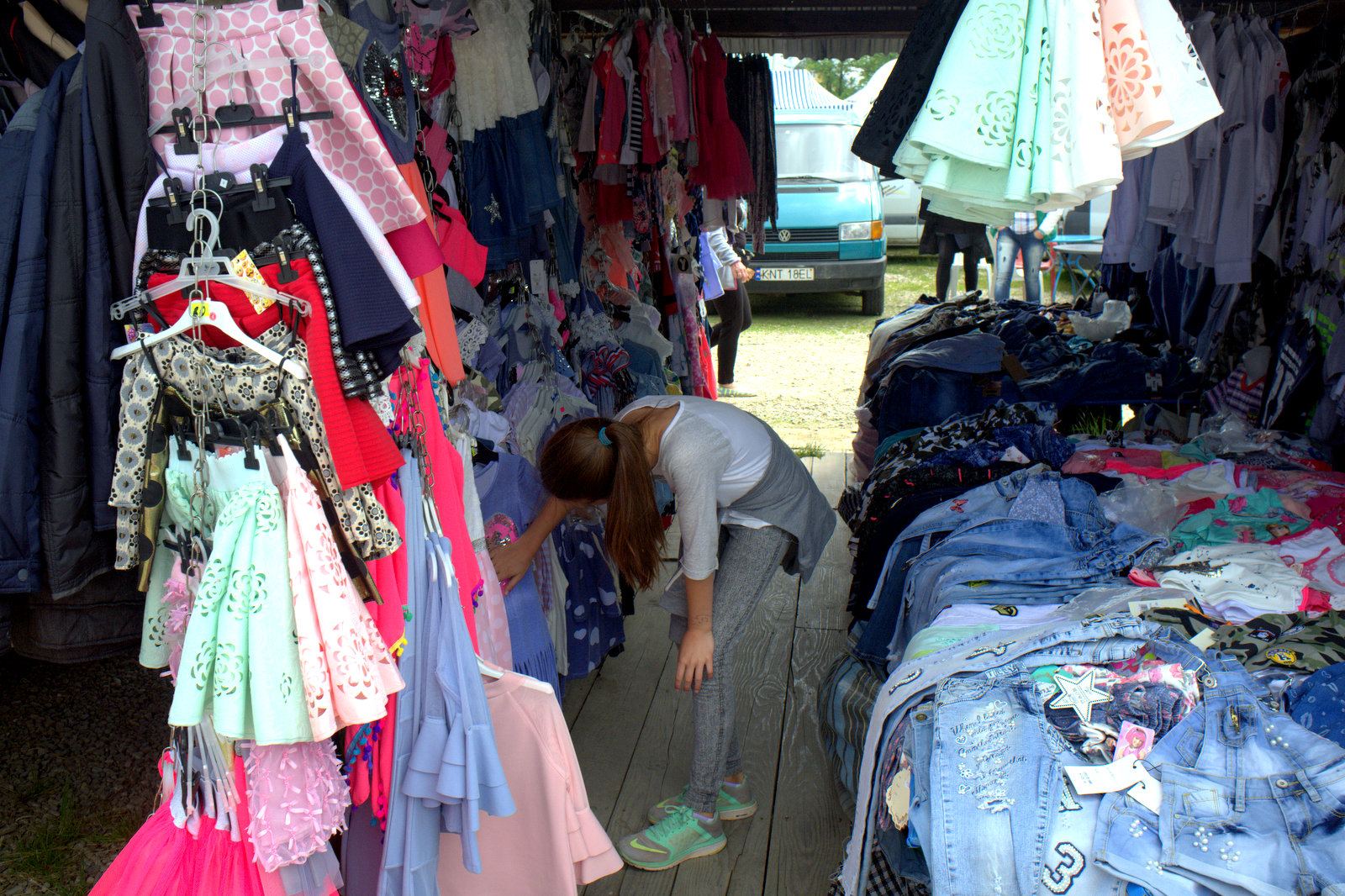
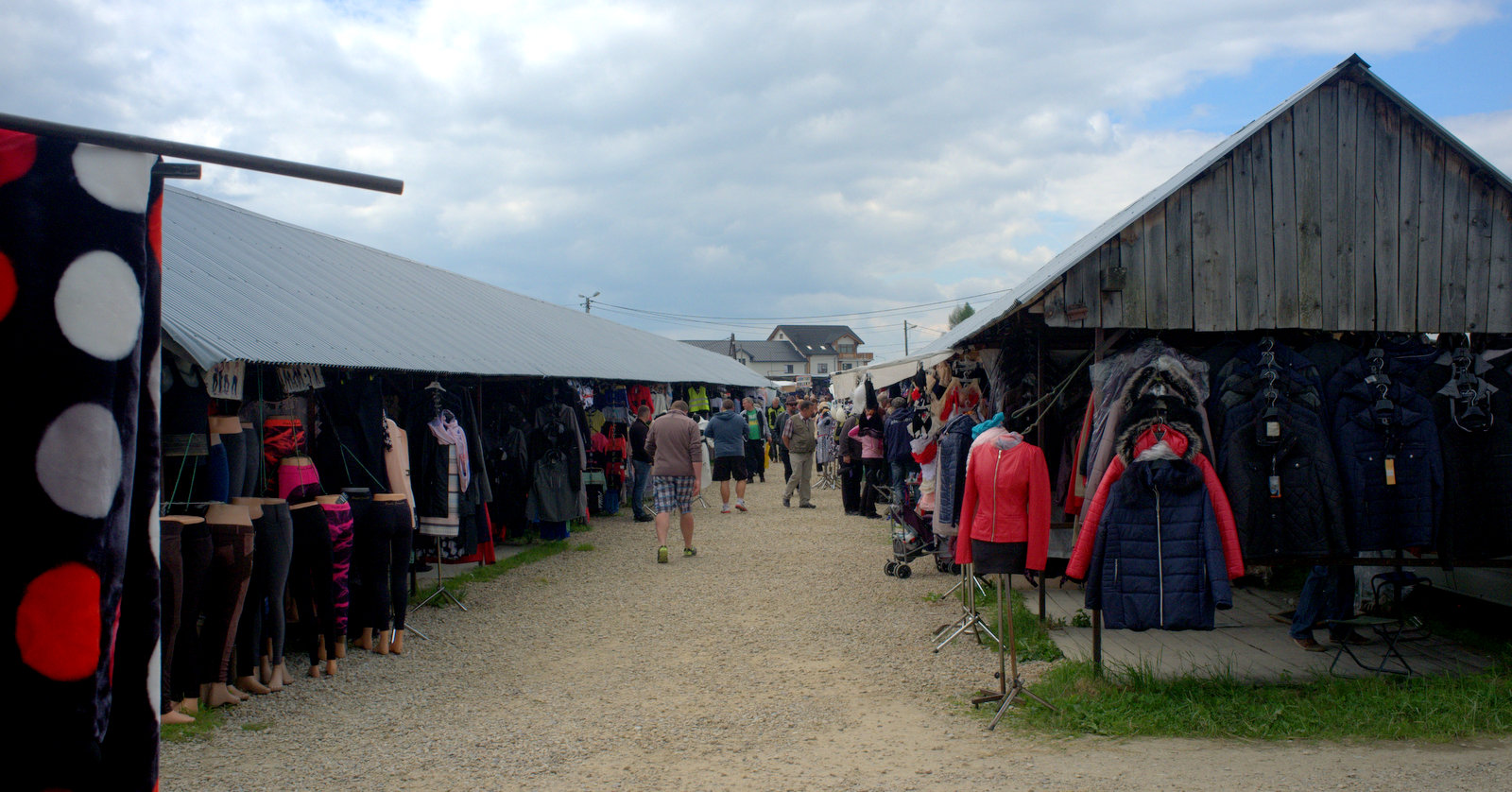
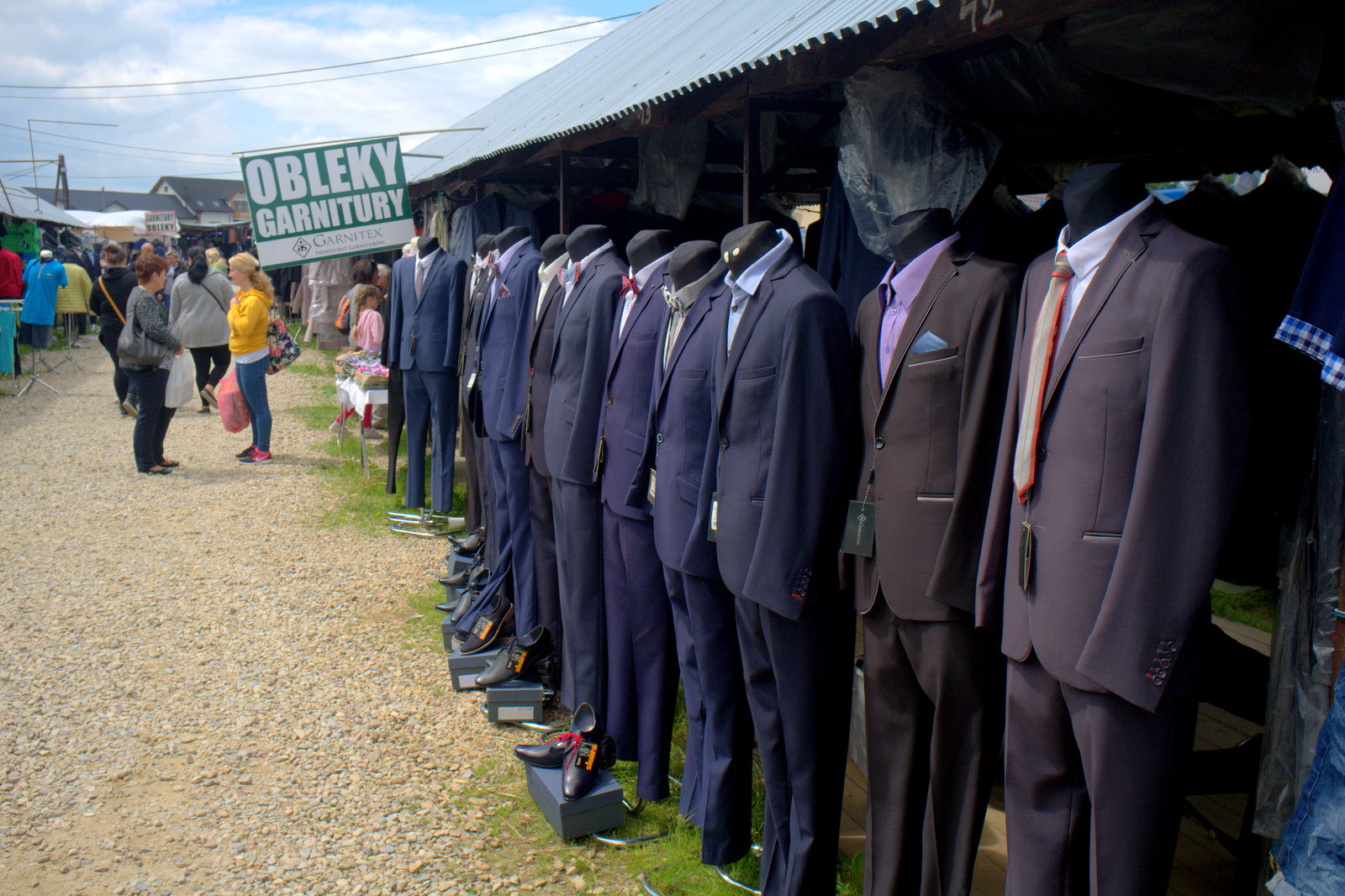
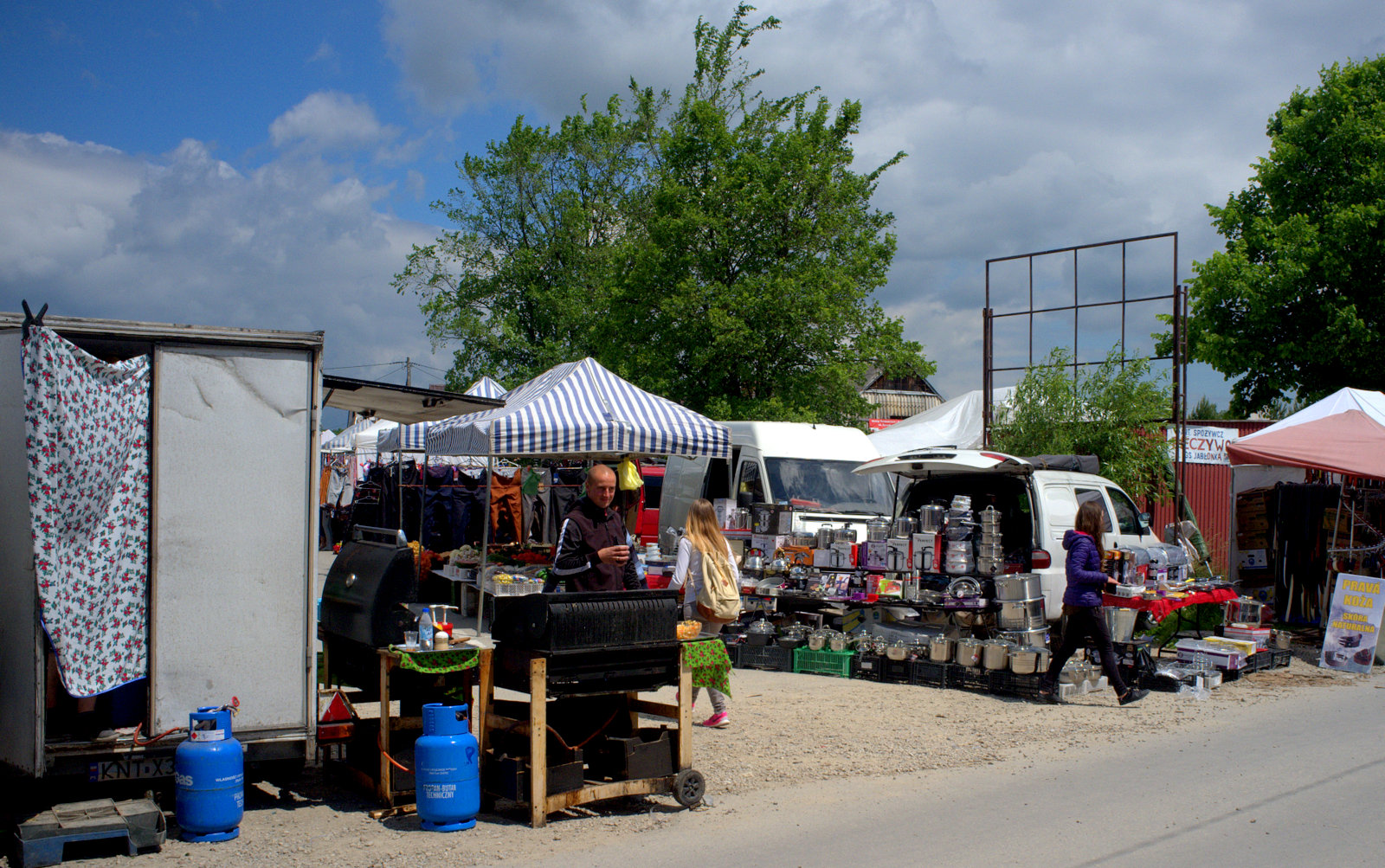
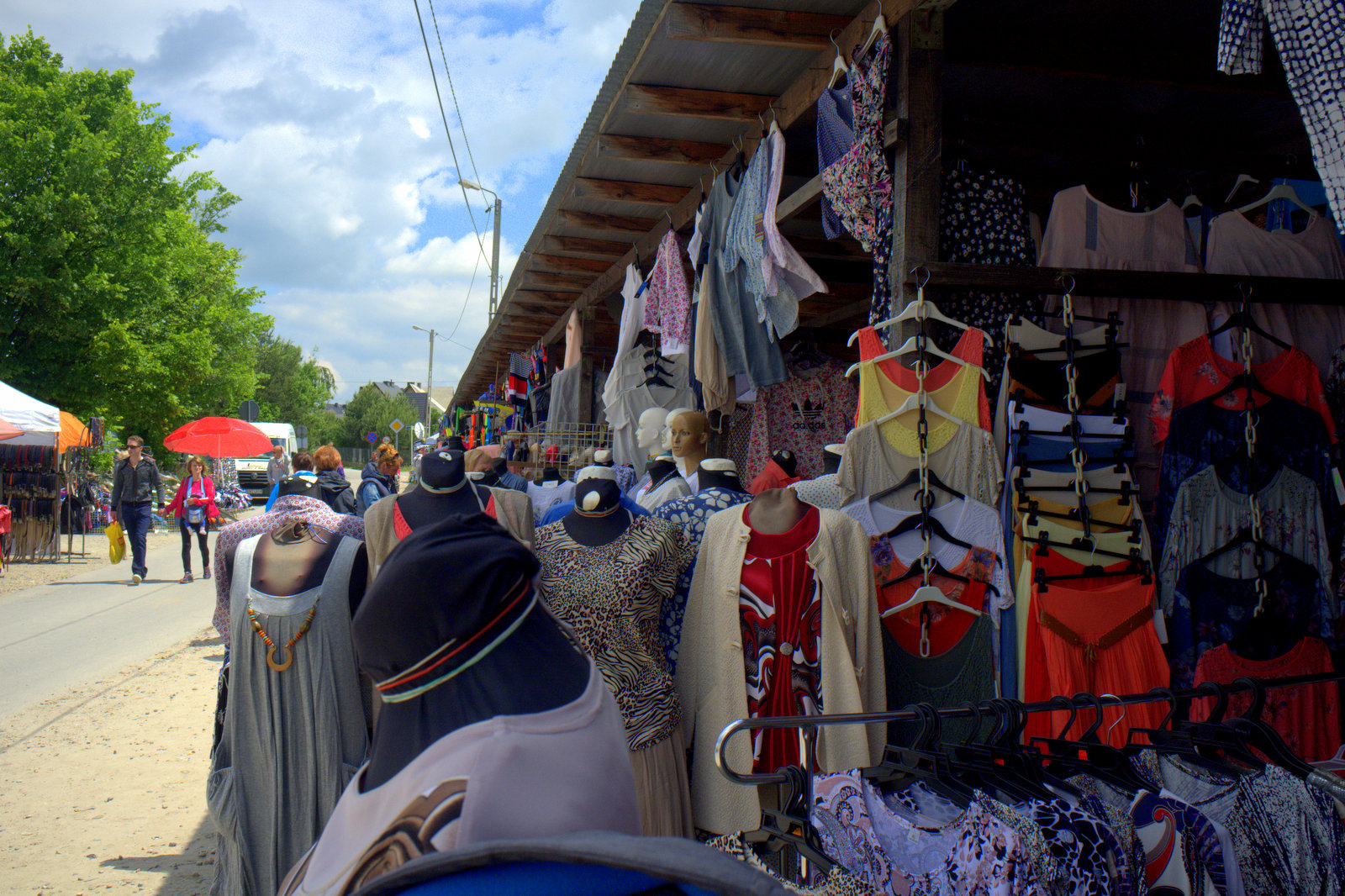
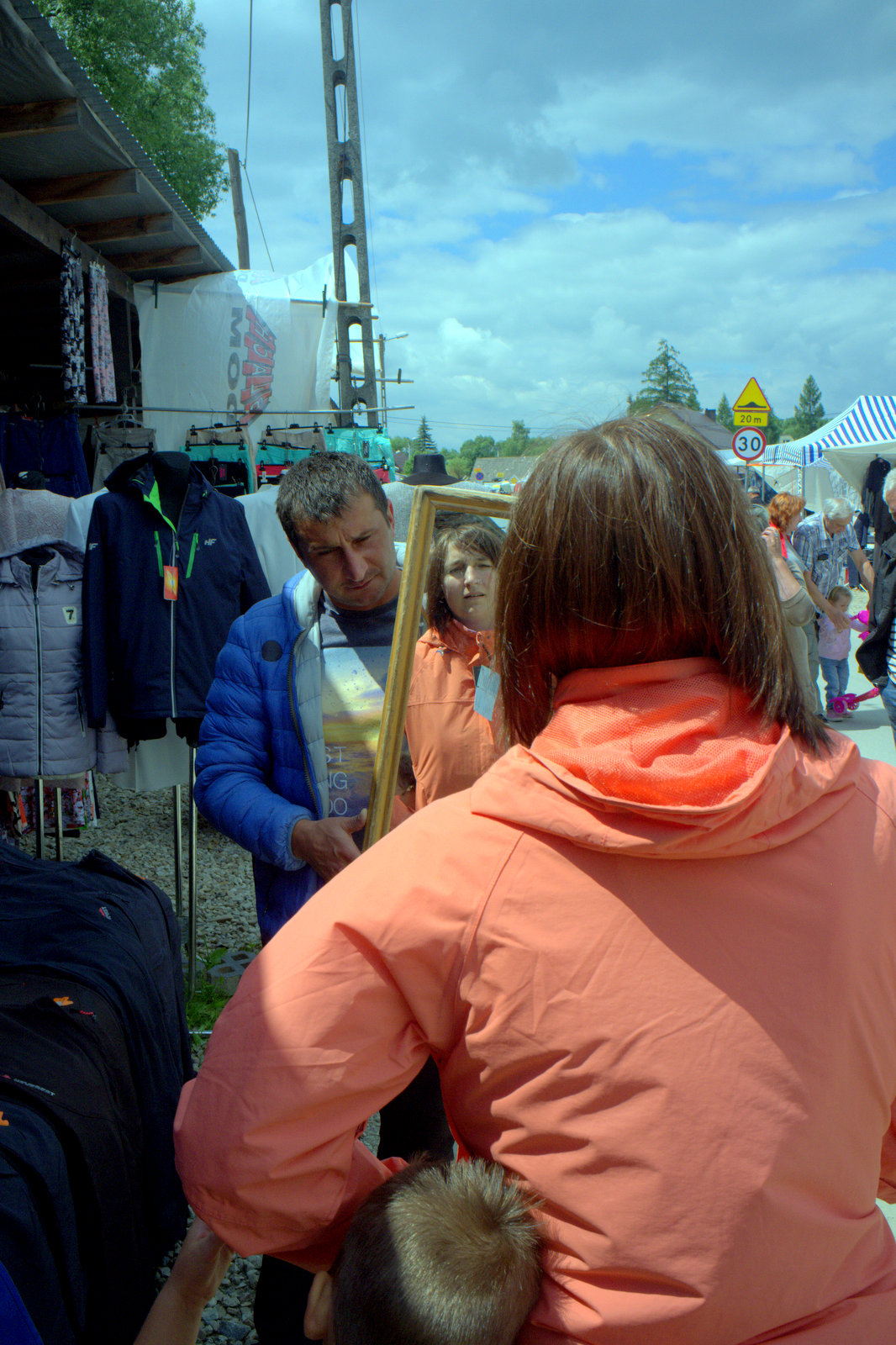
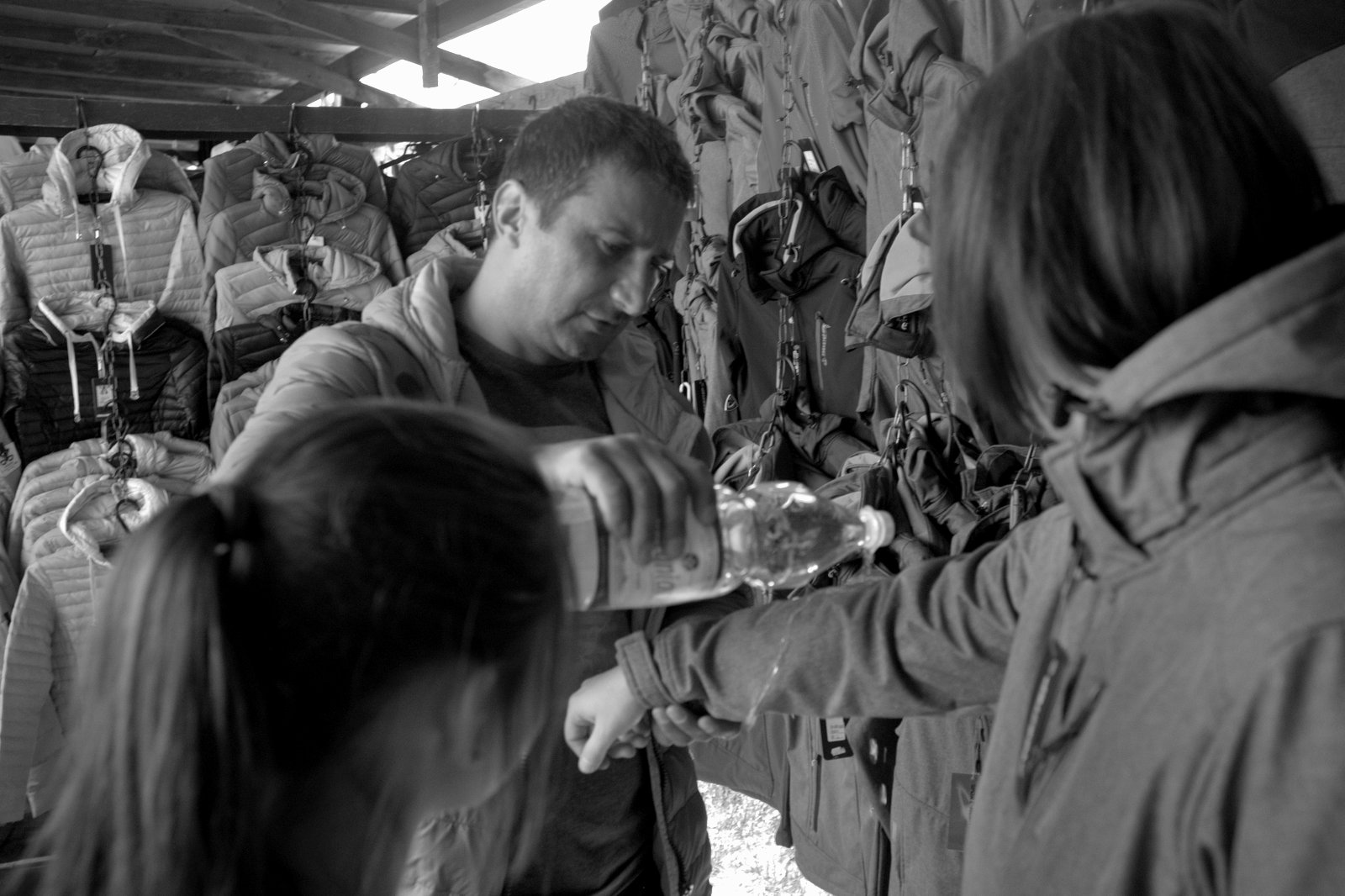
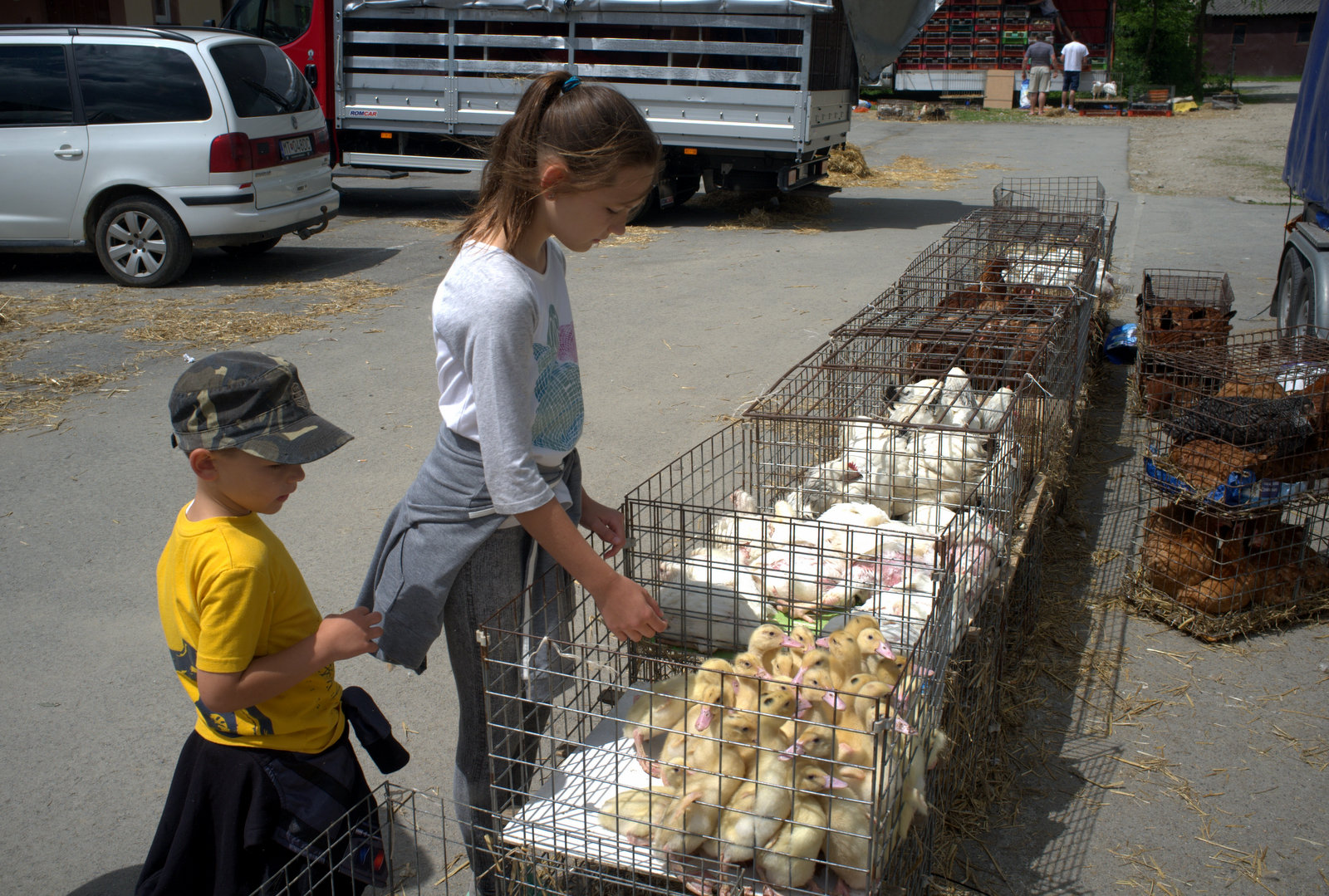
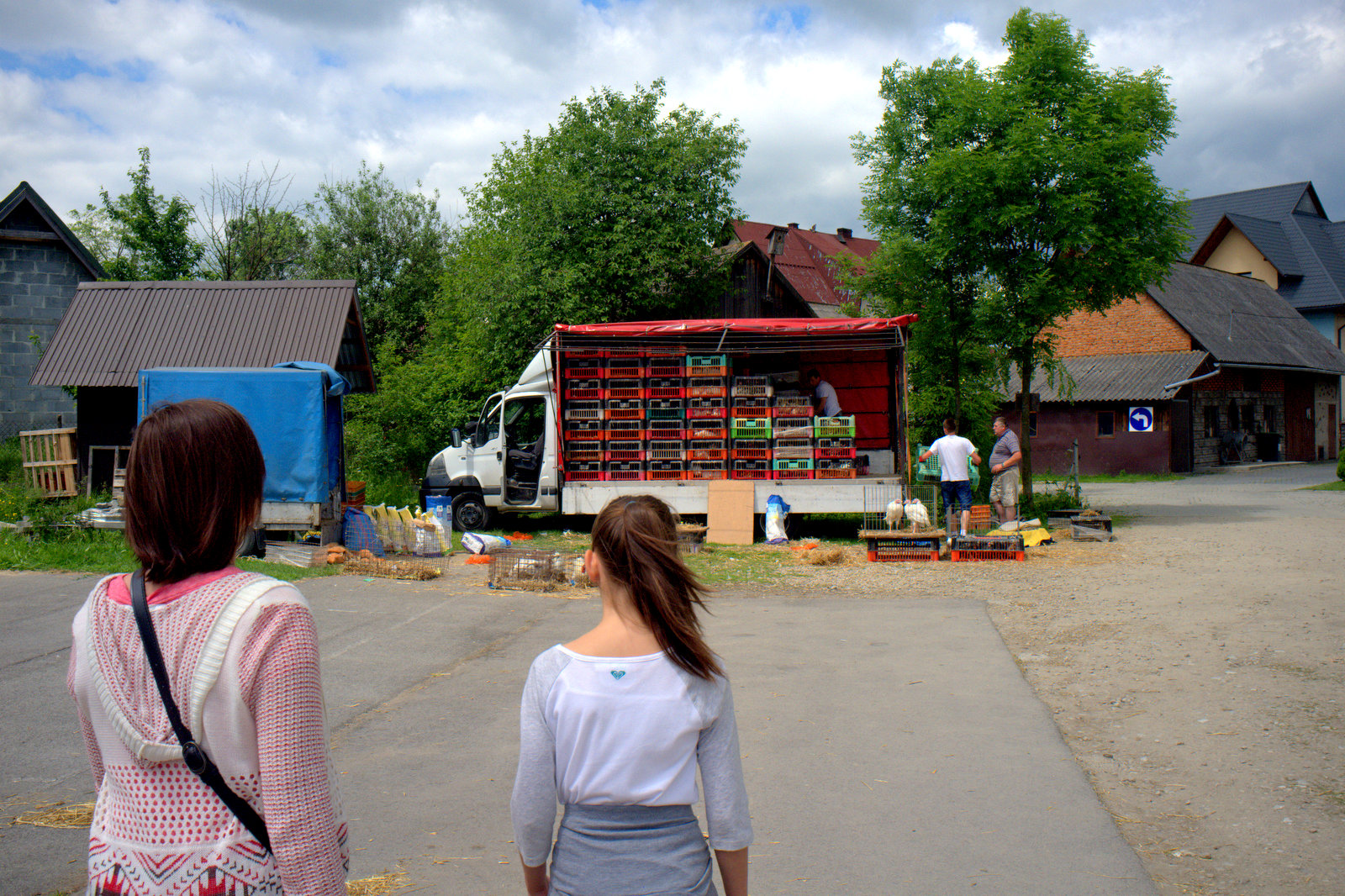
At some point, the monger will try to show how amazing his product is. When I bought a Russian-made Zenit camera in the market in Nowy Targ some twenty years ago, the monger literally drove a nail with the base of the camera to show how tough it was. Today, a jacket monger poured mineral water water on the jacket K was trying on to show how effectively water proof it was.
If the monger finally realizes that there's nothing to do but admit defeat, the responses become almost cold. "Nie ma." Finally, if a customer finds something she likes but wants to look further, the whole exchange ends as it began: "Prosze bardzo."
We came to Poland without jackets with the plan of simply buying them today at the market, so we met that formula several times today. Though I've been to that market (and others in the area) countless times and went at least once a month when I lived here, I only now noticed that linguistic pattern.
Respect
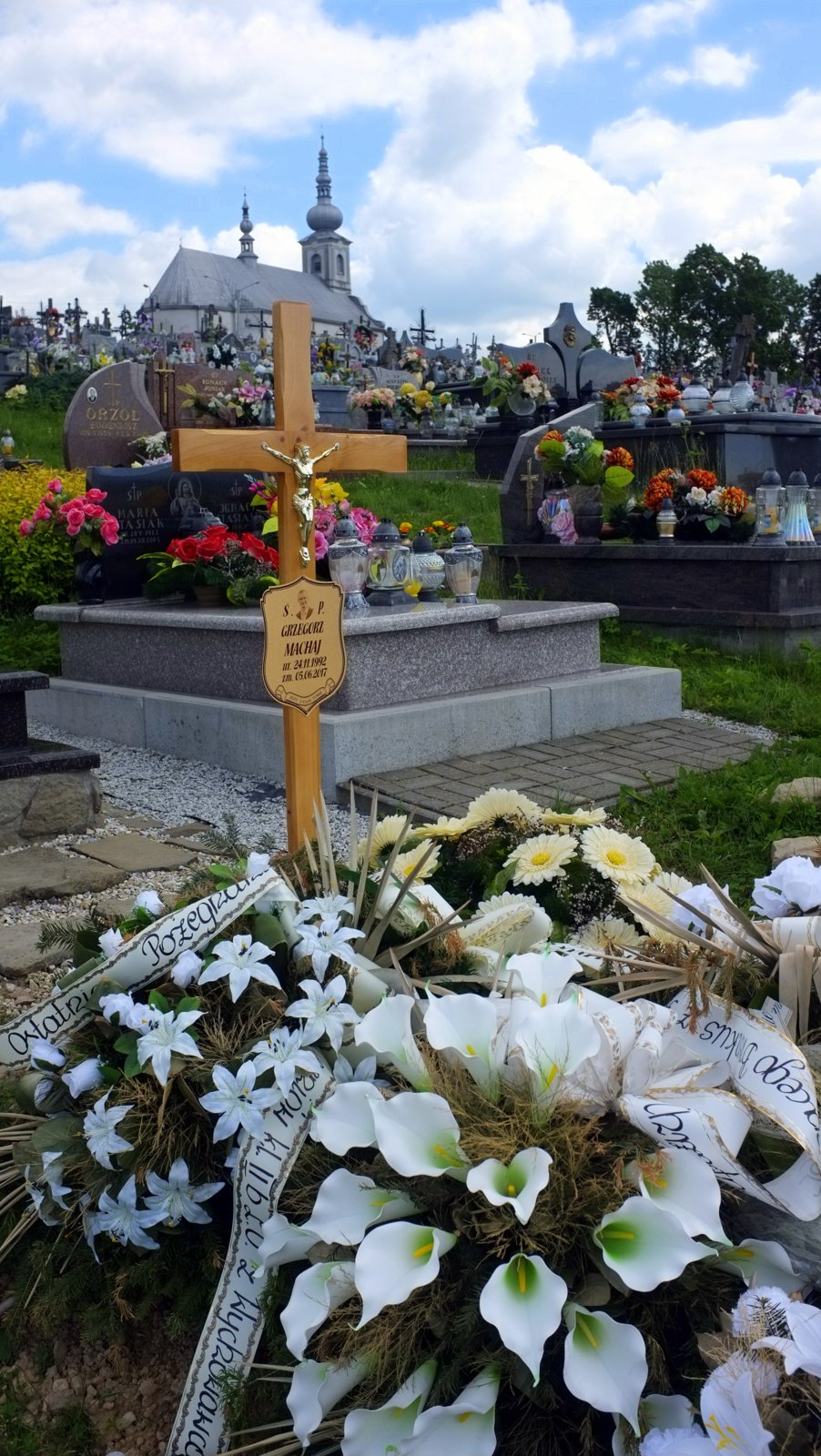
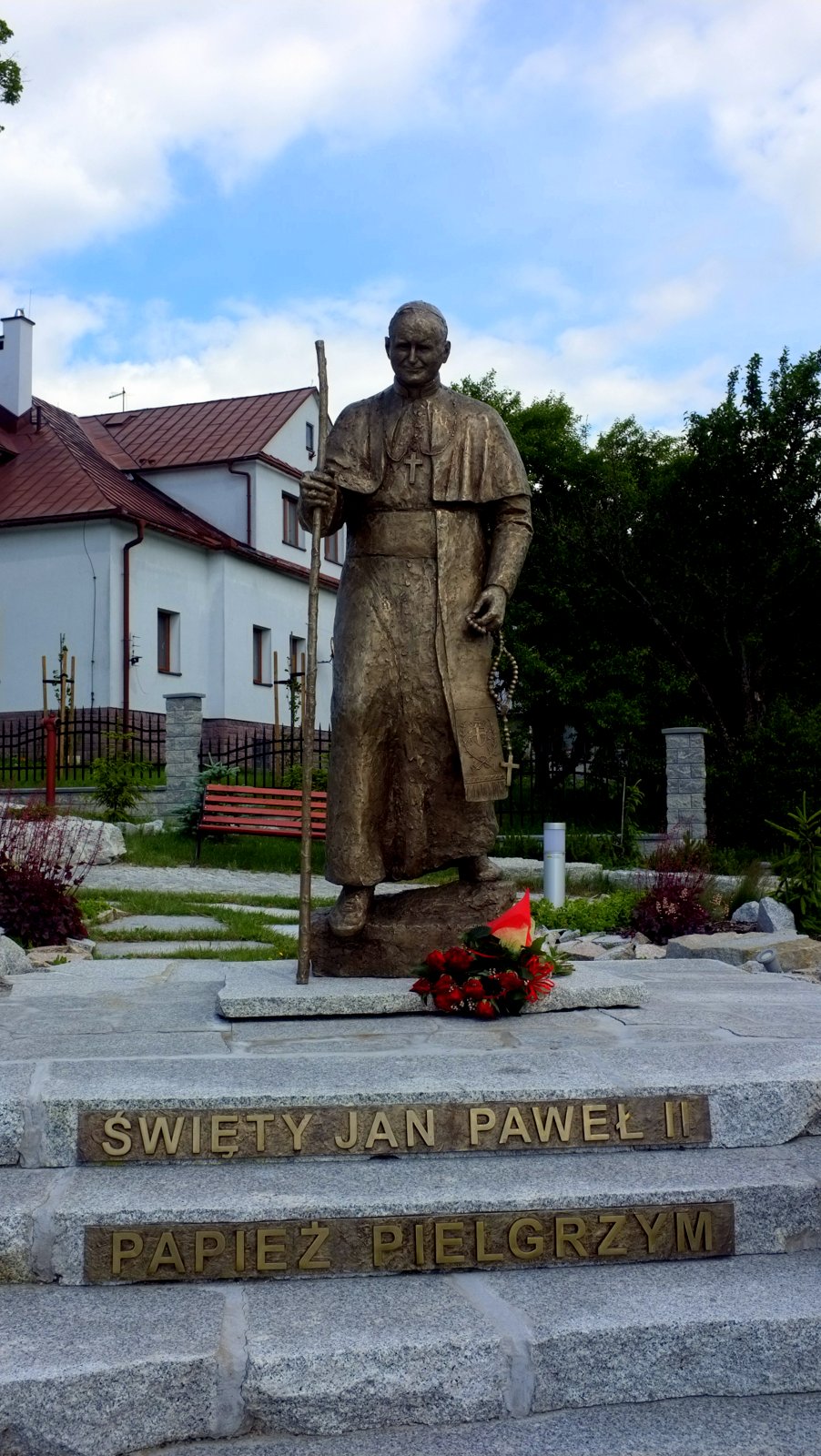
Poles take care of their graves. They wash the grave stone, pull weeds from around the grave, keep candles lit on the grave almost all the time.
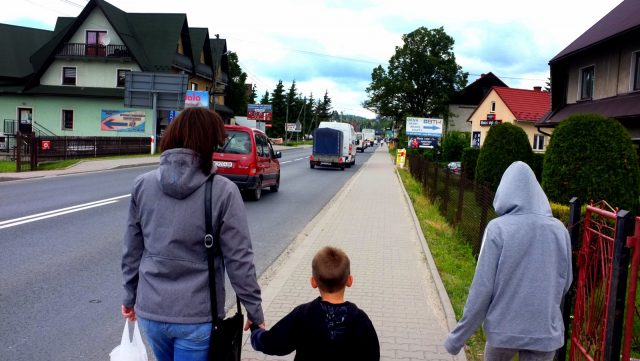
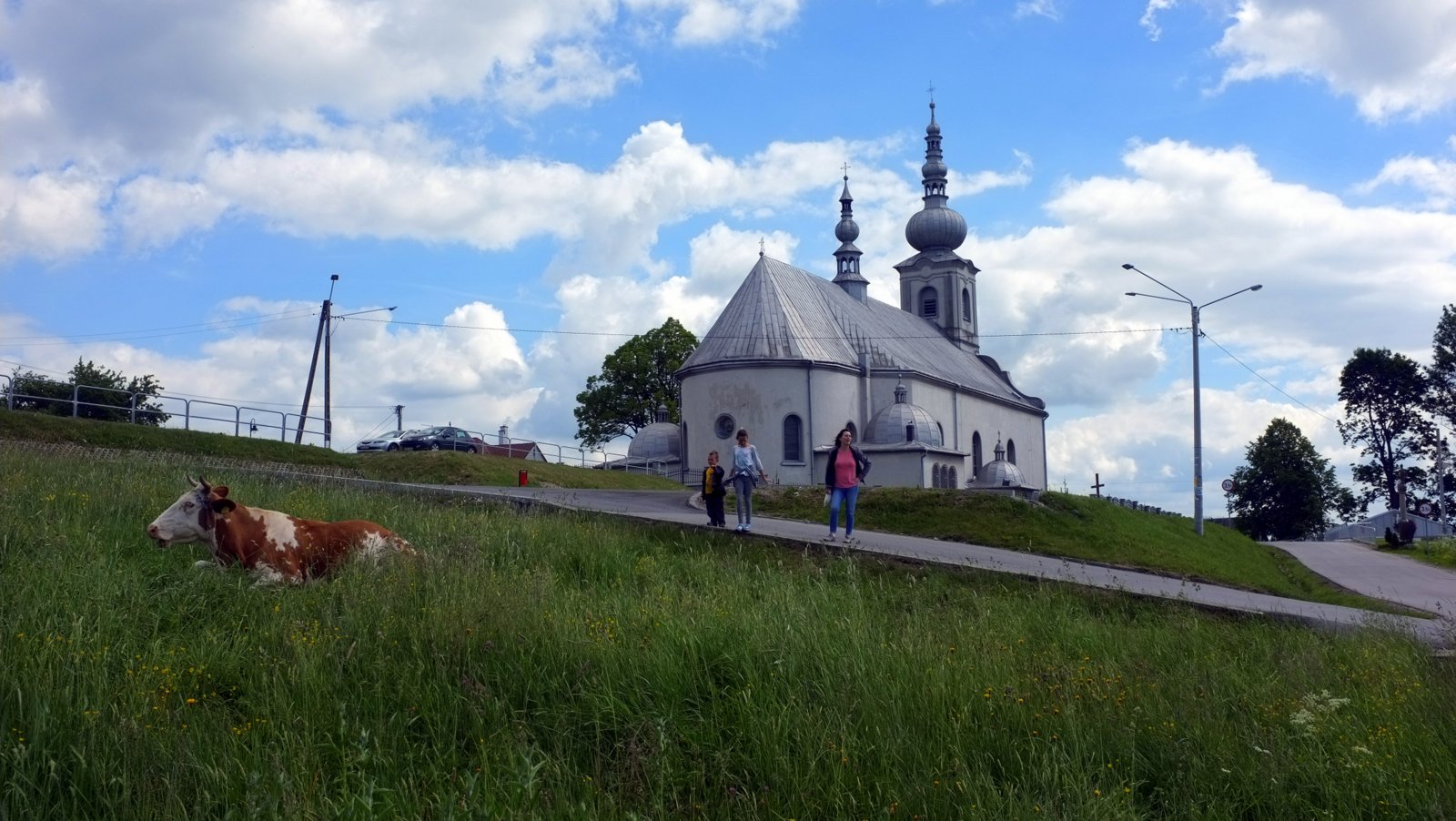
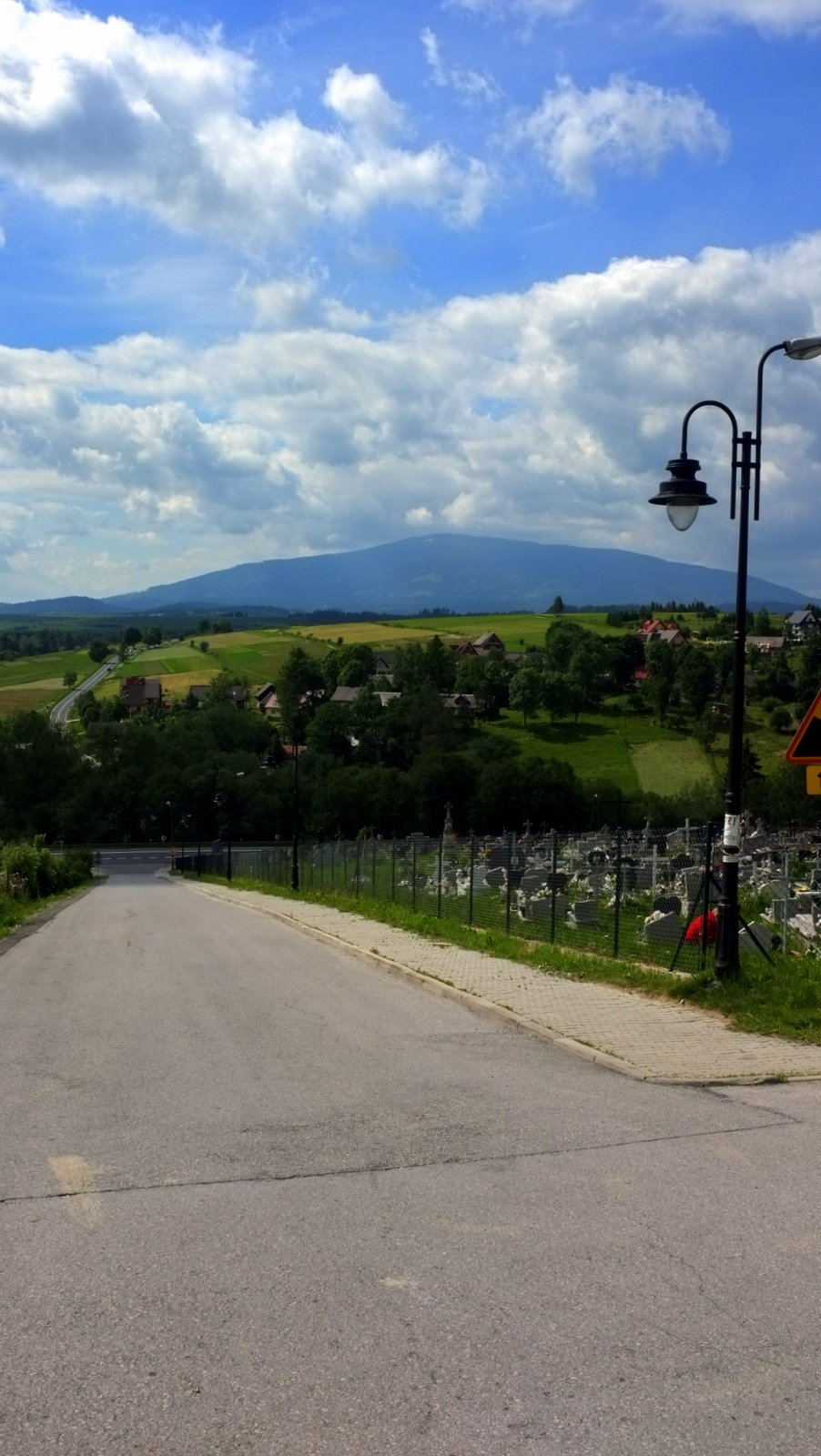
Today, Babcia asked us to take care of Dziadek's grave, sending us out on the one-mile walk to the cemetery with various cleaning clothes and several new candles. The walk revealed a new reality for Jablonka: there is now so much traffic through the main road of the village which leads from Krakow to Slovakia and eventually Budapest that the Boy was virtually yelling to tell us all the wonderful things he was noticing.
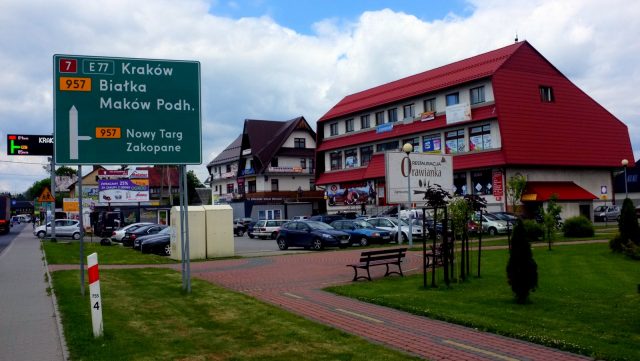
But some things don't change. The two main pavilions that hold everything from money changers to butcher shops, from a law office to a toy shop, from a hair salon to a post office, from a surveyor's office to a newsagent -- they still stand as they have since I first arrived in 1996.
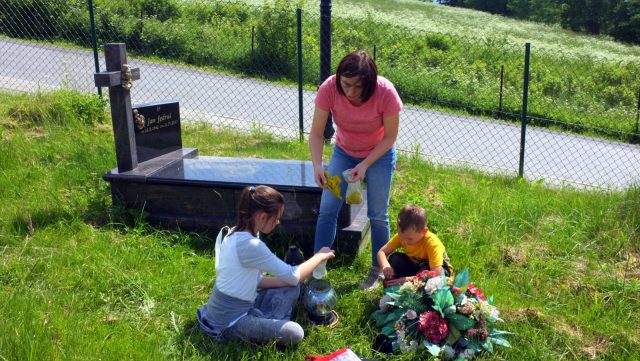
We cleaned the grave, lit new candles, pulled some weeds. We prayed an Our Father and threw away the old candles before moving to the other family graves.
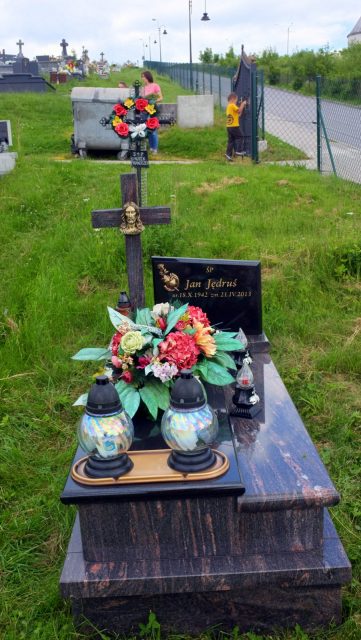
"This is your great-grandmother and great-grandfather," K explained, in Polish.
"What does that mean?" asked E.
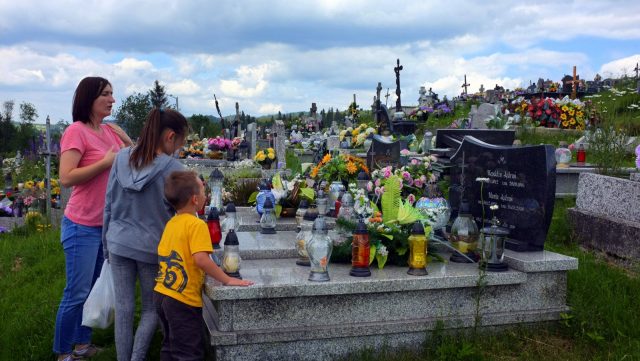
K explained in Polish, then added a few key words in English. It's a fairly typical way she talks to the Boy. Yet he's already begun chatting in Polish, so by the time we leave in six weeks, it should be a whole different story.
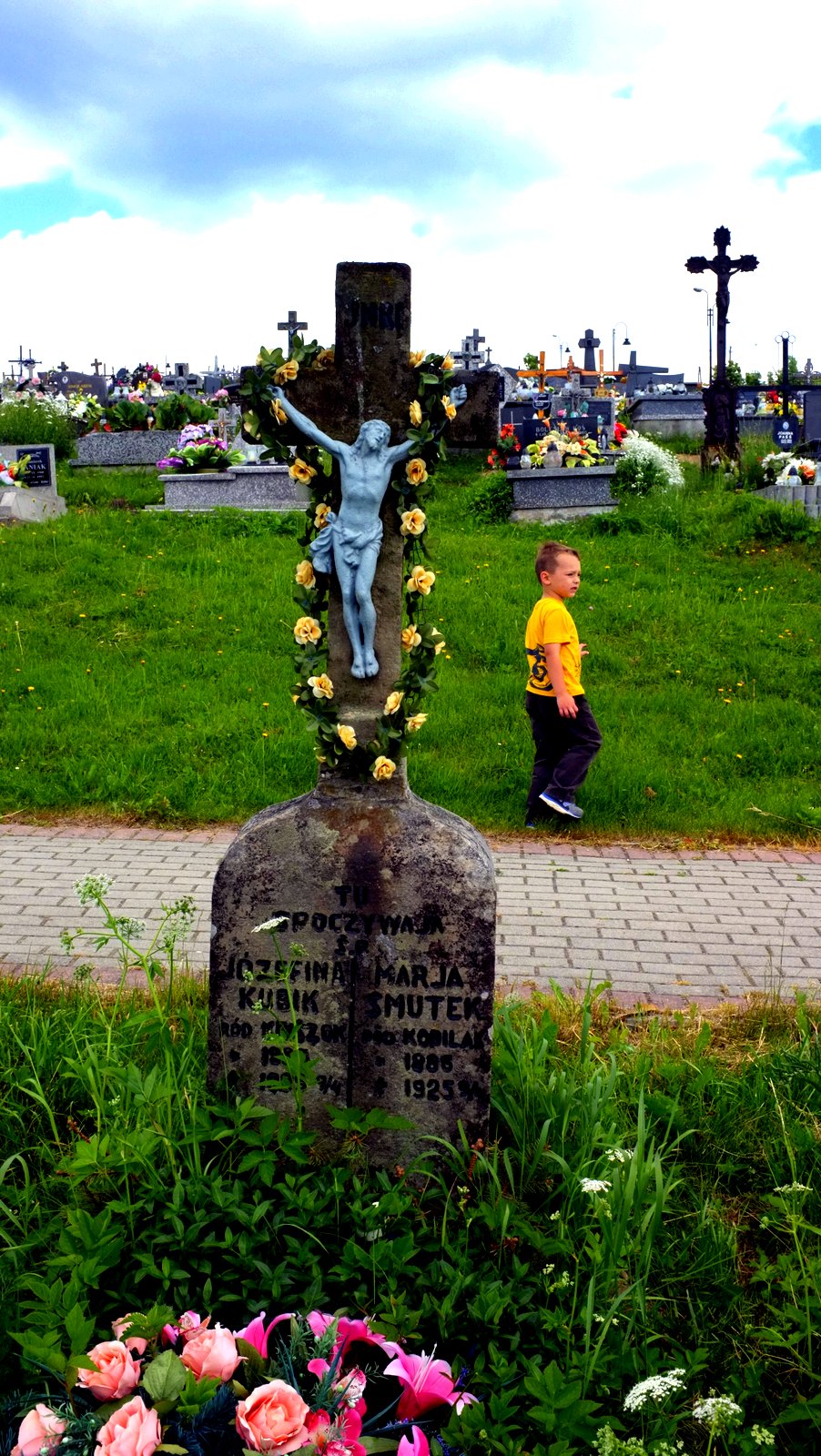
Old and New
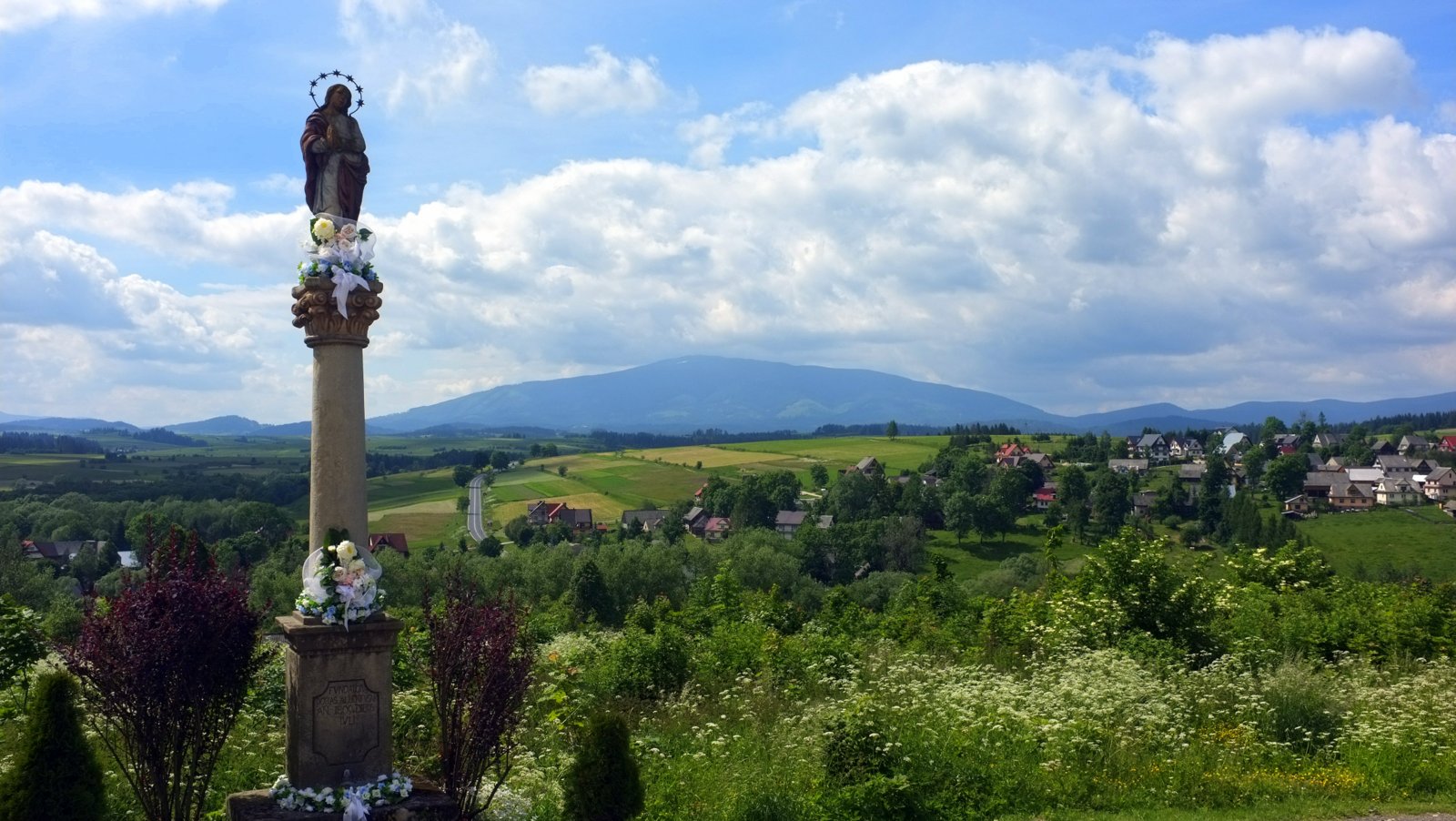
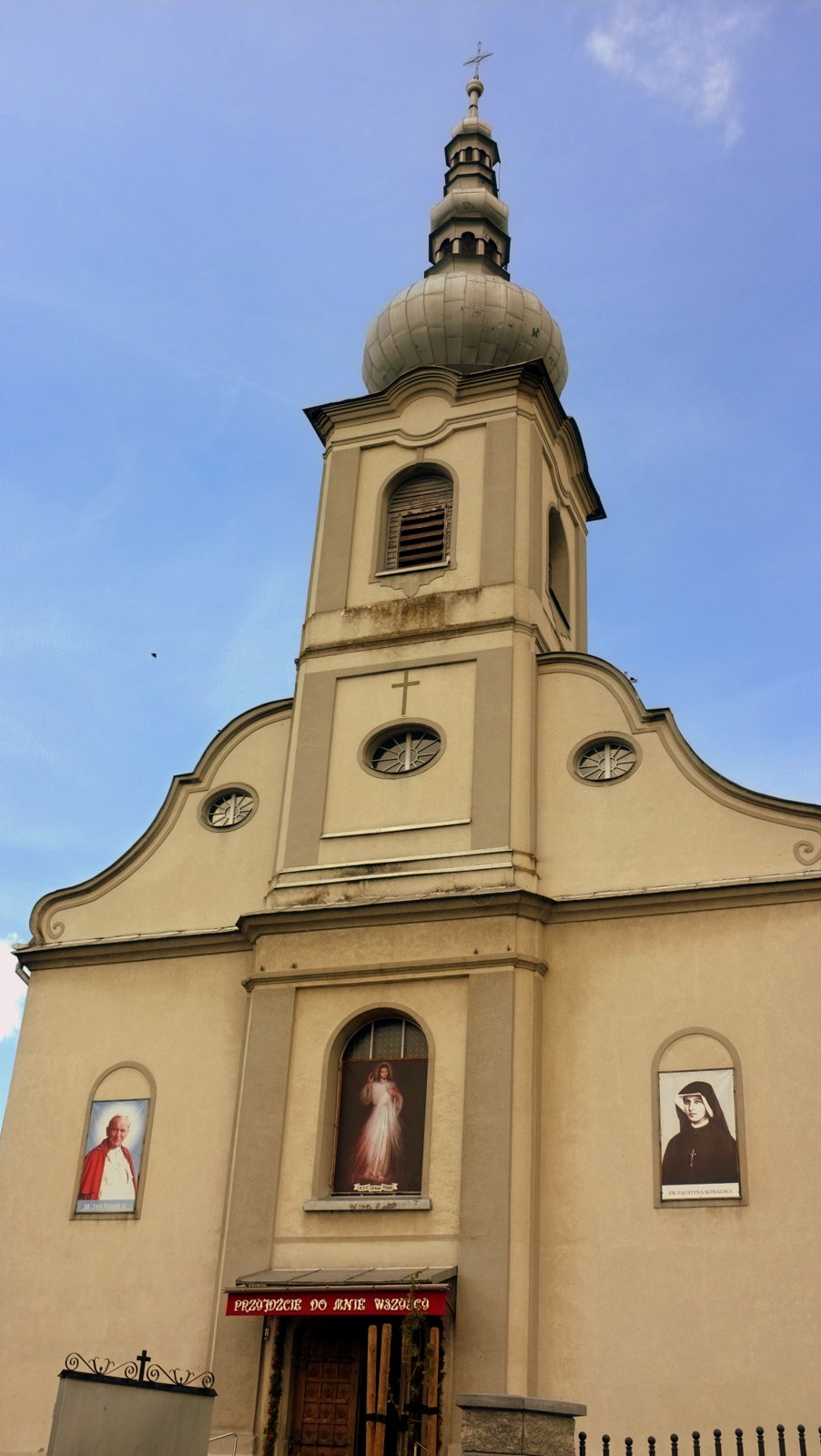
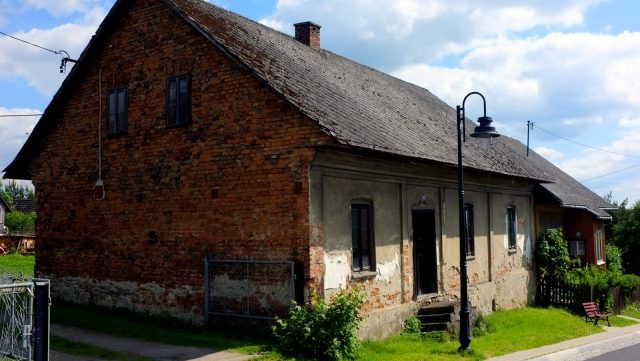
Within a village as old as Jablonka, one can find the newest of the new and houses that have stood for well over a century, and just about everything in between. This house stands on the way from the church and was built in the early 1920s. The plaster has fallen off in several places, yet it's still occupied. It's positively romantic.
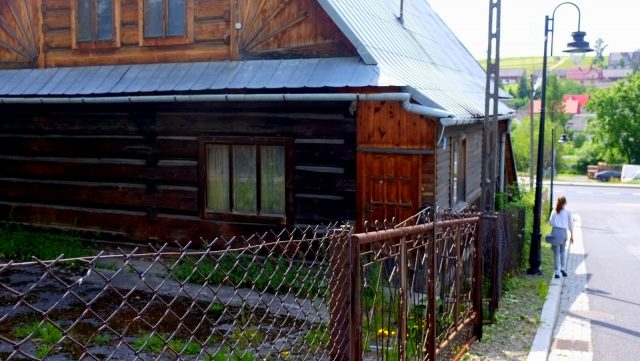
Just down the street is an older house, now unoccupied. The door was open and we peeked in. L couldn't understand why no one lived there. I can't either.
Shops
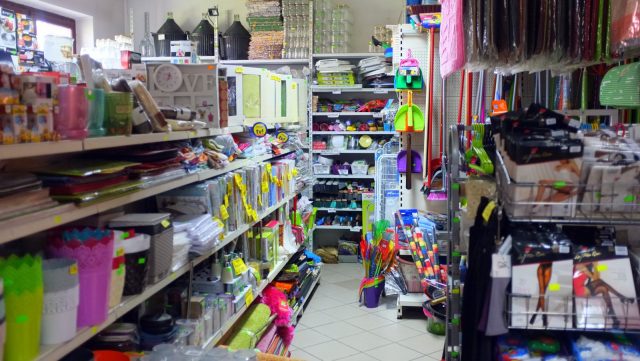
Traditional Polish shops have one thing in common: they are crammed full of goods. It's as if every square meter is the only square meter of the shop.
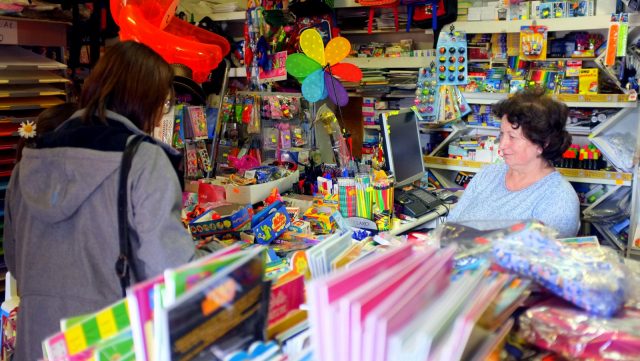
Newer stores are not like that, but shops in the pavilion (see above) are all packed tight, like herring in a jar to translate from Polish.
Evening Walk
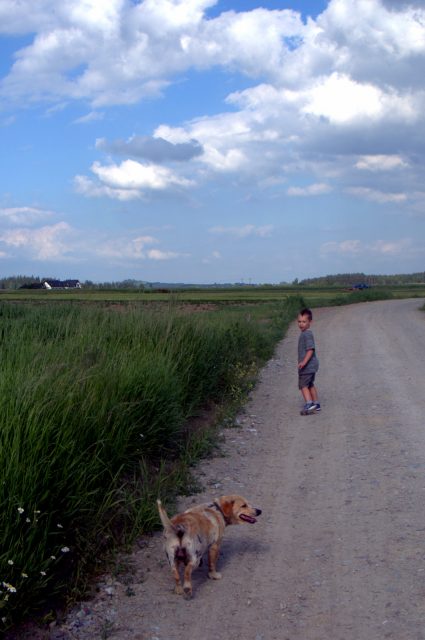
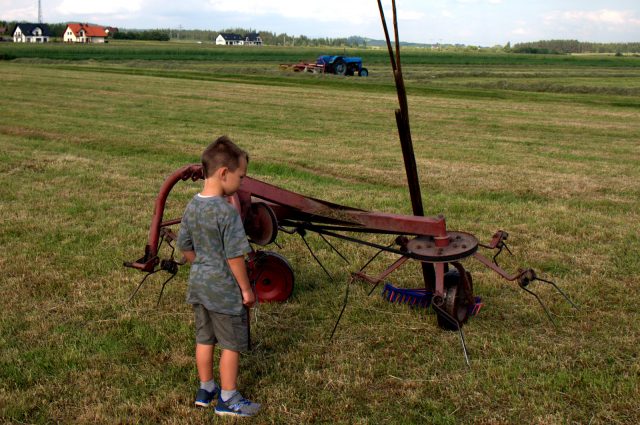
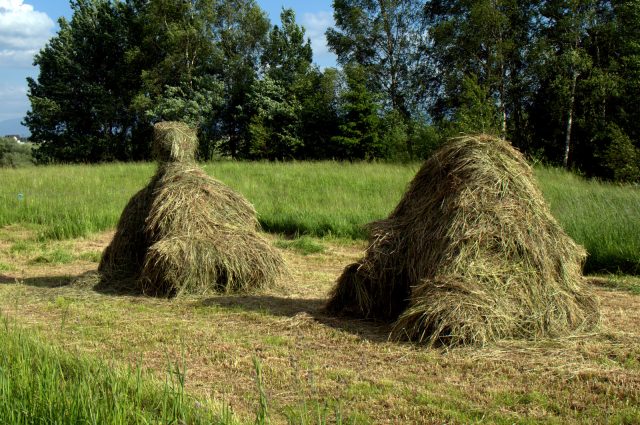
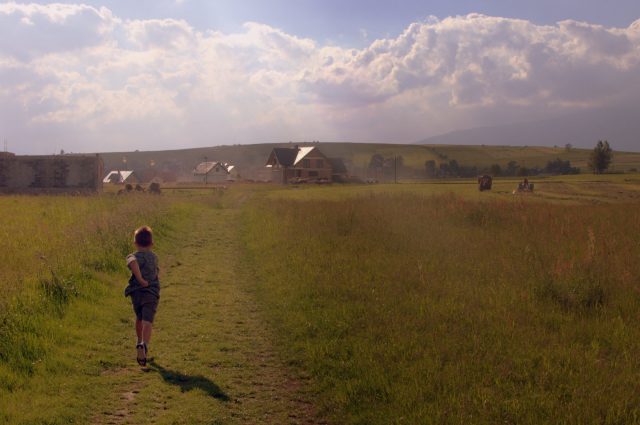
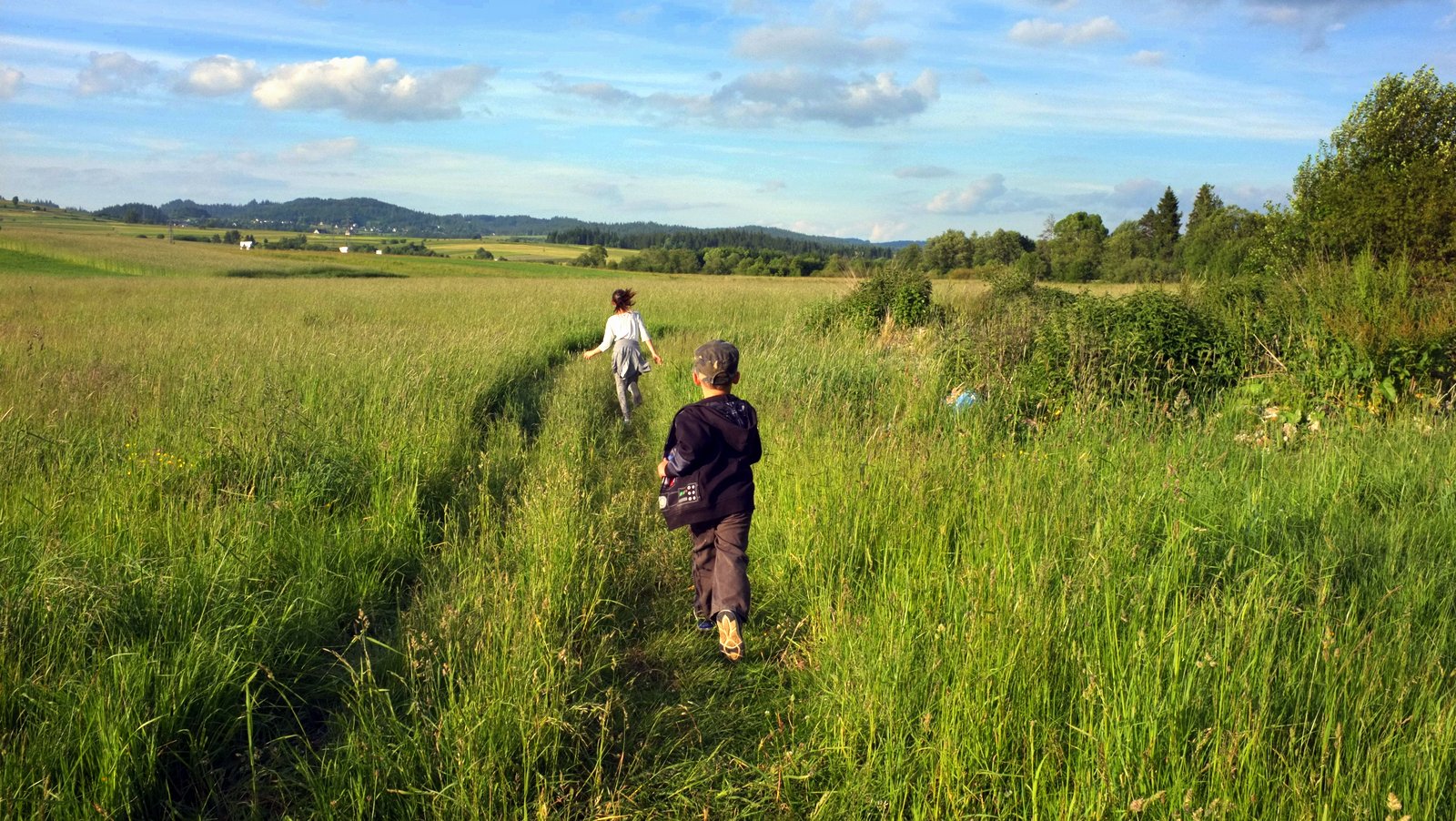
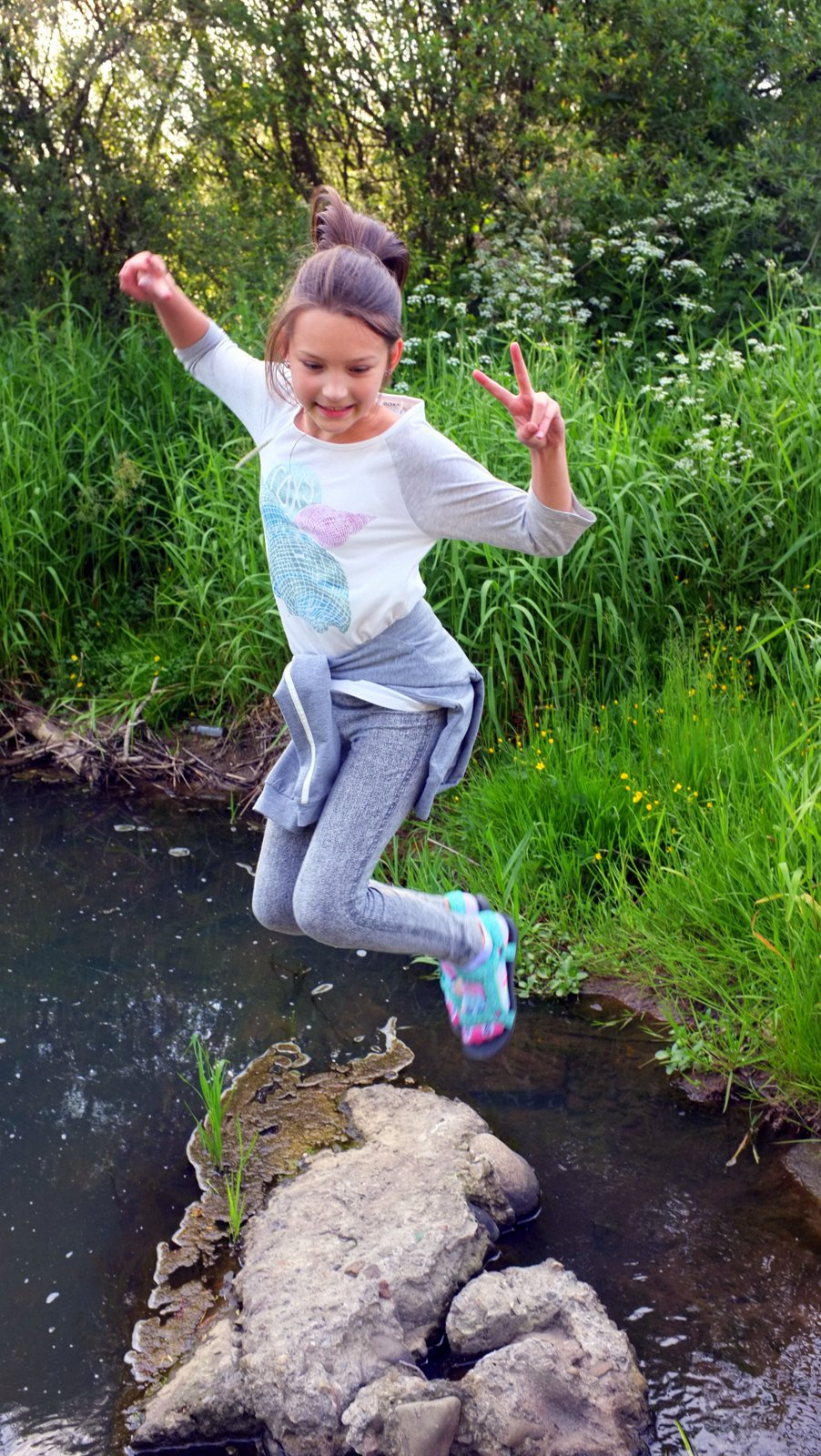
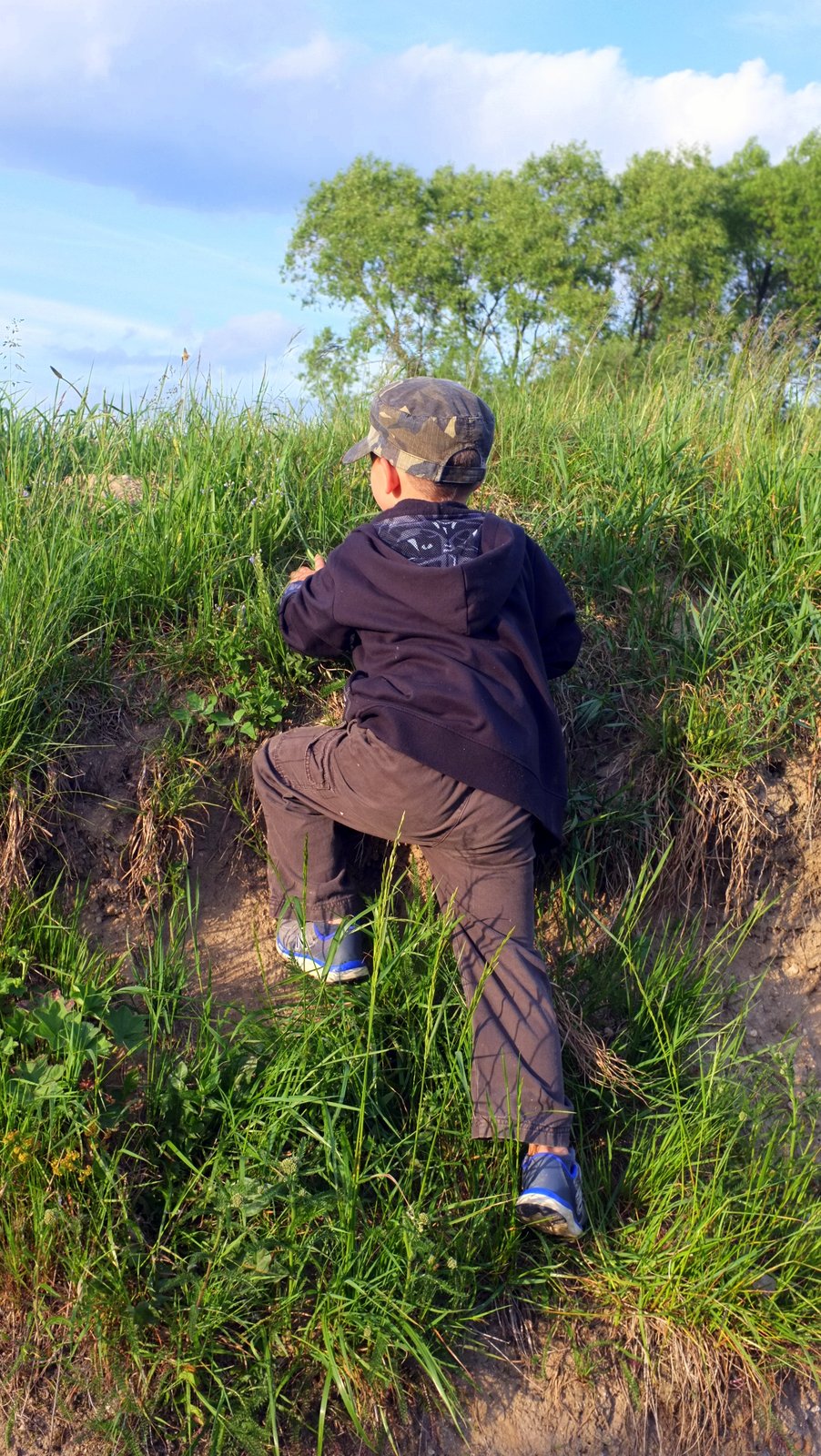
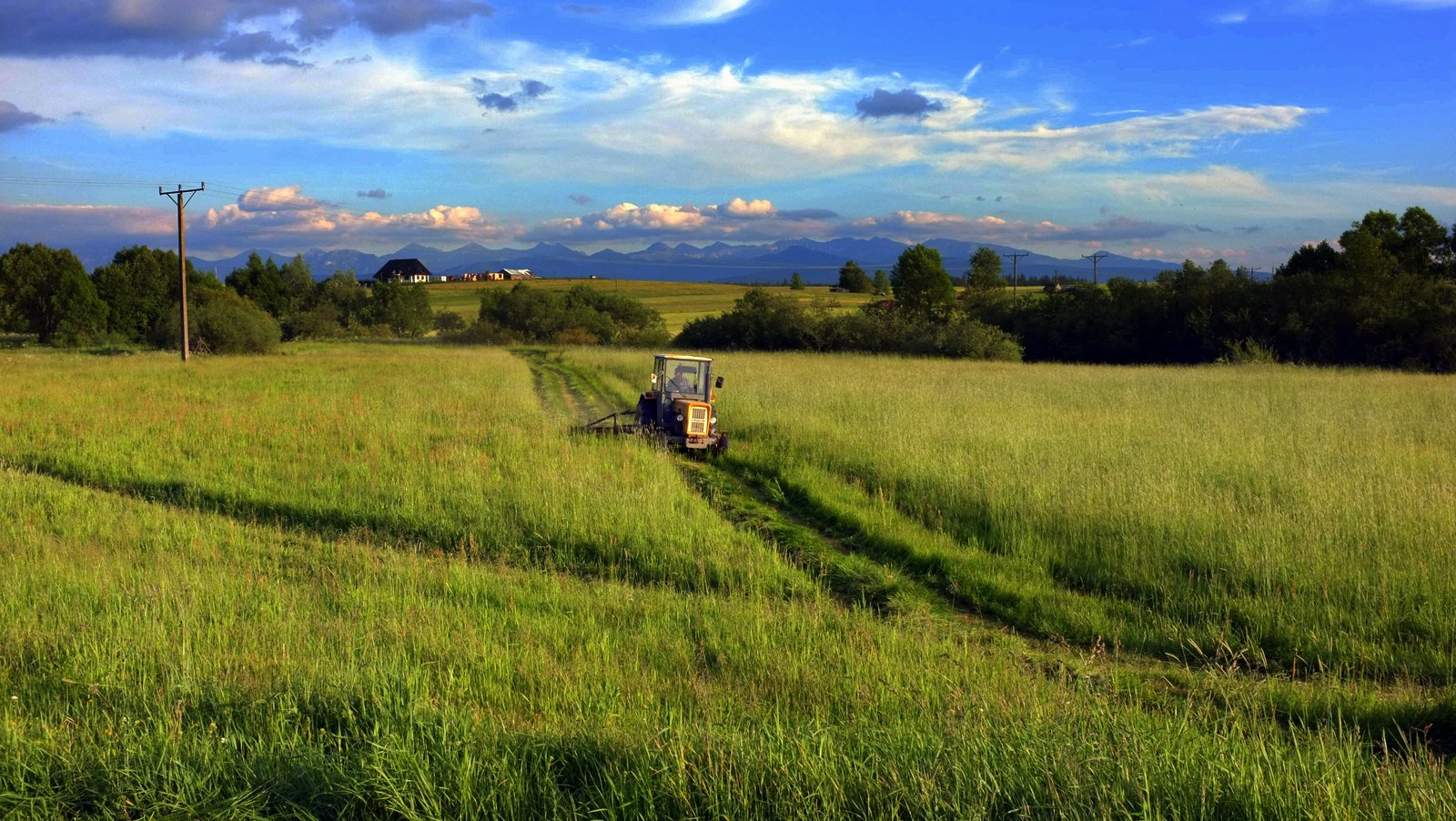
When it's this gorgeous outside, what else is there to do but take a walk?
Loans
Homes used to be built and paid for at the same time. It explains why there were so many half-finished yet occupied houses in the area when I first moved here. Loans were hard to come by. Now I see television advertisements for loans to pay for vacation. Not sure that's necessarily a good change.