matching tracksuits

fun in threes, sometimes fours

Trump and Obama

So it’s support Trump at all costs? Support him no matter what? One can’t be a conservative and criticize him?

The simple truth of the matter is that Trump has done so many things about which conservatives would have been absolutely livid had Obama done them that it leaves moderates like me scratching our heads, wondering where the moral steadfastness that Republicans so pride themselves on could have gone.

What if Obama had refused to release his tax returns? What if there were serious questions about Obama’s relationship with Russia? What if Obama, long before being president, had exhibited sexist, predatory behavior that had been recorded? What if Obama suggested that Fox News was fake news, the enemy of the American people? What if Obama had issued an executive order that the judiciary later restrained, and he’d begun attacking the credentials of the judge? What if Obama had made disparaging comments about the family of a slain soldier? What if Obama had lied again and again about the extent of his electoral victory? What if Obama had said that if one of his daughters wasn’t his daughter, he’d be dating her? What if Obama had refused to divest himself completely of business ventures that could create conflicts of interest when he’s president?

I mean, his lies about Putin are on video.

Any single one of these things, which range from trivial to cricitial, would have made Republicans livid had Obama done it. But to have done them all? “Impeachment” would have been on the lips of every Republican in the land. And yet these same conservatives are strangely okay with it when their side does it. What’s more, when conservatives do raise questions about it, they’re instantly labeled “traitor” and “rino.” There’s a word for that. And it troubles many of us to see it so brazenly on display.

Thoughts on Confession

1

“Is that all?”

My confessor had waited a few moments after I’d stopped speaking to ask that question. I sat in the confessional, my mind beginning to turn. I knew it was customary for priests to wait for a moment after the penitent finishes listing his sins, but with each priest it is different, and even if I hadn’t been the last penitent, even if he hadn’t seen me standing by the confessional as he came out and motioned me to go on in as he returned to his side, I could have discerned from his voice alone that this was the new parish priest, with whom I’d never confessed. “Is he thinking, ‘There’s no way that’s all this guy’s done’?” I wondered. “Should I say something?”

He sat silently for at least ten or fifteen seconds — which felt eternal — before he gently asked, “Is that all?”.

Is that all?” I asked myself, mildly panicking that all my fears of seconds earlier were coming to fruition. Of course it’s not all. I could never confess all my shortcomings (read: sins), but the Church technically requires only that I confess mortal sins, and while we’re to include as many venial sins as we can remember, they’re just that: venial. I try, but I don’t try to cover them all, else we would be there for hours.

“Yes, Father, that’s all.” A pause. “All the mortal sins, that is.”

But was that all? The yardstick for a sin’s gravity is the Ten Commandments, and by that light, I’ve broken every single one of them, regardless of the actual sin. Whenever I commit a mortal sin, I’m putting my will and desires above God’s and thus making myself my own god, thereby breaking the first commandment. So in that sense, any sin automatically breaks the first commandment and is a mortal sin.

Less is sometimes more in confession, and I resisted the temptation to explain all the theological considerations that had just passed through my thoughts. Another silence.

2

The first time I went to confession, I requested a face-to-face meeting with the priest. Over the past year, participating in RCIA, I’d come to respect and trust Fr. G, and I knew that I could talk to him face-to-face about my shortcomings and feel comfortable doing so. Well, relatively comfortable: any time you’re talking to someone about the darker side of your soul, I’m sure it’s going to be a somewhat-stressful experience. Still, we met at his parish office and after we engaged in our typical small talk — “What are you reading?” type stuff — he put on his stole, made the sign of the cross and suggested we begin.

“Father, bless me, for I have sinned,” I began. I’d thought long about what to say at the beginning. I knew I technically had two options:

  • Father, bless me, for I have sinned.
  • Father, forgive me, for I have sinned.

Having grown up in a fairly anti-Catholic denomination and gone to a Protestant private college, I knew I only had one option, though. “Bless me” won out over “forgive me” for all the emotional associations I still had with it. Intellectual consent to the fact that the priest is not in fact forgiving sins of himself but acting in the place of Christ is one thing; dealing with the baggage associated with previous assumptions is quite another.

Fr. G dropped his head, closed his eyes, put his elbows on his knees, clasped his hands together, and listened. I finished. He still listened. There was a lingering silence, then finally he spoke.

“Well,” he began, and soon we were discussing some of the things I confessed, unforeseen and unimagined consequences, and how to avoid them in the future, then he said the formula of absolution:

God, the Father of mercies, through the death and resurrection of his Son has reconciled the world to himself and sent the Holy Spirit among us for the forgiveness of sins; through the ministry of the Church may God give you pardon and peace, and I absolve you from your sins in the name of the Father, and of the Son, and of the Holy Spirit. Amen.

I’d gone the last fifteen years thinking there is no such thing as sin, and I’d gone all my life thinking, “Even if there is sin, I would never confess it to a priest.” And yet when it was done and Fr. G made the sign of the cross during the absolution, I felt strangely more peaceful than I’d ever have expected from something I’d only given intellectual consent to.

http://lifeteen.com/blog/my-side-of-the-confessional-what-is-it-like-for-a-priest/

Afternoon Ride

We went back to a favorite park this afternoon -- the kids and K went the short way in the car; I went a somewhat longer way by bike, just to see what the route was like.

I found myself out of suburbia and in the "country" in a matter of kilometers, and I got to thinking about taking a new way to work when I ride. It would double my current distance, but 90% of the ride was so much more pleasant.

This meant that everyone got a headstart on the walk/ride.

That meant I missed all the manhole climbing that inevitably takes place. Still, there are mysteries: did Clover jump up or was she placed? Certainly the latter.

I also missed all of L's silly games. I don't know if it's just a little way to exert a bit of control over the Boy or if she's actually enjoying it, but she sometimes proposes to E that they play something that place her clearly in a place of authority. Today, she had to check the bikes every time we reached one of the walking-only wooden bridges.

I finally caught up to them just as they were climbing off yet another manhole cover. The Boy was ready to leave the slow girls behind, but first we had to walk across yet another bridge.

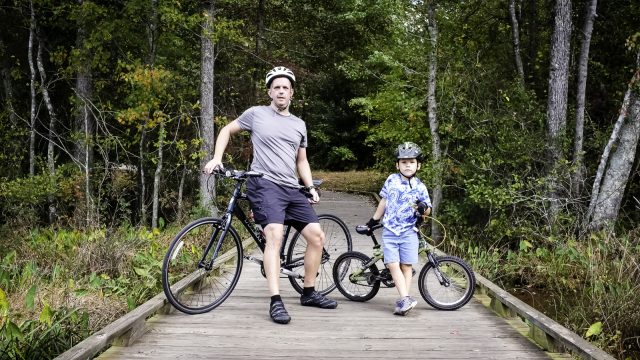
And then we got the idea for the picture, one that's instantly become one of my favorite portraits of the two of us.

His expression is just classic E: so serious, trying so hard to be such a grown up little boy.

During our ride, the Boy noticed a family riding the opposite direction.

"That's really dangerous," he said.

"What?"

"They weren't wearing helmets!" This morning, coming home from Mass, E kept checking that I was going the speed limit. I'm pretty sure he's going to grow up to be a safety engineer. I can see him coming home for a visit and with his new, more diplomatic communication skills, beginning many a conversation with, "Um, Dad, about X you did in the backyard..."

Once we all regrouped back at the car, I headed home another way. I knew the trail we'd been riding on continued a bit further, and my thinking was that I might ride that whole trail to its end next time I rode to work. It will indeed be a pleasant ride, but not for a week like this week, when I have hall duty in the morning and must be at my station at 7:45. The idea of leaving before 6:40 to make it there in time with enough time to change -- not going to work.
I got home and checked my stats on Strava and had the same depressing reaction: my average power output for the ride was right at 150 watts. Some perspective: amateur riders are considered decent riders, able to start small-scale races, with consistent power outputs of 250 watts for about two hours. At 300 watts, you're really a good rider. The pros? They are over 300 watts for a four- to five-hour, 180-230 kilometer race, with the ability to crank it up to 700 watts for twenty minutes or so. That's so unreal that it's like watching Tommy Emmanuel's fingers on the fretboard: "How is that even humanly possible?" I ask myself.

End of the Season

Energy

Kids, Dog, Ball, Swing, and Trampoline

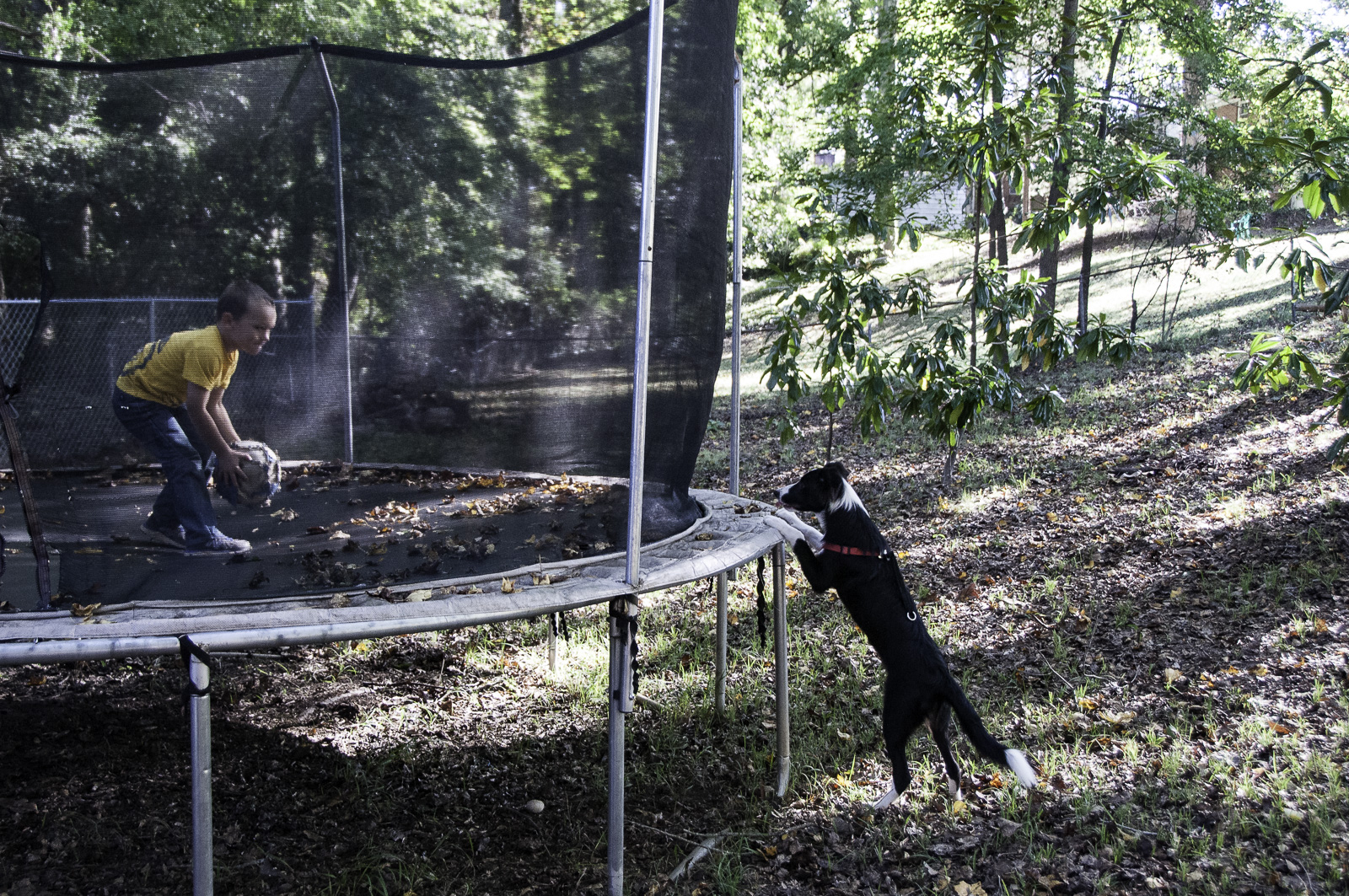
The Boy loves playing with the dog — sometimes, he gets a little too excited about it.

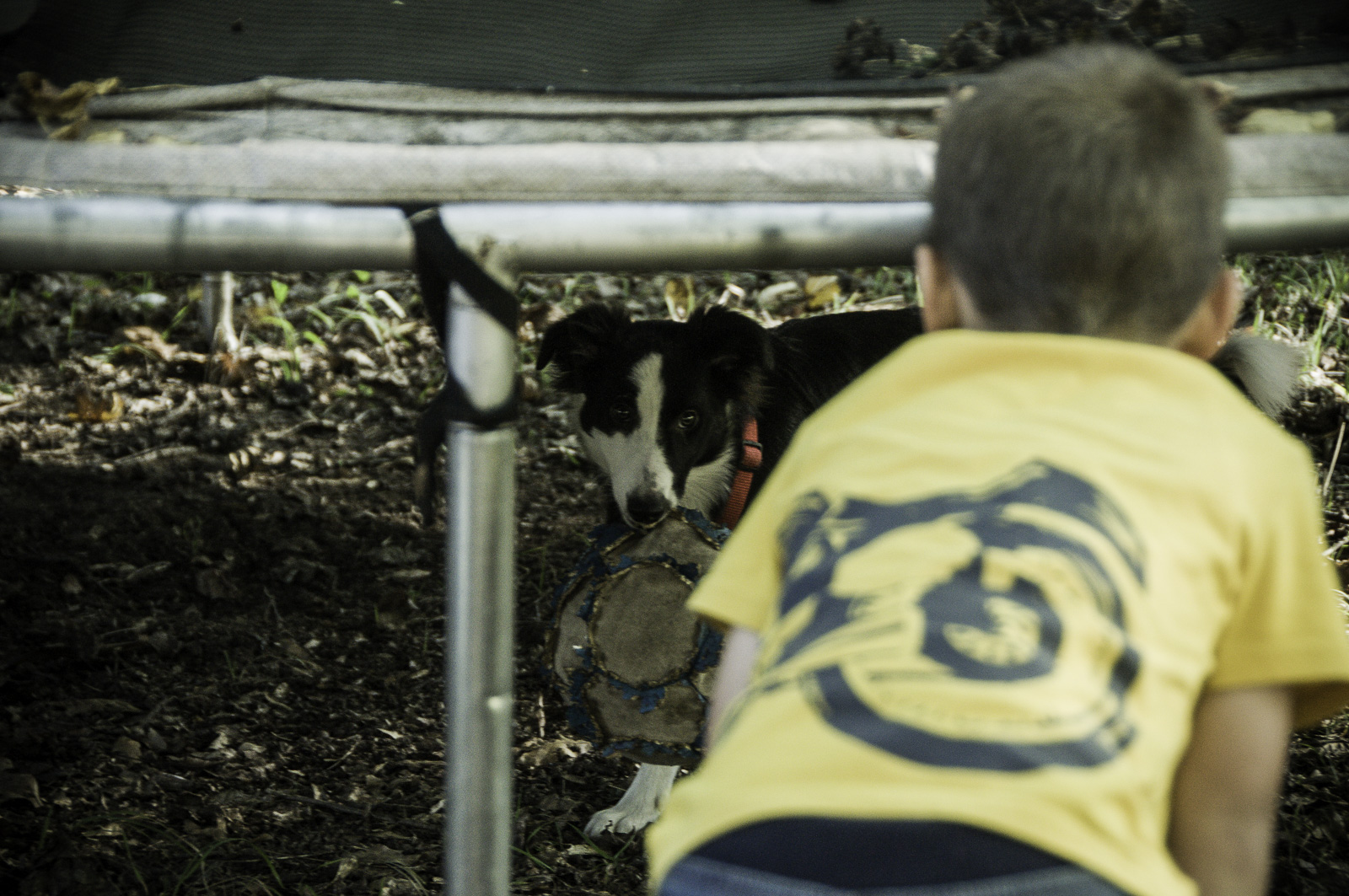
The dog occasionally gets a little too excited as well, taking matters into her own jaws.

And all the while, the Girl has been working on her flip.

Down at the Swing

Induction

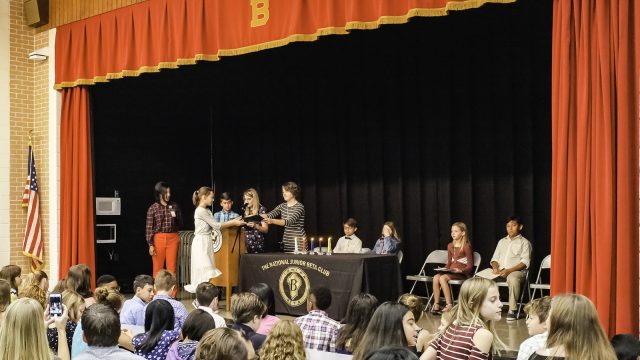
The Girl’s induction into the Junior Beta Club

Camping with the Scouts

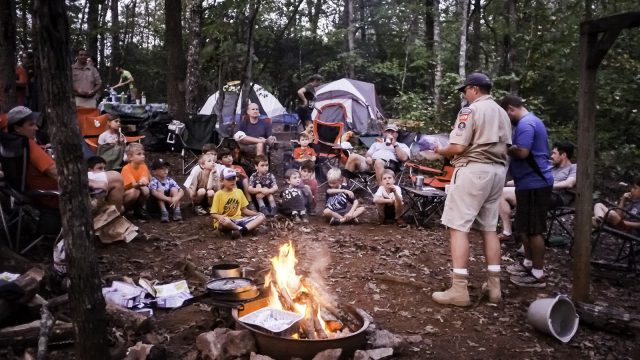
Camping is almost synonymous with Boy Scouts. To think of one without the other seems almost impossible. Whenever we've gone camping, it seems we almost always see some scouting group or another pitching their tents. We encouraged the Boy to join Cub Scouts by, in part, telling him about camping trips.

This weekend we had our first trip, and as I might have expected, he was terribly excited about it until Friday. "I don't want to go camping," became the day's refrain. In the evening, though, I sold it to him by suggesting we might just need to have a men's weekend. That did it, and so we did.
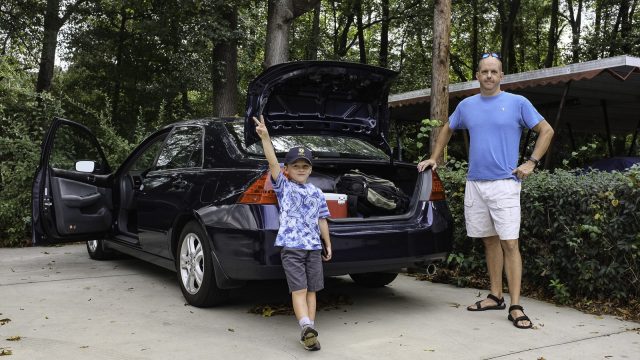
We packed our gear, kissed the girls goodbye, and headed to our first scout camping trip.

At first, the Boy was hesitant, careful. Shy. He ventured onto a playground after lunch (we arrived just after lunch because of the soccer game -- one goal this weekend) and played around a bit, but he seemed to be playing apart from the other boys despite being in their very midst. He kept coming back to check on where I was, to make sure I was still around, and then to ask me if we could go.

"No, we've committed ourselves. We'll be staying till tomorrow."

"Okay." No fussing, just resignation.

By dinner time, he'd made friends and disappeared in the storm of boys that raged around the camp. When the evening came and the pack leader began the scout meeting, he was only vaguely aware or worried about where I was.

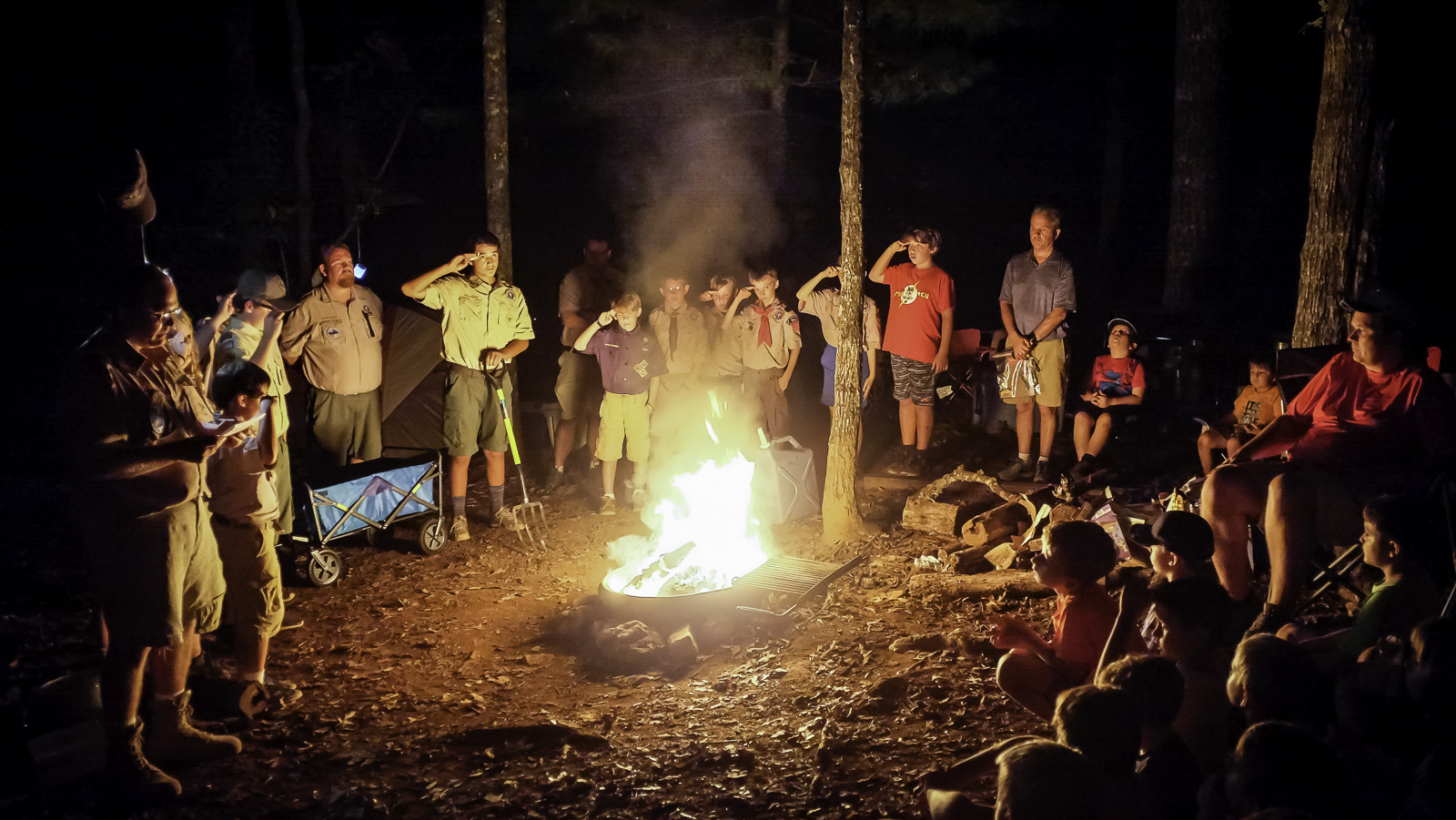
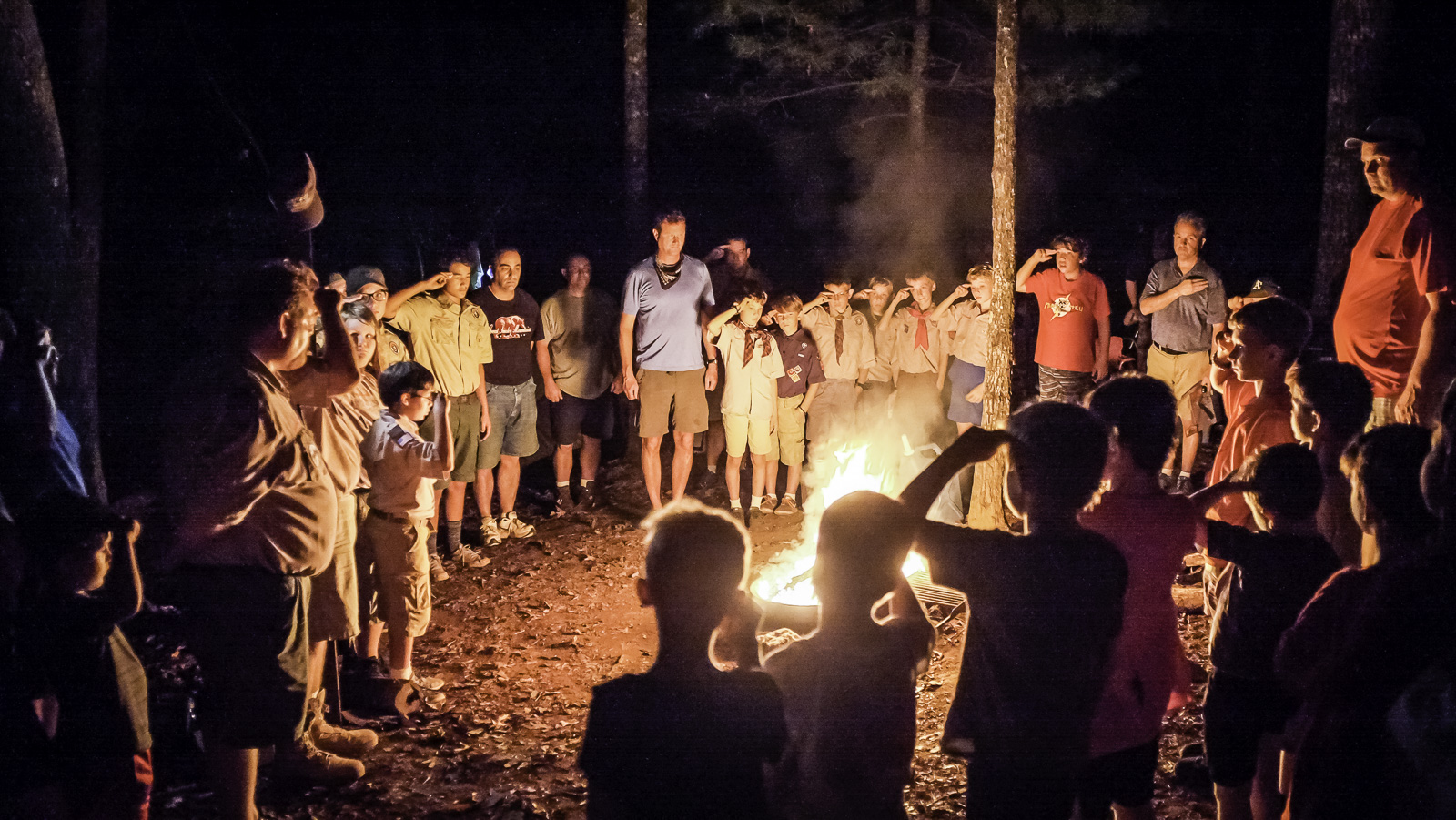
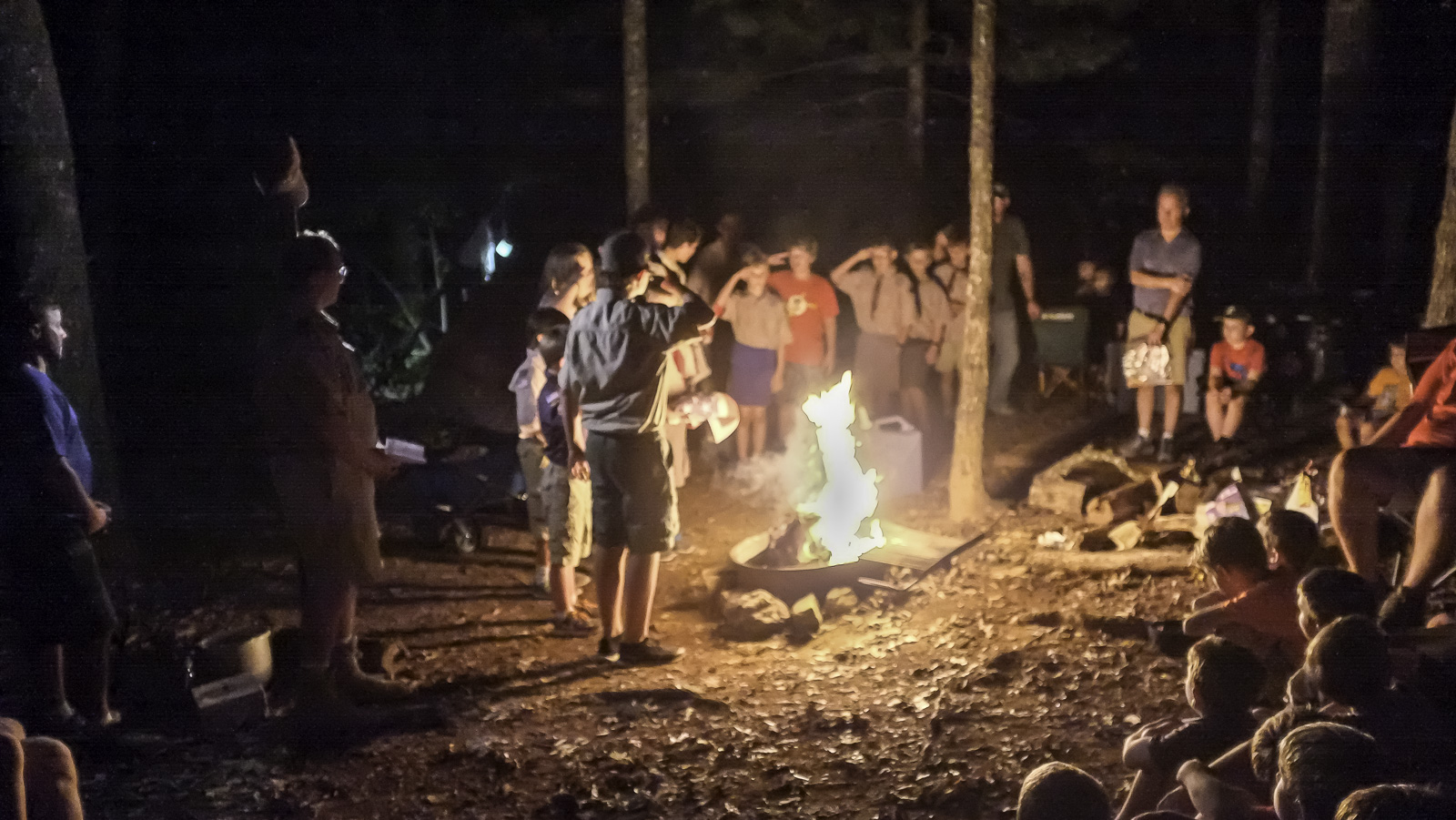
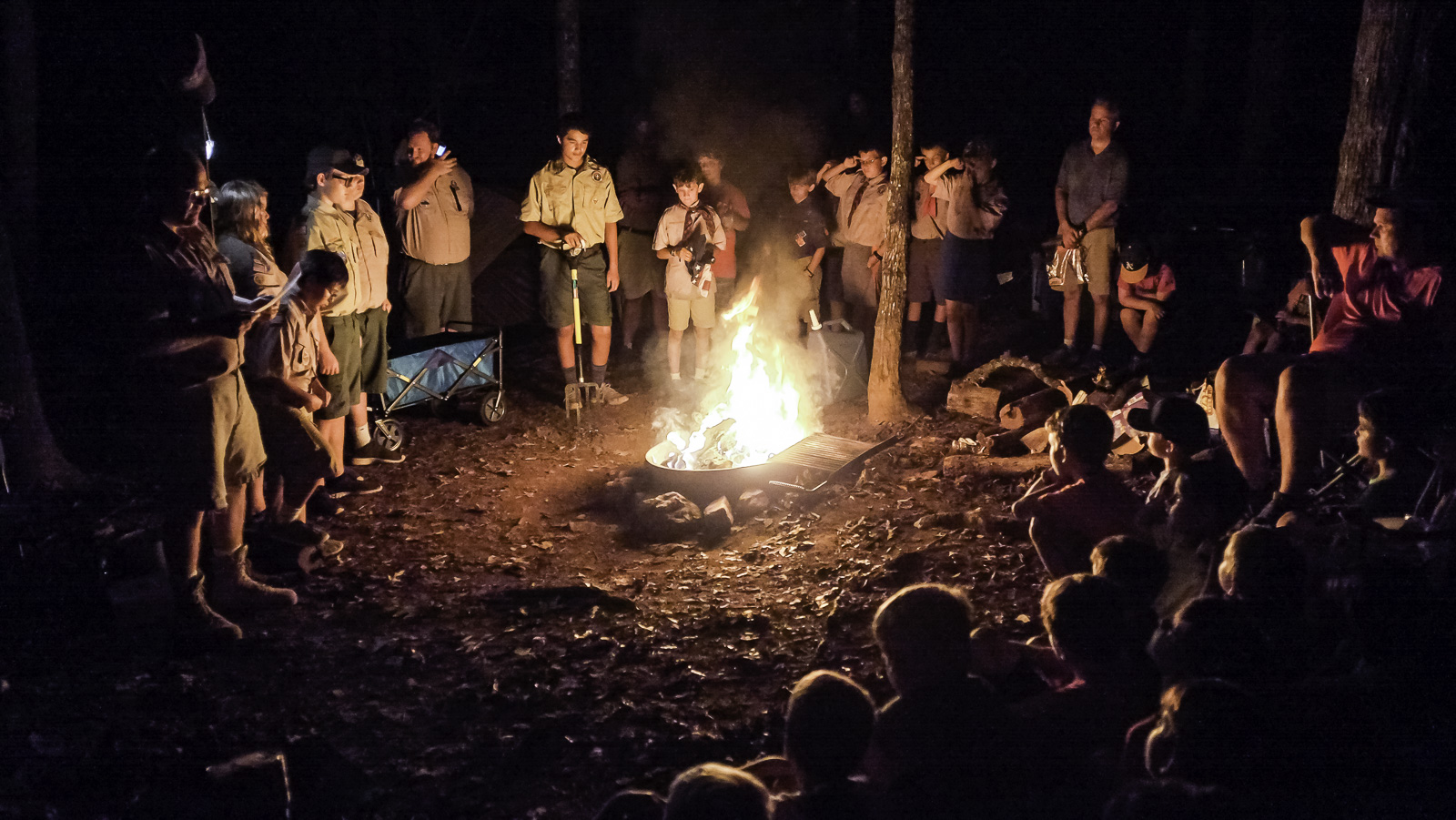
By the time the sun had set and the pack leader had transitioned into the flag retirement ceremony, he wasn't even paying attention to where I was.

But he was paying attention to what was going on. Sort of.

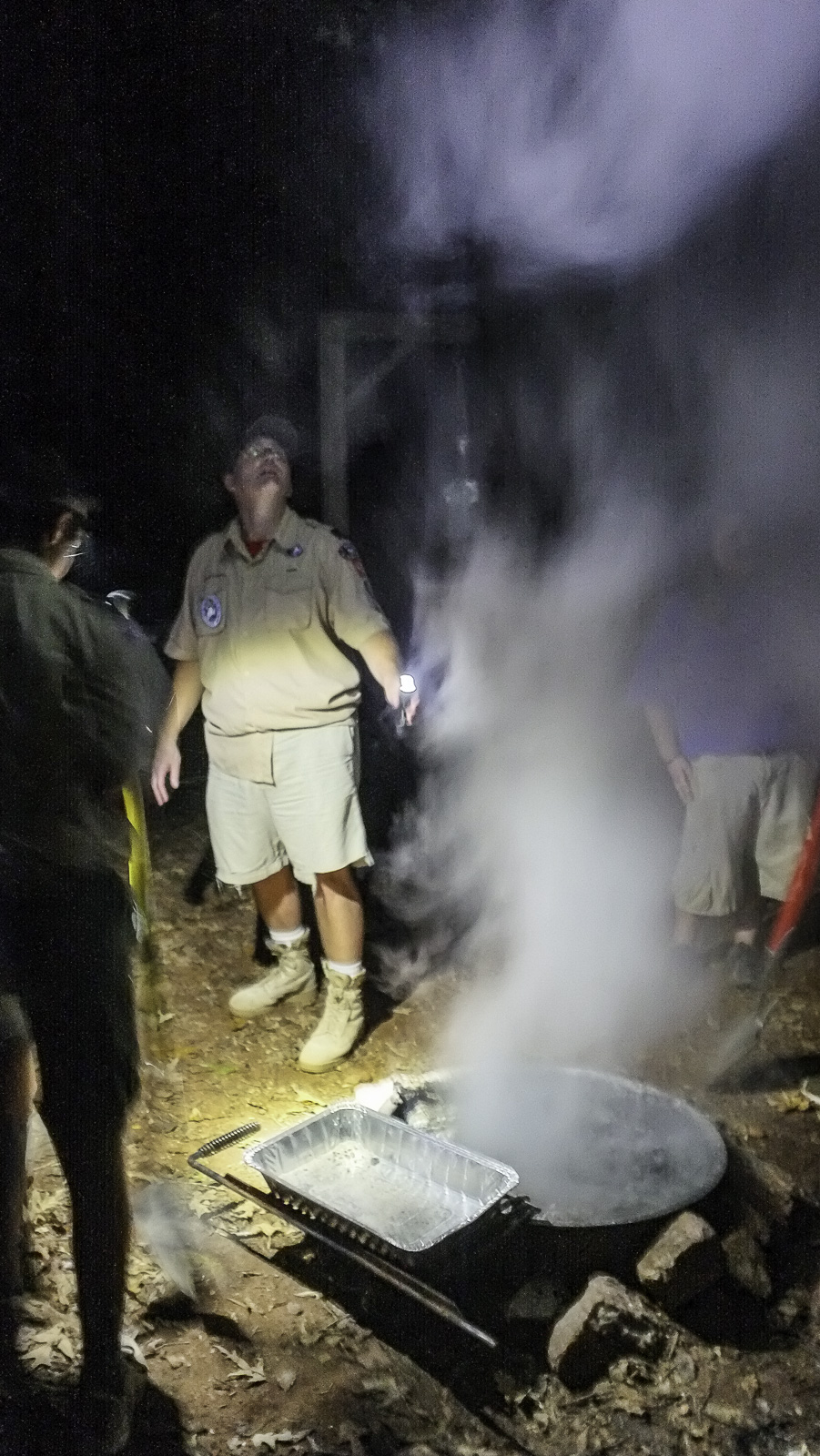
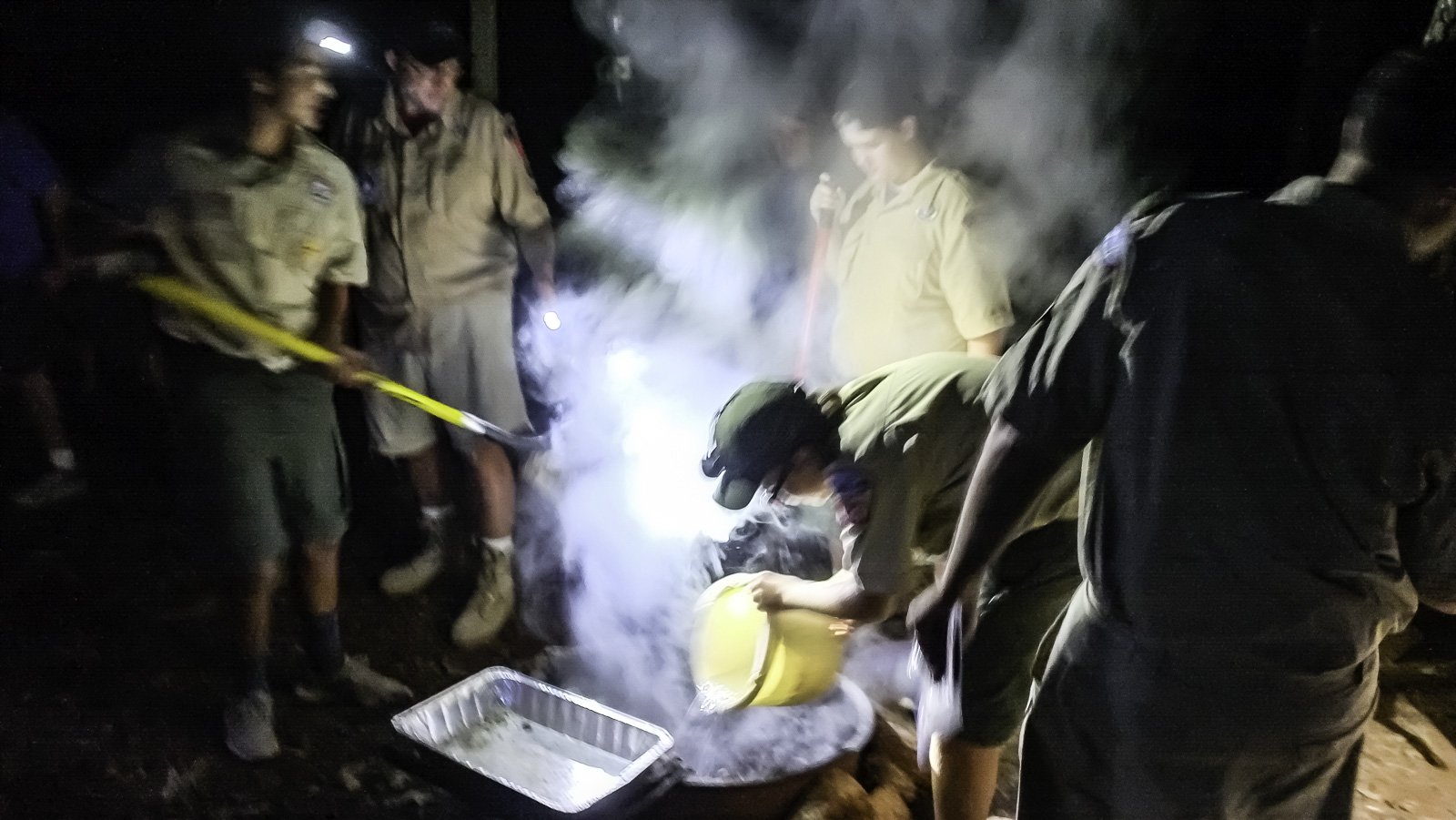
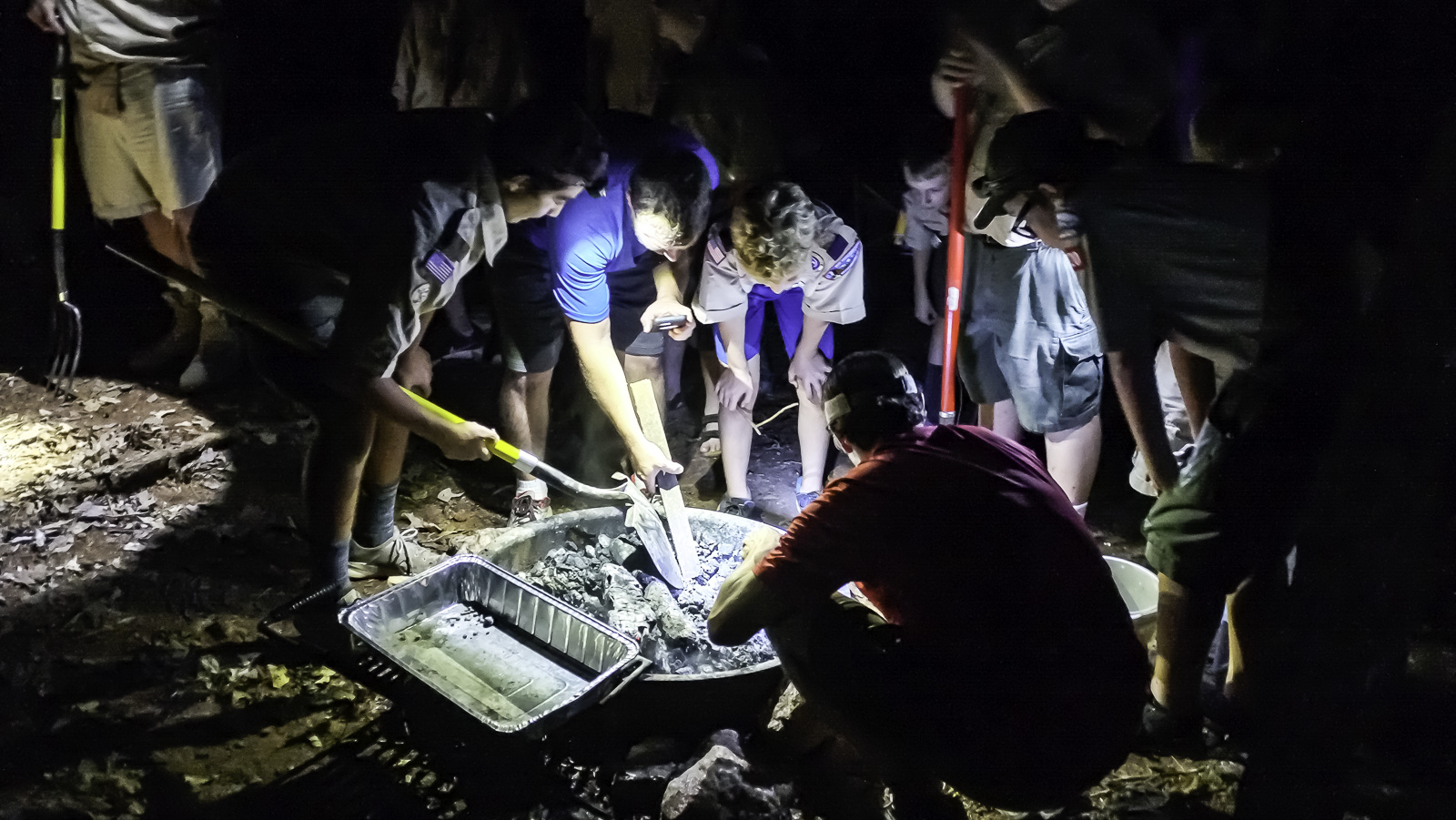
The leader discussed the proper way to handle a flag, the proper way to show respect, and then explained how to retire a flag. It involves fire, which is ironic considering all the controversy over the years regarding burning flags. Yet the pack leader explained that the flag is first cut into four pieces, three pieces with stripes and the star field left whole to signify the unity of the country, and at that point, it is no longer a flag.

"We burn the cloth," he concluded, "then respectfully gather and bury the ashes."

During evening prayers, he suggested we pray for the flag.

"What do you mean?"

"So that they never burn it like that again."

Apparently, he'd misunderstood what was going on, and I suppose he'd simply sat and watched, somewhat horrified, as his pack leader instructed scouts to burn flags. I explained what had happened, and he seemed okay with it, but still a little disturbed.

In the morning, he was ready for more running, yelling, and falling with the boys. It was as if he'd forgotten all about it. I suppose he has, but we'll see next year when we go again.

Party Allegiance

There’s been a lot of talk in conservative circles about Republican party allegiance, with three incidents in particularly coming into play: the three Republican senators who scuttled Trumpcare, Lindsey Graham’s comments about who should support him and who shouldn’t, and Bob Corker and Tim Scott’s criticism of Trump’s handling of the attack in Charlottesville.

Most widely known, nationally anyway until Charlottesville, was Susan Collins’s, Lisa Murkowski’s and John McCain’s voting against the so-called skinny repeal bill that would roll back portions of Obamacare. They were ridiculed for their actions, called “Rinos” (Republican In Name Only), traitors, and worse. And yet why? Because they voted their conscience?

That’s exactly the action I want from my senators. I don’t want them to be mindlessly following some party platform and voting this way because it’s the establishment Republican way to vote. The same applies to Democrats.

I don’t vote Republican because I expect the office-holders always to vote Republican. I vote Republican because, by and large, many of the Republican positions resonate with my own positions. I’m more liberal on many social matters, though, and most of my views regarding education would still be considered left-leaning. But I vote Republican because that’s the way my conscience leans, and I would hope that Republican office-holders are the same.

However, the Republican party is not perfect, and I don’t expect it to be. And I expect office-holders to feel the same way. I don’t expect them to vote Republican for everything because everything Republican is far from perfect.

The alternative is simple: blind party allegiance. It means putting your thinking aside, putting your conscience aside, and going with whatever the party says. It is willfully surrendering your freedom to think for yourself. Blind party allegiance is unhealthy and dangerous: Blind party allegiance is the mentality of members of the Supreme Soviet and the Nazi party — our party is right no matter what! — and not of a well-functioning republic. I would add “like ours” to that last statement, but I don’t think it’s a particularly well-functioning republic right now.

Susan Collins, Republican PartyMany of those who call the three Republicans who voted against the skinny repeal RINOs and such likely don’t even know why they voted that way. Collins explained it thus:

In a statement after the final vote early Friday, Collins said that while she supported components of the final plan and that many Americans are suffering under Obamacare, she said Republican leaders punted on many difficult questions.

“We need to reconsider our approach,” she said. “The ACA is flawed and in portions of the country is near collapse. Rather than engaging in partisan exercises, Republicans and Democrats should work together to address these very serious problems.” (Source)

In other words, she was trying to make the process more republican (notice the lower-case “r”). She was, in my view, behaving like an adult who understands that we don’t always get everything we want, and that compromise and cooperation is always necessary. The other option is not democracy, but it does indeed begin with the same letter.

Lindsey Graham, Republican PartyThe second, less-well-known case is here in South Carolina, where Senator Lindsey Graham clarified his position on deporting DREAMers:
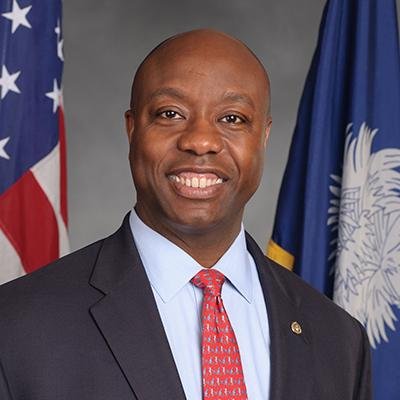
“I’m excited about giving you a chance to live the rest of your life” in America, Graham said of DREAMers.

“I embrace you, and I want you to succeed,” he said, speaking at a press conference with Sen. Richard Durbin (D-Ill.).

“To the people who object to this, I don’t want you to vote for me. Because, I cannot serve you well,” he said. (Source)

According to Fox News, this was “Senator Lindsey Graham (R-S.C.) [telling] voters who support deporting children covered under the DREAM Act that he didn’t want their vote.” It has the connotation, when framed like that, that Graham was saying, “Take your vote and shove it.” That’s the connotation I take from it. Yet look at how he himself framed it: “I don’t want you to vote for me, because I cannot serve you well.” He seems to be framing it in terms of talking frankly to voters: “If this is what you want, I’m not your best choice.” That seems to me highly ethical, surprisingly ethical for the stereotype of politicians misleading people to get votes. He could have said nothing and voted that way despite his earlier implications, by membership in the Republican party, that he would vote for laws that result in DREAMers getting deported and then vote differently. I admire the man for his frankness.

Some Republicans have suggested that this makes him a RINO, too, because he differs from the party line in this particular area. Some have even called him a traitor. For such Republicans, it’s the party line or nothing. Such politicians don’t have the right to call themselves Republican because these other Republicans disagree with their stance on one particular question.

Tim Scott, Republican PartyThe final and most recent example comes with Republican criticism of Trump’s handling of the Charlottesville attack and his suggestion that the counter-protesters were as much to blame as the white nationalist protesters. Bob Corker and Tim Scott both criticized Trump for his response, with the former suggesting that it illustrated that Trump “has not yet been able to demonstrate the stability nor some of the competence that he needs to demonstrate in order to be successful” and the latter saying that Trump’s “comments on Tuesday started erasing the comments that were strong. What we want to see from our president is clarity and moral authority” (Source).
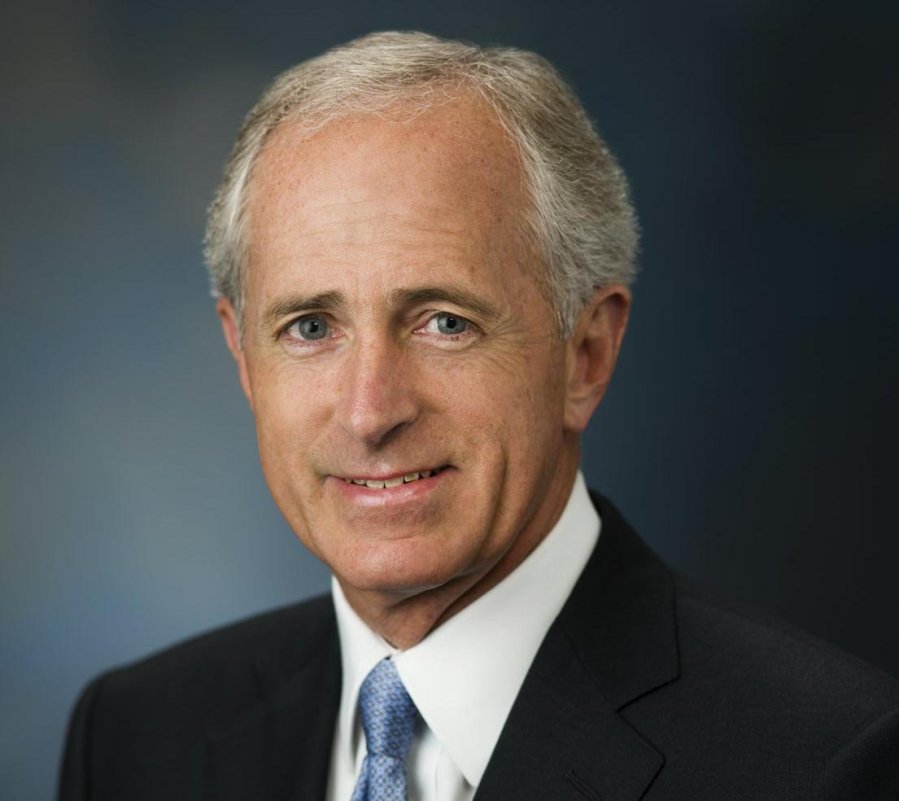
Bob Corker, Republican Party

These two Republican senators criticized, in specific and pointed terms, the behavior of a sitting Republican president, an act which for some is unthinkable. Out came the claims of being a Republican in name only, of being traitorous.

One wonders for such Republicans who are so keen on labeling others in their party just what Trump would have to do to earn their criticism. Trump, during the primary season, suggested that he could go out on Fifth Avenue and shoot someone and not lose any followers. Perhaps for some, he’s right.

Increasing Partisanship

In 2015, Real Clear Politics published an article about such partisanship called “Political Partisanship: In Three Stunning Charts.” The first is most telling.

It shows that in 1949, Republicans and Democrats couldn’t really expect their party-elected officials to vote solidly according to party lines. They leaned left and leaned right, it seems, but didn’t always vote the party line.

There are a lot of potential explanations for this. In 1949, the world was still recovering from the Second World War, which was a time of relative political unity in the States. We were united in fighting the Nazis and Imperial Japan: war always heightens the “us” side of the us/them divide. But look more closely: even in a period of division, like the 1960s, there was more cross-party voting than today.

The Effect of Technology

When did it really start to split? Look at 1979 — that’s when two separate peaks are clearly visible with an ever-widening gulf between them. It grew in the 1980s, then exploded in the 1990s. It corresponds fairly well with the rise of cable and the growth of the internet. The net allows people to tune into information sources that confirm their pre-existing biases.

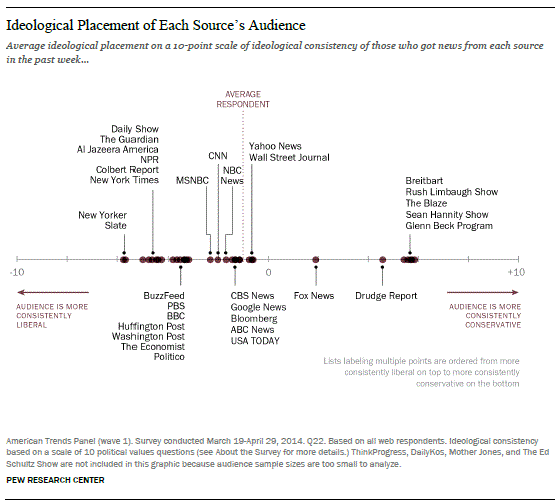
Pew Research did a survey about the “scale of ideological consistency” of viewers and their preferred information outlet:

Those who lean left can comfortably ignore opposing viewpoints if they wish; those who lean right can easily find a comparable echo chamber. Sites like left-leaning Daily Kos and right-leaning Breitbart promote hyper-partisanship: Commenters and writers alike regularly suggest that the other side is the other side because of stupidity and selfishness. People derogatorily call the other side “wingnuts” and “Demoncrats,” dehumanizing them and making it easier to discount the opposing view. These name-calling echo chambers we’ve created on the internet foster an us/them mentality that might be useful for defeating the Axis powers but are not particularly conducive to continuing an effective republic.

When you only hang around people with a right-leaning or left-leaning view that corresponds to your own, your idea of where “center” or “moderate” lie on the political spectrum gets skewed. The result is almost comical if the fate of our nation didn’t ultimately lie in the balance: Ask someone on the far left what a conservative newspaper is, and he might name the New York Times. Ask someone on the far right what a liberal newspaper is, and he’s likely to give the same response.

What’s even more troubling is the recent tendency, particularly in the right-wing camp, of assigning the dismissive label “fake news” to anything that disrupts their right-leaning bias. It allows the wholesale creation of “alternative facts,” as Kellyanne Conway labeled them, which might not be facts at all. In other words, this hyper-partisanship has descended to the level that people don’t even agree on what a fact is anymore.