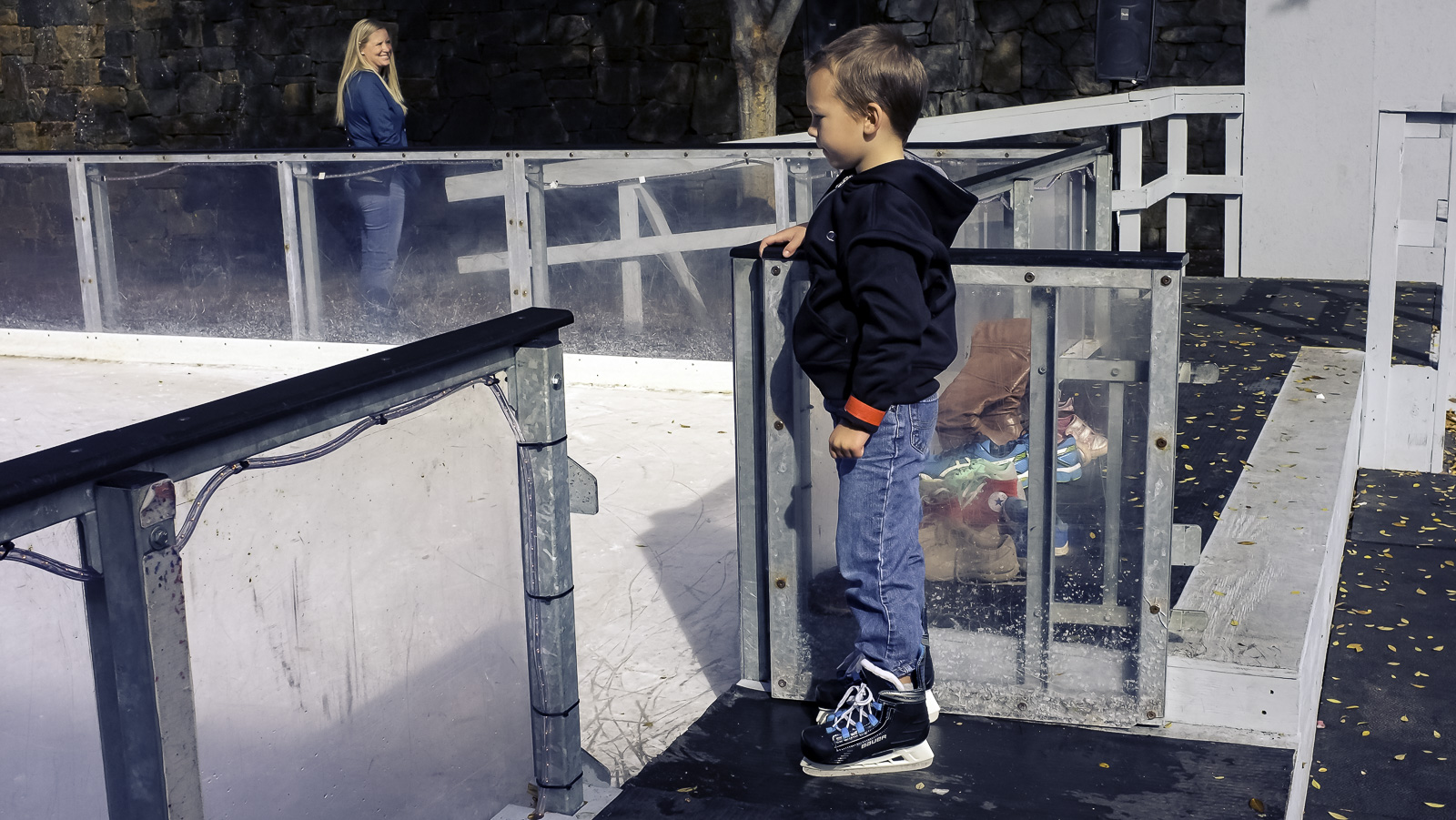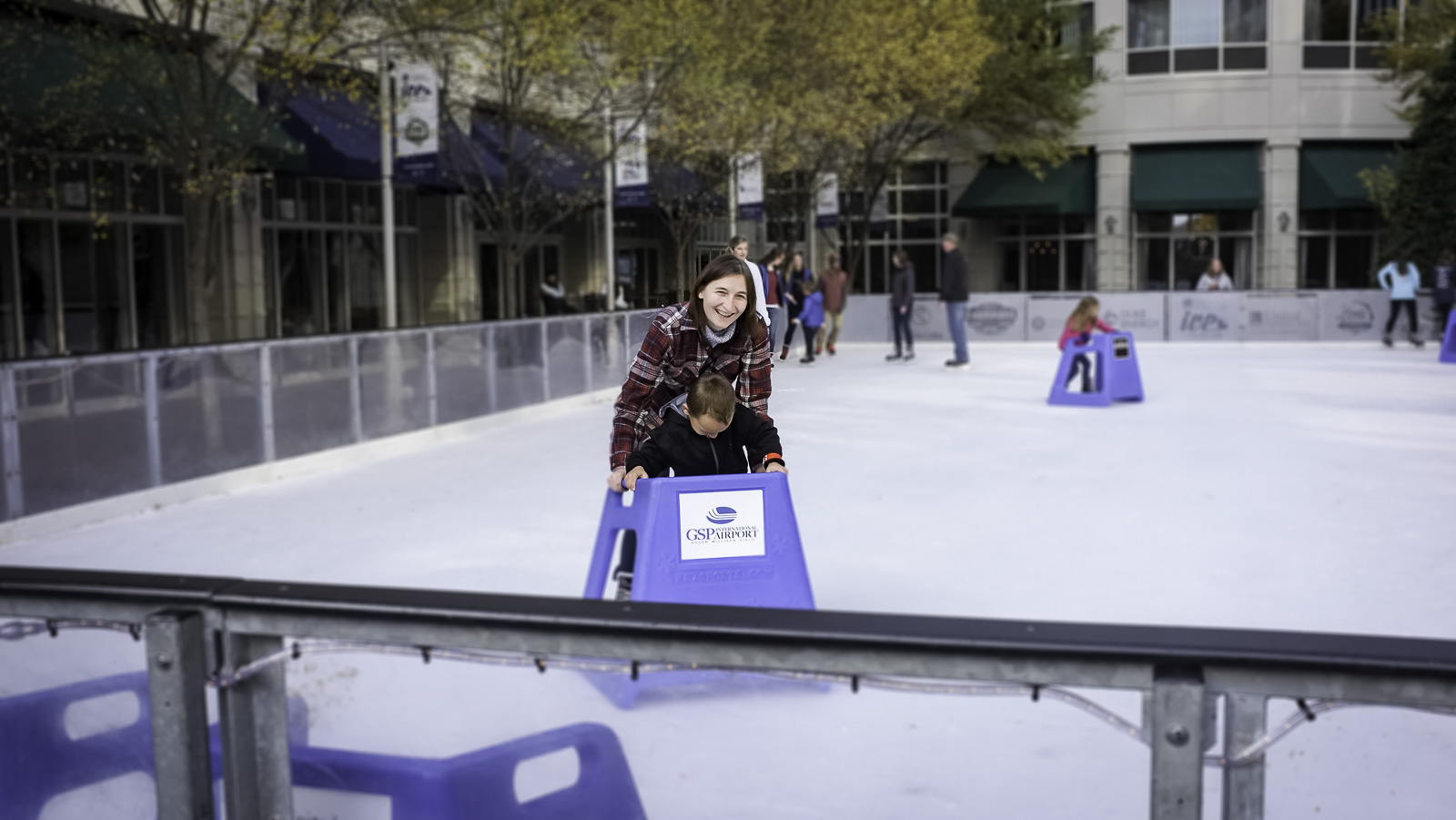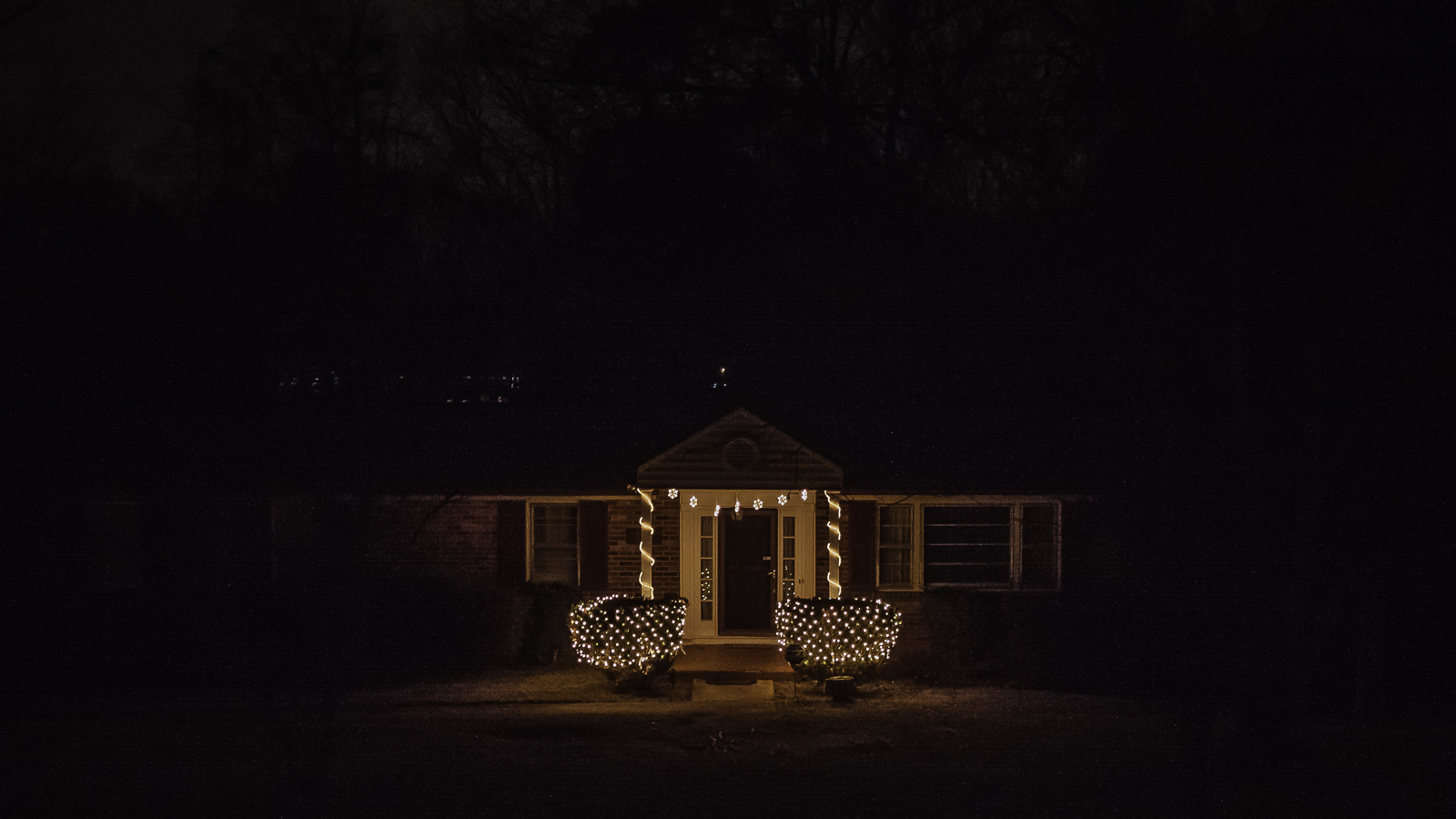
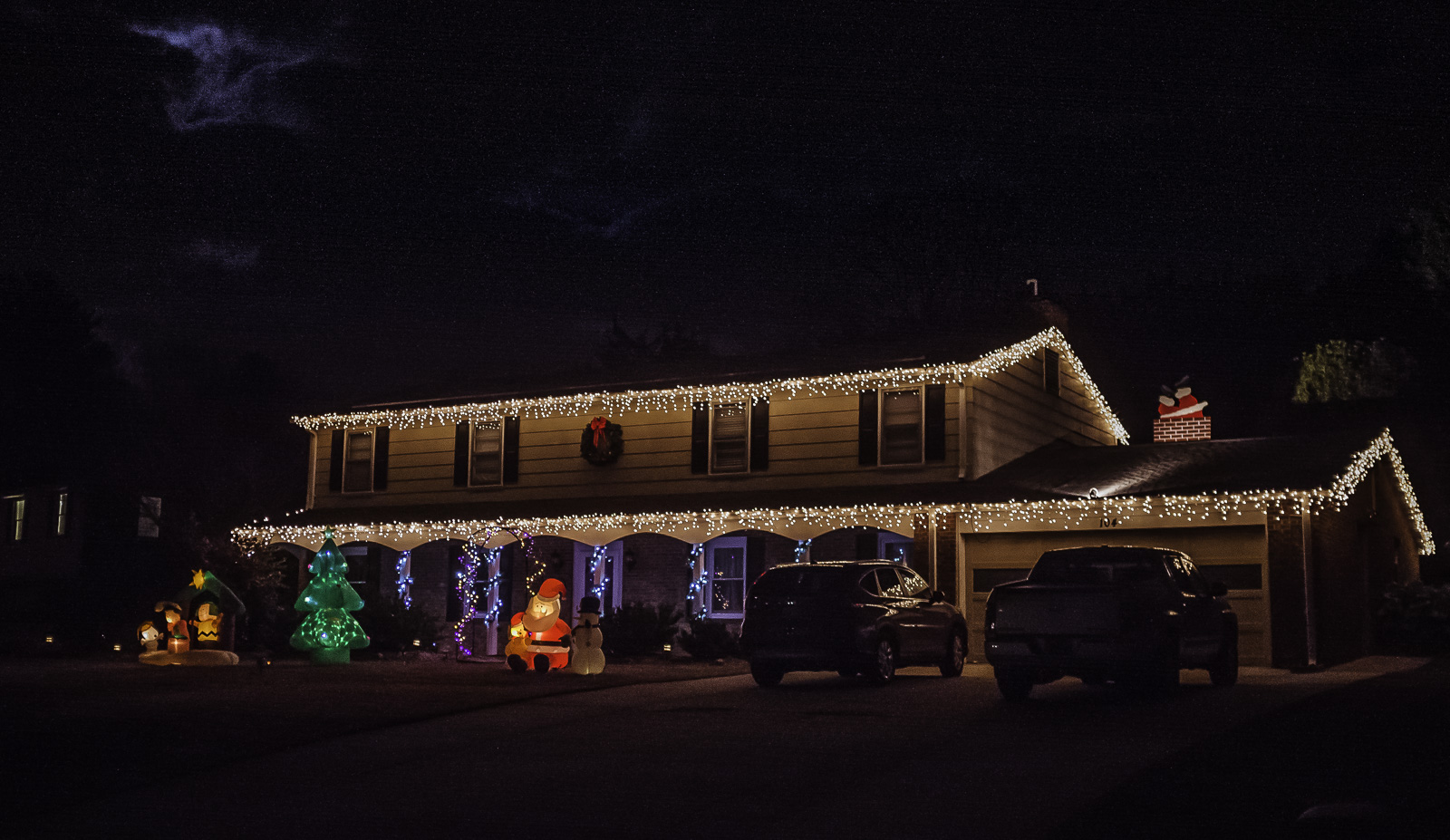

fun in threes, sometimes fours
It was a job the Boy wanted to do from yesterday morning.
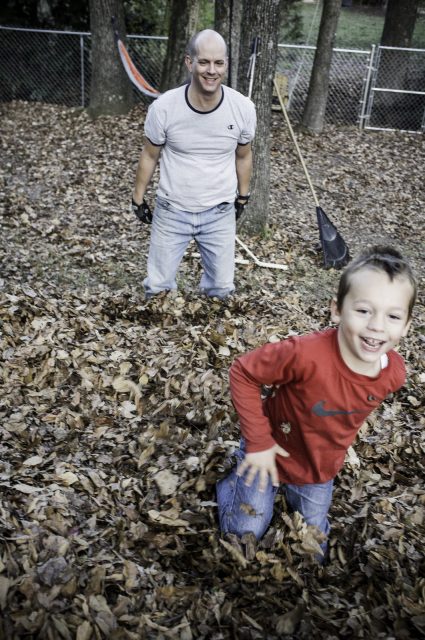
"Now can we rake leaves?" he kept asking.
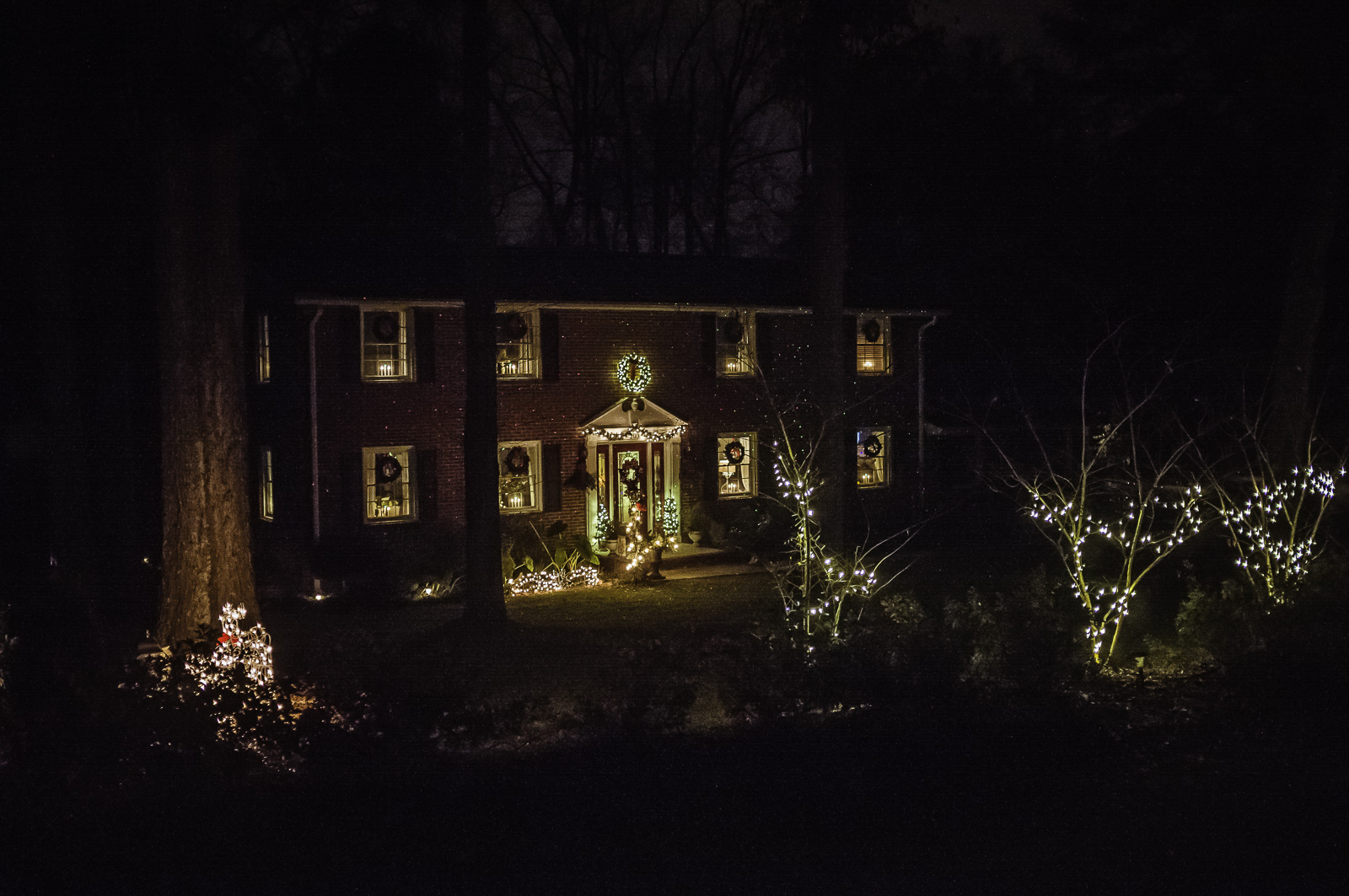
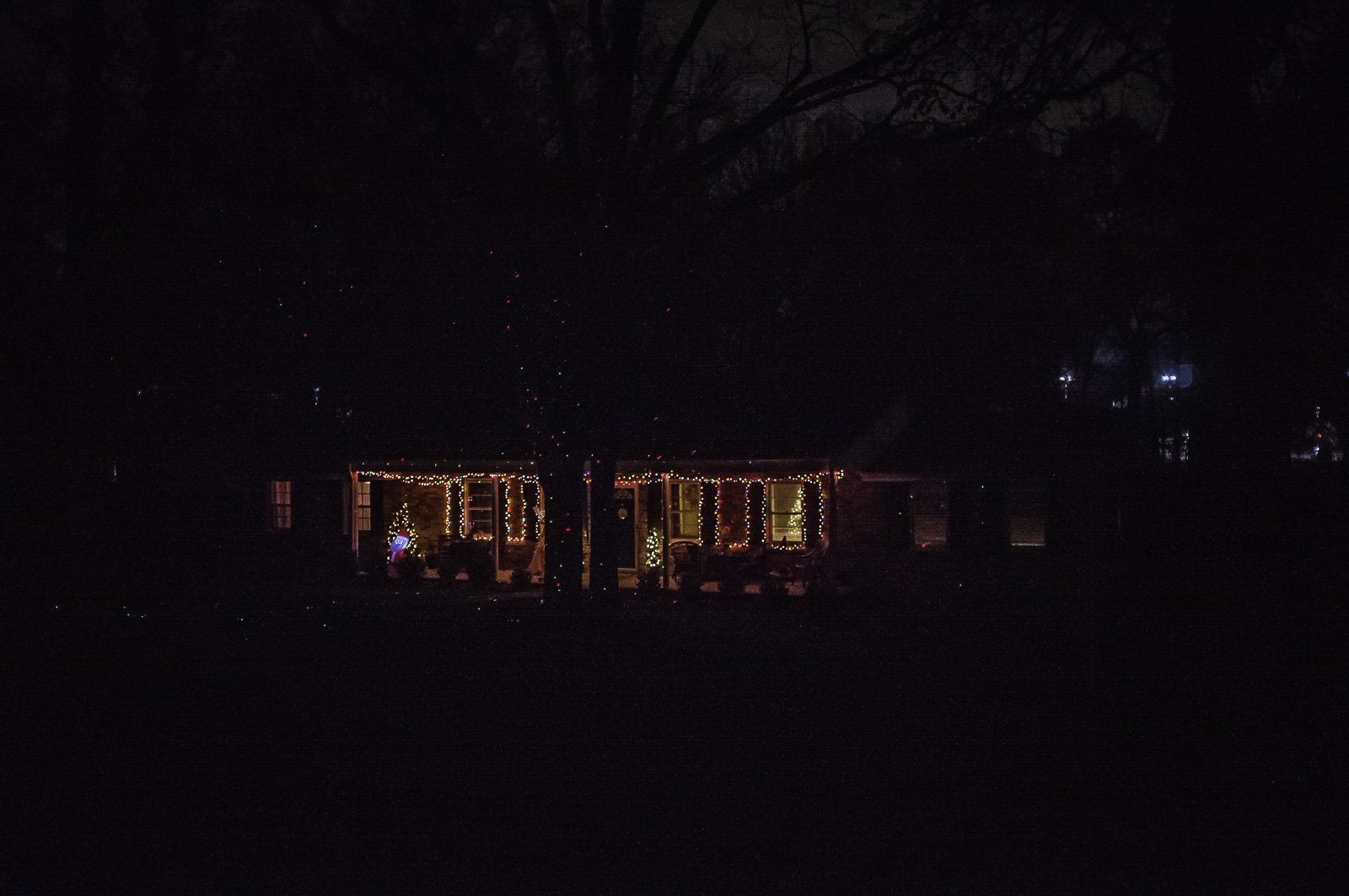
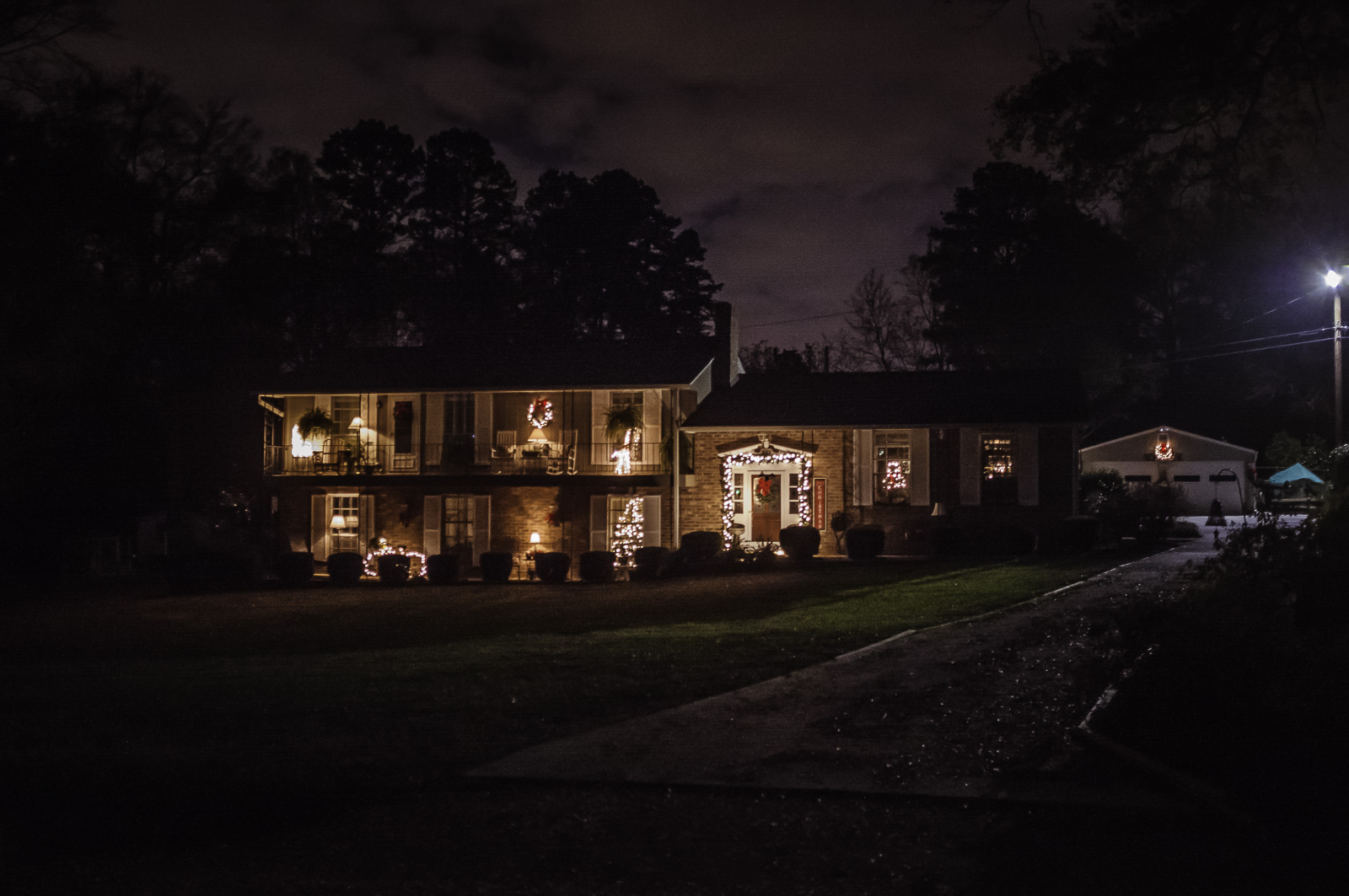
"No, first we're putting up Christmas lights."
He wandered off to play with a neighbor, to have a break inside, to ride his bike, but he came back occasionally to help out.
"Now are we going to rake leaves?" he asked after I finished with the last lights.
"No, now I have to mow."
"Why?"
Indeed. It's December. Why should I be mowing now? That's the reality of living in the south. I'll likely mow again before Christmas. The primary motivation was to take care of the leaves, but the grass was looking a bit unkept as well.
"Now are we going to rake leaves?"
"No, now we're going to Nana's and Papa's to help with their Christmas decorations and to have dinner."
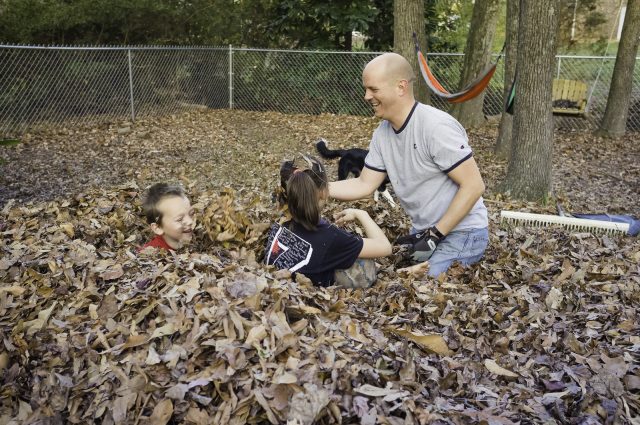
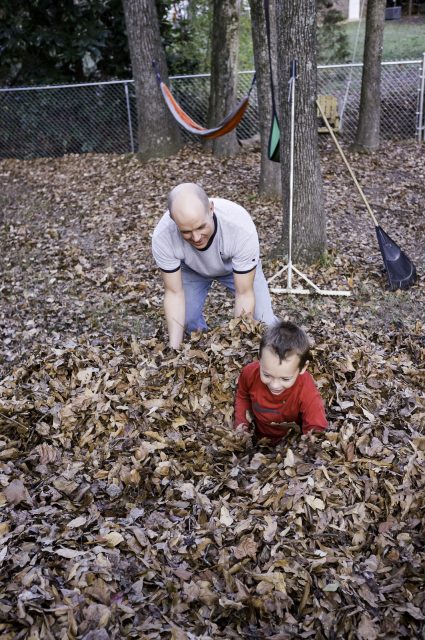
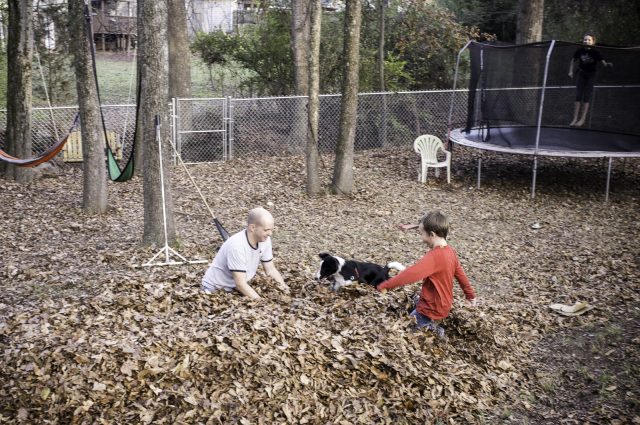
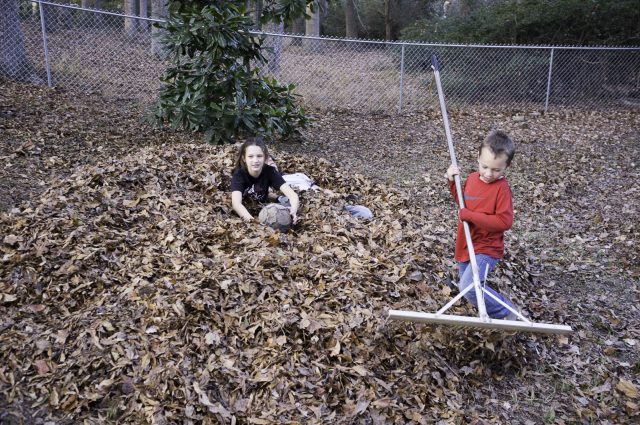
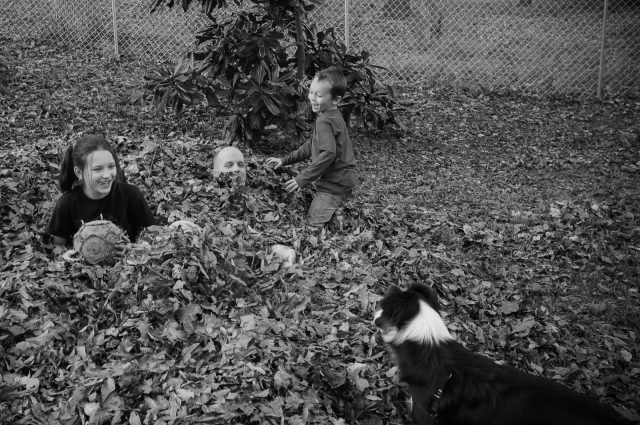
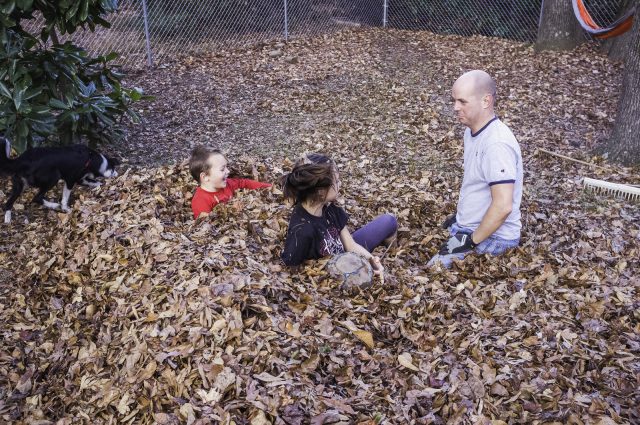
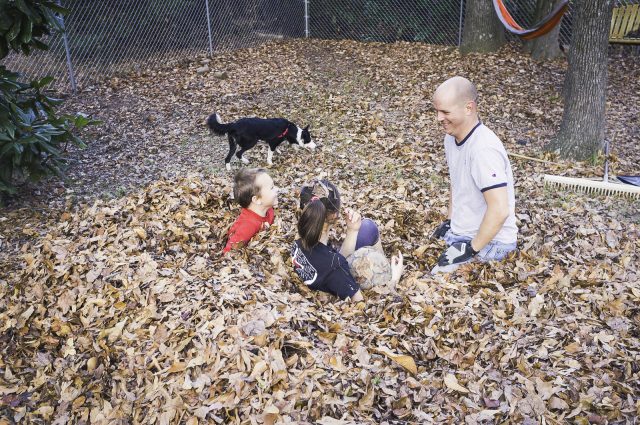
So when we got back from Mass just after noon today, we started raking and blowing the leaves. After Scouts today, we finished up.
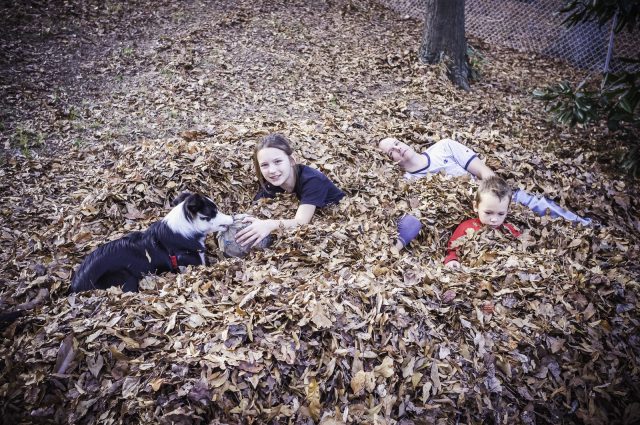
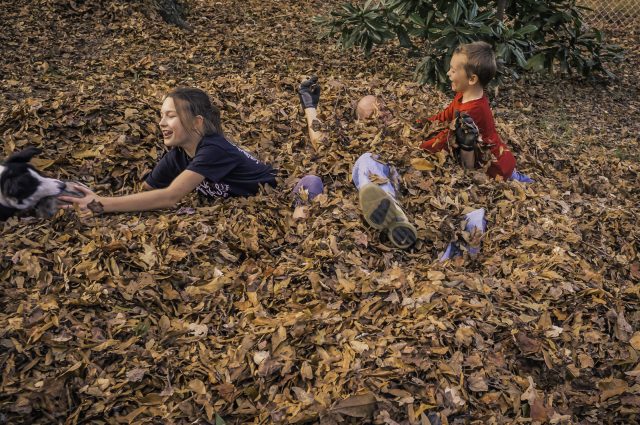
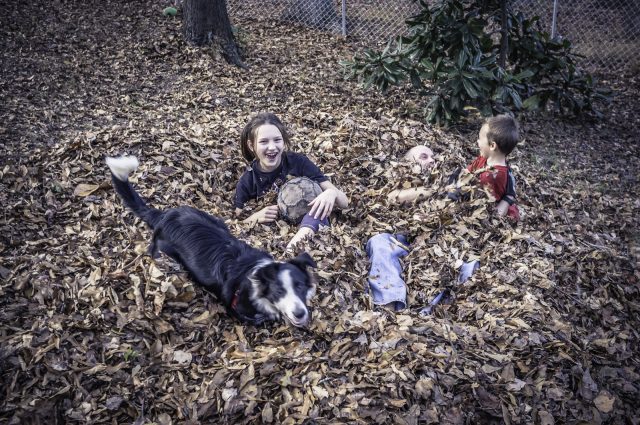
The Girl joined us, because what was the end goal of it all? Simple: a pile of leaves to play in.
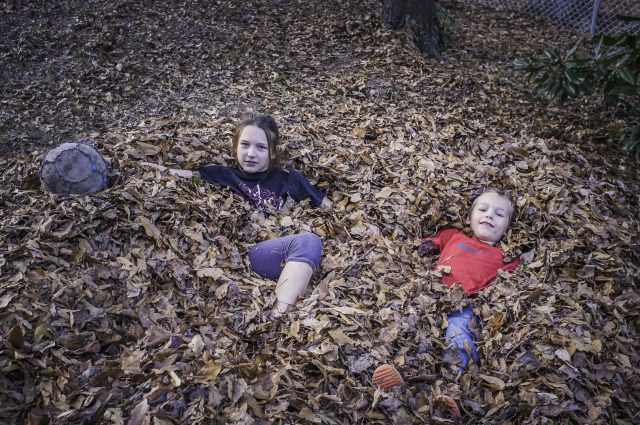
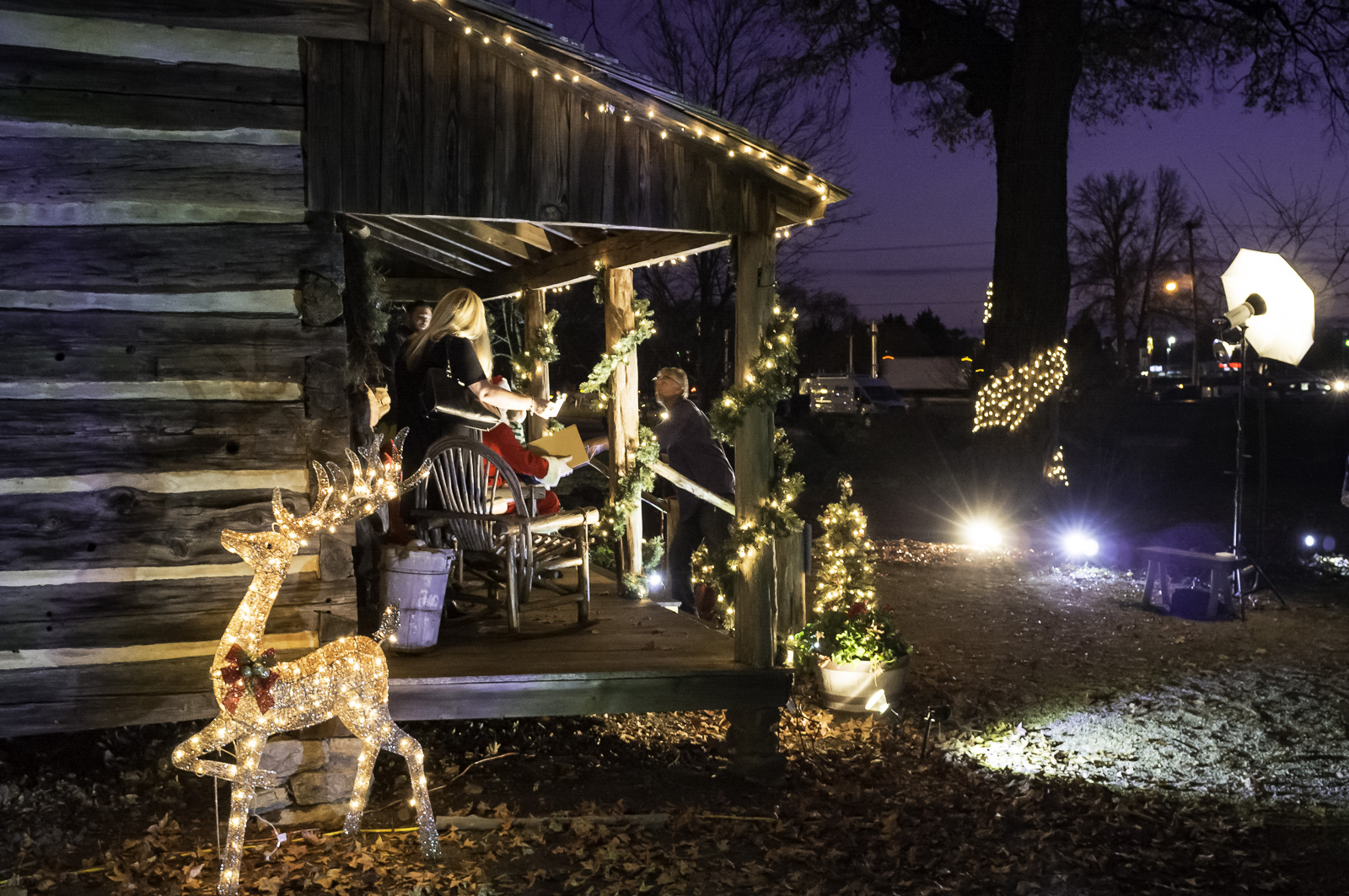
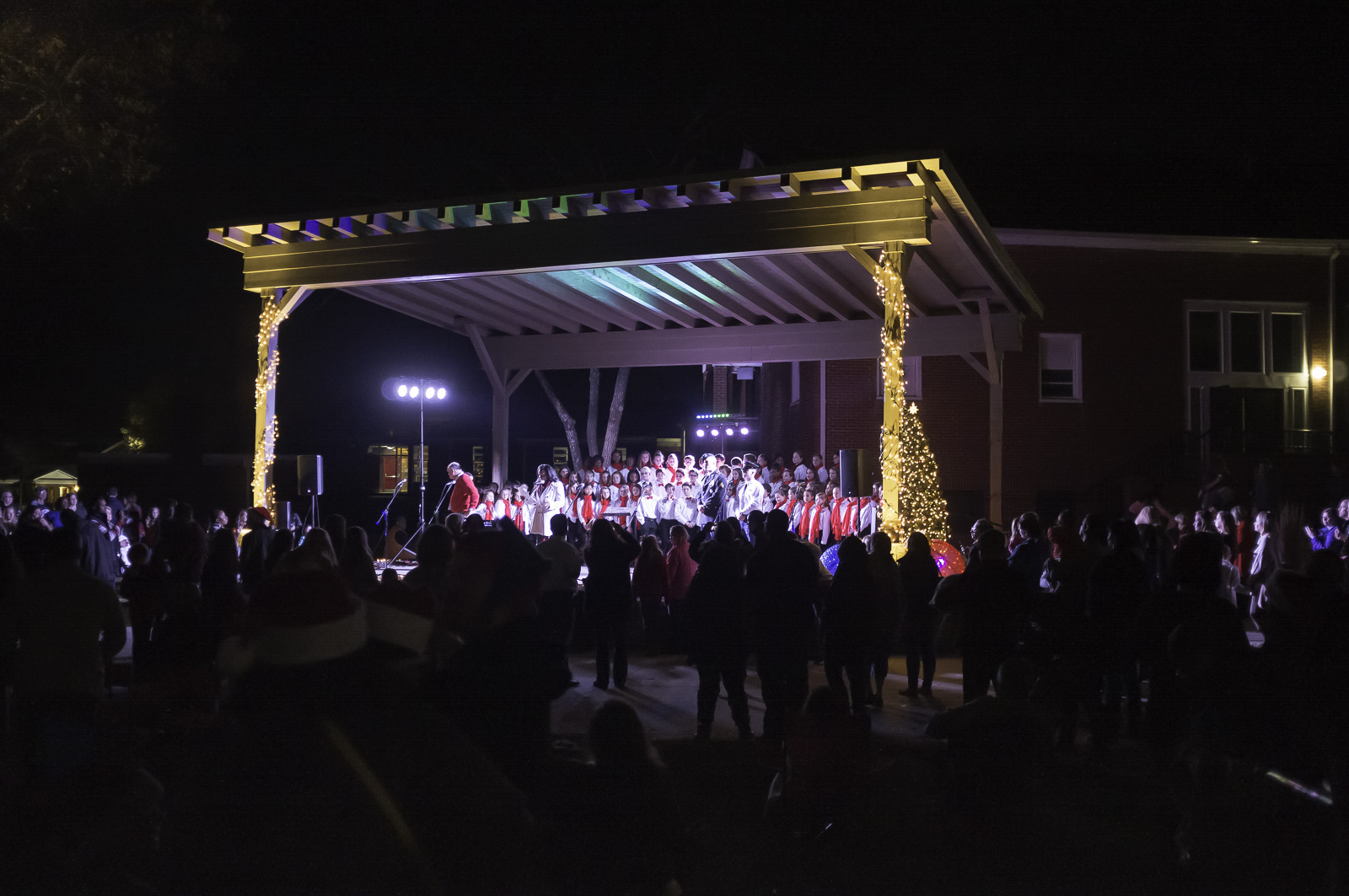
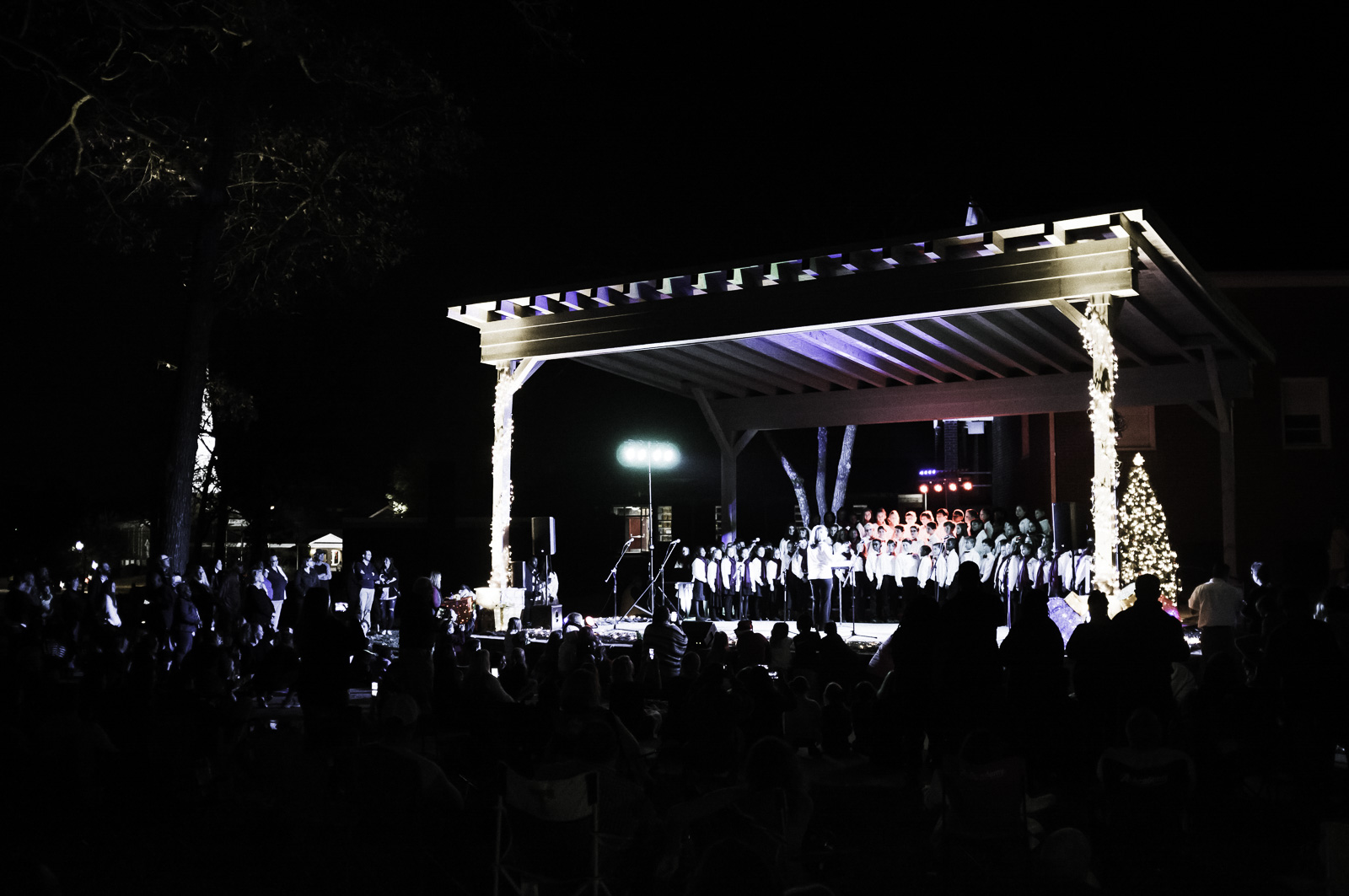
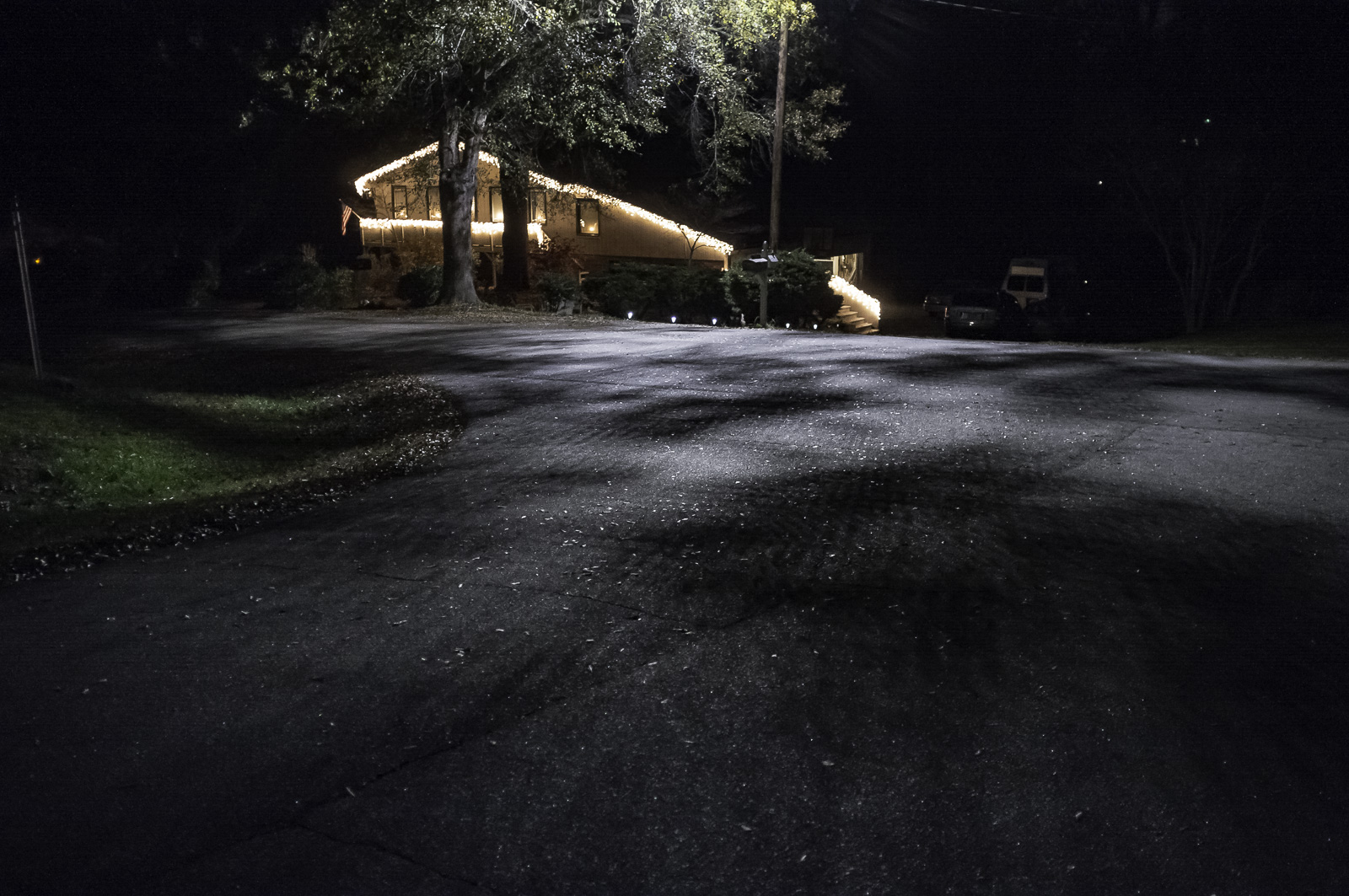
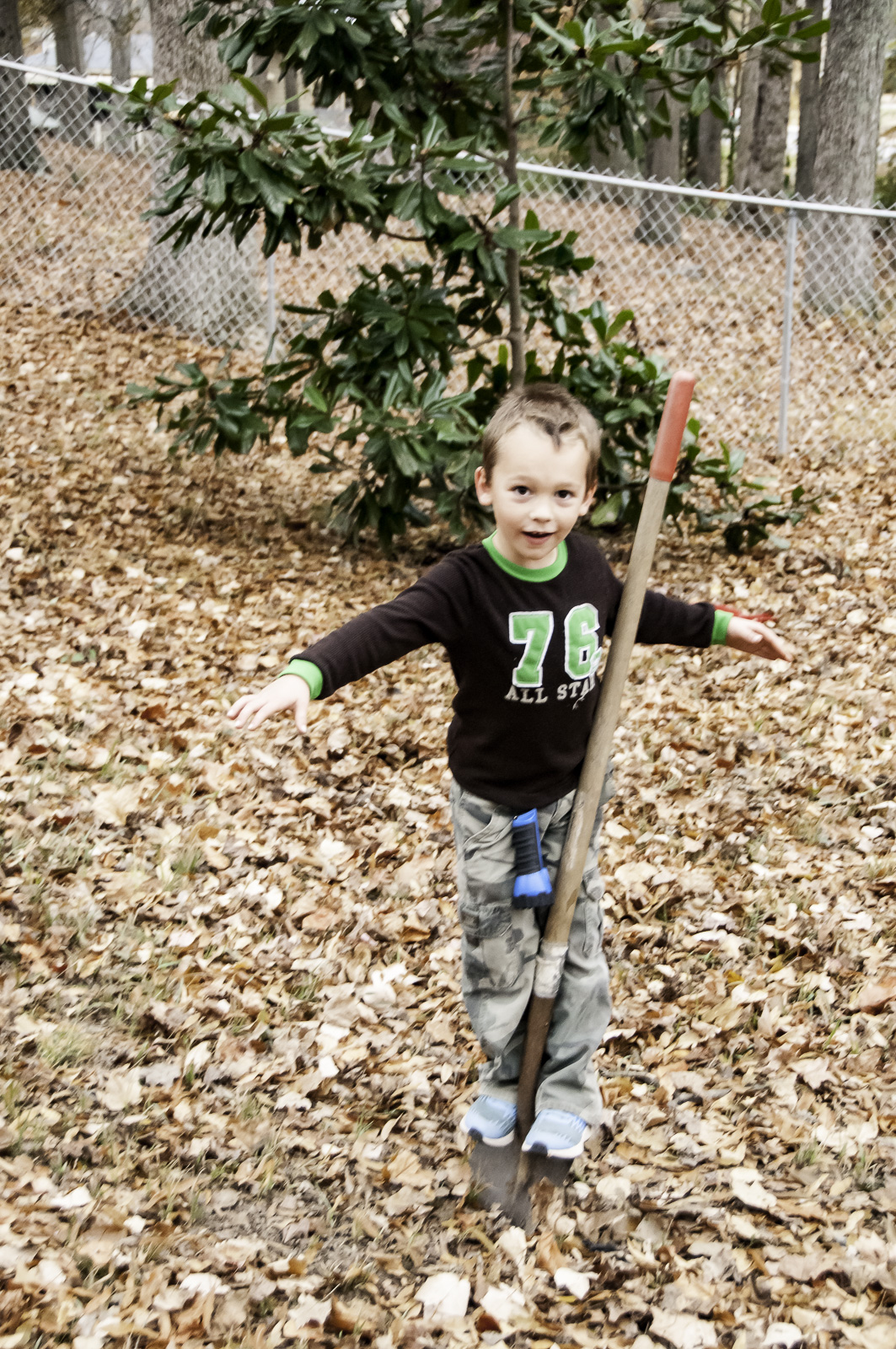

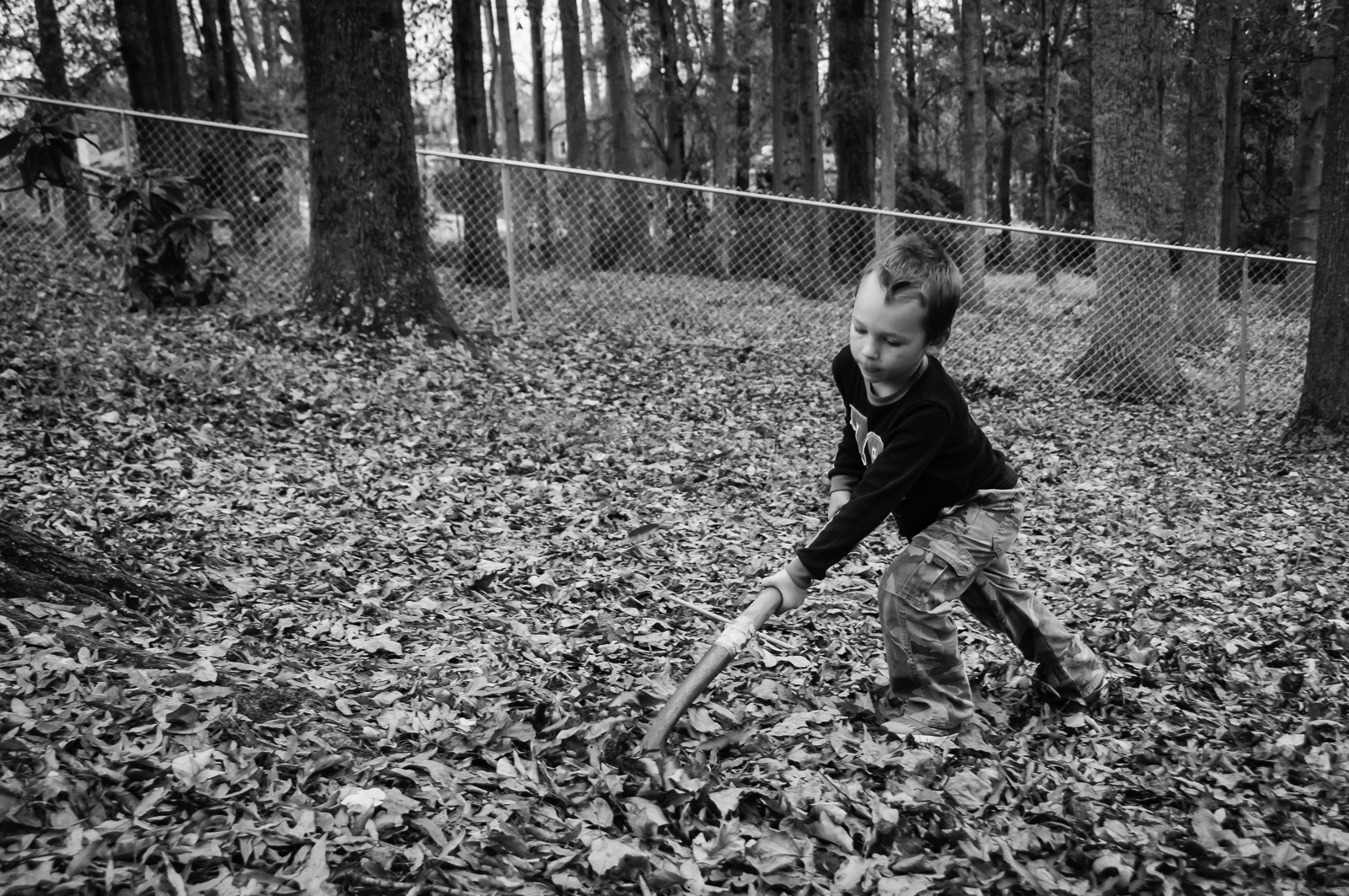
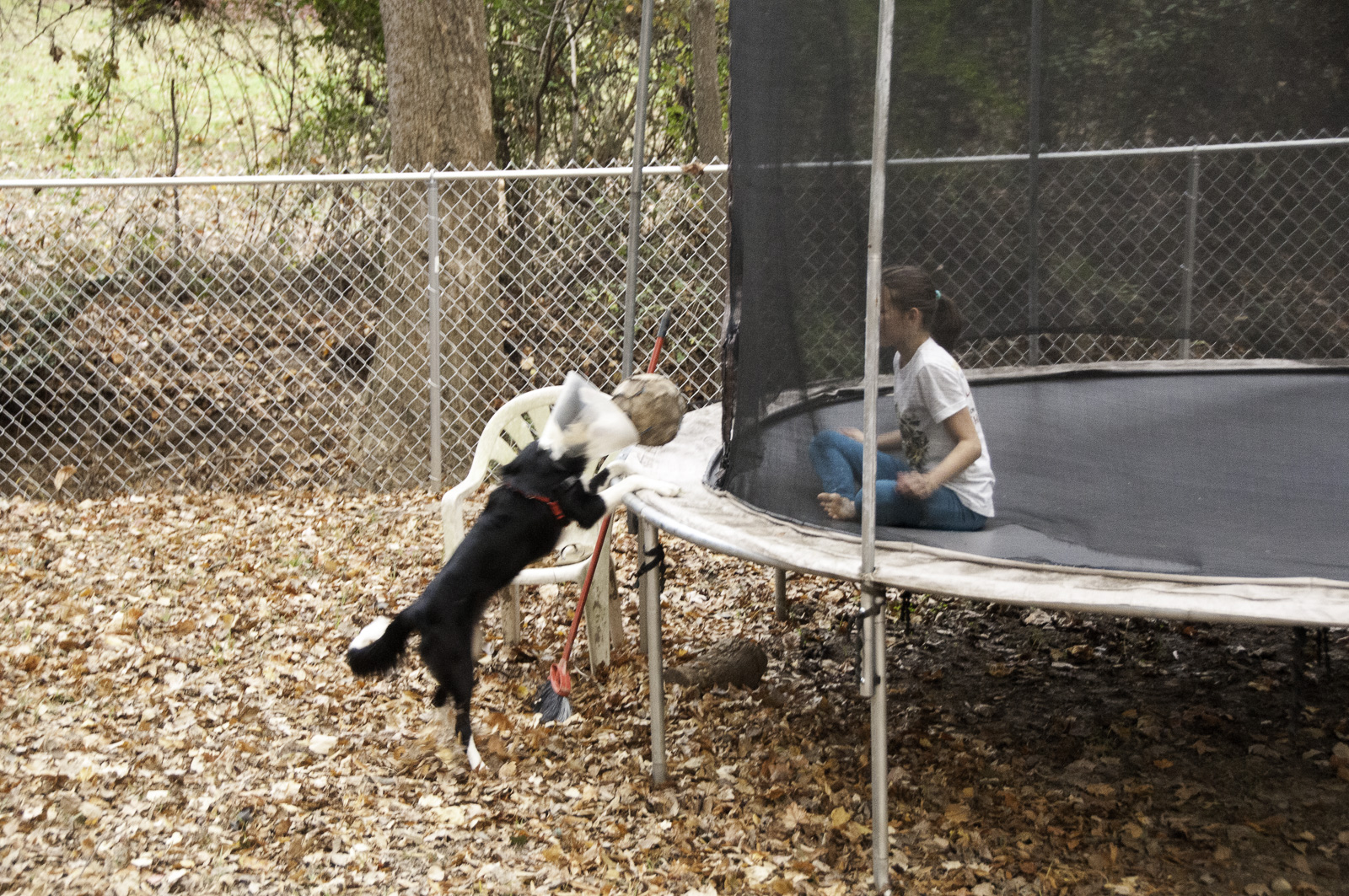
The kids are both at an age that they can find something to do all by themselves. The Boy less so, since he's only five; the Girl more so, because she's nearing her teens.
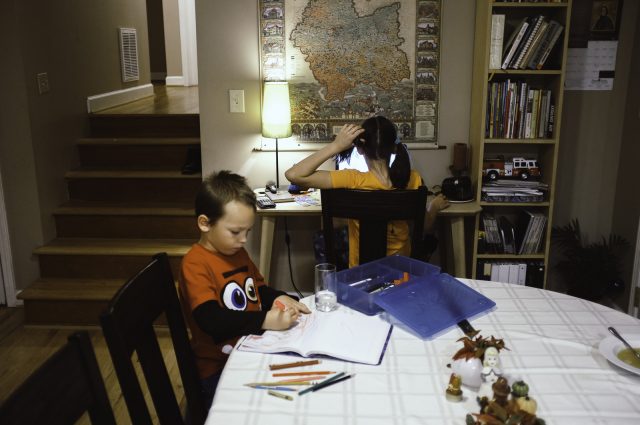
This evening, the Girl was researching prices for an electronic item she is saving up for. She's saved for several items in the past: a Barbie camper, a Barbie bike, and others. Those items are long gone, as well as the dolls which they accessorized. I hadn't thought about that, though, until I sat down to write this: it's been so long since she's played with Barbies that I'd forgotten, on some level, that she ever had. More evidence of that strange way we tend to fall into thinking that the way things are now is how they always have been. And always will be. Remember a Barbie camper reminds me that things change.
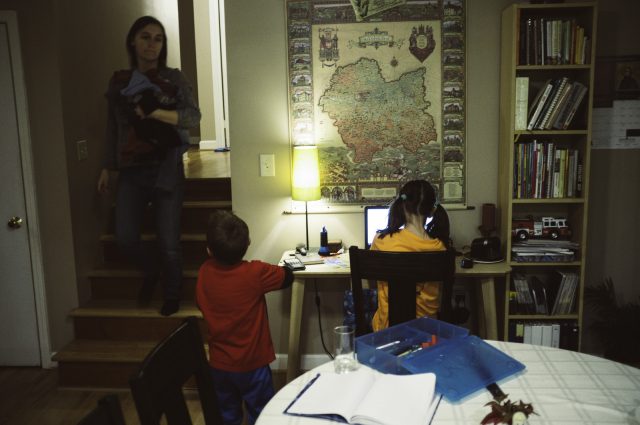
The Boy soon contented himself with drawing. I'm not sure where the urge came from, but he suddenly wanted to draw cupcakes.
"Okay, Google, show me cupcakes" he commanded our Chromebook. It's become a favorite activity: "Okay, Google" activates the voice search, and off he goes. It's a blessing and a curse: it allows him to research things he wouldn't be able to investigate otherwise due to his still-blossoming literacy, but it could lead to a kind of laziness if not monitored as he learns to write.
After L made some decisions about which iPod was within her budget, she sat down at the piano and began picking through some songs. She stopped taking piano lessons at the end of the school year, but dear friends' visit this weekend got her interested again, I think. At least on some level.
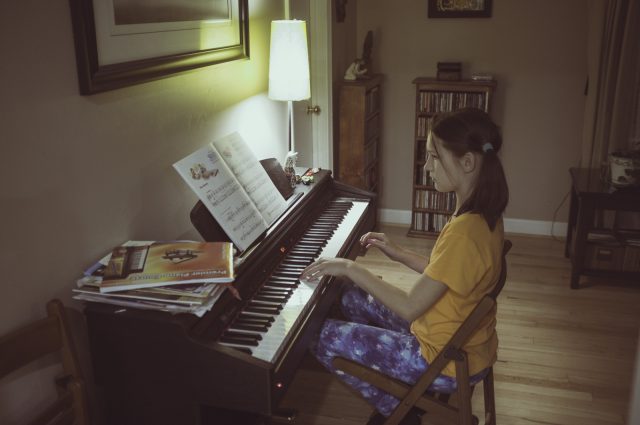
I'm a little torn on the whole issue: there's an argument to be made for insisting that a child learn a musical instrument. But that whole argument is made moot by the fact that the Girl sings three hours a week in the church choir. Let her find her passion, a wiser voice says. Let her follow that.
My English I Honors students have just finished up a four-week poetry unit, which is in a way one of my favorite units we do. It’s not just that I love poetry, which I do, or that I hope to instill in them an appreciation of or even love of poetry, which I do, but it’s also a one of the units where we all see real growth in students’ ability to read and think critically.
At the start of the unit, there are the concerns: Some suggest they cannot understand poetry. Some suggest poetry is just about emotions. Some suggest that learning about poetry has no practical value later in life.
To the first concern, I always point out that learning to read increasingly challenging texts with greater levels of intentional ambiguity is just like everything else: it takes time and practice. I assure them that I’ll give them some skills — some tricks, I call them — that will help them ease the process.
To the second suggestion, I point out that while emotion is a critical element in a lot of poetry, it’s not the end of poetry in itself. It’s a means to an end. The emotion one finds in poetry is not what it’s about — except for some confessional poetry, of course. Even then, there’s always something bigger. I don’t tell them then, but what I’m referring to of course is the lyric moment of a poem, that point at which the reader has an epiphany because the speaker has an epiphany. (I am speaking of modern poetry, of course. When we move back into the nineteenth century and beyond, lyric moments tend to disappear a bit. Just a bit.)
The third worry is easy: No, you won’t read and interpret poetry your whole life, but you will need the skills — picking up on connotation, determining tone, reading for changes in mood — your whole life. No matter what you do, I say, no matter what the job, you’ll need these skills.
So we dive in. We read Elizabeth Bishop and Billy Collins, Dylan Thomas and Theodore Roethke, Langston Hughes and Howard Nemerov, Robert Hayden and in preparation for Romeo and Juliet, Shakespeare. There are others, but I’ve found it most fruitful to read less and read more deeply than read more and only skim over the surface. We read poems and then go back to them again when we’ve learned another skill. We read poems once, twice, three times — again and again and again.
Then comes the test. A simple, four-question test. “Four questions, Mr. Scott?! Only four?!” they all reply when we prep for it. I give them two poems, both by W.D. Snodgrass: “Momentos, 1” and “A Locked House.”
Momentos, 1
Sorting out letters and piles of my old
Canceled checks, old clippings, and yellow note cards
That meant something once, I happened to find
Your picture. That picture. I stopped there cold,
Like a man raking piles of dead leaves in his yard
Who has turned up a severed hand.Still, that first second, I was glad: you stand
Just as you stood—shy, delicate, slender,
In that long gown of green lace netting and daisies
That you wore to our first dance. The sight of you stunned
Us all. Well, our needs were different, then,
And our ideals came easy.Then through the war and those two long years
Overseas, the Japanese dead in their shacks
Among dishes, dolls, and lost shoes; I carried
This glimpse of you, there, to choke down my fear,
Prove it had been, that it might come back.
That was before we got married.—Before we drained out one another’s force
With lies, self-denial, unspoken regret
And the sick eyes that blame; before the divorce
And the treachery. Say it: before we met. Still,
I put back your picture. Someday, in due course,
I will find that it’s still there.
We read it together, make sure there are no unknown or confusing words, then move on to the second poem.
A Locked House
As we drove back, crossing the hill,
The house still
Hidden in the trees, I always thought—
A fool’s fear—that it might have caught
Fire, someone could have broken in.
As if things must have been
Too good here. Still, we always found
It locked tight, safe and sound.I mentioned that, once, as a joke;
No doubt we spoke
Of the absurdity
To fear some dour god’s jealousy
Of our good fortune. From the farm
Next door, our neighbors saw no harm
Came to the things we cared for here.
What did we have to fear?Maybe I should have thought: all
Such things rot, fall—
Barns, houses, furniture.
We two are stronger than we were
Apart; we’ve grown
Together. Everything we own
Can burn; we know what counts—some such
Idea. We said as much.We’d watched friends driven to betray;
Felt that love drained away
Some self they need.
We’d said love, like a growth, can feed
On hate we turn in and disguise;
We warned ourselves. That you might despise
Me—hate all we both loved best—
None of us ever guessed.The house still stands, locked, as it stood
Untouched a good
Two years after you went.
Some things passed in the settlement;
Some things slipped away. Enough’s left
That I come back sometimes. The theft
And vandalism were our own.
Maybe we should have known.
The questions:
These are somewhat tricky poems. “Momentos, 1” has a couple of tones in the first part of the poem that are then echoed in mutated form in the second half.
“A Locked House” uses a long, extended metaphor that, being a metaphor, is never expressly explicated. Experienced readers immediately see that the house is a metaphor for the speaker’s and his wife’s marriage, but thirteen-year-olds don’t always see that at first.
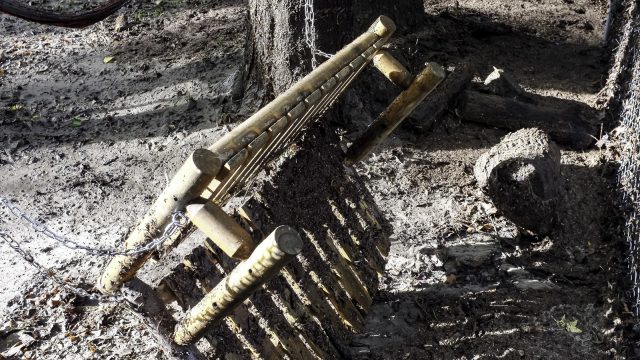
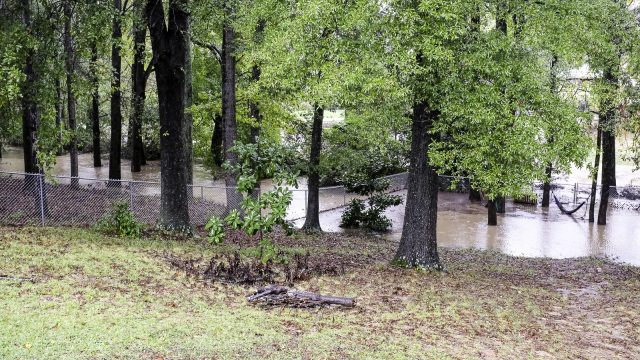
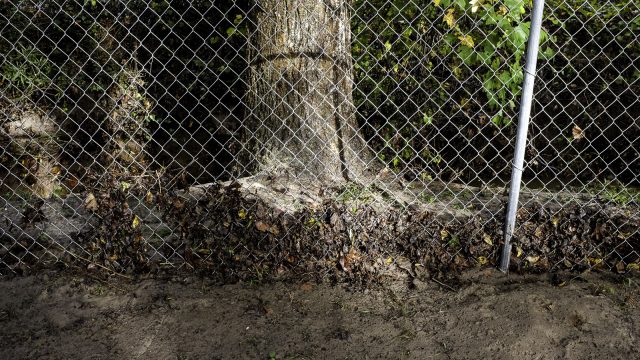
Post-flood pictures from a month ago or so.

You want to enter every conversation assuming you have something to learn.
“I just realized we haven’t read E the Christmas story,” my wife said to me this evening. I thought of the Dickens tale, and remembering the new film version of its making that is now out, I thought, “What a great idea.”
“You mean the Dickens story?” I asked to confirm.
“No, the Christmas story,” my wife replied.
I’ve just crashed. I haven’t so much lost my faith as given it up. Tossed it. Or rather, I think I’ve realized that I never had it to begin with. This is the second time in my life that this has happened. Why I didn’t learn the first time is beyond me, but something made me want to be a Catholic like my wife. A desire for consistency? Who knows. I do know that that desire is gone now. It all seems so preposterous, the Bible, the saints, the Son of God — it just seems like a fairy tale to me again.
So the last thing in the world I want to do now is to teach this to my children. But the next-to-last thing in the world I want to do now is come clean to my wife about my new, old skepticism. I’ve decided to just play along, for now, living in a sort of spiritual closet with my children and trying to keep quiet about my doubts in front of them.
And yet I hope to plant a seed of skepticism in my children, a questioning spirit that doesn’t settle for simple answers, that doesn’t accept answers without asking further questions.
As he was eating his pre-bed yogurt, I began reading the story from the illustrated Bible someone gave him.

It begins with the Annunciation, an angel appearing before a young girl and announcing that she will bear the child of God.
My mind immediately began running through the problems with this: the whole nonsensical doctrine of completely human and completely divine; the oddly perverse insistence that the girl must be a virgin out of a desire to use this to fulfill a supposed Old Testament prophecy that the Messiah will be born of a virgin, which in fact was based on an inaccurate translation from Hebrew to Latin; the whole question of why in the world a god would announce his presence in such an oddly ineffective way. All this and more. Yet I just asked a simple question: “What do you think about this?”
“It’s good,” my son said.
“What do you mean?”
“Because God can do anything,” came the odd answer. He is, after all, five: critical thinking is not a skill he yet possesses.
On the next page, we read about Joseph’s concerns about marrying Mary and the account in Luke of an angel appearing to him to soothe his worries.
My mind immediately began running through the problems with this: was he just worried that Mary, being unmarried yet pregnant, risked some sort of horrible punishment at the hands of the first-century Jews, who were still stoning people? Did he find it odd that this happened before marriage, knowing the potential societal reaction? Did he wonder if perhaps Mary was just promiscuous? Why exactly did the angel need to calm his fears?
A few pages later, angels appear again, this time to the shepherds in the fields.

“Has an angel ever appeared to you?” I asked.
“No,” came the direct answer.
“Me neither,” I said. “I wonder why.” And I continued reading.
It’s in these types of conversations that I hope to spark a bit of probing skepticism. Does this mean I am seeking superstitiously to undermine my wife? I suppose it does. Is that a bad thing? I suppose it’s a bit dishonest.
If I keep this up, the real conundrum awaits in the probably-not-too-distant future: what will I say when my daughter, who is almost eleven, begins noticing the changes? I can’t bring myself to say the creed during the Mass because I don’t believe in one God, the Father almighty, maker of heaven and earth, of all things visible and invisible, and I don’t believe in one Lord Jesus Christ, the Only Begotten Son of God, born of the Father before all ages. I won’t be going for communion anymore because when the priest says, “The body of Christ,” I am to assent to that belief by saying, “Amen.” And I don’t believe that the priest is giving out anything other than tasteless wafers and overly-sweet wine.
So she will notice, and she will ask, “Daddy, why don’t you go to communion anymore?”
And what will I say?