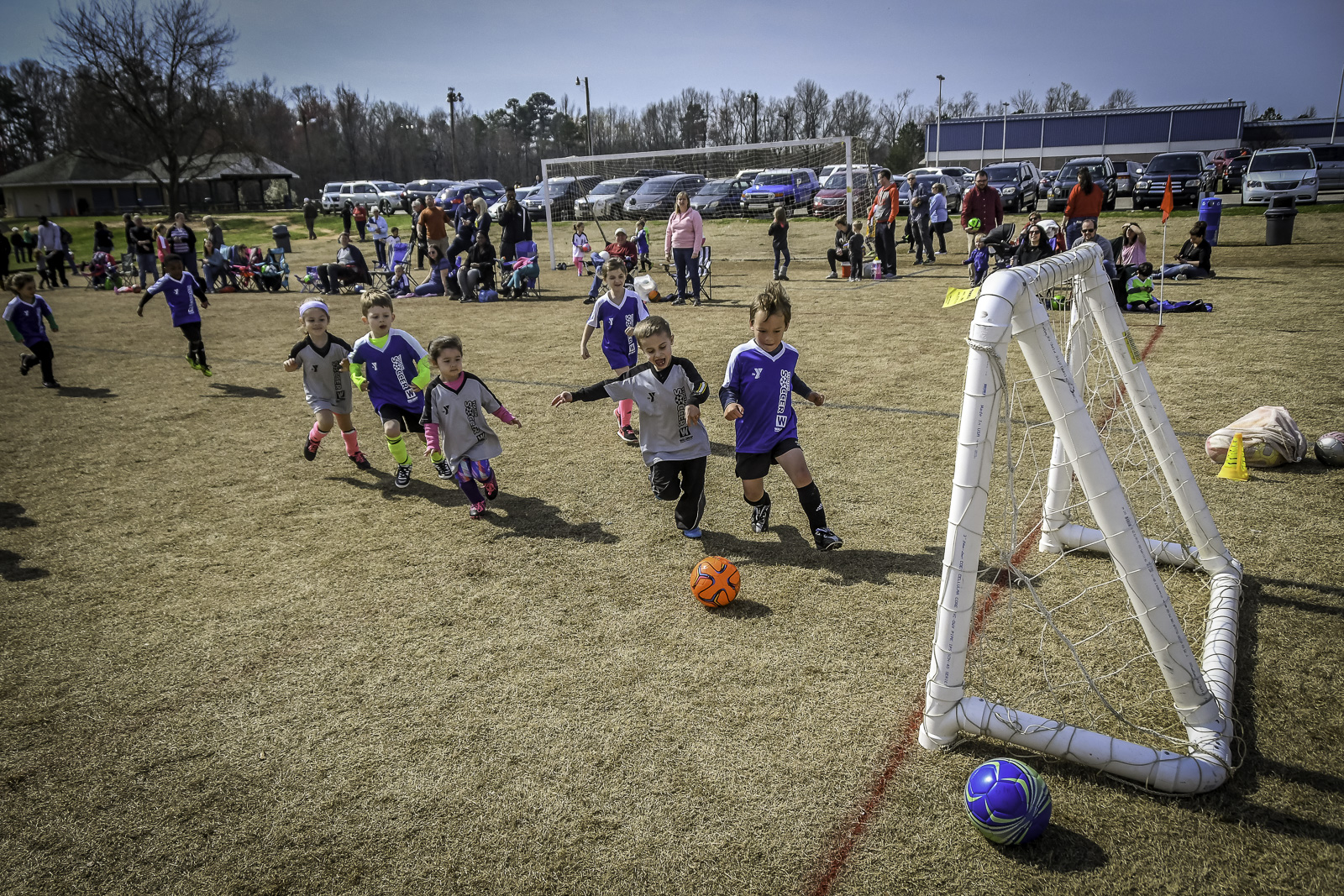
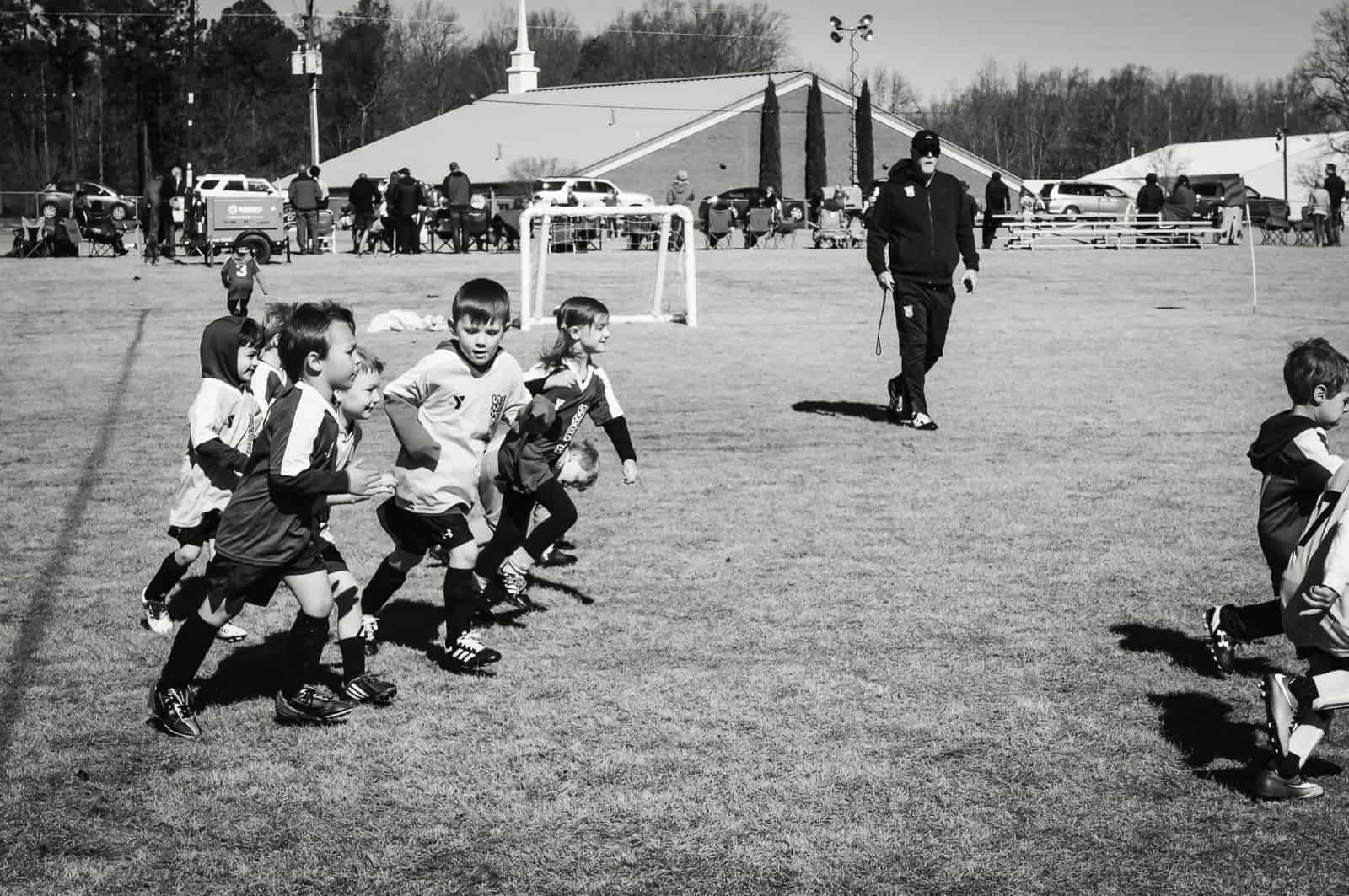
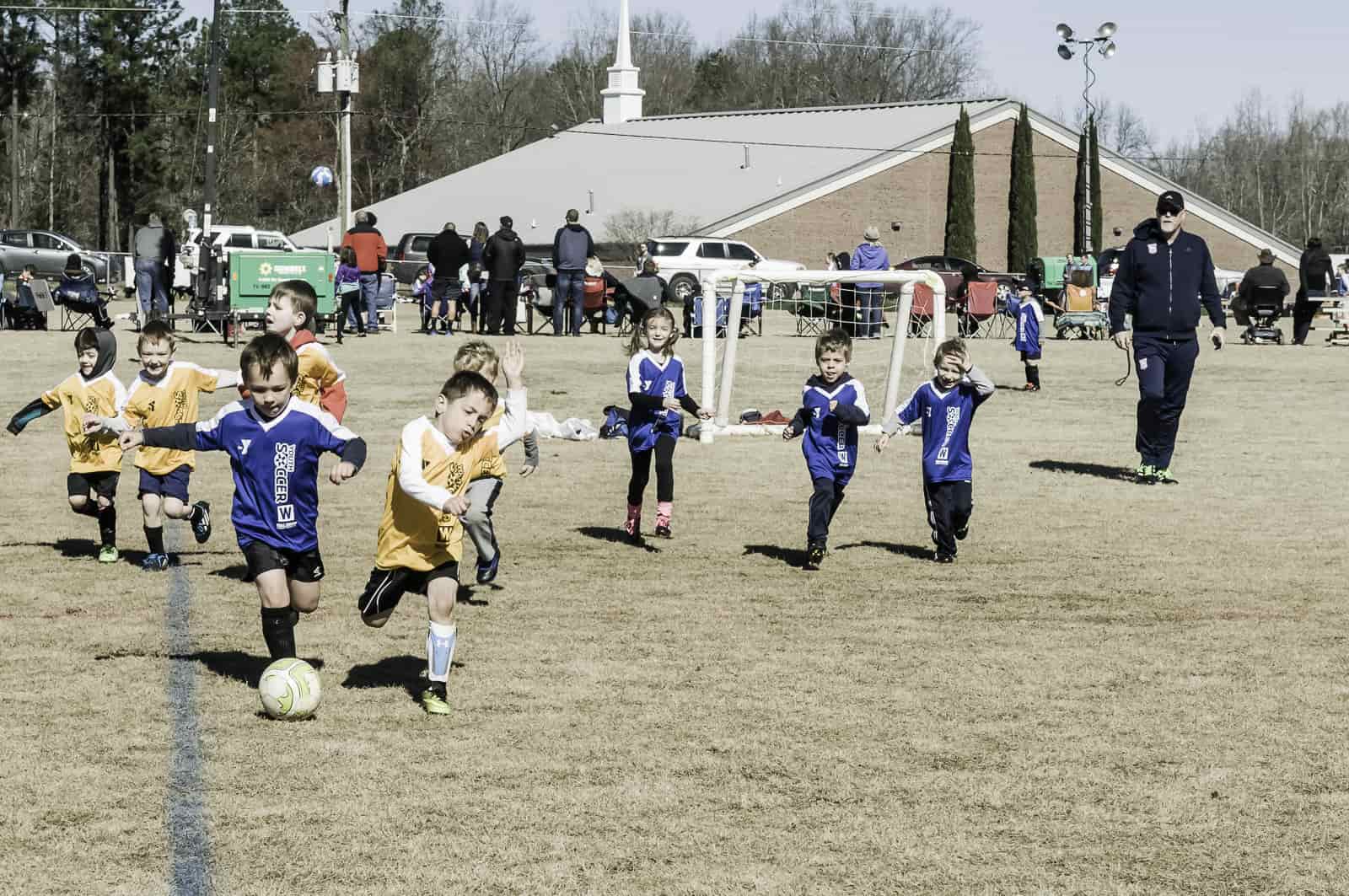
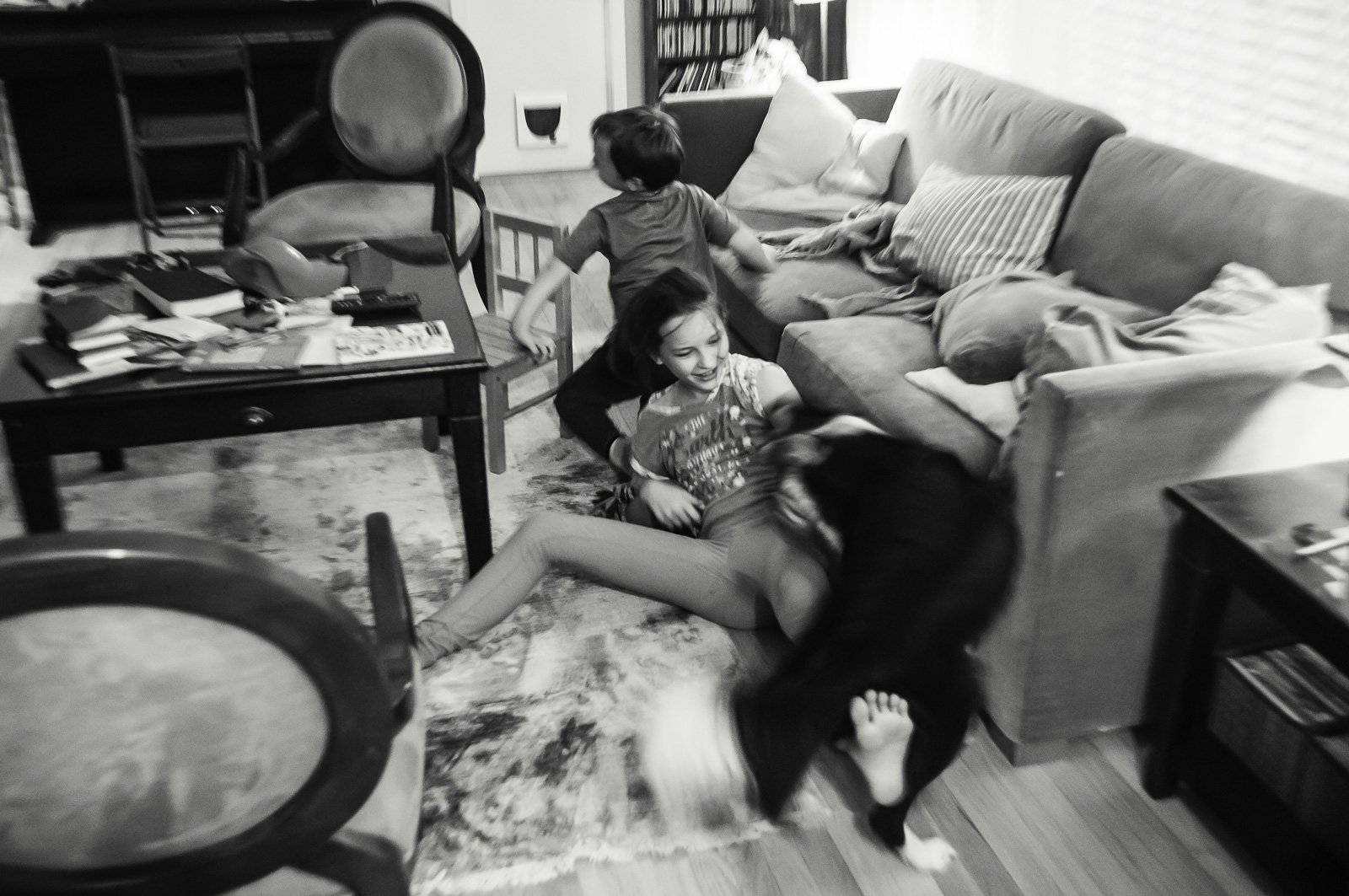
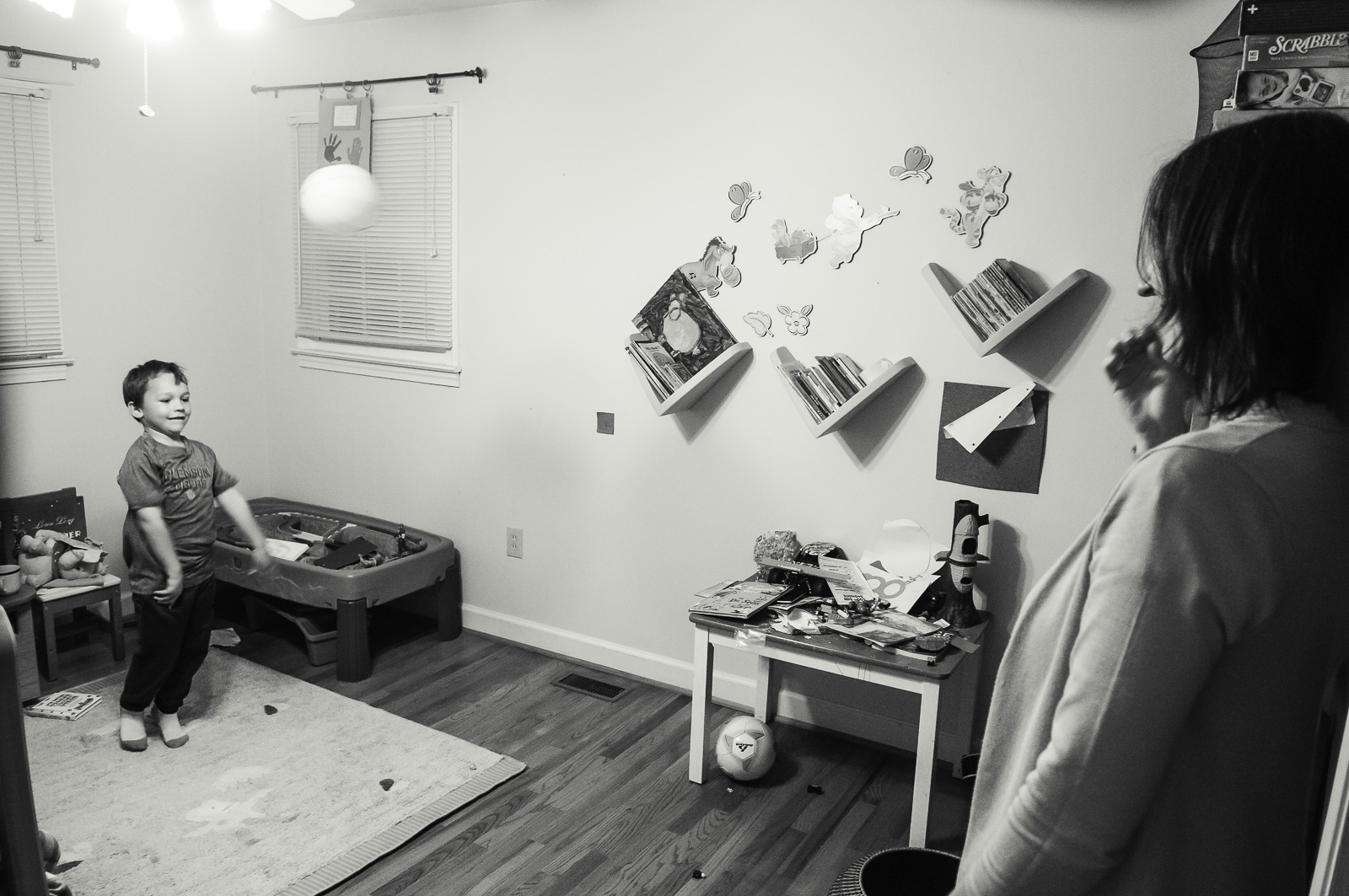
matching tracksuits

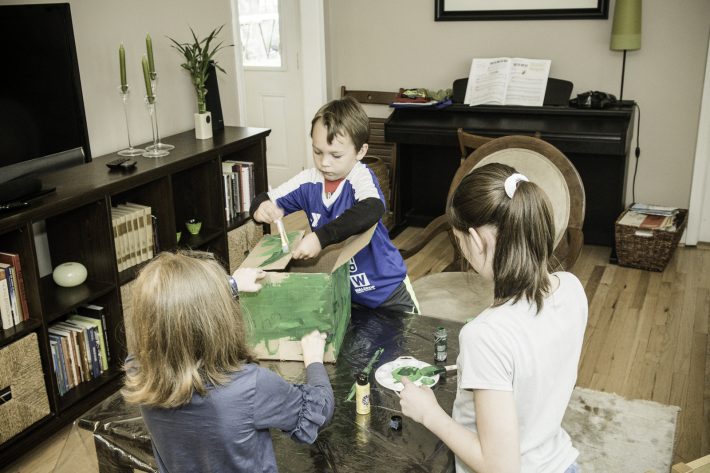
fun in threes, sometimes fours

Science Fair 2018

I find it hopeful when we take L for the science fair project display. Of all disciplines, science is the one we as an American populace most obviously show a general, nationwide deficit. The fact that millions of people don't understand the basic tenants of evolutionary theory, that millions of people think global warming isn't a reality and if it is, isn't the cause at least in part of human activity, that millions of people think vacations are a greater risk than they are a benefit, that millions thousands (thankfully not millions -- yet) think that the moon landing was faked and the earth is actually flat, that millions of people think the earth is only 6,000 years old despite an overwhelming amount of scientific evidence to the contrary -- all these facts make it clear that as a society, we have some work to do regarding basic science education.
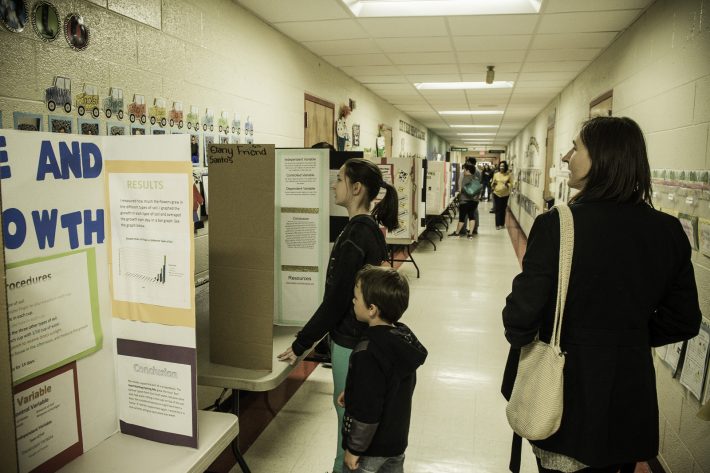
It's not the science education, per say, that is so important -- it's the critical thinking that goes along with it. The methodical, analytical, self-critical way of thinking. The notion that no single answer will always stand the test of time and peer review. The humble idea that you could be wrong. Go to a presentation of scientific findings and you'll hear people constantly couching their findings in self-effacing comments designed to show everyone in the room that the presenter doesn't think she knows it all. For every scientific finding, there are other researchers chomping at the cliché bit, attempting to replicate a given experiment, hoping to prove something wrong. Science is about putting forth a hypothesis and then watching a bunch of people try to show you you're wrong. It must be a humbling experience.
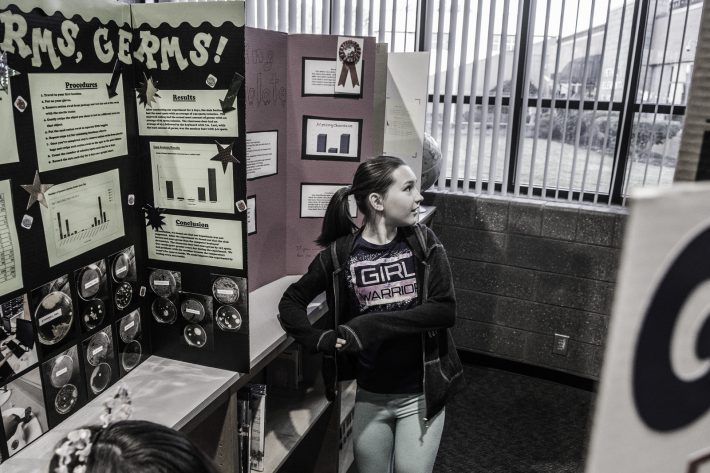
Looking at the other projects around hers

Ironically, on the other end of the knowledge spectrum, we find the Dunning-Kruger Effect, a cognitive bias that essentially says that the less a person actually knows, the more superior that person feels about his knowledge; the less competent a person is, says Dunning-Kruger, the less likely he will recognize his incompetence.
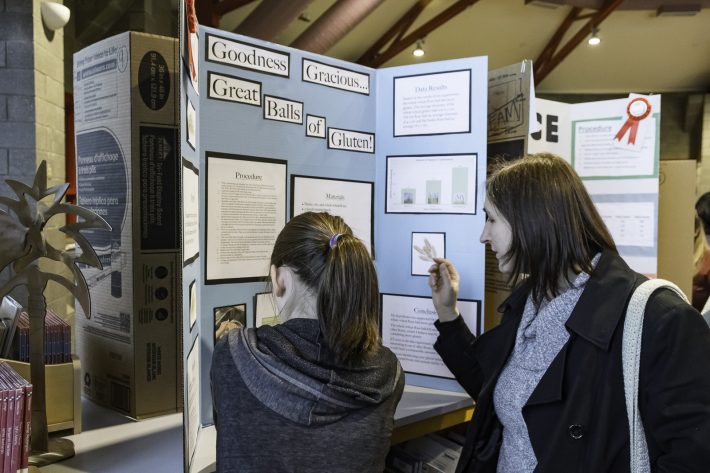
"And what I like about this one is..."

It's a scary thought, the idea that I could have an inflated opinion about my own talent and knowledge and not even see it. Fortunately, I don't think I suffer from this: I see what other teachers do and know that I'm a "fair to middling" teacher: I do some things well, but I know perfectly well that I quite frankly suck at other aspects of teaching. The same goes for just about everything else. And K -- she's even harder on herself.

Or perhaps I'm just fooling myself about myself -- indulging in self-reflection filtered through a carnival mirror.

At any rate, we walked around the project posters and witnessed kids getting a good first or second (or third or fourth) exposure to experience with the research methods of the scientific process, and I found my hope for humanity lifted just a bit.
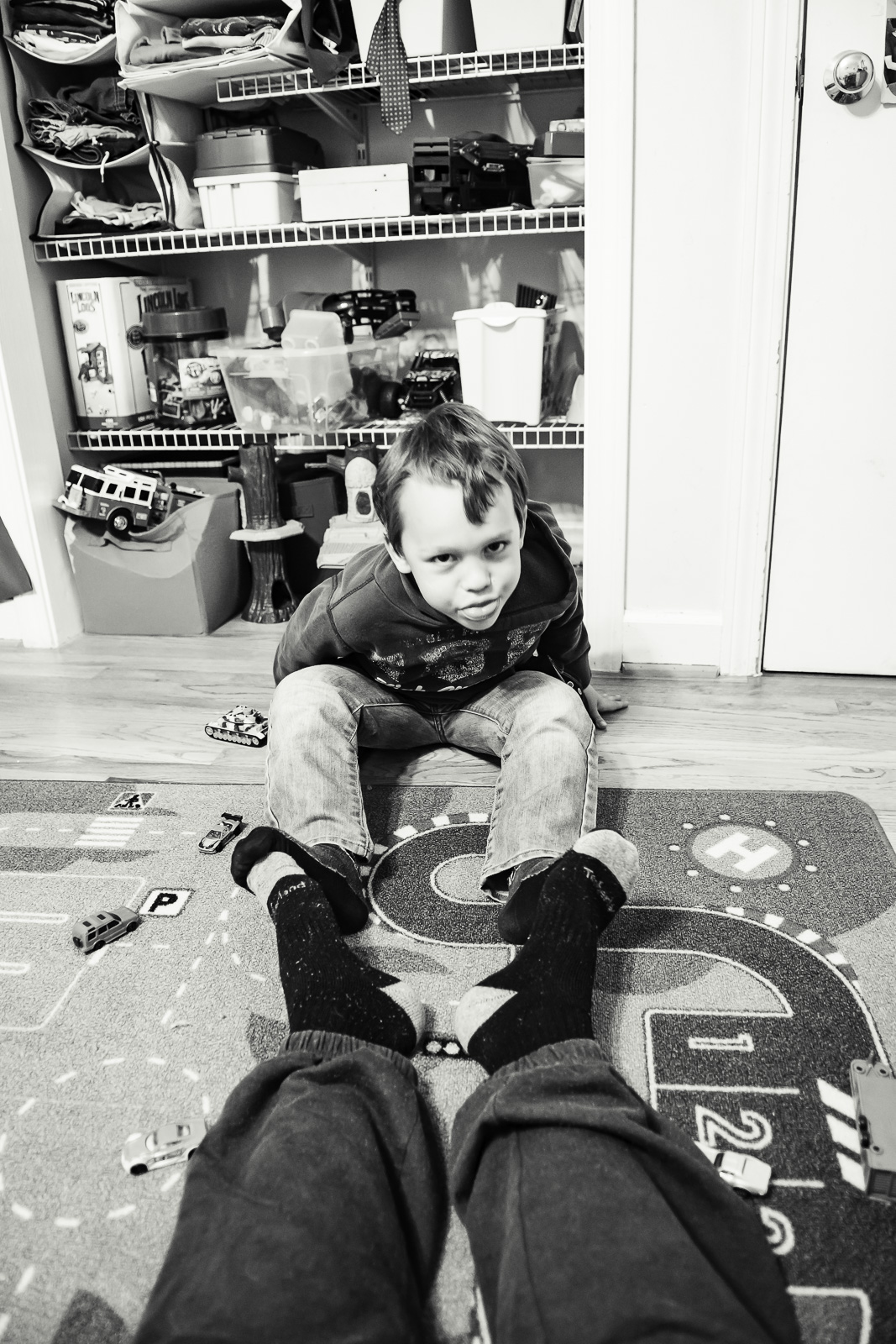
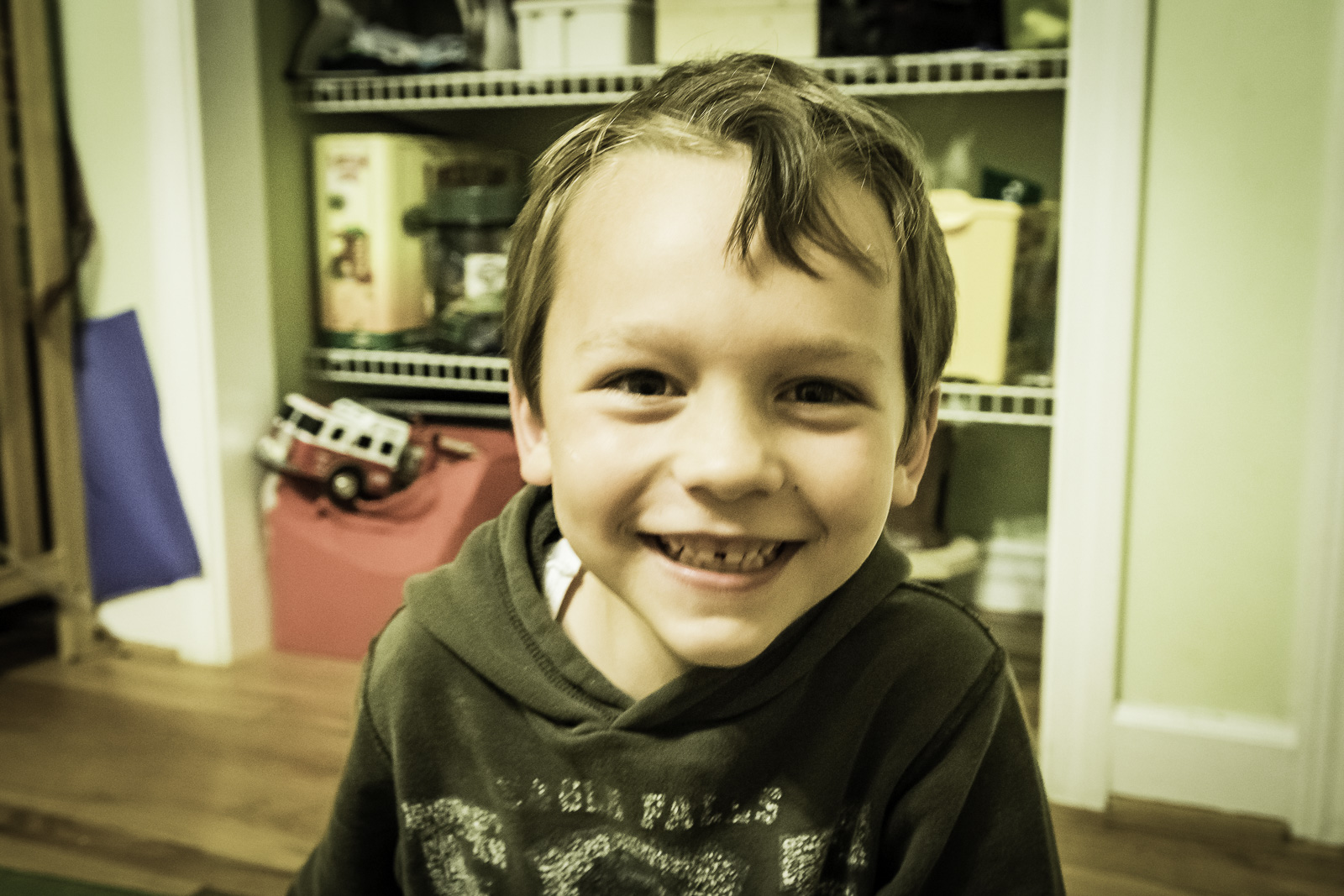
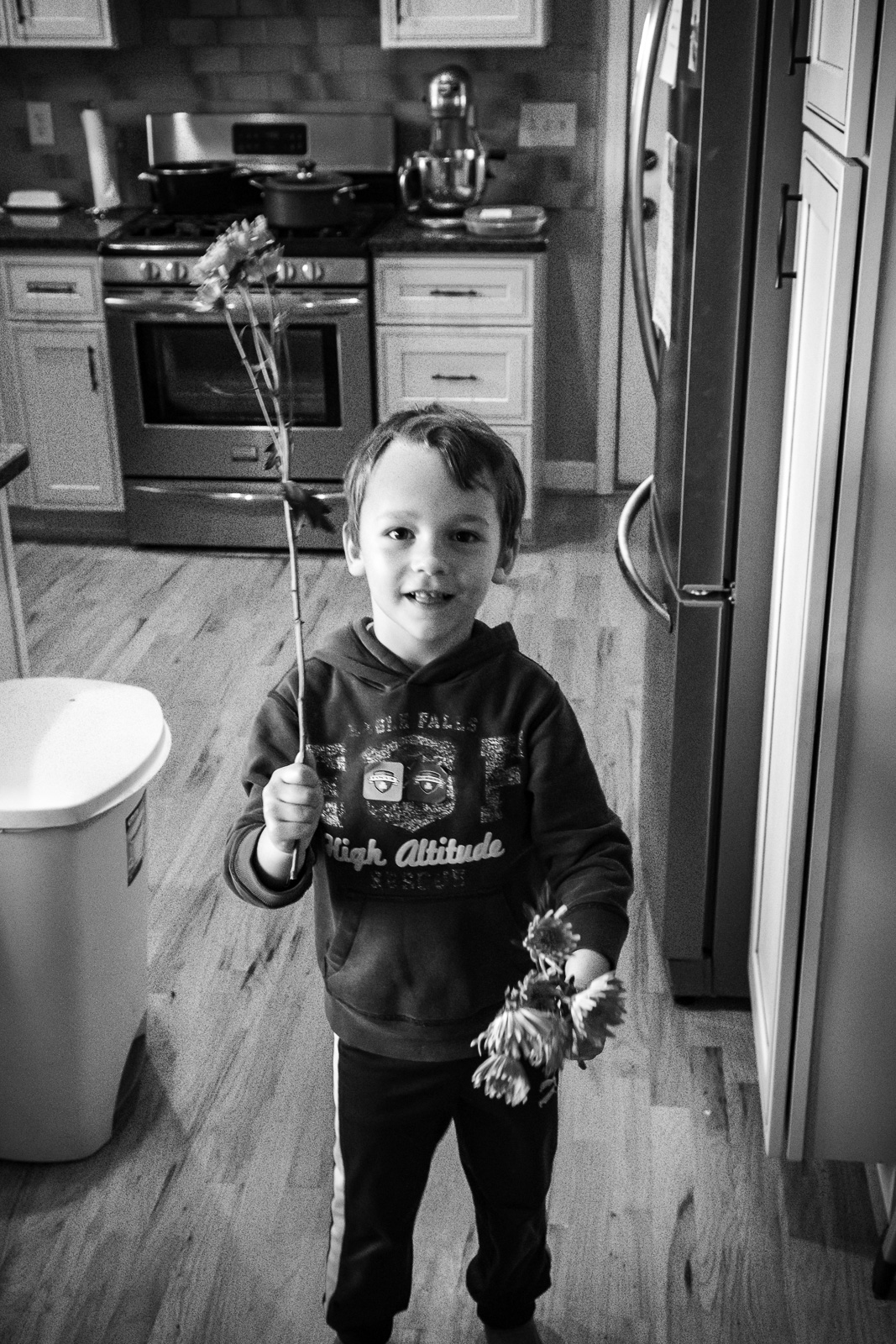
Coming home and playing with the Boy did more for me, though.
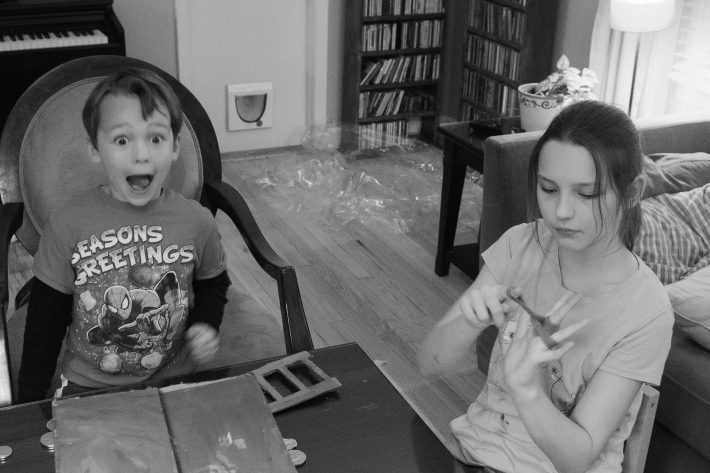
Rainy March Sunday

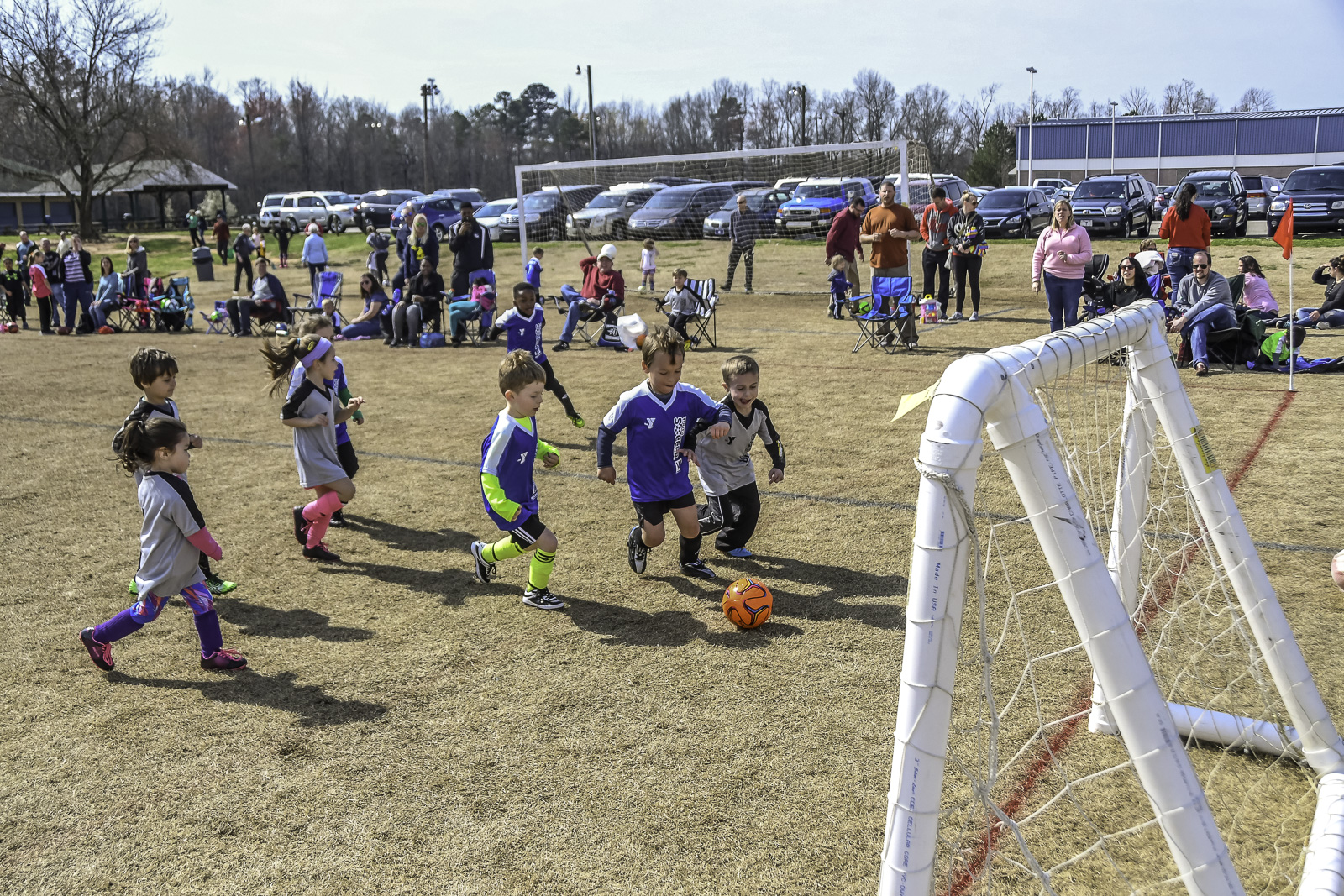
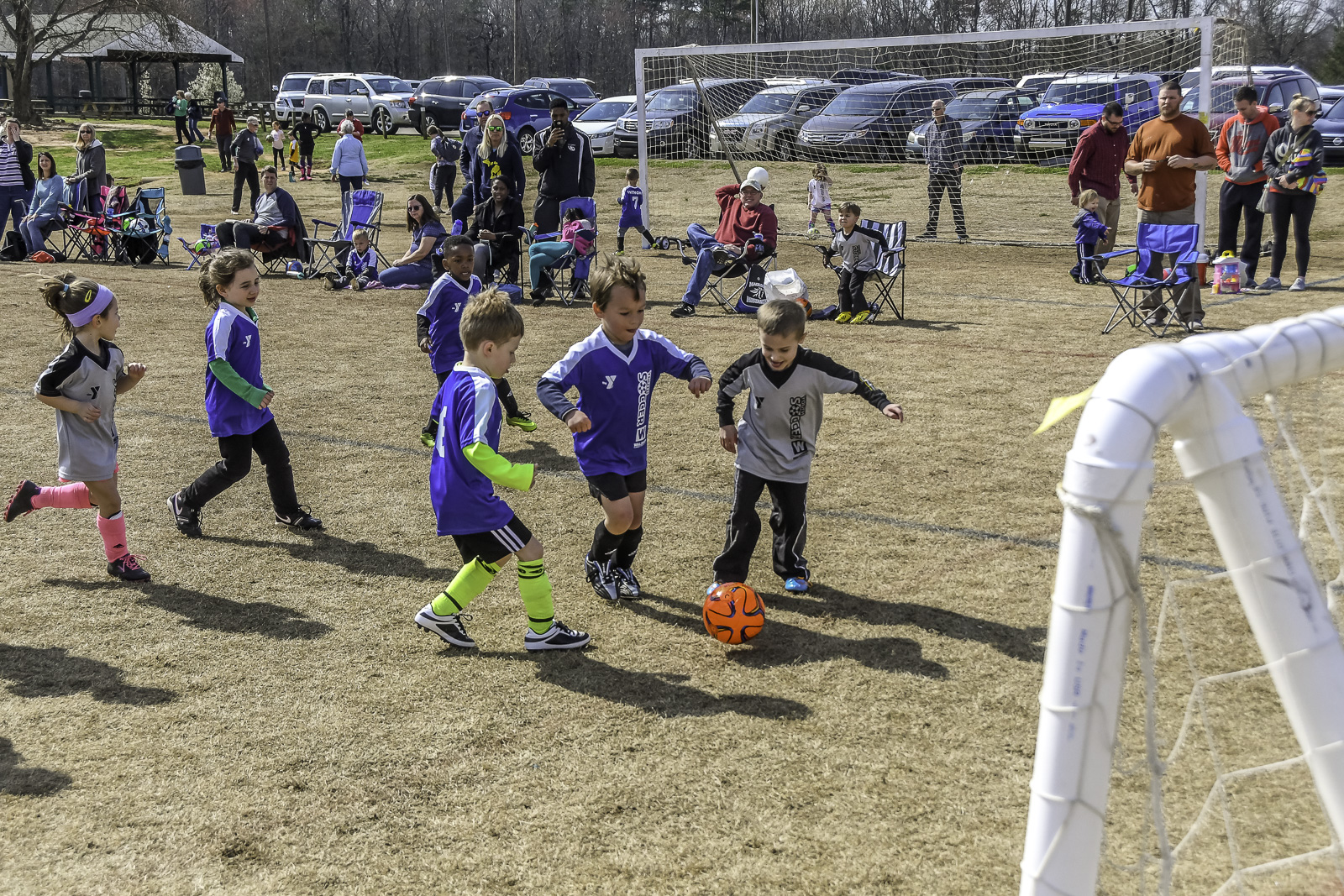
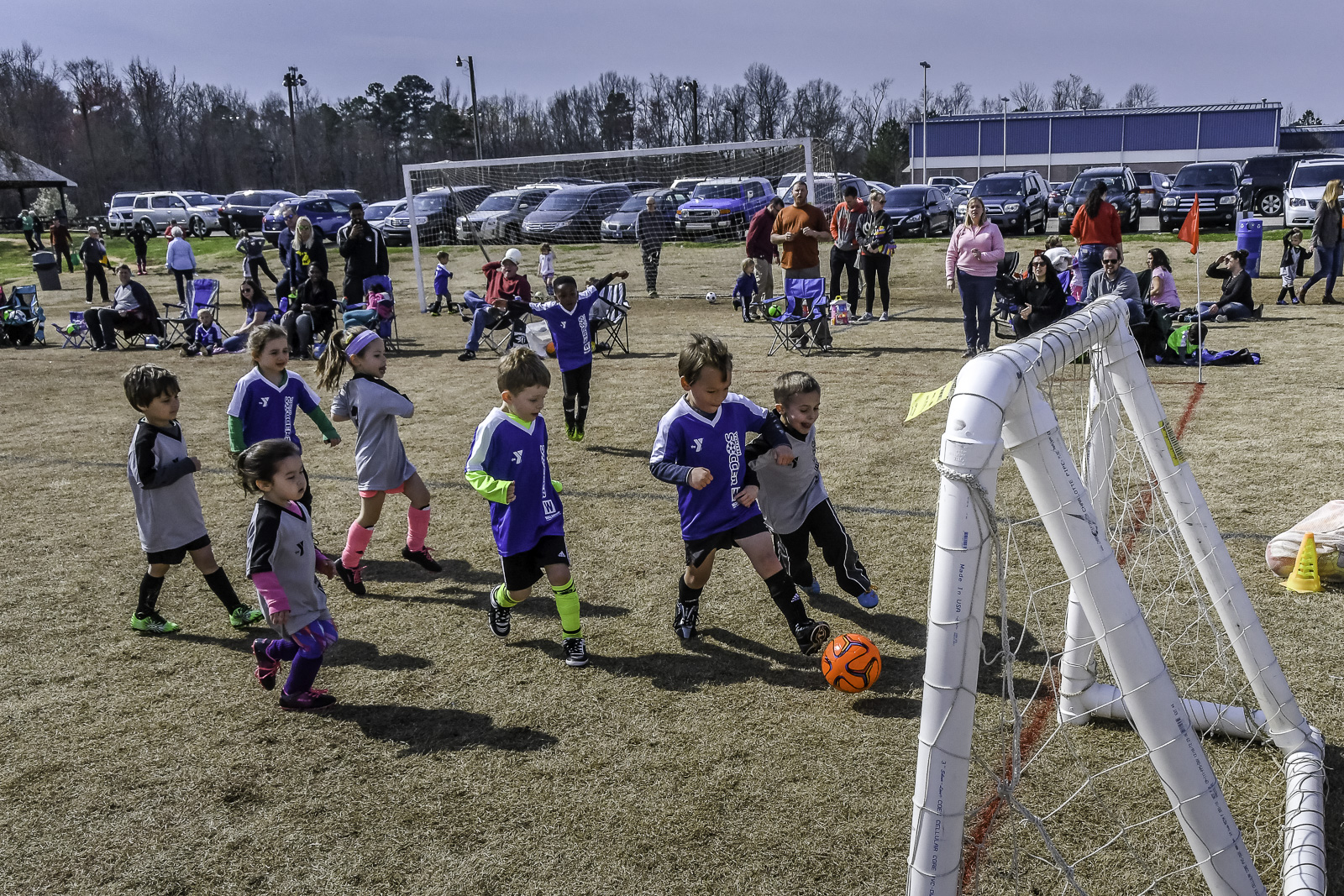
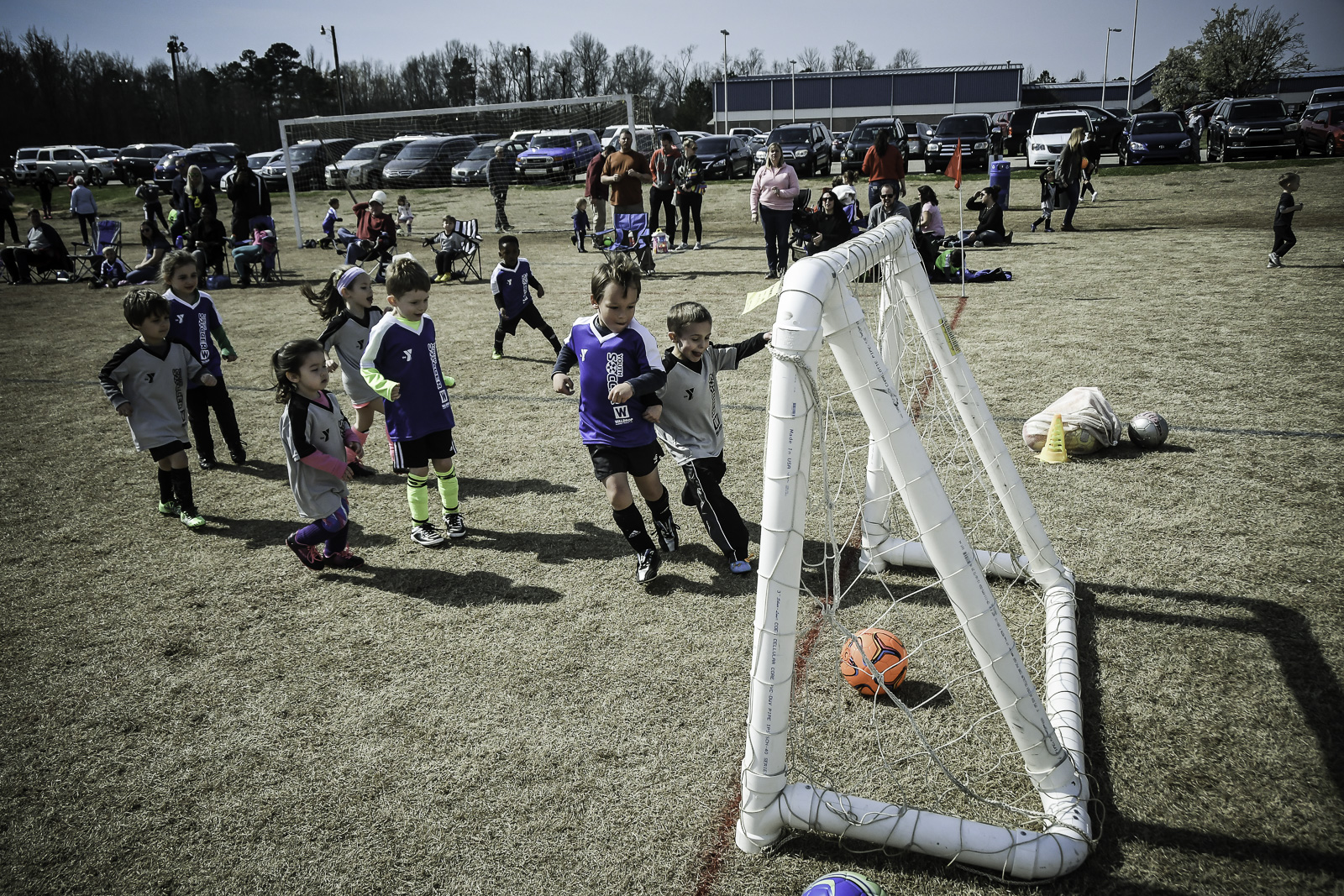
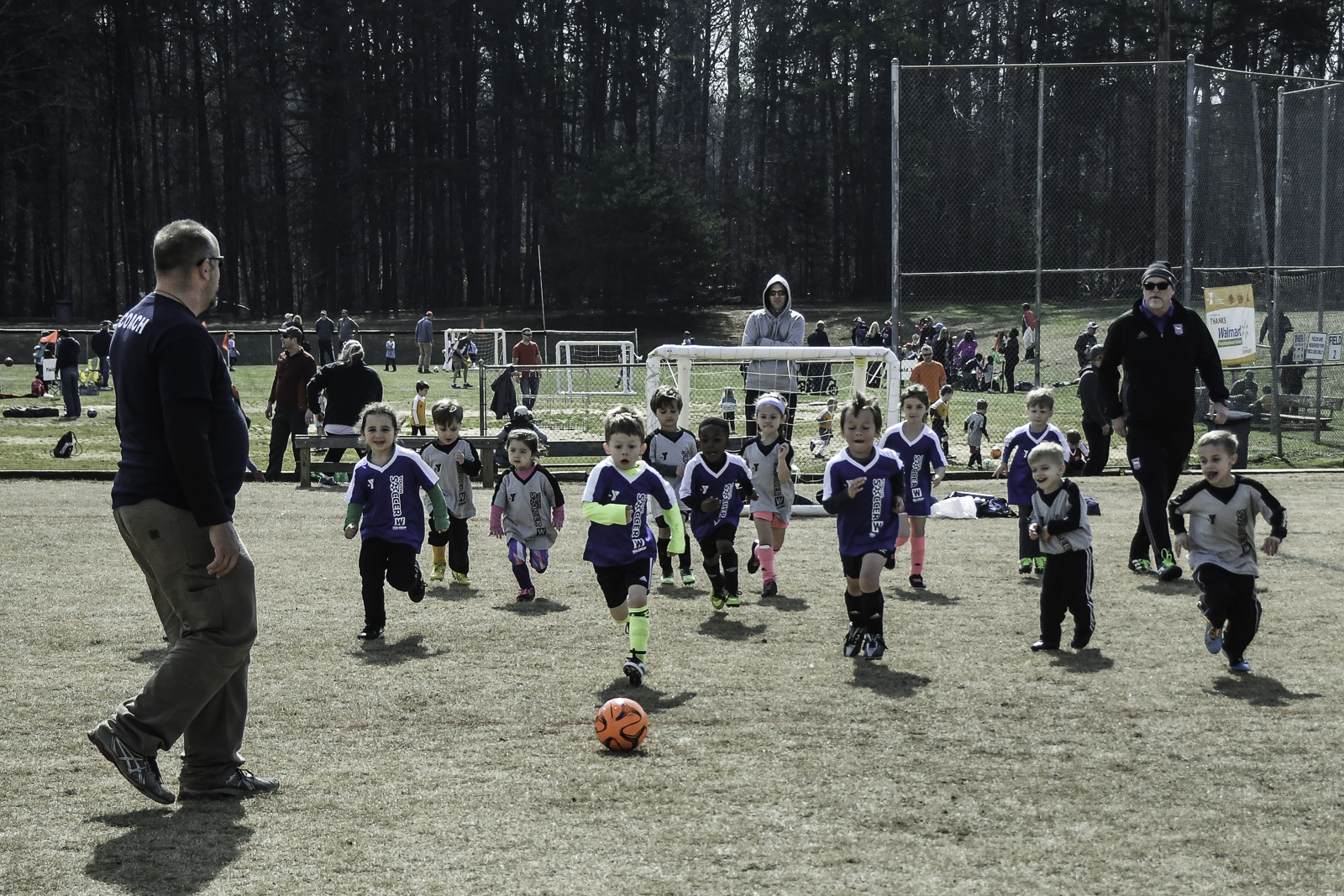
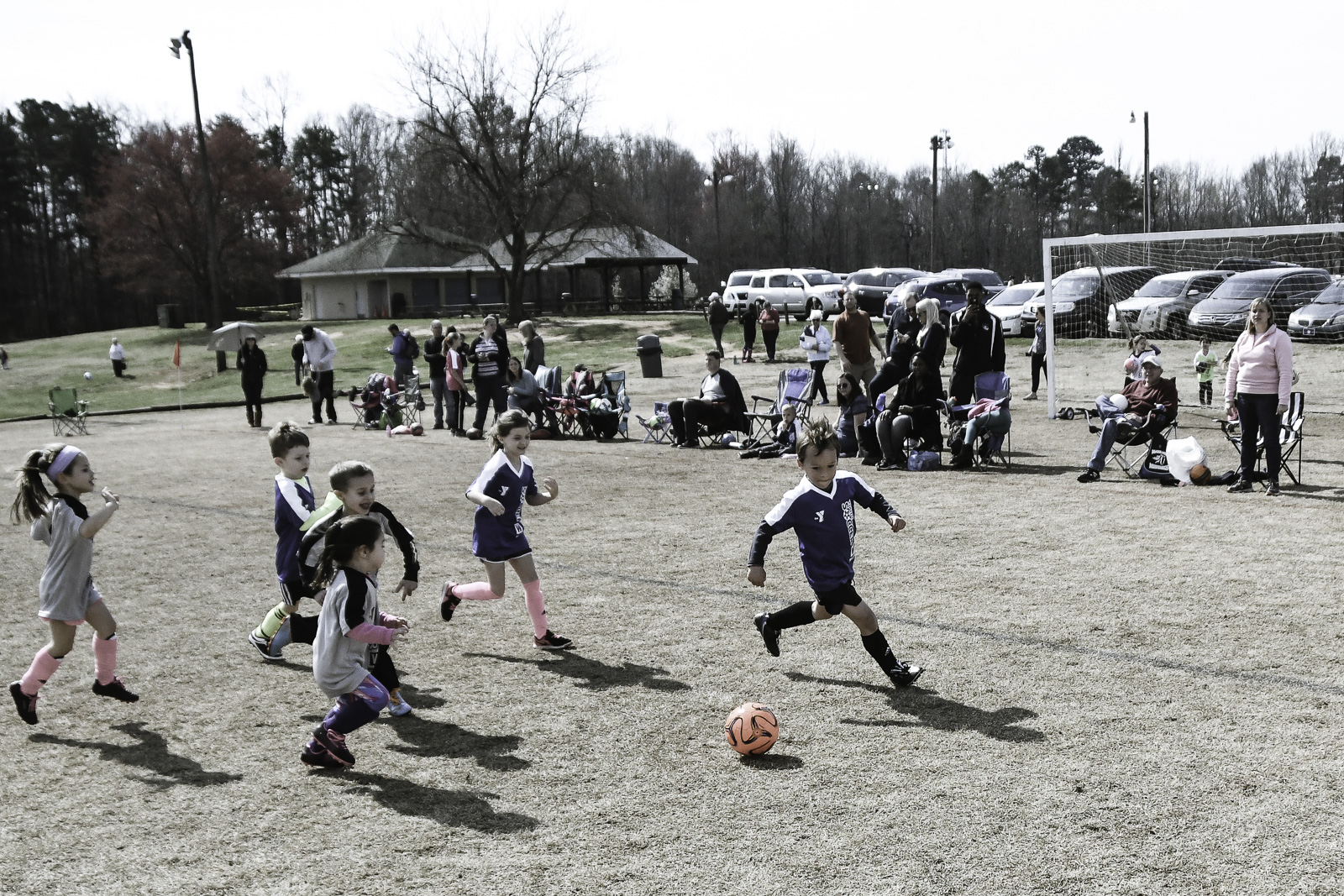
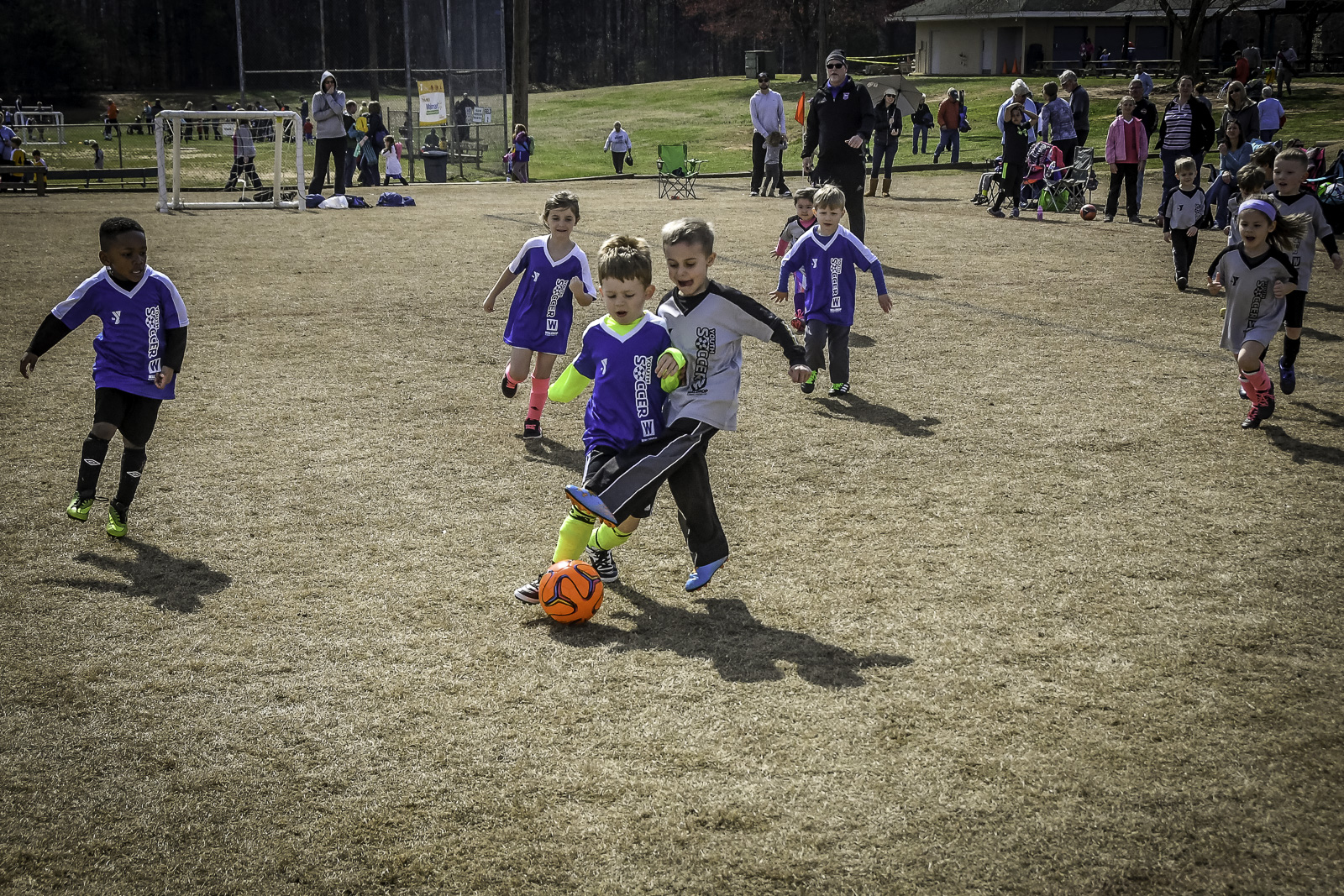
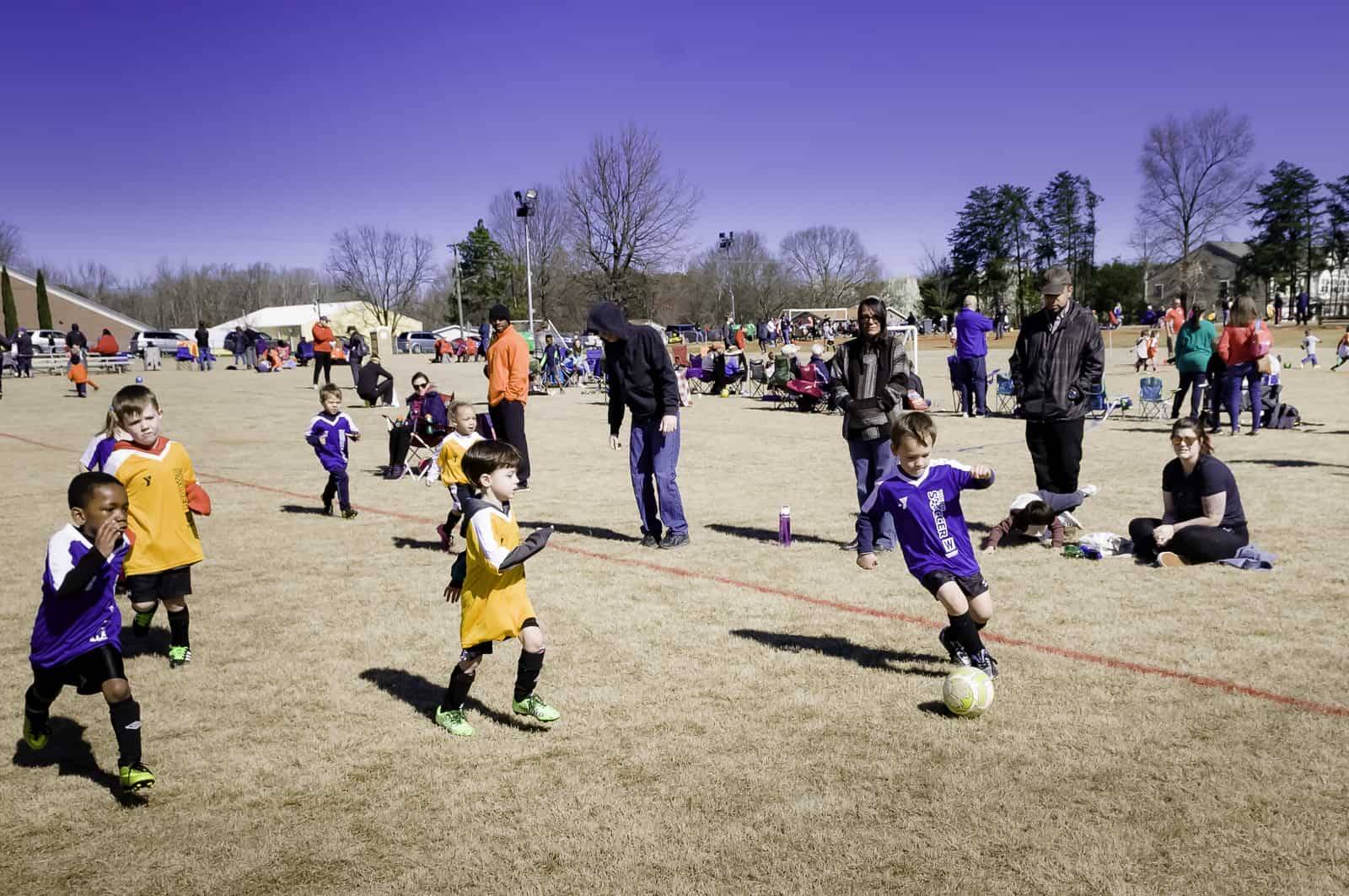
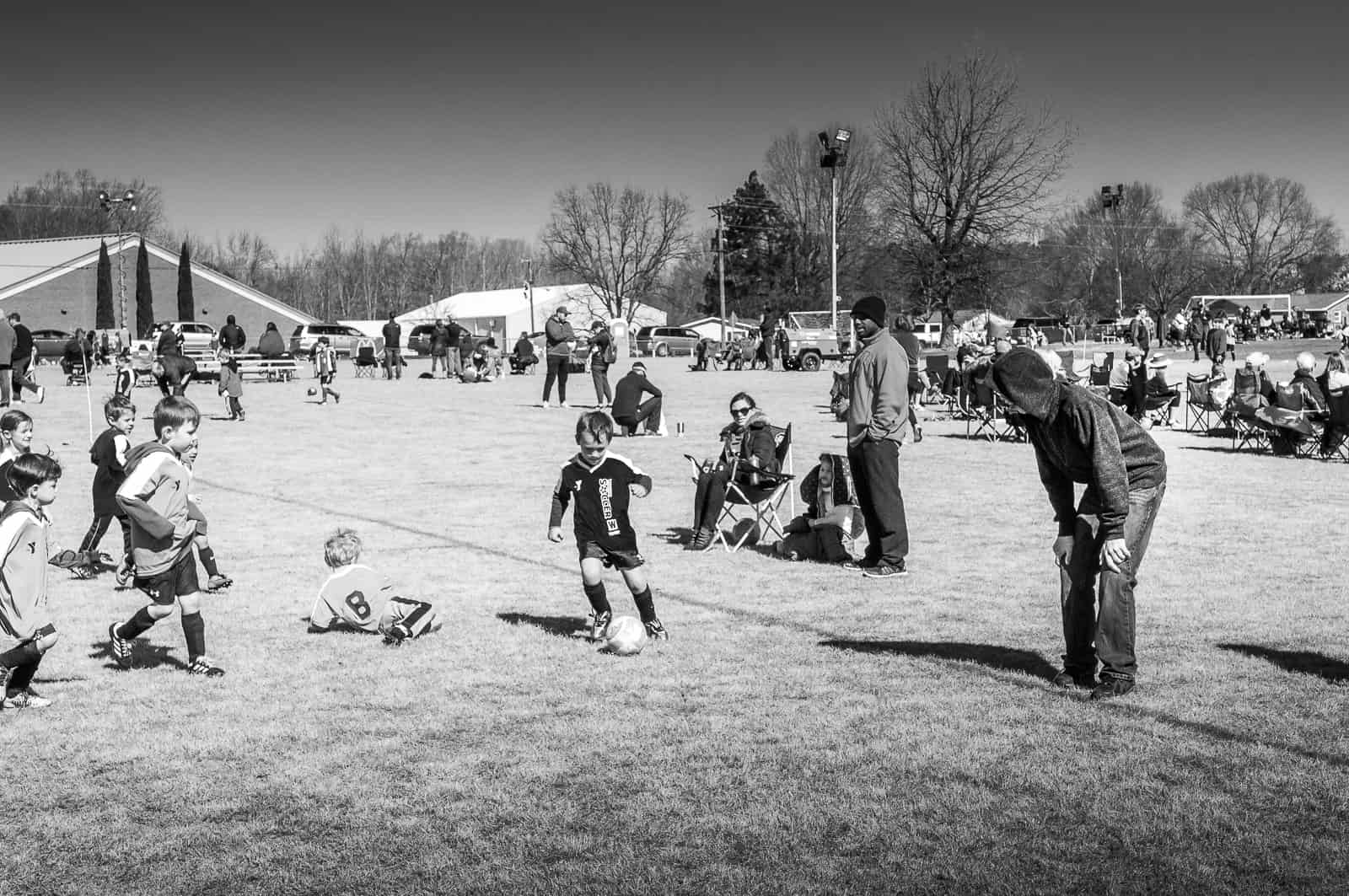
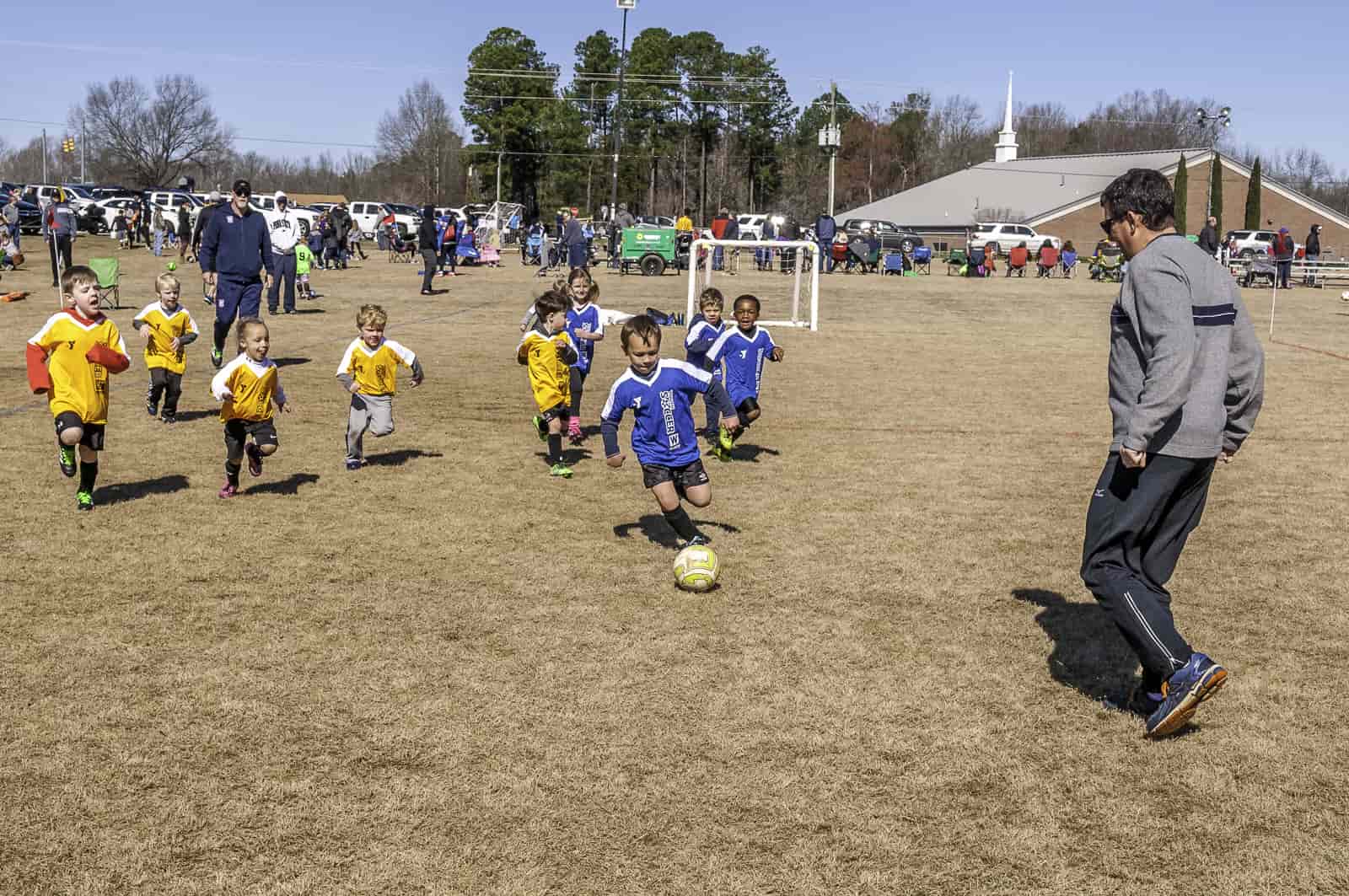
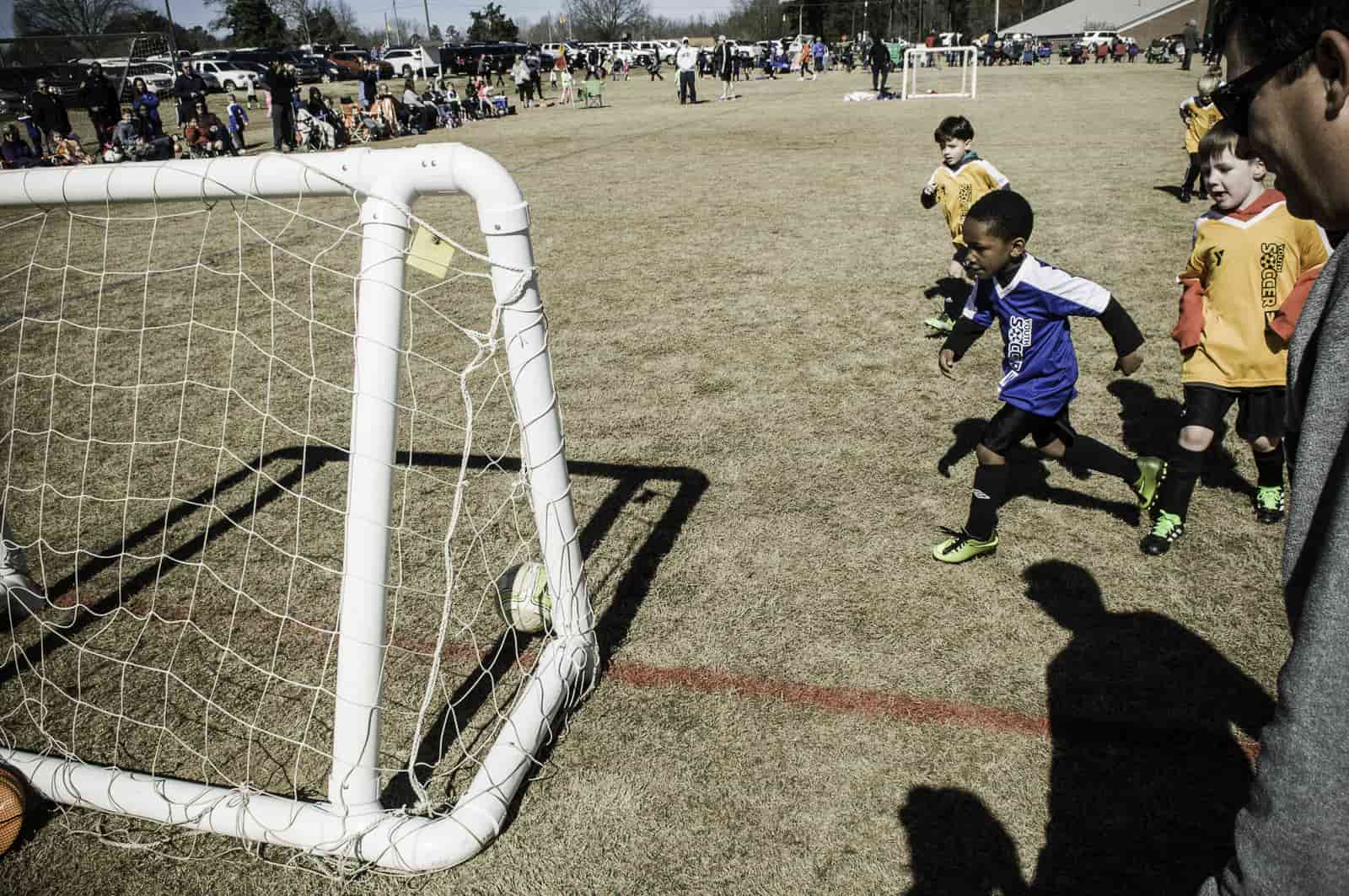
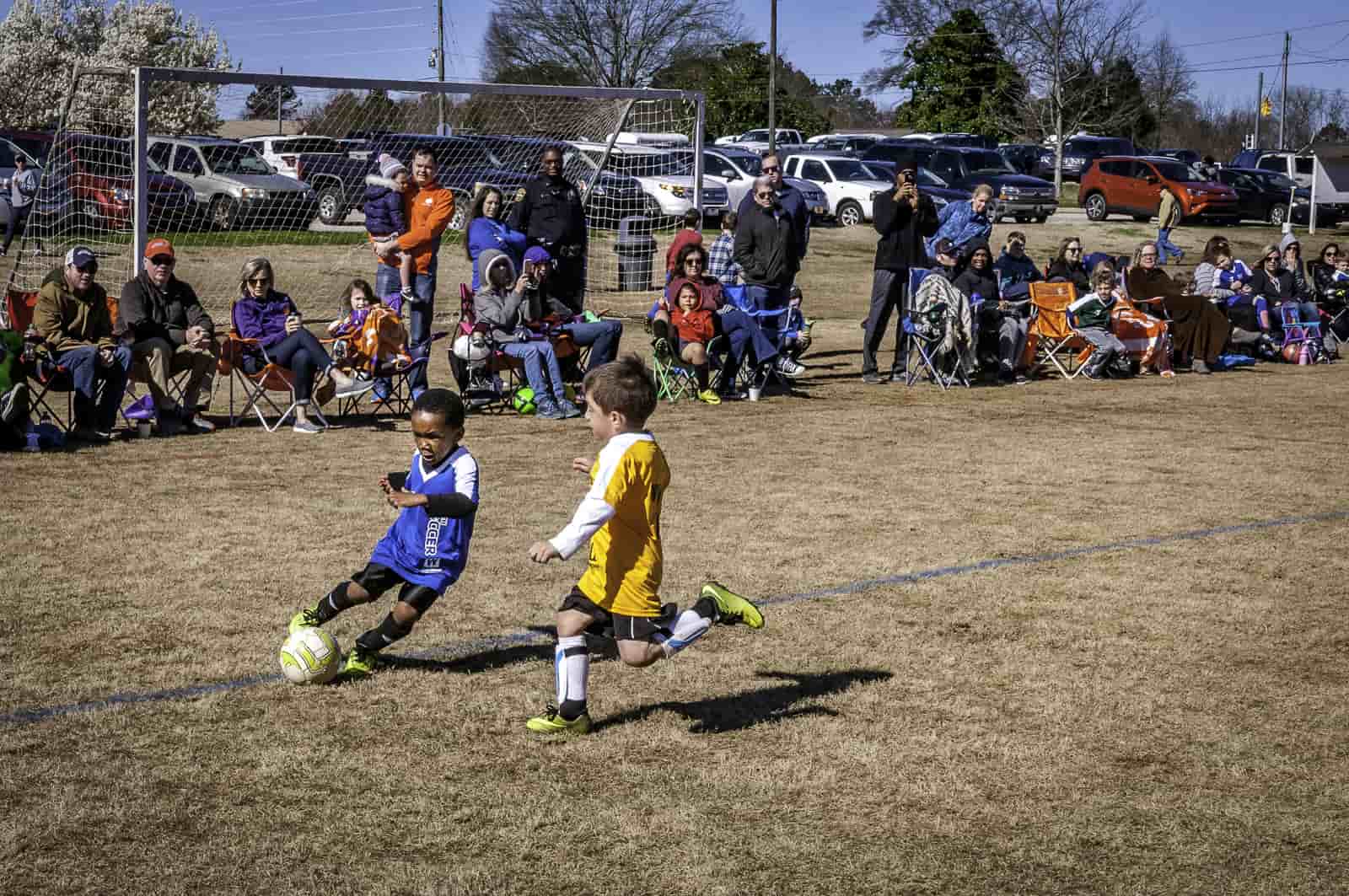
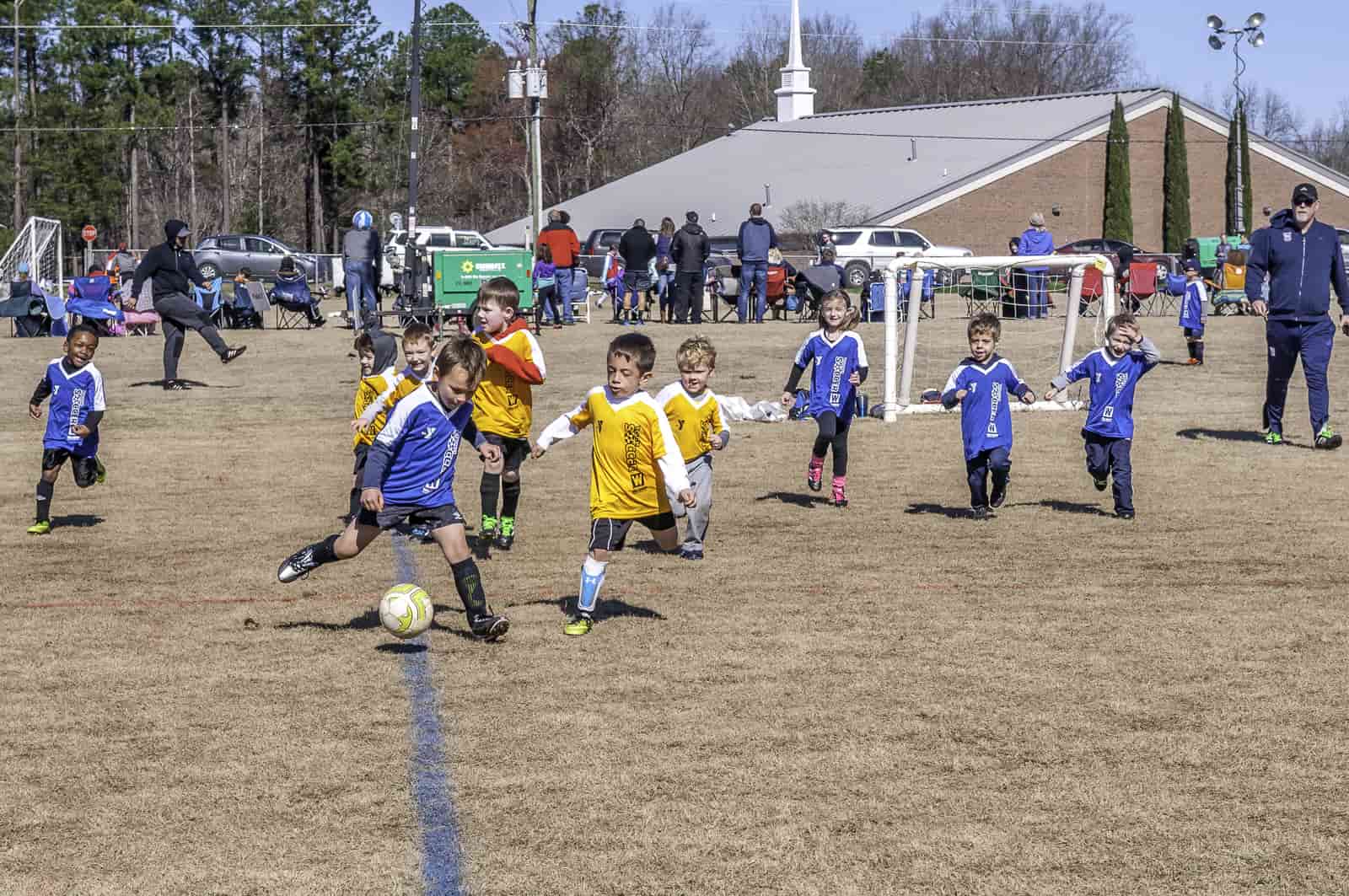
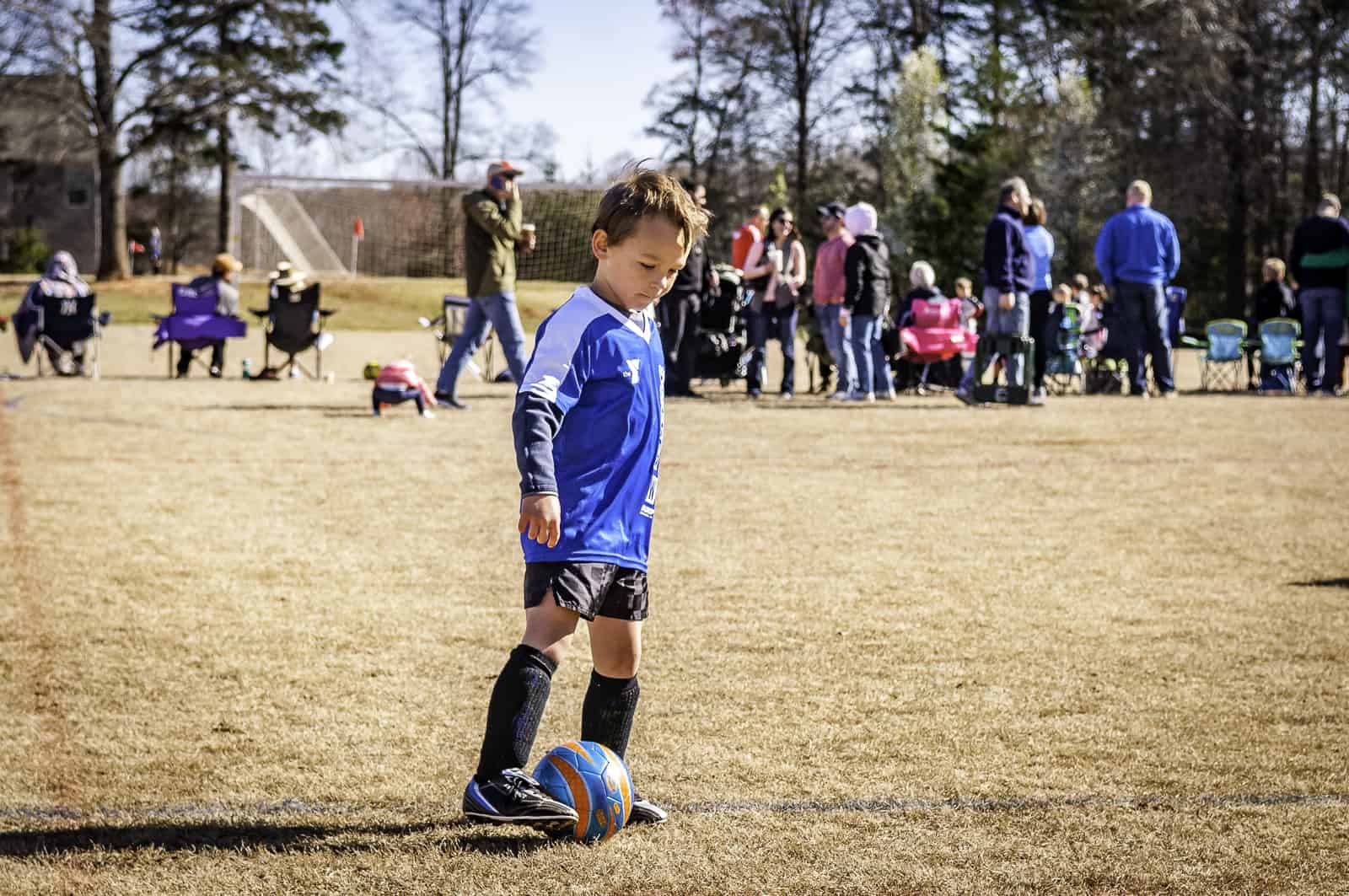
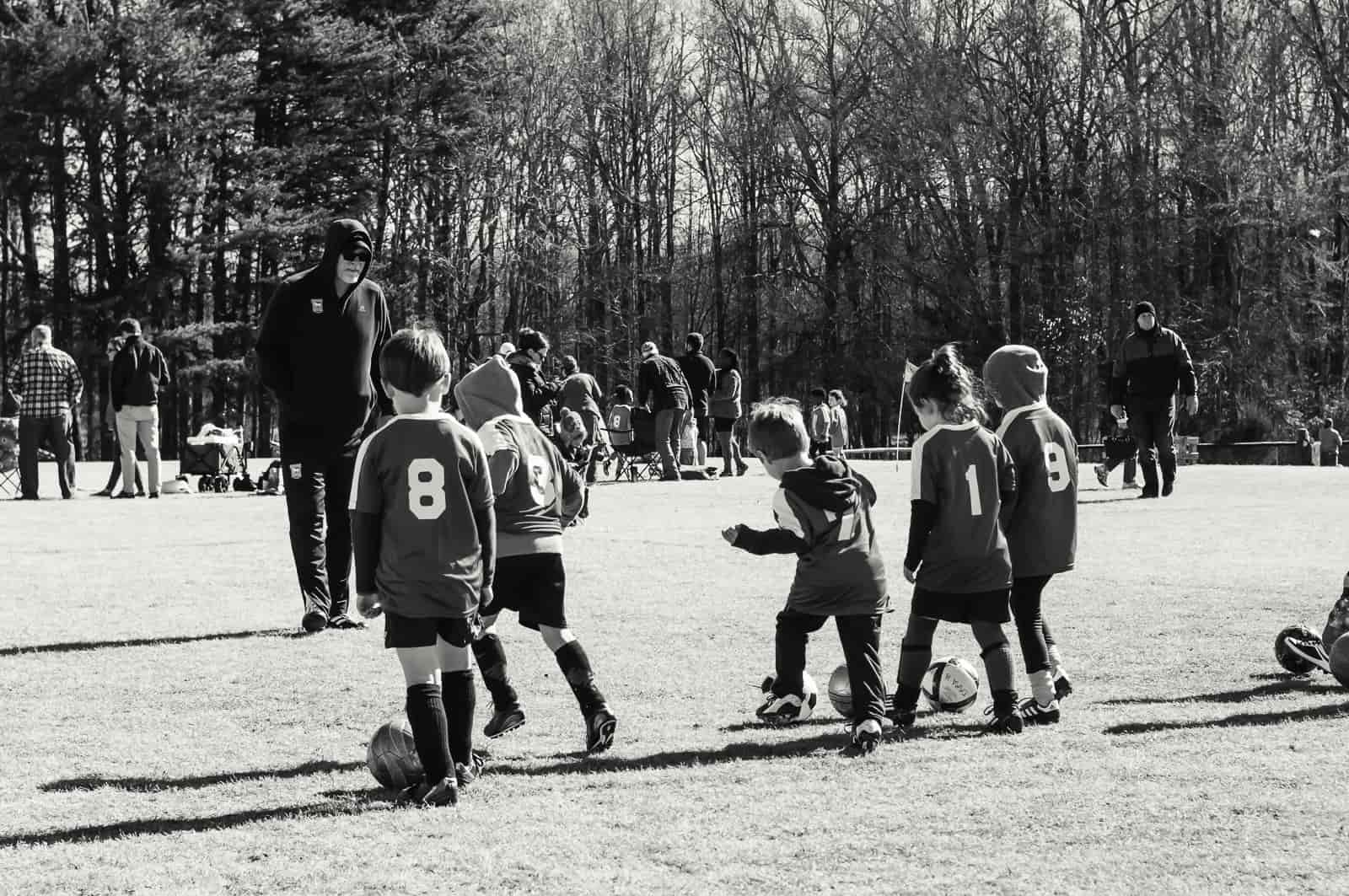
Soccer Week 2

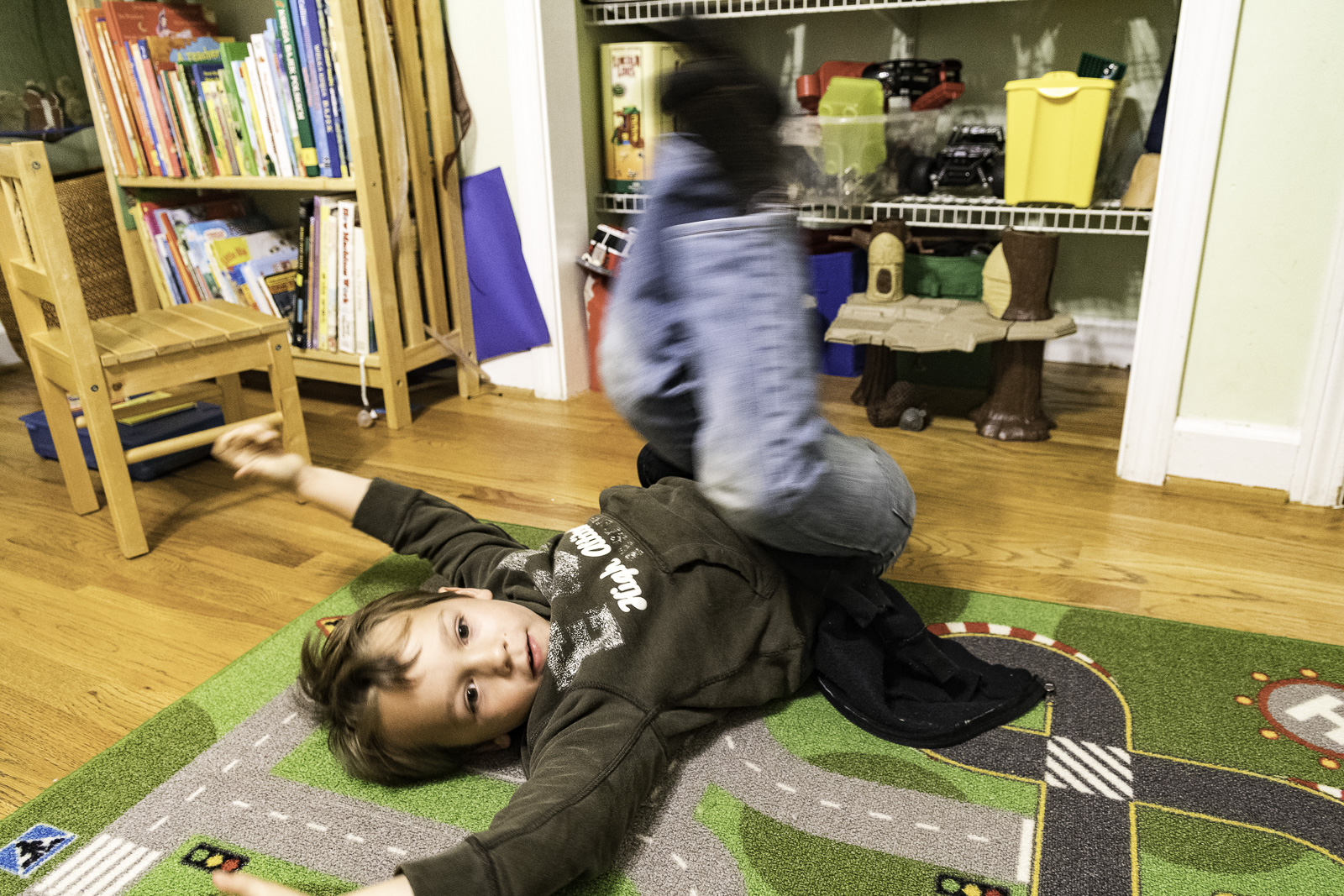
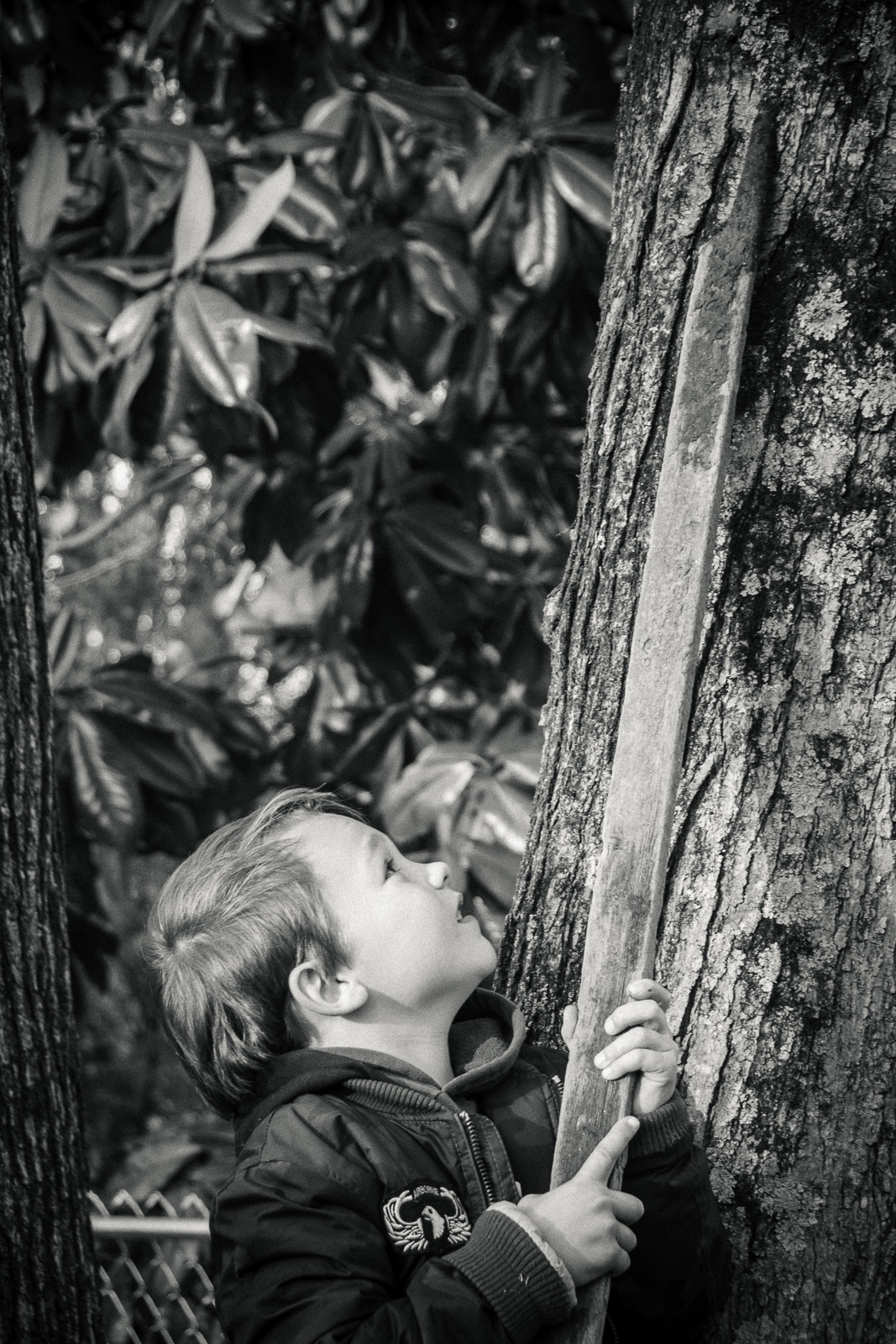
Thursday Play

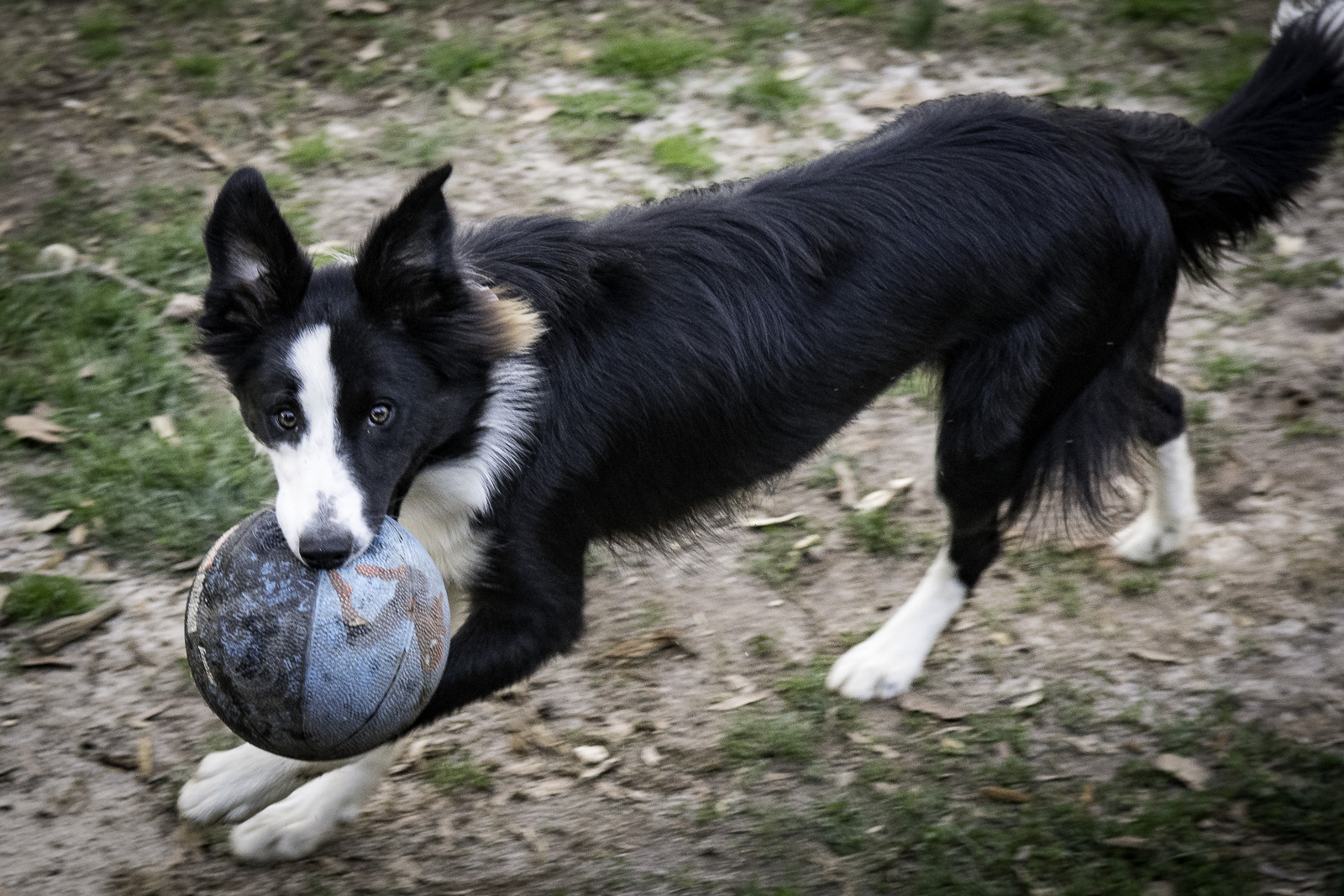
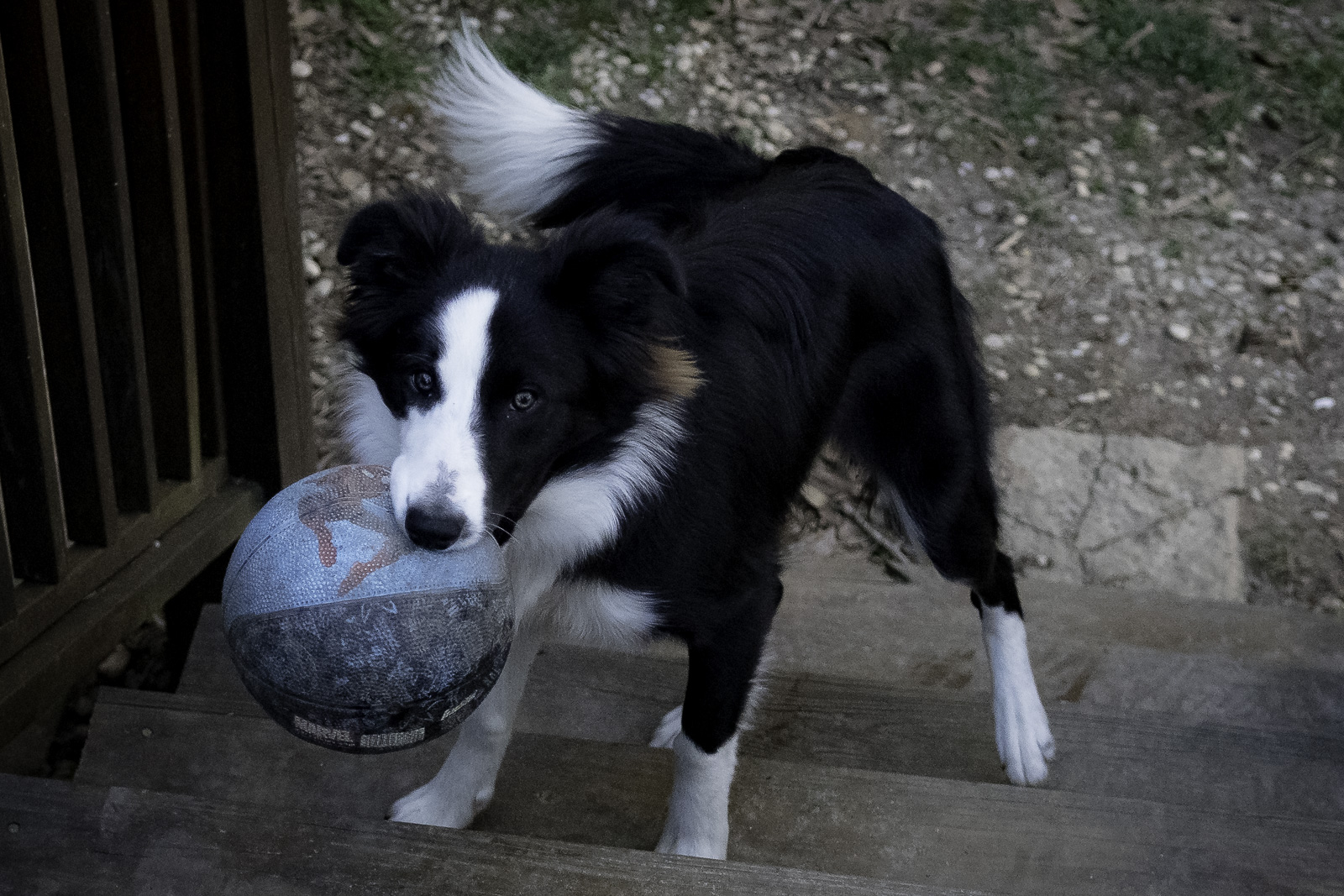
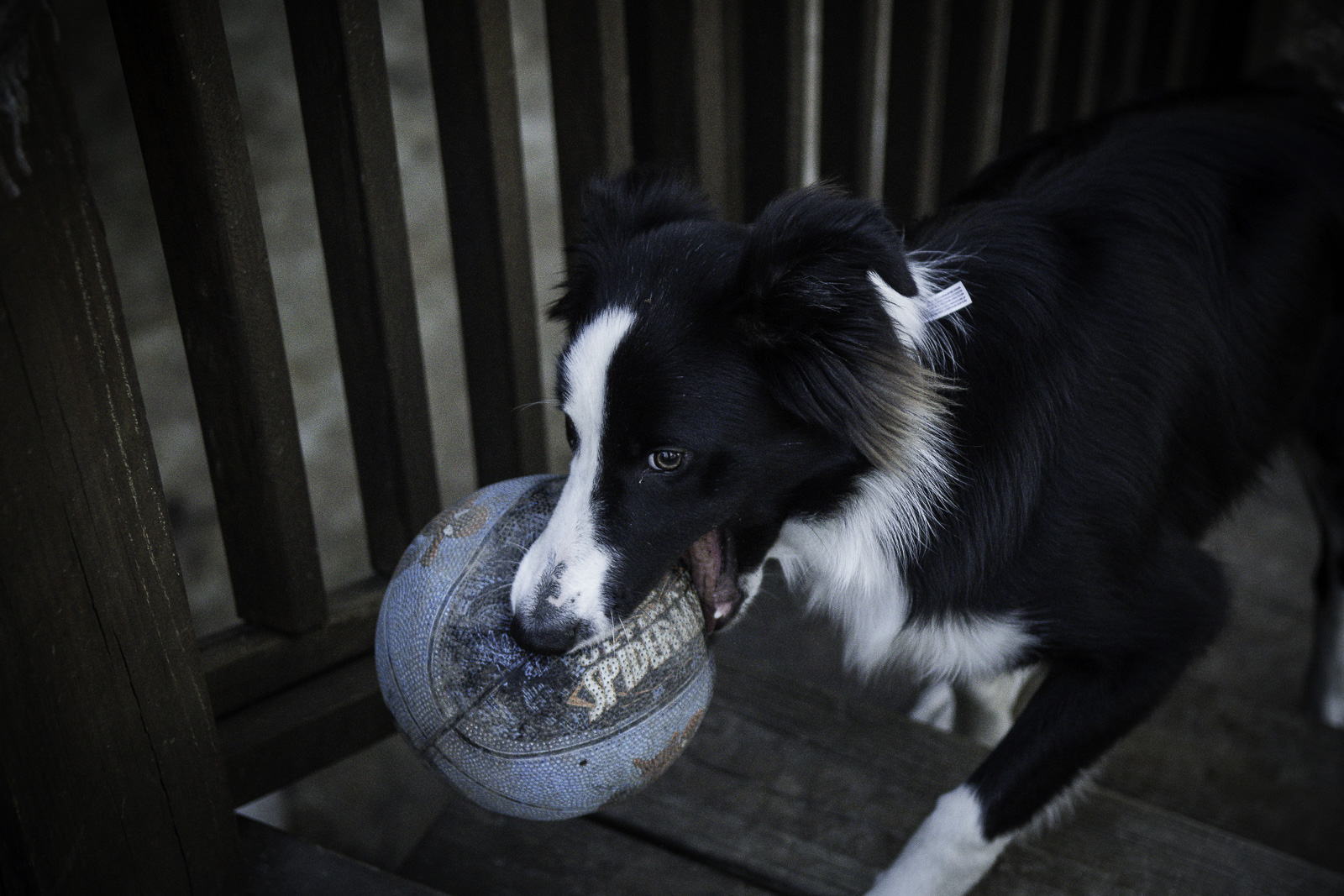
Training Clover

Last night, we took Clover for her first of several training sessions at a local kennel, and for the first few minutes, I was honestly thinking, "Dang, we've got a fairly well-trained dog already." The trainer took each dog for a short walk to see if any sort of training collar would be necessary, and Clover just walked along as if she'd been perfectly trained for years. When the trainer stopped short to talk to us, Clover stopped and sat down.

"She's good to go," said Sandy, our trainer.

And then it happened: a long pause for the dogs when Sandy was going over this and that about the training course, about basic dog care, about the basics of training collars. Clover gradually slide herself under the small set of bleachers we were sitting on and then didn't want to come out.

To say she didn't want to come out is the ultimate understatement because she became wildly panicked. She began jumping and bucking, jerking and pulling. Sandy was taken aback; I was a bit surprised; everyone's eyebrows went up just a bit.

We worked with her and coaxed her out, pulled her out, isolated her, reintroduced her -- no real change.

"She needs a day of training here if you're willing," Sandy suggested.

So this morning, I dropped off the dog at 7:05 and picked her back up at 4:30.

Sandy's report: at first it was more of the same. More panic, more pulling -- she even pulled out of the collar and the choke-chain placed behind it to prevent escape in just such a situation. But with some persistence and patience, Sandy got her calmed down and trained so that by the end of the day, she could lead Clover into any room with any number of dogs with little to no stress on Clover's part.

The upshot -- she was so impressed with how much growth Clover showed that she's going to be the kennel's Trainee of the Week next week. And more importantly, she showed perfect behavior during our evening walk.

D500

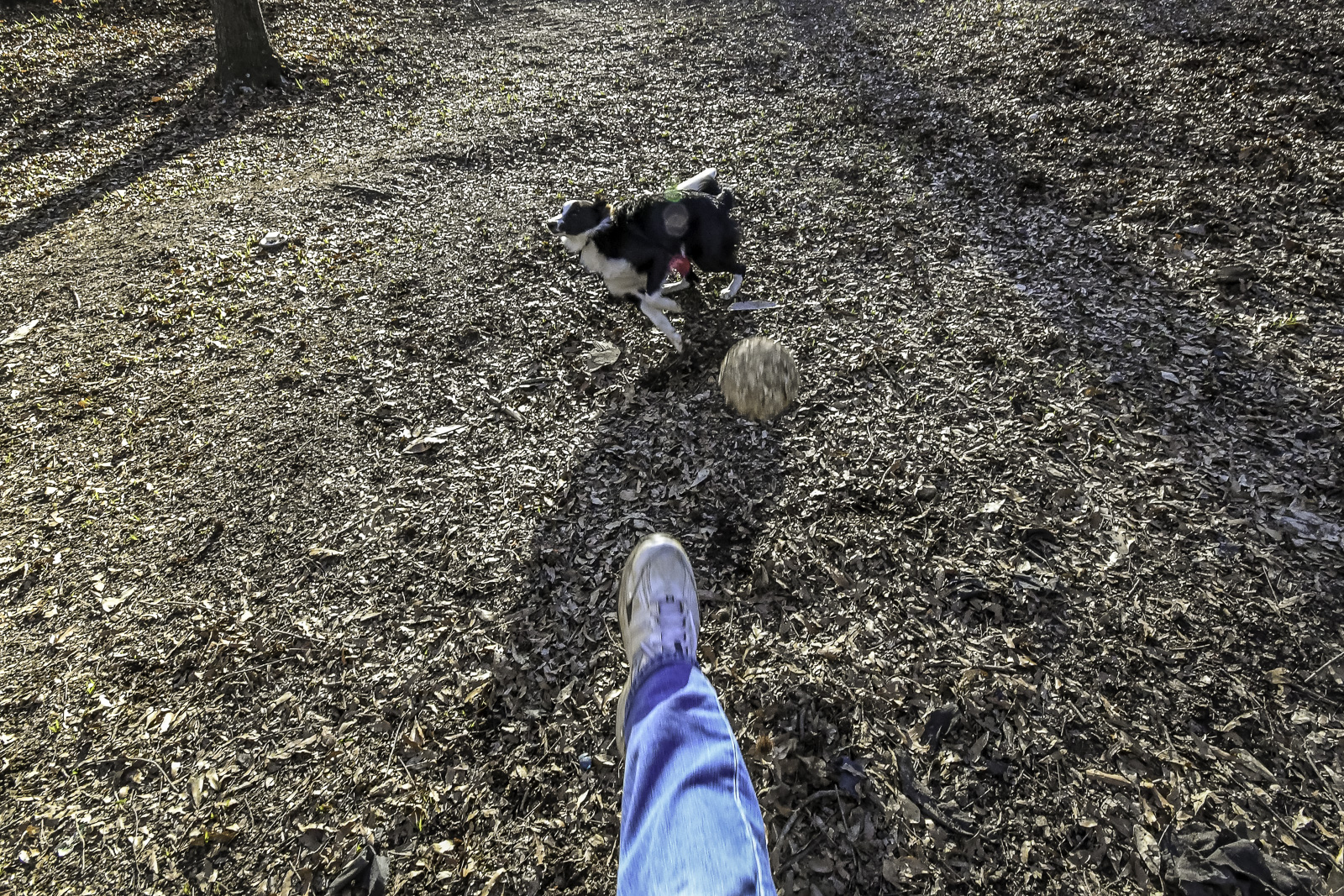
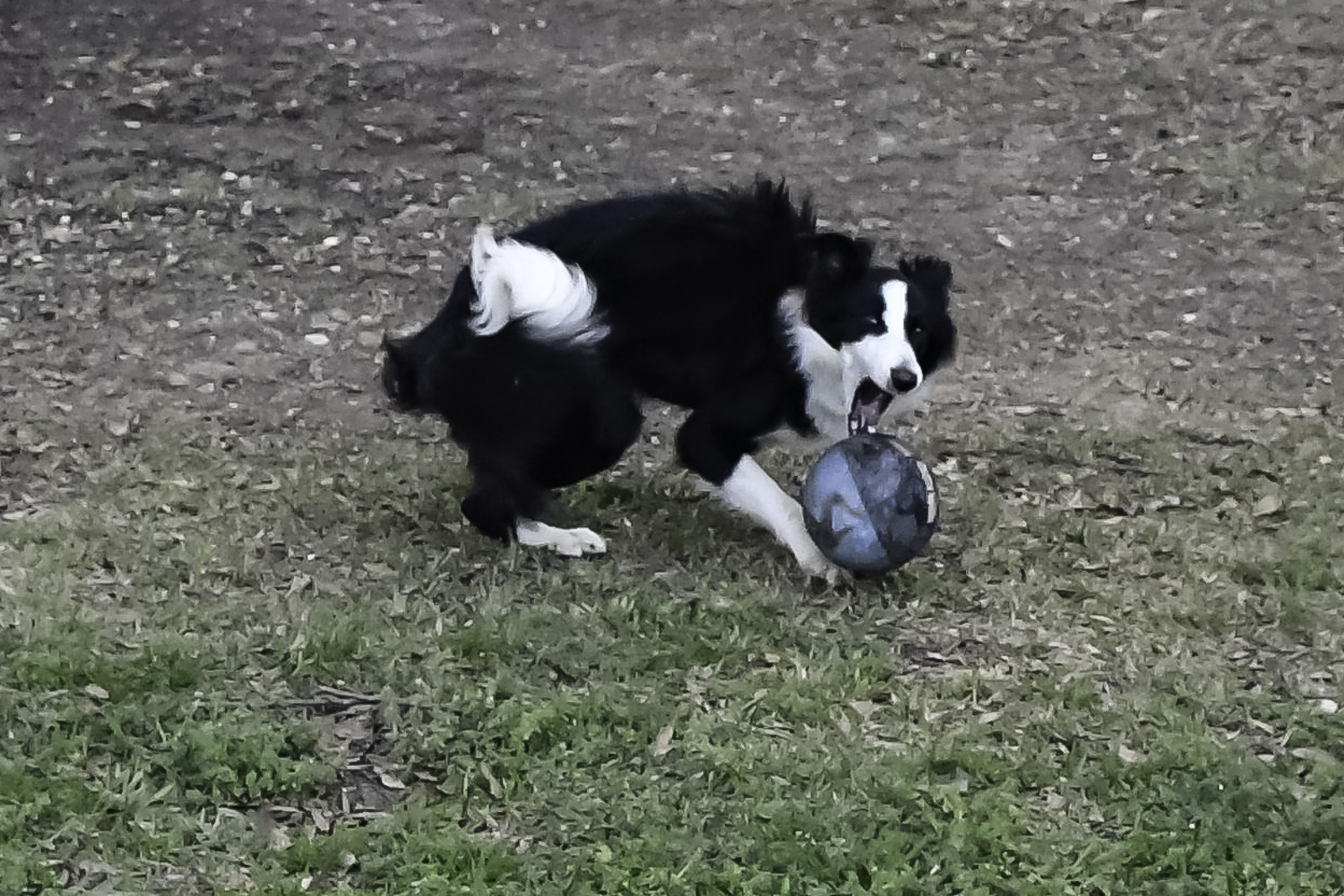
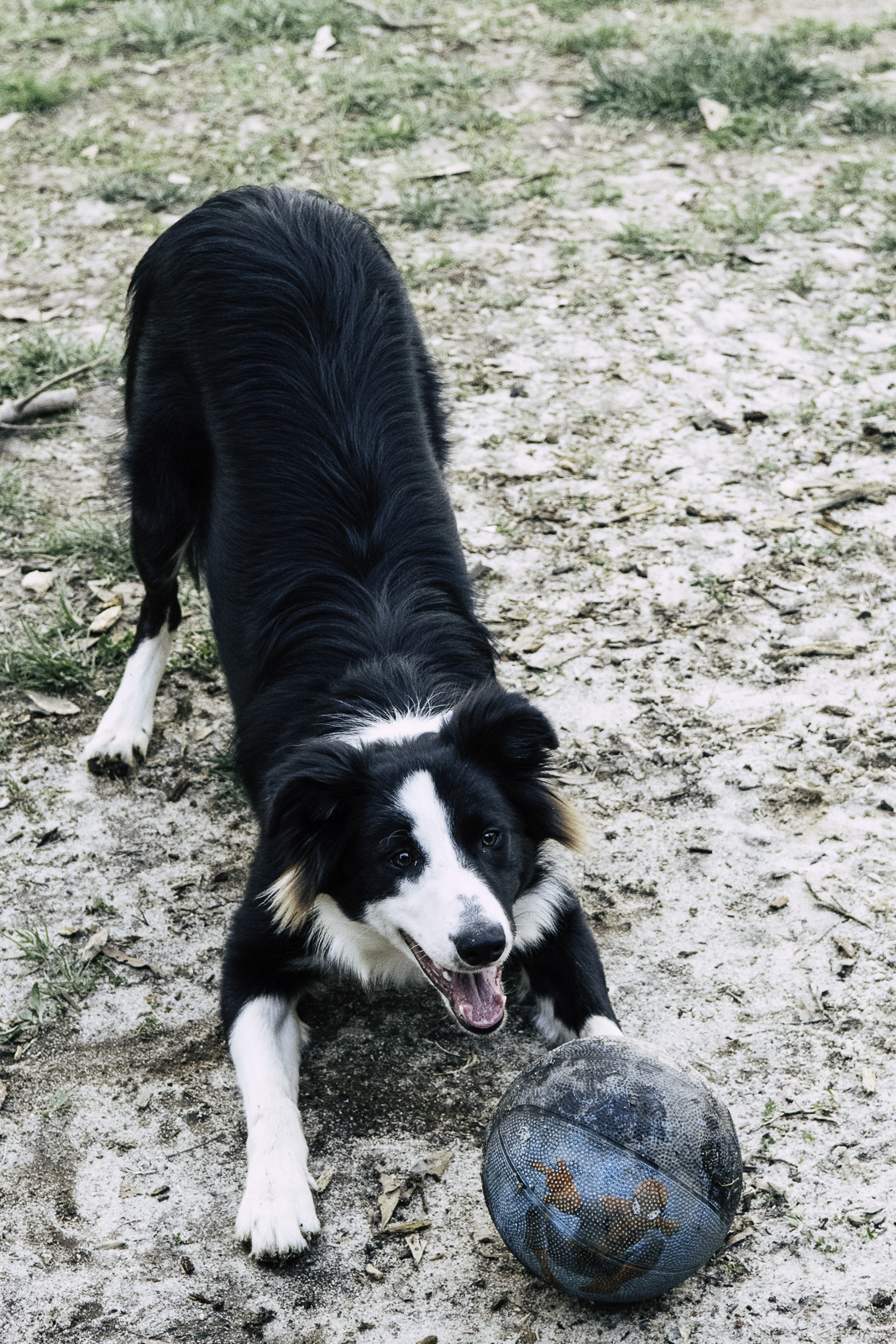
Our new camera, a Nikon D500, arrived today. A few pics from the evening.

And Repeat

I don’t know how many times I’ve told students that, nine out of ten times, it’s not what you do that gets you in trouble but rather how you react to being corrected. It’s not the phone out that’s the problem; it’s how you responded when told to put it away. It’s not the mild horseplay that’s the problem; it’s how you responded when told to stop. It’s not the talking; it’s the reaction to being told to be quiet.

Today, when I had hall duty, one young man insisted on chatting in the time before school actually begins, when all students sit in the hallway, leaning against the walls, and relatively silent. There’s always some whispering, and all teachers ignore that because it’s not a problem. It’s when the kids start talking, and then others talk, and then the first group has to raise their voices to be heard above the increasing din, and soon, it’s chaos on the hall. So we — as well as all other grade levels — insist on silence. This young man, though, insisted on chatting despite being told to stop talking.

In such situations, I take a simple strategy: I tell the kid to go to my classroom and wait for me there. “When it’s locker time and my duty is therefore over, I’ll come talk to you about this.” Most kids comply without issue. And what do I do when I talk to them? Sometimes I sign their school behavior cards (ROCK cards they’re called) on the positive side for complying without problems and tell them next time, it’s a negative. And sometimes, it’s a negative.

Today, I had a batch of kids that I’d never had to call down, so I took their names and told them I was pressing them into service for tomorrow: “You’re going to be my leaders, my CEOs, those who set the good example and get the others around you who are talking to stop and whisper instead.” I looked at them with a pause for effect, then asked, “And you know what happens to CEOs who don’t perform well, right?” One girl answered, “They get fired.” “And you know what that means for you, right?”

But one boy just couldn’t get past his sense of victimization. I told him, “P, you need to go to my room please.”

“What’d I do?” he asked indignantly.

“You just need to go to my room, alright.”

“I didn’t do nothin’.”

“You just need to go to my room, alright.”

“I didn’t do nothin’.”

“You just need to go to my room, alright.”

“I didn’t do nothin’.”

“You just need to go to my room, alright.”

“I didn’t do nothin’.”

Literally about that many times. Well, maybe not that many times: I don’t have that much patience. I just ended the encounter with him still sitting where he had been sitting, leaving him with the comment that he can discuss it with the assistant principal when I complete the disciplinary referral.

What will happen to him? He’ll get a day or two of In-School Suspension. Will that change him? Not at all. He sees himself as a victim — I don’t teach him, but all his teachers confirm this first impression.

It’s such kids’ futures that seem so bleak to me. How can someone like that hold down a job? How can someone like that even make it to an interview?

The only hope is age: perhaps in the next four years, by the time he becomes an adult, something will click.

Nearly-Spring Sunday

Spring in the south is a tease: we'll have a week of theoretically unseasonably warm weather (mid-seventies or even a bit higher) and then drop back down to the forties and fifties for a week. I guess we all should get used to it, but we never really do. Every year, we have this warm spell and become convinced that this time -- this time -- it will be different. K gets out a few spring clothes, packs up a few of the winter clothes, and then the next week, we're all wondering why we were so naive.

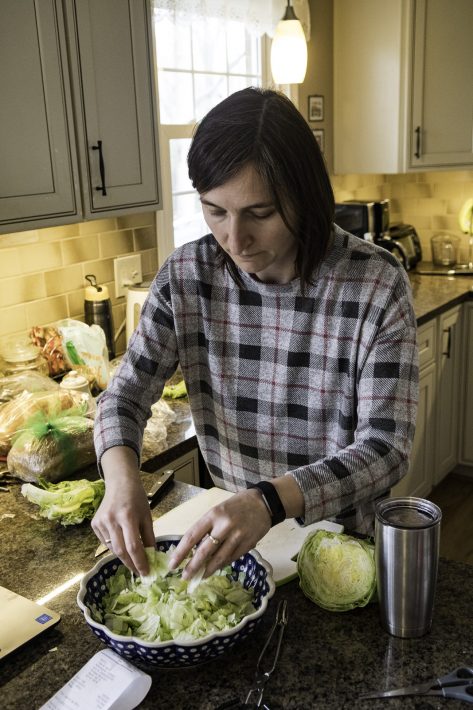
That's what we had this week: cool, cool temperatures and even some rain after a week of warmth. So this weekend, with its sunny cool weather, has been a joy. We spent yesterday working outside; we spent this afternoon playing outside. Well, not entirely. I had to do some school planning and a bit of grading, and K was in the kitchen for a while.
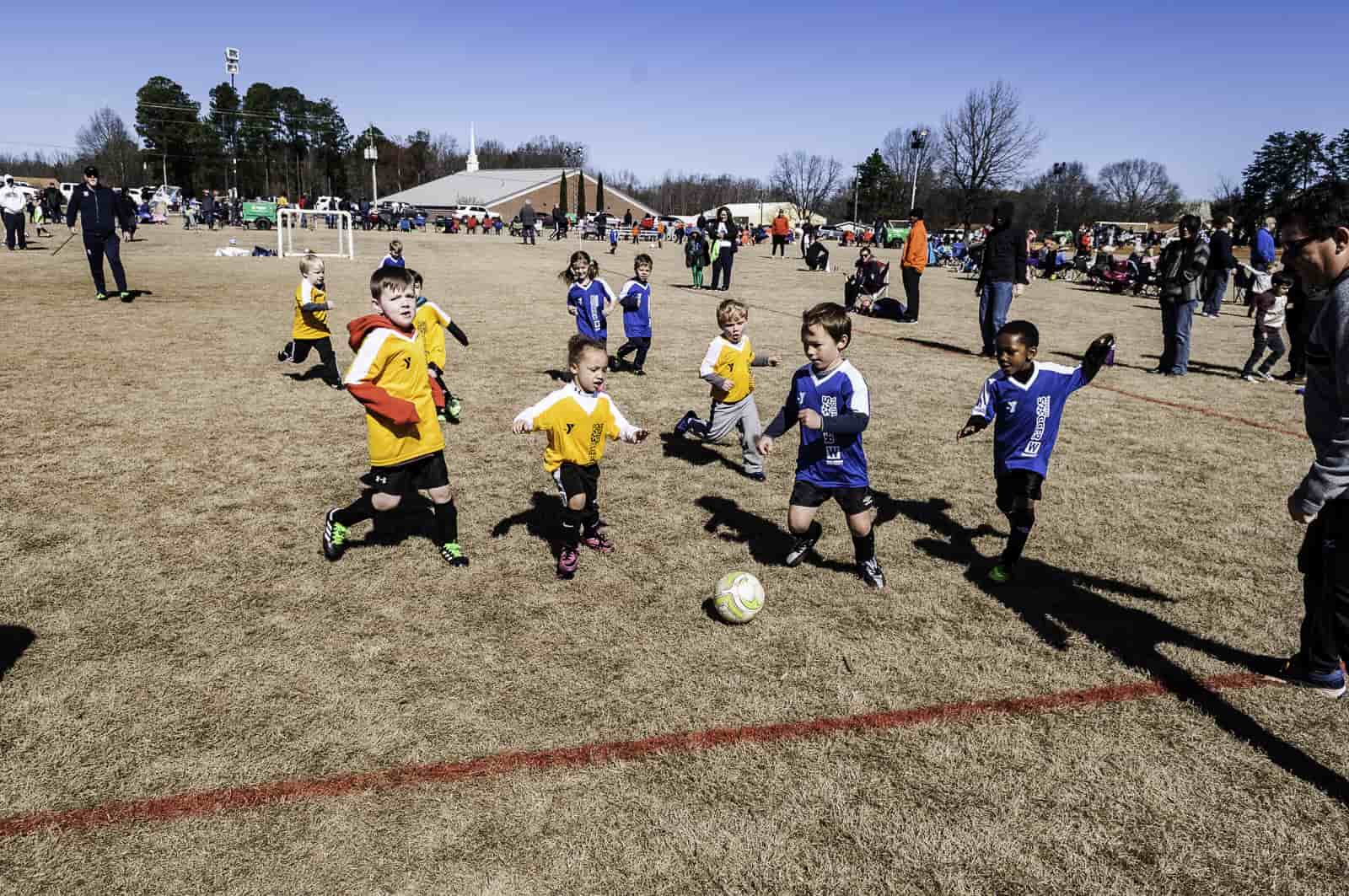
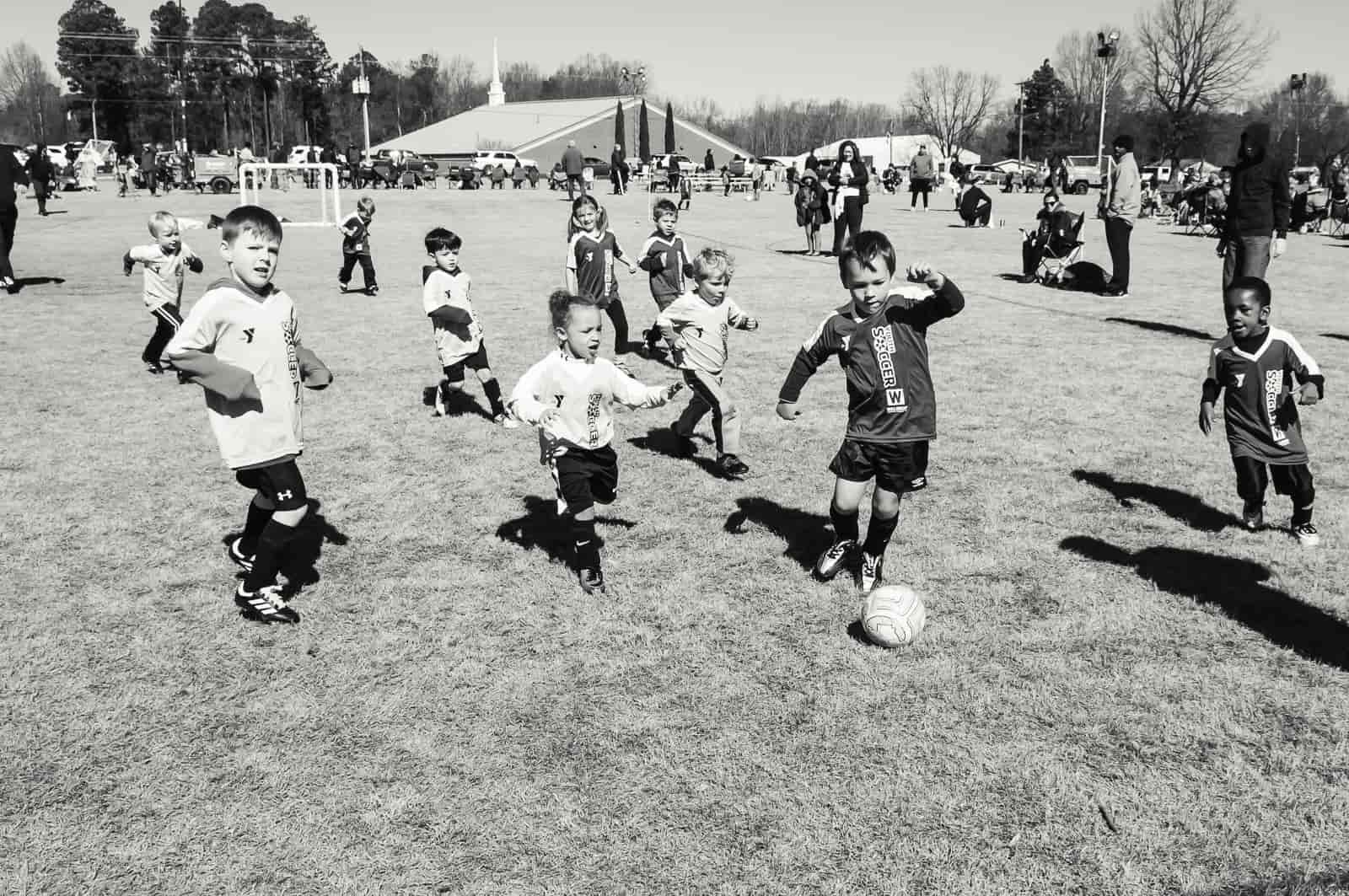
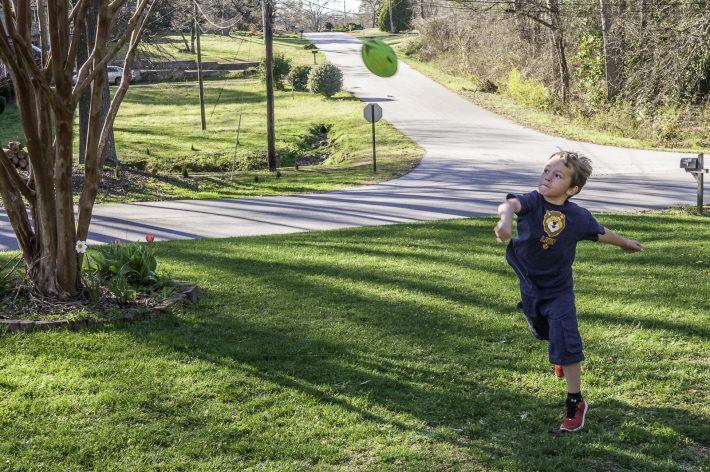
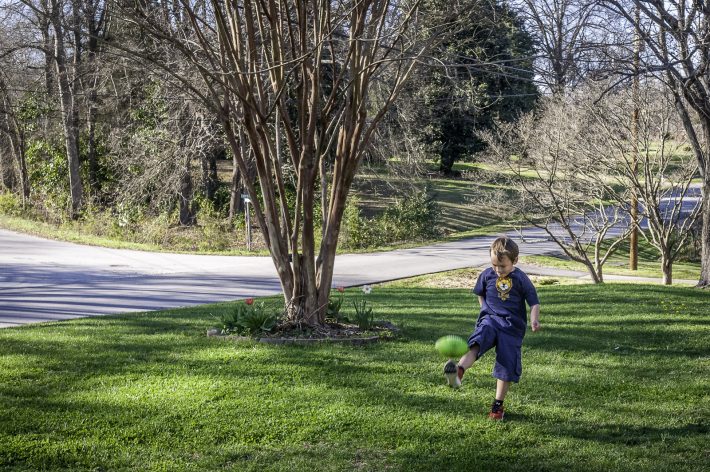
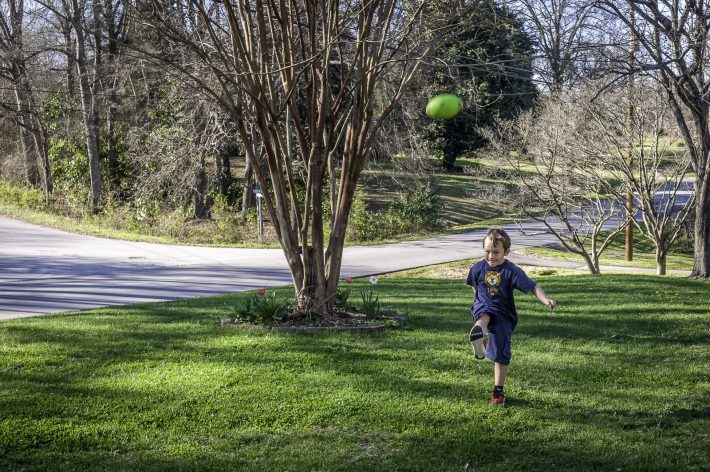
Our hearts, at least, were outside when our bodies couldn't be. Just before heading to Nana's and Papa's for Sunday dinner, the Boy decided he wanted to play football. During our scout meeting today, someone brought up football, and though we never watch it at our house and therefore never discuss it and therefore never expose our children to it, the Boy has absorbed enough background knowledge at school that he's keen to play.

He asks if he can play on a team like the neighbor across the street. Thinking of the growing scientific certainty regarding the dangers to the brain the football presents, I tell him, "No, sorry buddy. There's just no way to make it safe."

"Well, little kids don't hit very hard," he tries to explain.

As a happy compromise, we toss the ball with him occasionally.

At scouts today, they played kickball, and because we don't expose our kids to baseball either, E had only the vaguest notion of how to play even when the den leader explained that it's just like baseball. K sometimes worries that by not exposing the kids to sports because we're not particularly interested in watching them (except for ski jumping -- that's a given when you're Kamil Stoch's first cousin), we're somehow short-changing our kids. They don't fit in with the other kids, and the other kids notice -- that's the logic.

Since I grew up not fitting in for various other reasons, I find myself thinking, "There are worse things than not fitting in." It's a survivable dilemma. What doesn't kill them makes the strong. Some such nonsense.

But even if we wanted -- really wanted -- to expose our kids to sports like football and baseball, we don't have the time for it. I'm always amazed at people in the area who go to every single Clemson game during football season, thinking, "Don't you guys have any obligations on Saturdays?" We're too busy in the fall working outside and inside (mainly my school work) to make football viewing a possibility, and baseball in the spring would be only slightly better.

So our kids go to school lacking certain knowledge to make conversation of a certain type possible. In reality it really doesn't affect L because she too is not interested in football (to continue using the example above). The Boy, though, is, and his friends talk about it from time to time.

Maybe as spring unfolds, we'll try to watch some baseball together, perhaps to watch the local minor league team play a time or two...

First Game of the Season

Evening Play