fun in threes, sometimes fours
At the end of every school year, I have students write letters to the rising eighth graders who will have me in English.
“Don’t lie, and don’t exaggerate too much,” I tell them, “but I want you to give them advice and scare them. Just a bit.”
I also use excerpts from these letters on my class website, Our English Class.

Some of the excerpts I selected:
To read these things makes me feel that I finally have reached the goal as a teacher I have always sought: to be demanding but fair; to be challenging but just.

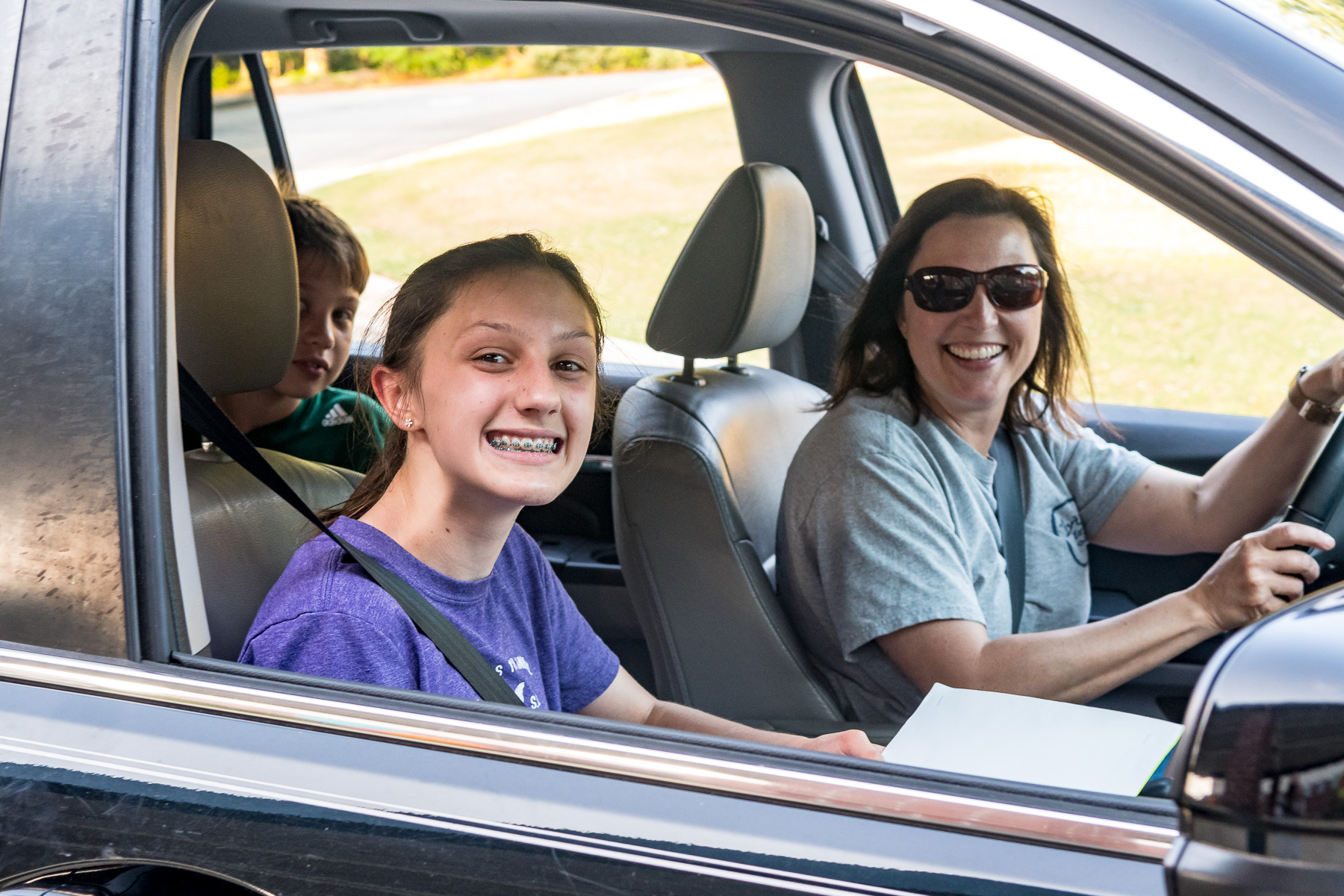
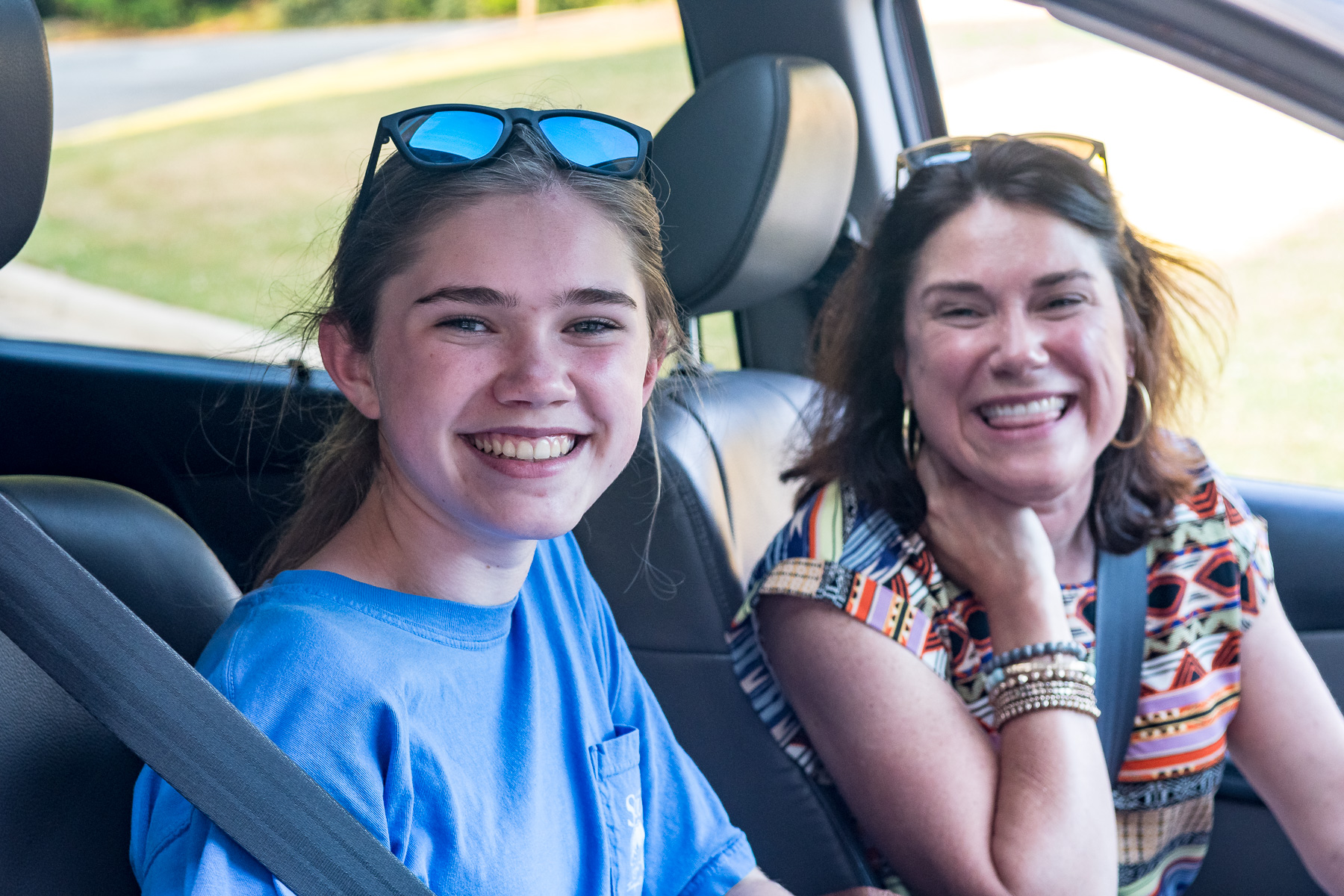
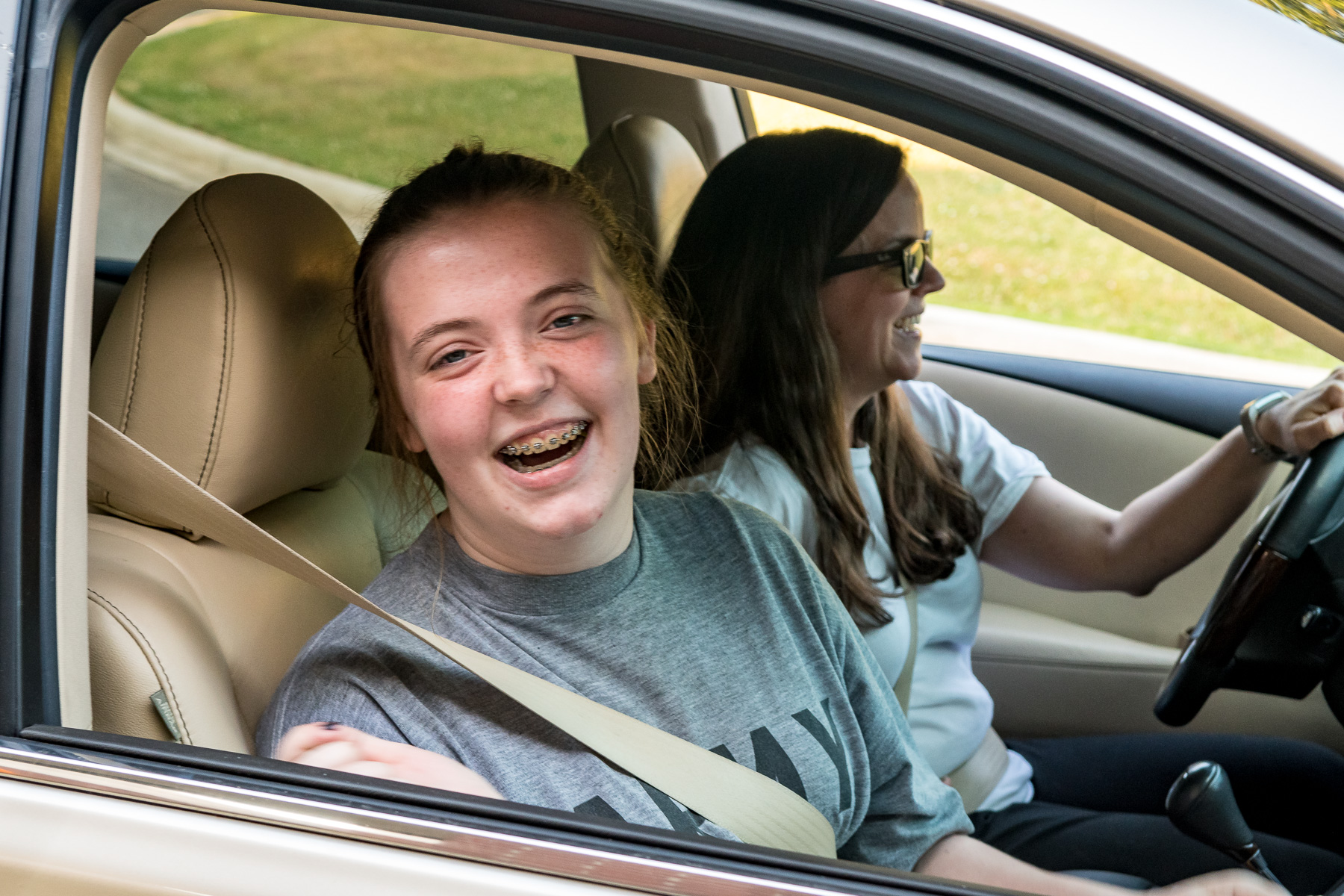
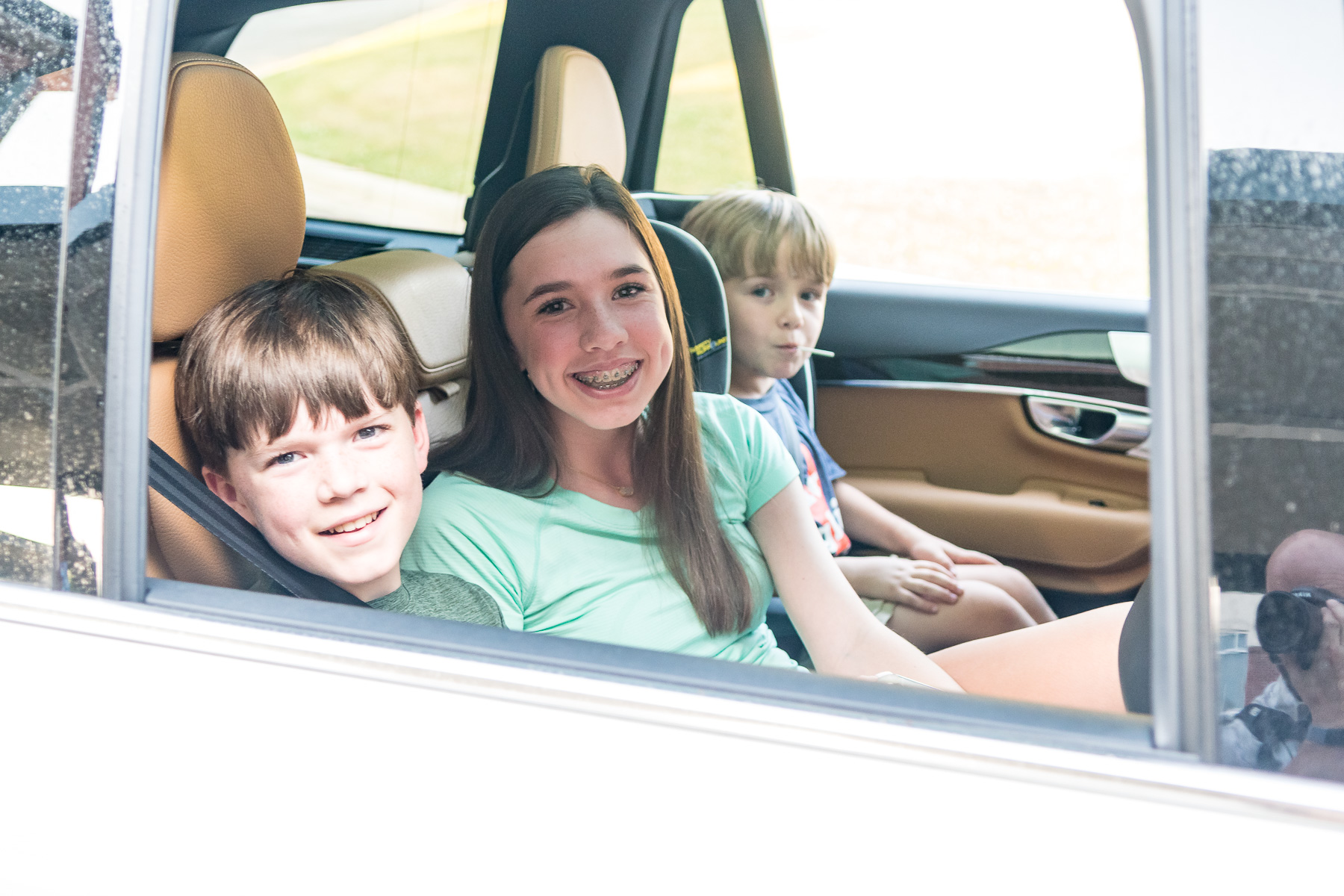
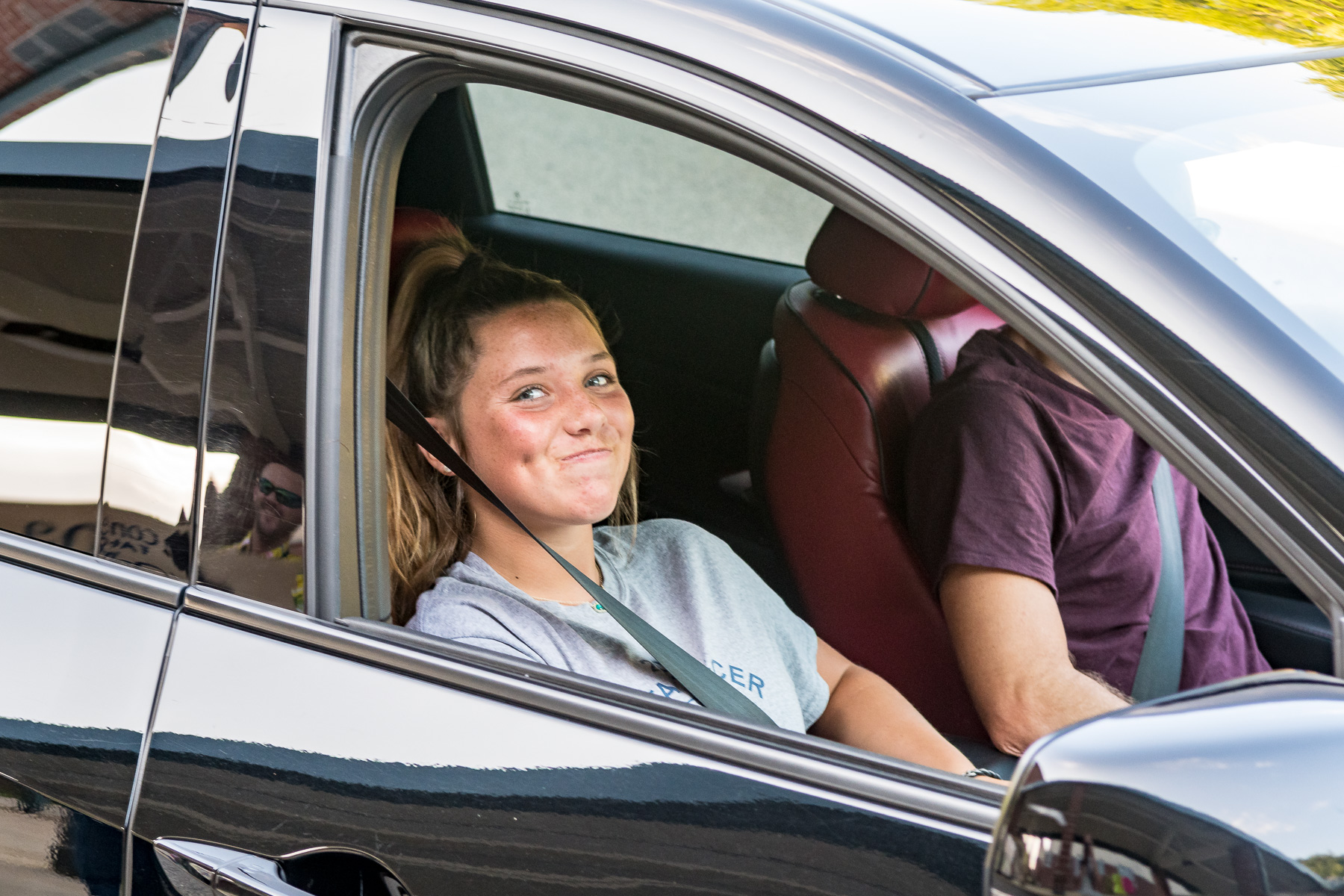
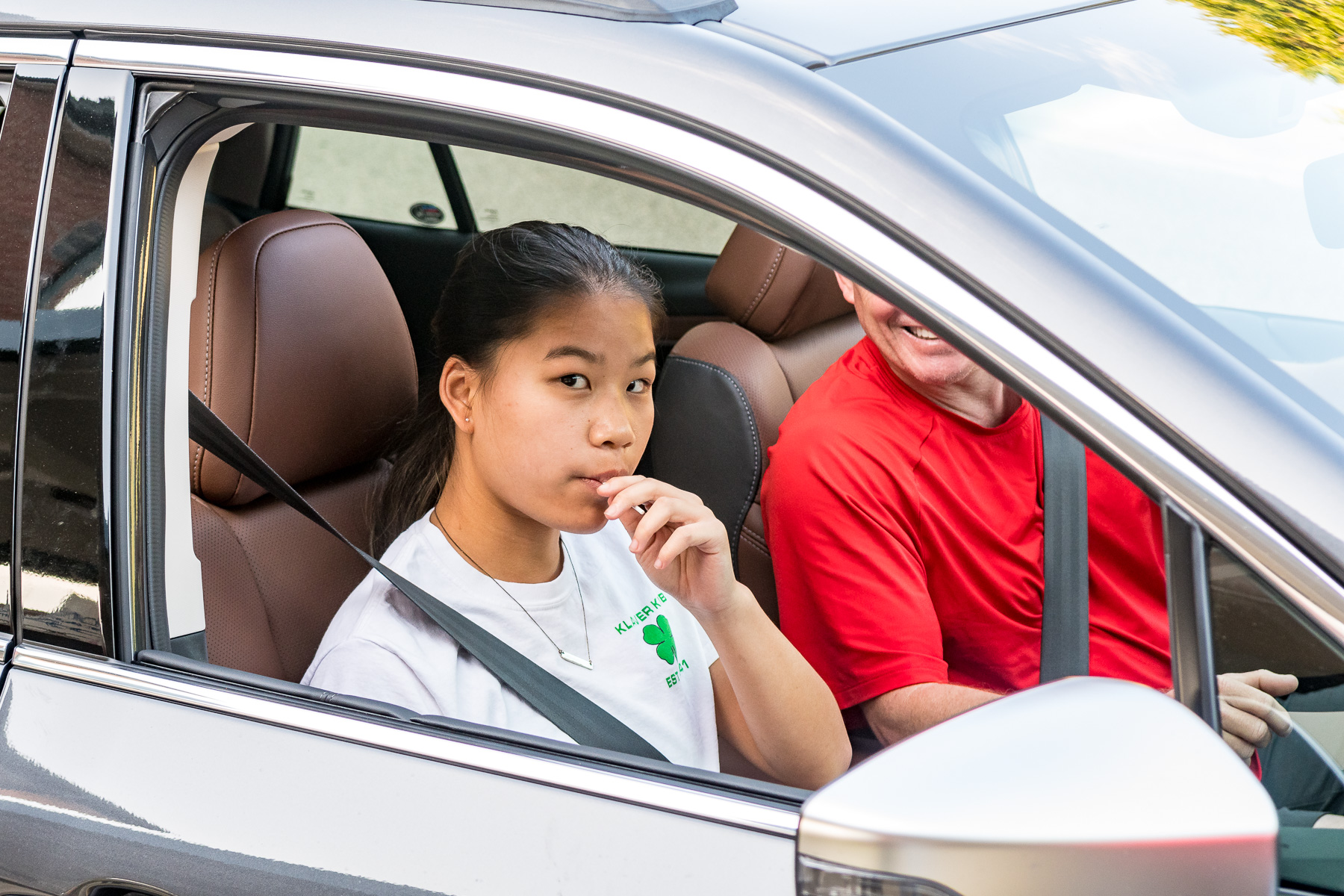
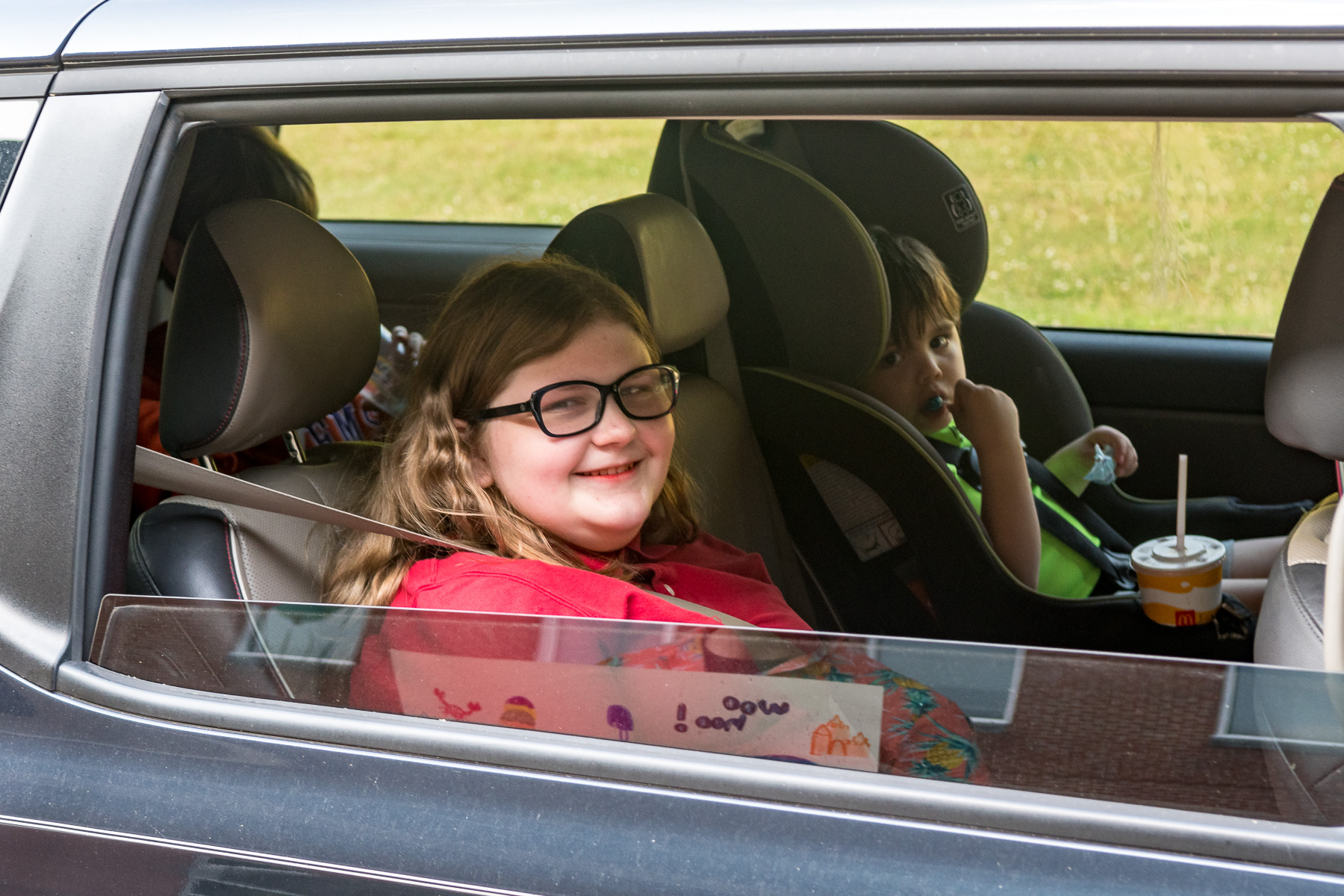
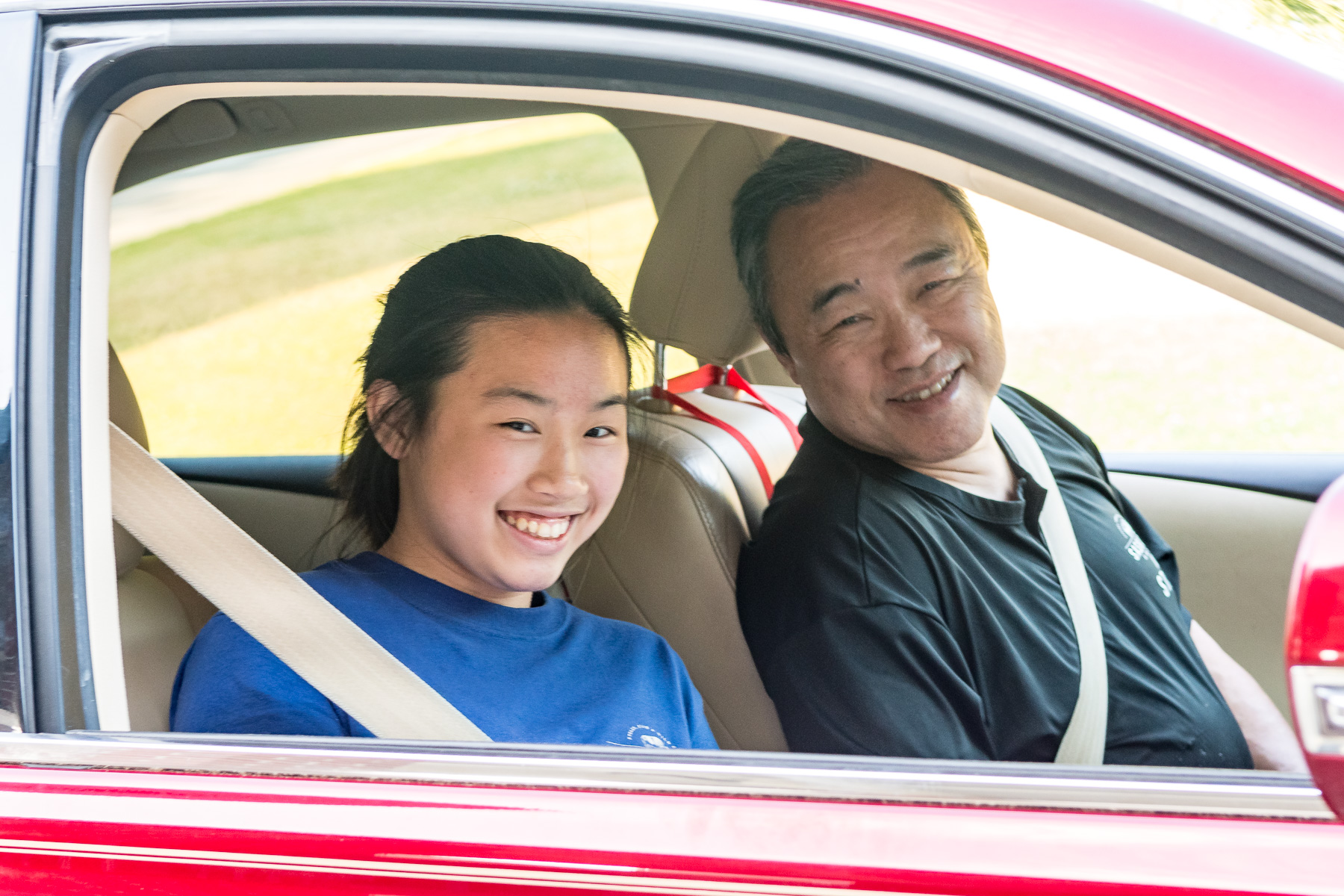
It's been two years since our school held an awards night. This year we held a drive-by awards night.






The swim team worked on backstroke today. The Boy was fairly confident that he’d mastered backstroke until he had to swim a full 25-yard lap of it.
He struggled. Mightily.
And then they had to swim back.
And then they repeated it.
By the last lap, each stroke was little more than plopping his arm behind his head and pulling a little bit. It was heartbreaking to watch because he was so far behind everyone else. He’d do a couple of strokes, stop, and turn around to see where he was. Then he’d repeat it.
But he never stopped. He never gave up. He kept plugging away at it until he’d made it to the wall.
“Work on backstroke” I added to my list of notes for when we go to the pool as a family for the first time.

E has joined a swim team at a local pool, primarily because his three best buddies from school have joined the same team. I am naturally thrilled because competitive swimming was an important part of my life. I began swimming competitively in elementary school when I competed for the small community pool to which we belonged.
In high school, the swim team was my only athletic endeavor. I certainly would not have gone out for football or basketball, and while I ran track during my freshman year, an awful case of tendonitis made running more than a quarter of a mile excruciatingly painful: I quit after the first year. But swimming had always been kind to me, and even though I was always mildly frustrated that the swim team never got the kind of recognition that the basketball, football, or even baseball teams received, I would have continued swimming competitively even if the other swimmers and I were the only ones in the pool.
It’s not that I wanted to be seen as a jock — certainly not — but a little recognition for the amount of work we put into our sport would have been nice, I thought. We did have one occasion to bask in a little attention. It was during my junior or senior year, and the head swim coach arranged for some of the cheerleaders to come to support us. A cheerleader stood behind the starting blocks for the home swimmers and cheered us on from there. That I can’t remember whether it was my junior or senior year and that I am only partially certain they were standing behind the starting blocks to cheer us on (that just doesn’t seem right) show how relatively insignificant the event was for me, so I suppose I really didn’t care that much about that recognition.
For the most part, what I liked about swimming was its solitary nature. Except for relay events, swimming was just the swimmer in the water. Everything else seemed to dissolve into the muffled yelling of the few spectators — mainly parents, boyfriends, and girlfriends — who came out to support the team. To train or to compete, we didn’t need anything other than a body of water.
I also found that training had a certain meditative quality to it: back and forth and back and forth. One two three breath; one two three breath; one two three breath. Count the strokes in each lap. Count the breaths in each lap. Get a song going in your head and just let it run in cycles. I lost myself in swimming many times.
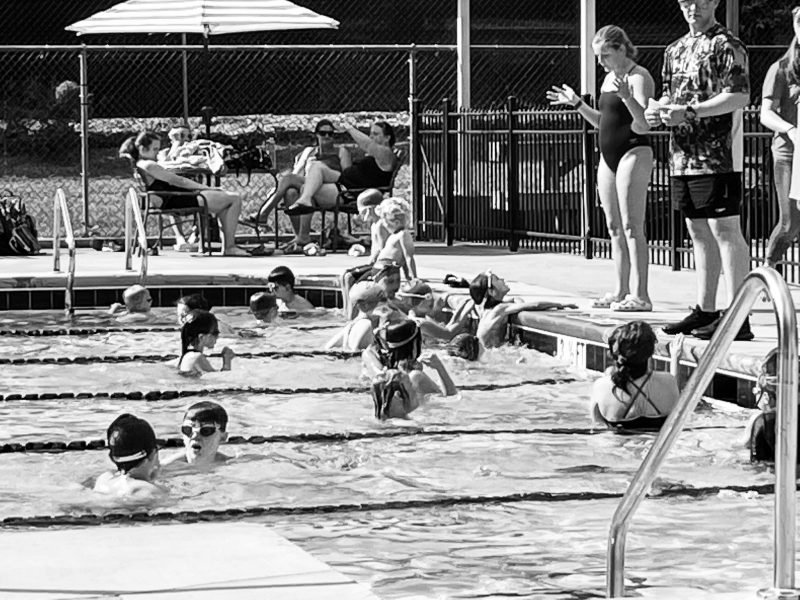
The Boy, though, is just beginning. He doesn’t have a good breathing pattern. He takes as many strokes as he can and then pulls his whole head out of the water to gulp air for a few seconds, then plunges his head back under and goes at it again. There are so many kid on the team (probably close to 30) that I doubt he’ll get much one-on-one stroke help, so I’ll have to do that as soon as school is out, and we start heading to the pool together on a regular basis.
He also stops swimming when he gets too tired. That means he swims the first length entirely. In the second length, he stops at the 15-foot red markers. After a few more lengths, he’s stopping almost midway.
“That’s when you’ve really got to push it,” I tell him. “You’ve got to ignore that pain and push through it. That is how you get stronger.”
It looks like we’ve got a summer goal cut out for us.
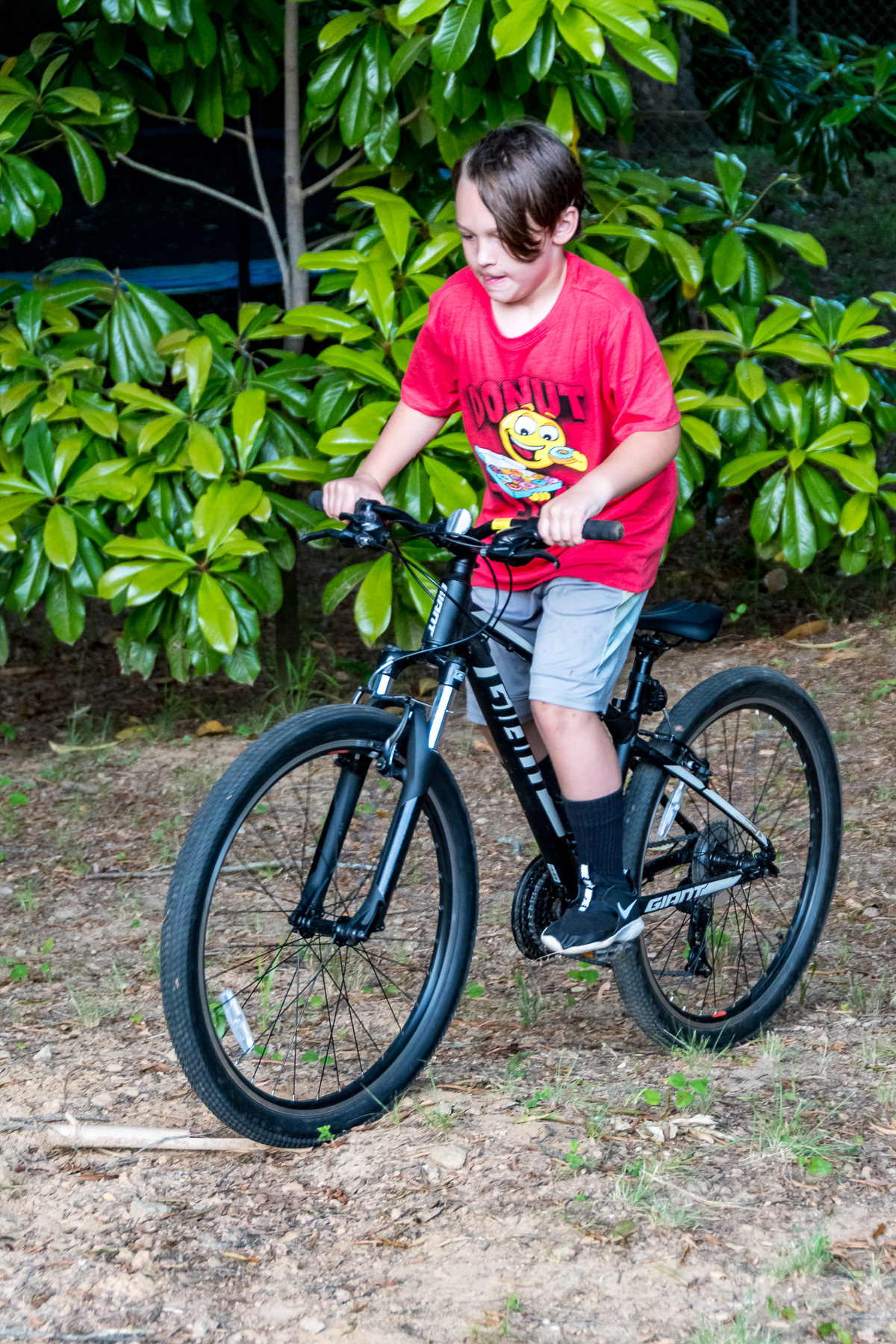

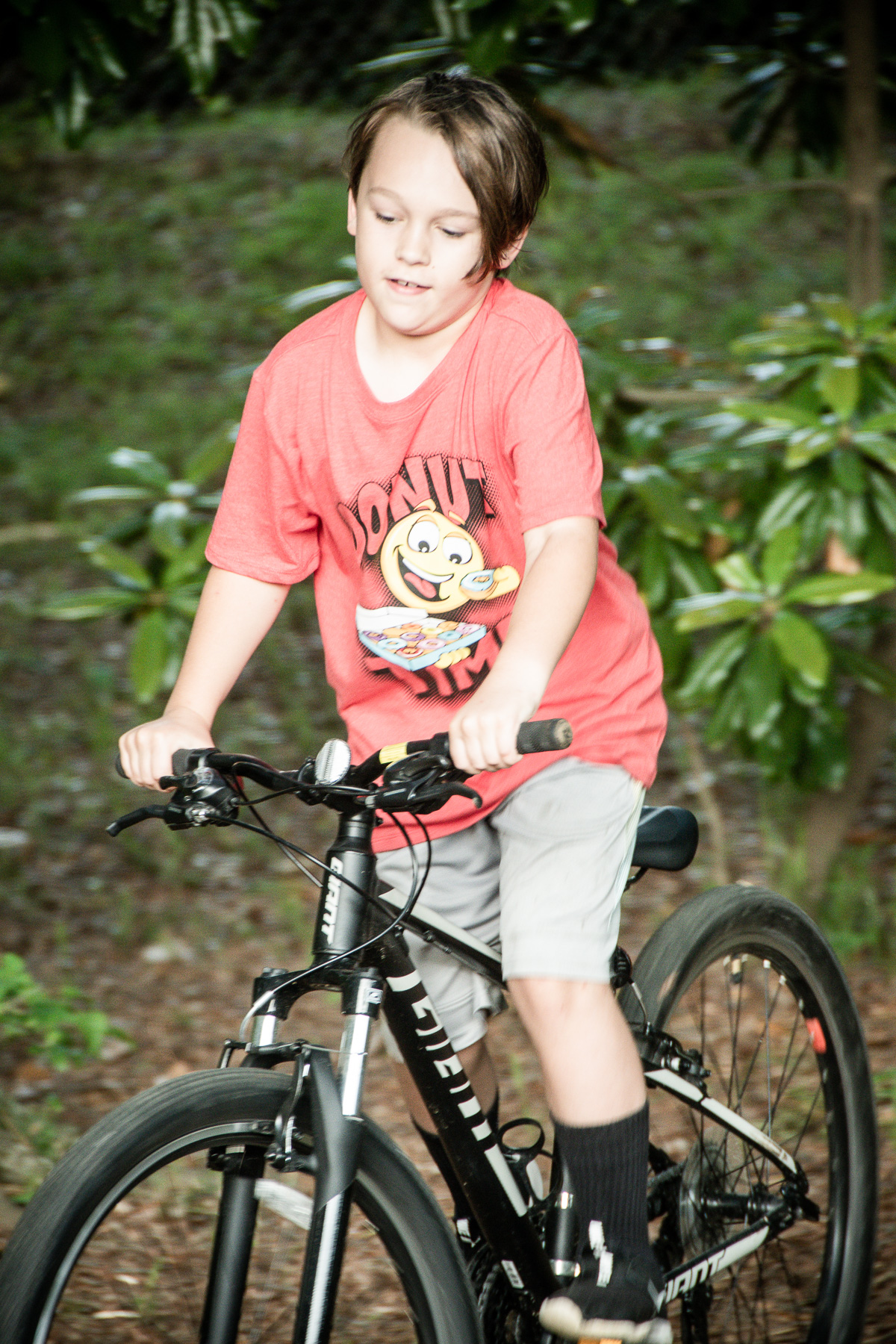
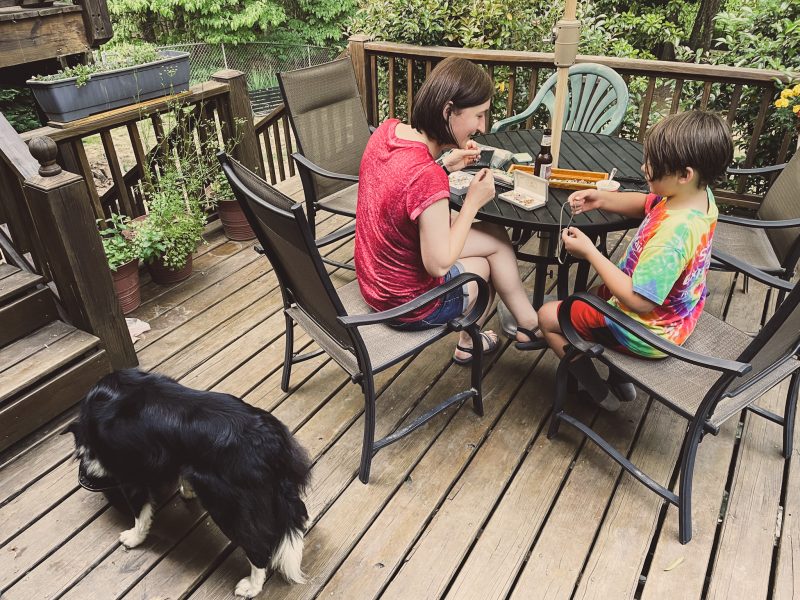
I’m not sure how it happened, but everyone — L, E, and K — took turns going through Nana’s old jewelry. It’s been stowed away in Papa’s room since they moved in two years ago, and I think it’s only now that they’ve gone through it.
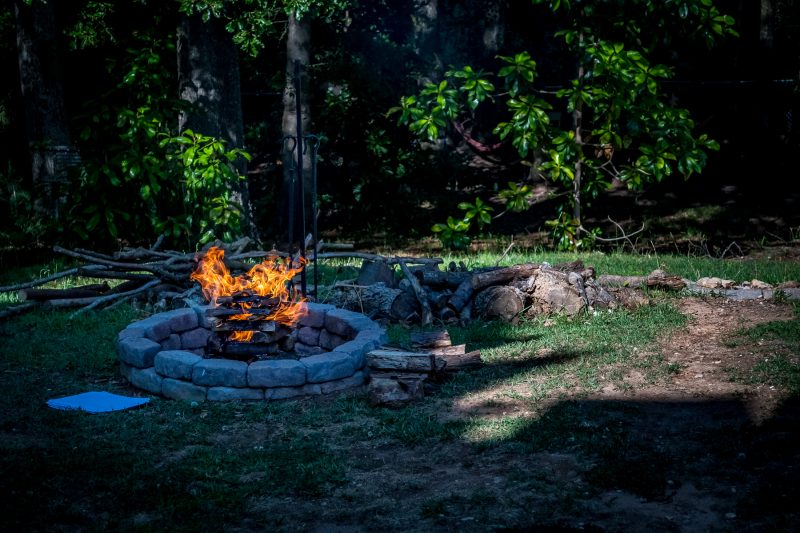
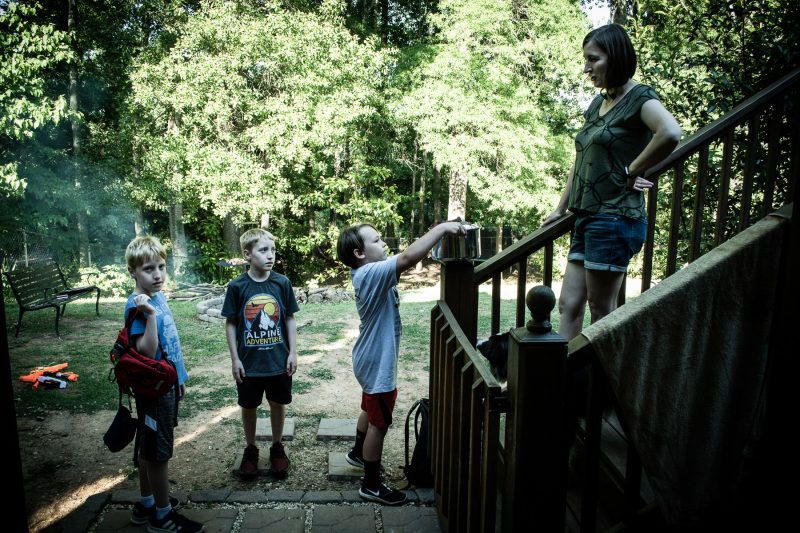
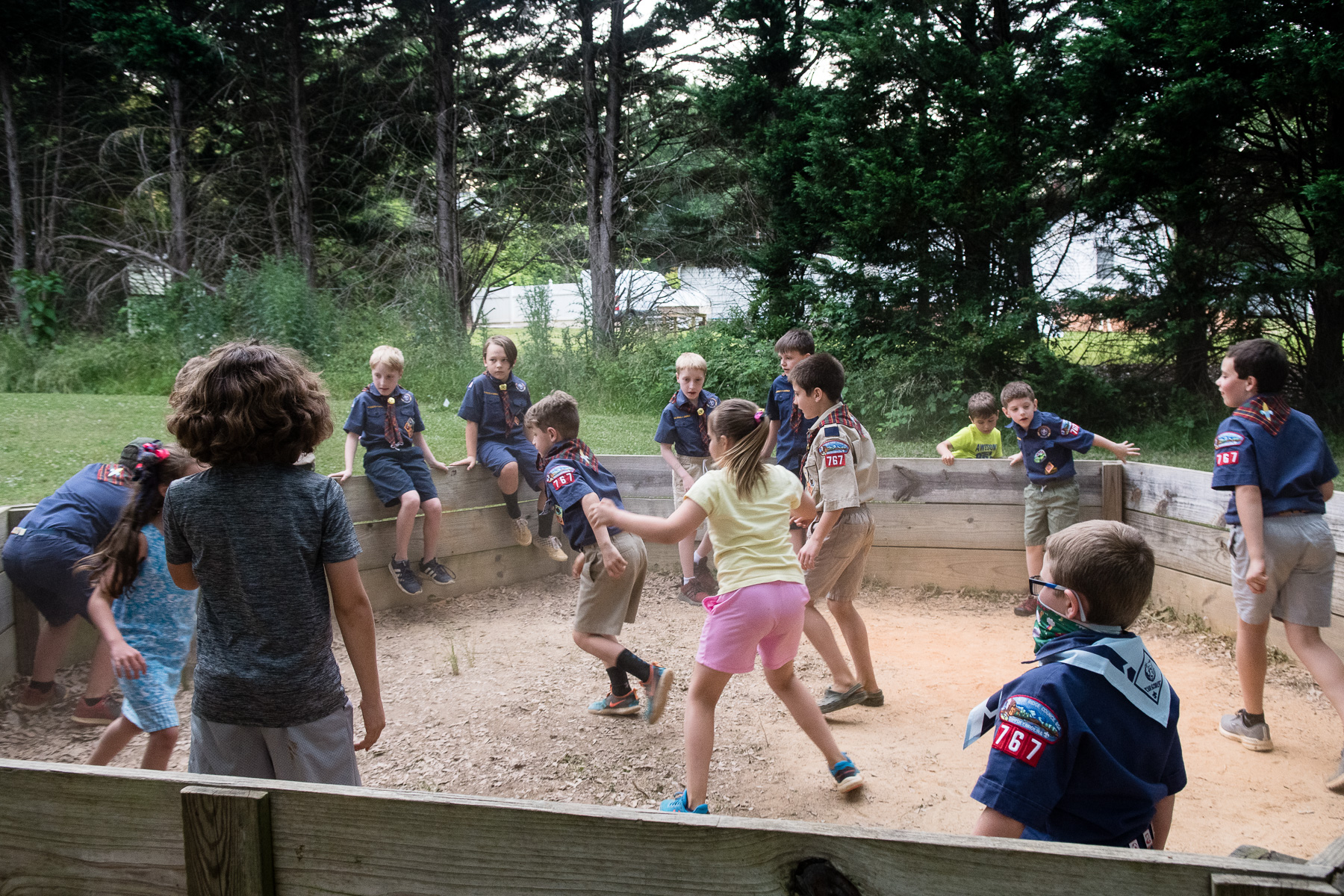
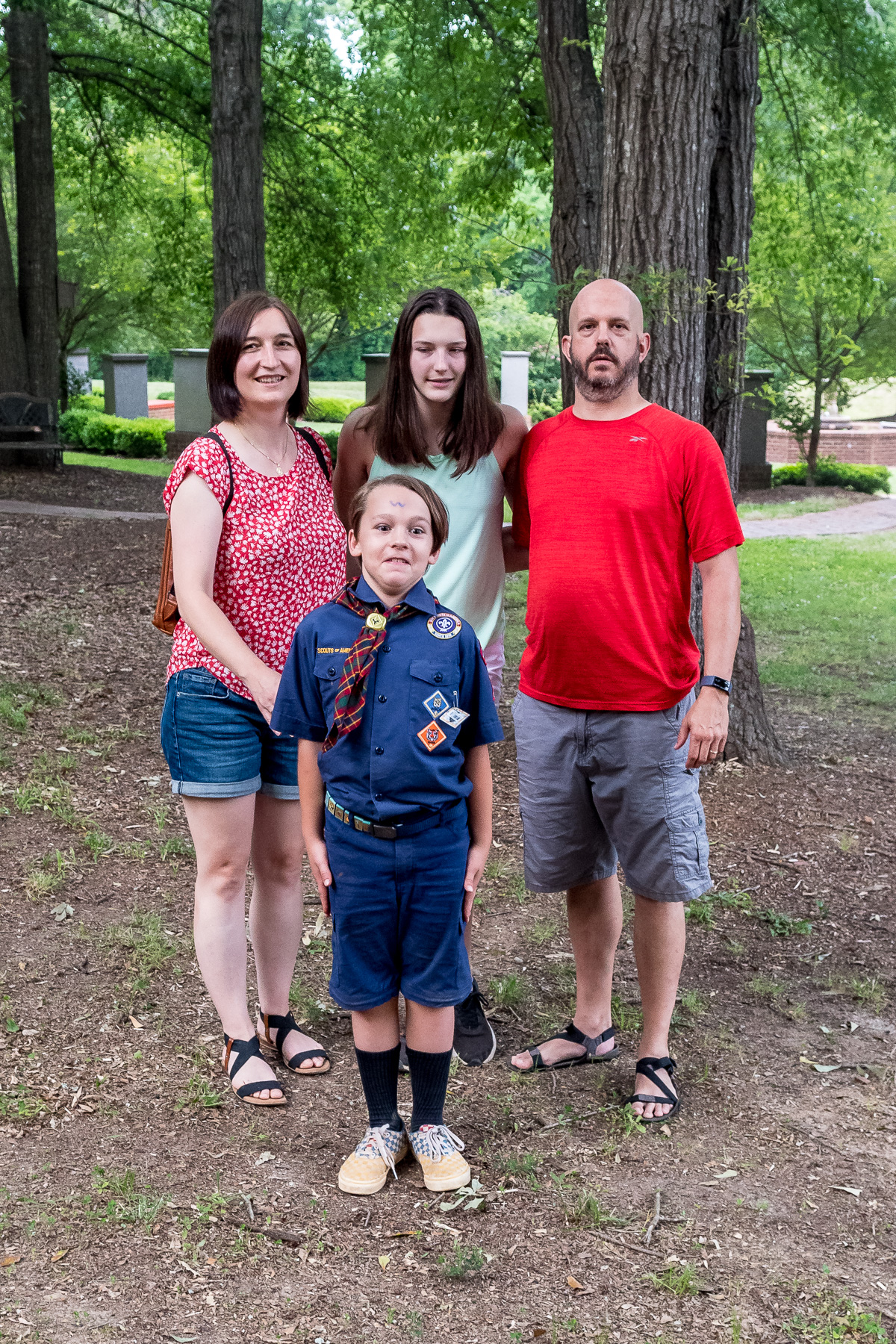
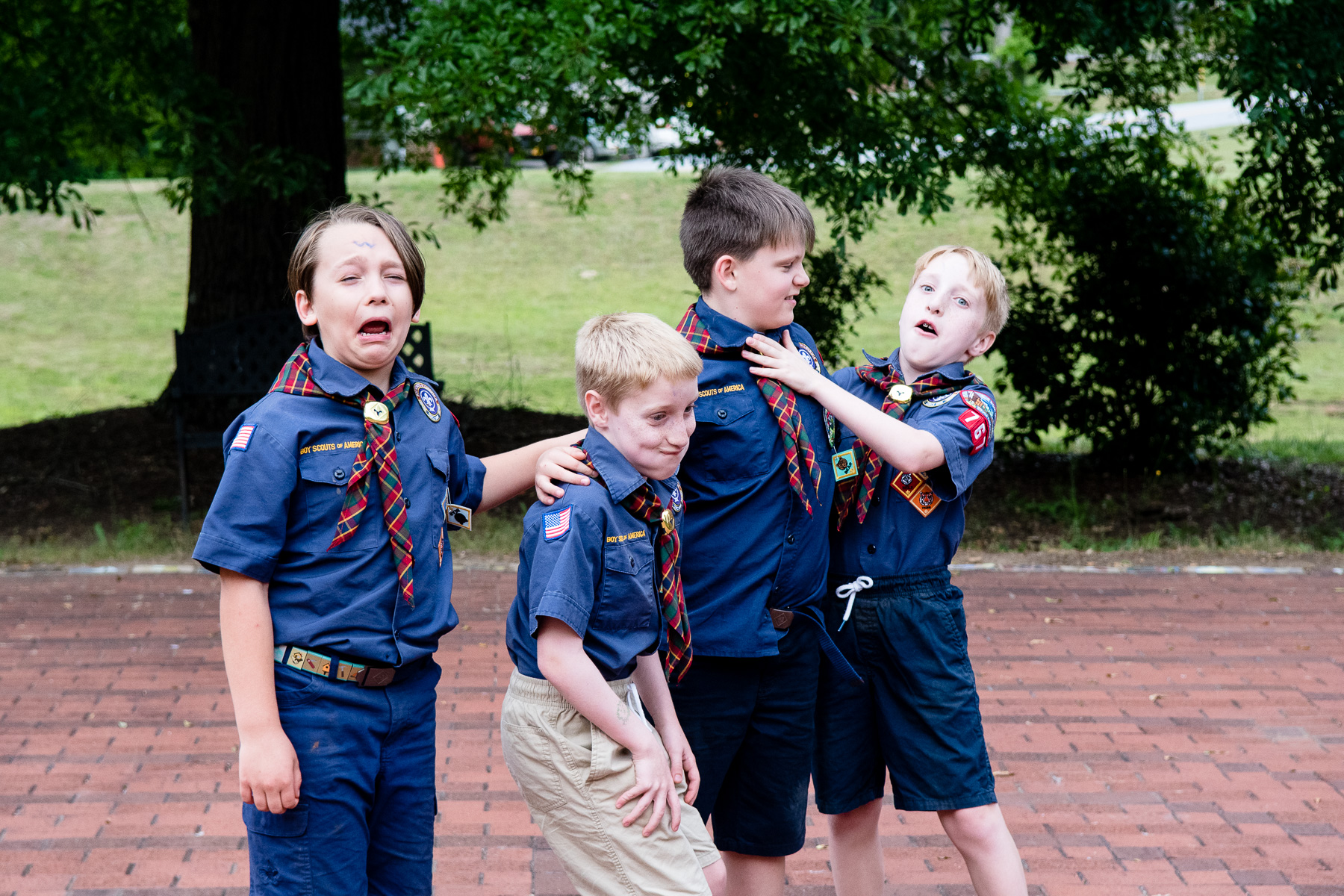
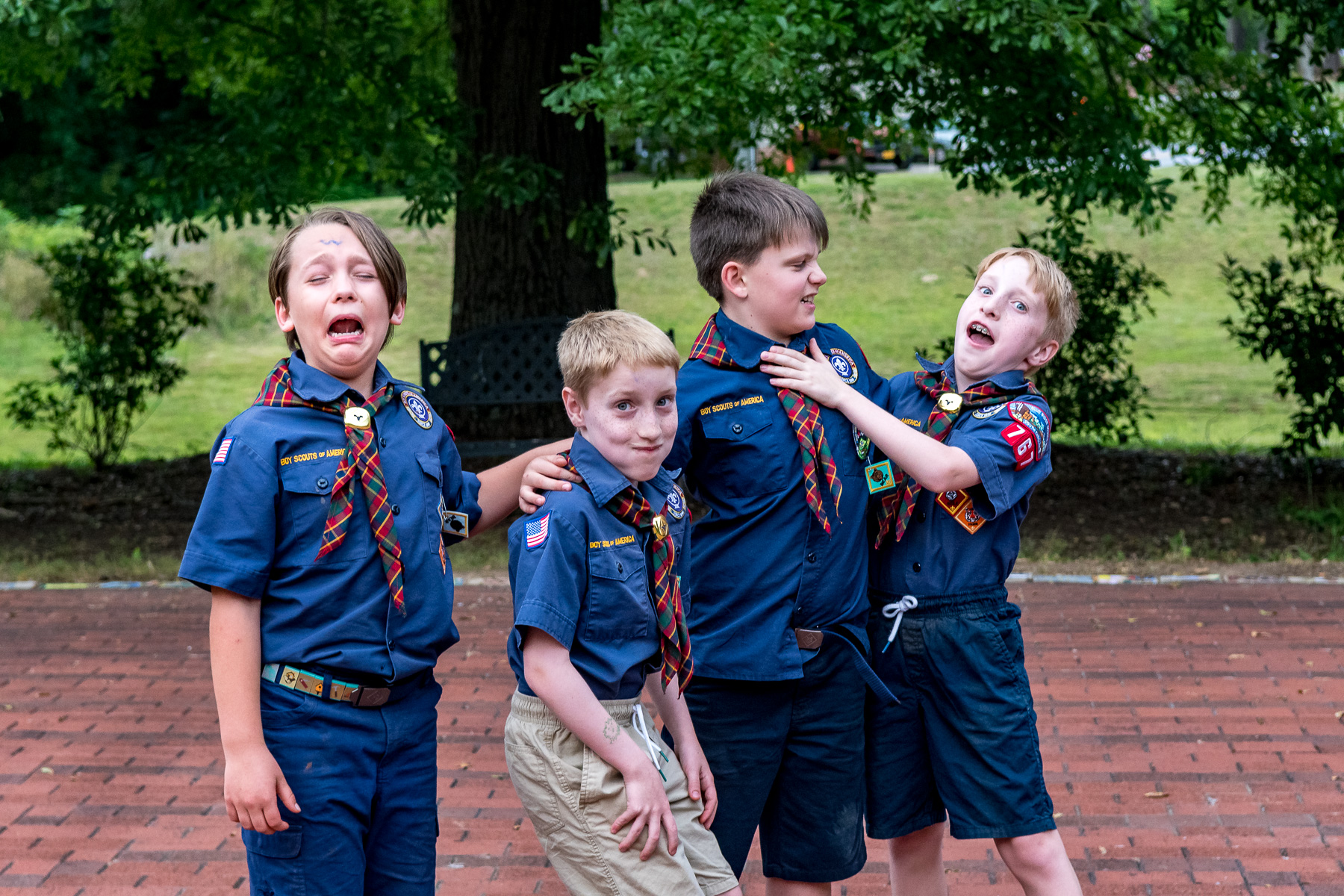
The Boy returned to scouting this year after a year's absence (or was it two?), this time joining a troop that includes his three best friends from school. He moved from Bear to WEBELOS (We'll Be Loyal Scouts).
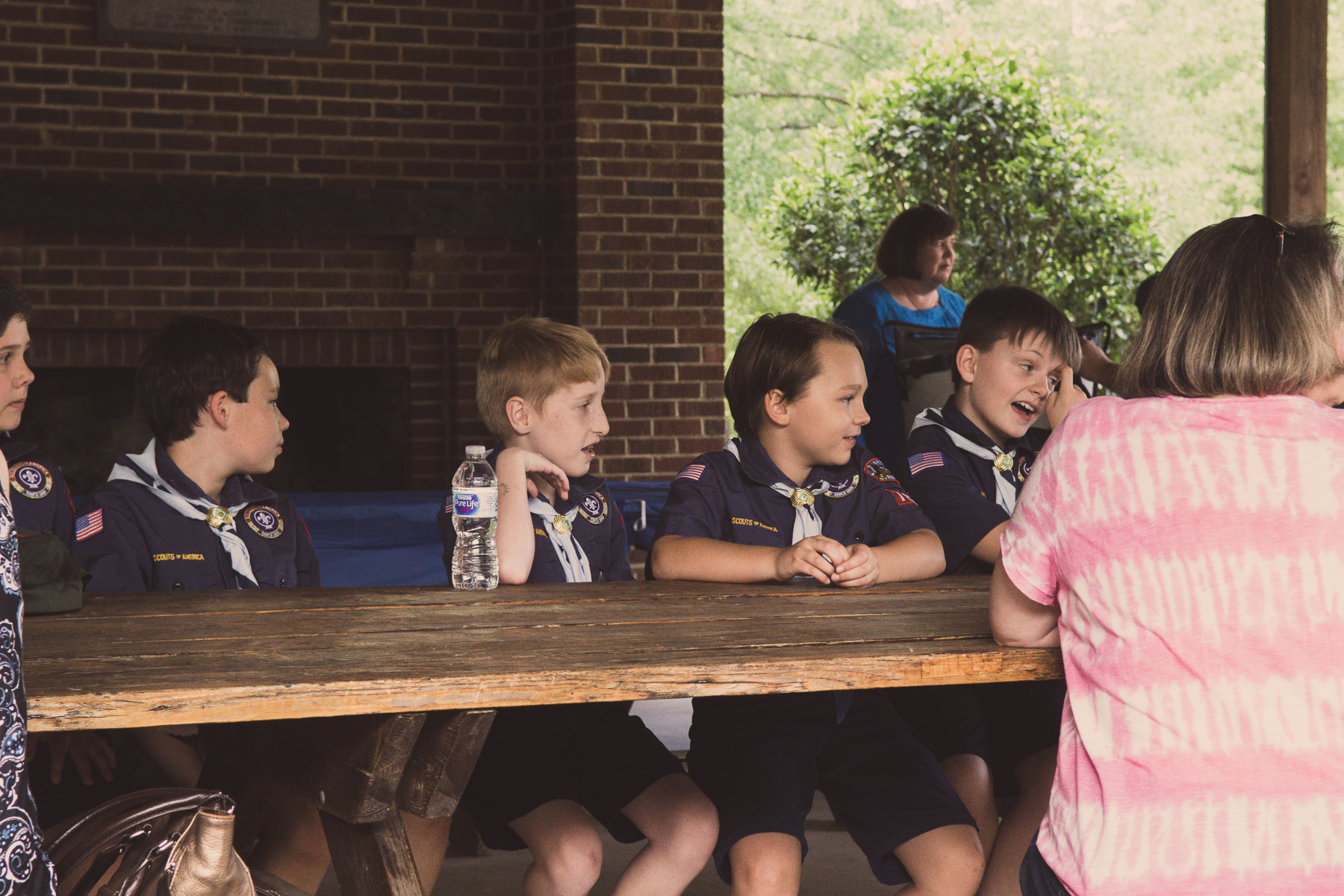
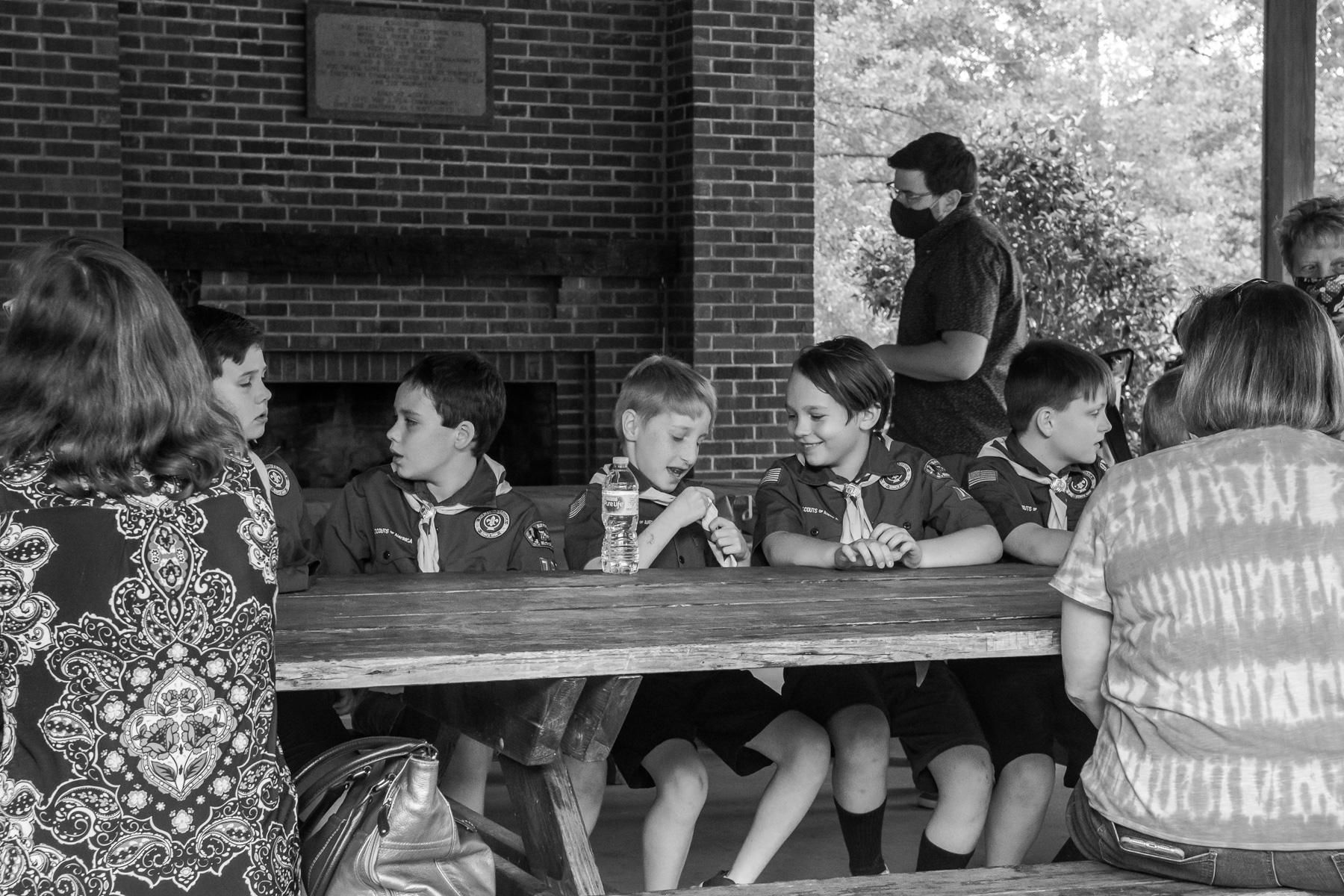

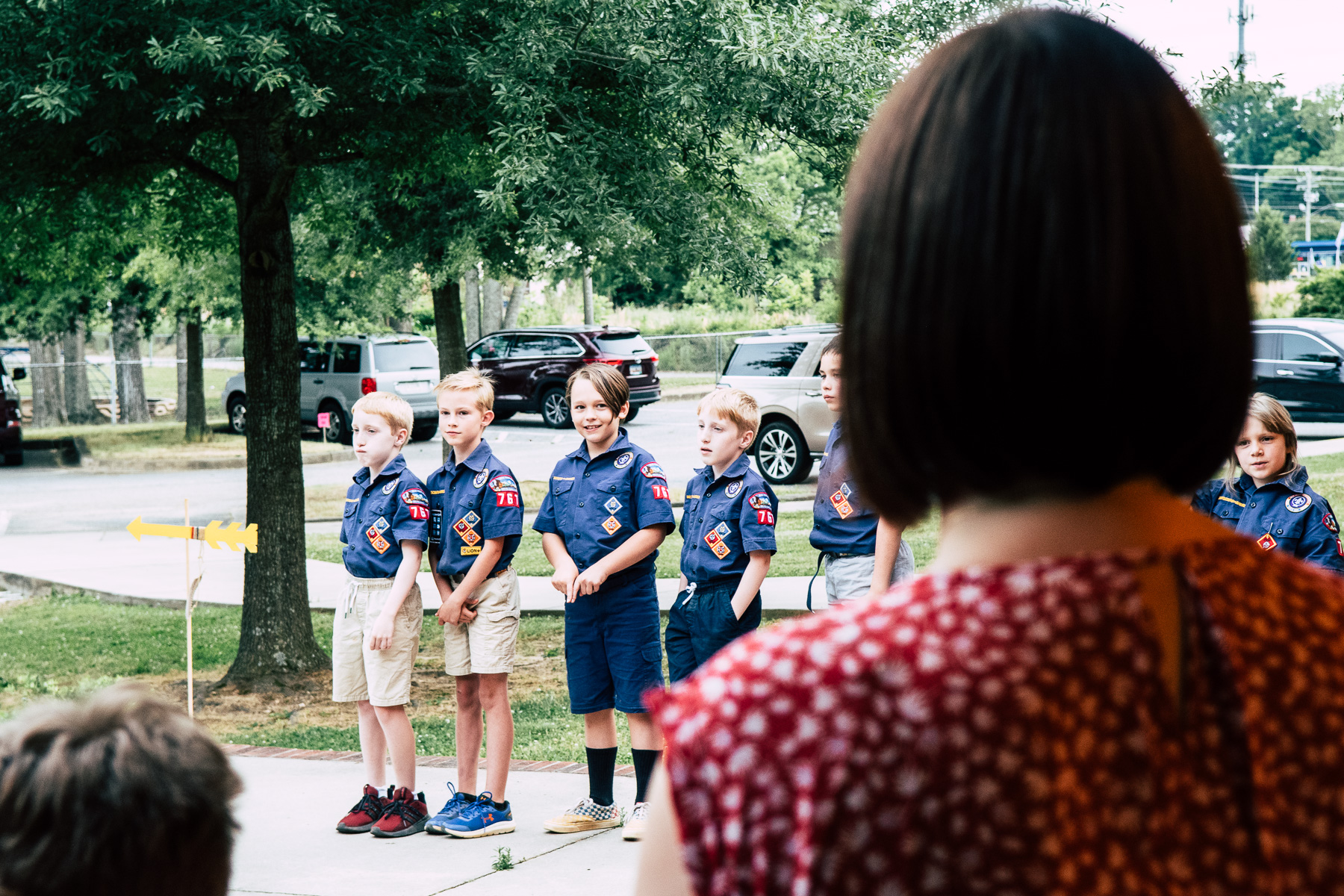
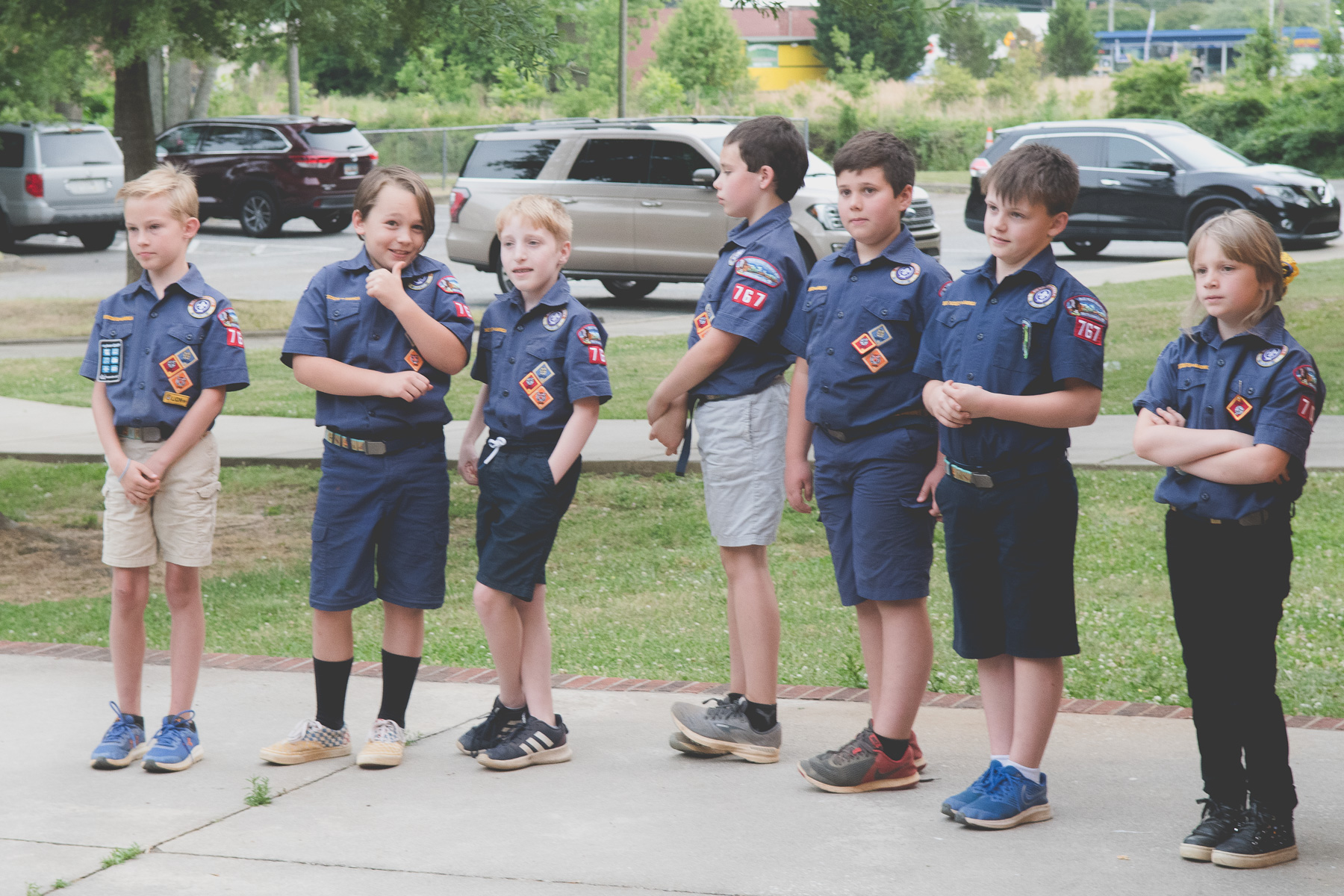
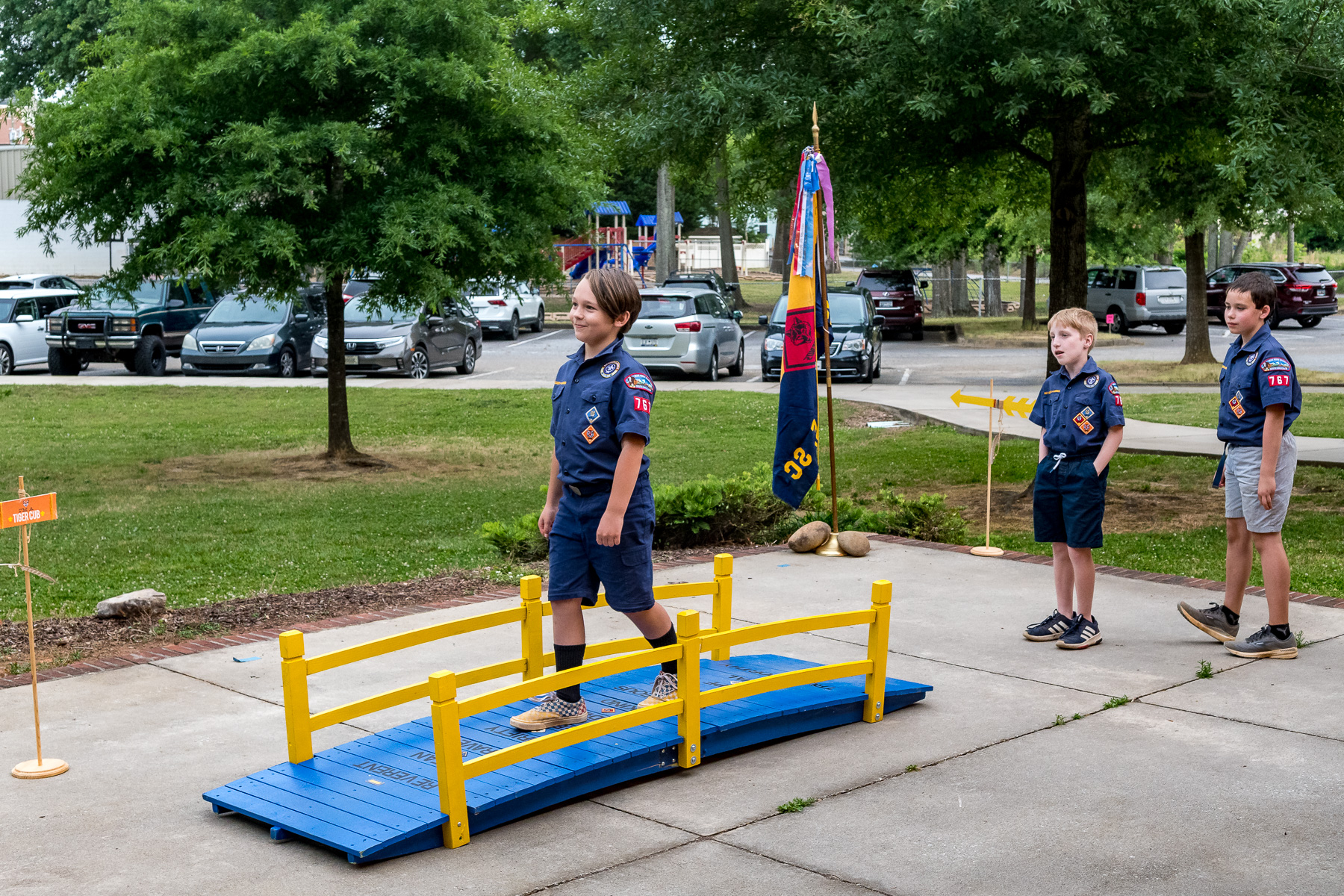
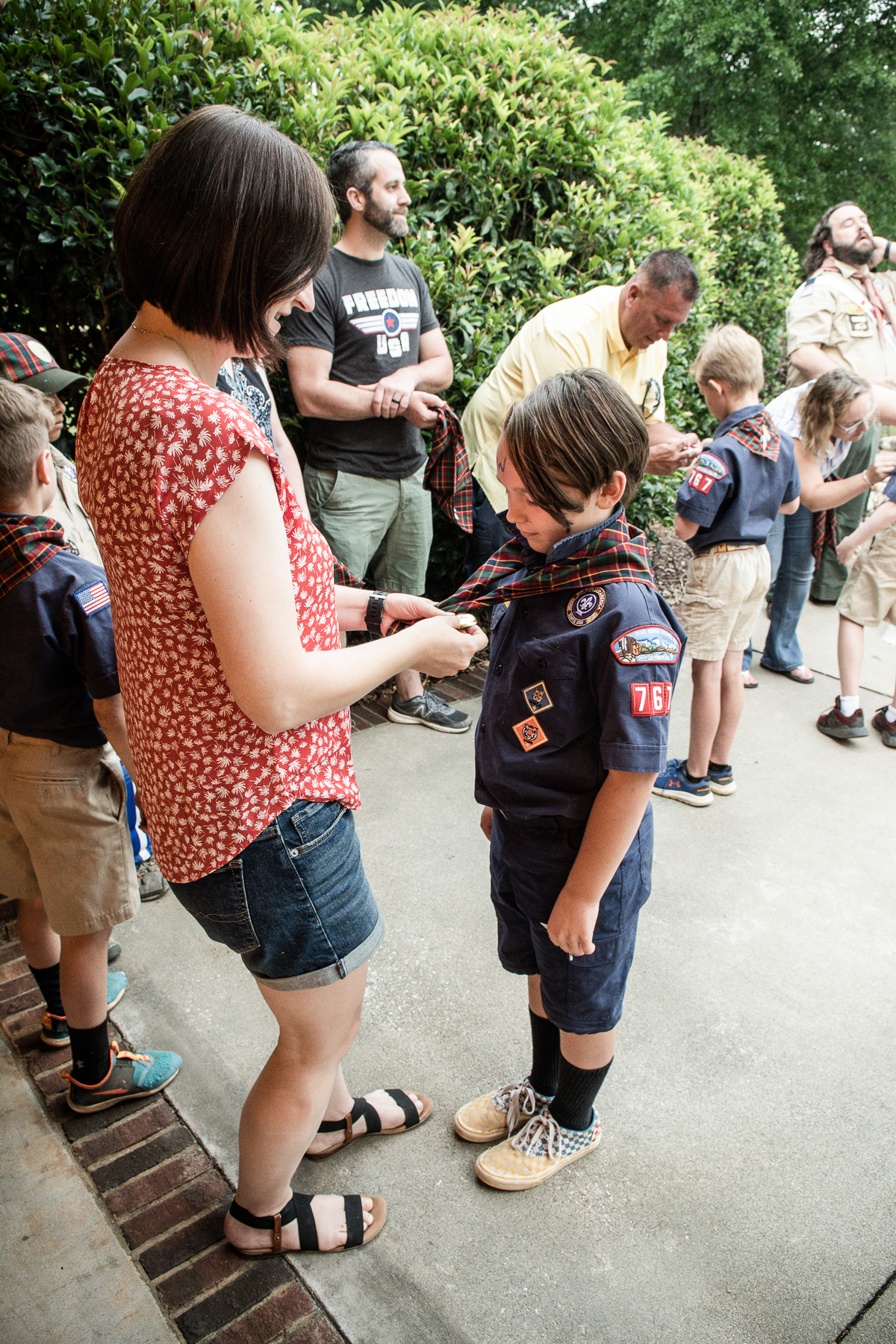
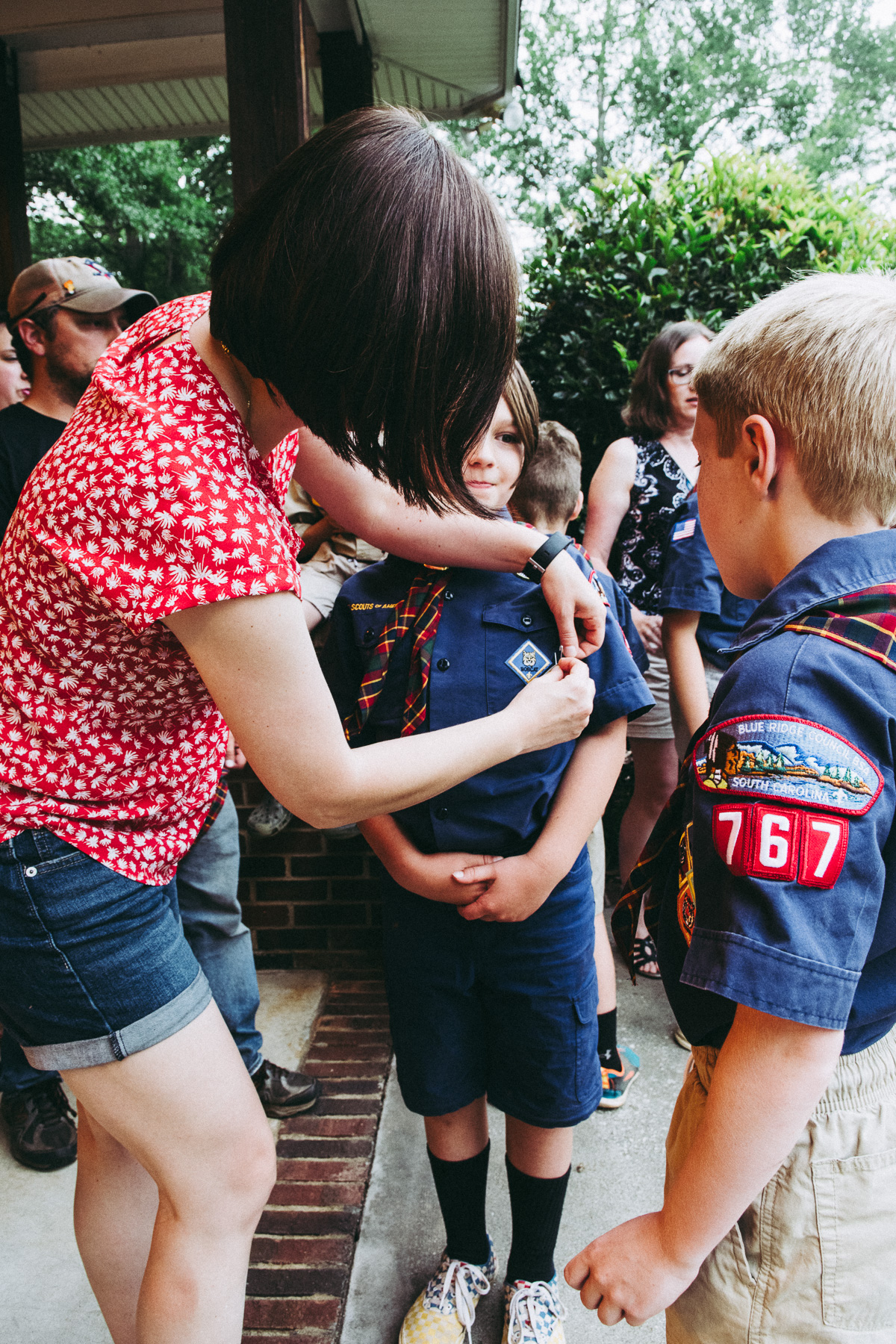

It was a strange scouting year, an abbreviated scouting year, due to covid, but we made it through, learned a thing or two, and most importantly, strengthened friendships.






As our last group of starters, we began some sentence diagramming today. Most classes spent about 15 minutes on it before moving to Great Expectations character presentations.
In school, I always felt a little like a freak because while everyone else was complaining about diagramming sentences in school, I enjoyed it. Taking a jumble of words and placing each one in its own slot to indicate its precise function in the sentence felt like drawing meaning and order out of what would otherwise be near chaos. Sentences are a jumble of words that we comprehend without giving it much thought (if we’re fluent), yet within that apparent jumble is a simplicity that we can demonstrate graphically, even if it is a bit tricky to find that order for some sentences. Other kids groaned and complained about it, but for me, each sentence I had to diagram was a little puzzle I could crawl inside with a tool belt and take the whole thing apart as if it were a toy the inner workings of which had entranced me for ages. I knew, though, that I could put the sentence all back together, and I didn’t have that kind of assurance when pulling apart toys.
Yet even today, there are a number of sentences that flummox my diagramming ability. Look at that last sentence, for example. Had I not originally written “when I was pulling apart toys” I wouldn’t have seen the subtle, almost-hidden clause in the revised “when pulling apart toys.”
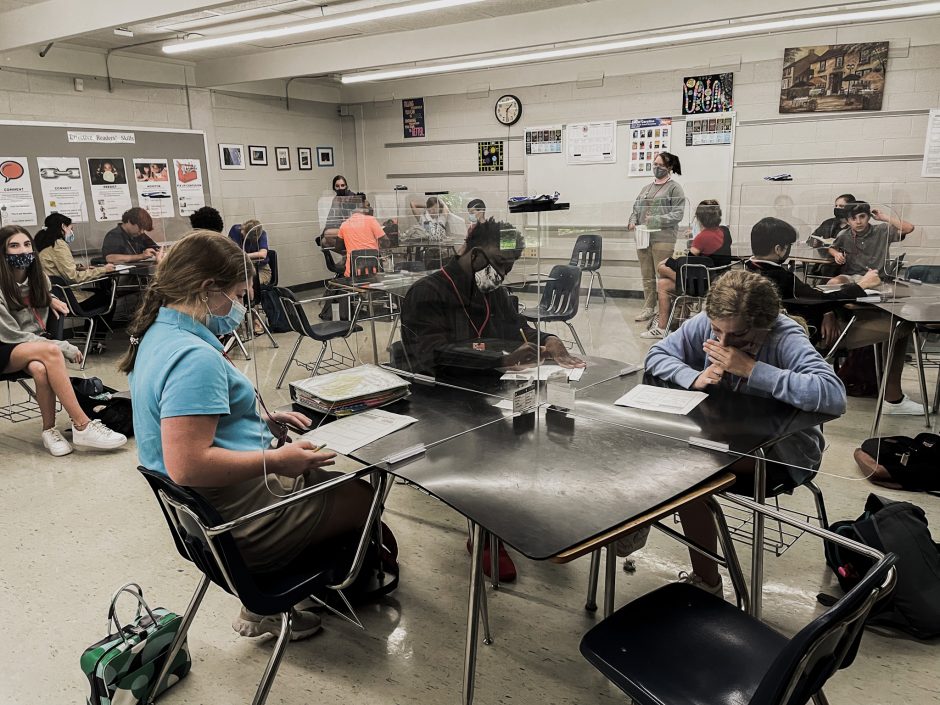
It’s these little idiosyncrasies of language that I hope to help students discover by going over sentence diagramming with them as a starter these final days.
The Girl gets some recognition: “This person almost won [the most improved] award in tryouts.”