



fun in threes, sometimes fours

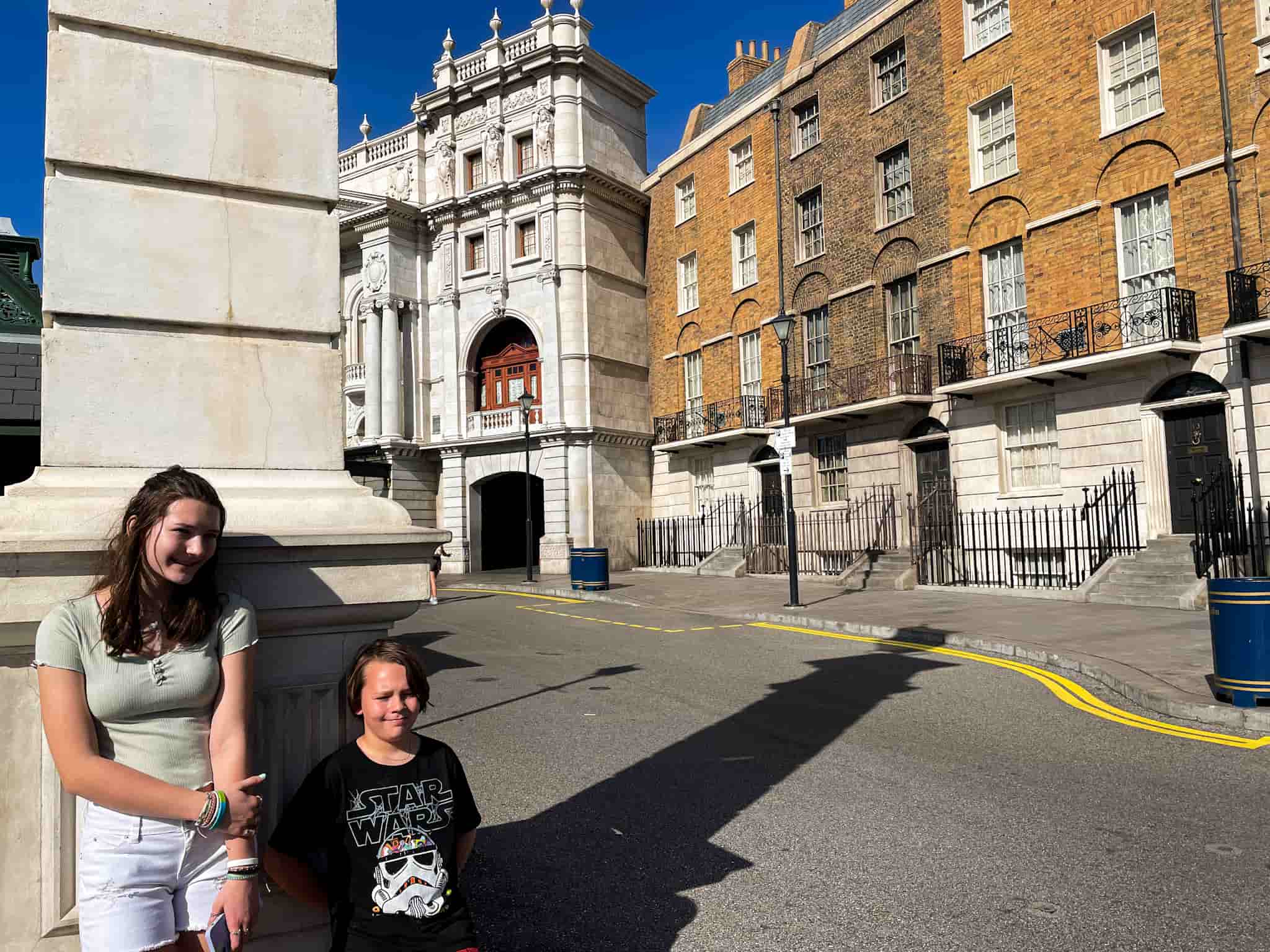
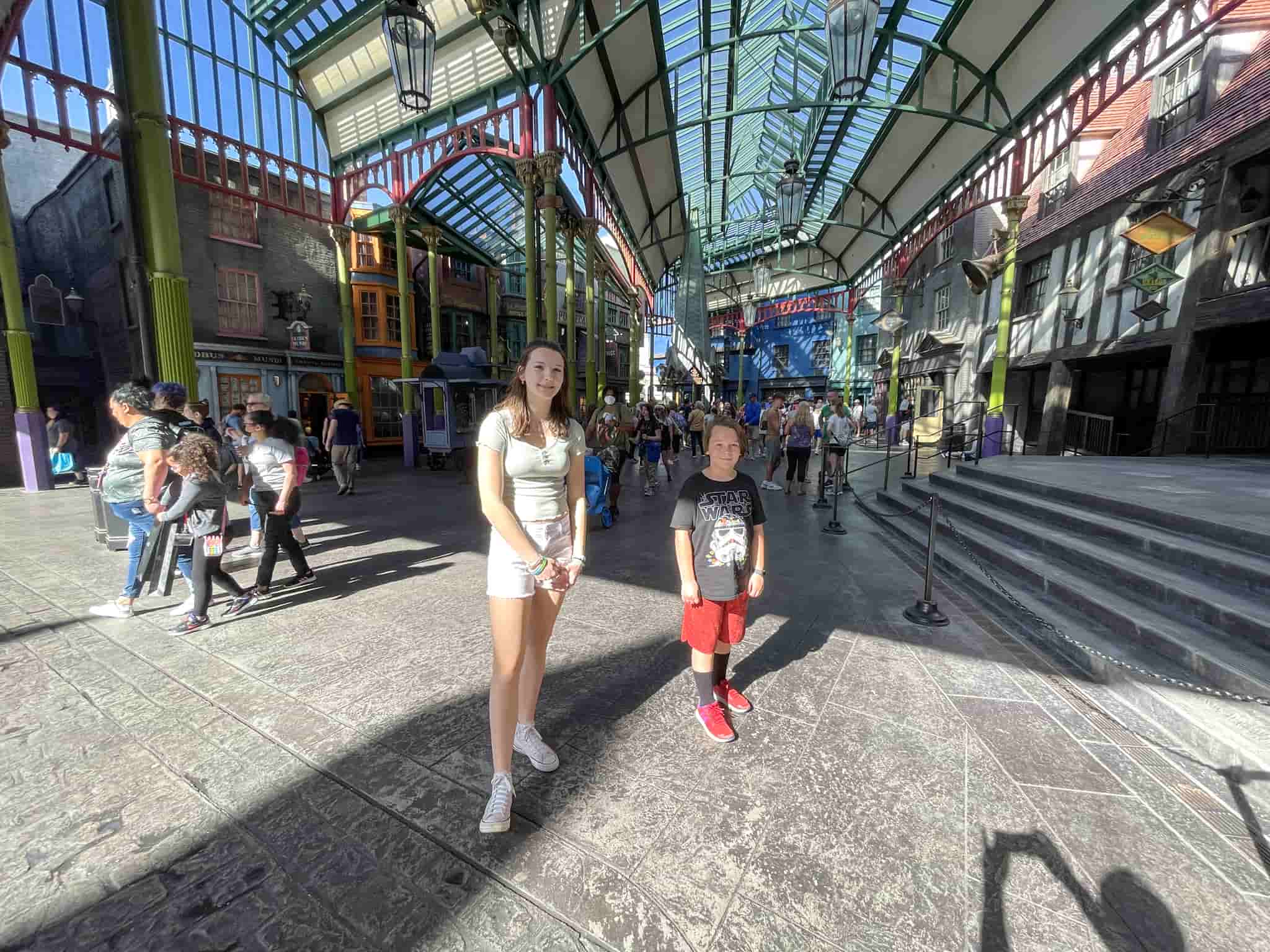

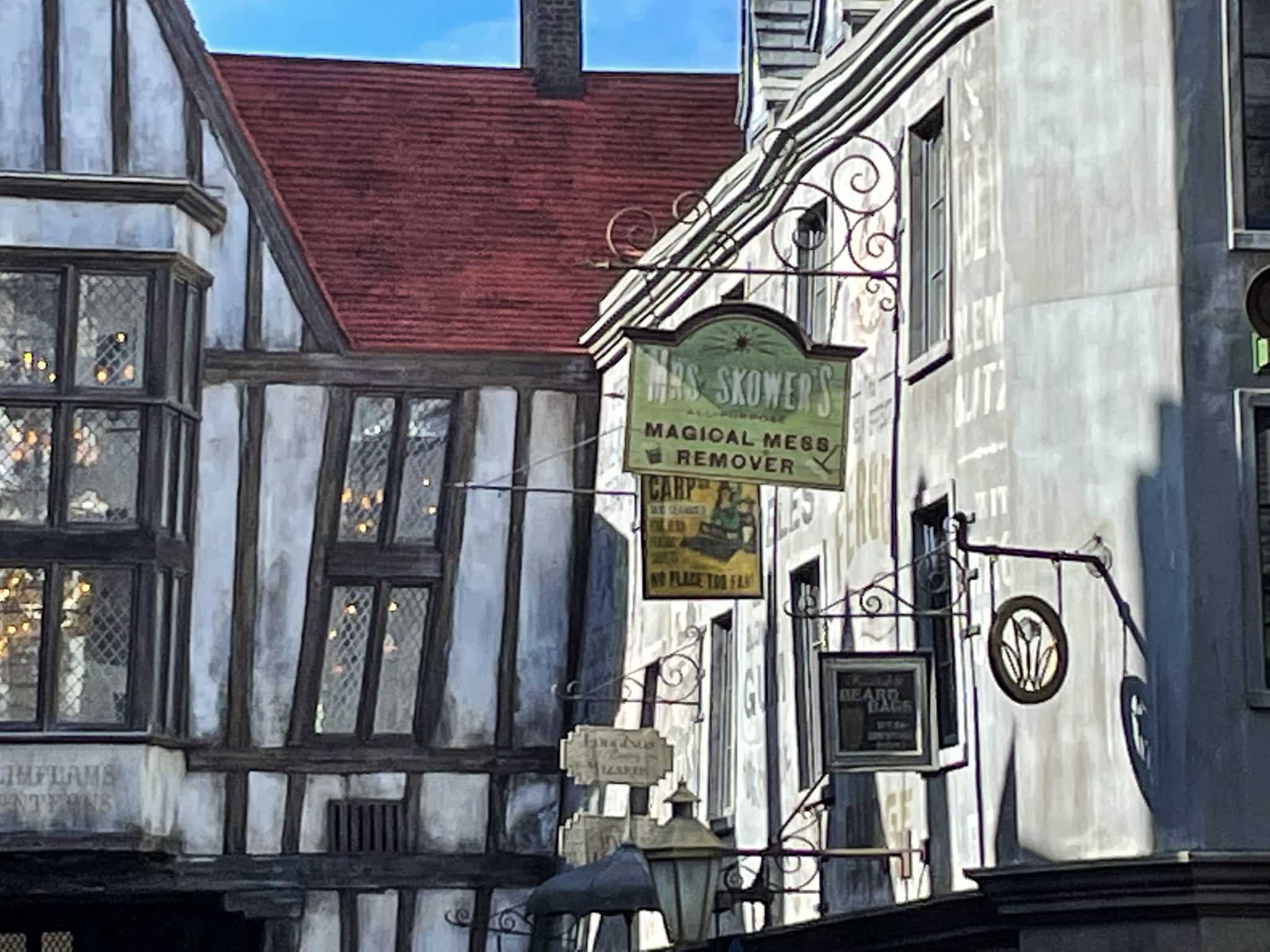
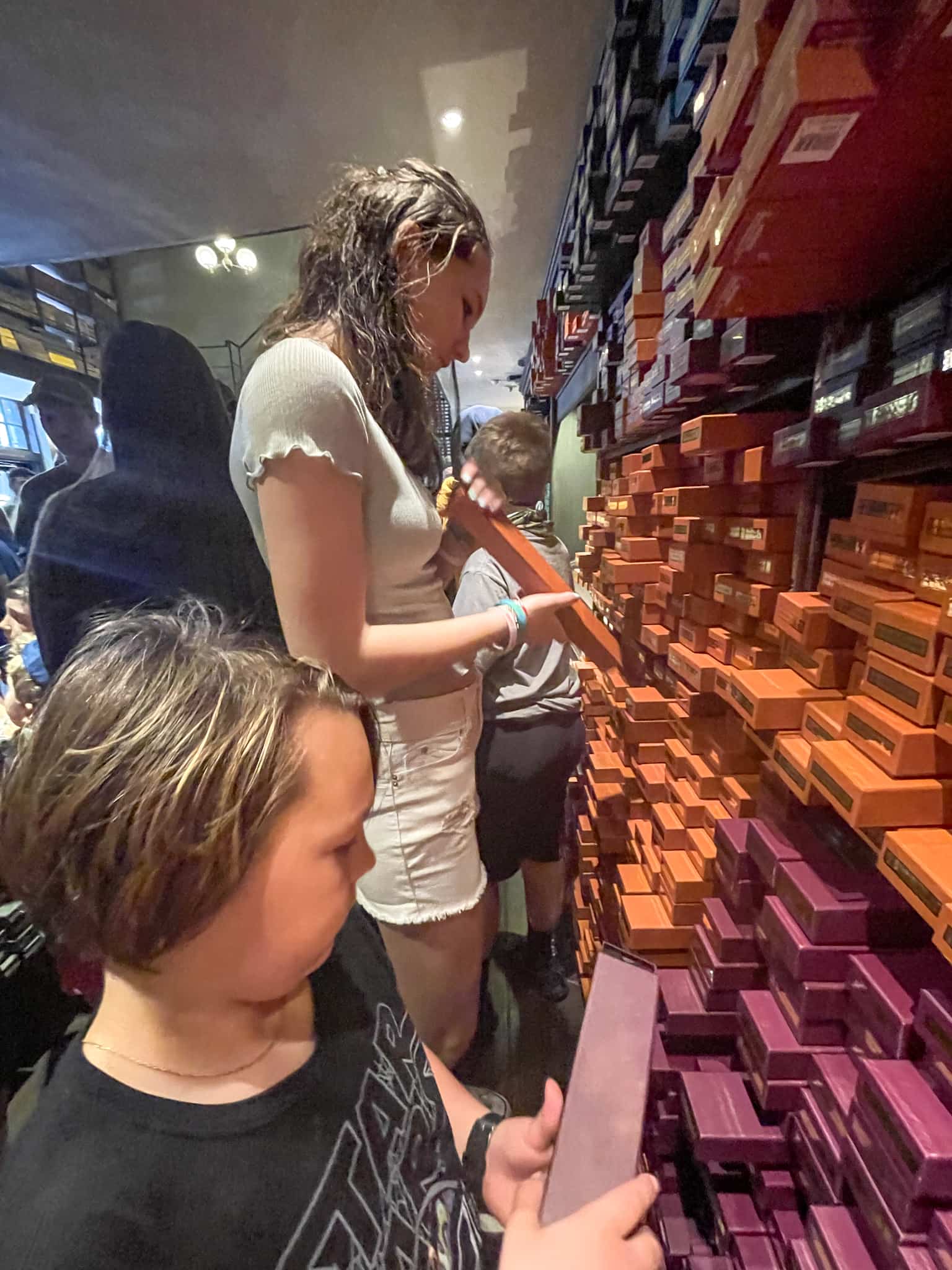
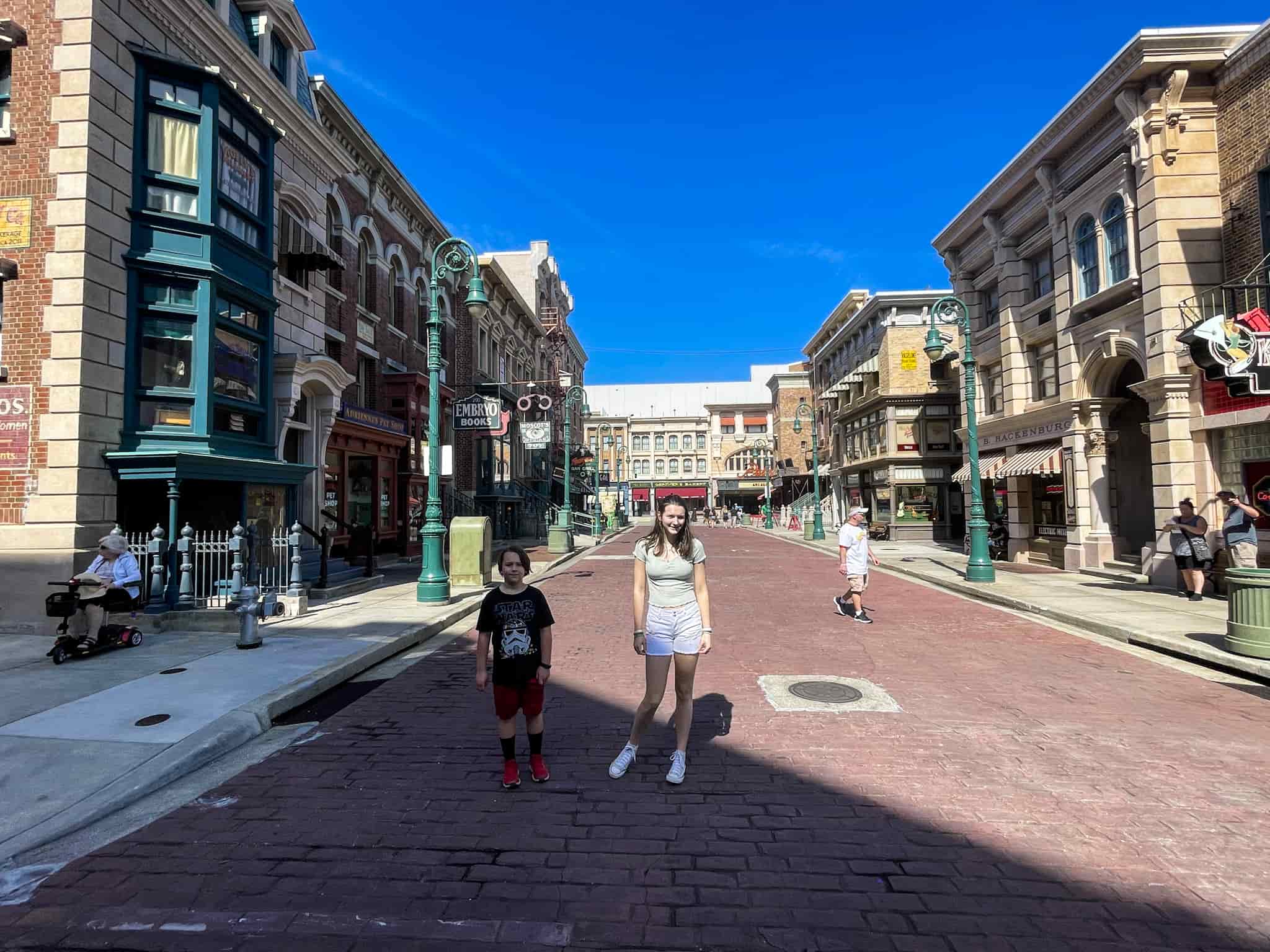
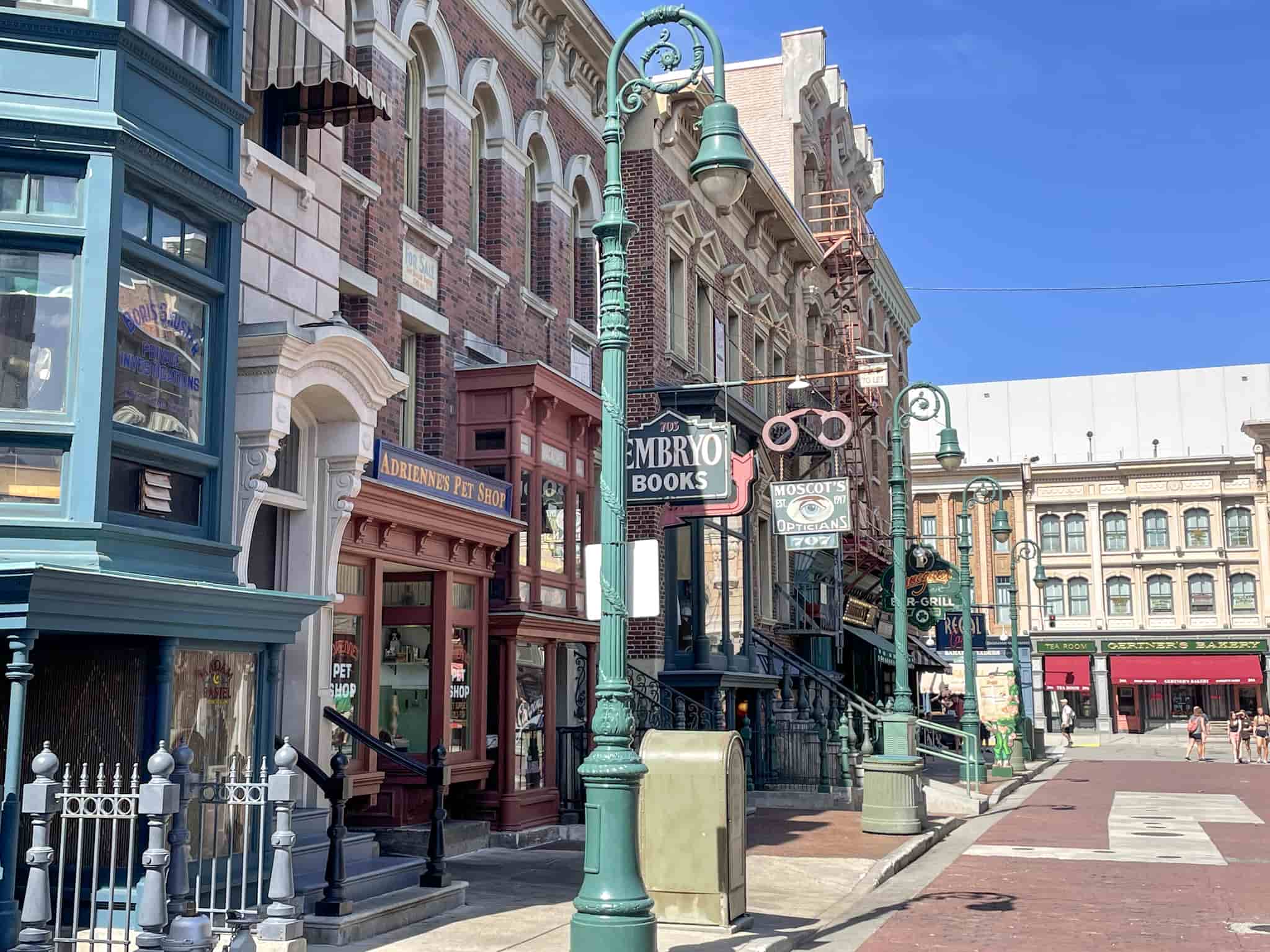
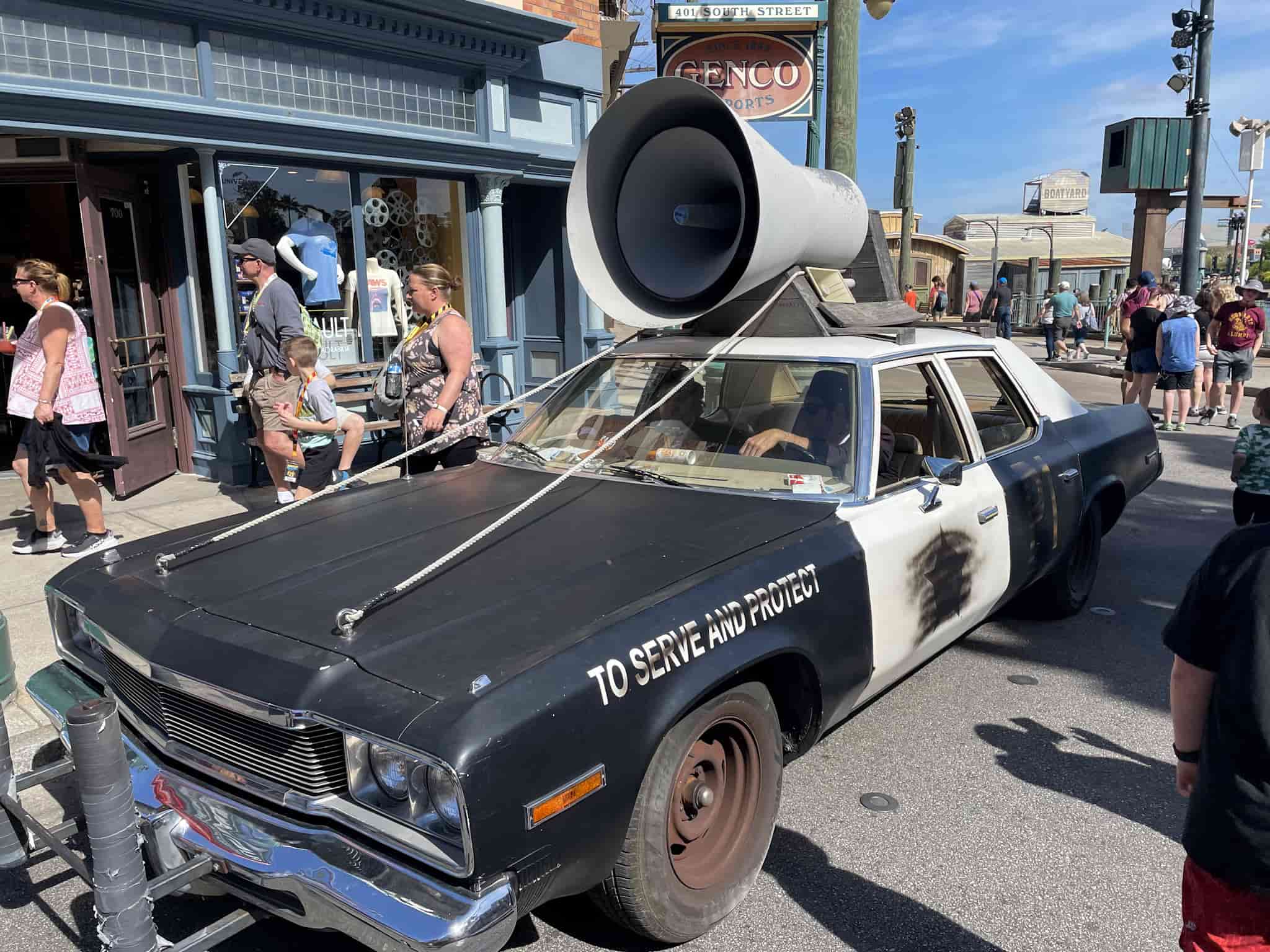

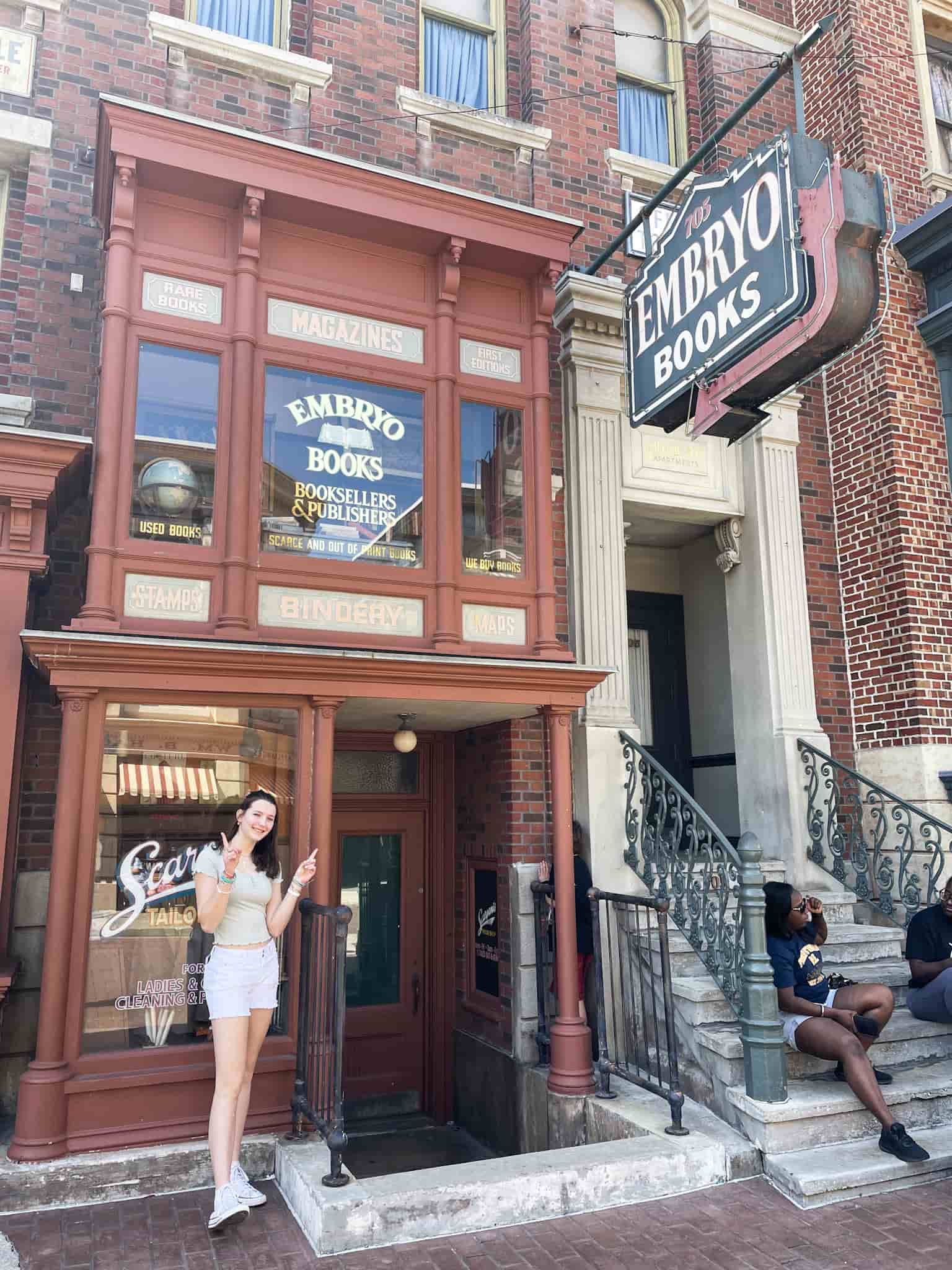
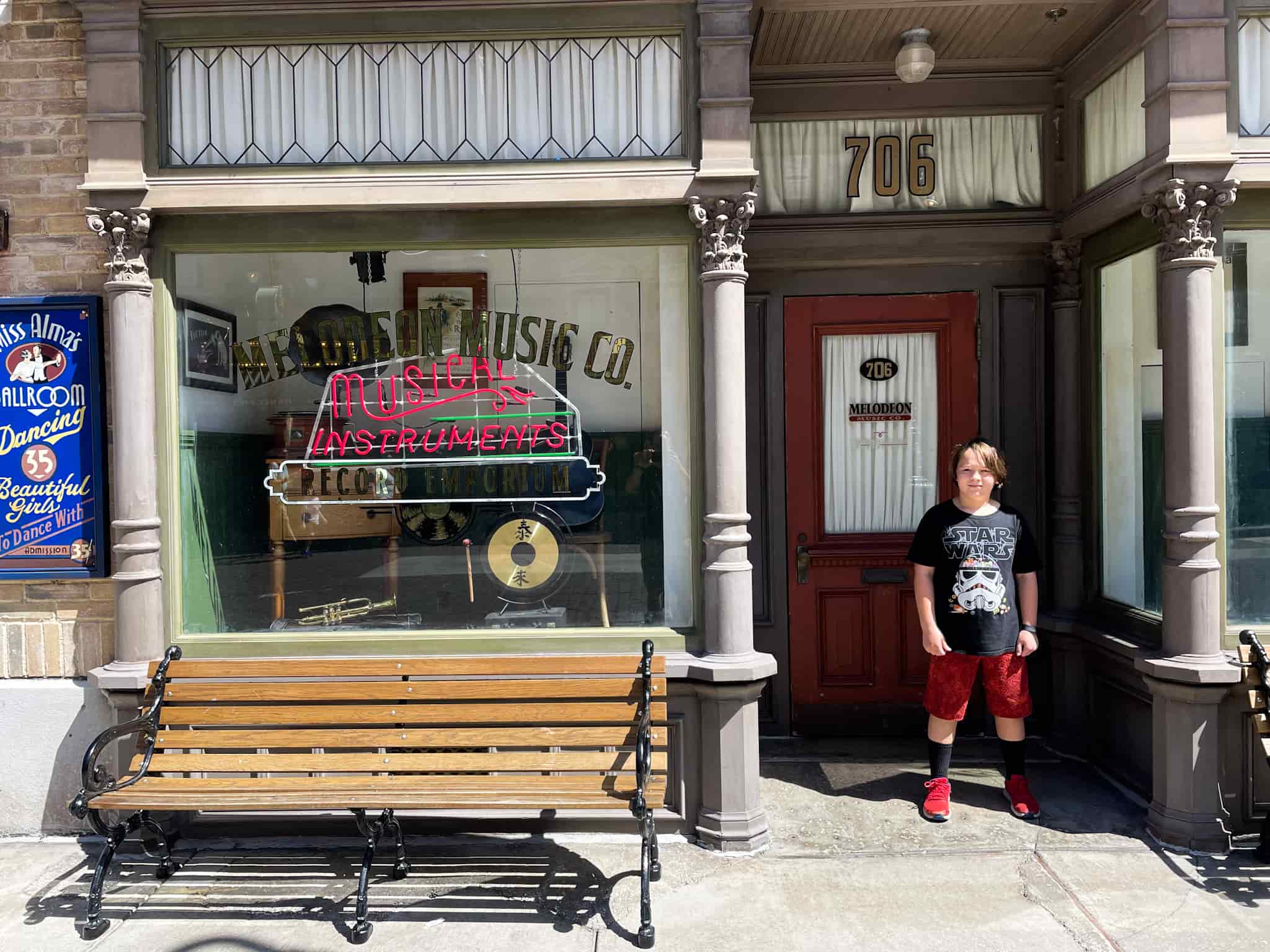

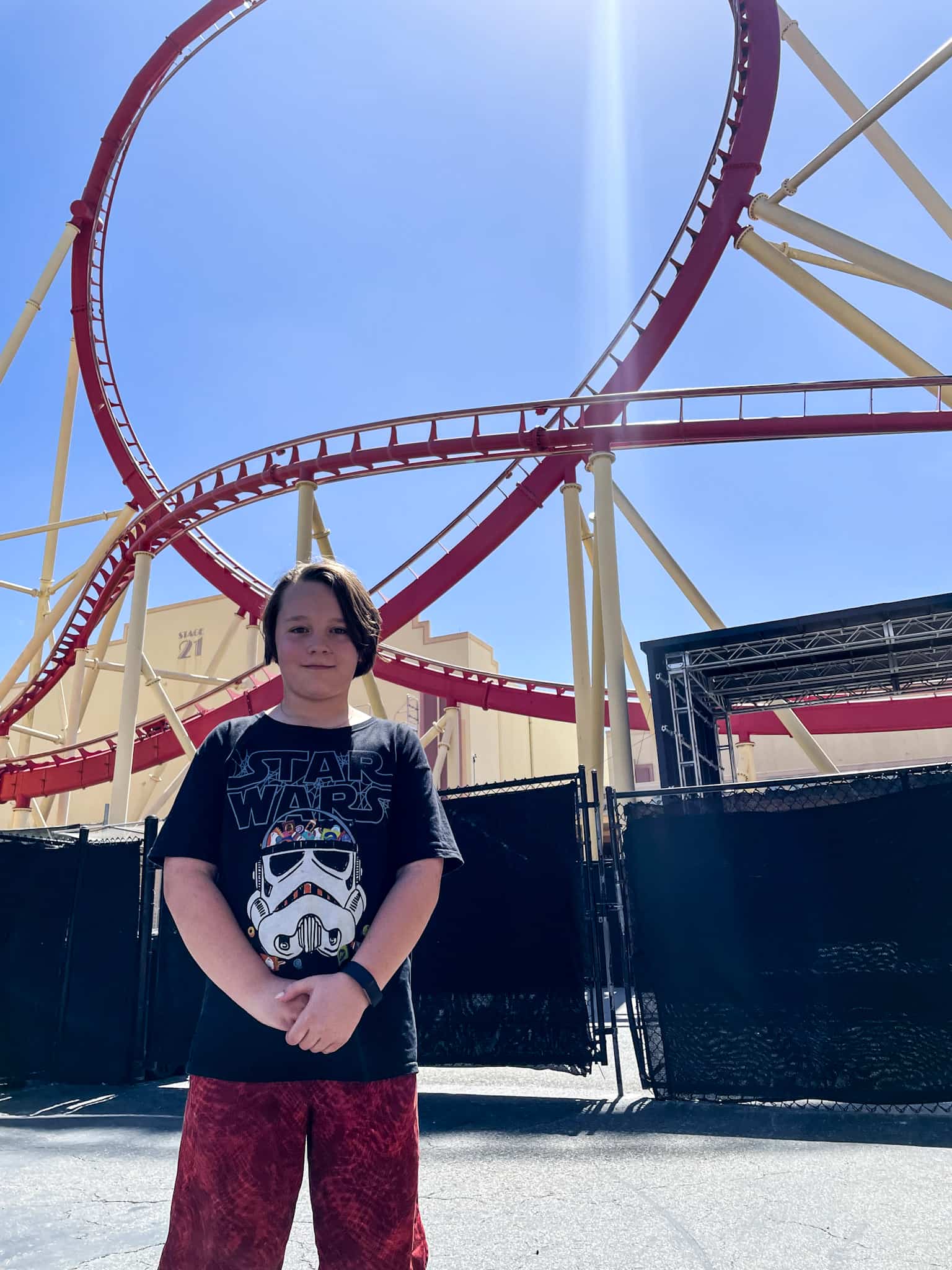

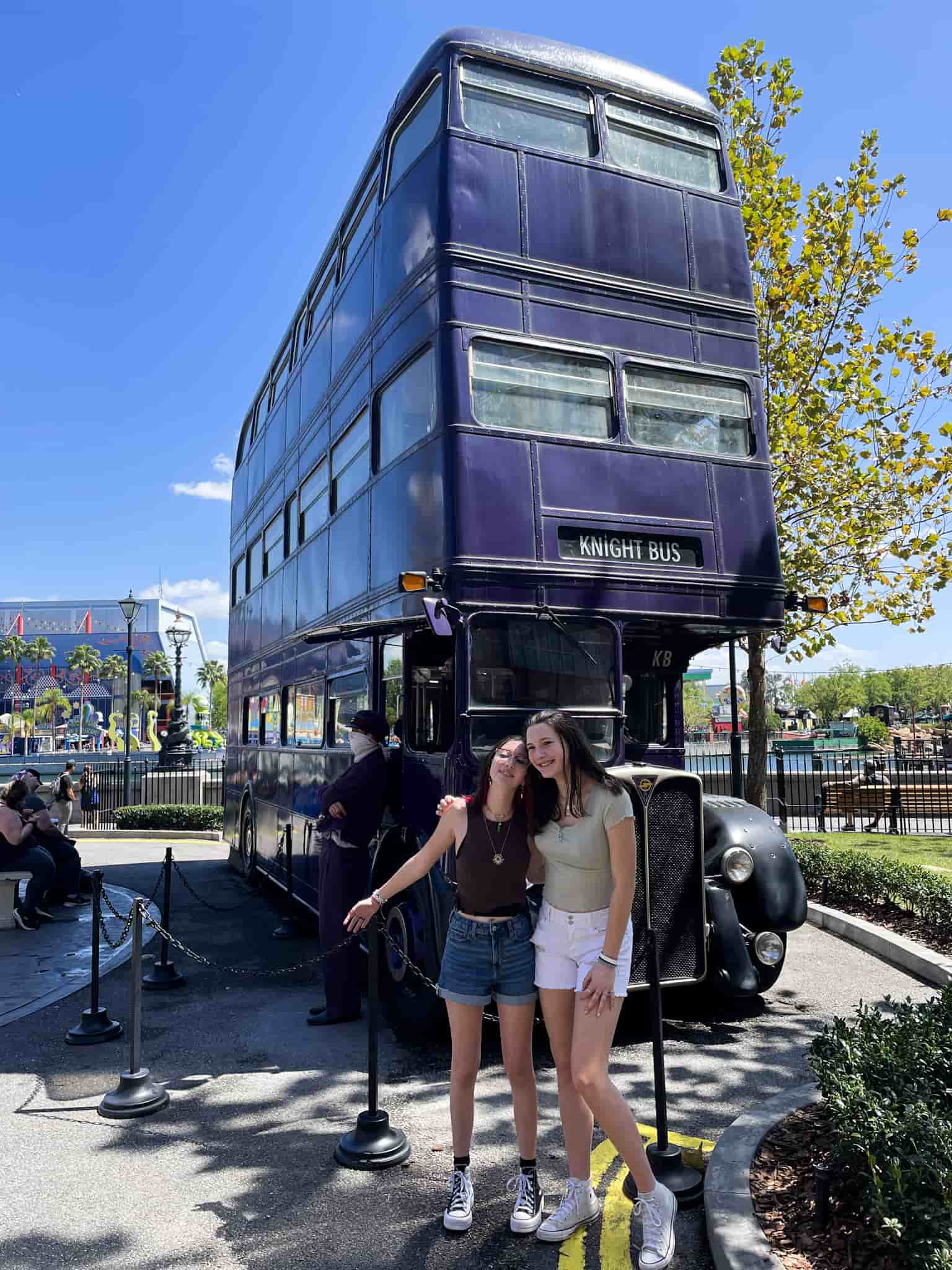
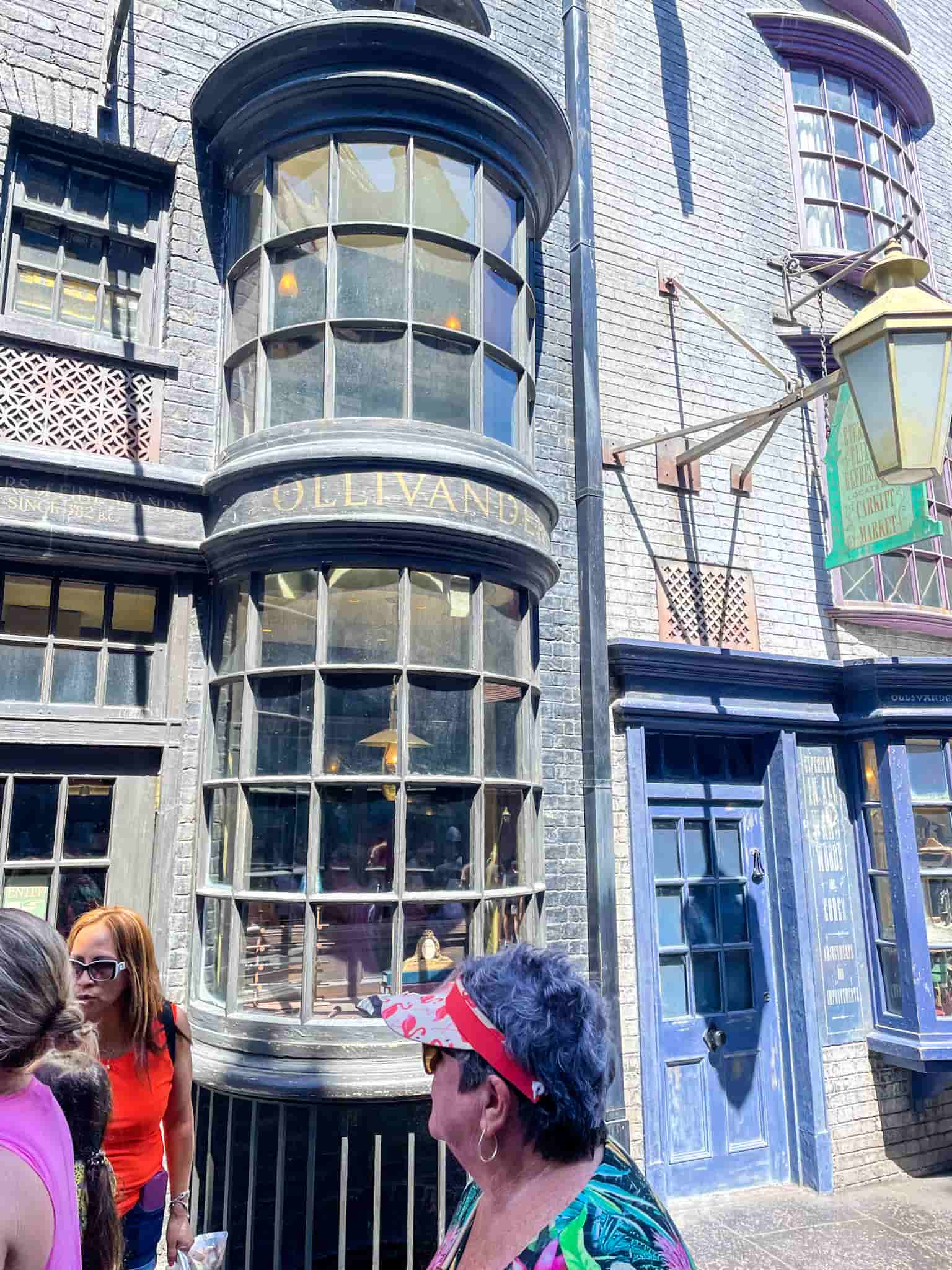
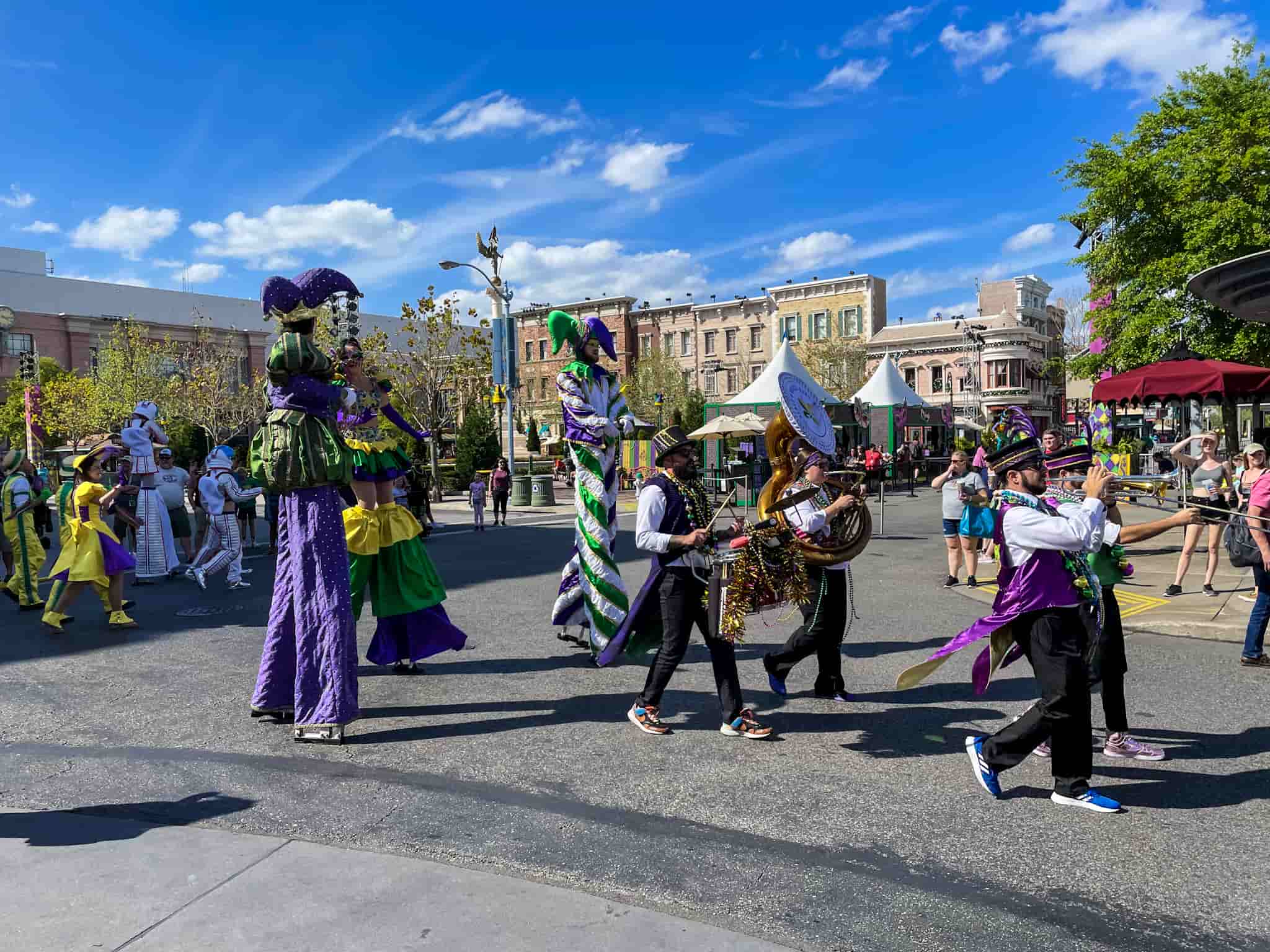

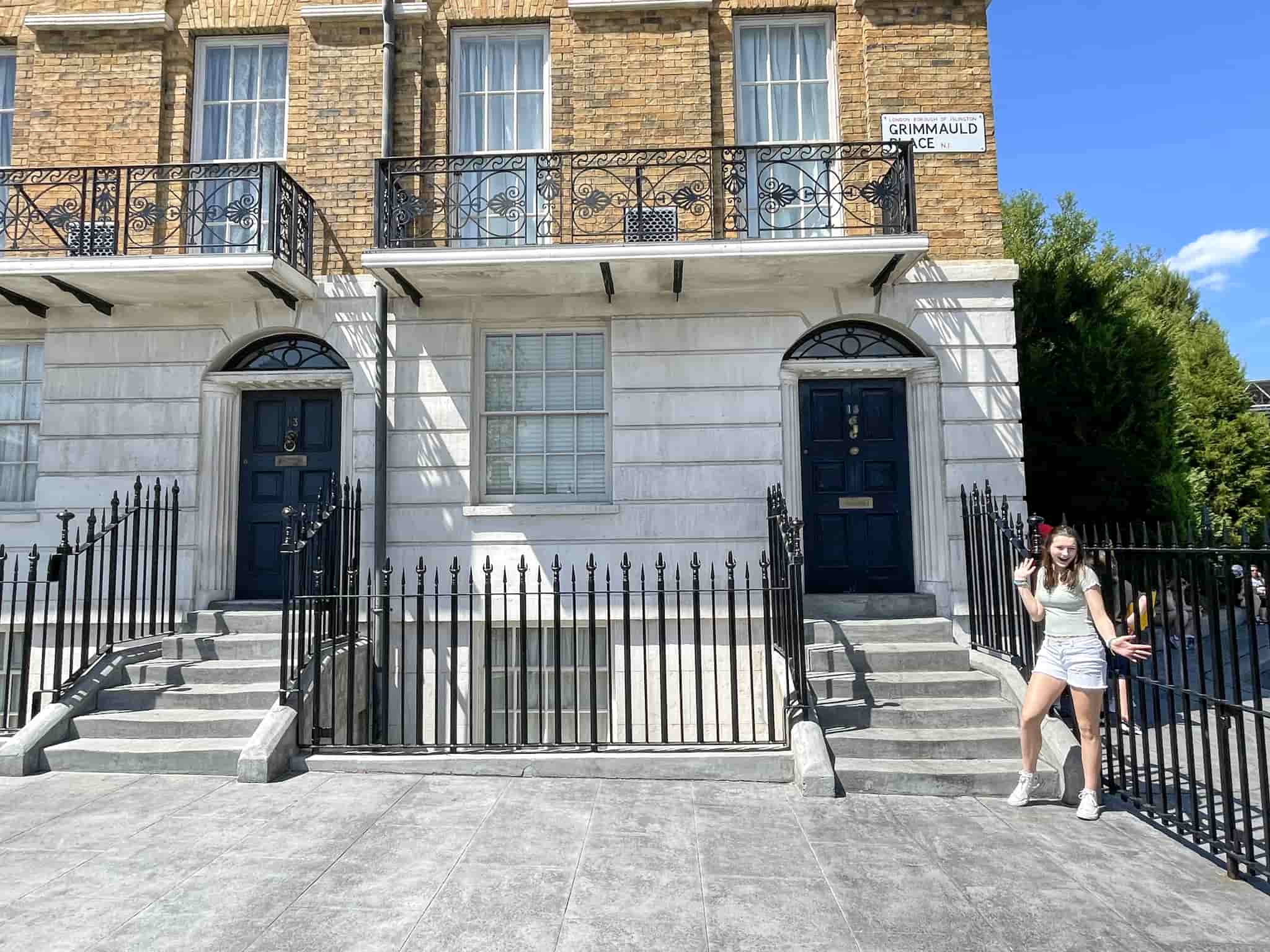



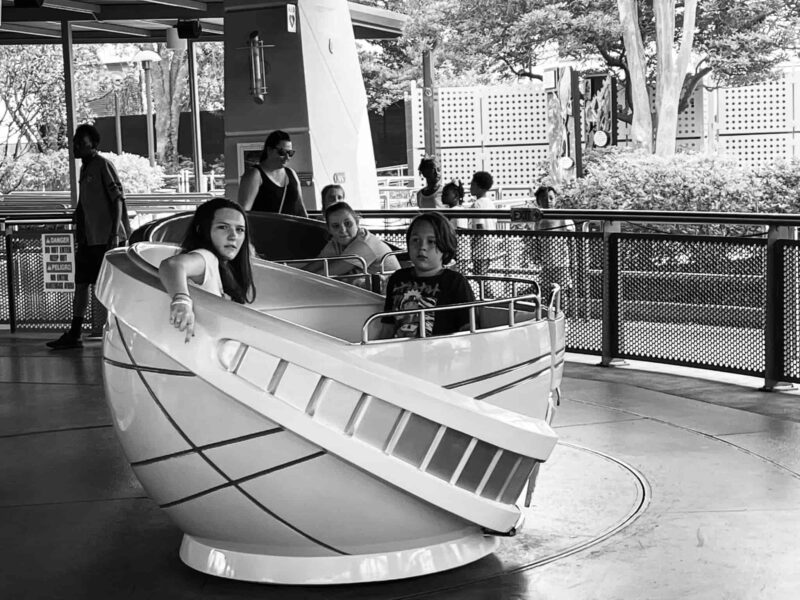
We made it to Orlando about nine hours after we left the house. With three breaks along the way, I consider that pretty good time to go a little over 500 miles.

When the kids saw the pool from our hotel room, they immediately decided that all else had to wait until they had time to swim. Only in Florida — swimming in an outdoor pool in March. When texting with K, she expressed some concern about the temperature, but we assured her that while it’s windy and thus cold out of the water, the pool itself is warm — a heated saltwater pool.

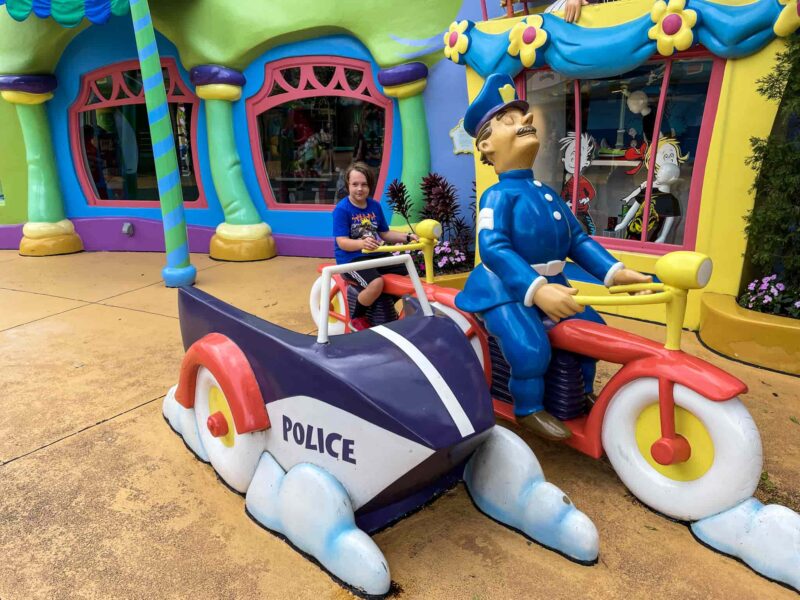
Then the Boy saw the arcade, and the next destination was set — no question about it.
“Daddy, can we please go to the arcade?” What was I to do?
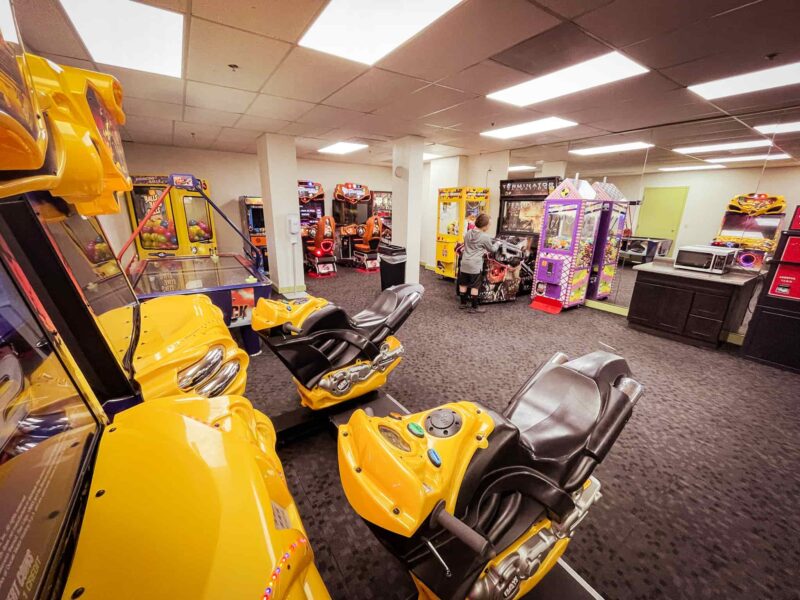
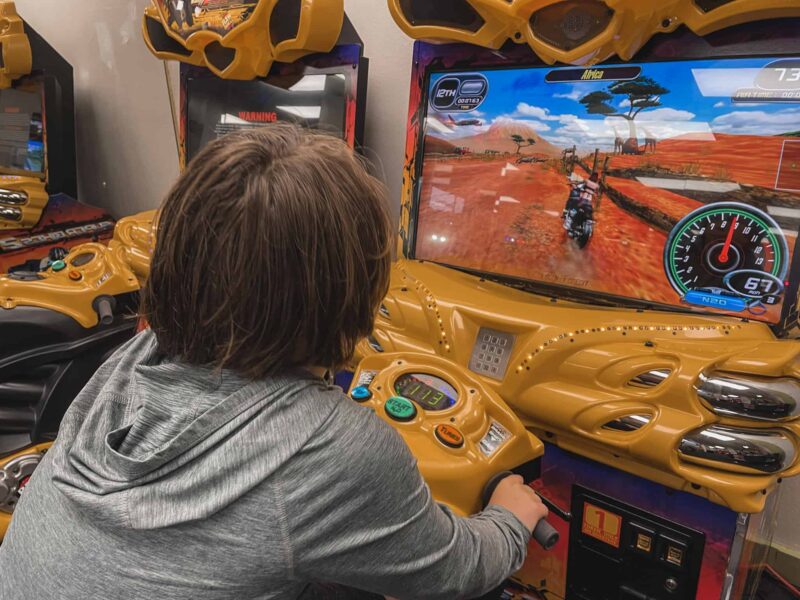
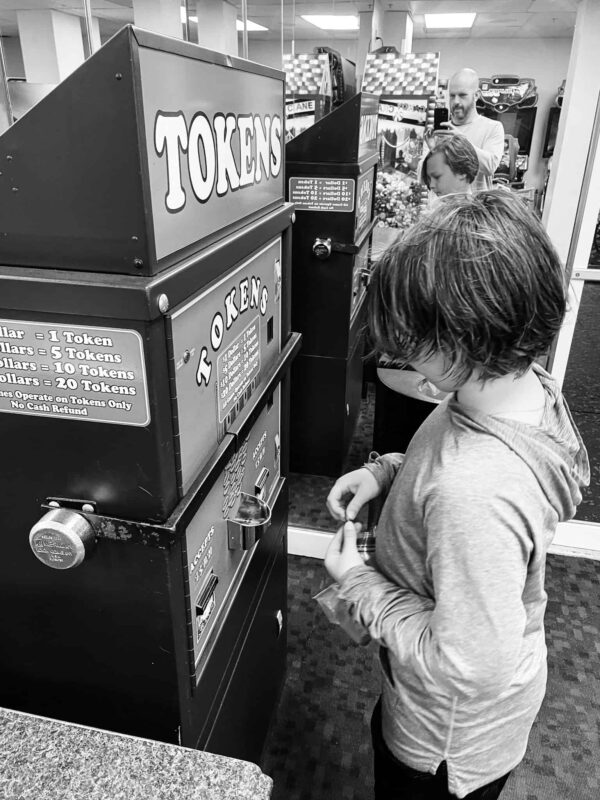
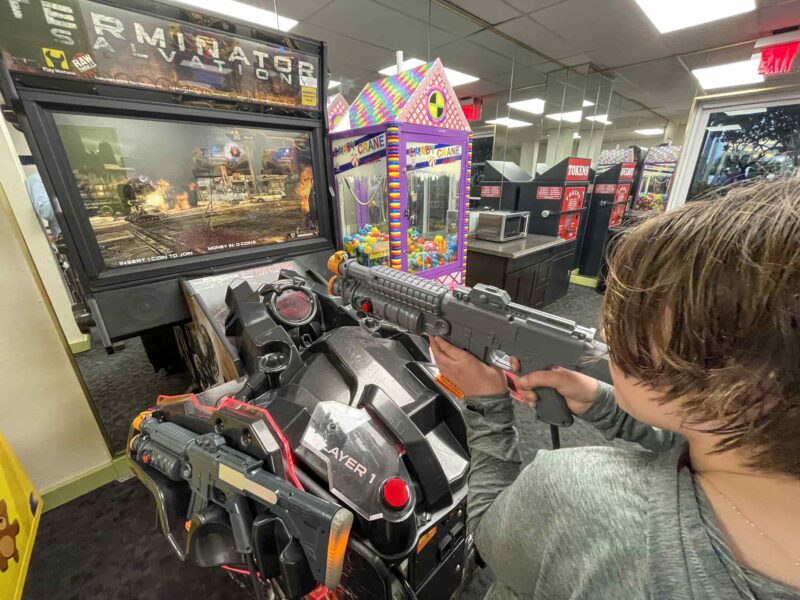
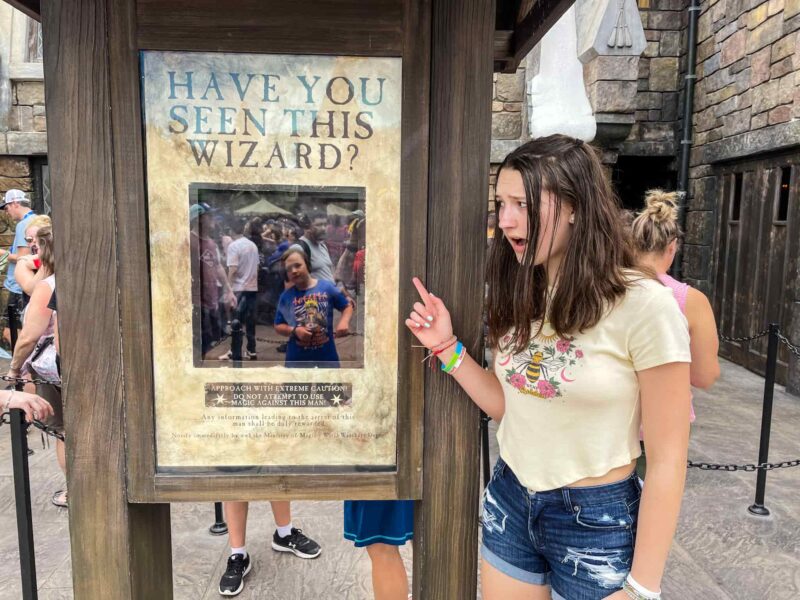
A good way to start our short spring break vacation.
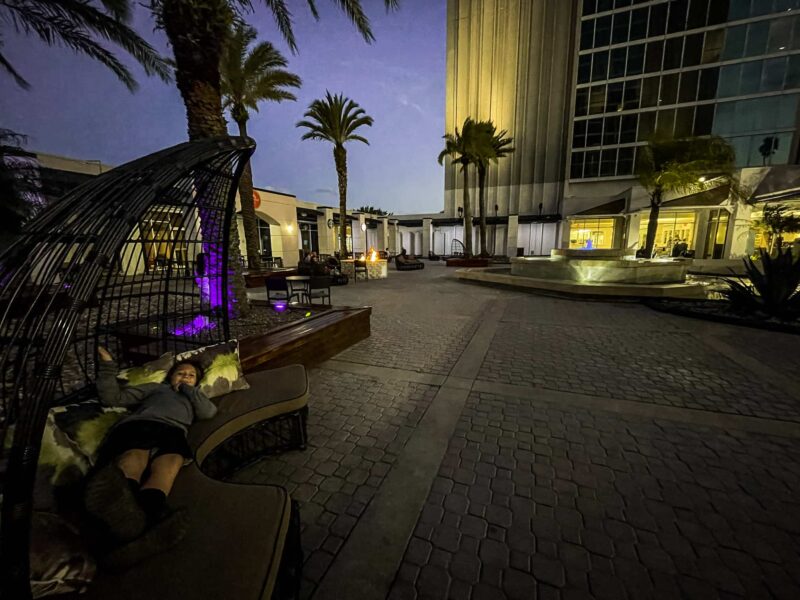
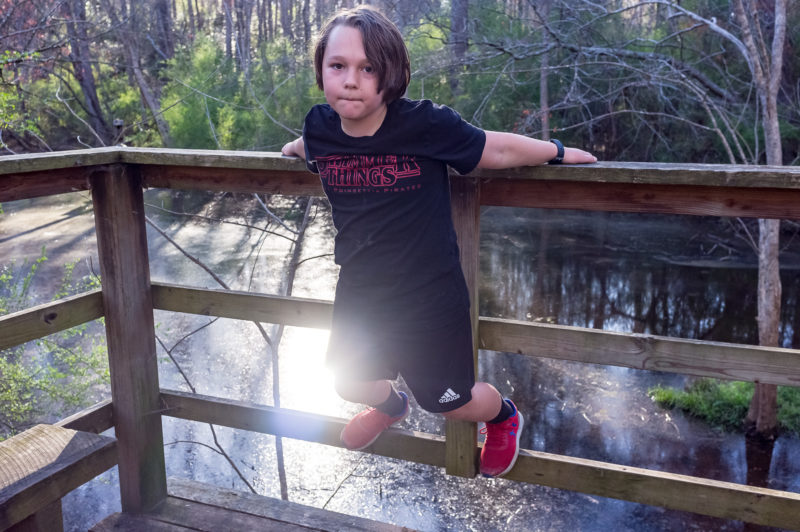
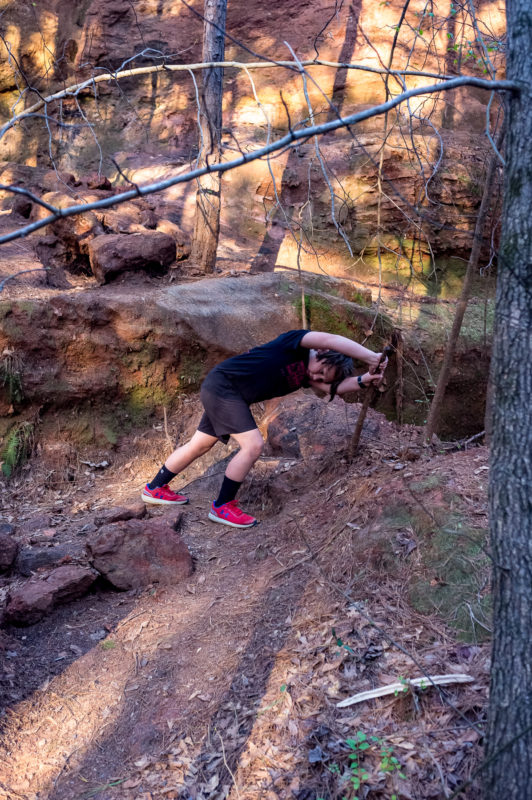
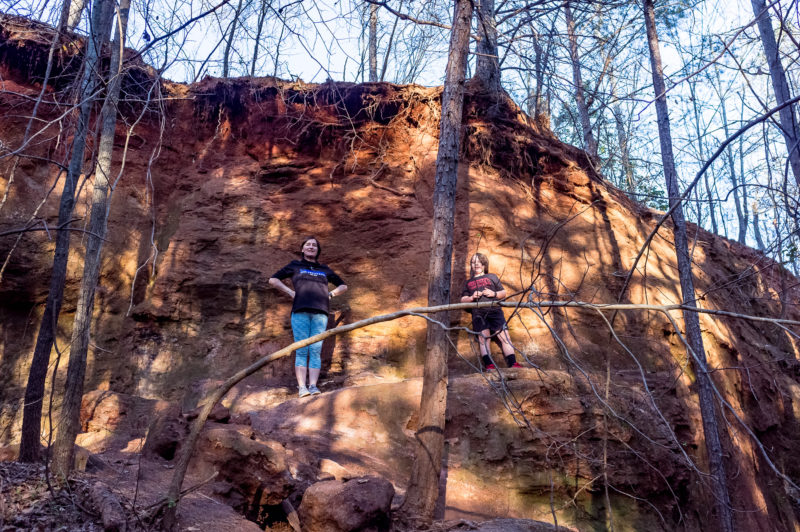
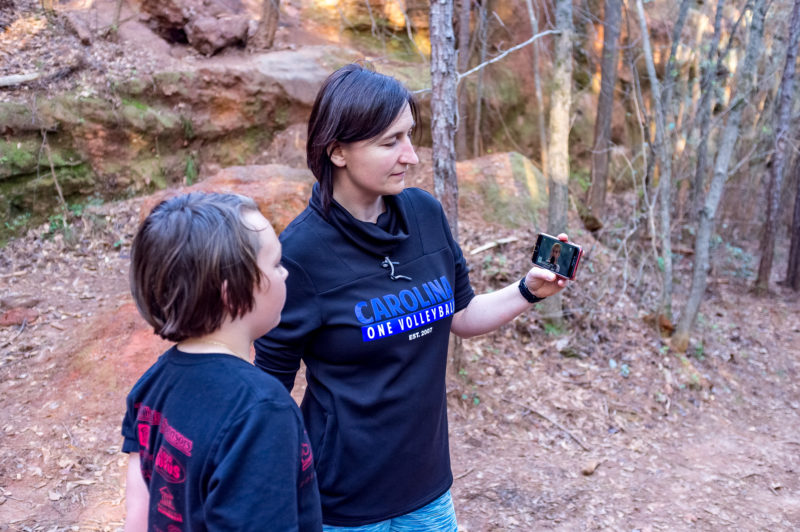
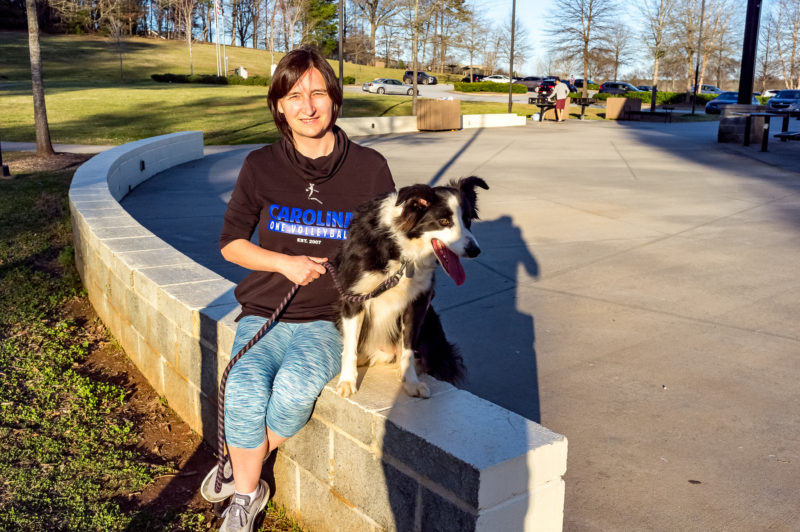
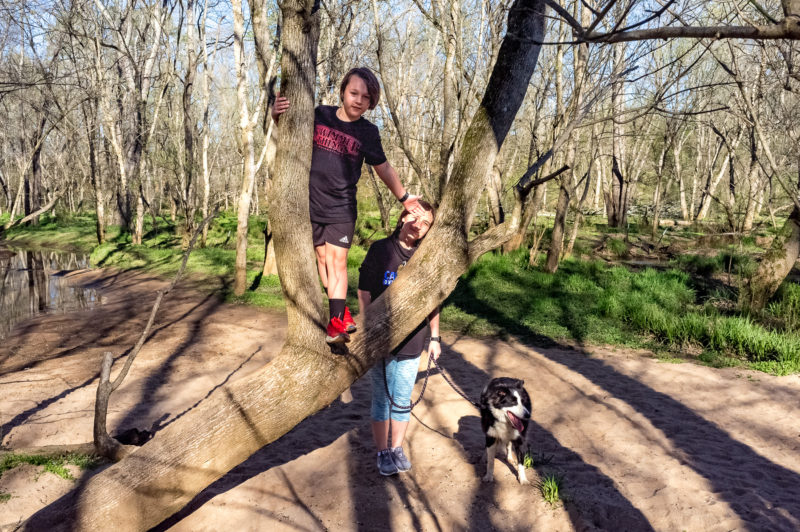
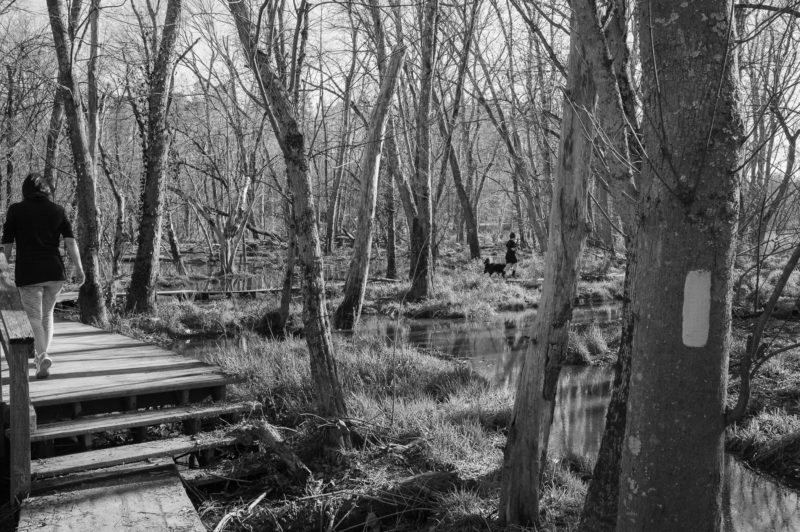
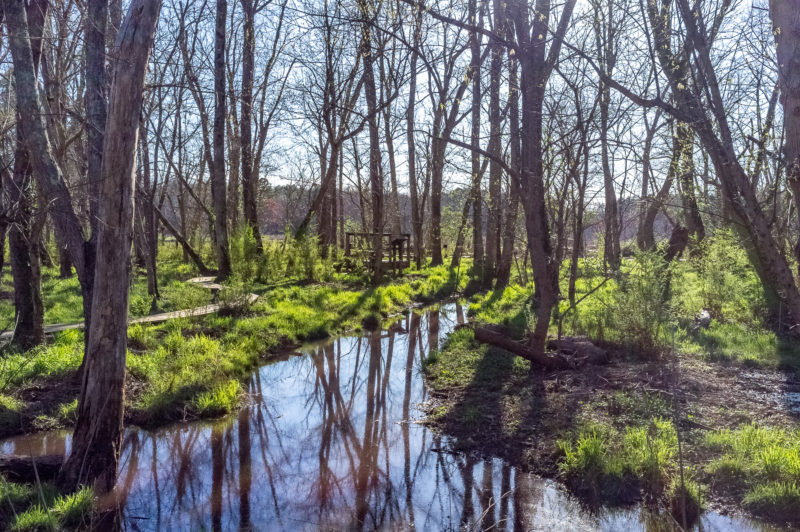
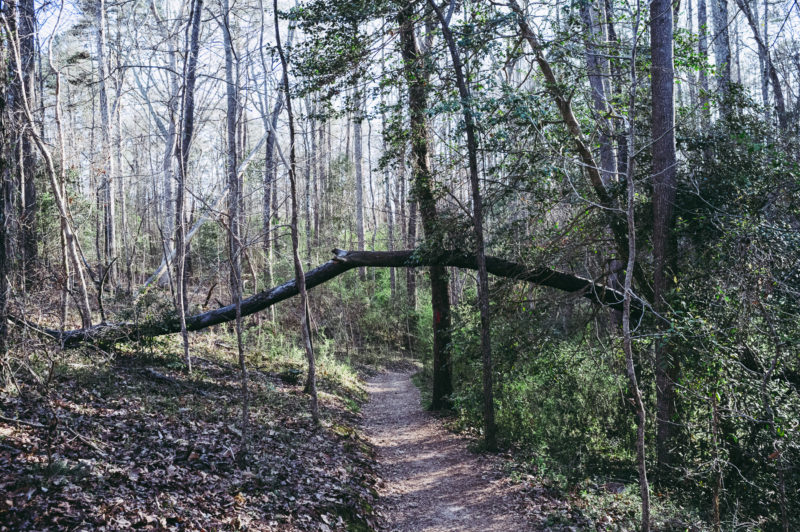

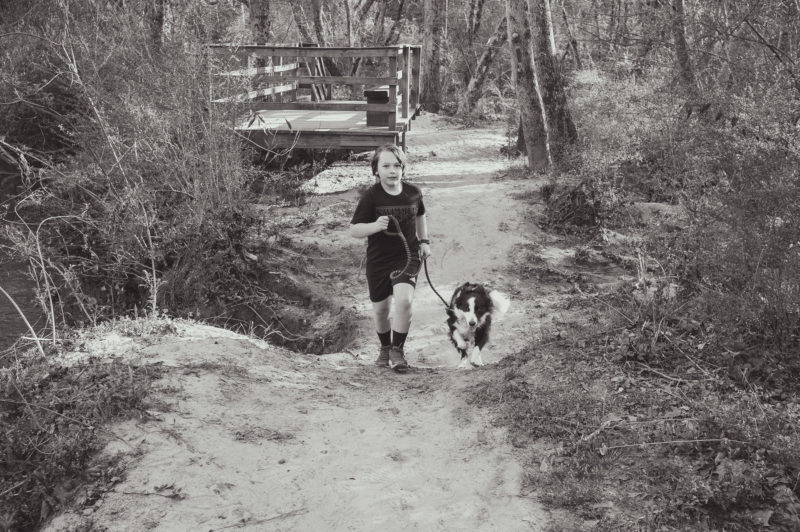
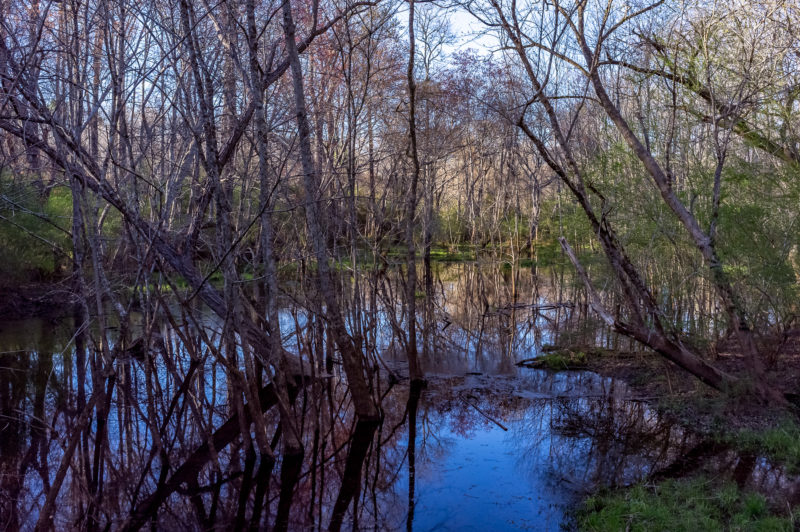
Today was the first Saturday we really spent in the yard this nearly-spring. We still have a few days to go until the official start of spring, but it feels like spring.
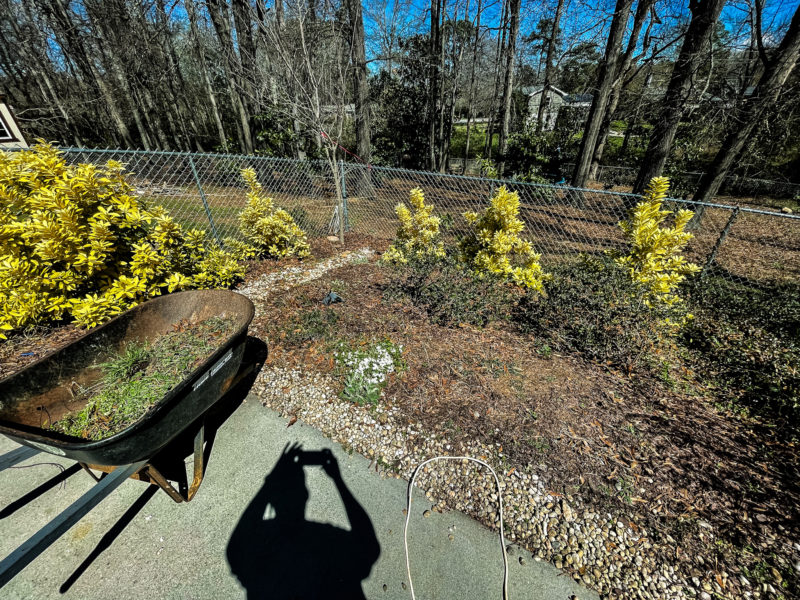
I spent most of the early afternoon working one little bit of our yard — our newest flowerbed.
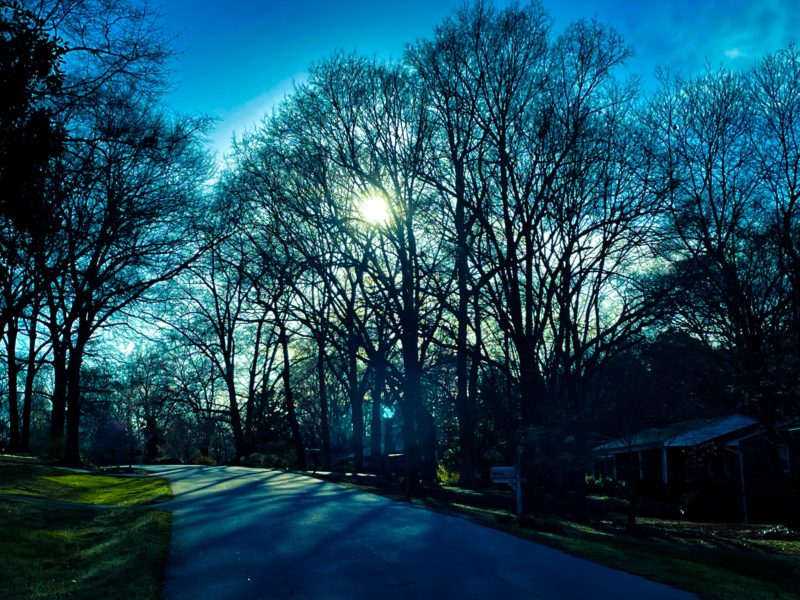
For most of the rest of the day, I didn’t really take the time to snap any pictures. It wasn’t until the end of the day, after dinner, when we were out for walk that I thought to take a few more shots.
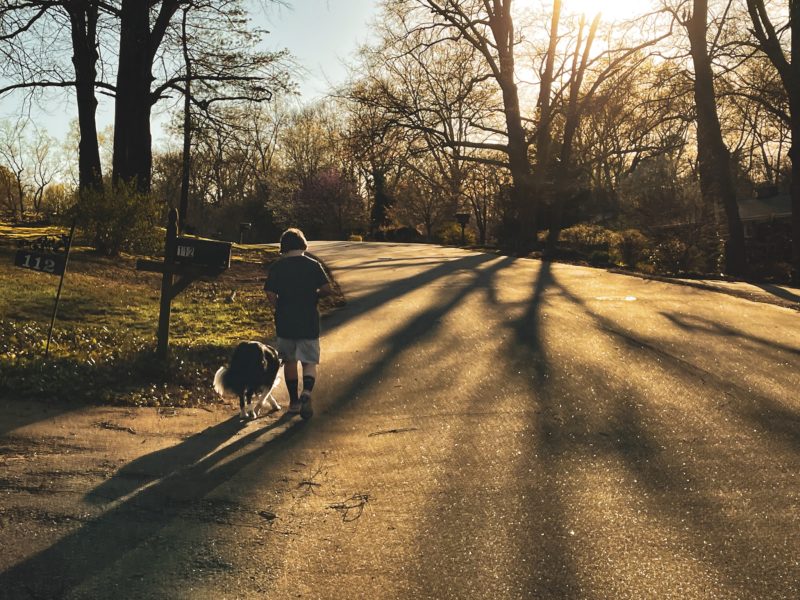
All of them with my phone. The truth is, I use a camera less and less often. In fact, this evening I experiment with writing the whole post on my phone. I got to about here, but then switched.
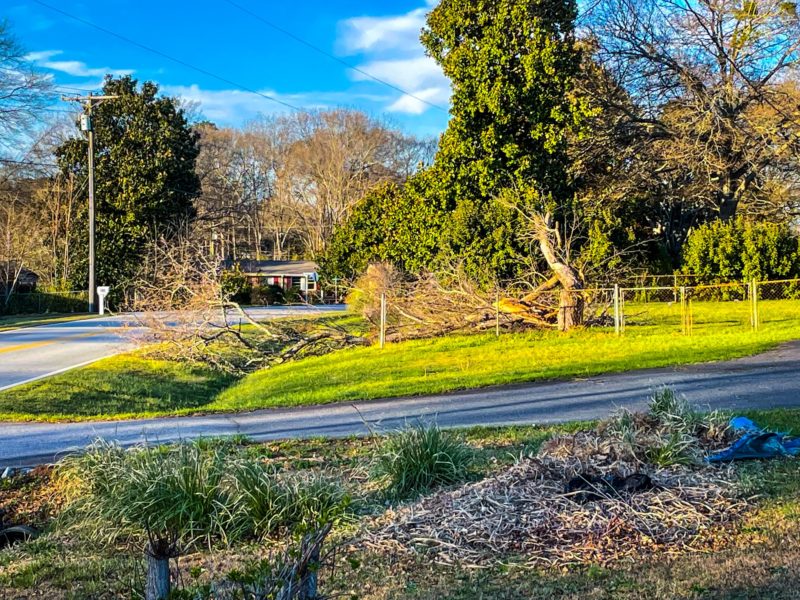
And this is just another bit of nonsense to keep a ridiculous streak going…
“Pick it up!” she yelled. We were at the end of class when A, who’s always a bit of an immature prankster, pushed K’s materials off her desk. K, who has issues with impulse control (i.e., she’s a chronic disrupter) doesn’t like when her world is disrupted, and she grows verbally violent when it happens. A was walking away smiling, which of course led to K feeling even more aggrieved. “I said,” she began, taking a deep breath, “pick it up!” He walked out the door. She walked out the door herself — not to accost him in the hallway, not to get help from an adult. No — she declared as she walked out, “Well, I ain’t pickin’ it up.” Bear in mind: these were her materials. She literally walked into her next class without her materials, thinking she was perfectly justified in doing so.
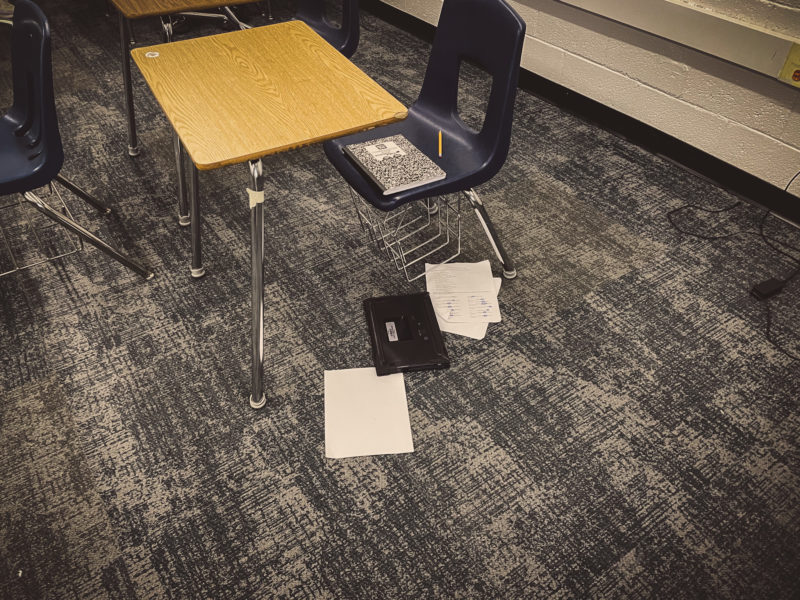
I picked her materials up and stowed them in my cabinet. Part of me was justifying it with the thought that it would teach her a little lesson; part of me did it, I think, just to irritate her further. That is, I’ll readily admit, somewhat childish, but at the time, I wasn’t thinking in terms of irritating her. I wanted her to go through the last two periods of the day without her materials to provide an object lesson to her: “Do you realize how many of your problems in school are of your own creation?” I’d planned on asking her when she got her materials back. “You had to go through two periods explaining why you didn’t have your materials, and I guarantee all your teachers responded the same way: ‘That’s your own fault.'”
Ten minutes into the next period, she was knocking at my door. A student let her in. She stormed back to her seat, and discovering her materials were missing, turned and yelled to the whole class, “Where’s my stuff!?!” She proceeded to rant for a while, completely disrupting what we were doing, but I just let her rant for a while. After about thirty seconds, I said, “K, I need you to go back to your class now.”
“But where’s my stuff?!?”
“I need you to go back to class now.”
“But I’ve got to get my stuff.”
“I need you to go back to class now.”
“I have to have my stuff. Where’s my stuff?”
“I need you to go back to class now.”
Her teacher came to the door, a puzzled look on his face.
“Mr. A says I need my stuff.”
“I need you to go back to class now.” I’ve found that the best way to deal with such situations is just to be a broken record, and as it always does, it worked: she huffed and started out of the room, then turned and walked over to a friend and started talking to her.
This is the kind of behavior teachers have to deal with every single day. Every almost single class. In some classes, every single minute.
Growing up in the eighties, I was aware that we were in the midst of the Cold War, but I never really gave it much thought. The ubiquitous duck and cover practice of the fifties and sixties was nonexistent, and it seemed to me that Sting’s song “Russians” was less a worry about nuclear war and more a song about the simple fact that, because the Russians actually did love their children (they’re human after all), nuclear war was unlikely. Mutually Assured Destruction to my mind seemed to be common sense, and all adults possessed common sense. That’s what it meant to be an adult, I assumed.
With the fall of the Soviet Union, I (and likely most everyone else) assumed that the threat of a nuclear holocaust was at last a thing of the past. The only possibility of a nuclear explosion somewhere on the planet was connected to Islamic terrorism. Communism seemed it would have more reasonable leaders to me, and the fact that at most such terrorists could gain possession of a couple of such devices seemed to offset the relative dogmatic irrationality that accompanies Islamic terrorism.
During the past three weeks, though, I’ve thought more about the possibility of a nuclear world war than I ever have. Probably because it seems more likely than ever. Putin combines the worst of both the Cold-War era Soviet Union (i.e., a ton of nukes) and the warped view of the reality of Islamic extremists (i.e., an alternate view of history complete with totally fabricated “facts” that fuels a contemporary grievance). And he’s backed into a corner. The Russians are inflicting terrible damage, but three weeks in, they still haven’t taken the capital. Russian soldiers are abandoning vehicles daily and the advance seems to be slowed to a near-standstill. If this continues, Russian surrender is the only sensible option, but it’s the one option that so many of us cannot imagine Putin taking.
The thing is, I find myself thinking of this all the time. I'm standing in the hallway, monitoring students as they change classes, and I'm thinking about it. I'm mowing the lawn, and I'm thinking about it. I'm going for a jog, and I'm thinking about it. It's easy simply to say, "Well, you're an adult now, and you have children: you have a better grasp of the dangers, and you're directly responsible for the well-being of two children."
But this is fundamentally different: Putin is one man. He answers to no one. The premier of the Soviet Union answered at least to the Politburo. There was some sense of accountability. Putin, on the other hand, answers to no one. He's been holed up in solitude for two years now fearful of Covid and ever worried about a potential coup (allegedly) -- he has literally lived in a reality of his own making, and the notions coming from his speeches indicate that his reality and reality reality don't have much in common.
And so I, like everyone else, go through my normal routine -- teaching, running, mowing, laughing, fussing -- with a nagging fear just under the surface. A fear that I tell myself is ultimately not founded in reality. "Surely," I tell myself, "Putin won't escalate this to the point of no return."
One of my favorite -- if not favorite -- Polish bands is Lao Che. Clever music, clever lyrics. Their masterpiece, in my opinion, is "Hydropiekłowstąpienie" from their album (titled in English) Gospel. From the title to the final line, that song is sharp.
It begins with what sounds like a squeaking door being closed as someone shrieks, "Jesteś wszechmogący więc jak mogłem / Obrazić Cię następującymi grzechami?" It's a problem essential problem of Christianity: "You are all-powerful, so I could I offend you with the following sins?" Indeed, why would an almighty god be so upset with most of the silly things that Christianity calls sins? Upset enough to torture them for eternity as a result? It's just silly.
The song itself begins with God addressing Noah:
Słuchaj, Noe
Chciałbym na słówko:
Wiesz, tak między nami,
To jestem człowiekiem zaniepokojonym.
By nie rzec: rozczarowanym.
Bo miałem ambicję stworzyć
Taką rezolutną rasę,
A wyście to tak po ludzku,
Po ludzku spartolili.
Jestem piekielnie sfrustrowany
"Listen, Noah," he sings, "I'd like a word with you." He explains that he'd had such high hopes for humanity but that humanity, in typical human fashion, screwed it all up. "I am damn frustrated," he concludes, though the word he actually says (piekielnie) literally means "hellishly."
Then comes what will develop later into the pre-chorus: "Płyń, płyń Noe płyń i żyj, a utop to kim byłeś. / Płyń, płyń Noe płyń i żyj, jak nawet nie śniłeś." A simple command: "Swim, swim Noah swim and live, and drown who you used to. Swim, swim Noah swim and live, like you've never even dreamed."
The second verse continues with the ironic commentary:
Wiesz sam, jak nie lubię radykałów.
Ale, na Boga, nie spałem całą noc
I podjąłem decyzję:
Zsyłam na Ziemię potop,
Mój mały Noe, mój Ptysiu Miętowy.
Zsyłam potop, potop!
"You know yourself how I don't like radicals," God explains just before declaring that after staying up all night, he'd made a decision to send a flood upon the earth.
Then the oh-so-clever wordplay begins: "Utopię waszą utopie," he promises. "I'll drown your uptopia," punning on the fact that the first-person future of "drown" is only slightly different from the properly-declined "uptopia." But the punning doesn't stop there. Describing the flood, God declares "Zarządzam pełne zanurzenie" -- "I'm appointing a full immersion," a clever allusion to baptism. The masterpiece: God declares that his flood will be a "hydropiekłowstąpienie," a smart play on the word "wniebowstąpienie", which is the Polish term for Jesus's assumption -- The Assumption. Literally, it means "to heaven ascending." "Hydropiekłowstąpienie" would then be translated "hydro-hell-ascension."
Ths song continues with God promising to drown everything: roads and bridges, tax offices, households. Everything.
Clever, clever song.
A live version:
Every now and then, a friend from my first three years in Poland sends me a picture that I’d forgotten all about. This was with a friend C, who lived in Nowy Targ, the nearest town to my little village. We were returning from a trip to Gorzów Wielkopolski, where some of our students had participated in a Model UN session.
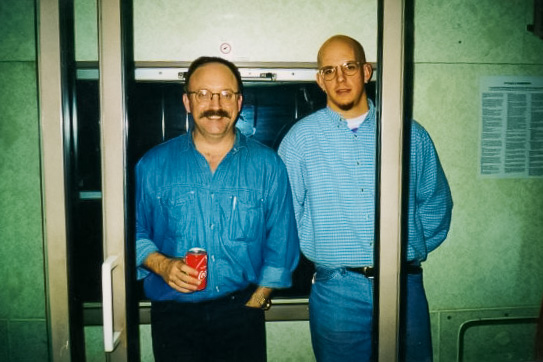
I can’t remember what the concerns were at that Model UN meeting, but any that are going on right now have only one concern: what to do about Russia’s criminal invasion of Ukraine.