






fun in threes, sometimes fours
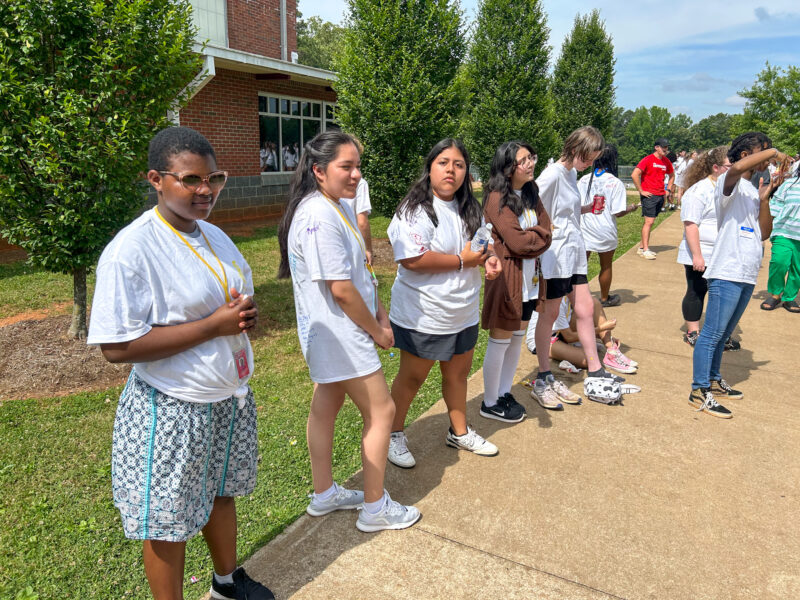


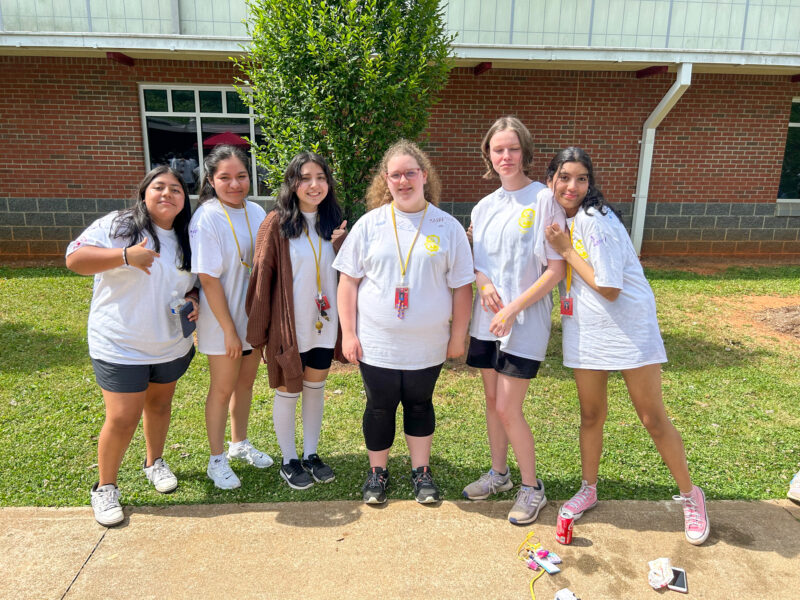


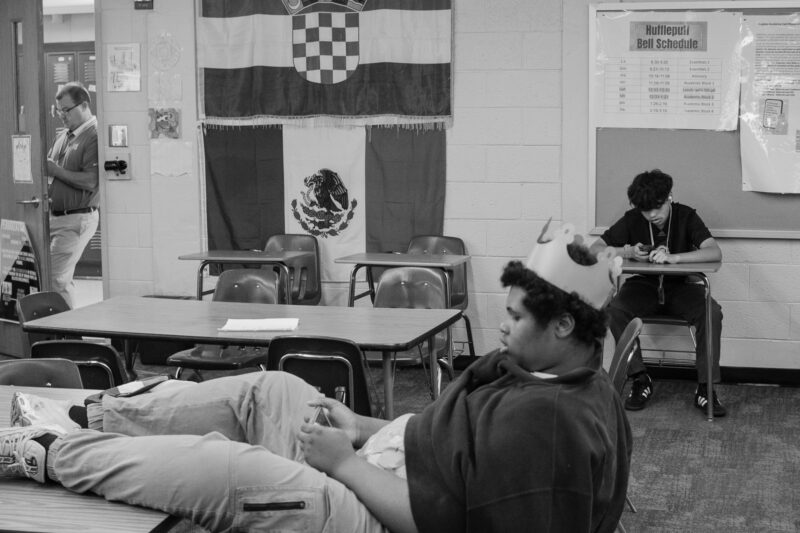
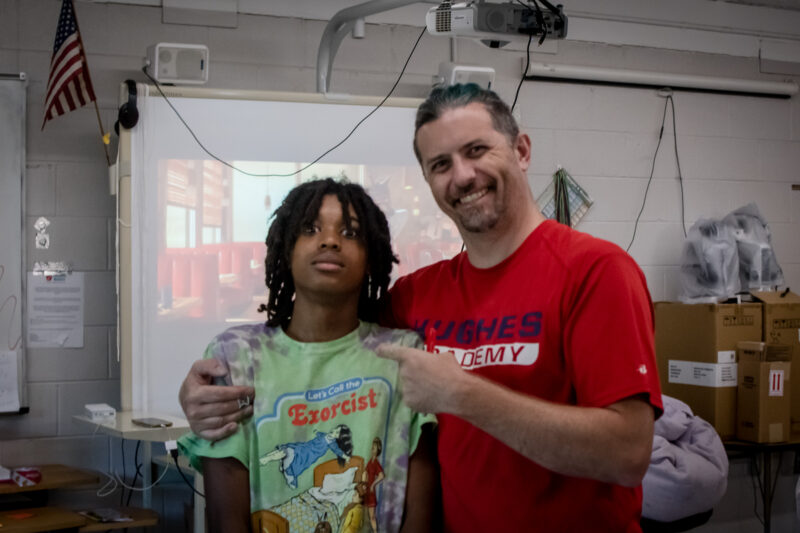
I spent the day in a sixth-grade classroom covering for a teacher wanted to go on today’s eighth-grade field trip. I met about 100 young men and ladies who are about to move into the seventh grade, students who will eventually turn out to be my students. I started each session taking roll and asking them about first impressions.
“What is a first impression?” I asked, and some really didn’t know. They’d heard of it, but they didn’t really know what it was or how we create those critical impressions that serve as the initial foundation for all future interactions.
“Are you making a first impression?” I asked Jose when I called his name.
“What are you doing that is creating a first impression,” I asked Sara ask I continued down the roster.
“What first impression have you presented to me?” I asked James when I got to his name.
“That’s making an impression,” I said to Nadia, pointing to her foot that bobbing up and down. She looked down then stopped immediately. “I’m not saying it’s a bad impression — I’m just pointing out that it is contributing to the first impression you’re creating.”
These are the basic social-emotional skills and awarenesses that so many kids are completely clueless about. They’re not aware of the simple fact that they are communicating with every single thing they do. They’re not aware that even when they think that no one is watching, that no one is drawing conclusions from how they walk, how they talk, how they interact with their friends — when they think they’re completely invisible.
Today, our Boy finished elementary school. "I mean, I have to go three more days after that," he explained to me the other day, "but once I get that piece of paper, I'm basically done."
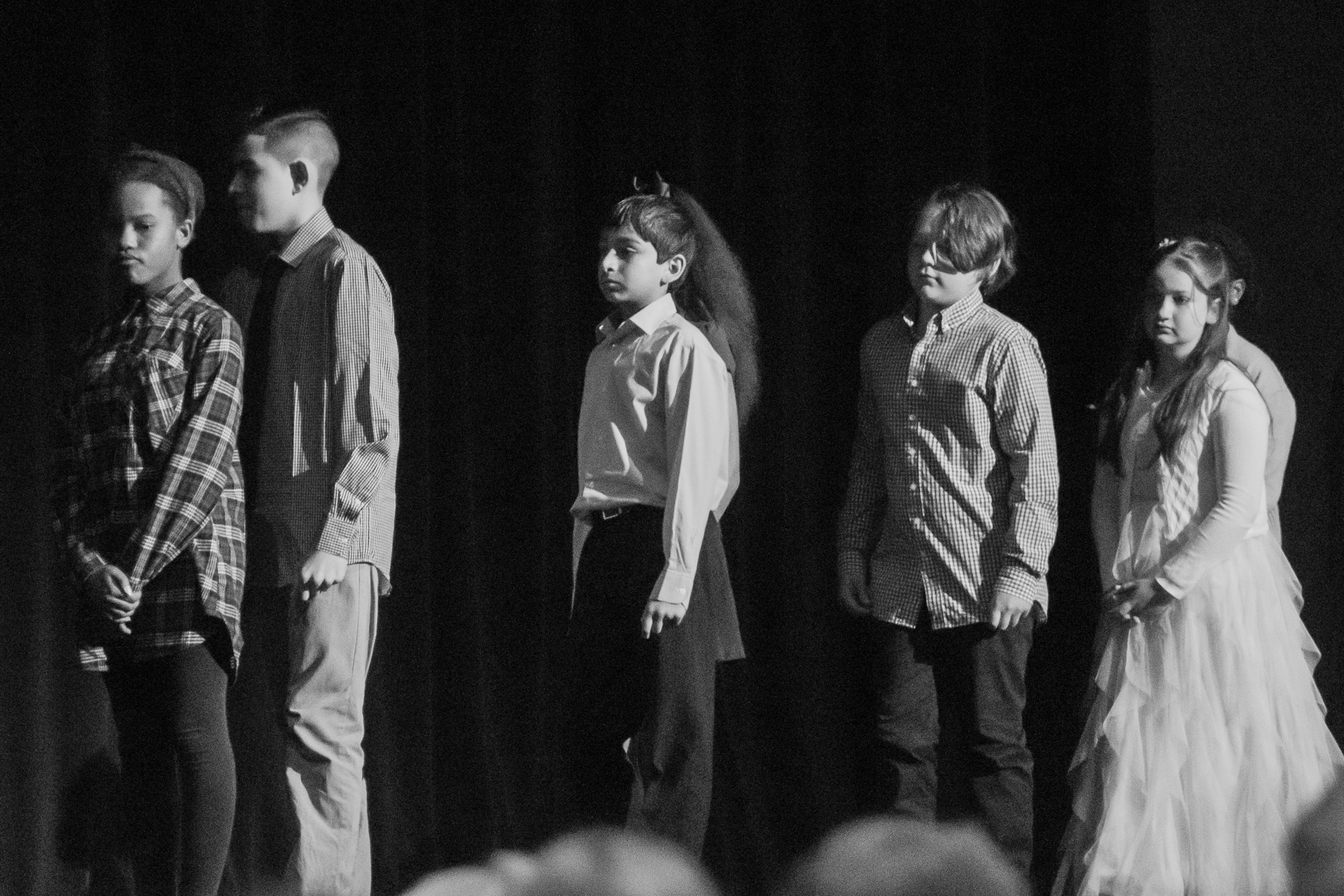
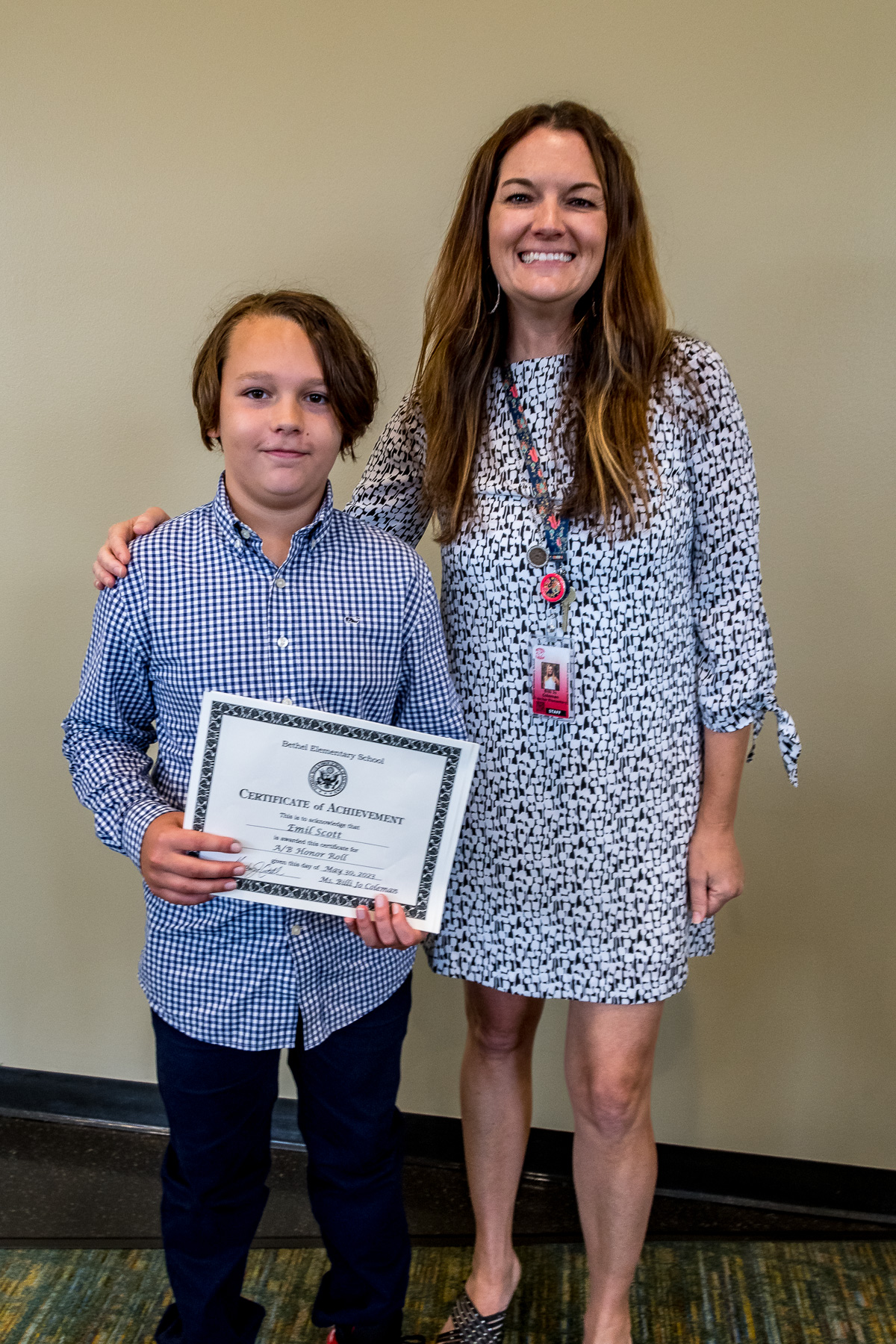
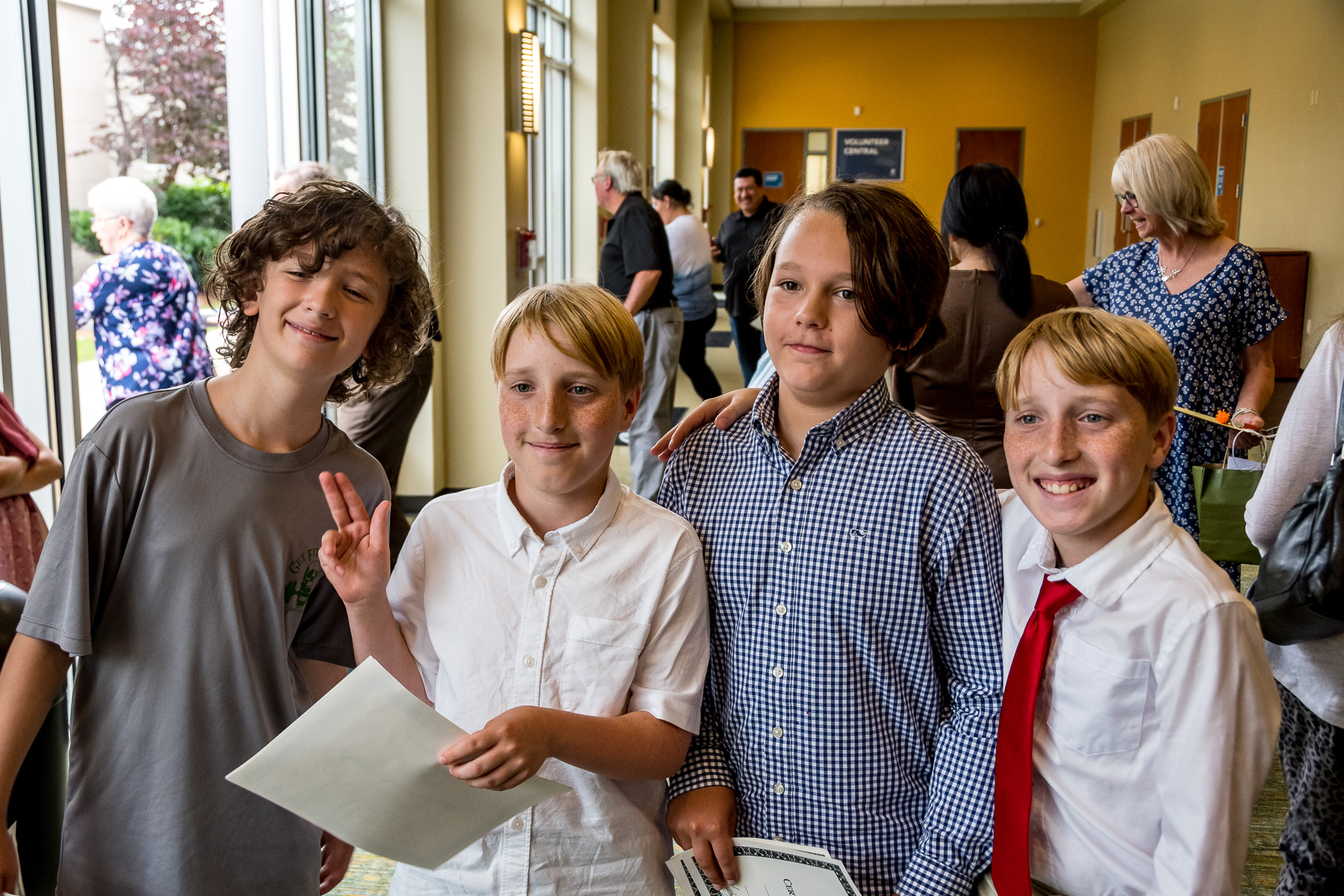
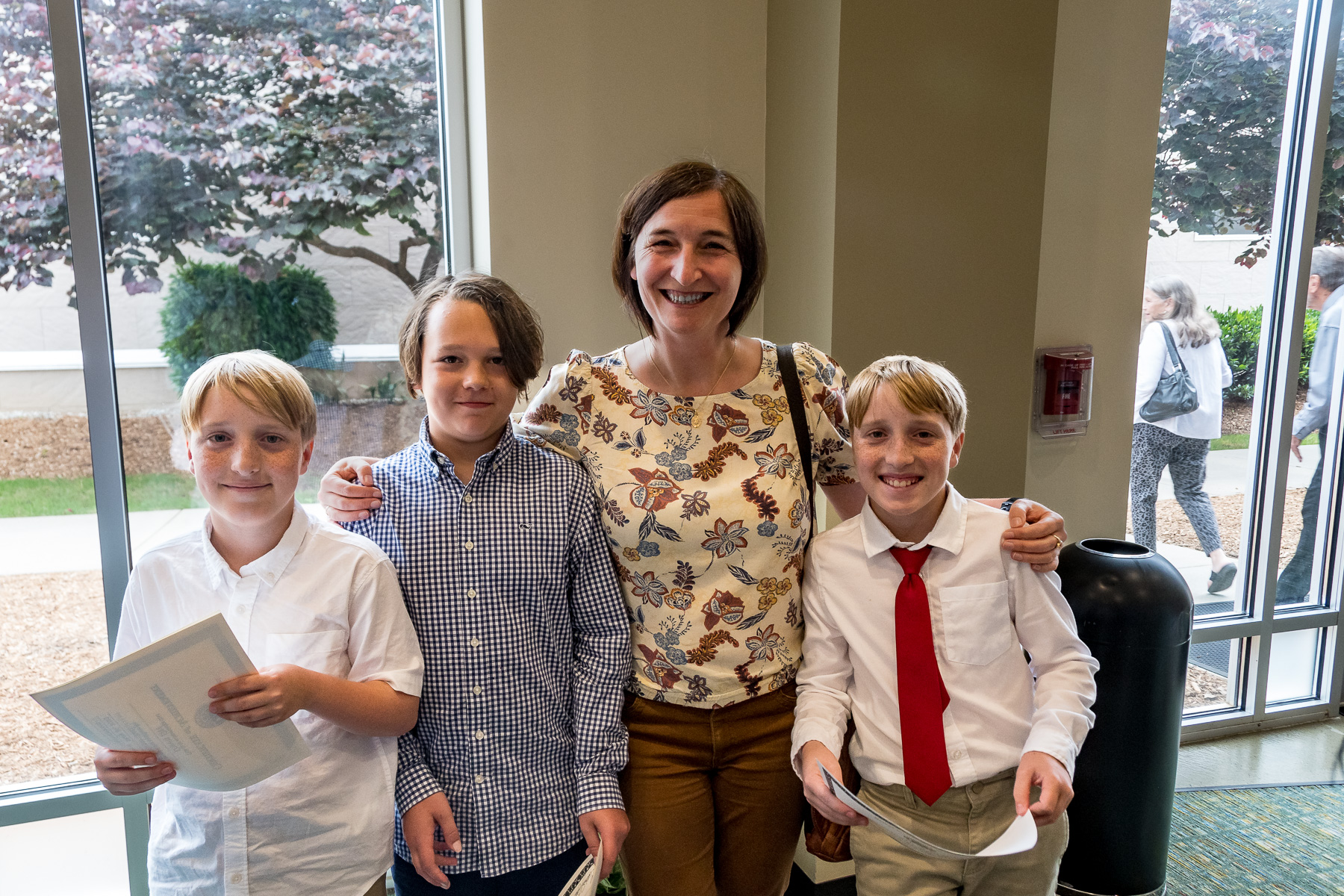

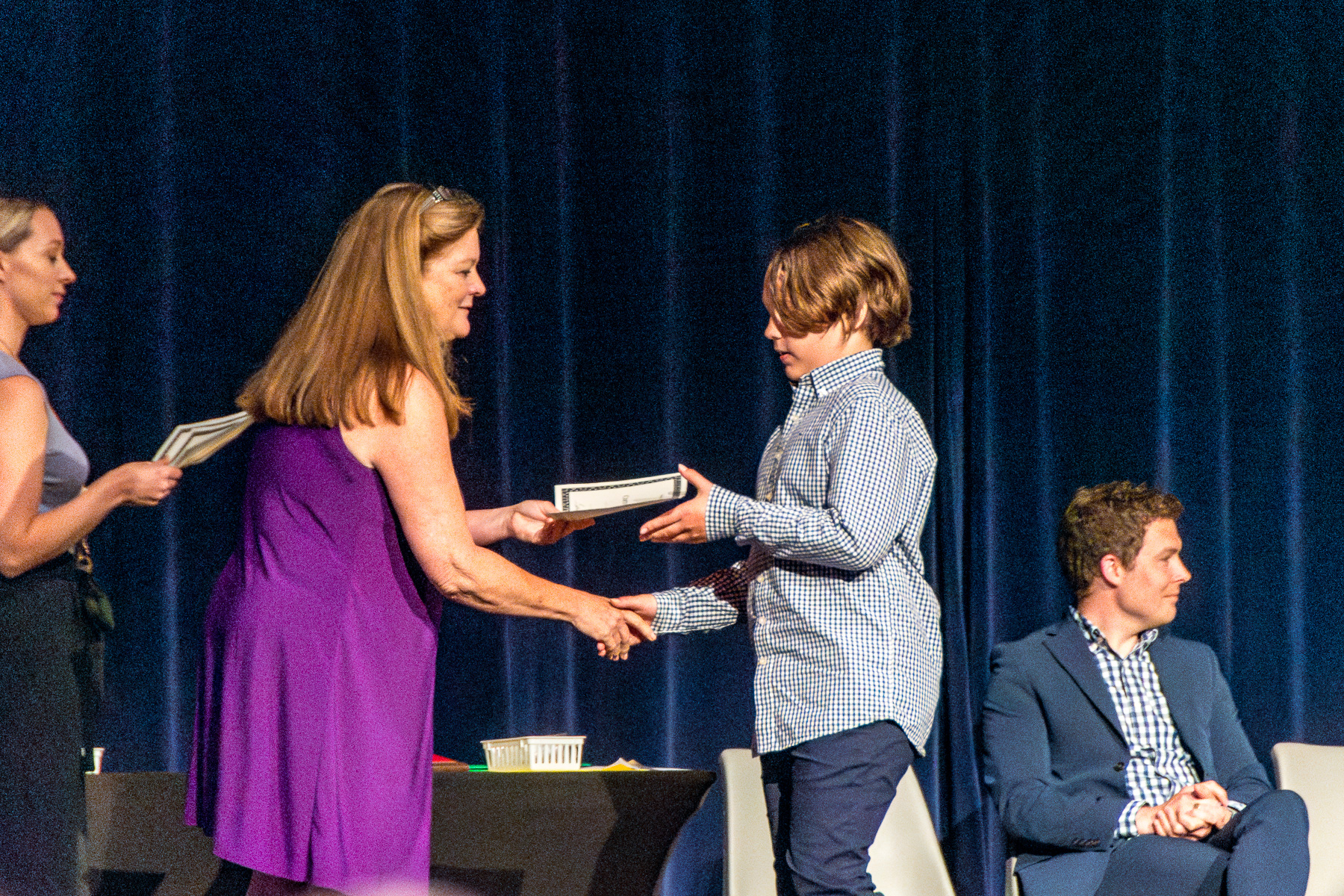

Our daughter has two more years of high school; our son starts middle school next year...
The original video.














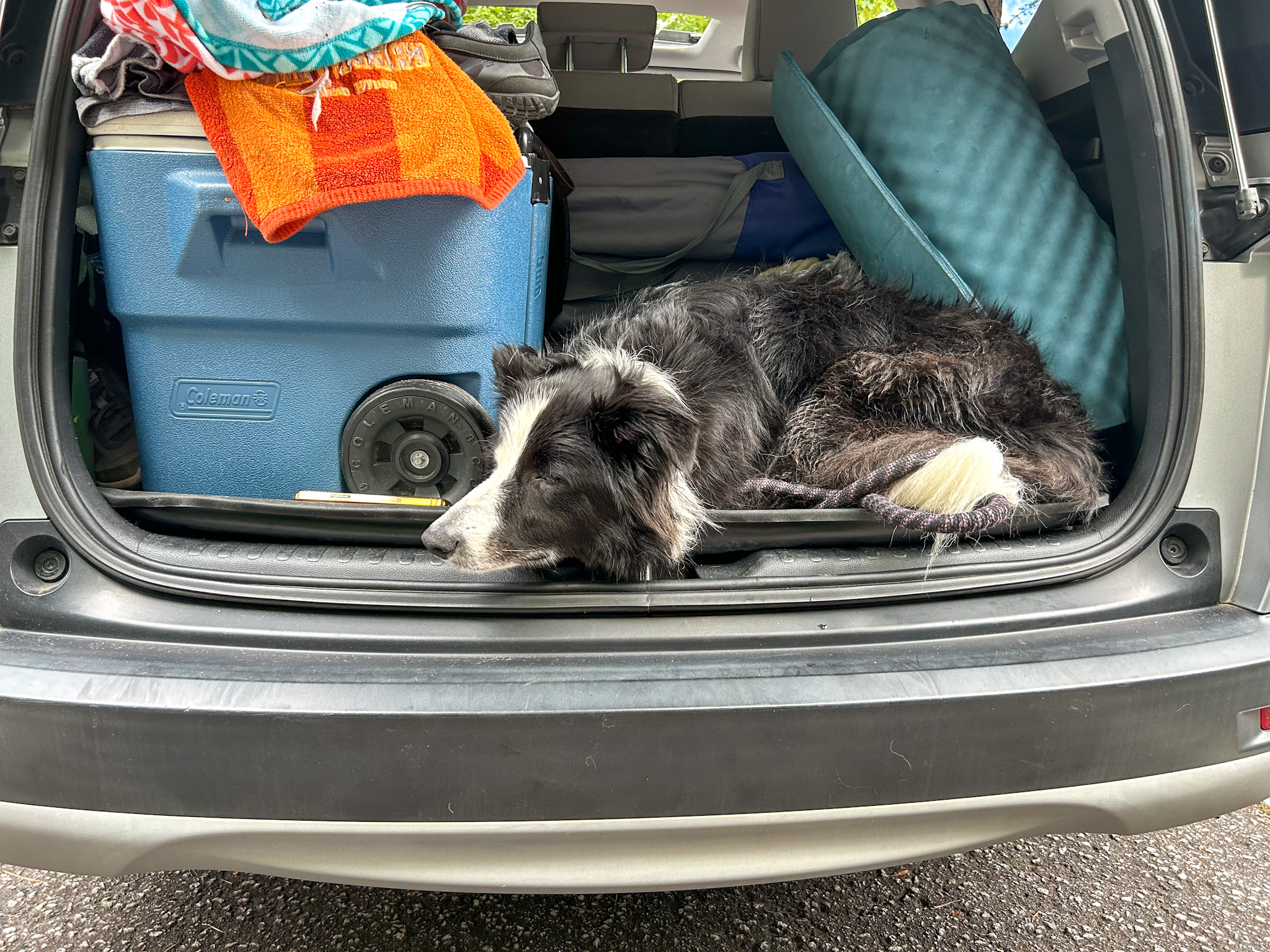






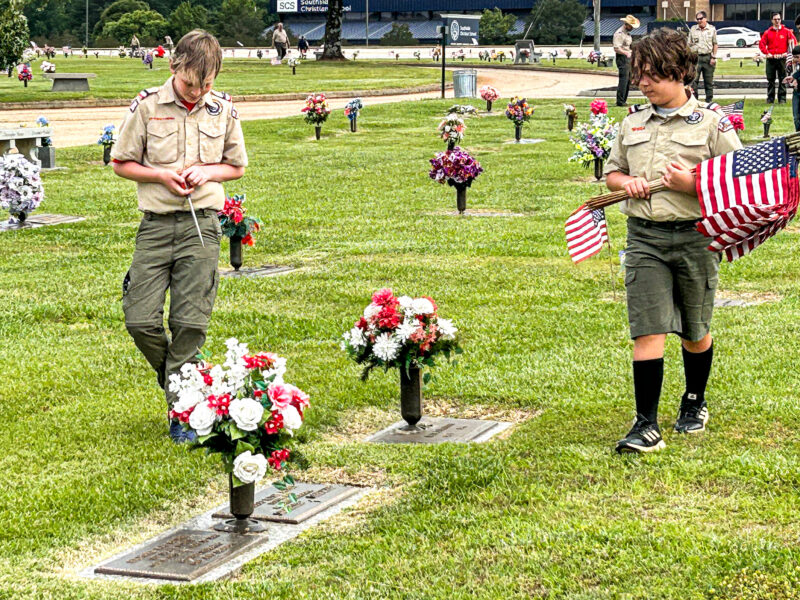
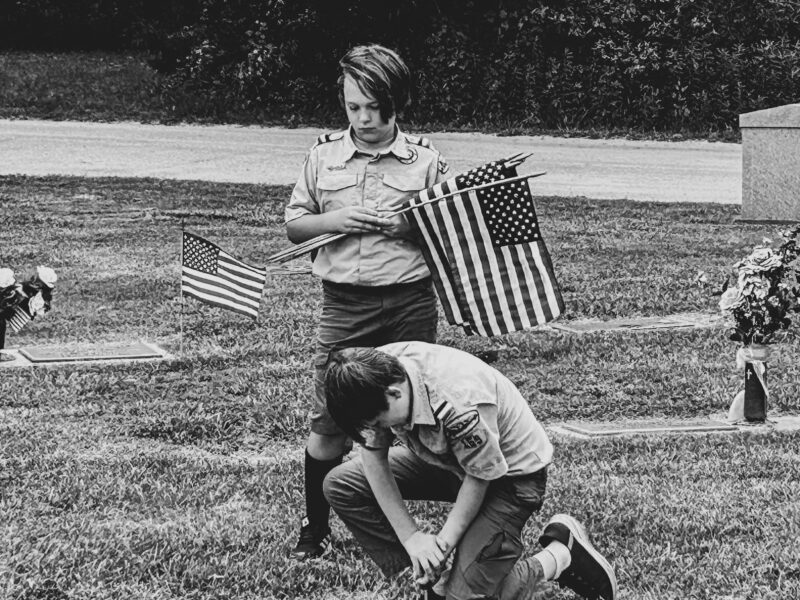


This year's entries:
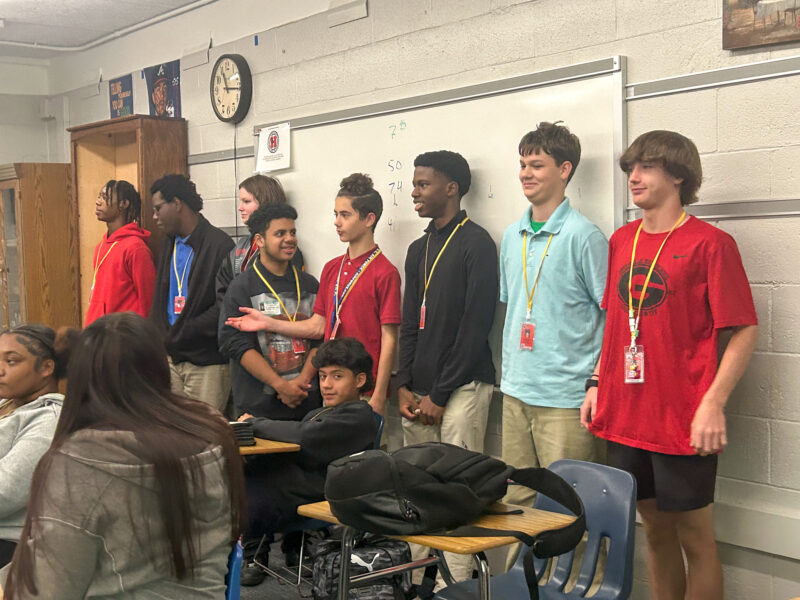
English I students had the final day of Lord of the Flies presentations today. The final group looked at mob psychology and how it played a part in the novel:
A mob mentality is regularly made when people are part of a group, and seem to lose their self-awareness, or experience deindividuation. This means they are less likely to follow normal restraints and inhibitions, or lose their individual identity. Groups can get carried away, which could lead to behaviors that a person might not indulge in, by themselves. This can also mean that certain groups could make behaviors that were not acceptable, and turn them to a normal activity. In a sense, it is related to peer pressure, but is only effected in a situation involving a large group, or mob, that is making the influence. This is also referred to as “Herd” or “Hive” behavior. (From student presentation)
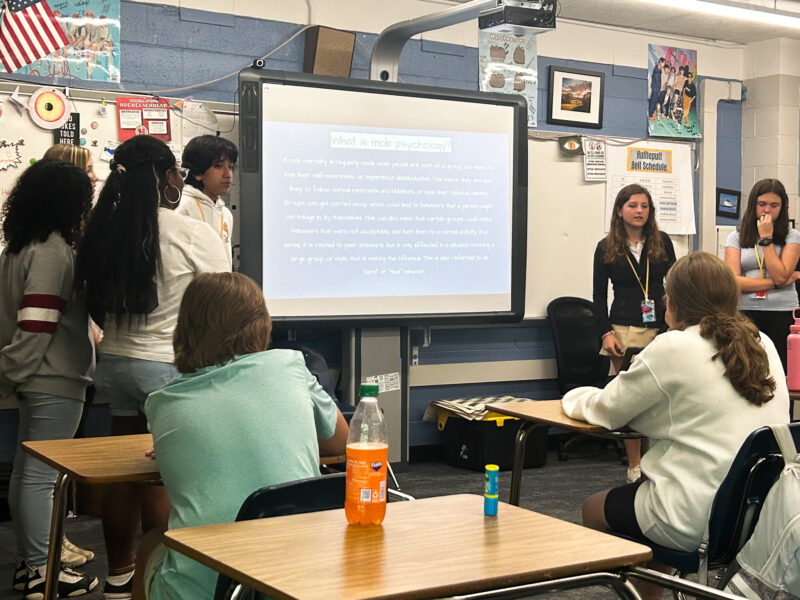
Lord of the Flies certainly made this obvious.