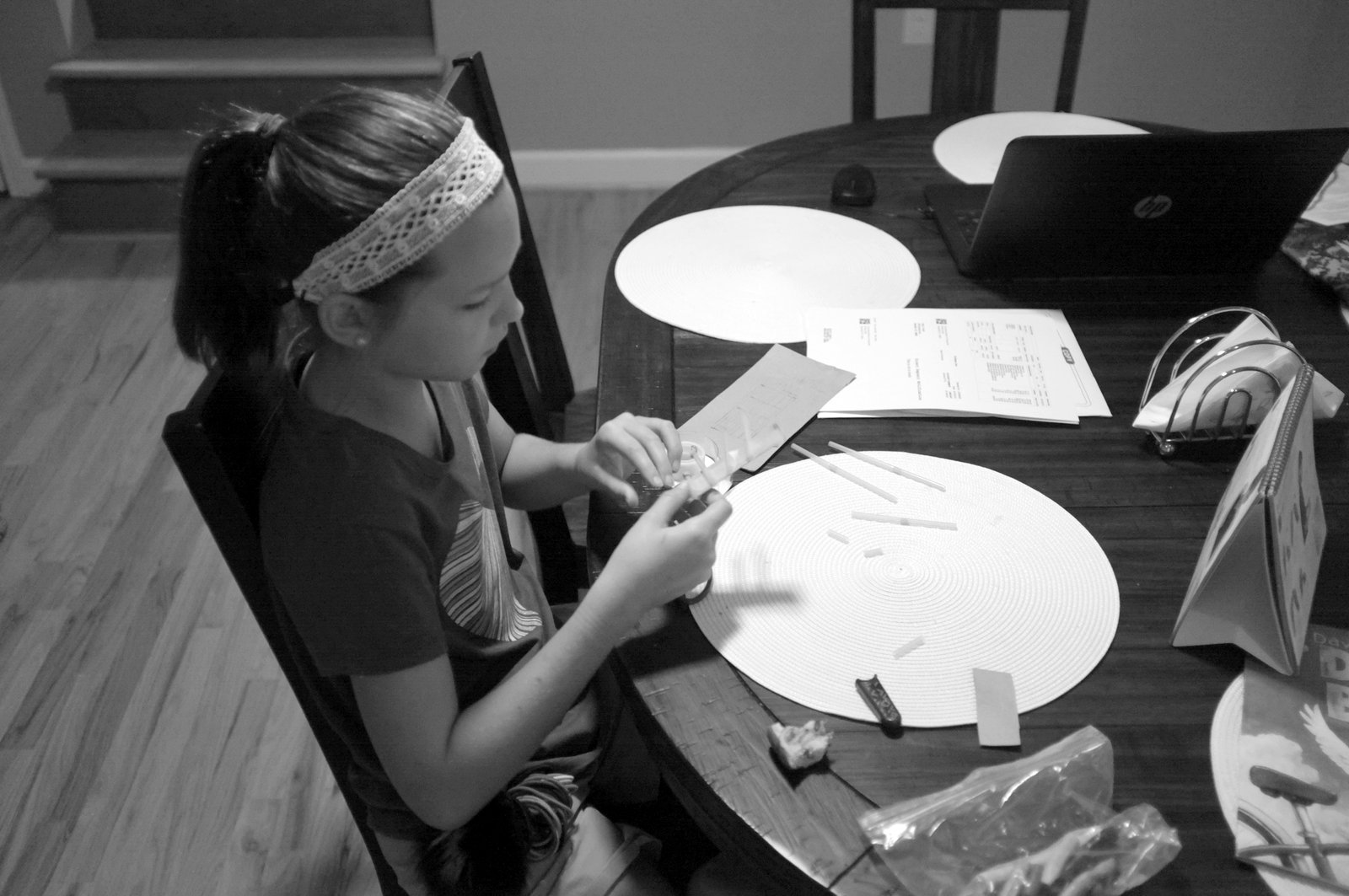
Before school, the Girl decided she wanted to make pan pipes out of straws and cardboard as she discovered in one of her many craft books.
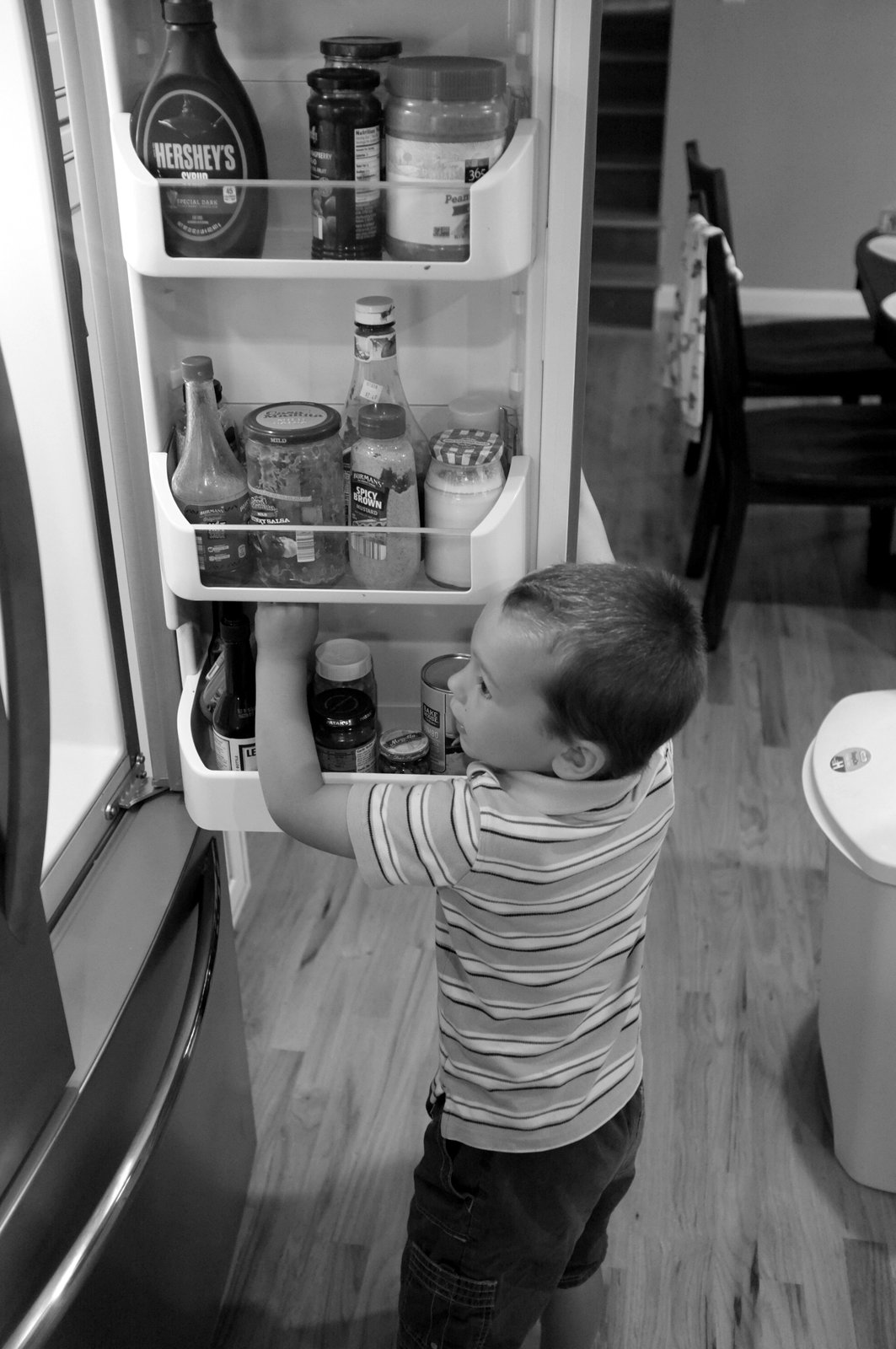
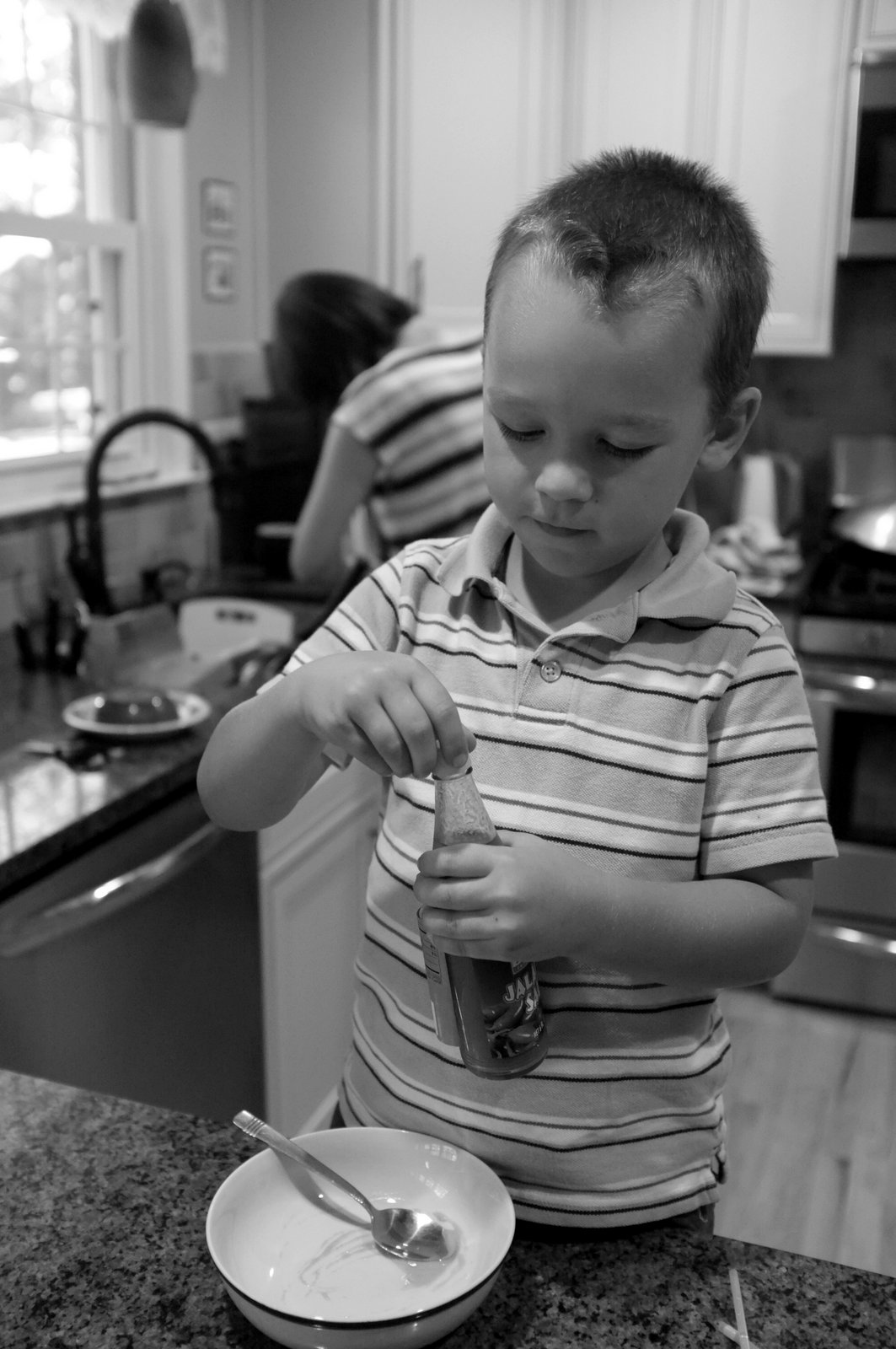
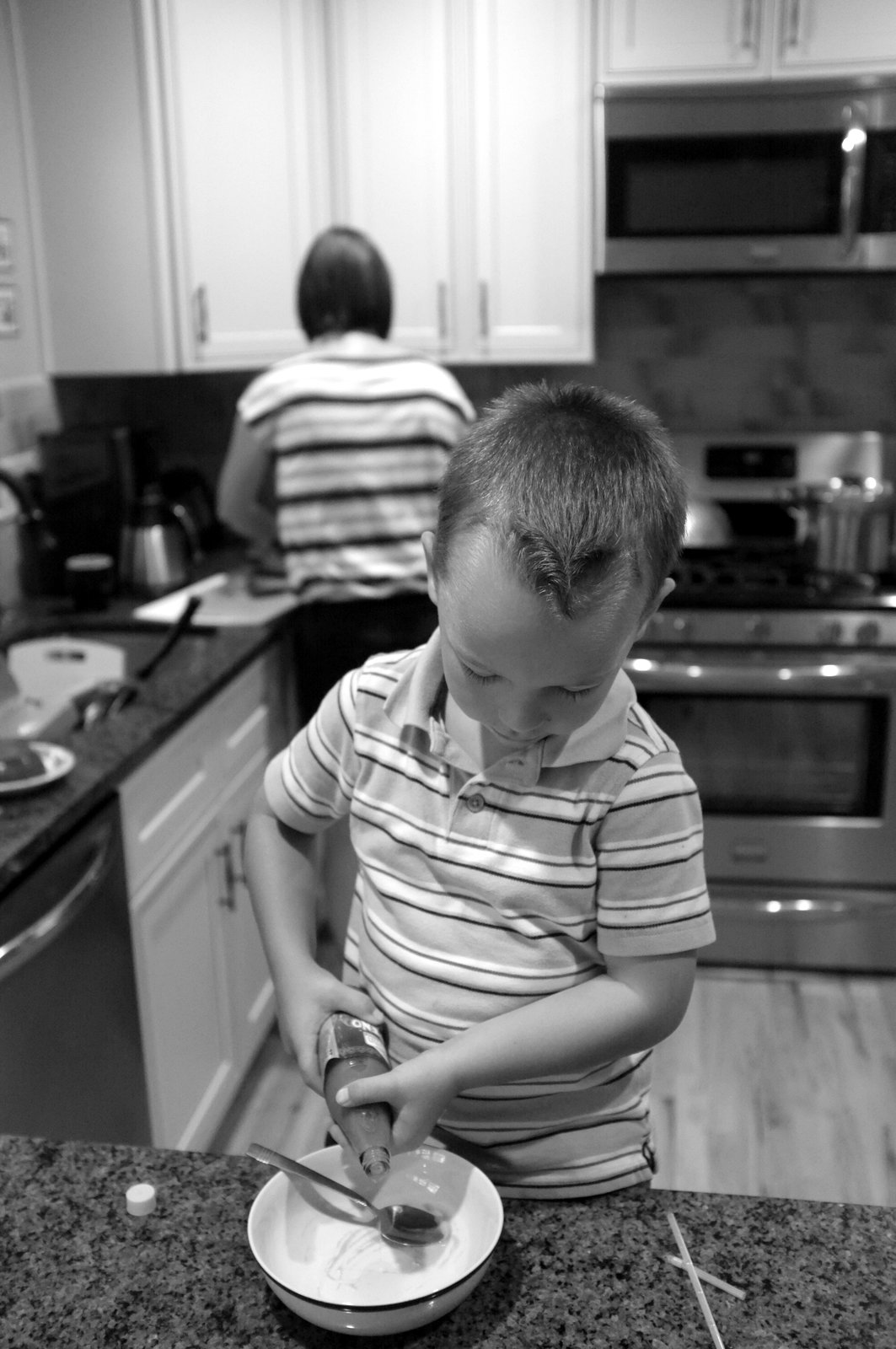
The Boy has fallen in love with experimenting with adding random things from the refrigerator.
fun in threes, sometimes fours
general
Before school, the Girl decided she wanted to make pan pipes out of straws and cardboard as she discovered in one of her many craft books.
The Boy has fallen in love with experimenting with adding random things from the refrigerator.
If the Boy plays Saturday like he was playing today, he'll be something else. He was going after the ball no matter who had it, attacking toward the net, shooting -- everything. We even worked on passing the ball to him for him to shoot even though that's a guaranteed impossibility for his game Saturday.
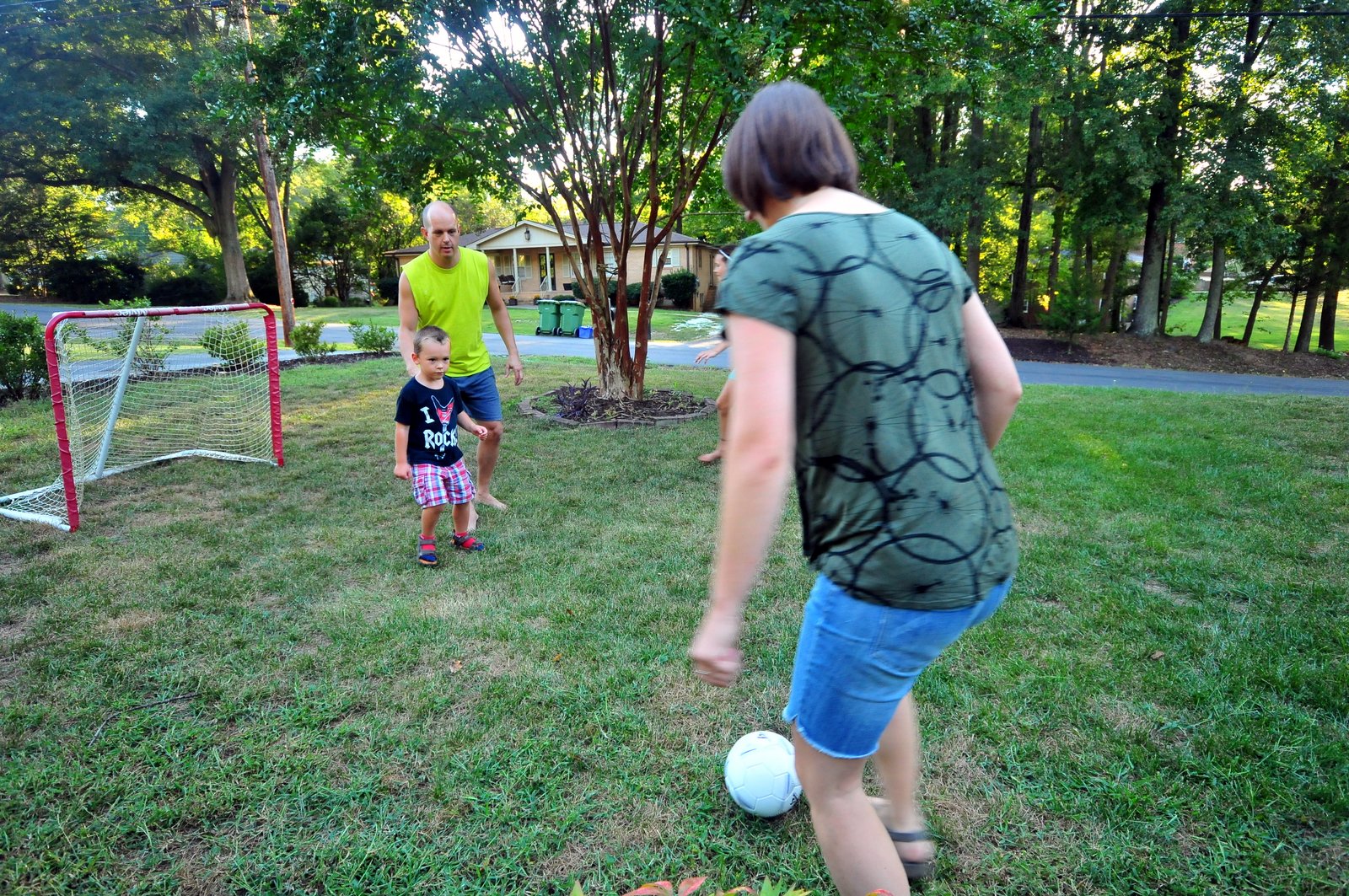
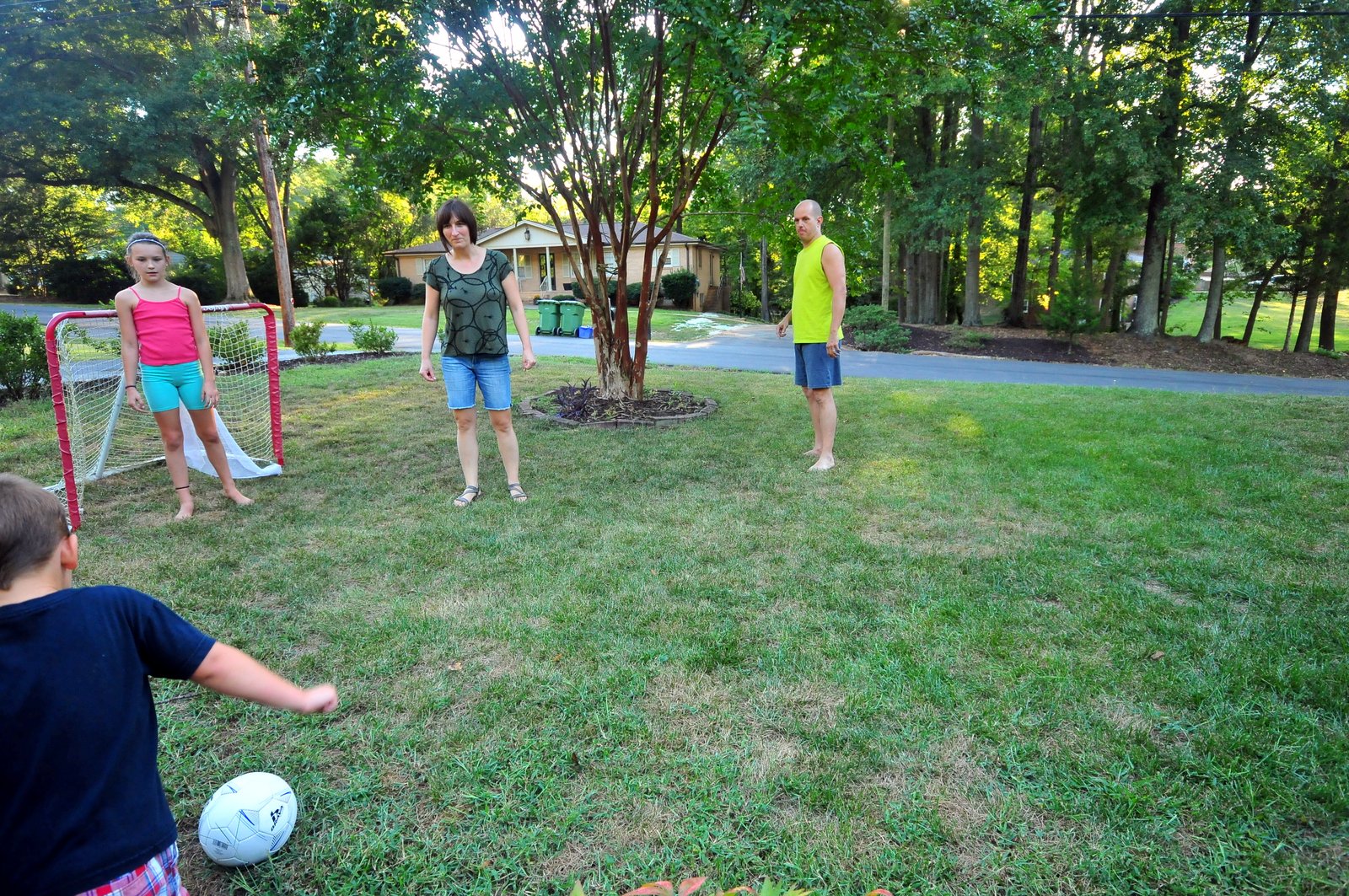
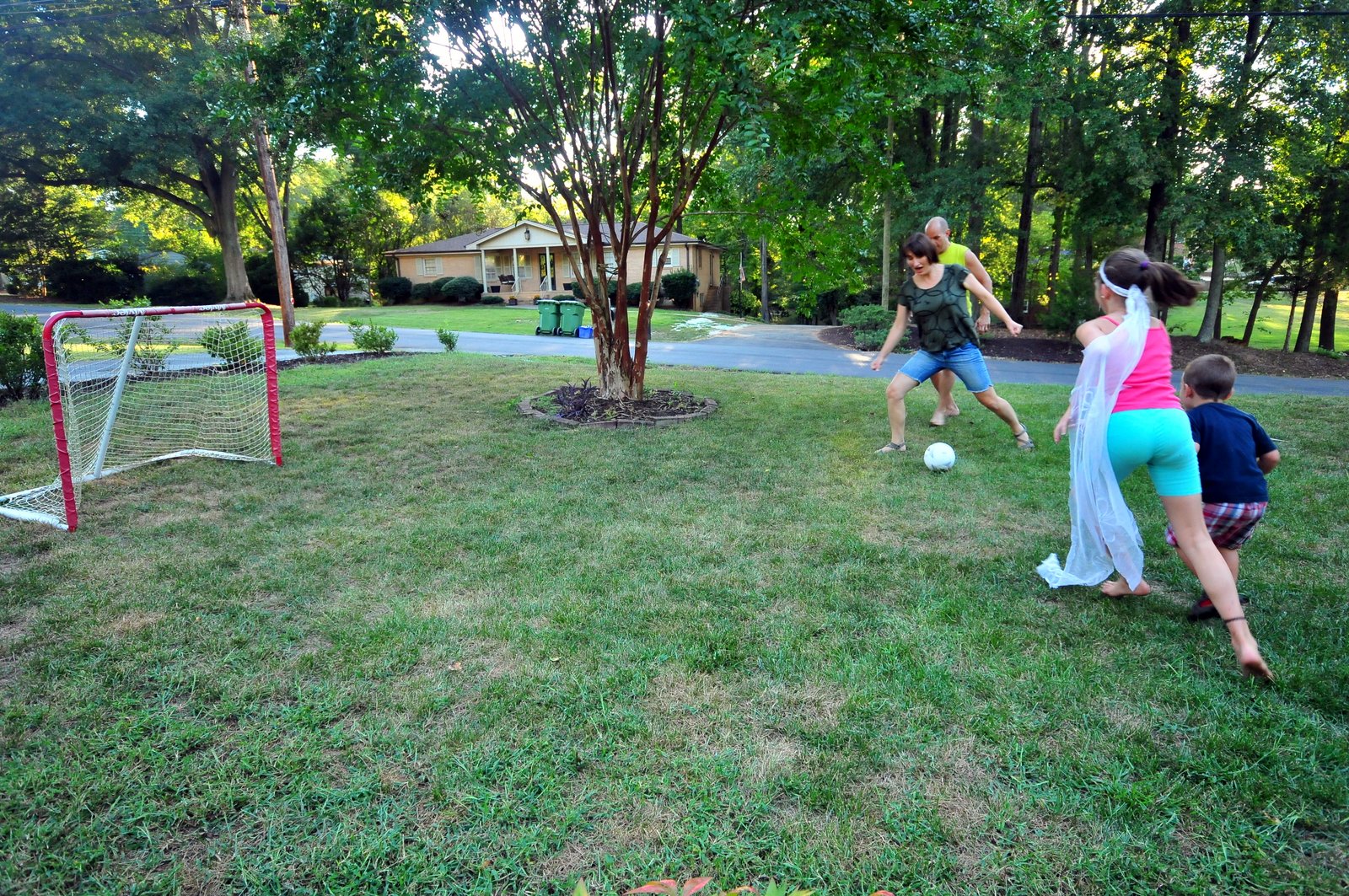
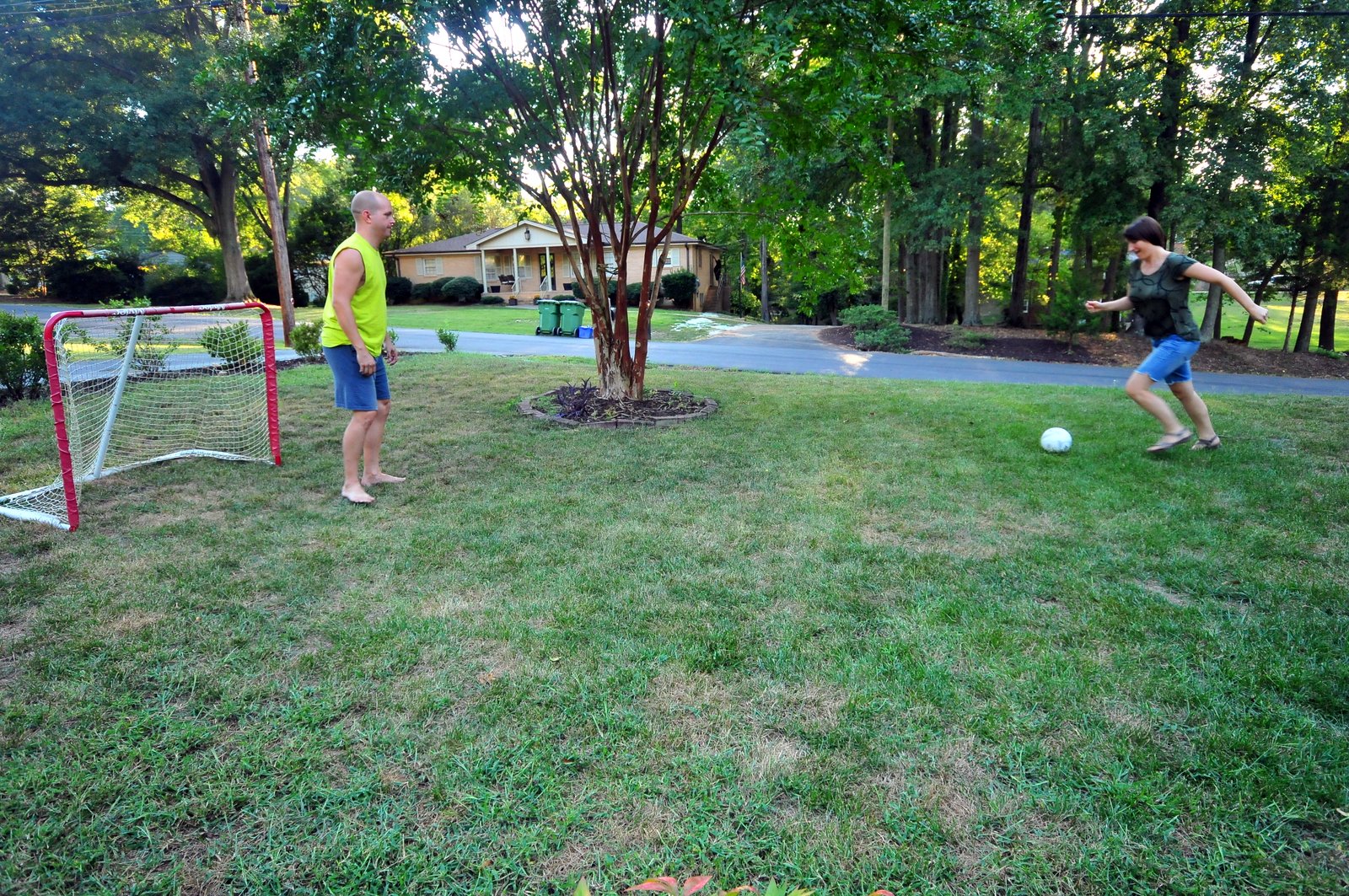
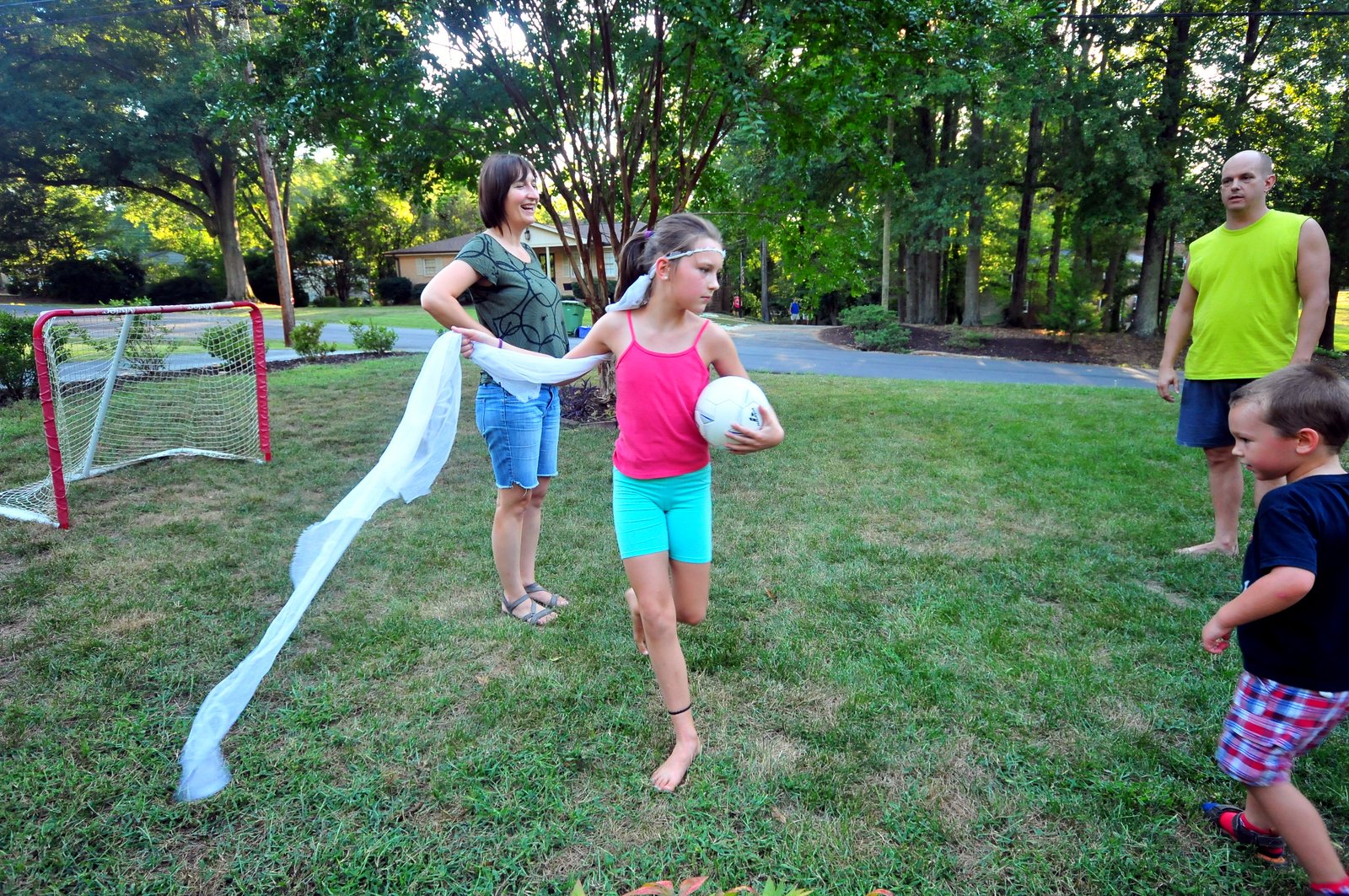
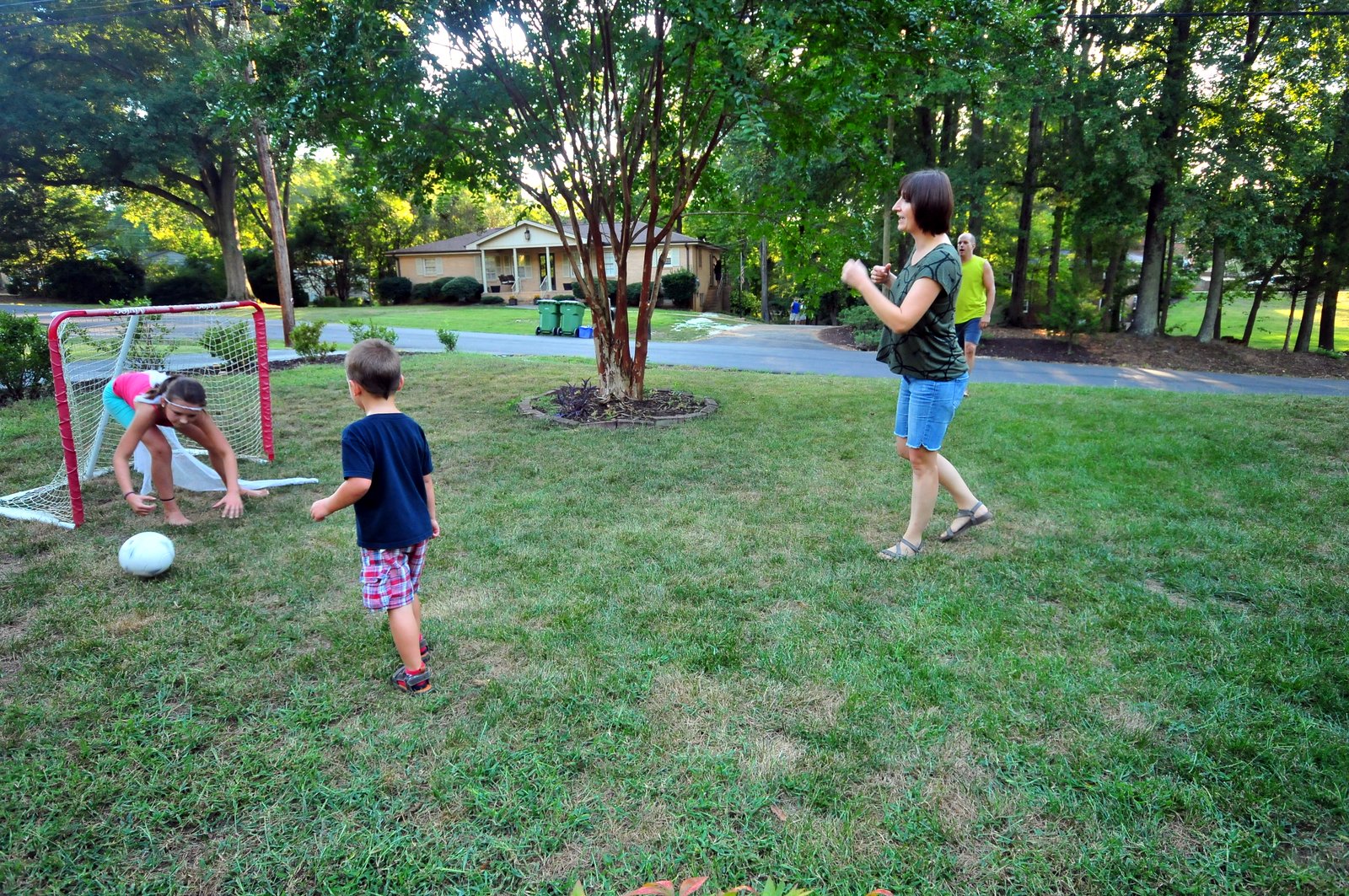
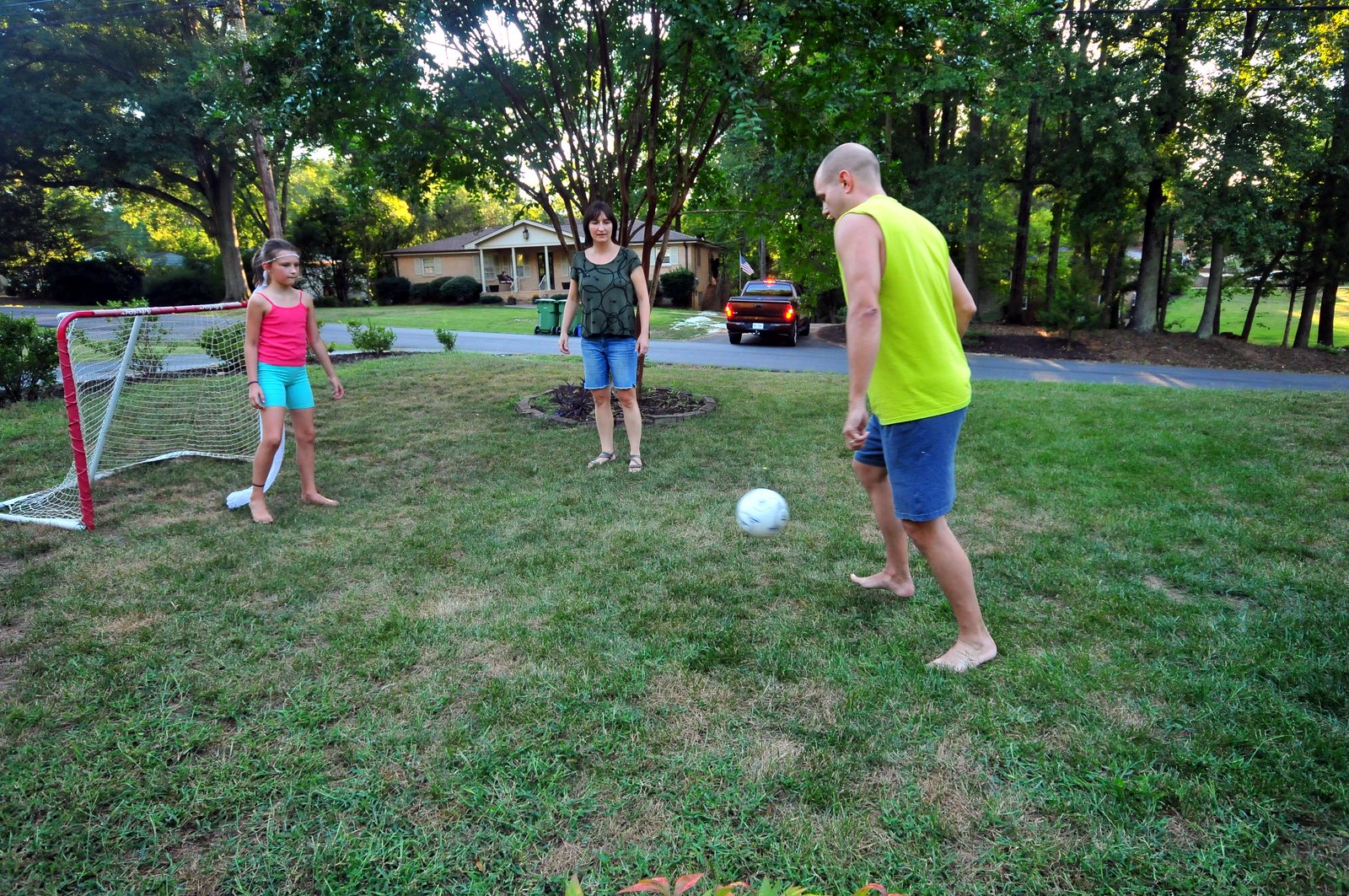
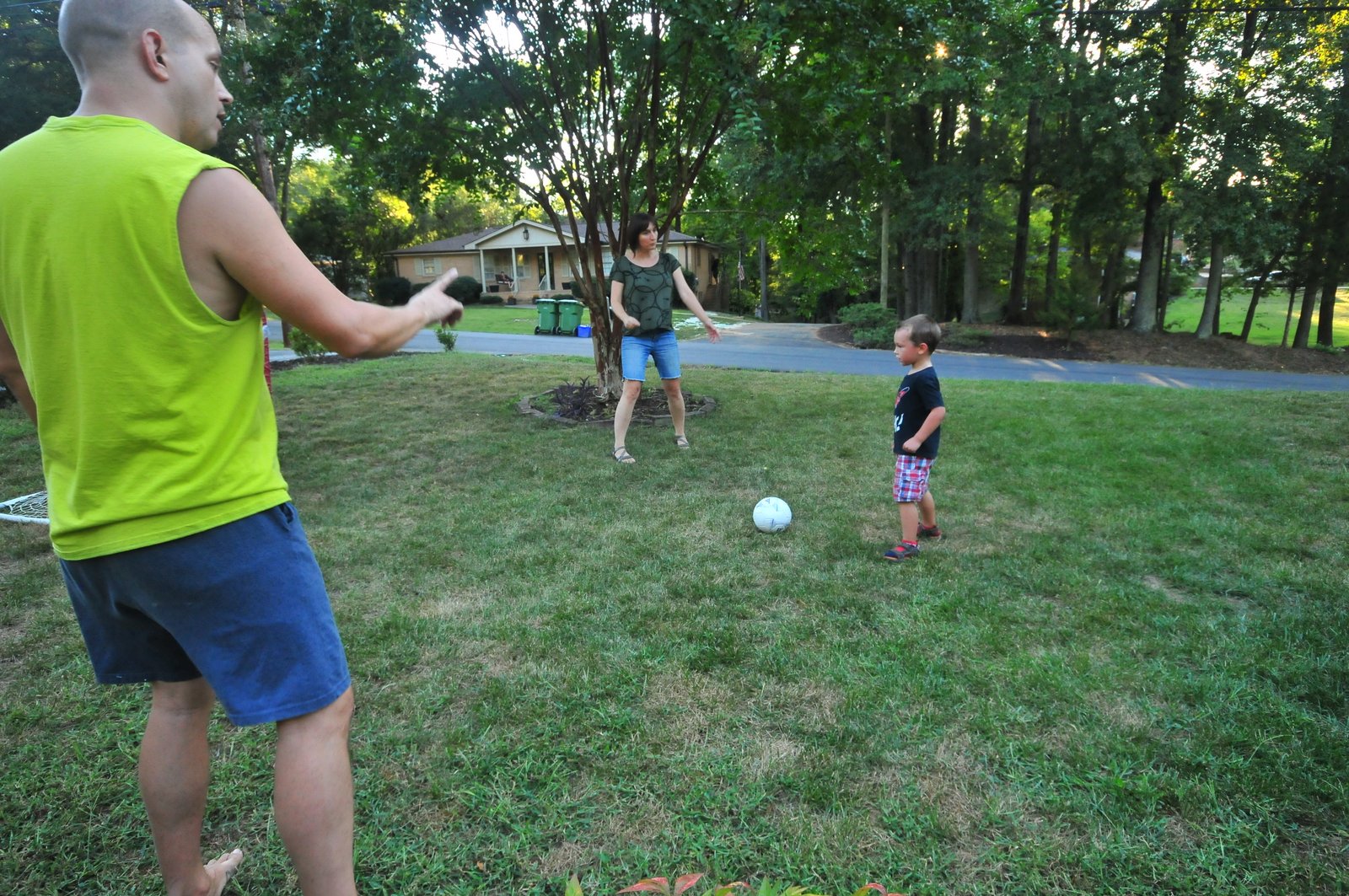
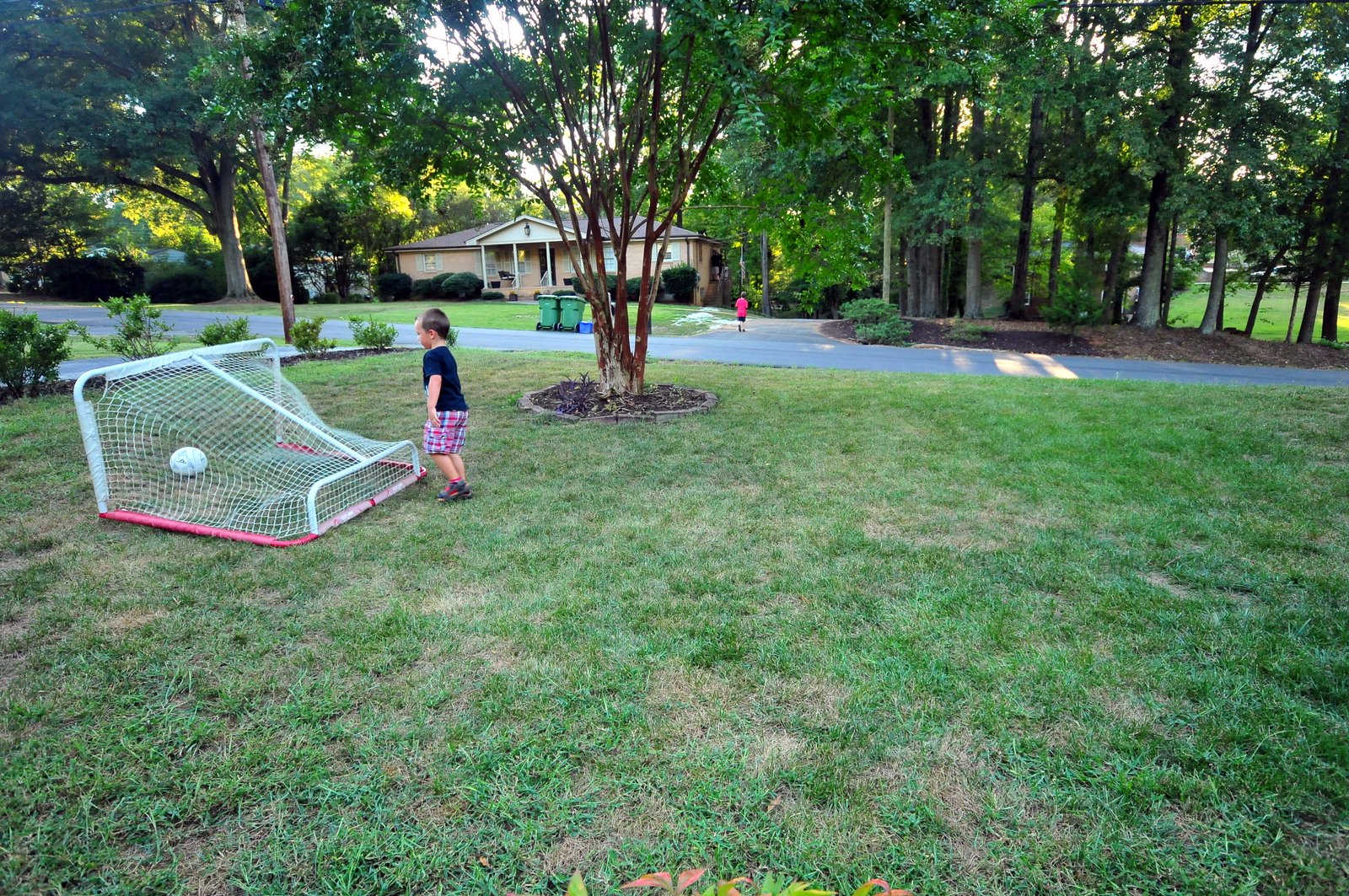
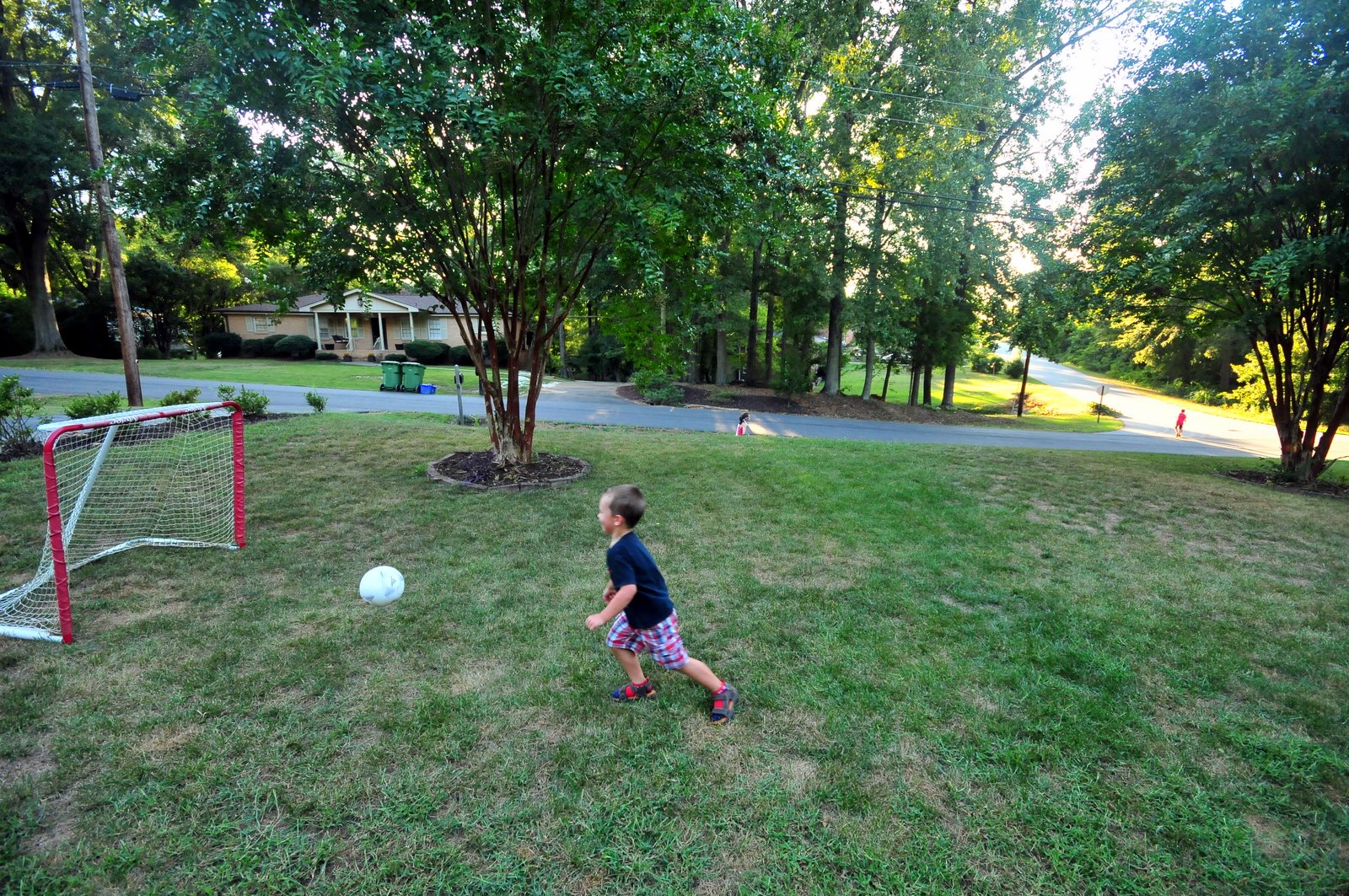
But if I think back to the Girl playing soccer, I remember doing things like this and then discovering that none of it would really stick. "Perhaps more practice," I'd say, and yet it wouldn't stick. And so what if it doesn't? He's only four -- that's the cause of the "problem" and the reason it's not important.
Candyland is a good first game for the Boy. It’s as boring as can be for the adult playing with him, but that’s often what parenting is all about: getting over the selfishness of boredom and relishing the interaction with the child. At the same time, I remember stacking the deck when playing with L, rationalizing it to myself by saying that I was teaching her to lose gracefully or win humbly. Perhaps I was just not savoring the moment and rushing to get to the end.
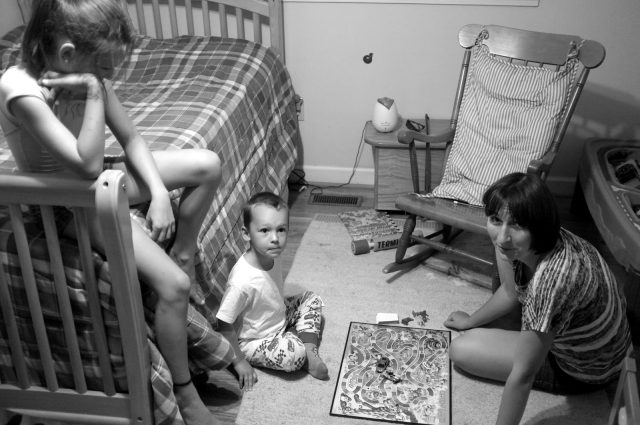
Candyland teaches turn-taking and acceptance of the luck. And while I’d like not to be one to suggest that luck has much to do with one’s fate because I’m a tough-minded, right-leaning moderate, I know that’s just bullocks. It’s luck where you’re born; it’s luck what your parents are like; it’s luck whether or not you have a handicap, physical or otherwise. Still, we right-leaning types like to think of bootstraps and such in the land of the free and home of the brave.
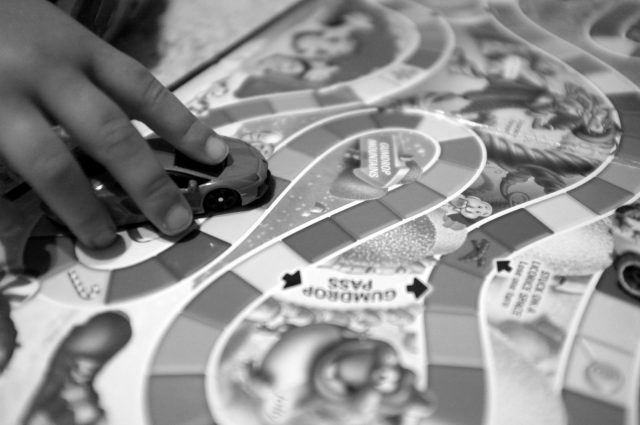
The Boy, though, had to add his little touch: the use of cars. If it’s not cars, he’s really not all that interested. Colors are difficult to remember because, well, colors, but vehicles — he can recognize Lamborghinis and campers, excavators and hot rods. But other things — not so much.
K the other night was working with him on Polish prayers, and she recited the traditional guardian angel prayer. After listening to it, he looked at K and said, “You must be kidding! I can’t remember that!”
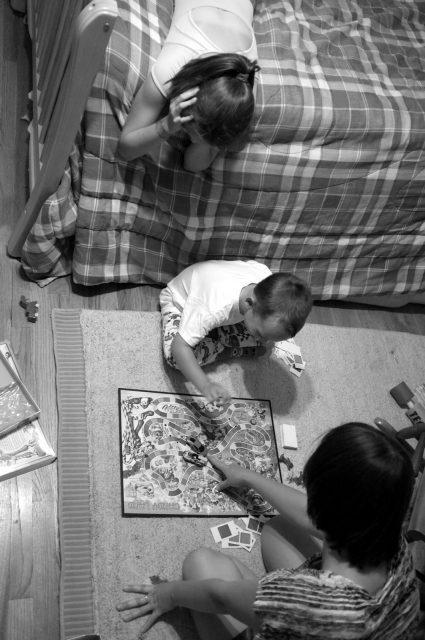
Perhaps K needs to update it, include a Bugatti or something similar.
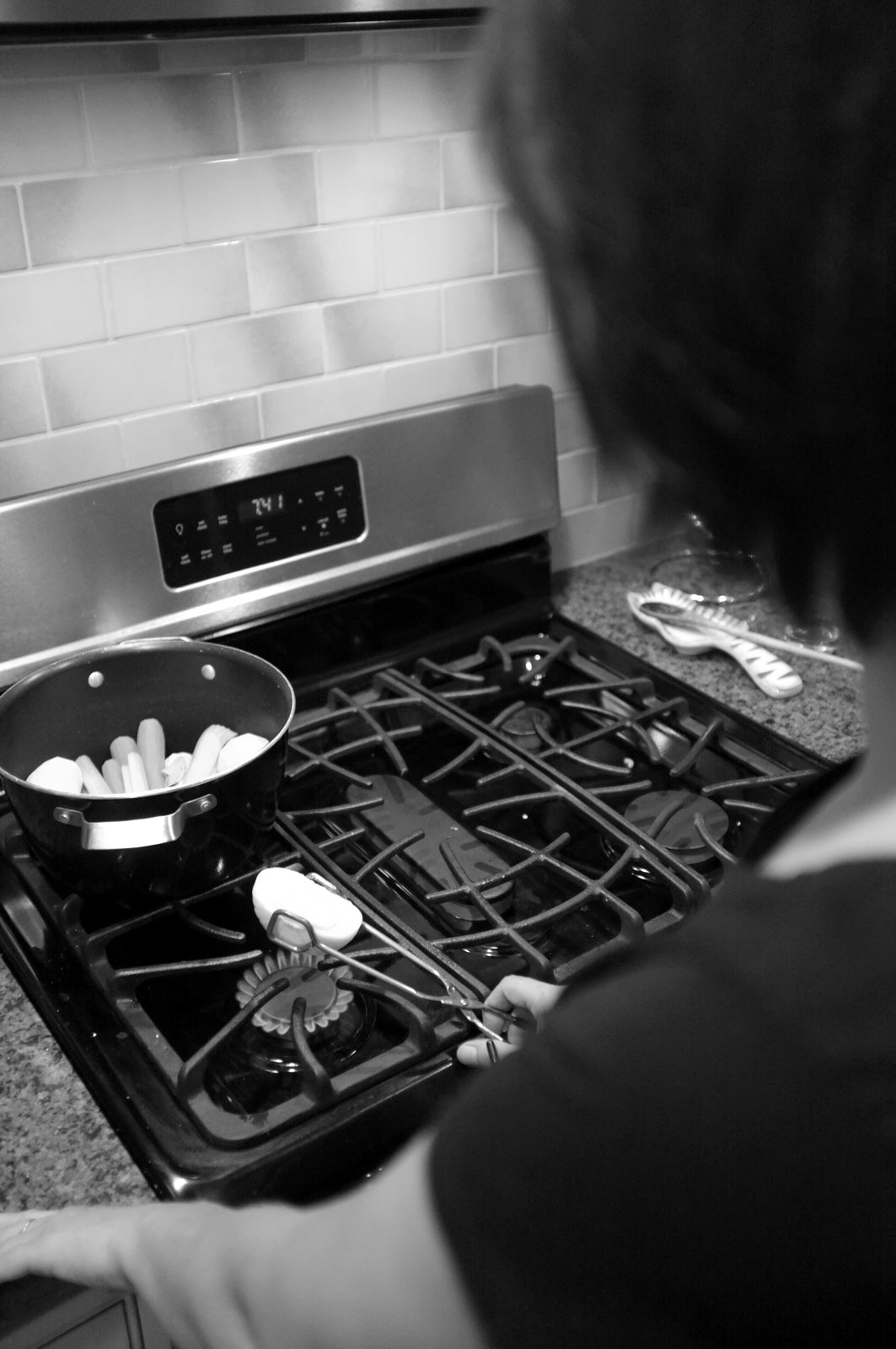
The Boy is not an overly aggressive little fellow. He likes to play by the rules. At preschool, he got upset last year when other children took off their shoes because it was against fire code. I suppose the teacher mentioned that, and he just remembered it. So the idea of stealing the ball, of going into the herd of four-year-olds that chase the soccer ball around the field and do much of anything -- that's not his style.
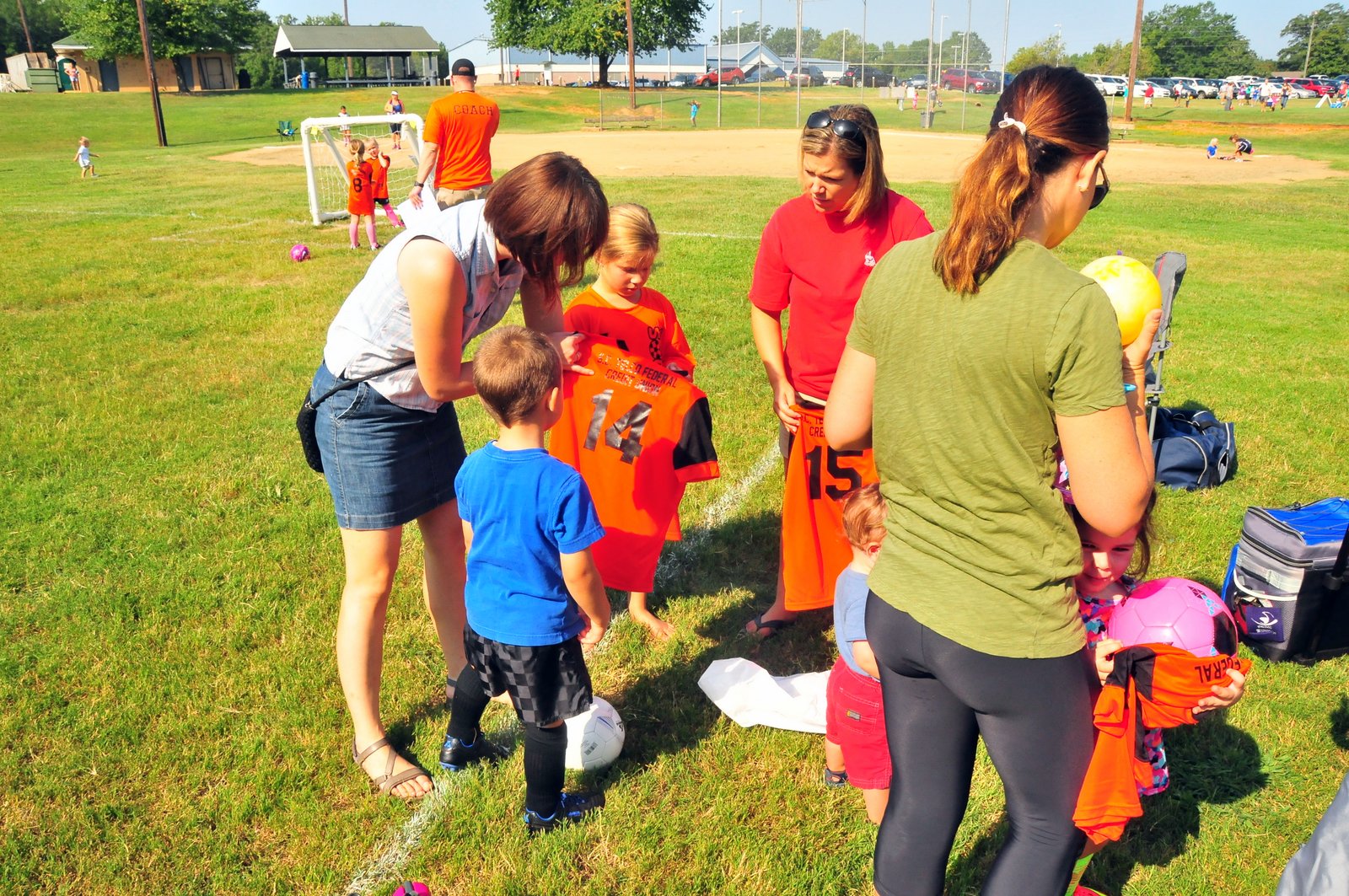
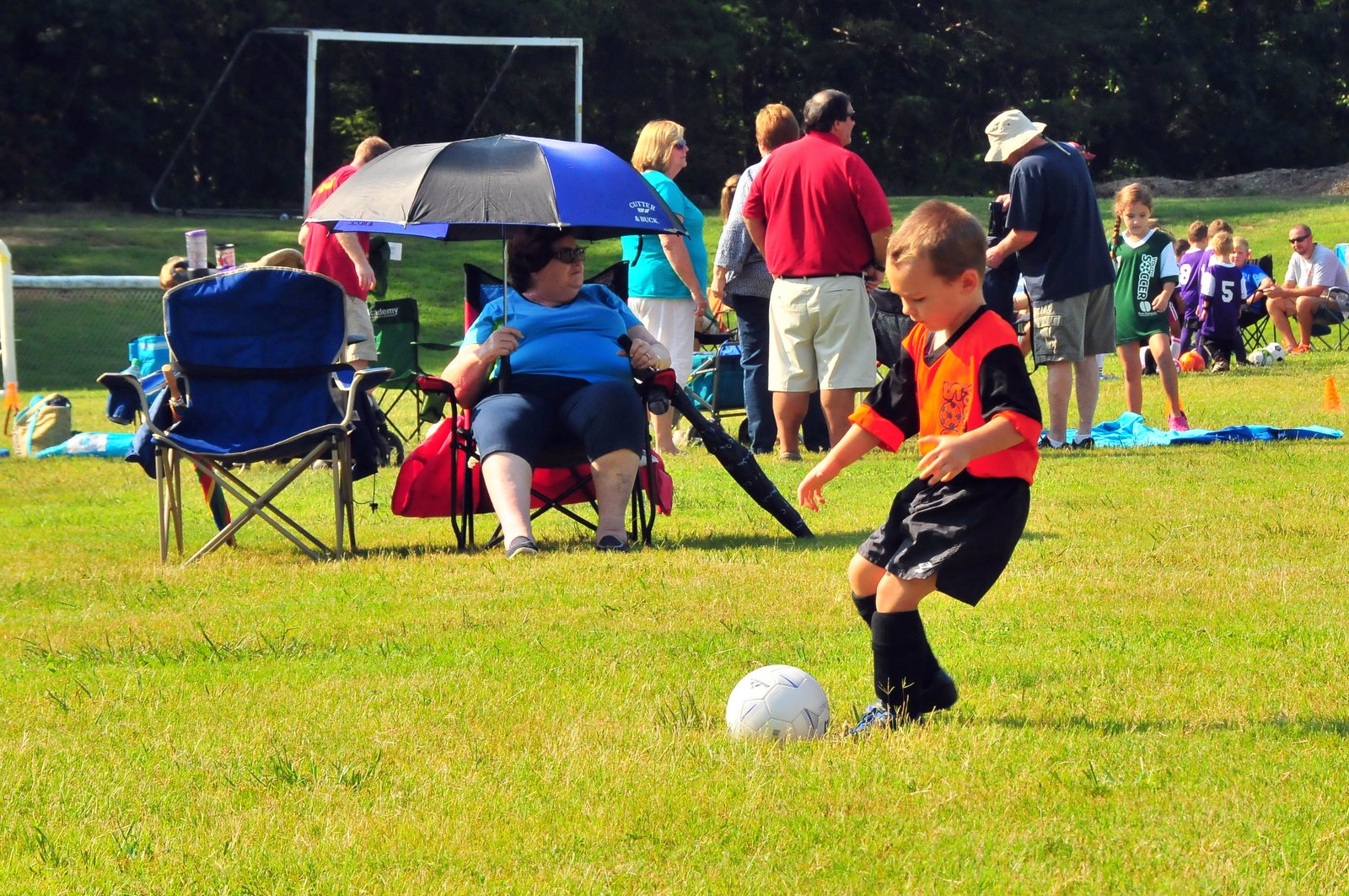
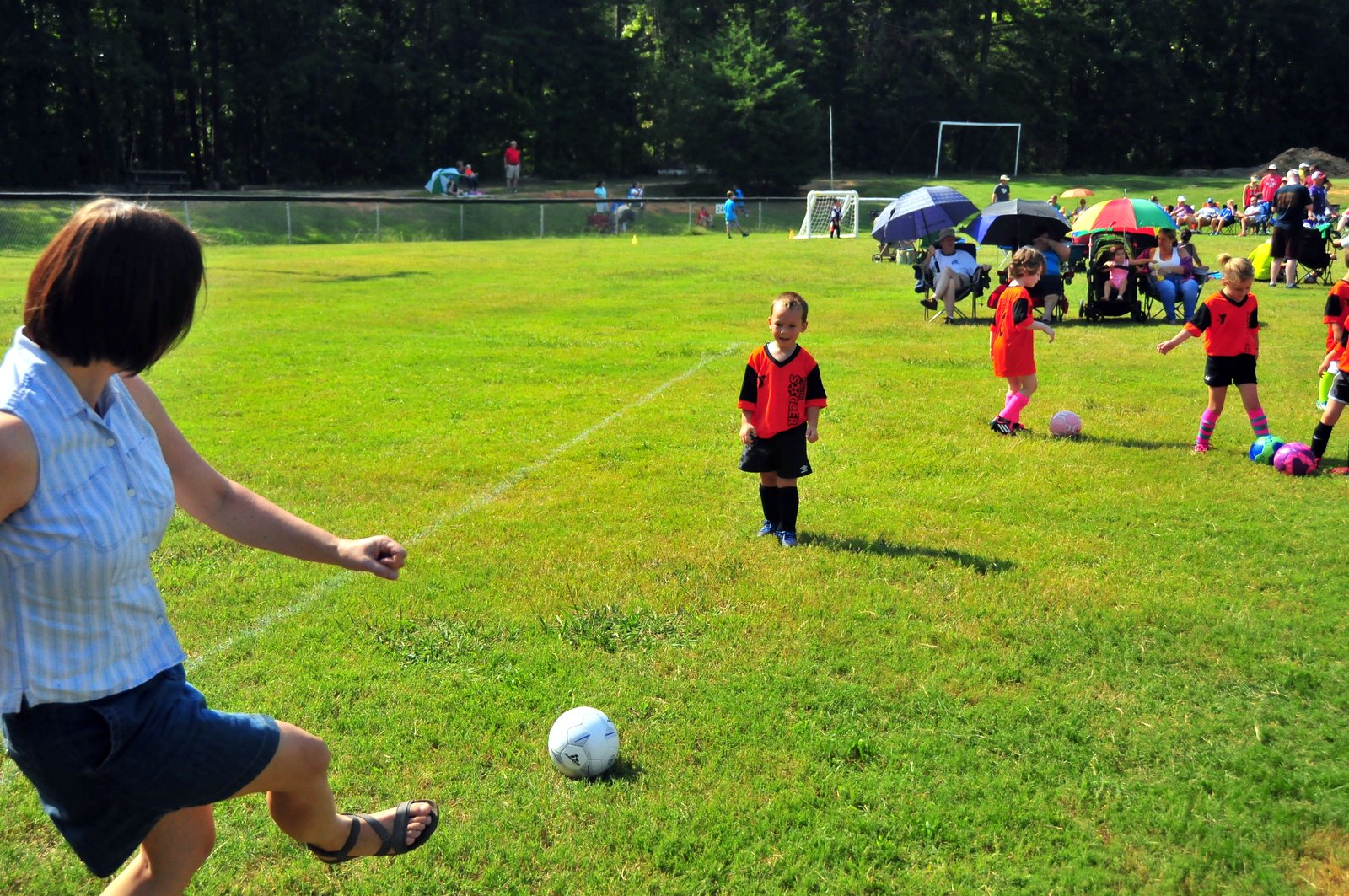
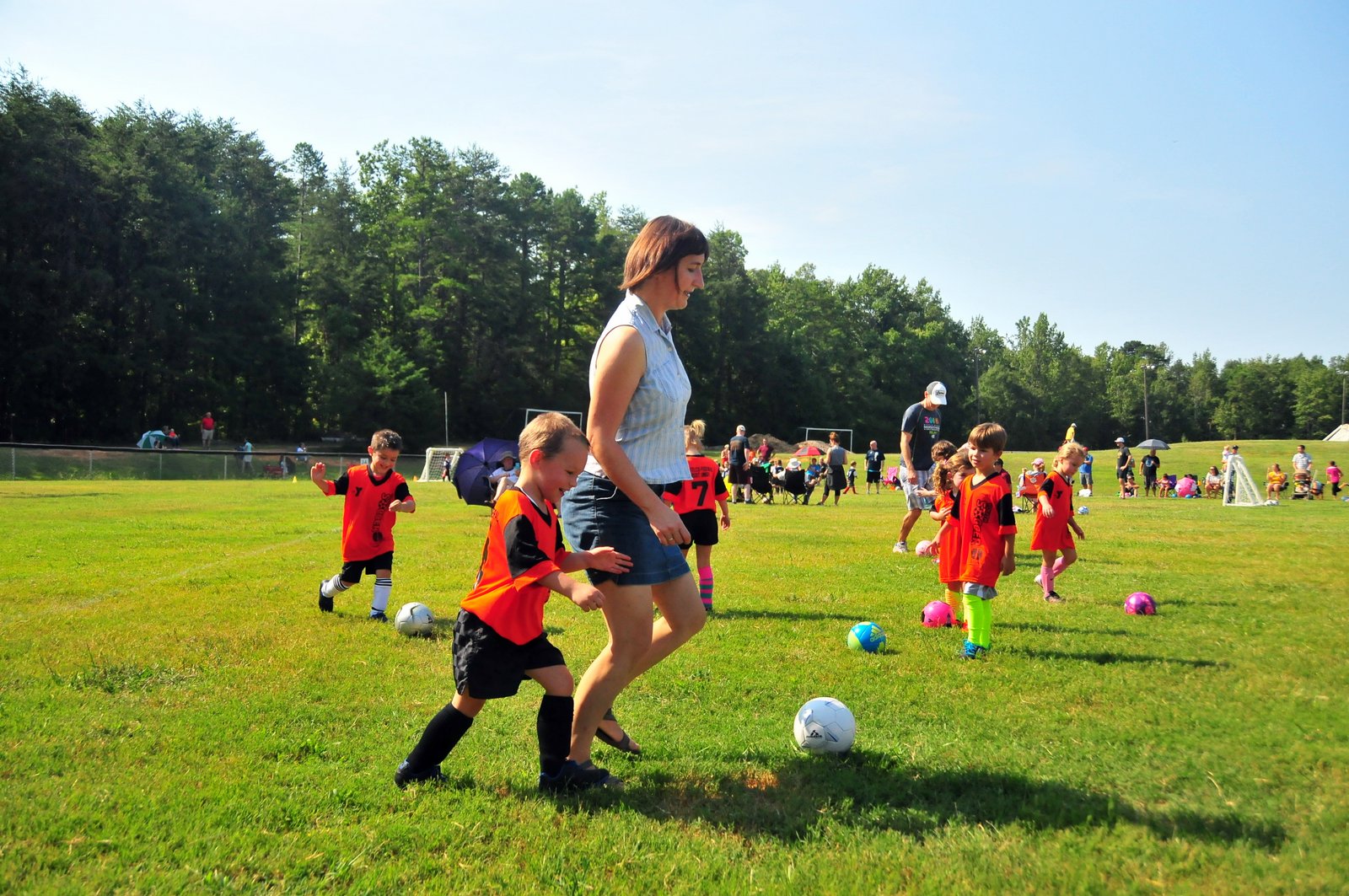
Much of the time he was in, the poor fellow was frustrated. He'd insisted on wearing an undershirt, and in the heat of the morning, it had become terribly uncomfortable. Then there was the fact that he didn't quite even know what to do -- I'll take partial blame for that, as we really didn't do much more this week than practice taking the ball from each other in an effort to overcome the inevitable timidness that all four-year-olds face when playing soccer.
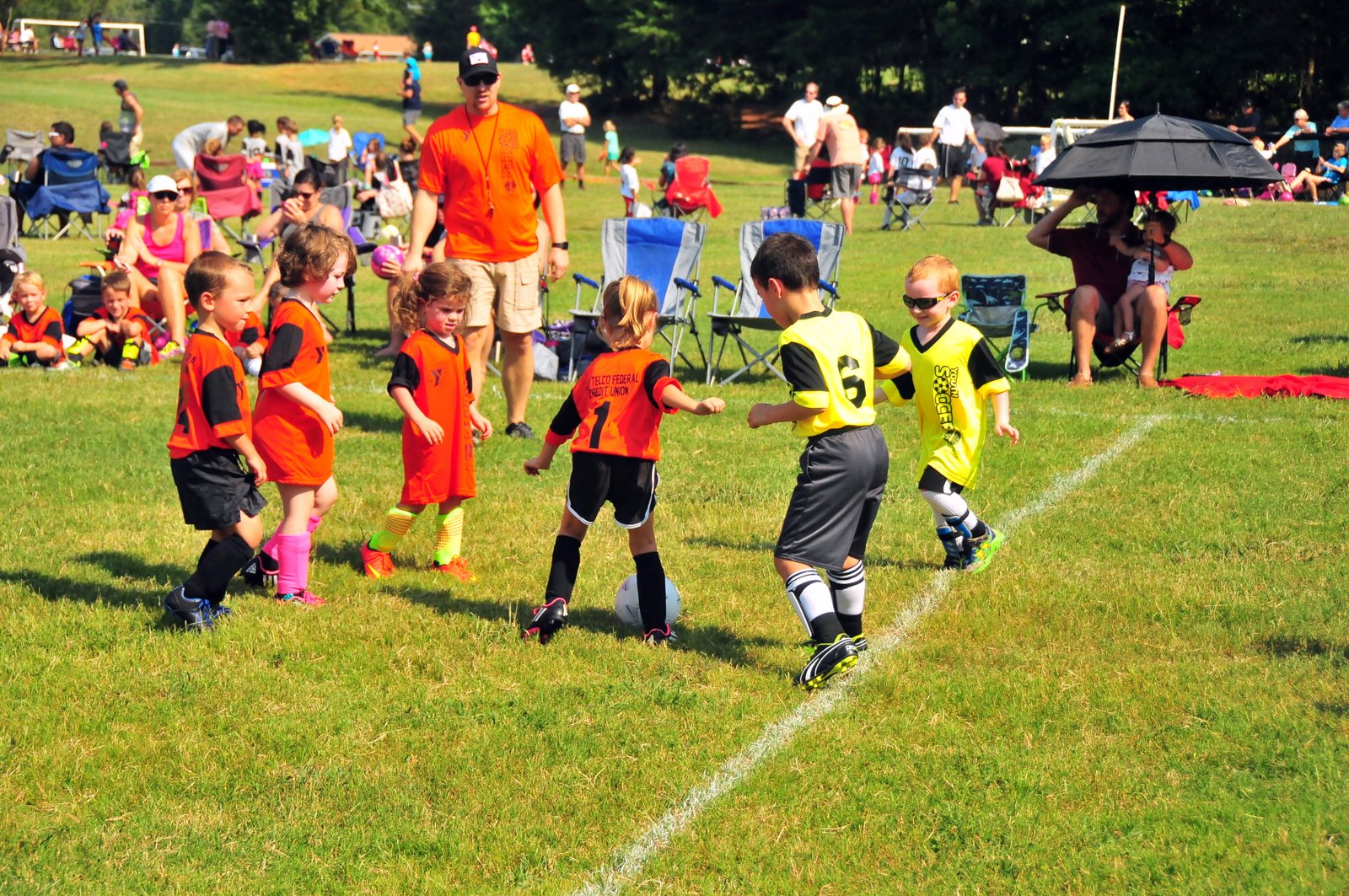
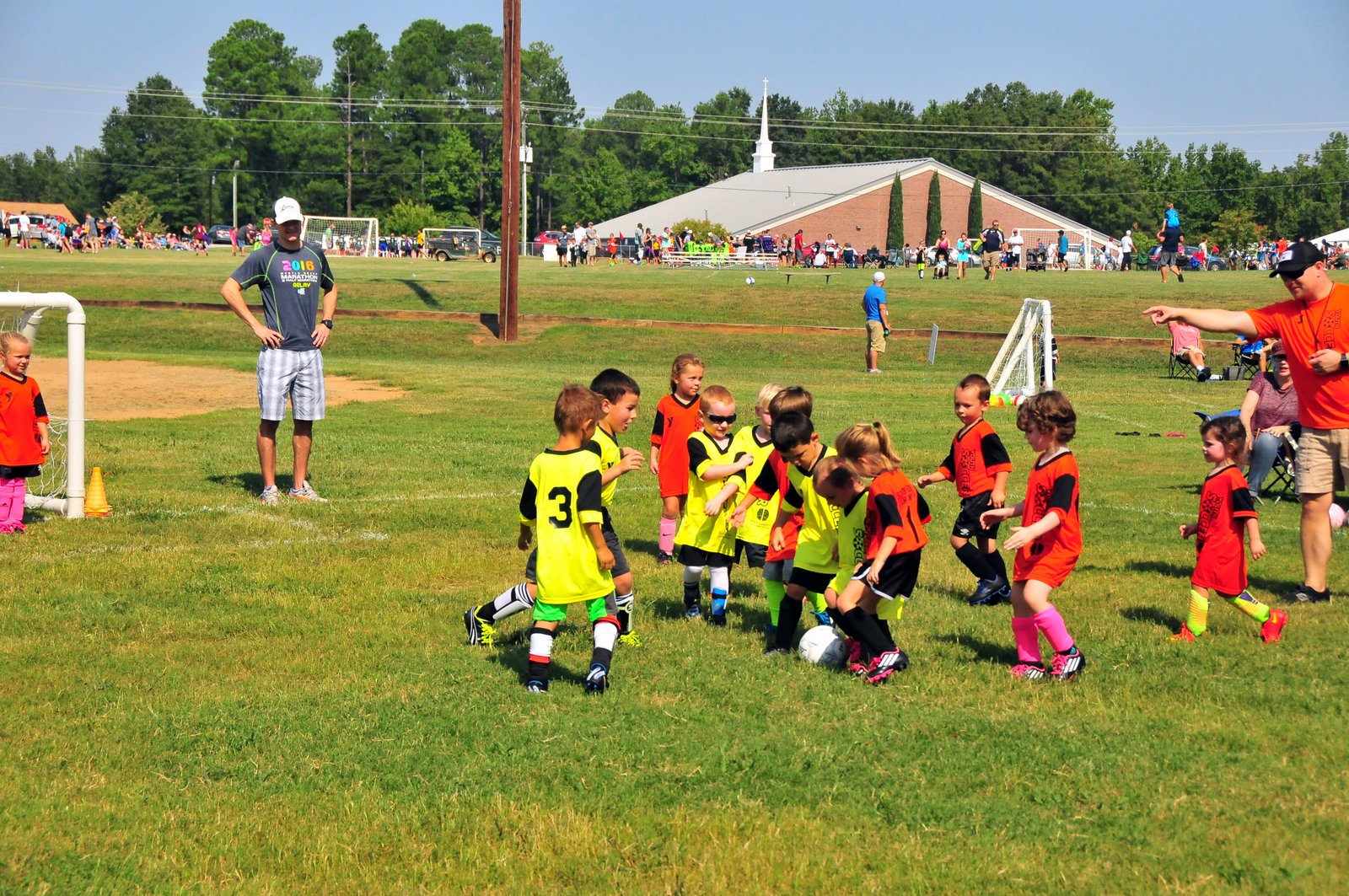
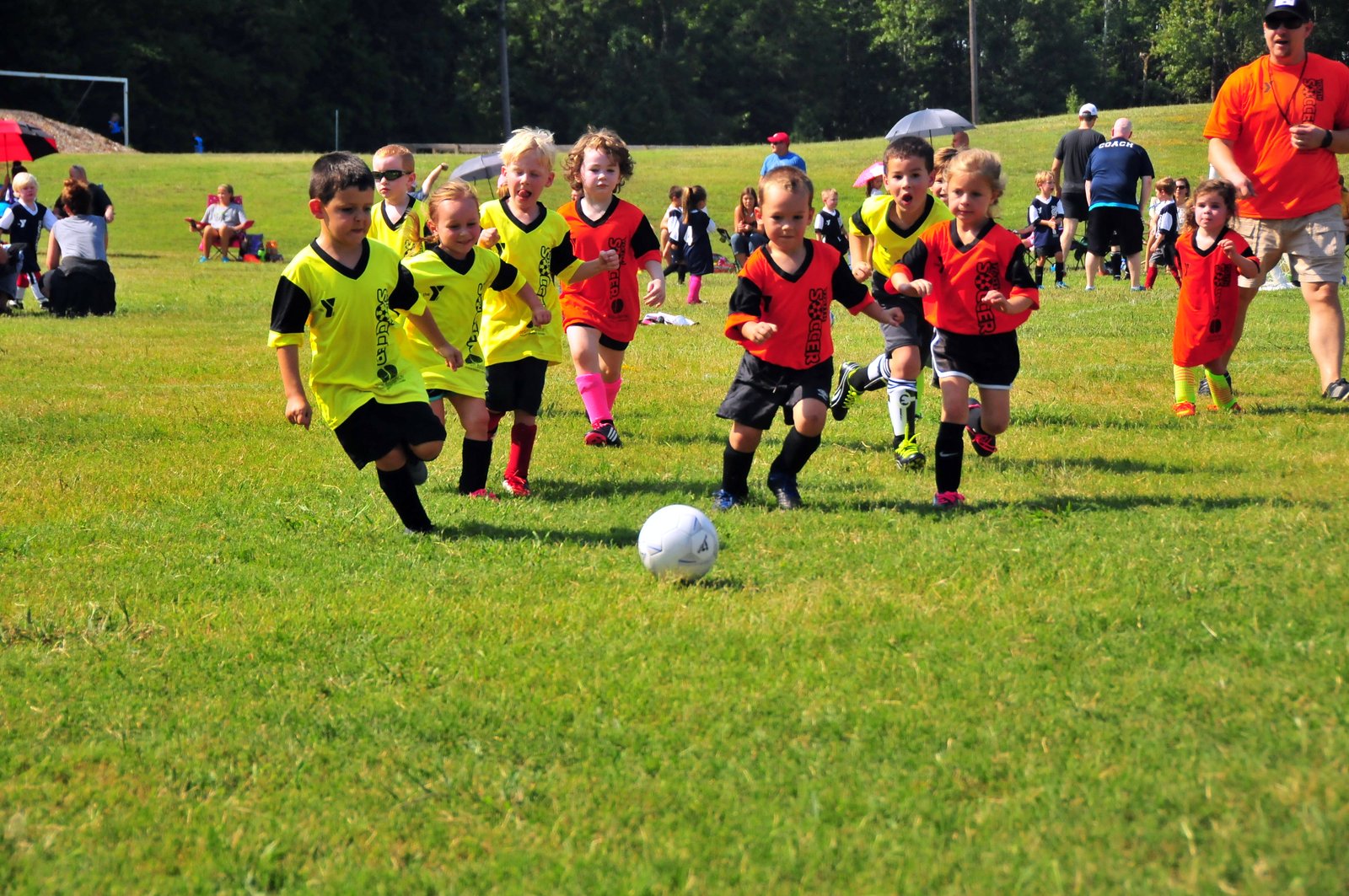
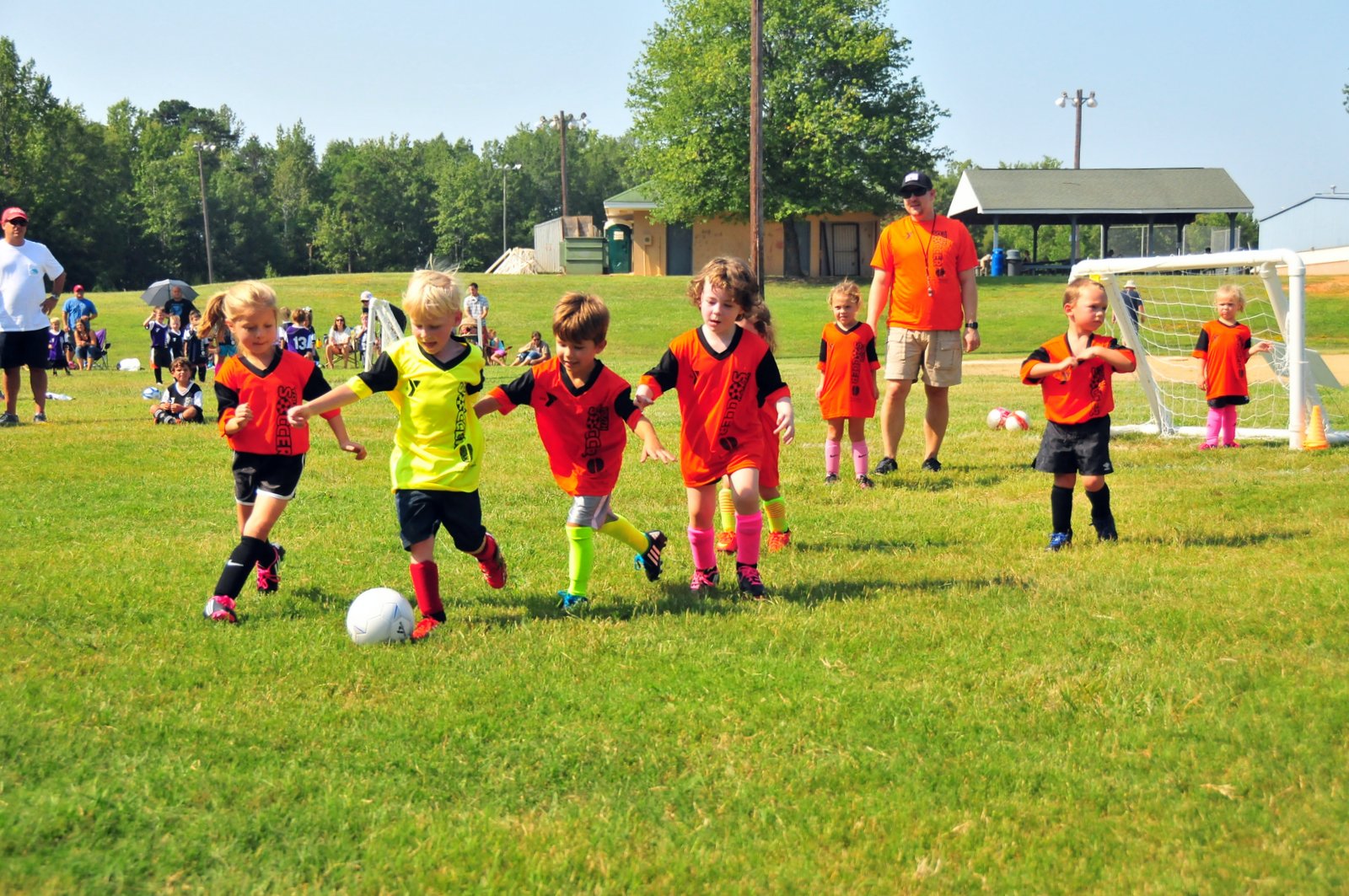
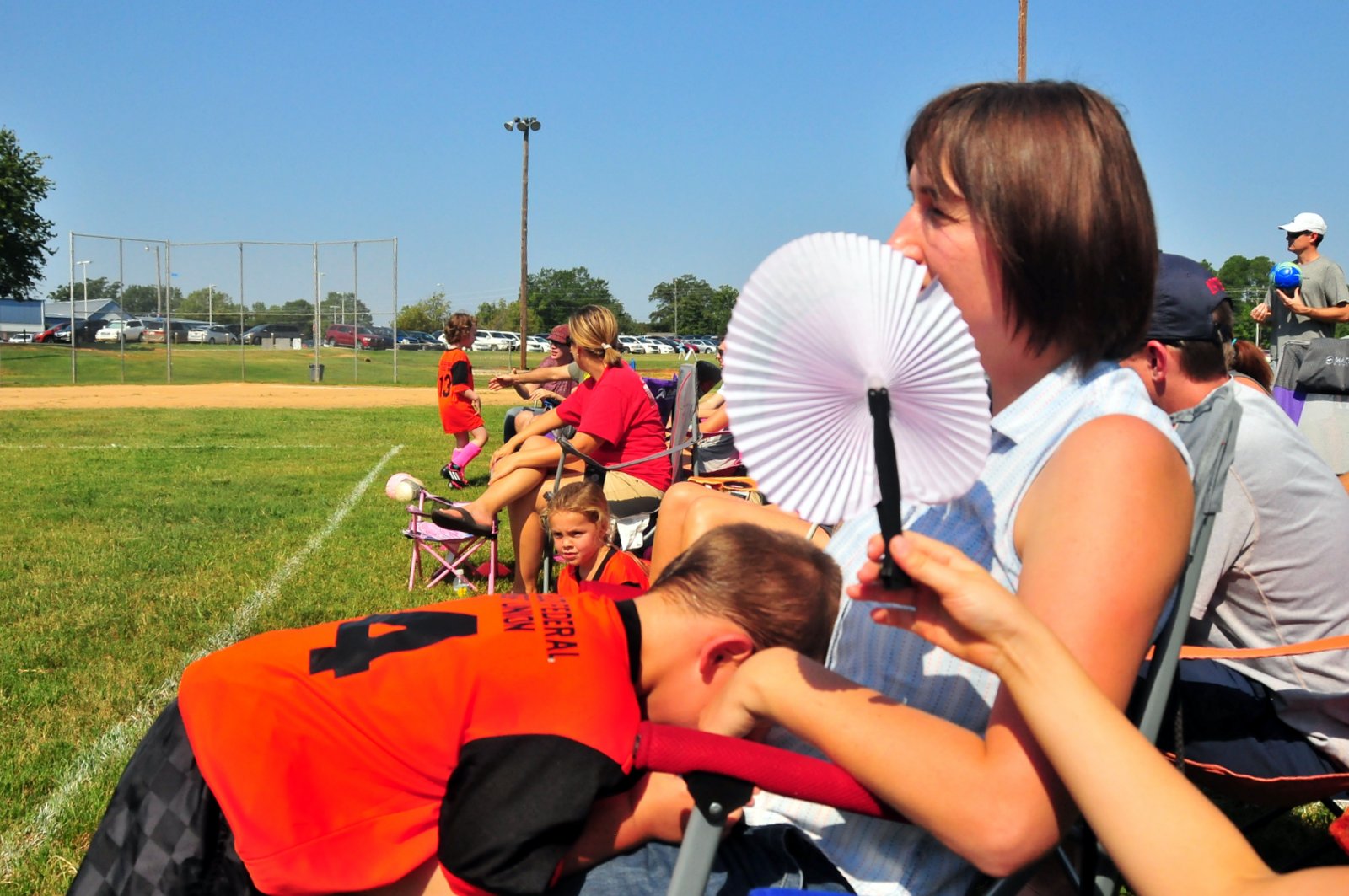
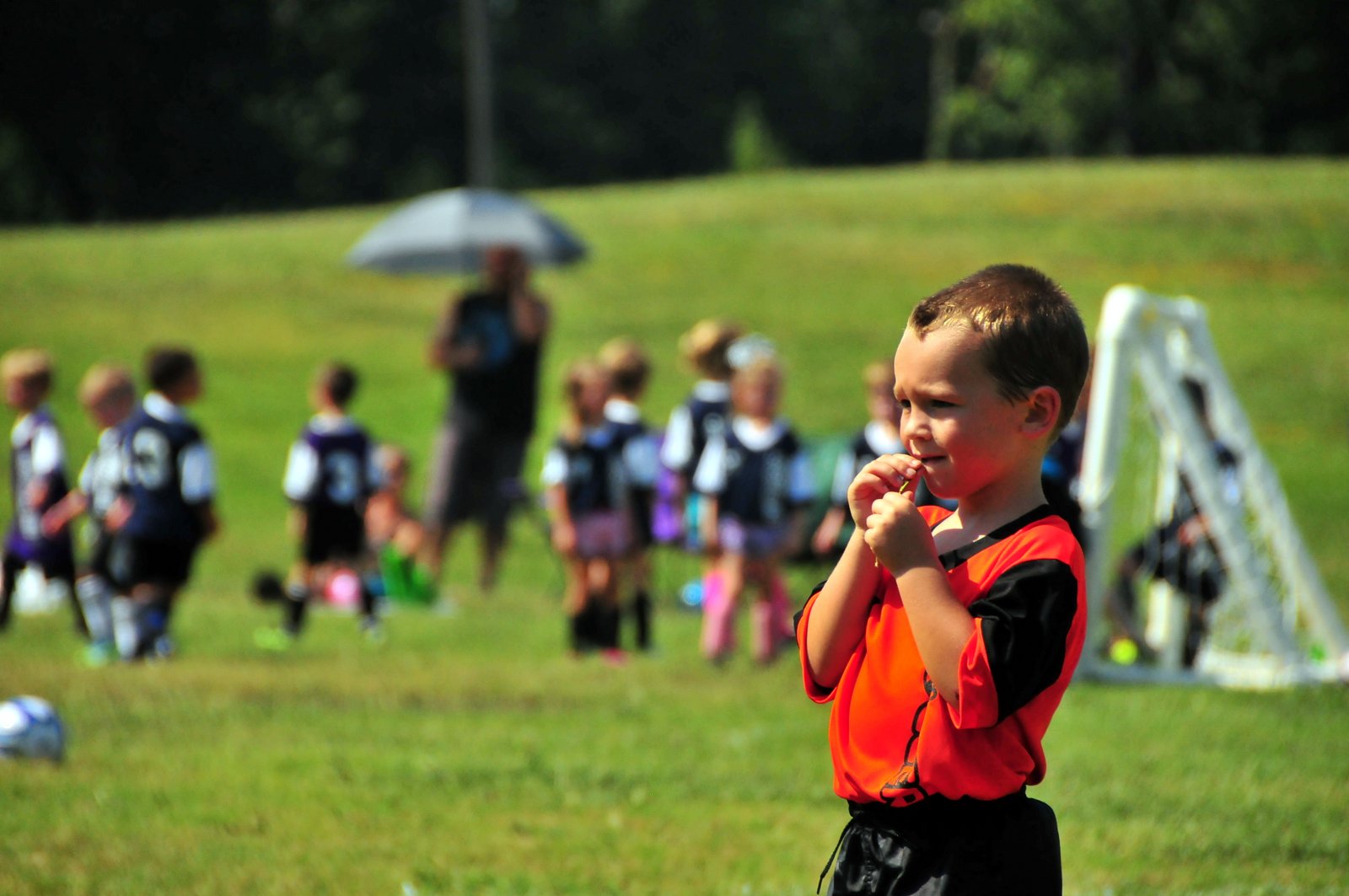
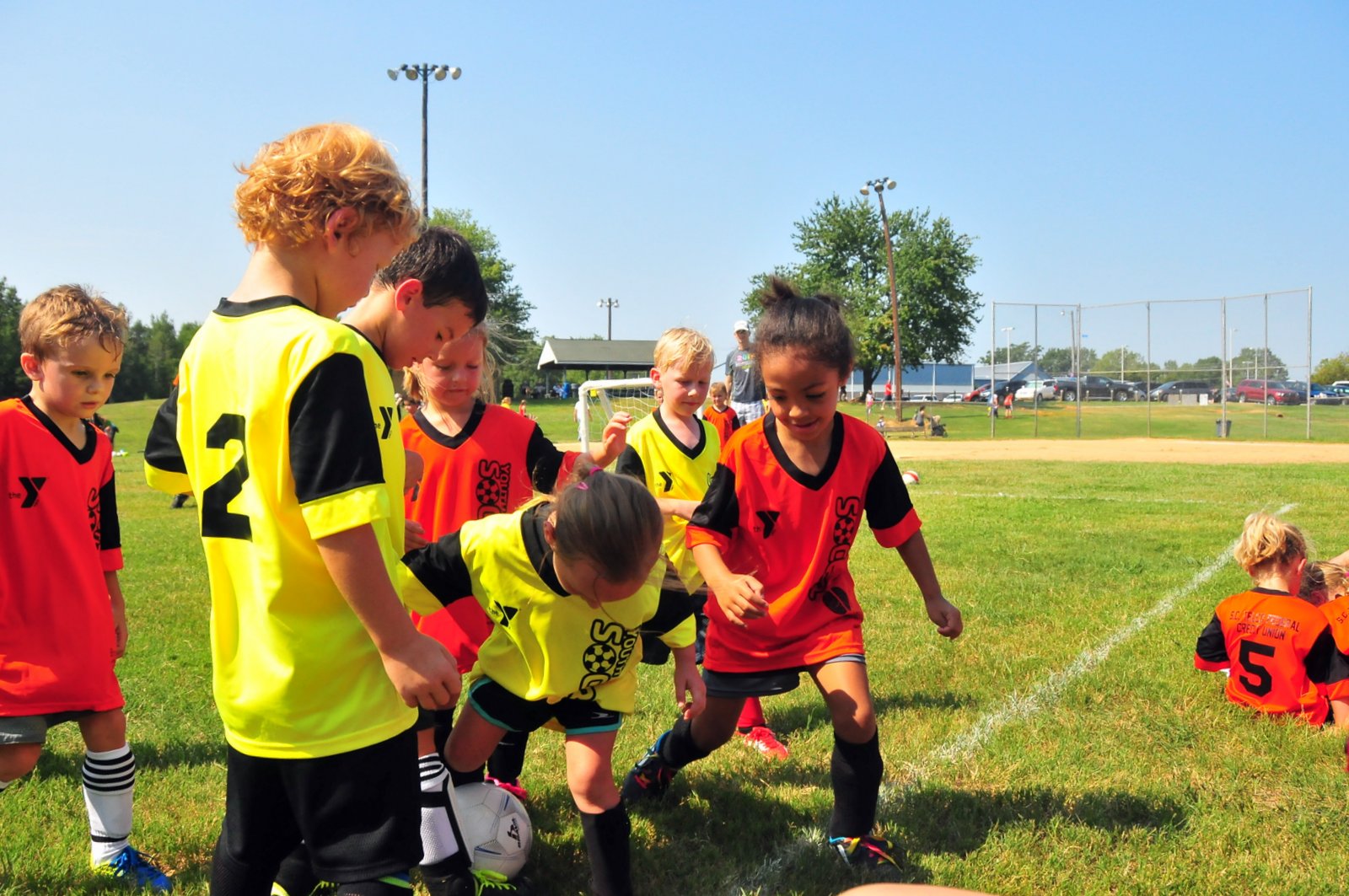
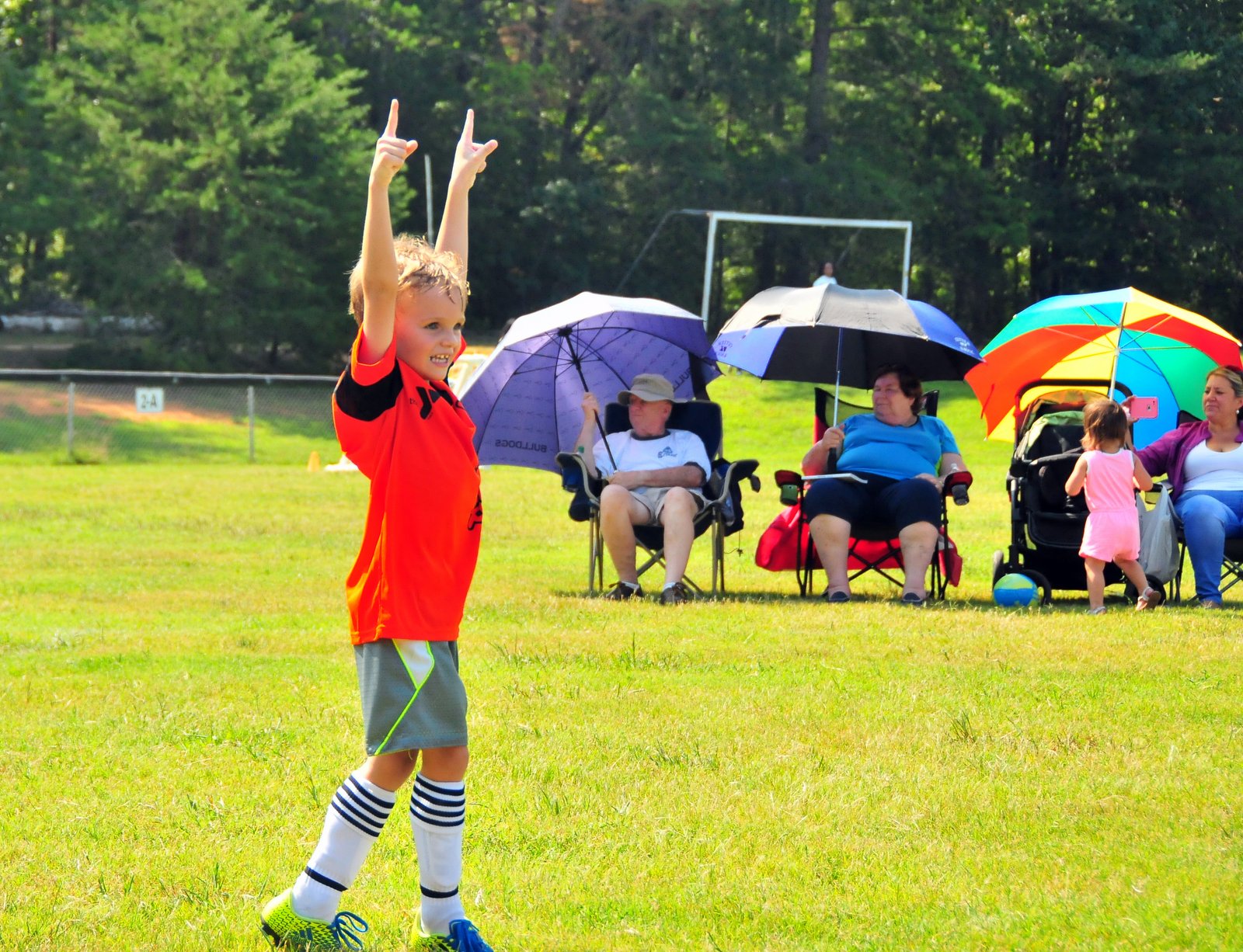
The real heartbreak occurred when, in an effort to defend, after he'd gotten his fortitude up and was engaging with the other players, he accidentally defended the ball right into his team's goal. I've mixed feelings about games with four-year-olds counting self-goals. On the one hand, it's the game. Learn the game at a young age. On the other hand, it was my son. Naturally, no one said anything, and I'm not even sure his own teammates realized what happened. And fortunately, a young man on E's team was a real master (for four-year-olds) and scored two goals to make the first game end in a tie.
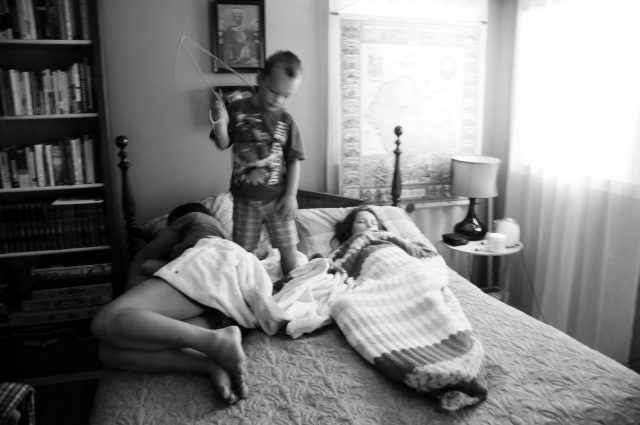
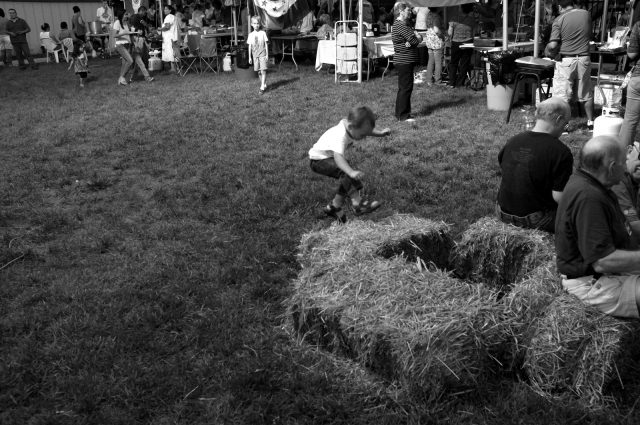
After the game, though, everyone was tuckered out. Well, almost everyone.
What you see depends on where you stand. It’s true physically and culturally, and there is even some truth in it artistically. Take a novel like William Faulkner’s Absalom! Absalom! in which the story of Thomas Sutpen takes on mythic proportions among the various narrators, each seeing what they want to see, each perspective determined by time and place of birth as well as proximity to Sutpen. We come away from the novel wondering which of the narrators we can really trust, if any of them.
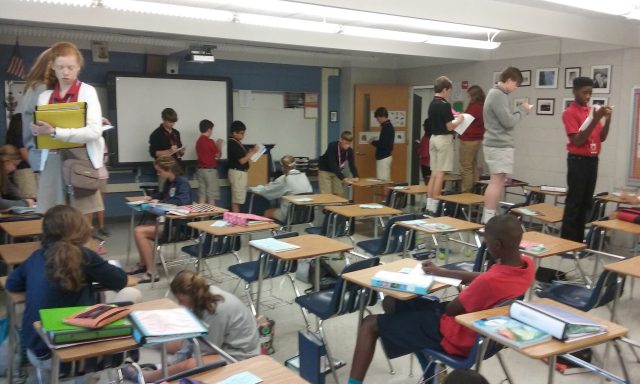
In class today, we began such an examination. Various students took various positions, each of which was determined by their birth date, and the described what they saw. What came out of it was predictable but poignant: everyone was in the same room but everyone’s notes of what they saw were different. No two people made the same notes, or even close to it.
Back at home, K was getting ready for the international festival at our former parish, which still hosts the monthly Polish Mass and so still has a certain draw for us. The Polish community was to have their own booth, selling pierogi and bigos and sausage to raise money for the church.
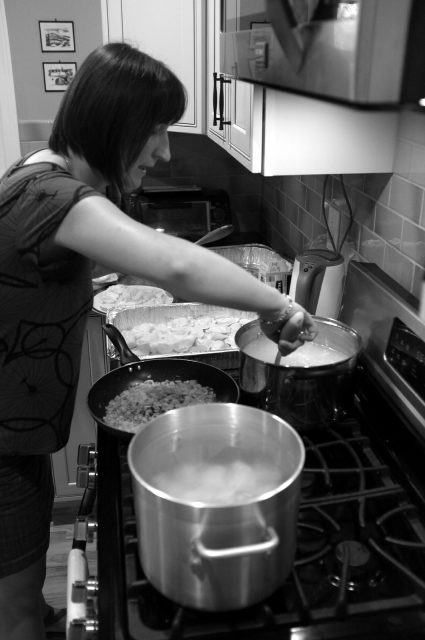
K and some other Polish women spent last Saturday morning making and freezing pierogi, and today there was an unbelievably long line of people interested enough in Polish food to plop down a couple of $1 tickets for a bit of the old country. The bigos was not completely consumed by the end of the evening. “You know Americans and their wariness of sauerkraut,” K justified.
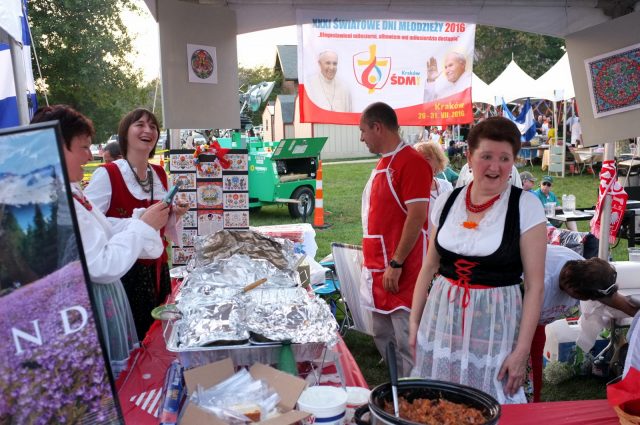
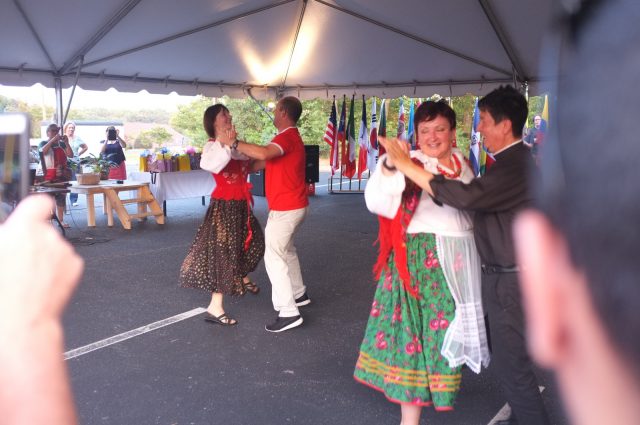
Still, all the pierogi disappeared, and the Poles got to show off their polka skills, and the Polish community even managed to get the pastor to take a quick shot of vodka as the evening drew to a close.
In some ways, then, the perspective of Poland didn’t really change for the visitors. Its cuisine is heavy on the cabbage and potatoes, and there’s usually alcohol involved — that would probably be the average take on Polish culture. And it’s not entirely wrong. But it is of course only one side of the culture. It would have been hard to show that in a three-hour festival along with all the other communities. People visiting a Polish booth expect pierogi, and so that’s what the community provides. A bit of a self-fullfilling prophecy, but when the food is that tasty, who really cares.
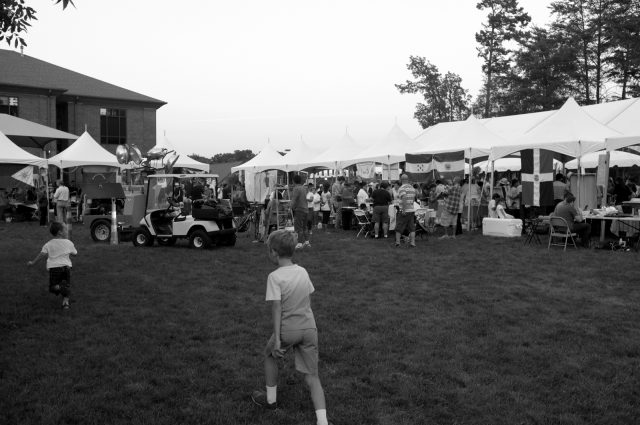
From the Boy’s perspective, it was a bit of a flop. Sure, there were hay bales to jump on and lots to see, but the music was loud, and most of the food was not to his liking.
As the sun set, a group of Latin American parishioners performed a dance that they use every year to pay homage to Our Lady of Guadalupe. One look at the costumes and it’s clear where it all came from. Indeed, G, the de facto leader of the Polish community, came running to the Polish booth urging everyone to come watch. “The Aztecs are coming!”

How strange from a modern perspective. The pre-Columbian Aztecs practiced human sacrifice on an unbelievable scale. And yet here are people dancing in Aztec garb some centuries later and imbuing it with a decidedly Catholic interpretation. Some Christians would naturally argue that it’s still pagan and quite profane: once pagan, always pagan. These are the folks likely not to have Christmas trees or hide Easter eggs.
But what you see depends on where you stand, it from where they stand, this is Christian worship. Far be it from me to say it isn’t.
 I’ve begun reading Peter Berger’s A Rumor of Angels, probably for the third or fourth time. I haven’t read it in at least twelve years or so, probably longer. When I first read Berger, it was an excerpt in a philosophy of religion anthology, a portion of his Rumor of Angels that absolutely enthralled me. This would have been in 1997 or 1998, when I was chest-deep in my first Polish adventure and just coming to the conclusion that I wanted to do graduate studies in philosophy of religion.
Berger intrigued me because he posited that there are hints in our every-day existence that there is something beyond the material of this world. The hints — or rumors — are not the traditional Christian apologist’s arguments but refreshingly new ideas, like the suggestion that humor hints at a world beyond. I can’t remember all the “rumors” (i.e., arguments), and I thought I’d reread it.
What’s most interesting about it is how much I’ve changed since the first time I read it. Looking back at books after years of growth always fells like an embarrassing meeting of an old acquaintance, someone you should have stayed in touch with — at least that’s how you feel — but through time and distance became a stranger. I look at my marginal notes and wonder. I see my annotations and marvel at my naivete.

Grading, grading, grading -- school is definitely back in session.
I arrived home today to find both kids with eyes closed tightly. Afternoon naps are always a little problematic because neither one of them really wants to get up. The Boy resorts to fussing; the Girl just steadfastly refuses. It doesn't matter what's for dinner; it doesn't matter who's just arrived; it doesn't matter period. Neither wants to get up.
"How long will the grilling take?" K asked as the dinner hour approached.
"About twenty minutes."
"I'll start waking them up in ten, then." And even then, by the time dinner was on the table, they were both still virtually asleep.
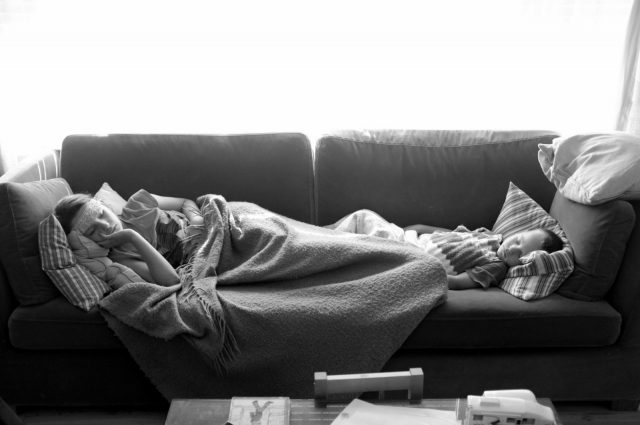
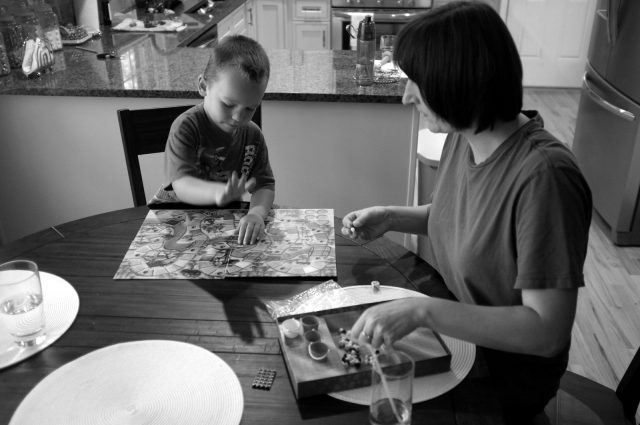
Then, as the sun closes up shop for the day, the second half of the trouble begins: neither of them is especially tired.
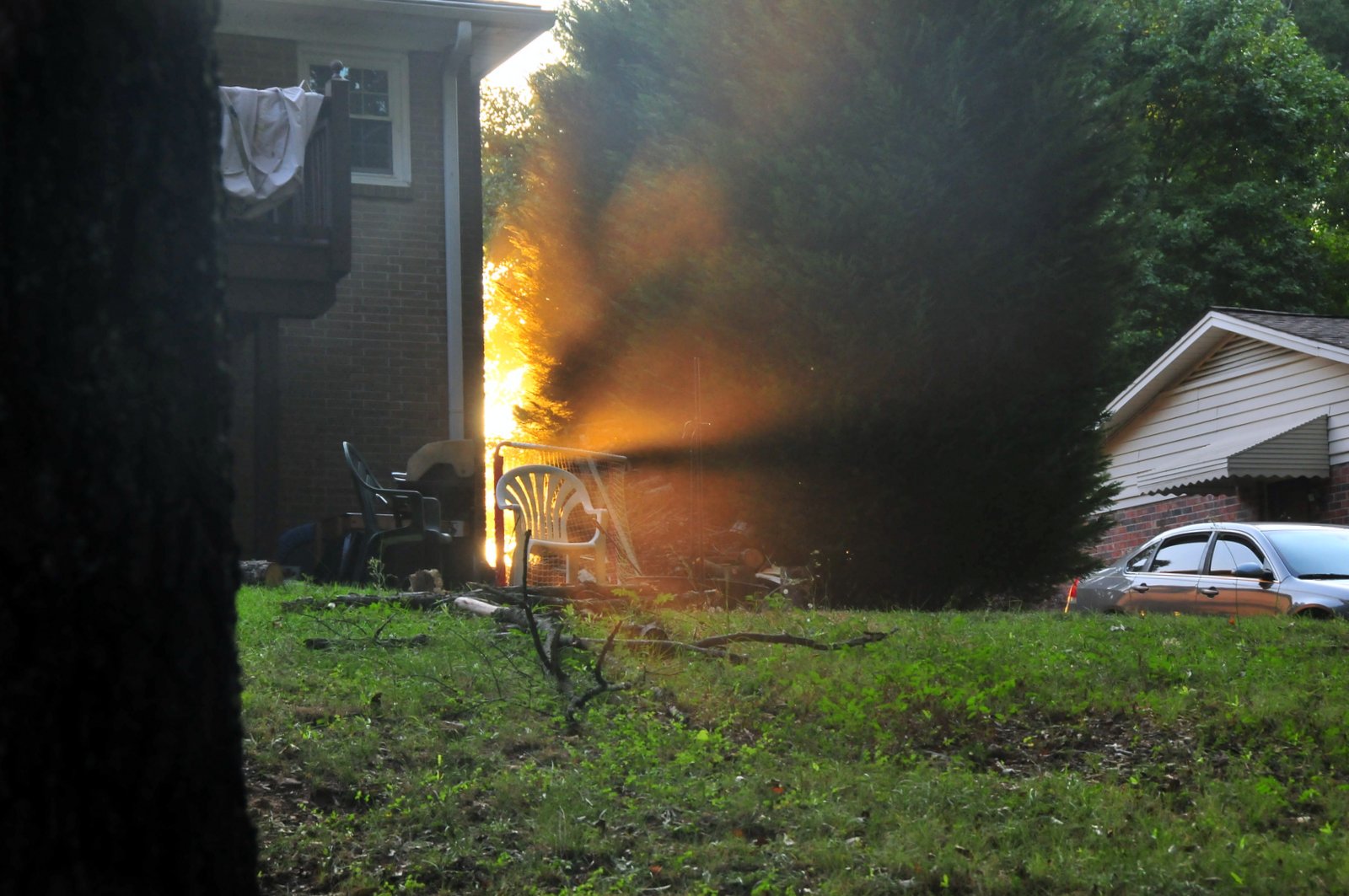
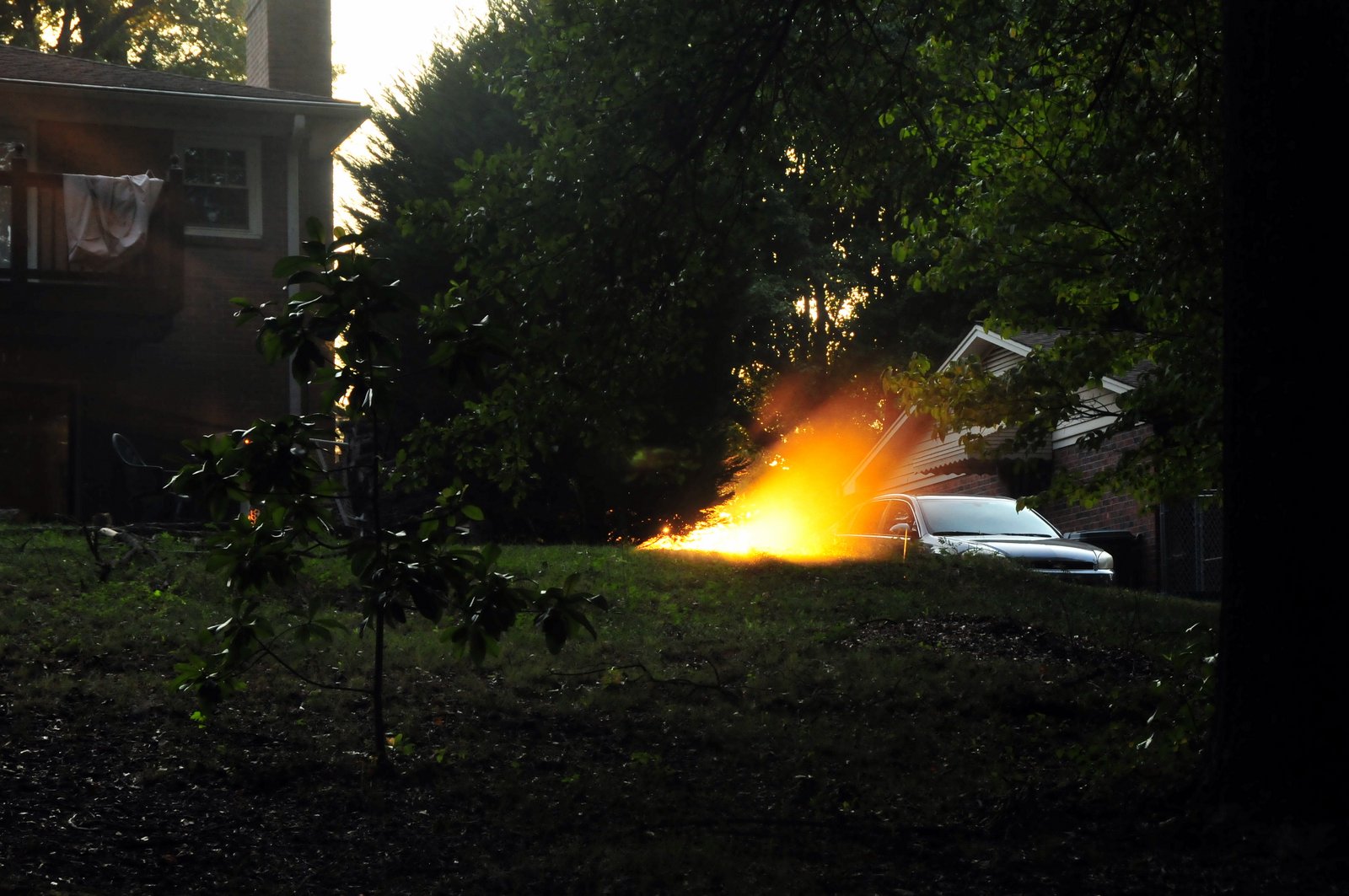

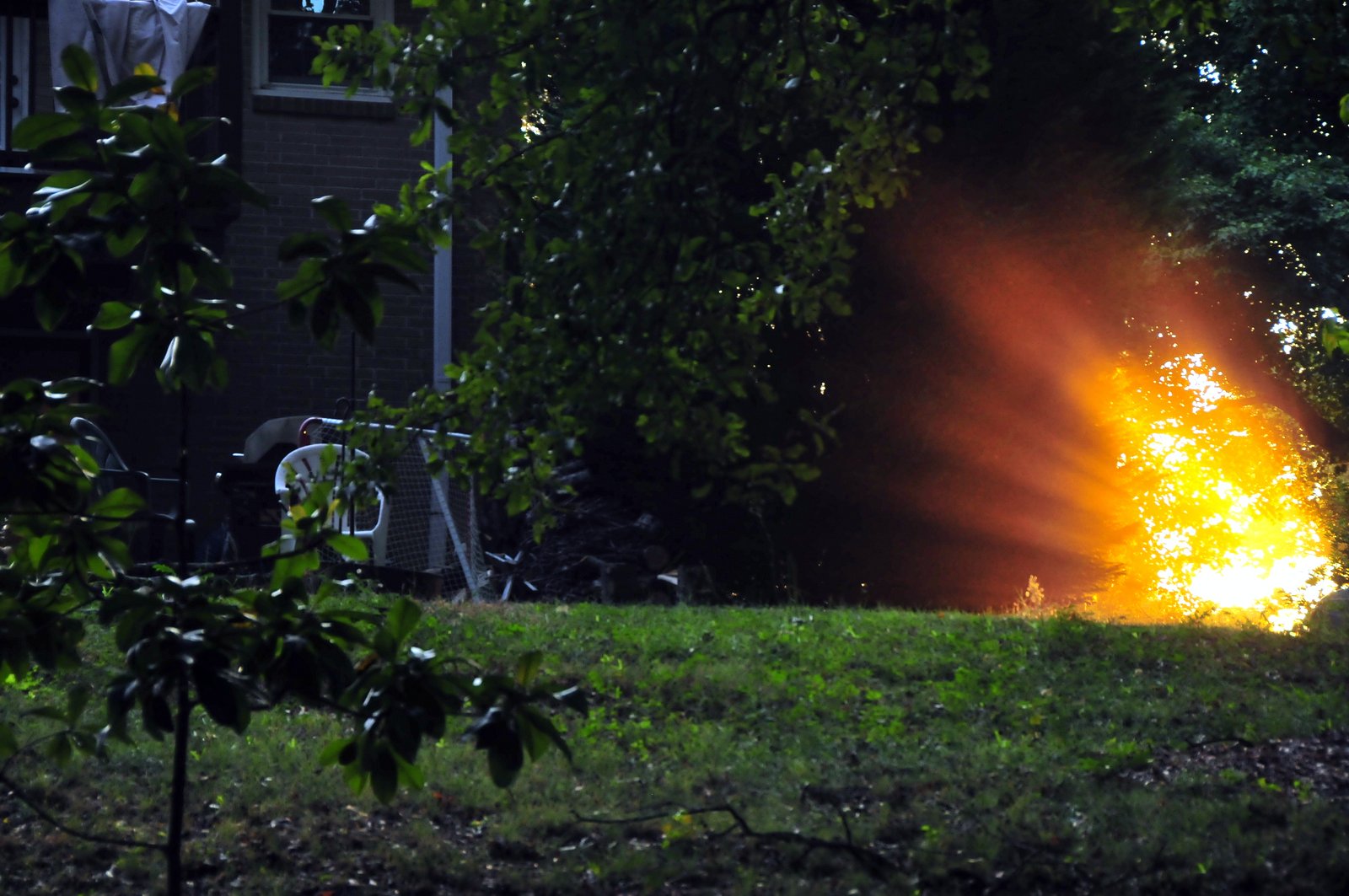


We do what we can to tire them beforehand. I took the kids on the trampoline for a while and then played soccer with the Boy as the Girl skated about the driveway.
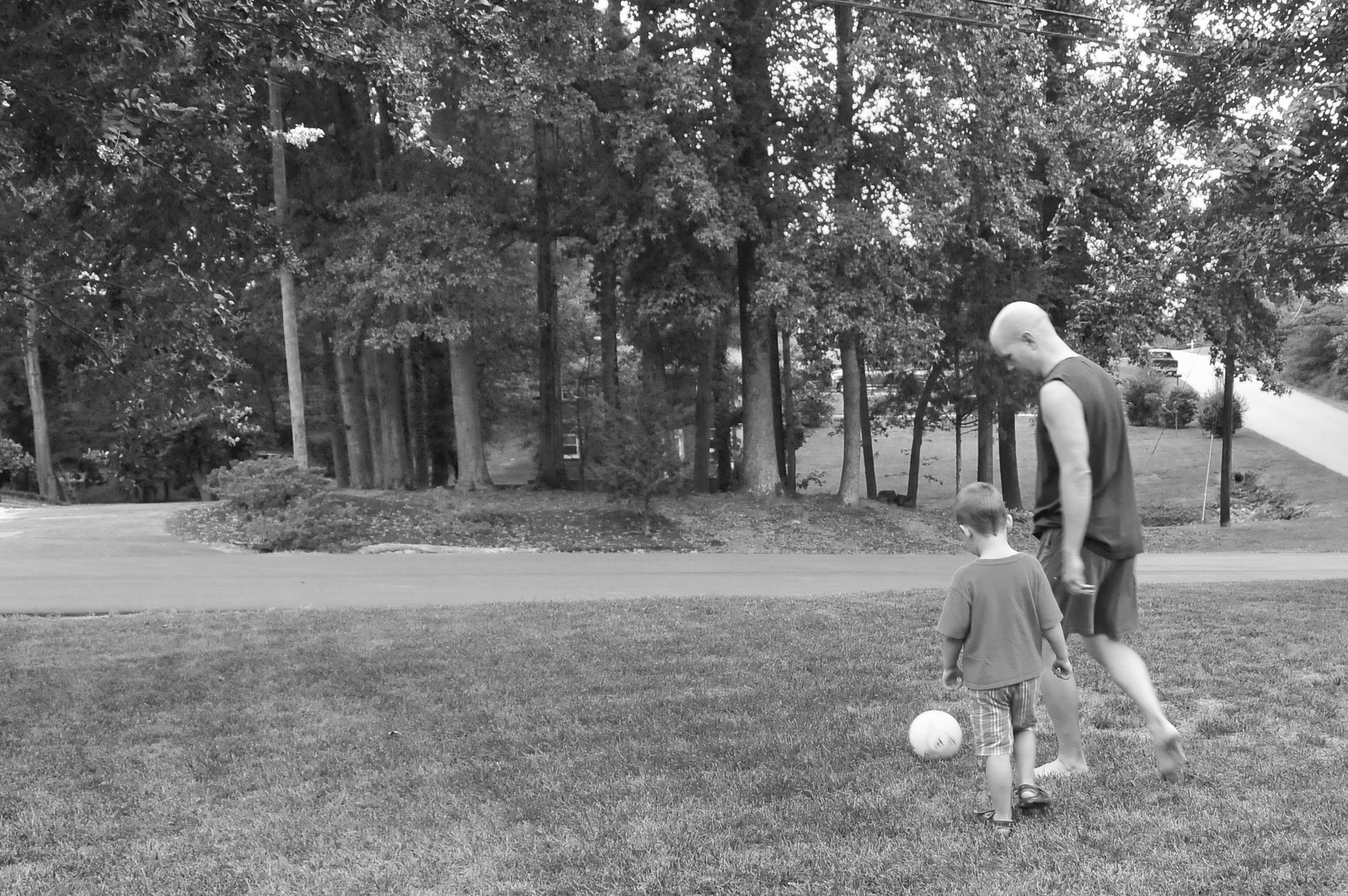
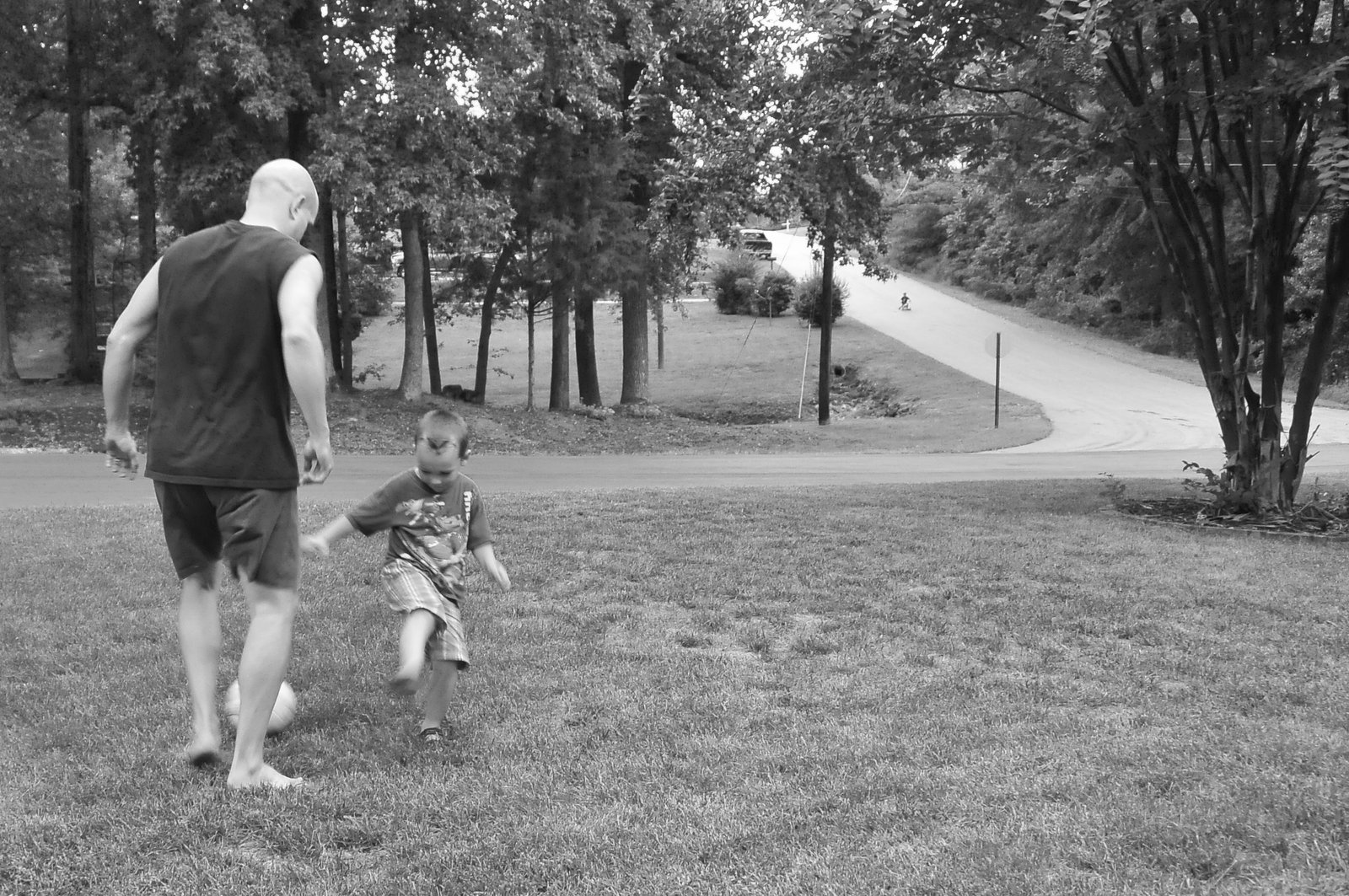
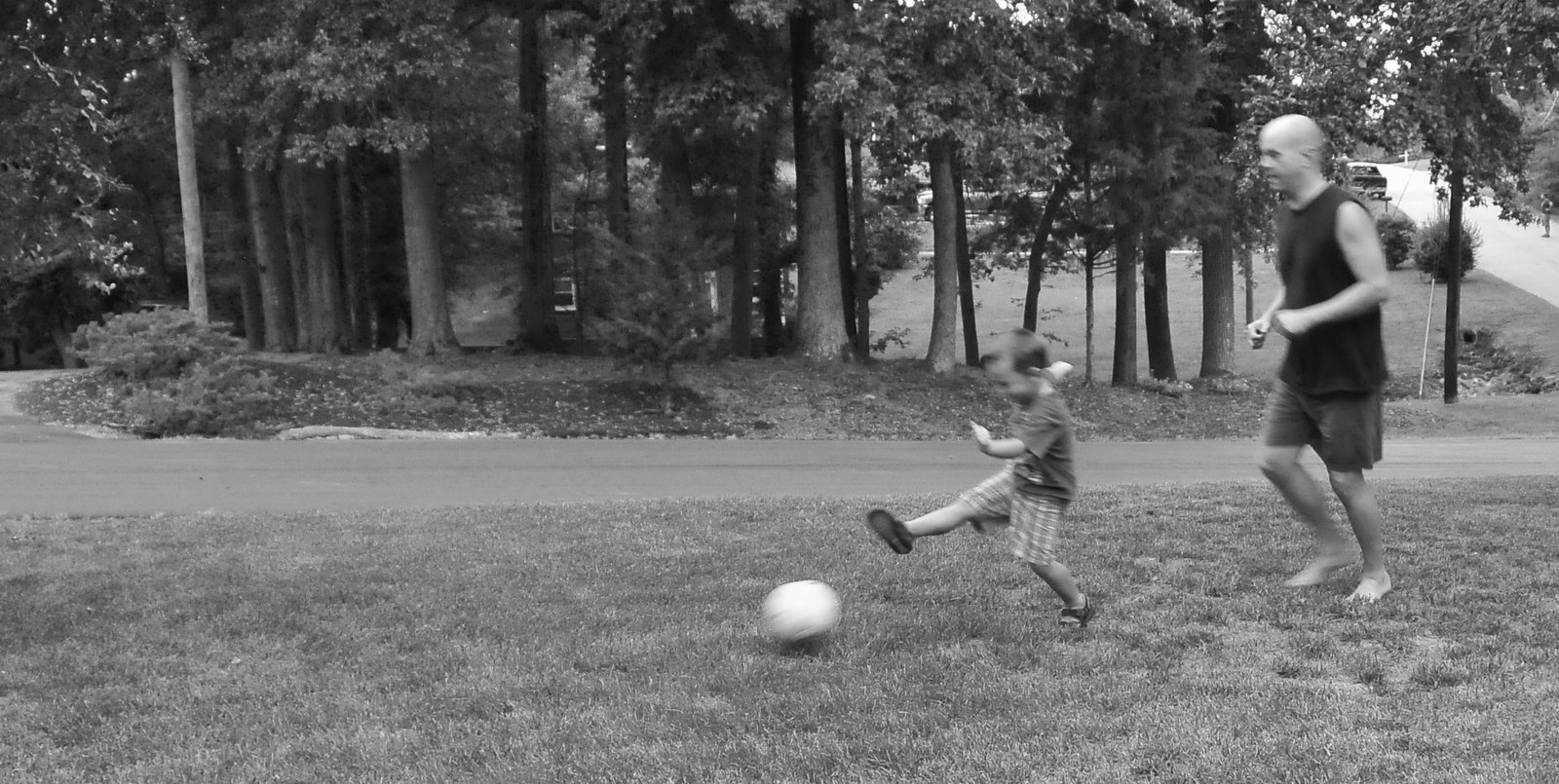
Still, when it came time to go to sleep, E was just jabbering away.