fun in threes, sometimes fours
general
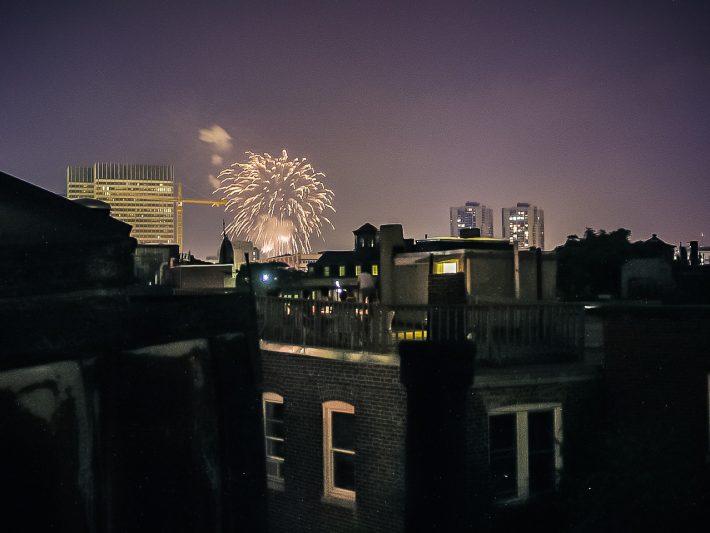
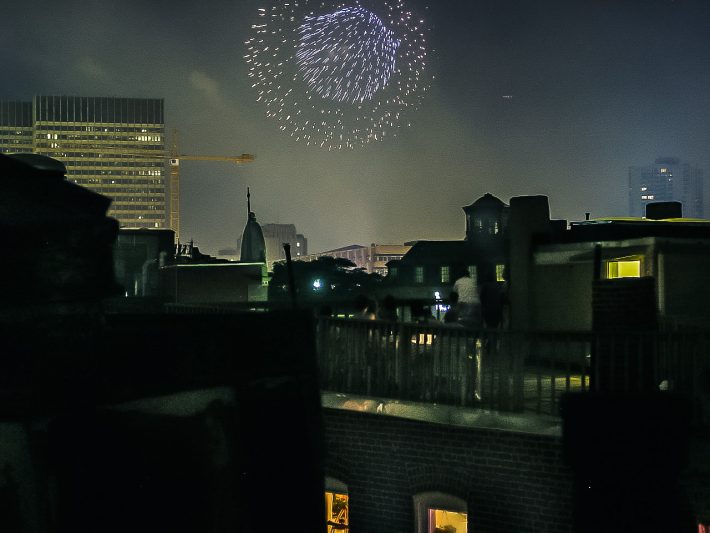
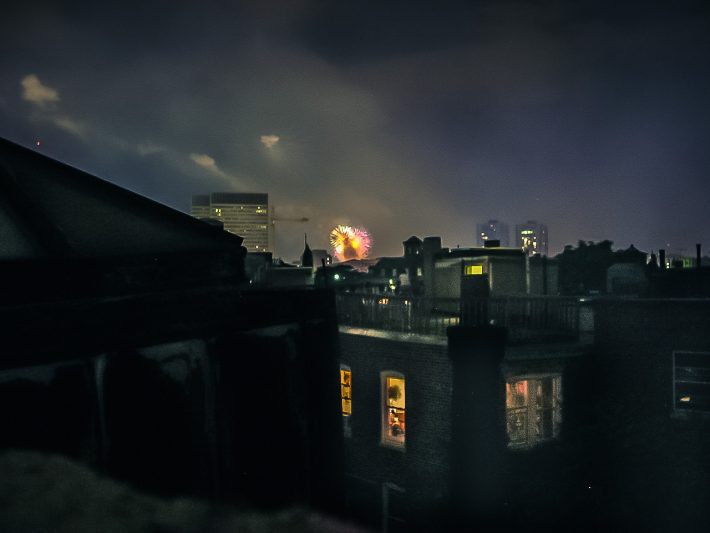
Not much for today — didn’t even take any pictures. Here are three re-worked pictures for Boston in 2002.
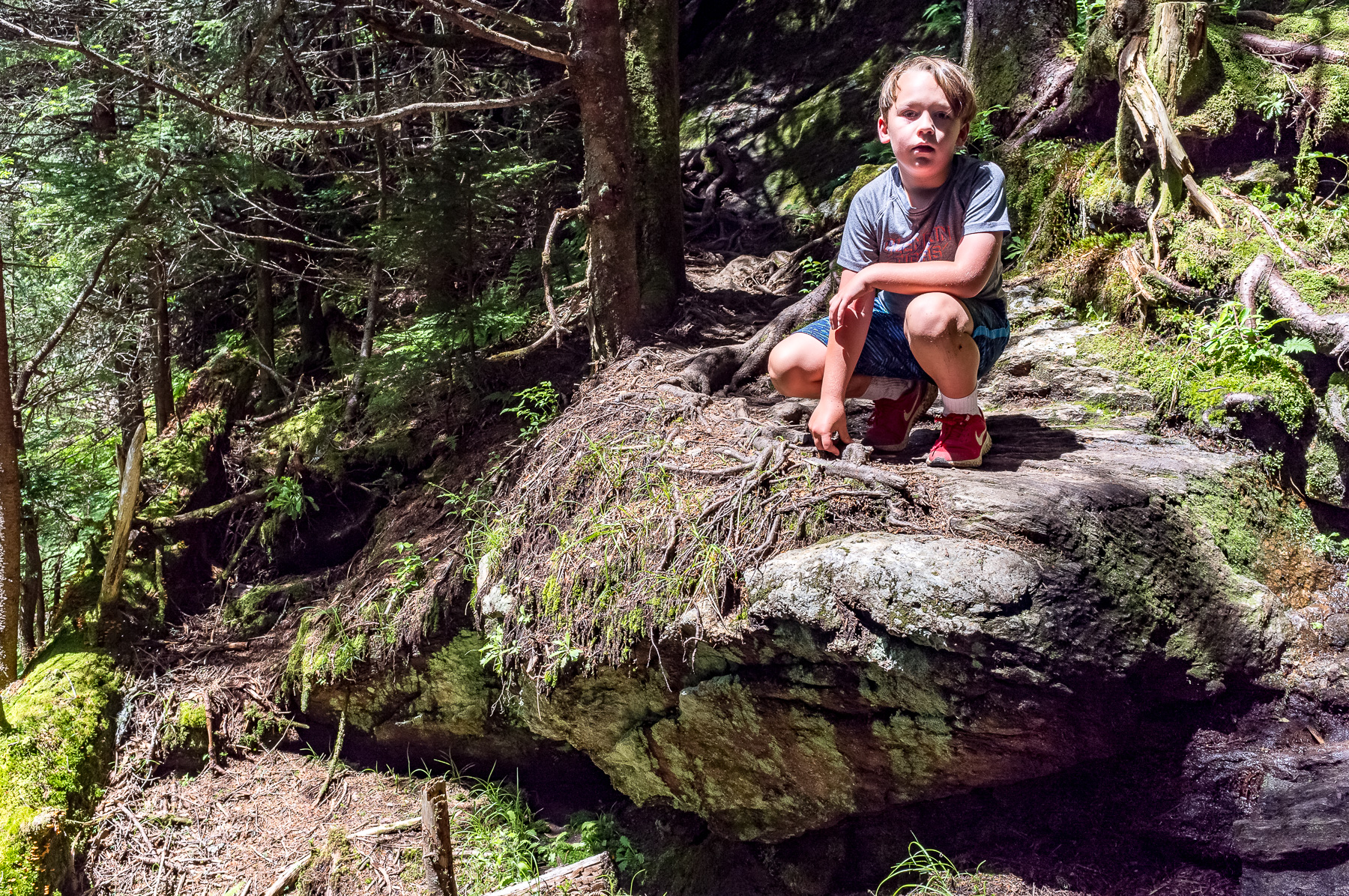
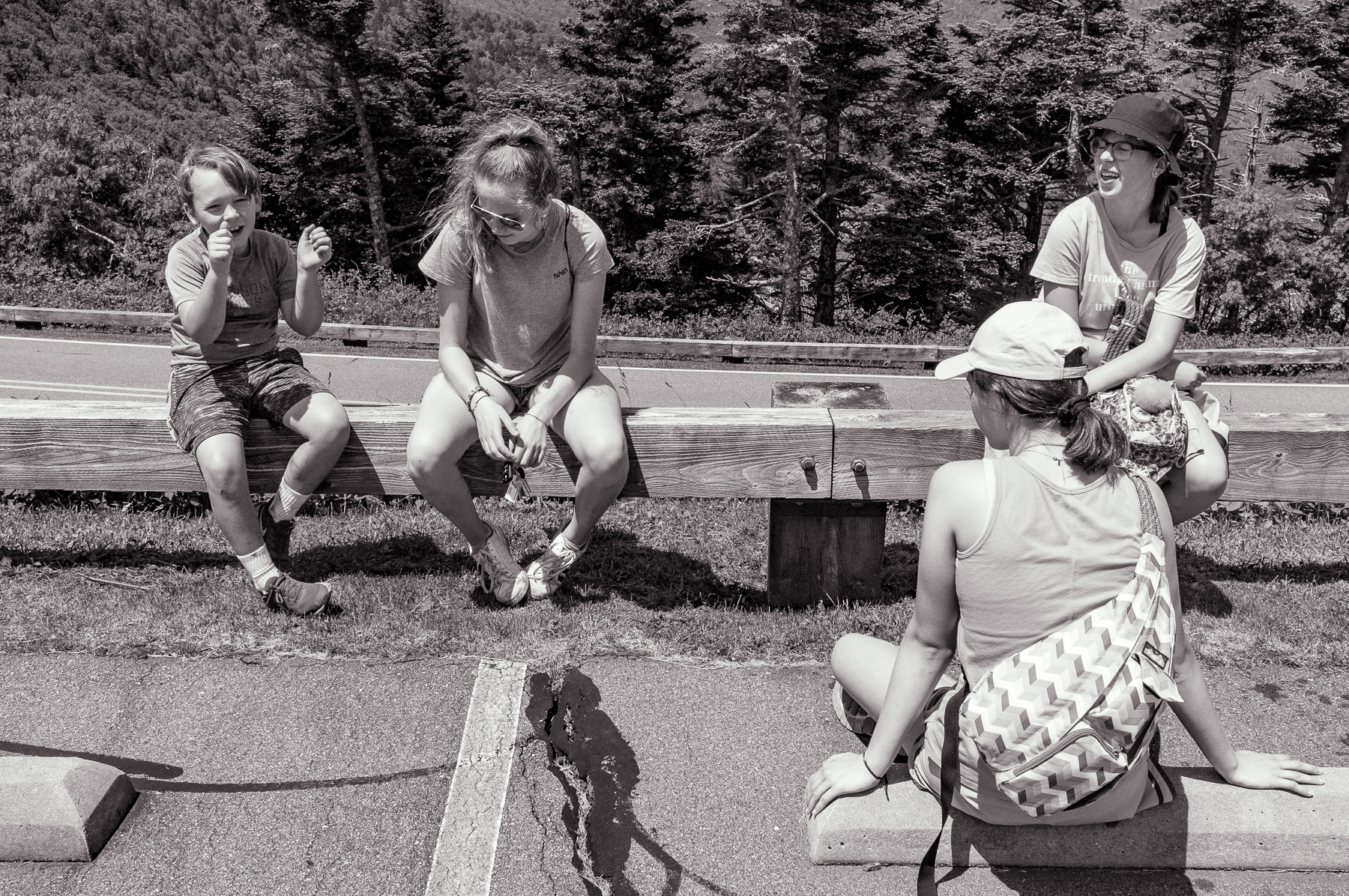
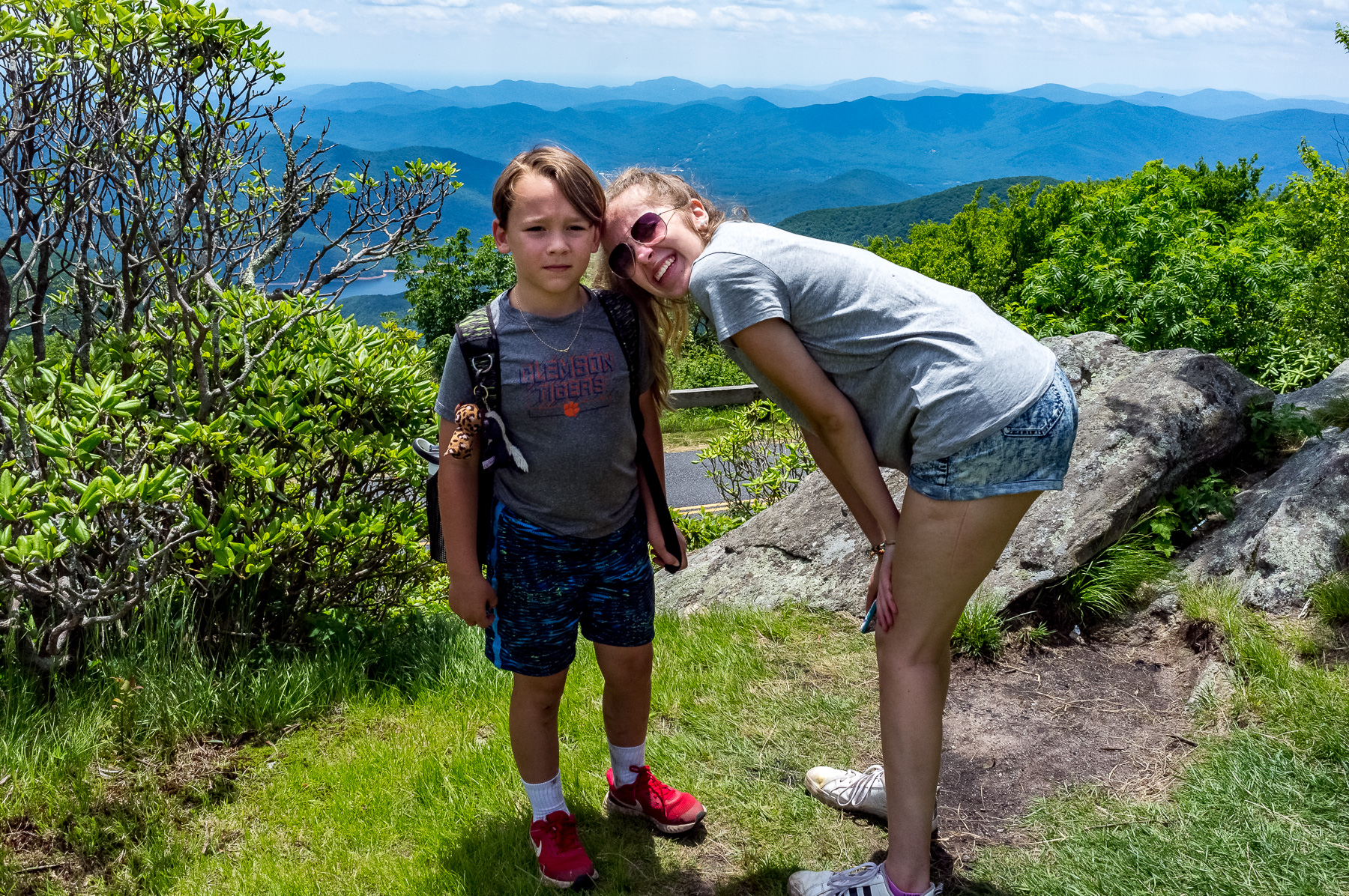
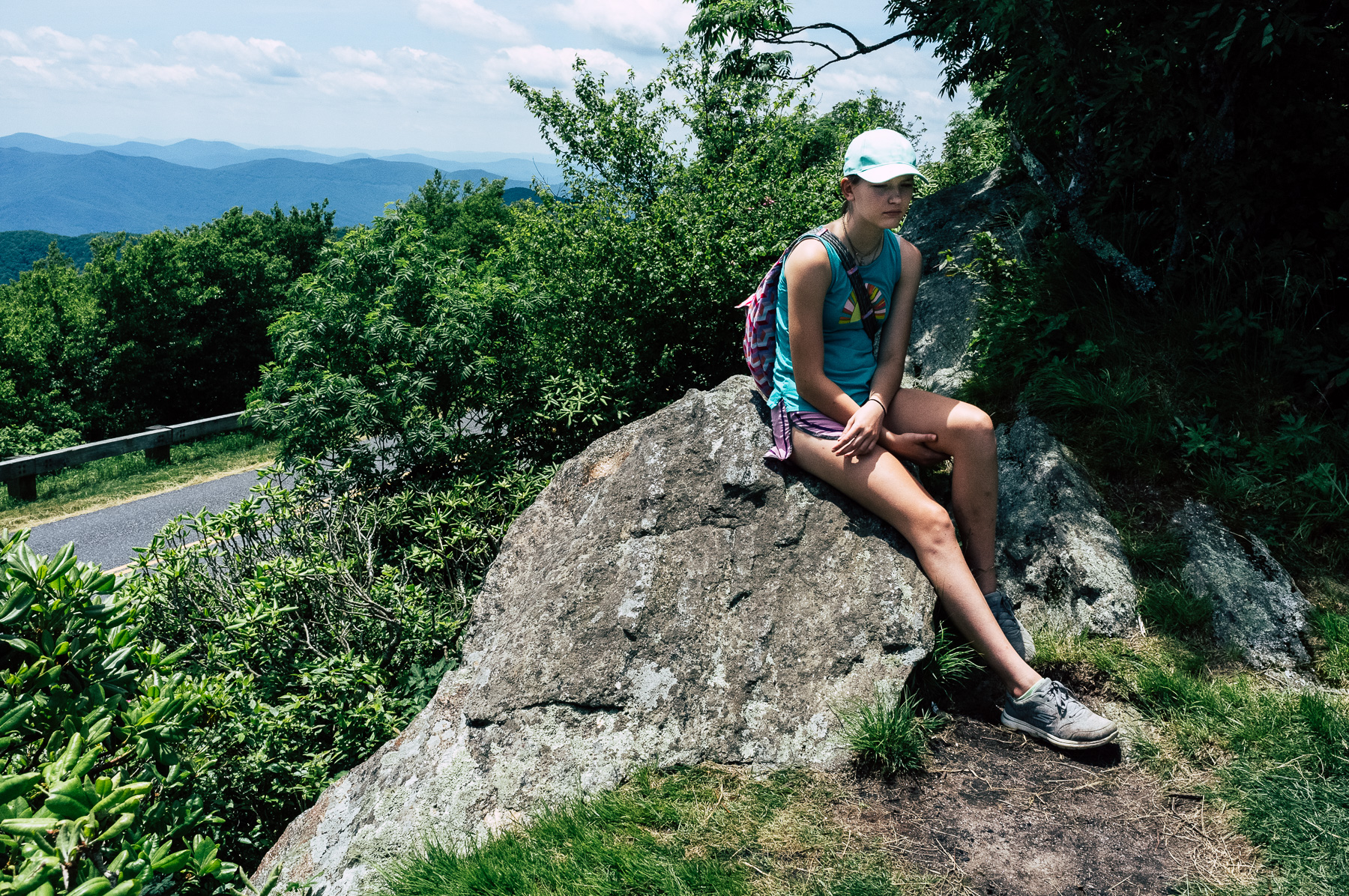
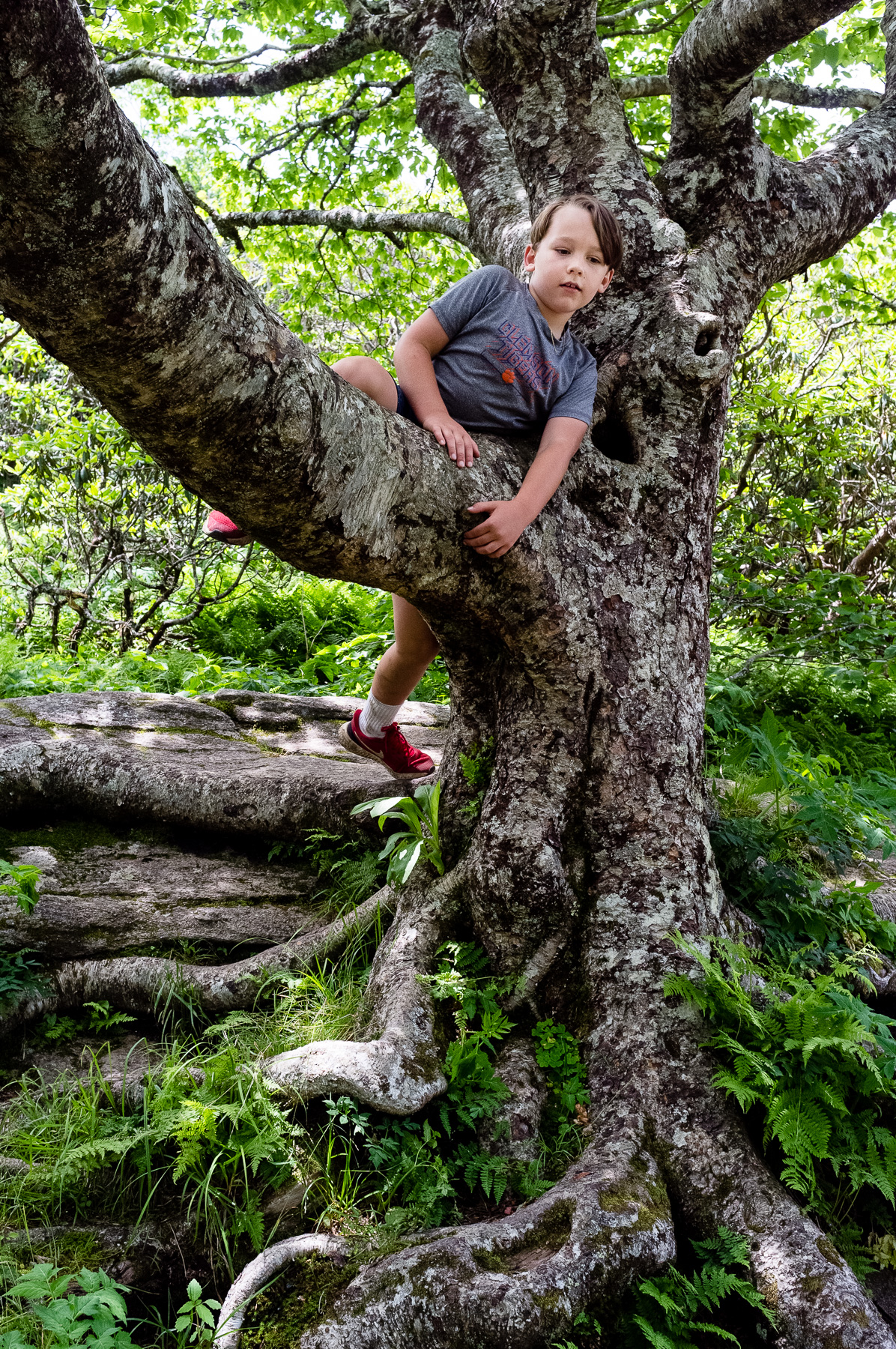
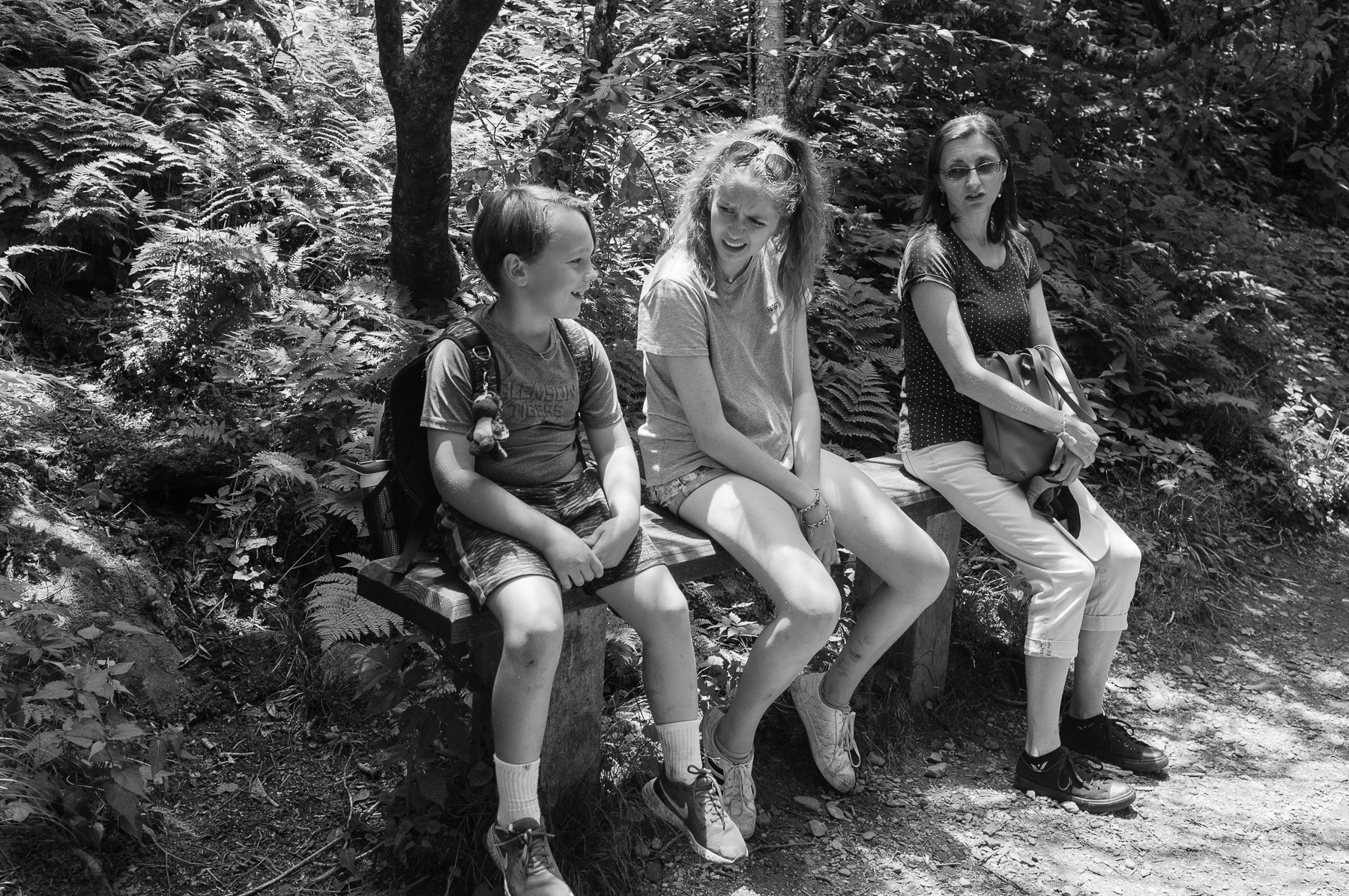
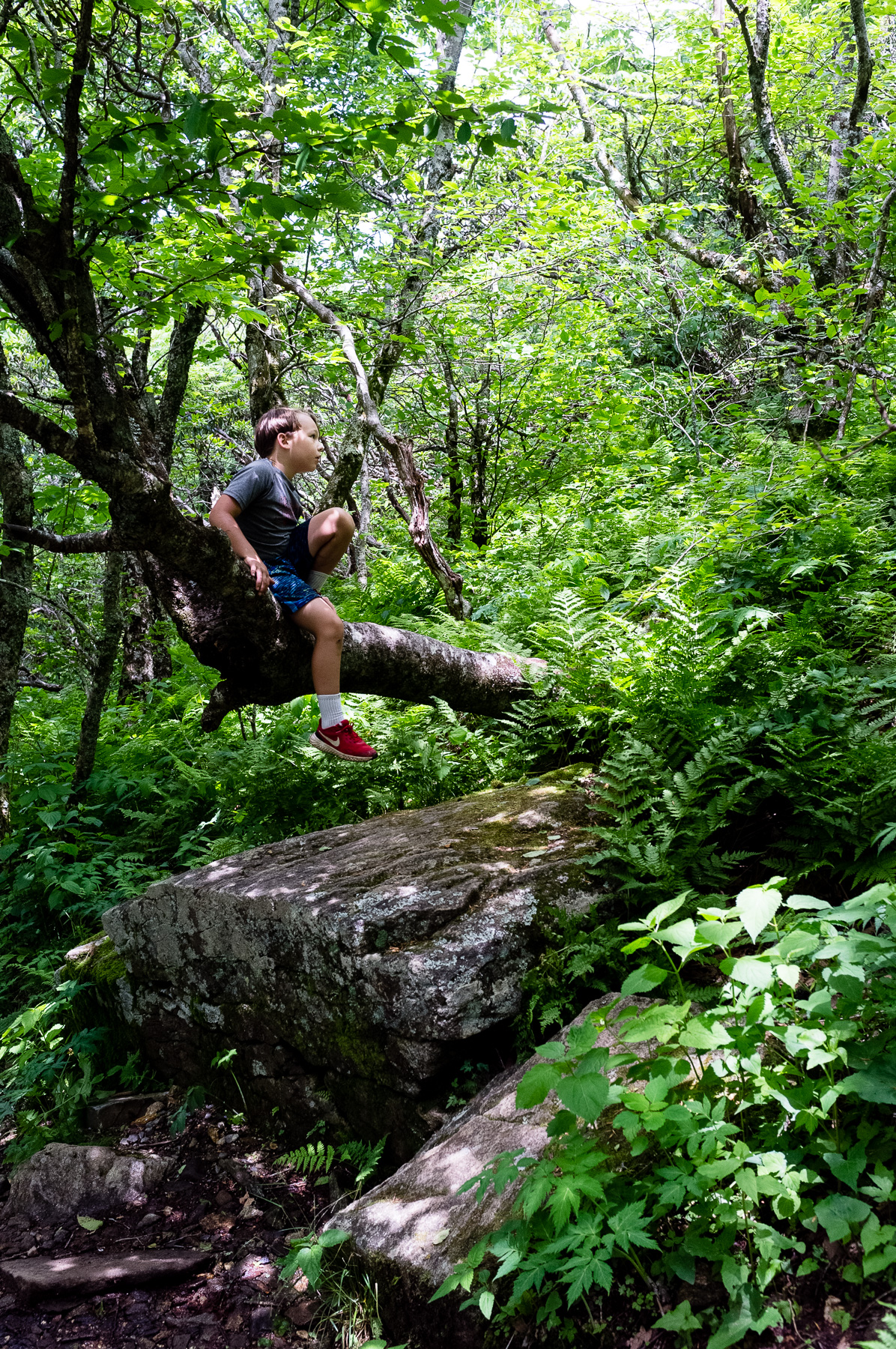
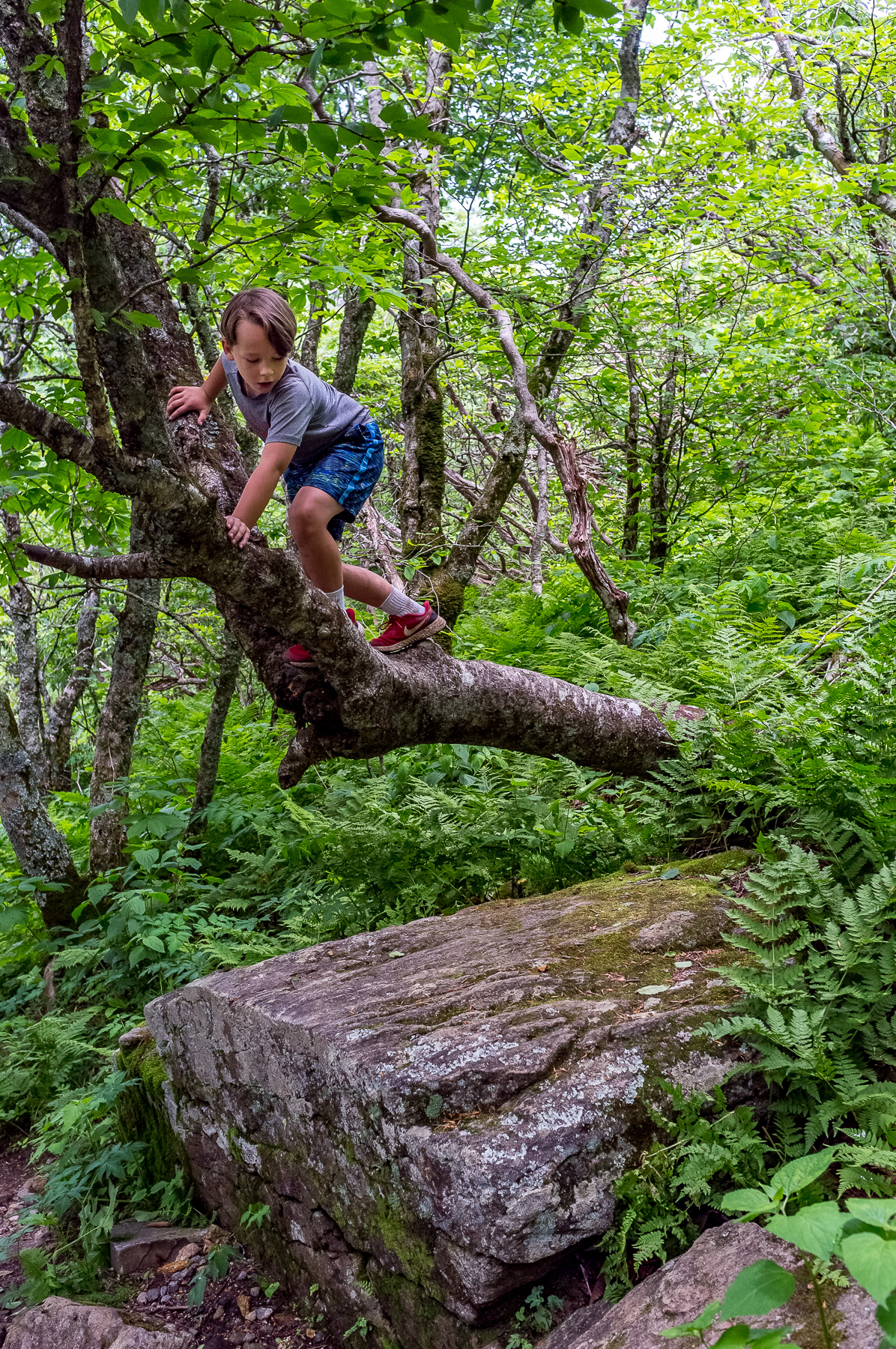
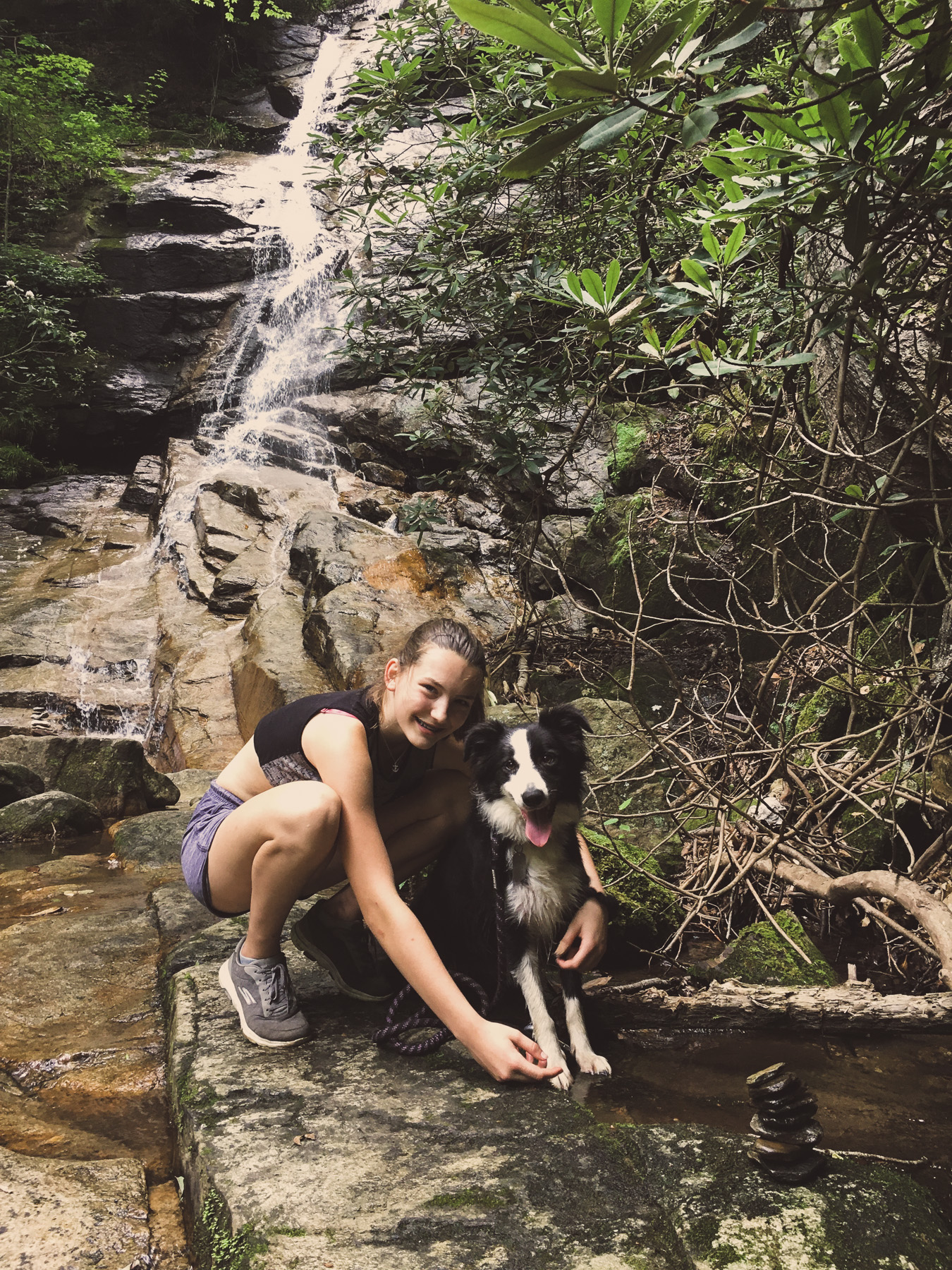
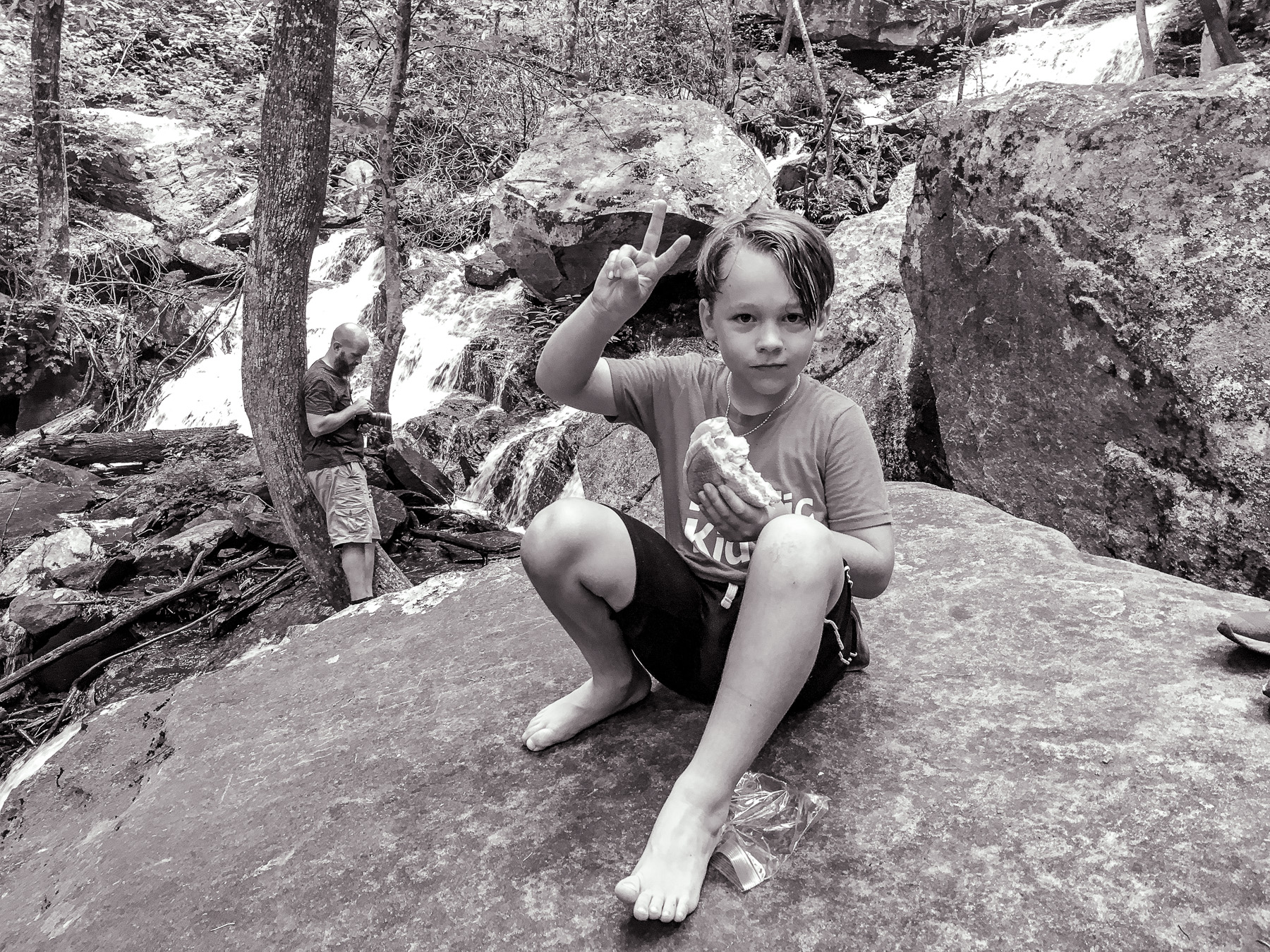
We've been trying for some time to make it to Jones Gap. The last time we tried, we were turned away because the park was already full. We made it today, though.
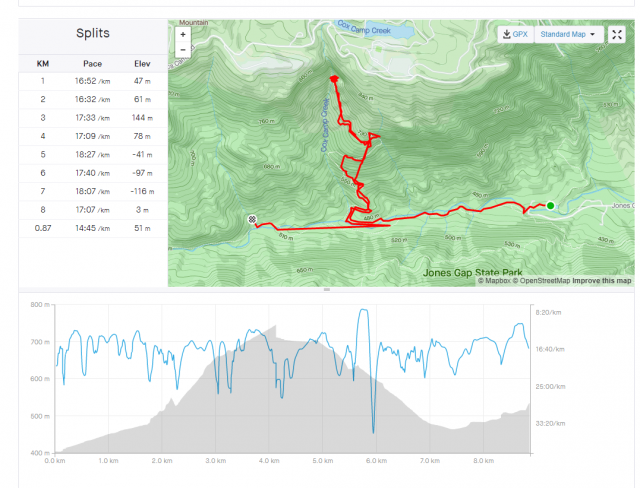
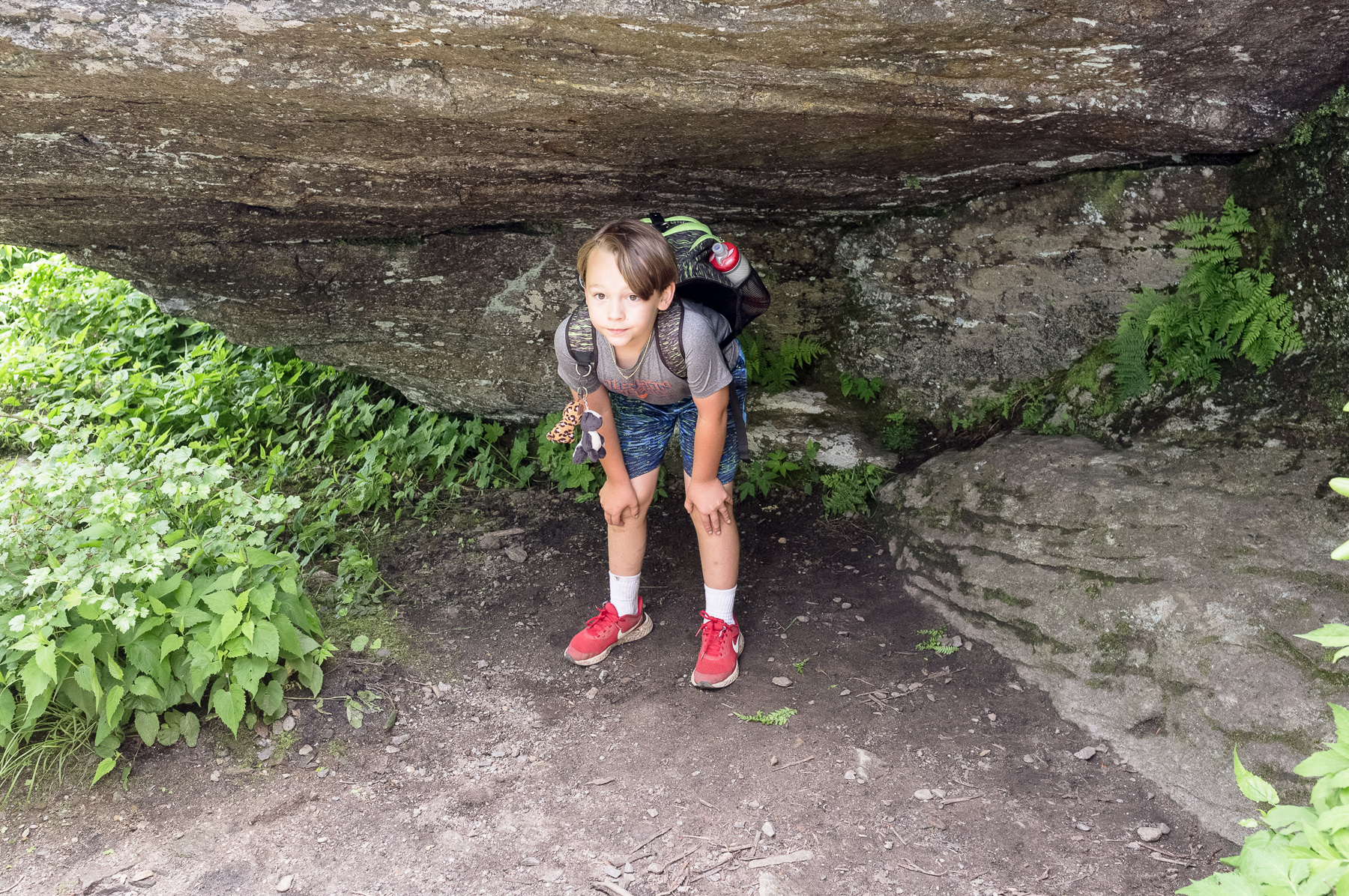
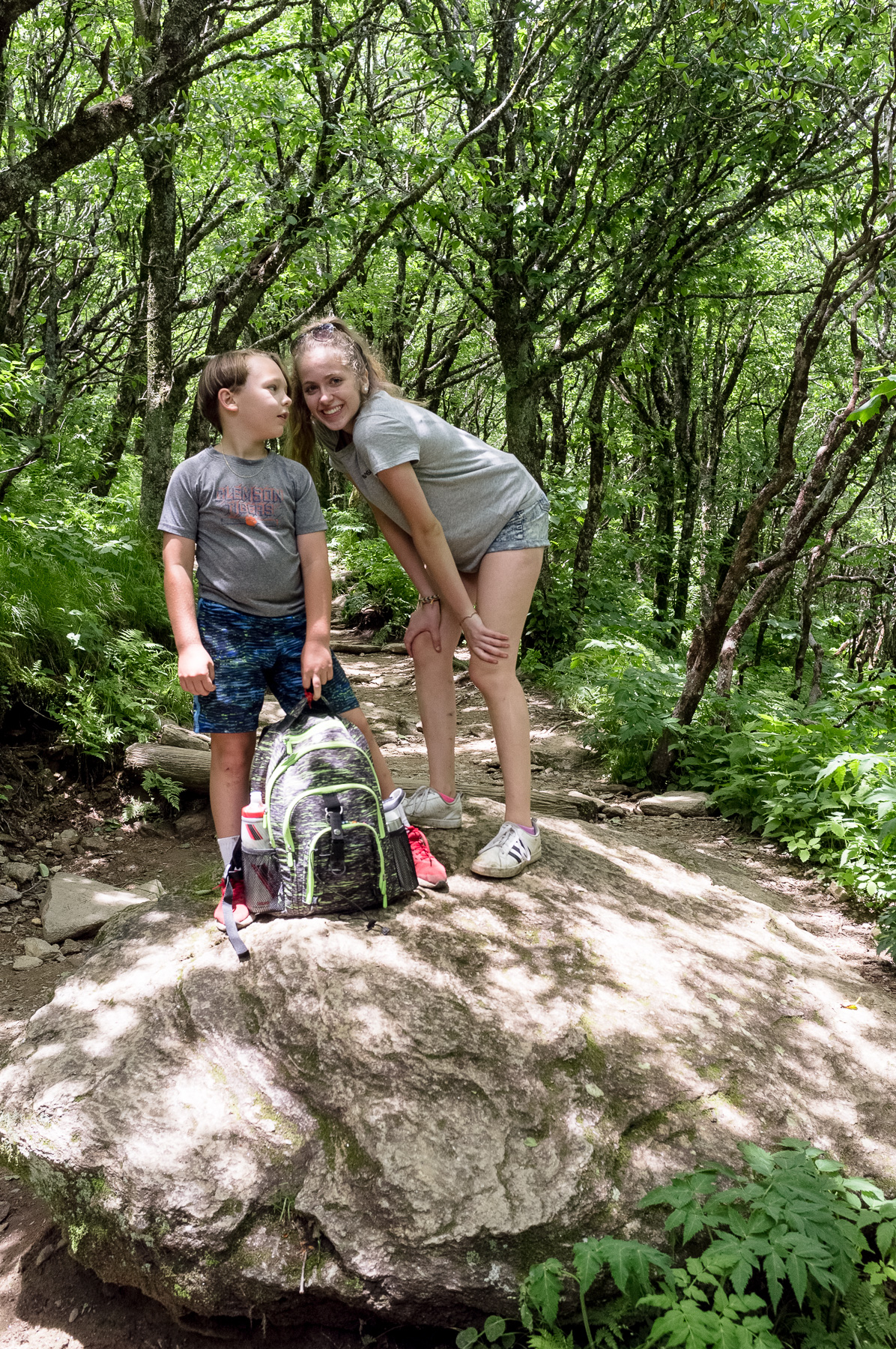
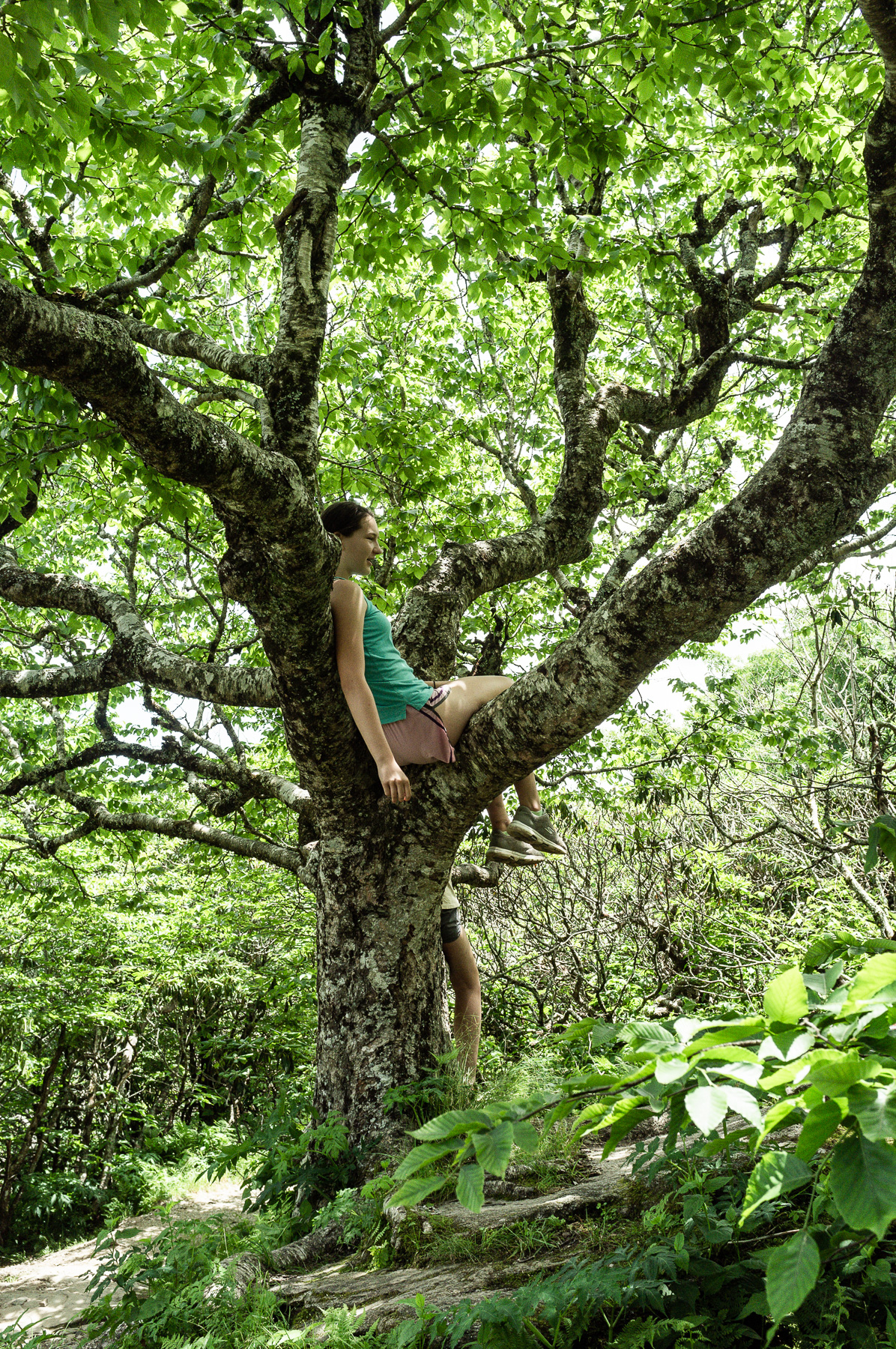
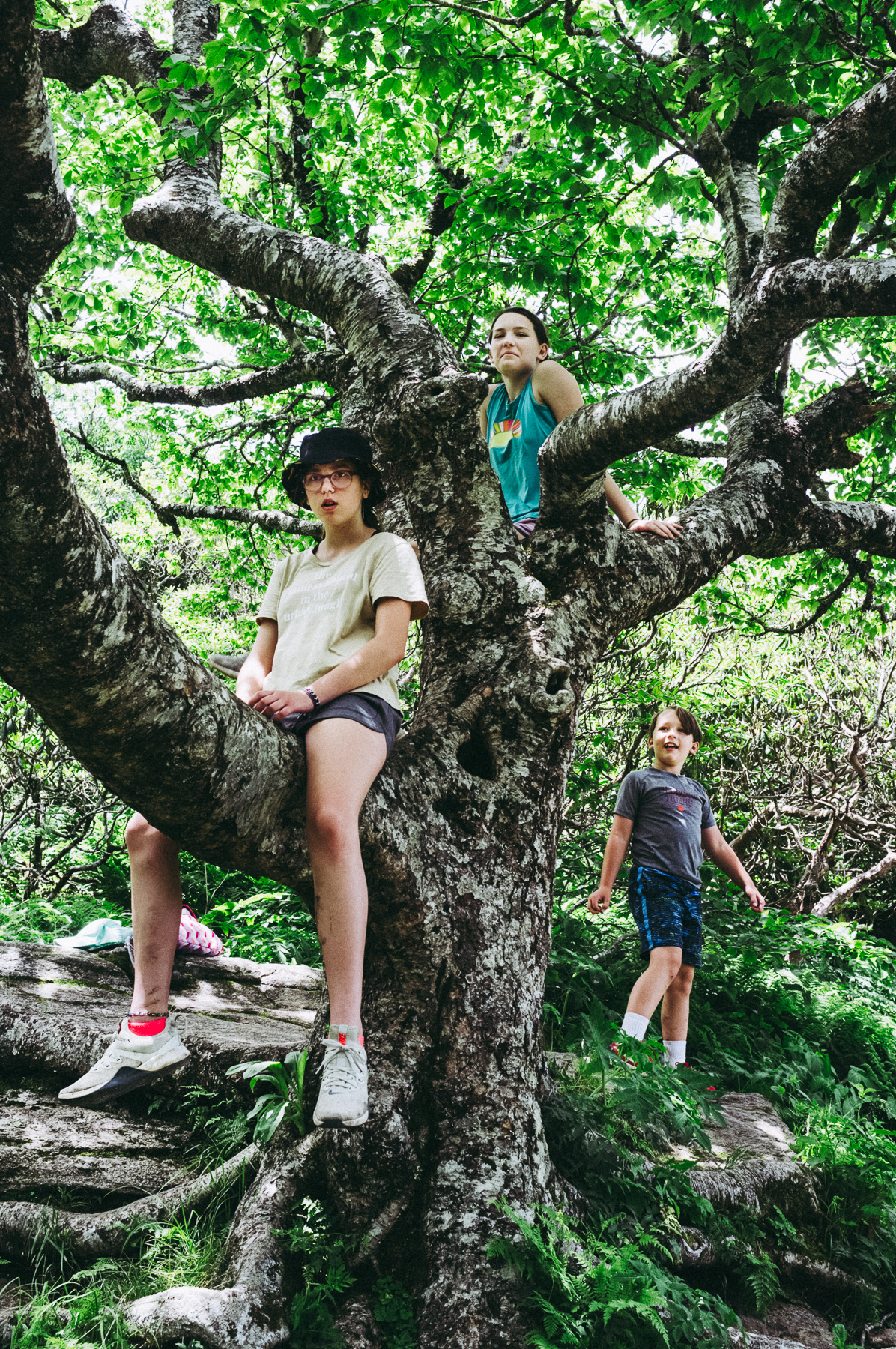
Just barely: 7 miles (the Fitbit died before we finished) and something like 1,300 feet of climbing. The kids loved it. Mostly.
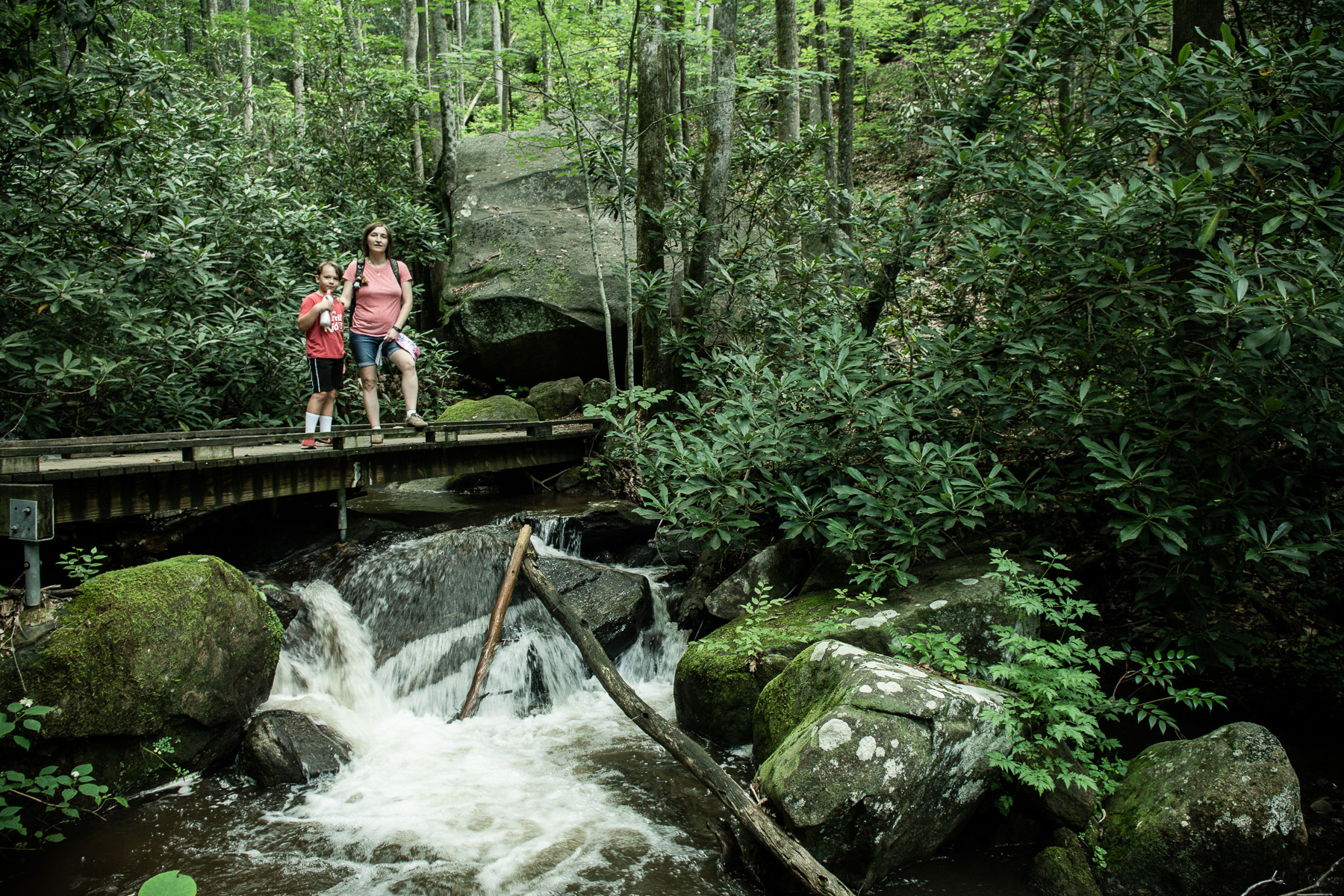
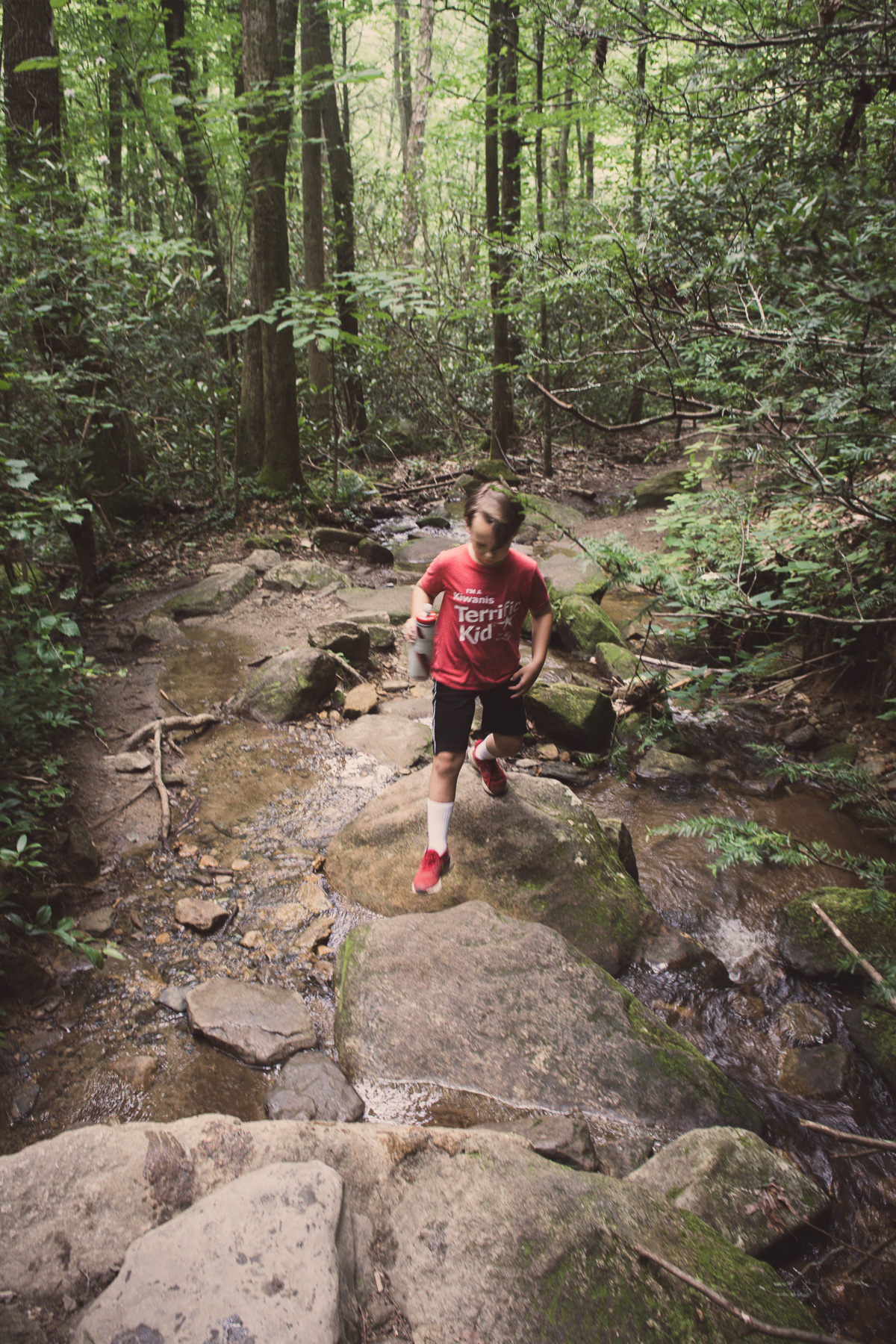
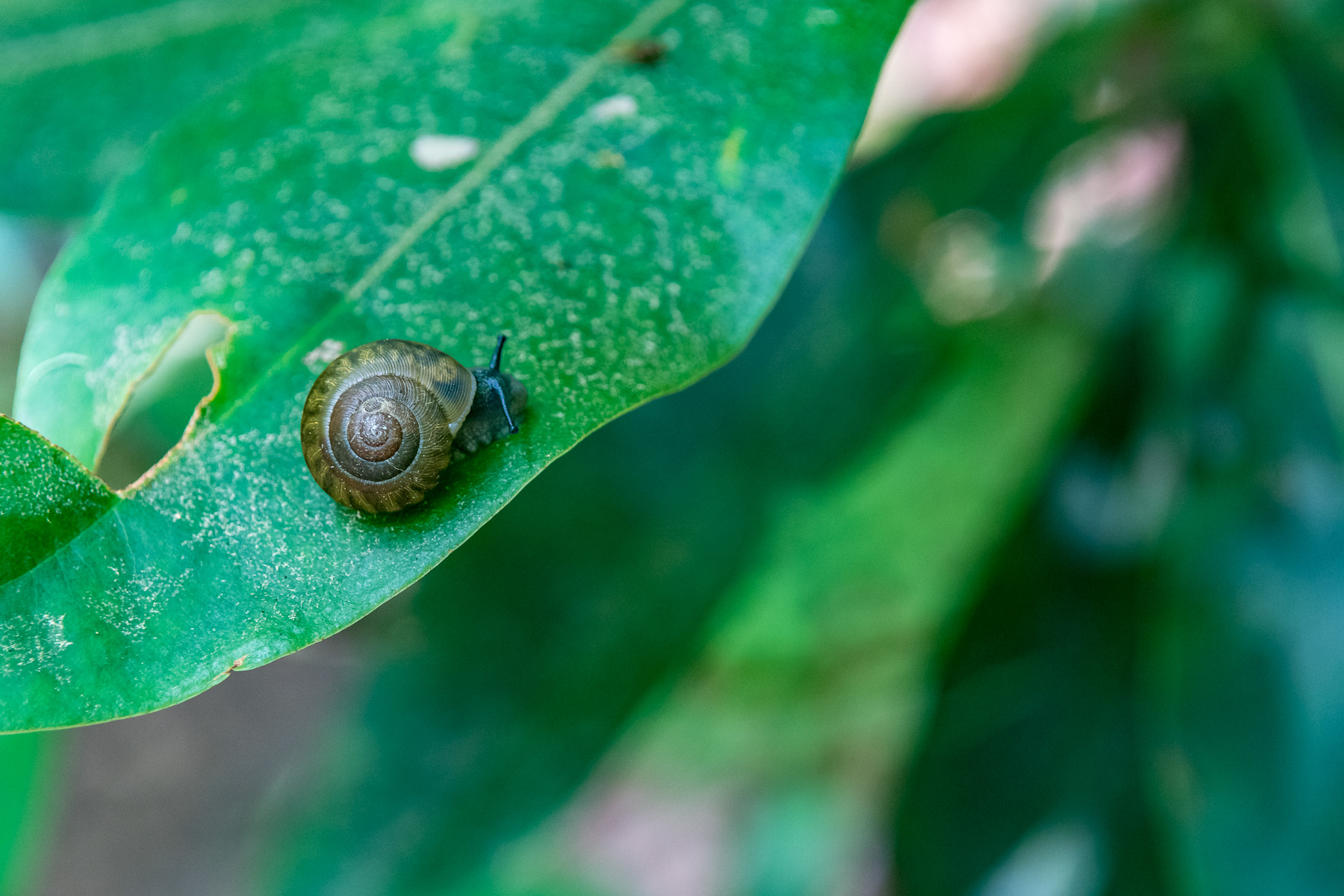

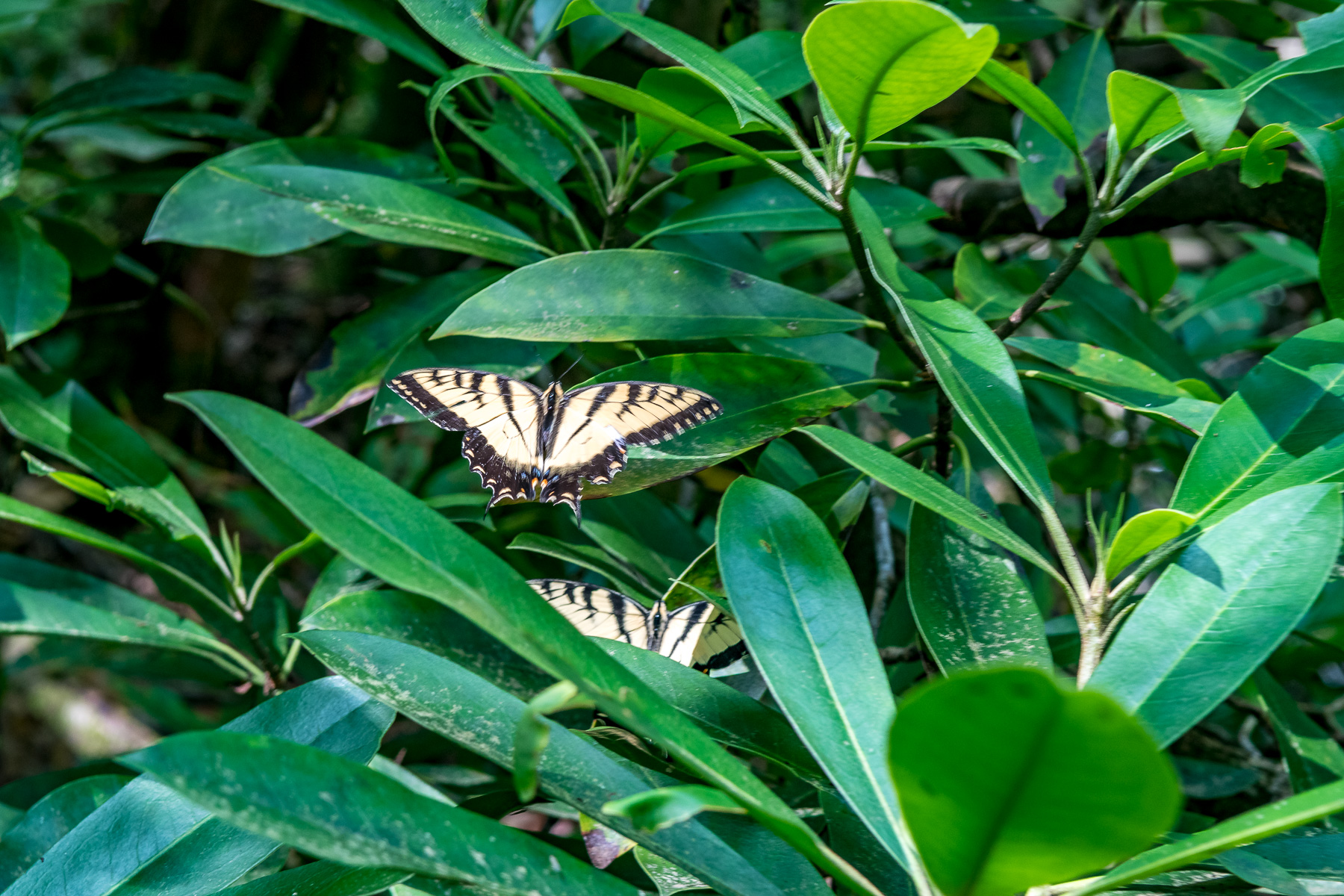
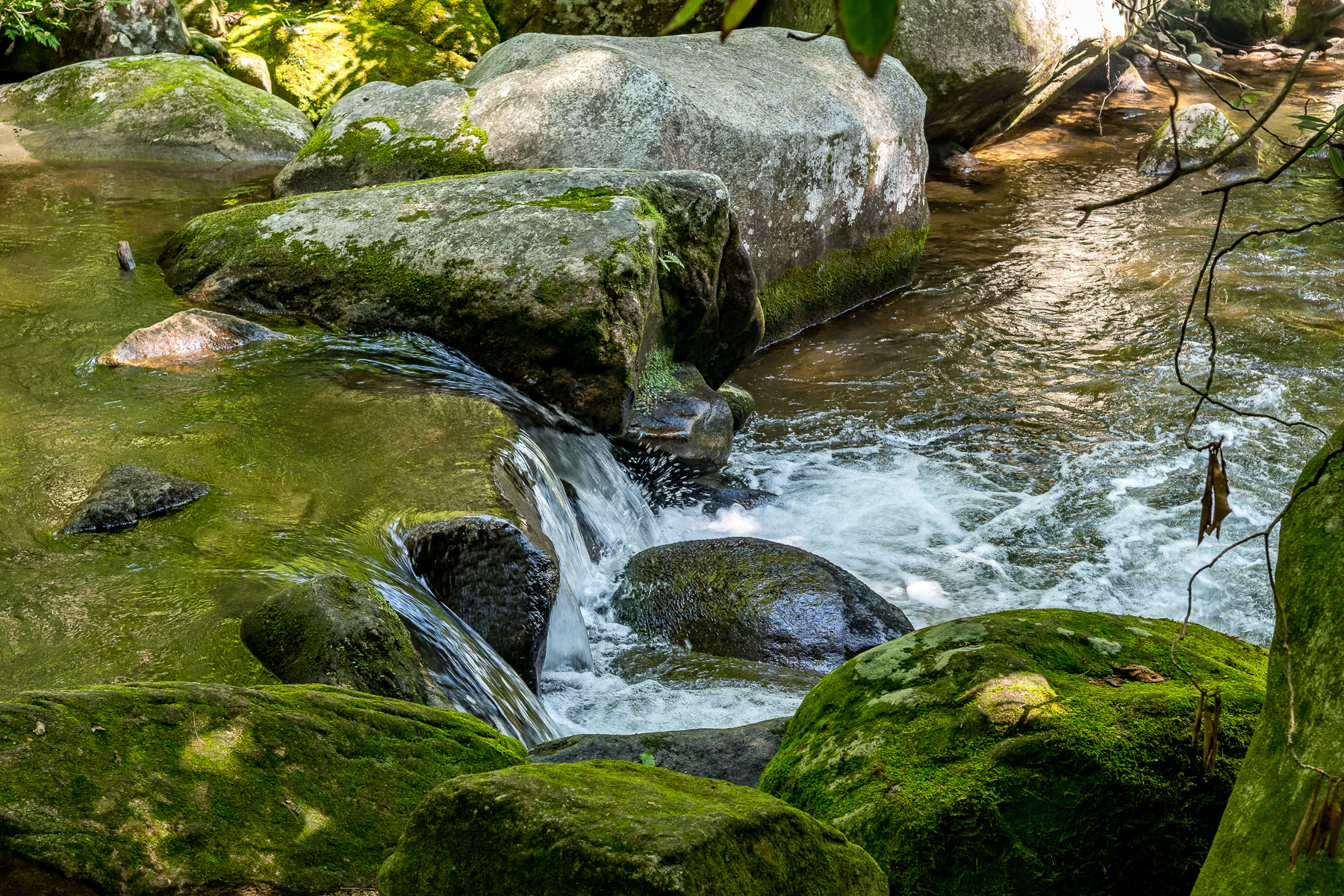
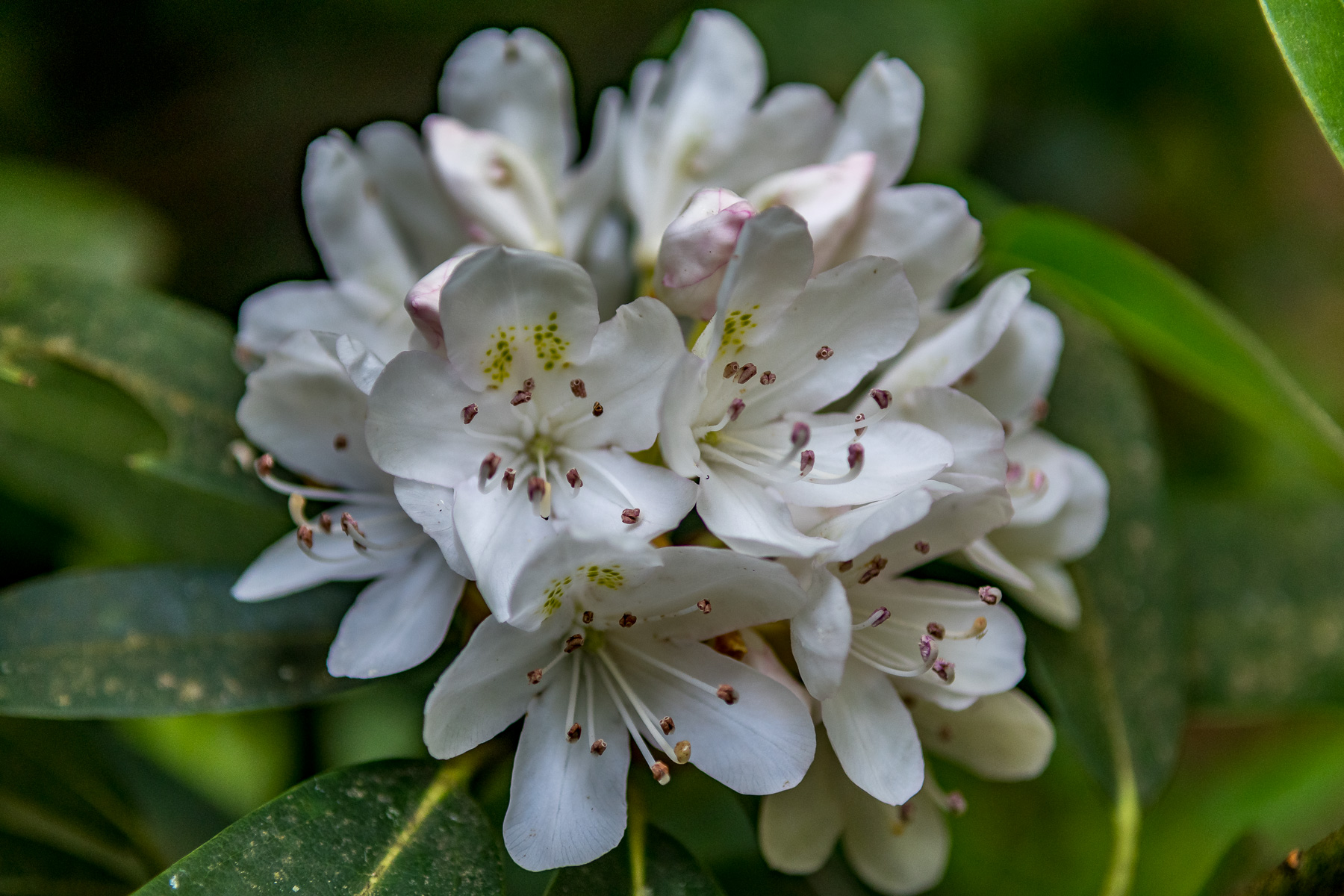
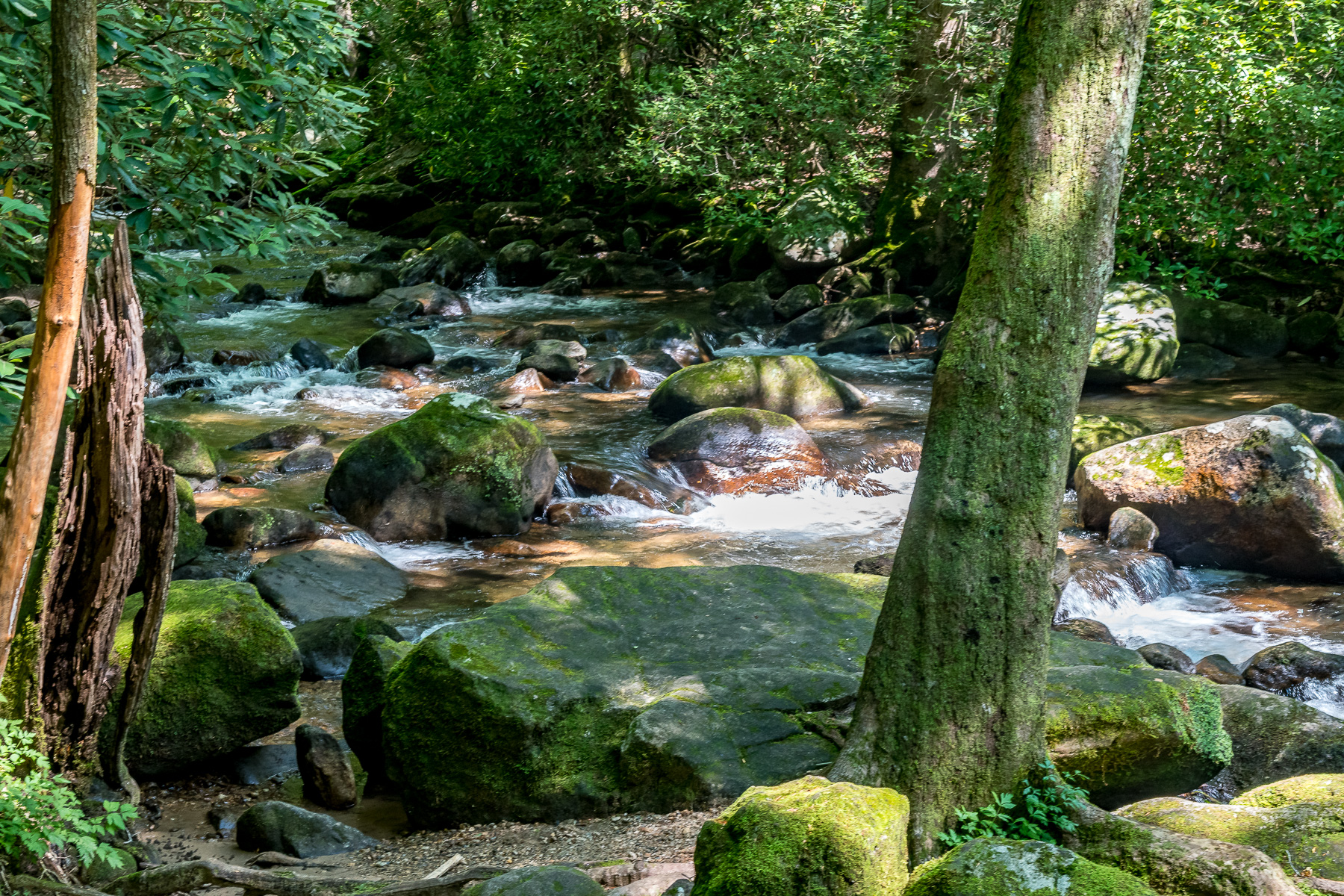
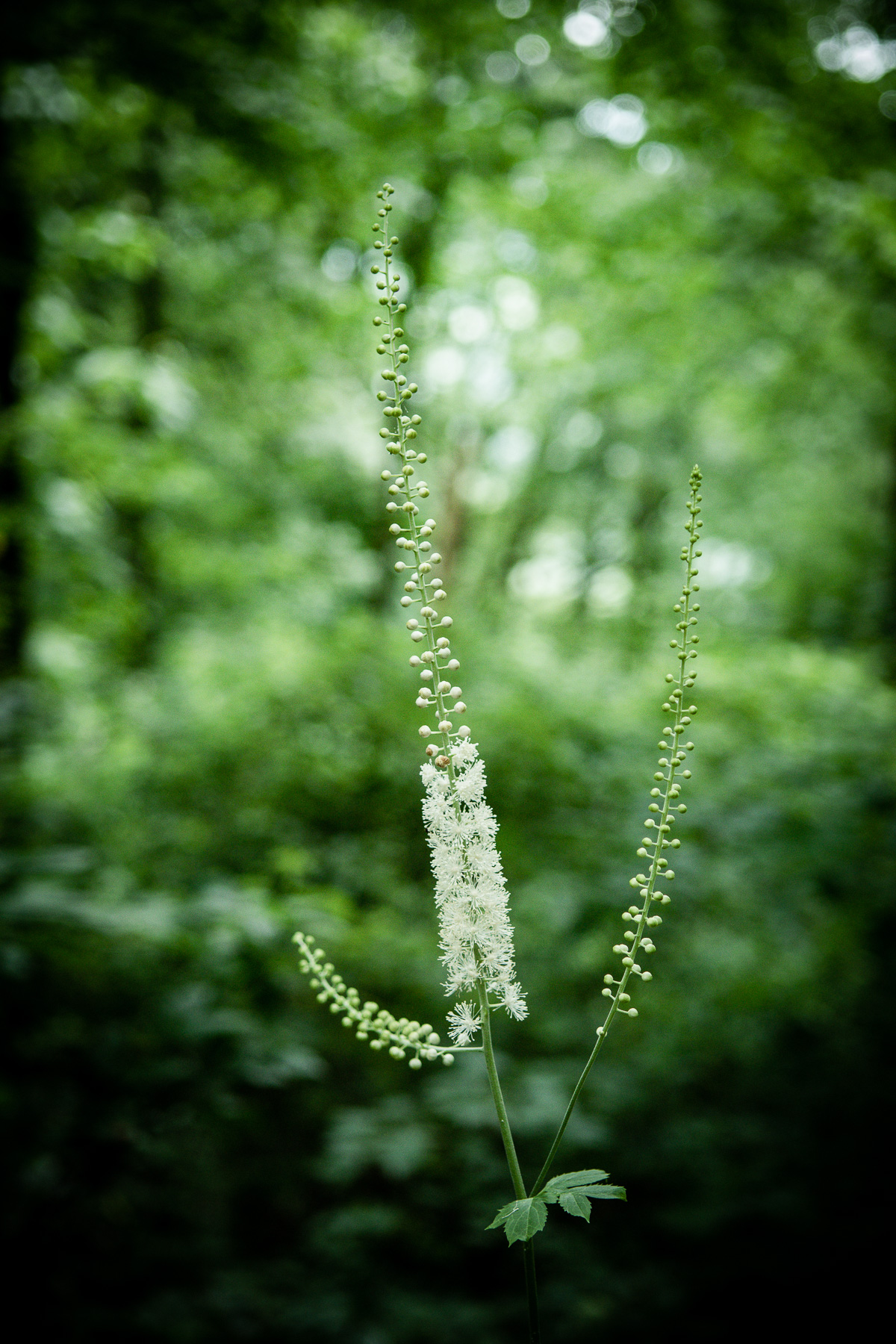
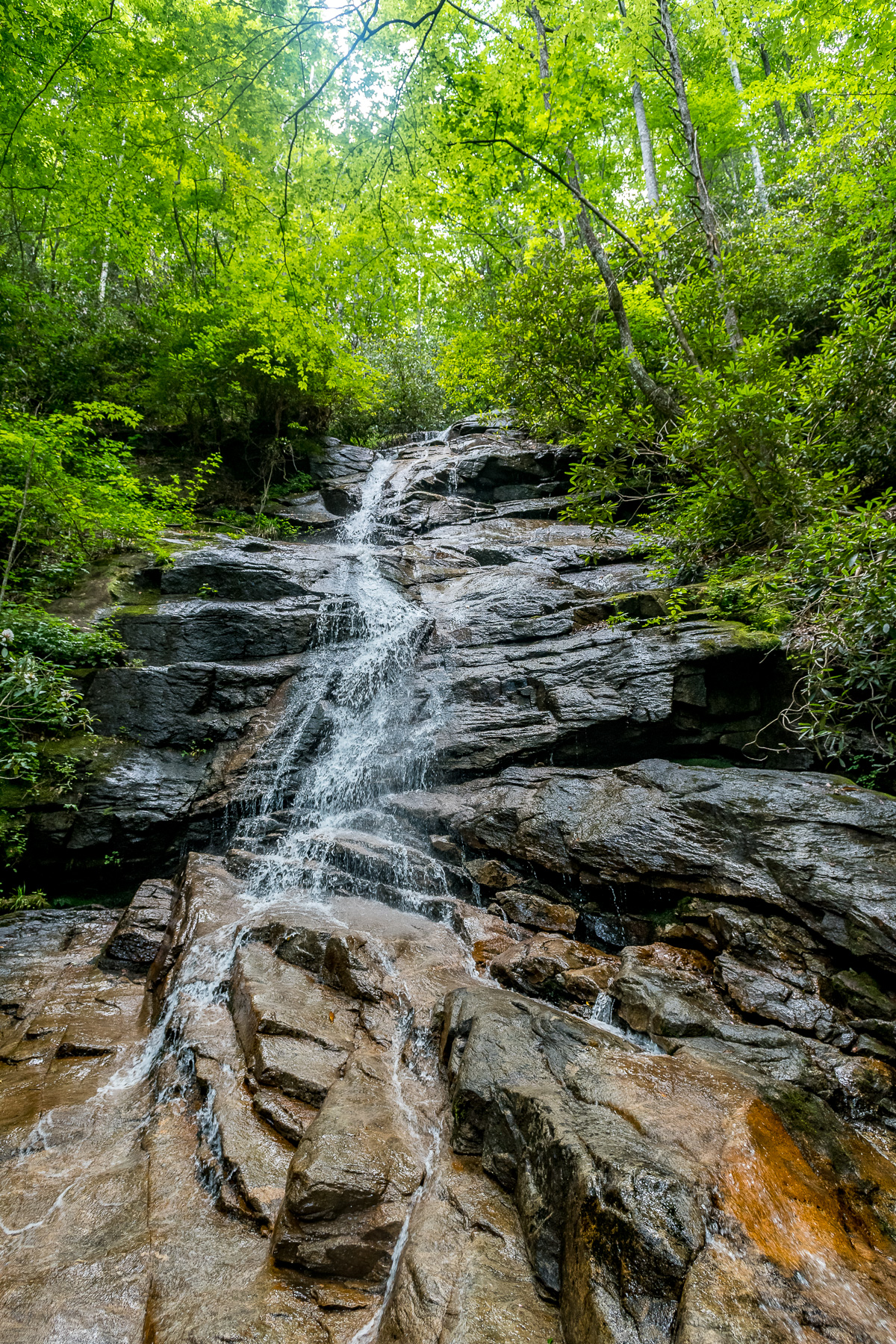
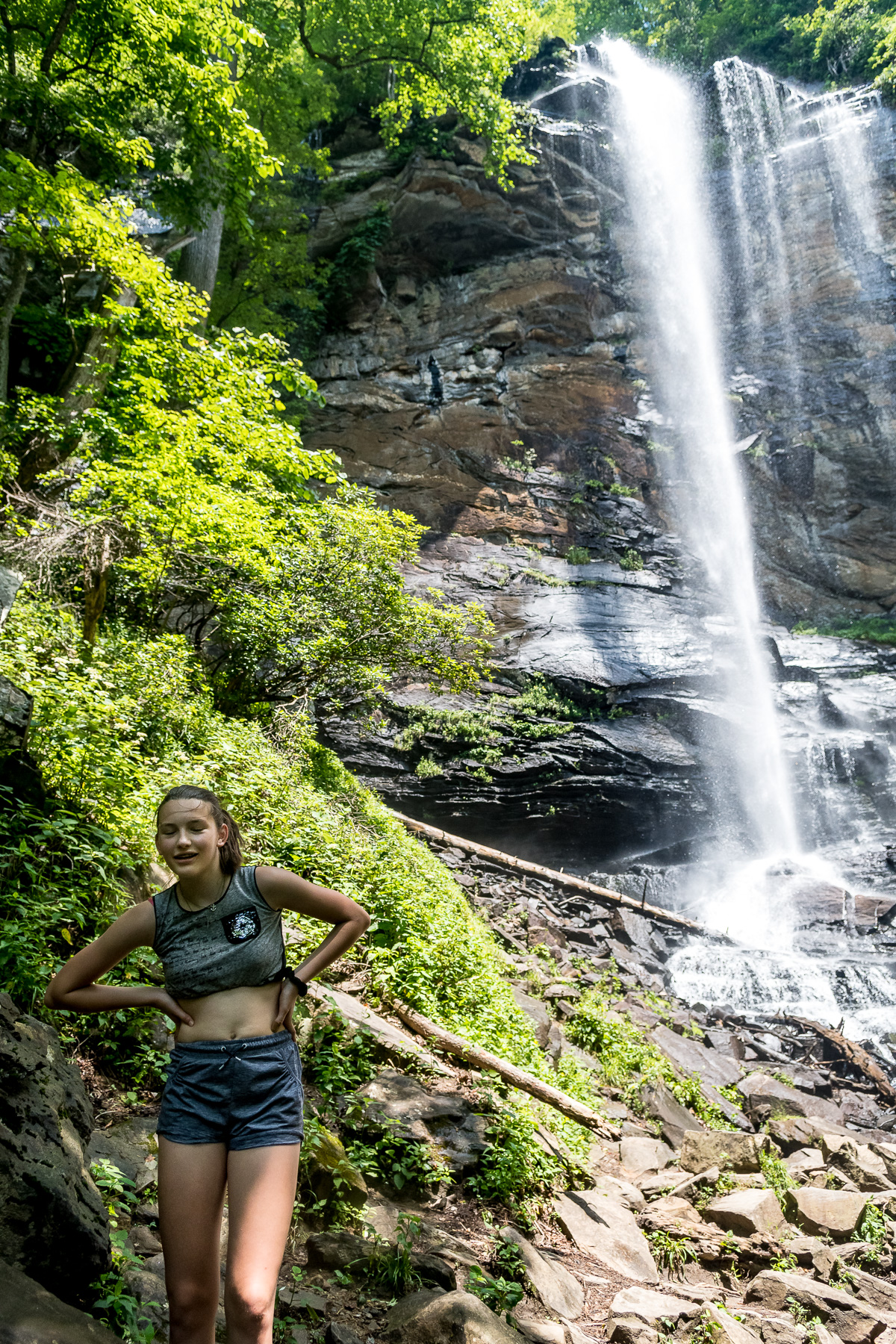
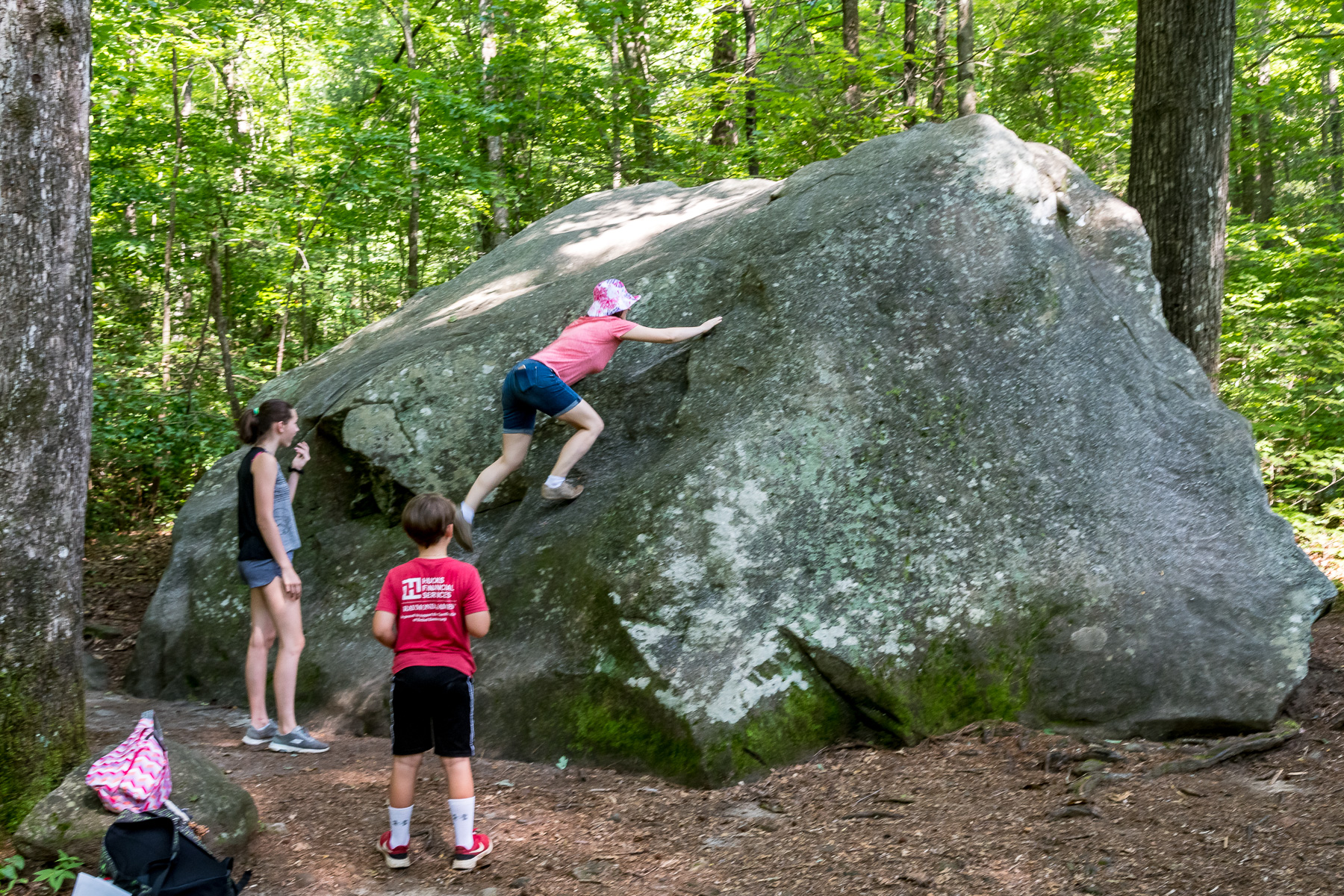
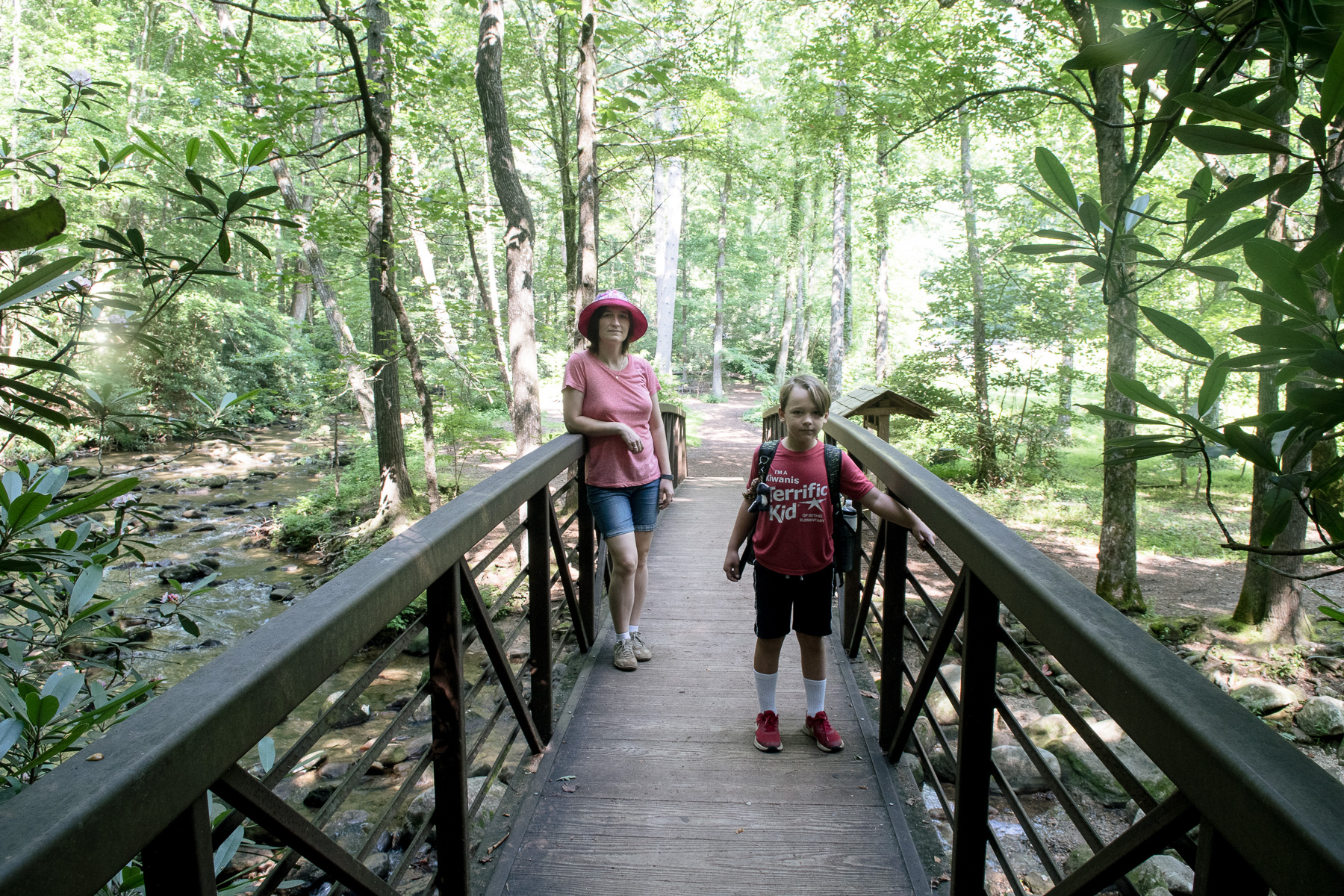
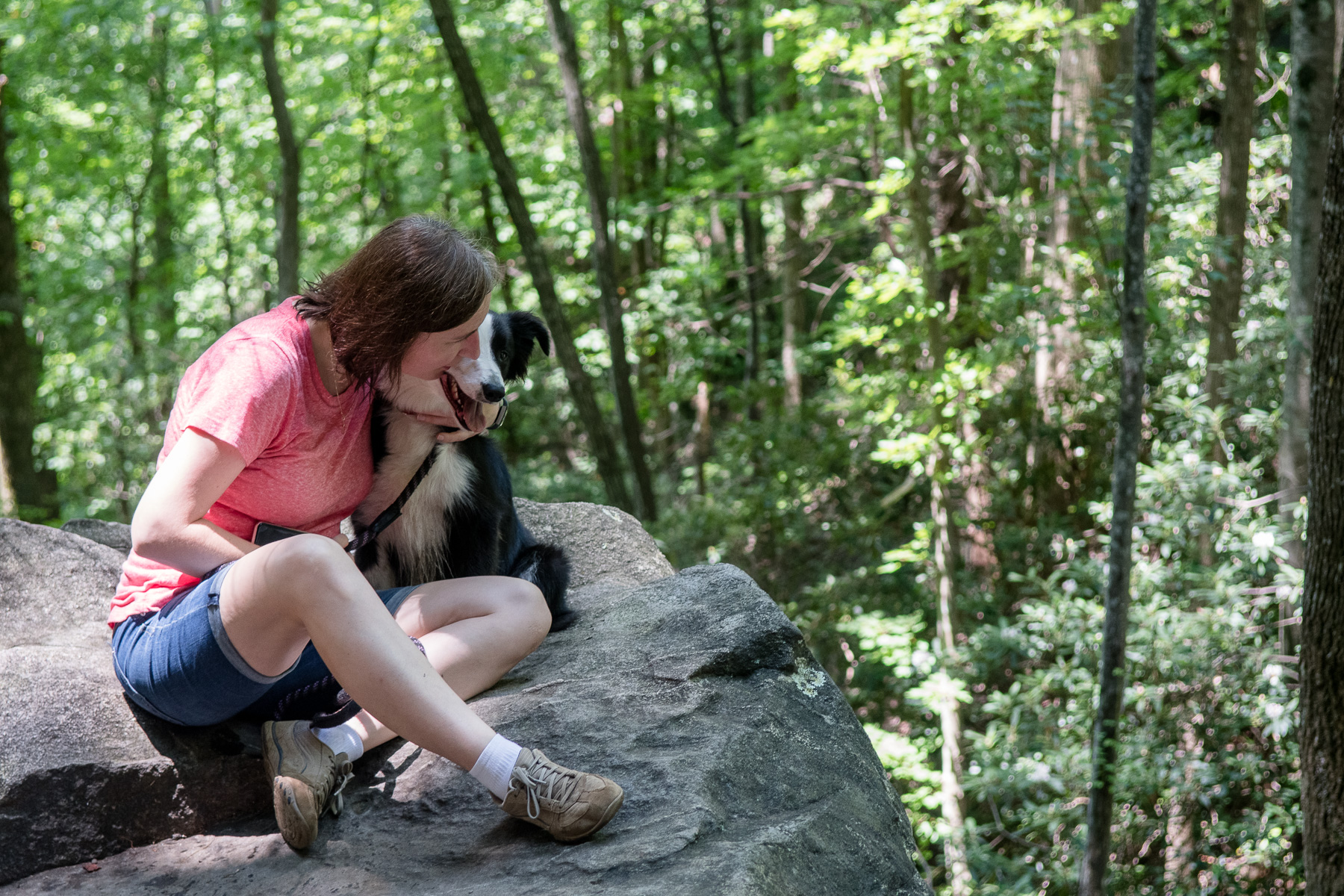
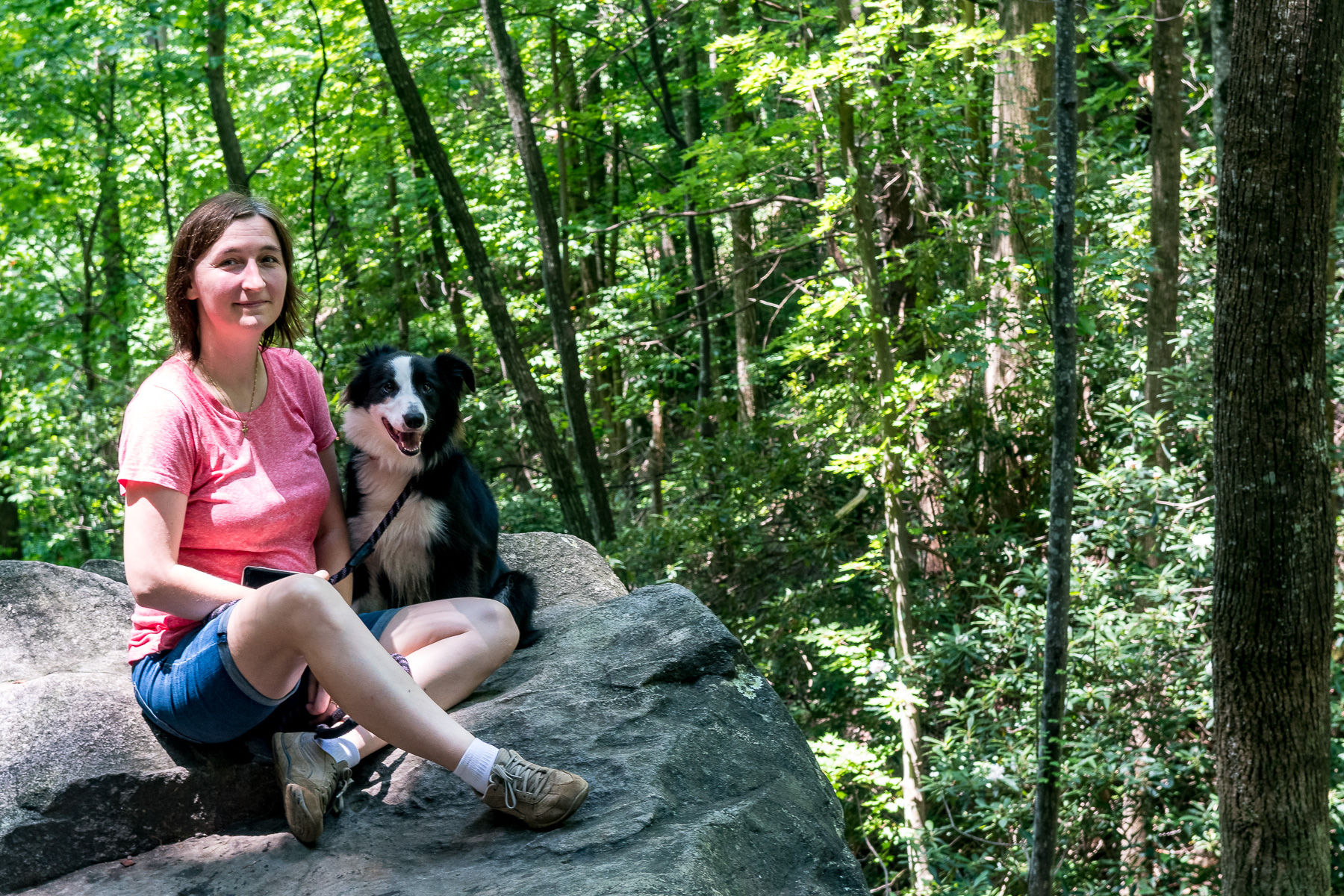
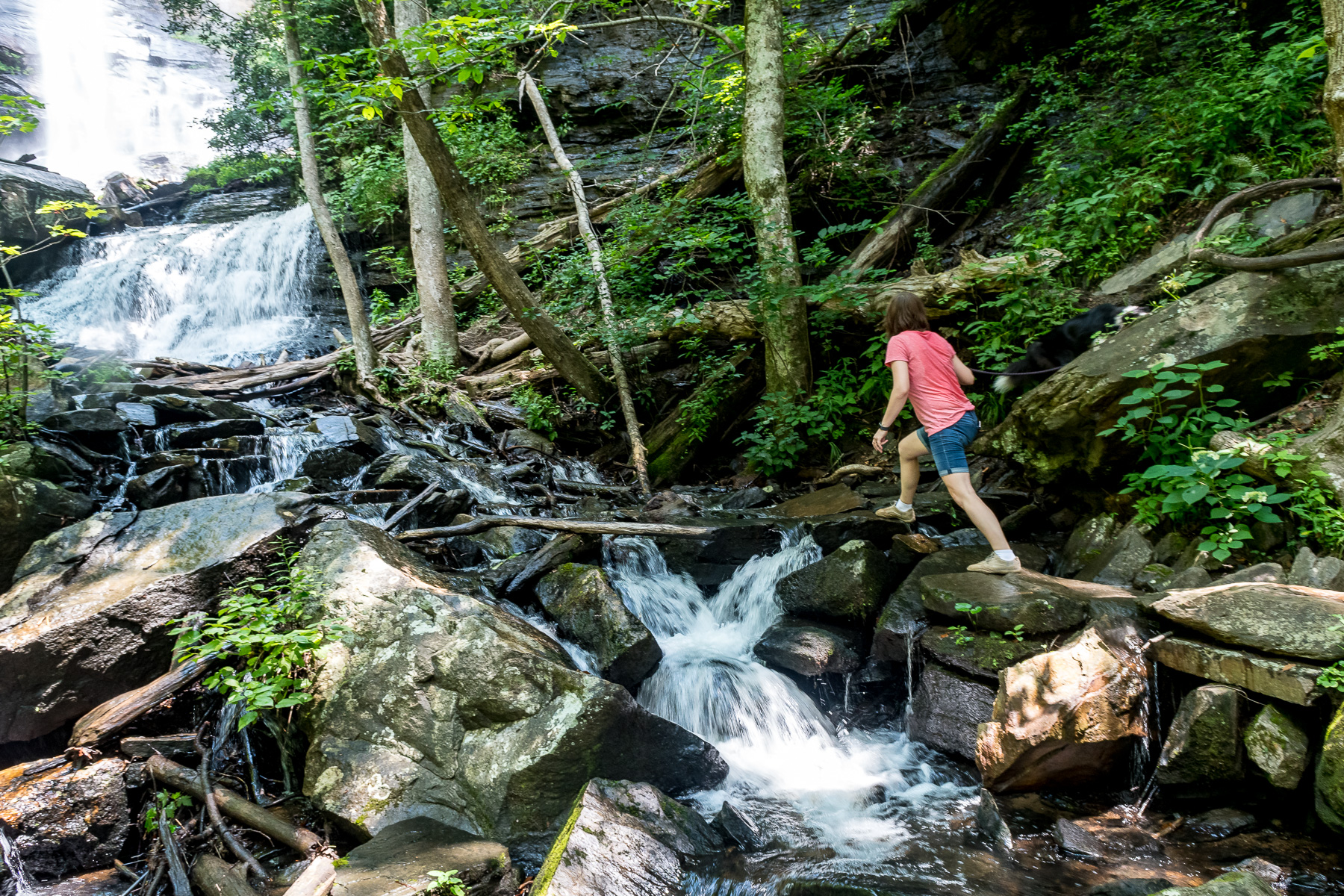
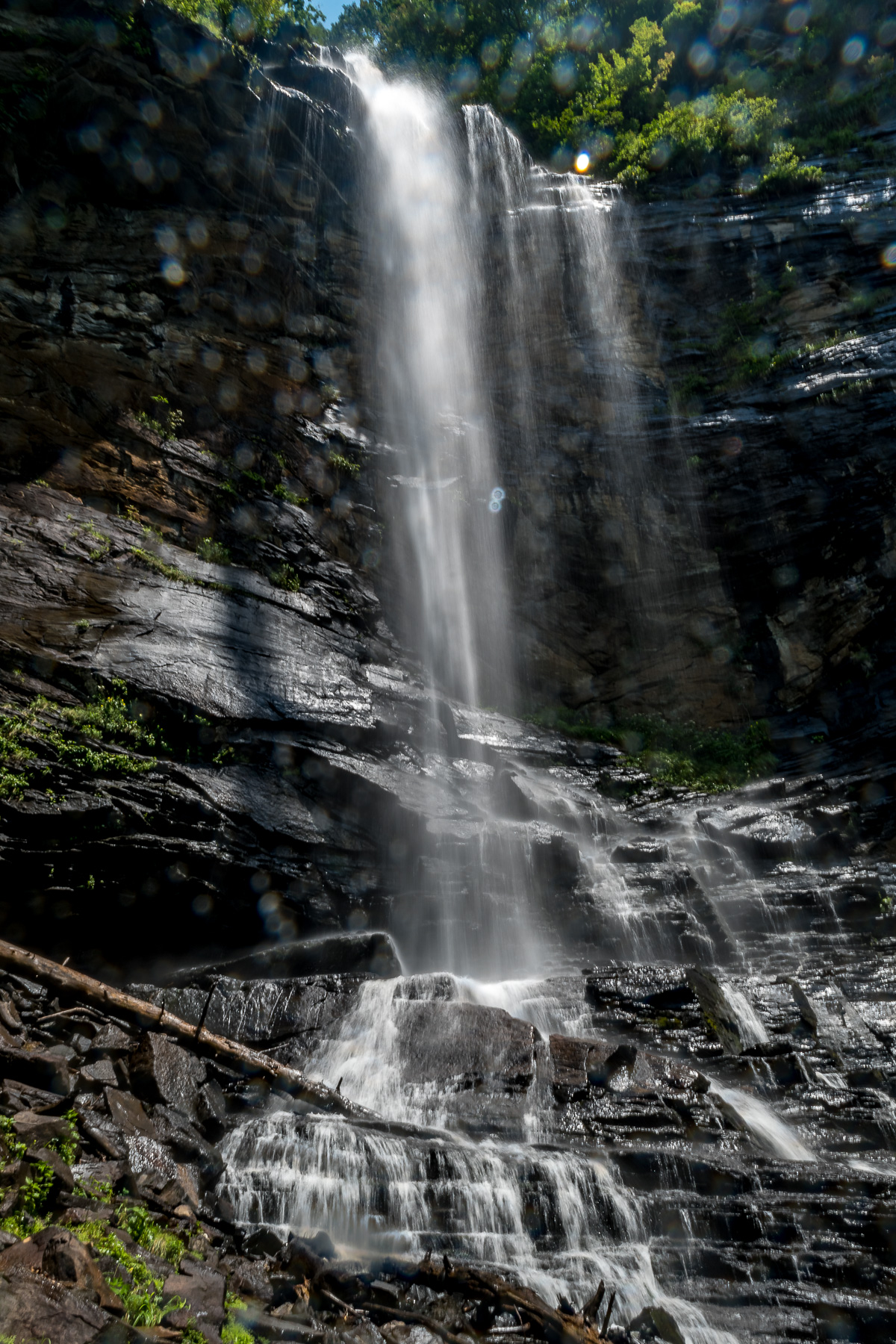
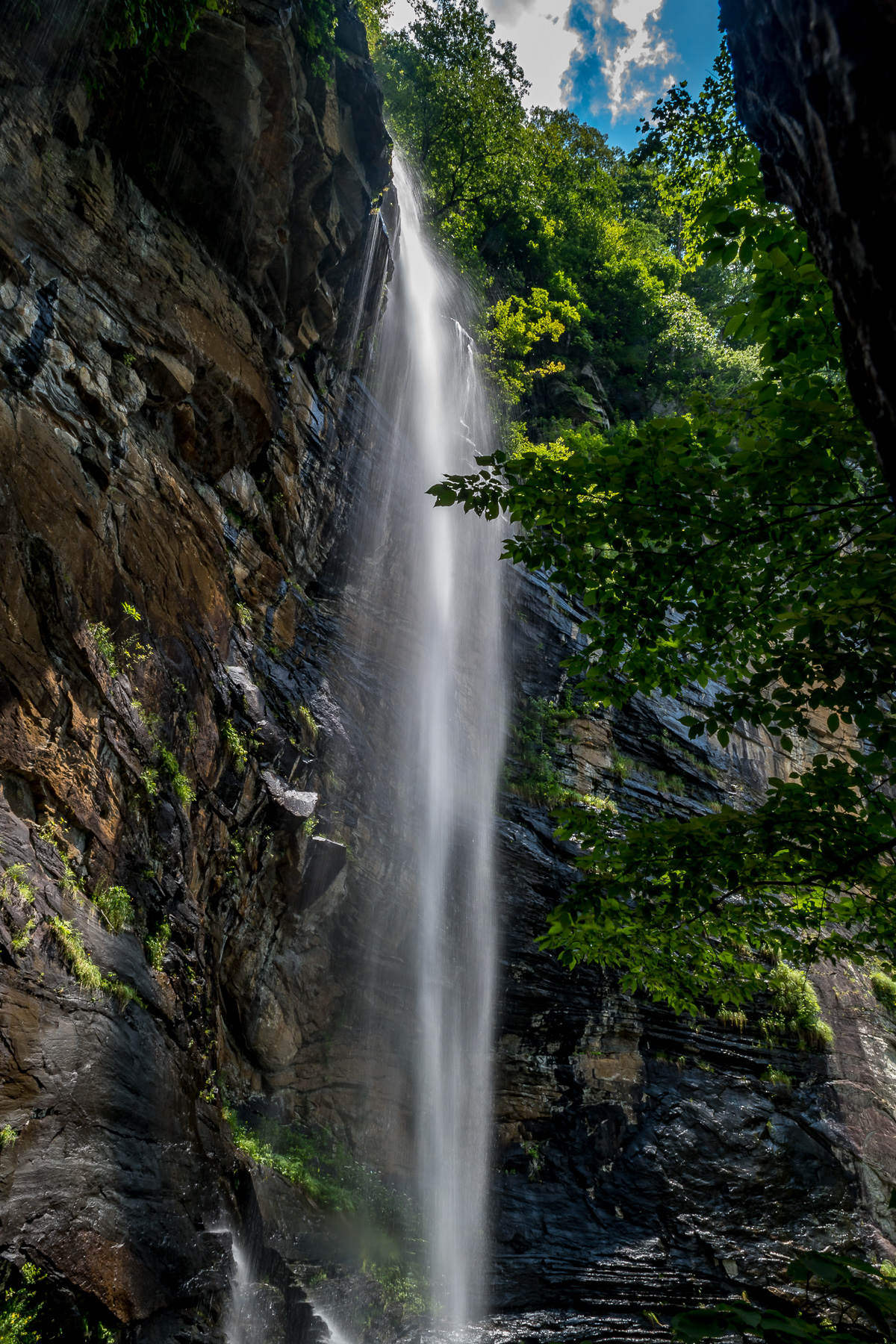
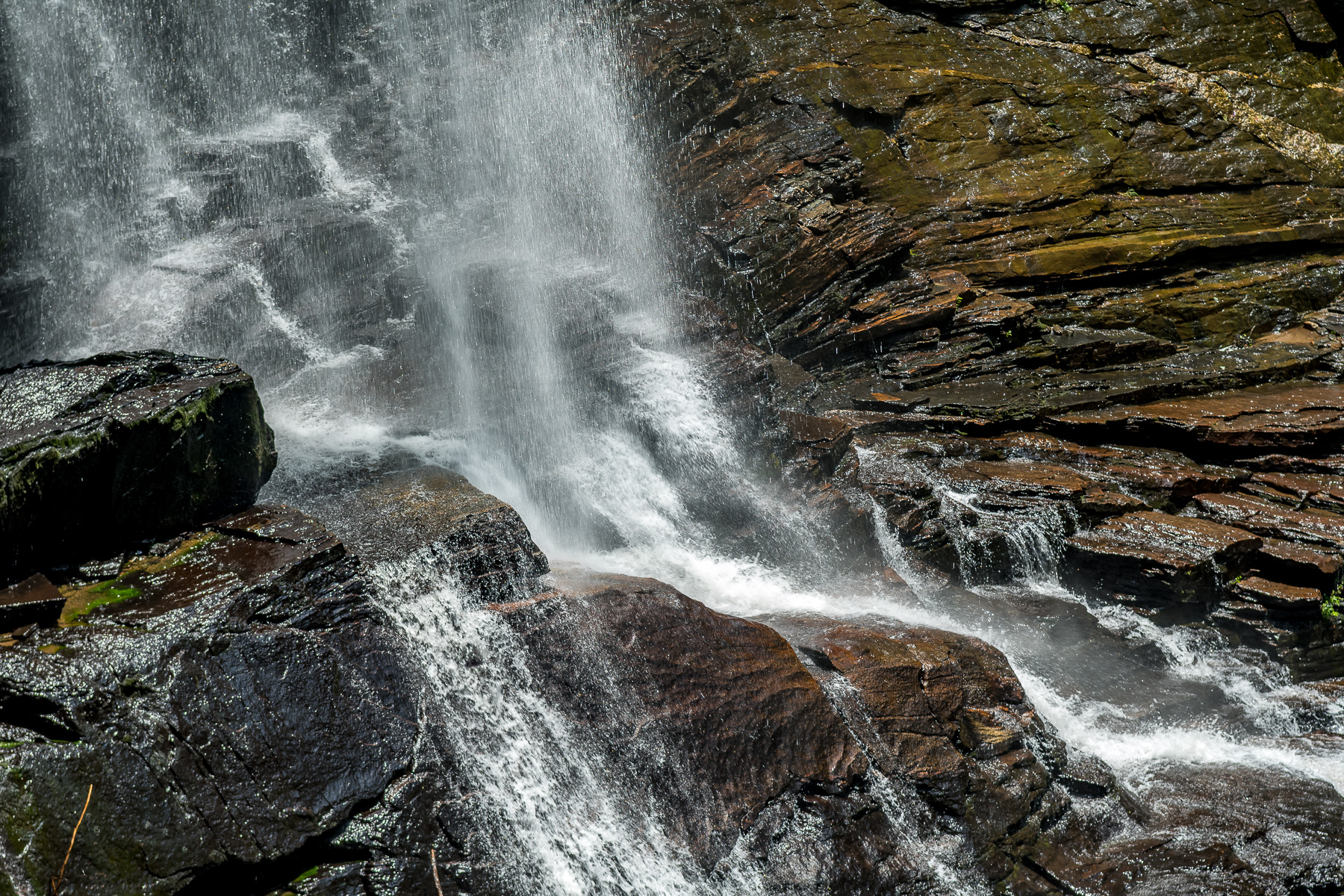
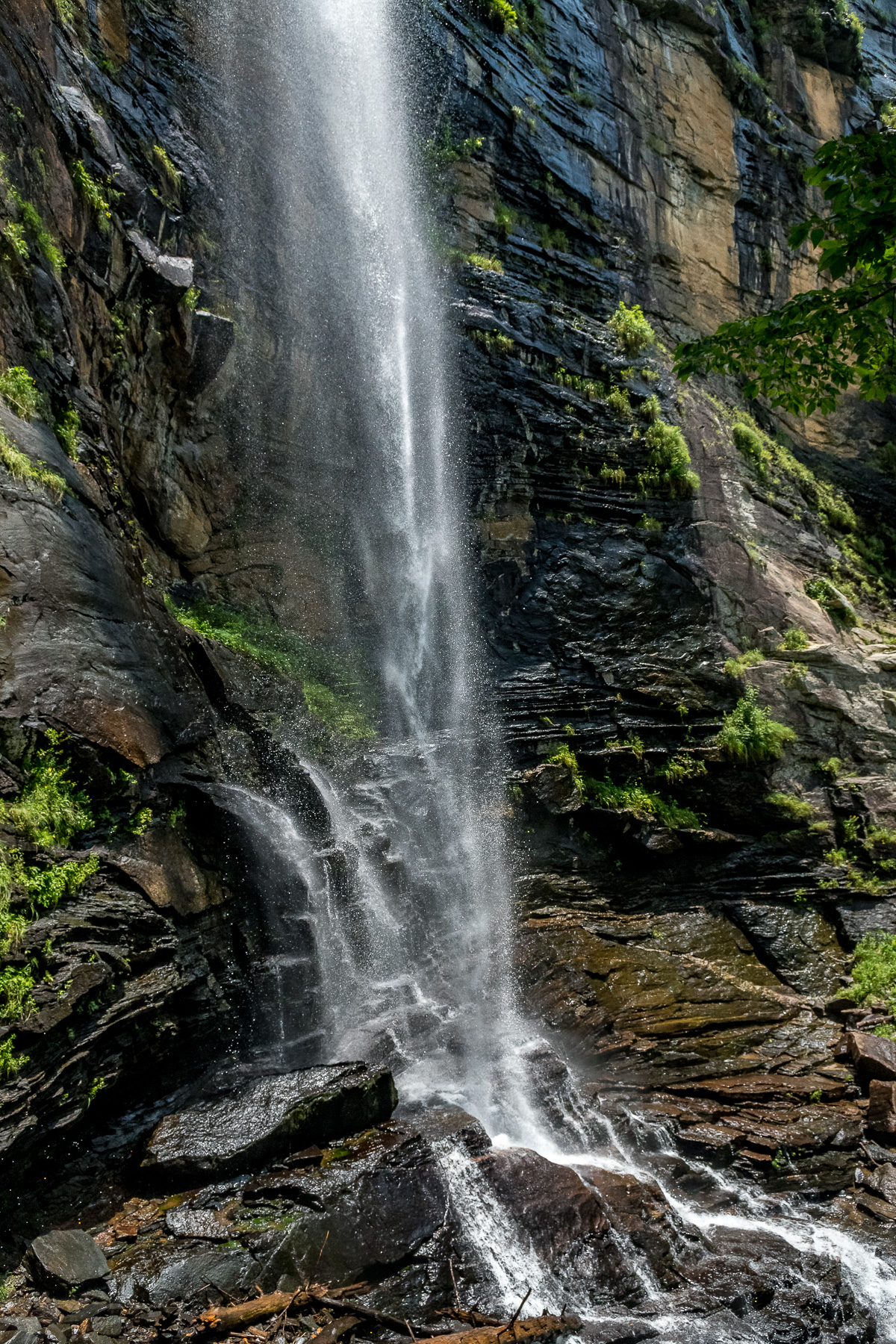
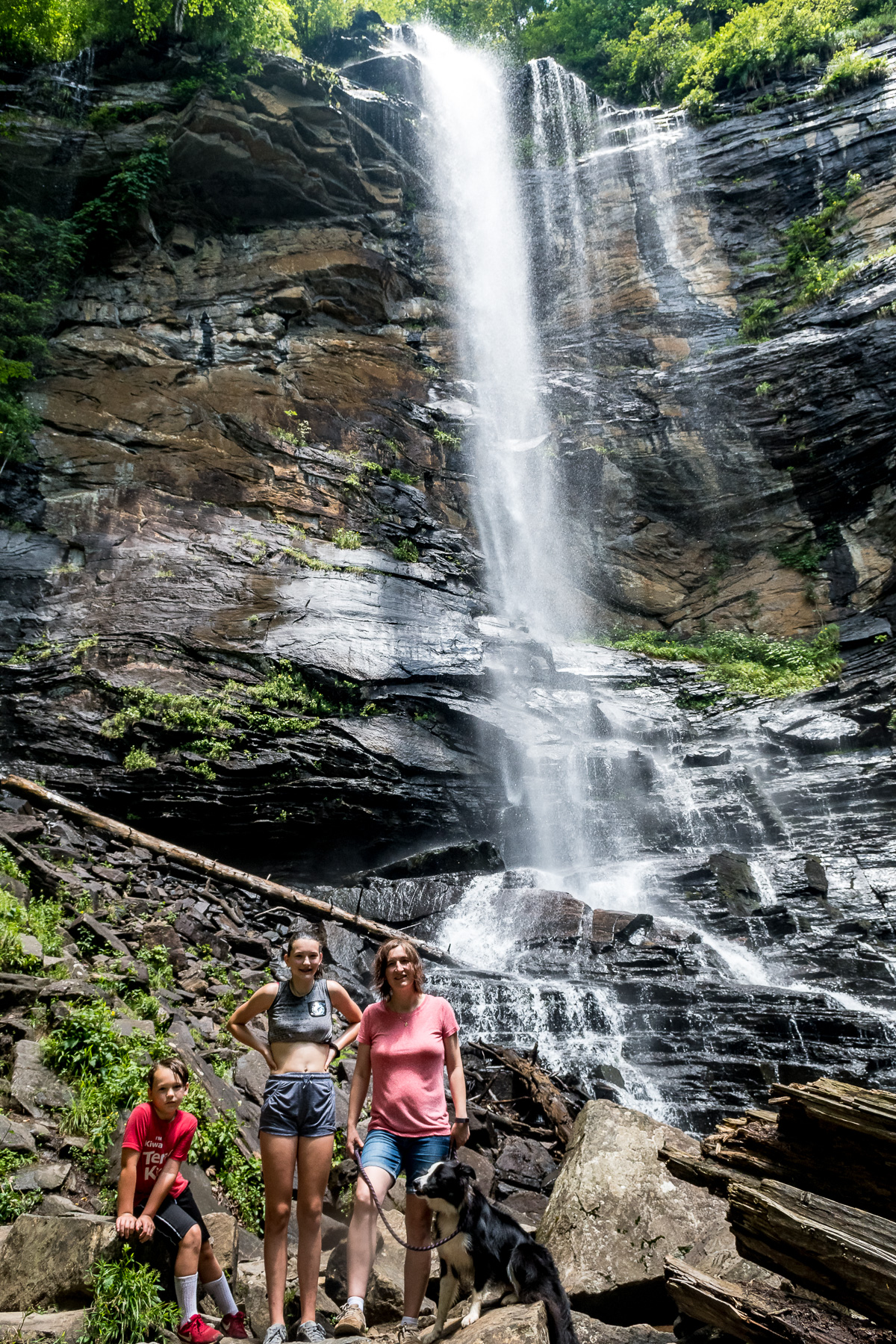
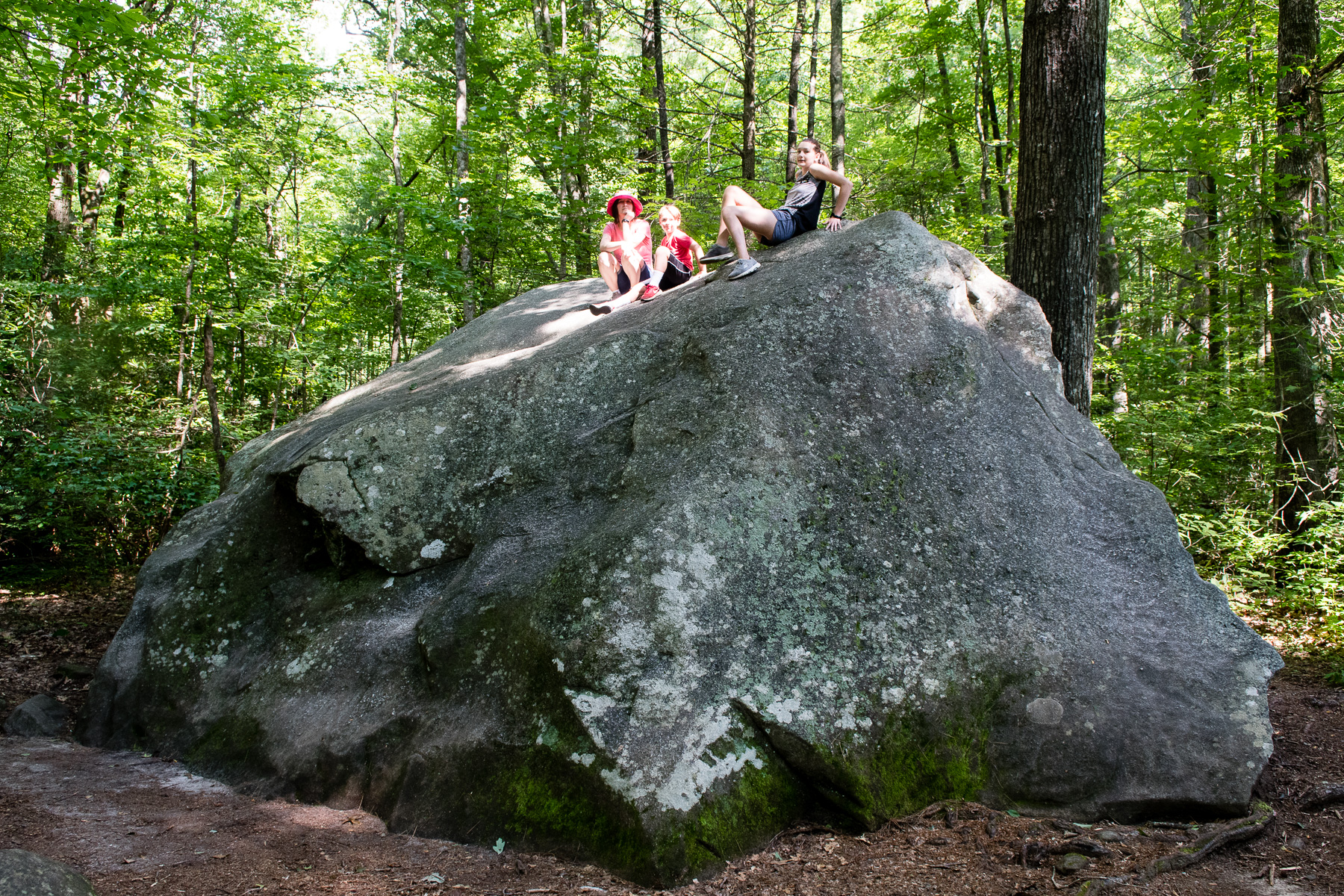
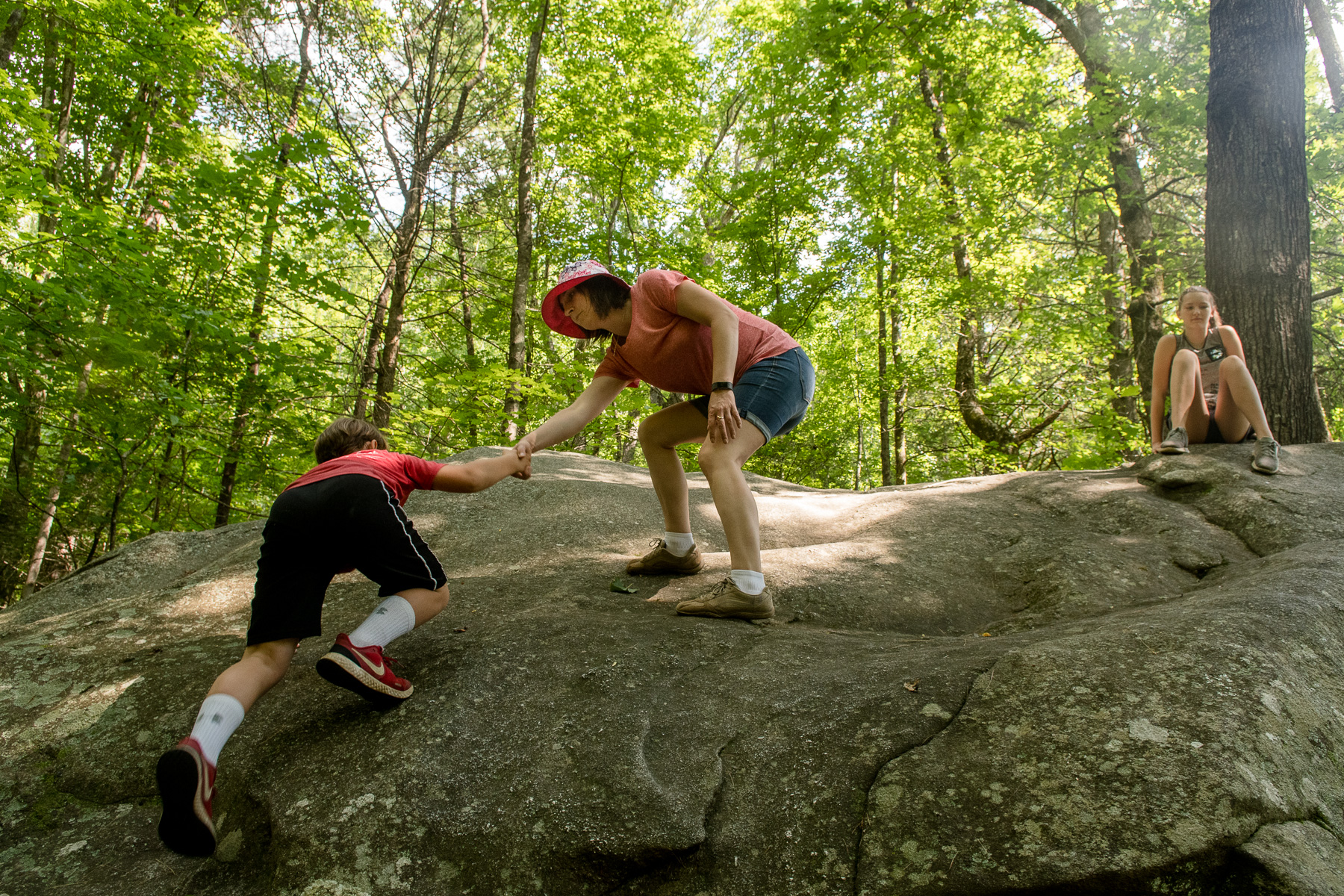
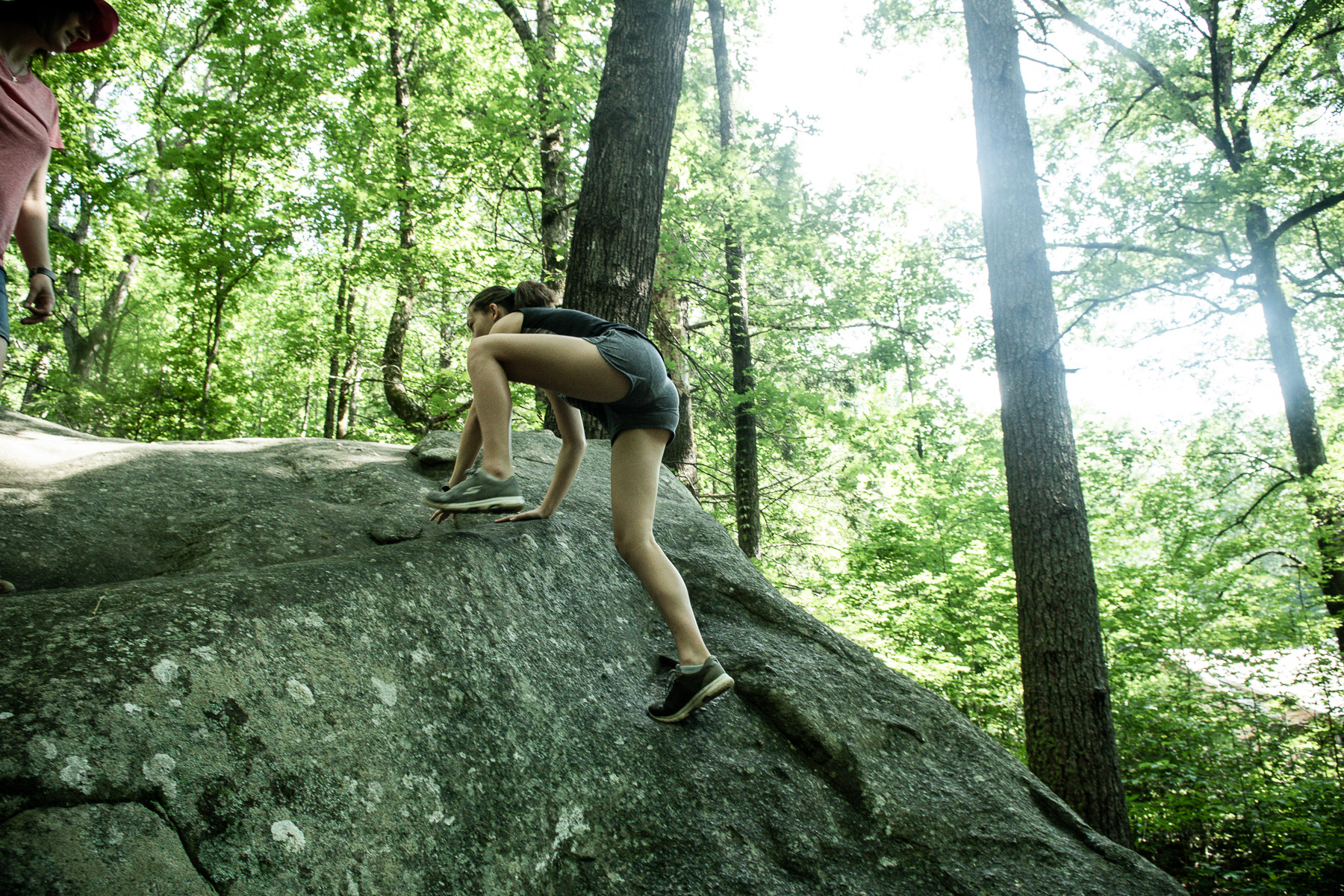
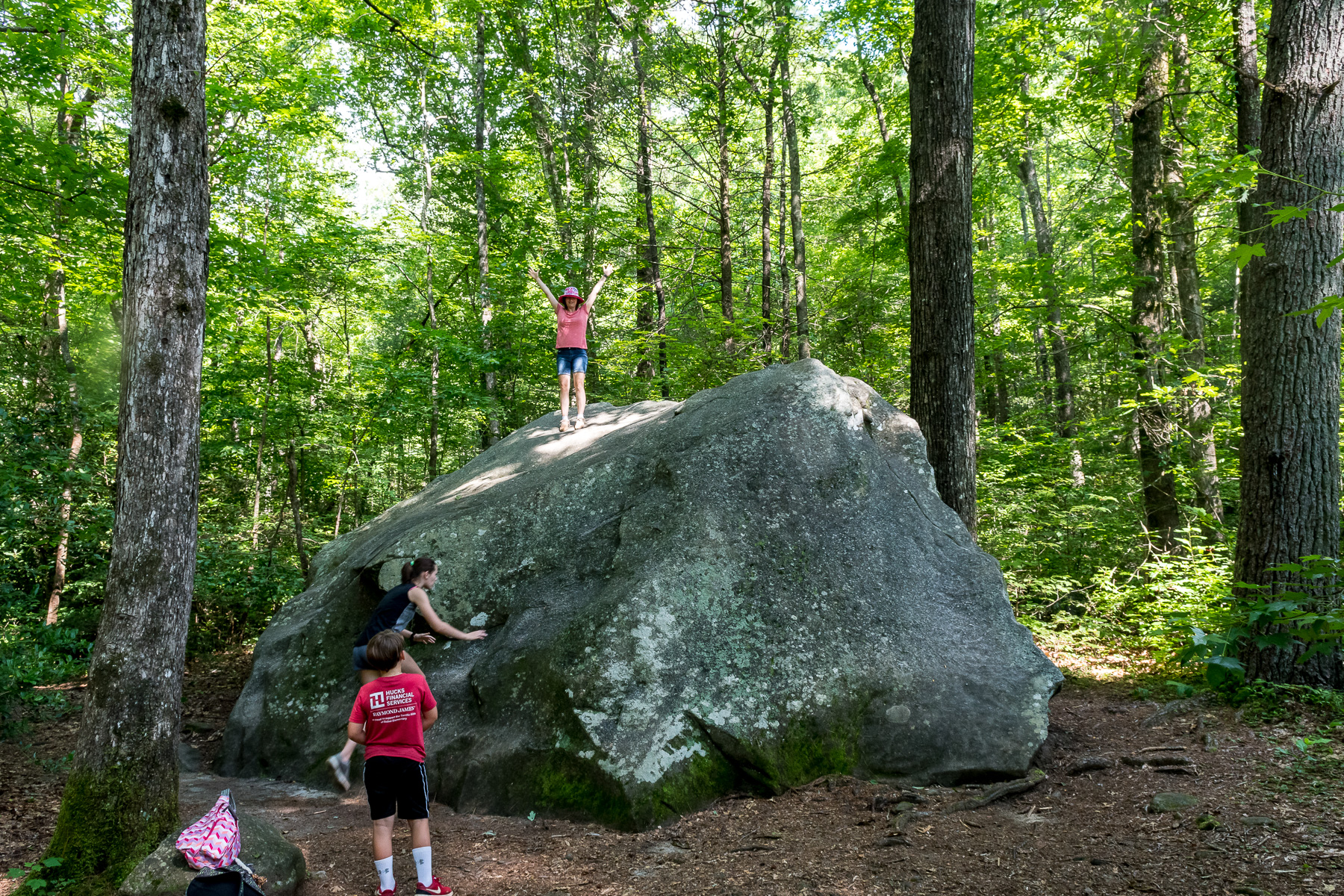
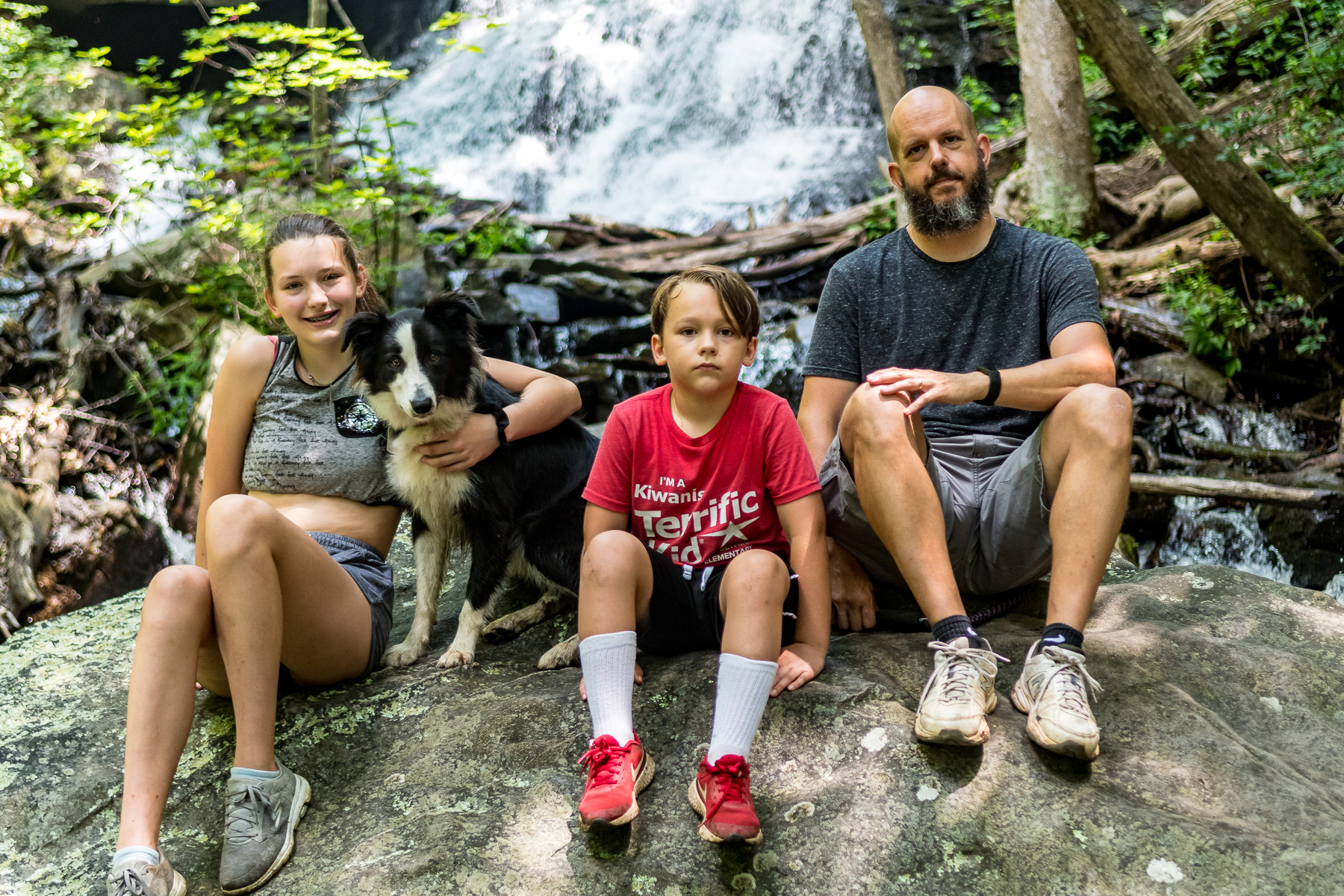
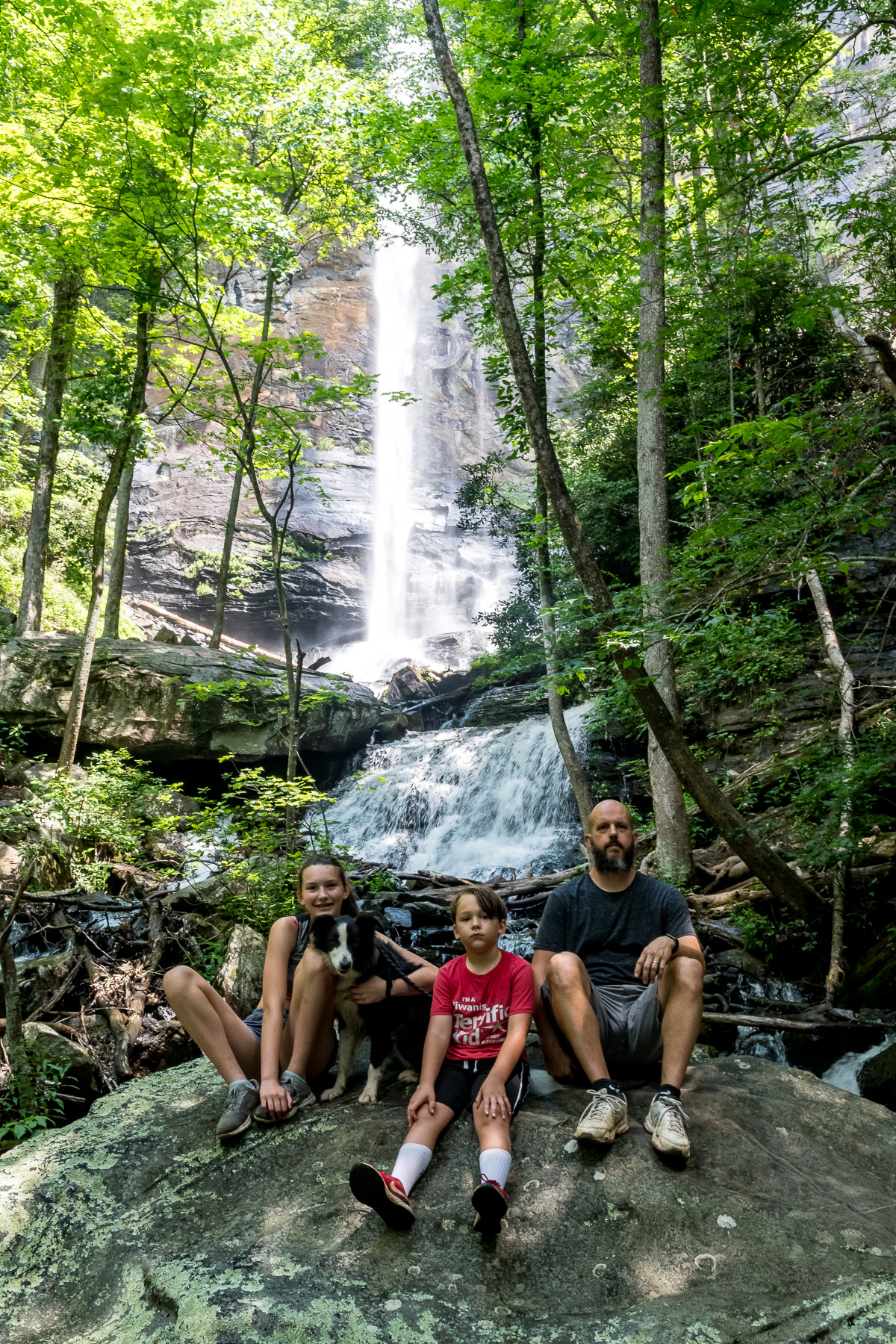
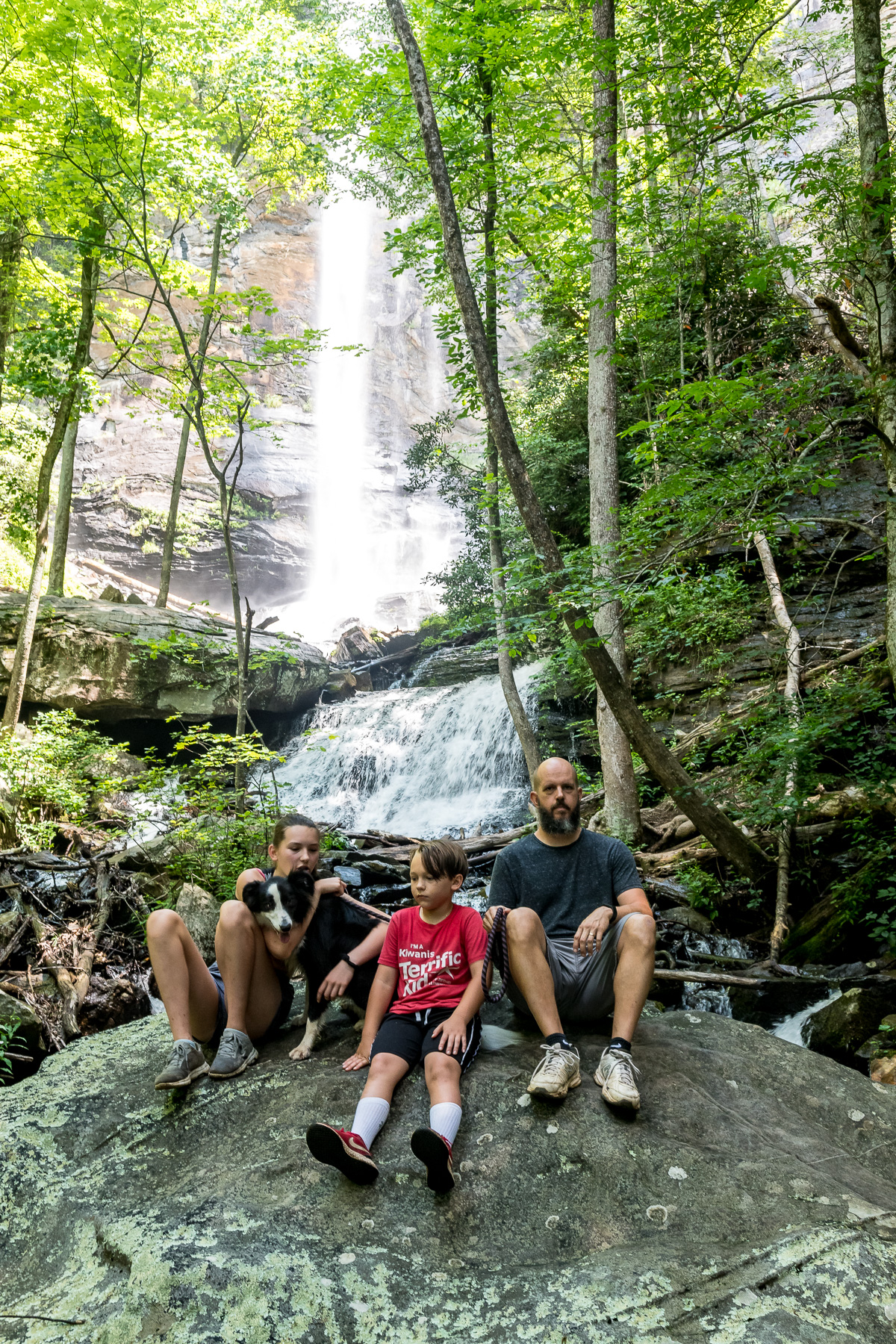
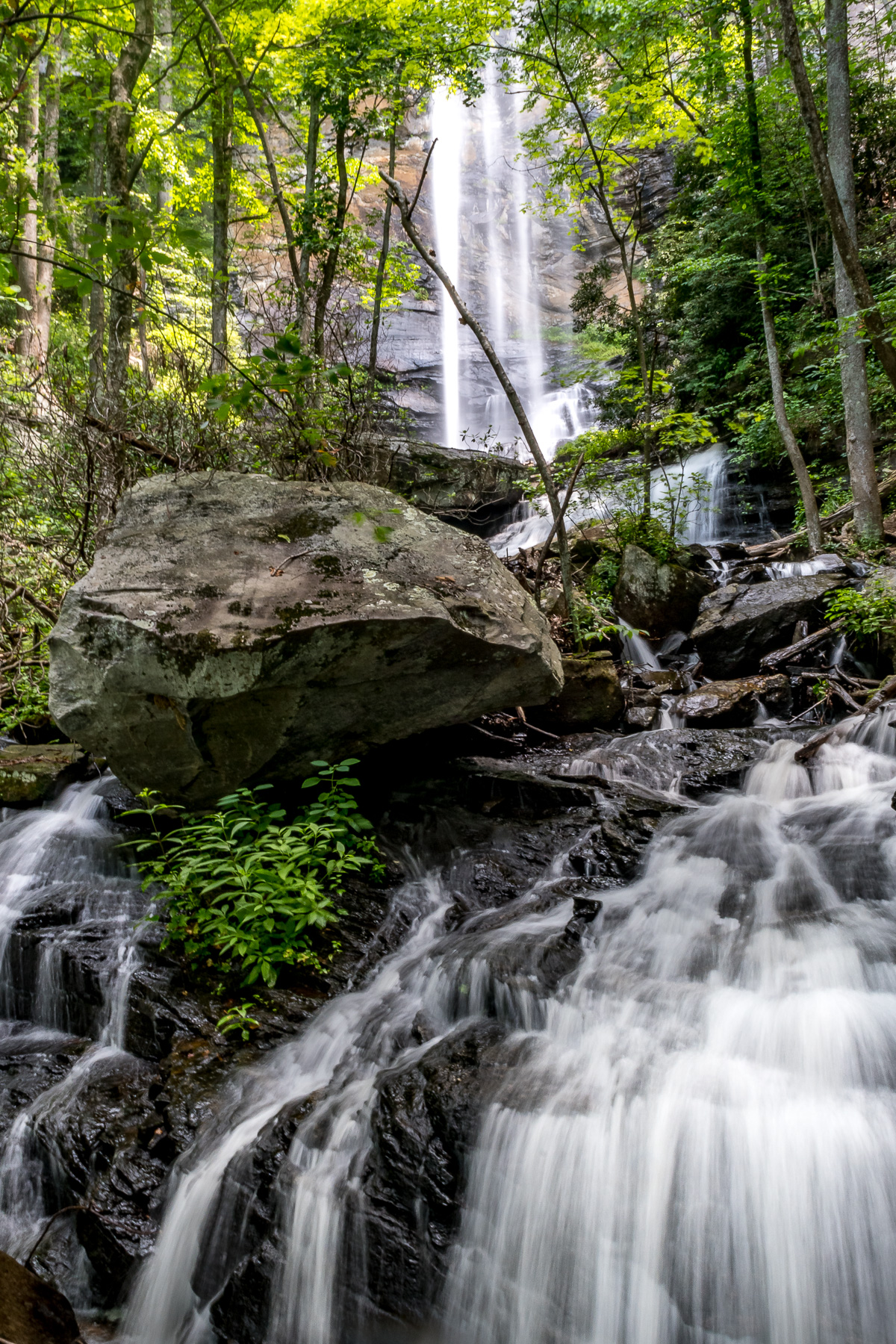
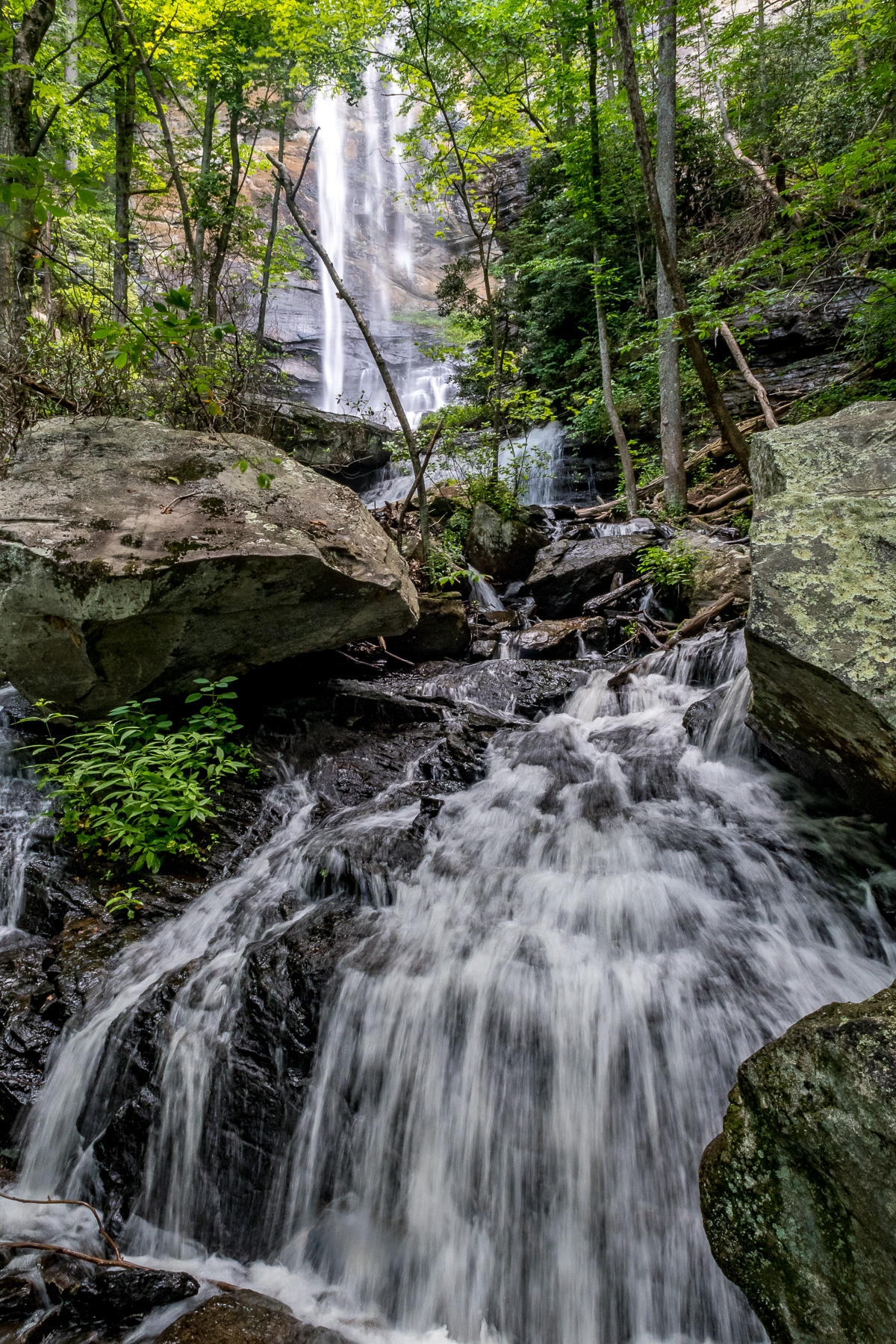
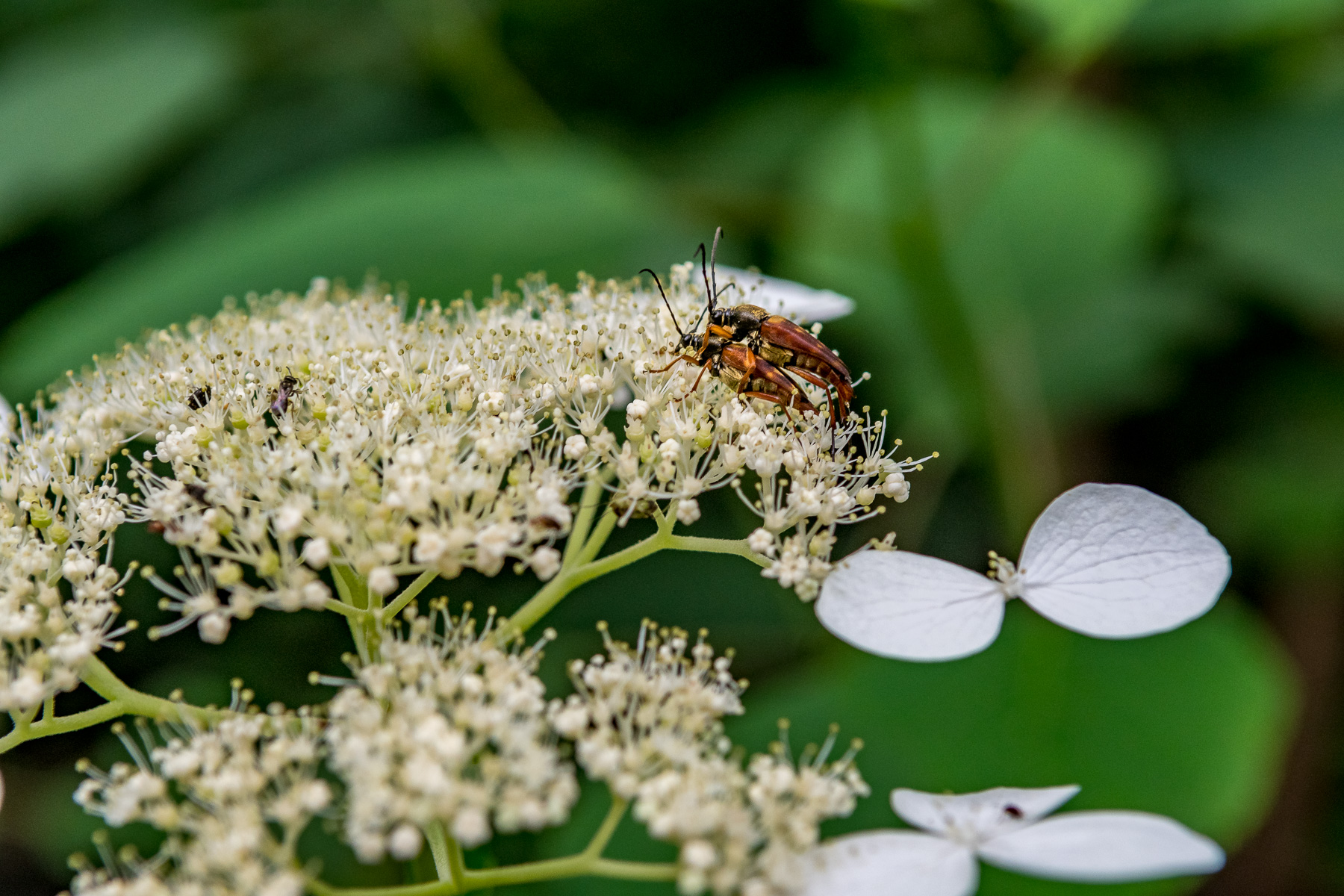
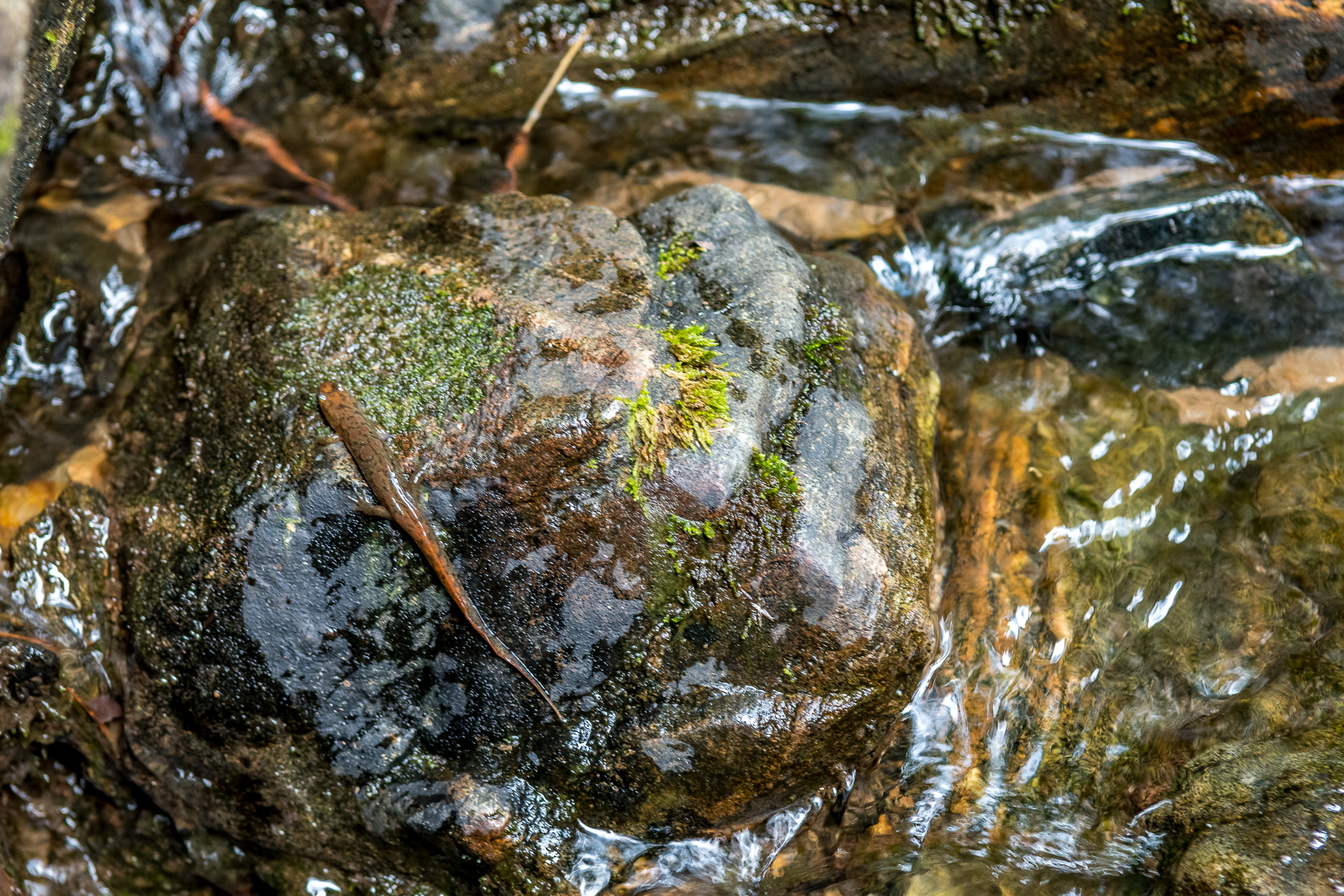
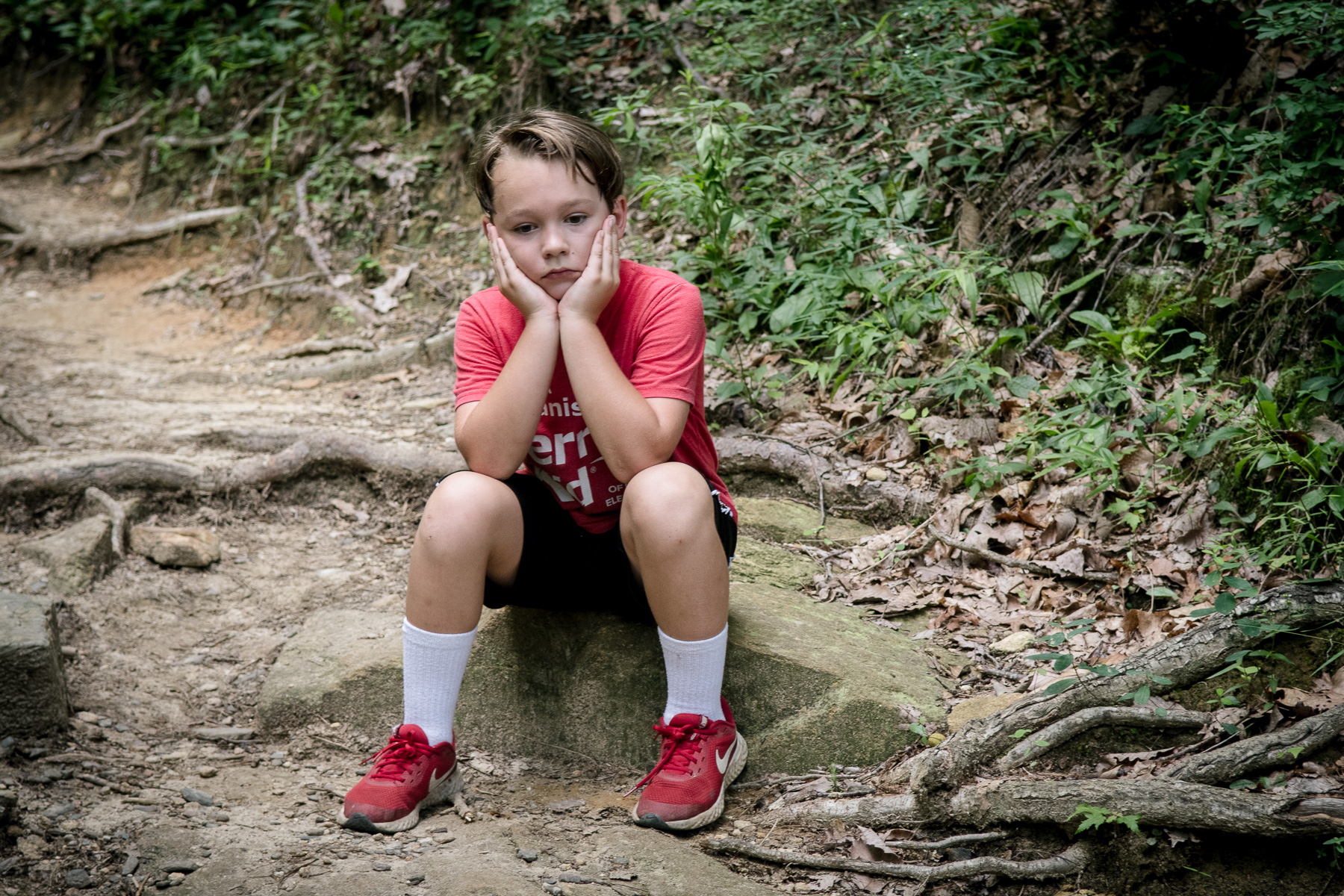
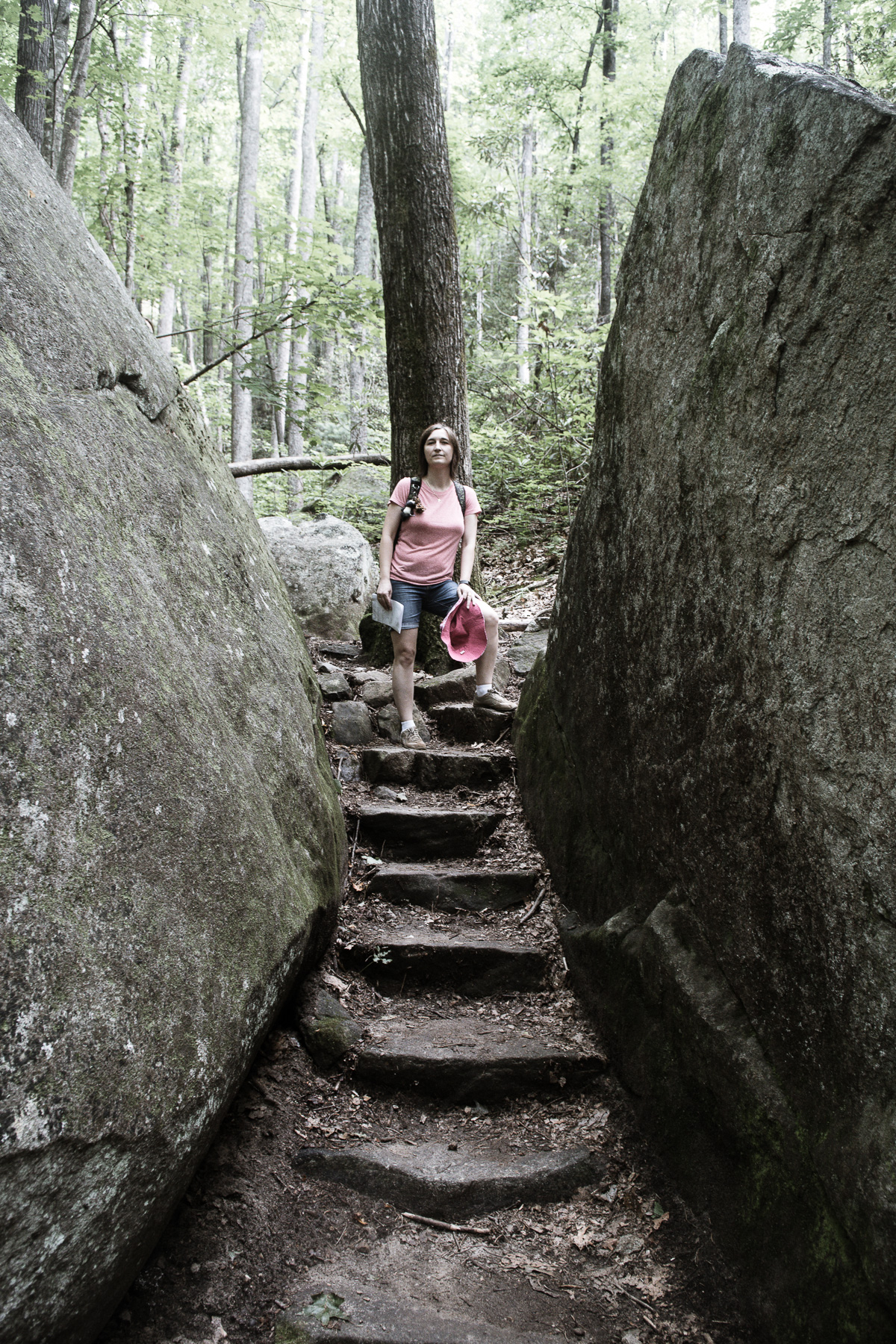
K even took a few pics on her phone.
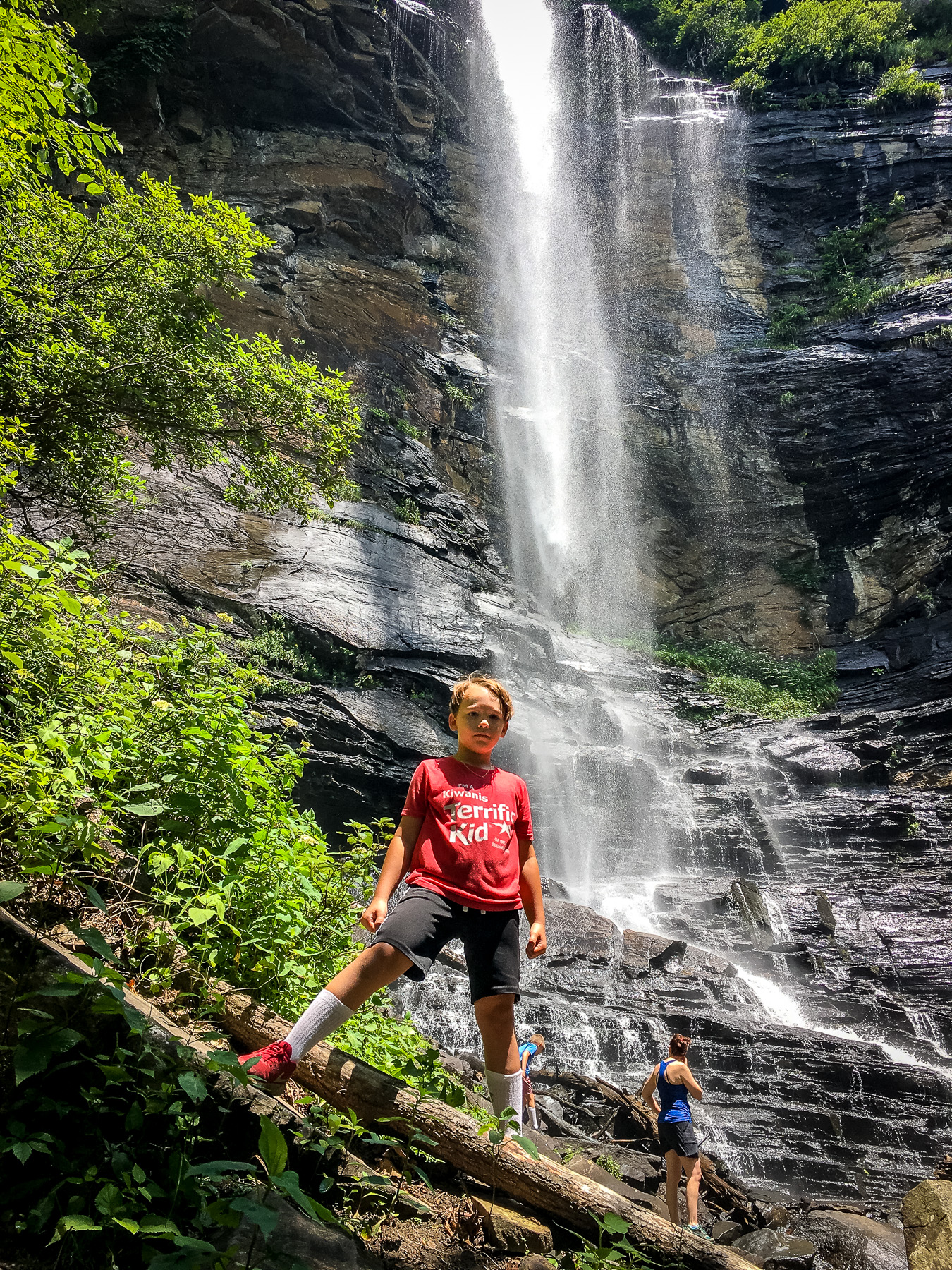
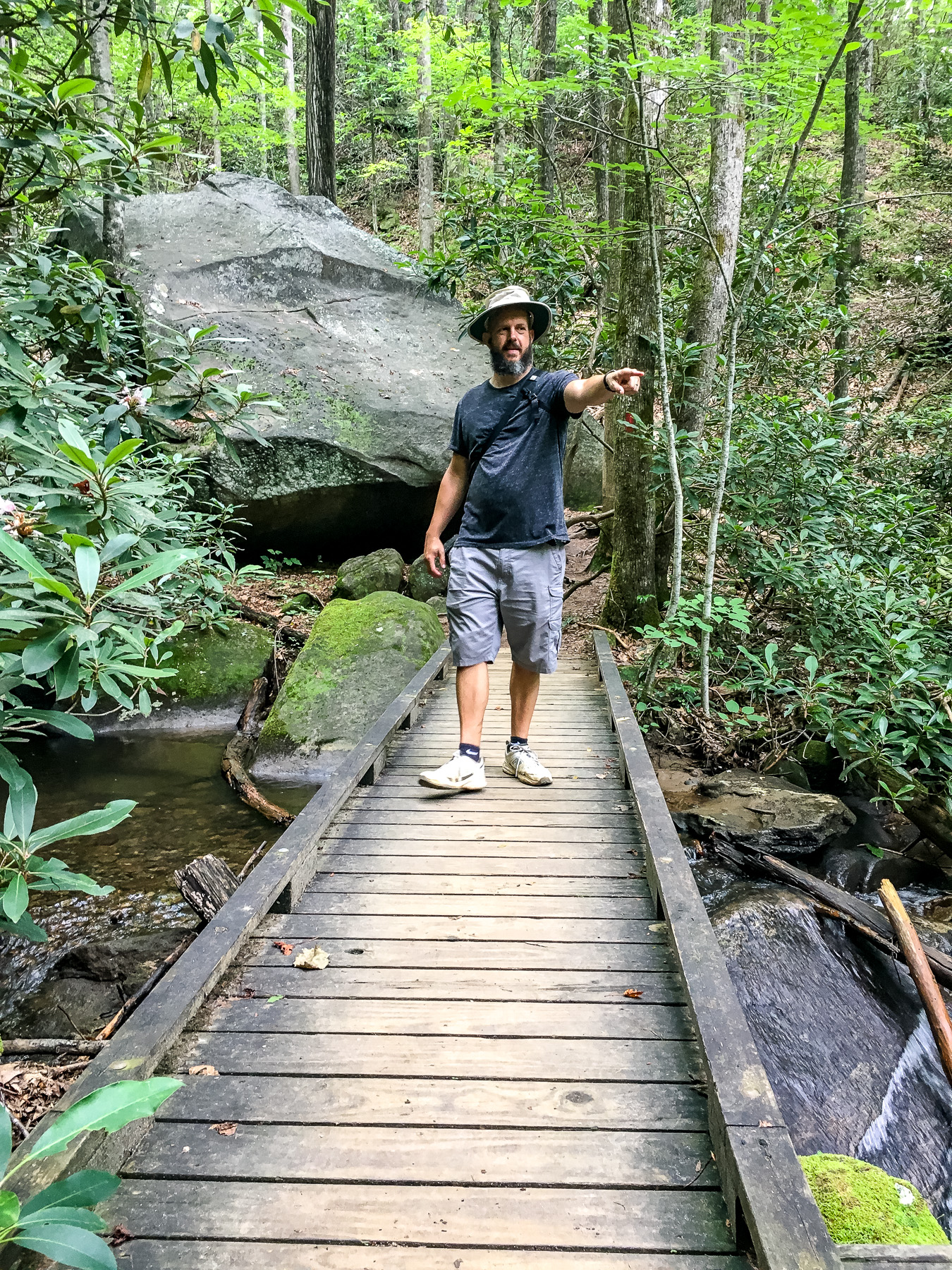
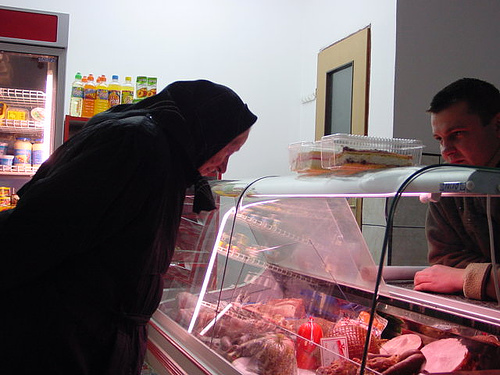
It’s four o’clock. My lessons are done, and because I’m repeating today’s lessons tomorrow with different sections of the junior and senior classes, I have no planning. I also have no sandwich meat — a staple in Polska — so I wrap up in my layers and head down the street to my friend’s shop.
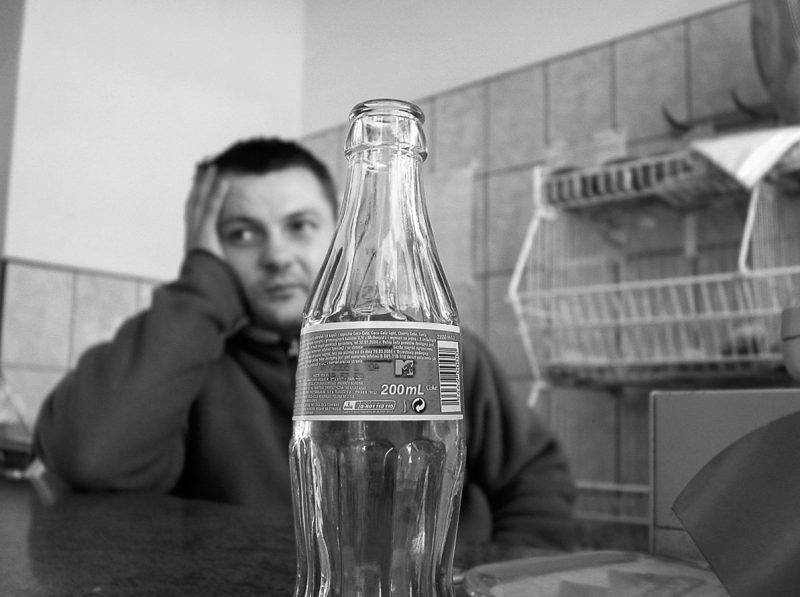
It’s a frigid day, and no one is out unless he has to be out. Stasiek sits behind the counter, head propped with one hand, bored and waiting for customers.
I buy a cola, and we chat while he slices some ham for me. We chat about mindless things, but we chat in Polish. Stasiek is one of my few friends with whom I have an entirely Polish relationship: only rarely does he try English with me, and usually only as a joke.
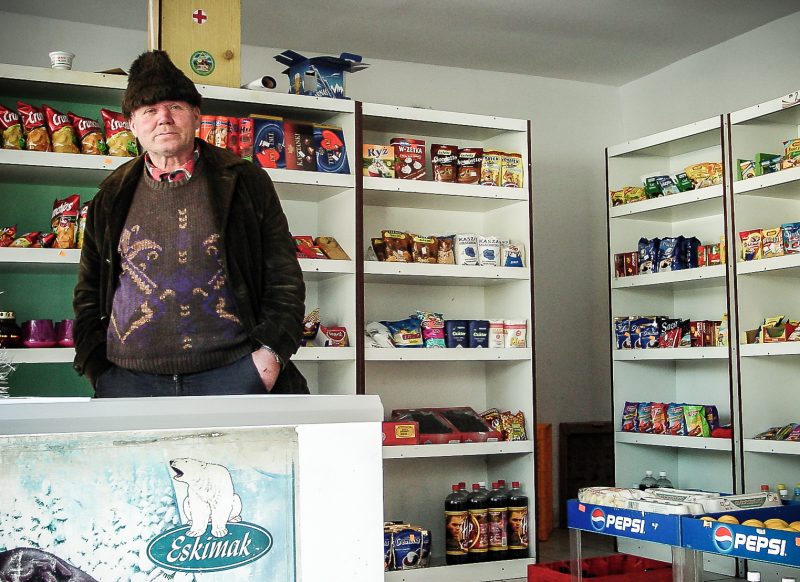
Soon, another customer staggers in and immediately begins telling slurred stories about the time he went to work in Iraq, back in the sixties. He tries to speak some Arabic for us, but to me it’s no more unintelligible than his slushy, thick Orawian dialect. I engage the defense mechanism I’ve honed to perfection in this small Polish village: I smile, mumble assenting phrases, and avoid further unnecessary eye contact.
Stasiek senses my unease and offers help: “Uncle, do you need anything else? You’d probably better start heading home.”
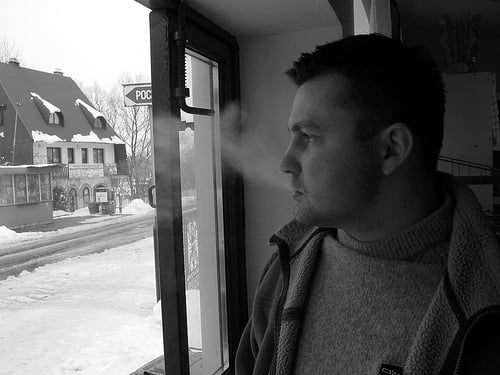
Soon, Michal, a former student and now mutual friend, comes in, grabs a bag of bacon-flavored chips, tosses a coin on the counter, and joins our conversation. As he talks, he looks about for some thing or other, muttering a greeting to the still-rambling, inebriated customer, asking occasional questions about the merchandise.
Michal and Zbyszek, former students, are there, and soon we’re playing a Polish card game called Tysiąc (Thousand). I’ve been playing it for several weeks now, but I still don’t fully understand what I’m doing.
Through a social media account dedicated to publishing old photos of Orawa, the region of Poland where I lived for seven years, I've discovered photographs of Lipnica Wielka from a time long before I was born, not to mention before I came to know and love the place.
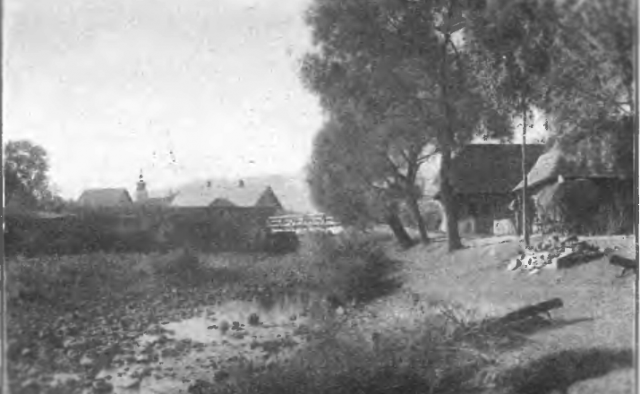
Most of the photos are of the centrum area, which makes sense: it is literally the center of the village. From centrum, the village now stretches about four kilometers toward Lake Orawa and six kilometers to the base of Babia Gora, giving the name centrum both a geographical and functional significance. During the time these pictures were taken, those distances might have been different, but I doubt it: instead, there was likely simply more room between homesteads.
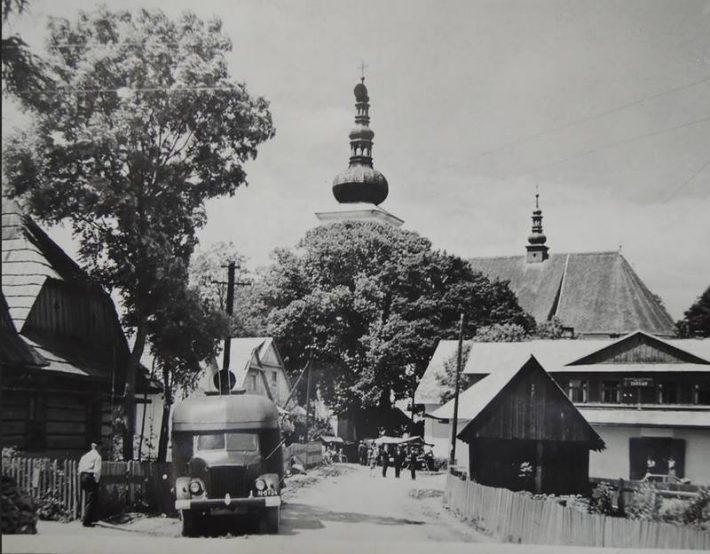
The shot from the sixties -- the second and third houses on the left are still there. I've visited friends in both of them.
In one of them lived two of my students. I'd gotten to know their father, F, as he would come to a shop my friend S owned when I was there hanging out, drinking a beer, chatting with my friend. F was always insisting that I would have to come to visit him for a coffee; I was always putting it off.
I did visit him once. I was leaving S's store when an eruption of yelling and what sounded like physical fighting spilled into the street, and F's youngest son came running out, a look of panic and fear on his seven-year-old face. More yelling. I pushed through the gate and walked to the house. "Wujek!" I called out -- I'd taken to calling him "Uncle" as my friend S did. "I came for that coffee you promised." Just then, his son -- whom I taught -- came out of the house yelling back at him, his father in pursuit, his mother tugging at her husband. "Wujek, I came for that coffee," I repeated, trying to sound as if I had no idea what was going on and just happened to choose that moment to take him up on the offer.
F saw me, stopped, and calmed immediately. "Get out of here," I said in English to his son, "and take your little brother with you."
Soon, we were sitting at a small table in their kitchen, his wife making coffee. When F left the room to retrieve something to show me -- pictures? some kind of manual? -- I said quickly to his wife, "Sorry to come in like this. I just thought I might be able to help." The corners of her mouth arched upward slightly but said nothing.
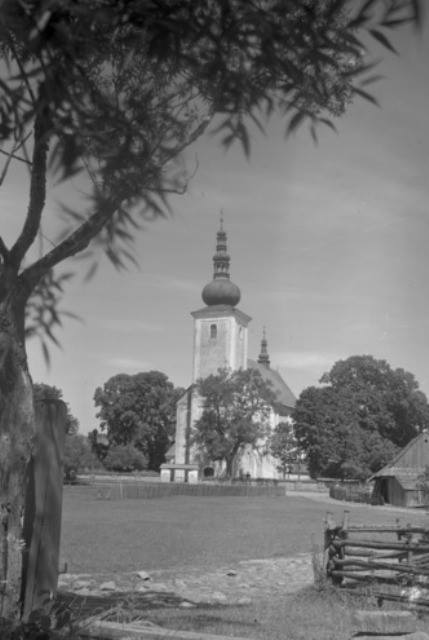
The church in the thirties: that view is impossible now. There are several houses there, many of which weren't even there when I first arrived in 1996. The village is expanding, with houses being built off the main road, which necessitates new roads, new infrastructure, new, new new. Such a strange juxtaposition to the numerous half-completed homes that dot the village -- all villages in southern Poland -- that have stood as empty shells for years, decades even, after the family abruptly moved to America. That stone road, though, is still there albeit paved.
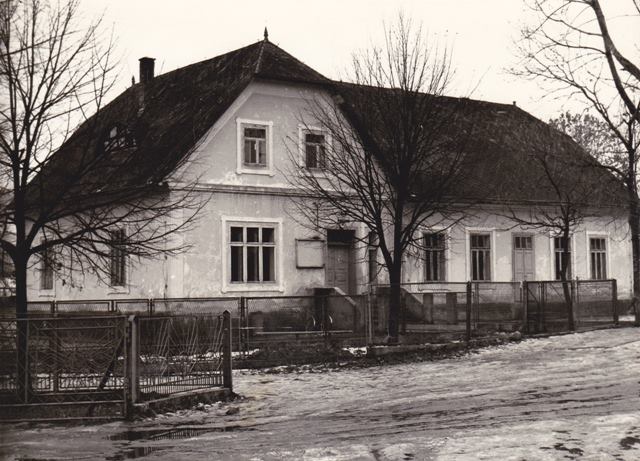
Two images look strikingly similar to my first encounters: the old school in Lipnica looked exactly the same when I arrived. It was no longer in use, with the elementary school it used to house in the lower floor of the large, then-new school complex where I taught high school students. The volunteer fire department band used upper room for rehearsals, though, and many a summer evening, when all the windows were open, I could easily hear them in my apartment in dom nauczyciela behind it. Sometimes heated discussions replaced the music, but by the time my Polish was good enough to scratch out some meaning from my eavesdropping, they'd stop rehearsing there.
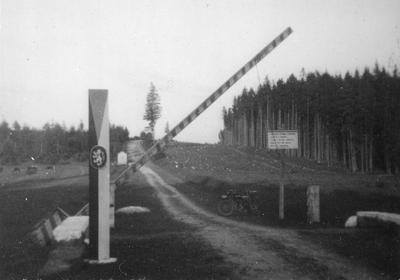
Except for the dirt road, the border looked almost identical as well. This was the small crossing that I never dared use because there was never any officers there to document my departure from Poland and my arrival to Slovakia. I was terrified at the thought of being caught in Slovakia without proper stamps in my passport or caught coming back into Poland without the appropriate stamps.
Once, I rode my bike there with K, and feeling mischevious, I stepped over the border briefly. If memory serves, K assured me that we could continue on the road without any worries, but in a way, that doesn't sound like K.
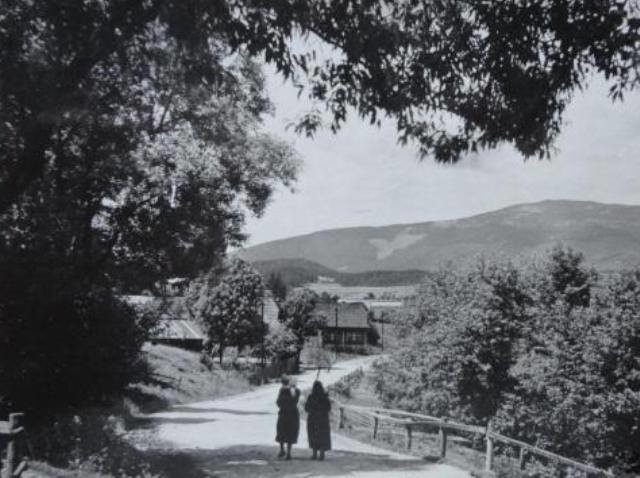
Finally, there is a portion of the road that I recognize not because of buildings or anything else; I simply recognize the curve and slope of the road, with Babia Gora just behind it. So odd that I can recognize a coupe-hundred-meter stretch of road in a small Polish village simply from that.
It was the route I walked countless Saturday nights with friends as we headed to a discoteque housed in the empty rooms above one of the bakeries in the village. There was always such a mix there:
I sat with my friends, drinking beer, talking to folks (occasionally students), watching people, making mental notes that eventually found their way into my journal.
All those memories embodied, strangely enough, in that little curve of road.
We hiked Graveyard Fields off the Blue Ridge Parkway twice within six months thirteen years ago:
Graveyard Fields
Repeating Ourselves
K and I are certain we went a third time -- though we think it was actually our first time. There's no mention of it on MTS; I can't find any pictures of that trip. Still, K and I are certain we went.
This morning, we went for the first time in about thirteen years. The last time we went, L looked like this
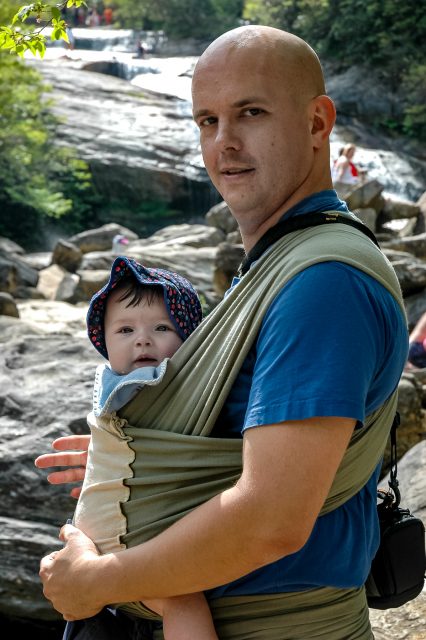
Today, when we made it to the same location, I had the Girl stand roughly in the same spot to take a picture:
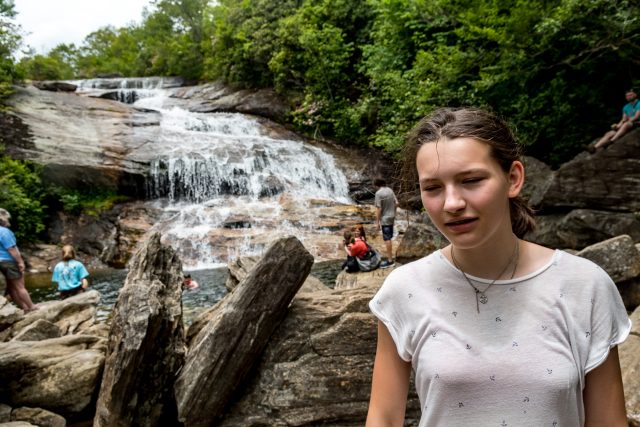
Where did that little girl go? We'll be asking the for the rest of our lives, I realize, but every time I ask that question again, I'm surprised again.
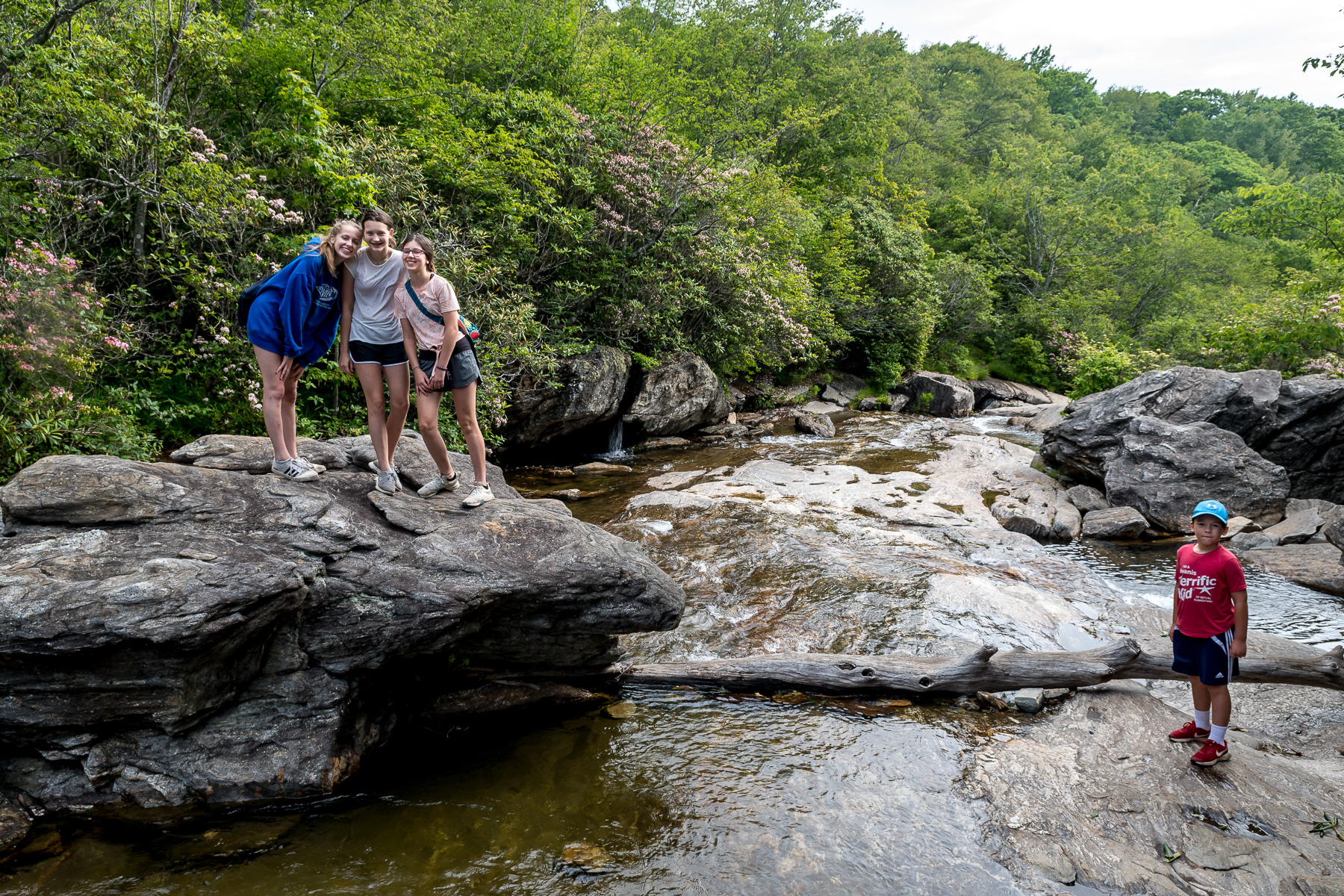
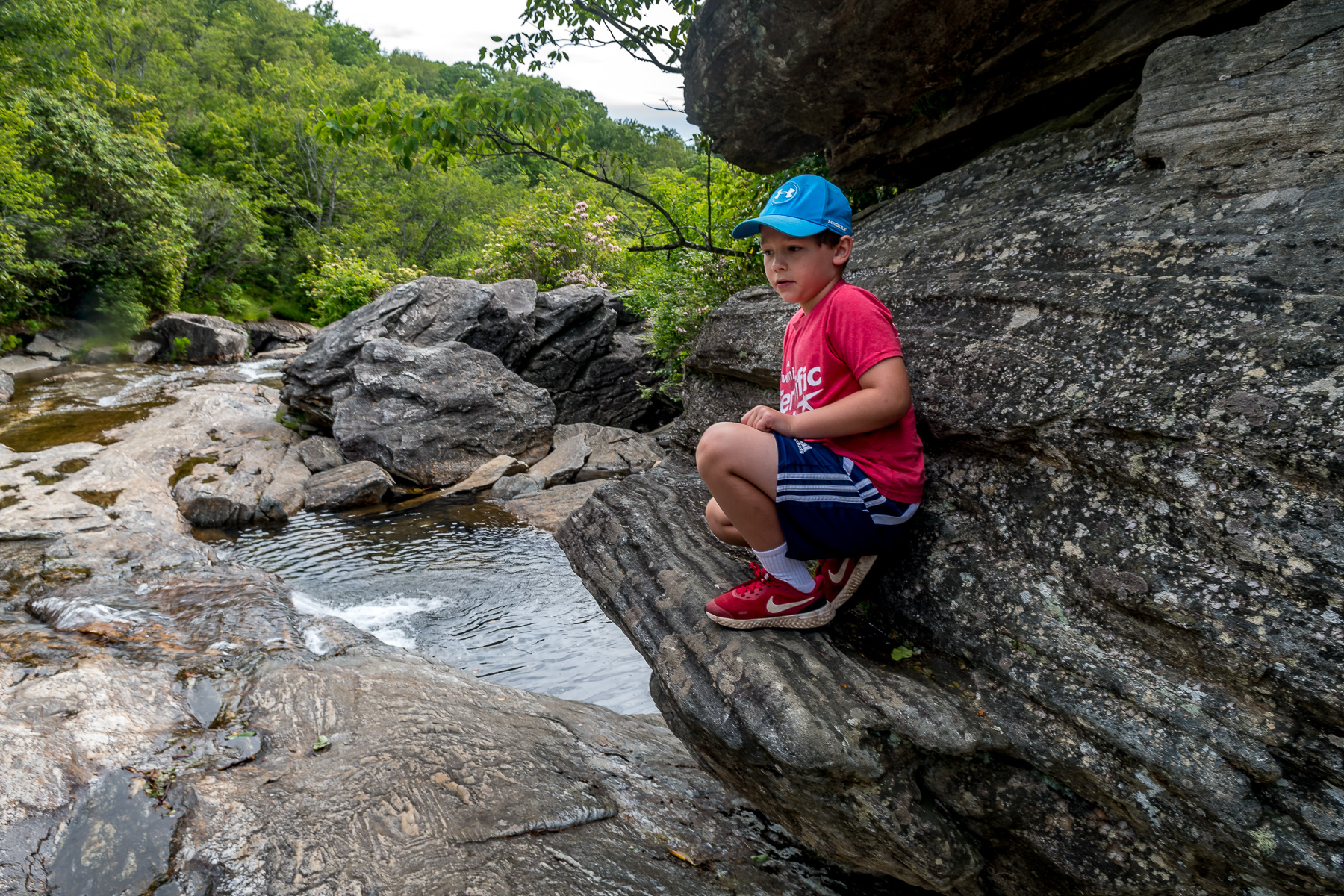
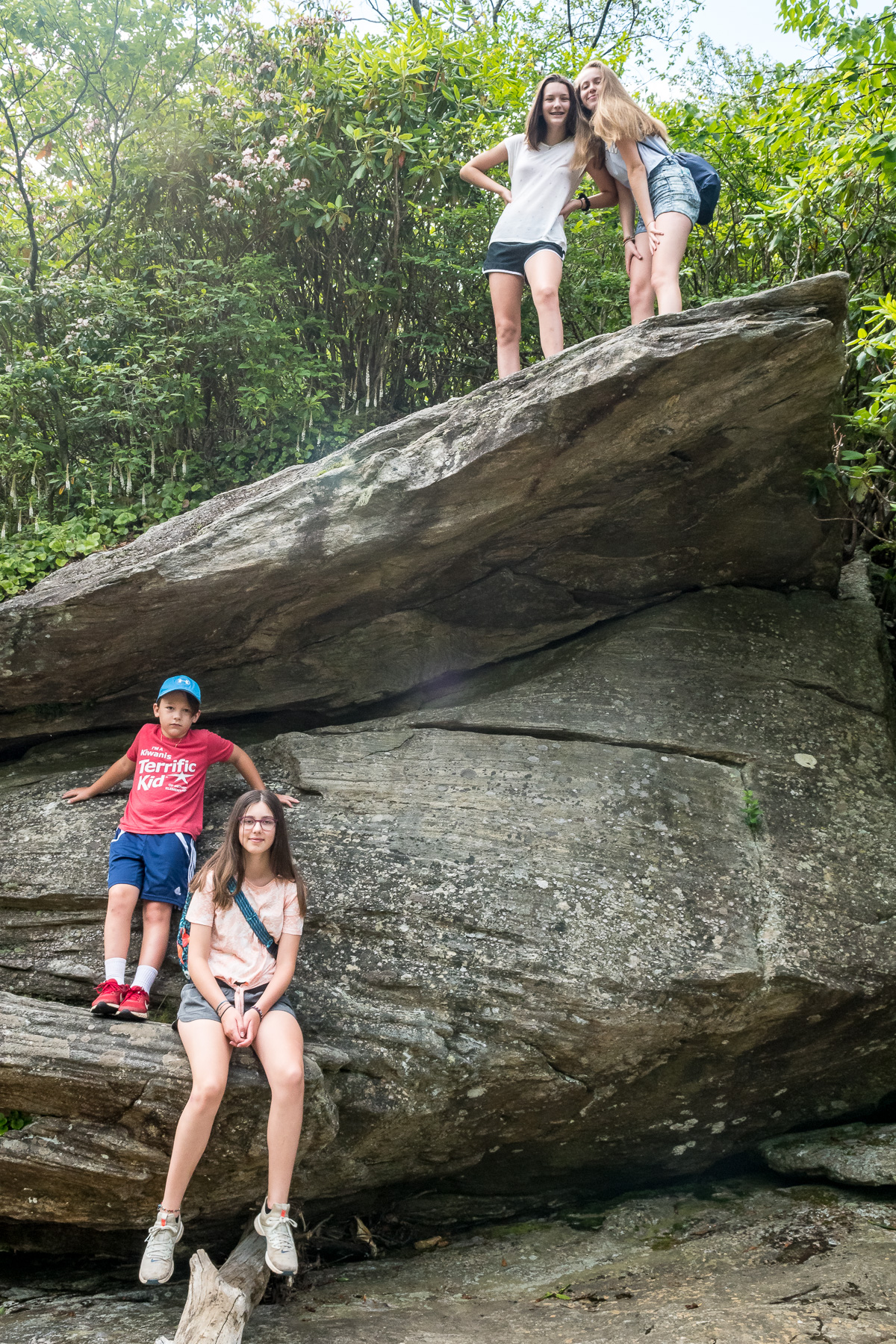
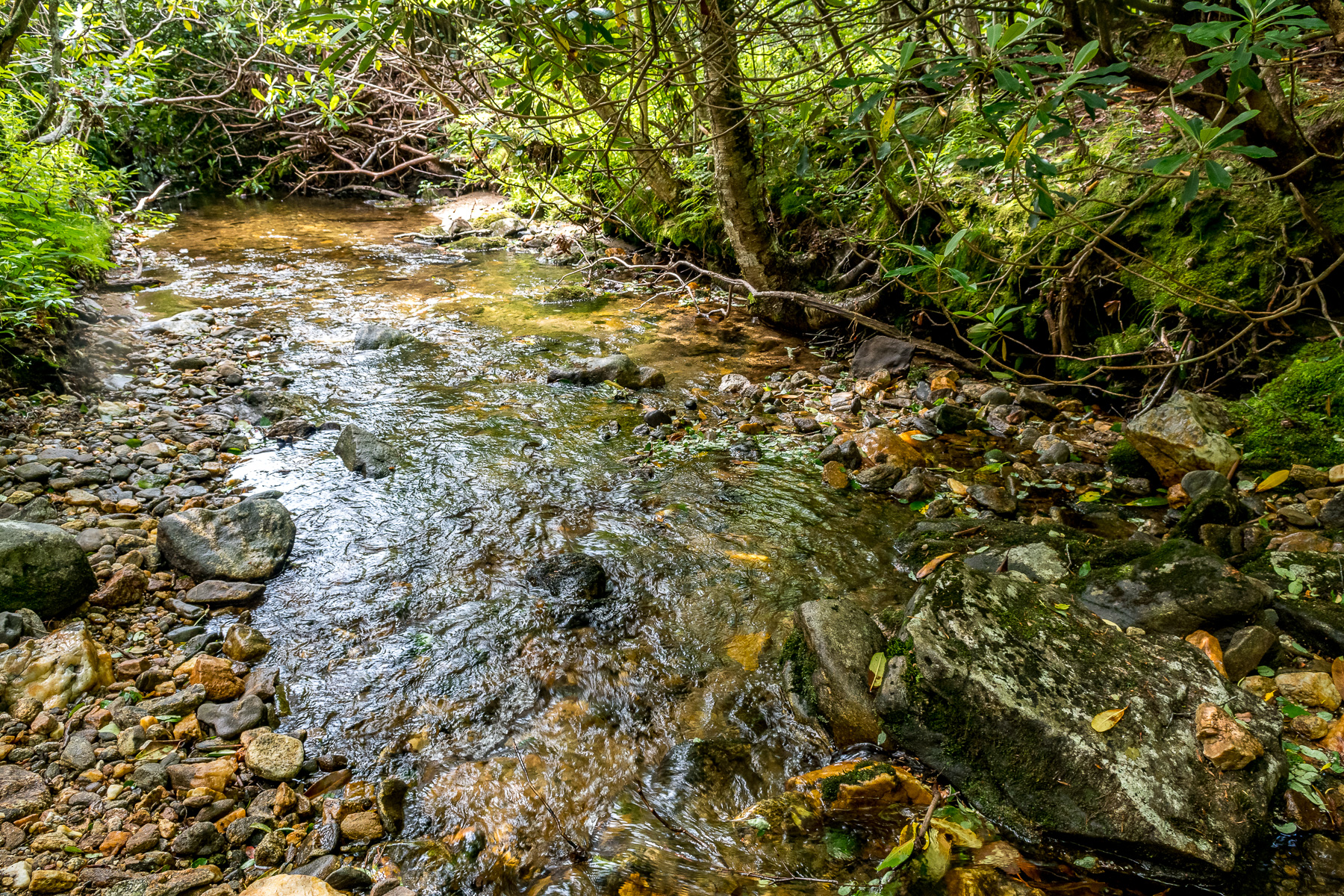
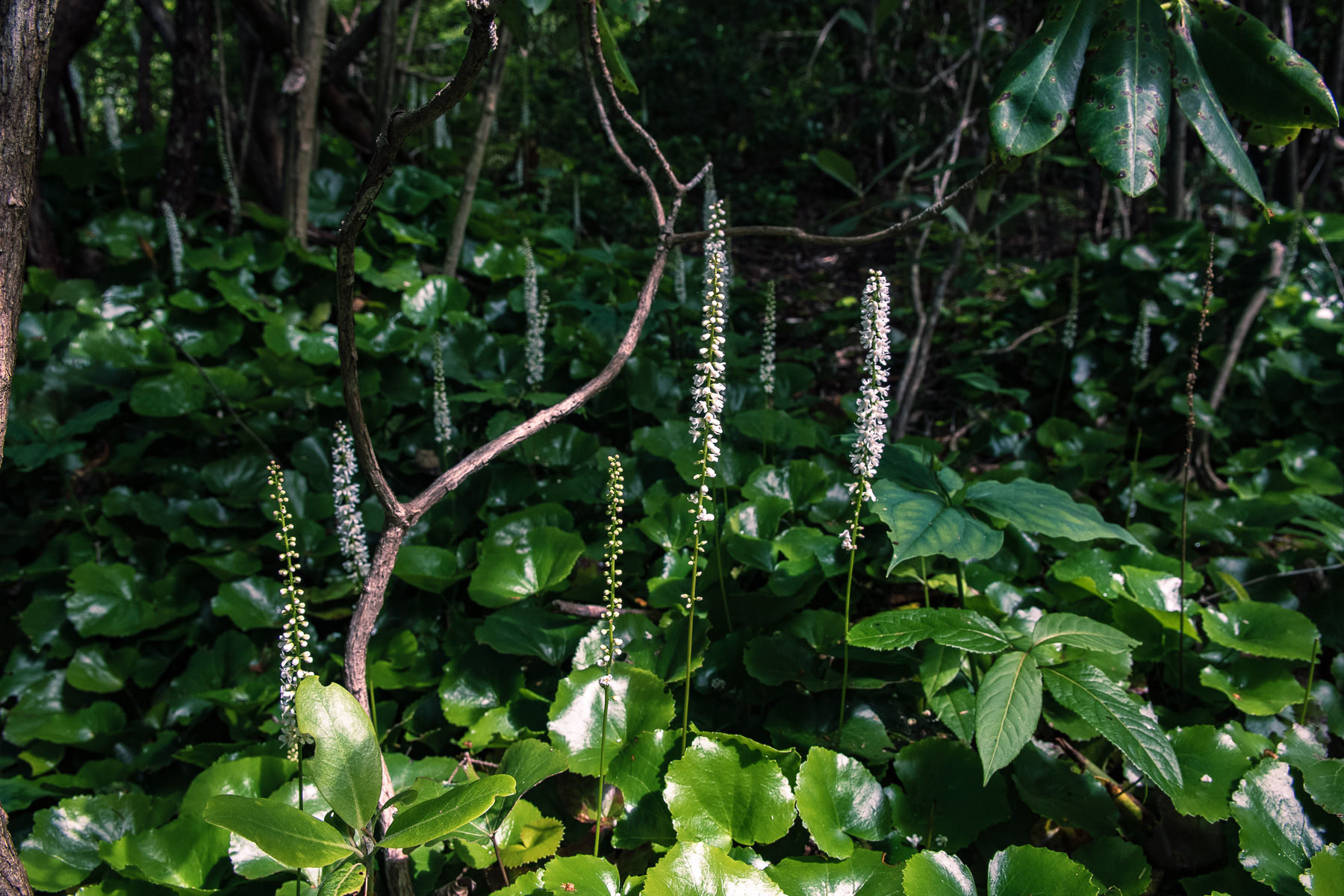
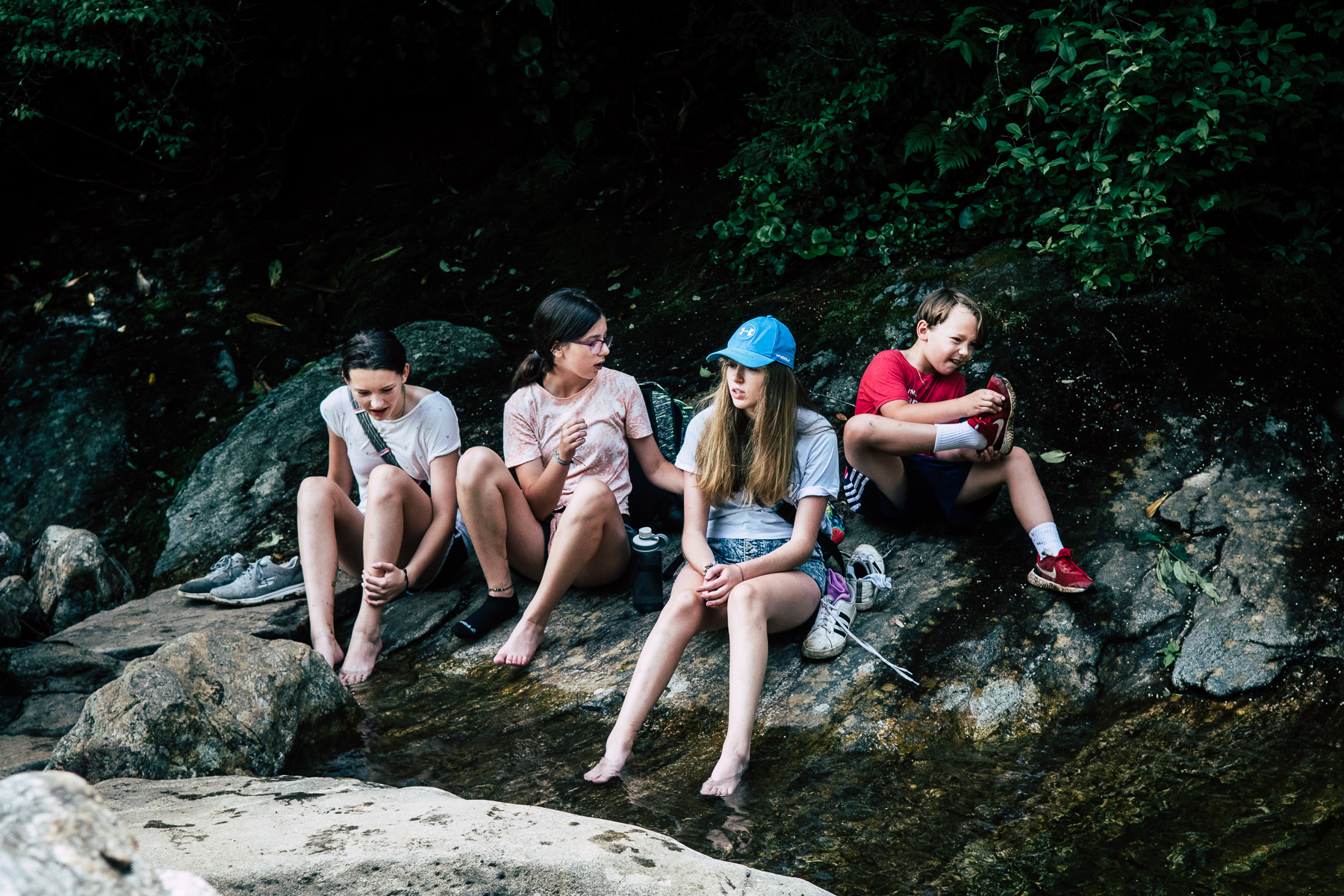
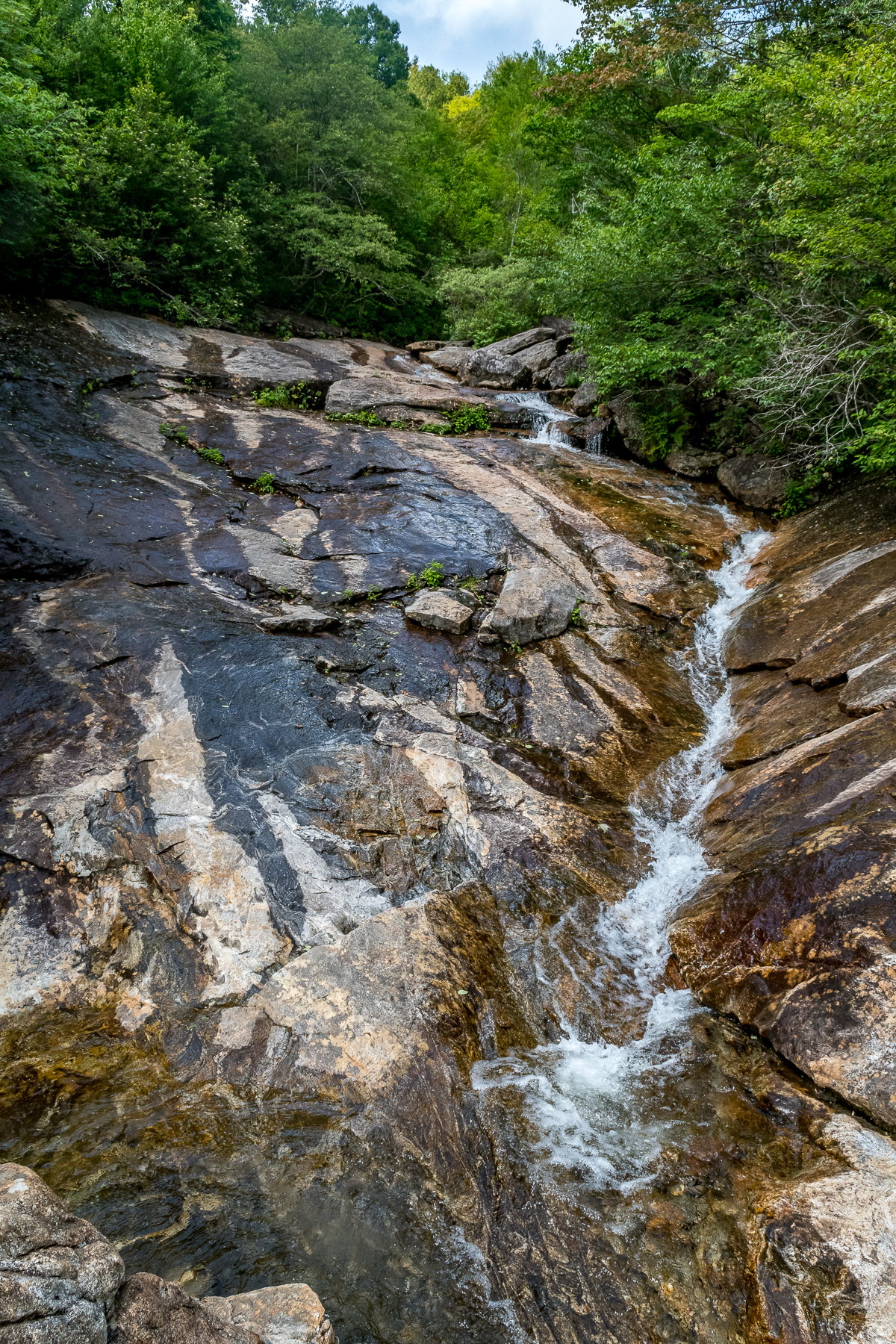

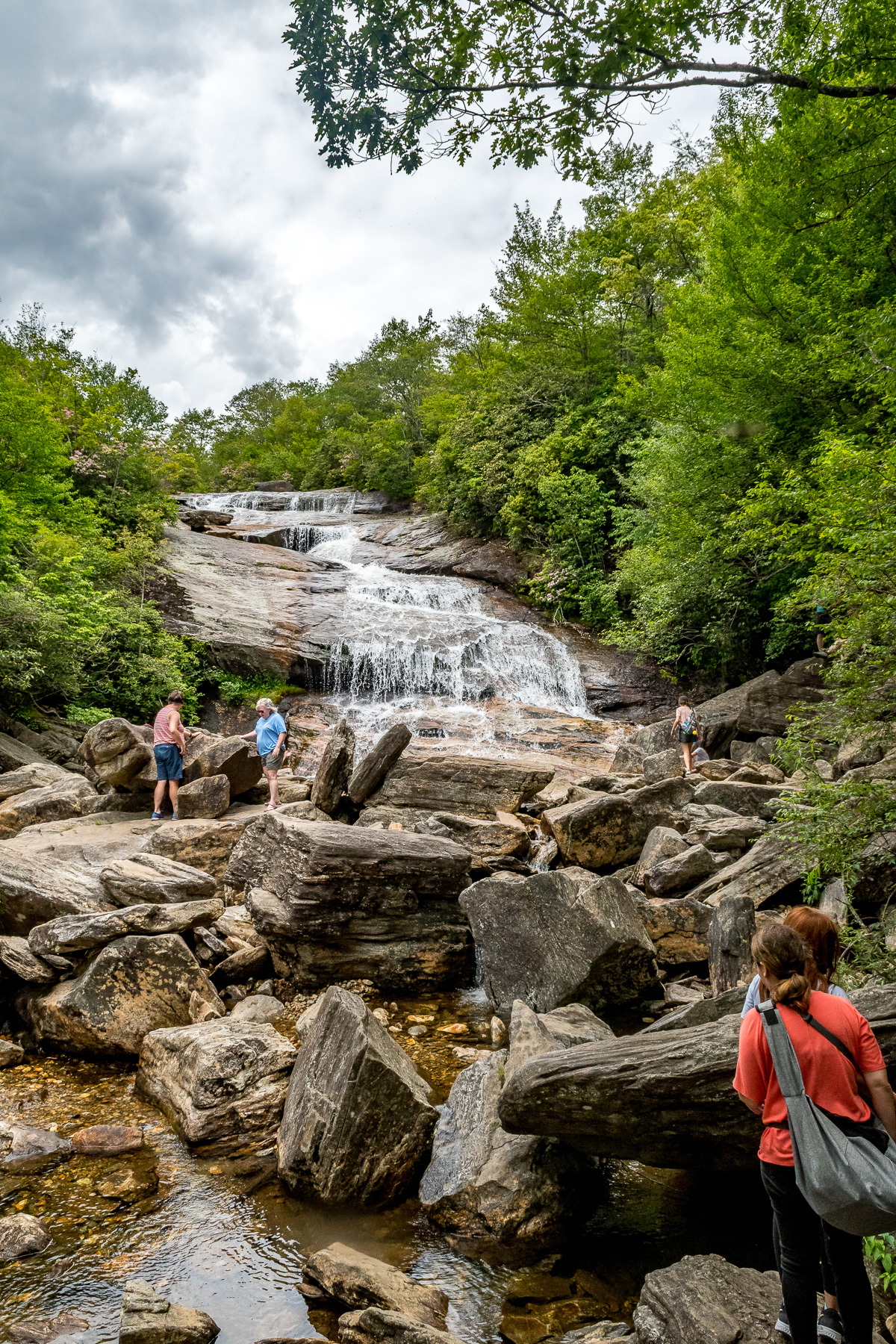
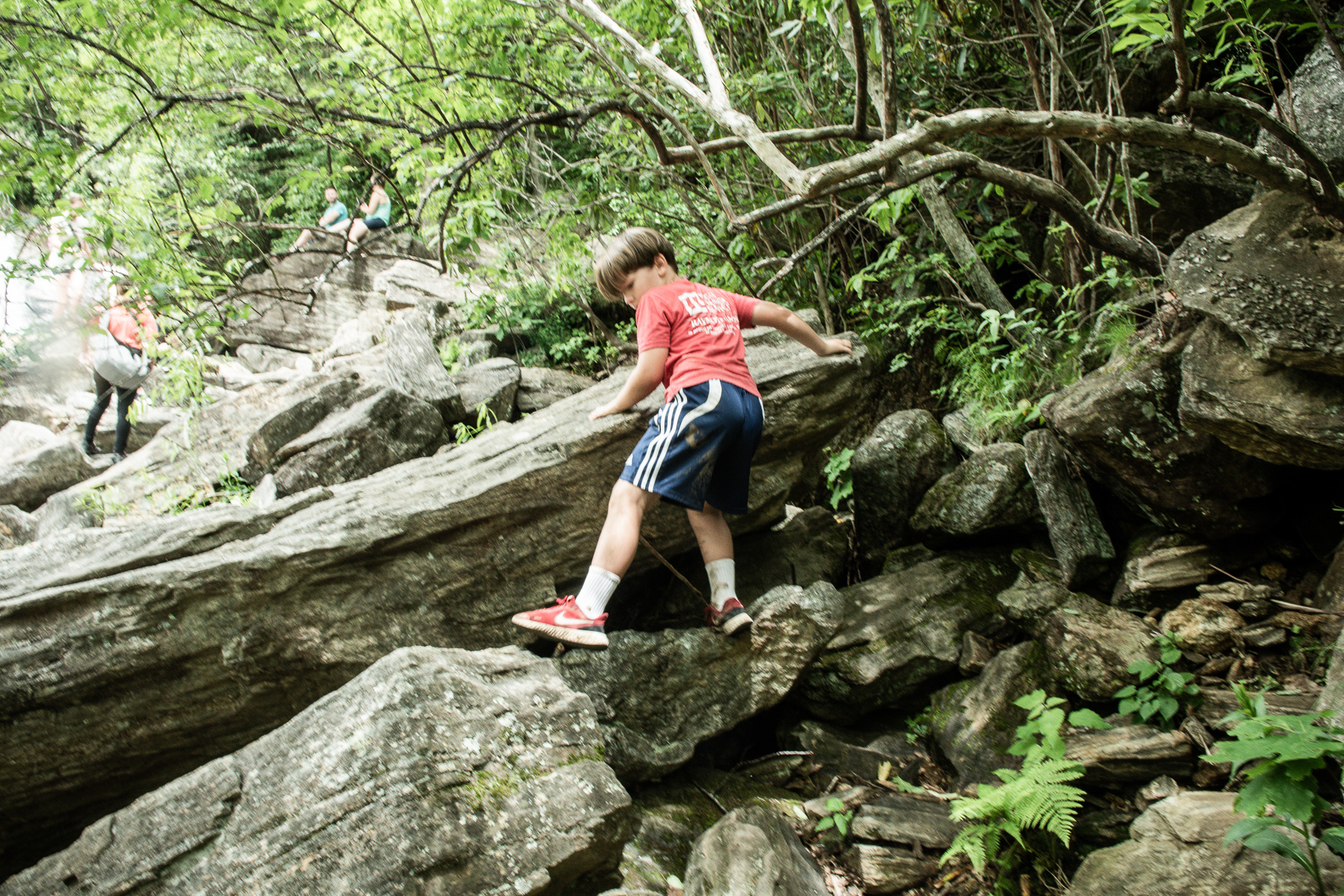
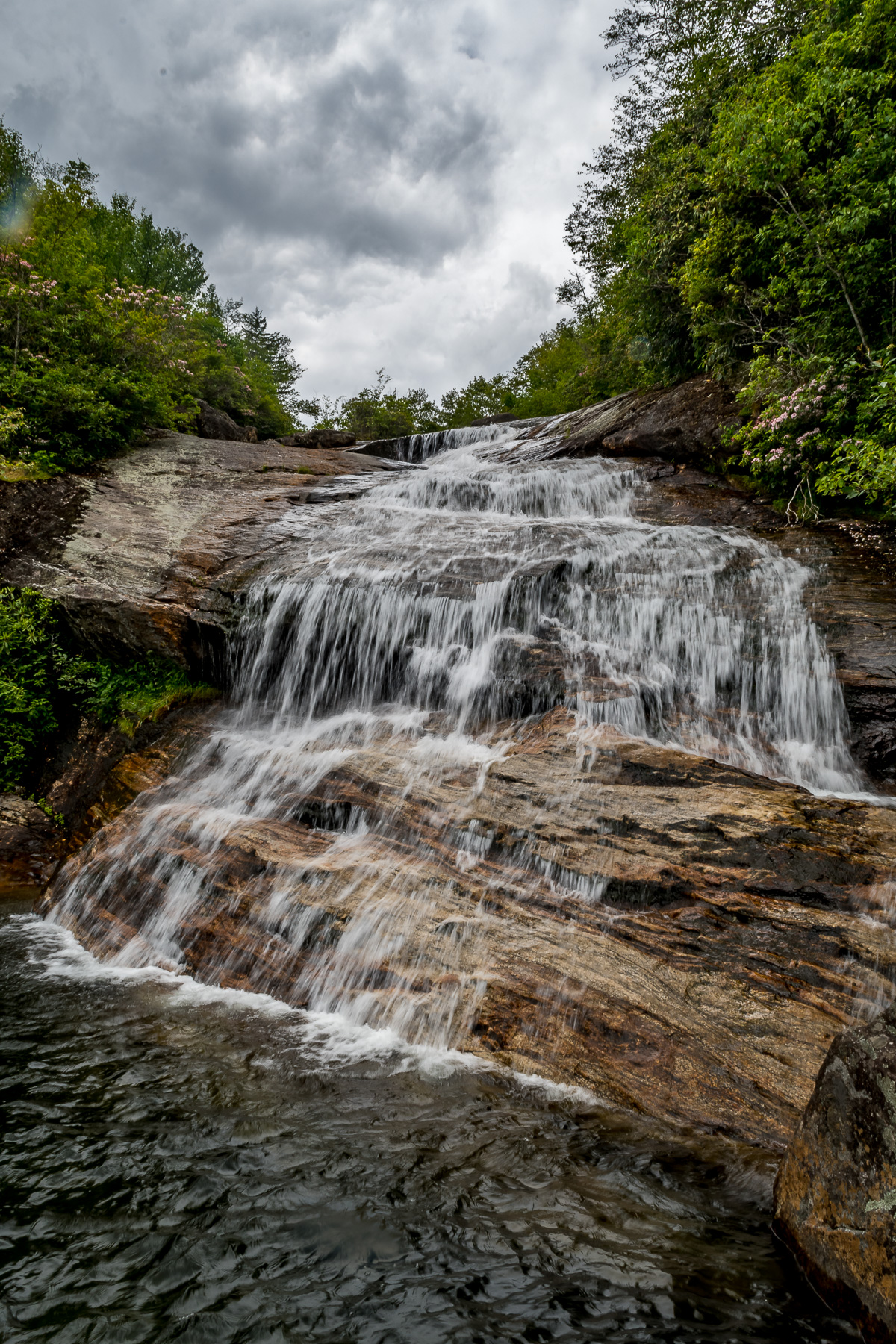
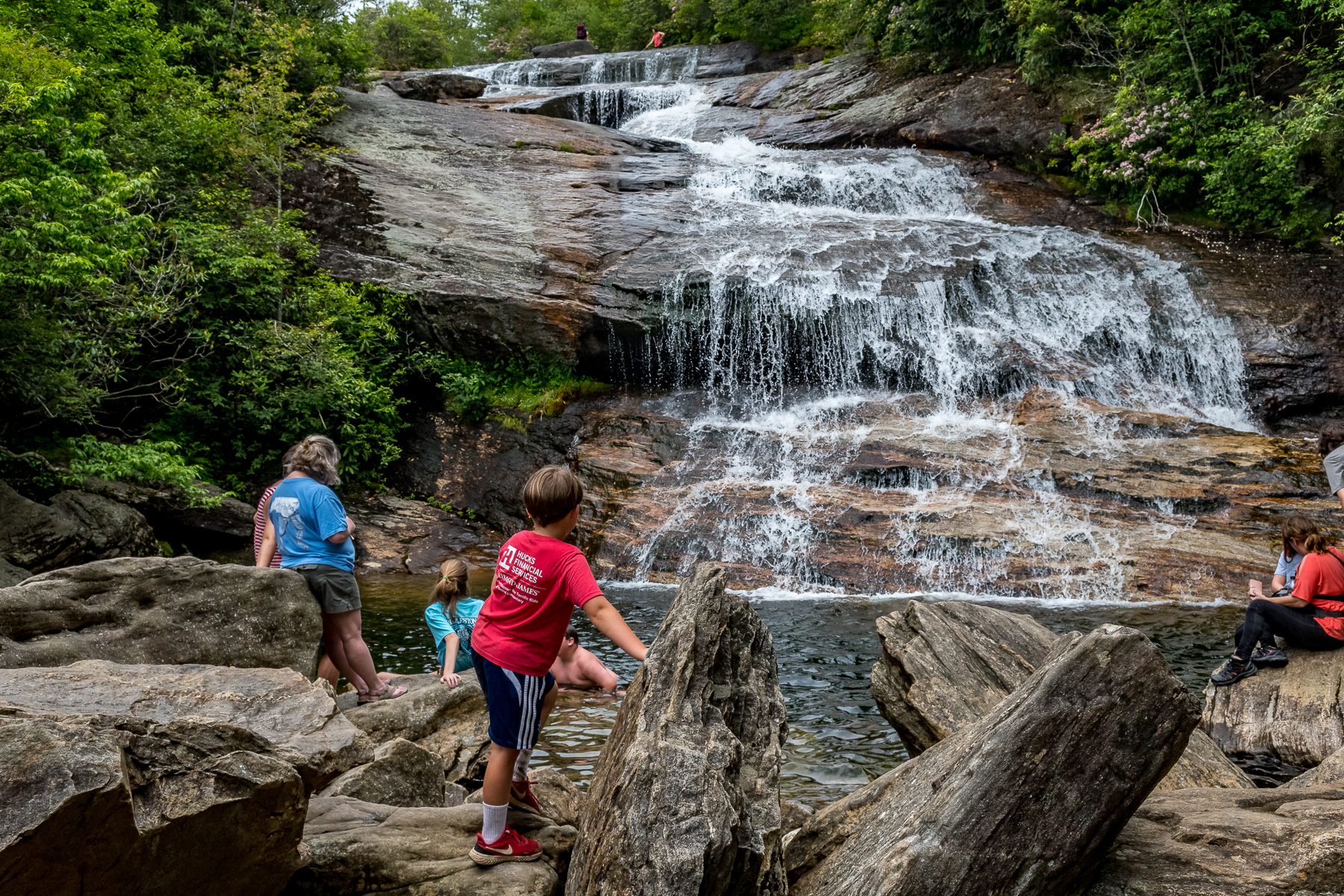
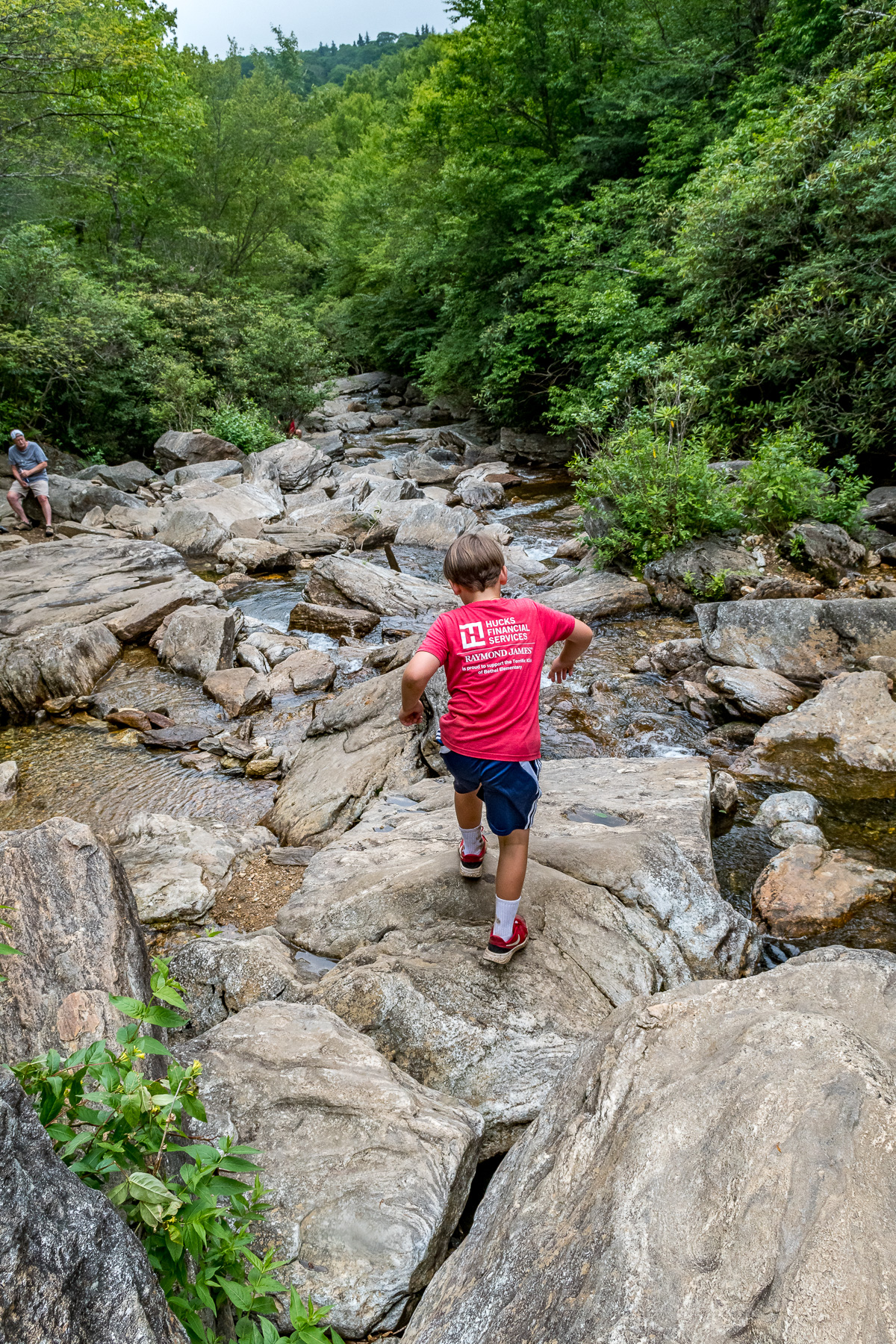
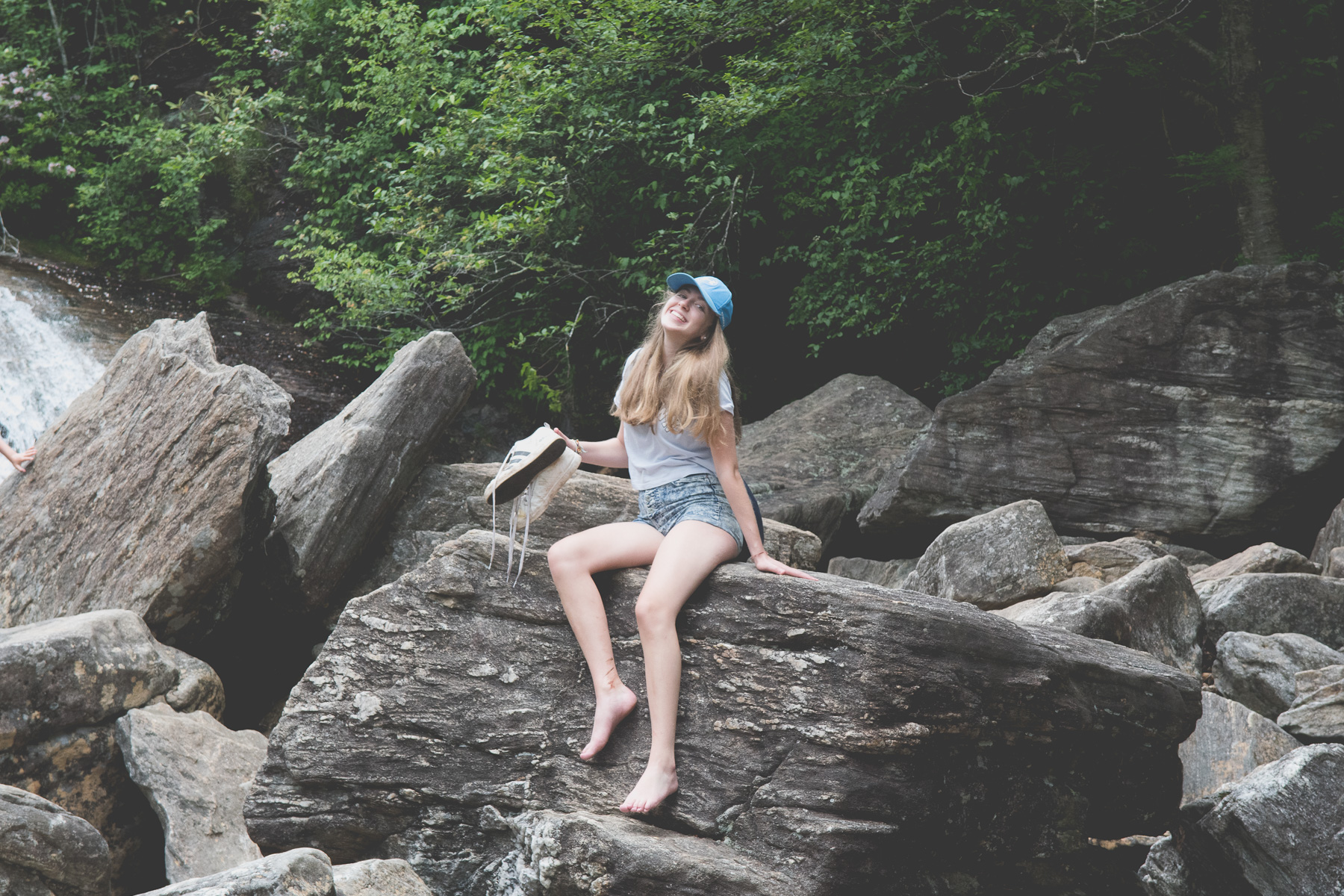
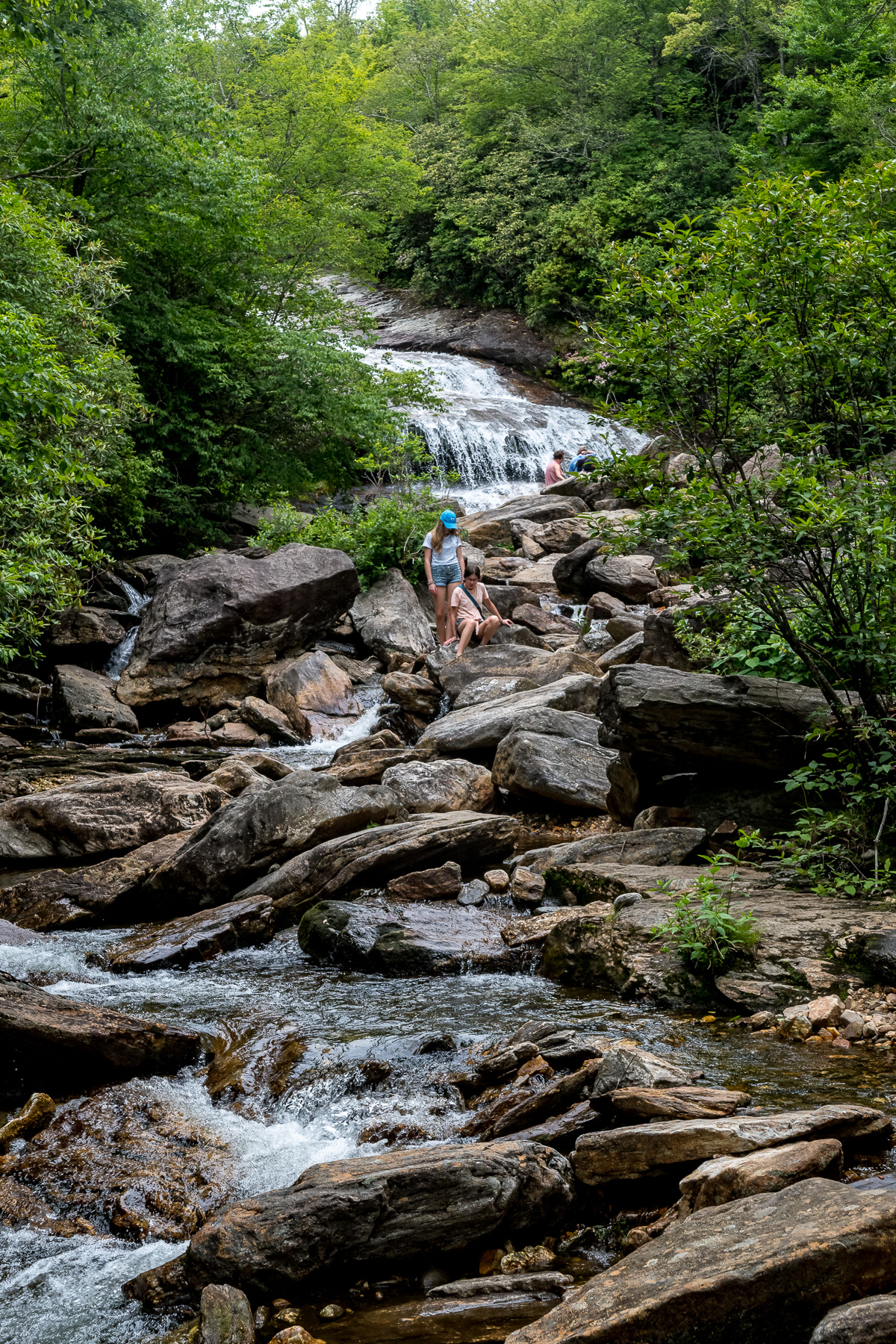
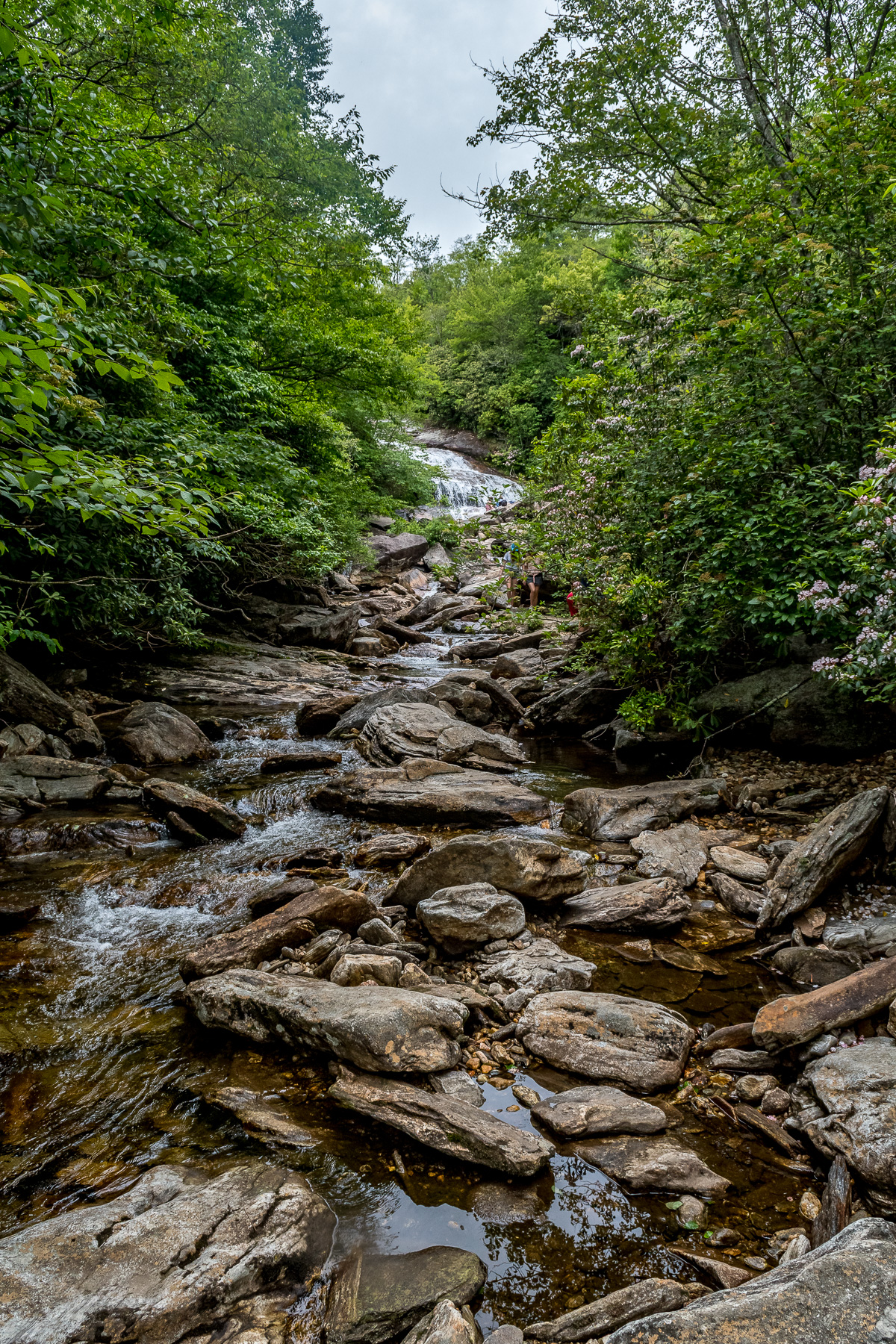
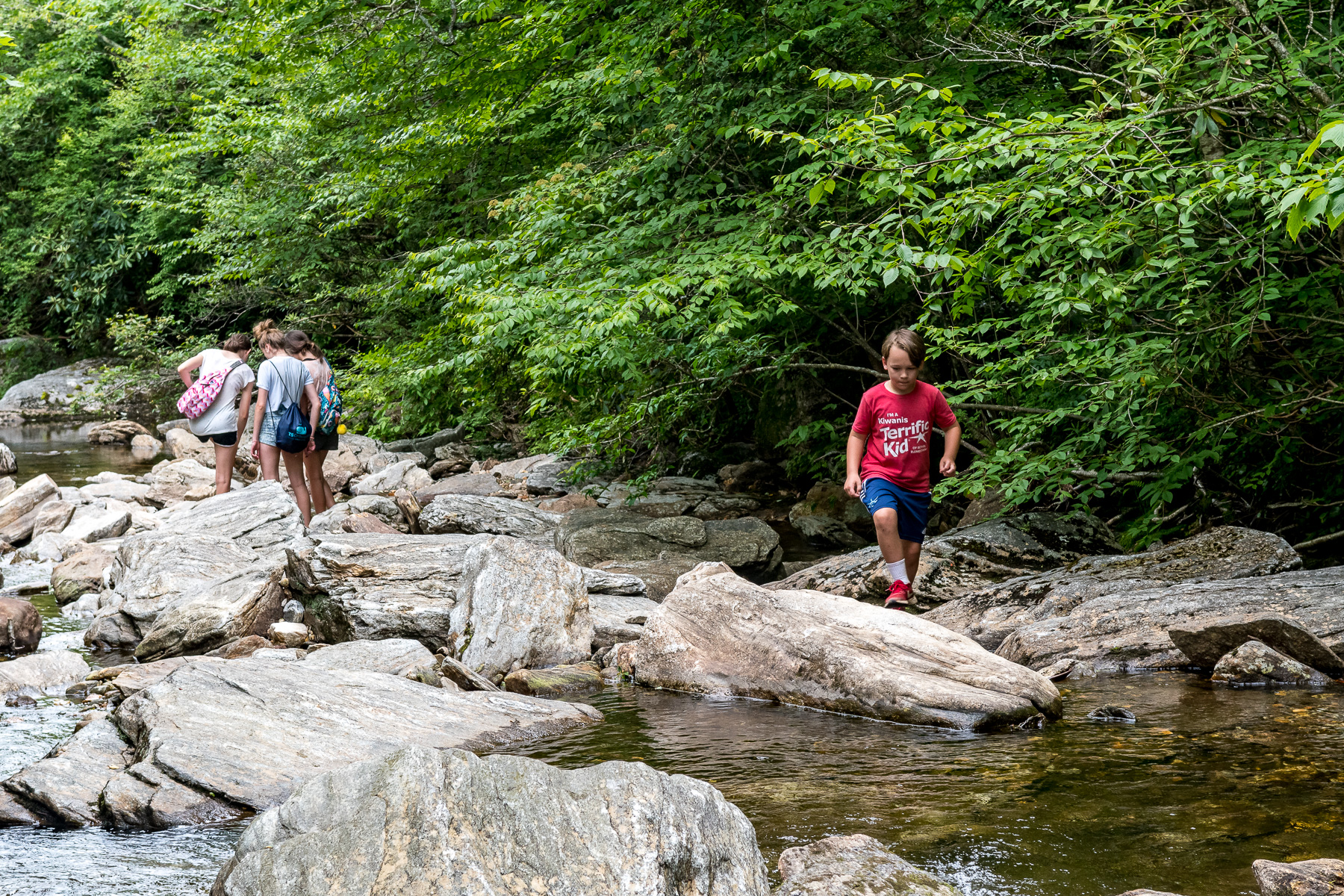
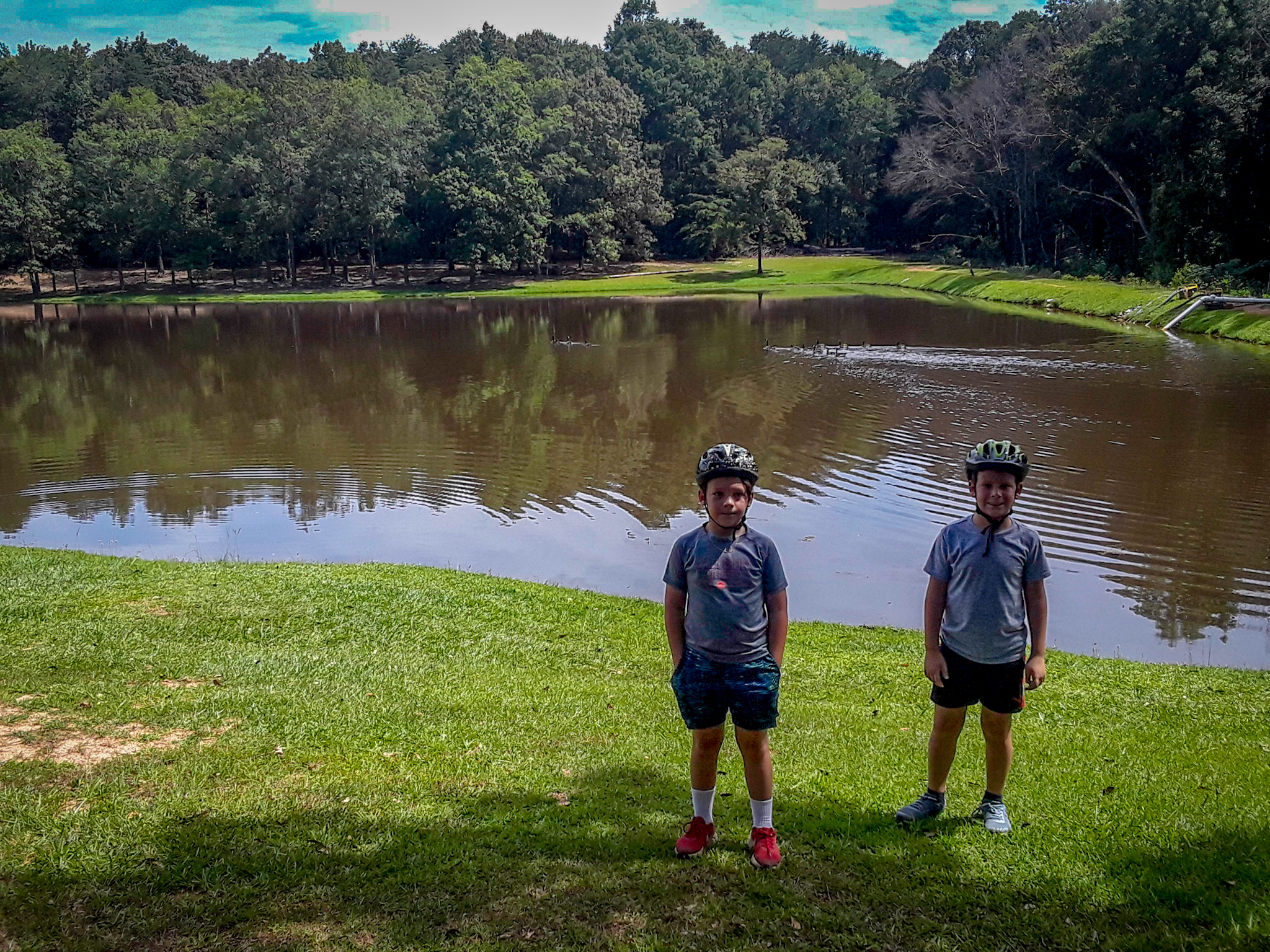
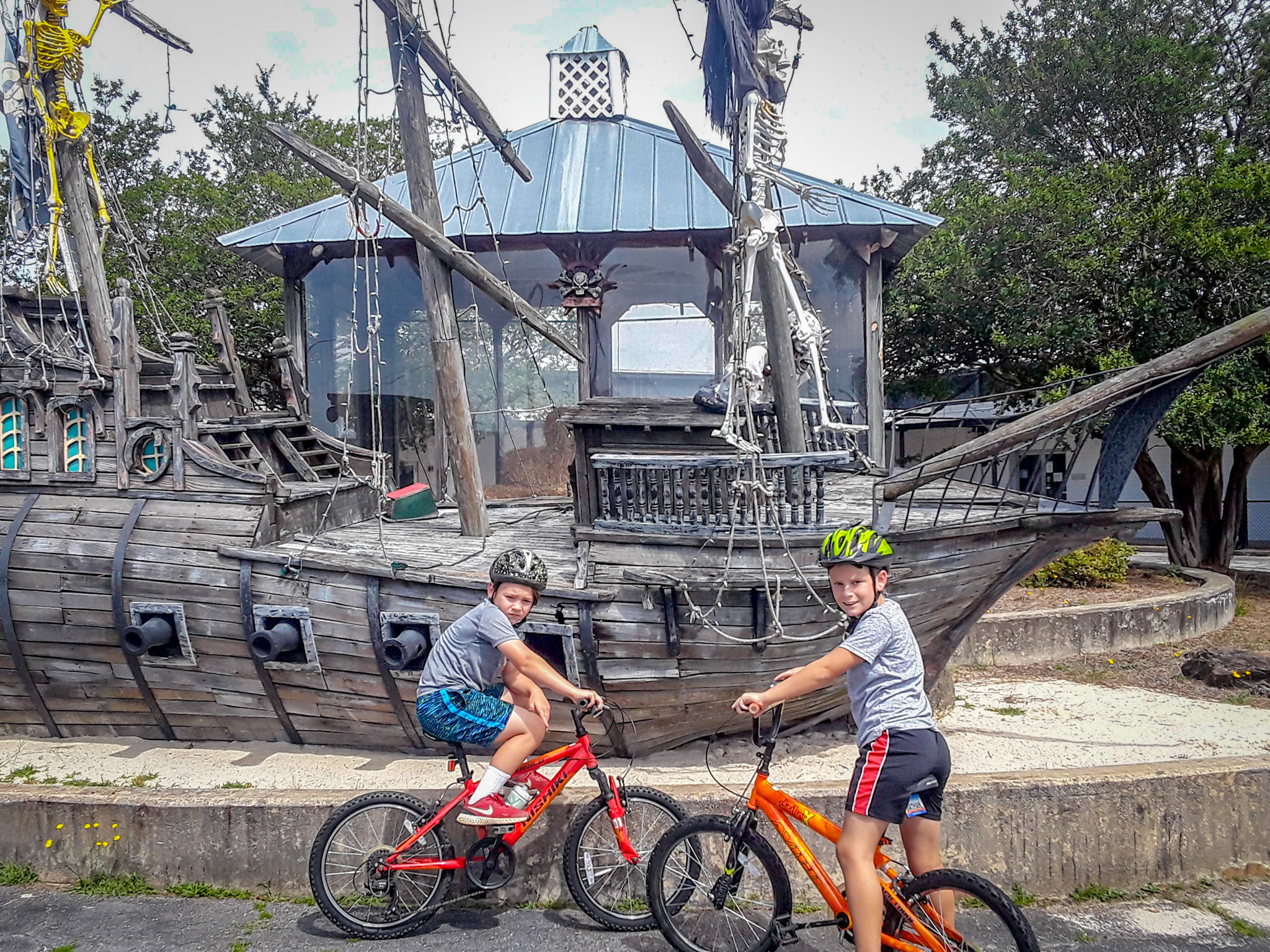
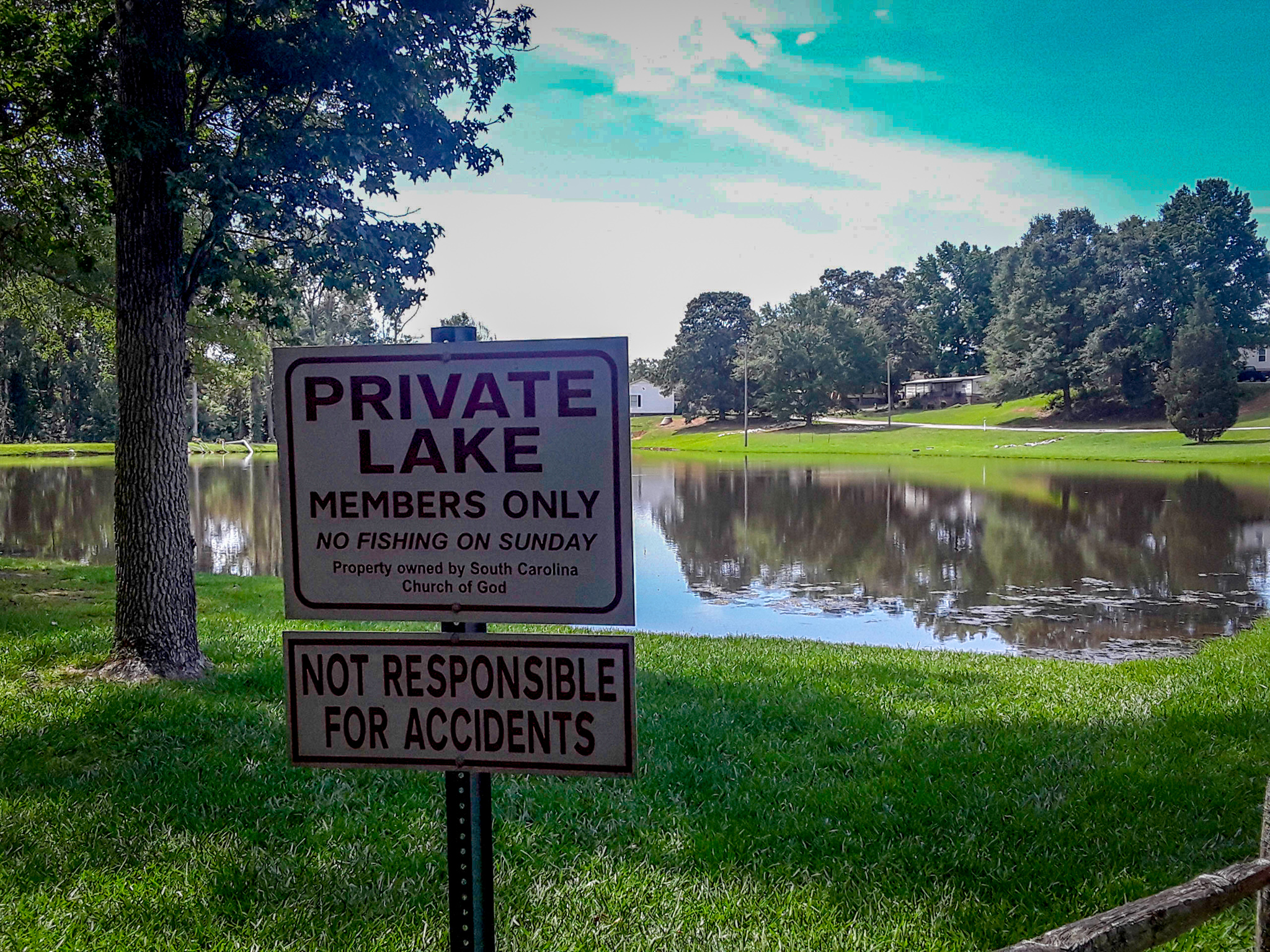
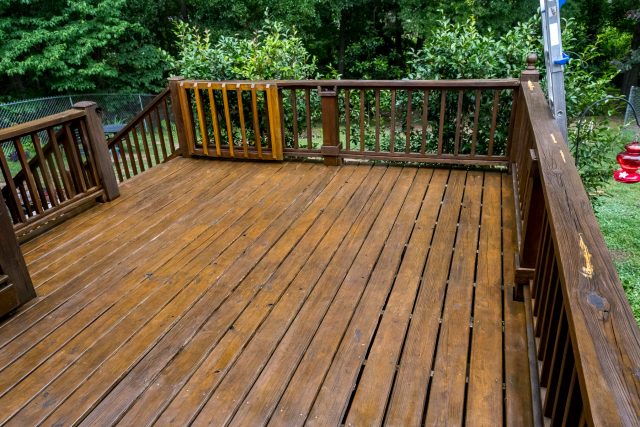
The deck is finished -- more or less.
The zucchinis, too.
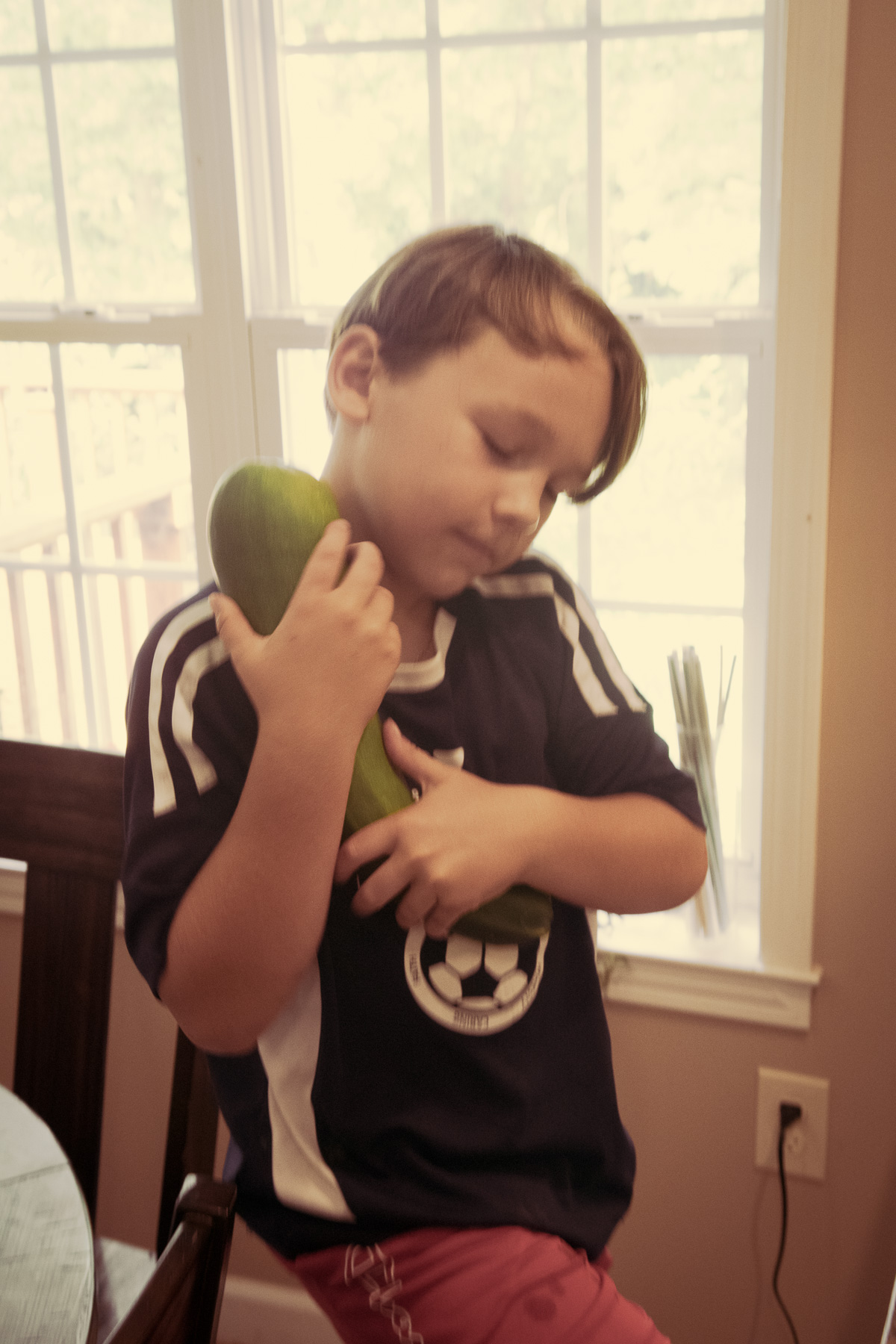

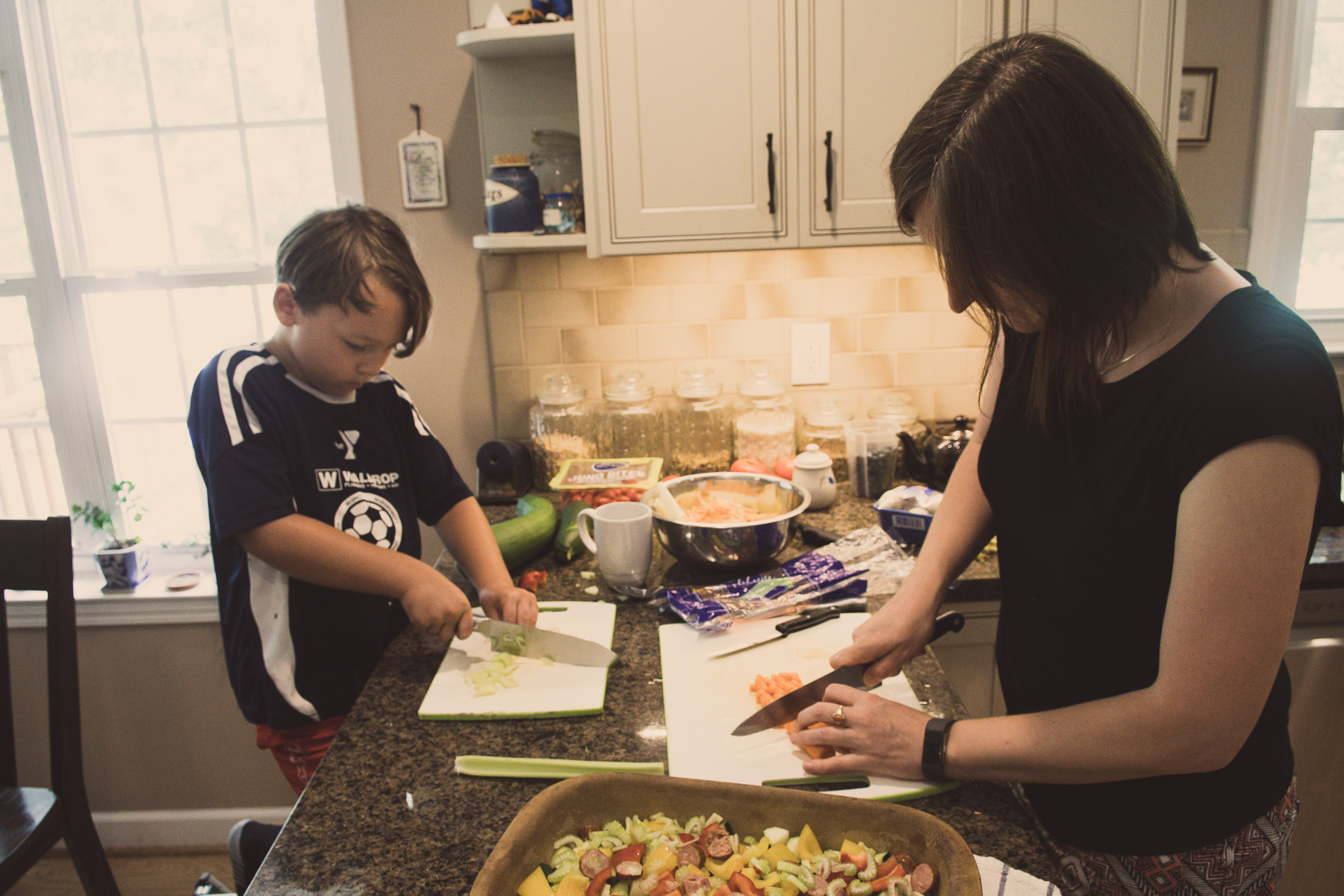
A couple hid under leaves until they got ridiculously big.
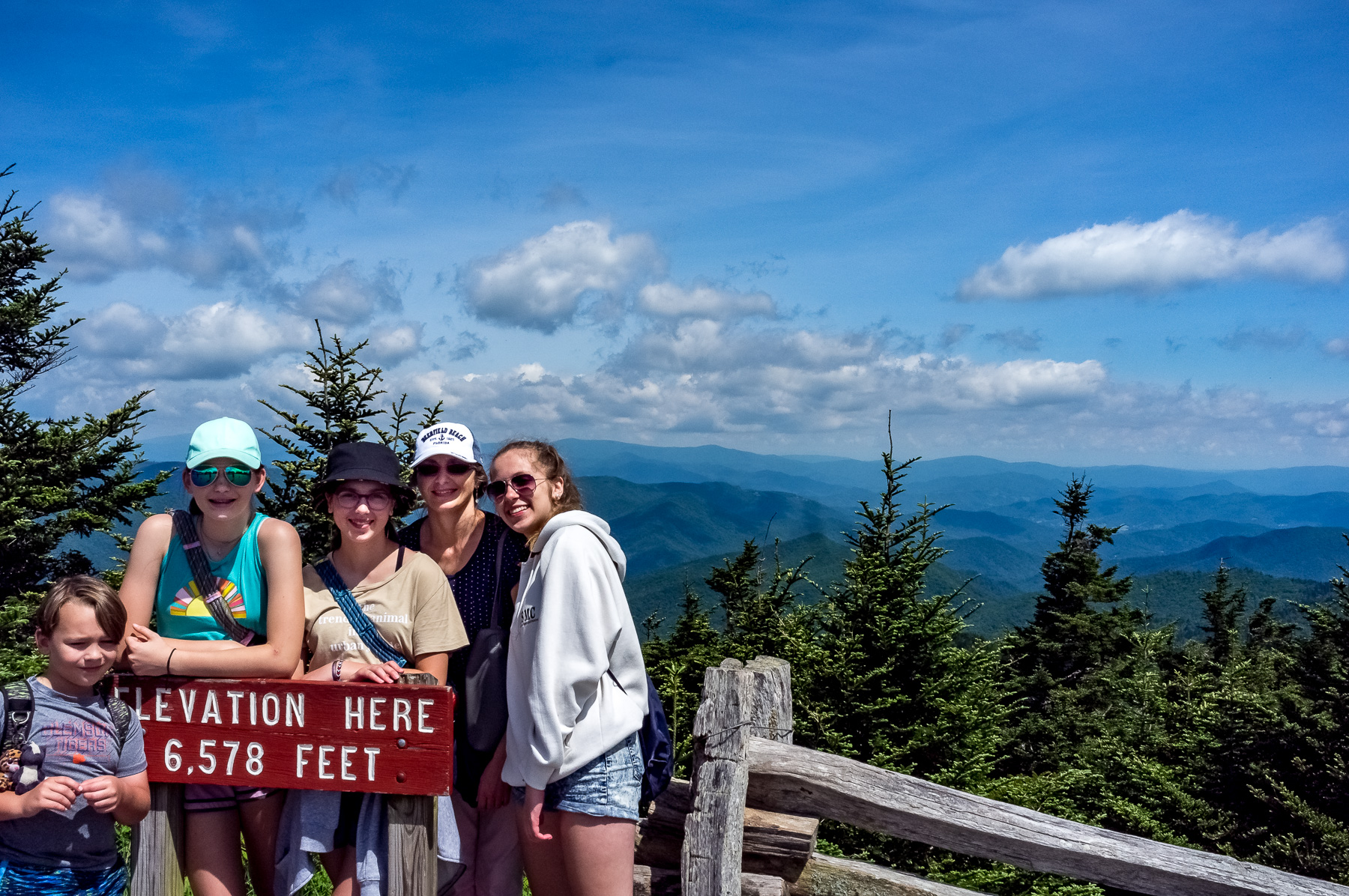
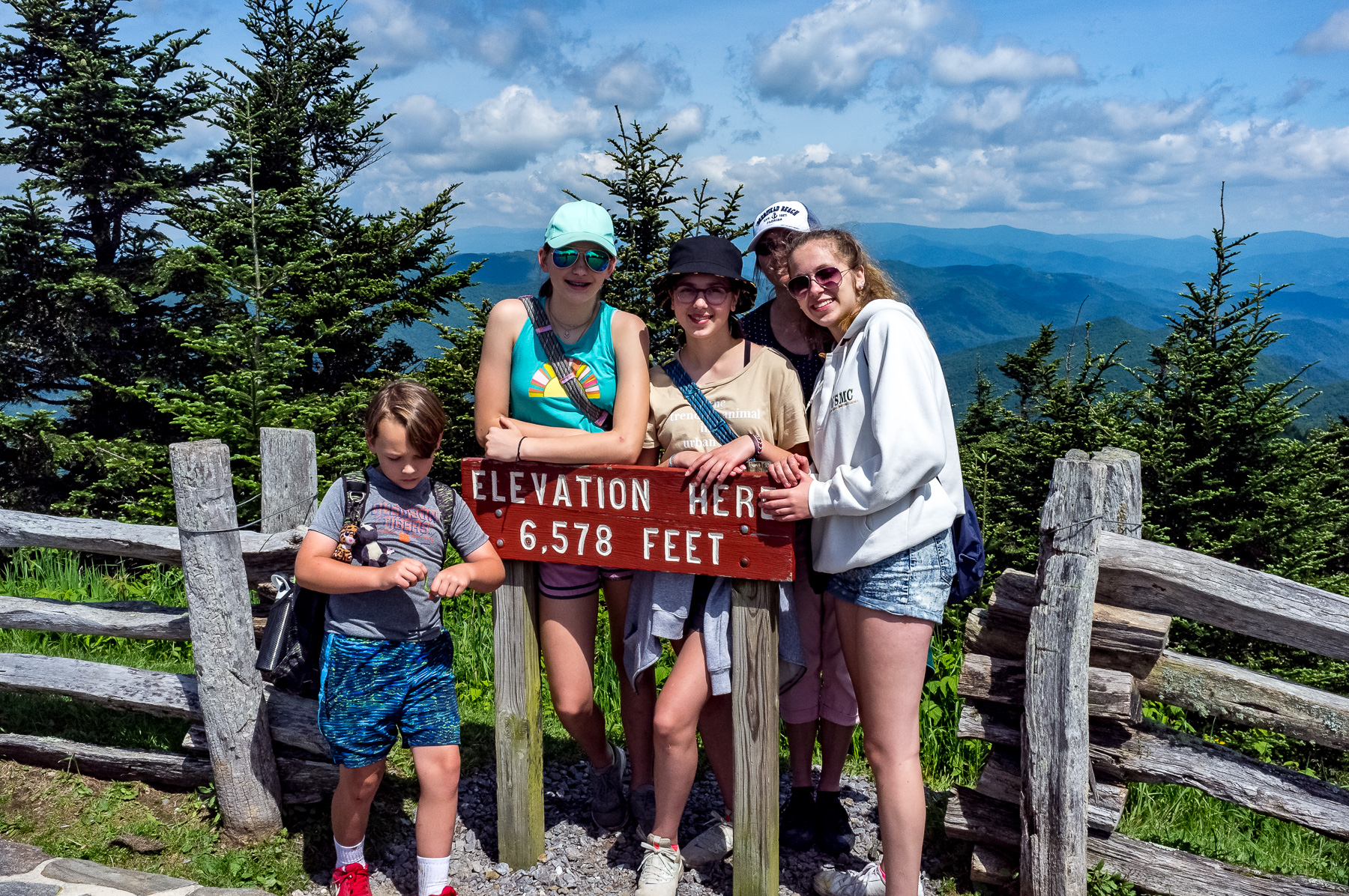
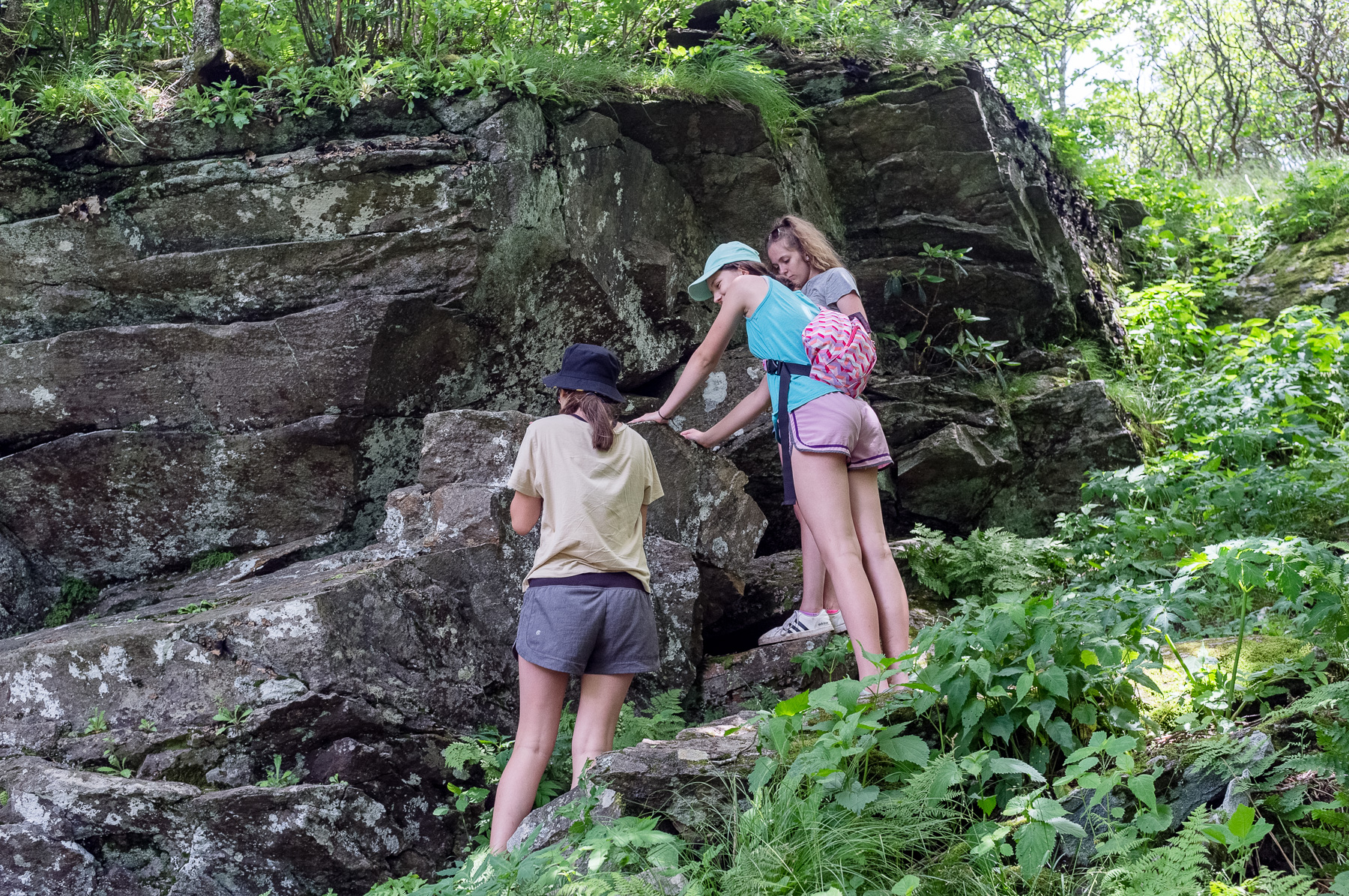
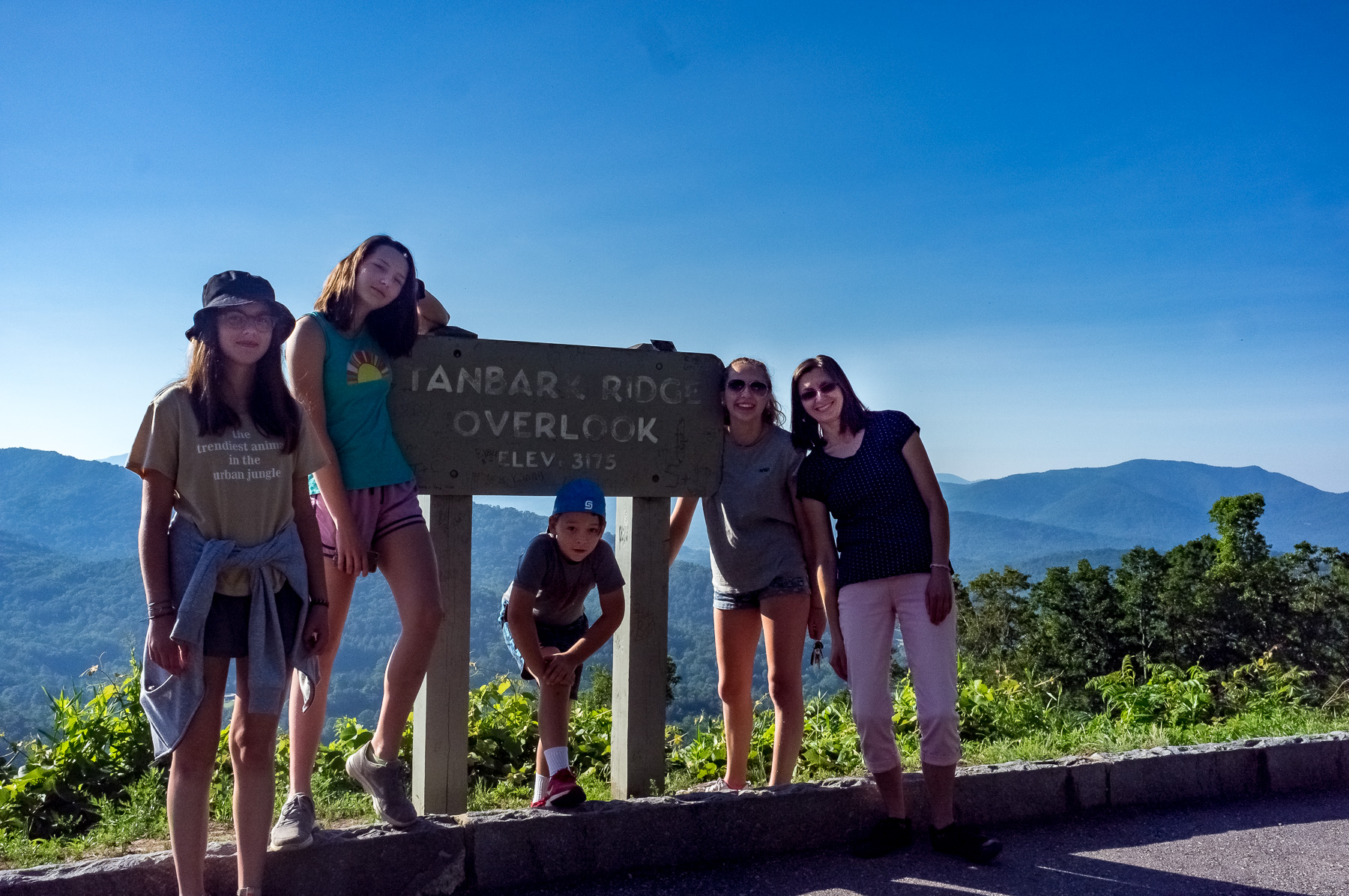
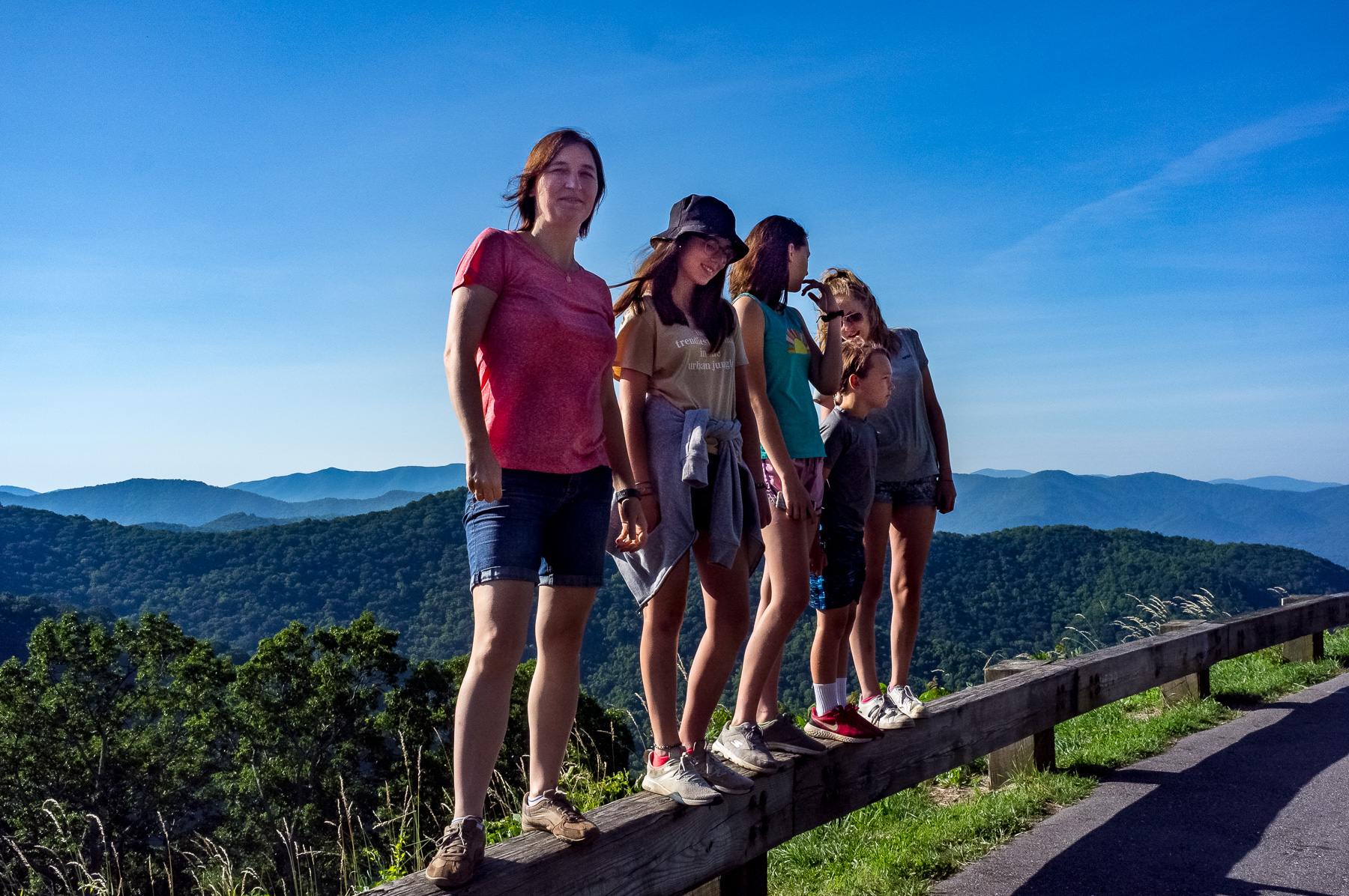
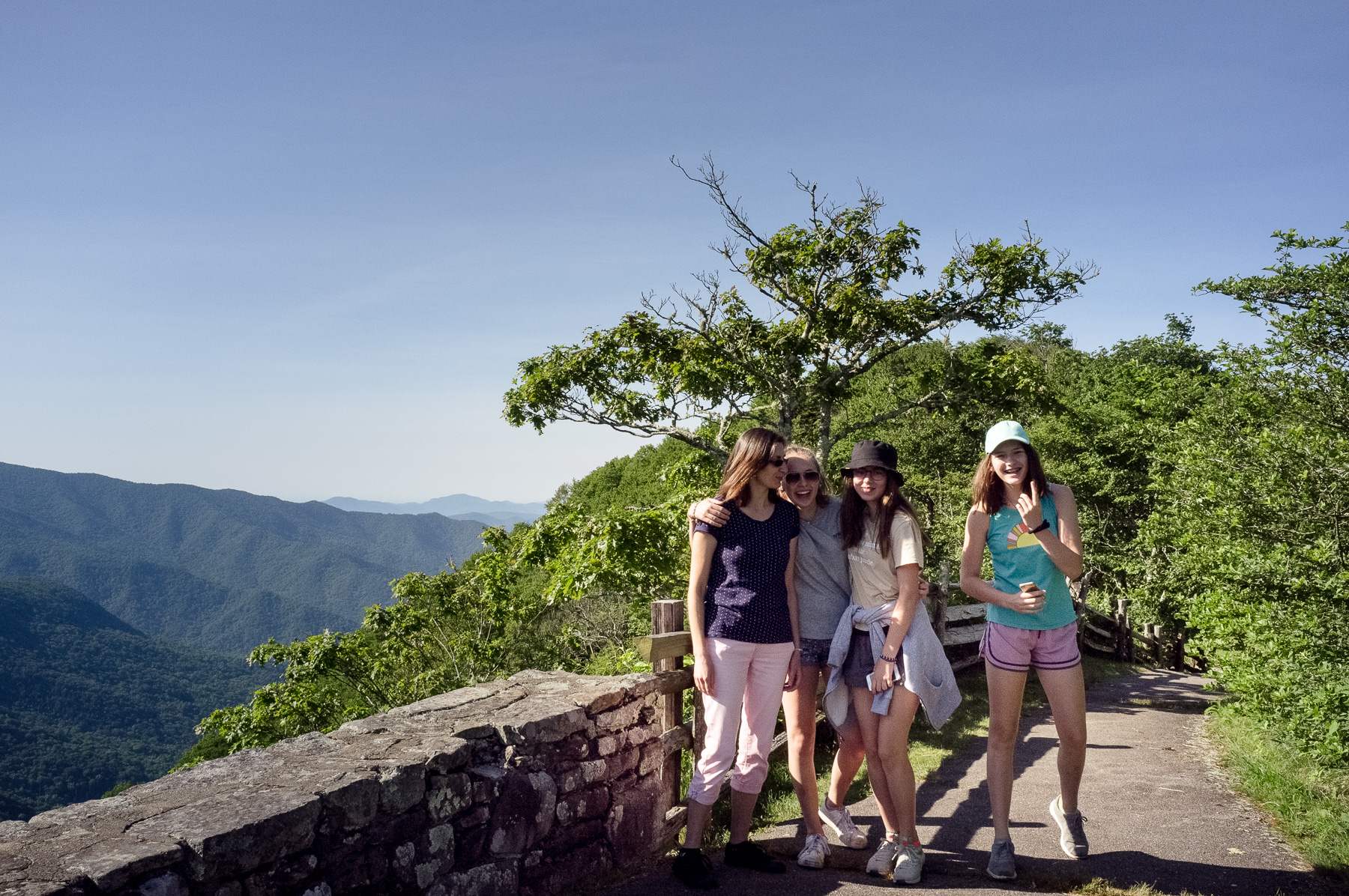
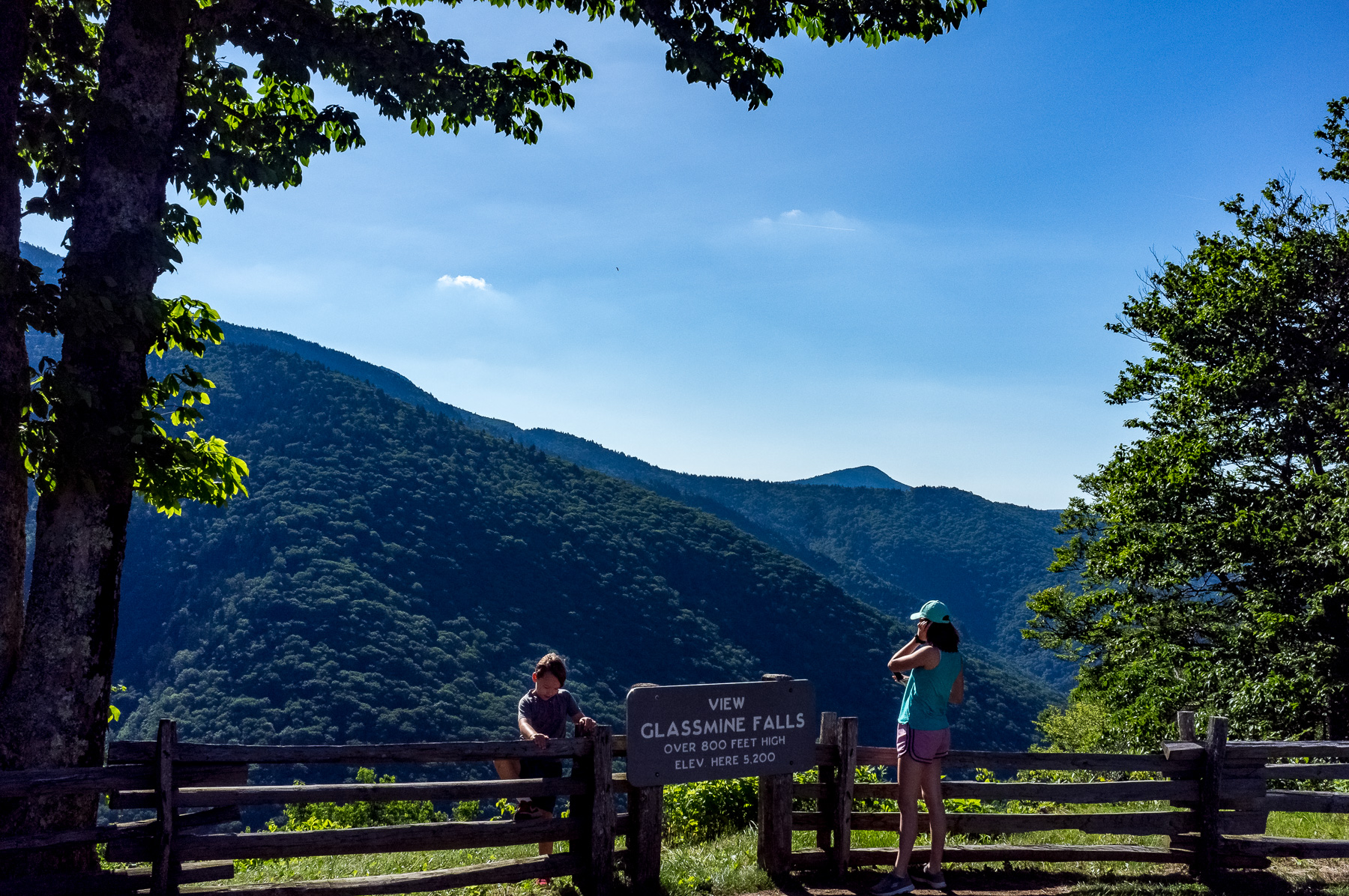
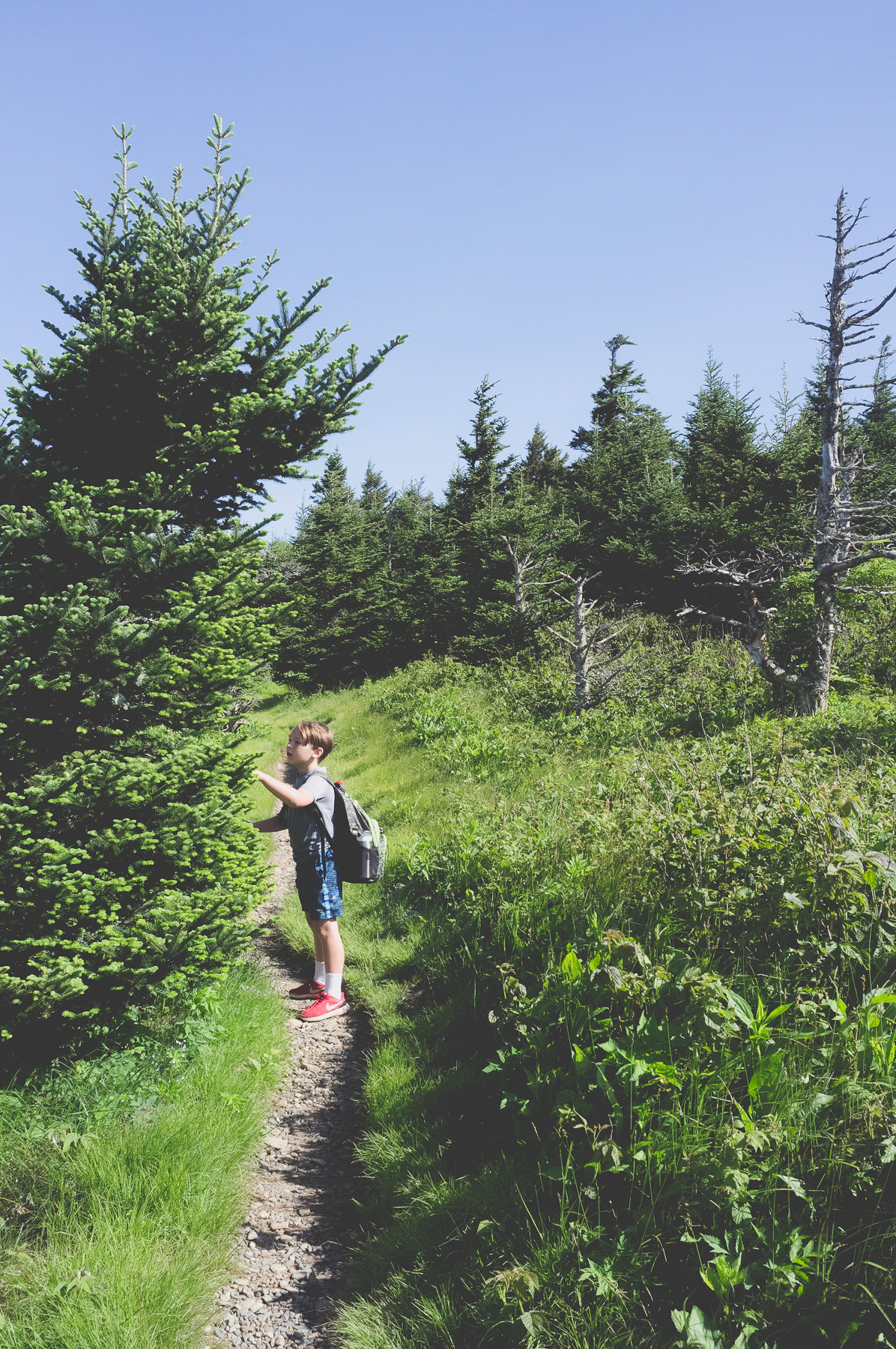
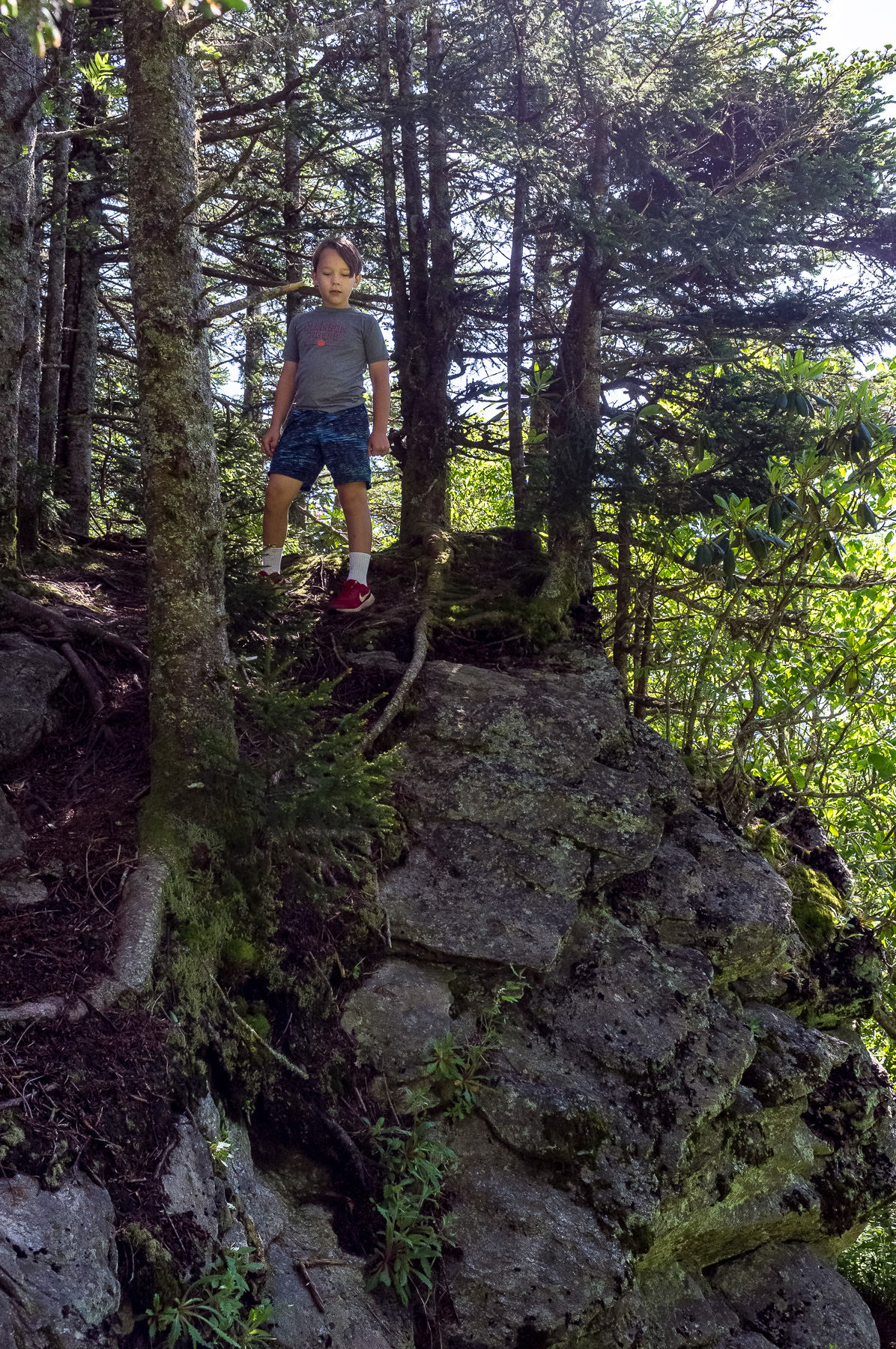
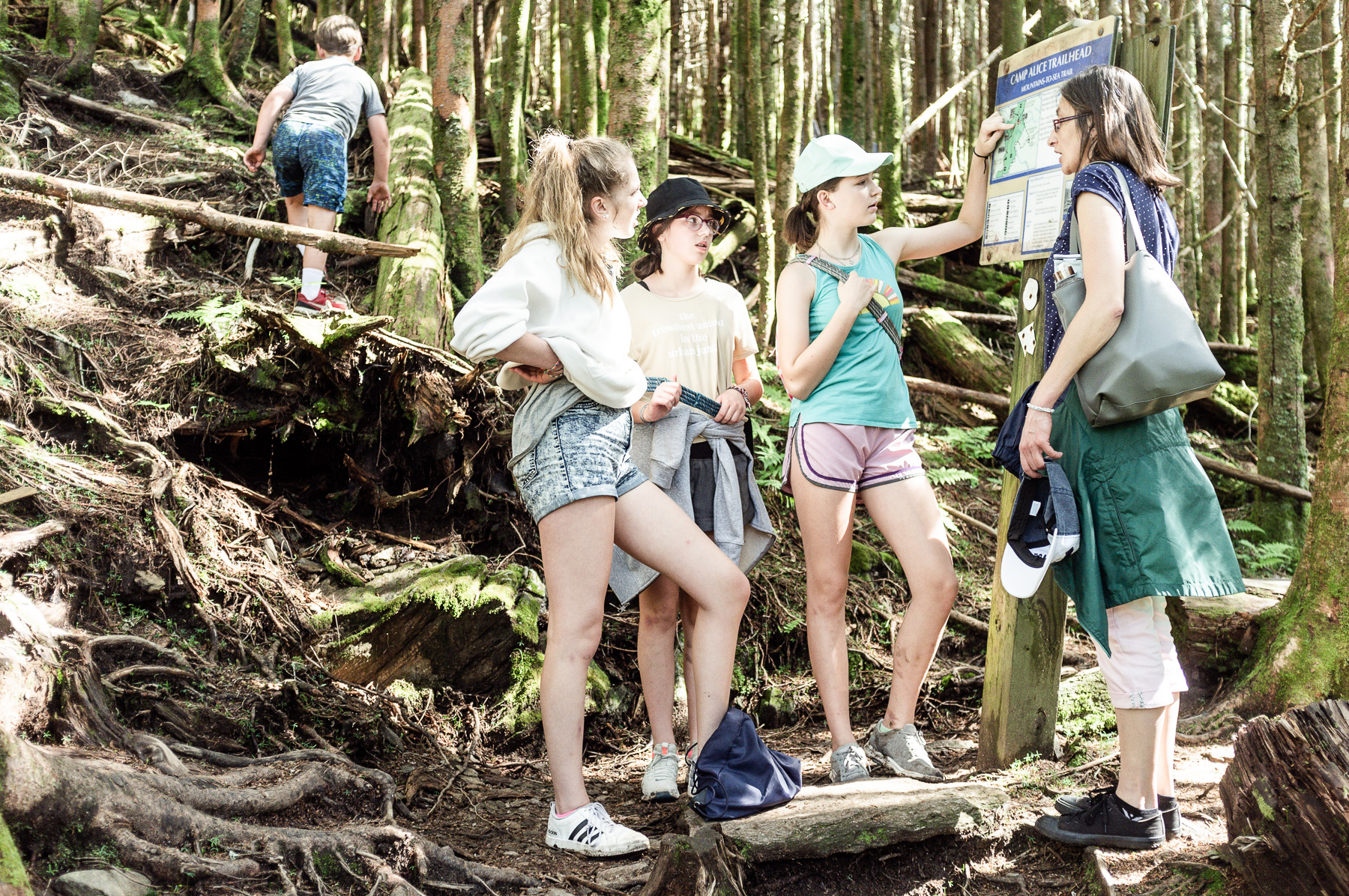
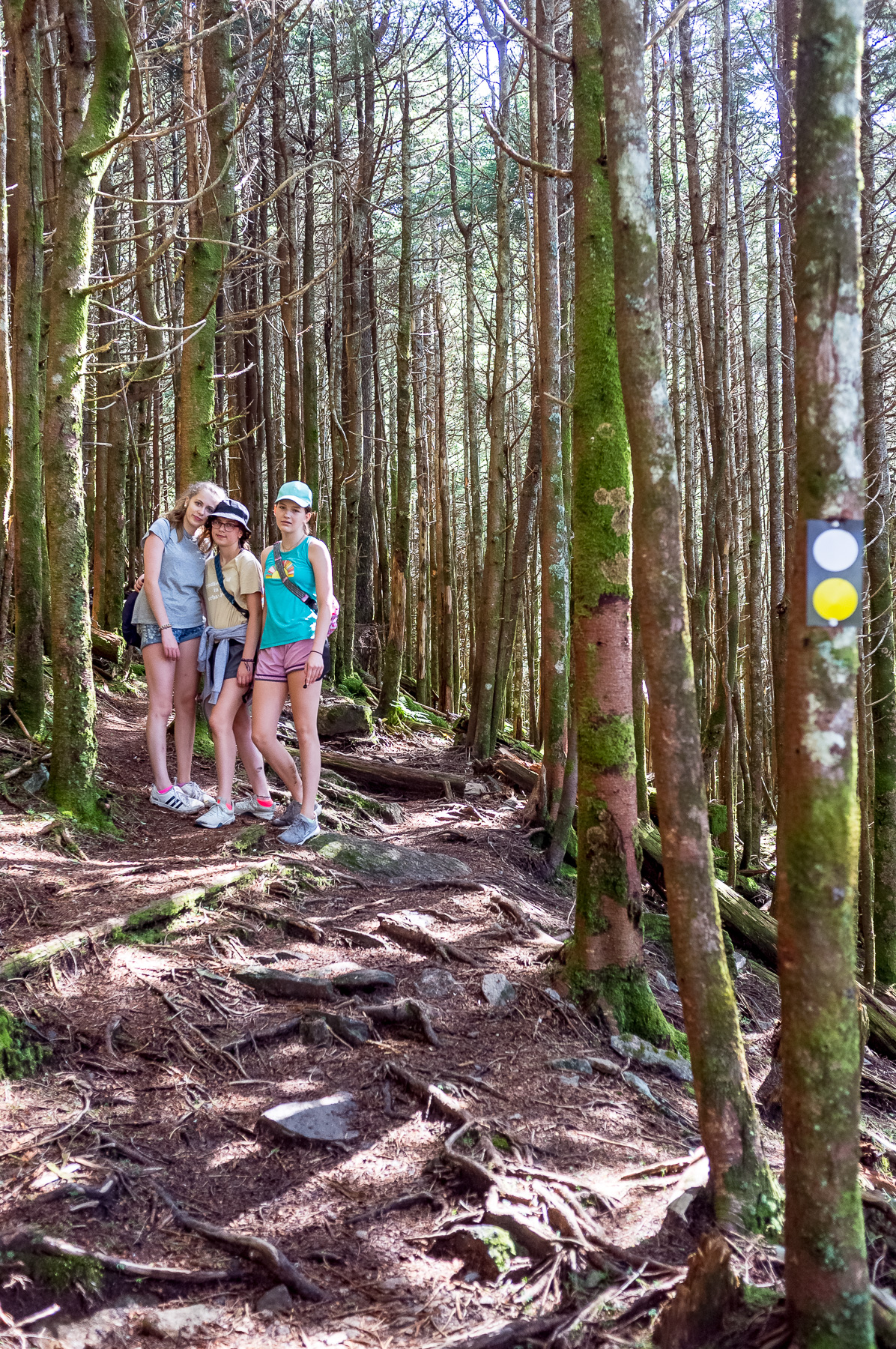
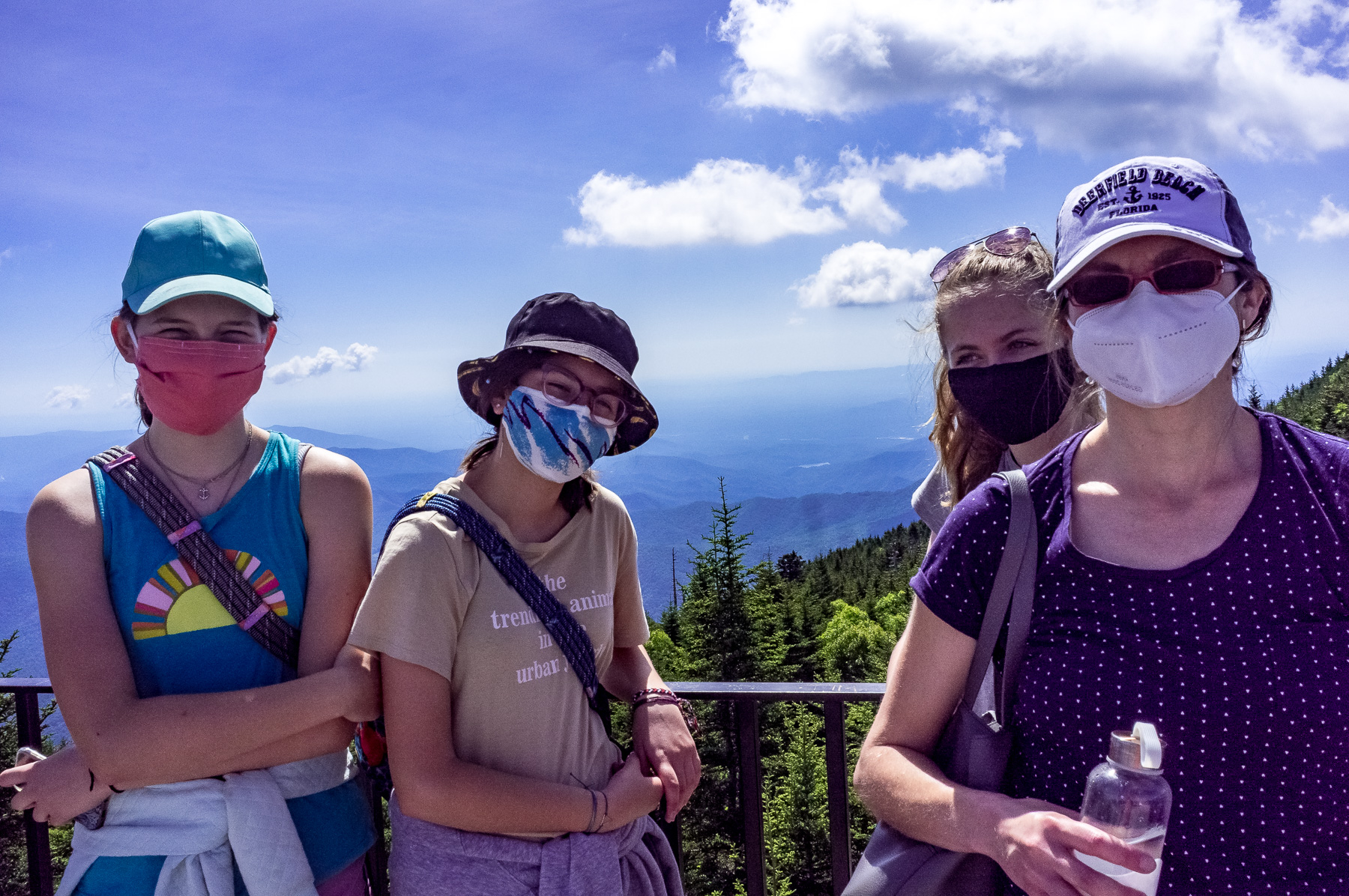
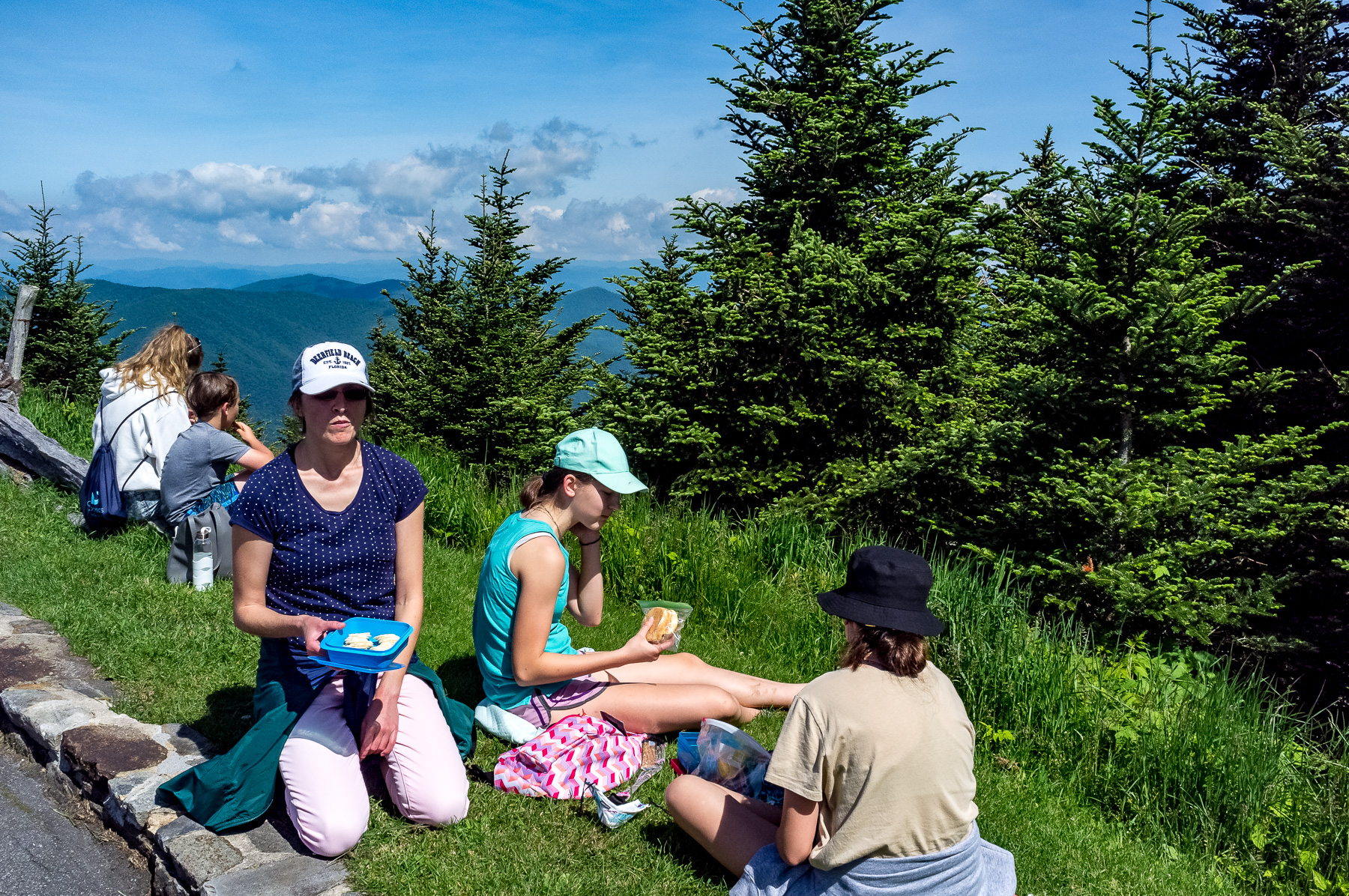
K took the kids to meet with their Polish/American "cousins" to spend some time hiking in the Blue Ridge Mountains, specifically hiking up Mount Mitchell, the highest peak east of the Mississippi.