matching tracksuits

fun in threes, sometimes fours

general

Christian Visions

I’ve always enjoyed watching Christian apocalyptic films. They’re an insight into the thinking of fundamentalist Christians. They often see these films as representative of true prophecy, some kind of history before history. So how do fundamentalists see this future? It depends on the film, but one of the classics of the genre is the Thief in the Night series. The third film in the series, Image of the Beast, covers the period of time when the antichrist, known as Brother Christopher, rules the world as the head of the newly-established one-world government. A scrappy band of Christians, led by Reverand Matthew Turner, fights this evil power.
In one scene, Reverand Matt explains to a character simply known as “Kathy” a picture in a book, saying that it’s “a replica of the temple of Herrod, the one that Christ worshiped in. But today’s temple is defiled by the worst sacrilege that could possibly befall Israel.” When Kathy asks him to explain further, he reveals:

The computer, Kathy. The computer has been the most innovative and time-saving device known to man. Paid bills, made travel reservations, cooked meals. It’s the new golden calf. A computer that speaks and convinces people that it thinks, hundreds of millions of people will worship that inanimate object, and it’s in the temple.

We have to understand that this film was made in 1980, so computers were still relatively exotic. But come on — “A computer that speaks and convinces people that it thinks” which leads people to worship it?! In what reality would this happen? Even if we created the most magnificent AI neural network possible, does anyone seriously think people would worship it? That reveals such a level of naivete that it’s difficult to comprehend.

The film then cuts to Brother Christopher, the leader of this one-world government, addressing the globe:
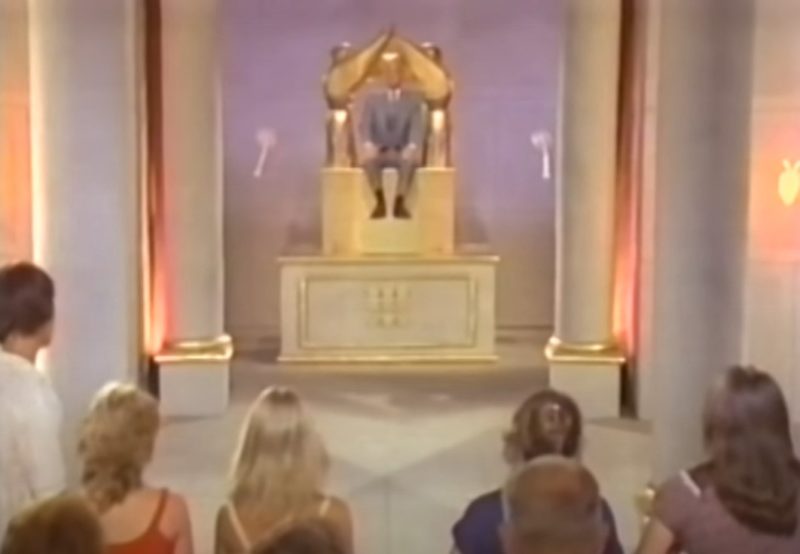
First of all, what the hell is he sitting on? Is that supposed to be a throne? How does he get up there? Levitate? And what’s with the palm tree emblems behind him? This reflects the fundamentalist view of God’s own throne (notice the angels with outstretched wings, like on the Ark of the Covenant?) because they view everything the devil does as a perversion of what God does.

But better than the imagery is Brother Chris’s speech itself, which is something spectacular:

My friends and loyal subjects, for the last four years, we have worked together to overcome the greatest physical hardships the world has ever known. World war, drought, famine, pestilence, fire, earthquakes and volcanoes of unprecedented violence. But we have prevailed, thanks to our fantastic computer technology and the intervention of his satanic majesty. Where, dear friend, was the loving God of creation during our recent perils? Was he helping mankind, the children of his creation? No, on the contrary, it is he who has visited these disasters upon us, and to you, God, God of wrath and destruction to mankind, I say do your worst, but we will prevail.

There’s so much here! He references “[w]orld war, drought, famine, pestilence, fire, earthquakes and volcanoes of unprecedented violence” to tie into the apocalyptic visions of Christians, but it raises the question of the intelligence of Satan, the bad guy in all this. Fundamentalists insist these events, which culminate in the fall of Satan, have been prophesied in the Bible for millennia, yet Satan apparently either can’t read, doesn’t know about these prophecies, or somehow thinks he can overcome them anyway.

Then there’s the direct acknowledgment of “the loving God of creation,” which suggests that the devil (incarnate in Brother Christopher) does know at the very least that God is, well, God, further underscoring this silly question mentioned above.

Finally, there’s the direct mention of “his satanic majesty.” Somehow, all these so-called Christians who remained (because all the real Christians got raptured away in the first film) then turn to blatant Satanism (as fundamentalists might view it)?!

Here’s the full scene:

It’s all so staggeringly stupid. But do Christians really take this stuff seriously? At ChristianCinema.com we find the following reviews:

  • A very good film about the end times. I recommend watching all 4 movies in series – Ronnie A T.
  • Very good and realistic. Was looking for Nicolate (sp) but do not see it. – Everette M.
  • Excellent movie. Very realistic and Scriptural! – Everette M.
  • My 12 year old wasn’t interested at first but after a while he wouldn’t leave the room. – Patrick B.
  • This whole series has been a blessing to me and my family I have enjoyed each movie and most important I have learned so much through them. It’s a great movie for believers and of course non-believers. As a believer it makes you think of your walk with the Lord, on how serious you are about following him and how big is your faith and trust in him. Great movie!! – larisa n.

More evidence that we’re too naive as a species to survive indefinitely.
Caving and Volleyball

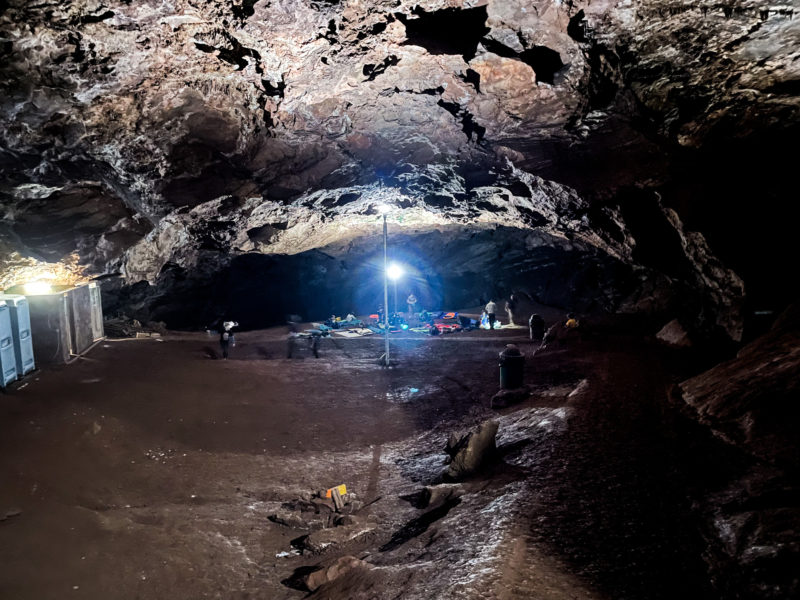
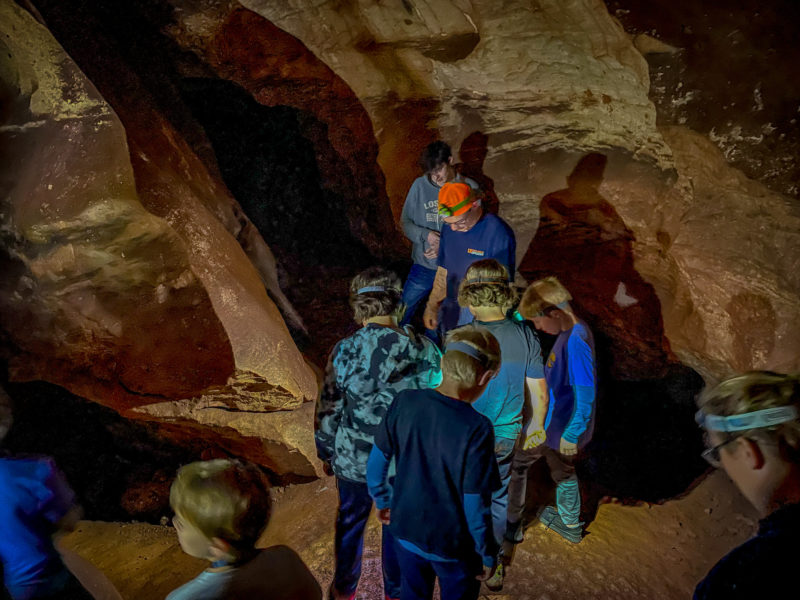
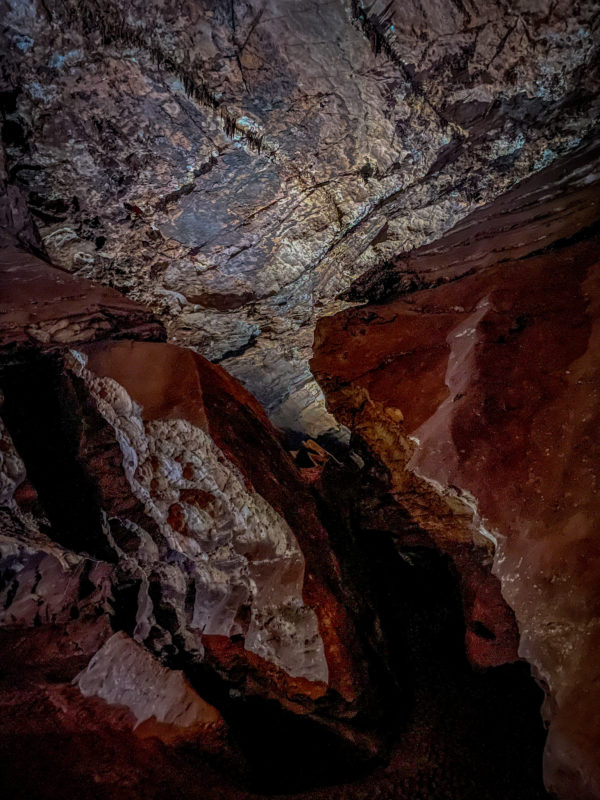
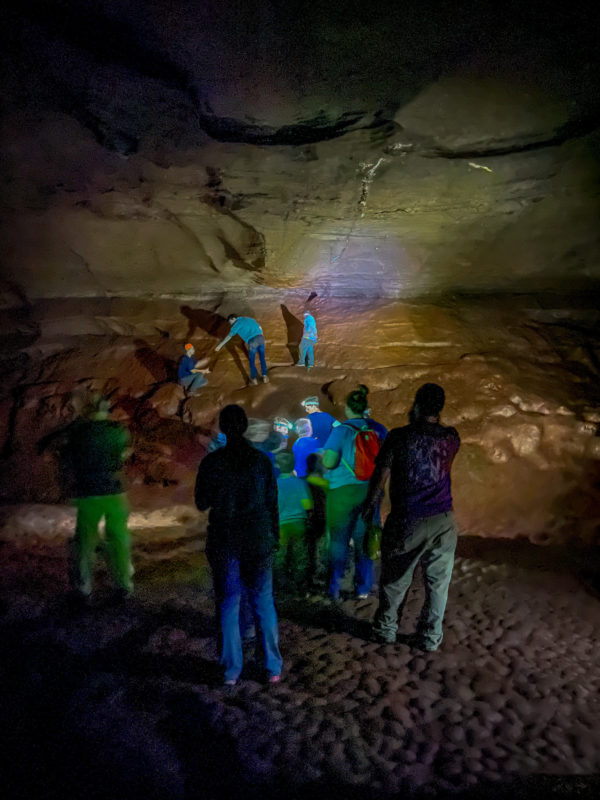
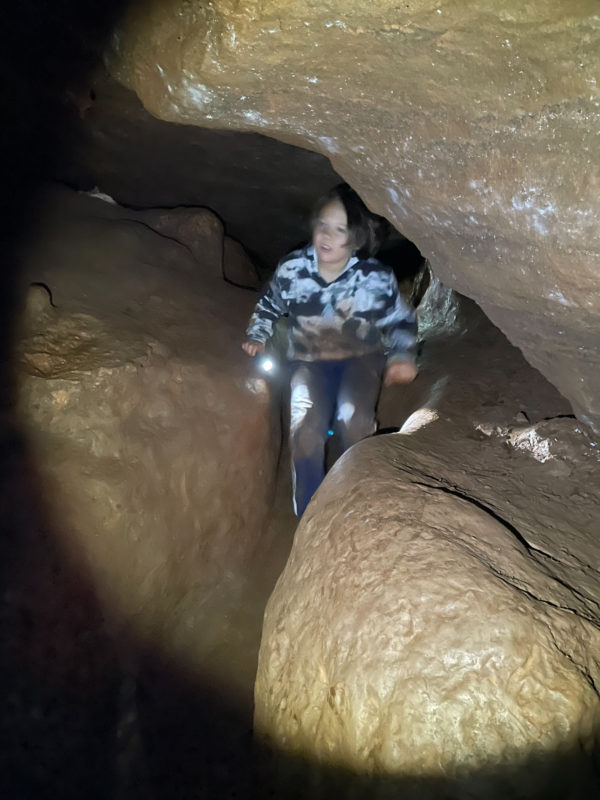
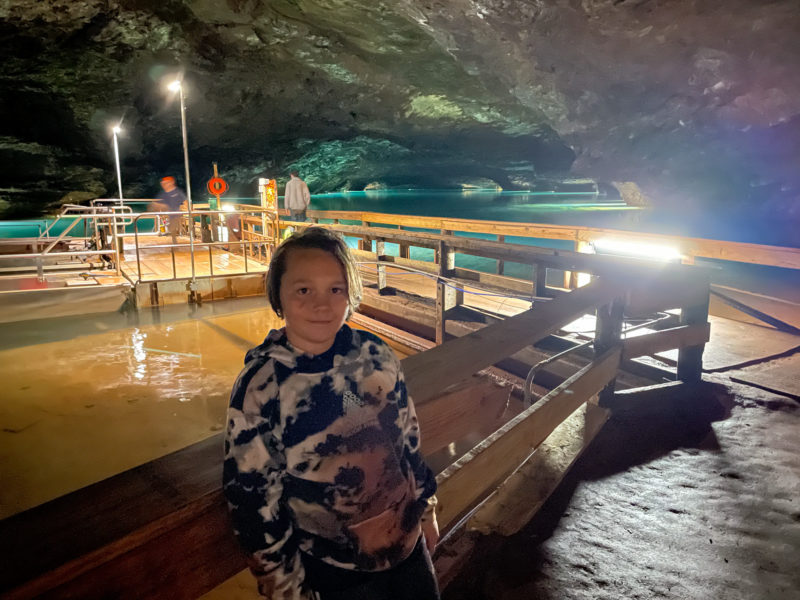
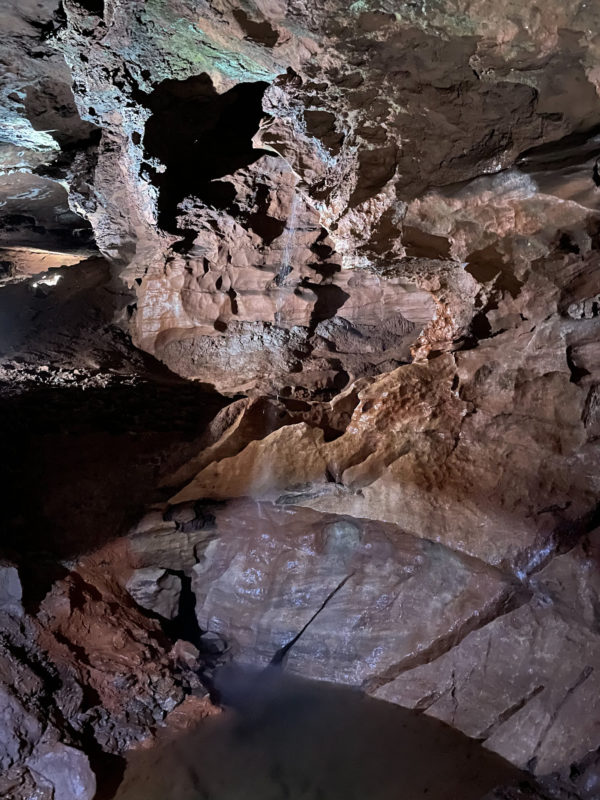
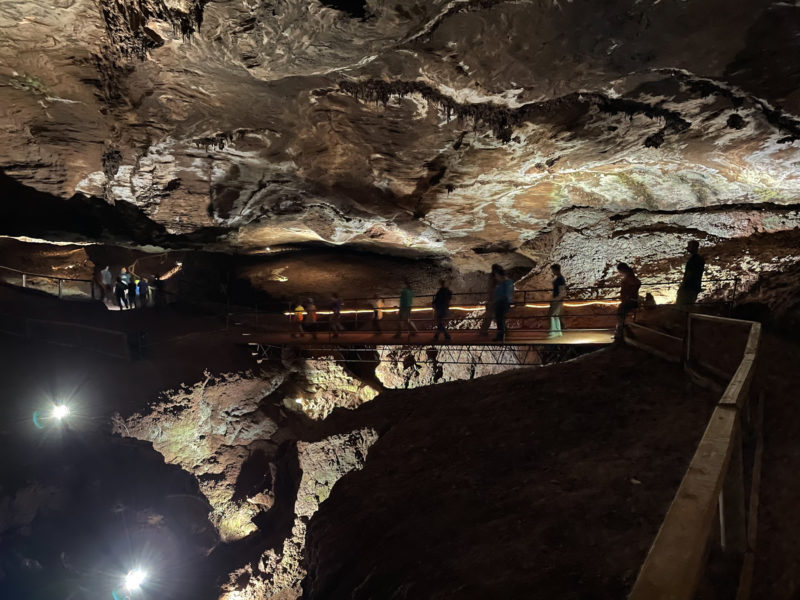
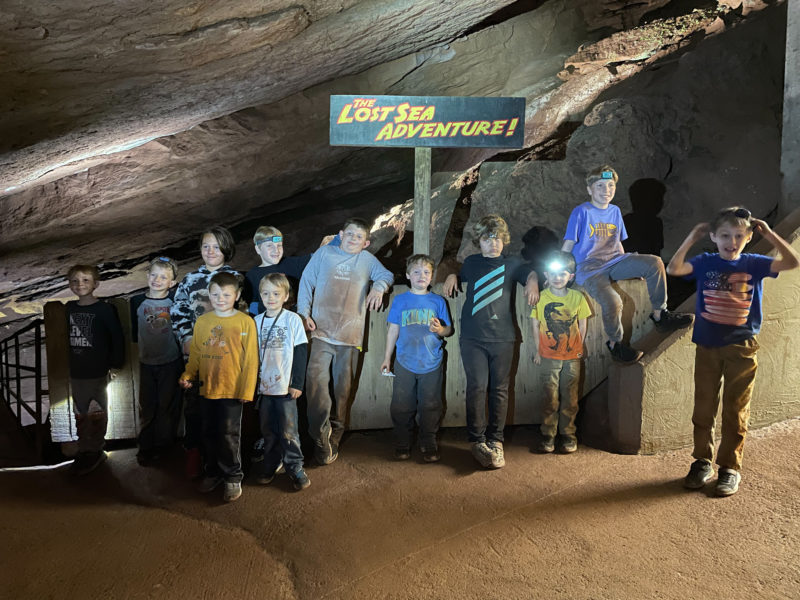
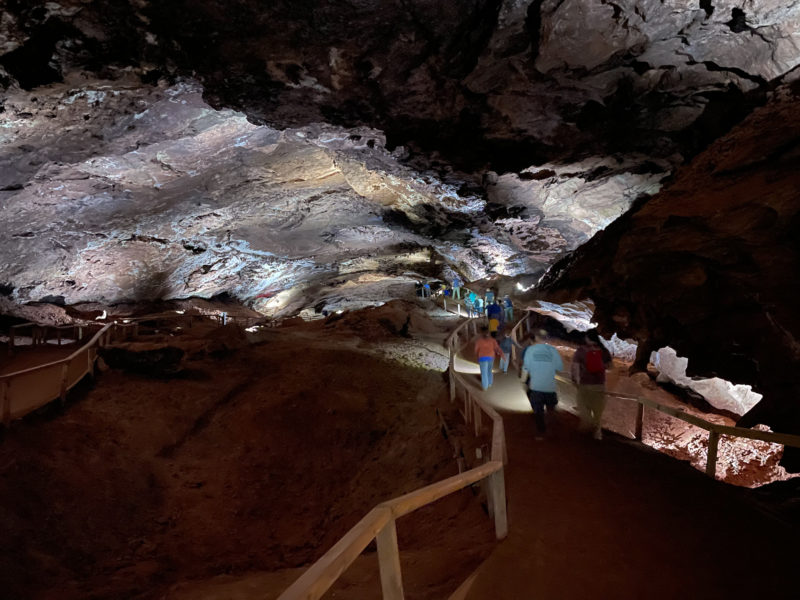
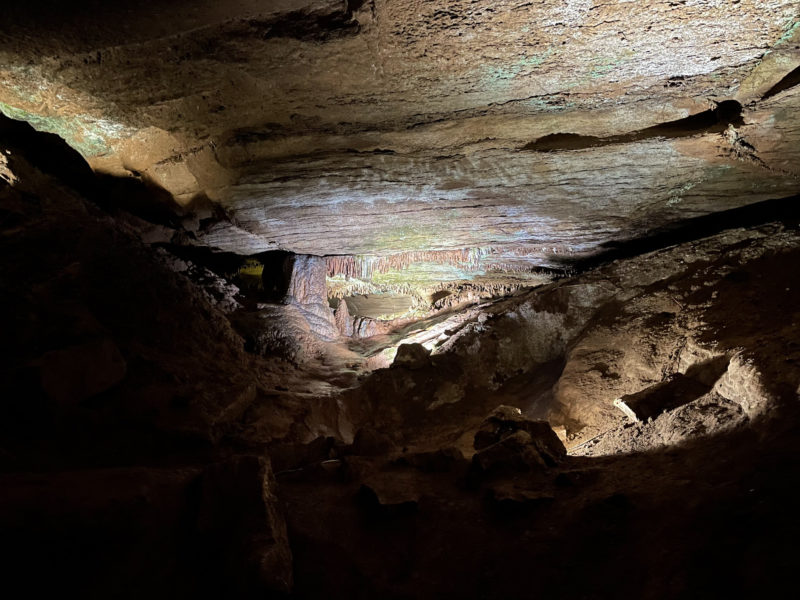
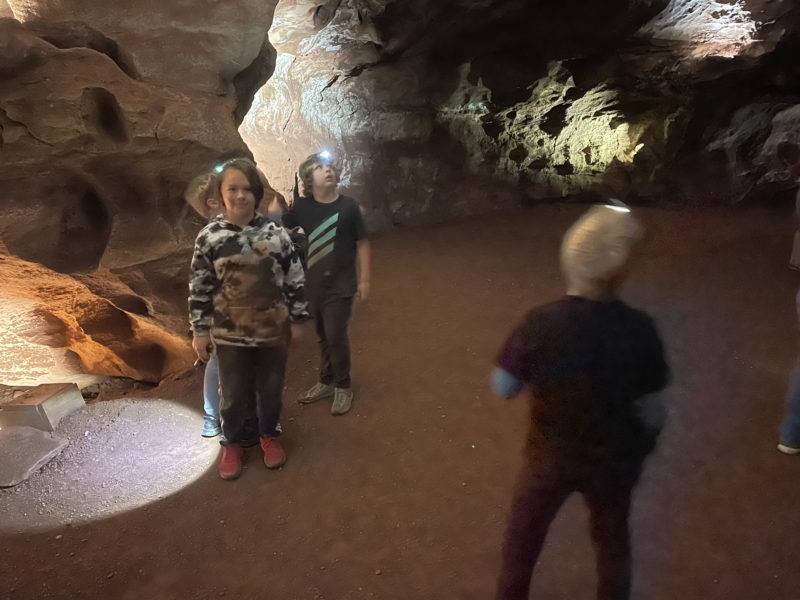
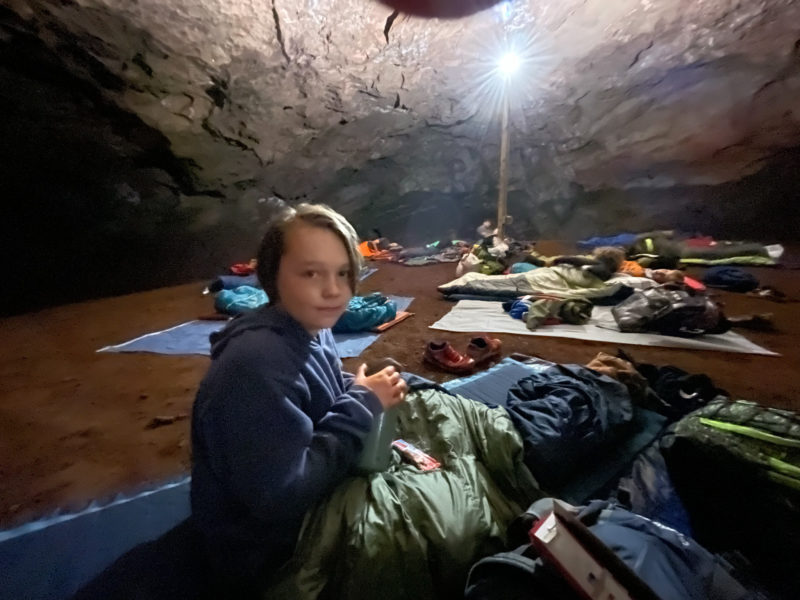
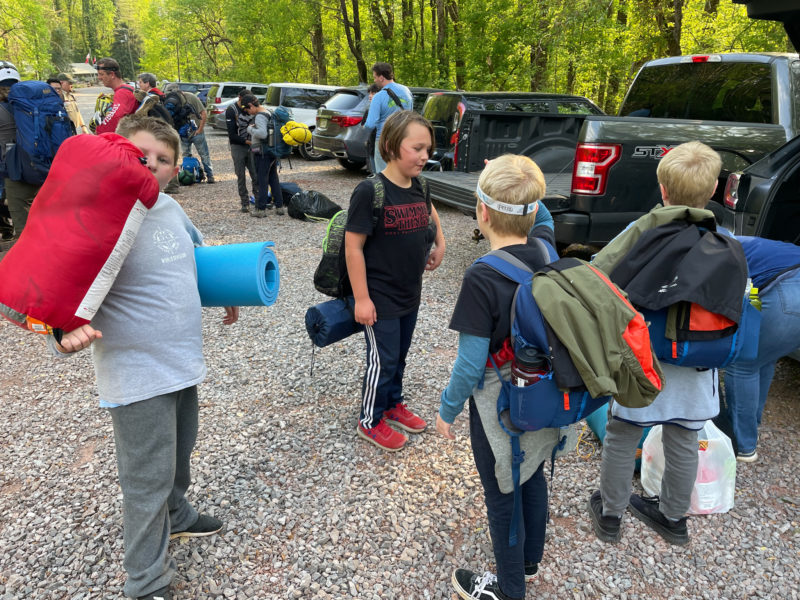
The Boy and I went on a one-of-a-kind Scouting adventure this weekend: we spent the evening rambling around an enormous cave system, then spent the night in said cave.

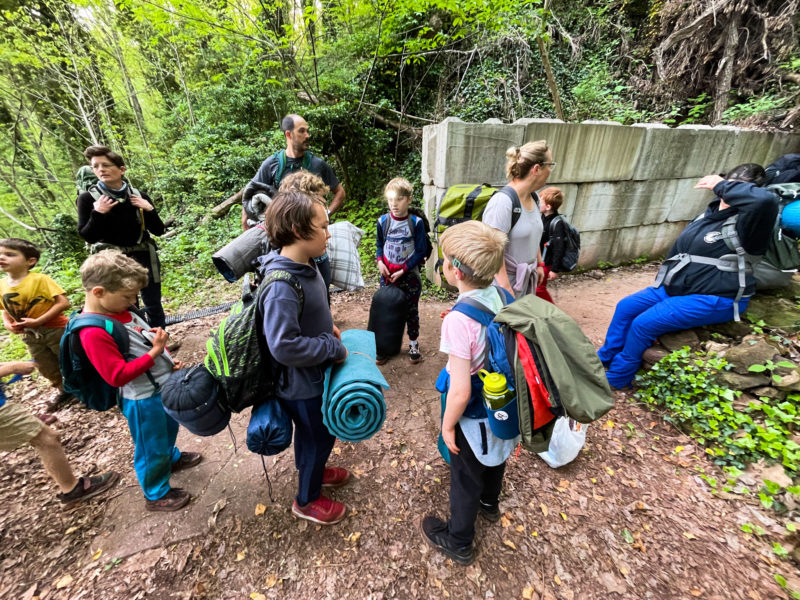
We all met in the parking lot around six, gear in hand, all excited, with the adults (well, speaking for myself anyway) a little anxious about how all the details might work out.

Our first stop -- our camp location. It was an enormous room, with a relatively high ceiling and a length probably five times or more its width.

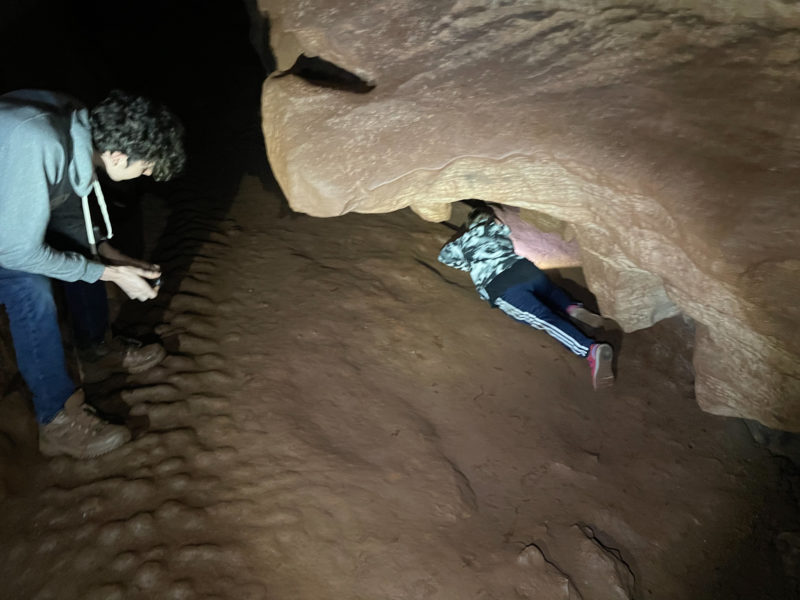
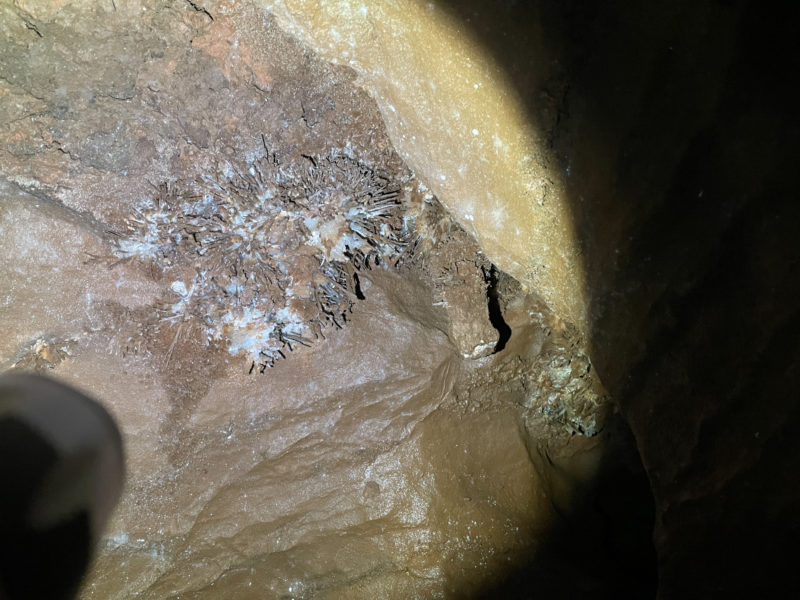
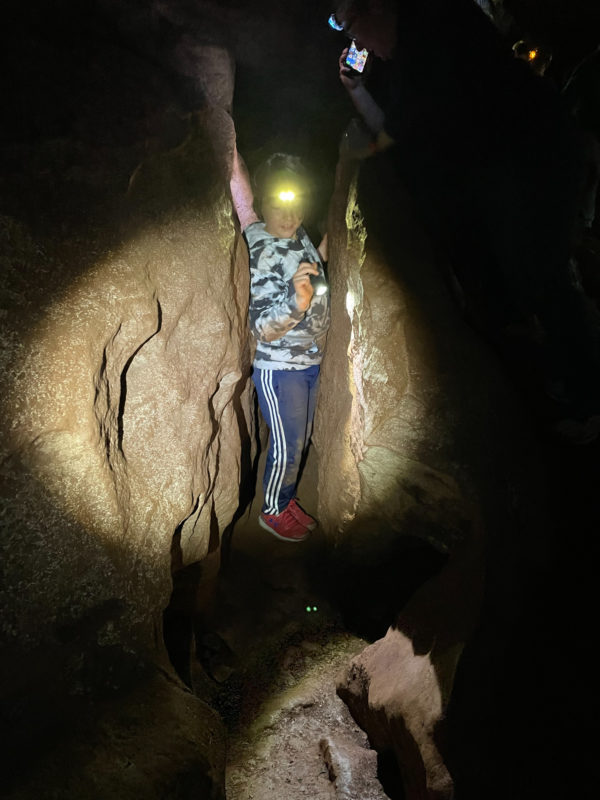
After we dropped off our belongings, it was time to explore. We had what's called a wild tour, which mean we got to go to places most tourists don't see and crawl through passages and openings that left us covered in clay and dirt.

Finally, it was bedtime. It was then that the fun began: the echoing snores; the footfalls that reverberated throughout the cave as people plodded to the bathroom; and a whole host of mysterious noises.

We made it out at a little past seven in the morning -- as instructed -- and after breakfast, headed home.

The Girl was in Knoxville, playing volleyball.

Steskal

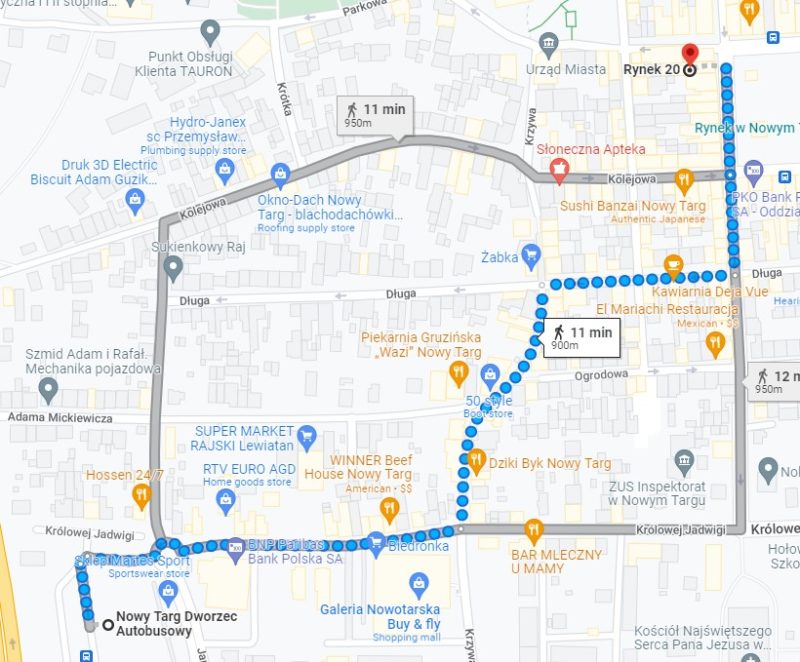
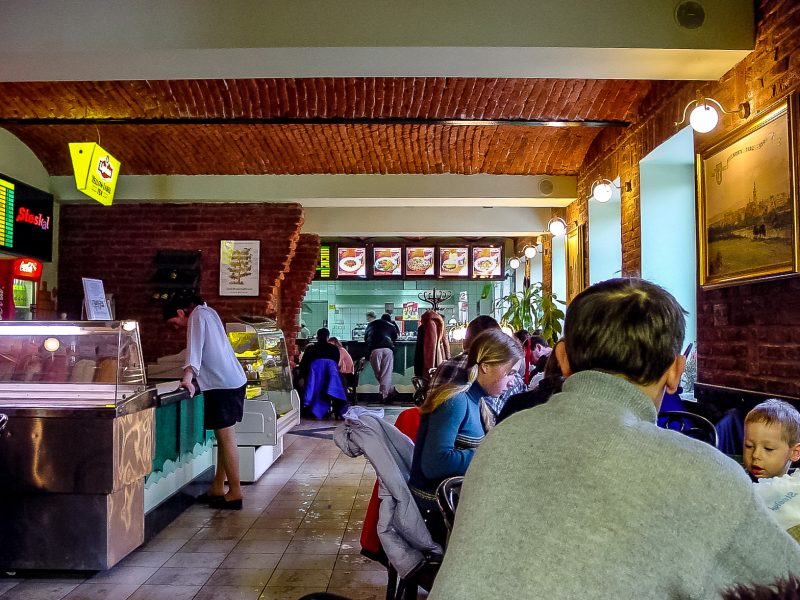
Steskal’s restaurant was on the corner of the rynek in Nowy Targ, at the intersection of Jan III Sobieskiego and Szkolna (School) streets. It was about a one-kilometer walk to the bus station (according to Google), but it was where I often spent the time waiting for the next bus back to Lipnica.

It was nothing fancy: they served the basics, and more often than not, when I ate there, I ordered fasolka po bretońsku. They made a good plate of beans.

When K and I began dating and started taking weekend trips together, we often ended up in Nowy Targ — waiting for a bus, of course. We sat drinking hot tea and talking about our next trip together, or about the coming holiday season, or about (eventually) our wedding.

At some after we moved to America, it closed. K and I were going to pop in for old times’ sake only to find it was no more.

I hadn’t thought about it in years until I found a picture while going through old photos in Lightroom.

Monument

I passed this monument countless times while I lived in Lipnica never really knowing the full story behind it.

Eighth-Grade Night

Wednesday in Class

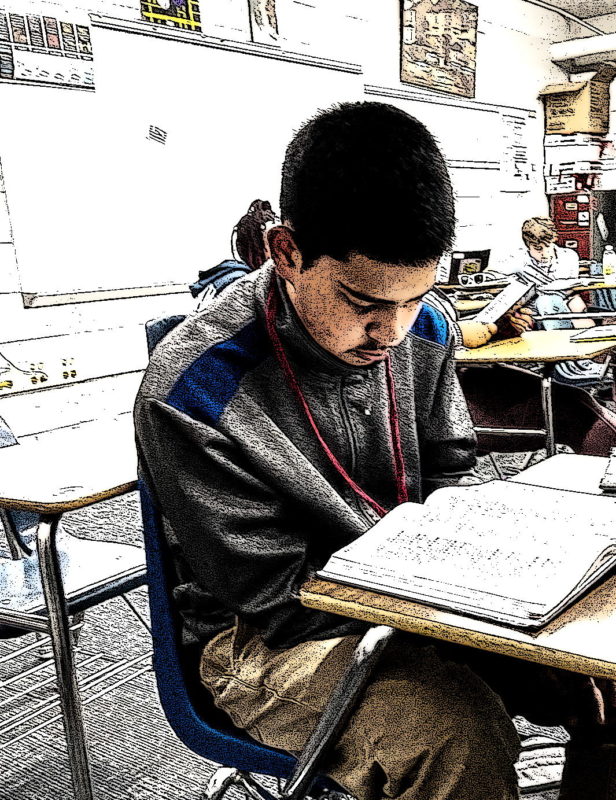
That fifth period can be a tough group of kids. They sometimes disregard what's going on in class to have a little private conversation that is not at all private because of the number of participants and the volume of their voices. They sometimes ignore simple instructions. A few of them are capable of being truly disrespectful to other students, to me, and by proxy, to themselves.

Yet by and large, they're a great group of kids. They're just typical 14-year-olds, many of whom come from less-than-perfect situations and have developed less-than-perfect habits. In my teaching career, there have only been a handful of students that, as humans, I didn't like, I just didn't trust. In almost 25 years of teaching perhaps four or five such kids. There are no such kids in this group.

But they can be tiring.

These final weeks of school, we're going through The Diary of Anne Frank. Why do such an important piece in the waning, testing-ladened final quarter of the year? That's when the district requires it. It might be a good thing, though, because these kids are more engaged now than they've been all year: more focused, more involved, more eager in their participation.

Plopped down in the middle of this is L, a young man from Mexico who speaks not a word of English. Not a word. Well, no, that's not true: he spoke not a word of English when he arrived last week. He's already picked up quite a bit. And today, he was able to follow along with the play, even though he didn't understand 95% of what the kids were saying.

"Where do you think we are?" I'd ask through my phone using Google Translate. He'd point to where we were -- each time, dead on. "Great!" I'd say. His smile was ear to ear.

After Dinner Play, Redux

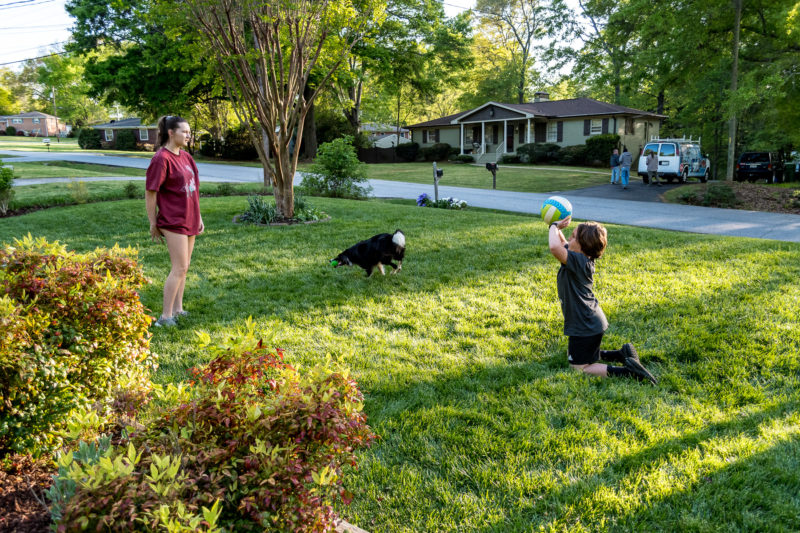
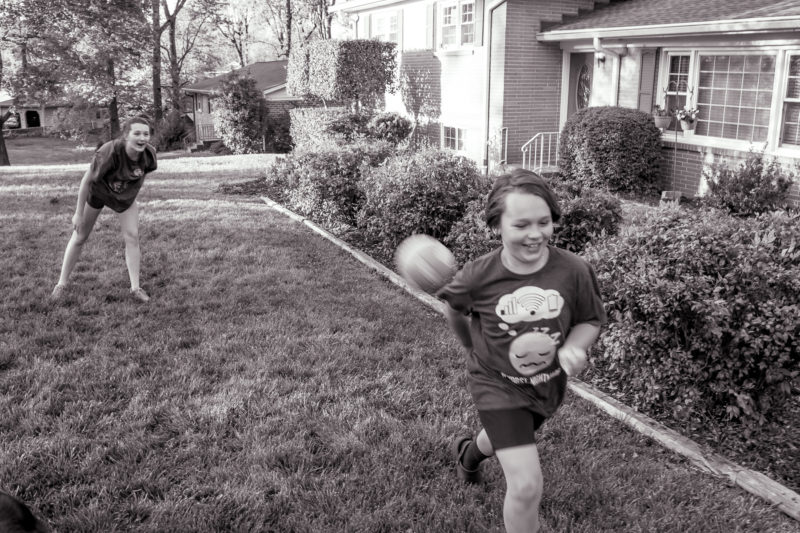
When your kids ask if we can do the same thing after dinner as we did yesterday, and it involves laughter and the dog, of course, you say yes!

The Day After, Again

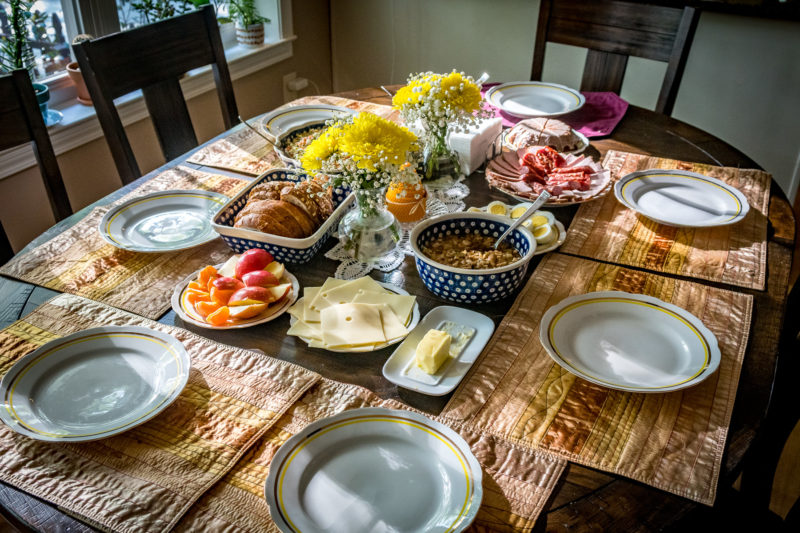
What is it about the day after Easter or Christmas that makes us want to do nothing? We do what we have to do, but it’s just off. And even if the day after is a day free from the obligations of work, it still feels off.

I’m not talking about hangovers — those are easily avoidable. Just don’t drink to excess. It’s undoubted the feeling of deflation, of everything coming down after building up for so long.

The party is over; the friends are gone; the spell is broken.

I want to say it’s because we don’t have anything to look forward to, but that’s not true. We look with anticipation and excitement at many things coming in our family’s near future: a camping trip, several tournaments, a summer trip to Poland.

Perhaps it’s the bustle of getting so much ready so quickly for a party, and then the sudden release of all that?

Or maybe it’s nothing…

Easter 2022

Holy Saturday 2022

Today is the day in the Catholic liturgical year when Jesus is supposed to be in the tomb. Crucified yesterday afternoon, he was laid to rest according to the gospels in a tomb provided by Joseph of Arimathea. It is this tomb that various people will find empty tomorrow morning according to tradition in the gospels.

Who exactly find the tomb empty depends on which gospel you read. Critics point this out as one of many discrepancies which undermines the supposed factual accuracy of the gospels. Believers have various apologetics to explain away these differences. That’s a different issue for a different post. Besides that’s not until tomorrow. Today is Holy Saturday: I’m more interested in what’s going on today according to the gospels.

One piece of “evidence” that apologists like to put forth is the empty tomb, but first, we have to get Jesus in the tomb. What is the evidence we have that he was even buried? Only the Bible biblical narrative.

We do know from other contemporary sources, however, that most victims of crucifixion were not given a proper burial. This was part of the punishment. Your rotting corpse served as a deterrent for others. Furthermore, once burial took place, it was most often accomplish by tossing the remains not eaten by the birds into mass common graves. So we have two major problems with the account in the gospels: first, criminals’ bodies are traditionally left on the crucifixion steak to serve as a deterrent; second, once the remains were buried, they were placed in a common grave. The only evidence that we have Jesus was buried, comes from gospels written 50 to 70 years after he died. That’s not terribly convincing evidence, and I would bet that most Christians if this claim were made by another religion where is similar objections.

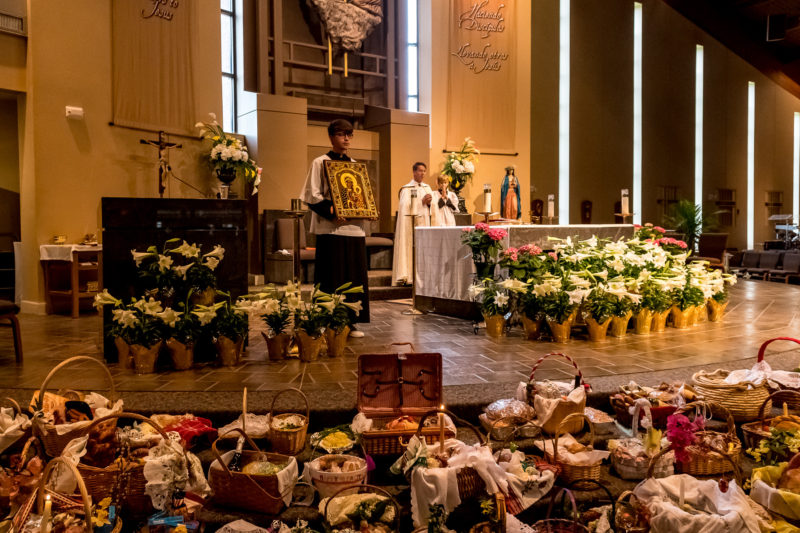
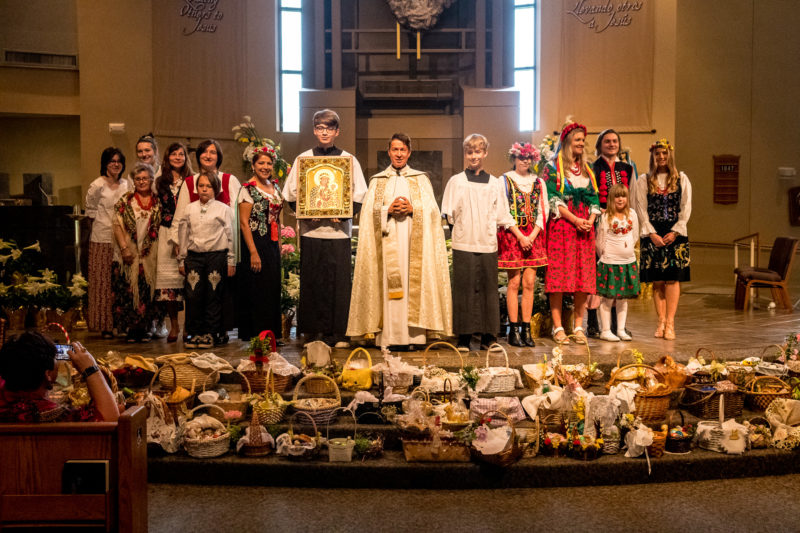
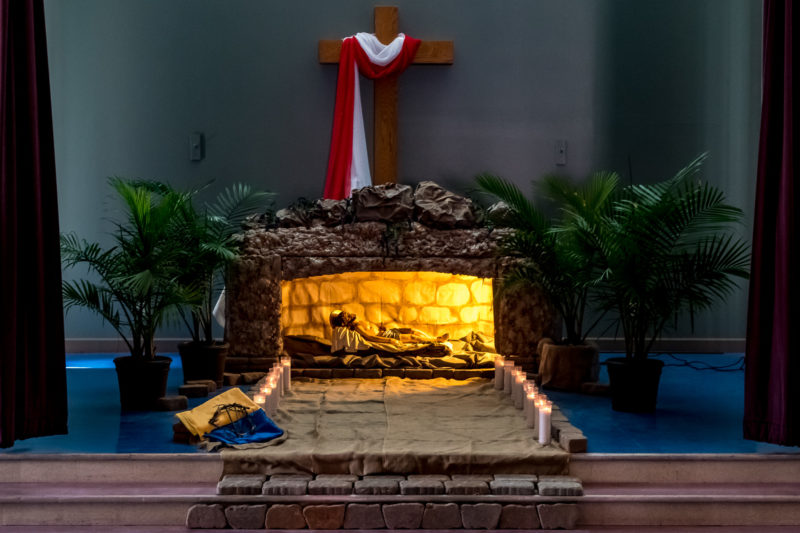
However, most Christians accept this as a simple fact it is beyond dispute, and from this narrative, Catholic secondary traditions have sprung up. Polish Catholics traditionally build a grave in their church and some sort of Jesus figure is placed in it, symbolizing Jesus and Joseph of Arimathea‘s grave tomb. Local Poles brought that tradition to our area, and the parish pastor has fallen in love with the tradition. So every year, the Polish community creates a tomb for Jesus just like they would do in Poland, and the faithful come and keep vigil with him throughout Friday night and Saturday. Of course, everyone knows that this is simply symbolic representation of Jesus in the tomb, but the fervor with which some people sit and pray in front of this tomb suggests that somehow that symbol has become for them very real. It is as if they are sitting by the actual tomb, which of course likely didn’t even exist. How is this possible?

I think there’s a certain predisposition among Catholics to turn the symbolic into the real, to suggest with a line between the symbol and the thing somehow blurs, somehow disappears completely. They do this every week with the bread and the wine. Catholic teaching is that this bread and this wine, after some words uttered by the priest, are no longer bread and no longer wine. It looks like bread and wine; it taste like bread and wine; scientific analysis would show that on a molecular level, it’s still bread and wine. None of these things matter. What matters is that the church has taught for ages that somehow despite all appearances to the contrary, this is now the physical body and blood of Jesus. When someone can make that kind of Leap, all other boundaries between symbol and symbolized unnecessarily begin to slip.
All of this is undergirded by the nearly universal notion that our world is it duality. There is a physical; there is a spiritual. Things can exist that don’t seem to exist, that leave no physical trace, they have no physical characteristics, they have nothing. Humans, according to Catholic teaching, are not just physical beings: at our core, we are a soul. This duality then spills into other things, so that we can suggest it bread and wine have a physical existence, but they have some other kind of existence. This is what changes Catholic say.


Of course, this other “existence,” which they call substance, cannot be shown to exist in any scientific manner. It is a philosophical construct. Once a group of people starts to imbue philosophical constructs with actual existence, then literally things that exist only in the head can be said to exist in reality, and in a certain sense, they do exist in reality, for our conscious experience of the world is the only experience of it we have. But they don’t have an external reality, they don’t have a reality that is not dependent on our contemplation of said philosophical construct.

Freedom doesn’t exist outside our notion of what freedom is. Justice does not exist outside of our notion of what justice is. And our notions of freedom and justice and every other philosophical construct vary widely from cultural culture, from time to time, from person to person. And so their existence is completely relative and completely dependent on human thought.

Once someone is comfortable with a squishy boundary between these two things, though, all sorts of ideas that they might otherwise think are silly can become the most profound, the holiest ideas that they hold. And so we end up with over one billion people in the world kneeling before a piece of bread and a bit of wine with the same reverence as if they were kneeling actually before the most powerful being in the universe. We have people shedding tears in front of a tomb that they themselves made that the houses a carving of a crucified man whose existence or might not be questionable but his characteristics, actions, words, and deeds have scant if any real likelihood of being accurately recorded in the one historical record we have of them. Which is to say, because we don’t actually have Jesus here physically with us it’s all in our heads.