matching tracksuits

fun in threes, sometimes fours

general

Discovery

We started working on poetry this week. I always begin with the same poem:

Because You Asked about the Line Between Prose and Poetry

Sparrows were feeding in a freezing drizzle
That while you watched turned to pieces of snow
Riding a gradient invisible
From silver aslant to random, white, and slow.

There came a moment that you couldn’t tell.
And then they clearly flew instead of fell.

It’s a perfect start-of-the-poetry-unit poem because it has so much in it that makes poetry great. There’s enough ambiguity to necessitate a little digging. There’s a title doing all the work a good poem title should do — integral to the poem yet still standing a little aloof. There’s parallelism and patterns. There’s such an economy of language.

We work through it slowly. First, we find some of the ambiguities: who is the “you”? It’s not the reader. What is that “they” in the final line? They flew, so we think at first it might be the sparrows, but they also seem to have fallen at some point — birds don’t usually fall. “It’s the snow!” someone realizes.

We tackle the ambiguity of the word “tell.” “It’s not ‘tell’ like ‘to tell a lie’, is it?” I ask. We determine that “discern” might be a synonym. Or just “tell the difference between.” “Between what?” I probe a little further. They realize that it’s telling the difference between snow and rain, and that that is what’s going on in that final stanza: whoever is watching the birds is experiencing a moment when the rain is turning to snow and more specifically, experiencing that liminal moment when we can’t quite tell what it is.
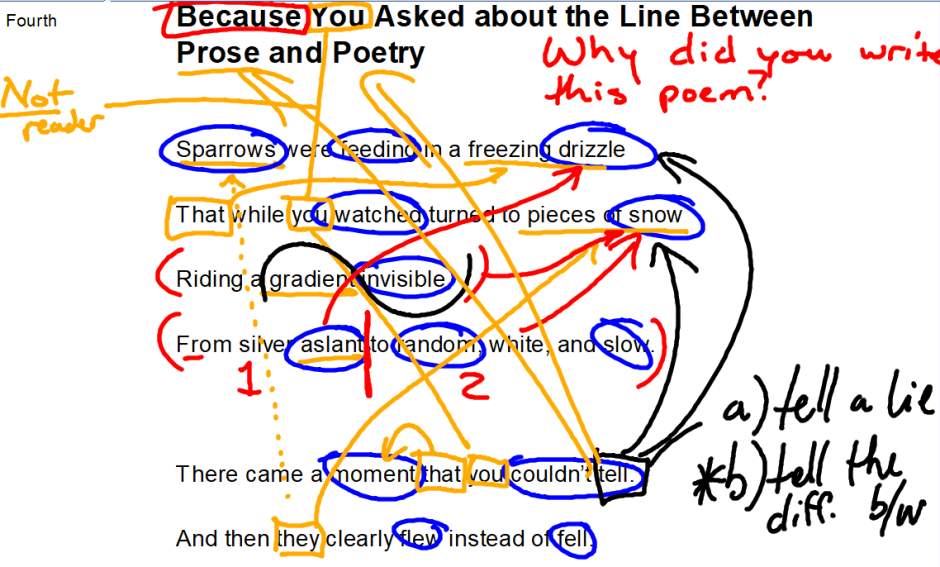
We work on the title a bit. “It begins with ‘Because,'” I point out. “What does that signify?” They soon realize that before that must have been a “Why” question. “So talk to your seat partner — what is the understood question?” Eventually, we get it: “Why did you write this poem and give it to me?” Finally, we unpack the whole title: at some point, someone asked the poet, “What is the line between prose and poetry?” He left the question unanswered and returned at some point with a poem, which he gave to the interrogator. Confused, she asks, “Why did you give me this?” And the class says in unison: “Because you asked about the line between prose and poetry!”

“So he gives her a poem about birds and rain and snow?!?” I ask. “What kind of crazy answer is that?” They talk a little. I give them a hint: “Look for patterns. Look for repetitions.” Then they see it. Two things in the poem: rain and snow; two things in the title: prose and poetry. It’s time to put the bow on it.

I write on the board.

__________ : rain :: __________ : snow

“Let’s finish the syllogism,” I invite, and together they say, “Prose is to rain as poetry is to snow.” Or we could have done it differently: “Rain is to snow as prose is to poetry.” We get the same results. Snow and rain are made of water; poetry and prose are made of words.

“So what’s the poem’s answer to the question? What’s the line between prose and poetry?”

“Not much.”

Not much, indeed, and yet so much. So much difference and so many glowing faces as the poem that just a while ago made no sense to them at all suddenly is this beautiful and pithy exploration of the nature of written language.

Filters

We see what we want to see. Social media offers the best example of that in the contemporary world, but sometimes, it’s not just evident in a macro-view but in individual postings.
One of the religion groups I follow posted a story about a meteor “demolishing an ancient Middle Eastern city” and speculated that it could have inspired the story of Sodom and Gemorrah. The individual sharing the article added the comment, “Always interesting when science catches up to The Bible.”

“Science catches up to the Bible?!” I laughed. The Bible that includes a talking snake, an apple curse, a talking donkey, and a man surviving in a whale’s stomach for days? The Bible that includes the story of a flood that inundated the whole world despite the fact that there’s nowhere near enough water in existence on the Earth to do that? The Bible that says the heavens are a bowl-shaped divider that keeps the water of the upper firmament out (that is where all the water comes from, I guess)? The Bible that has epileptics misdiagnosed as victims of demonic possession? The Bible that says a sky wizard created the world in six days, including creating light before there was no light source? The Bible that purports many men lived literally centuries, with several living close to a millennium? In short, the Bible that is so scientifically backward that apologists have to contort themselves into knots or declare troubling passages as merely metaphorical is in any sense ahead of modern science?

I, of course, couldn’t leave well enough alone, responding “Science caught [sic] to the Bible and left it behind long ago.” Given the context of what I just wrote, it’s clear what I meant: the Bible is backward and dated, especially when compared to modern science.

That’s not what they read, though. One young man replied,

tell it to scientist [sic] 50 years ago, they also thought they know everything, in terms that we’re developed at their time… eyes opened yet? 🙂
Cell phones? Radio waves? What, we know only as much as we know, and every decade some people think we know it all, ‘its called science!’ 😄😄 God Bless

It is, naturally, to be expected that someone posting on a pro-Christian board would have pro-Christian views, and my comment was somewhat vague — intentionally so. Still, I didn’t expect everyone to see it that way. It’s a perfect example of confirmation bias.

Volleyball versus Former Teammates

Selling

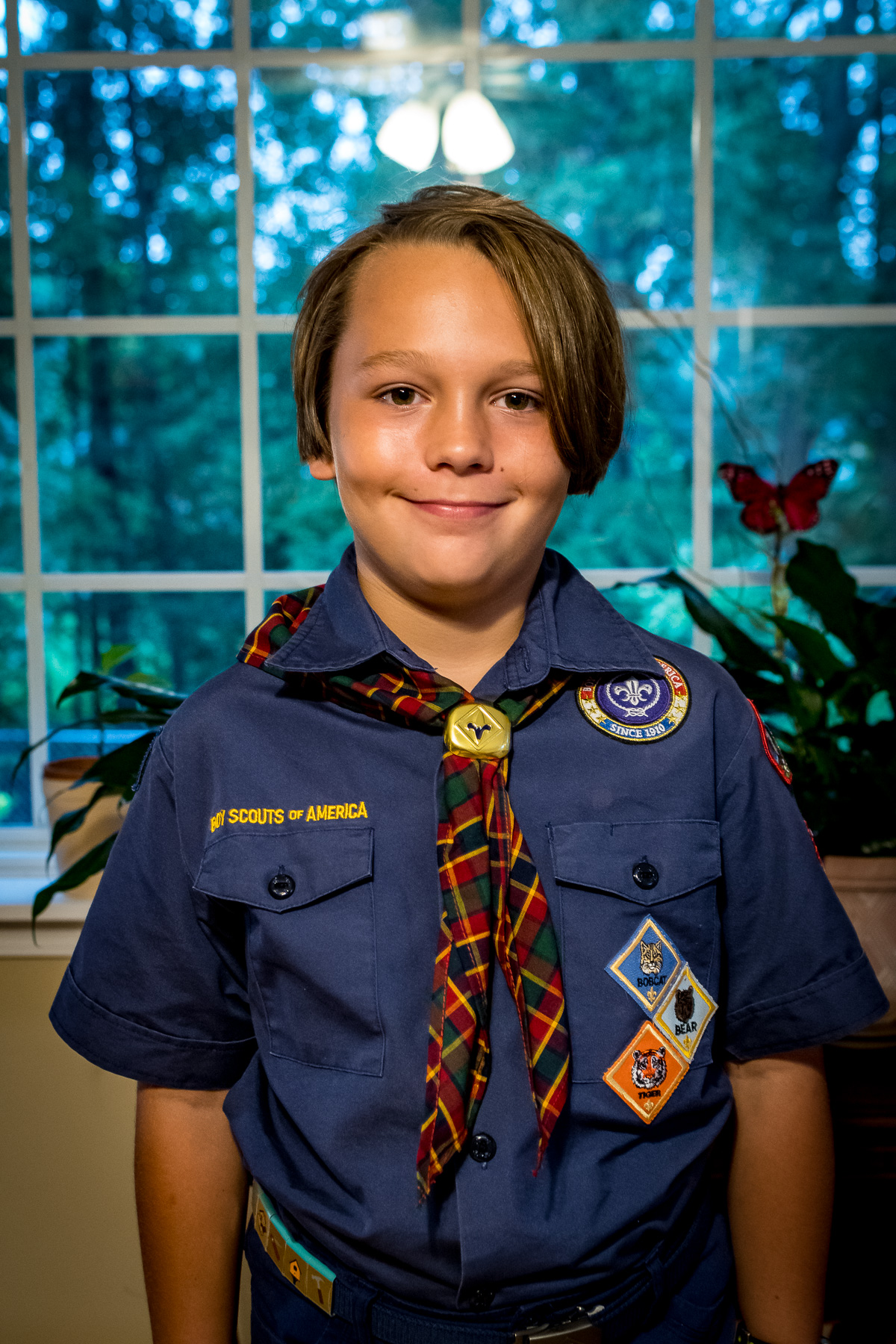
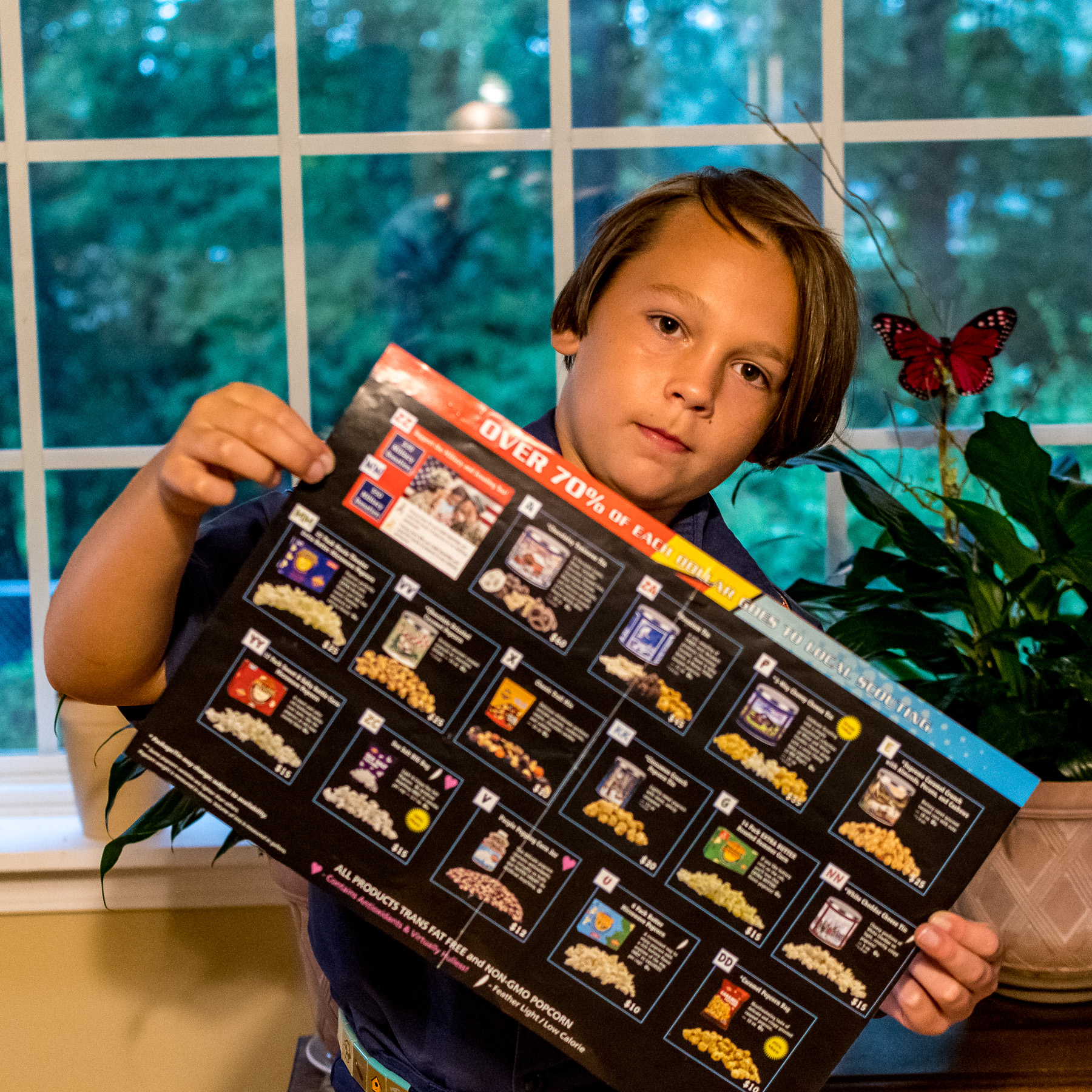
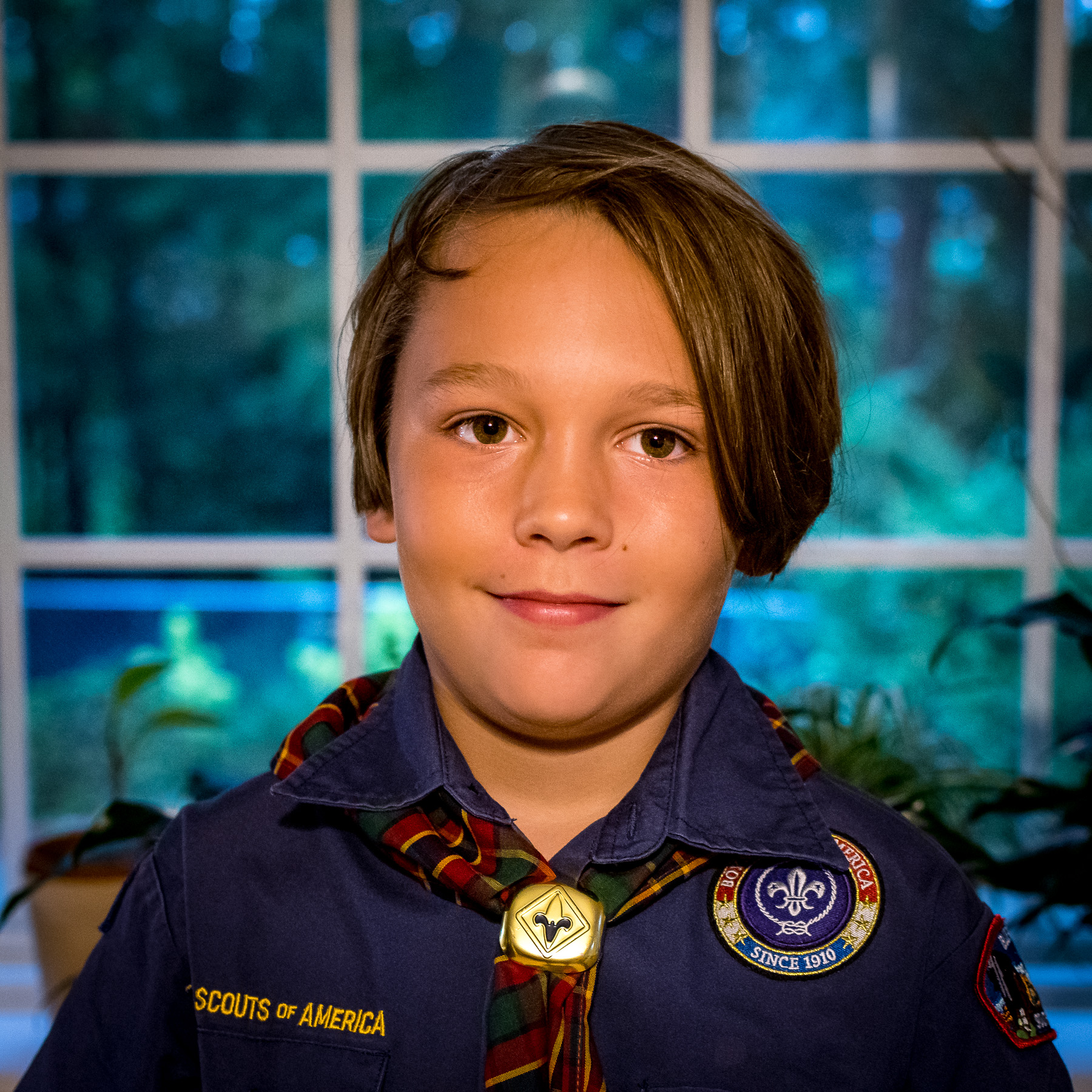
The Boy has been selling popcorn for his scout troop. We decided to make a poster tonight for me to put in the teachers' mailroom (pending approval) inviting teachers to indulge their popcorn cravings. A few of the shots in for the poster...

Conestee Walk

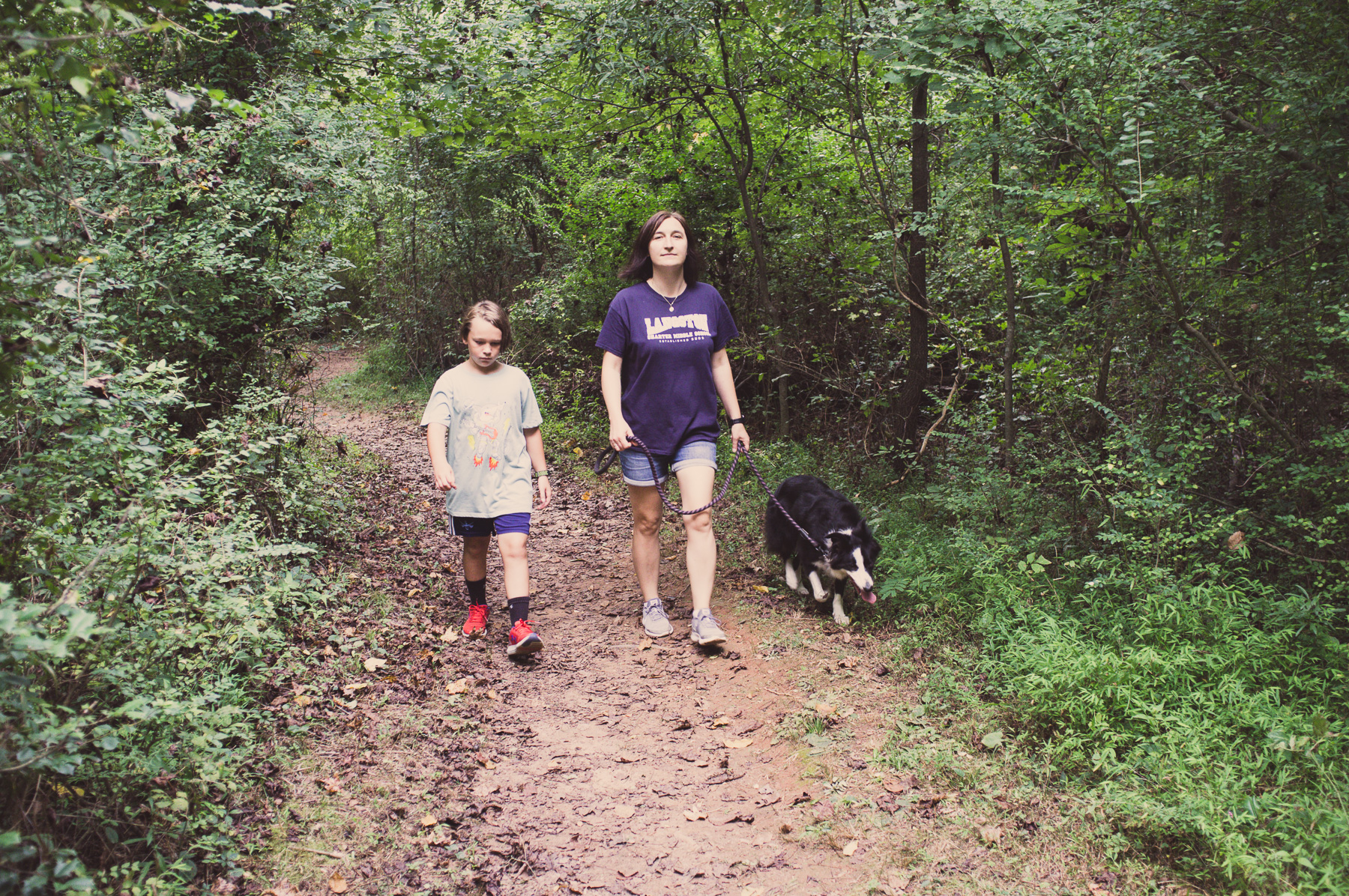
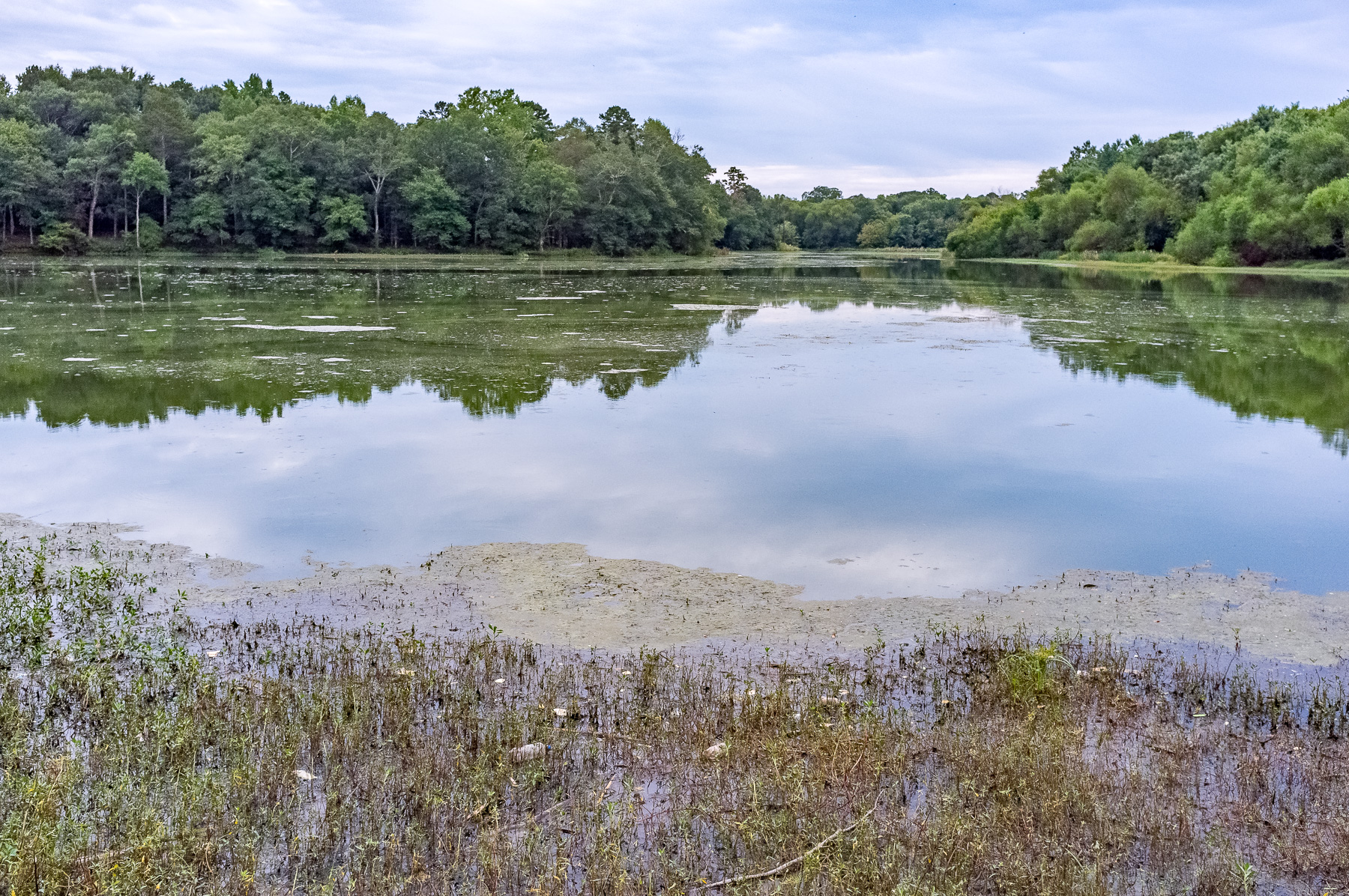
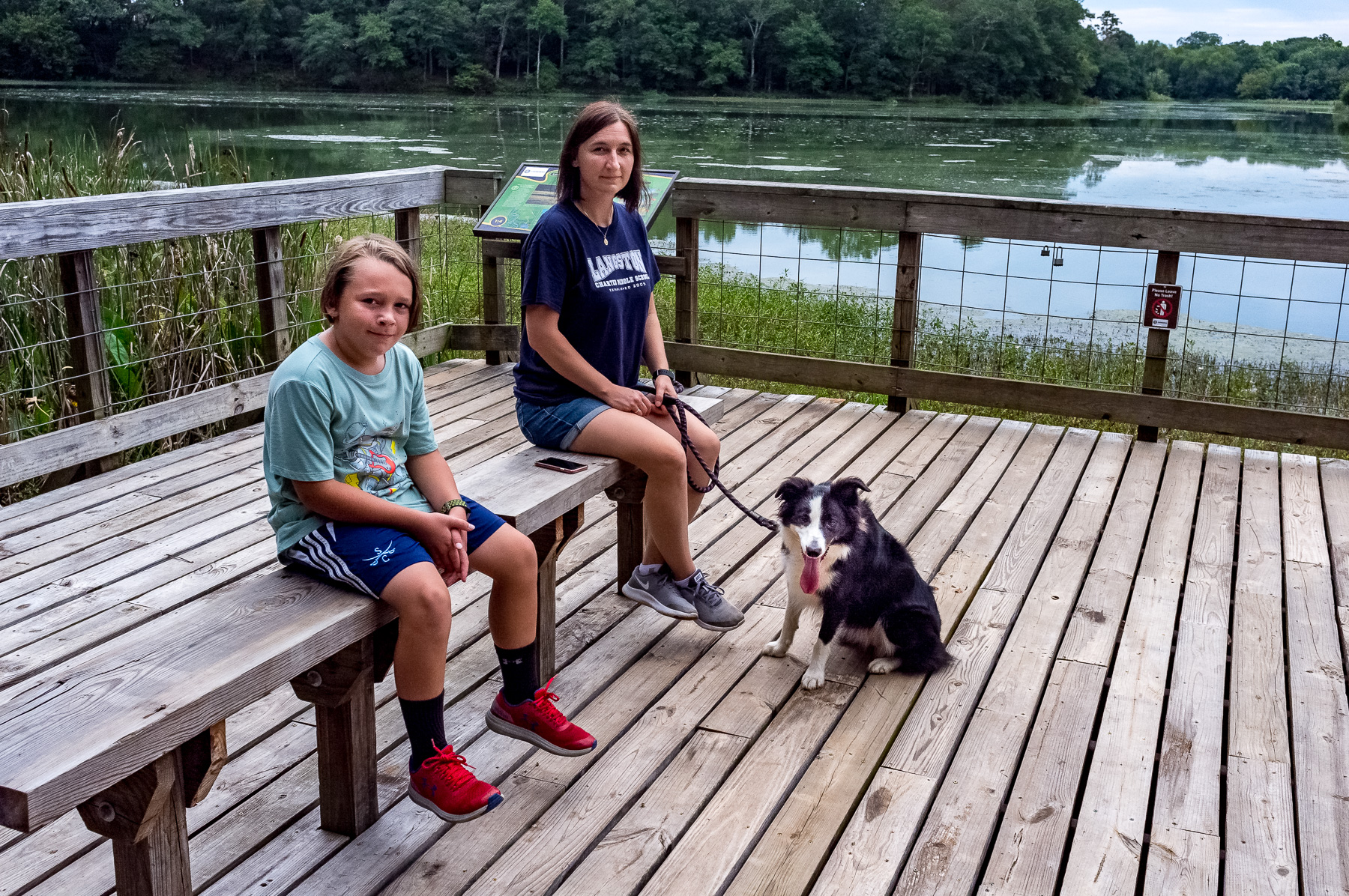
It's been a while since we went out for a walk in our favorite local part. Months, even. L is sick at home -- an awful sinus infection -- but we made the most of it as three.

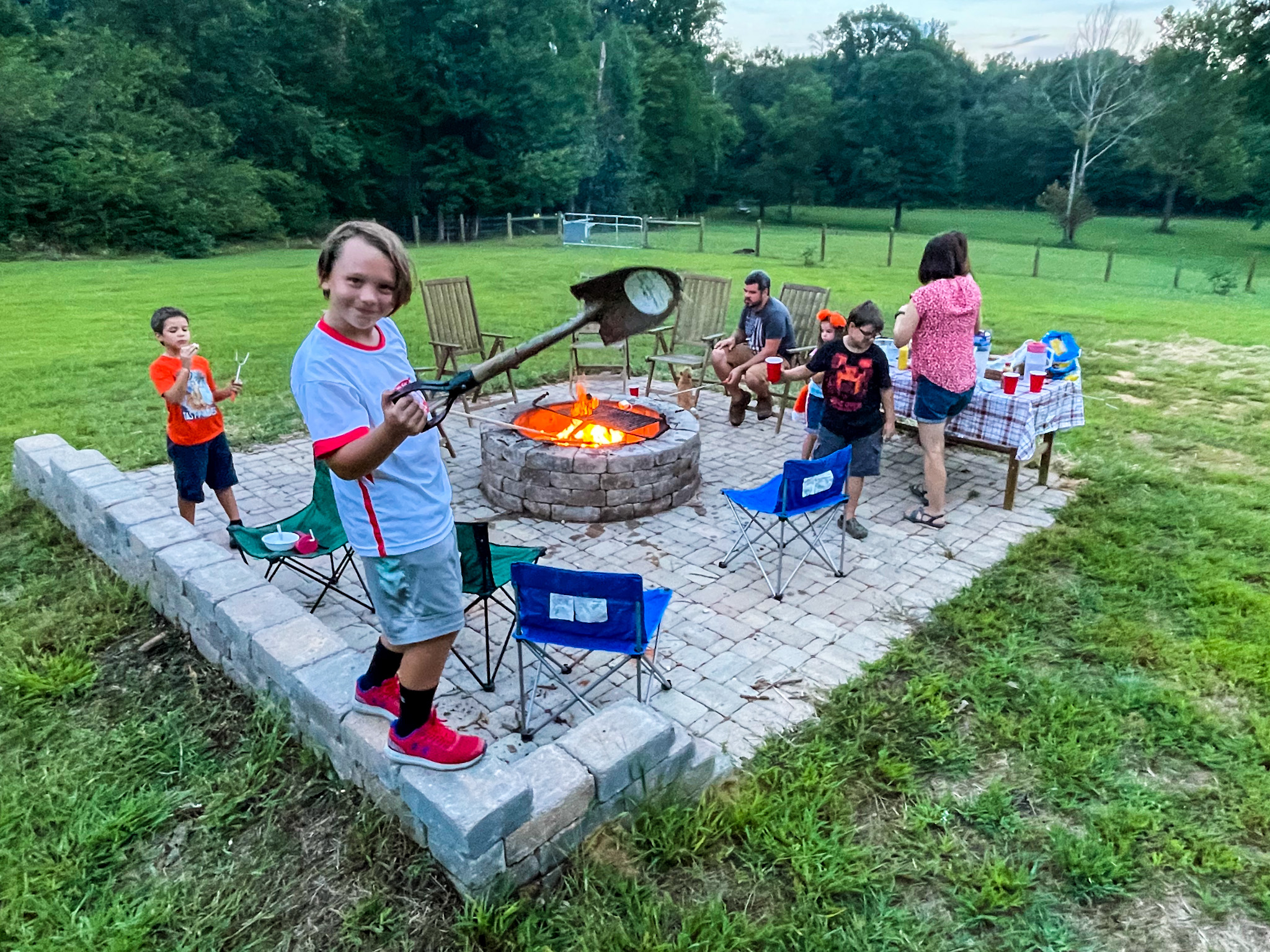
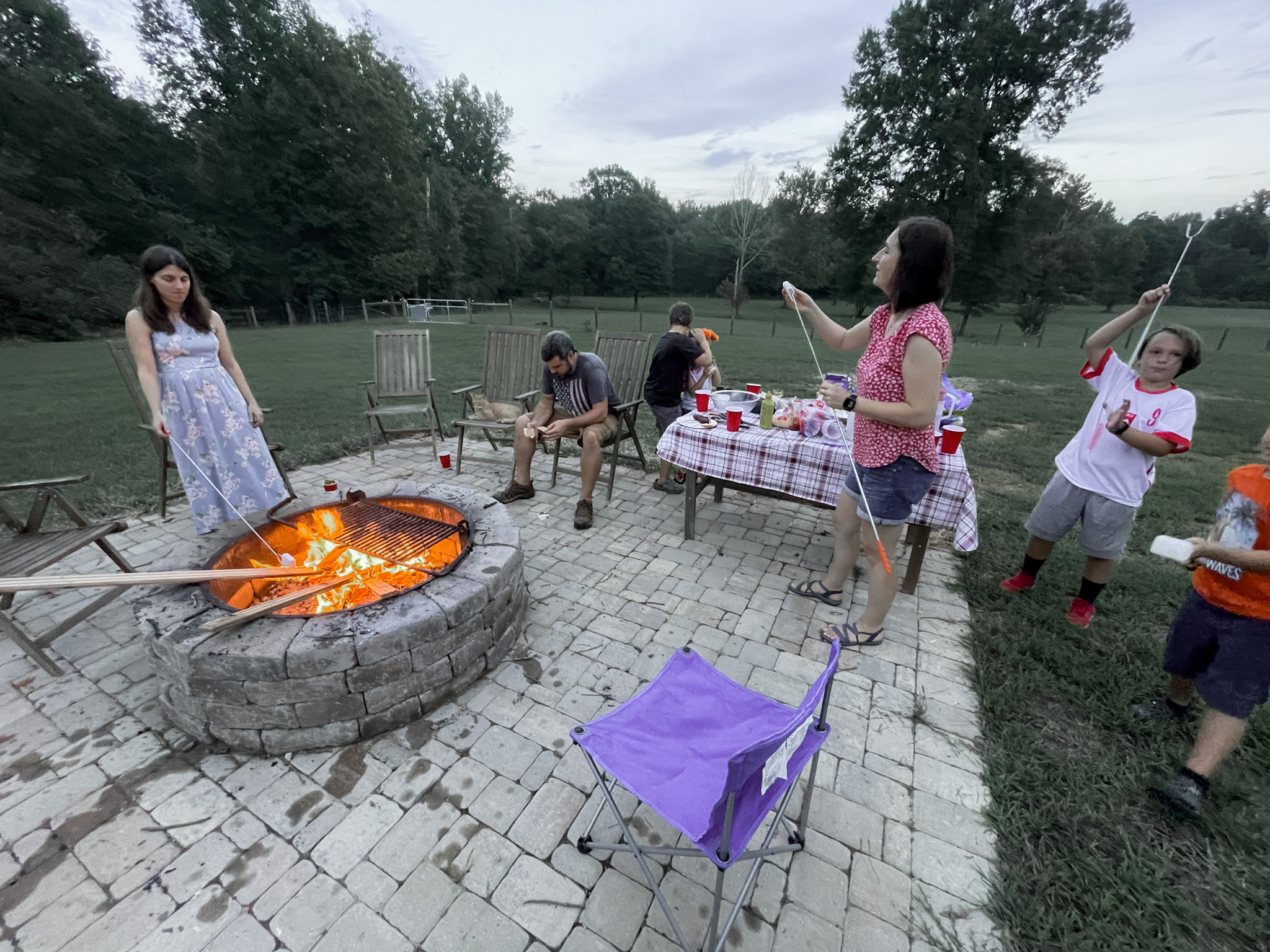
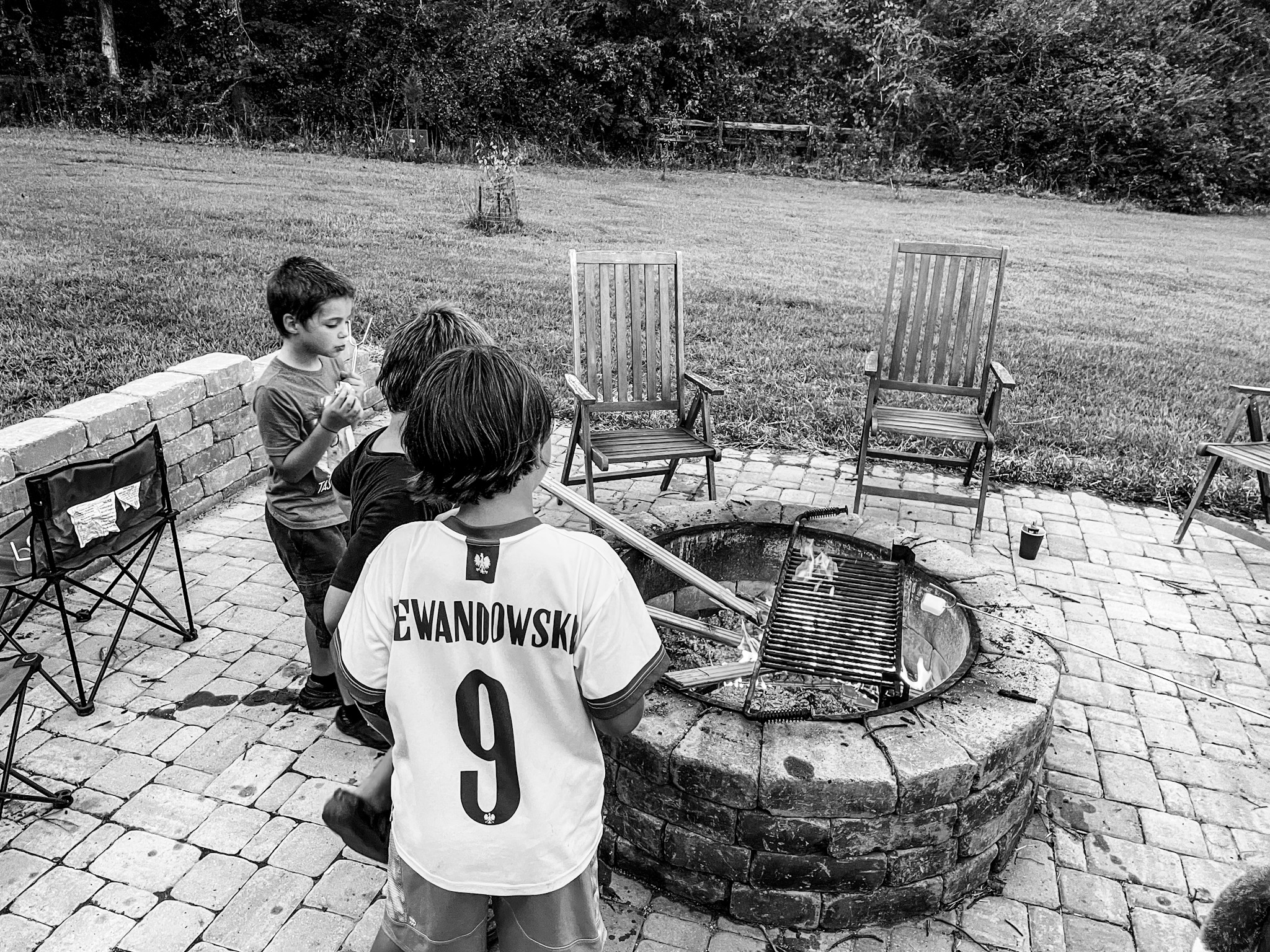
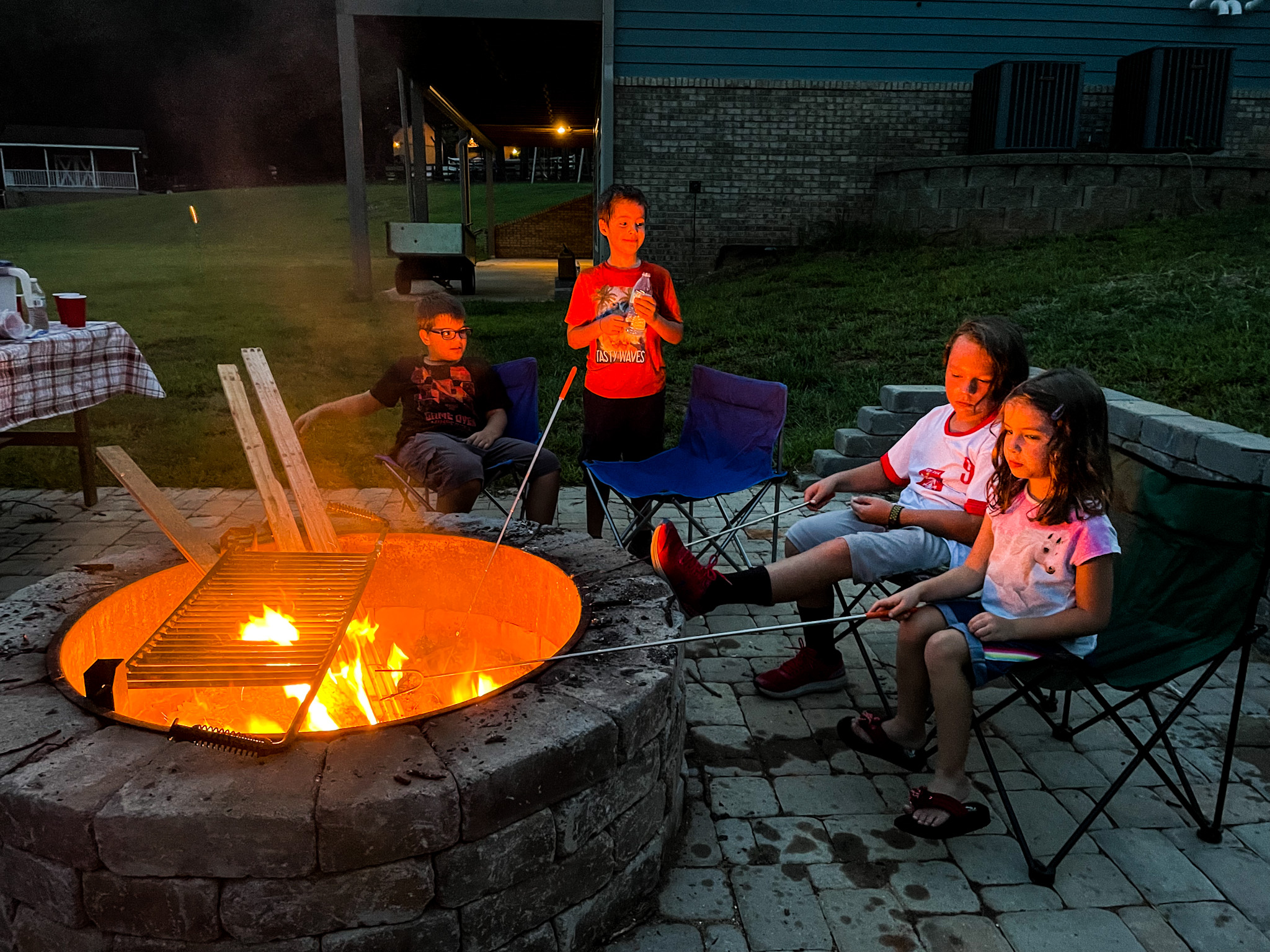
American Ognisko

The Sacrifice

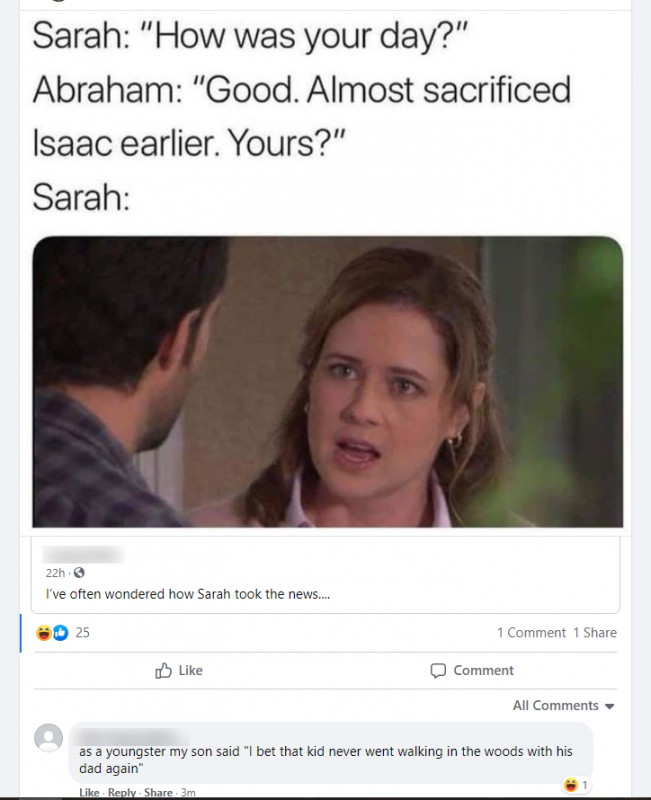
Another post on social media about Abraham’s near-sacrifice of Isaac, this time as a comedy:

I would think that such an event would cause near-trauma in the mother: any other reaction seems unhealthy. I would hope that if I came home with one of our children and told K that I’d almost killed the child because I was sure God had told me to sacrifice the child but thankfully an angel stepped in and stopped the whole thing that she’d gather the children and get away from me as fast as possible until I got substantial counseling.

As for the child, I would think it would be more than just a mere reluctance to go into the woods with the father.


The Girl Fourteen Years Ago

School Volleyball 2021

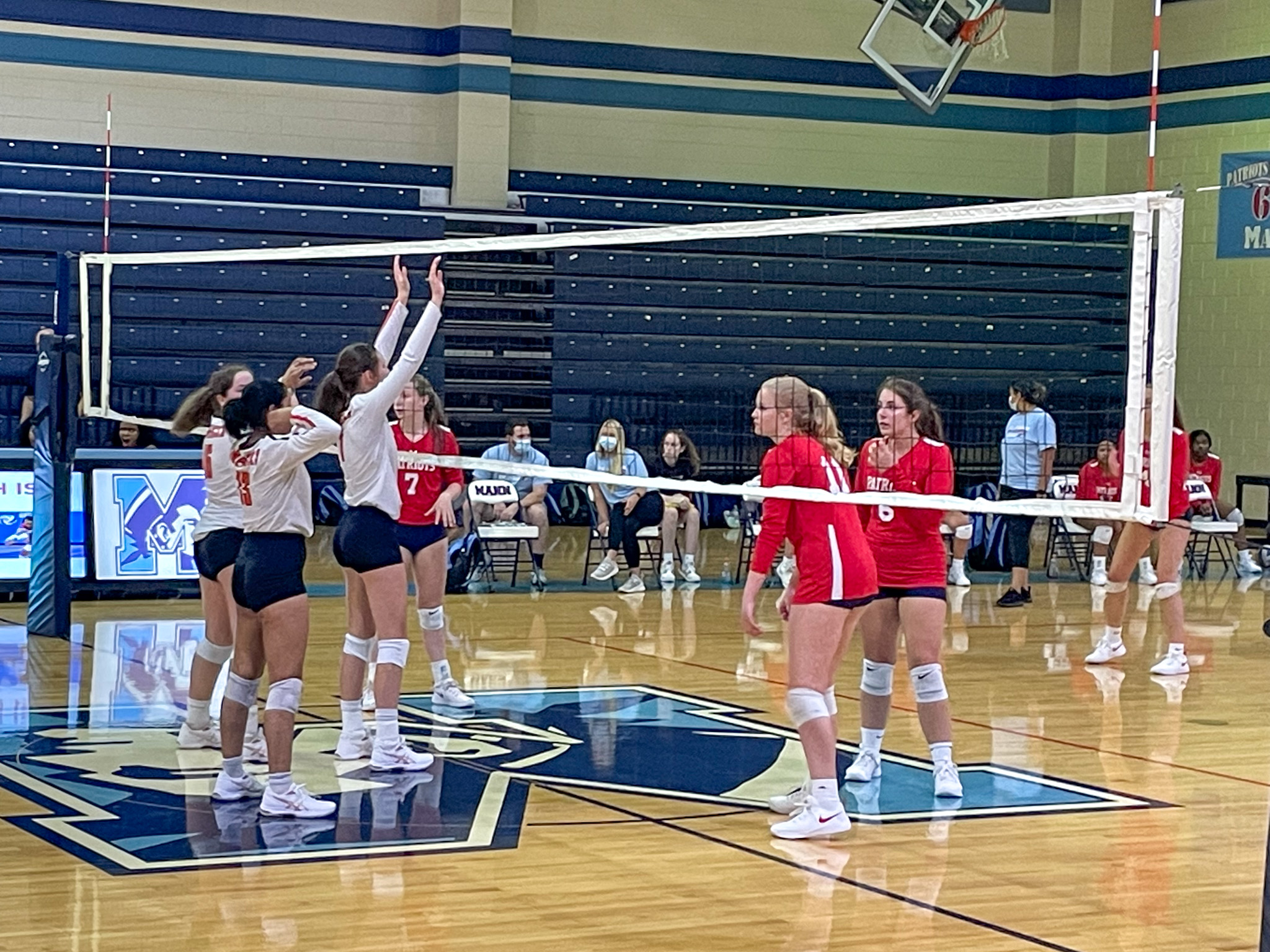
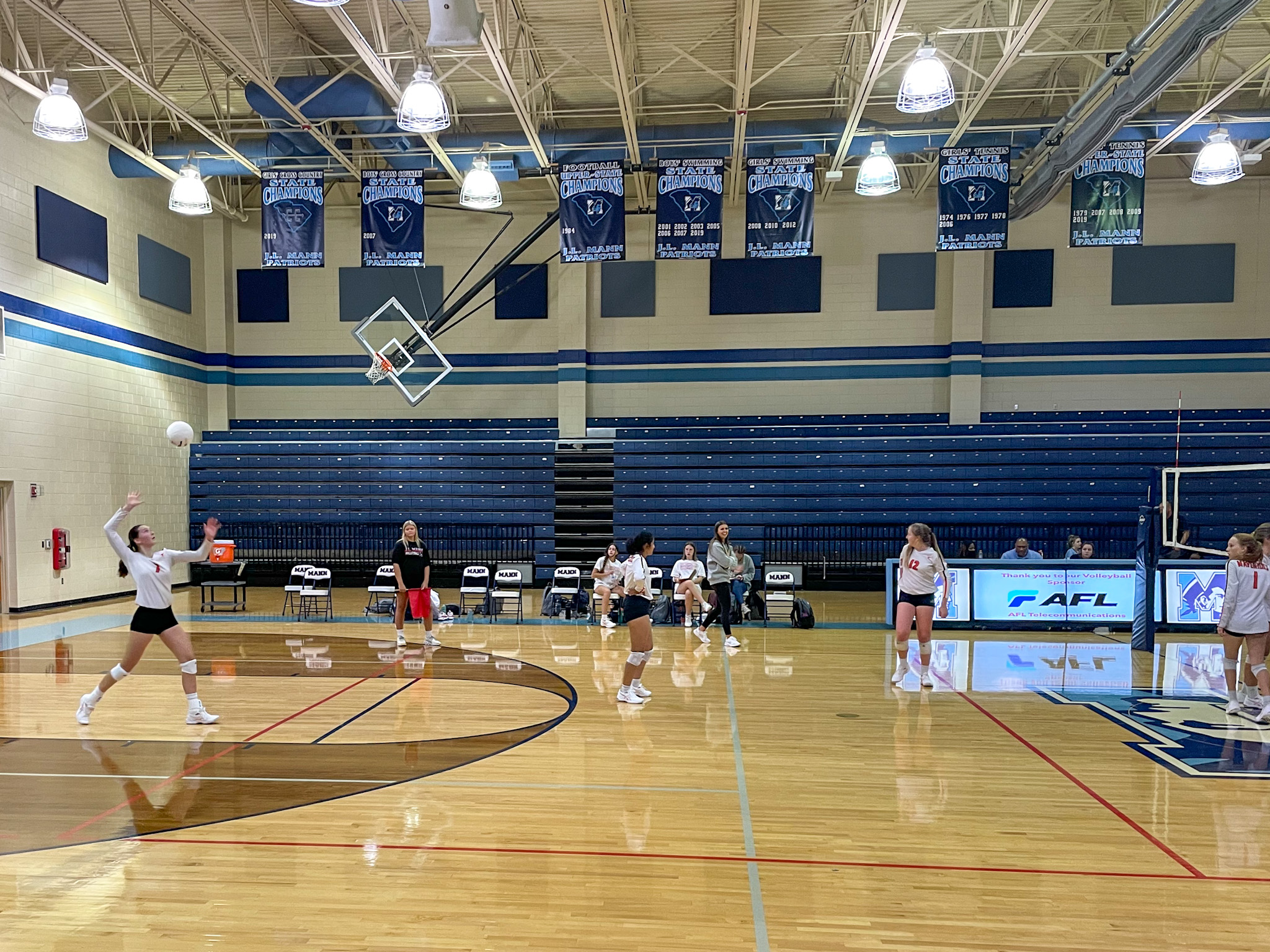
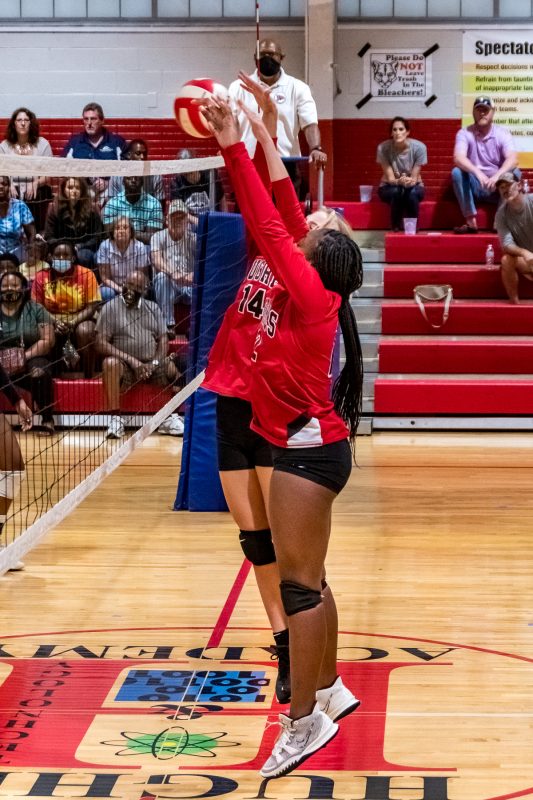
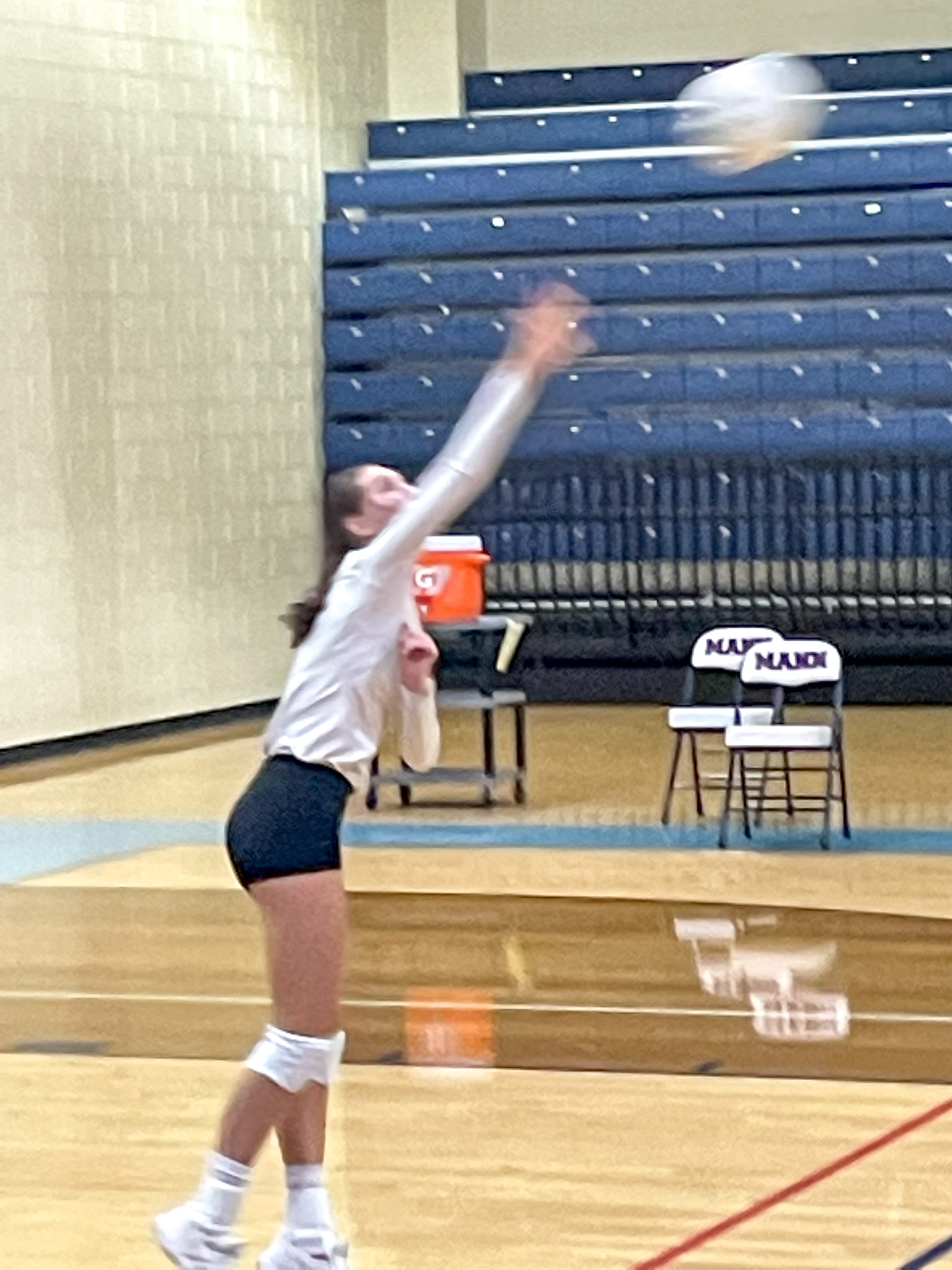
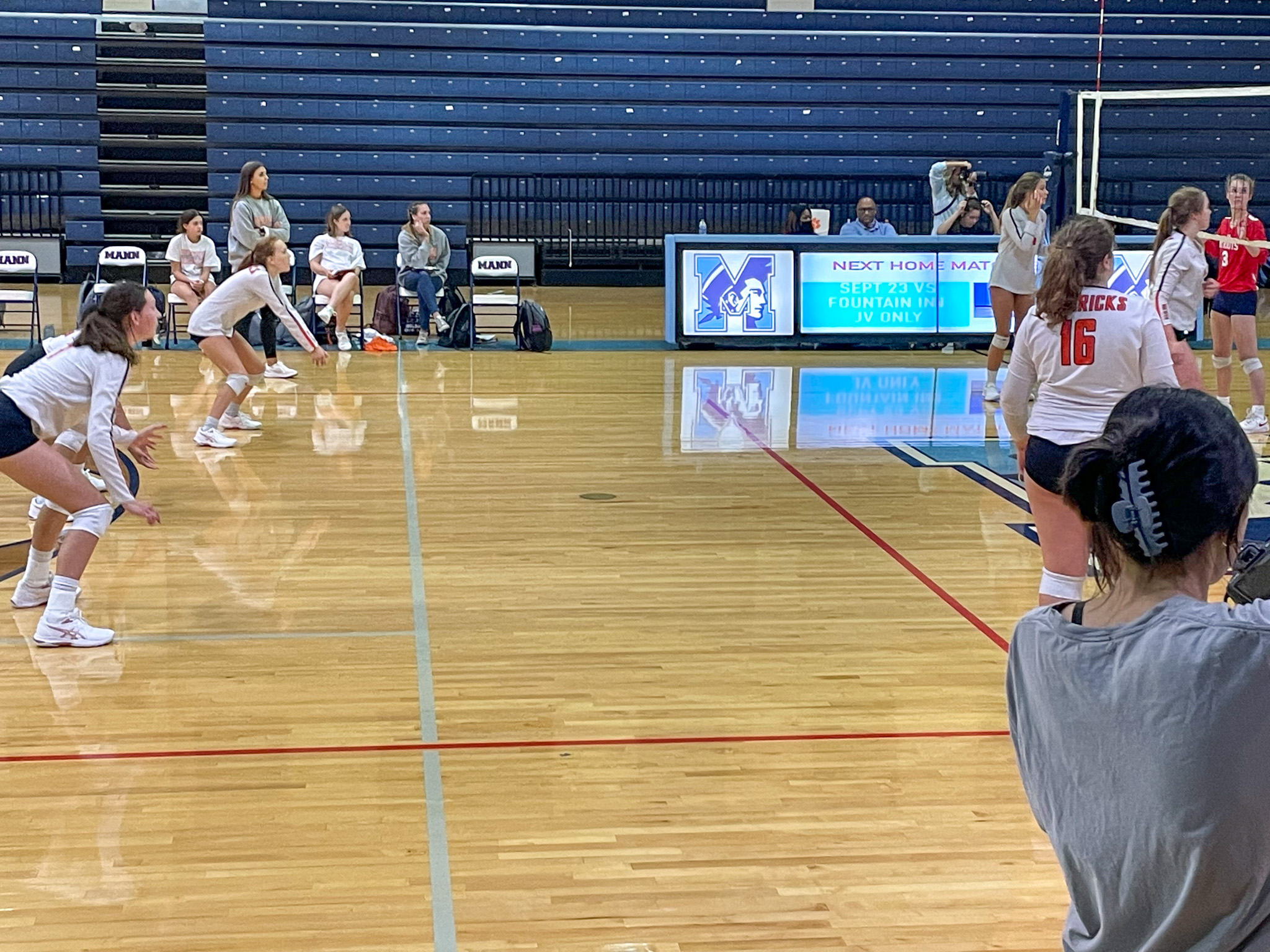
I went to a volleyball game for our school team tonight — in part to take pictures, in part because I have to attend a given number of school events, but mainly because several of my sweet new students play on the volleyball team. It was a tough match against Mauldin, the middle school L would have attended if she hadn’t gone to a charter school. Our girls were out in front at the beginning, but soon fell behind. And then fell further behind. And then lost 10-25. The second set looked better, but they still went down 19-25. The third set was much like the first: 11-25.

I still haven’t attended one of L’s high school games, so all my associations with school volleyball are with last year’s perfect season: not a single set lost. I sat watching and thinking: L’s team from last year would beat Mauldin like Mauldin beat Hughes tonight. And versus Hughes? It would be brutal.

It was a good reminder of how much our L has improved.

Football Glory and Critical Thinking

When we lived in Asheville, I worked for one year at a day treatment facility for kids who'd been expelled from alternative school. It was a tough bunch of mainly fourteen- and fifteen-year-olds. At one point, though, two boys who'd known each other "on the outside" (as they'd referred to it) were in the program at the same time. At lunch they'd revel in their former football glory, recalling magnificent plays they'd been a part of and sharing in the sorrow of those losses that had stung so badly. At one point, one of the boys mentioned having a recording of one of those games.

"Really!?" The program director was incredulous, but he managed to talk the boy into bringing in the video.

A couple of days later, during afternoon free time, the kid put the video cassette into the VHS player and pressed play. Soon, the director was howling in laughter as he watched a little league game in full chaotic, cute glory.

"Man, I thought you were talking about games you'd played in middle school or something," he laughed. "I didn't realize you were talking about second grade!" He was just good-naturedly ribbing the kids, and they took it fairly well.

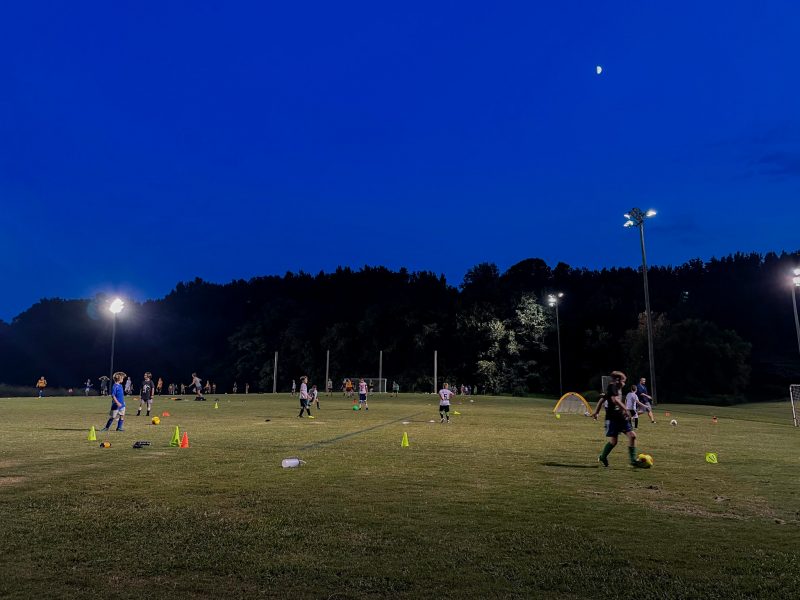
Soccer practice under a half-moon

Looking back on it this evening as I jogged laps in a parking lot while the Boy had soccer practice, it suddenly took on a newly instructive dimension for me. Had any of us really thought about it, we would have known it could not have been middle school football the boys were talking about. They'd experienced little success in middle school, showing out enough to be removed from the setting altogether. Even the most gifted player is going to have to meet certain standards -- administrators might bend some requirements for such a boy, but there are at least some requirements. These boys couldn't even make it through alternative school let alone the less structured setting of a typical middle school classroom, so there was no way we adults should have assumed they were talking about playing organized football in the last several years.

We made those assumptions, though, because they neatly and immediately fit our assumptions. When a fourteen-year-old boy is reveling in past glory, we don't expect it to be from early elementary school but from the recent past. It's an immediate and logical assumption that we make without even being aware that we've made such an assumption. The thing is, we make these kinds of assumptions constantly throughout the day. We couldn't function, I'd argue, if we were to give extended critical thought to each and every decision we make and every thought that flits through our mind. The trick is being aware enough of our thoughts to have as a conscious option the ability to switch on our critical thinking and go, "Now, hold on there."

It's one of the reasons I enjoy teaching literature to middle schoolers. It's just those "Now, hold on there" moments that critical reading encourages.