A perfect Sunday.
We had a lovely morning breakfast.
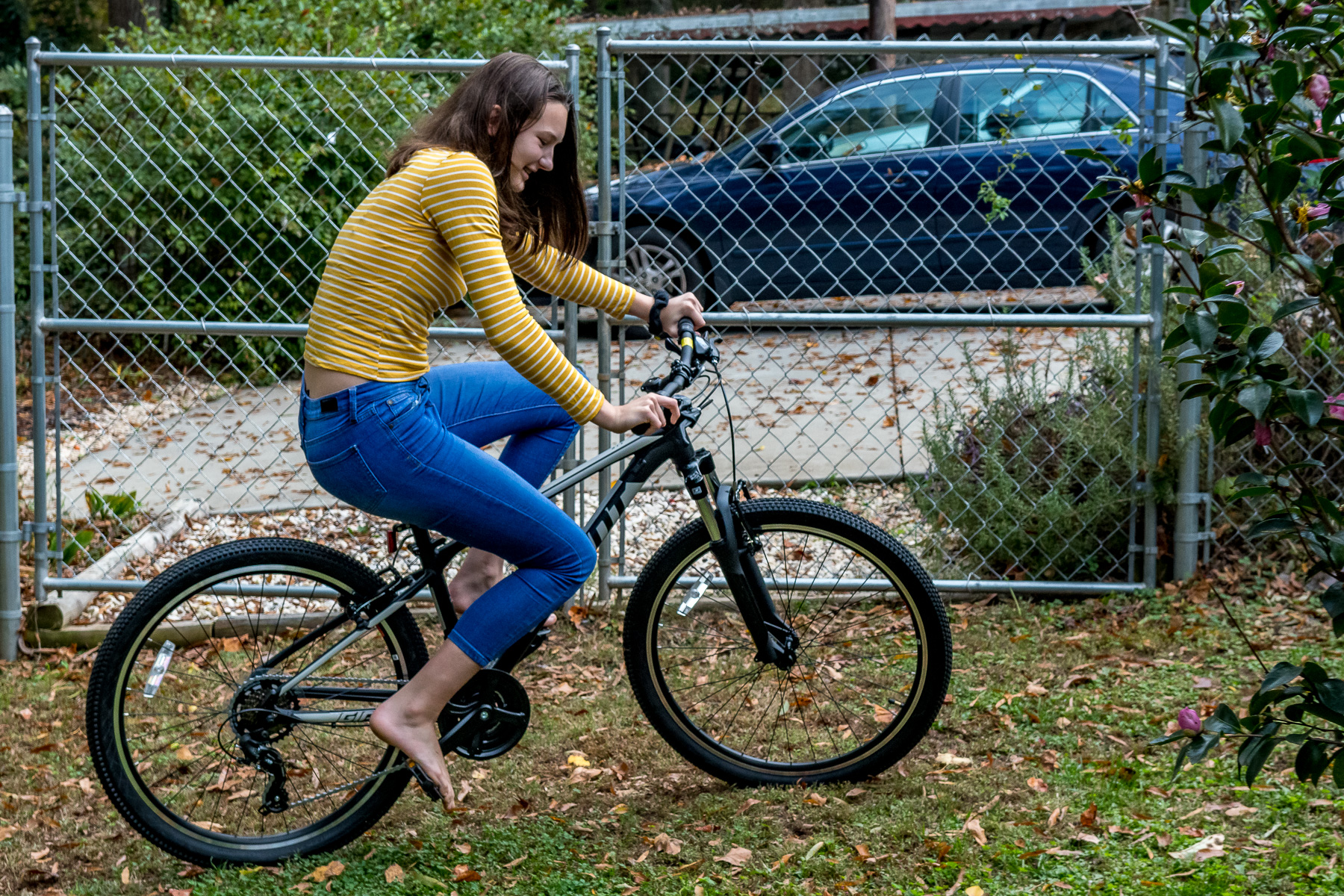
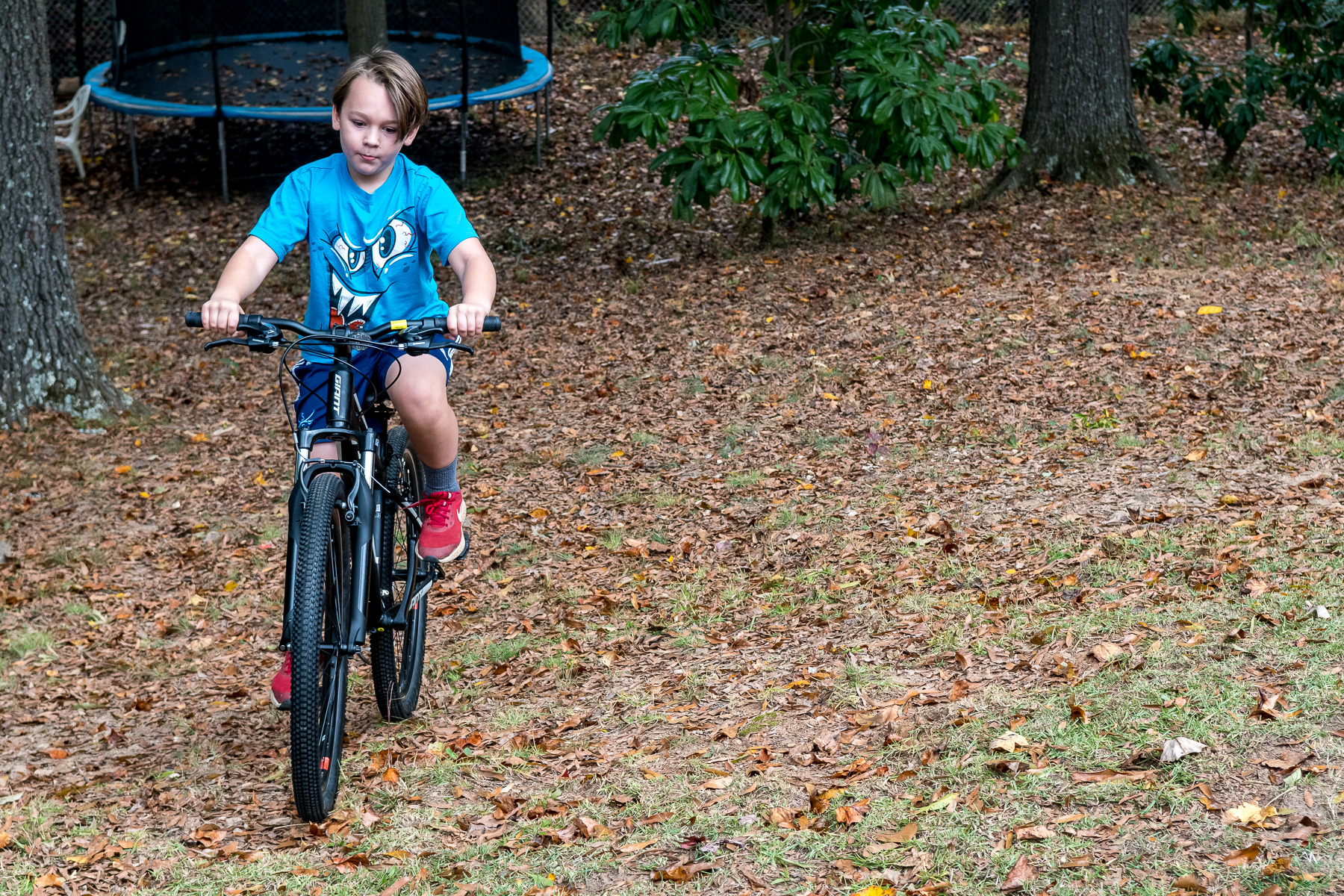
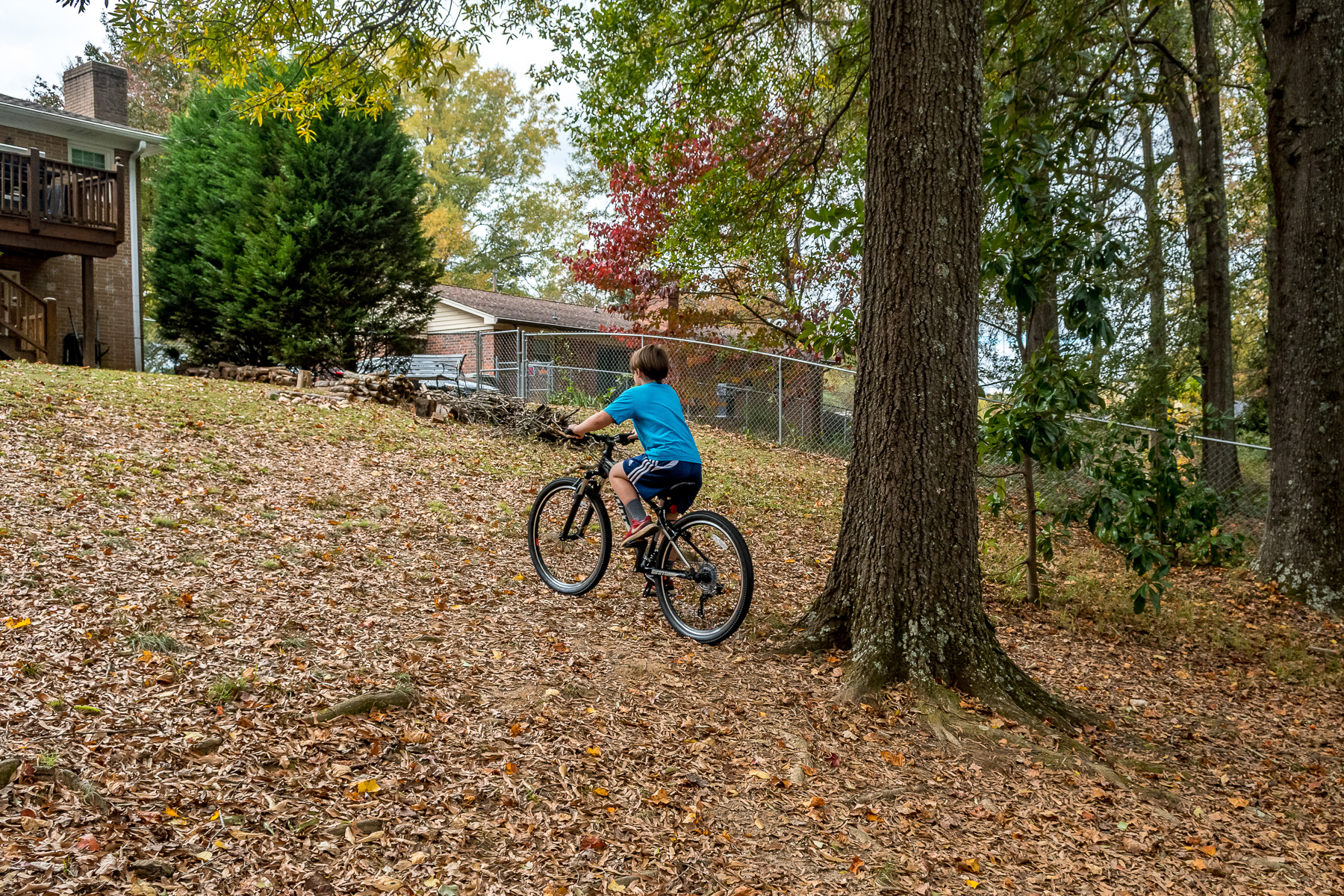
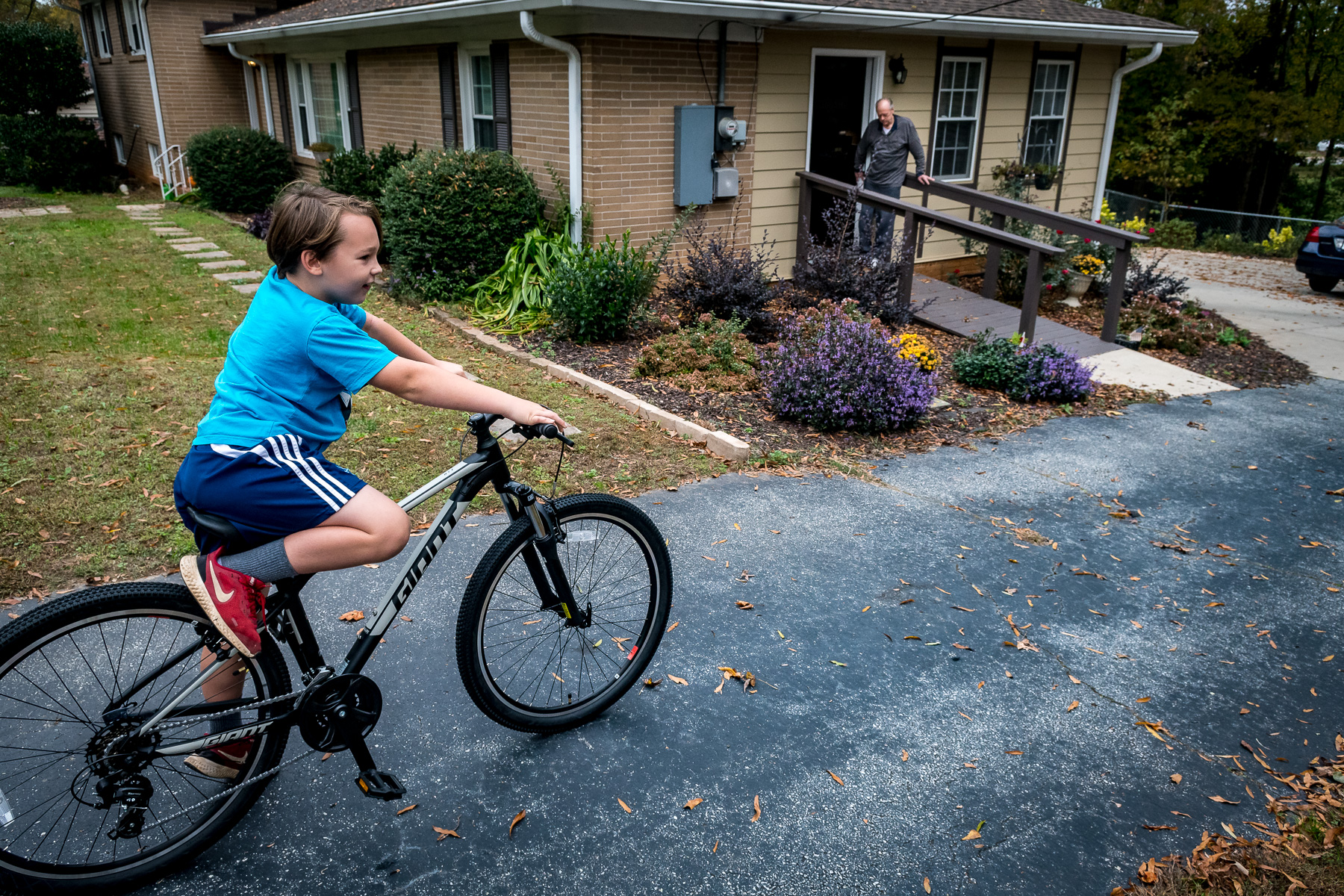
The Boy got a new bike.
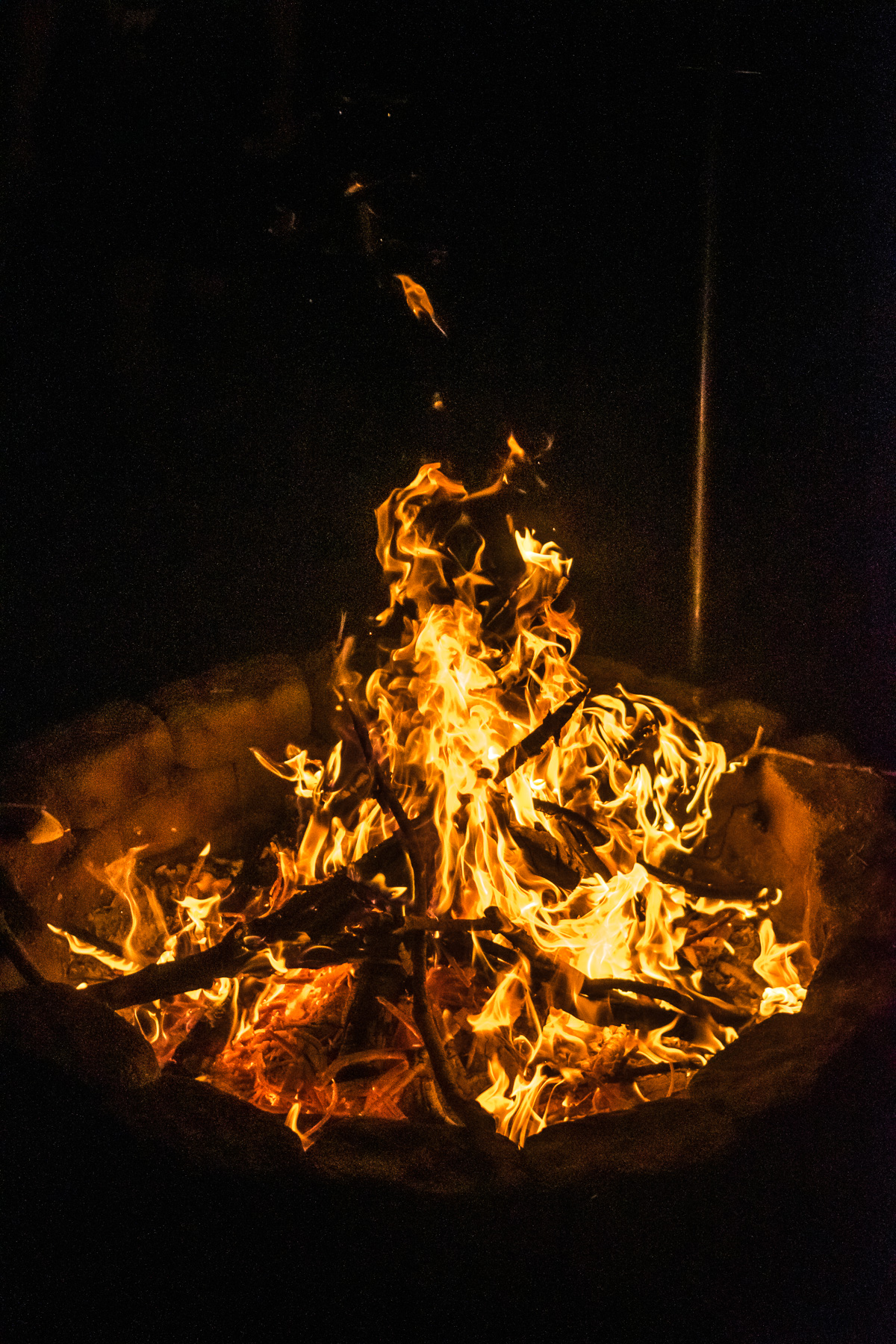
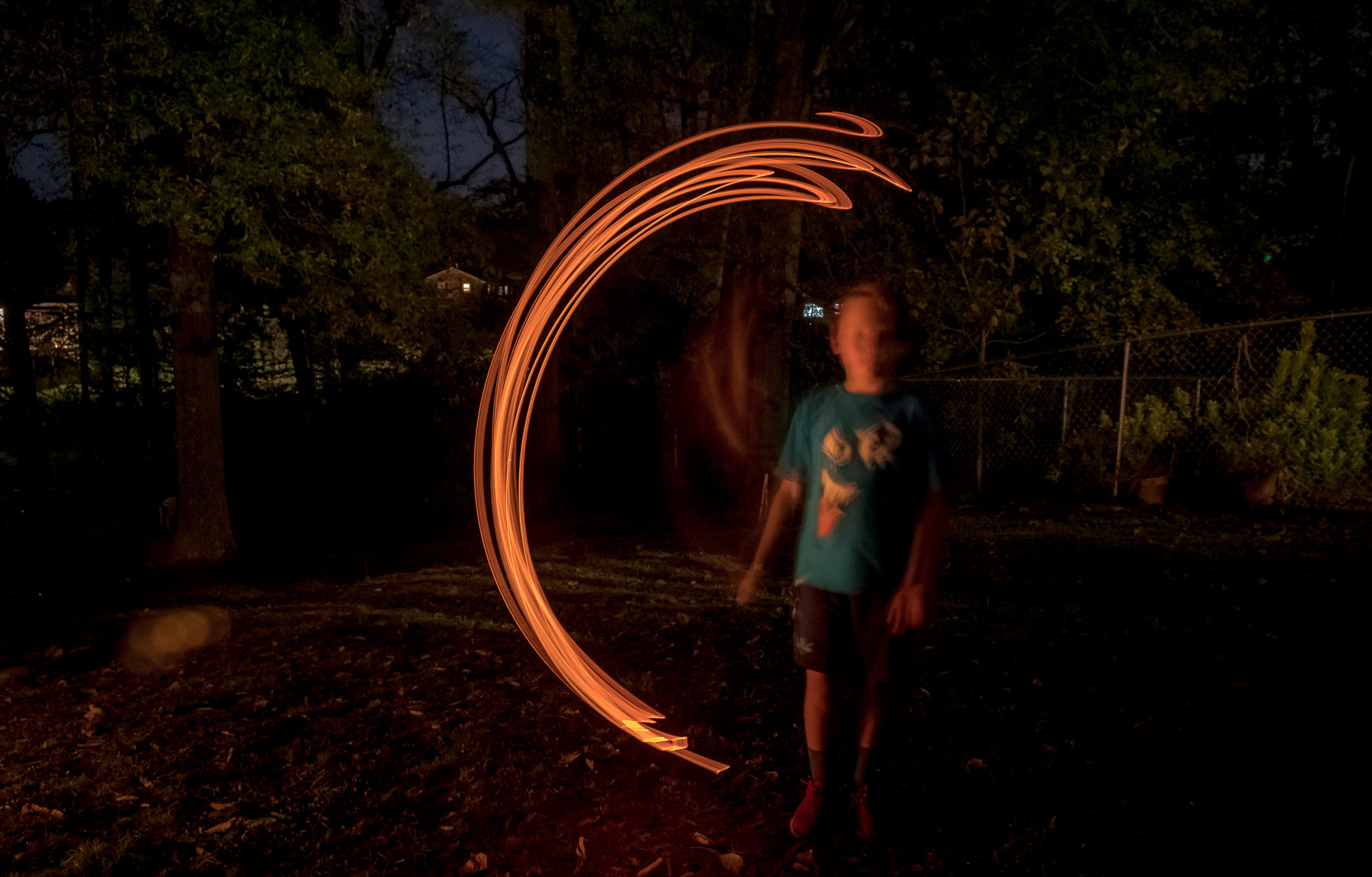
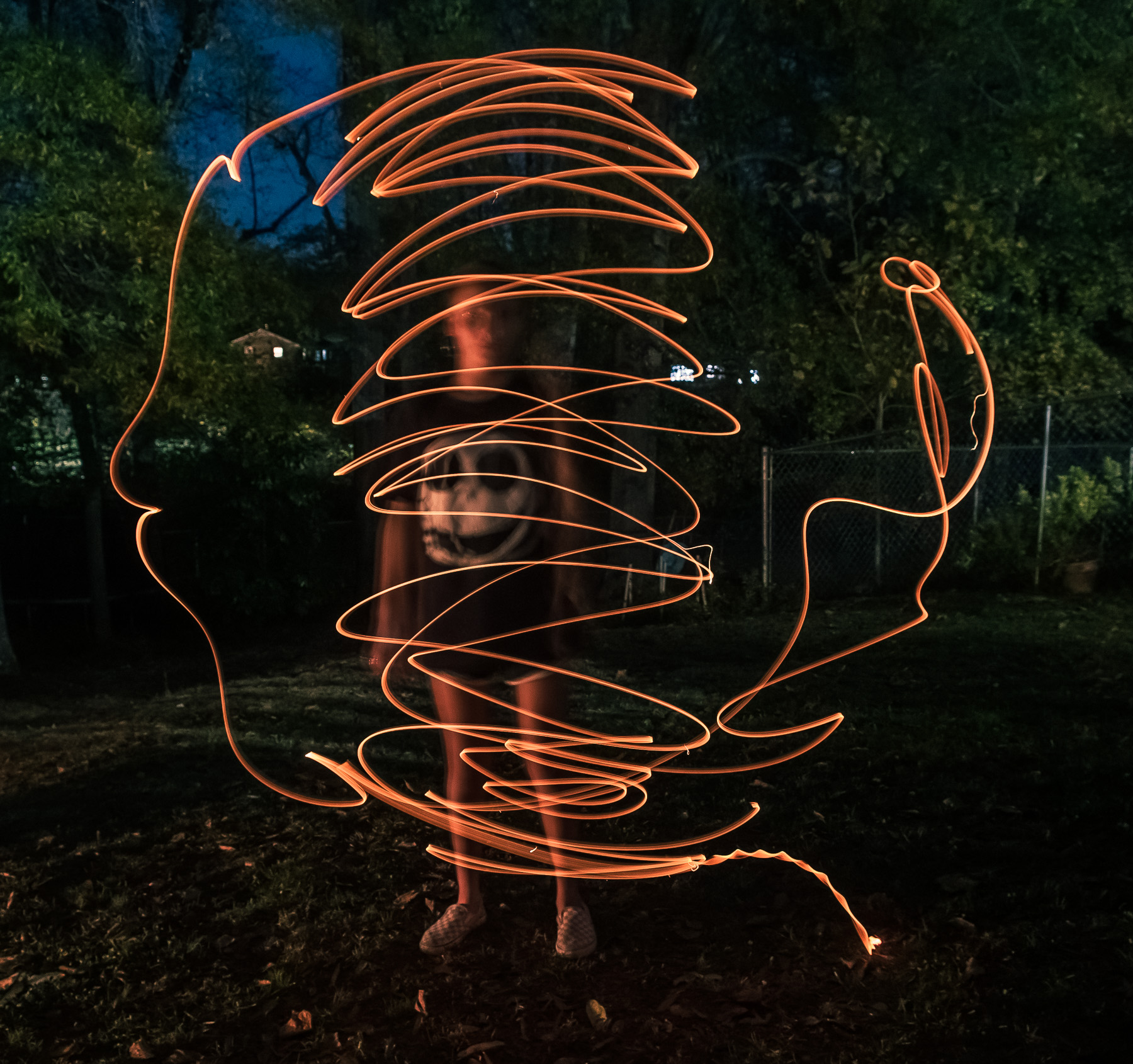
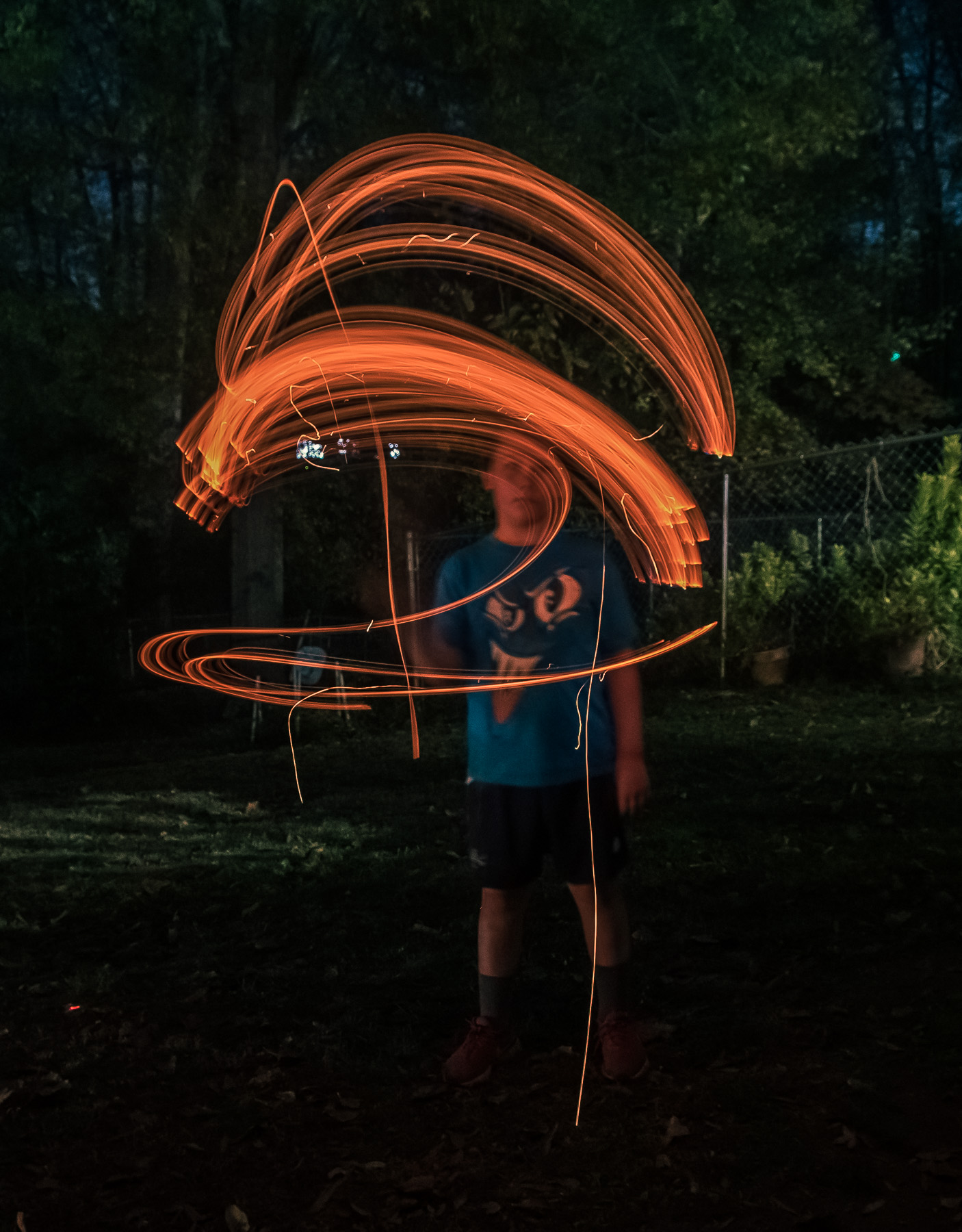
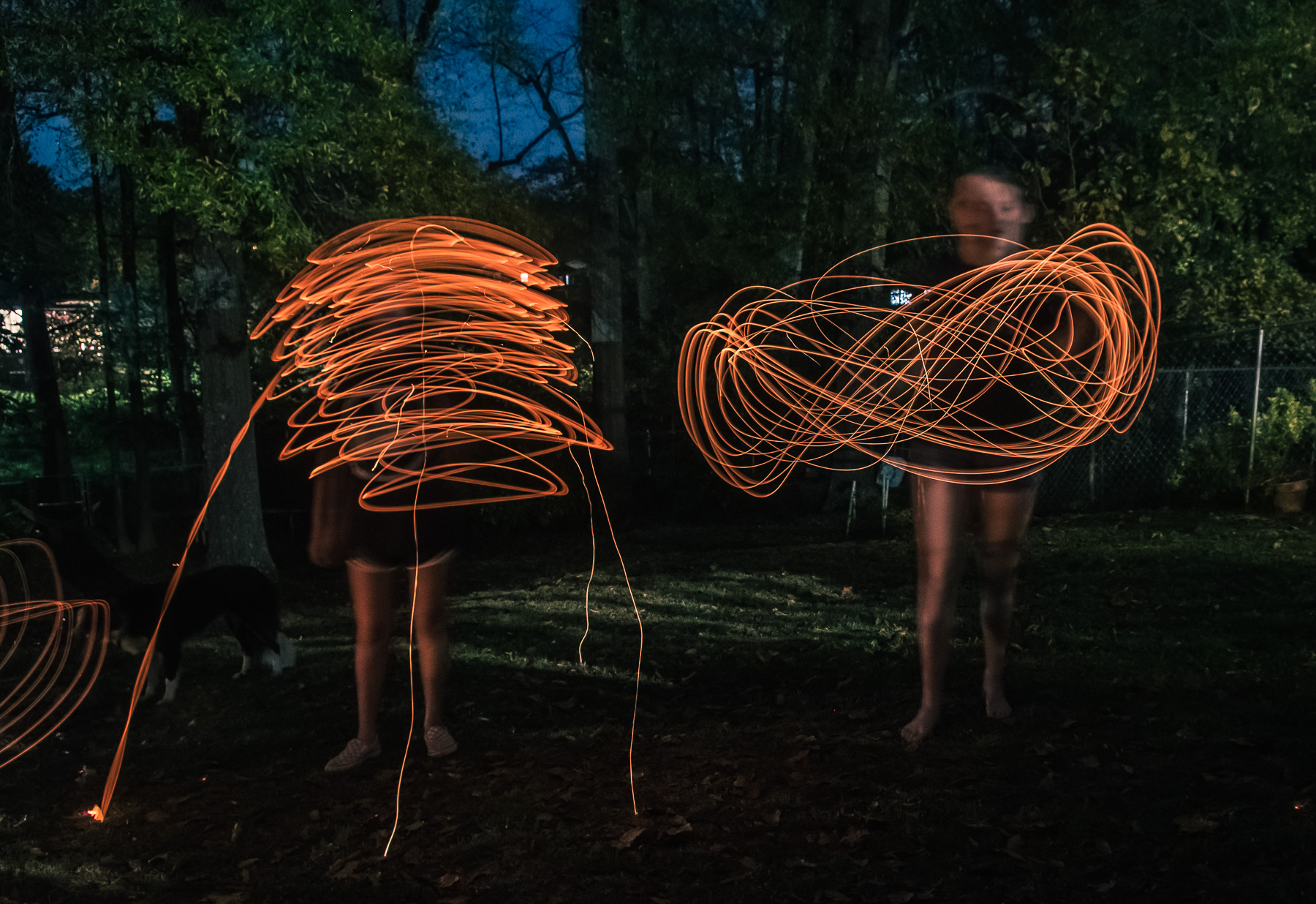
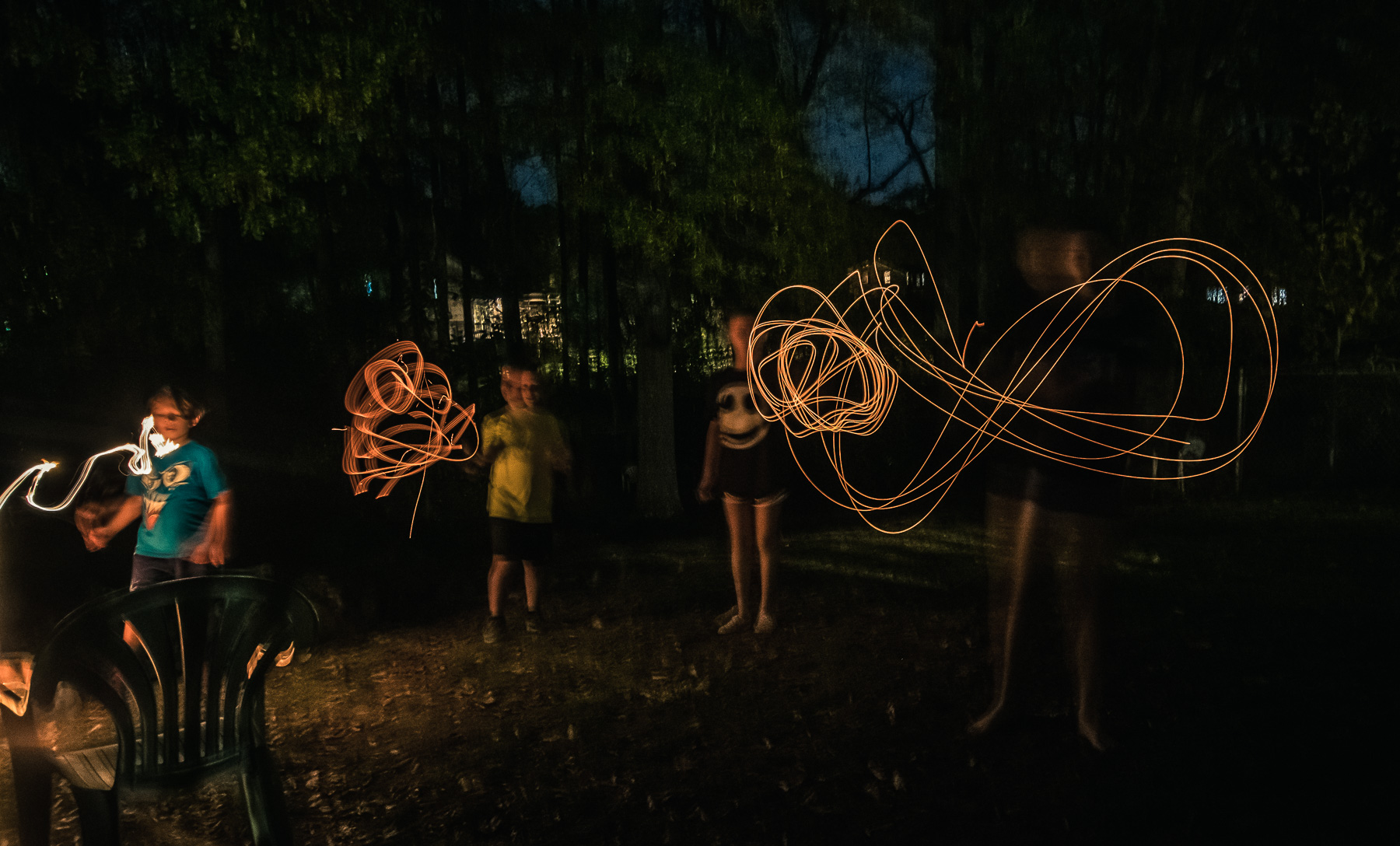
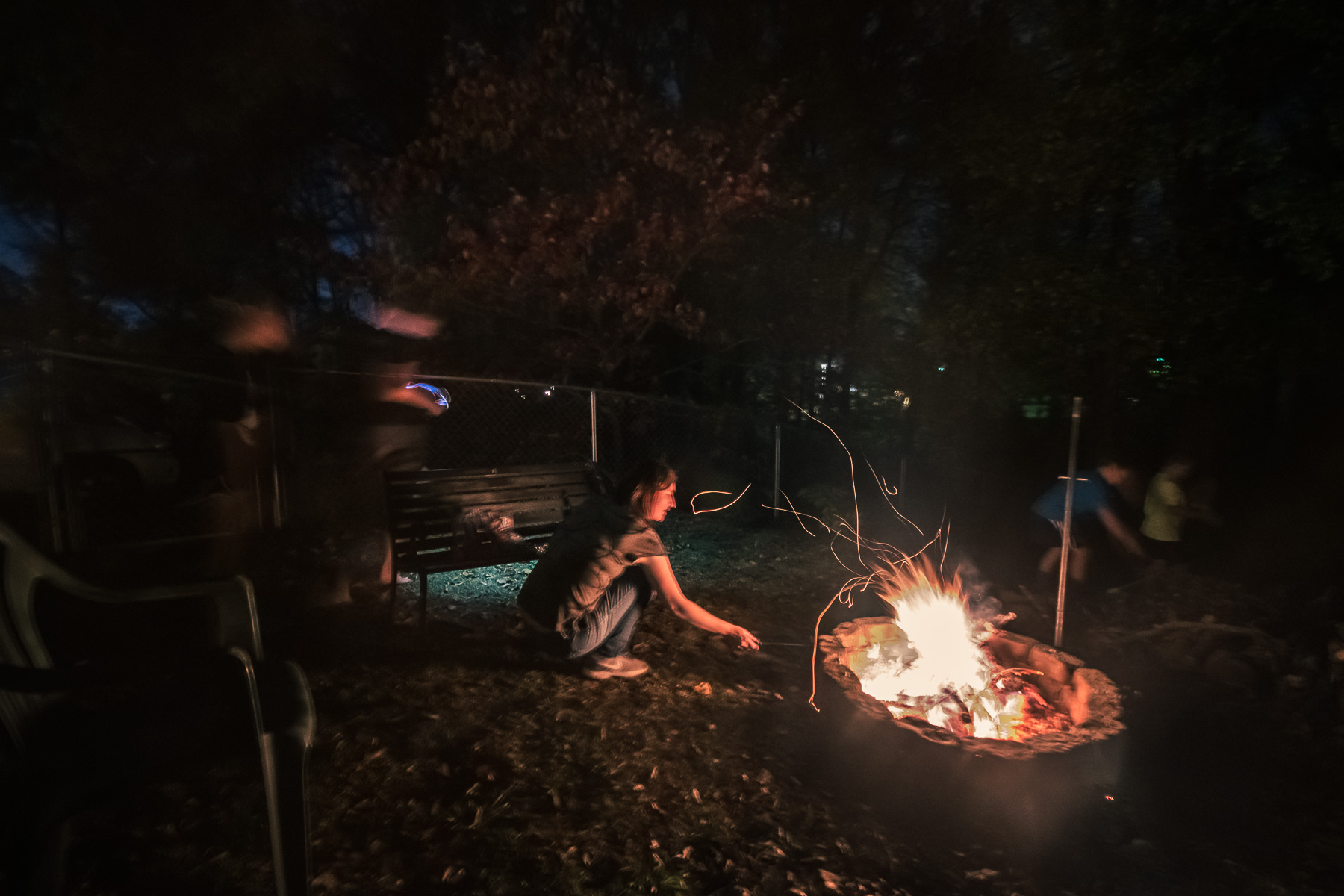
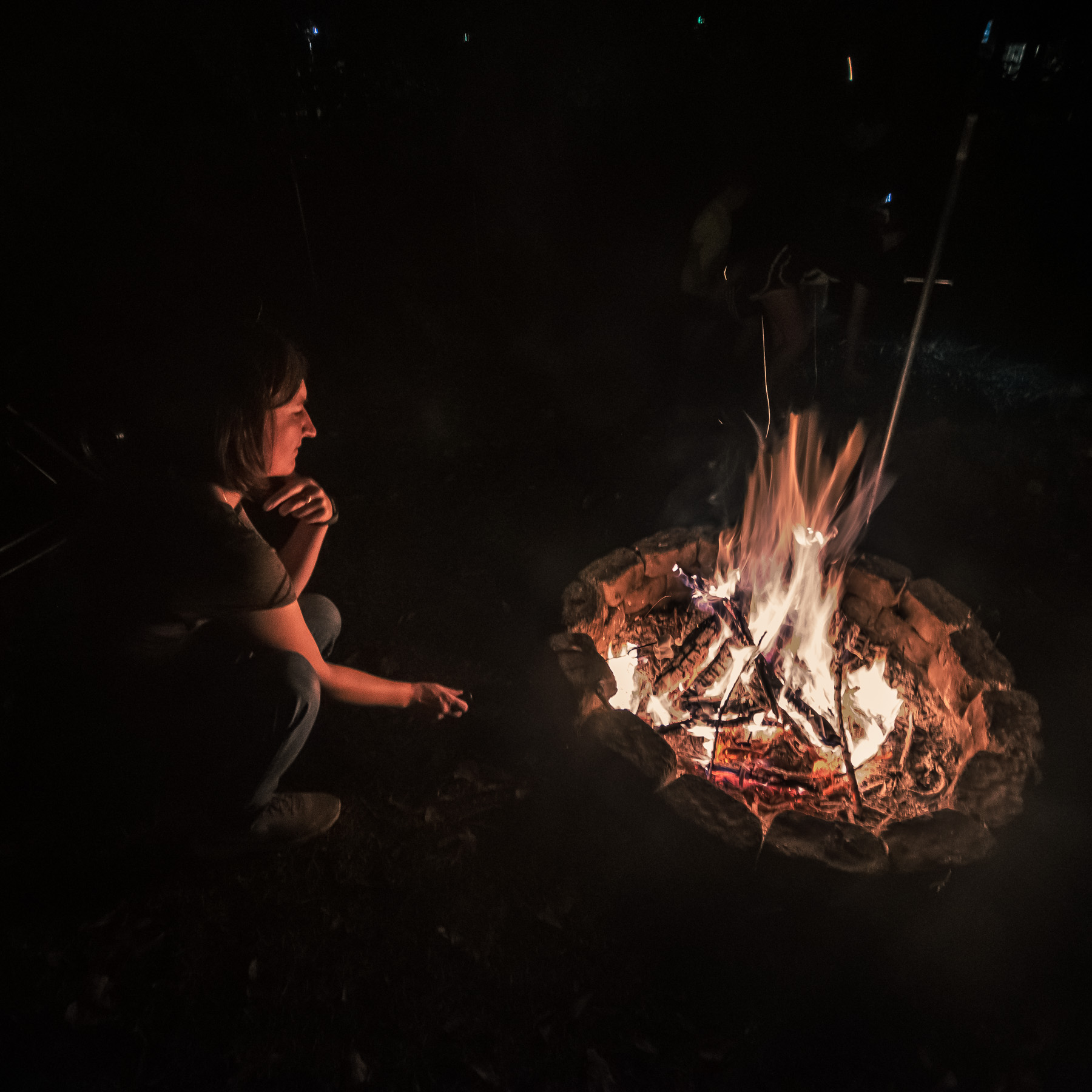
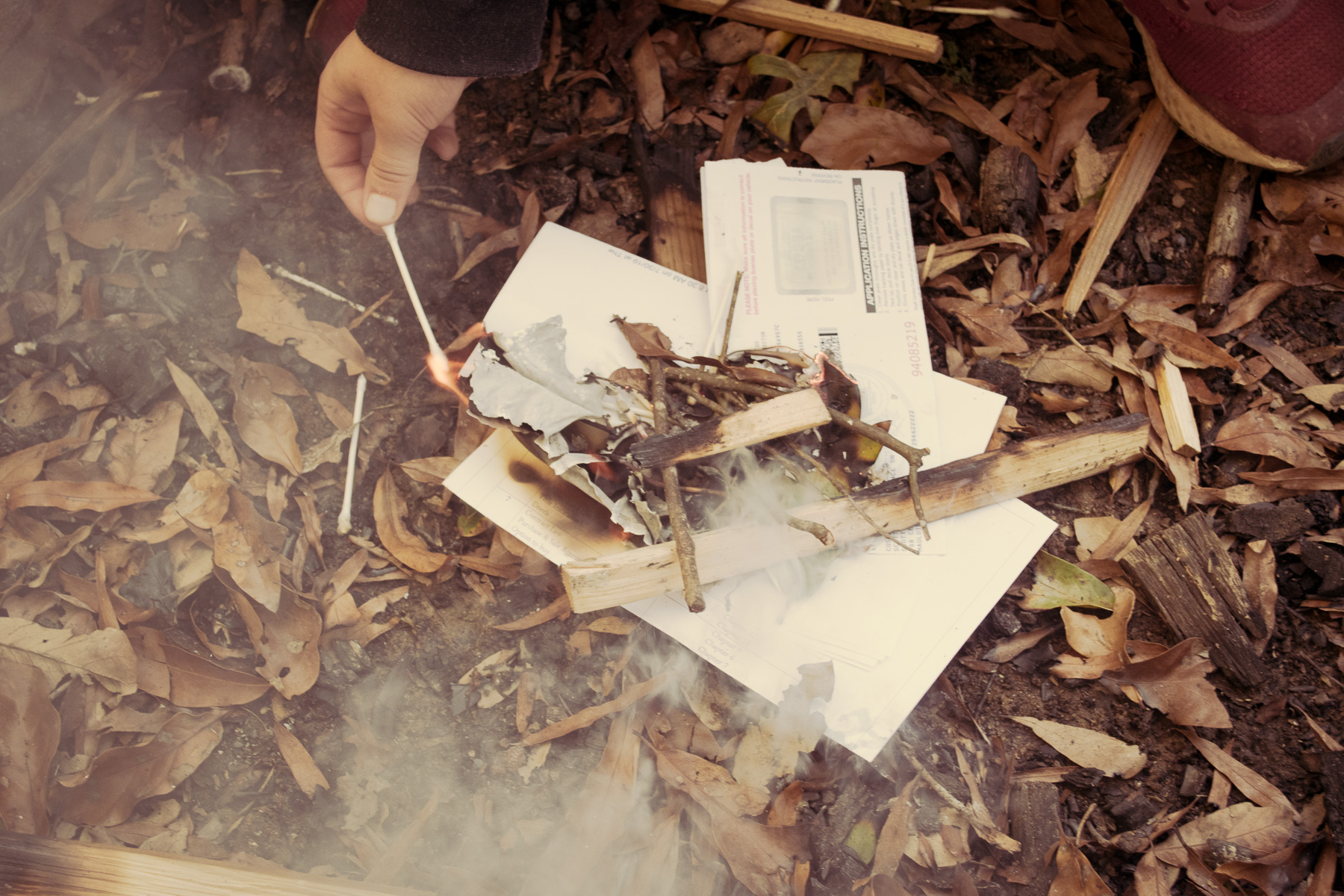
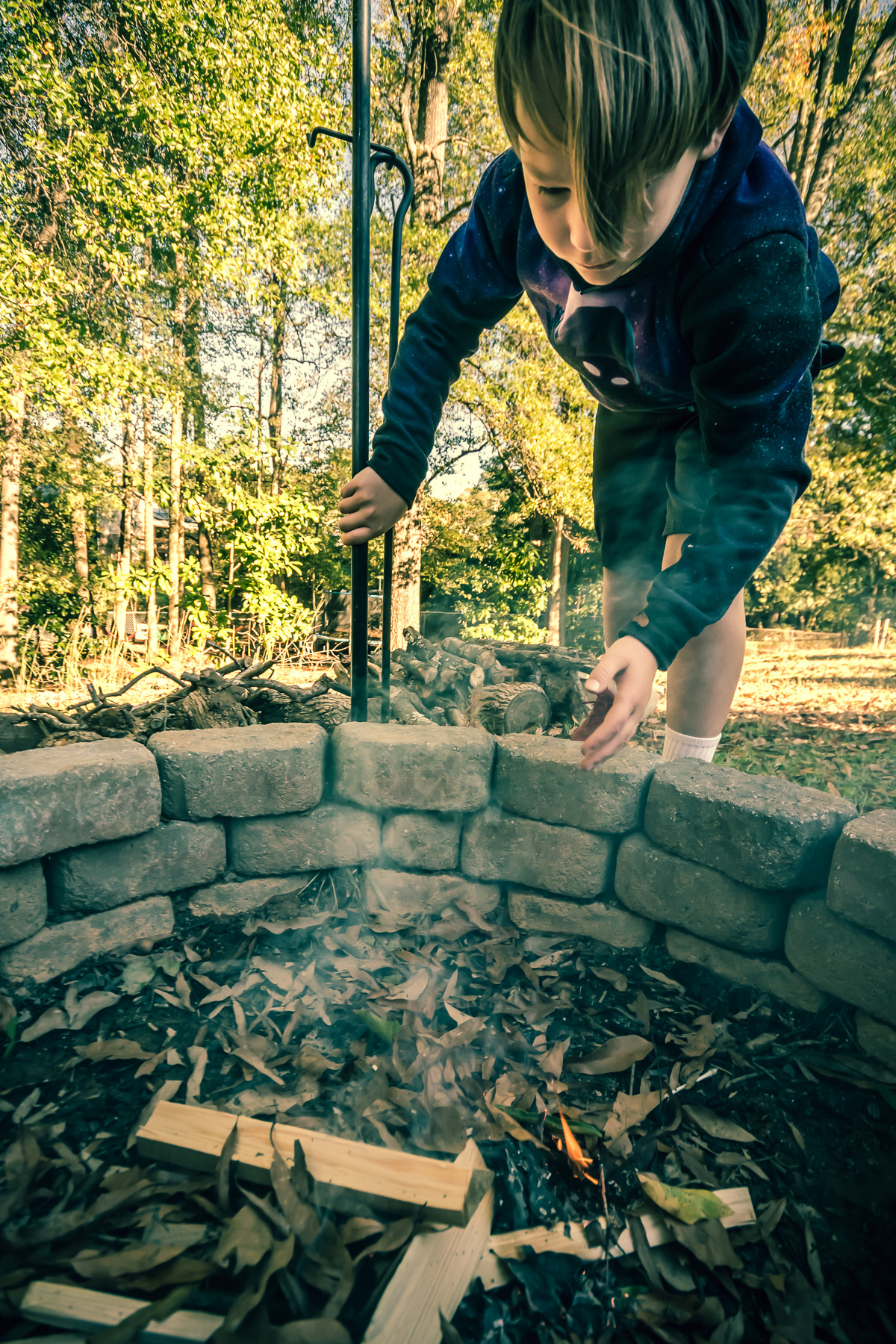
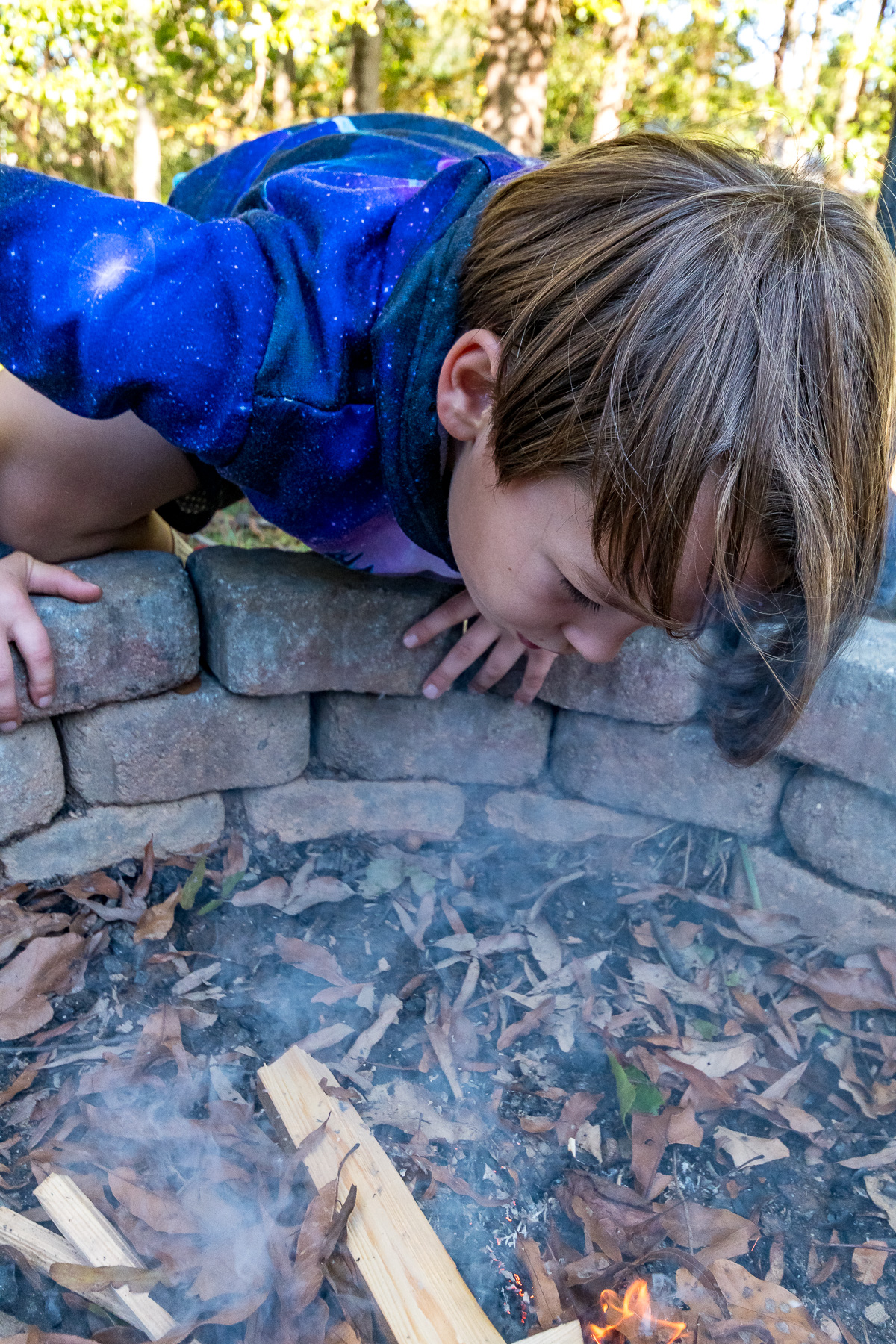
A couple of friends came over for a bonfire.
A perfect Sunday.
We had a lovely morning breakfast.
The Boy got a new bike.
A couple of friends came over for a bonfire.
had a different feel this evening.
I understand that there are a lot of people out there who are feeling the same worry I felt four years ago when Trump unexpectedly won. I feel for them, but I don’t think their fears are as founded in reality as mine were. I guess that’s natural, that bit of self-centeredness in one’s thinking, but I really think the fears of Biden turning America into Venezuela are as unfounded as QAnon’s fears of the “true” nature of the Democratic party.
The reaction of Trump supporters to the mounting crisis is firm evidence of two things:
How to hold on to that power? Well, at the simplest and most benign level, they are praying. There’s nothing really radical about that. These women are “praying justice will be done and righteousness prevails,” which in this case means the re-election of Trump.
This might be achieved, I suppose, through some miraculous means, but it doesn’t necessarily entail overturning the will of the people.
Yet not all Trump supporters wish for divine intervention to usurp the will of the people. Some are willing to just beat the other side down.
https://twitter.com/RexChapman/status/1311413755633381381
Or kill them.
Or perhaps behead them.
All this stands in stark contrast to John McCain’s concession speech in 2008 in which he showed what a real leader looks like.
https://twitter.com/theJeremyVine/status/1324430854697922561
How did we devolve so far in just twelve years?
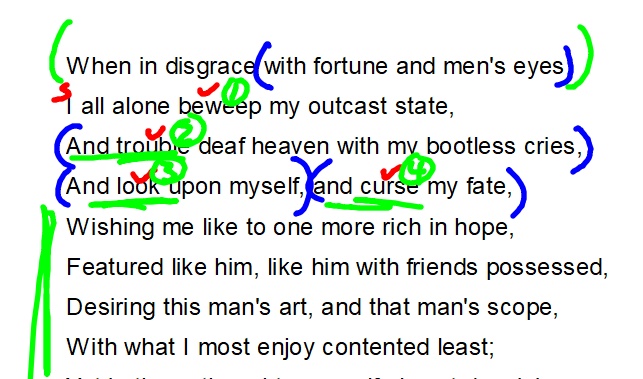
Students started the final series of poems in our poetry unit, turning to the poems of William Shakespeare in preparation for the next unit, which is on Romeo and Juliet. We began parsing Shakespeare’s twenty-ninth sonnet:
When, in disgrace with fortune and men’s eyes,
I all alone beweep my outcast state,
And trouble deaf heaven with my bootless cries,
And look upon myself and curse my fate,
Wishing me like to one more rich in hope,
Featured like him, like him with friends possessed,
Desiring this man’s art and that man’s scope,
With what I most enjoy contented least;
Yet in these thoughts myself almost despising,
Haply I think on thee, and then my state,
(Like to the lark at break of day arising
From sullen earth) sings hymns at heaven’s gate;
For thy sweet love remembered such wealth brings
That then I scorn to change my state with kings.
This is a particularly challenging piece with which to begin because it is one single sentence. We began by creating our own version of such a sentence, which in fact has an introductory subordinate clause with lots of other phrases connected to it.
“I’m so glad the election today, and it will all be over soon,” said K yesterday as we were cleaning up after breakfast.
I put down the dish I was rinsing. “Are you kidding? This is only the beginning. It won’t be over until the inauguration.”
It was a thought I’d had along with many others: Trump, in an effort to usurp the election, might try to stop states from counting votes before all absentee ballots have been counted. That appears to be exactly what’s happening, and predictably the corrupt Republicans (are there any other kind these days?) are going along with it.
When I got to school today, students were buzzing about the election. They were checking the news every few minutes, watching it in realtime during lunch, completely engaged, so perhaps that is one benefit of this divisive election: it’s getting more people involved than ever before, at least in my memory.
Will this translate into political activity and engagement when they’re eighteen? We should all hope so. And yet, if they’re not informed and principled voters, will it really do anything to solve the problem?
We’ve all heard this argument for the electoral college’s continuing validity: “If we got rid of the electoral college, then three states would decide the election.”
I simply don’t understand that “logic.” States don’t vote. People do. The electoral college simply means that some individuals’ votes (i.e., voters in less densely populated rural regions) carry more sway than others’ votes (i.e., voters in more urban states). It seems to me to be an intentional biasing of the electoral system to favor the rural areas over the urban areas. This always means favoring the conservative vote over the progressive vote. Every time a candidate has won the electoral college vote and lost the popular vote, it’s favored the conservative candidate.
When the results of the 2000 election were dragging out, it became clear that more than just the presidency was on the line. The faith in our political institutions was also under fire, and when all legal means had been exhausted, Gore conceded. In his concession speech, he said:
Almost a century and a half ago, Senator Stephen Douglas told Abraham Lincoln, who had just defeated him for the presidency, “Partisan feeling must yield to patriotism. I’m with you, Mr. President, and God bless you.”
Well, in that same spirit, I say to President-elect Bush that what remains of partisan rancor must now be put aside, and may God bless his stewardship of this country. Neither he nor I anticipated this long and difficult road. Certainly neither of us wanted it to happen. Yet it came, and now it has ended, resolved, as it must be resolved, through the honored institutions of our democracy. […]
This has been an extraordinary election, but in one of God’s unforeseen paths, this belatedly broken impasse can point us all to a new common ground, for its very closeness can serve to remind us that we are one people with a shared history and a shared destiny. Indeed, that history gives us many examples of contests as hotly debated, as fiercely fought, with their own challenges to the popular will. Other disputes have dragged on for weeks before reaching resolution, and each time, both the victor and the vanquished have accepted the result peacefully and in a spirit of reconciliation. So let it be with us.
I know that many of my supporters are disappointed. I am too. But our disappointment must be overcome by our love of country. […]
President-elect Bush inherits a nation whose citizens will be ready to assist him in the conduct of his large responsibilities. I personally will be at his disposal and I call on all Americans — I particularly urge all who stood with us to unite behind our next president.
This is America. Just as we fight hard when the stakes are high, we close ranks and come together when the contest is done. And while there will be time enough to debate our continuing differences, now is the time to recognize that that which unites us is greater than that which divides us. […]
And now, my friends, in a phrase I once addressed to others, it’s time for me to go. Thank you and good night and God bless America.
He did not suggest there had been fraud. He did not suggest that elements within the government had conspired against him. He did not suggest that Bush was evil. He did not predict failure for Bush and therefore for America.
He stepped aside and accepted the results of our institutions. He called for healing and unity. His actions were guided by the simple principle that the country is more important than his personal political ambitions.
In a similar situation, can anyone imagine Trump doing anything even remotely similar?
Our first task of the day: voting. We didn’t want to head out and wait in the lines like everyone else in the morning, but would there even be lines? The last election, K was there before seven and waited over an hour.
“We’ll wait until about 10 and then check the lines.”
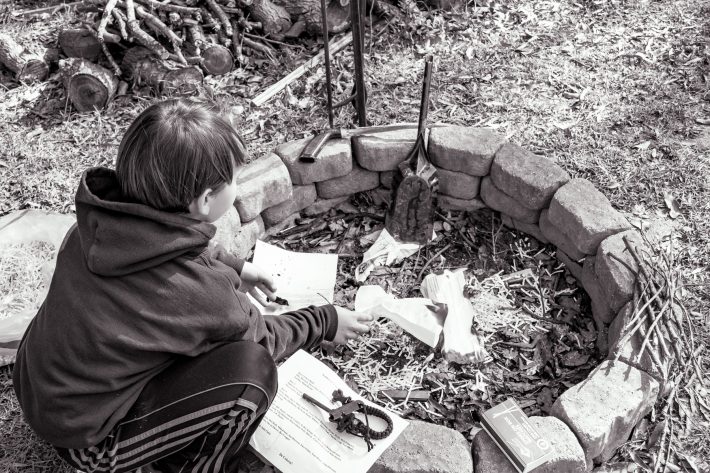
At ten, the Boy decided we should make a fire, so K went to check on the situation and came back a little over a half an hour later saying she’d voted.
“There’s a line outside,” she said, “and a bit of a line inside, but it looks longer than it is because of social distancing.”
So I went ahead and drove up to the Methodist church that is our polling location and was done within a few minutes.
I voted for Biden, knowing very well that my vote wouldn’t count in the grand scheme of things because South Carolina is solidly Evangelical, which these days means solidly behind Trump. Noah Lugeons said a few months ago that the right and the religious right have become one and the same, and that’s particularly true here in South Carolina. It makes me wonder, though: how many people don’t go out and vote for the Democratic candidate they want in office because they know they live in a solidly red state? Isn’t that some sort of not-so-subtle mental voter disenfranchisement?
Still, my disgust with the Republican party at this point is so complete that I’ve joked I would vote for Satan himself if he were running against the GOP. In the eyes of my neighbors and some friends, I did indeed vote for Satan, but since I don’t believe in him anyway, it’s just a rhetorical flourish.
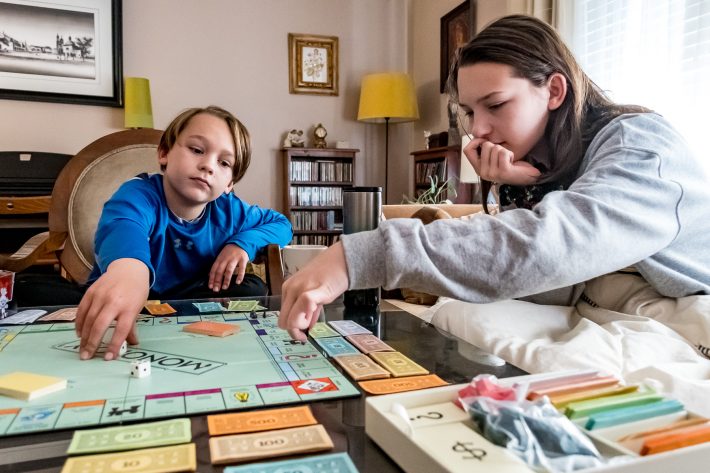
The afternoon includes a game of Monopoly. I really dislike that game, but I really like spending time with our kids, so I agree to play it. (Isn’t that the case with most adults? Who over the age of fourteen or fifteen really likes this game?)
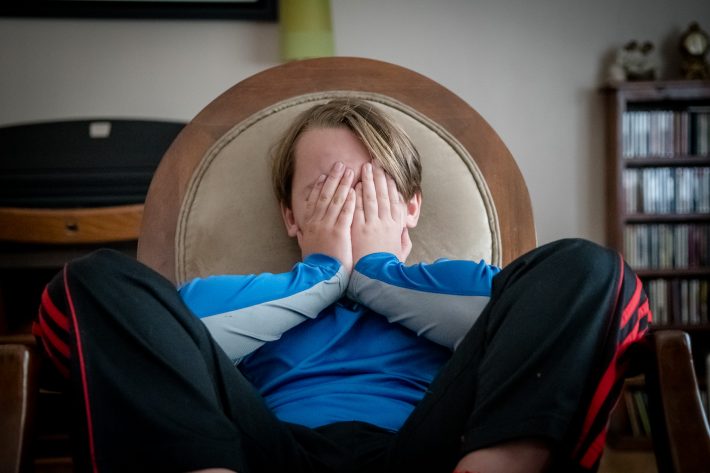
For the Boy, it can be an up-and-down experience, this game. At the beginning, he’s so very excited about playing. When I agreed to play, he was literally bouncing around the kitchen in joy.
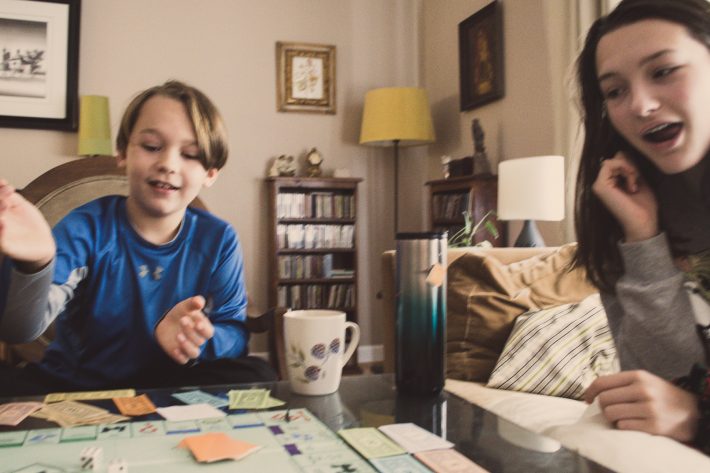
And it’s great fun for everyone for a while. And then we start getting property, and E, with his own little quirky tactical sense, refuses to buy anything other than the utilities and the railroads, so fairly quickly, he’s behind in development. So when he lands on my property and has to pay $650 because I’ve built it up quickly, it creates a breakdown.
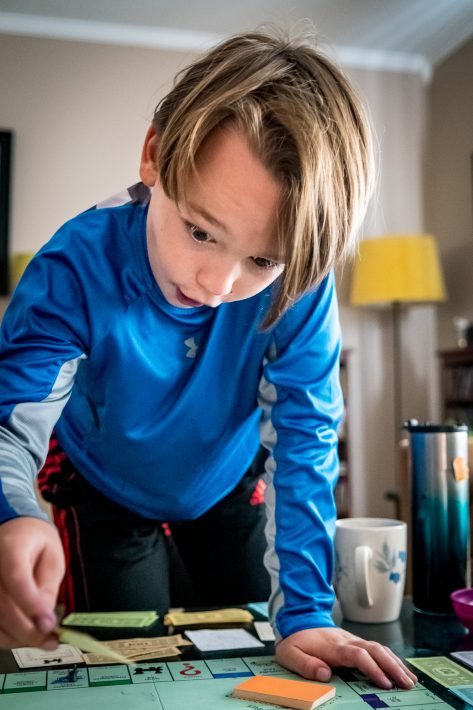
And when he lands on free parking, he can hardly stand it. In the end, I surrendered like I always do: just when it’s clear that I’m going to be wiped out if I keep playing, I give all my property and money to the Boy, who is usually quite low on cash as well, and hope for the best. L, though, has good strategic sense, and she quickly dominates the board and the Boy.
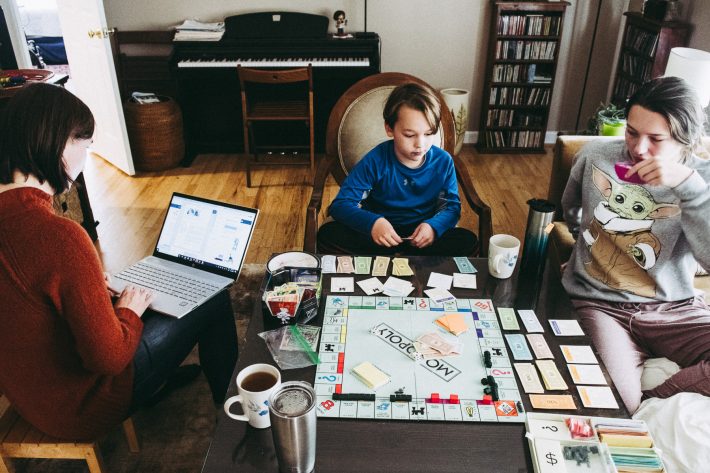
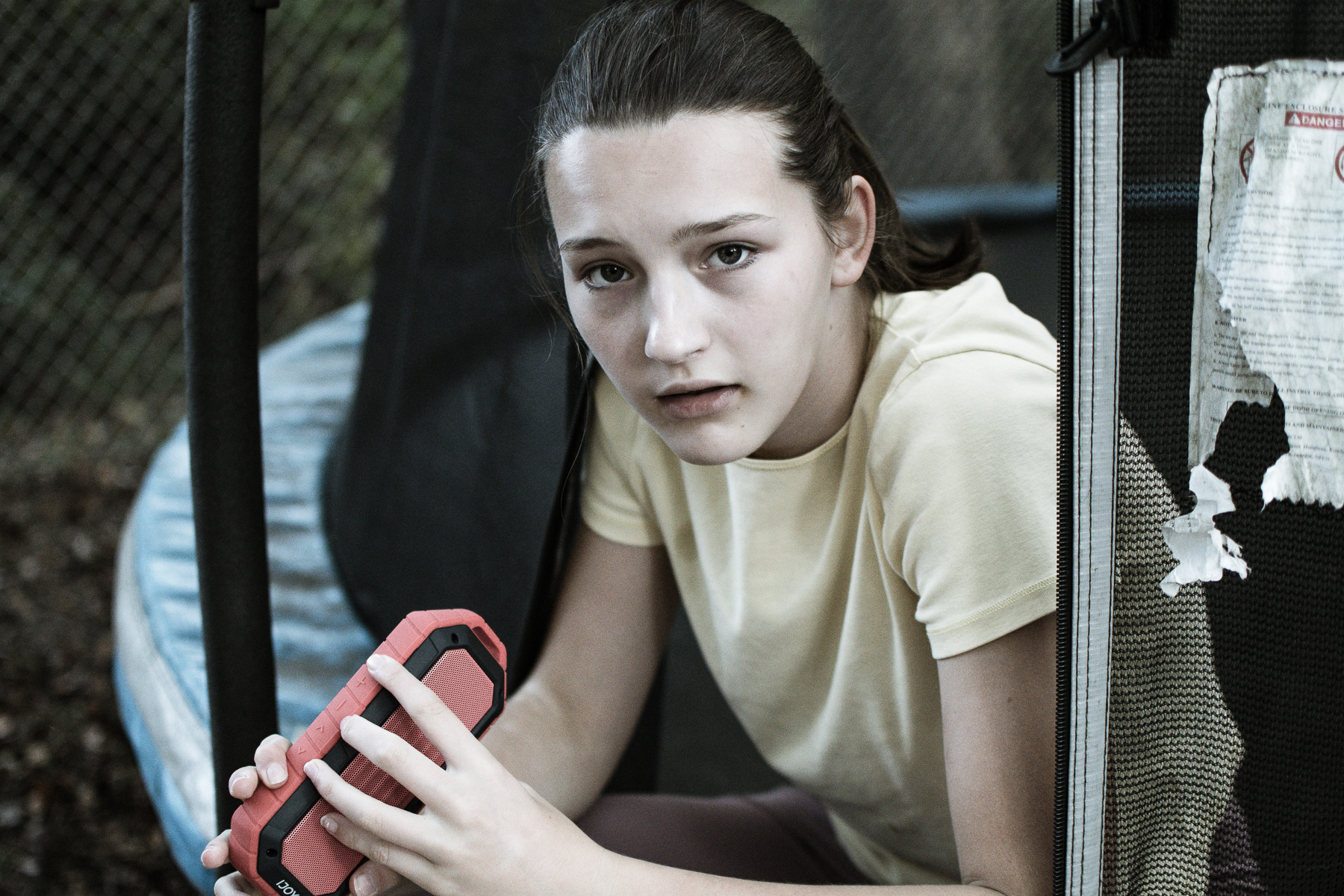
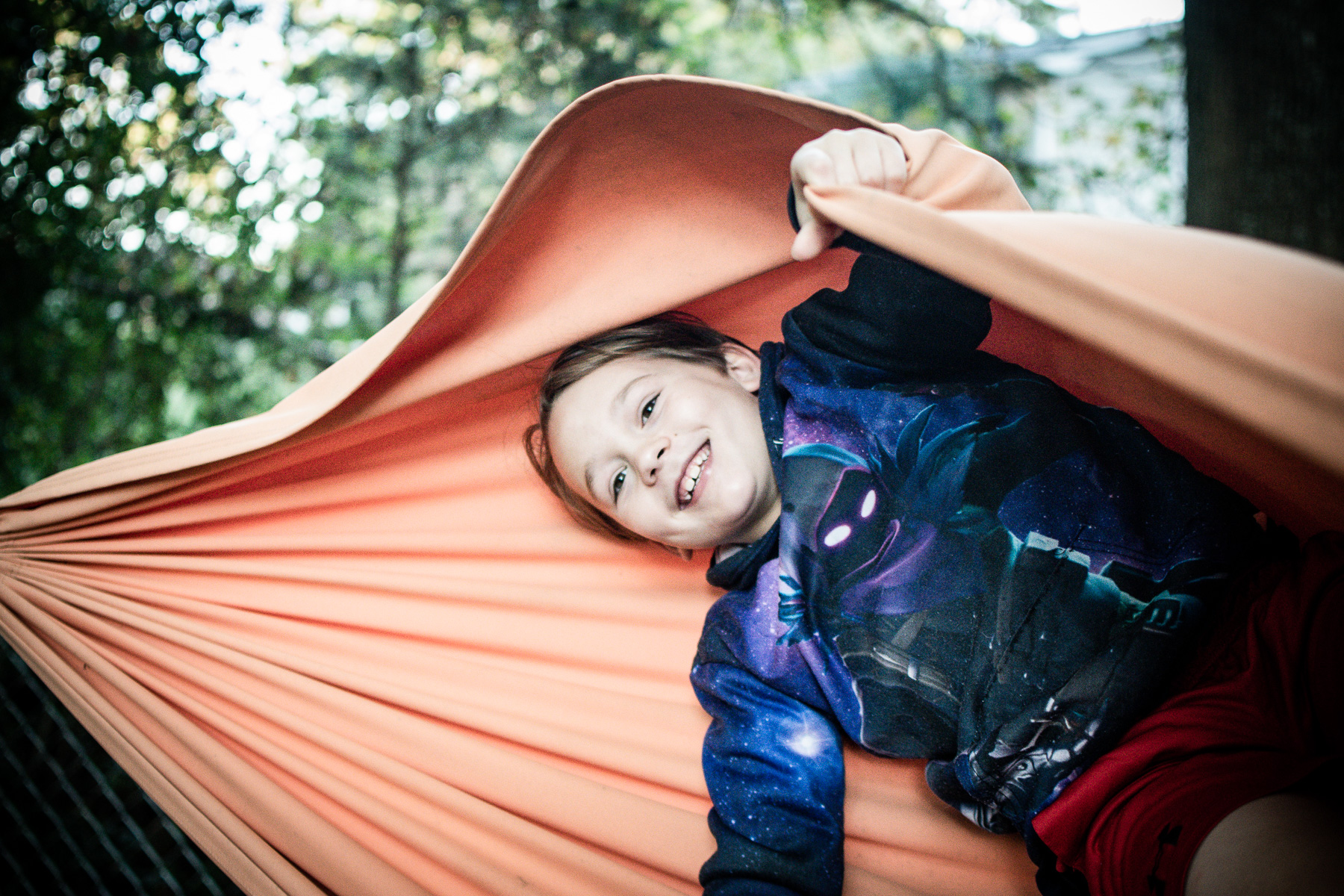
The rest of the day is filled with trampoline jumping, a bike ride, and games of Sorry and Candyland. And the election? As far from our thoughts as possible.
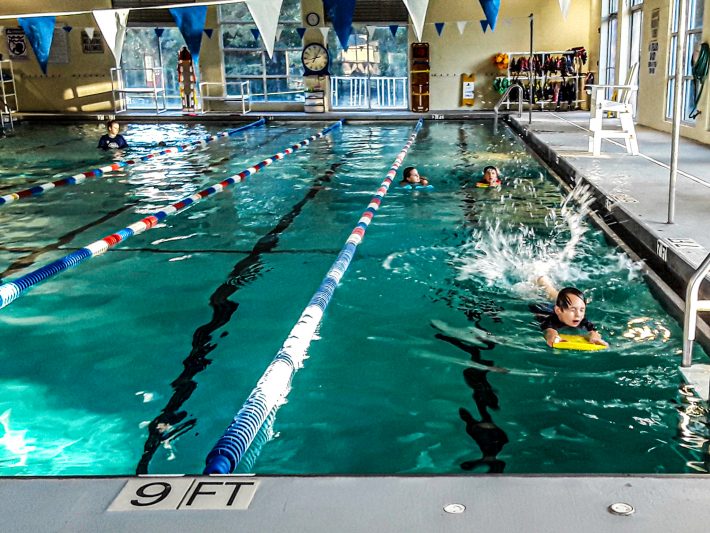
We’ve enrolled the Boy in some swimming lessons this autumn despite his protestations that “I can swim already!” It’s only about a forty-minute lesson once a week, and we haven’t figured out how to get him in the pool during other times. Truth be told, I don’t know that we’ll have that problem solved by the time his sessions finish: we’re already almost halfway through them, and I can’t say that we’ve even done more than mention how nice it would be, in a sort of offhand manner, to get him in the pool for additional practice.
We got a late start today, even with the time change. We weren’t home until so incredibly late that even K slept in a little
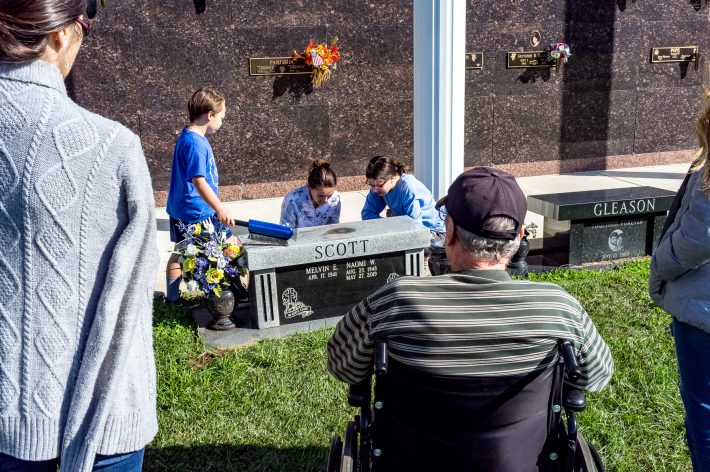
In the early afternoon, we went to Nana’s grave to clean a little and try to set some new candles. Of course, we didn’t have the proper candles that are ubiquitous in Polish florist shops this time of year, except for this year. The cemeteries were closed for three days, including today, in order to minimize the spread of the virus.
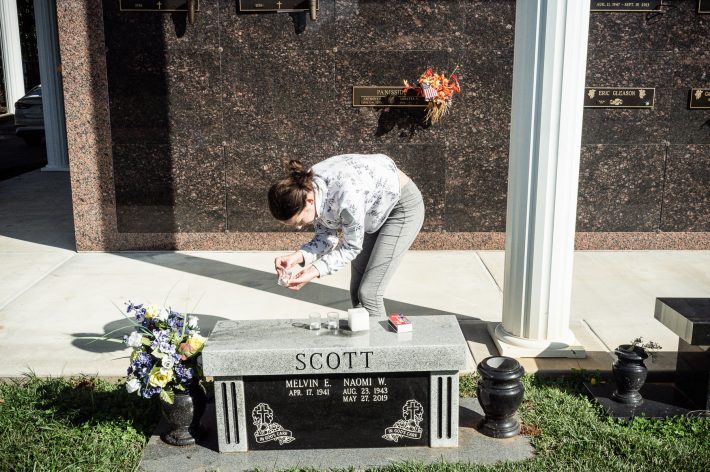
Which led to the circulation of an amusing joke: “For everyone planning on jumping the fence to the cemetery for All Saints’ Day, please remember that the hours of six to eight are reserved for seniors.” Translated as best as I can recall the original.
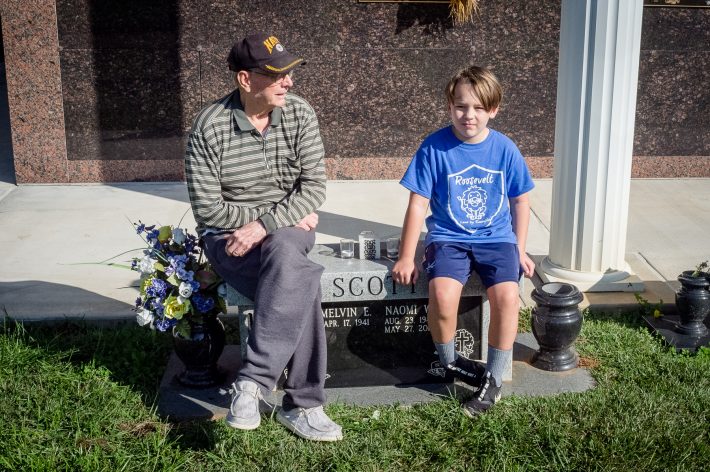
We had our own adventures at the site, though: we’d planned on giving the marker a good scrubbing, but then left all the supplies at the house. Sounds about right.
In the afternoon, a family meeting to help L make a big decision: she got accepted into two volleyball clubs, and in each of them, she’s being recruited into the highest-level teams. She tried out for Carolina One again this year, and she’s leaning away from their offer for a number of reasons. One of them: they didn’t choose her last year.

“Typical thirteen-year-old logic,” K and I laughed, acknowledging, though, that it’s ultimately her choice.
Covid-willing that is. There’s a high chance, I think, that everything will be canceled before it starts, with rising numbers everywhere but especially here in Greenville. The teams all have very strict covid protocols in place, but things might reach a point that even that is impossible or impractically dangerous.
In some ways, the same as it’s always been.
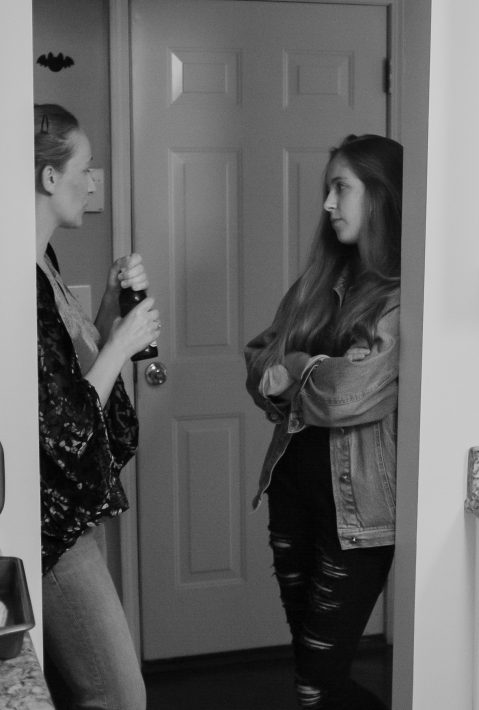
Friends, friends, friends — no, make that family.

Yet not the same at all. We have all curtailed our outings and meetings to virtually nothing and many of those that remain have become virtual.
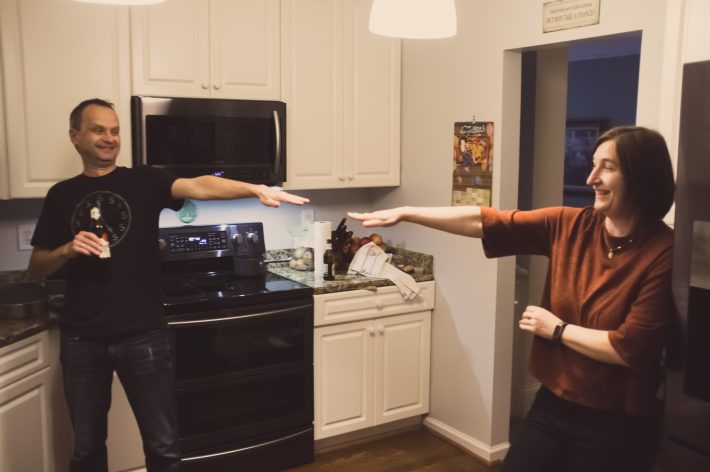
So Halloween lite.
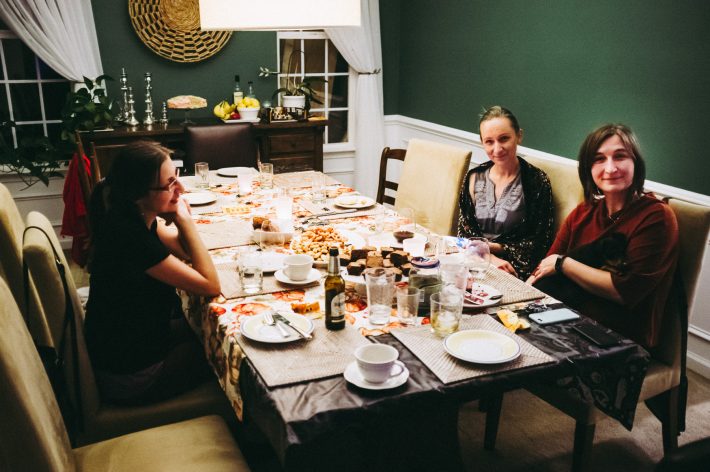
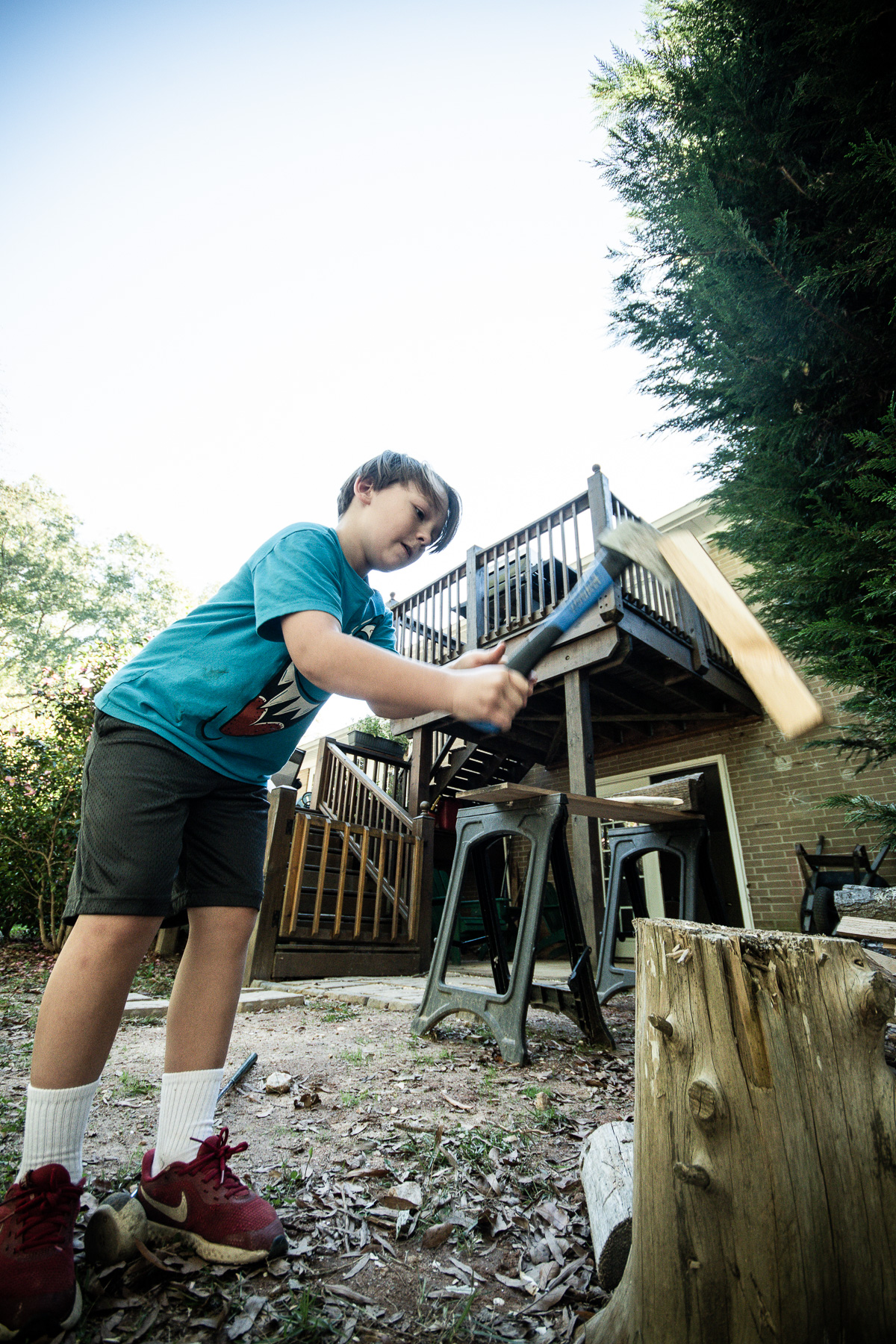
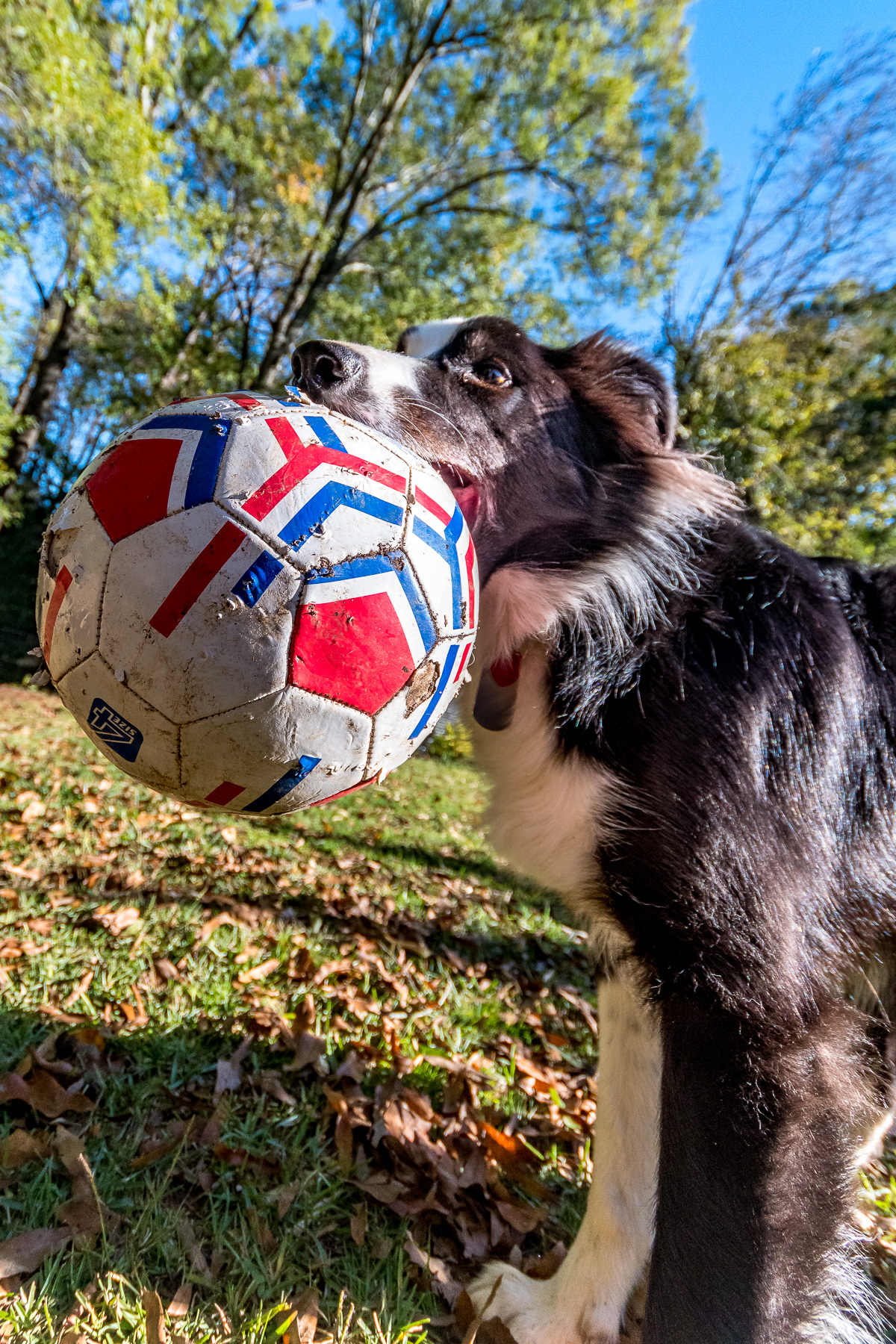
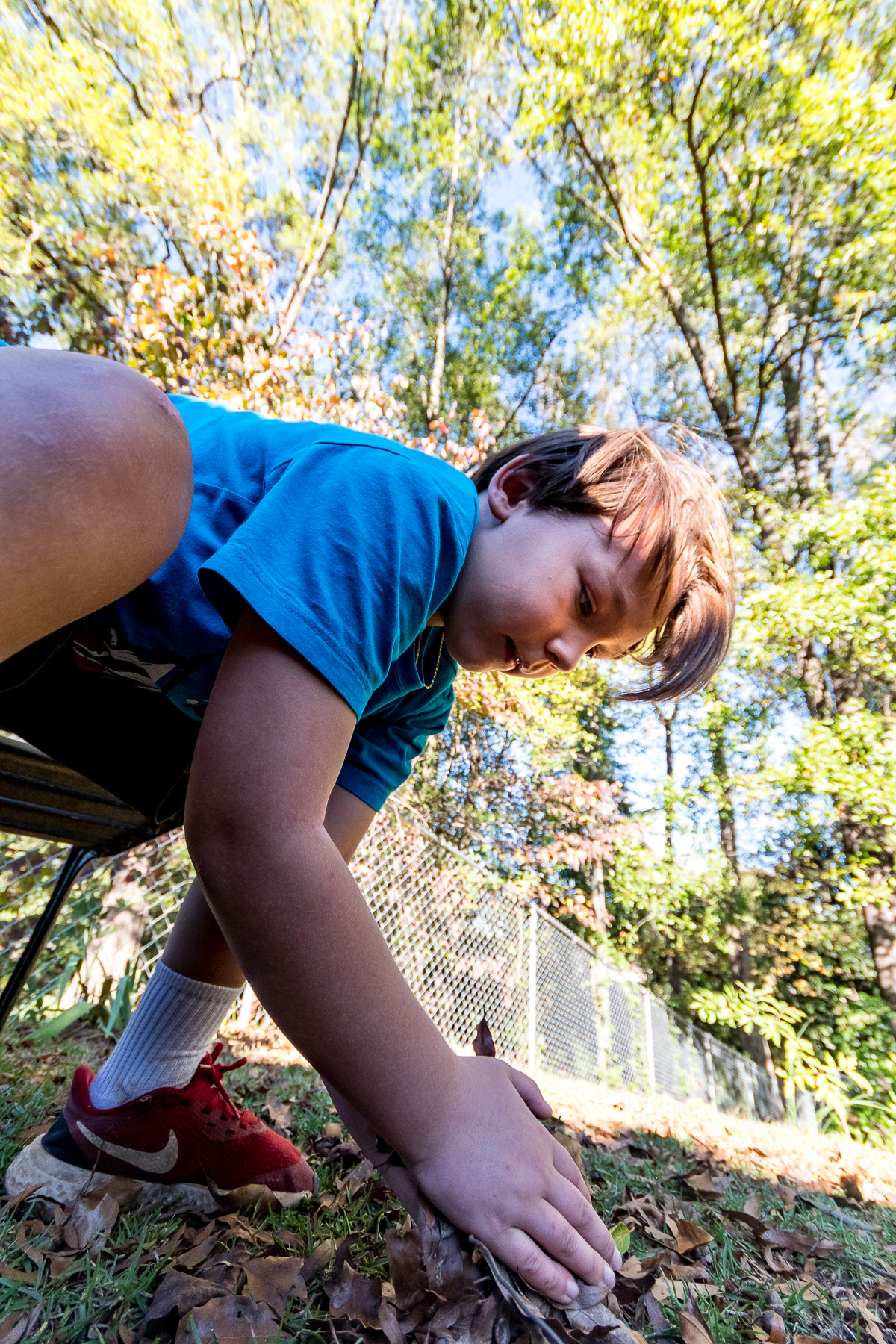

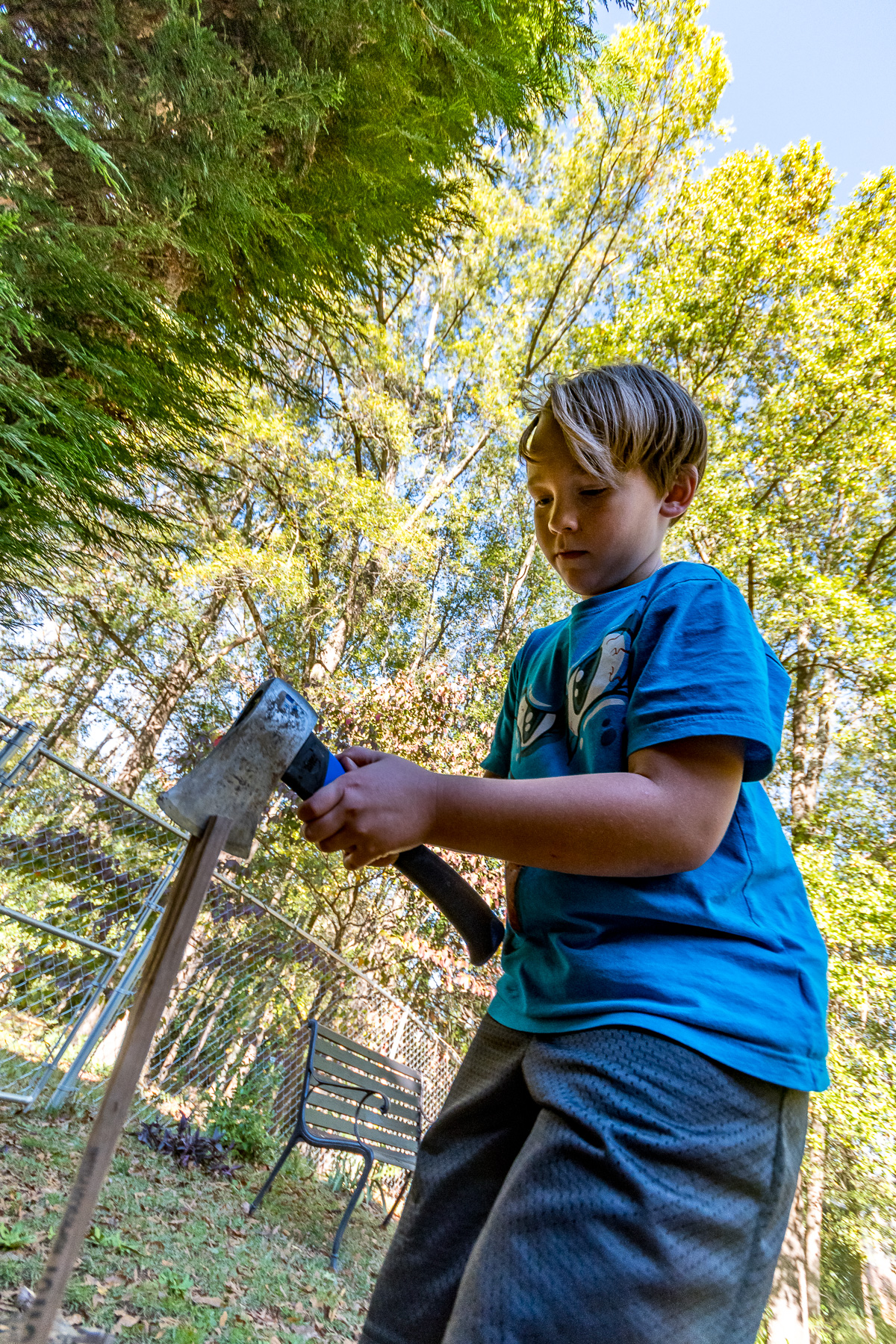
We stayed home today because of potential high winds due to the remnants of Zeta. Since we’re all so used to it, switching to online learning was a snap for everyone. K pointed out the now-obvious: they’ll be more willing to do this in the future with less risk because they know we can do elearning.
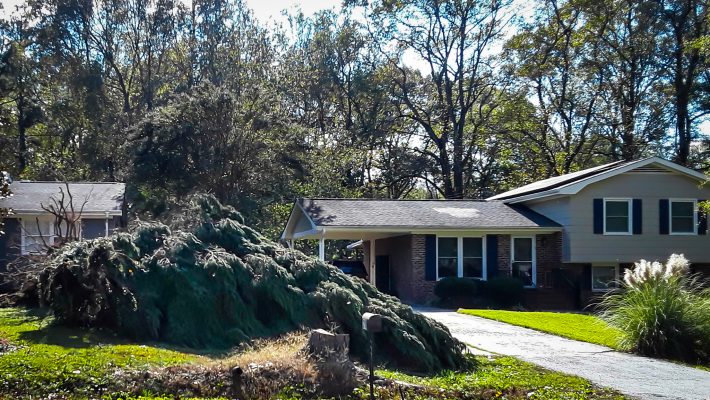
No more snow days. More wind/rain/inclement weather elearning days.
Unfortunately, the neighbor up the street with the trashy Halloween decorations suffered little damage to his display…

We’ve gotten into some lazy food habits, which means some unhealthy food habits. We’re in the process of turning them around.
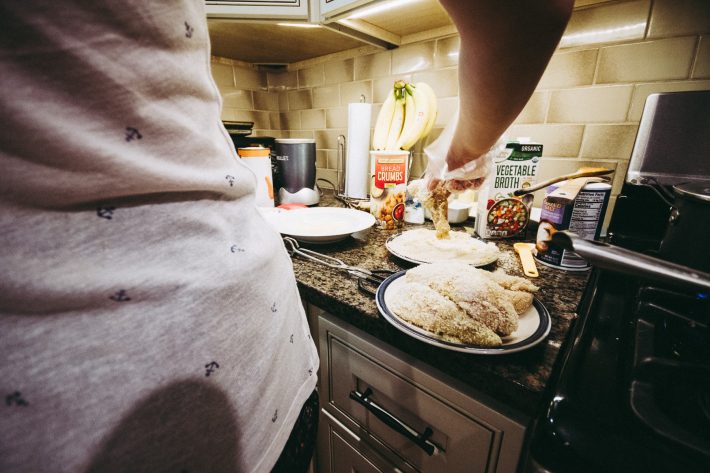
One thing has to do with snacking. The Girl is often very hungry again later in the evening, even if she’s eaten a full dinner. Teens tend to be that way. She’s been eating a few chicken nuggets from Aldi as her evening snack a couple of times a week for some time now.
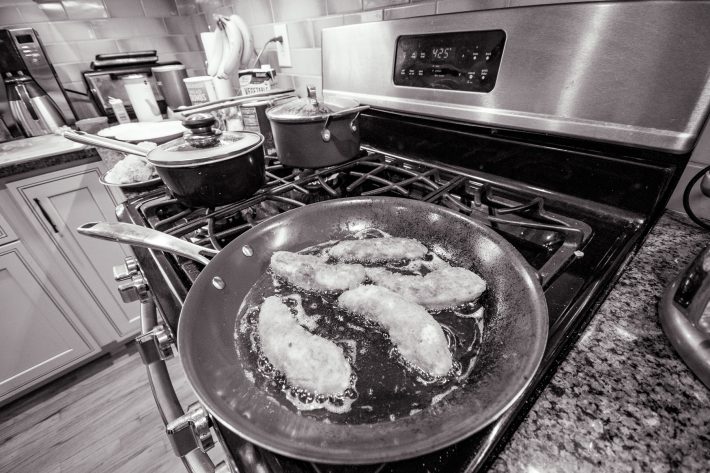
Today, she learned how to make her own chicken fingers from fresh chicken. Completely healthy? Probably not. Better than what she was eating? Definitely.
Looking at a picture of K from 2004, just after our wedding.
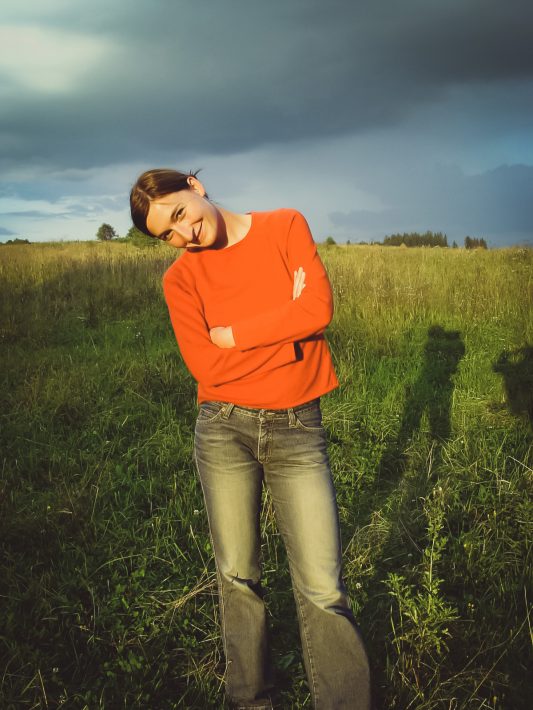
“It’s a shame I wasn’t aware of how my own shadow was falling in the frame,” I thought.
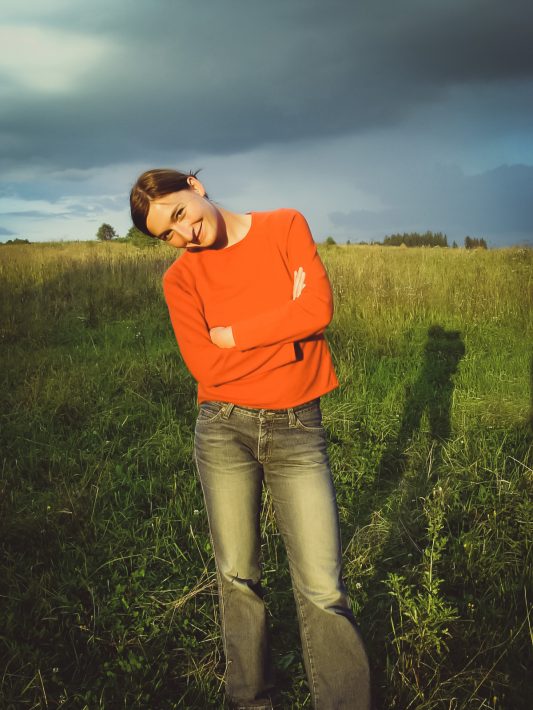
But it’s fixable.
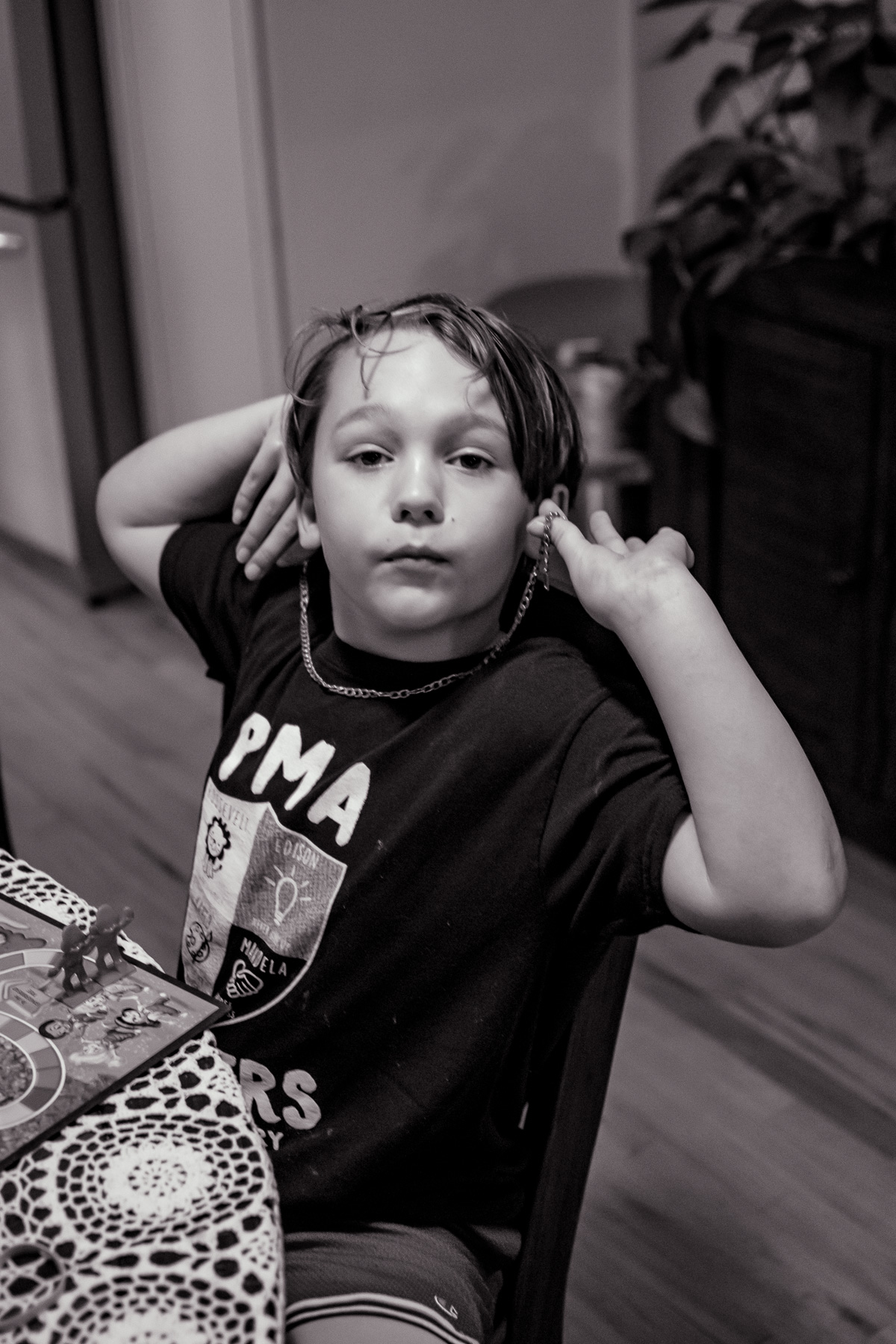
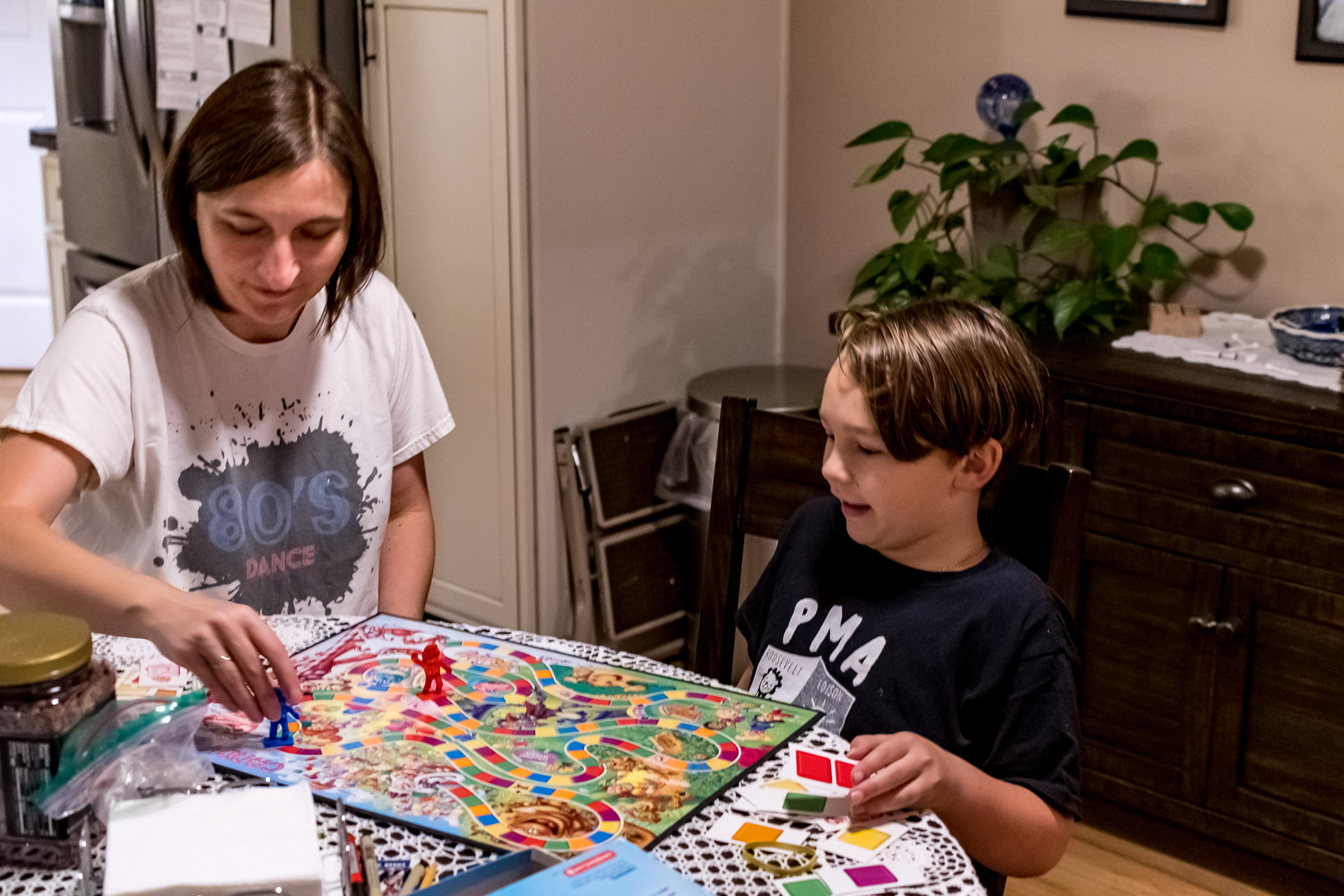
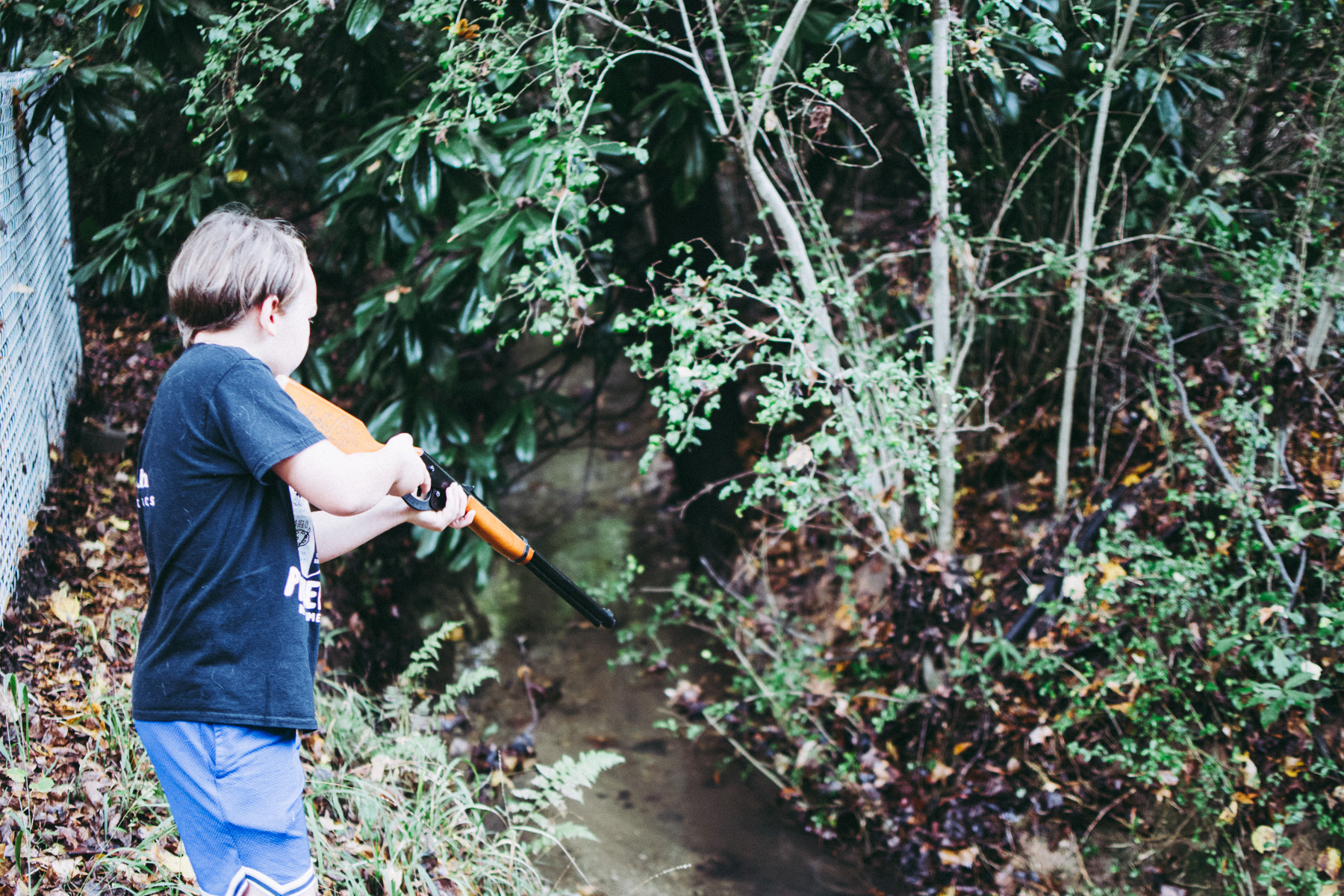
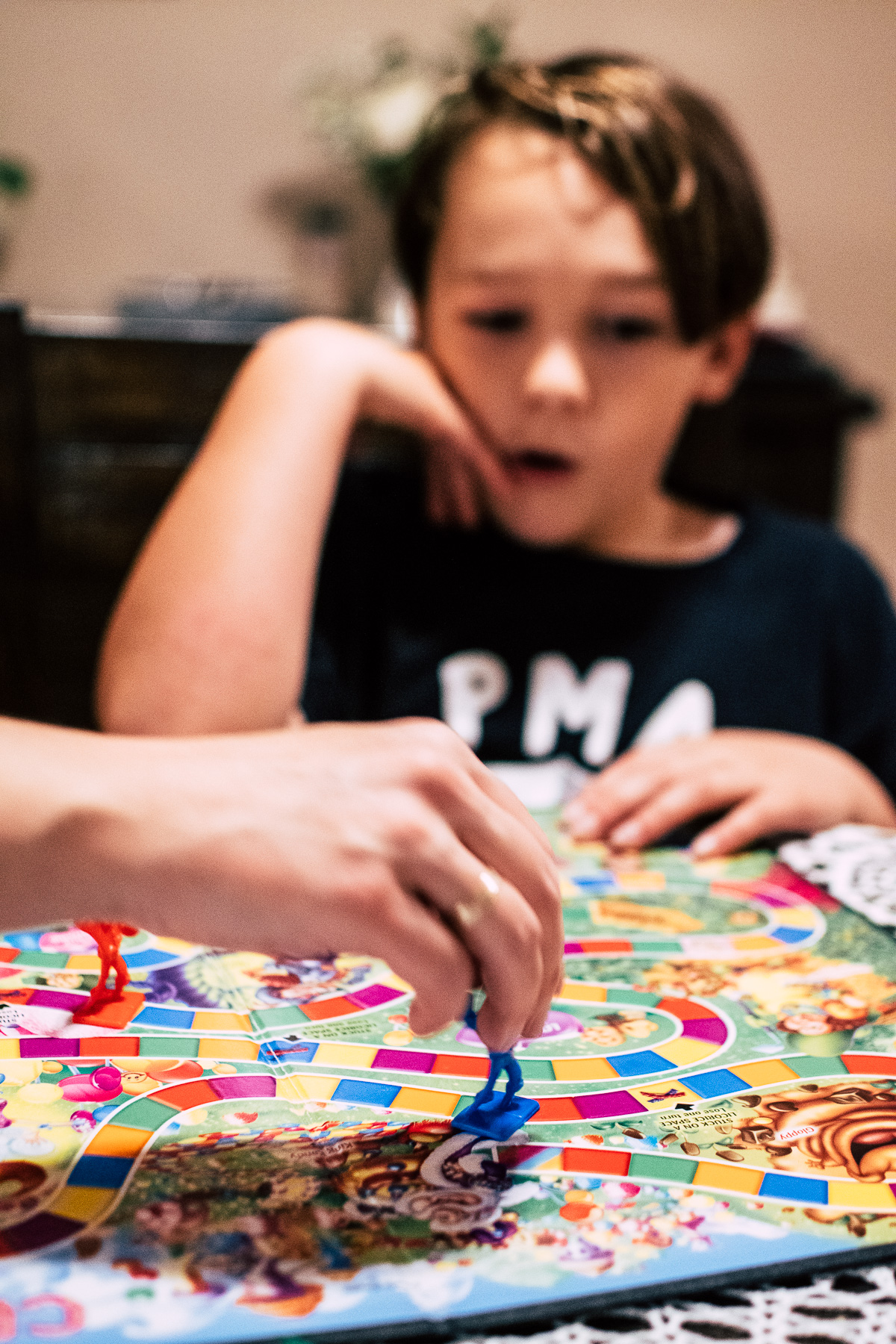
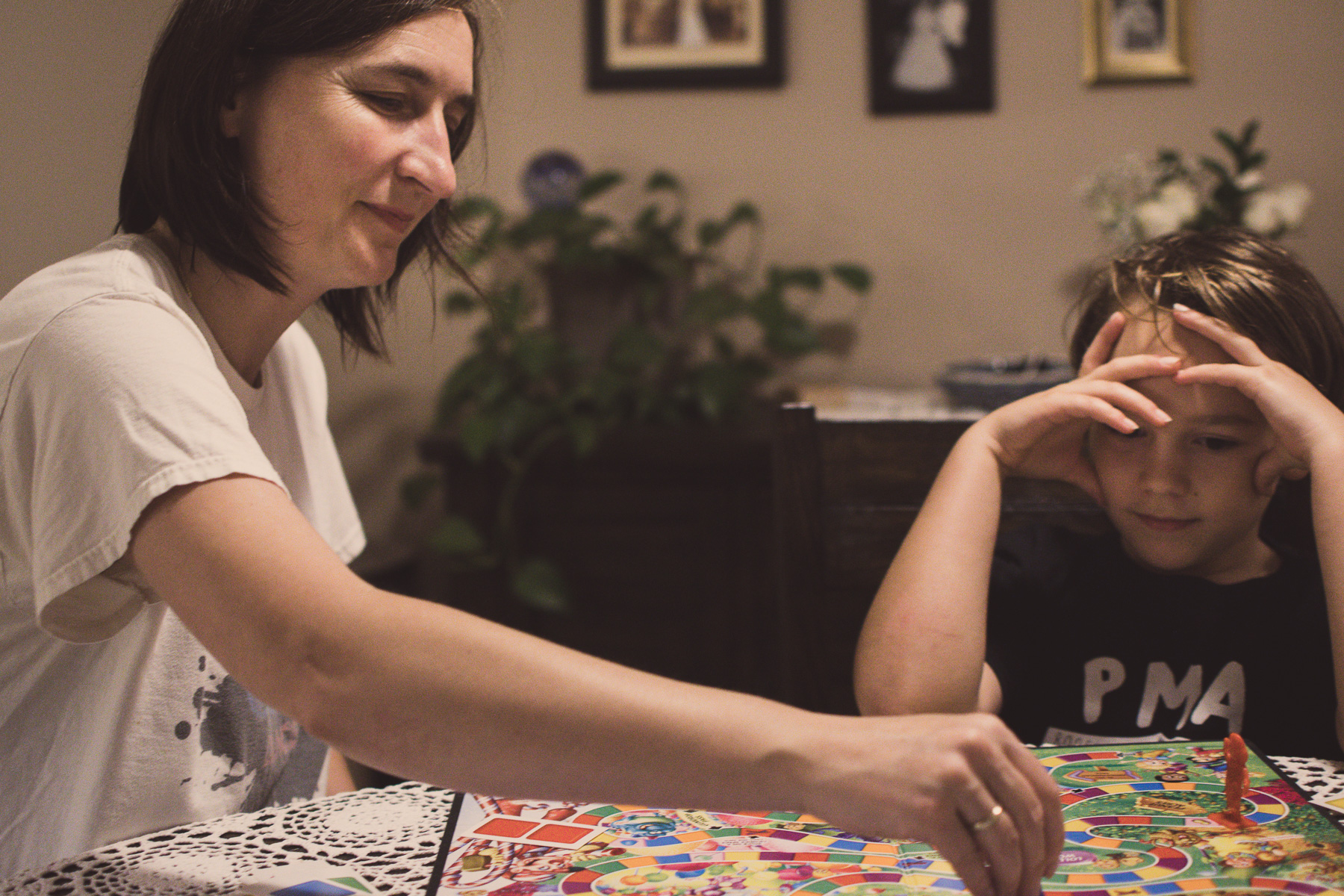
Today was the first of three days of tryouts for club teams. L will be trying out for two clubs: Excell Sports, where she played last year, and Carolina One, which gave her the cold shoulder last year.
Today was day one at Excell.
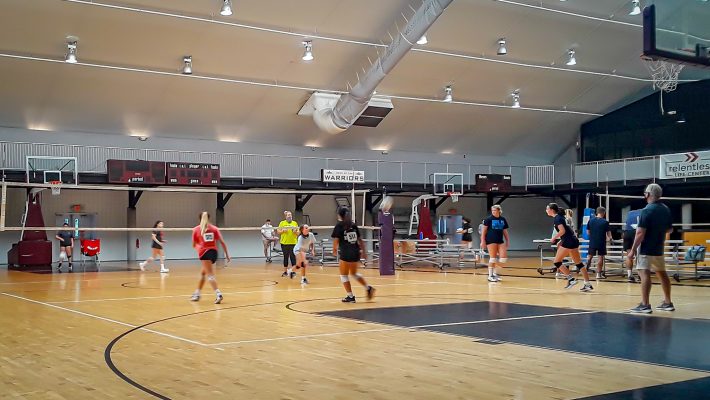
Her coach from last year was there. “L’s really improved,” he said.
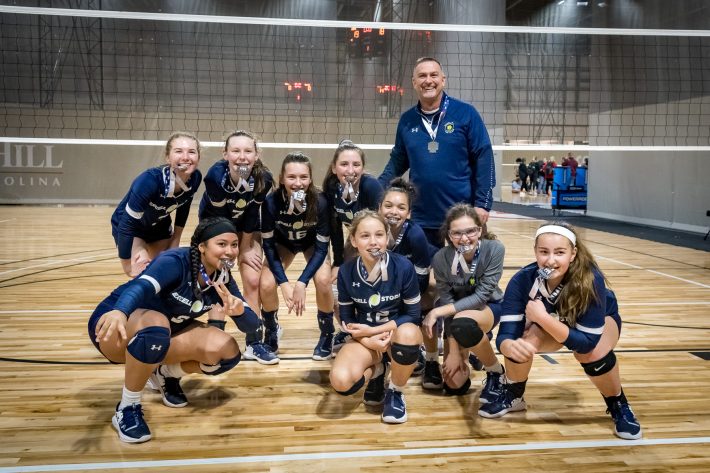
The owner and head coach of Excell, Shane, talked to L and me after tryouts.
“Everyone was impressed with your hitting,” he said. “Last year, you were a baby giraffe: you had these long arms and legs and didn’t know what to do with them. You know what to do with them now.”
Yesterday, we went over a new poem: Billy Collins’s “Forgetfulness.”
The name of the author is the first to go
followed obediently by the title, the plot,
the heartbreaking conclusion, the entire novel
which suddenly becomes one you have never read, never even heard of,as if, one by one, the memories you used to harbor
decided to retire to the southern hemisphere of the brain,
to a little fishing village where there are no phones.Long ago you kissed the names of the nine muses goodbye
and watched the quadratic equation pack its bag,
and even now as you memorize the order of the planets,something else is slipping away, a state flower perhaps,
the address of an uncle, the capital of Paraguay.Whatever it is you are struggling to remember,
it is not poised on the tip of your tongue
or even lurking in some obscure corner of your spleen.It has floated away down a dark mythological river
whose name begins with an L as far as you can recall
well on your own way to oblivion where you will join those
who have even forgotten how to swim and how to ride a bicycle.No wonder you rise in the middle of the night
to look up the date of a famous battle in a book on war.
No wonder the moon in the window seems to have drifted
out of a love poem that you used to know by heart.
Collins is famous for poems in which a witty, whimsical tone belies a deeper, subtler idea. He’s perfect for teaching kids what I call the two levels of poetry: what’s happening in the poem and what the poem is about. His work also often shows a clear tonal shift, and that’s something I want my students to be able to sense.
Yet eighth-grade students often miss the whimsy in his poems. They read something like this without cracking a smile. They even watch an animated version of it without reaction:
So we have to walk through it carefully.
This year, I started by focusing on the fifth stanza:
Whatever it is you are struggling to remember,
it is not poised on the tip of your tongue
or even lurking in some obscure corner of your spleen.
“Everyone has heard the phrase ‘it’s on the tip of your tongue,’ right?” I asked. Of course they had. But I had to lead them into “lurking in some obscure corner of your spleen.” We mapped it out:
“Have you ever heard anyone say some memory is ‘lurking in the corner of my spleen’?” I asked. And everyone laughed. “That’s what the poet was getting at!”
Once they got it, they saw the other instances of whimsy in the poem:
It’s not the first time students have struggled to see the humor in Collins’s poetry. When we do “The Lanyard” next week, the same thing will happen. I’ve come to the conclusion that it’s an age thing: that type of whimsy just goes right over their inexperienced heads.
Written a couple of years ago but still true
It’s late October. The first quarter is drawing to a close, and students sit wading through district-mandated benchmark tests. Despite this, its one of my favorite periods of the school year. The honeymoon period is over, and we’re up to our noses in work that occasionally seems like it might sweep over us all. The kids are getting comfortable with the demands of an honors course, and we’ve all settled in for several months of work. But more than that, more personal, when I look out over the class, the students are now not just faces to which I’m trying to attach names; when I scroll down the roll at the start of each class, the names are not just sitting there waiting for me to combine with a face.
They’ve emerged as this amalgamation of worry and laughter, of procrastination and focus, of silliness and maturity — everything that makes thirteen-year-olds and fourteen-year-olds thirteen-year-olds and fourteen-year-olds. They’re still kids but in bodies that are nearly fully developed, and the awkwardness that implies radiates from every smile of accomplishment and glistens from every tear of frustration that accompanies the eighth grade. Their brains, developing in new and unexpected ways, are awash in a warm flood of newly-released hormones. They realize they’re not adults yet but in some sense are convinced they are. They’ve become people that I think I might actually have quite warm feelings toward instead of just a list of names an administrator has handed me.
I look around the classroom and see faces behind which are entire universes of experiences, worries, excitements, concerns, joys, and doubts. Each face is a mixture of all these things and more.
I see B, who’s new to public school and worried the effect her shyness and lack of experience might have on making friends but who is, nonetheless, making friends because she is a genuinely good soul and everyone sees that. I glance over at J, sitting with his head down, a child I suspect is just on the edge of the autism spectrum, who seems just enough aware of his social awkwardness to be annoyed but not defeated by it. H sits in front of the class, a teacher’s dream in so many ways: quick, bright, kind, helpful, she would probably be accused of being a teacher’s pet if it weren’t so obvious that she does these things because it’s just the person she is. In the corner desk is D, who has a mouth that seems incapable of pausing at times yet is impossible not to like despite his frustrating behavior. In the middle of the room sits quiet J, who struggled mightily at the beginning of the year and wanted to leave the class but has in the last weeks blossomed into a determined but struggling writer who has shown more improvement in the last month than some students show all year because she is so very determined to make that improvement.
In short, it’s the time of year that I realize I was wrong in my assumptions at the end of the last year, just as I am wrong every year.
“I love these silly kids!” I think at the end of the year. “There’s no way any other group can compare to them.”
And then the next year’s students come, and over the course of a few weeks they go from being names on a list to kids I’m working with, laughing with, fighting with, crying with, and I see that the impossible has happened: once again, I have the greatest group of kids I could ever imagine working with, and I’m equally convinced that they are irreplaceable, that I can never feel for another group of kids what I feel for these kids.
The kids are all taking a benchmark test. We’re spending two hours of each of the two days students will be in school taking a district-mandated benchmark test, which, truth be told, will be of little to no value to me. I know where my students are; I know where we’re going; I know what I haven’t covered. Further, I know the students better than a benchmark could show
In the midst of all this, a bird flies up to the window and perches on the sill. It cocks its head as it investigates all the humanoid forms on the inside, all hunched over glowing boxes, almost all oblivious to the bird’s presence. Except Anna. She’s sitting next to the window and has watched the bird flutter up. She takes a break from her test and looks over at the bird, smiling and likely grateful for the break the bird’s presence has brought.
Birds come to this window regularly, but their presence injects a bit of tragic chaos into the class atmosphere. Twice this year, birds have flown into the window with a sickening thud, only to lie outside the window slowly dying of the blunt force trauma the window and physics delivered. They flap about just outside our window as if they are trying to distract a predator to lure it away from its nest. Those times, though, the bird was not faking.
There’s an analogy there, I think. The window is our education system: it can either offer a glimpse into a new world, inviting participation and fascination, or it can just break students, often with rigid testing systems and the one-size-fits-all mentality they can engender.
During this highly stressful year, I think testing is more the break-students type of experience than anything else. Why are we spending two hours of each of the two days this week testing? Our students are in the classroom two days a week. That’s about fourteen hours a week. And we’re four of those hours (about 28.5%) of that time administering benchmark tests? Benchmark tests?! I can tell you just have close my students are to any given benchmark without taking nearly thirty percent of my week’s time with students to do it.
On a positive note, though, the assistant principal came into my room about ten minutes into the lesson with the district’s assistant superintendent so he could see how I’m streaming my class. Apparently, I’m something of a trailblazer with this in the district. I, for one, can’t understand why more teachers aren’t doing it on their own: it returns my planning to normal, pre-covid dimensions. I no longer have to create something separate for the kids at home. I do, though, have a unique situation in that I teach only honors kids, which means that most of them are motivated to log on and follow along from home. Other students might not be so willing. (Still, said students — at risk, we would call them — are not necessarily doing the elearning anyway. What difference does it make which type of online learning they are neglecting? I’m fortunate that most of the kids follow along.