g

A Life

I’ve been working on editing my obituary for Papa. I know there’s not a right way or a wrong way to compose them. Sure, there are traditions and conventions, but in reality, I’m free to write it however I want.
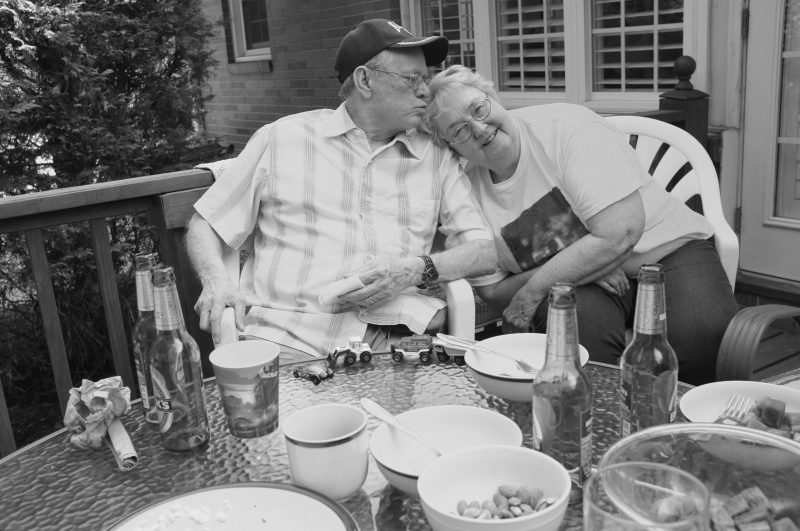
Still, even given that freedom, there’s no way to capture a man’s life in a few paragraphs. There’s no way to tell where he came from, what made him who he was, how he impacted those around him in a text short enough to fit on a memorial brochure.

“I’m glad this is the last obit I have to write,” I think, and then I think again. We never know, do we?

Ideally, we would all write our own obituaries ahead of time, but of course, that’s not ideal at all: we never see ourselves as others see us, for better or worse.

It reminds me of a piece of advice I read somewhere — can’t remember where or who wrote it. It had to do with becoming the “you” you really want to be. It was simple and to the point: “Write your dream obituary, then work backward.”

Papa was far too humble to admit it, but I think he did just that.
Seventeen and Twenty

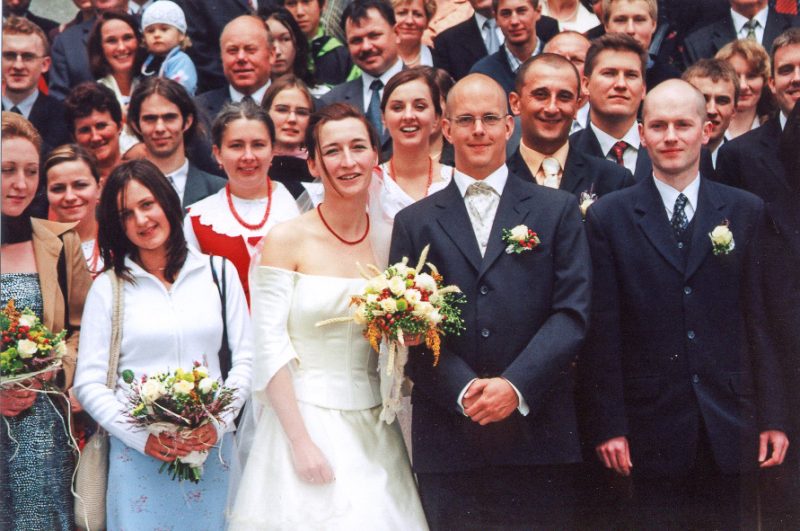
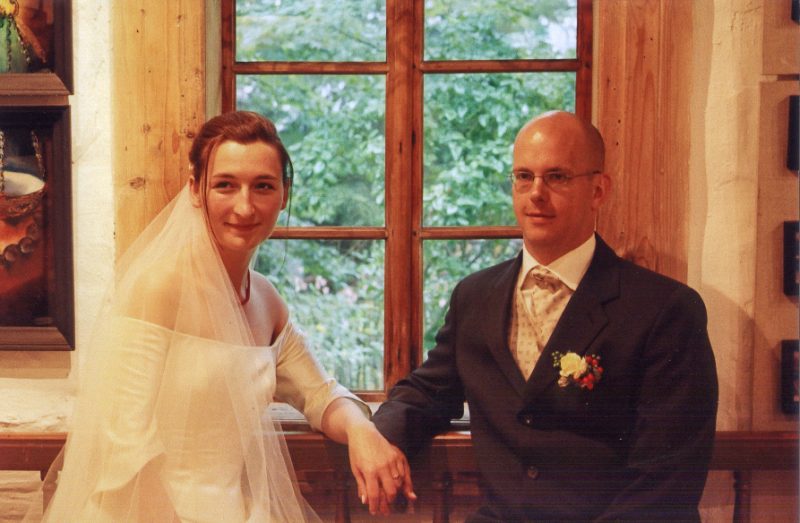
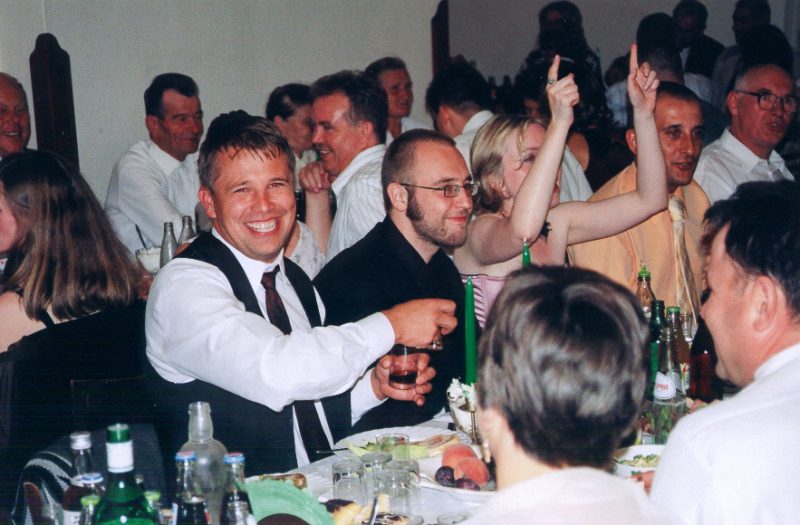
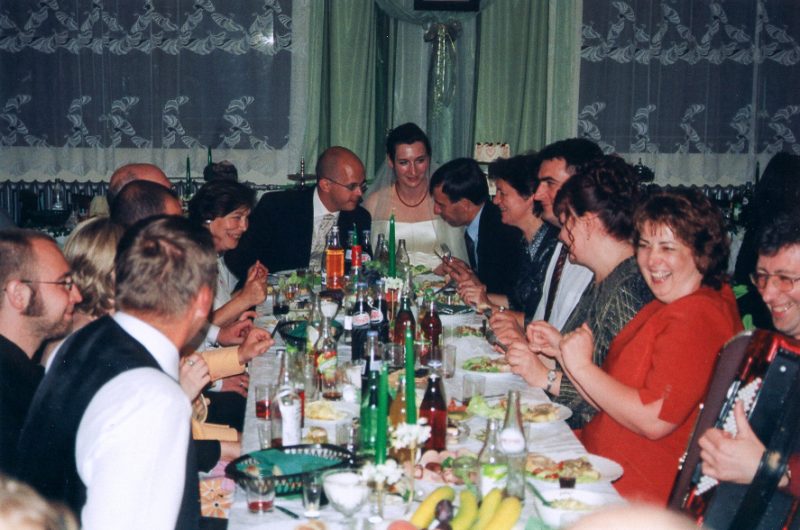
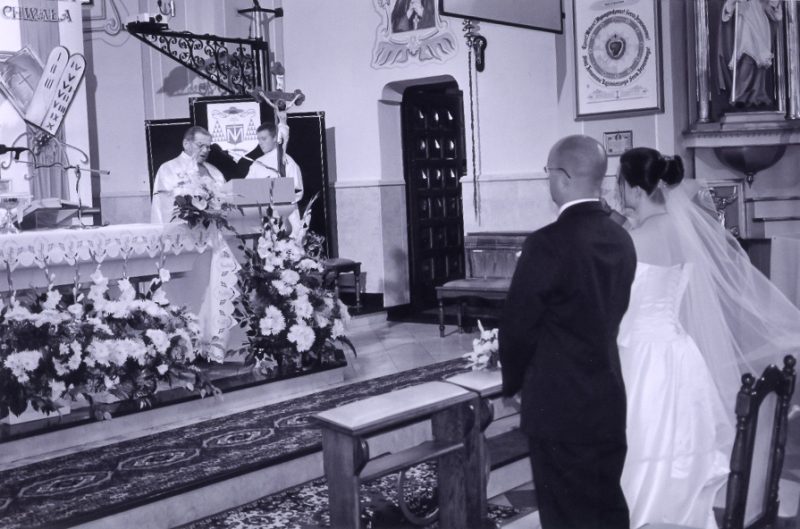
The images don’t look all that old. The faces don’t look so very different than ours now. The memories of that day are just as vivid as the experience itself. Yet somehow, here we are, our seventeenth anniversary just behind us, closing in on the twentieth anniversary, with two kids, a dog, a cat, a frog, a full schedule, and an entire pile of commitments in tow.

Yet even today, “twenty years ago” has a certain significance: twenty years ago, I was about to head back to Poland after two years in Boston. Having dropped out of graduate school (philosophy of religion is fascinating but of little practical value) and spent a year working at an internet startup, I realized I missed my life in Poland enough to give everything up and return, and so I did just that: packed a few clothes, a lot of music and books, and returned to the life I’d left in Lipnica Wielka.

One artist I took with me was a relatively new find: when I left for Poland the first time in 1996, I’d only just become completely enamored with the music of Nanci Griffith. She’d released her best album, Other Rooms, Other Voices, a few years earlier which I’d bought about a year before I left for Poland, and that album and her 1994 Flyer were among my favorite albums. At heart, Griffith was a folk singer, but she always had a parade of influences and guest artists in her work that it always seems more than simple folk. She sang about missed chances, the fleeting nature of now, the nostalgia of lost love and lost childhood — all the things I think about and write about. She’d begin a blog entry with things like “twenty years ago.” She wrote a song about it, in fact:

On Grafton Street at Christmas time
The elbows push you ’round
This is not my place of memories
I’m a stranger in this town
The faces seem familiar
And I know those songs they’re playin’
But I close my eyes and find myself
Five thousand miles away

It’s funny how my world goes round without you
You’re the one thing I never thought
I could live without
And I just found this smile to think about you
You’re a Saturday night
Far from the madding crowd

The buskers sing by candle light
In front of Bewleys Store
A young nun offers me a chair
At a table by the door
And I feel compelled to tell her
Of the sisters that we knew
How when they lit their candles
I’d say a prayer for you

It’s funny how my world goes round without you
You’re the one thing I never thought
I could live without
And I just found this smile to think about you
You’re a Saturday night
Far from the madding crowd

The church bells ring for holy hour
And I’m back out in the rain
It’s been twenty years or more
Since I last said your name
I hear you live near Dallas now
In a house out on the plains
Why Grafton Street brought you to mind
I really can’t explain

It’s funny how my world goes round without you
You’re the one thing I never thought
I could live without
And I just found this smile to think about you
You’re a Saturday night
Far from the madding crowd

On Grafton Street at Christmas time
The elbows push you round
All I carry now are memories
I’m a stranger in this town

She died last week at the young age of 68, and I have been revisiting her catalog, wondering why have been ignoring her music for the last decade. In part, it’s K’s fault: when she was exploring my our CDs, she discovered and fell in love with Griffith, and she wanted to play her music a lot. A lot. I got a little tired of it, I guess, and that’s why I didn’t listen to it for years.

So thinking about our wedding seventeen years ago (yesterday) on a walk tonight, I listened Griffith’s music and found myself drifting further back, further back, further and further, thinking about events of twenty-five, thirty years ago, knowing full well that soon enough, I’ll be writing about our thirtieth anniversary wondering where all the time went. It’s a favorite theme of Griffth’s and mine. Maybe our only theme.

Polska 2021 Return

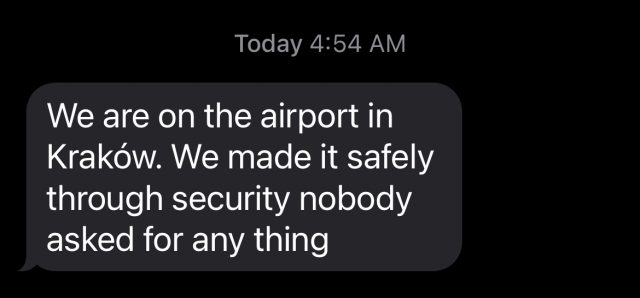
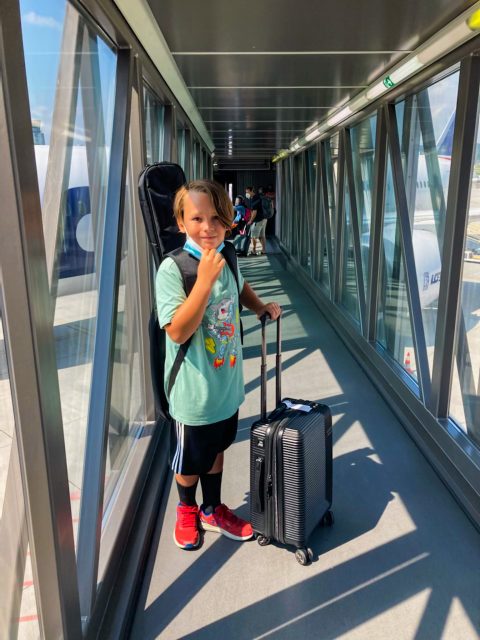
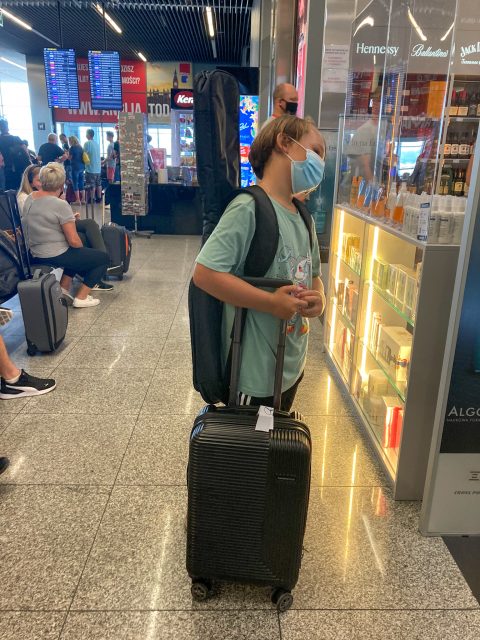
I woke up to a text from K that they’d made it through security without any issues.

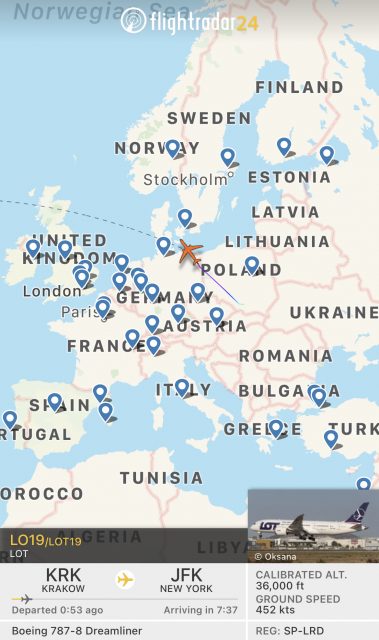
I checked the flight tracking app I’d installed a month ago just for this trip.

They were well on their way.

And then, a rush to get them…

On the way, a wreck — forty minutes of sitting, crawling forward, sitting. Will I make it? Just how long will I be sitting here? What if I’m here an hour? Two?

Then the airport — lines for everything. The line for the taxis must have been 50 meters long — no exaggeration. It stretched half of the airport at least. And the line for luggage issues — at least half as long as the taxi line. People upon people everywhere. (Much to my relief, almost everyone in masks. I don’t know if it was required. I saw about 5% without.) Finally, I found them, we got the luggage, we made it home.

Four in the house again. Seven with the pets (dog, cat, frog). All is back to normal. More or less.

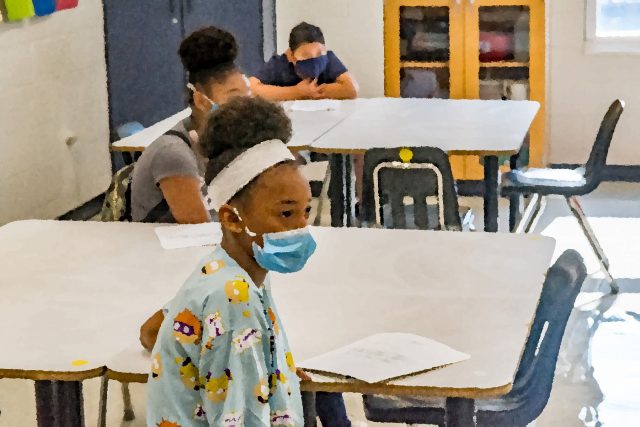
Welcoming the New Sixth Graders

Who knows what this year holds — we all begin the year with a sense of anticipation and dread.

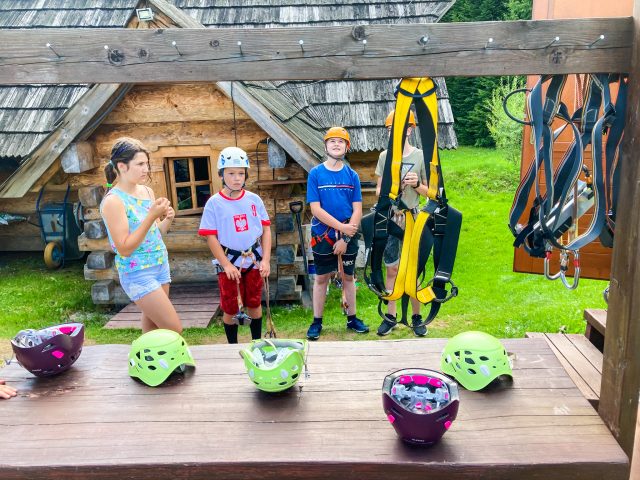
One Last Visit

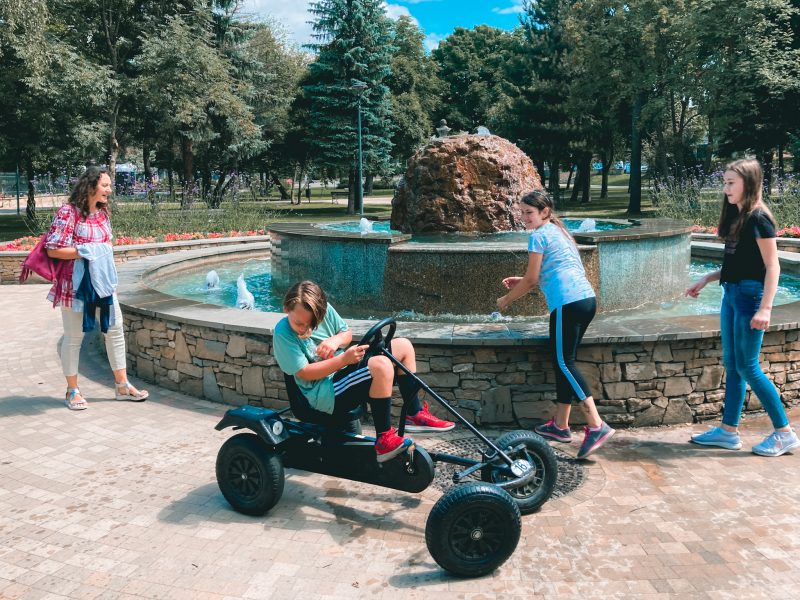
The last time this visit that E and his cousins get a chance to go to Wypasiona Dolina, the line park just outside Babcia’s village.

Cousins

K went to her aunt’s and uncle’s house to pick up something E had left there when they visited last week.

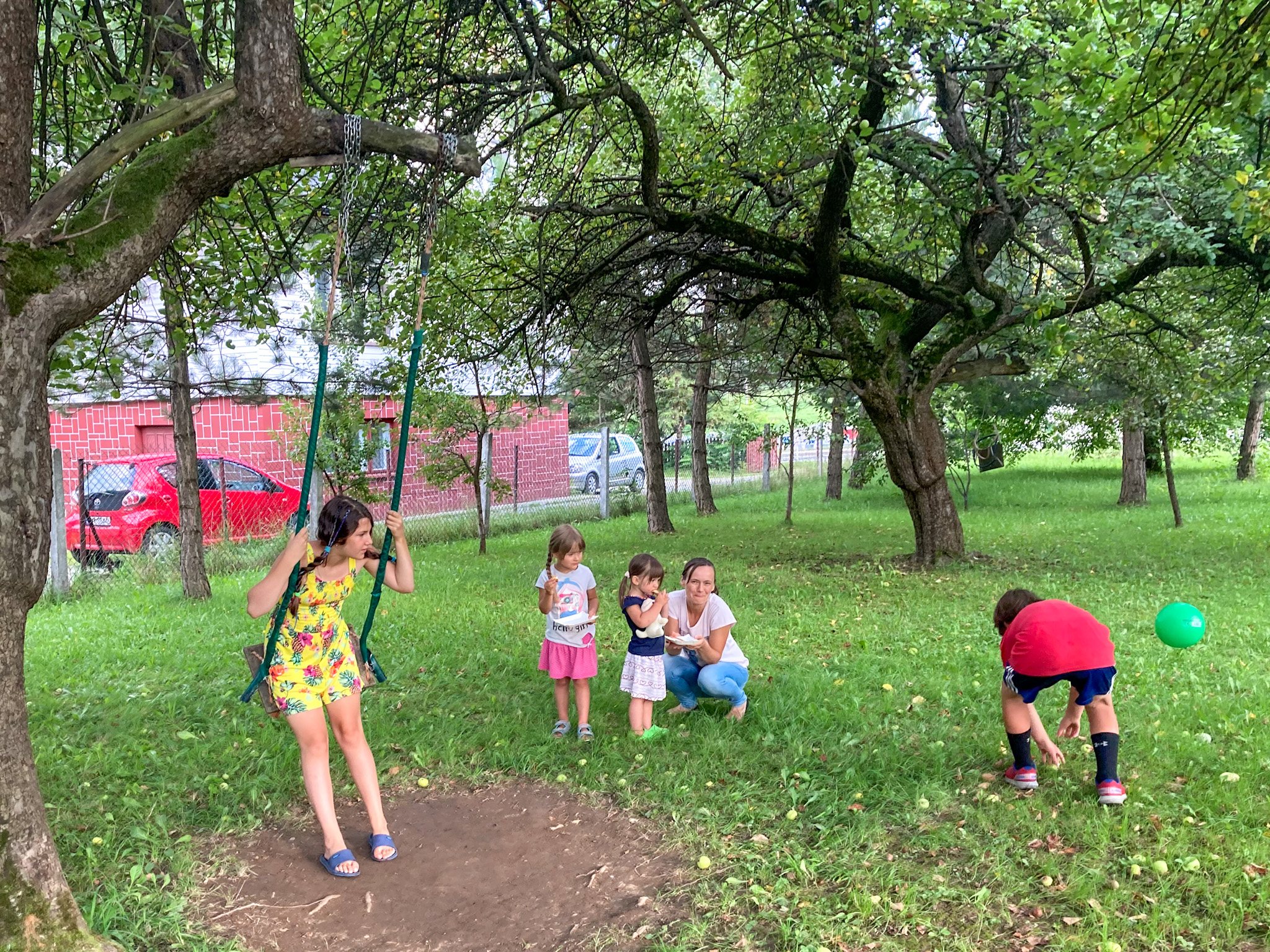
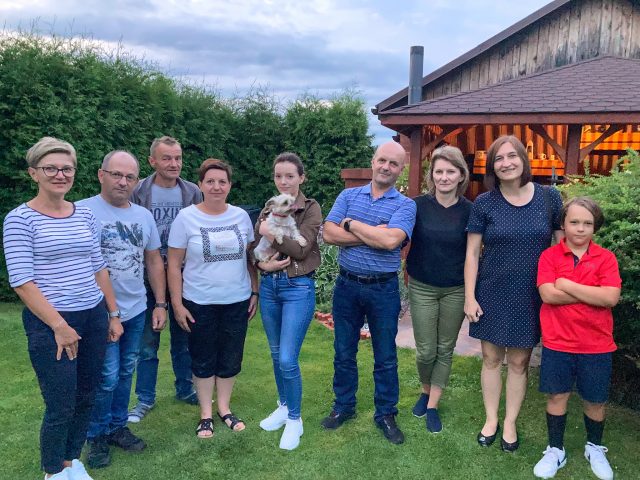
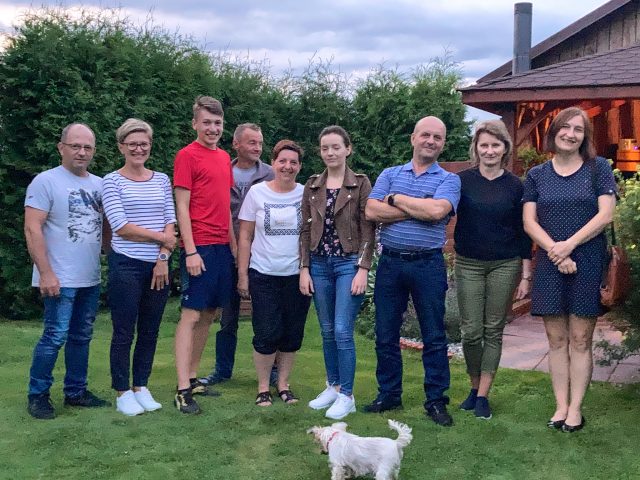
It turned out that all the cousins were there for a visit along with their kids.

Everyone together for the first time since our wedding, K and I figured.

The Solo

Looking through old images for pictures of Dad, I found this video and promptly uploaded it for posterity. This was Thanksgiving 2005, our last Thanksgiving in Nashville, where we used to go every two years to spend the holiday with Mom’s brother Nelson and his family.

I can’t remember why Dad was pantomiming singing, but it was like in connection to the years-long running joke about his lack of singing ability. He used to say that most people like it when he sings a tenor solo: “Ten or more miles away, and so low you can’t hear it” he’d add with a sly smile.

Autograph

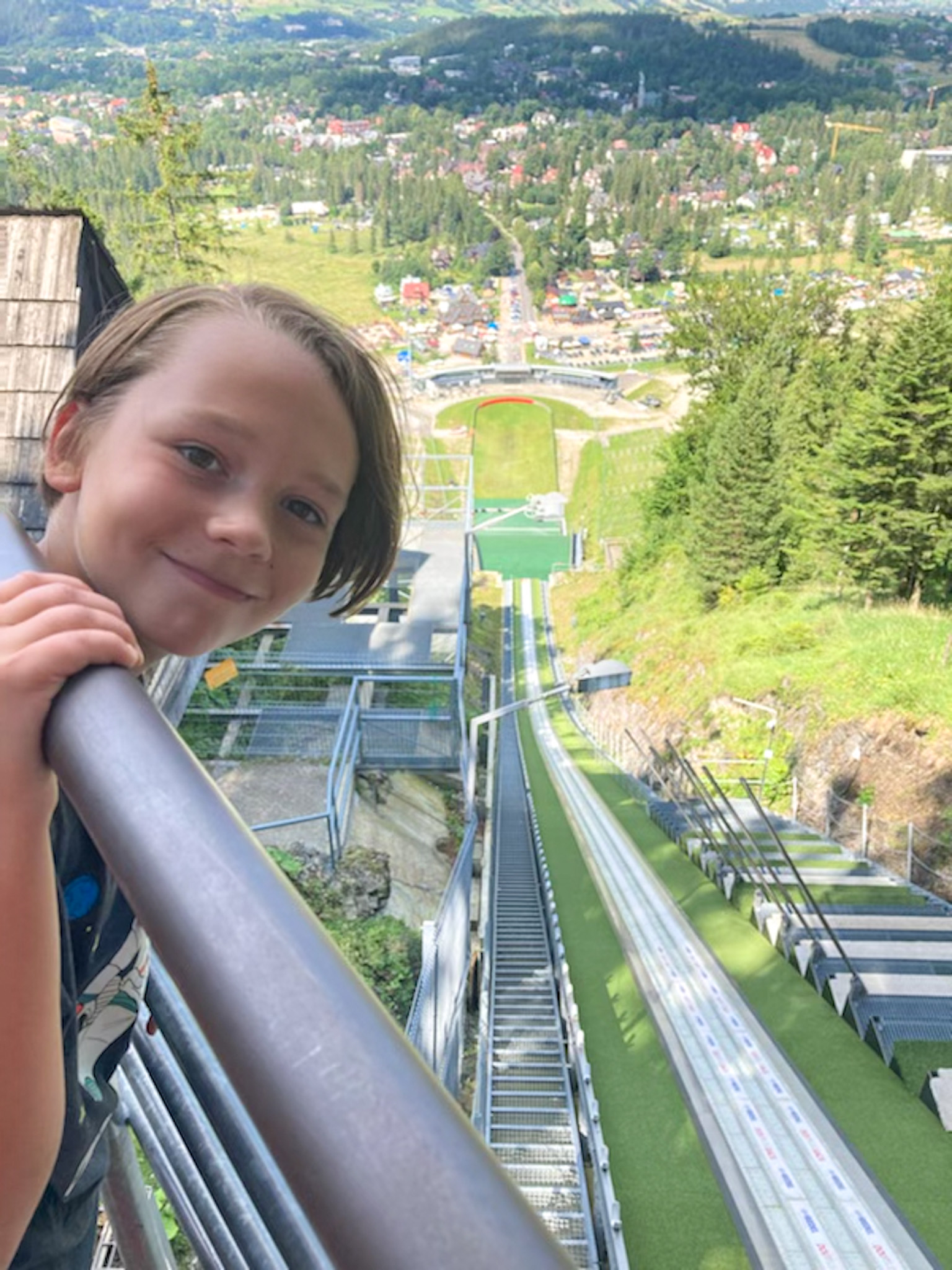
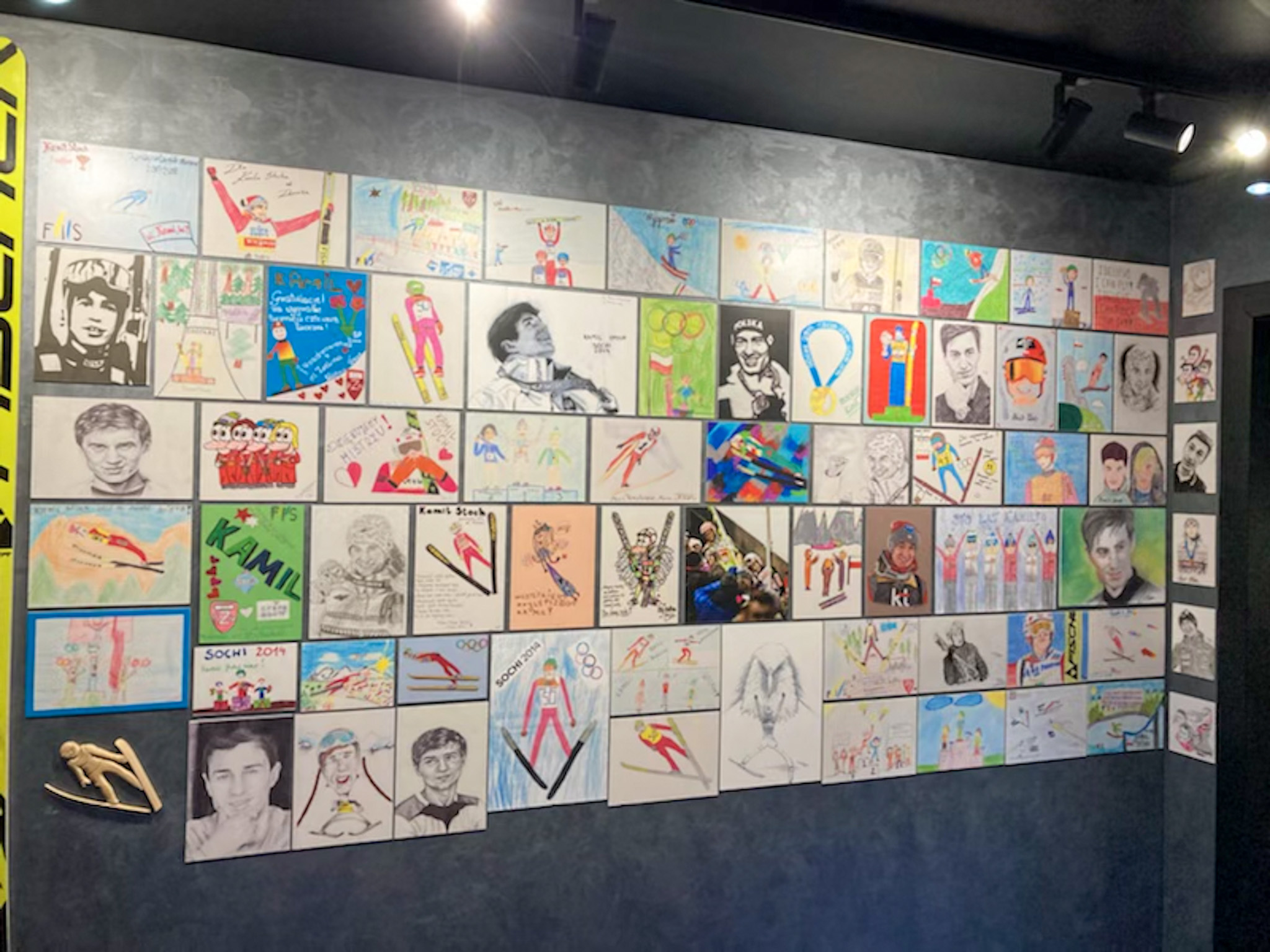
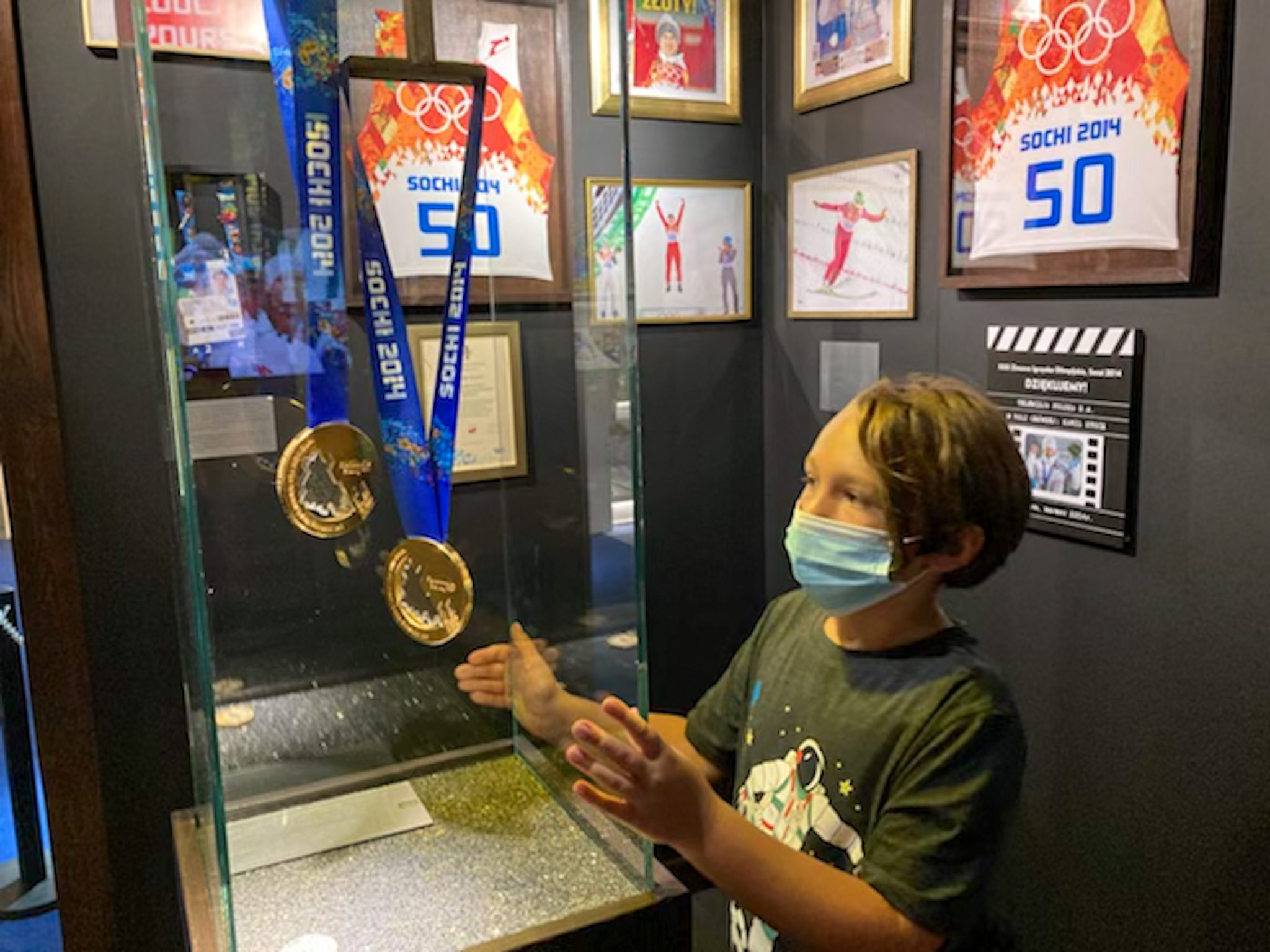
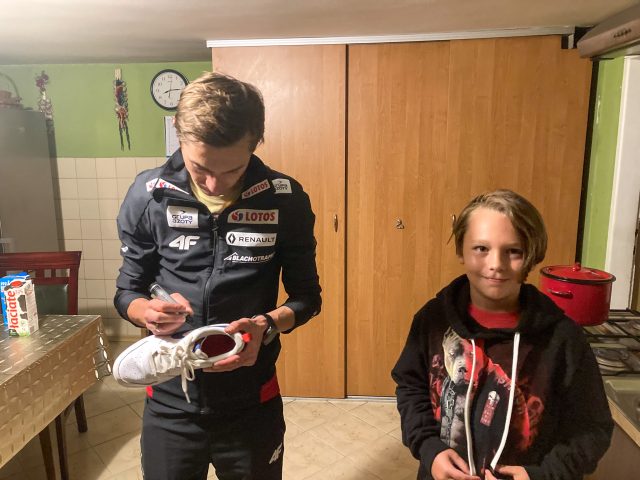
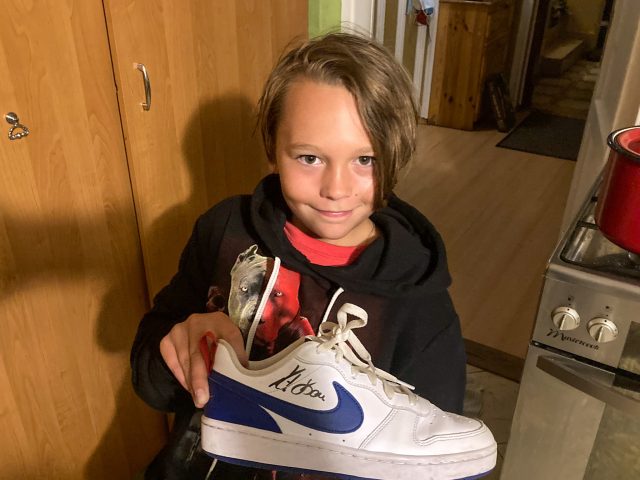
When a world-class athlete who’s won the World Cup twice, the world championship twice, and has three Olympic gold medals and a bronze — when this guy stops by your grandma’s house, you get him to sign anything you can find.

And why might this guy drop by your grandma’s house? Because your grandma is his aunt,

making you his second cousin. I think. Some kind of cousin.

The Meme

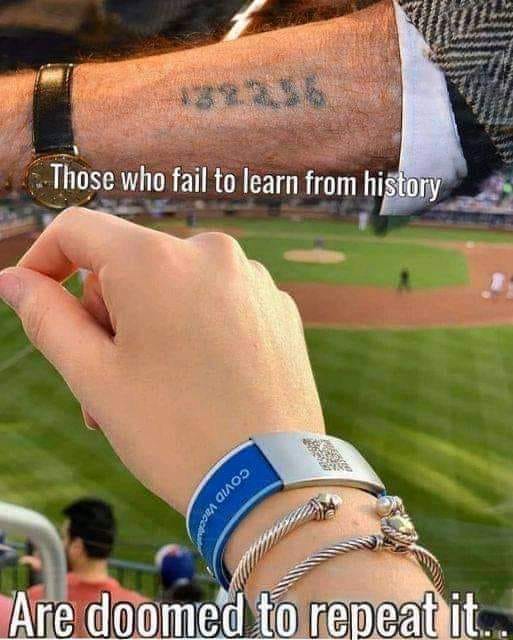
I saw the meme and just couldn’t let it go without comment. Why? I knew I’d convince no one. I knew I’d risk doing damage to the relationship if I didn’t control my venting. Still — how could I just scroll on?

To begin with, it’s clearly a composite meant to suggest that the Holocaust survivor and this person wearing the as-far-as-I-know-non-existent covid vaccine bracelet were at a ball game together.

“Hey,” we’re meant to assume the survivor said, “watch out — I got something like that bracelet back in the forties.”

But it’s clearly a composite. There’s haloing around the braceleted hand showing it was inexpertly clipped from another image in Photoshop, and the proportions are all wrong. Still, I decided to skip that and simply, directly deal with the issue at hand, commenting,

This comparison is an utter insult to the victims of the Holocaust. It’s like comparing hall passes in school to the Soviet gulag system.

The poster replied,

G it is a very extreme comparison. But try to get on a cruise ship, fly American Airlines, cross into Canada, or work for Disney. They are forcing you to put a non FDA approved injection in you are to prevent a virus that you have a 99% chance of passing without the aid of medical help.

So much to deal with in that comment. I decided for simplicity once again:

J, it’s not simply an extreme comparison; it is an inaccurate comparison. The people with those tattoos, obviously mostly Jews, got those numbers upon being forced into concentration camps. They were put in these camps not because they were sabotaging the German war effort, not because they were refusing to comply with this or that edict, and mostly not because their political views didn’t line up with the state’s (though there were a sizeable number in that category, particularly in the early days: Dachau was the first concentration camp, and it was built in the early thirties specifically for political prisoners) — they were put in these camps because of who they were. They were undesirables, considered sub-human. They were put in the camps because they were Jews, or Roma, or Slavs, or homosexuals. There was no way they could attempt to prove they’d reformed their political views in hopes of getting out. There was no way they could attempt to prove they’d reformed their religious views (in the case of the thousands of Jehovah’s Witnesses the Nazis interned) in hopes of getting out. They were, in the Nazis’ eyes, not even human and deserving of nothing more than death.

The vaccination issue is entirely different. The powers that be are trying to get everyone vaccinated to end a pandemic. (And it’s not simply a question of how survivable this virus is: there are long-lasting health effects among survivors, and the impact the current surge is having on hospitals means that people with other issues cannot get care because hospitals are getting overwhelmed with new cases.) To compare being shunted off to concentration and death camps where you’ll be killed immediately or worked to death over a period of weeks or months to not being allowed to go on a cruise or to visit Disneyworld because of an unwillingness to get a vaccine seems a disingenuous comparison that makes light of the horrors of the Holocaust.

At this point, a friend of the original poster — someone I don’t know — piled on. It was destined to happen.

J most of us understand your real point , that we shouldn’t be forced into anything so inhuman. Some people just want to fell better about their self fir supporting idiotic things.

We gothcha though.

It was one of those comments that I initially felt spoke for itself: I could only weaken the impact of its stupidity by commenting, but of course, I did just that:

What is “so inhuman” about vaccination? I’m kind of fond of our small-pox-free, polio-free, mumps-free, diphtheria-free, tetanus-free, hepetitus-free, rubella-free, chicken-pox-free, whooping-cough-free, measles-free world, and I would argue that the eradication of the aforementioned diseases is the opposite of inhumane.

The original poster replied:

G all of those vaccines are fda approved with minimum long term side effects. And non of those are forced into your arm.

I was tempted to ask, “How do you think these other vaccinations are delivered? Have you never gotten a vaccine or had a pediatrician give one to your child? How do you not know that these are all injected?” But I refrained from being a smartass just in time for another friend of the original poster to jump in as well:

[I]f the eradication of those diseases is good enough reason to get a vaccine, then why would you get the one they are touting now? It doesn’t eradicate it. It doesn’t even stop you from getting it, or giving it to others. It only supposedly makes your infection carry less symptoms if you should happen to get it. The problem with that is that the symptoms from the vaccine itself are just as bad as the disease it’s aiming to make easier to endure.

And of course, I had to respond again:

J, these vaccines all received emergency FDA approval because it’s something of an emergency.

T, viruses evolve. They mutate. That’s why we get a flu shot every year instead of once in our lives. (If I were a betting man, I’d bet you don’t get flu shots either.) The covid vaccine minimizes the chance of infection and lessens the symptoms of the infection. I’m not an immunologist or a virologist, but I’d bet that’s exactly how every other vaccine works. Seat belts don’t prevent 100% of fatalities, so why use them?

I just don’t understand this thinking. Why do they think the FDA would approve these vaccines unless the agency thought

  1. the vaccinations are safe and
  2. the disease they battle is serious enough even to consider emergency approval?

What does the FDA stand to gain by approving dangerous vaccines? What do doctors stand to gain by exaggerating the risk of covid?

Such people, I think, simply see conspiracies everywhere.

Sam Harris begins his book The End of Faith with this:

The young man boards the bus as it leaves the terminal. He wears an overcoat. Beneath his overcoat, he is wearing a bomb. His pockets are filled with nails, ball bearings, and rat poison.

The bus is crowded and headed for the heart of the city. The young man takes his seat beside a middle-aged couple. He will wait for the bus to reach its next stop. The couple at his side appears to be shopping for a new refrigerator. The woman has decided on a model, but her husband worries that it will be too expensive. He indicates another one in a brchure that lies open on her lap. The next stop comes into view. The bus doors swing. The woman observes that the model her husband has selected will not fit in the space underneath their cabinets. New passengers have taken the last remaining seats and begun gathering in the aisle. The bus is now full. The young man smiles. With the press of a button he destroys himself, the couple at his side, and twenty others on the bus. The nails, ball bearings, and rat poison ensure further casualties on the street and in the surrounding cars. All has gone according to plan.

The young man’s parents soon learn of his fate. Although saddened to have lost a sun, they feel tremendous pride at his accomplishment. They know that he has one to heaven and prepared the way for them to follow. He has also sent his victims to hell for eternity. It is a double victory. The neighbors find the event great cause for celebration and honor the young man’s parents by giving them gifts of food and money.
These are the facts. This is all we know for certain about the young man. Is there anything else that we can infer about him on the basis of his behavior? Was he popular in school? Was he rich or was he poor? Was he of low or high intelligence? His actions leave no clue at all. Did he have a college education? Did he have a bright future as a mechanical engineer? His behavior is simply mute on questions of this sort, and hundreds like them. Why is it so easy, then, so trivially easy–you-could-almost-bet-your-life-on-it easy–to guess the young man’s religion?

In a similar way, many of us could make assumptions about these people on social media that, while not as sure as Harris’s example, are fairly certain:

  1. They are Republican.
  2. They reject the results of the 2020 election.
  3. They are Evangelical Christians.
  4. They believe in the existence of the so-called deep state.
  5. They watch Fox News, One America News, and/or Newsmax.
  6. They think Obama was not an American citizen.

And I’m sure they make certain assumptions about me based on my posts:

  1. I am a Democrat.
  2. I wish communism for America.
  3. I believe anything liberal authorities suggest.
  4. I watch CNN and MSNBC.
  5. I am willing to sacrifice freedom for convenience/”safety.”

So here we are, making assumptions about each other, some of which are right, many of which are wrong. (All of the assumptions I assumed they made about me are wrong.)

Today’s Only Picture

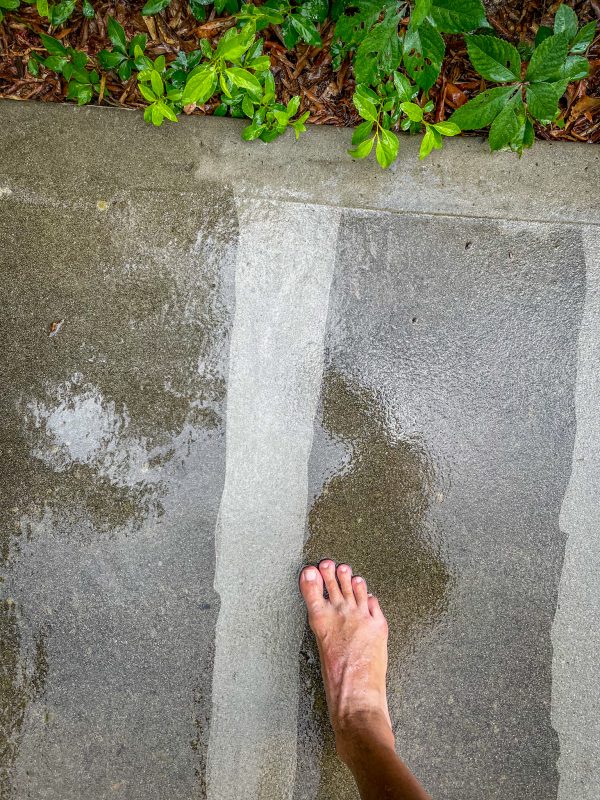
Working to pressure wash a decade of dirt from the concrete portion of our driveway.

Pathetic post, but it’s all I’ve got for today. I could probably draw some kind of life lesson or parallel from it, but …

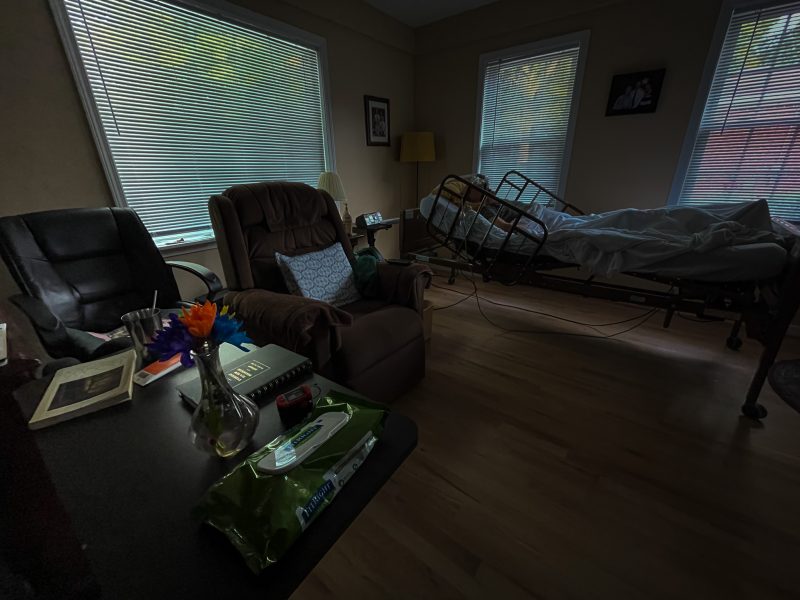
Flowers for Papa

I was at the store and decided L needed something a little not-everyday, so I brought her some flowers.

Later in the evening, I realized she’d put some in a vase for Papa.

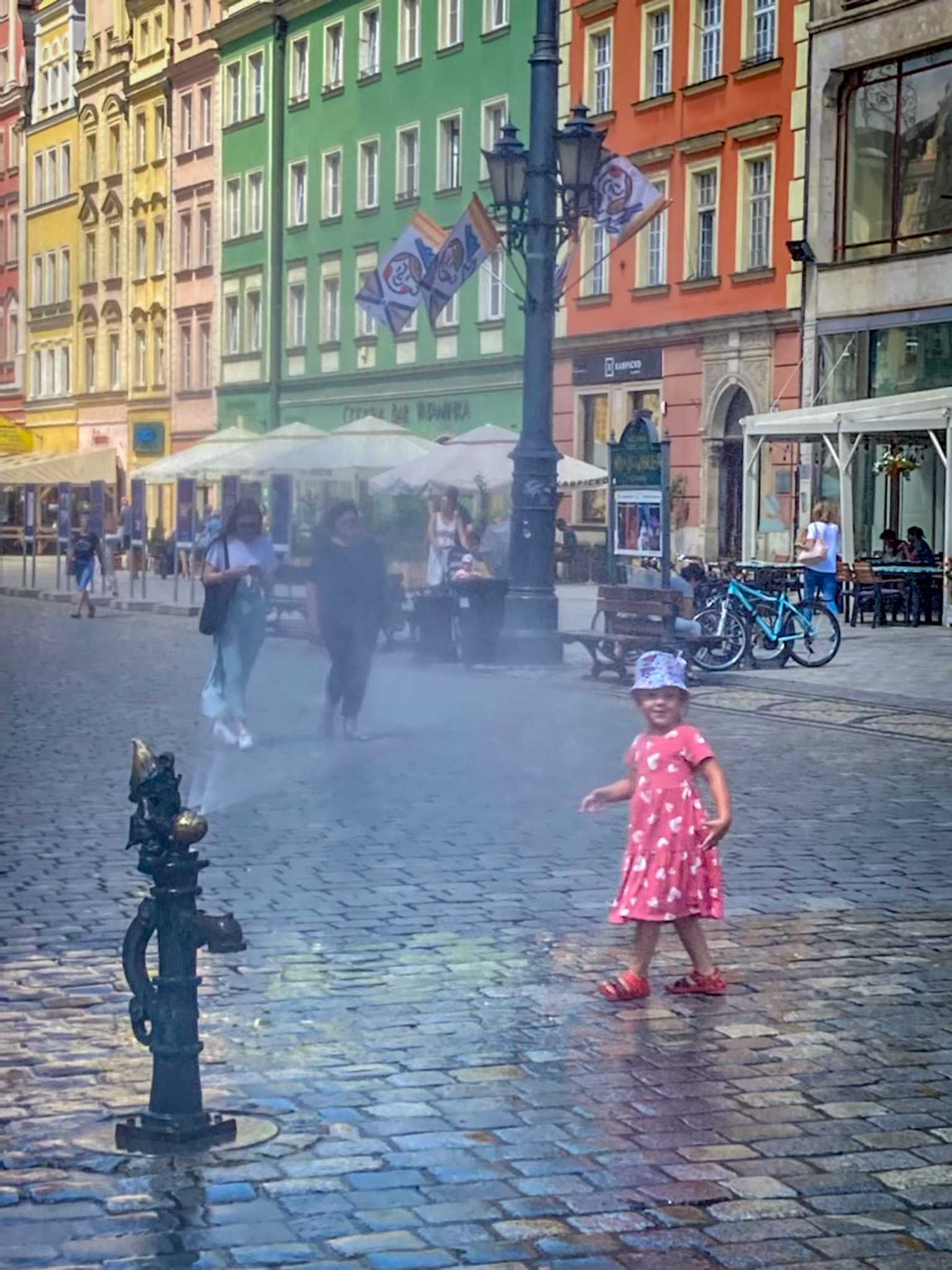
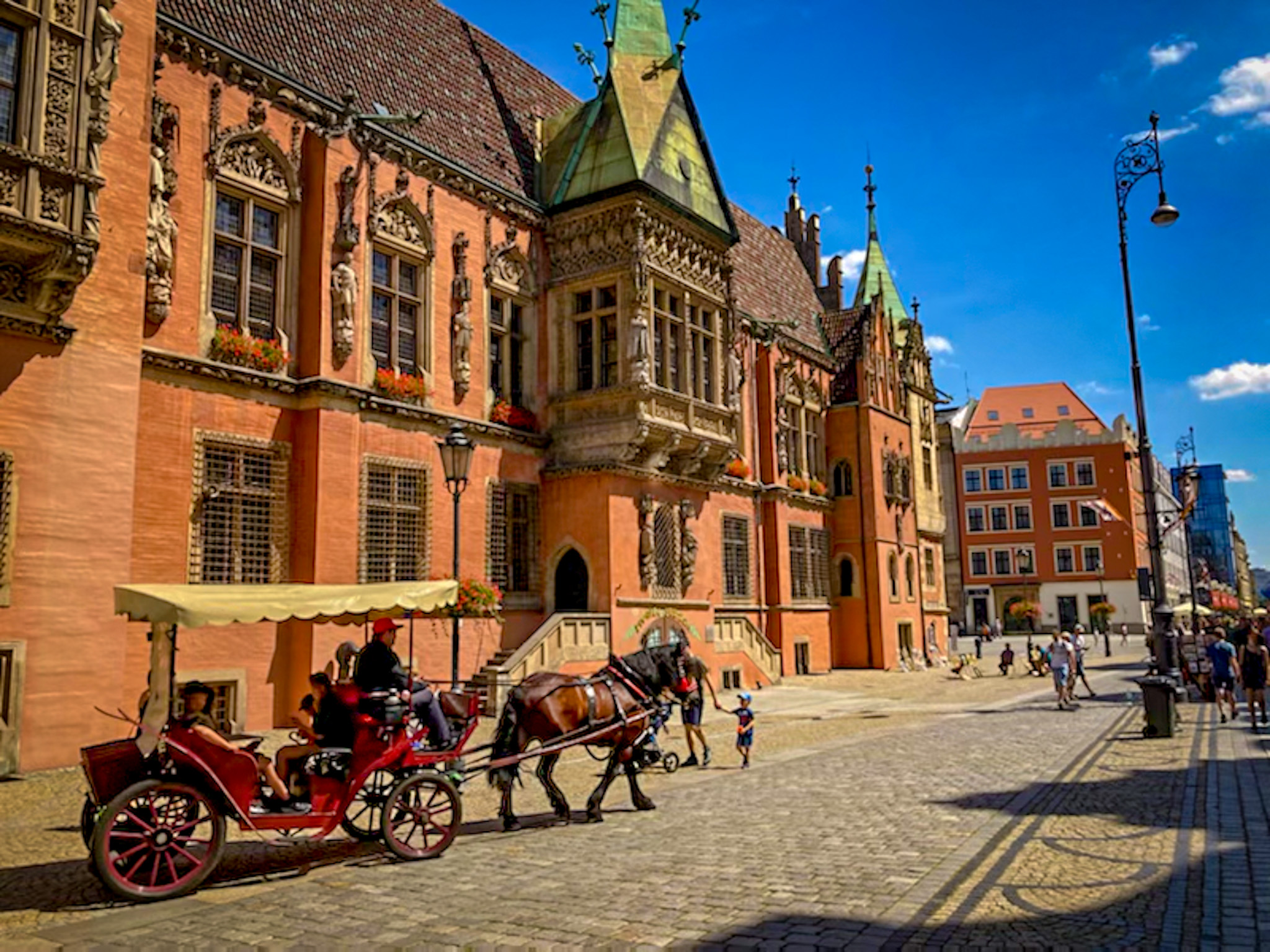
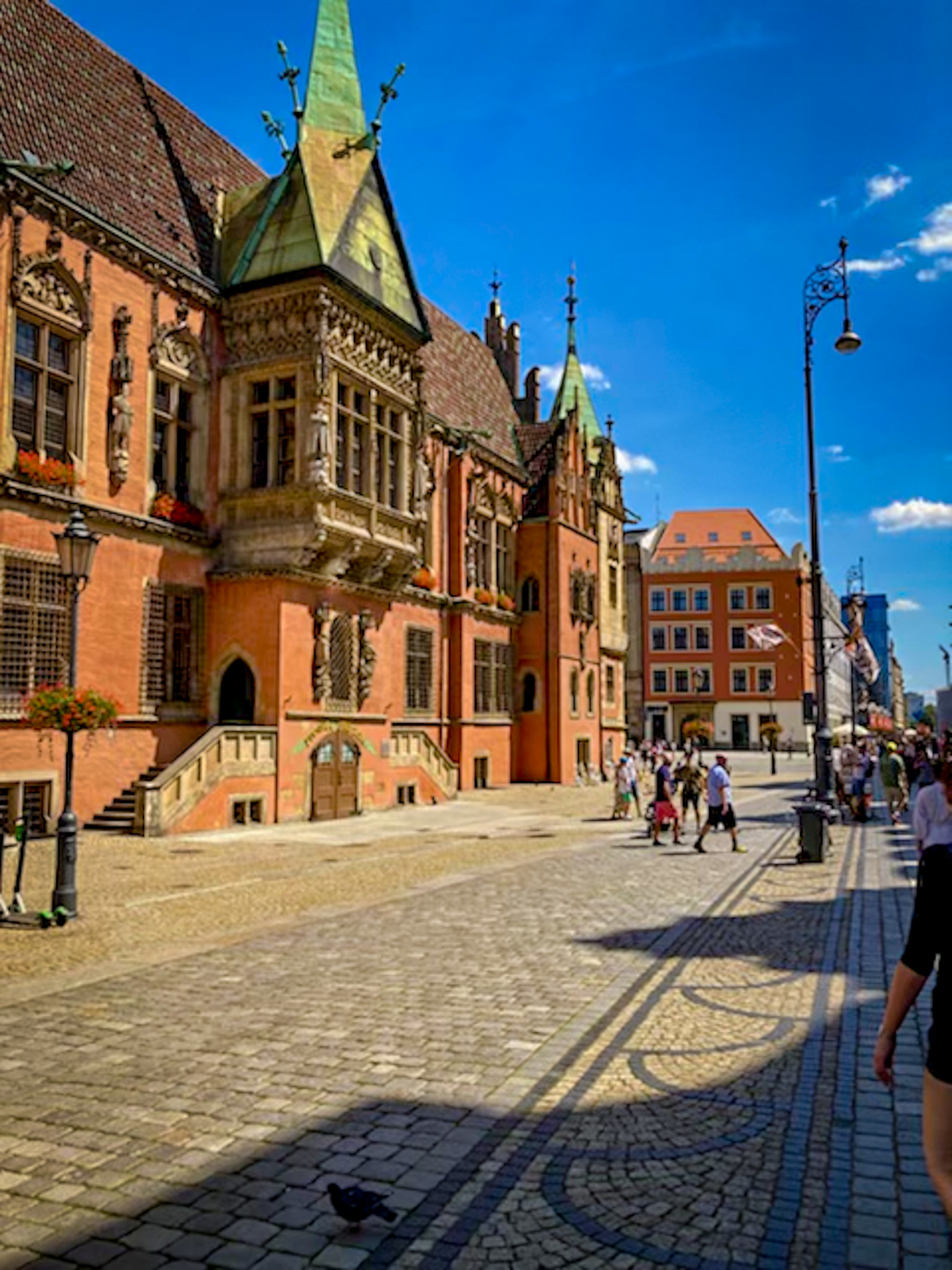
Wraclaw

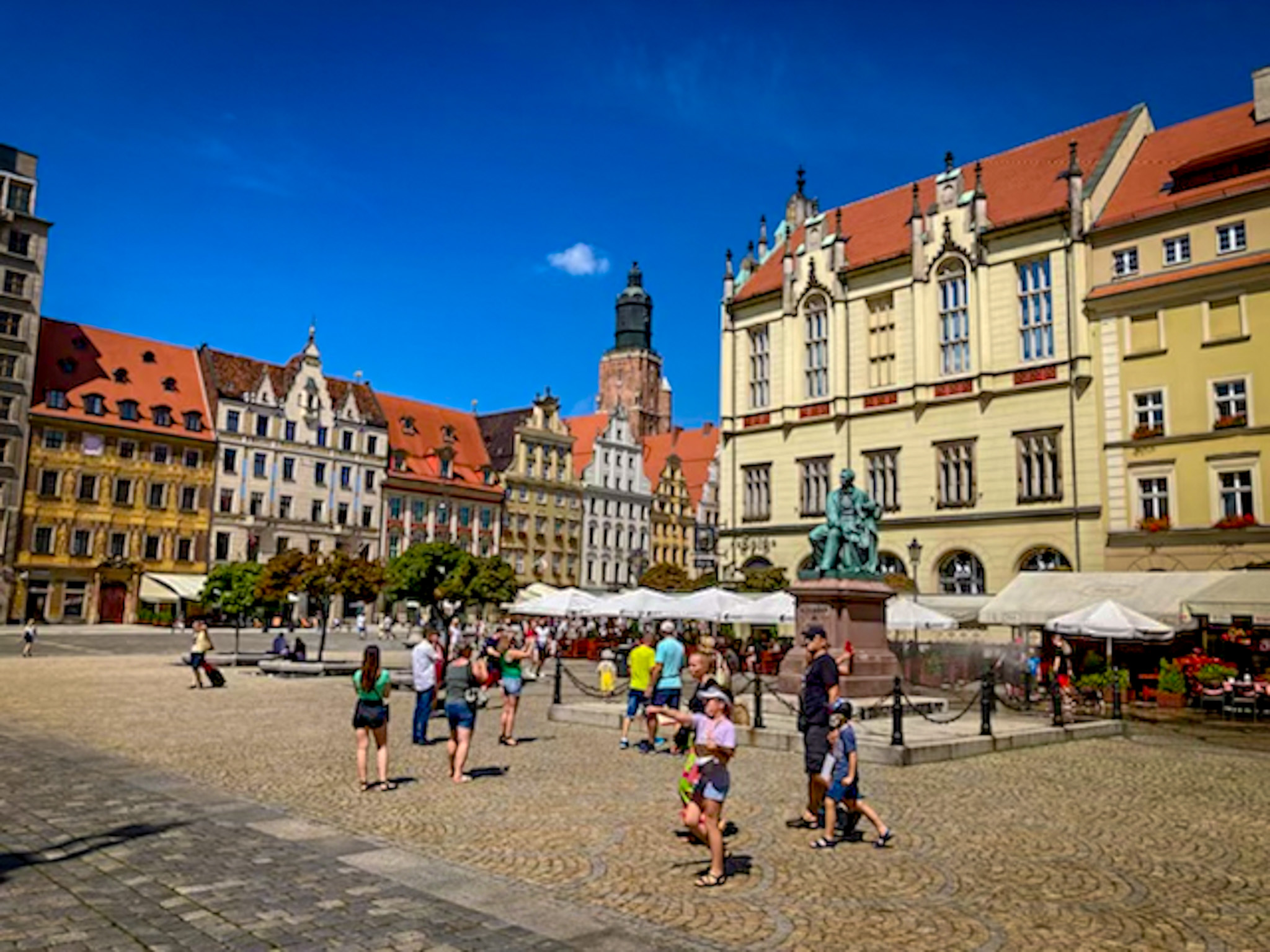
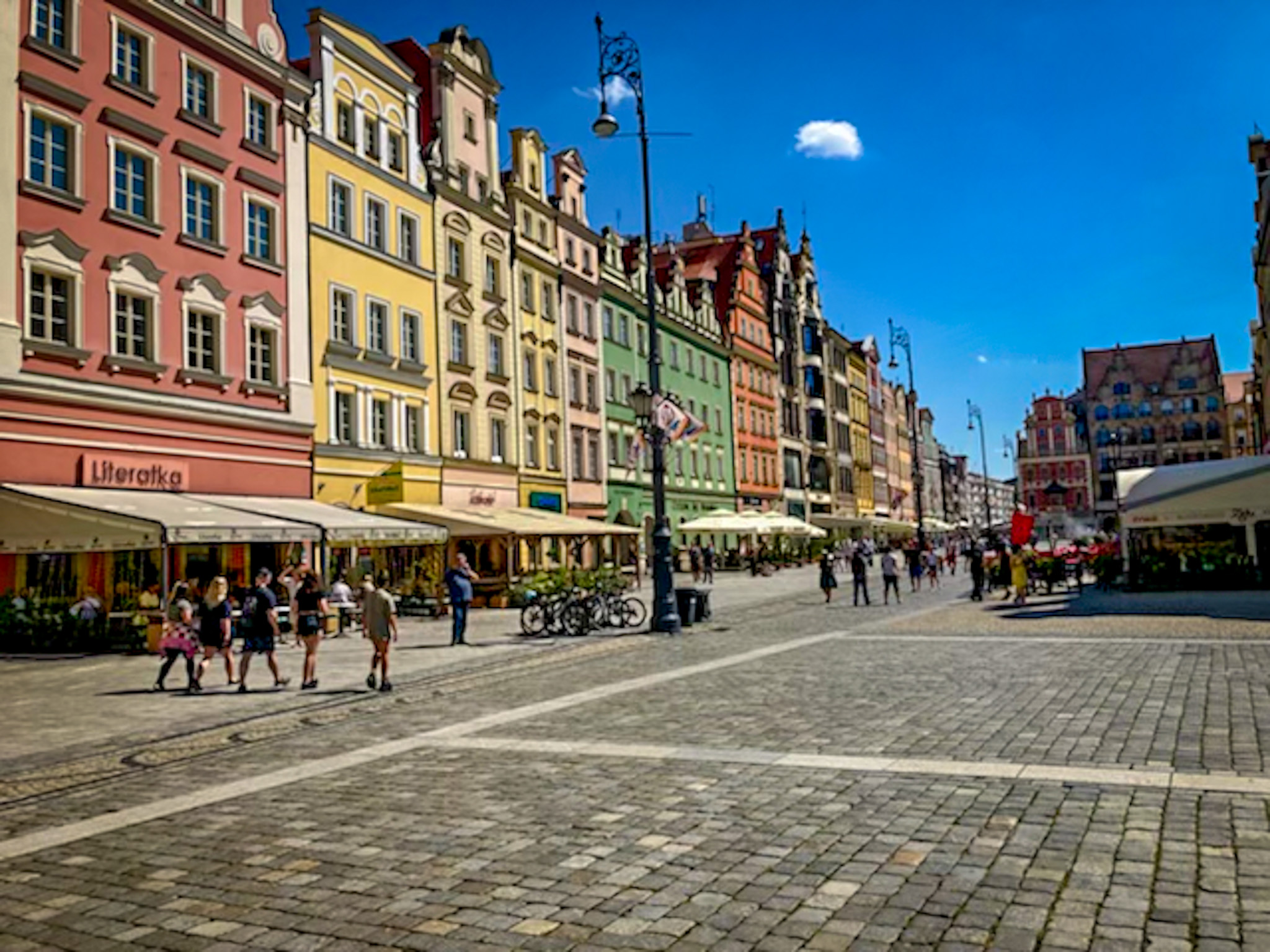
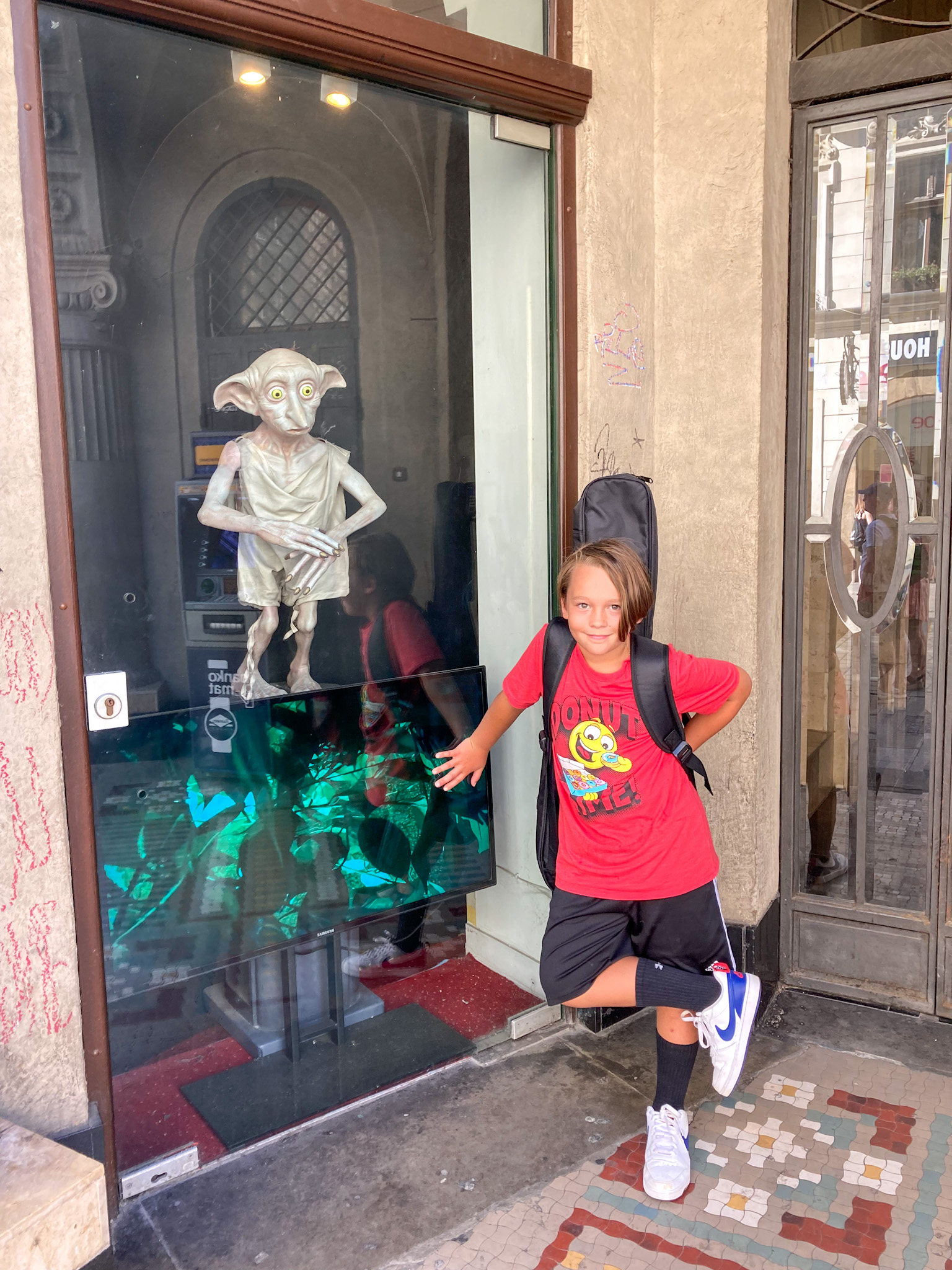
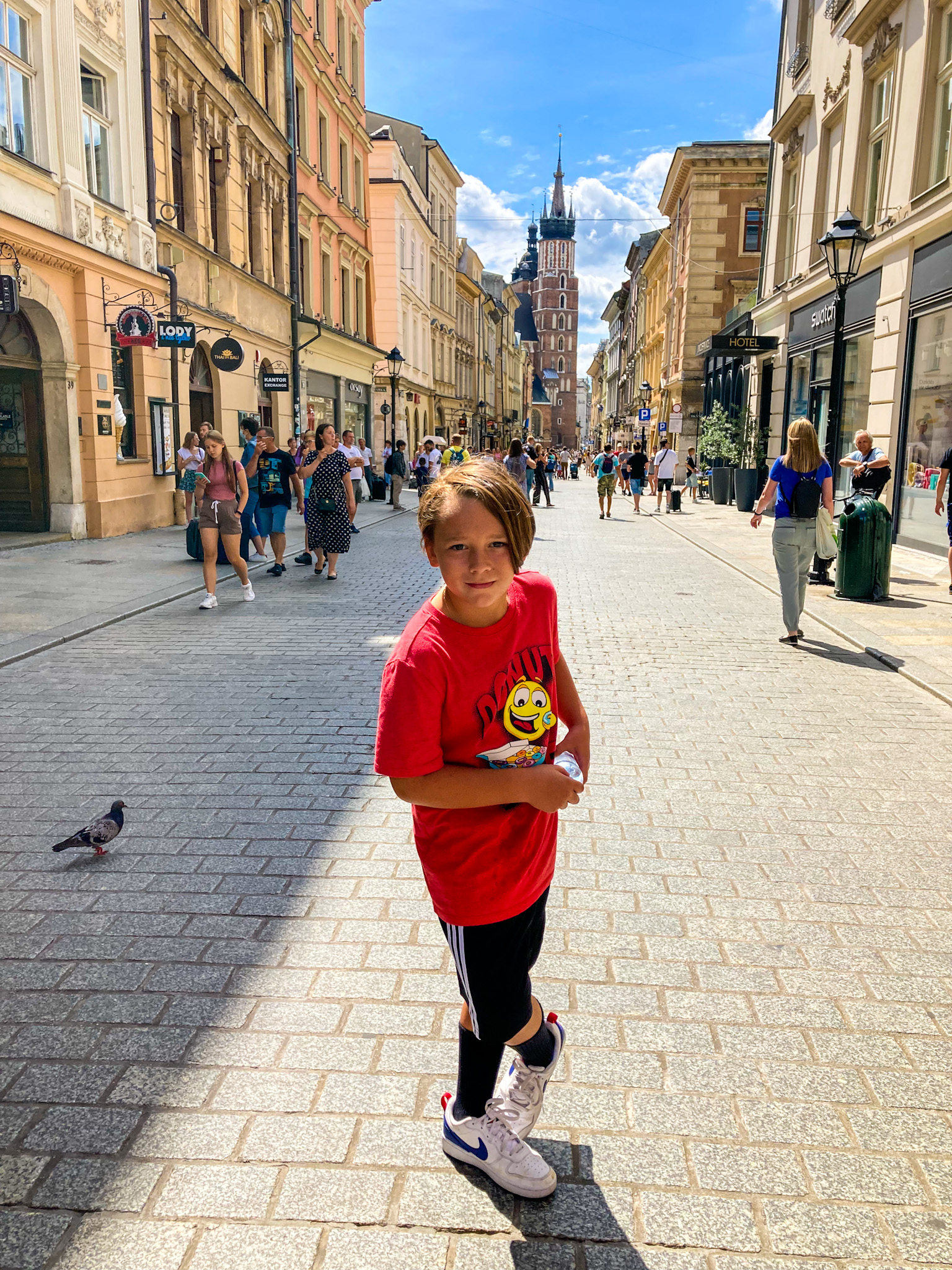
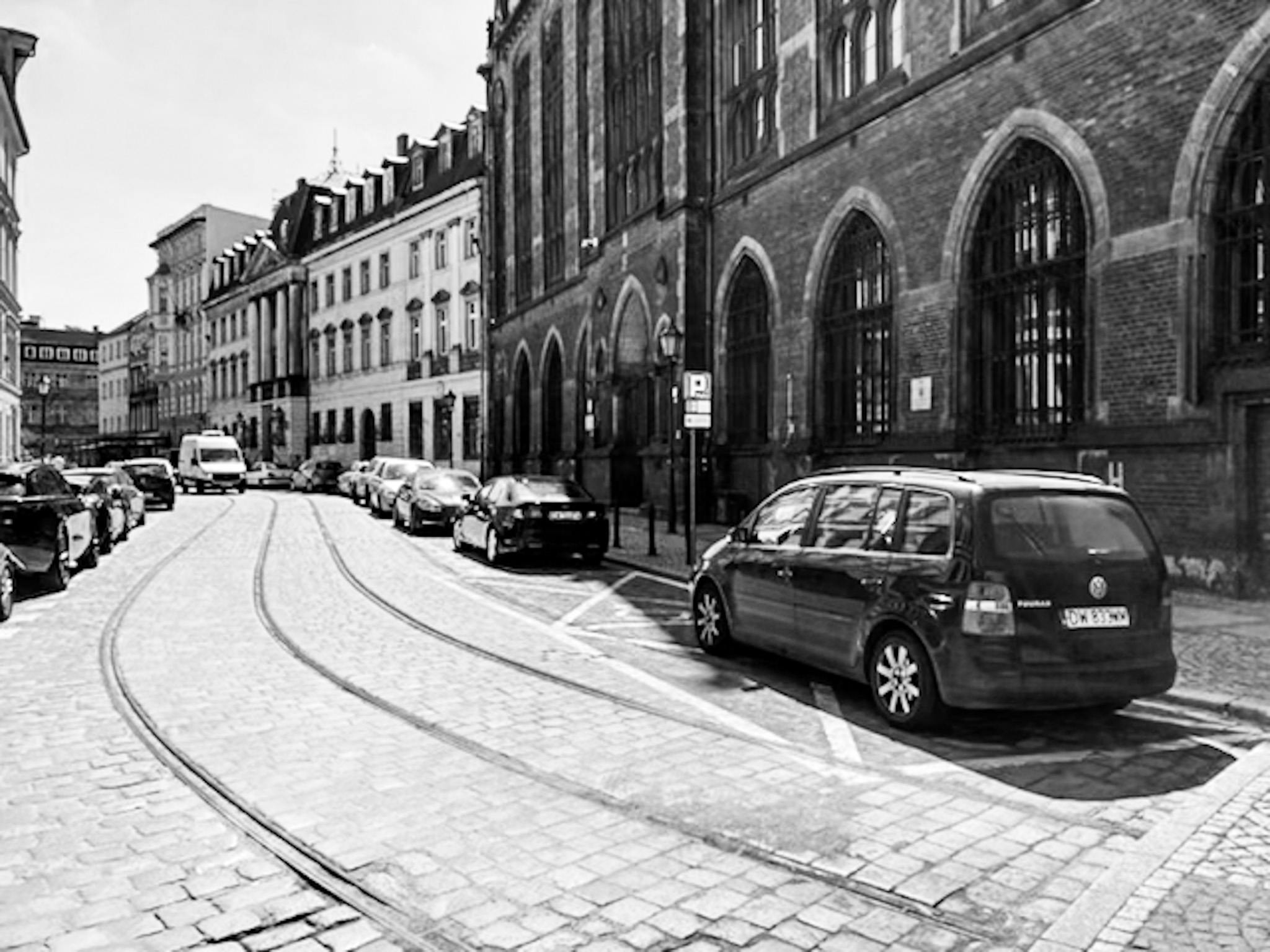
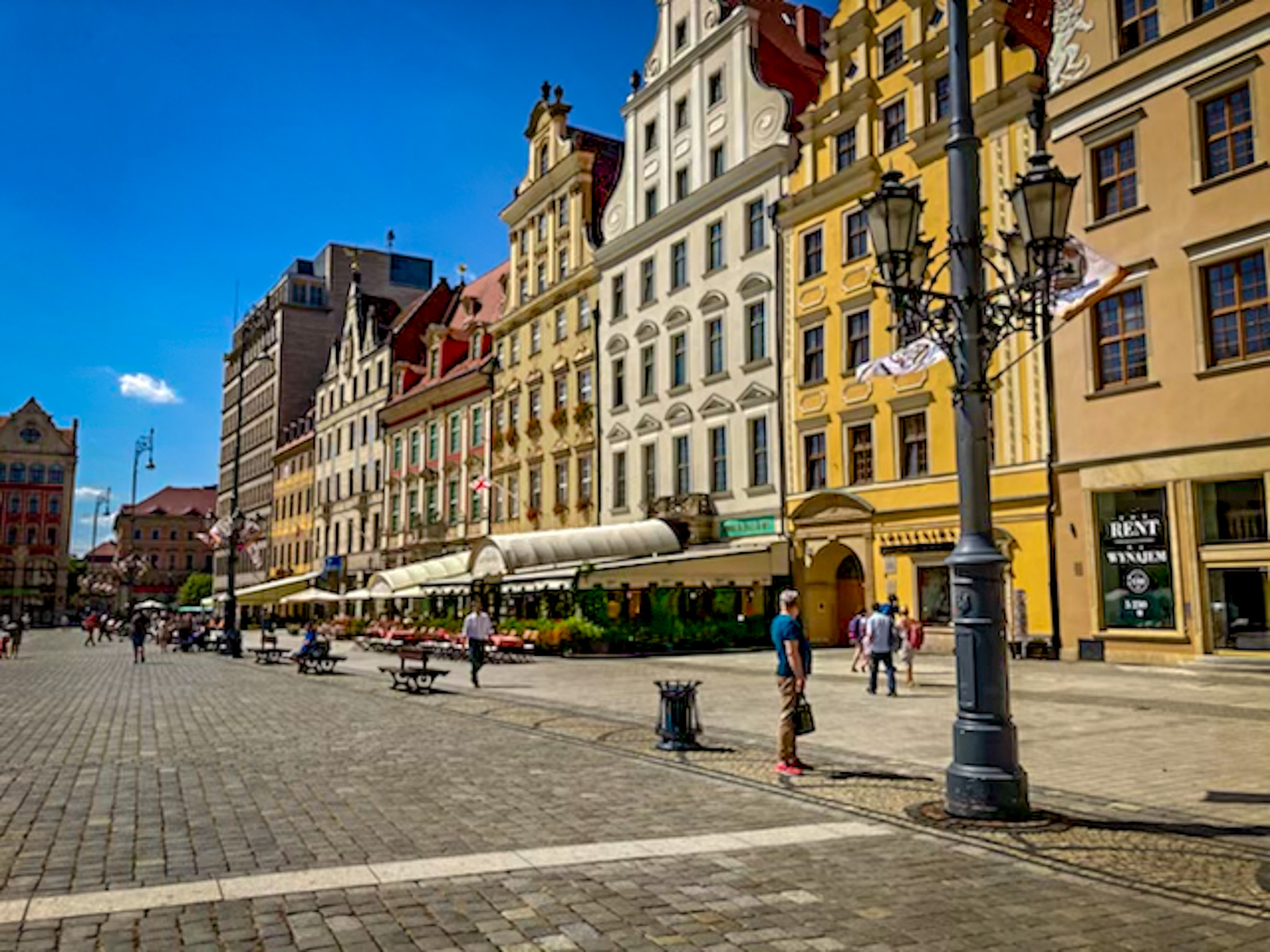
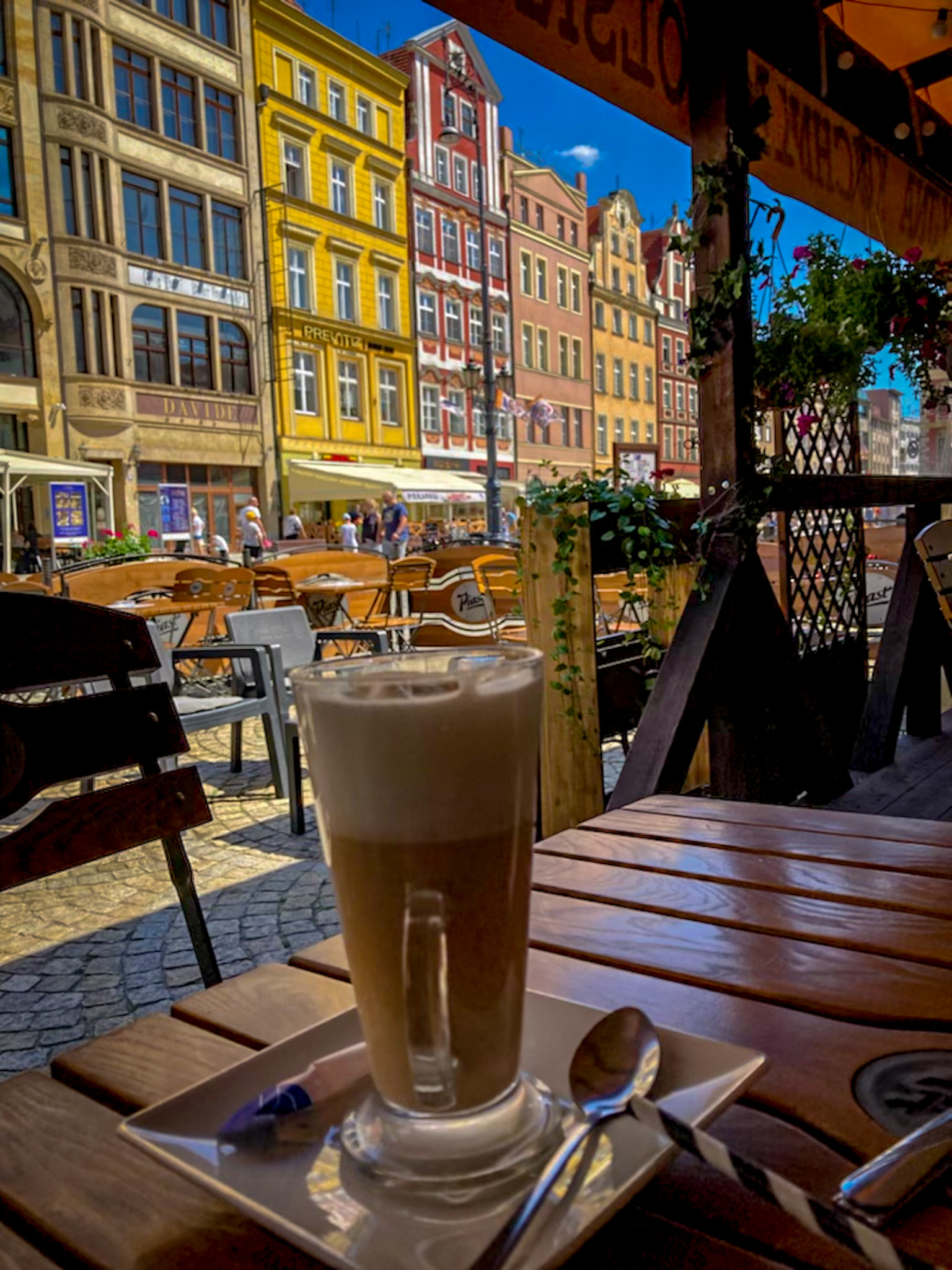
A few pictures from K’s day trip to Wraclaw. Why would she take a train there in the morning and a return train in the afternoon?

It’s a “remember where you are” moment. When my American friend and I encountered inexplicable bureaucracy while living in Poland, we always said to ourselves, “Remember where you are.” When things were unnecessarily complicated, we always said to ourselves, “Remember where you are.” When you had to get a stamp on this piece of paper to get a stamp on that piece of paper to get a signature and stamp on that application to get a piece of paper glued into your passport saying you could stay in Poland, we always said to ourselves, “Remember where you are.”

In short, there’s nothing like inexplicable Polish bureaucracy.