The Boy’s interests in music are changing. He rarely plays guitar anymore, and the bass he got for his birthday a couple of years ago has sat untouched for well over a year. I would be pushing for him to continue playing if it weren’t for his complete obsession with trombone now. So until recently in his room, he had two trombones, two guitars, and a bass. It’s not a big room — it’s not a big house — and those instruments took up a lot of room. One guitar and the bass have to go, he decided.
As such, we’ve listed it.


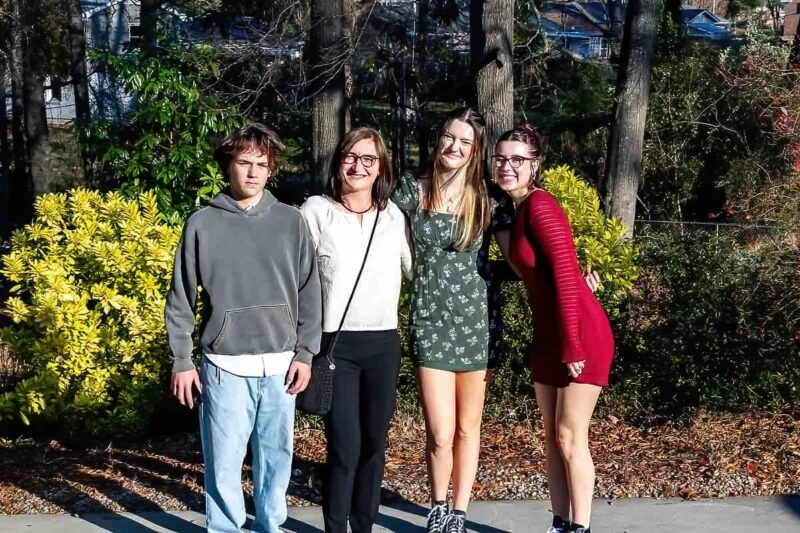
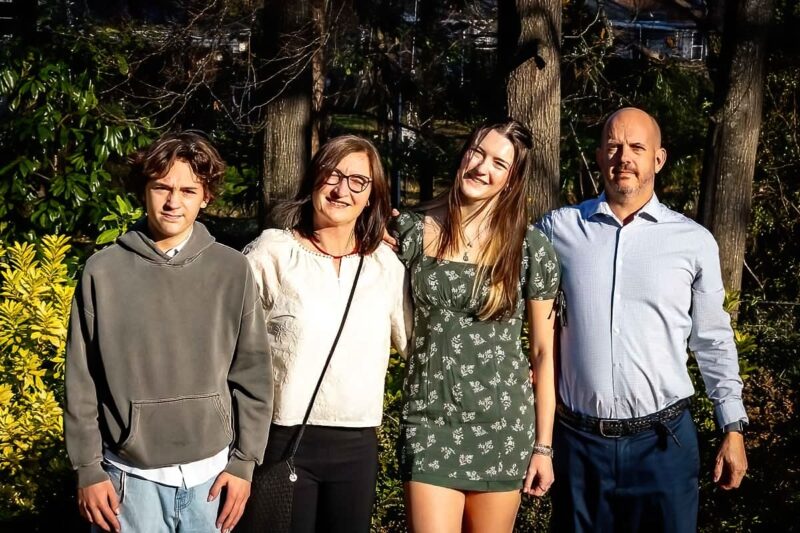
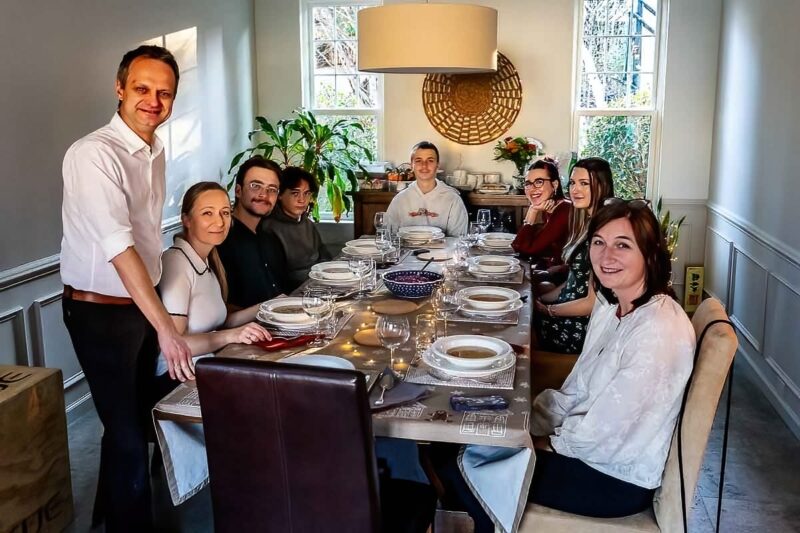
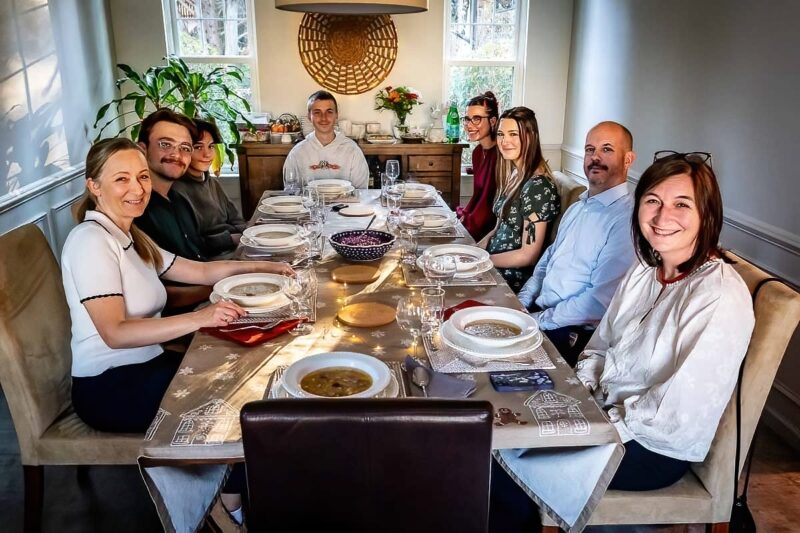
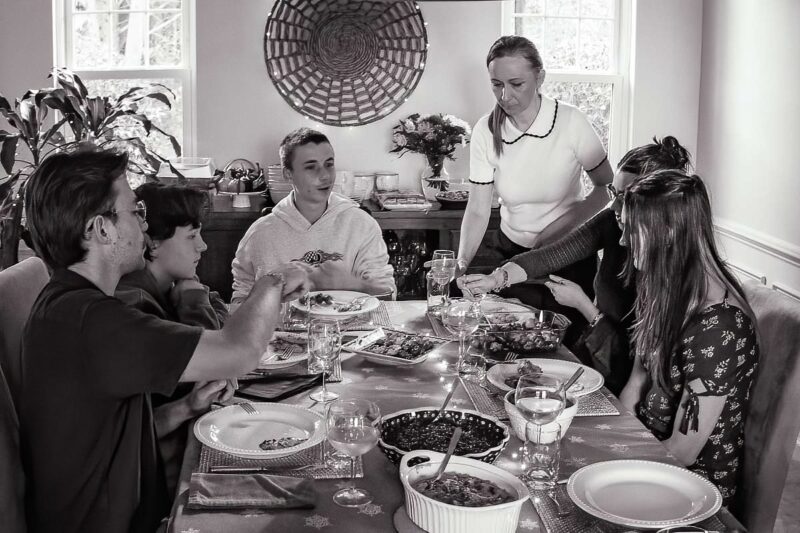
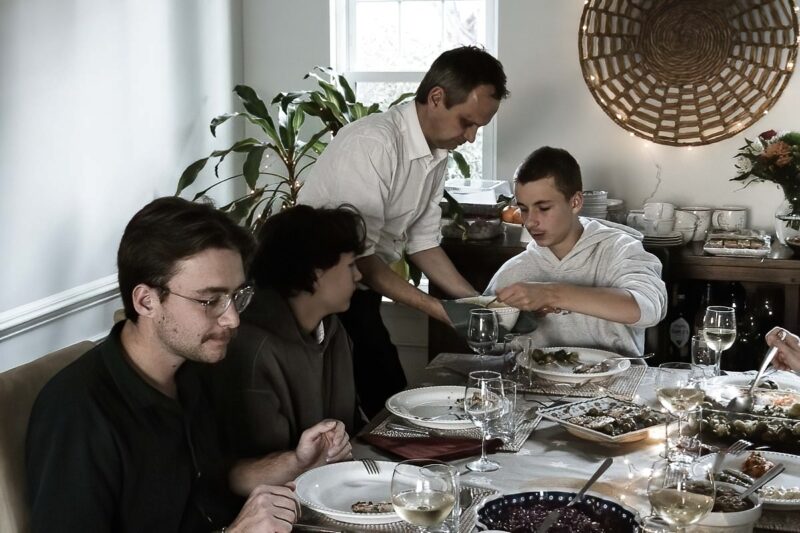
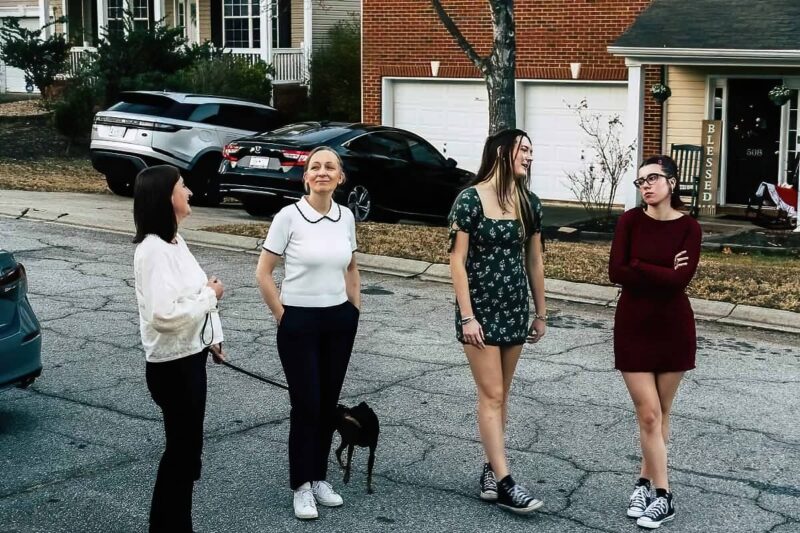
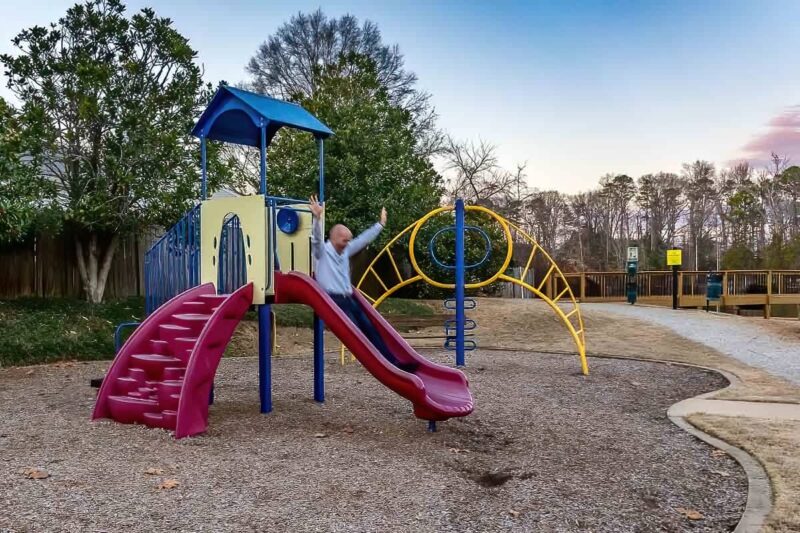
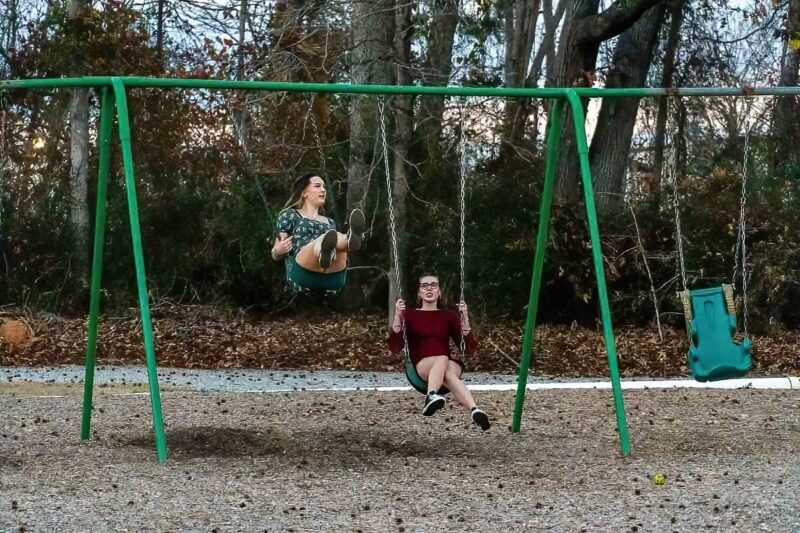
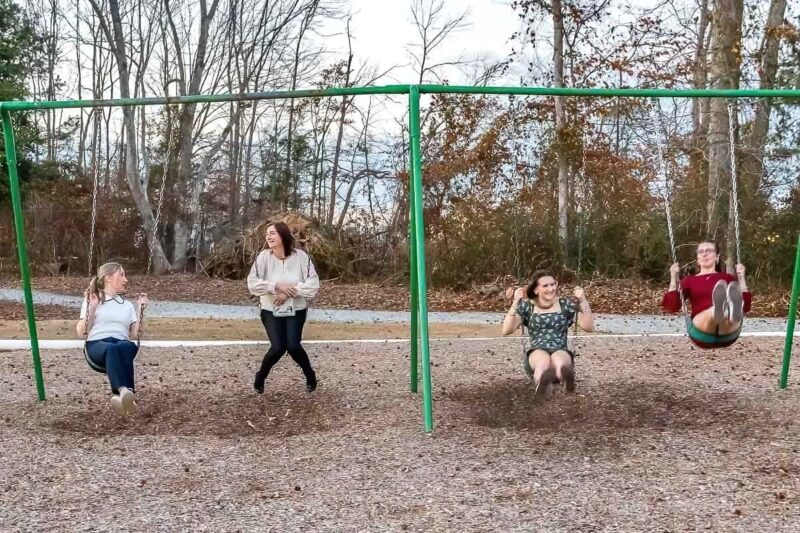

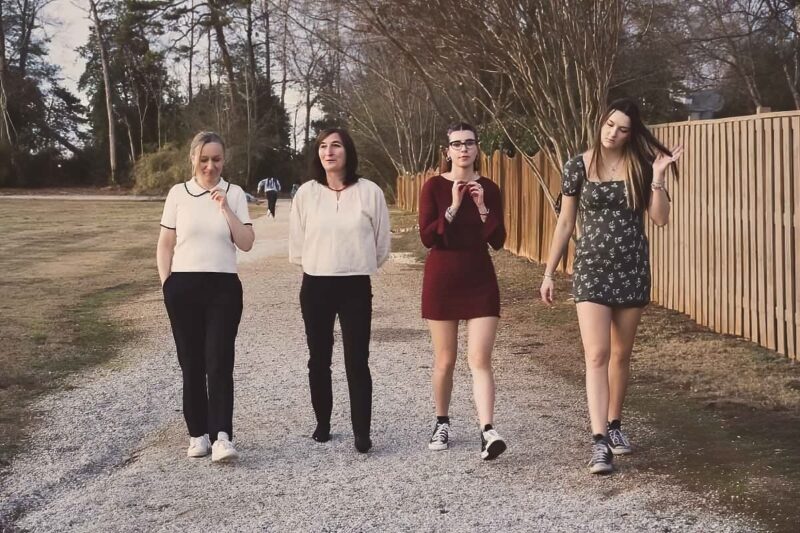
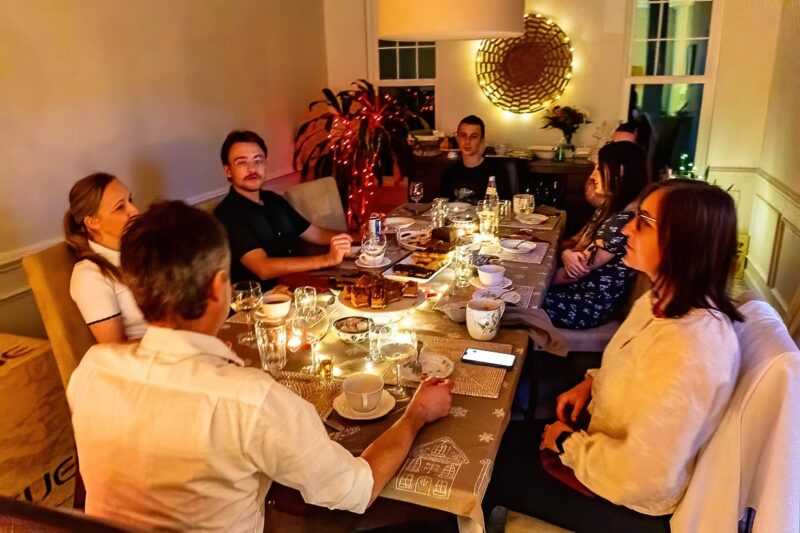
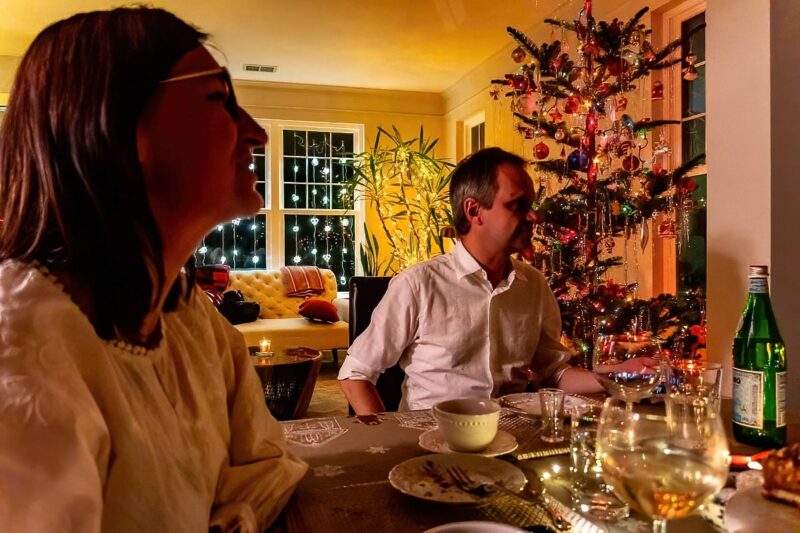
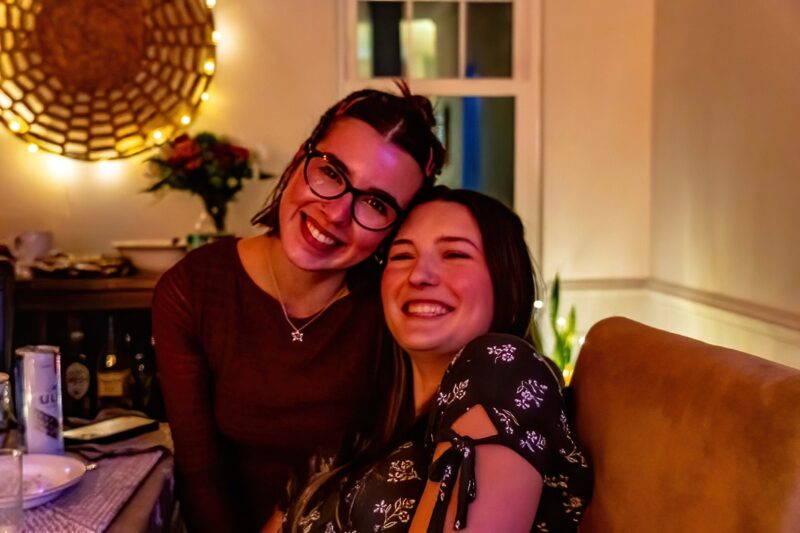
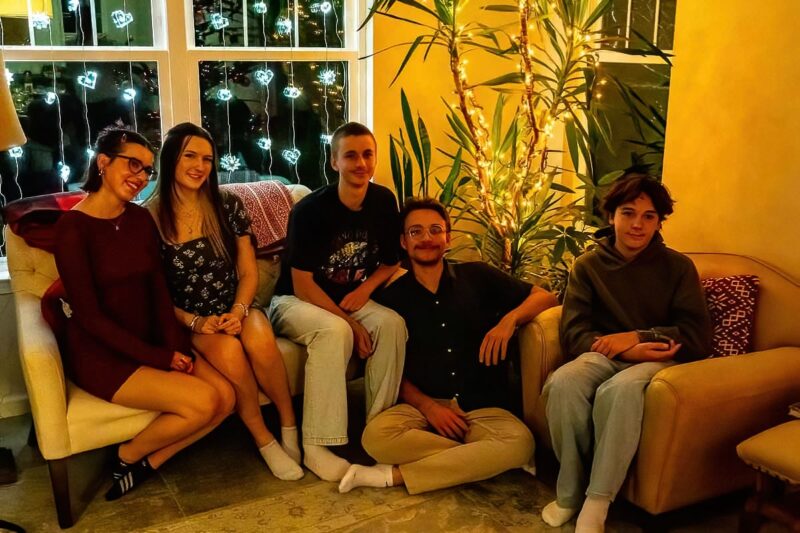
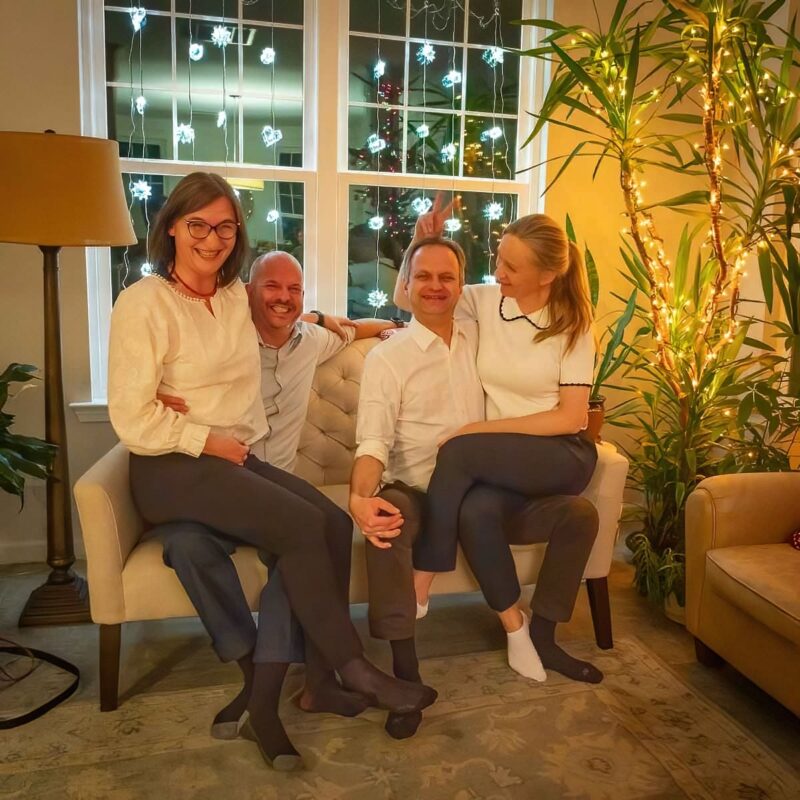
“[W]e’ll appreciate it all the more next near when Nana is back with us.” That’s how I ended our Wigilia 2018 post. It was our first Wigilia without Nana, and the loss was still raw for all of us but especially for Papa. For Wigilia 2021, I only posted pictures: our first Christmas without both Nana and Papa, I just didn’t have much to share. It was a strangely haunting Wigilia for me.
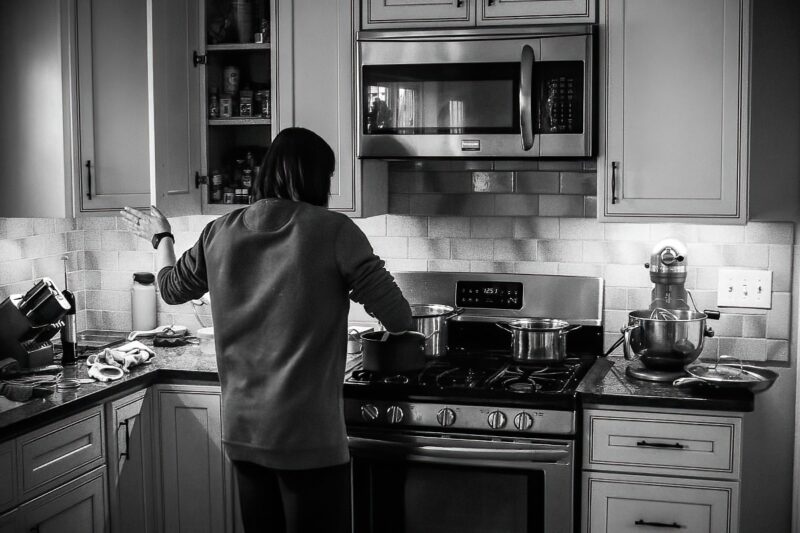
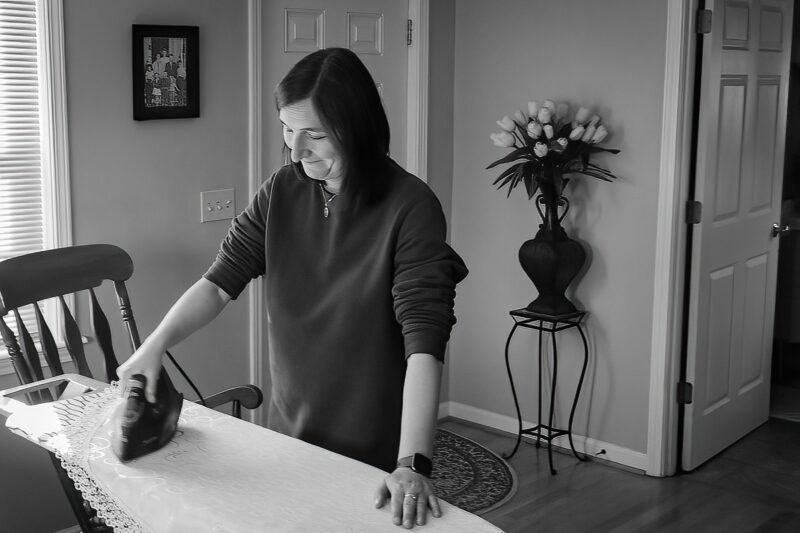

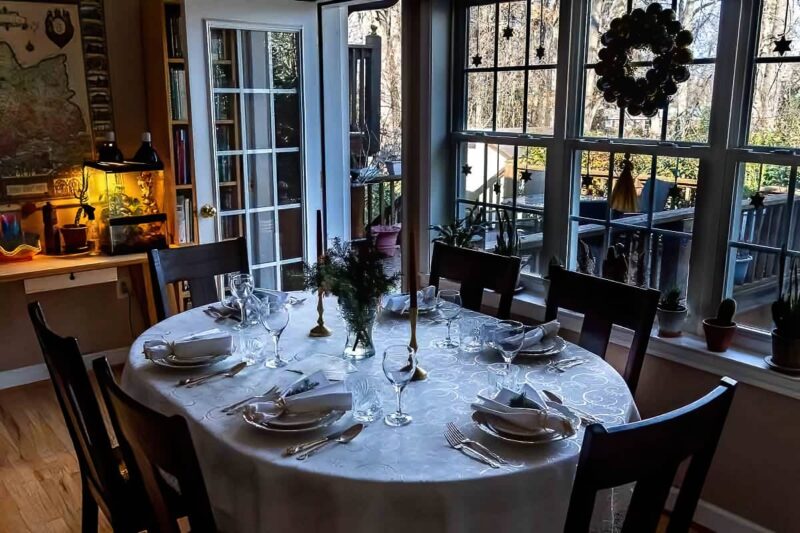
In 2023, I wrote, “We move through these lasts without even thinking about them, without even realizing their presence.” The next year, though, was likely the last time our usual Wigilia crew was together.
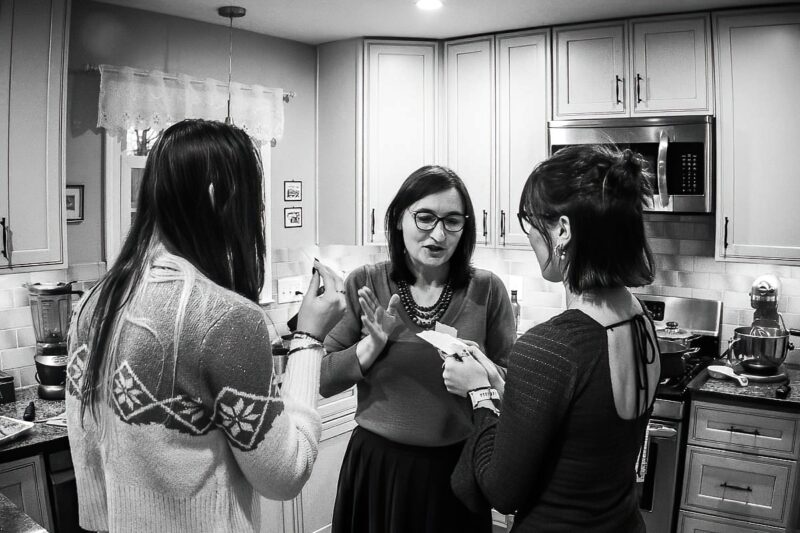
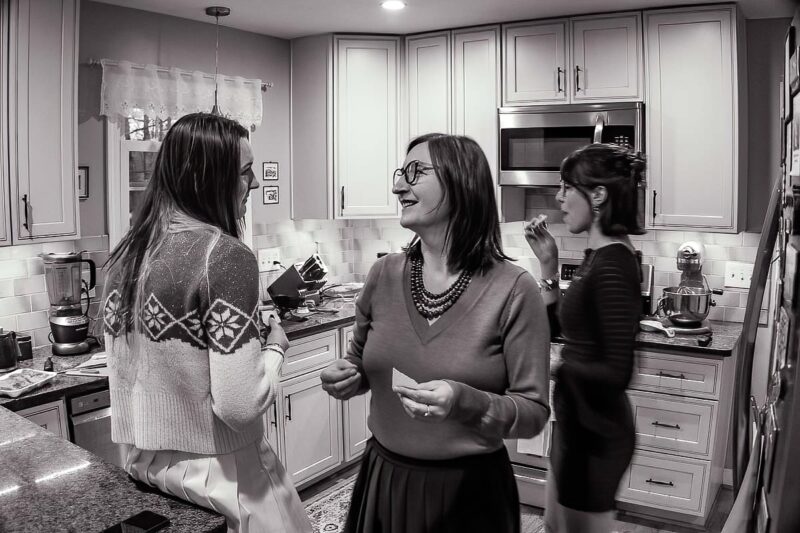
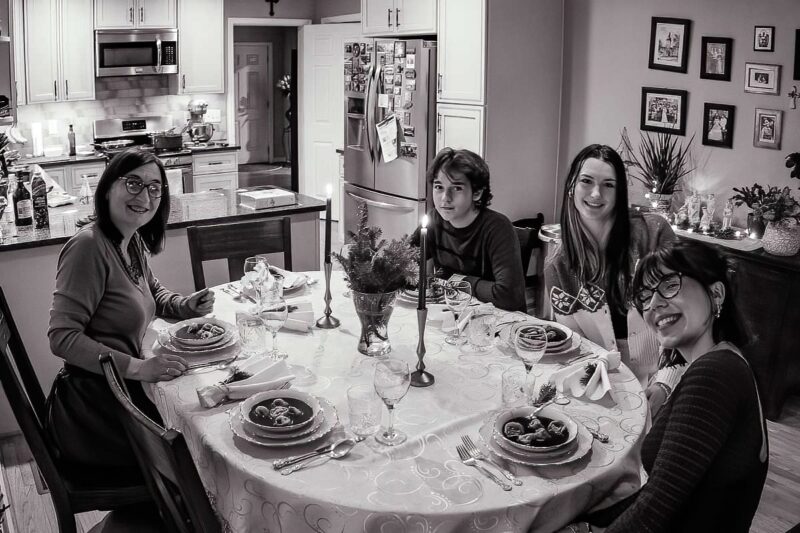
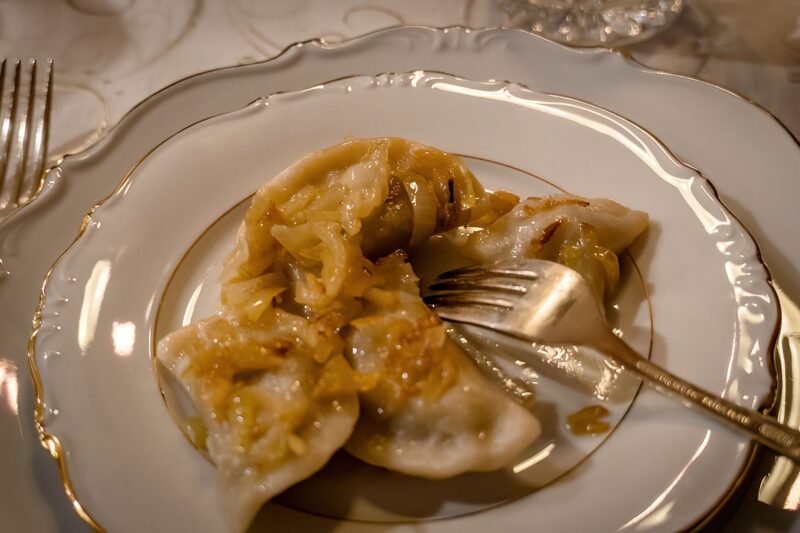
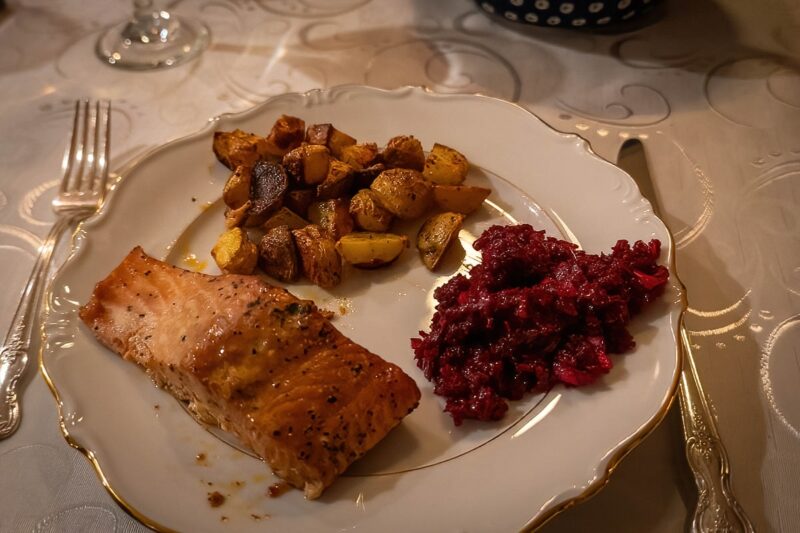
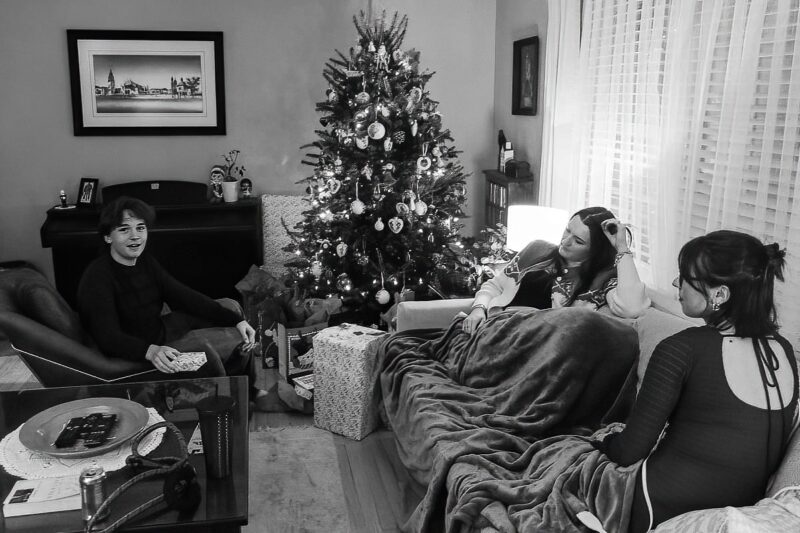
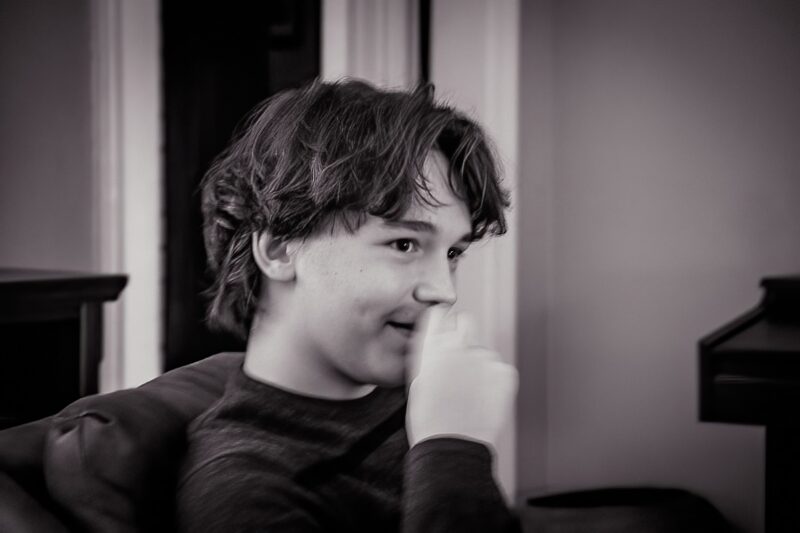
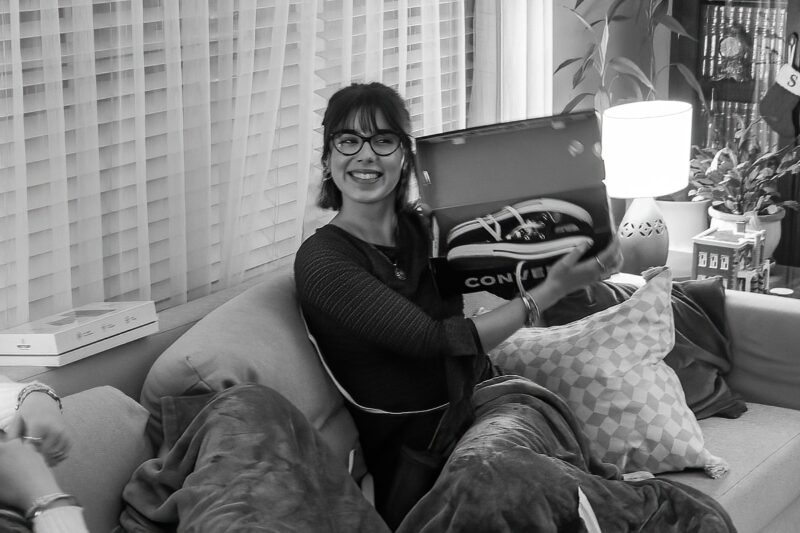
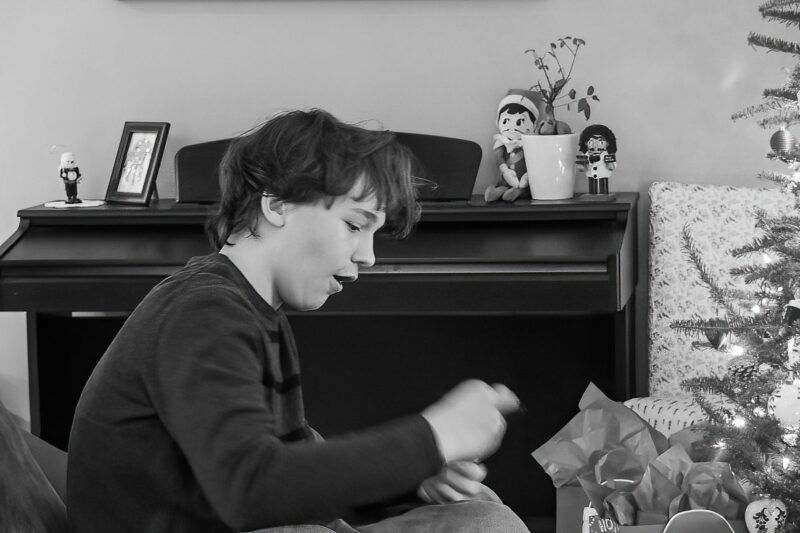
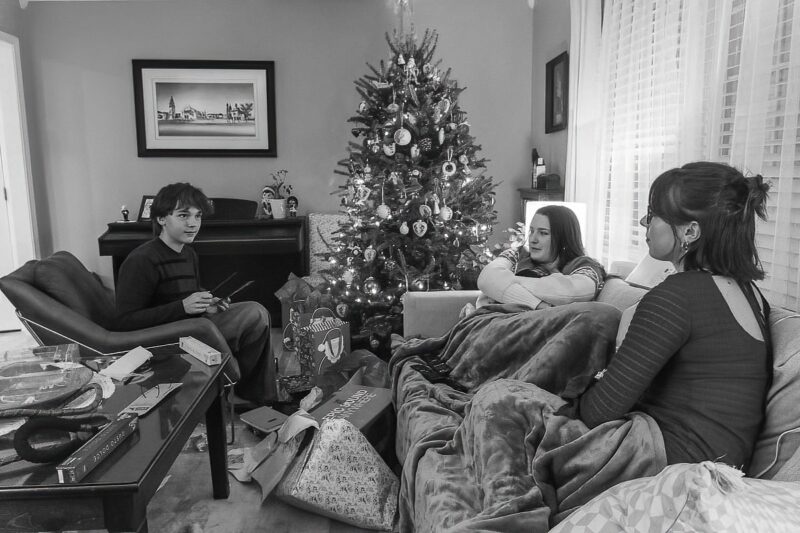
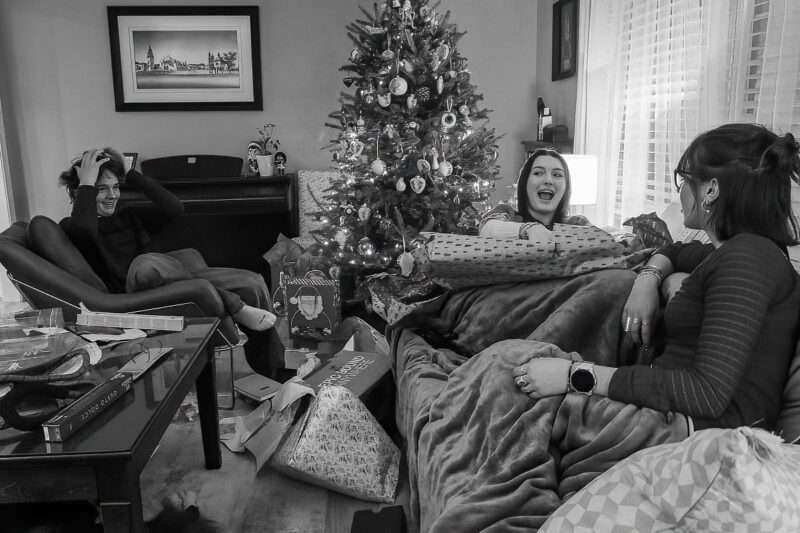
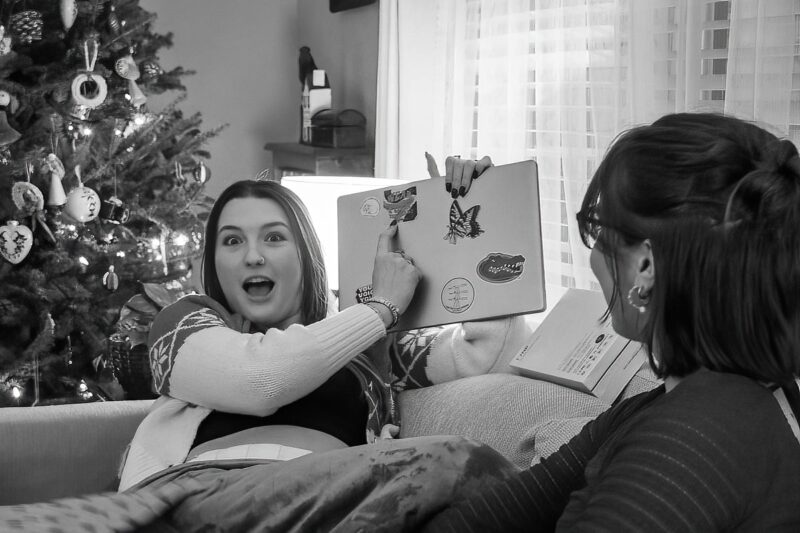
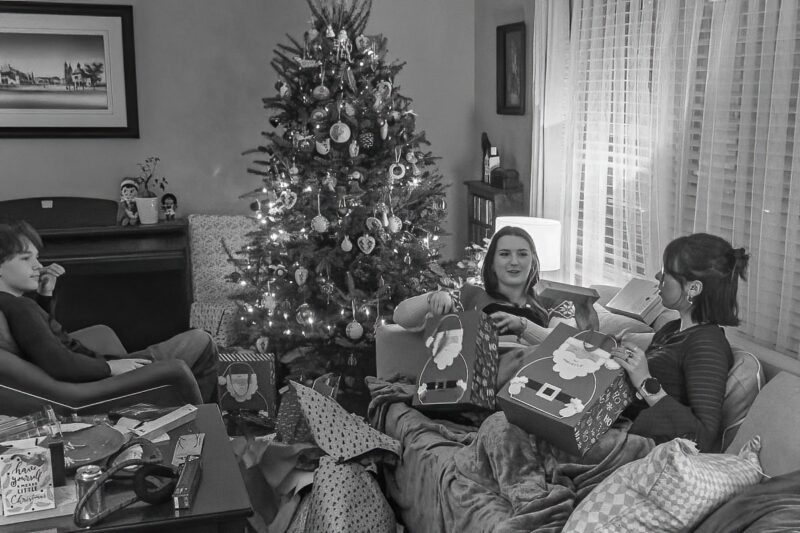
Wigilia is one of those markers in our lives that shows us just how much things have changed. Pictures with opłatek show the growth of our children: at first, we’re bending down to share the Christmas wafer; a few short years later, everyone is standing. Opening Christmas presents shows our children’s increasing independence in unwrapping presents, then in buying presents. The presents themselves and our children’s reactions to them demonstrate their increasing maturity: shrieks at cars and Barbies give way to thankful smiles for art supplies and clothes.

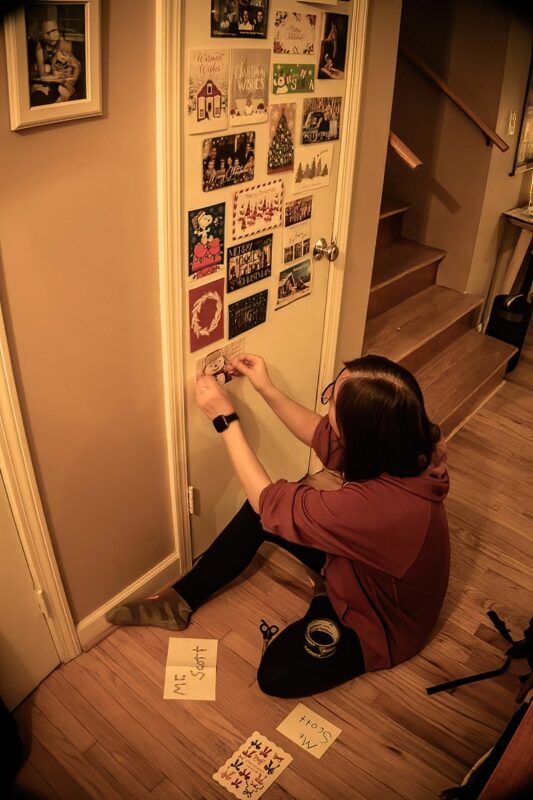
The last journal prompt at school:
When you’re old and gray like Mr. Scott, and you look back on your Christmases of your childhood, what do you think you will miss most? What is the most special thing about this time of year for you?
One can scarcely think too little of Christmas; the time when children remember the past and old people forget the present.
Charles Dudley Warner, “Christmas”
I like to encourage my students to think hypothetically, and what better way than for them to imagine themselves forty years older looking back on their lives now. Forty years for an eleven-year-old kid is an eternity, an unimaginably long stretch of unimaginable adventures. The kids took to it immediately, though. Sometimes, they’re chatty about this or that, not as interested in the day’s particular topic. That day, though, heads dropped, brows furrowed, and pencils scratched wildly. Most of the kids who shared later spoke of memories they currently have, memories of Christmas as eight-year-olds, of kindergarten Christmas, of times that likely seem as distant to them as my topic seemed.
After their journal writing, I shared with them my own thoughts: what Christmas tradition would I like to relive just one more time?
Happy, happy Christmas, that can win us back to the delusions of our childish days; that can recall to the old man the pleasures of his youth…
Charles Dickens, The Pickwick Papers
Isn’t it obvious? Once more with Nana and Papa. Second place? Christmas in Polska. The former will never happen; the latter — it might. It just might.
This thought of returning to Christmases past is, of course, hardly novel. Charles Dickens used it as a framing device for probably the most famous Christmas story of all time, and he revisited the nostalgia we feel in other novels as well. It’s something of a luxury, I suppose, to wist for the past when so many people’s past is simply struggle, which often persists to the present.
But as Proust pointed out, “Remembrance of things past is not necessarily the remembrance of things as they were.” Is this even true of hardships of the past? Don’t couples often look back nostalgically at how relatively poor they were when they began their journey together?
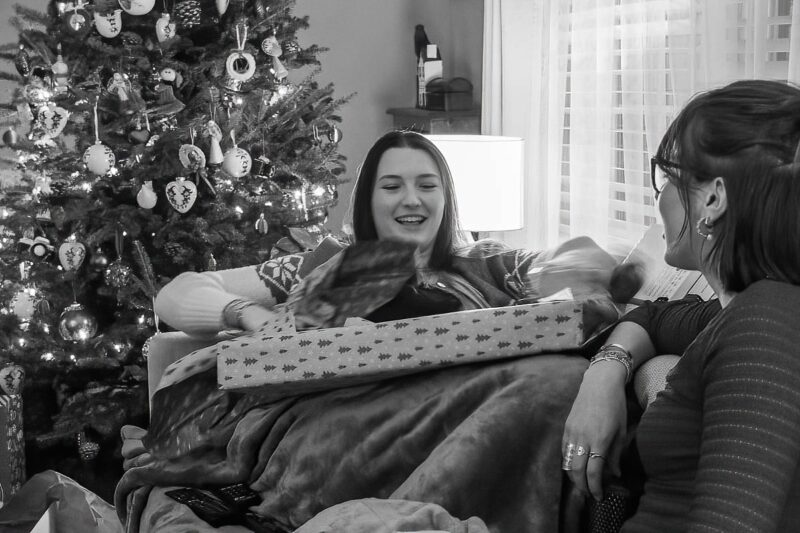
Papa often told stories of their early marriage, hectic and rushed, trying to make ends meet, and eating “anything and everything Campbells ever put in a can and called soup.” He told the stories with such joy, the act of telling as wonderful to him as the memory itself.
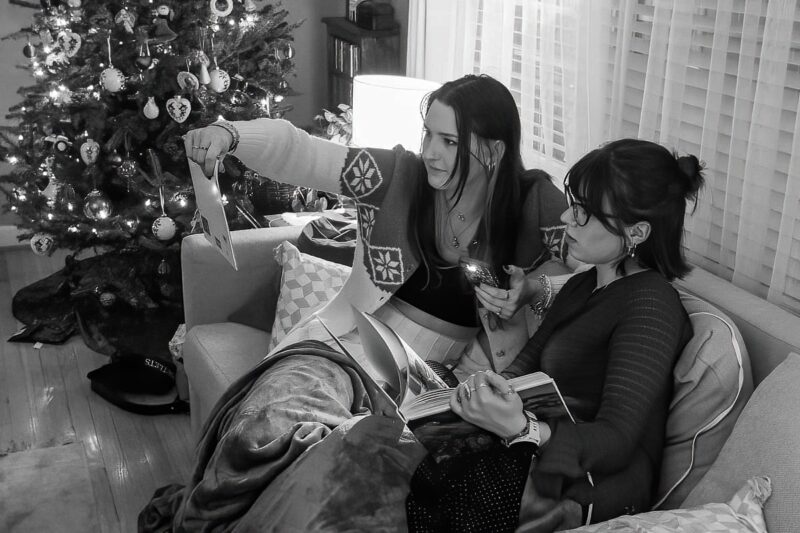
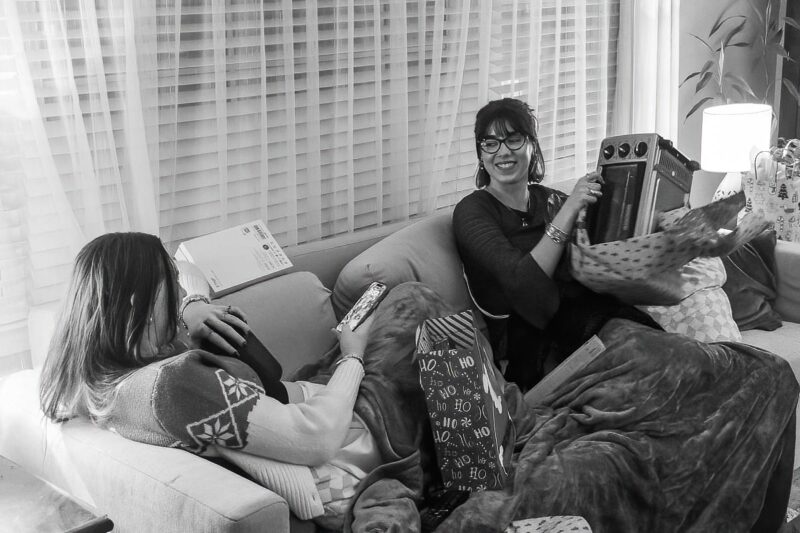
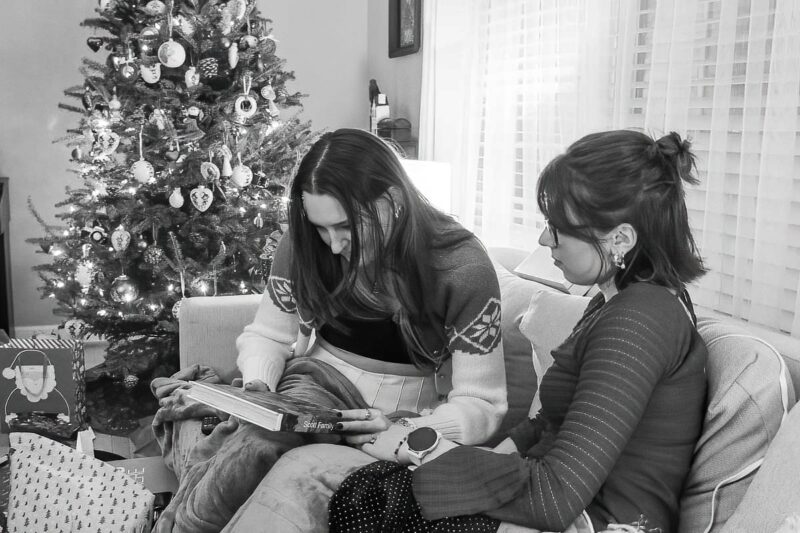
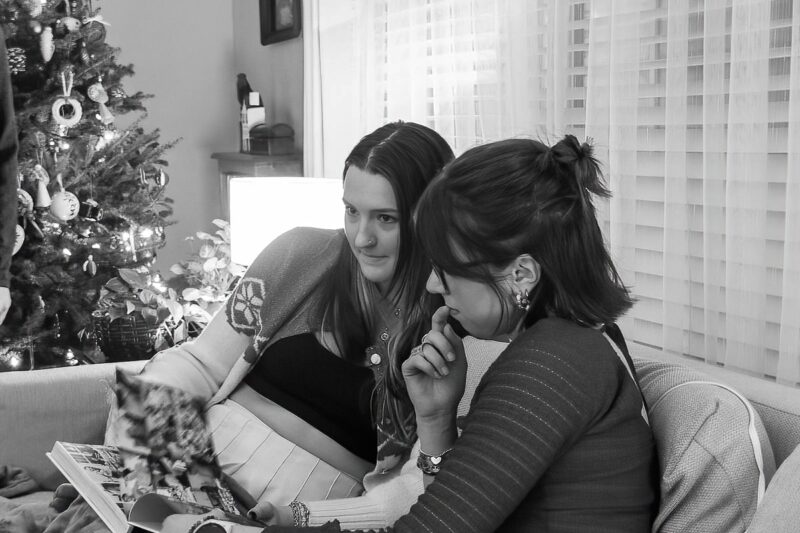
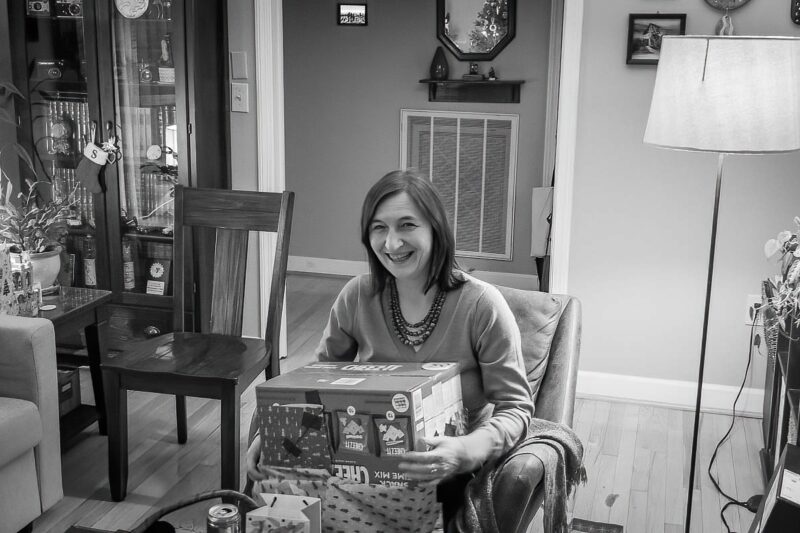
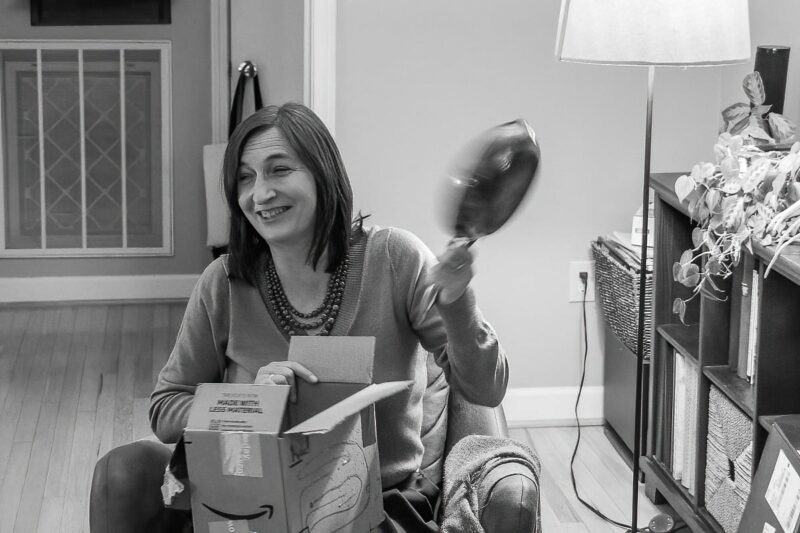
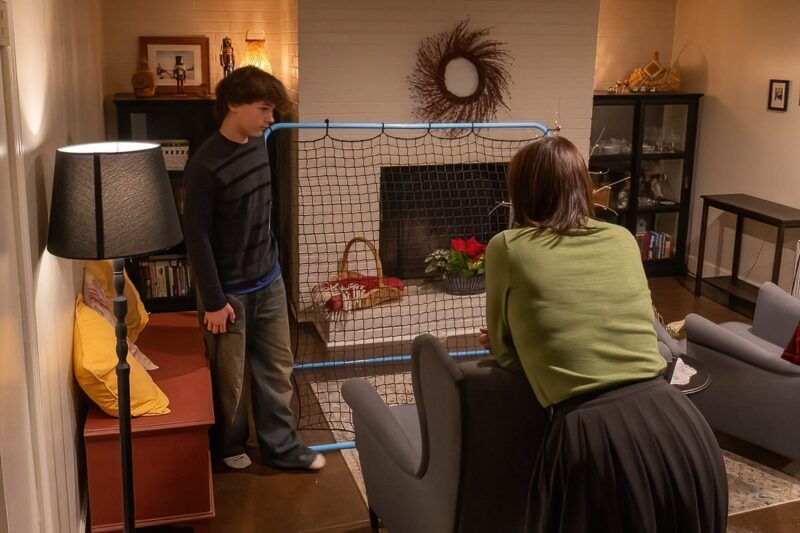
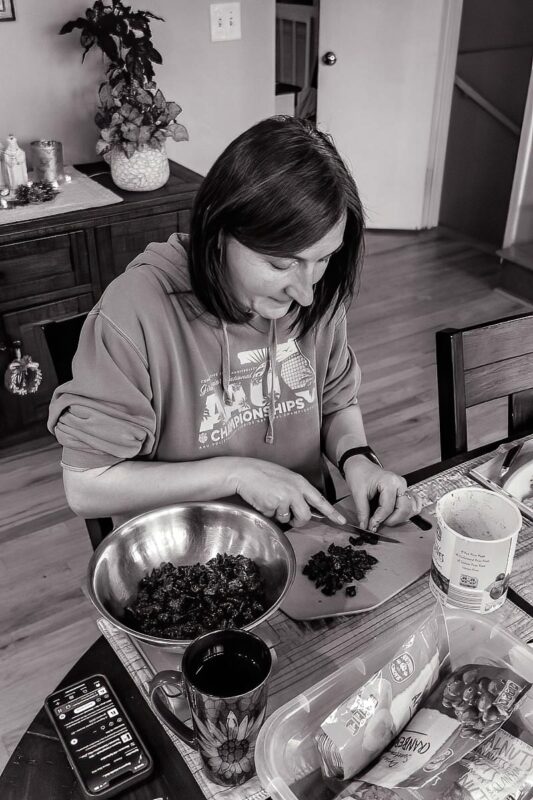



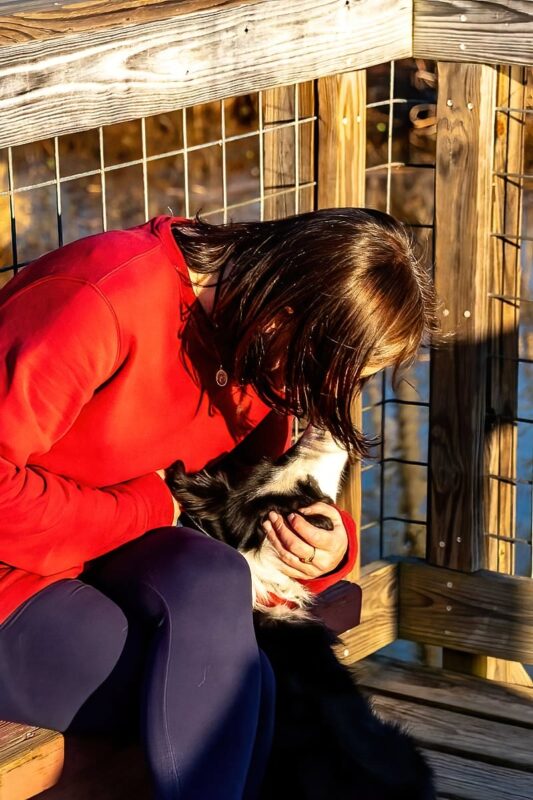







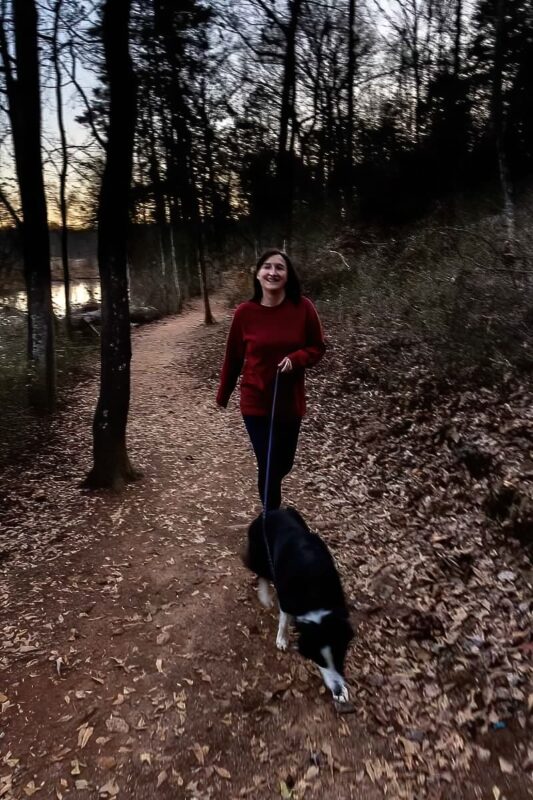

The evolution of the Girl’s birthday parties over the years has completed a full arc of planning and responsibility. Her first party doesn’t even hold a place in her own memory: we picked a theme, made the guest list, decided on the menu, chose the cake, determined the games and activities. It was less a party for her than a party around her.
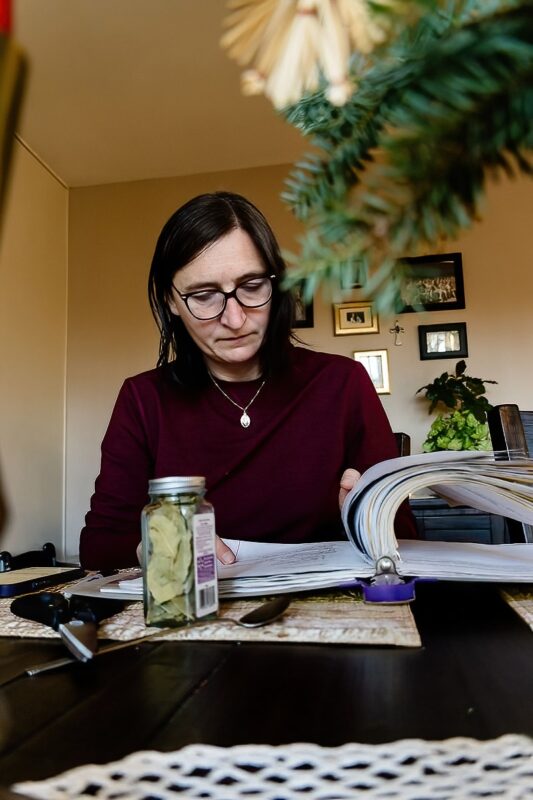
As the years progressed, we brought her more and more into the planning aspect of her parties. Where do you want to have it? Who do you want to invite? What sort of cake do you want to have?
Then, as she edged toward adolescence, she began taking a more active part. She prepared snacks, festooned the living room with balloons and ribbons, and took an overall more active part in the whole process.
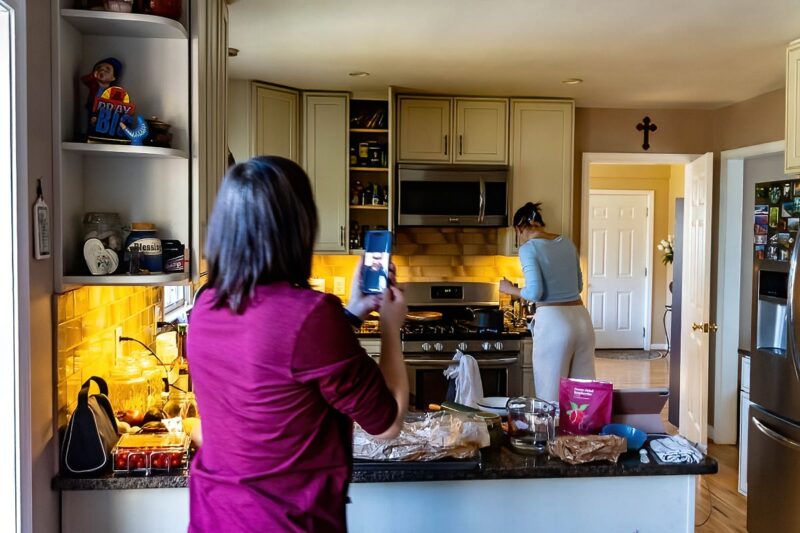
Her last couple of parties were almost all her doing. She made all the plans, prepared all the decorations, went shopping for this or that element. We helped here and there, but it was mostly her party and her work.
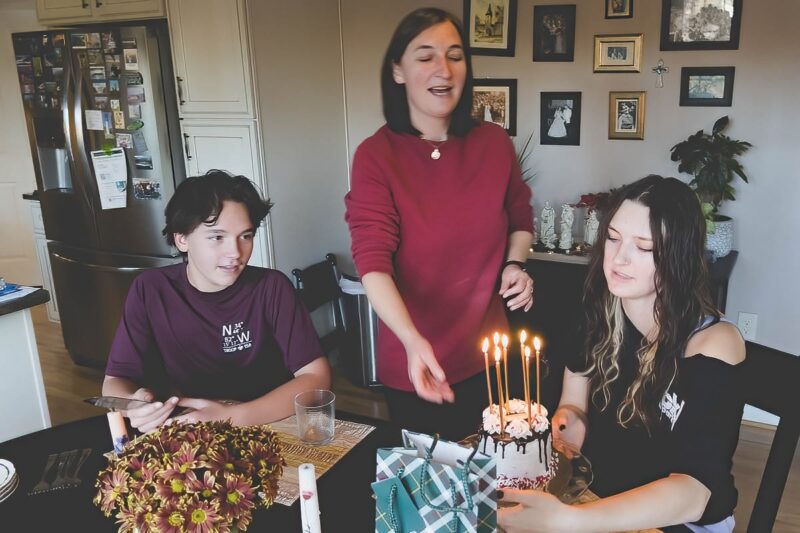
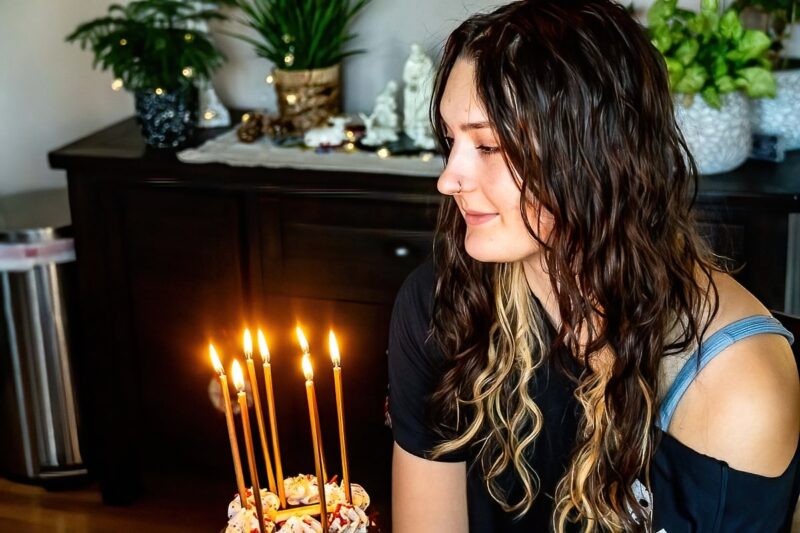
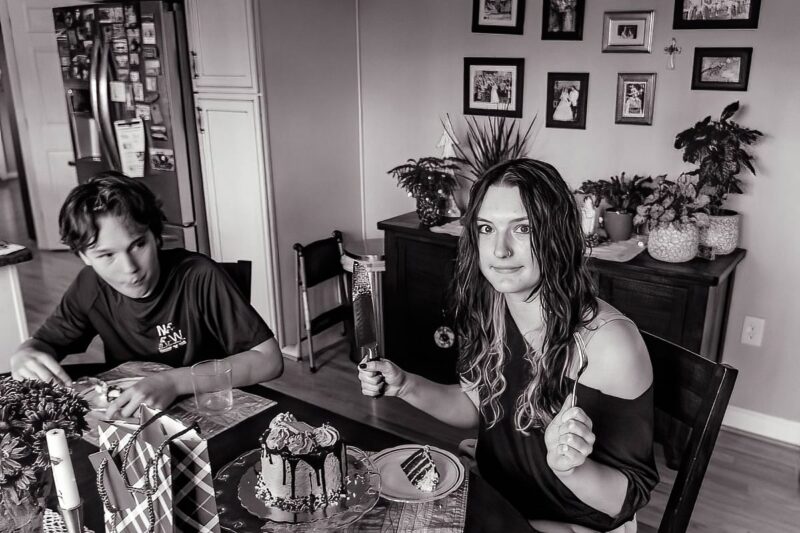
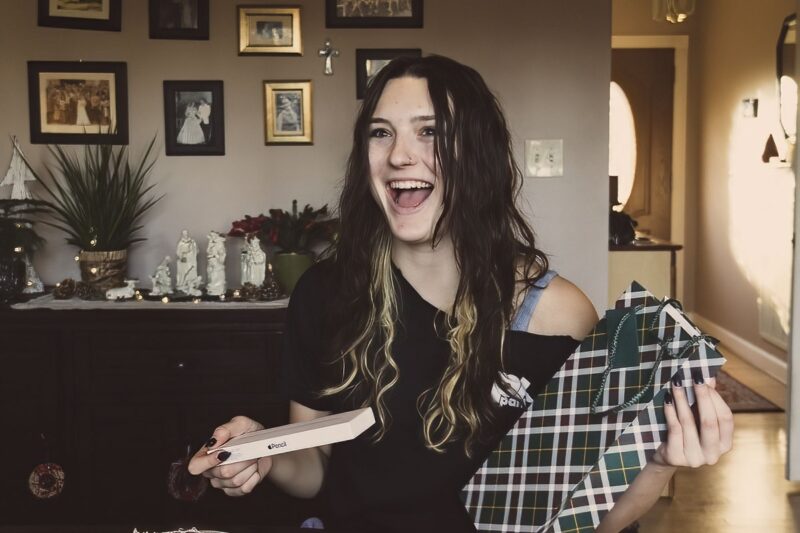
Tonight was her nineteenth birthday party, and the only thing K and I did to help her was clean the basement den that served as the venue and help keep the kitchen clean as she baked the cupcakes she wanted and her birthday cake, prepared the charcuterie board, set the drink table, and the million and one little things she did to get everything just as she wanted it for her party.
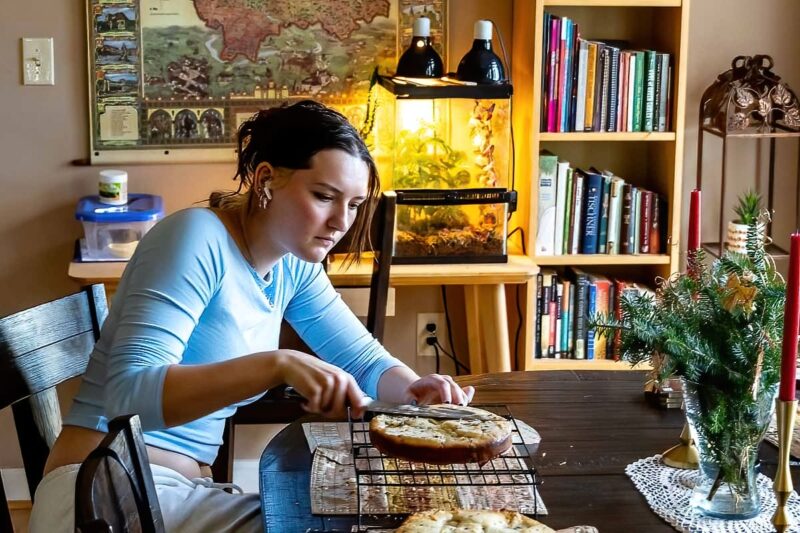
There remains only one more step: the transformation from co-host to invited guest. That’s still a few years off, but it will be here sooner than we expect.
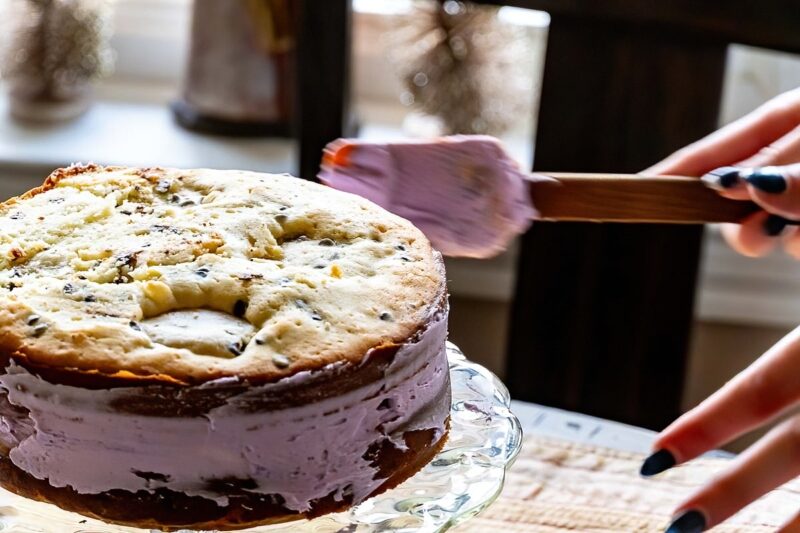
Birthday parties, then, serve as a sort of indicator of independence in one’s child’s life.
If memory were a food, mine would be Swiss cheese: so filled with holes that it seems more not to be there than to be there.
My wife asks me to go to the store.
“Sure,” I say.
“We need milk, soy sauce, and …” and it takes no more. I’m already reaching for my phone to pull up Evernote, the app which takes the place of my memory, and start writing the list.
“Can’t you remember a handful of things?” I ask myself as my thumbs key in the list. “Five things. What’s so hard about five things?”
The truth of the matter is, if I didn’t walk it down, I would take fewer steps than there are items on the list and already forget have the list.
First step — there goes the dog food. Second step — soy sauce is no more. Third step — well, maybe I can keep milk in mind since it’s the most common thing we all buy in the story.
Sometimes I try to keep the list in my head. I make meaningless, stupid sentences or images to help me remember — a method with a fancy name that leads to ordinary results.
“Let’s see. Soy sauce, dog food, and milk. I’ll think of our dog as a big St. Bernard, with a jar of soy sauce around its neck instead of that little barrel of whatever they carry. What do they carry? I think it’s brandy, meant to warm up people who are lost in snow — a bit of warmth in the middle of a snow storm. That’s stupid, though. I remember reading that drinking anything alcoholic is a terrible idea when you’re cold. It might warm you up for a minute, but your body spends more energy converting the alcohol to sugar than the benefits of the alcohol….” and I can’t even remember to stay on task long enough to complete my picture of a soy-sauce-carrying dog chasing after a milk truck.
Then I get to the store and I can’t remember my stupid picture. “It had a pet in it, didn’t it? Wasn’t it our cat, skiing down a hill of matches? Cat food and matches?”
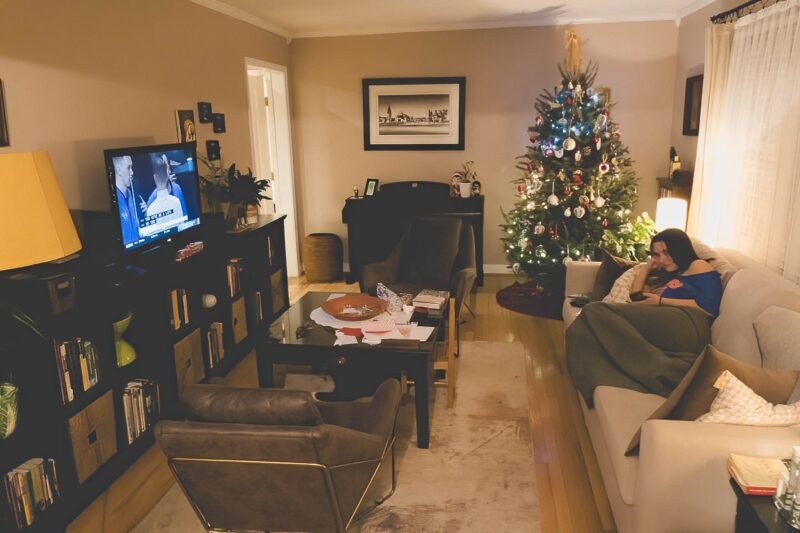
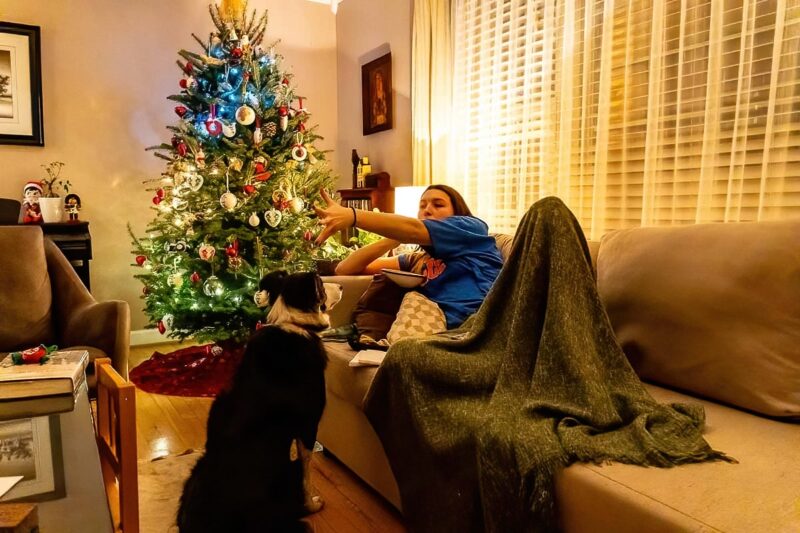
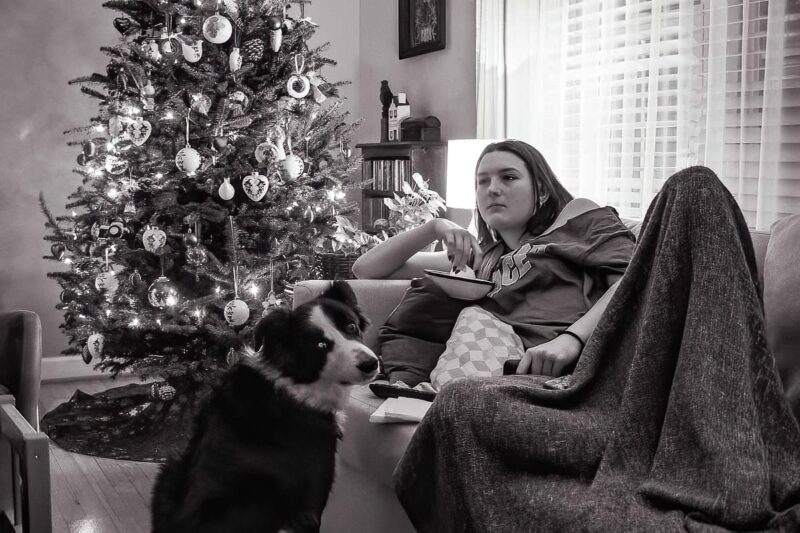
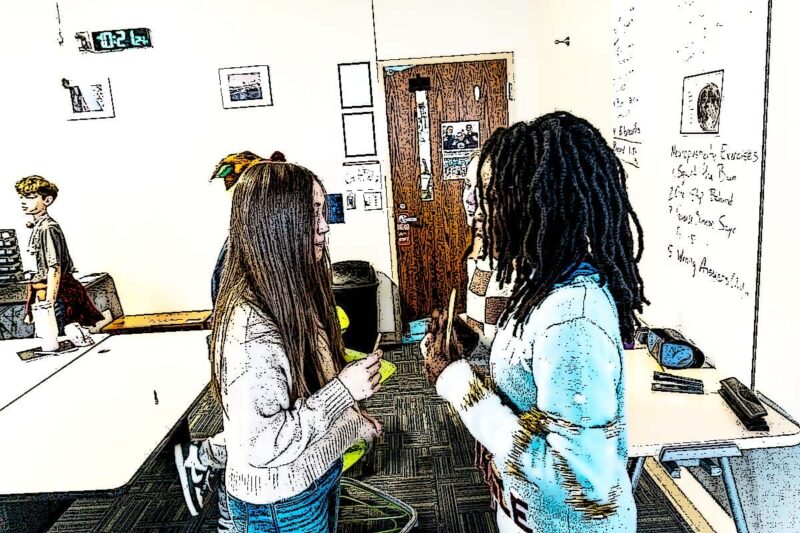
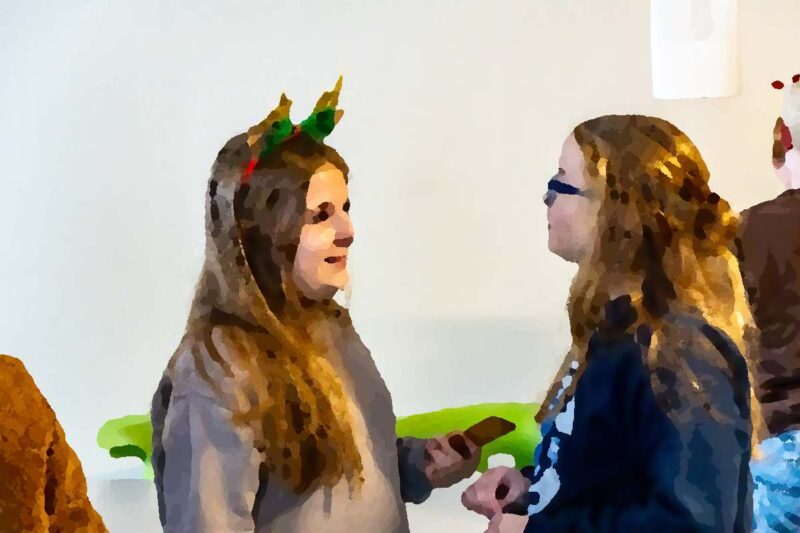
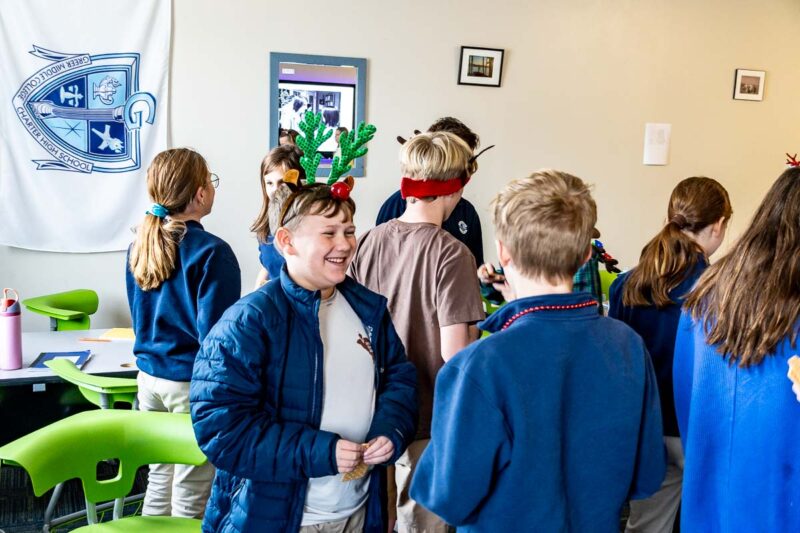
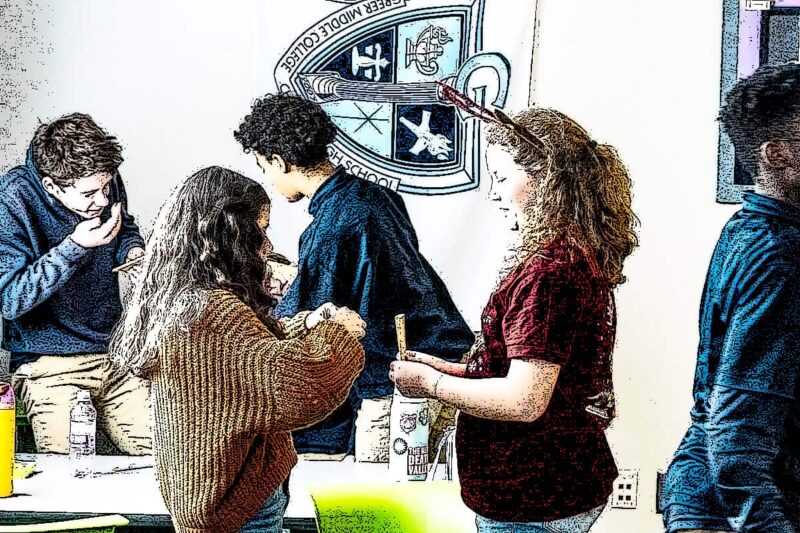
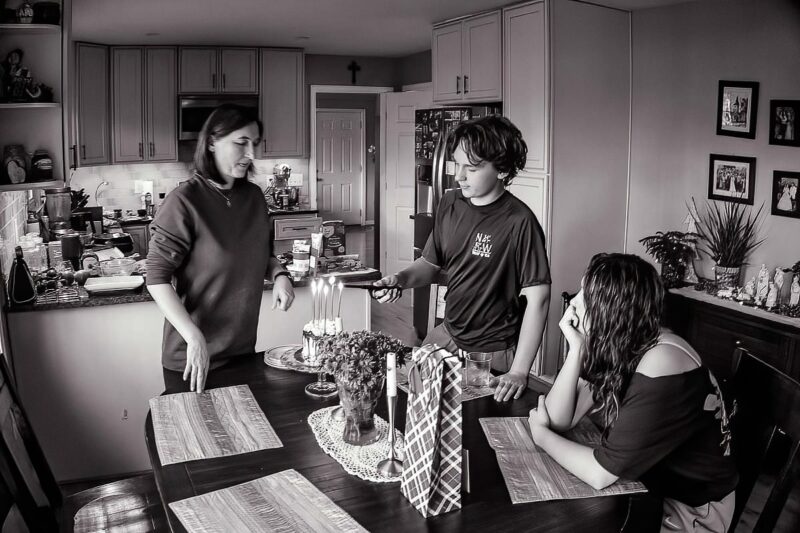
“My age still begins with a one! I’m not that old, E!” L was laughing at the Boy’s suggestion that she, turning nineteen today, is, in fact, old.
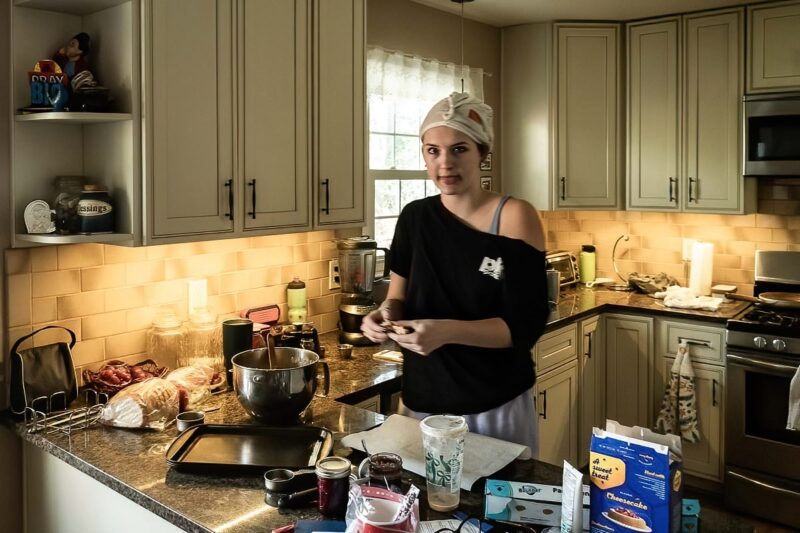
“When you’re nineteen,” K added, “thirty seems old. When you’re thirty, fifty seems old. And when you’re fifty, seventy seems old.” I understand the idea, but I think the perceived difference in ages is a exponential curve: Now that I’m in my fifties, for example, it’s not just the addition of twenty years that seems “old.” Truly “old” for me would be somewhere close to mid-eighties or even nineties.
Old in your teens means having a job and bills. In your thirties, it suggests kids in or barely out of college, and increase in fiscal responsibilities that hints, nonetheless, at relative financial freedom. In your fifties, with a kid in college and another approaching high school, I feel truly “old” is when mobility begins really declining, and that seems to me to be sometime in one’s eighties. When doctors’ visits are the primary reason for the ever-challenged mobility, that suggests advanced age.
Still, I understood the sentiment: an age seems old until we reach that age.
All of this seemed to receive a coincidental confirmation when, on L’s urging, we looked at our year-end Spotify summary — Spotify Wrapped. K’s listening age: 80. How L and I laughed! I knew with my recent re-obsession with Ghost and several similar bands, I had to be younger, musically. But alas, it couldn’t outweigh the jazz and classical music that forms the core of my classroom music. My listening age: 84. So my listening age is what I officially consider the very edge of old age, suggesting to some, I suppose, that I have an old soul.
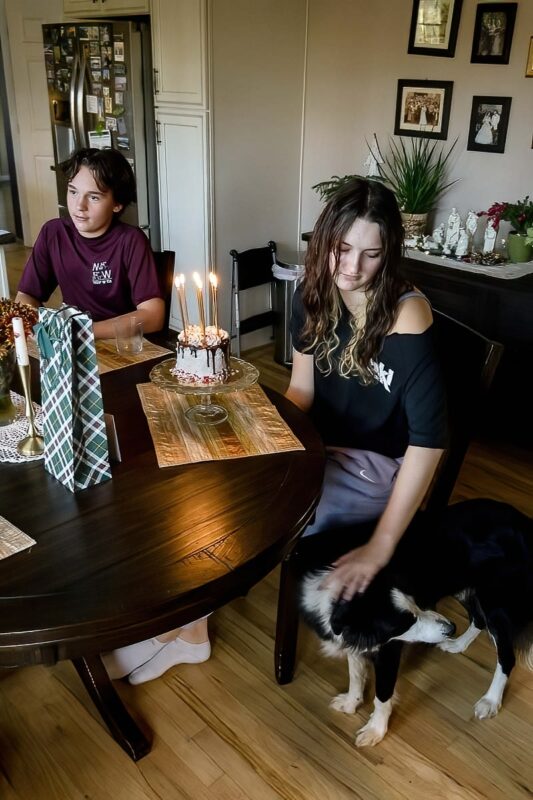
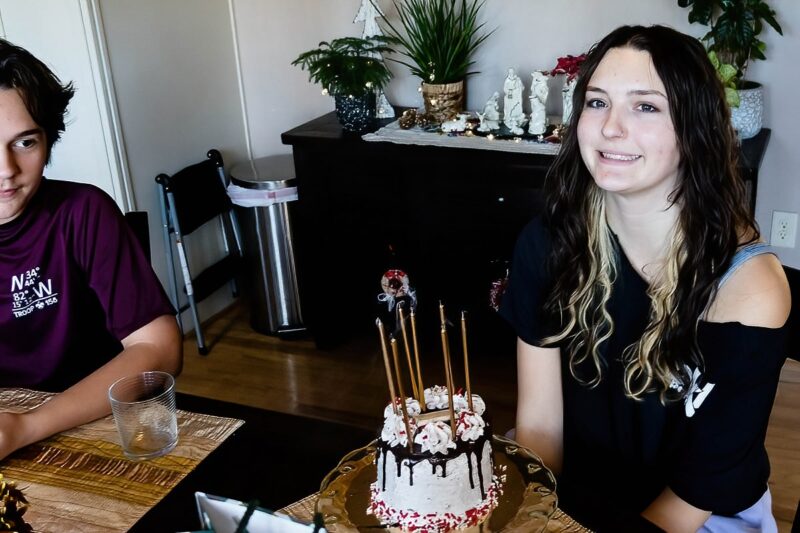
The day as a whole was just as strangely out of sync with our standard daily routine as was this date nineteen years ago. We spent it in the hospital with the newly-born Girl and my parents. Today I took a personal day to appear in court regarding the still-unresolved accident roughly two weeks ago, but the office was not in the courthouse and would not be able to make it time, so everything got reschedule for Monday. K spent most of the morning sleeping: one of her projects was finishing up with the actual waterline tie-in, which is something that requires water to be shut off for a number of people and as such, is usually done at night. She got back home a little after four in the morning, just about an hour before her usual wakeup time.
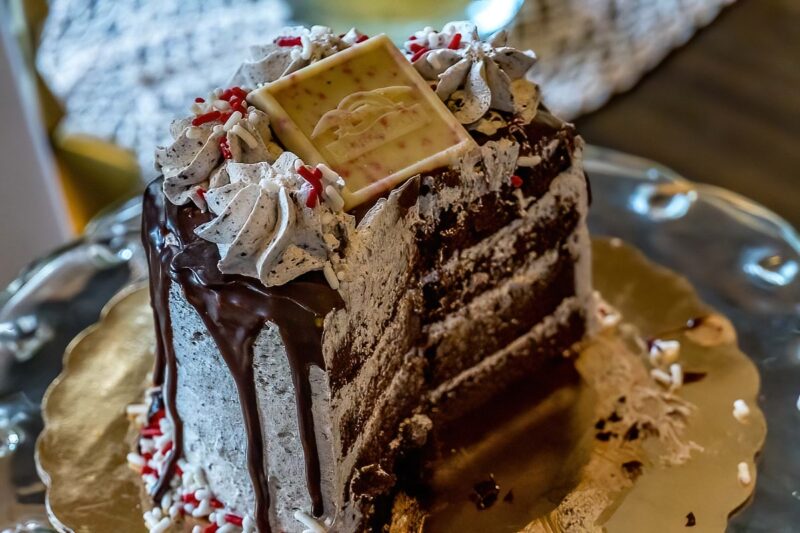
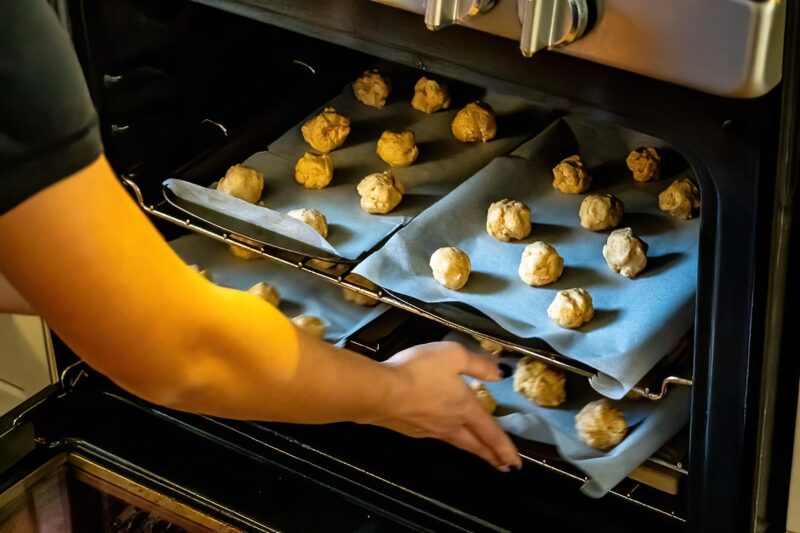
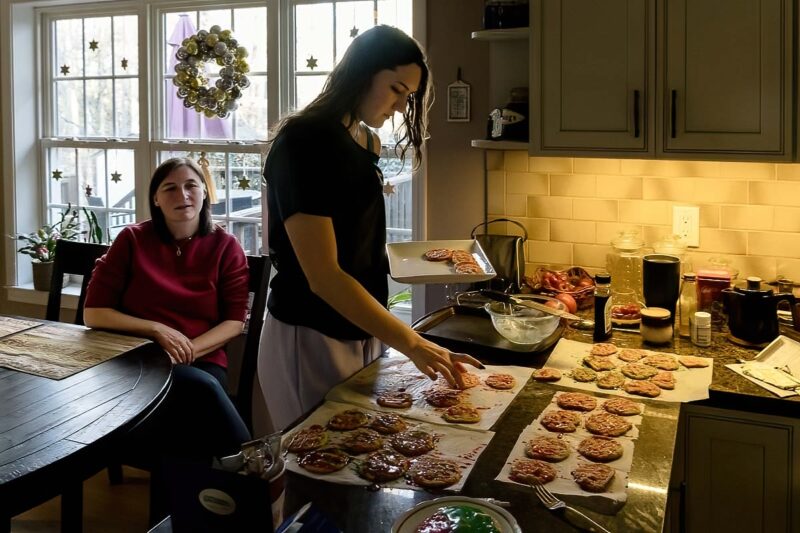
In the afternoon, I helped the Girl bake some cookies. I broke up the candy canes as we chatted about anything, everything, and nothing of any real significance. College classes, politics, music, funny things we saw on the internet. Everything and nothing. Having those conversations with our daughter is still a relatively new development in our relationship, and, I think, a sign that she’s growing out of that teenage reluctance to go beyond monosyllabic responses to many questions much of the time. I was that way, too. Most of us are, I think. and see it’s a binder from
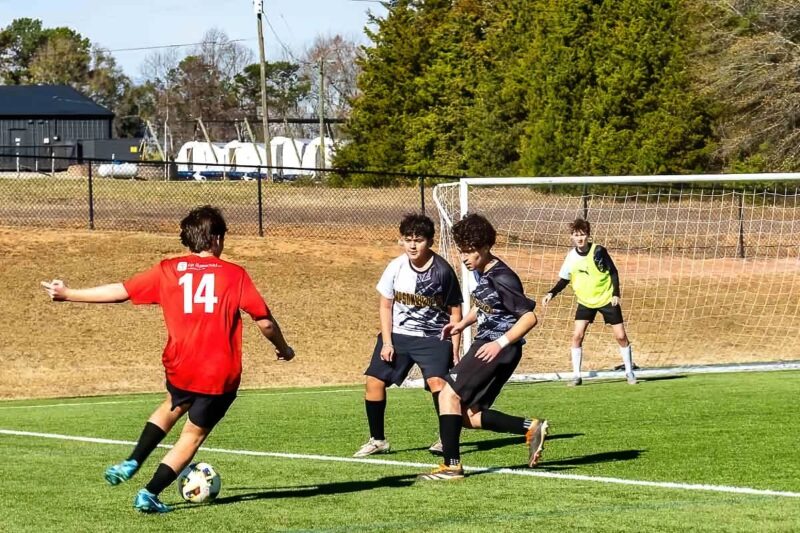
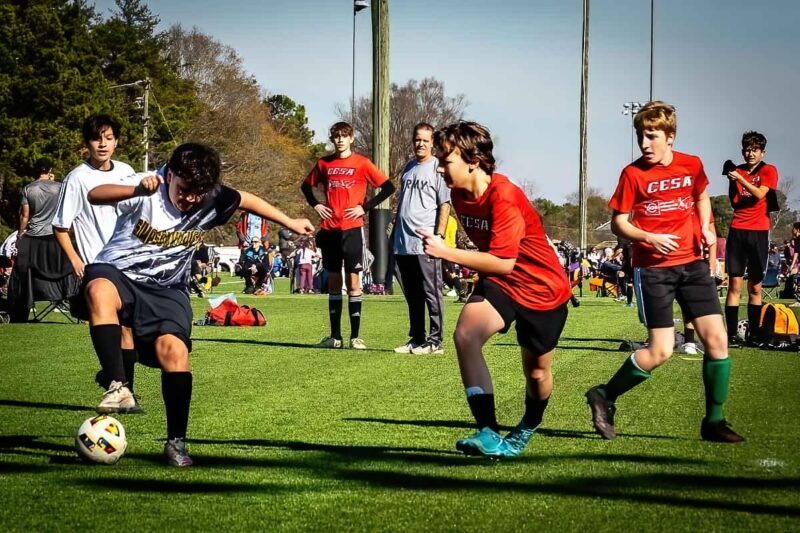
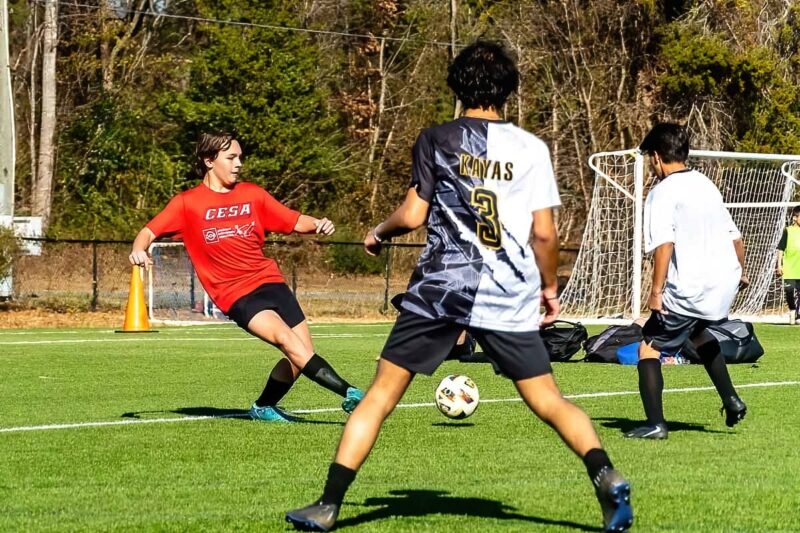
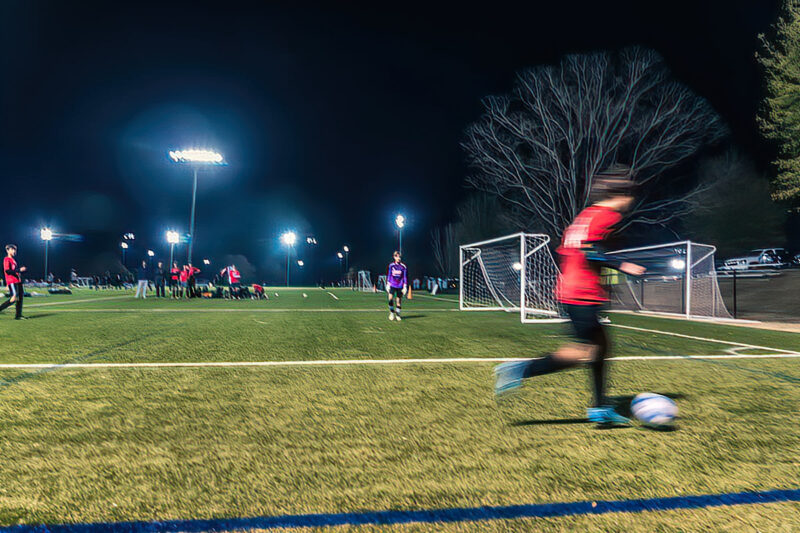
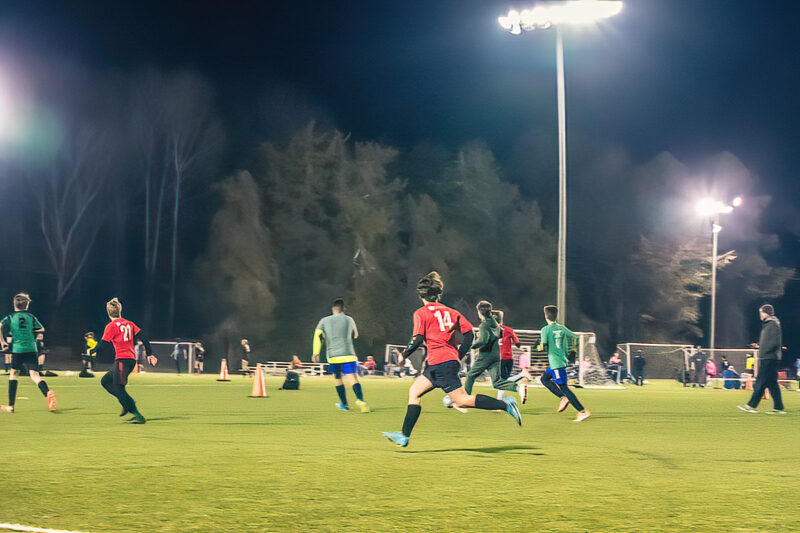
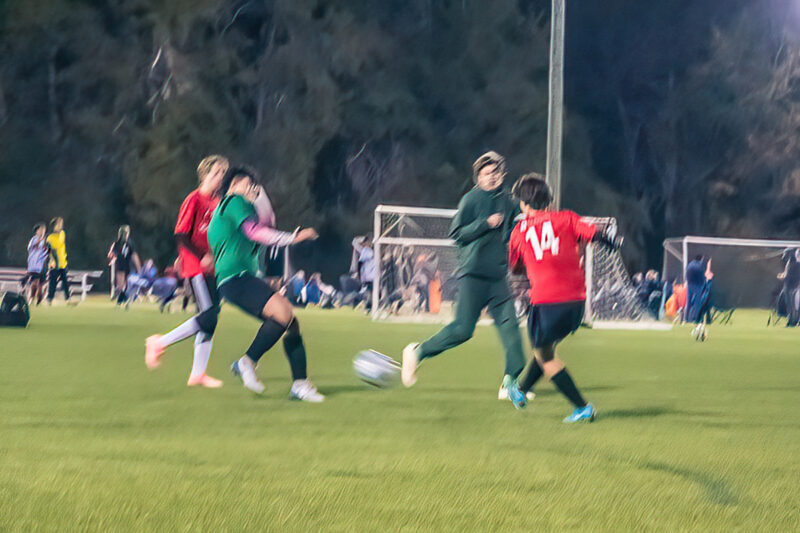
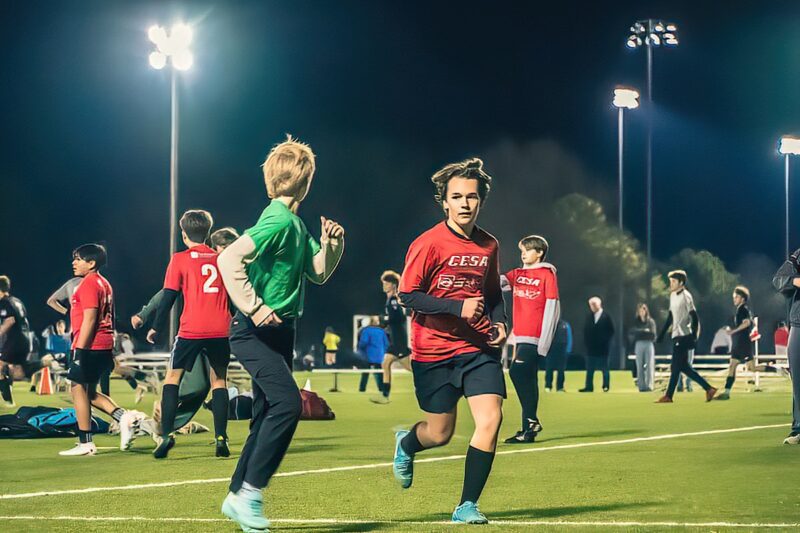
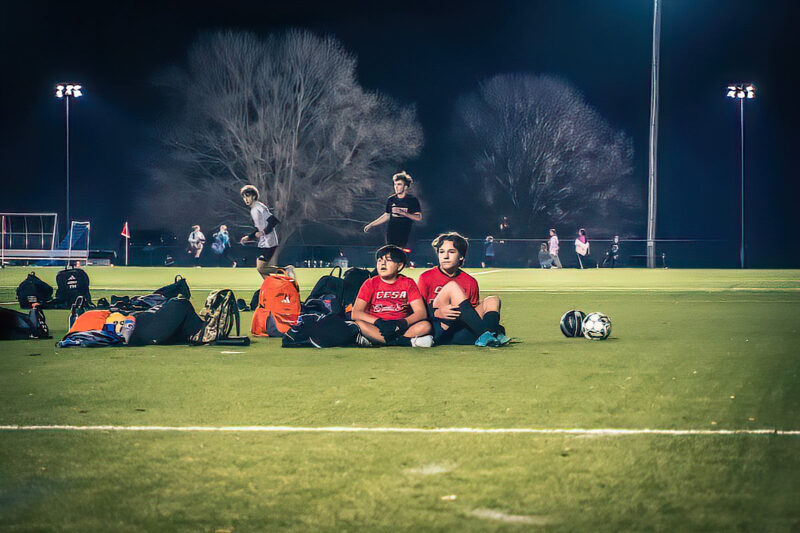
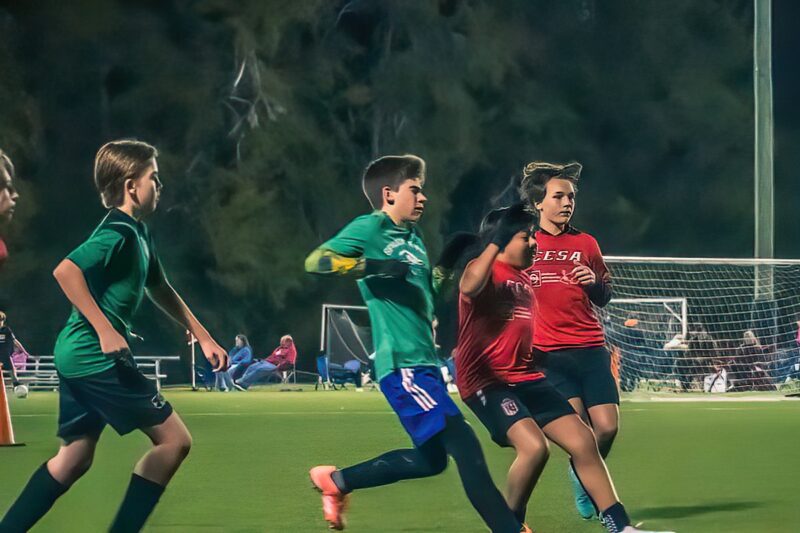
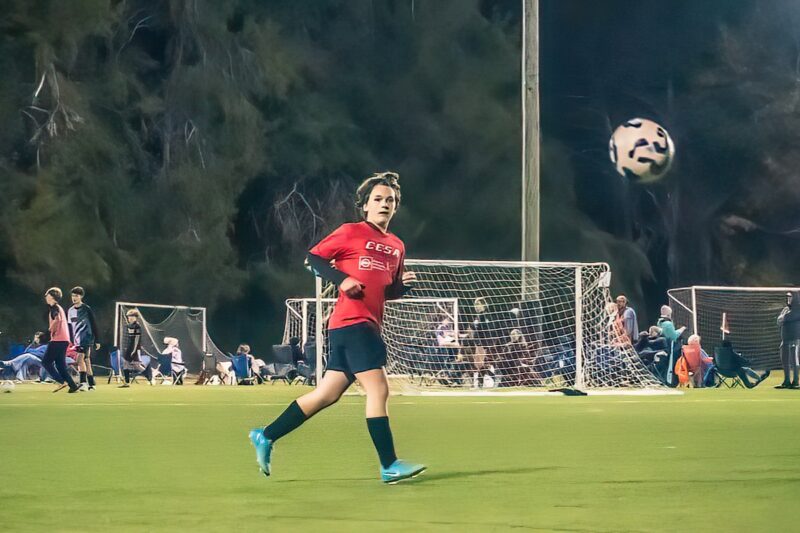
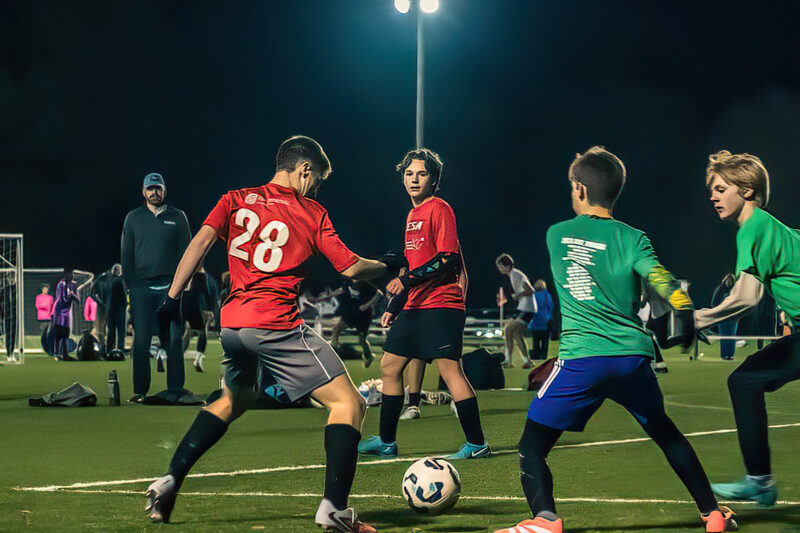
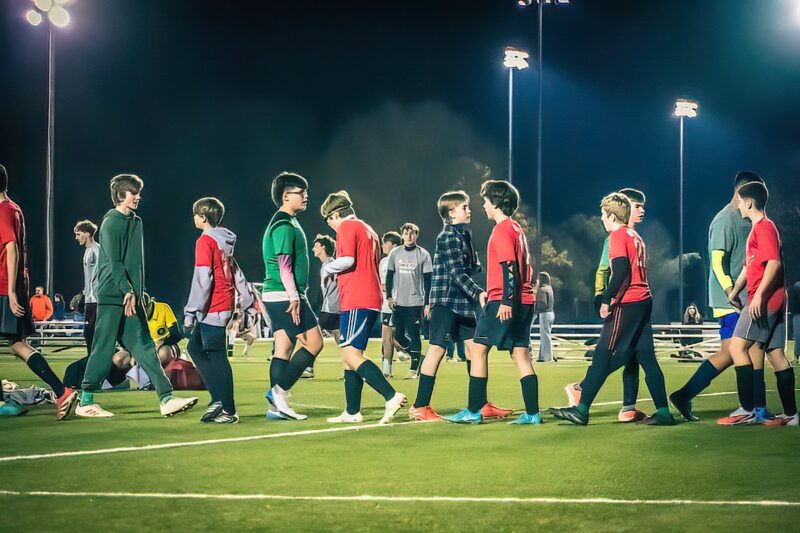
The Boy’s first five-versus-five soccer game was tonight. It’s a wild variation: no off-sides, no throw-ins on a field a quarter of the size of a regular field. It was a good start for the short season: our boys won 9-3, with the Boy scoring two goals, including a ripper from almost the midfield.