g
Apples 2013
We must crave rituals, for we invent them endlessly. We sleep on the same side of the bed nightly. When we participate in a class, we often end up sitting in the same seats throughout the course that we chose the first day. We go through periods of eating the same thing for breakfast.
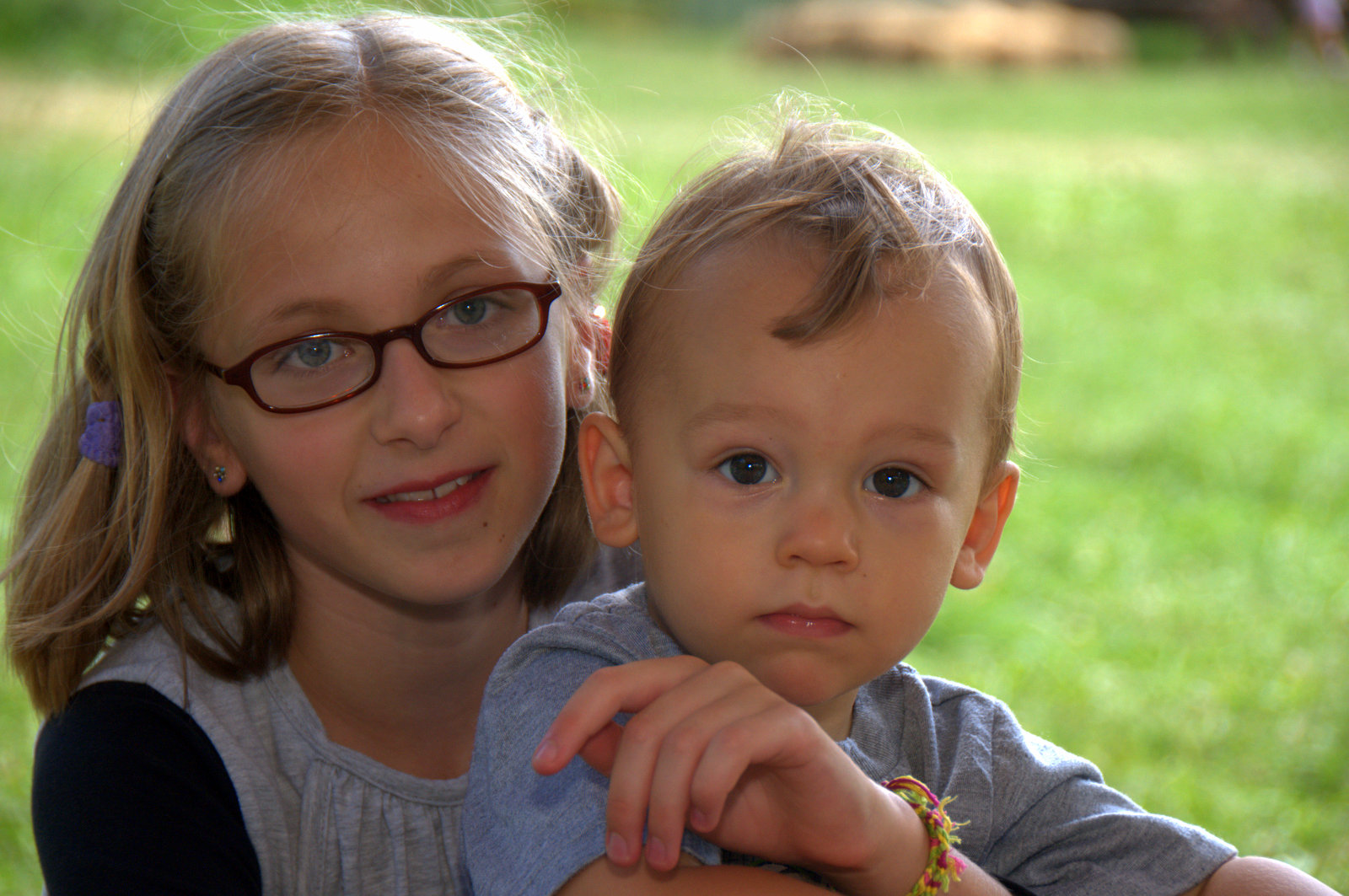
It's easy to understand why: ritual makes life comfortable because it provides signposts for our lives. It adds predictability and stability, and early humans certainly lacked both of those, I would say.
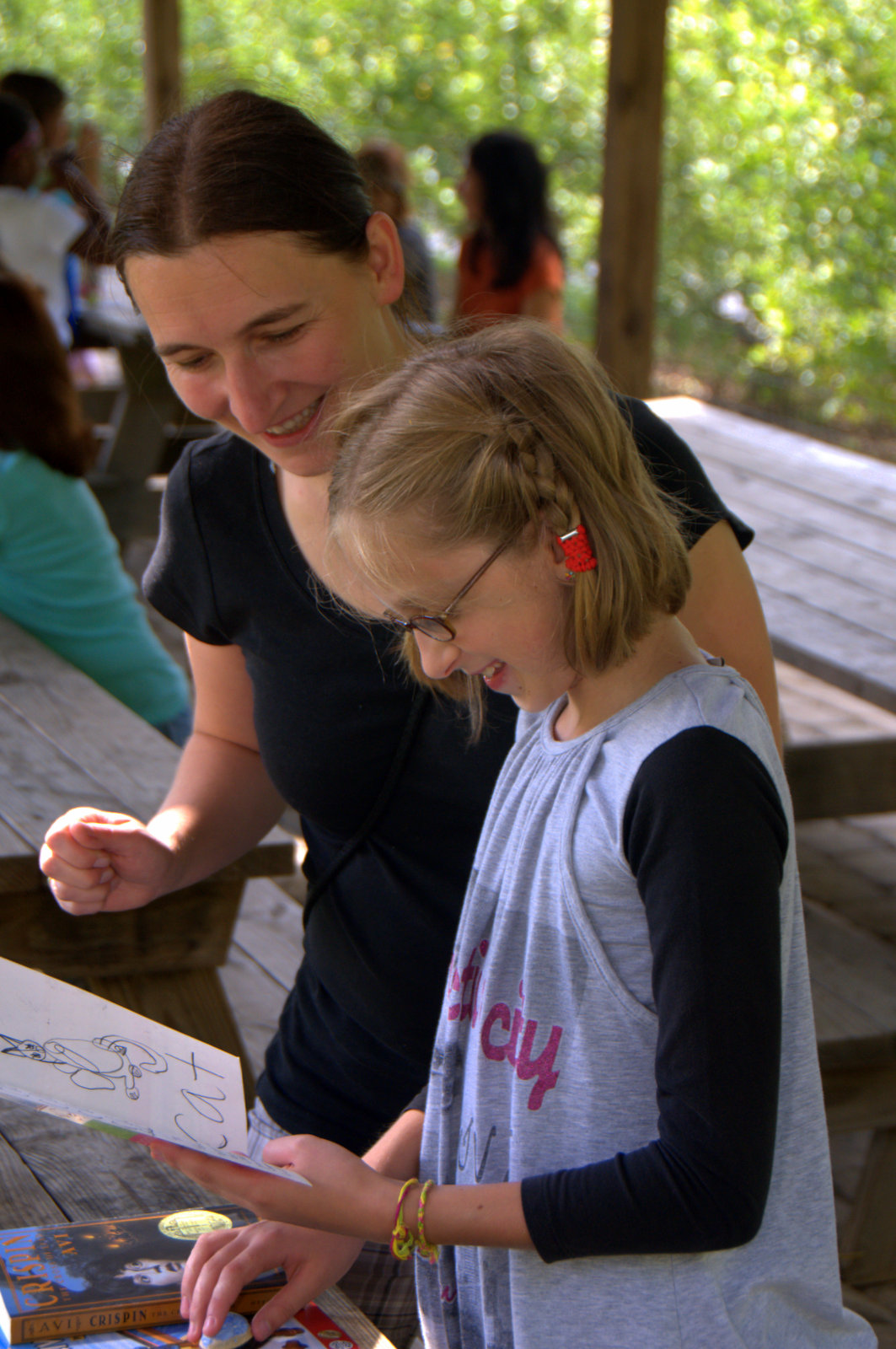
Some rituals are natural: it doesn't take much thought to understand, for example, where birthday celebrations come from. Birthdays come around every year, whether we want them to or not, whether we're aware of them or not.
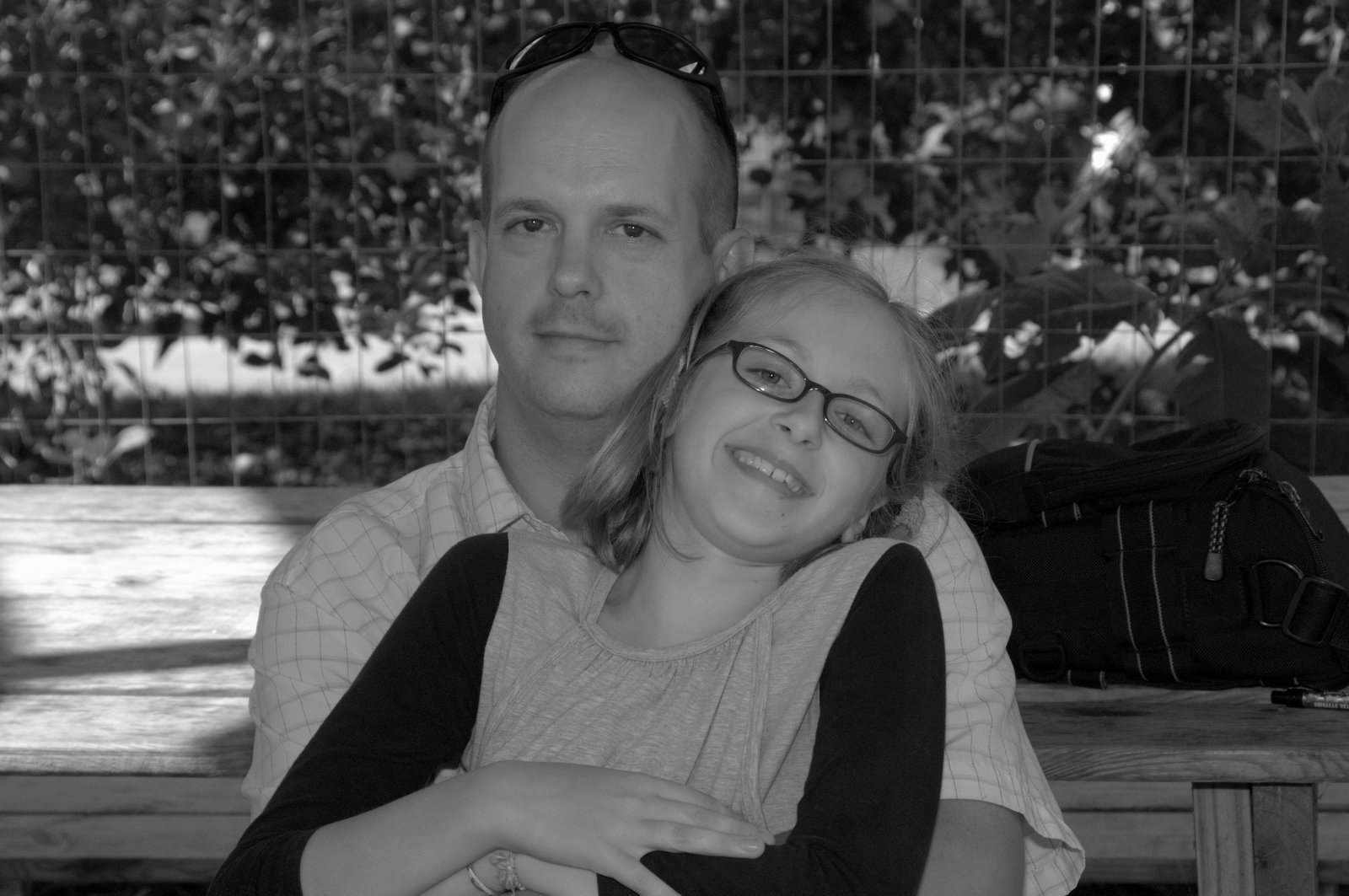
Other rituals, like cuddling up with a family friend who is in many ways more like simply family, come from the comfort they bring. Sweet conversations about school, the difficulty of speaking Polish, listening to your mother -- these are things we repeat simply because they make soul glow just a bit brighter.
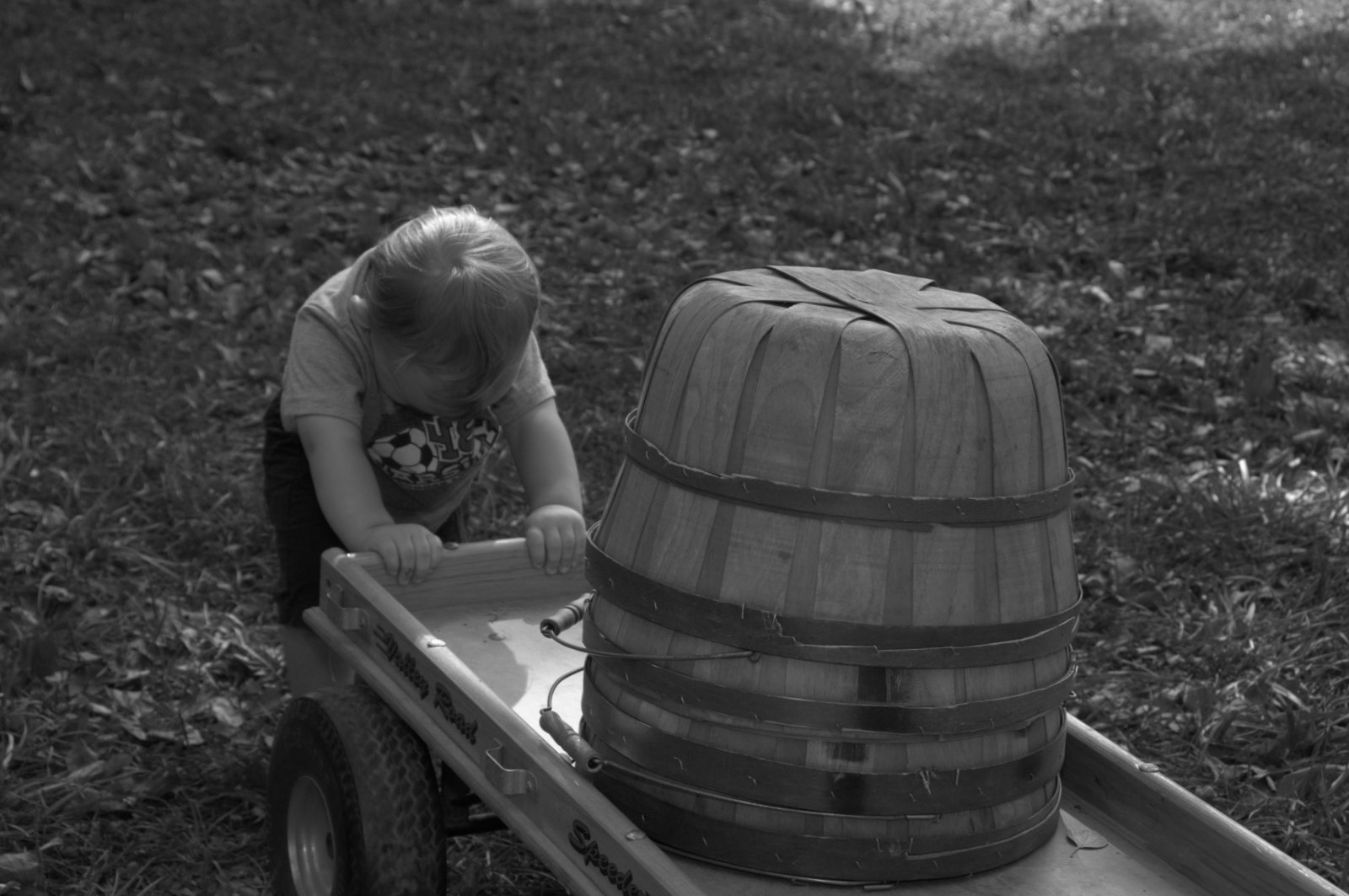
Some rituals are flexible, born out of obsession, such as an obsession with pushing, pulling, tugging, conjoling, and wrestling anything and everything that's bigger than you are.
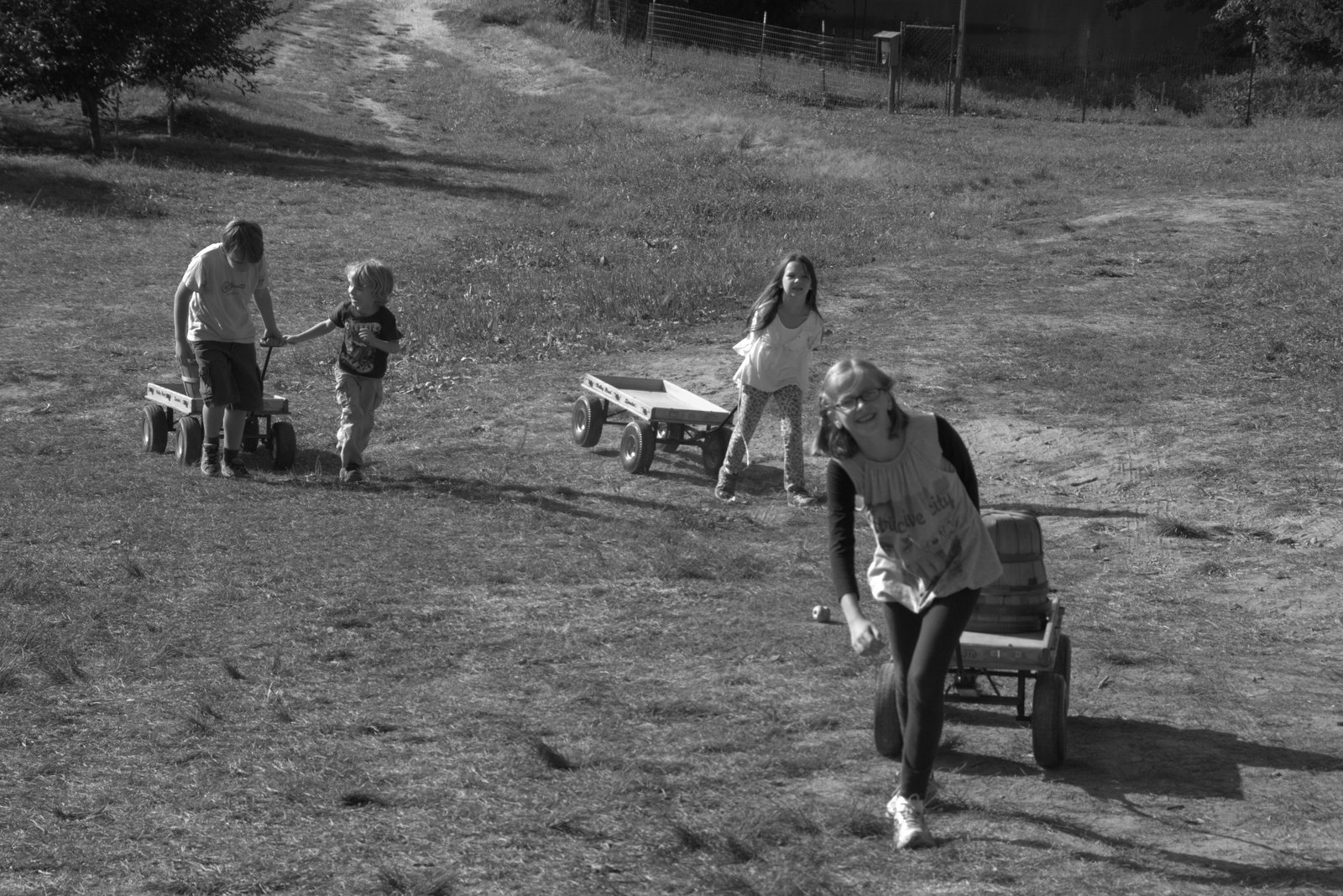
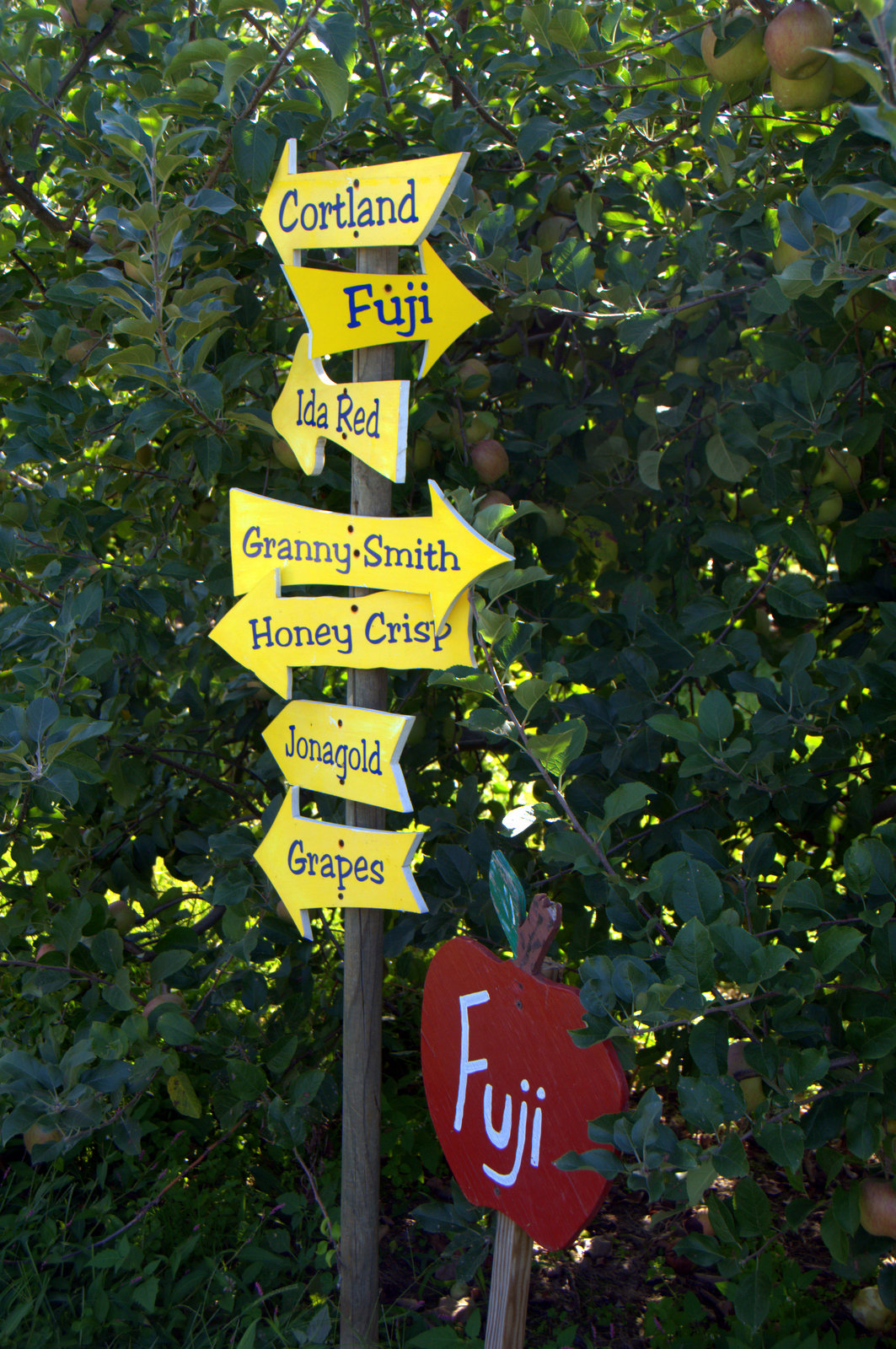
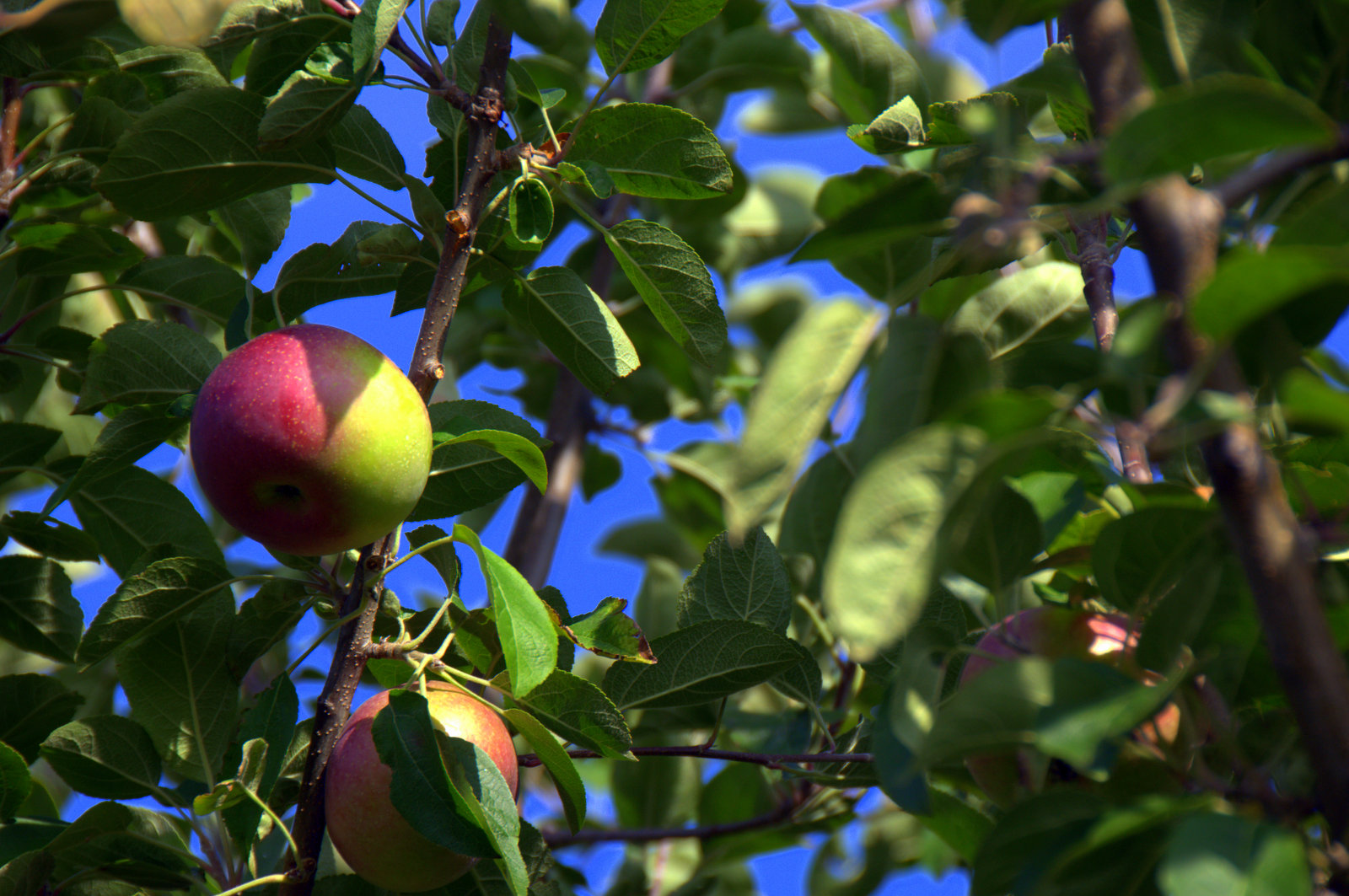
Still other rituals receive their form from the calendar: seasonal rituals are beyond the control of even the most OCD toddler or desparate-for-an-outing parents. Apples cannot be hurried, and we cannot make an autumnal ritual repeat in December just because.
We pick up most of these rituals by watching others do them. All the parishioners at our church genuflect and make the sign of the cross before entering the row of pews. It's not something I'd ever seen in Poland, and K has never really done it. As such, I've never really done it. L took it upon herself to do so this morning at Mass. Perhaps she's creating her own personal ritual by watching others' traditions.
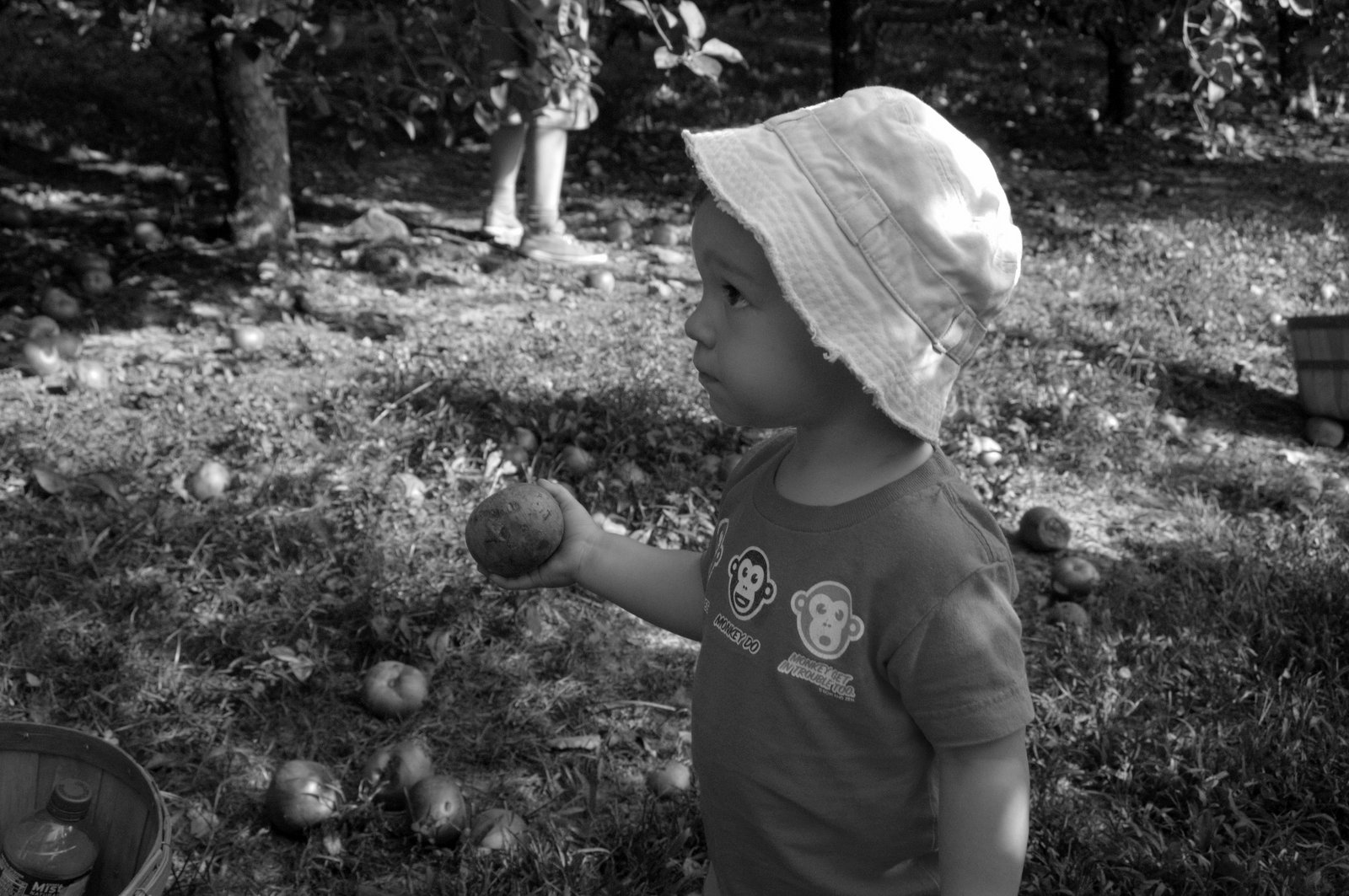
The Boy is keen on such watch-and-learn rituals. He knocks on closed doors when he sees them, and every time he passes something that's off limits, he reminds himself and others with a shake of the finger and the Polish equivalent of "no-no."
And rituals often themselves contain sub-rituals. A visit to the orchard, which often includes the usual suspects, always concludes with a group portrait -- or a semi-group portrait, because someone has to take the picture.
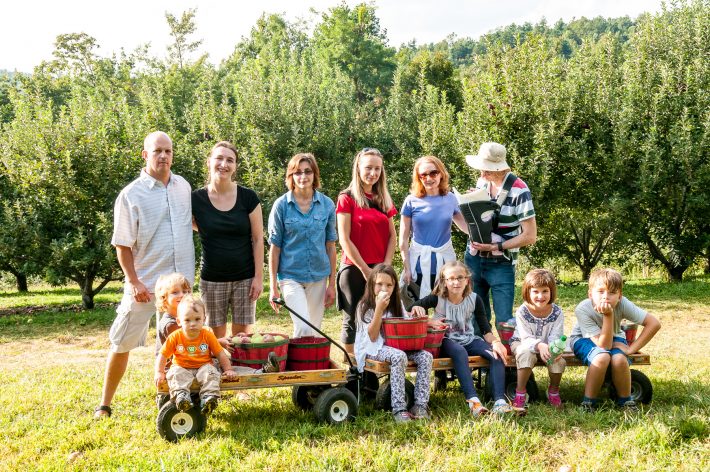
Just like someone has to push the cart.

It's ritual. It's habit. It's life.
Early Afternoon
Polish lessons.
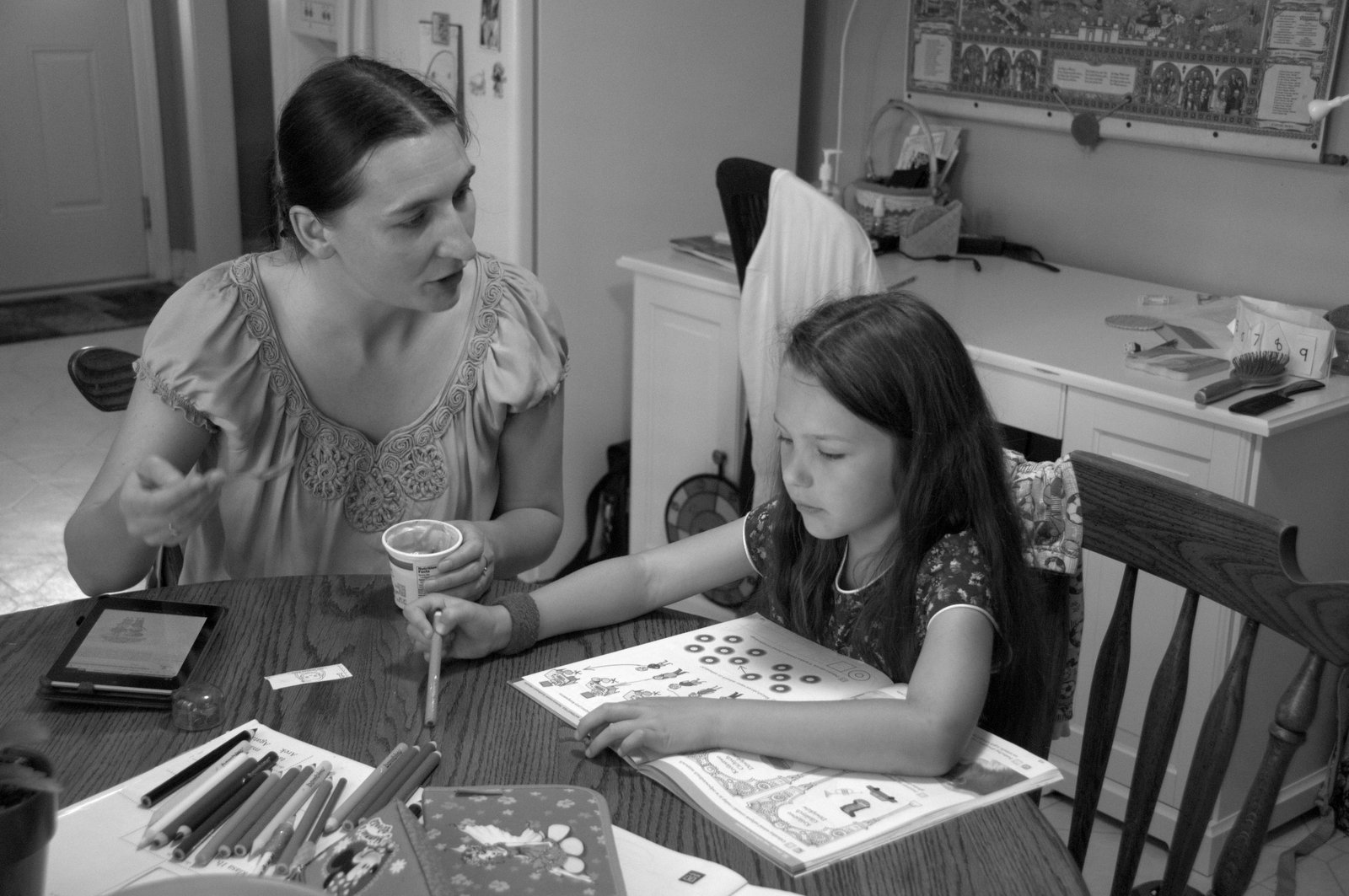
Lunch.
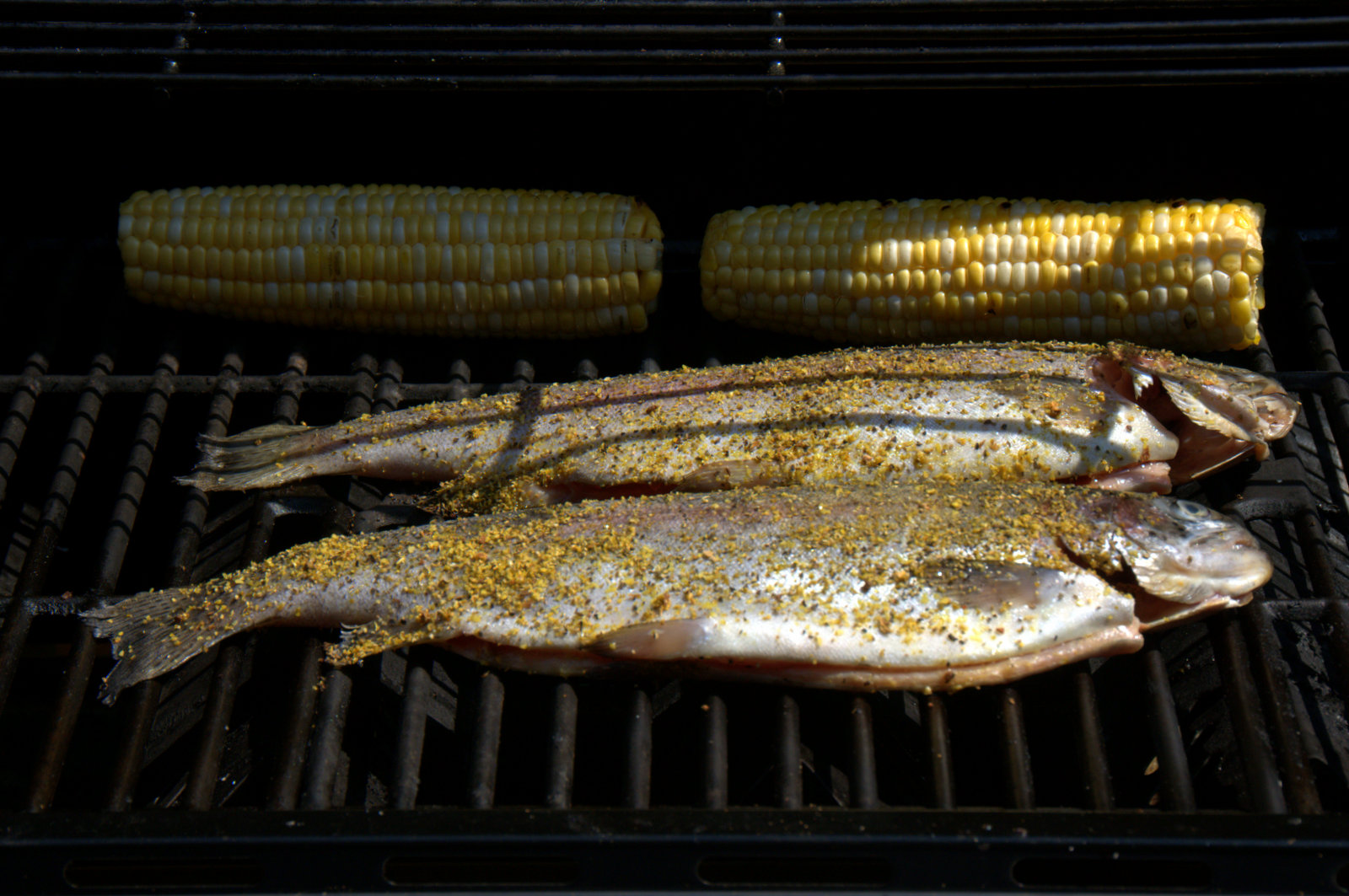
Nice start to Sunday.
P-english
Mama, masz cos twardy żeby bear down on?
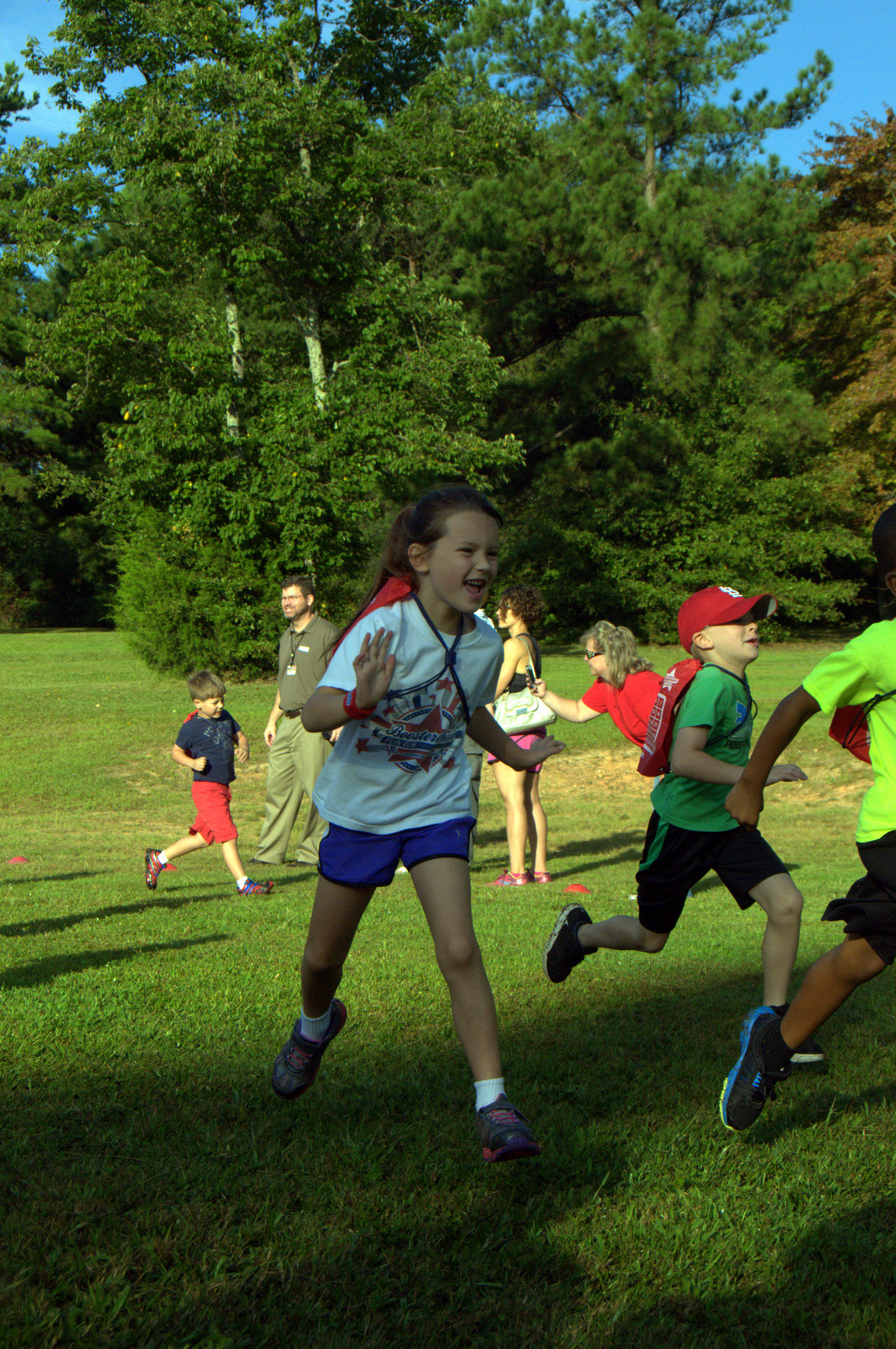
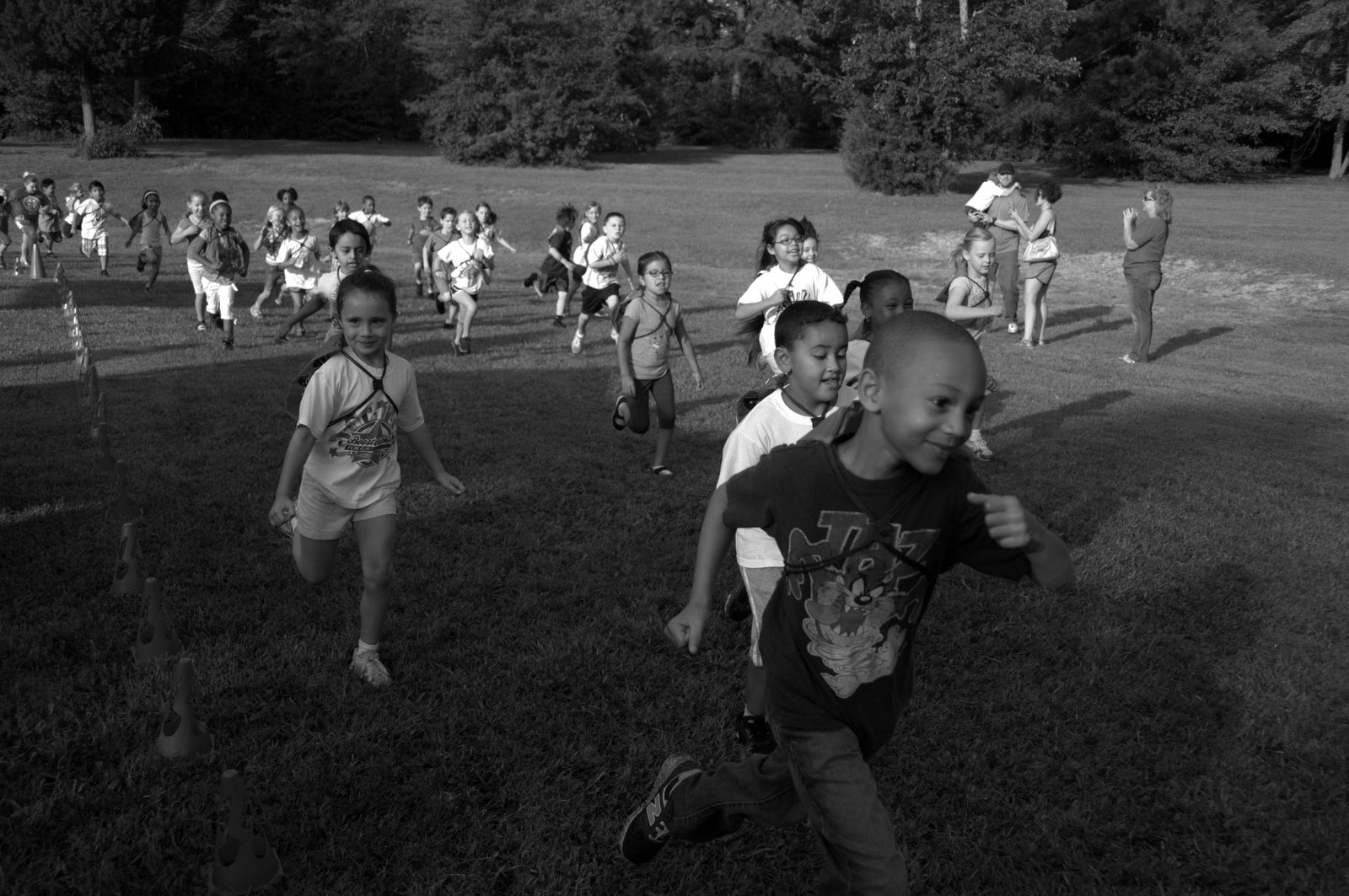
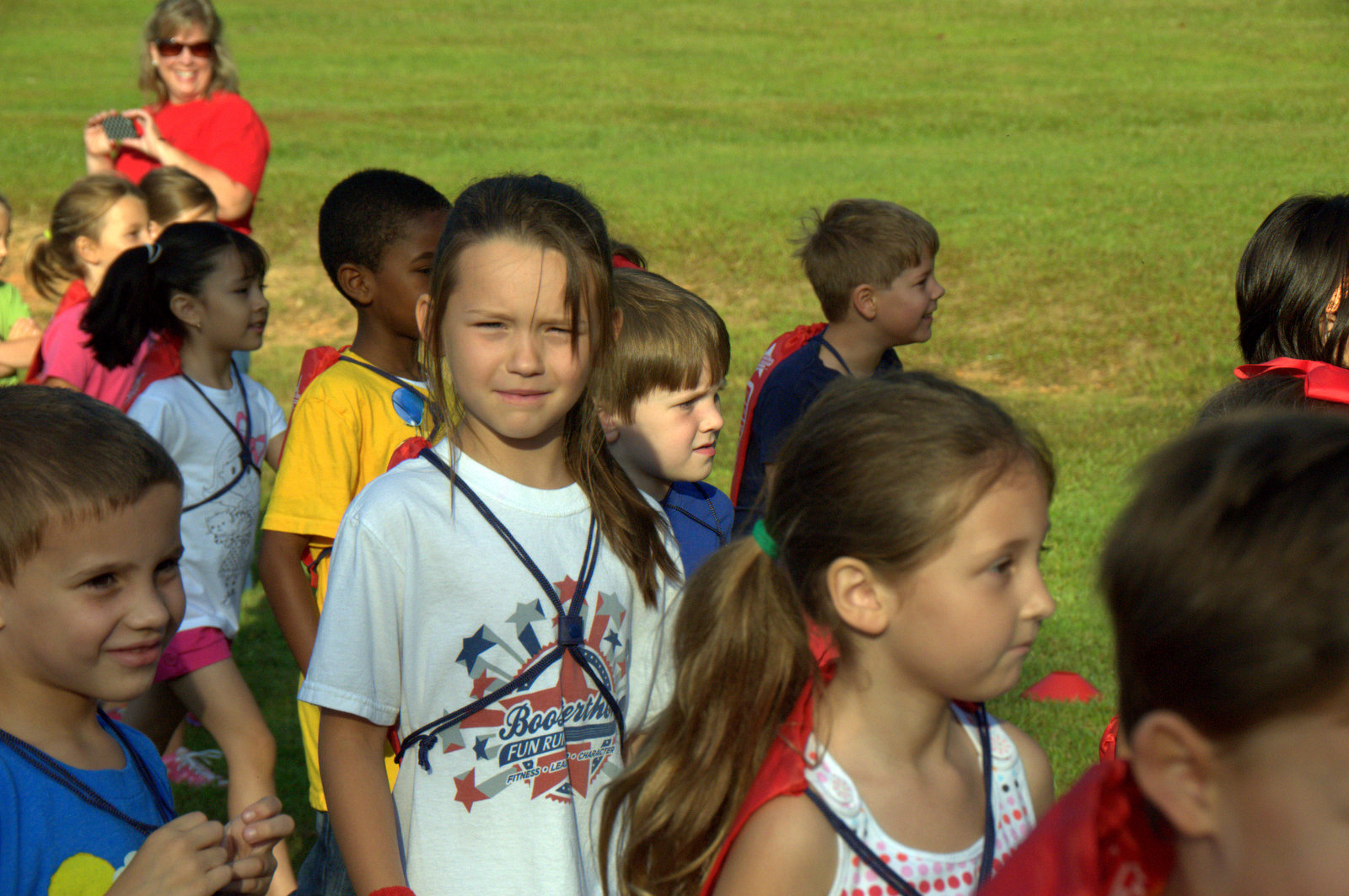
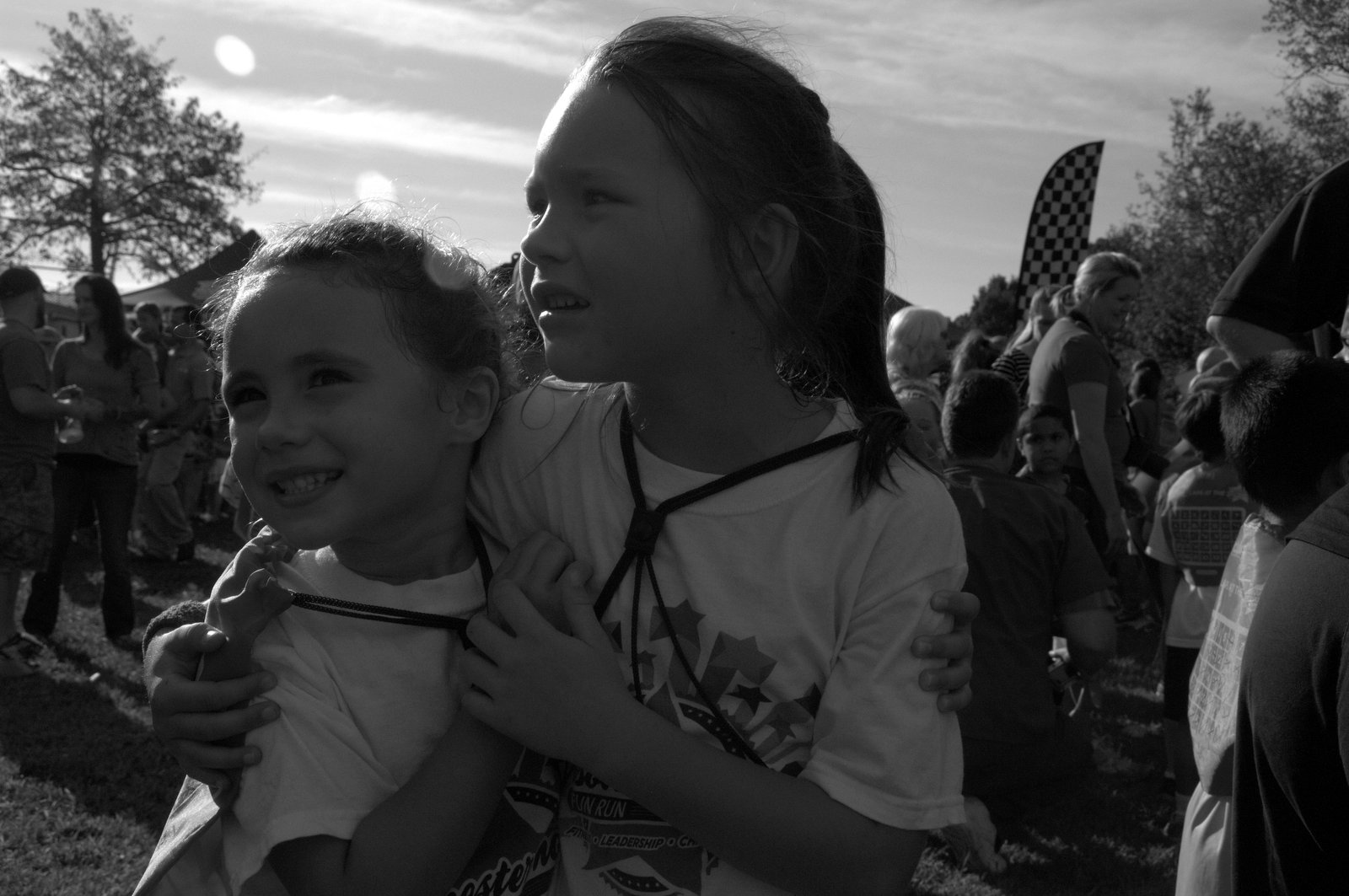
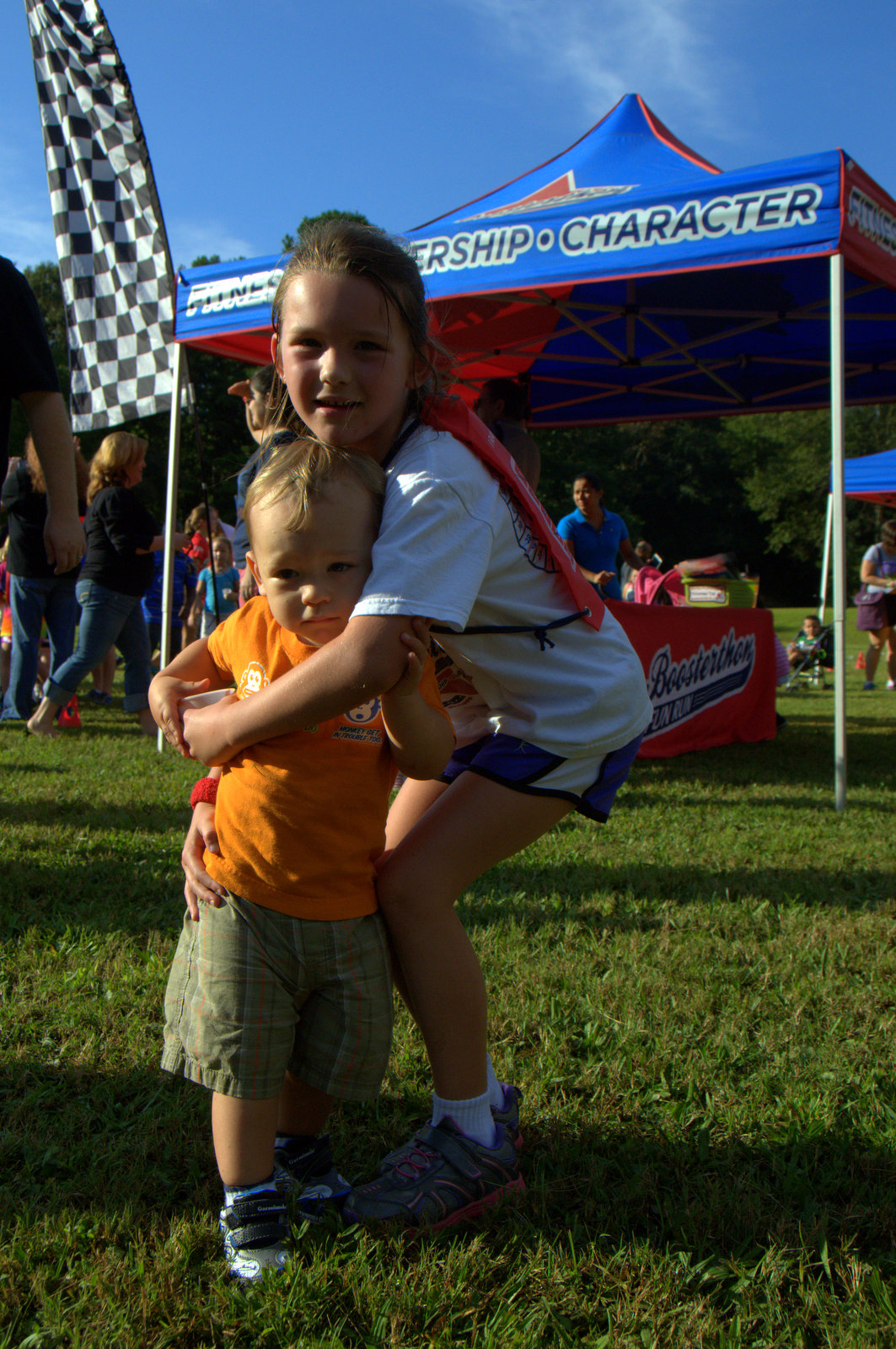
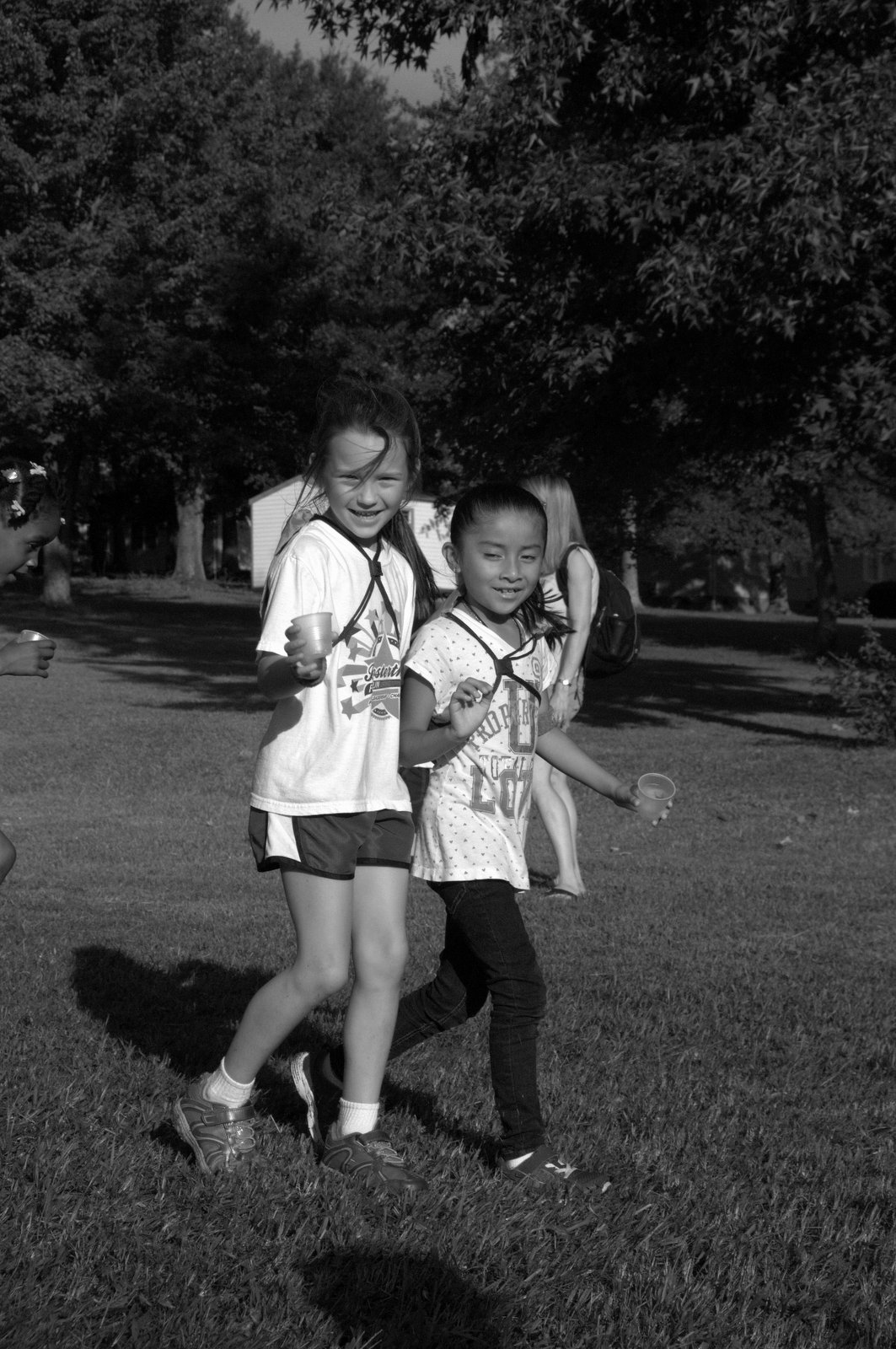
Boosterthon 2013



Literary Argument
I’m working with my students on how to construct an argument in general and a literary argument in particular. We’re working with single paragraphs now, slowly building to whole papers. Here’s one effort:
The character Montresor from “The Cask of Amontillado” is an untrustworthy narrator. He tries to improve his image to the reader by telling how he’d endured the “thousand injuries of Fortunato”. This is meant to give the reader the idea that Montresor has good reason for wanting to murder Fortunato. However, Montresor does not describe the injuries Fortunato apparently gave him; in fact, because the story is in first person, we don’t know if Fortunato ever even hurt him. Not only that, he lies in the actual context of the story as well; for instance, when he tells Fortunato that he “receive[s] a pipe of what passes for amontillado”. Even if he did get the amontillado, Fortunato wasn’t fortunate enough to see it. He probably lied about being a mason, too. You can see from these quotes and facts that you cannot trust Montresor.
I love teaching writing because we all see the improvement in short order.
Fr. Barron on Time
Fr. Barron hits it out of the park again.
Music Ed.
Currently reading When Giants Walked the Earth: A Biography of Led Zeppelin. It's obviously influencing my listening habits as well: haven't listened to this much Zeppelin in at least twenty years. I mentioned it to a class in a "what are you reading" conversation to fill the last few minutes of class. I was shocked at the number who'd never heard of them. Needless to say, I remedied that the next day during their bell ringer with "Dazed and Confused." The next day, a petite, preppy blond asked, "Mr. Scott, can we listen to that song again?" Small victories...
Inference
Observation and inference — two totally different skills, so linked in some ways, so very different in most ways. To observe means to use one’s senses and only one’s senses. In observing, it’s what we see, what we smell, what we hear, what we taste, what we feel — and nothing else. To infer means to take those sensory stimuli and combine them then somehow go beyond them, drawing a logical conclusion based on evidence.
I don’t really recall any lessons in school about how to infer, about how to discern inferring from observing. Perhaps we had some lessons on those skills and differentiating between them, but I don’t really recall. (As if that’s any kind of proof…) Still, I teach my eighth grade students every year how the difference between inferring and observing, and one of the continuing ways I do it is to show a photograph with some statements below it, some inferences, some observations.
It might look something like this:

Are the following a) observations or b) inferences?
- He slipped.
- The floor is wet.
- There are papers on the floor.
- He is a lawyer.
- He was in a hurry.
- He is on the floor.
Students often insist that the first statement is clearly an observation. With a little prodding they realize, though, that they didn’t actually see the gentleman slip, so it’s only an inference.
“Why do you think that?” I ask.
“Because he’s on the floor, with his papers spread about in front of him, and the floor’s wet.”
“But how do you know the floor is wet?” I push further.
“Because there’s a sign about the floor being wet,” the students press incredulously.
I sketch a “Wet Floor” sign on a piece of paper and put it on the floor.
“Is this floor wet?”
“No!” comes the chorus.
“But how do you know? I mean, there’s a sign here and everything,” I continue. “Prove to me it’s not wet.” Finally one student gets up and touches the floor.
“See?” she says, showing me her dry hand, “It’s dry.”
Inferences that look like observations — how often do we confuse the two? How many disagreements do we have simply because one party thinks she’s observing and instead is inferring? I suspect most, if not all, political disagreement arises from this. One side feels it is only observing the simple facts while insisting that the other side is inferring — and inferring wrongly — from the facts, or worse, inferring based on previous inferences based on previous inferences, ad infinitum. In fact, probably most political positions are built on a long string of inferences. Understanding this might be a good first step to less acrimonious political discussions. Indeed, it might be a good first step to better relationships in general.