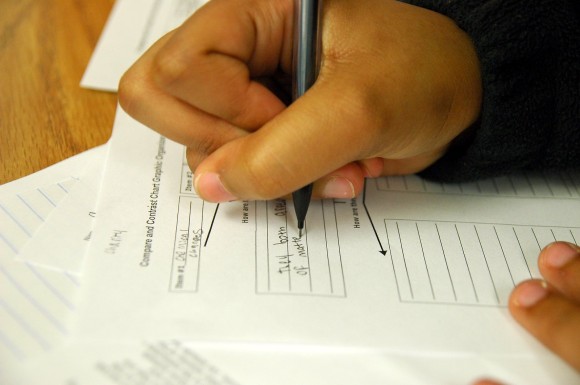
Classwork
fun in threes, sometimes fours
g
The Boy is a good eater. To say that is perhaps the ultimate understatement of our family. Sure, the Girl is theatrical; K is dedicated; Tata plays chess -- all of these are understatements, but they are gross exaggerations in comparison to "the Boy is a good eater."
All families, I guess, have the good eaters and the bad eaters. L leans toward the latter. True, she likes things most kids her age wouldn't touch (beetroot soup comes to mind) but she detests things that most kids her age adore (hamburgers and hot dogs come to mind). The Boy, on the other hand, will eat just about anything he sees us eating, and his favorites are some of the very items that L detests, like broccoli. This is often advantageous to them both, for she'll leave her three spears of broccoli on the plate for the very last minute, and occasionally the Boy, long done with his own dinner, will hop about for a while, roll about on his little four-wheeler, then abruptly jump up, dash to the table, and steal a broccoli spear.
Tonight, though, the Girl was with Nana and Papa for dinner, and the Boy had all the broccoli he could eat. He sat, holding each spear as if it were a lollipop, munching it down to the end, then simultaneously grabbing another and pointing to K's pile of green. He ate all of his and half of hers.
For his encore later this evening, he pulled a chair over to the counter by the stove and clamored up to grab one of the remaining crab cakes we'd had for dinner. It took him half an hour of playing then eating, playing then eating, but he ate almost the whole thing. When offered the final bite, he stood thoughtfully for a moment, then shook his head. "Nah," he squeaked and ran to the living room to look for a mess to make.
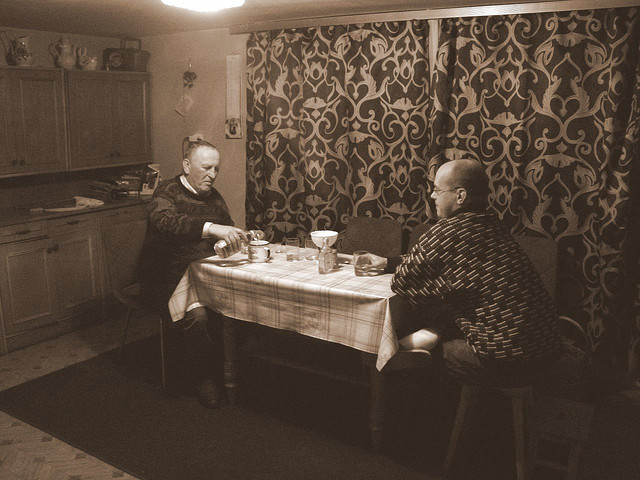
From roughly ten years ago, a failed experiment. “Is it conceivable that we could use Ukrainian grain alcohol to make our wedding przepalanka?” we pondered. We knew the answer before the experiment started: maybe we were just looking for excuses.
Dear Teresa,
I didn't really know what to do, and so, as all too often happens in such situations, I did nothing. You opened your car door this morning, and I heard an immediate flood of profanity-laden (there was no "profanity-laced" about it -- nothing so delicate) screaming from the female driver, presumably your mother. The f-word tumbled out of the car a few times, and the aggression in the woman's voice was simply amazing. I was about to walk over to the car when the driver must have seen me looking that direction in her rear view mirror, for she suddenly screamed, "Close my God-damned door!" "Thump" went the door, but the screaming was only muffled, not silenced. Finally, the door opened again, you pulled yourself out of the car, and the driver roared off.
I stood there watching you as you knelt down behind a garbage can ostensibly to tie your shoe but clearly an effort to calm yourself. I thought I could see your fingers shaking a little. And I thought of how awful it must be to begin your day like that. And I thought of what might happen if you take all that fear and anger into the school, that you might snap at the nearest teacher and wind up in trouble yourself. No, the abuse you received certainly wouldn't excuse any such response to an authority figure, but knowing what happened just minutes before would certainly put it in a different perspective for the teacher.
I wonder how many of your days begin like that. I wonder how often you get out of the car hearing someone say, "I love you" instead of "F- you." I wonder how I would fare if I began each day like that. I try to keep these things in mind when students fly off the handle at me for no apparent reason in the morning. It happens occasionally, but thankfully not often.
When you walked by me this morning, I offered some half-hearted words of sympathy: "Are you alright?" You nodded. "You sure?" More nodding, head down. I wish I'd ask you your name. I wish I'd have followed up with your guidance counselor. I wish I had another chance to make some positive impact on your life.
I'll keep an eye out for you tomorrow, though, and be sure to give you a smile and introduce myself.
Concerned,
Your Future Teacher (Possibly)
You pass by an old house in the middle of the country and you immediately start thinking about the story. About the stories that make up the one story. A house is the physical center of a family, and so when you see a house that is falling in on yourself, you wonder about the times in the house when the roof was still whole and the chimney still smoked. You wonder if the condition of the house is in any way a reflection of the condition of the family, sure that it isn't but equally certain that it could be, especially when it's a house in the South. It brings to mind images of the Sutpens and Bundrens and a thousand other families from Southern Gothic novels.

It's hard to see a house that's caving in on itself and imagine laughter in that house, but surely it was there, you say to yourself. A family without laughter is as horrific a thing as you can imagine. But still, it's hard to hear the echoes when the roof has fallen in and a wall collapsed under the weight of years of neglect.
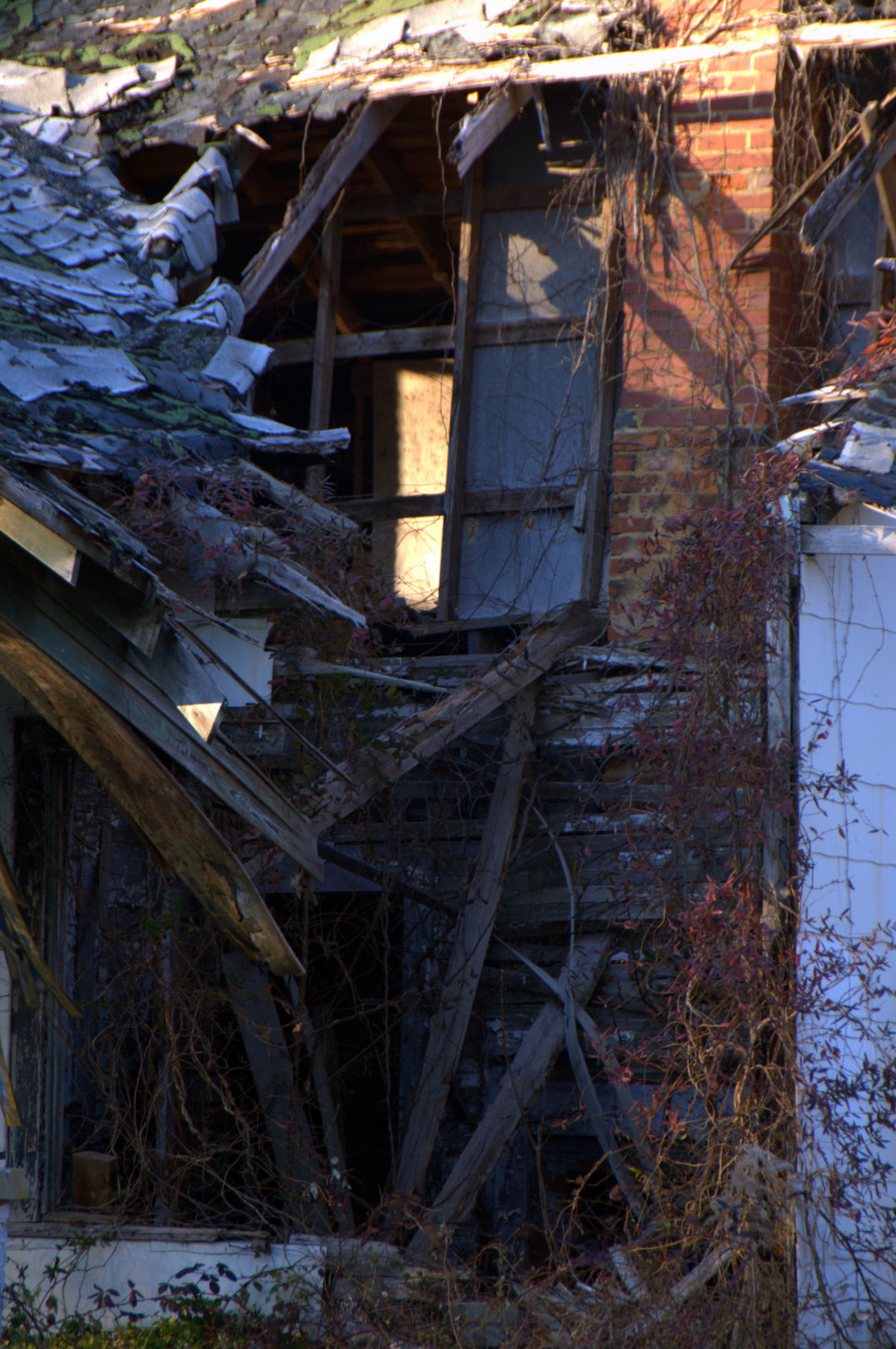
On the other hand, perhaps it is the old family homestead that is empty now because one of the sons has made good enough in some venture or another to be able to build his parents a new house. Or perhaps it's simply that the widowed mother has now moved in with her daughter and son-in-law in the house across the way.
All these stories swirling around us and we don't even know what page we're looking at.
So many changes since the last time we were here. The Girl was younger than the Boy, less than half his age, and the Boy, of course, was not even a thought yet -- at least not a thought in our minds.
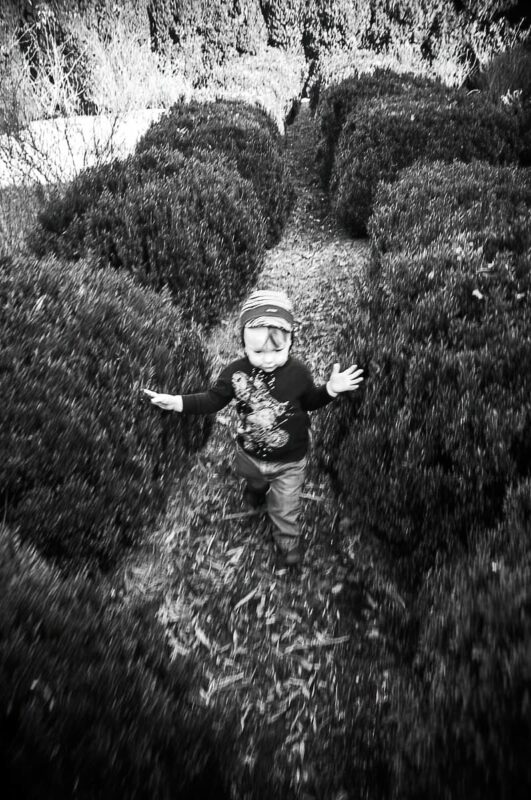
The house of course hasn't changed.
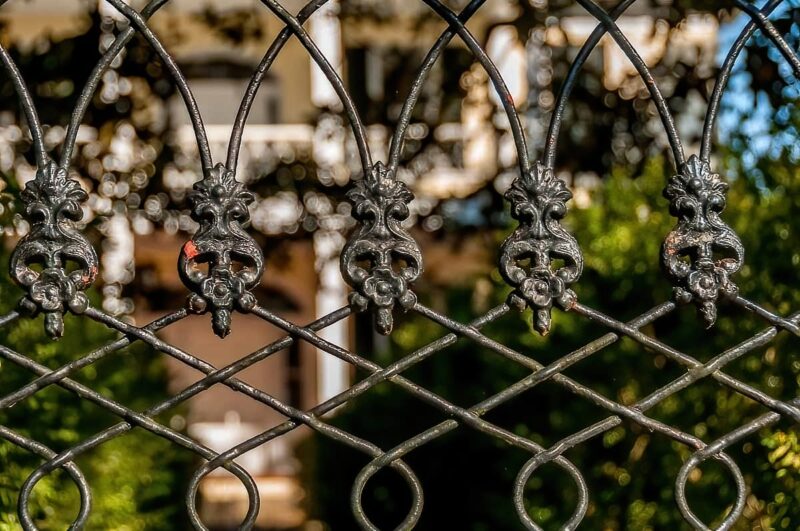
It hasn't changed since before the Civil War, with wrought iron fencing surrounding two magnolias from the same era.
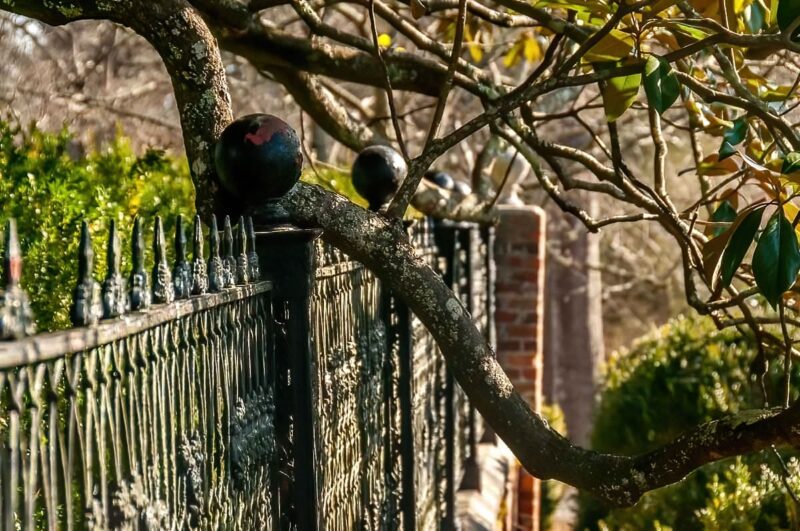
The magnolias certainly haven't grown as much in the intervening years as the Girl has grown. The last time we were here, with Dziadek, we took the Girl through the house tour in our arms.
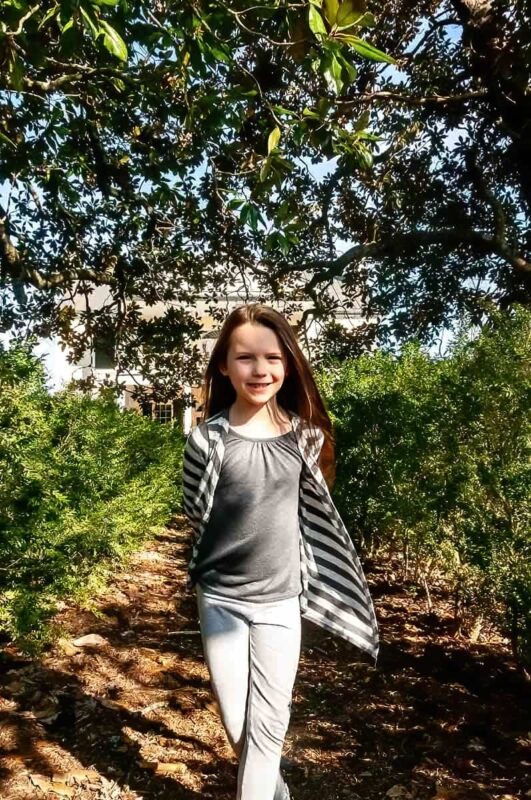
Today, it's the Boy's turn, only he doesn't want to go on any quiet tours. He and I head out into the surrounding area, looking for sticks -- the Boy's newest obsession -- and pass the time while the girls explore the house.
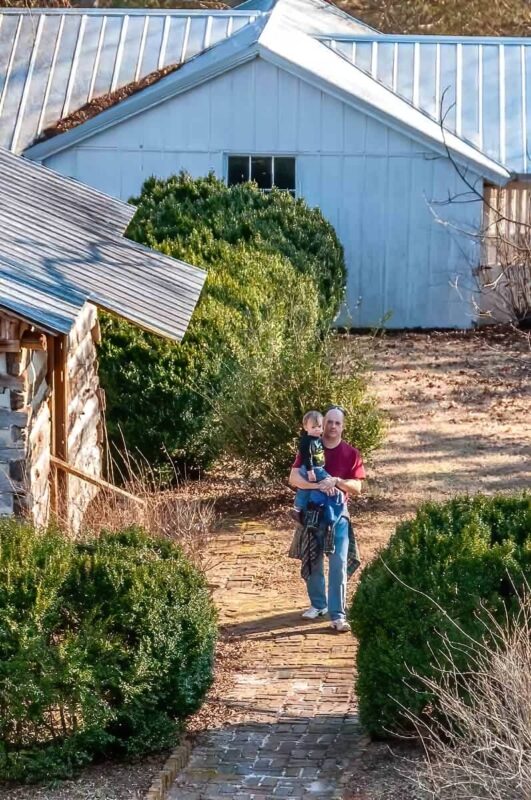

After the tour, we take some portraits,
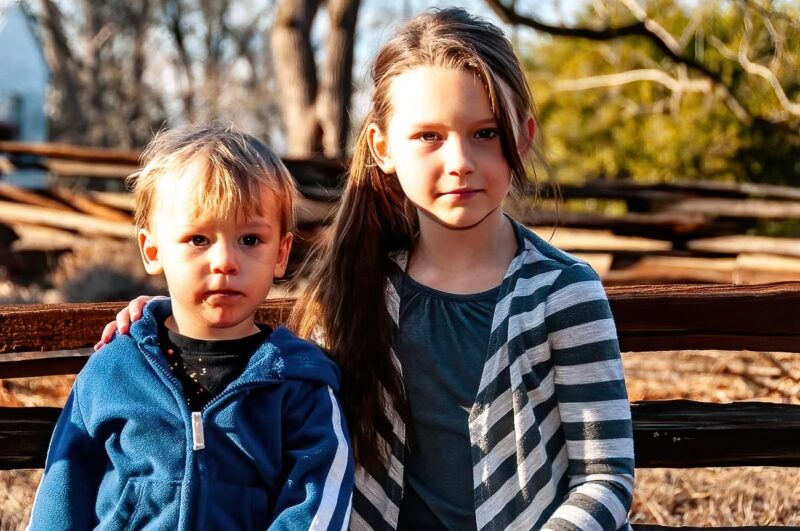
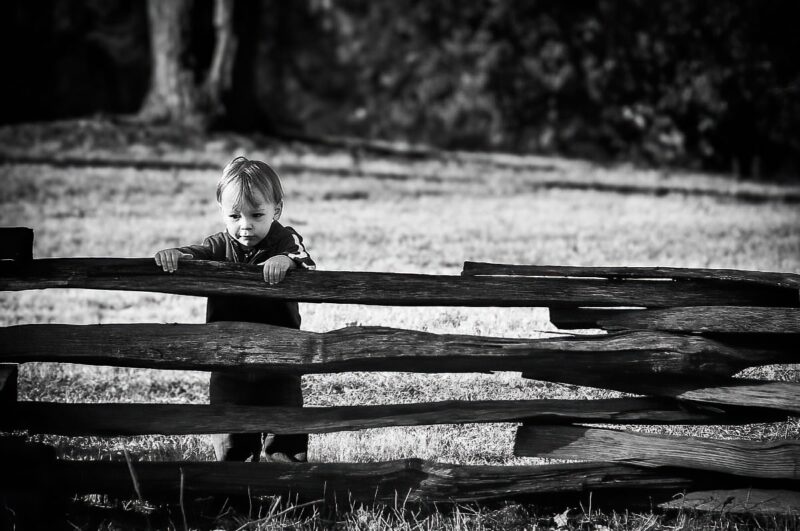
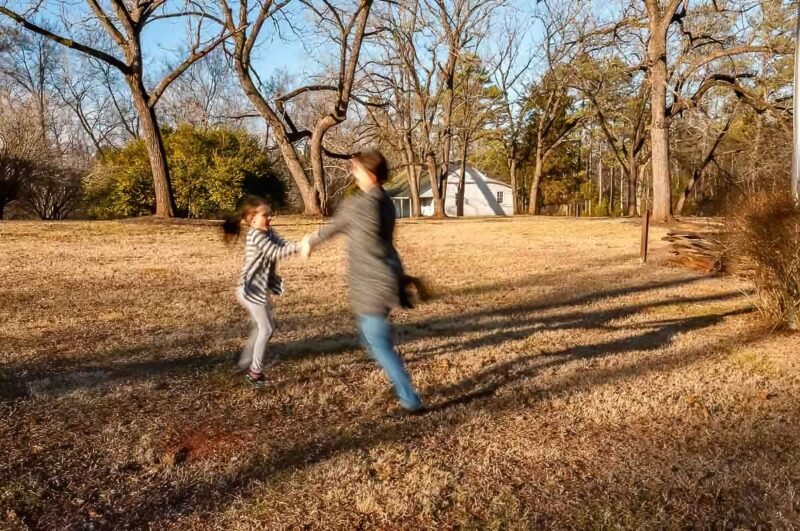
L and K dance a bit,
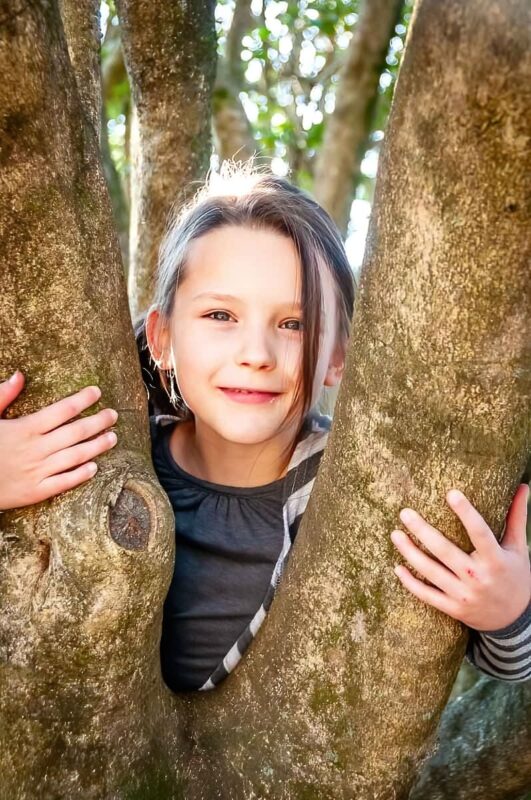
then L finds a tree to climb while the Boy continues looking for sticks.
Six years, many more changes. How different will we all be the next time we visit the plantation?
There is only one band about which I can say, "I remember the first time I heard them -- when, where, with whom -- as well as the song and my immediate reaction." The Pixies. I was visiting a friend, sitting in her living room with about four or five other friends, during my senior year when she said, "You've got to hear this."
I was simultaneously appalled and fascinated. I bought the album shortly after that, though, so clearly the fascination won out. The song, called "Rock Music," grew on me and eventually became one of my favorites on the whole album.
The Pixies have always been a group difficult to describe, and I'm not the only one who contends this. Allmusic.com begins its biography thusly:
Combining jagged, roaring guitars and stop-start dynamics with melodic pop hooks, intertwining male-female harmonies, and evocative, cryptic lyrics, the Pixies were one of the most influential American alternative rock bands of the late '80s. the Pixies weren't accomplished musicians -- Black Francis wailed and bashed out chords while Joey Santiago's lead guitar squealed out spirals of noise. But the bandmembers were inventive, rabid rock fans who turned conventions inside out, melding punk and indie guitar rock, classic pop, surf rock, and stadium-sized riffs with singer/guitarist Black Francis' bizarre, fragmented lyrics about space, religion, sex, mutilation, and pop culture; while the meaning of his lyrics may have been impenetrable, the music was direct and forceful.
A few months after that first encounter, a friend sold me Doolittle, by far their best album, because he'd heard "Here Comes Your Man" and assumed the whole album was like this.
In the pre-internet days, it was all but impossible to preview a whole album, so he had no idea that the song following the pop-sweet "Here Comes Your Man" is a song about David and Bathsheba called "Dead," one of my all-time favorite songs by the group.
Or "Crackity Jones," in which Black Francis, the lead singer, tells the story of a crazy roommate he had while studying in Puerto Rico and in doing so expands his repertoire beyond crooning, screaming, and shrieking to include barking.
They're not musically gifted; their lyrics are bizarre; the songs are often short blobs of confusion -- all the things I say I dislike about music. Yet they're so dang addictive.
I saw them first in 1991 or 1992 -- right at the end of their existence. That first show was in Knoxville, stadium seating, and a few friends of mine and I arrived when the doors opened and sat just in front of the stage for almost two hours, securing first row "seats" and a very memorable experience. A few months after that, I saw them again in Atlanta, opening for, of all groups, U2. Then they broke up. The end. Never again.
No one could have foreseen the trend of old bands coming back together for the nostalgia of their fans and the filling of their own bank accounts. And even when bands that one would have thought had long gone by the wayside were reforming in the early years of the 2000s, I never would have guessed the Pixies would reunite. But they did. And they're touring. And as this is published, I'll be about twelve rows back with an old high school friend, hoping beyond all hope that they play "Rock Music."
“Yes or no?” I ask the Boy.
“Tak,” he replies.
As an eighth-grade teacher, I’ve sometimes found myself in a situation that is difficult to believe: a student, already in trouble, burrows herself even more deeply into the issue, verbal fangs and claws showing. “It’s surely a defensive mechanism,” I thought, wondering why this person was essentially standing in front of a wall banging her head mercilessly against the cinder blocks and growing more angry that the only result was pain for her with no visible effects to the wall. “Surely this is automated response,” I almost mused aloud.
Such situations have left me wondering what I could do to help such a student and frustrated that I didn’t handle the situation better at the time. In such cases, if the kid has been somewhat troubling through the year, it can be difficult to resist the temptation to poke at the situation a bit like a bloodied knee. What does it cost me? It only hurts the other person, and don’t she deserve it for all the nonsense I’ve put up with through this year? Yet I’m the adult in the situation, and thankfully I can say that I’ve generally resisted the temptation to provoke further in such situations.
“Surely it’s something they grow out of.” It’s the only hope sometimes. And then I saw this.
Spotify has allowed me to wallow in music I literally haven’t heard ten or more years, which is to say wallow in nostalgia.