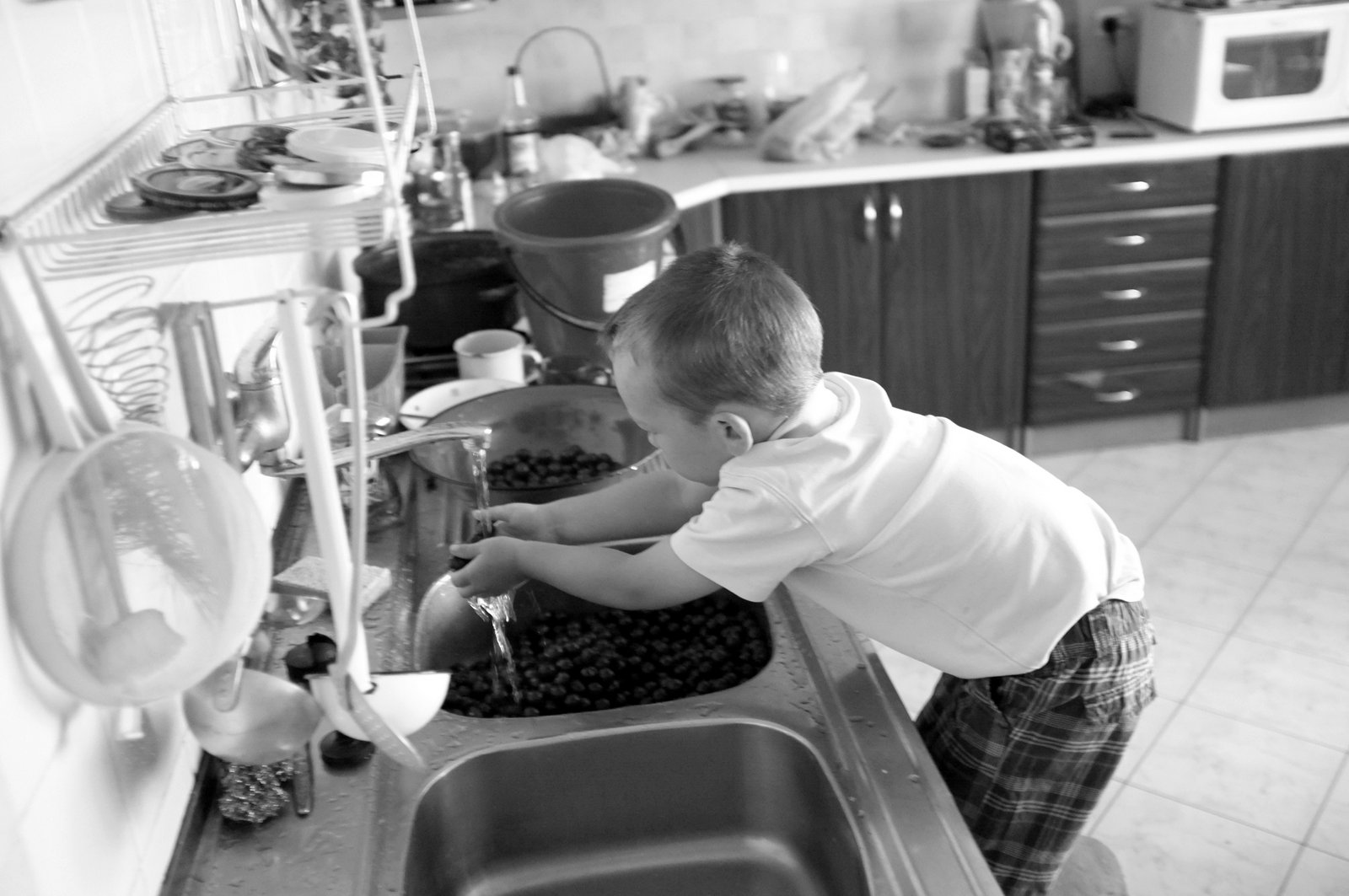
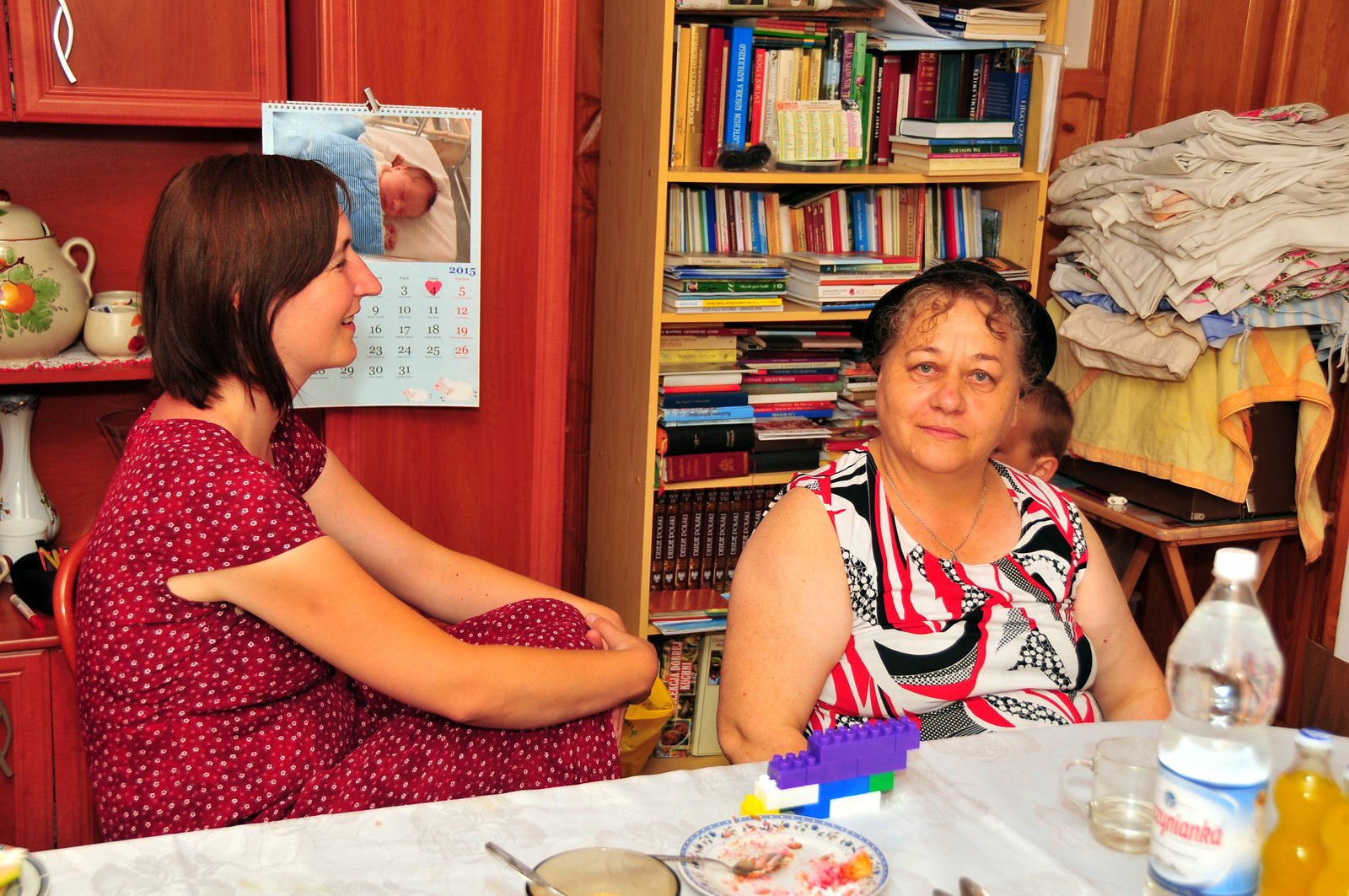
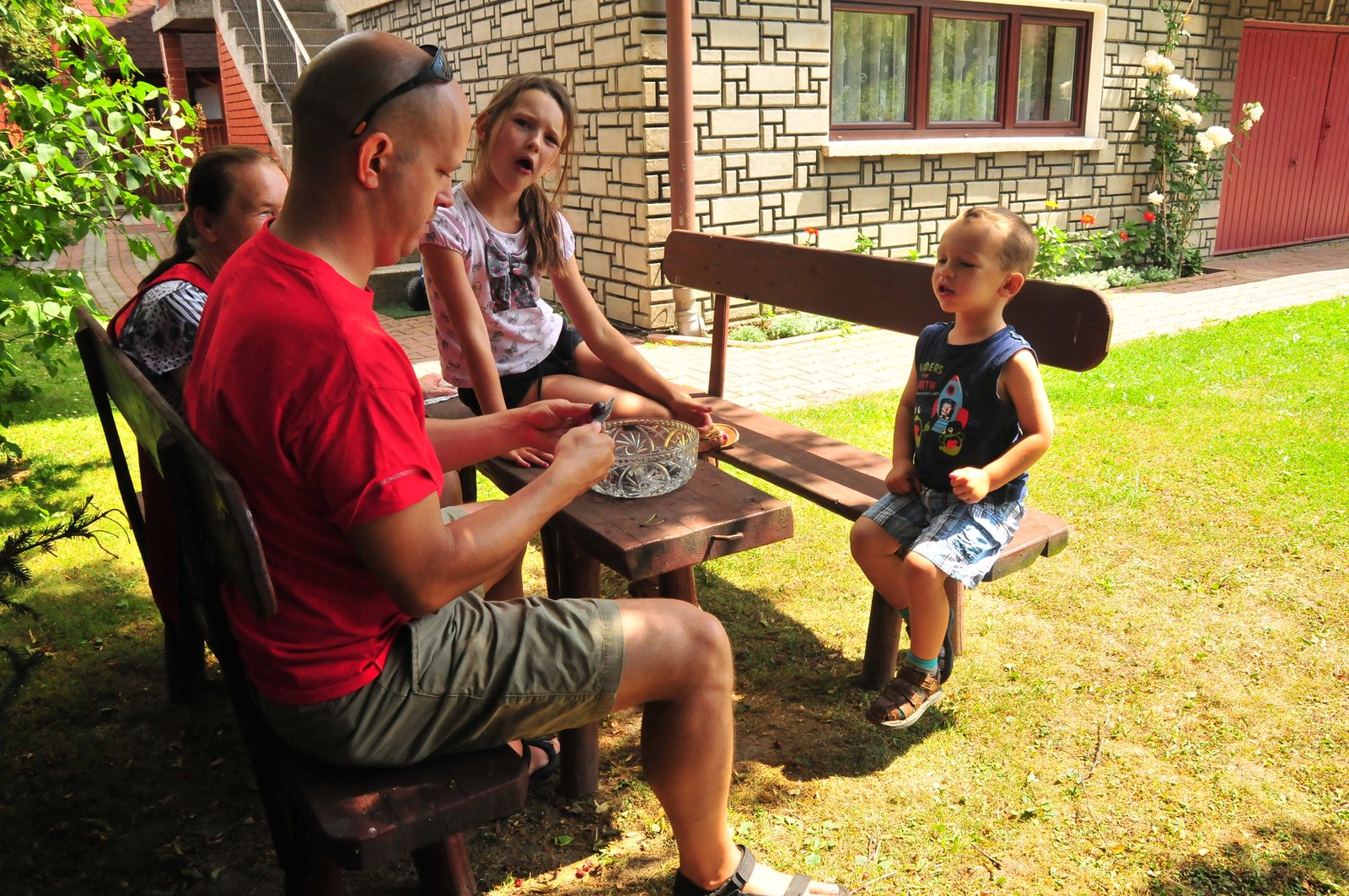
The Boy loves helping. He insisted on helping Babcia prepare sour cherries for canning.
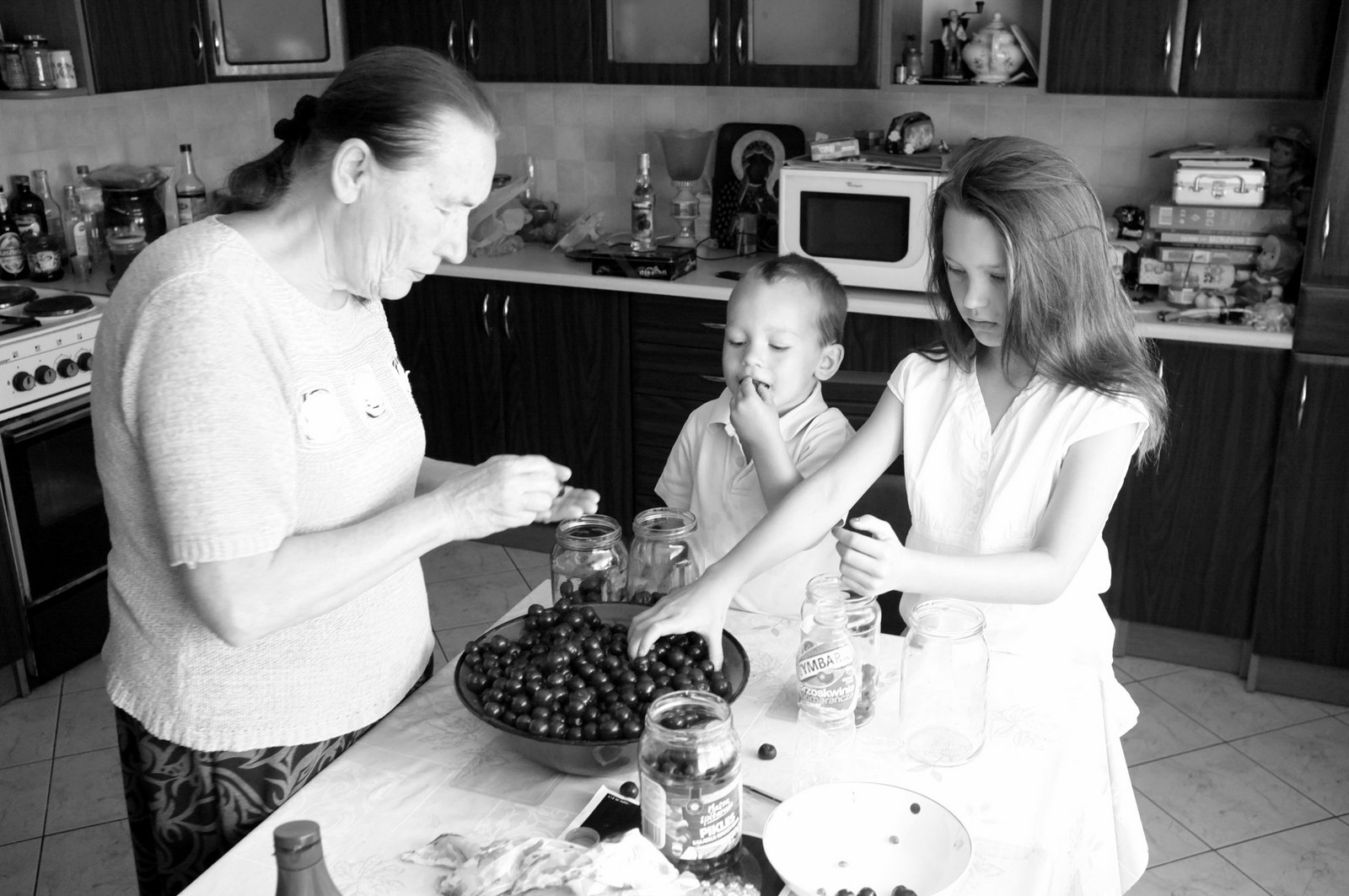
The Girl got in on the action, too.
fun in threes, sometimes fours
g
The Boy loves helping. He insisted on helping Babcia prepare sour cherries for canning.
The Girl got in on the action, too.
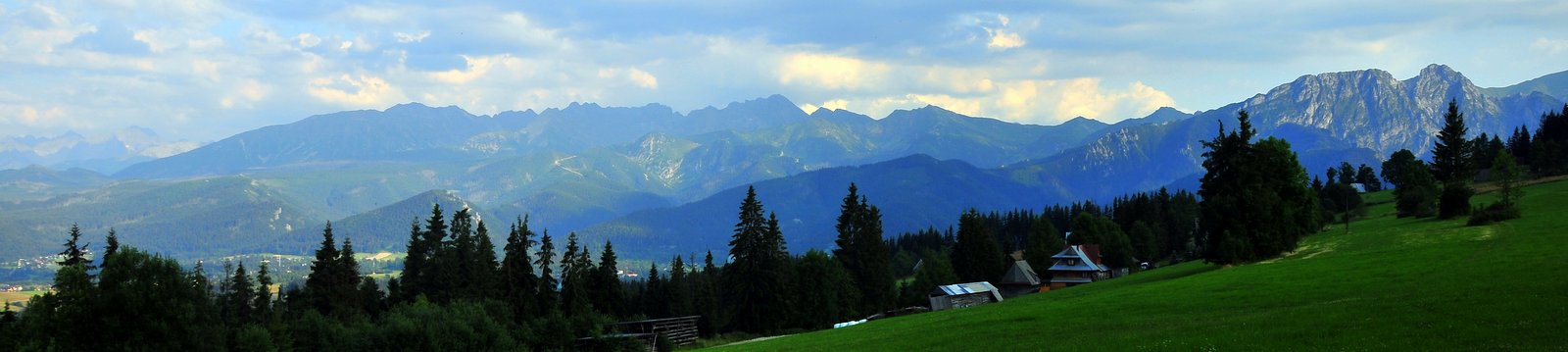
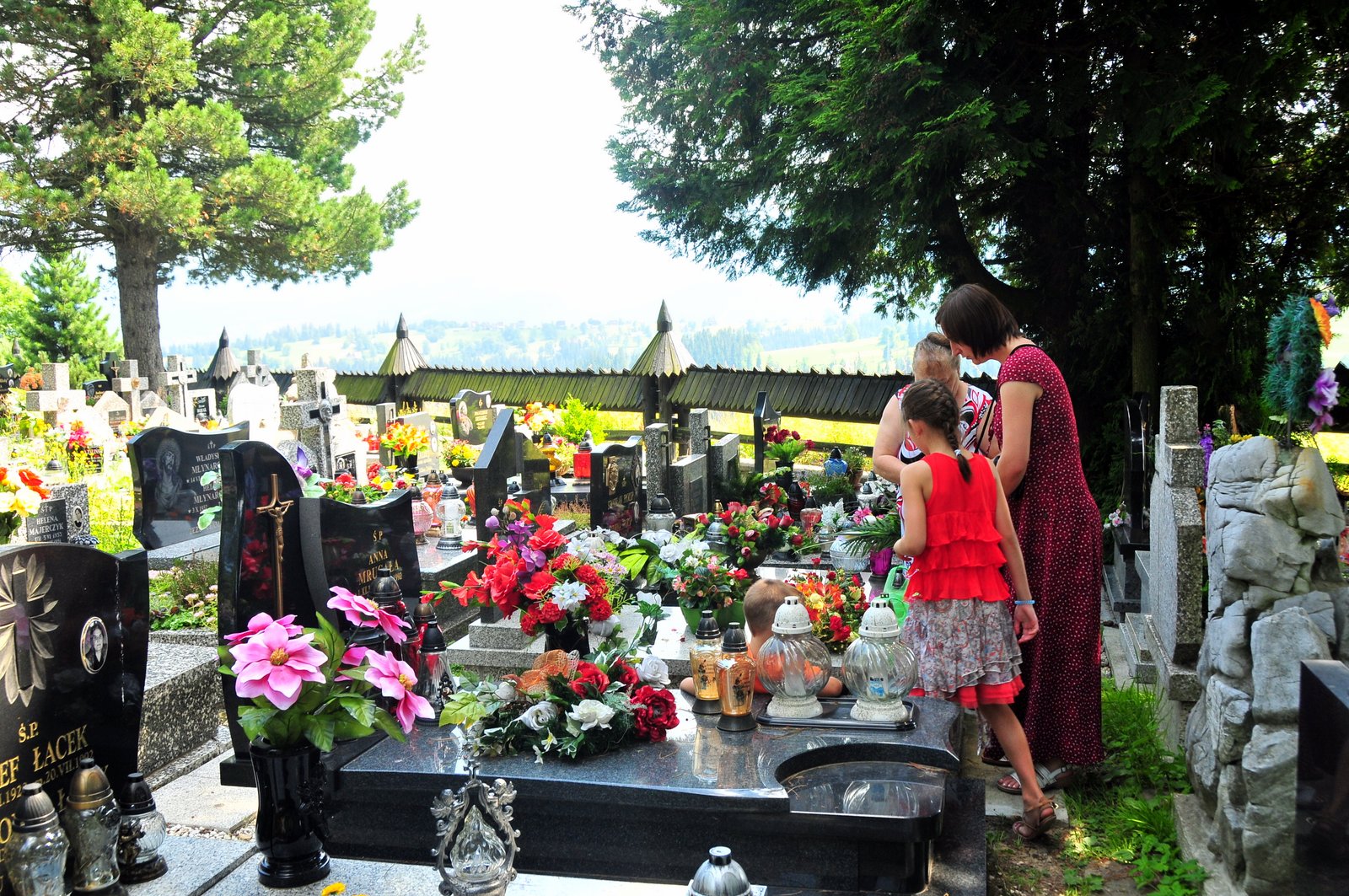
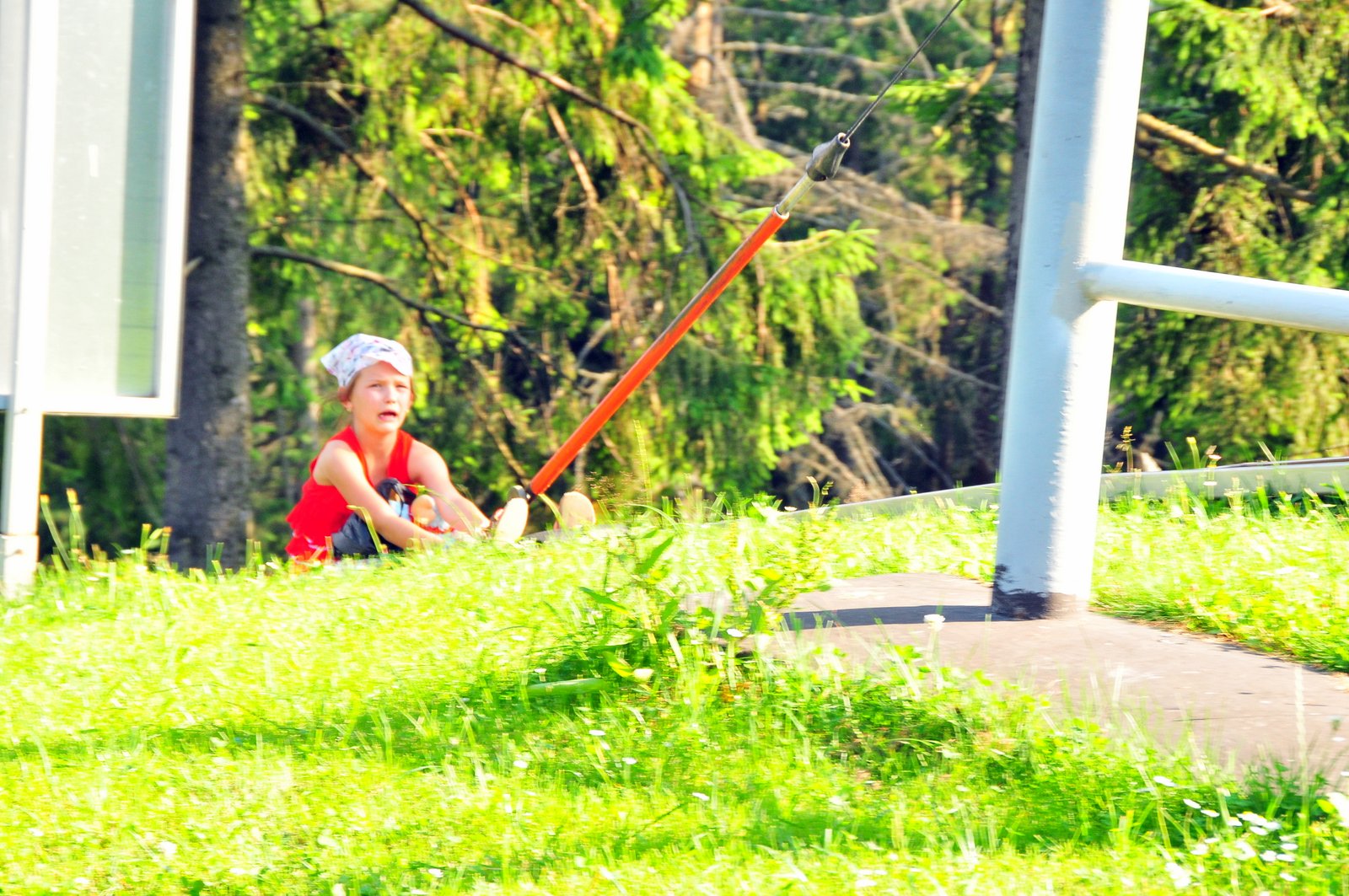
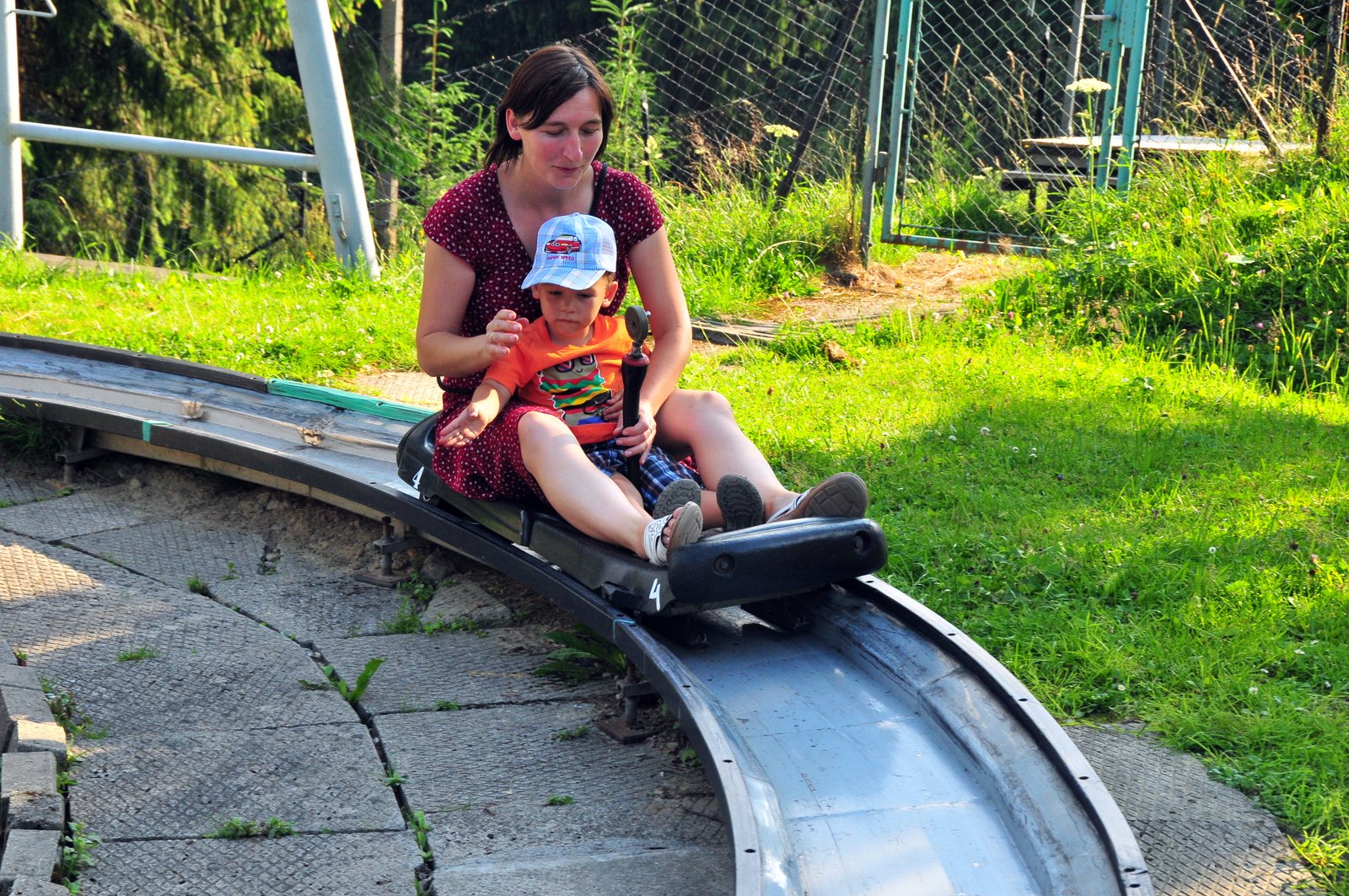
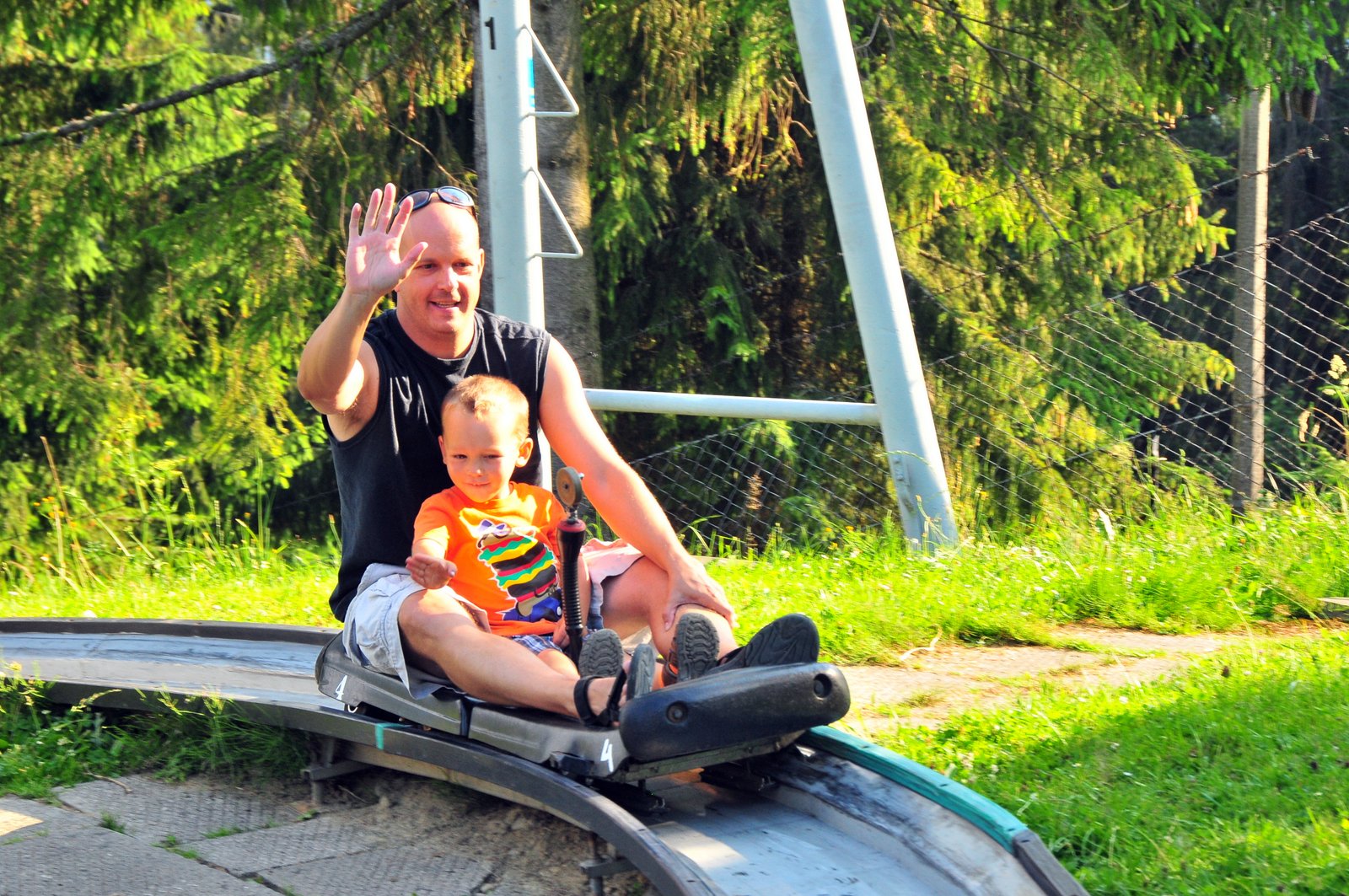
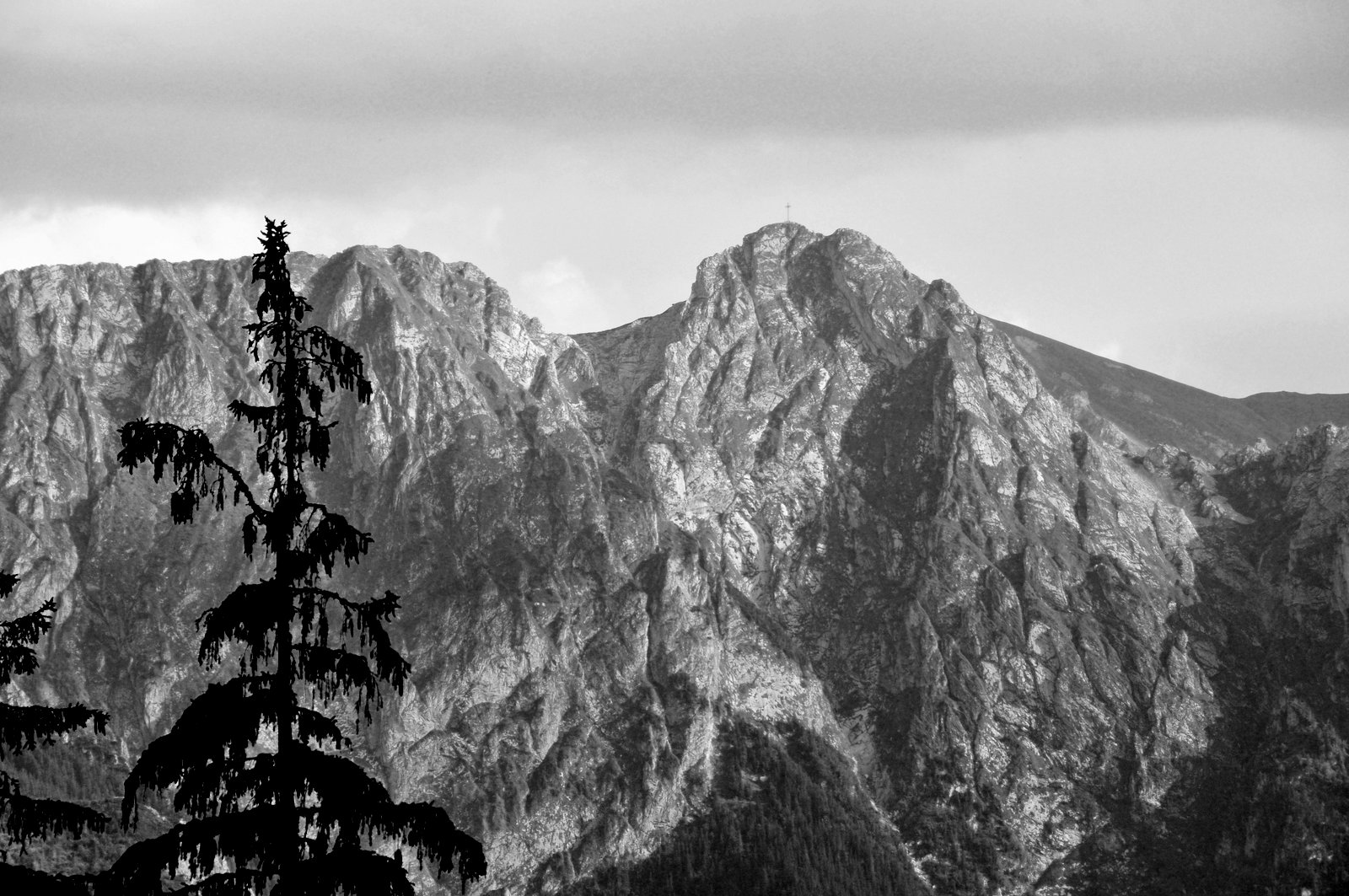
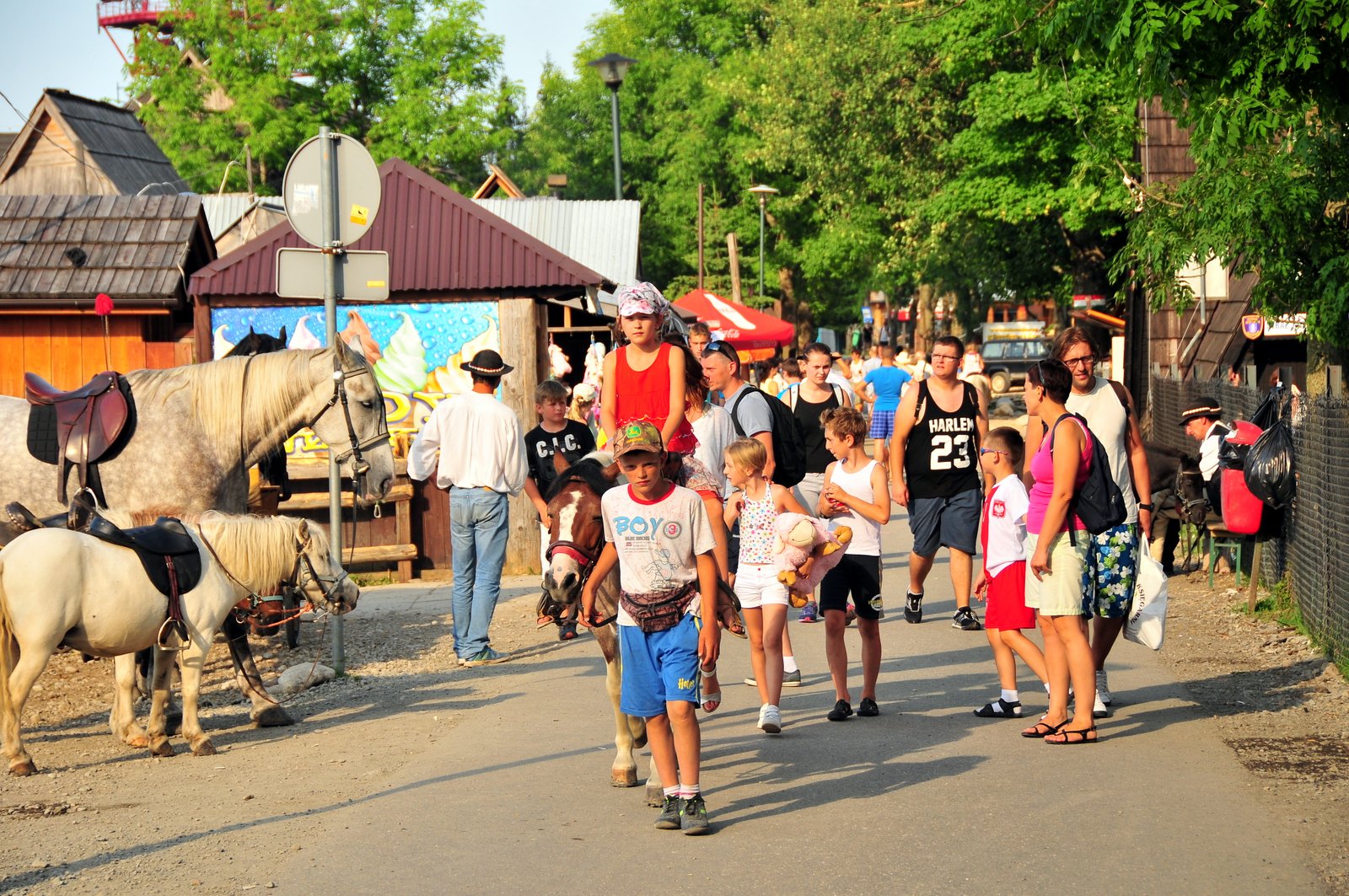
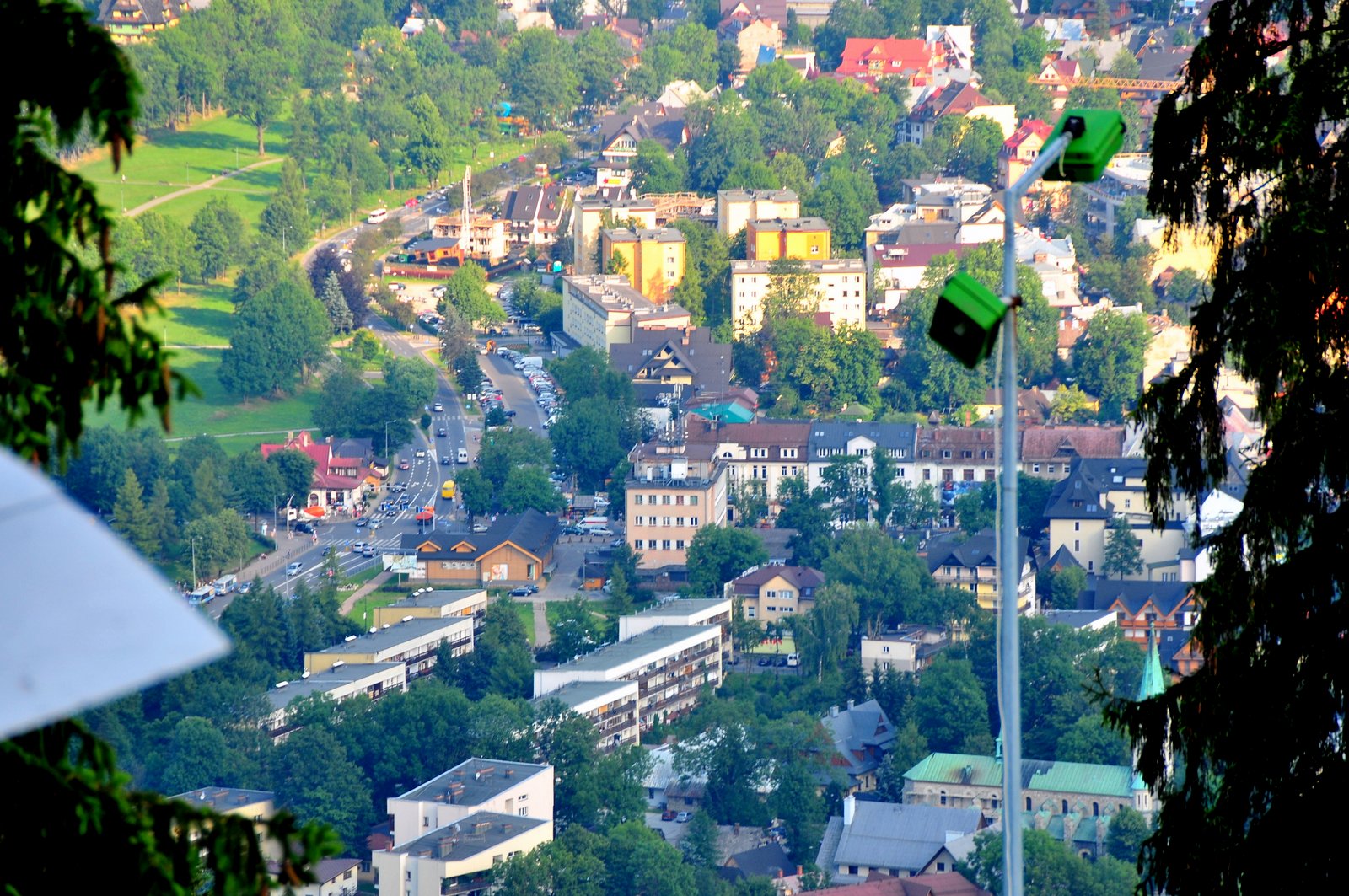
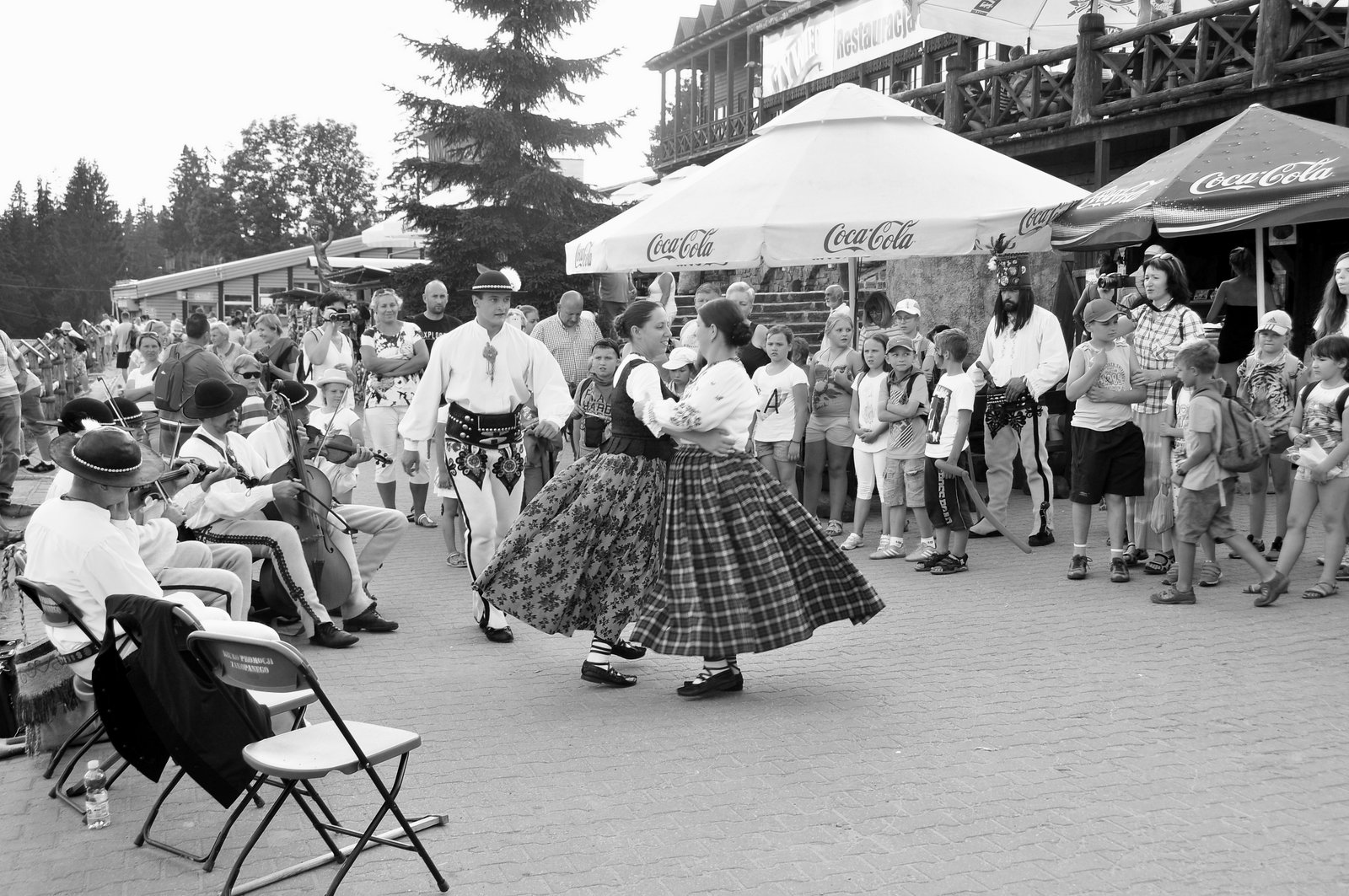
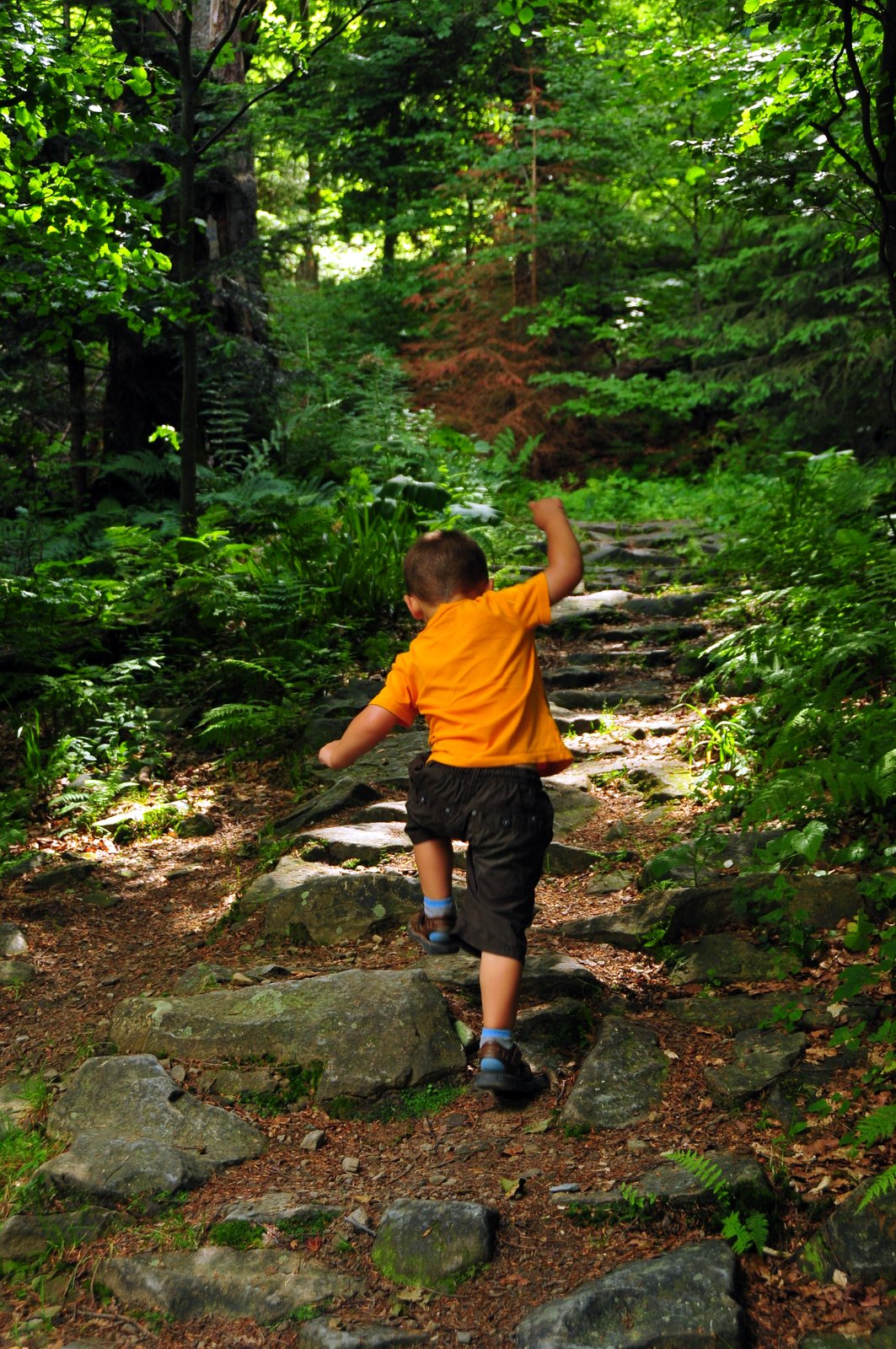
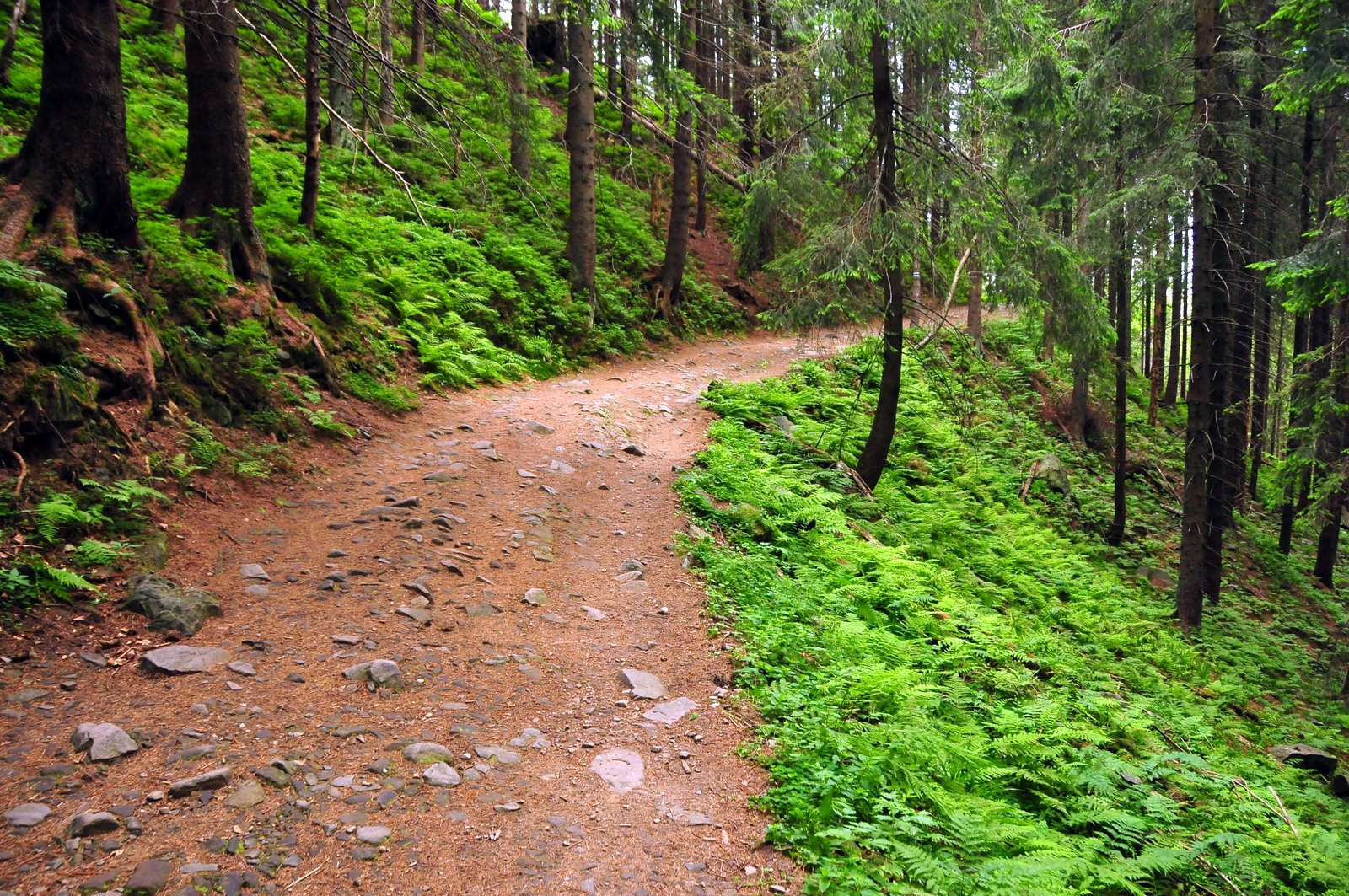
We had a few false starts -- or at least we had a few situations where the Boy decided he wanted to go on a different trail and had to be convinced to continue on our planned trail.
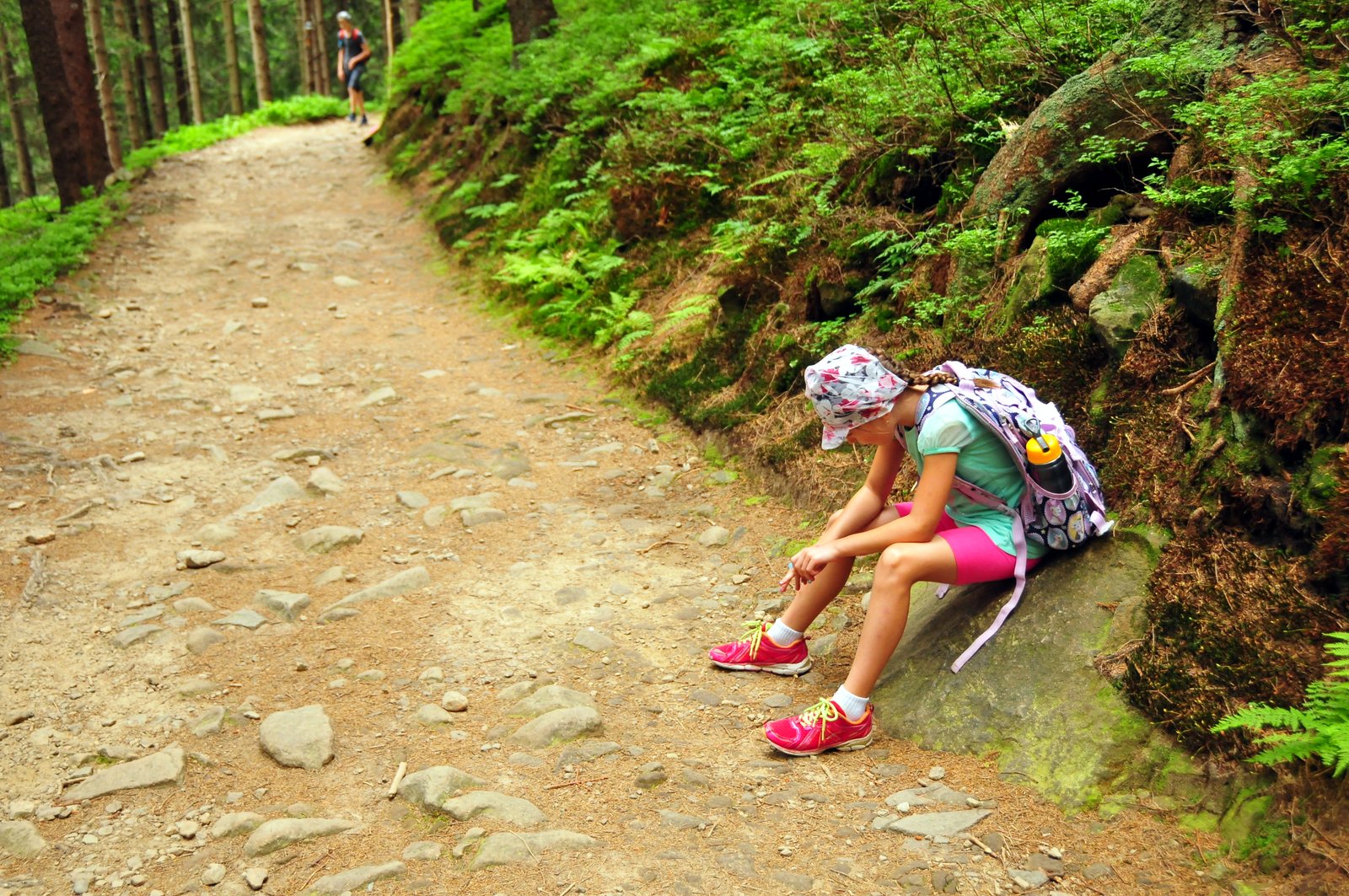
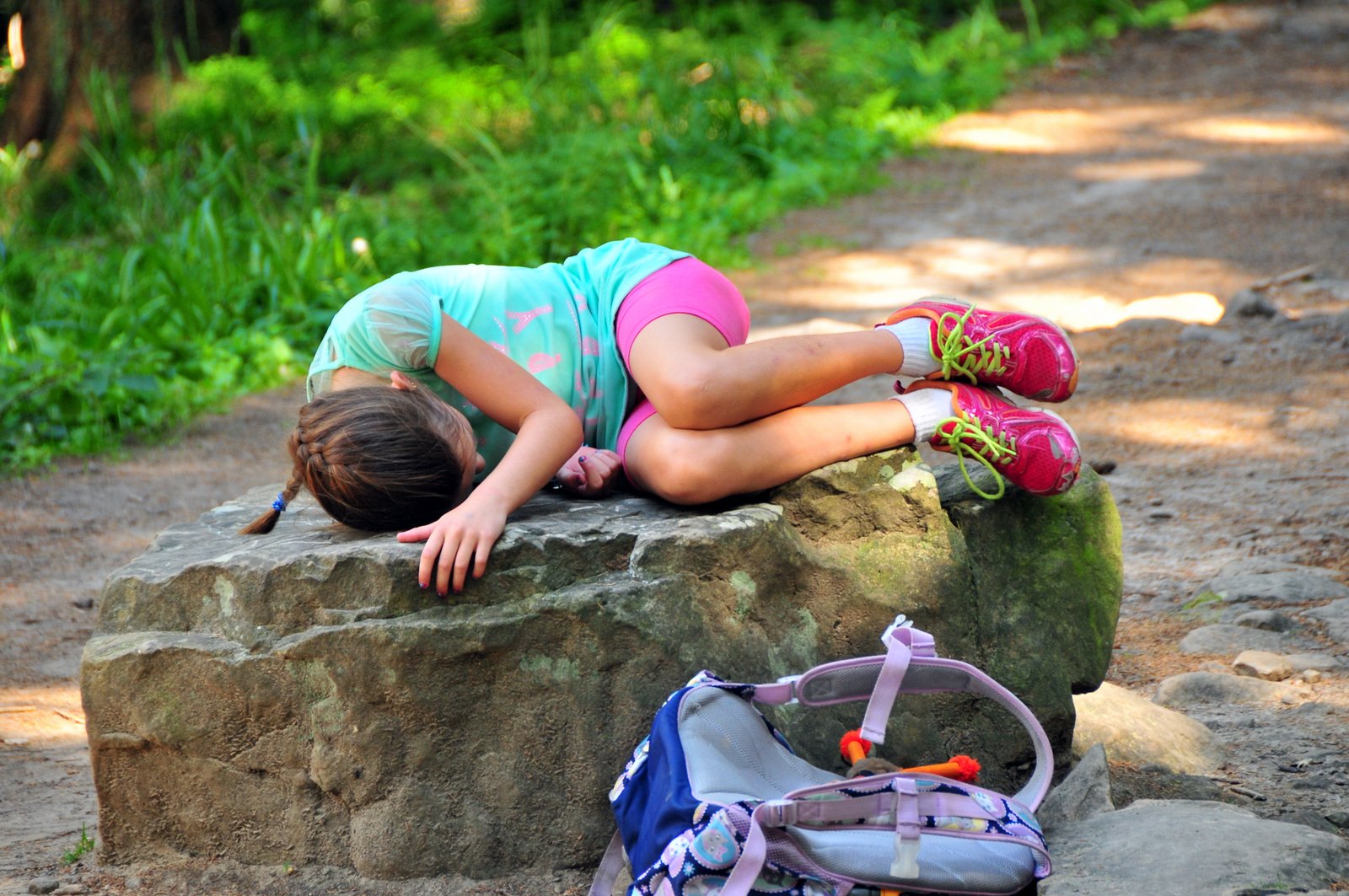
We had a few situtations where utter exhaustion threatened the whole adventure.
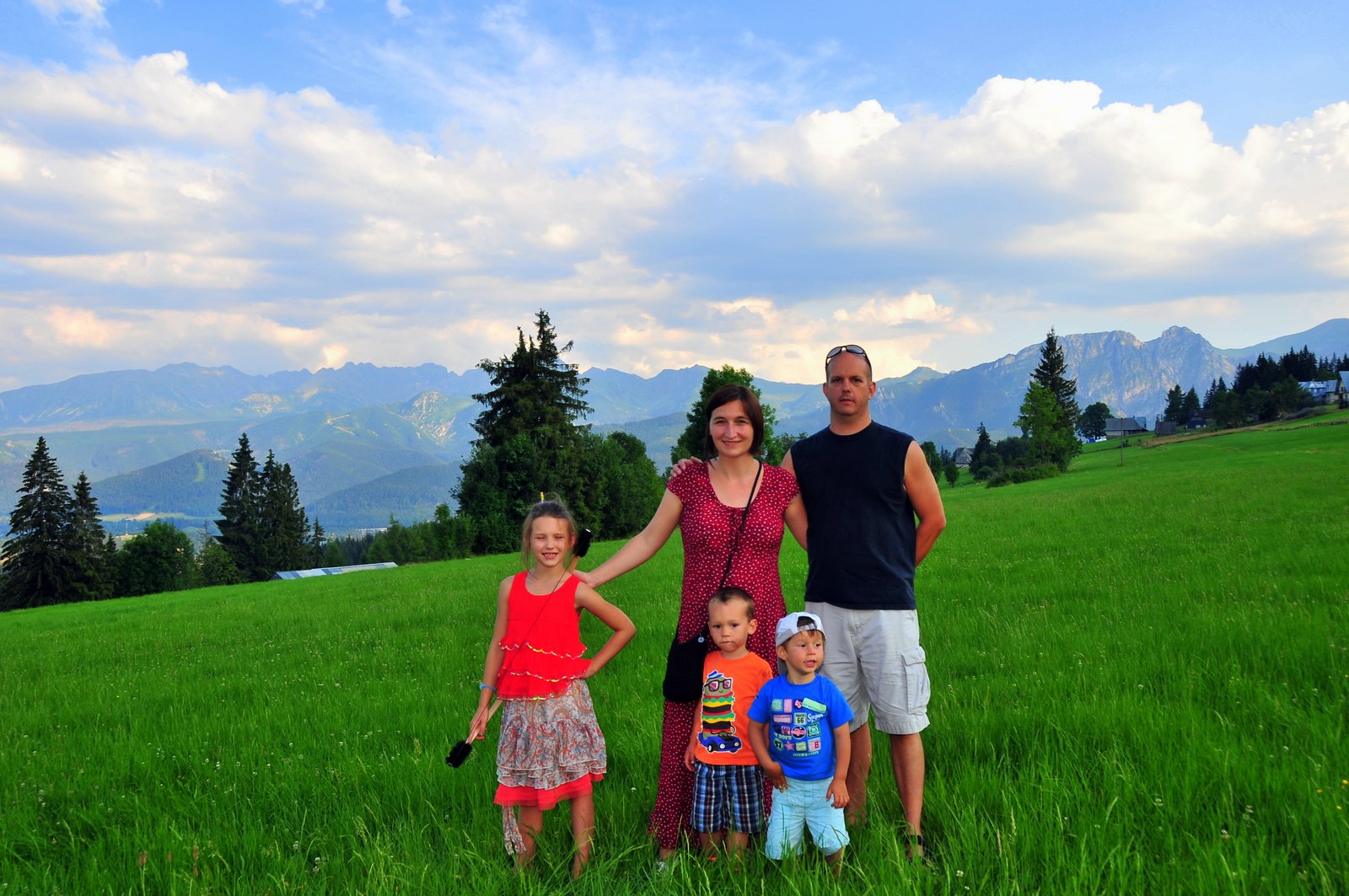
We took a few portraits.
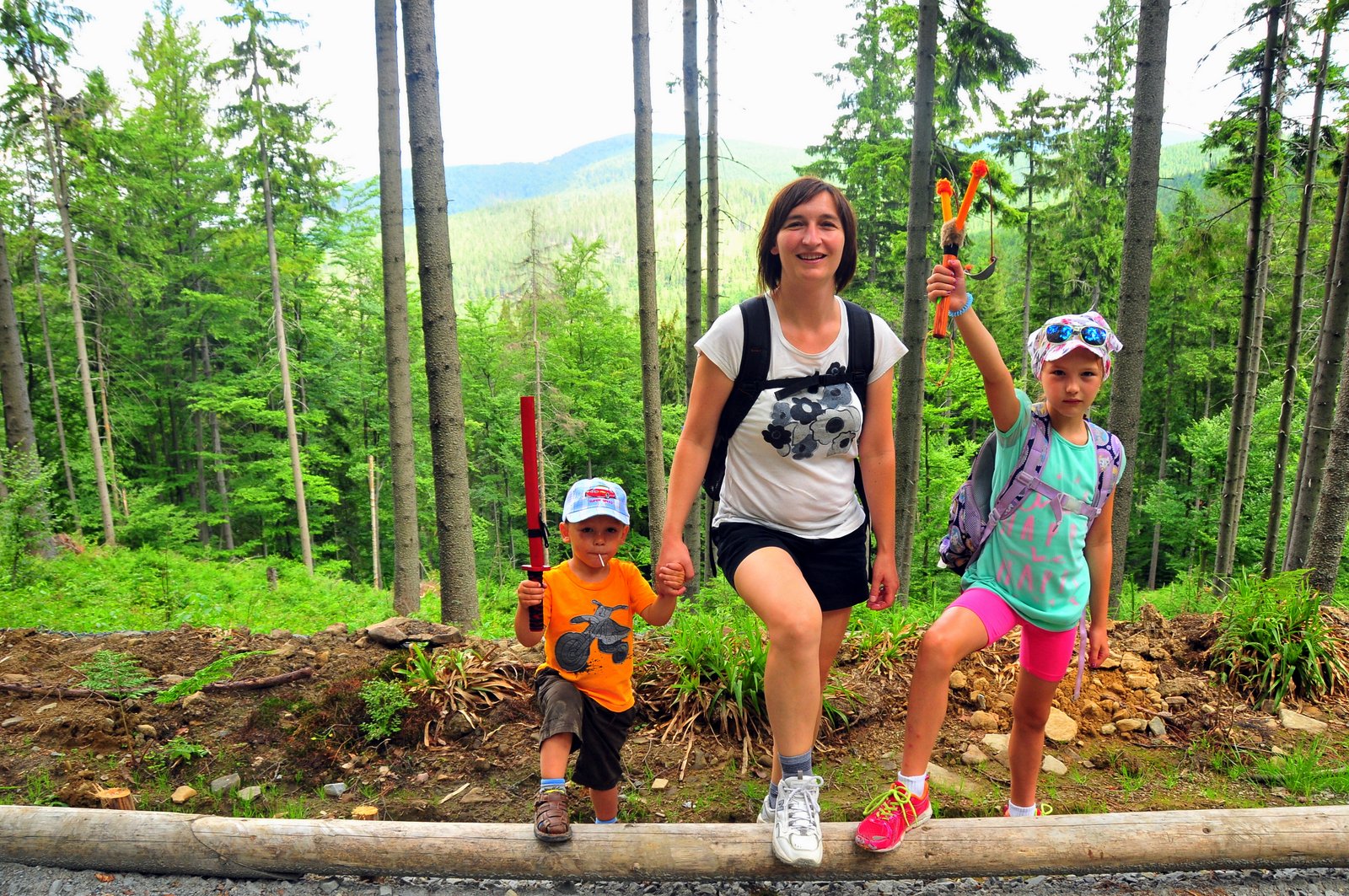
We took a few breaks.
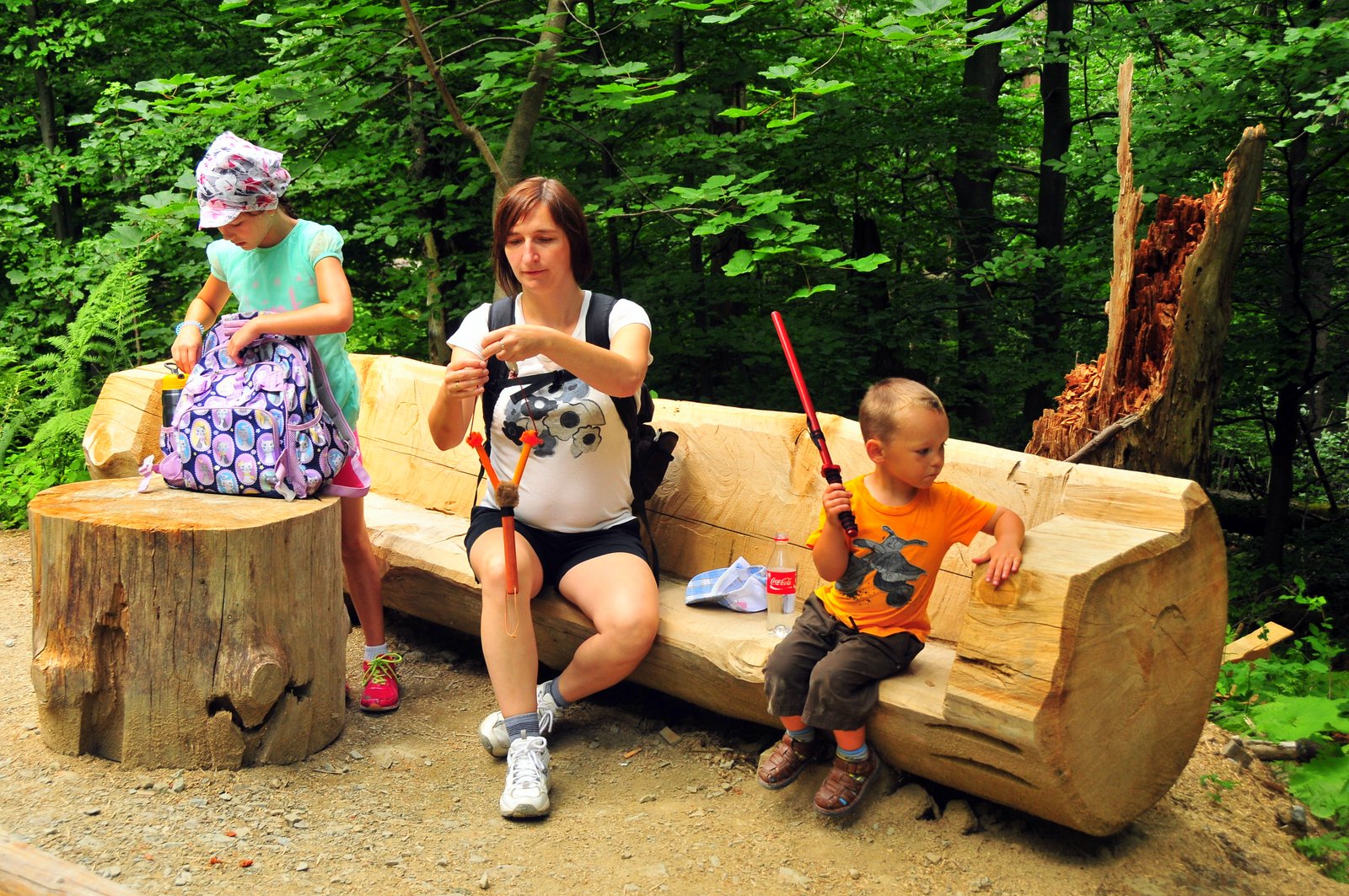
We played a few games, like pretending to be asleep until a little brother approaches, then shouting "Boo!"
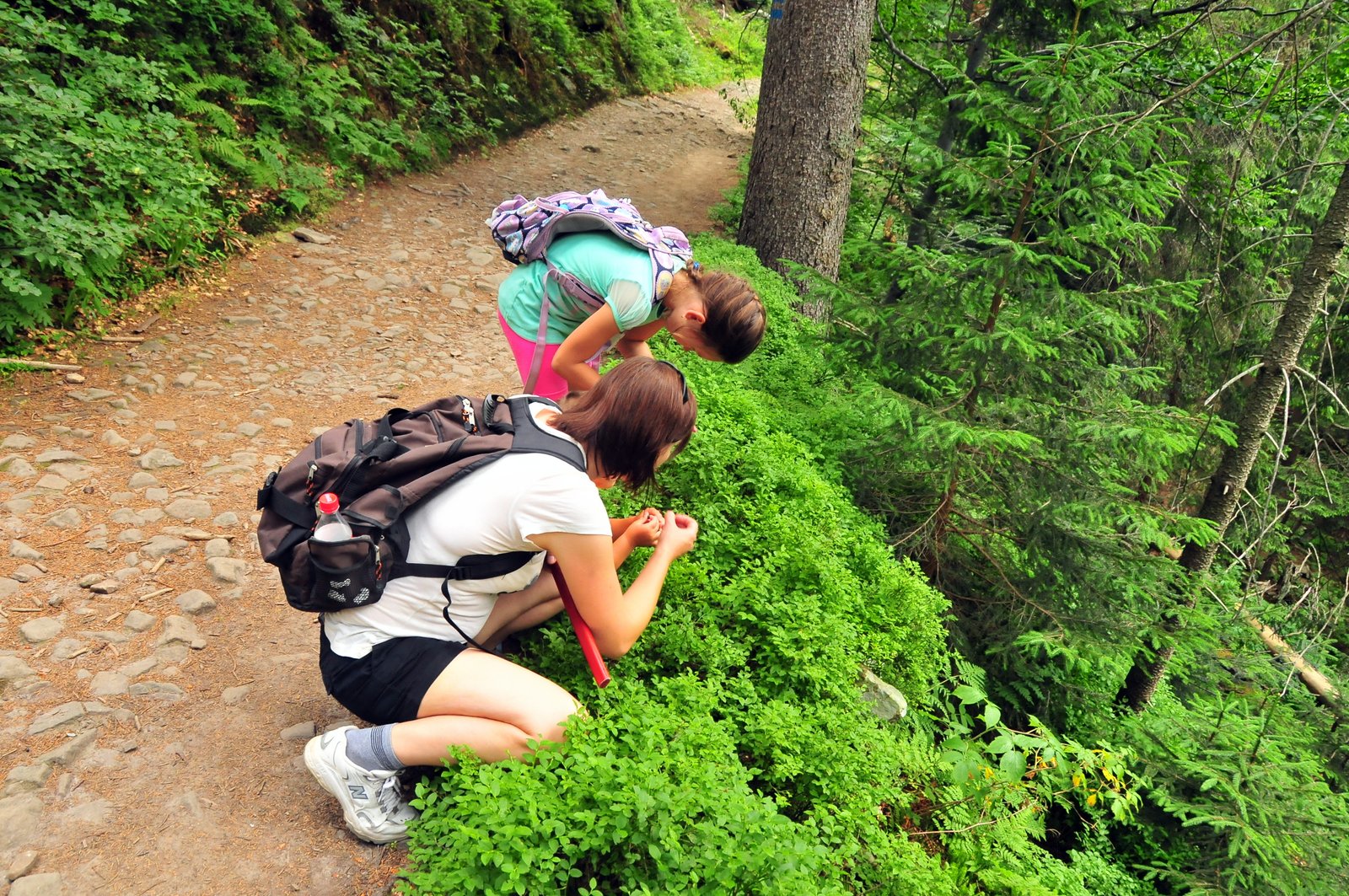
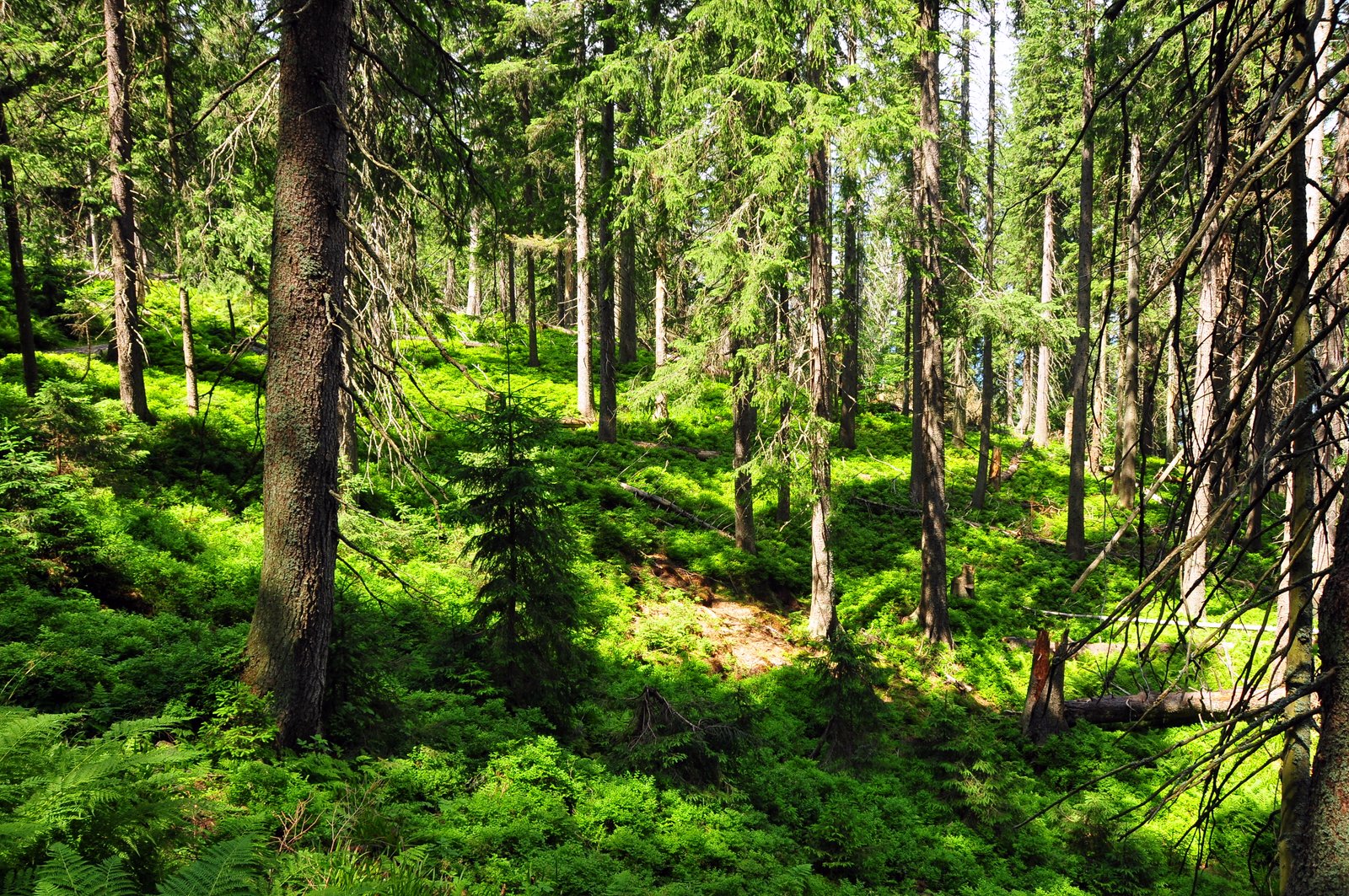
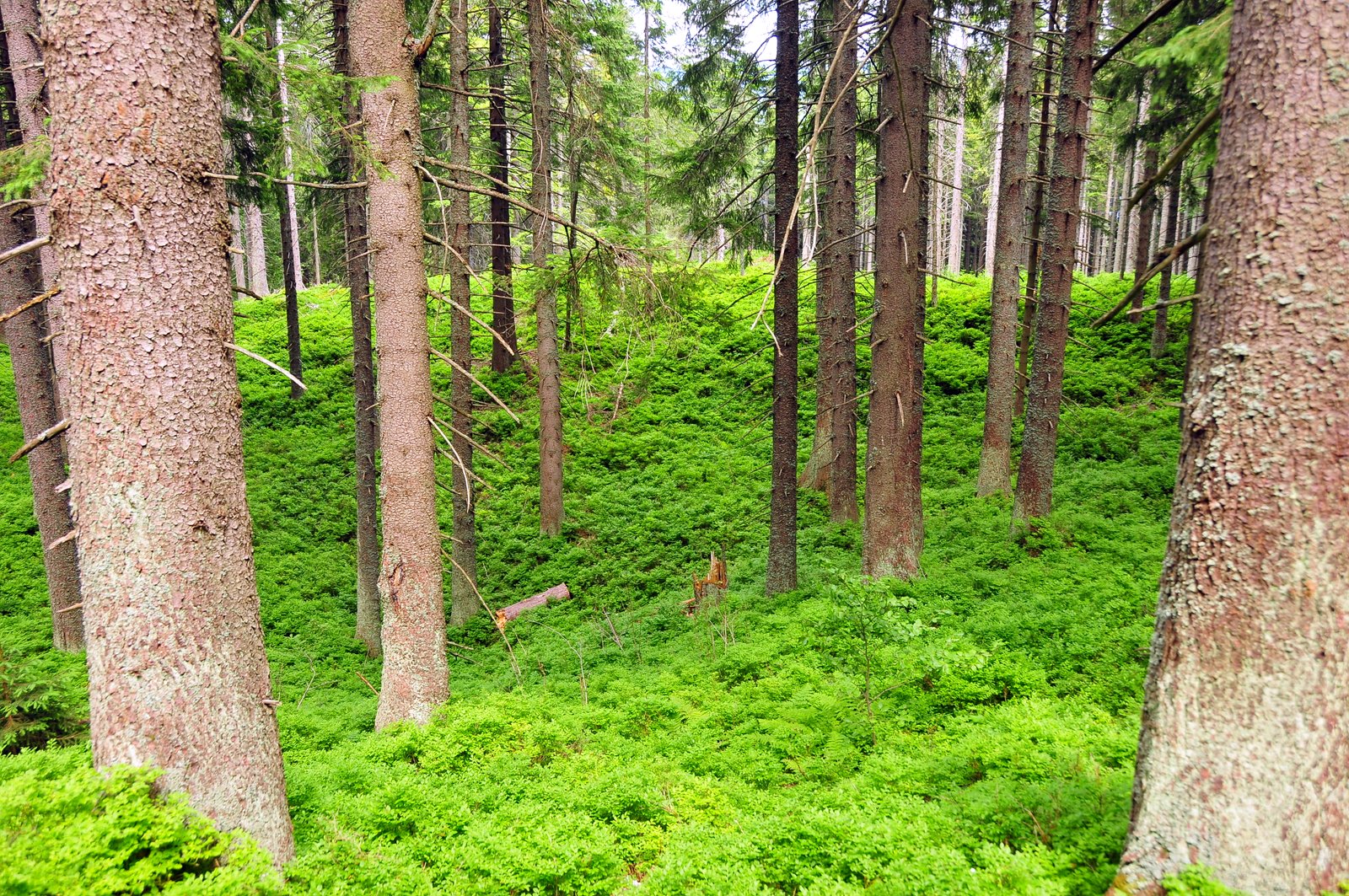
And of course we ate a few blueberries, though we knew we probably shouldn't.
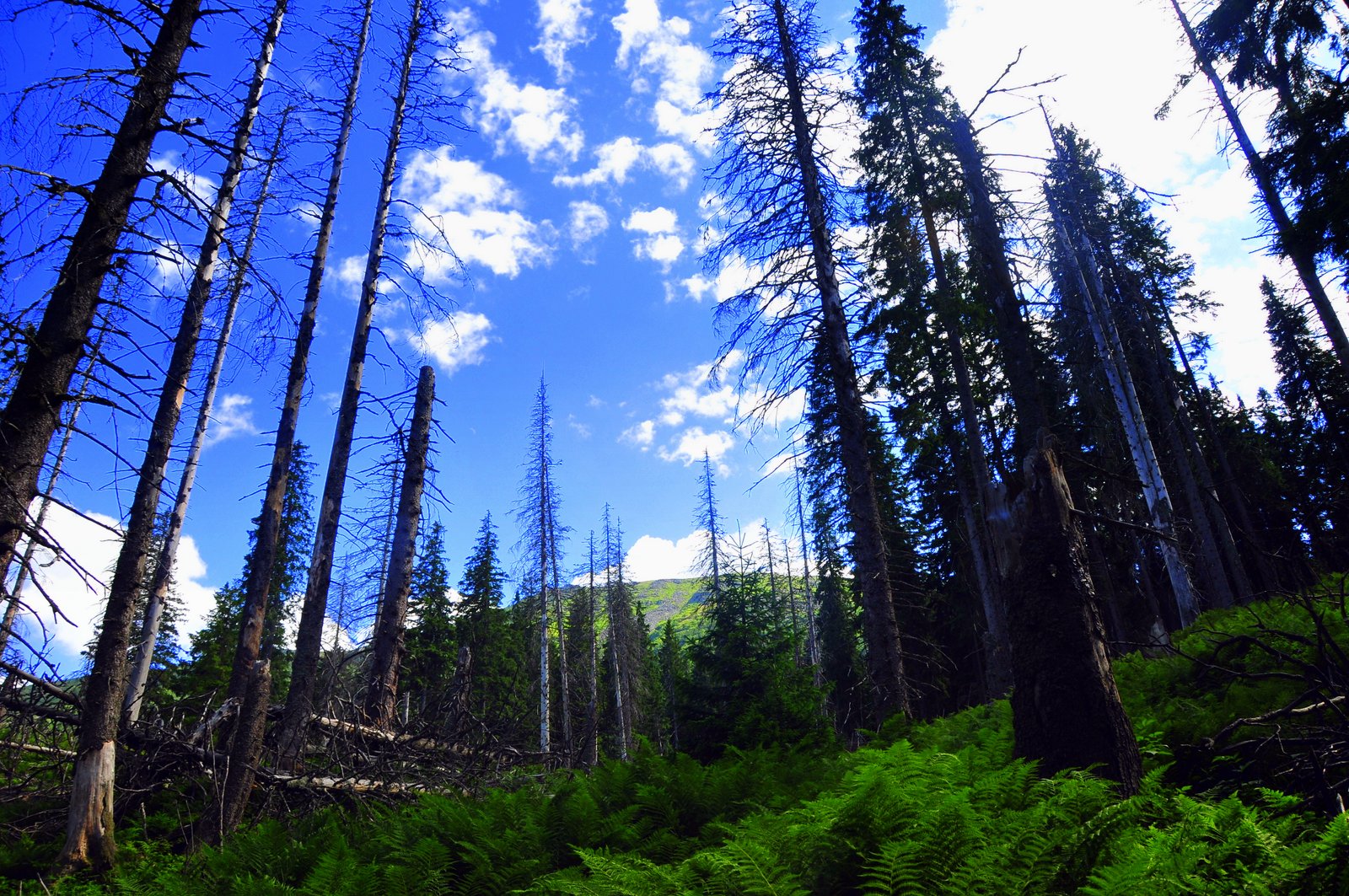
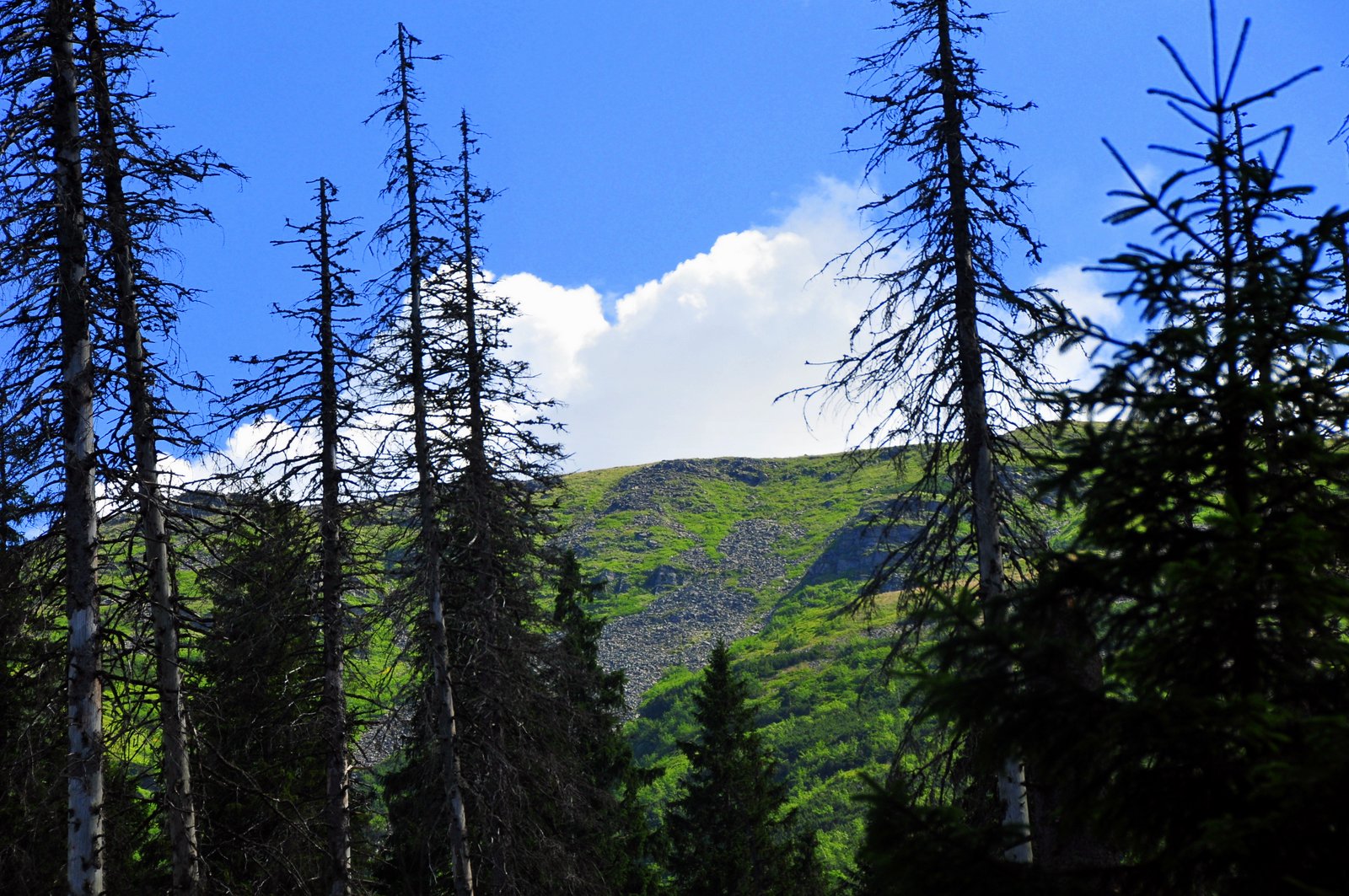
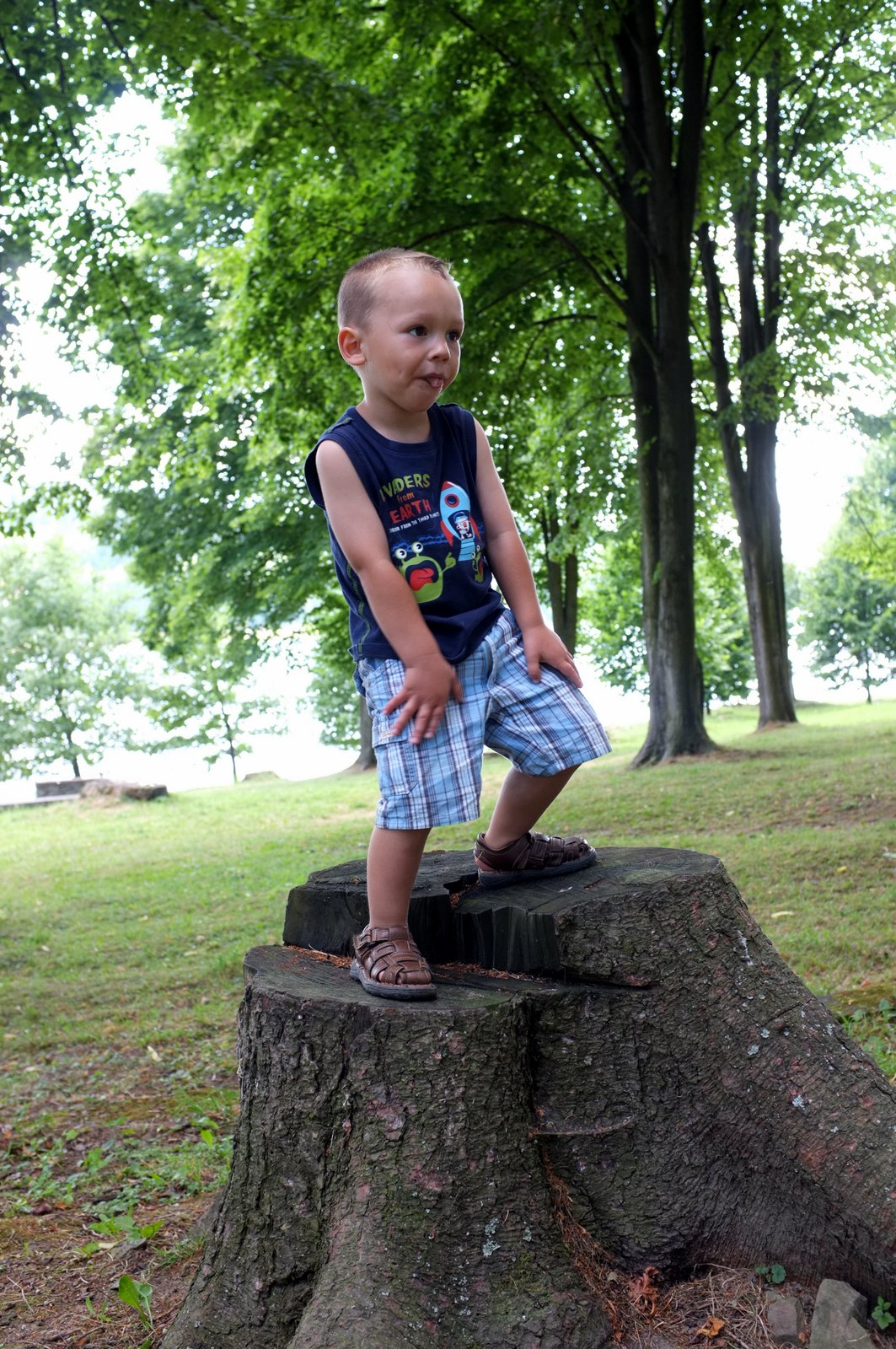
All the same, we somehow made it an incredible distiance, especially for a three-year-old, to the shelter, newly rebuilt, at Markowe Szczawiny.
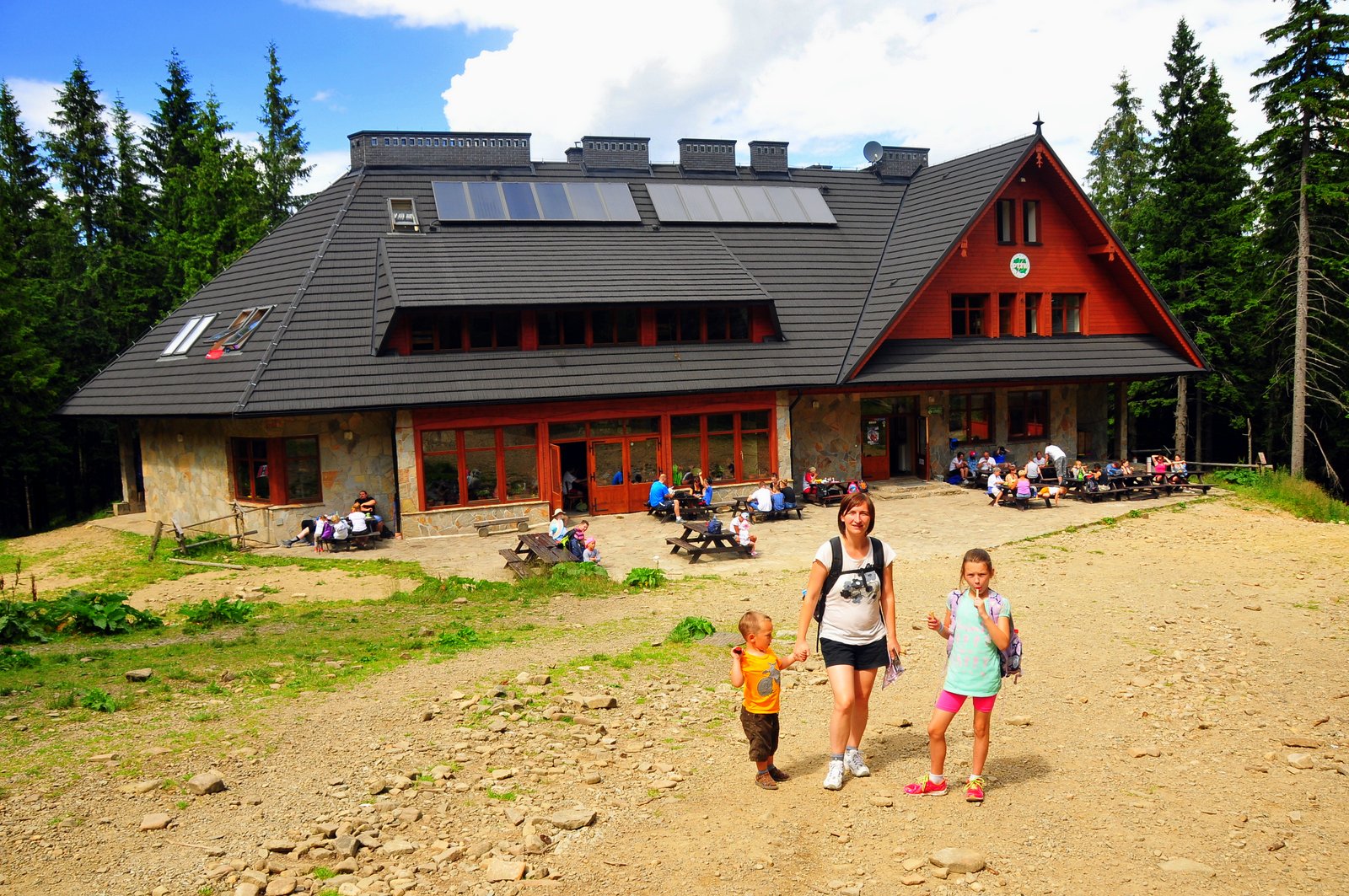
We hadn't really checked beforehand, but the distance from the parking lot to the shelter was a whopping eleven kilometers. That's 6.8 miles. One way. That the Boy made it probably 70% of the way walking on his own is simply incredible.
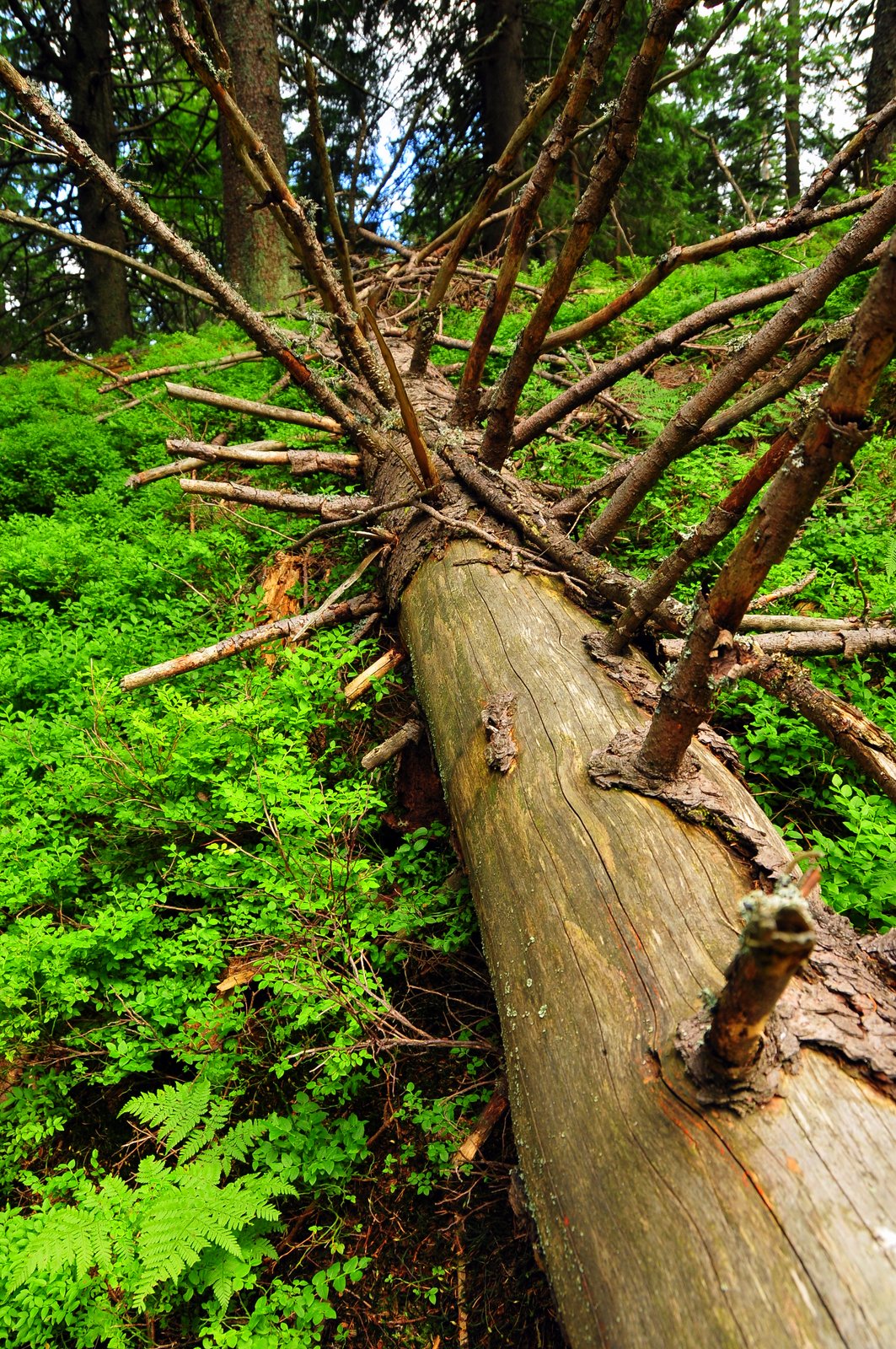
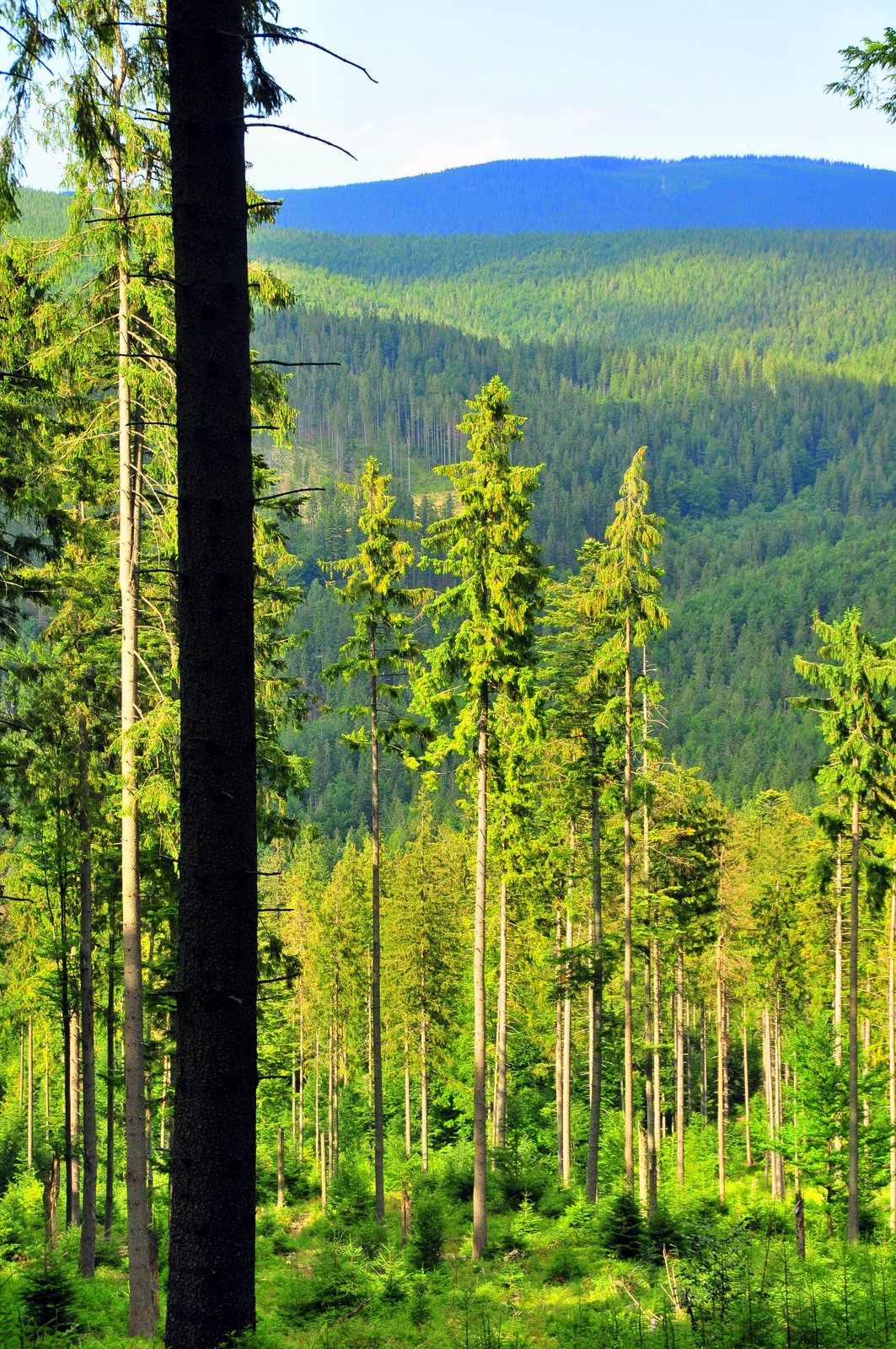
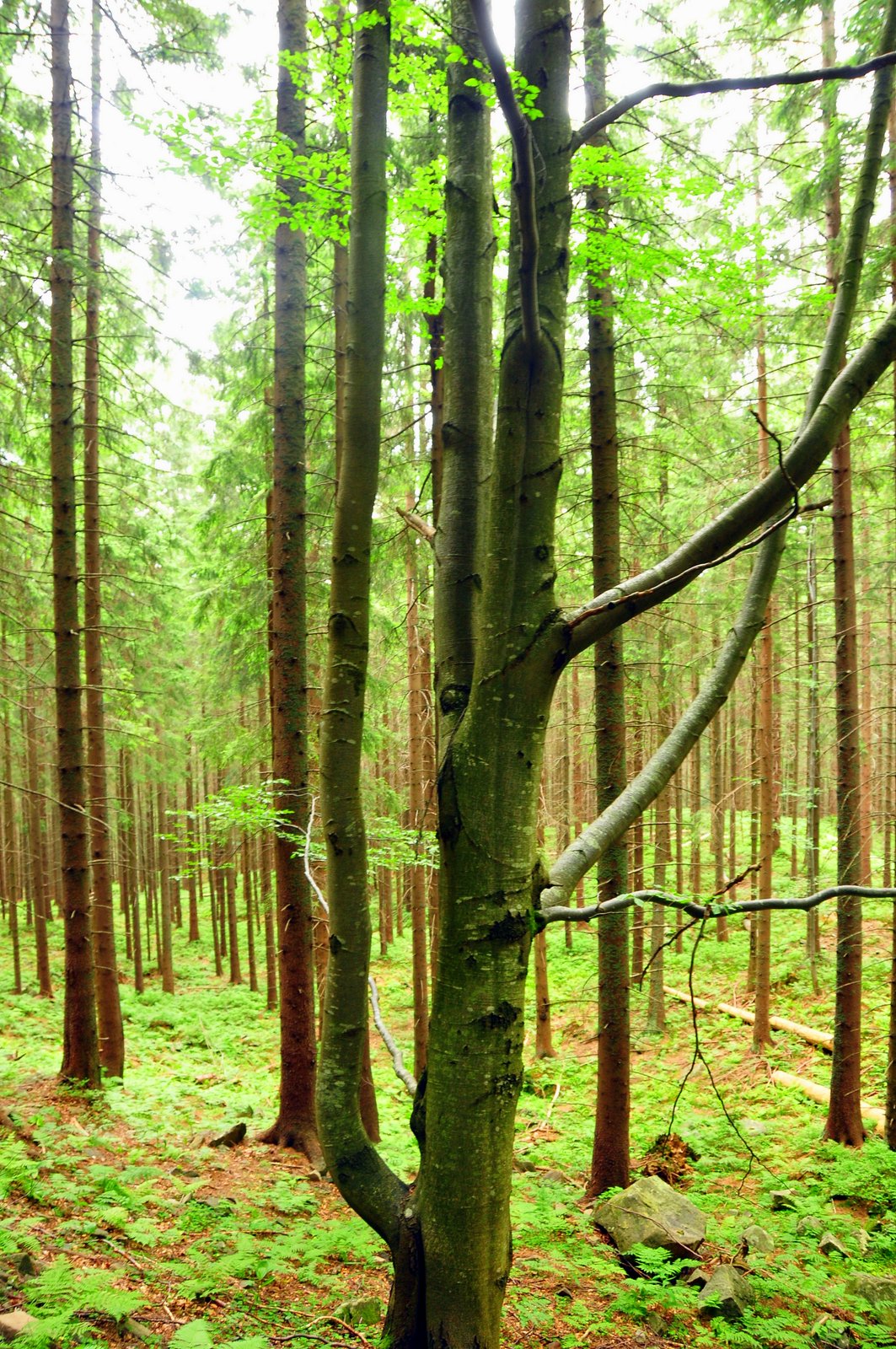
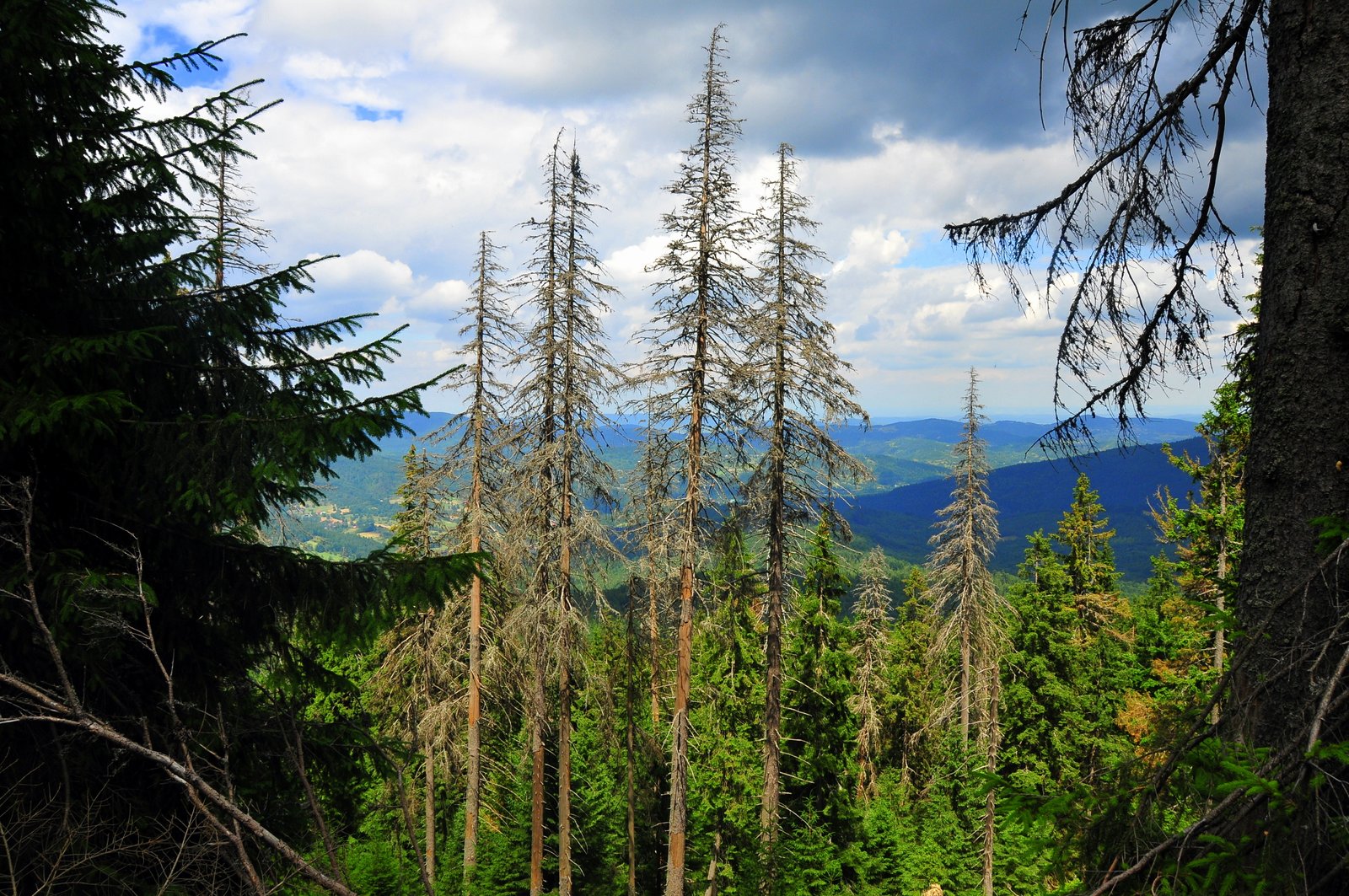
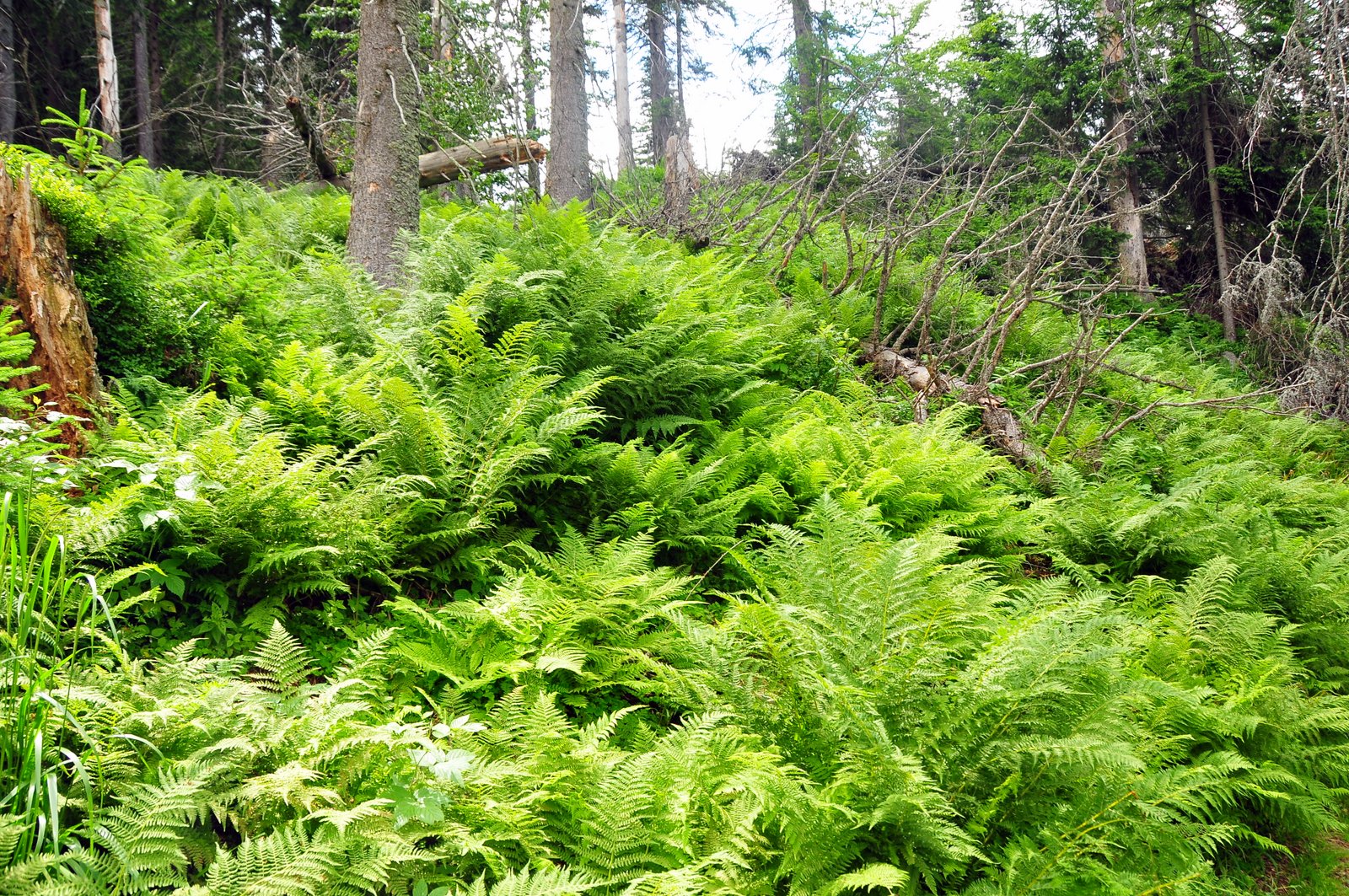
More incredible even than the views along the way.
Cherries at Babcia's
A cruise
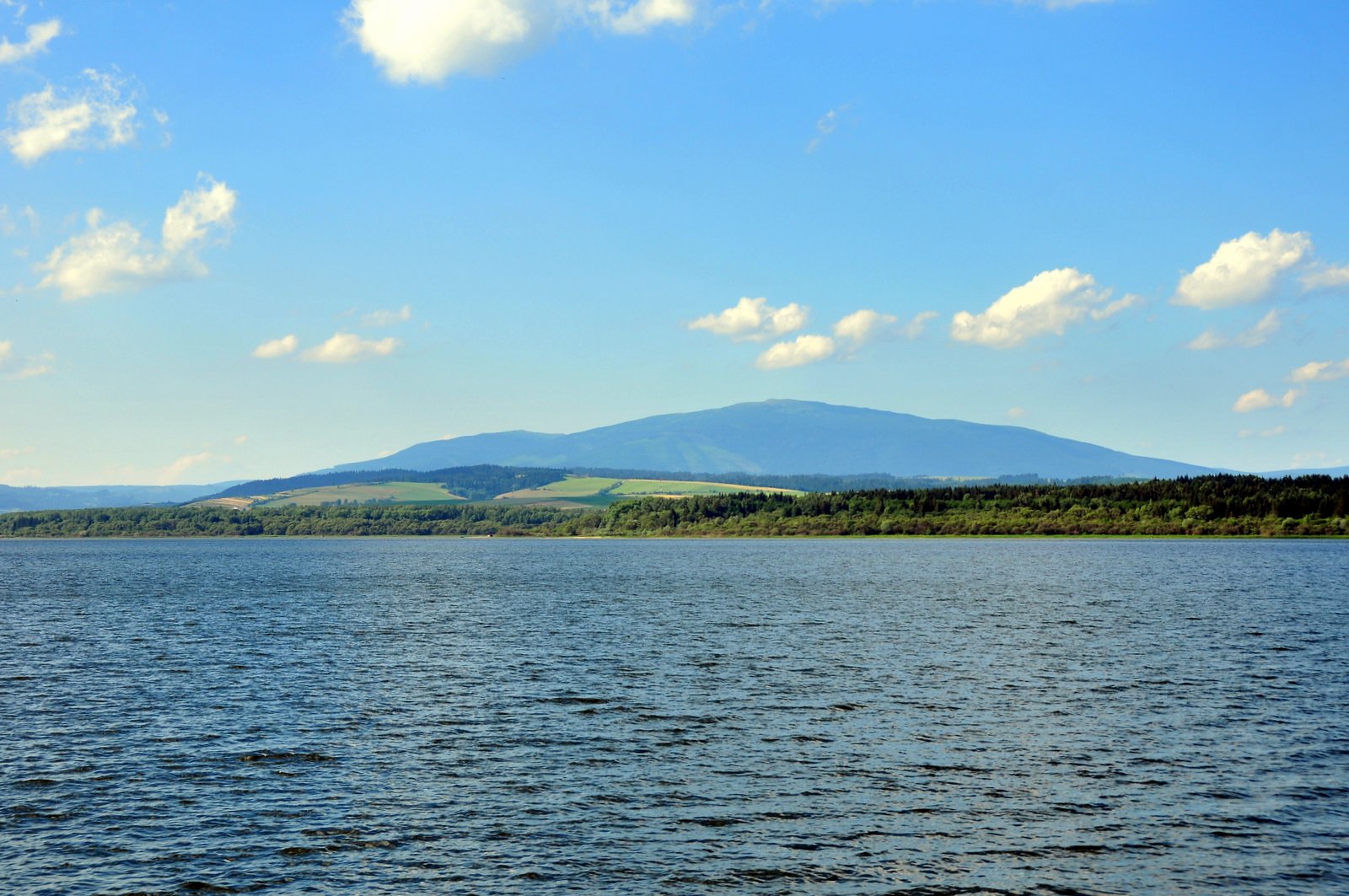
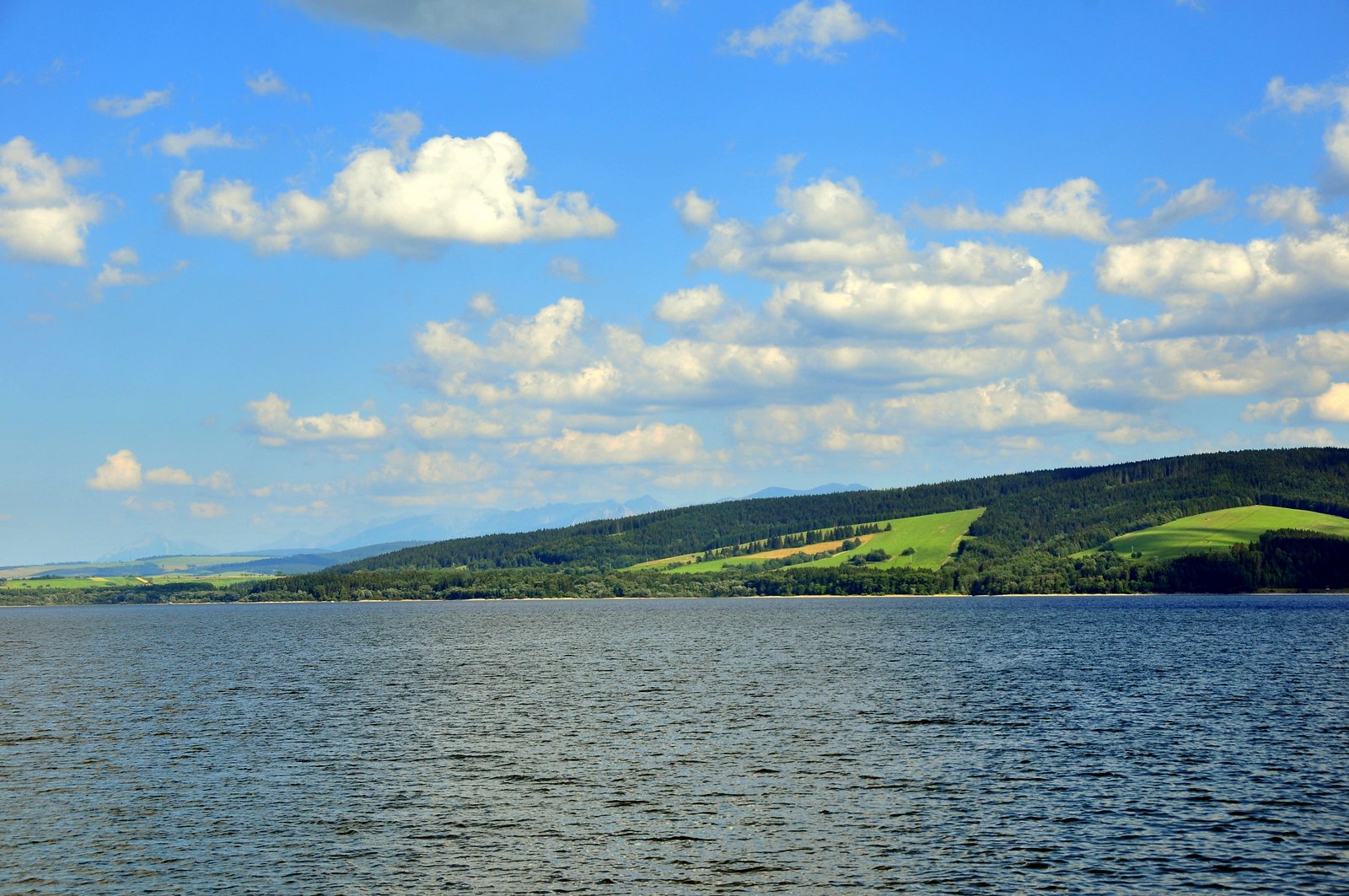
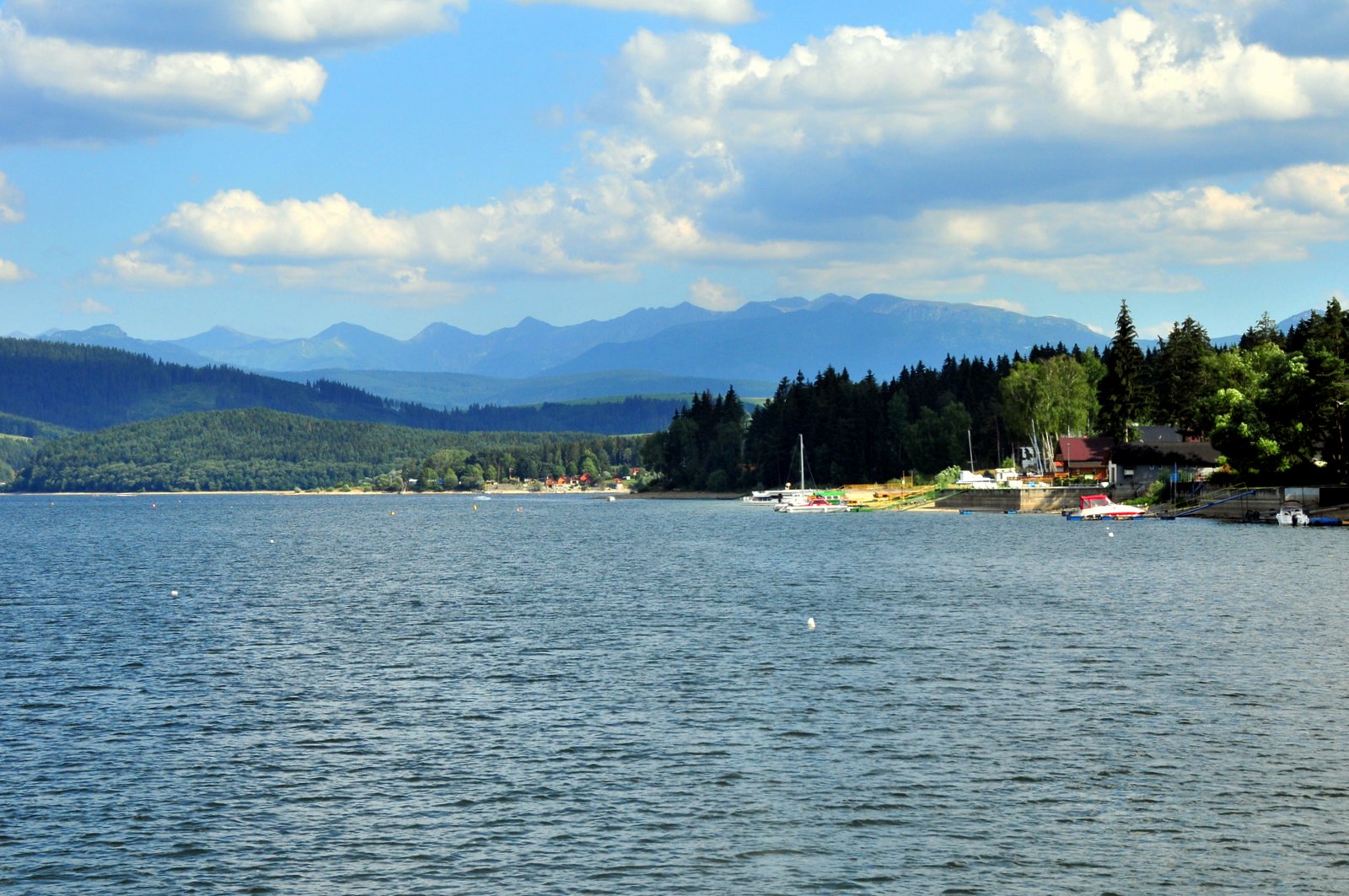
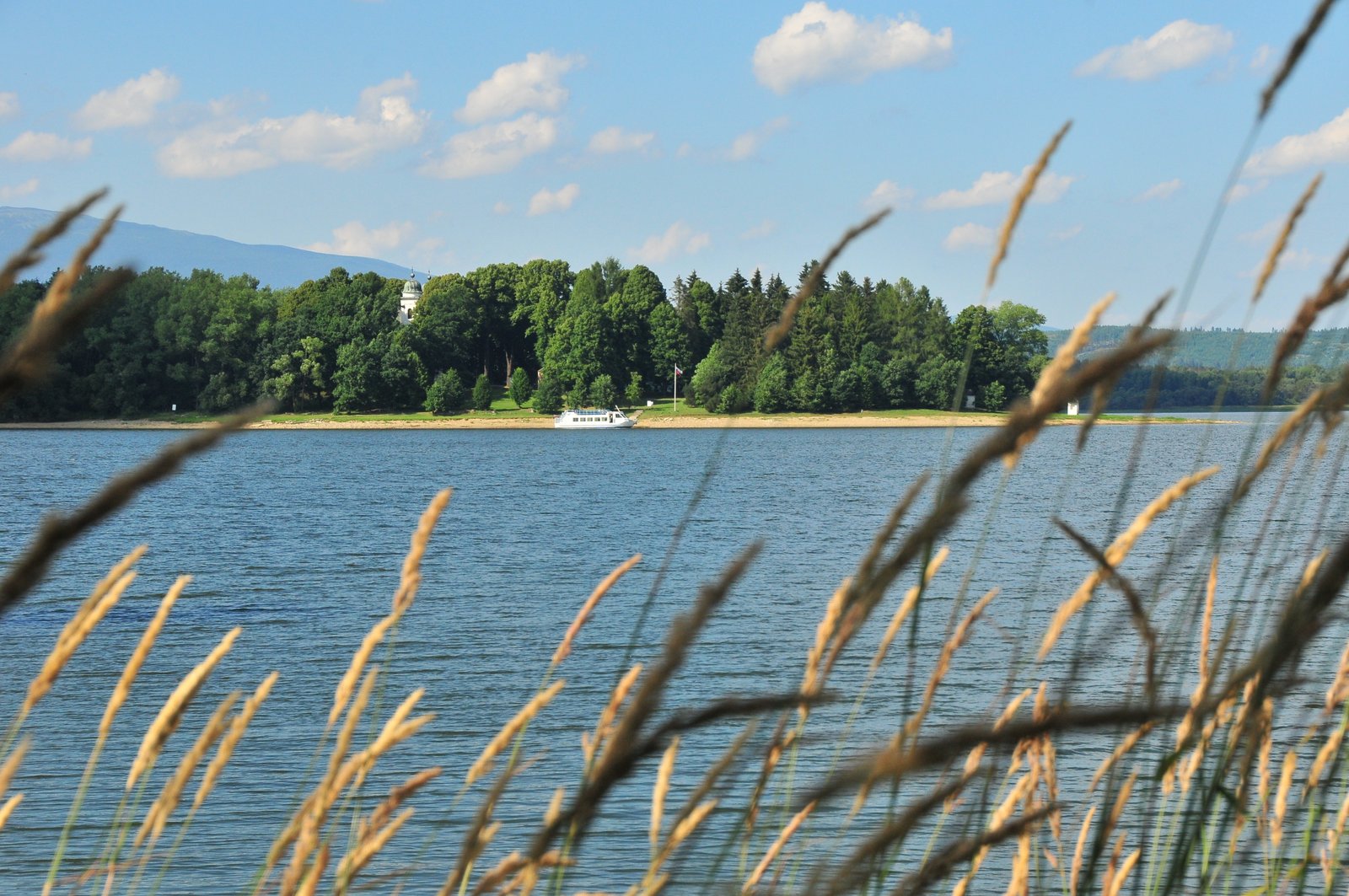
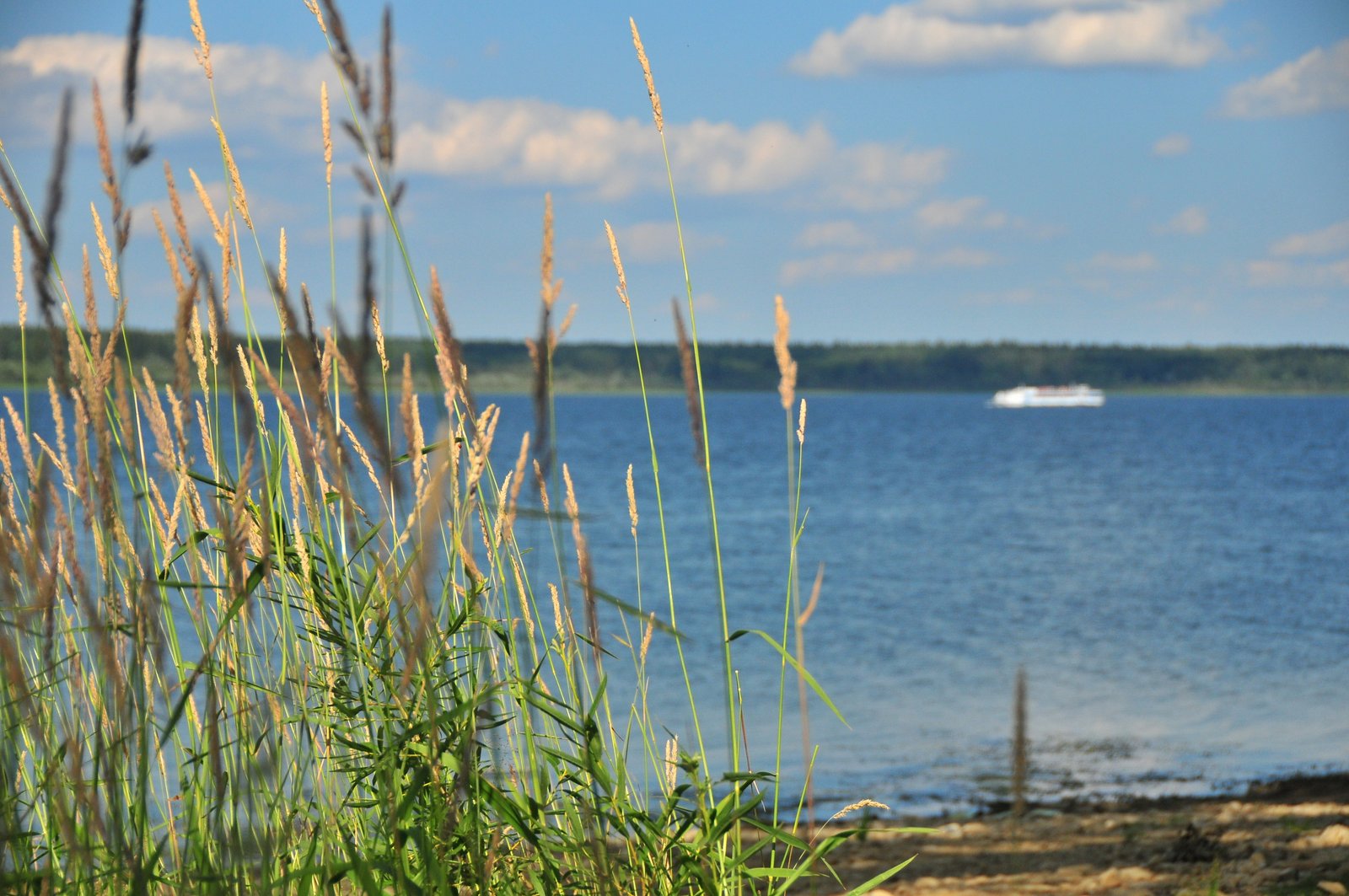
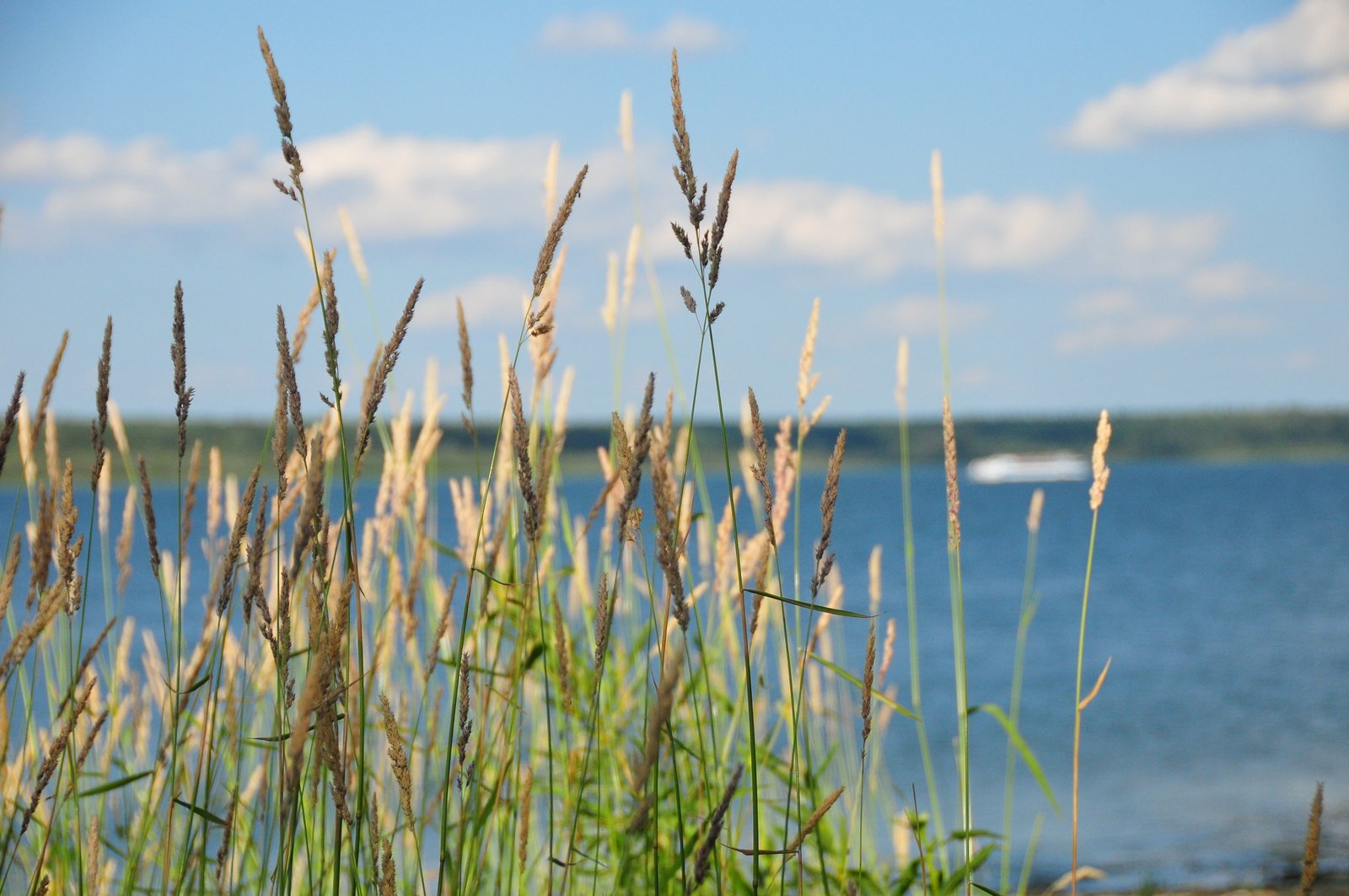
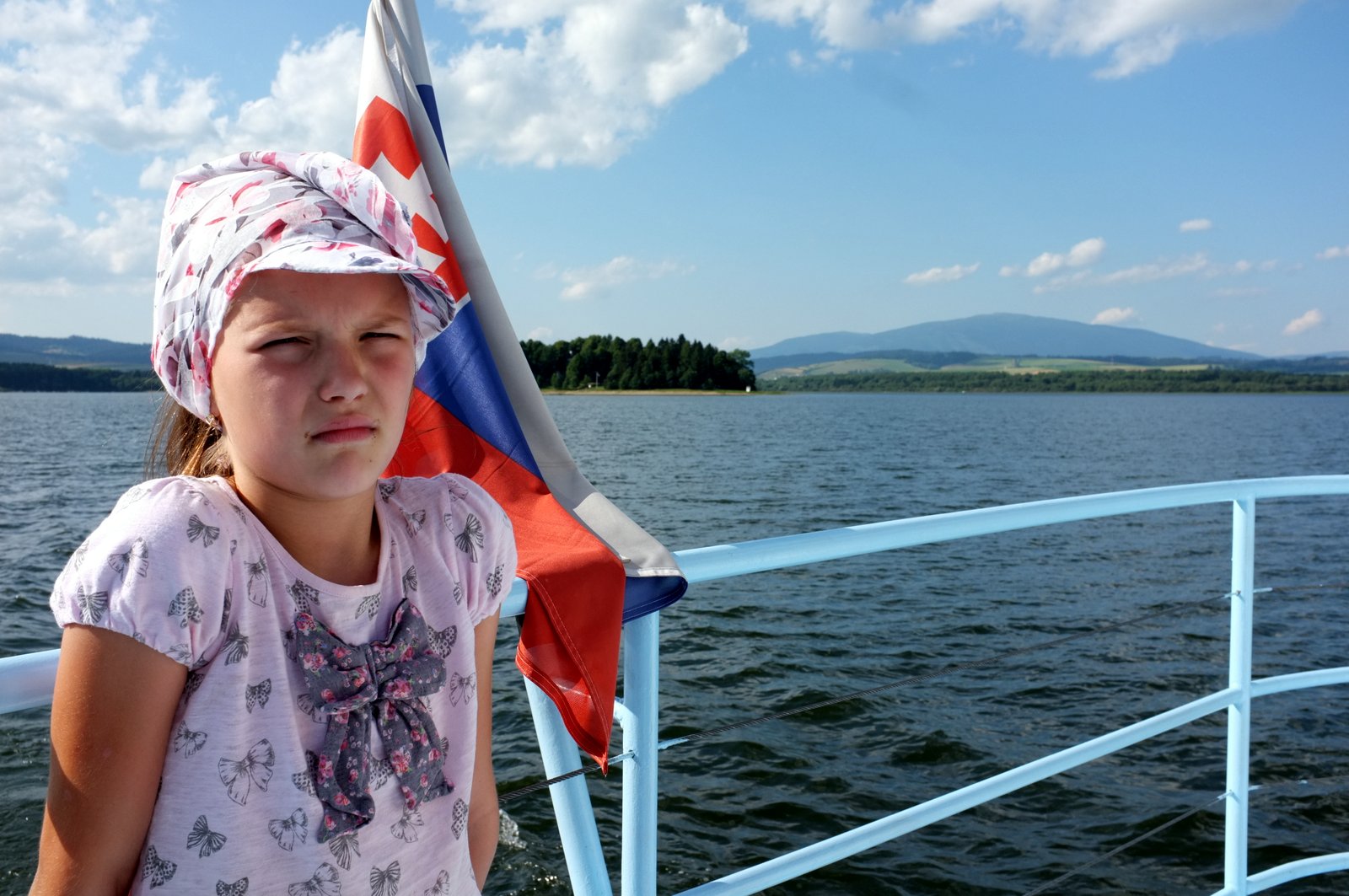
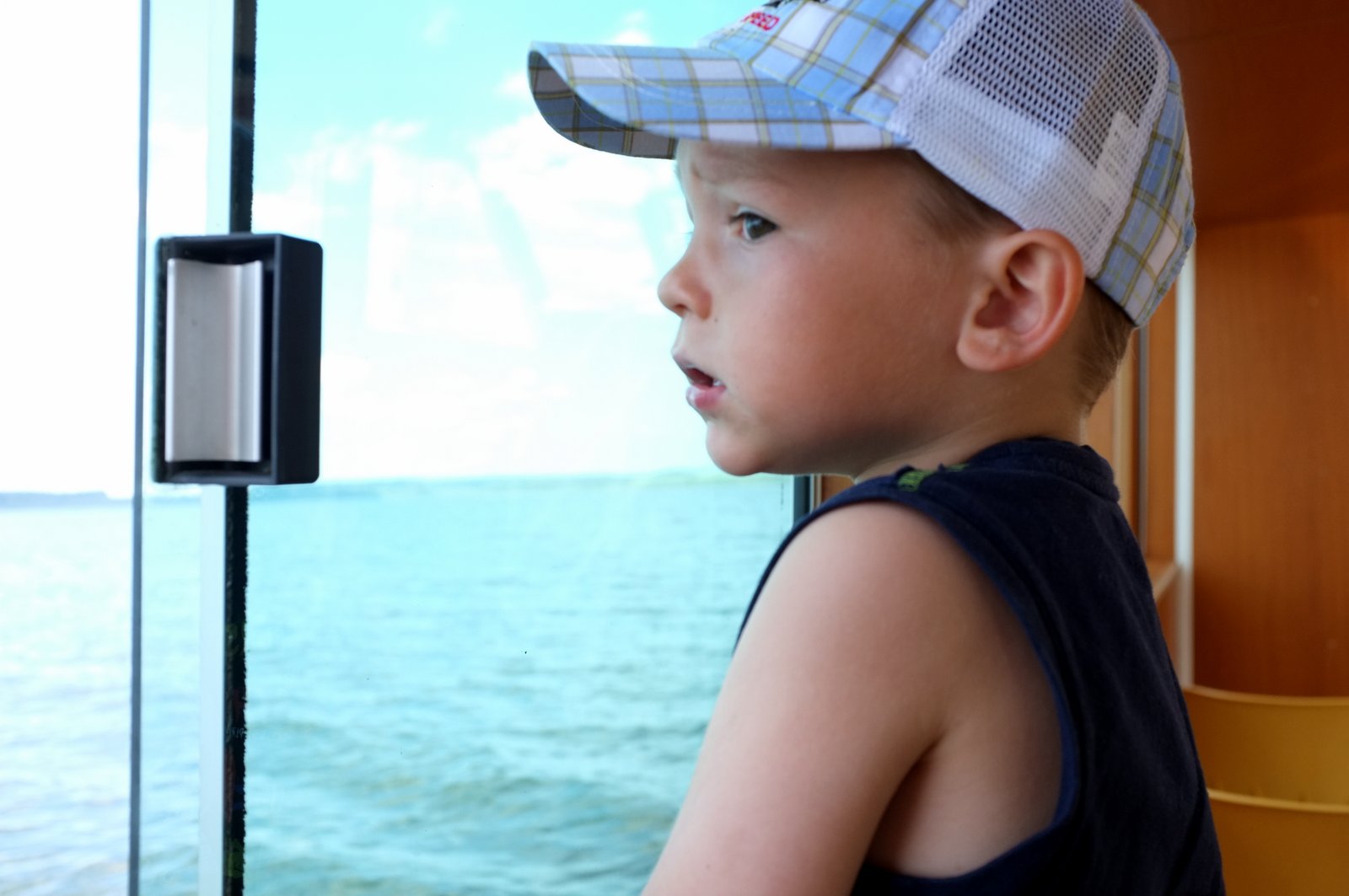
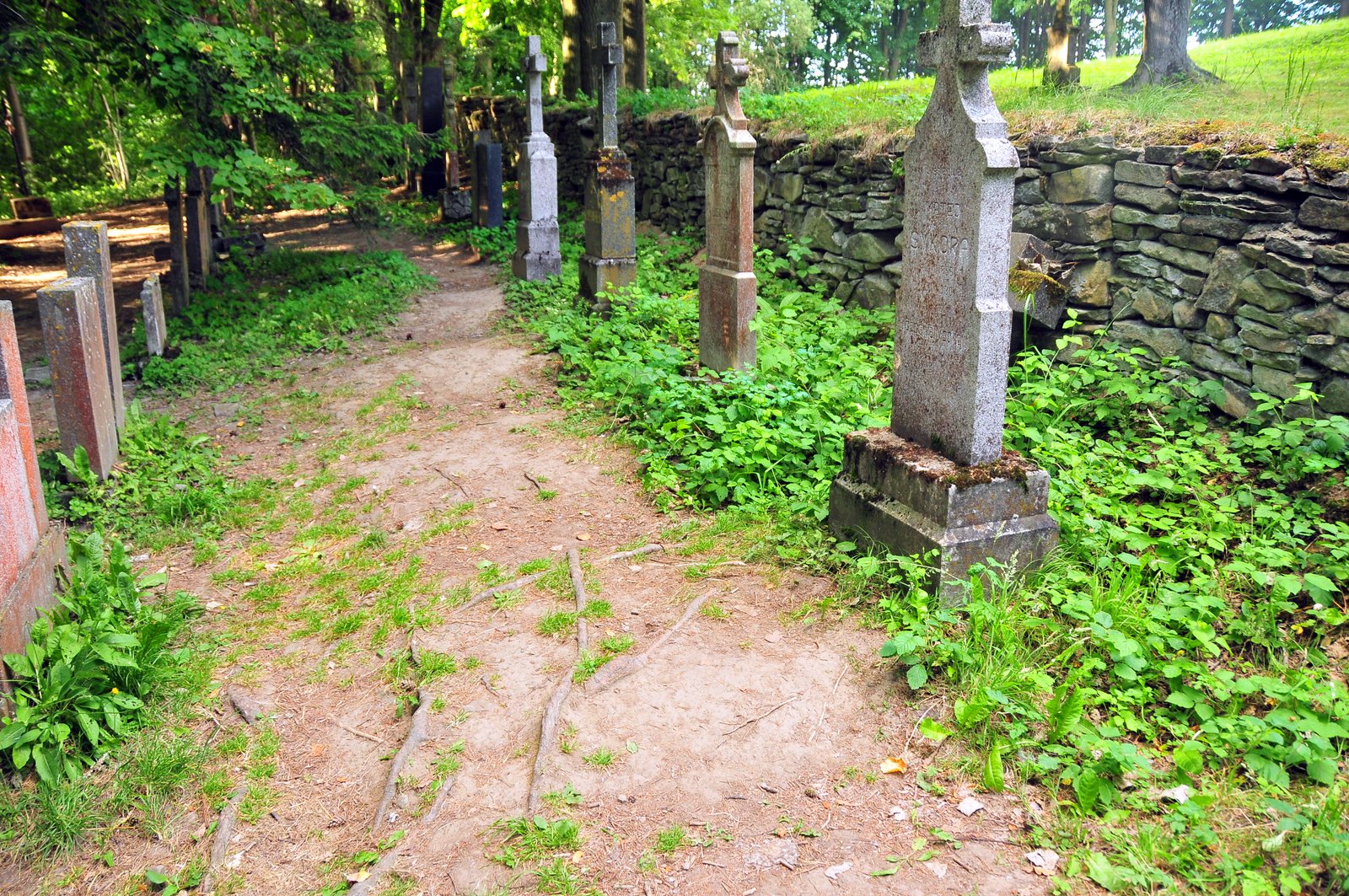
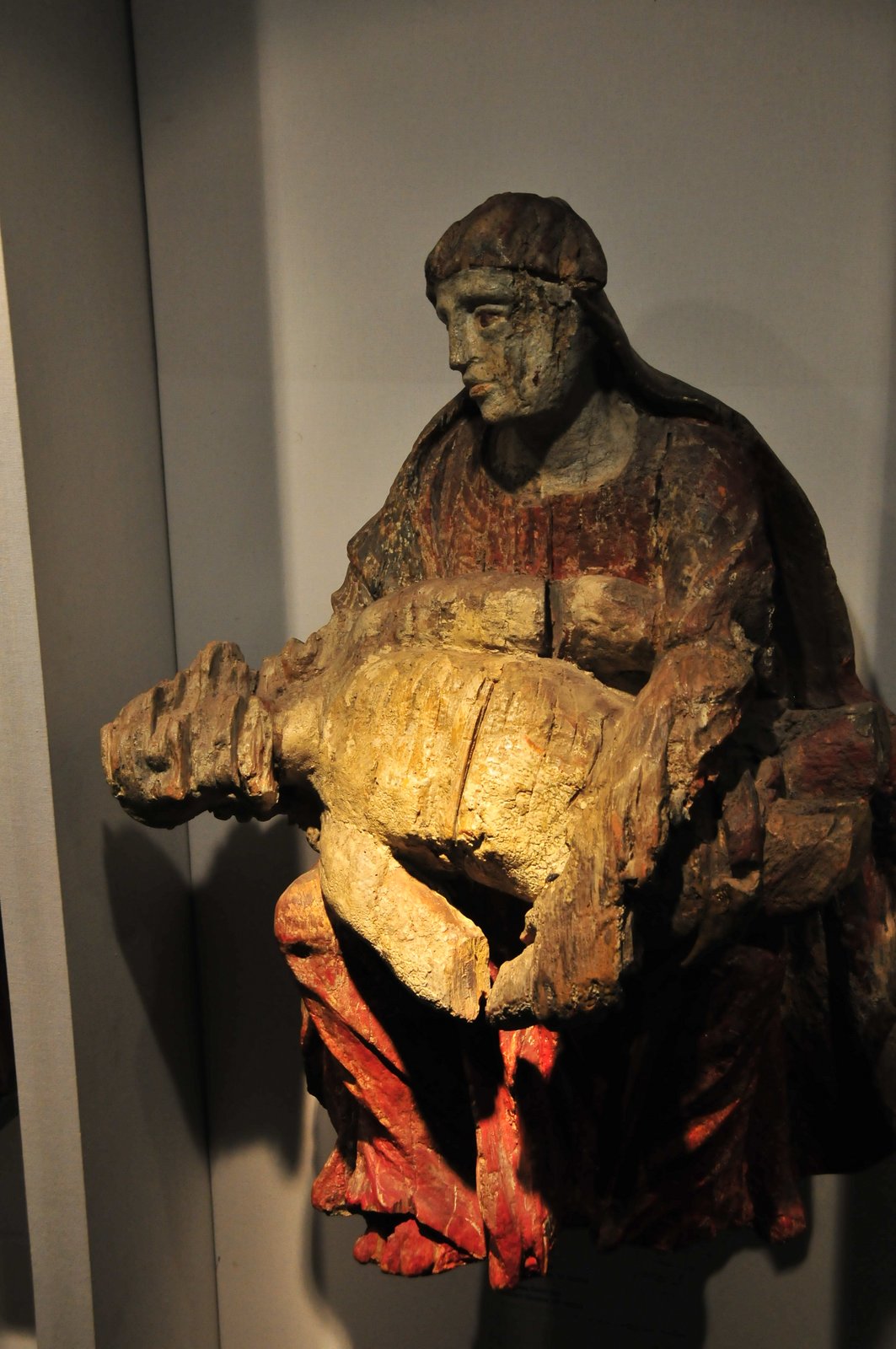
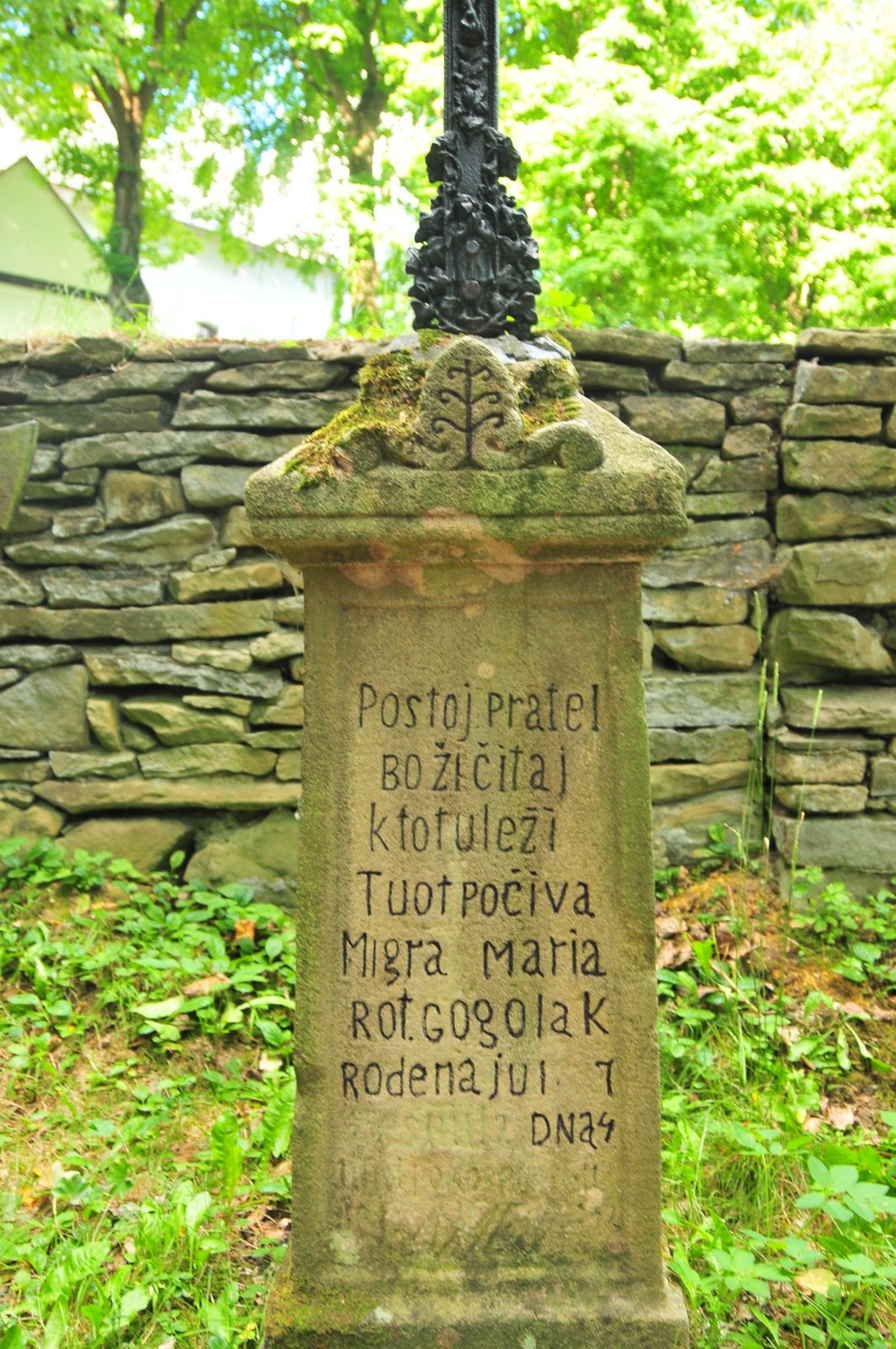
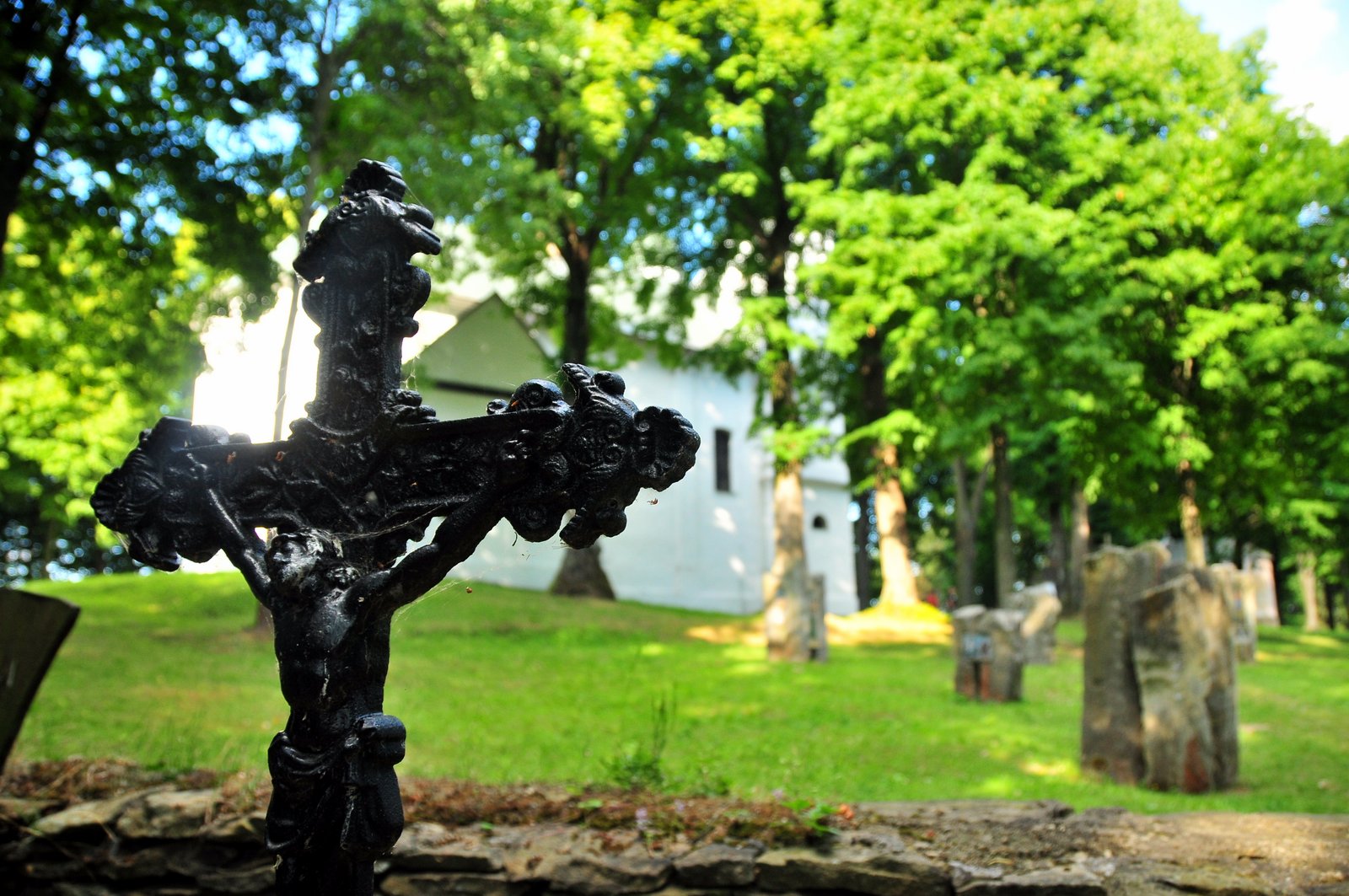
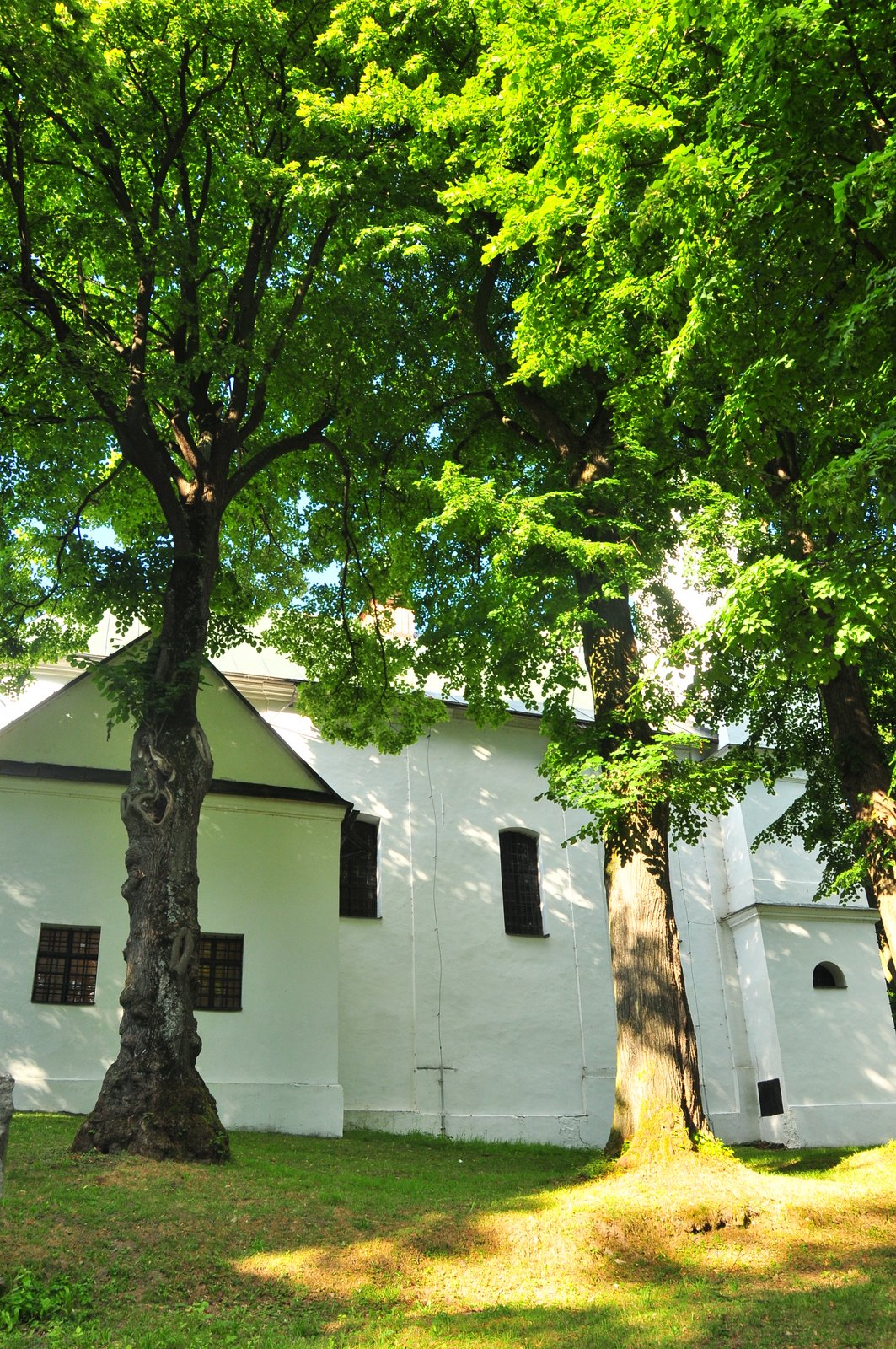
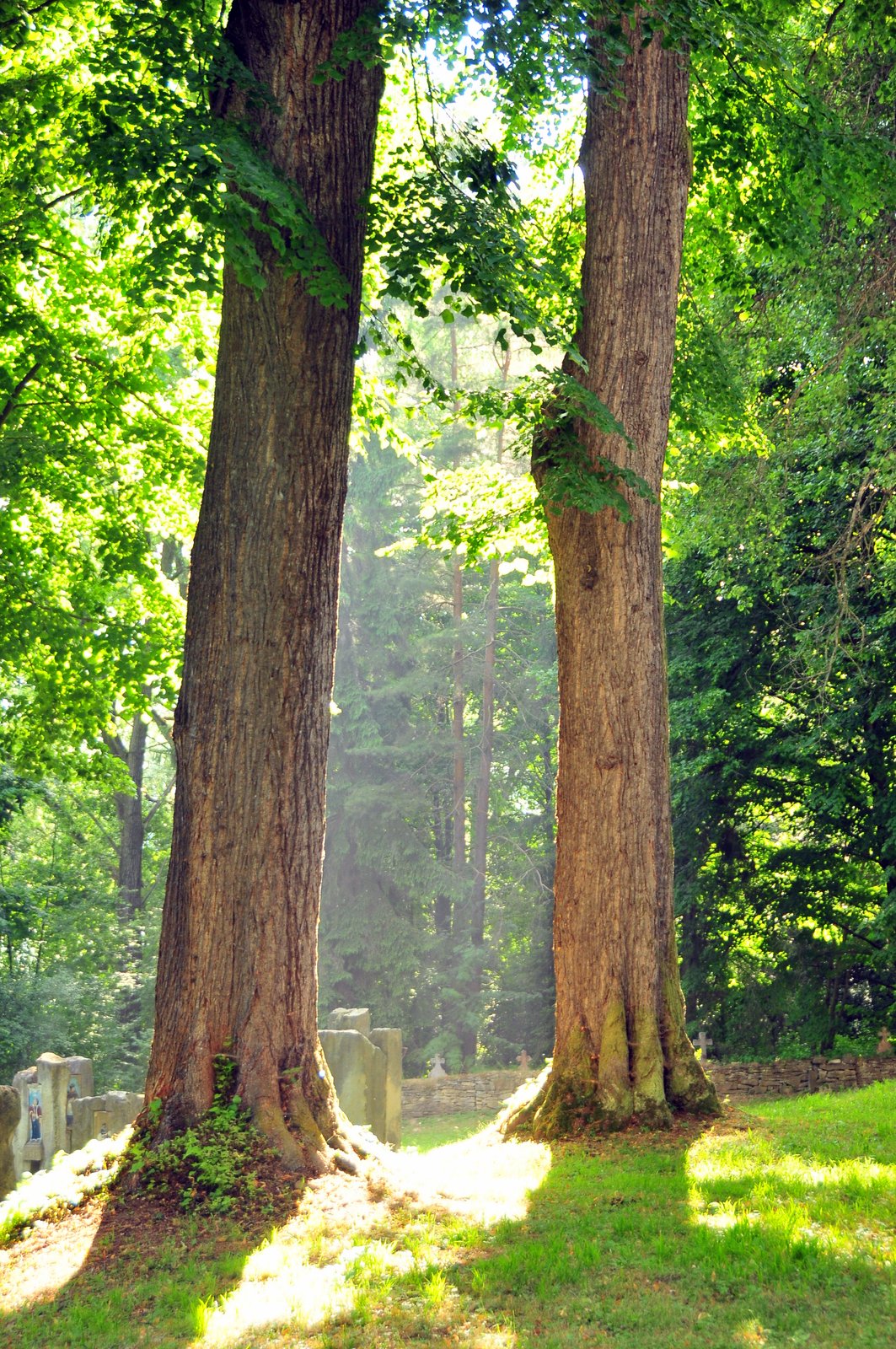
And the remains of three villages that were flooded to make a reservoir.
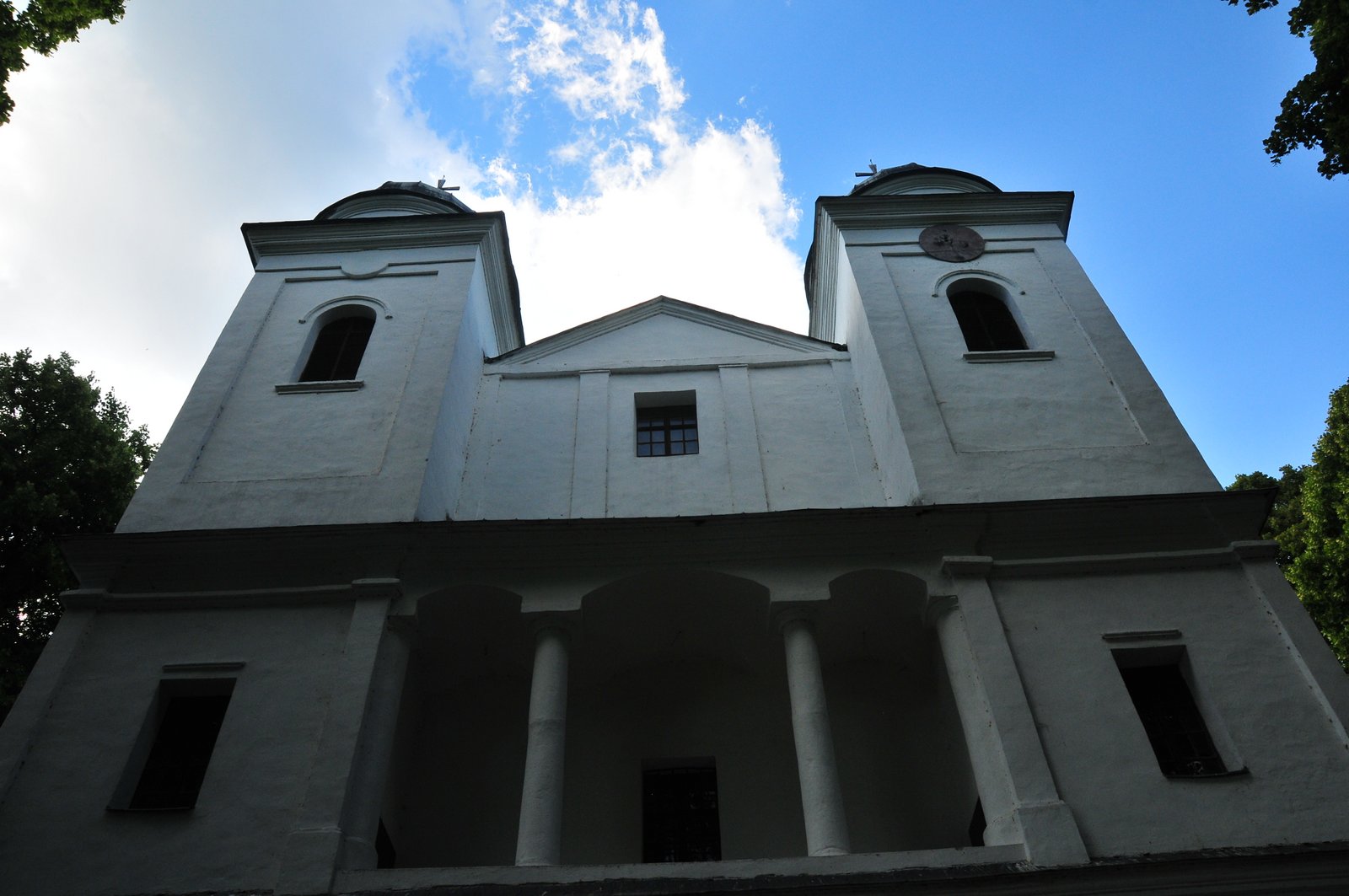

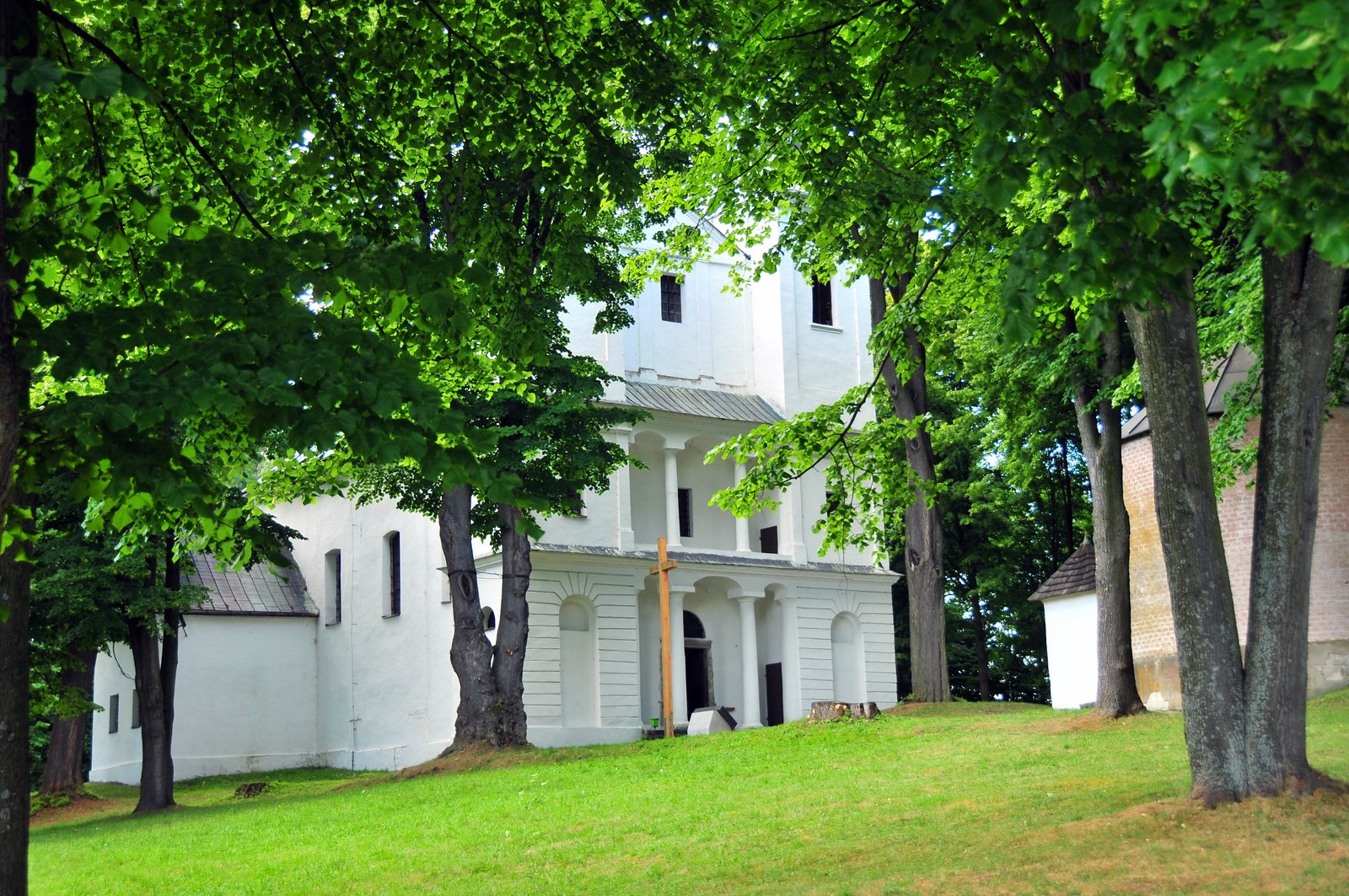
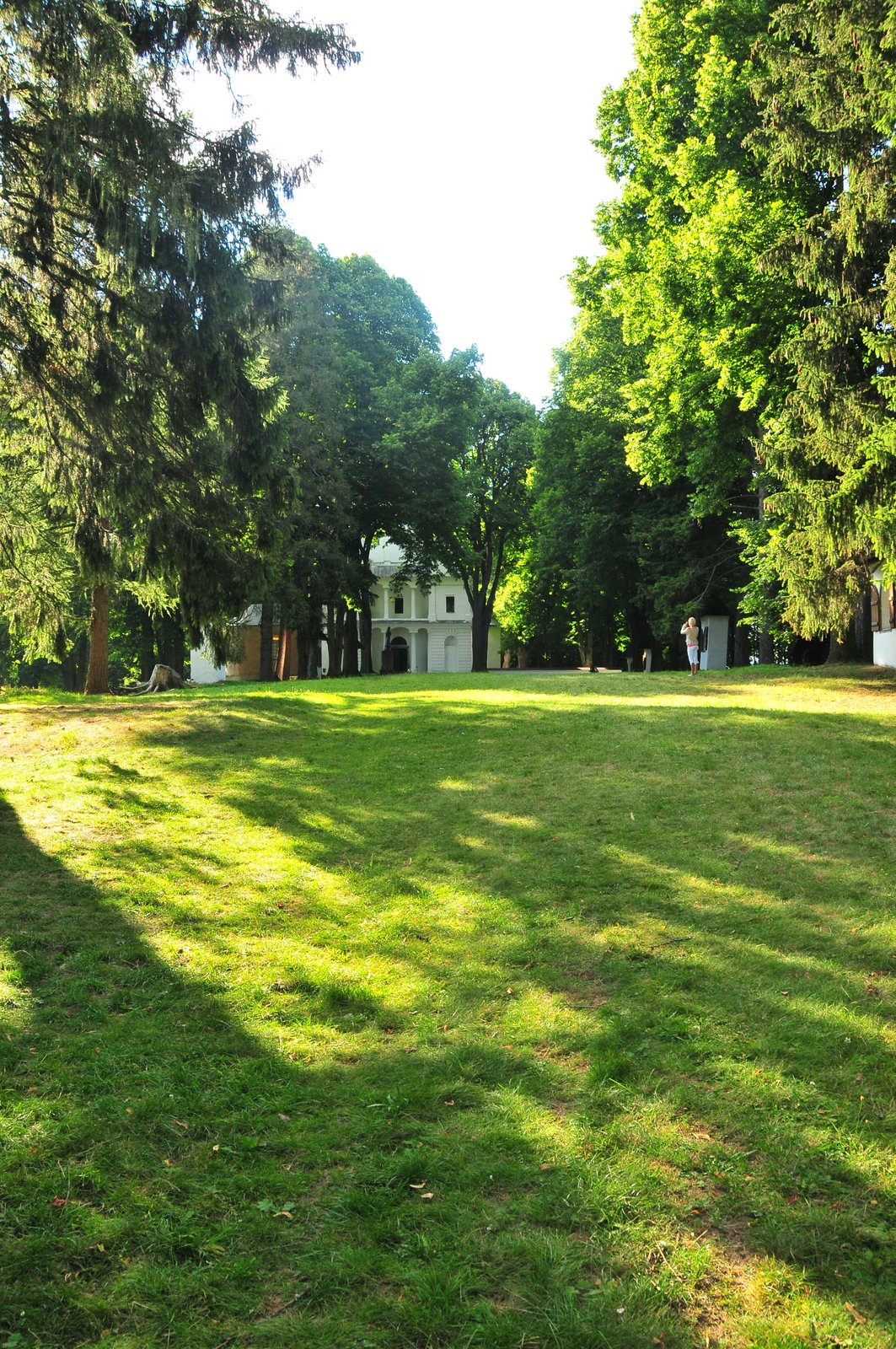
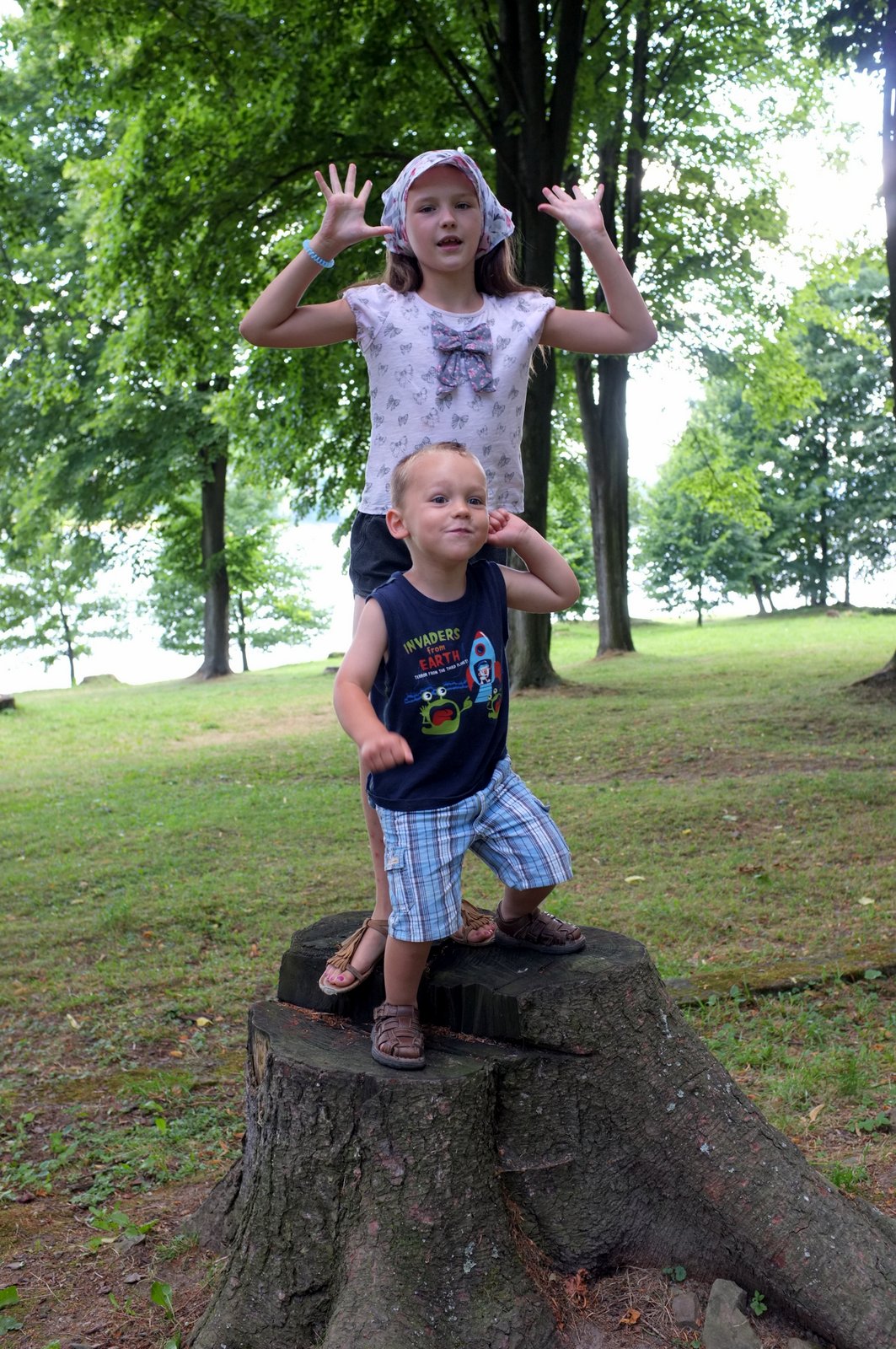
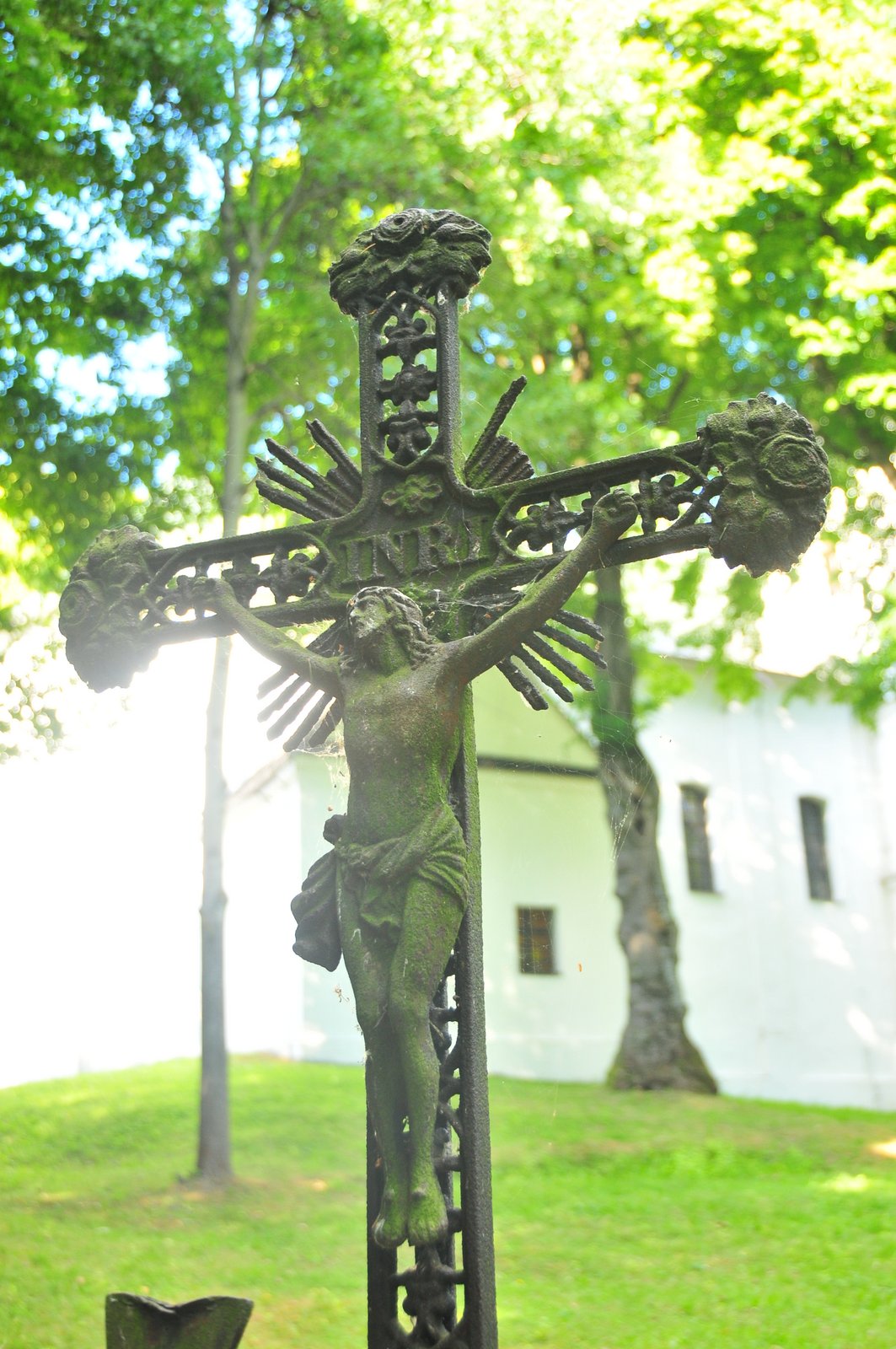
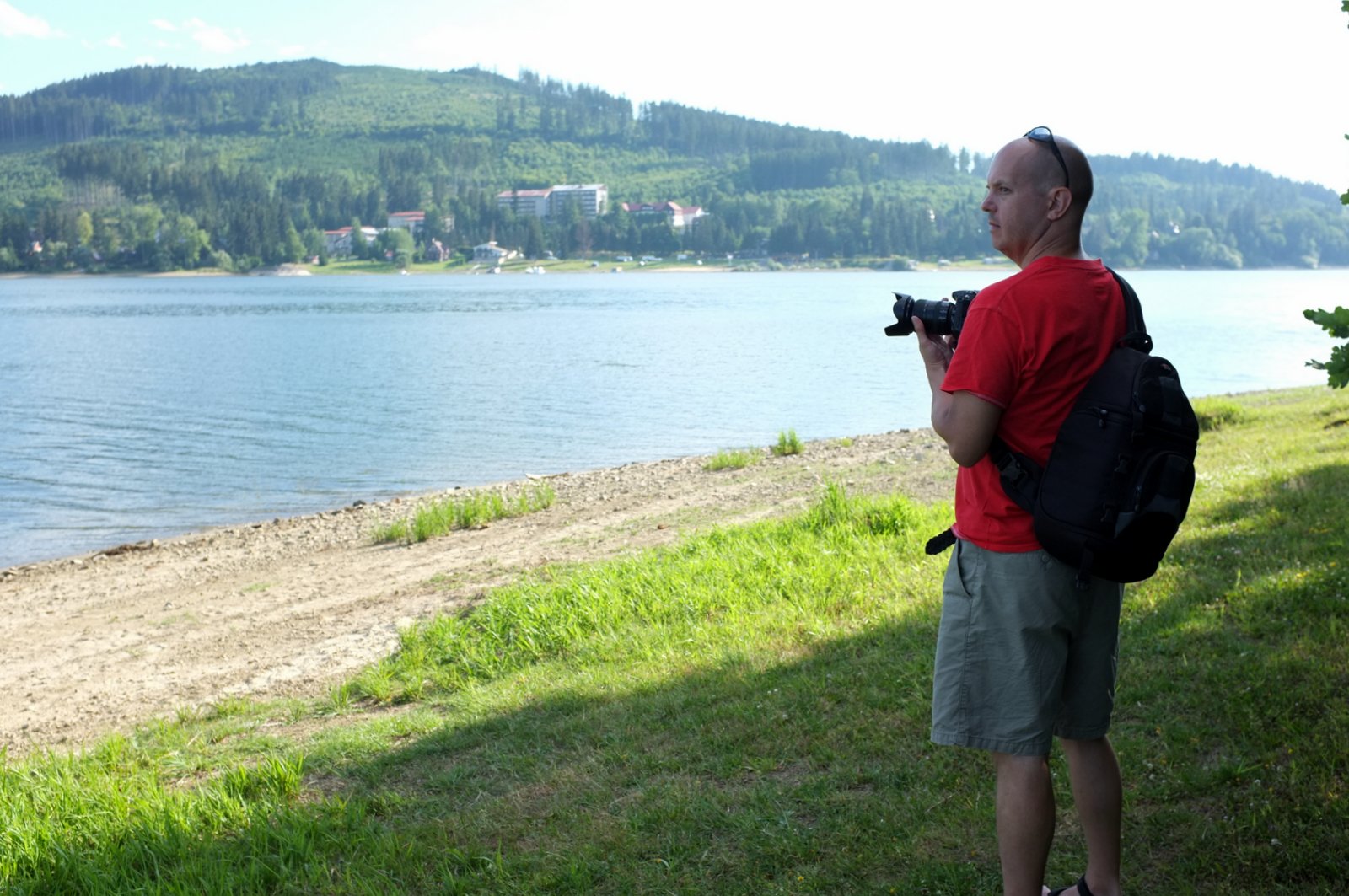
A busy day
The second day is always better than the first.
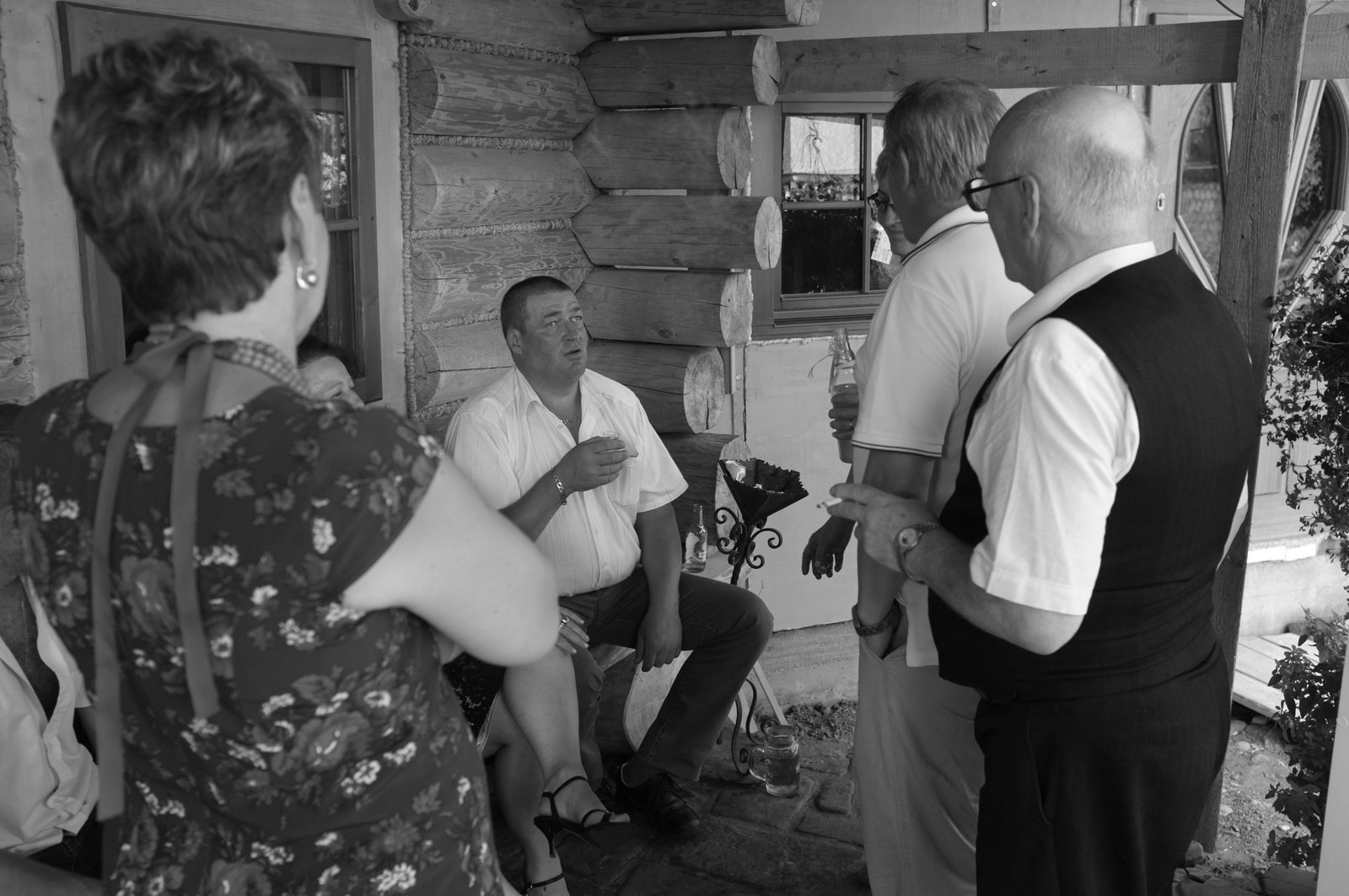
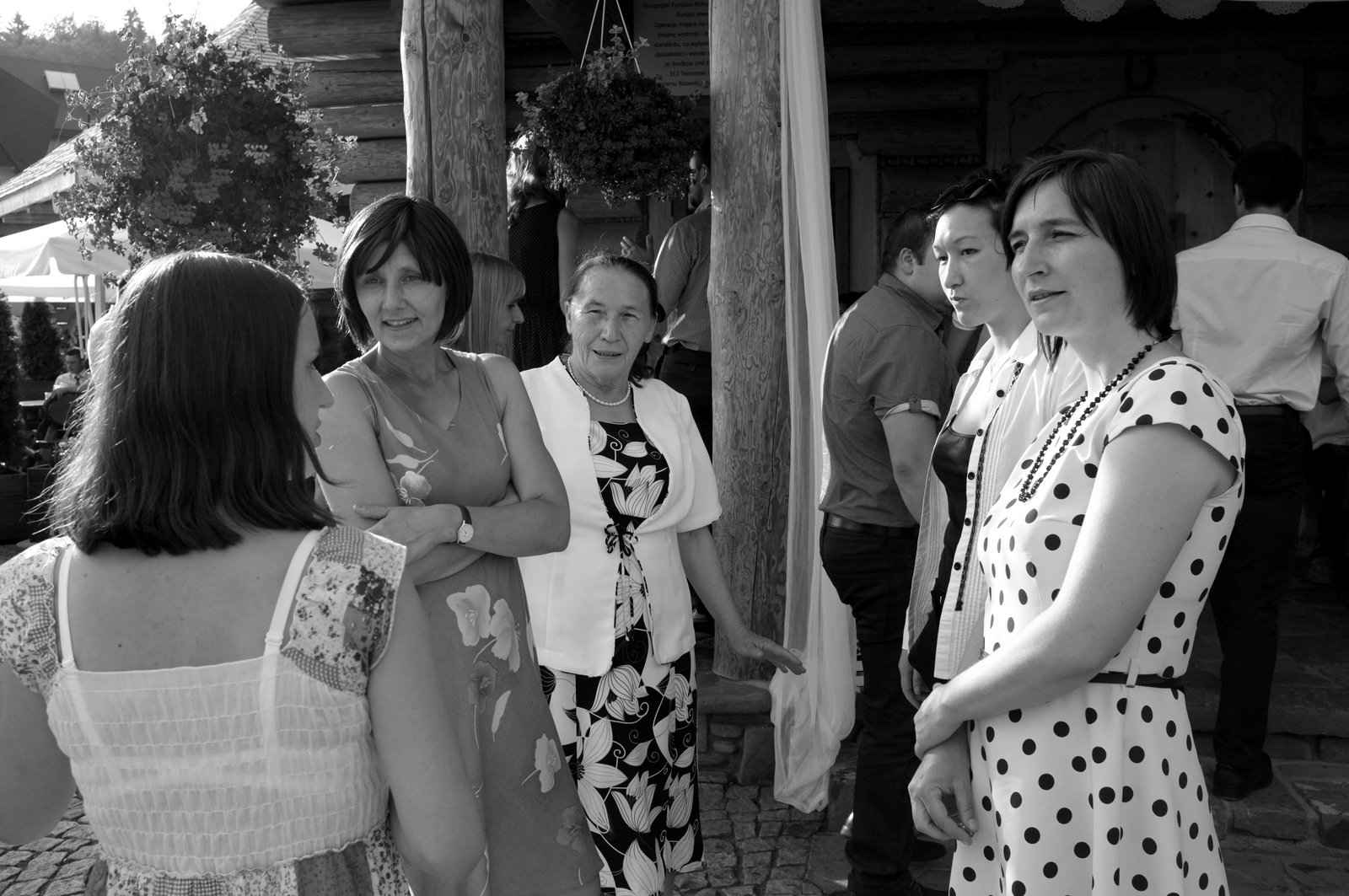
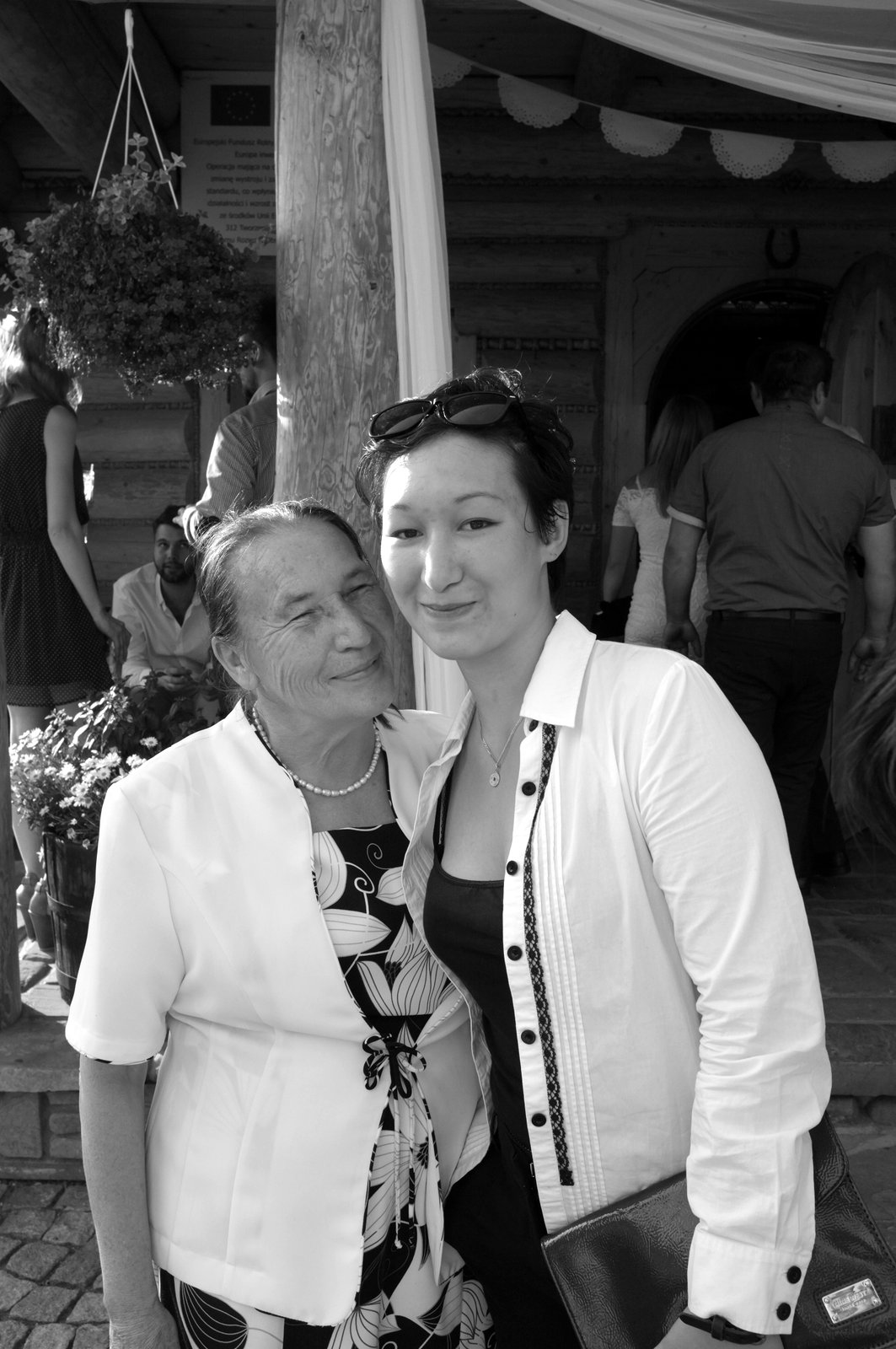
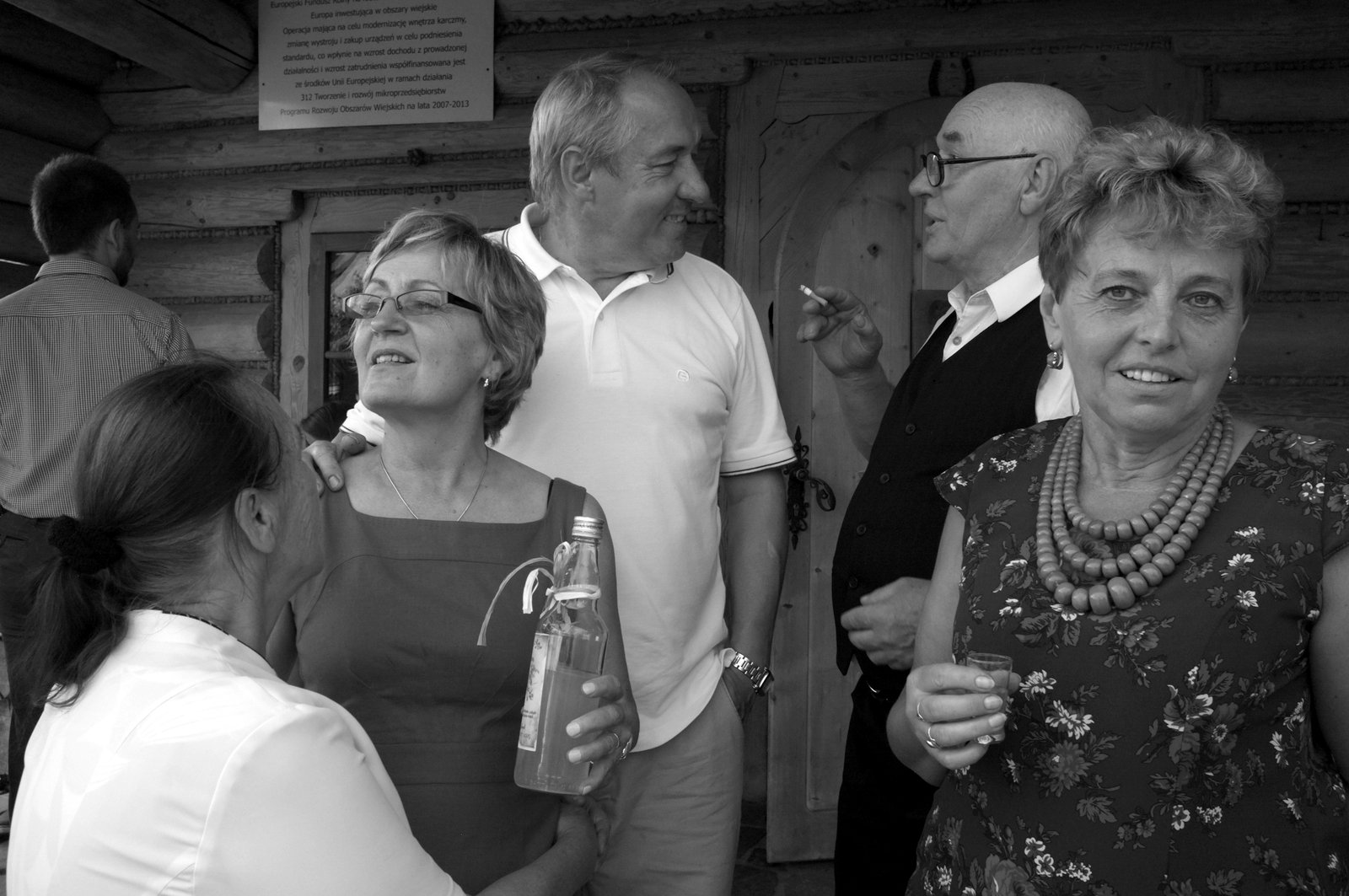
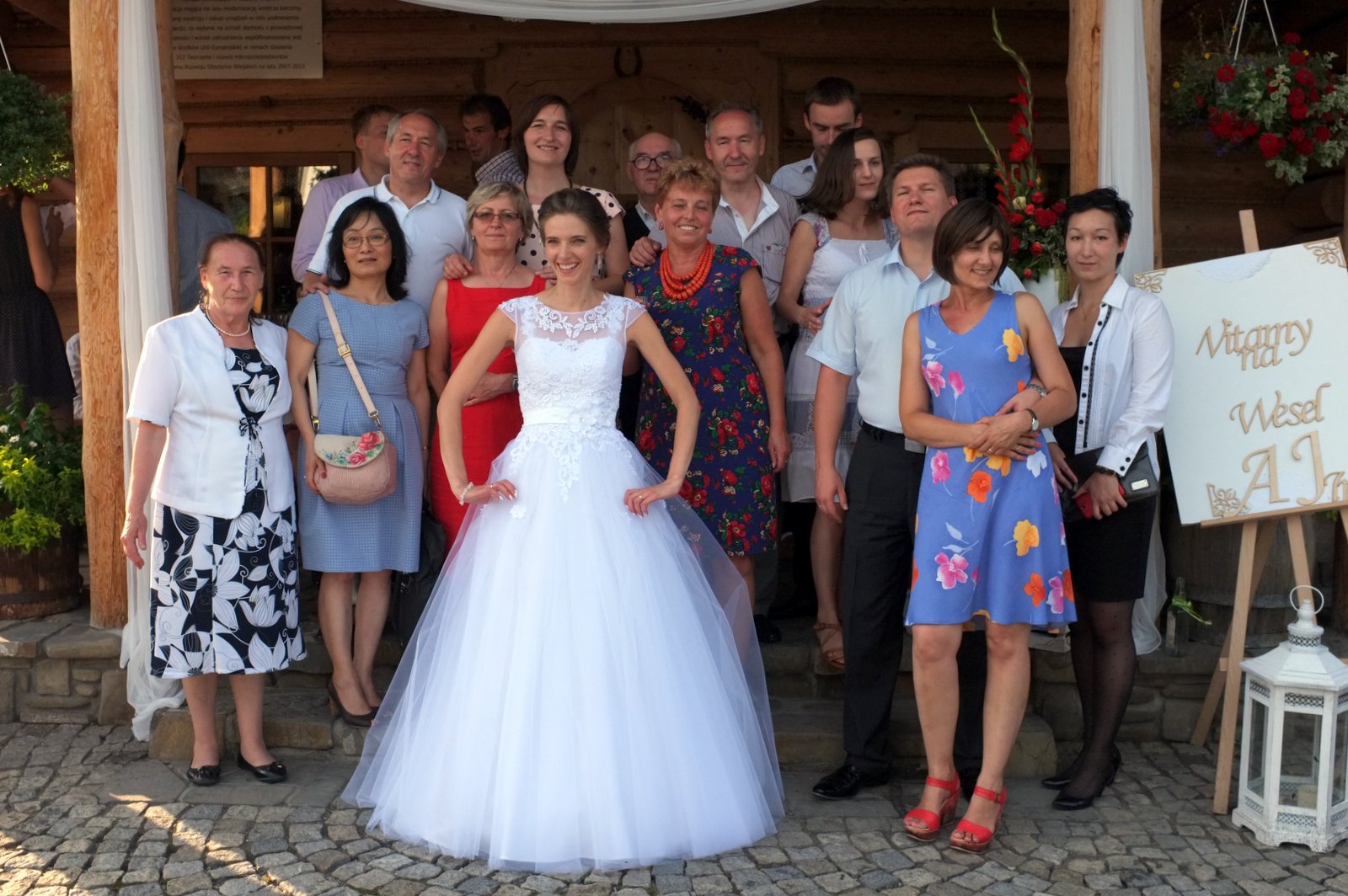
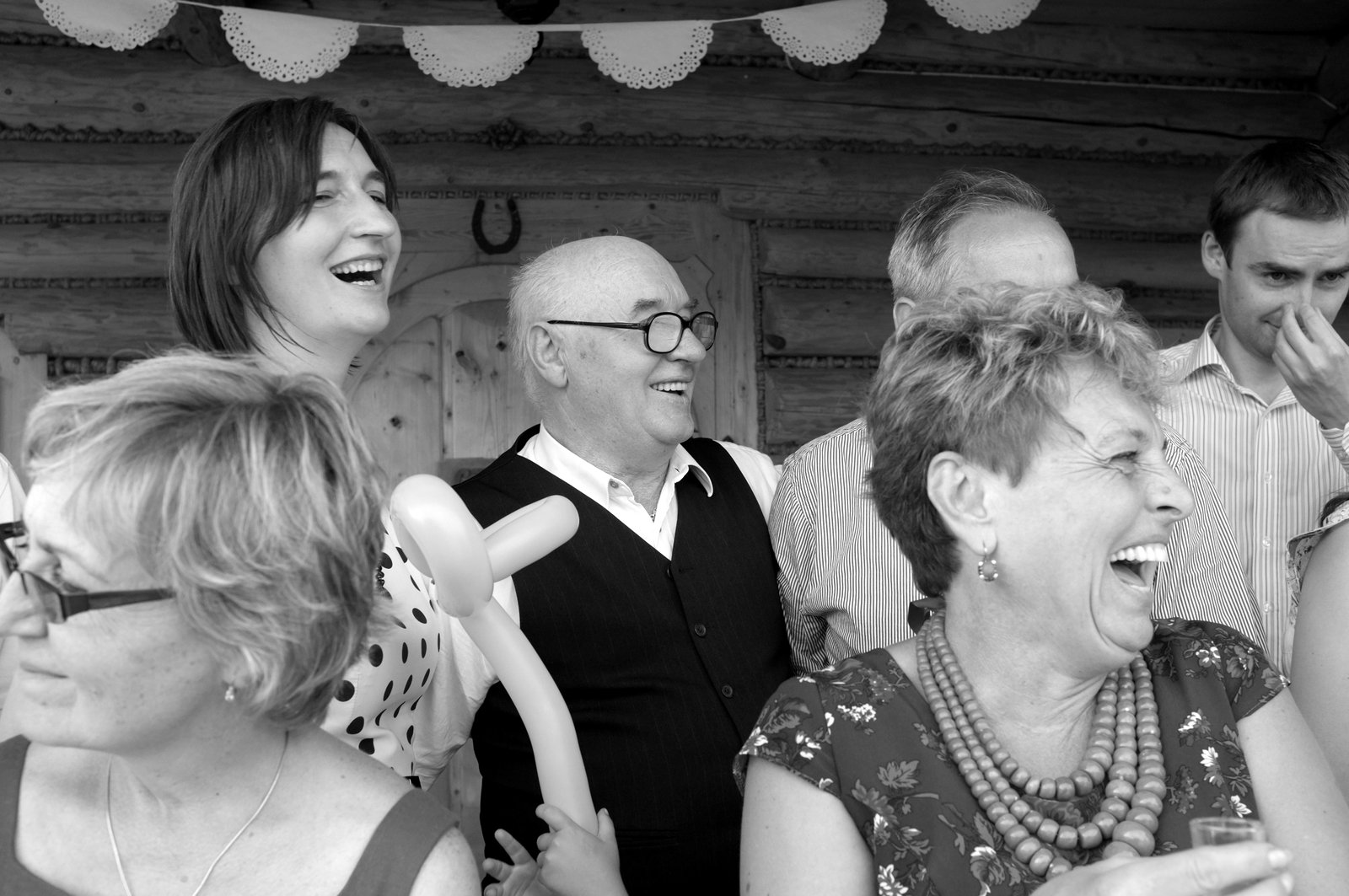
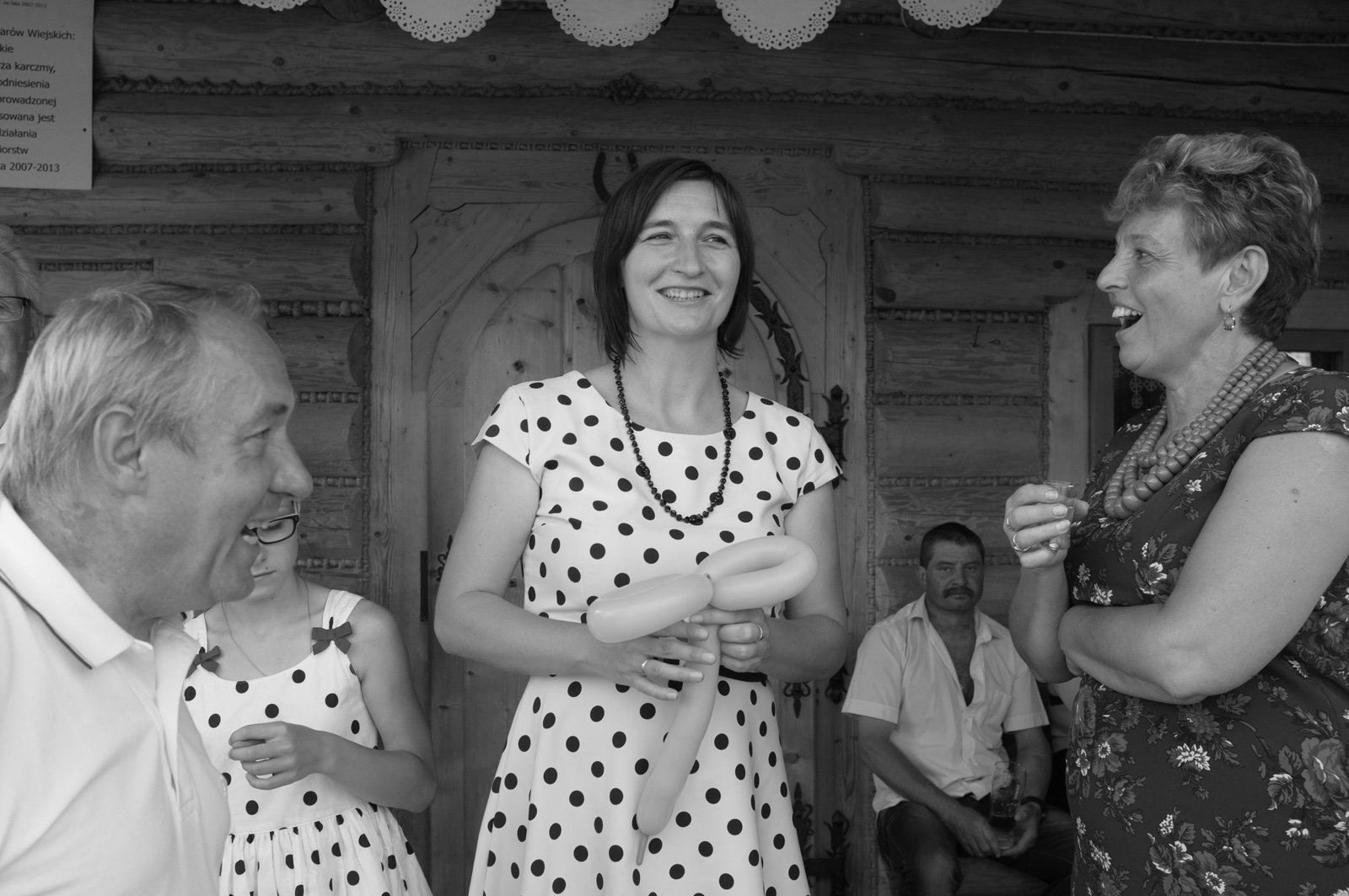
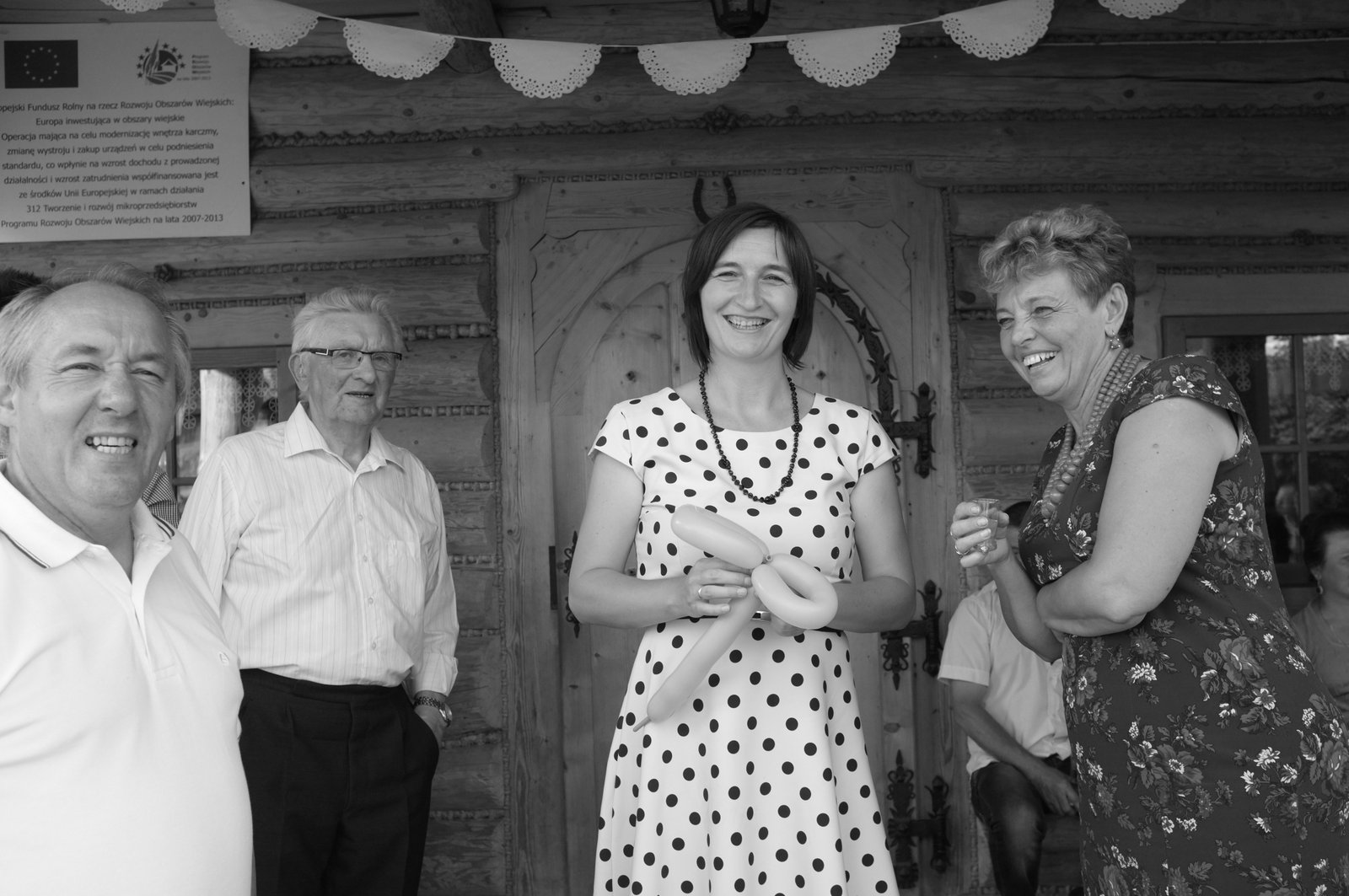
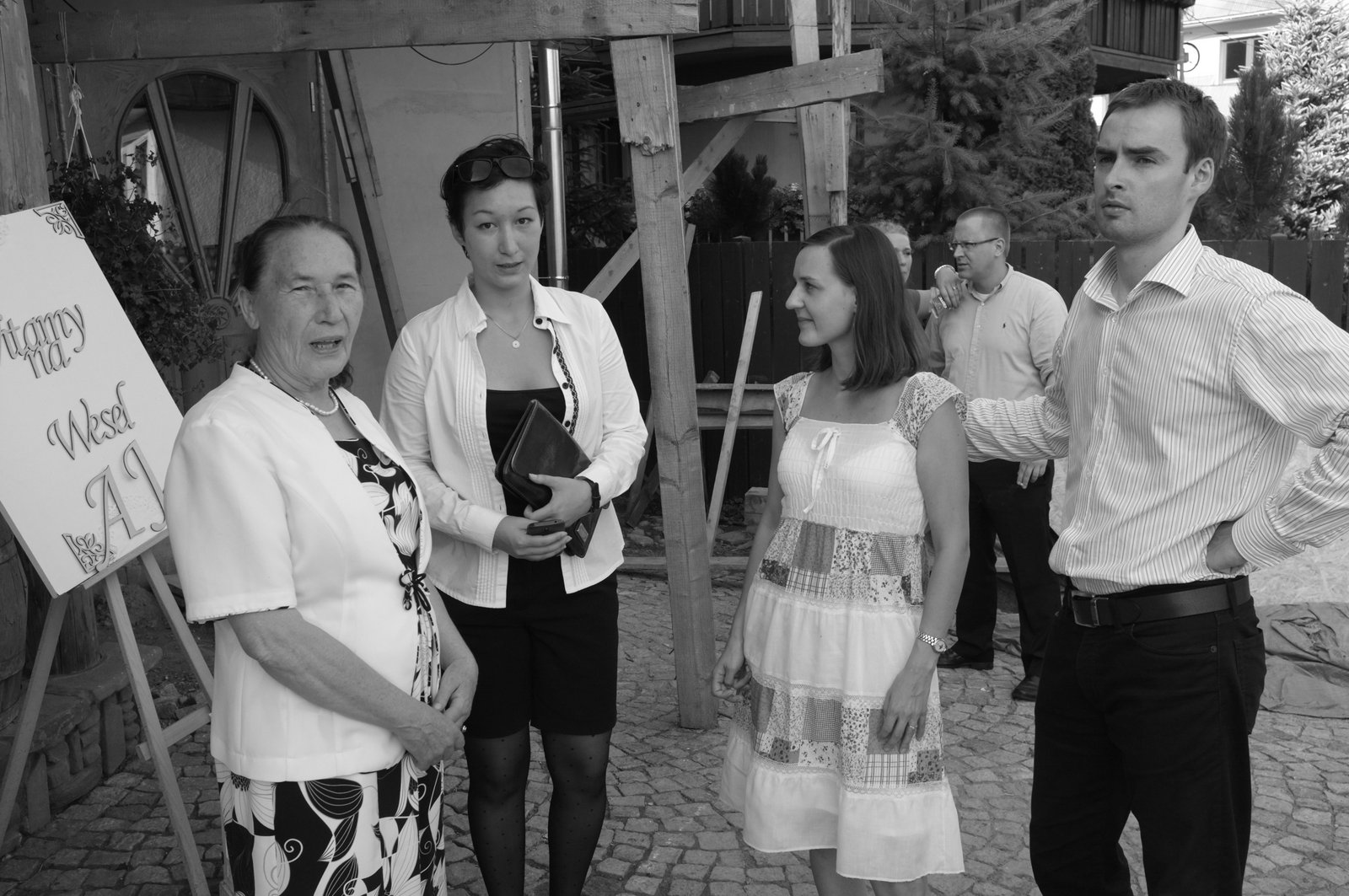
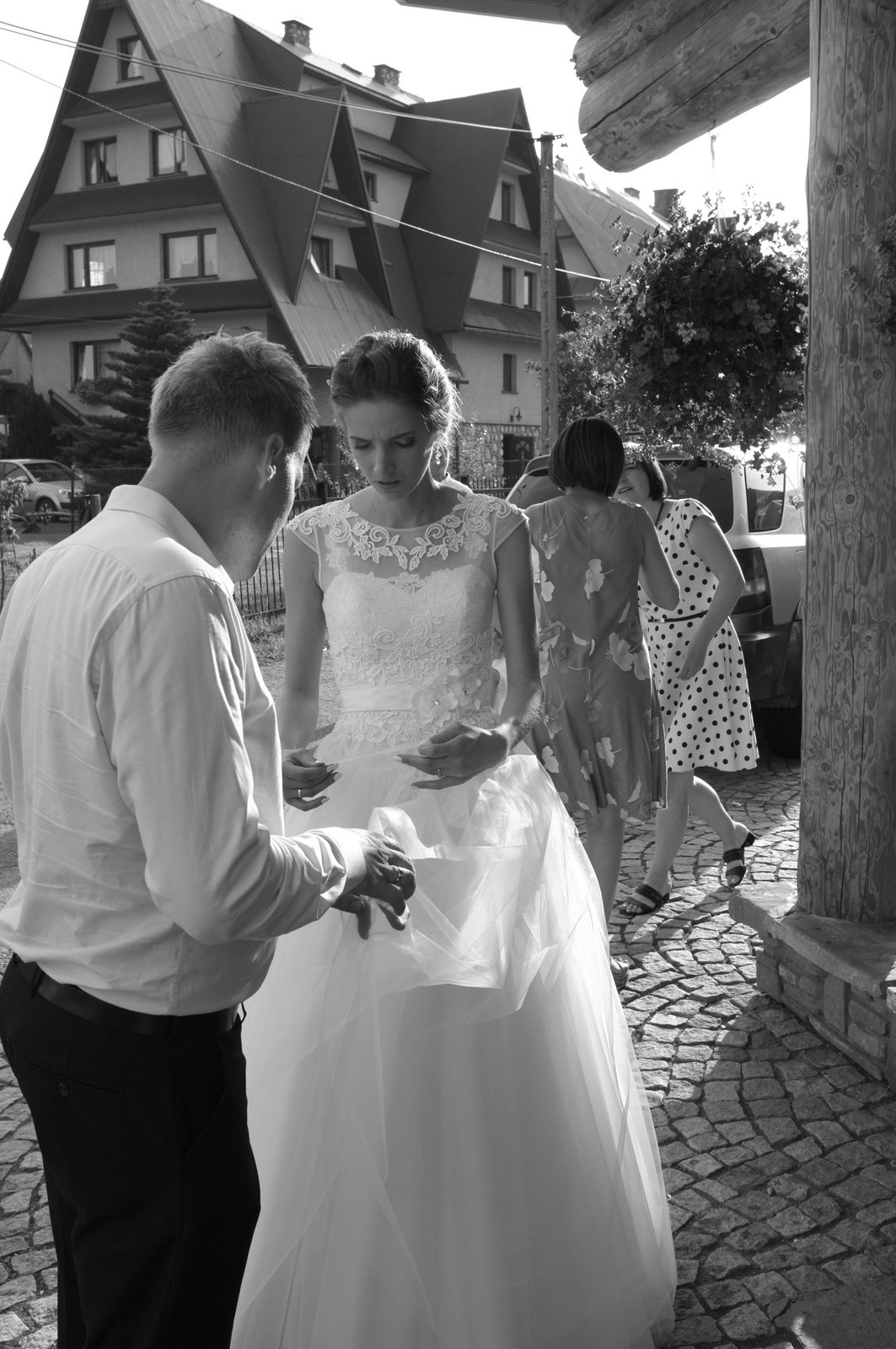
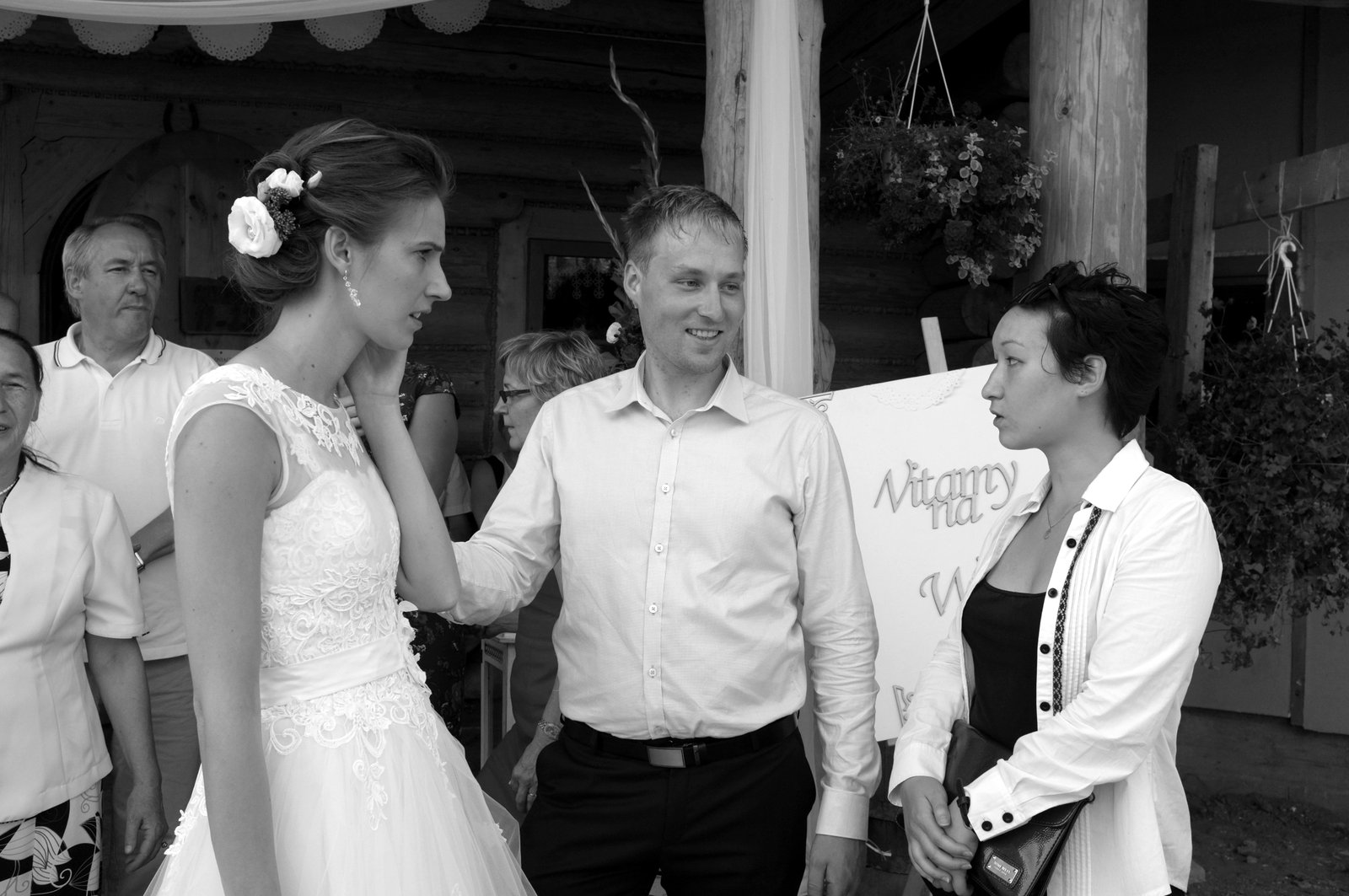
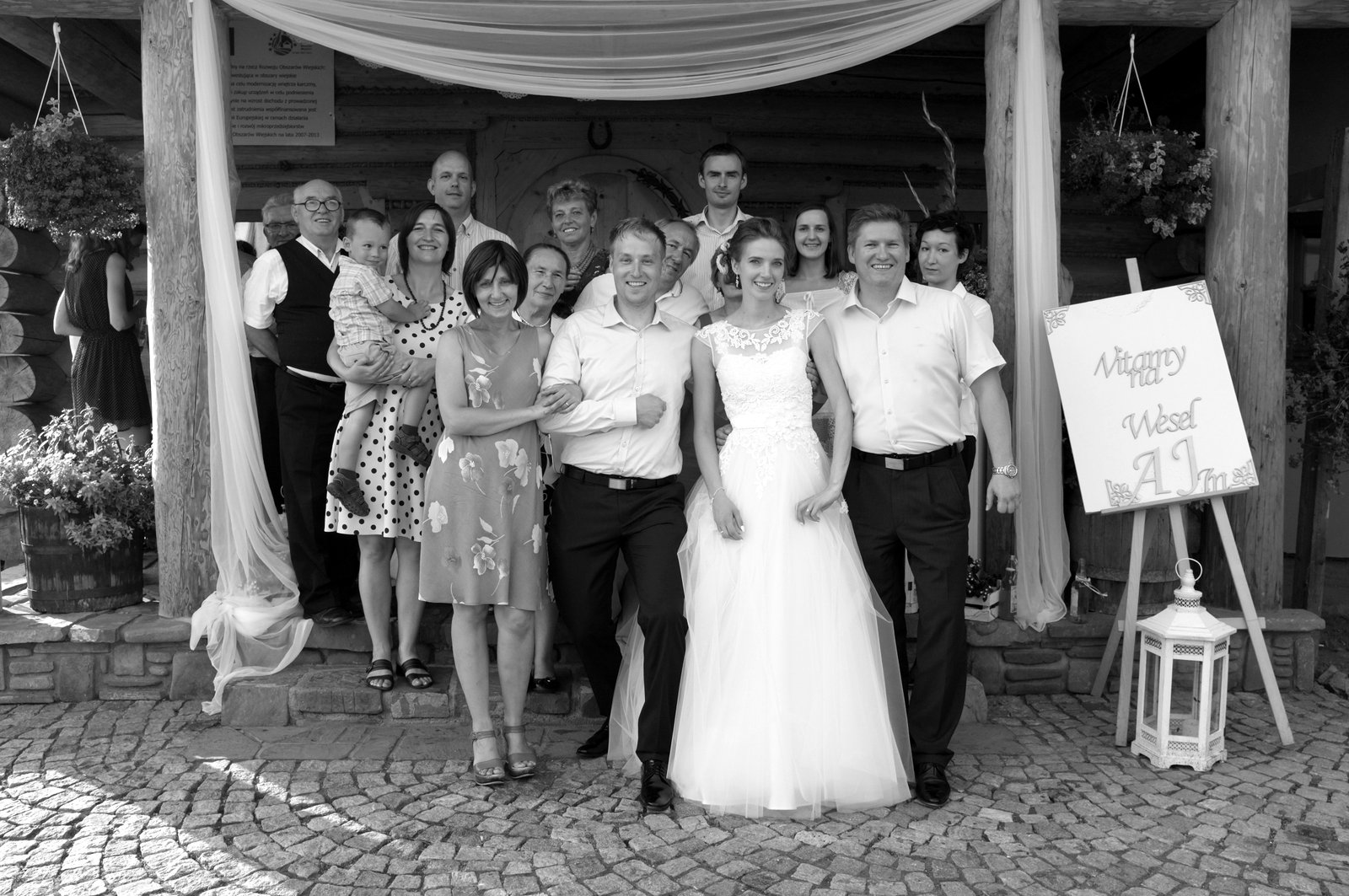
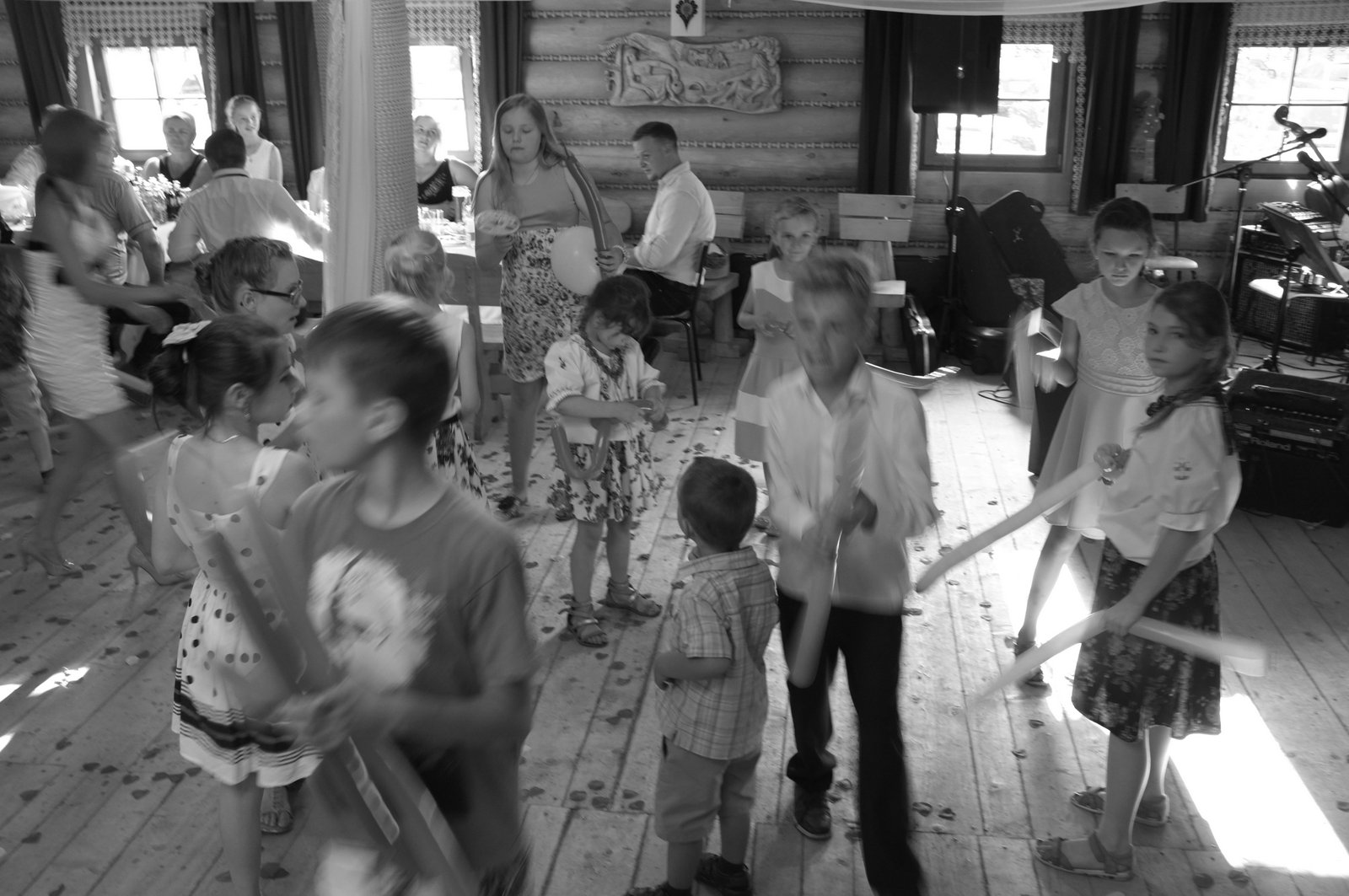
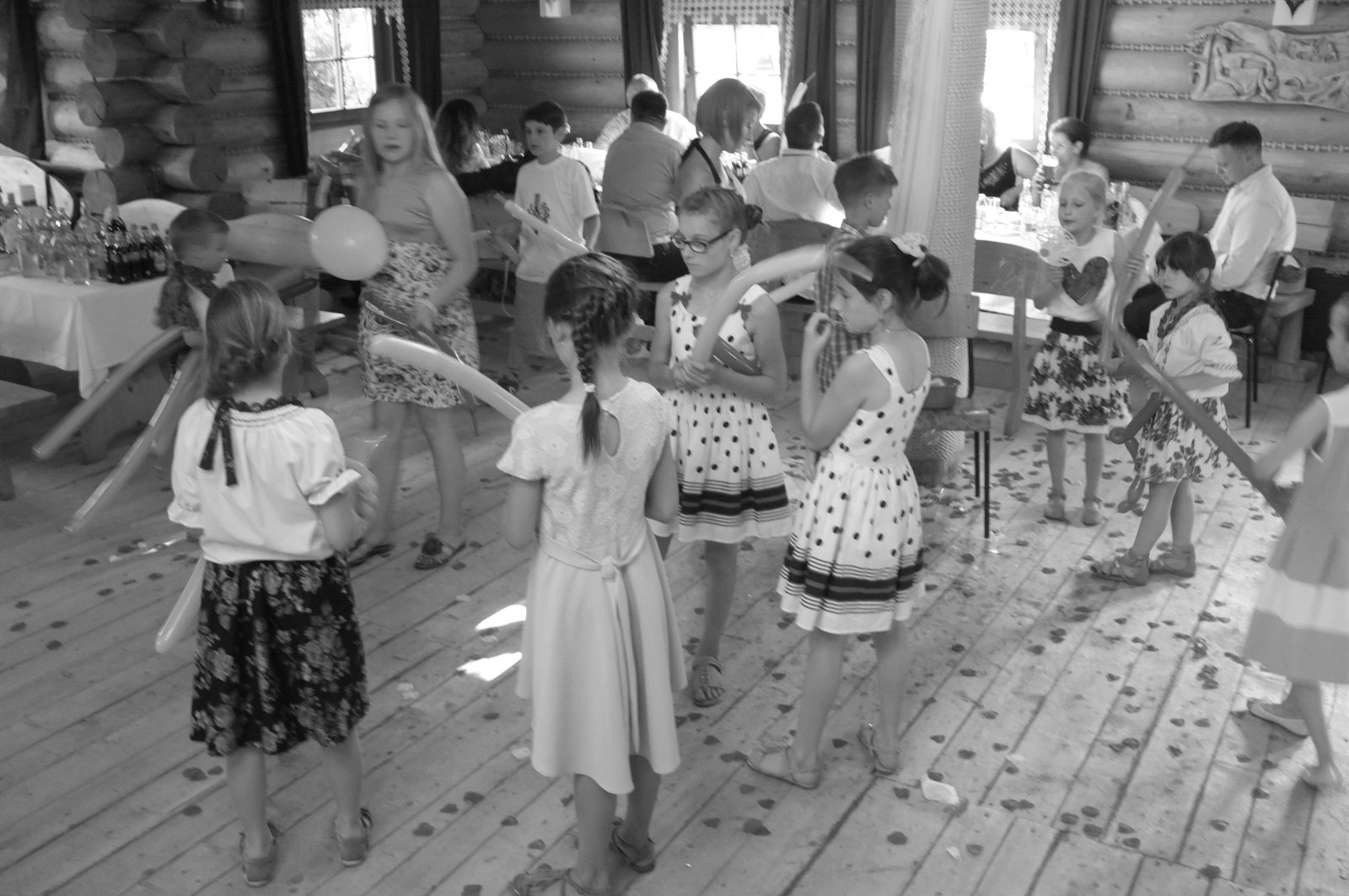
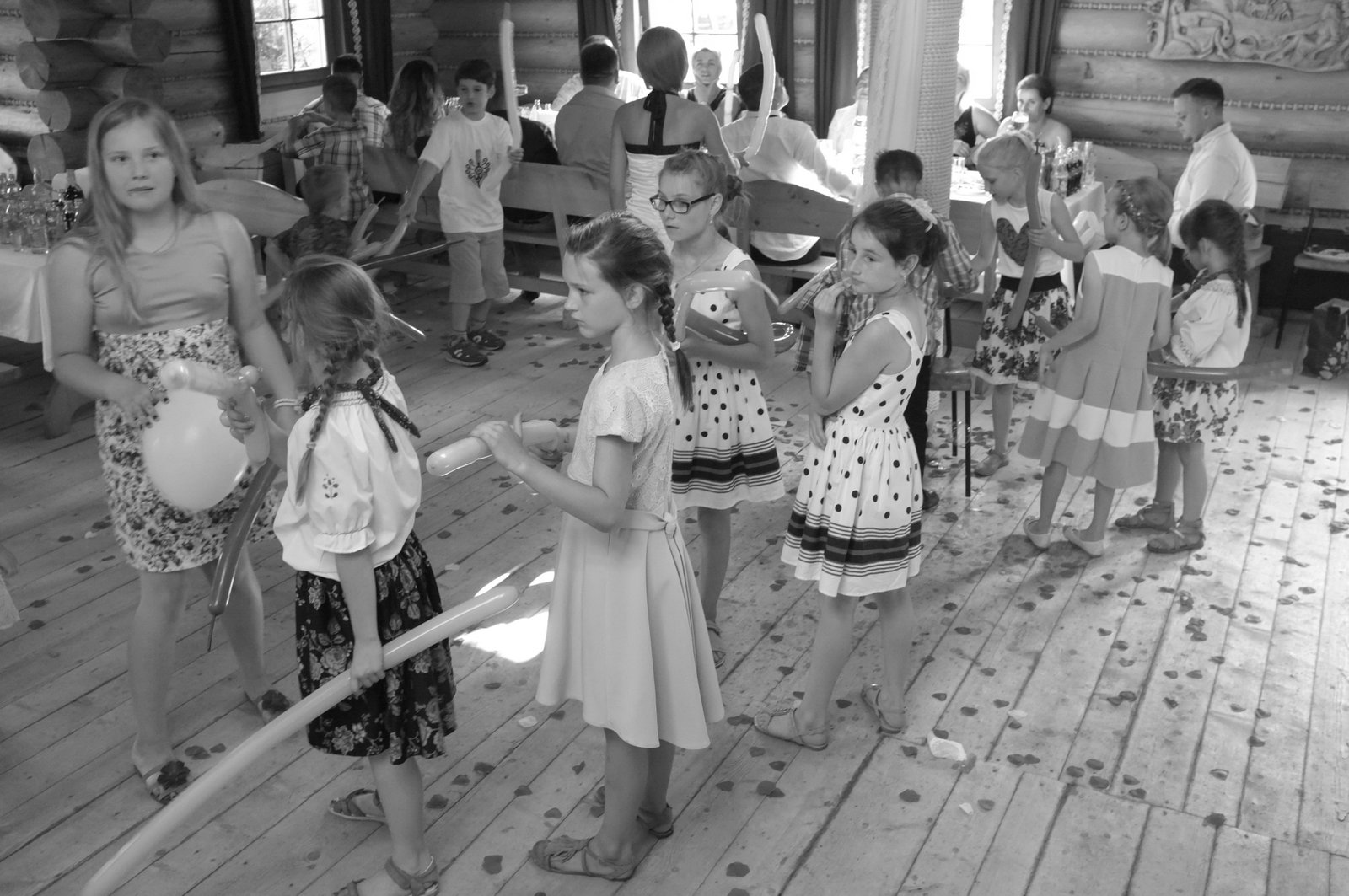
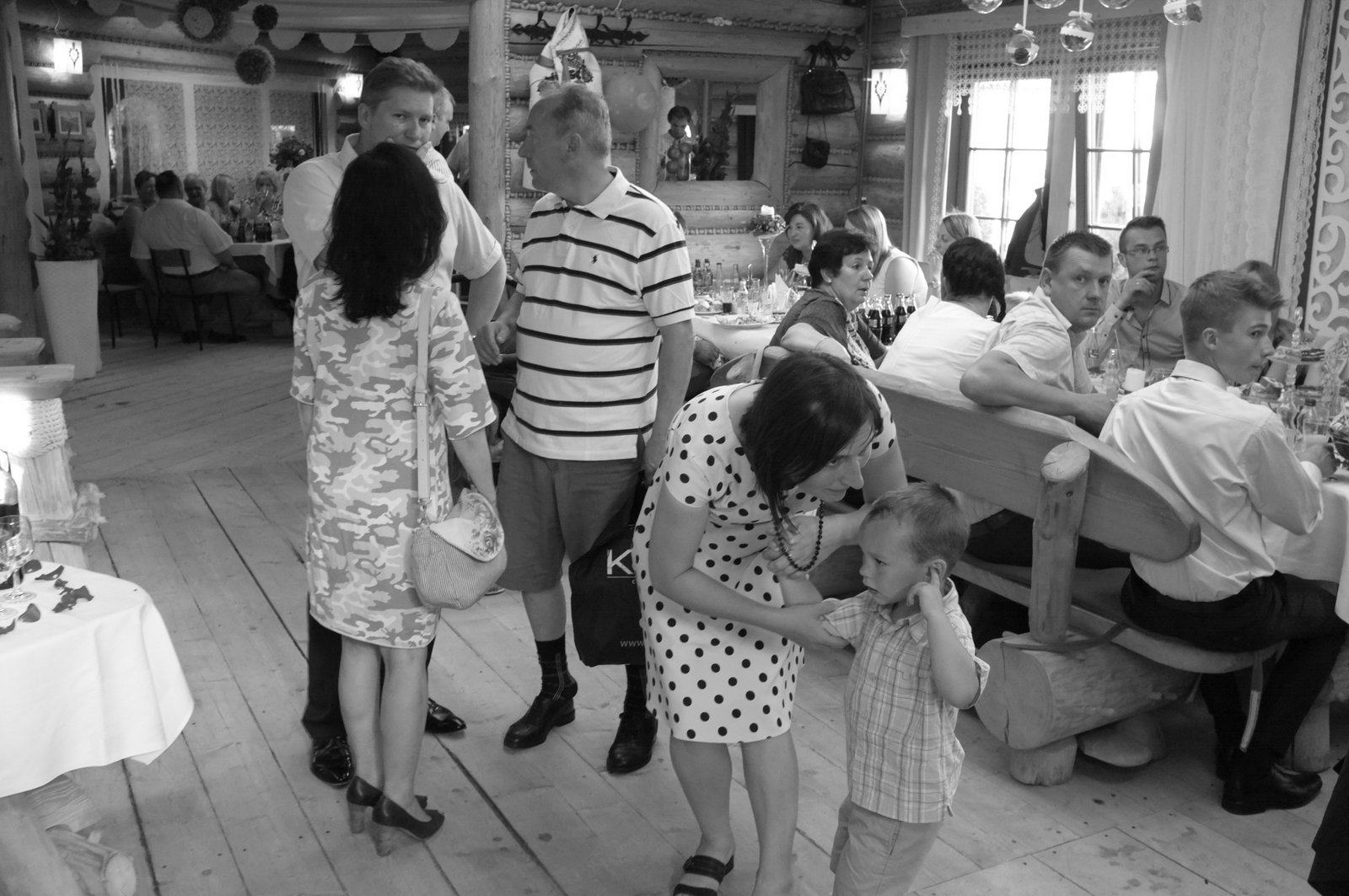
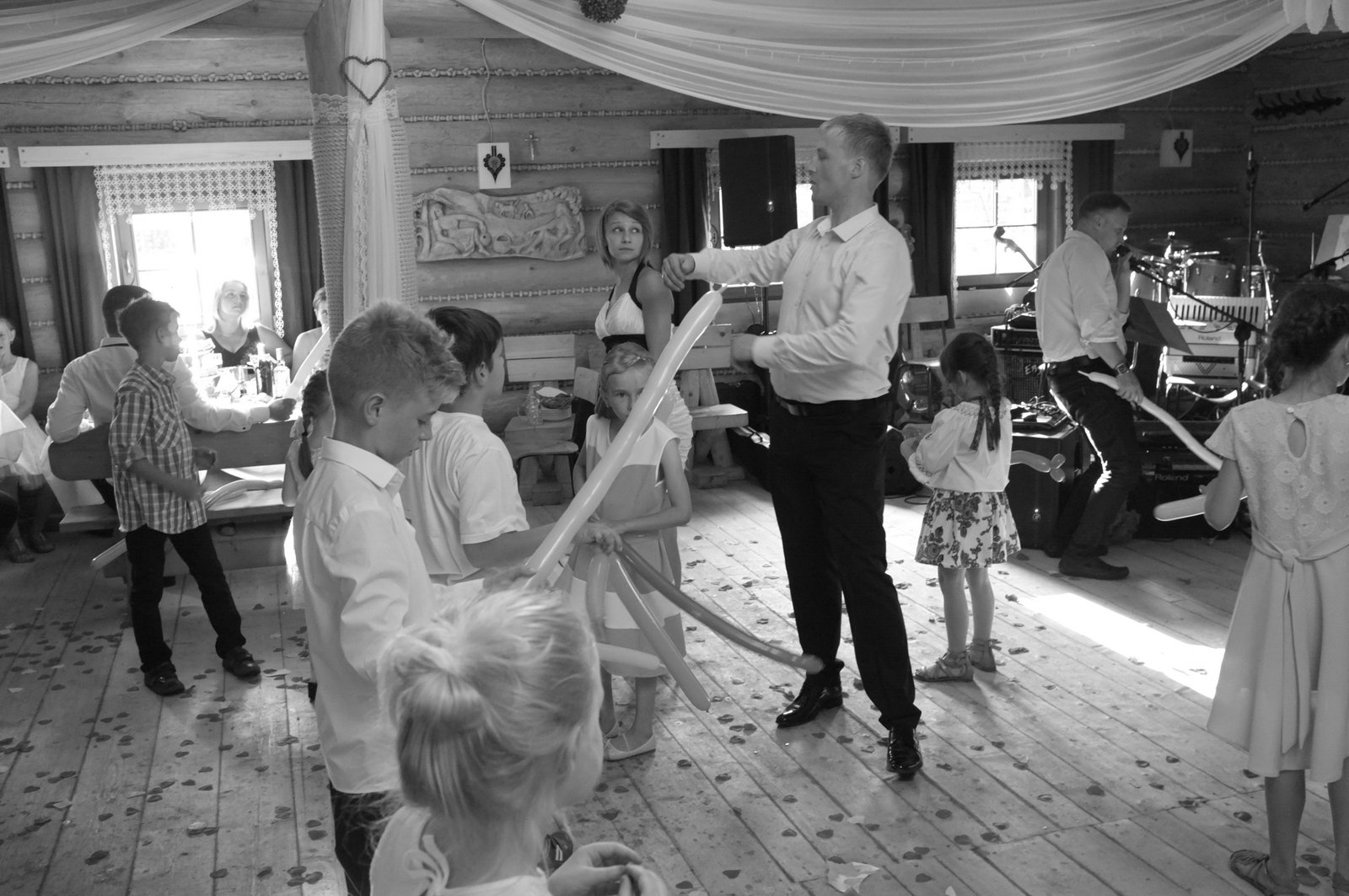
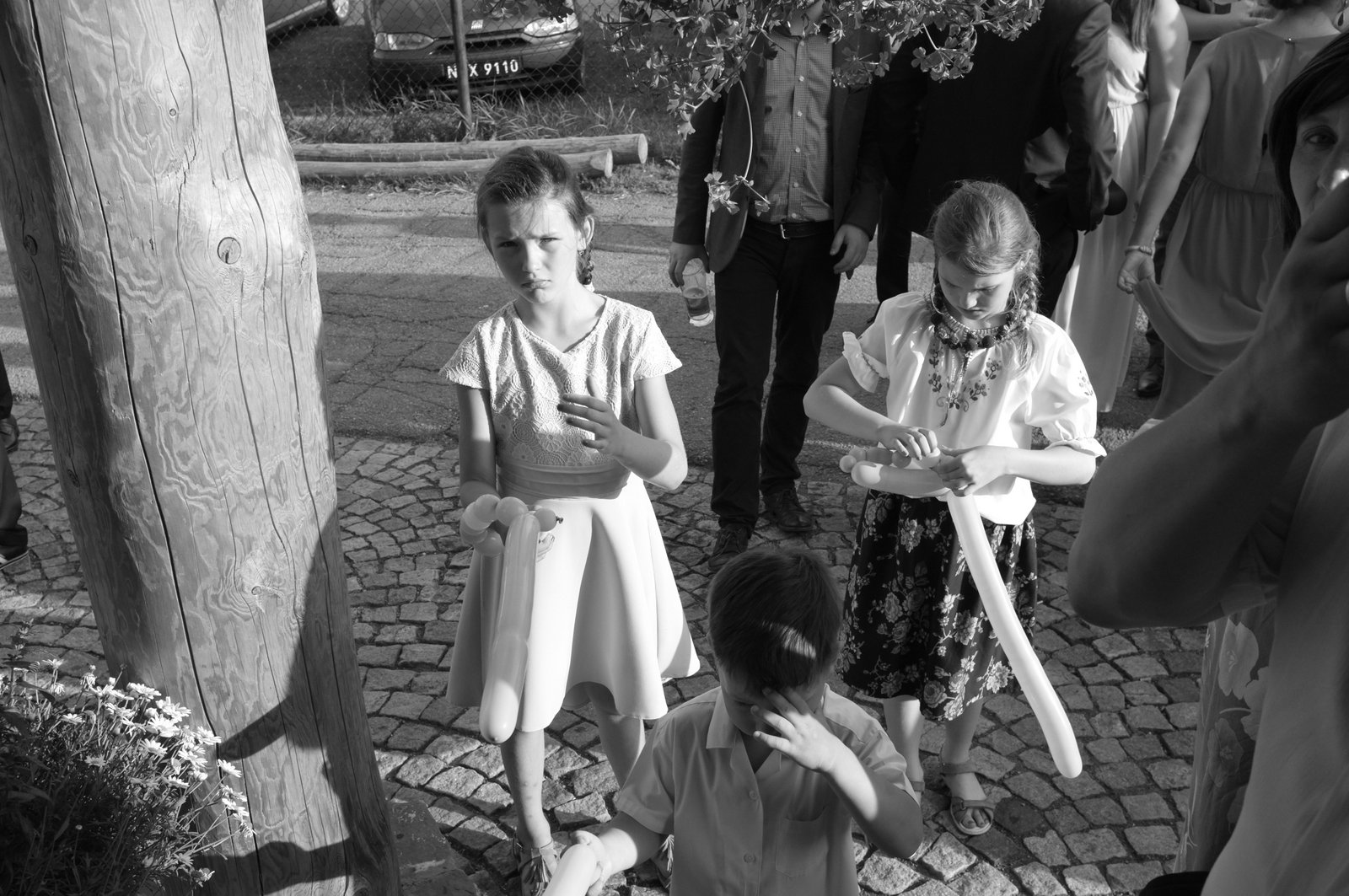
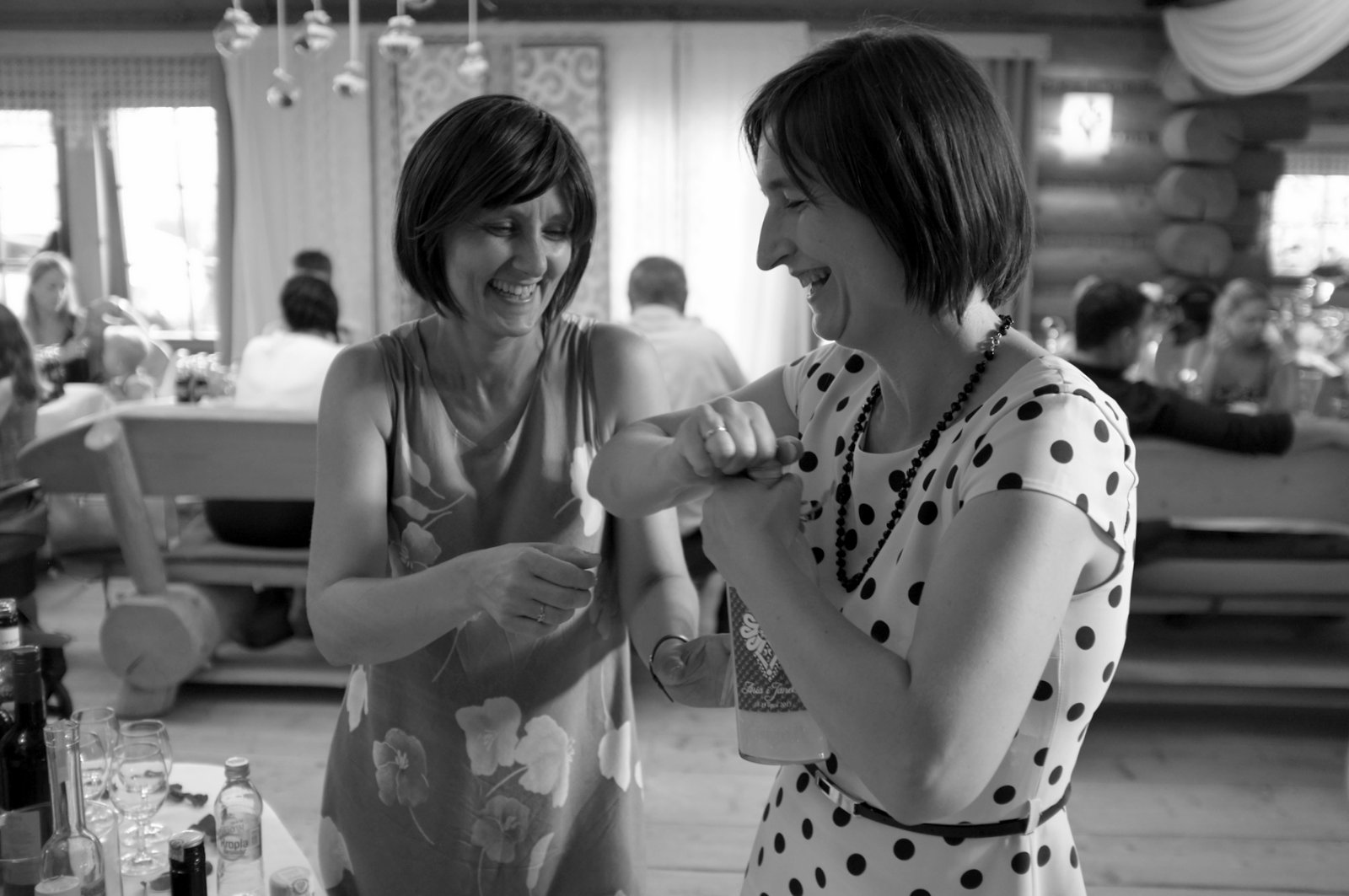
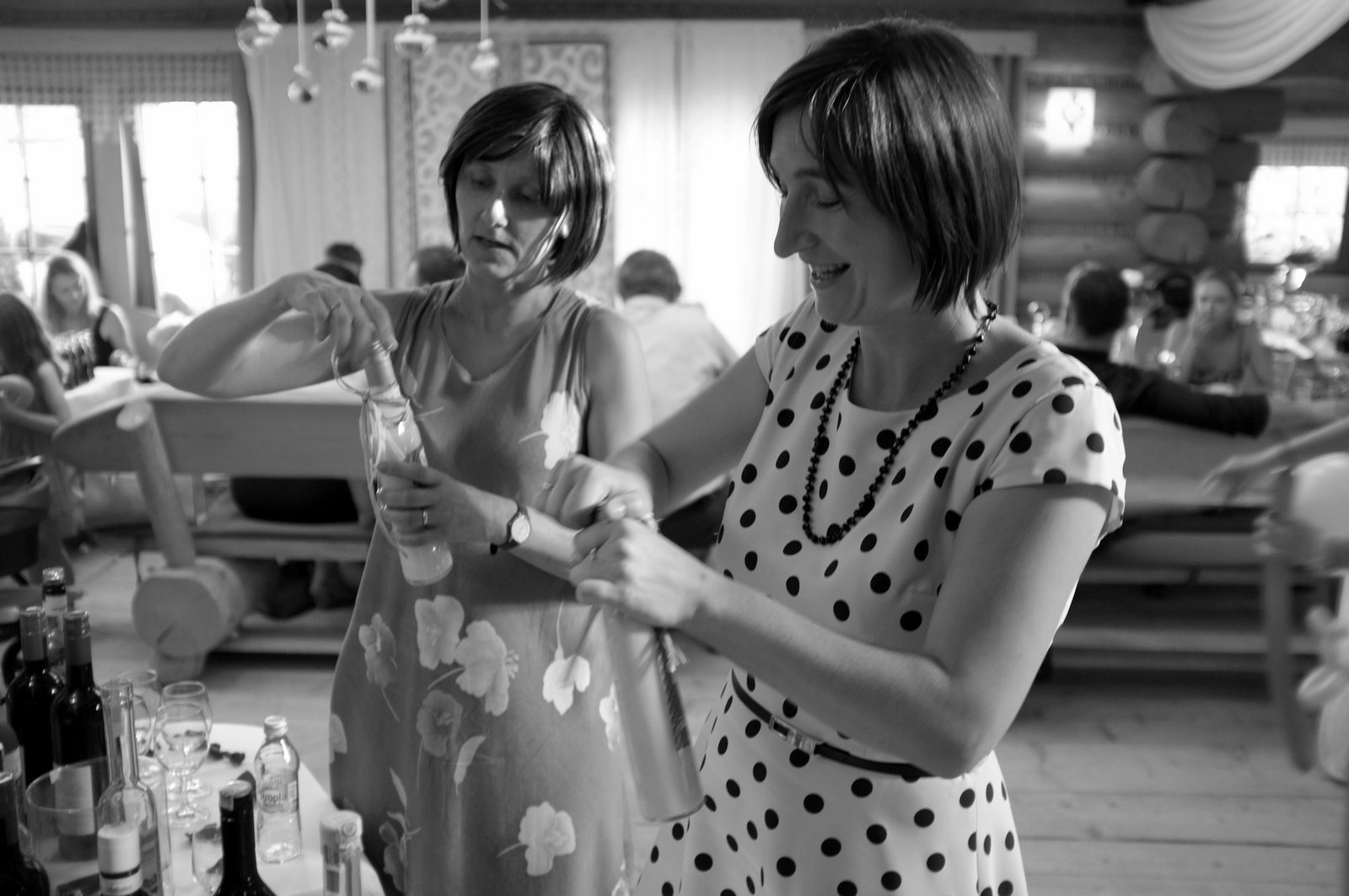
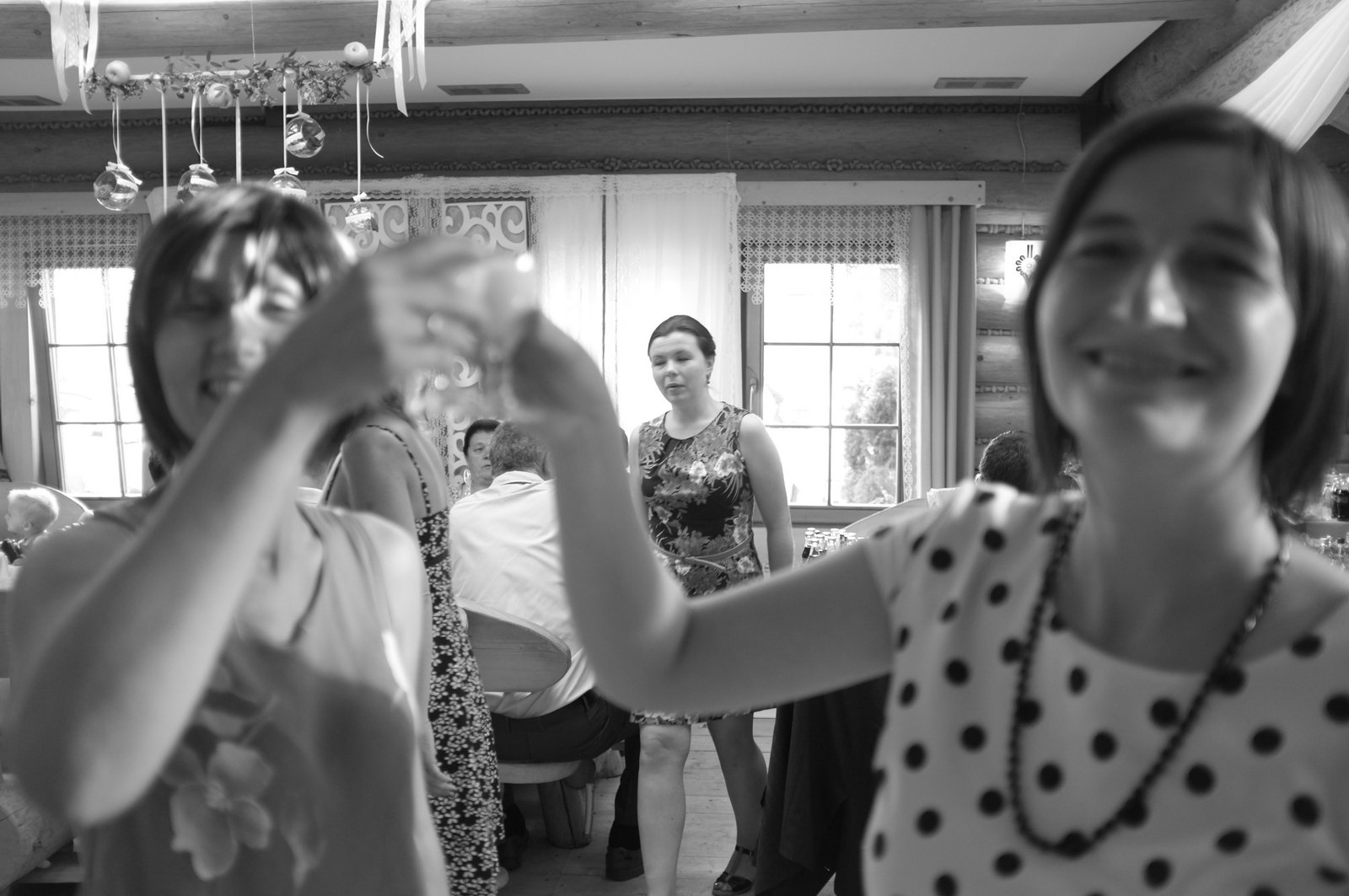
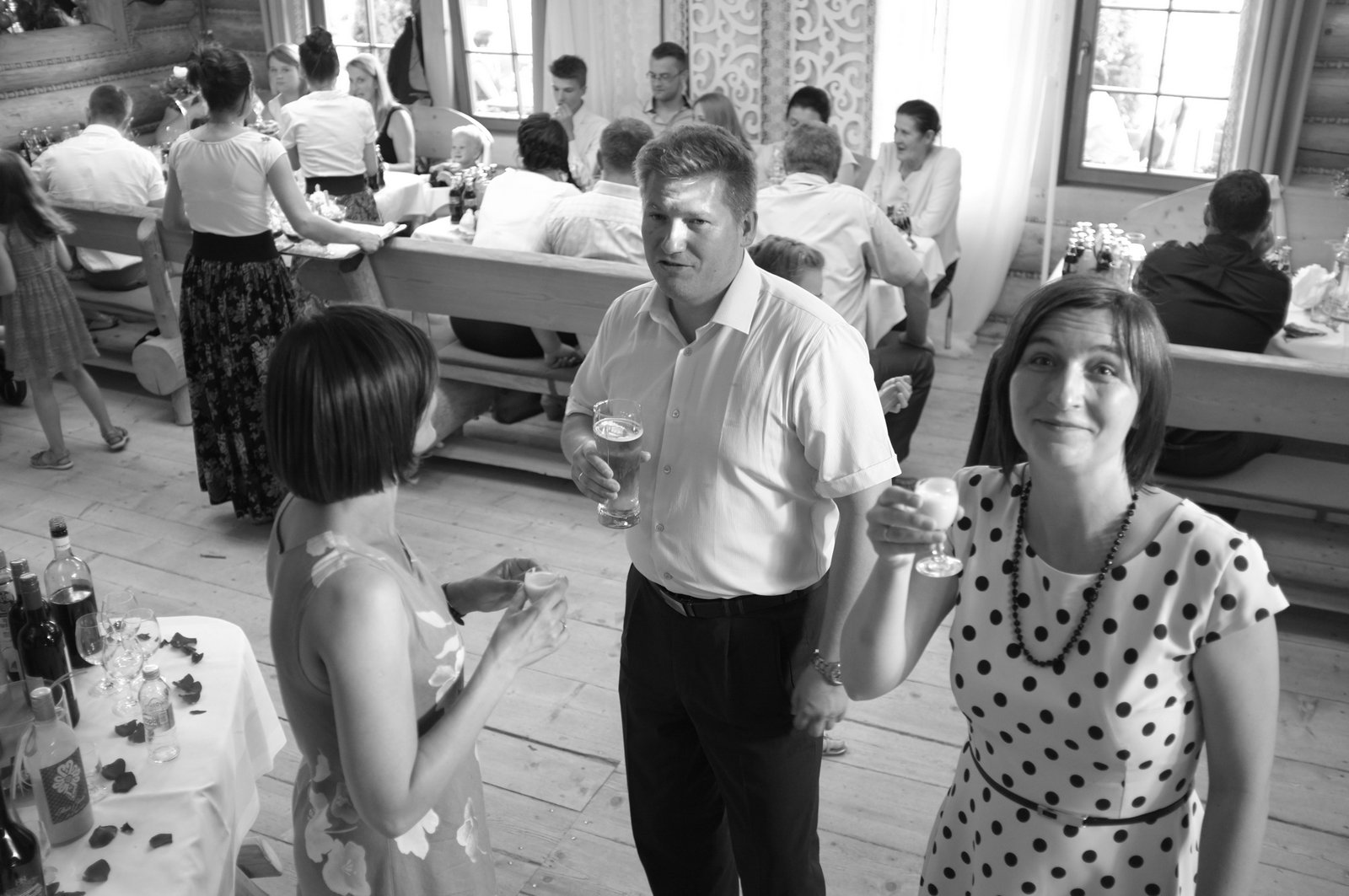
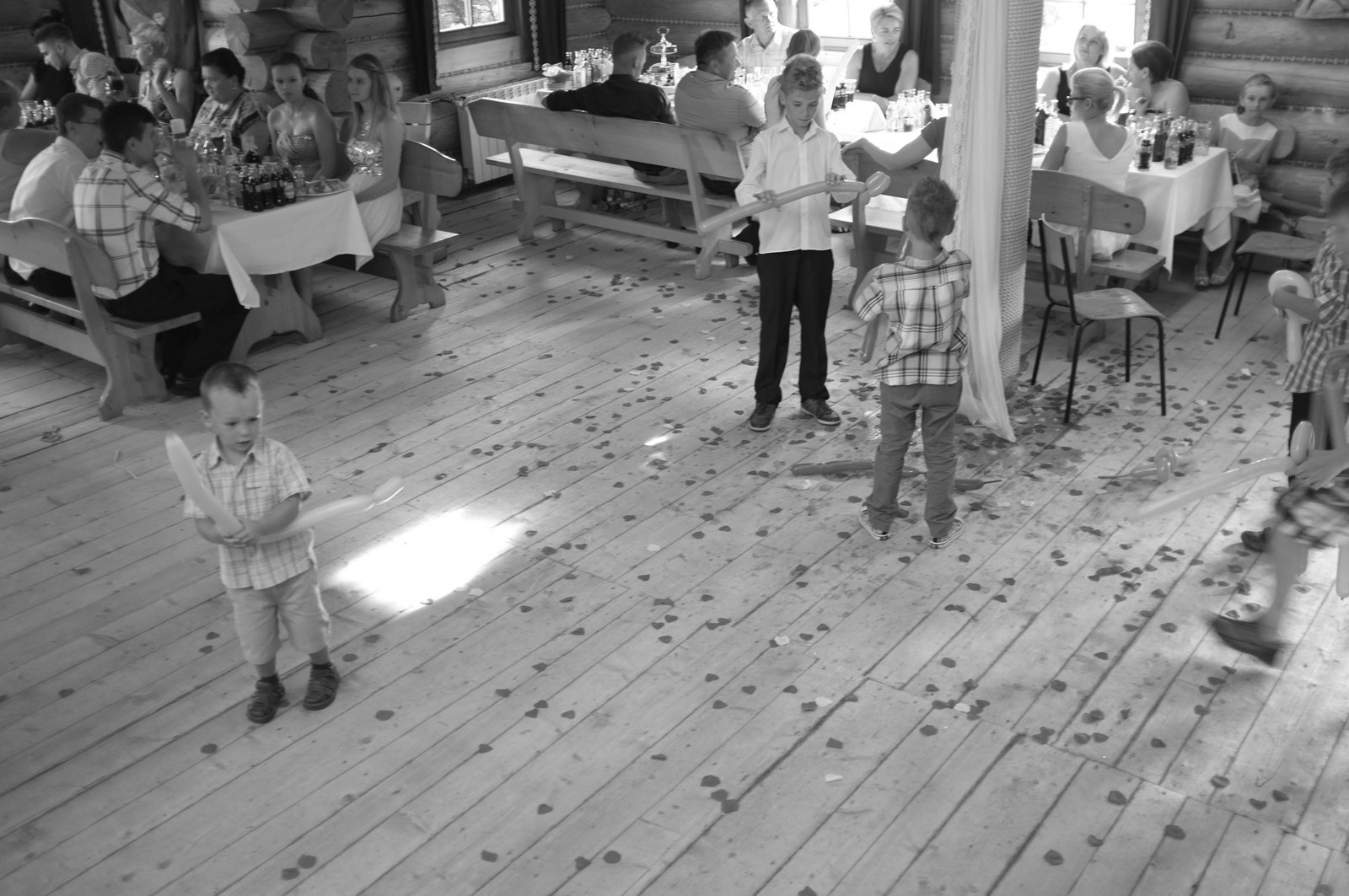
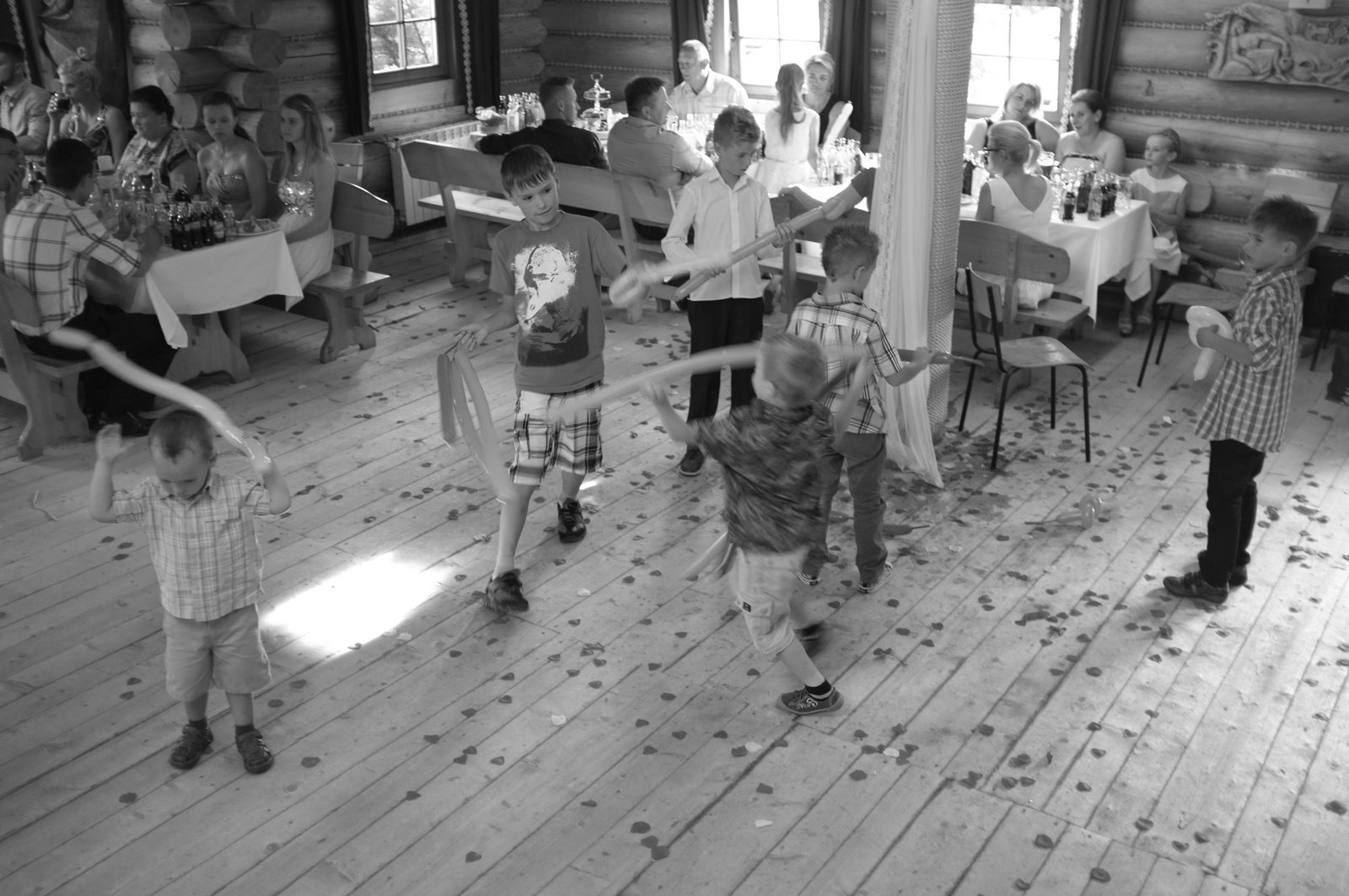
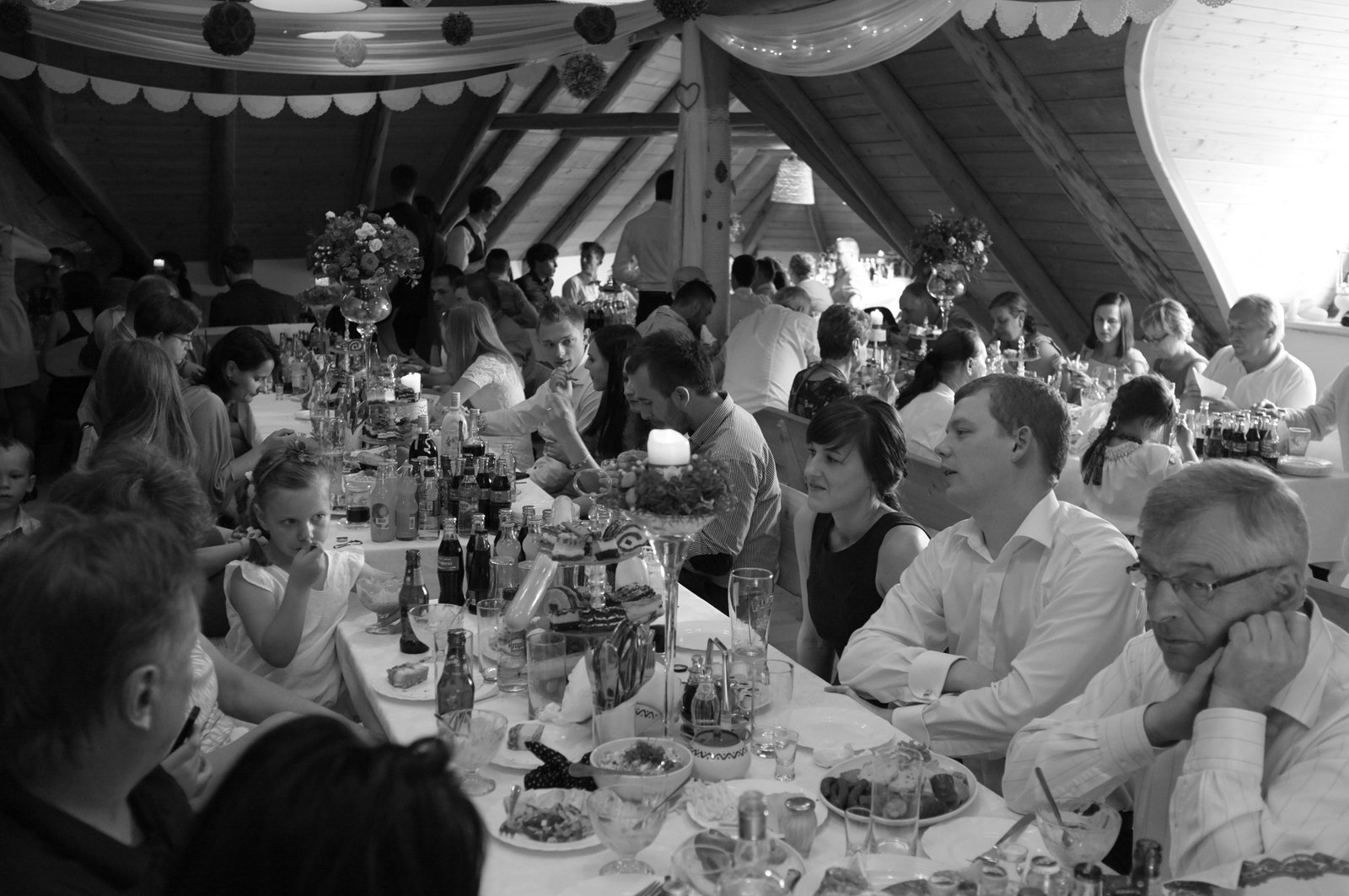
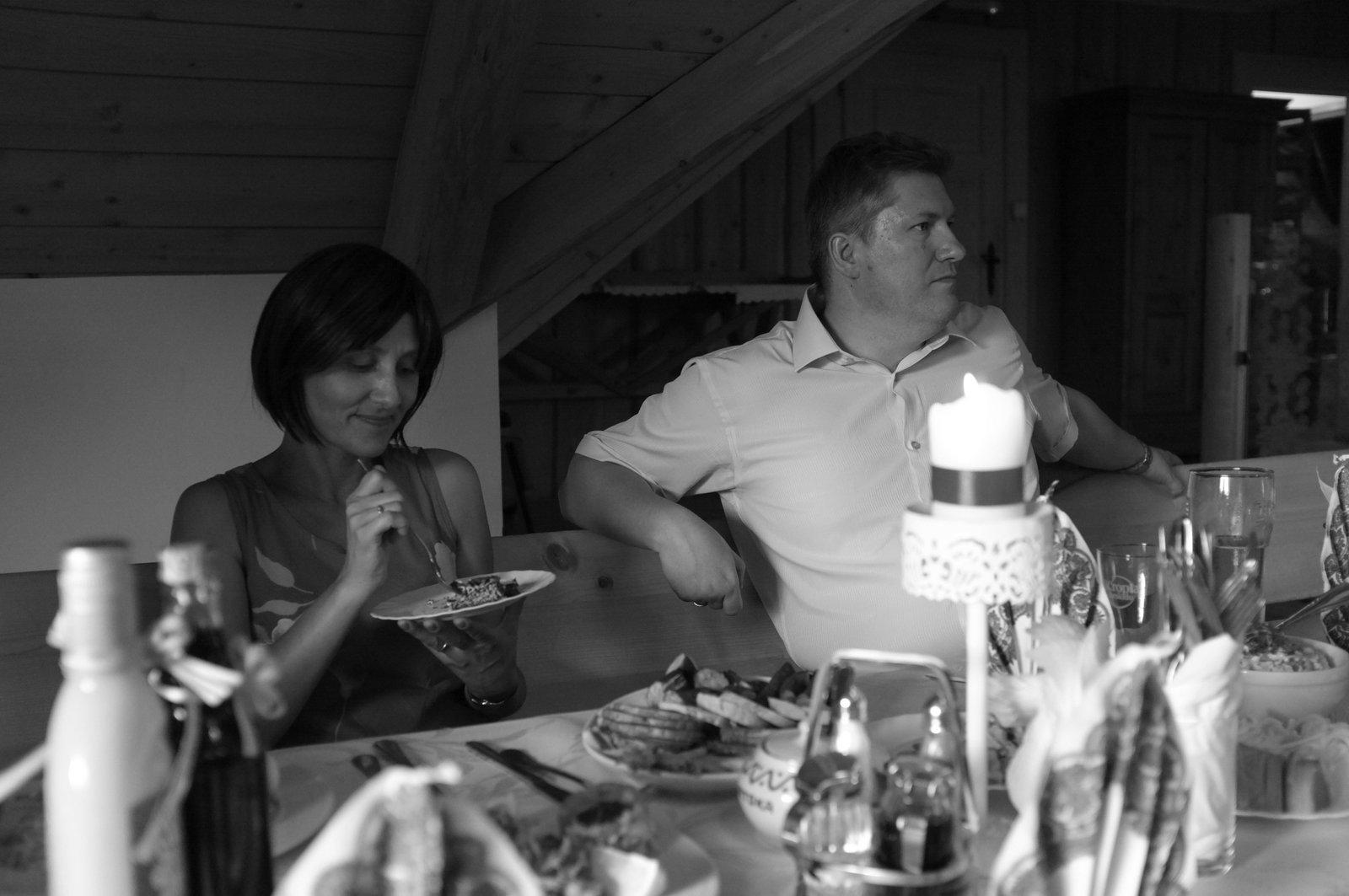
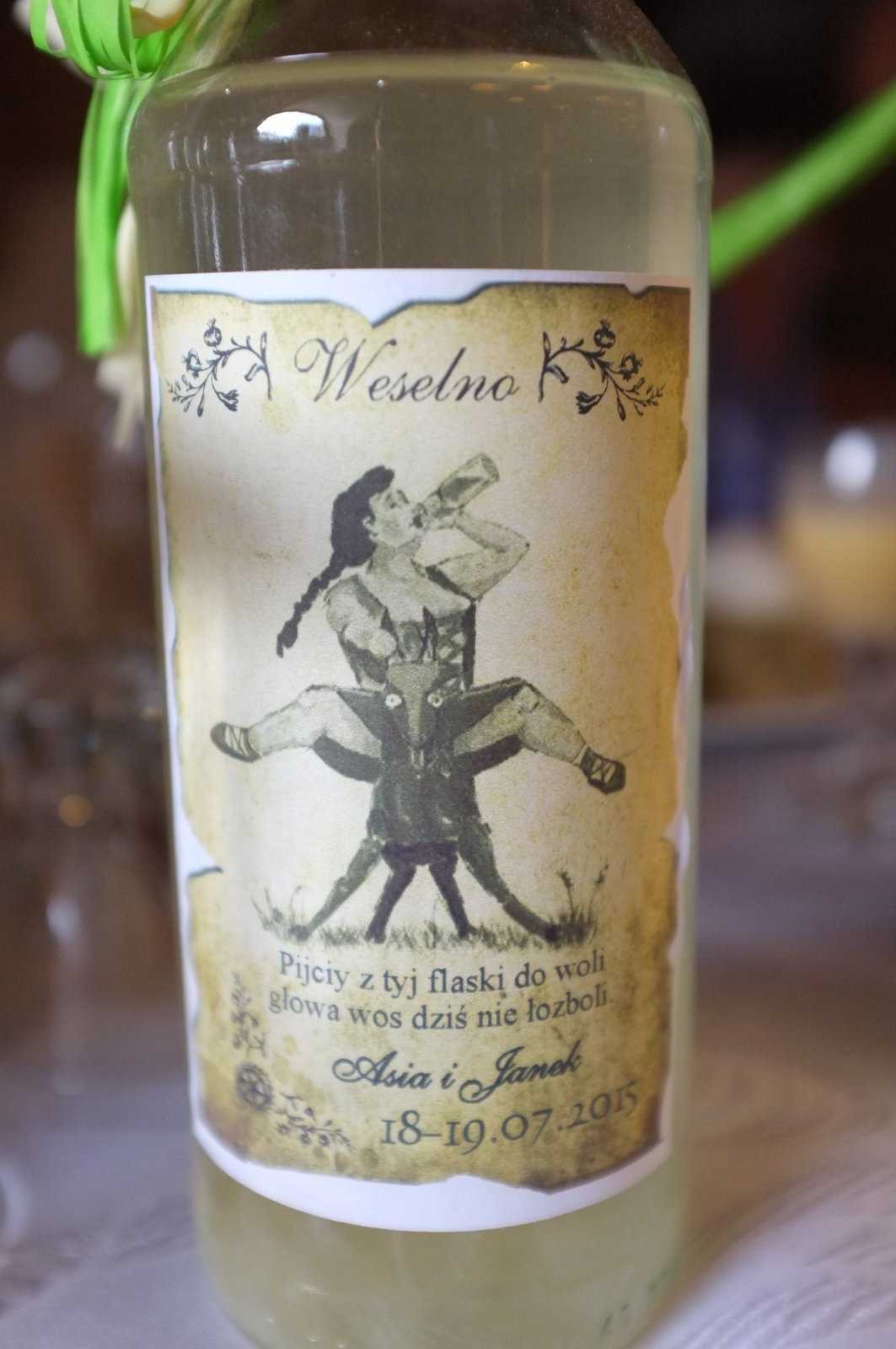
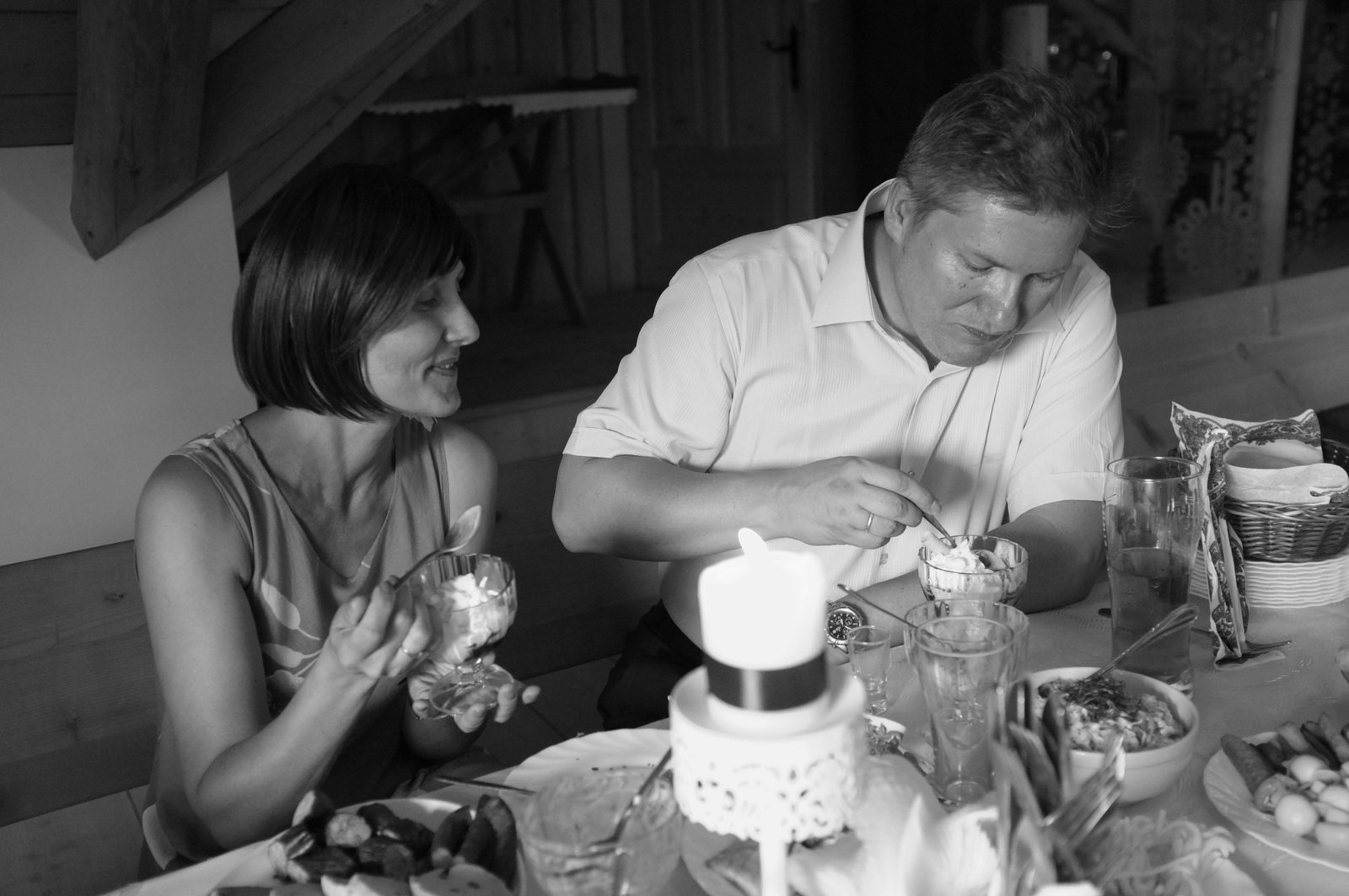
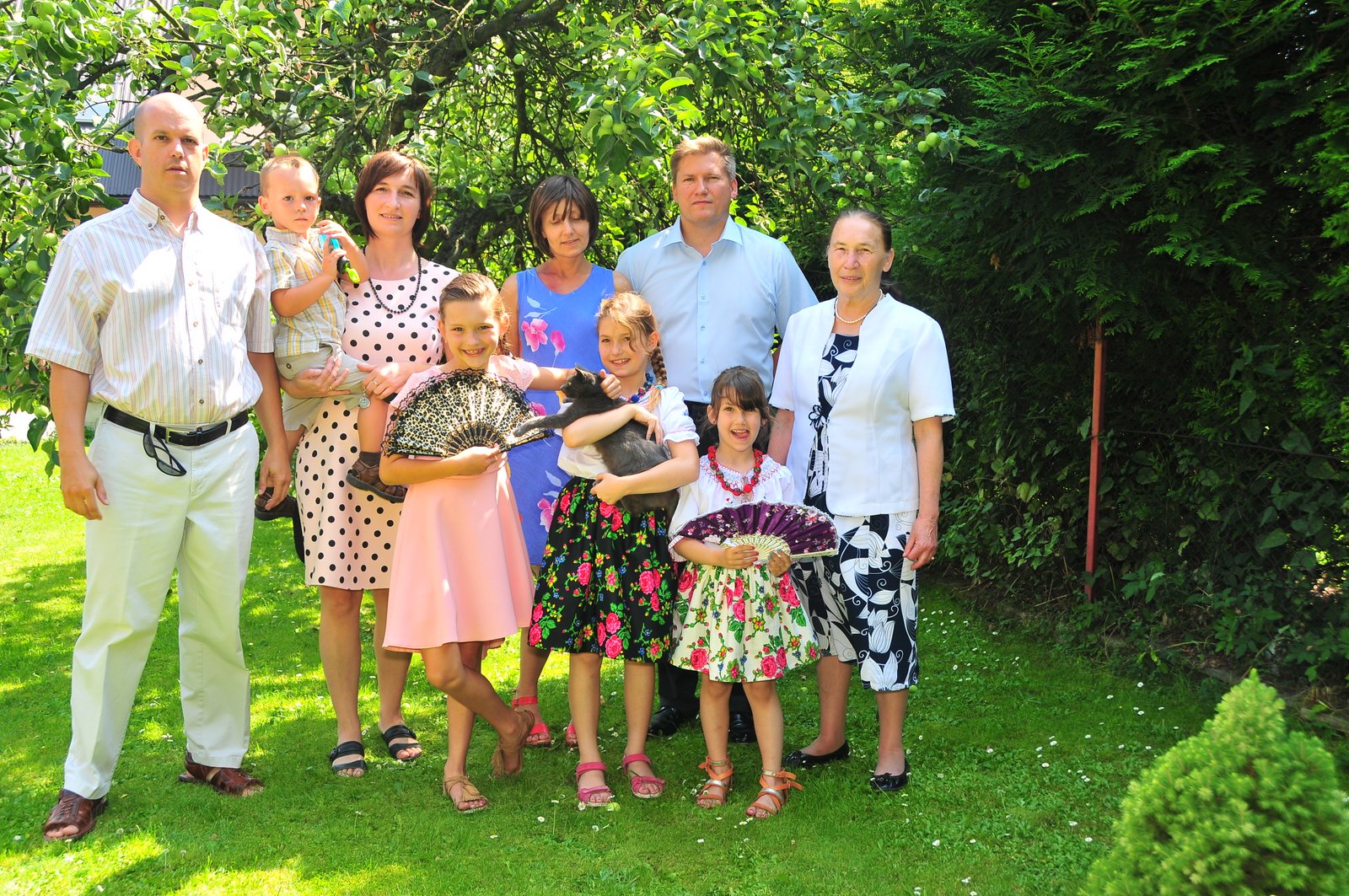
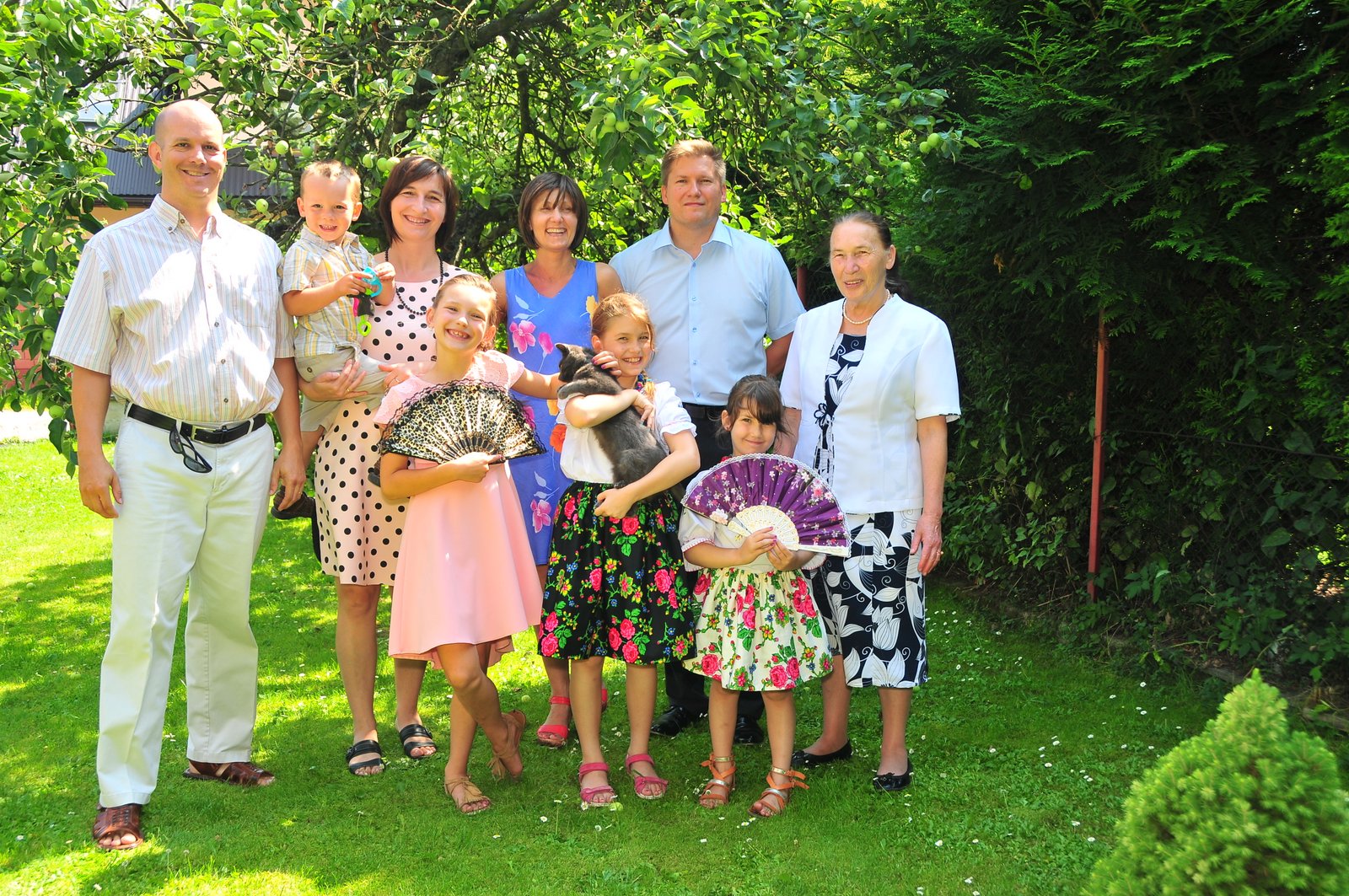
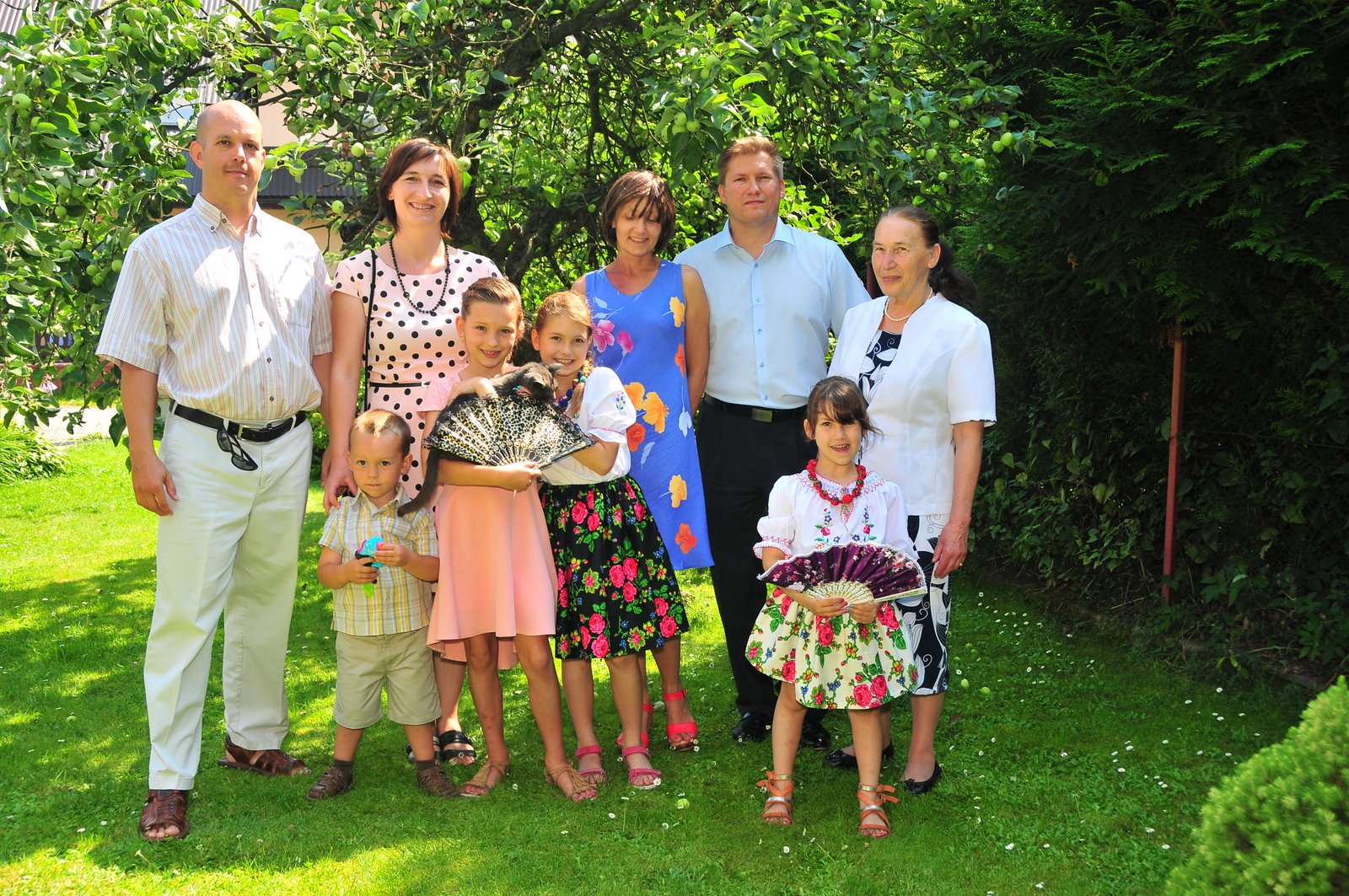
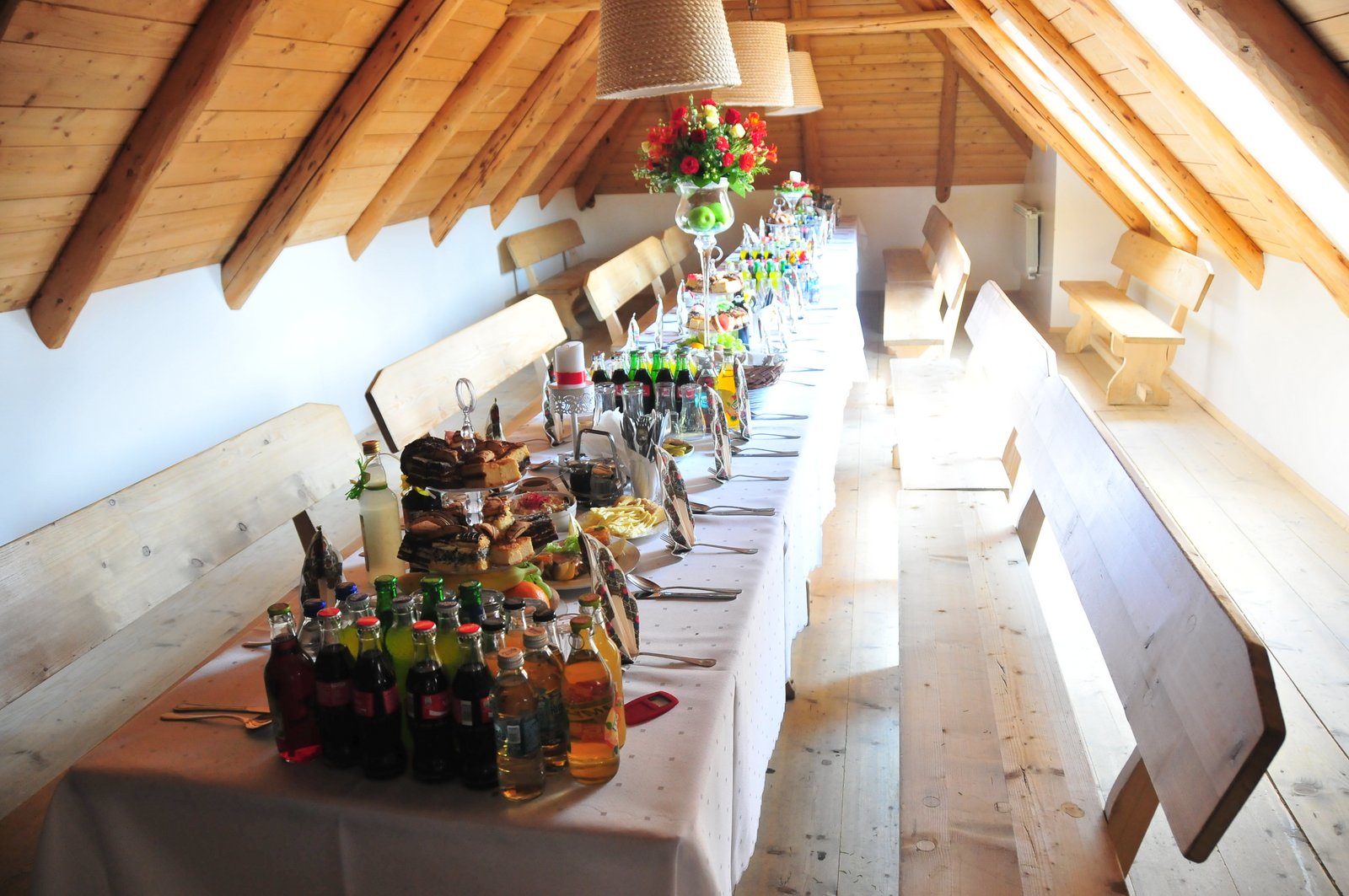
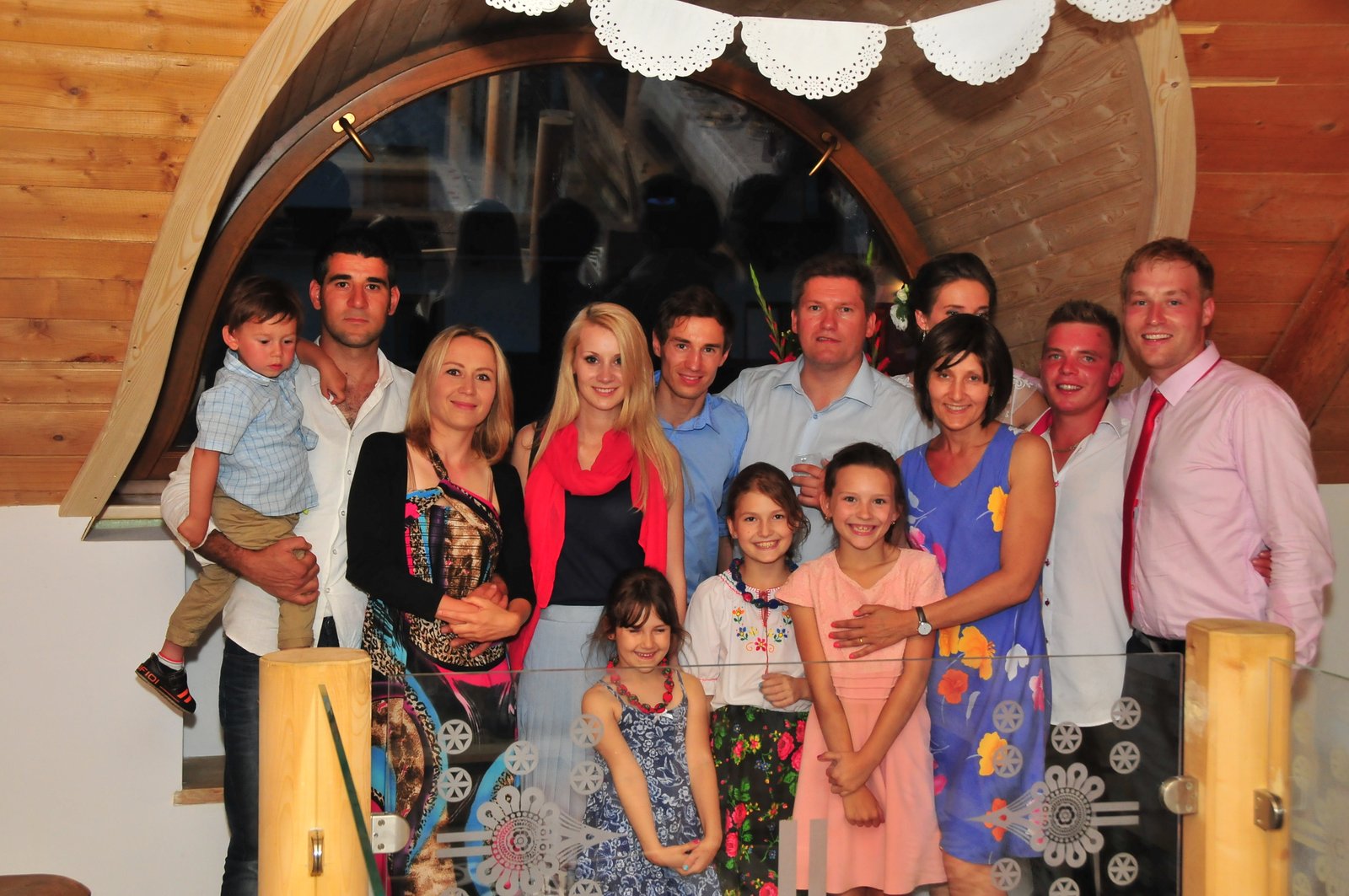
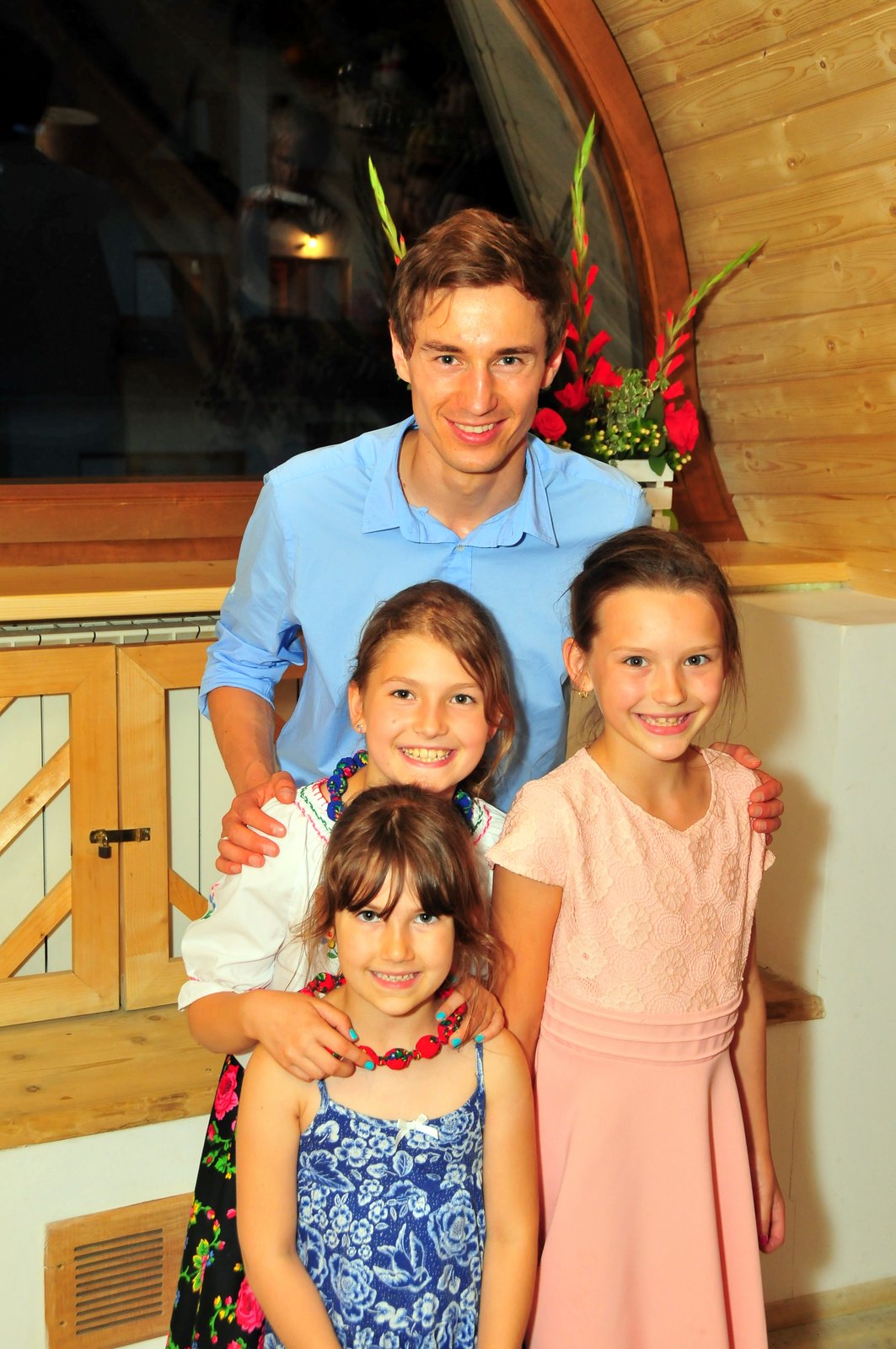
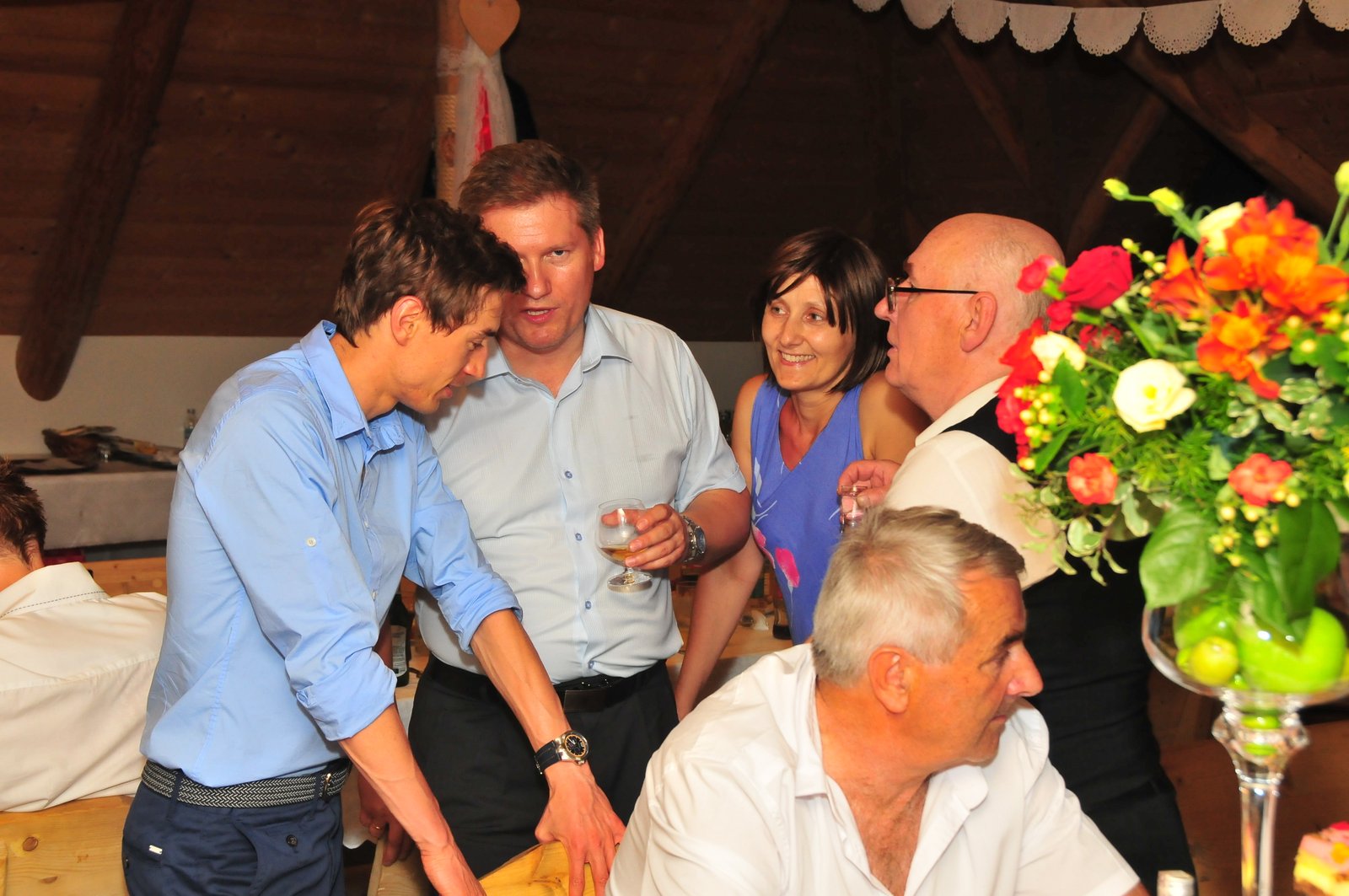
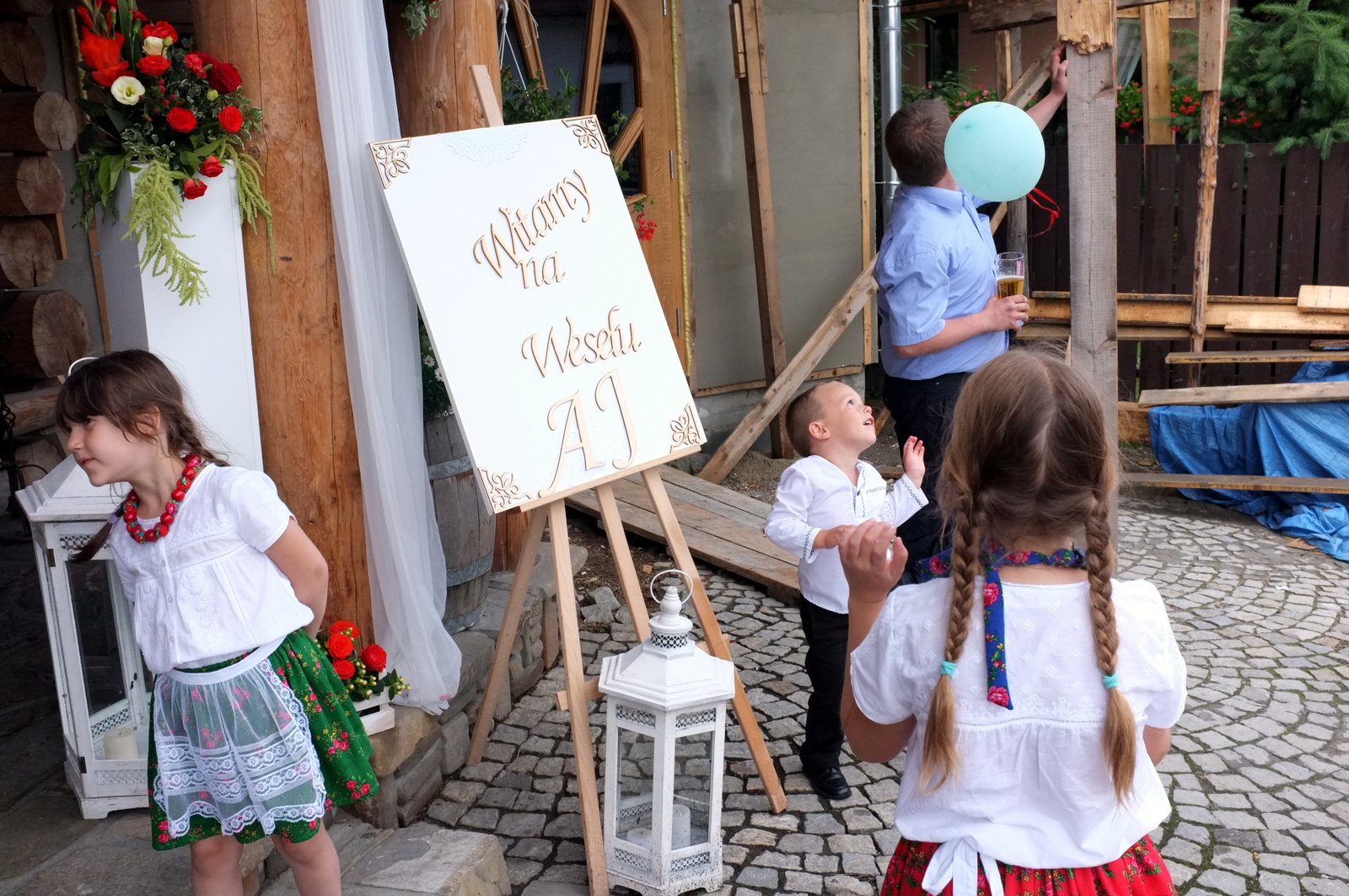
There is a choreography to a Polish wedding and the party that follows that dictates the what, when, where, and how of almost everything. It's not necessarily obvious at the first wedding and outsider attends, but once you make it through a few weddings, you know what to expect. They're really not all that different from weddings in America as a whole, but in a surprisingly ironic twist, it's just bigger. Everything is bigger. More, more, more: more food, more alcohol, more dancing, more singing, more games with the bride and groom.
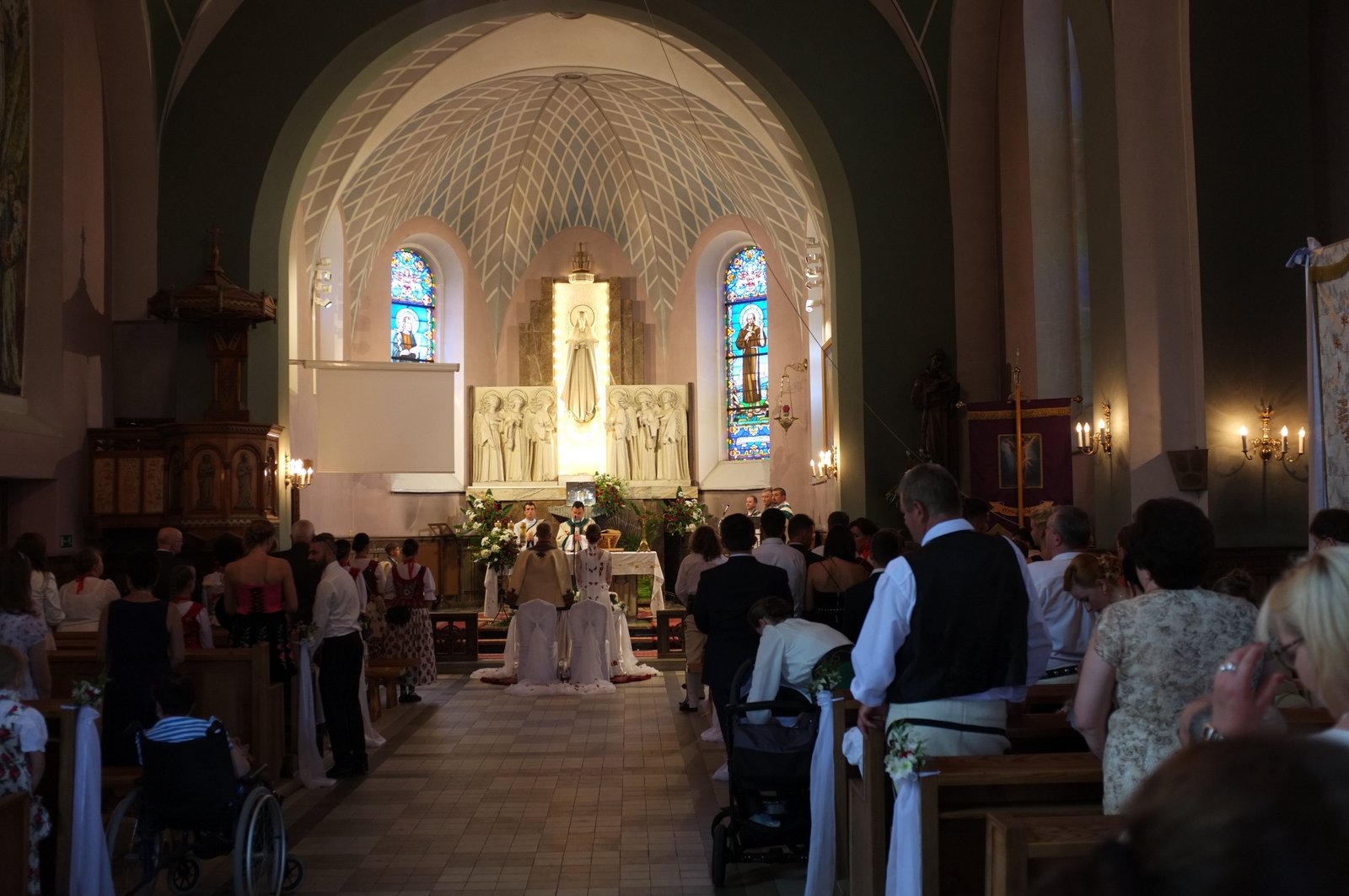
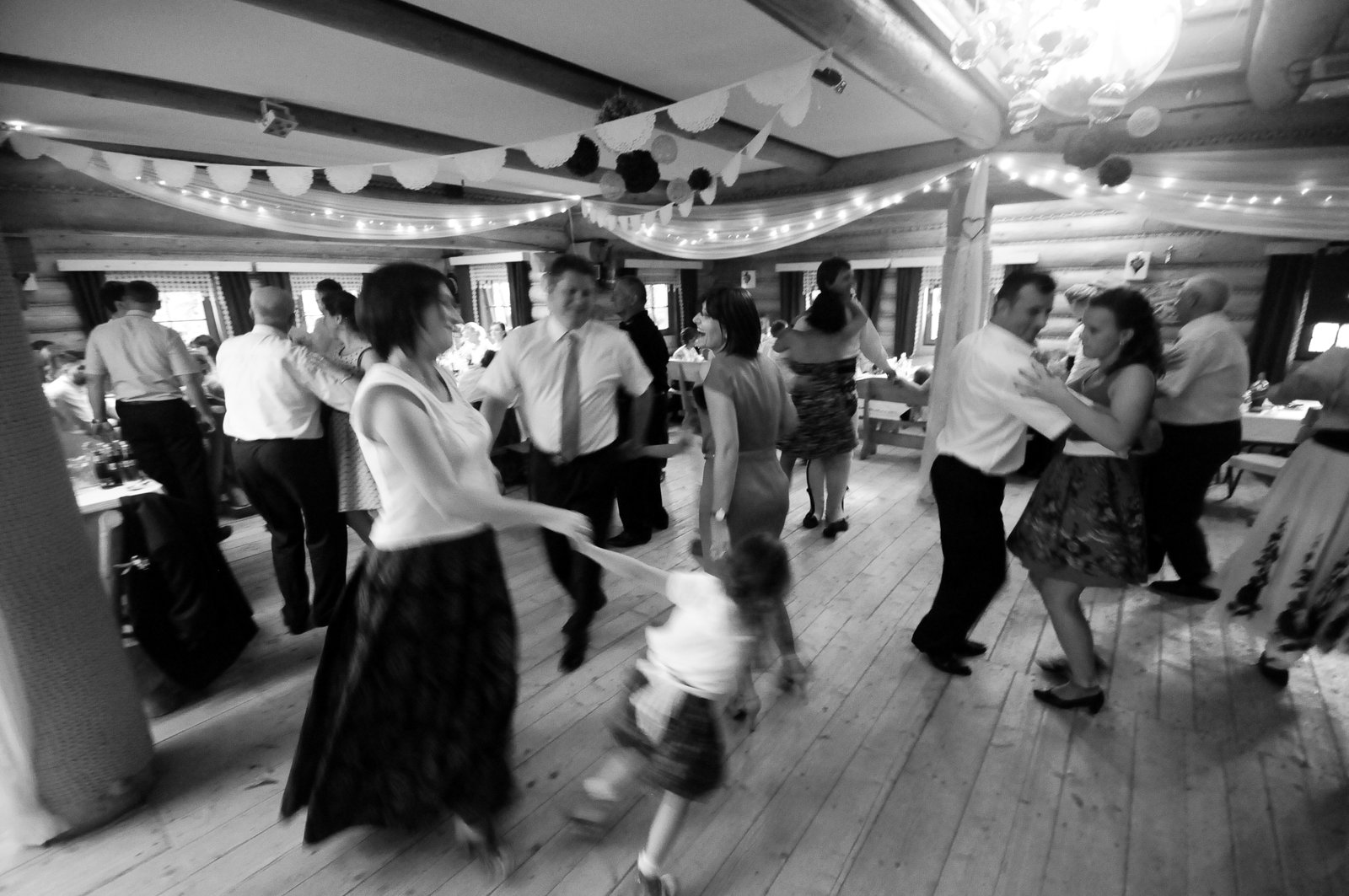
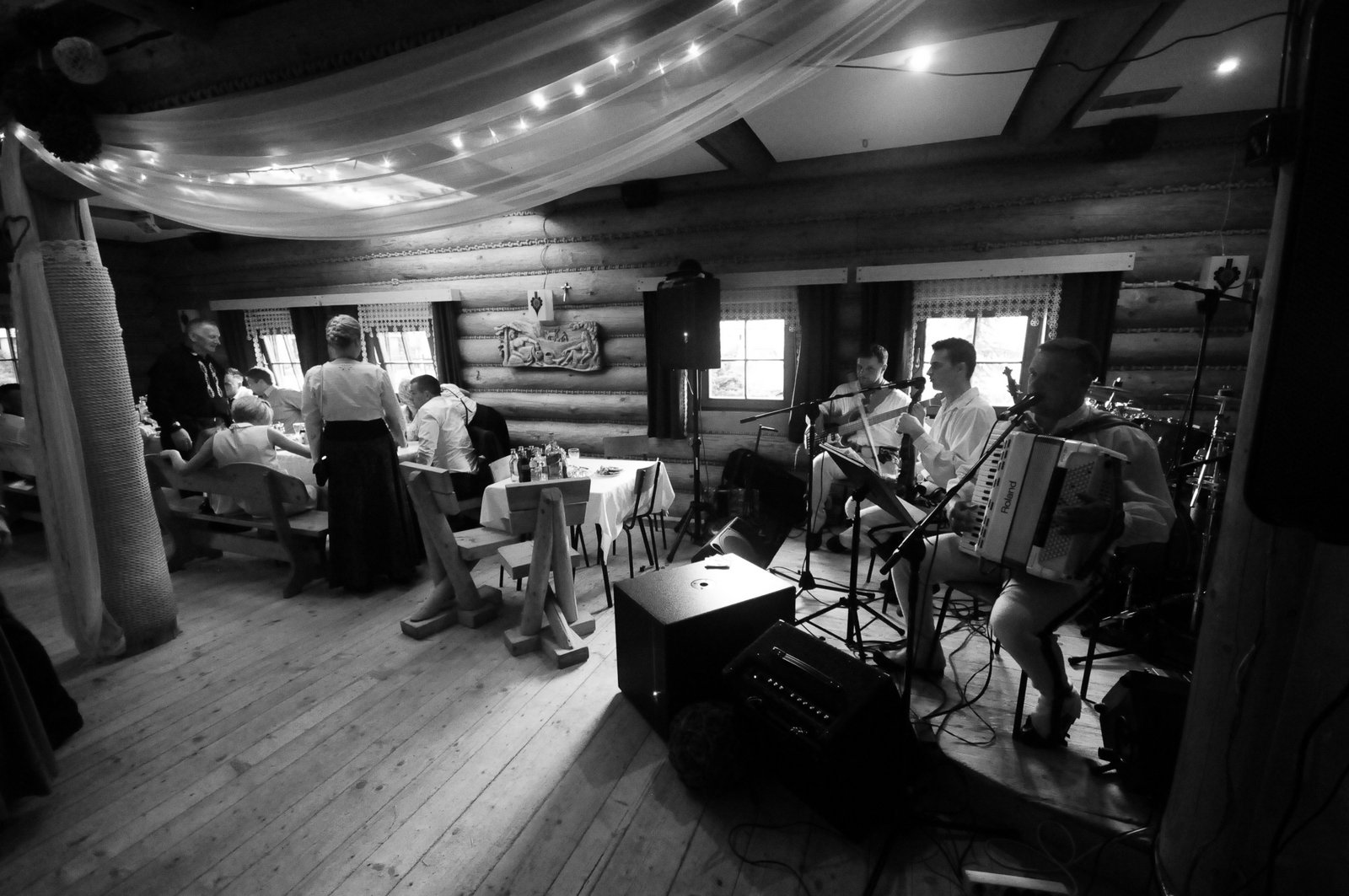
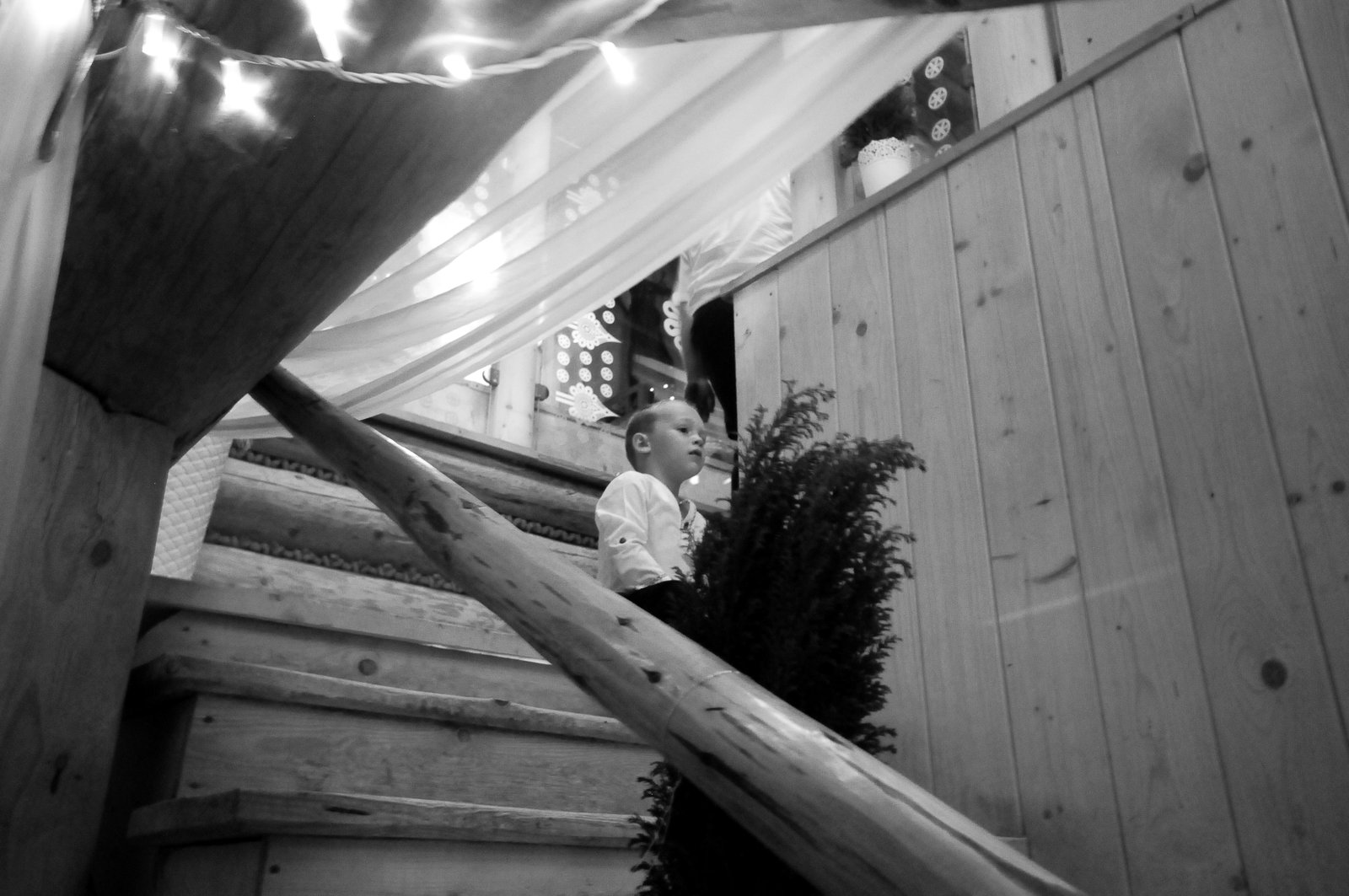
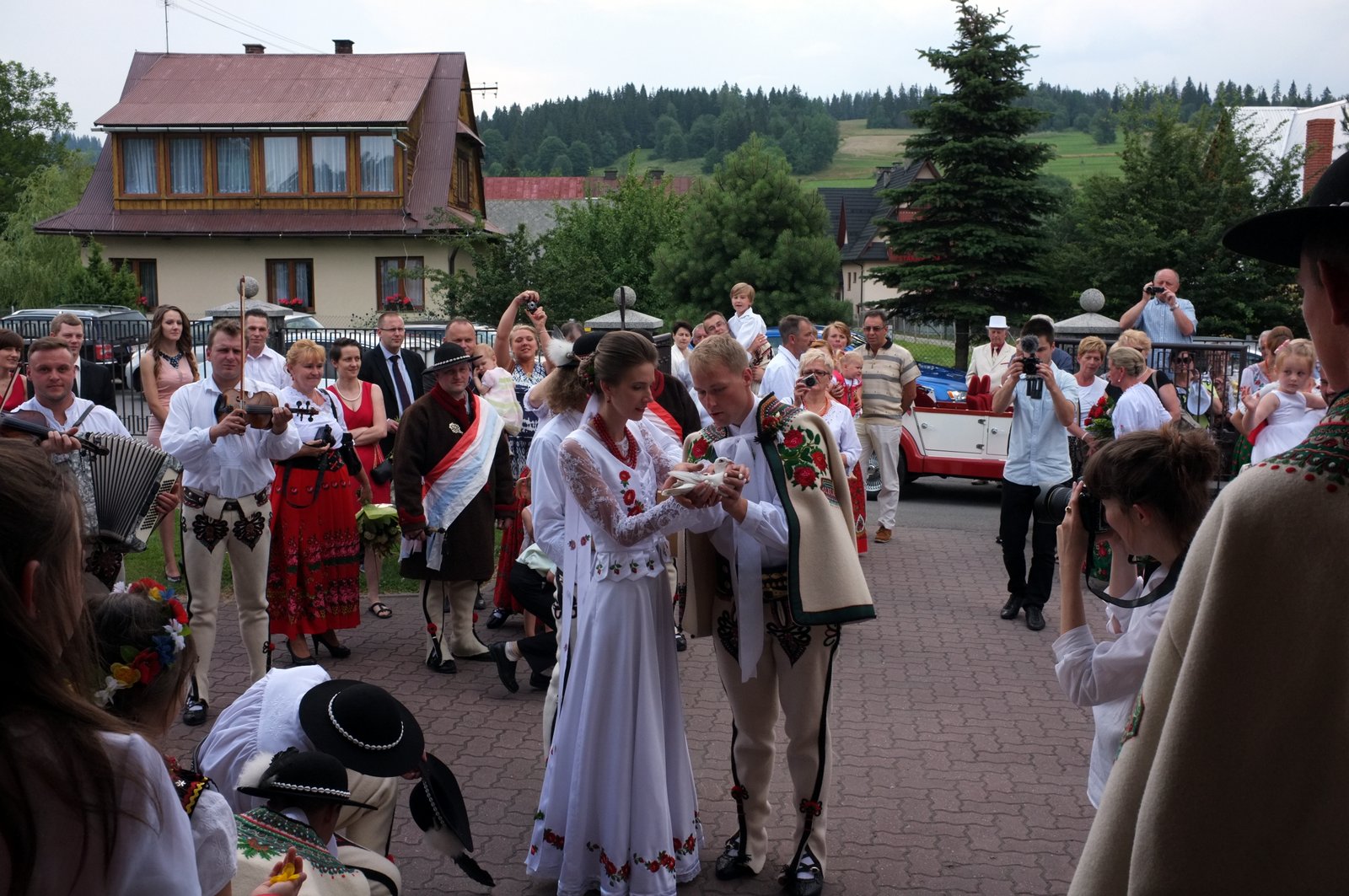
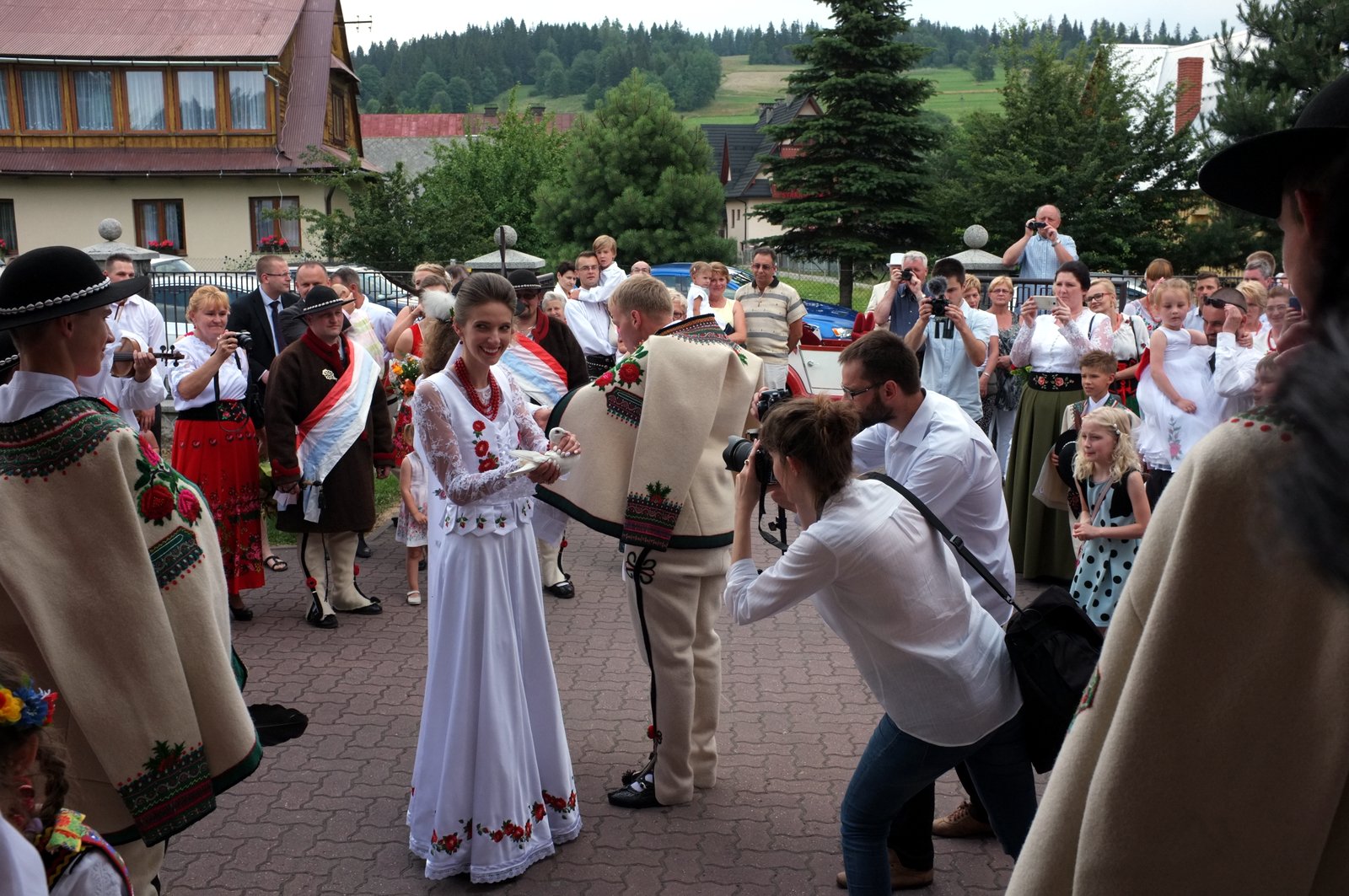
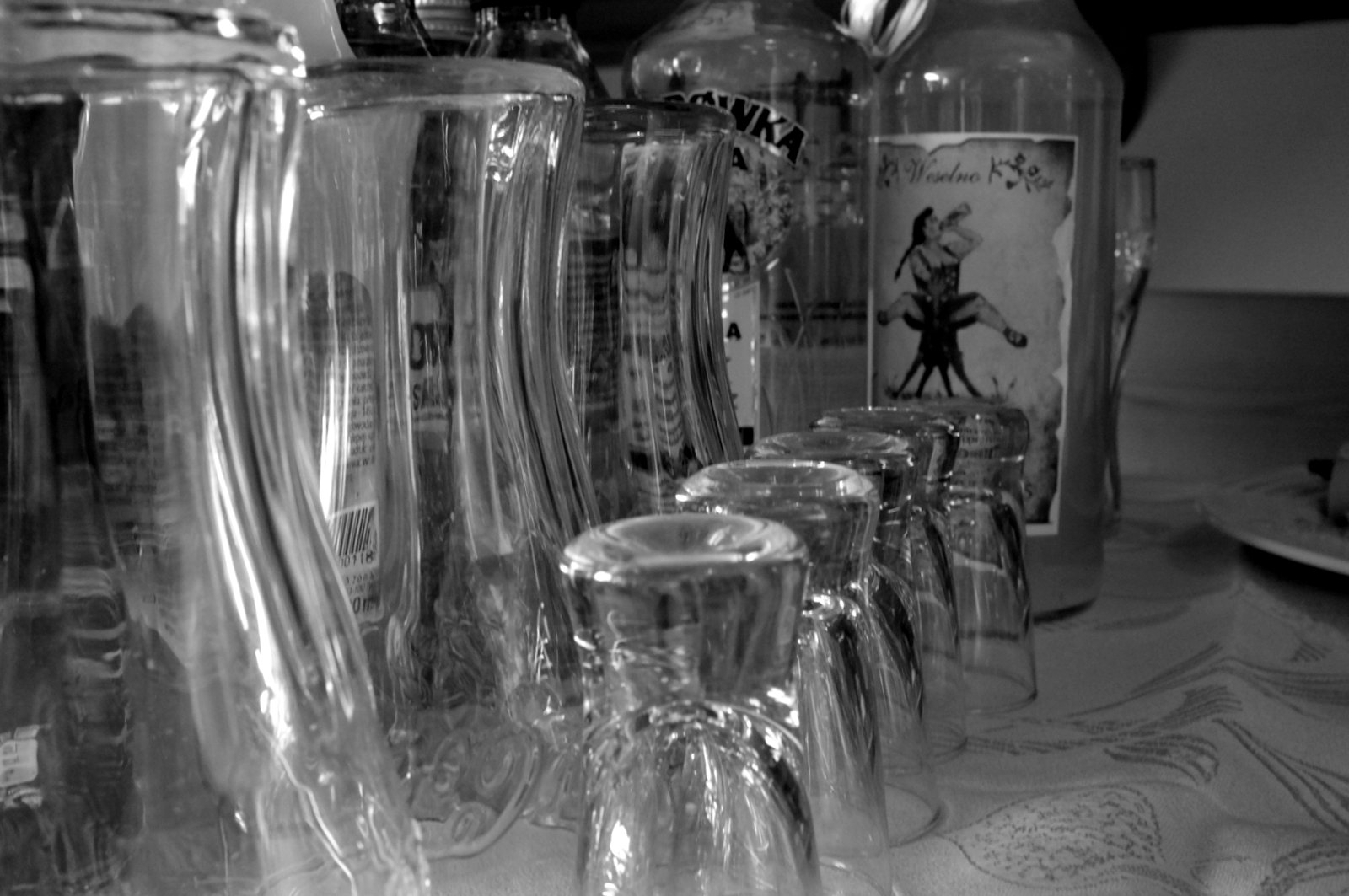
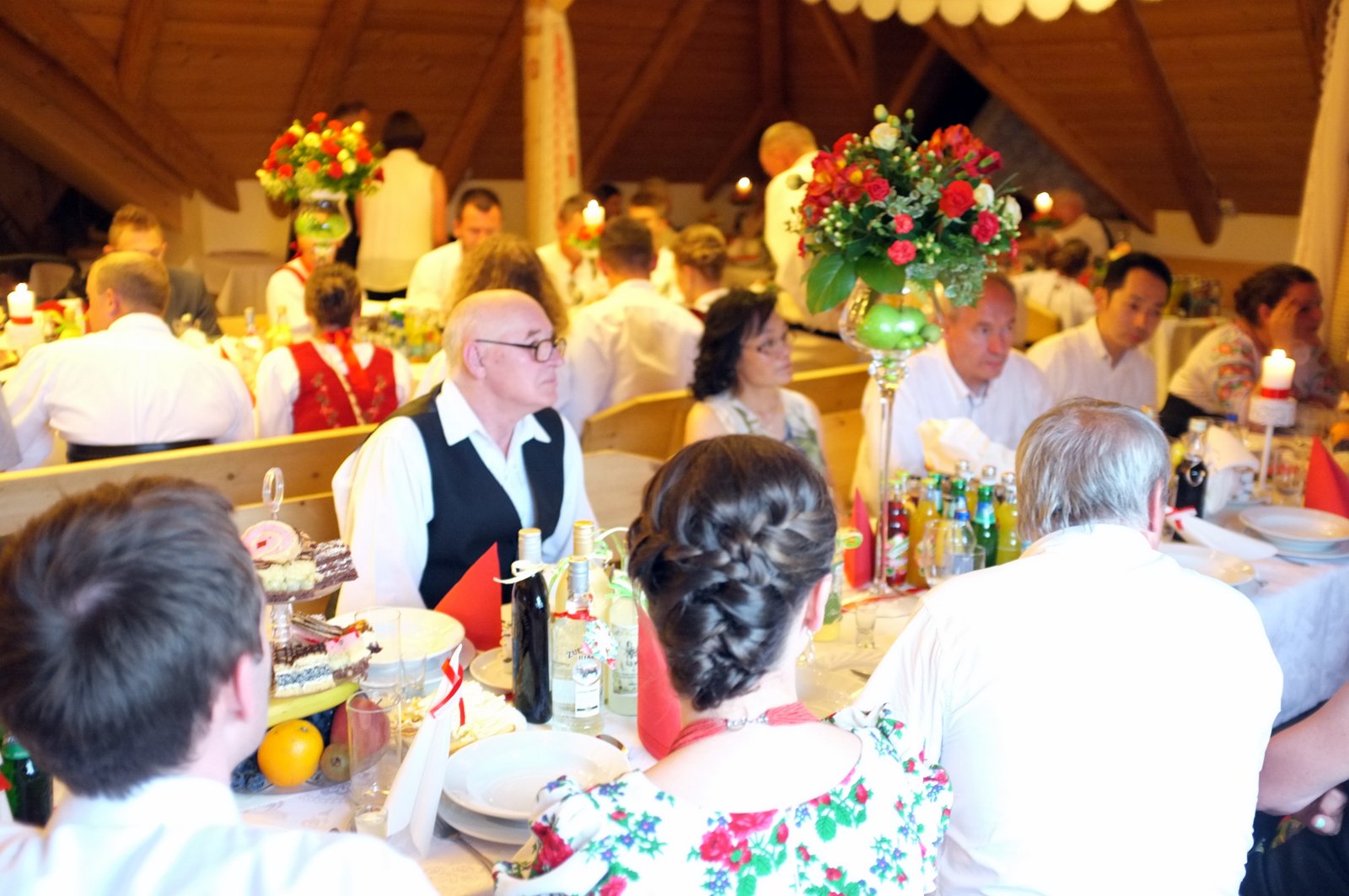
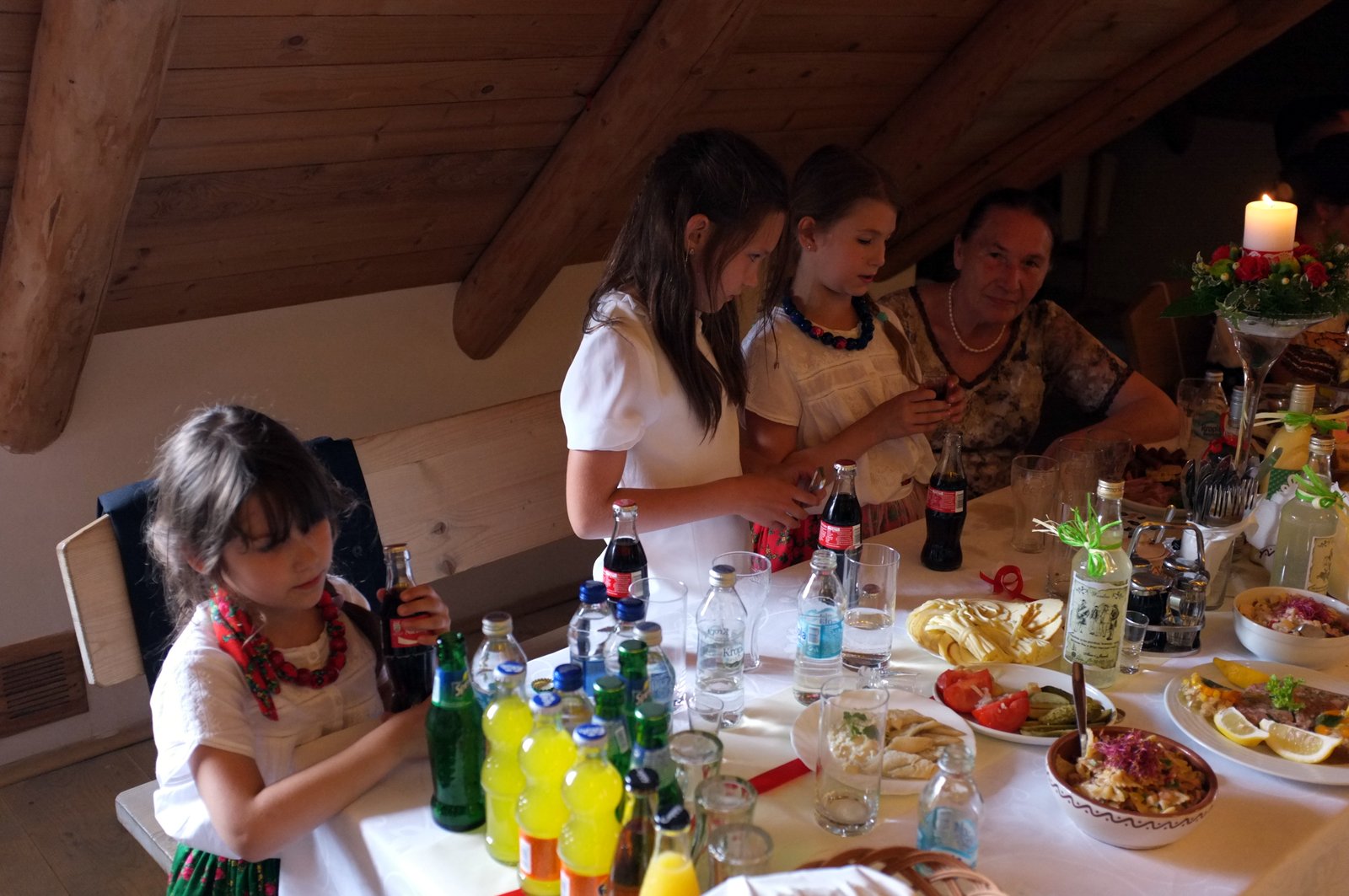
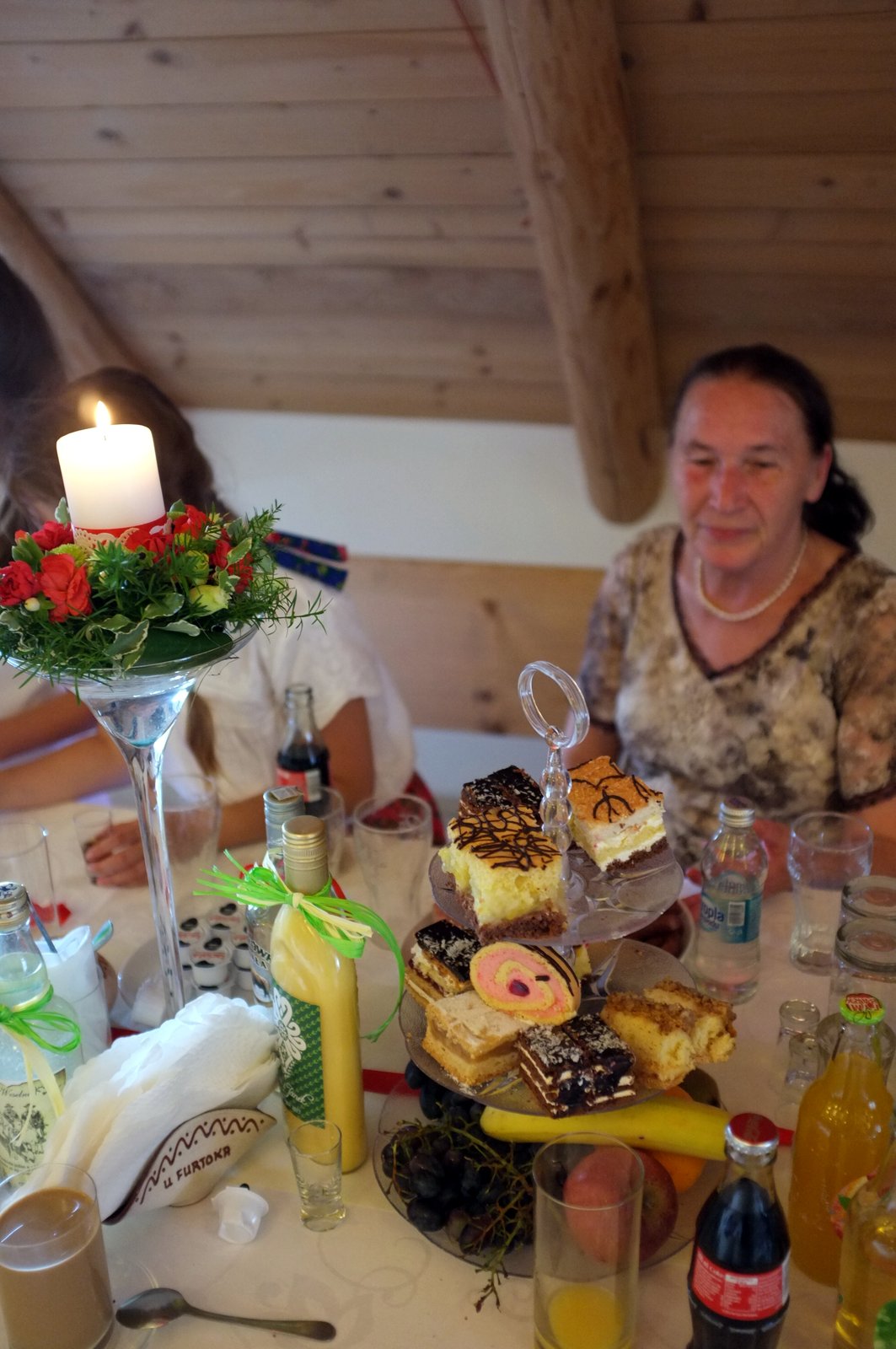
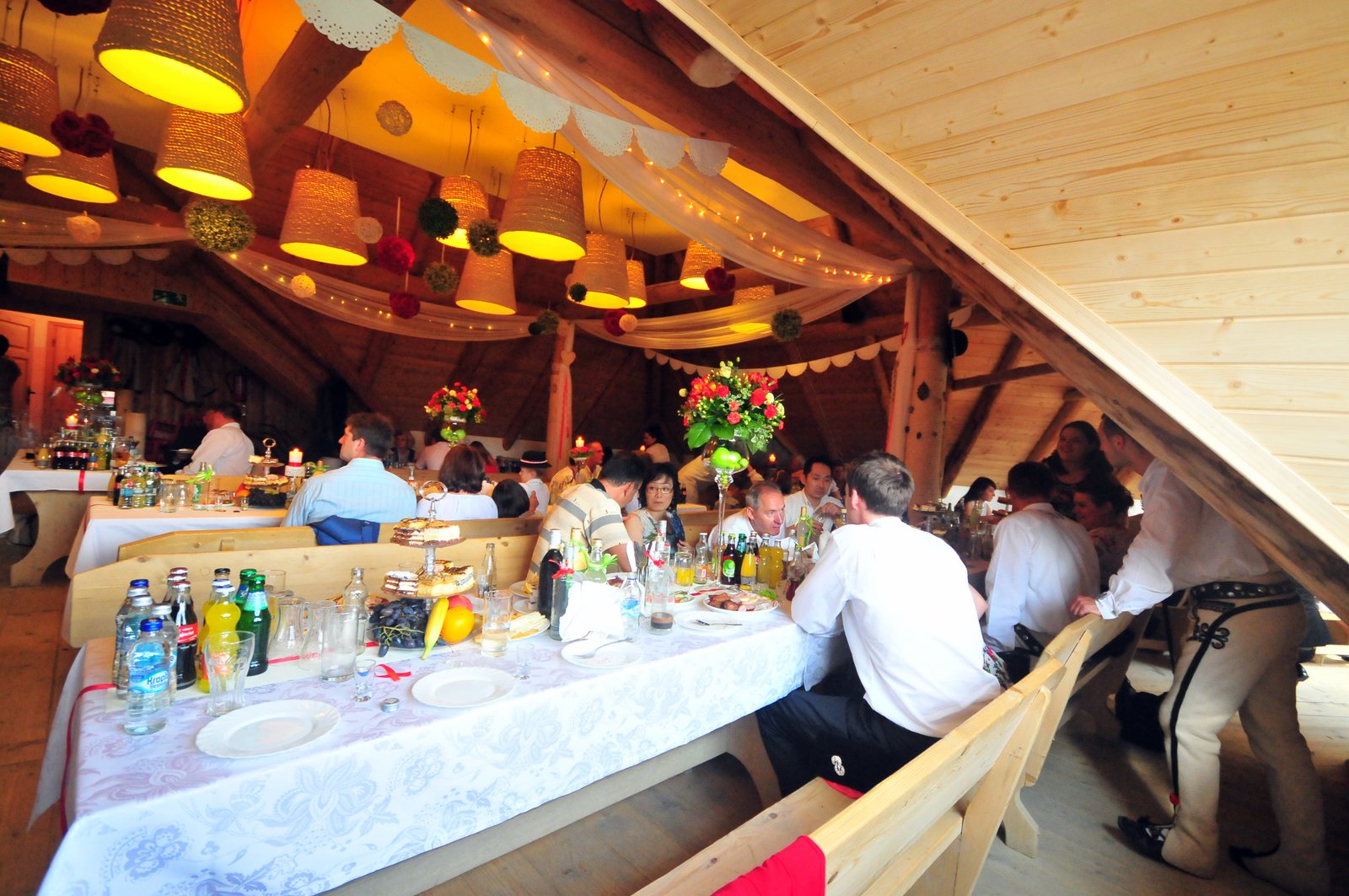
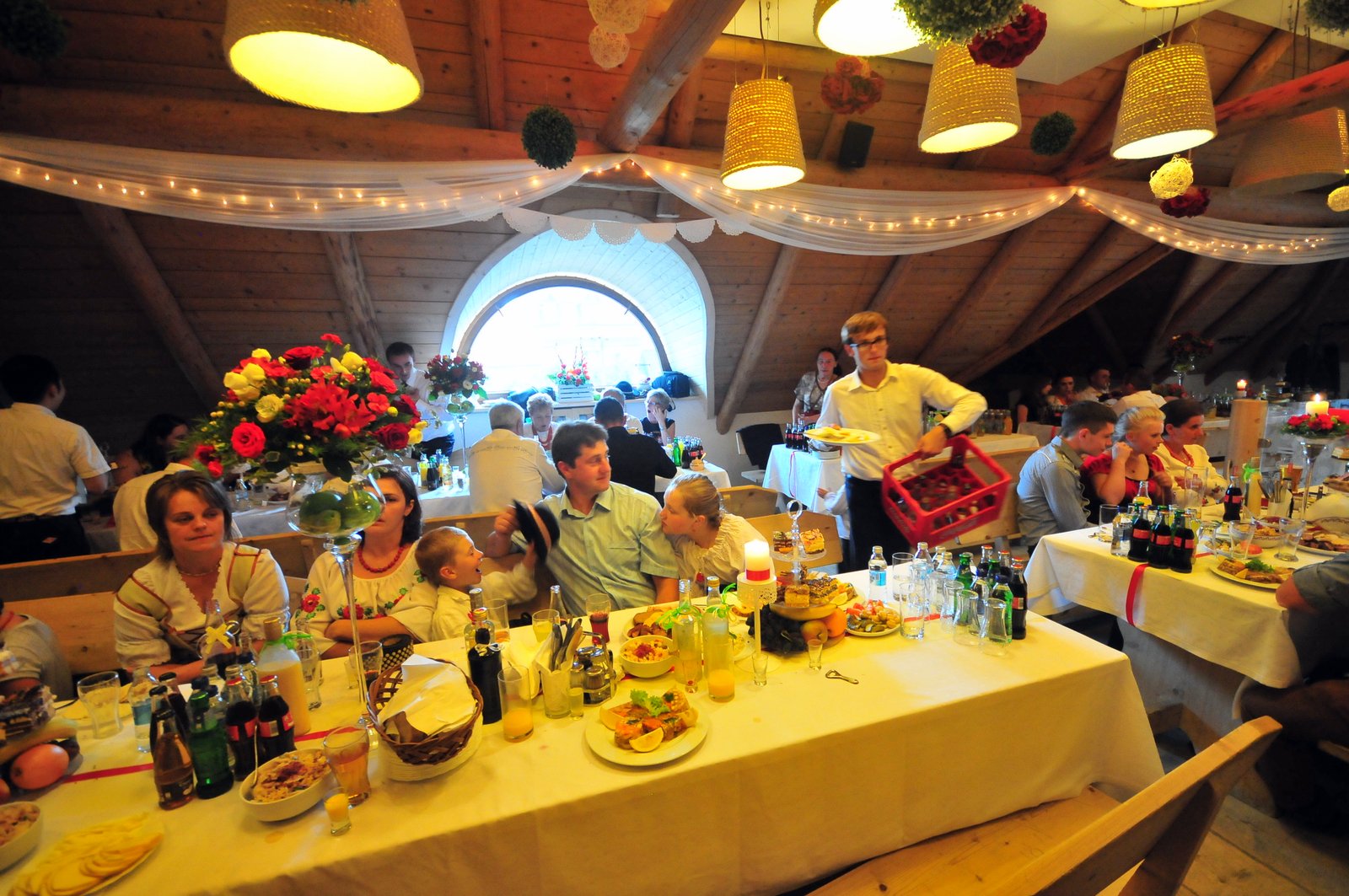
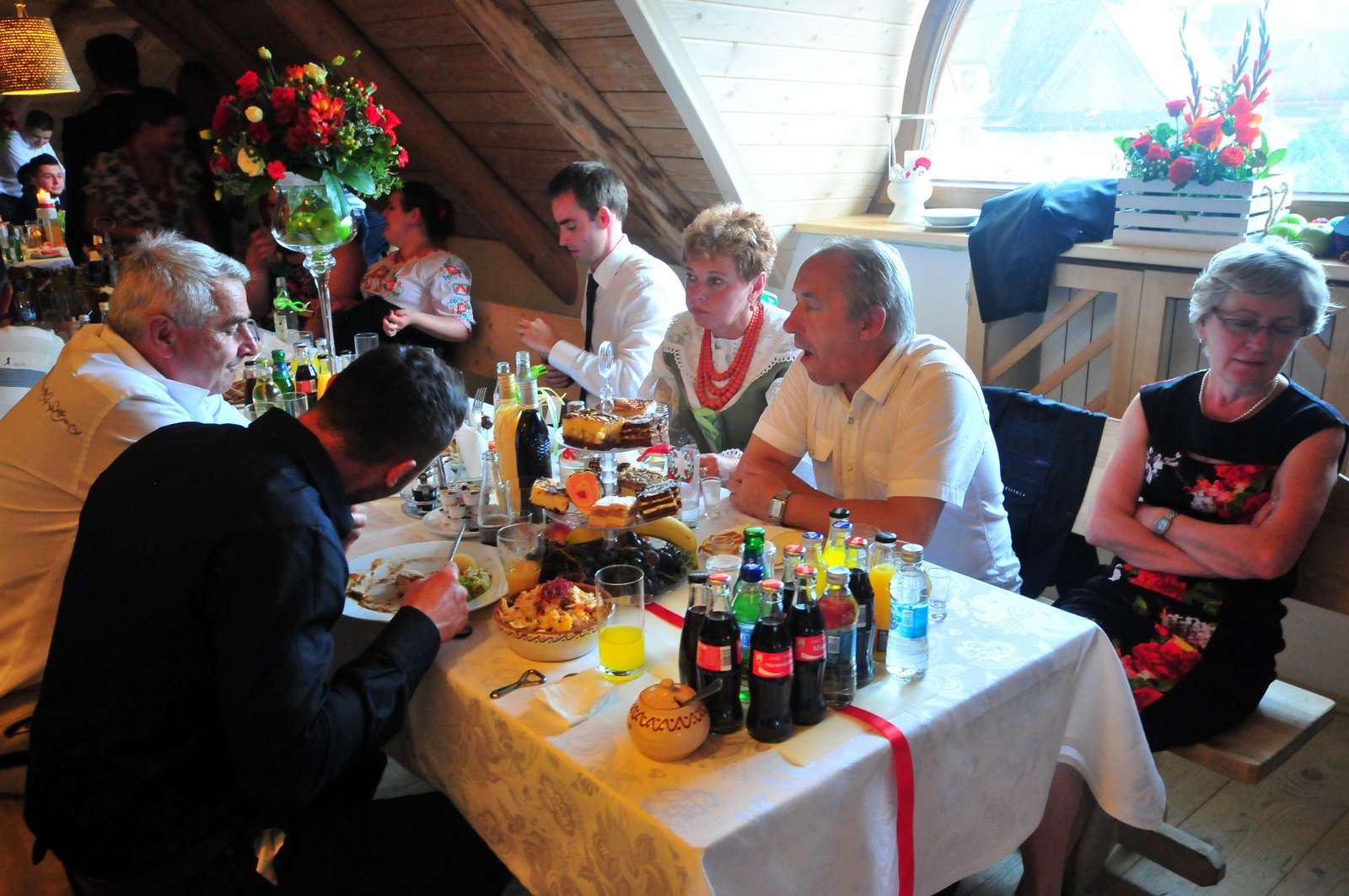
To begin with, there's the food. It's everywhere, piled on every table throughout the whole evening. Plates of pickled veggies, cheeses, cold meats, cakes, and bowls of salads cover the tables when guests arrive, and they're constantly replenished throughout the evening. At the end of each table stand bottles of cola, juice and water, with the center of each table reserved for bottles of alcohol: vodka (obligatory, and in various forms: clear vodka, homemade flavored vodka made with lemons or carmelized sugar, store-bought flavored vodkas -- endless vodka), liquours, wines, and more. The groomsmen weave their way among the tables on a regular basis, replacing empty bottles with full from a basket of bottles they carry with them. And that's not to mention the full meals that are served every four hours or so: plates piled high with two or three meats, some potatoes, two or three salads. Food, food, food; drink, drink, drink. It's a cornucopia in every sense of the word.

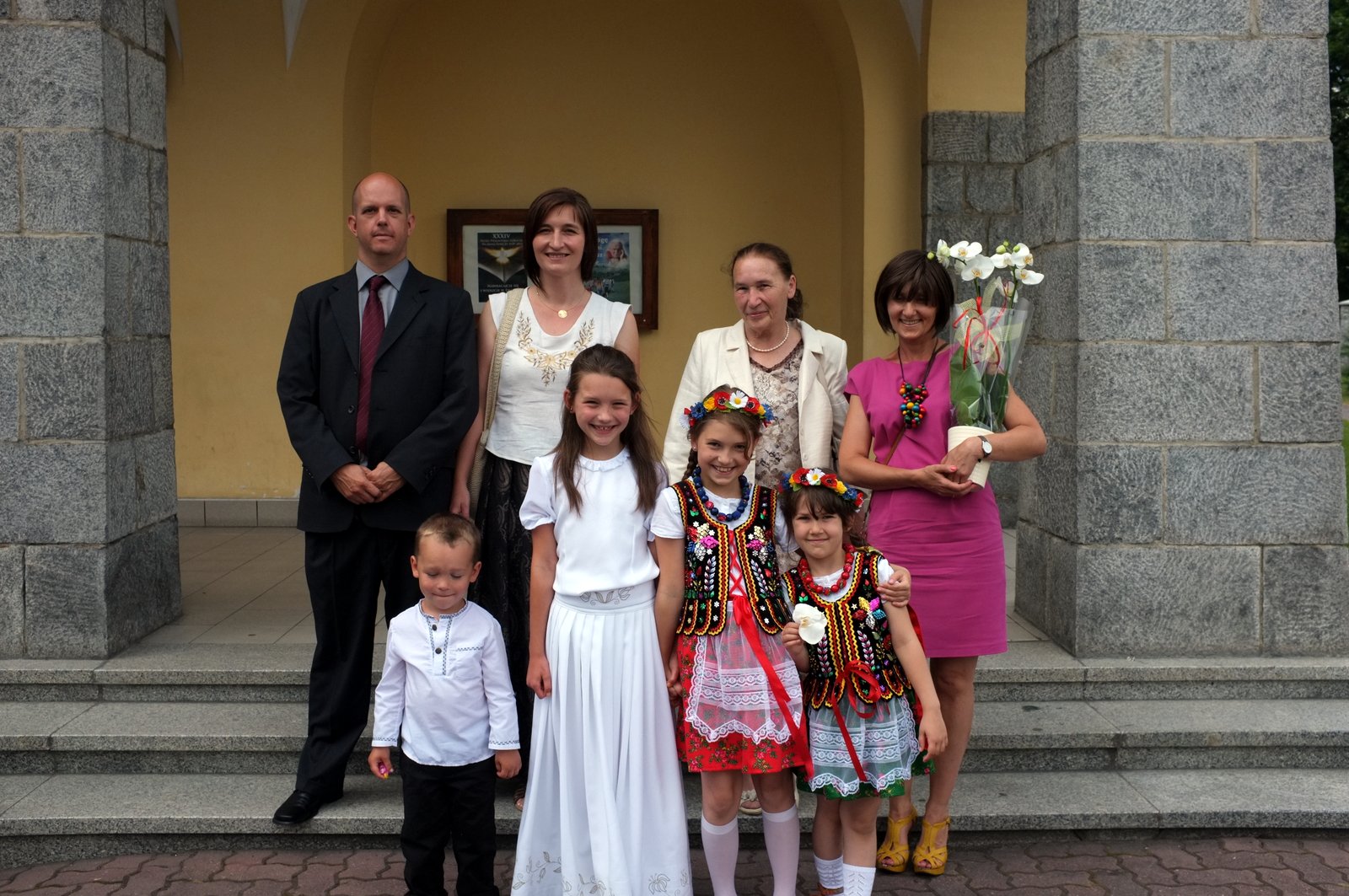
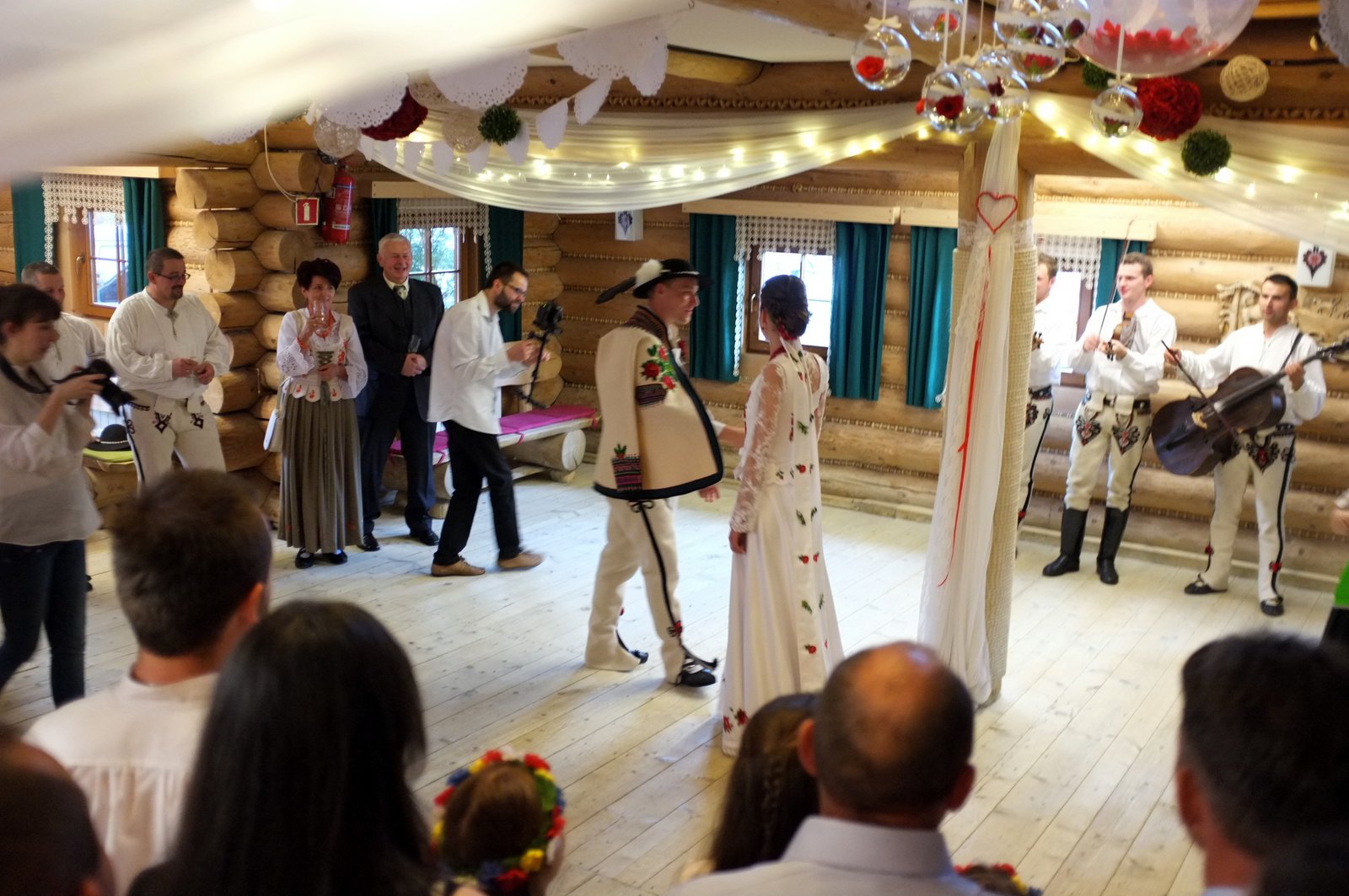
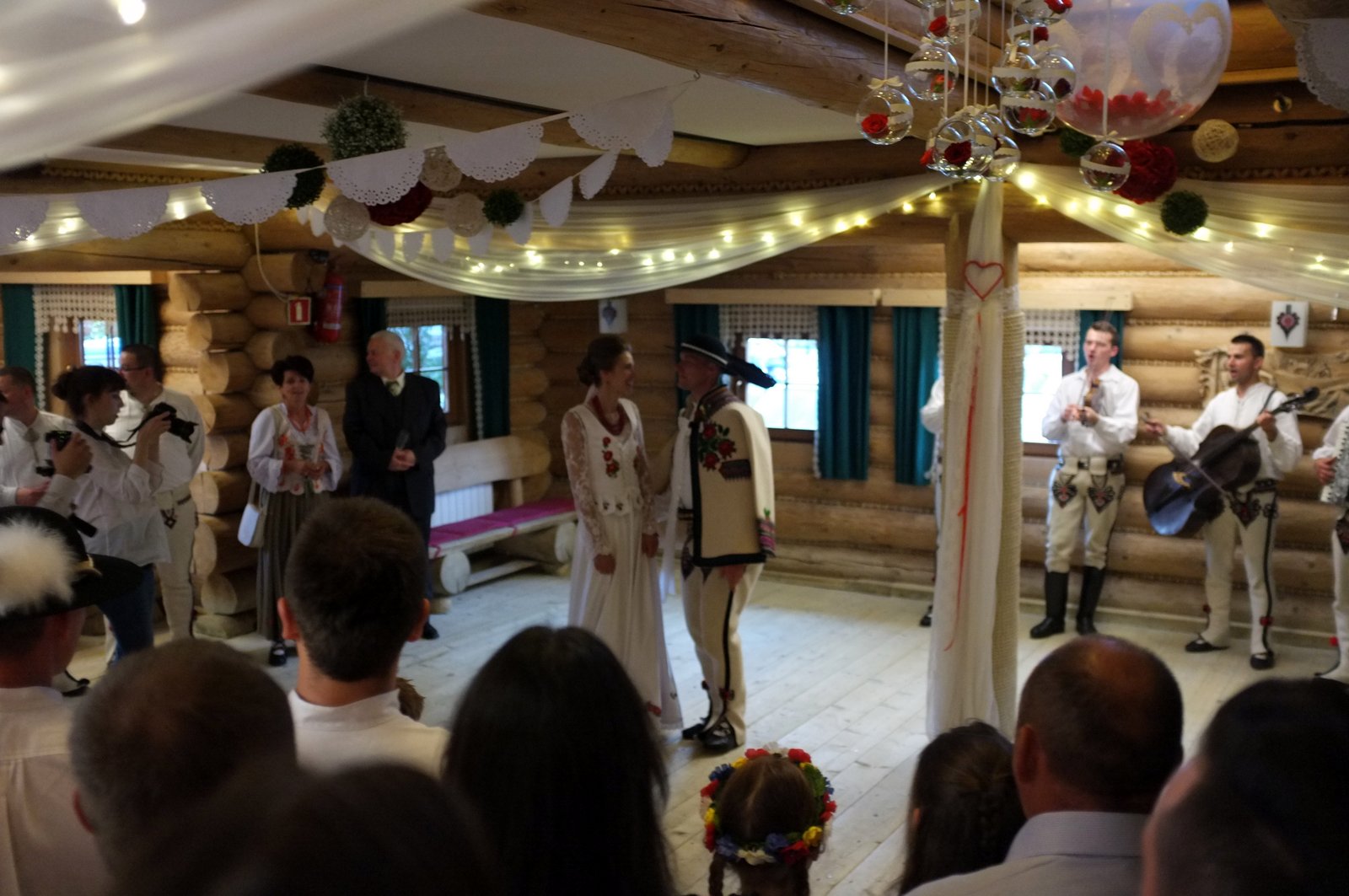
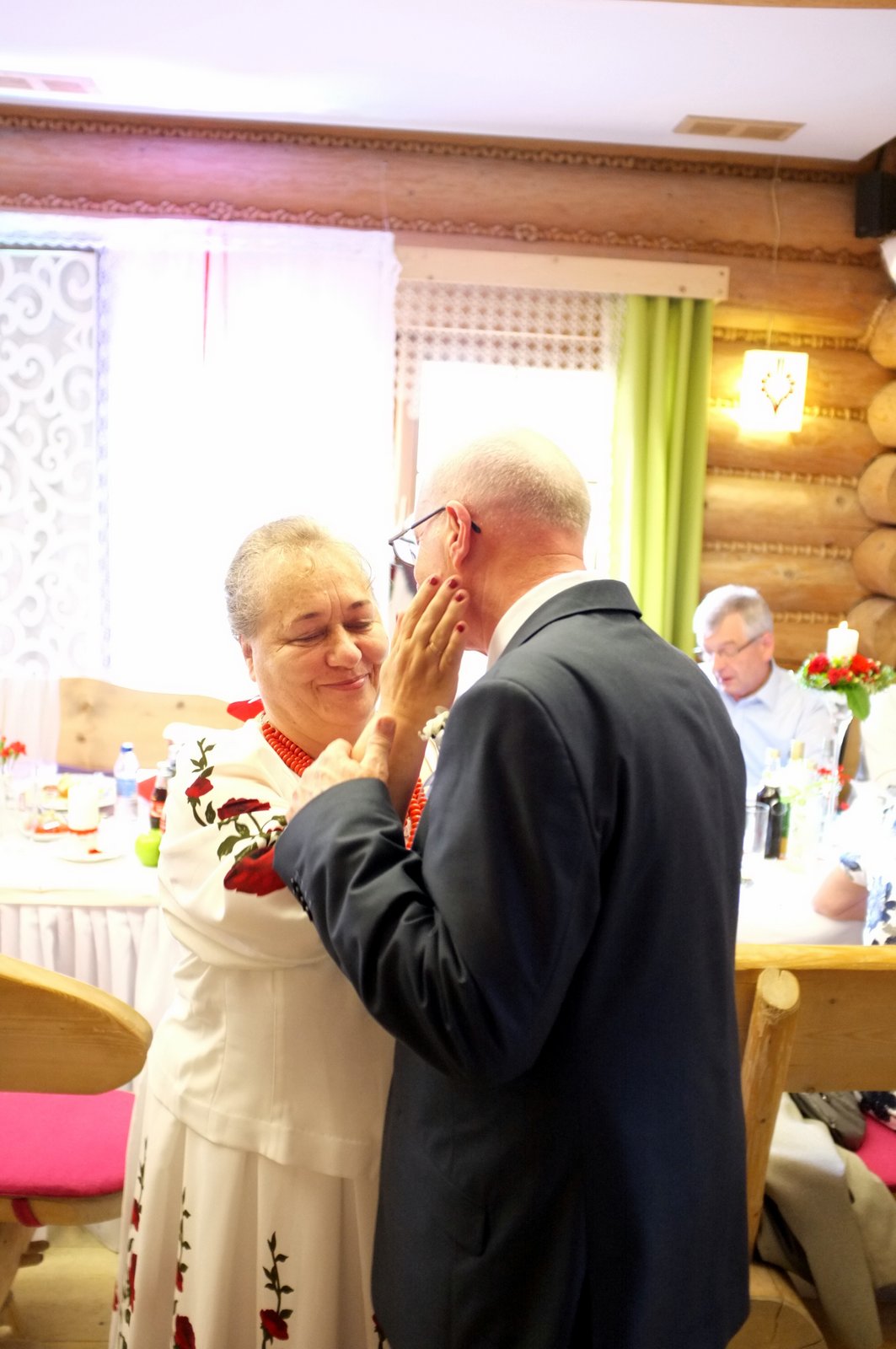
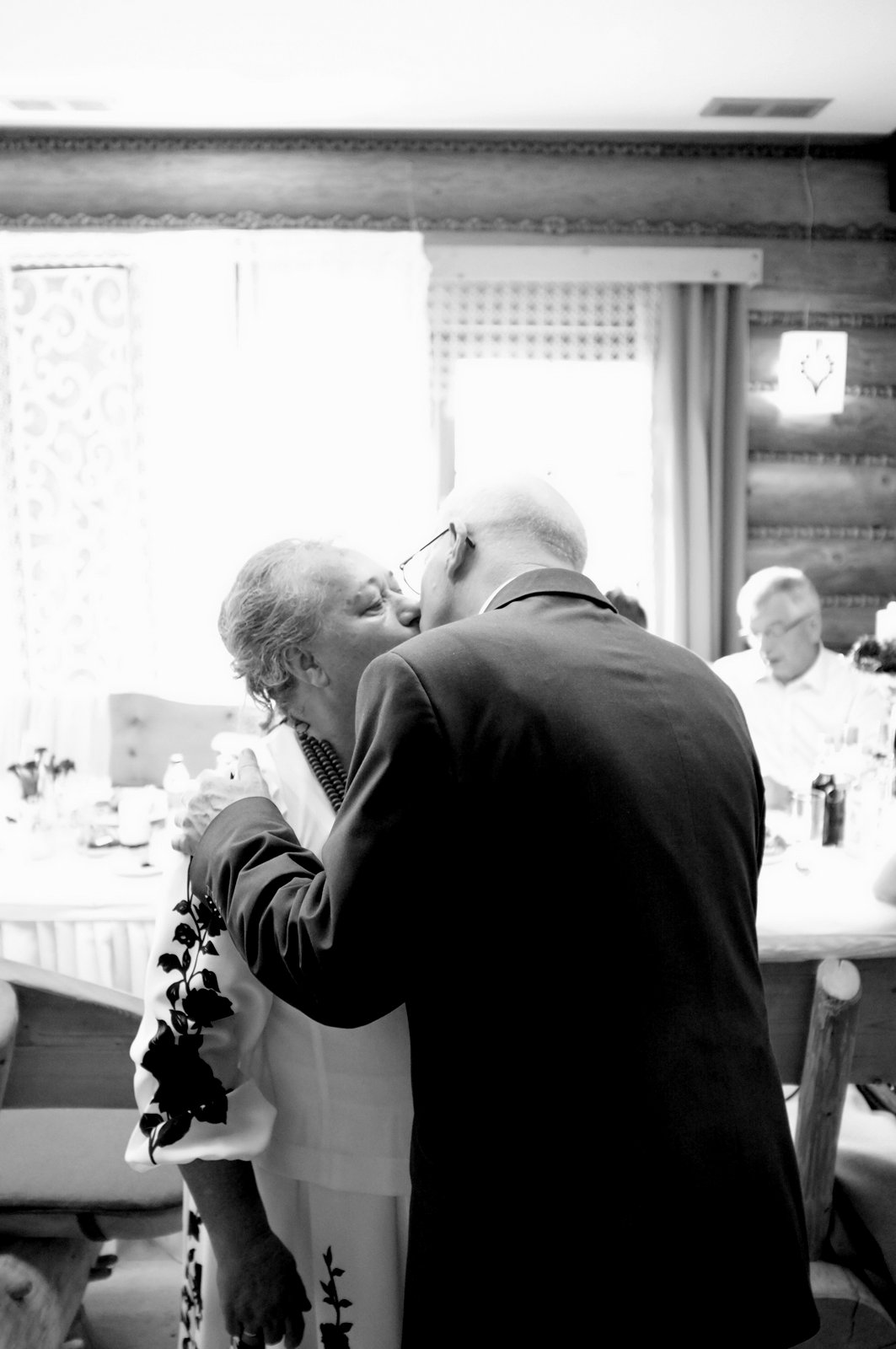
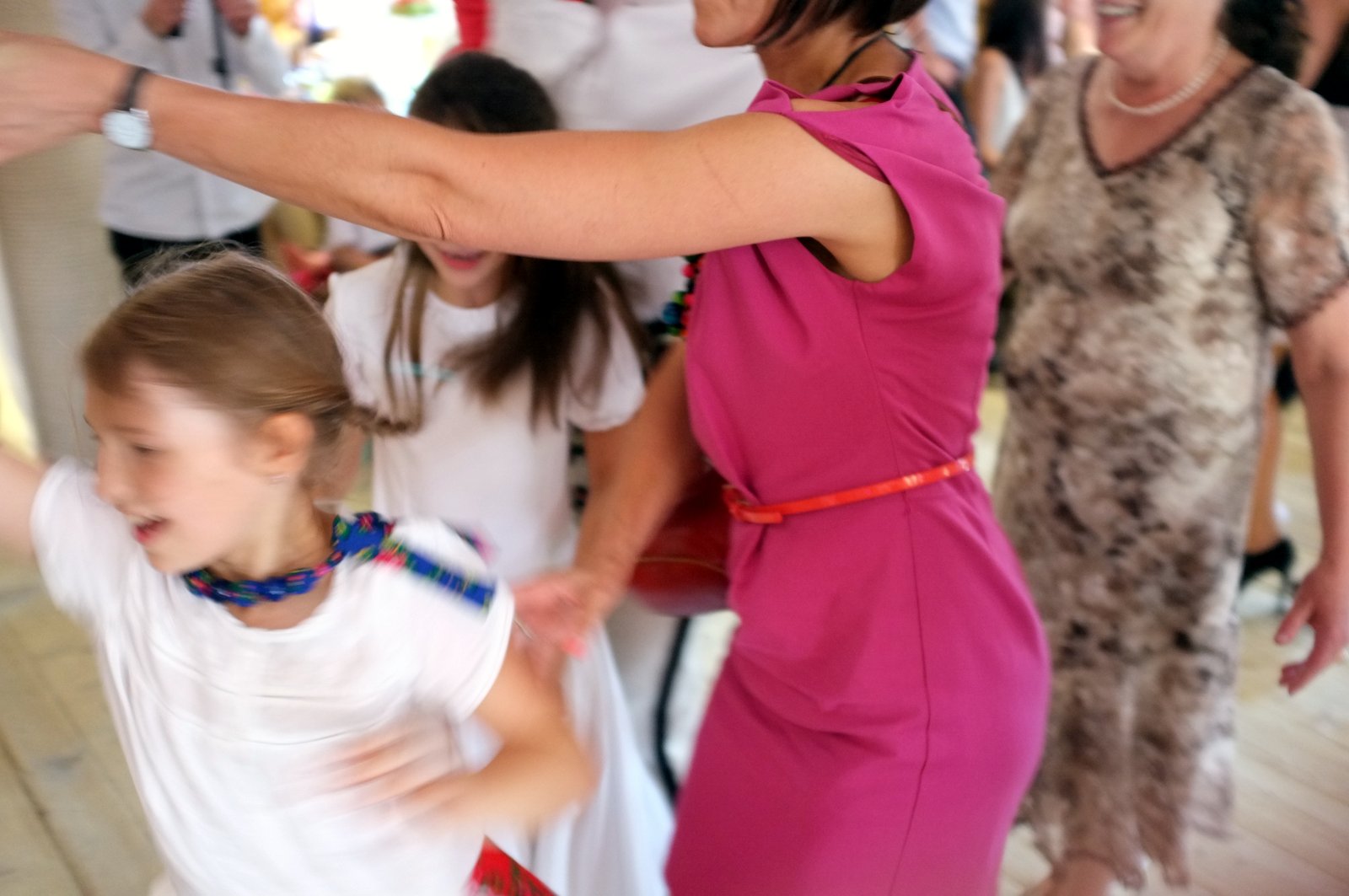
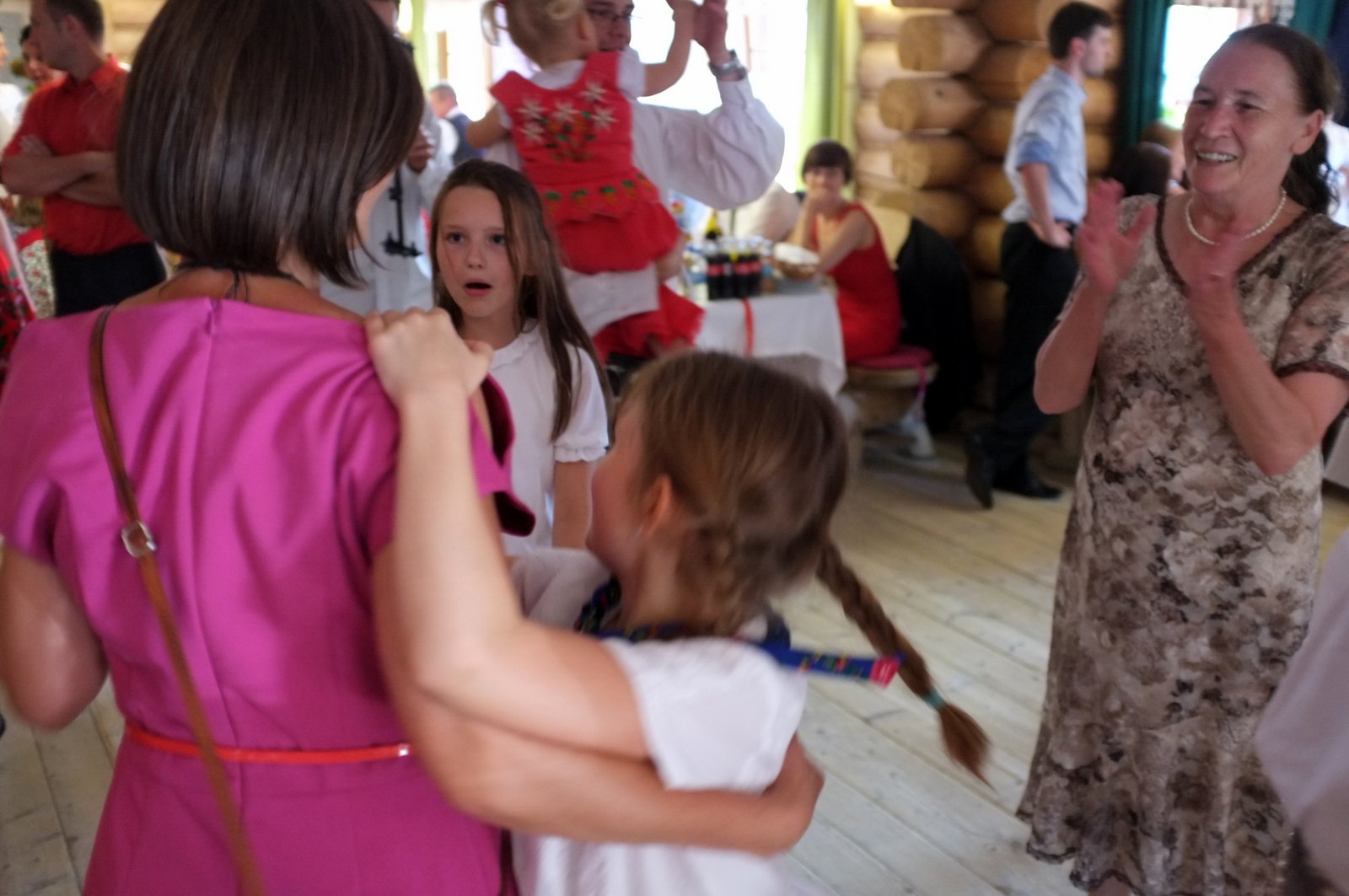
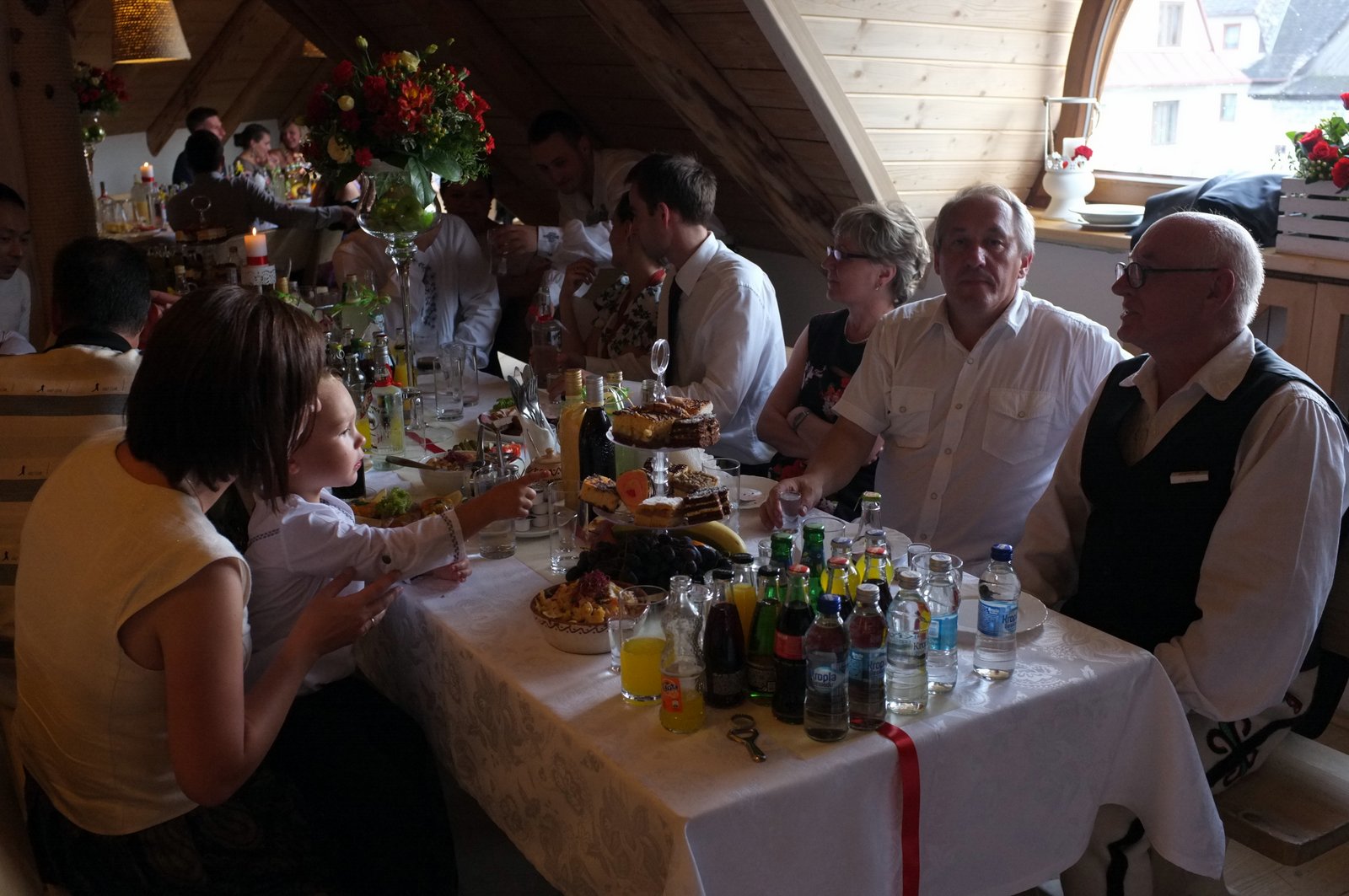
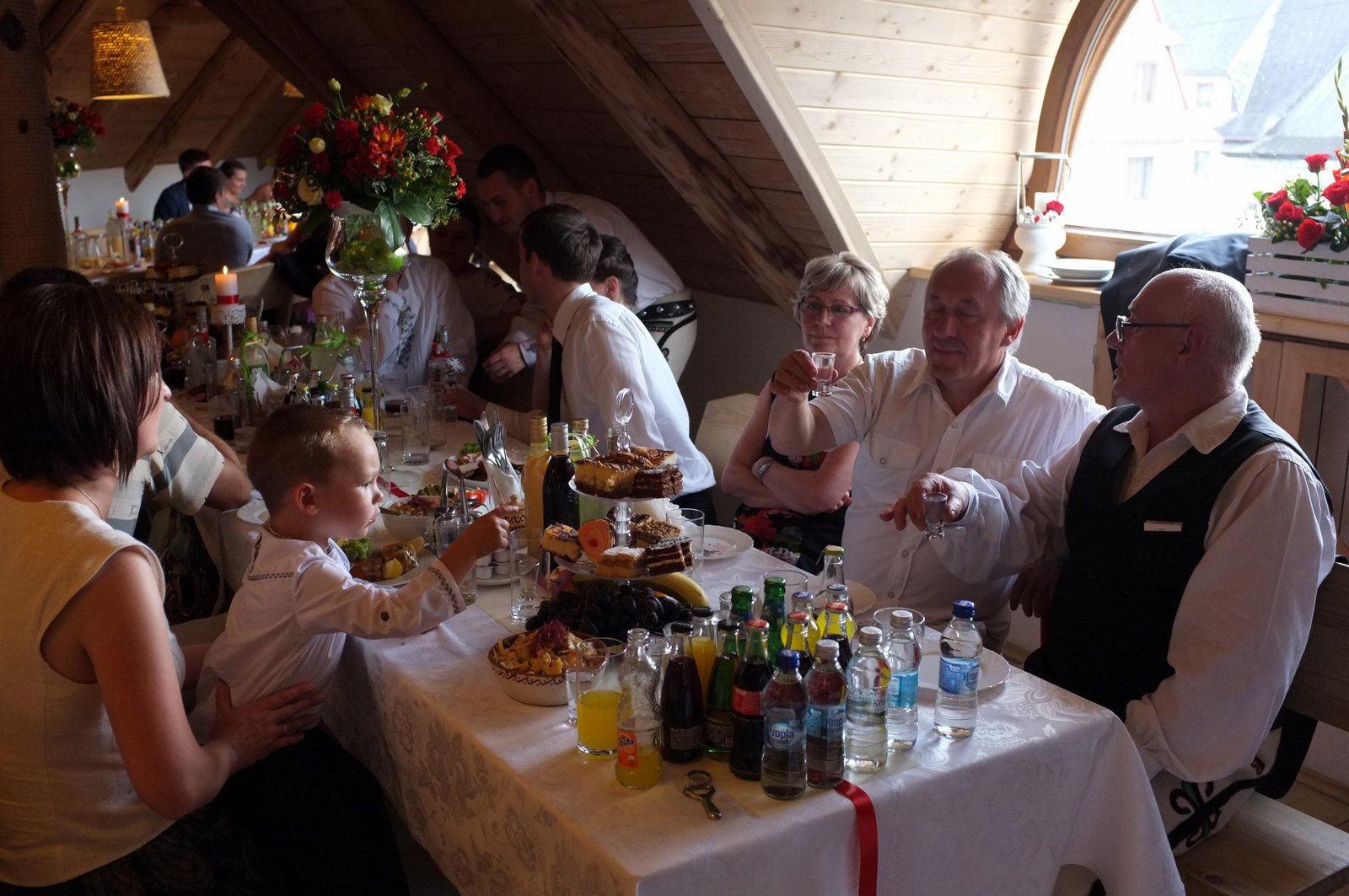
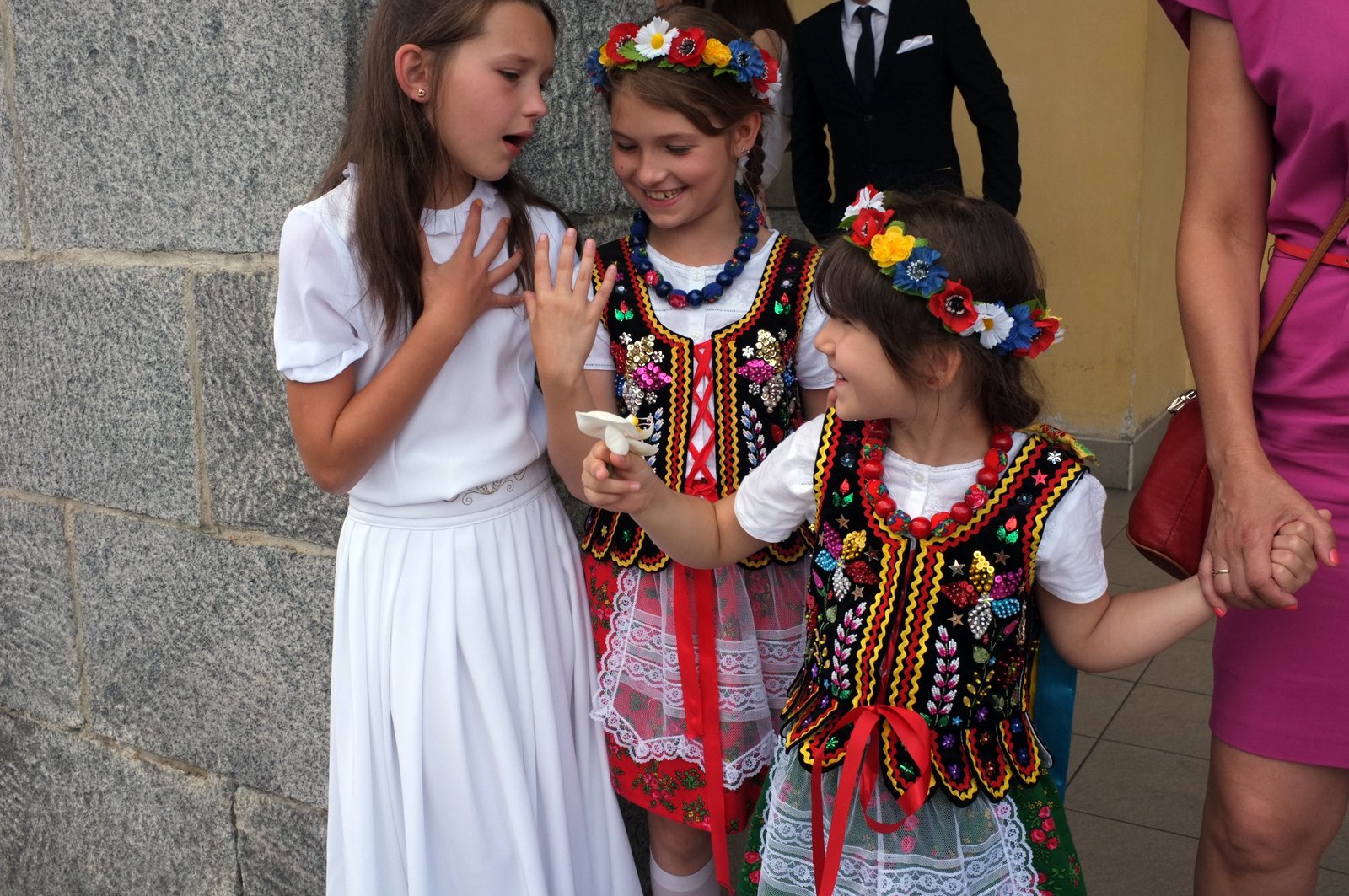
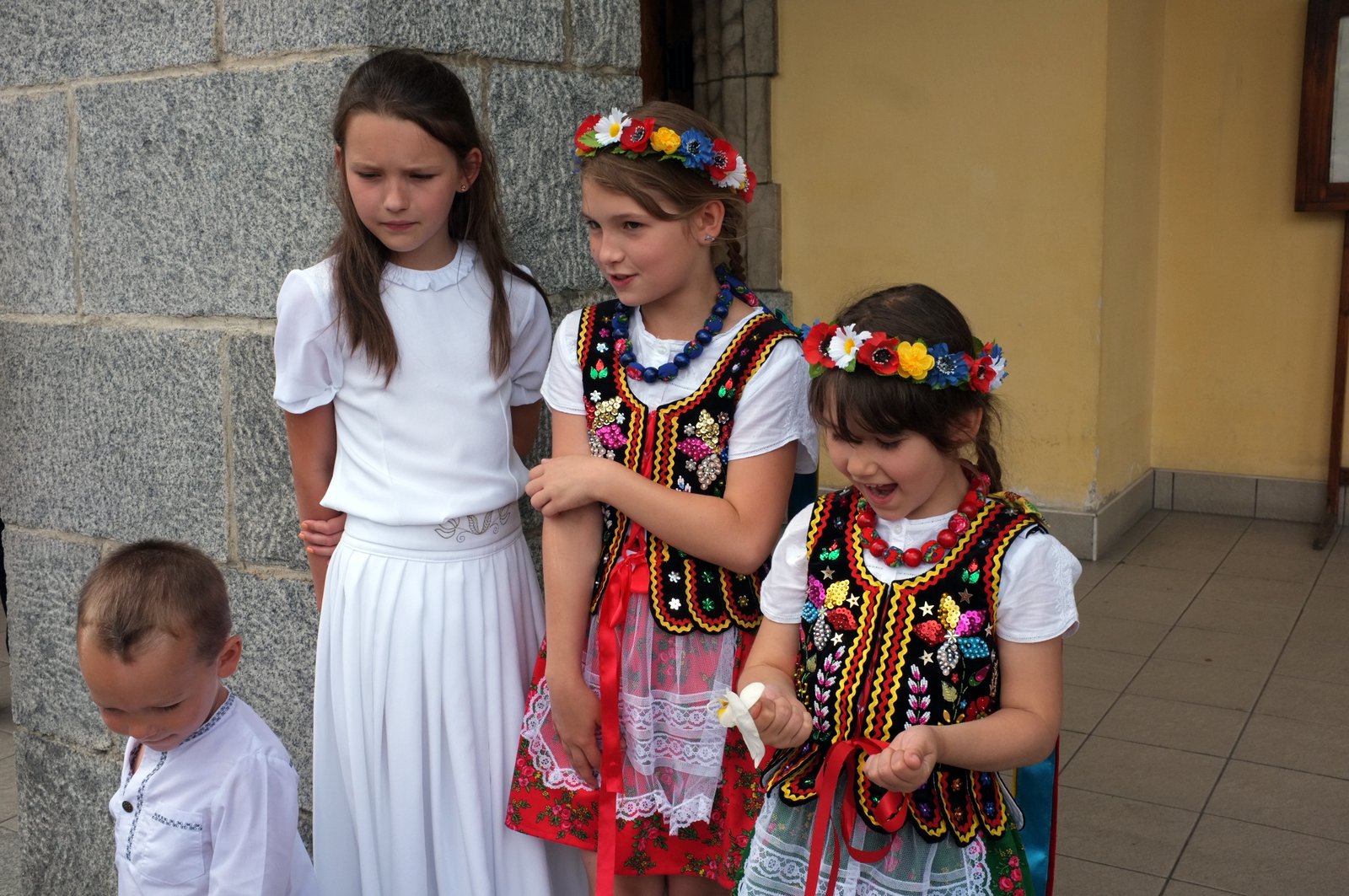
At some point shortly after the first meal, someone will start singing. There are seemingly countless songs that every Pole knows by heart, and soon the entire room is singing in one, loud voice, with occasional harmony added by the more gifted guests. It's a process that continues throughout the evening. Eat, drink, sing. Eat, drink sing. At our wedding, a guest brought his accordion, but accompaniment is not necessary: these are songs that Poles ingest with their daily potatoes, songs that stick to the bottoms of their shoes like the snow that covers the country through most of the winter.
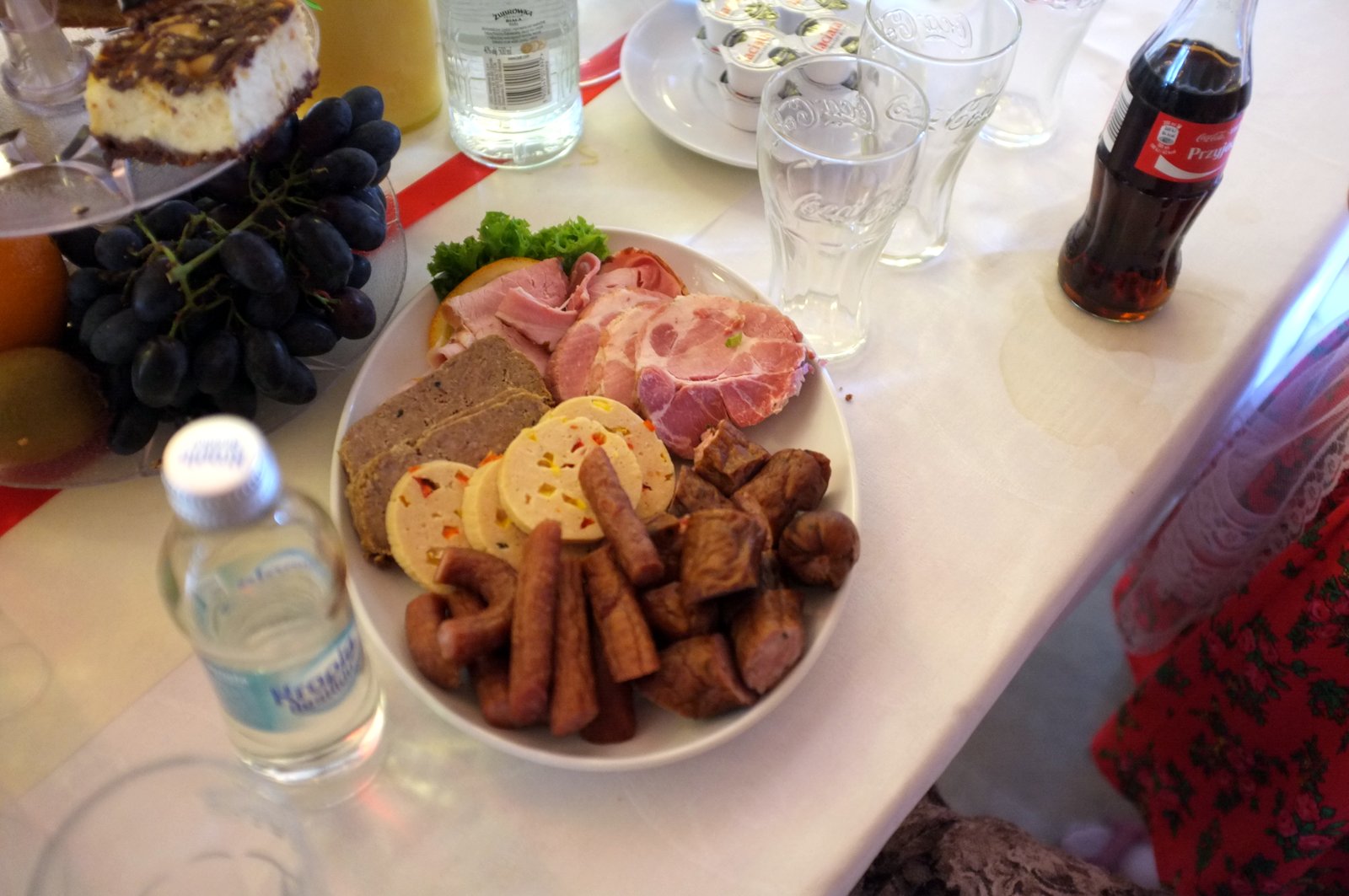
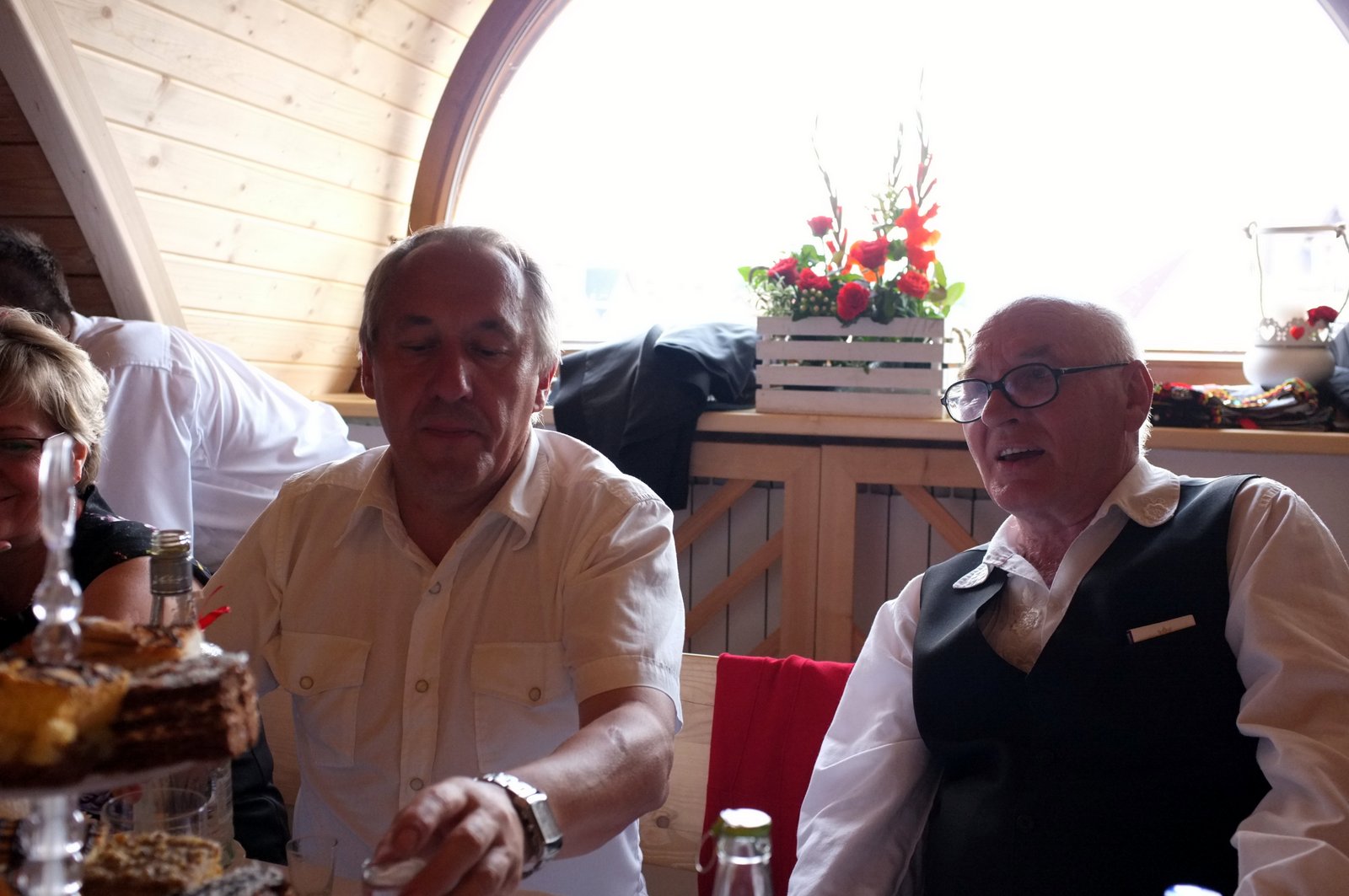
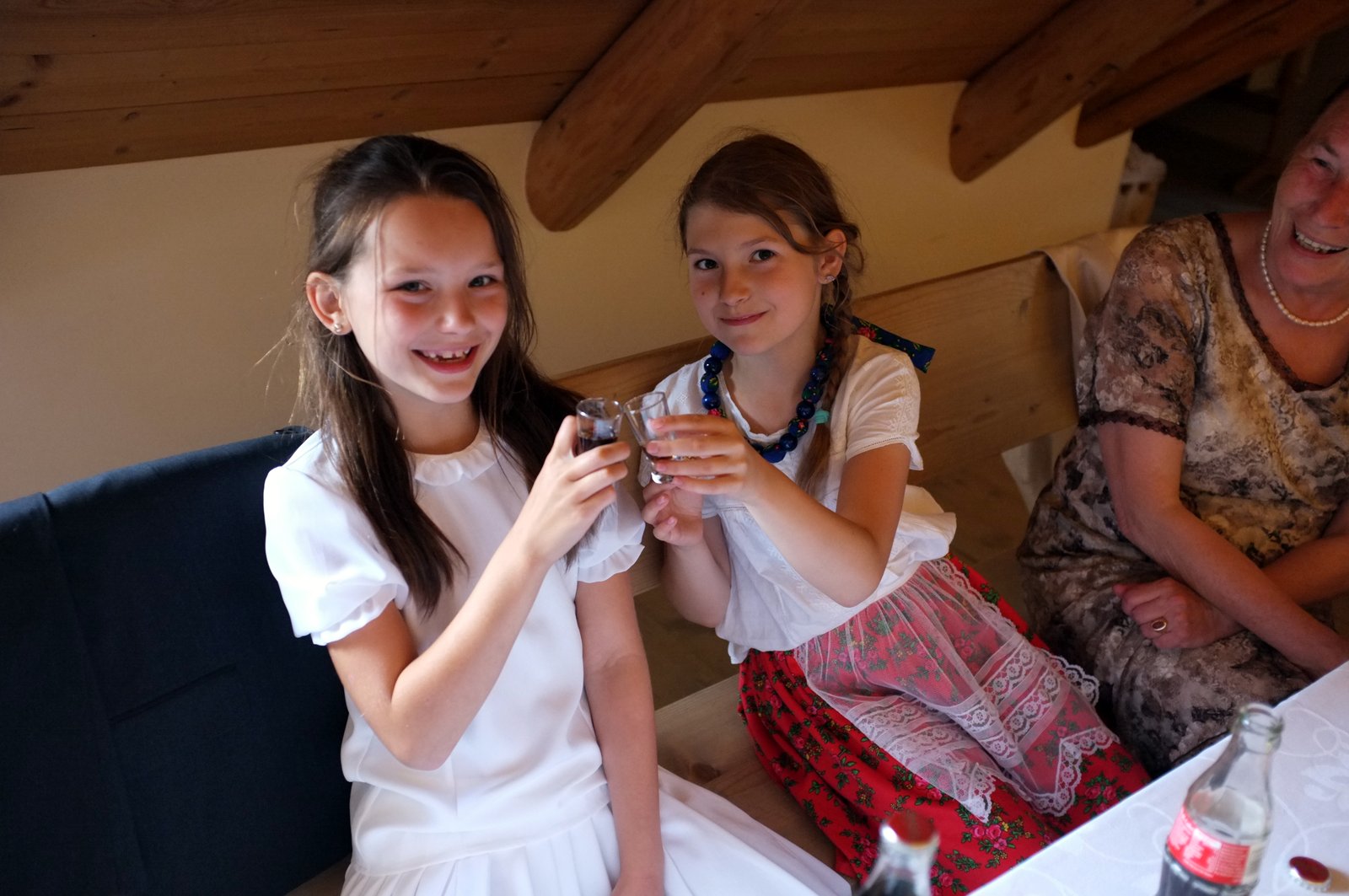
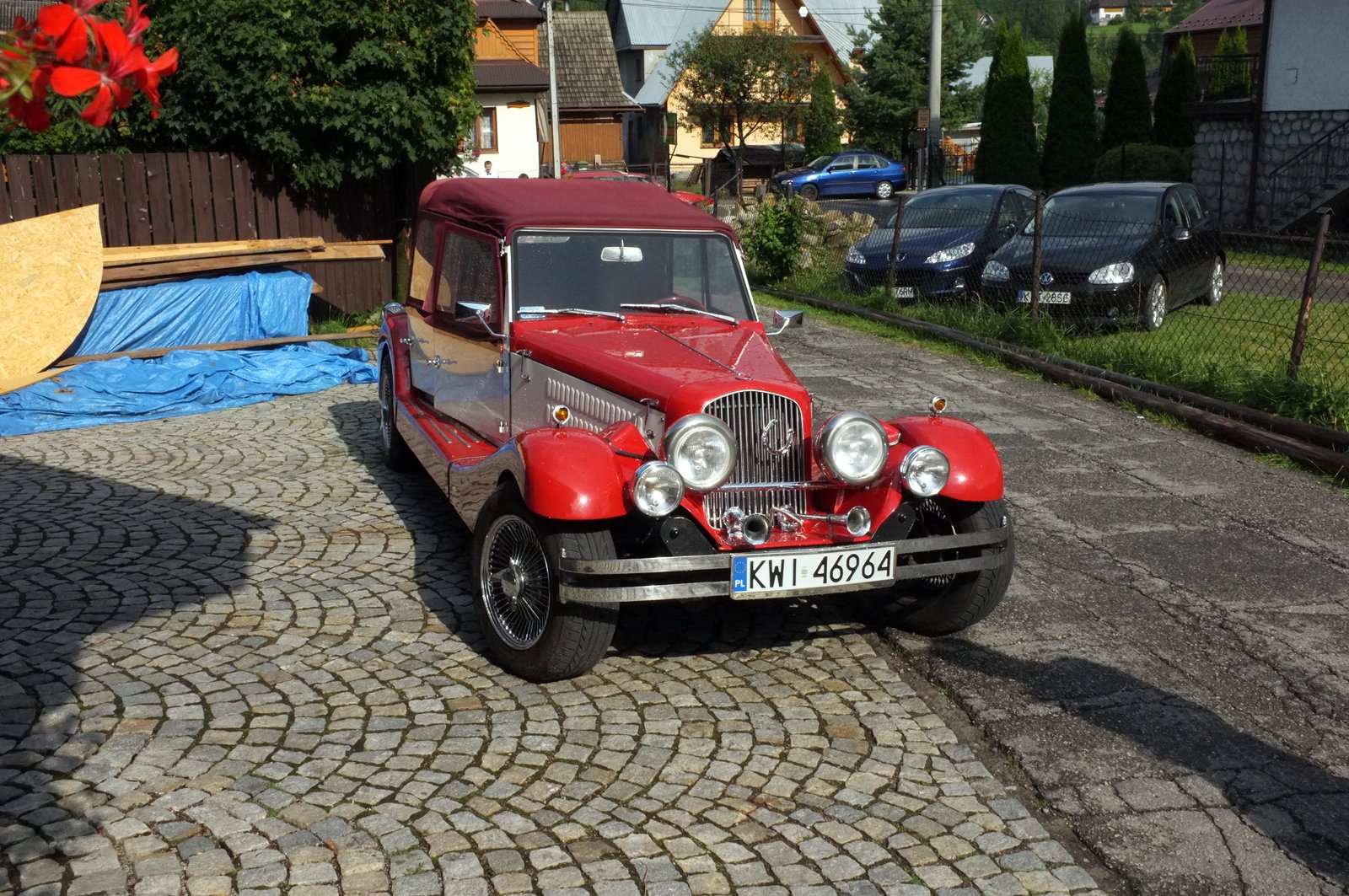
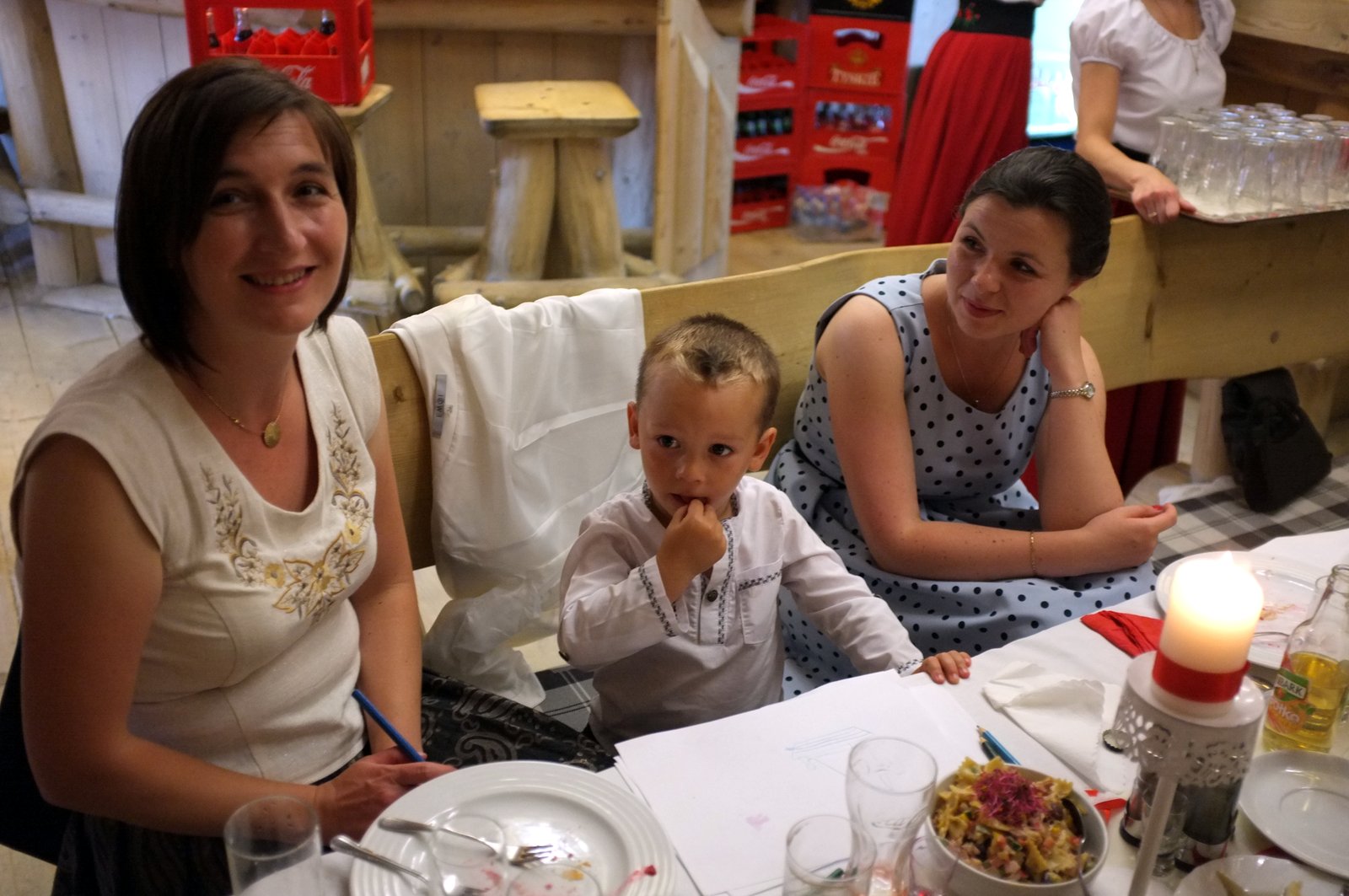
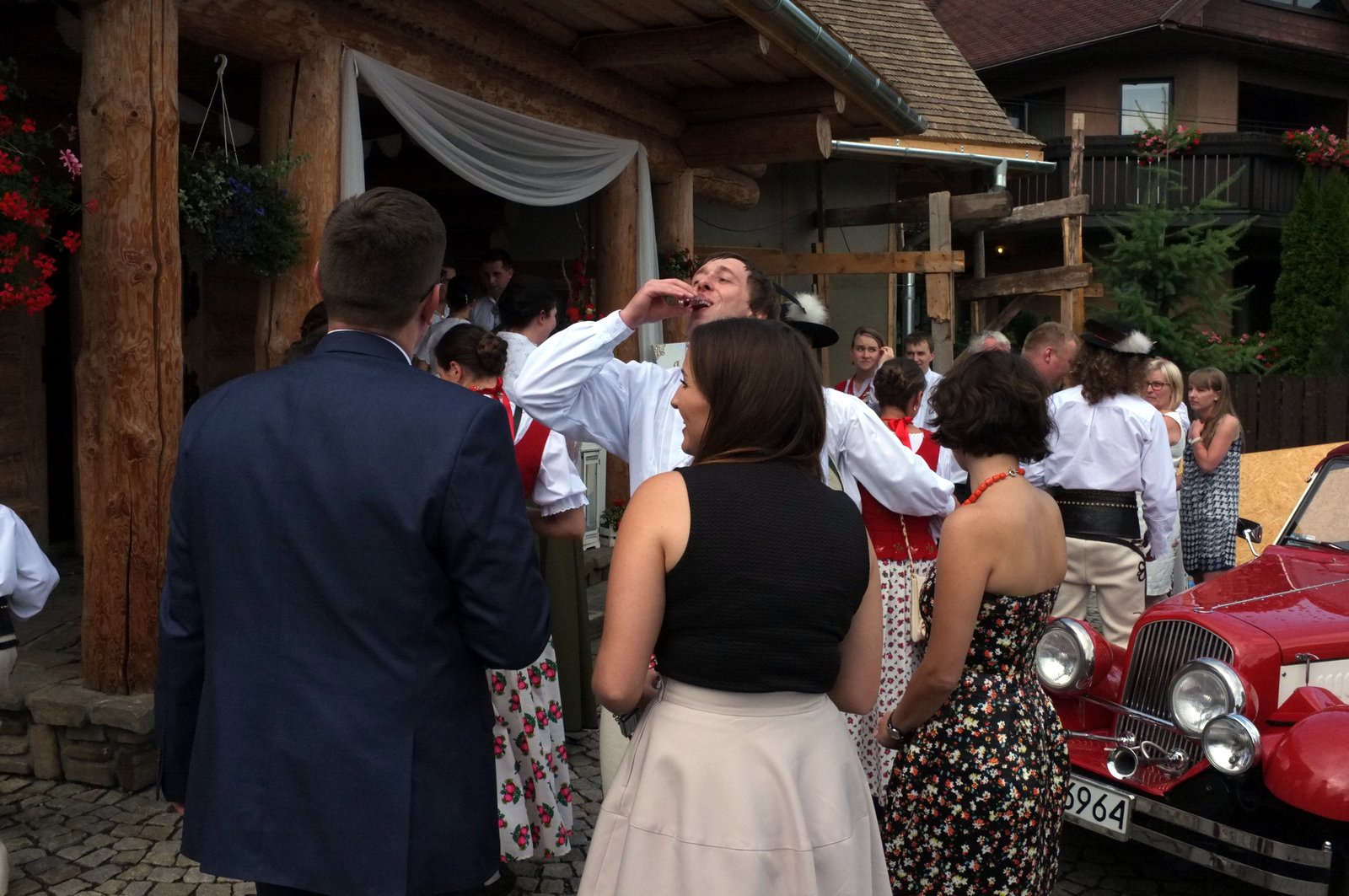
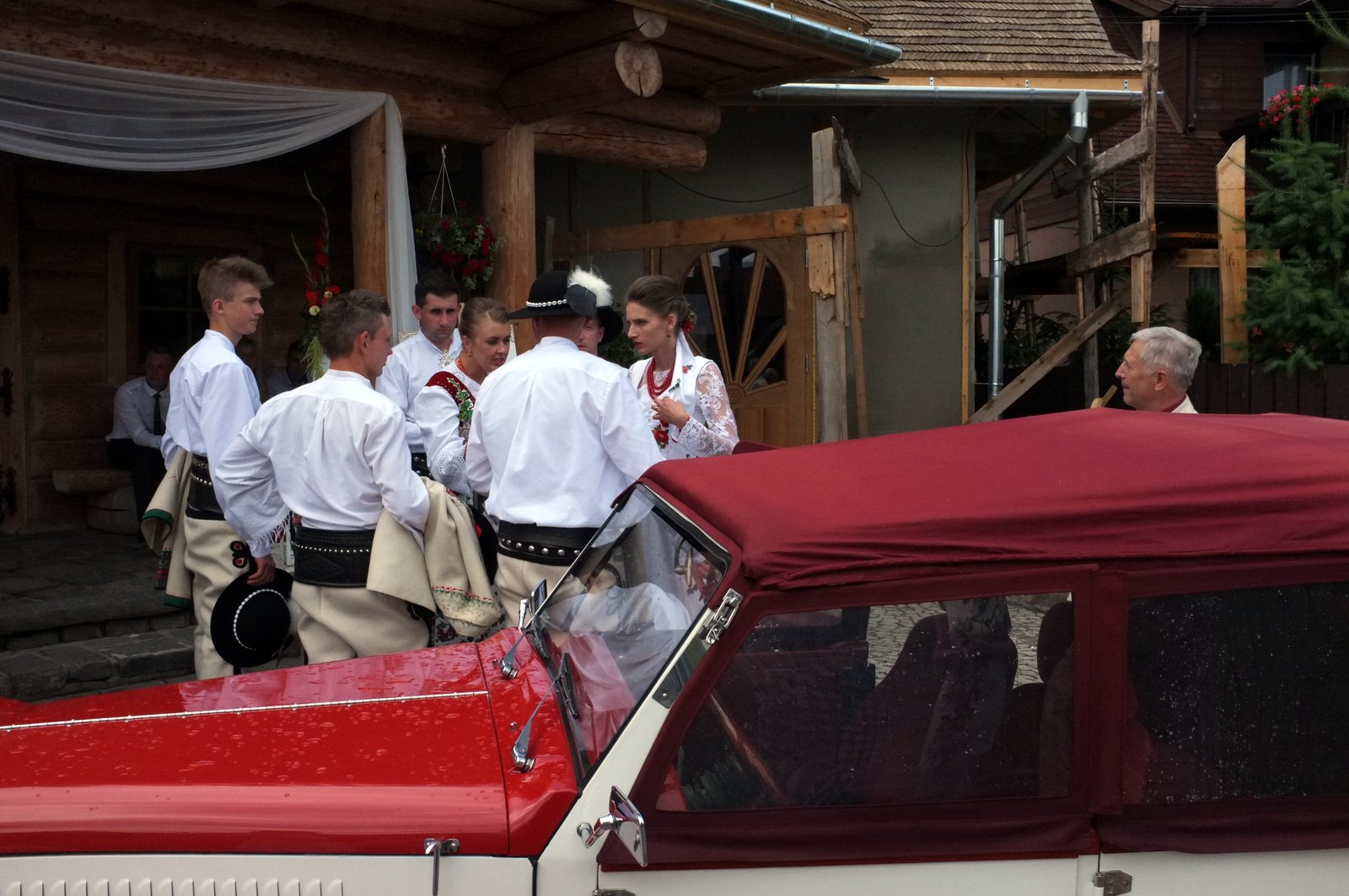
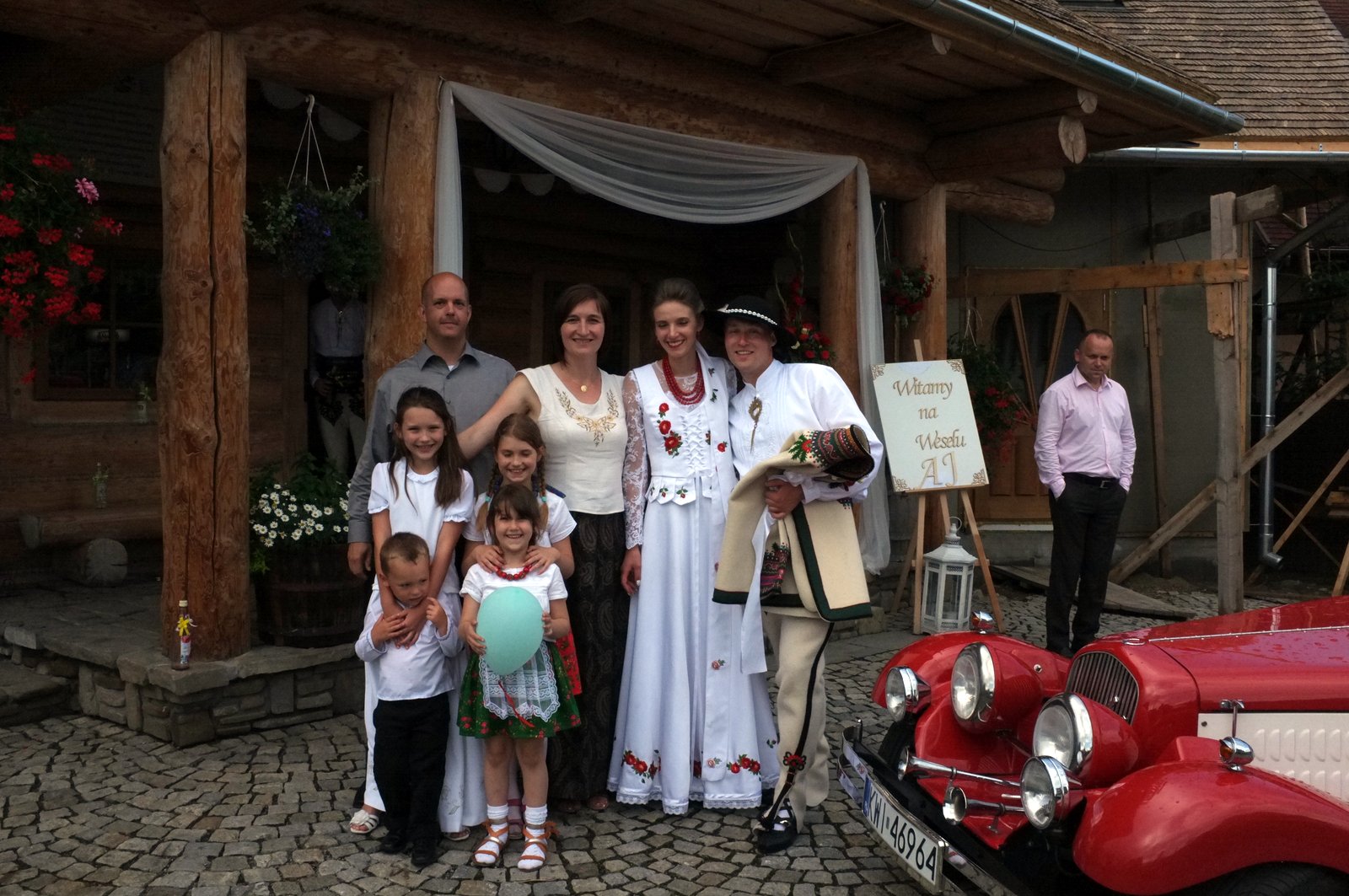
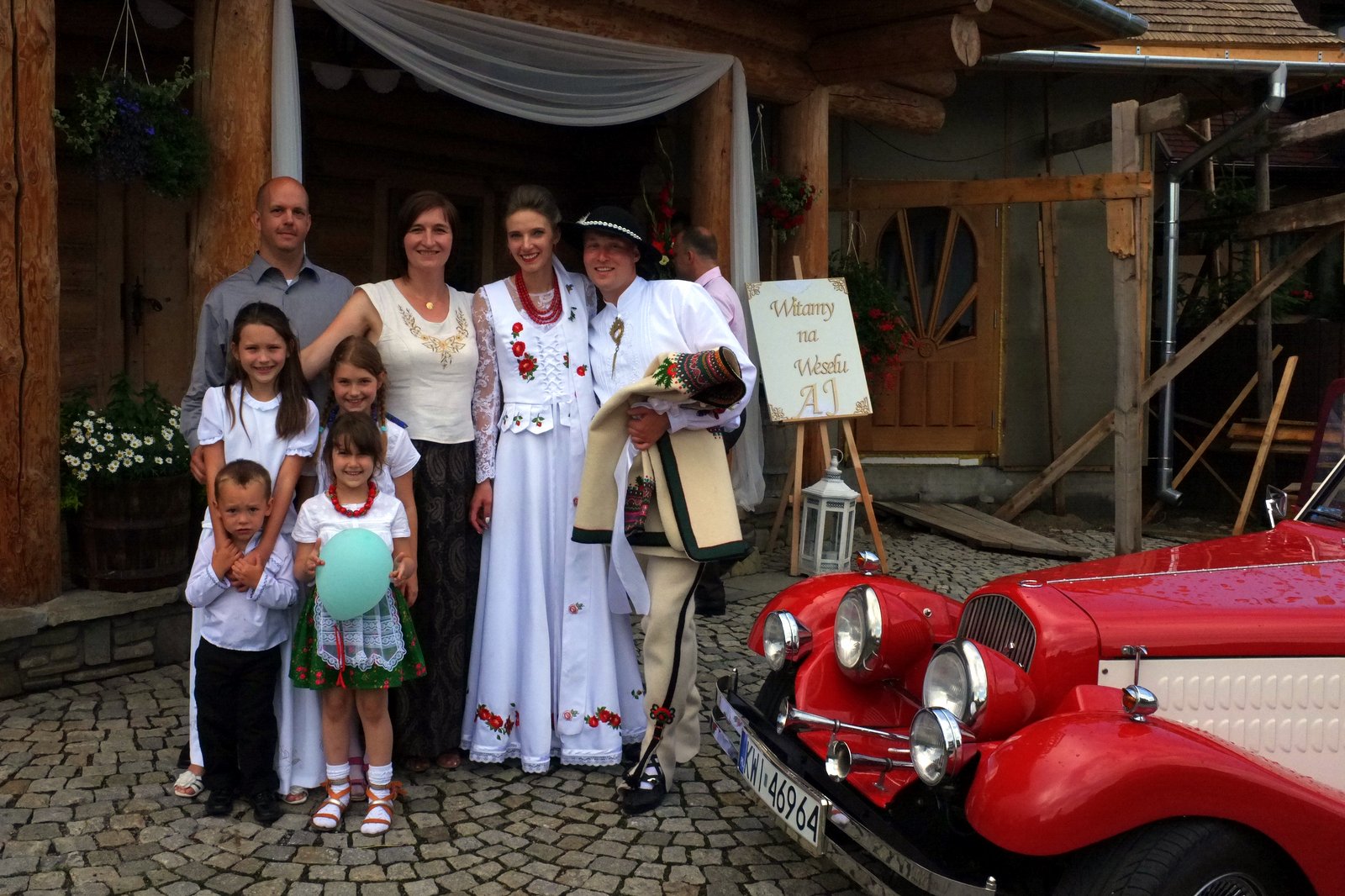
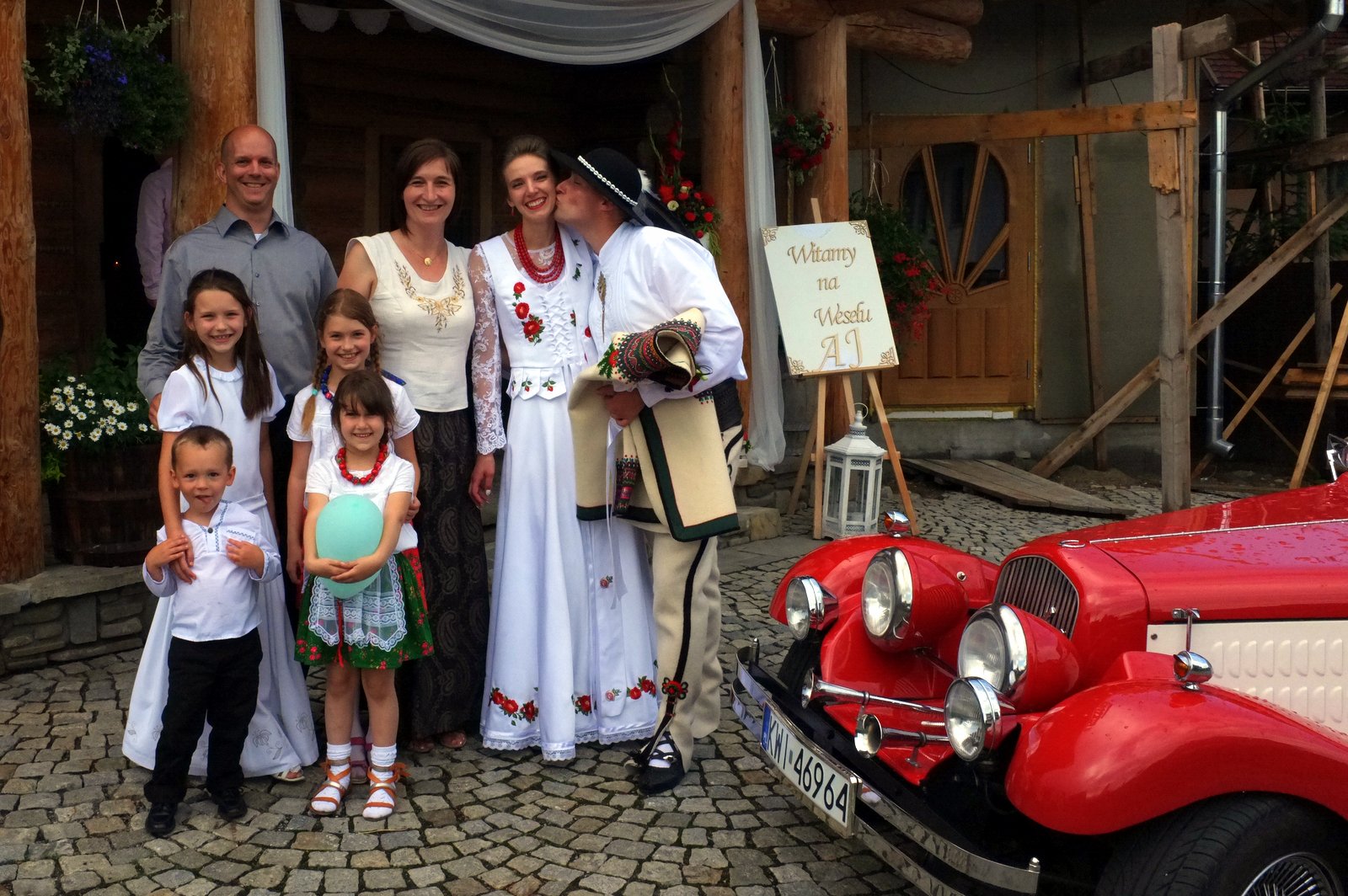
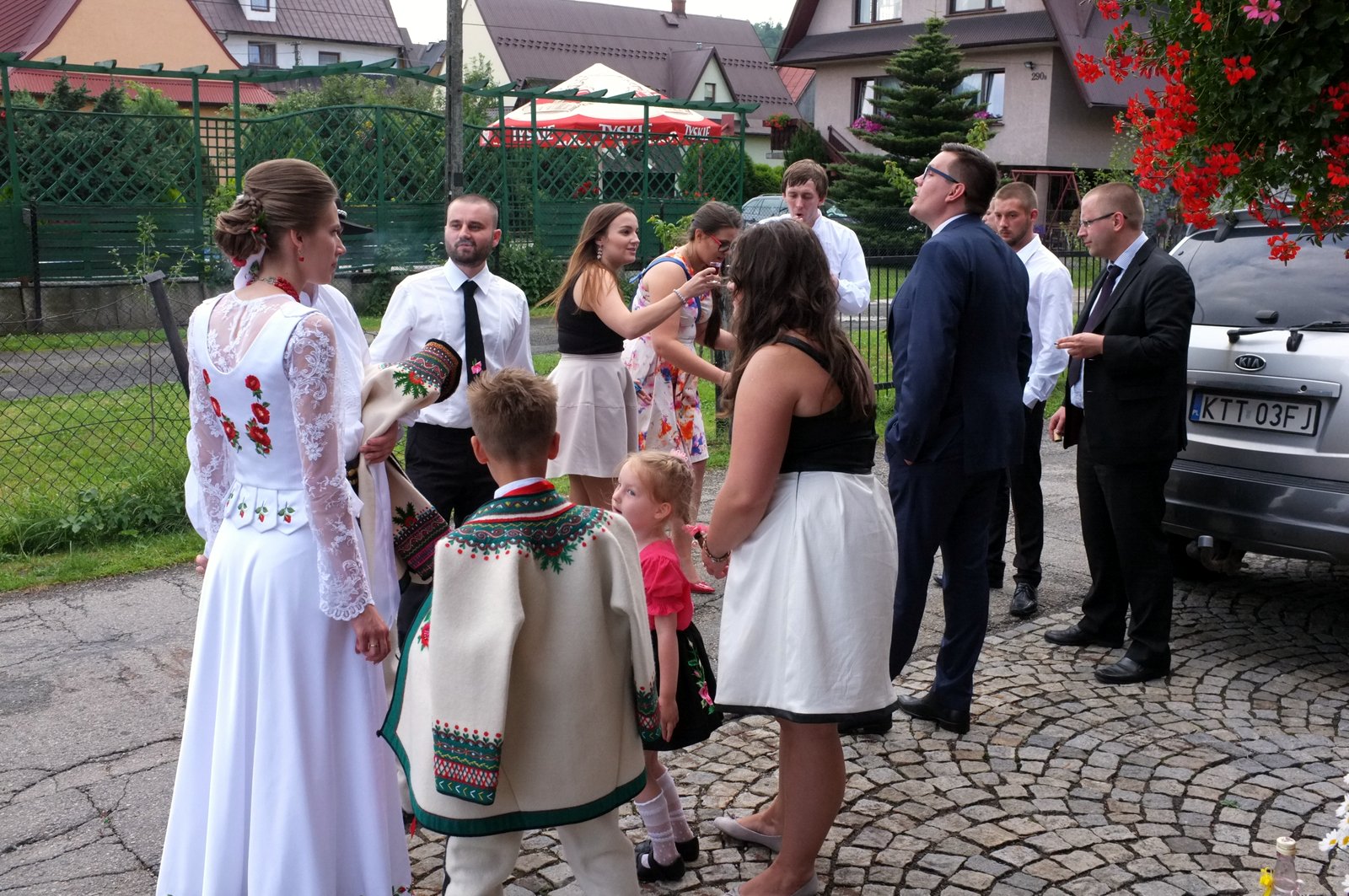
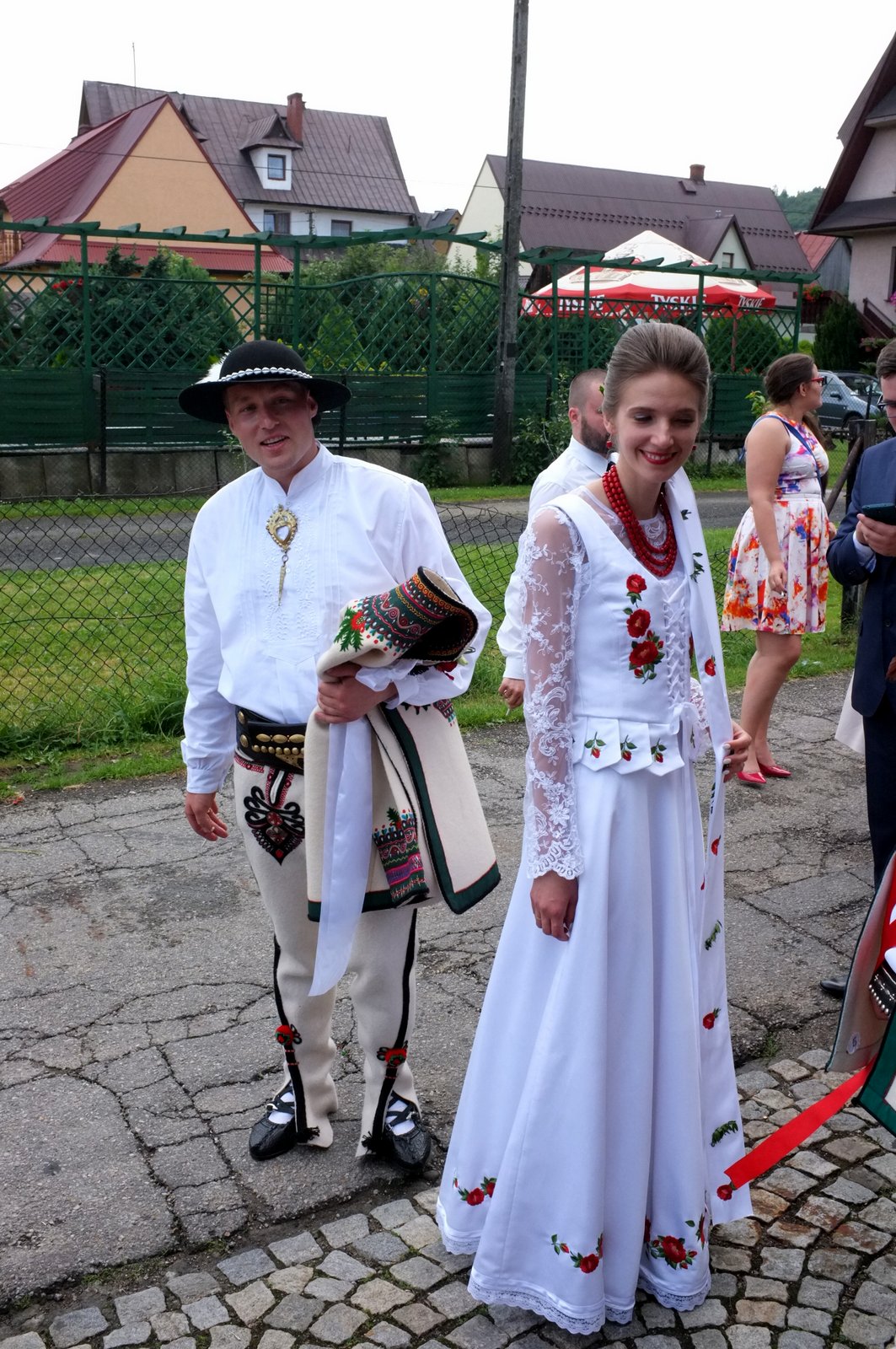
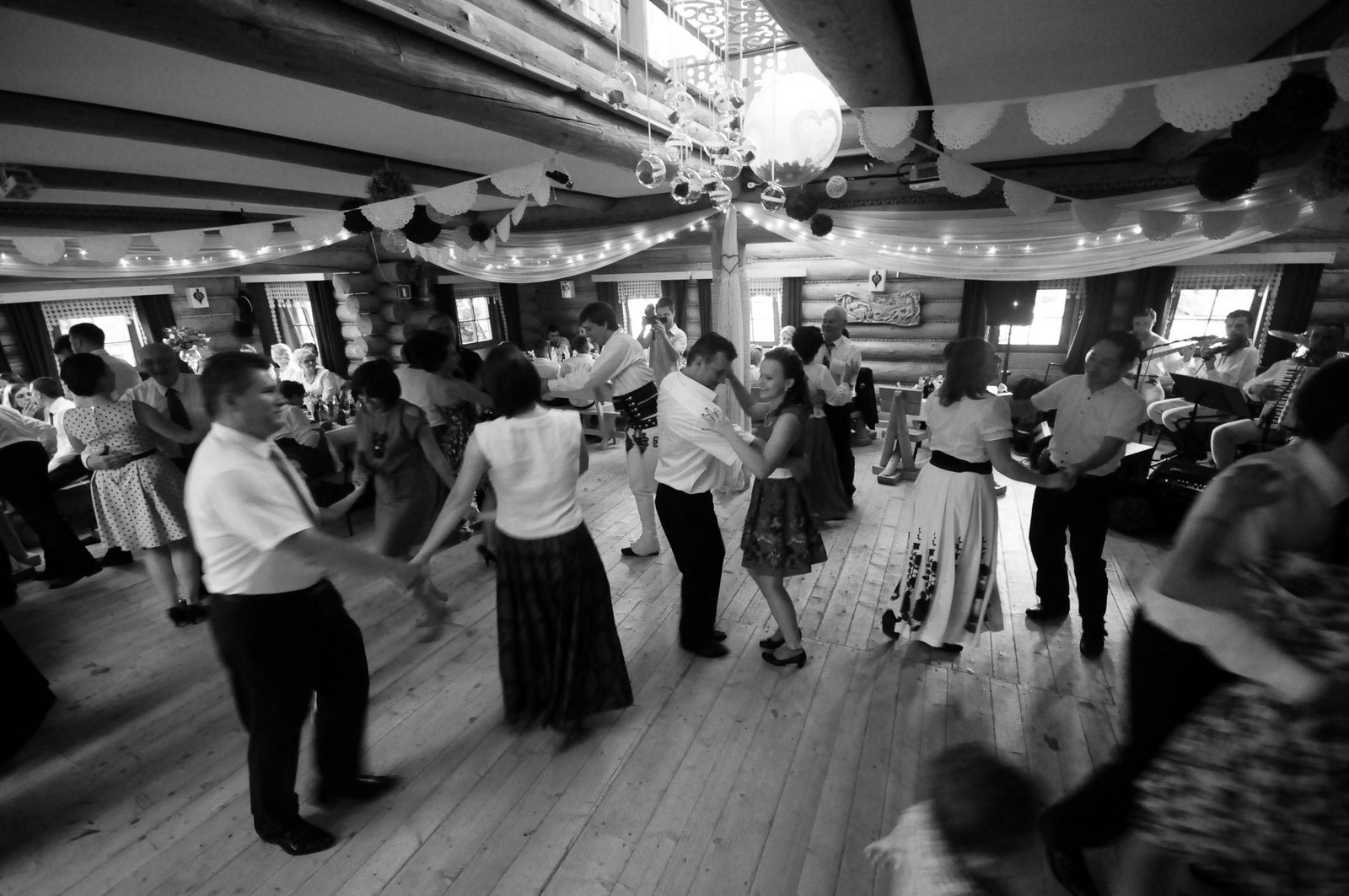
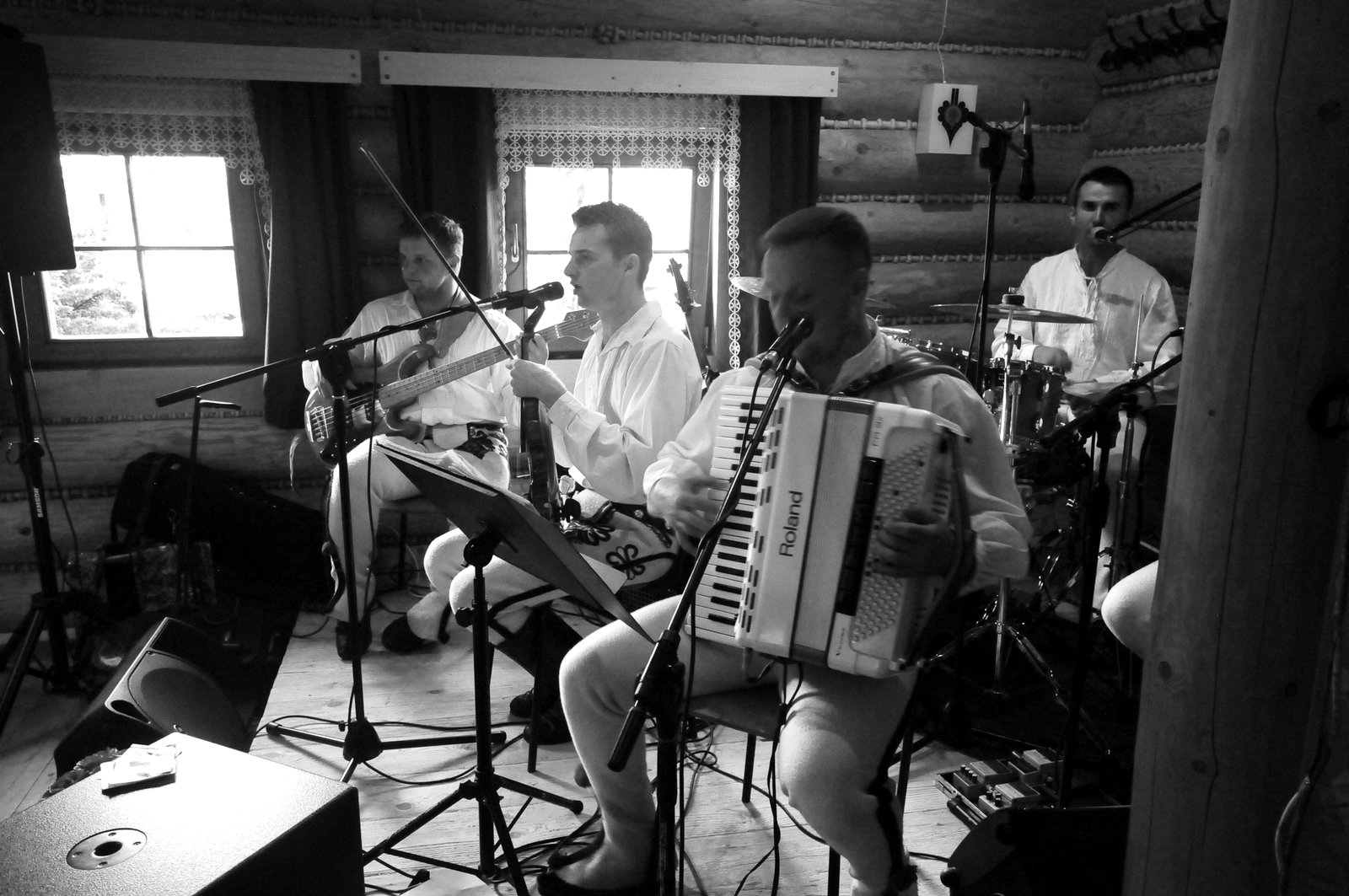
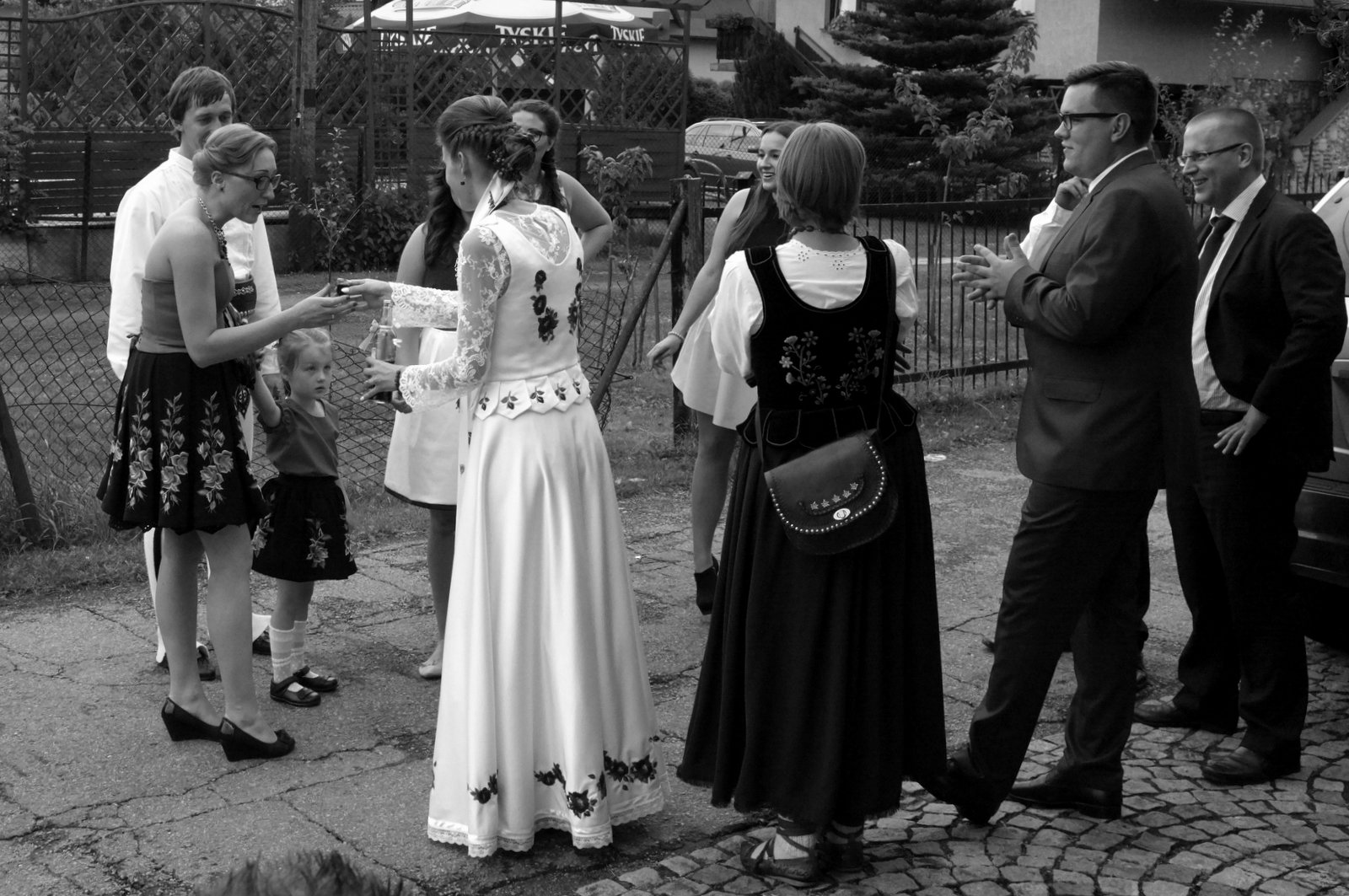
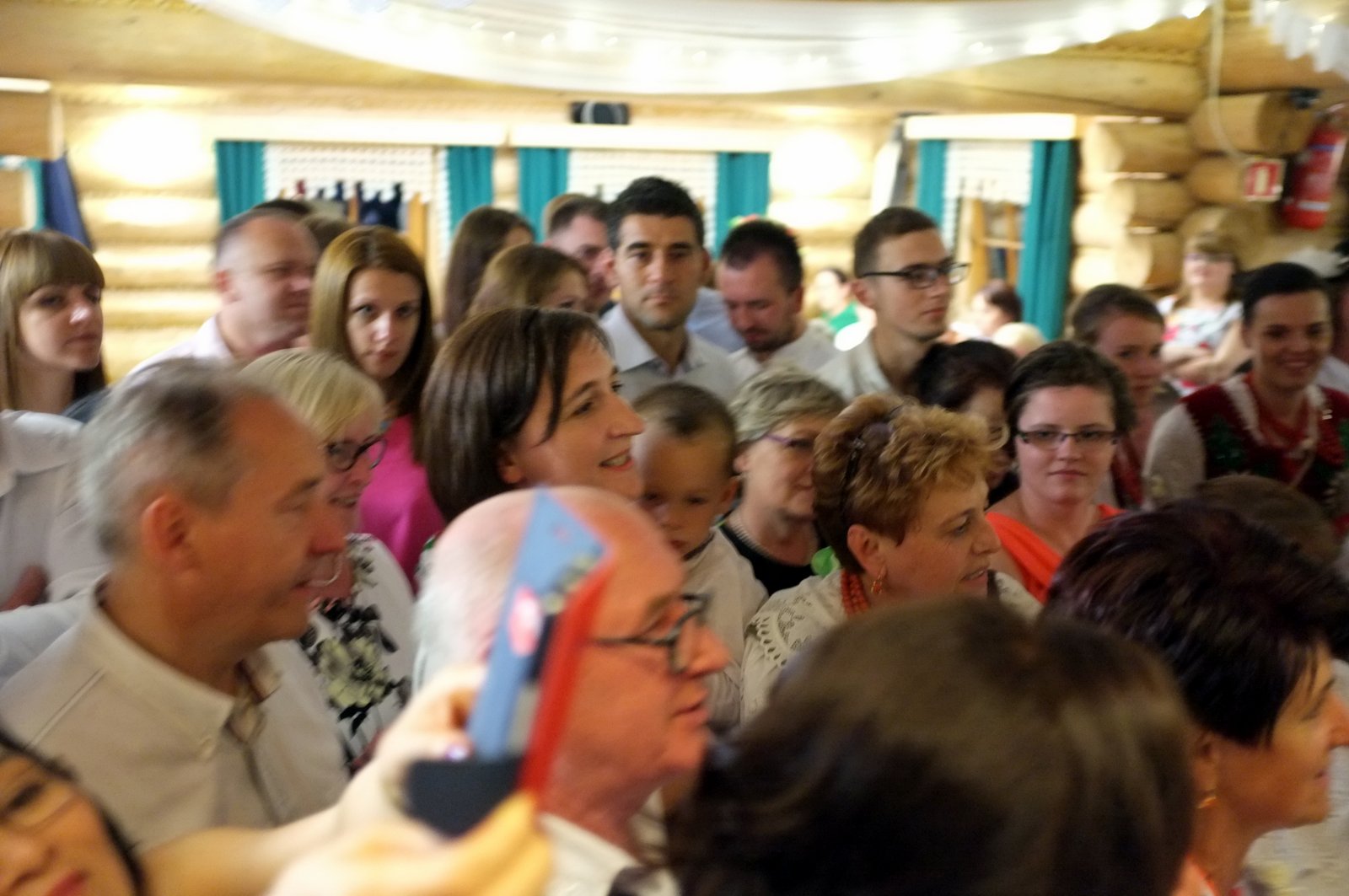
Soon after the first meal and the first songs, the band strikes up for the newlyweds' first dance. All the guests crowd the dance floor, making a circle around the smiling couple, occasionally joining hands if there's enough room and moving around the dancing pair with swaying hands. And then come the first calls of Gorszko! Gorszko! A single repeated word that needs a pair of sentences for translation: "It's bitter in here! Make it sweet with a kiss!" At this point, someone brings the couple two glasses of champaigne, which they drink and toss the empty glasses over their shoulders to the floor. Someone else brings a broom and dustpan, and the groom is to clean up the mess. Sometimes it's likely that it might be the only time the groom does so, but the gender division of housework seems slowly to be changing.
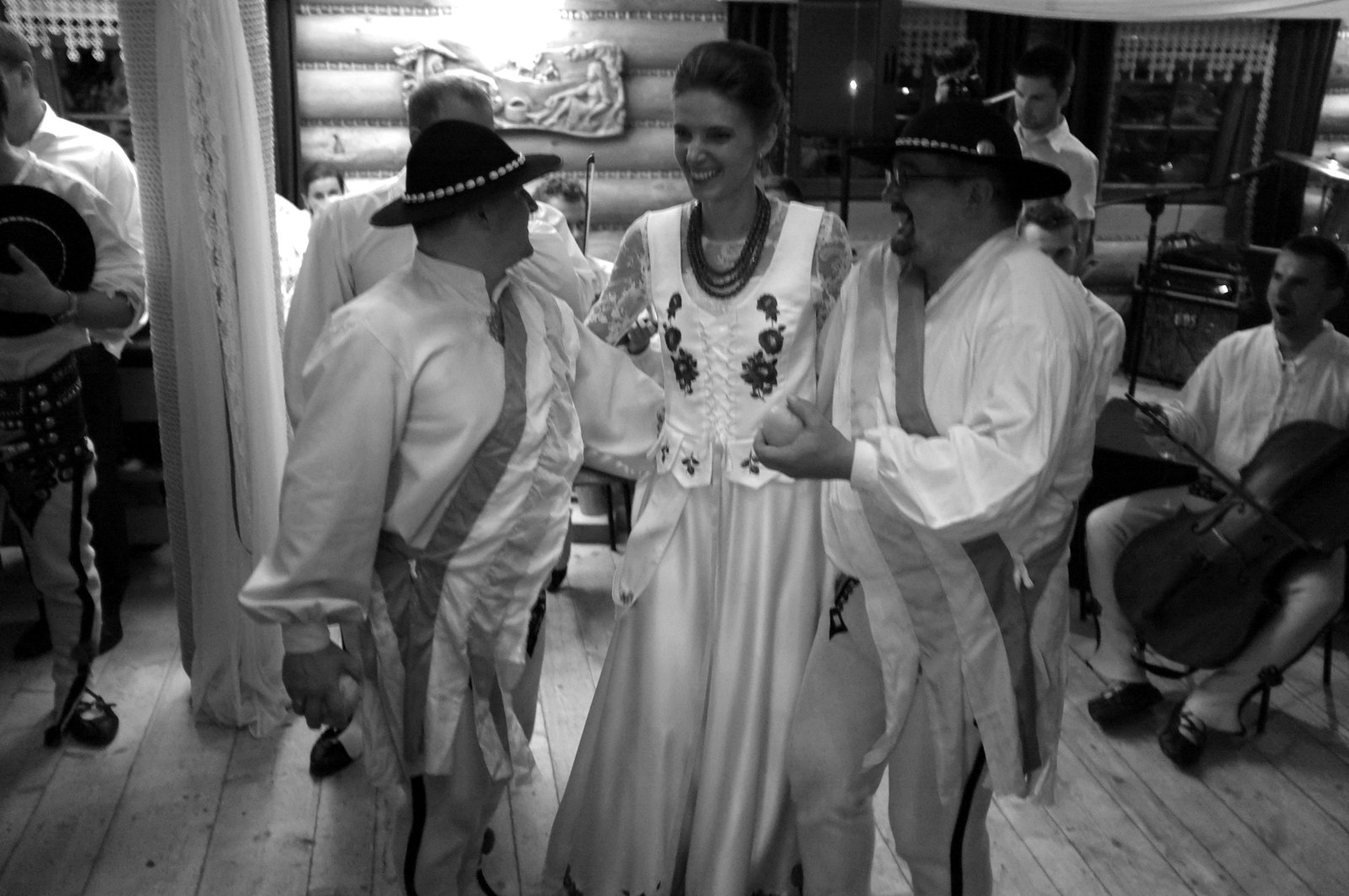
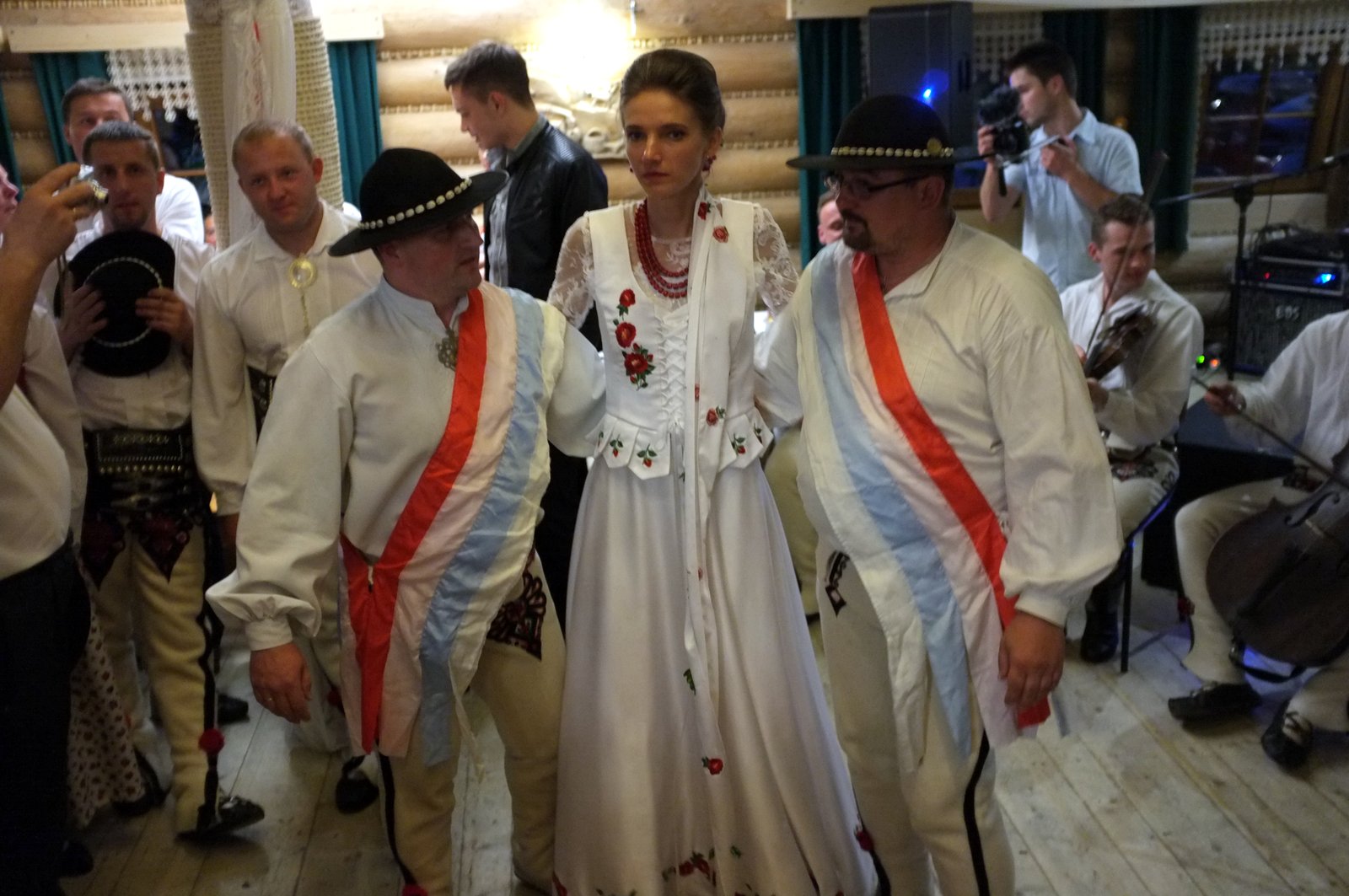
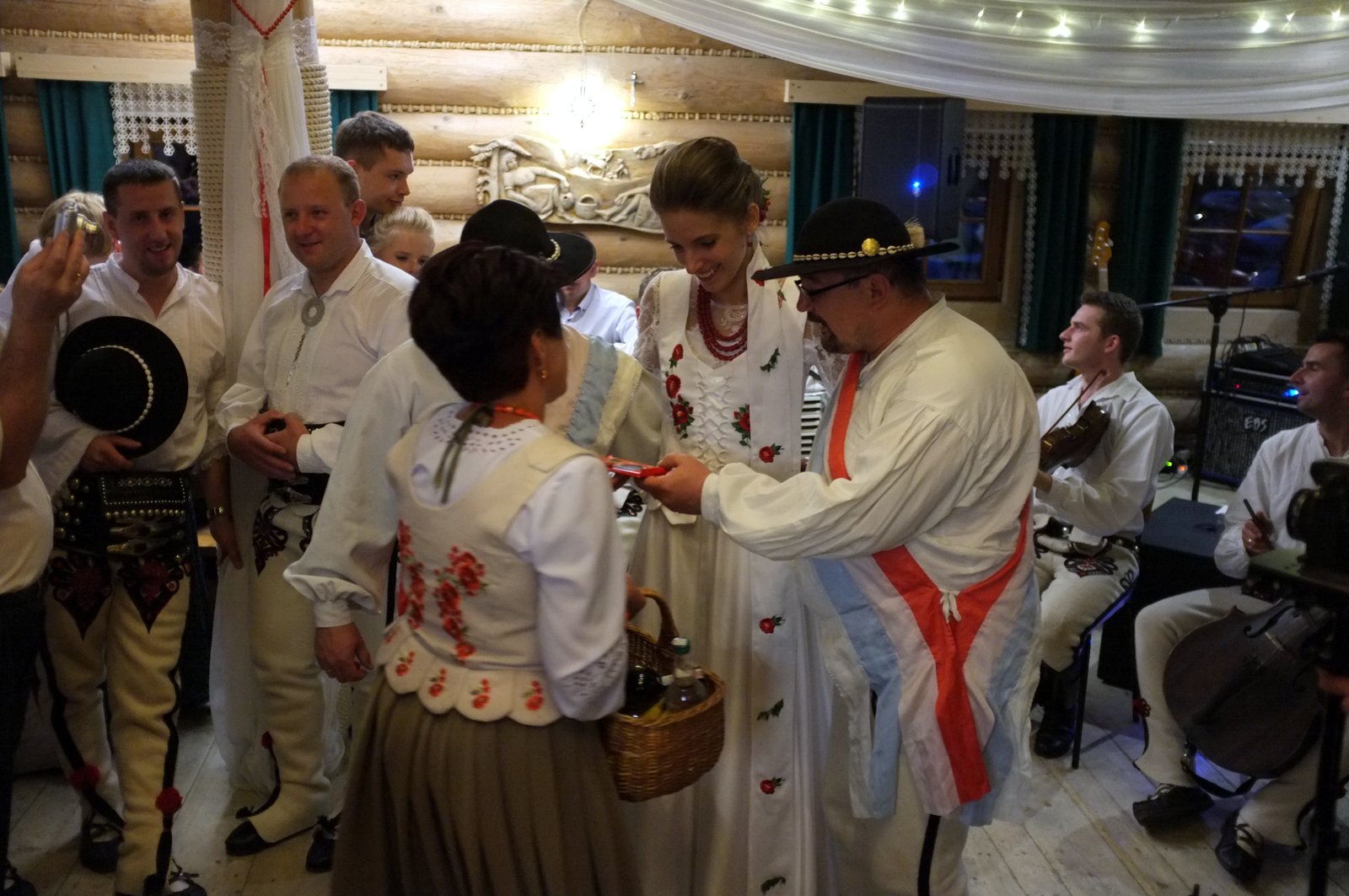
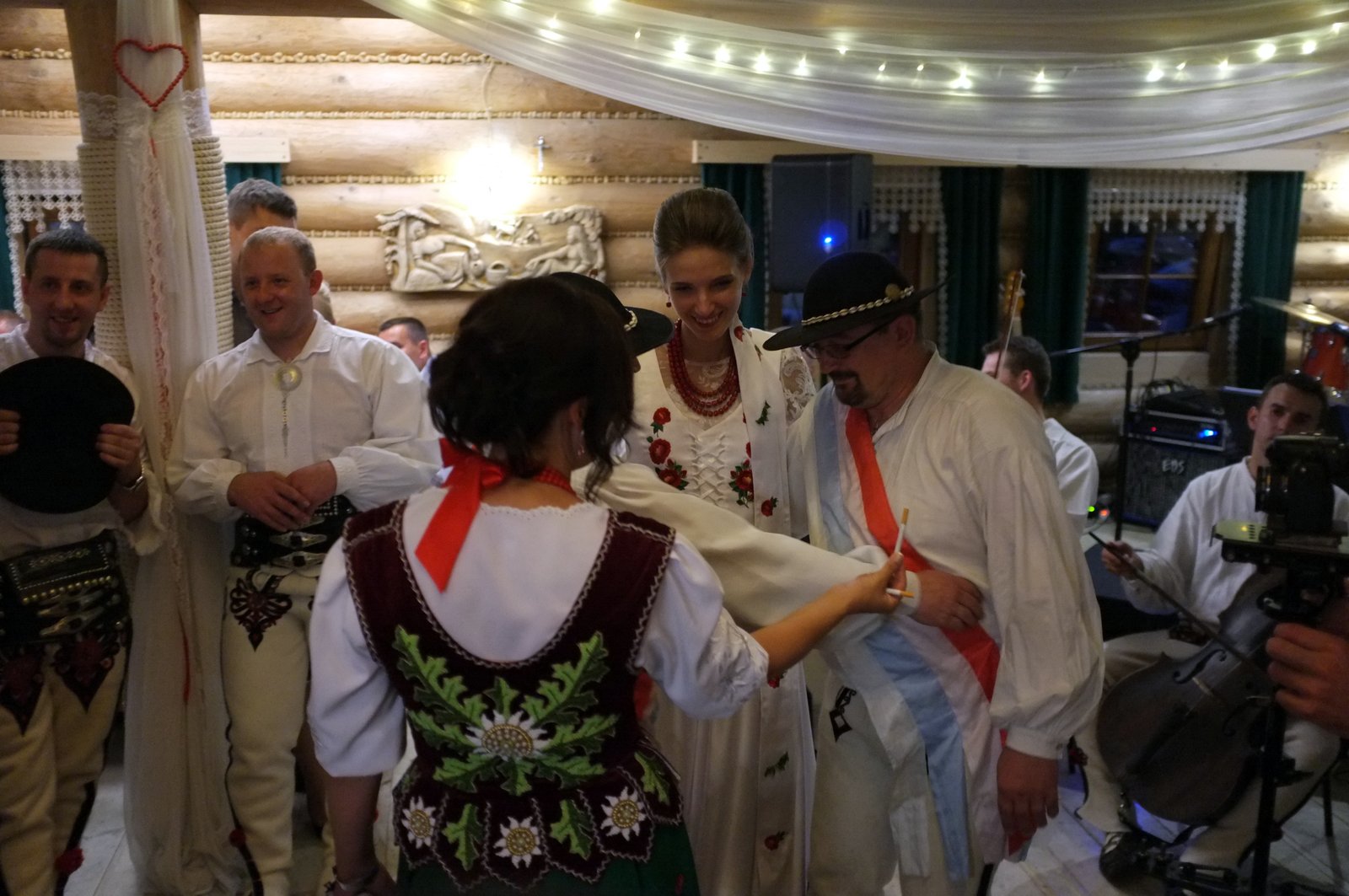
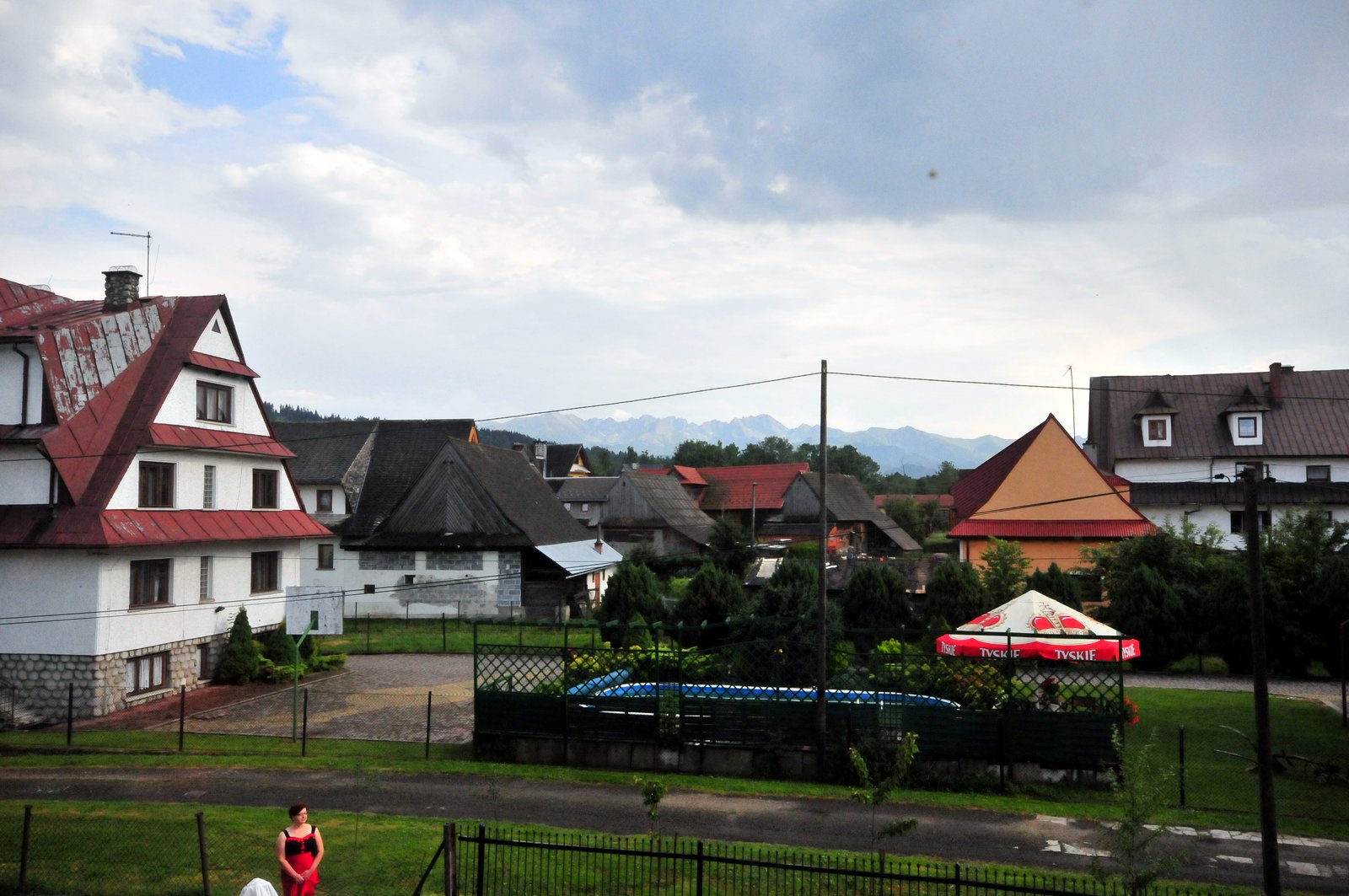
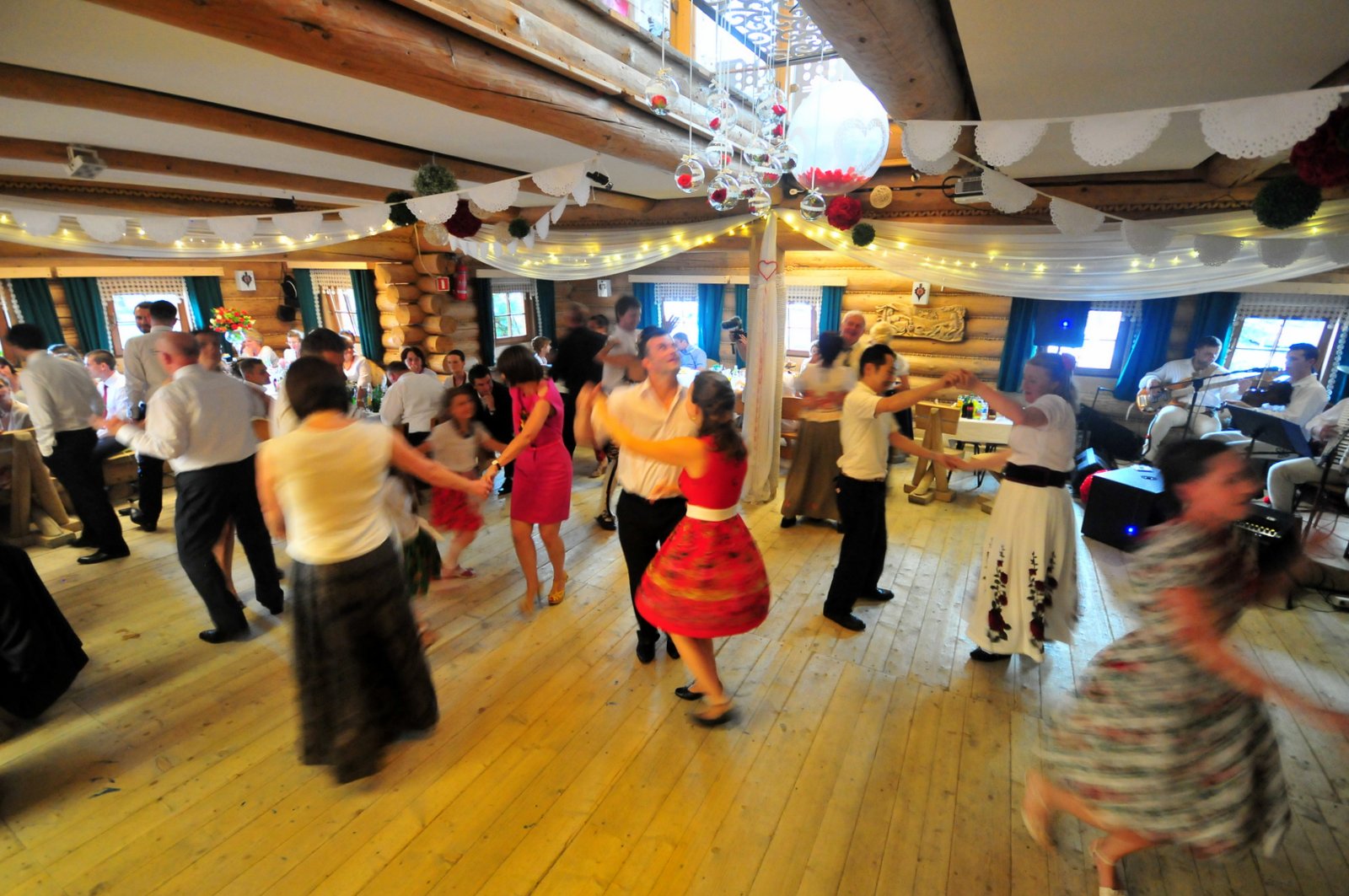
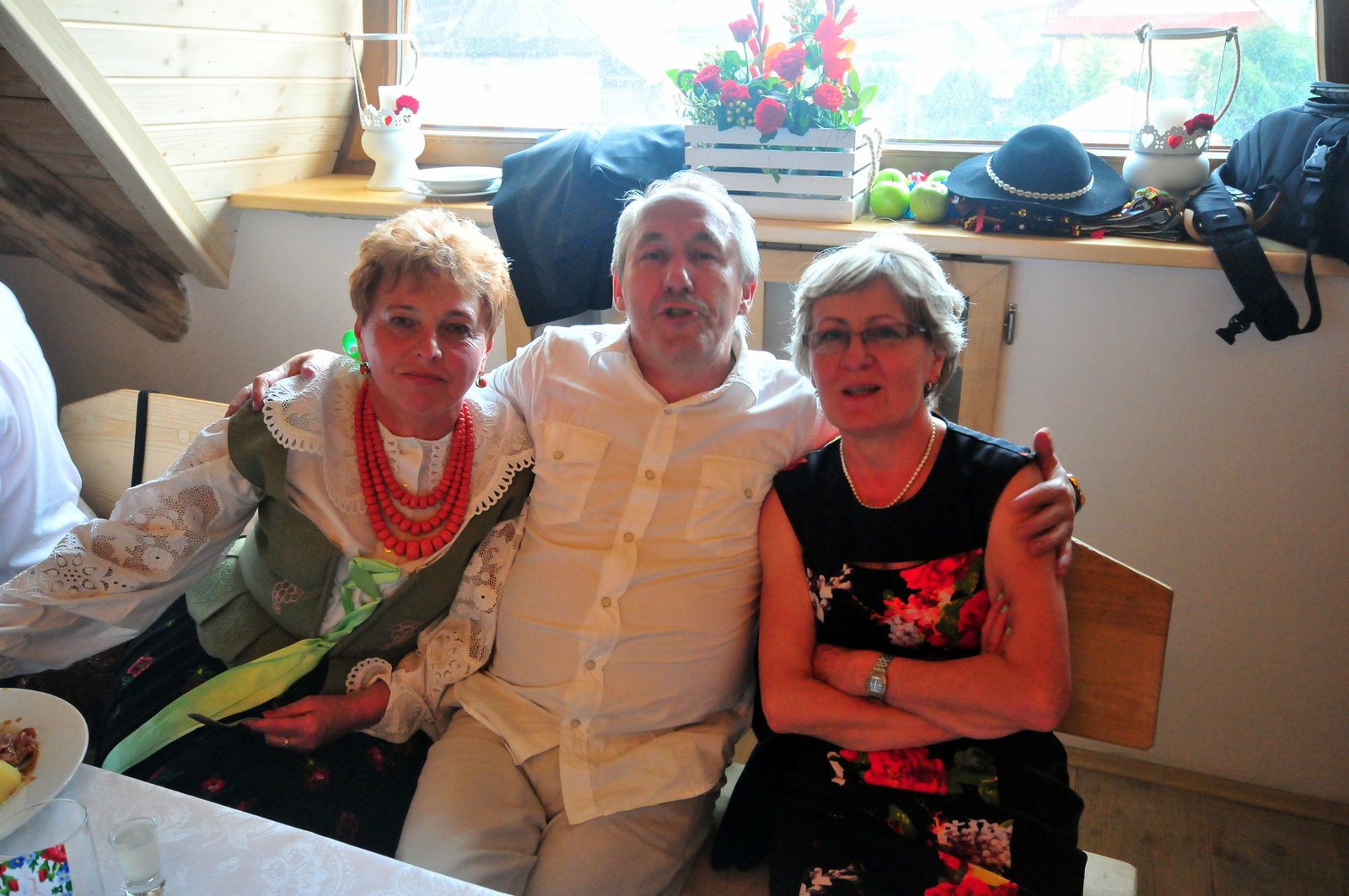
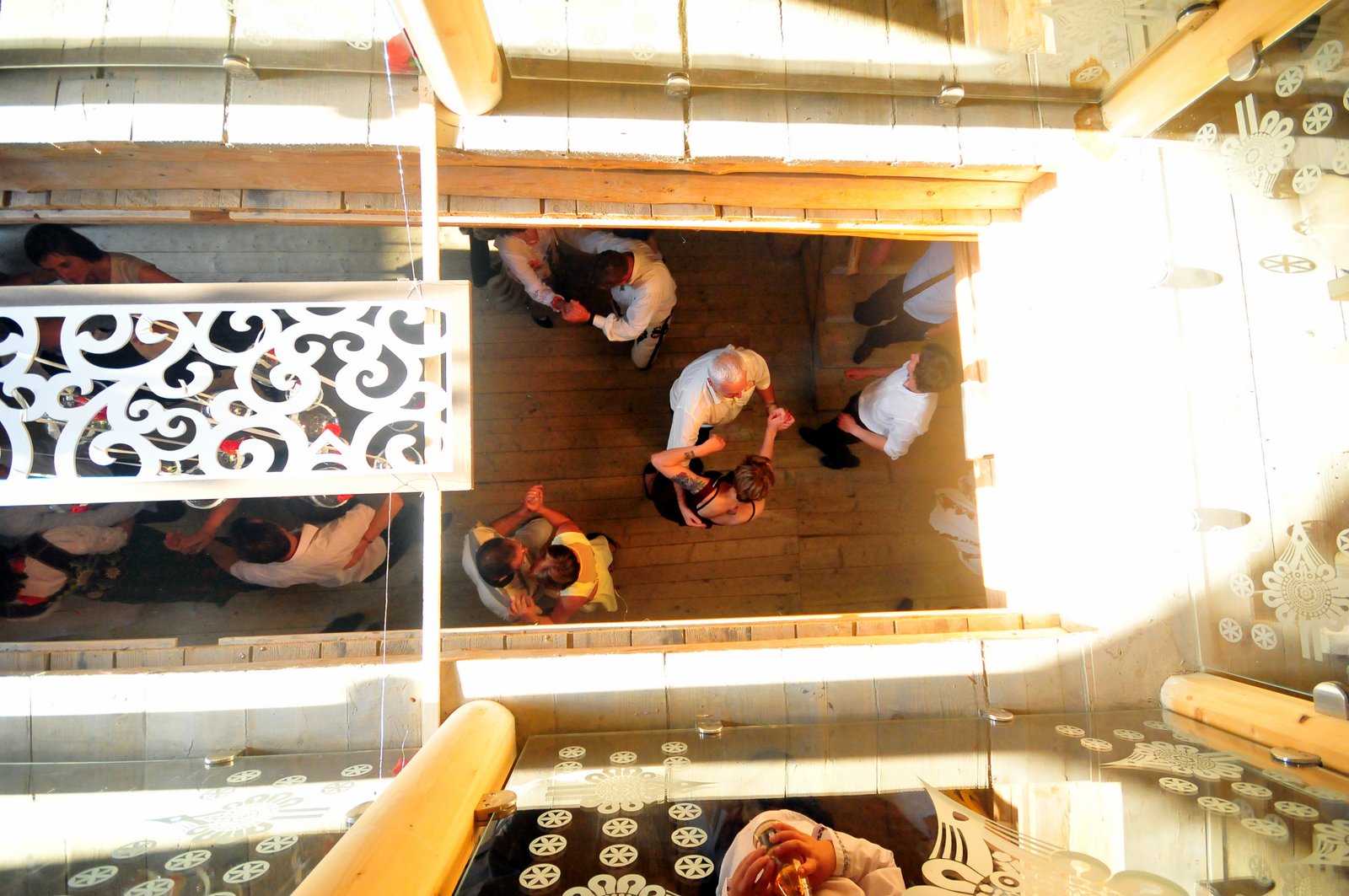
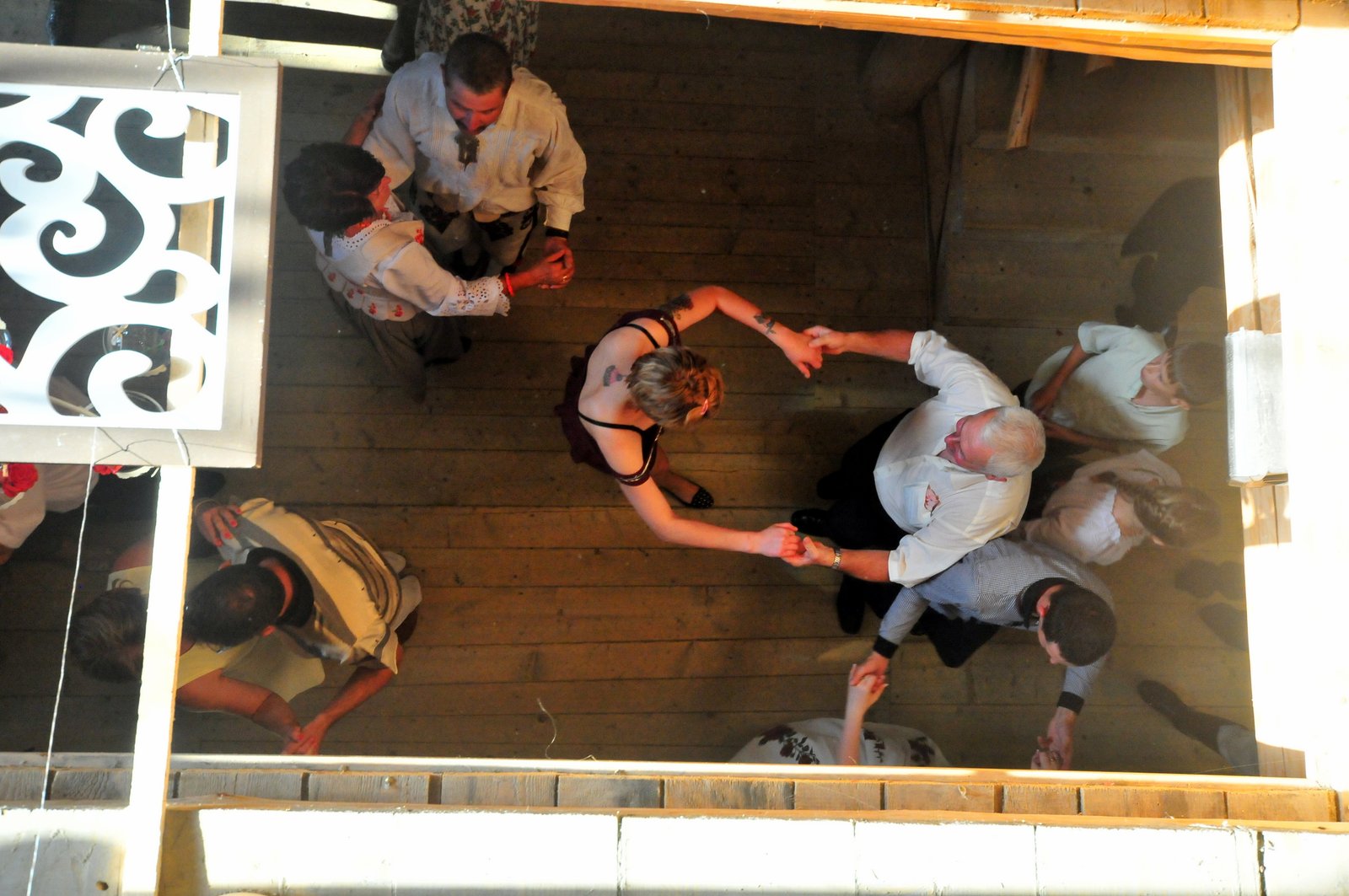
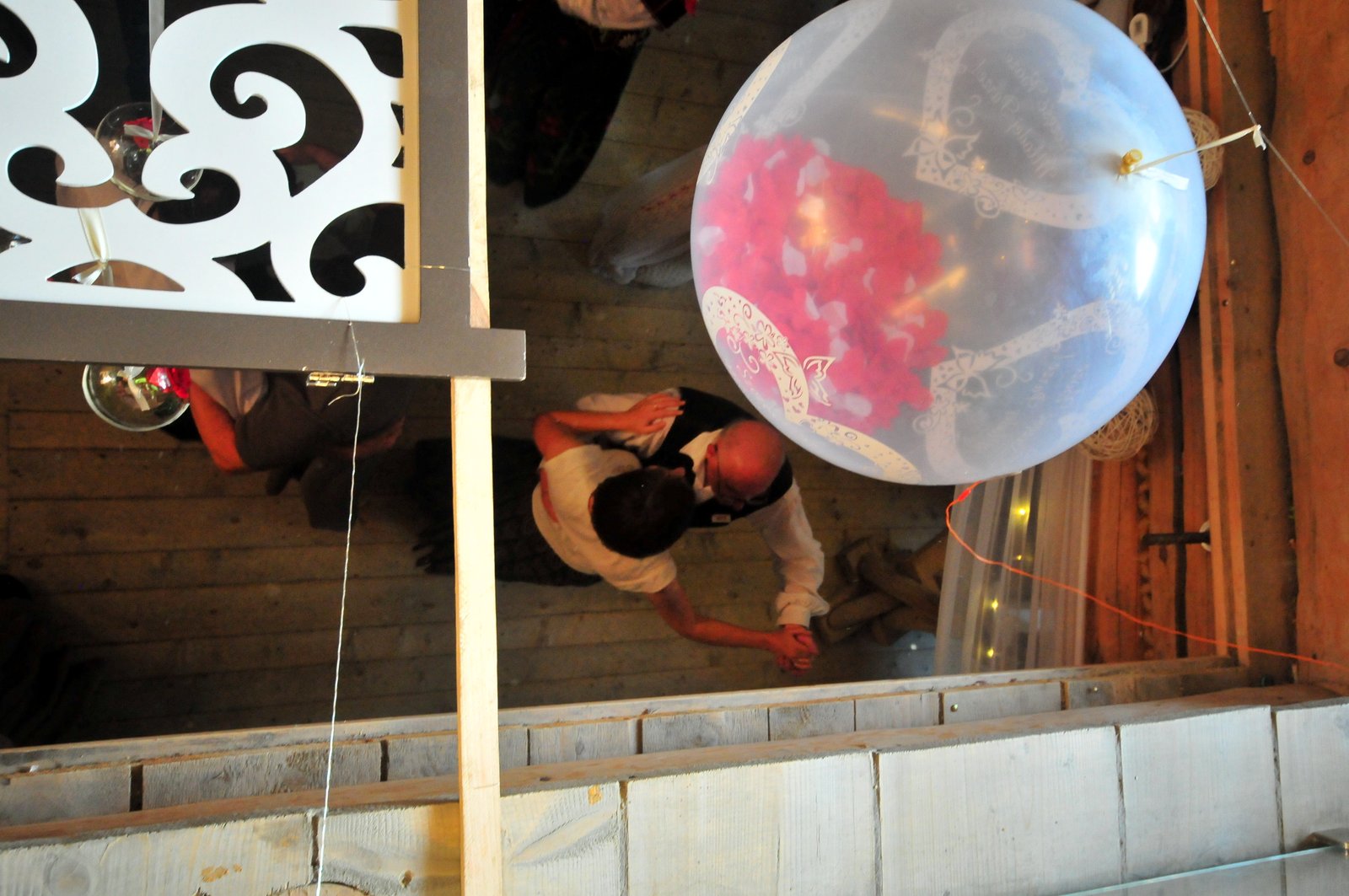
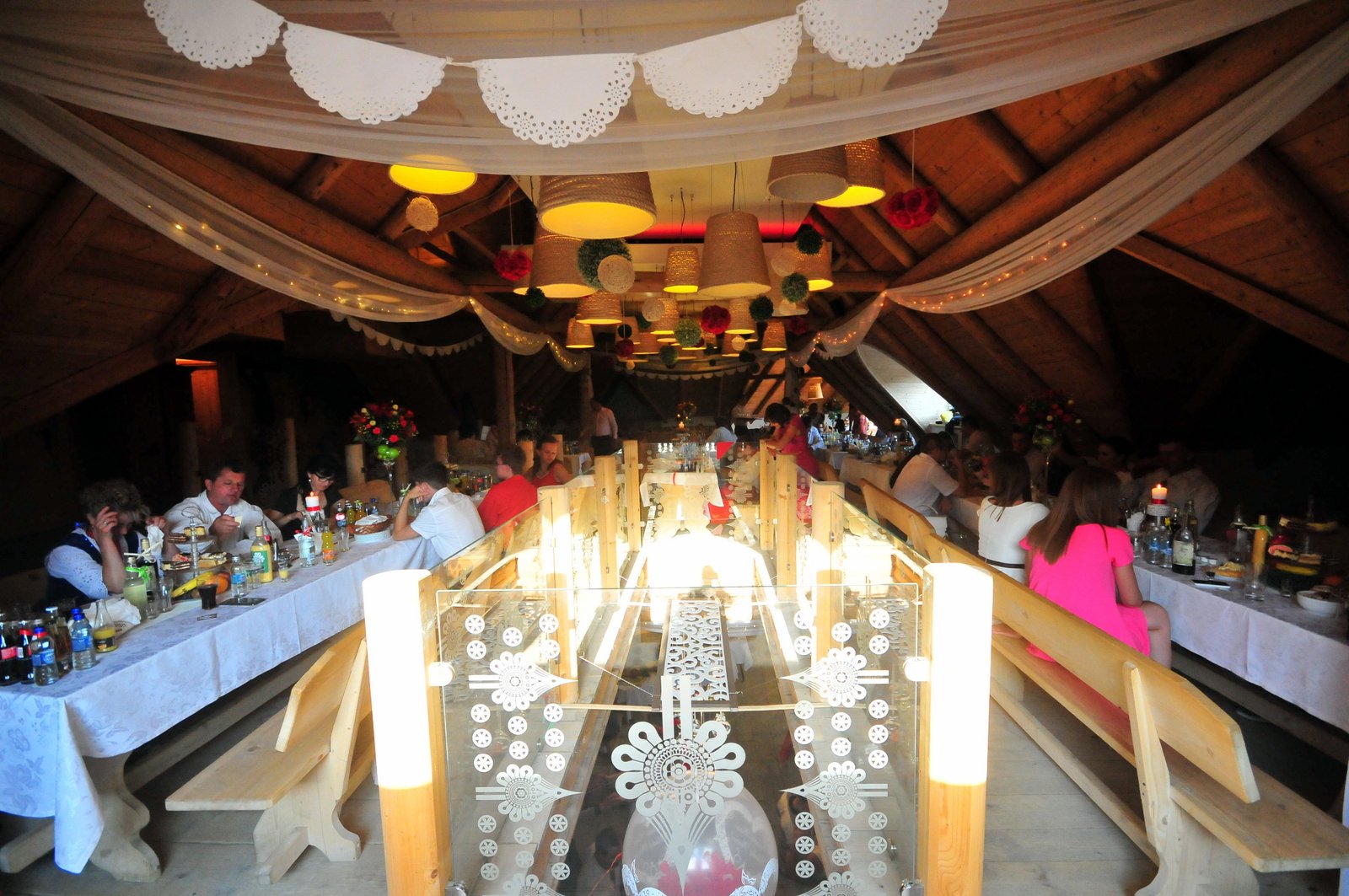
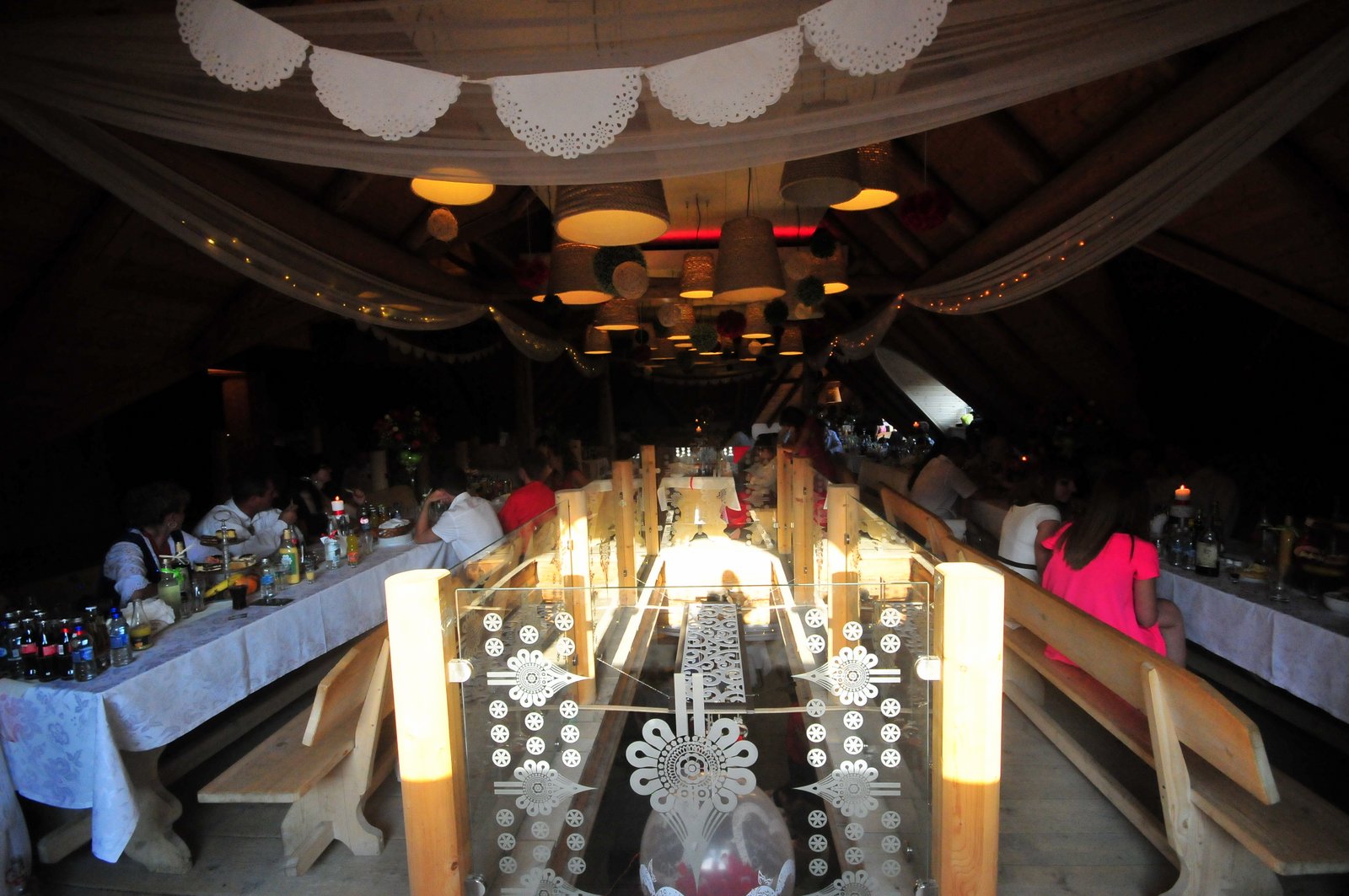
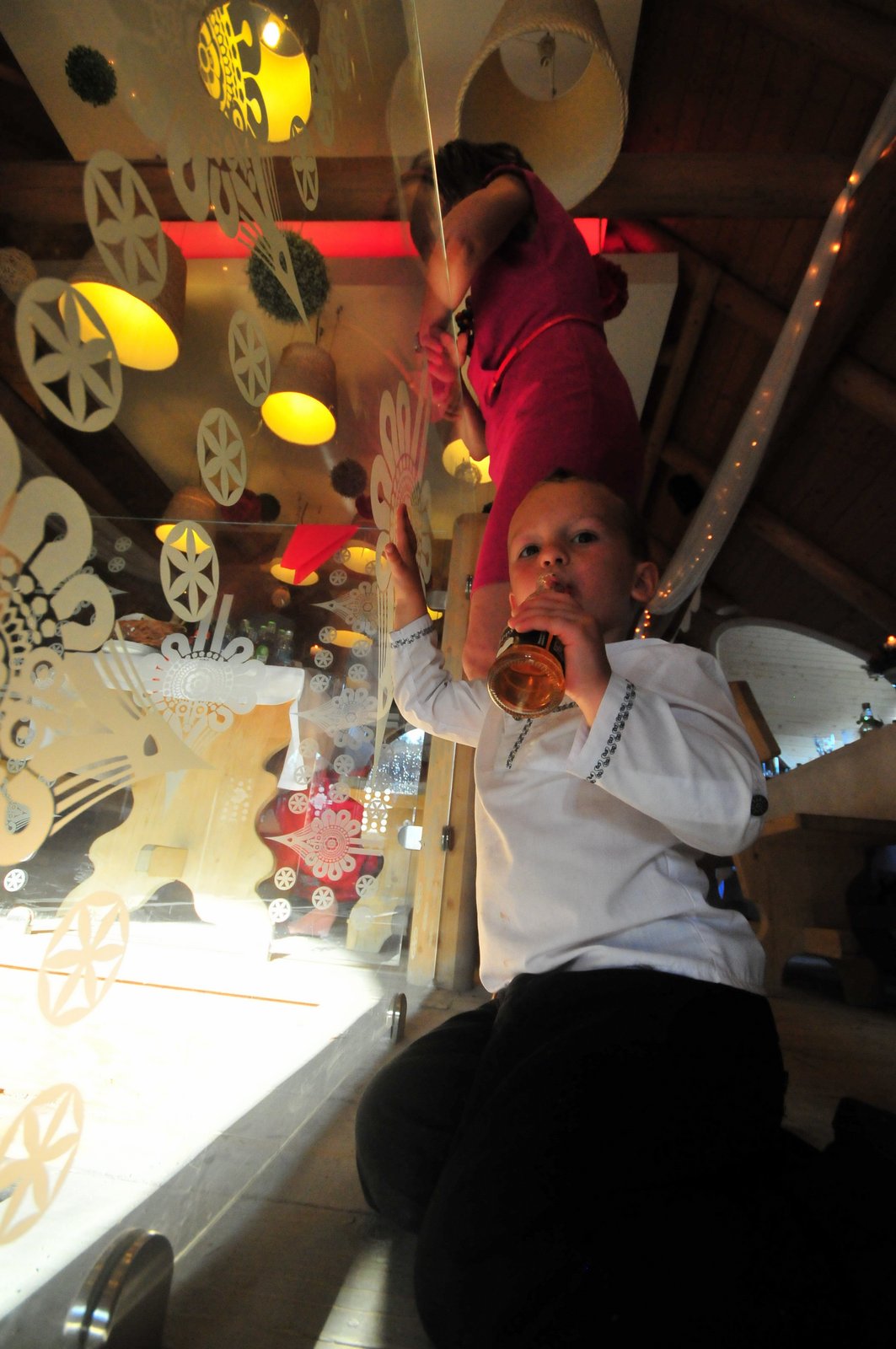
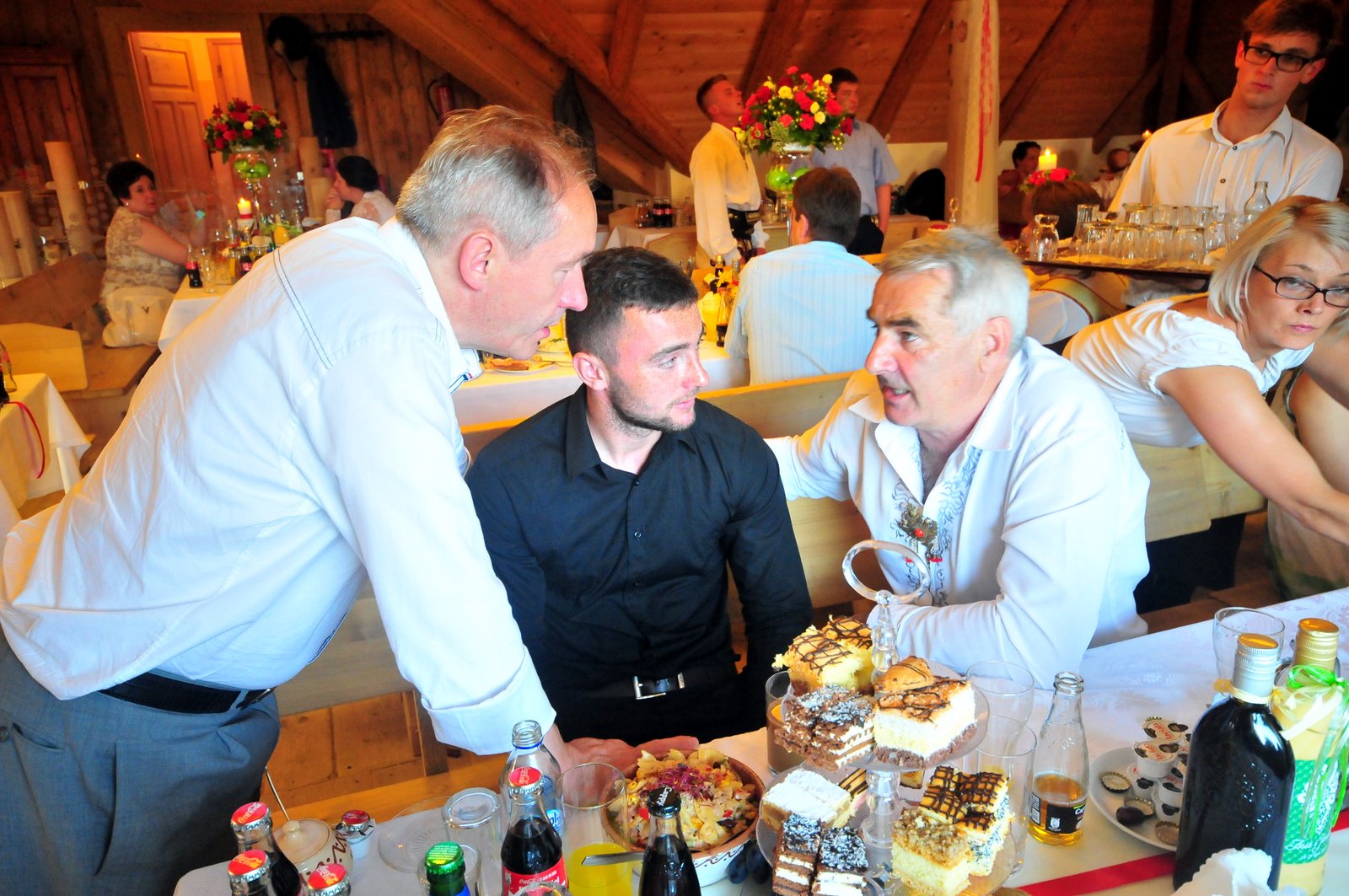
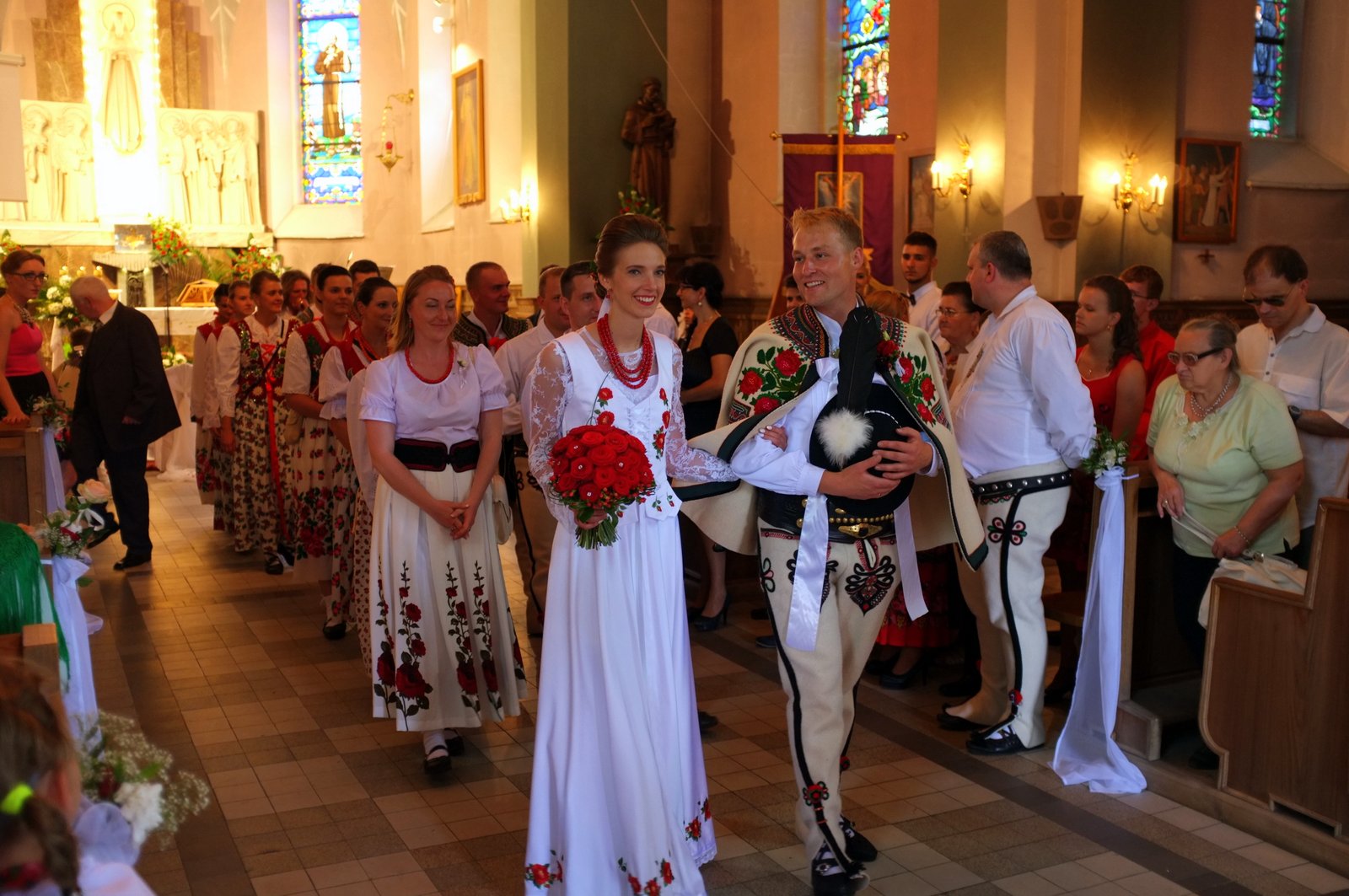
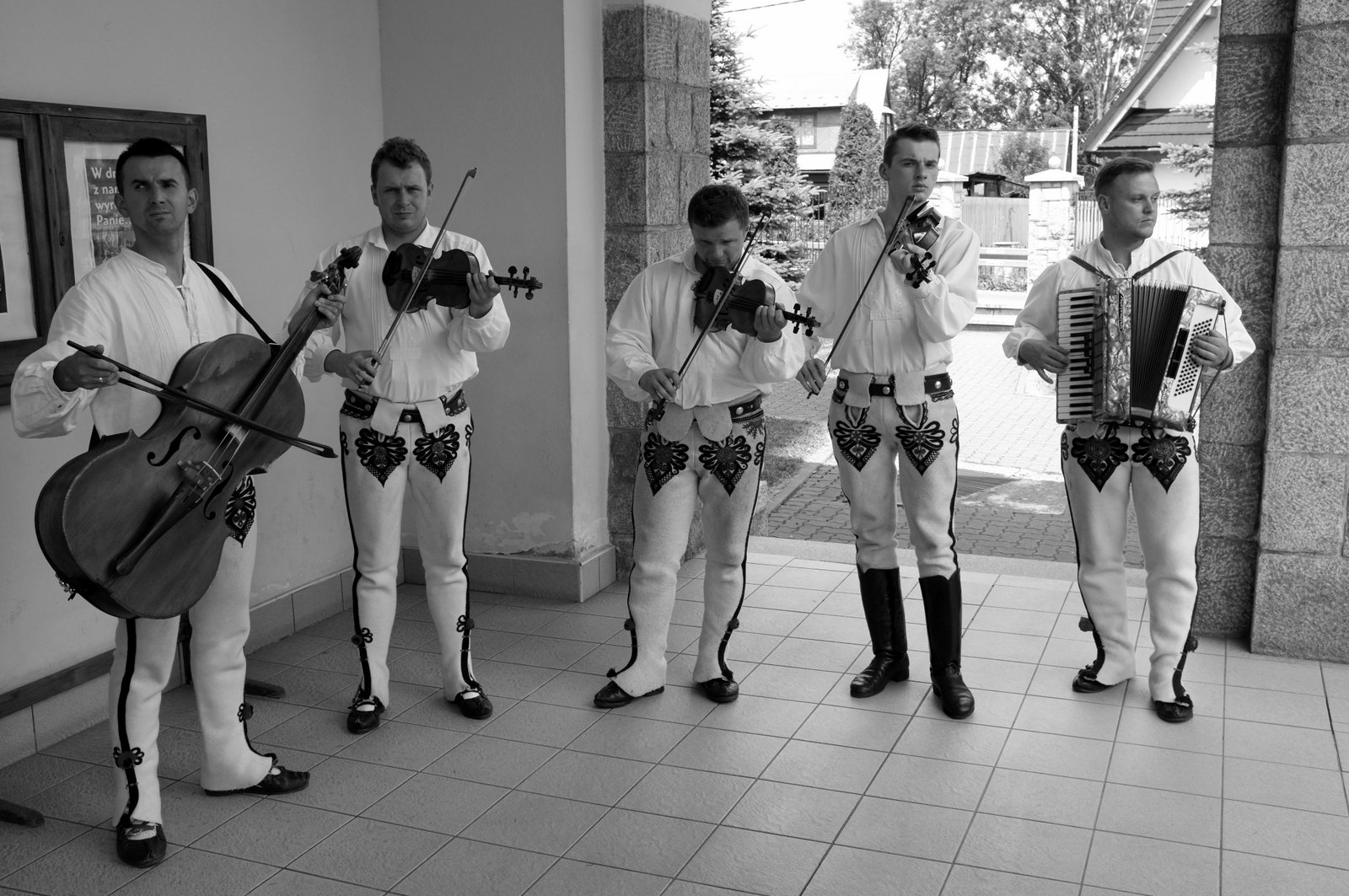
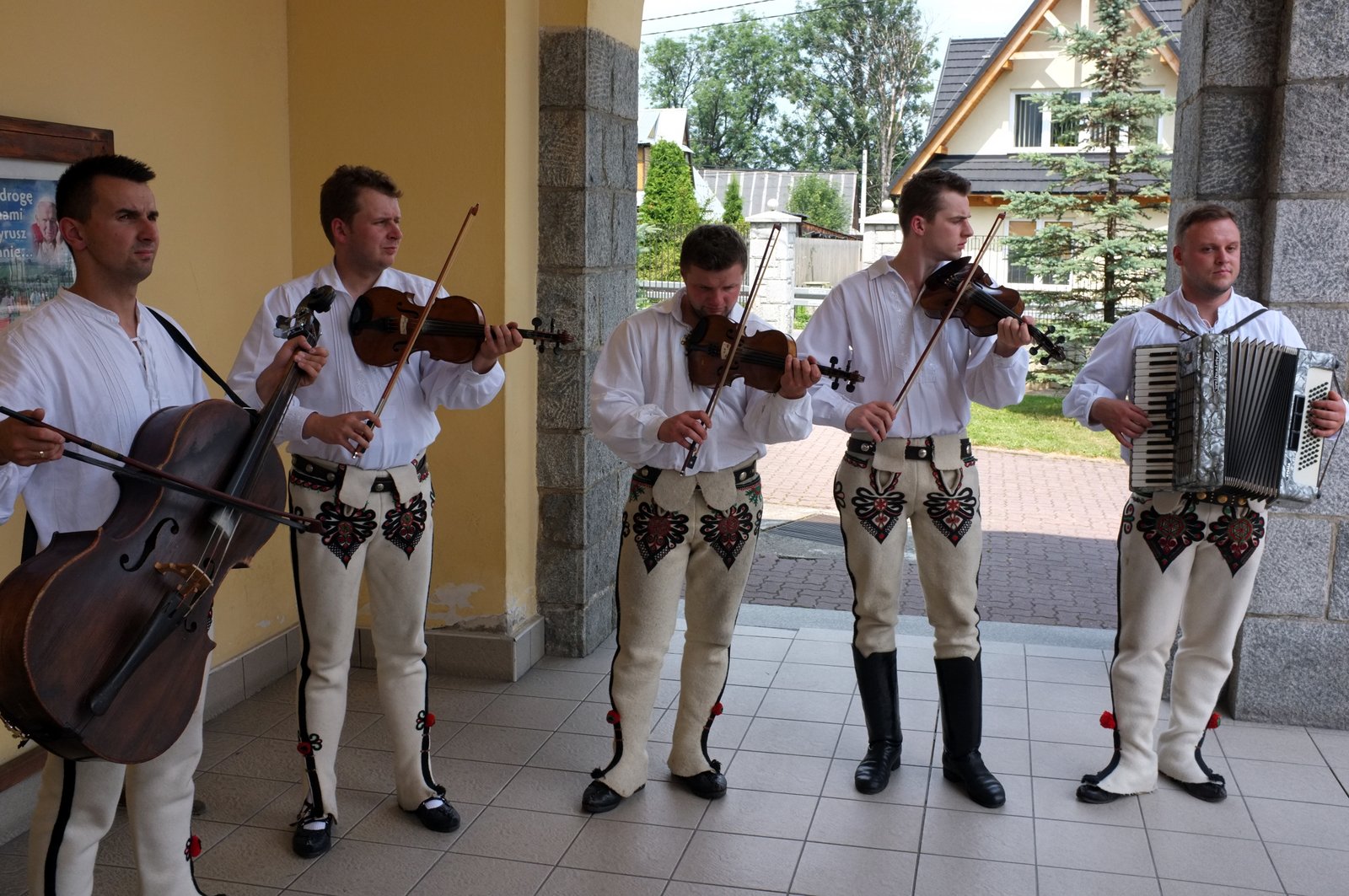
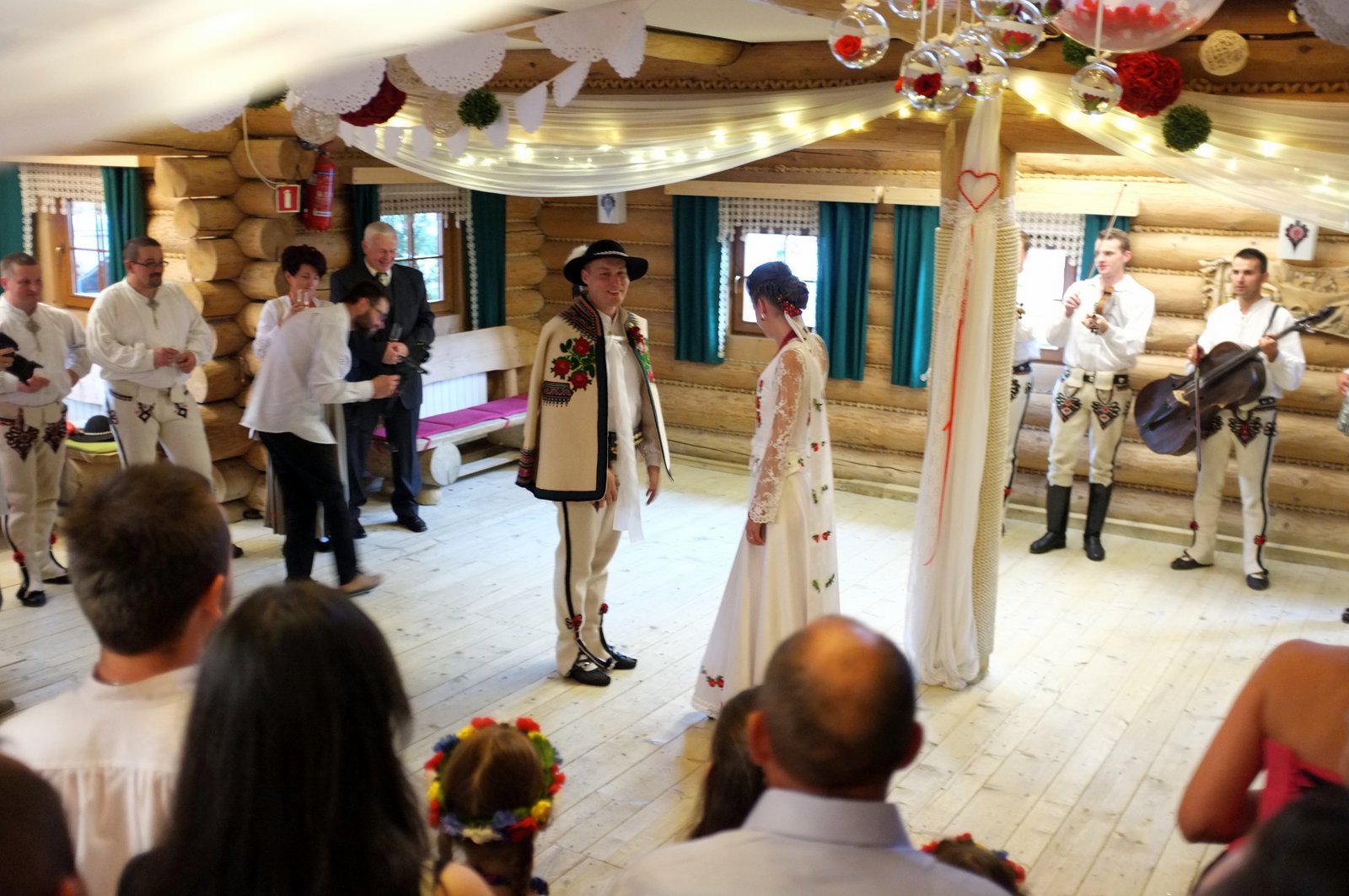
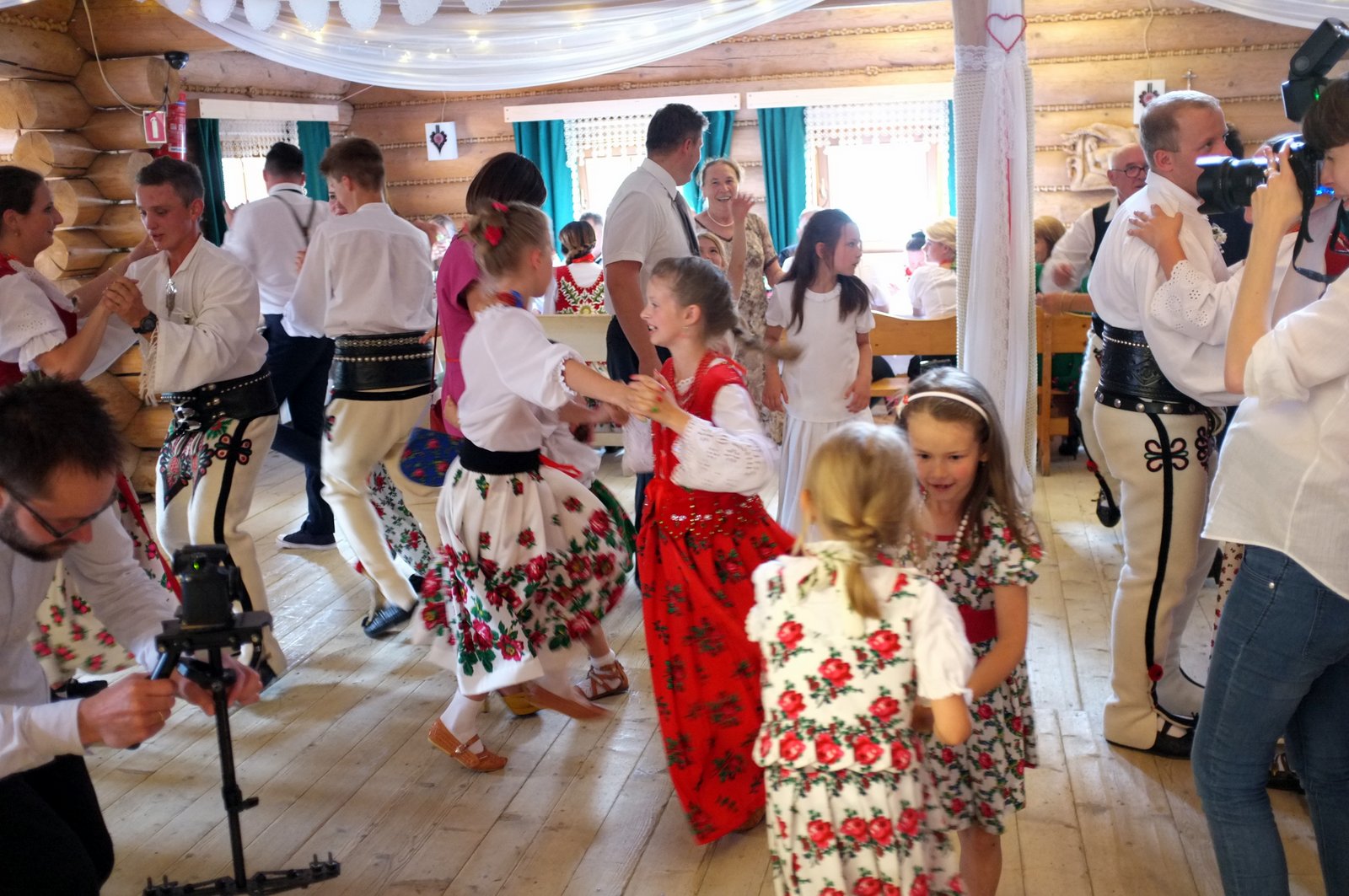
And throughout the evening, thus it continues: eat, drink, be silly, dance, sing, repeat. If it's a wedding in the highlands of southern Poland, there is even more choreography. At some point some four or five hours into the wedding, the guests gather on the dance floor for the ocepiny. Two of the grooms take the bride between them and refuse to give her over until their demands are met. These demands come in the form of a song that is often made up on the spot. A second group, called essentially "the old ladies," reply with their own song in response to the grooms' song, bringing some kind of gift that humorously fulfills the grooms' request. And so it goes, back and forth, back and forth, for some time until it's time for the "solos" -- a man stands before the band (now a traditional highlander group consisting of one or two violins, a viola, and a cello to provide the bass), sings the first bit of a song he wants, then takes the bride for a turn around the dance floor. More gifts, more songs, more singing, and it goes on and on, an hour, an hour and a half.
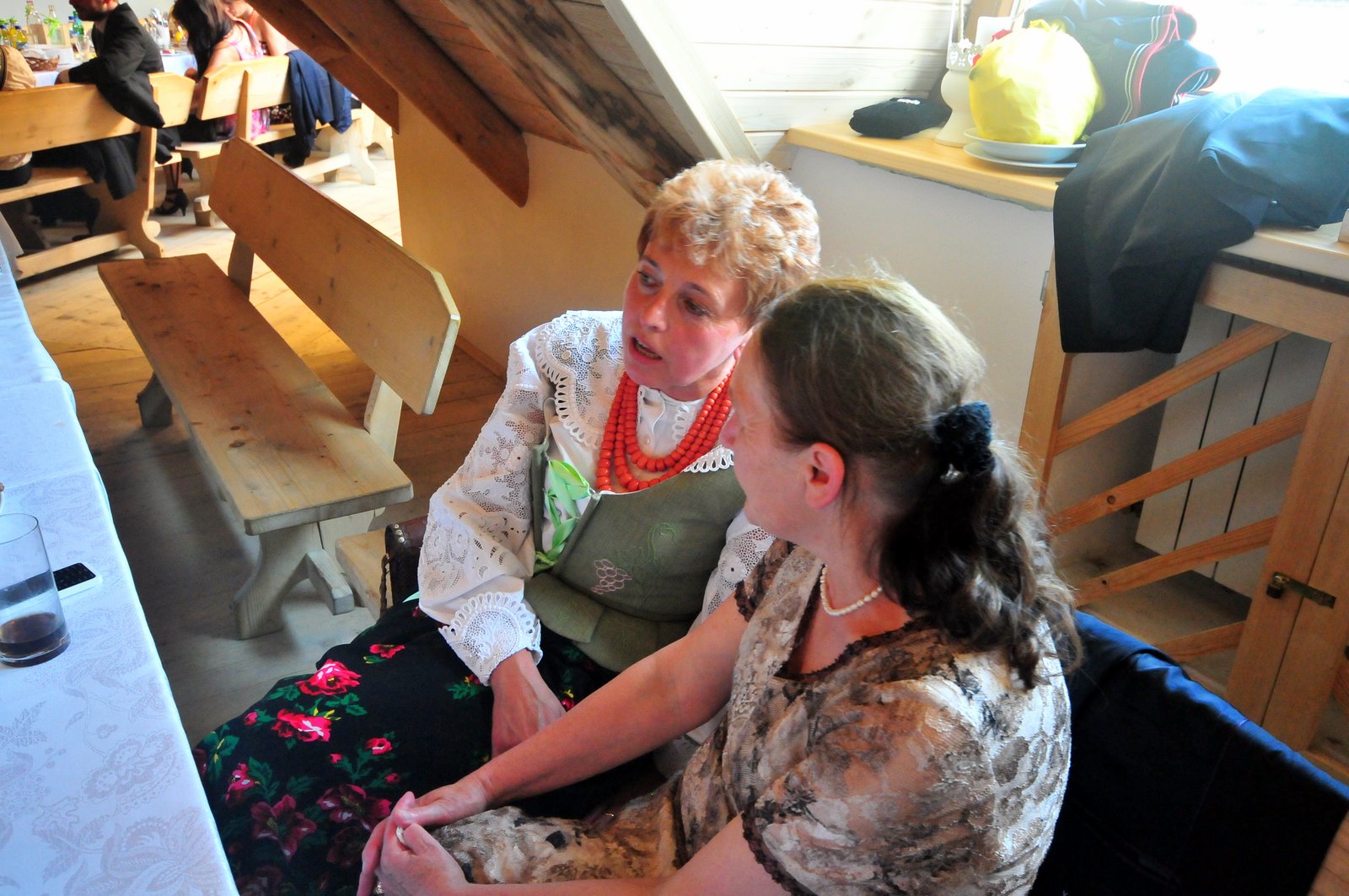
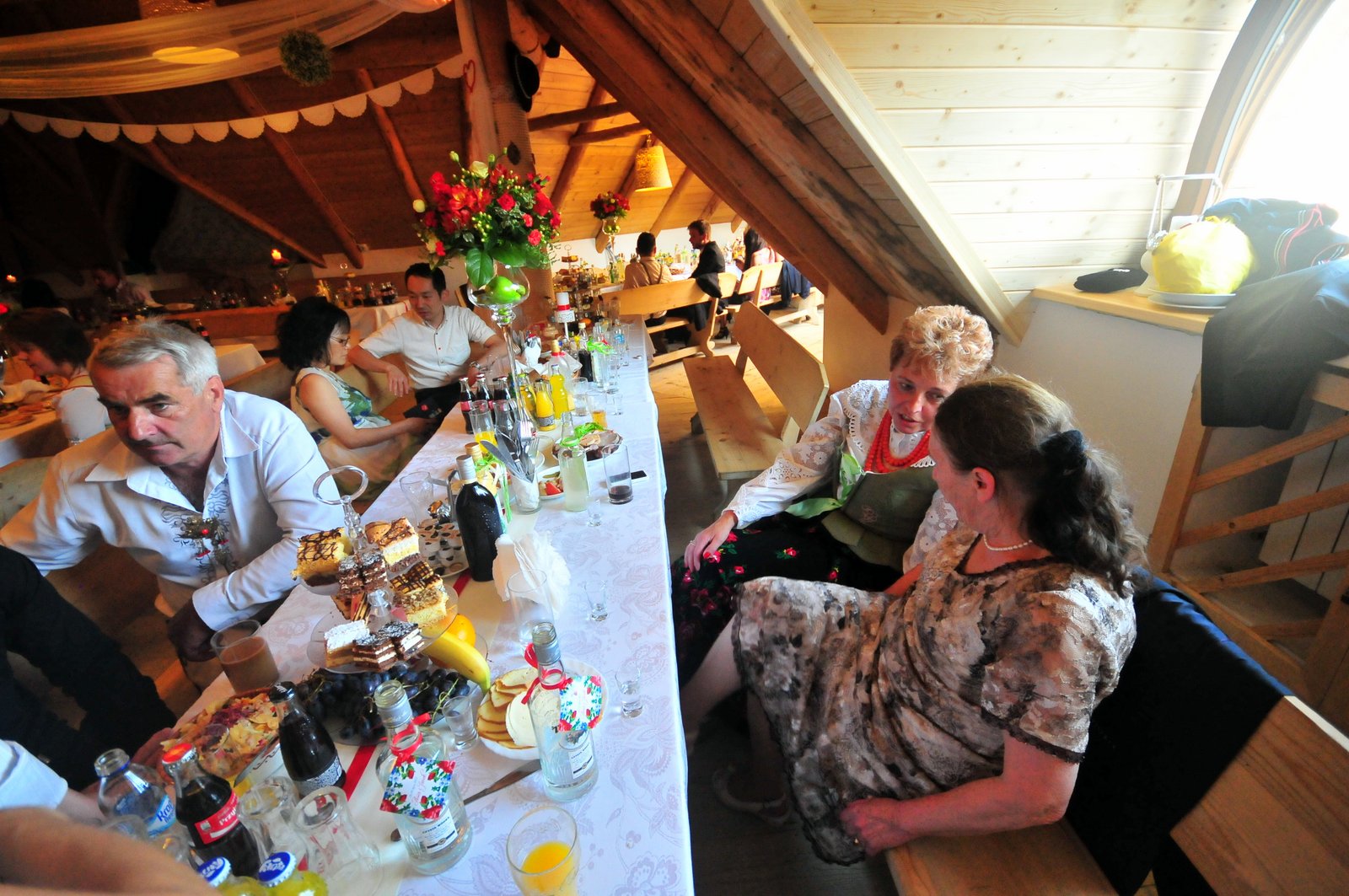
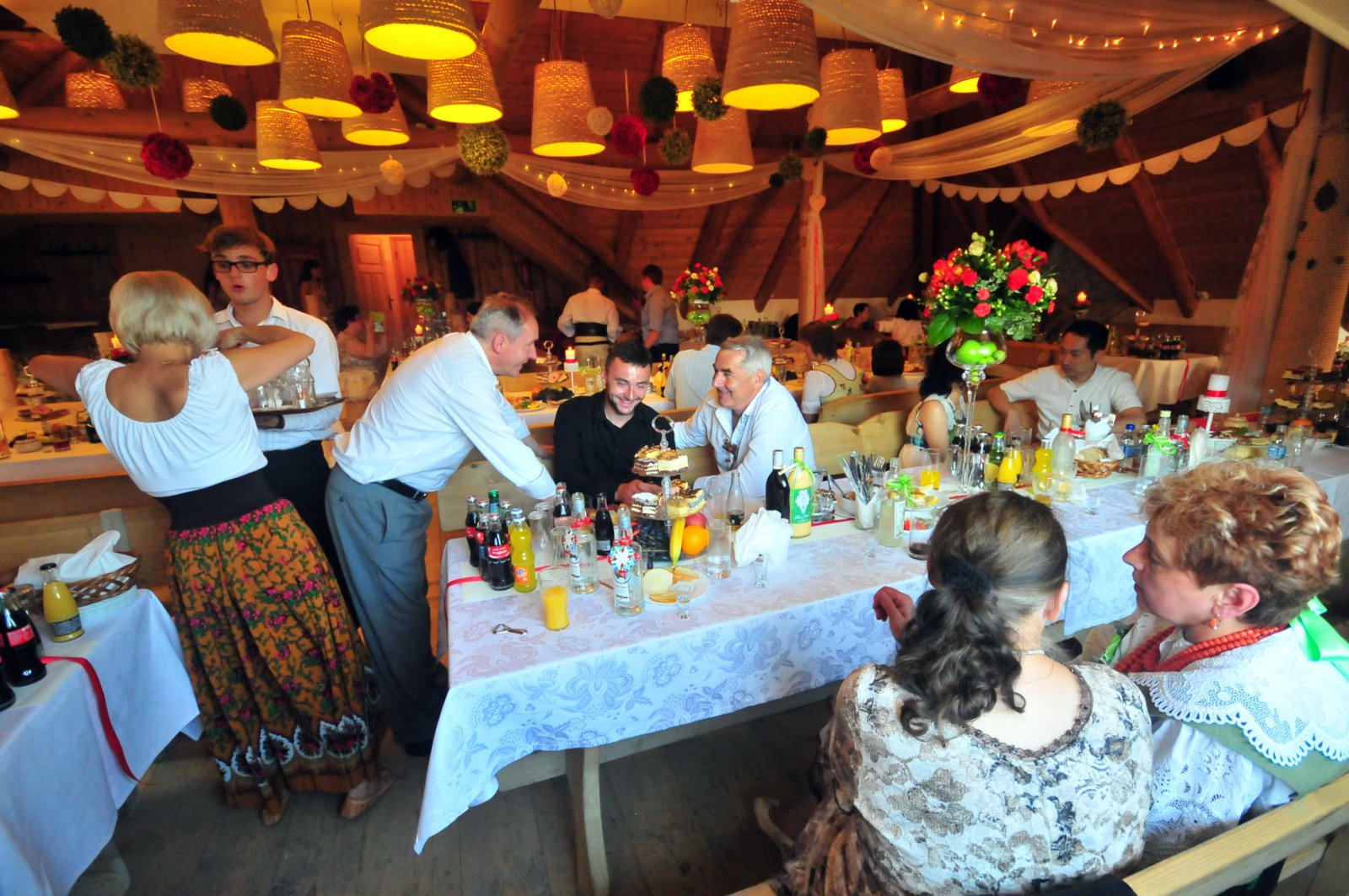
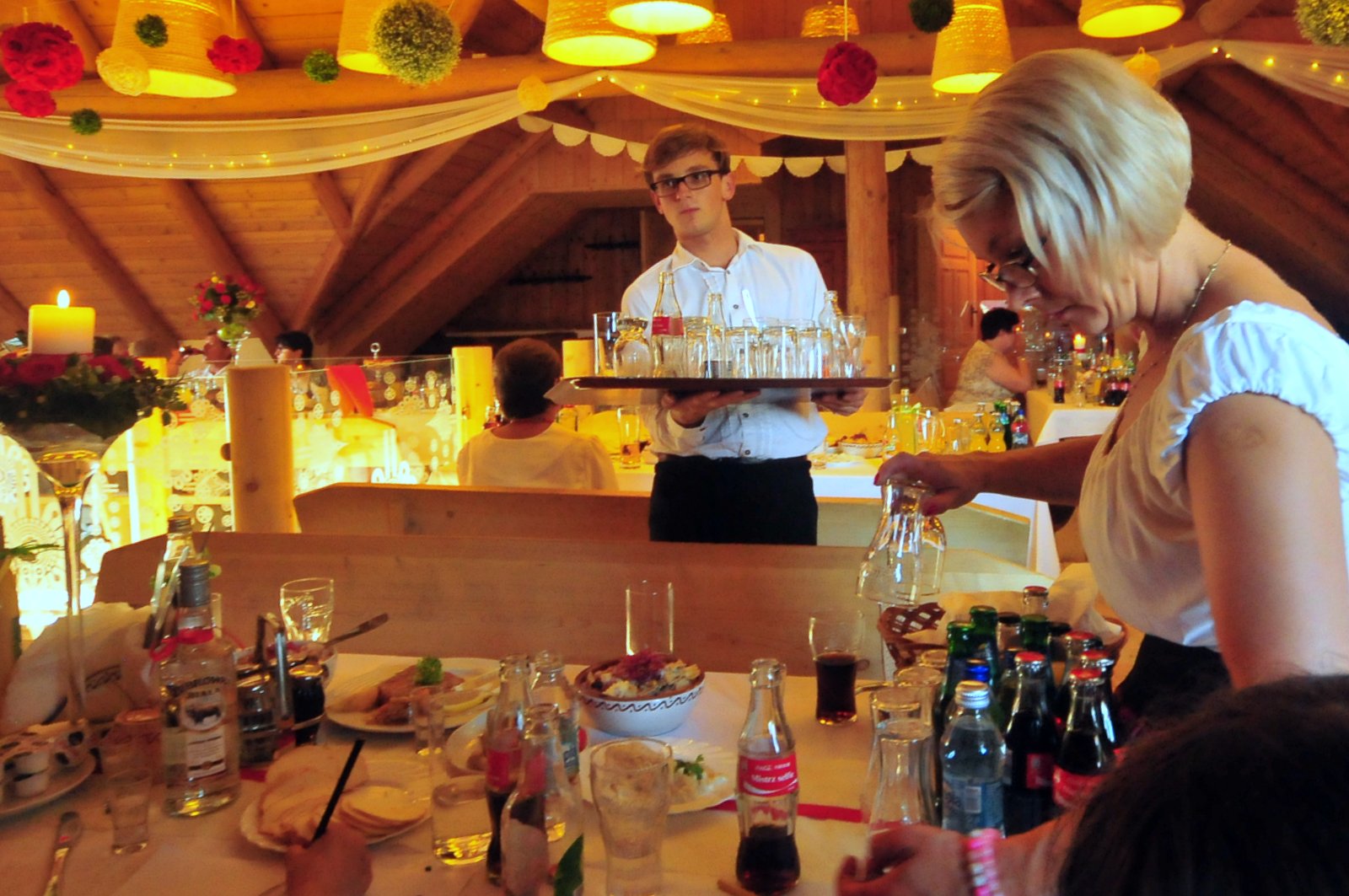
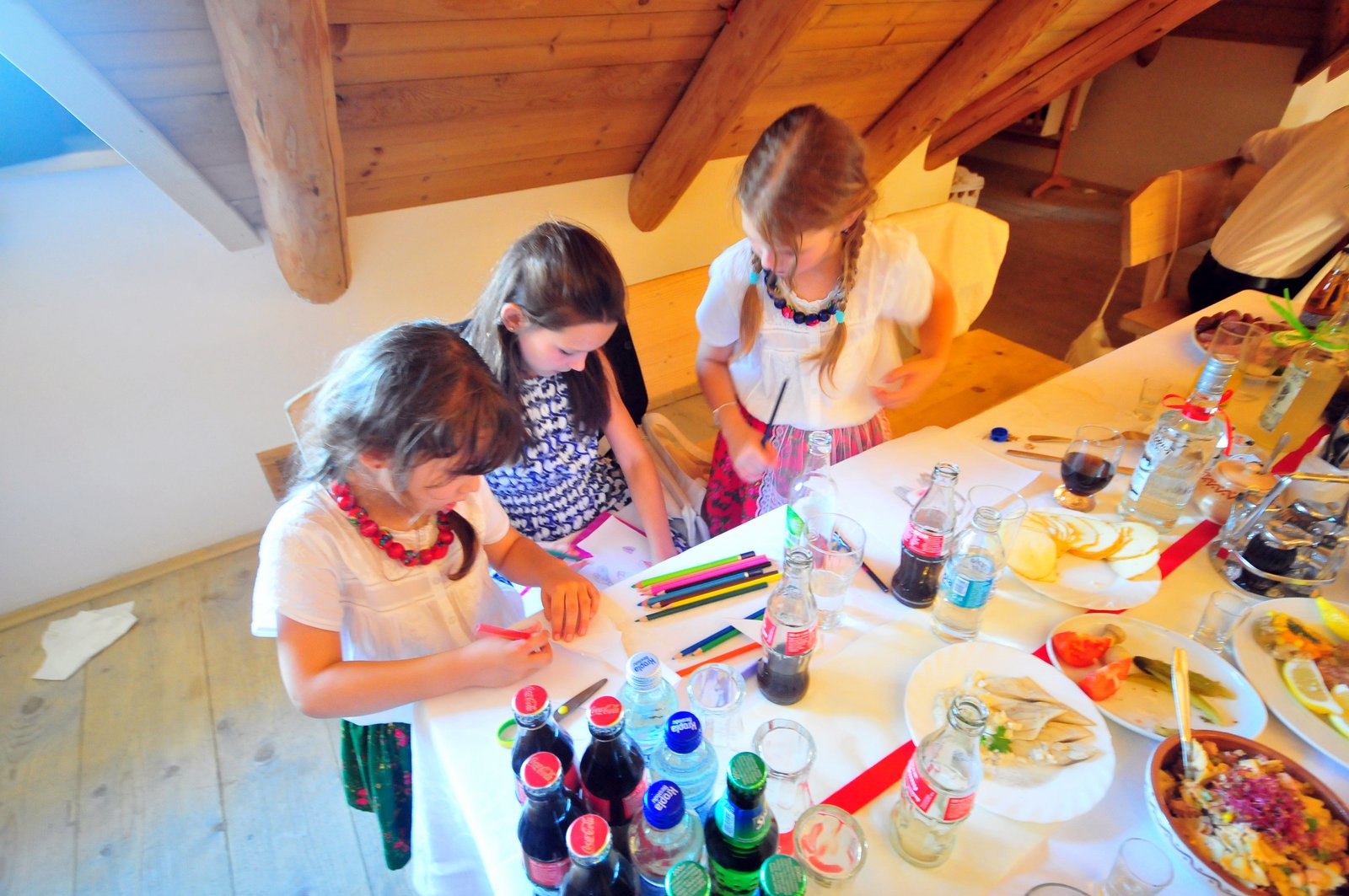
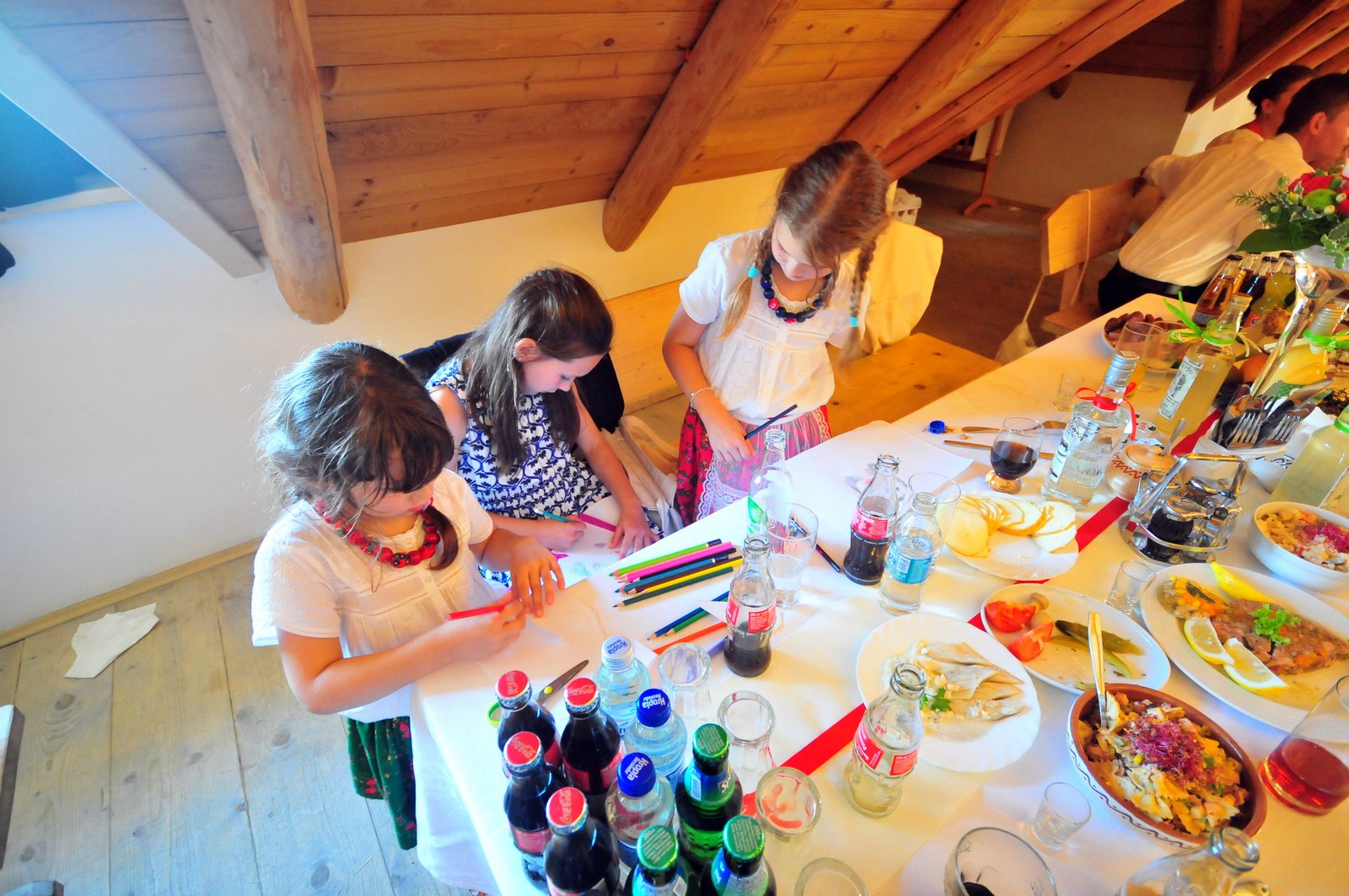
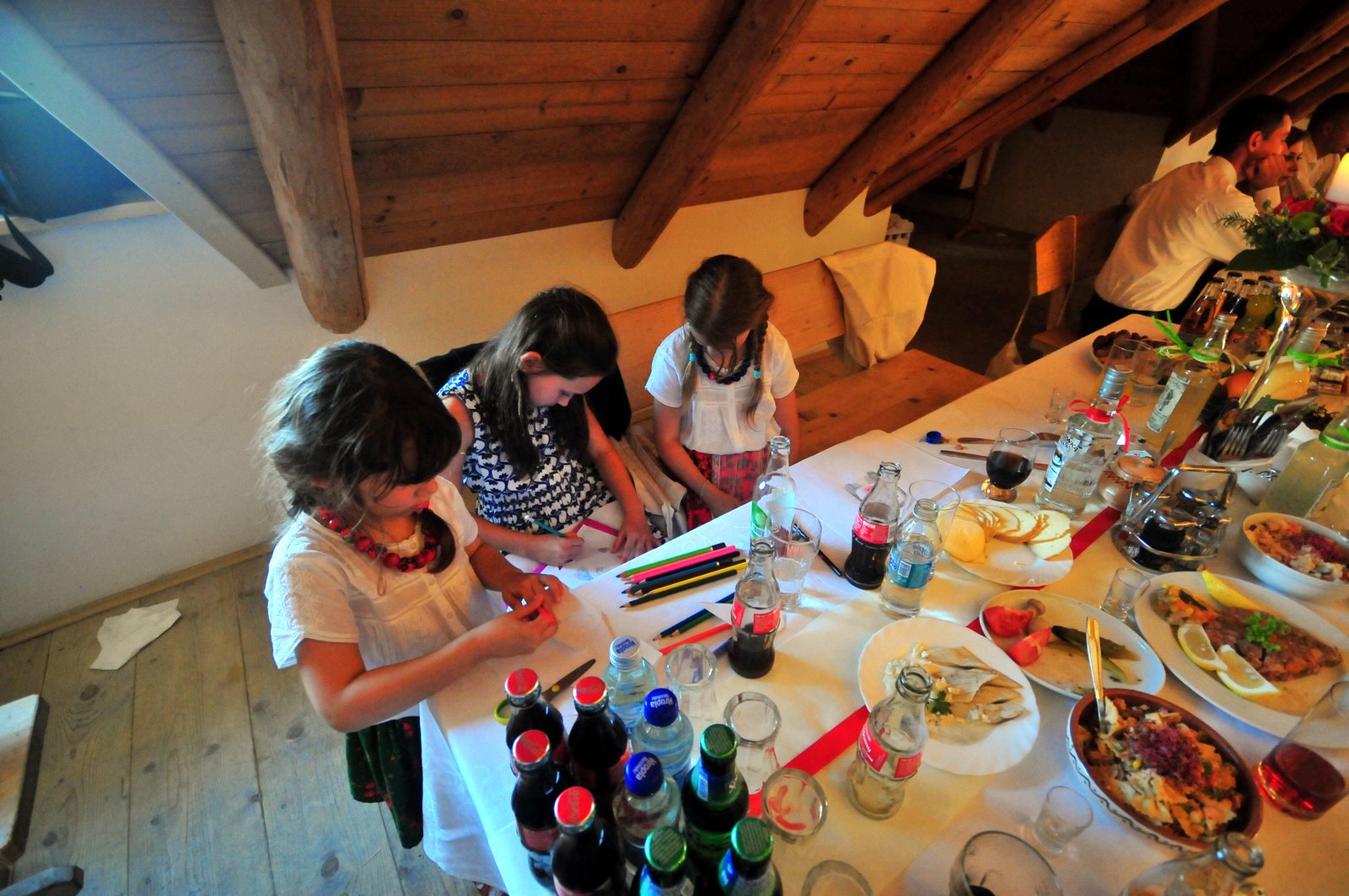
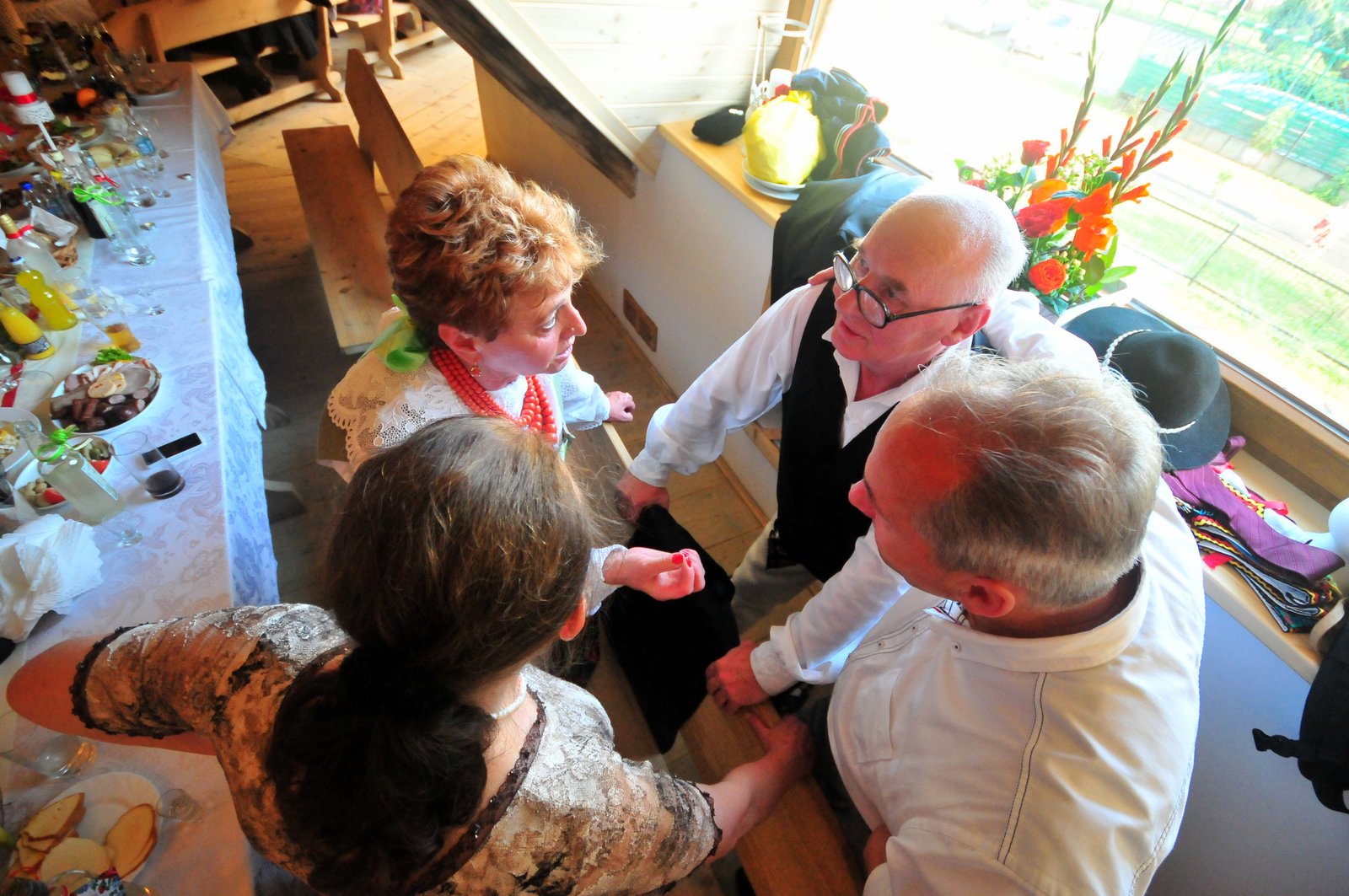
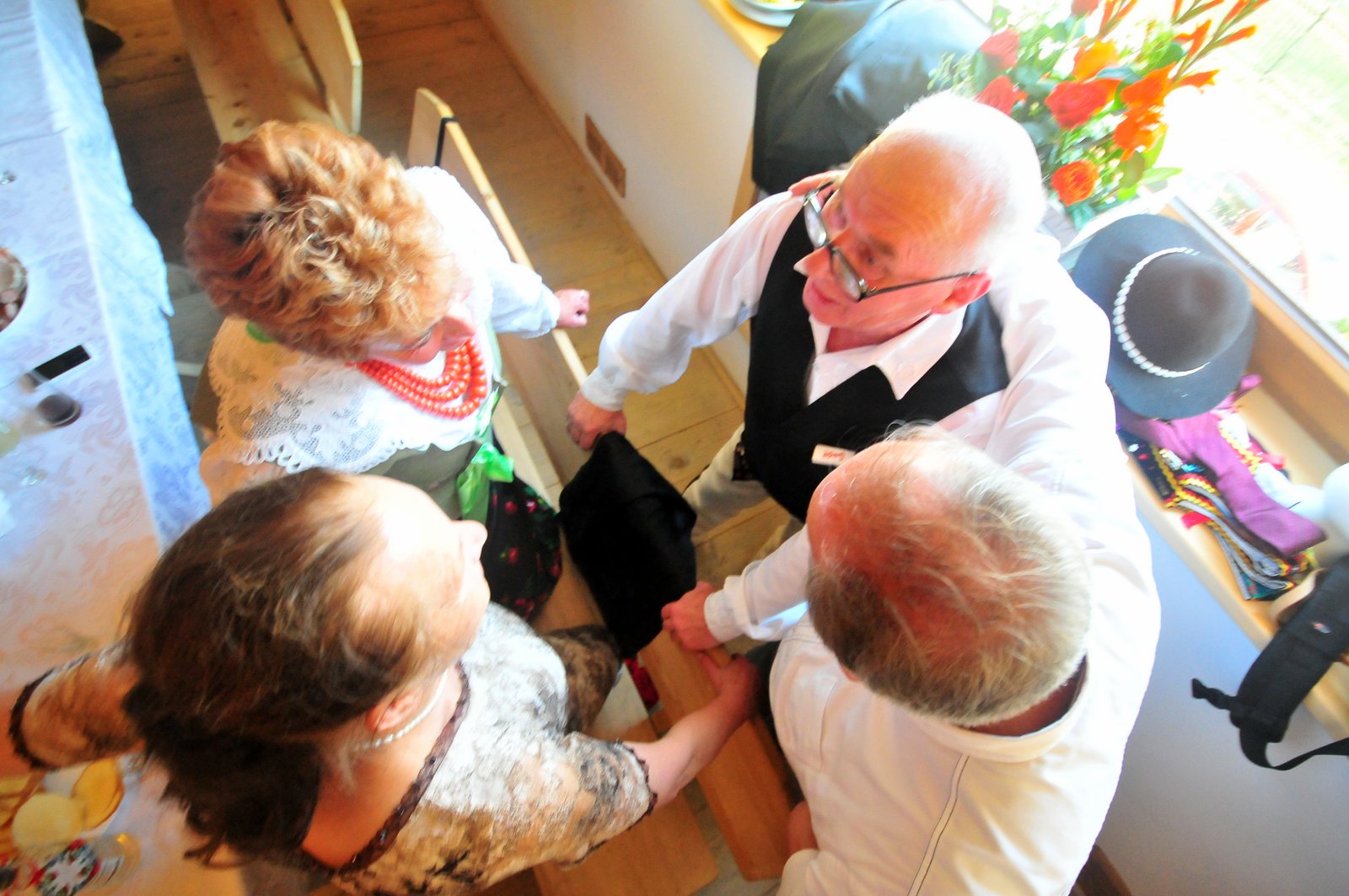
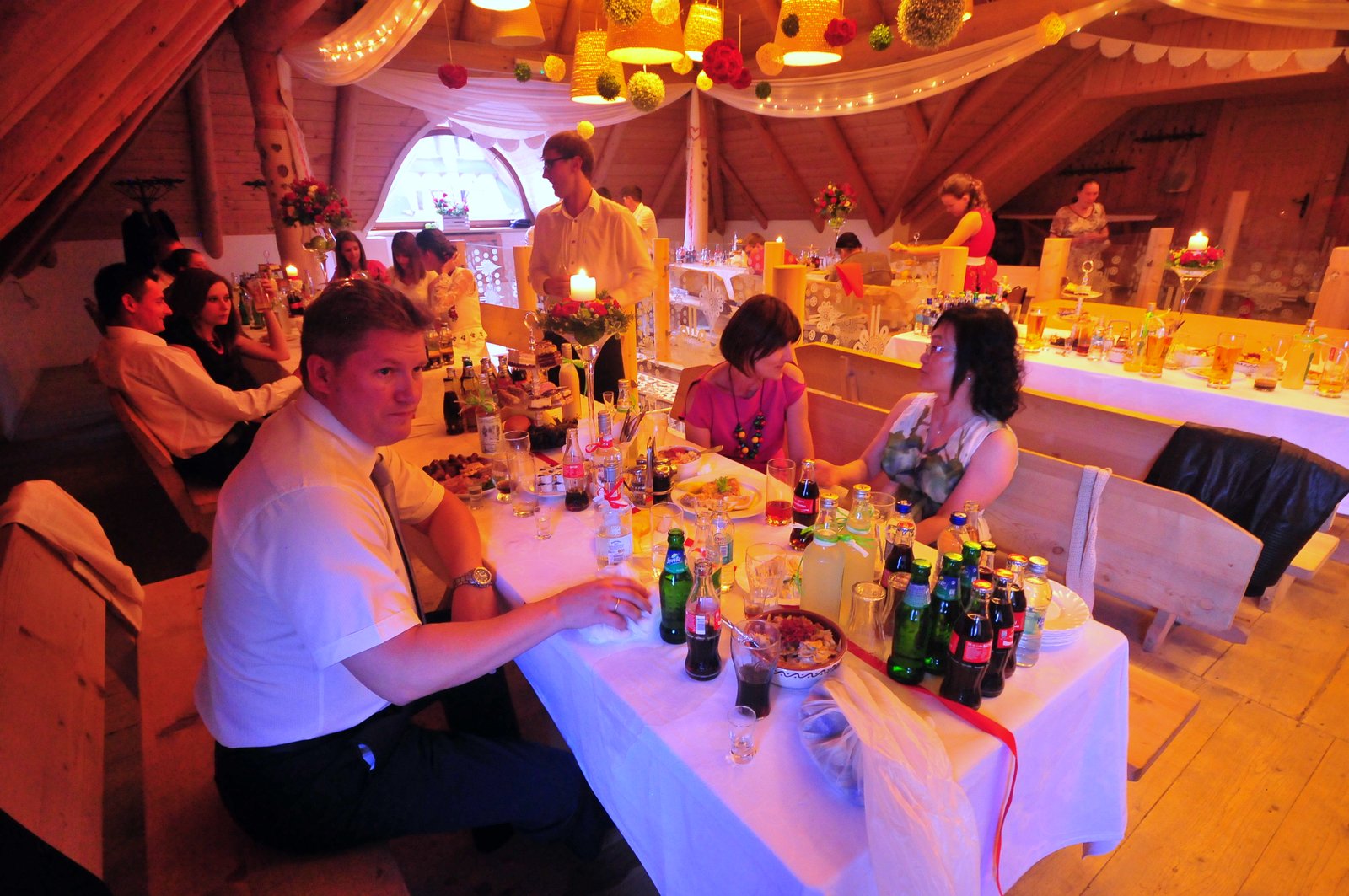
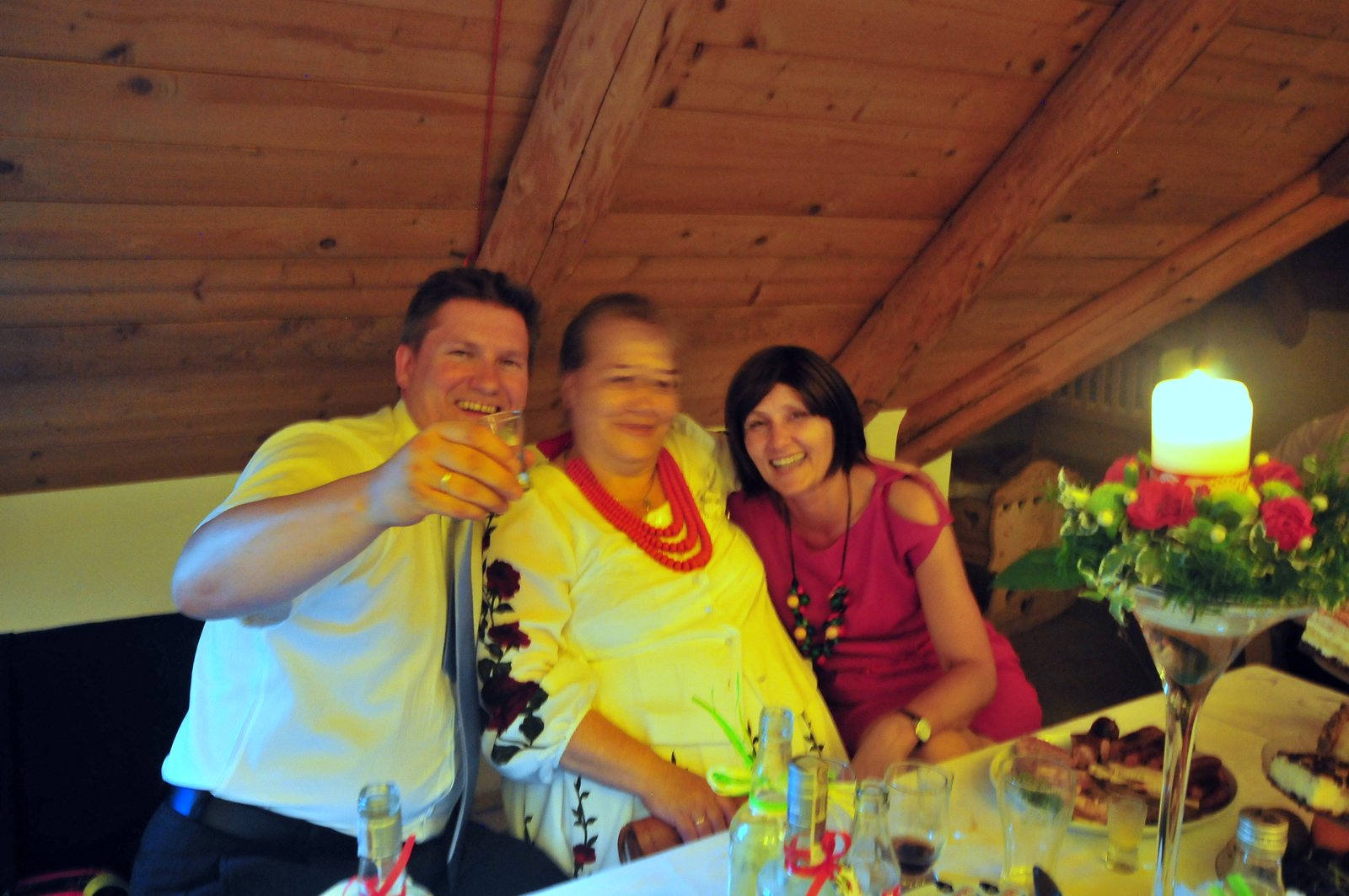
And this all seems to combine to from a good definition of culture: a choreography that insiders seem to perform without thinking while outsiders look for the pattern. That was part of the joy of living in Poland for so long: looking for, noticing, and then learning those patterns, eventually even taking part in many of them. It's the process of moving from the outside to the inside that makes living abroad so enlightening, for not only do you learn about your new home's culture but you also notice things about your own culture than you never noticed before as you compare the two. Sometimes the things you notice about your own culture aren't so very pleasant, but often having that second pattern makes the first more clear.
There's a big difference between 100 km and 10 km, but when I began riding again a couple of months ago, there didn't seem to be much of a difference between the two as far as my legs were concerned.
So when I took off this morning on a favorite ride, a ride I'd done seemingly countless times, I knew the ride, at a distance more than double the longest "ride" I'd gone on in the last few weeks, would be tough on me.
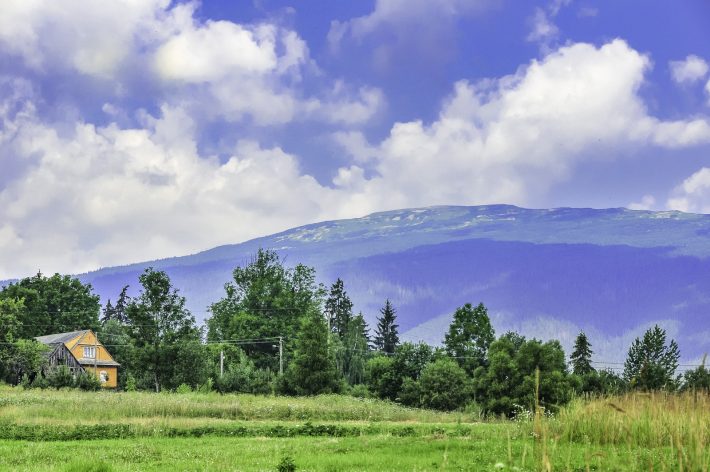
But the ride through Lipnica Mała to the base of Babia Góra then through the whole of Lipncia was a favorite. More than once I'd headed out for a quick ride after a day of teaching with no real idea where I was going and ended up making this loop.
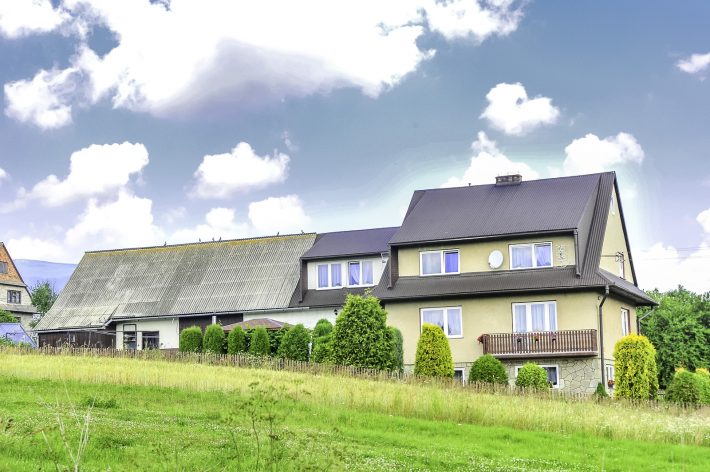
With the views it was an obvious choice. Today, though, it was just as much the views along the way that fascinated me. While Jabłonka has really developed a lot, the villages of Lipnica Wielka and Lipnica Mała are relatively untouched. There are a few more houses, and some of the older houses have been renovated, but by and large, the villages look the same.
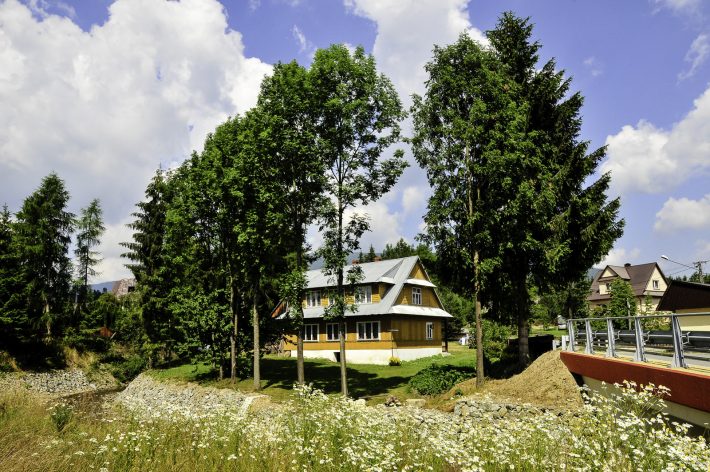
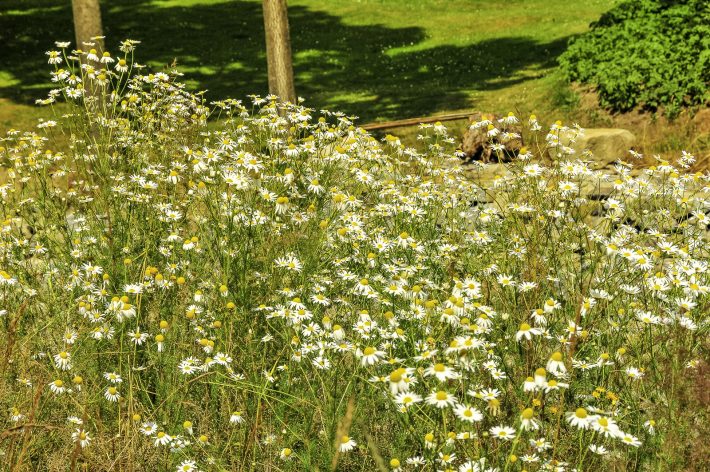
One other change became evident when I reached the end of Lipnica Mała: the formerly deeply-rutted road from the end of the village to the roughly-paved road that runs along the base of Babia was now a well-paved little street.
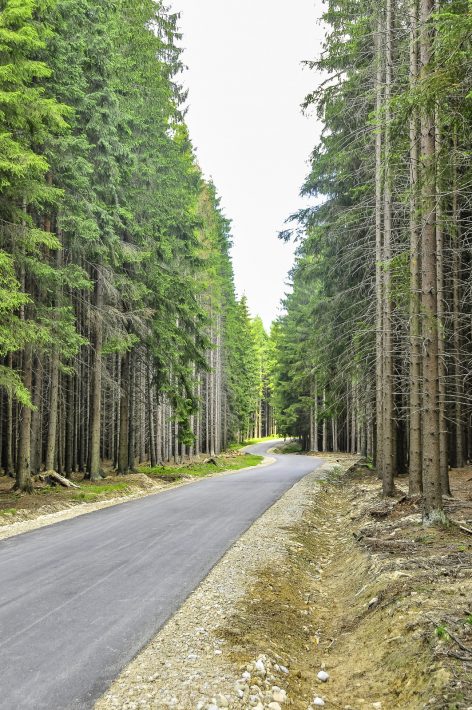
Of course, the forest itself hadn't changed, nor had the sound of the wind through the trees, which sounded almost tidal.
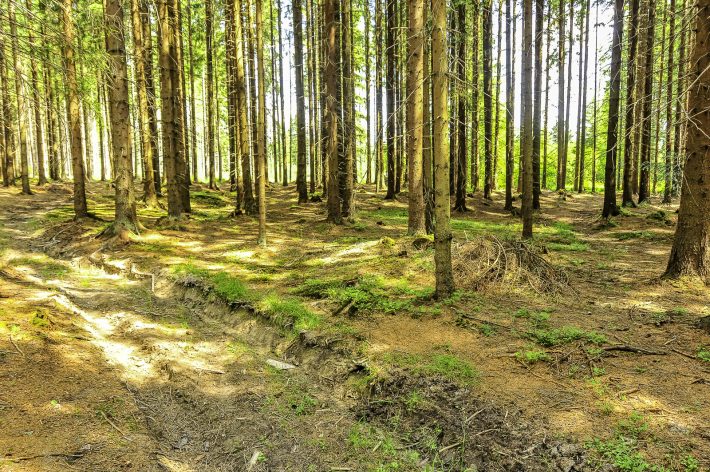
Once I got to the base of Babia, though, I virtually forgot about the camera as I made my way up the most challenging portion of the ride.
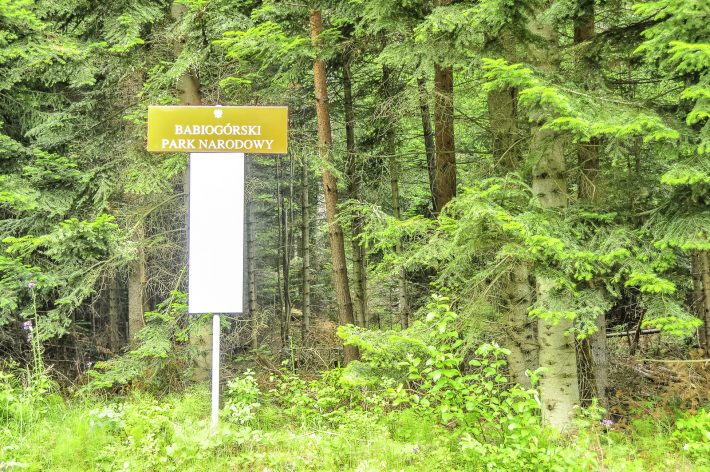
It was at this point that I really understood, in a deeply muscular way, that my legs are nothing like they used to be.
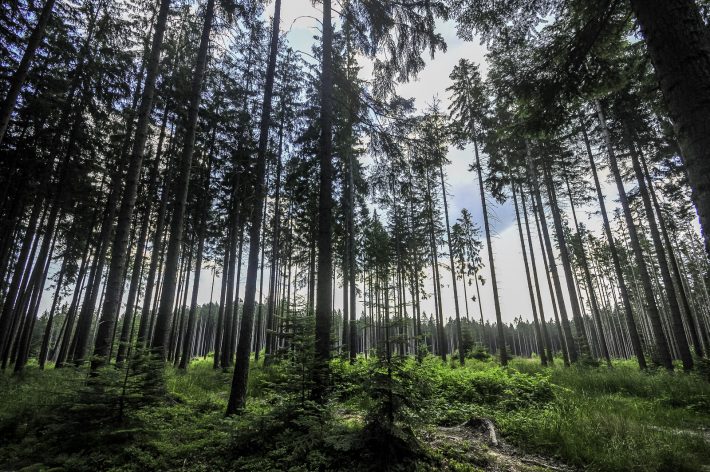
The worst part of it is the memory, knowing that those climbs used to be no problem at all for me. I was winded at the top of several of the climbs, but I didn't have to stop to catch my breath and give my burning legs a chance cool down. I didn't stop and comment aloud to myself about the stupidity of the whole idea of tackling such a ride when so completely unprepared.
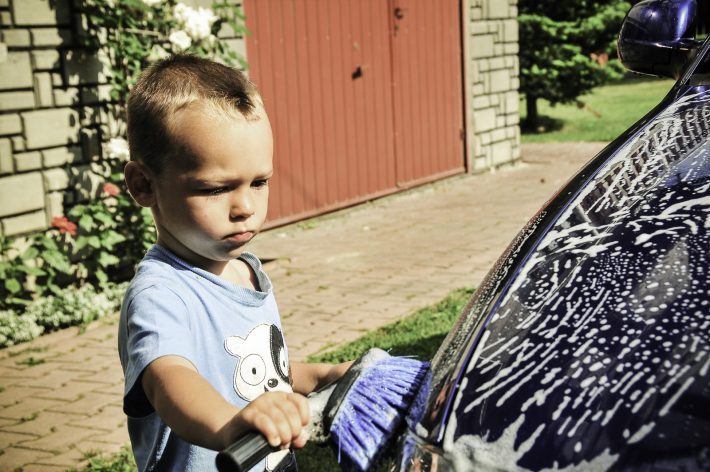
But somehow I survived, ate some lunch, and took the Boy out to help wash the car before tomorrow's wedding.
Kajtek has been feeling a little out of sorts. Somehow he's gotten injured -- maybe a fight, maybe something more innocent, maybe something less. Today, he finally came out of his hiding place, and E was thrilled and went to comfort him. Afterward, a bit of digging -- he built a swimming pool in Babcia's onion bed, and he goes back from time to time to make sure it's still useable.
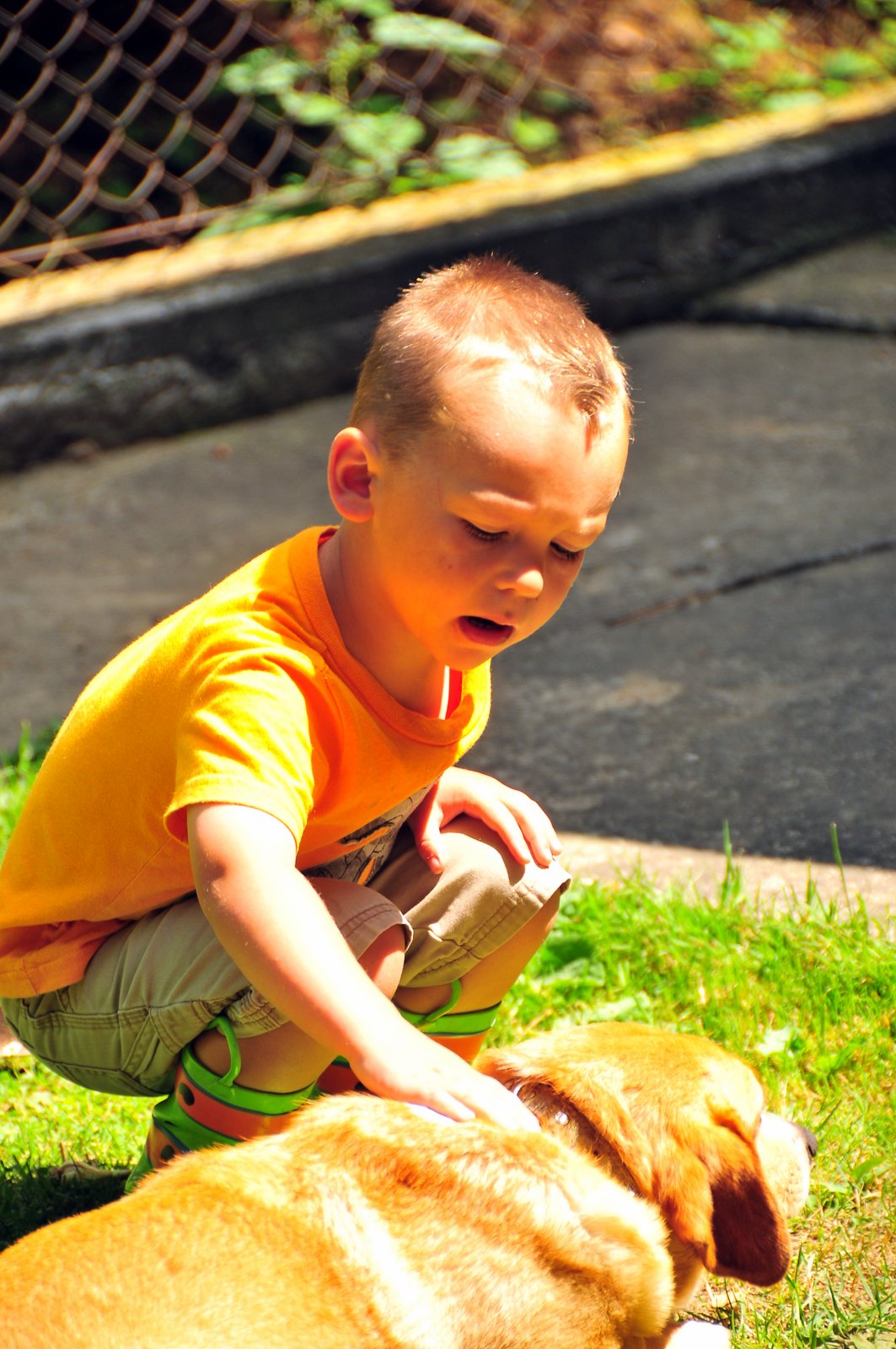
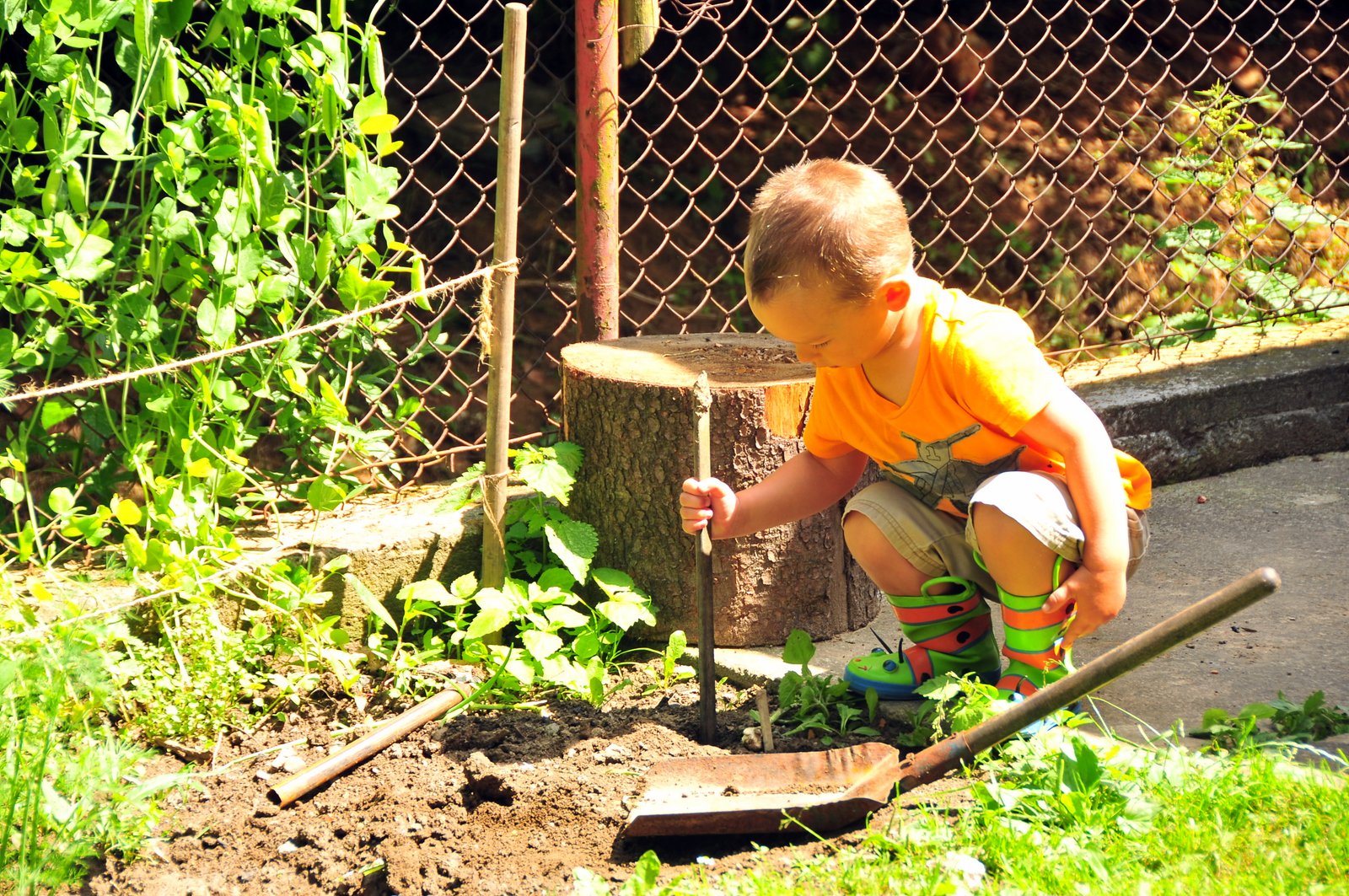
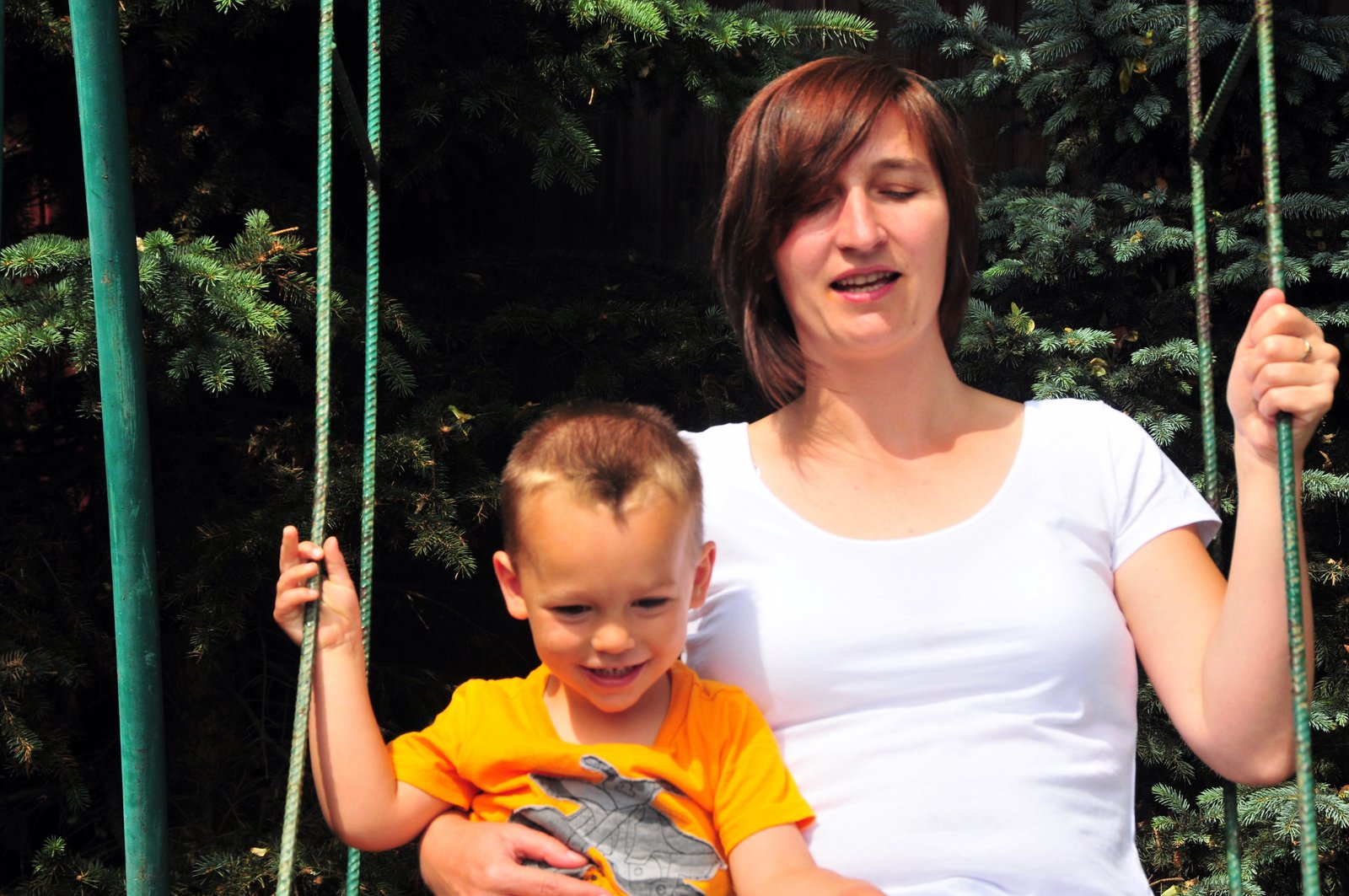
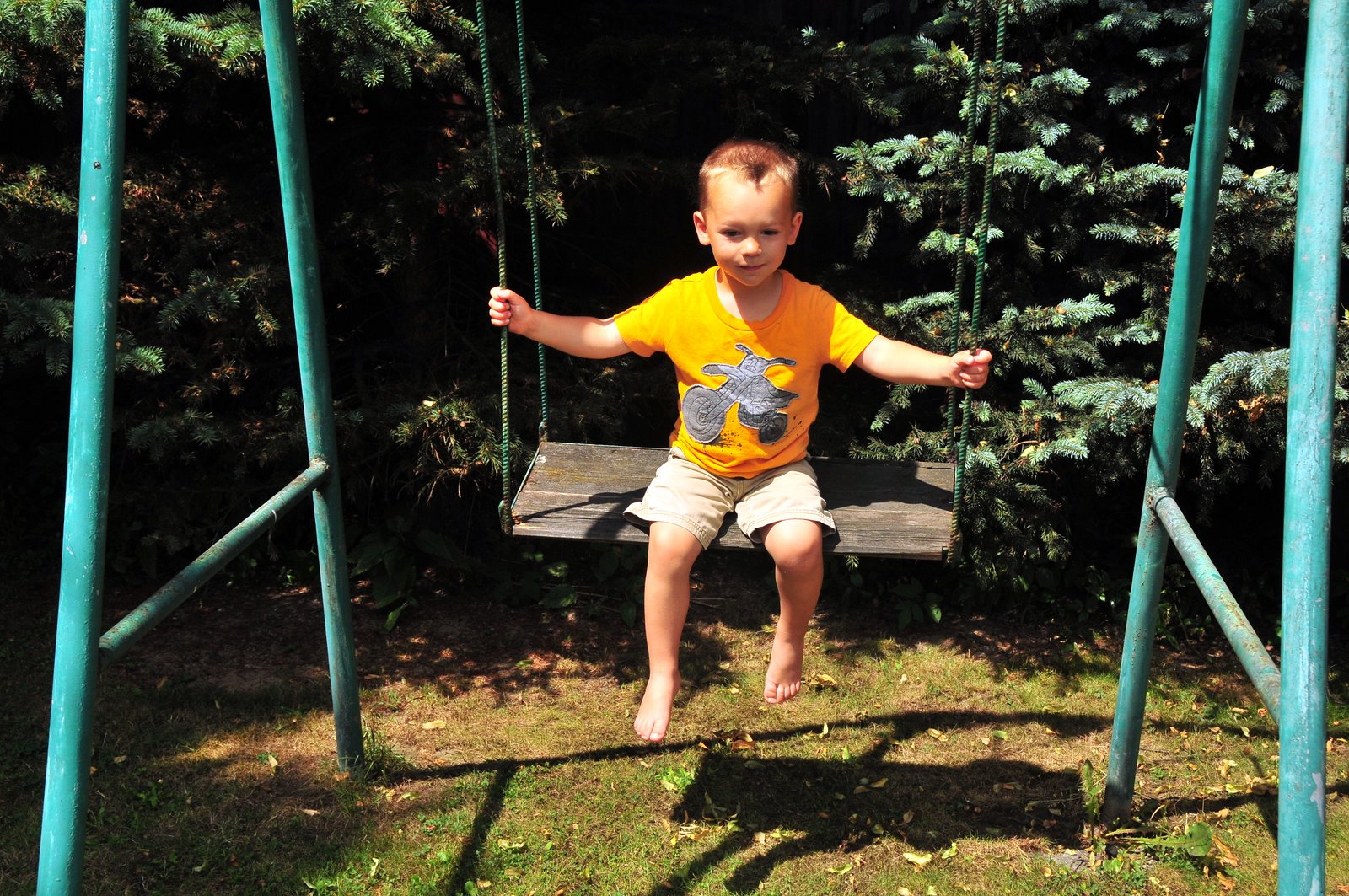
In the afternoon, we returned to Wypasiona Dolina, the line park just outside Zubrzyca. E has been begging to return almost every day, and so we met some friends with their kids and let the kids go crazy.
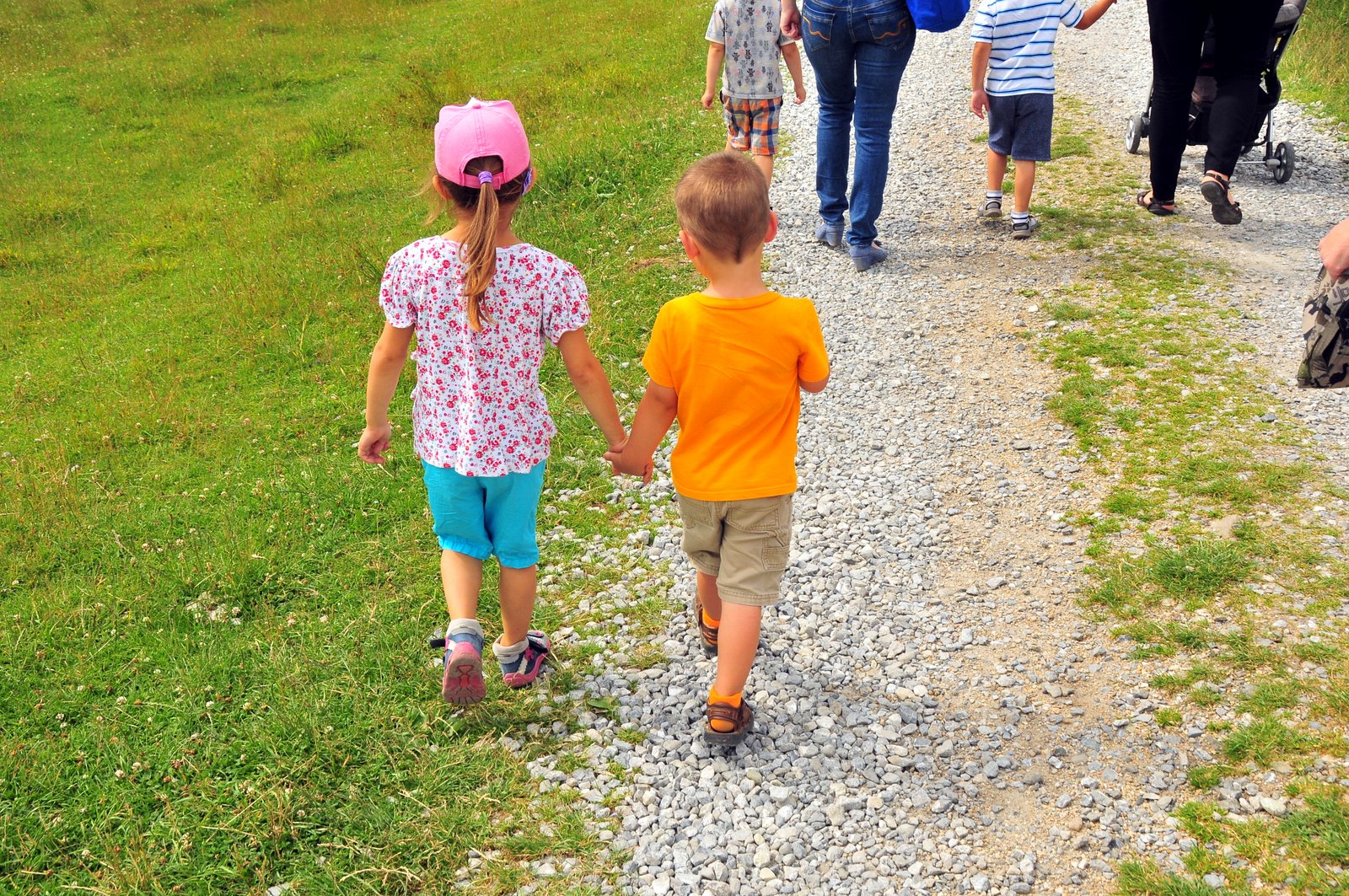
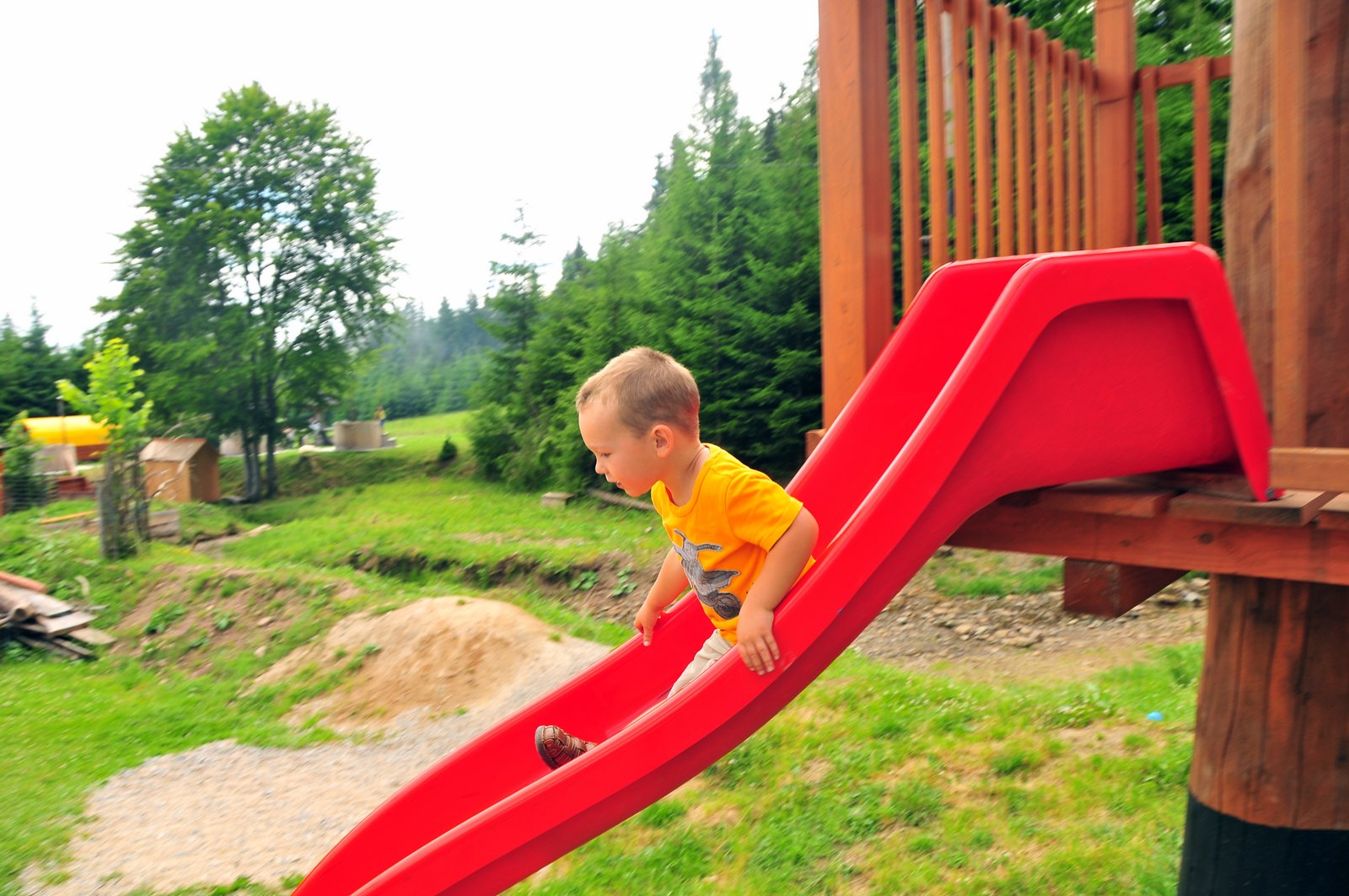
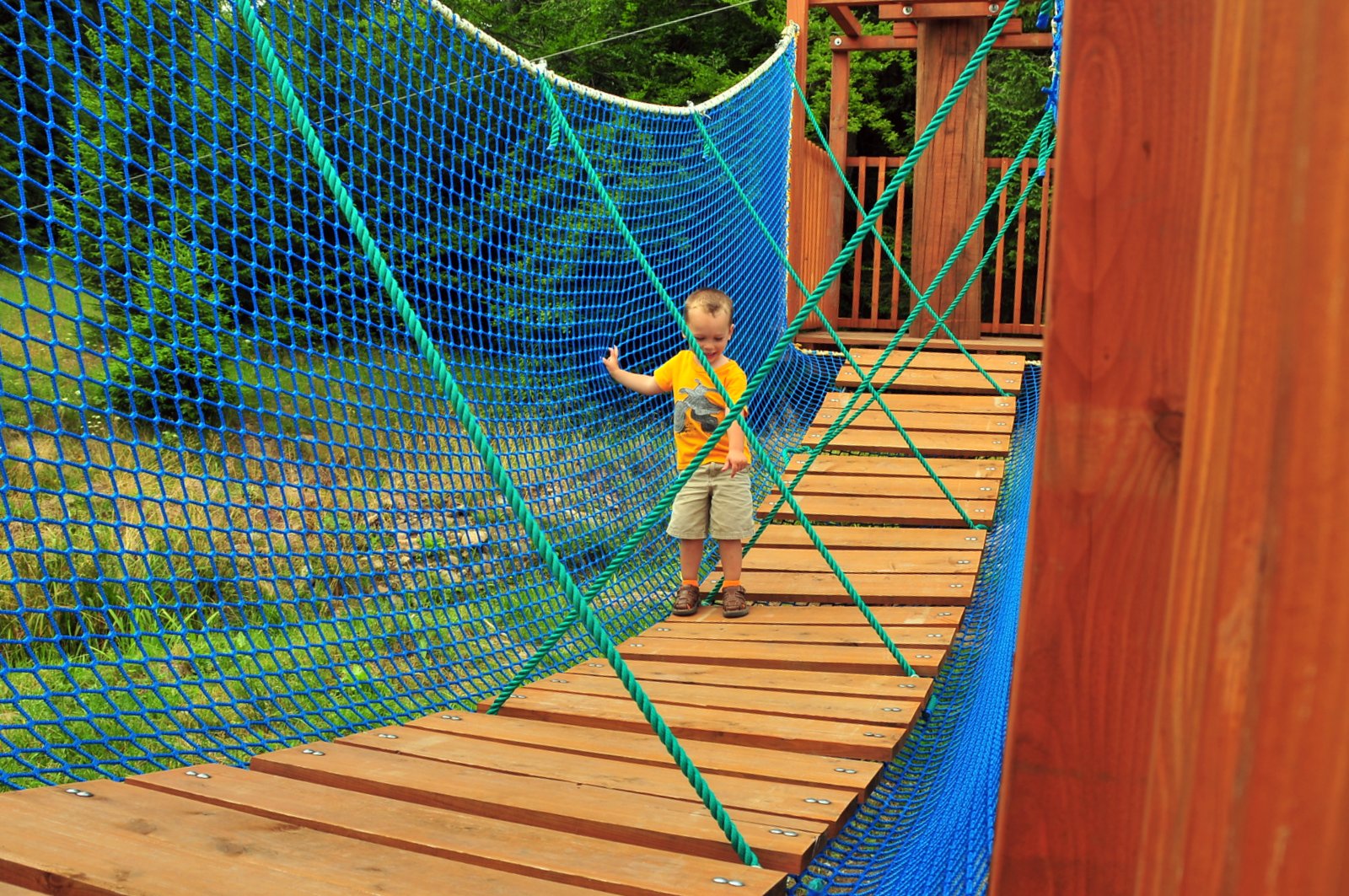
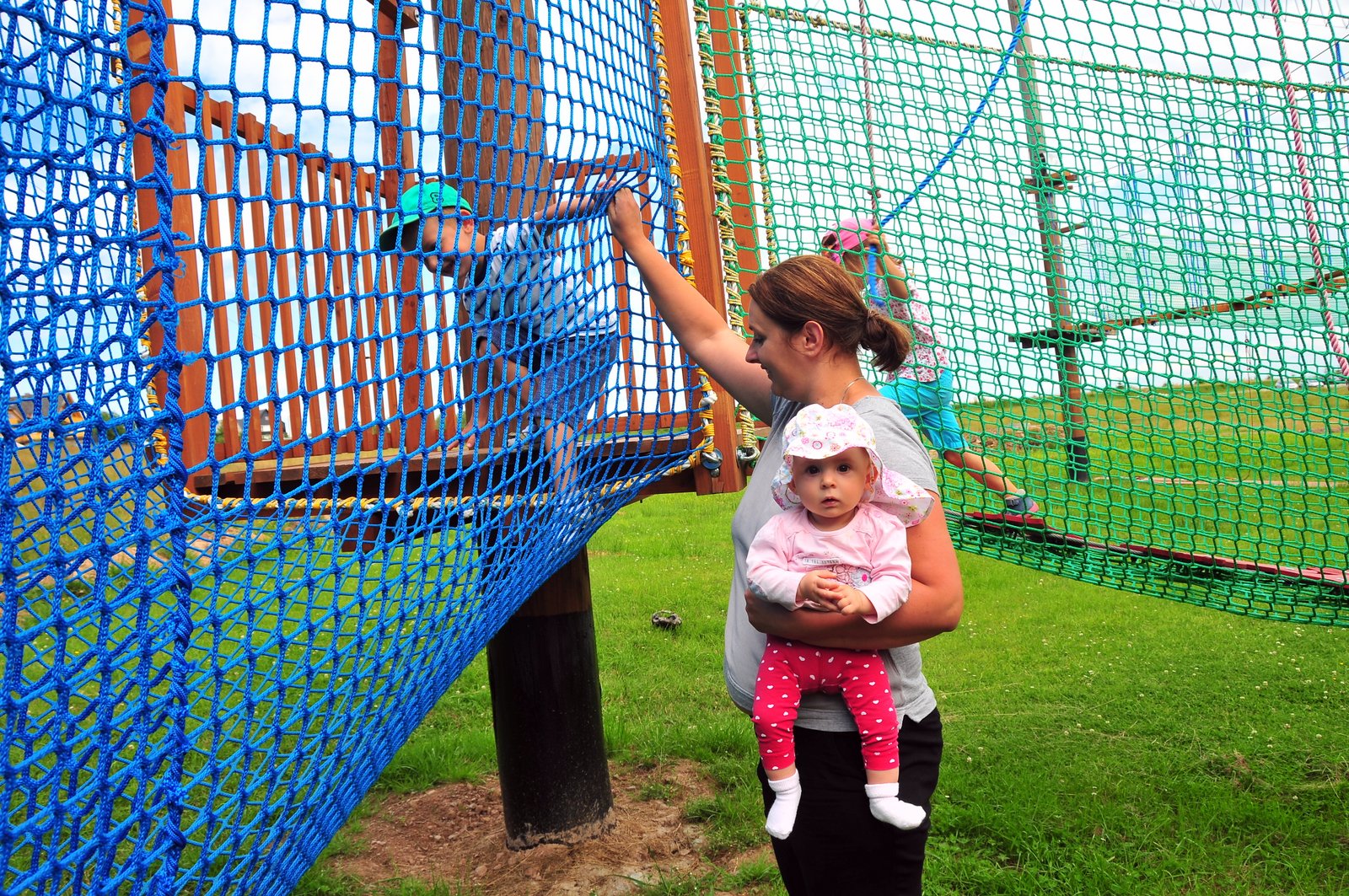
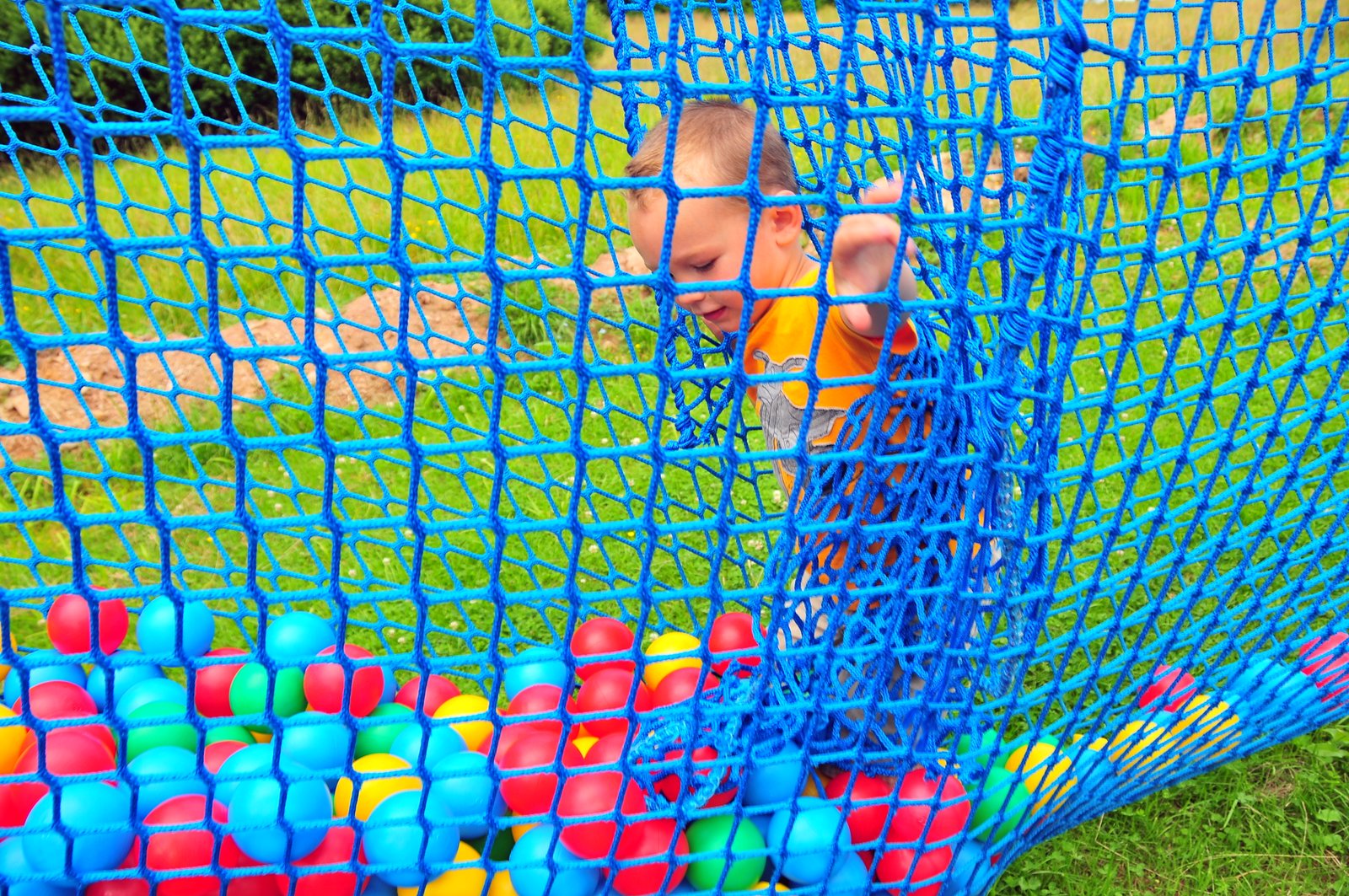
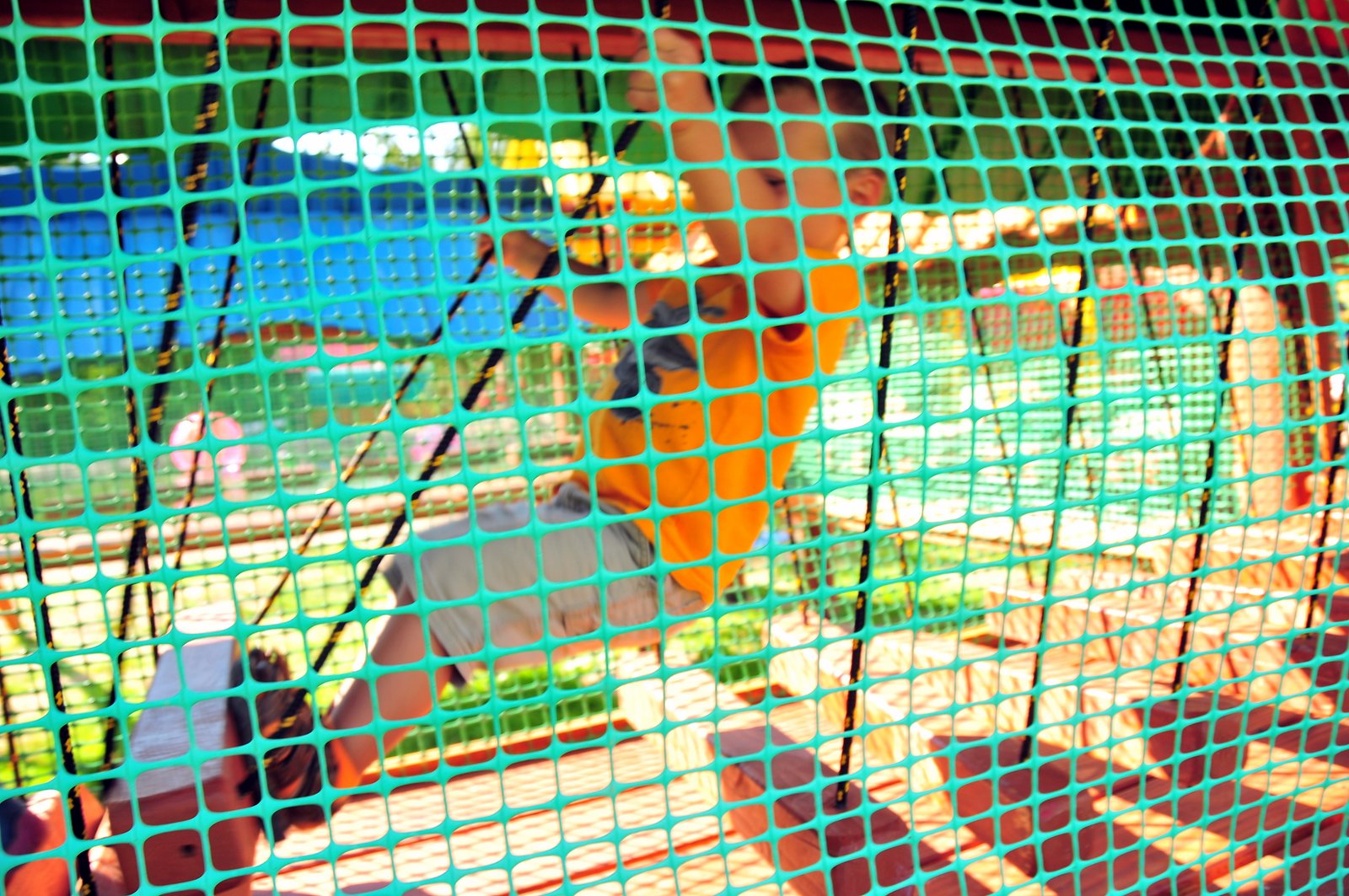
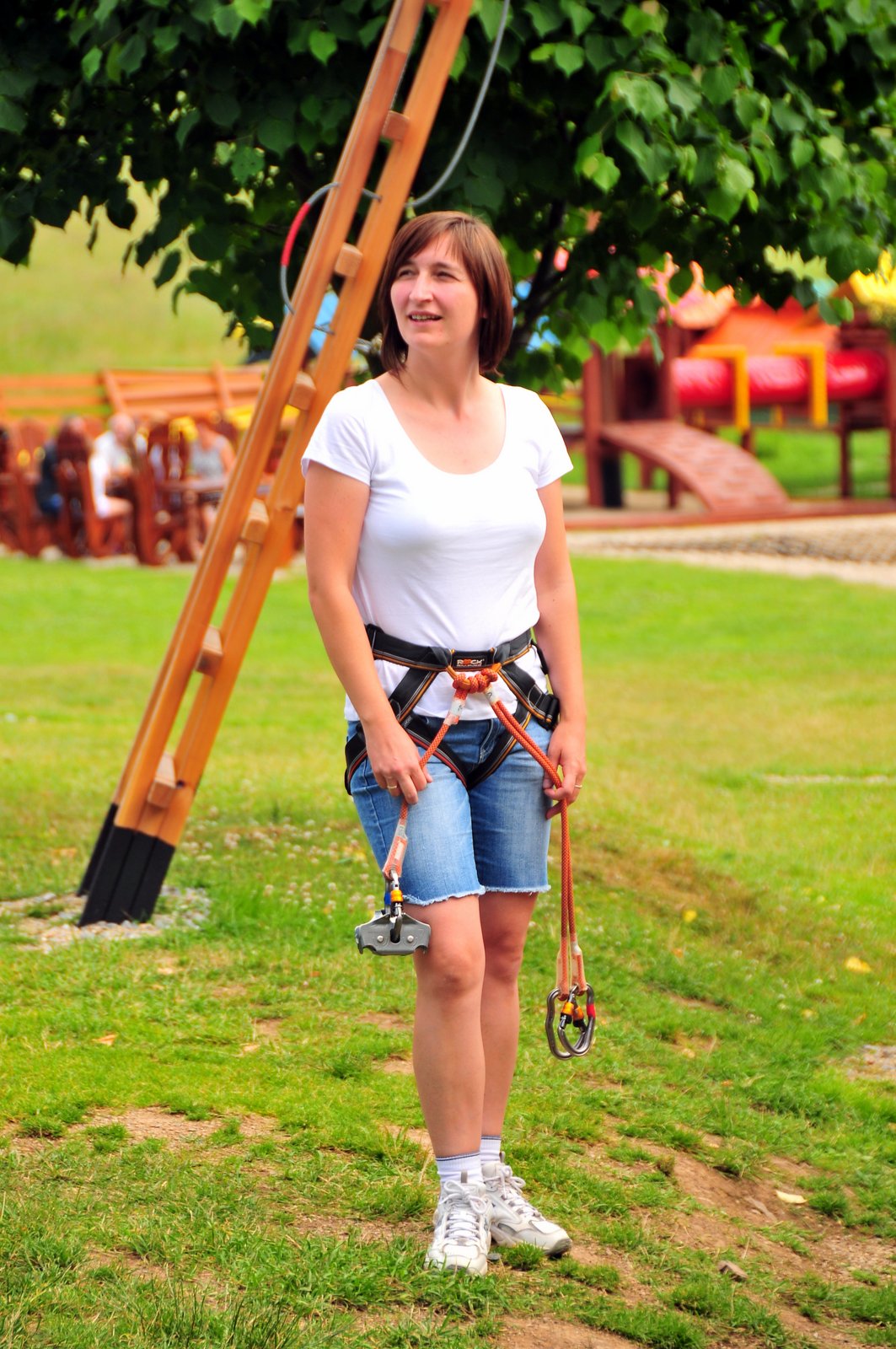
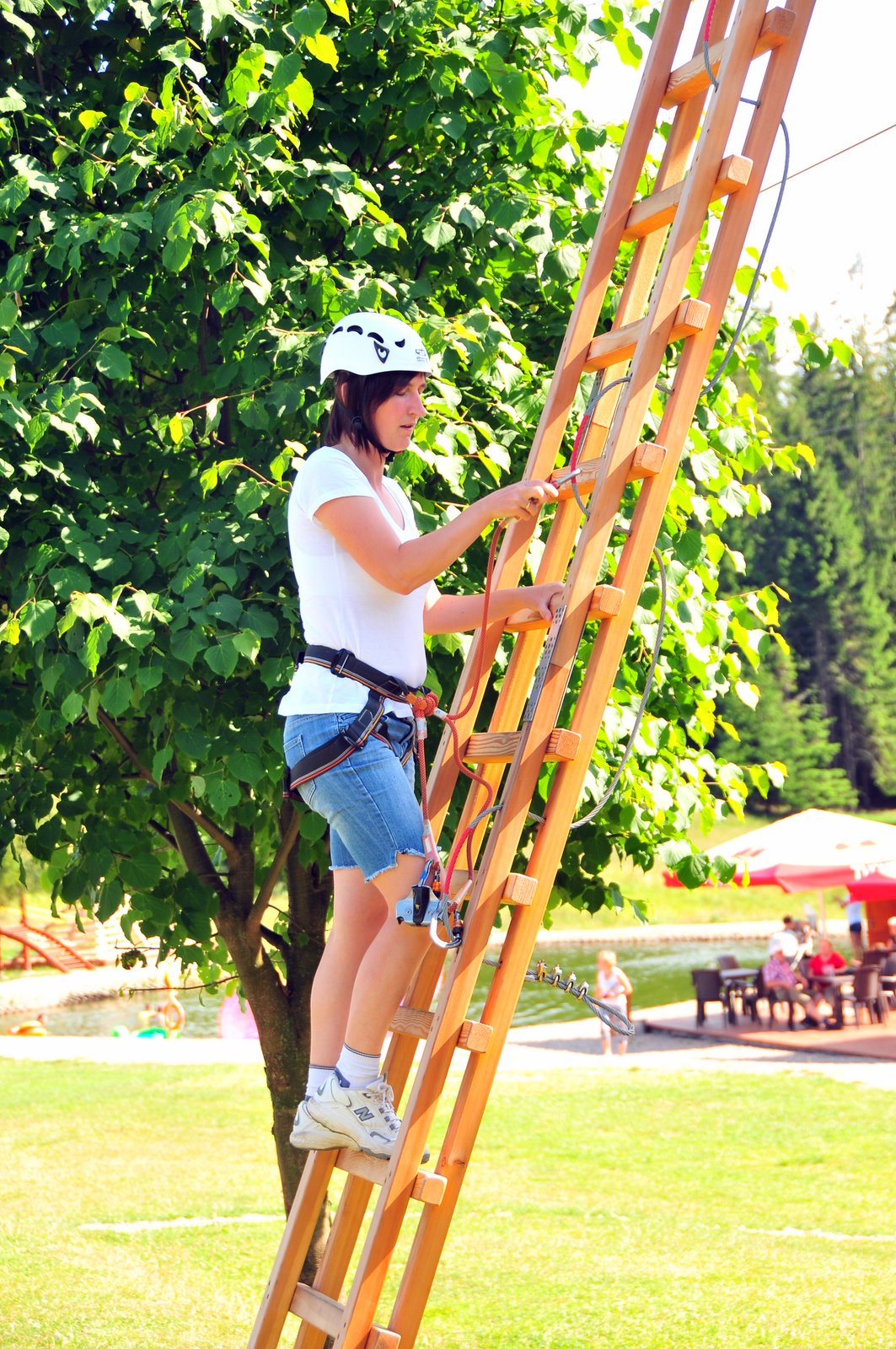
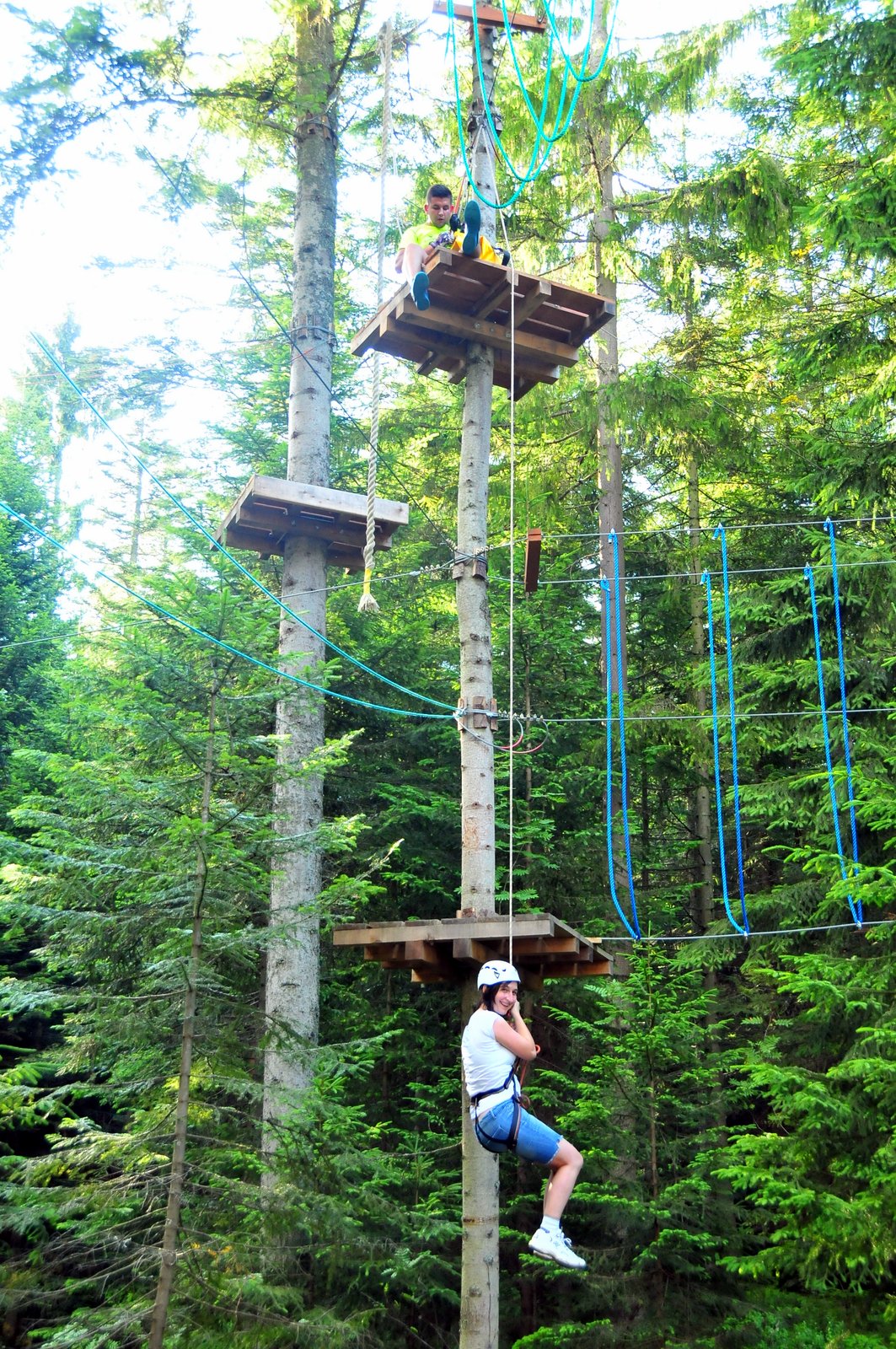
The kids weren't the only ones who went crazy. K decided it was finally time to try a line park adventure. After some training, she began on the course. Sadly, though, her forearms began giving out long before the end of the course, and before she completed it, we had to call for help. I wasn't going to memoralize the picture, but as she was being rescued, she laughed, "Take a picture!"
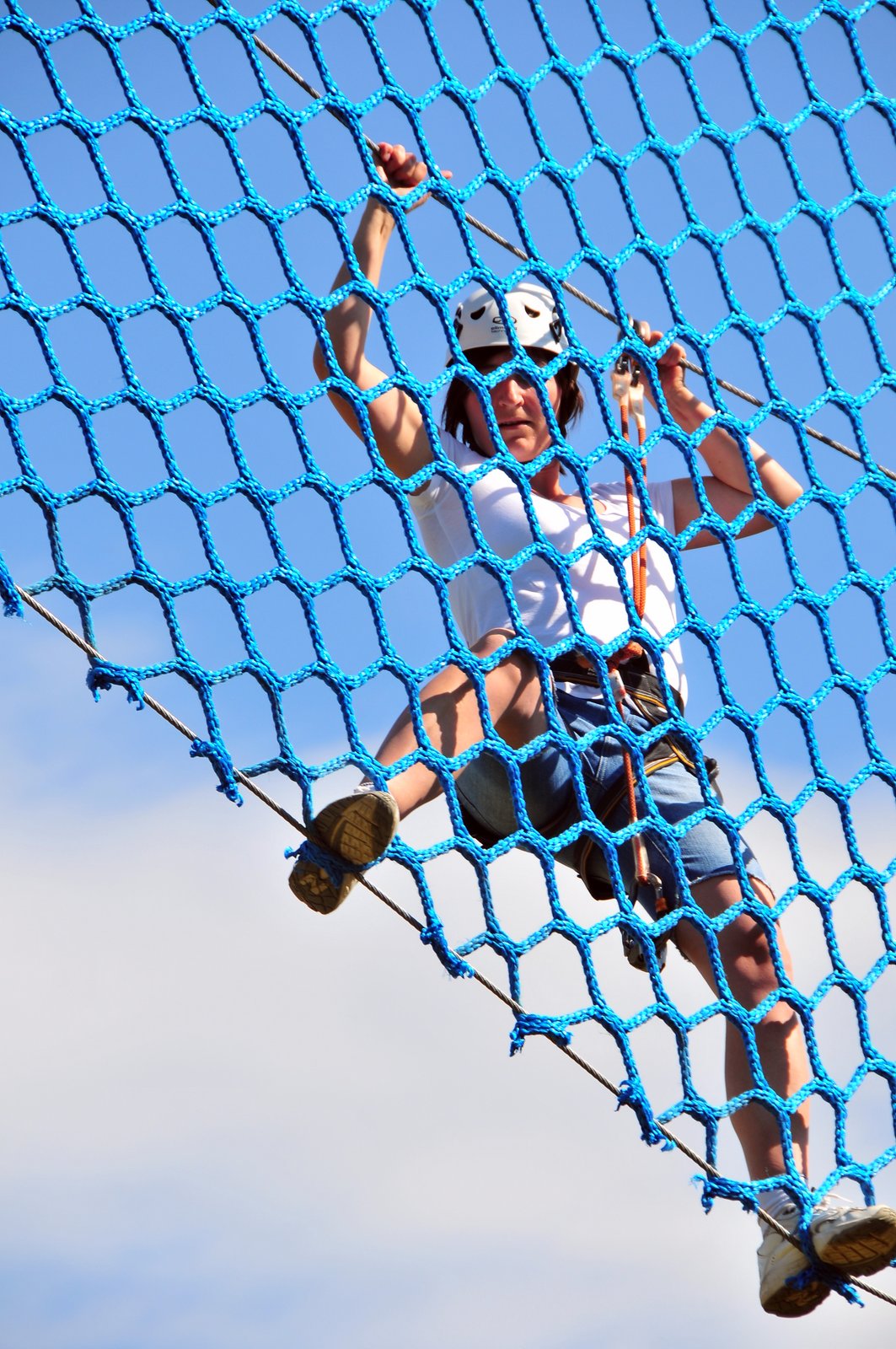
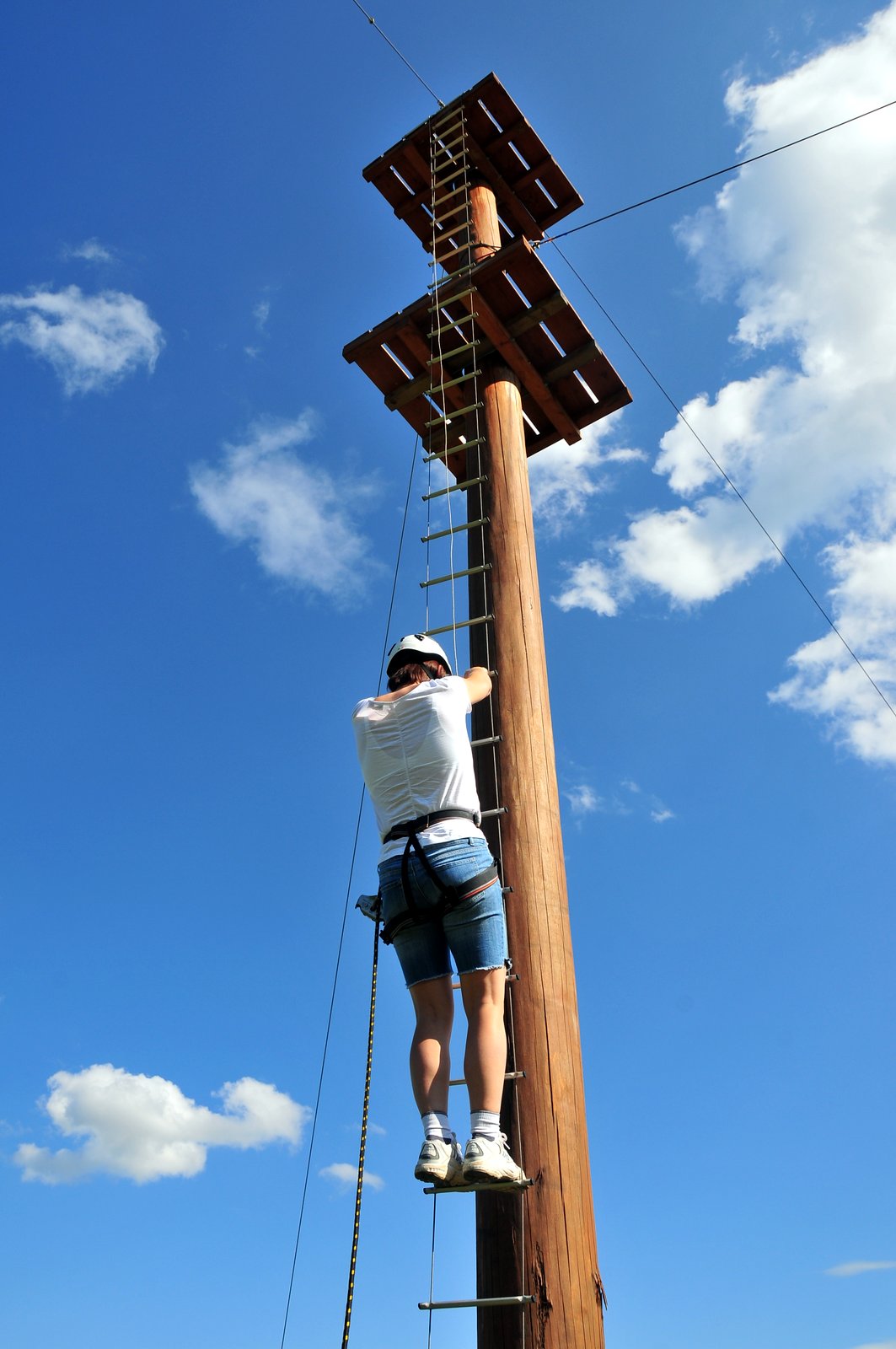
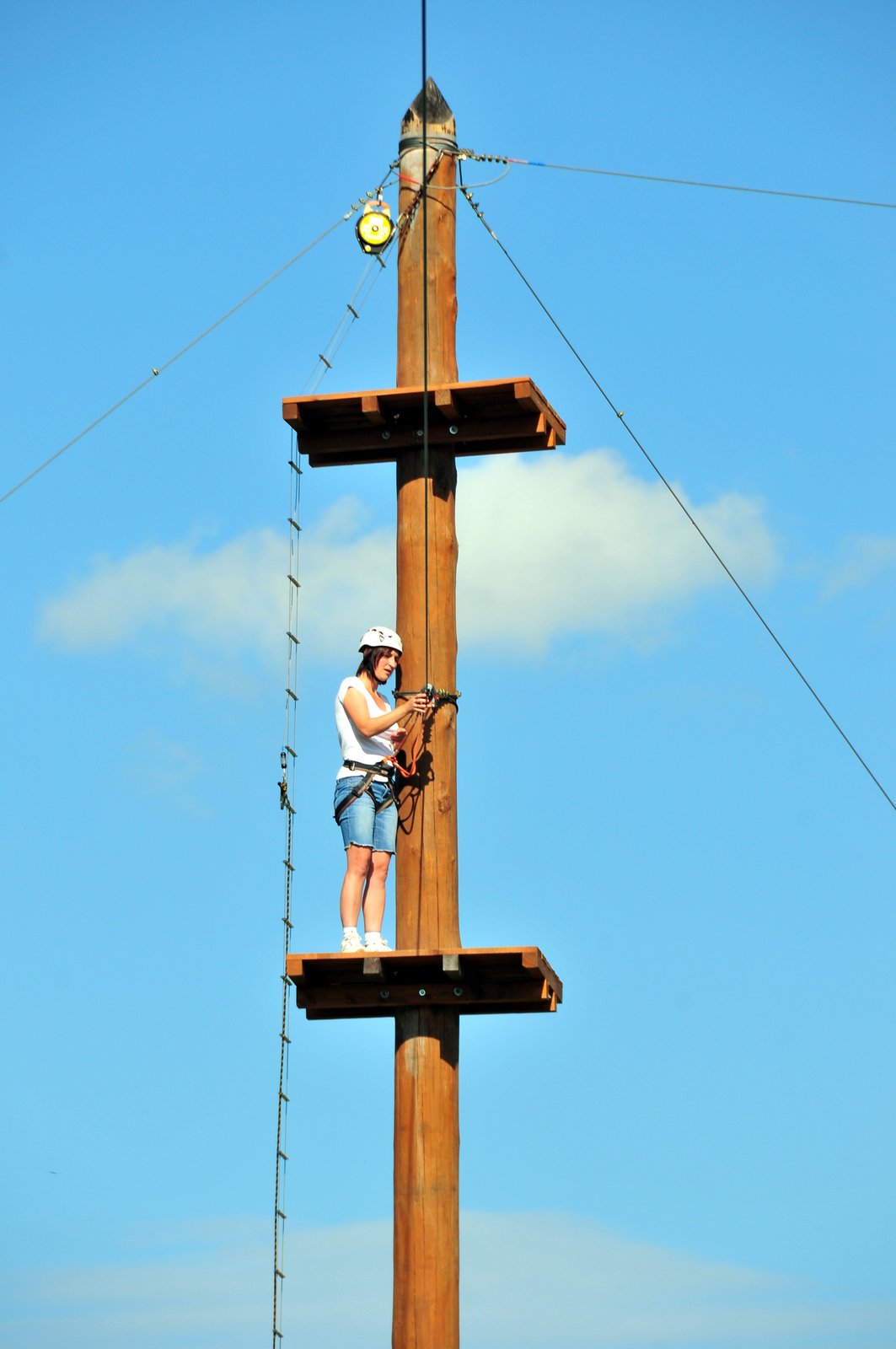
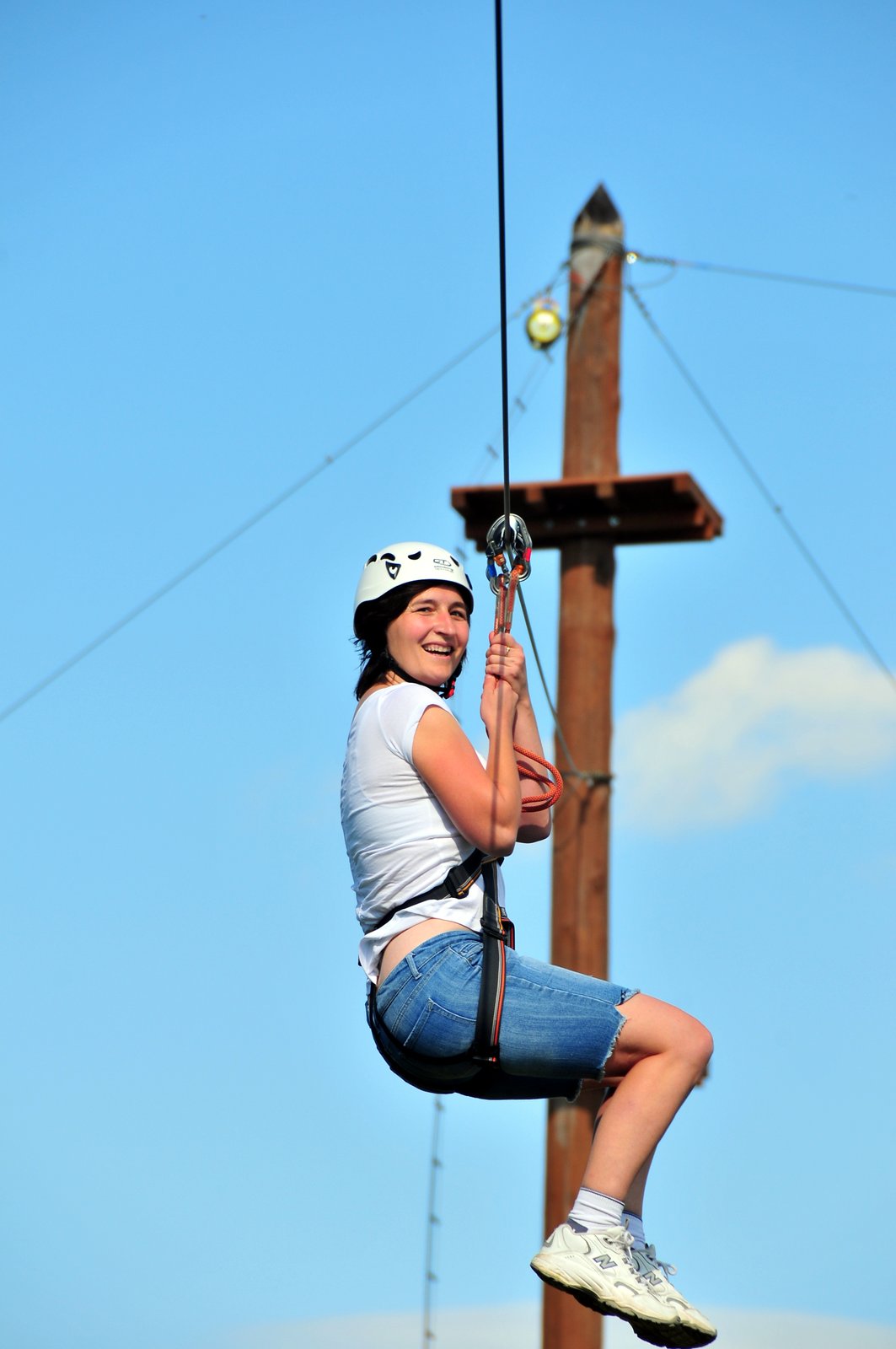
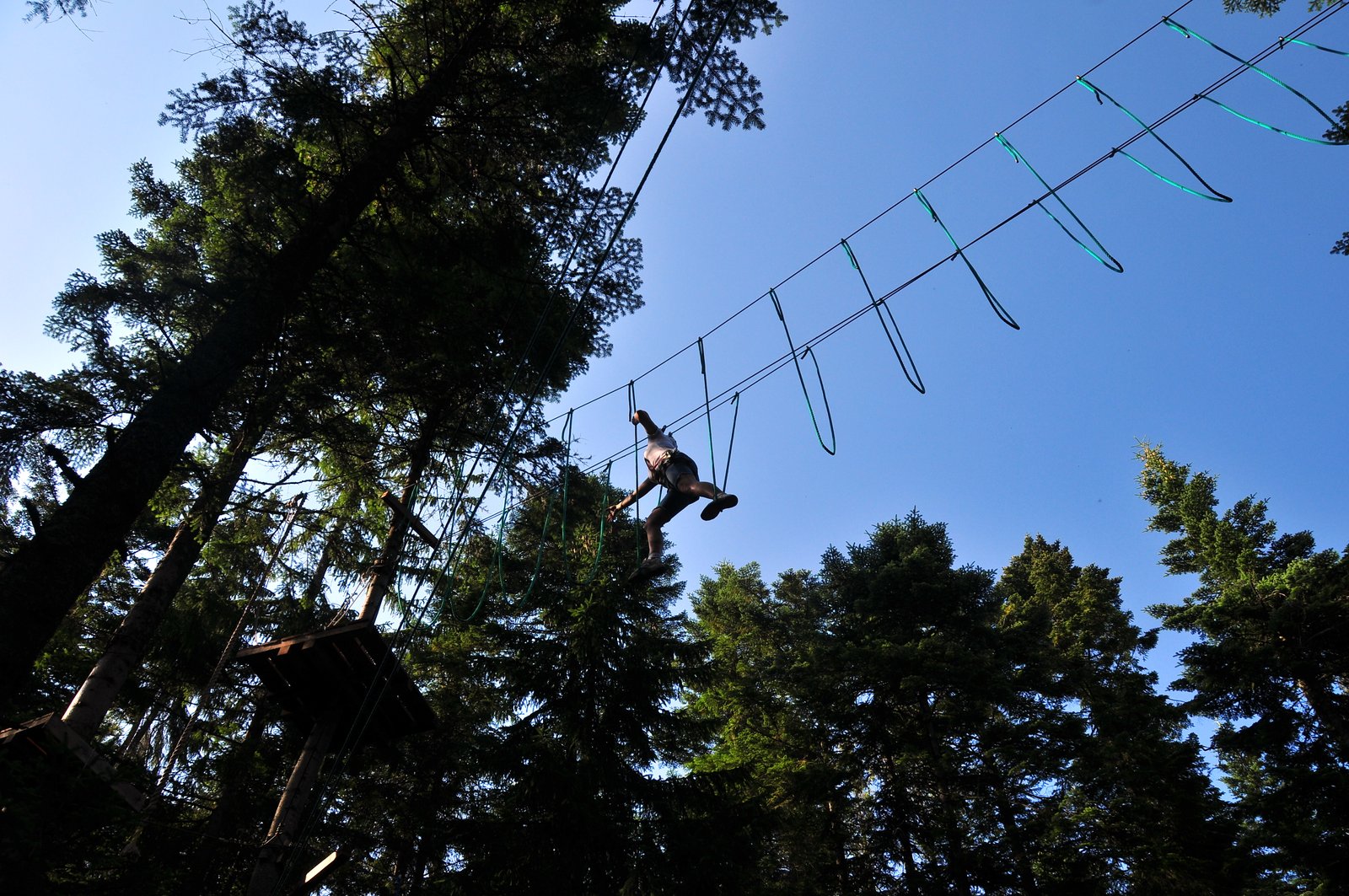
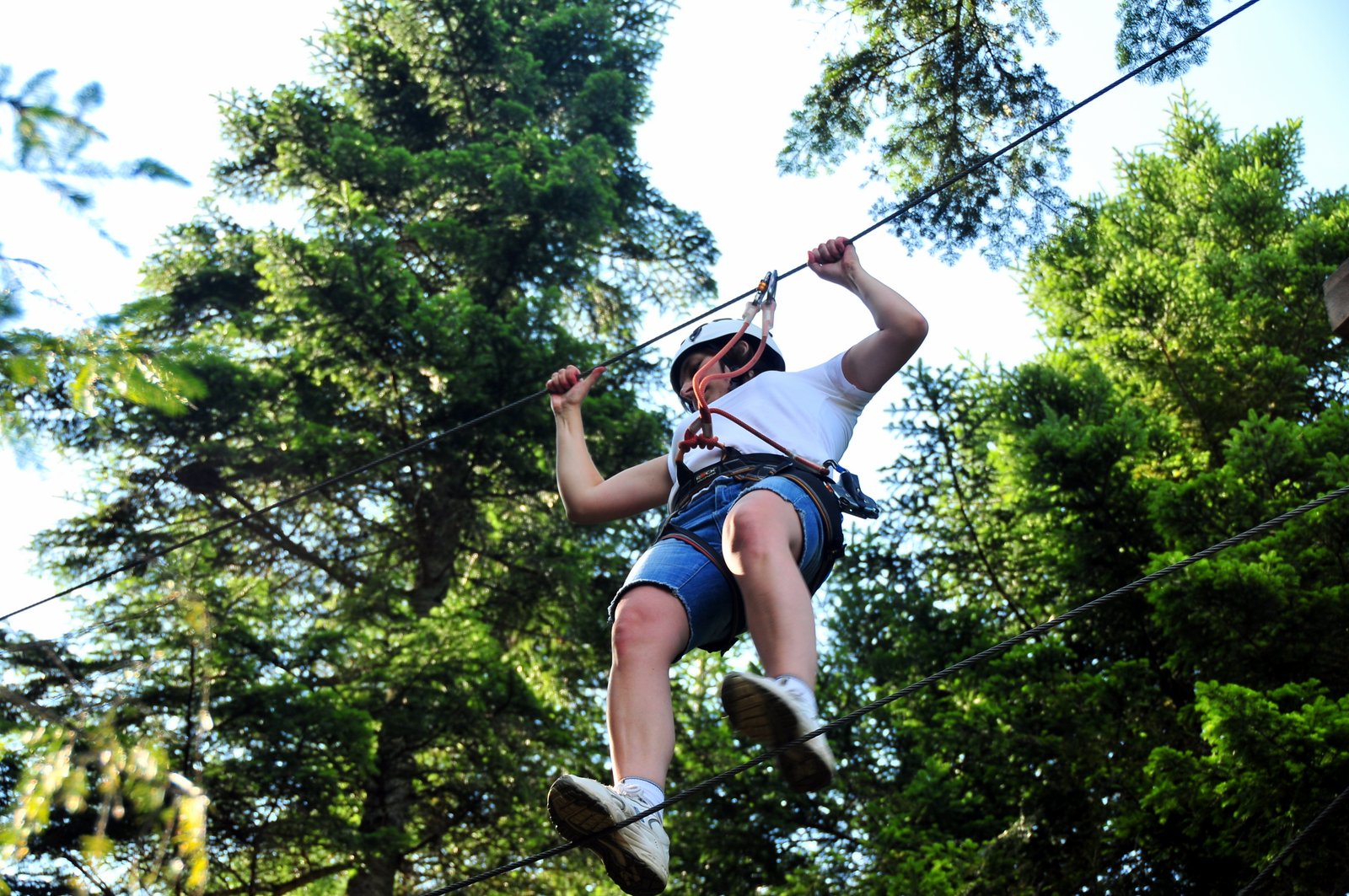
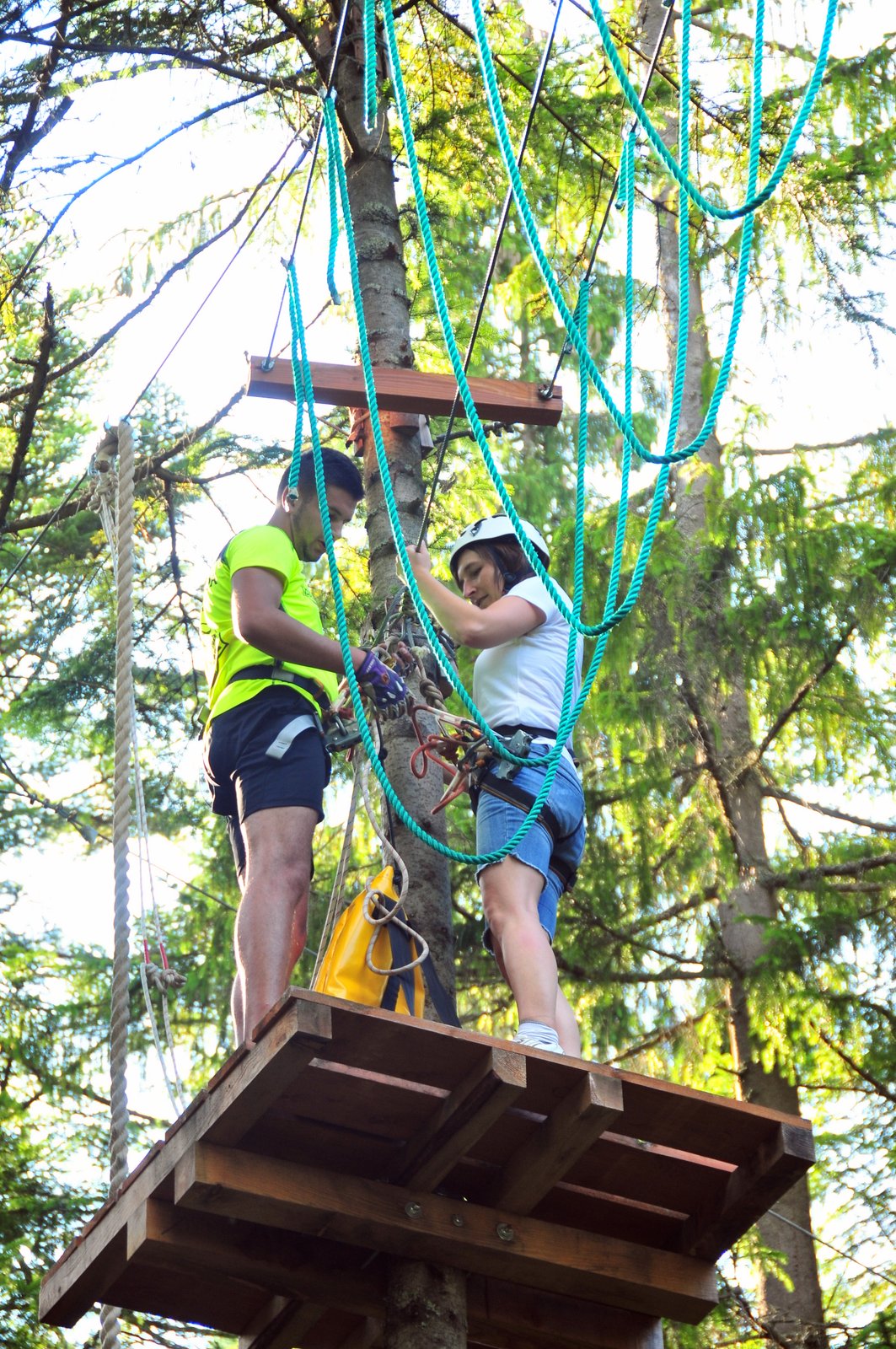
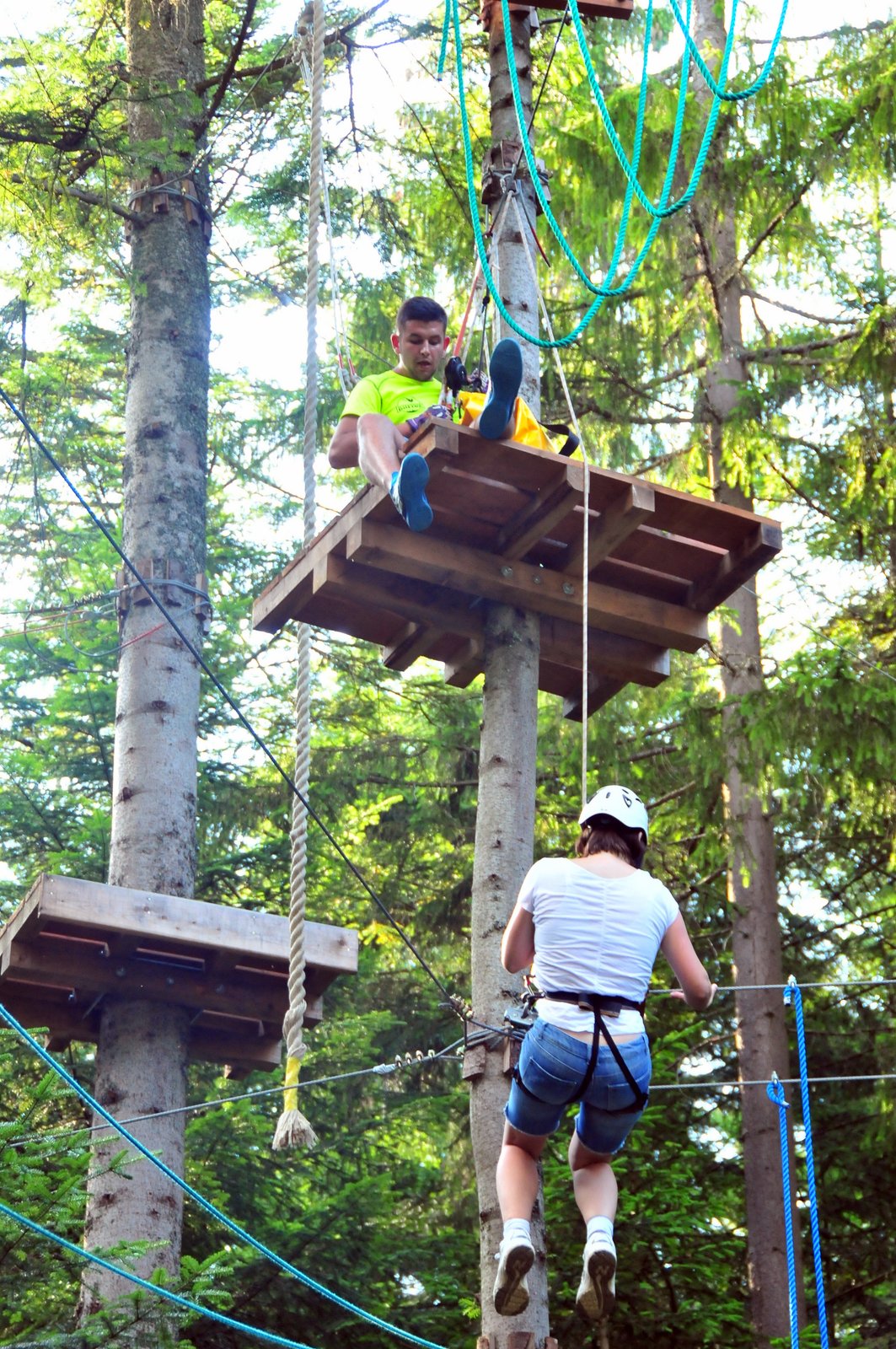
In the meantime, the Boy and his companions worked on the greatest adventure of the day: building an actual swimming pool -- of sorts.
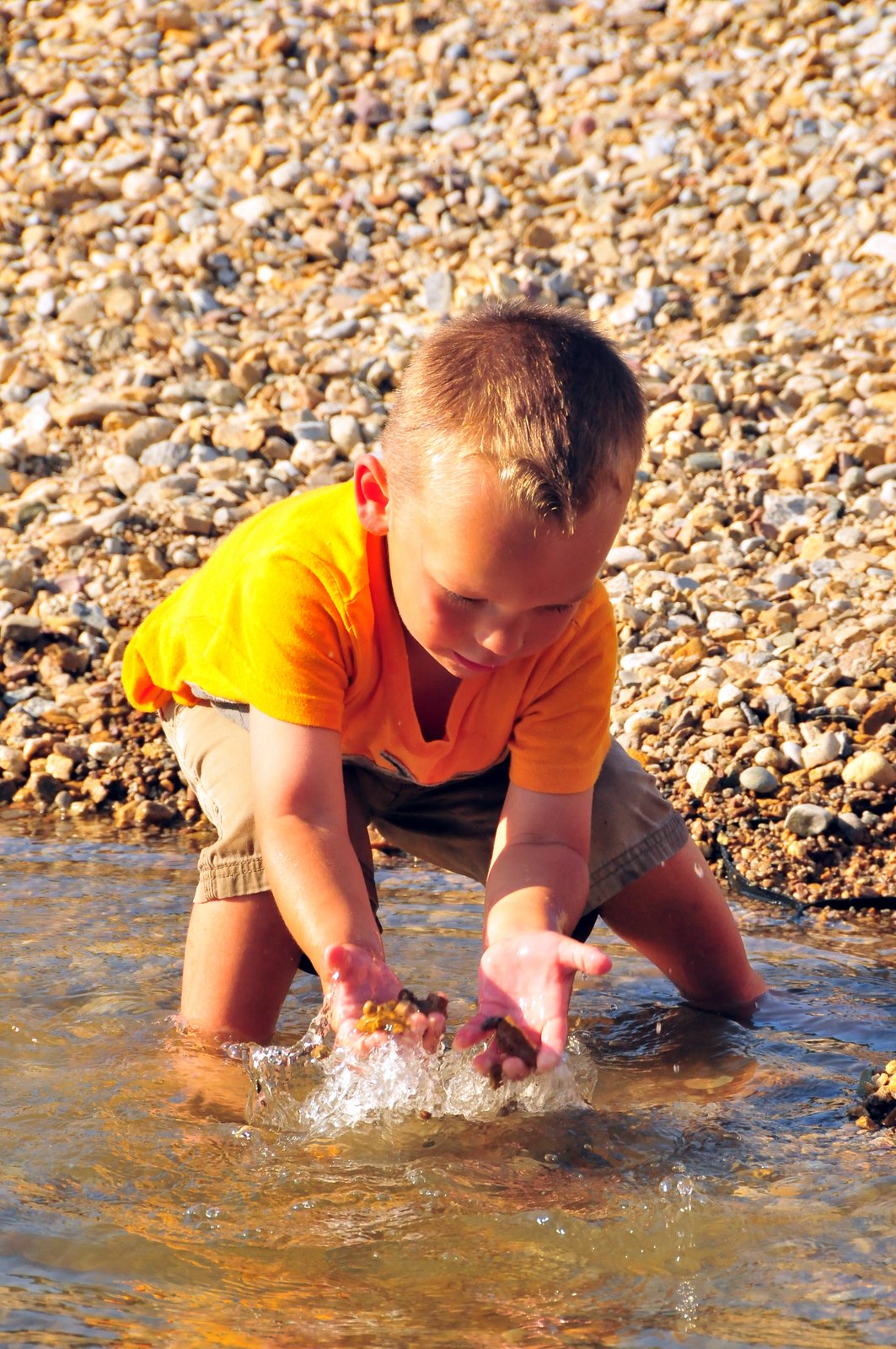
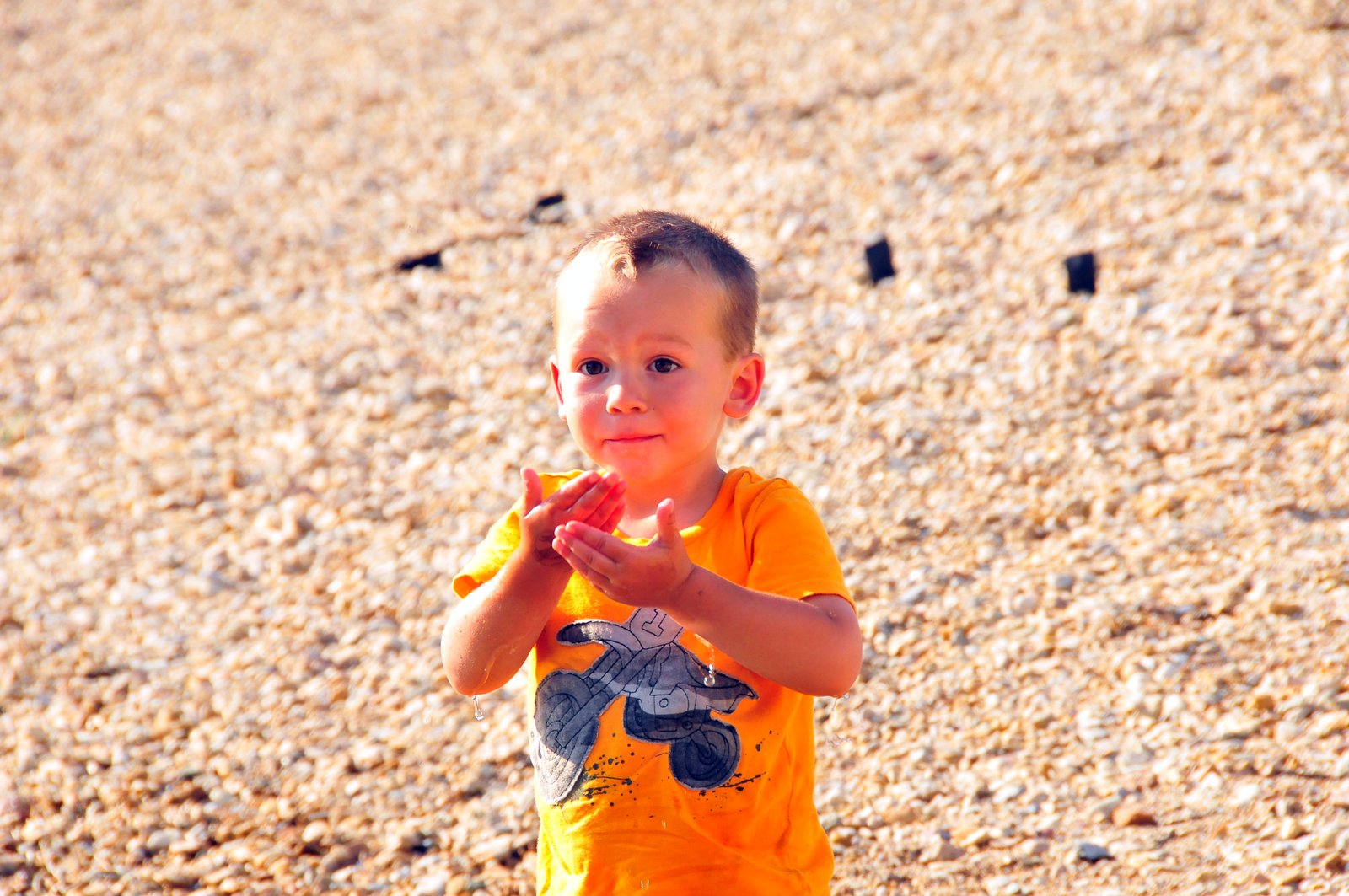
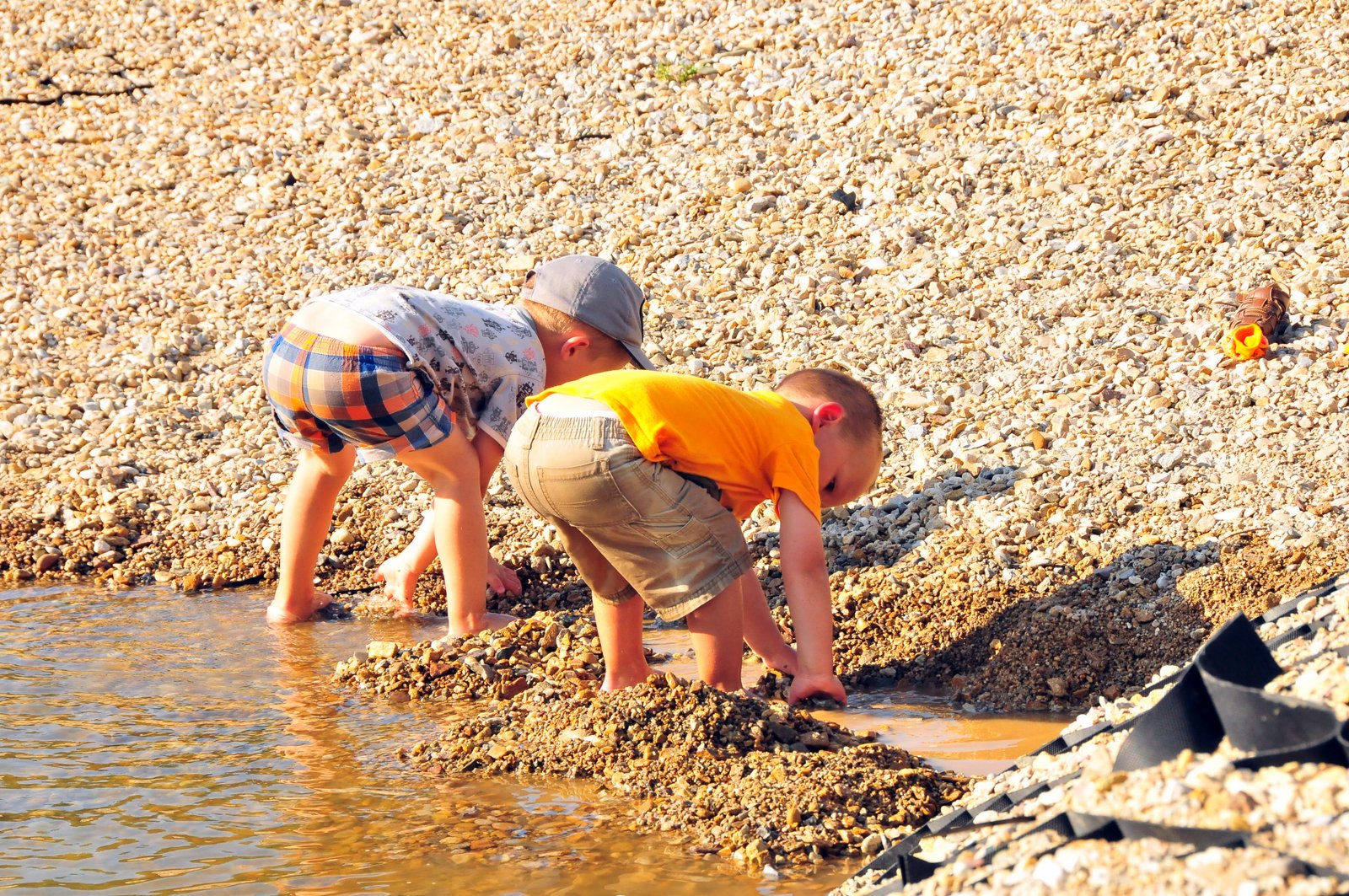
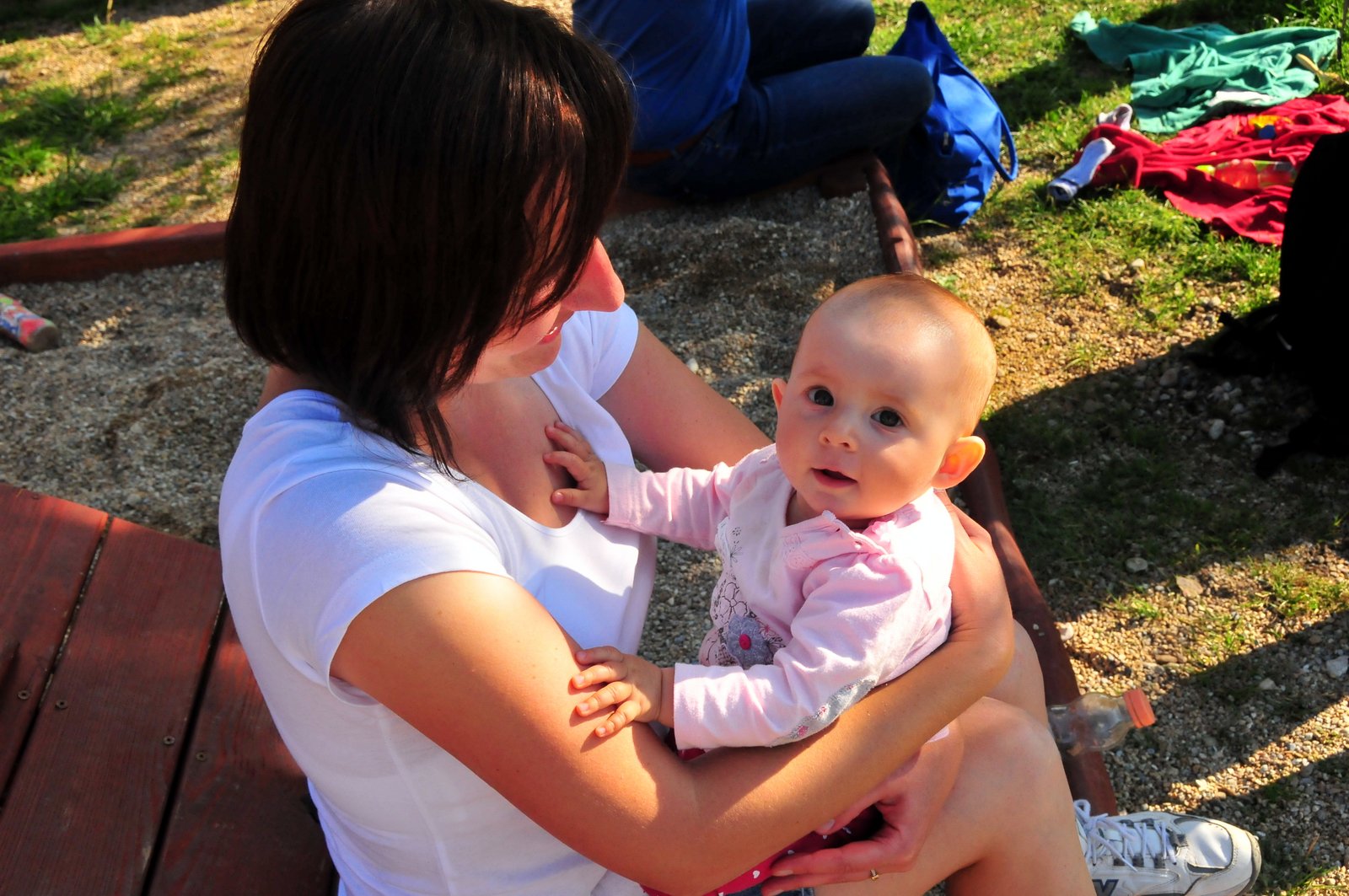
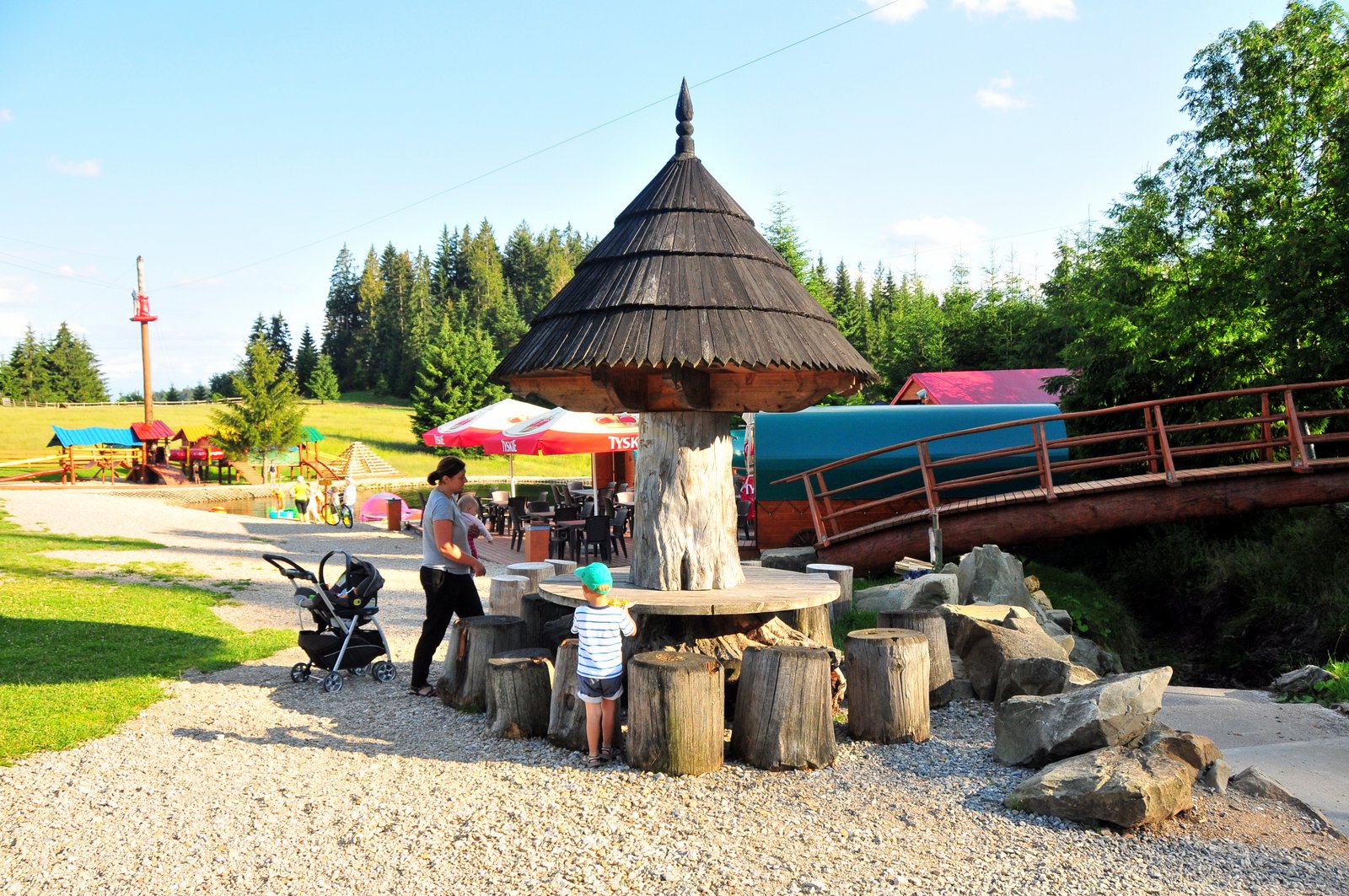
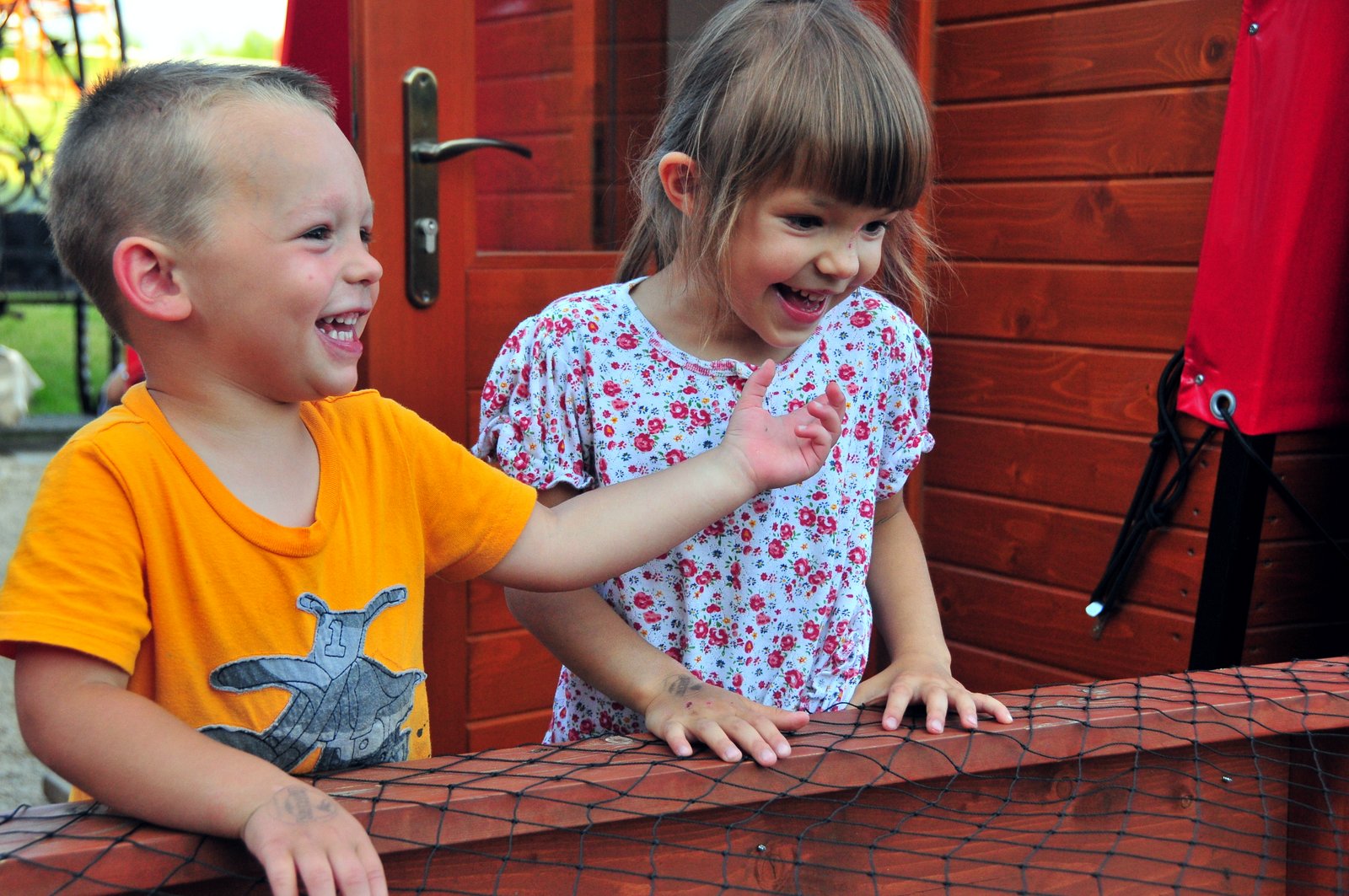
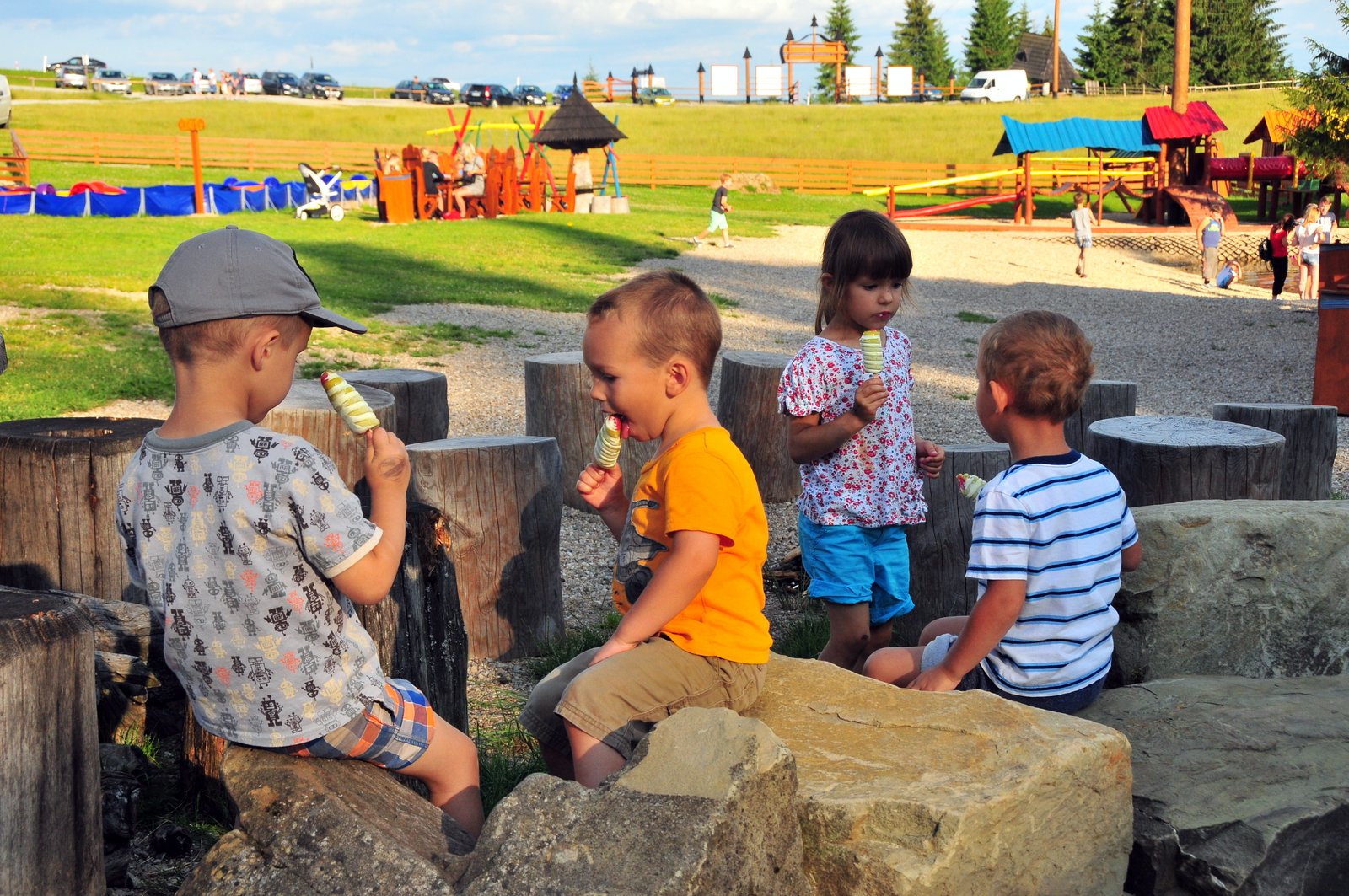
He came home dirty and wet, signs that show just how perfect the outing was.
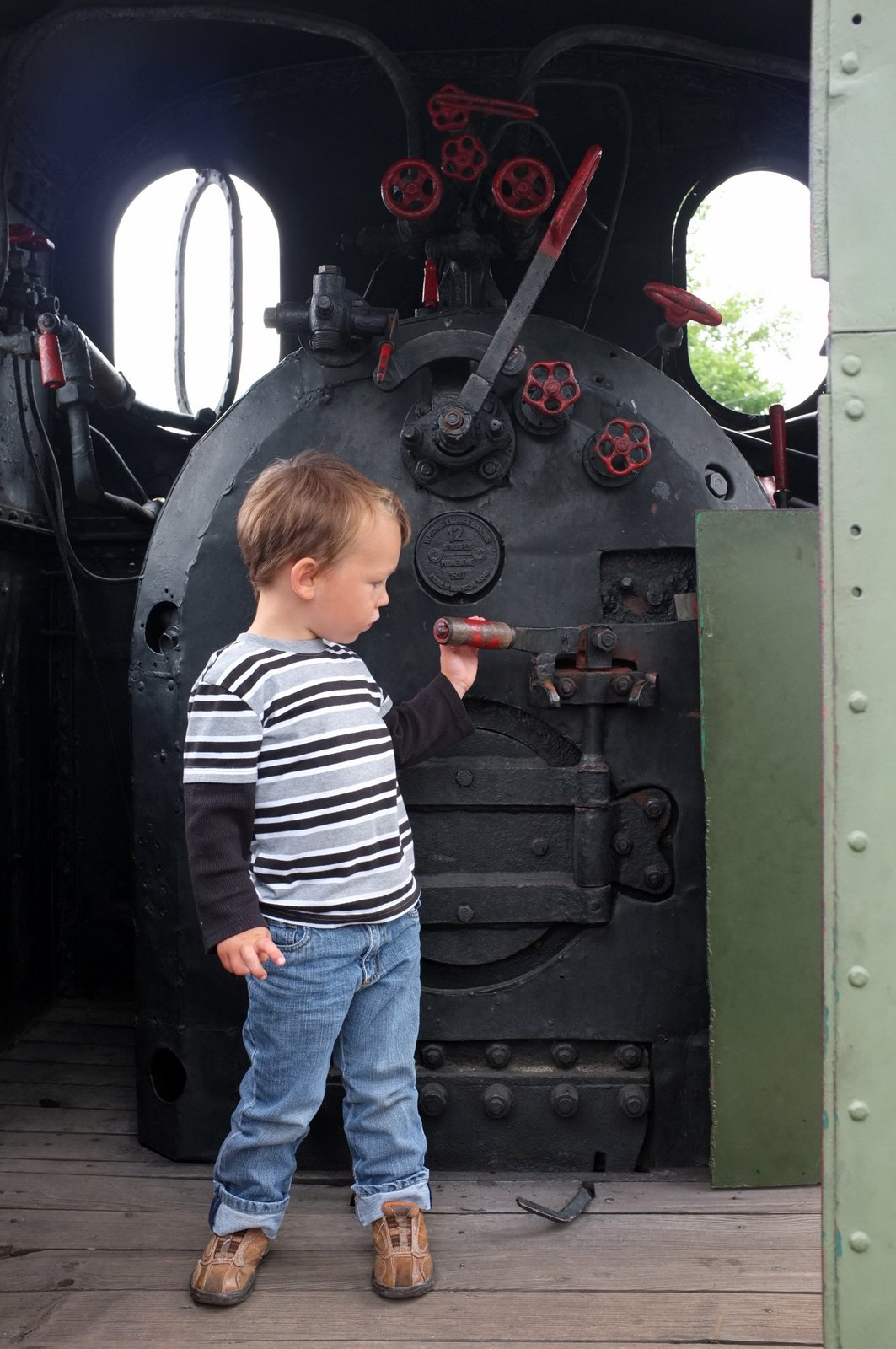
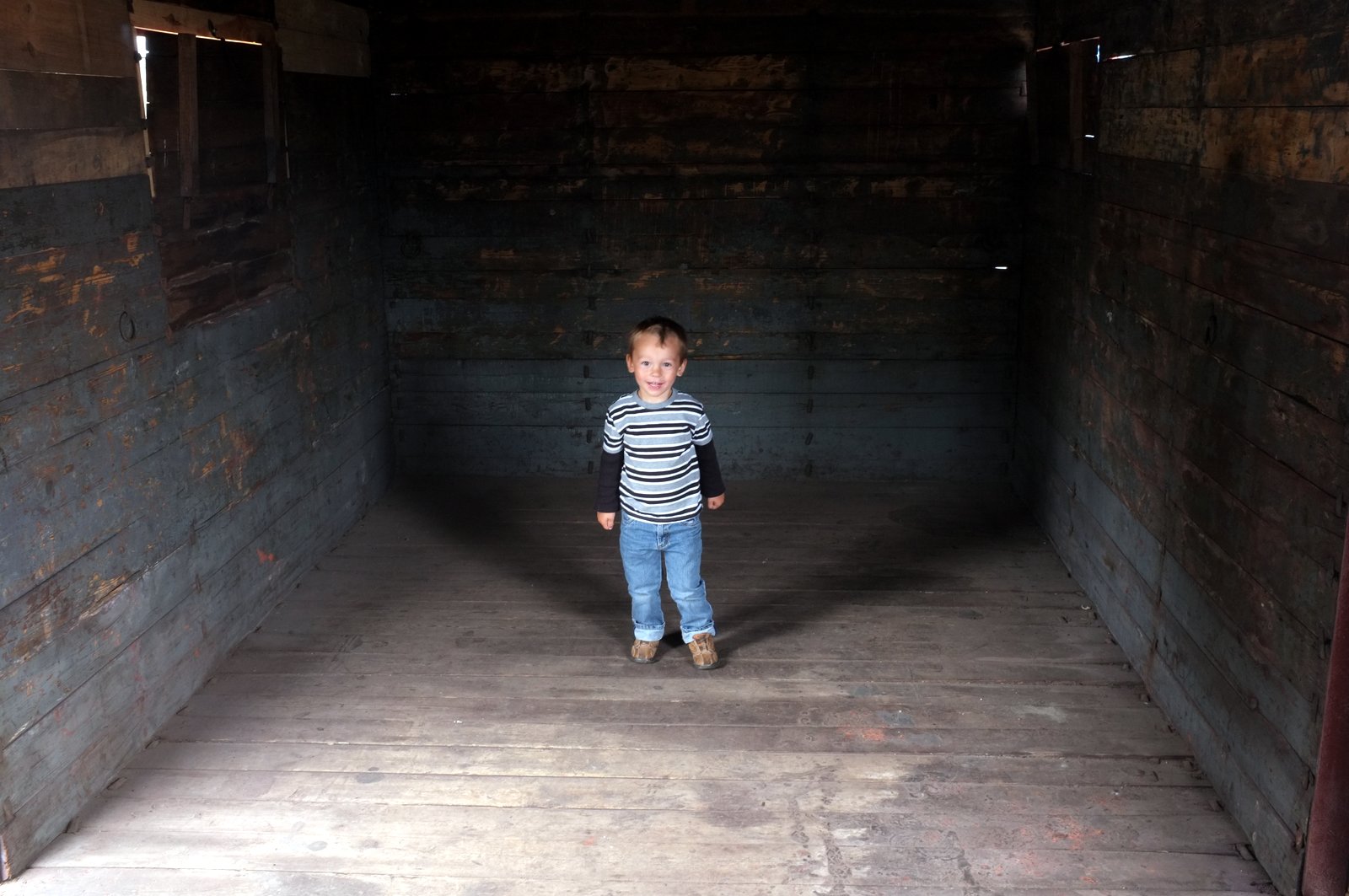
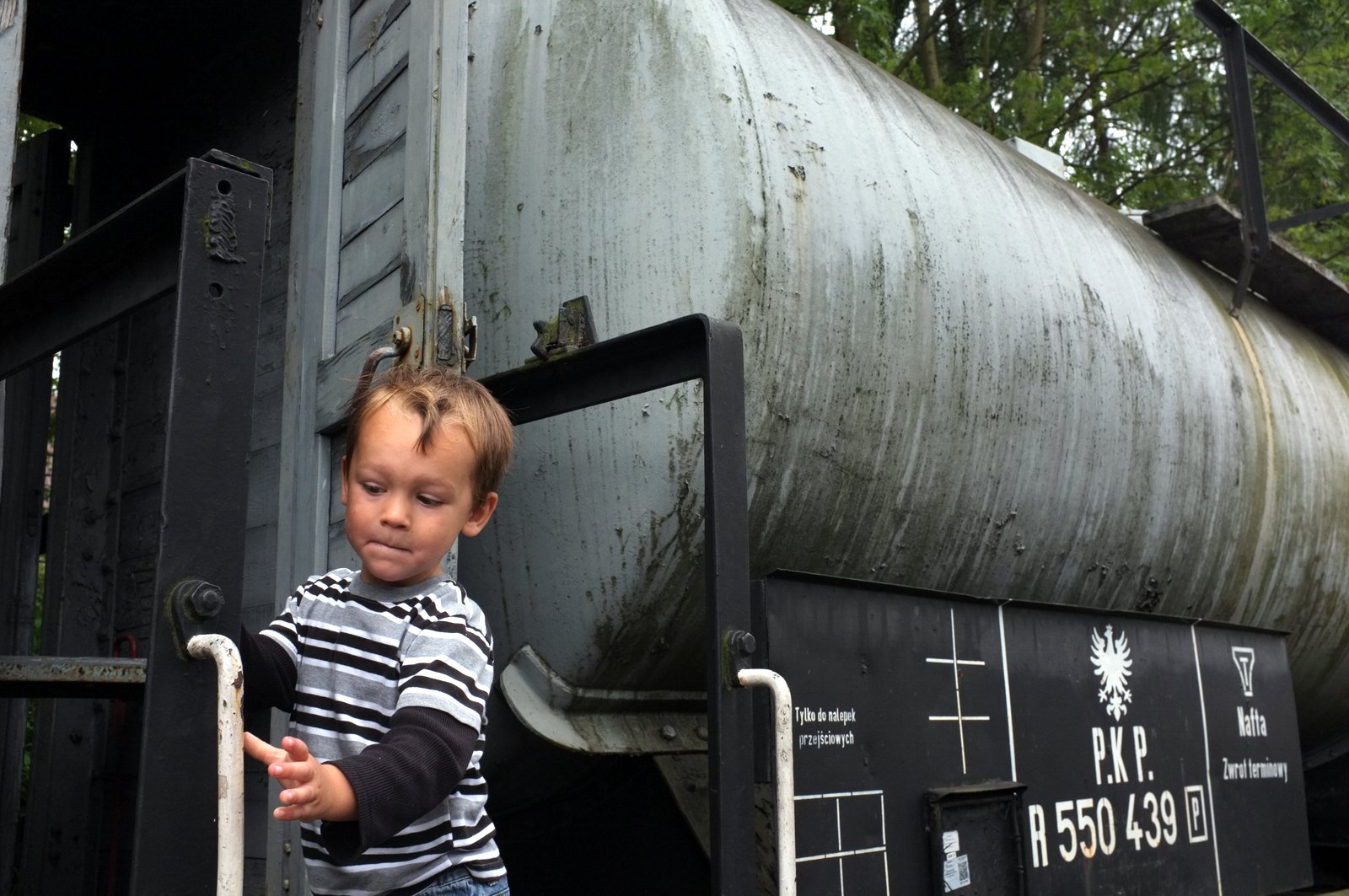
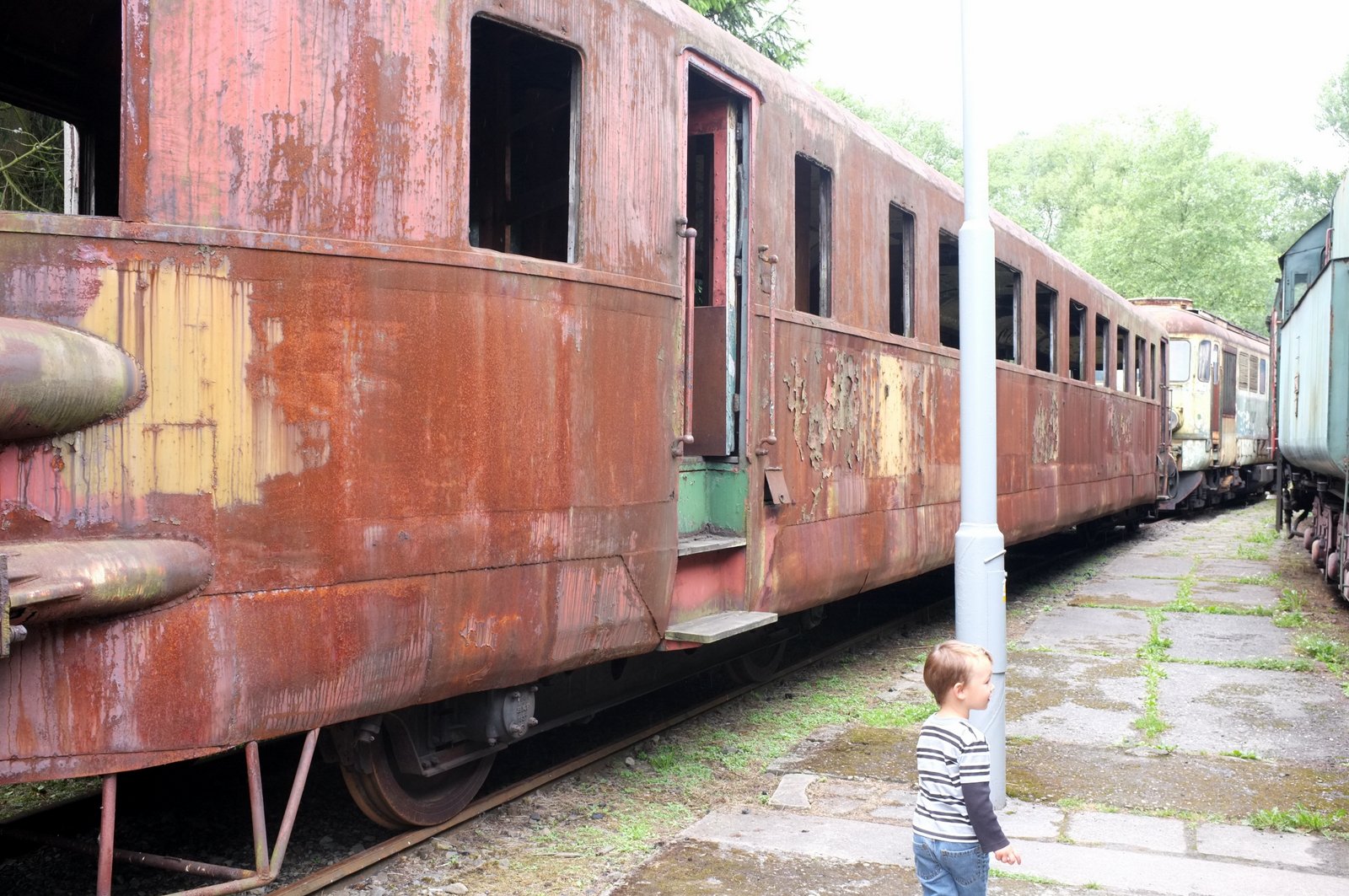
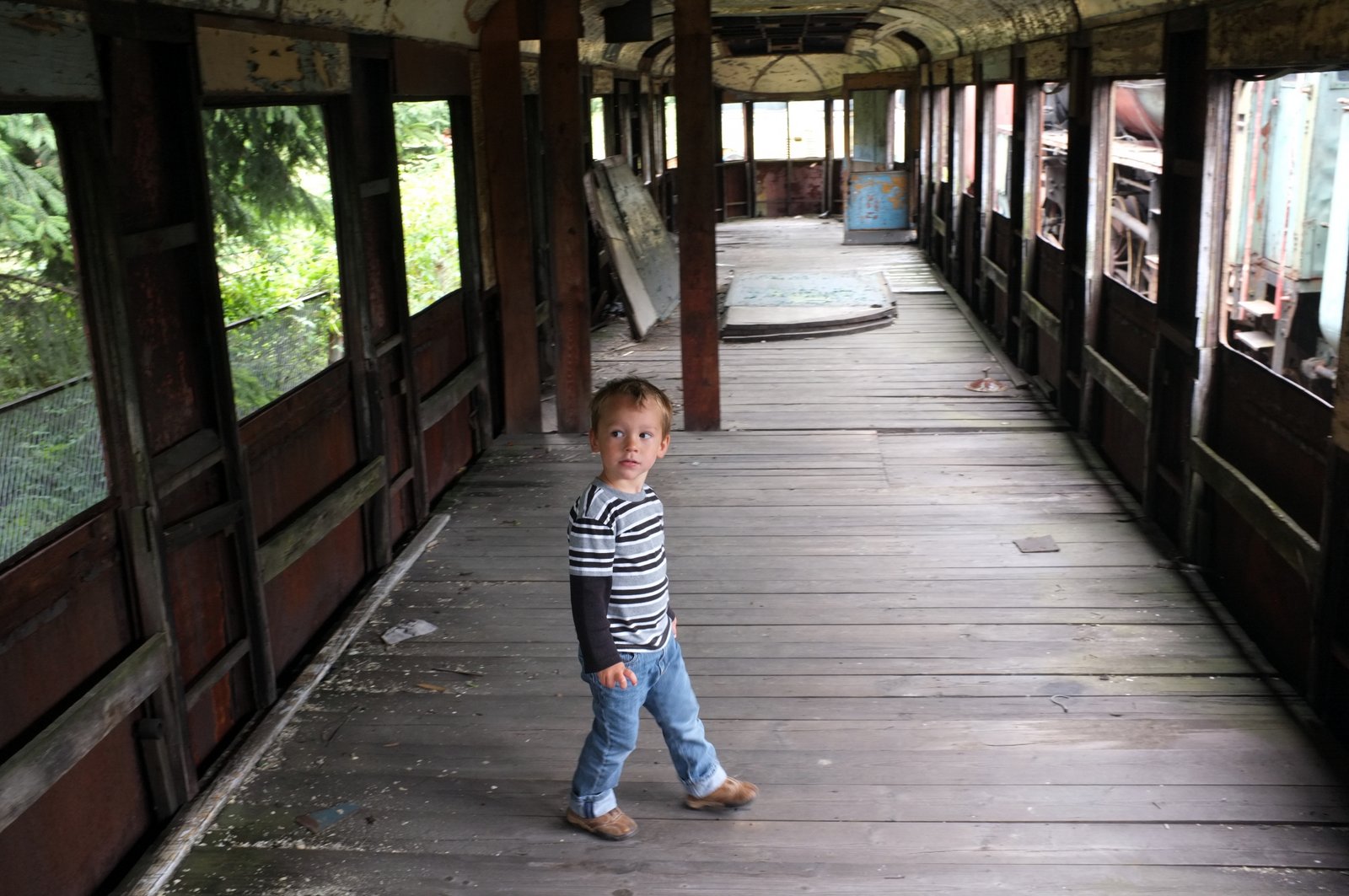
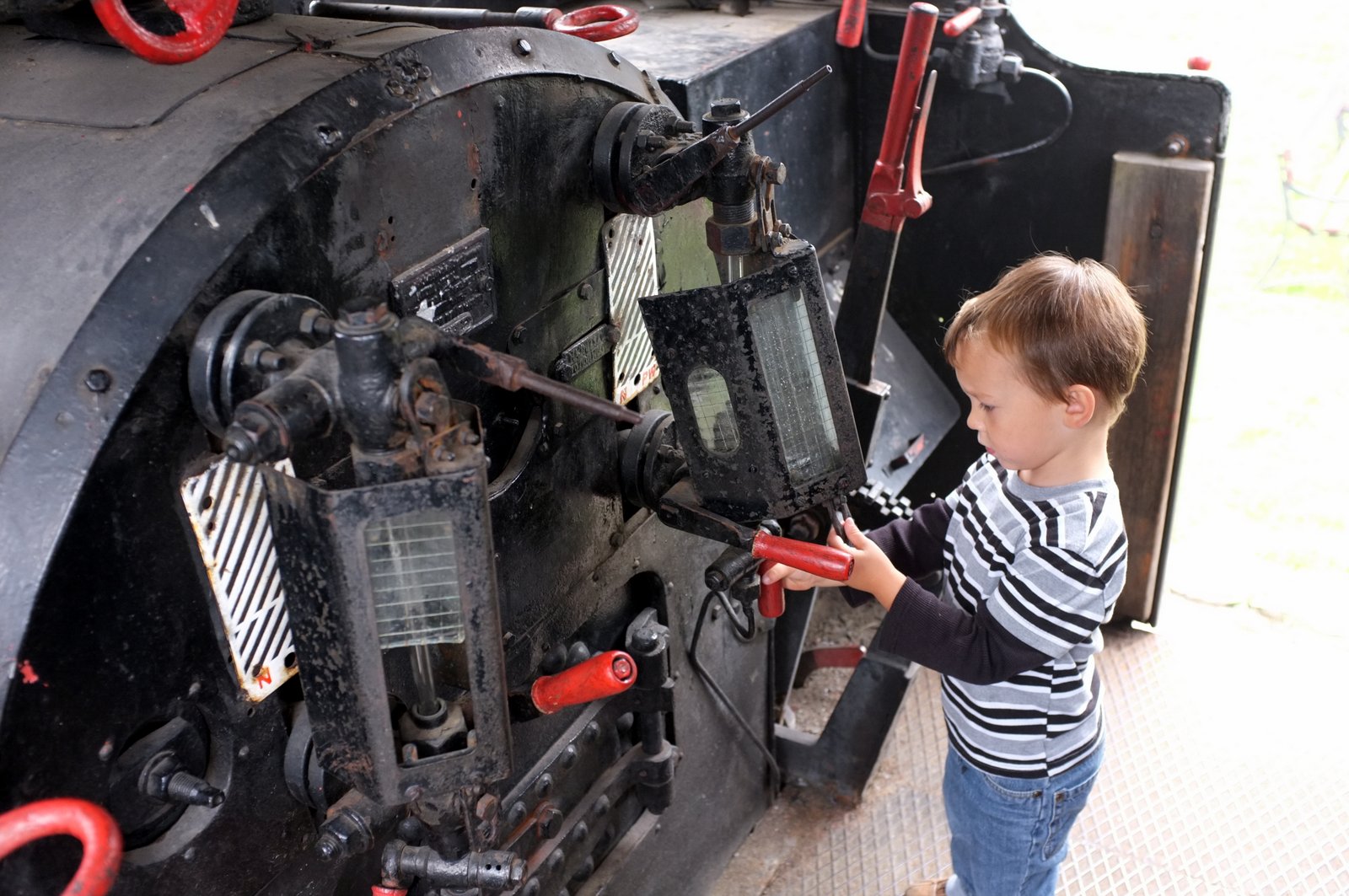
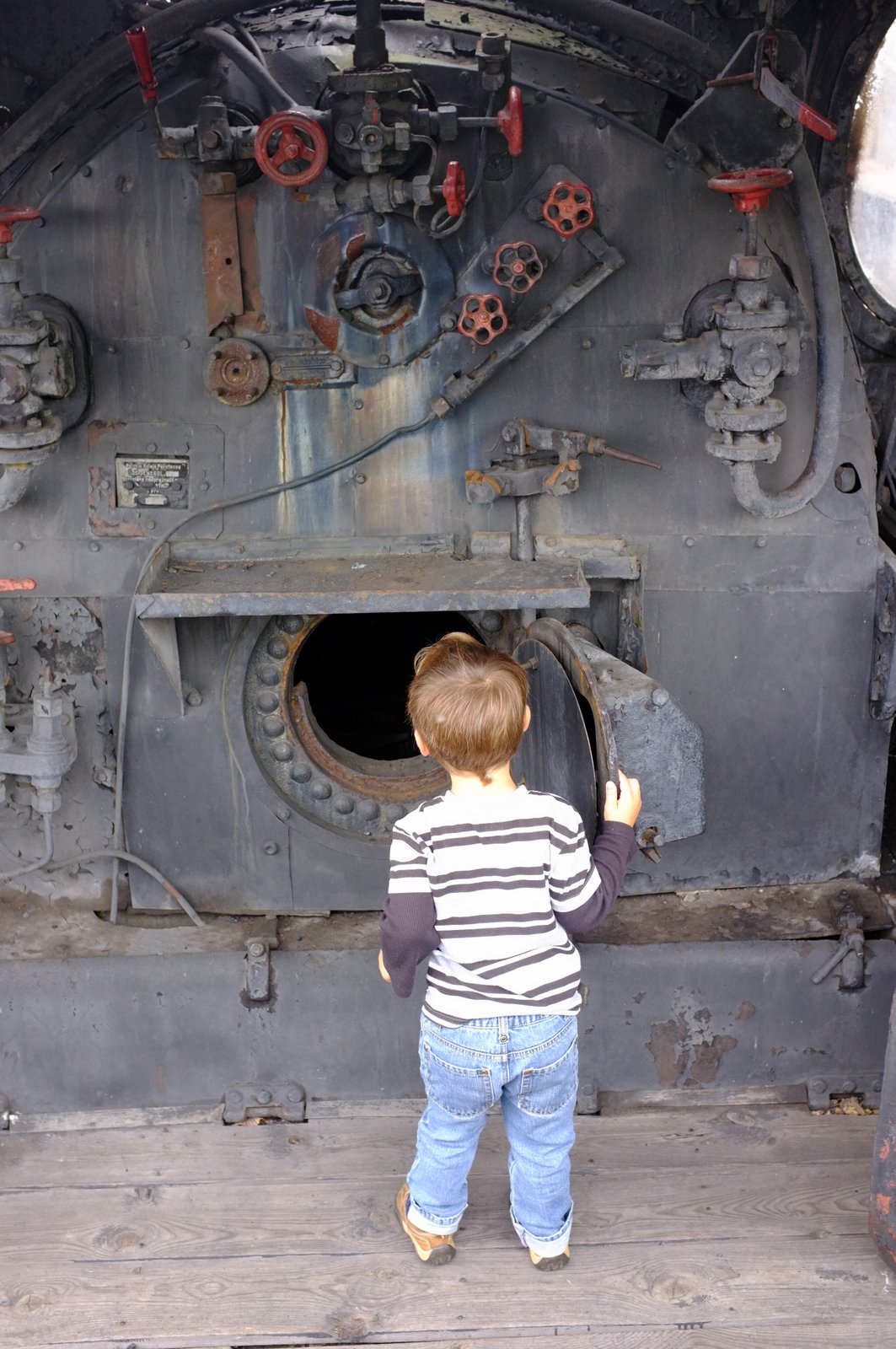
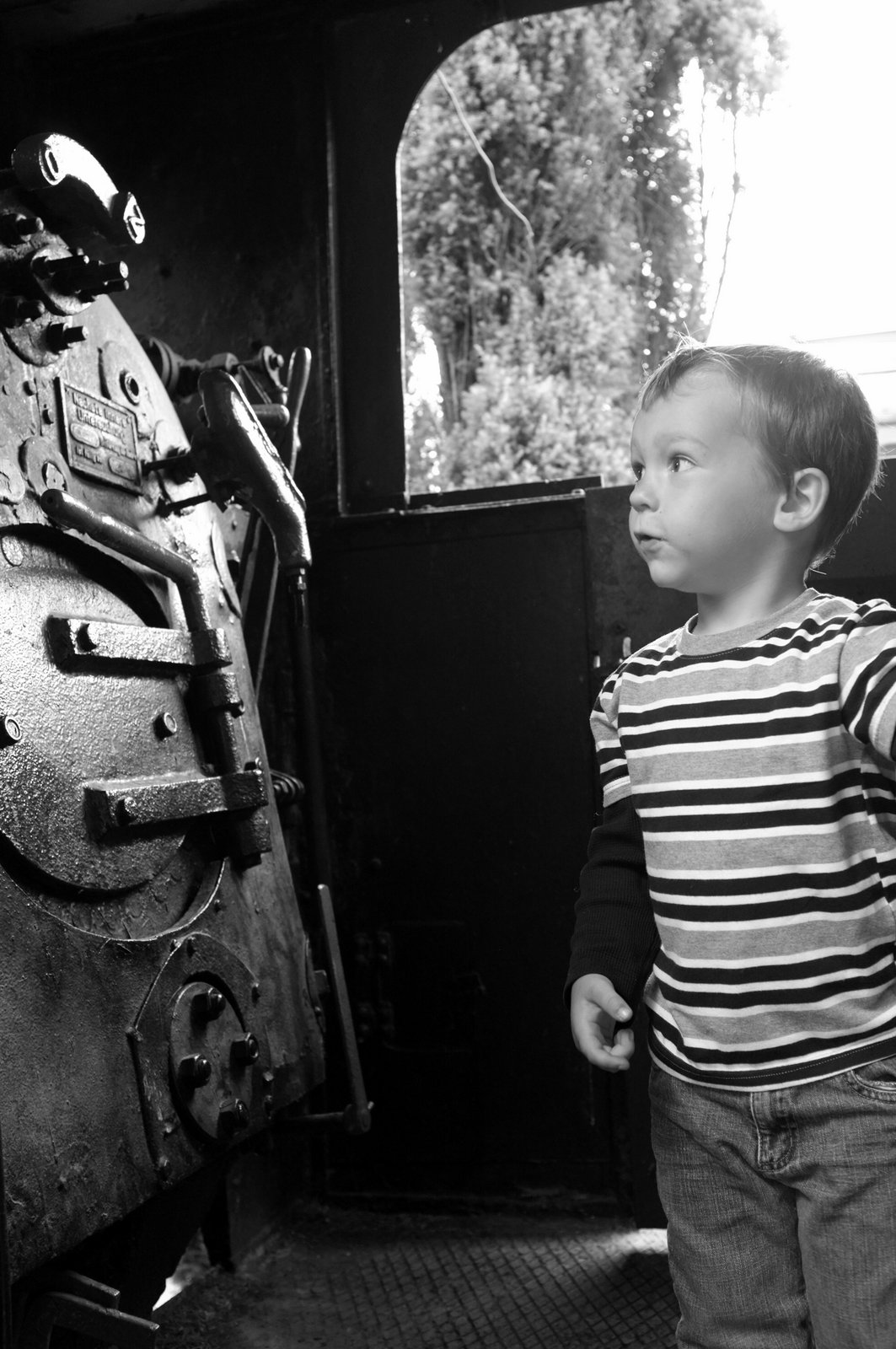
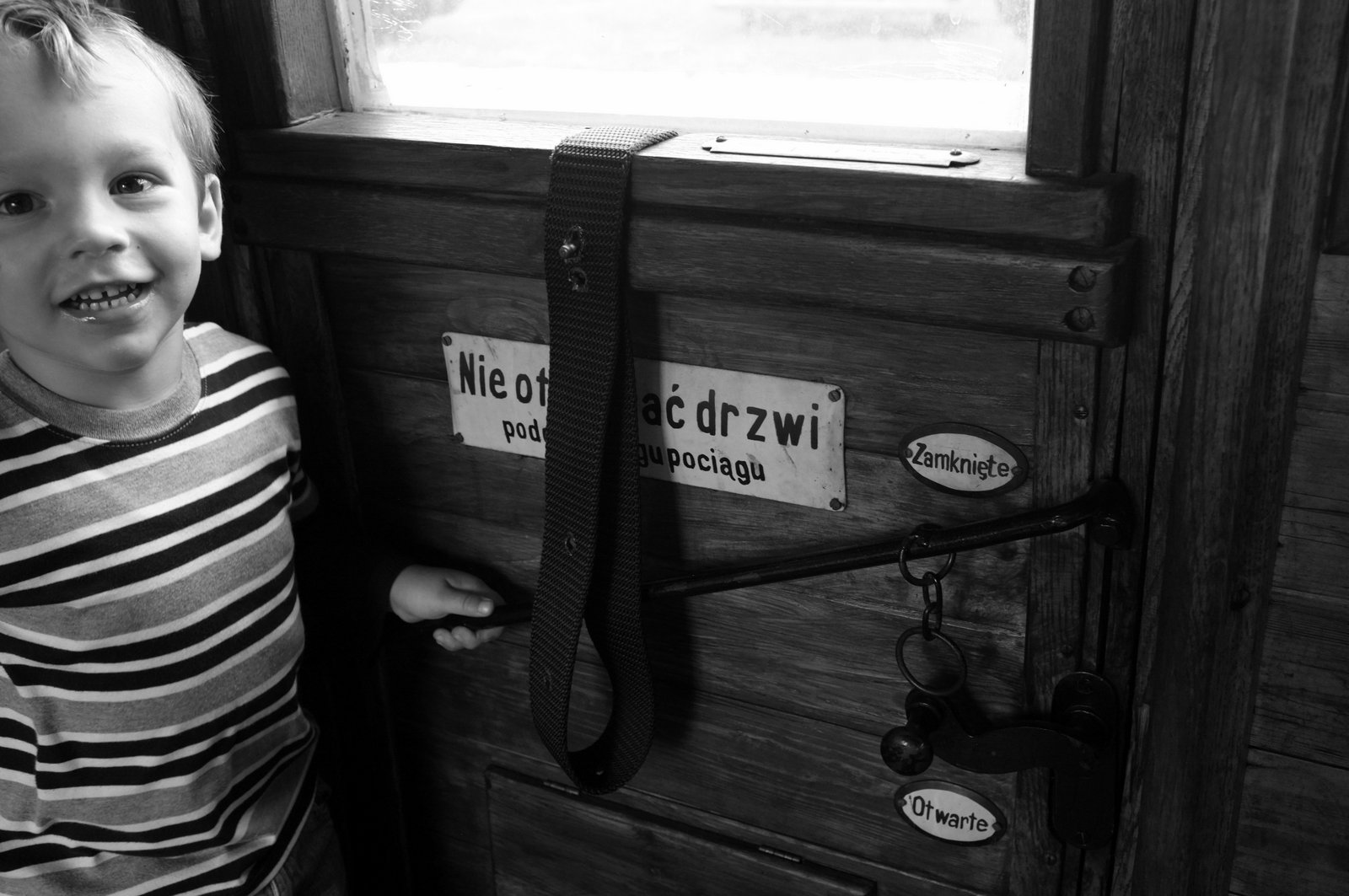
Morning: the outdoor train museum in Chabówka. It's nothing like the train museum in Savannah -- trains that you can only look at but not really touch. The trains at Chabówka are open and ready for ladder-climbing, knob-turning, and pretend-coal-loading.
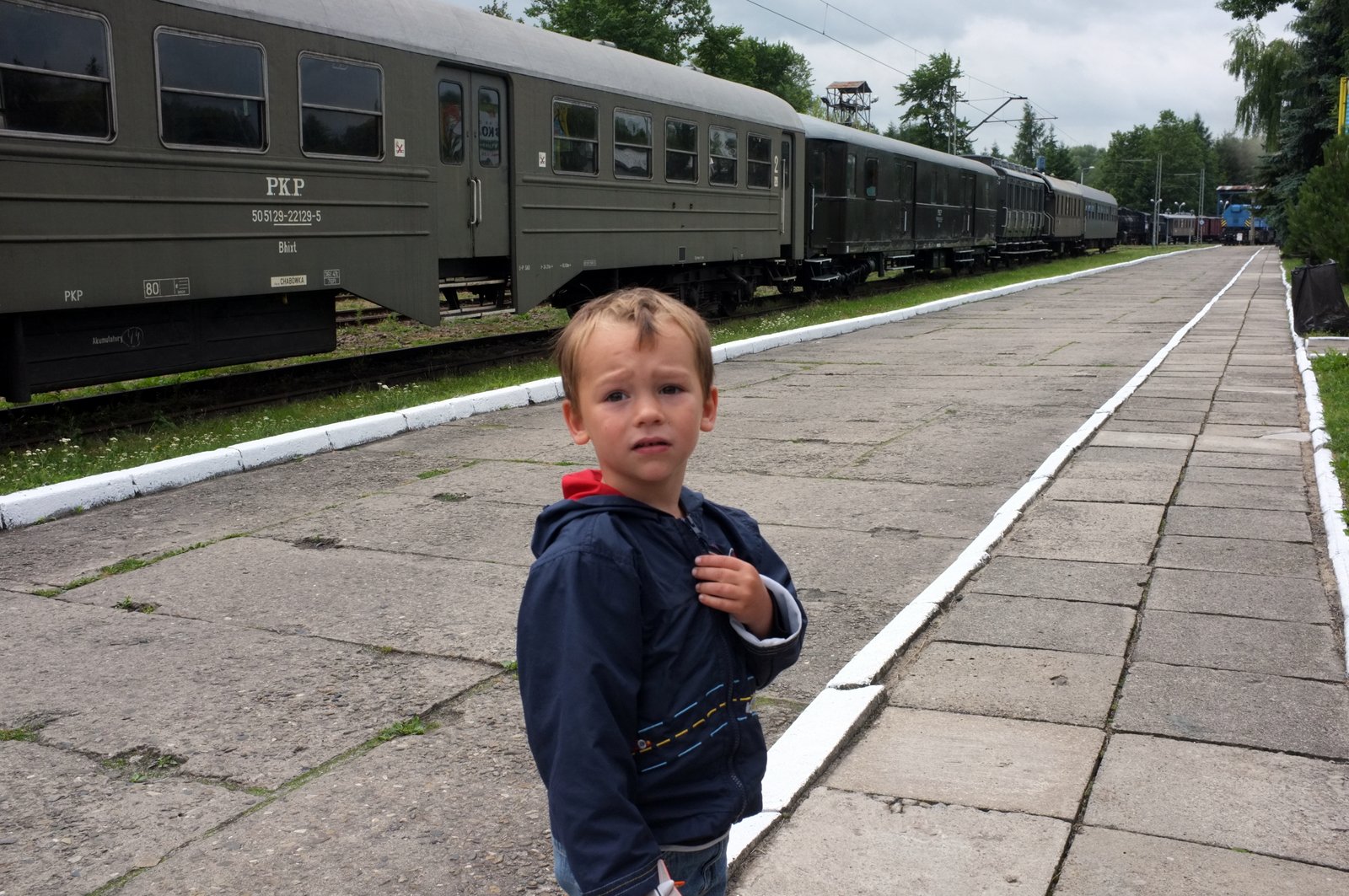
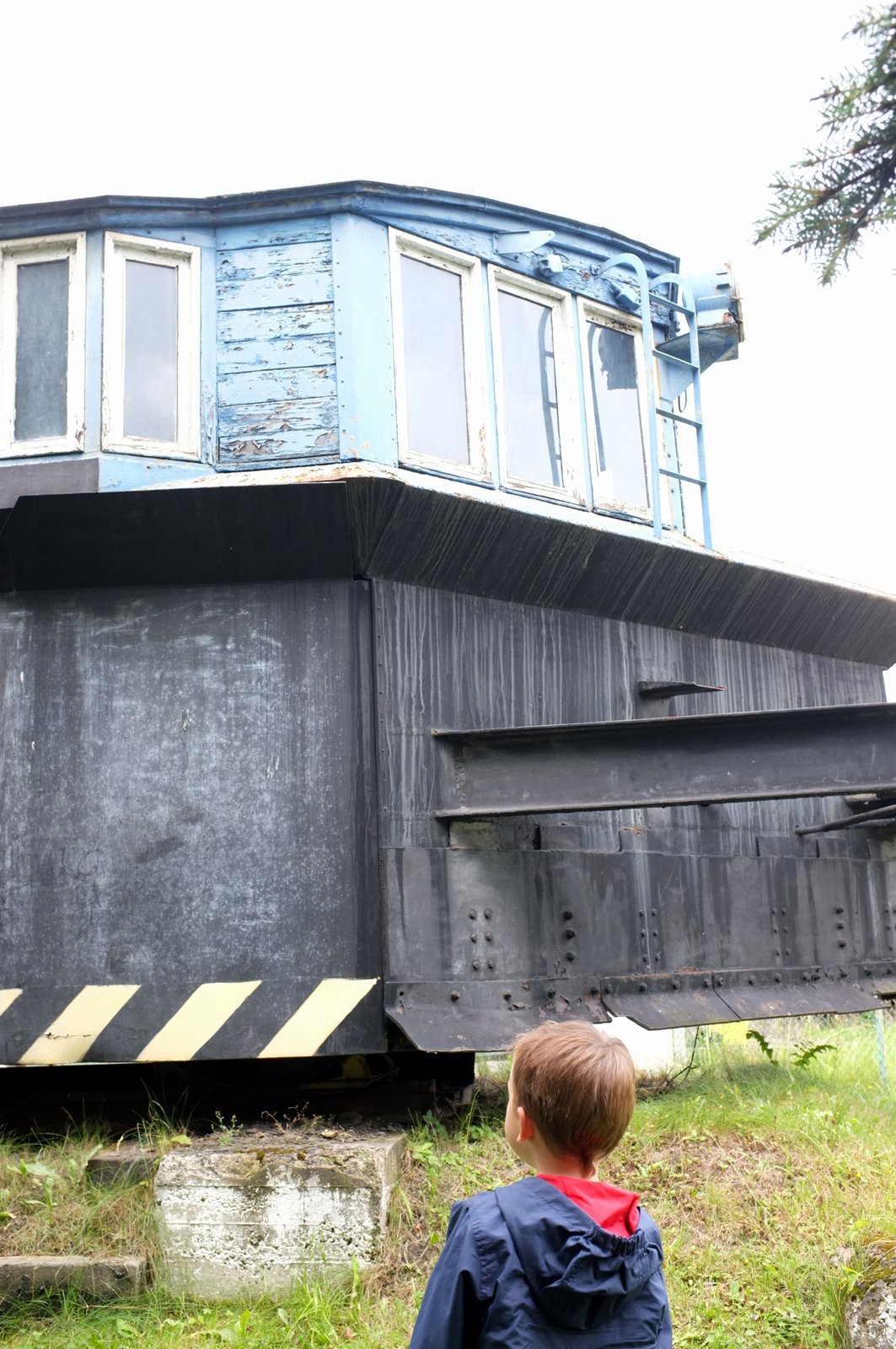
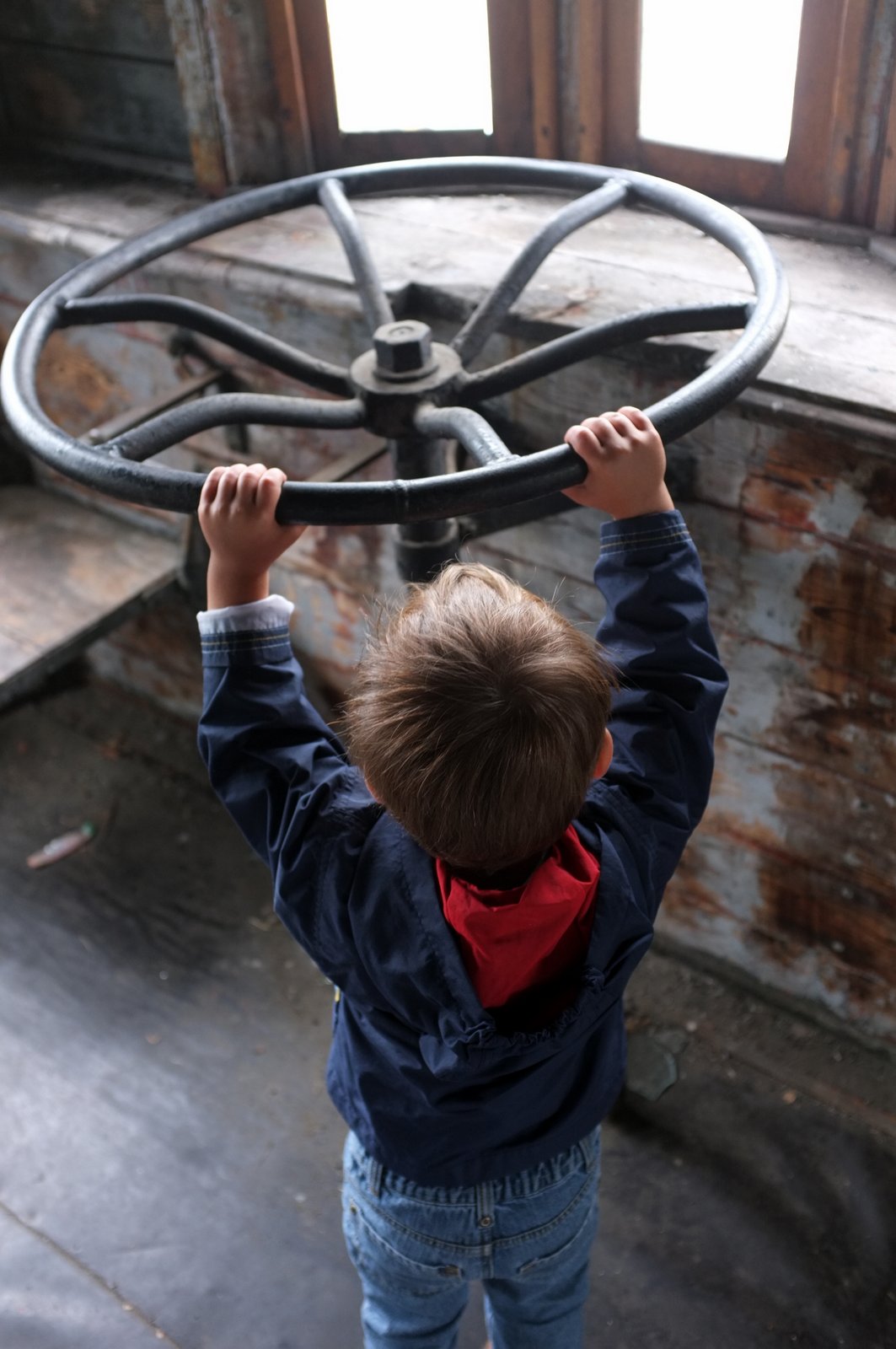
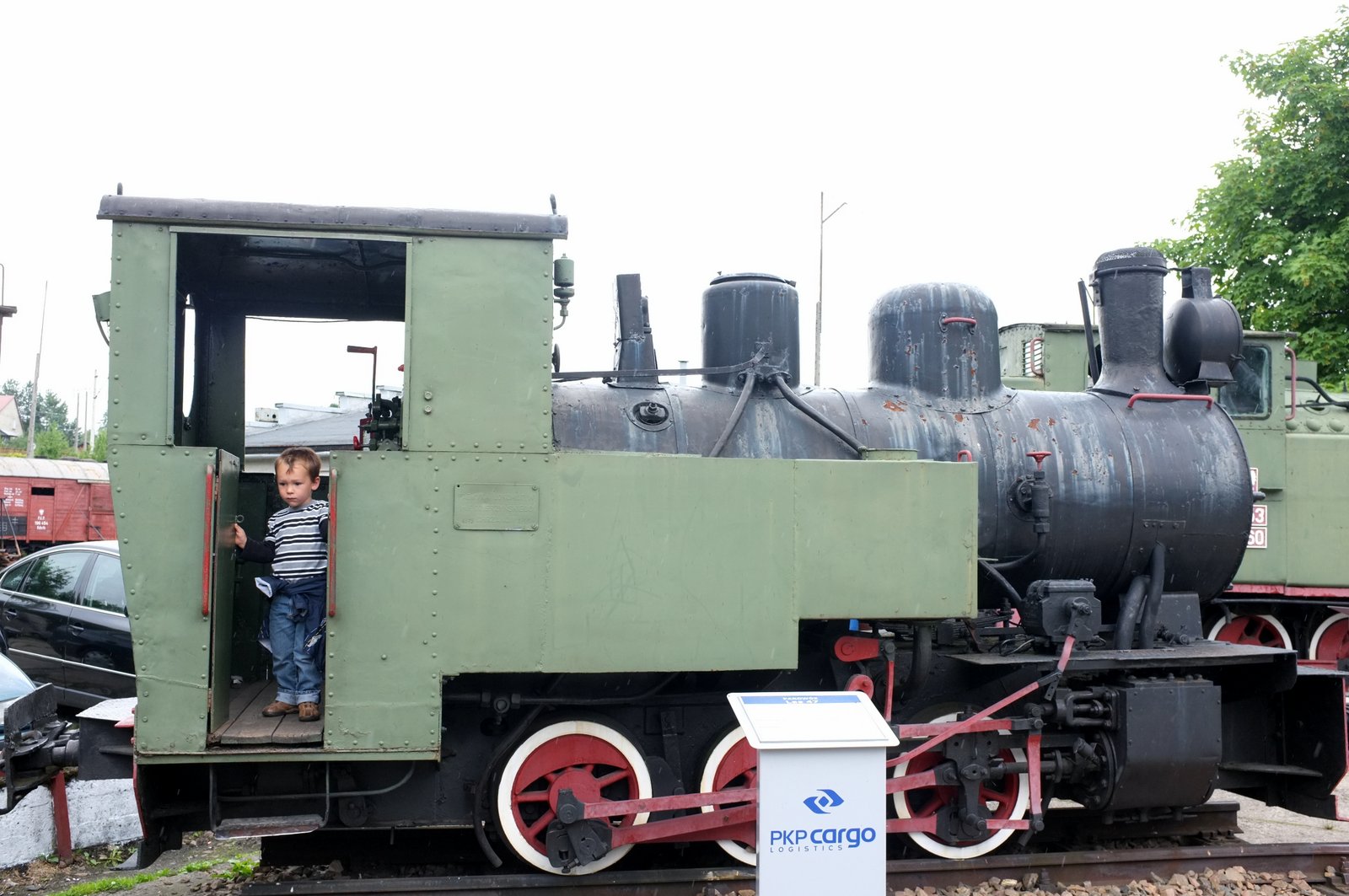
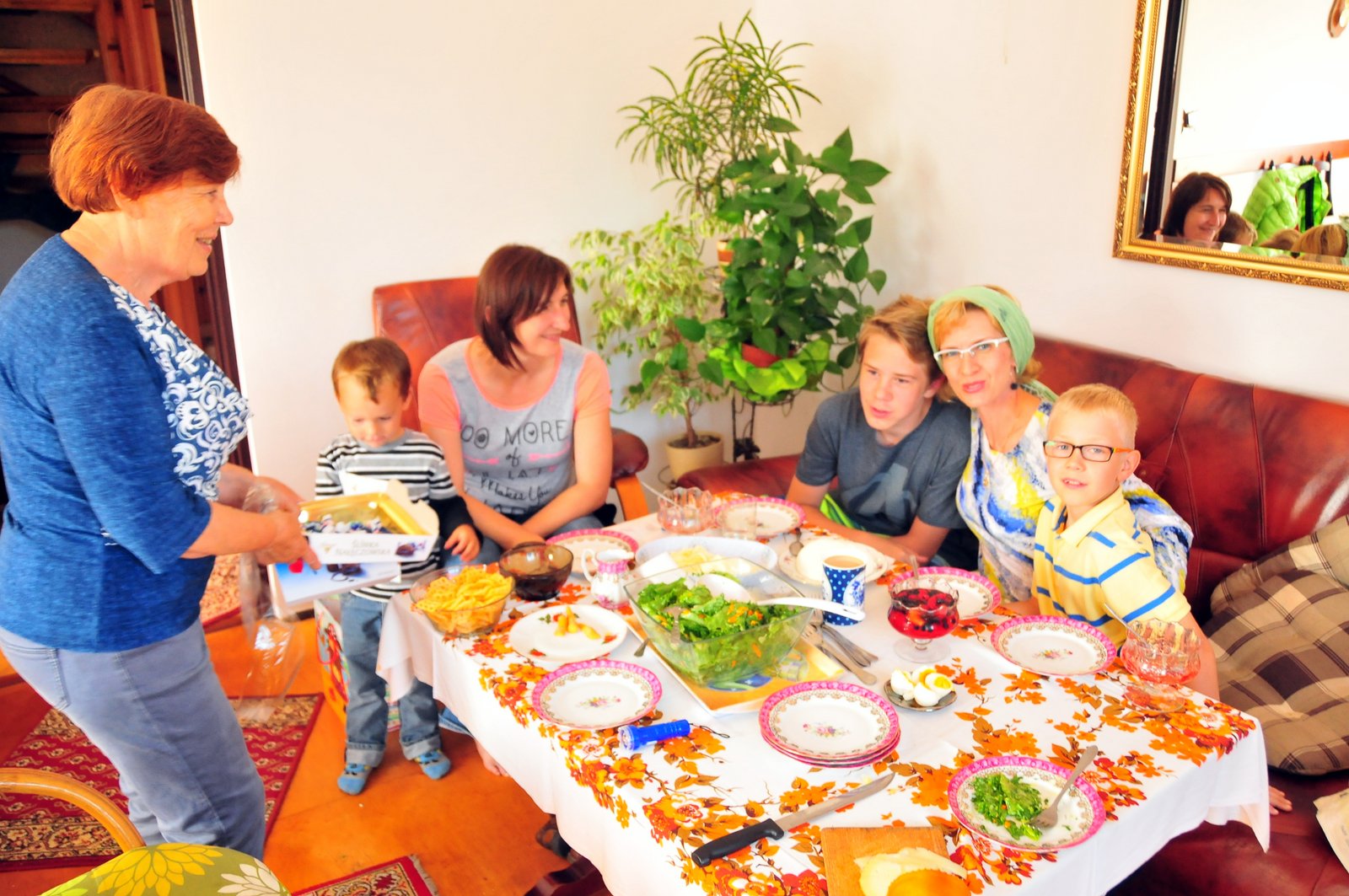
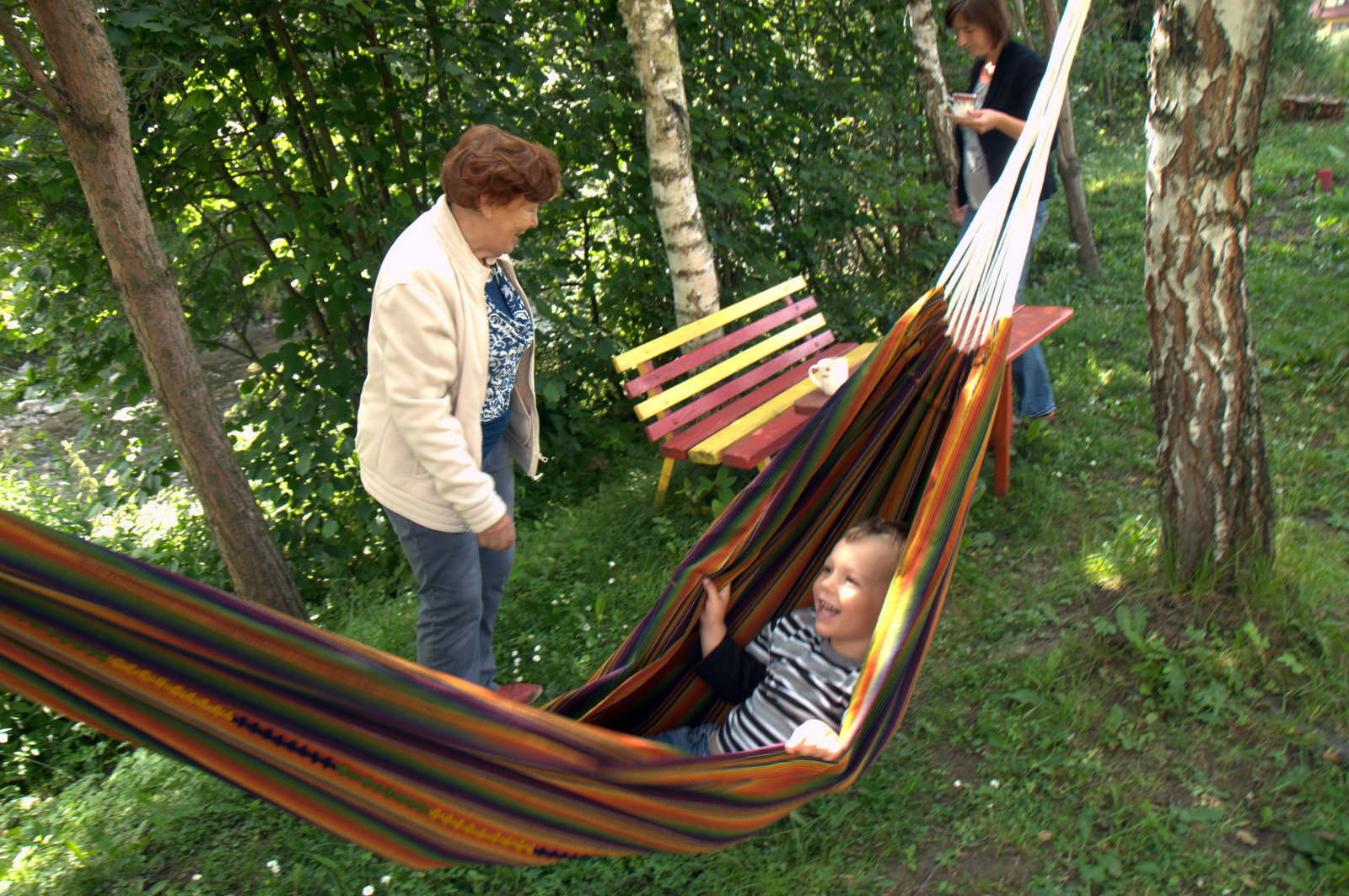
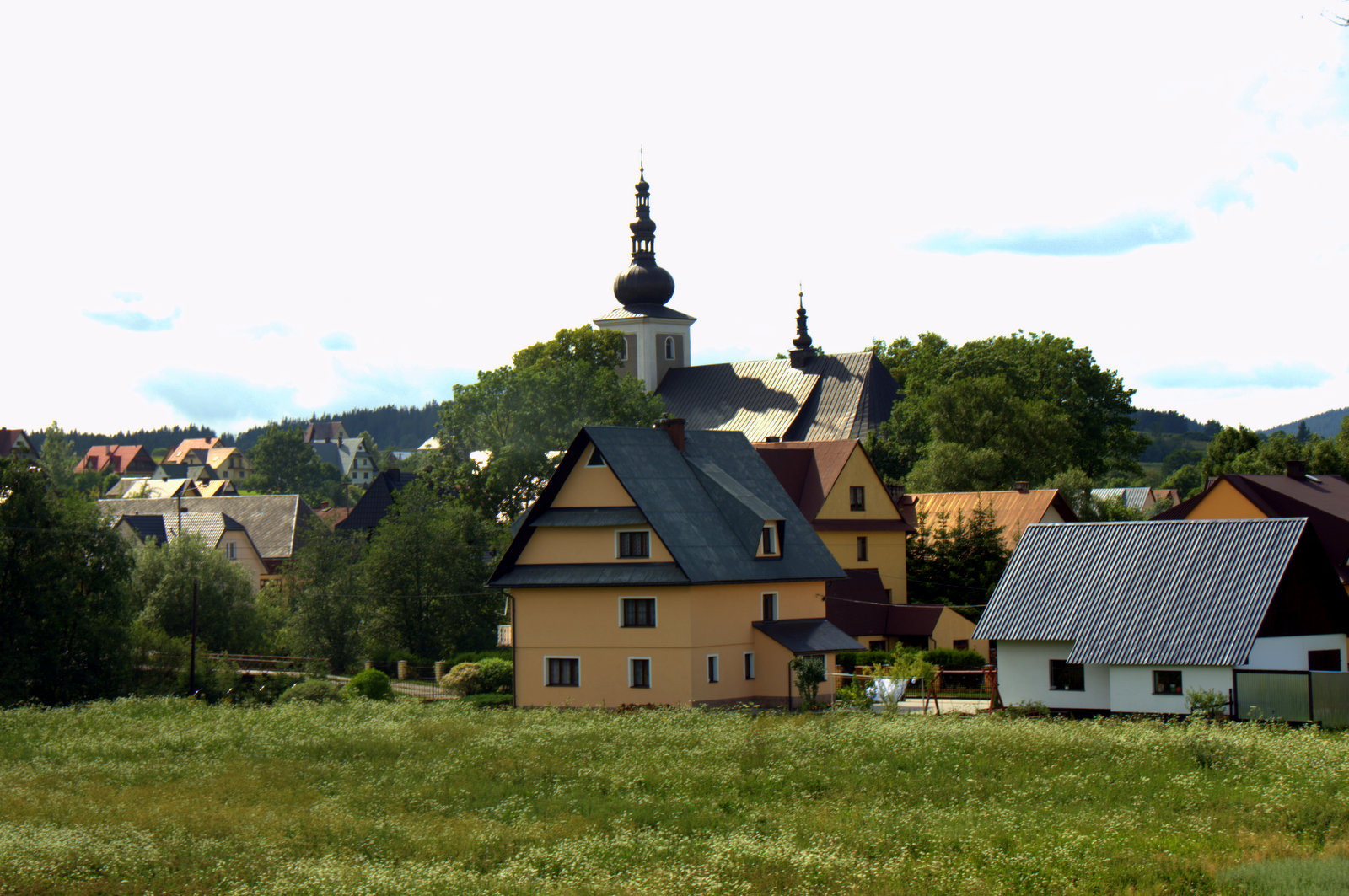
Afternoon, Lipnica Wielka, my home for seven years, and always a highlight of any visit to Poland.
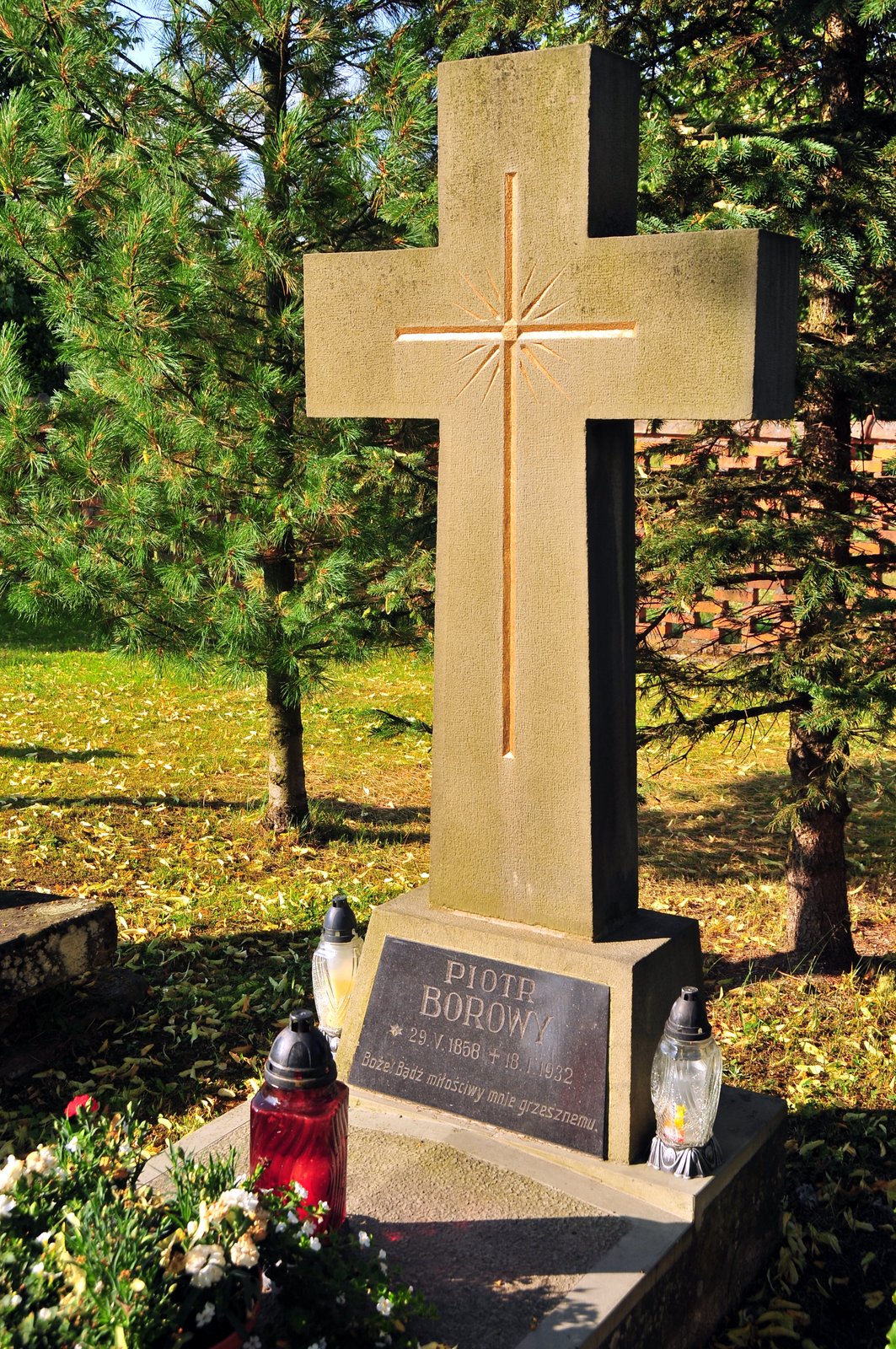
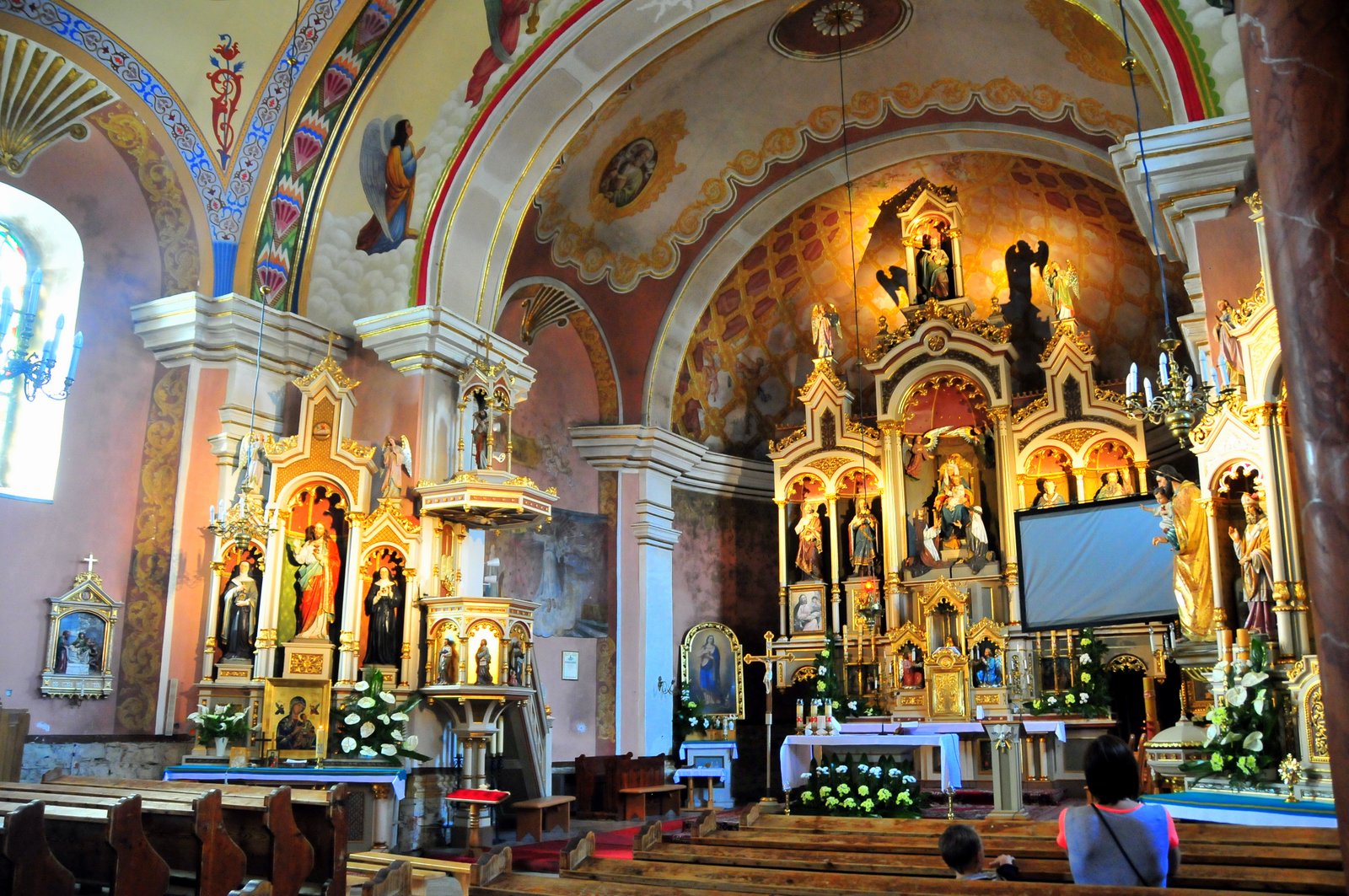
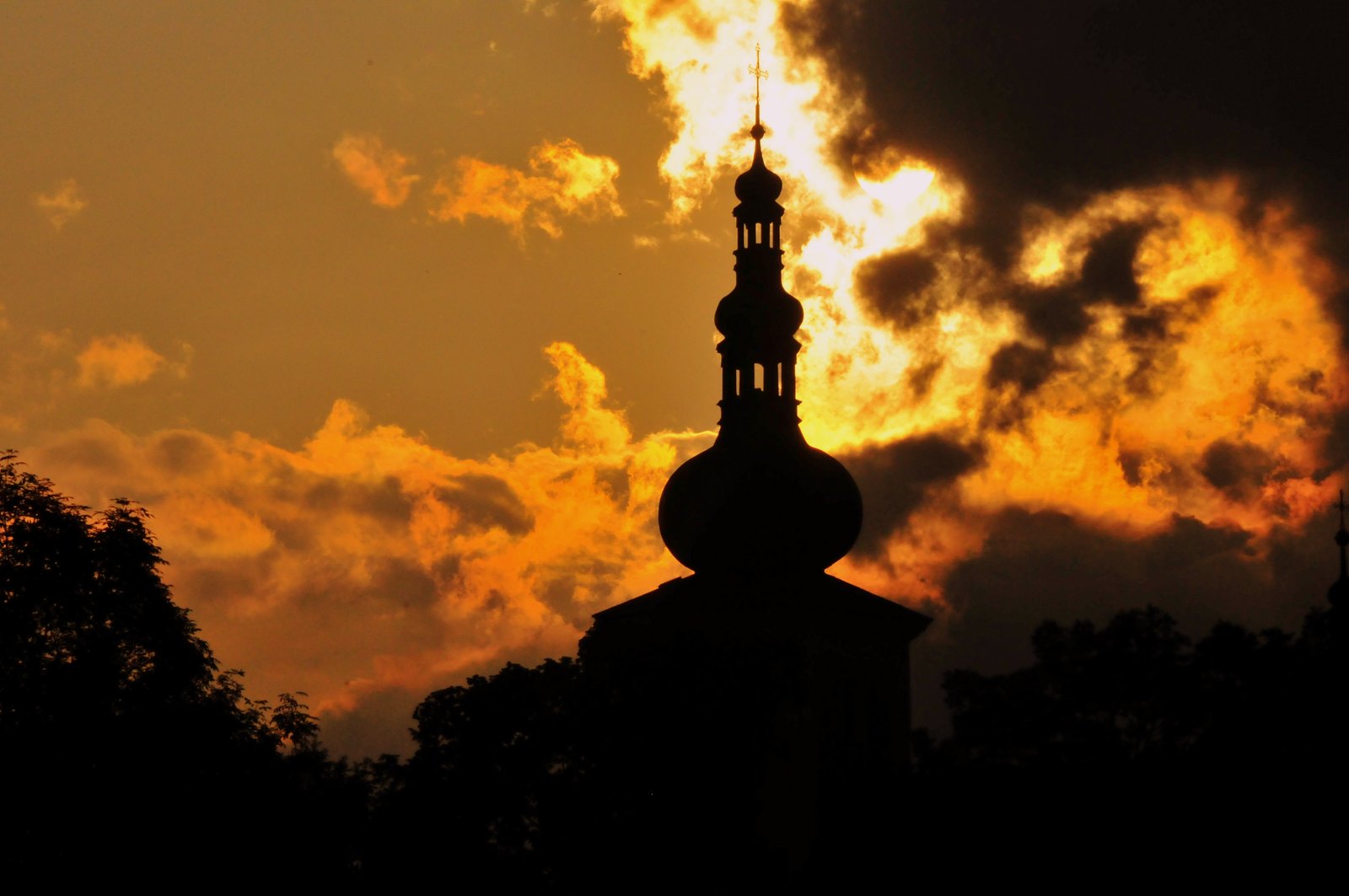
Morning: a trip to Slovakia to do some shopping. Babcia explained that the flour there is much better quality and that the crocheting thread is much cheaper, so we headed to Trstena, the first real town across the border.
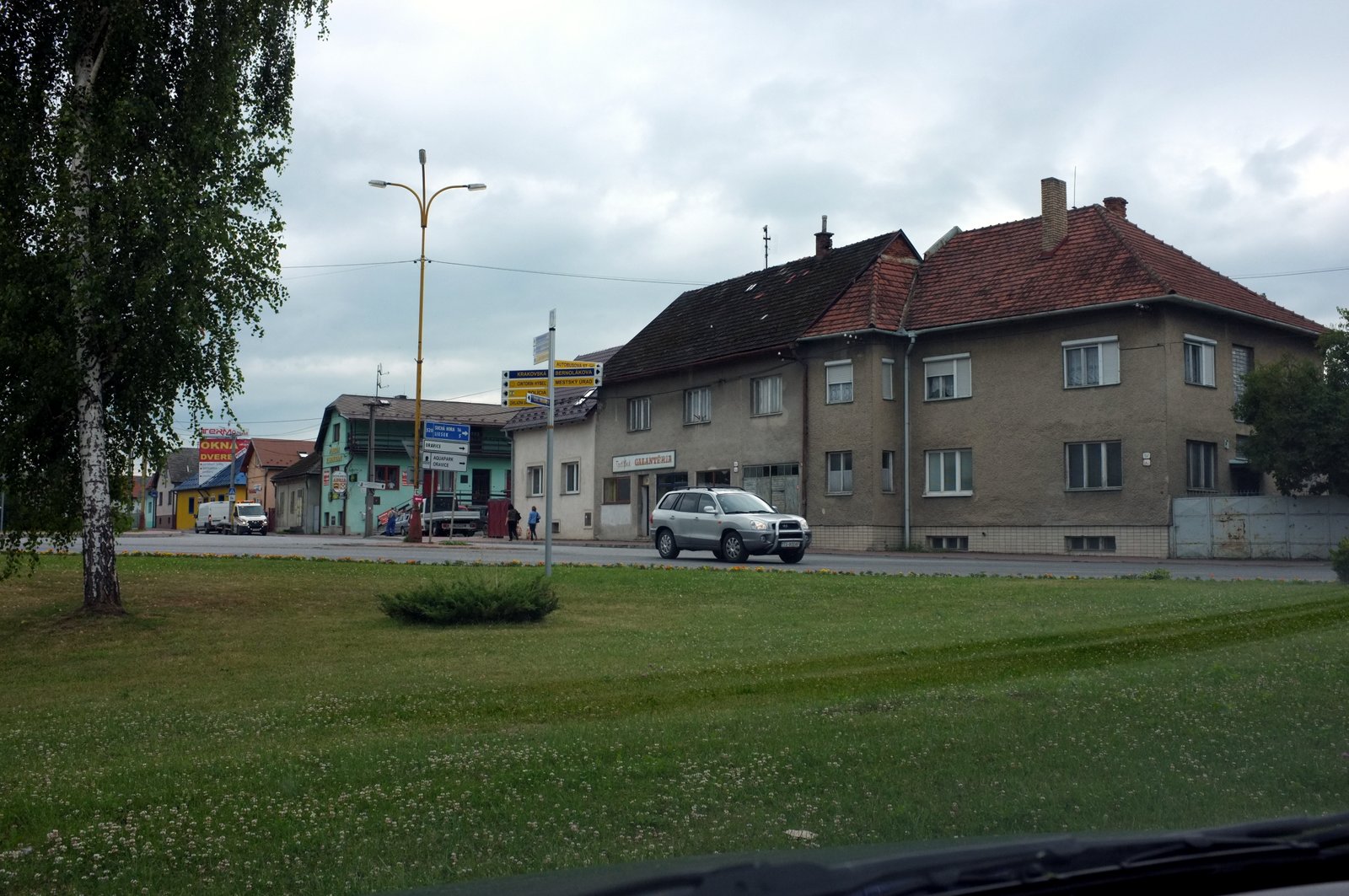
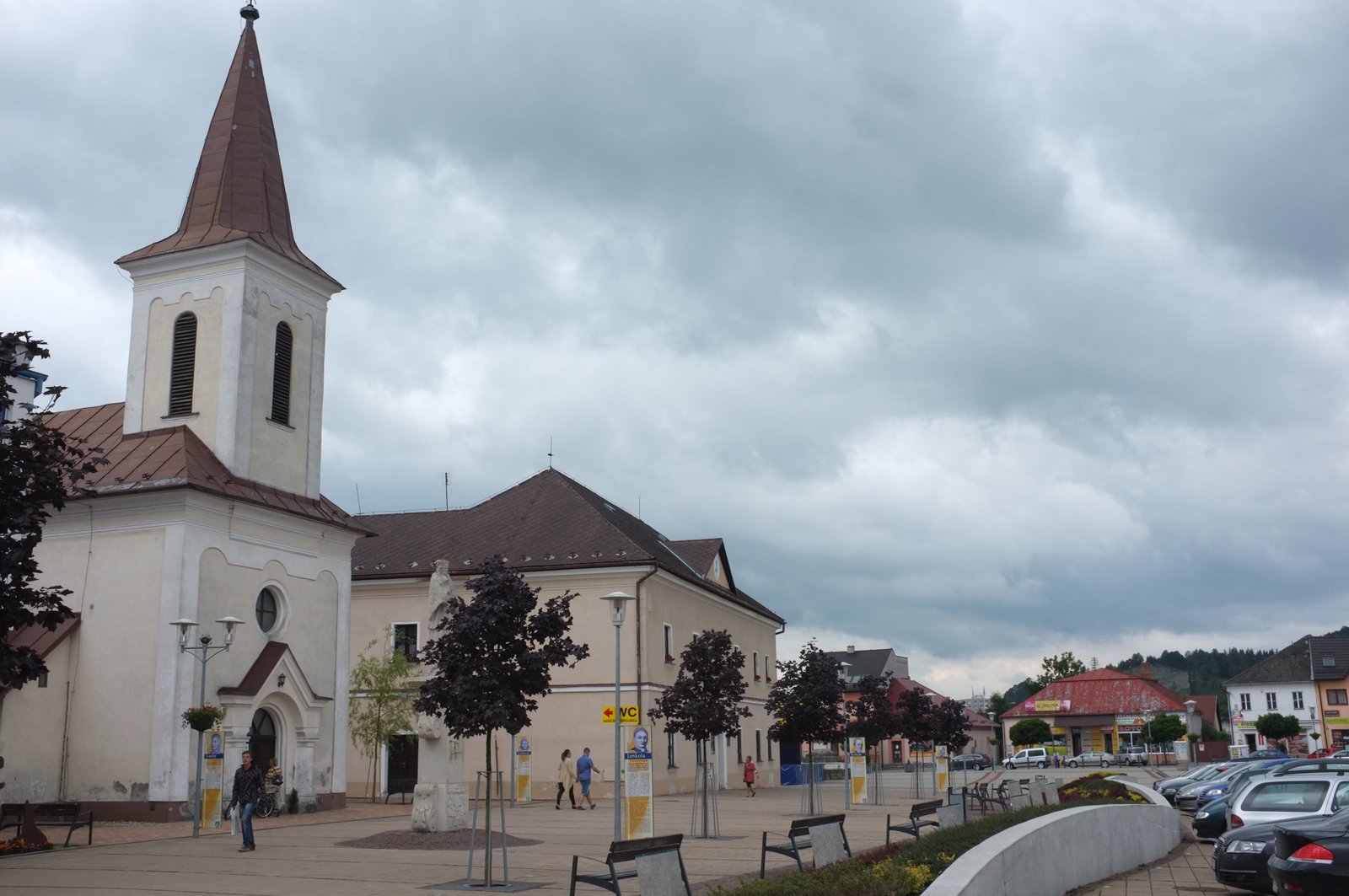
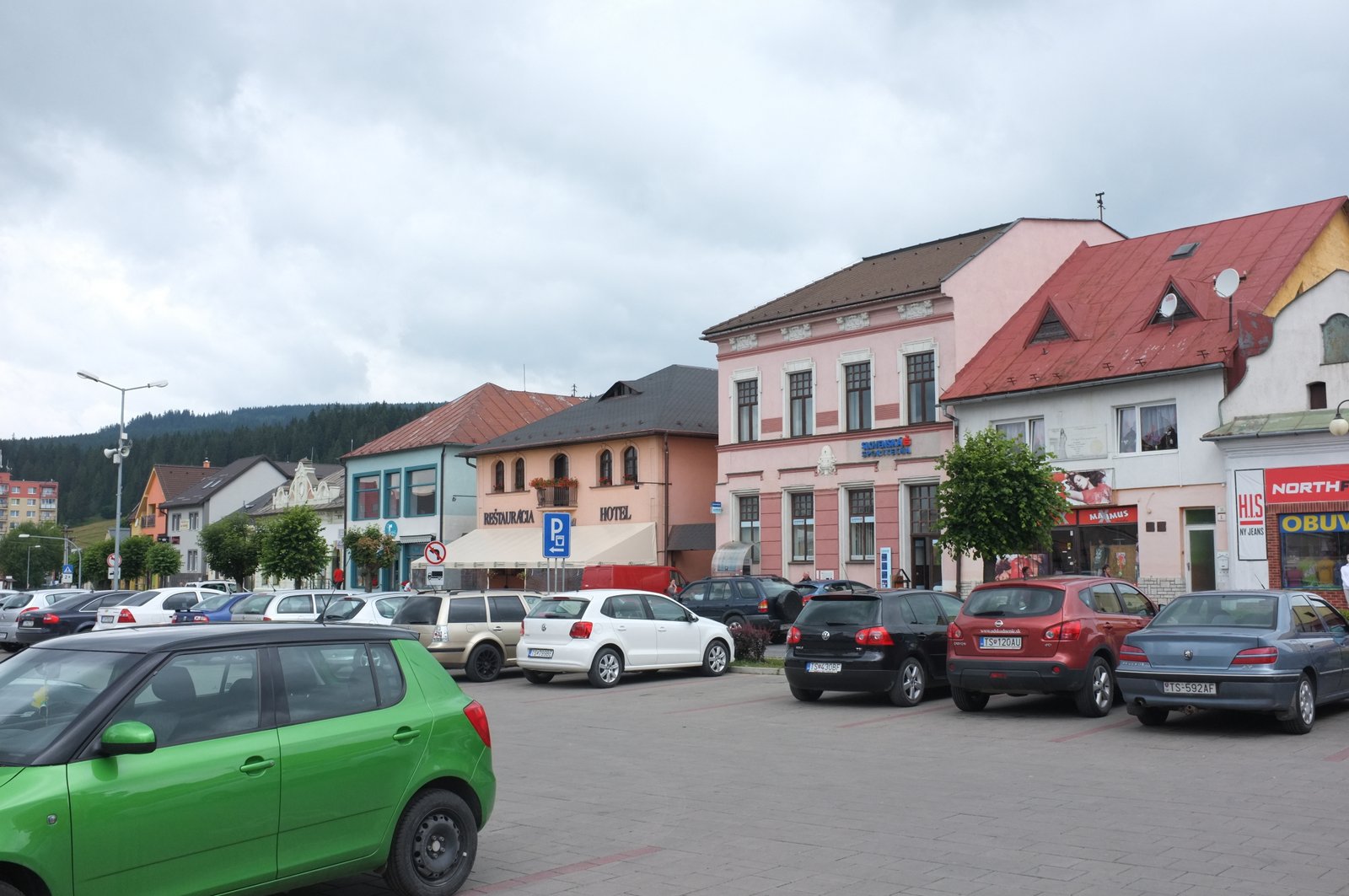
Despite all the changes in Lipnica and Jabłonka, Trstena really hasn't changed all that much. The town square still looks more or less like it did the first time I went in 1996. Sure, there have been a few updates in architecture, but mainly face-lifts to get ride of the old socialist realism of the previous era.
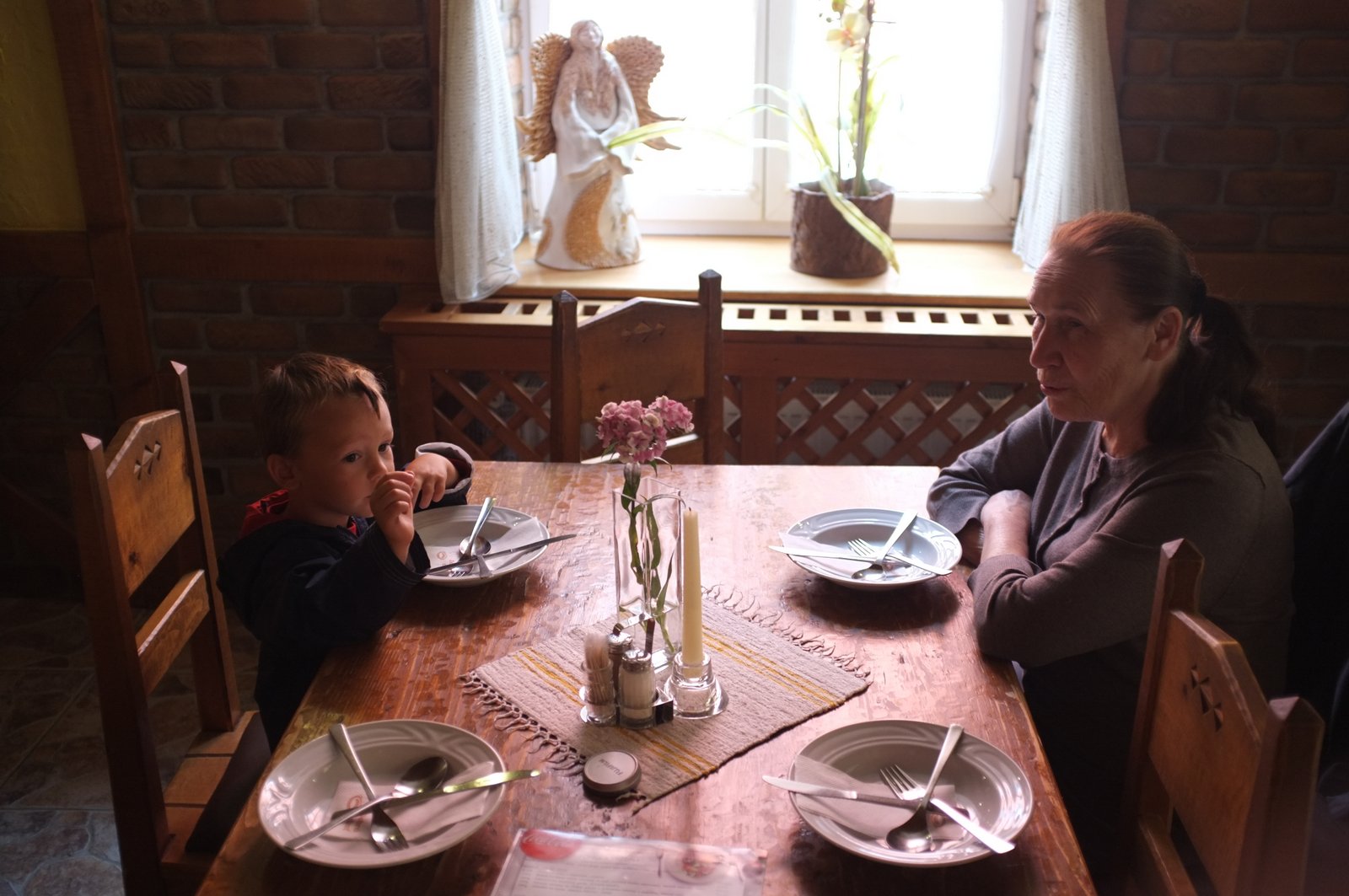
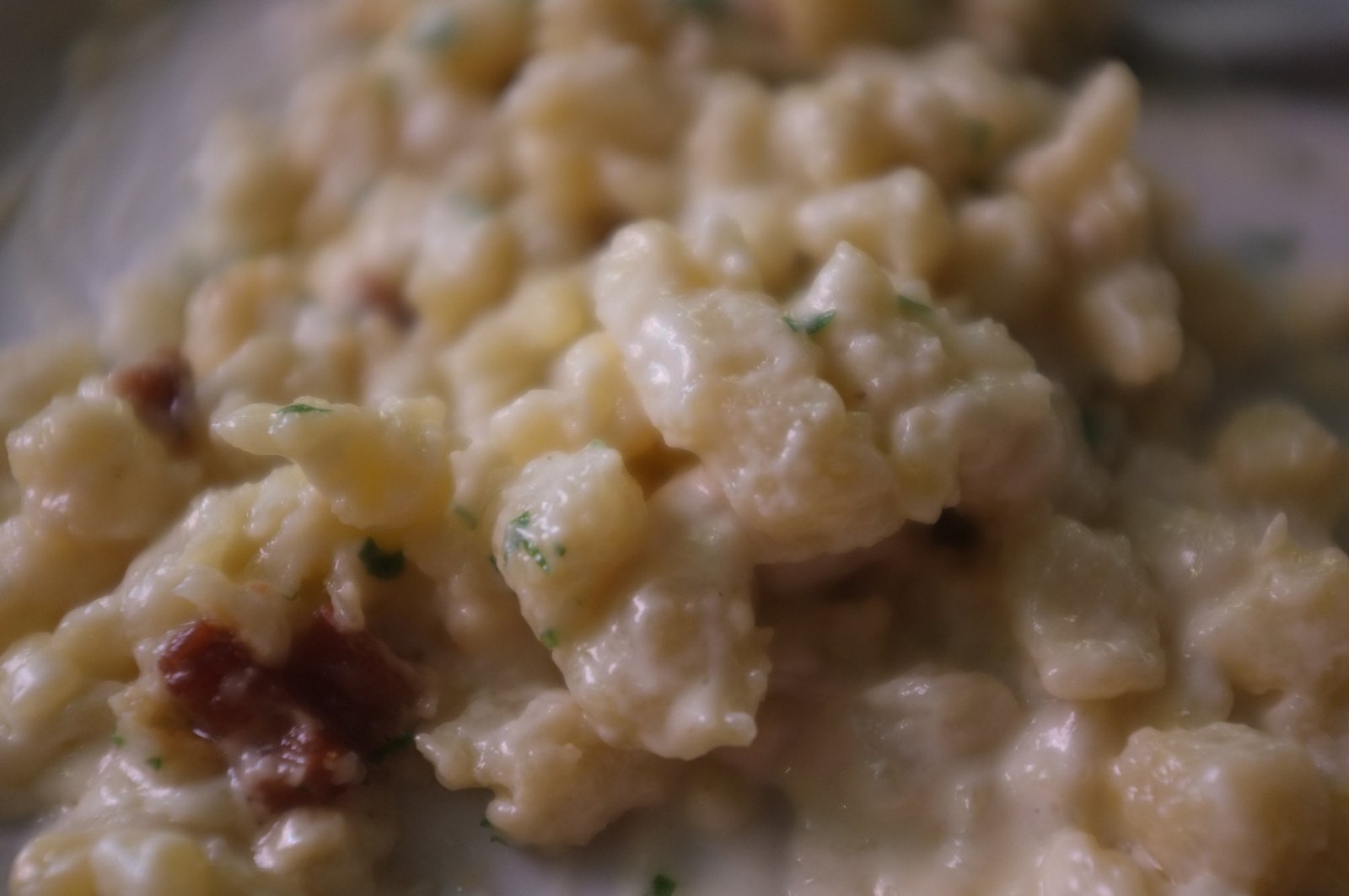
We made our purchases and then found a cozy restaurant for a bit of lunch. And of course since we were in Slovakia, there was only one thing on my mind for lunch: bryndzové halusky. I could eat the stuff by the kilo if it weren't for the fact that it's a complete fat and carb bomb.
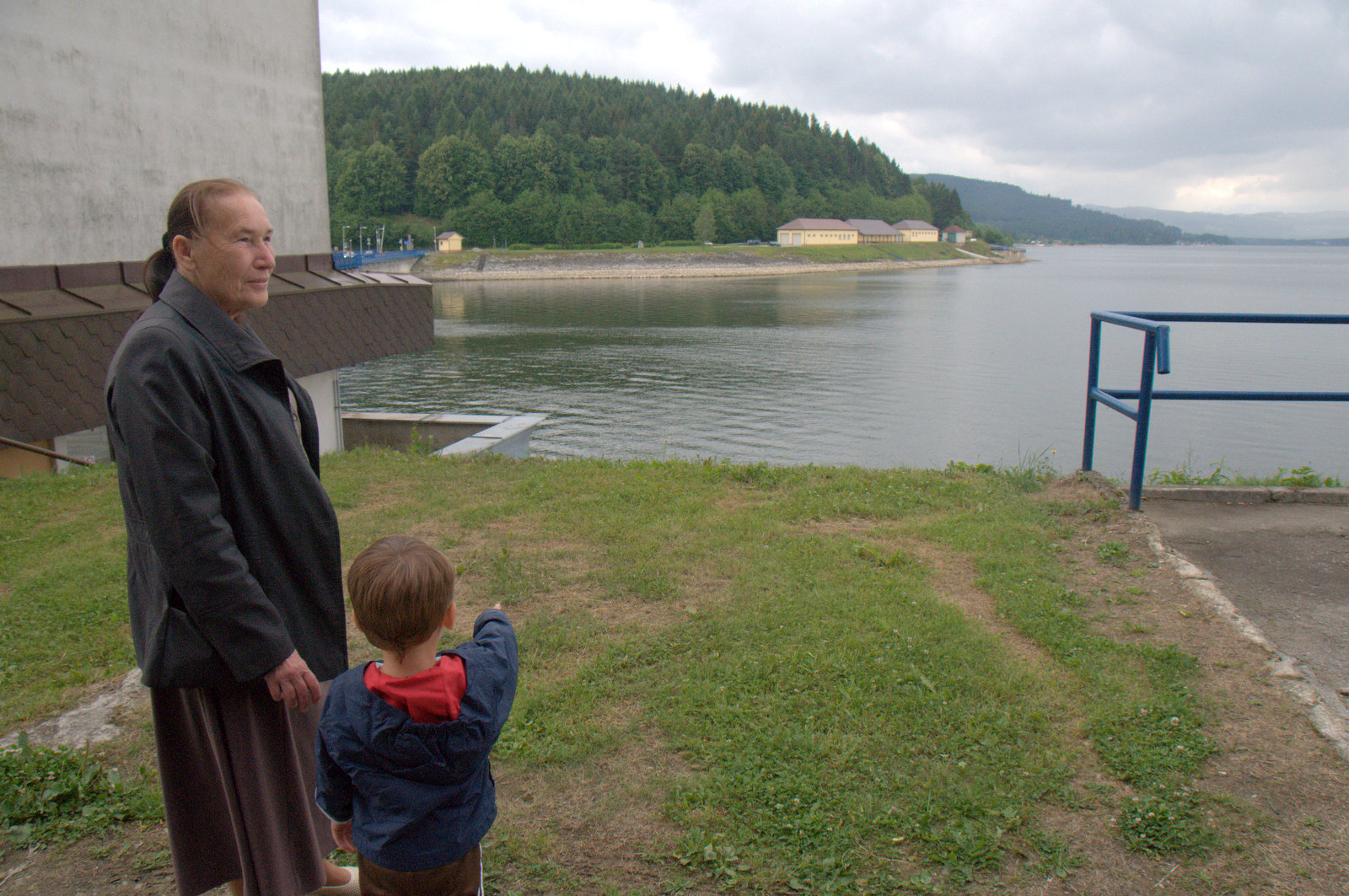
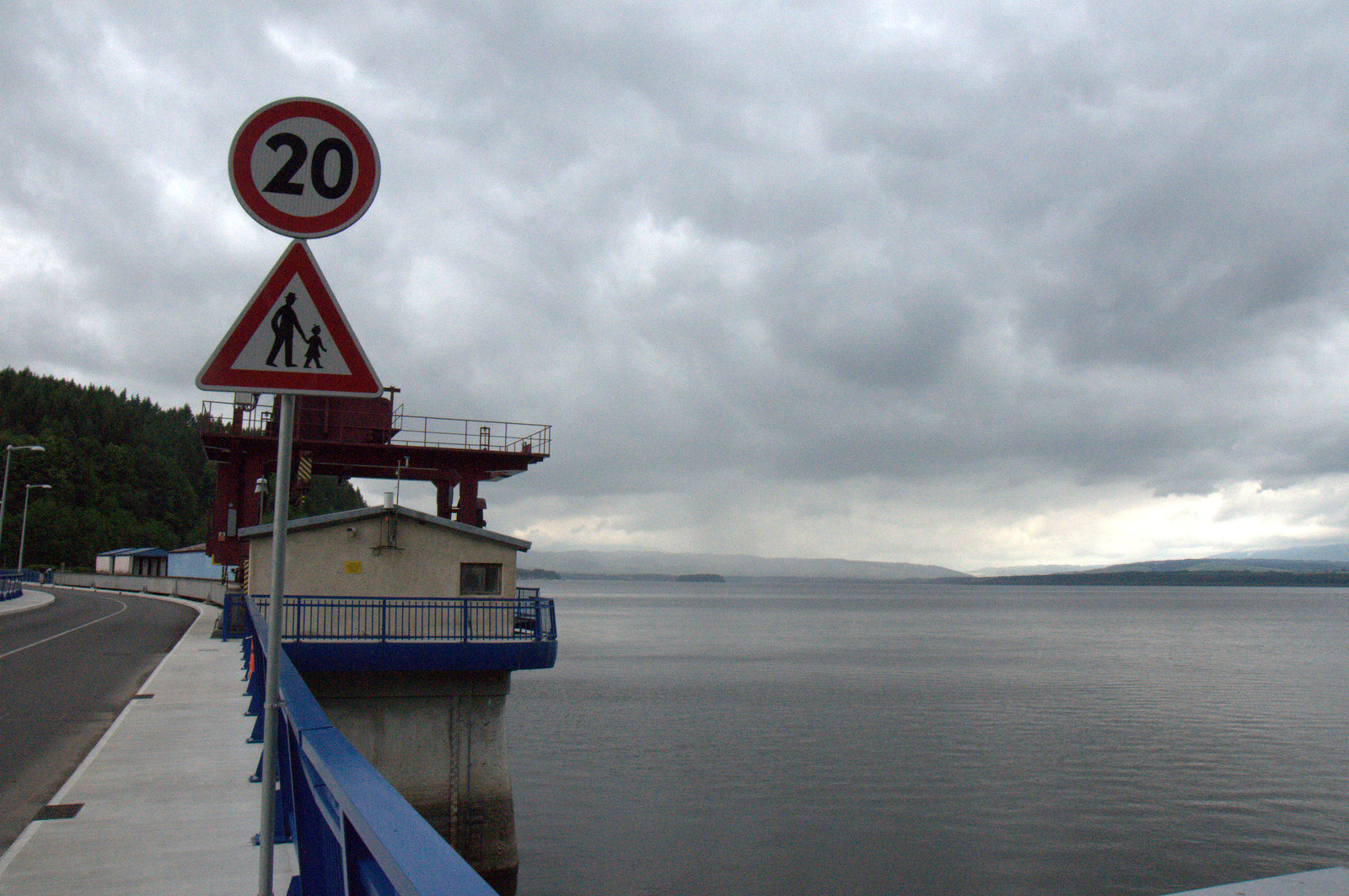
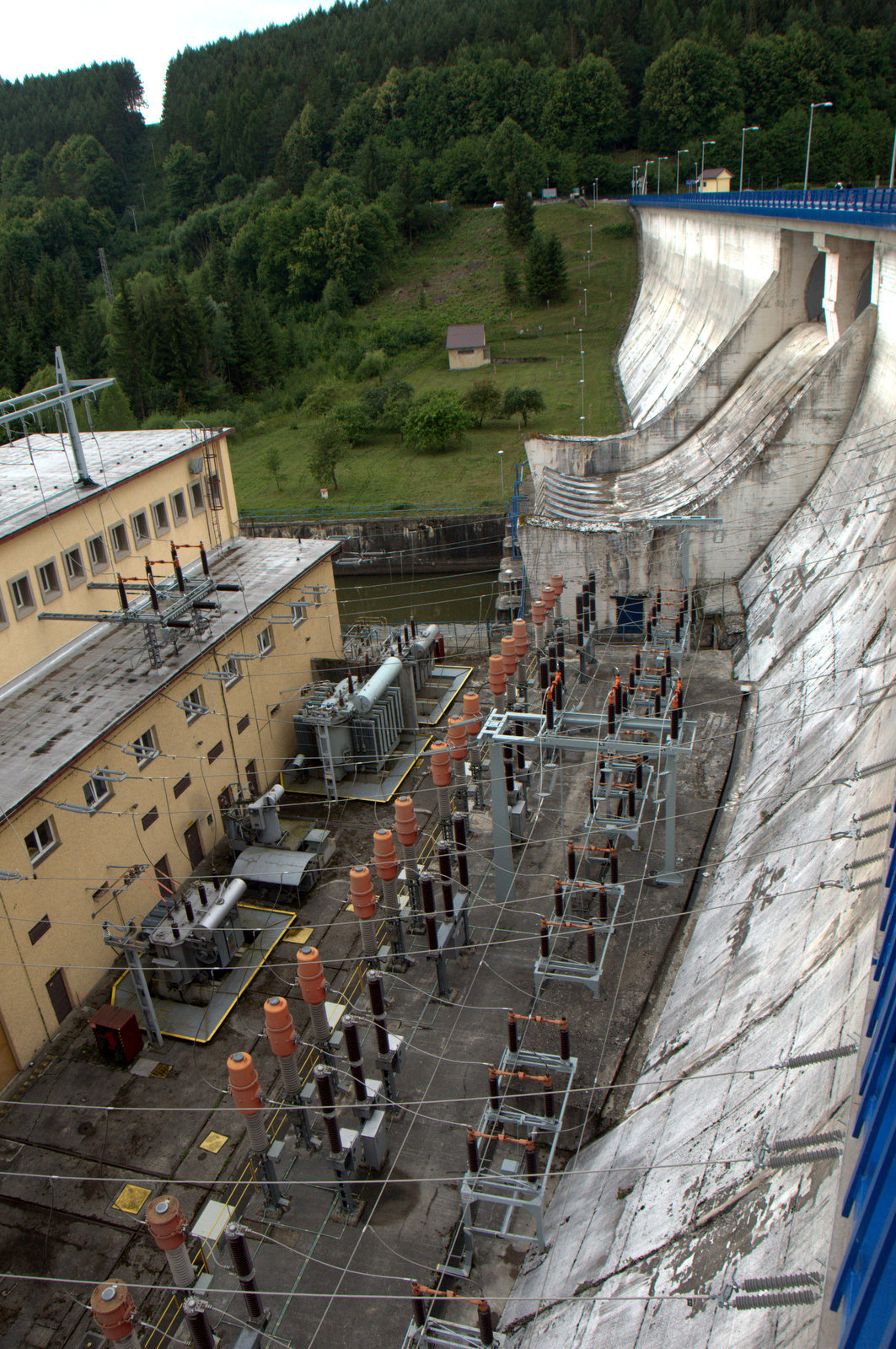
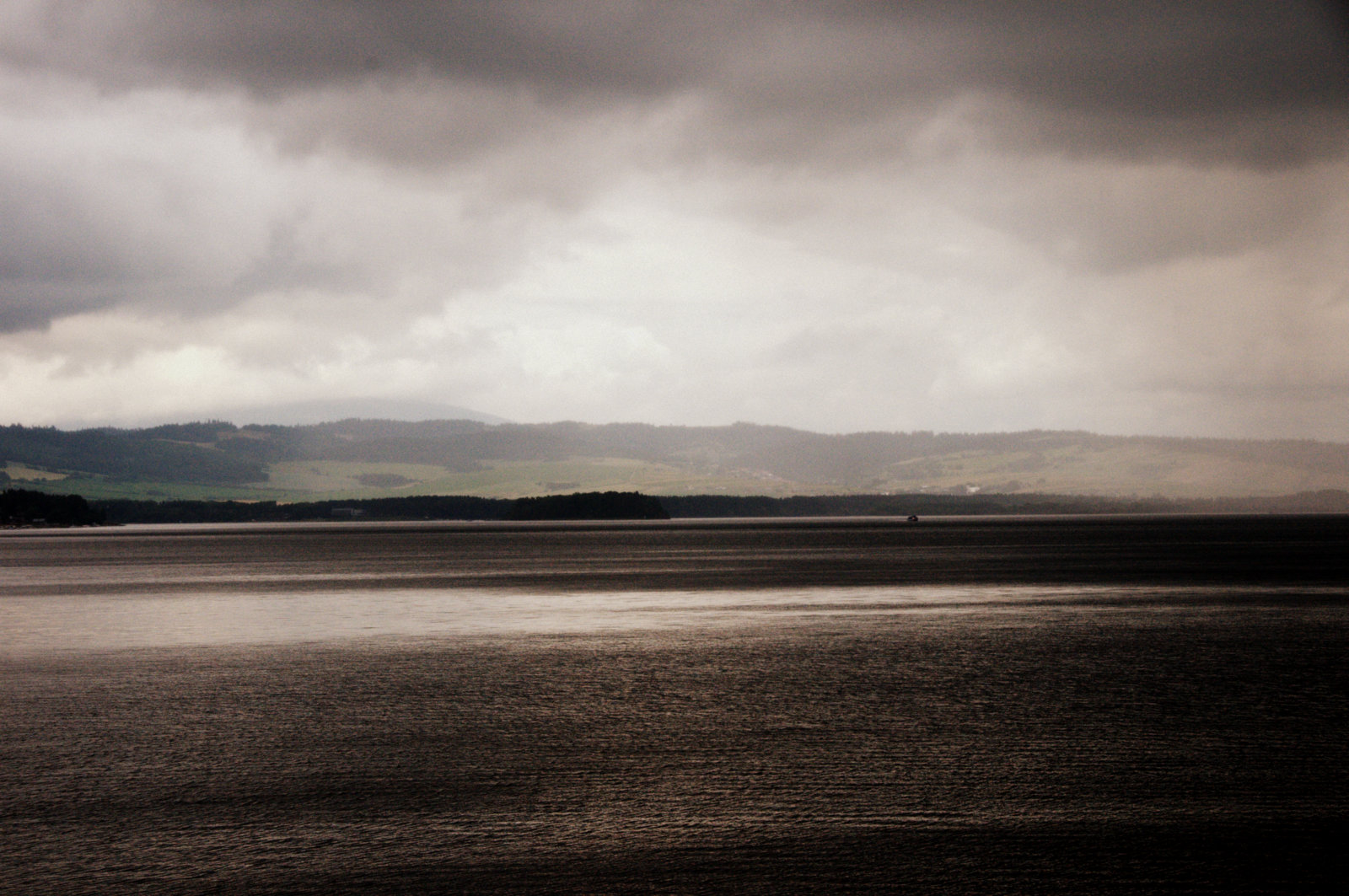
Since Babcia wanted to stop and get some trash bags -- the local trash collecting agency will only pick up trash and recyclables that are in the proper bag, in typical bureaucratic fashion -- and since the bags are available only in one location, we decided to drive around Lake Orawa and come at Lipnica, where the trusty bags are located, from the backside. This meant we went over the dam that formed the lake some decades ago and prompted the creation of the town of Namestovo for the displaced residents of the valley. Of course, the boy loved it.
Part two: Nowy Targ. K had some shopping to do and wanted to get her hair done, and since two people recommended the same hairdresser in NT, there was only one place to go. I on the other hand had other things on my mind: no trip to Poland is complete without a visit to C, the Other American in the area with whom I spent countless weekend hours in the late 90s.
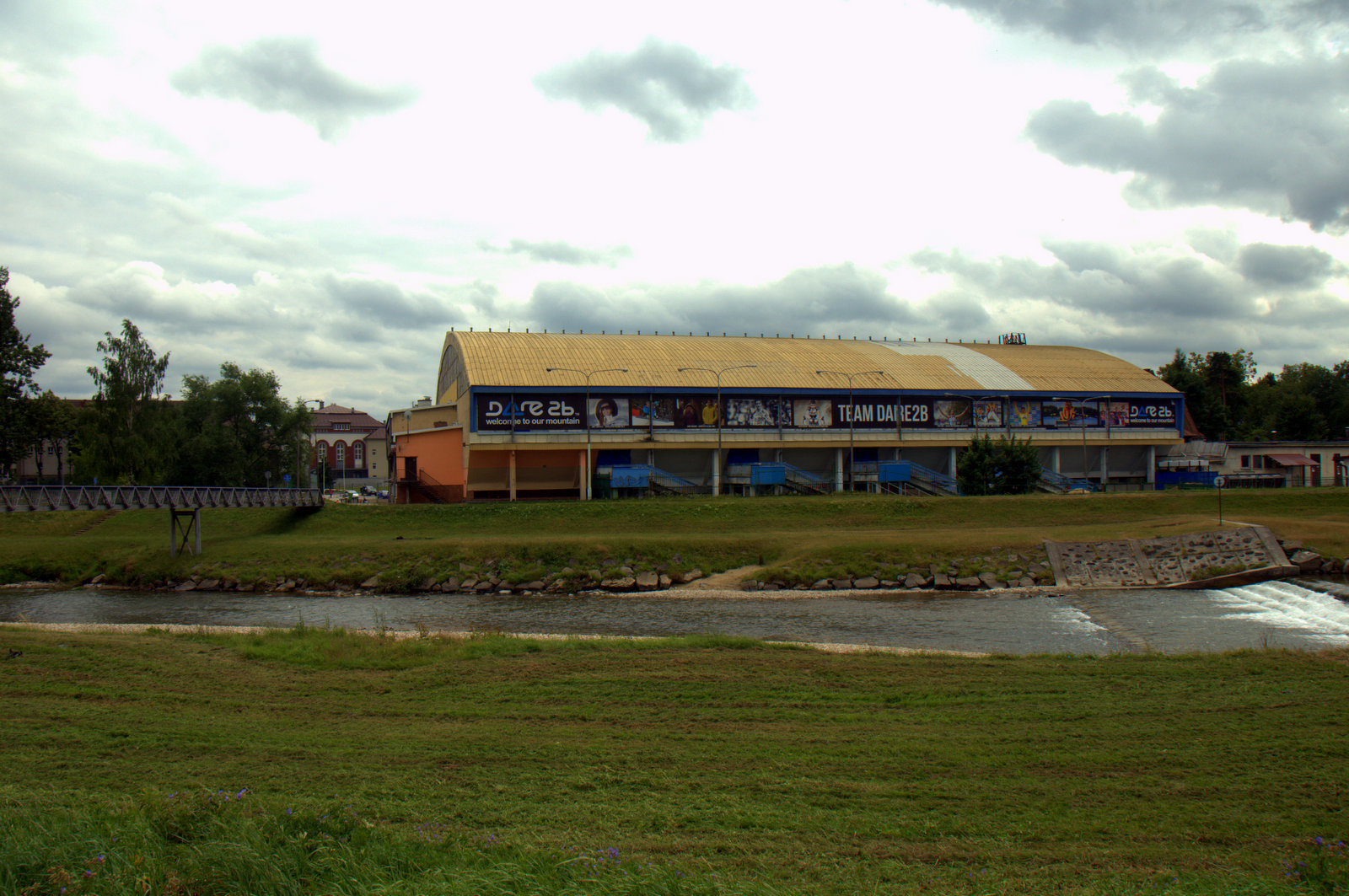
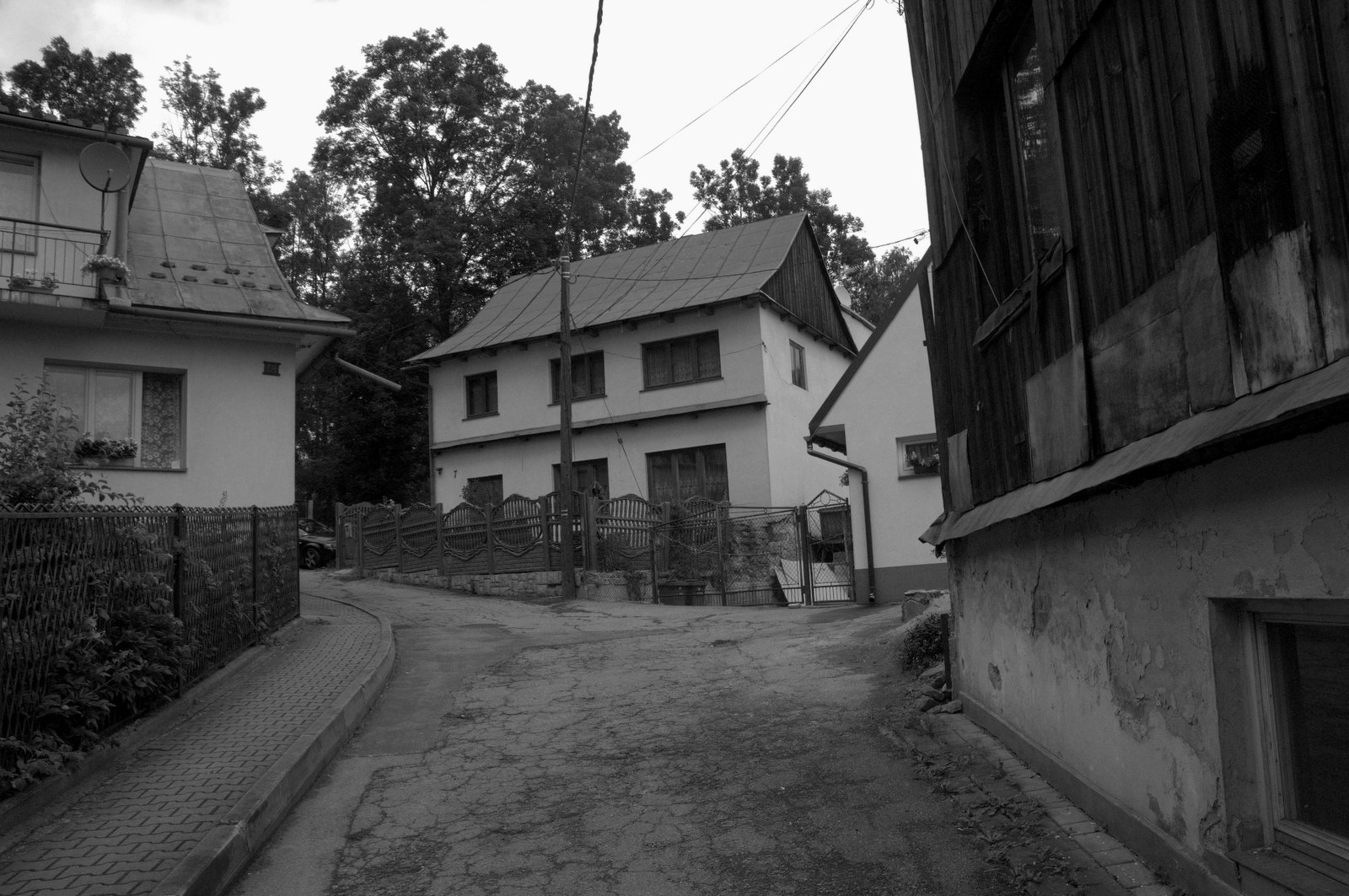
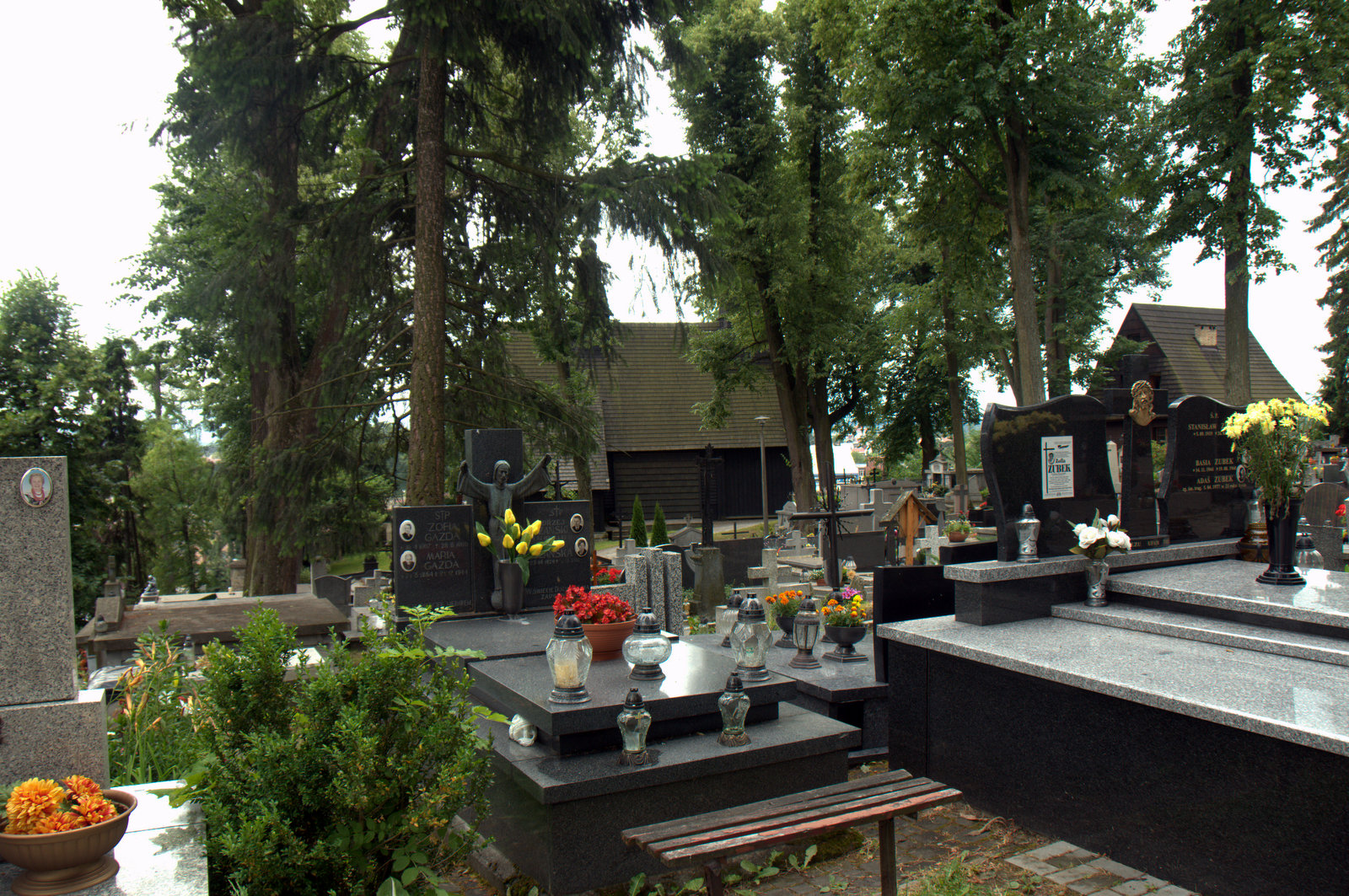
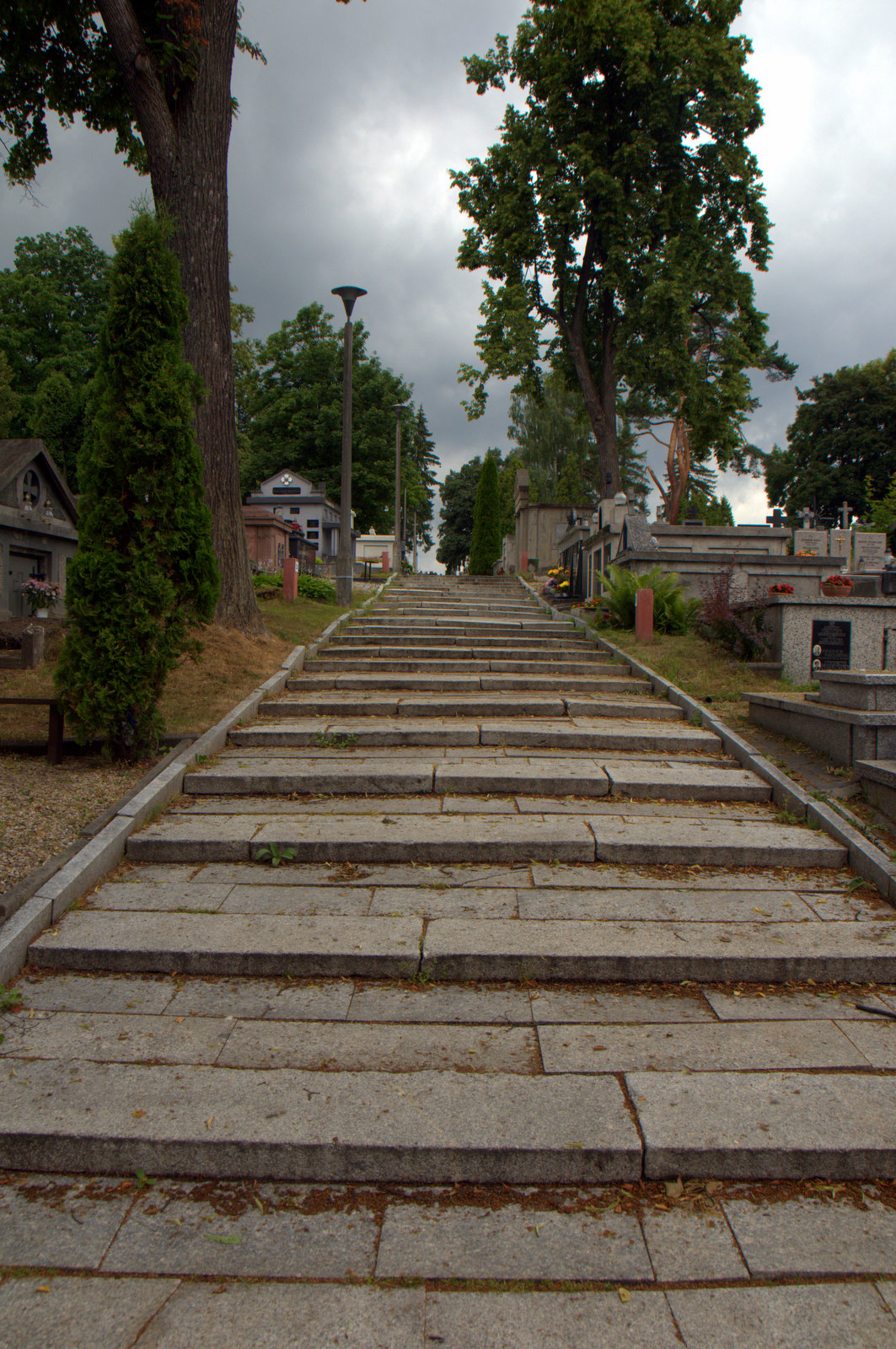
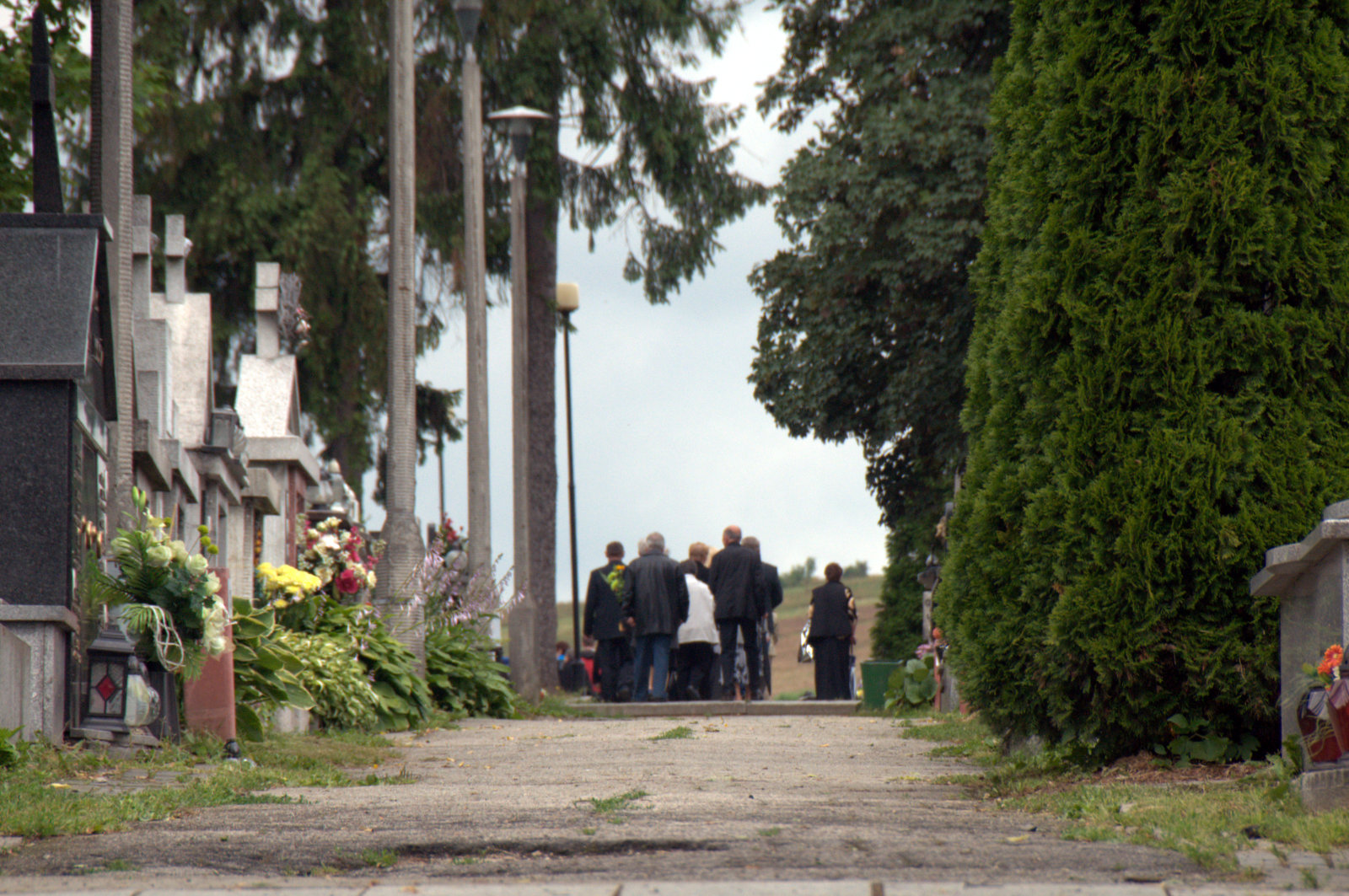
A quick walk over the river and through the cemetery and soon, C and I were catching up, reminiscing.
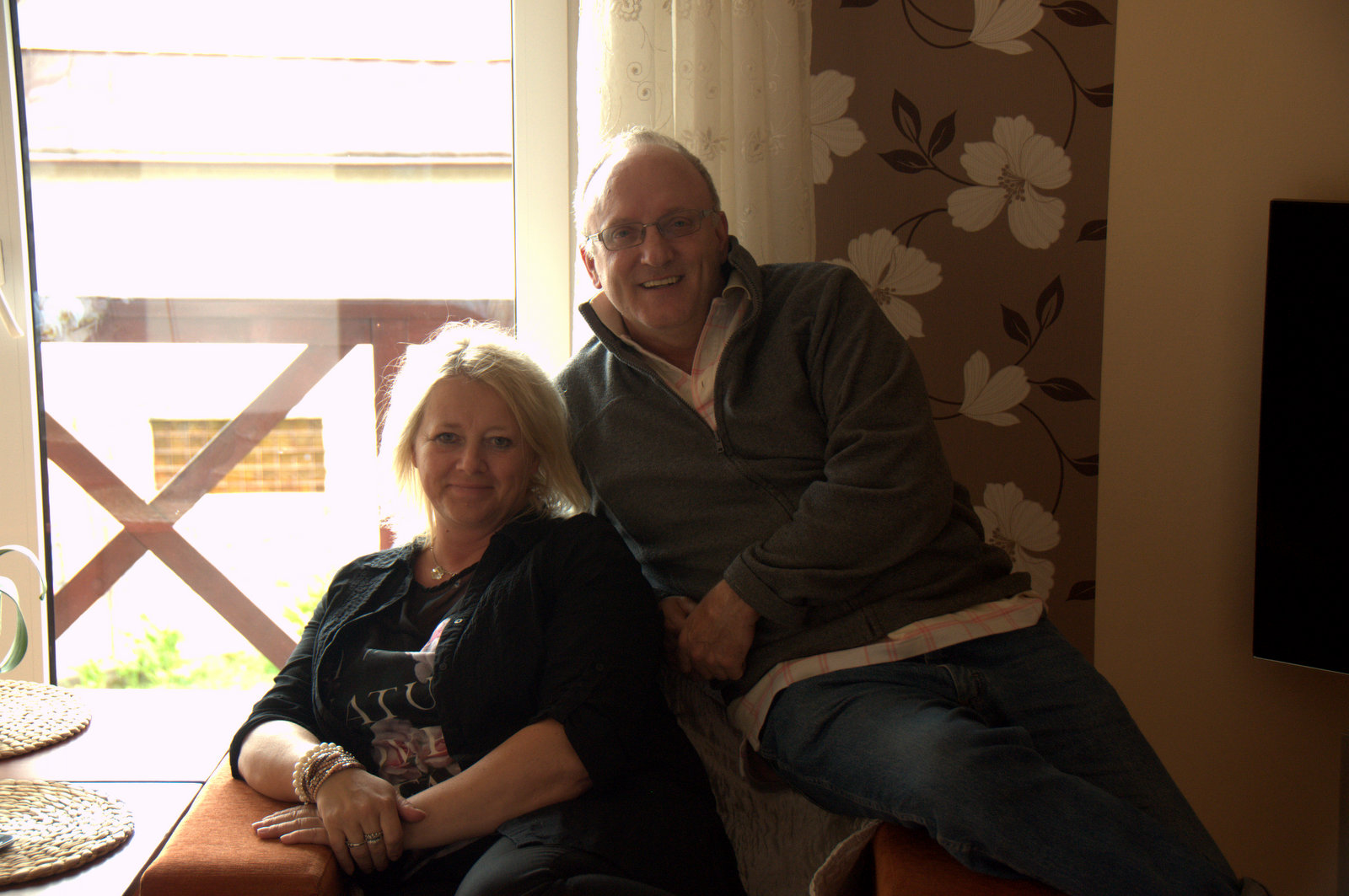
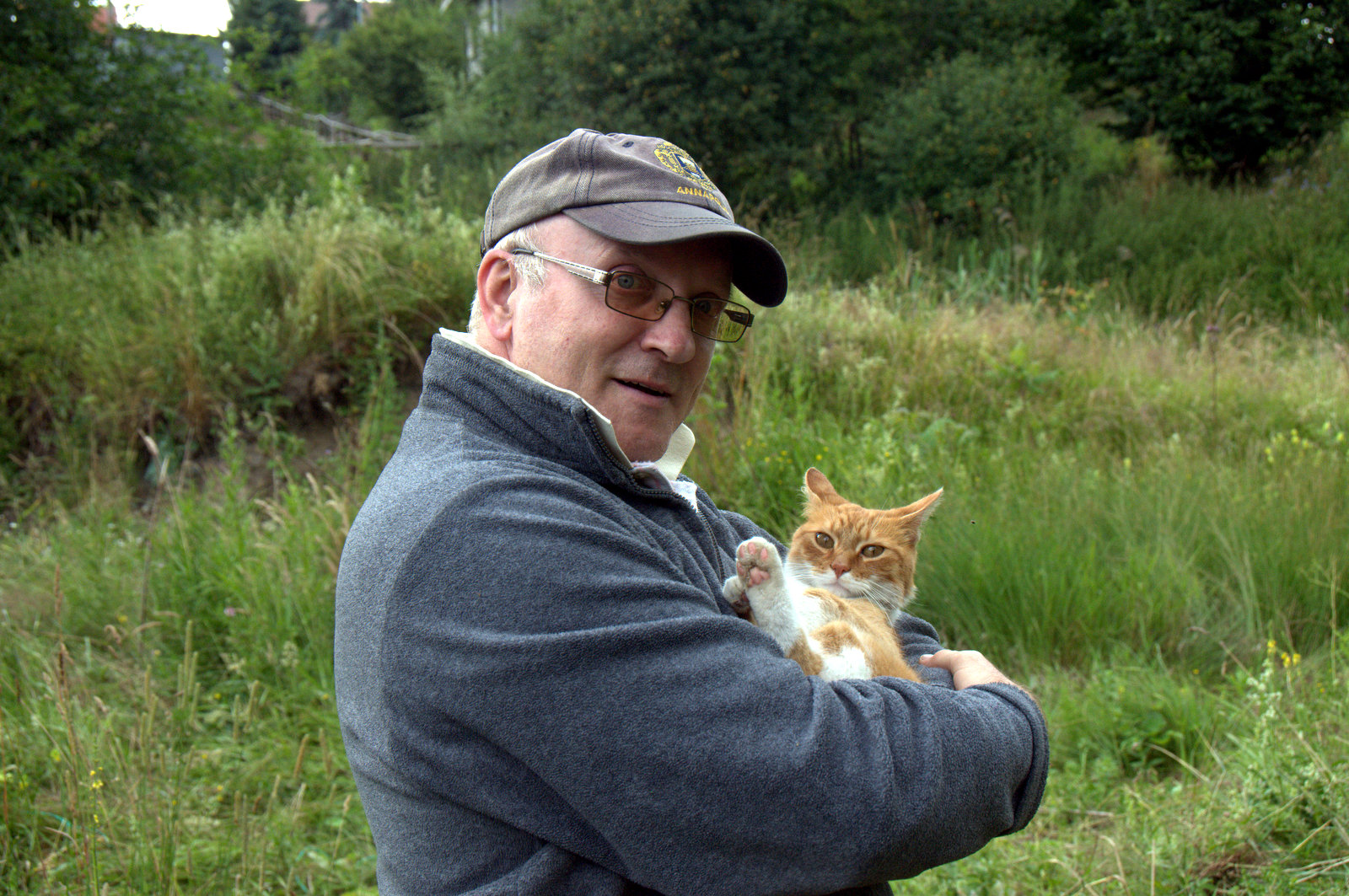
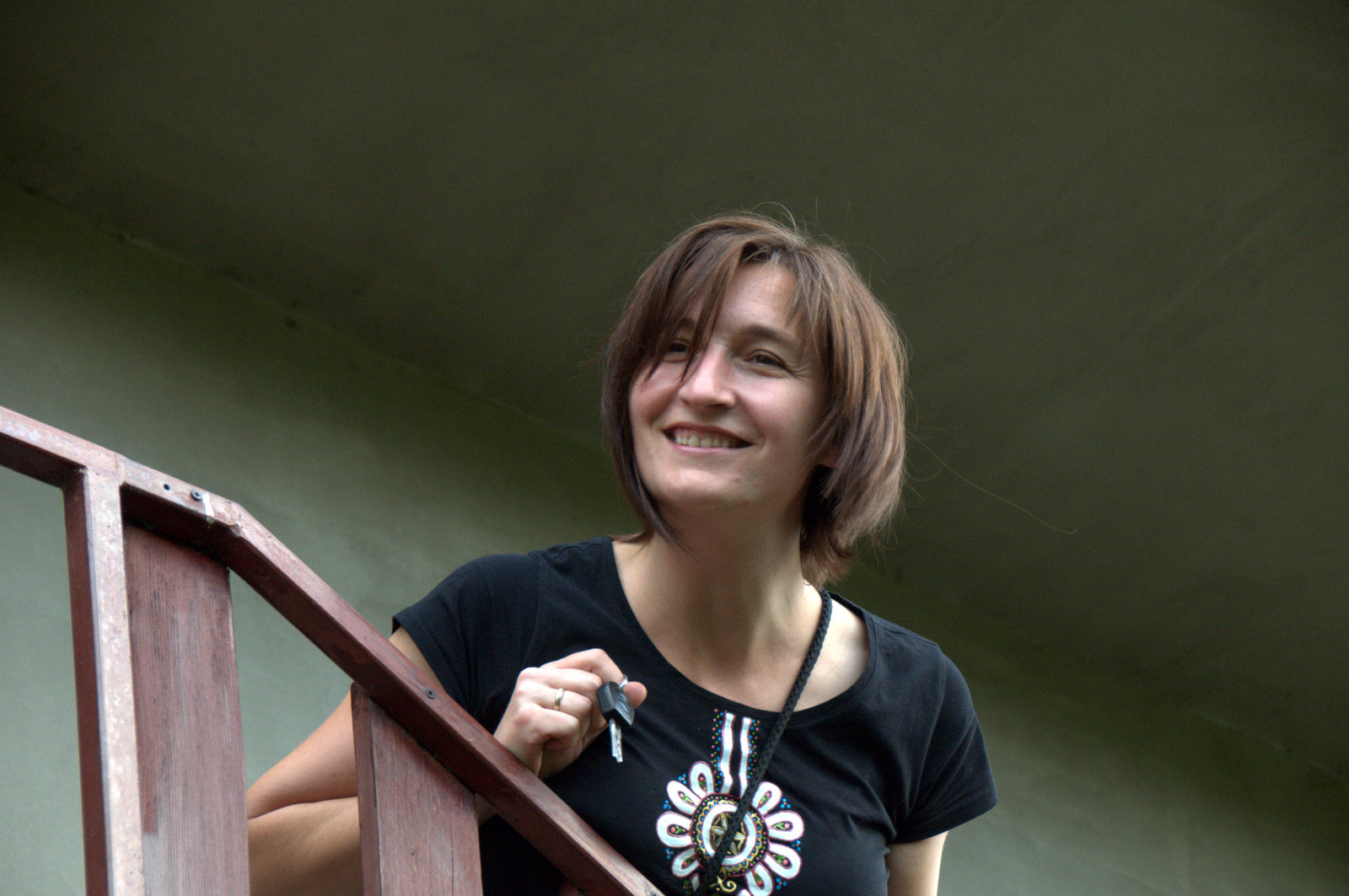
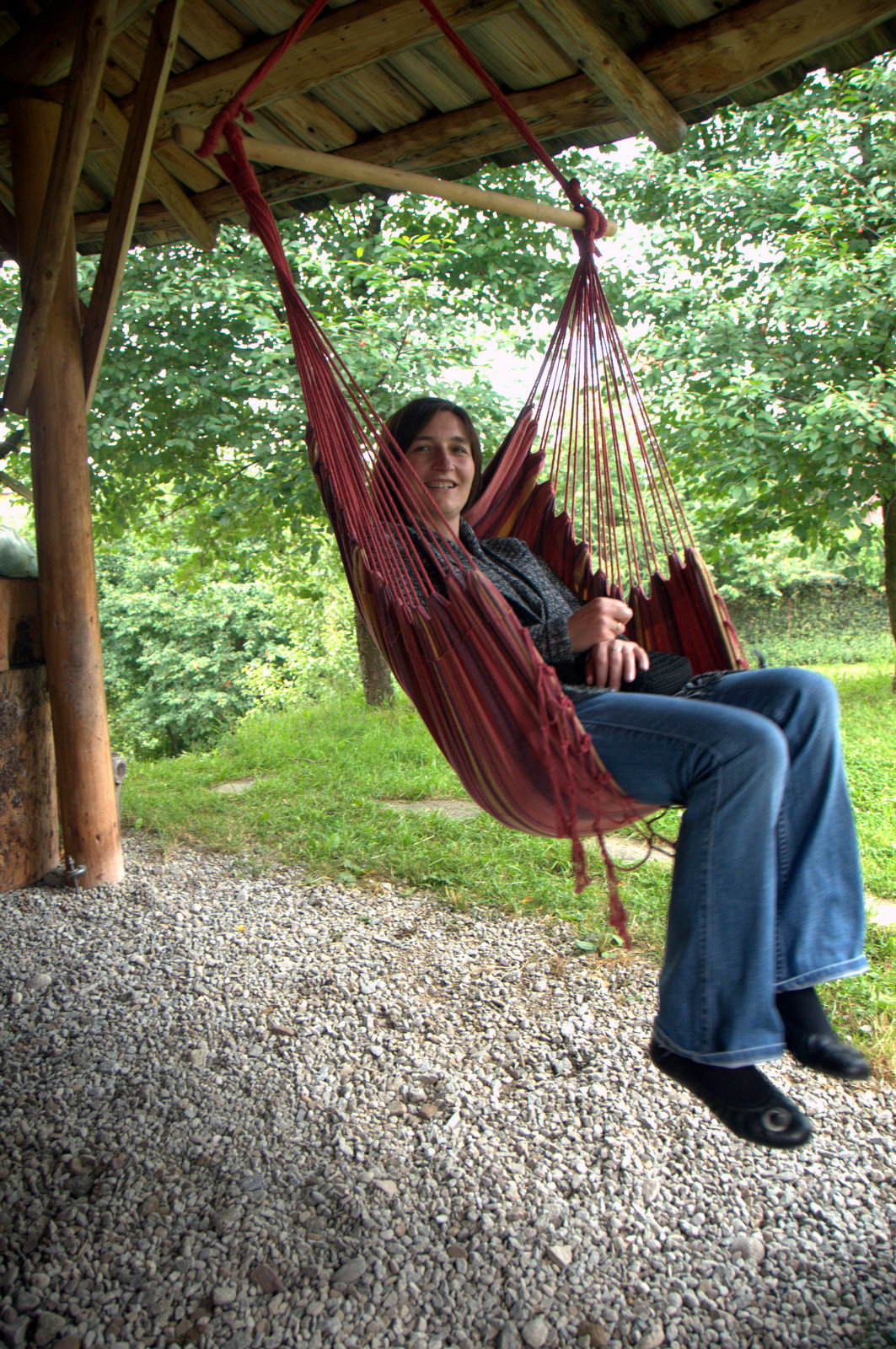
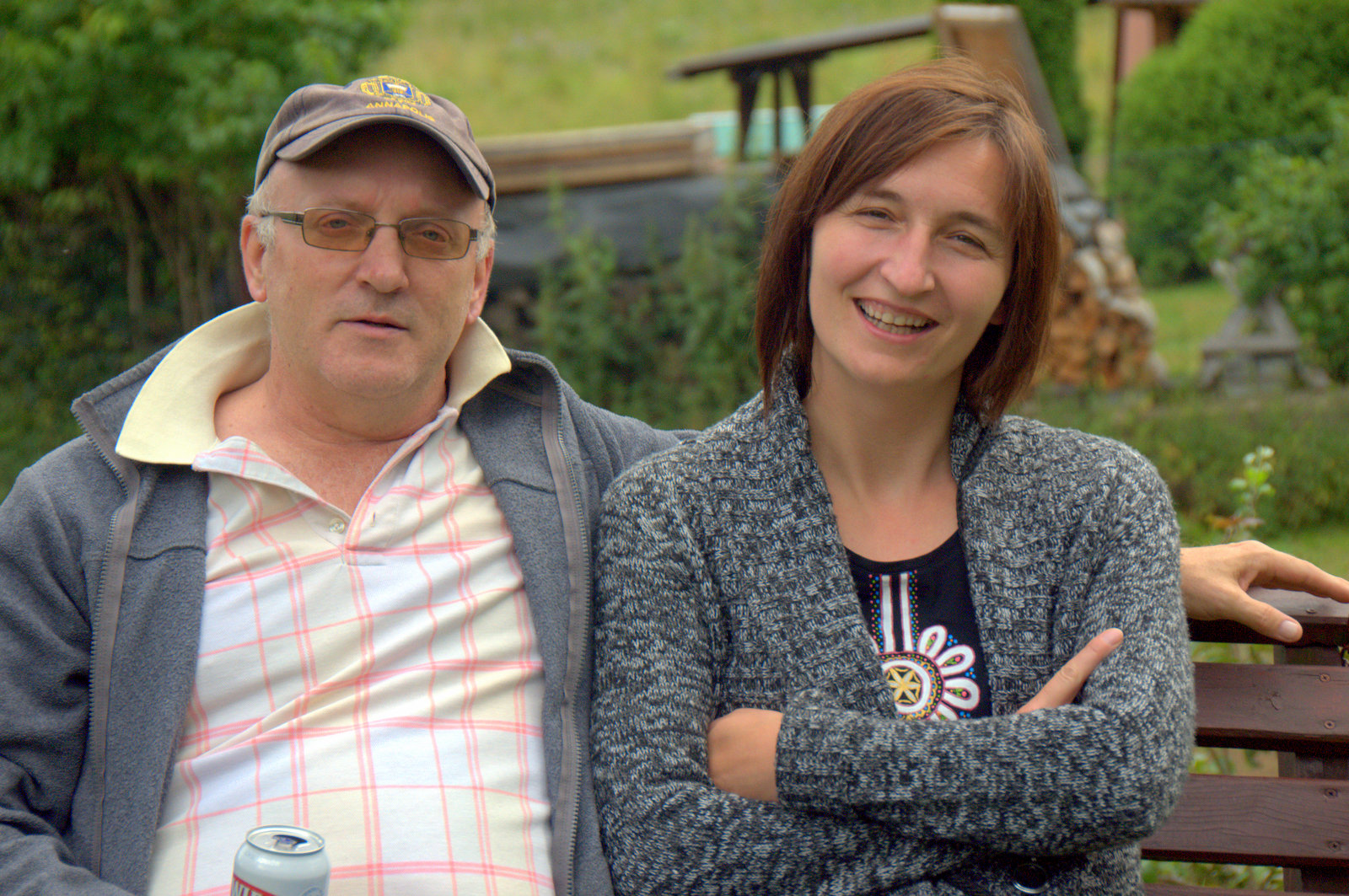
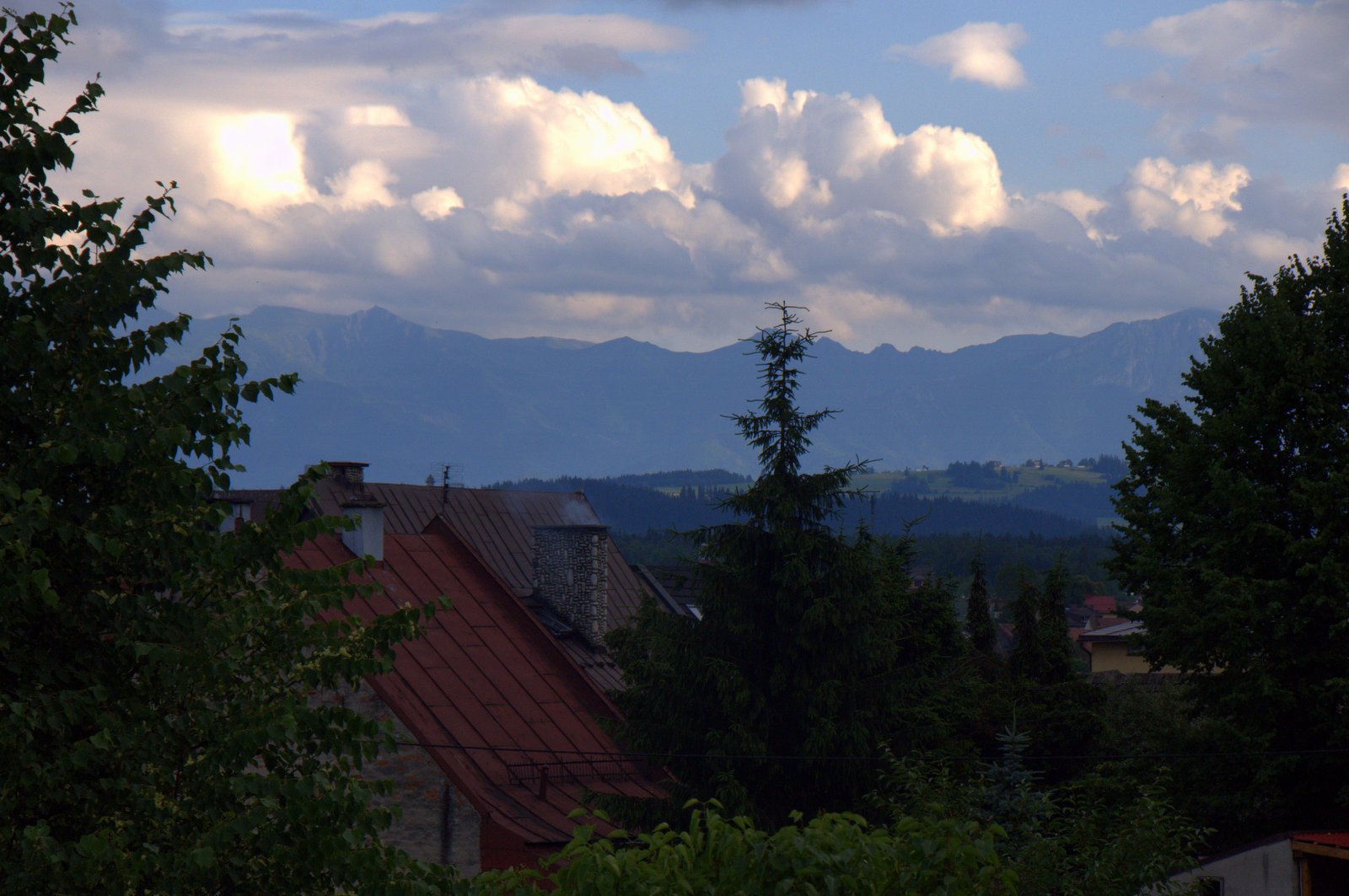
K came by, showed off her lovely new hairstyle, and chatted with us a bit before we turned back toward Jabłonka.
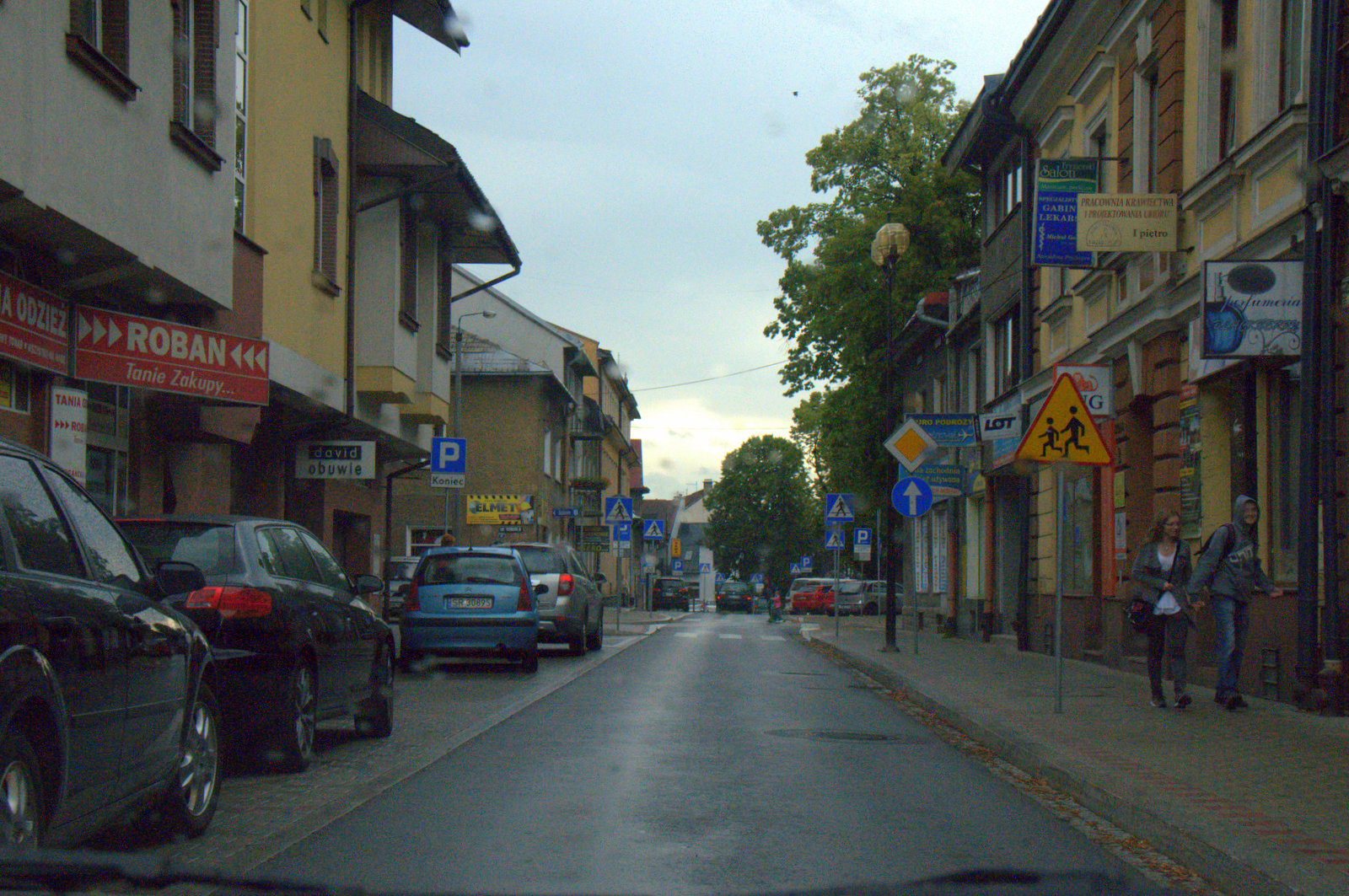
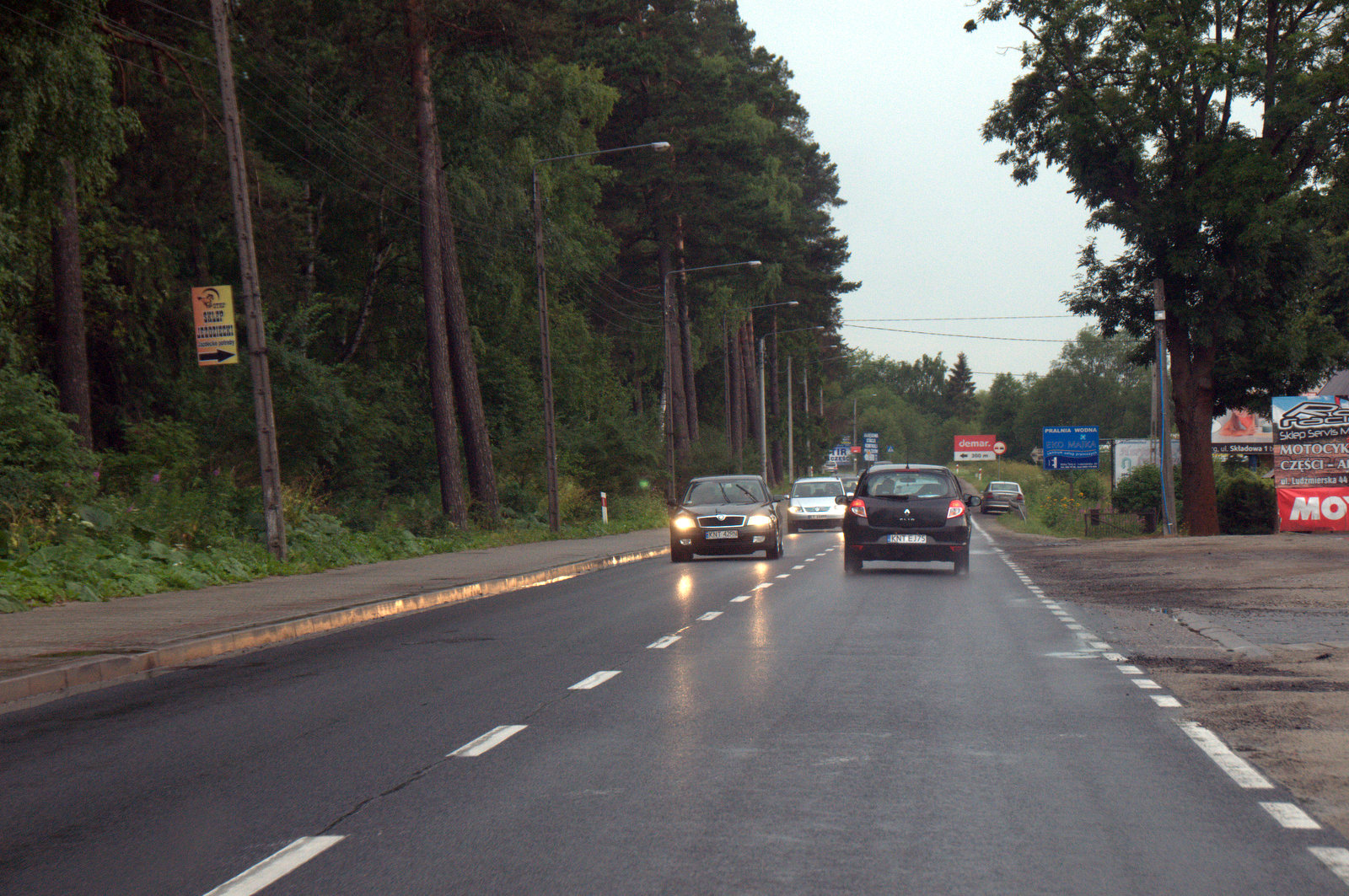
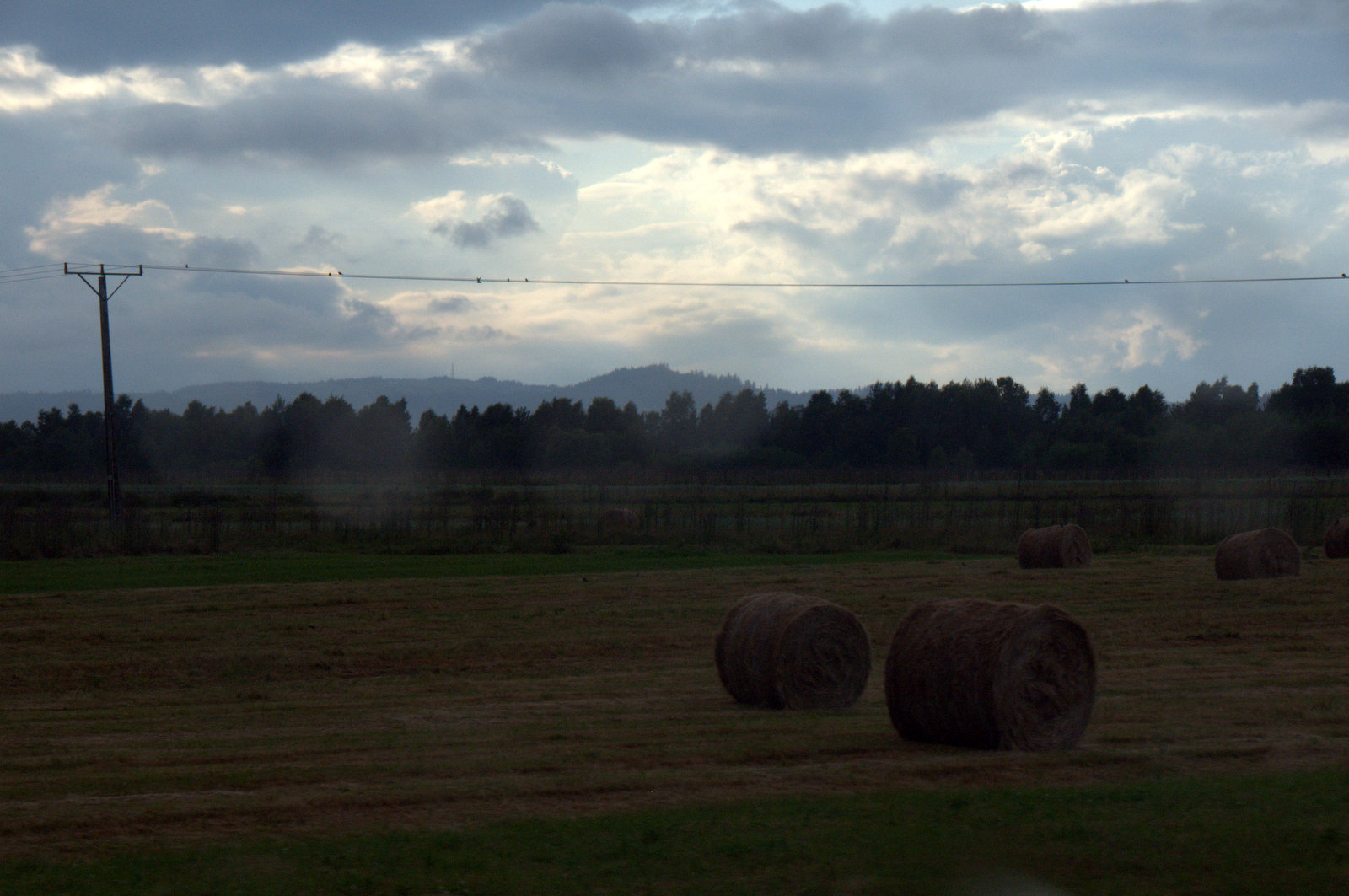
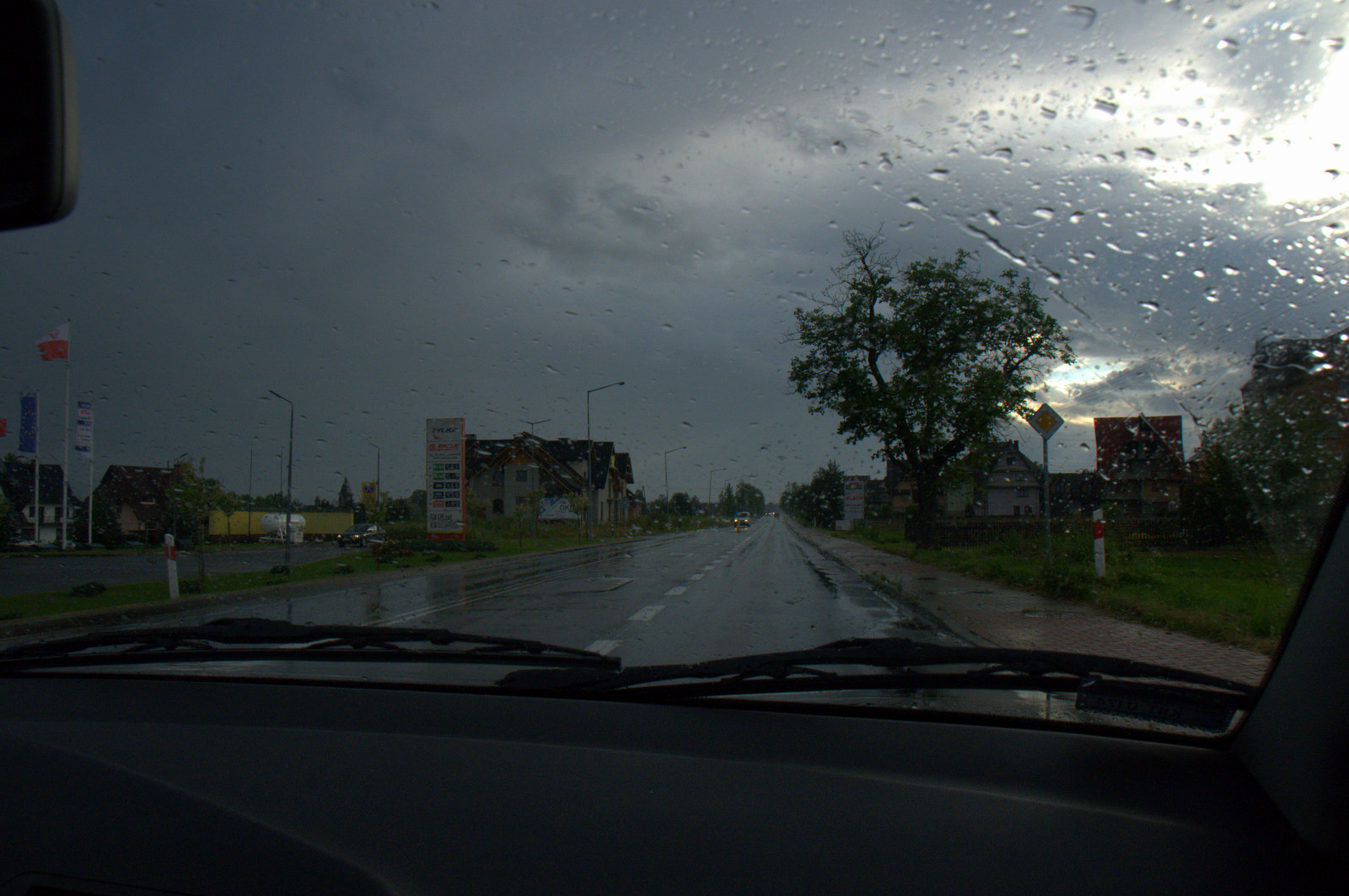
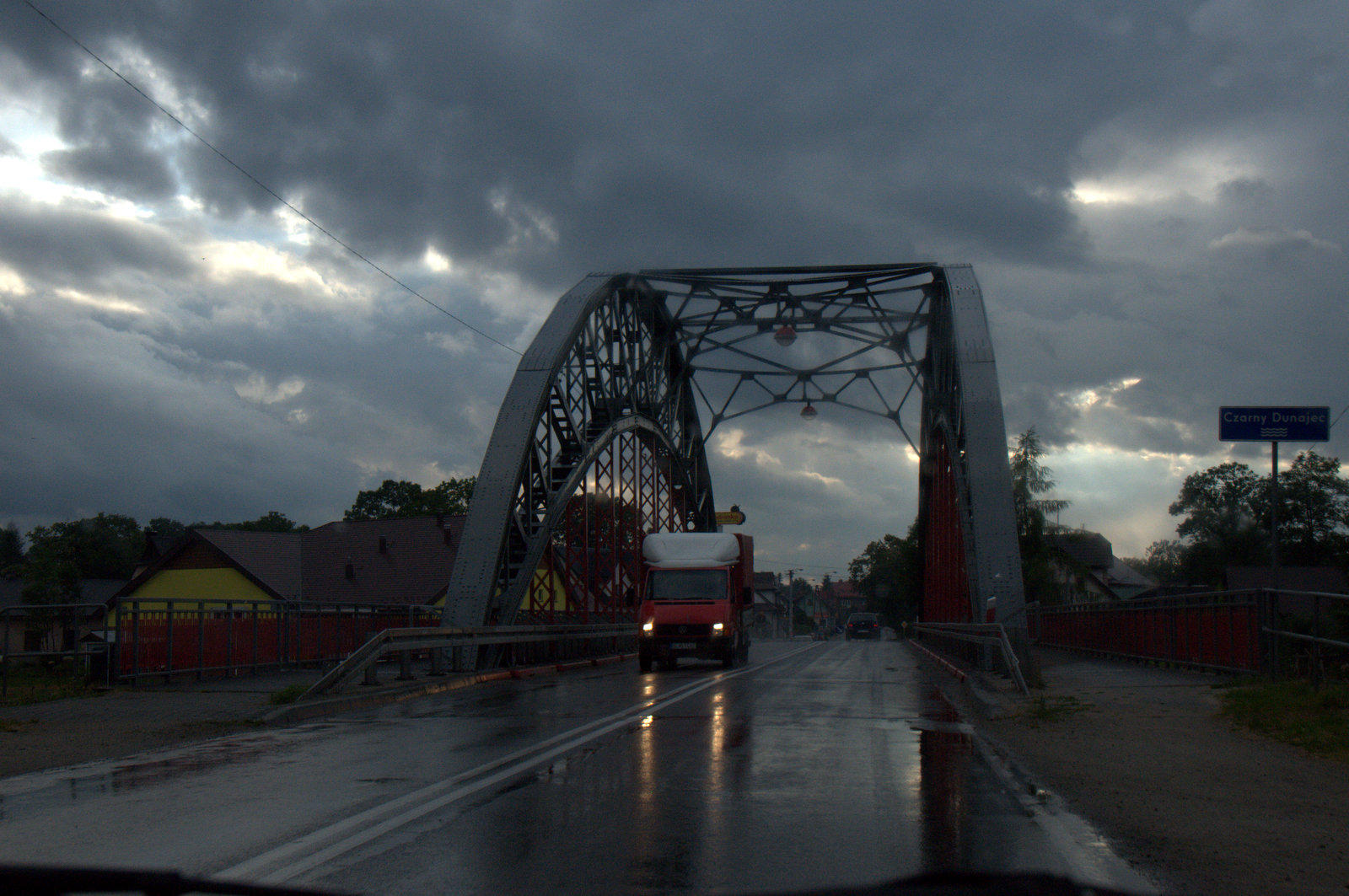
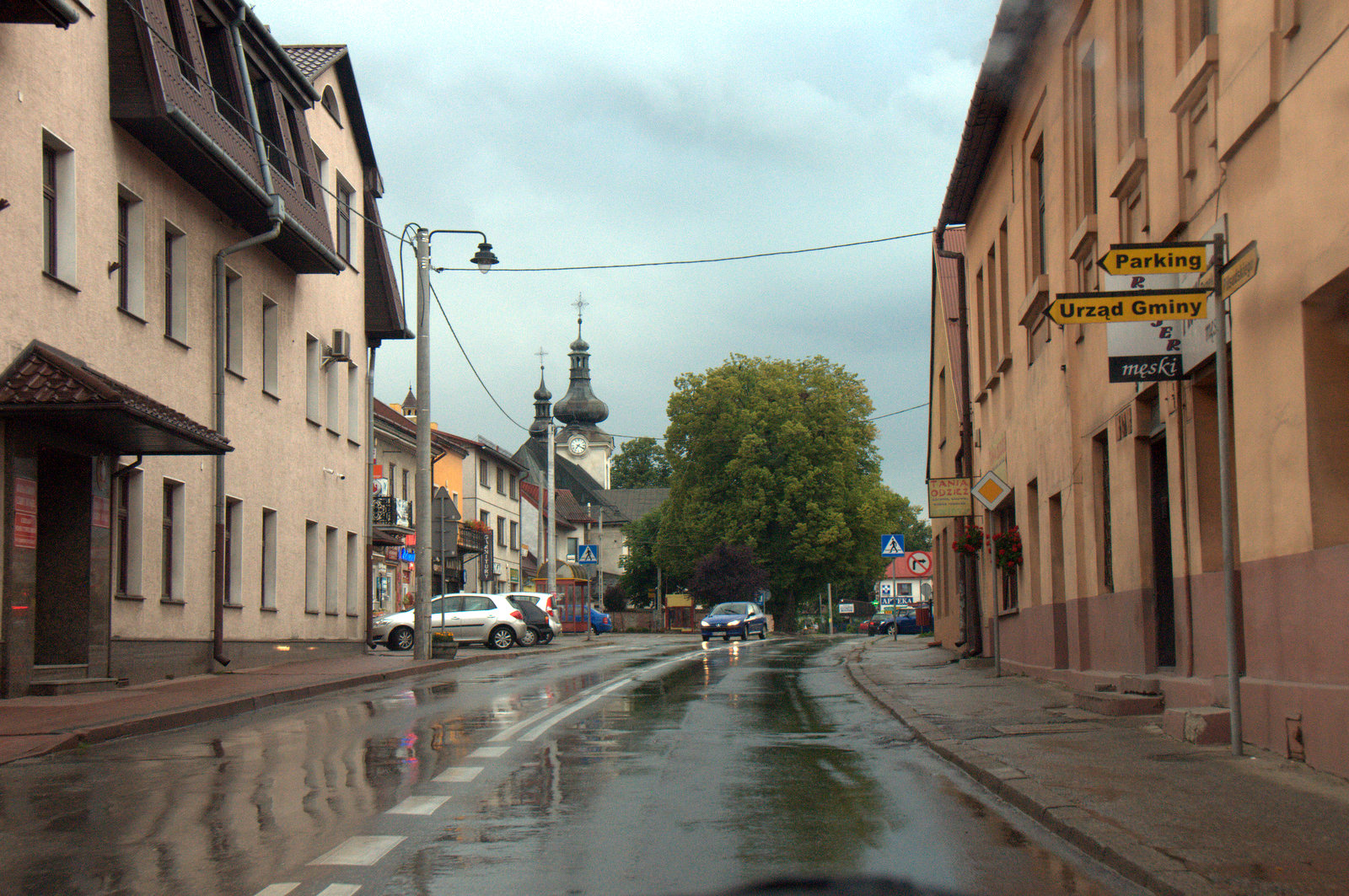
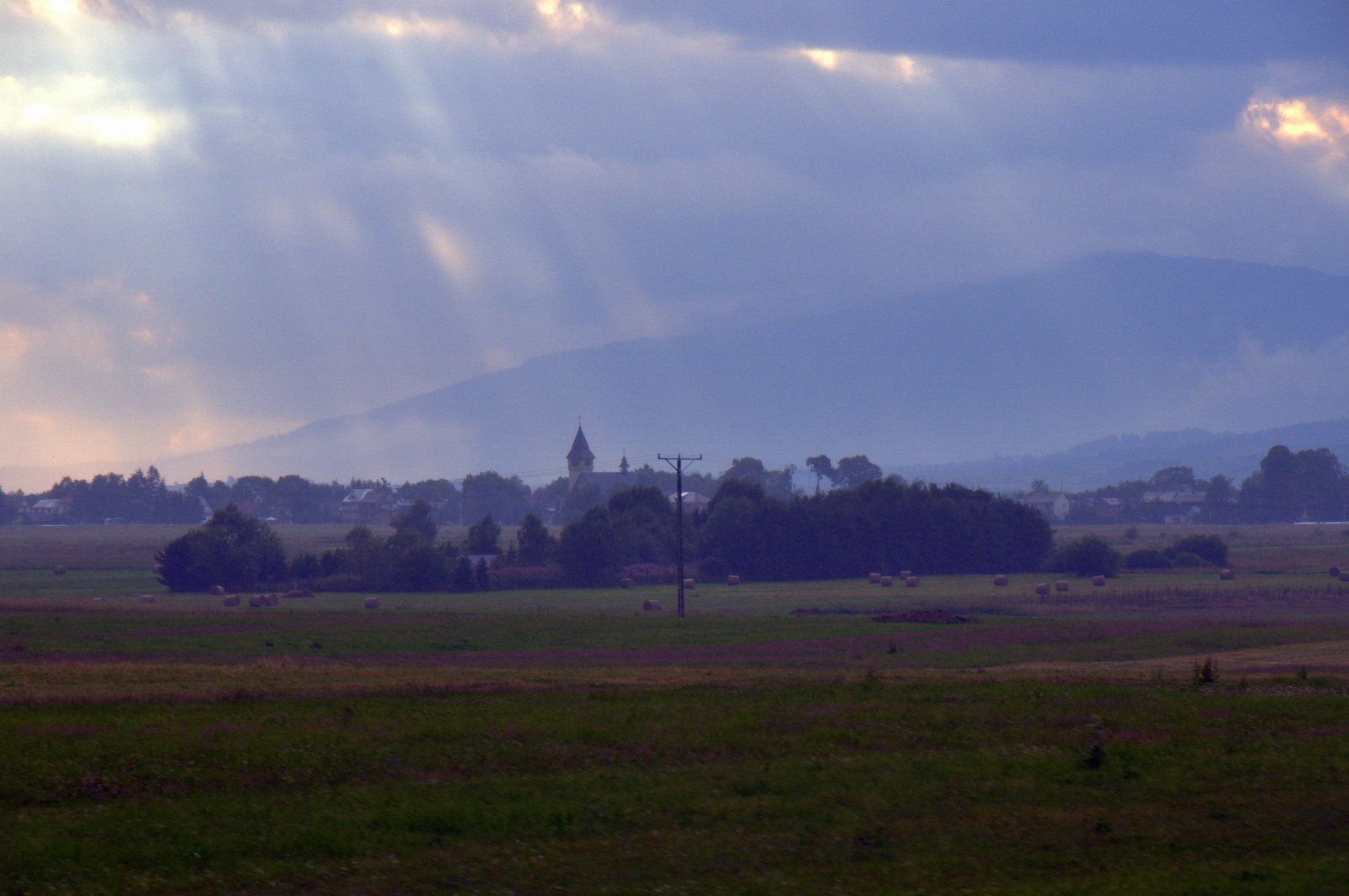
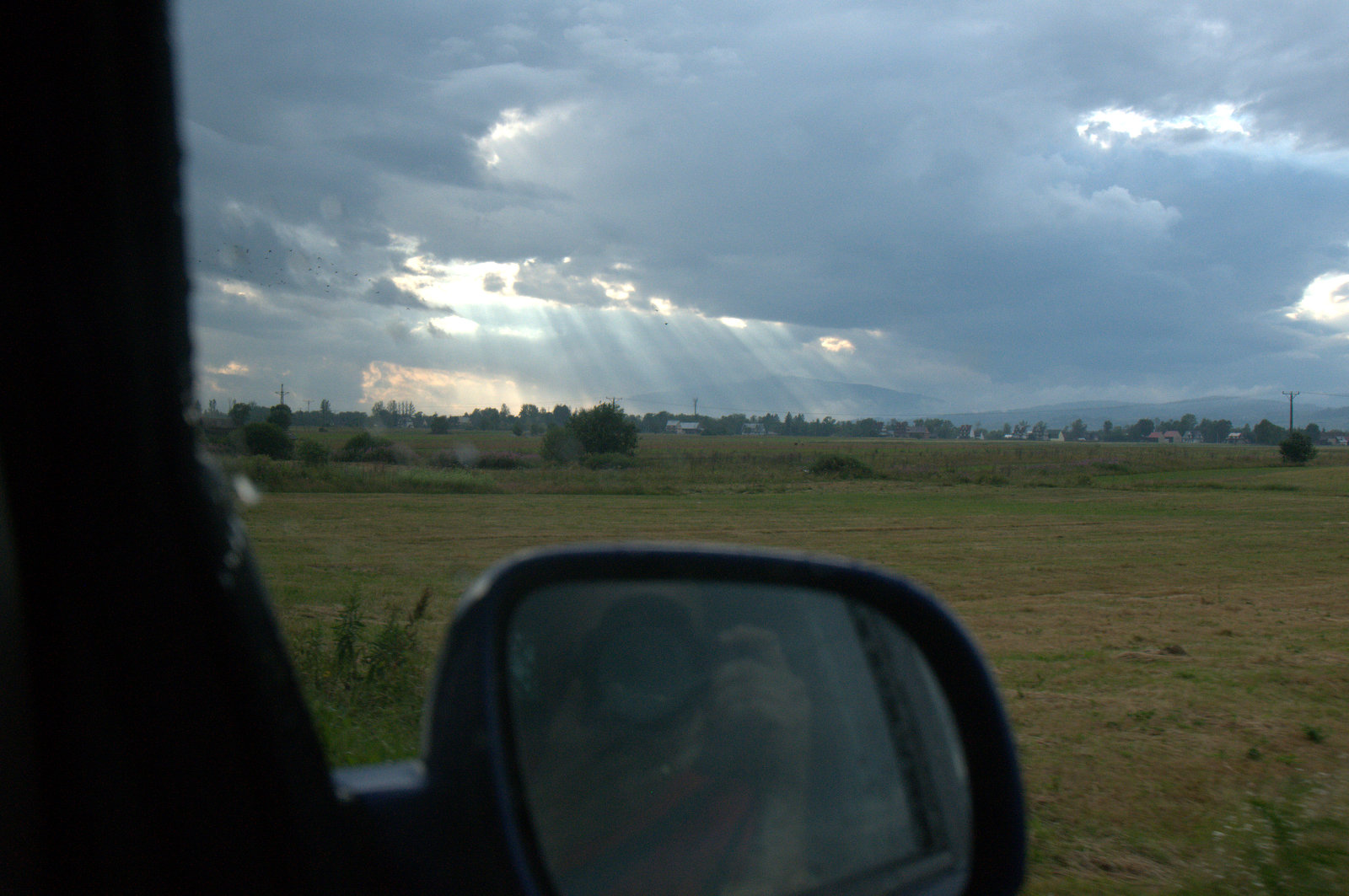
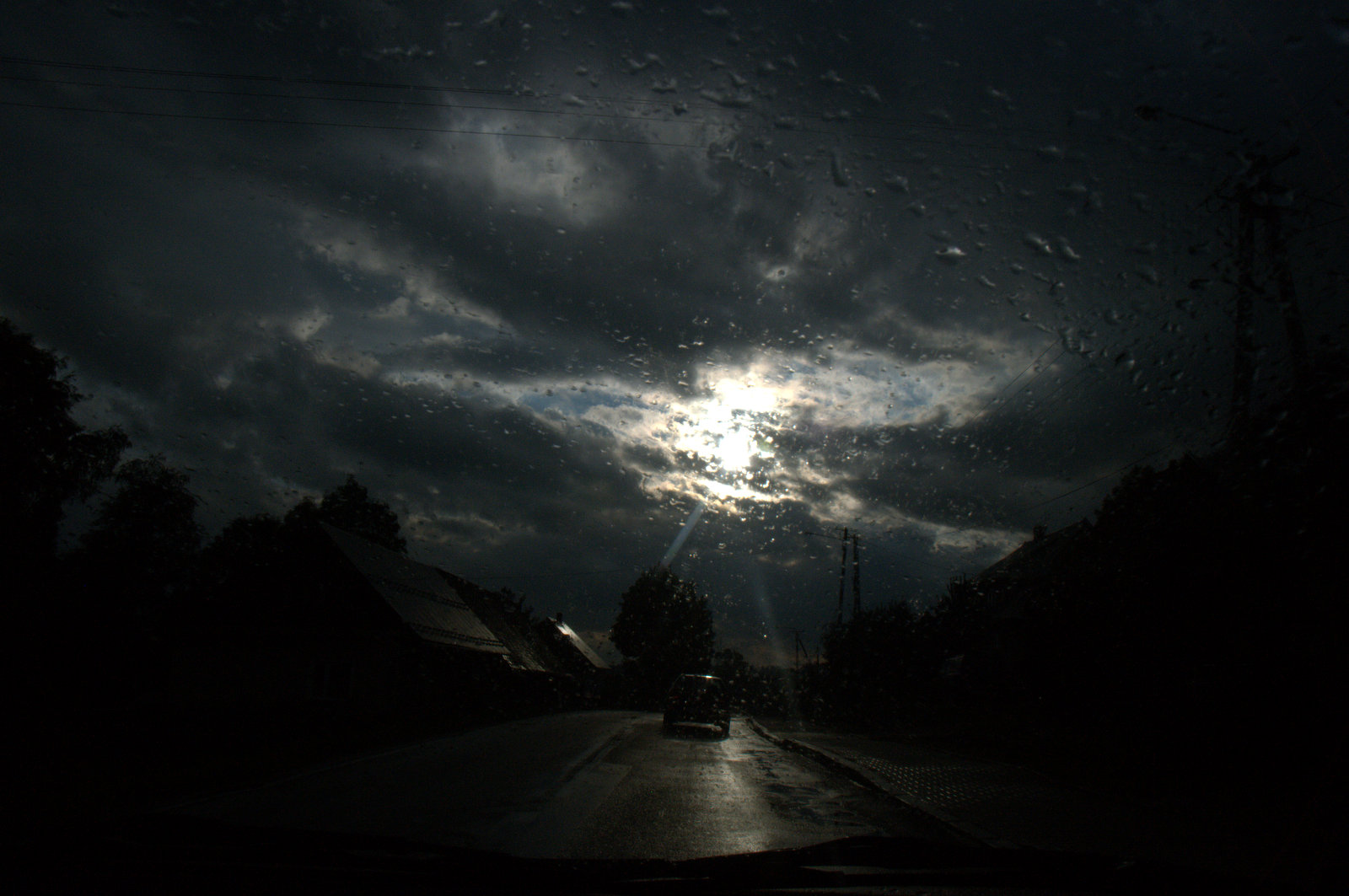
In some ways, nothing special about today's events. Had today been eighteen years ago, it would have been almost typical -- not for a Tuesday, perhaps, but maybe for a Friday or Saturday. All it takes to turn the typical into the extraordinary then is eighteen years and a few thousand miles.