fun in threes, sometimes fours
g
When we arrived, we were all exhausted. It was not just the journey itself, a trip that included a five-plus hour wait on the tarmac at Dulles while we waited for some part or other to be flown from Atlanta and installed on the plane, replacing the broken whatever that was keeping us grounded. It was not the nauseating bus ride from Warsaw to Radom, where our training was to be held, a ride that included much swaying as memory serves as well as a lot of heat and an already-upset stomach for me. Framing all of this was the simple adventure the group of Americans (were there sixty-some of us, or was it eighty-something?) were embarking upon. A new country with a new language and new culture (new to us, anyway), a new job, a new everything.
We arrived at the training center to find a crowd of Poles -- our host families, with whom we would be spending the next twelve weeks -- milling about the crumbling parking area, walking around the building, just generally waiting. Kids from the surrounding apartment blocks were circling the main training building on roller blades, something that somehow surprised me and stuck with me as the most memorable element of our arrival. Somehow or other we were portioned off to the various families, and I set off in a Polish Fiat 126p -- a Maluch, meaning "a small little thing" -- with a mustachioed man and what I thought was his son. I never saw the man again, never figured out who he was. The young man I thought was his son was Piotr, the son of the woman who was putting me up for twelve weeks during training. My host brother and host mother -- host family -- though the relationship between my "brother" and me at times was so strained that even outsiders noticed the tension.
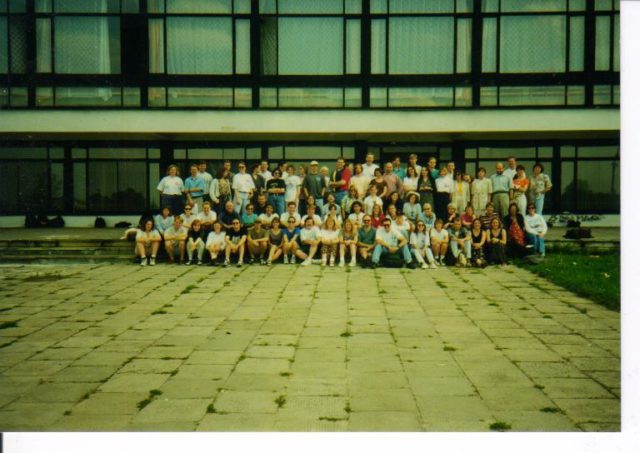
Of all things about that arrival, though, I most clearly remember those children on roller blades, circling the building, screaming and laughing in a language that was then unintelligible to me but now is an every day reality. Twenty years ago, though, it was gibberish. Poland, a mystery. The future, an adventure.
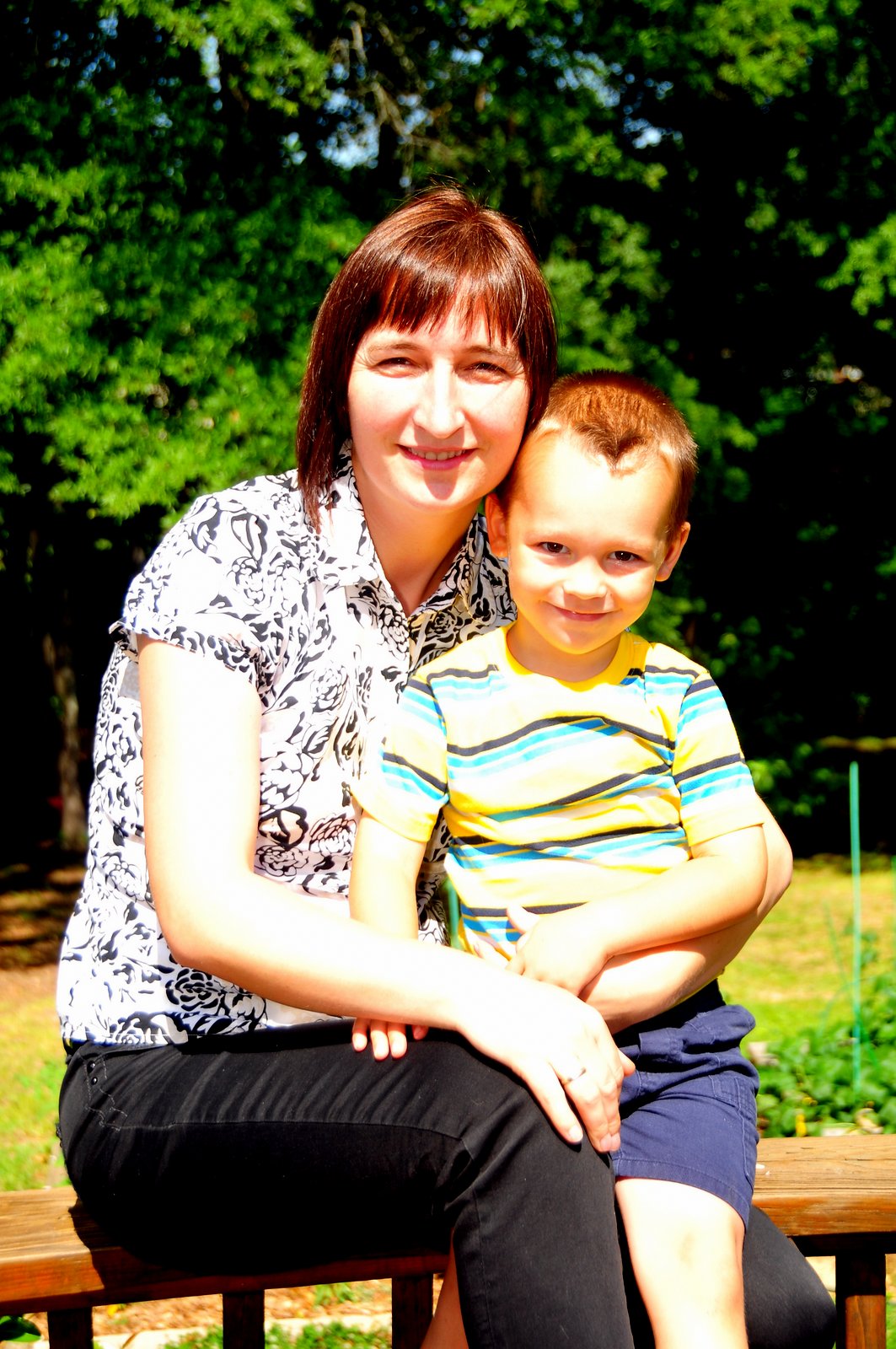


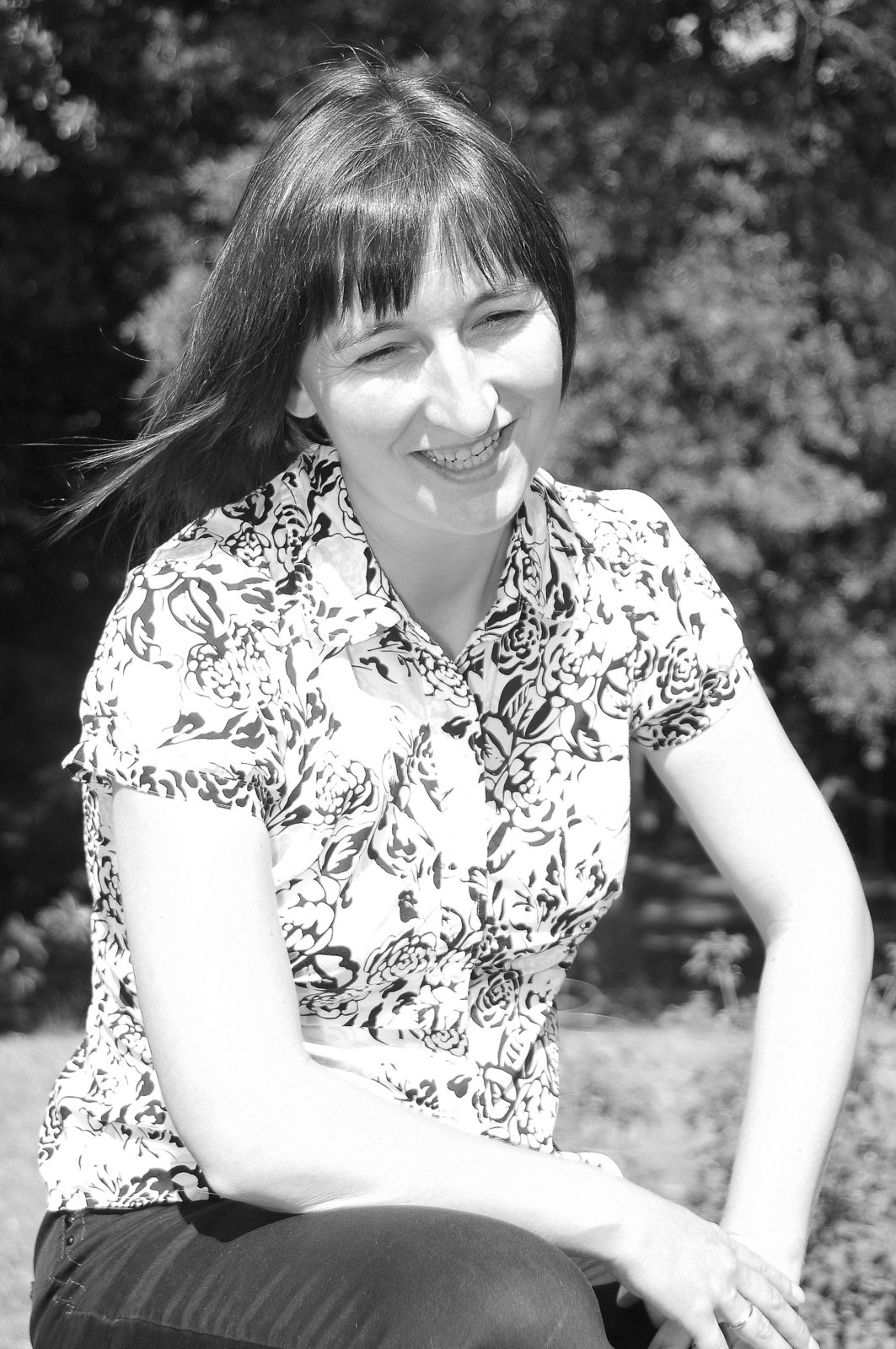
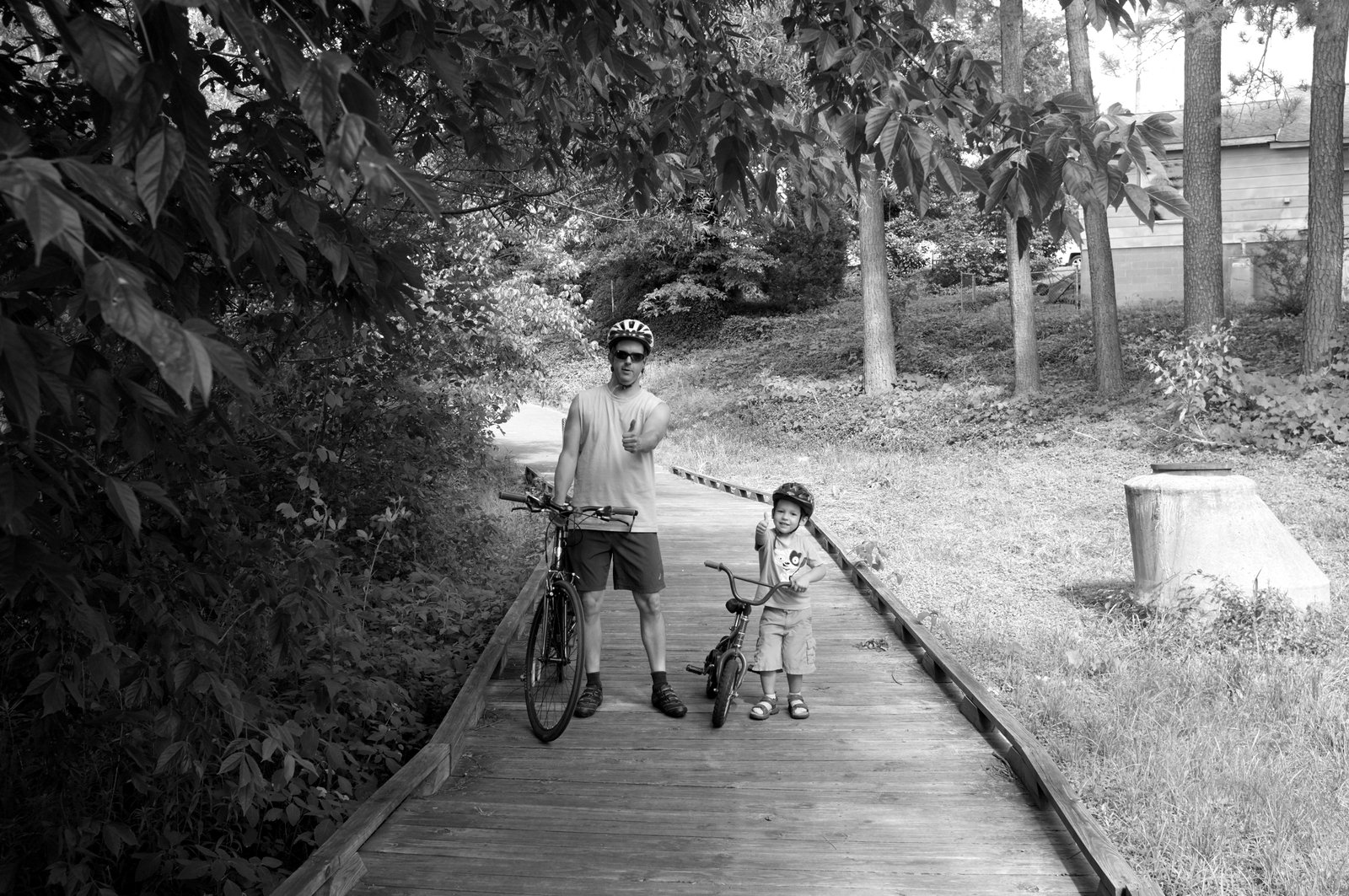
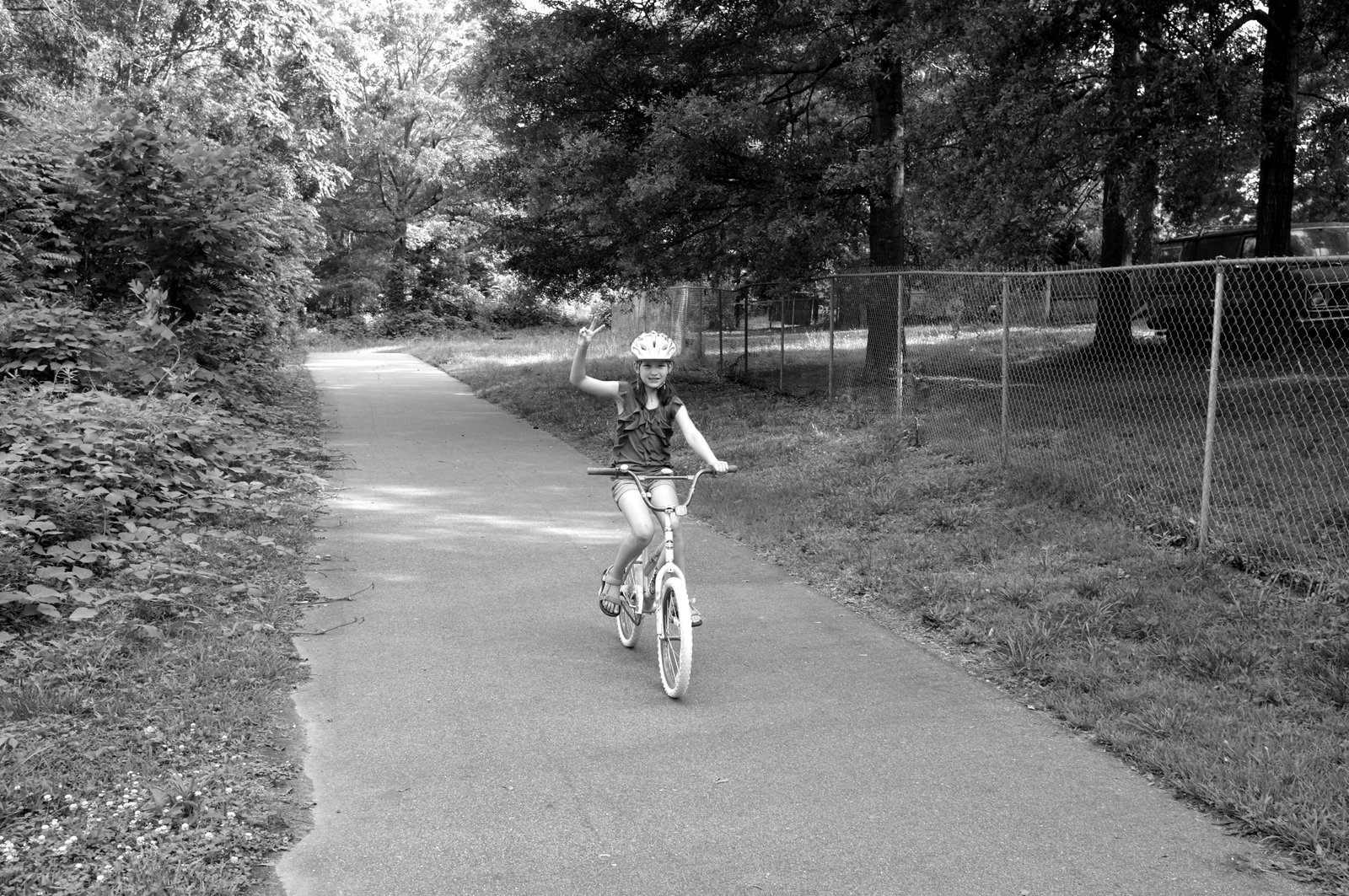
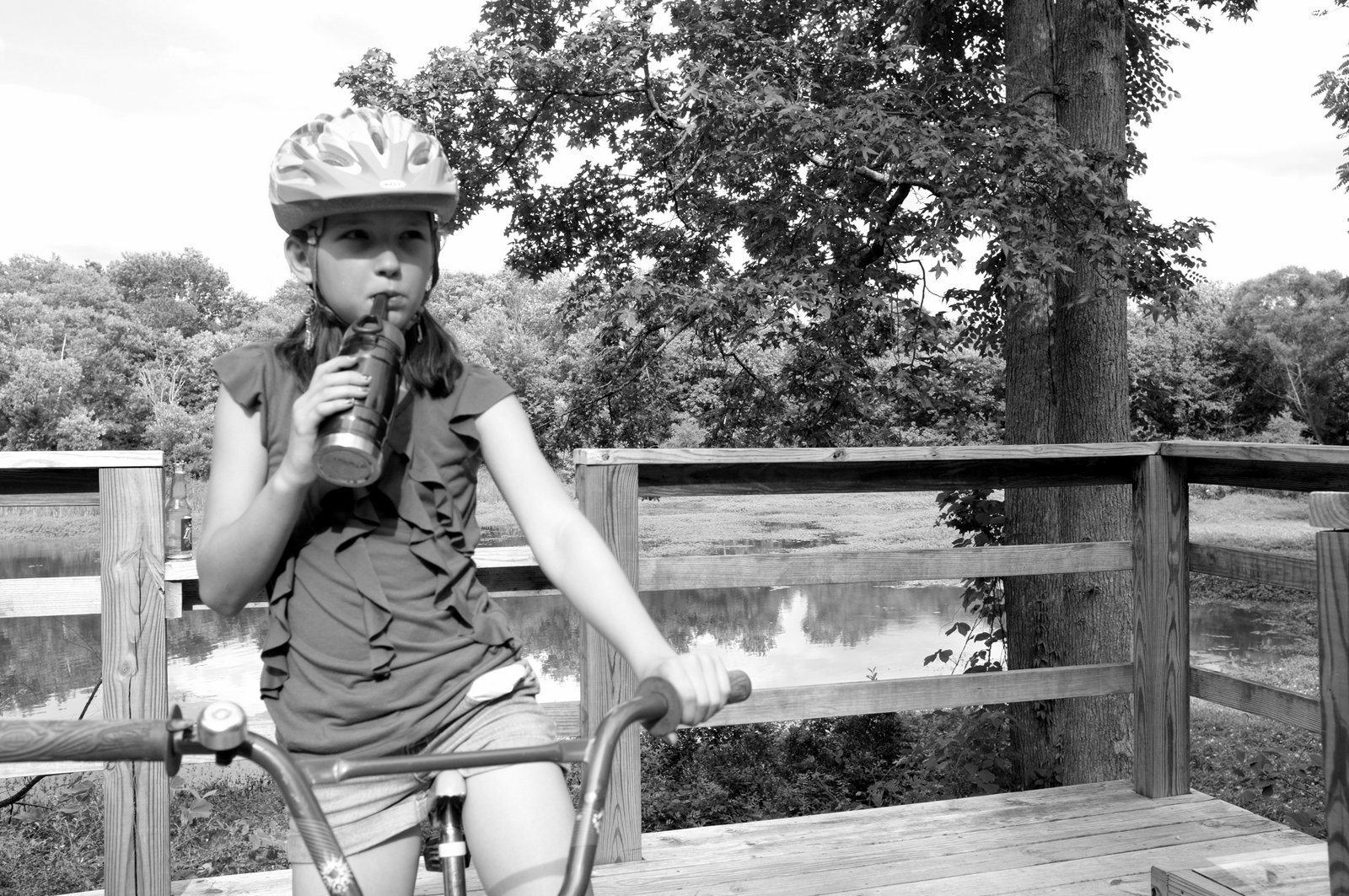
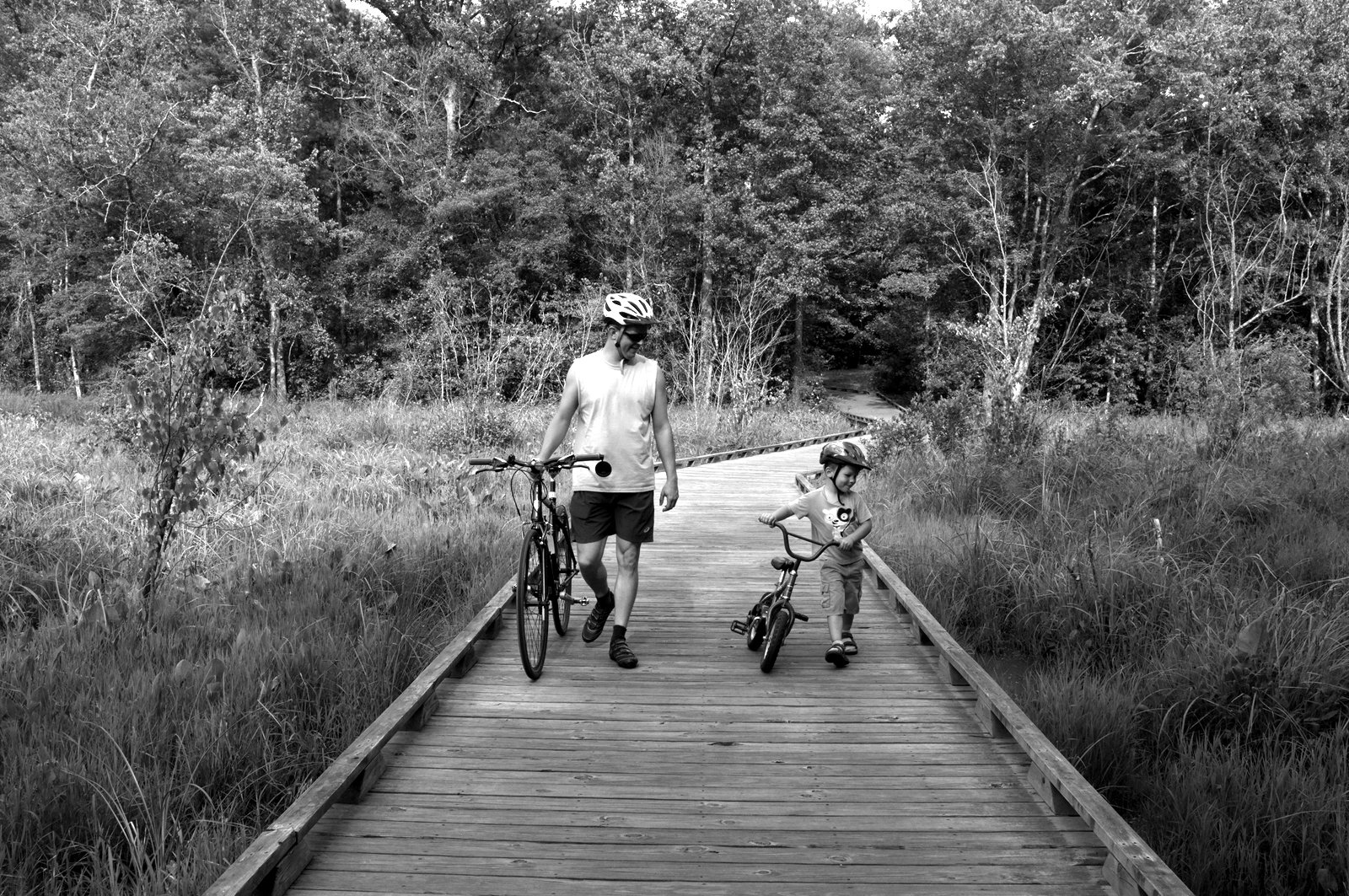
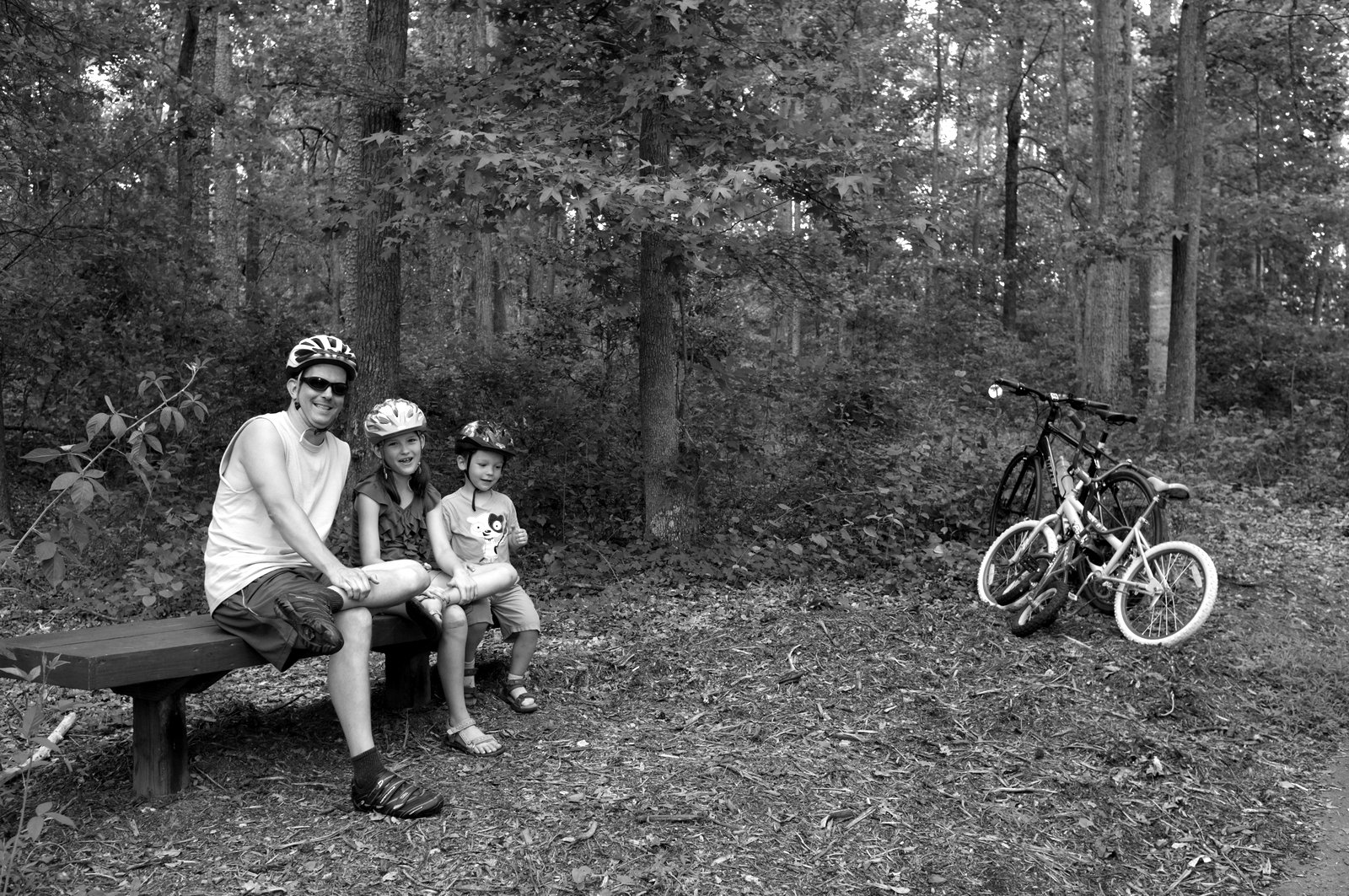
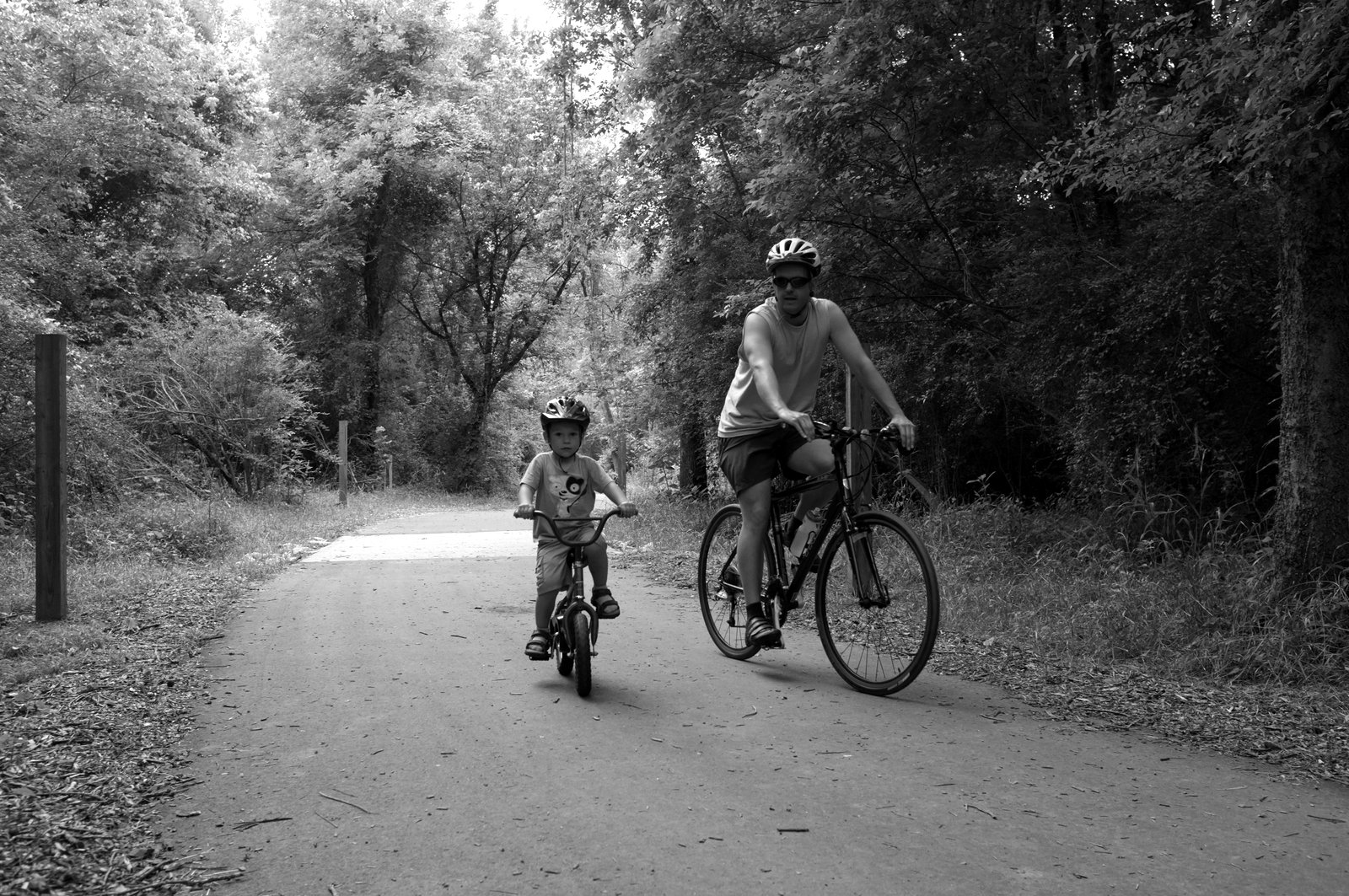
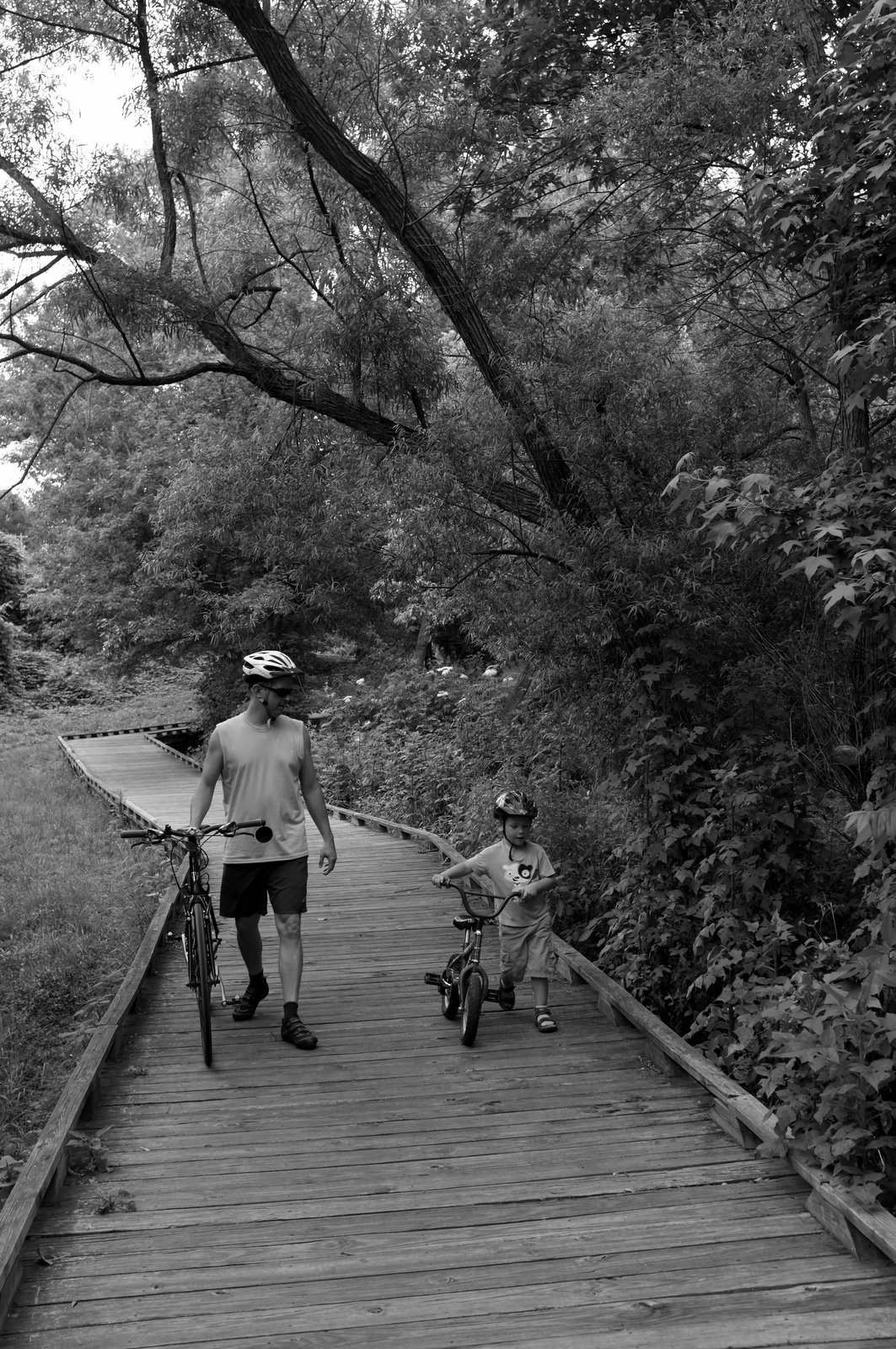
We were all so naive then. Well, I was so naive then. Naive about my motives. Naive about the impact I would have. Naive about my own ability. Naive about the future. No, not naive, perhaps. Just unable to guess at the turn of events that, twenty years later, would lead me to go on a walk with my Polish (now Polish-American) wife up the street with my son, who just learned to ride a bike really well ("Daddy, I'm really getting the hang of this!") and my daughter on her new roller skates. Not roller blades, but roller skates -- the variety I used myself as a kid, the type I would have expected to find kids wearing in Poland in 1996 instead of roller blades.
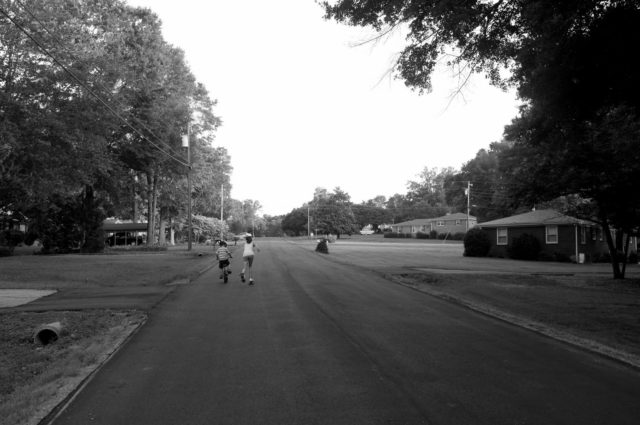
Twenty years ago. June 3, 1996 -- the day I arrived in Poland for the first time. The day it arrived in my heart and soul, never to leave.
“I am not going to cry,” said the girl with mascara running. She looked at me as if I’d suggested she might take to a life of crime for the fun of it upon finishing middle school.
“You never know,” I smiled.
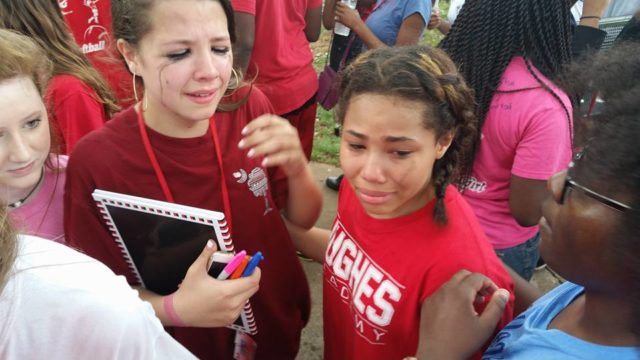
It’s the ones who are most convinced they aren’t going to cry that end up crying the most. They end up putting to shame the few brave souls who admit days in advance, “When it’s time to leave that last day, I’m going to start bawling.”
I still find it sweet, this youthful reluctance to let go of the past. “You’re going to be laughing about it over social media in a few minutes,” all the teachers insisted, but that doesn’t provide solace. A young heart in a sense loves to ache. Or maybe I’m just speaking for my own youth.
When we bought our house, I was adamant: “That kitchen has to go.”
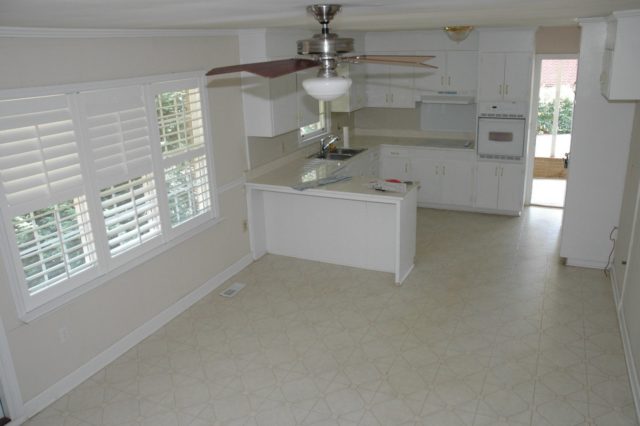
K agreed, but time passed, money saved for this got shuffled to that, and now it’s nine years on and we still haven’t redone our kitchen. The up side? Now K agrees with my original plan — to gut it completely and start anew — because there’s no much sense in doing otherwise.
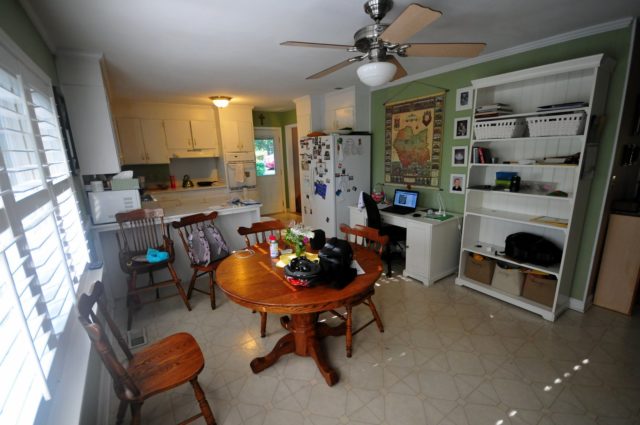
And so our lived-in kitchen will soon be a subfloor-and-wall-stud room with exposed wiring and plumbing.
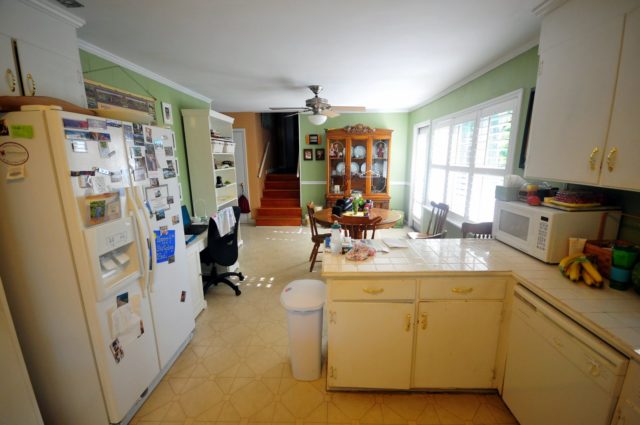
Which means a completely new kitchen is only weeks away, and the setting of so many of our memories will disappear. The white fridge that has served for years now as our main art display will disappear, to be replaced with a stainless steel French door refrigerator upon which nothing can be stuck because no magnet will stick.
I’ve never liked endings, but this is one I’m eager for. But the irony: we’ve already spent several thousand dollars and the kitchen still looks awful.
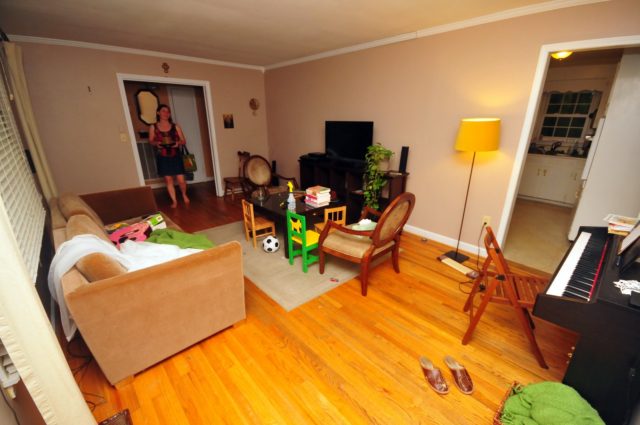
In the meantime, though, E is very excited about the changes in the house. Since we’re doing hardwood in the kitchen, we’ll be refinishing the floor in the living room. This in turn means that everything from those two rooms must move.
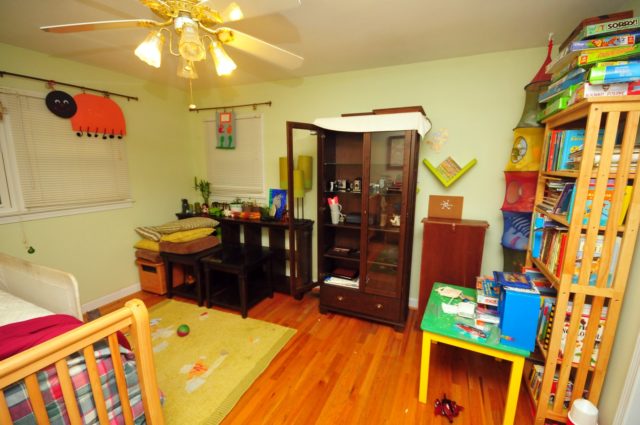
The living room goes to E’s room. “I get that in my room too?!” was the constant refrain the other night. “I’m so happy!”
So they say. More or less.
The smoke from my Saturday-evening cigar blurs the view of his picture that hangs over the fireplace in our basement, and I look down at the wad of burning leaves pressed between my fingers and realize that it's because of men like him, my uncle whom I never met and after whom I am named, that I can enjoy such a little pleasure. In the picture, he sits before a brick wall, his peaked cap pushed back to show a hint of his hairline, his forearms on his knees, fingers almost fidgeting, with an expression of tired sadness. I really have no idea when the picture was taken. Perhaps he was home from Vietnam on leave; maybe he hadn't even shipped out yet. In a way, it's not as important as the simple fact that the expression on his face mirrors my own when I really think about him, when I remember the odd bits and pieces I heard about him growing up, when I think of the simple but profound fact that, after my parents adopted me and decided that the name my short-term foster mother had been using for me fit me perfectly, they decided his name would make the perfect middle name. The uncle who, my mother more than once laughed, hated baths as much as I love them. The uncle I never met.
As a child, I remember seeing this picture hanging in my grandparents' home, smudged brown with the nicotine of thousands or even tens of thousands of cigarettes. It was the house in which they both died tragically, though ironically neither passed as a result of the stains that seemed to cover so many of their possessions of their house. Like so many in my family, they died not from what everyone in the family thought would kill them -- like my uncle. The picture -- one of only two I know of him as an adult, of only three I know of him in his short life -- is framed in a gold-painted rectangle that, after all these years, seems brighter than the picture itself. The mortar and the bricks behind him have faded into an almost indistinguishable hue that seems only a darker shade of his uniform, and the triangle of his white undershirt seems only a lighter shade still.
The other picture of him as an adult seems likely to have been taken at the same time, though perhaps earlier. The same brick wall seems to be over his left shoulder, but he hadn't yet pushed back his cap, and its brim hides his eyes in shadow. I think he would have liked it that way. Perhaps the tired expression in the second picture comes from being asked, badgered, to push his cap back a bit, "so we can see your eyes." Over his right shoulder is a tree, and in the triangle of his right arm he stands with his hands on his hips is is a dumpster with white letters stenciled in to instruct someone about something that must at all costs be "down." Or "town"?
He died on Thanksgiving, a fact that seems so fought with irony that it almost seems like it must be one of those made-up details that our memory seems sometimes to invent in order to add almost unconsciously to the most significant events. I heard this week that there are only two truly significant American holidays: Thanksgiving and Memorial Day. My uncle embodies them both.
I am much older than he, the baby boy of the family, was in the picture, and I have been blessed with what he likely dreamed of: a beautiful, loving wife, the mother of my two incredible children. A house with a room downstairs where I can smoke my cigars with offending my wife's nose, harming my children, or leaving a stain over picture frames that hold images of their lives. Two cars parked on a pad of concrete. A few tomato vines and zucchini plants in the backyard. All of which I have because of people like my uncle.
Sometimes when it’s bedtime, we read. Sometimes, we talk. Sometimes, we play. Occasionally, we do all three.