A serious one.
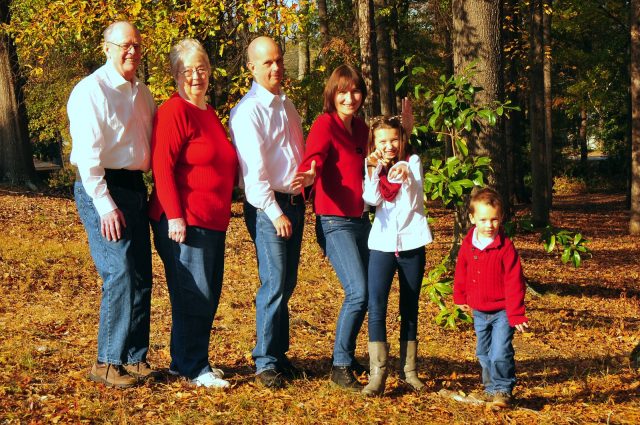
A not-so-serious one.
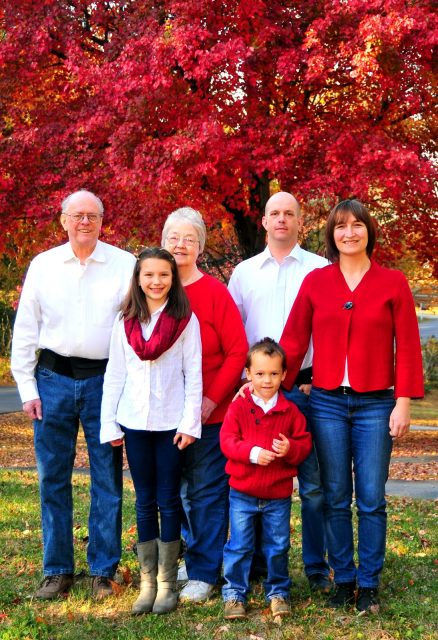
fun in threes, sometimes fours
g
A serious one.
A not-so-serious one.
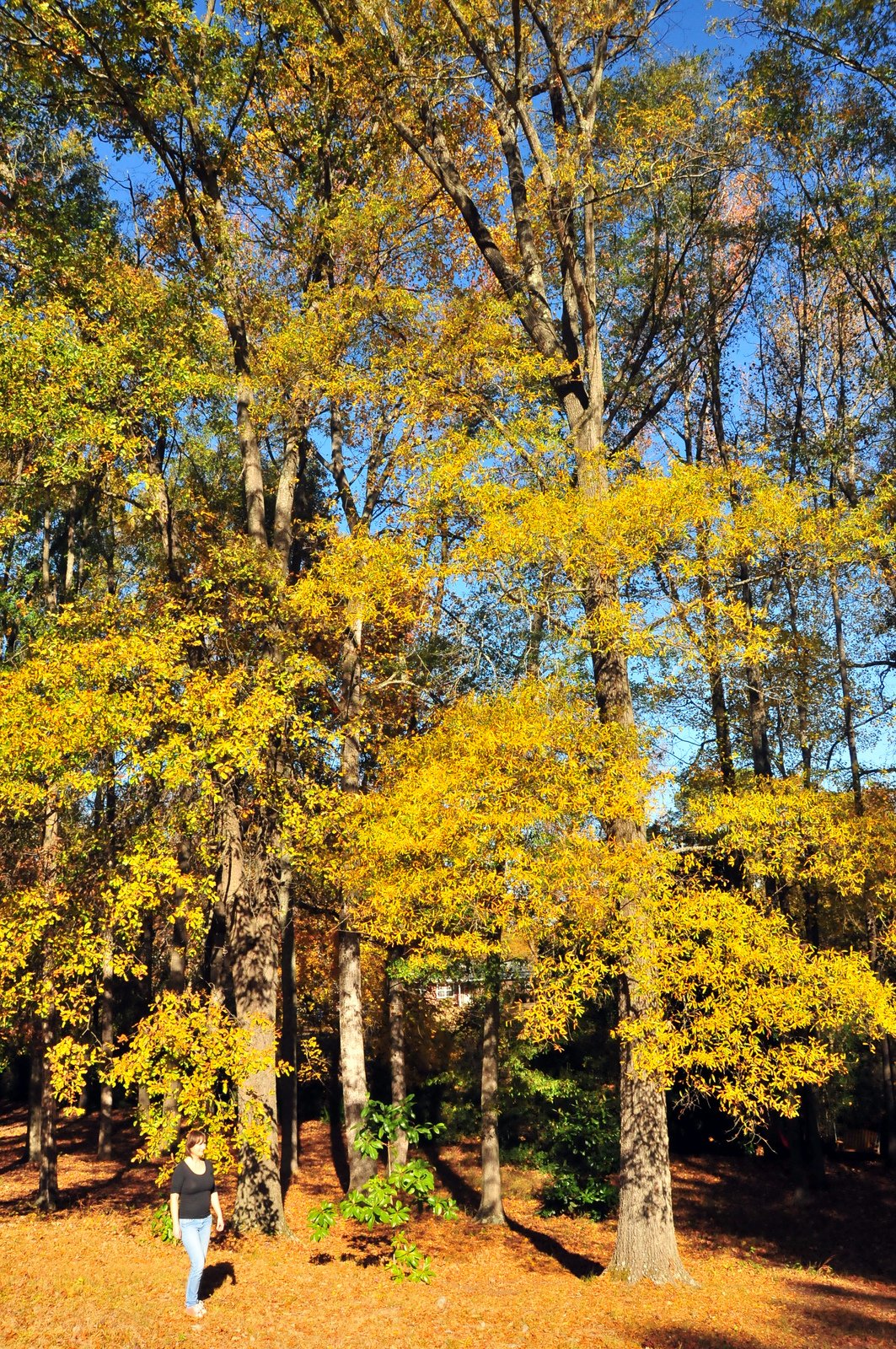
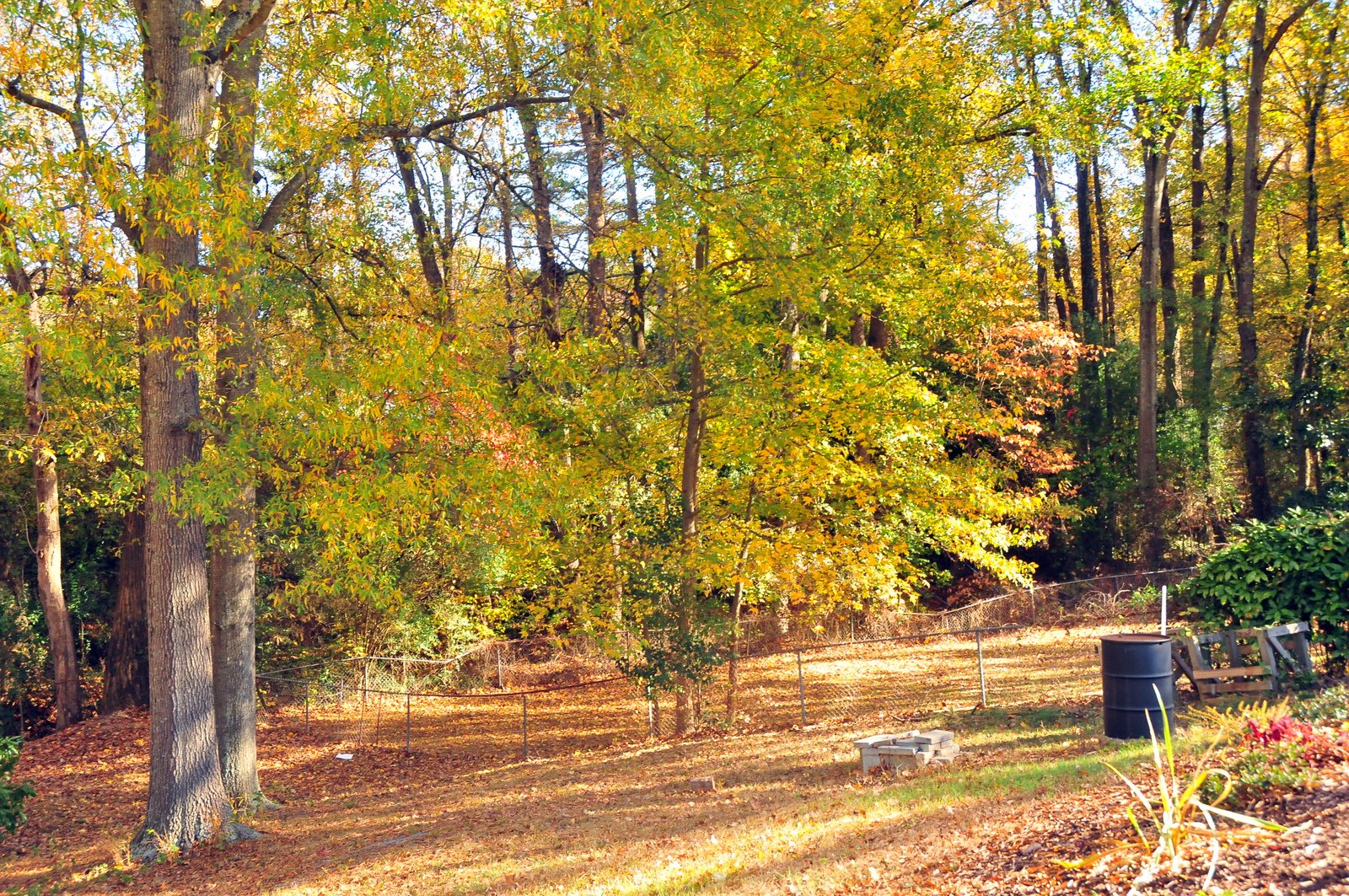
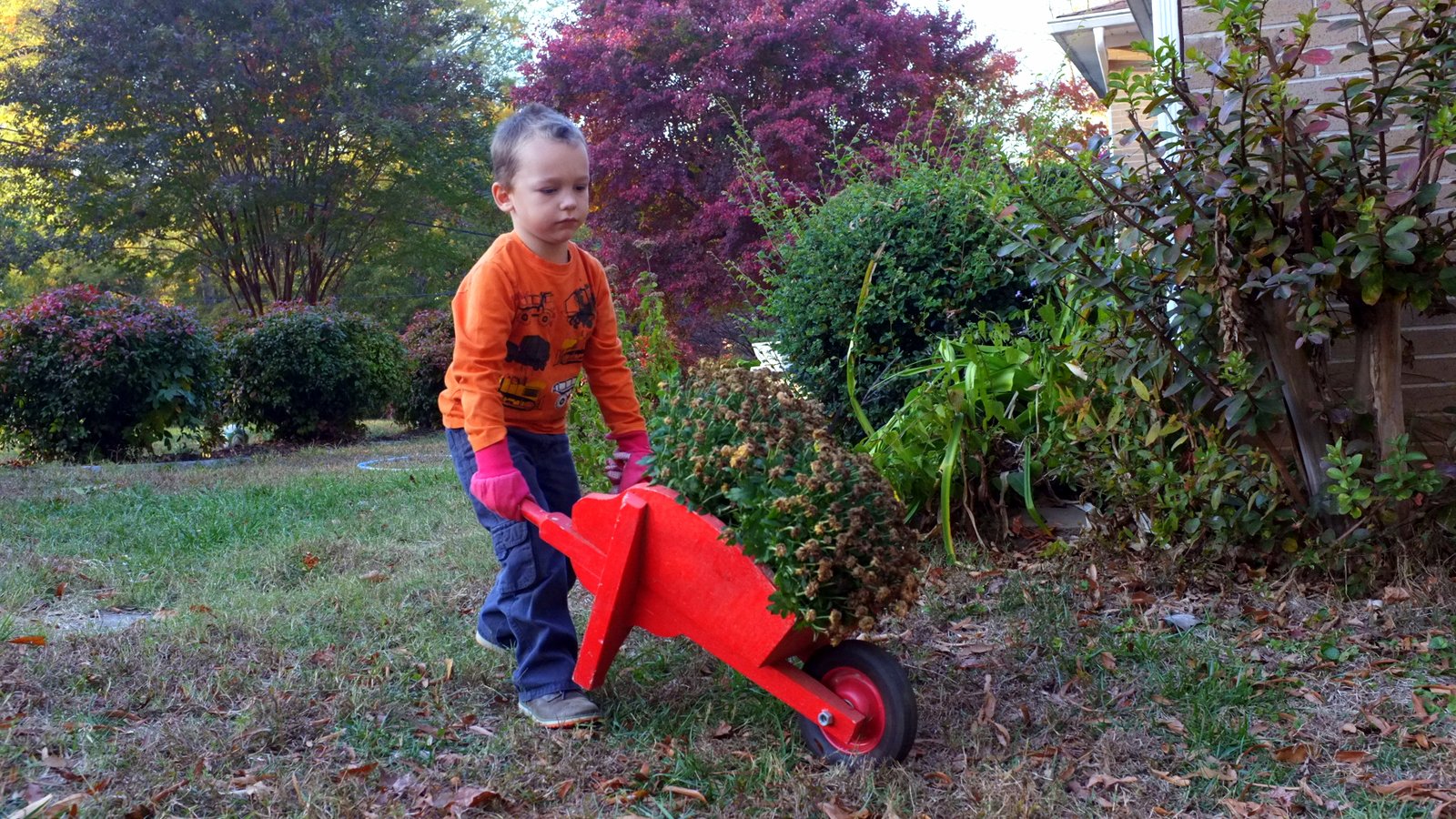
Tomorrow, Nana and Papa will be coming over for our annual fall family portrait. We took a few test shots today.
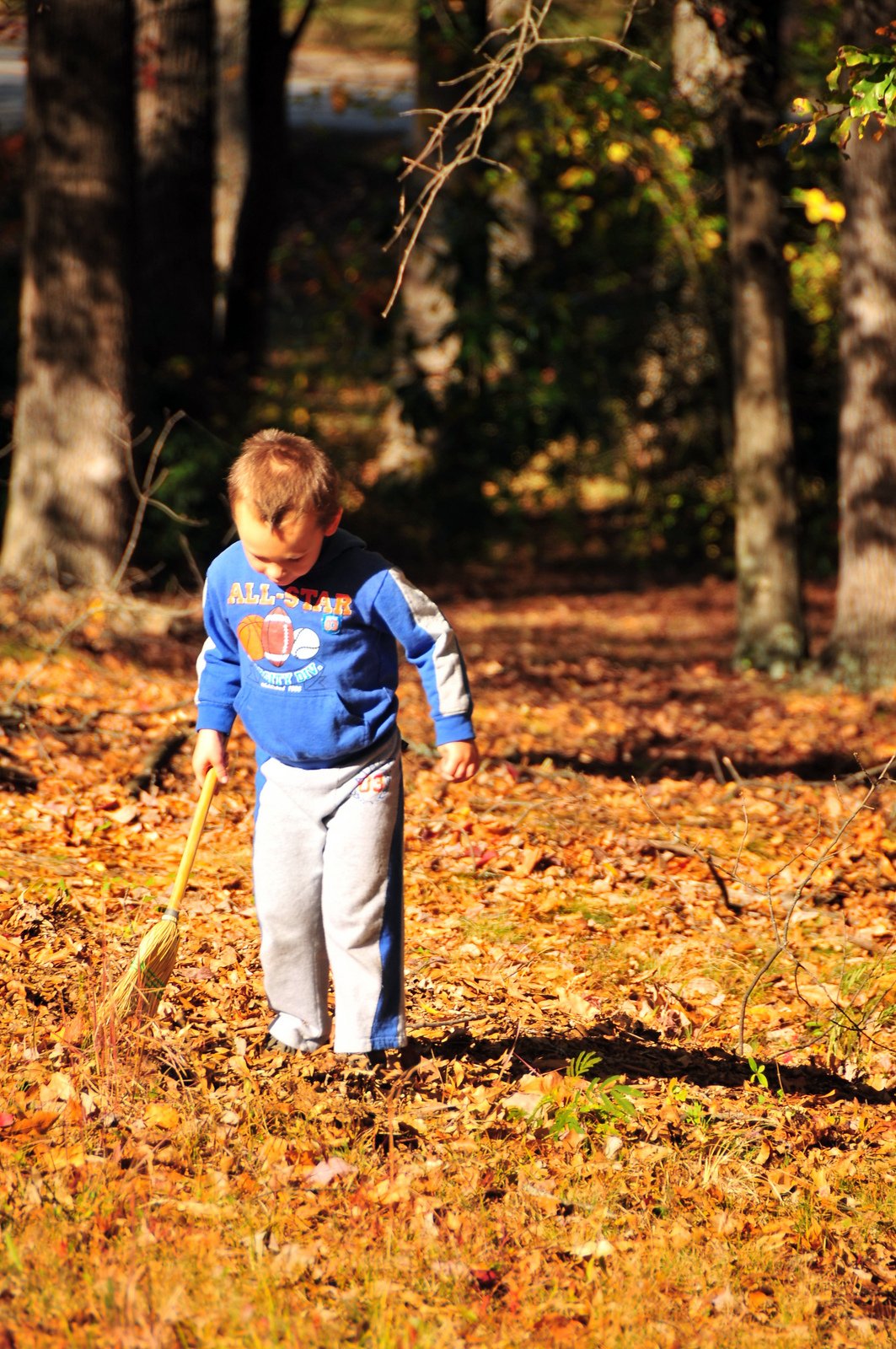

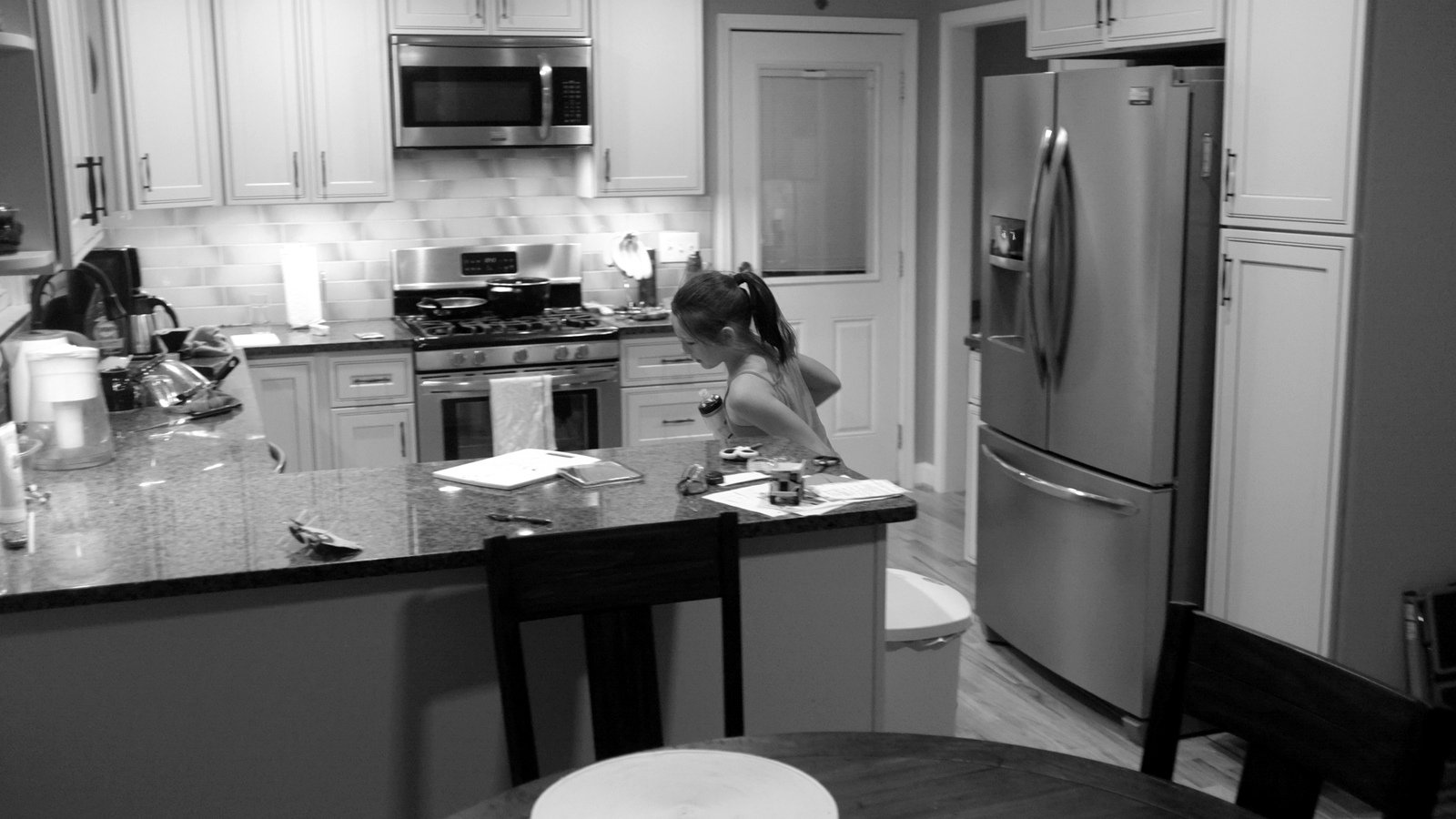
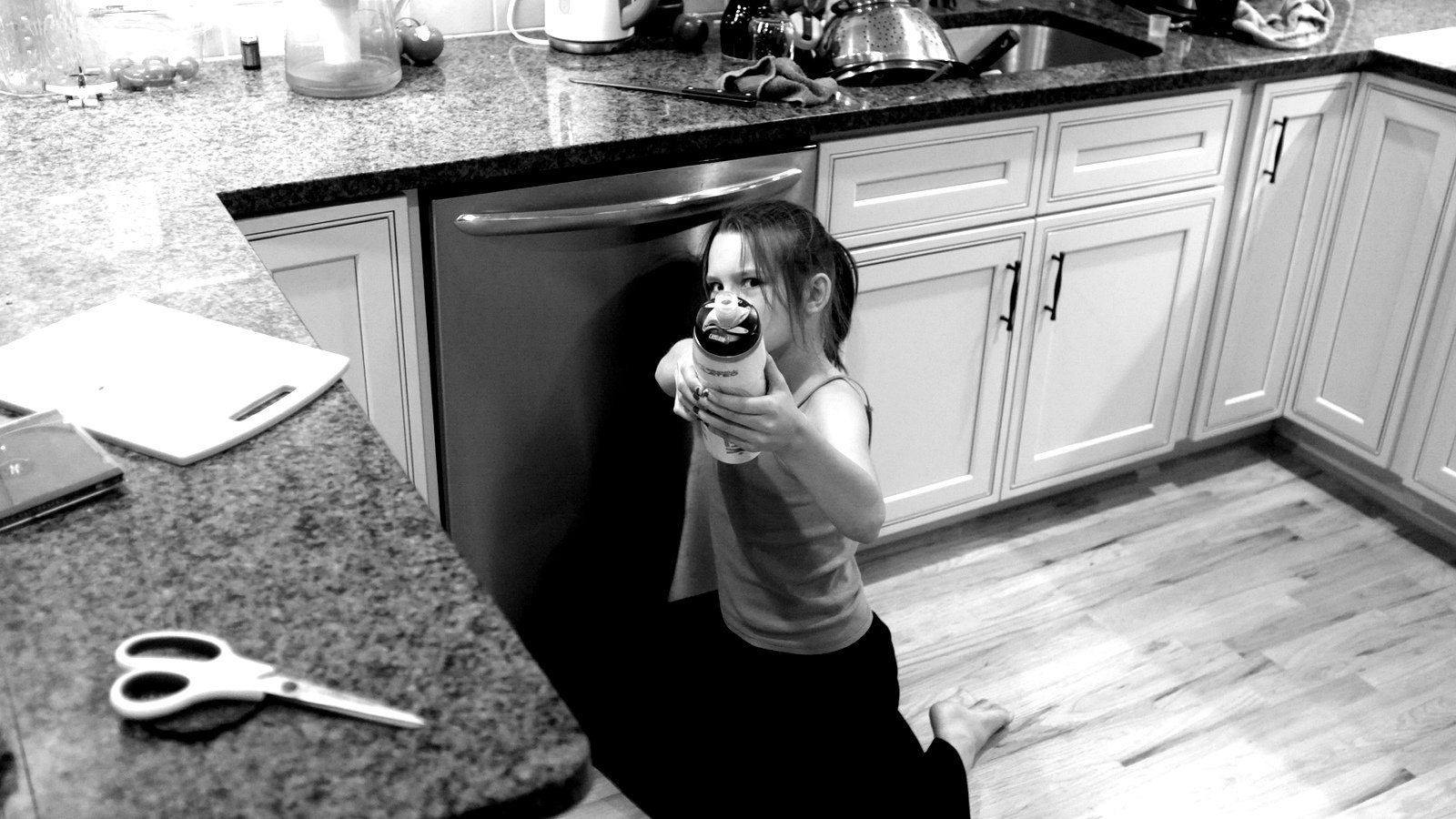
Sometimes, the Girl has so much energy so late at night that it's a minor miracle that we get her to bed.

Three events today, happening within moments of each other, reminded me just what challenges some students in my class face, and how I am often really not teaching what I thought I would be teaching to thirteen-year-olds.
We're working on a cross-curricular unit that incorporates Sean Covey's Seven Habits of Highly Effective Teens as the anchor text. Since I'm the literature/reading teacher, the unit starts in my room. To make the process simpler and faster, as well as to hit more standards, I've designed a unit that includes a jigsaw reading of the article: independent groups read one chapter of the book, then present their chapter to others who read other portions of the book. Each group gets a habit.
I copied the book to make my life easier: we don't have enough books for two classes to use them simultaneously, and because I have a class-set of Chromebooks due to an elective I teach, I told the other English teacher that I could just scan the book in for my students. I scanned them in two pages at a time, which meant that, because the first page of each chapter was on the right side of the page, there was always a page from the previous chapter as the first page. I knew it might be confusing for some, but I thought that most thirteen-year-olds could figure out that it must be part of the previous chapter, especially since I'd already shown the kids how to read the PDF versions of the novel: Left page, right page, scroll down; left page, right page, scroll down. When I found that some students were having trouble with that and were in fact treating the first page visible as the first page of their chapter, I was frustrated, disheartened even.
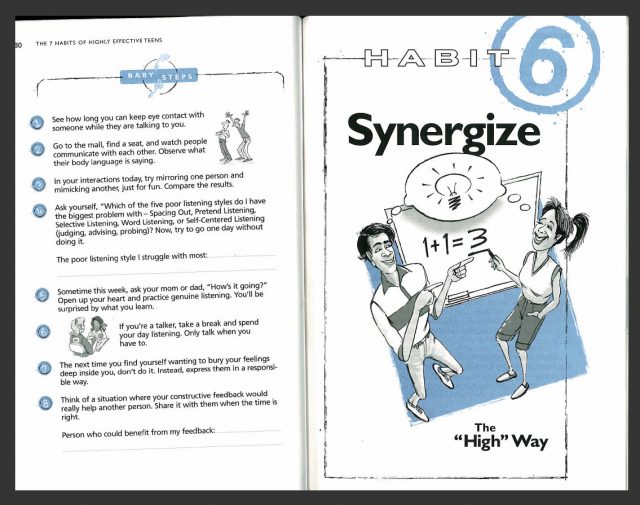
Later, as I was moving around the room, I noticed some students having problems with Google Docs' outline feature. It turned out that, instead of turning on the automatic-numbering outline feature, they were manually adding numbers -- like it was just a typewriter instead of a computer. Since I had showed the students how to do this, since we had spent time working as a class, working as groups, working even as individuals with simple outlines, I thought everyone knew how to do it But if a student is not paying attention, if a student is more interested in most everything else other than what is being taught, it shouldn't come as a surprise. Yet it happens to these students time and time again, and they can never figure out why. What are the chances of someone who can't pay enough attention to learn how to use a simple outline feature ever going to keep a job? Perhaps these students will learn some focus, but they've made it this far without paying attention: what's in it for them to start now?
Finally, I had a vivid reminder of how poorly some of the students read. A student was struggling to figure out what to put as a sub-point in his outline. To his credit, he had figured out that the heading immediately above would be a main point and knew that something below it must be the sub-point. The first paragraph after the heading was short:
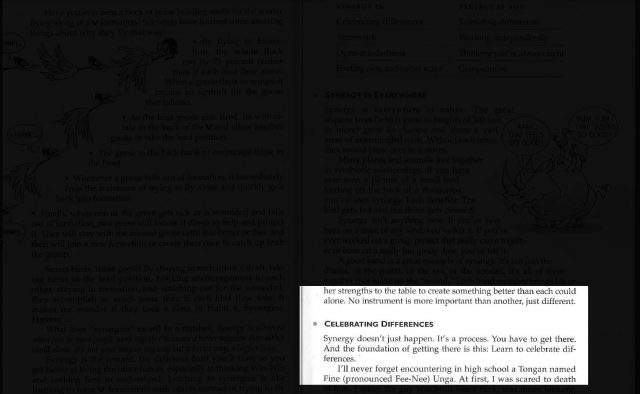
"Synergy doesn't just happen. It's a process. You have to get there. And the foundation of getting there is this: Learn to celebrate differences."
I sat down by the student and quickly assessed the problem. "Read the first paragraph under the heading," I said. He read it. "Tell me something about 'synergy' from the paragraph." "It's a process," he said after a moment's hesitation. At this point, I was thinking that another helpful question or two and I'd be on my way. "And what is the foundation of that process?" He made a wild stab -- something completely outside the text. "No," I reminded him, "no, it must be in the text. It's right there in the text." Another wild stab. "Find the word 'foundation' in the text," I instructed, growing a bit frustrated with my ineffectiveness. He found it. "And what does it say is the foundation? What's right after it?" Another wild guess. I sat there, wondering what was going on in his head, wondering if he was seeing, what he was thinking, what even he was feeling.
This evening, I called the Girl to the computer and had her read the paragraph. "What is the foundation of synergy?" I asked. "It's a process. You have to get there," she began. "No," I redirected, "one thing. It's in the text." She re-read, then said, "Learn to celebrate differences."
I don't say this to brag about our daughter. I point this out to show the level of reading of so many of my students, students who should have responded like L, for she is, according to testing, reading at about an eighth-grade level. The level my students should be reading at. What's most frustrating about all of this is the shortsightedness of these same students. They don't see how far behind they are -- and how could then? They divide school into two, fatalistic groups: the smart kids classes and our classes.
Add to this all the students lacking social skills who need instruction in this simply to reach a state of mind in which they can functionally work with someone. No, that's not even correct -- to get them to the point that they can stand to be in the same group as someone they find irritating. Several students in my lowest level class are incapable of getting along with much of anyone. "He annoys me." "She gets on my nerves." "He's a pain." "We might fight." So on top of basic reading, I have to try to teach them how to deal with each other. Given their fatalistic worldview, that's nearly impossible. "When I'm mad, I just react. It's just how I am." For them, it's as immutable a fact as the inevitability of tomorrow's sunrise. There is nothing they can do to stop it. Is this laziness? Learned victimhood? Personality? Nature? Nurture? All the above?
It's not that I'm feeling pessimistic about my chosen profession. I'm just not sure those who don't teach, who don't interact with such kids on a daily basis, really know the extent of the problem we face in the American education system today, and all too often, those very people are the ones making the decisions, about funding, about testing.
The Boy and I were playing just before bedtime. The miasteczko that T and he made during their visit this weekend is still up, so we decided to make use of it. As often happens when playing, the Boy decided to pontificate a bit. Picking up a convertible, he began explaining, "This is a big car. It can hold a lot. I think maybe 38 gallons." He handed me the car upside down and asked me to read what kind of car it was.
"It's a 38 Gallon Cruiser," I said. He beamed.
"I said that!"
I was expecting such a response, hoping for it at the very least. I like when something I say, something K does, something L makes him, gives him a certain kind of comfortable joy. It was the same with L when she was his age, still working out how everything worked, still not quite sure she had a handle on some of the basics. Of course, I look at her now and think, "You still don't have a handle on some of the basics," and I look in the mirror shaving and think, "You still don't have a handle on some of the basics."
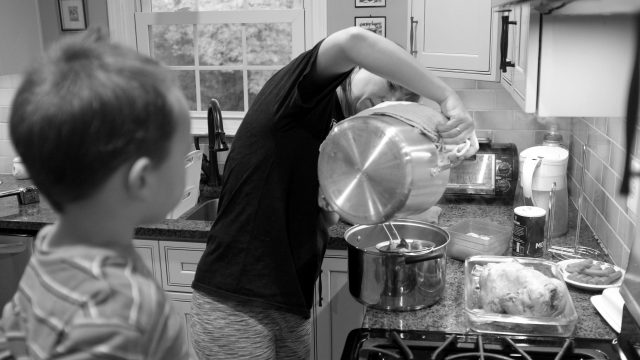
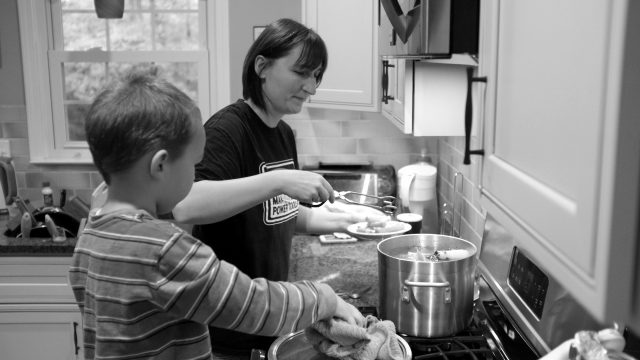
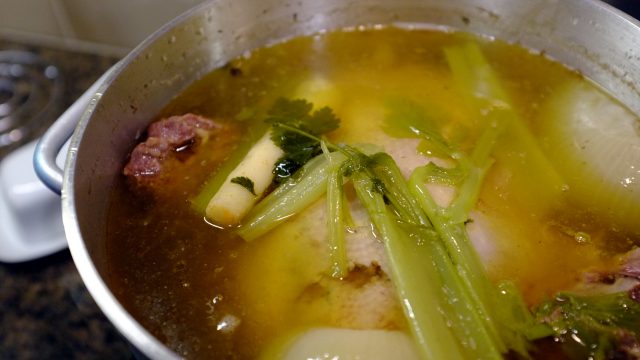
K has a handle on the basics though. She knows what brings a smile to everyone's face: homemade rosół. The Boy leaves his bowl empty; the Girl goes back for seconds; even the older cat is happy to get the dregs in E's bowl.
The basics.
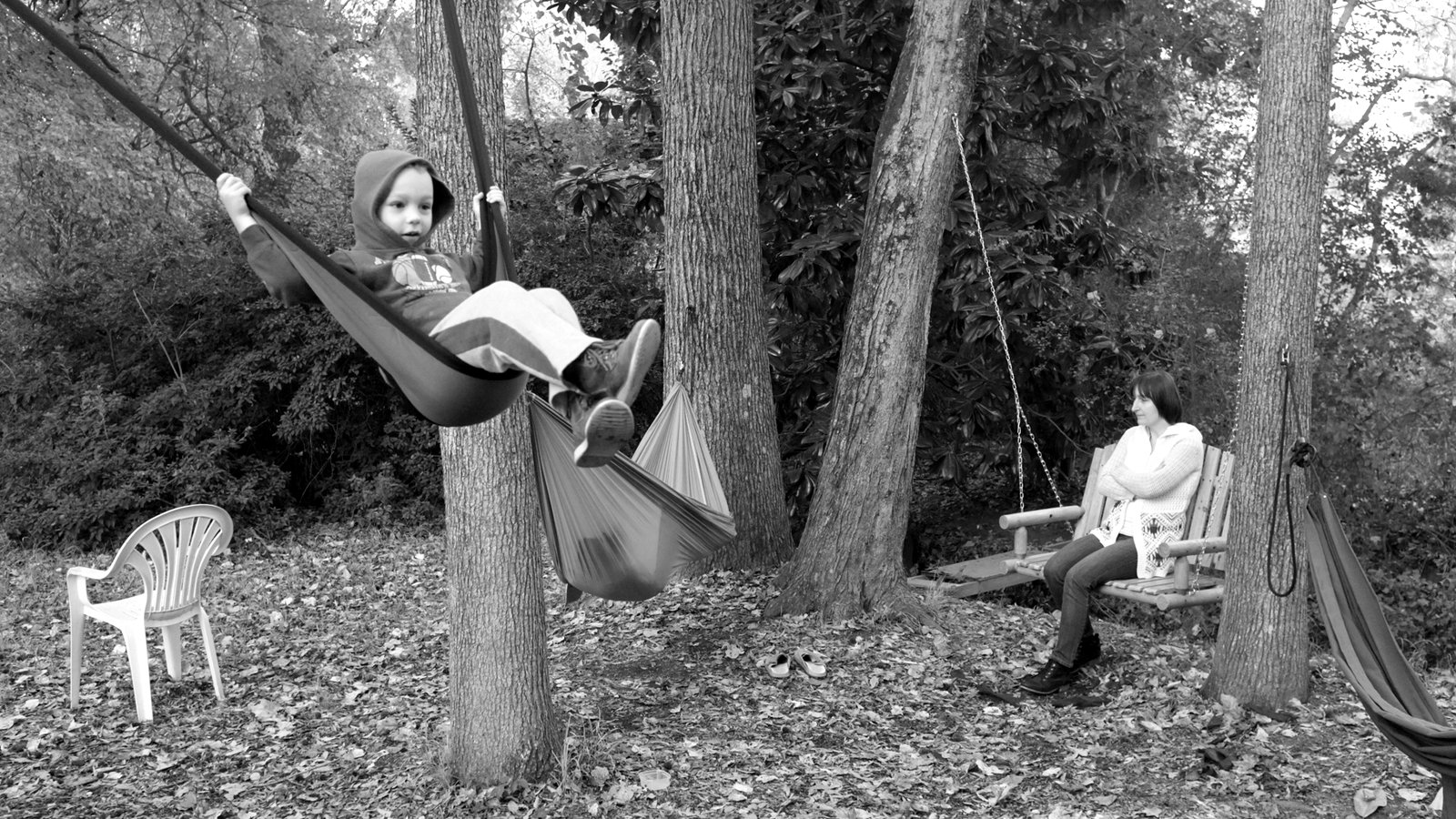

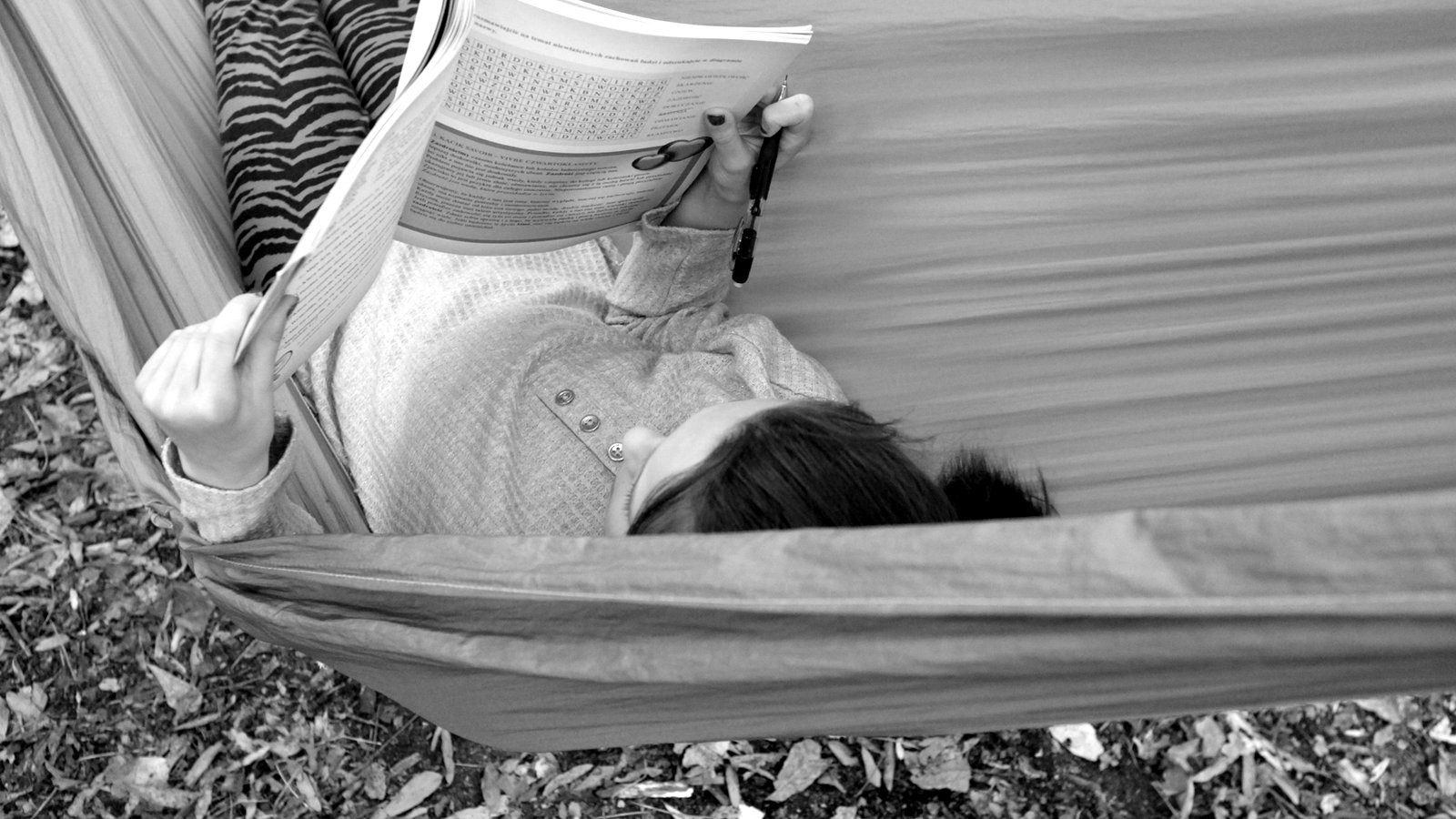
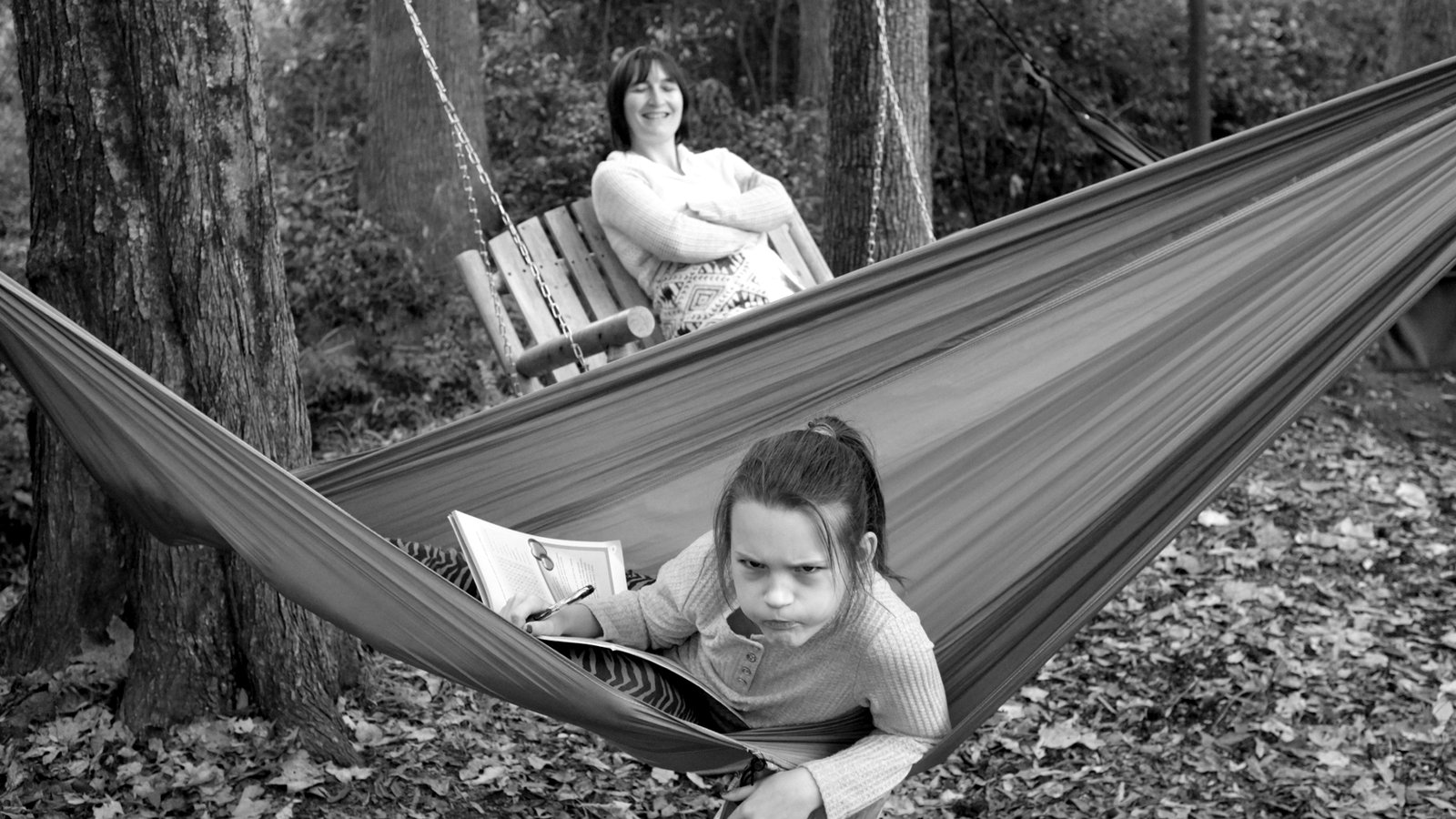
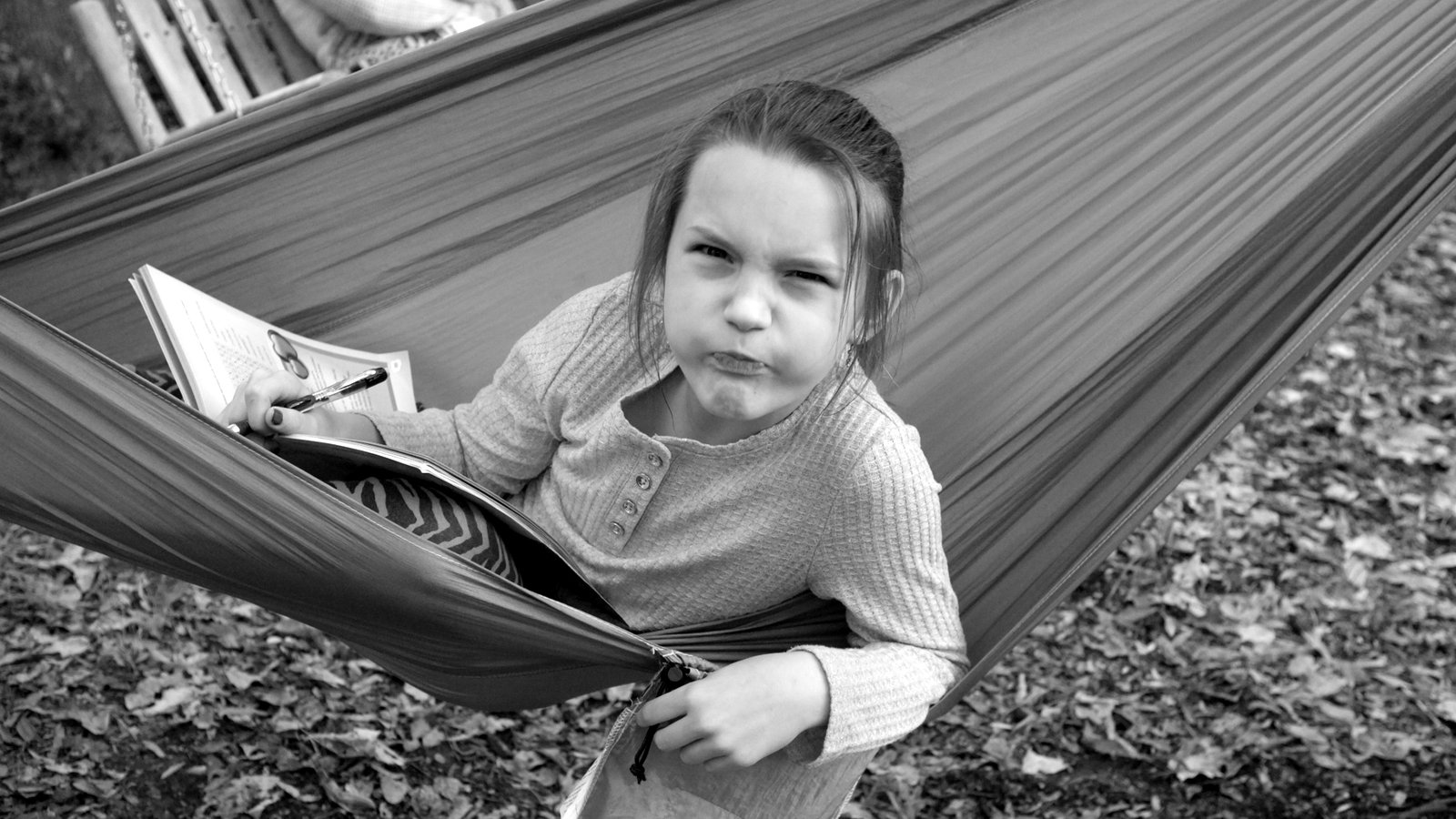
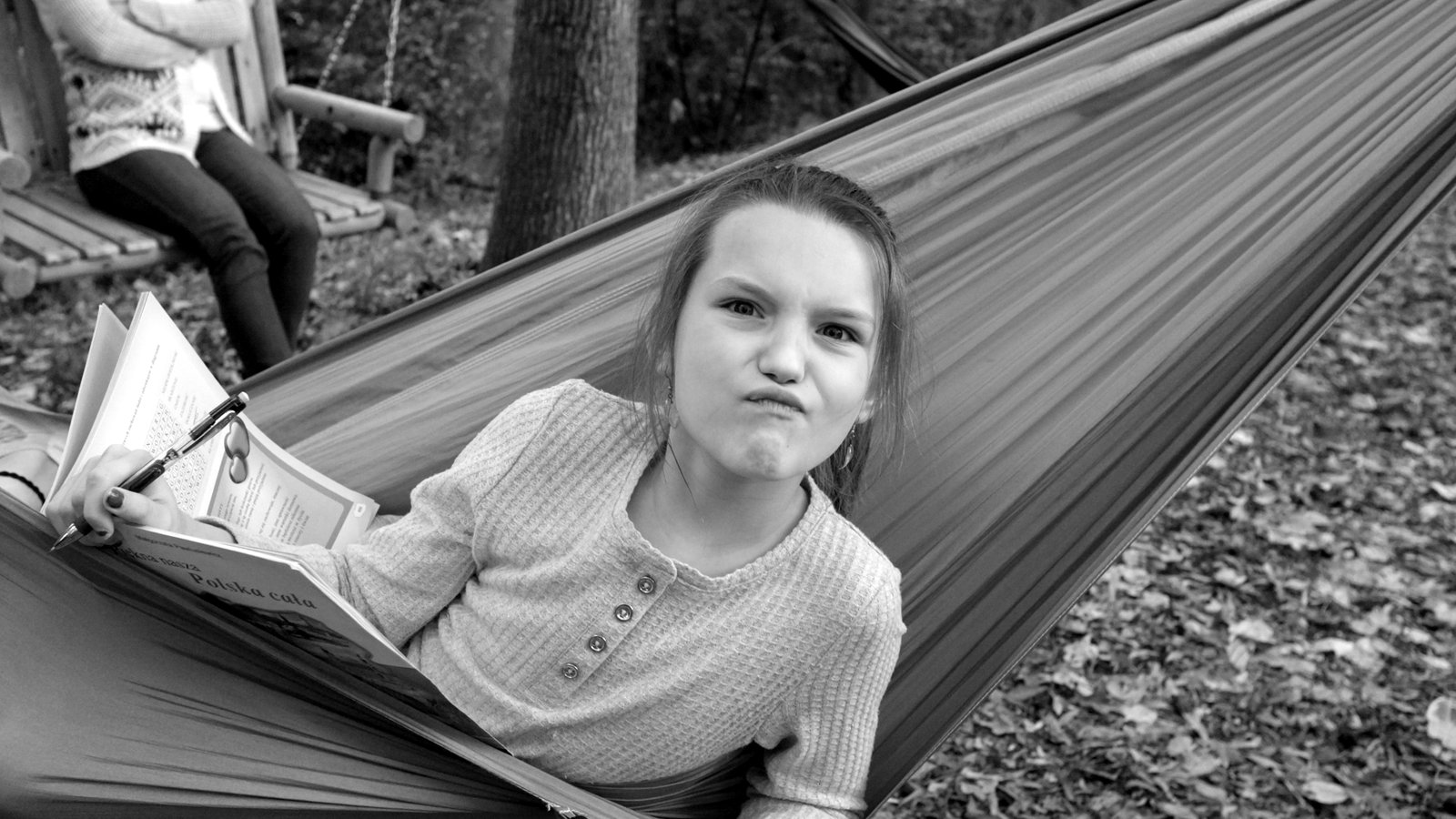
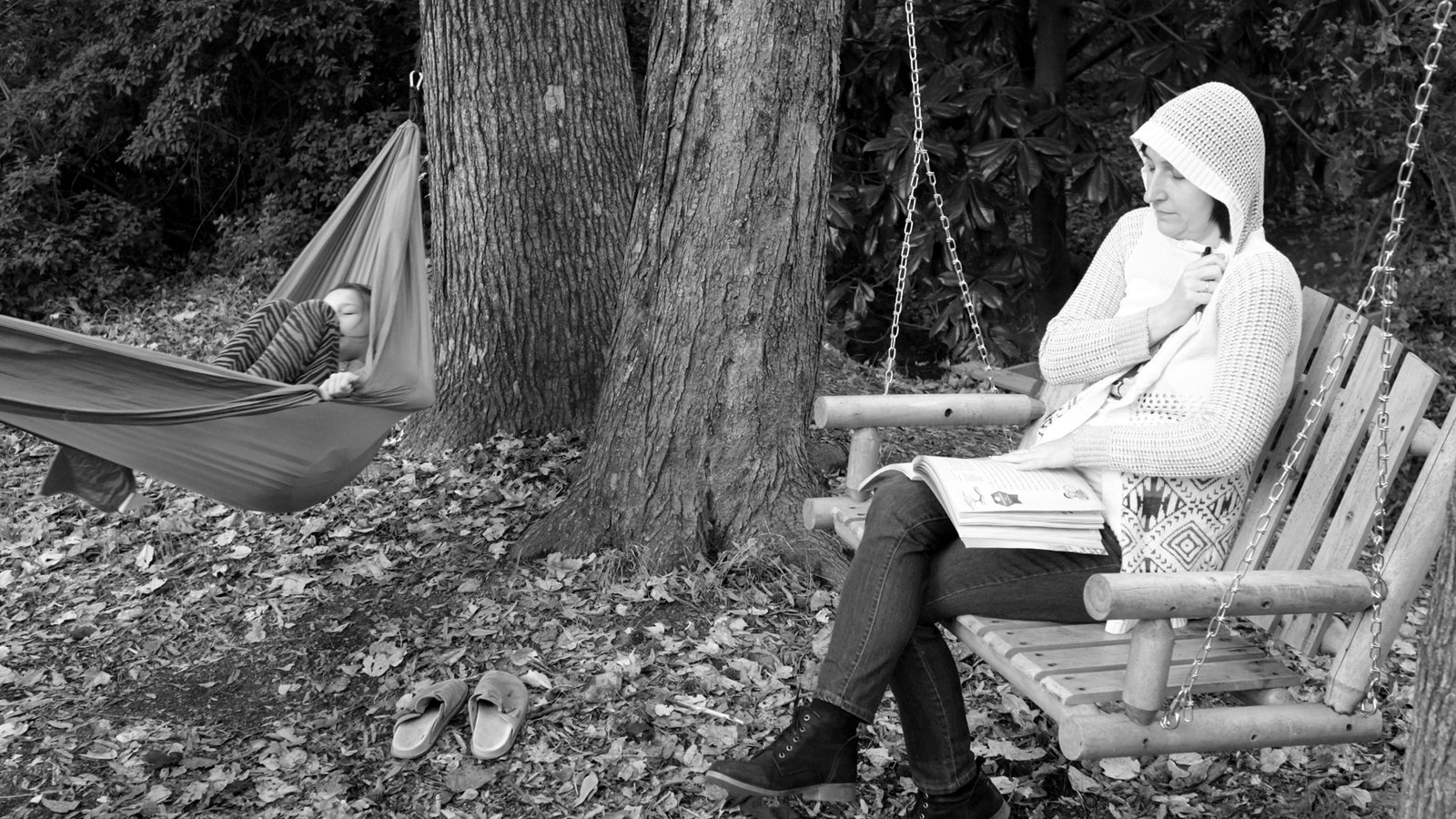
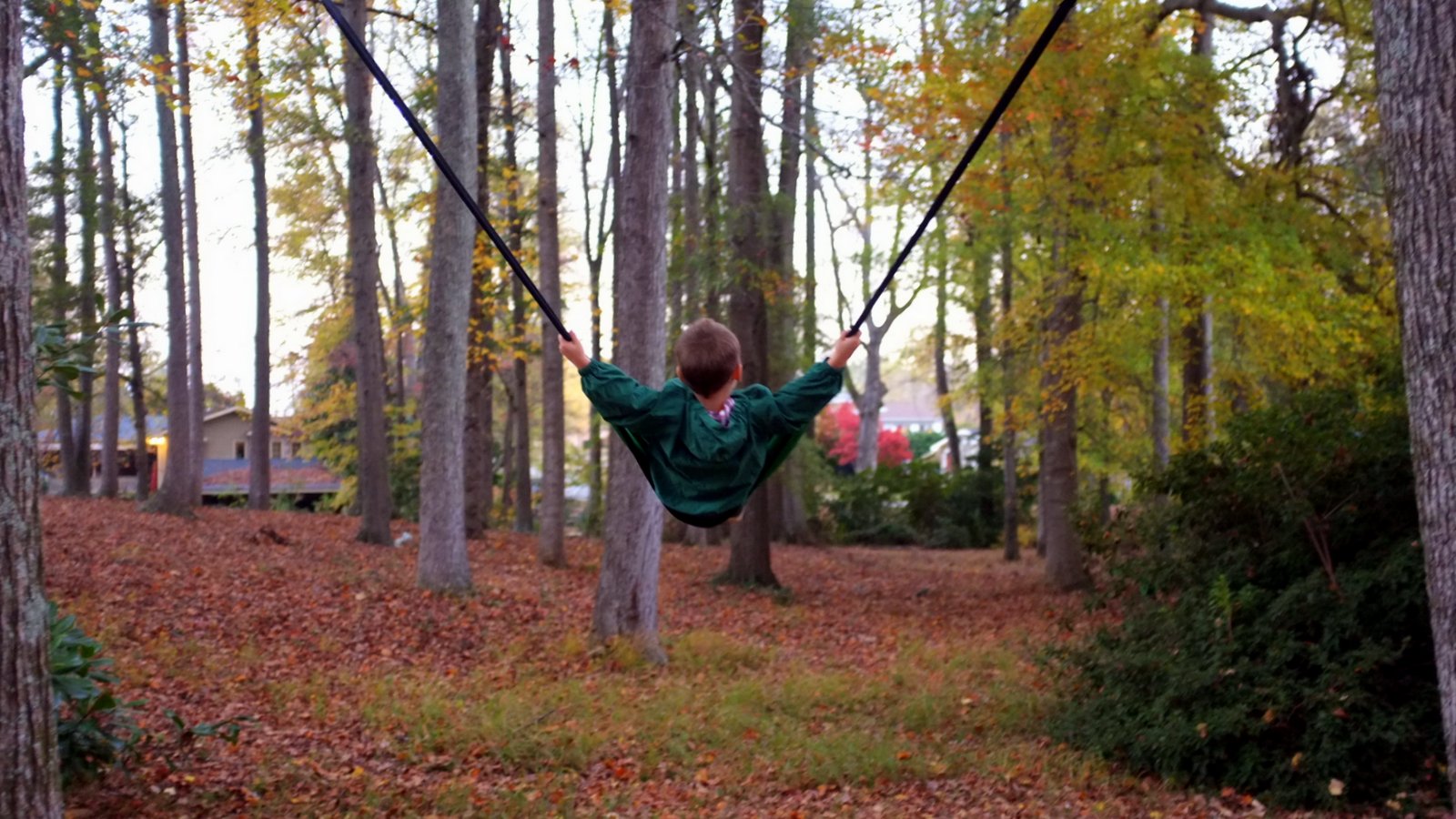
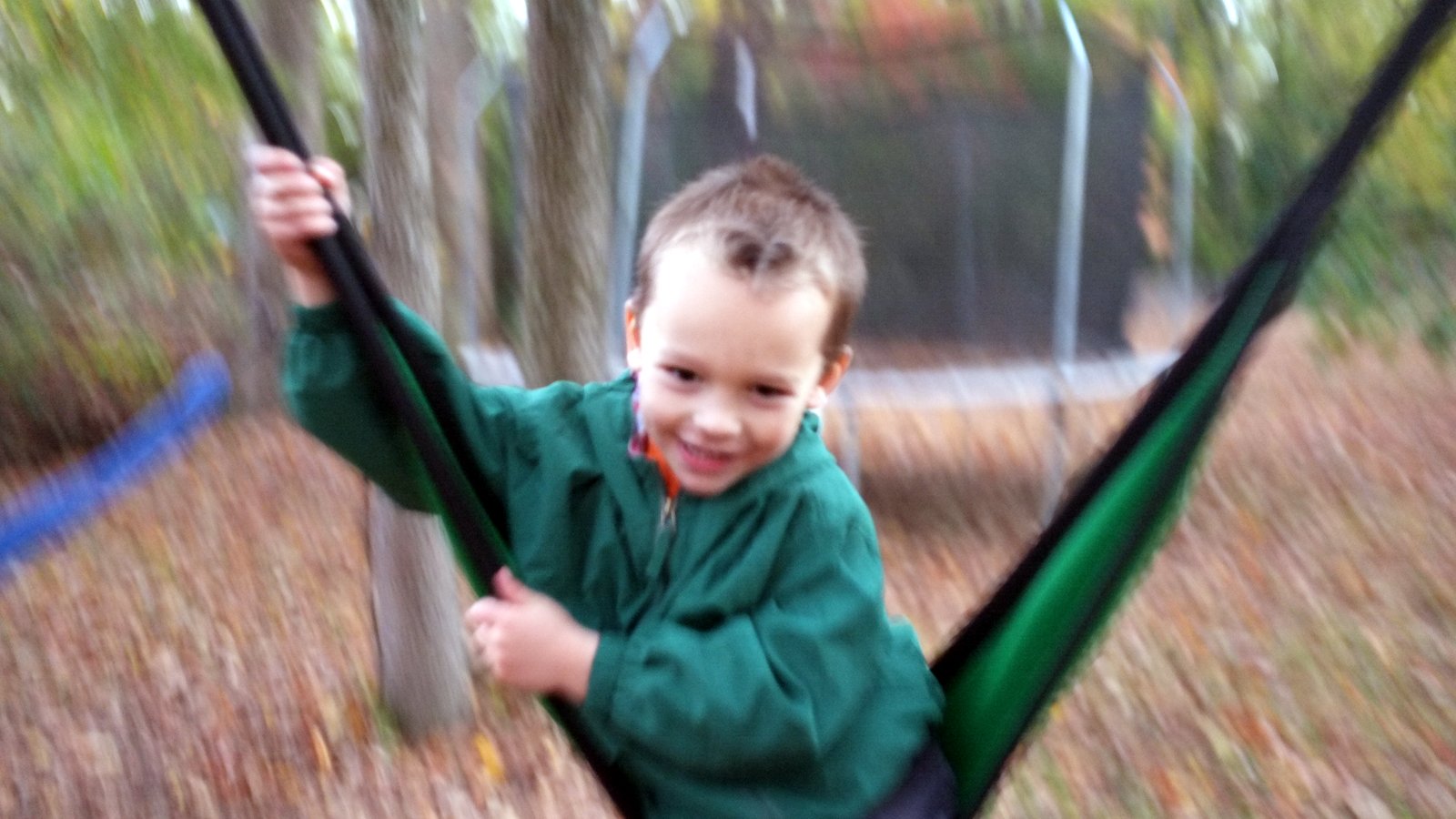
When I got home today, everyone was in the back yard. The Boy was swinging, the Girl, wrestling with Polish lessons.
"We can't stay for choir practice because we have family visiting," K explained to the choir director this morning after Mass. As the dedication of the new church is only weeks away now, after-Mass choir practice has really ramped up. But today, we decided L could miss it. Because of family.
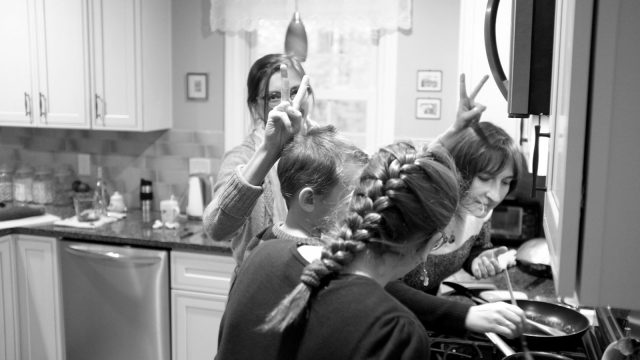
Of course, M and her daughters are not related to us in any other sense beyond her being E's godmother and sharing the same adventure as K of being a Pole in America. But they're still family. We spend holidays together; we know (or rather, K and M know) rather intimate details about each others' lives; we've shared the same struggles at times.
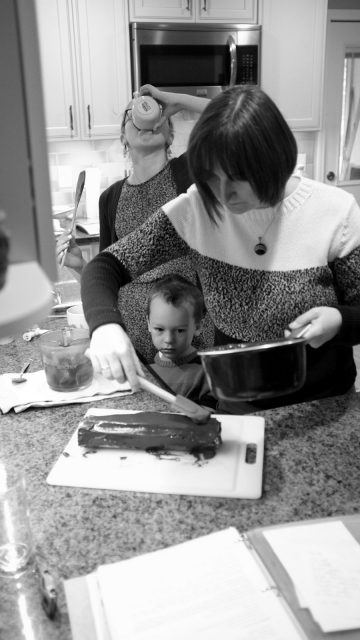
You choose your friends; you don't choose your family. It's a truism that gets both sides of the equation right and wrong: because you don't choose your family, it can be more difficult to love them and more important. (Note: such is not the case here.) Because you choose your friends, the relationships are more valuable and more fragile. That's why close friends and family blurry the lines: these relationships have both elements.

So time with this kind of family is precious: E gains two more sisters for a weekend, and L gains siblings more her age. And because they're more like family than friends, there's no compunction in telling L that she's being a pain in the back side (which she can be) or telling E that he's got to share his new siblings (which is is reluctant to do).
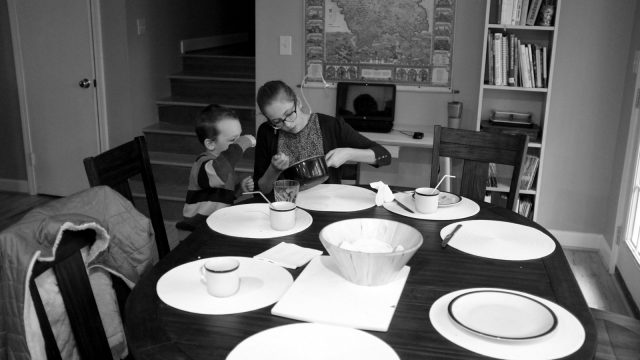
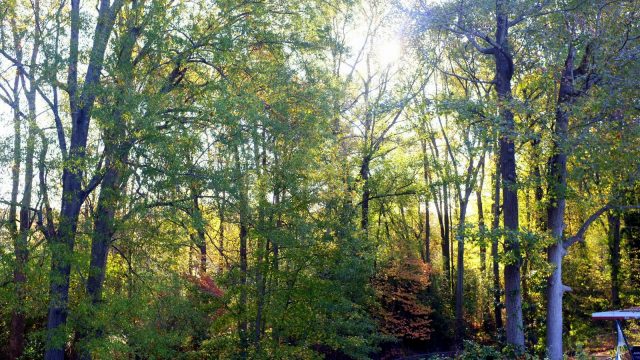
Today was one of those days that suggests that fall might finally be here. I wore long sleeves all day, and in the evening, when outside, I was just a bit chilly.
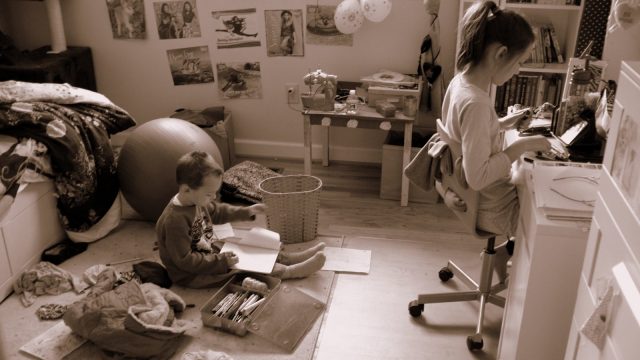
We wake up with K heading off to work for the morning and us staying behind. I spend some time in the morning working on some side projects and the kids entertain themselves. It’s a good thing, a good skill, to be able to pass a lazy morning without turning on the television.
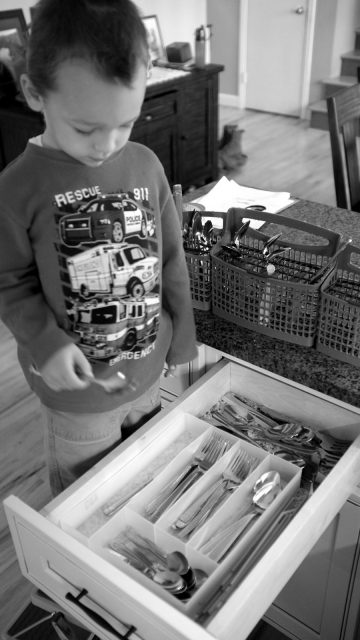
Mid-morning, I come up, and we get to cleaning. I do the vacuuming while the Boy sorts silverware from the dishwasher, the Girl uses our lovely Shark cleaner to wet-clean the hardwood
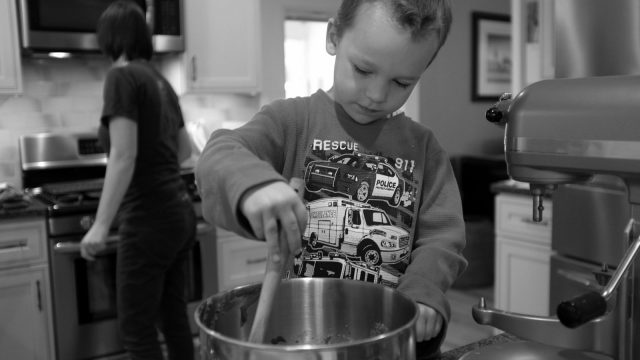
When K gets home, she and the Boy get to baking. The Girl is upset that the Boy has horned in on the action. It’s one of those times that K just lets her be.
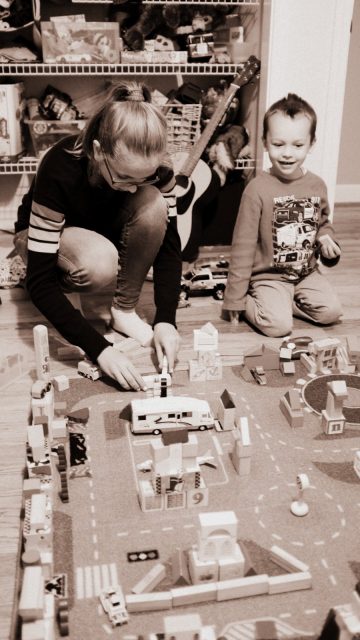
Evening, friends that are almost family arrive for a short weekend visit. E’s favorite near-cousin sits with him and makes a miasteczko.
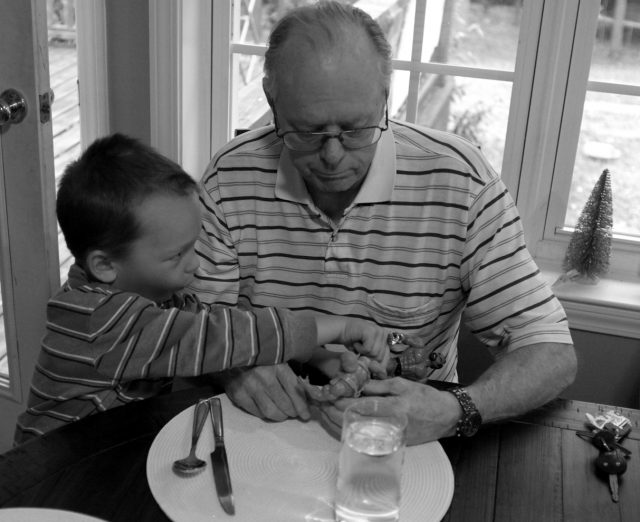
The best way to get the kids to eat certain foods is to hide them. No, that’s not quite right. E will try just about anything. He might not like it (as when he commented that a butternut squash soup tasted more like “sea turtle soup”), but he’ll try it. No, it’s just L that we have to deceive. So K puts a lot of onion in a lot of soup, but it’s always turned to a paste that simply adds flavor and thickens the soup. Tonight’s soup: pea soup.

“What kind of soup is this?” she asked.
“Do you like it?”
“Yes.”
“Then you don’t want to know.”