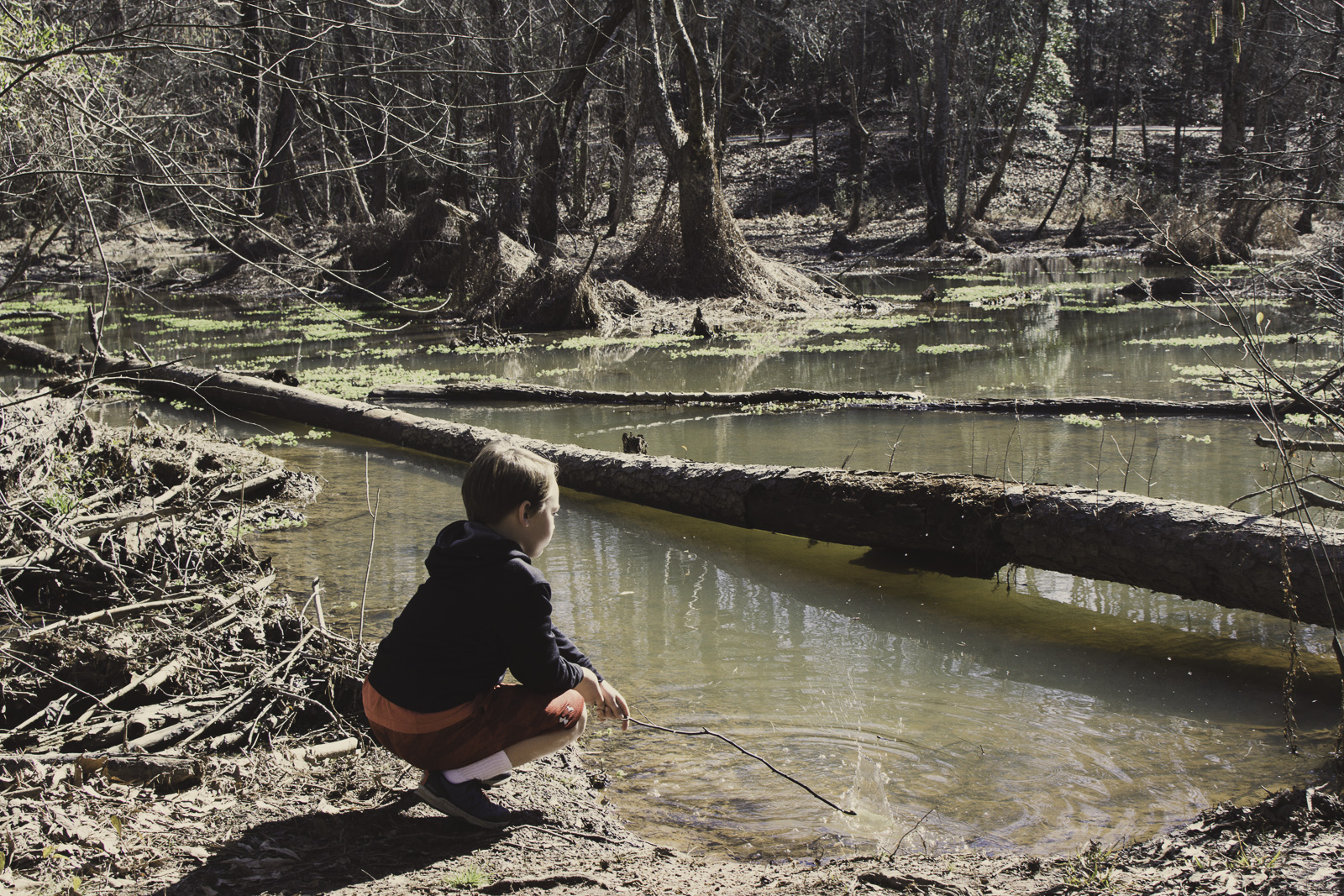
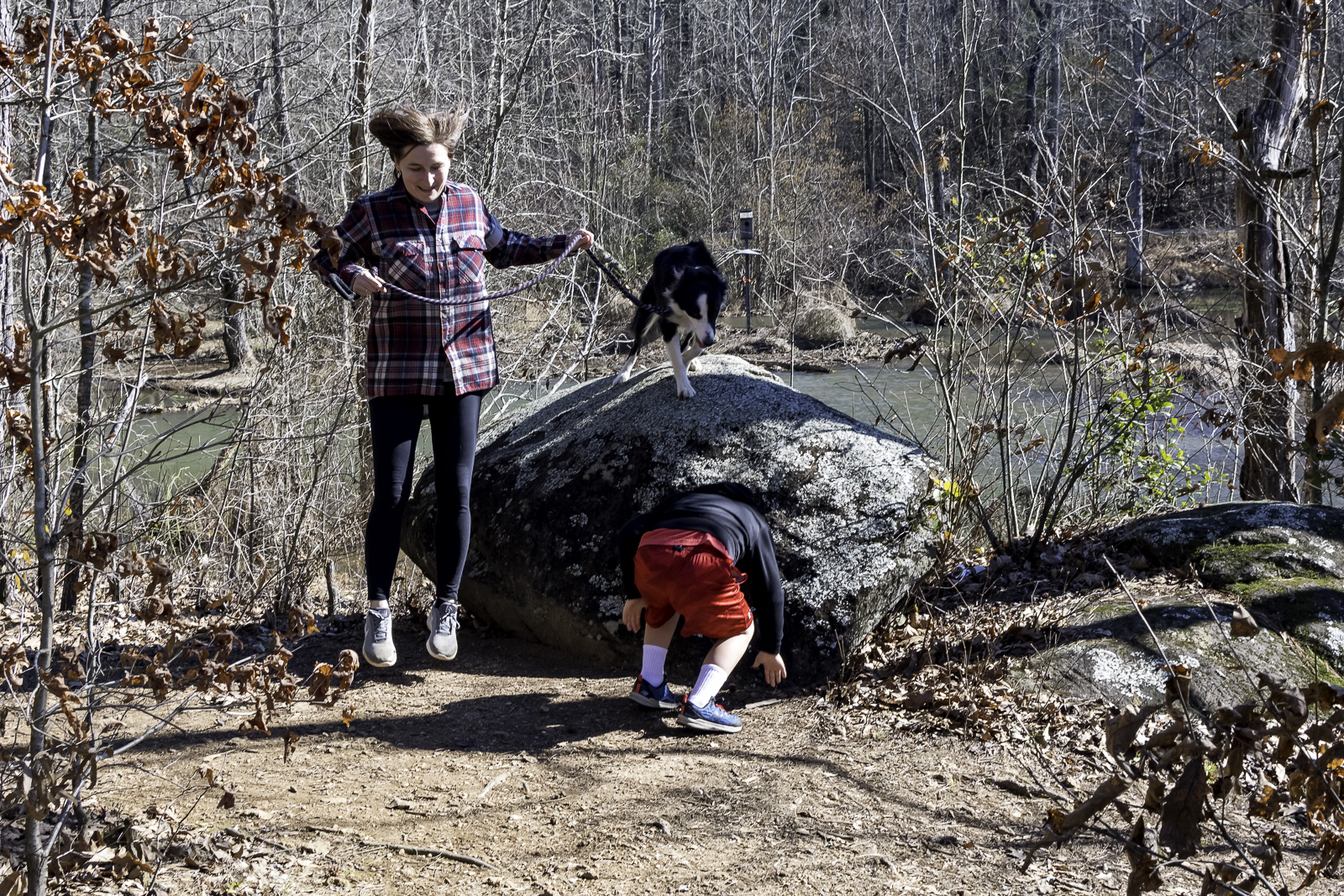
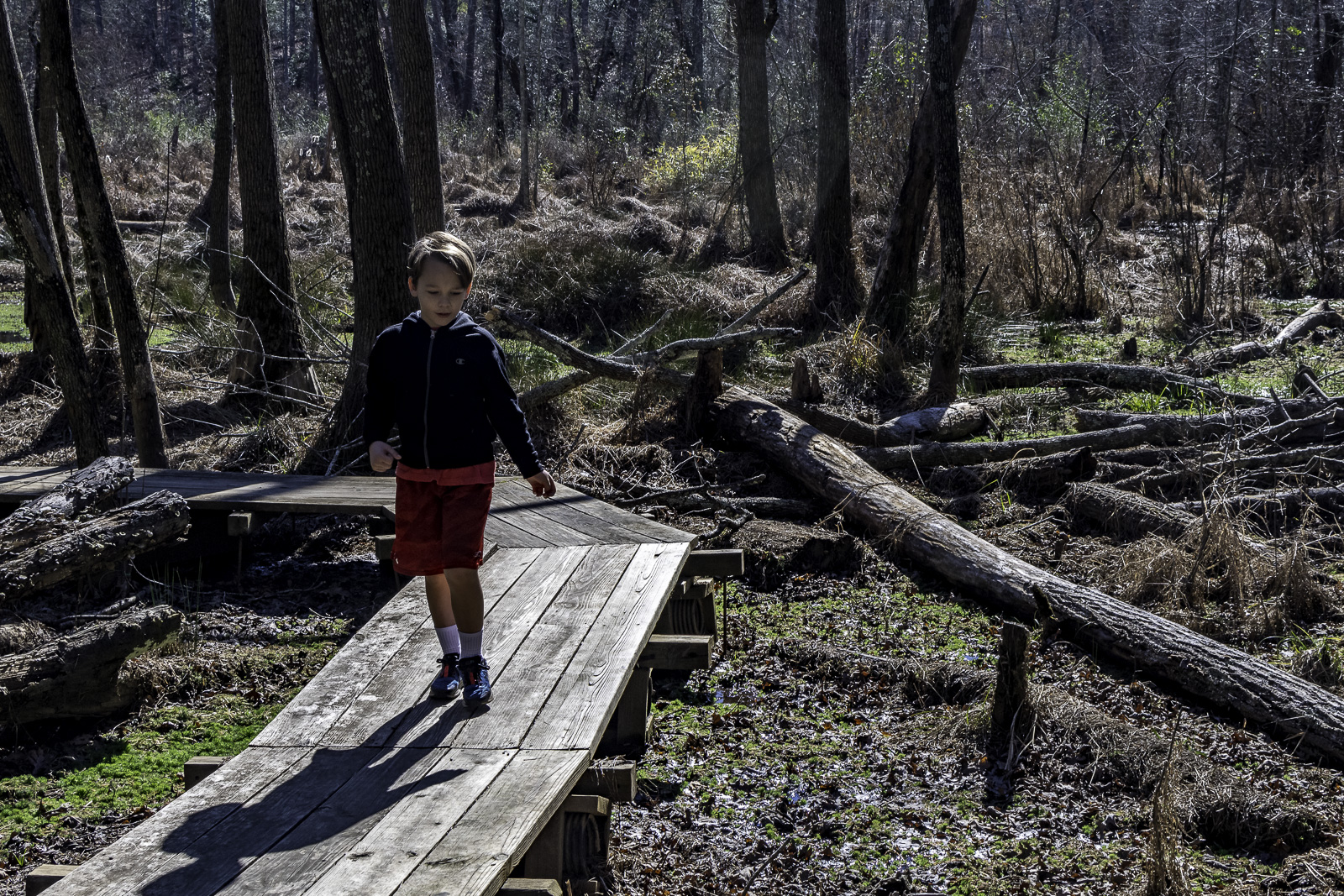
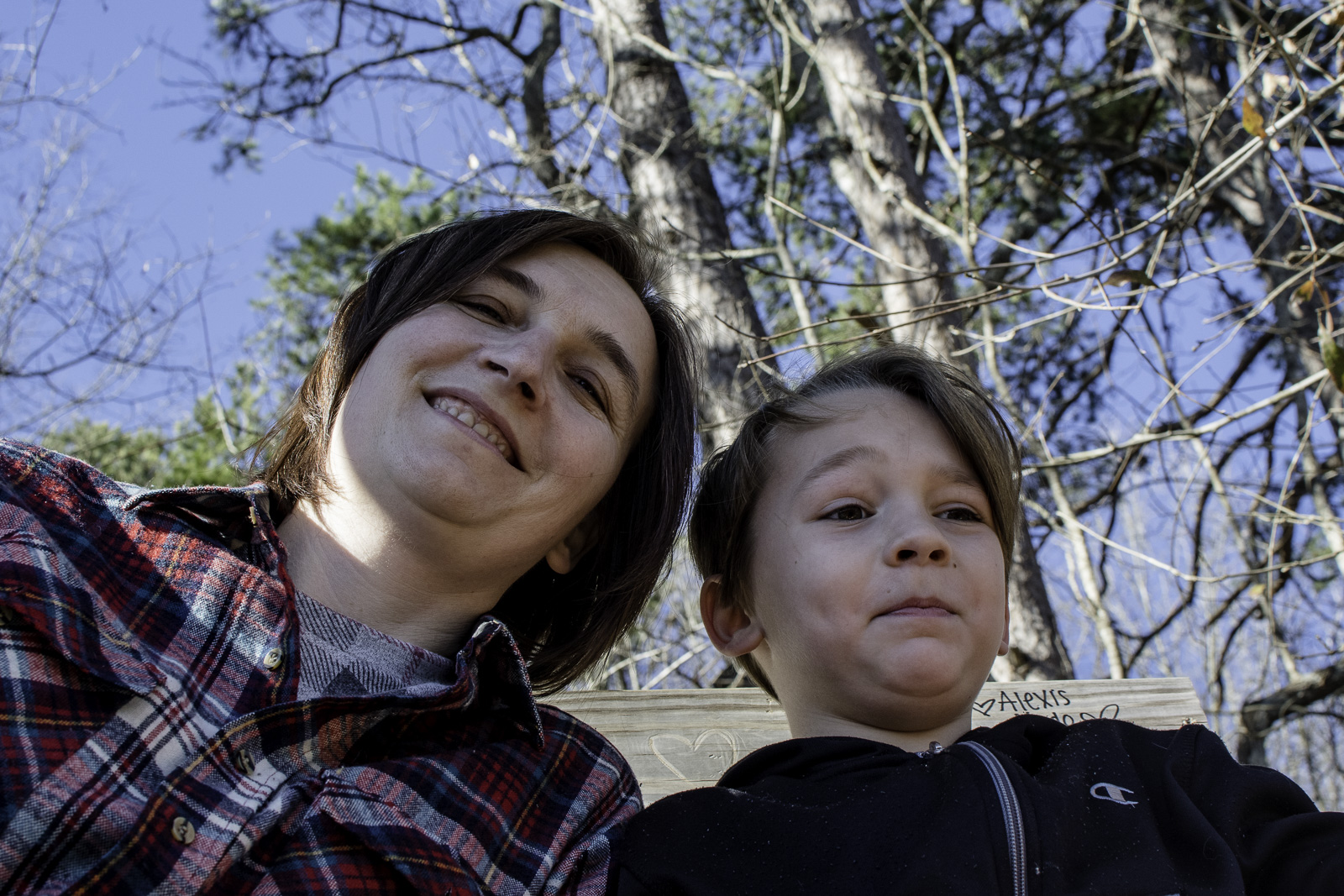
matching tracksuits

fun in threes, sometimes fours

g

Soundtrack

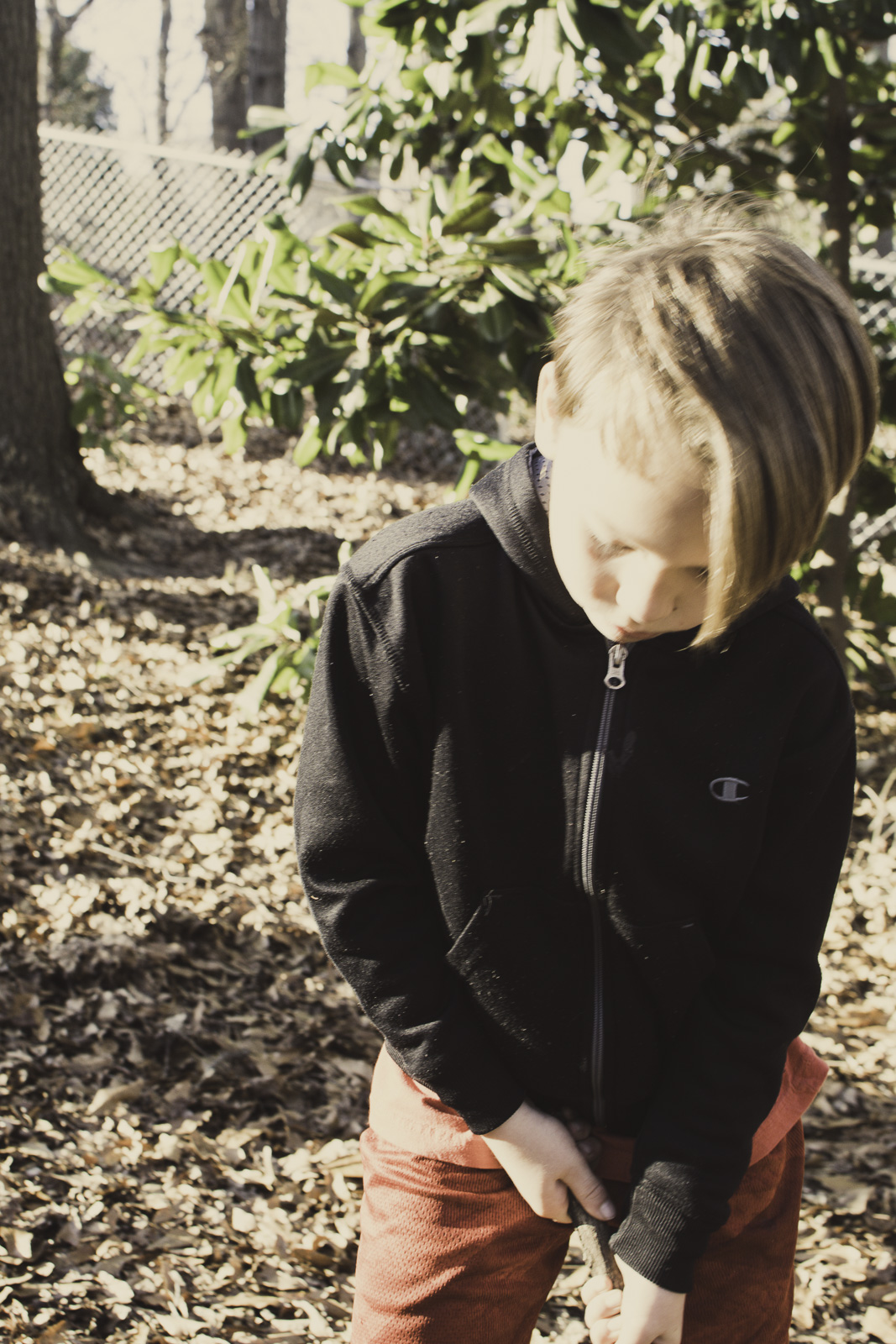
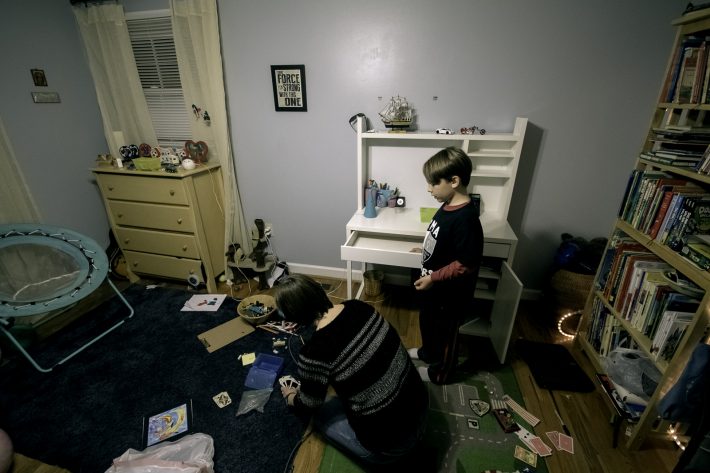
The kids and I stumbled into a new little game this evening. The Boy and I were playing cars, and I'd taken my phone with us to listen to some music. He made a request for "Kid A," a Radiohead song that he finds amusing.

As the music played, I asked him, "Which of these cars goes with that music?" He picked one out, and we talked about why it seemed to fit.

And that was the game...

The Girl heard us and came into E's room to join us. Some of the choices were obvious: a Billie Holiday song led to fingers straight to the '40s roadster in the collection; Creedence Clearwater Revival pulled everyone to the pickup truck; a Gorecki string quartet led to the oddest car in the collection.

The real blessing of it all was not only that we were encouraging the use of musical and visual imagination but also that we were spending that time together -- the three of us. It's a rare thing these days with our crazy schedules.


A Tale of Two Books

About a year ago I read Treasure Island to the Boy. It took us a long time because I read the original, unabridged version. E loved it.

“Daddy, can we read Treasure Island again?” he asked the other day. I thought it might be a good idea to try to read another classic adventure tale instead of re-reading that one, so I suggested Twenty Thousand Leagues Under the Sea.

I read the opening to him:

The year 1866 was signalised by a remarkable incident, a mysterious and puzzling phenomenon, which doubtless no one has yet forgotten. Not to mention rumours which agitated the maritime population and excited the public mind, even in the interior of continents, seafaring men were particularly excited. Merchants, common sailors, captains of vessels, skippers, both of Europe and America, naval officers of all countries, and the Governments of several States on the two continents, were deeply interested in the matter.

For some time past vessels had been met by “an enormous thing,” a long object, spindle-shaped, occasionally phosphorescent, and infinitely larger and more rapid in its movements than a whale.

He was hooked.

“What was it?” he asked.

“Well, that’s what the whole book is about.”

In the course of the opening pages, the longitude and latitude of various sightings. I tried to explain to him what the coordinate system was, but he was a little lost. This evening, after dinner, we looked on Google Earth and mapped out the precise locations of all the sightings of the mysterious creature.

While he was eating his snack, I read another chapter to him. It’s kind of slow going: he asks for definitions of a lot of words, and the sentences are so long, with so many embedded subordinate clauses and prepositional phrases, that it’s hard for him to follow. Here’s an example:

Taking into consideration the mean of observations made at divers times–rejecting the timid estimate of those who assigned to this object a length of two hundred feet, equally with the exaggerated opinions which set it down as a mile in width and three in length–we might fairly conclude that this mysterious being surpassed greatly all dimensions admitted by the learned ones of the day, if it existed at all.

That’s one sentence — it would give my own students fits.

It is in these sentences, though, and the challenging vocabulary that I find the lasting value in the reading. Sure, we’ll have great memories to share; certainly, we’ll enjoy the book. But when it’s time to tackle things like this on his own in school, he’ll have some experience with it because he’ll have heard me reading Jules Verne and Robert Stevenson and eventually Twain and Dickens.

After the Boy was in bed, I was in L’s room, talking to her about the books she’s reading. I’d had in my mind that I wanted to start reading to L again, and I thought A Tale of Two Cities might be a good start. So I asked her if I could read her something.

“Sure,” she said fairly emotionlessly — it’s a thirteen-year-old thing, I’m discovering.

It was the best of times, it was the worst of times, it was the age of wisdom, it was the age of foolishness, it was the epoch of belief, it was the epoch of incredulity, it was the season of Light, it was the season of Darkness, it was the spring of hope, it was the winter of despair, we had everything before us, we had nothing before us, we were all going direct to Heaven, we were all going direct the other way– in short, the period was so far like the present period, that some of its noisiest authorities insisted on its being received, for good or for evil, in the superlative degree of comparison only.

As I was reading, she jumped up, skipped over to her bookbag, and dug out her social studies notes. “We went over that in class!” she said excitedly.

She looked through her notes and I saw a heading “The Reign of Terror.”

“That’s where it will be,” I said.

We talked about it for a bit, and that was it. Will we go through with this reading? Does she even want to? I don’t know. I understand less and less of her thirteen-year-old mind, but I know that just being there is often enough. Do I do that enough? It’s the worry of every parent, I suppose.

Patterns

Some random thoughts that had bounced around my head during the day having nothing whatsoever to do with the photos...

We are a pattern-seeking species. We see them everywhere, and when they don't occur naturally, we make them appear magically.

Take, for example, all the chatter online and off about the significance of today's date: February 20, 2020. "It's the same forwards and backward!" L explained cheerfully. "A palindrome!" I guess she learned that word from some social media post or other about the date, but there it is:

02022020

It even works if we write the year first, which I do when name files:

20200202

Of course, this only works if we're writing the day and month with leading zeros. Otherwise, it's just 222020 or 202022 -- not nearly so exciting.

If you use the Hebrew calendar, it would be 07055780 or 05075780, depending on whether we're to put the day or month first. In the Islamic calendar, it's 06081441 or 08061441, again depending on whether day or month is to come first.

All of that is to say the obvious: it's an arbitrary, meaningless day made somehow special because of an equally arbitrary way of numbering the day. There is no pattern there. We make the pattern and then feel special when it "appears."

Sometimes, when people see patterns, they read prophetic significance into it. Take, for example, today's reading in mass:

Thus says the Lord GOD:
Lo, I am sending my messenger
to prepare the way before me;
And suddenly there will come to the temple
the LORD whom you seek,
And the messenger of the covenant whom you desire.
Yes, he is coming, says the LORD of hosts.
But who will endure the day of his coming?
And who can stand when he appears?
For he is like the refiner’s fire,
or like the fuller’s lye.
He will sit refining and purifying silver,
and he will purify the sons of Levi,
Refining them like gold or like silver
that they may offer due sacrifice to the LORD.
Then the sacrifice of Judah and Jerusalem
will please the LORD,
as in the days of old, as in years gone by. (Malachi 3.1-4)

Fr. Longenecker suggested that this first portion is a prophecy that was fulfilled when Jesus was presented in the temple. In the day's gospel reading, we find:

The child’s father and mother were amazed at what was said about him;
and Simeon blessed them and said to Mary his mother,
“Behold, this child is destined
for the fall and rise of many in Israel,
and to be a sign that will be contradicted
--and you yourself a sword will pierce--
so that the thoughts of many hearts may be revealed.”

And so this is seen as a proof of providence, a proof that God controls everything. Except that the Old Testament source says he will "purify the sons of Levi, / refining them like gold or like silver." Since the majority of the Jews of Jesus's time did not convert to Christianity, it seems the sons of Levi weren't immediately purified -- if that's what it means, and that's not clear either. Perhaps it's about corruption: was there less corruption among the "sons of Levi" after the appearance of Jesus? Hard to say, but doubtful. (I don't even know if there was corruption -- I'm just working under the assumption of people being people.)

So this whole thing presents a pattern of prophecy and it's fulfillment. But it doesn't. It only creates that pattern if we accept certain interpretations (which I don't) and go into it with certain presuppositions (which I don't). For that matter, we don't even know if this Simeon bloke said these things or even if he existed -- the only evidence we have is the scriptural reference, and for many of us, that's dubious at best.

In other words, there is no naturally occurring pattern there. We create the pattern and then feel special when it "appears."

Volleyball in Rock Hill, Redux

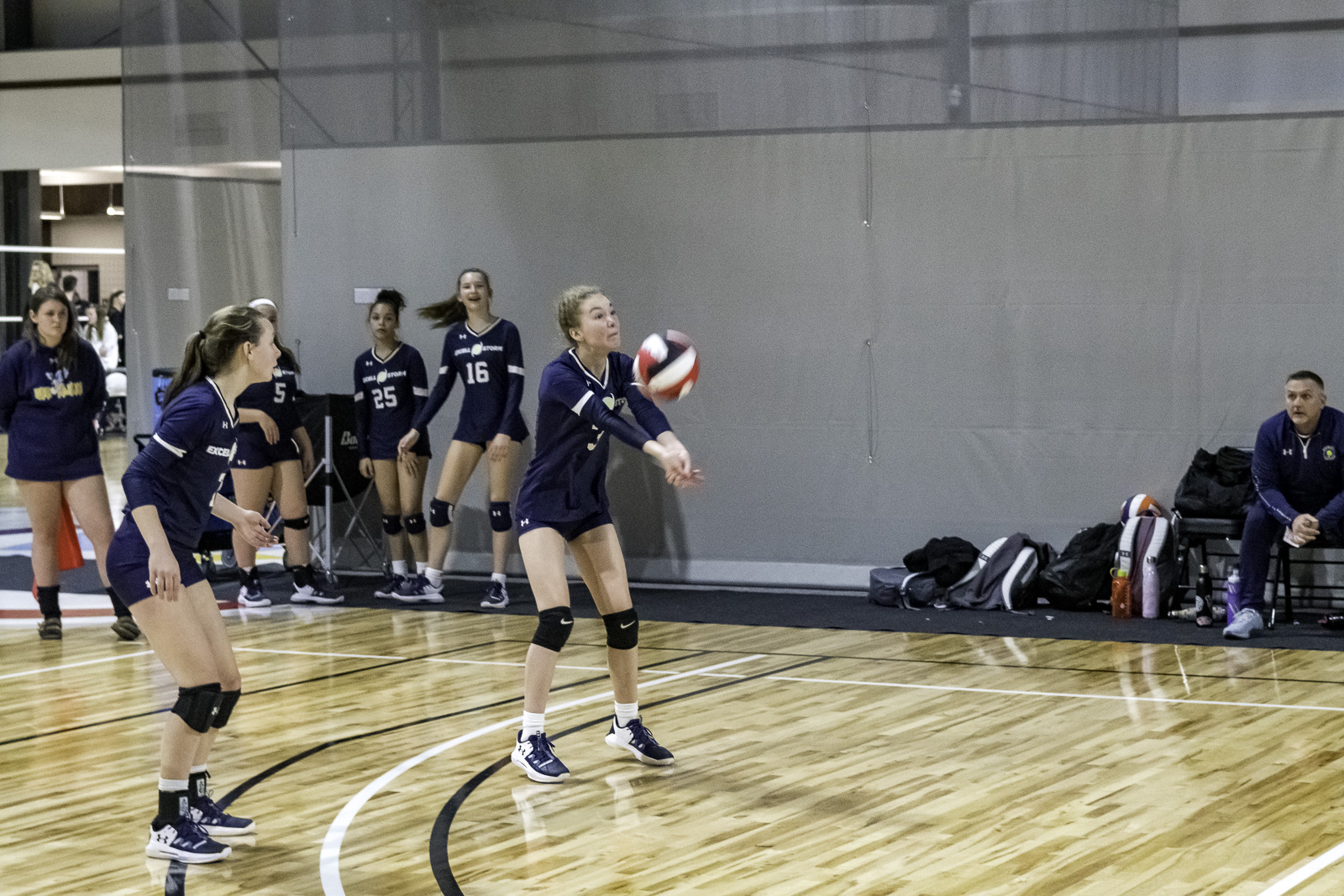
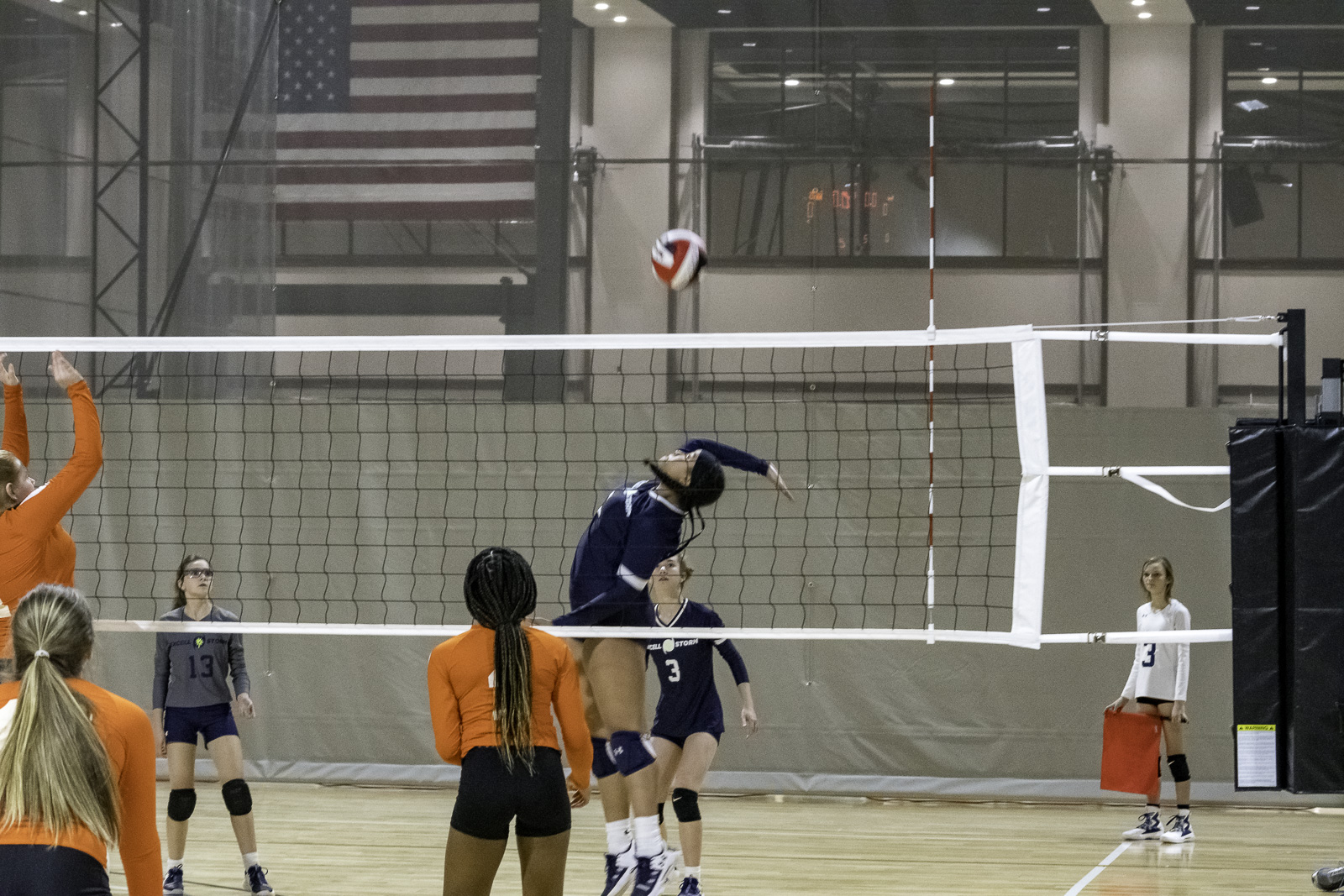
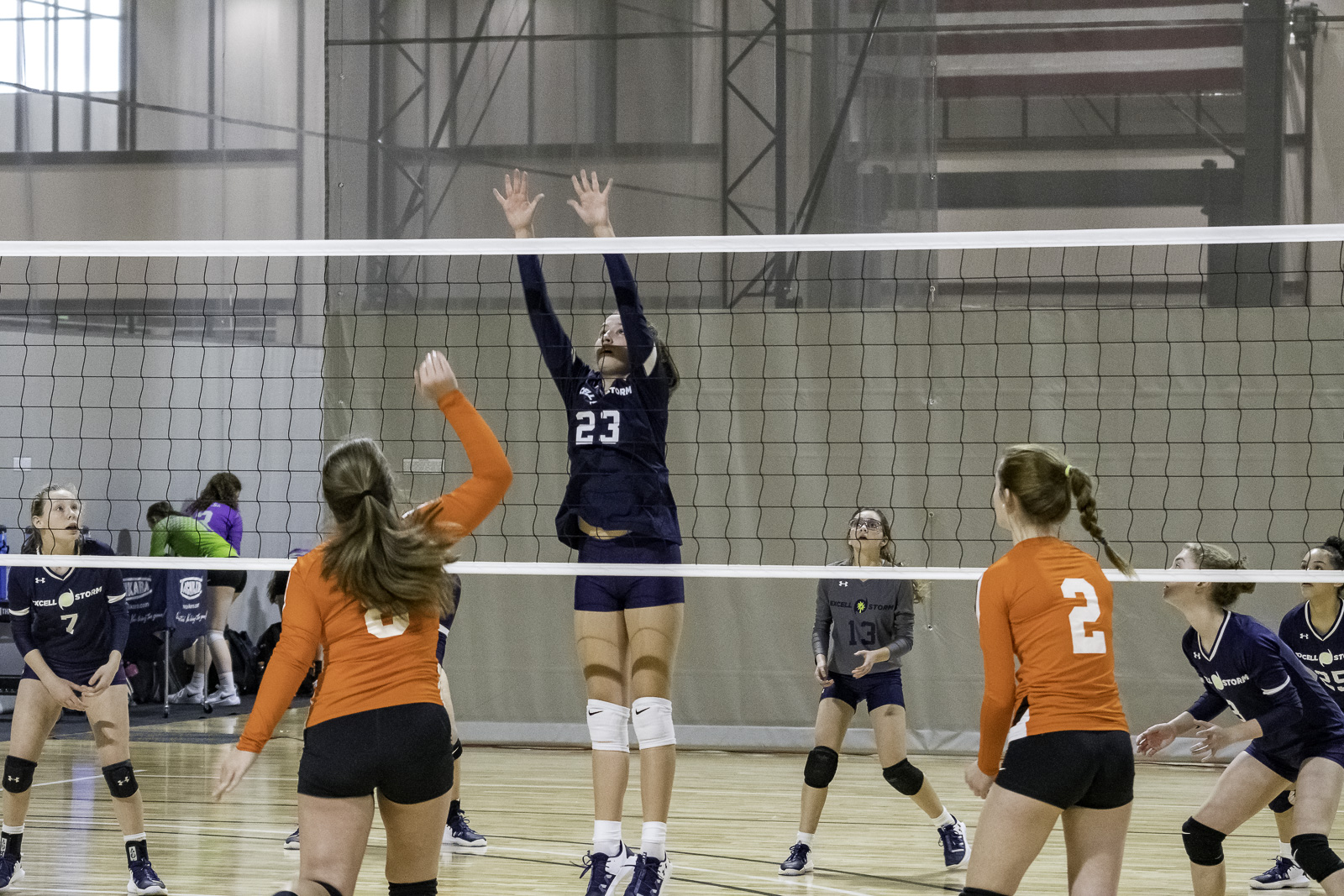
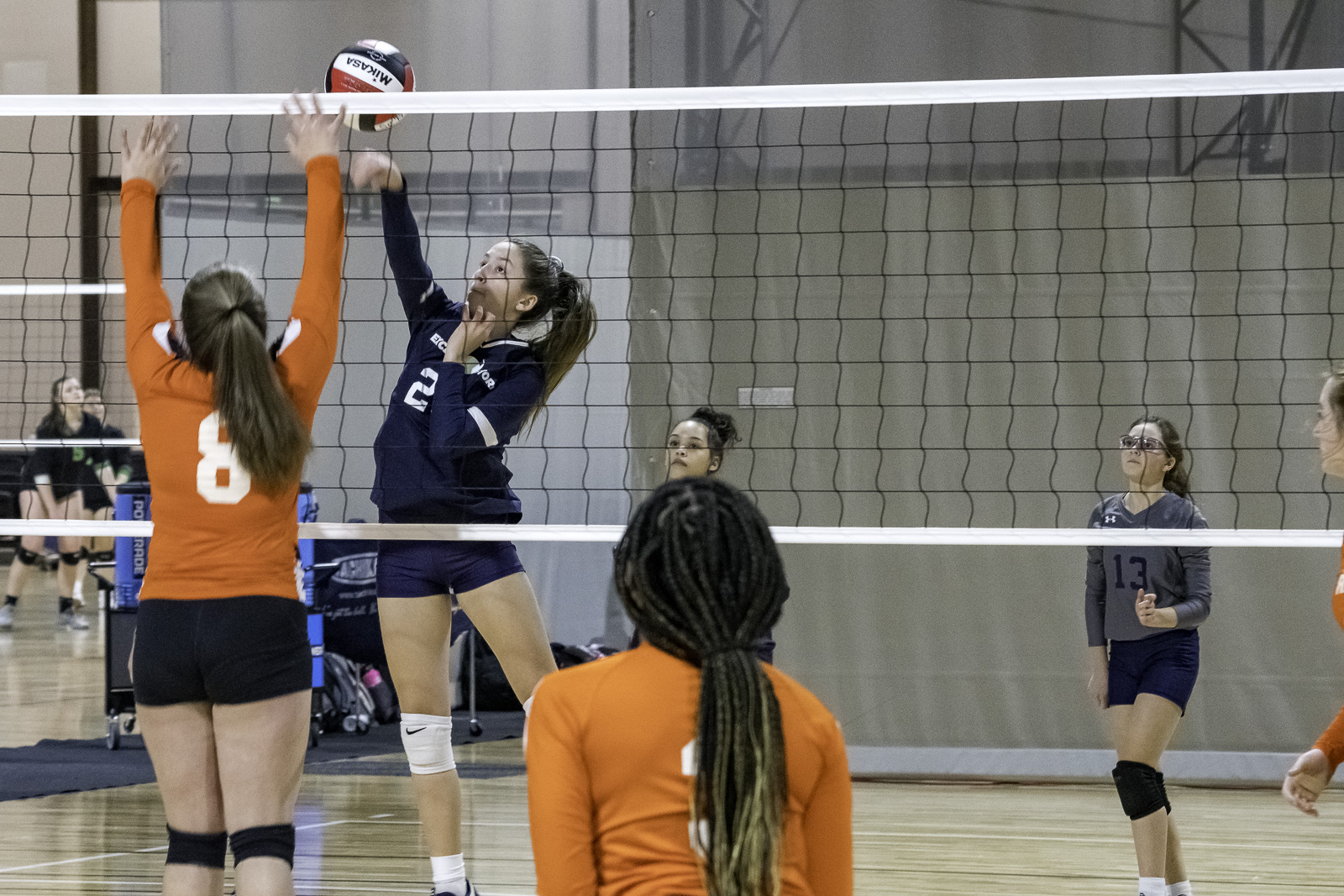
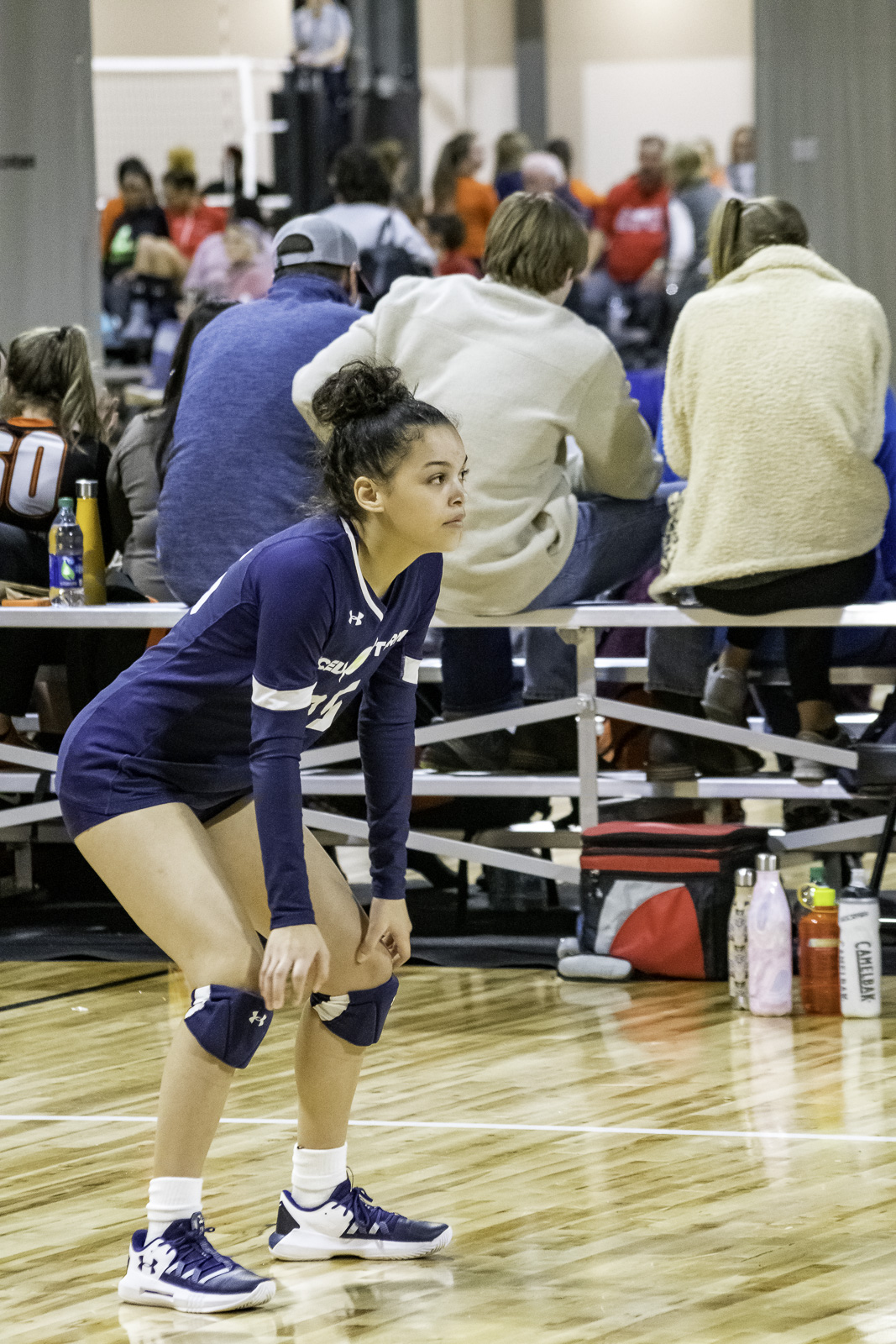
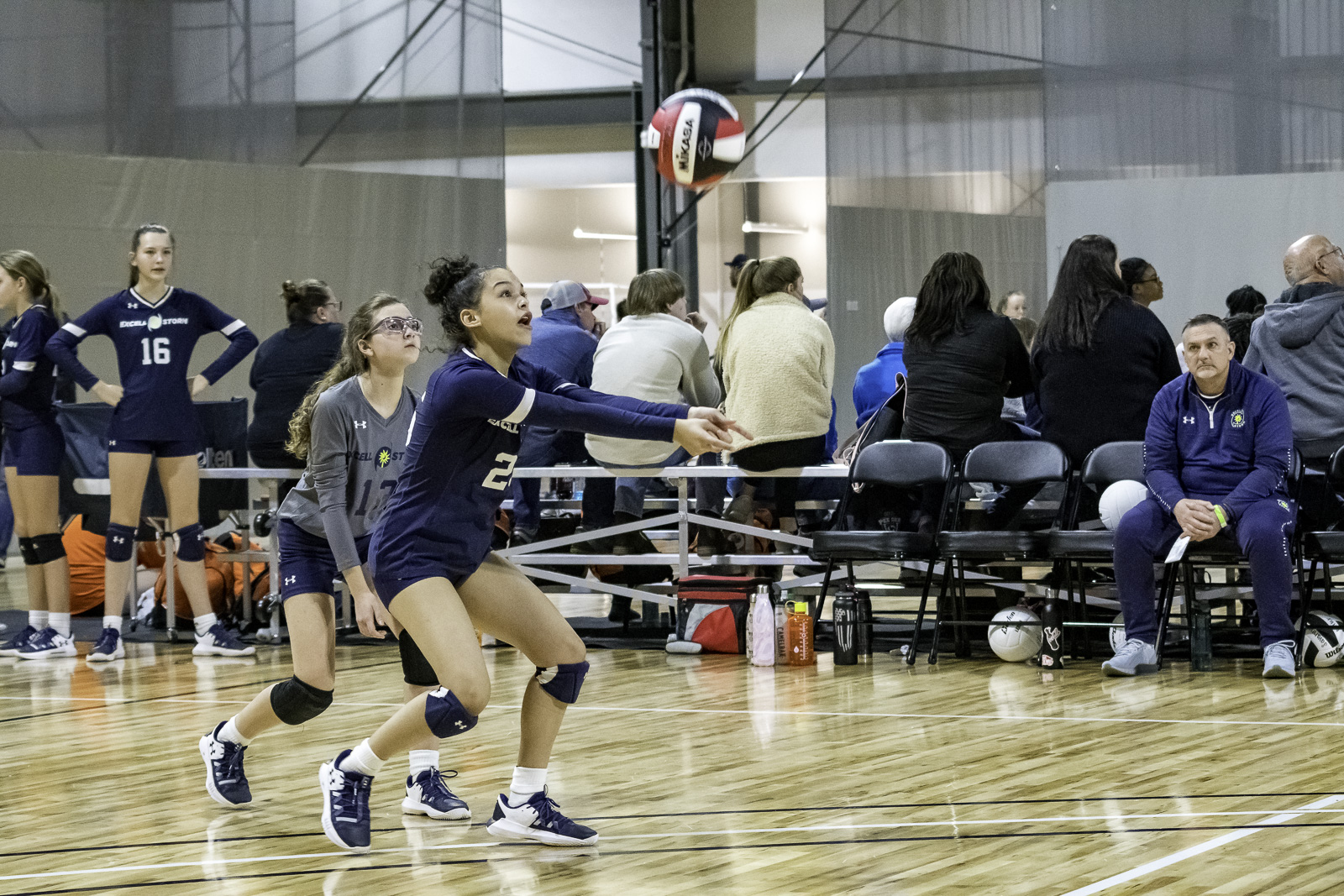
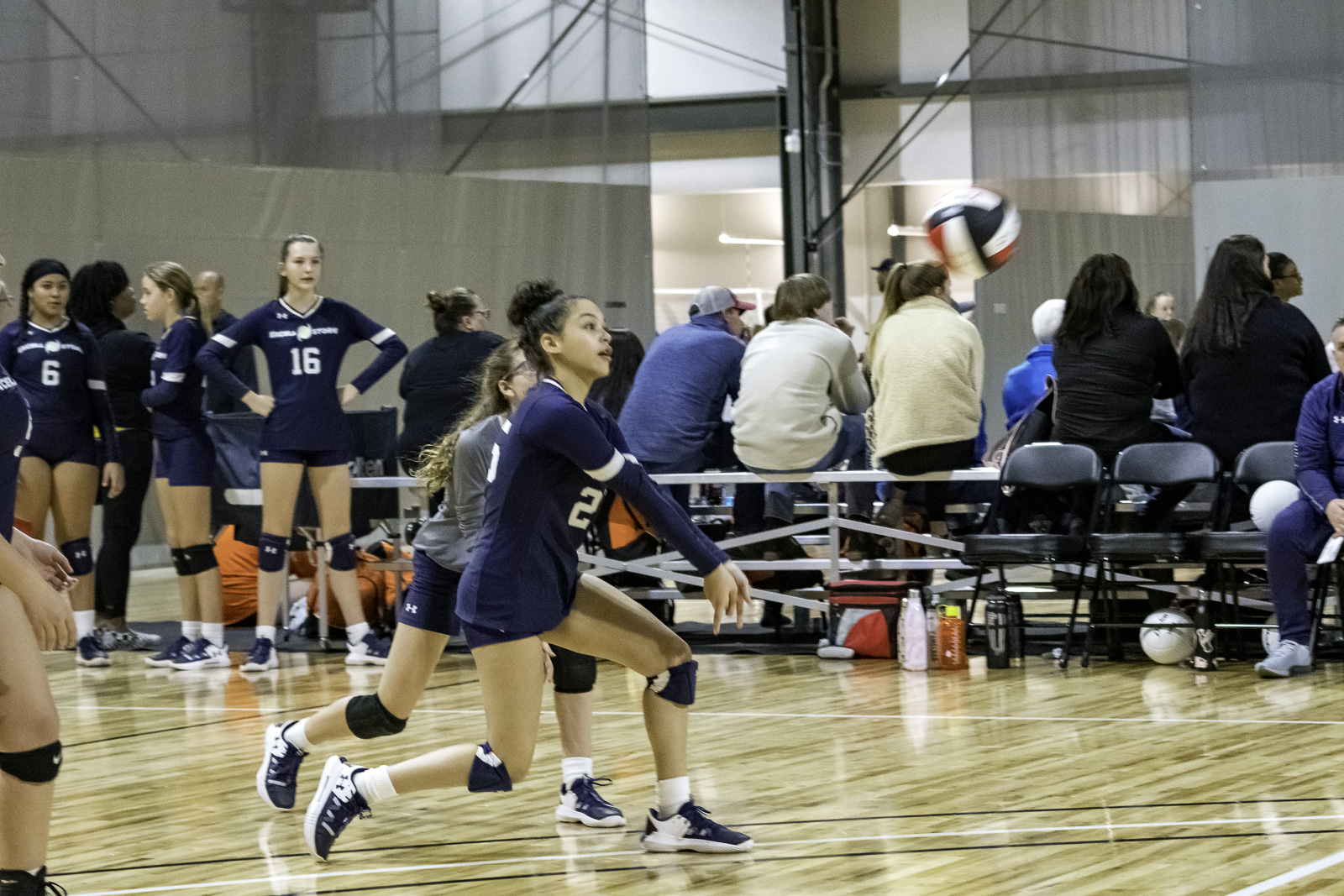
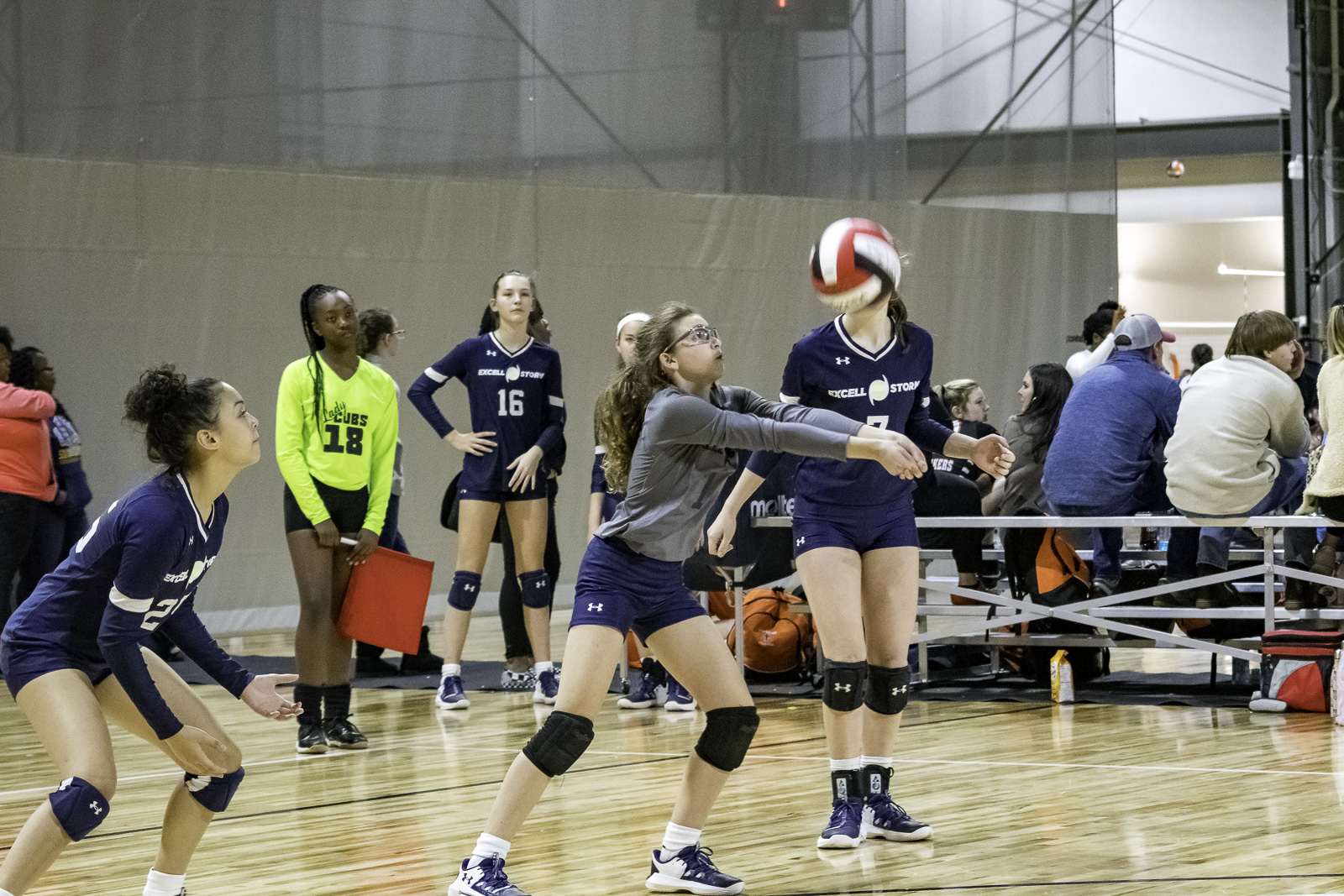
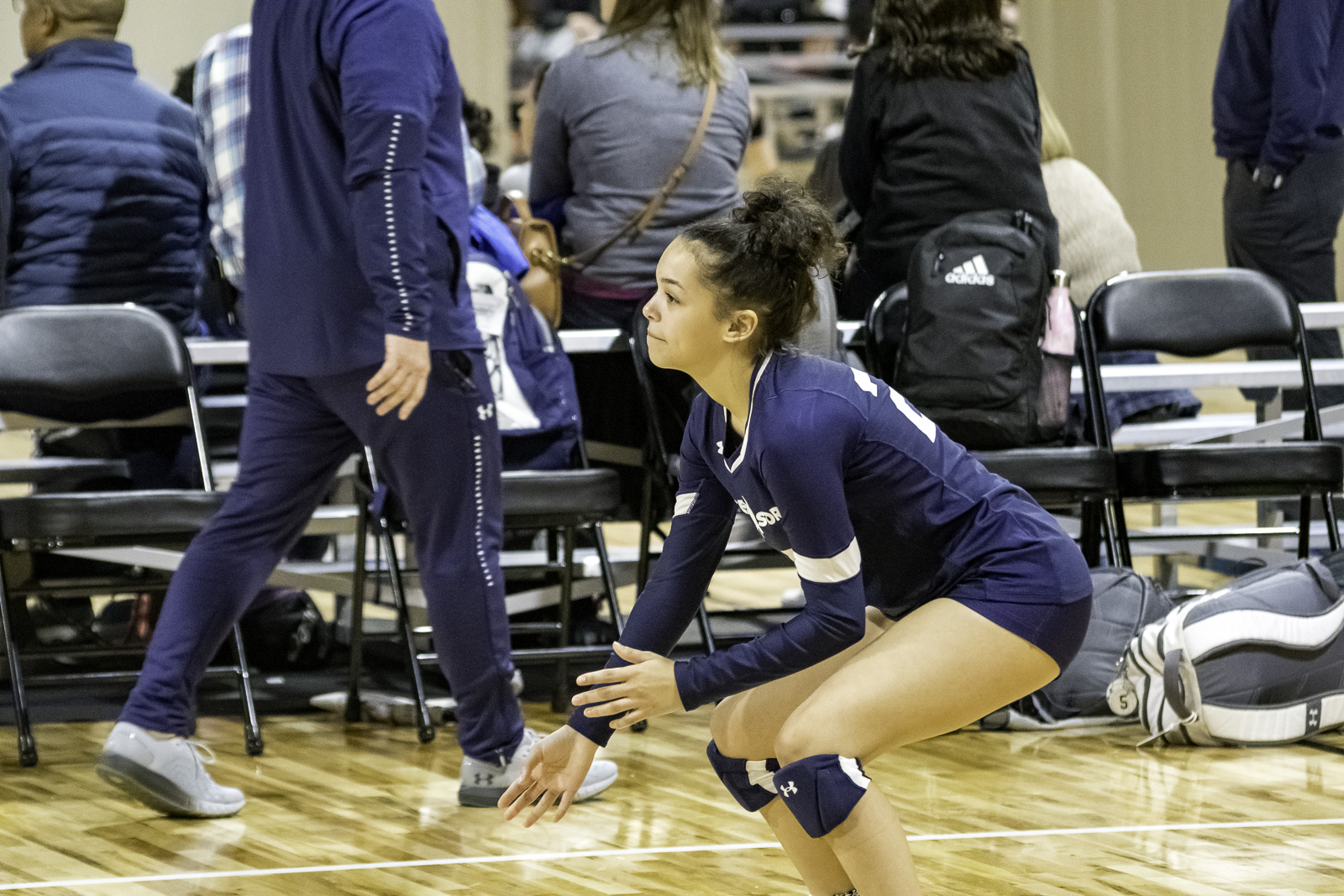
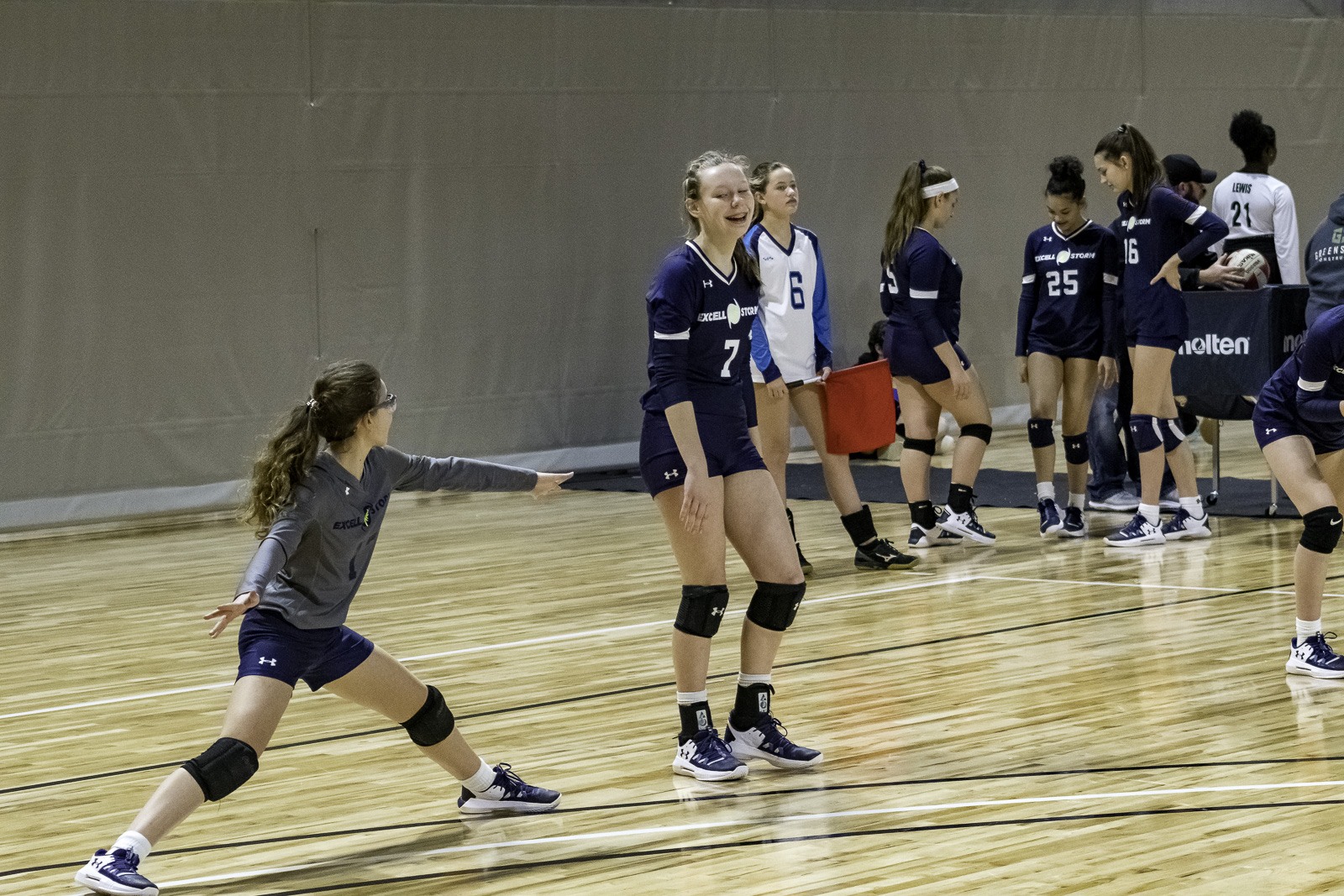
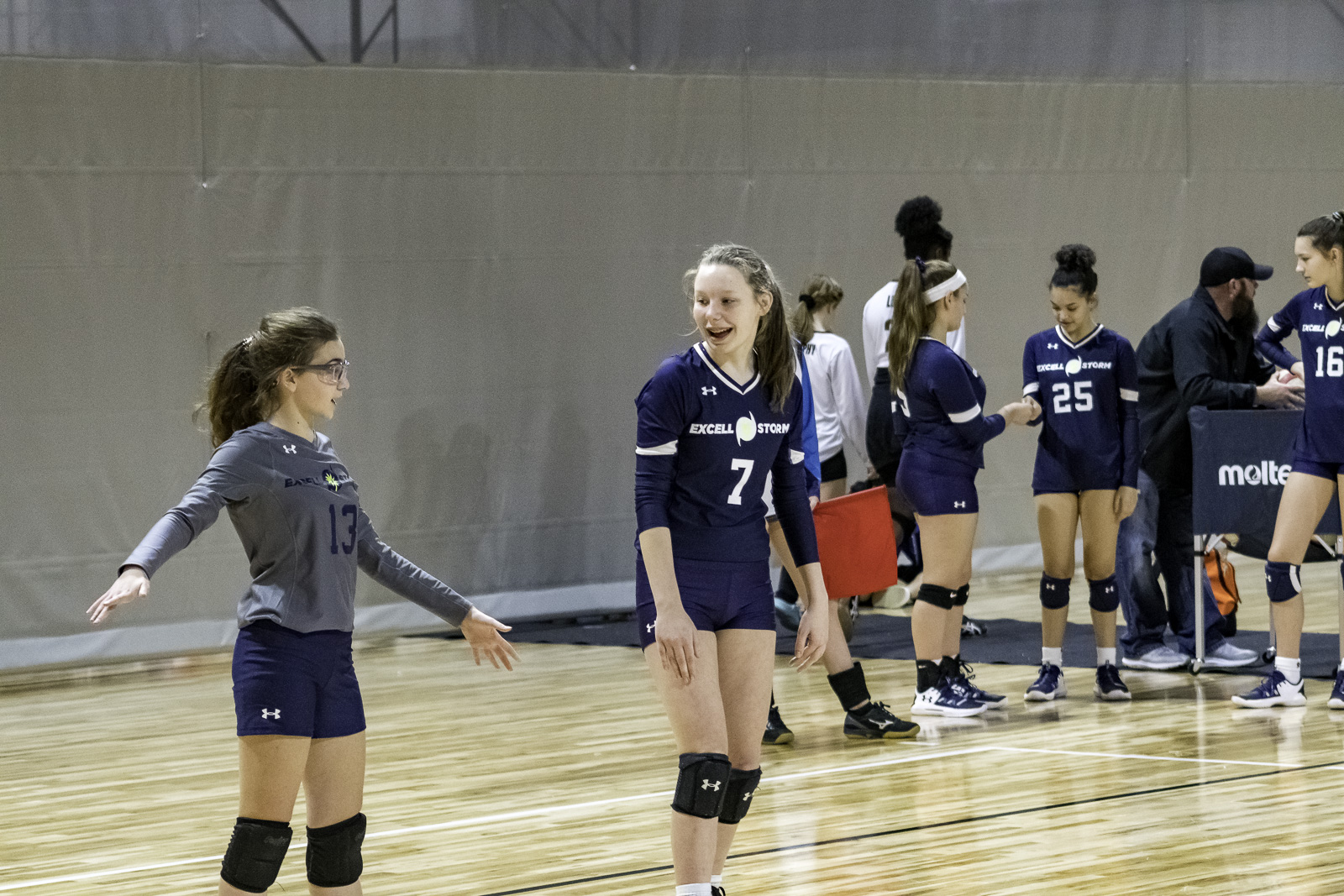
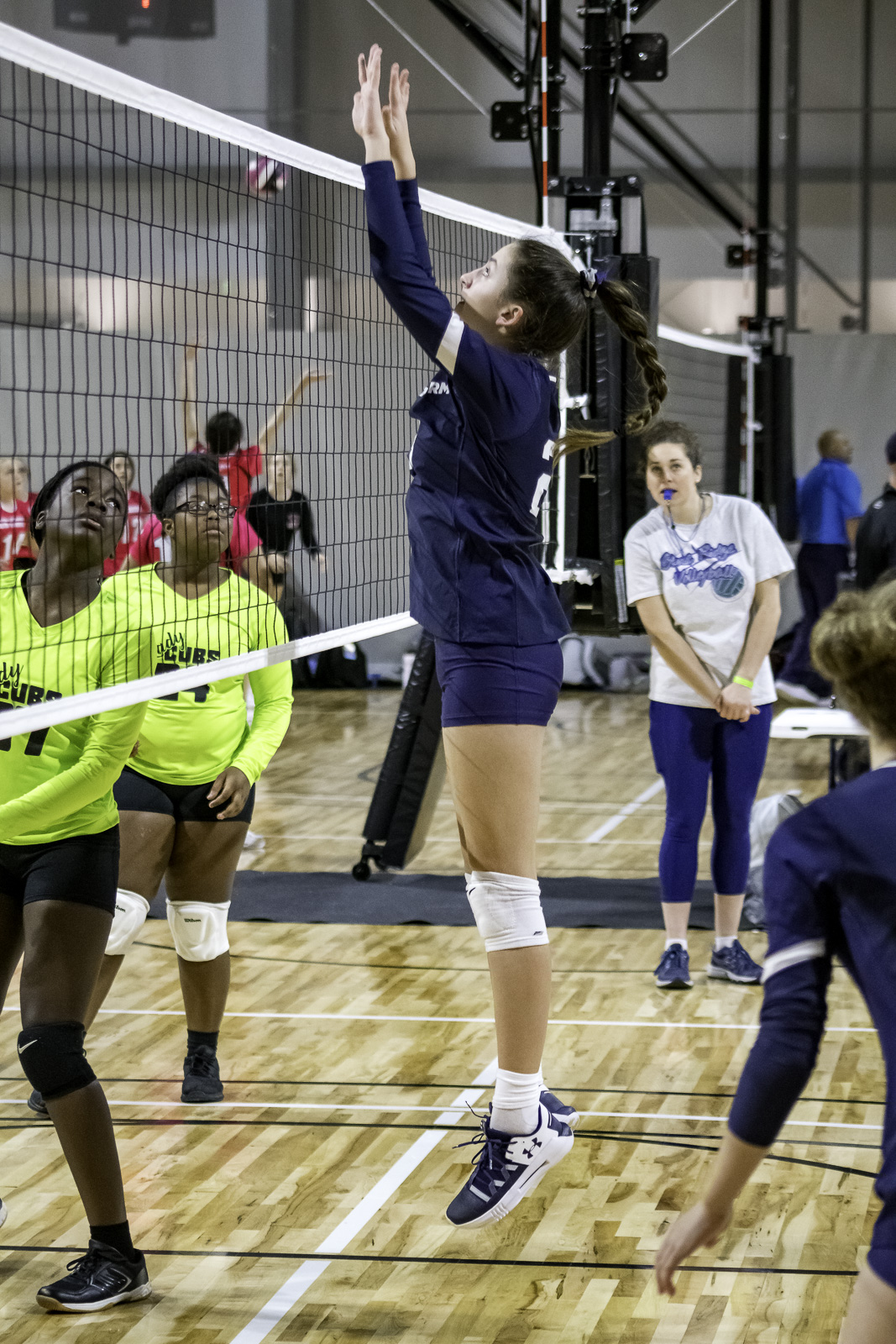
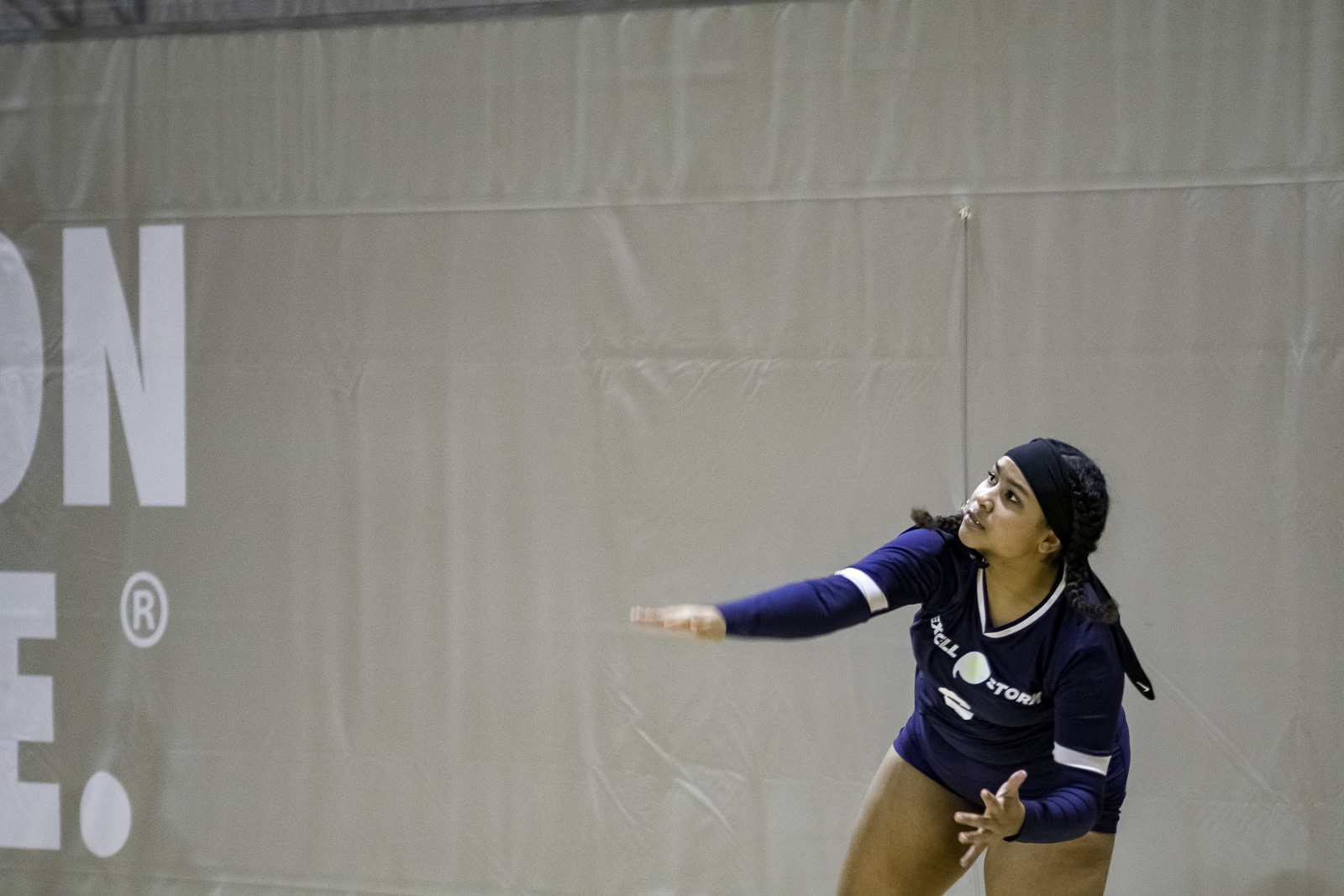
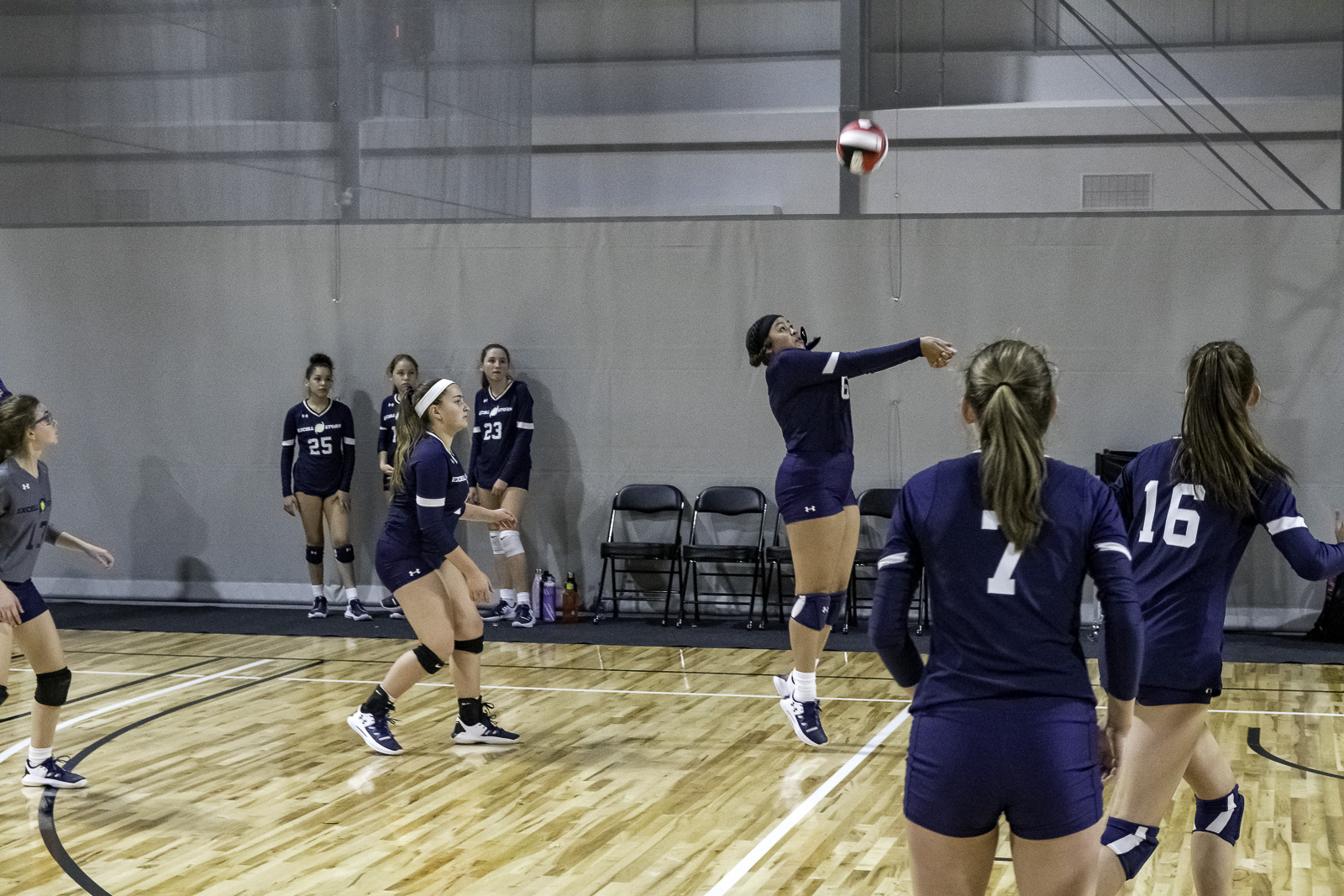
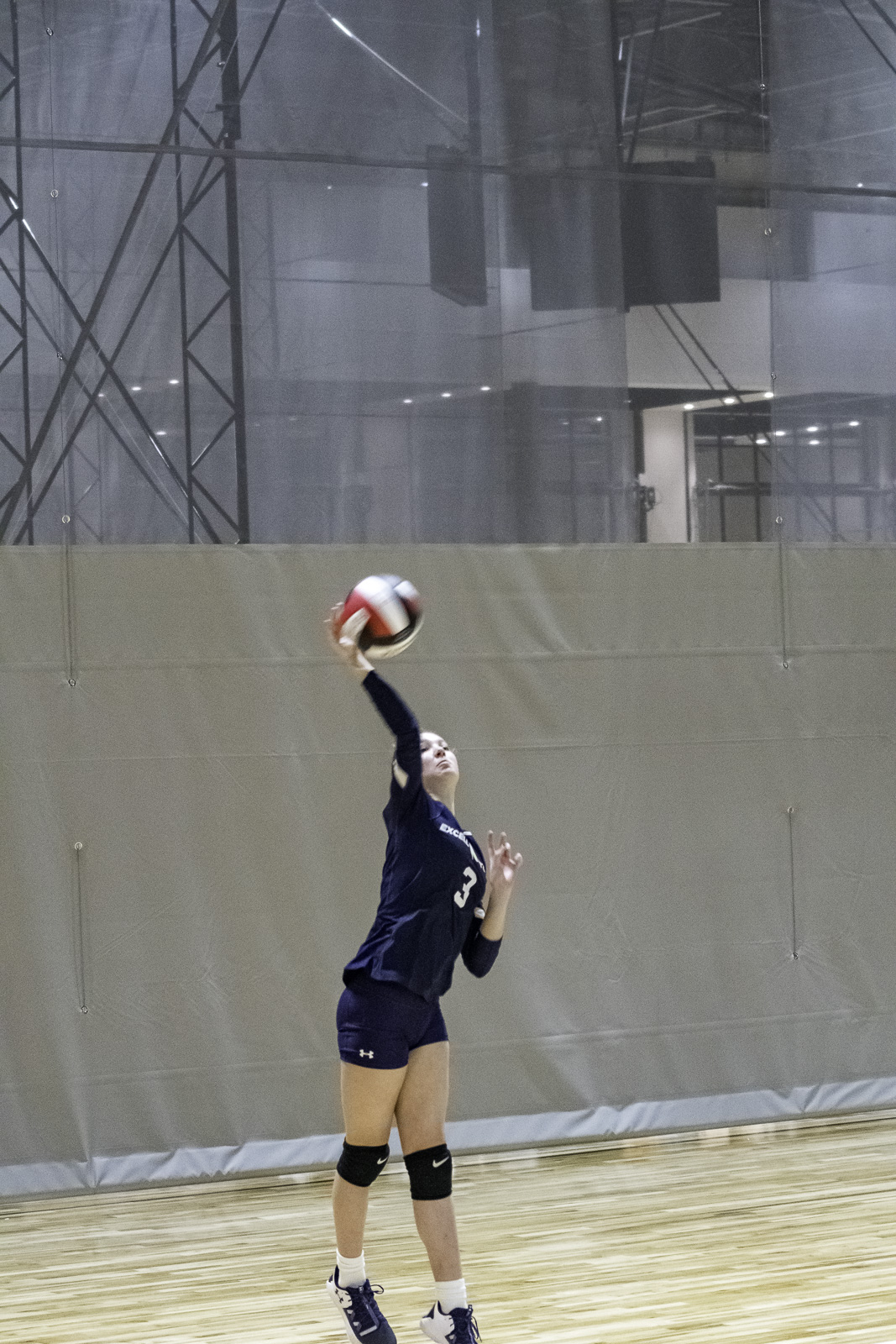
The girls got second place in today's volleyball tournament.

Snow and a Change

It began snowing this morning. It started and stopped during the two planning periods that begin eighth-grade teachers’ days, and we were all hopeful — teachers that is; I don’t know about the students because they were in related arts, but it’s reasonable to include them as well — that we might have an early dismissal. The temperature kept dropping; the snow kept falling; and then it all stopped.

“Well, there was our snow for this school year,” I joked during dinner. In truth, I’m glad we haven’t had a snow day this year: it means that the built-in make up days remain free, and since they all fall in March, that’s when we really need them.

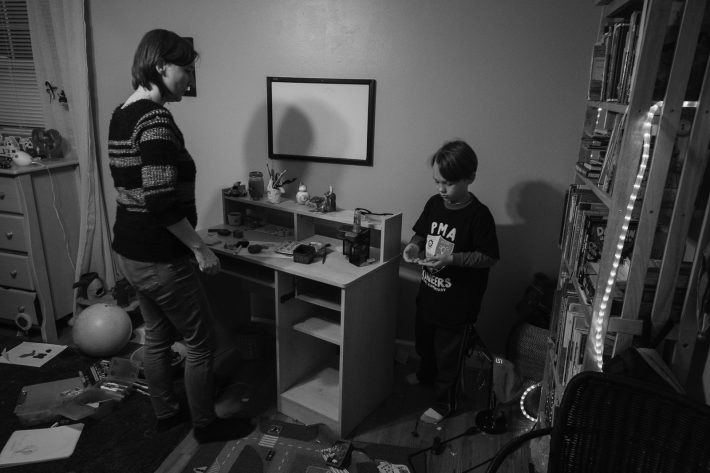
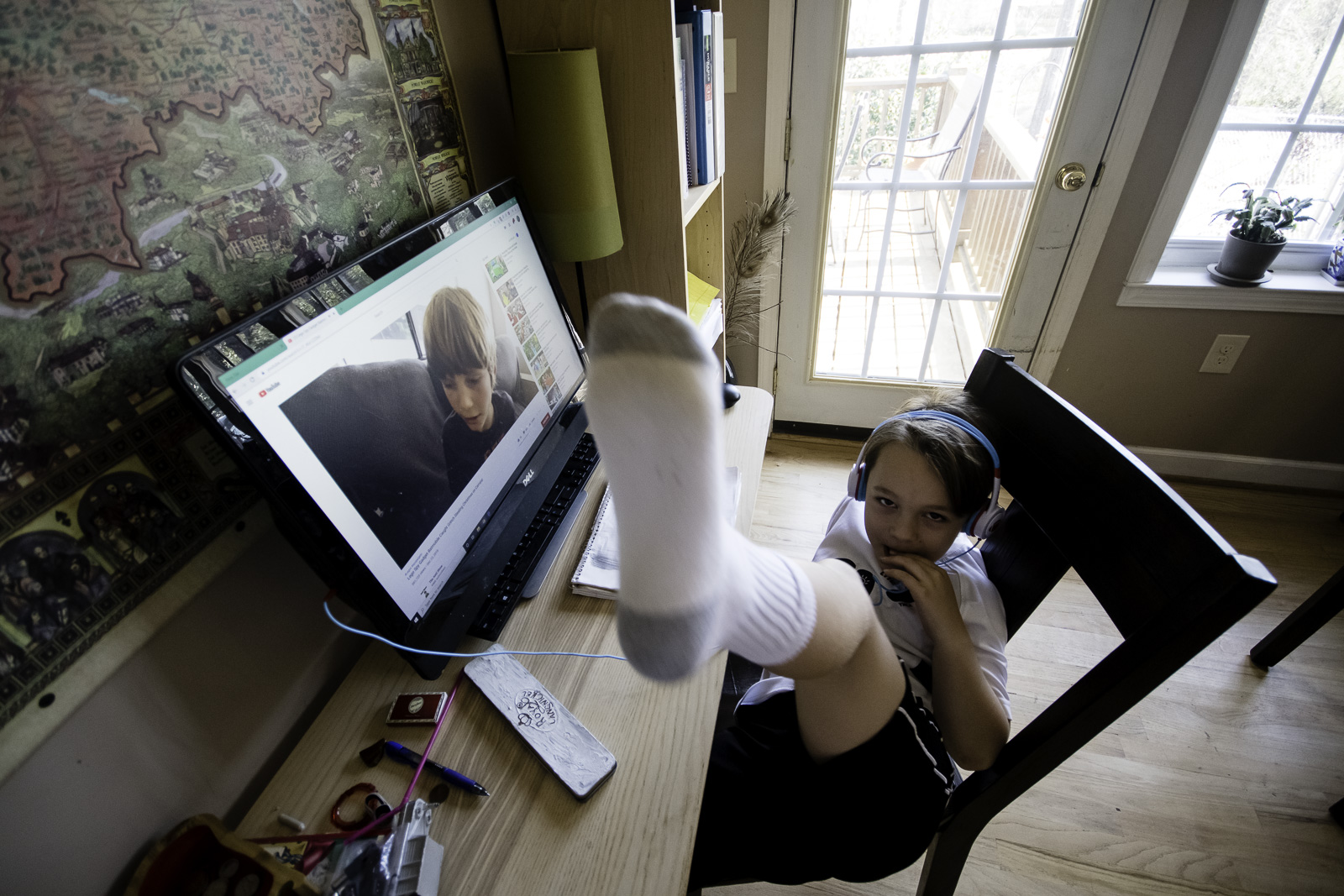
In the evening, the Boy finally got his new desk — a hand-me-down from big sister.

Rejection

We all know that kind of disappointment, the kind that feels like defeat or complete failure. It seems to engulf our world, to be a lens through which we view everything hereafter. For at least some period of time, we're sure we'll never see the bottom of it and so never be able to climb back out of it. Like the pressure at the bottom of the sea, it seems to press in from all directions as if it has a conscious will, a desire to compress us into nothingness.

It's been a long time since I felt that because to feel that kind of complete desolate disappointment, one has to be really young. With age comes experience, which brings perspective. We learn to say things like, "Well, this is troubling, but it's not the end of the world." But when we're young, those huge disappointments feel like they are in some way the end of the world.

A young lady whom I've had the privilege of teaching this year applied for the creative writing program and the fine arts center here in town, hoping to get one of the six available slots for the next school year. She is a gifted writer, an avid and curious reader, and a thoughtful conversationalist -- all the things you'd look for in a budding writer. She asked me to write a recommendation for her. My first draft was my "what I'd really like to say but won't because it's over the top" version:

In my more than twenty years in the classroom, E stands out already after only one semester as one of the most gifted and hardest working students I've ever encountered. She is an endlessly creative writer with a mastery of language that belies her young age. She is more determined, more mature, and more insightful than just about any other eighth grader I've ever met, and she has a true gift in the arts, both acting and writing. In short, I can't think of any student in my experience who deserves the chance at the Fine Arts Center more than E, and I can't think of any student whose later accomplishments could possibly bring more joy and honor to the school.

This young lady will be one day a renowned, respected, and imitated author, and quite honestly she will do it with or without your help: that's how good, how dedicated, how determined she is. Admit E, and in so doing, not only will you give an incredibly gifted young writer a much-deserved headstart in her writing career but also you will give your faculty members and the student body a most incredible and memorable gift.

The latter half was way too much and probably would have hurt her chances more than helped, so it was gone long before the final draft was ready. Still, it's what I felt -- what I still feel.

This morning, I got an email from her mother explaining that she did not get admitted to the program. She was emailing me on the sly, she said, and I took that to mean I was to feign ignorance, which I did.

She came in fourth period and said nothing. She was not quite her usual self, but she certainly wasn't a typical pouty eighth grader who refuses to work and sits with her emotions smeared all over her face. At the end of the day, I teach her again, this time journalism/creative nonfiction. The random-student-picker app I use popped her name up very first when I began one-on-one consultations, and she finally let me know what had happened.

"Where do I go from here?" seemed to be her concern. "How can I get better at writing if I have no one to teach me?"

"You get better at writing by doing two simple things," I replied. "Writing and reading. Reading and writing." That's not quite true: there's more to it than that, and a good instructor can be invaluable at providing feedback. But none of the writers we see as great had formal training in creative writing: Shakespeare, Dickens, Dostoyevski, Twain -- none of them took creative writing courses, yet they serve as the core of Western literature.

No, I don't worry about this young lady at all. She's determined, gifted, and curious -- that's all she needs.

Random Photograph

Poland, 2010

Finishing Up

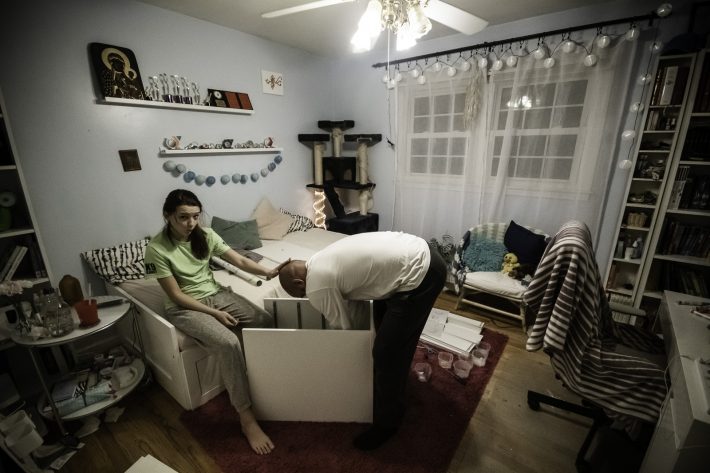
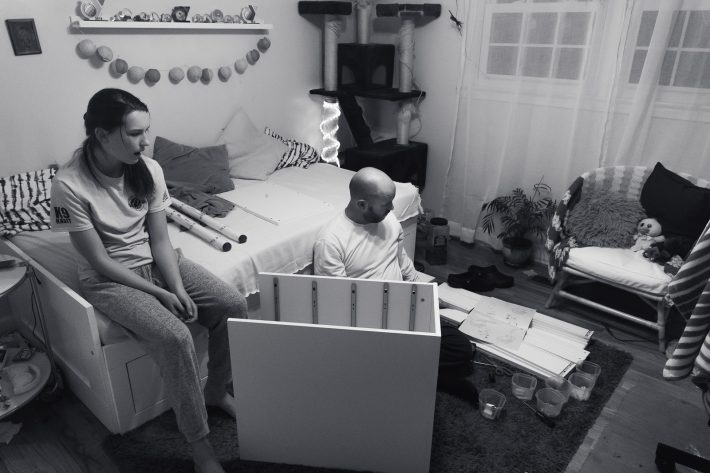
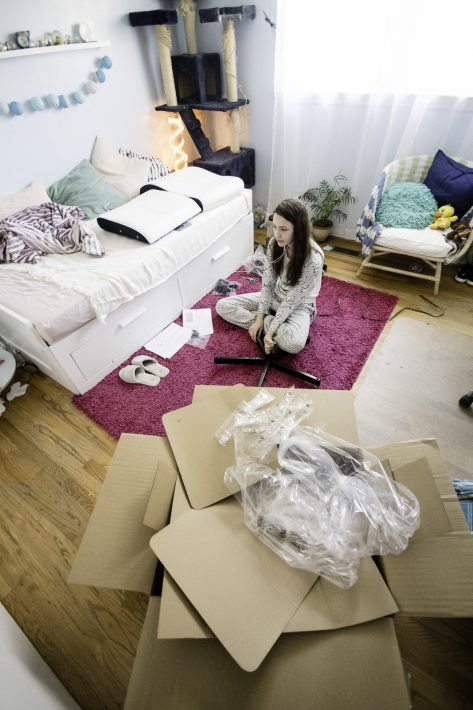
The Girl has some new furniture. She asked me to help; I did, for a while. But I resisted as well. Not because I wanted to do something else. I thought that at her age, she might get more out of doing a lot of it herself — a sense of accomplishment is a valuable feeling.

Tonight, she worked on the drawers to her desk. In fact, she completed them. And the rest of the desk, as a matter of fact.

I did what I do probably too much: I photographed the event. As she gets older, the Girl is less thrilled with my photographic attention.

Which, given this generation’s obsession with selfies, strikes me as a little odd.

Blessing 2020

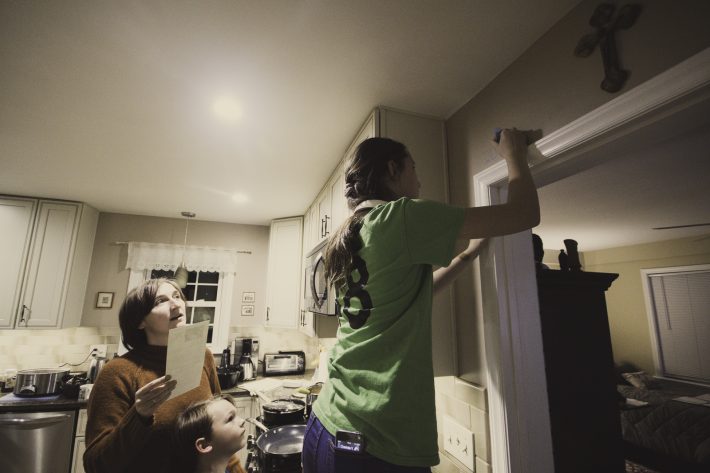
I first noticed it at a friend's house. Above one of the doors were some numbers and letters, and I thought it was perhaps a marking left behind during construction -- some kind of measurement or something. Of course, the house in question was long finished: it was not one of the half-built, "raw" houses that dotted the road that ran through Lipnica. This was a fully completed house, but I didn't really think about that. I just didn't have any idea why someone would write something in chalk on the wall.

And then I married a Polish Catholic and found out: it's the indication of the blessing of the house.

I've grown much more skeptical in the last few years and tend to have to fight the temptation to view these things as I once did, which is not all that positively. To begin with, the priest is supposed to do it. Our priest leaves a basket of blessed chalk in the church narthex with a card that includes instructions and the prayers. This year, we didn't get the blessed chalk, so we just used chalk that we bought at Walmart. Does that make a difference? Ontologically, it should: if not blessing it didn't make a difference, why bless it to begin with? And what exactly does blessing the chalk do? Is it possible to discern the difference between blessed and unblessed chalk?

There's not even consensus about the origin and meaning of what one writes in chalk:

The origin of this ritual comes from eastern Europe where homeowners mark their doors with the sign 20+C+M+B=(year). CMB are the initials of the three Wise Men: Caspar, Melchoir and Balthasar who are remembered on the Feast of Epiphany.

Another interpretation given of this sign is: Christus Mansionem Bededicat (Christ Blesses this Mansion). We welcome you to bless your home for the New Year using the blessed chalk and rite given below:

One person makes the inscription with chalk above the door (20+C+M+B+14), while another proclaims the corresponding words: The three Wise Men, Caspar, Melchoir, and Balthasar followed the star of God’s son who became Man (20) two thousand years ago. (+) May Christ bless our dwelling (+) and remain with us throughout the New Year.

If we don't know what it means, doesn't that kind of make it, well, useless?

Perhaps. Perhaps not. Perhaps what's more important is the unity involved in the process, both in the blessing itself and in the overarching idea. It keeps us thinking about the house as not just as a building, a location, but as a home, an idea.

New Furniture

L wanted new furniture in her room. Truth be told, she’d outgrown a lot of what she already had, so it was a need rather than a want — surprising, I know.

So Saturday, the Girl and the Boy hopped into the van (we still haven’t sold it) one last time and headed to their favorite Sweedish store.

Sunday