

fun in threes, sometimes fours
g





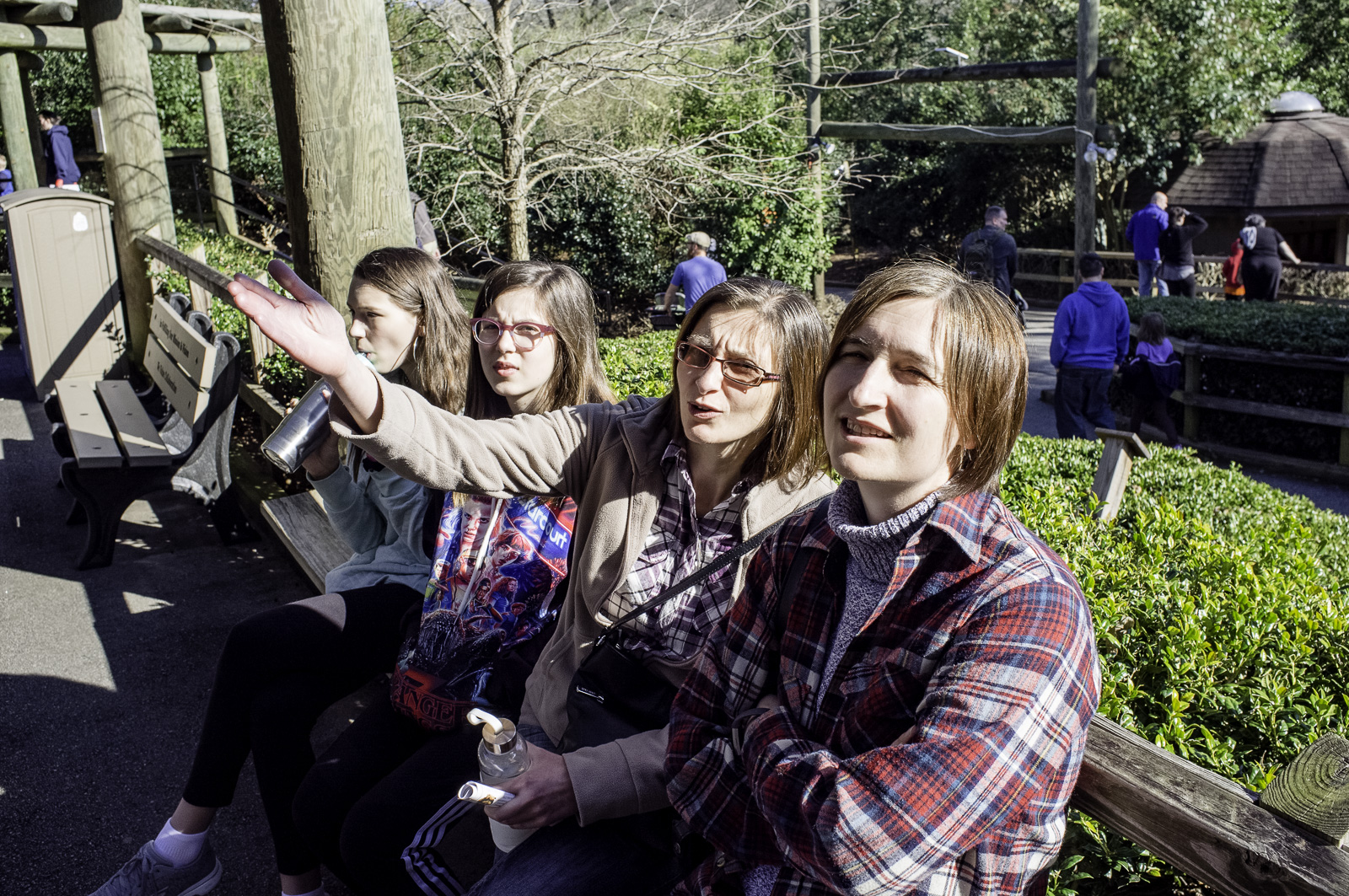



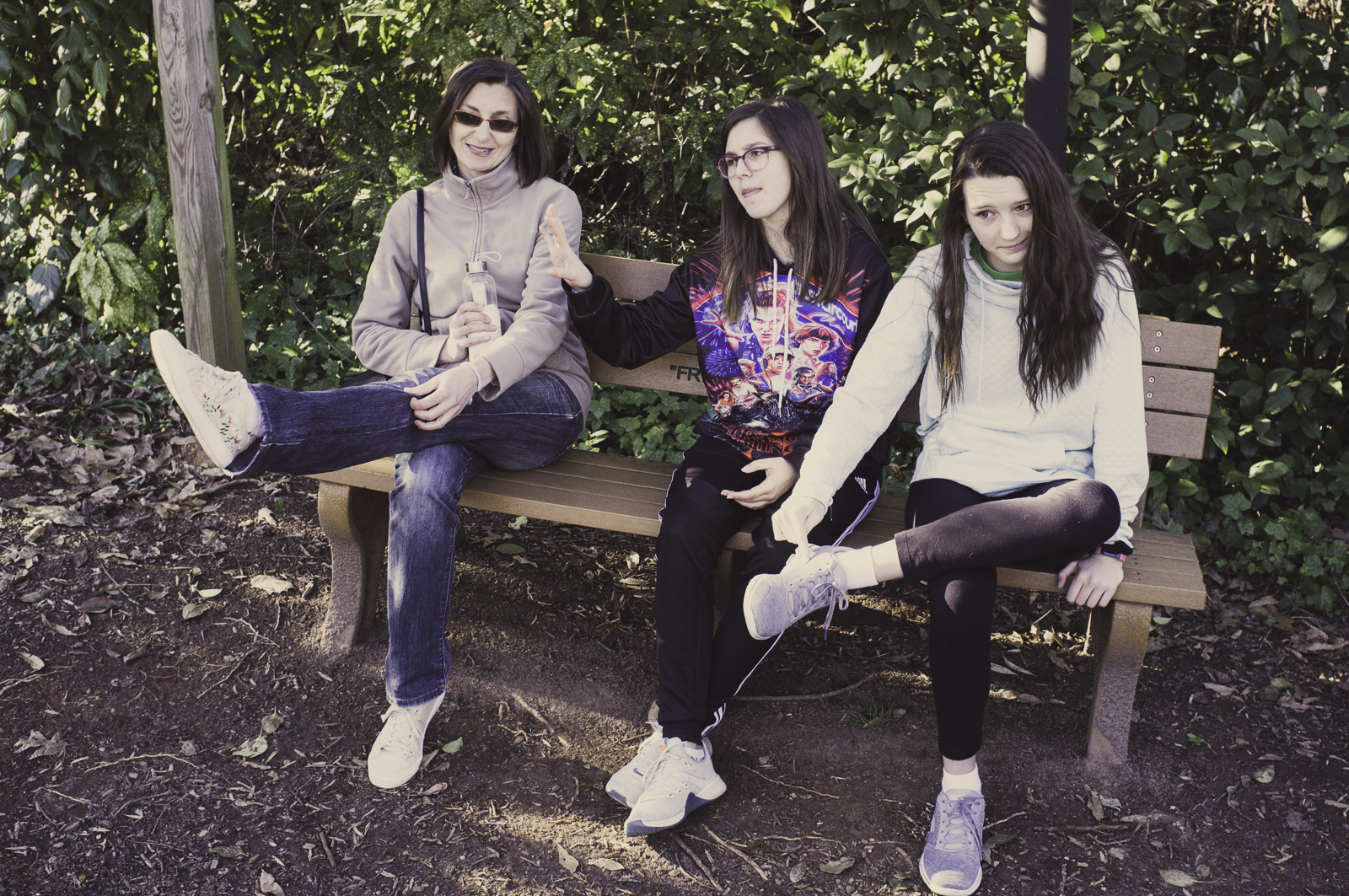


We had a three-hour delay today, which meant classes lasted less than half an hour and were for all intents and purposes useless unless, like me, teachers had something from previous days that could logically wrap up in that little bit of time.

And the conditions that prompted this? Dry roads...
There was supposed to be a horrible storm coming through the area. Or there was the possibility of a terrible storm. Or at least the potential for bad conditions that might make driving unsafe for those unaccustomed to wintery weather. Or something like that. Here in the south, we have snow days without any actual snow because the district calls off school if the forecast is bad. That’s not an exaggeration.
Now, I’m not complaining about this. The district is looking out for its students’ safety when making these decisions, and to some degree minimizing the potential for lawsuits as well. That’s cynical, that last comment, but I don’t mean to be terribly cynical: I do honestly believe the schools have their students’ safety in mind.
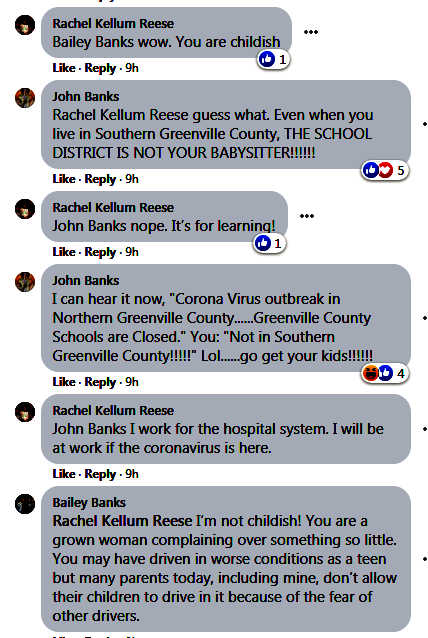
The real fun comes in looking at social media reactions to this. Today, for example, the district implemented an early dismissal and the Facebook announcement has almost 700 comments, many of which leave one feeling a little hopeless for humanity:
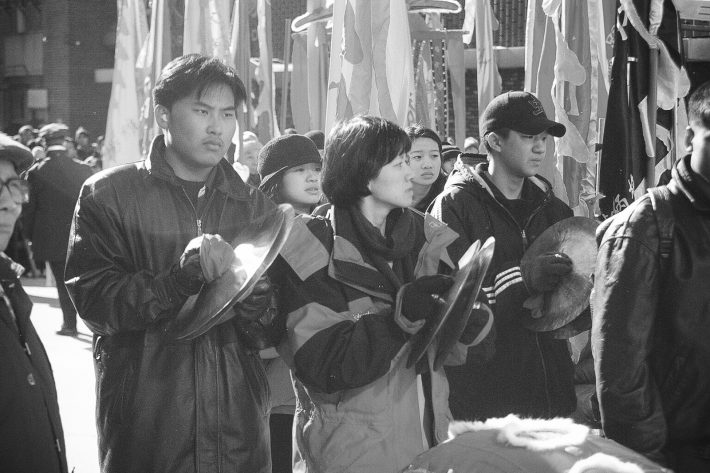
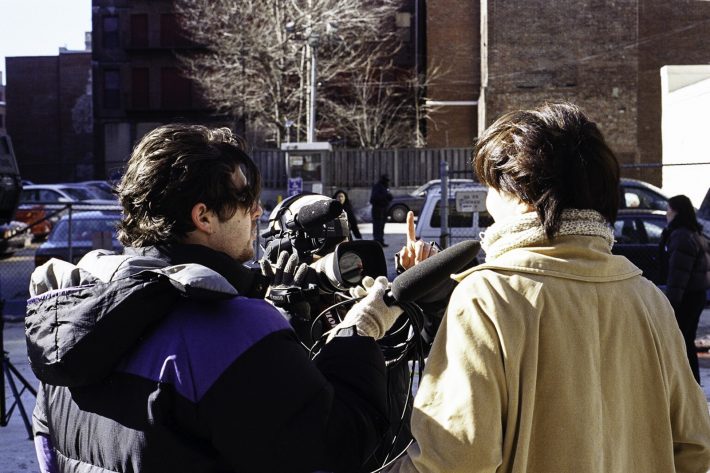
Twenty years ago this month, I headed to Chinatown in Boston on a Saturday morning with several coworkers to video, photograph, and interview participants in the community’s Chinese New Year celebration.

We were all working for Digital Learning Group, shortened to DLG in conversation, which would soon be rebranded DLI (Digital Learning Interactive), a company making interactive textbooks for college courses. This was 2000 — pre-social media, pre-almost-everything-we-call-the-internet-today. There was really innovative thinking behind that company, but we all seemed to be figuring it out as we went along.
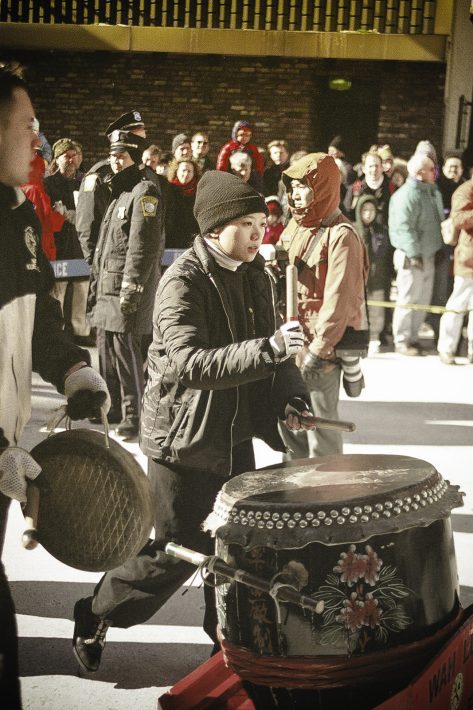
I volunteered to take photos, and I didn’t even have a digital camera at the time. I took my Nikon FG, my best lense, and a lot of optimistic hope on that photoshoot.
My job had nothing to do with technology at that time, though. A graduate student in philosophy of religion, I’d been hired as the editor for the intro to religious studies book that was just under development.

At the time, I was studying at Boston University and writing things like this in my journal:
I’ve been reading Durkheim for class next week and I have to admit that he’s a little frustrating. I sometimes feel as if he takes me on great, circular arguments that assume points vital to that which he is trying to prove. For example, he talks about the fact that society needs an ideal to create itself (Elementary Forms of Religious Life 422), yet he’s not quite clear whence comes this ideal. He seems to indicate that it comes from the sacred/profane distinction, hinting at some kind of epiphany the believer experiences during some religious ritual. Yet whence comes the sacred/profane distinction? As I understand Durkheim, this comes from society. Yet religion, he indicates, in a way gives birth to society (418). In fact, religion and society are all but indistinguishable, yet he uses one to discuss/prove the other, and then a few pages later, the other to prove the first. It’s incredibly annoying.
We honestly really didn’t know how we were going to use the material: we had authors creating content for the sections on Islam, Christianity, and Judaism, but nothing for eastern religions.
The author for our Judaism section was Jacob Neusner, who sent in a 50+ page resume. At that time, he had 500 book publications to his name, and by the time he passed in 2016, had over 900 books published. How on earth did he do that? I wrote about it in my journal:
That seems completely impossible — five hundred books? I think he was born in the 30’s; finished his grad work in the 60’s. That gives him forty years of academic life. But let’s say he began writing as undergrad, when he was twenty. So that’s fifty years, which comes up to ten books a year, or a book every 36.5 days. That has got to be a slight misrepresentation; it has to include books he’s edited and such.
I can attest to the man’s speed: I was unable to keep up with editing his work while he wrote it. He sent in a new chapter every couple of days, and because I was working on a number of other projects, I was taking about a week per chapter.

I look back on that time, and I don’t recognize myself. I read my journal from that time — I was still writing daily — and I don’t see myself in my concerns. That’s always the case, I guess.
Still, I enjoyed working that job. I enjoyed being part of the .com explosion, of working on something that seemed so innovative.

Ultimately, though, I quit the job. Poland had sunk its hooks in me more deeply than I’d initially realized. I was getting letters from students (“Czy mogłabym pisac do Pana po polsku, bo wiem, że jak piszę po angielsku to robię dużo będów i Pan się może denerwuje czytając list z takimi bądami.”) and finding that I missed it all so terribly.
Plus, by then I’d moved to the tech side and was getting great money for essentially making a computer jump through hoops. I was learning much but accomplishing little, I felt.
Now, twenty years later, I’m back in America with a big slice of Poland here with me, teaching again, feeling like it was all so inevitable, this path I’ve taken.
During the first match today, the girls slipped out of the convention center, found ten girls roughly their same age, gave them their volleyball uniforms, and sent them in to play. Which is to say they played poorly, losing in straight sets 25-14 and 25-15.
What happened there? Nothing that hasn't happened before: they seem to do poorly on the first match of the day. They last their first two on Saturday before winning one on Saturday and the only two they played on Sunday.
And their second match today? They won in straight sets: 25-19 and 25-13. They're not the only ones that fall apart, it seems.



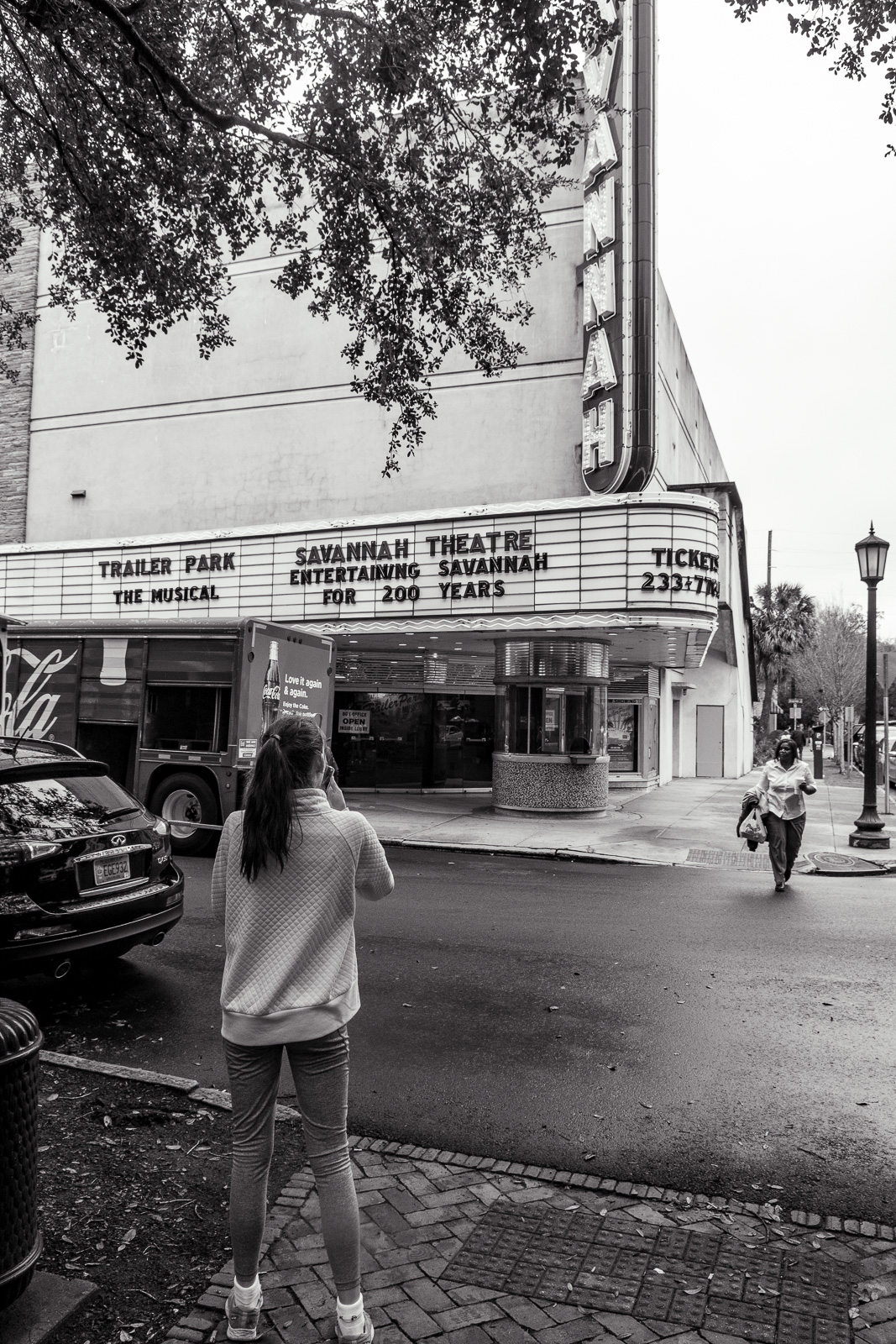










Afterward, we went for a walk in Savannah. We couldn't do this yesterday because it was raining -- what a shame, we both thought. We made up for it today, probably doing three miles in the loveliest city in the South.
Yesterday started poorly; it ended with a lithe of hope. We lost the first two games; we won the third game.
Today, we won our two matches and finished before lunch. Tomorrow, we play three more games and refereed one more. (I went for a walk around the venue while they ran the game.)




Why only two games today? Simple: it's a pay-to-play tournament, which means we had to stay in a hotel from a list provided by the tournament organizers, who get a kick-back from the hotels. It's in their best interest to stretch things out as much as possible: the longer we have to stay here, the more they make.
Sound like a mafia-type move to you? To me, too.
It seems we have to start with a bang or a whimper. Our last tournament, two weeks ago, started with a bang: we won the first four matches and got second place in the gold bracket. (Does that mean we got silver? No. Why not? I don't know -- I don't even have the slightest idea how brackets are determined: it seems to be a mysterious mixture of matches won, sets won, and point differentials.) It only stands to reason, then, that we should start this tournament with a whimper: we lost the first two matches in straight sets (despite being up 16-6 at the start of the first set of the first match) and looked like we were on track to lose the first set of the third match until the girls decided finally to start communicating a little and stop playing Y ball (no offense to the YMCA).
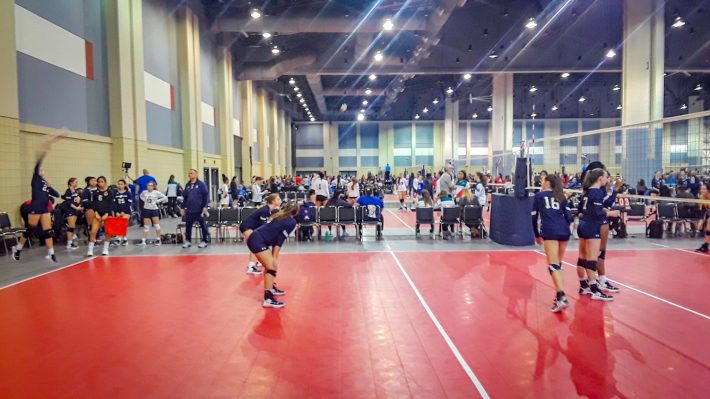
I believe the team we beat in the final match lost all three of their matches. It looked for a while like that might be us. In a four-team bracket, I suppose there's a fairly substantial statistical possibility of this happening on a fairly regular basis depending on the skill spread of the various teams. In short, someone on days like today has to lose them all. I'm glad it's not us, but I know also how that must hurt to be the other team.



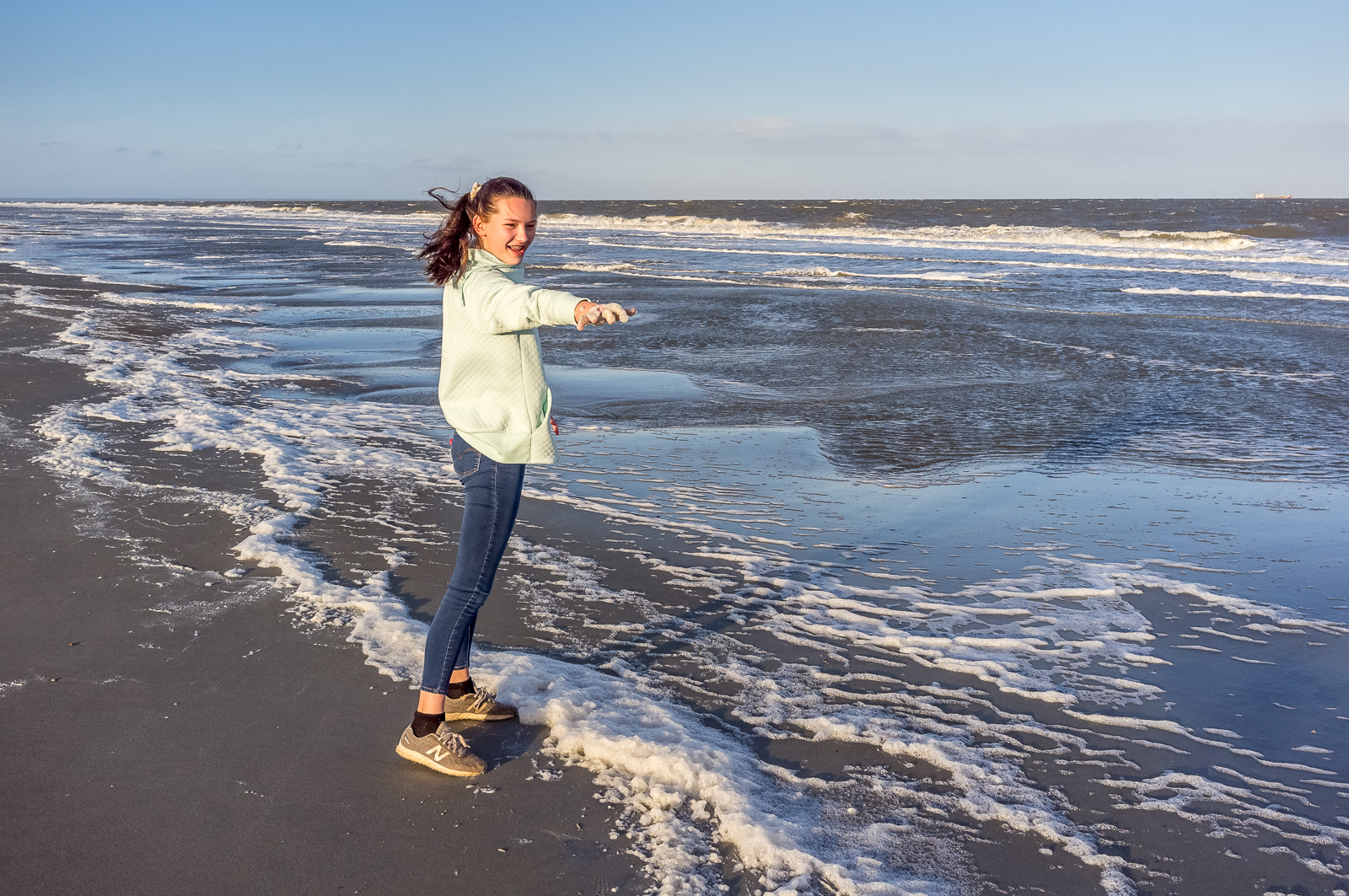
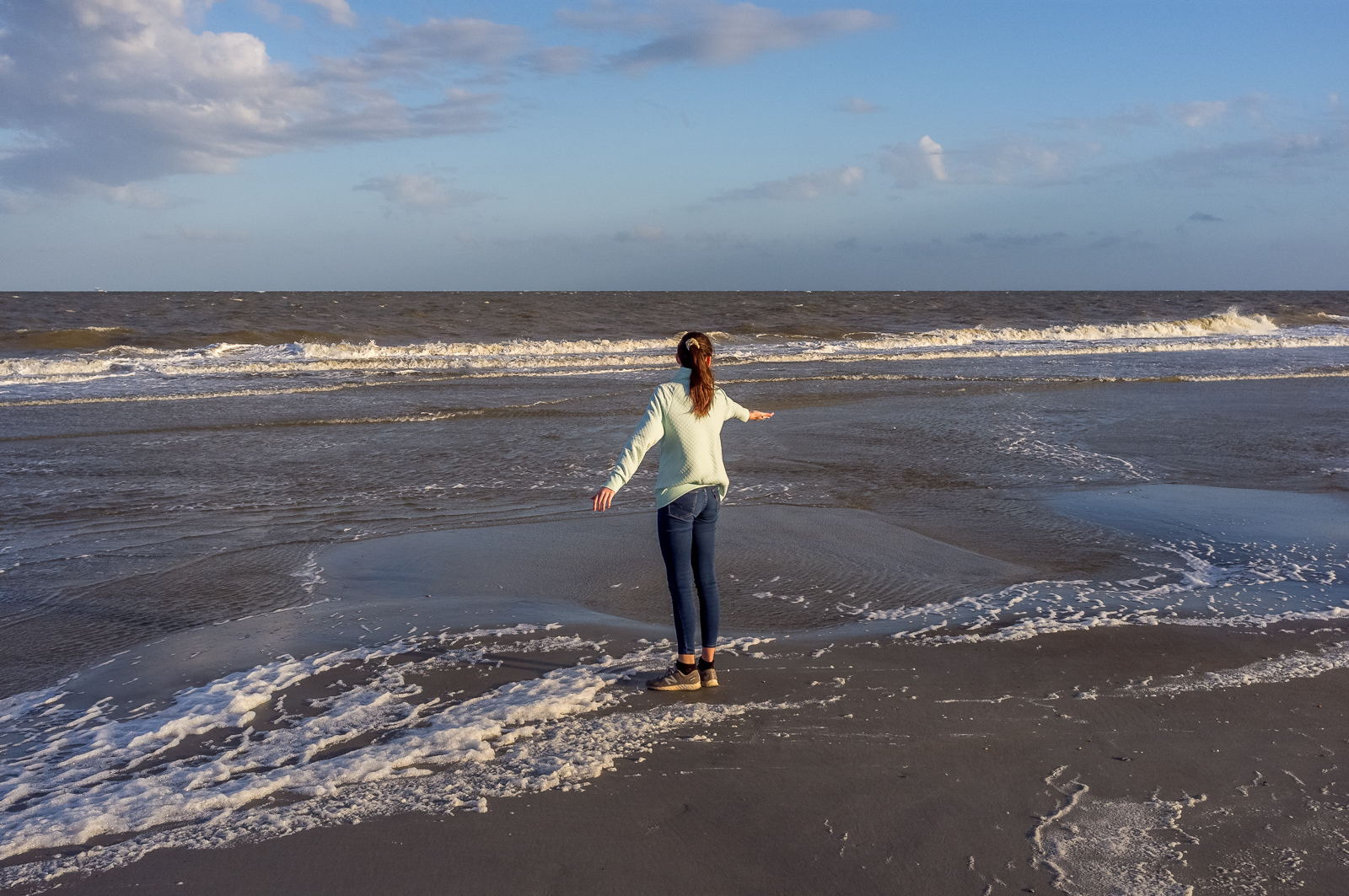
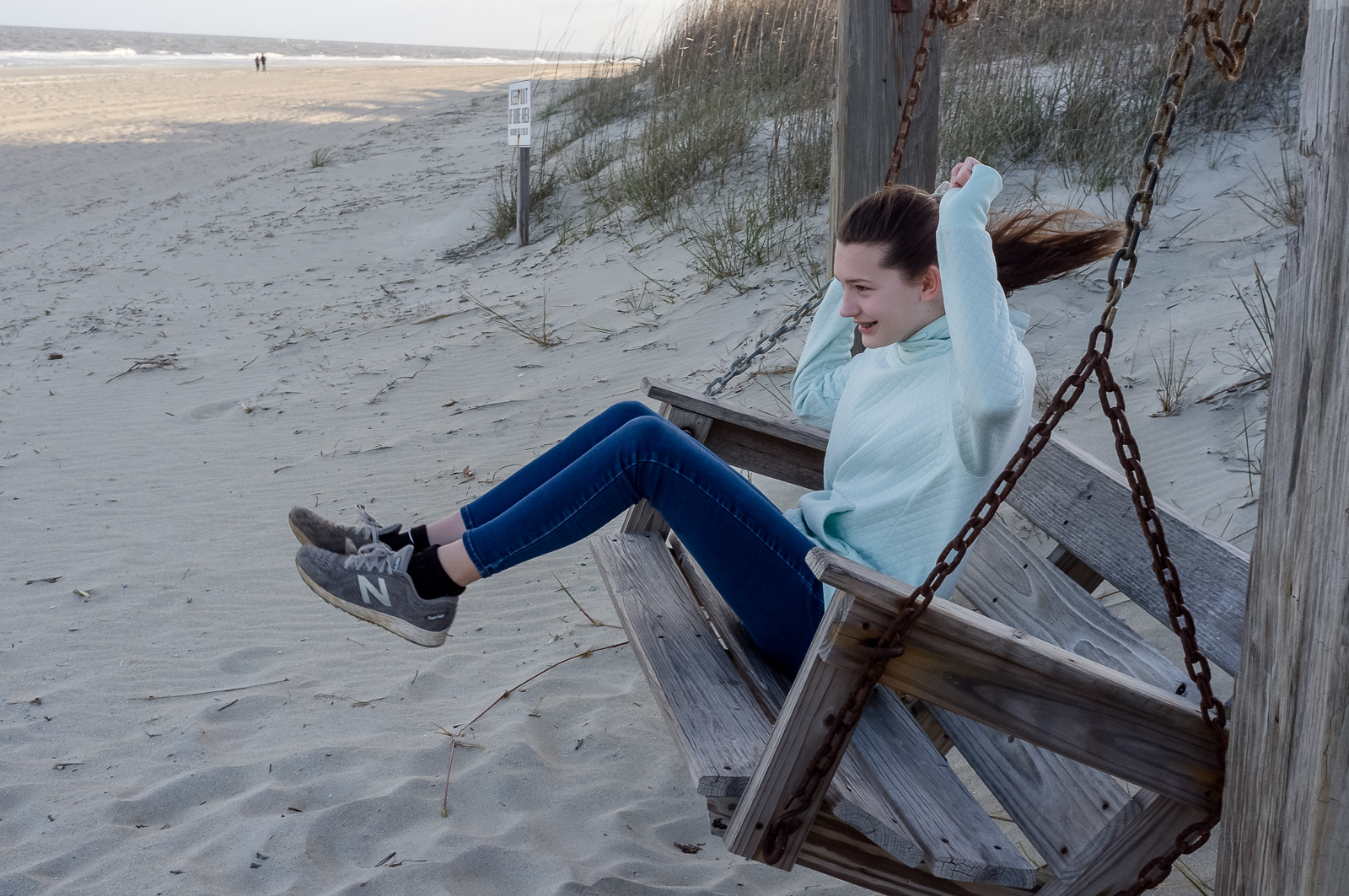

After the games and some rest, it was time for some dinner. Of course, being this near the beach, we couldn't miss the opportunity to walk on the beach for at least ten minutes.







And being this near the ocean, we couldn't not go out for seafood.