I was looking at the photographs of British/Polish photographer Chris Niedenthal when I saw an image of PKO Rotunda in Warsaw. Suddenly, I was back in Poland in 1996, experiencing the country for the first time, with a vivid memory of the first time I saw the building.
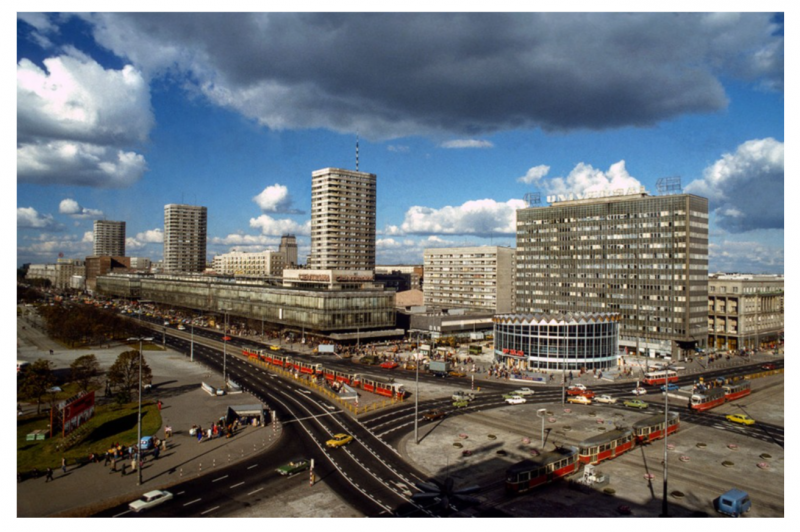
A friend took several of us to see Warsaw for the first time, and as we walked out of Warszawa Centralna and long Jerusalem Avenue, the impressively Stalinist Palace of Culture and Science on our left, we approached a most peculiar building.
"That's where we're headed," said A as we descended the stairs to pass under Marszałkowska. We weren't headed to the round bank building itself, though. In fact, I'm fairly certain that I never even entered the building.
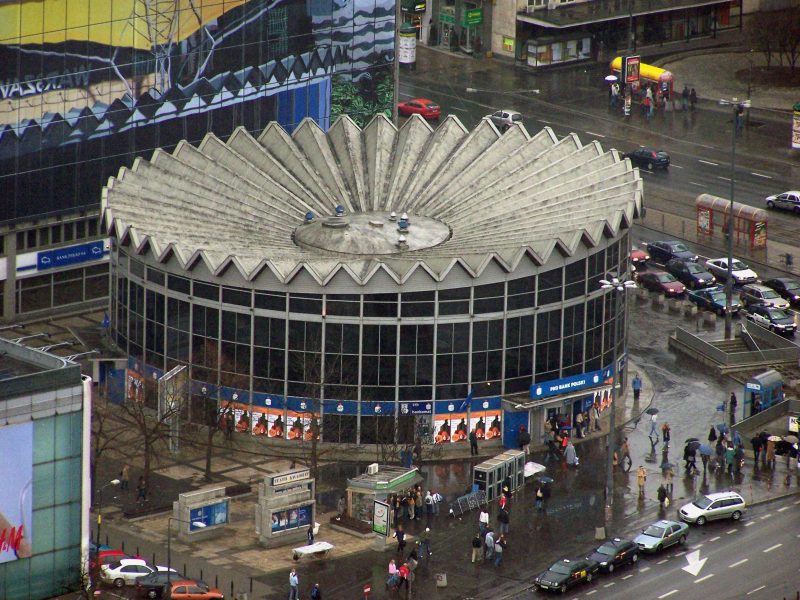
It was, in fact, the building just behind the PKO Rotunda that interested us: "There's a Taco Bell there," our guide explained. "It's okay if you like cabbage on your tacos instead of lettuce."
It was one of the signs of the growing Westernization of Poland that, in 1996, was still relatively new. We were all interested in the Taco Bell for that reason: not because we were necessarily craving substandard "Mexican" fast food but because we wanted to see what Polish Taco Bell looked like, tasted like -- to get the local spin on one of the restaurants that provided us with cheap eats during college. With everything so new and unknown, it was fascinating to see things I'd always known in that setting.
Recently, developers demolished the original building and replaced it with a nearly-identical building.
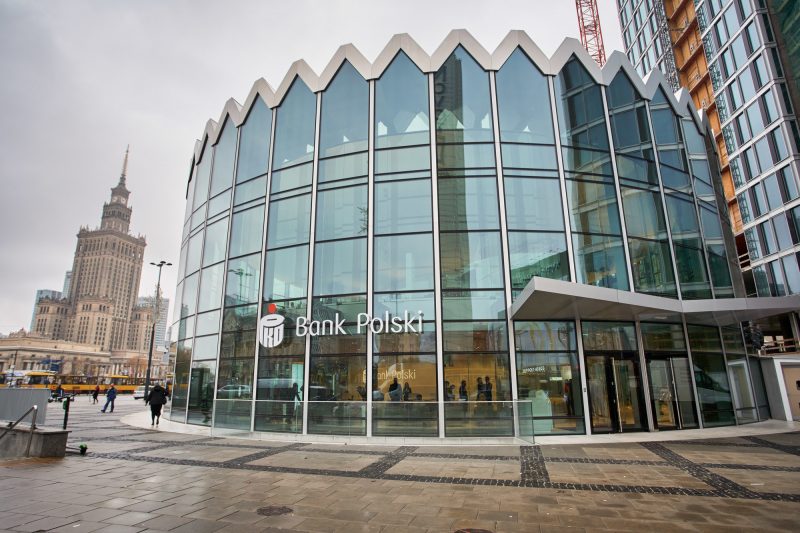
The same spirit, but a different building.
So many of those old, communist-era buildings have been demolished or so completely remodeled as to be unrecognizable in the last twenty years. It's understandable, I guess: only from a sentimental point of view are those buildings of any aesthetic value at all, and for many, there's no question of sentimentality about the oppressive past they represent. For me, the sentimentality arises strictly from the novelty of such buildings when I first lived in Poland twenty-five years ago.
 I was drawn to this book for one reason: I grew up in the same cult as Walker, Herbert W. Armstrong’s Worldwide Church of God (WCG). Hence, as I read the book, I felt an eerie similarity with many of Walker’s experiences. His sense of otherness while at school was the same as my sense of otherness. His sense of impending doom while looking at peers in school was my sense of impending doom.





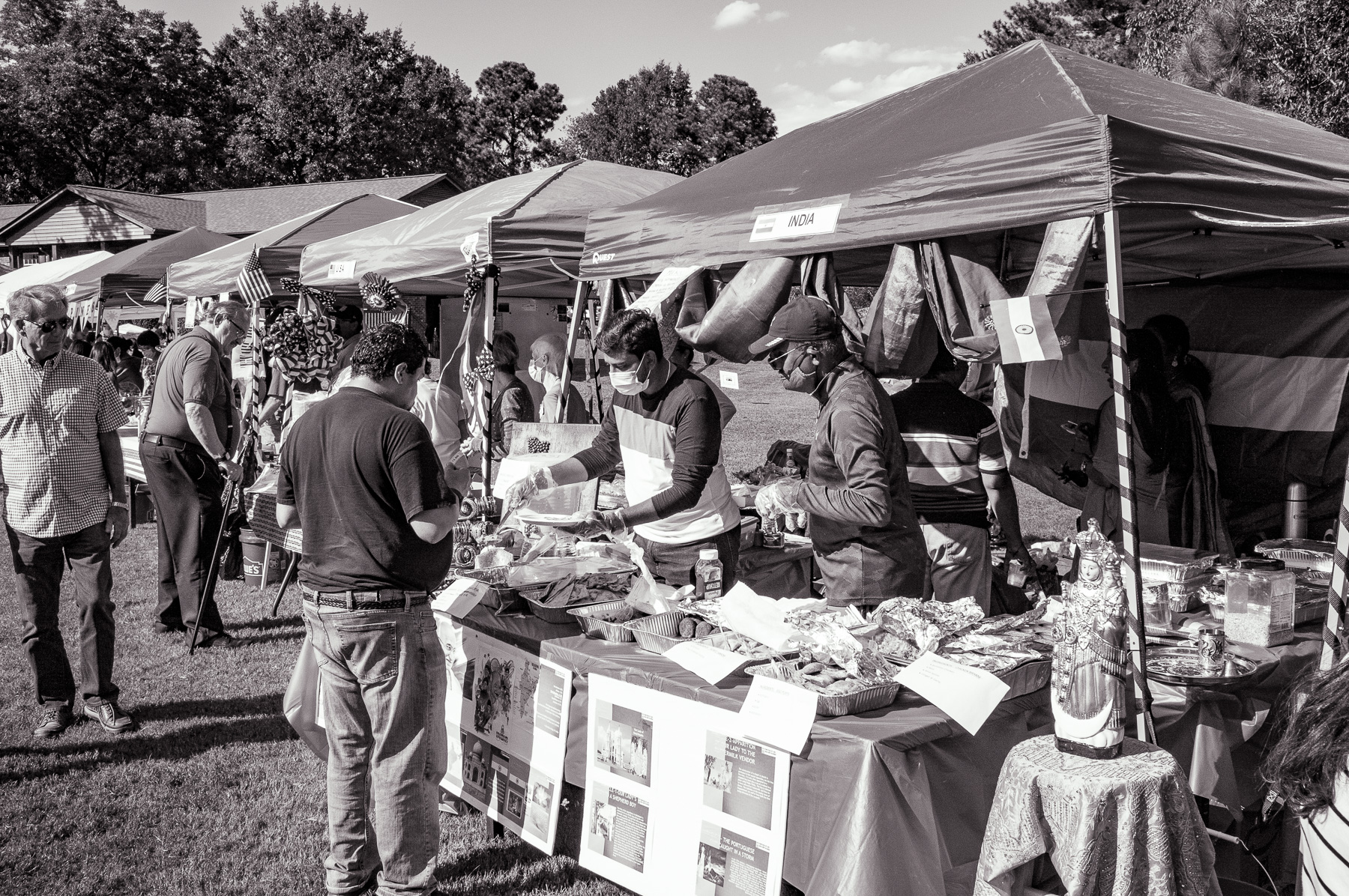
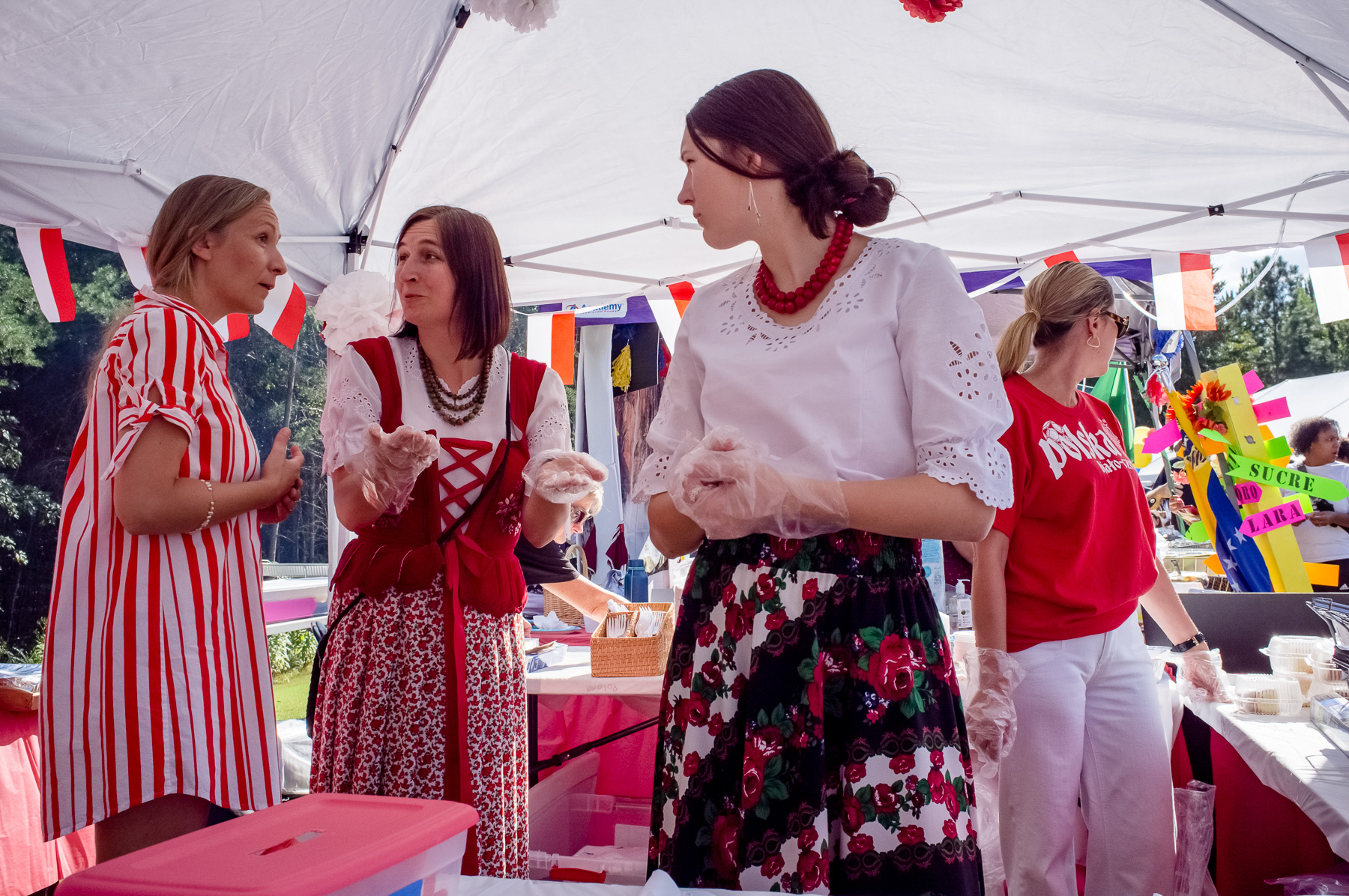
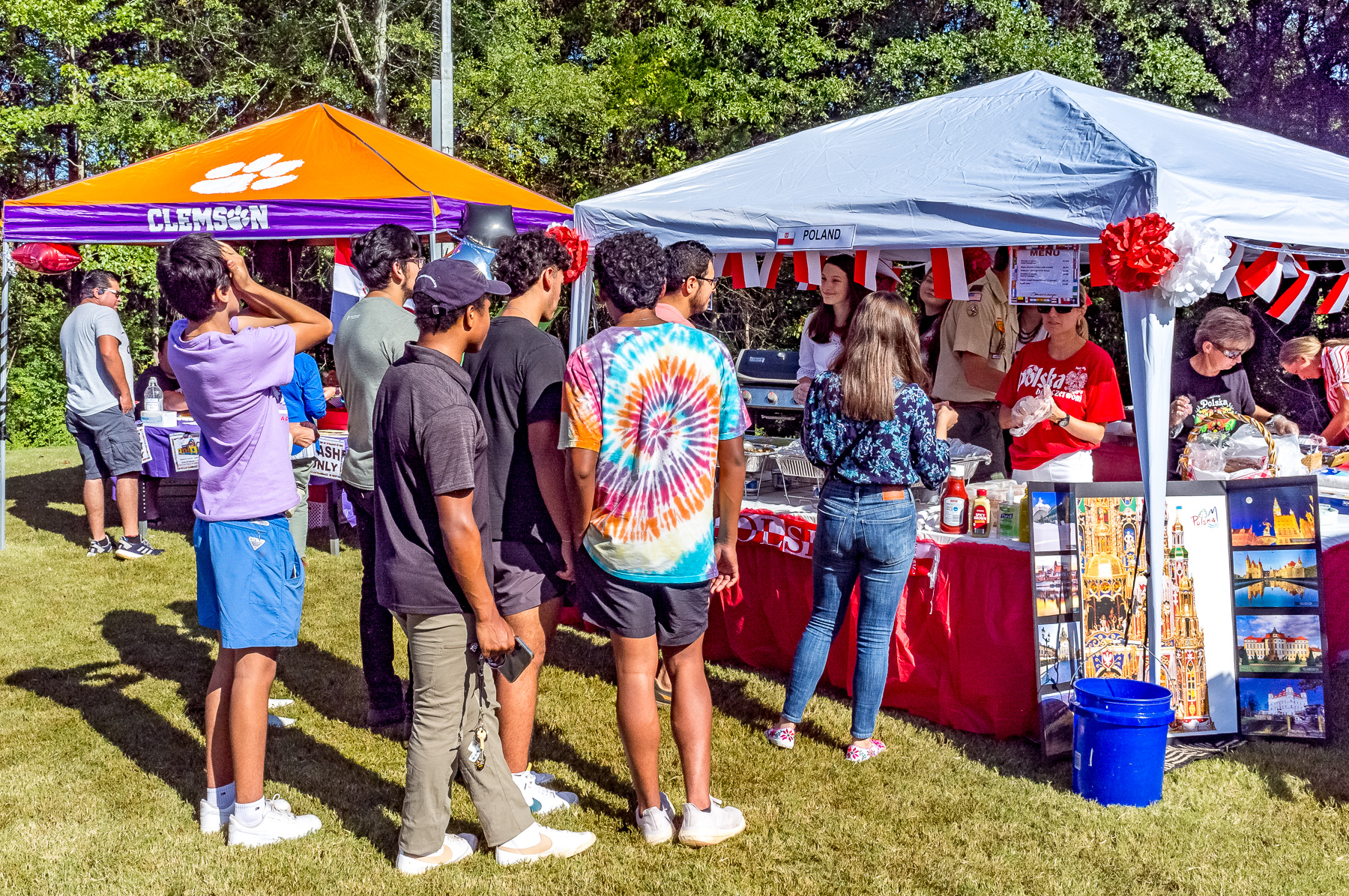
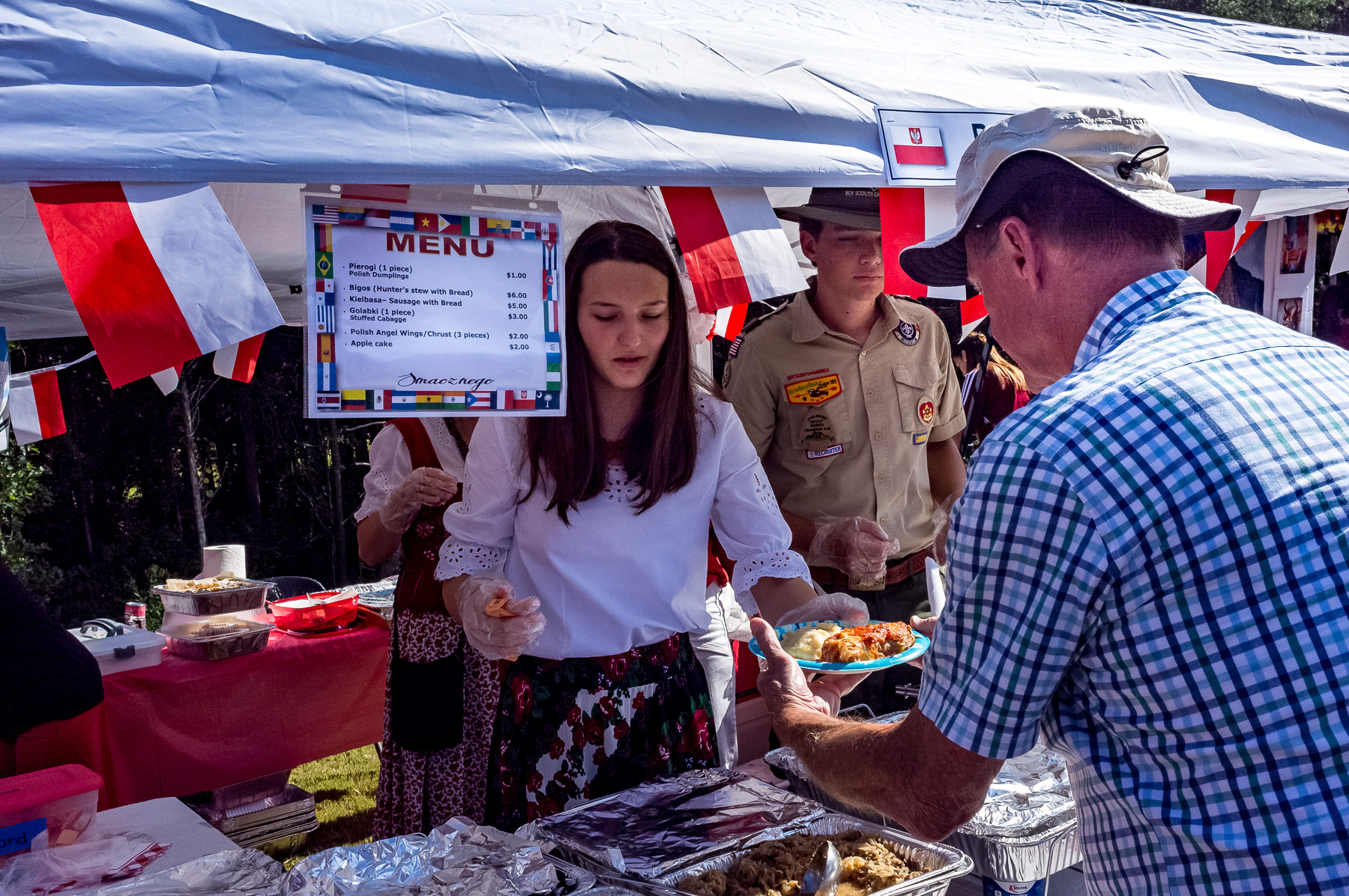


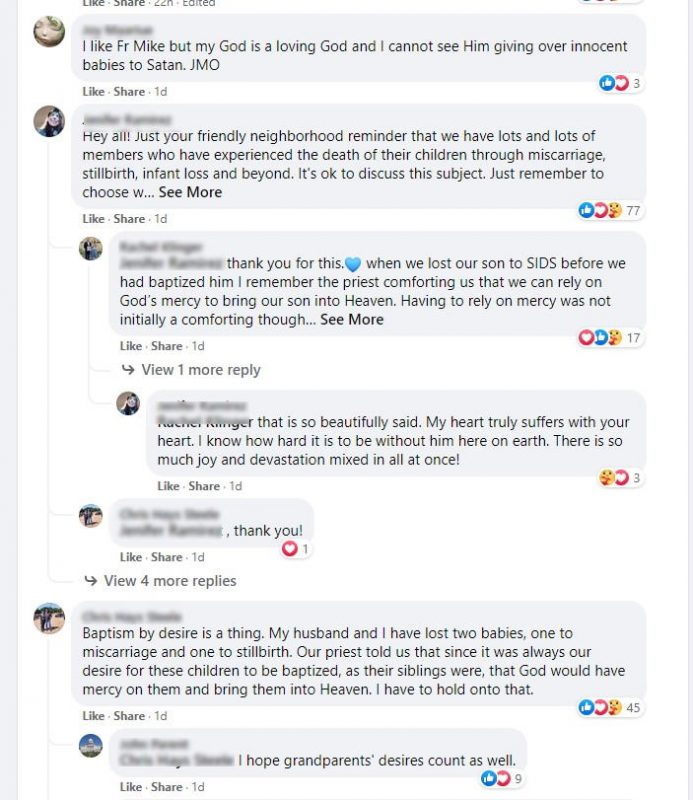
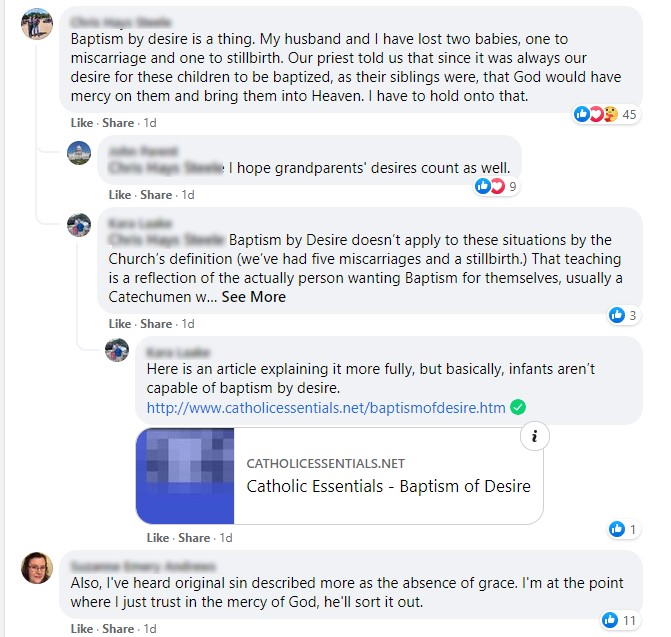
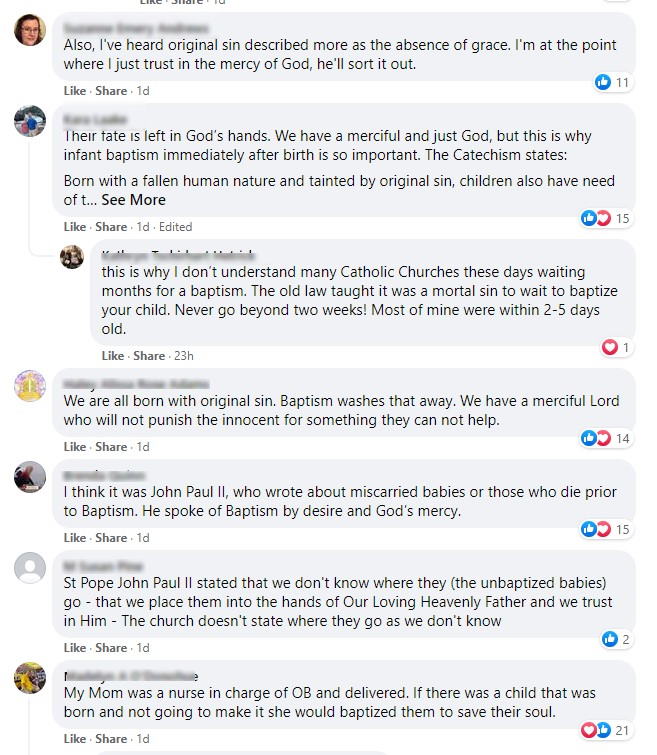
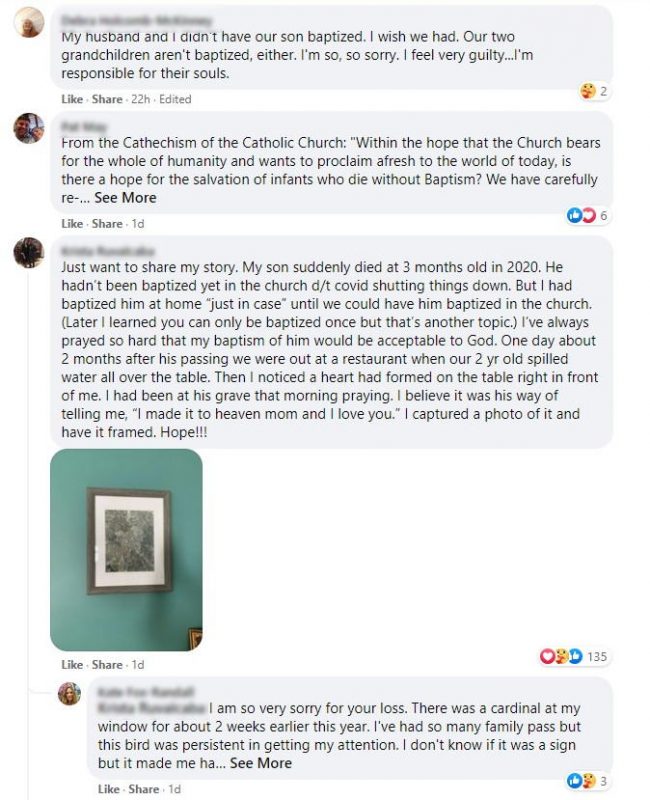
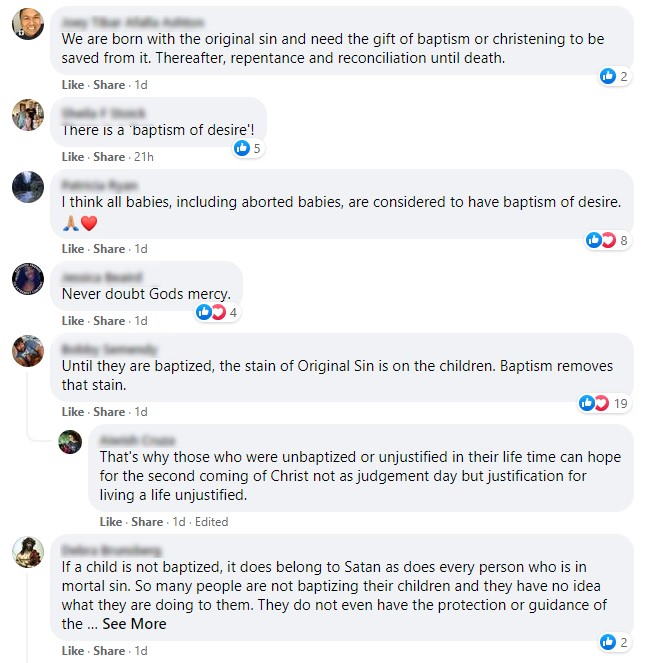

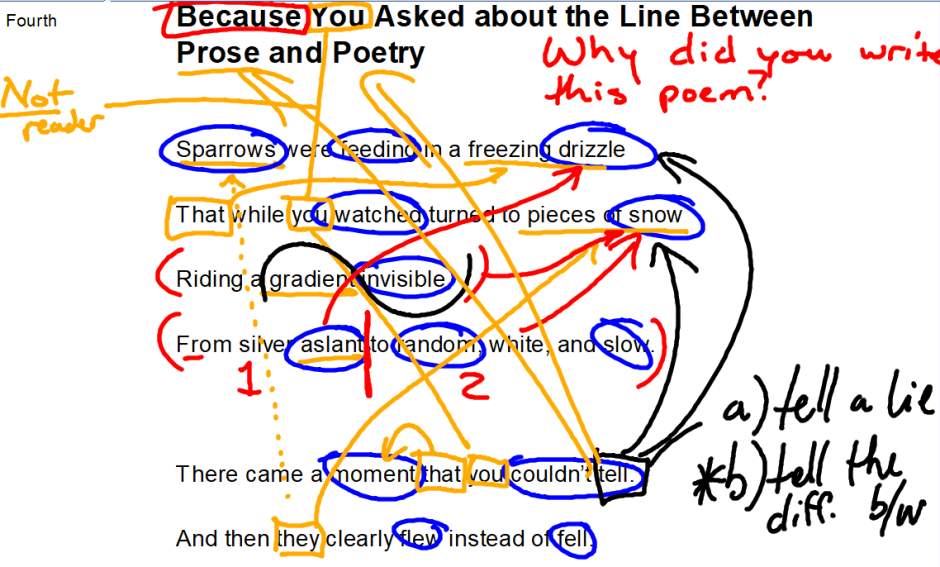
 We see what we want to see. Social media offers the best example of that in the contemporary world, but sometimes, it’s not just evident in a macro-view but in individual postings.