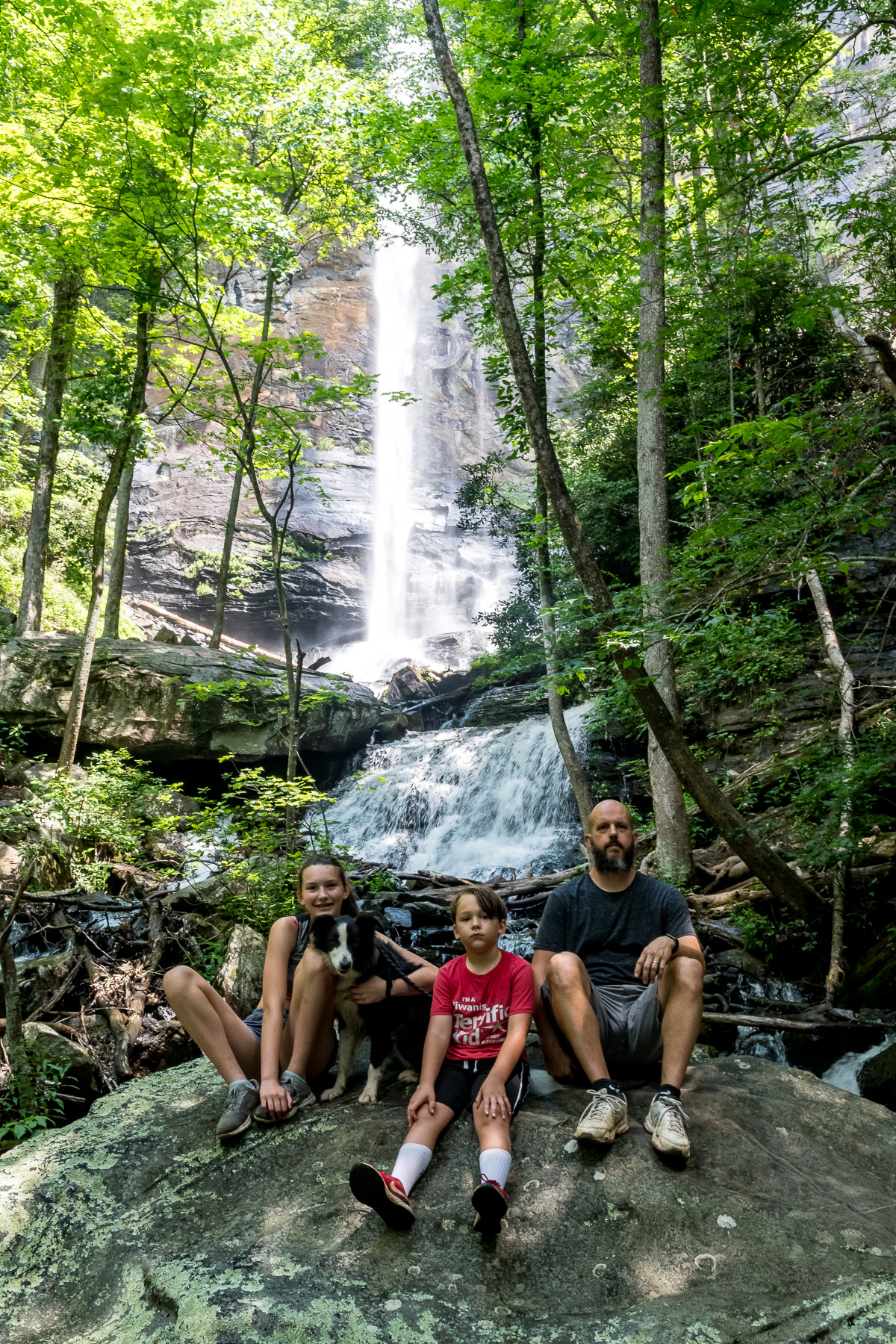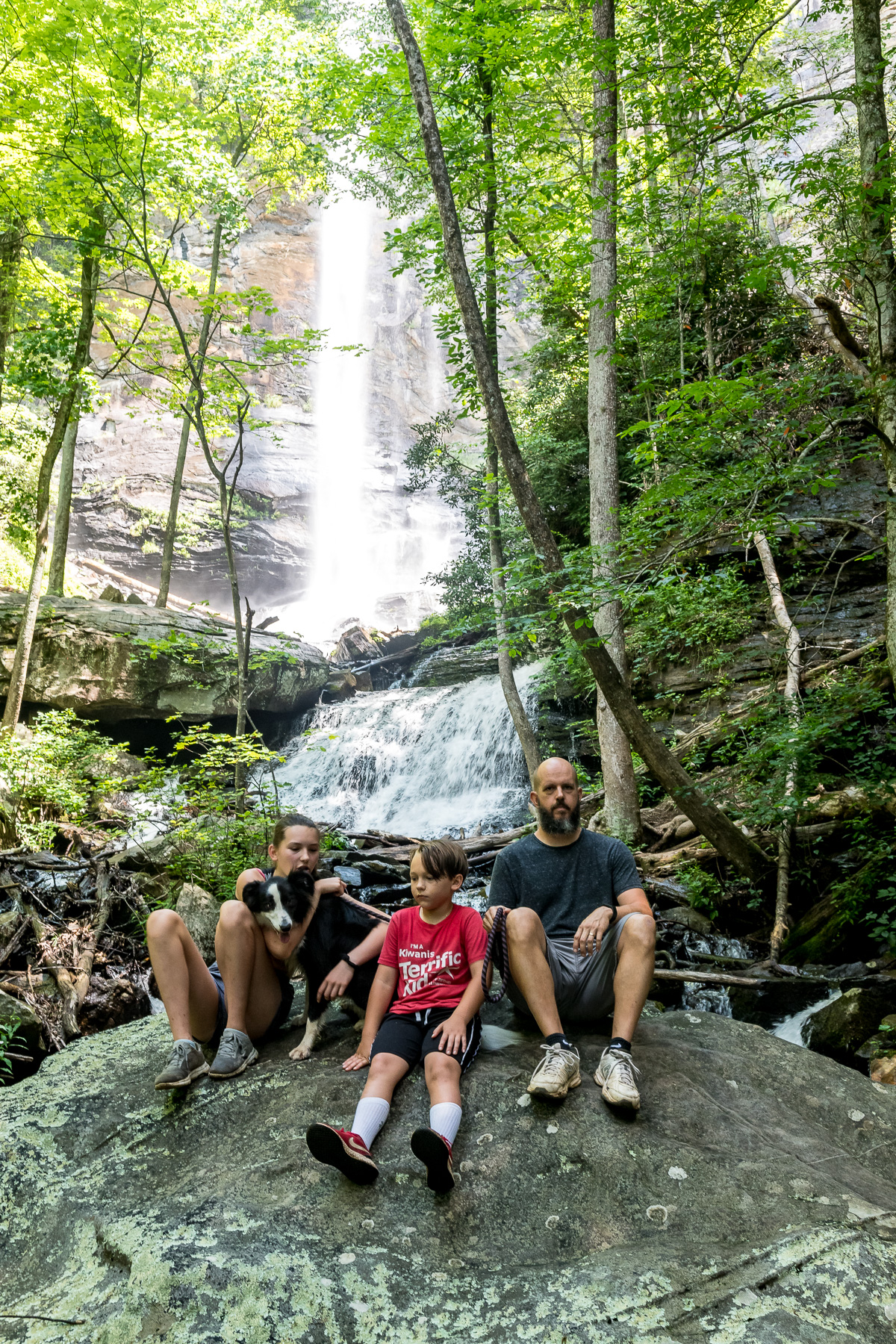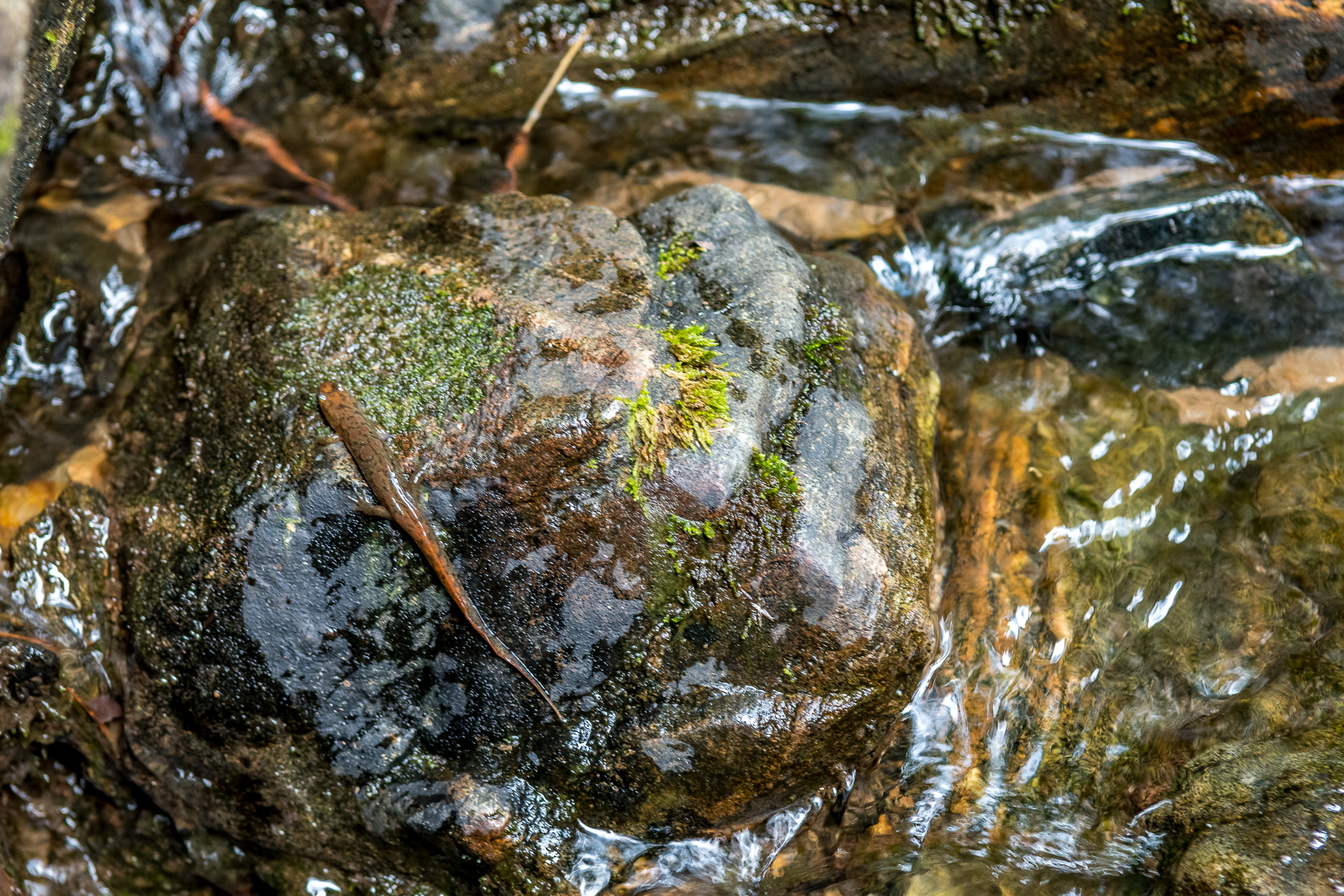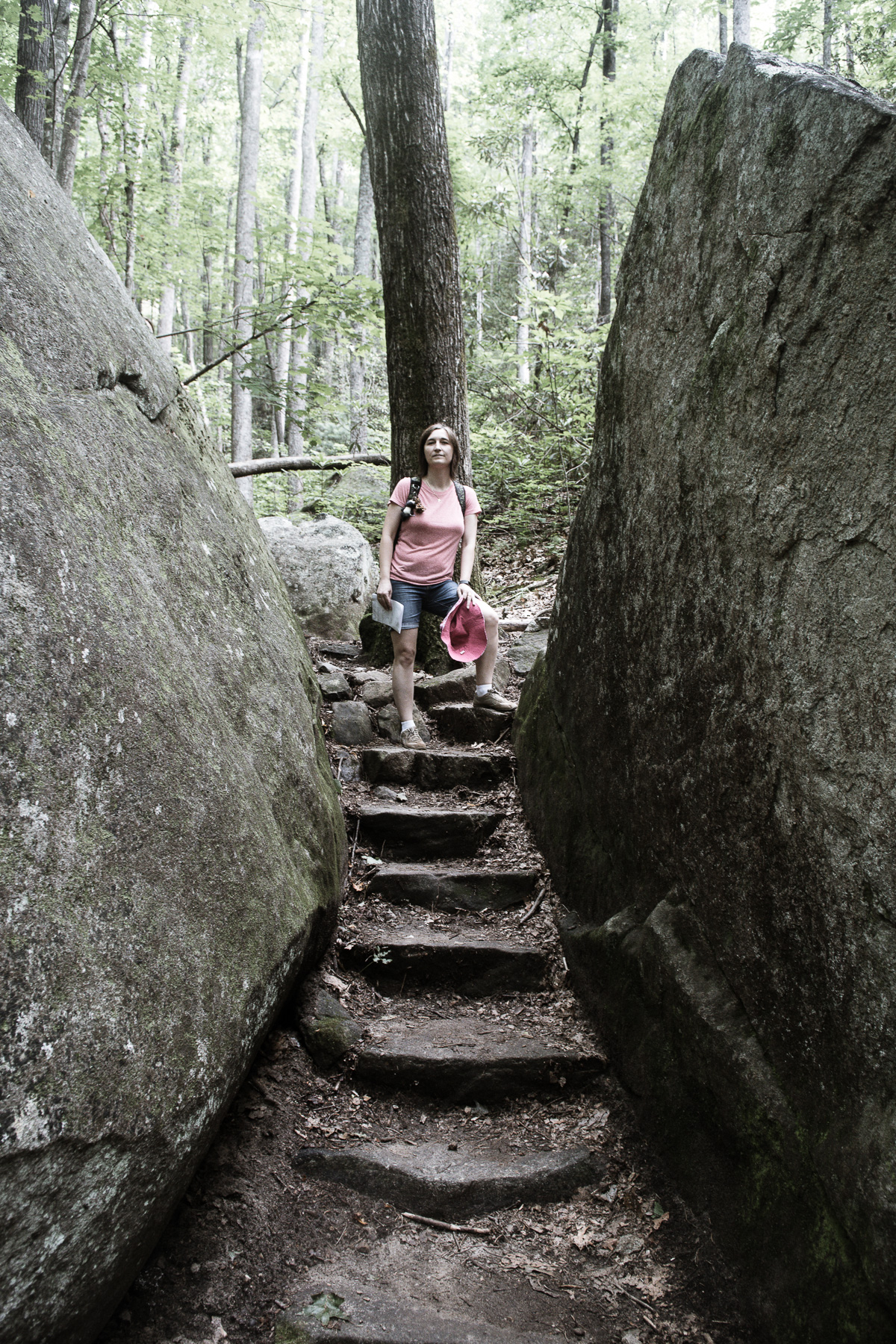
Matching Tracksuits

fun in fours

Month: July 2020

Cleaning

A significant portion of our lives is involved in taking back to the outside the dirt we drag inside. When you have a cat and a dog, there's even more to contend with. When you have an eight-year-old boy, that grows yet again.
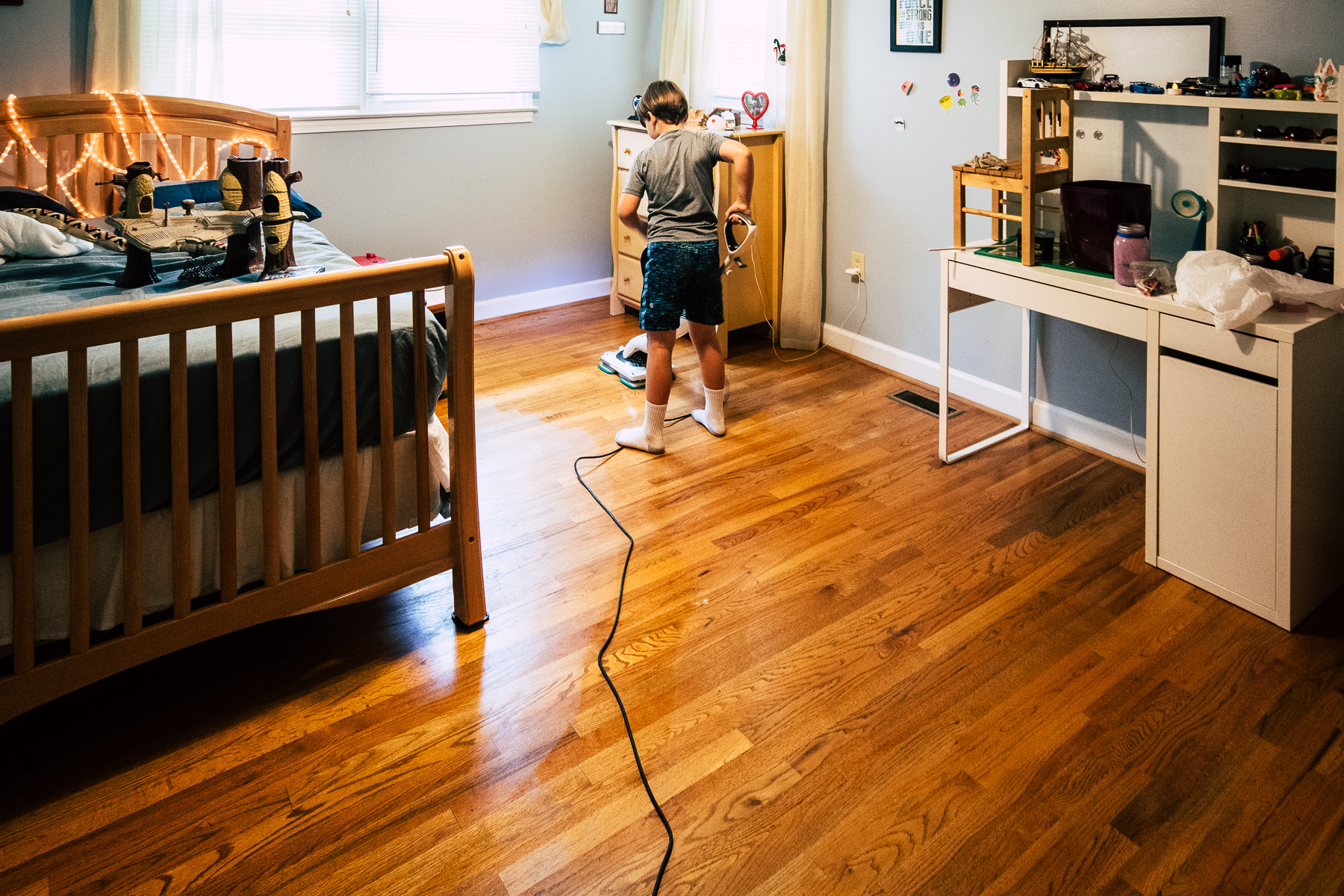
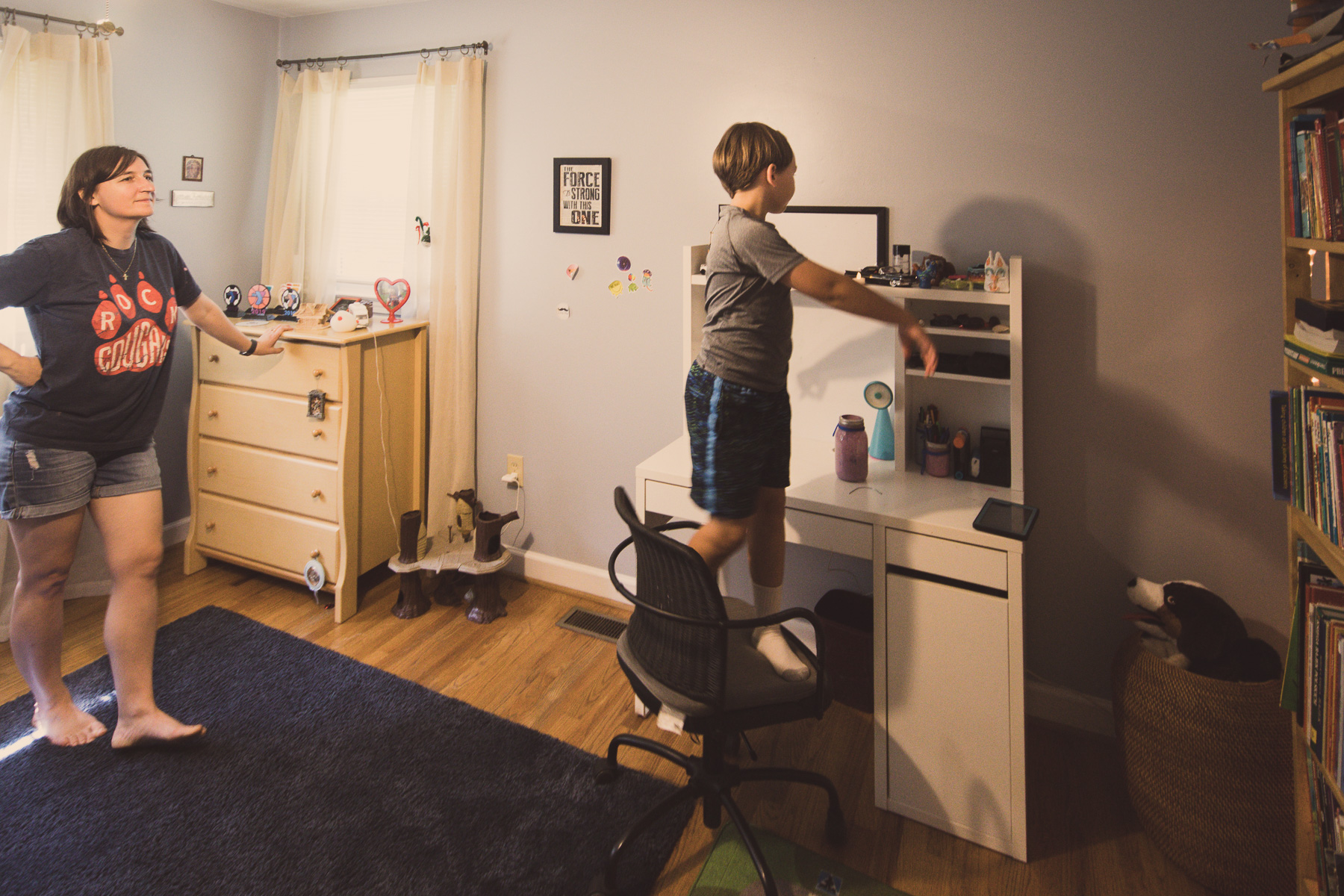
So today, the Boy and I took on his room, something that we've neglected for far too long. Sure, we've done some mild interventions, but nothing like today: everything gets dumped out; everything gets rearranged; everything gets cleaned.

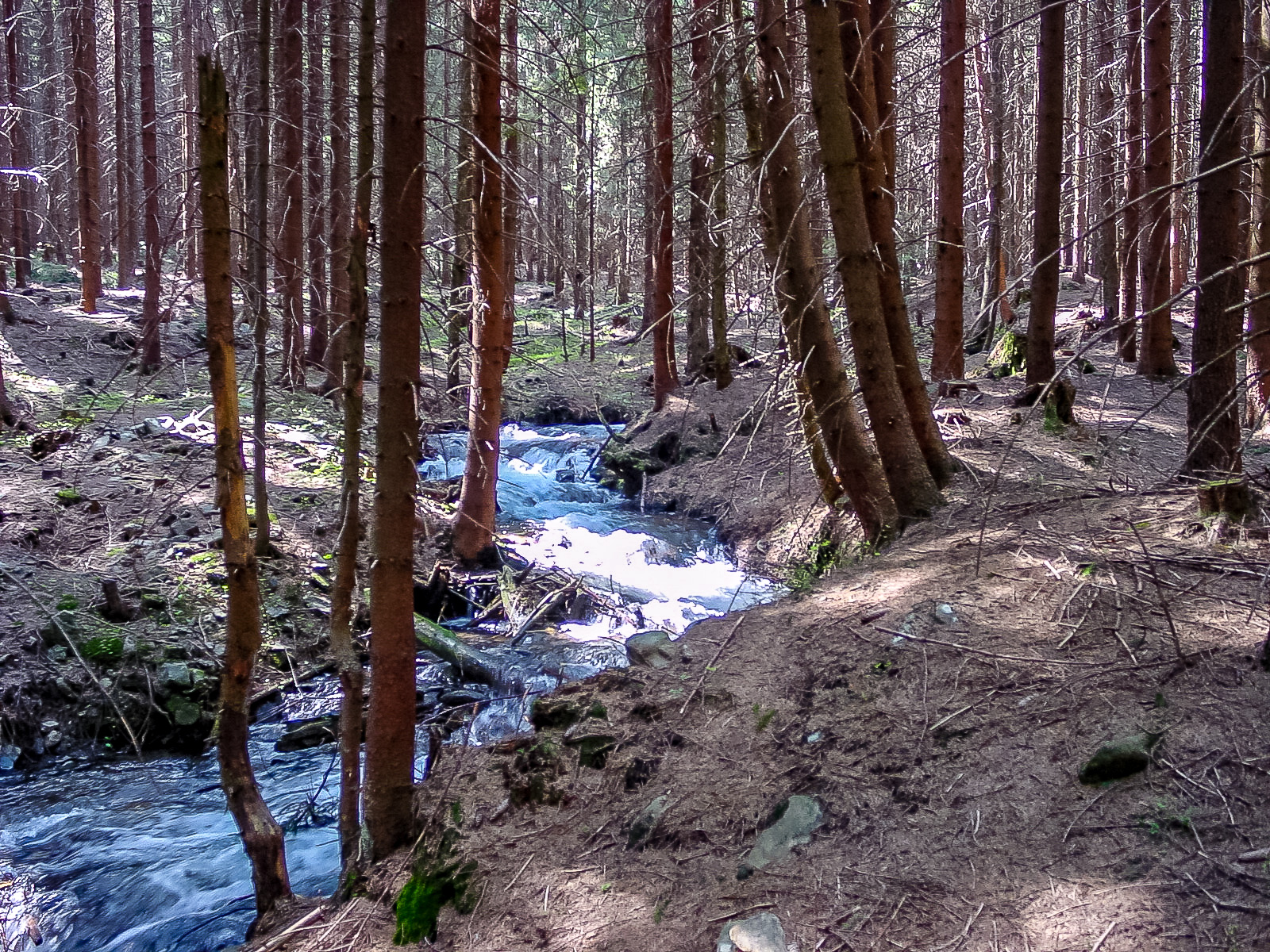
Views from the Past

Morning Hike

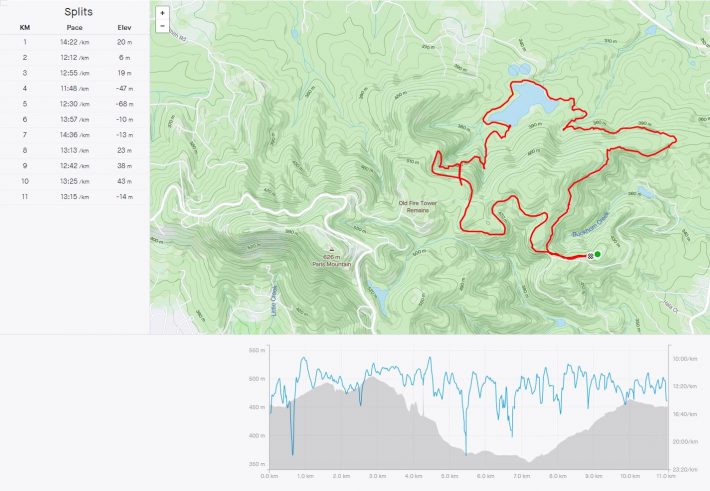
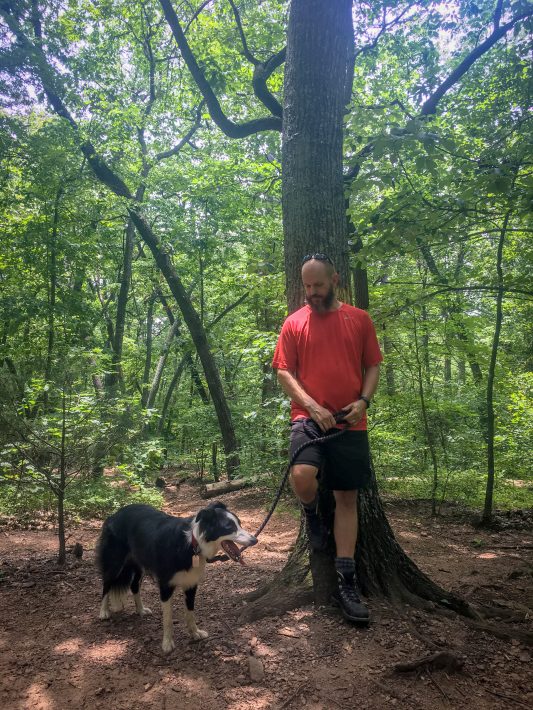
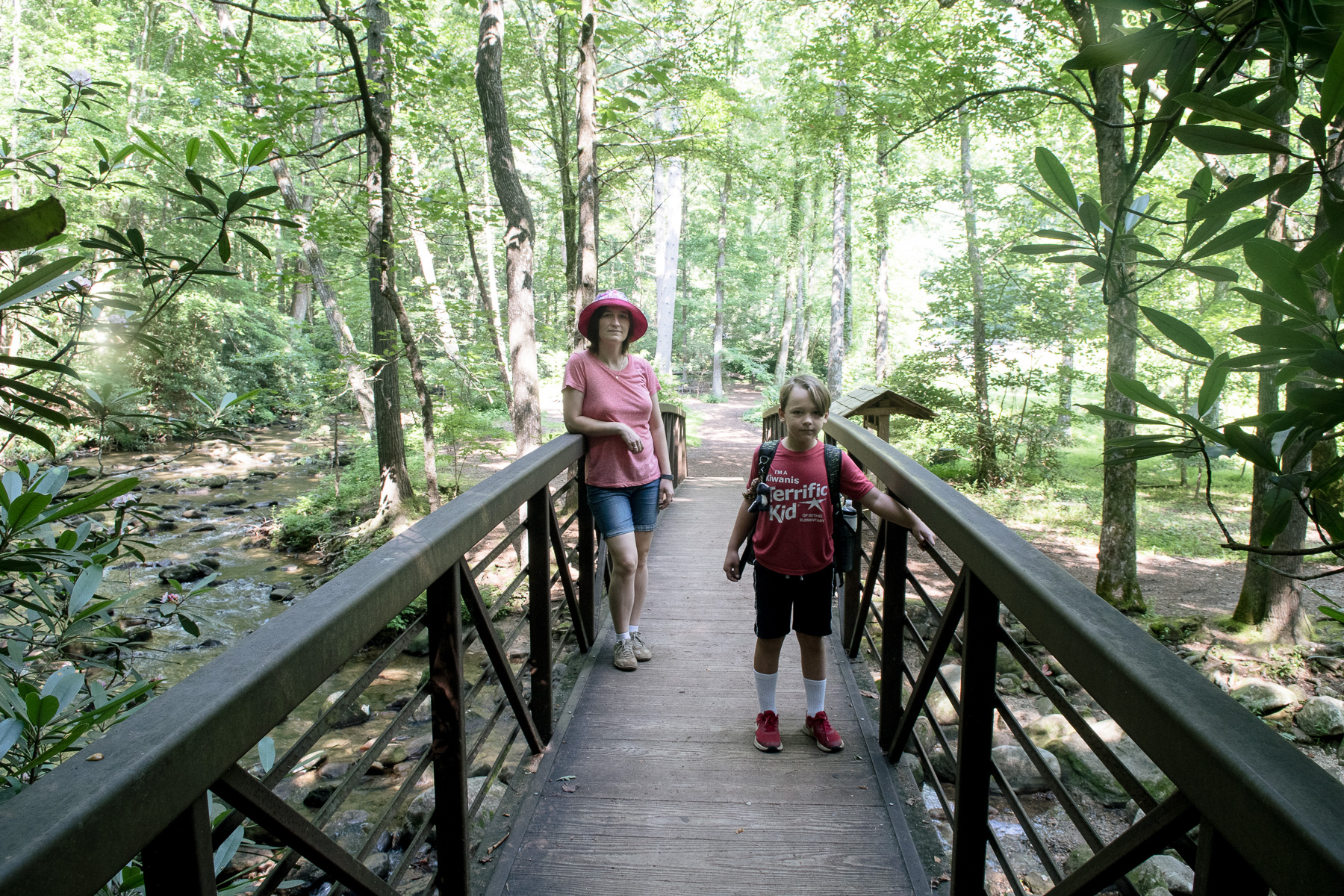
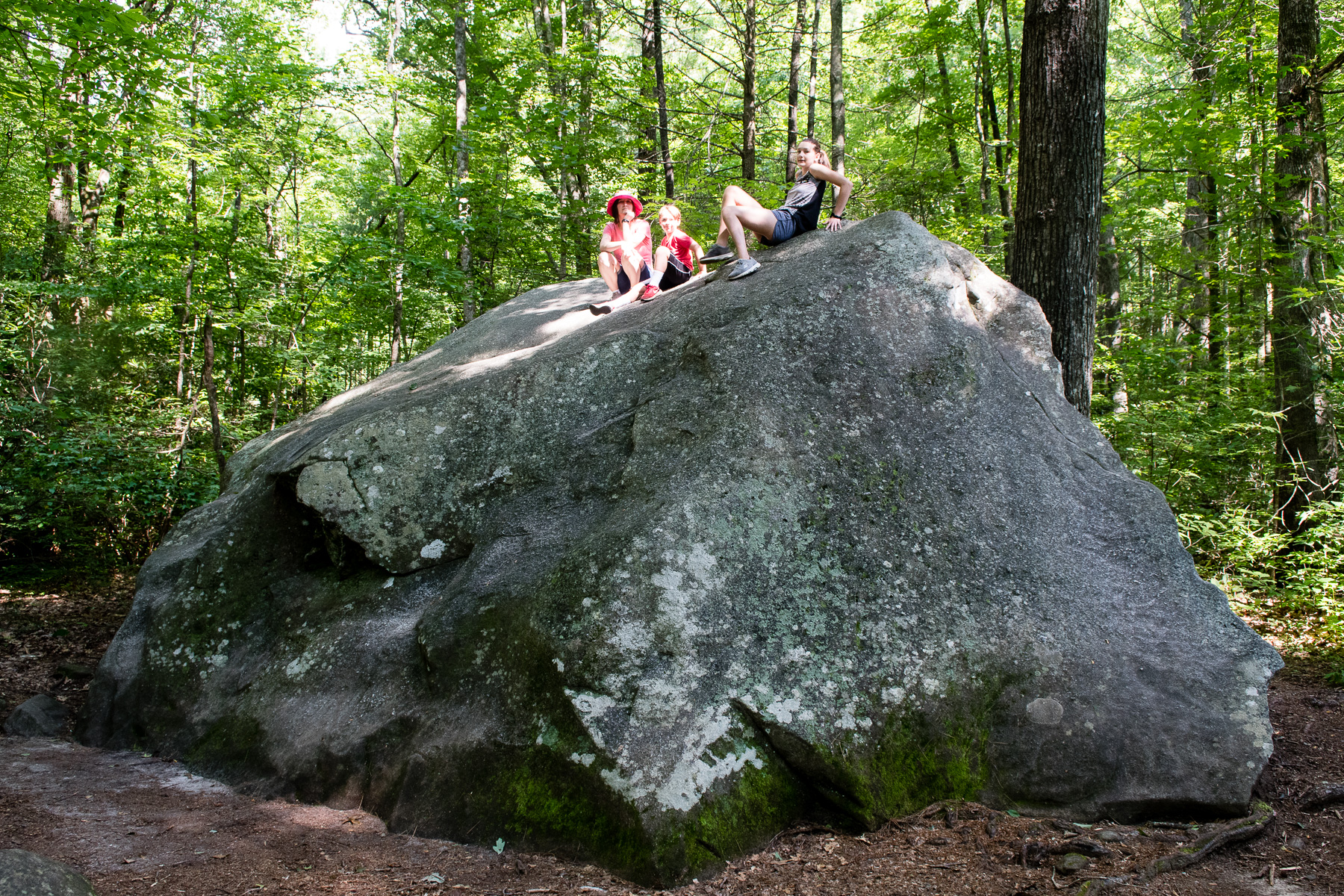
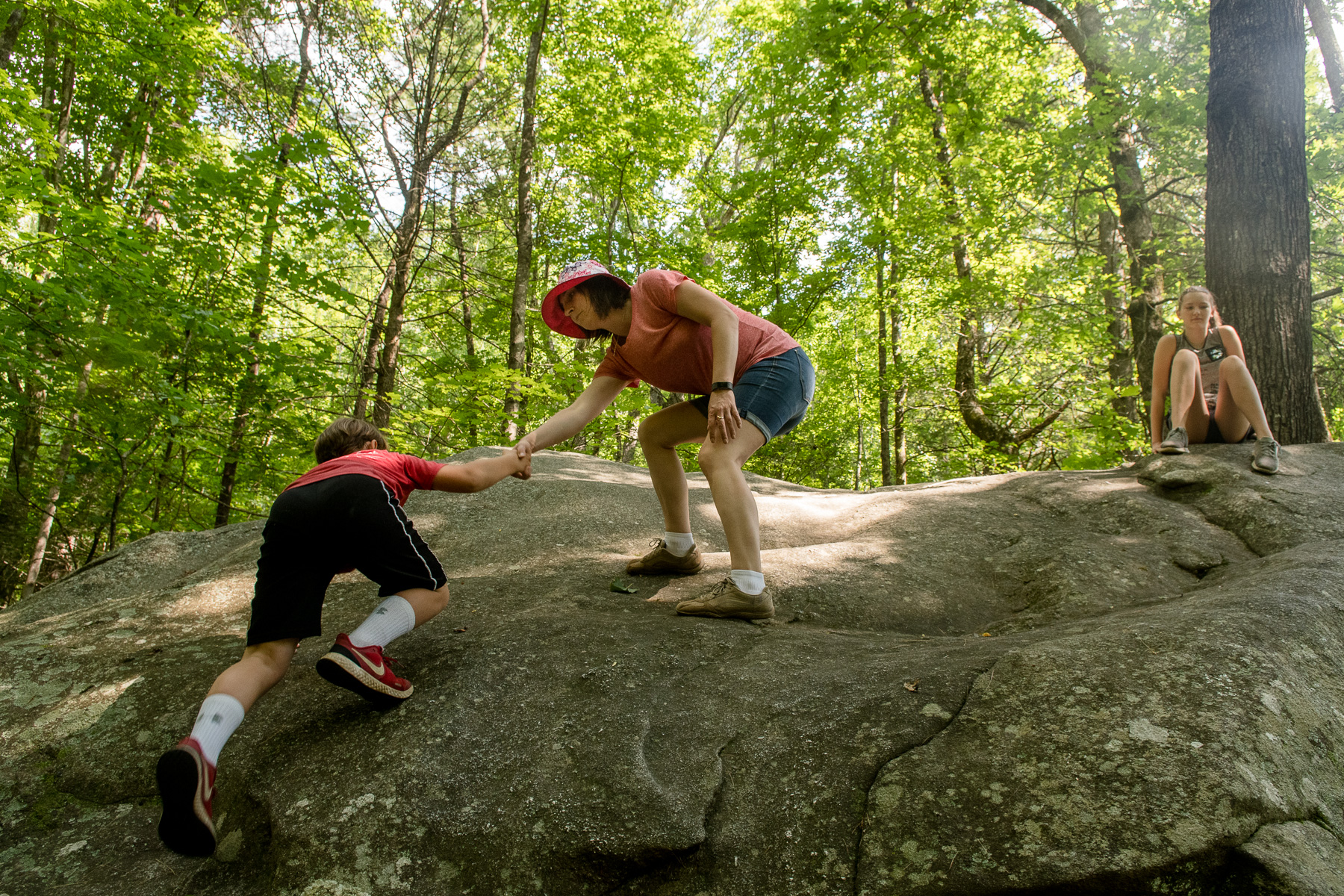
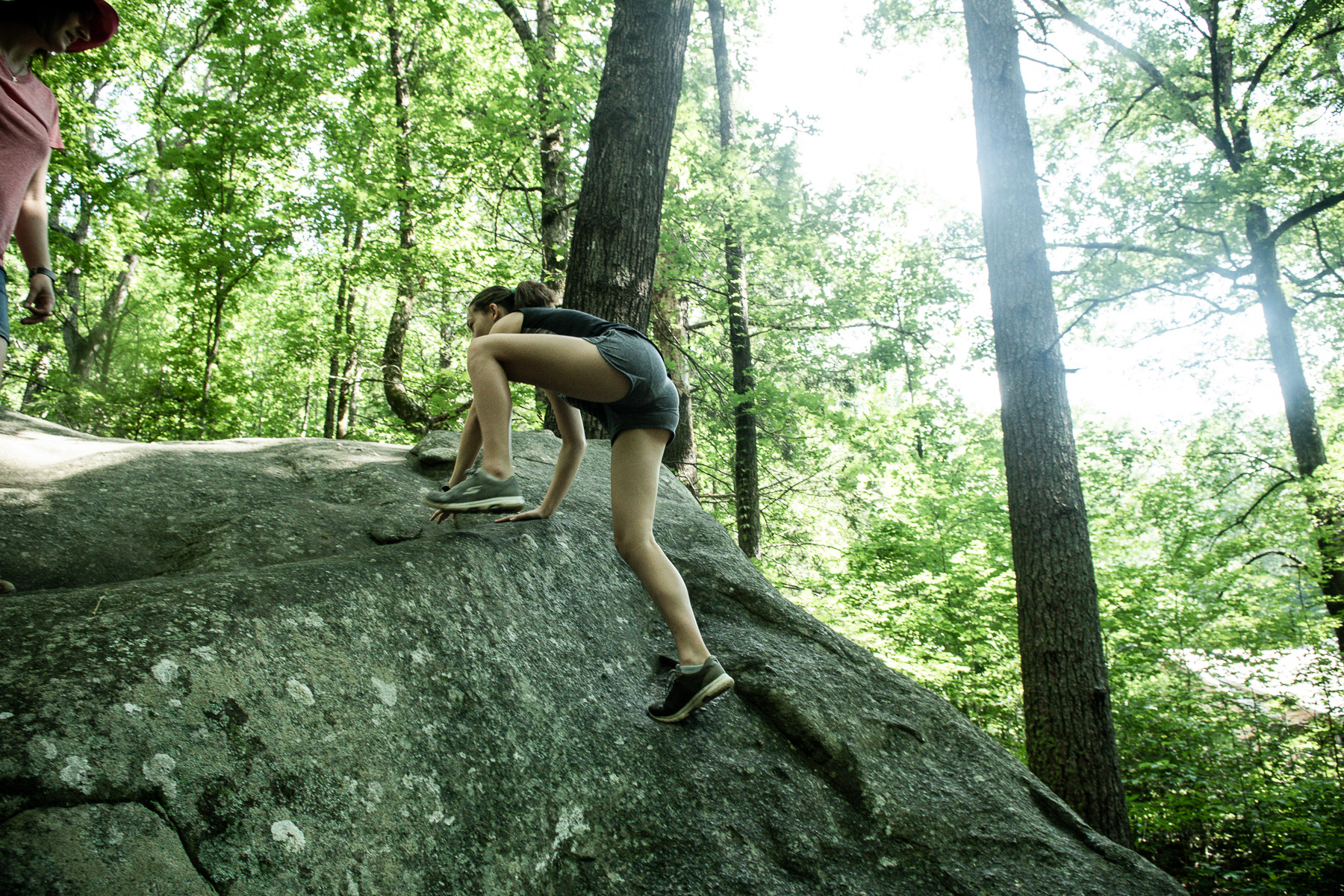
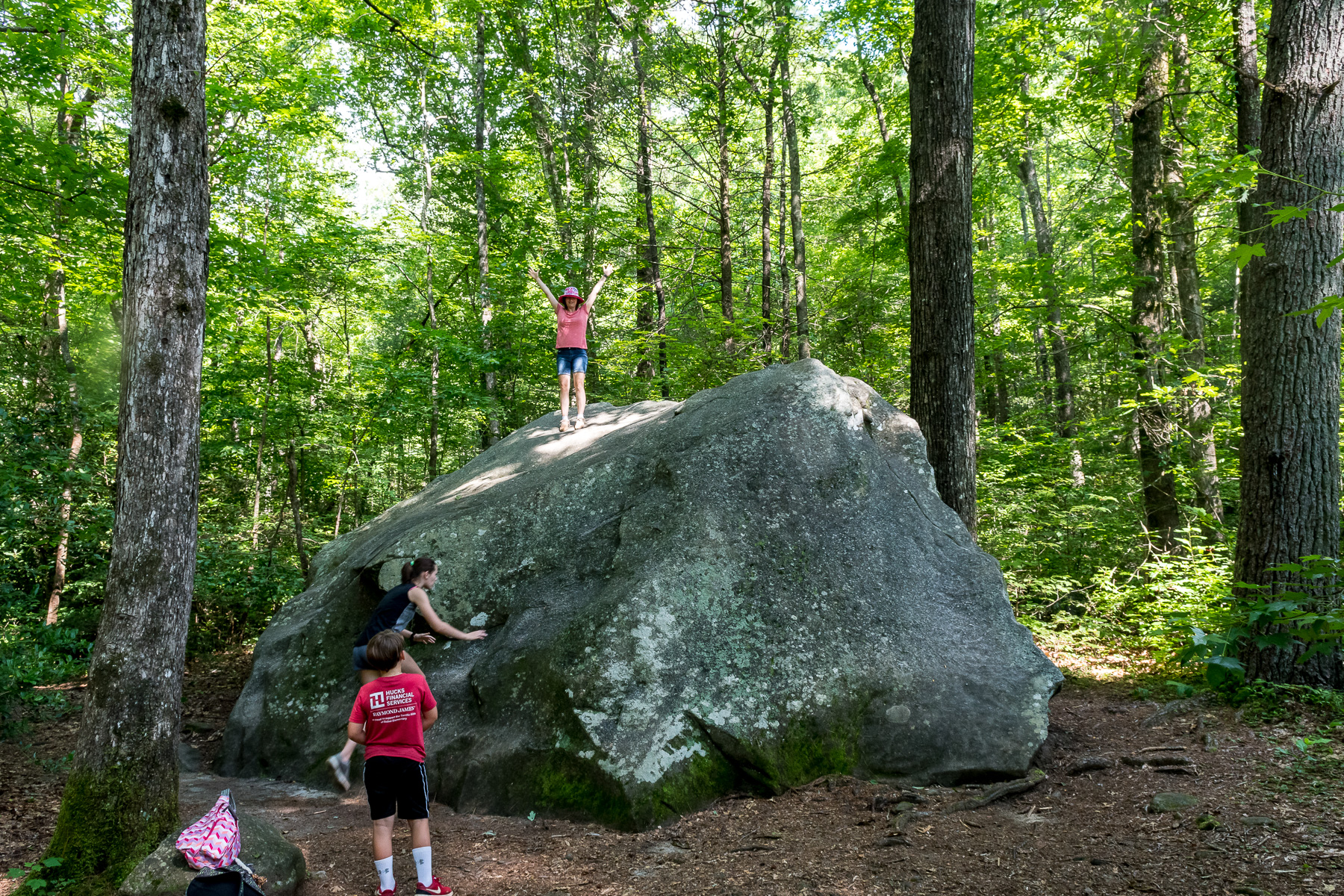
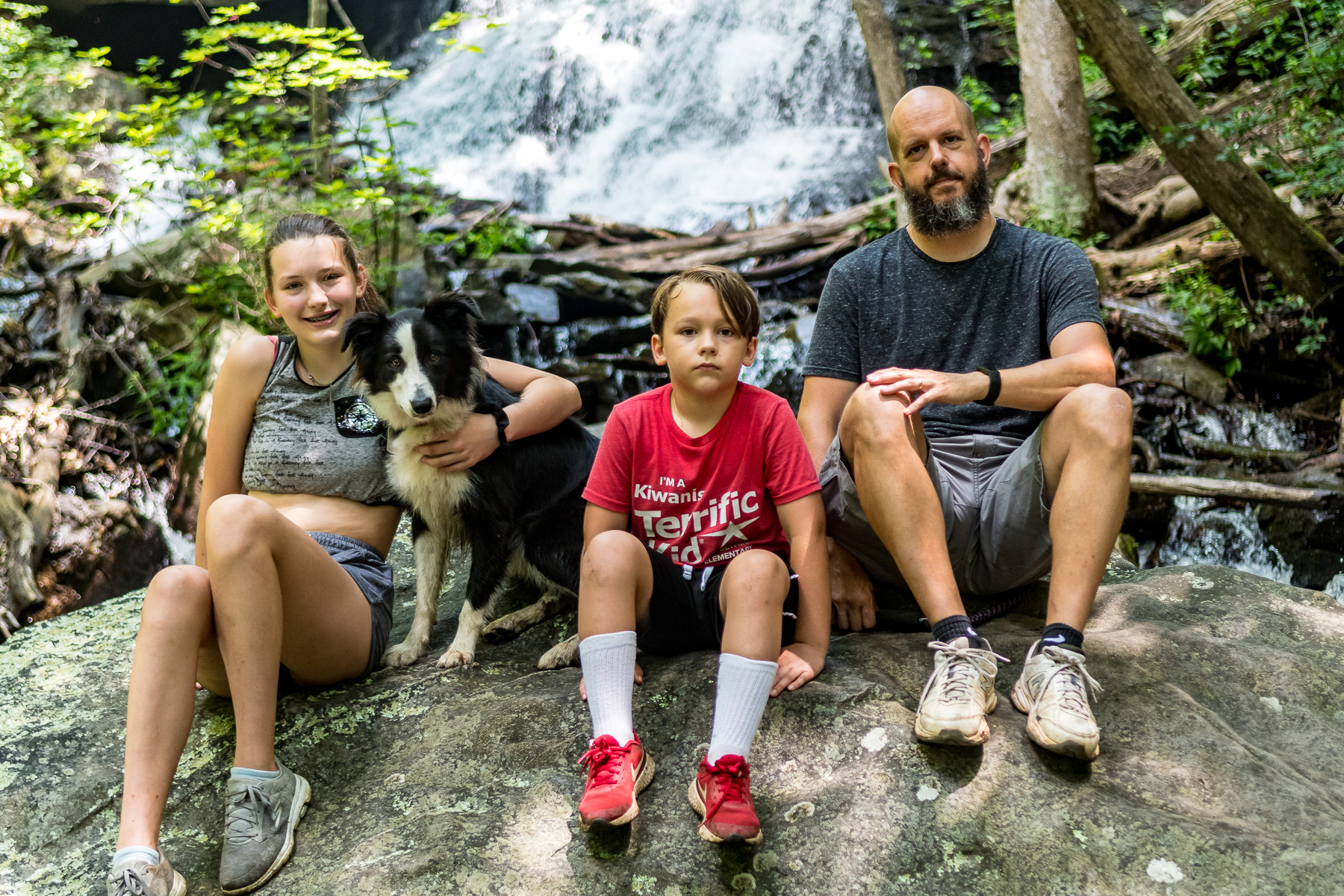
We’ve been doing more hiking lately. Three hikes in three weeks. Last week’s hike was a grueling seven-mile hike that included a fair amount of climbing. Today’s hike, in theory, seemed like it would be easier: 5.5 miles with only 1,000 feet of elevation gain.

In actuality, it was easier than even we anticipated. Much of the beginning of the hike was downhill, and then a substantial, flat portion around a lake.

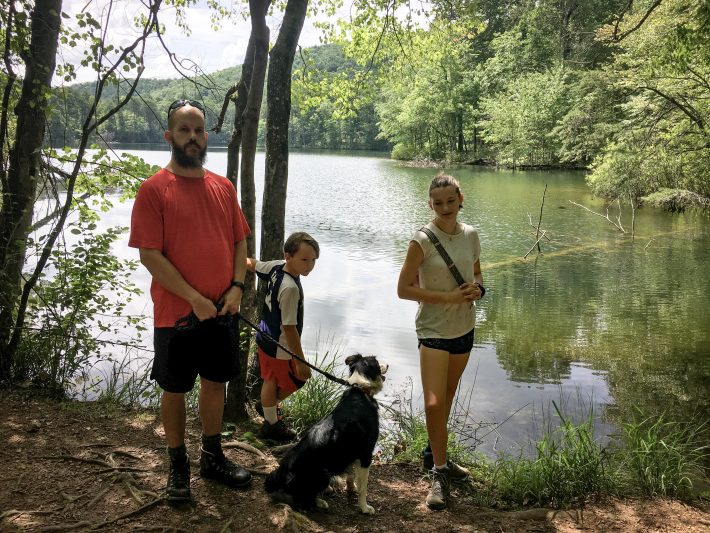
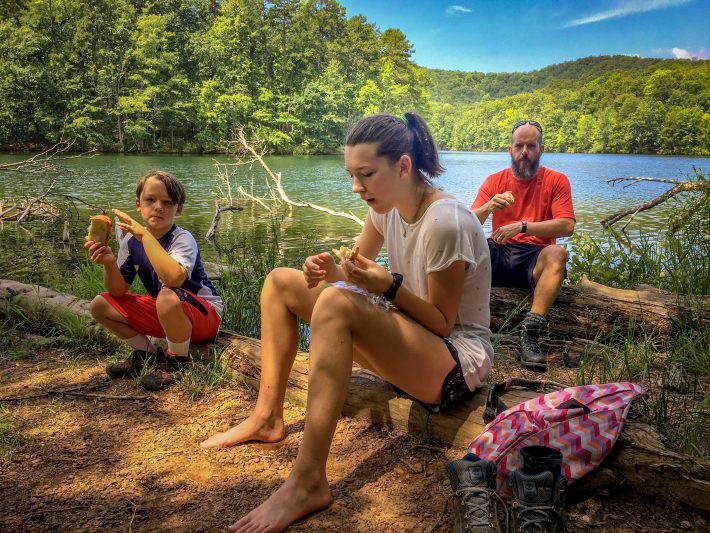
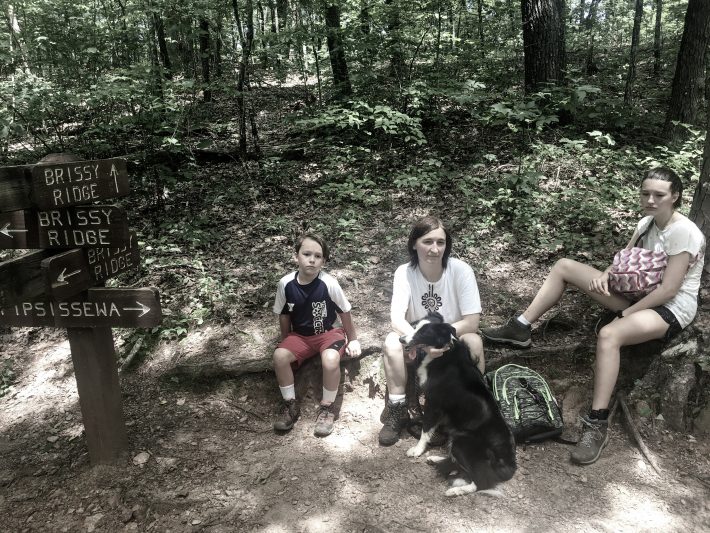
Once we were halfway around the lake, we stopped for lunch and to let the dog romp about in the water and cool off.

And then the heat got to everyone. And the elevation got to E especially.

And the kids were just ready for the whole thing to be over.

Recommendations

This year, I had a student, E, who was exceptional in many ways, but most noticeable was her certainty that she would be a published writer. Indeed, that she would make her living writing. I have no doubt that she will: she has the talent and the drive. What she’s lacking, of course, is what all young writers lack: experience. Not just live experience — reading experience is just as important. So at the end of the year, I made her a list of books I’ve read which seem to me to teach something important about writing and a few films that teach something about good storytelling:

Books

Title

Author

Reason Why It’s Important/What To Learn

Absalom, Absalom! William Faulkner This is simply the best book ever written. There is so much to learn from this book:

  • Non-linear, fragmented plot
  • Multiple narrators
  • Untrustworthy narrators
  • Multiple conflicting narrators
  • Absolutely gorgeous language
  • A gripping, engrossing plot

This is unquestionably my all-time favorite book, and I read it at least once every two years.

The Unbearable Lightness of Being* Milan Kundera This novel mixes philosophical musings, random bits of weird history, and a fantastic story set in Prague, with the Prague Spring as its setting. (Google it before you read this.) Kudera uses an unconventional point of view in this book: not really first person, not really third, it’s a curious mix of both. You’ll never forget your first time reading this, and you’ll walk away wanting to imitate its totally original point of view.
As I Lay Dying William Faulkner Each chapter is told by different 15 different narrators, and it uses a non-linear plotline.
Red Plenty Francis Spufford Historical fiction at its best. This excellent novel blends actual historical characters mixed with invented characters. Each chapter is a different time and different place in the USSR with different characters, but there are a few overlaps that provide continuity, so it’s a good study of fragmented plot development.
The Adventures of Tom Sawyer Mark Twain Twain is the master of making jokes by leaving much of the joke in the reader’s mind: he gets you going and then stops, knowing your train of thought will end in humor. He’s also a master of writing in comic dialect.
The Adventures of Huckleberry Finn
My Ántonia Willa Cather There’s nothing complicated or groundbreaking in this novel. It’s just simple, linear, first-person story-telling at its best; a lovely, lovely book.
Tales of Galicia Andrzej Stasiuk This novel mixes magical-realism, untrustworthy narrators, non-linear and completely fragmented plotlines to create a masterpiece. One of my all-time favorites.
Bleak House Charles Dickens It’s Dickens — read all his works. He’s a master. He’s especially good at creating multiple plotlines and weaving them together.
Great Expectations
4 3 2 1* Paul Auster The book of multiple plotlines: this novel takes one character and imagines four different lives for him. There are overlaps and similarities, but it’s the differences that make the book incredible. And that ending: you see it coming a thousand miles away, and yet it still shocks you and takes your breath away.
The Noise of Time Julian Barnes This novel is told in short fragments. There is a plot, but it’s not immediately obvious.
The New York Trilogy Paul Auster The meta-fiction masterpiece in which the author mixes real life with the story, this novel layers different realities (including the reader’s) into a mind-bending blending of storylines.
East of Eden John Steinbeck Possibly the greatest straight, simple, linear-plotline novelist America has produced, Steinbeck simply tells unforgettable stories in a straightforward, compelling manner.
The Grapes of Wrath
Being There* Jerzy Kosiński This novel utilizes something like magical realism in a subdued way.
One Hundred Years of Solitude* Gabriel Garcia Marquez The master of magical realism, Marquez is a spellbinding writer. You will never read a book with a story told in quite the odd, confusing, compelling way as this book. One of the most original books you will ever read.

Go Set a Watchman Harper Lee This was the first draft of To Kill a Mockingbird. It will teach you how much a story can change upon revision.
To the Lighthouse Virginia Woolf This book completely blew my mind the first time I read it. There’s no way to describe what you can learn from this book. Just read it. It’s incredible.
Brothers Karamazov Fyodor Dostoyevsky These are long, complicated novels. They are also perfect novels. Demons is my favorite and his best, but most people put Brothers Karamazov in that slot. They’re difficult to read because they require a lot of background knowledge, and the Russian names are difficult at first to someone not familiar with the language. Read along with an audio version.
Demons
Crime and Punishment
The Haunted Bookshop  Christopher Morley Everyone who loves books should read this one–a story about a bookshop?! What could be better. 
A Gentleman in Moscow Amor Towles This is just a charming story. Nothing experimental or bizzare — just a great story told expertly.
Jane Eyre Charlotte Bronte A surprisingly modern novel that’s relatively old (1847). You’ll learn how to maintain a theme throughout a novel, how to give that theme a surprising twist toward the end.
Wide Sargasso Sea Jean Rhys One of the most original books written. This was written some 120 after Jane Eyre, and it is something of a prequel to Bronte’s novel. DO NOT read this without reading JE first. You’ll learn how to find inspiration from other books.
Angela’s Ashes Frank McCourt This book will teach you how to write a memoir like a novel.
The Outsiders S. E. Hinton She wrote it when she was 16. Enough said.
The Plague Albert Camus An example of existentialist (look it up) writing — it’s a novel with a philosophical agenda.
Wild Swans: Three Daughters of China Jung Chang Family history at its finest. It will also teach you a lot about Chinese history.
The Name of the Rose* Umberto Eco Historical fiction that’s incredible: a mystery set in a 14th-century monastery. How could you not want to read that?
The Master and Margarita Mikhail Bulgakov What happens when a Russian writes a novel with the devil as one of the main characters? Perfection happens.
The Diving Bell and the Butterfly Jean-Dominique Bauby I mentioned this in journalism; we read one of the chapters. From this you’ll learn how to write short, powerful observations about some of the most mundane things.
Into Thin Air: A Personal Account of the Mount Everest Disaster Jon Krakauer This is history written like it’s a novel.
The Sense of an Ending* Julian Barnes A slim book about confusion that puts the reader in the exact same spot of ignorance as the protagonist. It will teach you pacing.
Breakfast of Champions* Kurt Vonnegut A meta-novel that’s mind-bending, Breakfast also incorporates little sketches into the novel.

* Indicates mature content.

Films

Title

Reason Why It’s Important

In the Mood for Love (PG) A Chinese film. A slow, measured story that seems simple yet has incredible tension just beneath the surface. Excellent ending.
The Lives of Others (R) A German film. Absolutely the best ending of any film on the planet. My all-time favorite drama.
Conspiracy (R) This film features a bunch of men sitting around a table talking for 90% of the film. Incredible acting, though, and it will teach you what good dialogue sounds like.
Dangerous Liasons (R) Intersecting plots and plotters plotting against each other, this film will teach you how to tell a story in which emotions (in this case, fury and contempt) are always present, always hinted at, yet never fully shown — until the end. I think there was a remake of this. I’m referring to the 1988 original with John Malkovich, who is utterly brilliant in this film.

Sadly, most of these are rated R, so your folks will have to make the call on them.

Aggressive Visitor

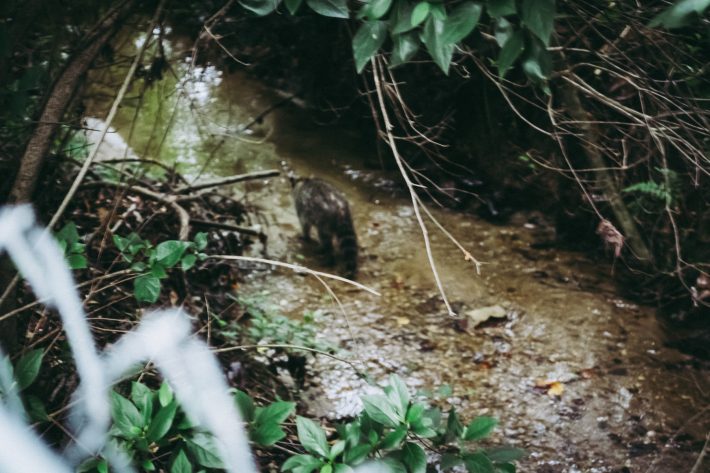
We had a raccoon visiting our property this afternoon. It was on the other side of the fence, but still technically on our property, and though Clover had no idea that that was the case, and though she is as much a guard dog as I am a potted plant, she raced down to the fence and confronted the raccoon.

The dog barked; the raccoon backed away, turning eventually and trotting along the creek upstream, toward the area where the Boy and I always explore. Suddenly, though, it turned back and came charging. It ran right up to the fence and began pushing against the fence, snarling and growling. Clover ran back to the raccoon, and soon they were running back and forth, the fence between them, Clover thinking it was a game, the raccoon furiously expressing its lack of amusement.

The raccoon became more and more aggressive, and I began wondering if there wasn’t something more going on. I decided it was time to un-welcome the little beast, so I took a great rock and heaved it toward the raccoon’s general vicinity. I didn’t want to hit it; just come close enough to frighten it.

It seemed to work: the raccoon darted into the stream and trotted away, but I know it will come back, and I worry about what might happen if it climbs the fence.

Please Advise

Over the course of the last few weeks of school, I completed an online course to fulfill my tech proficiency requirement for my teaching certificate. I got a notice from someone in our administration earlier in the year that I needed to take care of that, and so I did. Now, I don’t want to sound rude or anything — it’s not that I think I’m so technologically amazing or anything — but the course I took was, for my level, useless. I learned nothing. It was all just a bunch of busy work for me. But still, busy work or no, it was required. So I got my certificate of completion and put it in our district’s professional development web site.

Shortly after that I received the following email:

Your request for Out-Of-District credit (for ” Collaboration Renewal Greenville”) has been denied.

You must login to Professional Development to view the reason your PD was denied.

Please login to Professional Development, view the reason your PD was denied, and make corrections and resubmit your request, if applicable.

Thank you,

The Professional Development Team

Why they couldn’t tell me the reason in the email is a mystery. I logged back into the professional development site and found the following explanation:

This is SDE credit and must be entered directly onto your certificate at the State Dept. Please email your documentation to [email redacted].

So I loaded the state department of education’s web site and quickly enough determined the email of the individual I needed to contact. I wrote a quick email and attached my documentation:

Ms. B—,

I have completed my tech proficiency course (see attached). My certification ID is: [redacted].

What steps do I need to take to update my certificate?

What was the response?

Good Afternoon G,

I don’t need this information. You will need to follow-up with the Greenville PCS Coordinator. This may be someone in the Greenville District Office.

Note: Technology Proficiency isn’t a requirement for your teaching certificate renewal. As of a few years ago tech proficiency is no longer printed on certificates.

I forwarded it to the district personal with a single sentence: “Please advise.”

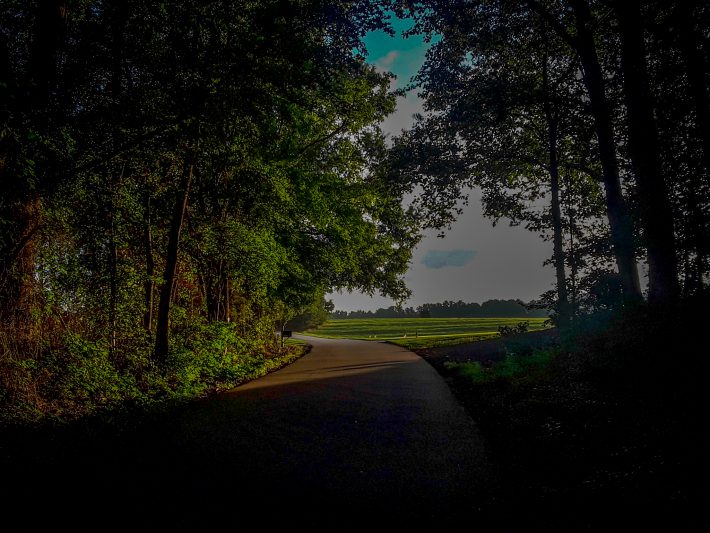
On the sunny side of things, I took a bike ride this morning at 6:30 and saw this lovely view as the sun came up:

Visitor

Independence Day 2020

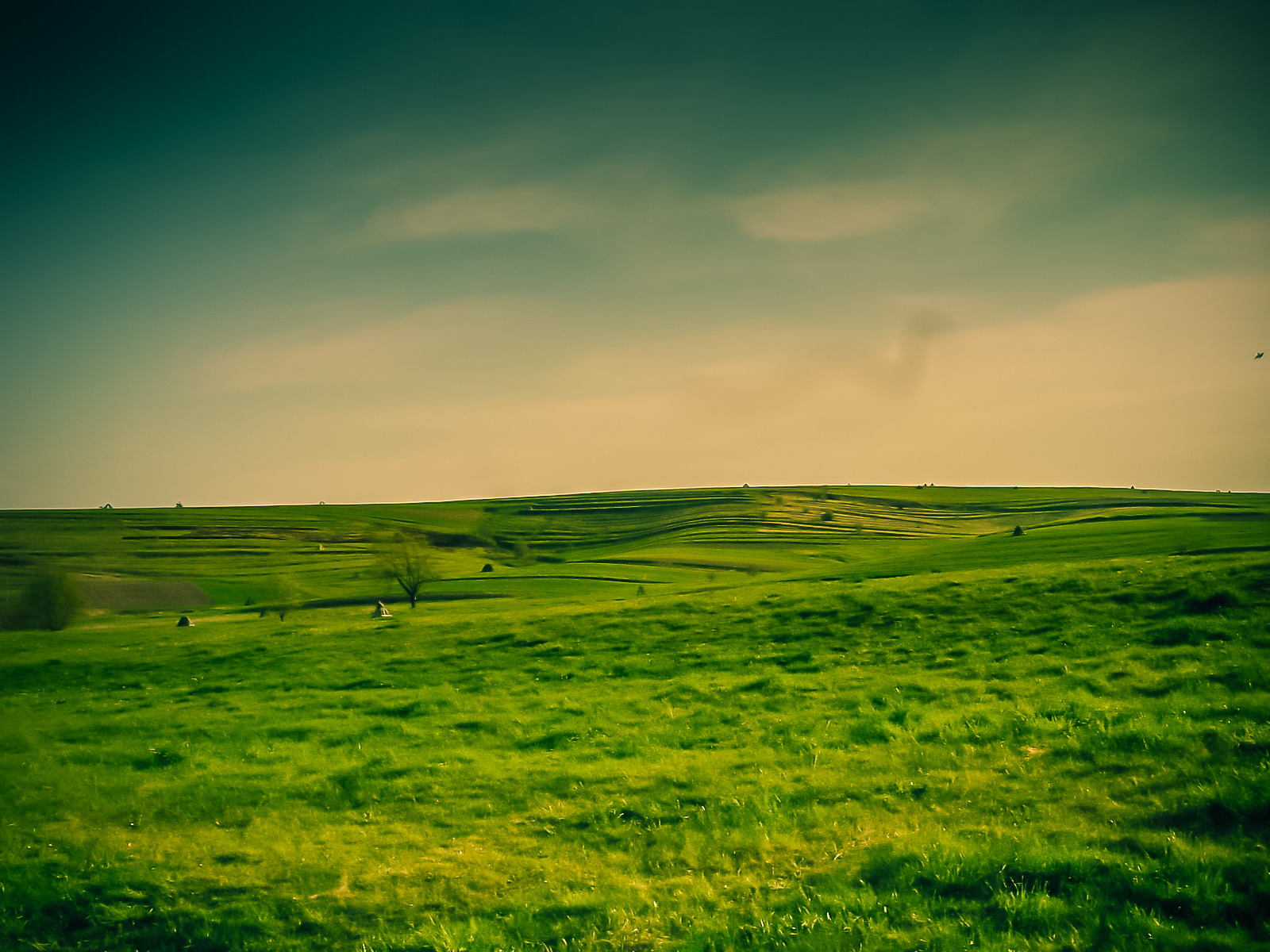
Not much for today — didn’t even take any pictures. Here are three re-worked pictures for Boston in 2002.

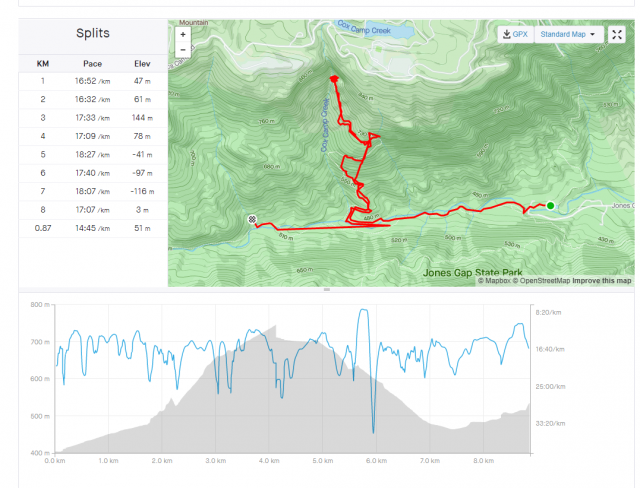
Jones Gap

We've been trying for some time to make it to Jones Gap. The last time we tried, we were turned away because the park was already full. We made it today, though.

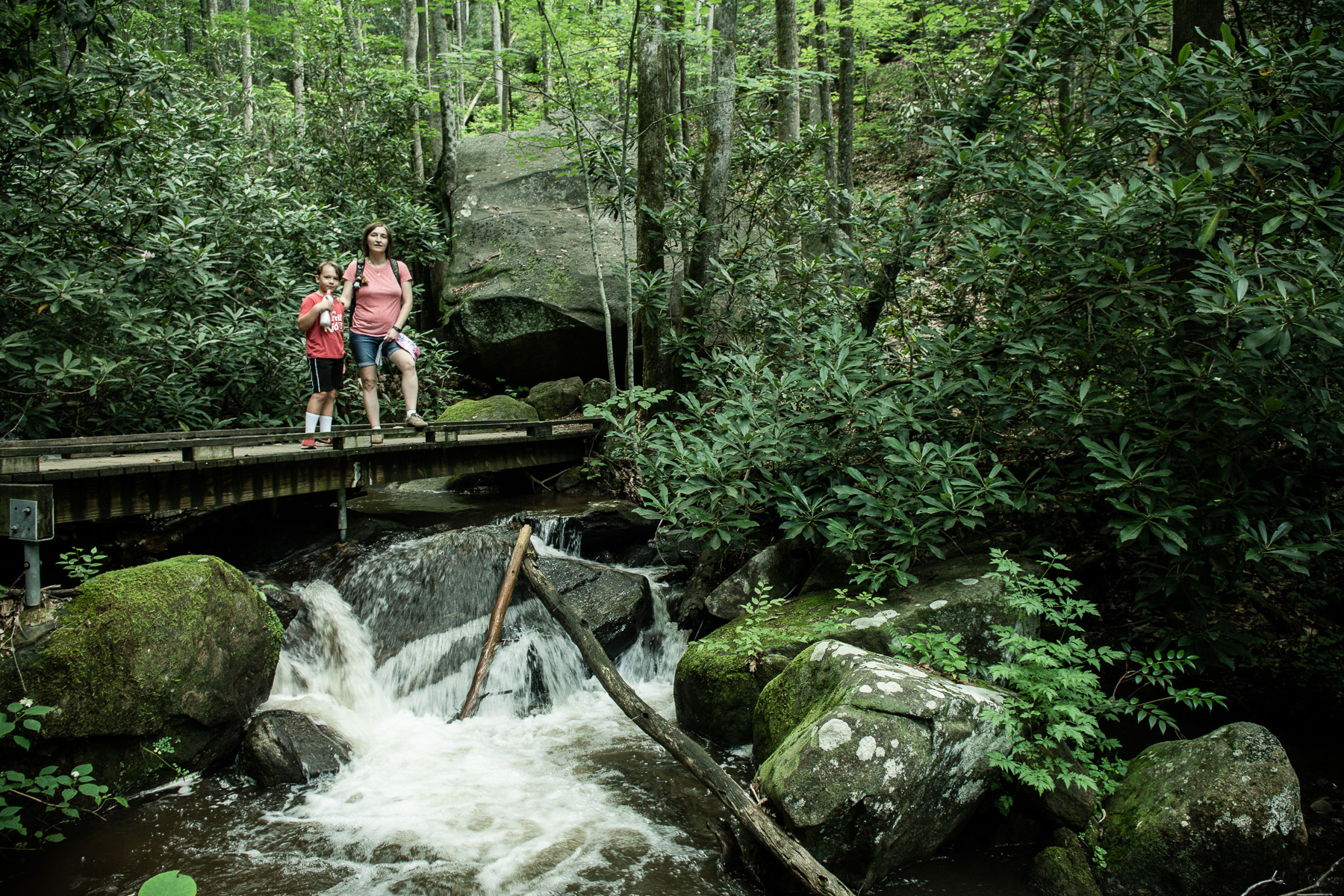
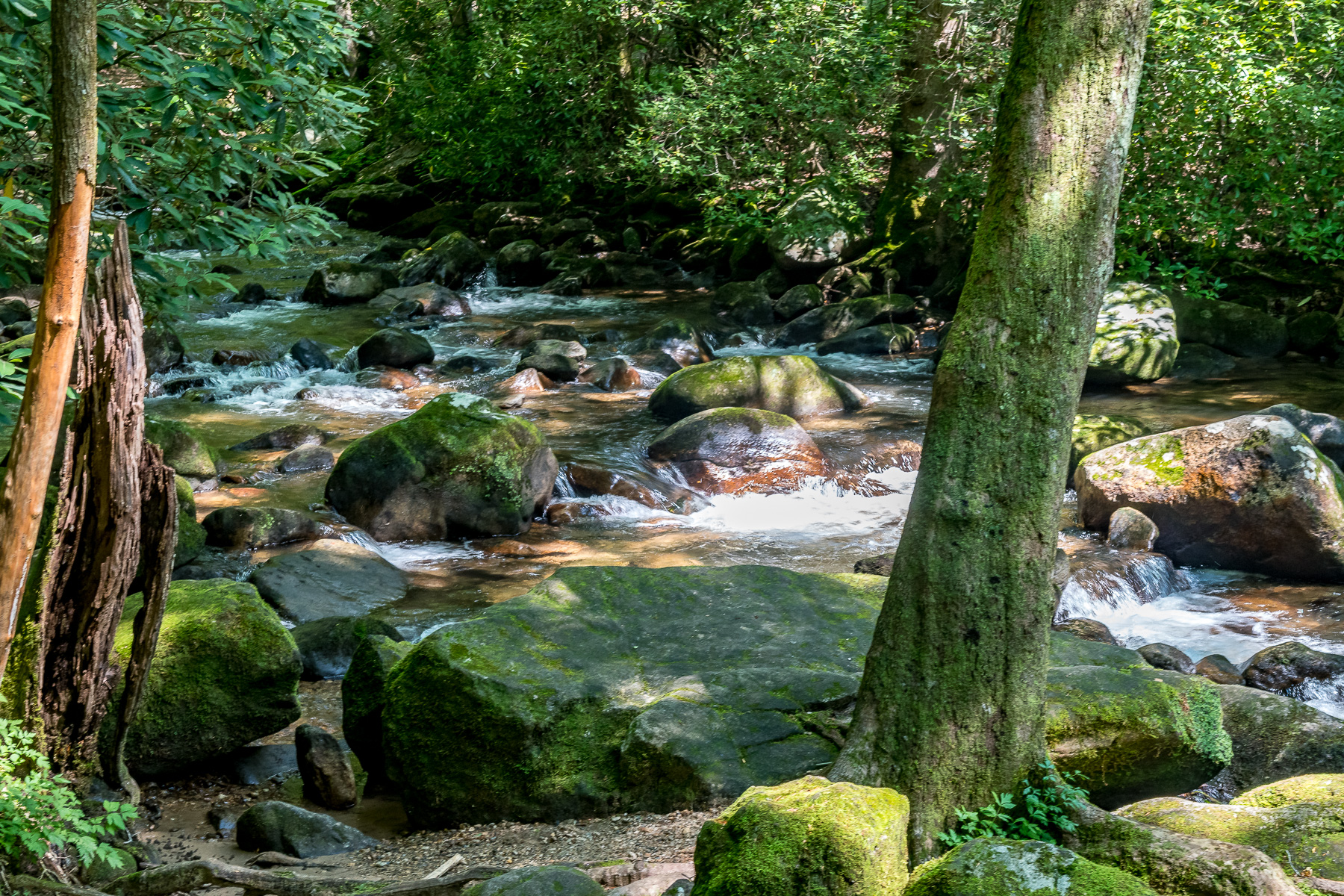
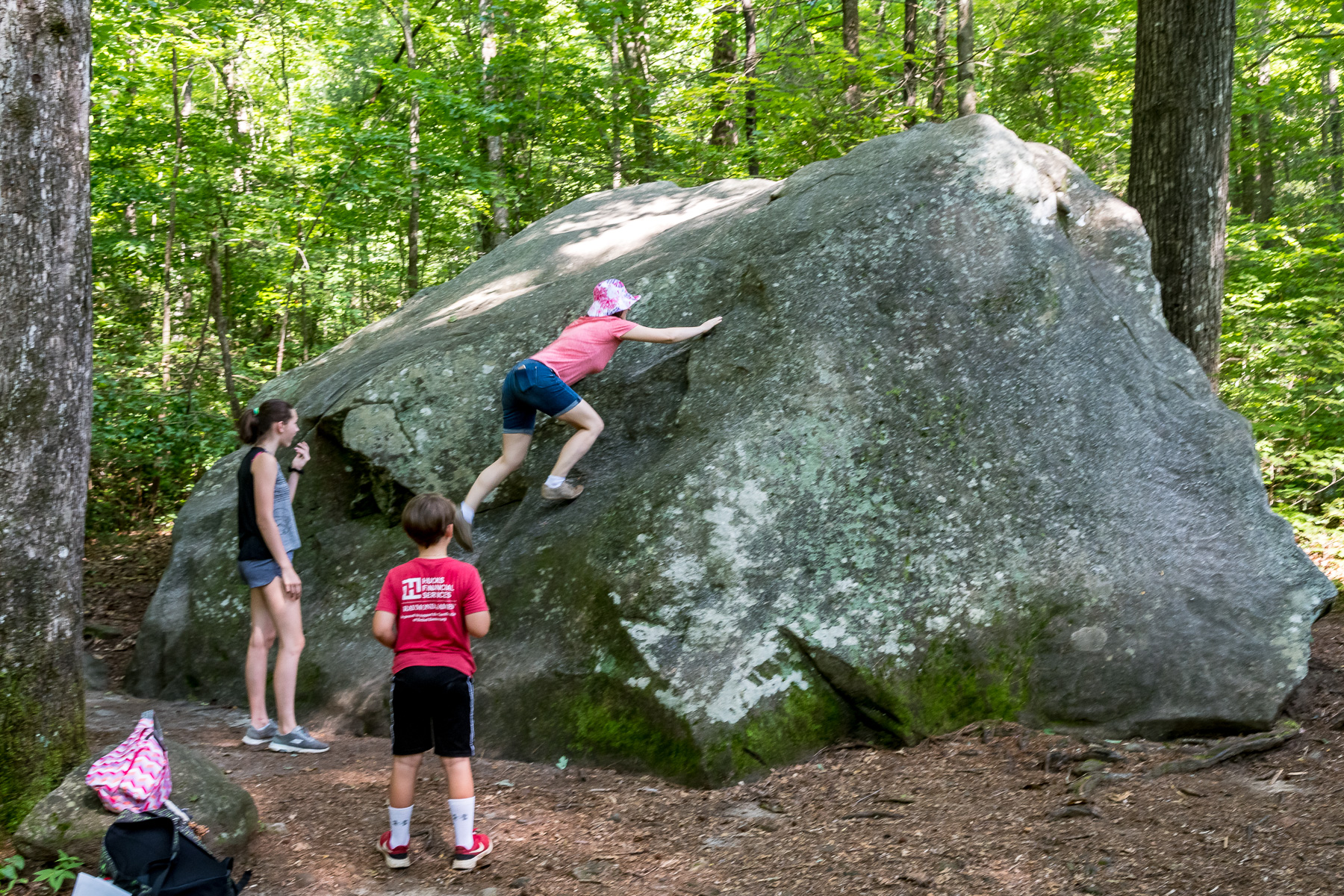
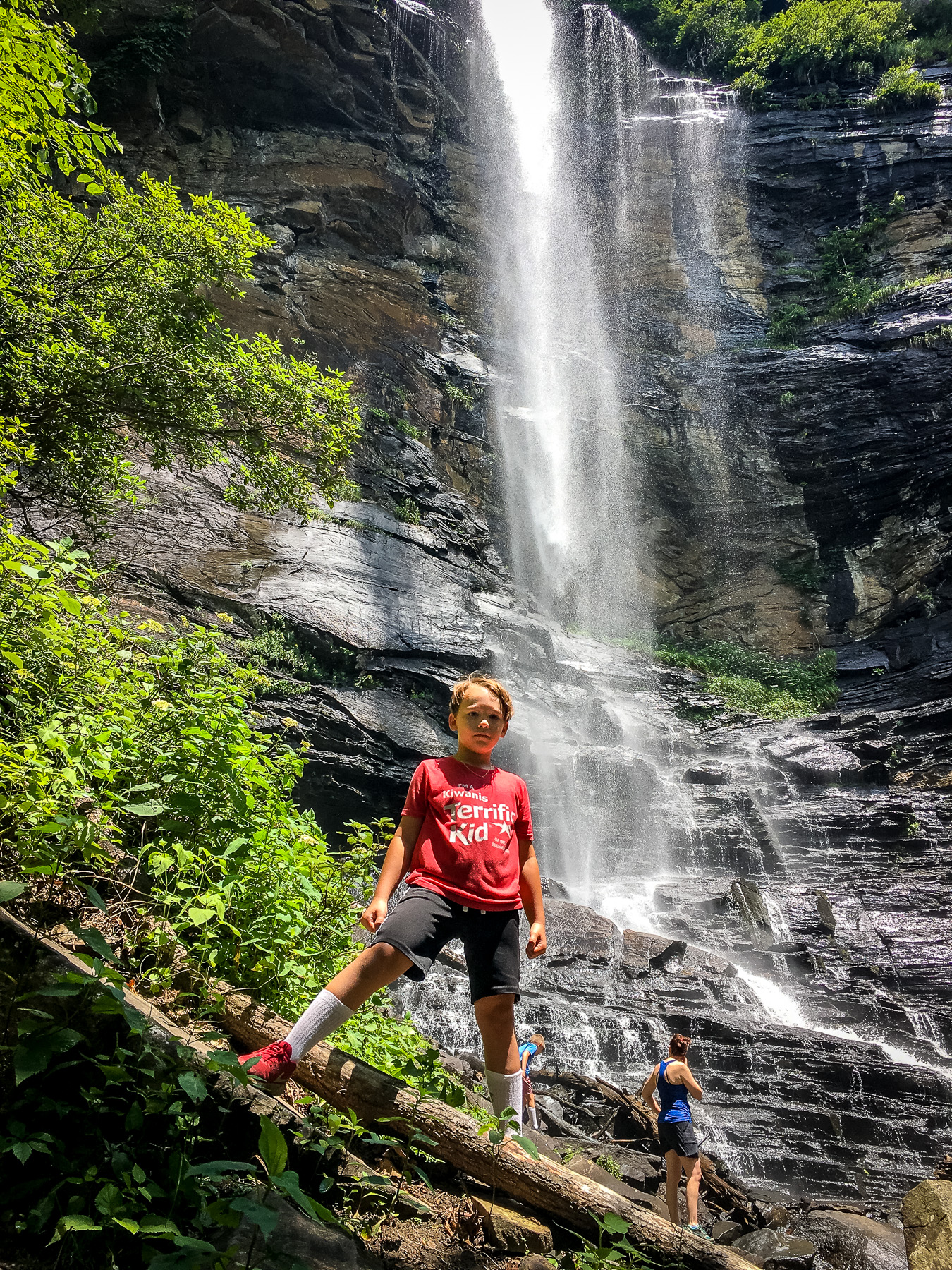
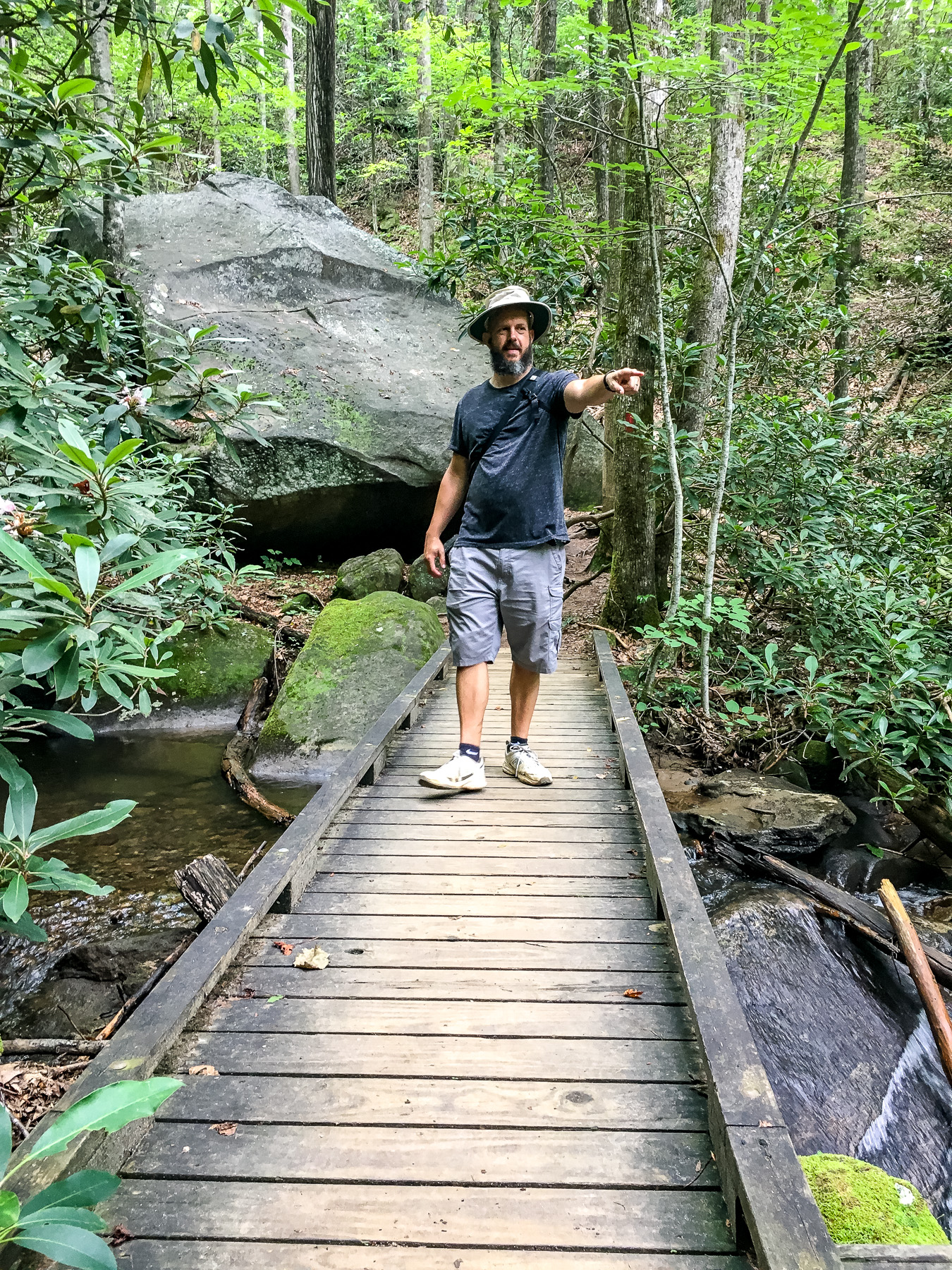
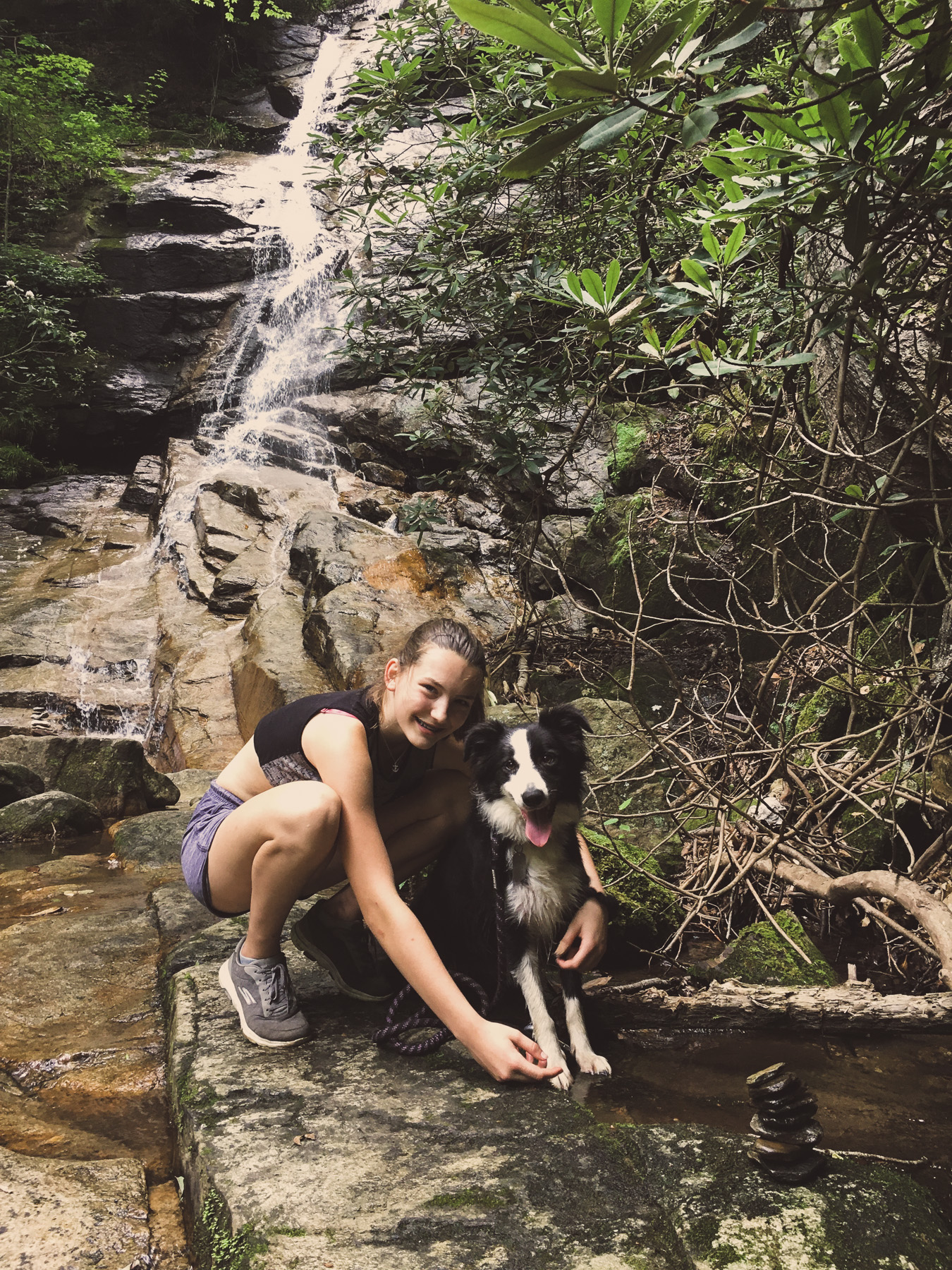
Just barely: 7 miles (the Fitbit died before we finished) and something like 1,300 feet of climbing. The kids loved it. Mostly.

K even took a few pics on her phone.

The Shop Across from the Church

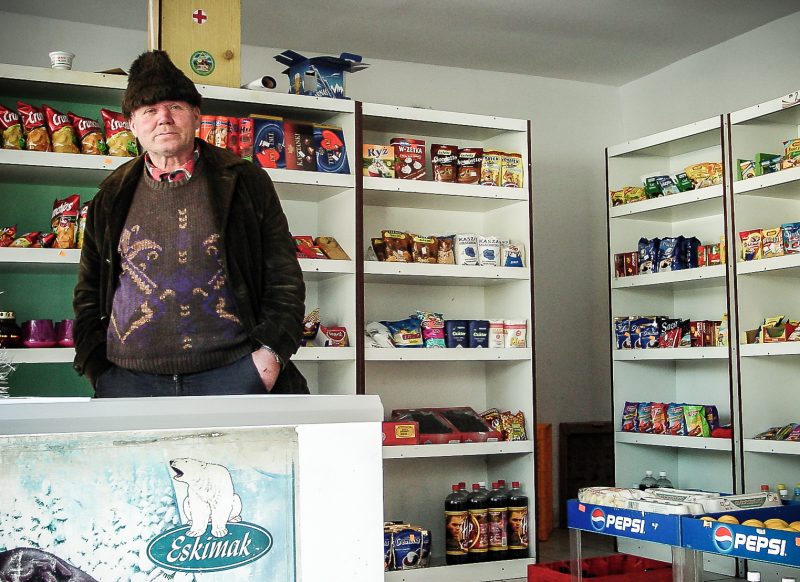
It’s four o’clock. My lessons are done, and because I’m repeating today’s lessons tomorrow with different sections of the junior and senior classes, I have no planning. I also have no sandwich meat — a staple in Polska — so I wrap up in my layers and head down the street to my friend’s shop.

It’s a frigid day, and no one is out unless he has to be out. Stasiek sits behind the counter, head propped with one hand, bored and waiting for customers.

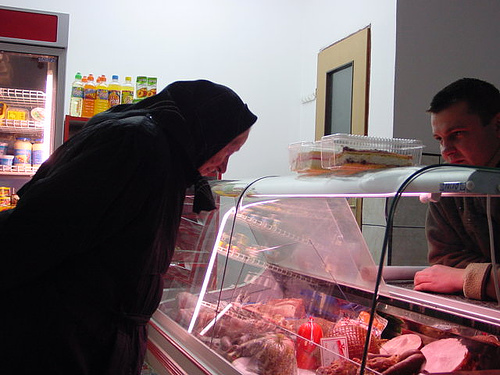
I buy a cola, and we chat while he slices some ham for me. We chat about mindless things, but we chat in Polish. Stasiek is one of my few friends with whom I have an entirely Polish relationship: only rarely does he try English with me, and usually only as a joke.

Soon, another customer staggers in and immediately begins telling slurred stories about the time he went to work in Iraq, back in the sixties. He tries to speak some Arabic for us, but to me it’s no more unintelligible than his slushy, thick Orawian dialect. I engage the defense mechanism I’ve honed to perfection in this small Polish village: I smile, mumble assenting phrases, and avoid further unnecessary eye contact.

Stasiek senses my unease and offers help: “Uncle, do you need anything else? You’d probably better start heading home.”

Soon, Michal, a former student and now mutual friend, comes in, grabs a bag of bacon-flavored chips, tosses a coin on the counter, and joins our conversation. As he talks, he looks about for some thing or other, muttering a greeting to the still-rambling, inebriated customer, asking occasional questions about the merchandise.

Shopping in Poland II

Michal and Zbyszek, former students, are there, and soon we’re playing a Polish card game called Tysiąc (Thousand). I’ve been playing it for several weeks now, but I still don’t fully understand what I’m doing.

DSC00014bw