matching tracksuits

fun in threes, sometimes fours

Month: September 2019

Last Swim

Our kids have grown up swimming in the pool at Nana's and Papa's condo complex. More often than not, we were the only ones there, and the kids really came to think of it as a private pool for us. "Oh, someone's here," was the common moan when we pulled up to find that someone from the complex was already there. In all the years we've been going there, I can think of exactly one time when it seemed crowded: at most, there were half a dozen other swimmers there every other time.
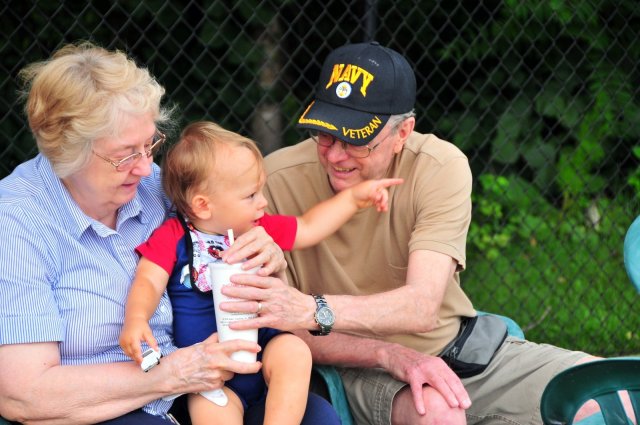
From 2013

Most often, Nana and Papa would meet us at the pool, and we would try to entertain them by entertaining ourselves. Lately, though, say in the last two years, Nana and Papa made it less and less frequently. With the problems she had with polymyalgia rheumatica, Nana had greater and greater difficulty walking, and they came less and less frequently. And then Nana passed away, and all the changes that came with that...

Now we're getting ready to sell the condo, and so this season will be our last season swimming there. Which meant today was our last day swimming there.

It's not the loss of the pool that has drawn me into a thoughtful mood but what it means -- the end of an era of our lives. Nana's passing was, of course, the most significant, the most painful, but since then, the door to that era has remained slightly open. The apartment was still there, still filled with furniture, dishes, clothes, and all the memories attached. After the estate sale, most of the furniture was gone. A few trips to a local charity and almost everything else is gone. The apartment is empty except for a large dresser that Nana and Papa bought in 1979 from a family in the apartment complex where we lived. They were going through a split up and everything had to go.
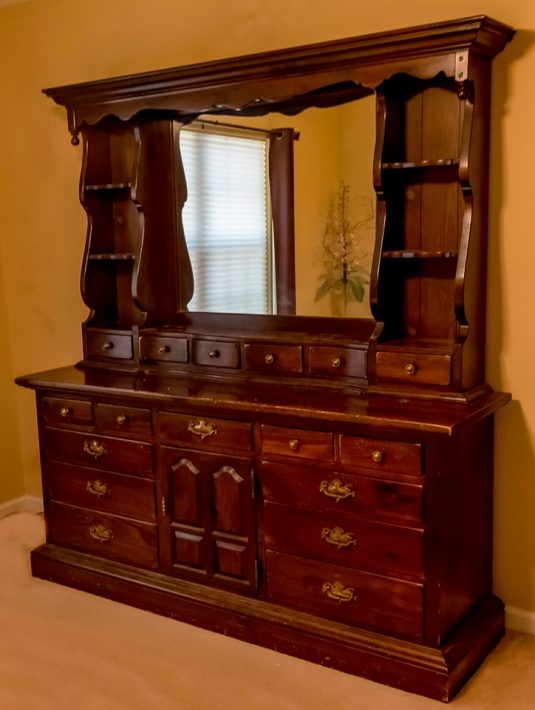
In 1979, I was six, so this dresser was a constant presence in my life, the one piece of furniture connected to the time when I was E's age. We've been trying to sell it for ages. We've dropped the price again and again until it's now almost free, and still no one is interested.

That seems somehow sadly appropriate. Who wants someone else's 40-year-old memories?

Through all this, though, we kept going to that pool this summer. Somehow I was unconsciously thinking, perhaps, that continuing ritual kept everything from changing for good.

From 2012

I guess what it is, is simple: that pool represents my kids as kids. It will bookend a period when they were both kids, for L at nearly 13 is no longer a little kid. She's nearly as tall as K, and her interests are maturing to match: she's started watching Grey's Anatomy on Netflix because so many of her friends have been watching it, and she wants to keep up with them. When we go to the store, she's asking to buy makeup instead of toys. The thought of going to Starbucks for some iced coffee drink nonsense thrills her. Our Daddy-L time is no longer playing with this or that but practicing volleyball. She's getting braces soon and will likely not find boys disgusting for very much longer.

It's all inevitable, but that doesn't make it any less bittersweet.
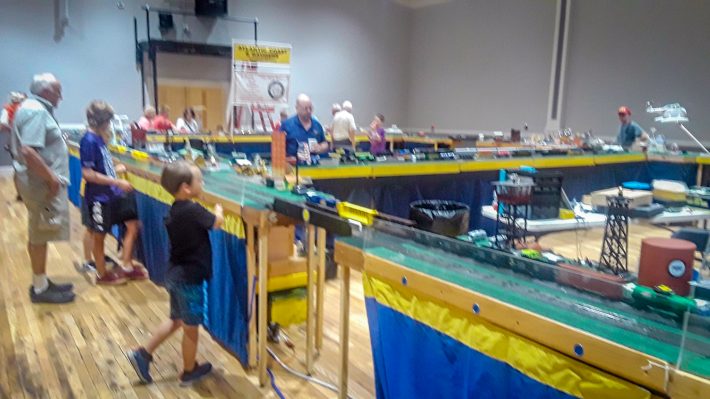
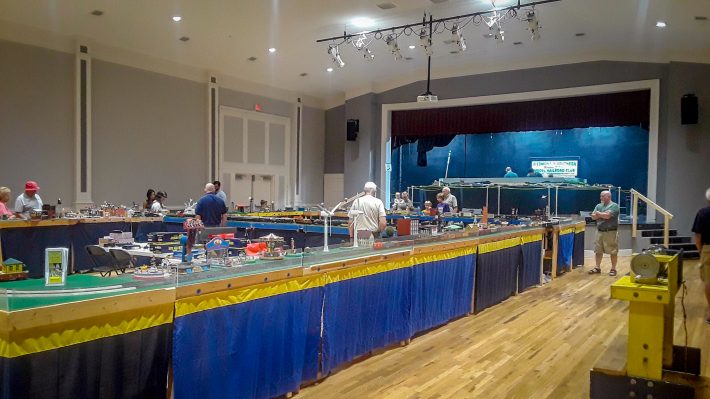
Train Show

“We’ll just go in for a little,” the Boy insisted.

“Ten seconds for each thing.” He’d been reluctant to go to the train show. Why? I have no idea.

We were there for considerably longer.

Montressor

We had one of my favorite lessons in English I today. I love that moment when everyone has the realization that Montressor is receiving the sacrament of Last Rites. It always kind of frustrates me that no one has ever gotten the importance of that one word, that little “You” that gets the ball rolling. I sometimes think that if I could set things up with some background knowledge, get them reading some texts that deal with the idea of confession, that they might figure that out. But still, how to do that without giving it to them immediately? As I told Emily A, the struggle is almost more important than the right answer. The struggle is where we build our mental muscles.

All classes have gone fairly well today. I’m exhausted, yawning and longing for a cup of coffee, but that is always a good sign. But still, on this end of seventh period, feeling the heaviness in my head, wishing I could just lie down and take a little nap, I wish I wasn’t quite so tired even if that means lessons didn’t go quite so well.

9/11 Anniversary

It’s odd that today is the anniversary of the most significant and deadly terrorist attack in US history and I’ve heard almost nothing about it and I’ve read almost nothing about it in the press. Eighteen is a somewhat odd anniversary. Ten years, fifteen years, twenty years — these are significant because, well, I guess they’re half decades. But eighteen? Doesn’t have the same kind of significance — doesn’t feel that way, anyway.

It’s difficult to believe it’s been eighteen years. I’d just moved back to Poland, and for me, that’s what’s more difficult to believe: it’s been almost twenty years since I moved back to Poland after those two wonderful yet horrid years in Boston. That’s such a central period of my life, so significant, and I tend to organize my life around that as a milestone — when I had the courage to follow my inner voice, to do what seemed like the crazy yet right thing to do. I had a girlfriend; I was engaged; I had a great job making great money in computer programming; I lived in arguably the best city in the States, a city that feels small but has everything a big city has to offer. And I gave it all up and went back to Poland — what a crazy thing to do.

The attack itself — what a strange day. I remember coming back from school and trying to figure out what Pani Barnas was saying, something about a plane hitting a building, some kind of terrible accident. It was around four o’clock in the afternoon, so that made it 10 in the morning here. That would have been sometime between the two towers getting hit. I have a memory of watching the second plane hit the tower on live TV. Karol had stepped into the other room and I called him back: “Popacz,” I said, as if there were any other reason to call him back.

These kids were still four or five years from being born. What a thing to make you feel old. The kids I teach now weren’t even alive: I can’t ask, “Where were you when 9/11” happened. “Not even born yet,” they answer. That makes it like something that happened in, say, 1967 for me. I can’t think of anything significant that happened then. Was that when Israel was fighting one of its many wars of the 60s? Was that the Six Day War? Can’t remember.

Band

I stopped and listened to the band rehearse a little while after my morning duty, and I realized how much I love the fact that Hughes has a band. It teaches kids a lot of valuable lessons — above all, teamwork. It is the ultimate group project because no one can slack if it’s to sound right in the end, and unless it’s a concerto or something, there are no stars so to speak. Everyone has their little part to play, and often those things don’t even sound all that good by themselves — a bit plain, a bit boring, a bit repetitive — but in the end, it all comes together to create something greater than the sum of its parts.

Other benefits: the self-control (one cannot play what one wants as loud as one wants), the discipline (practice, practice, practice!), and the simple value of learning music, which improves cognitive abilities and creativity among many other things.

I played sax in the band in fifth and sixth grade, but once I got to junior high (we didn’t have middle school, just junior high — seventh and eighth grades), I quit. In eighth grade, I talked my folks into letting me sell my sax and use the money to be a CD player. CD players weren’t brand new then, and that’s why my father agreed to let me buy one: it was clear it wasn’t just a fad, something that would disappear in a couple of years like Beta Max tapes did. Still, thirty-some years later (I was in eighth grade in 1986, I guess), they have proven to be little more than a long-lived fad.

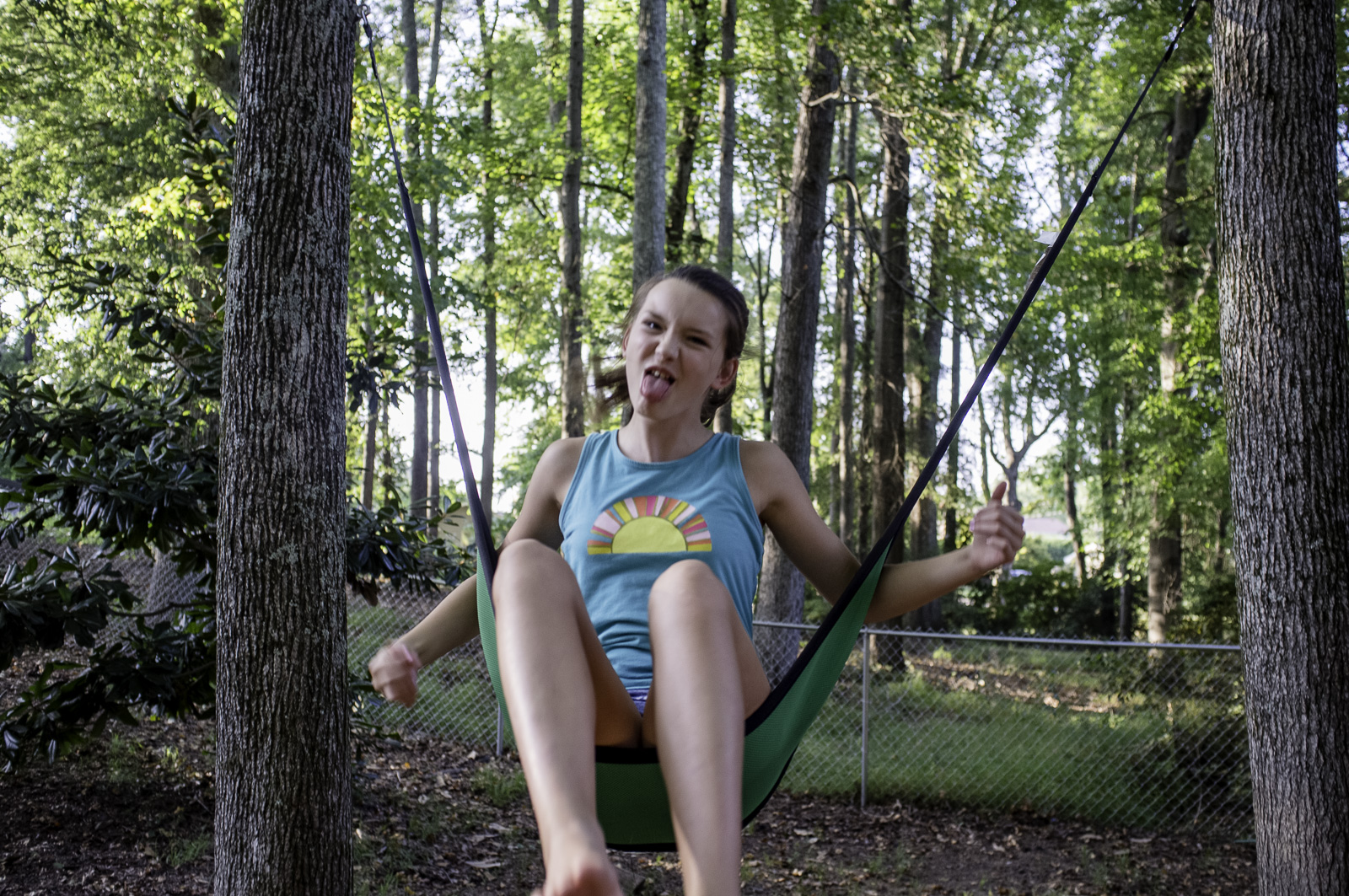
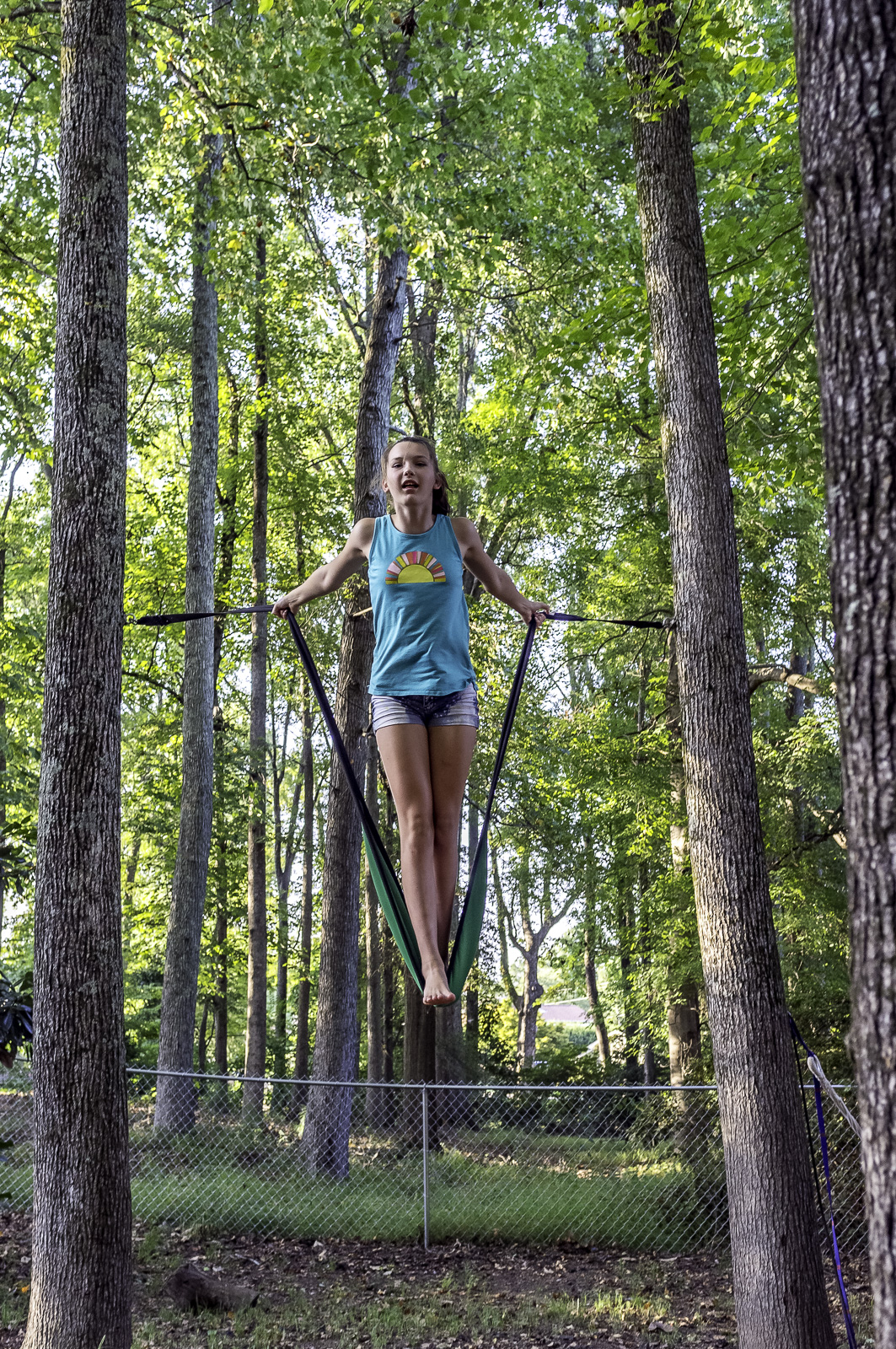
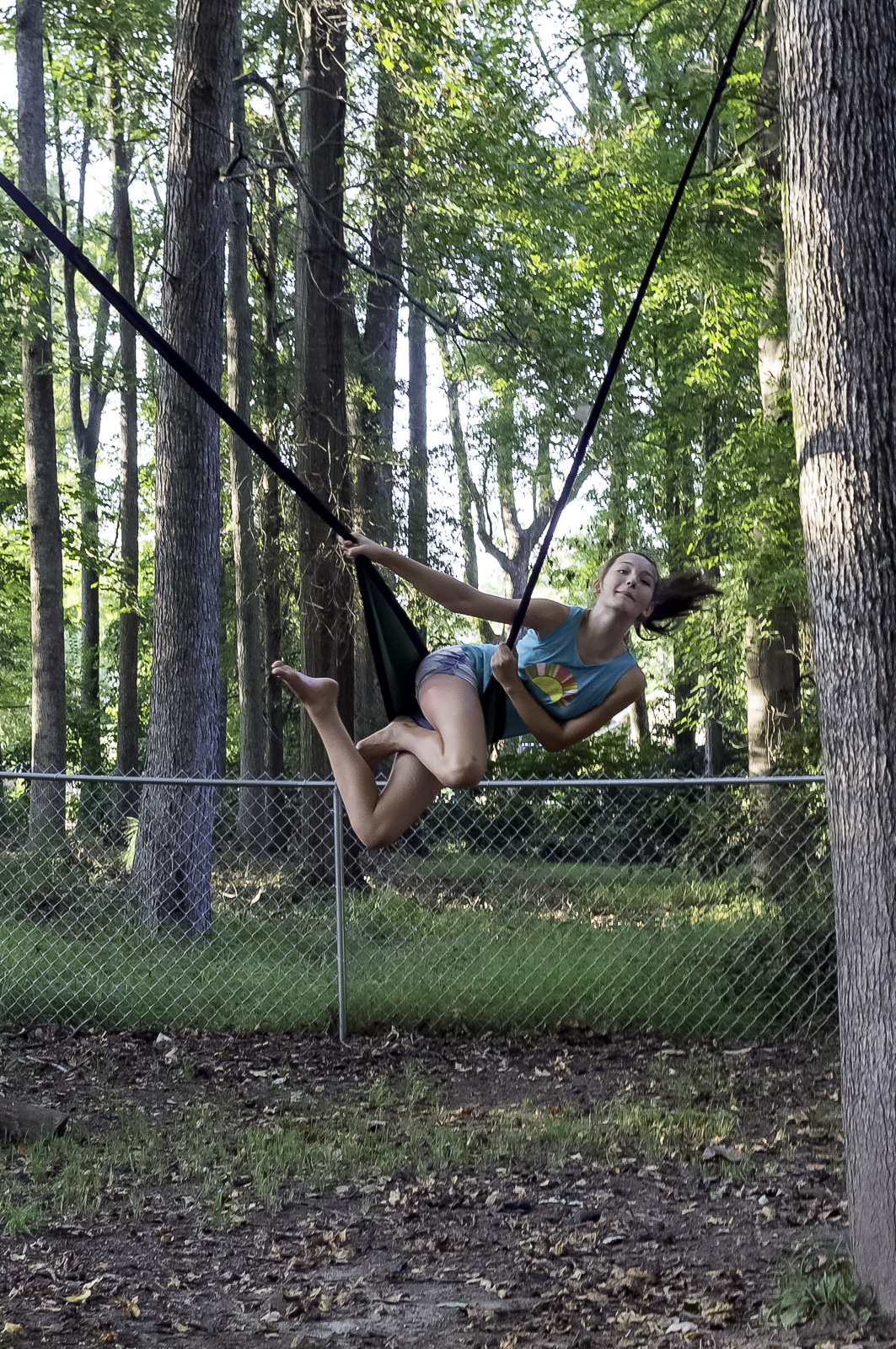
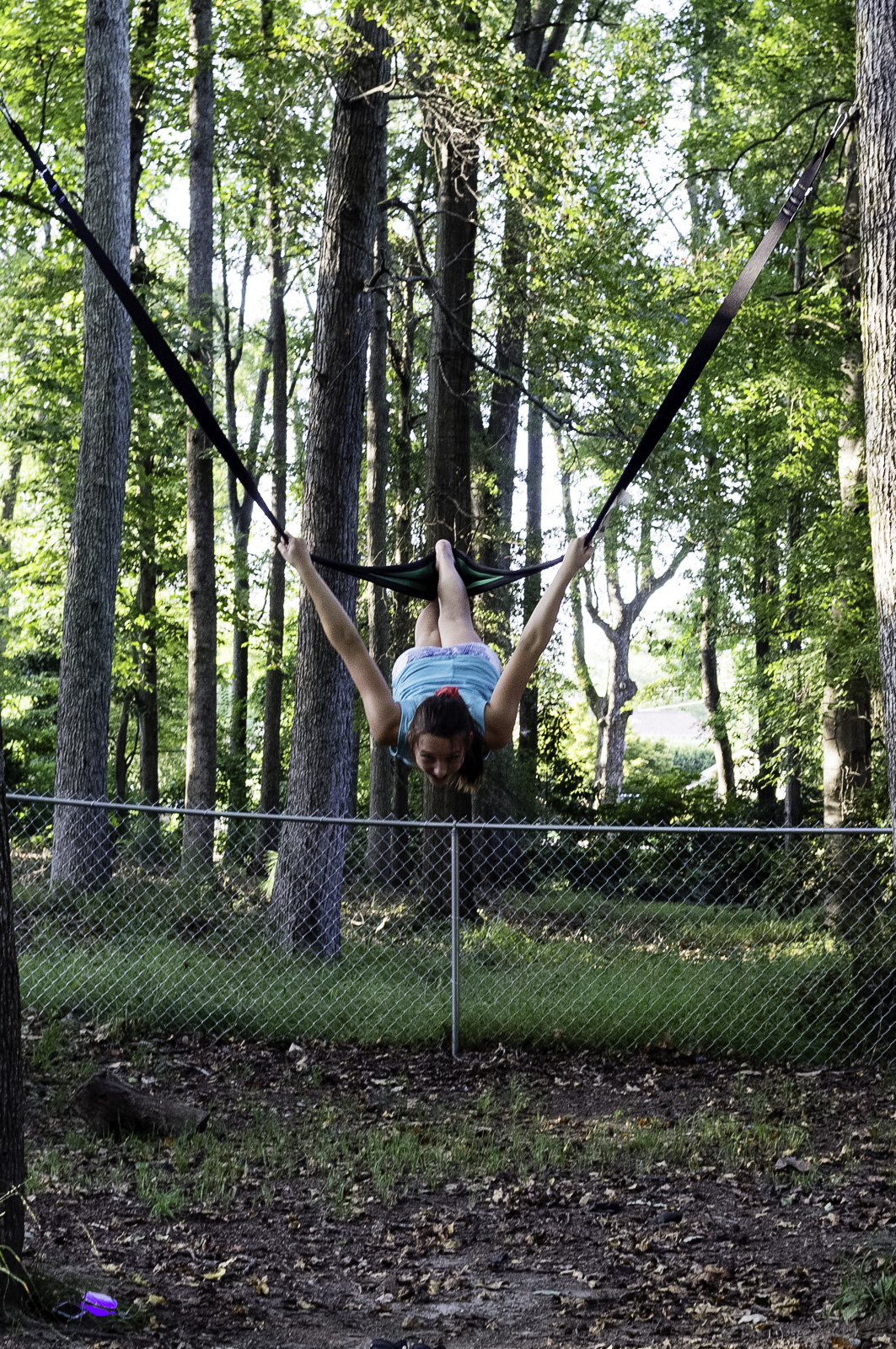
Down at the Swing

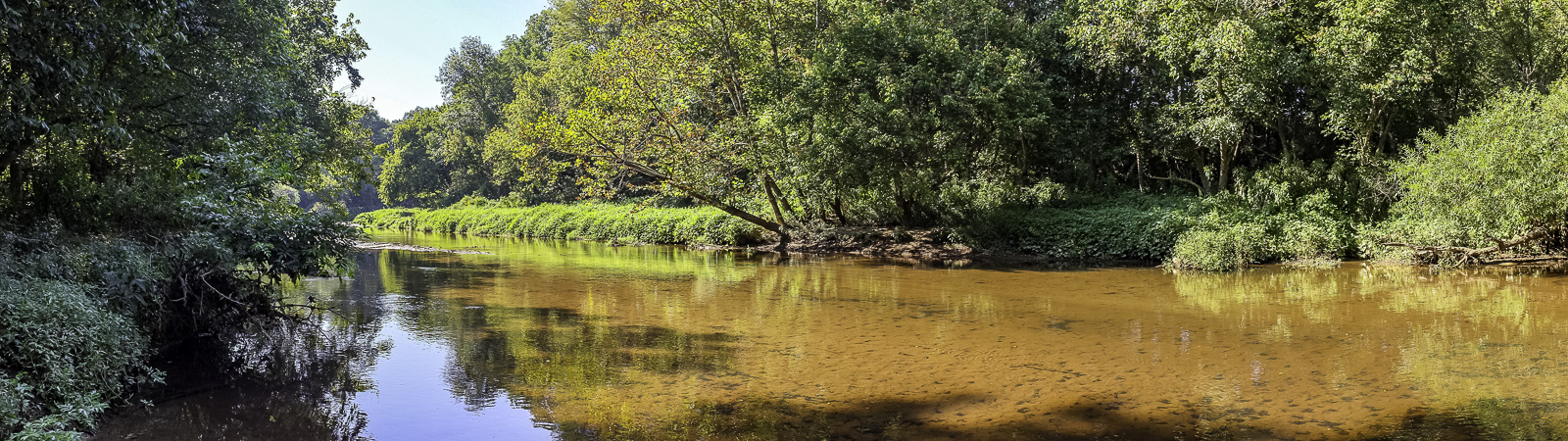
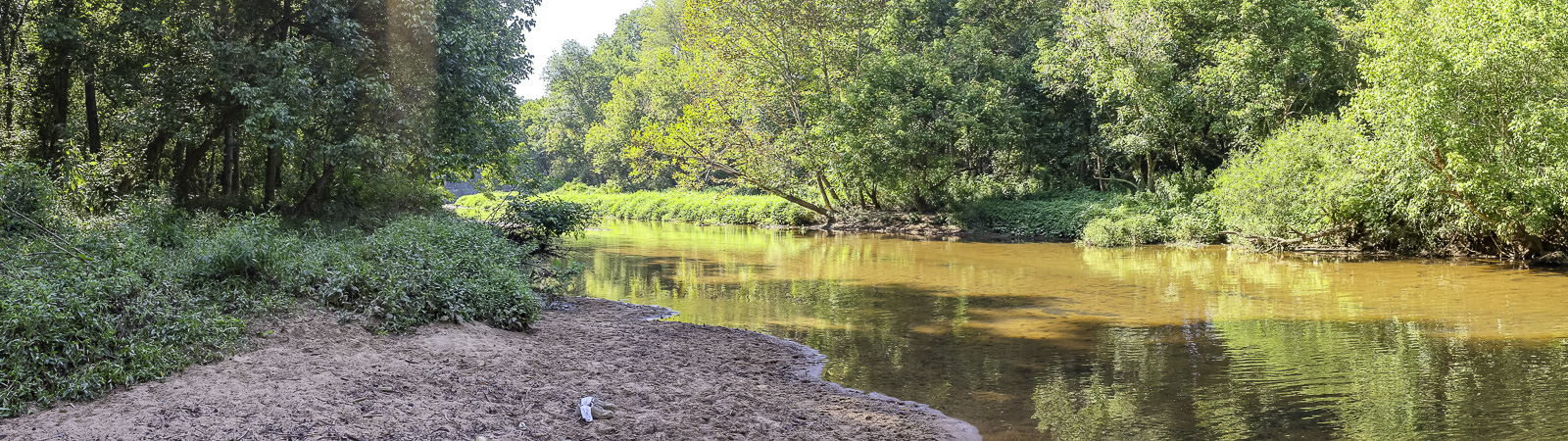
Afternoon at Conestee

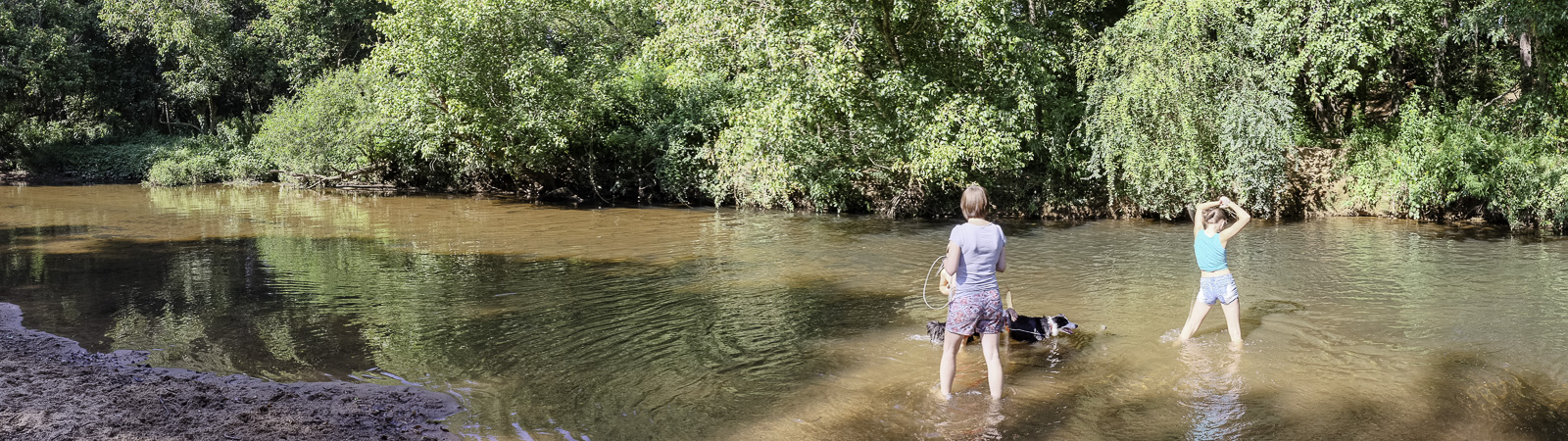
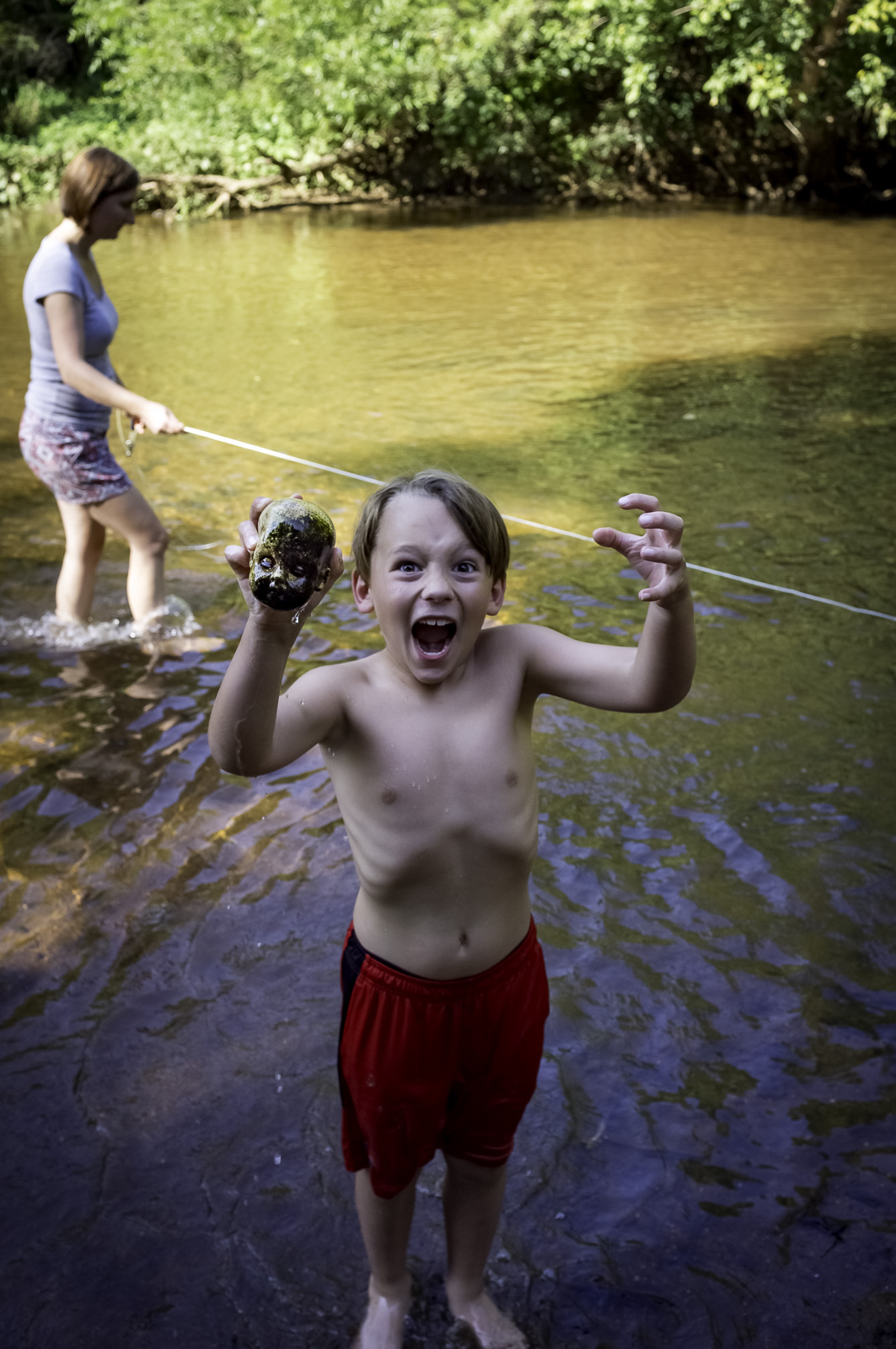
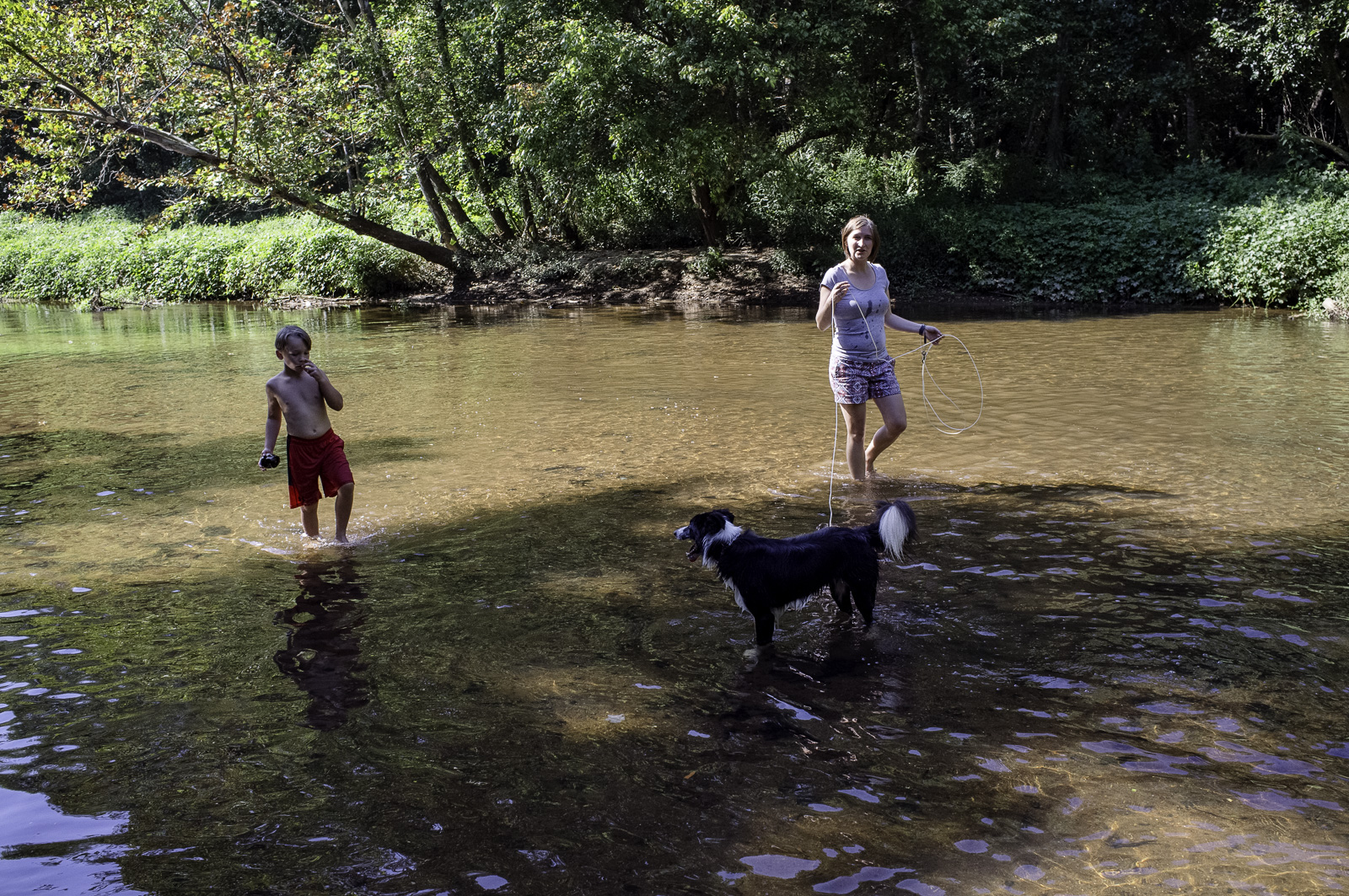
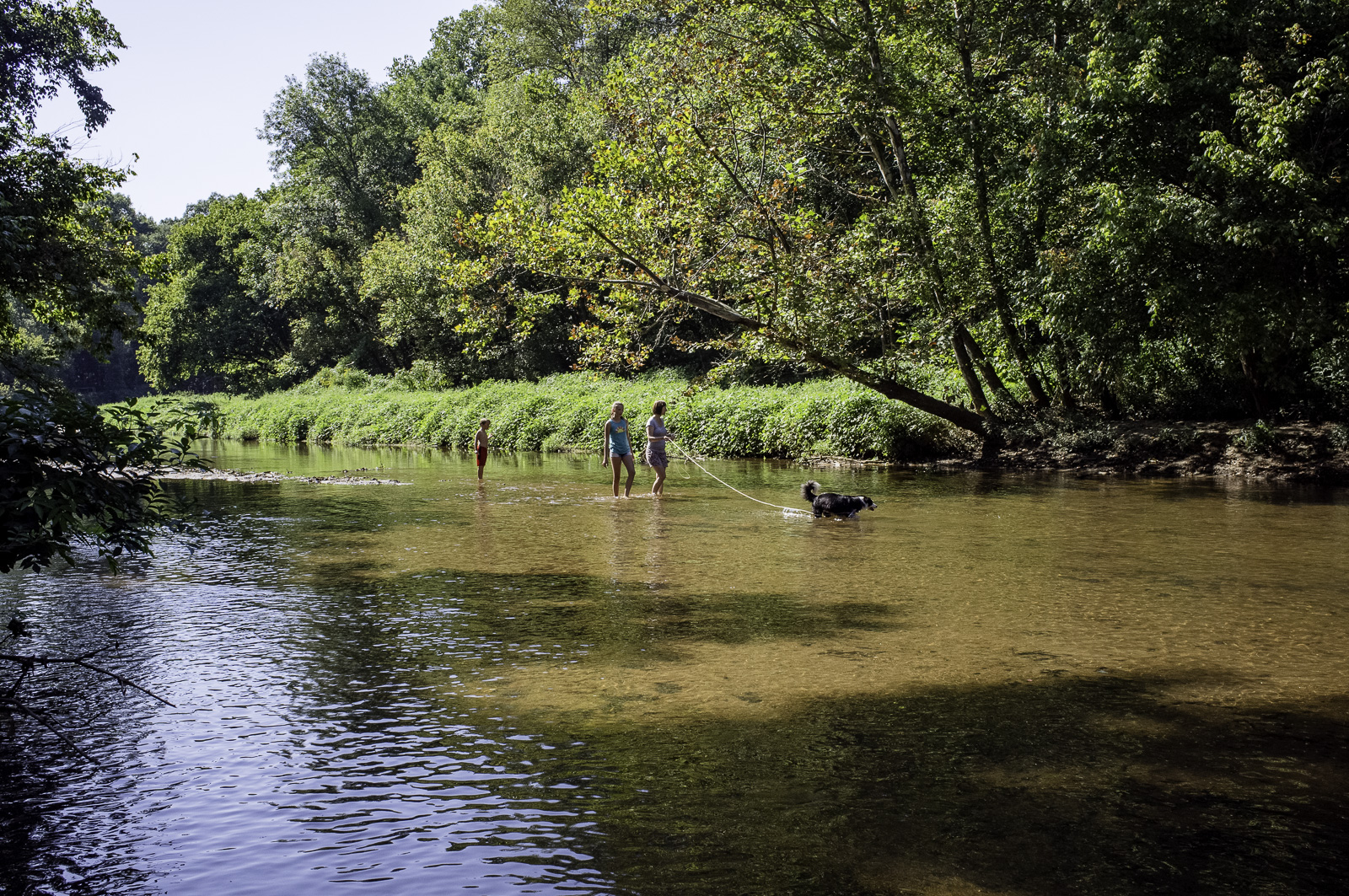
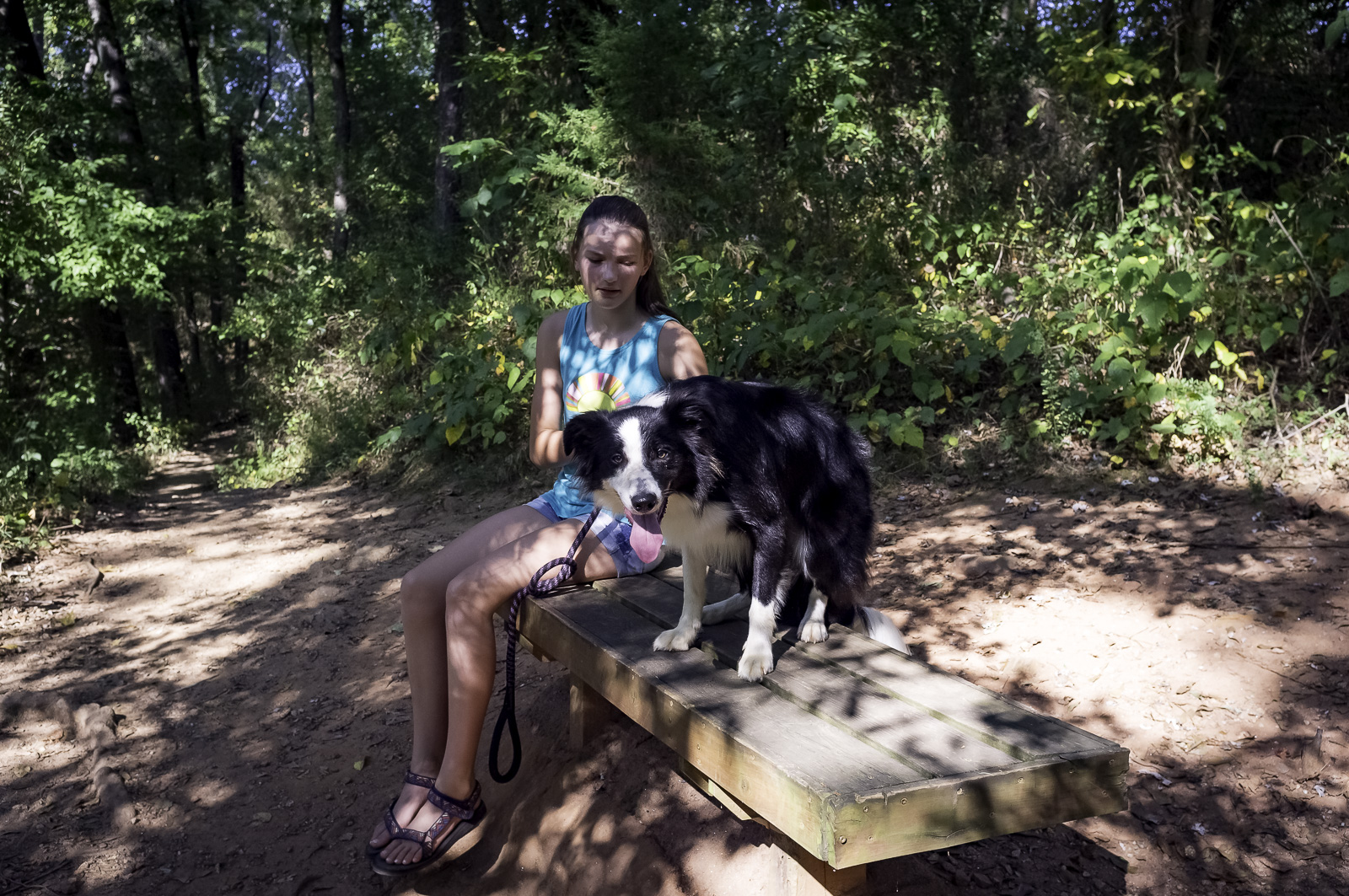
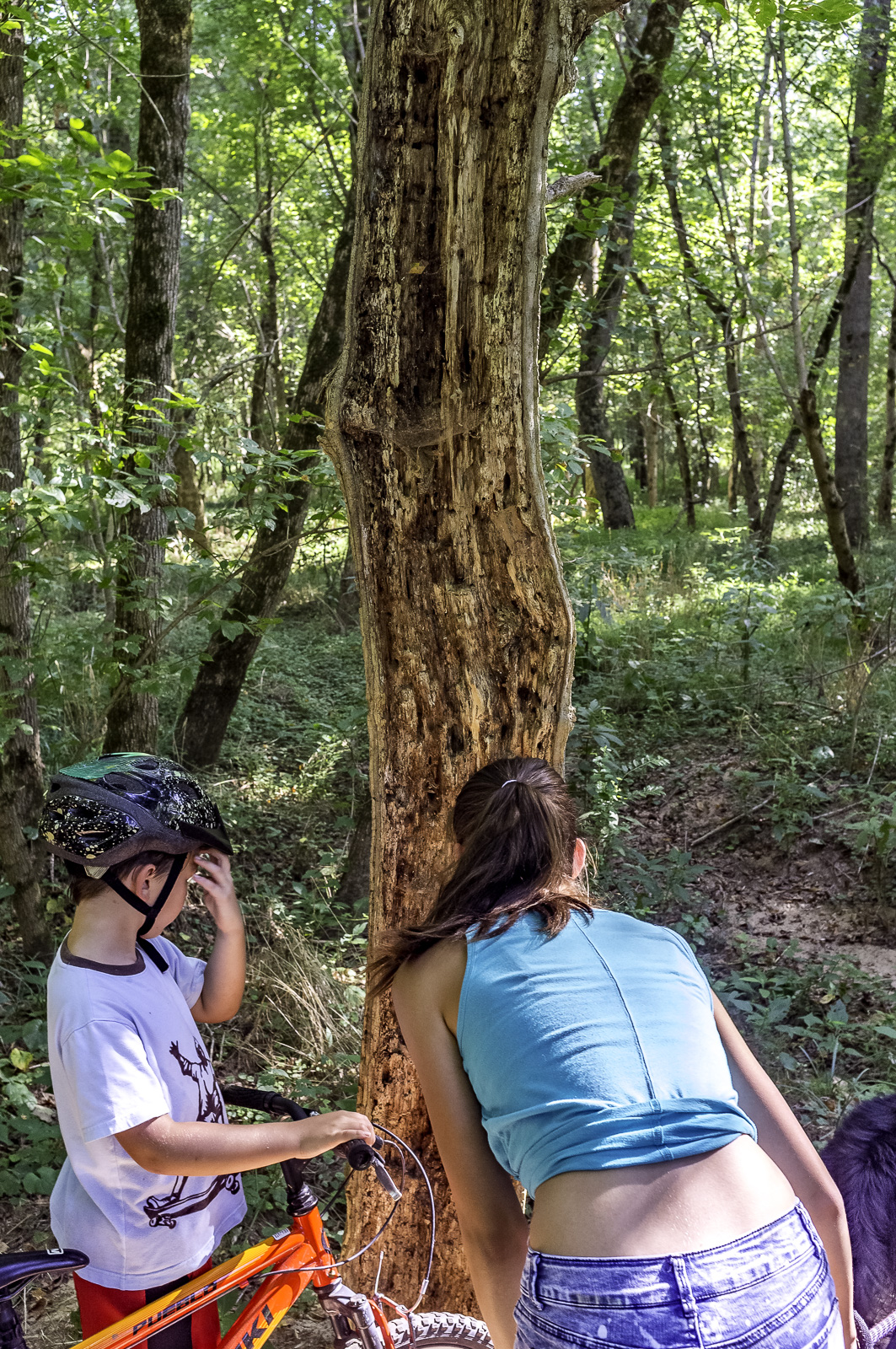
The Boy has been begging us for family time. I must admit: he's sometimes the driving force that finally pushes K and me to plan some time for the four of us together. He really wants us to take a bike ride together, but right now, my back wheel has a broken spoke, and the Girl is not the easiest person in the world to convince to go on a ride. So we settled for a walk in our favorite local park.

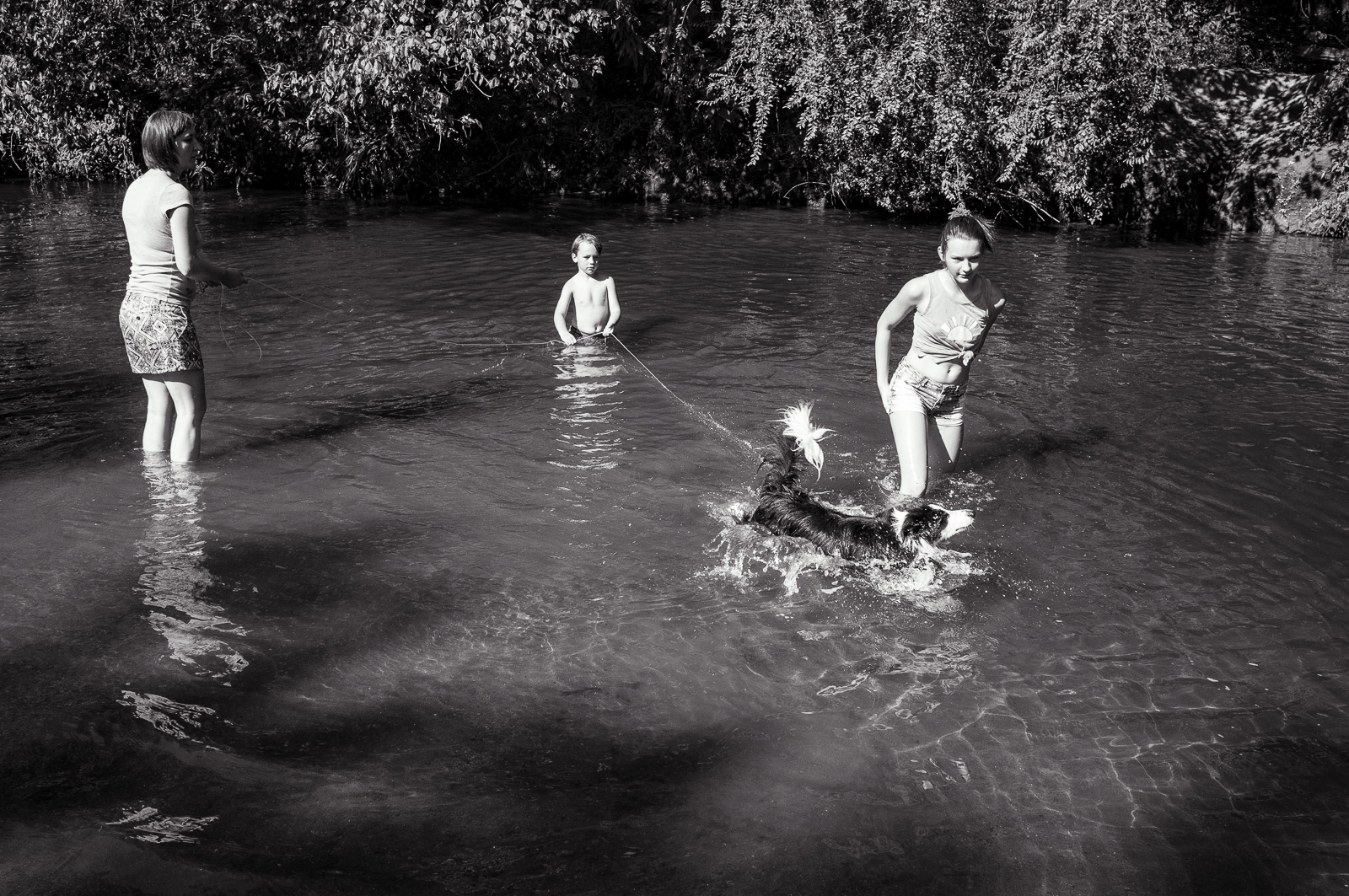
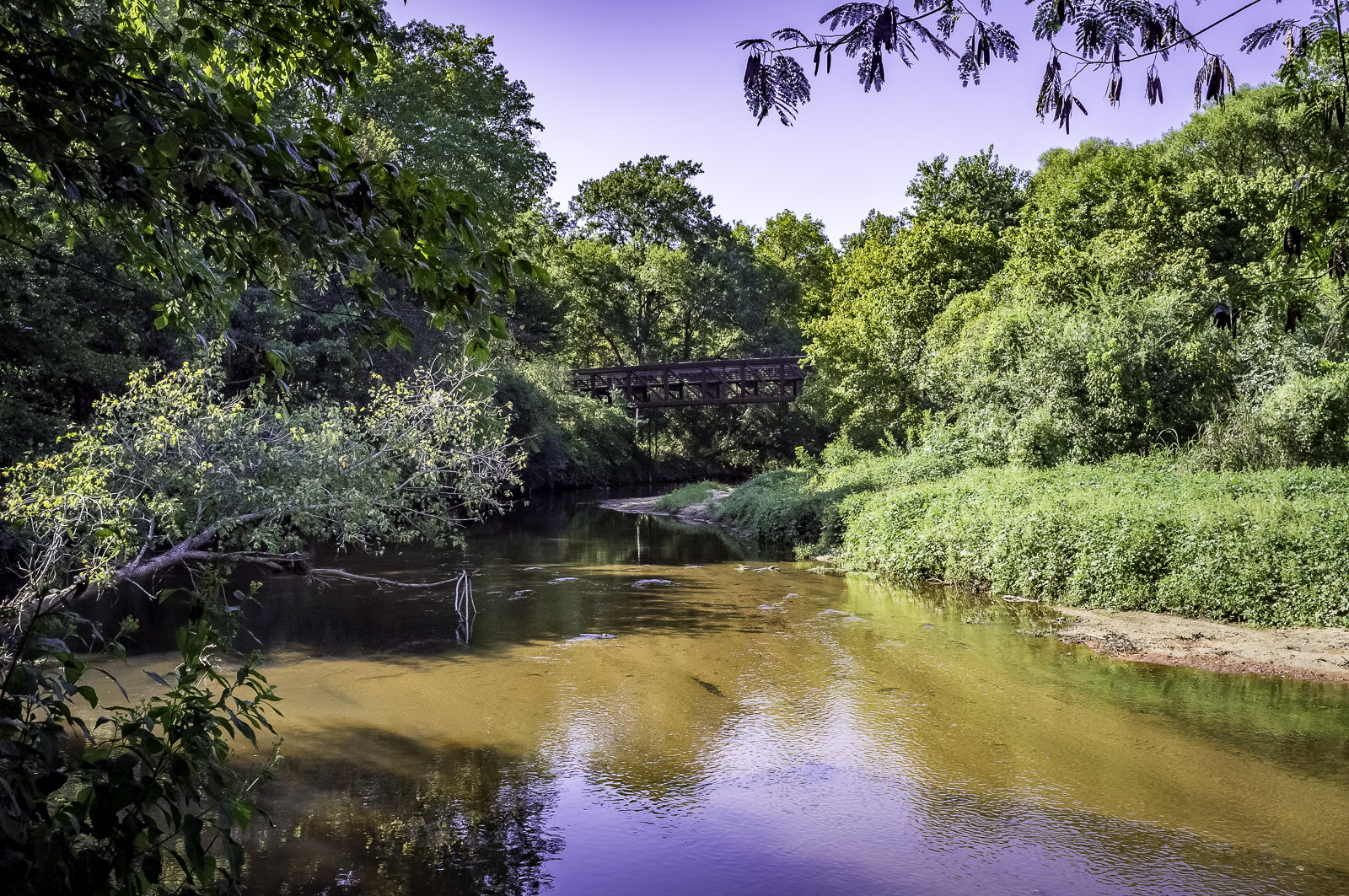
We took a long line for the dog and let her play in the river. She's gone from being terrified by the water to loving it. Well, maybe not quite loving it: She doesn't really like actually swimming, but she does enjoy splashing about.

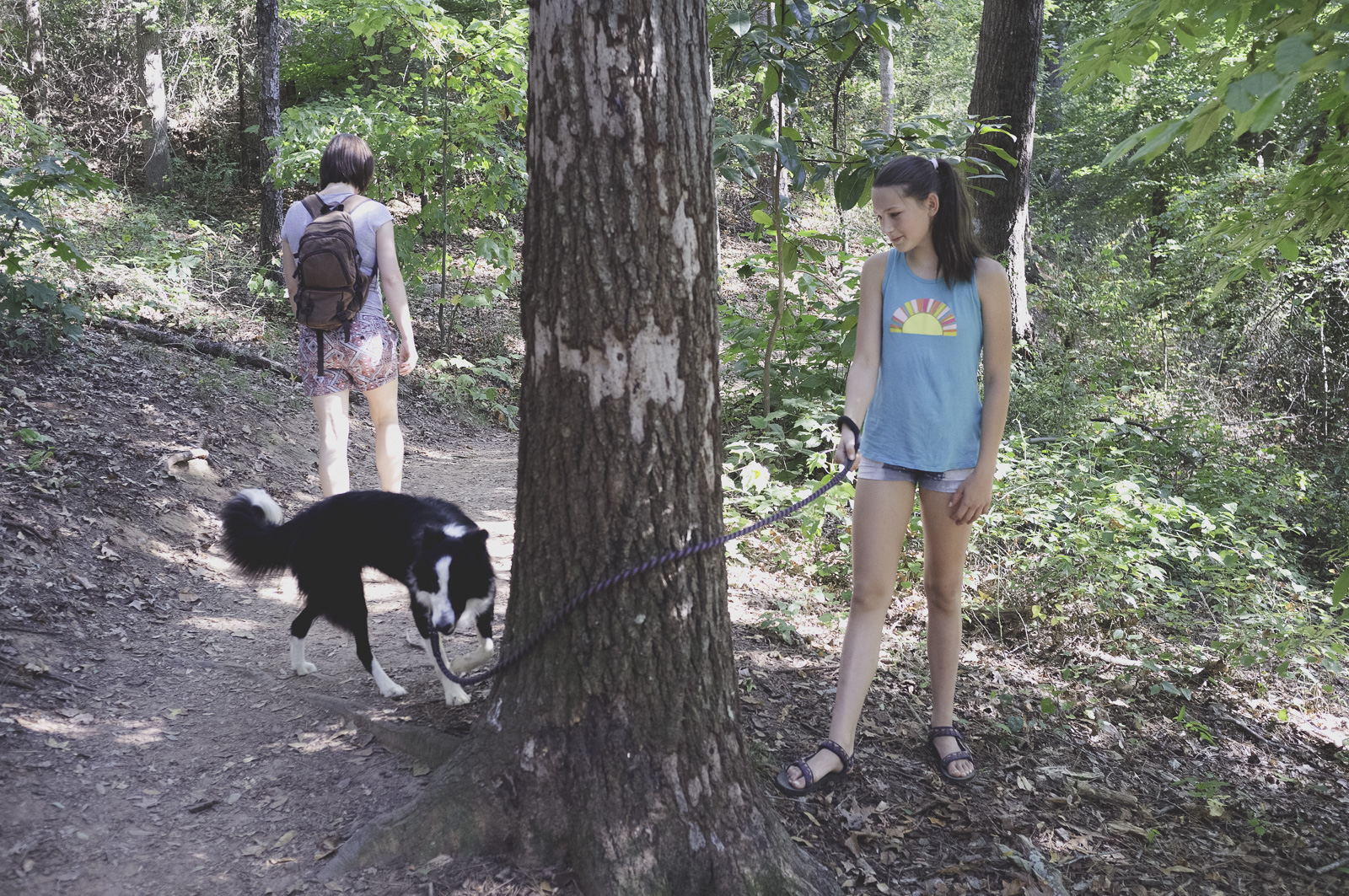
The Girl managed to get Clover to realize, at least for today, that when she tangles her leash around a tree, she just has to go the opposite way to unwrap the leash. A simple thing, and yet not so simple.

Fear

Dear Teresa,

There are some students that I would believe could be afraid of me. I do try to seem sterner in the opening days of the school year than I actually am — it’s not an accident. It’s an act, but not an accident.

You, though, try to come off tough as iron, as if nothing moves you, frightens you, or disturbs you. That was certainly the impression I got when I met you, and it was certainly the image previous teachers painted. Or at least, that that was the impression you wanted everyone to have of you.

So when Mr. Smith told me that you absolutely refused to come to my room during advisory period to get help with your work on account of being afraid of me, I had to smile a bit.

Don’t get me wrong: I don’t really want you to be afraid of me. But a little fear does go a long way: It has shades of humility that you try so hard not to exhibit. It has shadows of understanding one’s place and accepting it, which you try so hard to suggest you don’t do, won’t do, for anyone. Those attributes are essential for being able to accept help. And we all need a little help.

With hope for a fear-free, help-filled year,
Your Teacher

The Year So Far

During homeroom, students had a simple task:

Go to the Hughes Website and select two teachers/administrators/counselors and send an email to them telling them how your year has been so far.

A few minutes after everyone had left for first period, I had a chance to check my email. I wasn’t really expecting anything other than the torrent of emails from parents, administrators, spammers, salespersons, teachers, students, and sundry interested parties about the usual things: Try this new product! My child is worried about your class! Here’s more paperwork for you! Instead, there was an email from a young lady in one of my classes with the subject, “Hello, Mr. Scott!”

During homeroom, I got to thinking about how my year had been going so far. I’ve one student whose behavior already worries me, and another student whose behavior today took a slight turn that was both unexpected and sadly anticipated. Other than that, no issues. Everyone has been respectful and engaged, perhaps because I try my best to model that respect and engagement. I like to think so, anyway.

I’m behind already in all my classes, but that’s just because I’ve slowed down to accomodate the needs of students. In past years, I’d be worrying about when I might make up the time; this year, I’m just thinking, “It’ll play out as student needs dictate.”

I’m lucky to have that kind of freedom. I have a district pacing guide that indicates where I should be, but it’s general enough that fudging here and there is not problematic. Plus, I work with administrators who would wholeheartedly support my decision to slow down as needed: student achievement and learning trumps all.

All in all, I’m pleased — very pleased — with how the year is turning out, all the more so because students seem to feel the same way. The letter?

[Sentence of embarrassing accolade.] Yes, your class is challenging, and yes, you hand out a lot of work. However, where would society be today if nobody worked? I enjoy your class–both of them. Your sense of humor makes me laugh everyday, and I learn something valuable and new in each of your classes. I am so excited to see where you take me, and I know that I will be prepared for high school and beyond. Thank you!

The initial accolades embarrass me a little, hence the redaction, but the rest of it confirms that everything I’ve been trying to do has, at least for one student, been working.

We should probably be sending these types of letters to students every week…


Random memory from the time machine:

Winning, Losing, and Soccer Practice

The Boy headed over to his young soccer team with a nonchalant gait that suggested ambivalence.

"Run, E," I said. "Show some enthusiasm."

He broke into his power stride: he slams his feet down in short strides and rocks his whole upper body back and forth. It's not a particularly efficient gait, and I've tried several times to help him improve it.

"Slamming your feet down quickly doesn't help you run faster," I once explained. "In fact, it really has the opposite effect." We practied a better step together, but anytime he wants really to run, he reverts back to his jerky, stomping gait.

I suppose his thinking is logical in a way: to run full speed, you have to put all your energy into your run. What more obvious way is there of accomplishing this than expending massive amounts of energy in slamming your feet down?

So he was running across the field toward the circle of players while I retrieved my folding chair from the trunk. I closed it, looked up, and saw E sprawled on the ground, his arms out at his side, his feet still traveling upward as he rocked ever so slightly onto his upper body from the momentum of the running and falling.

I sighed.

The Boy has such a time with his self-confidence. He's keenly aware that he's slower than a lot of his peers; he's quite cogniscient of the fact that he's far from the most aggressive player on the soccer field; he knows he doesn't play any number of sports as well as his friends. The only thing he feels truly comfortable and confident doing is riding his bike with me.

I couldn't tell what happened in the end. He just got up and continued over to the group, but I don't know if anyone said anything, but I don't think that's even necessary: we're perfectly capable of feeling we've made a fool of ourselves without anyone saying a word.

The question was, should I say something?

There was a part of me that wanted to talk to him, wanted to reassure him, wanted to make sure he was okay, that his ego hadn't taken too big of a hit. Yet there was another part that felt I should just let it go. Bringing it up later might not do anything positive, I thought.

In the end, I just let it go. He never said anything about it, and it seemed like the coach was giving him a little extra dose of praise later -- perhaps thinking the same thing I was and trying to give that confidence a little boost? I don't know. I didn't talk to him about it either.

It's that fine line -- when to step in and when to back off -- that I suppose every parent tries to find in every situation.

When we got back home, the Girl was asleep: she'd just finished a volleyball game and had been fighting a sniffle for most of the day. "Just let her sleep a while," K said, and so we did.

"How was the game?" I asked.

It turned out that L's team didn't just beat the other team; they completely demolished them. "I'm not sure the other team had a total of 25 points in both sets combined," K said sympathetically.

The coach of the other team had come out and told the audience that they were a young and inexperienced team. "Please give them all the support you can," she said.

I'm not sure how I feel about that. In a way, that's like saying, "We know we're about to get our asses handed to us, but cheer for them anyway." It's a tacit admission of what's about to happen. And yet what's wrong with that? Isn't that really just knowing one's own limitations?

In my own brief coaching career, I got reprimanded by a parent when, after a player on our team, watching the other team warm-up, declared, "We're going to lose! There's no doubt," I replied with, "Yes, you certainly are." Dramatic pause. "If that's how you see it, that's exactly what's going to happen." I continued by pointing out that they'd given up before they even started, and nothing good ever comes of that.

"Well, I think you could have been more encouraging," the mother said.

Perhaps. By that time, the girls had lost not only every single match but every single set. We won one set the entire year and lost every single match. I'd been trying to encourage them, but I suppose it wasn't enough -- not for the girls, not for this particular mother, not for any of them.

It was my one and only season of volleyball coaching. Fortunately, I have a lot more seasons of parenting to get it right.