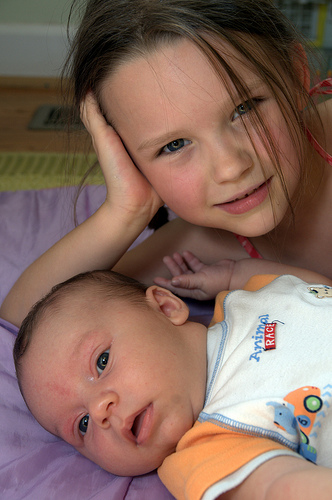
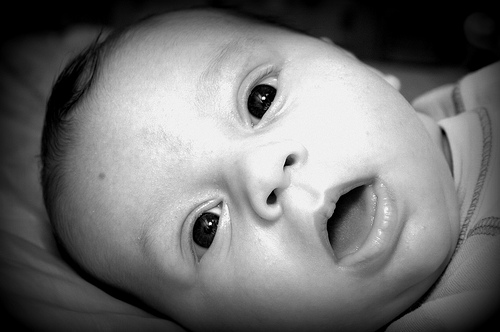
When we brought the Boy home, the Girl was eager to begin helping. Granted, she's always interested in helping--in name, anyway--but a baby brother is especially tempting. So we did the logical: we put her on pacifier duty.
the boy
The Boy
I've finally gotten to the video shot during the Boy's birthday. Granted, it took almost two months, but in the end, it's the final product that counts.
Early Morning Still
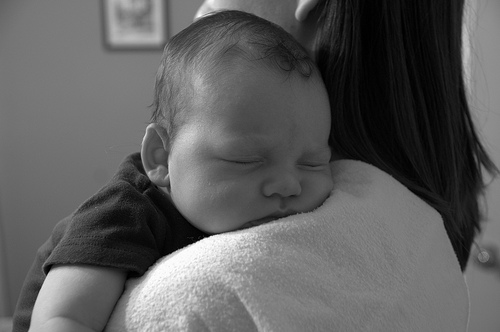
Our morning routine is simple: walk about for at least half an hour while the Boy’s stomach settles and his breakfast stops coming up. In the meantime, we play a game: Which Position Would I Prefer Now, Daddy? Peeps and coos, cries and grunts let me know, “This position” or “That position” as I shift him from shoulder to shoulder, turn him around, cradle him, or as many variants as I think of.
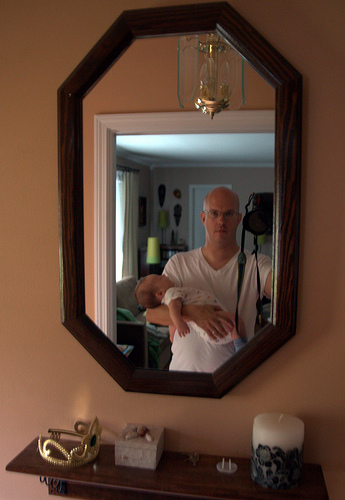
They say it’s a mechanical problem, all this spitting up. Some flap or valve hasn’t fully developed, which means he’ll outgrow this eventually. One of many things he’ll outgrow as he moves into more and more “adult” problems.
And then we’ll look back on this “trouble” longingly.
Double Duty
“Can you read to me?” is a common refrain.
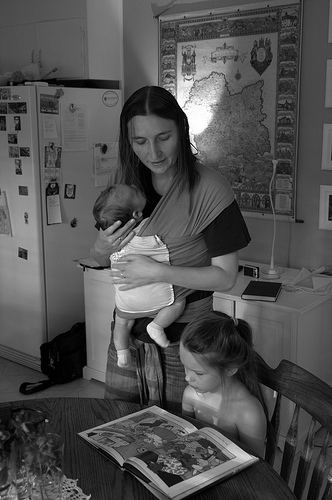
With two now, that means doubling up sometimes.
Grumpy Old Man
They say that life is circular. At least Shakespeare did:
All the world’s a stage,
And all the men and women merely players:
They have their exits and their entrances;
And one man in his time plays many parts,
His acts being seven ages. At first, the infant,
Mewling and puking in the nurse’s arms.
And then the whining school-boy, with his satchel
And shining morning face, creeping like snail
Unwillingly to school. And then the lover,
Sighing like furnace, with a woeful ballad
Made to his mistress’ eyebrow. Then a soldier,
Full of strange oaths and bearded like the pard,
Jealous in honour, sudden and quick in quarrel,
Seeking the bubble reputation
Even in the cannon’s mouth. And then the justice,
In fair round belly with good capon lined,
With eyes severe and beard of formal cut,
Full of wise saws and modern instances;
And so he plays his part. The sixth age shifts
Into the lean and slipper’d pantaloon,
With spectacles on nose and pouch on side,
His youthful hose, well saved, a world too wide
For his shrunk shank; and his big manly voice,
Turning again toward childish treble, pipes
And whistles in his sound. Last scene of all,
That ends this strange eventful history,
Is second childishness and mere oblivion,
Sans teeth, sans eyes, sans taste, sans everything.
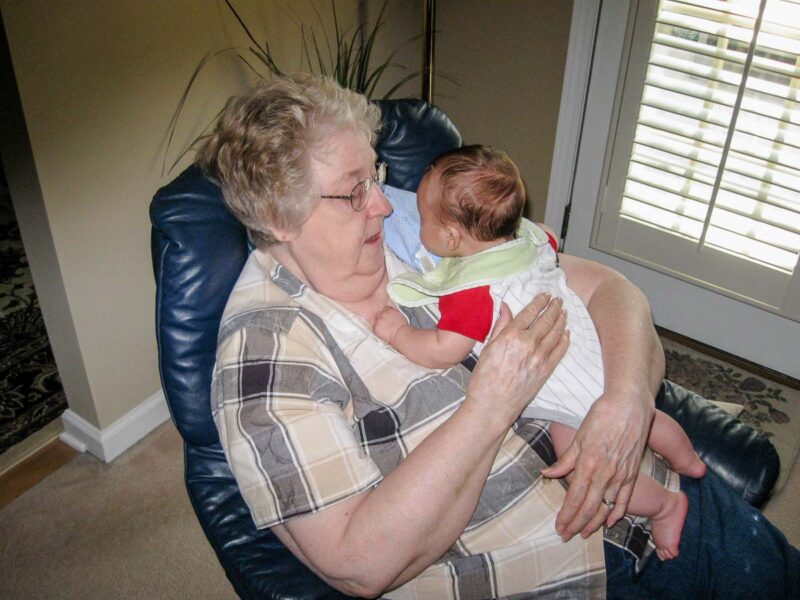
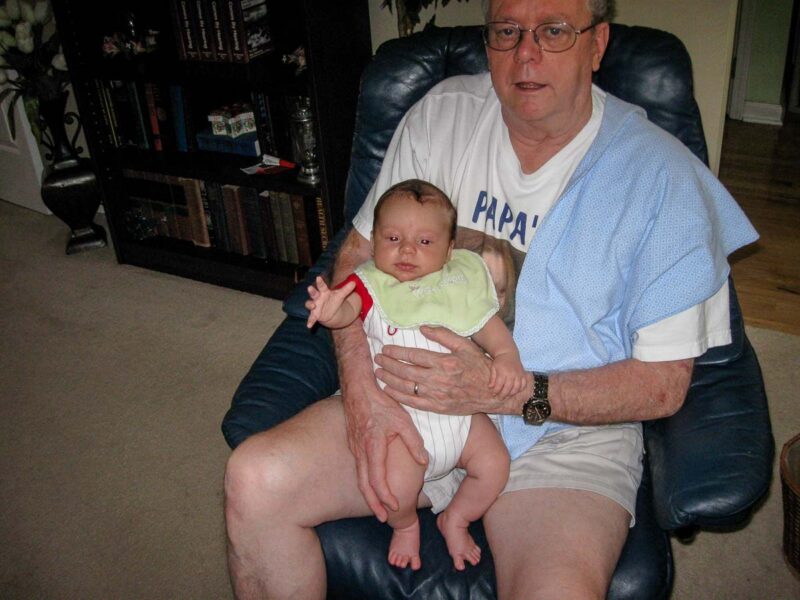
It’s no surprise then when a little boy sometimes looks like a grumpy old man.
The Boy with Nana and Papa
Ready for Bed
If only the Boy were as easily prepared for sleep as his bed is: a matter of laying out an oddity that’s essentially a sleeved sleeping bag.
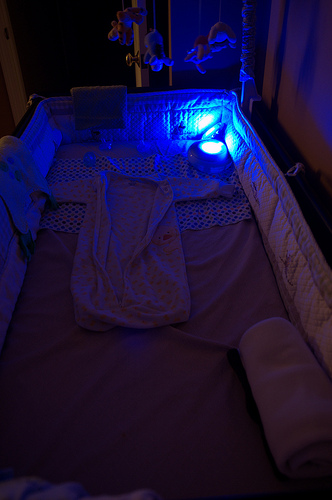
To get the Boy to this point, there’s been at least half an hour of eating and another half an hour spent keeping him vertical to avoid spillage from burps and reflux.
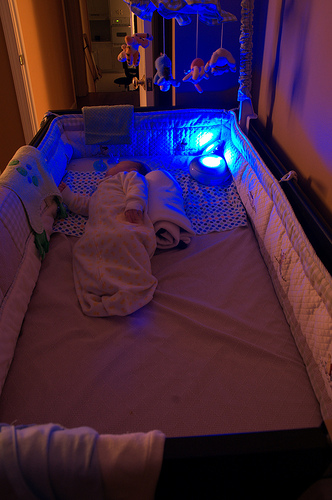
And that’s on a lucky day.
Tummy Time
As parents, we sometimes deliberately subject our children to discomfort, frustration, and anger. For the Boy, that occurs several times daily, and the Girl has named this torture “Tummy Time.”
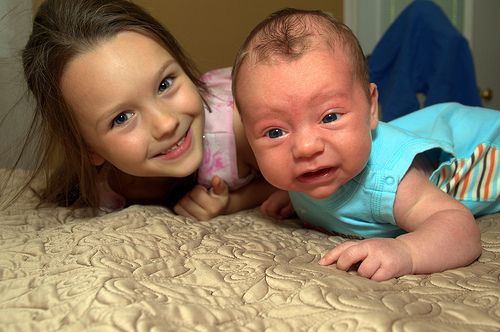
“You have to exercise those neck muscles,” she explains as we did so often before. For the Girl, though, it’s more than simple entertainment: it’s a brief glimpse into her own infancy.
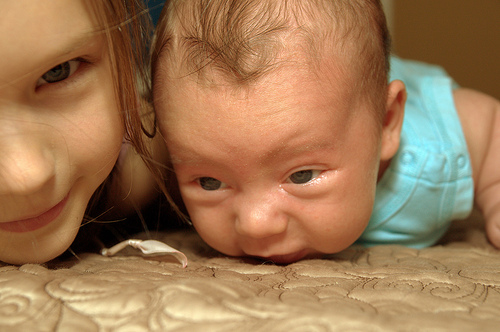
Perhaps that’s why she’s so keen to watch each and every time. She comes running from wherever she might be when she hears, “Okay, little man, it’s Tummy Time.”
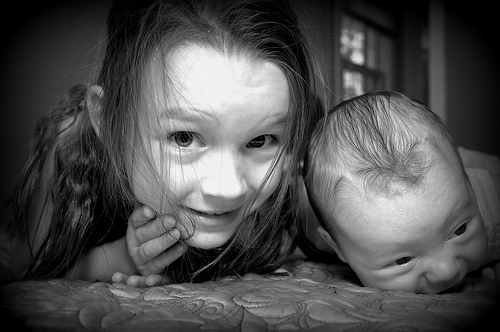
Photo Walk
After the Boy's six o'clock feeding, nothing soothes his nerves (and K's) like a walk. Without K. Or the Girl. So the three of us head out alone, I with the Boy, the Girl with our little point and shoot camera.
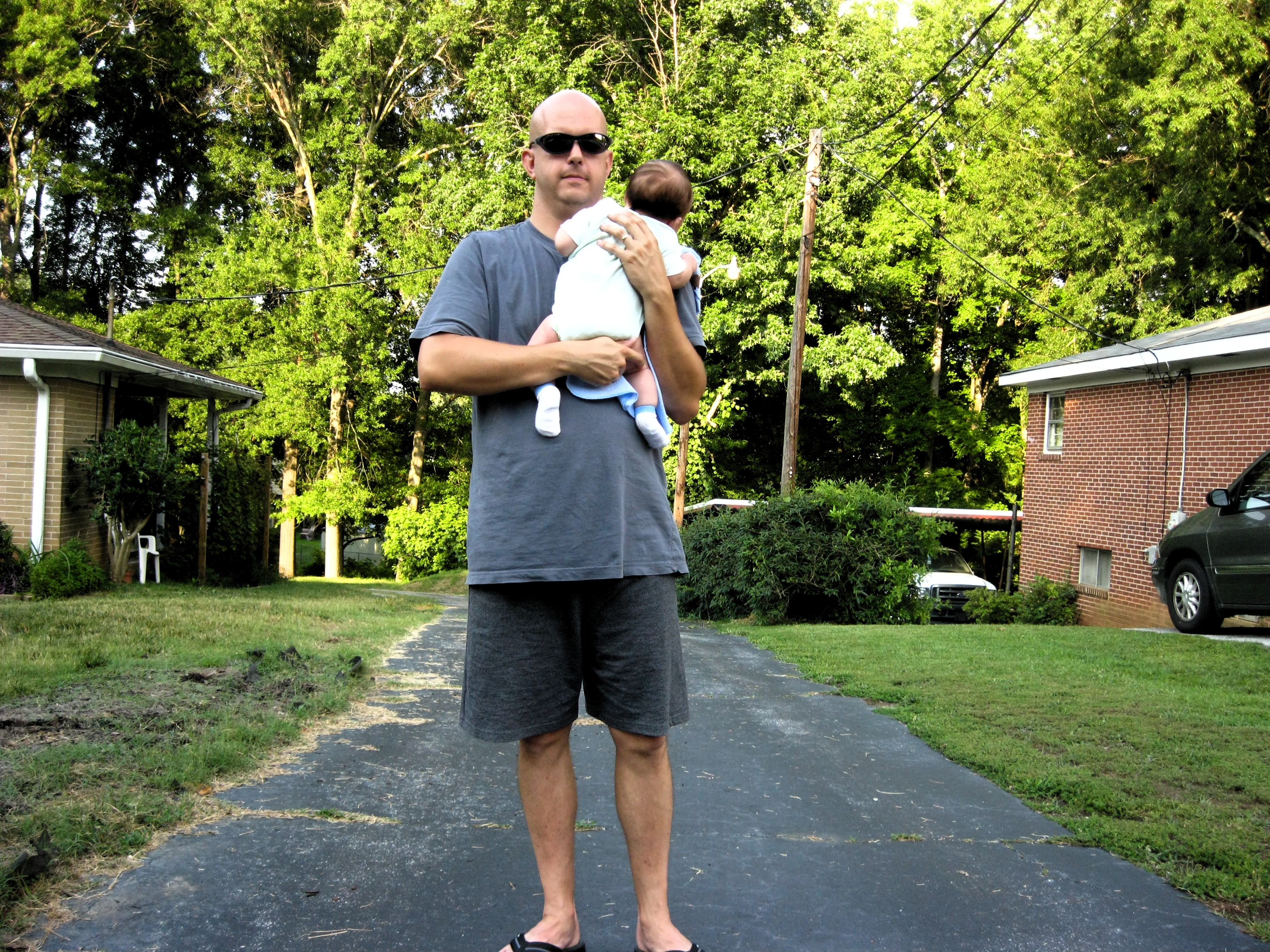
It's a fairly standard route we take. Usually, the only question is direction, and in the late afternoon, the sun dictates counter-clockwise. And so we begin with the mysterious flowers that have been blooming for a week now and the daily request: "Daddy, can I pick a flower?" The bush hangs over an embankment, with thorns and danger swirling around it.
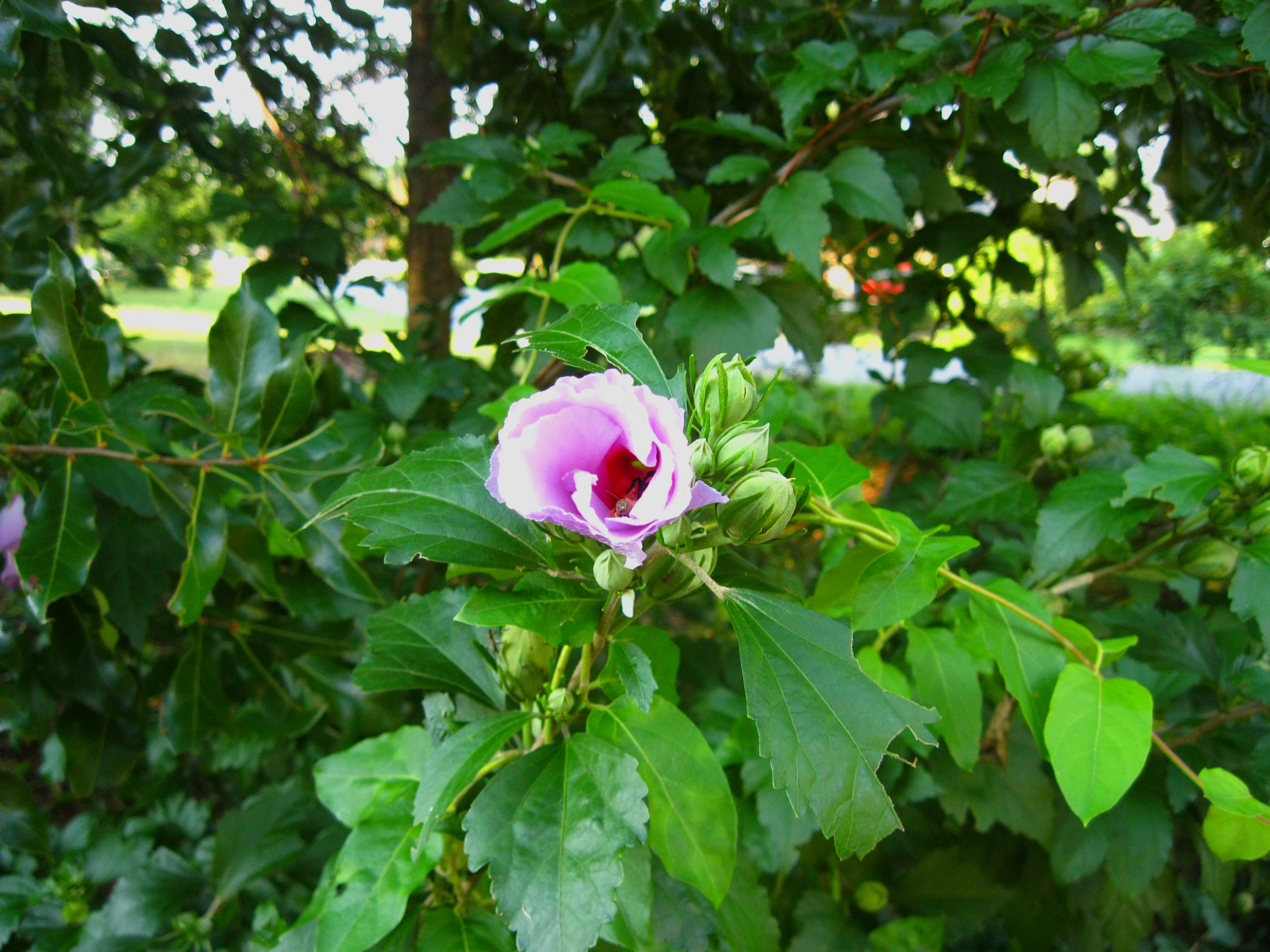
"How about a picture?" I suggest.
"Okay," she chirps, then explains that today, she's going to focus on pictures of nature.
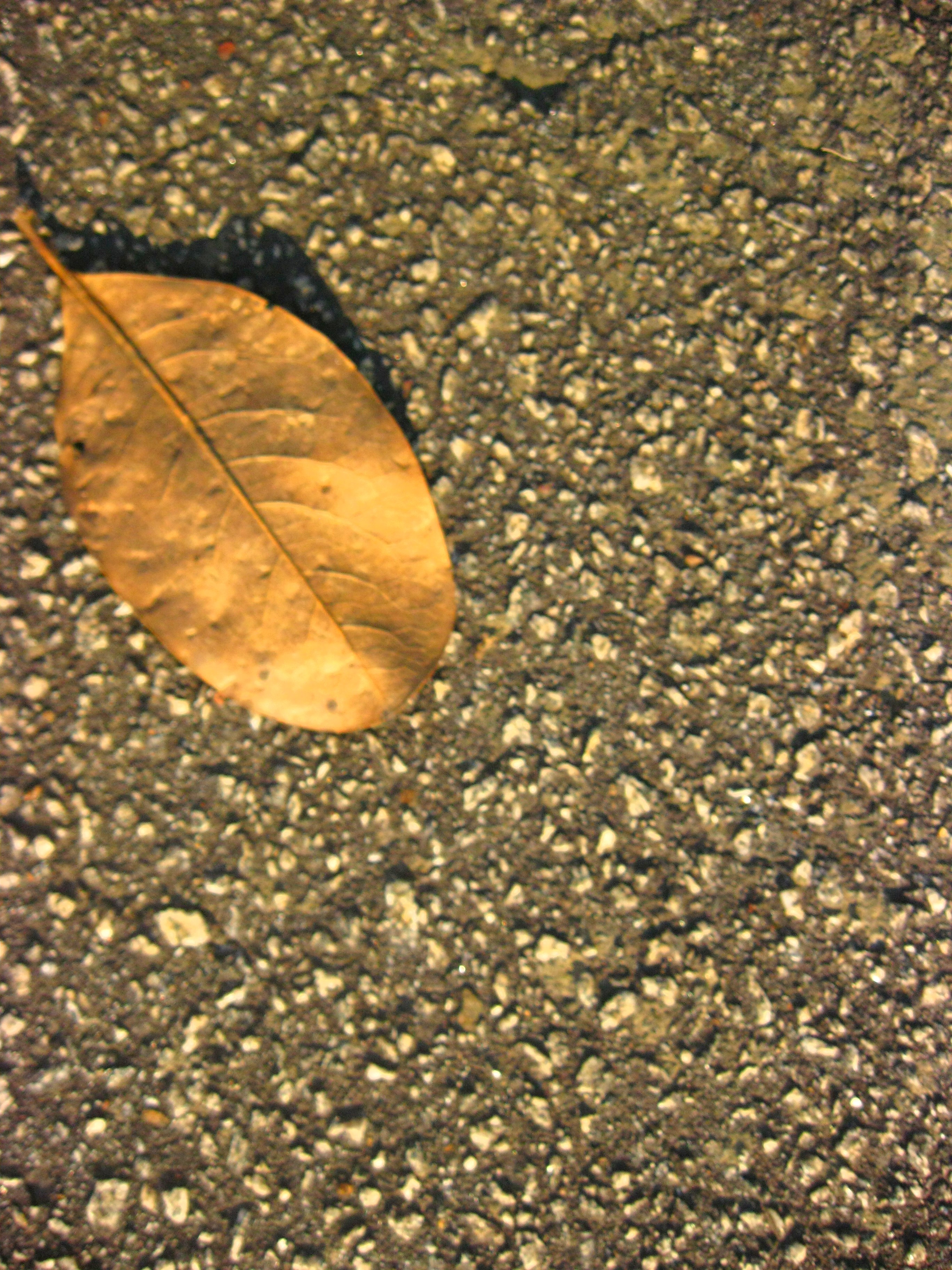
Yet when we get home, we see that there was another motif that crept its way steadily into the eighty-some pictures she snapped along the half-hour walk: the road.
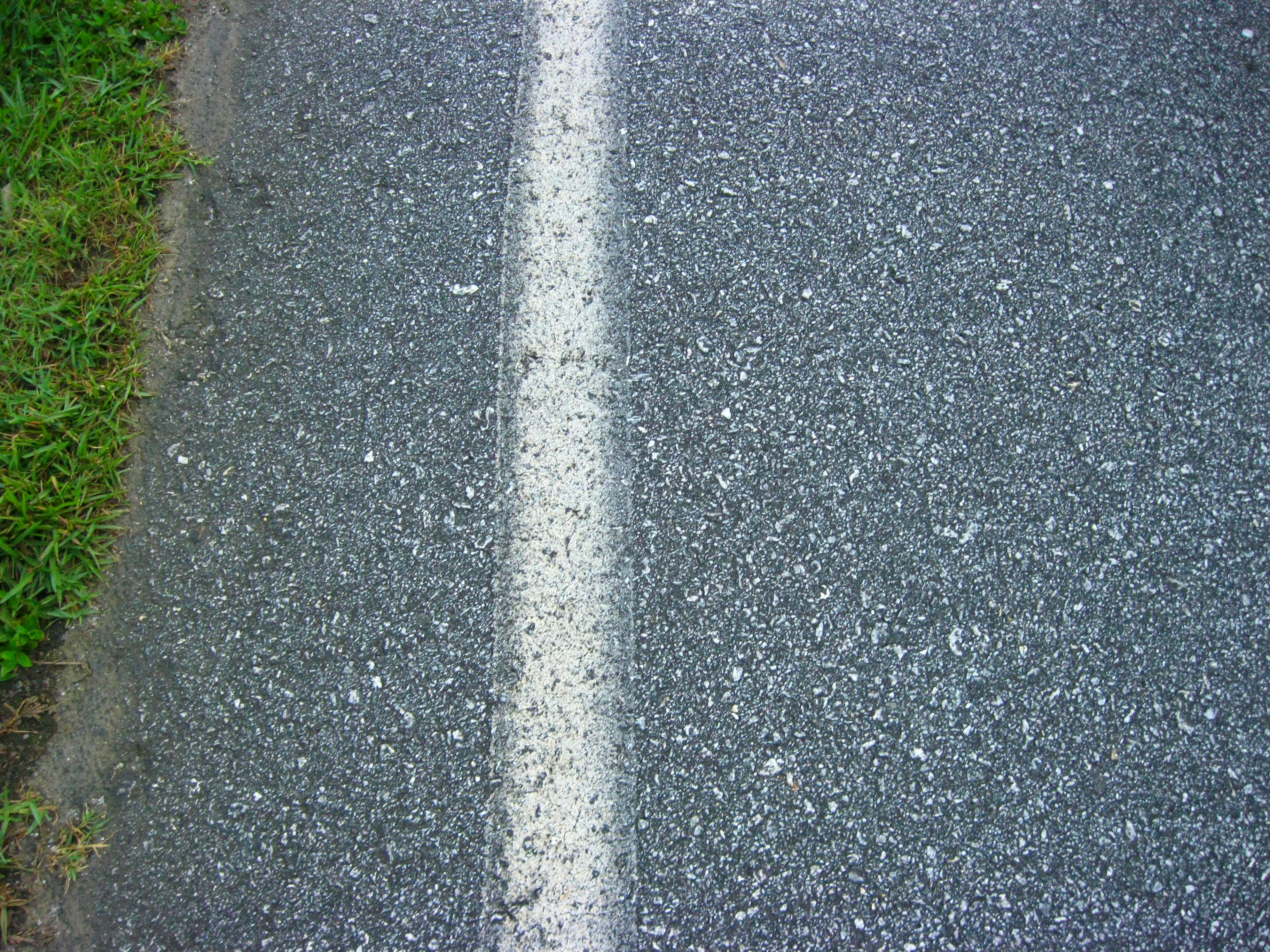
Endless pictures of the road. The road and the grass beside; the road and our feet; the road and her foot; the road with crumbling asphalt; the road with new asphalt; the road without lines; the road with lines.
"Why so many pictures of the road?" I want to ask, but I know the answer. "I don't know."
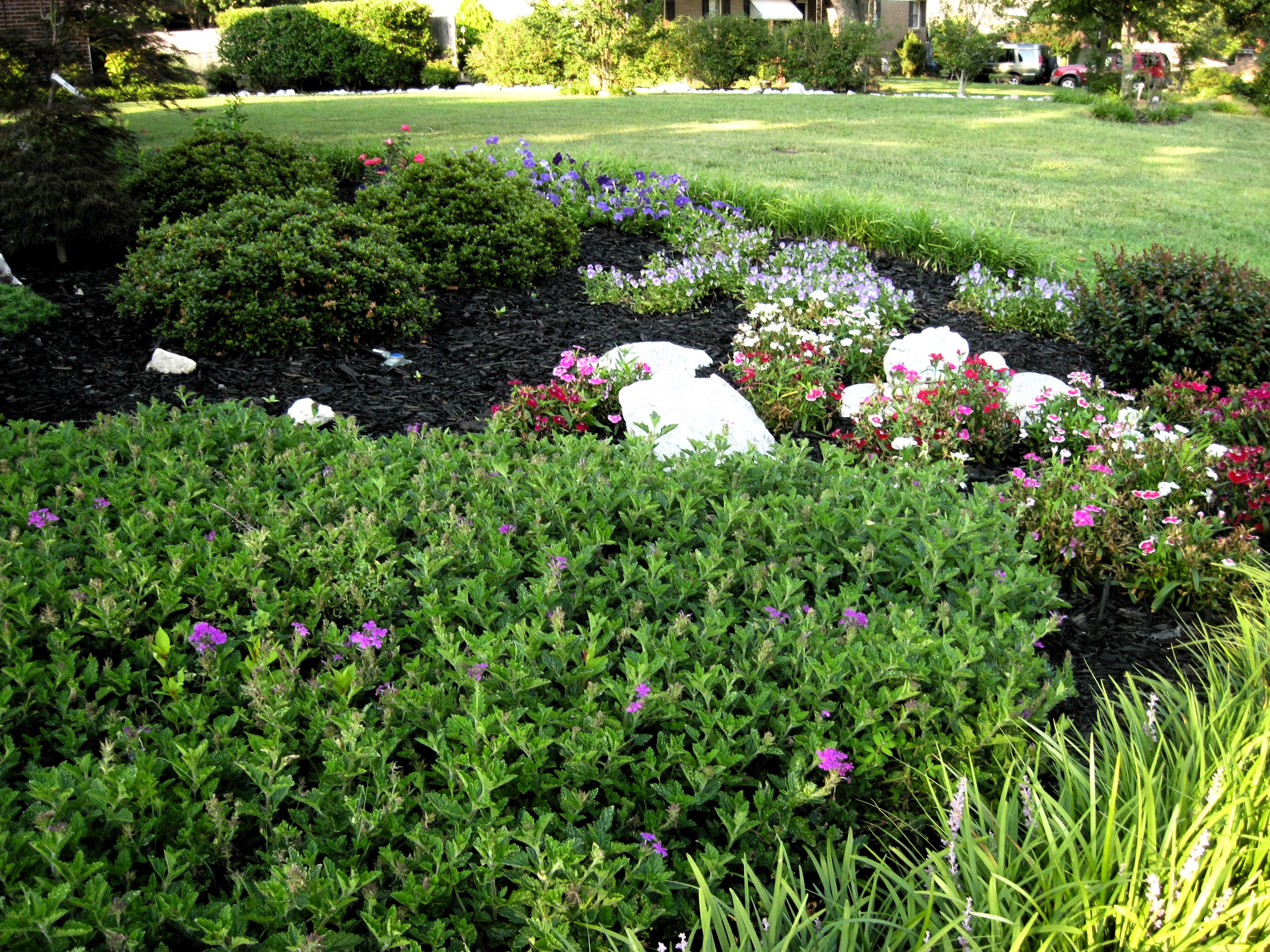
I remember taking pictures that way: not really sure why I was taking that particular picture, but somehow certain that the photo would reveal something not immediately observable in reality.
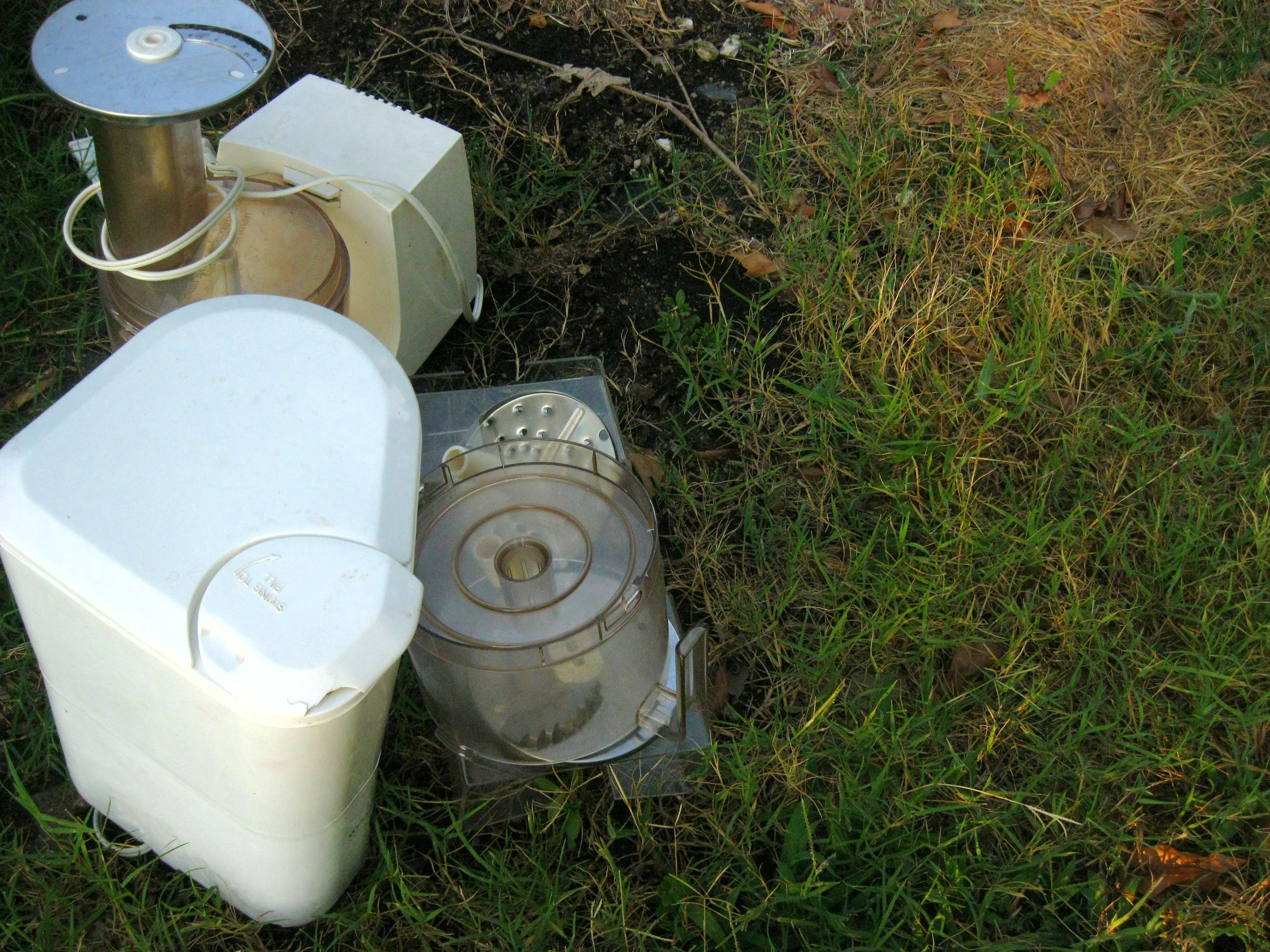
After all, isn't that the motivation behind most modern art? If Marcel Duchamp can display a signed urinal as modern art, isn't a food processor on the side of the road at least as deserving of artistic attention?
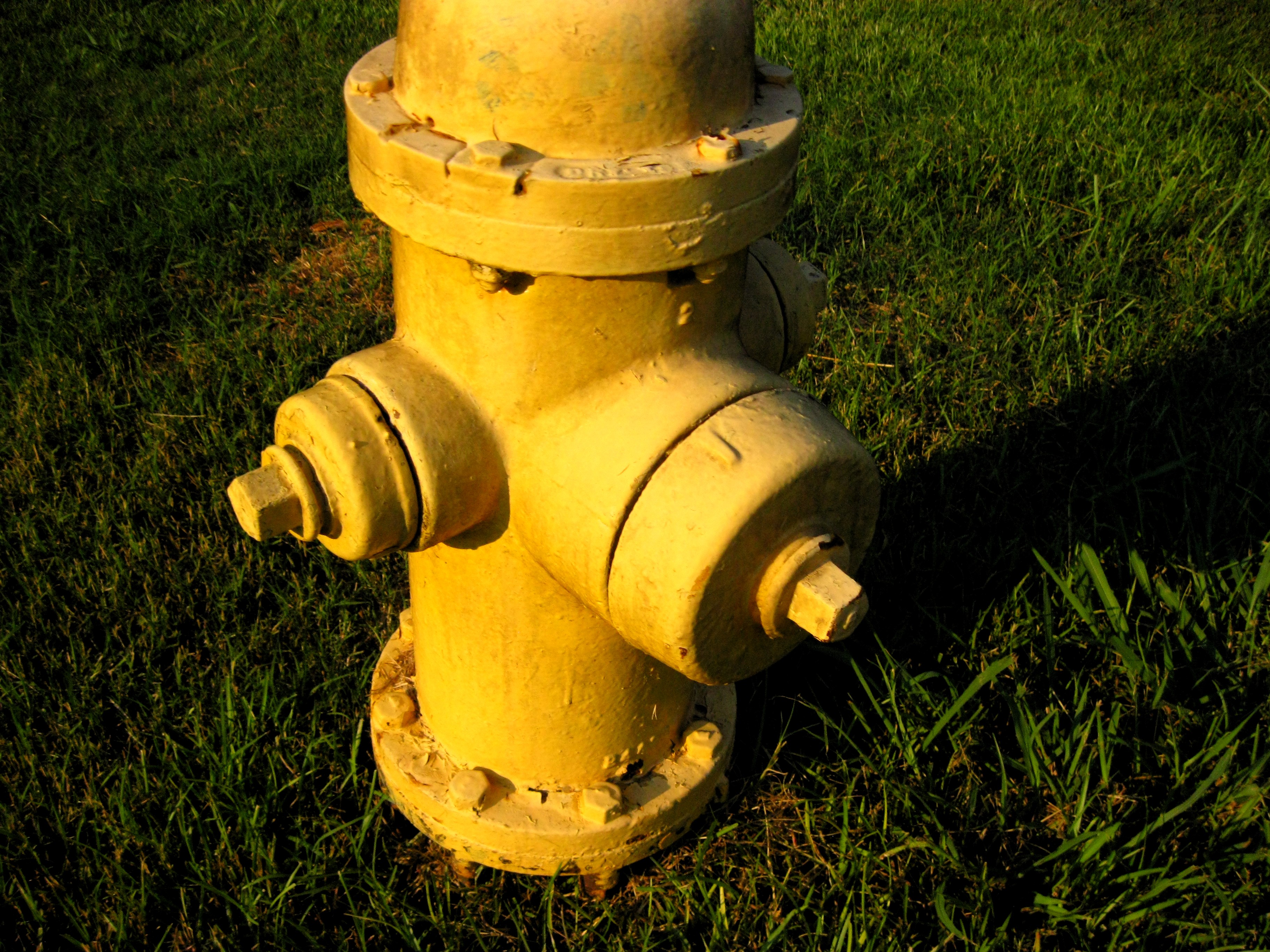
Surely, at the very least, a dog's urinal is art.
Afternoon with Big Sister
I put the Boy on a small sleeping bag the Girl has spread out in front of her doll house. As often happens, things turn photogenic.