polska
My always obsession...
Propaganda
Babica showed me this: I was instantly hooked.
Na Oko
“Ile czosneku dajesz?”
“Na oko, na oko.”
When you’re getting recipes from Babcia, they tend to take that turn. “How much garlic do you add?” you might ask. “Just eyeball it,” comes the reply.
How can I possibly eyeball it when I’ve never done it in my life? Dziadek taught me in a similar way how to prepare the brine for meat when preparing pork for smoking. It was actually experience that taught me that, in reality, the proportions don’t matter so very much as you might expect.
Given the fact that the instructions Babcia provided for making pickles roughly approximated the instructions Dziadek gave for making the brine, I just eyeballed it.
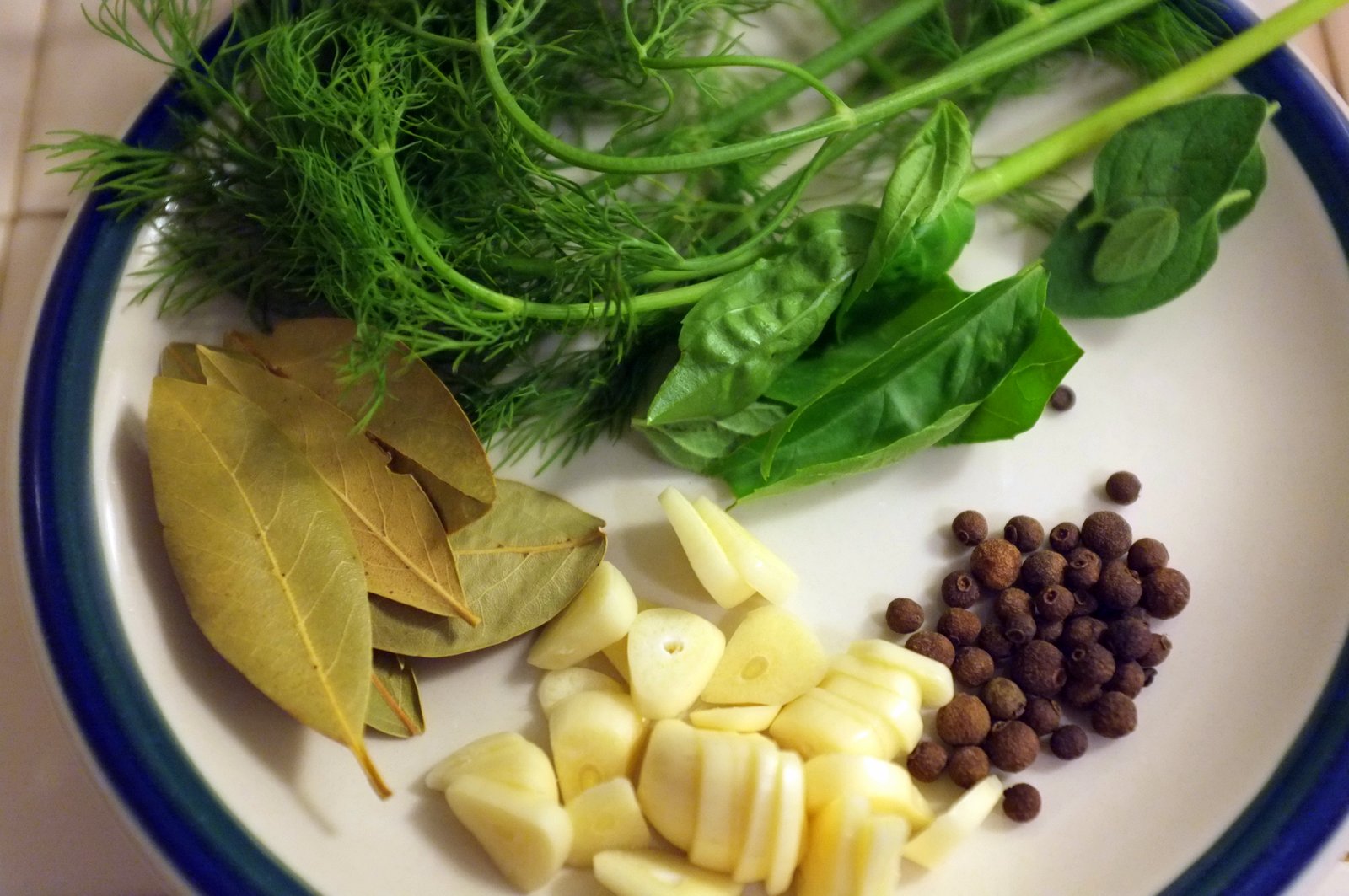
Dill, whole allspice, some garlic, bay leaves — the Polish basics. I decided to add some fresh oregano and basil, knowing it probably wouldn’t have any effect given the amount of other spices I was putting in the brine.
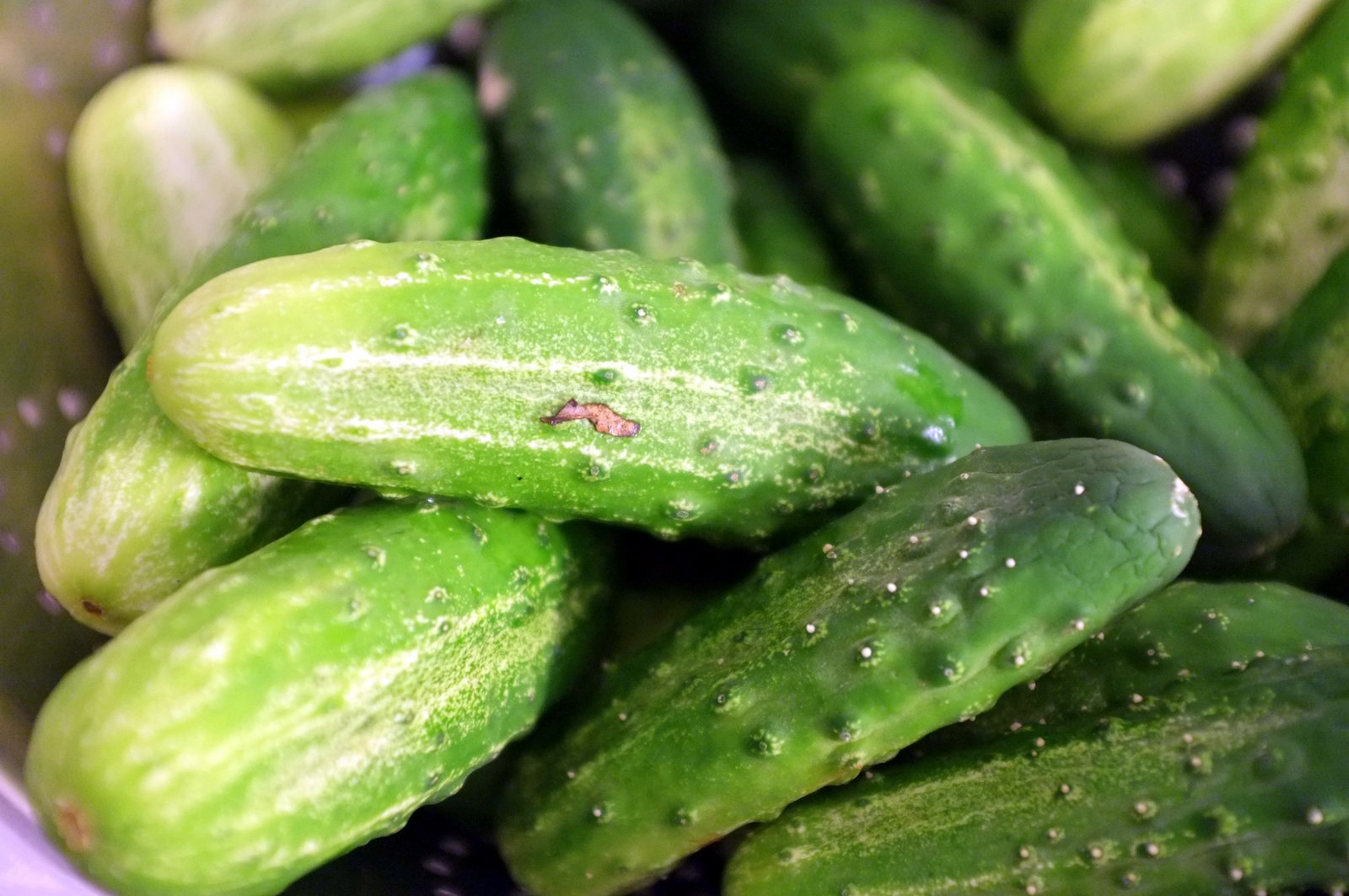
I’ve always loved pickles, but it was in Poland that I learned what a true pickle could be, not preserved in some vinegar solution but made in a brine that leaves behind the look and taste of raw cucumber but transforms it just enough that it’s not, well, raw cucumber.
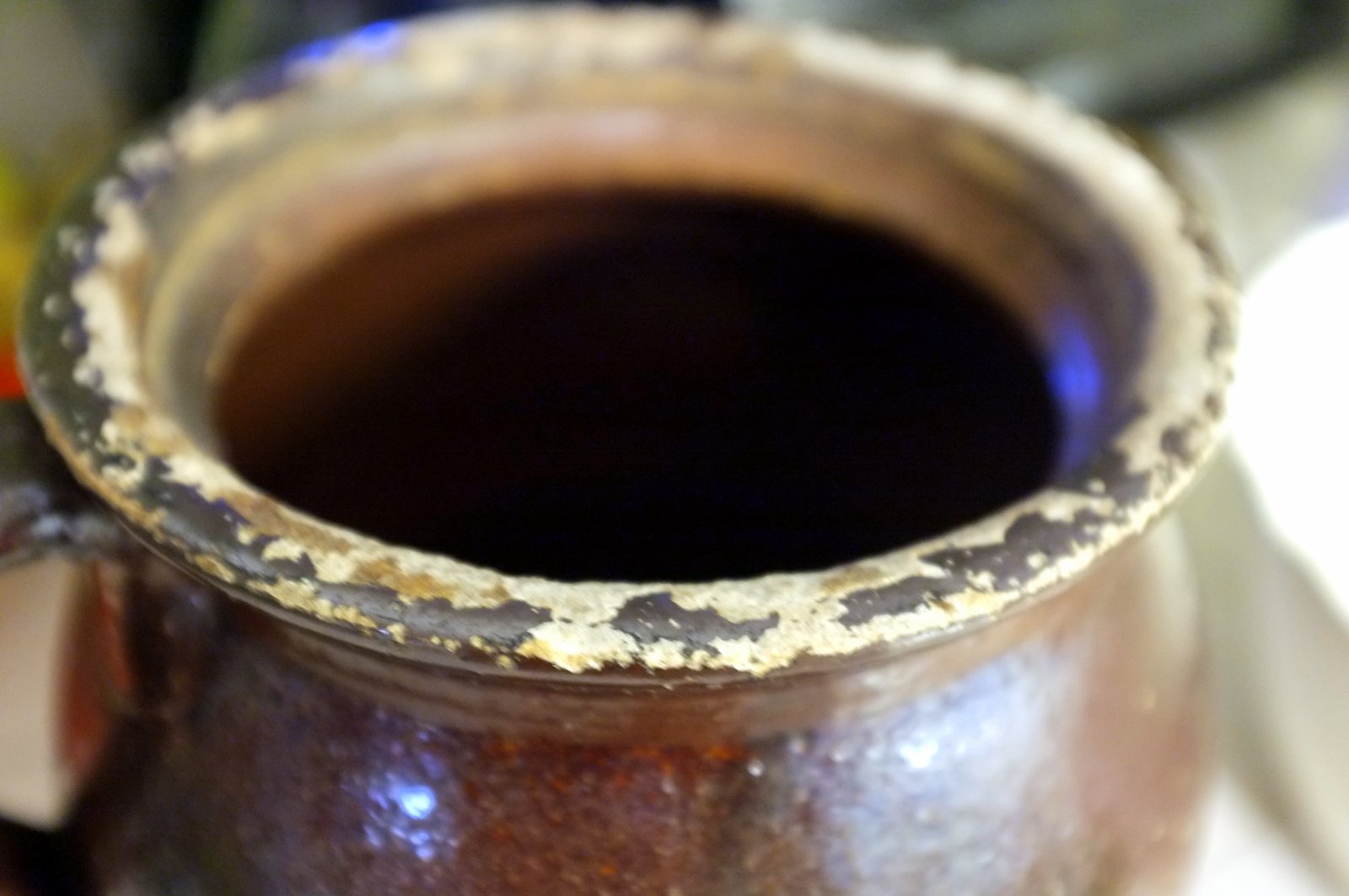
Given the number of cukes we’re pulling off our vines every day this year, we knew fairly early in the growing season that this would be the year we finally learned how to make our own pickles. Such a simple process: some herbs, some salt water, some cucumbers, a ceramic pot, and a bit of gauze to cover it all.
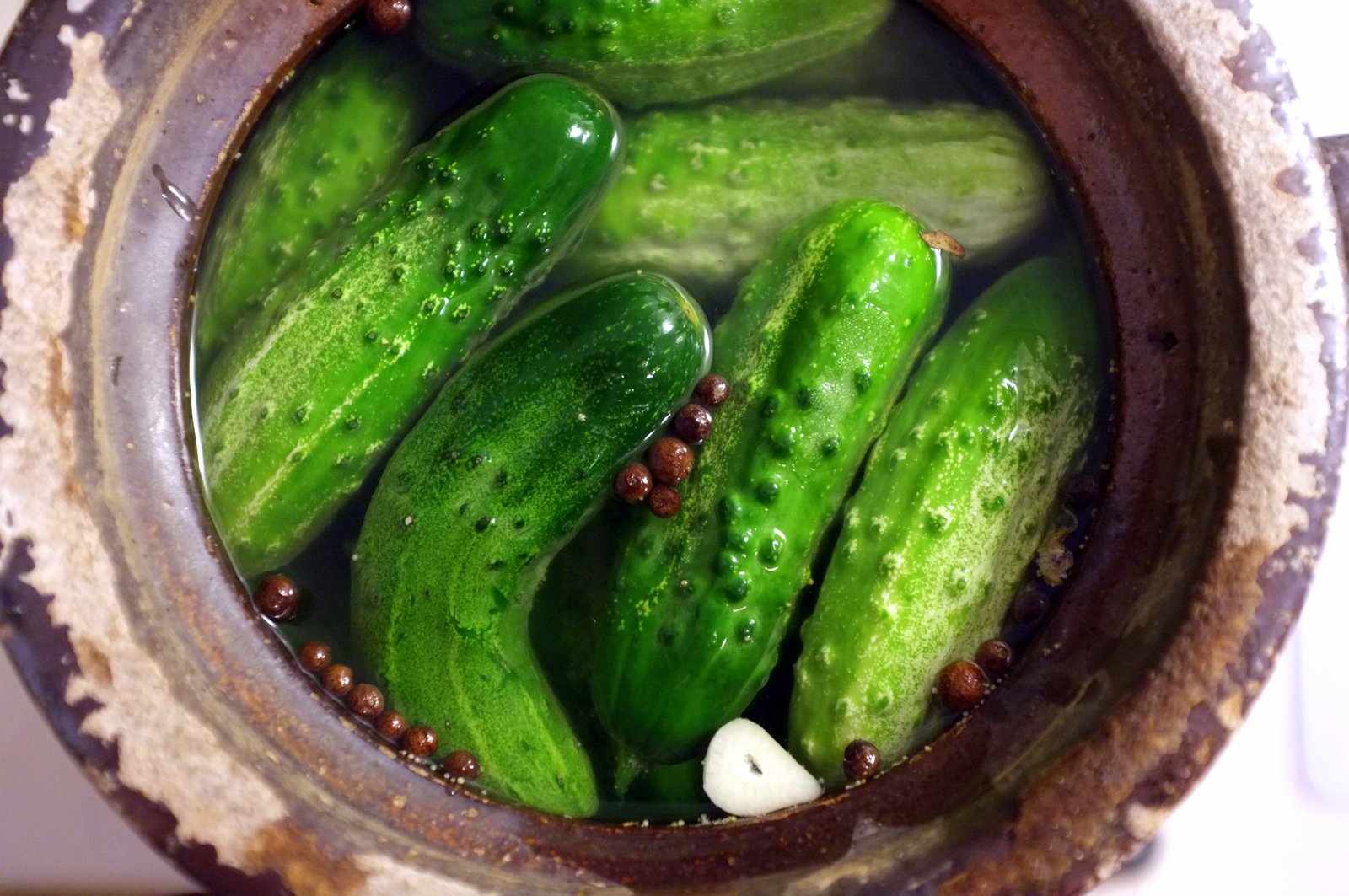
“You should be able to eat the smaller ones after four days or so,” Babcia explained. It might be difficult to wait that long.
Regret and Repetition
It's early June: my thoughts always turn to an arrival in Polska. I wrote this last summer, after our return, and discovered only now that I had never posted it.
1
"Never regret anything, because at the time, it was exactly what you wanted."
When I went to vist the school in Lipnica in which I taught for seven years, the English teacher, a former student of mine, invited me to her English lesson. As she was taking roll, I wandered about the room, looking at how the relatively new Foreign Language Workshop had been decorated. I found a poster with English sayings, including one about regret that I couldn't recall ever having heard.
"Never regret anything, because at the time, it was exactly what you wanted."
"So true," I thought initially. Further thought made me wonder, though: perhaps this quote takes a simplistic view of both desire and regret.
Desires don't come from nowhere. They aren't frivolous imps that leap into our head, unbidden, unwanted. They arise, consciously or unconsciously, from our values, habits, and worldview. As a Catholic, I have to view some of these desires as sinful, as inherently evil. They are temptations, and I am called to overcome those temptations. If I choose not to, I've betrayed God, myself, and to some degree or another, my fellow humans. (After all, the Confiteor we Catholics all recite at the beginning of Mass includes this notion: "I confess to almighty God and to you, my brothers and sisters, that I have greatly sinned, in my thoughts and in my words, in what I have done and in what I have failed to do, through my fault, through my fault, through my most grievous fault; therefore I ask blessed Mary ever-Virgin, all the Angels and Saints, and you, my brothers and sisters, to pray for me to the Lord our God." Emphasis added.) So if these desires are temptations to sin, and I give in to these temptations, and later I want to repent, how can I possibly not regret them? True, these actions were exactly what I wanted at the time, but that was because I don't yet have a perfectly formed conscience. Further, if I don't truly regret the sin, how can I confess the sin?
Yet not all desires are sinful desires, and yet we still end up wishing we had made different choices. Is this regret? I suppose. Is it the same kind of regret discussed above? Somehow, it seems different. Perhaps, then, we need to differentiate, look at some synonyms:
apologize, be disturbed, be sorry for, bemoan, bewail, cry over, cry over spilled milk, deplore, deprecate, disapprove, feel remorse, feel sorry, feel uneasy, grieve, have compunctions, have qualms, kick oneself, lament, look back, miss, moan, mourn, repent, repine, rue, weep, weep over
"Regret" seems the correct term for the theological notion associated with sin and forgiveness, as do deplore, lament, and grieve. For the second, less theological (and in some senses, then, less important or significant emotion), miss, feel sorry, or even rue seem appropriate. Working with those differentiations, I regret some of the sinful choices I've made in the past, which means I wish not to repeat them; I rue some of the poor decisions I made in the past, which means to me not so much that I wouldn't make the same choice but that I dislike some of the consequences that came with that choice. I rued having left Poland, so I went back.
I think early in my life, I confused those two forms of regret, as do many people, I think, and that confusion as the source of the quote got me thinking of all this. In my case, I disavowed the existence of theological regret, and I overemphasized the things I rued.
2
Every time we come to Poland, we repeat: Krakow, Zakopane, even the outdoor museum in Zubrzyca (though this year, it was part of a class trip with L). This repetition is understandable in large measure because much of the repetition comes from meeting with friends and family. Yet it doesn't change the fact that very little changes in our visits to Poland.

It occurred to me, though, the other night that part of it might be an unconscious unwillingness to move outside of a certain comfort zone in Poland. Yet that seems simplistic: it's not as if I don't know my way around the country and culture; it's not as if I'm fearful of new situations here. I speak the language with passable proficiency: there are few times that I feel unable to express myself, and I even managed to talk myself out of trouble a time or two.
Yet as I wandered about the fields of Lipnica, with views I know almost better than the area in which I grew up, I wondered if it might be something else, something that I hadn't experienced in literally years but which I knew all too well earlier in life, and multiple times at that. It struck most forcefully in 1999, when I left Poland for the first time and soon found I was desperate to return to Poland. It wasn't that I wanted to return to the place as much as I wanted to return to that part of my life, to relive it in a sense. Returning for a short visit in the summer of 2000, I found a line from a song running through my head constantly, for I wanted to "hold on to these moments as they pass." And so it occurred to me one evening this summer in Poland that I do the same thing every visit, revisiting places in order to relive the past, if only for a brief moment. Then that moment passes, we all move on, temporally and physically, and I find myself later reliving the relived moment again, only in my mind.
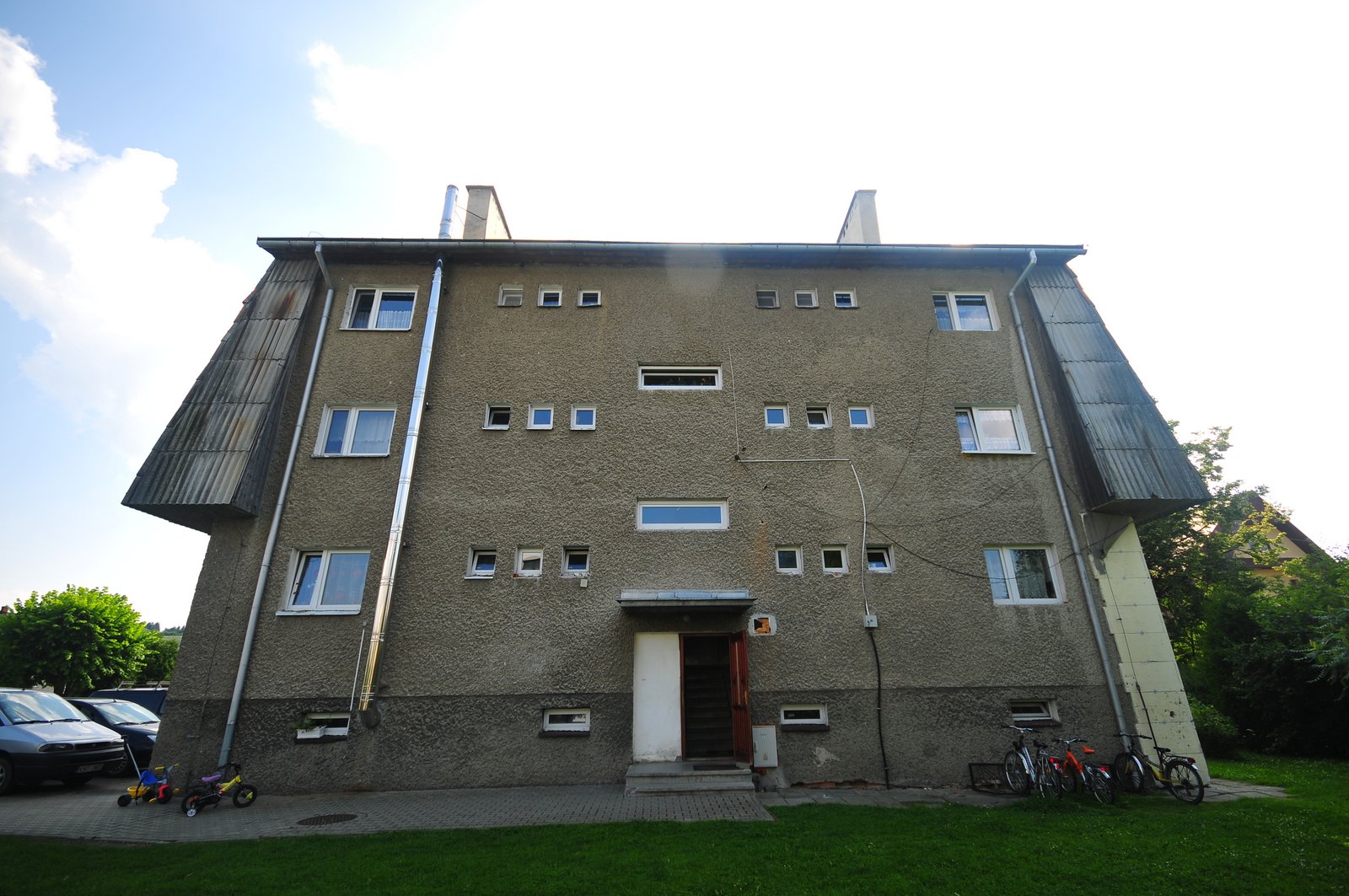
And so I find comfort in the places that haven't changed much over the years. The exterior of the teachers' housing block in Lipnica, for example, hasn't really changed a bit since I first arrived in 1996. There are new windows; there is a new flue for the oil furnace in the basement; there are a few more cables strung across the facade. Other than that, though, it looks identical. It gives the illusion that, while the rest of the world has moved on, I've stayed the same, which is a ridiculous notion. But for a brief moment, it's comforting.
Why?
Human time does not turn in a circle; it runs ahead in a straight line. That is why man can't be happy: happiness is the longing for repetition.
Milan Kundera
The easy answer is that it's a vain attempt to deny my own mortality to myself, the stuff ironically both of melodrama and of great literature. And while there might be some element of unconscious truth to that, I don't feel I really fear death or even give it much of a thought at all. Occasionally in the last few months I've surprised myself with the realization that I'm now in my forties, but this is not a mid-life crisis but a how-time-has-slipped-by-so-quickly crisis. And besides, this doesn't explain the same longing I felt -- only much, much more intensely -- in 1999 and 2000 that led to my return to Poland. Surely I wasn't fretting about my mortality in my mid- to late-twenties. Only nineteenth-century poets do that.
The longing, in fact, was much simpler (and significantly more naive) than that. It arose from the fear that the past was better than the present, and worse still, that the past was likely better than the future. A bit melodramatic, I'm sure, but those were the worries and concerns I had at times. It explains a lot of the angst I experienced when younger.
I no longer feel that way at all, though. Children make it impossible to look backward with the same longing. Children make it impossible to think the past was better than the future. Children make it impossible to regret the passing of time. Hence, as I wandered the fields of Lipnica, that strange longing to return to the past, while present, was only so strong as for me to notice its relative absence in recent years.
Re-reading Kundera's The Unbearable Lightness of Being, though, I discovered a forgotten quote that had so struck me the first time I read it that I made not of it on the slip of paper I'd slid into the back of the book and discovered as I opened it anew a few days ago. "Happiness is the longing for repetition." Perhaps I've had it wrong: perhaps this repetition is simple happiness?
Children understand this simple truth: it's why they can say or do the same thing over and over and over and over and still find it just as funny and enjoyable the tenth time as it was the first. It's why they can swing -- the ultimate in repetitive activities -- for hours on end and still do the same tomorrow.
Religions understand this simple truth: it's why all religions have ritual calendars, calling for the repetition of rituals throughout the year for all eternity.
Holy Saturday 2014
Jesus is in the grave. Crucified yesterday, he lies wrapped in ribbons of burial cloth, awaiting tomorrow’s resurrection. Such is the teaching of the Church, which we recite every Sunday:
For us men and for our salvation
he came down from heaven,
and by the Holy Spirit was incarnate of the Virgin Mary,
and became man.
For our sake he was crucified under Pontius Pilate,
he suffered death and was buried,
and rose again on the third day
in accordance with the Scriptures.
He ascended into heaven
and is seated at the right hand of the Father.
And so he is buried.
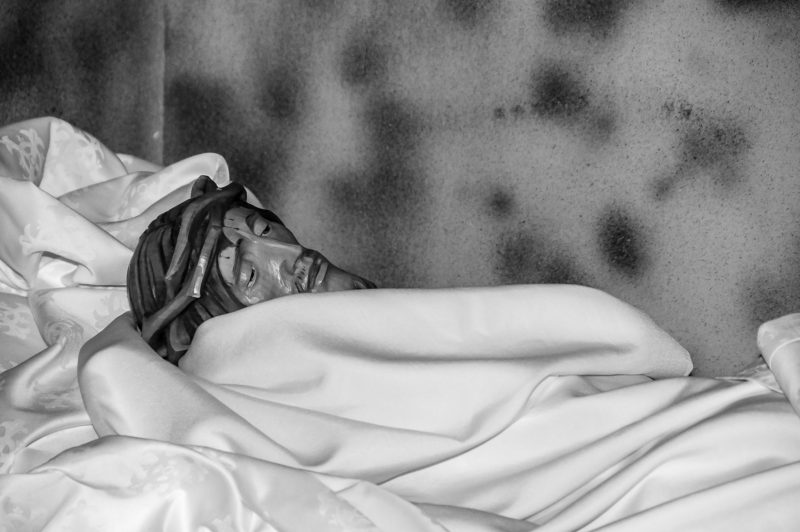
The Polish tradition — and the tradition of other cultures, I’m sure — is to create a tomb for Jesus’s body in the church. One of the figures is taken from the cross and laid in the tomb, and parishioners — usually firemen — stand watch until Sunday morning.
One of the vicars in our parish is Polish — this year, he decided, with the pastor’s blessing, to bring the tradition of Jesus’s tomb to the parish of St. Mary Magdalene. And so the Paschal Triduum feels a little more like we’re in Poland every year.
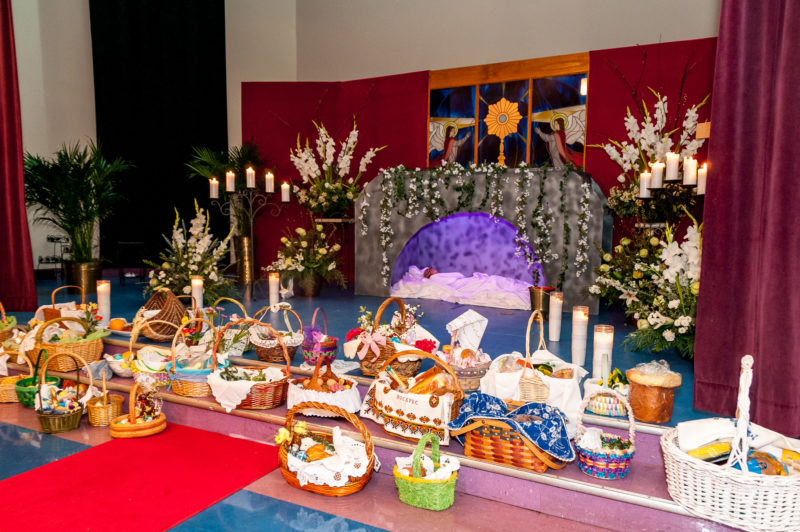
Past years involved the pastor, who had never performed the traditional Holy Saturday basket blessing, coming for a quick prayer of the baskets of perhaps fifteen Polish families. Our pastor, however, has fallen in love with the tradition, has it announced several times before Holy Saturday, and has put it on the altar servers’ schedule so that we have a full procession.
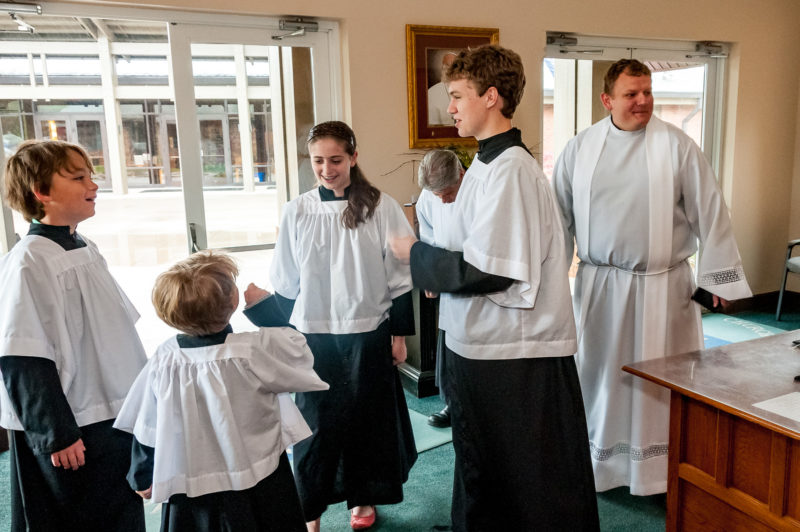
The number attending has grown as well. After an opening prayer in Polish, Father W asked, “How many of you don’t speak Polish?” At least a third of the assembled raised their hands. Seeing so many, Father W, like last year, turned it into a primarily-Polish-but-quite-bilingual-blessing-nonetheless.
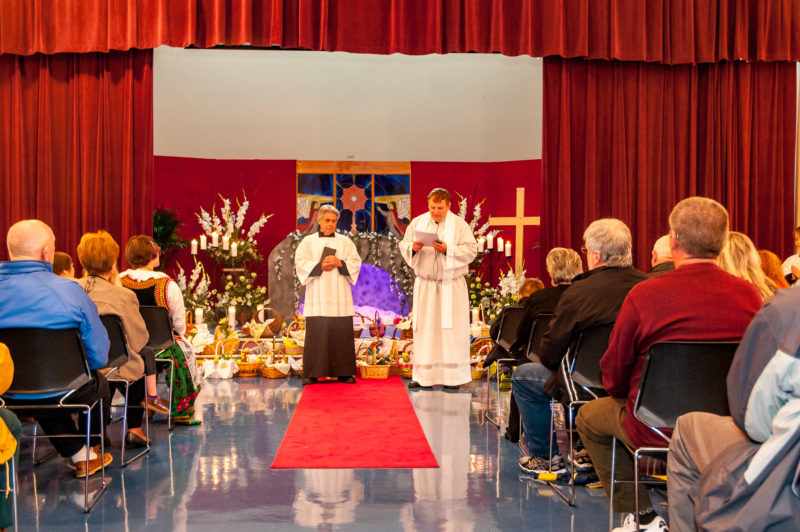
There are some things still missing, though. No crucifix lay at the front of the grave, with parishioners standing in a line, dropping to their knees at the fourth or fifth pew and continuing the rest of the way on their knees, all bending to kiss various parts of the crucifix. Blocks of wood have not replaced bells during the Lenten Mass. The day was not preceded with a Good Friday of manic baking and cleaning, just baking and cleaning. More reminders that the Polish community here is a distinct minority, a group that has largely assimilated into mainstream culture but still managed to keep the most important of traditions. In other words, it didn’t feel Polish; it felt American-Polish.
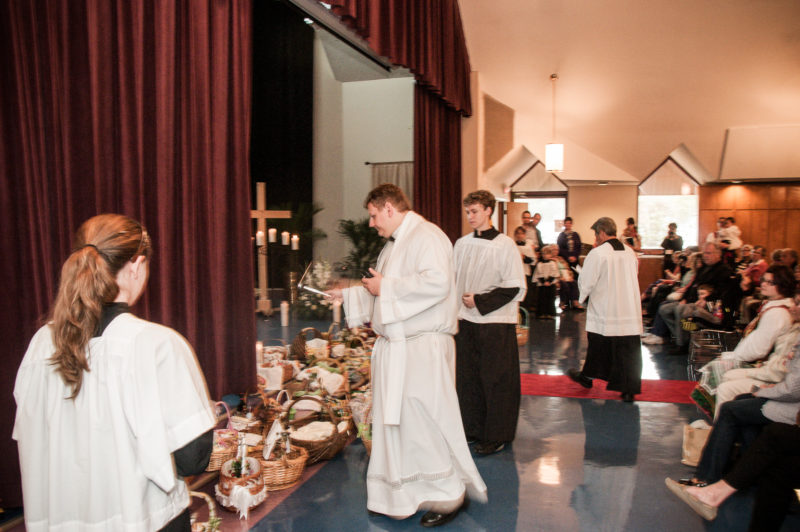
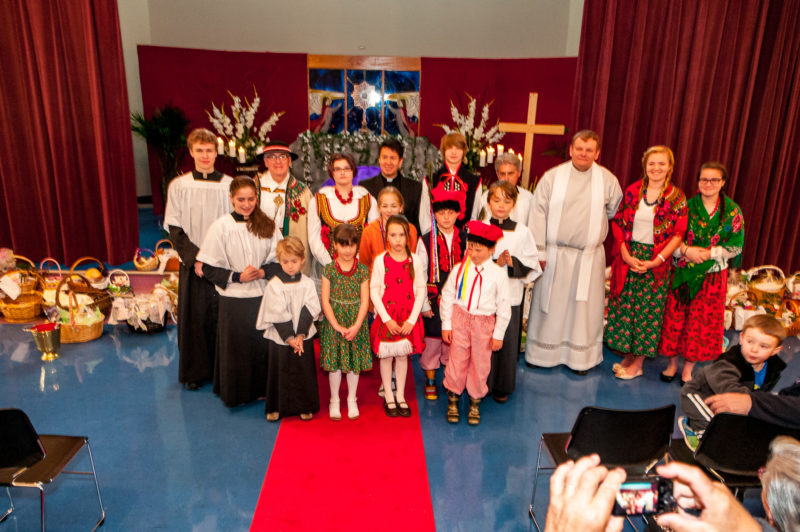
And then there are the things that would never occur in Poland: the fascination with the custom (after all, custom often becomes merely customary), the eagerness for photos of the regionally dressed (after all, if you see it almost every day in one form or another — especially when you live near a tourist region — it’s nothing special, merely every day)
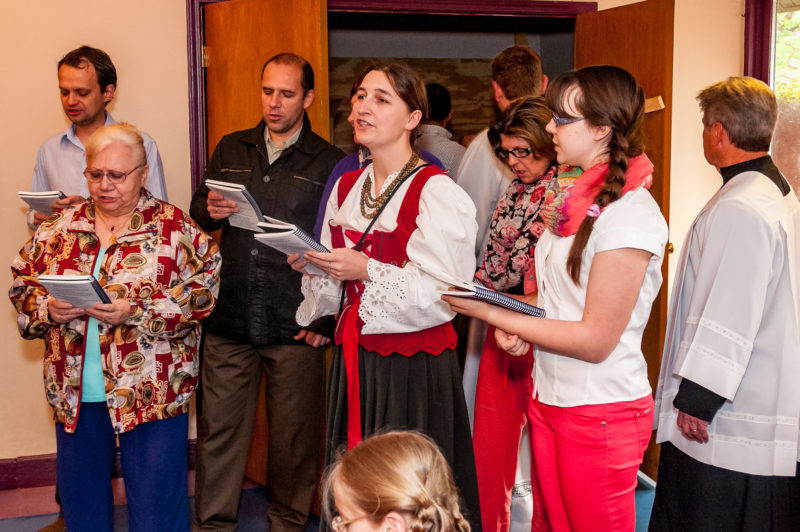
But when it’s something you see once a year? Well, who can blame us all?
Second Thoughts
I would bet that all those in Poland who'd opposed the placement of an American missile defense system in Poland are now having second, third, and fourth thoughts.
Kuchnia Góralska
"Do you think she could make us kwaśnica before she leaves?" P once asked K some weeks ago.
"Of course!" And what's not to love about kwaśnica, the tangy Highlander regional soup made of sauerkraut, stock, and magic.
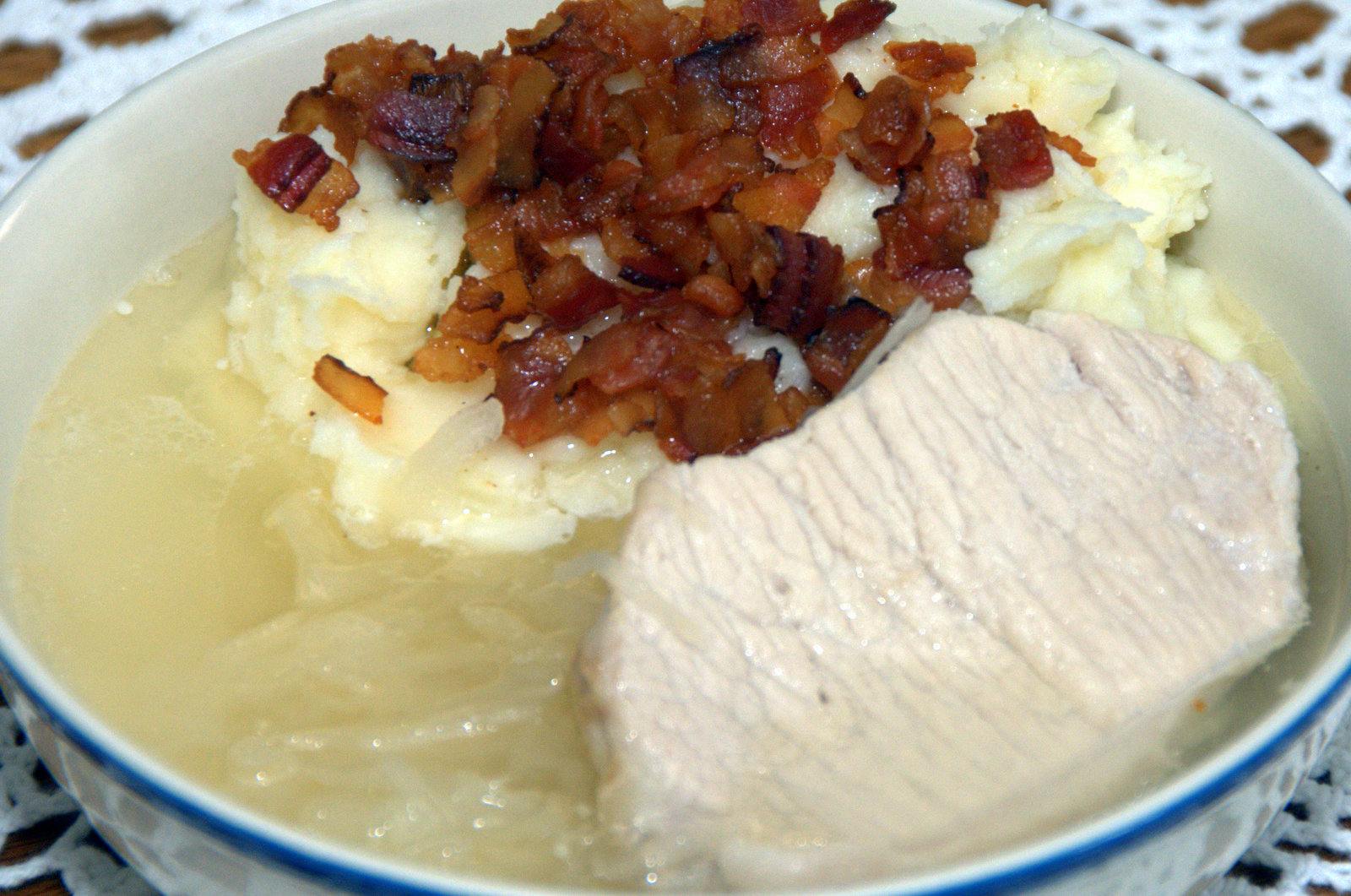
I fell in love with this soup the first time I tried it. It's a little like any regional dish: every family makes it a little differently, and every family serves it a little differently. Babcia always served it with a heaping spoon of mashed potatoes pressed into the side of the bowl, liberally sprinkled with freshly fried bacon bits. The strands of kraut are crisp and sour; the bacon is smoky and crisp; the soup is bracing and warm; a bit of pork pulled from the sliced tenderloin that's been boiling in the soup grounds everything; the potatoes keep it all together. It's perfection in a every single spoonful.
And so P and his wife and two sons came over for dinner this afternoon, a long, warm afternoon promising spring but with bare trees as reminders of the actual date. Still winter, technically, but only a perfect day for kwaśnica in as much as friends have gathered together. A perfect day, perfect in every measure for kwaśnica, includes copious amounts of snow, gray skies, and below-freezing temperatures with a sun that sets just as a four-o'clock dinner is put on the table. Still, friendship is more important than snow, and besides, we have more than kwaśnica on the menu -- a bit of a surprise. A meaty, meaty surprise.
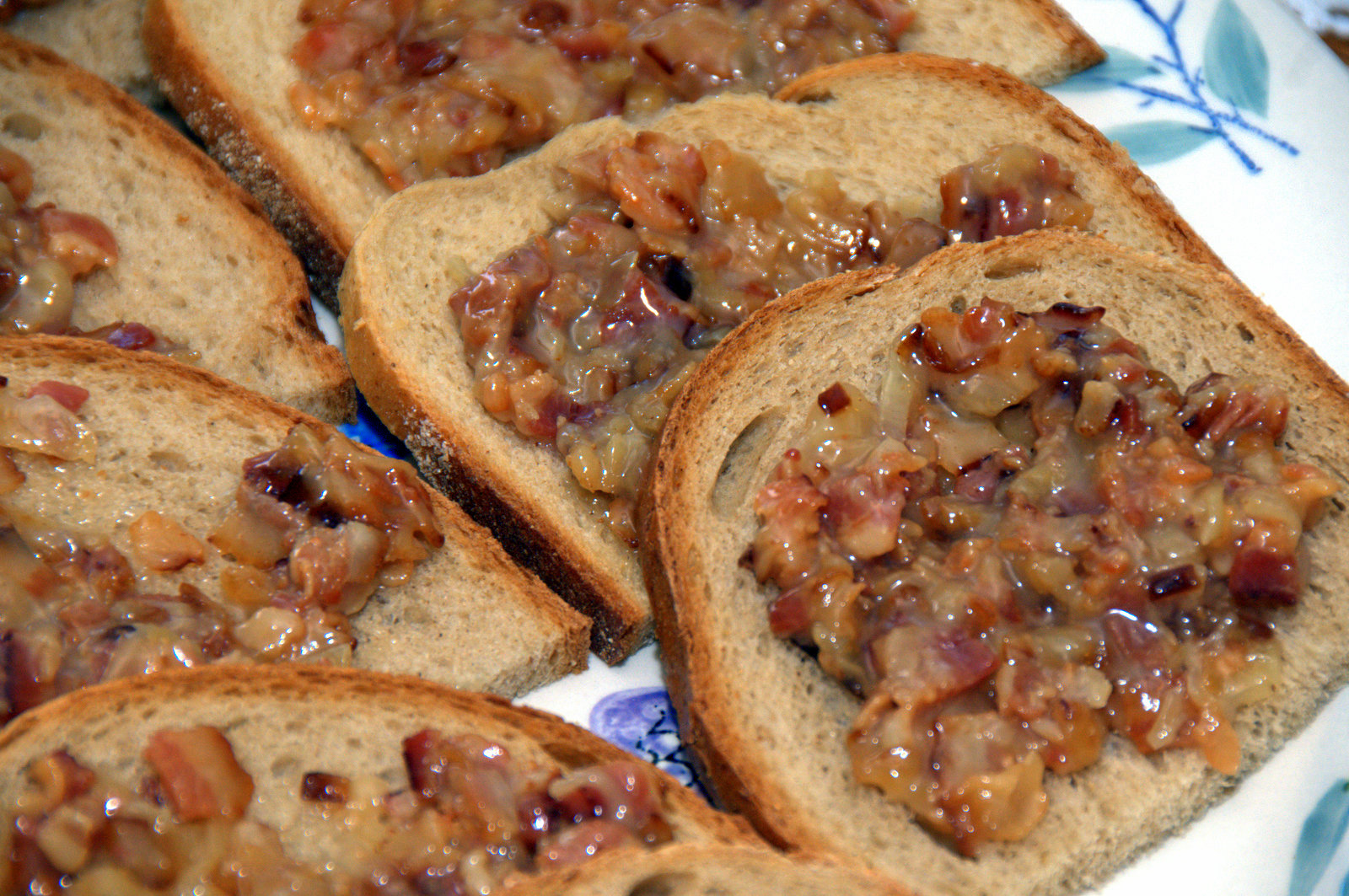
The translation for chleb ze smalcem hardly does it justice. After all, who would find lard spread on bread all that appetizing? But as always, a literal translation makes a farce of the actual meaning of the original. Chleb ze smalcem is a little touch of meat-lovers' heaven, another regional favorite from the mountains of southern Poland that calls for snow and reminds us once again how often "simple" is synonymous with "perfect" when it comes to food. The recipe only hints at the alchemistic perfection of the finished product:
- finely sliced bacon fried, with the drippings remaining
- sauteed onion
- sauteed apple
Take those three simple ingredients, mix them together with the drippings (preferably in something small and ceramic), and then set it in a cool place to let the drippings solidify a bit. Smear on fresh bread -- real bread that's solid with chewy, thick crust -- and then prepare yourself, because the number of neurons that will be firing that first bite will overwhelm.
It's a dinner that I'd ask for if I were on death row...
Barszcz in the Family
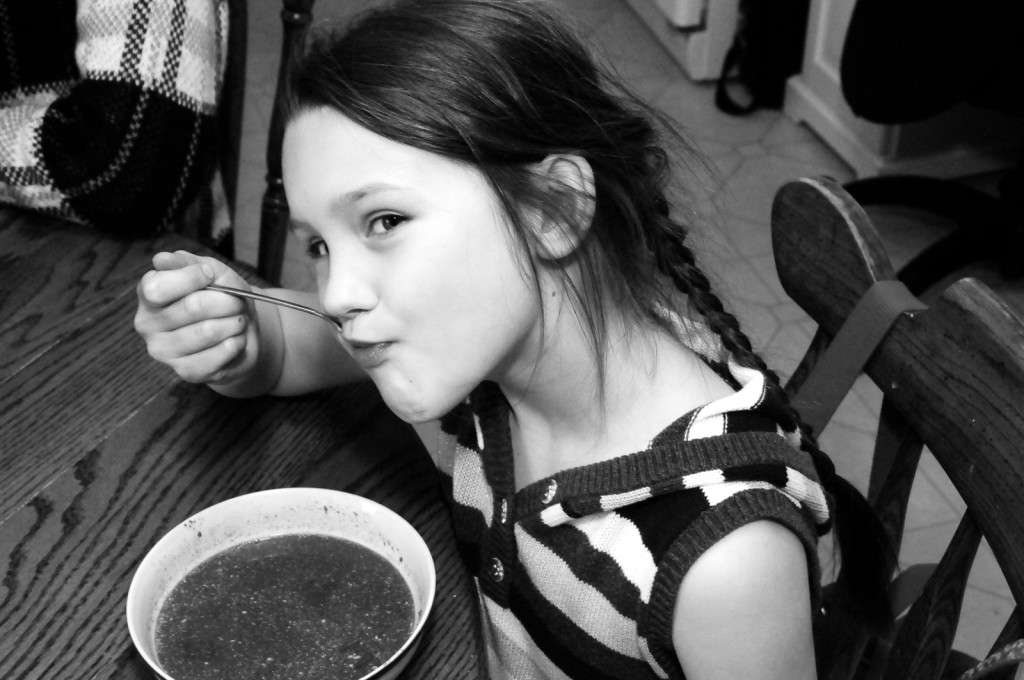
What Polish family would be truly Polish if barszcz weren't a favorite? For as long as I can remember, the Girl has adored it, placed it almost at the very top of her favorite food list -- just below pizza, of course.
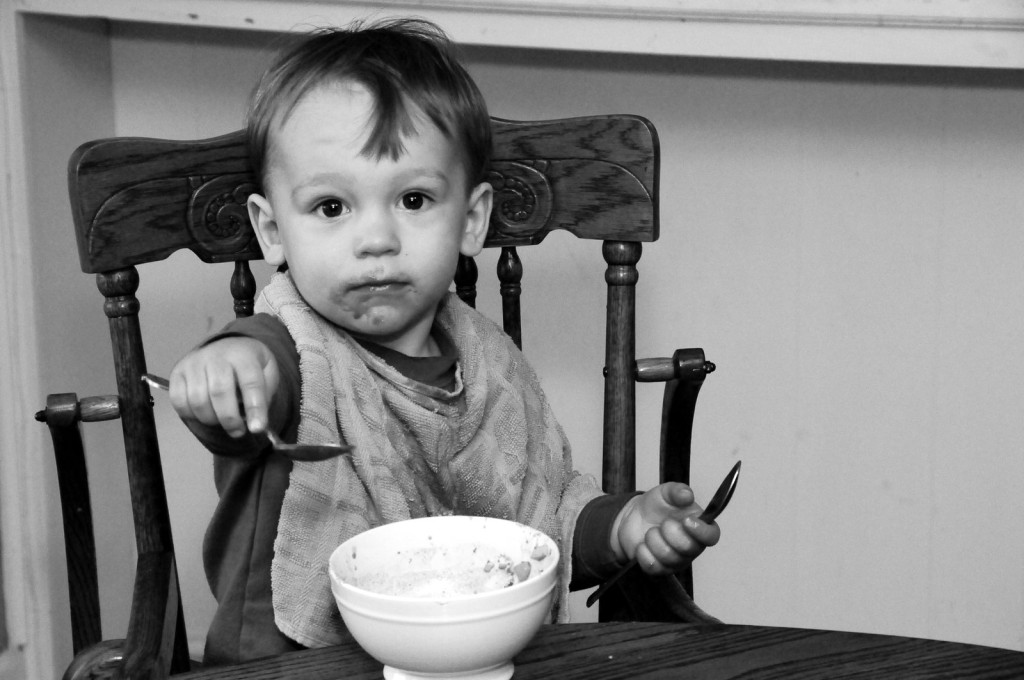
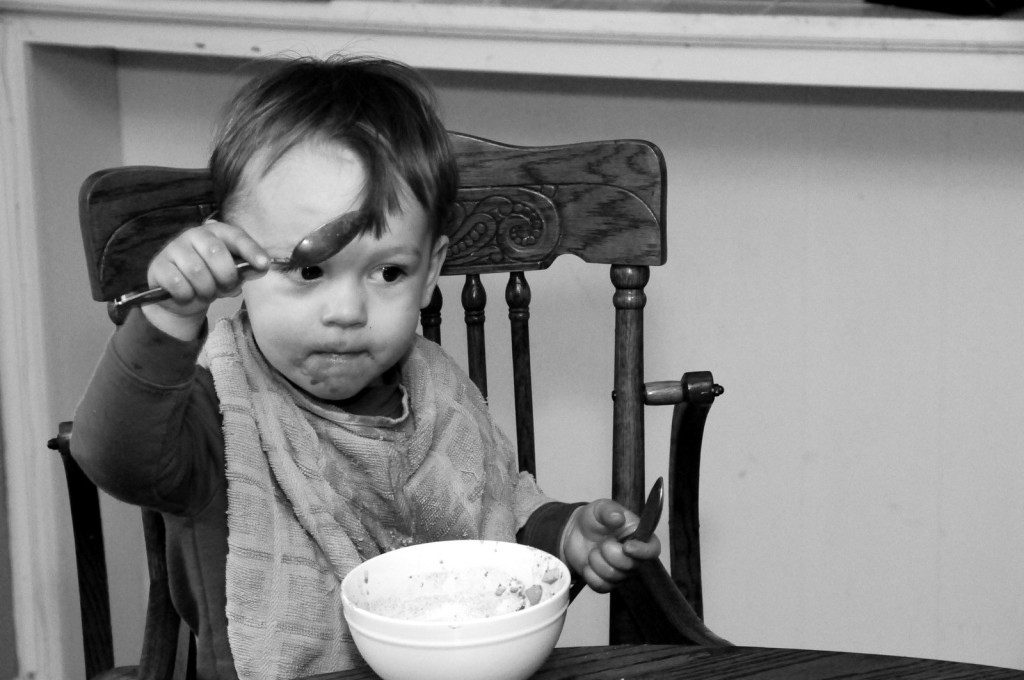
The Boy has been warming to the idea, and tonight, he decided it was time to get serious about beet root soup.
Somehow he managed to get two spoons, and he did make use of both of them.
That only left one family member: the cat. K, though, solved that problem today, taking a few seconds that L hadn't managed to finish, running them through a food processor to grind up the sausage (the poor old girl has lost almost all her teeth), and pouring the resulting purple mush into Bida's bowl.
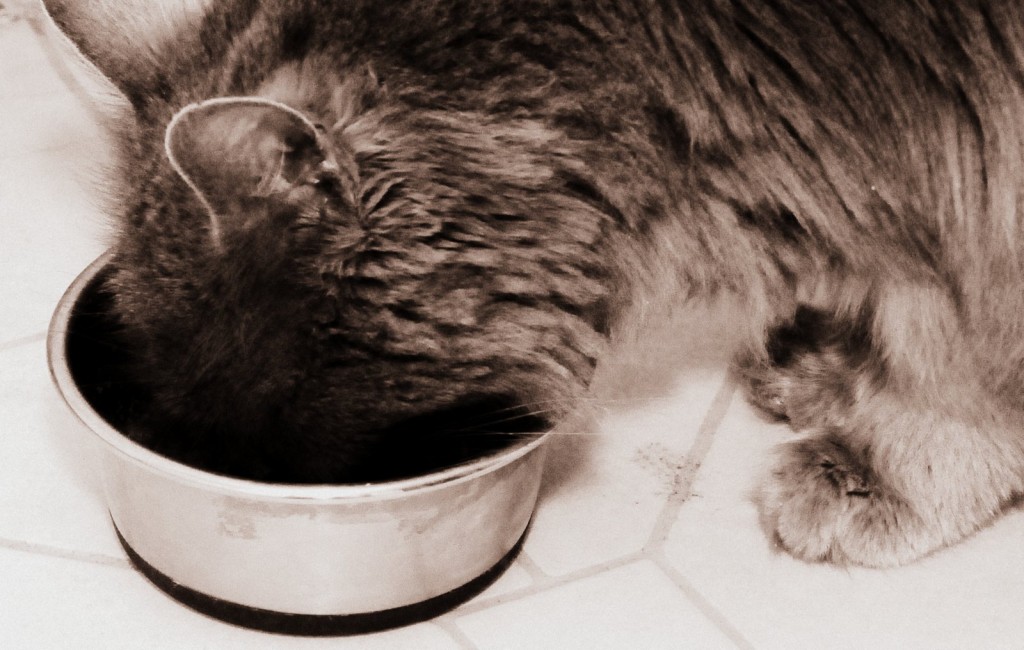
And so now it's official: the Scott family, to a person/cat, loves beetroot soup.
Testing
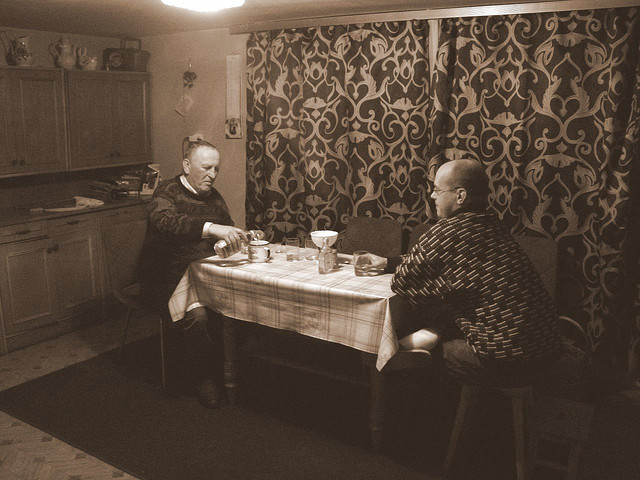
From roughly ten years ago, a failed experiment. “Is it conceivable that we could use Ukrainian grain alcohol to make our wedding przepalanka?” we pondered. We knew the answer before the experiment started: maybe we were just looking for excuses.
Leave Your Best Shot
Odd day today: three hour delay for students but a normal arrival time for teachers. Due to the cold, the district didn't want people out waiting for the bus; due to the lack of snow, most parents would be going to work and would have no way to arrange care for their children. (What do they do on snow days? The whole city doesn't shut down? They still have to go to work many times students get to stay home.) That was the thinking: delay school for those who have to wait for a bus but open school for those who have no way arrange care.
The result: an odd day. No student at all during first period. One student during second period; three students during third period, though technically I'm supposed to have no students during third period because it is the first related arts period for eighth grade. Fourth period we returned to semi-normal for the rest of the day.
So I arrived home and Babcia jokingly asked if we teachers did a little drinking during the morning when no one was there. A shot or two. Only, she wasn't really joking: until recently, it was fairly common in Polish schools.
"No," I said with a smile, imagining the horrors that would produce in an American school.
"Why not?"
"Because you can get fired for that. Or possibly even face some jail time."
"I don't believe it! Not even a little something? That's a bit of an exaggeration," she pontificated.
Like so many cultural differences, I just let it slide at that.
To be fair, the trend of drinking in the teachers' room was noticeably on the decline when we left almost ten years ago, and at that point, it had already diminished significantly in frequency compared to what it looked like in 1996, when I first arrived. Then, the teachers' room looked like any other office when it was someone's name day or some date of similar significance: cake, coffee, tea, a bottle of vodka, perhaps some wine, maybe some champagne. Indeed, in one of the most ironic scenes I've ever witnessed at a school dance, one teacher took a shot of vodka, stood, squirted his always-present breath-freshener into his mouth five or six times, and said, "Come on, Tadek, let's go check the students for alcohol."
By the time I'd left, a bottle of this or that was a relatively rare occurrence in the teachers' room. It happened, but seldom, and more and more people begged off when offered a drink. As Poland has looked more to the West and less to the East, they seem to be leaving this cultural oddity -- something which likely strikes the average American as unspeakably unprofessional -- behind.