matching tracksuits

fun in threes, sometimes fours

polska

My always obsession...

First Pics from Abroad

"How will I send you pictures?" K asked before leaving with the kids to Poland. We worked out a couple of different ways, but uploading directly to MTS seems to be the best method.

And so now I begin the shift from blogger to historian, for I'm writing about pictures and events where I was absent. I can look at the pictures, make an educated guess about what was going on (informed by what K told me via Skype), but by and large, I'm still just a historian.
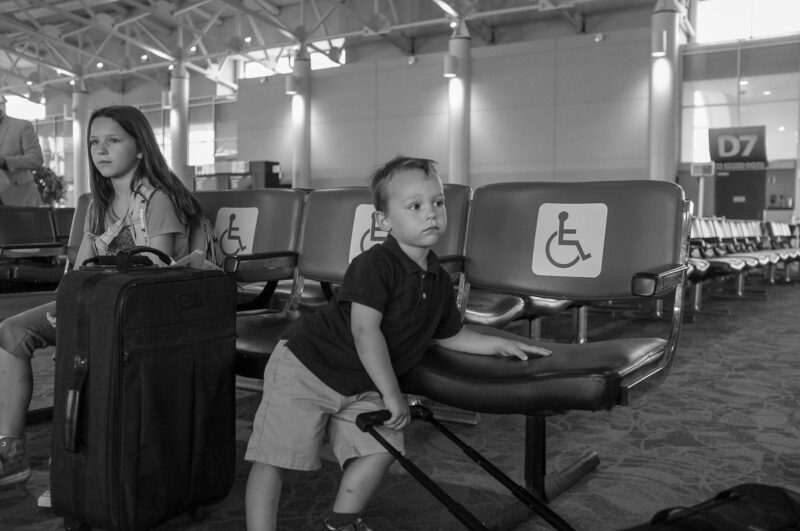
So I look at the pictures and think, "Hum, at the airport." And I think further: Charlotte or Munich? It doesn't look like the terminal from which we've always left from Charlotte, but it looks less like the Munich airport. Still, the carpet, the handicap sign (why are my children sitting in a seat for handicapped people?), the general surroundings, the alertness of the kids -- it must be Charlotte.

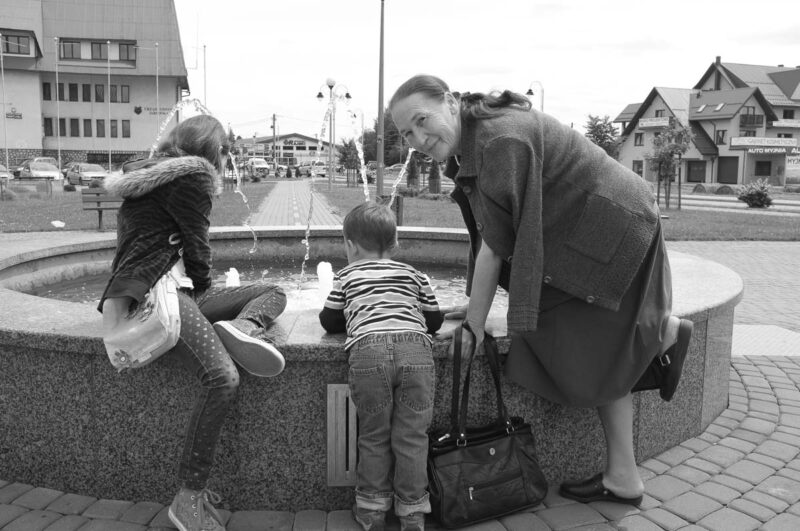
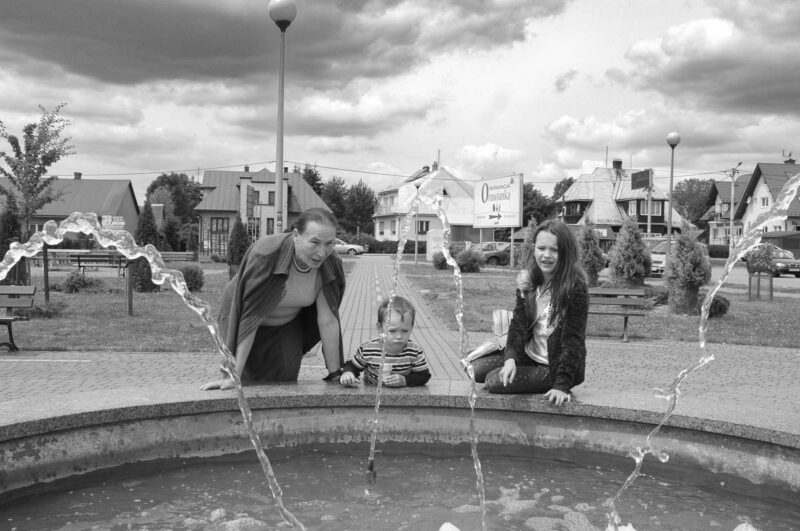
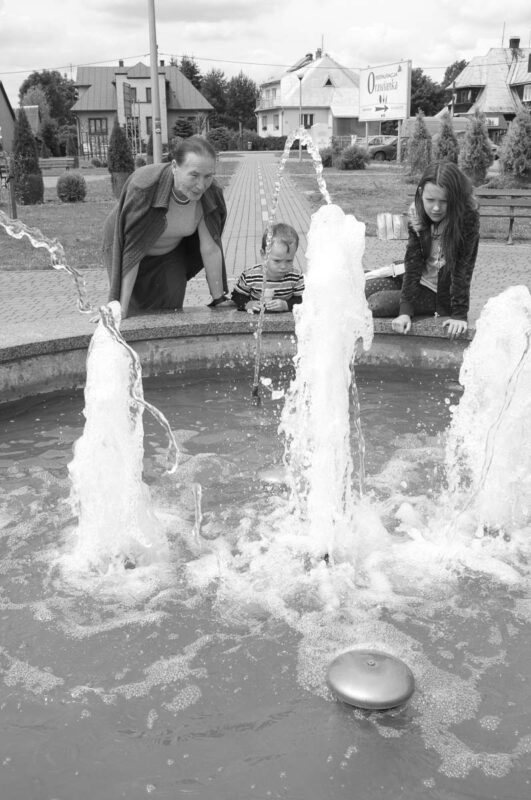
The other pictures are easy: I recognize the spot immediately, and more importantly, K told me about their shopping trip to "downtown" Jabłonka.
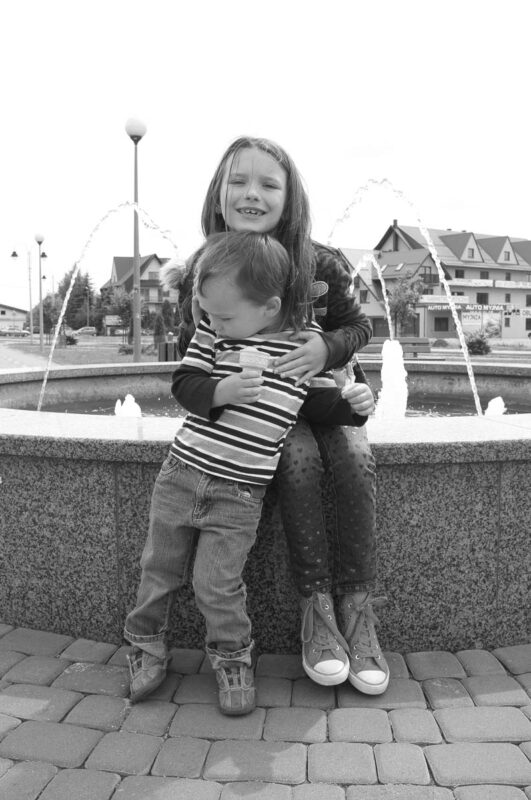
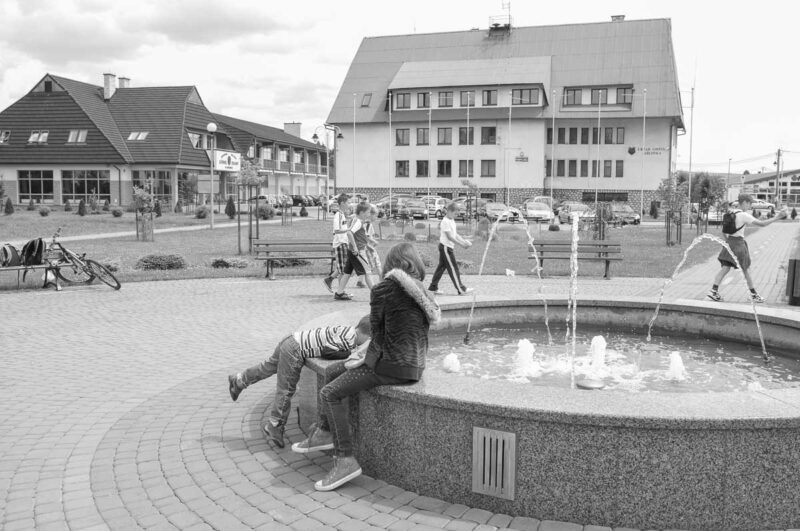
The clothes are another clue: Charlotte was 98° when they left; Poland was in the 50s, with the 5 AM morning temperature (Babcia is an early-riser) being a refreshing 32° F. Still, you'll notice in L's hand an ice cream cone. Apparently they're continuing the tradition we started in 2013: if you go to the village centrum, you must get an ice cream cone. Still, you'll also notice in the background that children returning from school are wearing shorts. It is, after all, June. Summer in Poland.
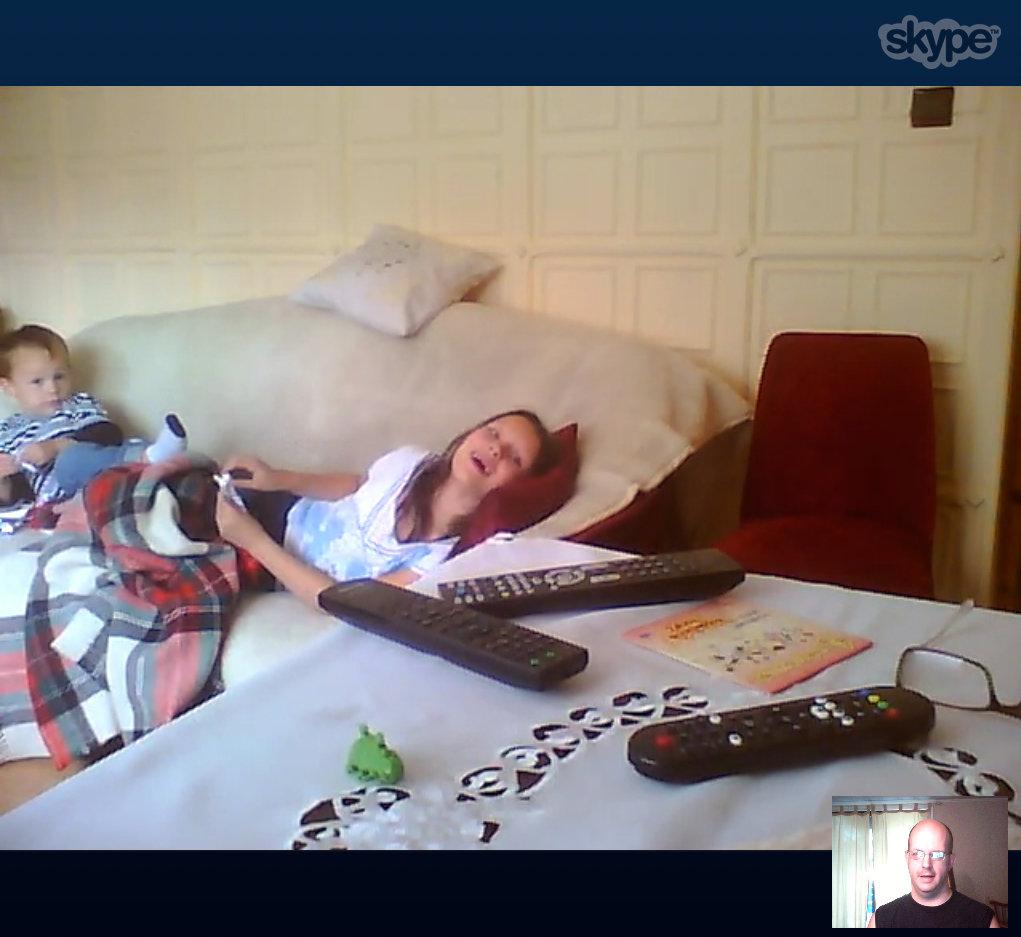
Here and There

Two stories, one family. Or maybe one family, one story, temporarily told in two parts. The highlight of the day came in the morning, without question. Mug of coffee in hand, I headed downstairs to chat with the better portion of our family. They’re finishing up lunch; I just had breakfast.

1-Fullscreen capture 6182015 75950 AM

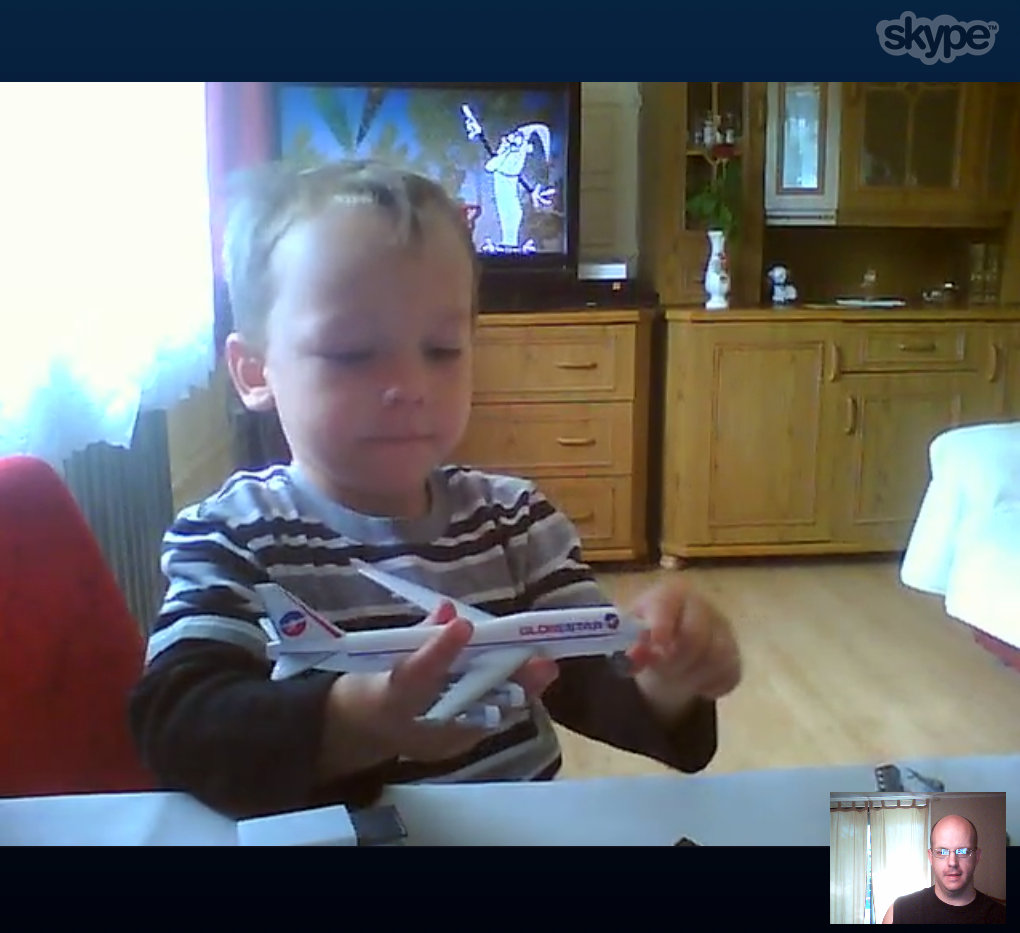
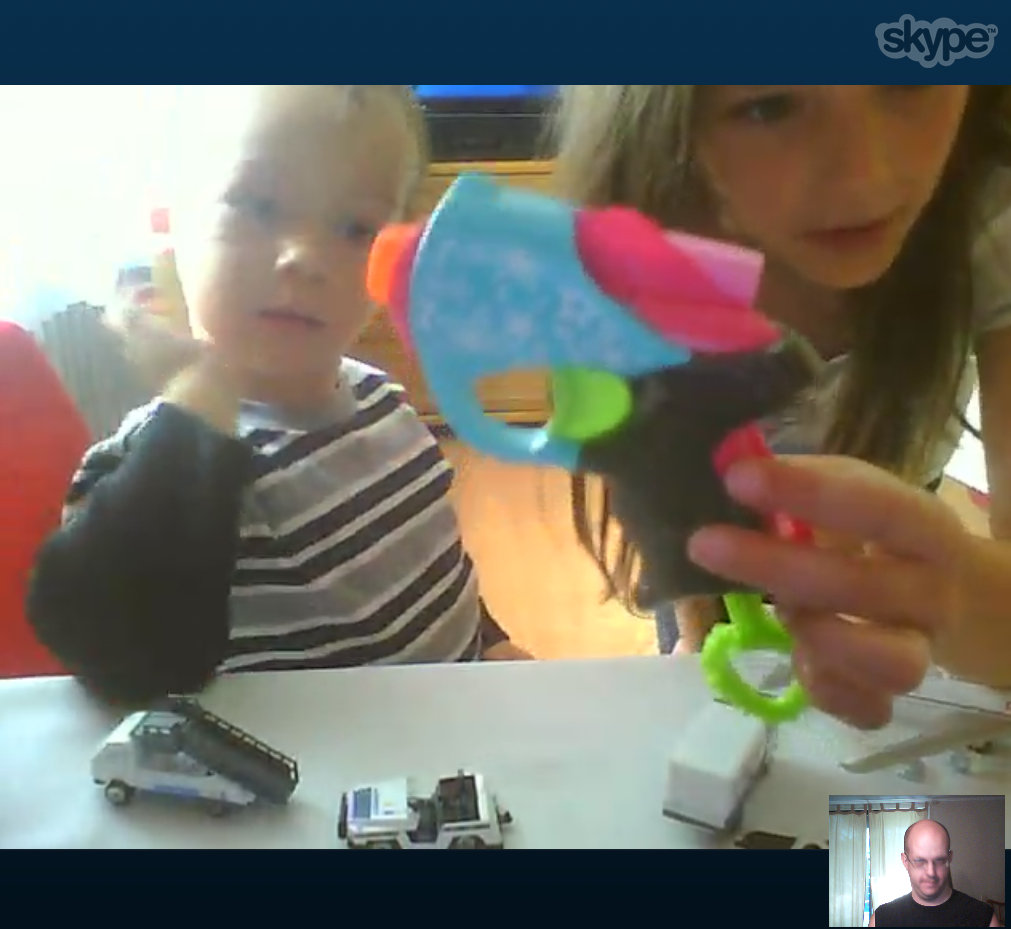
The Boy began with the important information: new additions to the toy collection. With money from Babcia, he bought an entire set of air-travel-based toys: airplane, cargo lifter, the stair-mobile that we occasionally see but almost never use. Except at Krakow’s airport.

1-Fullscreen capture 6182015 80655 AM

He put a couple of toys down in front of the computer and proclaimed that I could play with those. I suggested we might have to wait until the family is reunited.

1-Fullscreen capture 6182015 80832 AM

In the meantime, the Girl has dashed up to her room (which means bolting up four sets of stairs) and back to show me what she chose with her money from Babcia: a small Nerf-launching pistol to go along with her Nerf-launching bow that’s still here, in South Carolina.

It’s likely to be a daily or near-daily occurrence. “What kind of plastic nonsense will she have next Wednesday, when you guys go to the flea market?” I ask. L just jumped in joyful anticipation.

Feed the Cats!

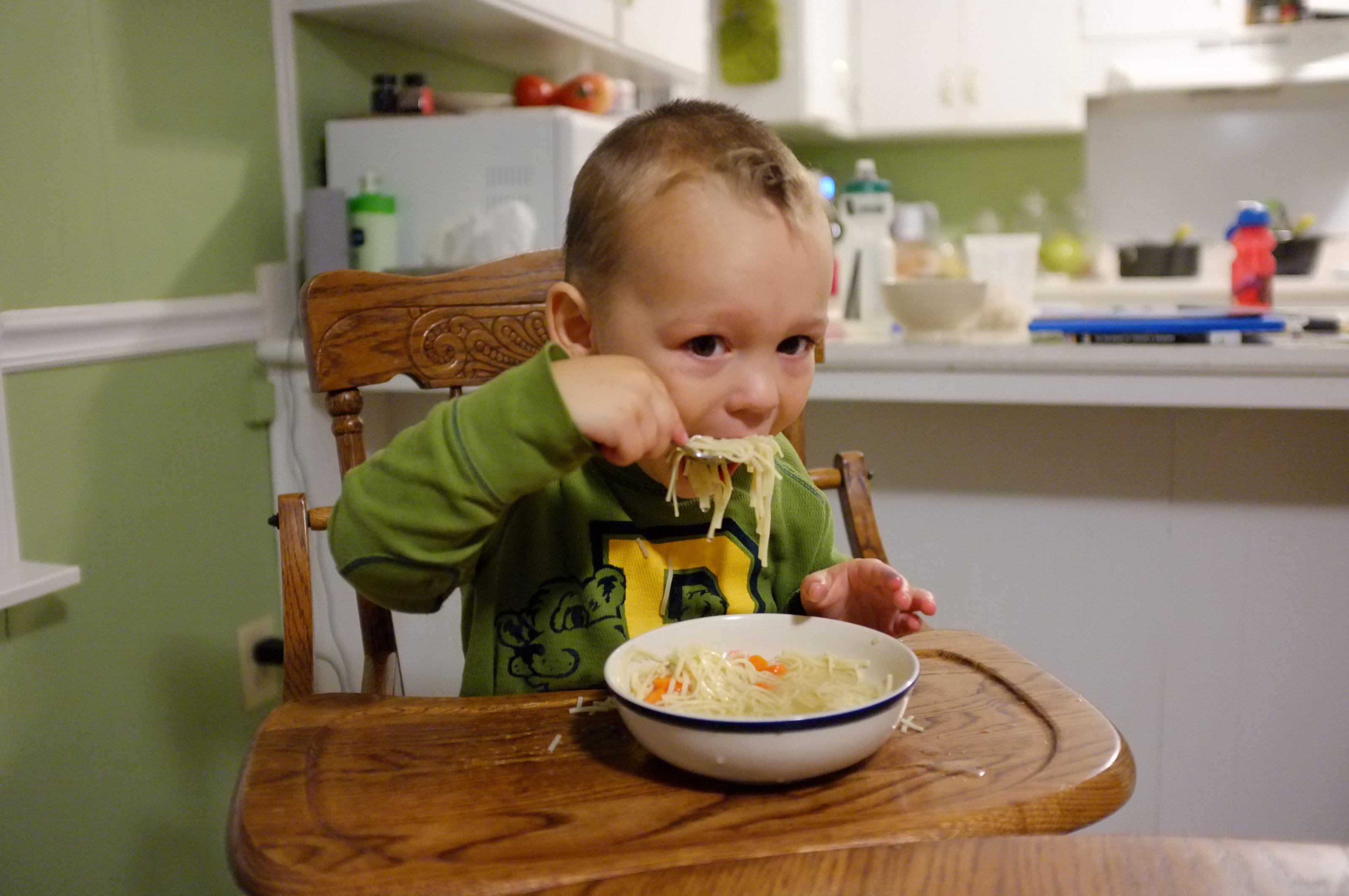
K and the kids are now somewhere over the Atlantic, on their way to Munich, where they’ll have ninety minutes to make a connection to Krakow, where K’s godfather will pick them up and drive them two hours south almost into Slovakia, where Babcia is waiting with chicken broth and homemade egg noodles. The ninety-minute ride to the airport went fine, the check-in process was flawless, and we even had time to sit and share an over-priced bottle of orange juice before they entered the terminal area restricted to those of us who lack a ticket. I wound through the line with them, ducking out at the last minute just before K and the kids had to take off shoes, belts, etc. The Boy came back over to the rope barrier and gave me another hug and kiss. The Girl followed, on the brink of tears, reminding me for the thousandth time to…

Watch Me!

The third day I was in Poland, I encountered my first Corpus Christi procession.

Suddenly the bells began ringing and eventually I caught sight of a procession coming around from behind the church. Choir boys were dinging small bells and behind them was a procession of relics. A little behind that was the priest, walking under a canopy supported by six men, preceded by a young priest waving an incense burner. The head priest was holding a staff with a gold sun in front of his face -- he was led by the arms, for he certainly couldn't see where he was going. Behind the priest was a group of loosely organized lay-persons, singing a capella. The woman beside me knelt as the group went by.

Not having had much exposure to Catholicism, I'd assumed that the doctrine of transubstantiation was a relic of the past. (I also didn't know what a monstrance is, but that's really not the point.) But it is a belief alive and well among more traditionally-minded Catholics, which used to be, I think, much more of a universal description of Poland than it is now. I was in Radom when I first encountered Corpus Christi, and while Radom is no Warsaw, it's not some backwater village, virtually cut off from the urban realities of contemporary life. Still, when the Corpus Christi passed by, even those not participating knelt.

I used to wonder how many of those kneeling really believed in the doctrine of transubstantiation, that the host really is the body of Christ (hence Corpus Christi). It's a strikingly literal interpretation of the Bible. When Jesus said, "This is my body," he meant it.

52 Then the Jews began to argue with one another, saying, “How can this man give us His flesh to eat?” 53 So Jesus said to them, “Truly, truly, I say to you, unless you eat the flesh of the Son of Man and drink His blood, you have no life in yourselves. 54 He who eats My flesh and drinks My blood has eternal life, and I will raise him up on the last day. 55 For My flesh is true food, and My blood is true drink. 56 He who eats My flesh and drinks My blood abides in Me, and I in him. 57 As the living Father sent Me, and I live because of the Father, so he who eats Me, he also will live because of Me. 58 This is the bread which came down out of heaven; not as the fathers ate and died; he who eats this bread will live forever.” (John 6:52-58)

The argument is simple: if Jesus was only being metaphorical here, he would have said so. This is why Catholics kneel so much: it's a belief that we are in the physical presence of Christ, and if that's the case, kneeling is the logical response.

And so in predominately Catholic countries, on Corpus Christi, when the procession passes by with the glorified body of Christ in the monstrance, the usual reaction is to kneel. Or it was.

bozecialo
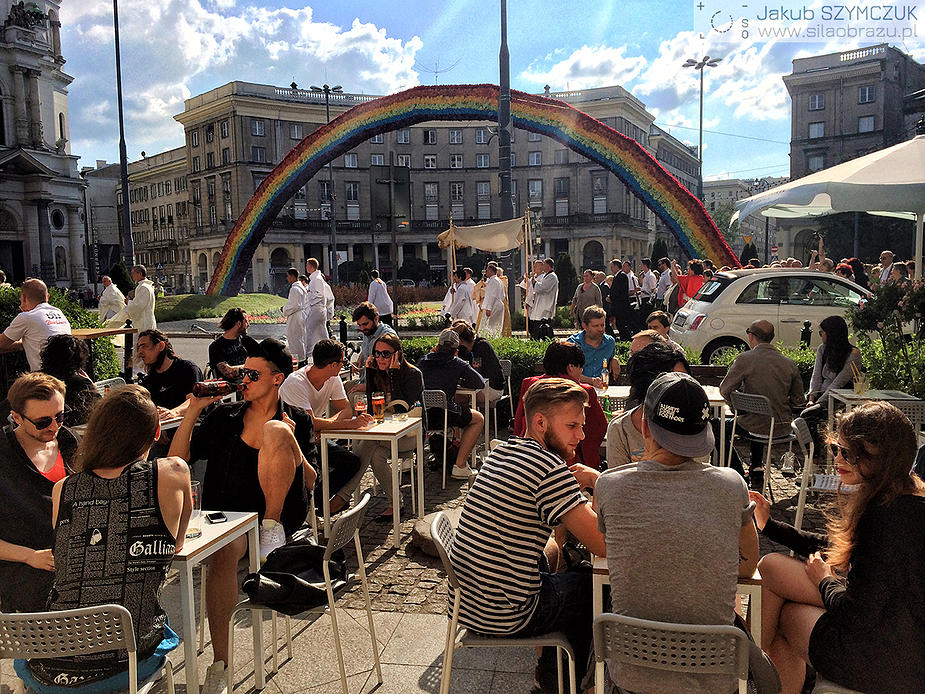
Photo by Jakub Szymczuk, used most decidedly without permission

This shot comes from a Corpus Christi procession in Warsaw earlier this month. Two things are striking: the first is the rainbow in the background, a sign of growing tolerance toward homosexuality in Poland. The second is what really caught my eye, though: the folks in the front, enjoying an afternoon at the cafe, appear to be completely oblivious to what's going on behind them. We can interpret this a couple of ways:

  1. No one at the cafe has noticed that there is a Corpus Christi procession passing by.
  2. No one at the cafe cares that there is a Corpus Christi procession passing by.

The first reason seems unlikely, but we can construct an argument: It happens so often, throughout the country on Boze Cialo ("Corpus Christi" in Polish) that perhaps it's just common place to them, and they just really don't think about it. Still, enough people are facing the procession to make this unlikely.

The second reason, to me, is quite sad. It's not that I'm worried about the de-Catholic-sizing of Poland. I am, and I think it's a great but inevitable tragedy. The Catholic faith has been the social glue that held Poland together for centuries, and it's gradually weakening effect suggests a gradually weakening sense of cultural identity. Certainly there's a lot about the Polish Catholic church that is, quite honestly, horrendous, but babies and bathwater come to mind in such a case.
What's really depressing about the picture is the fact that this group of young people doesn't even see it as important to show respect to those participating in the procession. Sure, they clearly don't believe in the faith once delivered, but showing respect to others beliefs just seems like a sign of maturity that I see as lacking in contemporary society, and clearly it's spread to the east as well.

Then there's the irony of the caption: Wszystko jest inne niz 10 lat temu. Boze Cialo jest tutaj inne. Fotografia jest inna - zdjecie zostalo zrobione telefonem komórkowym. "Everything is different than it was ten years ago. Corpus Christi is different. Photography is different: the picture was taken with a cell phone." So Szymczuk himself was at the cafe, but ironically he stood, perhaps out of respect but more likely to better frame the image.

I showed the picture to K, who was not surprised -- nor was I, to be honest. "Things are changing in Poland," she said (translating -- no need to put the original Polish). "Everyone in Poland is Catholic by birth, but fewer and fewer actually believe."

Again, it's not the lack of belief that's troublesome: it's the lack of respect.

That seems to be the defining characteristic of this new millennium. It's slowly becoming the case that I'm more surprised when a student is consistently respectful -- to me and to peers -- throughout the year than I am when someone is consistently disrespectful. And where does this come from? I think a song the DJ played today during the eighth-grade day celebration

I was mercifully unfamiliar with the number, but plugging "watch me song" revealed that it's someone who goes by the name Silento. The lyrics are fairly typical of today's music:

Now watch me whip (kill it!)
Now watch me nae nae (okay!)
Now watch me whip whip
Watch me nae nae (want me do it?)

Now watch me whip (kill it!)
Watch me nae nae (okay!)
Now watch me whip whip
Watch me nae nae (can you do it?)

Now watch me

Ooh watch me, watch me
Ooh ooh ooh ooh

Ooh watch me, watch me
Ooh ooh ooh ooh

Do the stanky leg, do the stanky leg

Now break your legs
Break your legs
Tell 'em "break your legs"
Break your legs

Now break your legs
Break your legs
Now break your legs
Break your legs

Now watch me (bop bop bop bop bop bop bop bop)

Now watch me whip (kill it!)
Now watch me nae nae (okay!)
Now watch me whip whip
Watch me nae nae (want me do it?)

Now watch me whip (kill it!)
Watch me nae nae (okay!)
Now watch me whip whip
Watch me nae nae (can you do it?)

Now watch me

Ooh watch me, watch me
Ooh ooh ooh ooh

Ooh watch me, watch me
Ooh ooh ooh ooh

Now watch me you
Now watch superman
Now watch me you
Now watch superman
Now watch me you
Now watch superman
Now watch me you
Now watch superman

Now watch me duff, duff, duff, duff, duff, duff, duff, duff (Hold on)
Now watch me duff, duff, duff, duff, duff, duff, duff, duff, duff

Now watch me (bop bop bop bop bop bop bop bop)

Now watch me whip (kill it!)
Now watch me nae nae (okay!)
Now watch me whip whip
Watch me nae nae (want me do it?)

Now watch me whip (kill it!)
Watch me nae nae (okay!)
Now watch me whip whip
Watch me nae nae (Can you do it?)

Now watch me

Ooh watch me, watch me
Ooh ooh ooh ooh

Ooh watch me, watch me
Ooh ooh ooh ooh

This is the "watch me" generation, to the point that a current hit is literally just the words "Watch me!" And this is why I see this as an issue of maturity: who typically runs around saying, "Watch me!"? Now, of course, we have seemingly countless ways to get people to watch us in the form of the endless stream of social media we're surrounded with. The point is simple: while we've always been a narcissistic species, technology has made it easier never to grow out of that.

He says on his blog.

No, watch me!

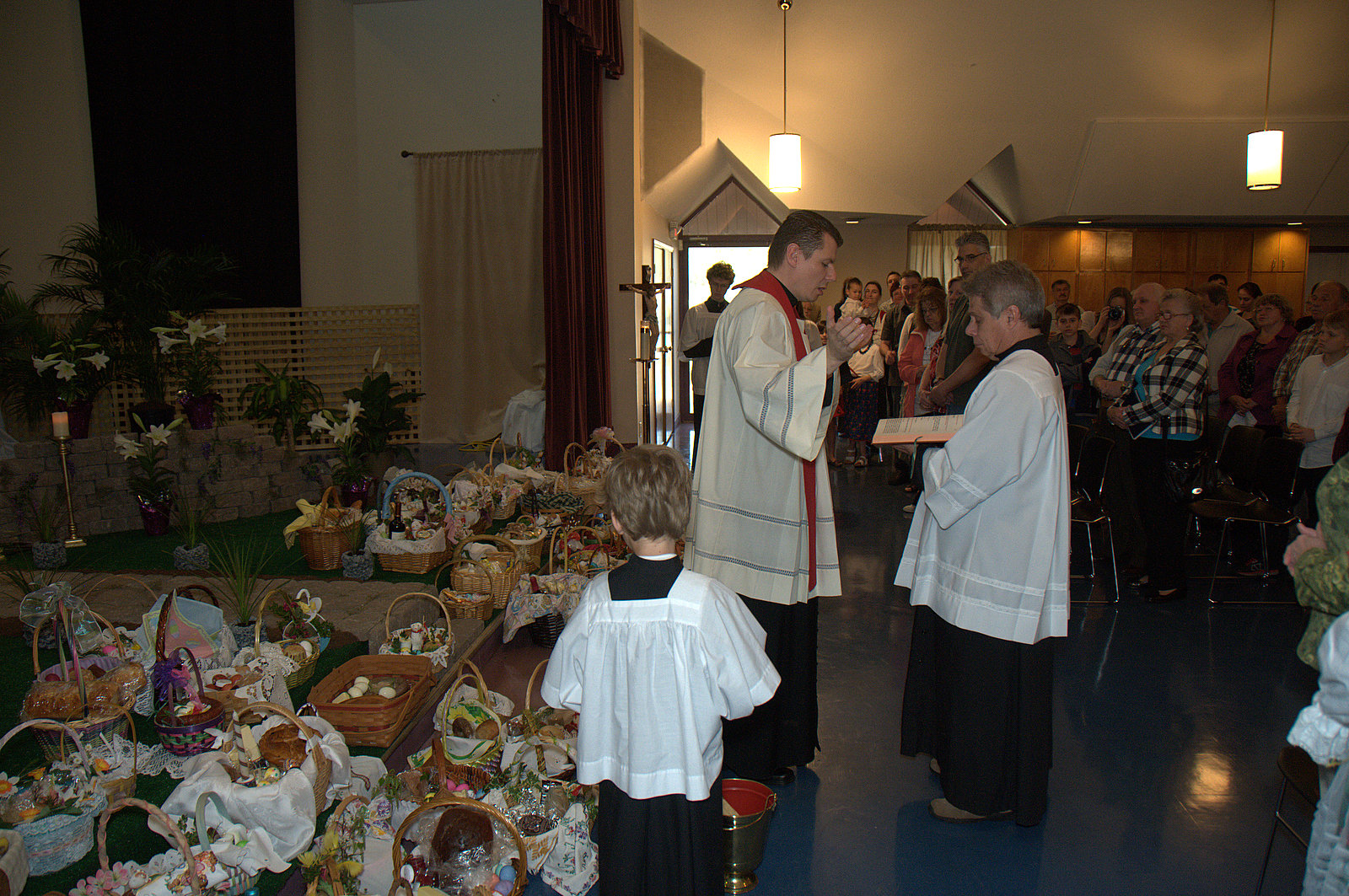
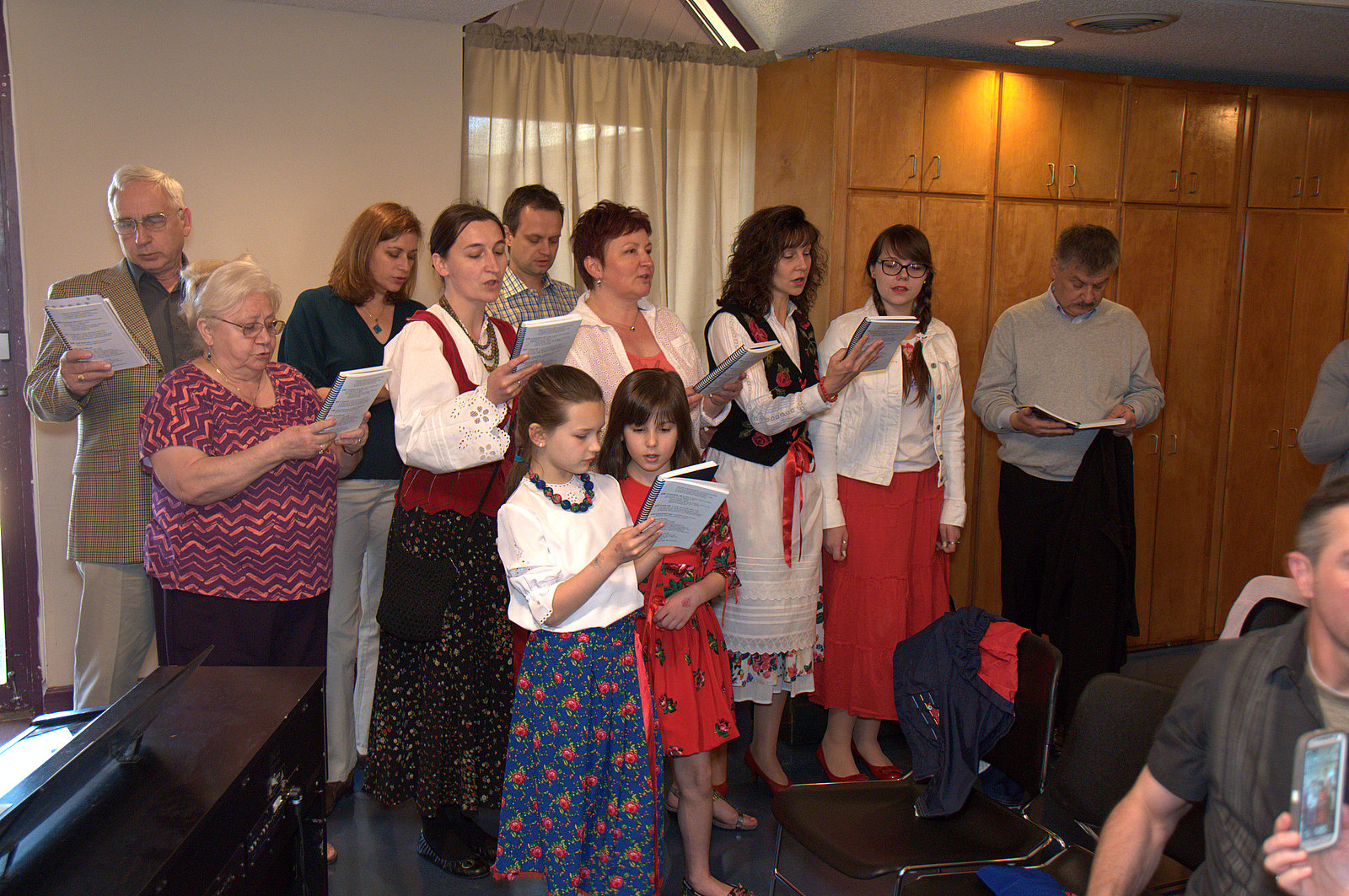
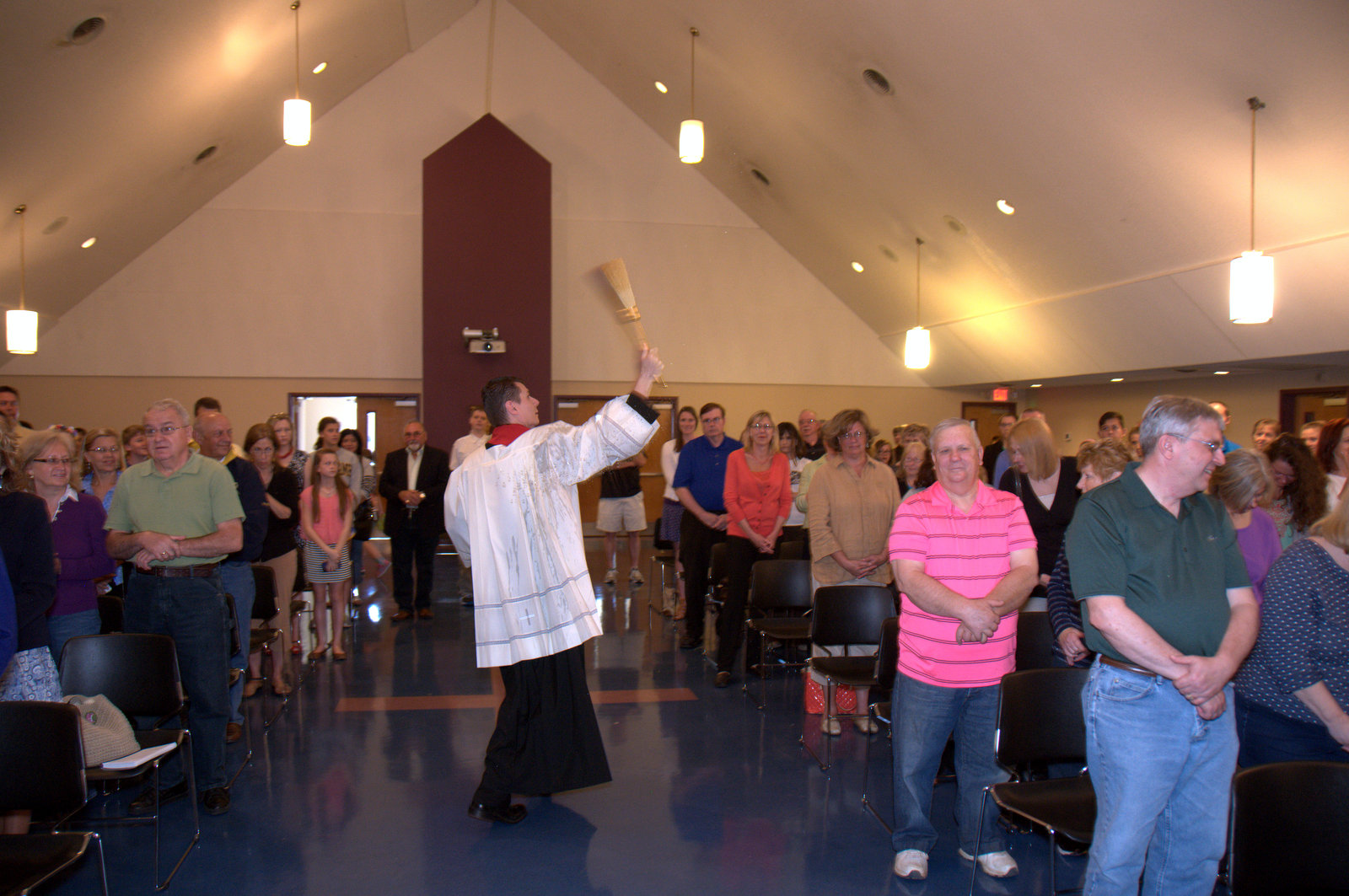
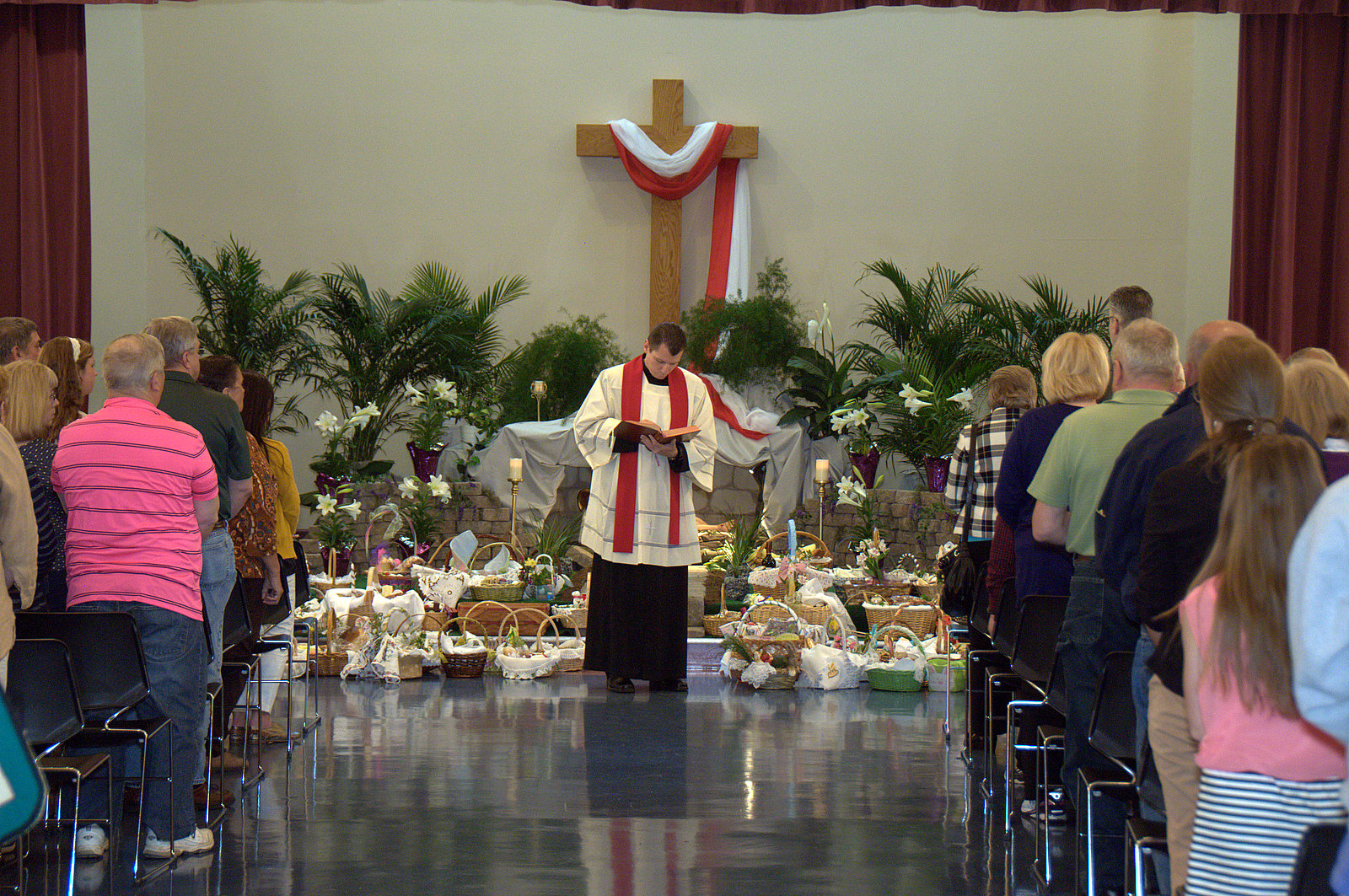
Baskets 2015

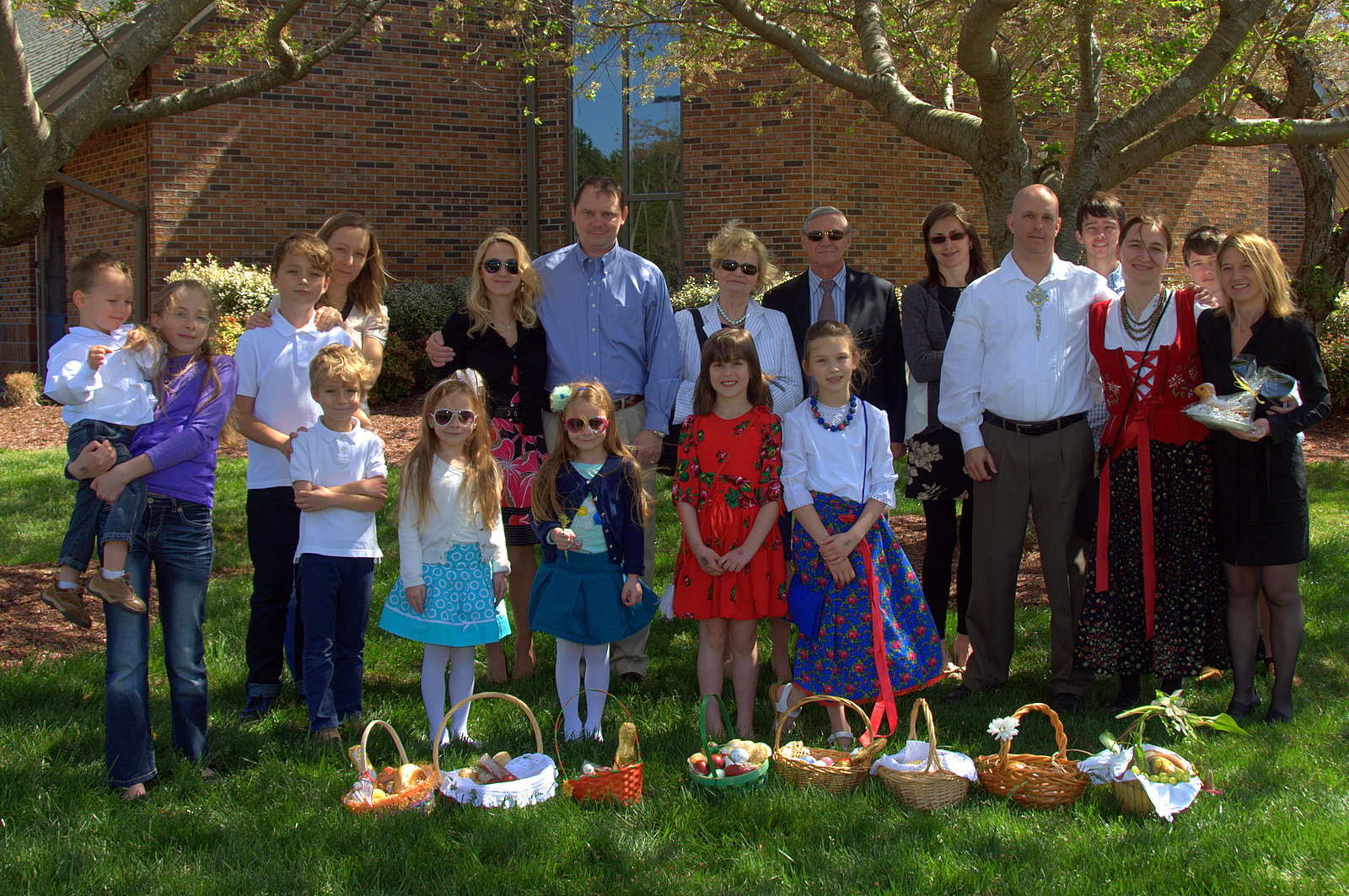
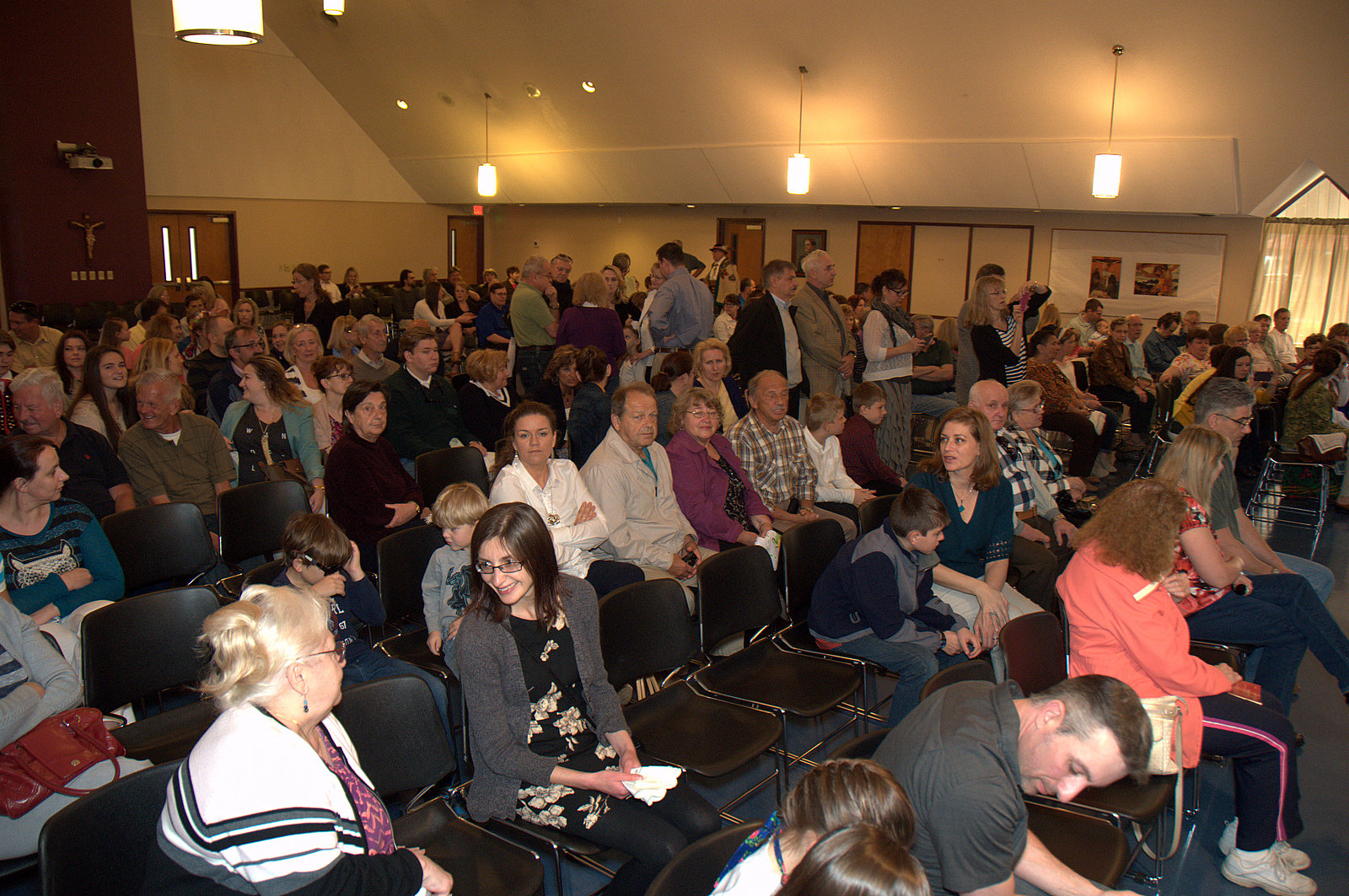
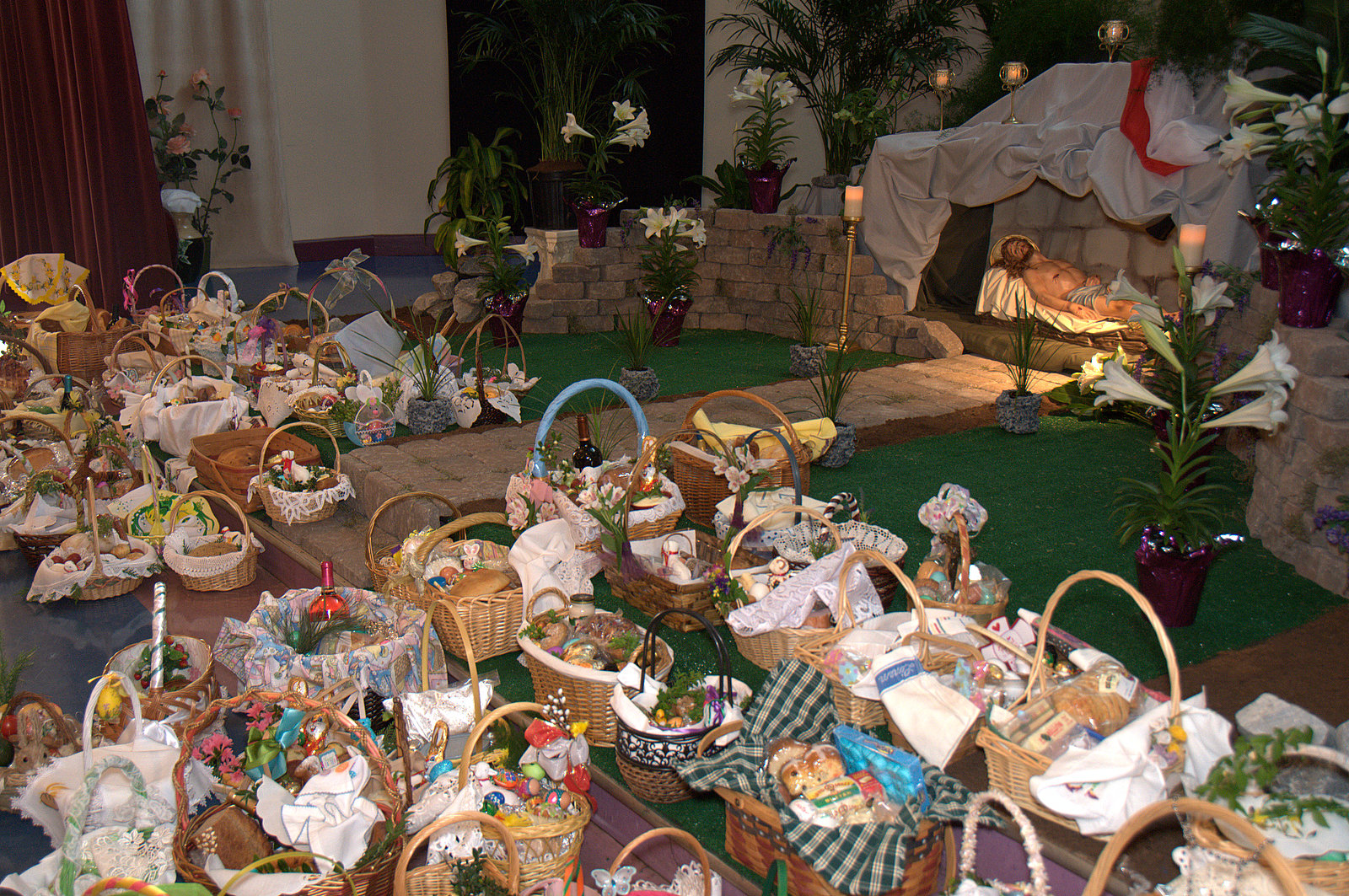
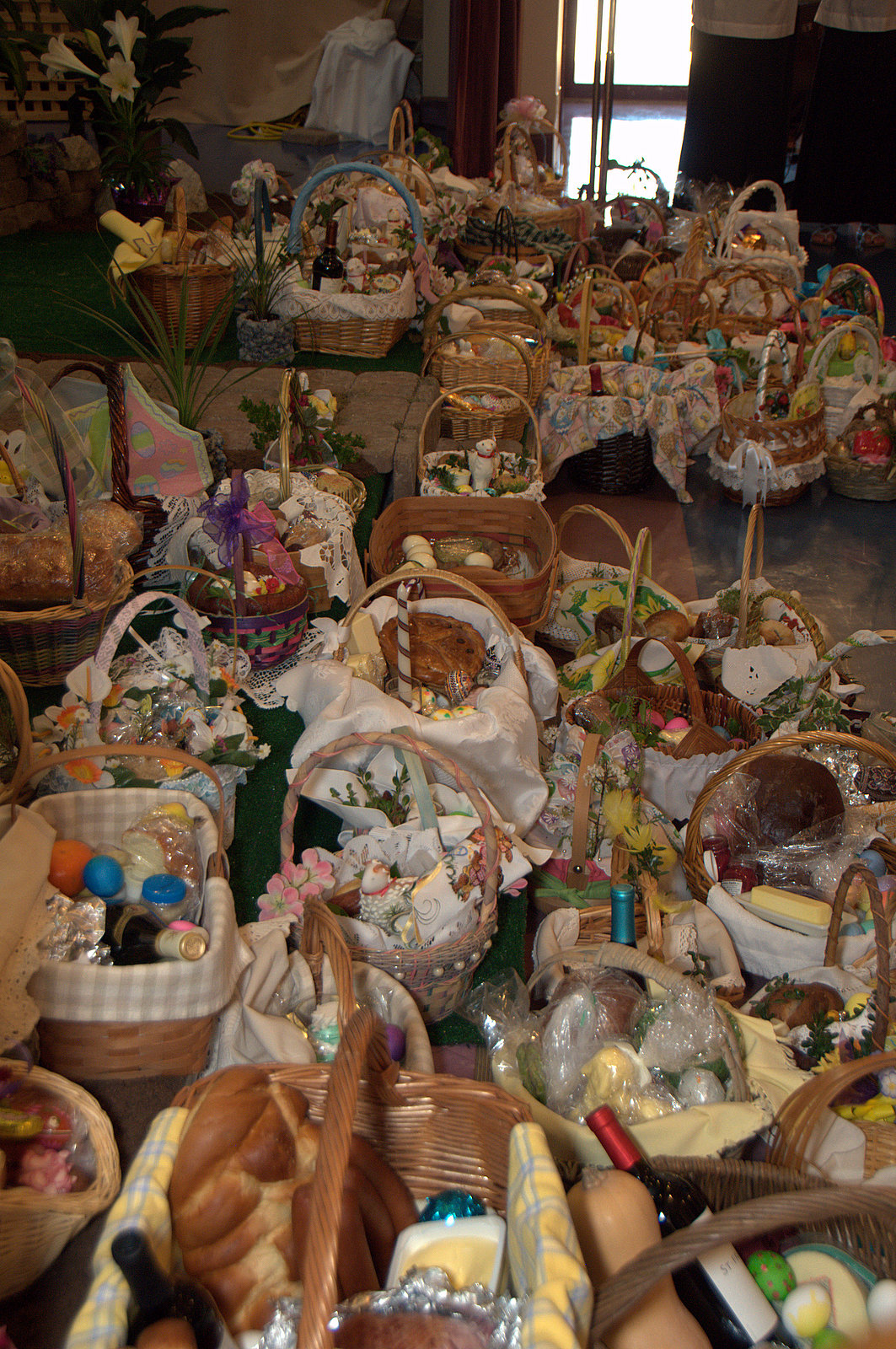
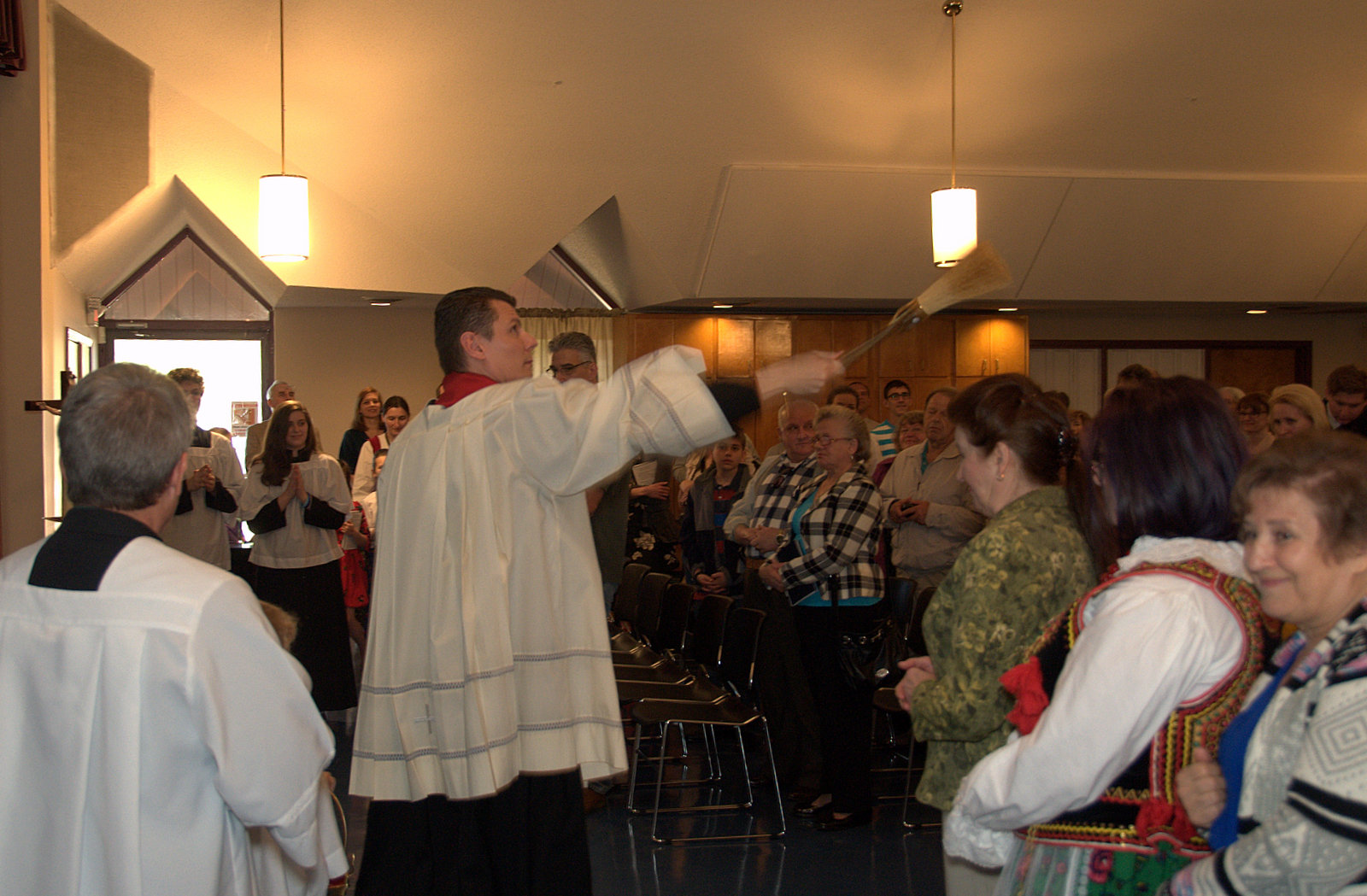
It's been steadily growing each year, and not just because more and more Poles attach themselves to our ever-growing church community. This year, for instance, there was a story in the parish bulletin about the Polish tradition of the Holy Saturday blessing of the baskets, and as a result, attendance was at an all-time high.

Palm Sunday 2015

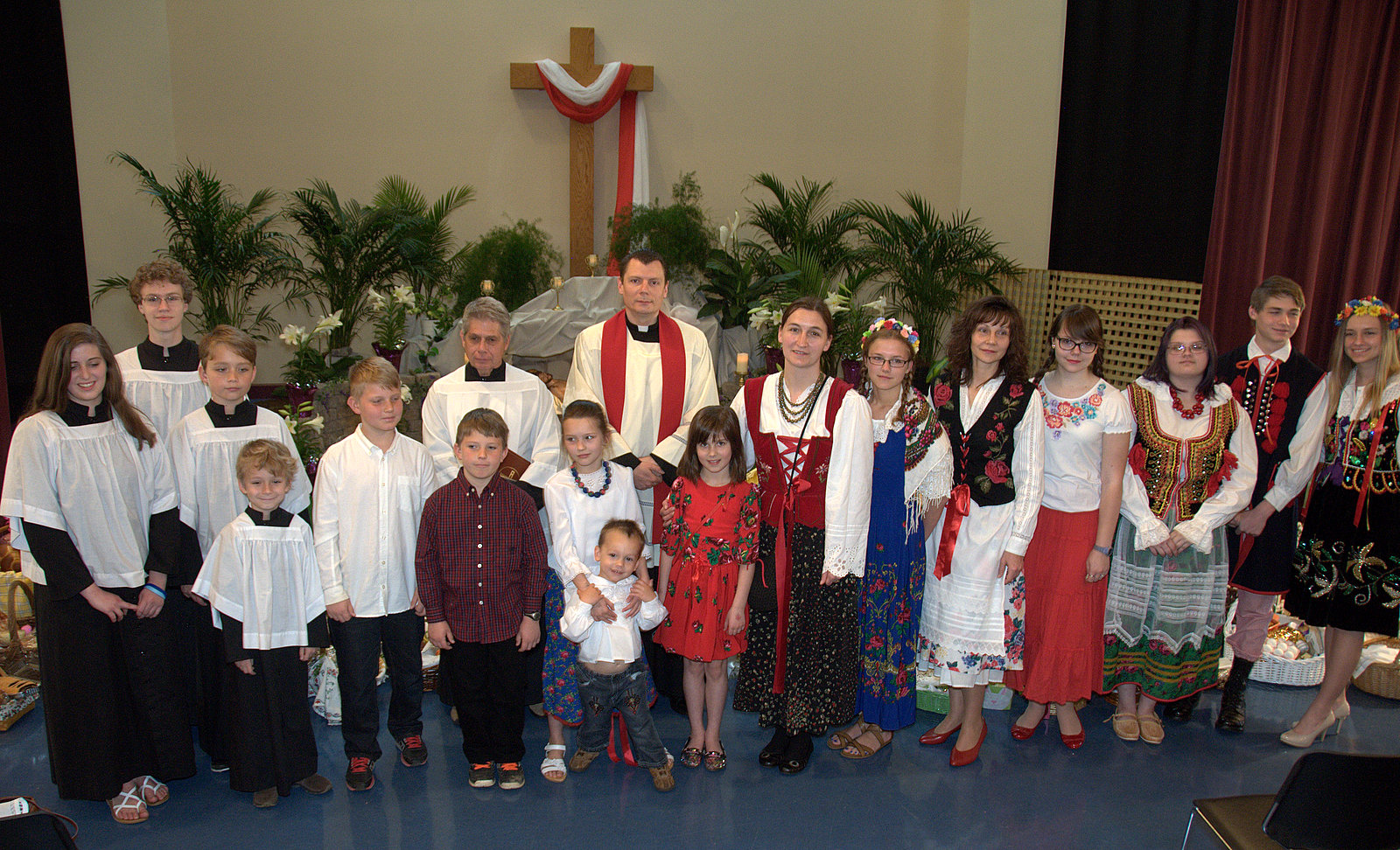
It's Palm Sunday, which means Polish Mass. No matter which Sunday it falls on -- Polish Mass is always the last Sunday of the month -- the Poles in the area gather for Mass. We've been lucky to have three Polish priests in the area (or the near-area) for about five years now, so that means Polish Mass on Christmas, on Palm Sunday, and on Easter Sunday, no matter which Sunday that might be.

01-VIV_3386

This year, though, it's different. During Passiontide, it's customary to cover the statuary of the Holy Family in Catholic churches, but this year was the first year our parish did it. Perhaps it's because of the size of the altar piece. It sets a solemn occasion, and a long Gospel reading, done with various individuals taking the various parts:

The Passover and the Feast of Unleavened Bread
were to take place in two days’ time.
So the chief priests and the scribes were seeking a way
to arrest him by treachery and put him to death.
They said, “Not during the festival,
for fear that there may be a riot among the people.”

When he was in Bethany reclining at table
in the house of Simon the leper,
a woman came with an alabaster jar of perfumed oil,
costly genuine spikenard.
She broke the alabaster jar and poured it on his head.
There were some who were indignant.
“Why has there been this waste of perfumed oil?
It could have been sold for more than three hundred days’ wages
and the money given to the poor.”
They were infuriated with her.
Jesus said, “Let her alone.
Why do you make trouble for her?
She has done a good thing for me.
The poor you will always have with you,
and whenever you wish you can do good to them,
but you will not always have me.
She has done what she could.
She has anticipated anointing my body for burial.
Amen, I say to you,
wherever the gospel is proclaimed to the whole world,
what she has done will be told in memory of her.”

Then Judas Iscariot, one of the Twelve,
went off to the chief priests to hand him over to them.
When they heard him they were pleased and promised to pay him money.
Then he looked for an opportunity to hand him over.

On the first day of the Feast of Unleavened Bread,
when they sacrificed the Passover lamb,
his disciples said to him,
“Where do you want us to go
and prepare for you to eat the Passover?”
He sent two of his disciples and said to them,
“Go into the city and a man will meet you,
carrying a jar of water.
Follow him.
Wherever he enters, say to the master of the house,
‘The Teacher says, “Where is my guest room
where I may eat the Passover with my disciples?”’
Then he will show you a large upper room furnished and ready.
Make the preparations for us there.”
The disciples then went off, entered the city,
and found it just as he had told them;
and they prepared the Passover.

When it was evening, he came with the Twelve.
And as they reclined at table and were eating, Jesus said,
“Amen, I say to you, one of you will betray me,
one who is eating with me.”
They began to be distressed and to say to him, one by one,
“Surely it is not I?”
He said to them,
“One of the Twelve, the one who dips with me into the dish.
For the Son of Man indeed goes, as it is written of him,
but woe to that man by whom the Son of Man is betrayed.
It would be better for that man if he had never been born.”

While they were eating,
he took bread, said the blessing,
broke it, and gave it to them, and said,
“Take it; this is my body.”
Then he took a cup, gave thanks, and gave it to them,
and they all drank from it.
He said to them,
“This is my blood of the covenant,
which will be shed for many.
Amen, I say to you,
I shall not drink again the fruit of the vine
until the day when I drink it new in the kingdom of God.”
Then, after singing a hymn,
they went out to the Mount of Olives.

Then Jesus said to them,
“All of you will have your faith shaken, for it is written:
I will strike the shepherd,
and the sheep will be dispersed.
But after I have been raised up,
I shall go before you to Galilee.”
Peter said to him,
“Even though all should have their faith shaken,
mine will not be.”
Then Jesus said to him,
“Amen, I say to you,
this very night before the cock crows twice
you will deny me three times.”
But he vehemently replied,
“Even though I should have to die with you,
I will not deny you.”
And they all spoke similarly.
Then they came to a place named Gethsemane,
and he said to his disciples,
“Sit here while I pray.”
He took with him Peter, James, and John,
and began to be troubled and distressed.
Then he said to them, “My soul is sorrowful even to death.
Remain here and keep watch.”
He advanced a little and fell to the ground and prayed
that if it were possible the hour might pass by him;
he said, “Abba, Father, all things are possible to you.
Take this cup away from me,
but not what I will but what you will.”
When he returned he found them asleep.
He said to Peter, “Simon, are you asleep?
Could you not keep watch for one hour?
Watch and pray that you may not undergo the test.
The spirit is willing but the flesh is weak.”
Withdrawing again, he prayed, saying the same thing.
Then he returned once more and found them asleep,
for they could not keep their eyes open
and did not know what to answer him.
He returned a third time and said to them,
“Are you still sleeping and taking your rest?
It is enough. The hour has come.
Behold, the Son of Man is to be handed over to sinners.
Get up, let us go.
See, my betrayer is at hand.”

Then, while he was still speaking,
Judas, one of the Twelve, arrived,
accompanied by a crowd with swords and clubs
who had come from the chief priests,
the scribes, and the elders.
His betrayer had arranged a signal with them, saying,
“The man I shall kiss is the one;
arrest him and lead him away securely.”
He came and immediately went over to him and said,
“Rabbi.” And he kissed him.
At this they laid hands on him and arrested him.
One of the bystanders drew his sword,
struck the high priest’s servant, and cut off his ear.
Jesus said to them in reply,
“Have you come out as against a robber,
with swords and clubs, to seize me?
Day after day I was with you teaching in the temple area,
yet you did not arrest me;
but that the Scriptures may be fulfilled.”
And they all left him and fled.
Now a young man followed him
wearing nothing but a linen cloth about his body.
They seized him,
but he left the cloth behind and ran off naked.

They led Jesus away to the high priest,
and all the chief priests and the elders and the scribes came together.
Peter followed him at a distance into the high priest’s courtyard
and was seated with the guards, warming himself at the fire.
The chief priests and the entire Sanhedrin
kept trying to obtain testimony against Jesus
in order to put him to death, but they found none.
Many gave false witness against him,
but their testimony did not agree.
Some took the stand and testified falsely against him,
alleging, “We heard him say,
‘I will destroy this temple made with hands
and within three days I will build another
not made with hands.’”
Even so their testimony did not agree.
The high priest rose before the assembly and questioned Jesus,
saying, “Have you no answer?
What are these men testifying against you?”
But he was silent and answered nothing.
Again the high priest asked him and said to him,
“Are you the Christ, the son of the Blessed One?”
Then Jesus answered, “I am;
and ‘you will see the Son of Man
seated at the right hand of the Power
and coming with the clouds of heaven.’”
At that the high priest tore his garments and said,
“hat further need have we of witnesses?
You have heard the blasphemy.
What do you think?”
They all condemned him as deserving to die.
Some began to spit on him.
They blindfolded him and struck him and said to him, “Prophesy!”
And the guards greeted him with blows.

While Peter was below in the courtyard,
one of the high priest’s maids came along.
Seeing Peter warming himself,
she looked intently at him and said,
“You too were with the Nazarene, Jesus.”
But he denied it saying,
“I neither know nor understand what you are talking about.”
So he went out into the outer court.
Then the cock crowed.
The maid saw him and began again to say to the bystanders,
“This man is one of them.”
Once again he denied it.
A little later the bystanders said to Peter once more,
“Surely you are one of them; for you too are a Galilean.”
He began to curse and to swear,
“I do not know this man about whom you are talking.”
And immediately a cock crowed a second time.
Then Peter remembered the word that Jesus had said to him,
“Before the cock crows twice you will deny me three times.”
He broke down and wept.

As soon as morning came,
the chief priests with the elders and the scribes,
that is, the whole Sanhedrin held a council.
They bound Jesus, led him away, and handed him over to Pilate.
Pilate questioned him,
“Are you the king of the Jews?”
He said to him in reply, “You say so.”
The chief priests accused him of many things.
Again Pilate questioned him,
“Have you no answer?
See how many things they accuse you of.”
Jesus gave him no further answer, so that Pilate was amazed.

Now on the occasion of the feast he used to release to them
one prisoner whom they requested.
A man called Barabbas was then in prison
along with the rebels who had committed murder in a rebellion.
The crowd came forward and began to ask him
to do for them as he was accustomed.
Pilate answered,
“Do you want me to release to you the king of the Jews?”
For he knew that it was out of envy
that the chief priests had handed him over.
But the chief priests stirred up the crowd
to have him release Barabbas for them instead.
Pilate again said to them in reply,
“Then what do you want me to do
with the man you call the king of the Jews?”
They shouted again, “Crucify him.”
Pilate said to them, “Why? What evil has he done?”
They only shouted the louder, “Crucify him.”
So Pilate, wishing to satisfy the crowd,
released Barabbas to them and, after he had Jesus scourged,
handed him over to be crucified.

The soldiers led him away inside the palace,
that is, the praetorium, and assembled the whole cohort.
They clothed him in purple and,
weaving a crown of thorns, placed it on him.
They began to salute him with, AHail, King of the Jews!”
and kept striking his head with a reed and spitting upon him.
They knelt before him in homage.
And when they had mocked him,
they stripped him of the purple cloak,
dressed him in his own clothes,
and led him out to crucify him.

They pressed into service a passer-by, Simon,
a Cyrenian, who was coming in from the country,
the father of Alexander and Rufus,
to carry his cross.

They brought him to the place of Golgotha
– which is translated Place of the Skull –
They gave him wine drugged with myrrh,
but he did not take it.
Then they crucified him and divided his garments
by casting lots for them to see what each should take.
It was nine o’clock in the morning when they crucified him.
The inscription of the charge against him read,
“The King of the Jews.”
With him they crucified two revolutionaries,
one on his right and one on his left.
Those passing by reviled him,
shaking their heads and saying,
“Aha! You who would destroy the temple
and rebuild it in three days,
save yourself by coming down from the cross.”
Likewise the chief priests, with the scribes,
mocked him among themselves and said,
“He saved others; he cannot save himself.
Let the Christ, the King of Israel,
come down now from the cross
that we may see and believe.”
Those who were crucified with him also kept abusing him.

At noon darkness came over the whole land
until three in the afternoon.
And at three o’clock Jesus cried out in a loud voice,
“Eloi, Eloi, lema sabachthani?”
which is translated,
“My God, my God, why have you forsaken me?”
Some of the bystanders who heard it said,
“Look, he is calling Elijah.”
One of them ran, soaked a sponge with wine, put it on a reed
and gave it to him to drink saying,
“Wait, let us see if Elijah comes to take him down.”
Jesus gave a loud cry and breathed his last.

The veil of the sanctuary was torn in two from top to bottom.
When the centurion who stood facing him
saw how he breathed his last he said,
“Truly this man was the Son of God!”
There were also women looking on from a distance.
Among them were Mary Magdalene,
Mary the mother of the younger James and of Joses, and Salome.
These women had followed him when he was in Galilee
and ministered to him.
There were also many other women
who had come up with him to Jerusalem.

When it was already evening,
since it was the day of preparation,
the day before the sabbath, Joseph of Arimathea,
a distinguished member of the council,
who was himself awaiting the kingdom of God,
came and courageously went to Pilate
and asked for the body of Jesus.
Pilate was amazed that he was already dead.
He summoned the centurion
and asked him if Jesus had already died.
And when he learned of it from the centurion,
he gave the body to Joseph.
Having bought a linen cloth, he took him down,
wrapped him in the linen cloth,
and laid him in a tomb that had been hewn out of the rock.
Then he rolled a stone against the entrance to the tomb.
Mary Magdalene and Mary the mother of Joses
watched where he was laid.

It's a long reading. We all kneel when the lector reads "Jesus gave a loud cry and breathed his last." Today, though, we miss most of the reading: the Boy had trouble going to sleep, and I decide to let him linger in the crib a bit, knowing we'll be late but also knowing what might be a priority.

05-VIV_3409

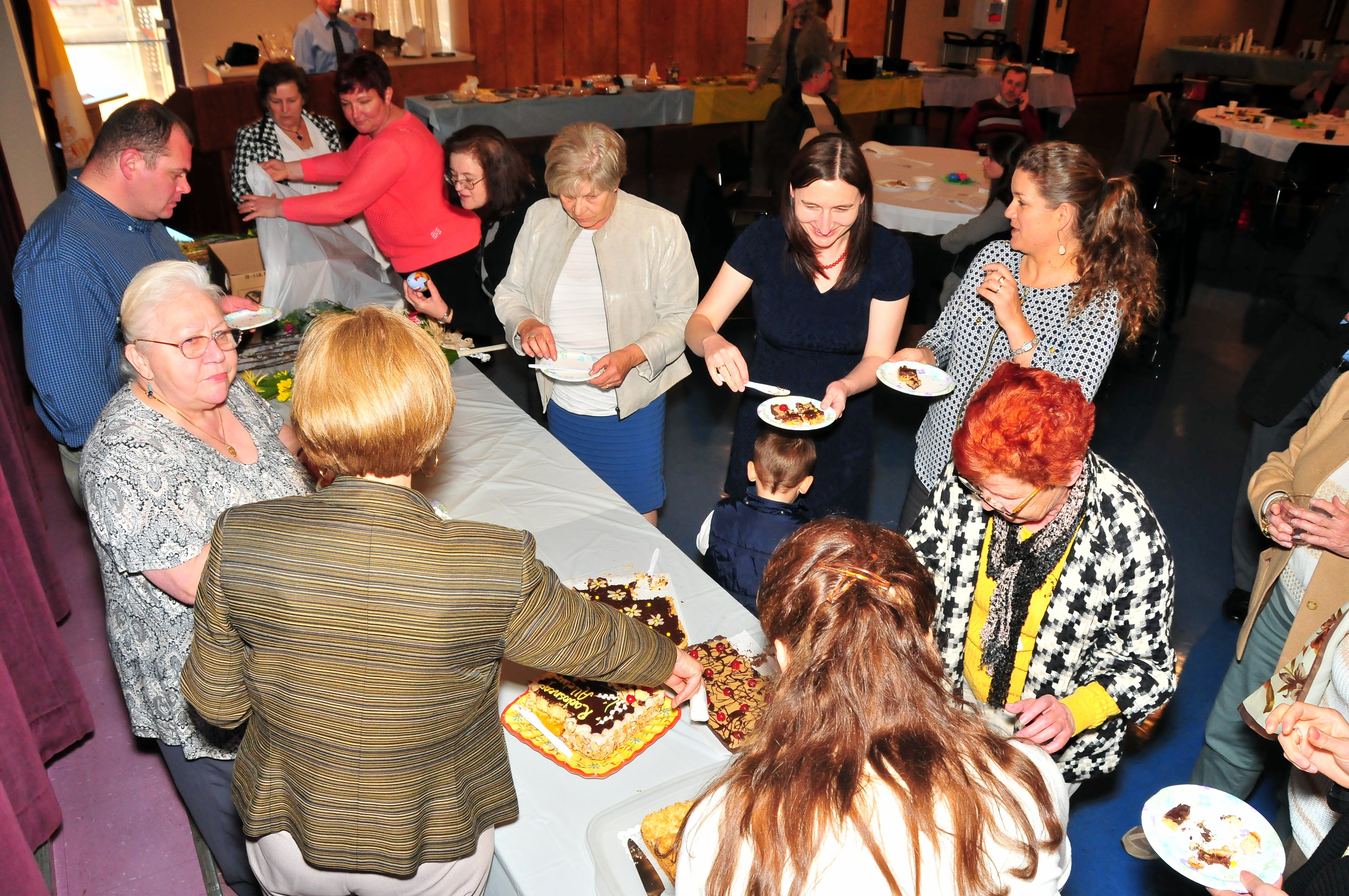
After Mass, it is as it always has been: a pot-luck meal, a palm contest, some performances.

06-VIV_3413

Father Theo, who is so wonderfully encouraging for the Polish community and works hard to make sure that there is always a Polish priest in the area, always appears during the pot-luck, politely refuses food (except for homemade deserts -- who can turn that down?) and mingles a bit after watching the proceedings with a smile. An immigrant himself, he understands the importance of one's home language, one's native culture, one's sense of belonging.

07-VIV_3431

In the end this year, there was only one performance: the Girl with K sing a song, and only because L decides during the ride over that they must -- simply must -- have a song to sing.

08-VIV_3437

E, seeing them, runs to join them, then decides he needs to sing something as well. With so many songs of which he can now sing a verse or two, he chooses to improvise.

In many ways, though, the real star of the day, the real gospel, is just outside.

Modeling

In education, it's critical to model. Show, don't tell.

I teach a creative writing course, which is really "Digital Storytelling," but that's not one of the district-provided options for course titles, so I call it "Creative Writing" and do a bit of everything. Right now, students are working on NPR-style audio stories about school events. I thought I'd model it for them. It was kind of fun -- perhaps I have a future in radio...

Nations

Once, returning from a class field trip to Strasbourg to the small village in Poland where I taught, our bus sat at the border of Slovakia and Poland for some ridiculous amount of time — two or three hours — for some reason that I never determined other than the fact that something was out of order for someone. I could see the mountain at the base of our village, Babia Gora, rising above the forest, and I knew that I could easily cross the border on foot and walk there in probably a bit over an hour. Yet there we sat.

That was in 1998. Now there’s not even an official building of any significance in that location. Only a sign indicates that you’re crossing from one EU nation to another. All the stamps in my passport from crossing into Slovakia for a bike ride or crossing back into Poland after crossing into Slovakia at some other location, all those stamps are now all the more valuable because they will never be again, like old black and white pictures of the past.

Some things of course haven’t changed. Poland and Slovakia are still separate nations with separate governments and different currencies (with Slovakia moving to the Euro and Poland still using the zloty). And they issue different passports, both of which are different from the blue-covered passport I’ve always had. These different-colored, different-formatted little booklets made all the difference for K and me when we first came to the States, with her having to go wait in a different line and meet with various people when we first arrived. There were of course advantages: one could easily and quickly tell whose passport was whose. Insignificant of course but still. There were other differences. During election cycles, K could ask who I was voting for though I couldn’t ask her. Naturally we would have already known, and likely we would have voted for the same candidates, but still.

DSCF0812

As of today, though, K and I can both have those lovely blue booklets. We could even go vote together as she now holds dual citizenship.

It was something we could have done much earlier, but we needed a practical motivation, I suppose. Finally, time and circumstance provided so much potential inconvenience, with a soon-expiring Polish passport and an even-sooner-expiring Green Card, we decided it was time to go ahead and file the paperwork, take the exams, and raise that right hand to make the Oath of Allegiance.

I hereby declare, on oath, that I absolutely and entirely renounce and abjure all allegiance and fidelity to any foreign prince, potentate, state, or sovereignty of whom or which I have heretofore been a subject or citizen; that I will support and defend the Constitution and laws of the United States of America against all enemies, foreign and domestic; that I will bear true faith and allegiance to the same; that I will bear arms on behalf of the United States when required by the law; that I will perform noncombatant service in the Armed Forces of the United States when required by the law; that I will perform work of national importance under civilian direction when required by the law; and that I take this obligation freely without any mental reservation or purpose of evasion; so help me God.

The whole ceremony lasted only half an hour, and included a video of Lee Greenwood’s “Proud to Be an American.”

DSCF0821

It’s a song I misunderstood in my youth. “How can I be proud of something I had nothing to do with?” I asked. “That I was born in America is little more than an accident, a bit of good fortune.” Pride was something you felt about your own accomplishments, I thought, not about who you are. It never really occurred to me, for some reason, that one could be embarrassed to be an American, be ashamed of being an American, feel hatred toward one’s own country. I encountered that soon enough, and I came to understand what Greenwood was trying to say with that song.

DSCF0825-001

And I came to see that there is quite a bit about America to feel some sort of embarrassment about, even shame. No country is perfect, and America, both overtly and covertly, has done some truly questionable things in the name of national interests. Yet there’s no questioning the almost-unimaginable nature of the nation’s founding principles: a group of people that governs itself, that is subject to the rule of law, that in theory if not always in fact presents a level field for all participants. That’s something to be proud of.

Eating Rosół

Polish Mass Sunday