To Krakow
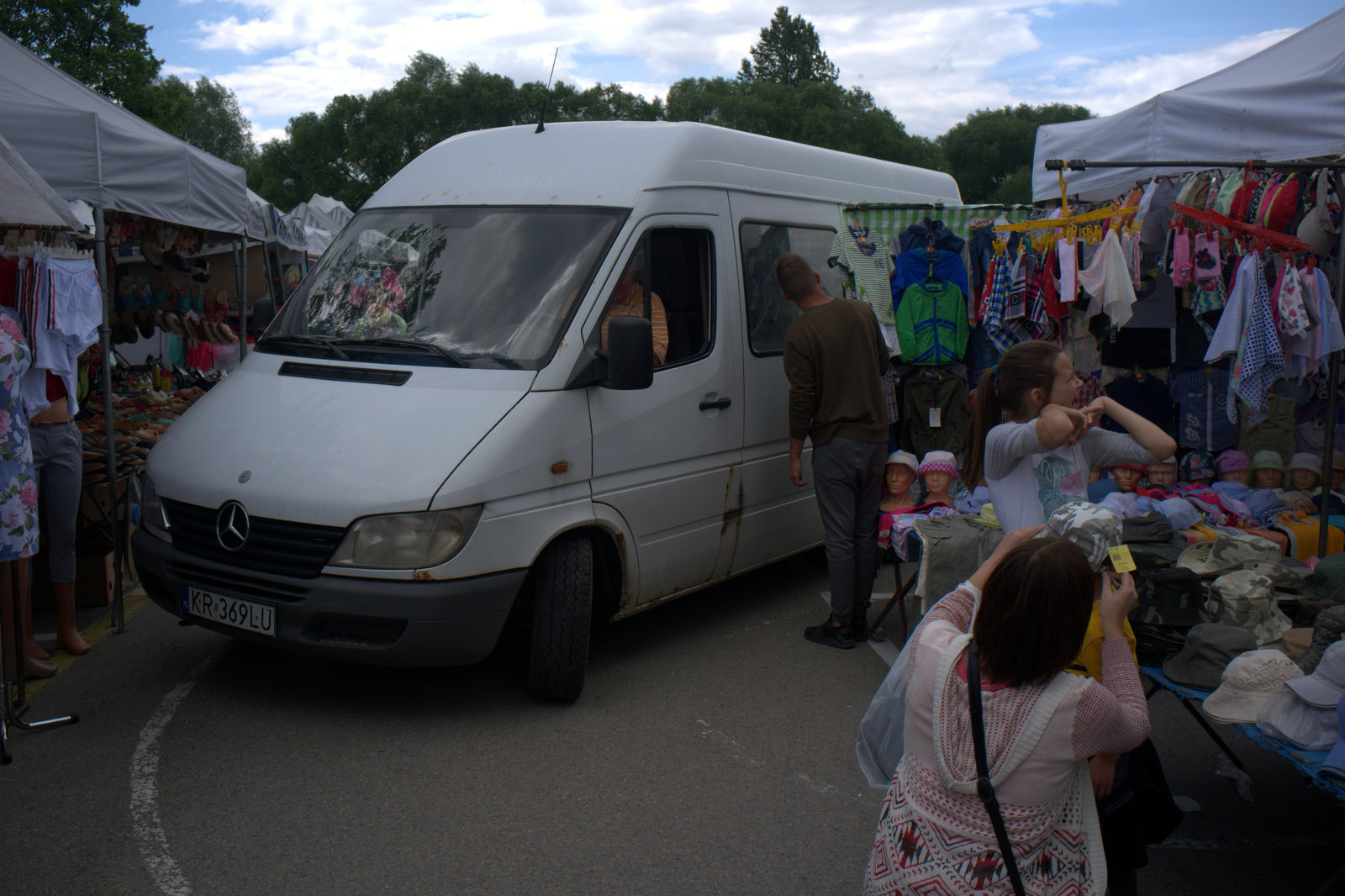
Just as you're stepping into the mini-bus, there's always a little panic, a little worry, a question that just sits there for just long enough to color even the brightest day with just a bit of gray: will there be an open seat? Not having an open seat doesn't mean that the driver won't stop; it simply means he'll stop and yell out the window, "Standing places only." He'll pack them in until there's no standing room either, and we'll have twenty-seven or more people packed into a bus with nineteen seats. As we rode from Jablonka to Krakow on just such a mini-bus, I saw that anxiety on each and every passenger's face: the quick scanning of the seats, the relief when there was an open spot, the bit of frustration when there wasn't.
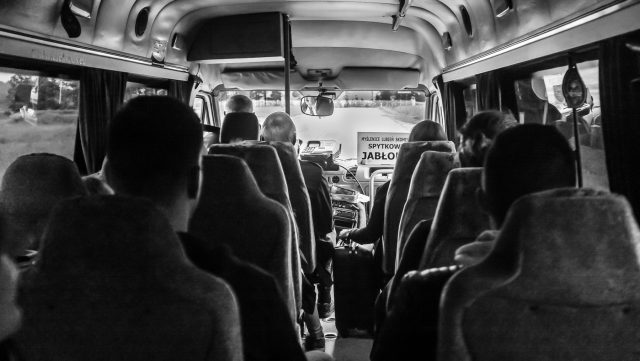
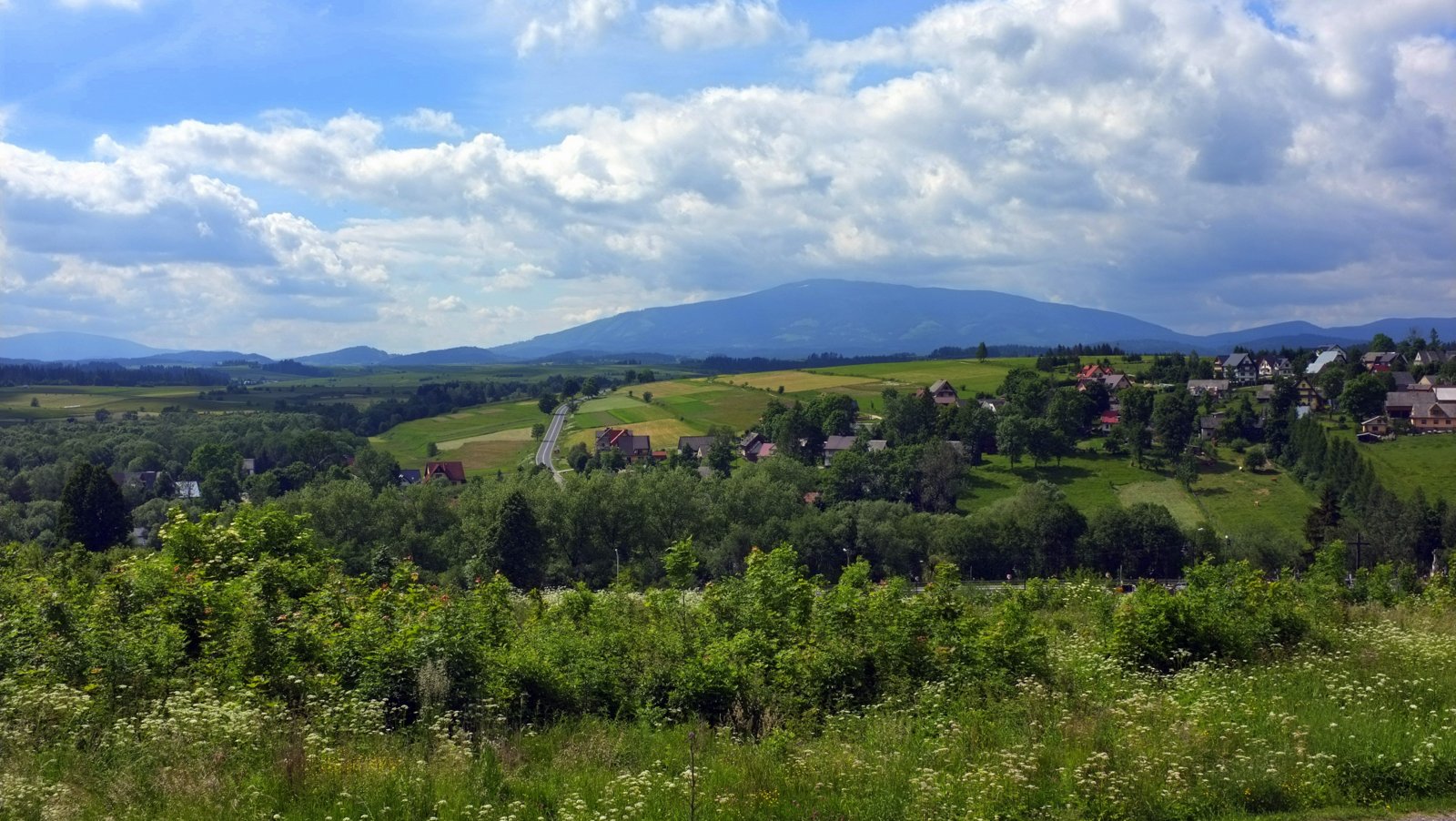
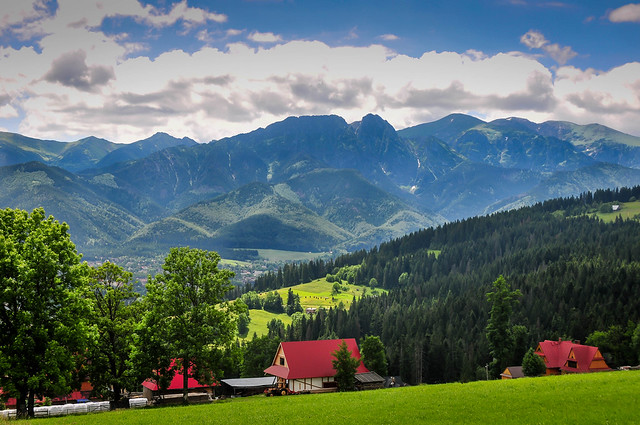
Traveling the road to Krakow standing up is a challenge, with all the twists and turns as the bus goes through the low hills in the south of Poland that lead to the Tatra Mountains on the Slovak border. The side-to-side swaying is accompanied by a forward-backward challenge every time the driver pulls over to pick up and pack in a new passenger. With the number of noses simultaneously exhaling and the exertion of keeping your balance, the trip is an exhausting journey.
By the time we got to Krakow, the amount of heat and humidity made the whole experience almost unbearable. It was not the best way to start the trip Warsaw, but it was a reminder of the little gray linings of life in Poland, the things that drove me to distraction when I lived here.
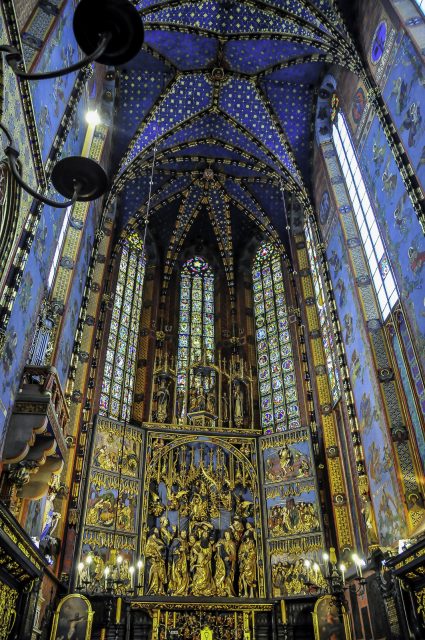
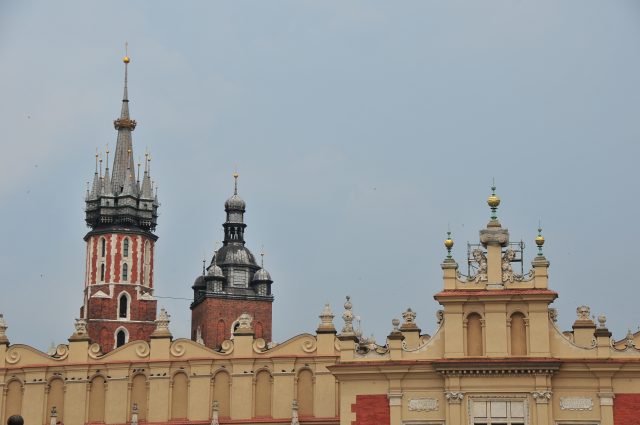
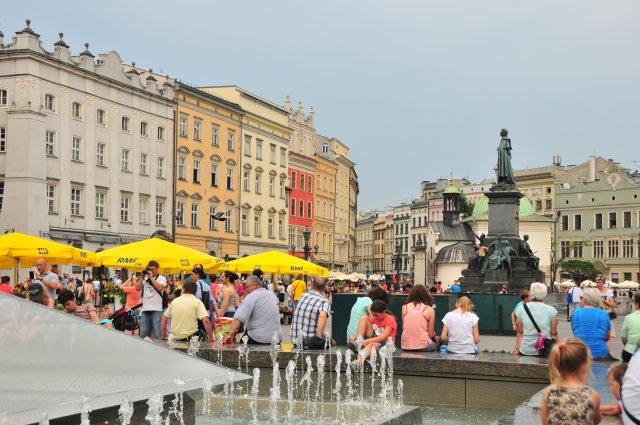
In Krakow
First things first: find a bathroom. It was then that an unconscious but lingering question was answered:
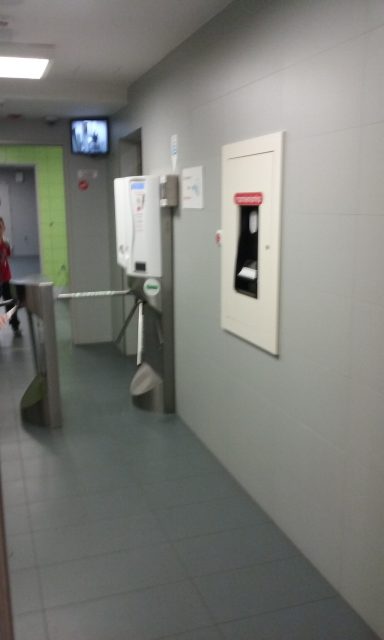
Bathrooms in public places are still pay-only. The technology has changed: instead of a woman sitting in a little room that straddles the men's and women's room with a little basket collecting money, there is now a turnstile complete with a credit card reader beside a machine for making change from large bills. The cost: 2.50 zloty. That's just about 70 cents. For a family of four...
Of course when E and I went in, I picked him up and carried him through the turnstile as I went through.
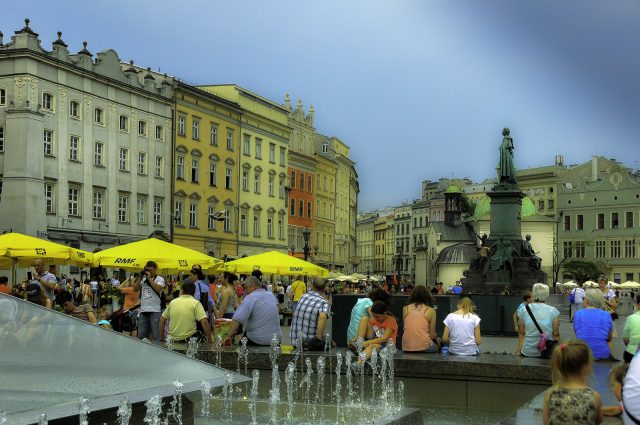
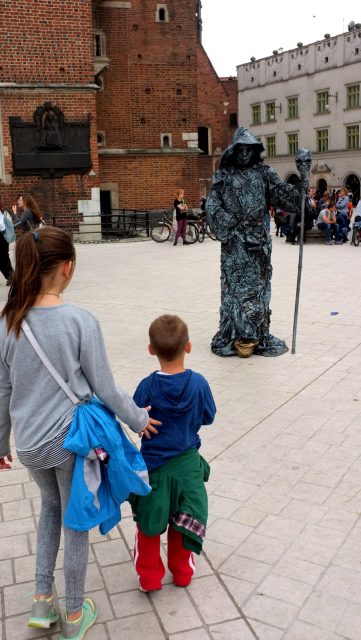
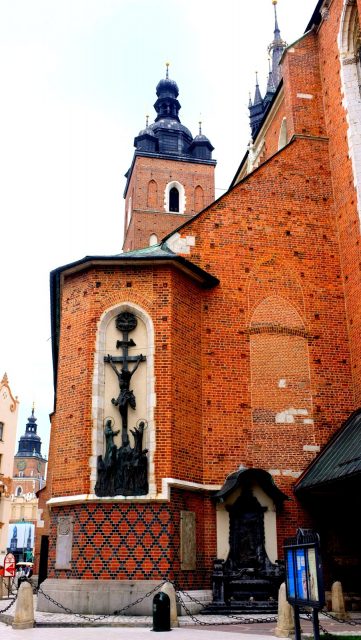
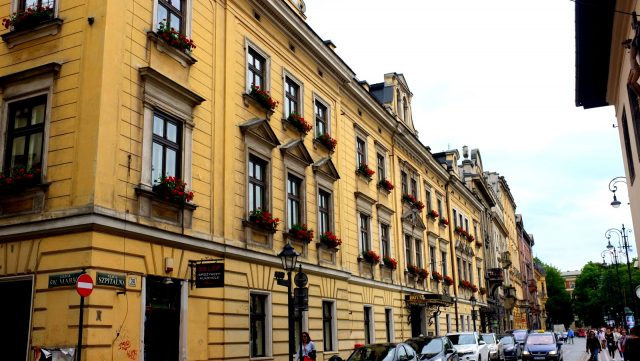
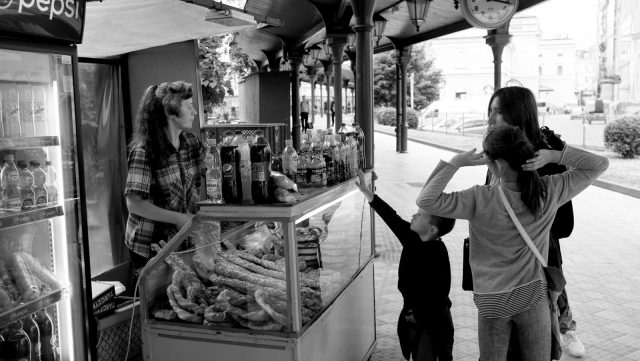
That done, we had some lunch and wandered around the Old Town for just a few minutes.
To Warsaw
It was the Boy's first train ride. The excitement was palpable.
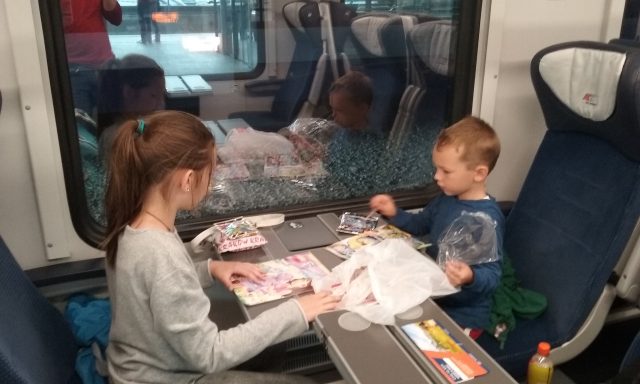
Trains in Poland have certainly changed in the fifteen years since I've really traveled by train. We saw a few of the old trains we were used to, but they were all on railway sidings, out of commission. That's probably good: those trains were not very comfortable. Still, it's one of the things that differentiated Poland from Western Europe which have disappeared.
In Warsaw
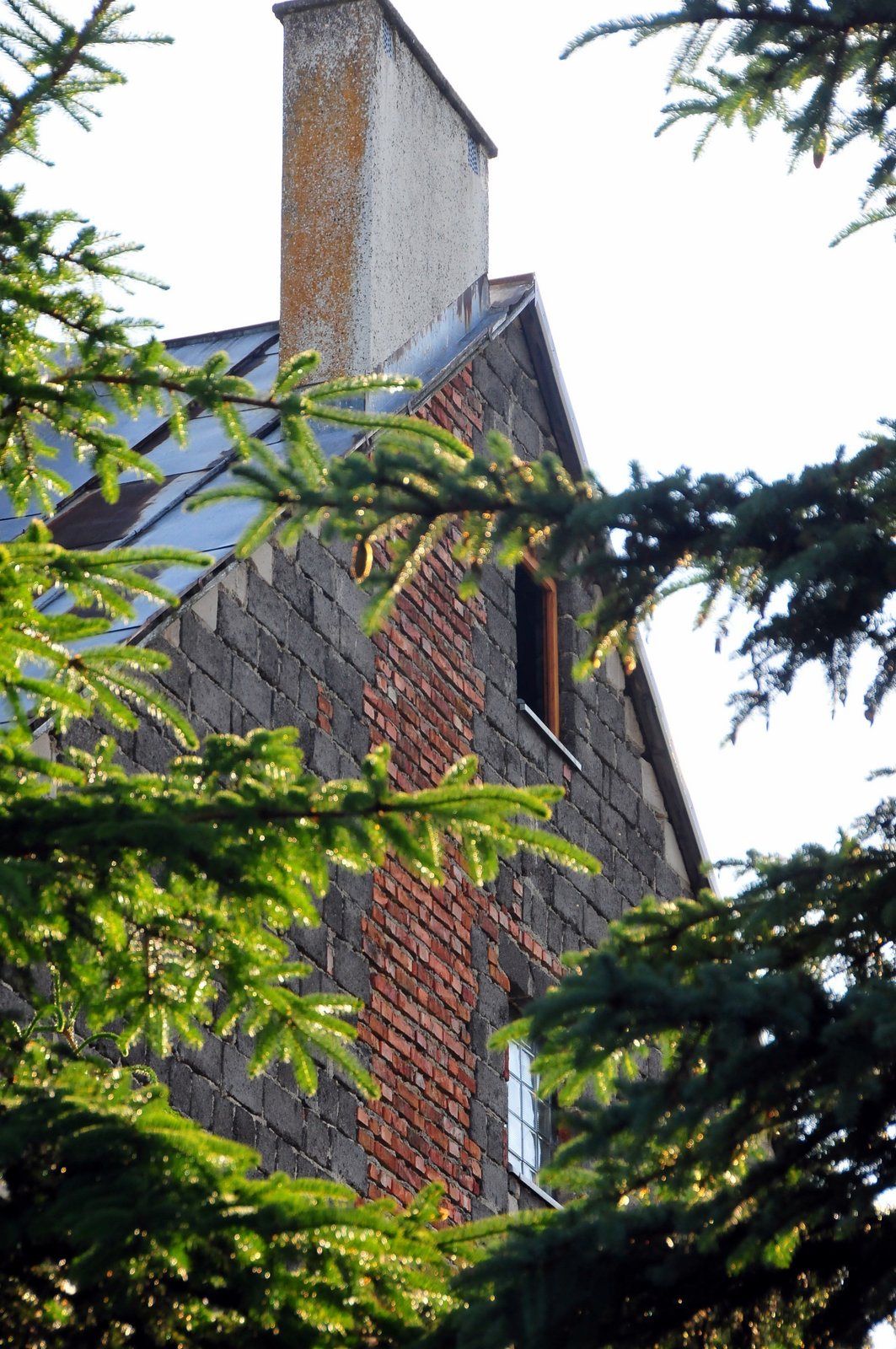
"You won't recognize Warsaw." We've heard that from a number of people, and I don't really think K and I understand the extent of the changes in the city that neither of us has visited in at least fifteen years. Still, looking out the window of the apartment we rented through AirBnB, I see that not everything has changed.
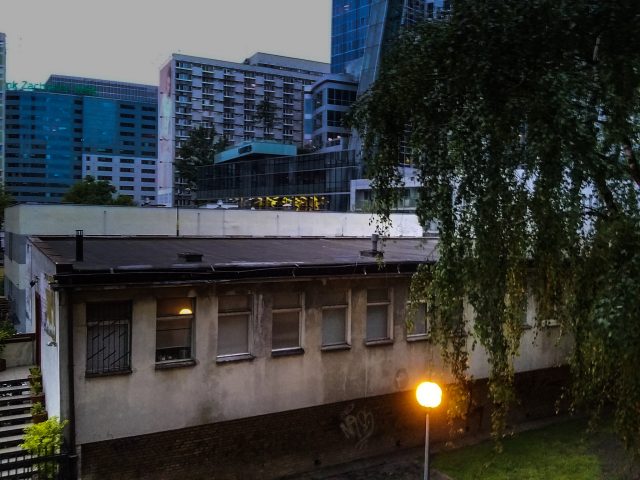
That building in the foreground, with the tired windows and dirty plaster, with the bars on the window that are in fact made out of concrete rebar welded together -- that building is pure Communist-era Poland.