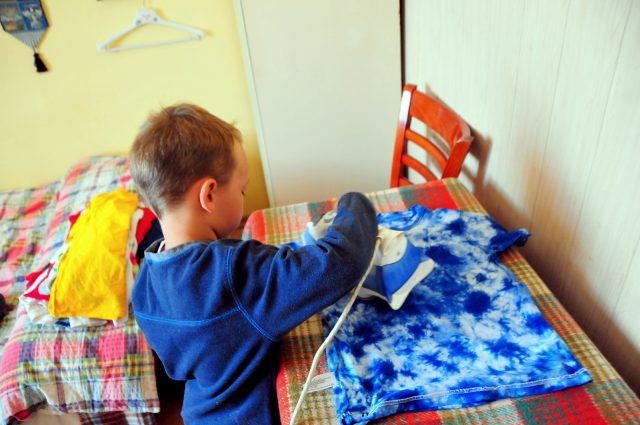
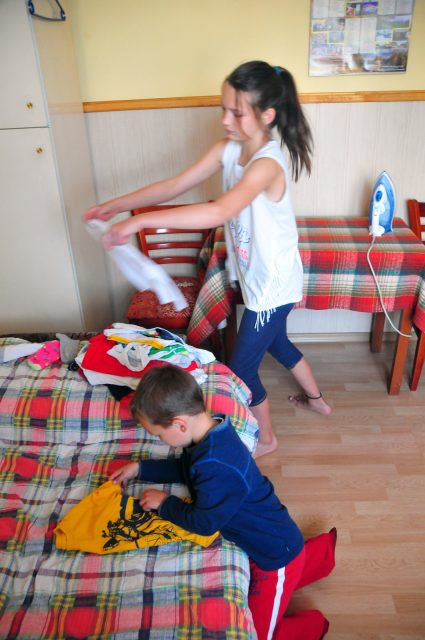
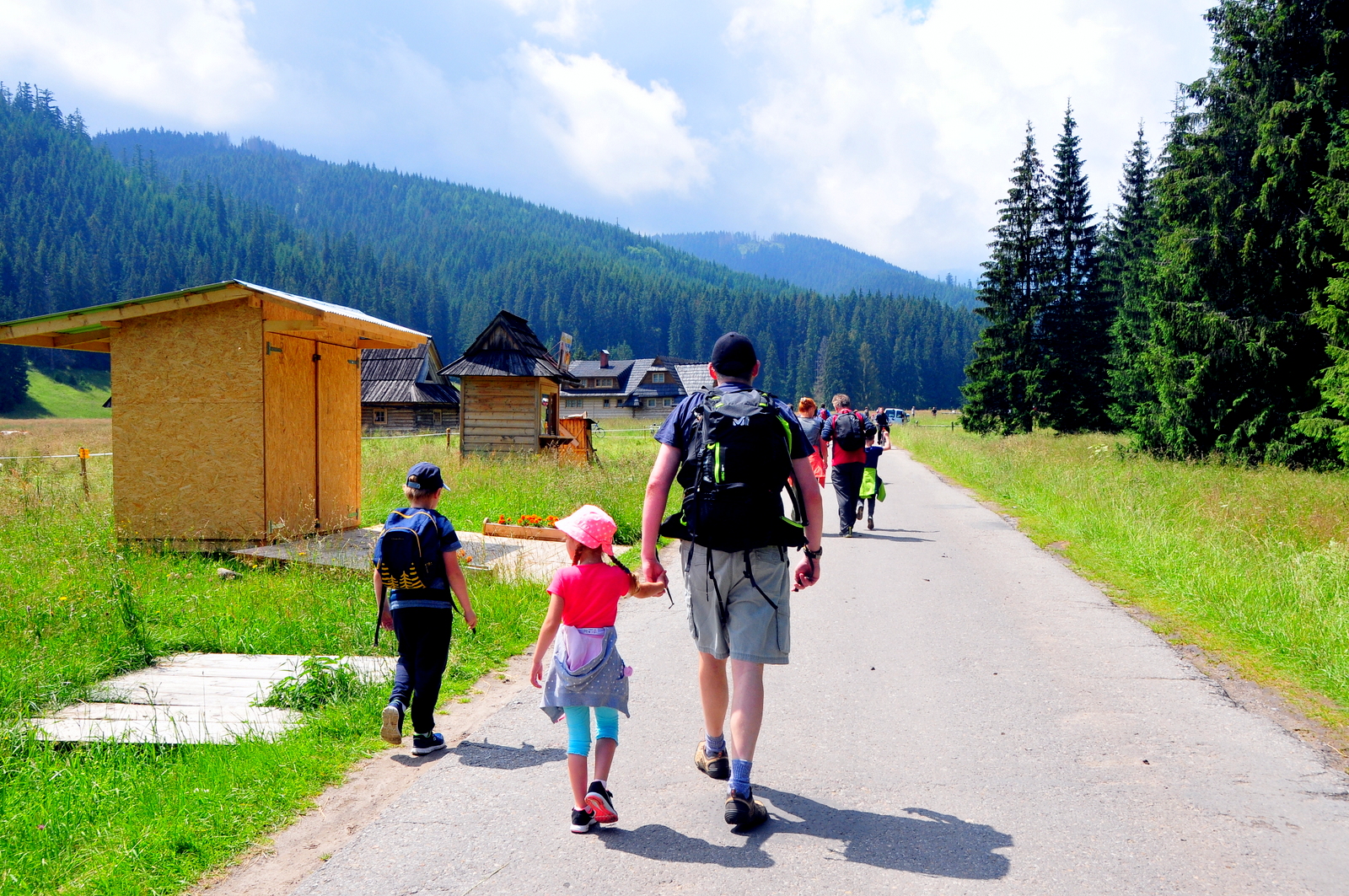
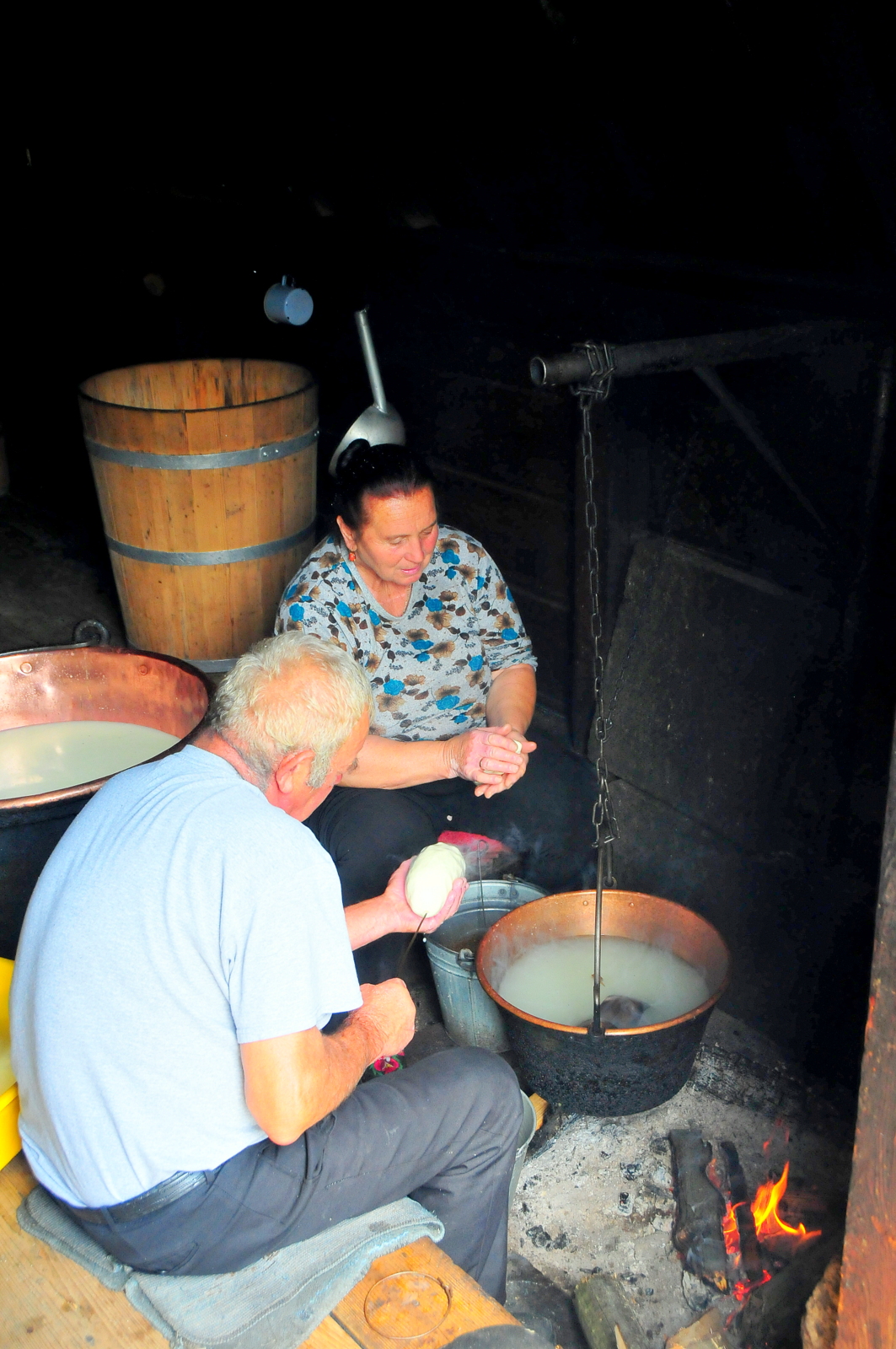
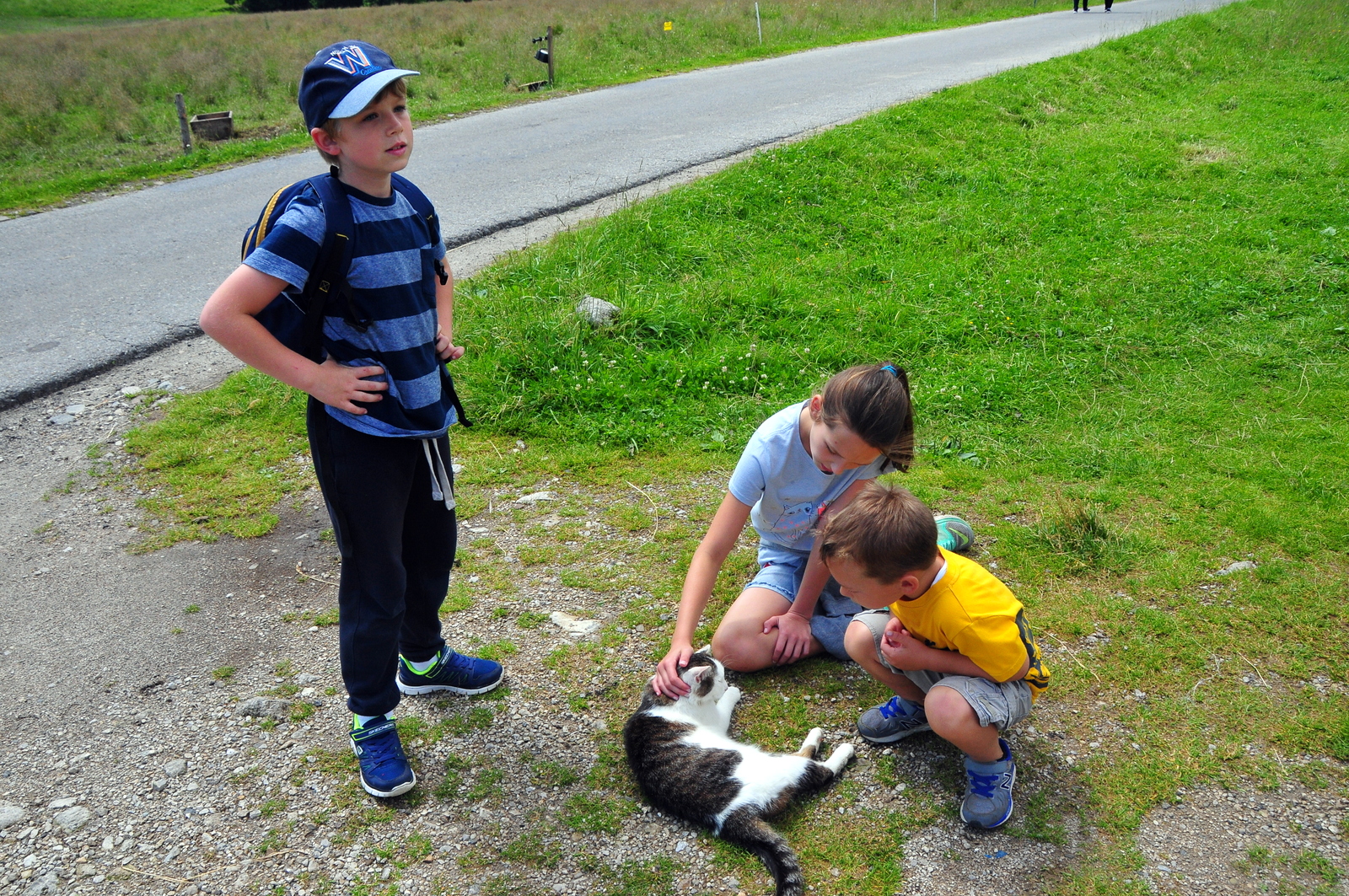
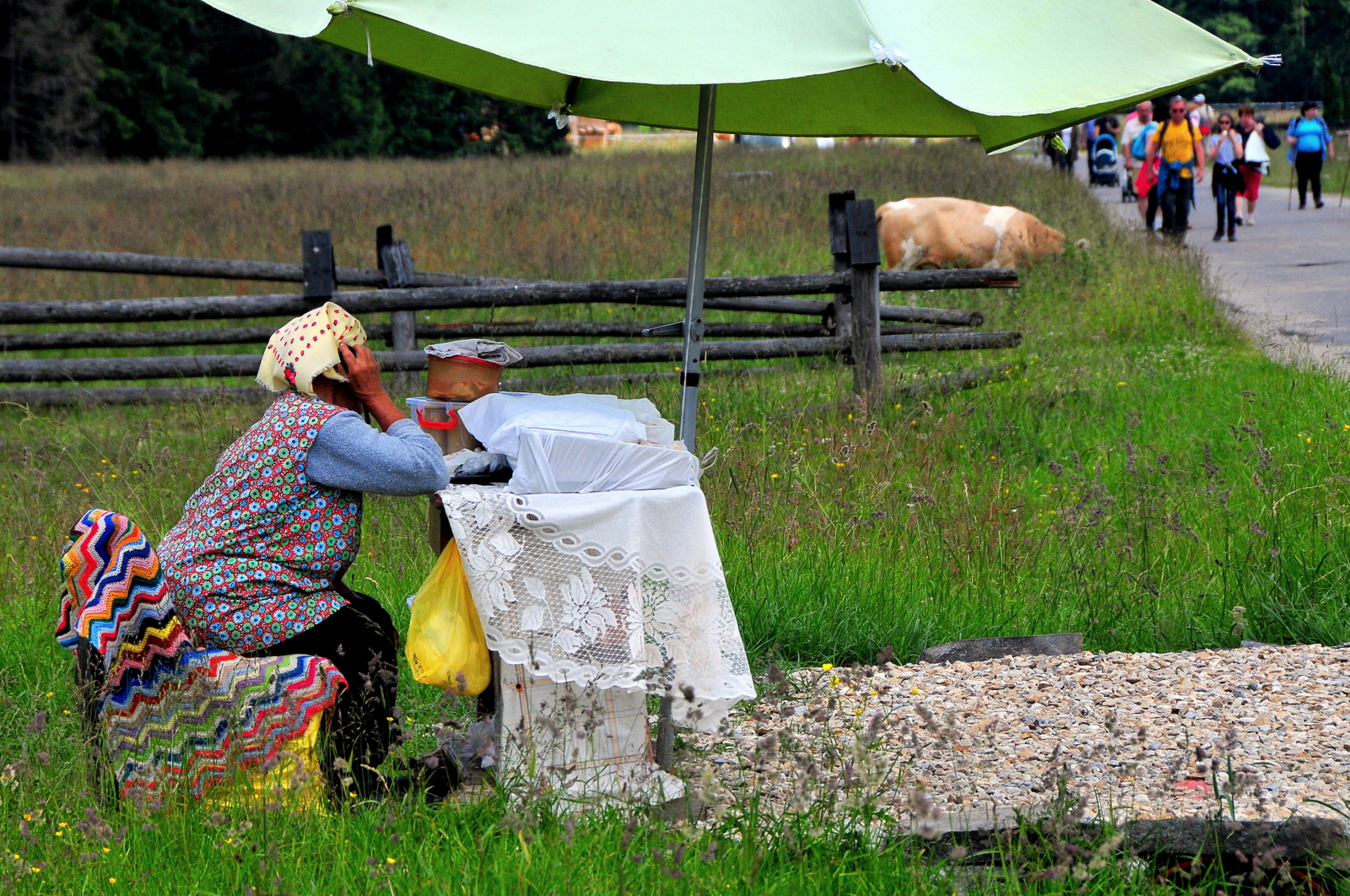
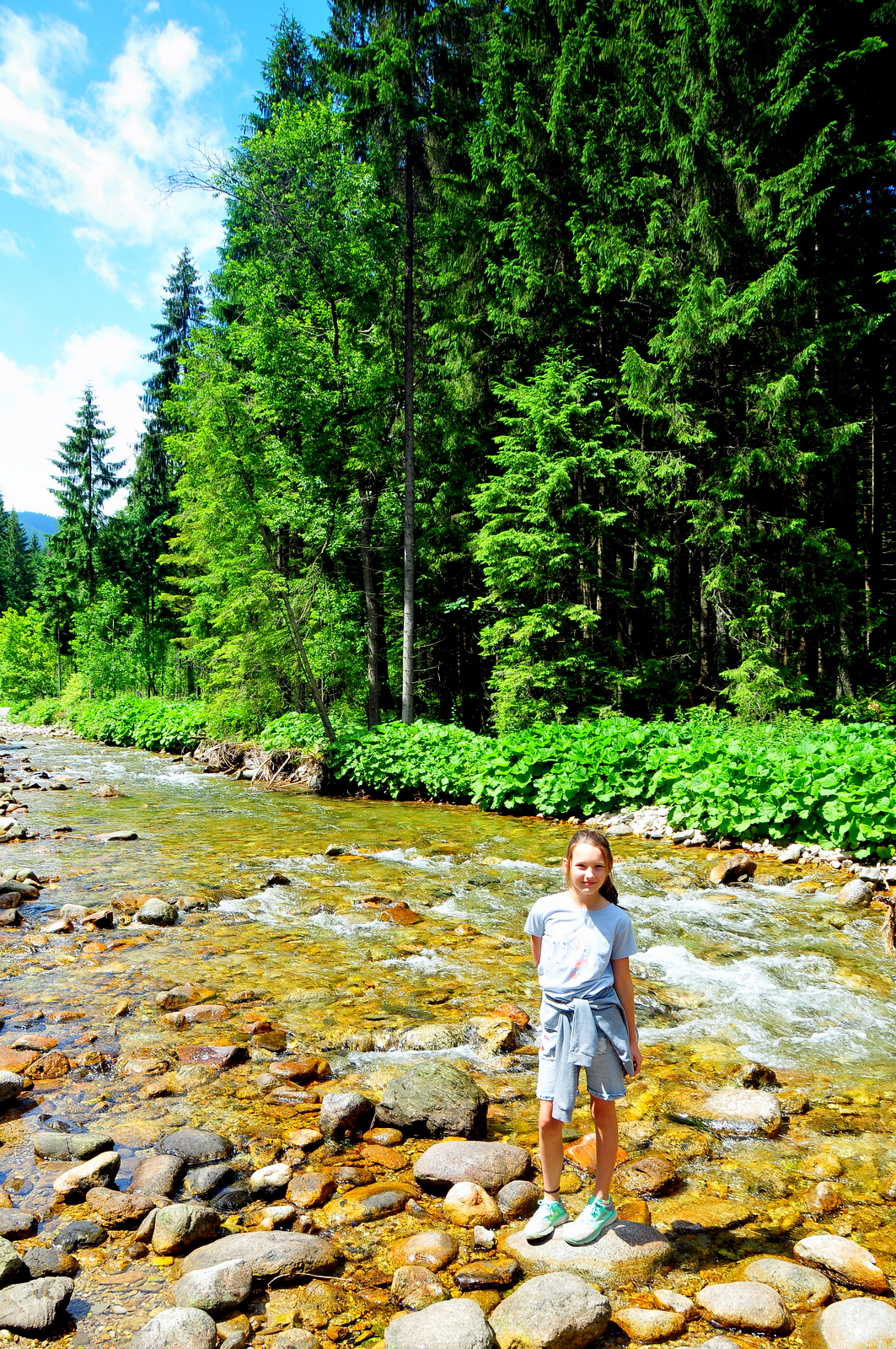
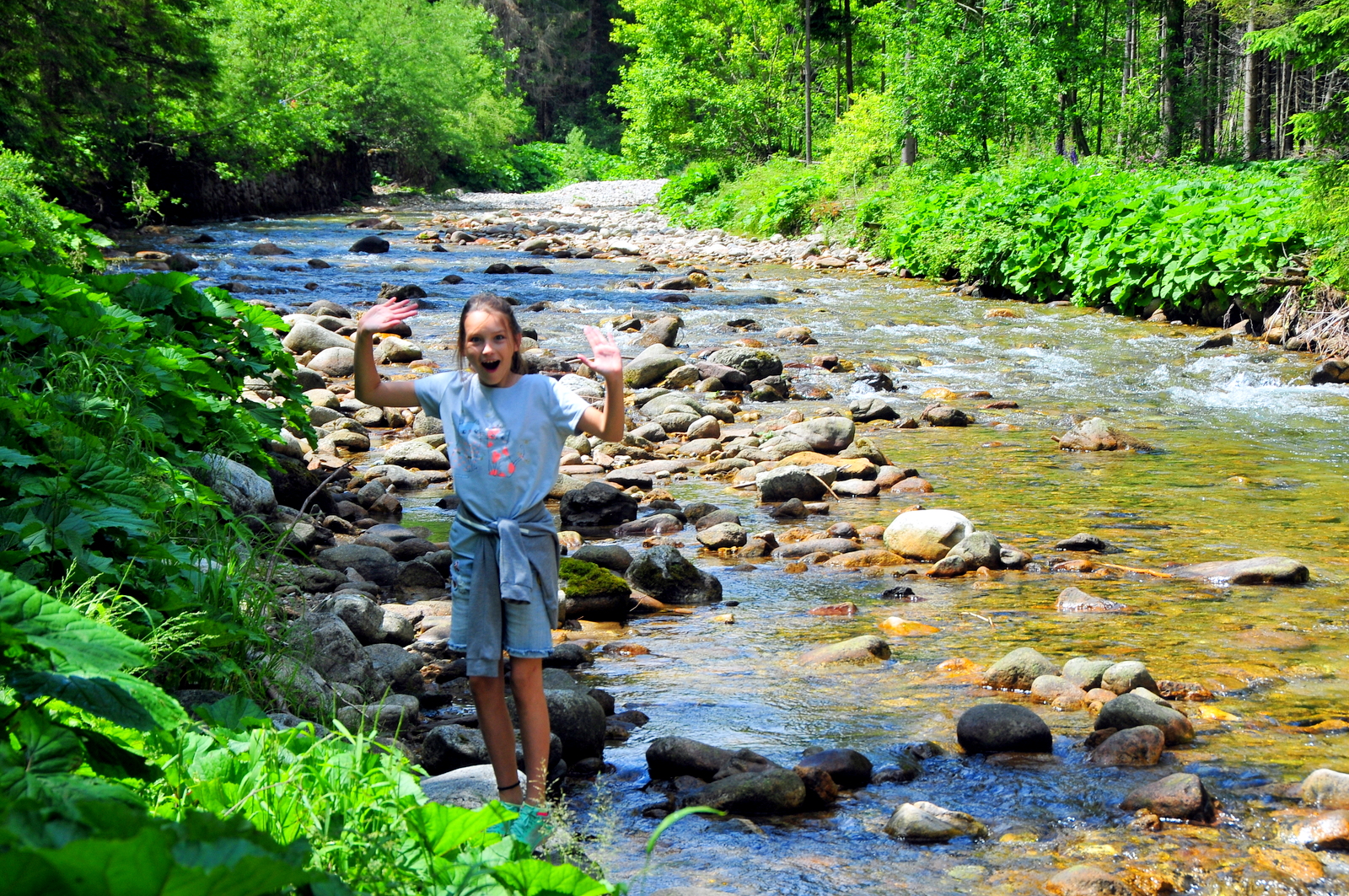
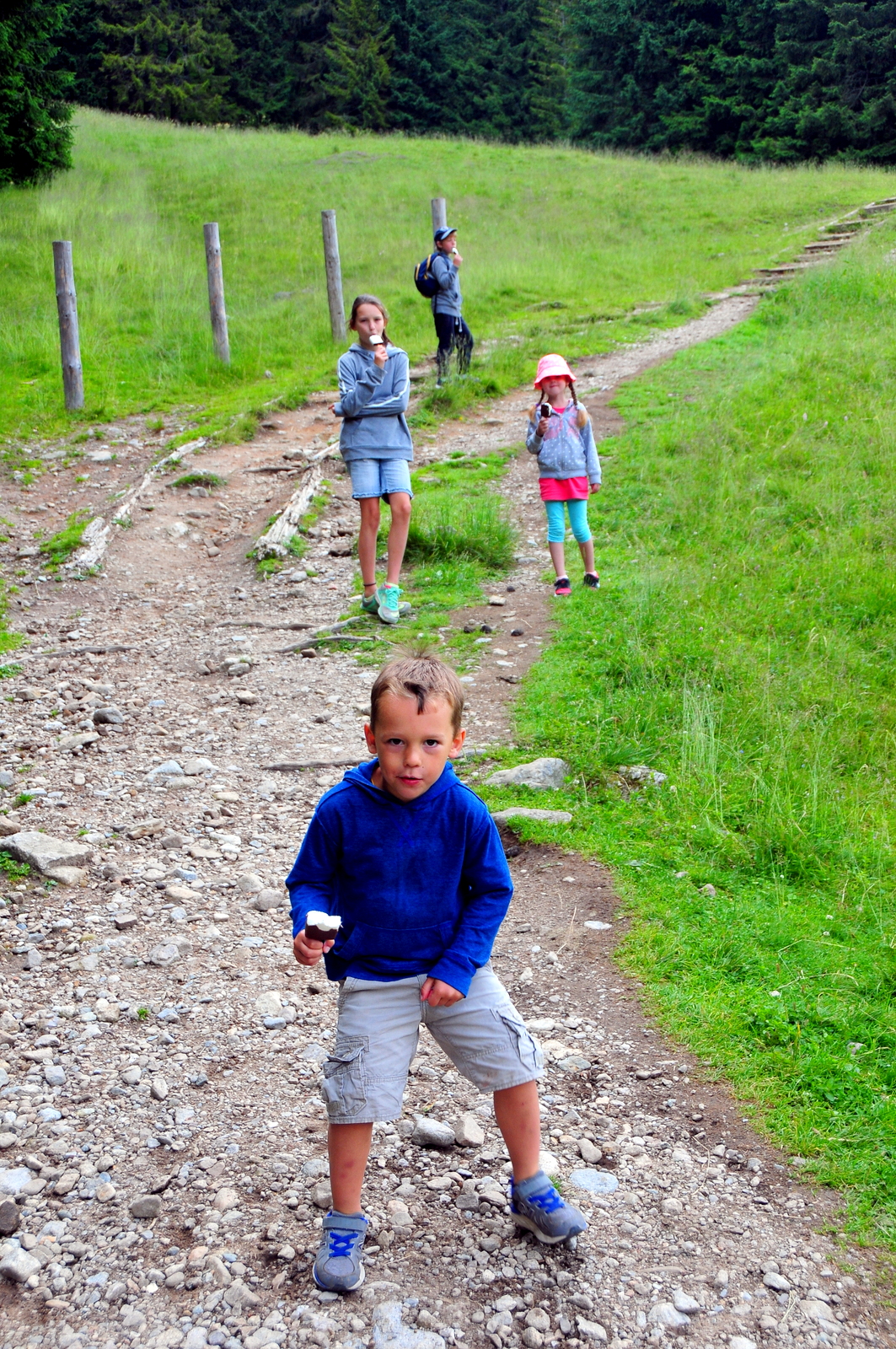
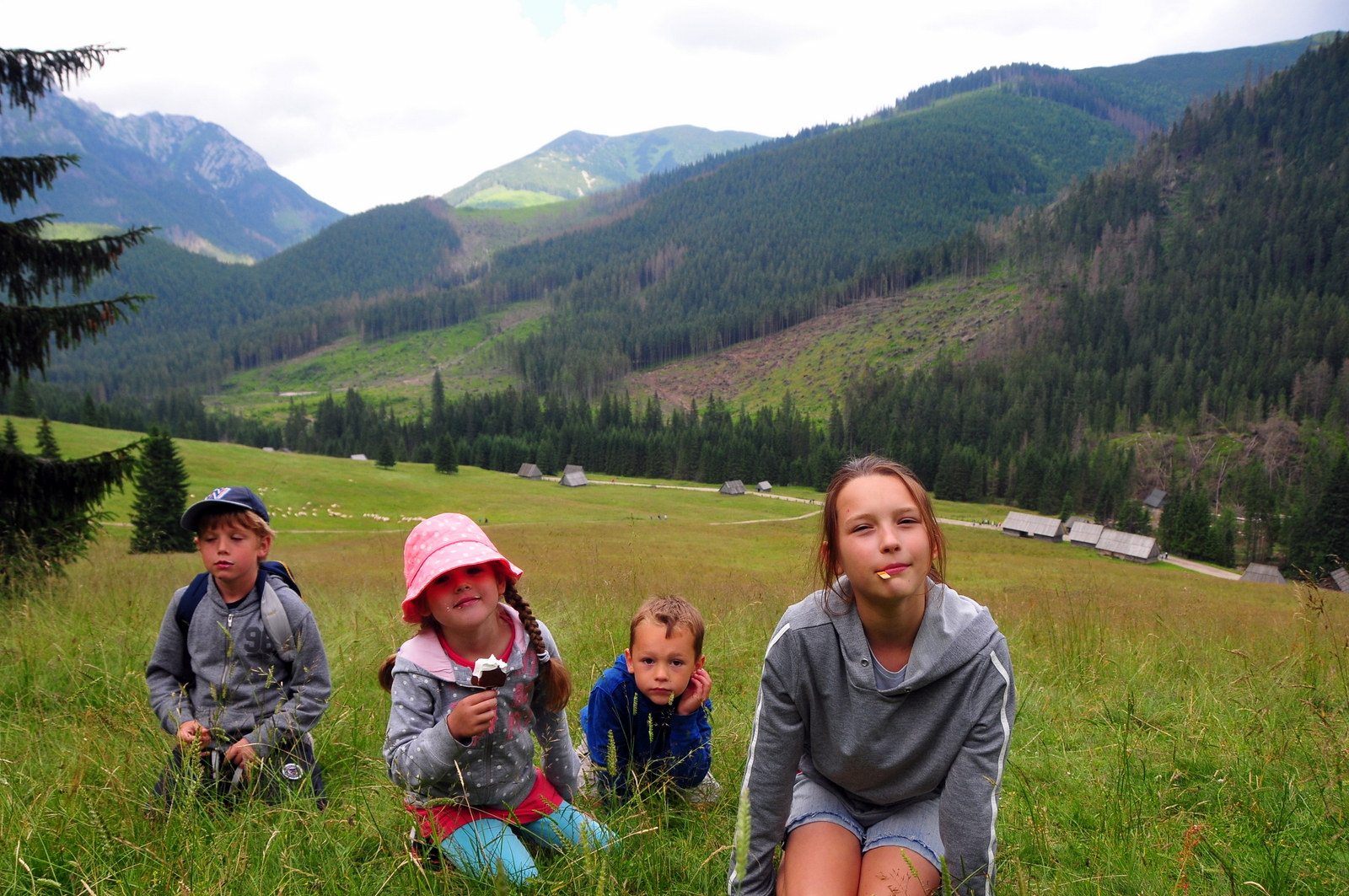
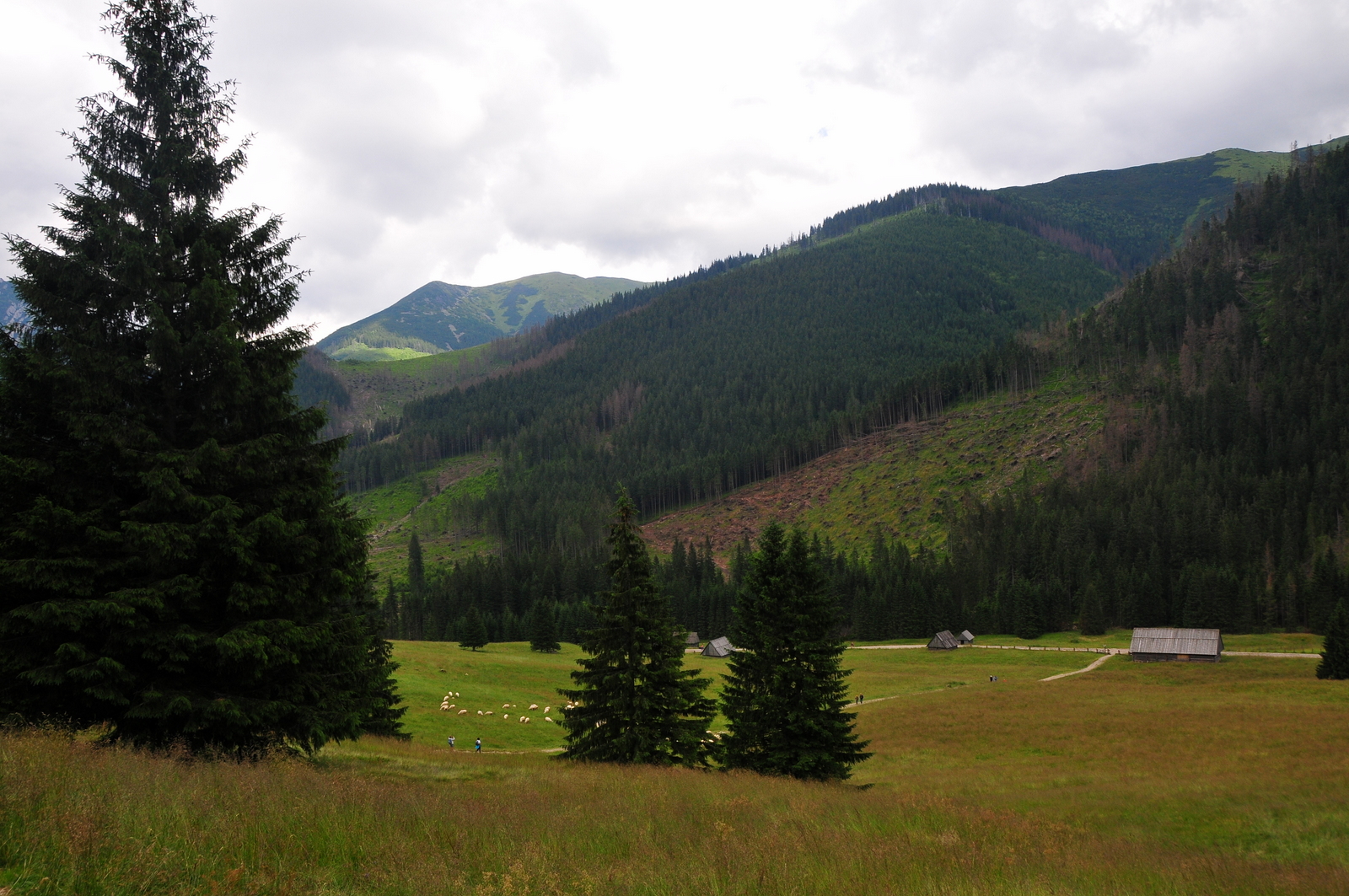
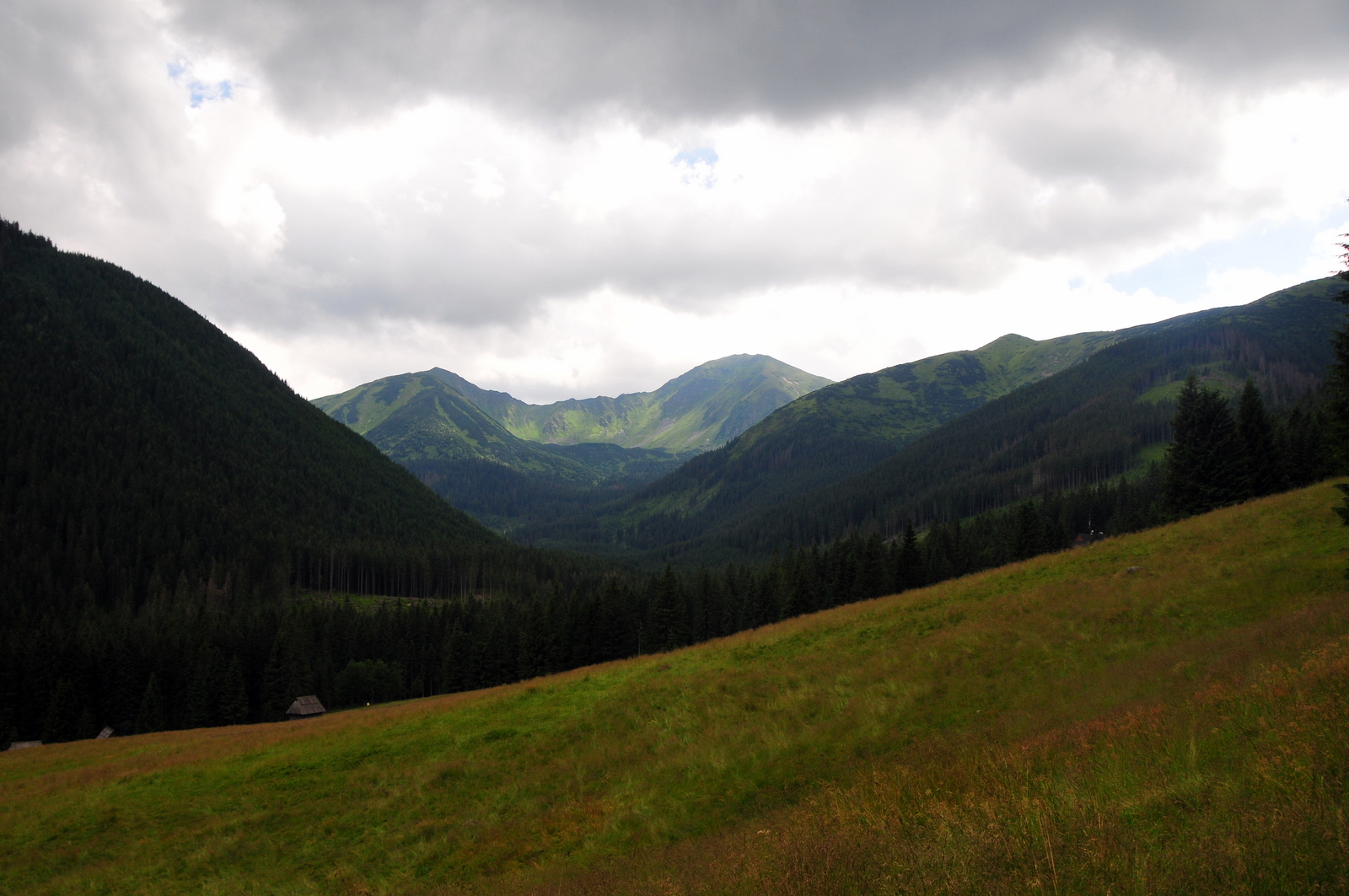
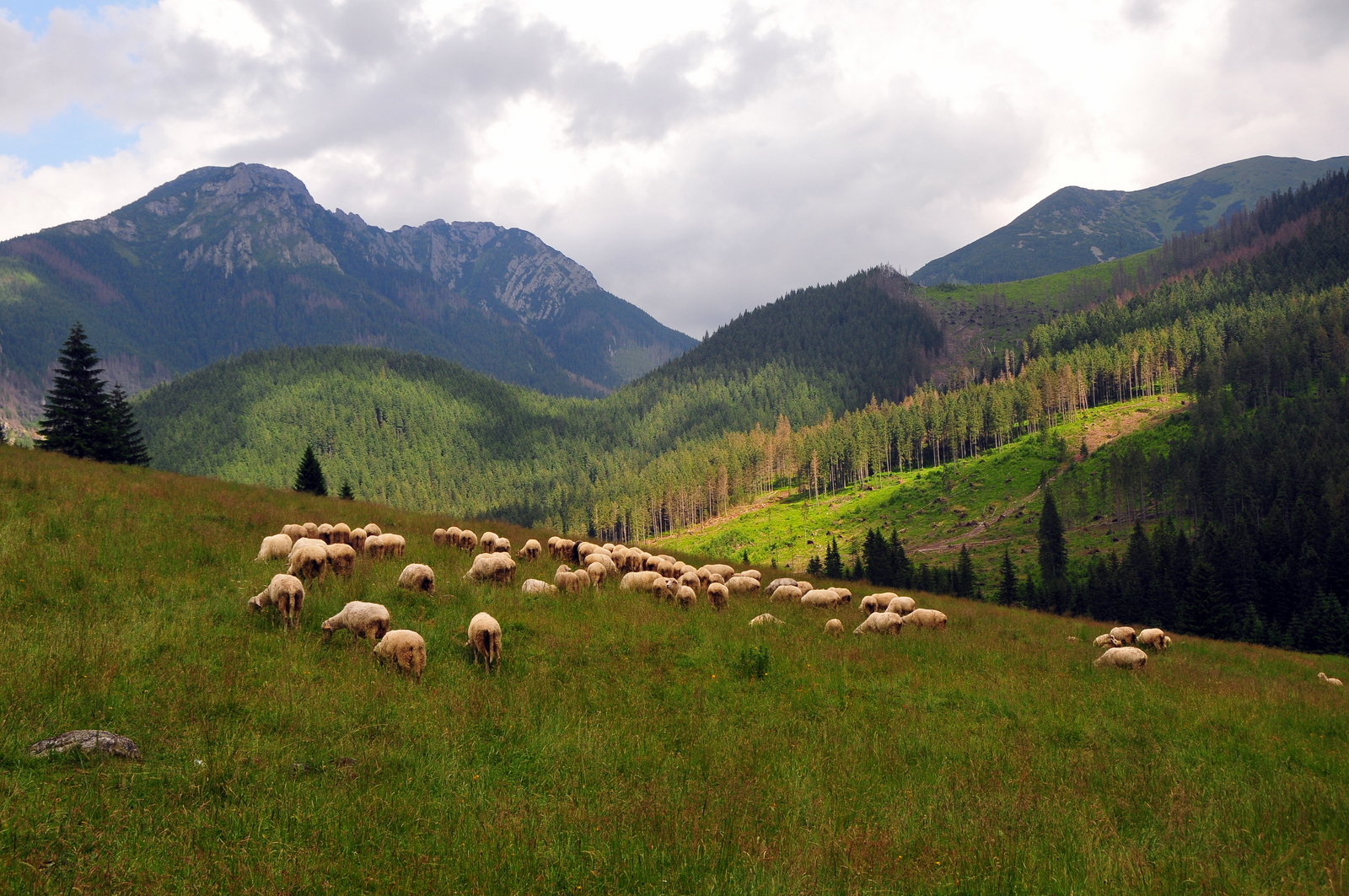
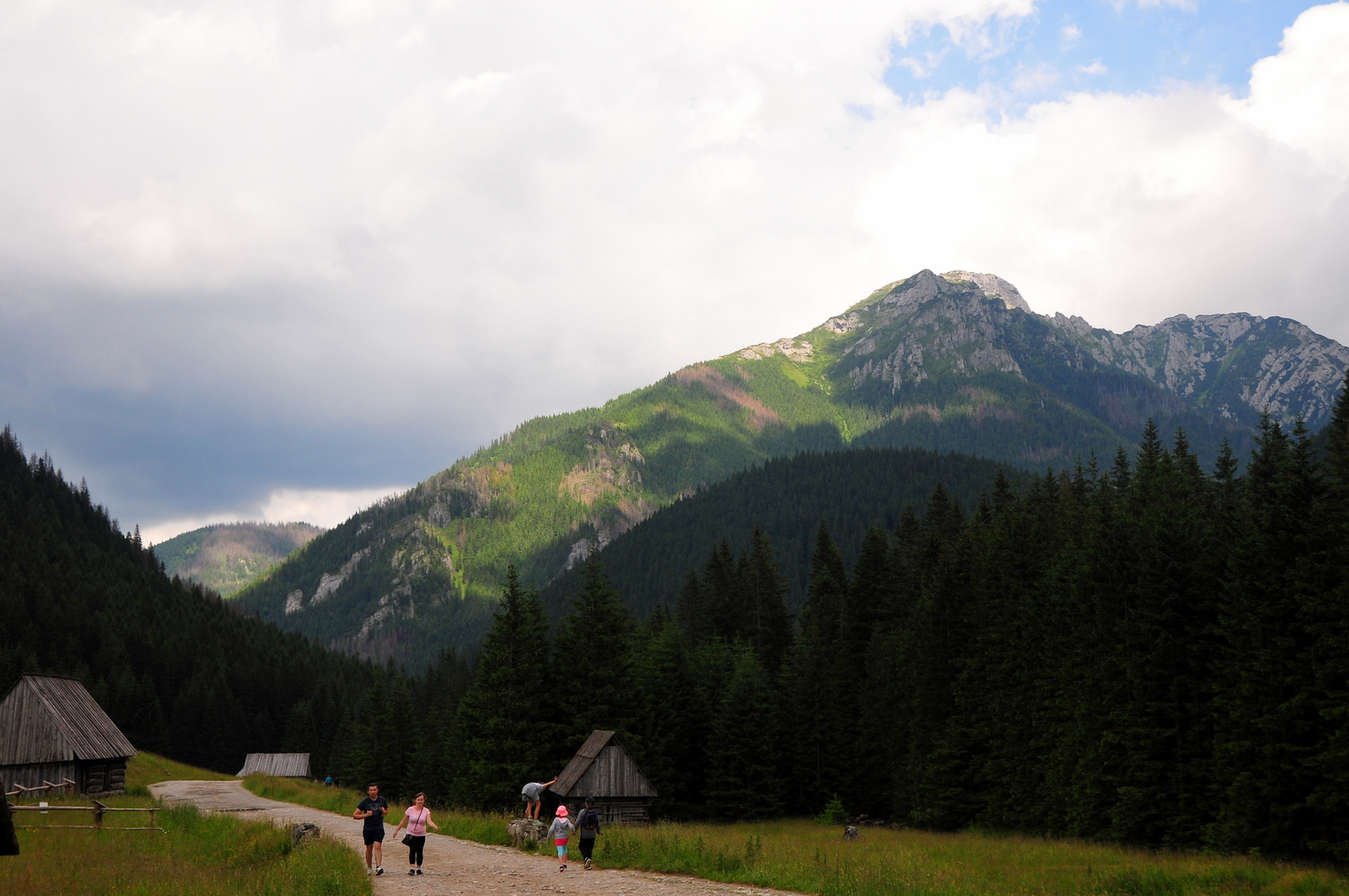
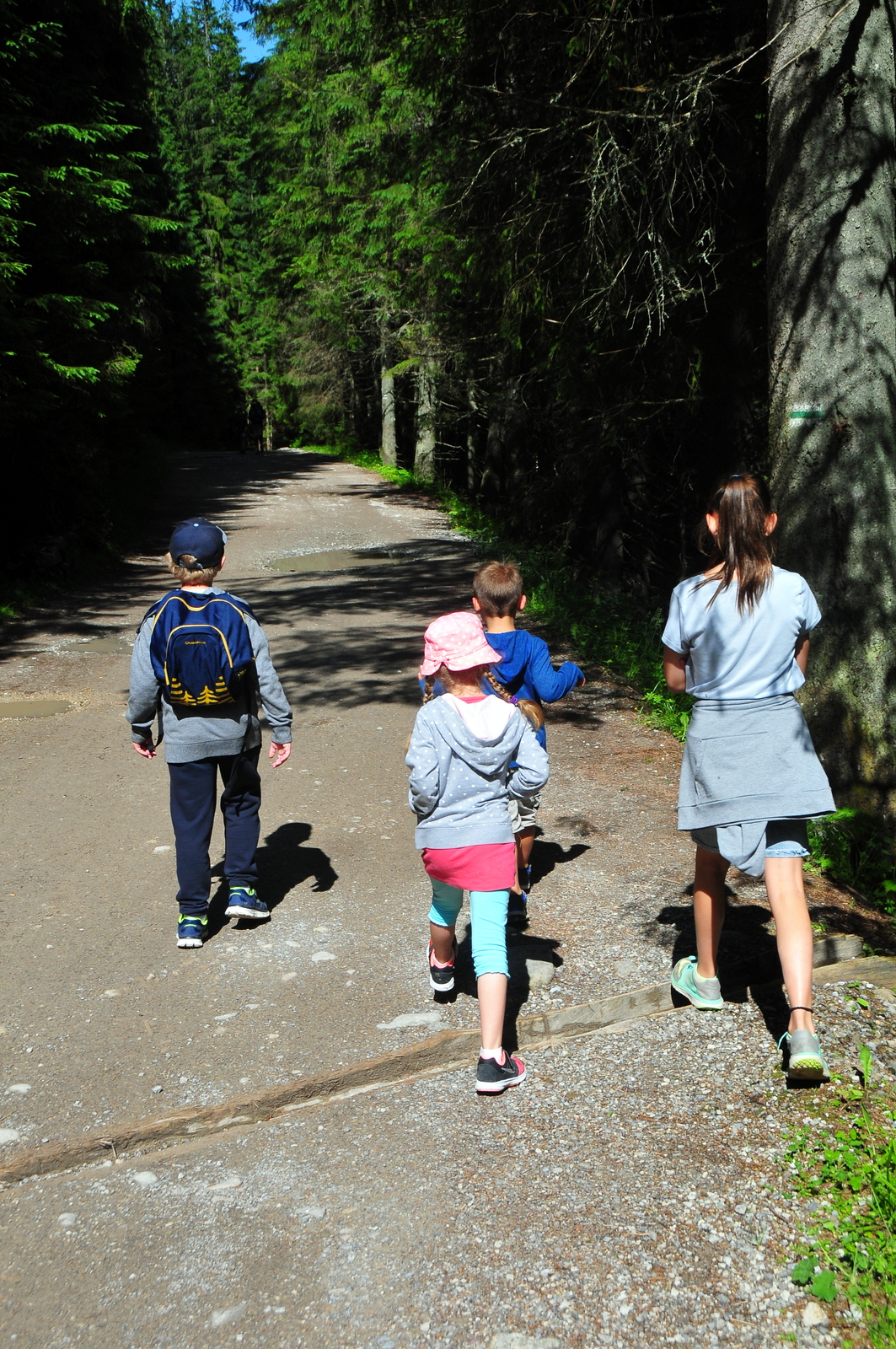
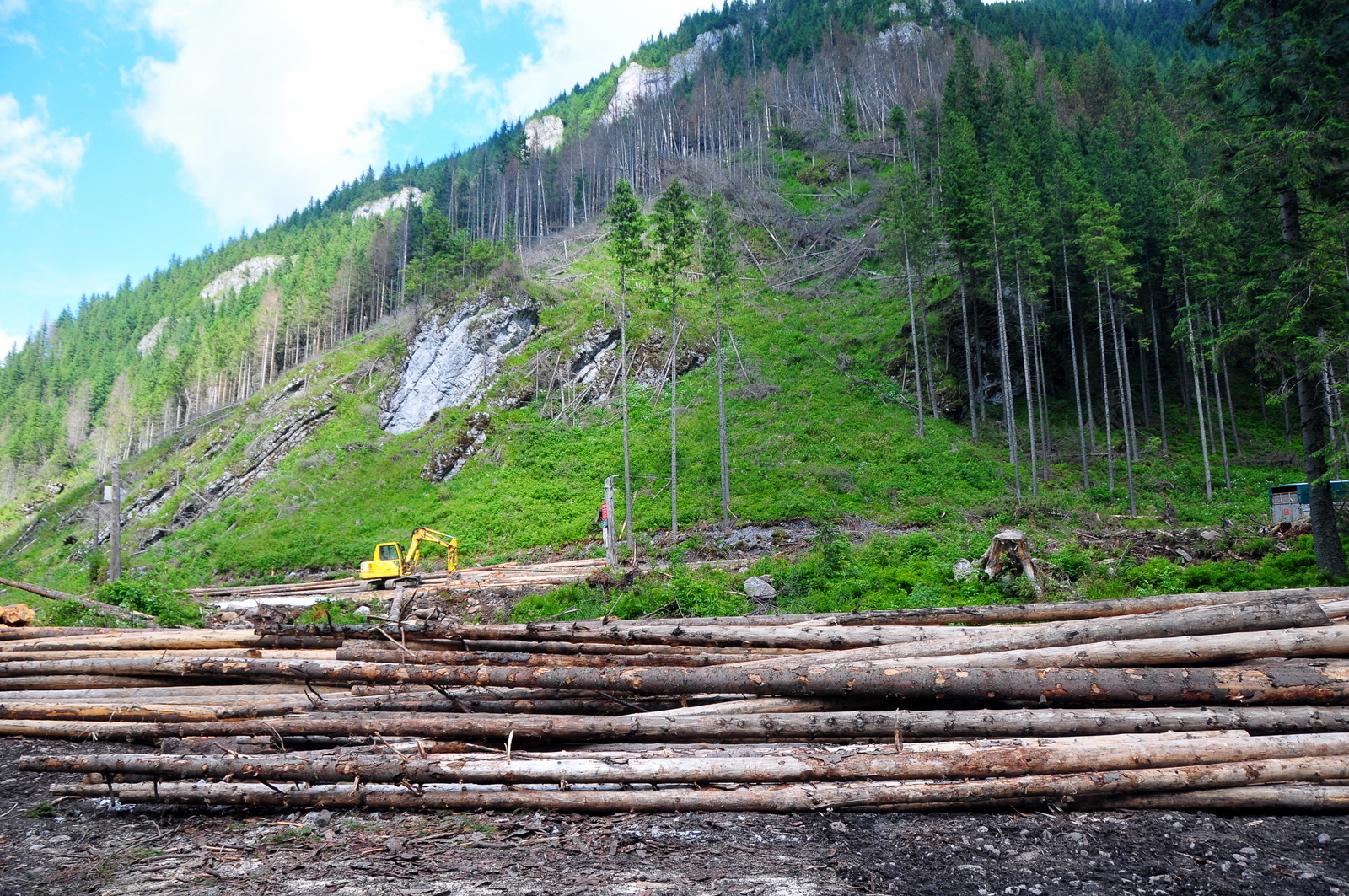
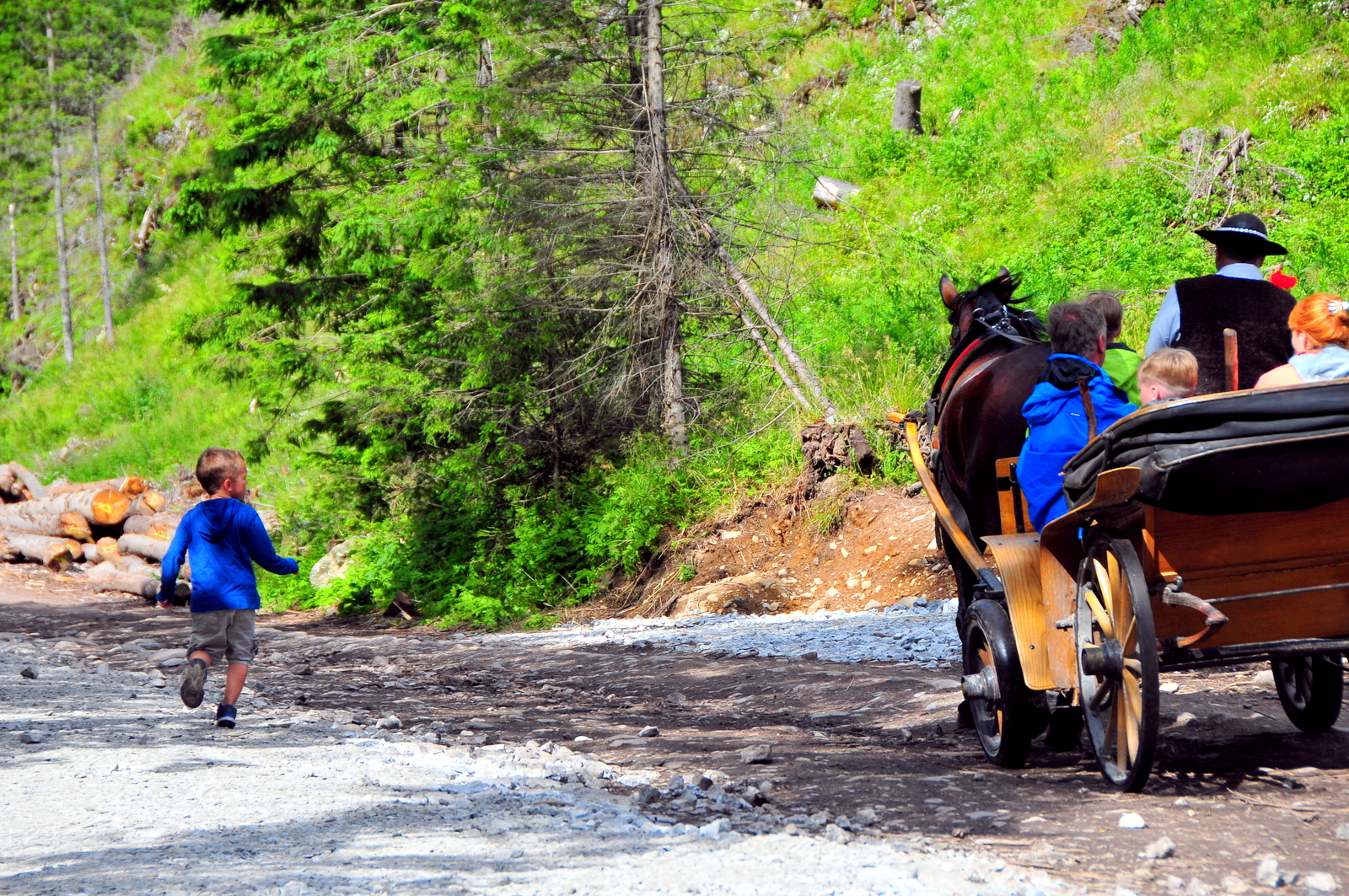
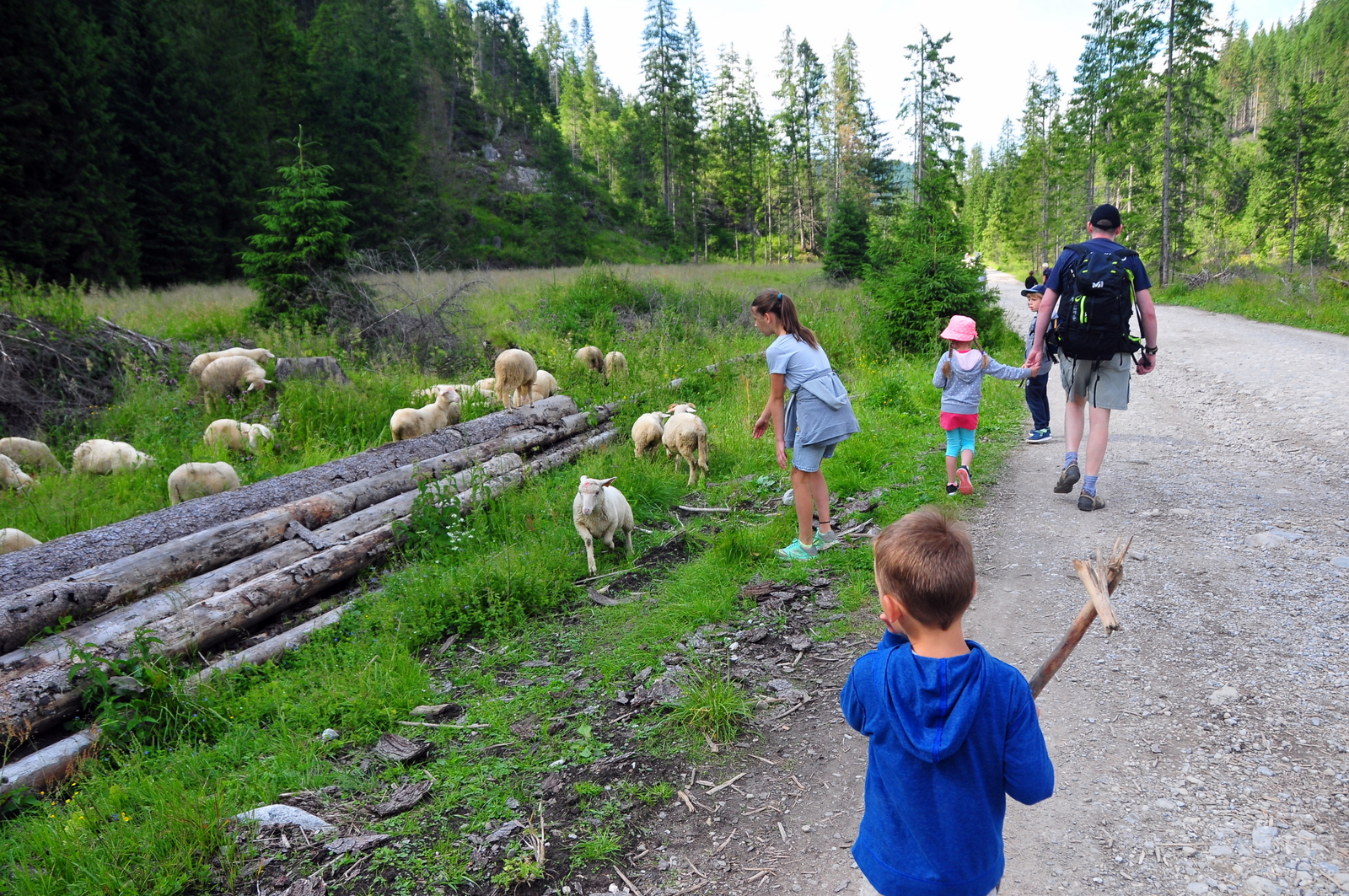
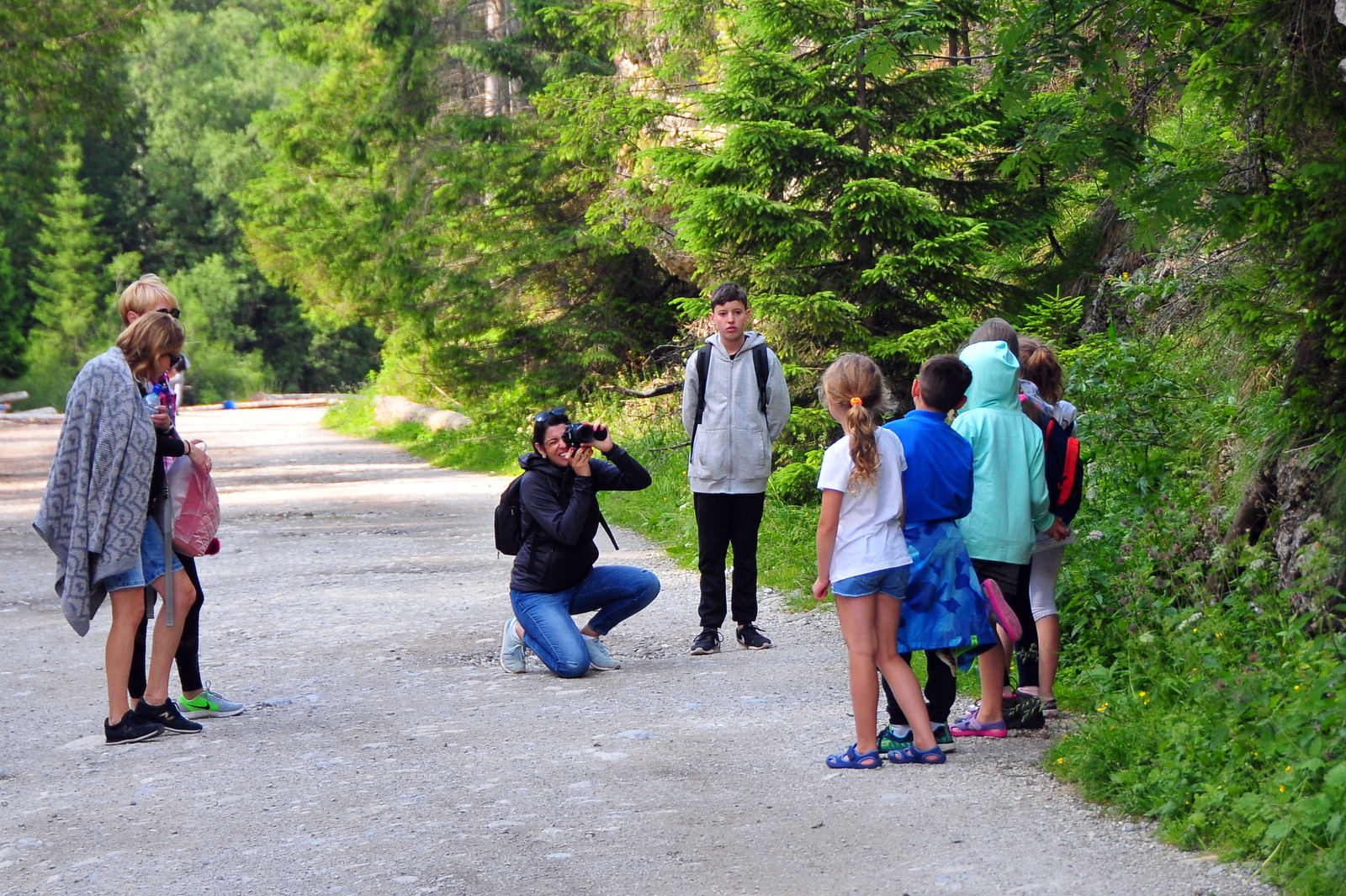
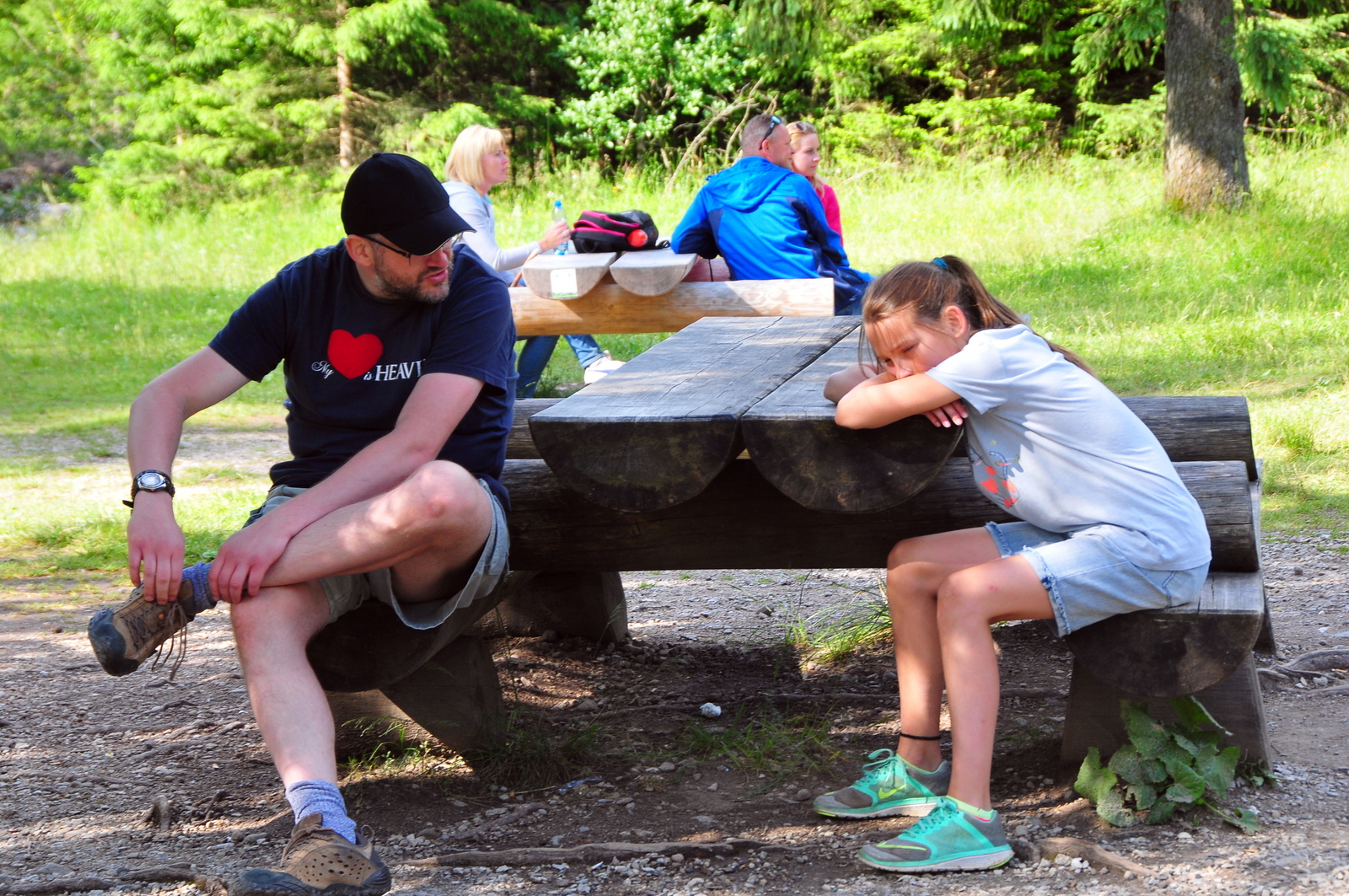
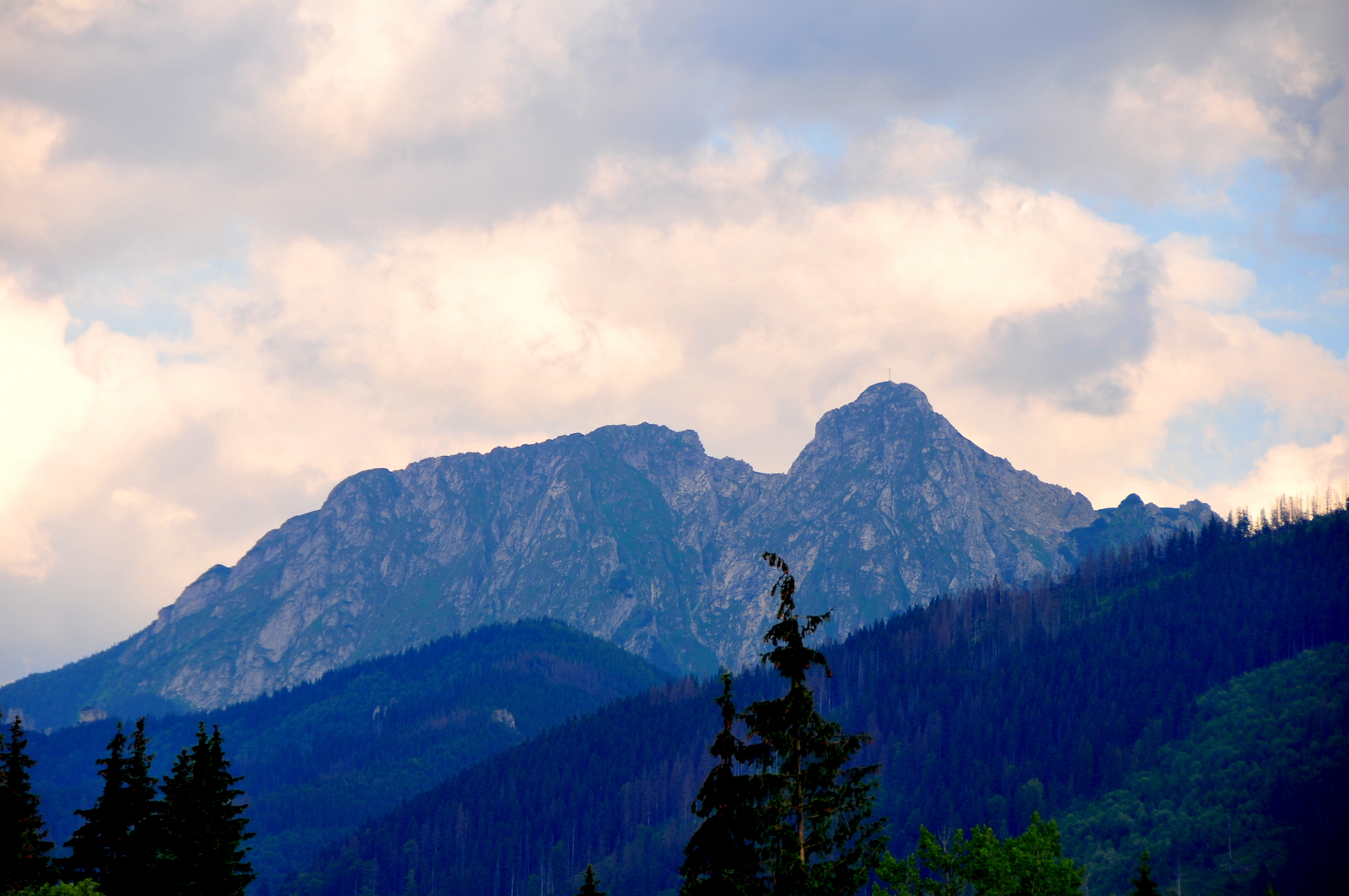
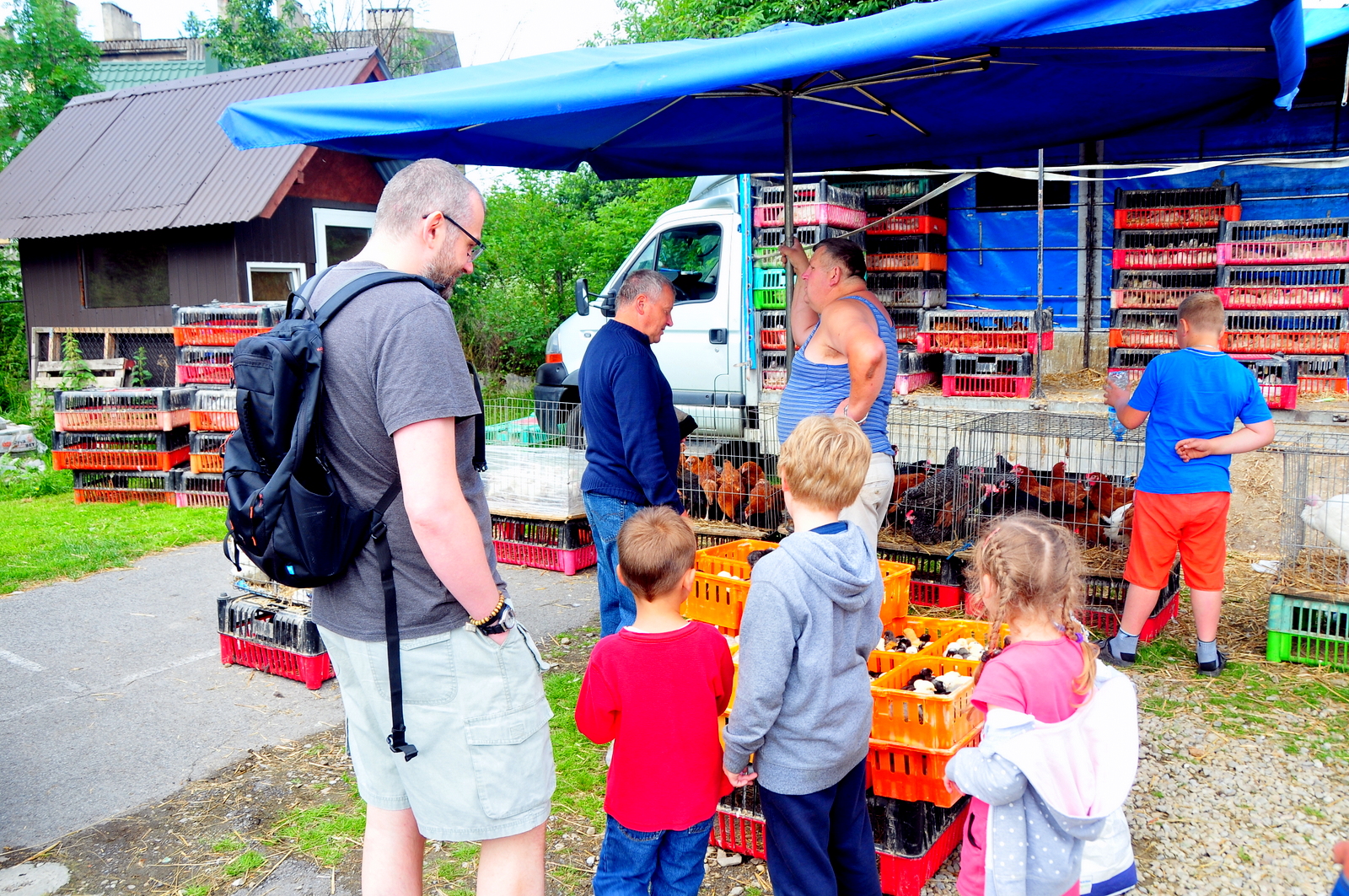
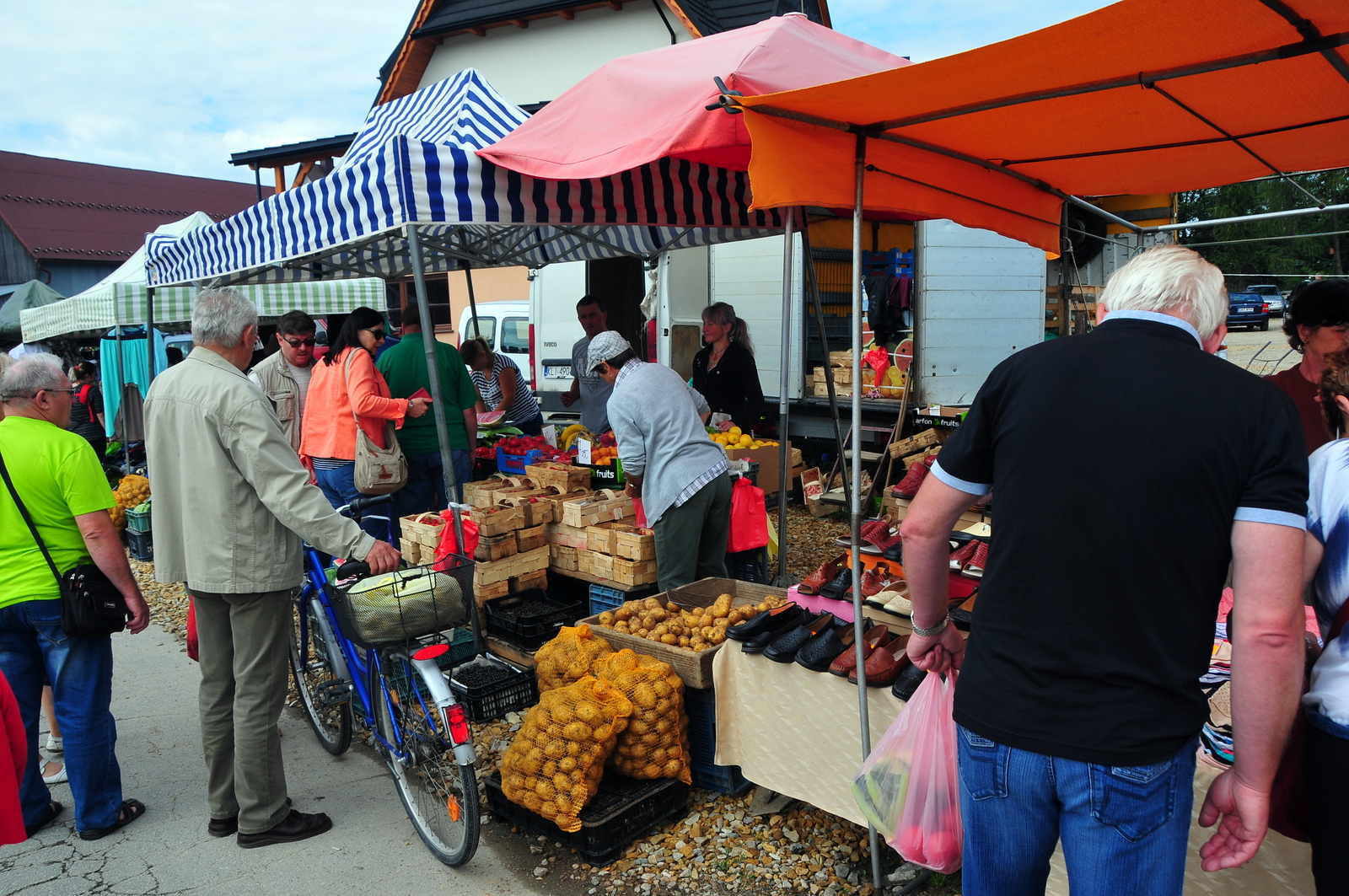
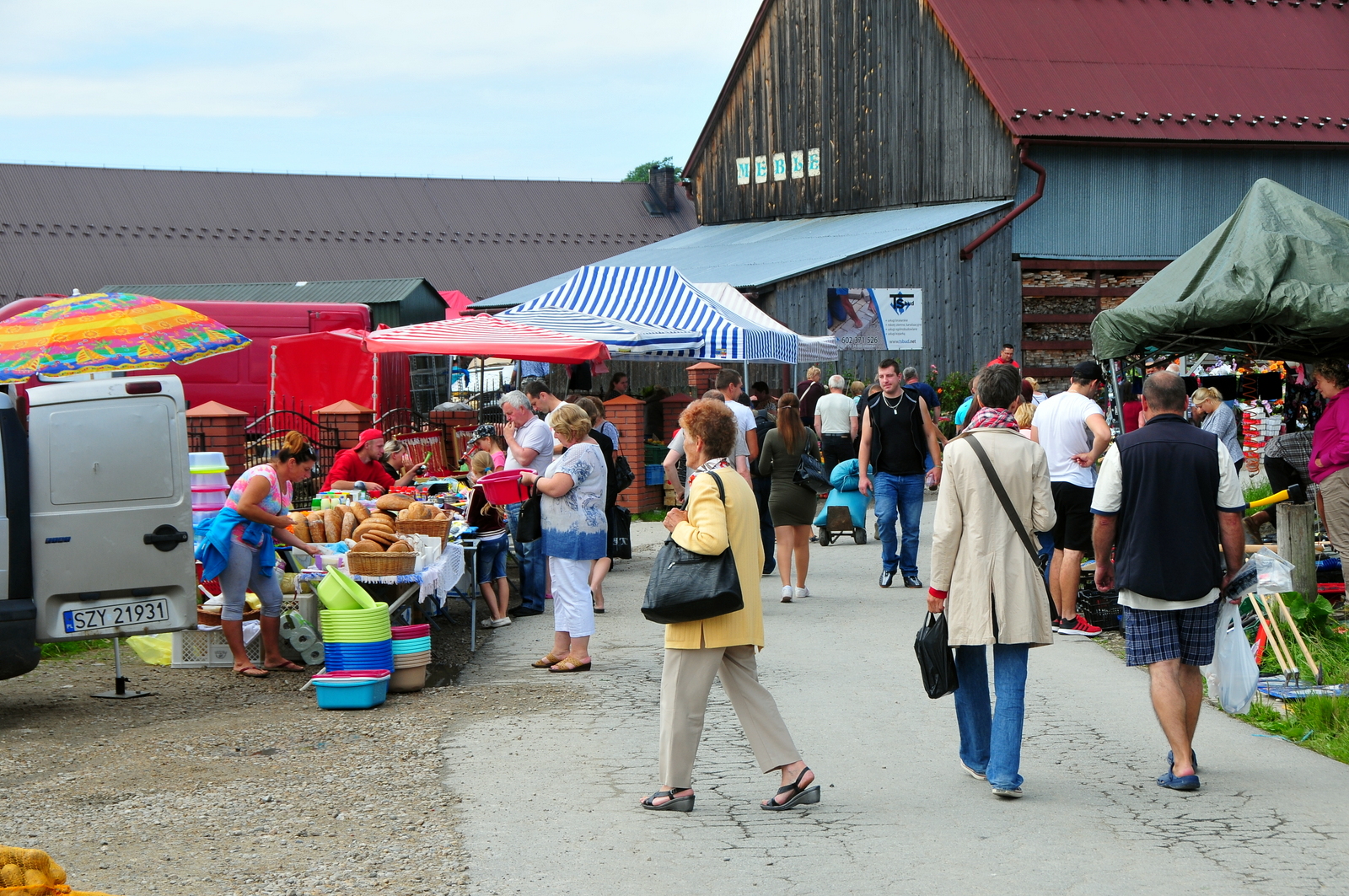
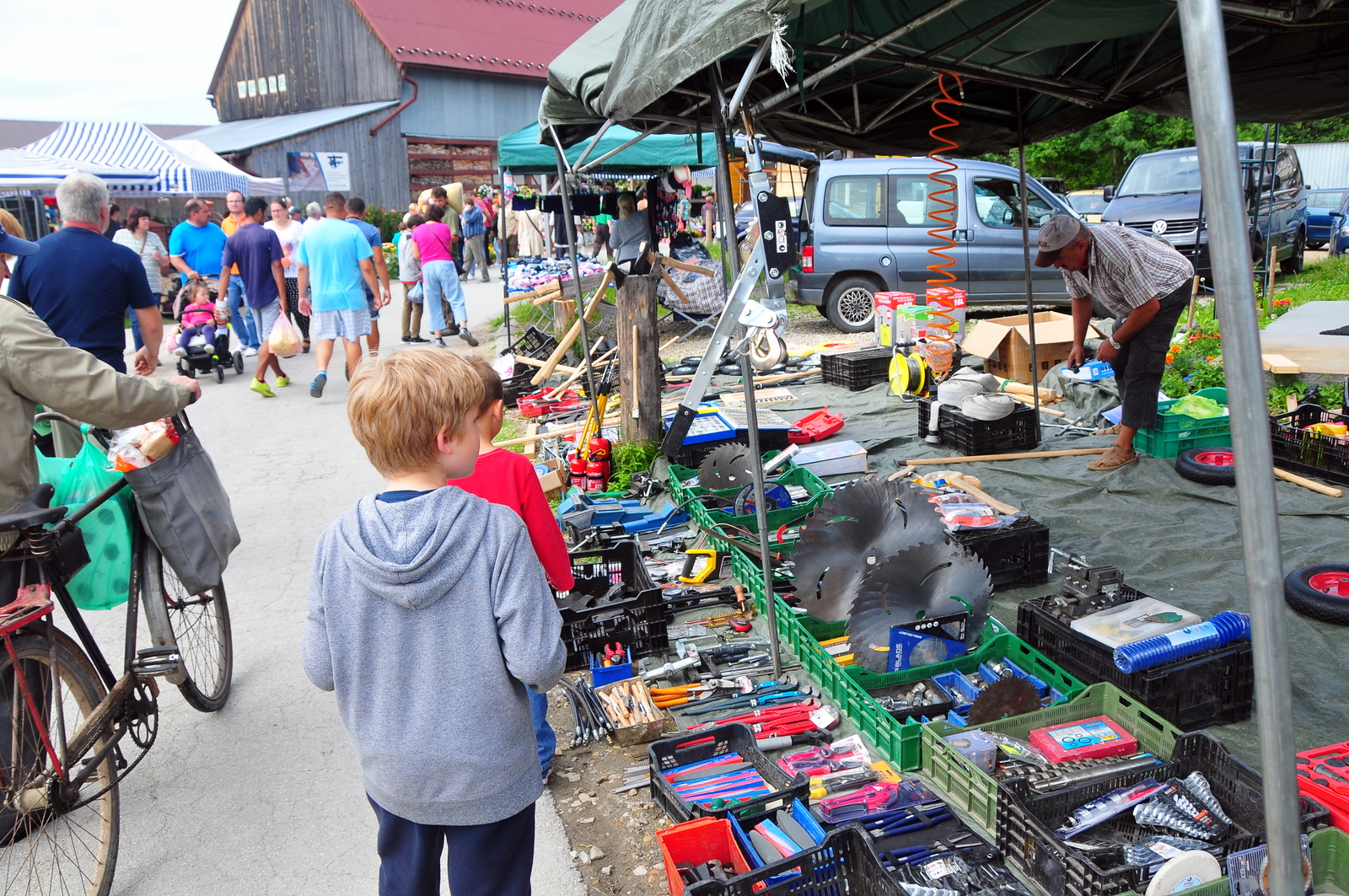
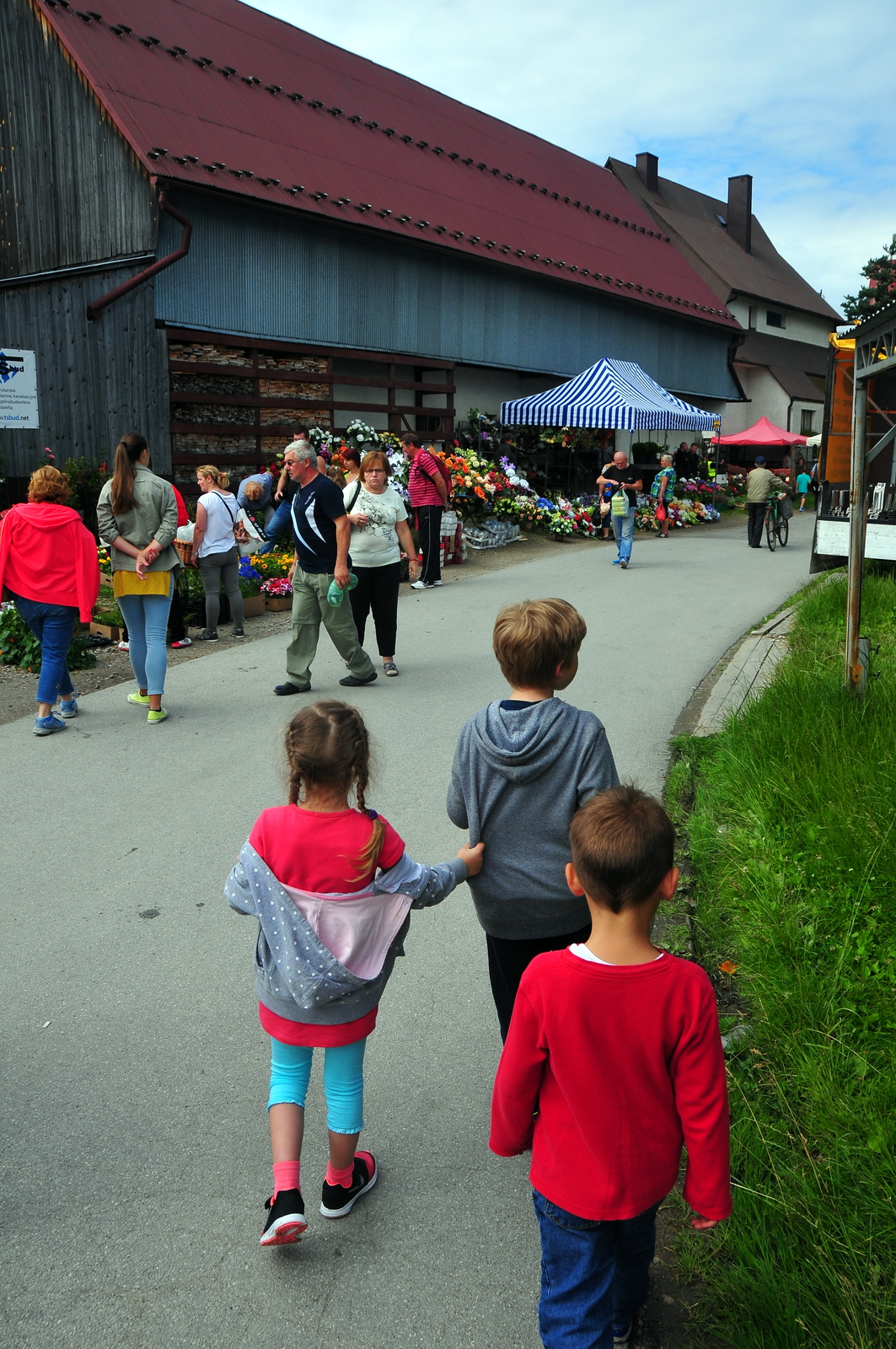
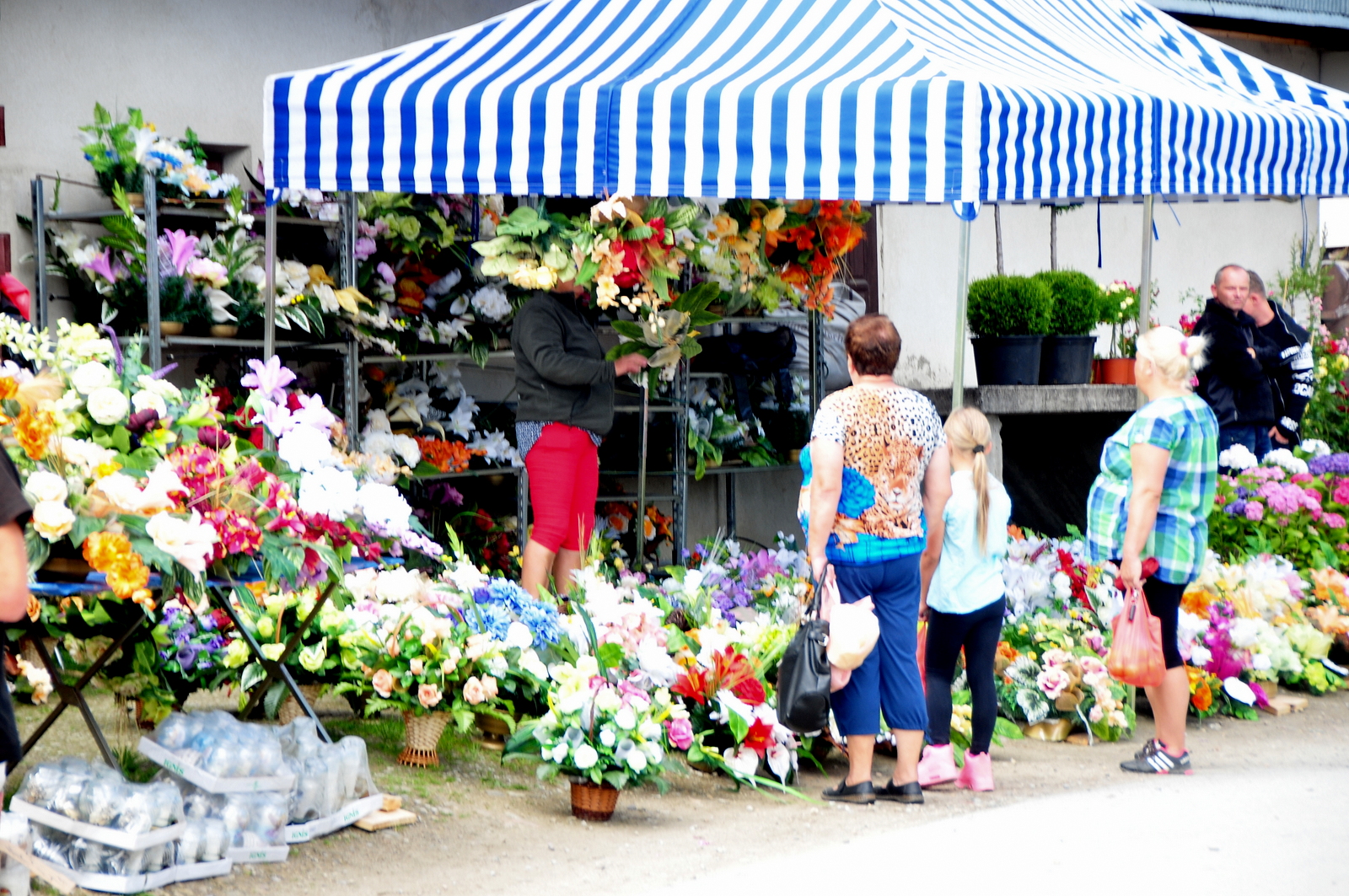
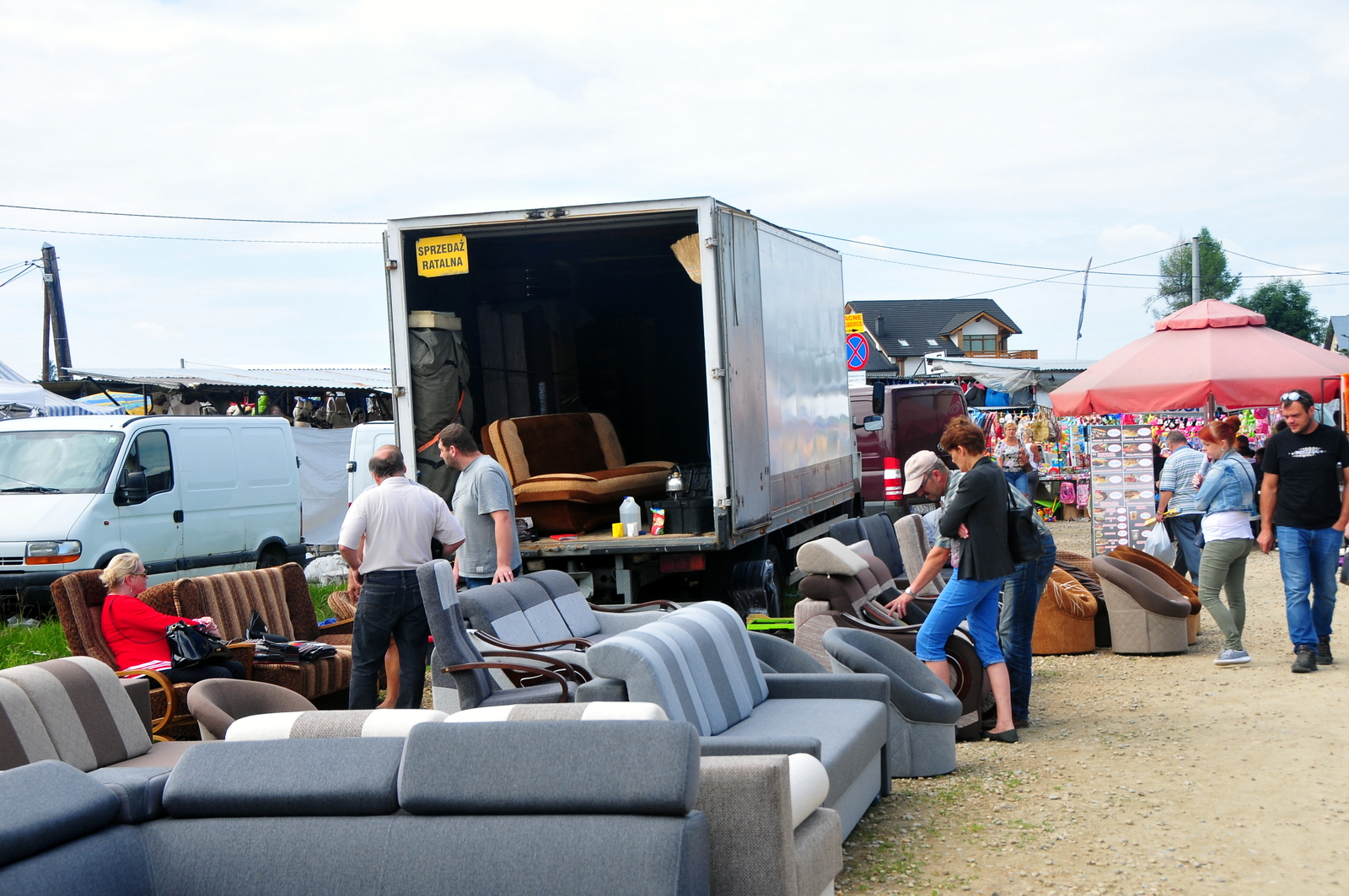
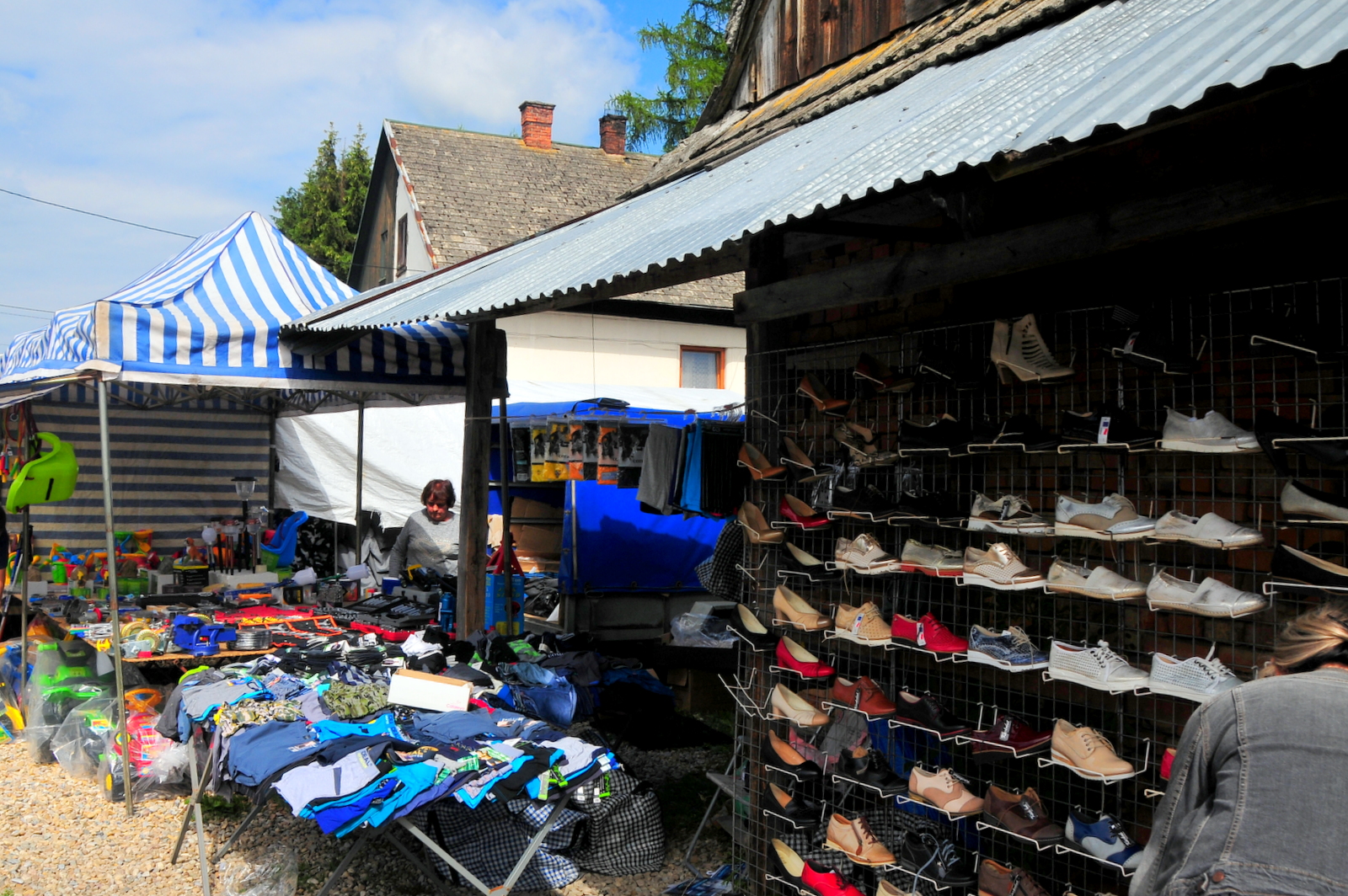
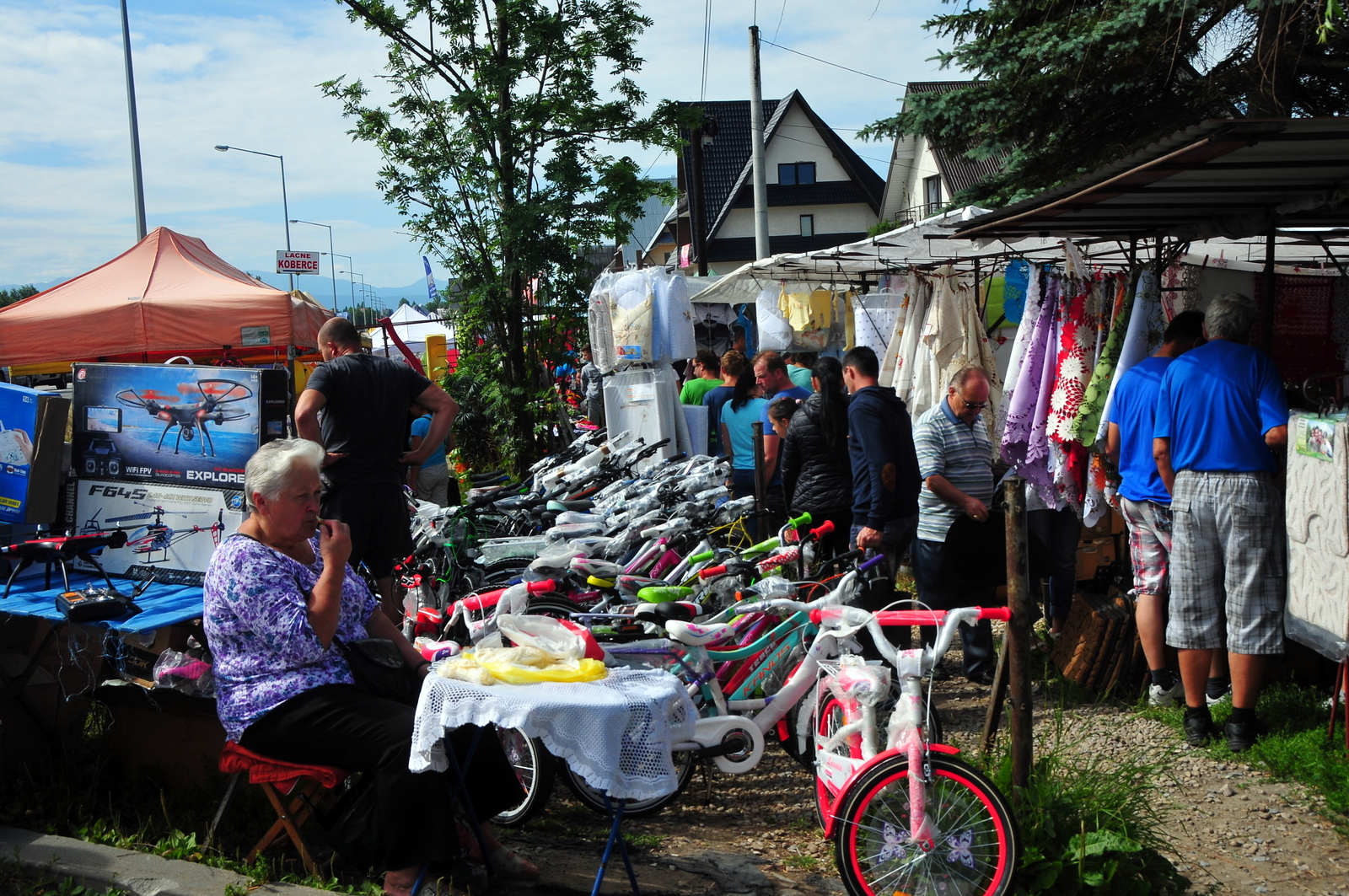
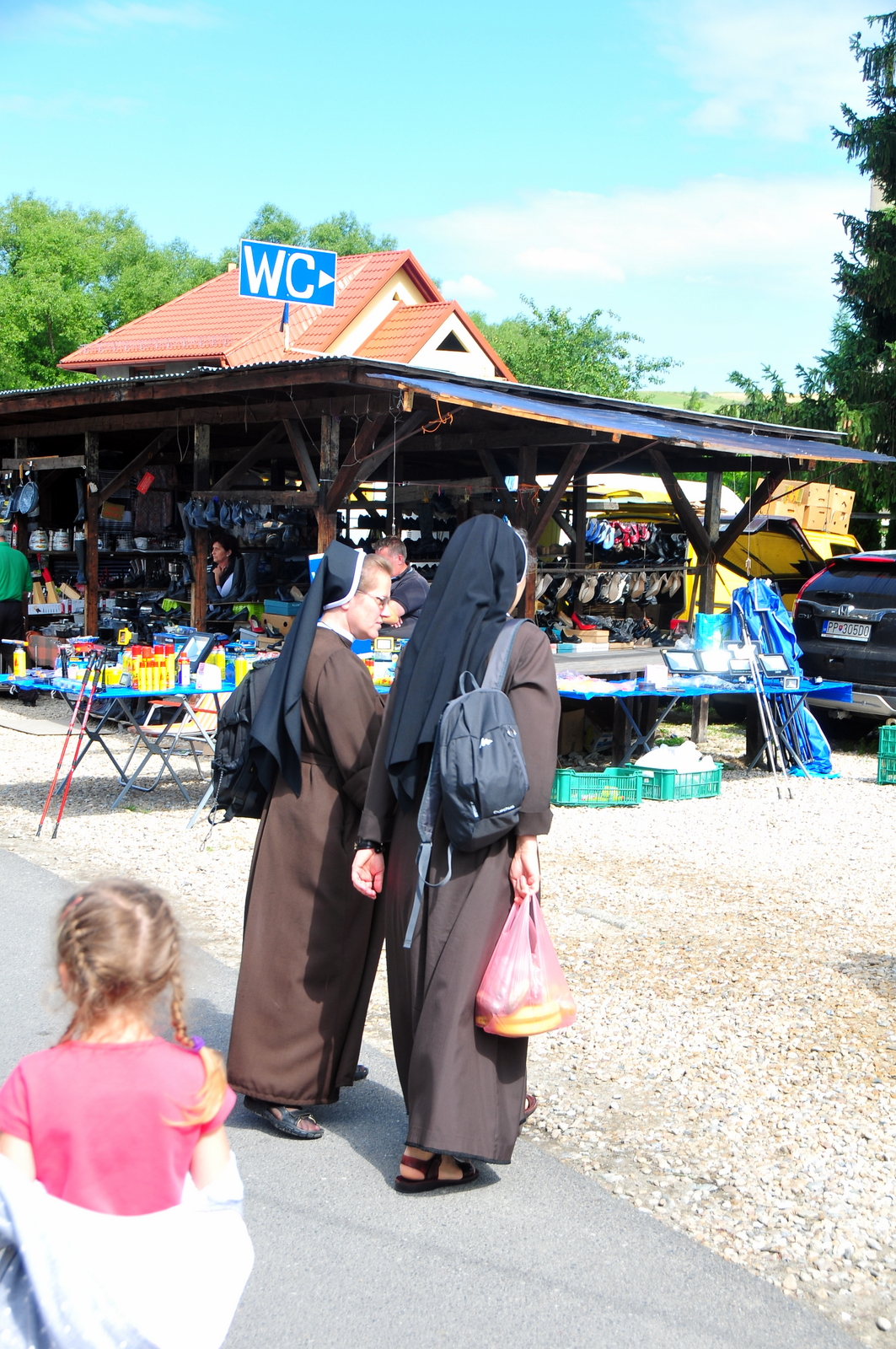
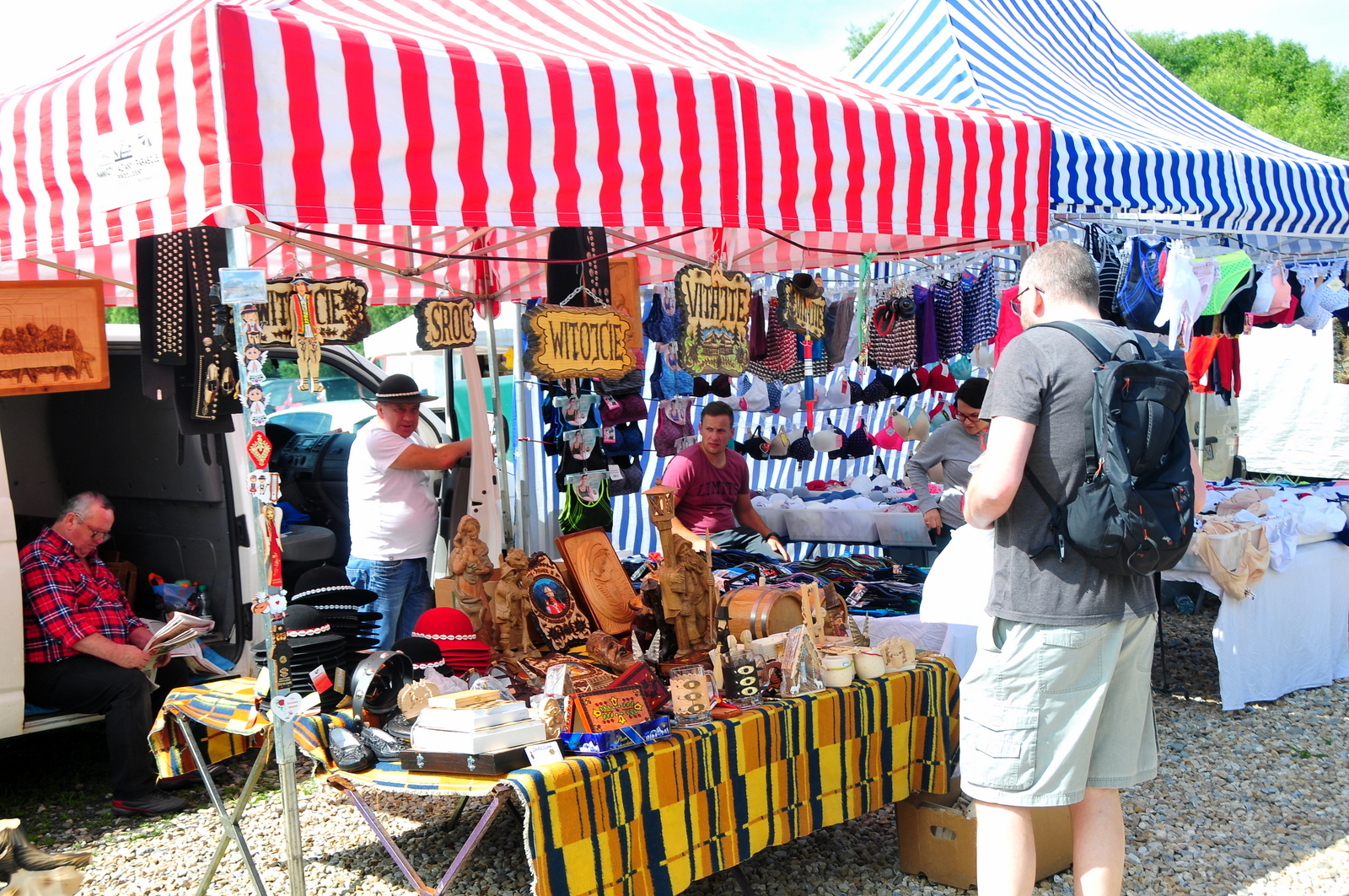
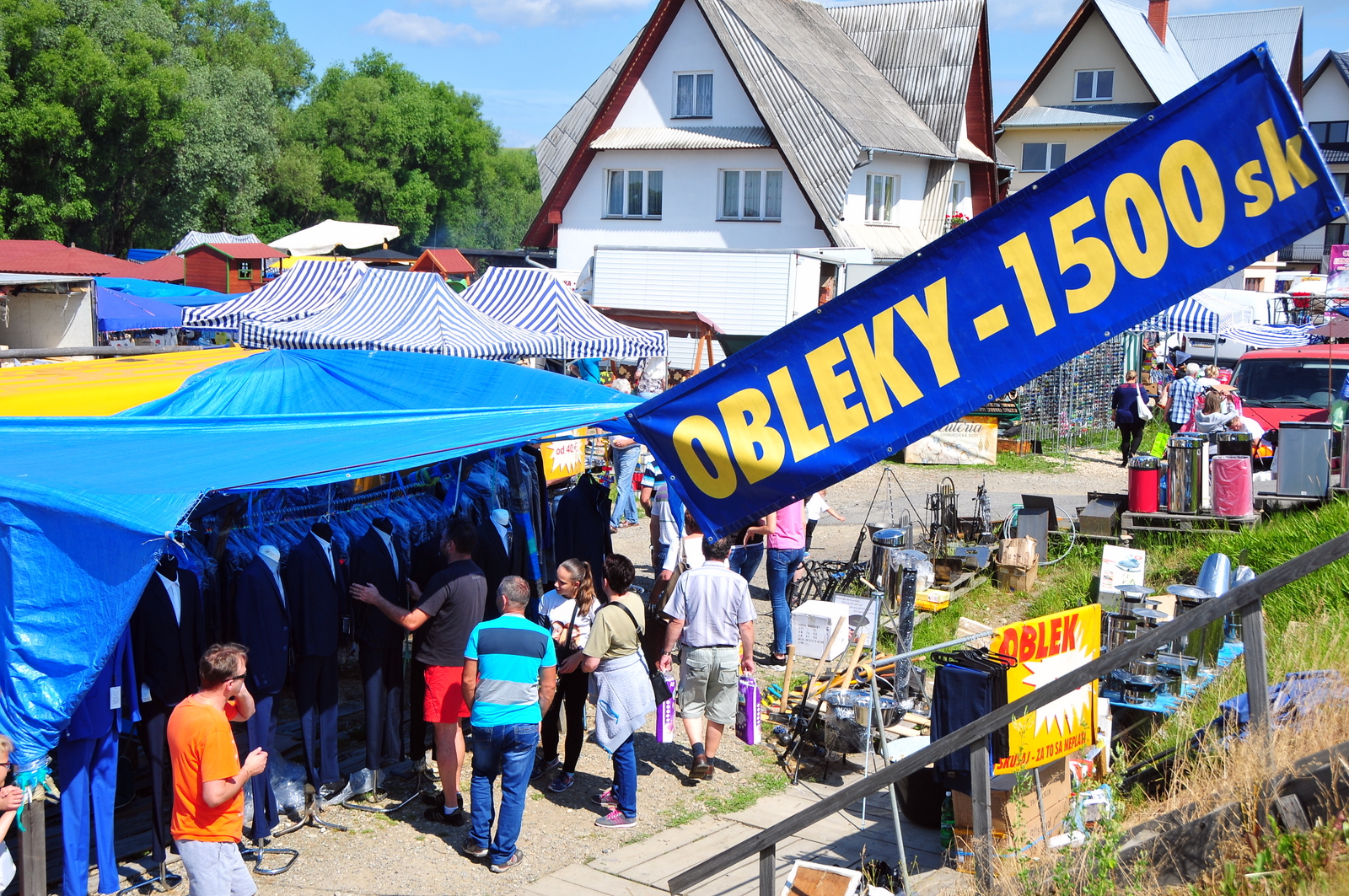
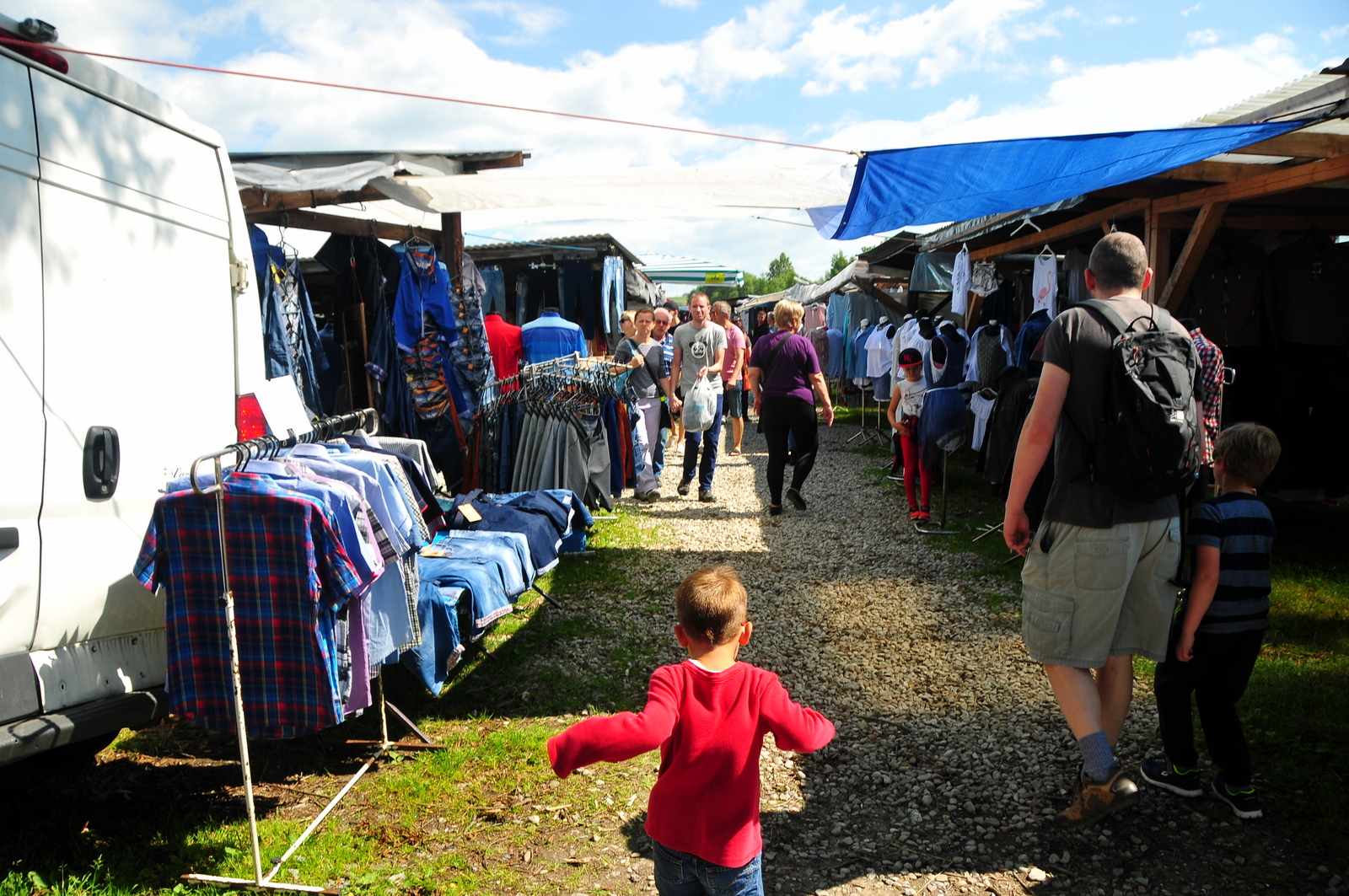
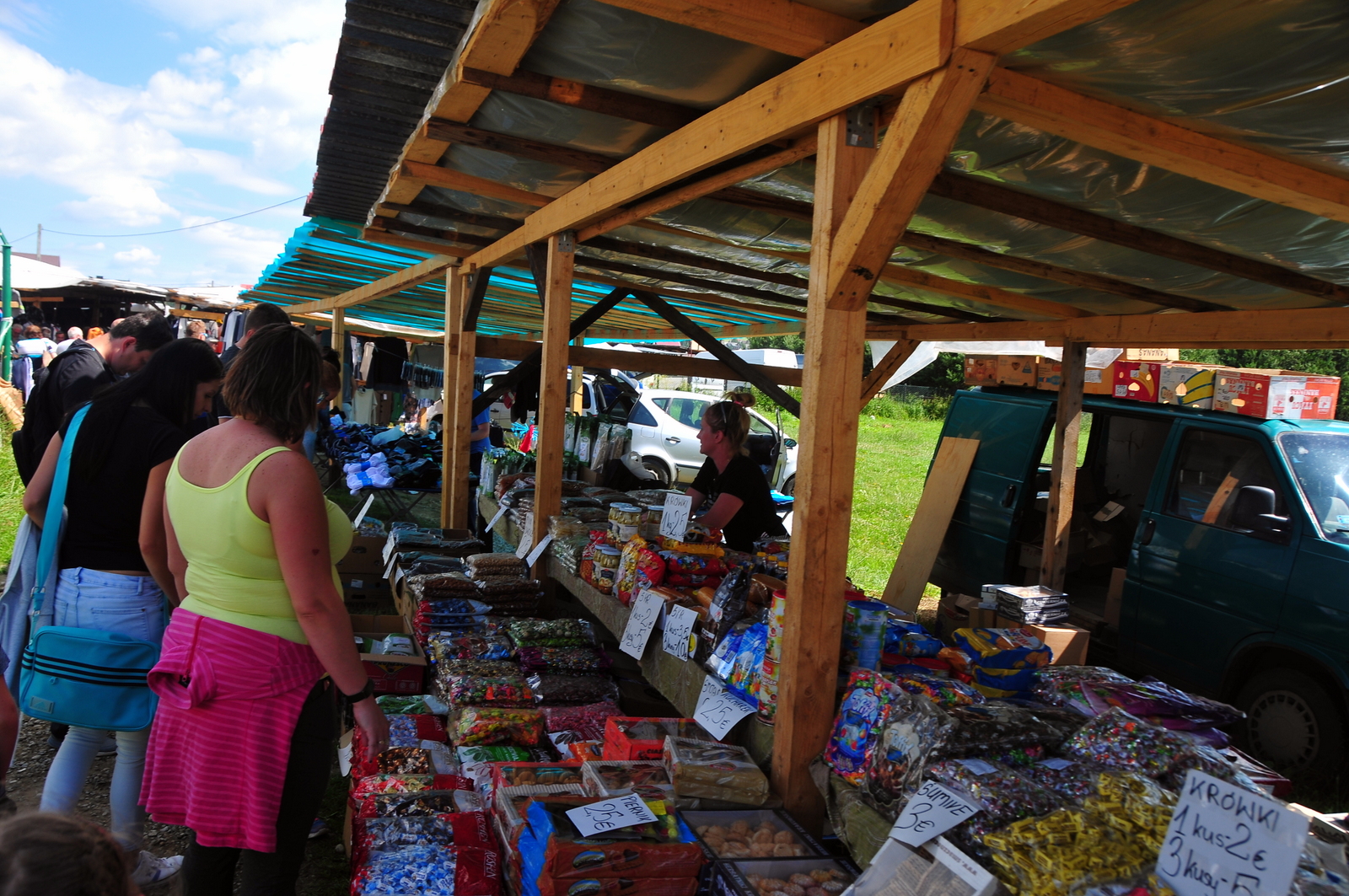
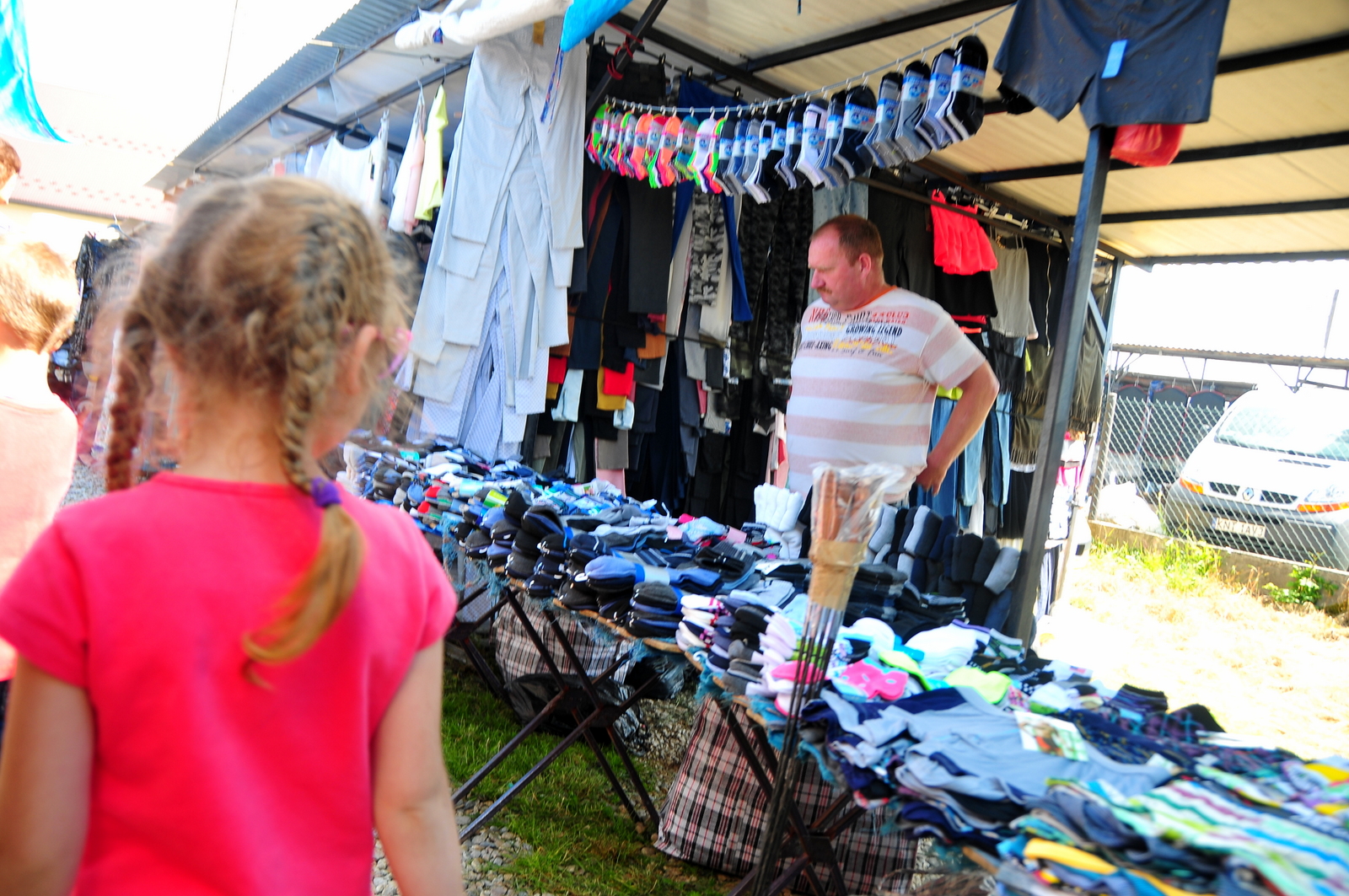
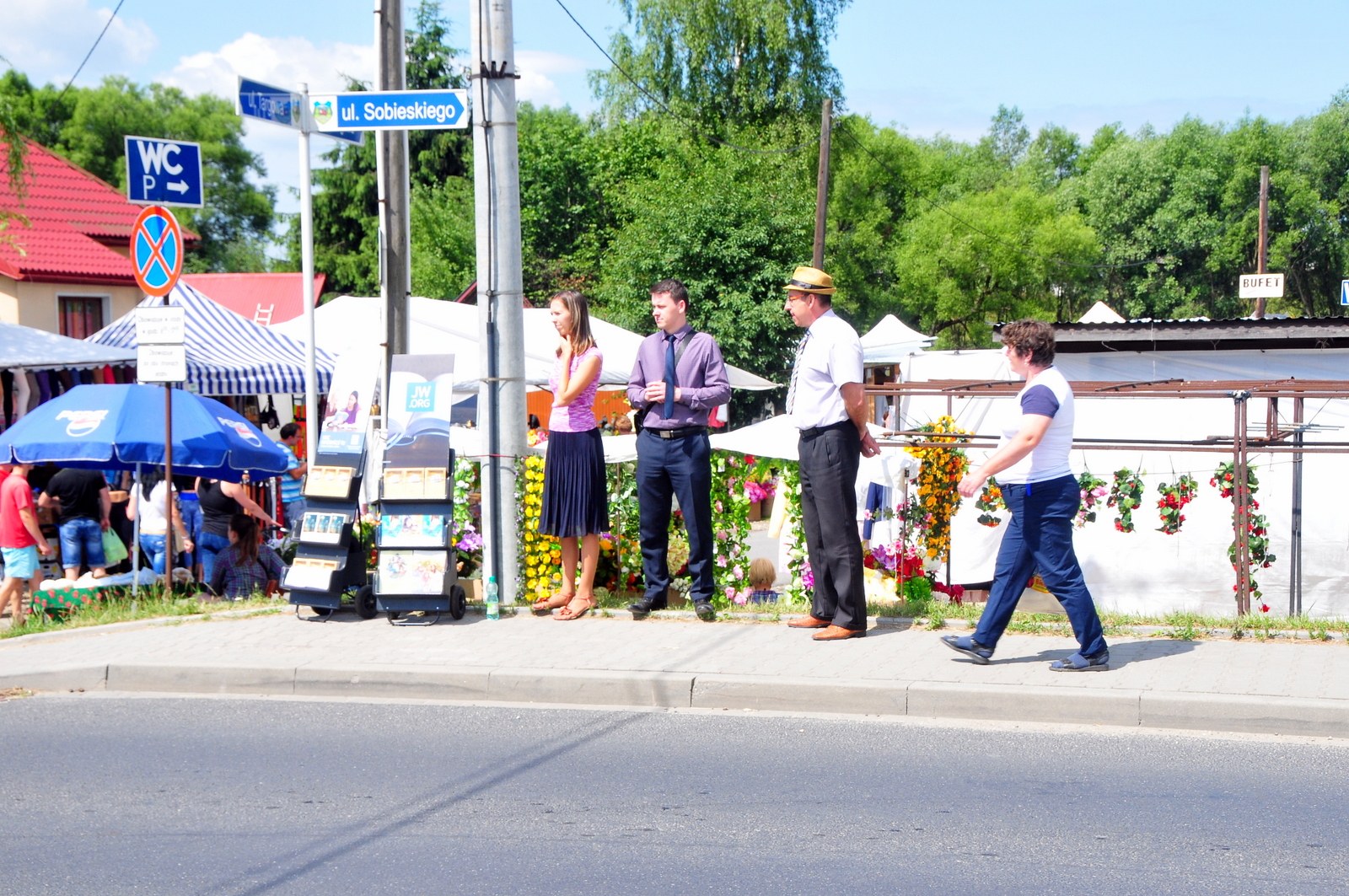
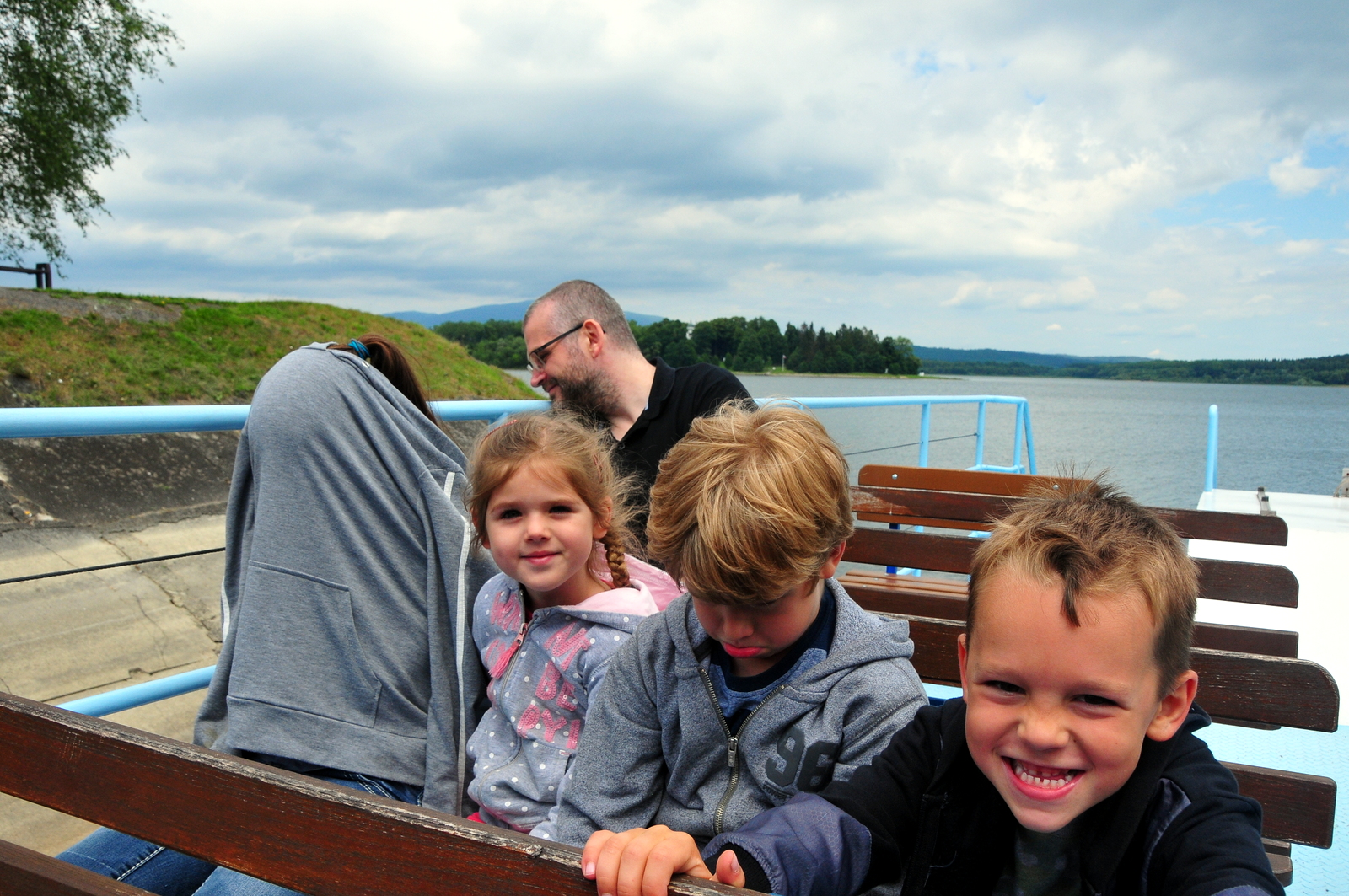
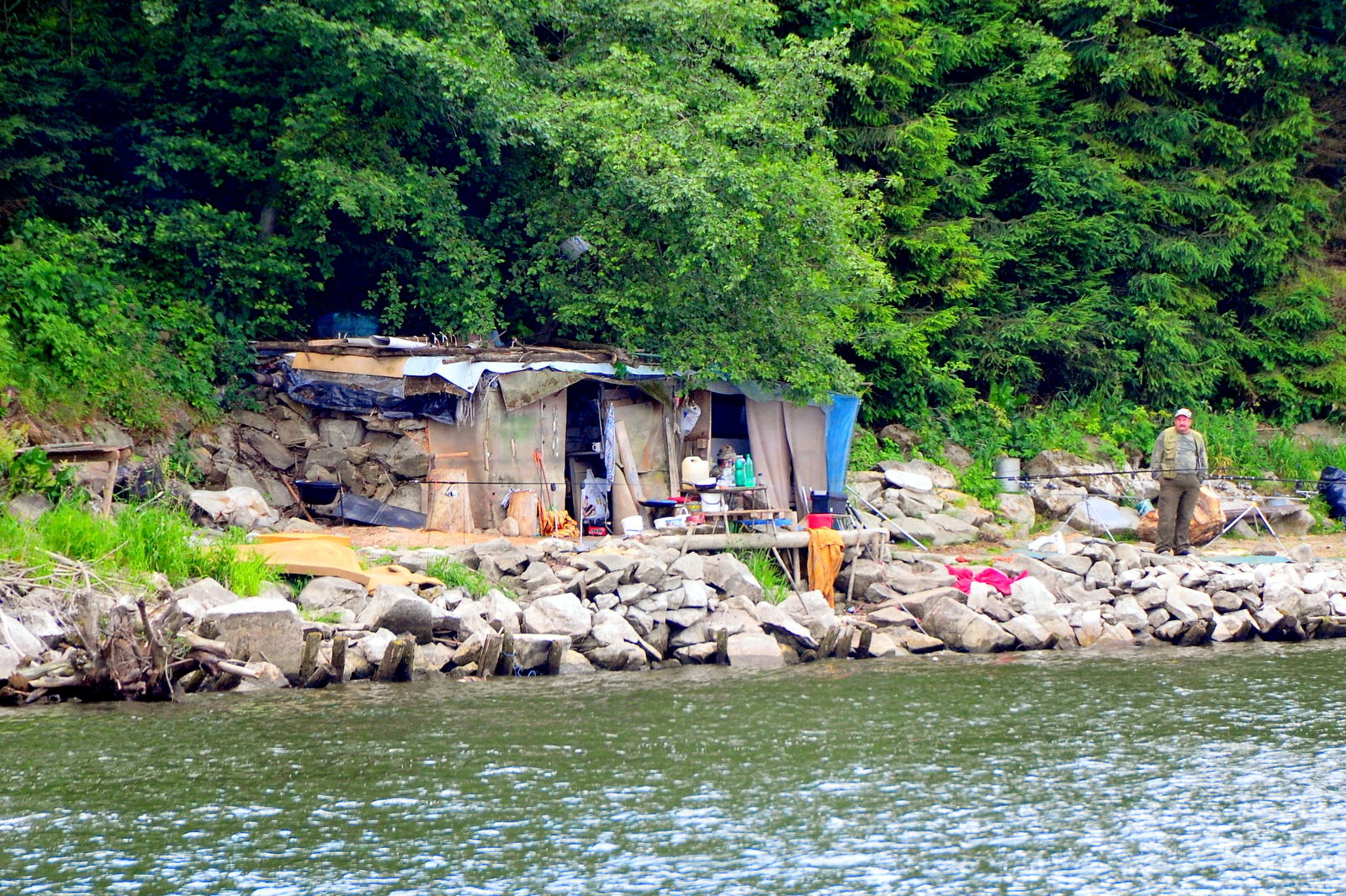
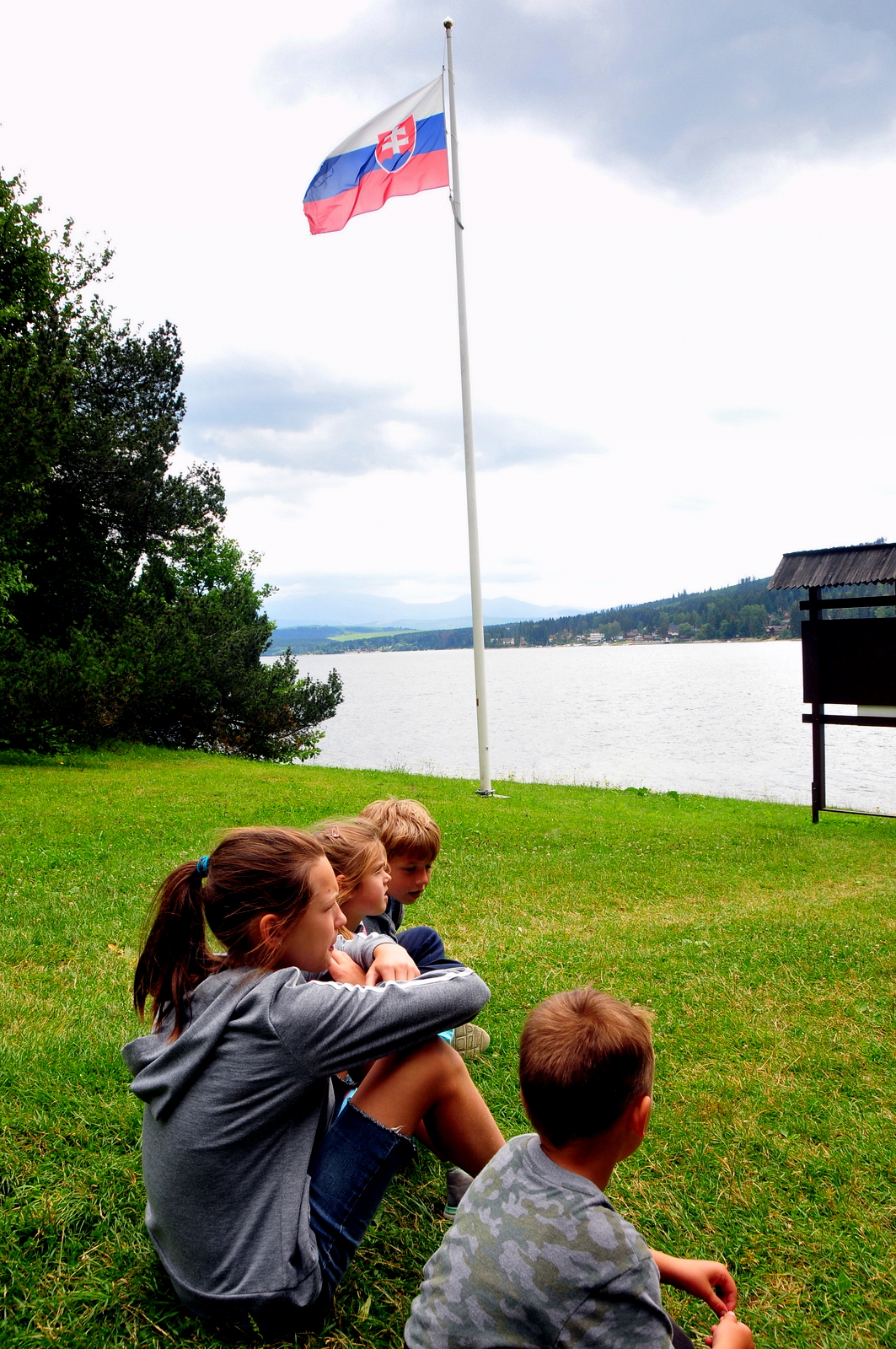
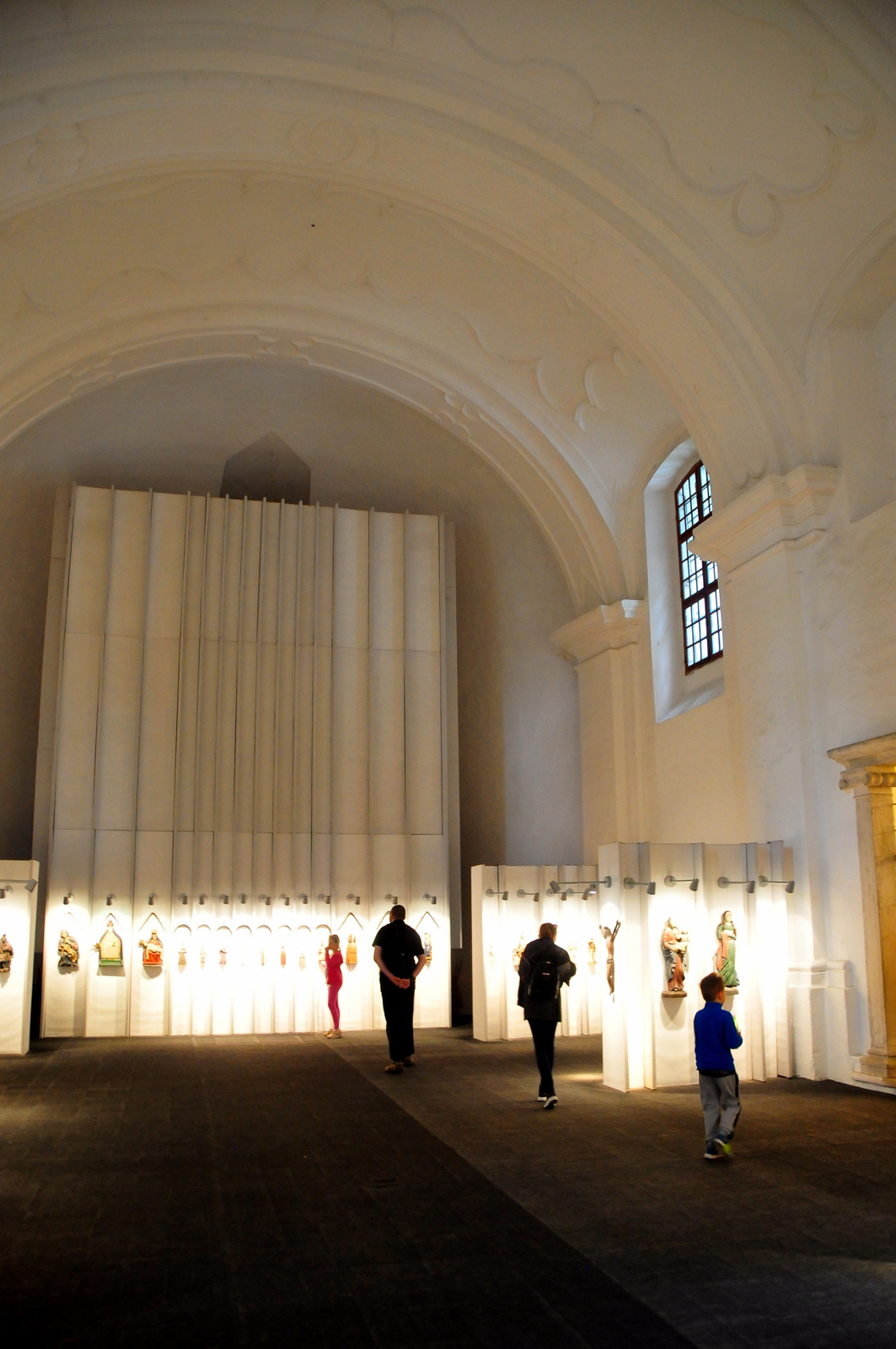
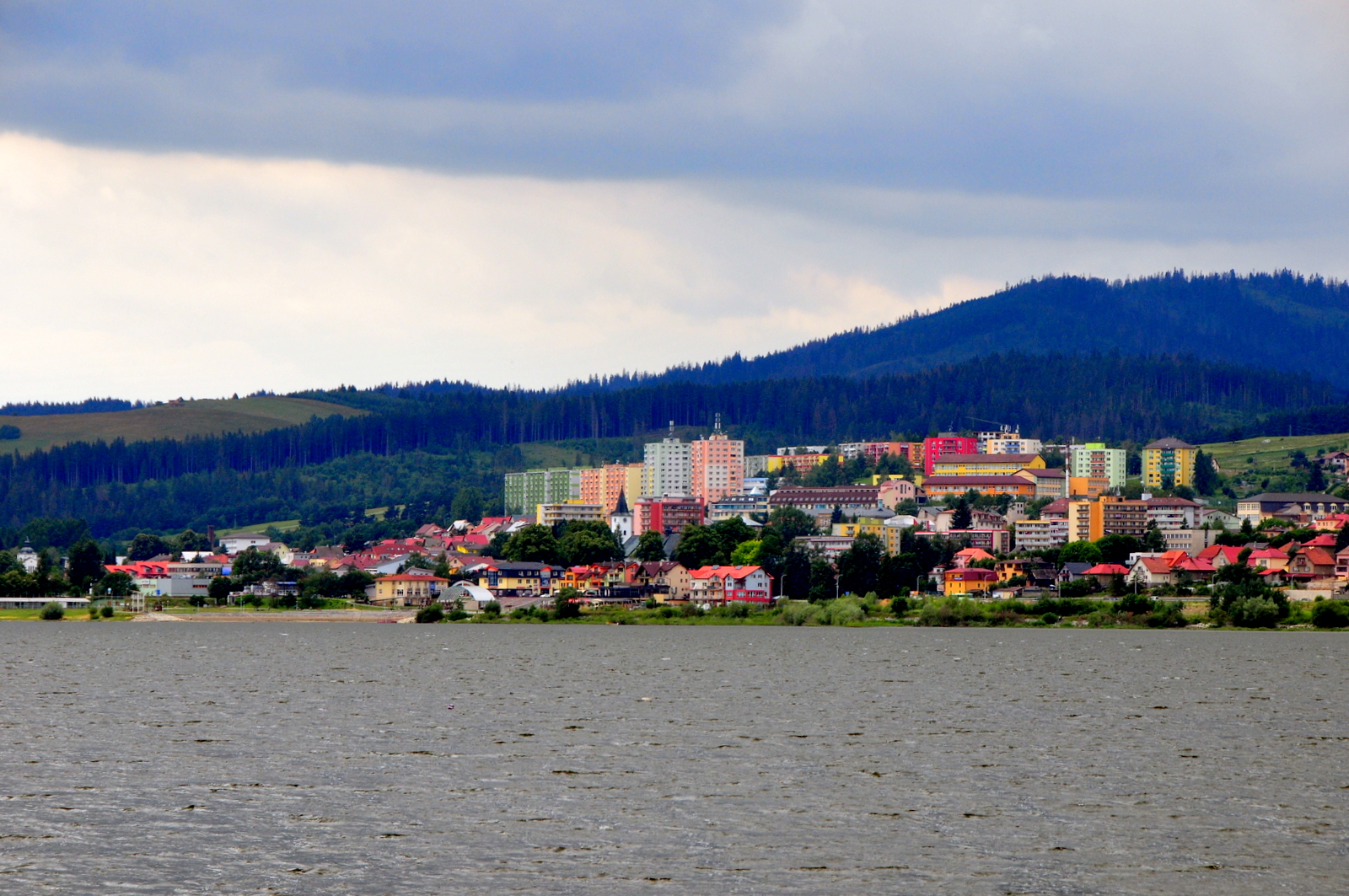
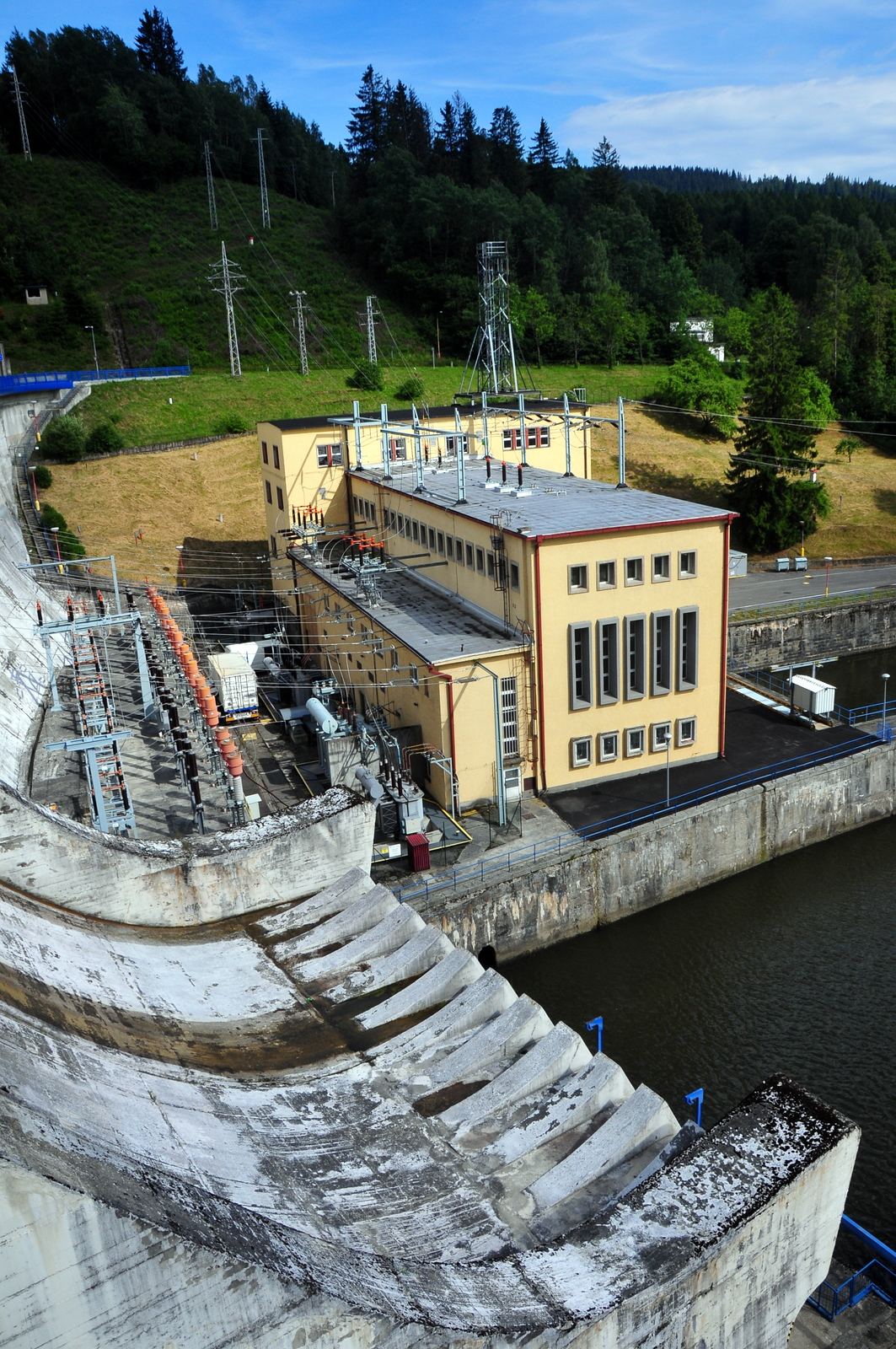
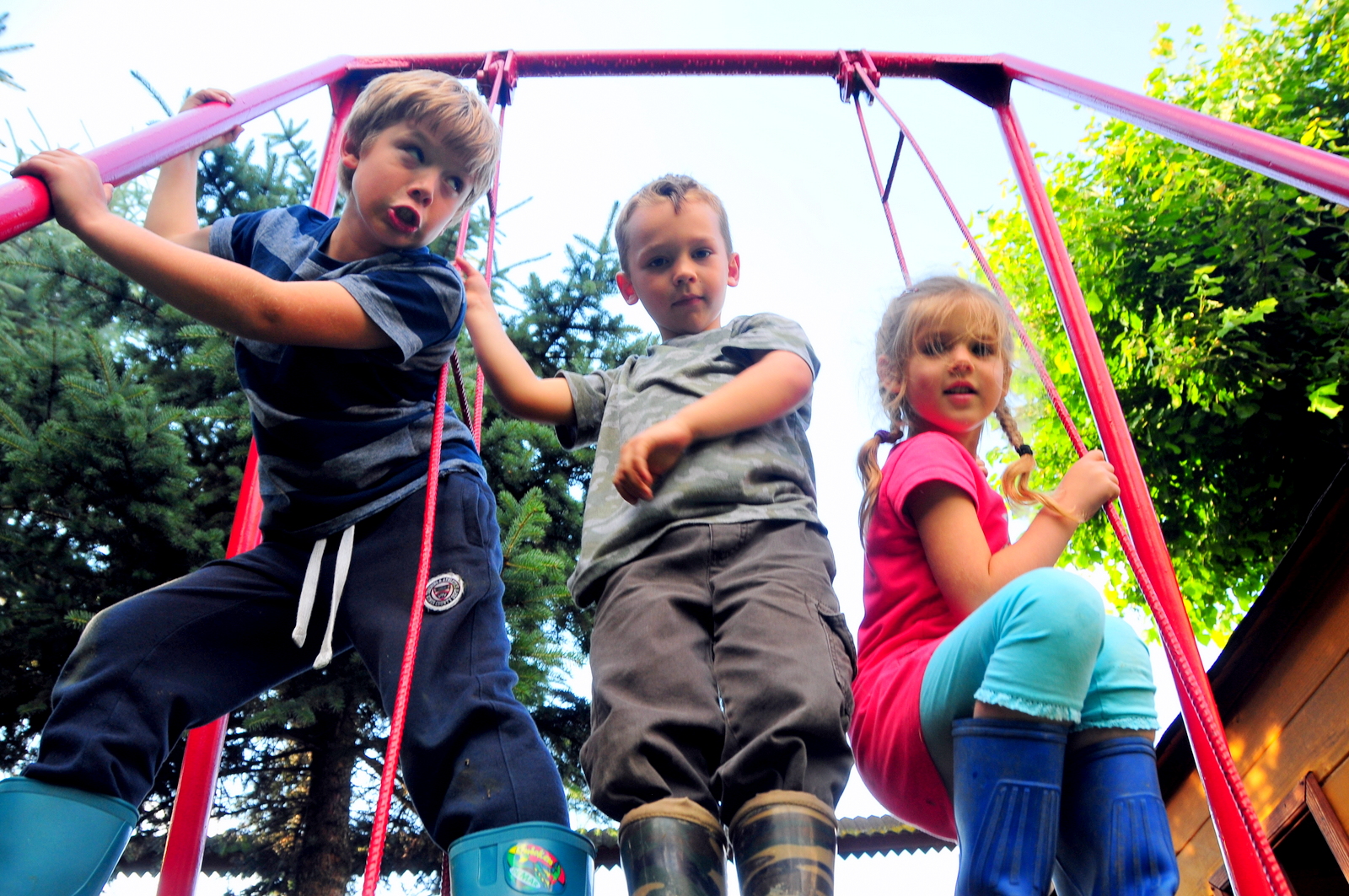
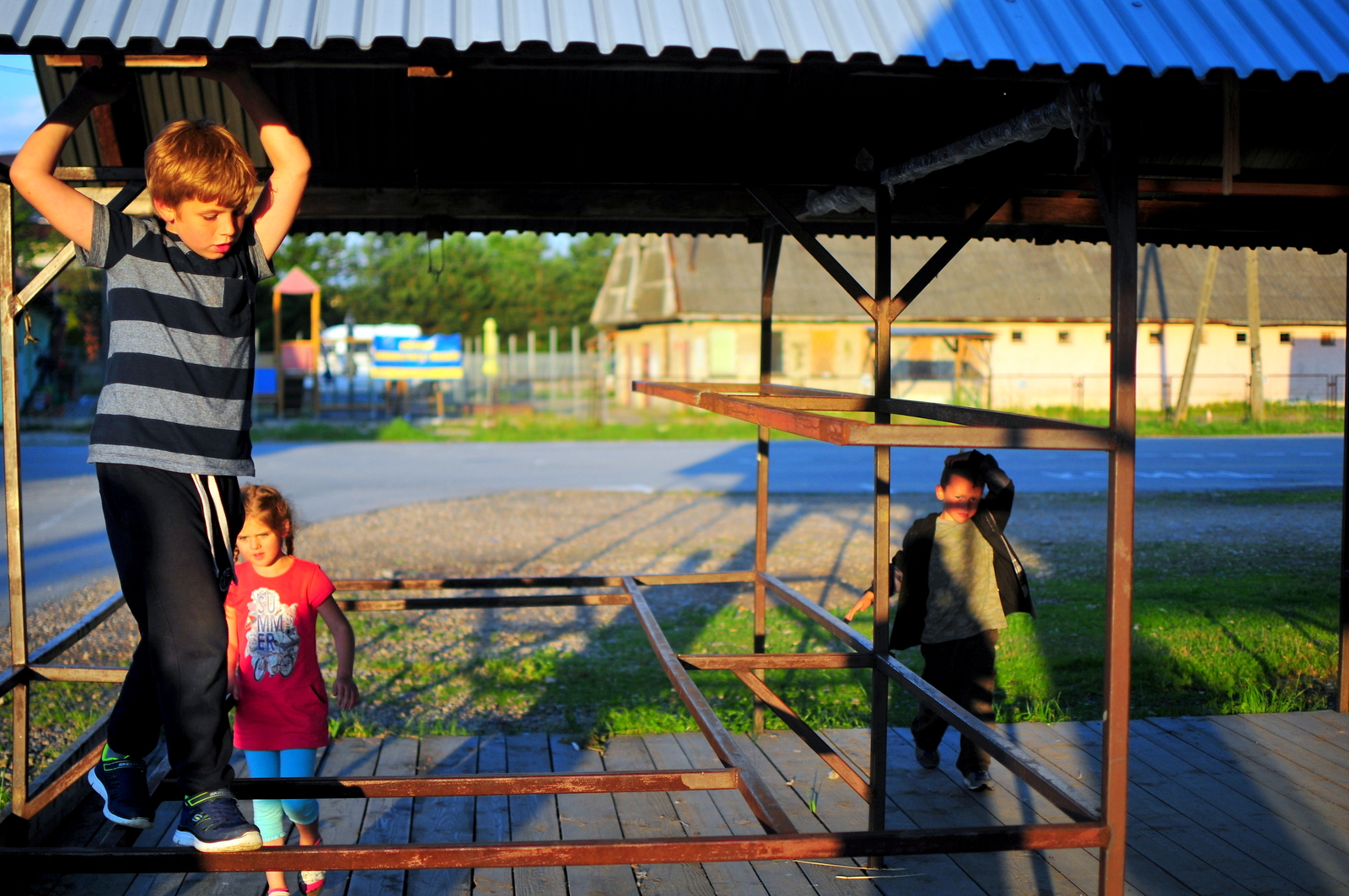
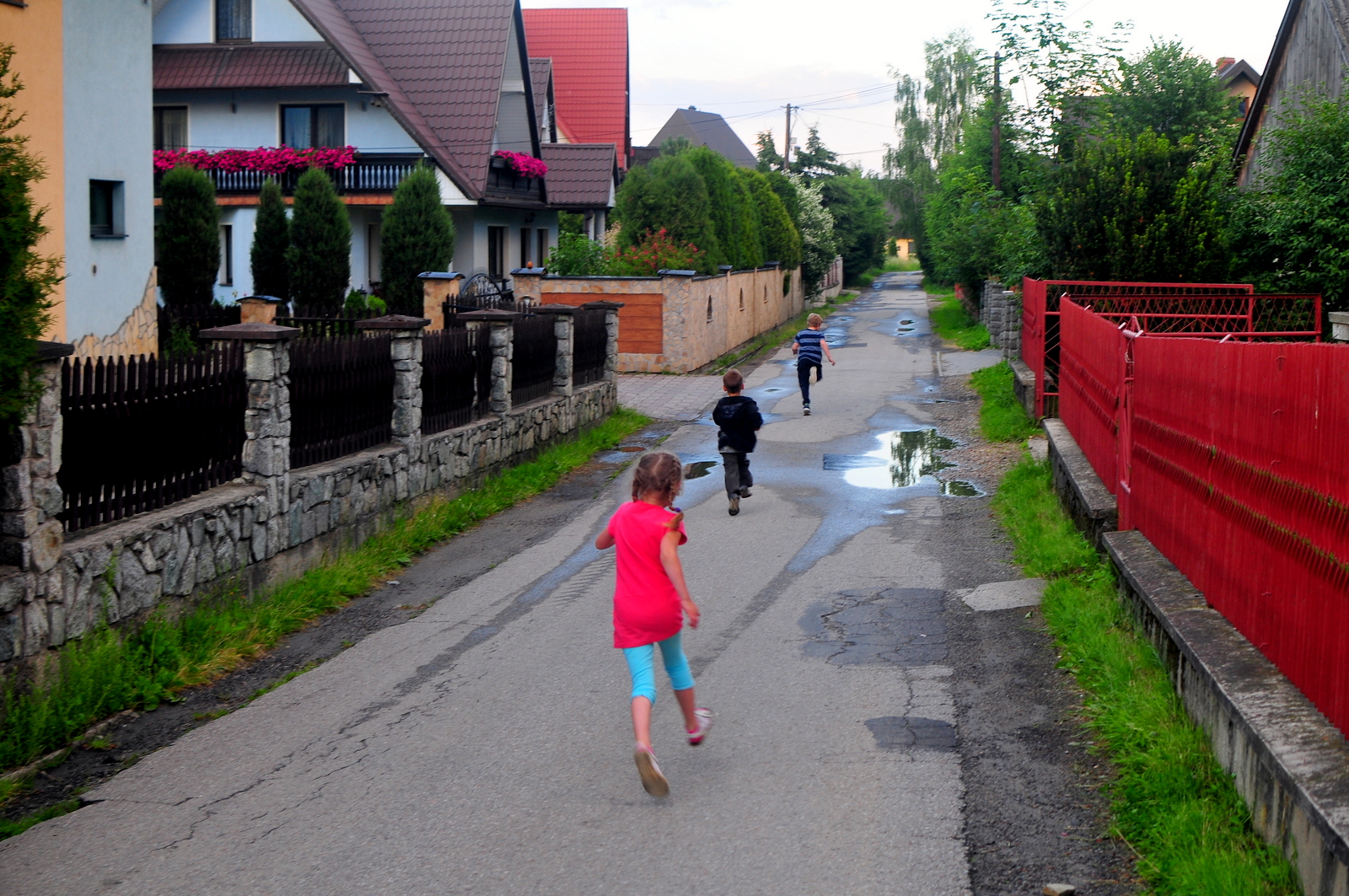
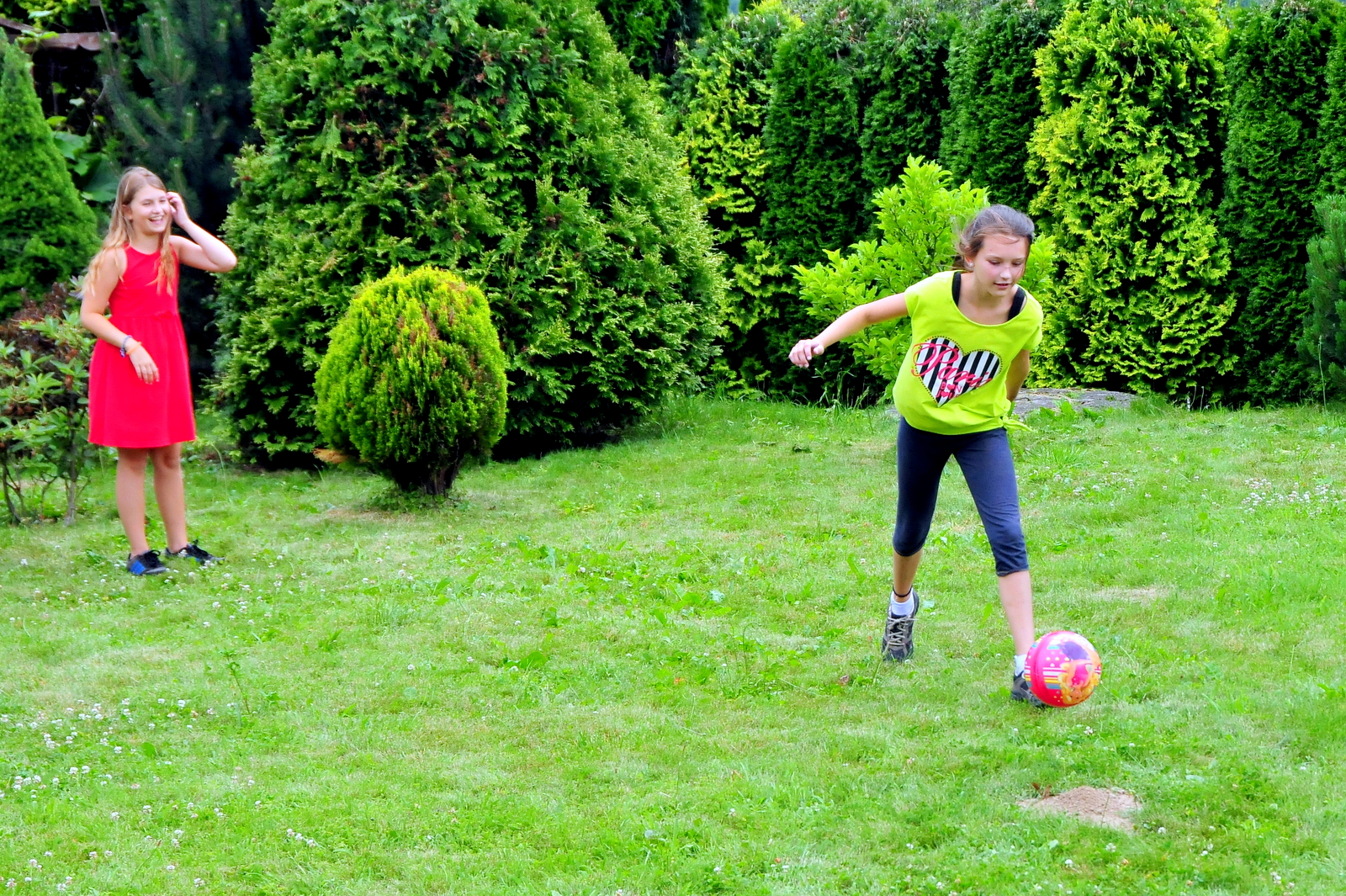
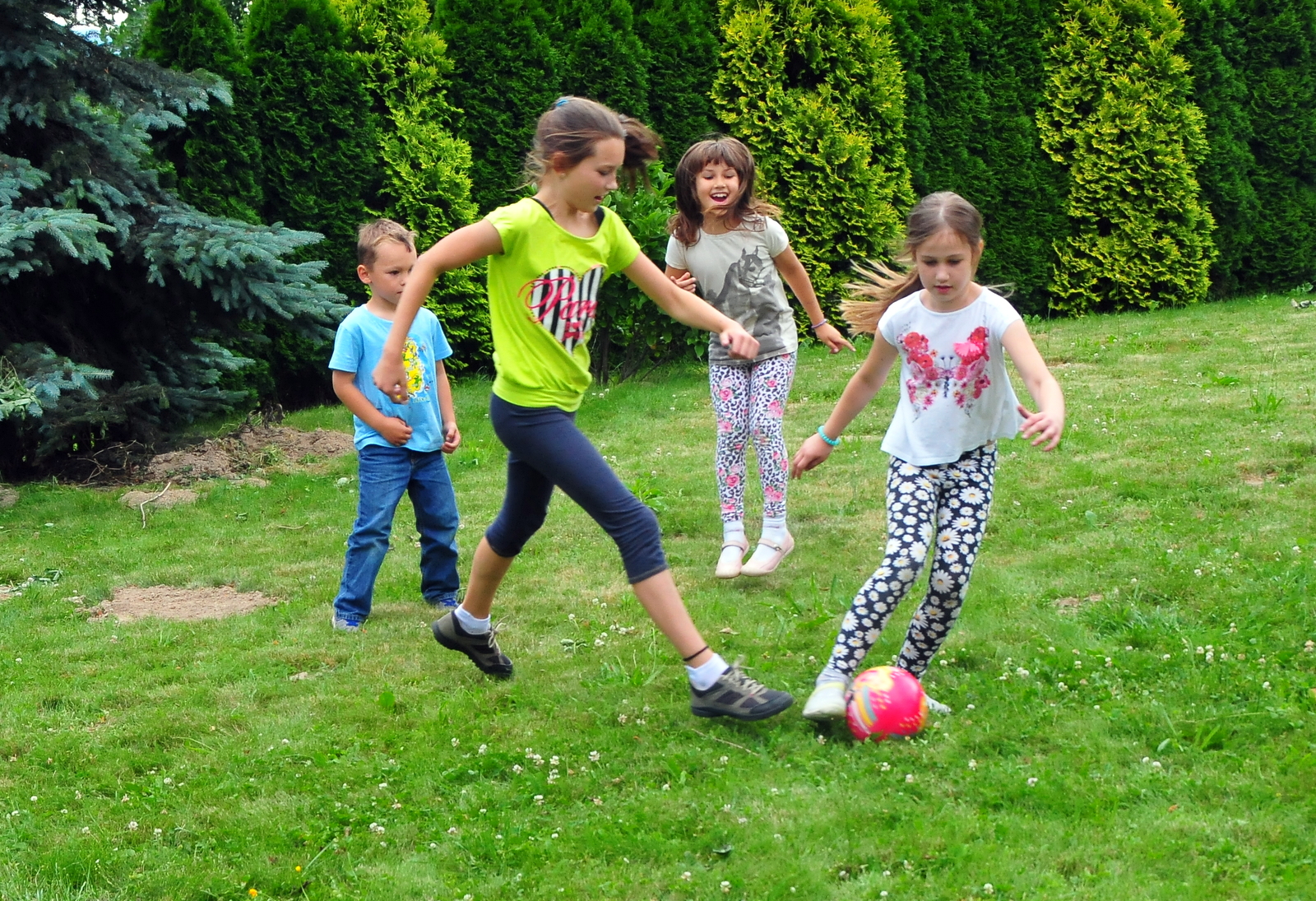
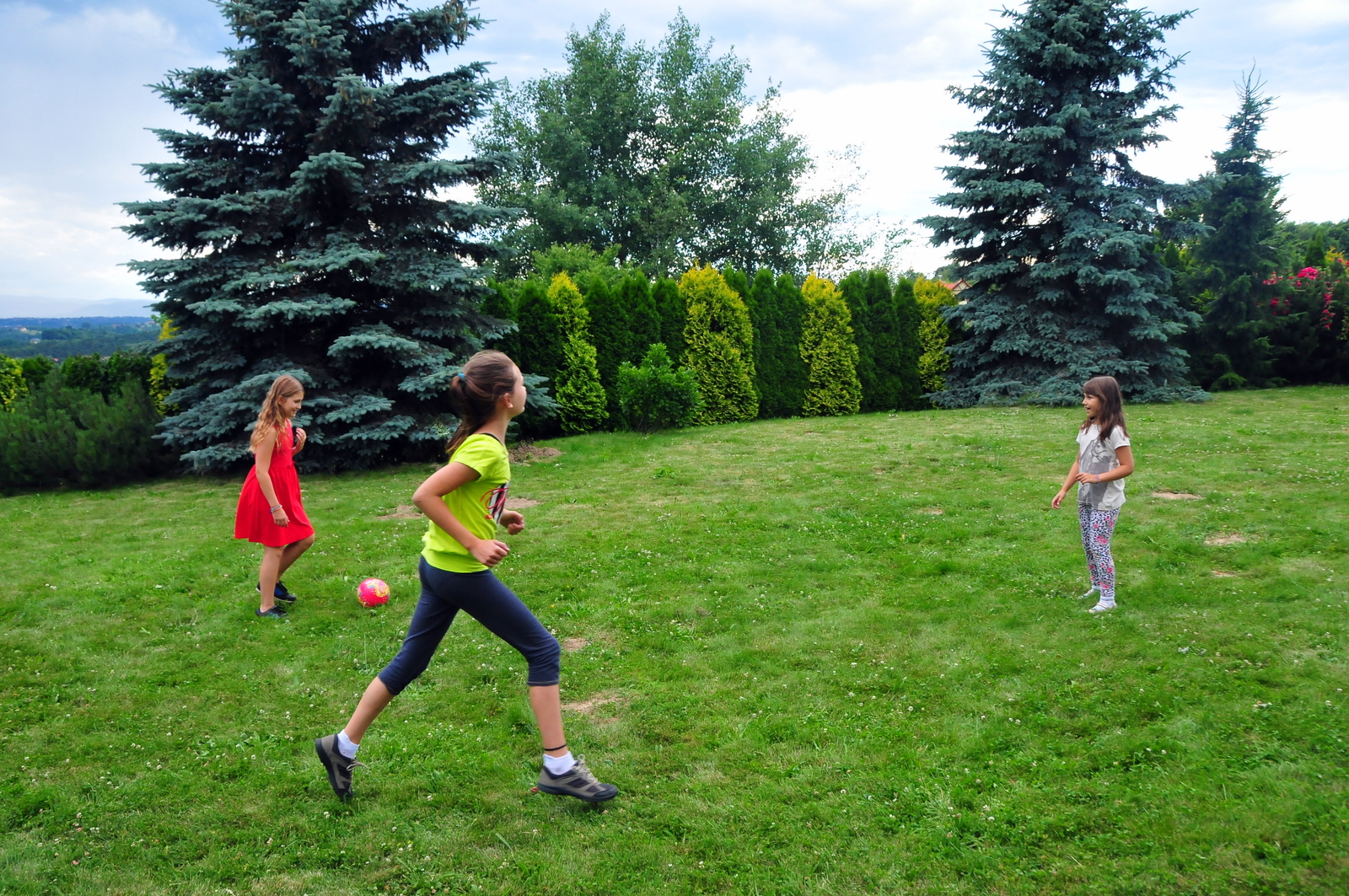
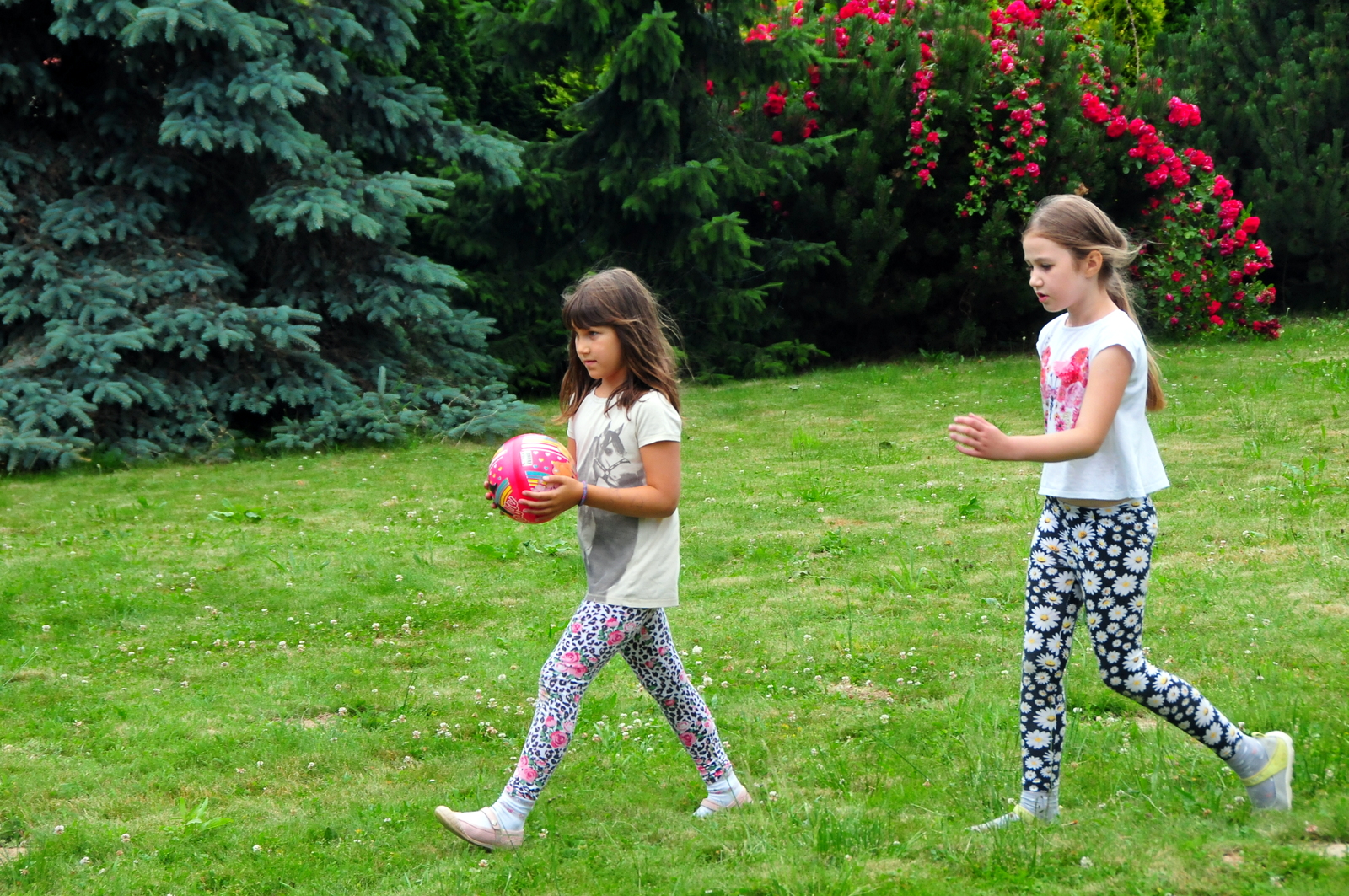
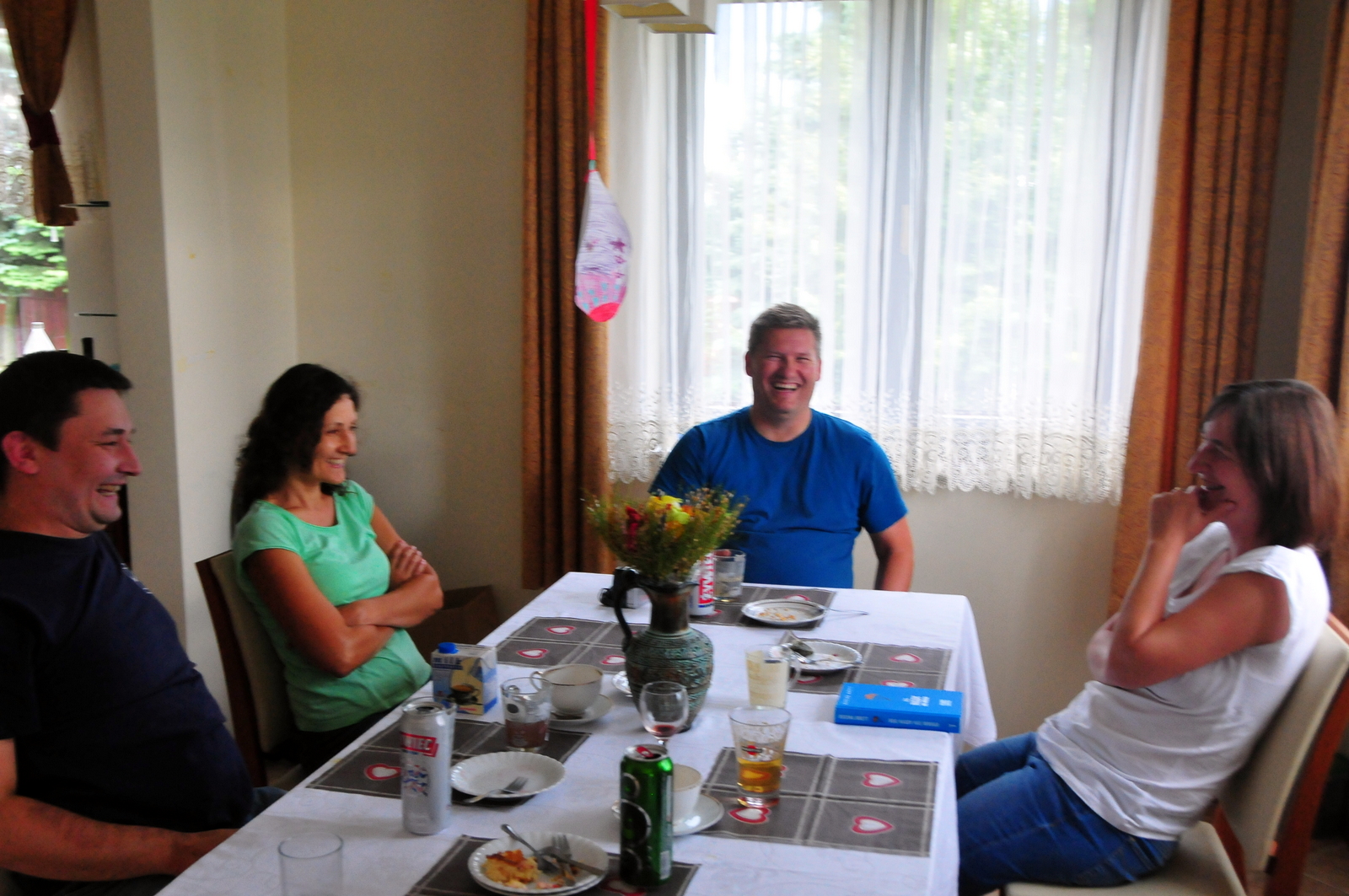
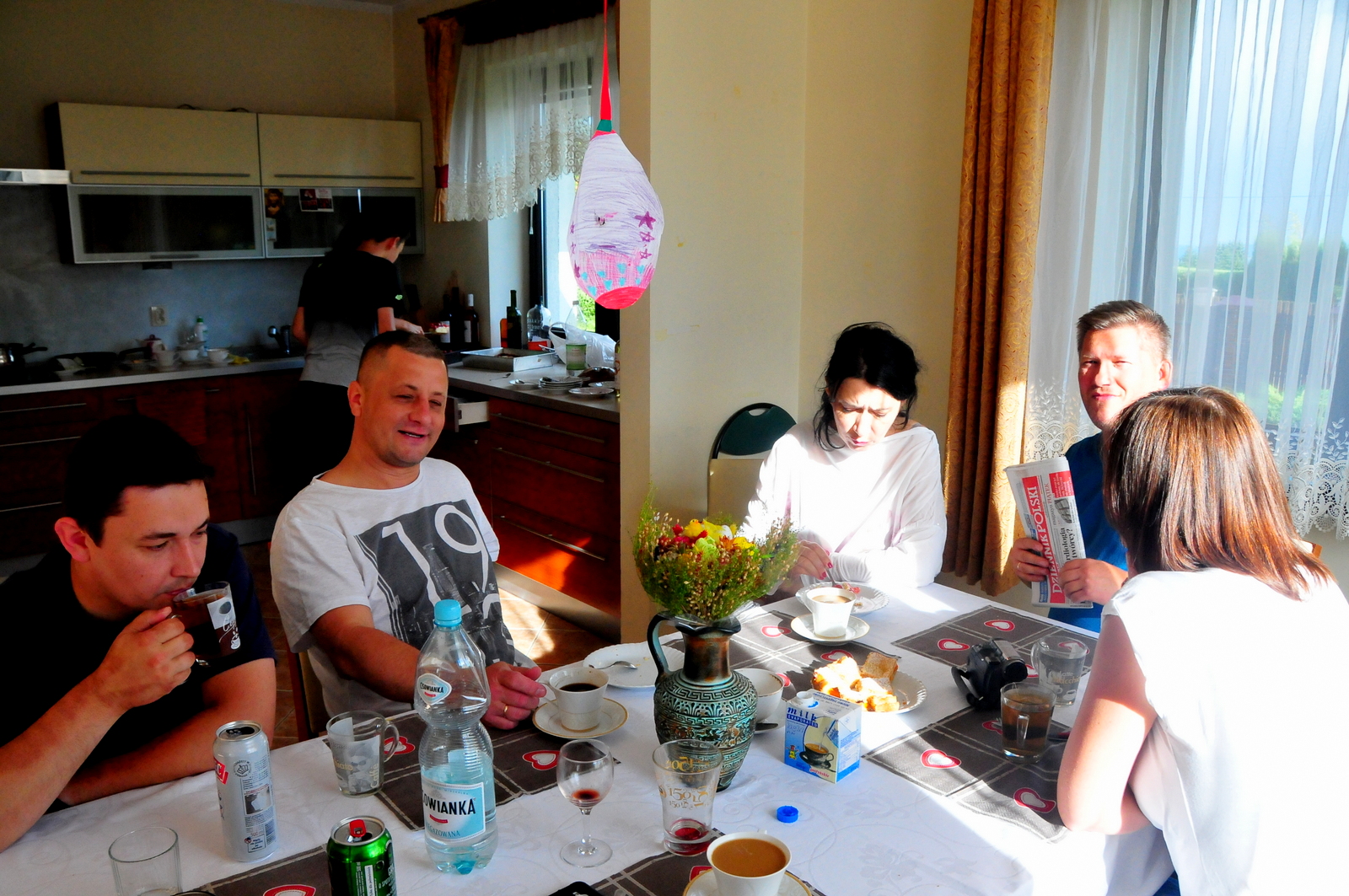
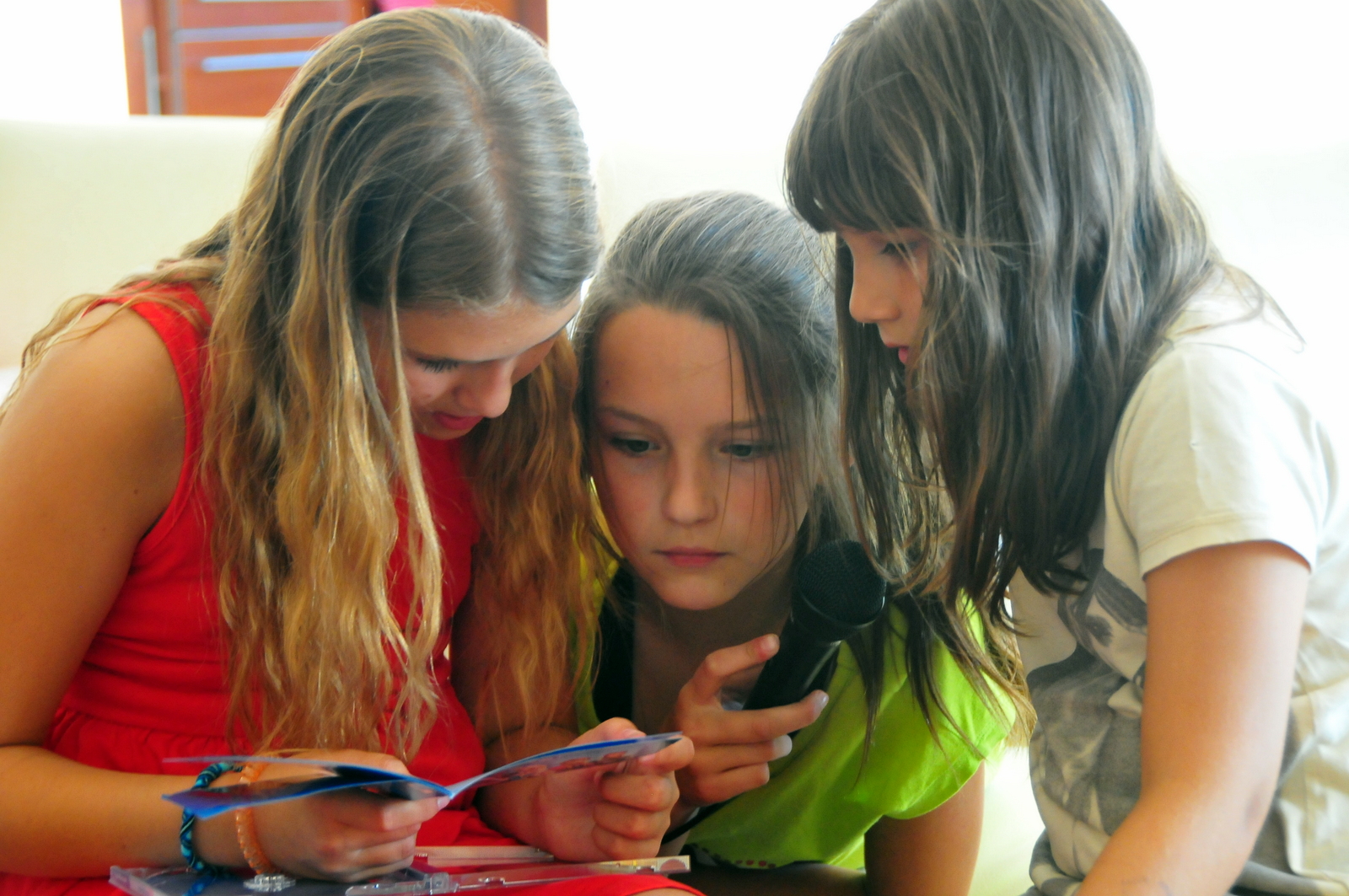
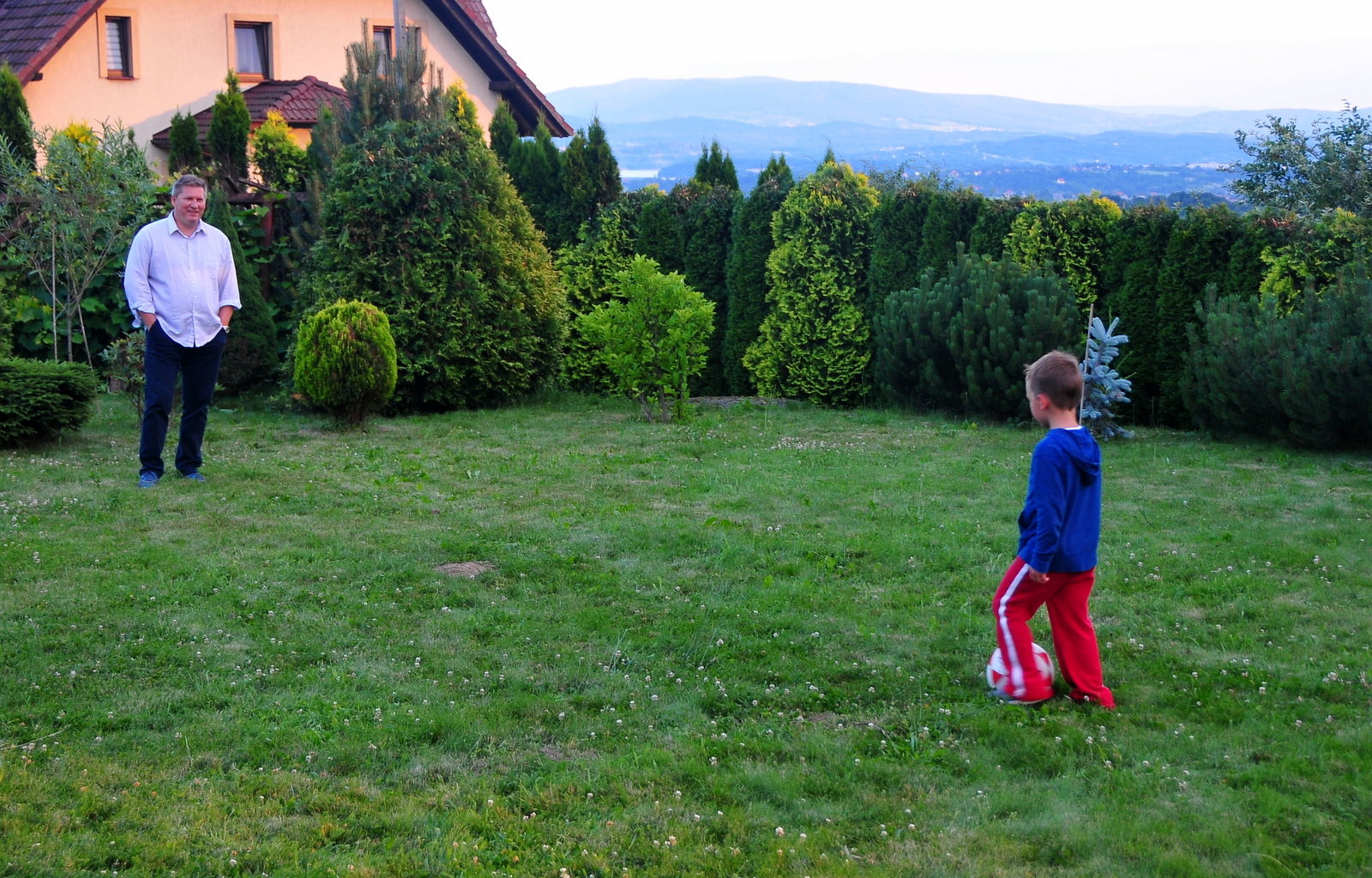
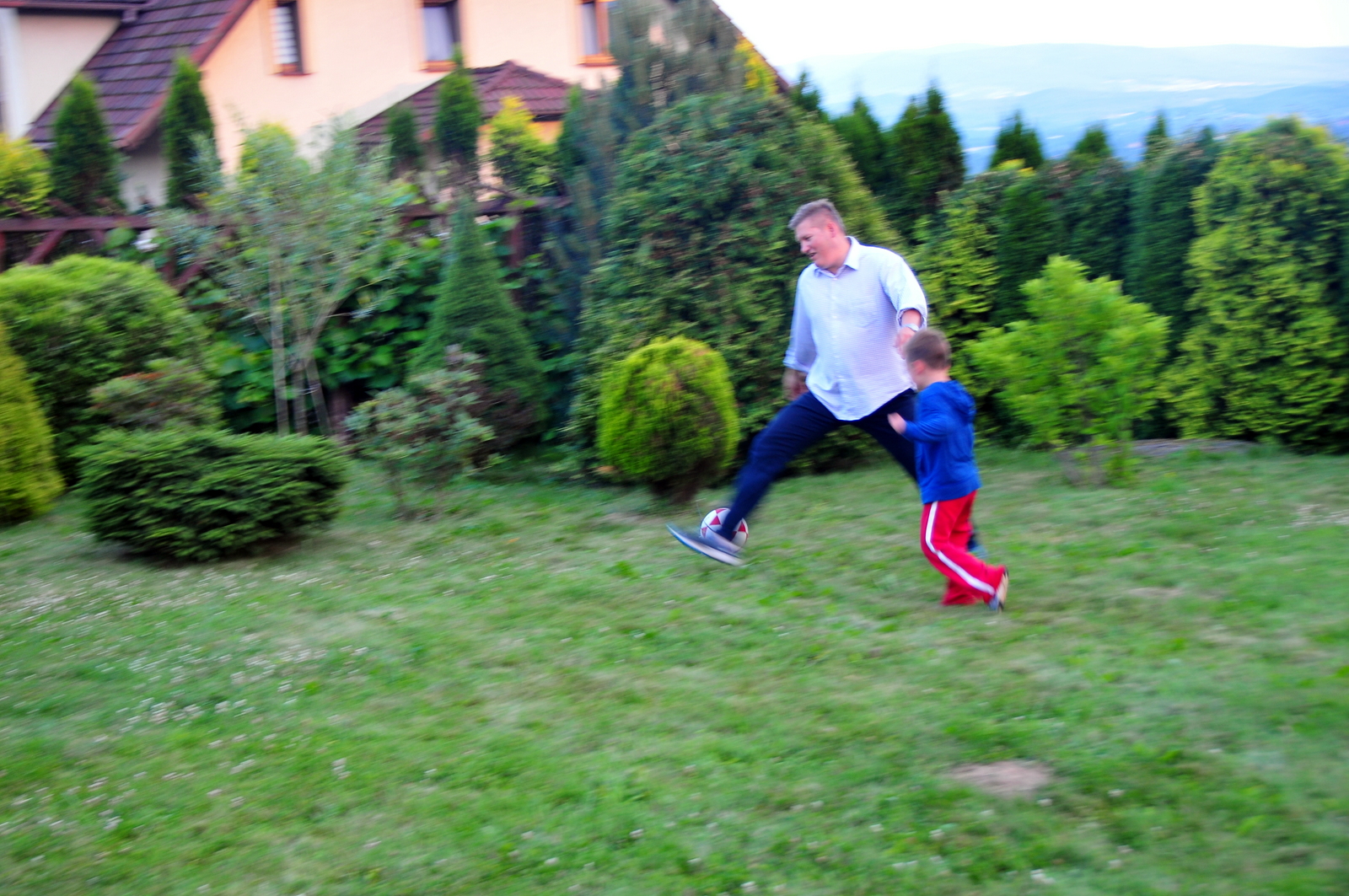
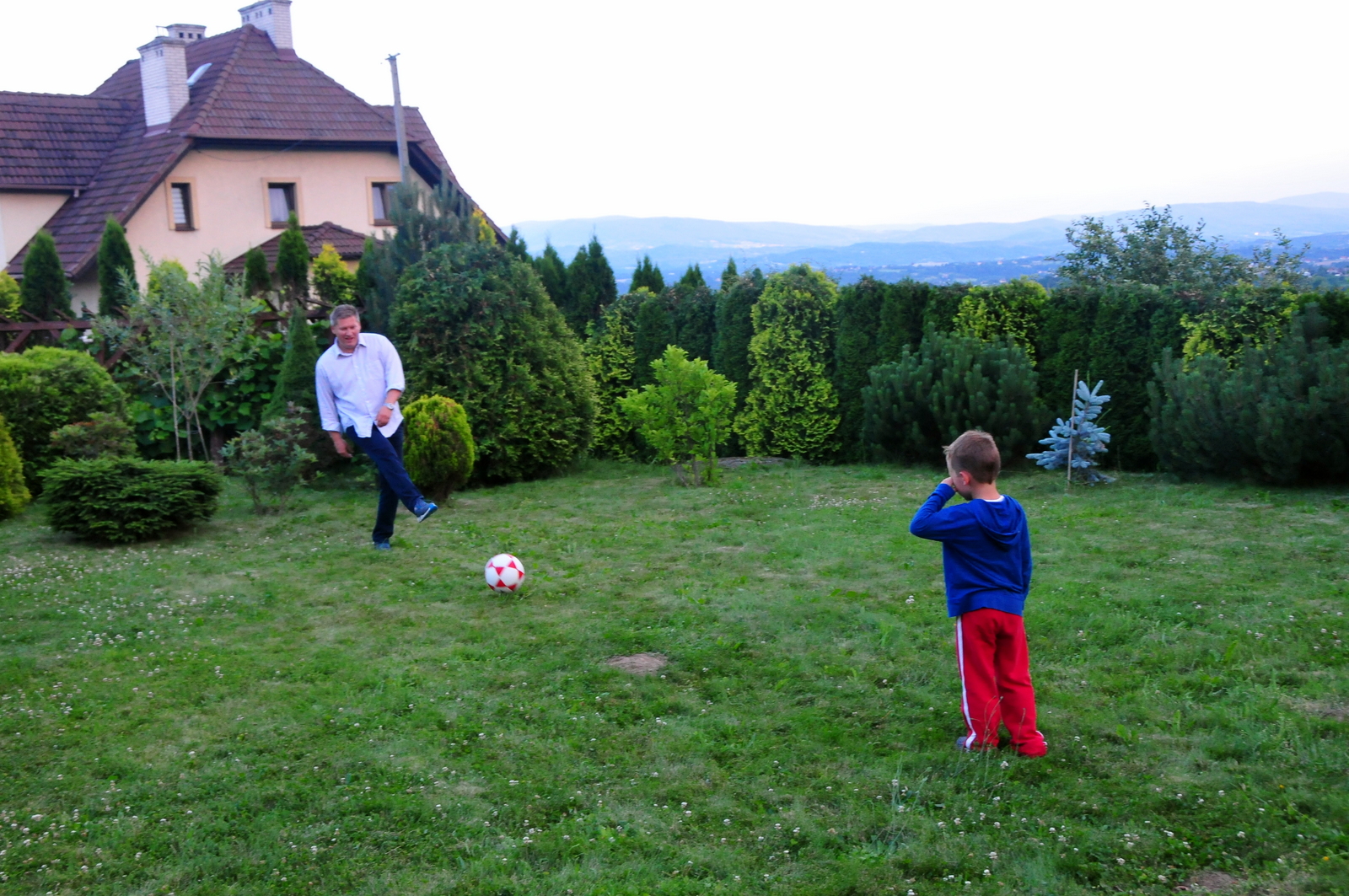
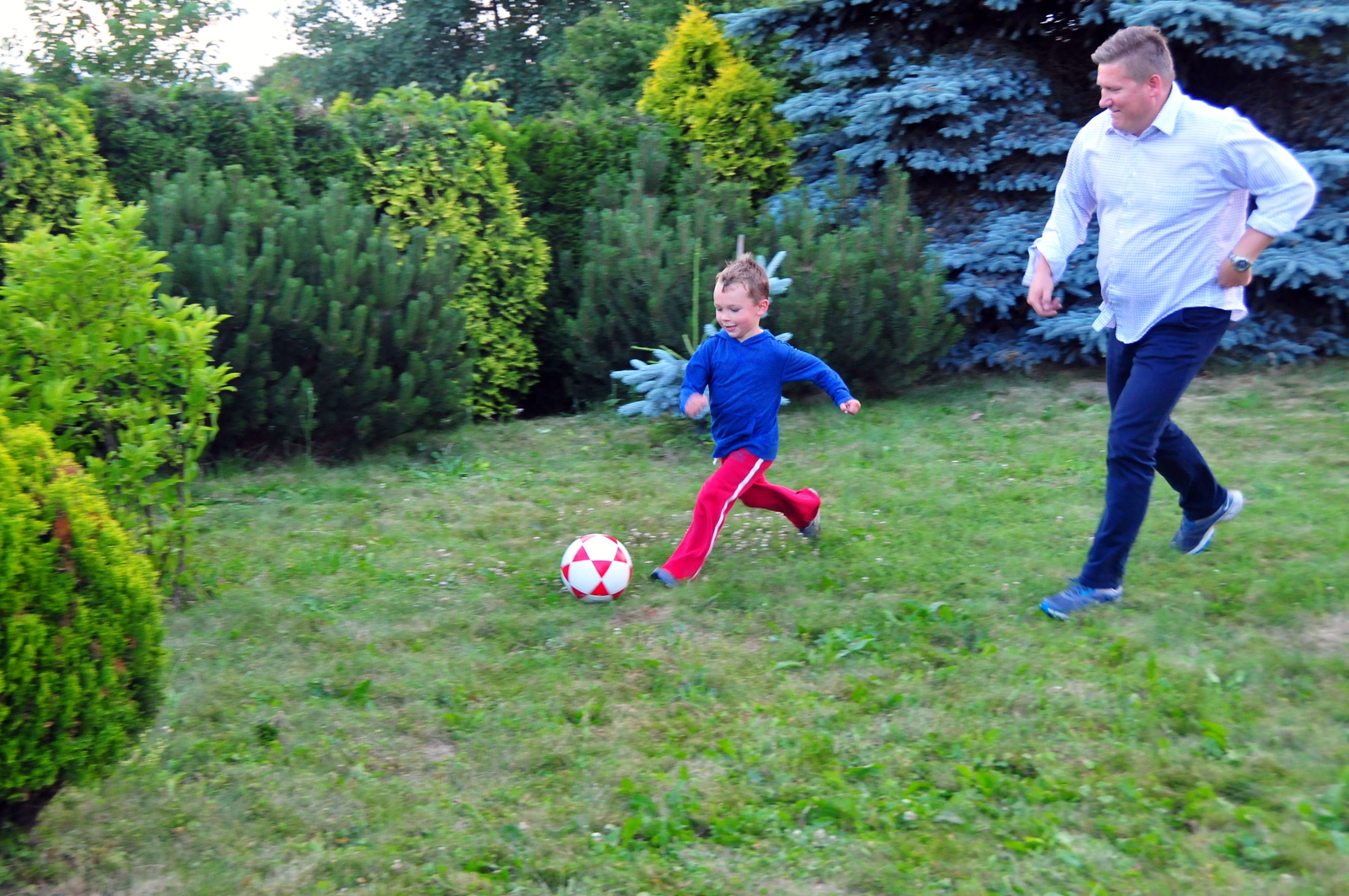
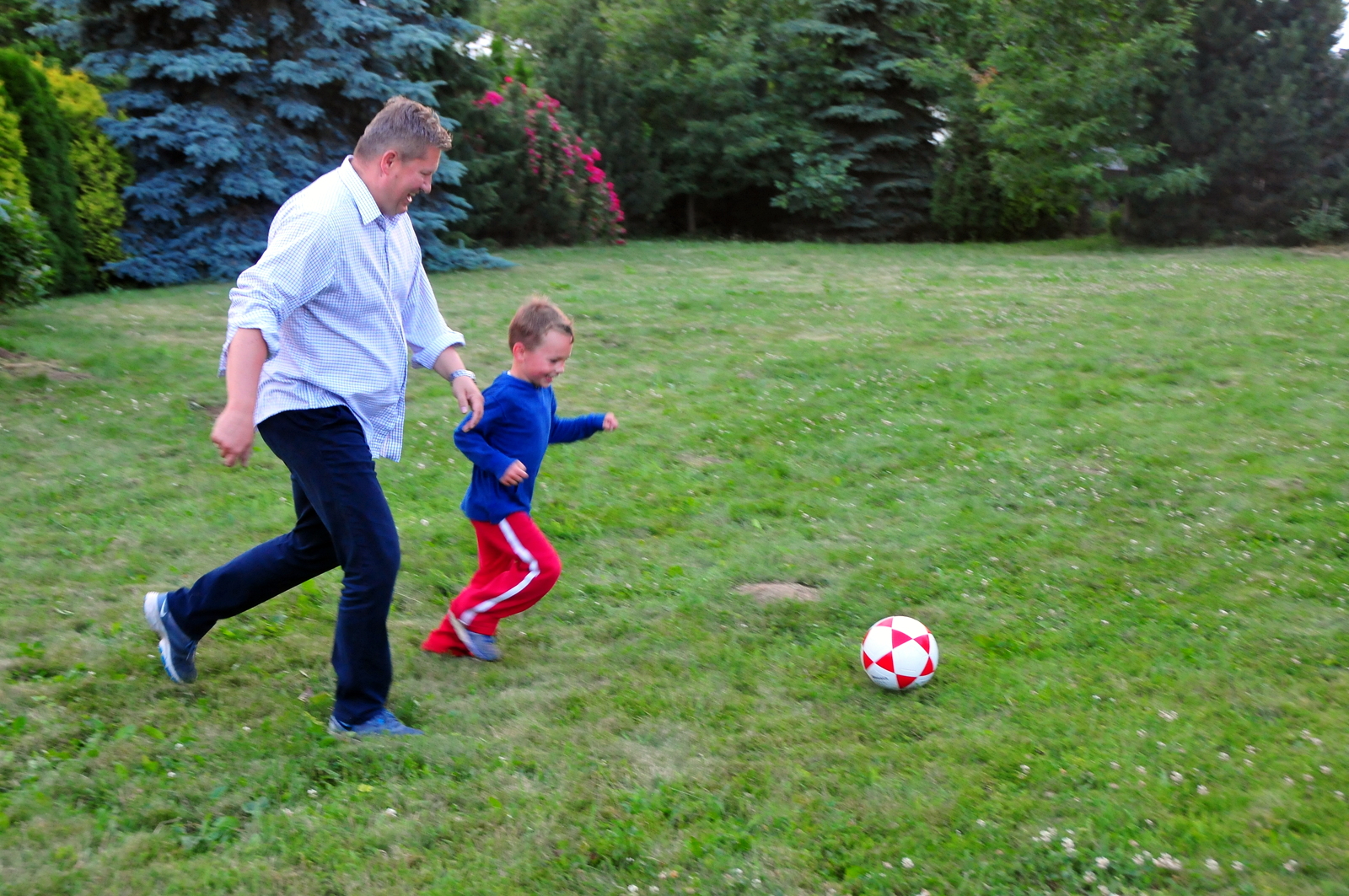
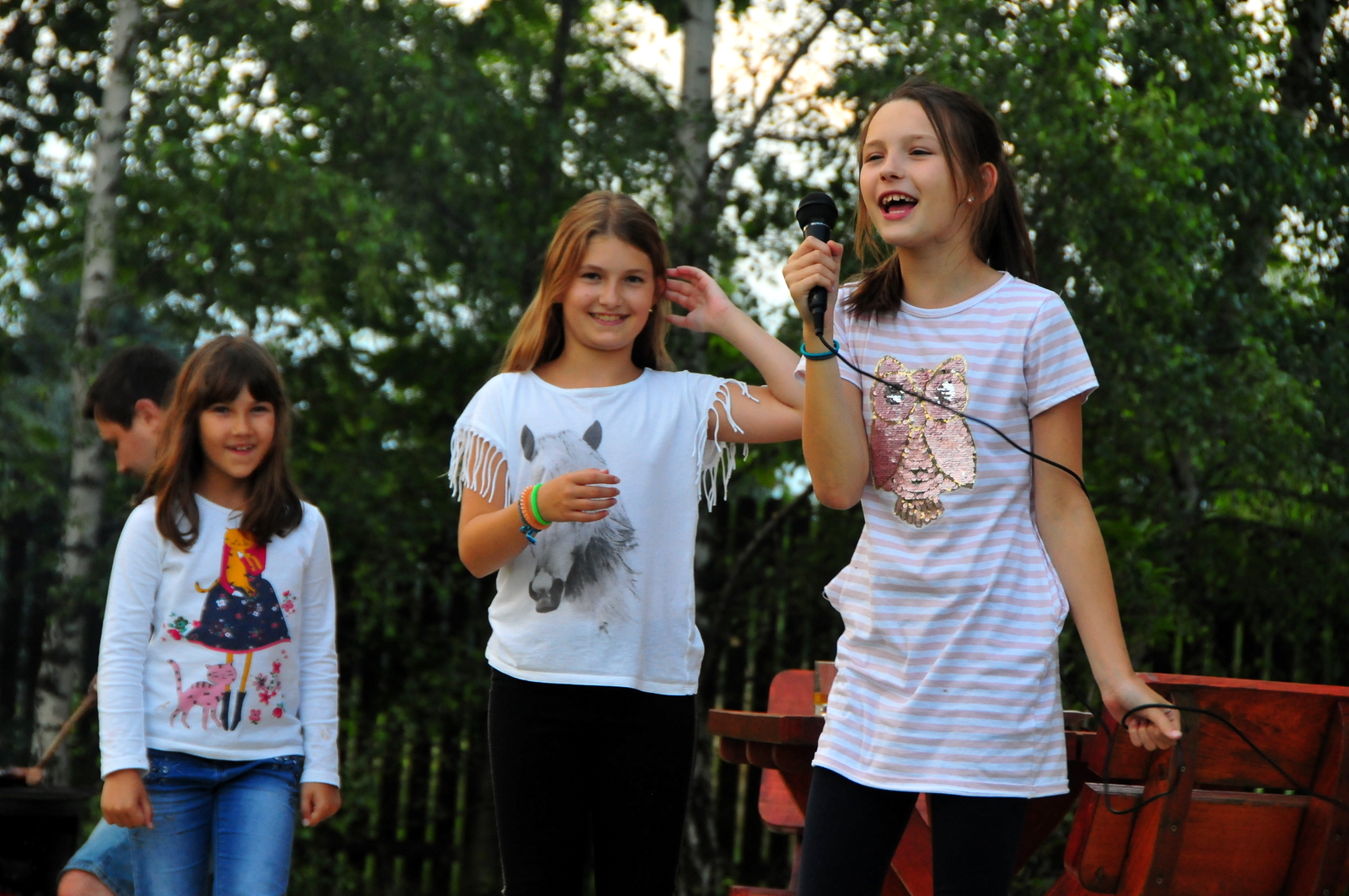
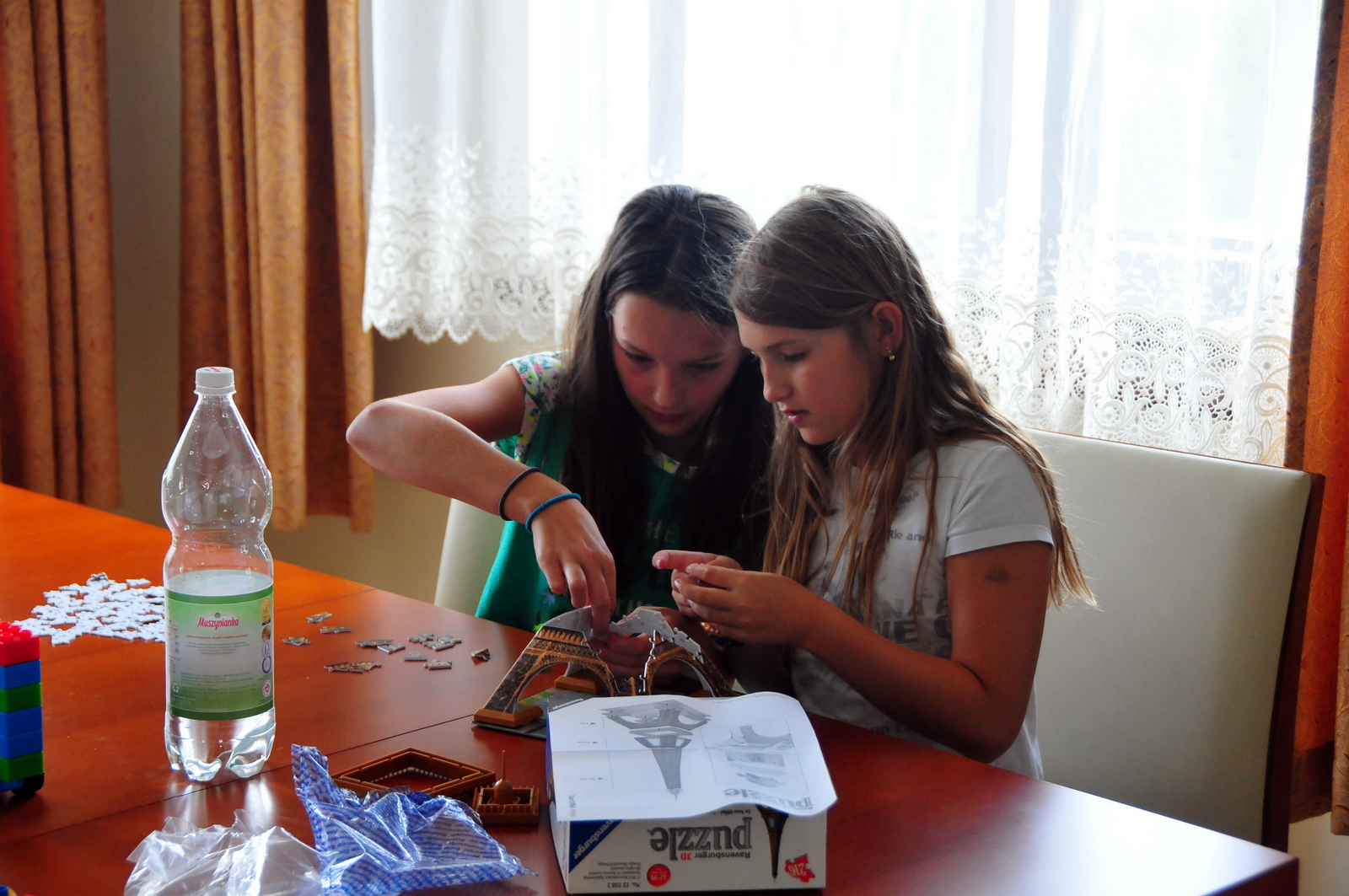
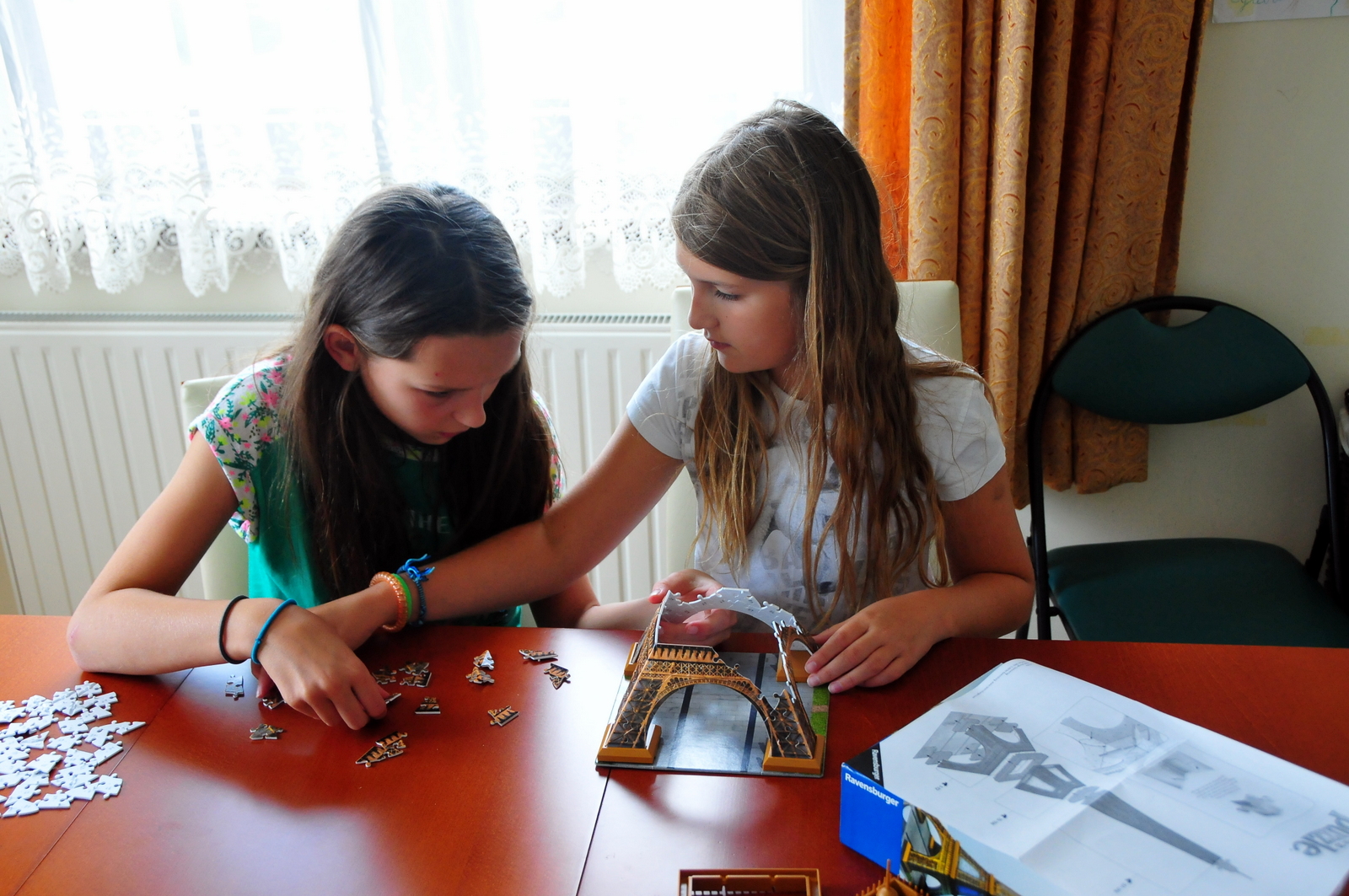
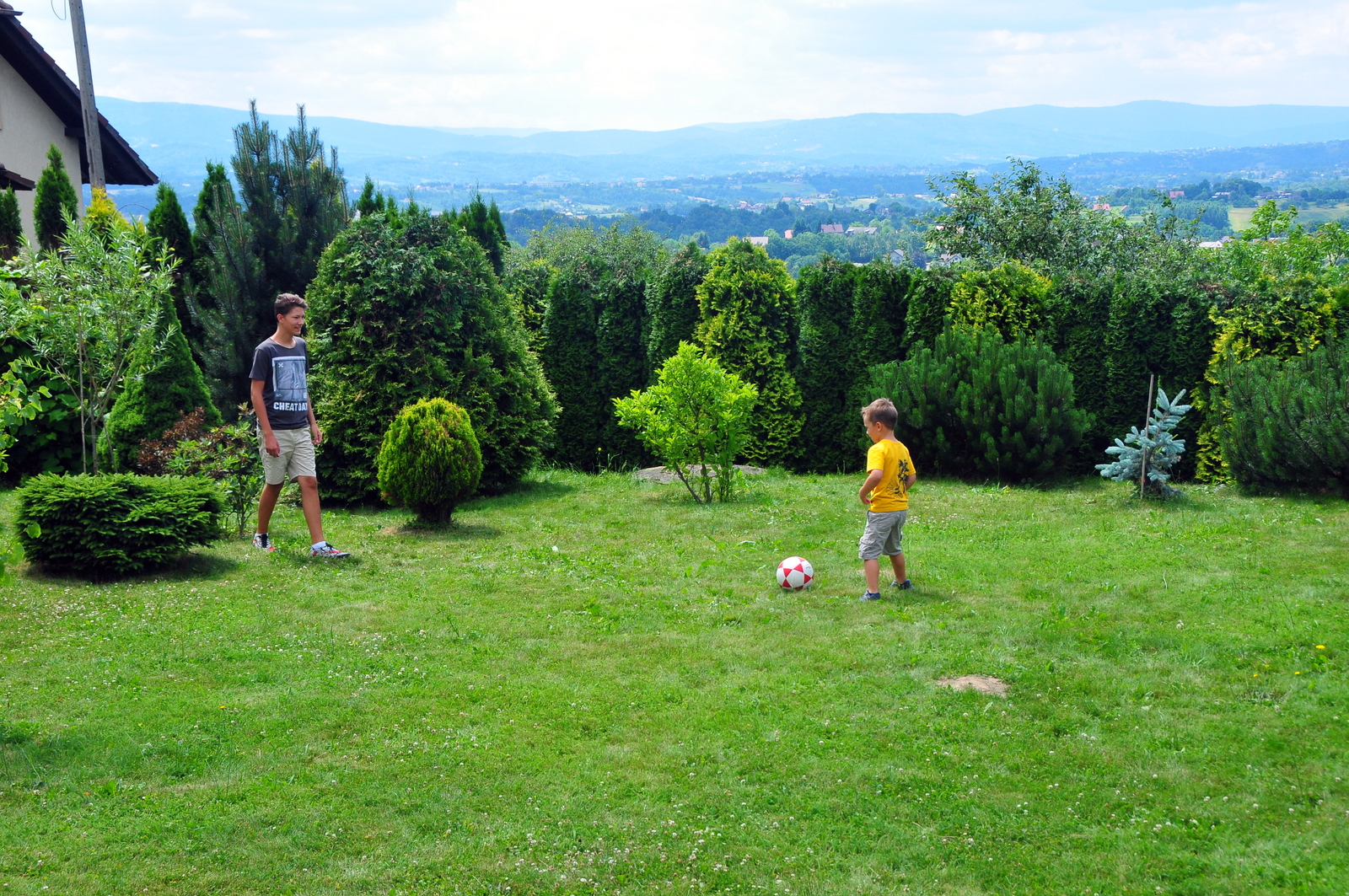
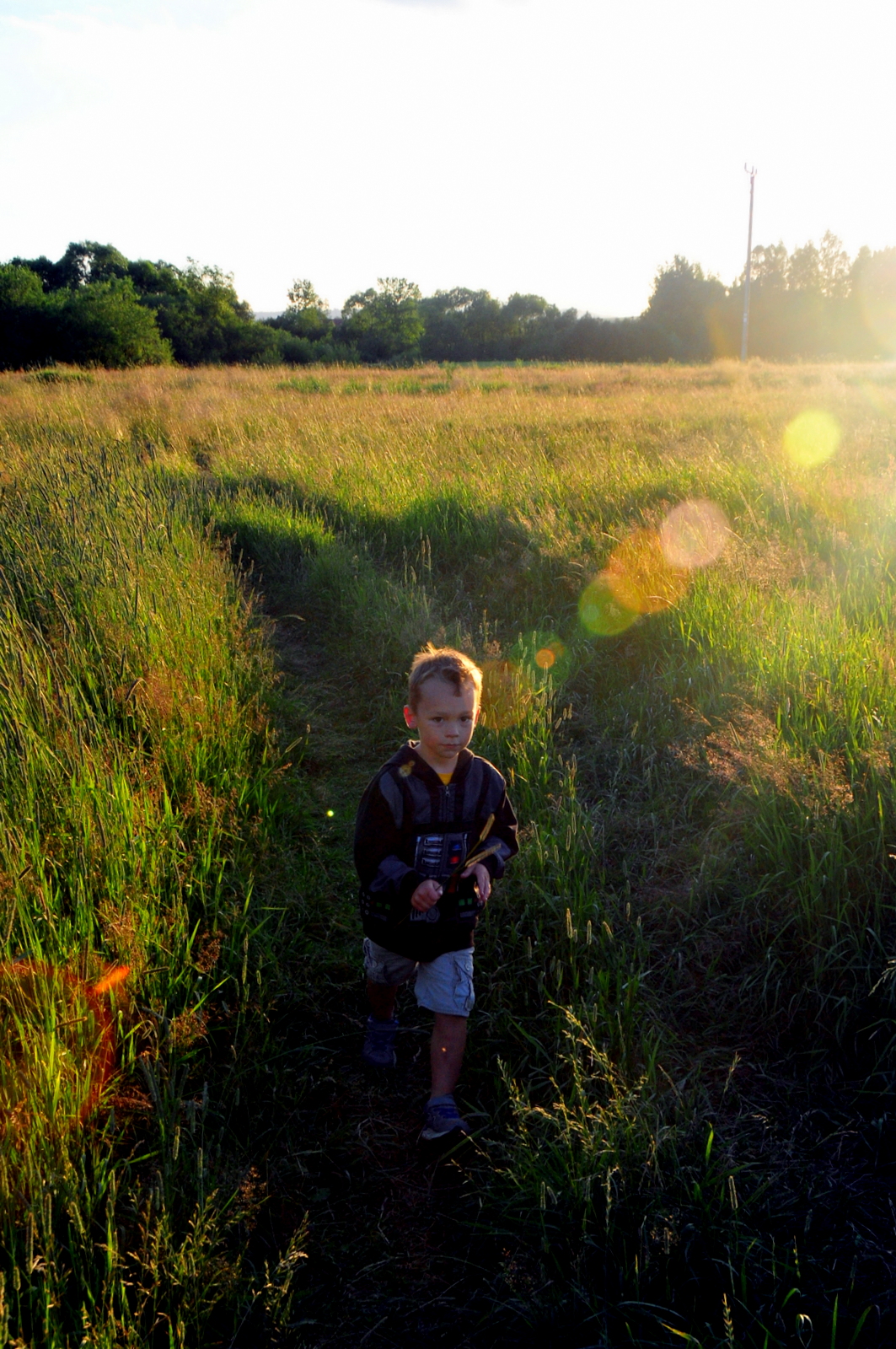
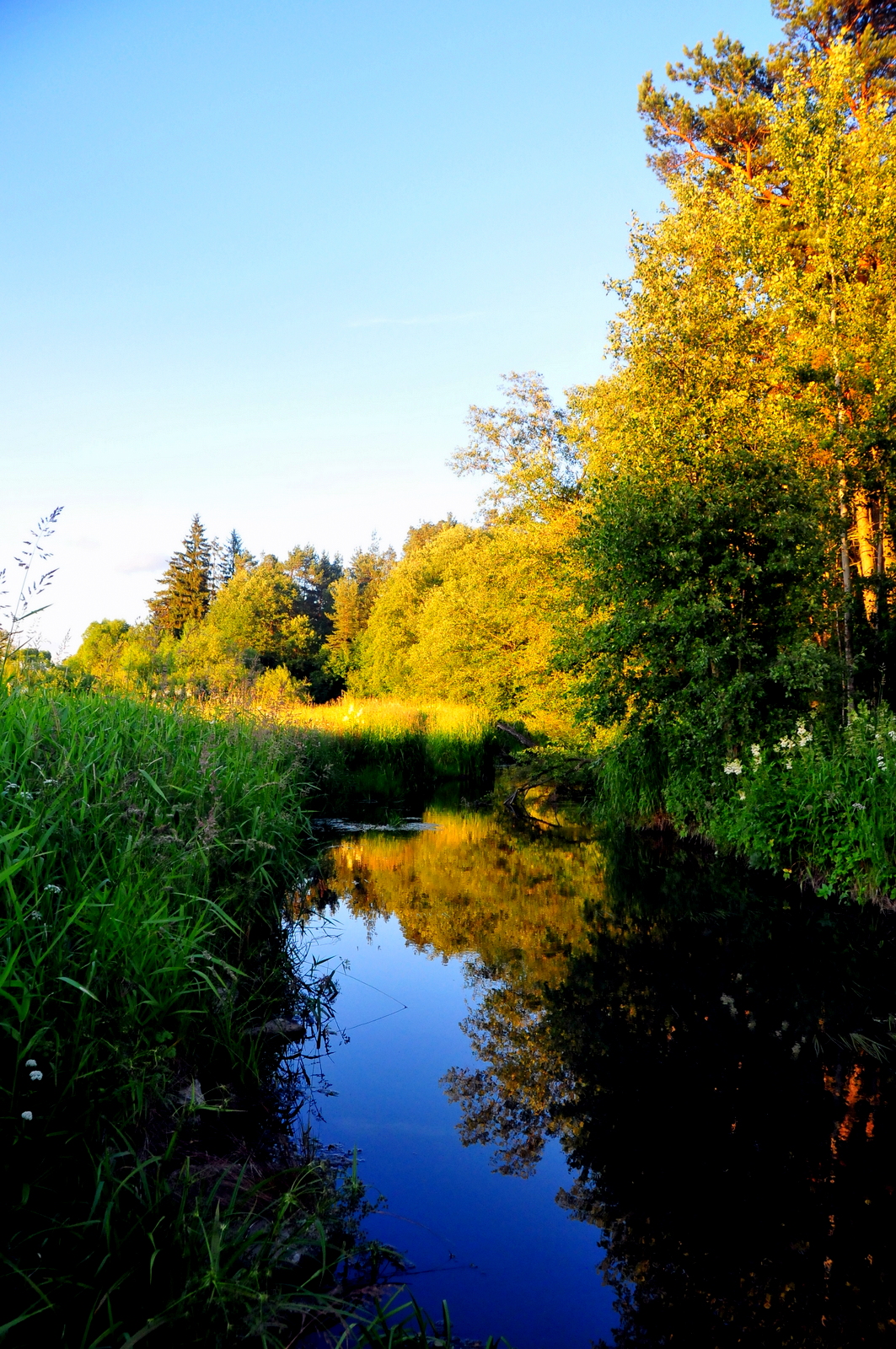
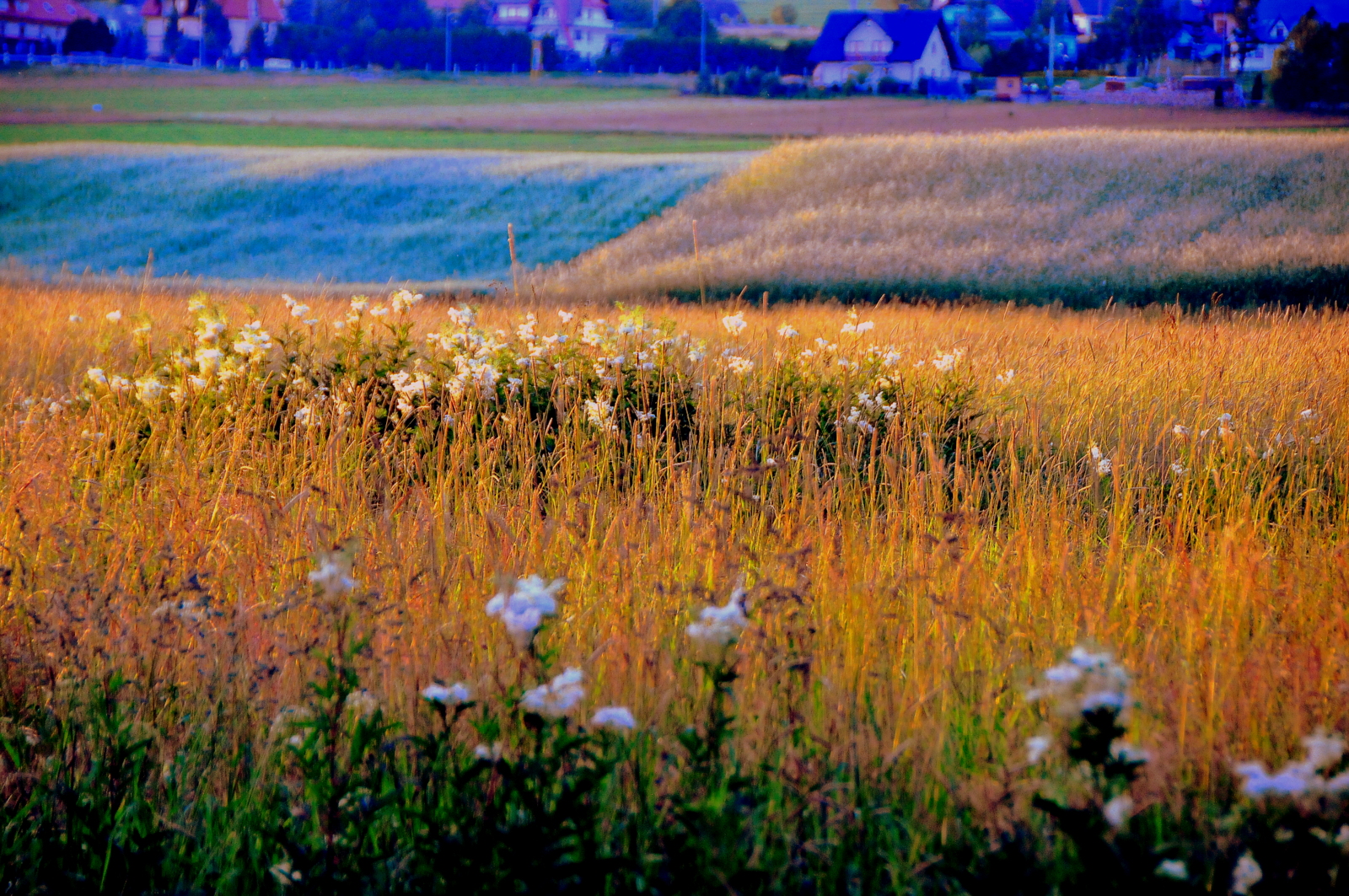
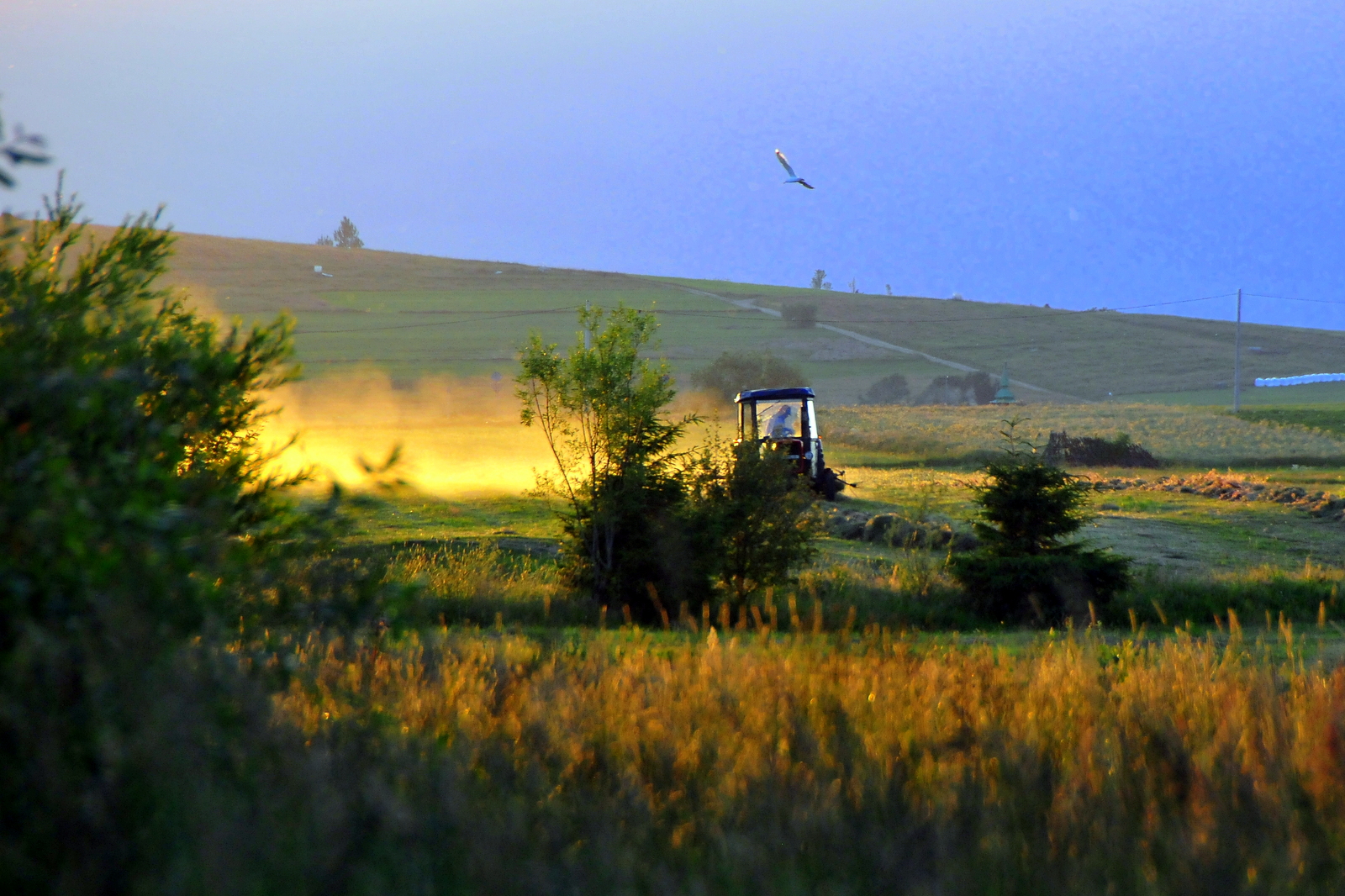
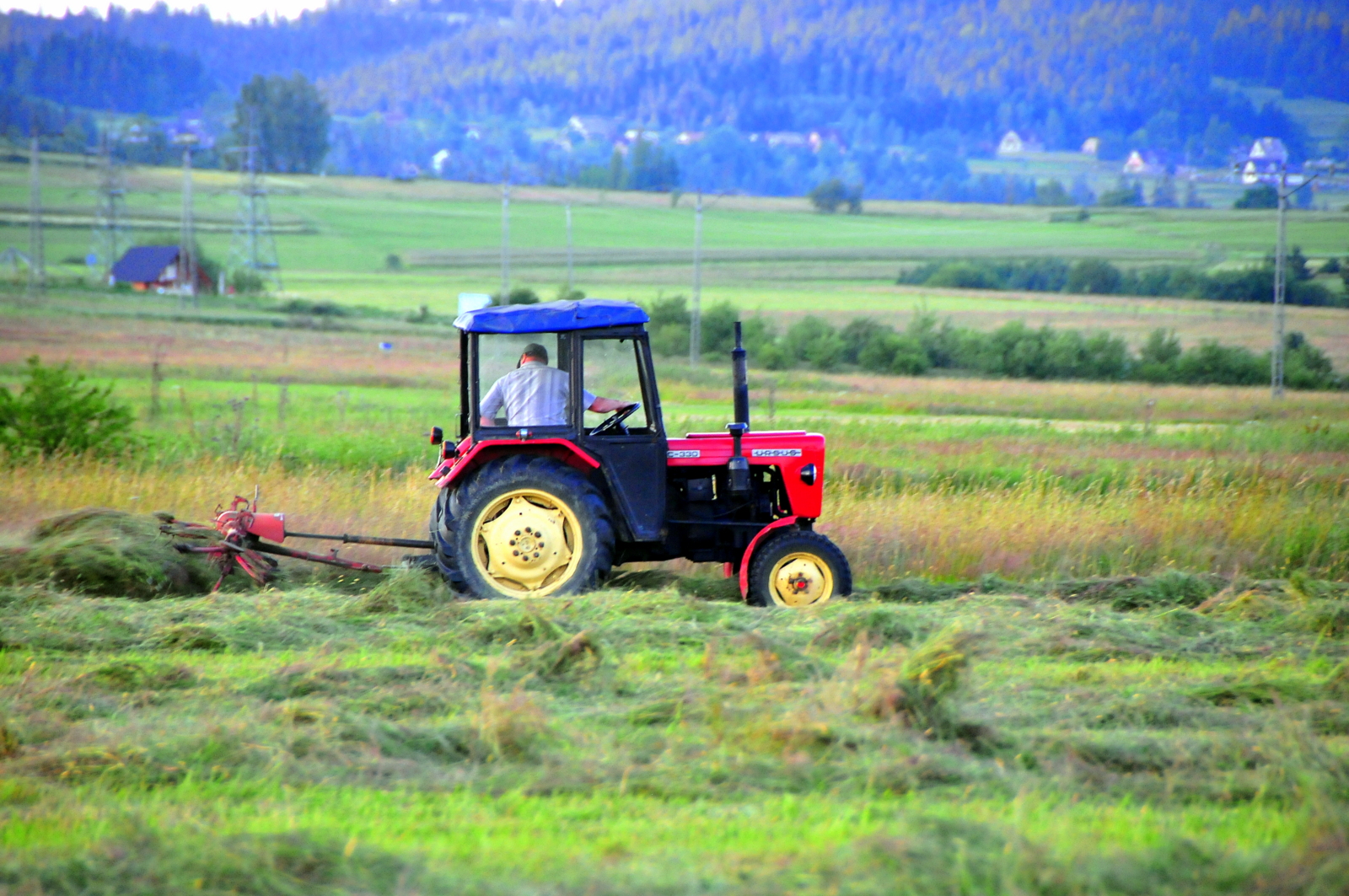
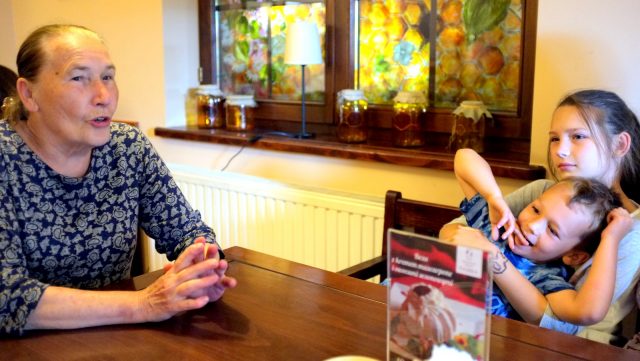
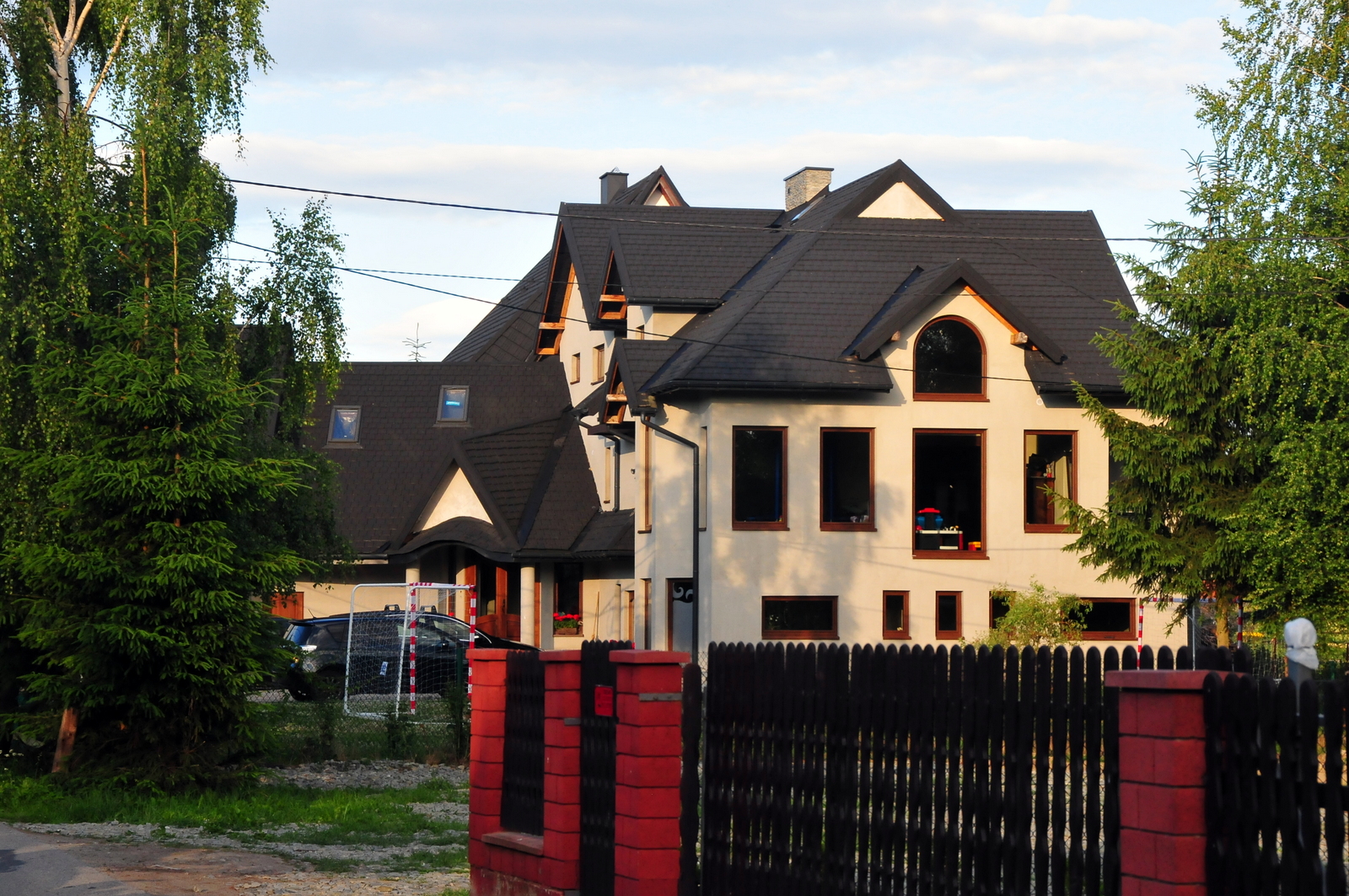
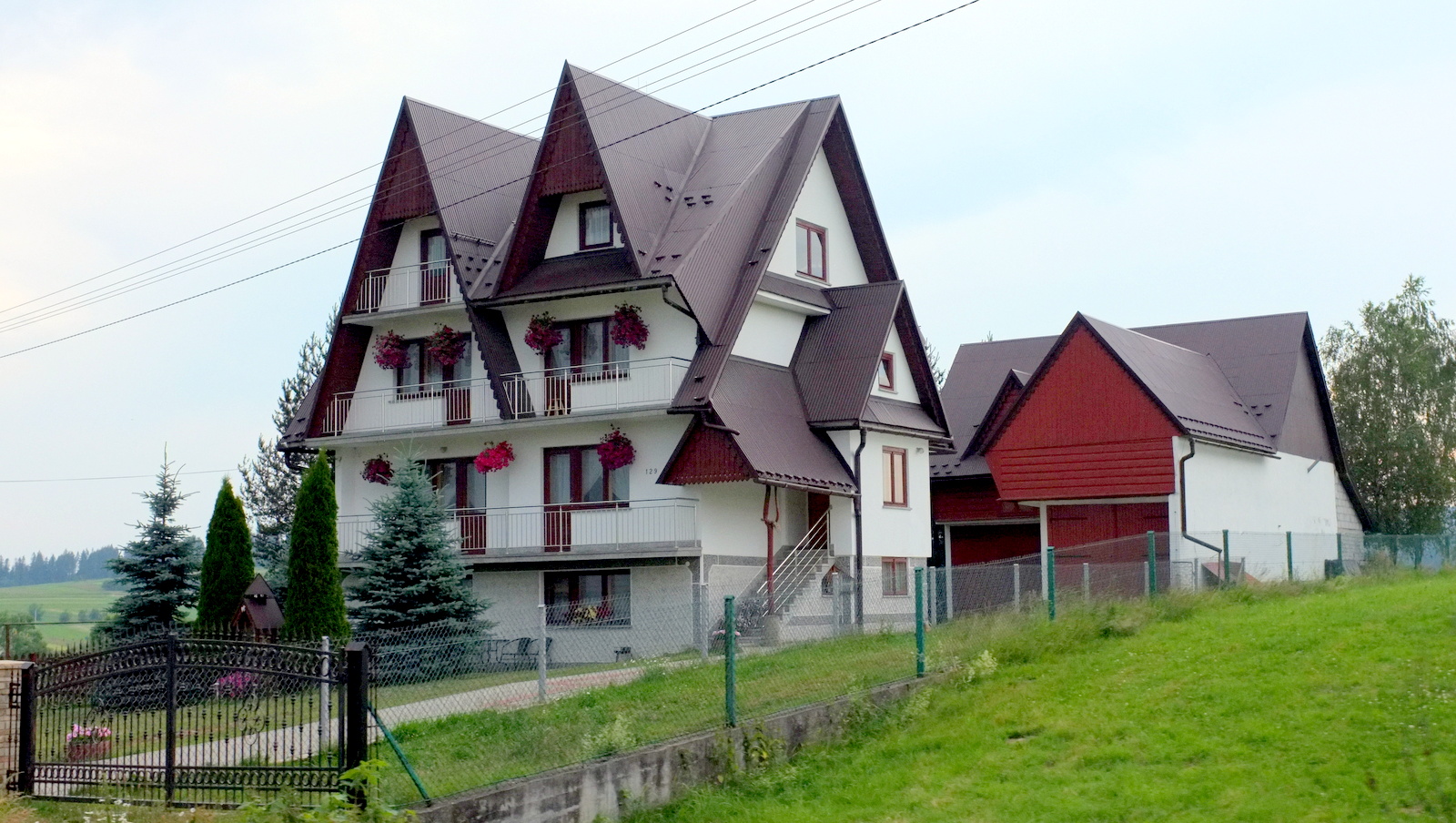
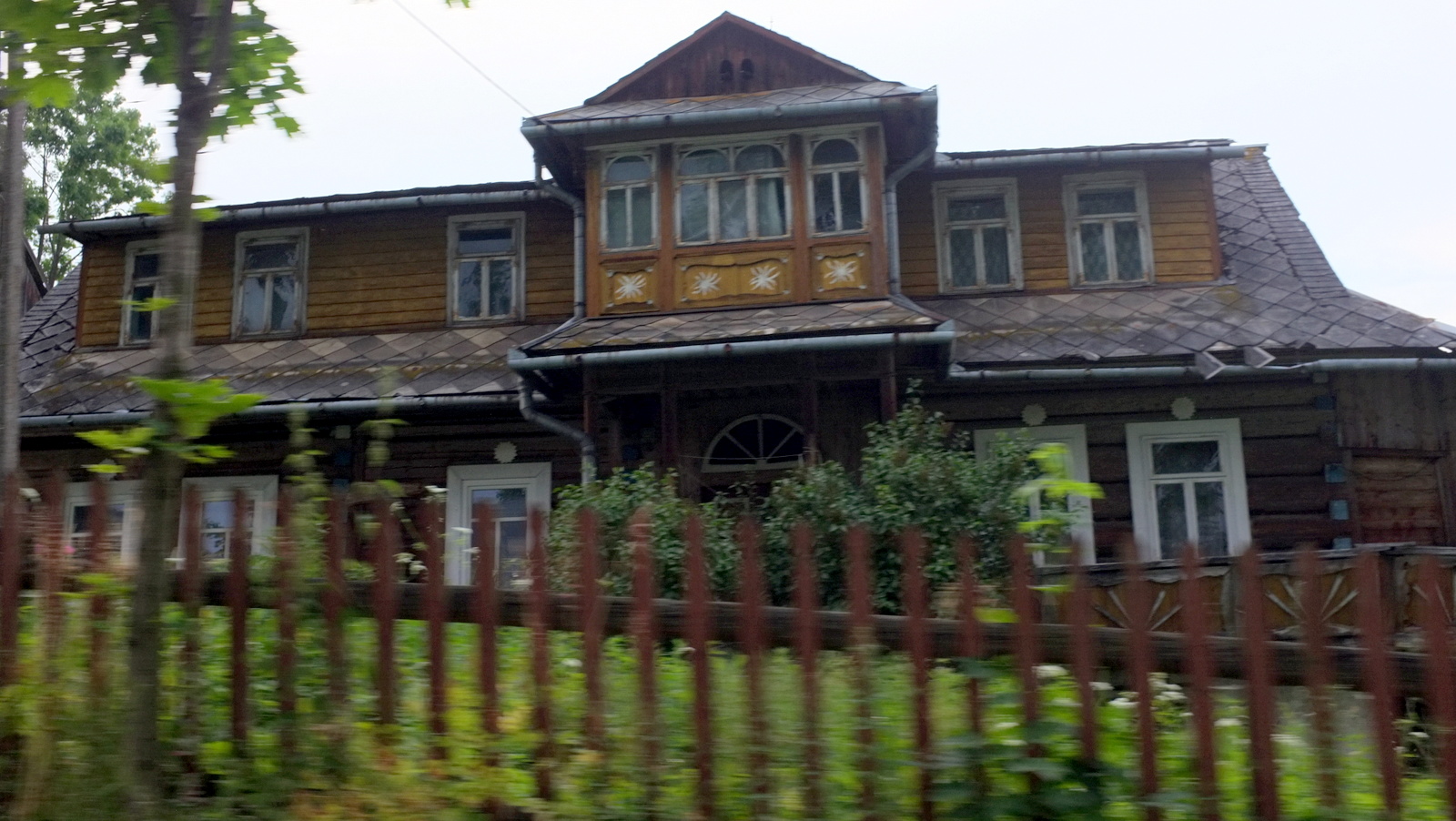
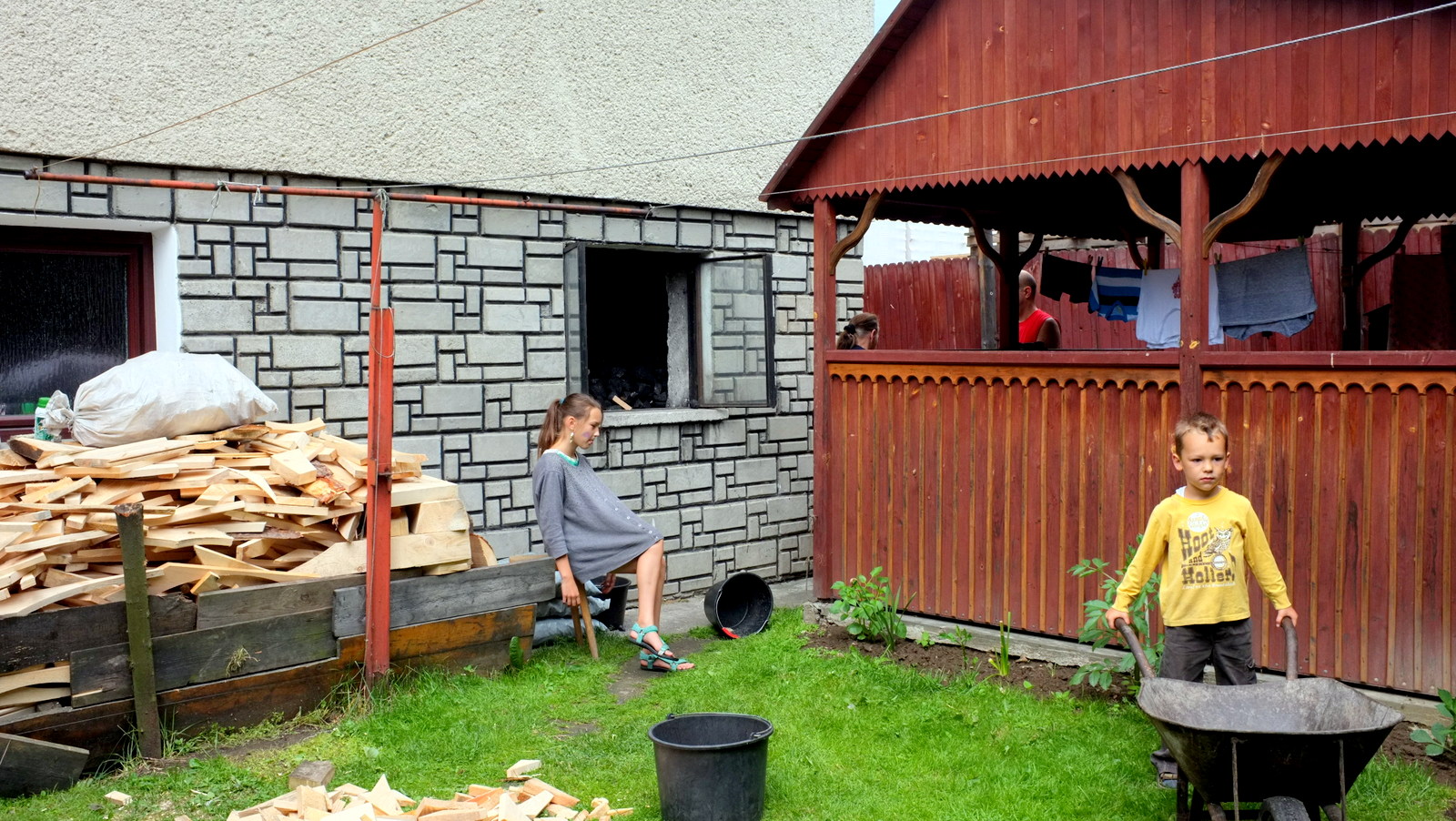
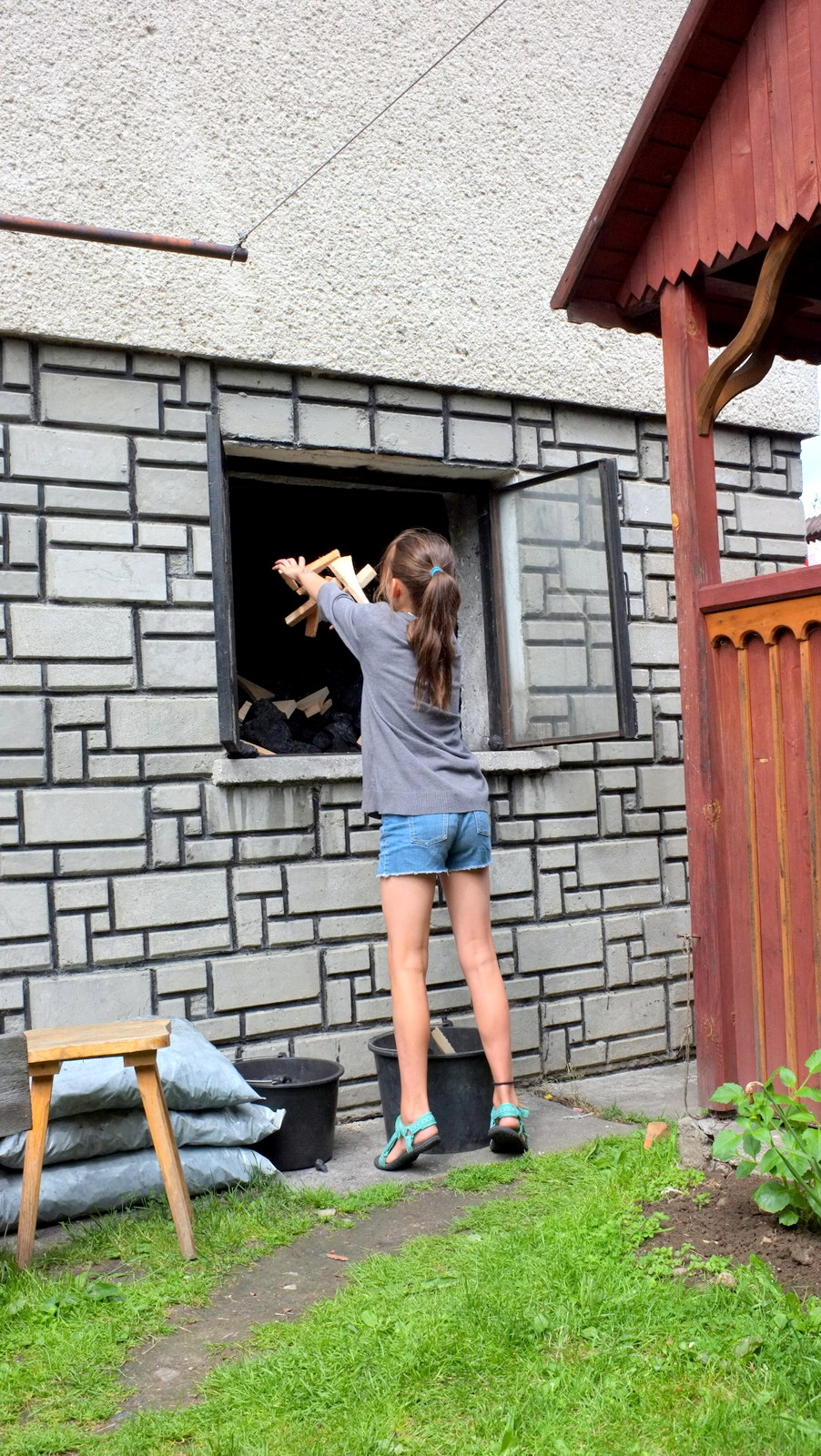
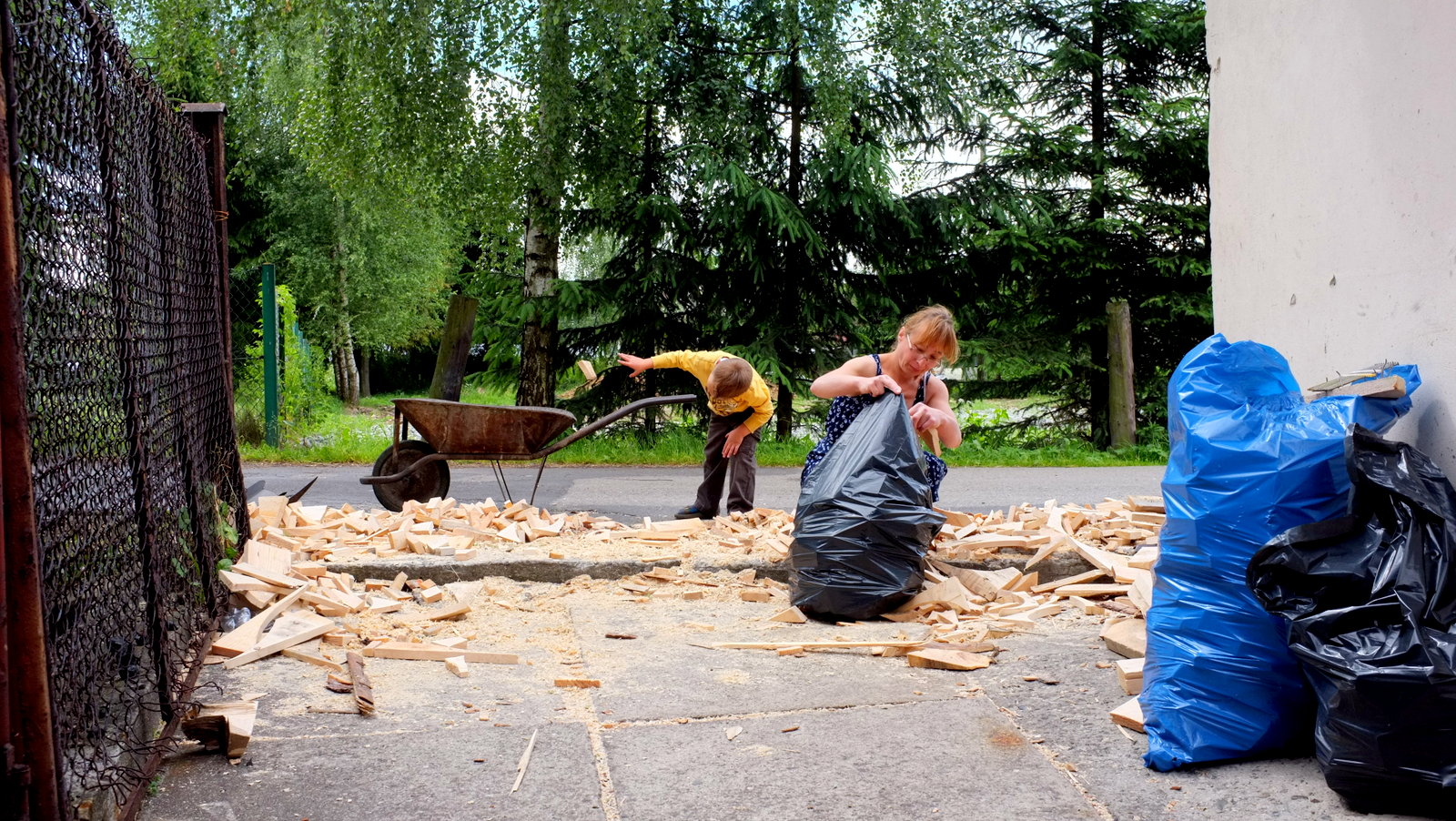
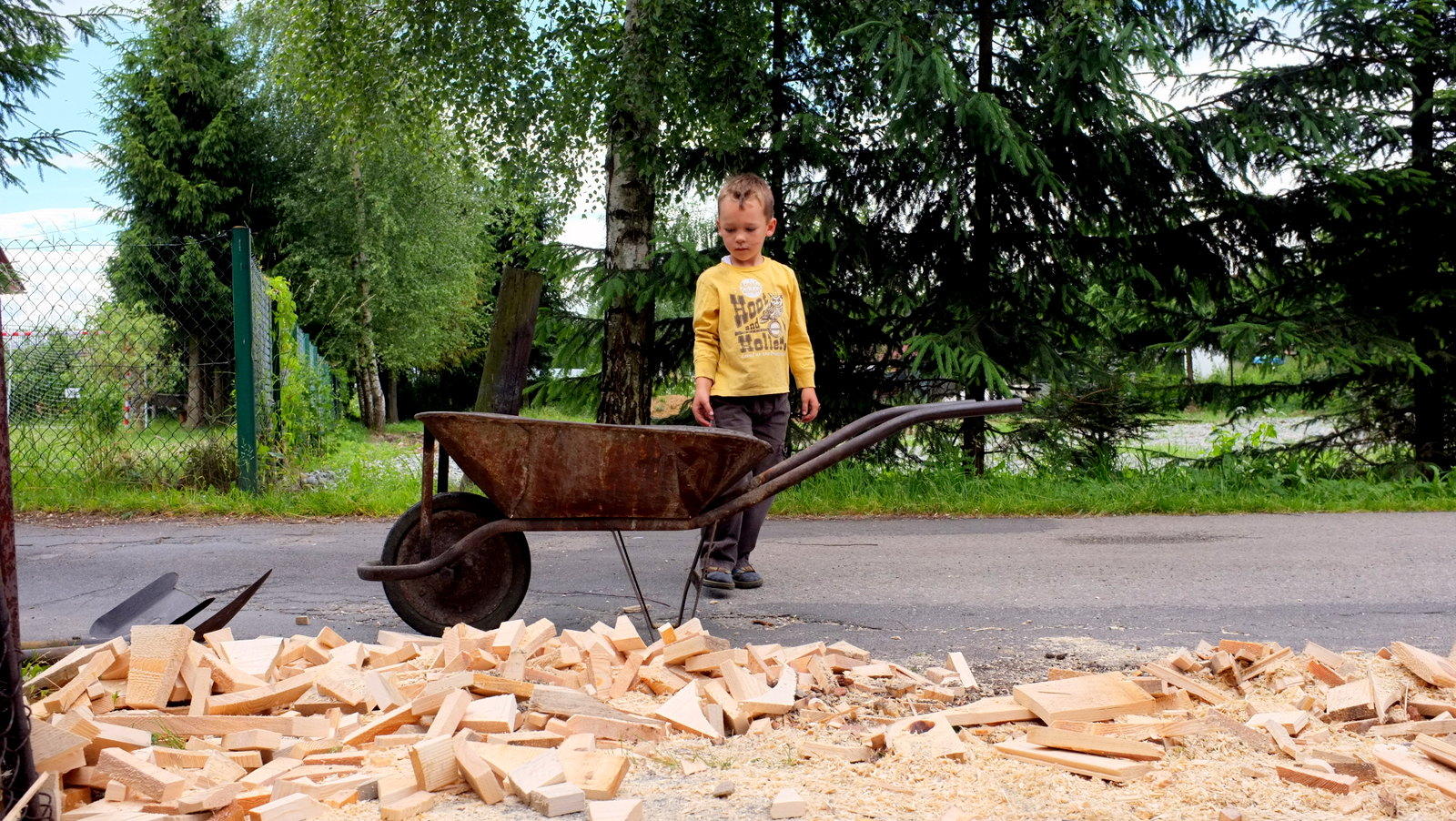
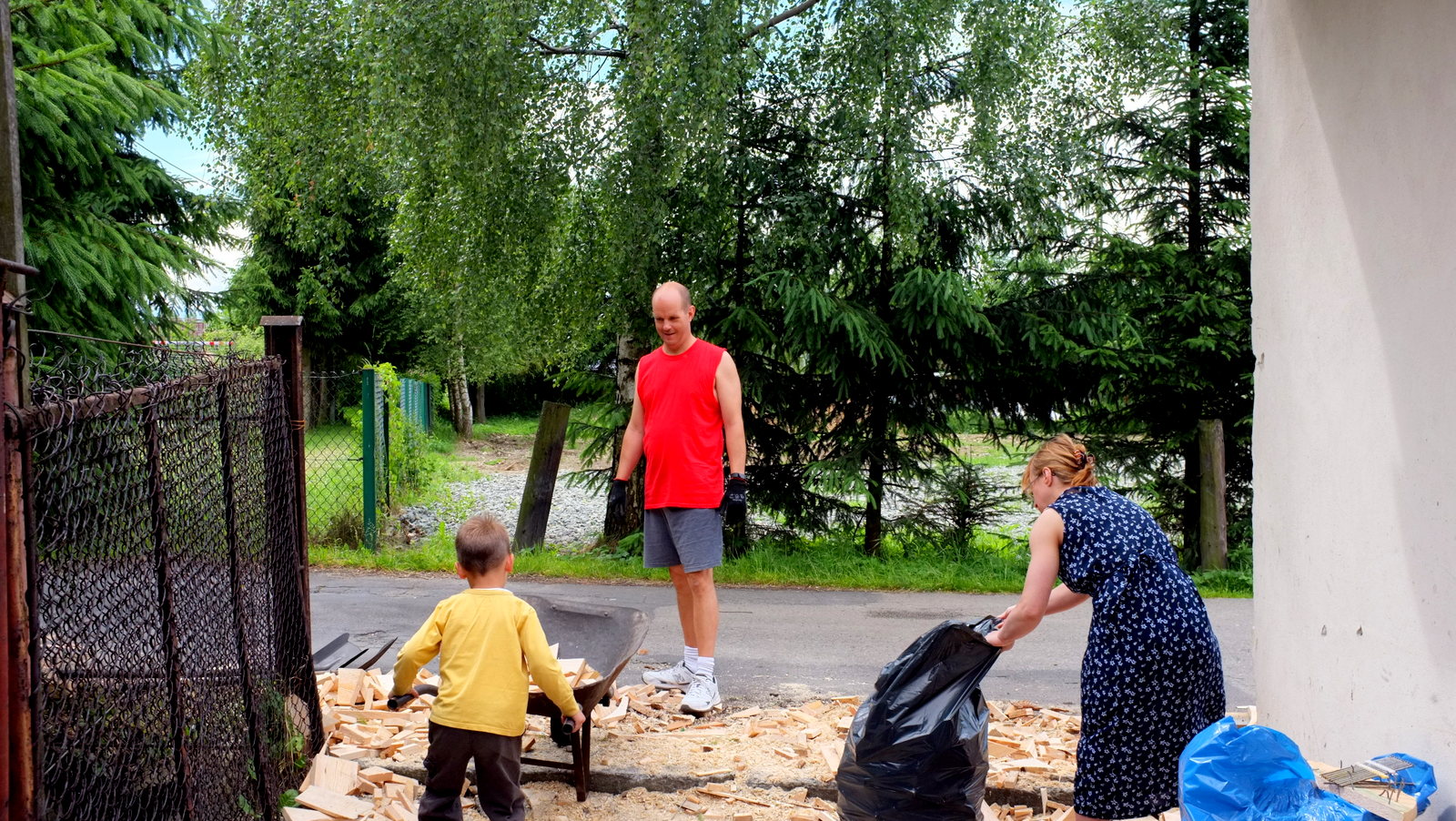
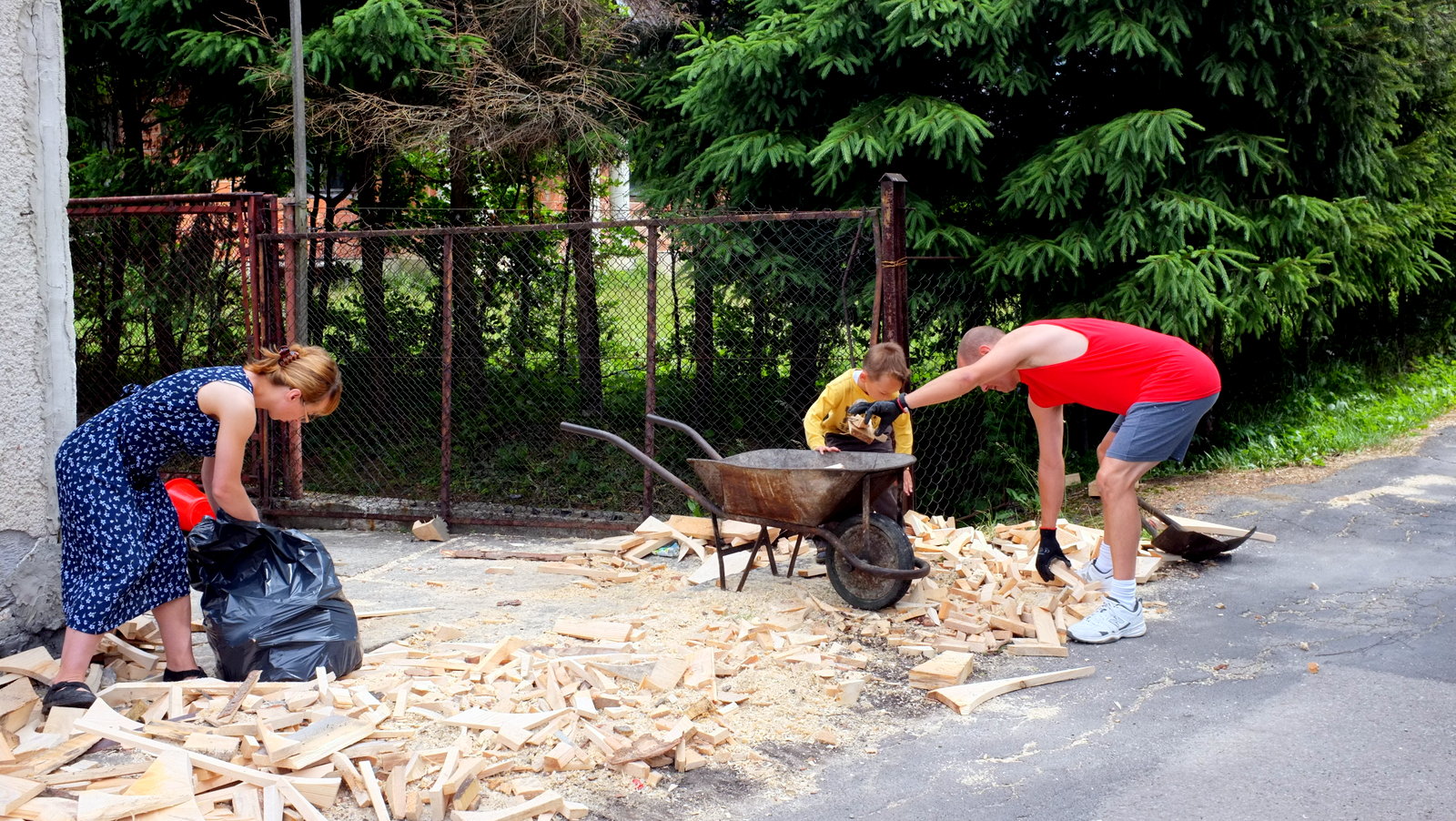
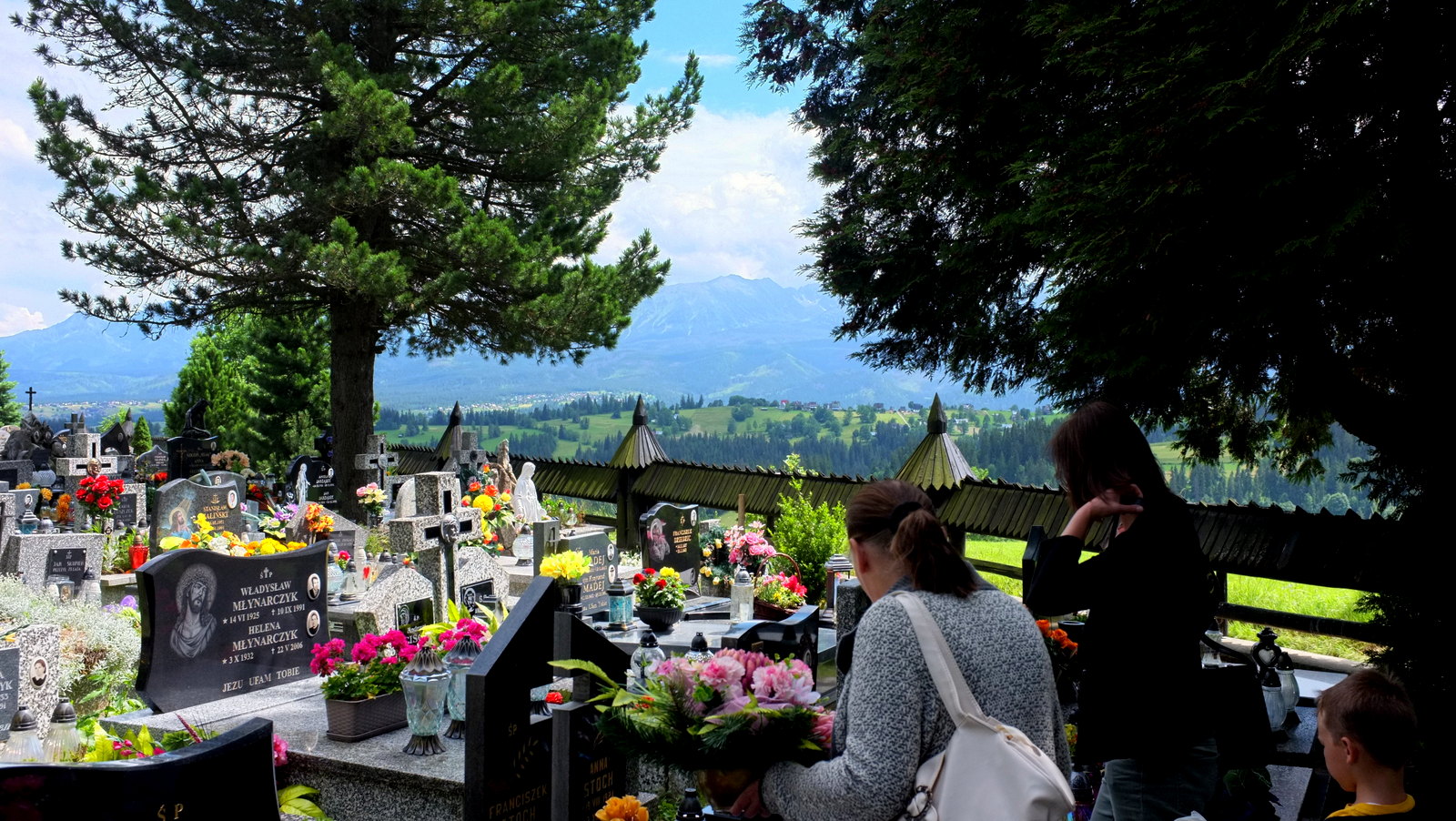
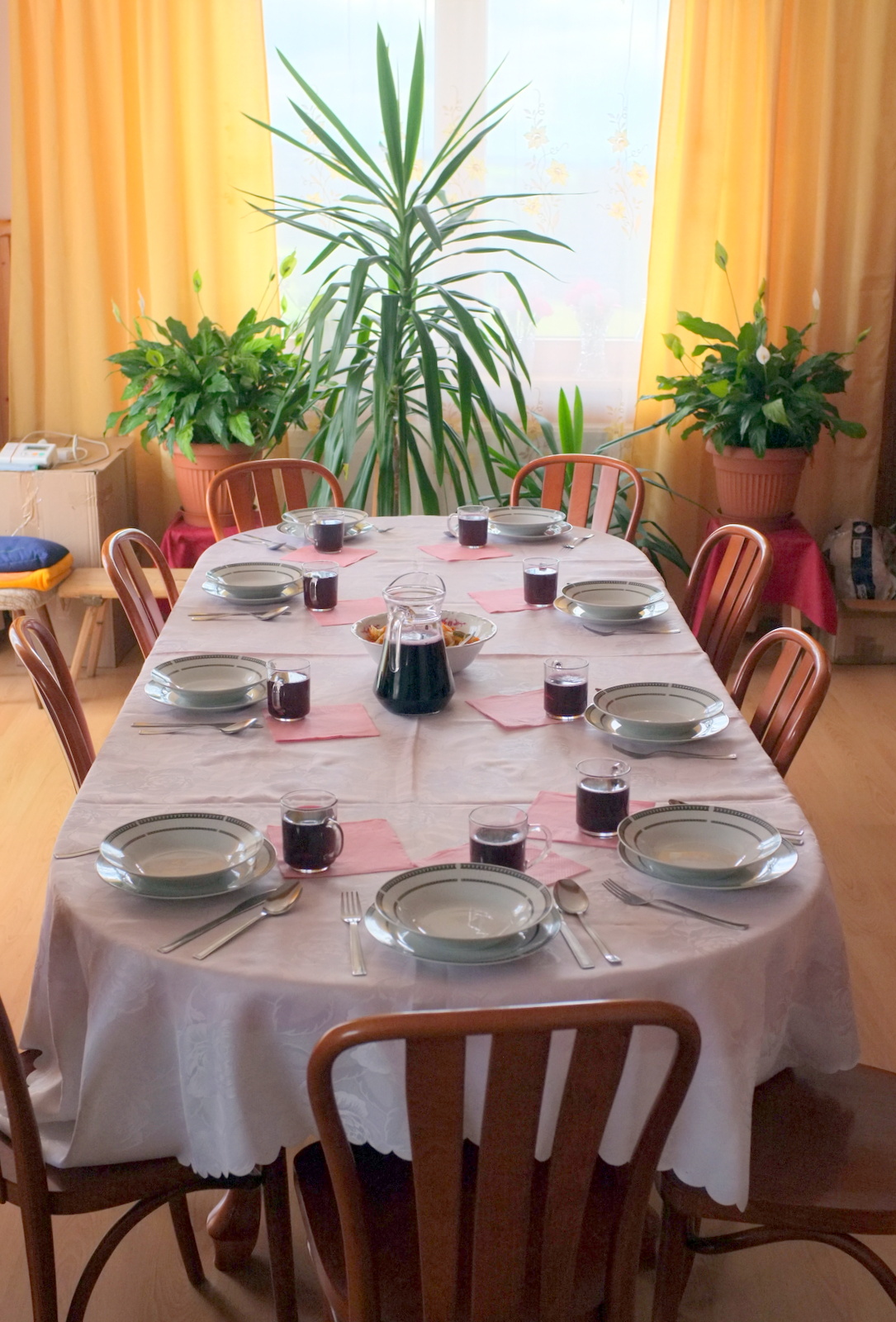
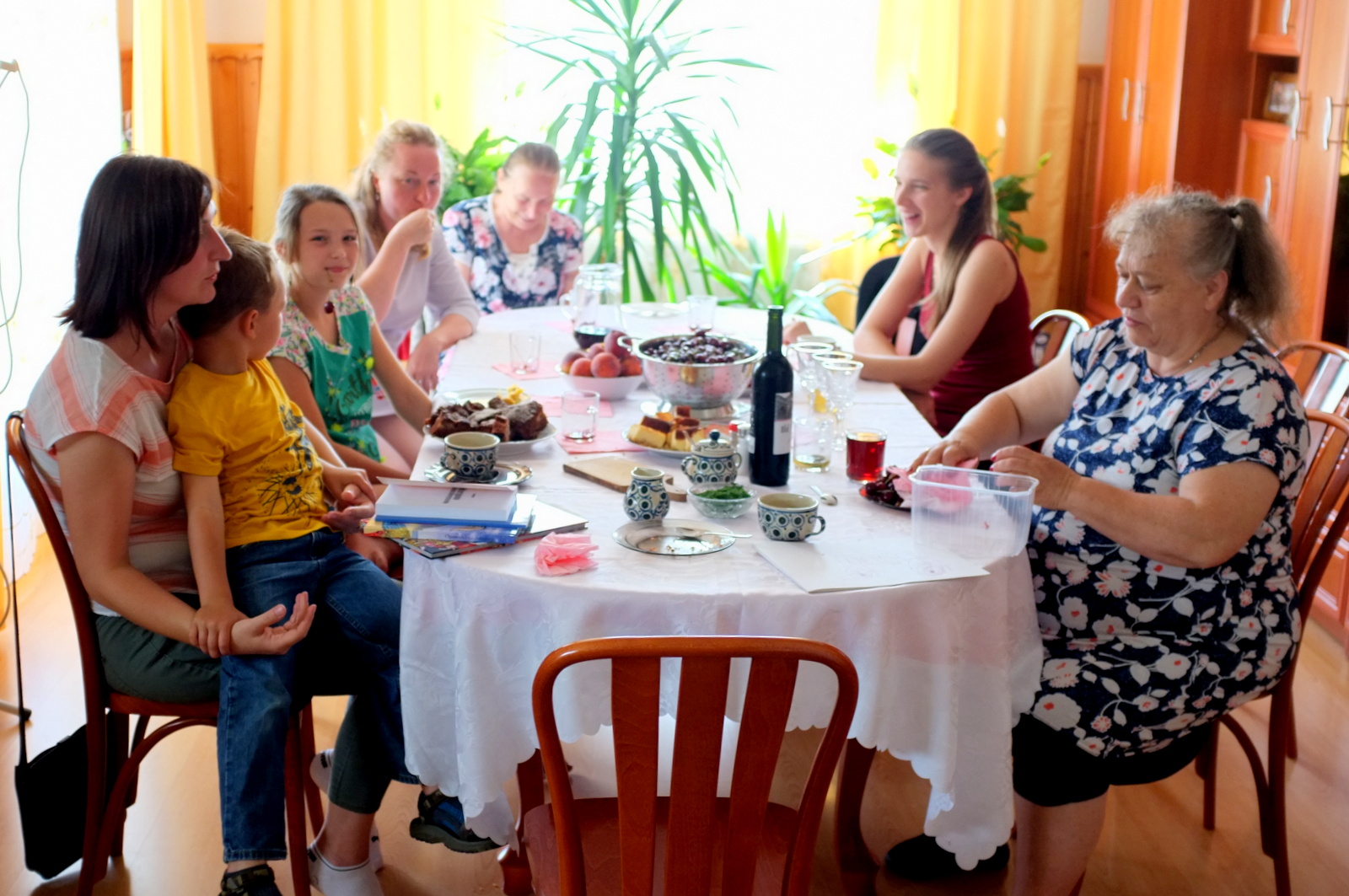
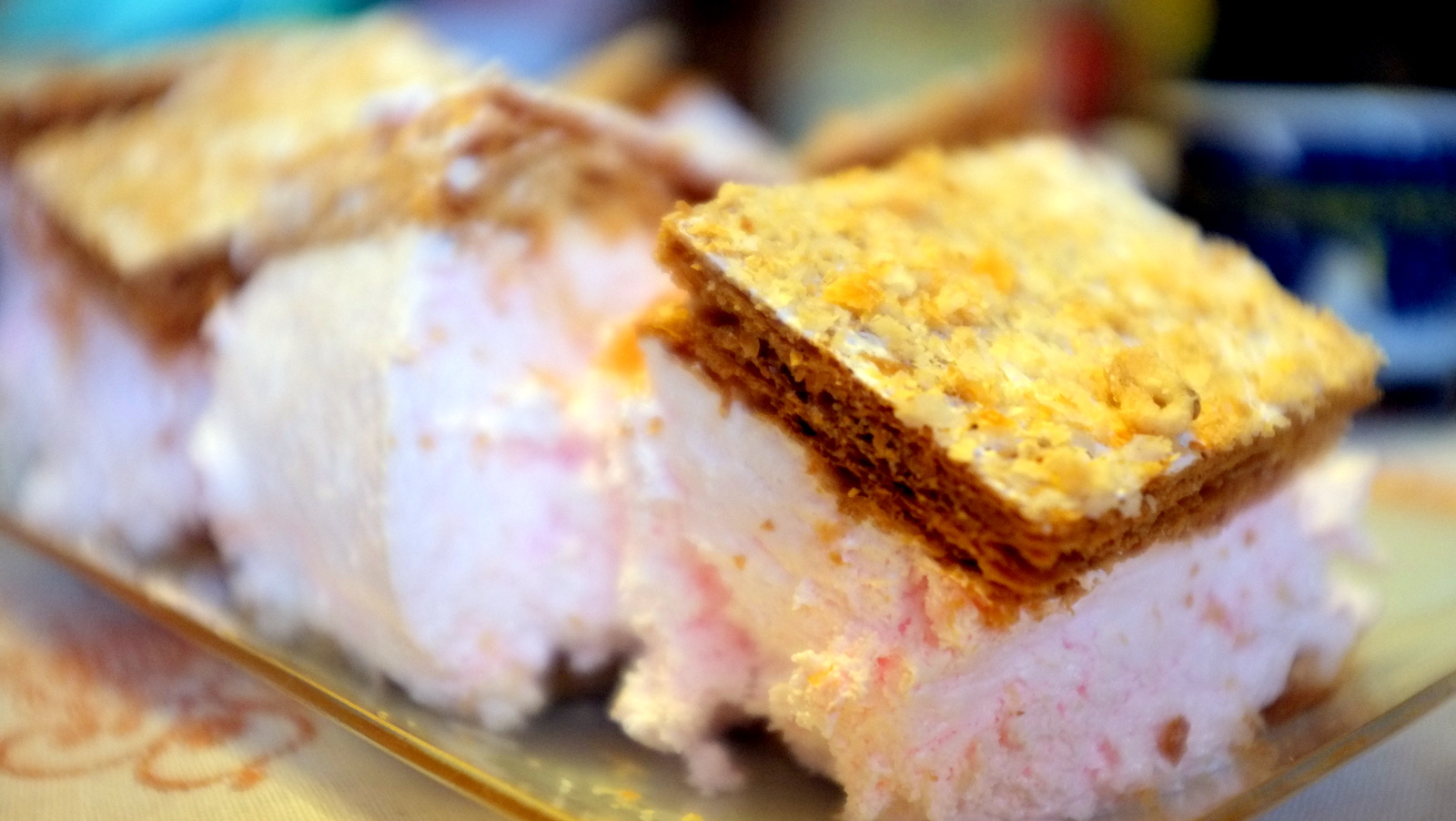
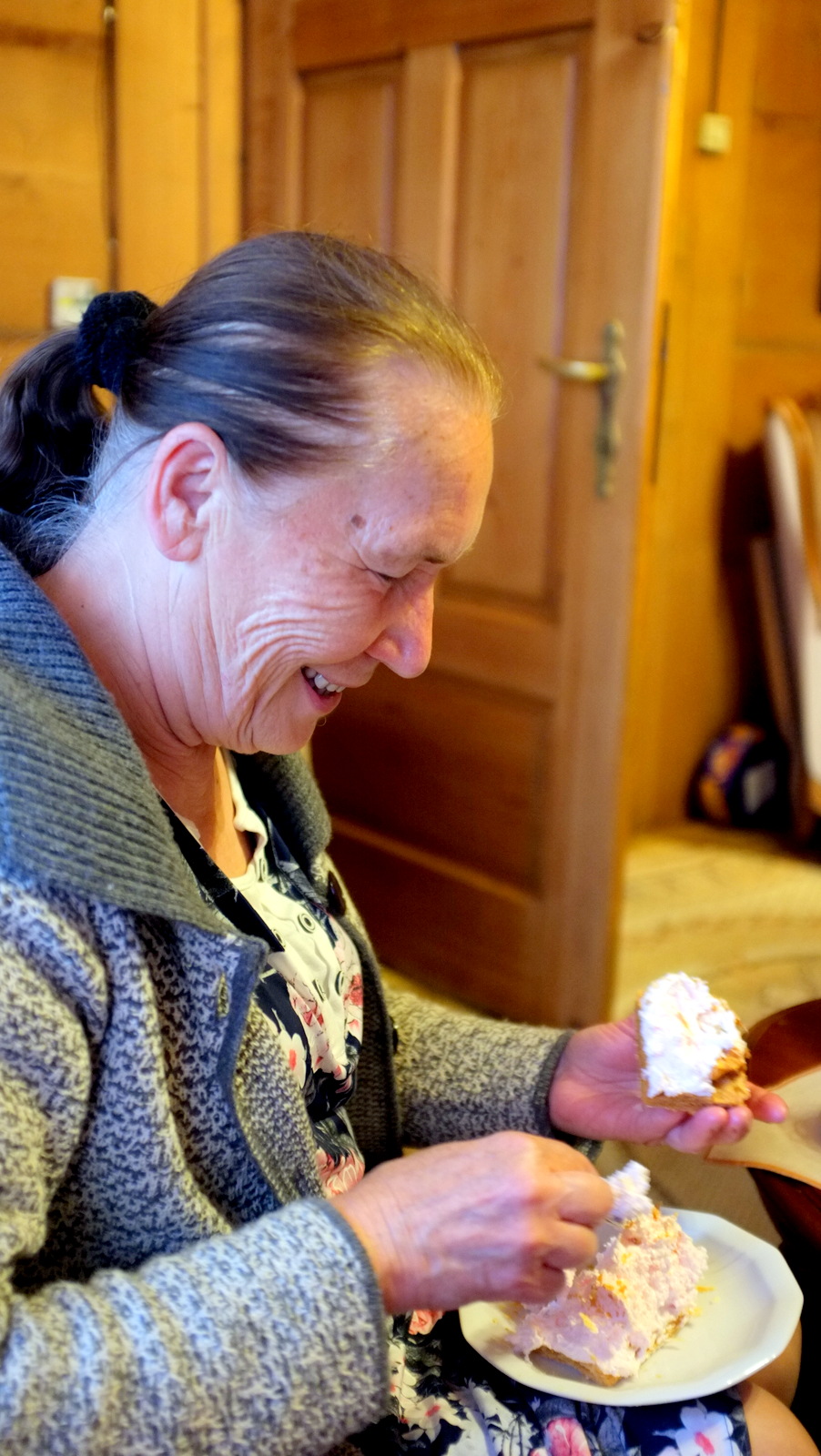
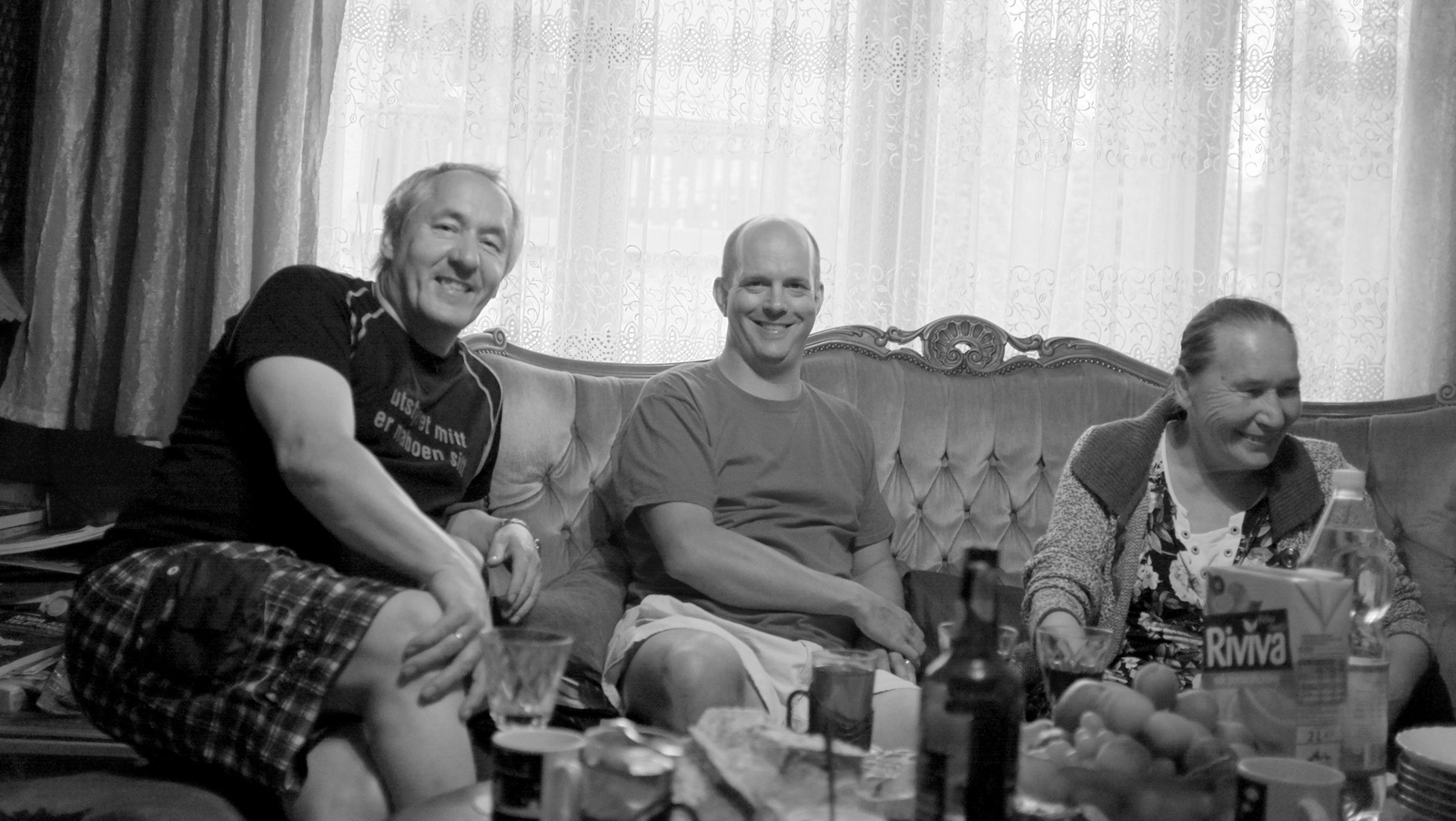
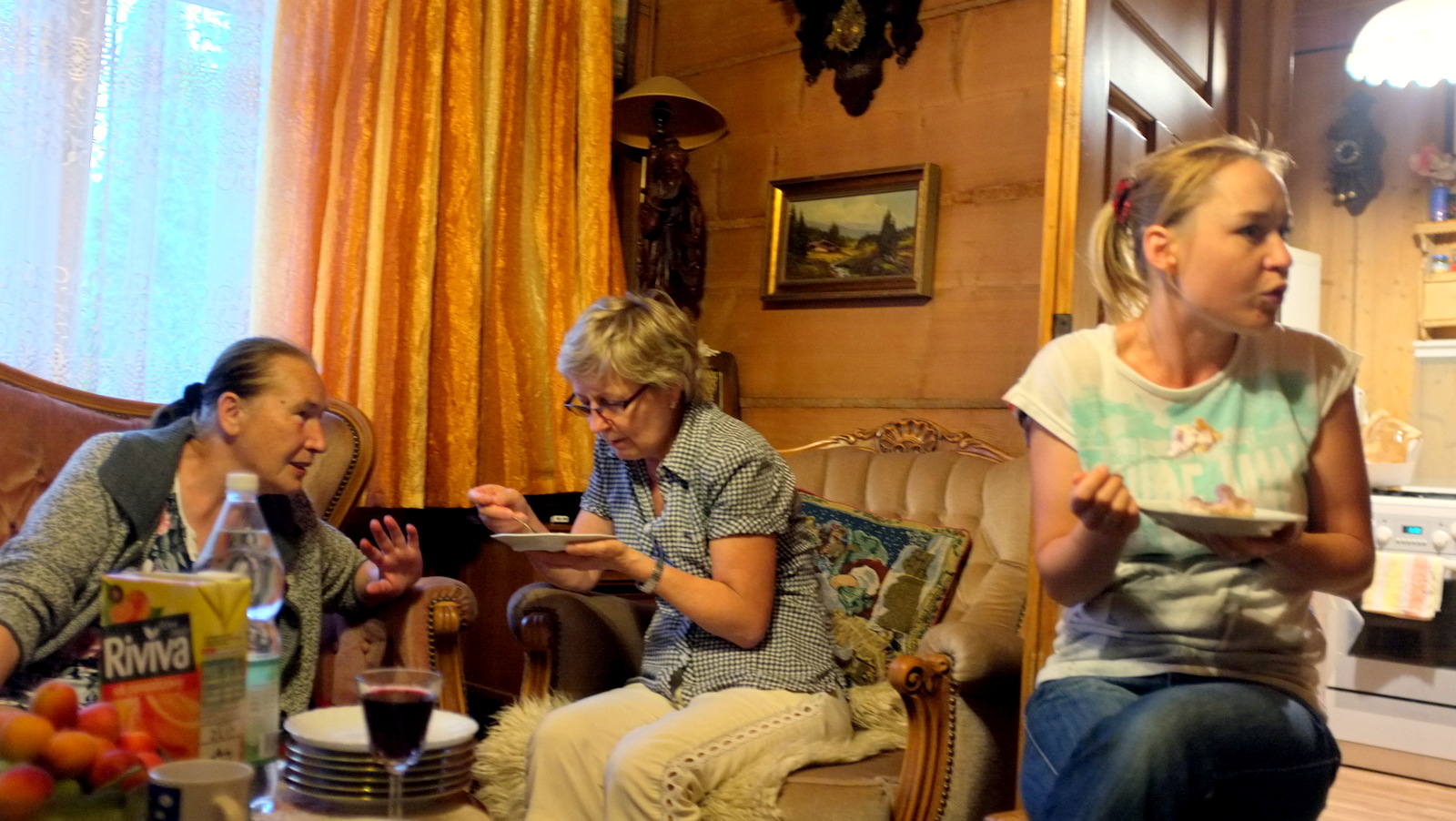
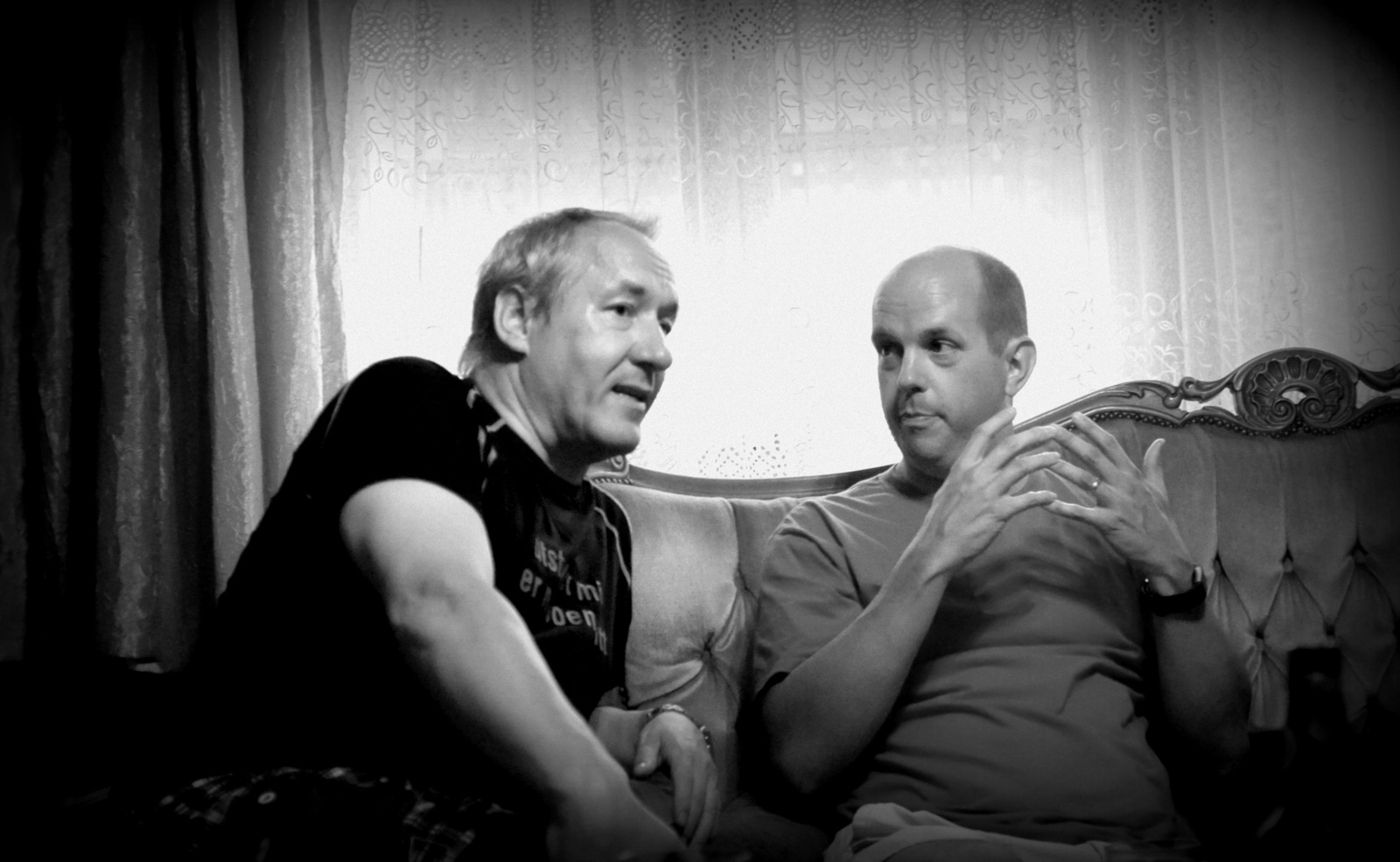
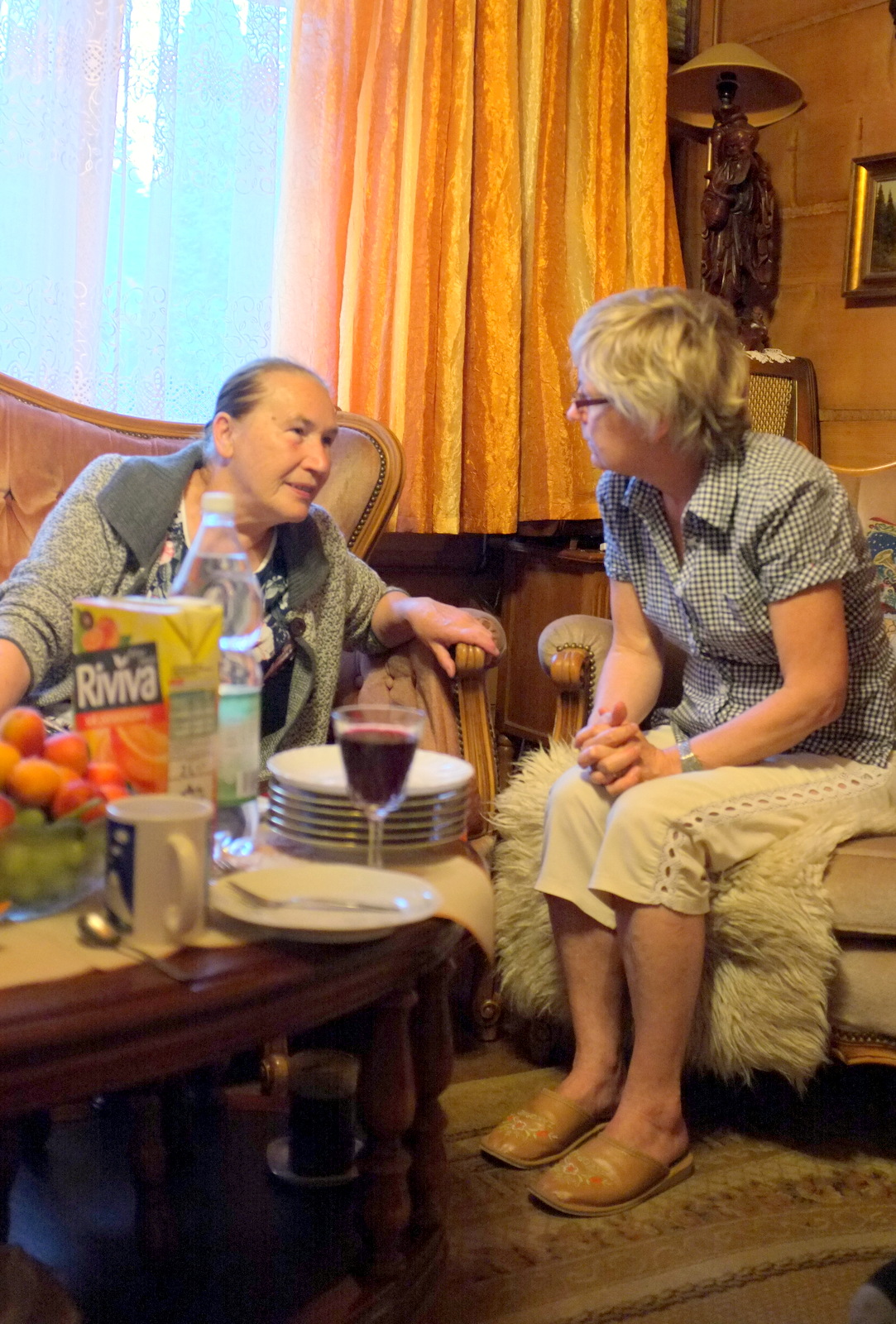
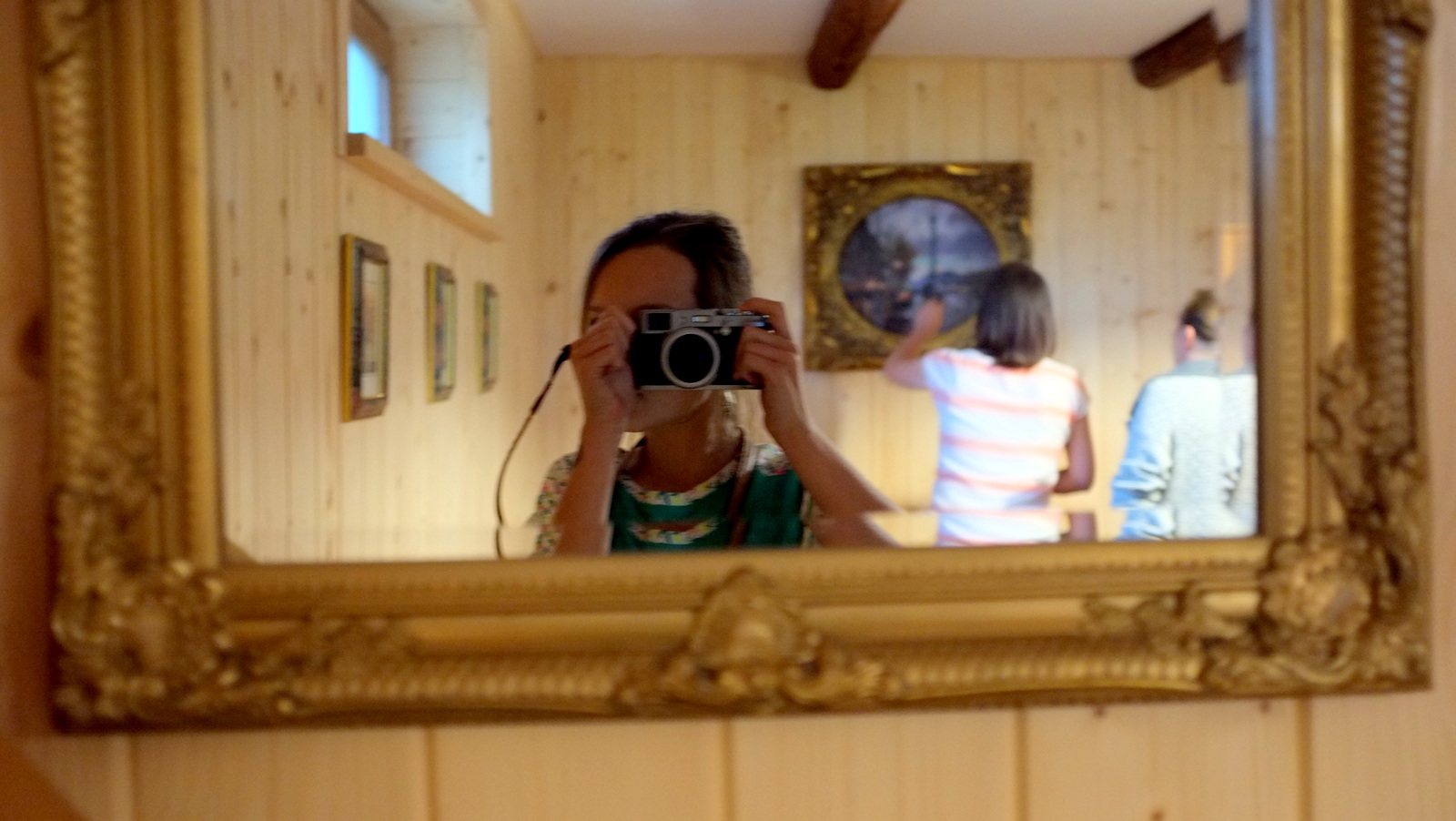
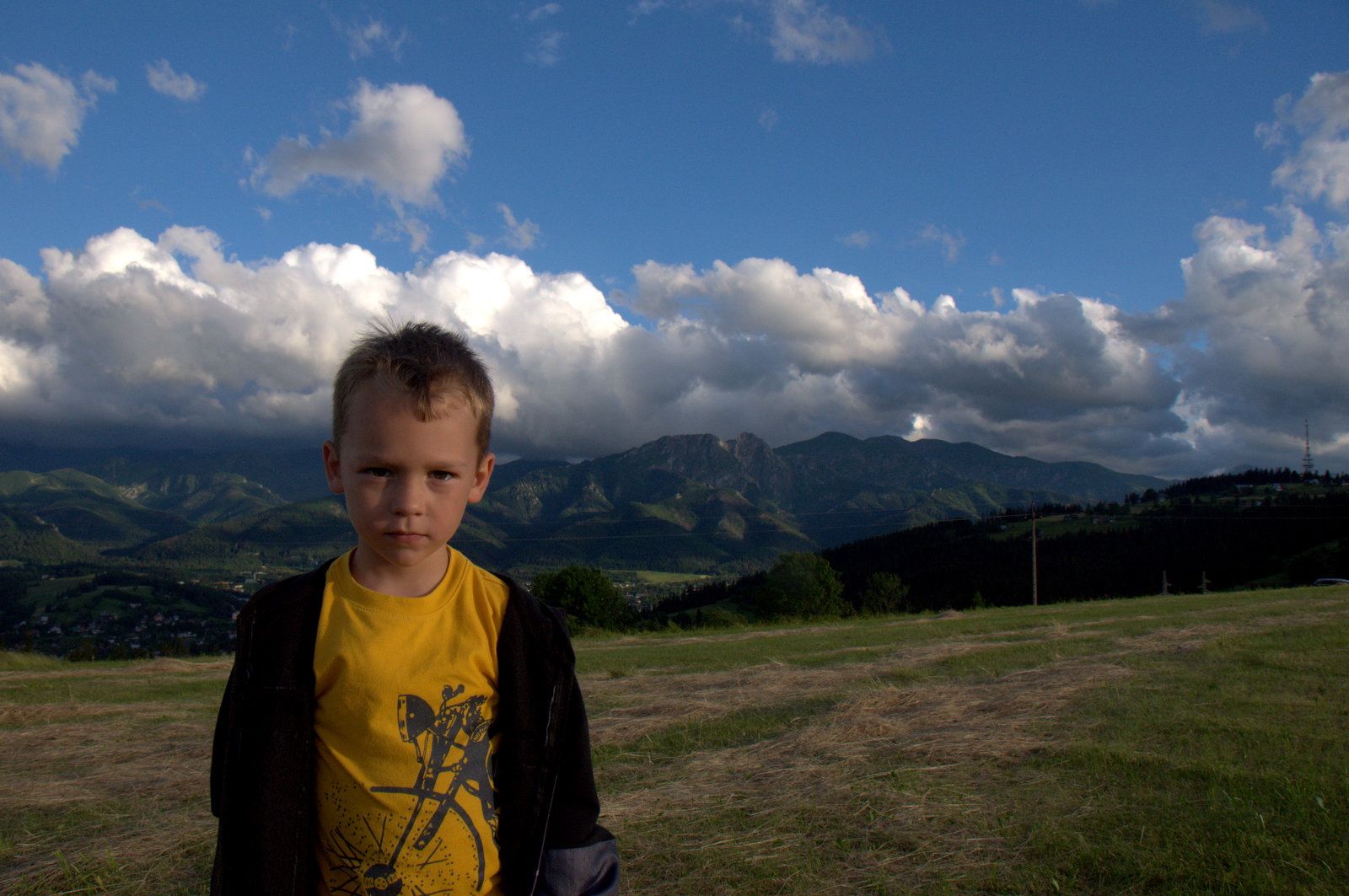
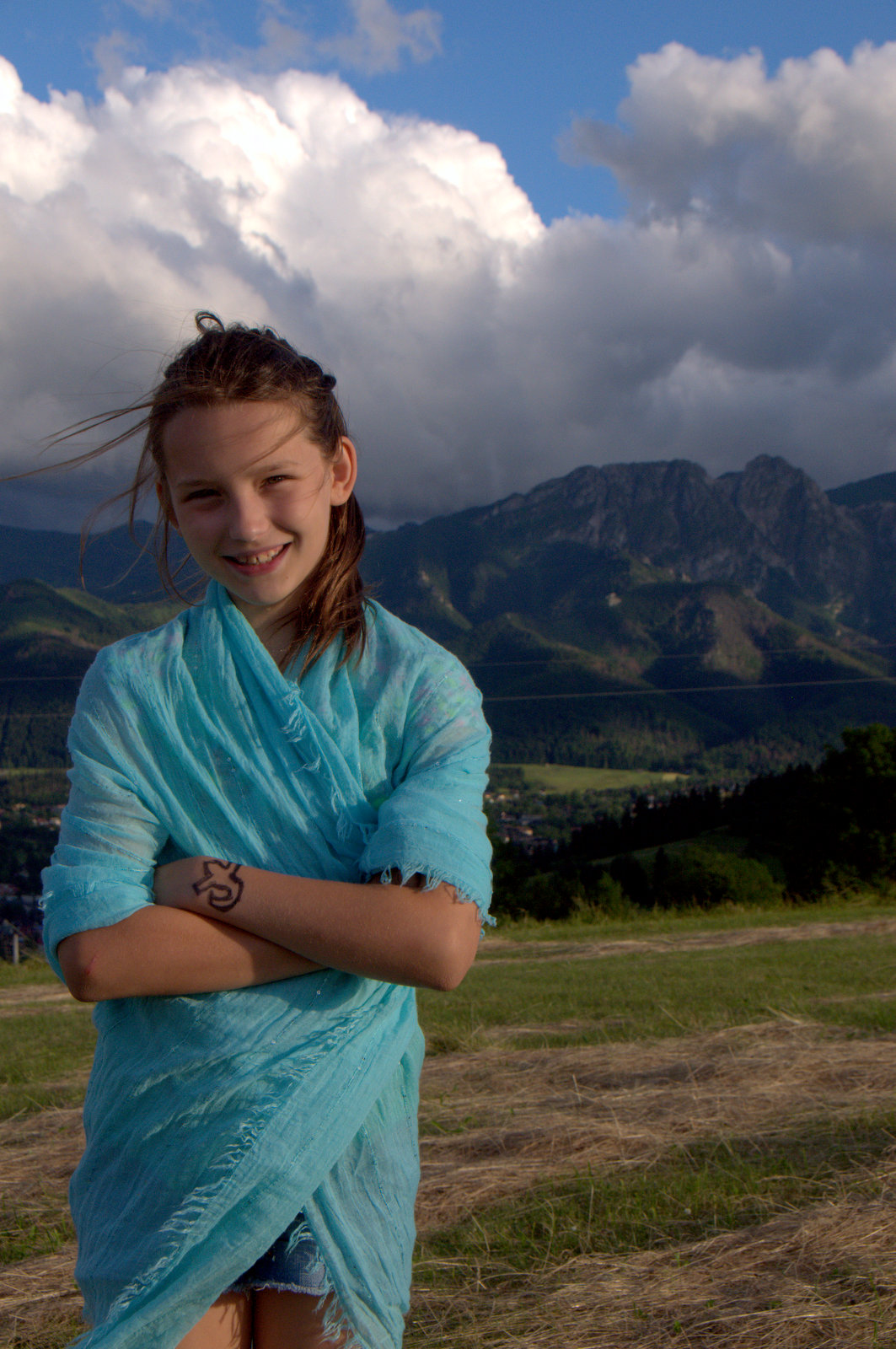
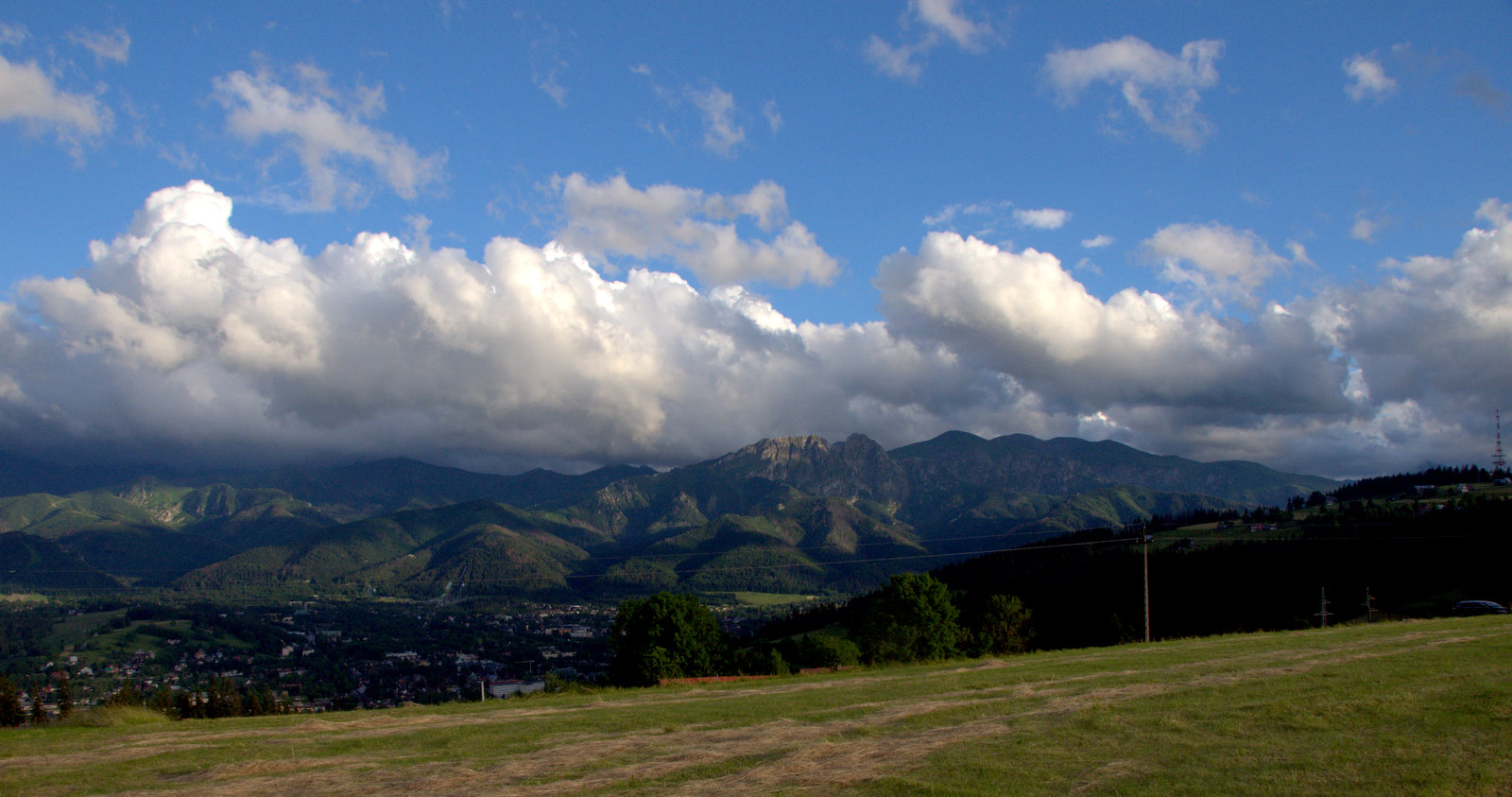
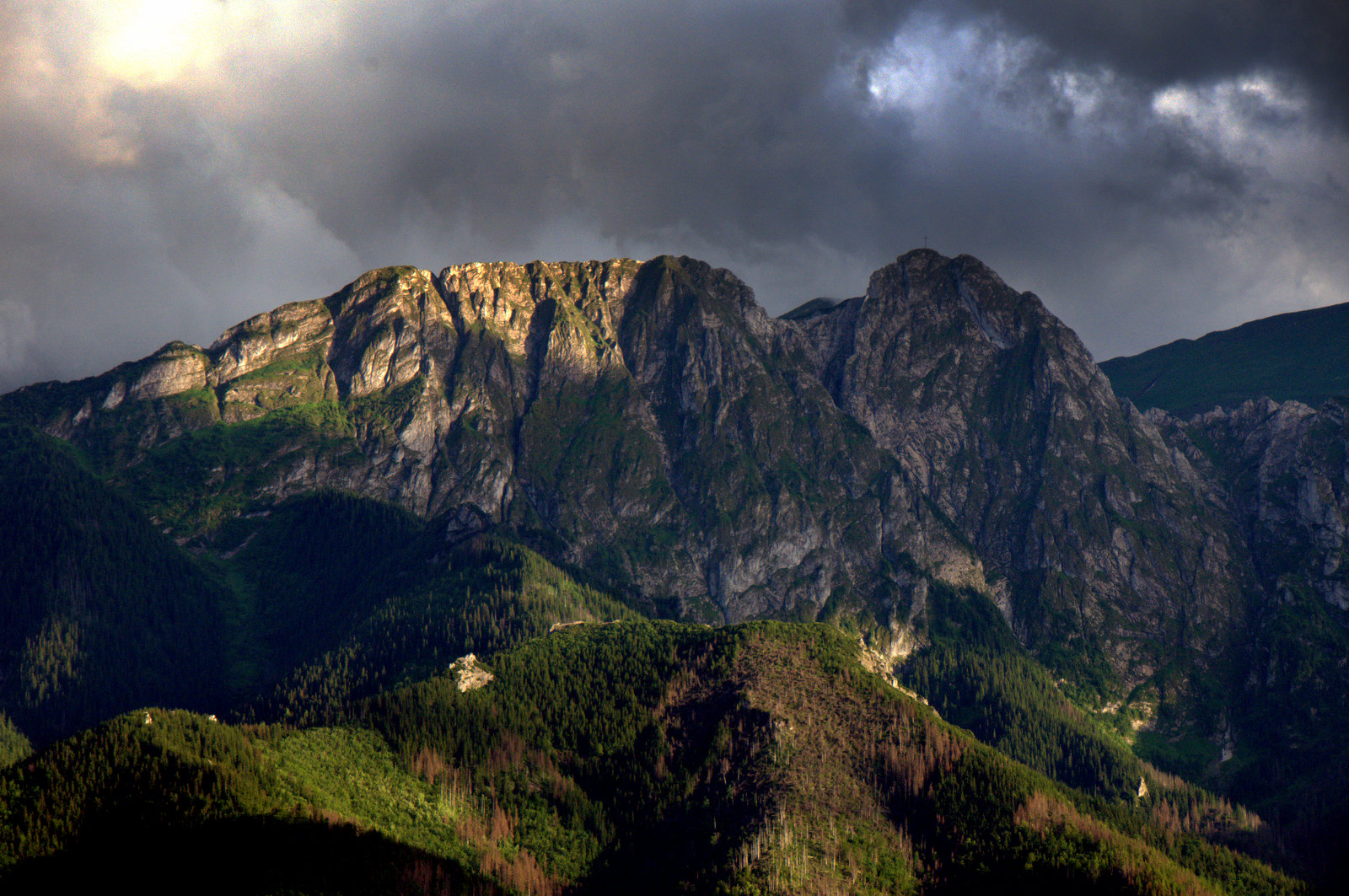
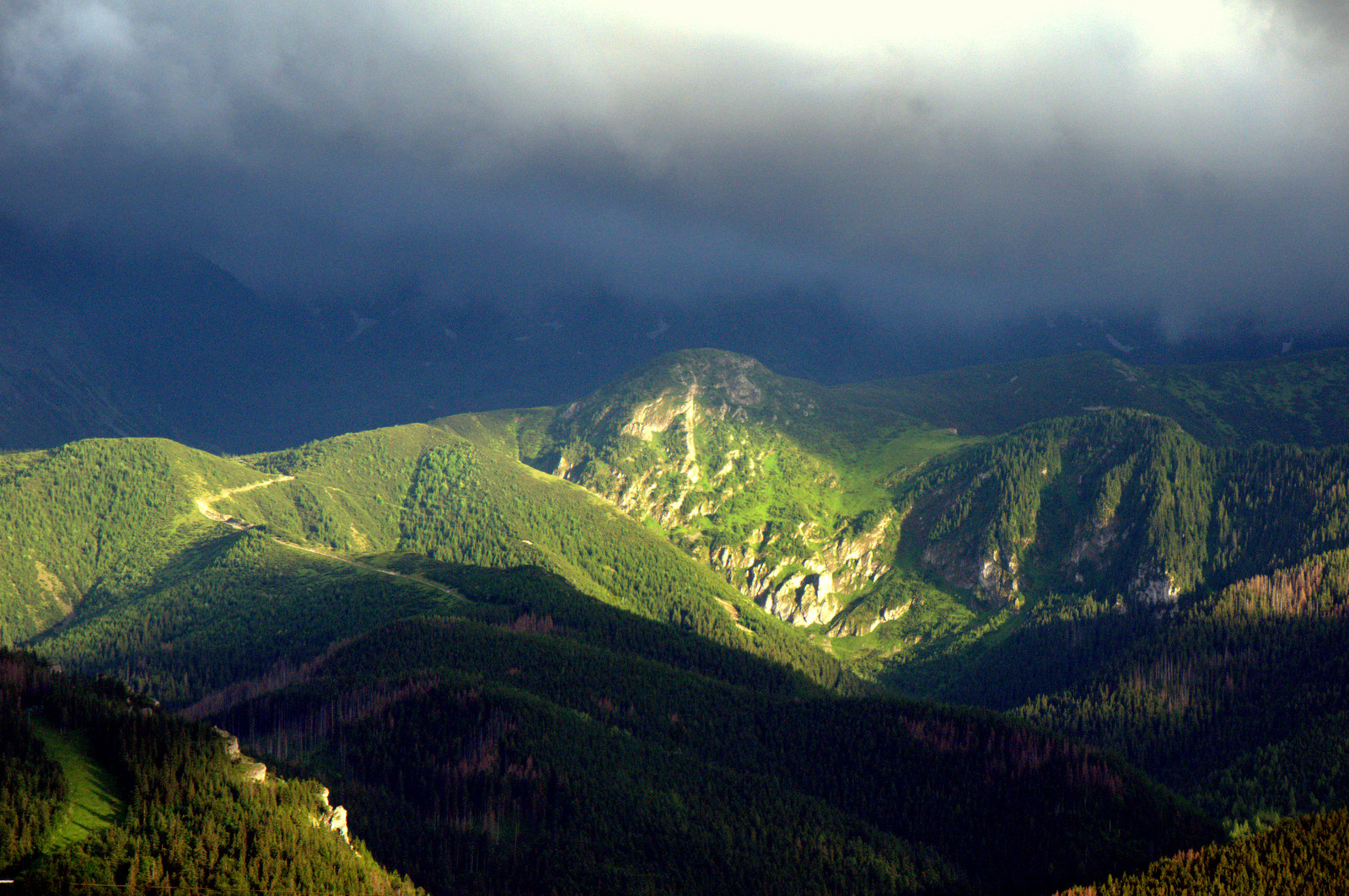
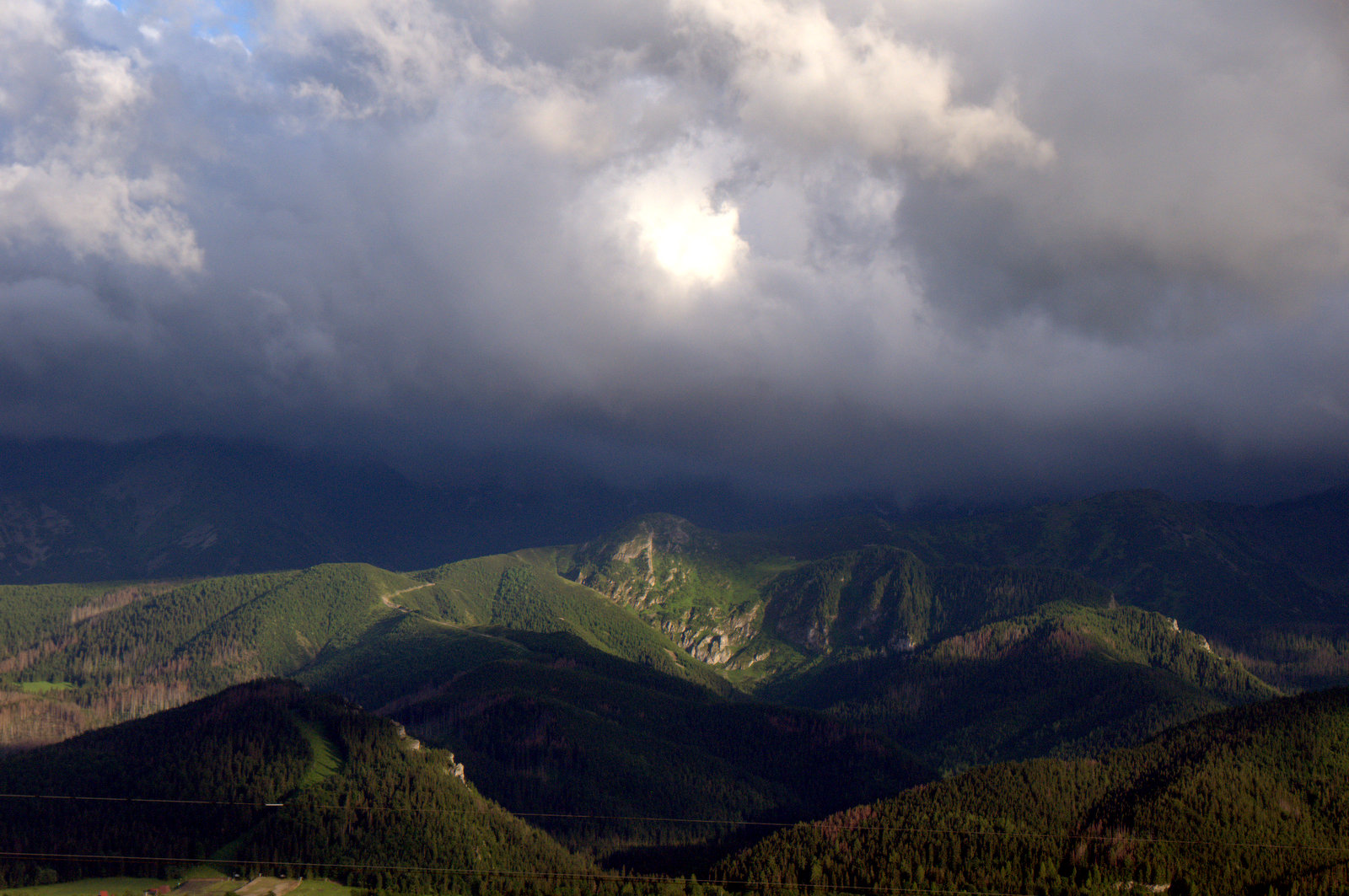
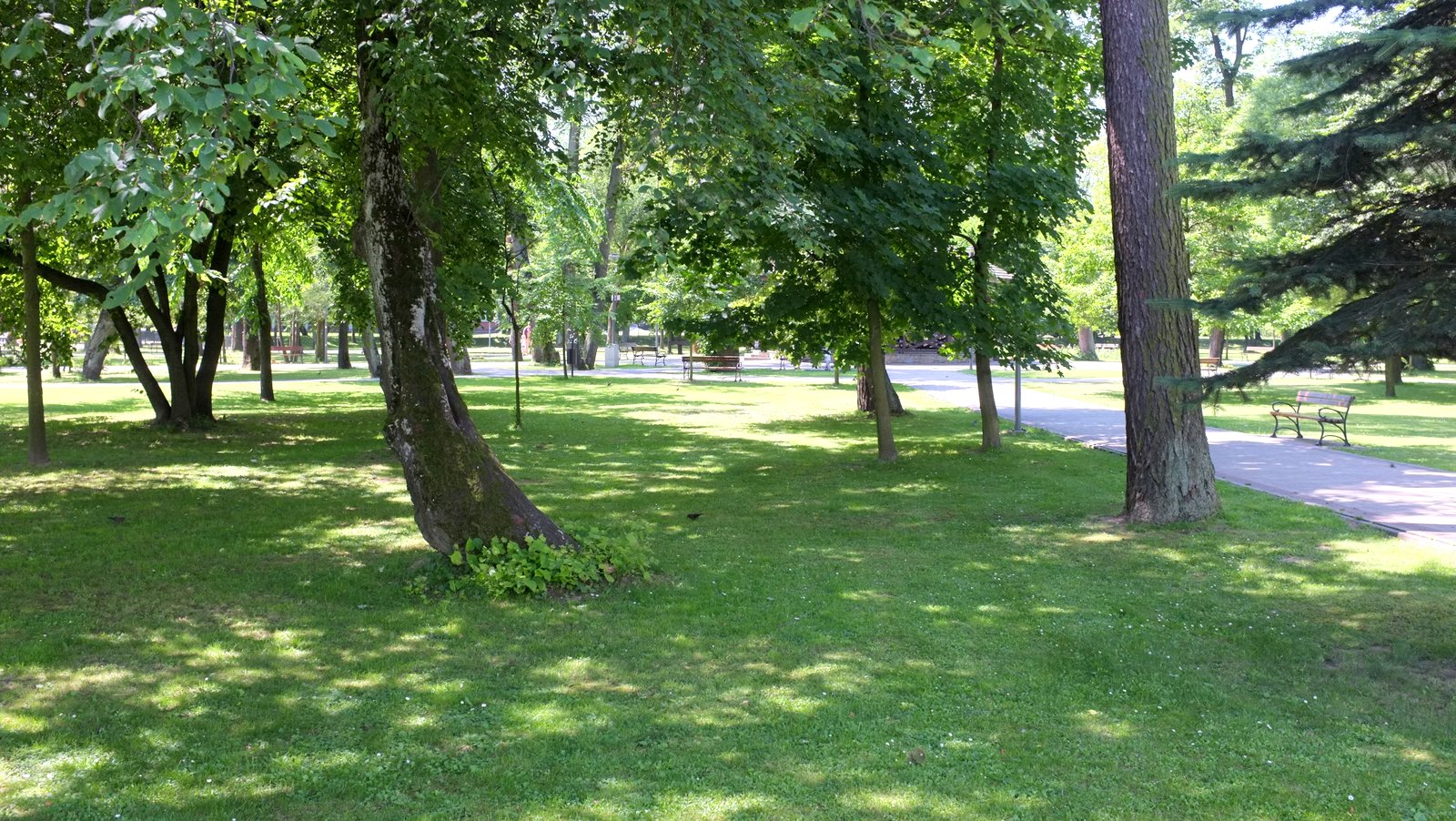
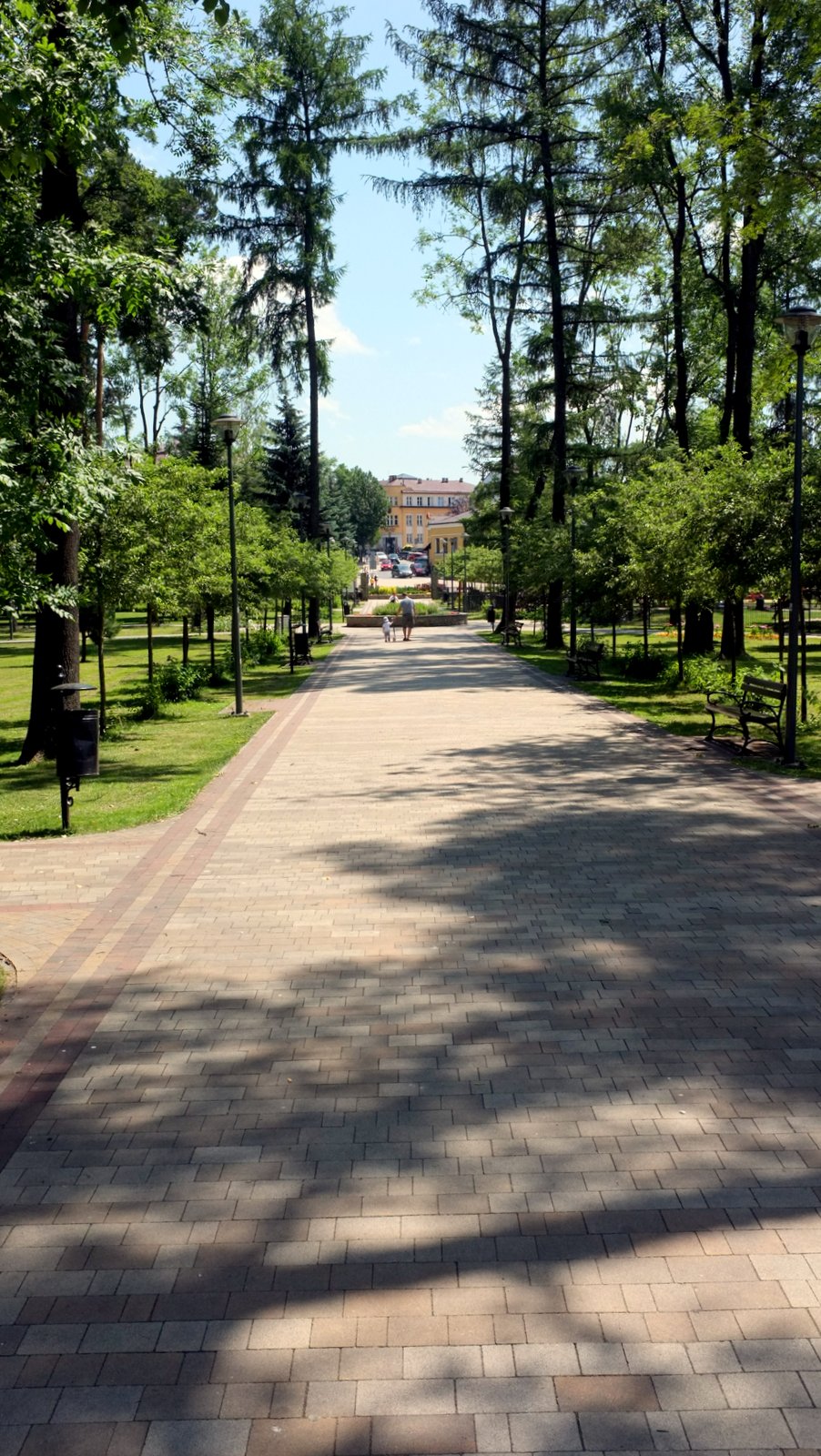
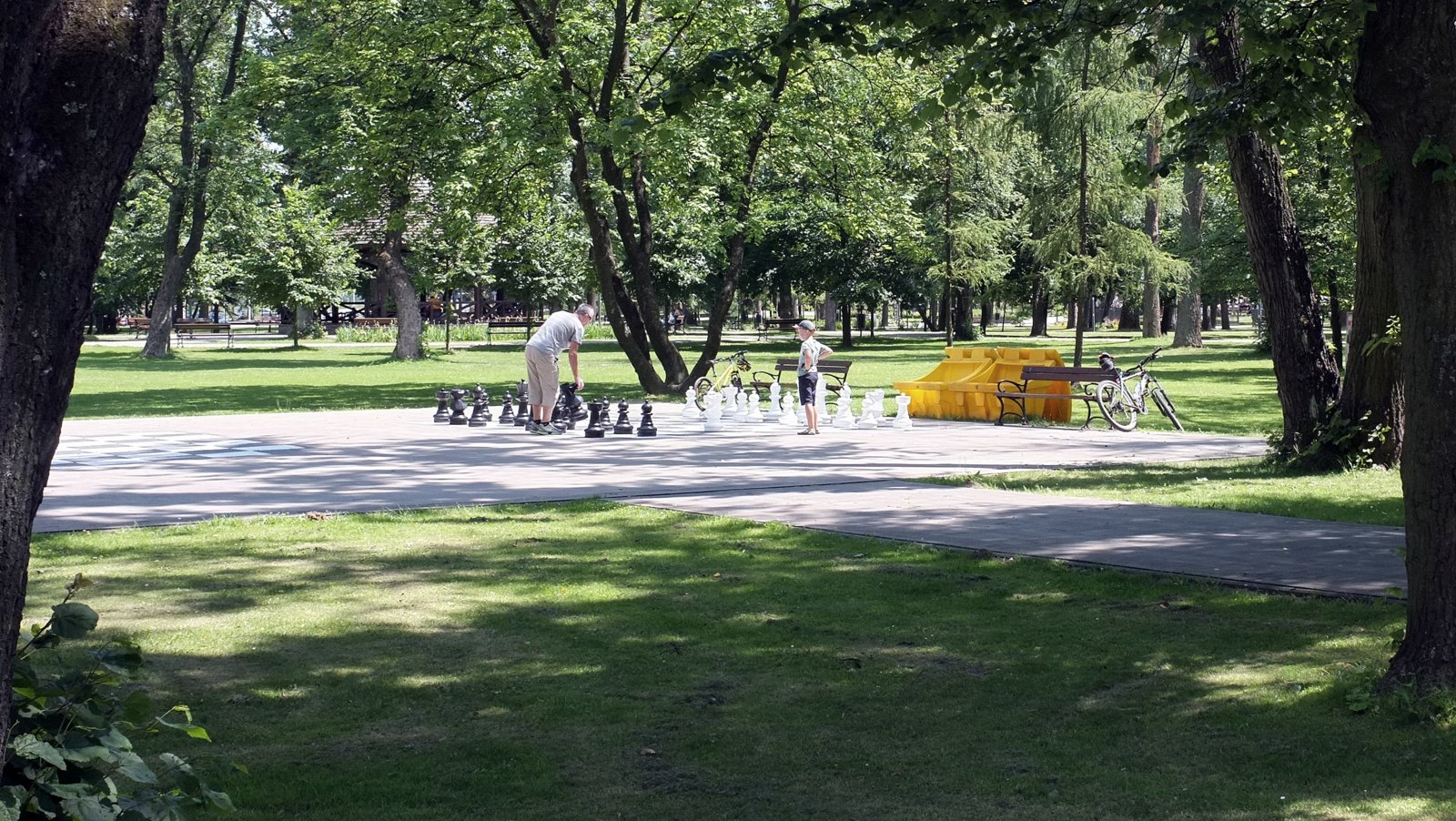
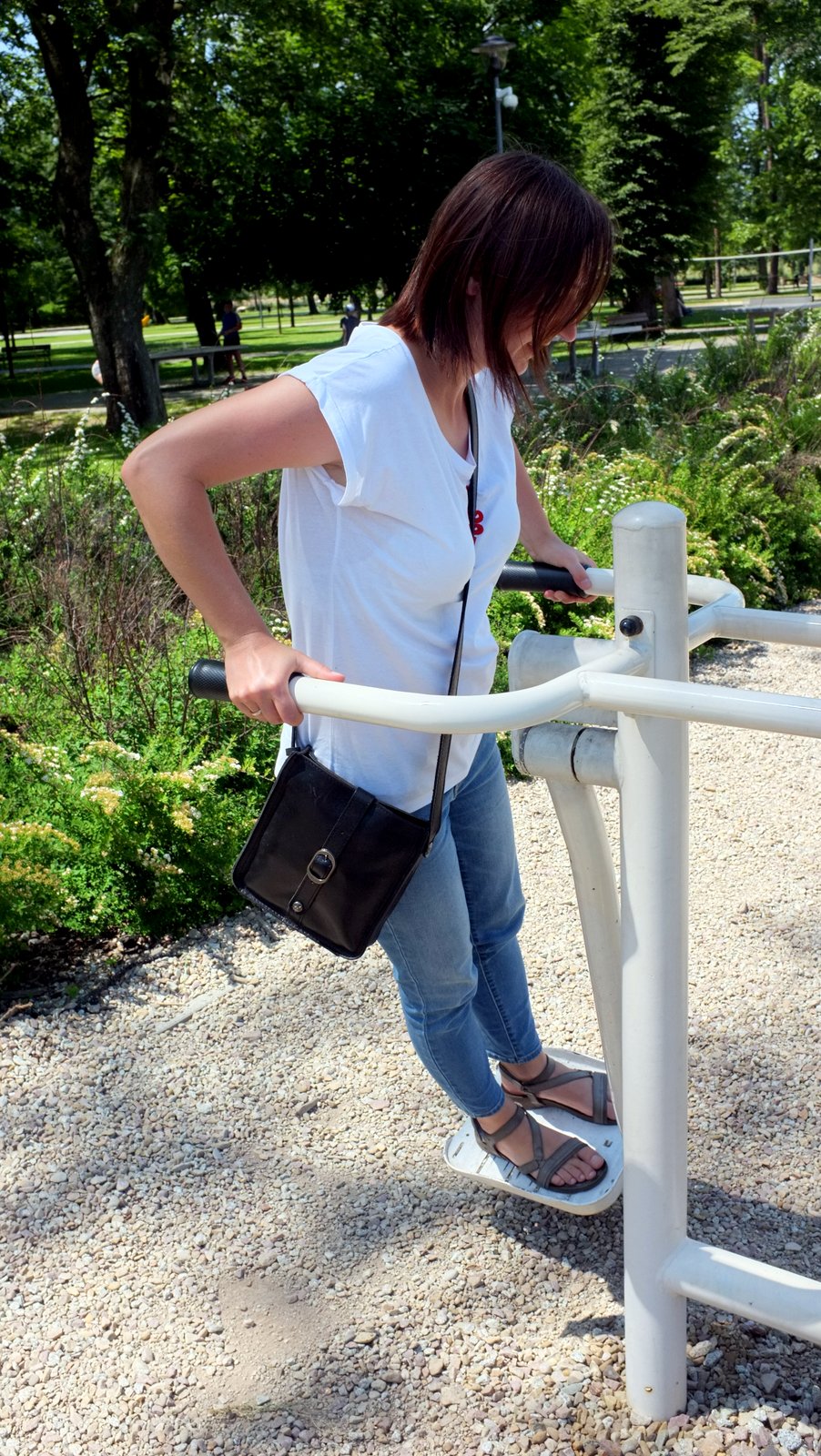
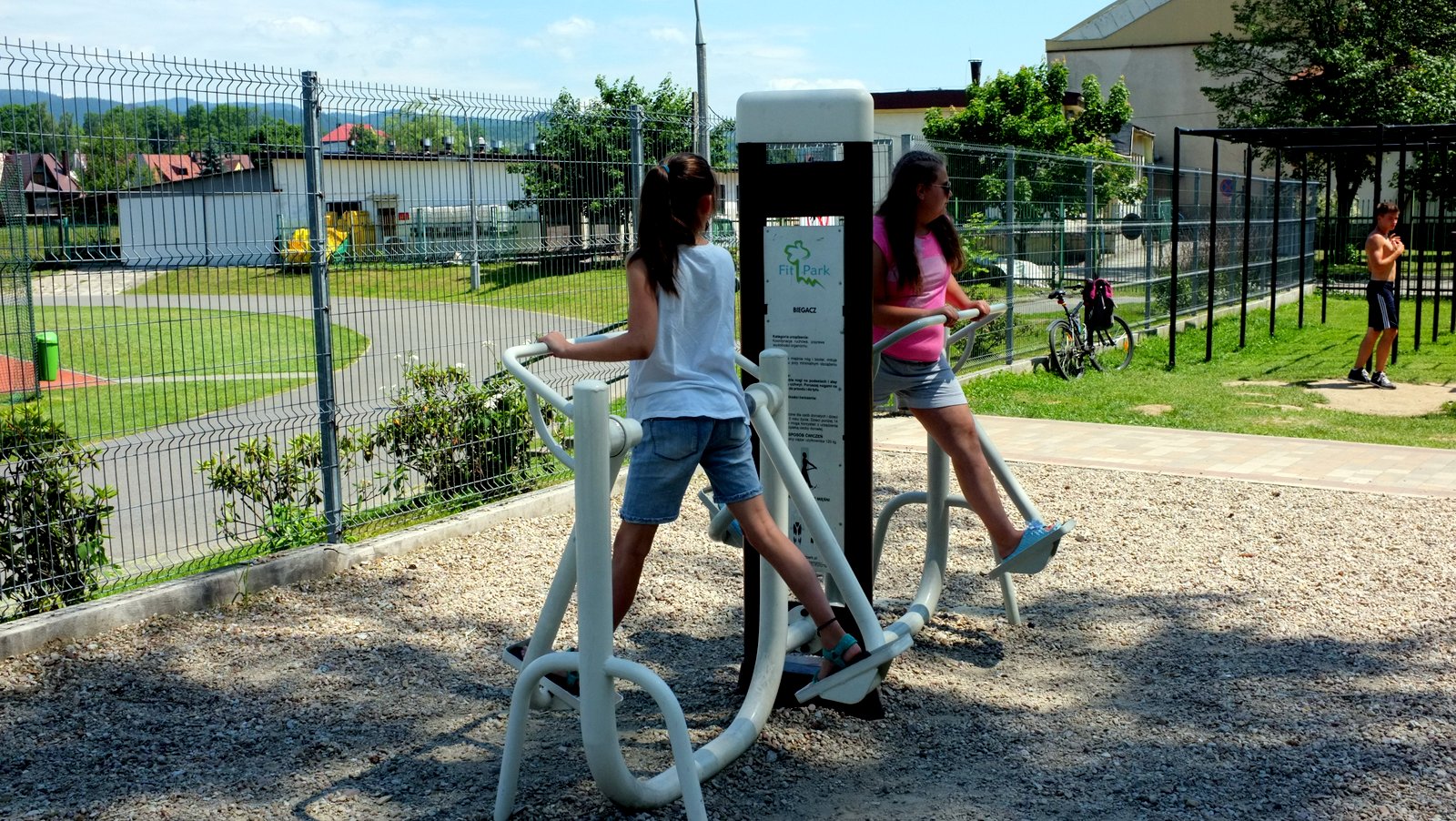
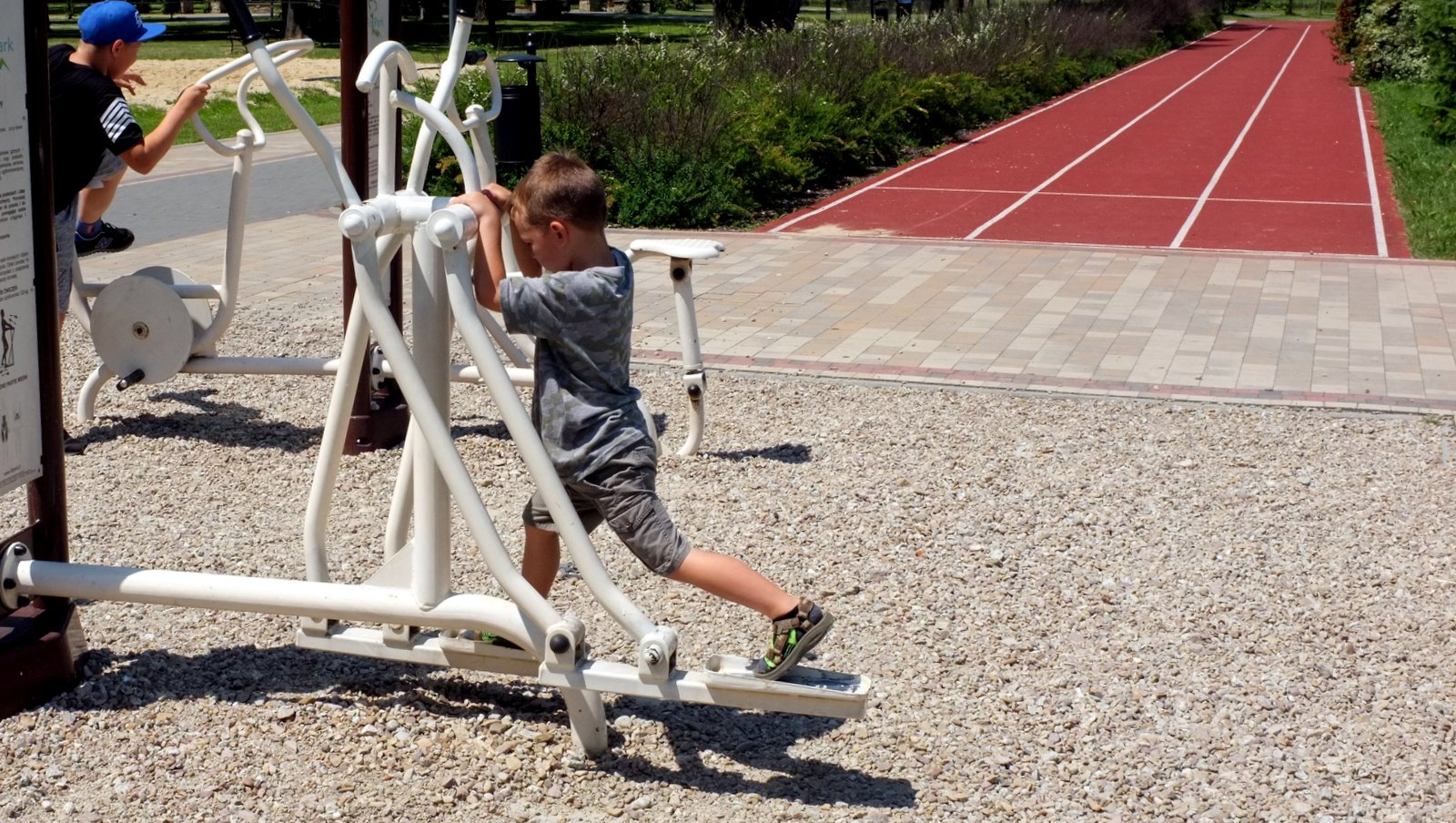
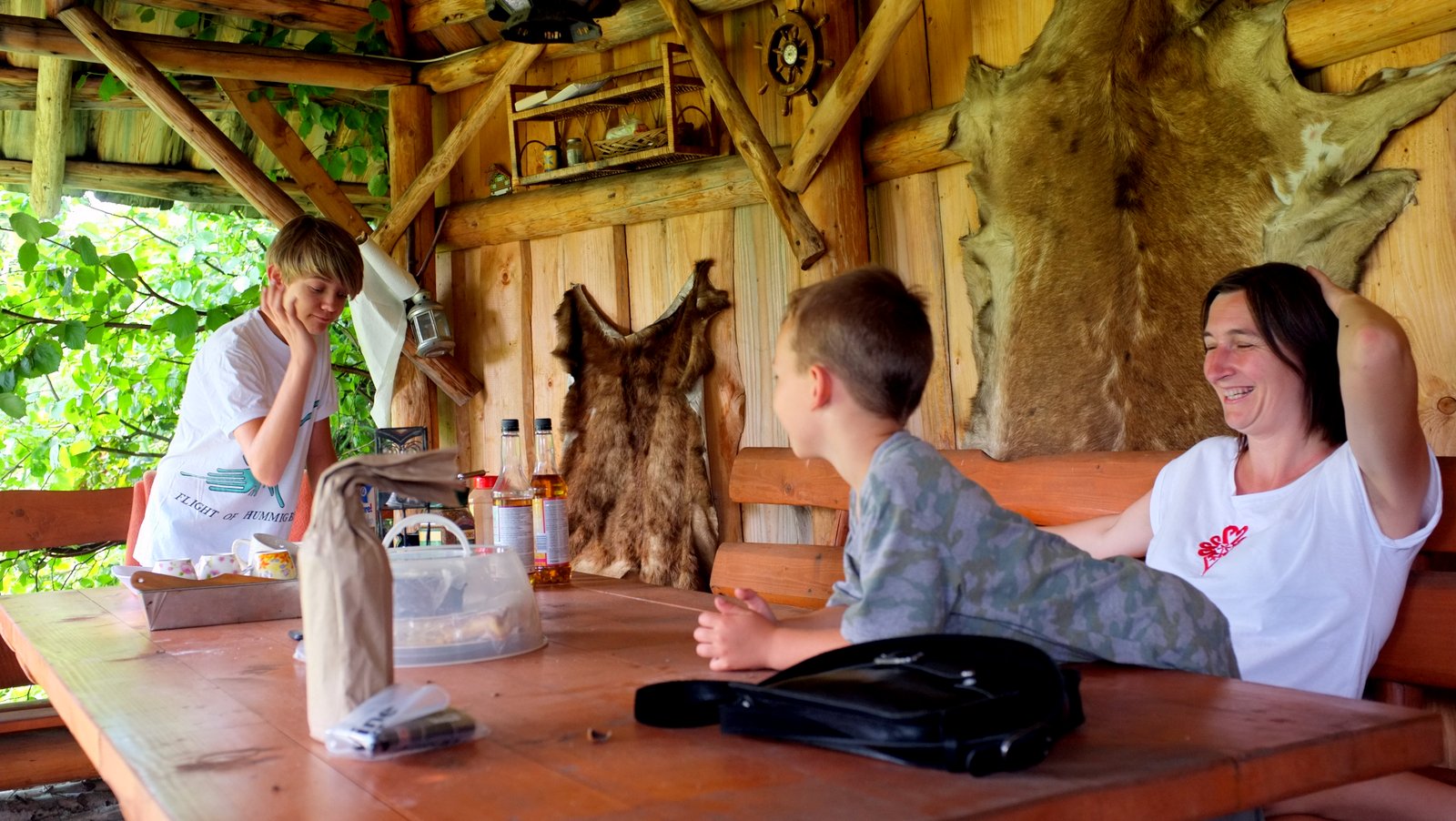
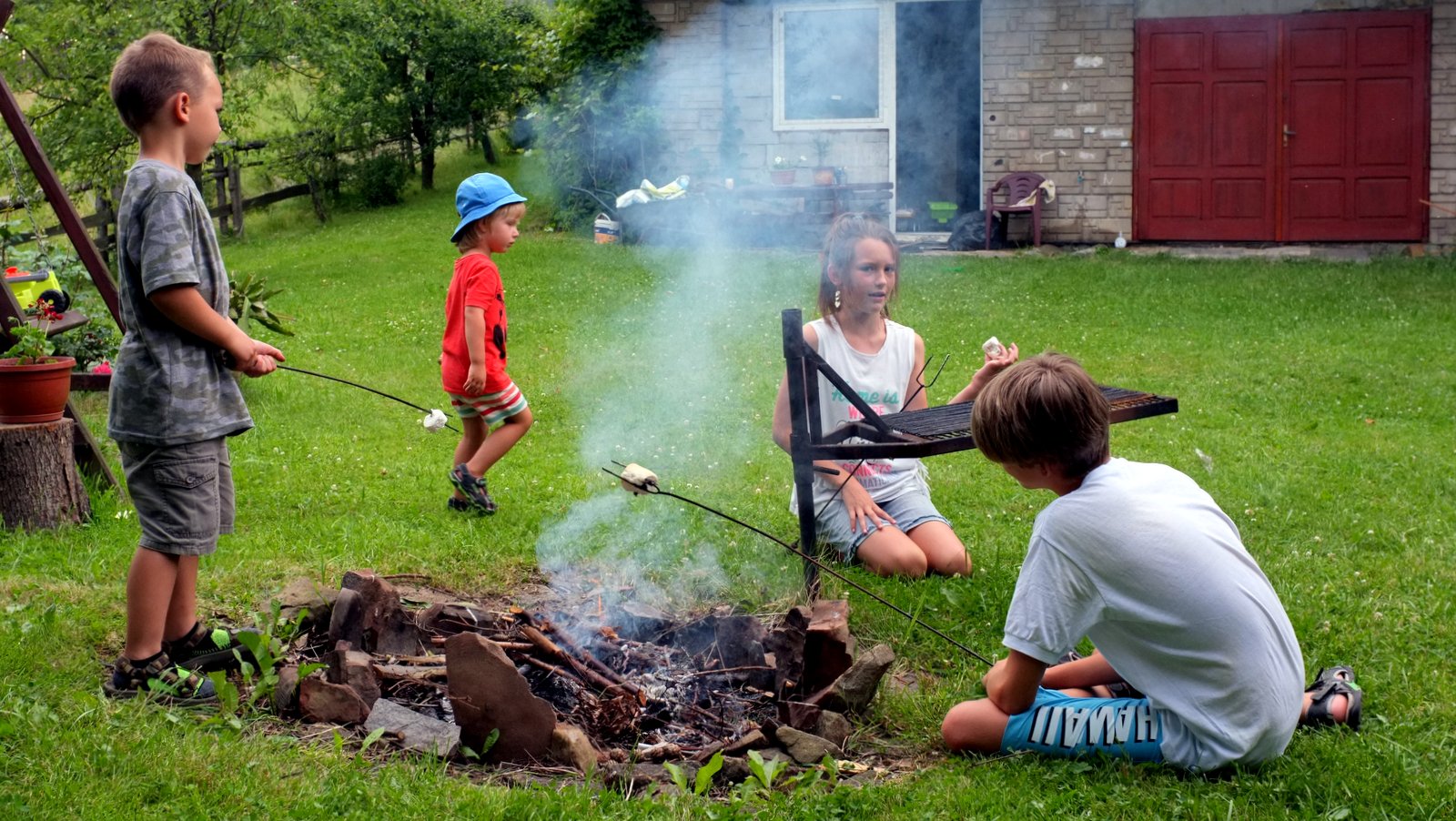
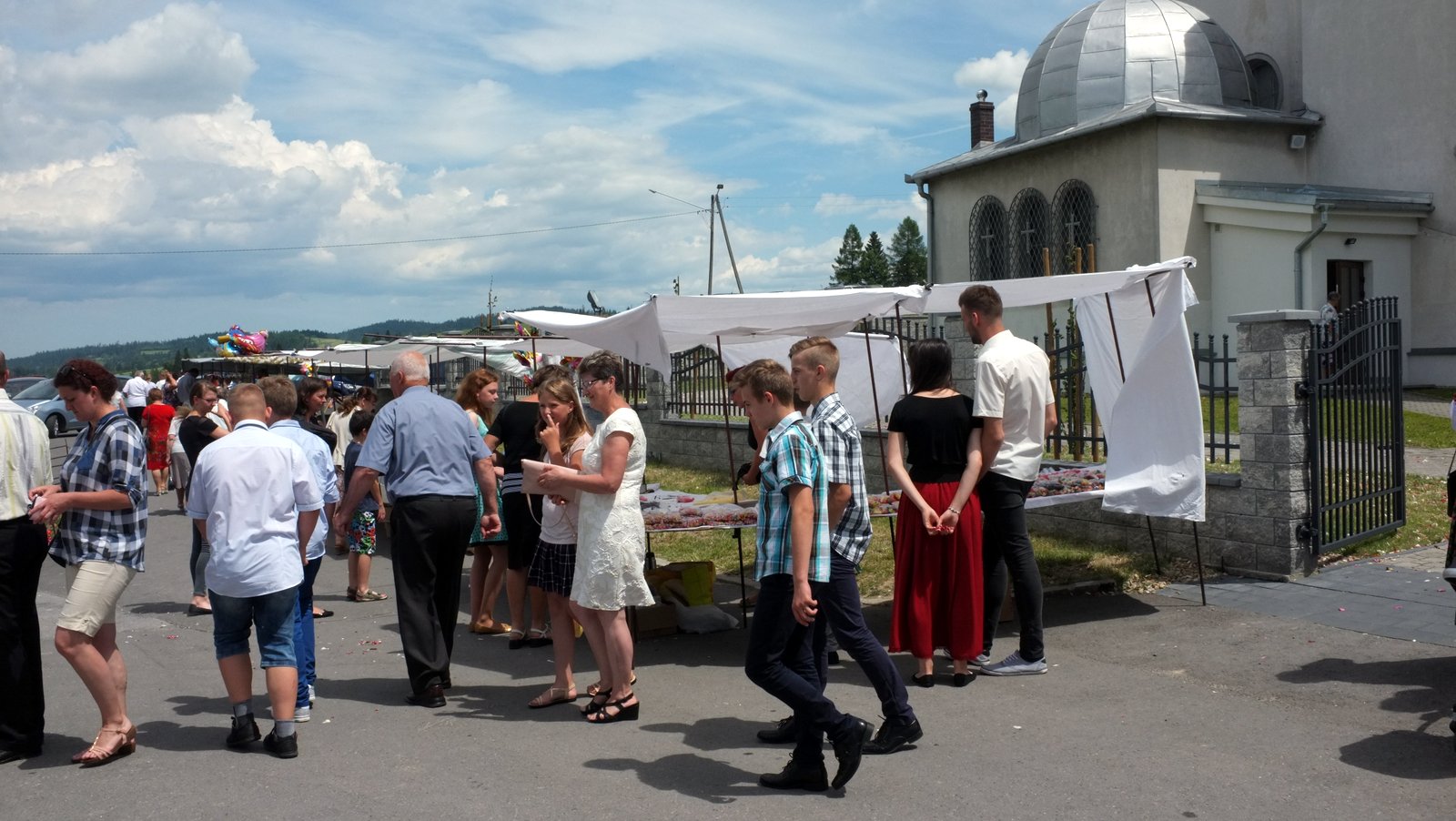
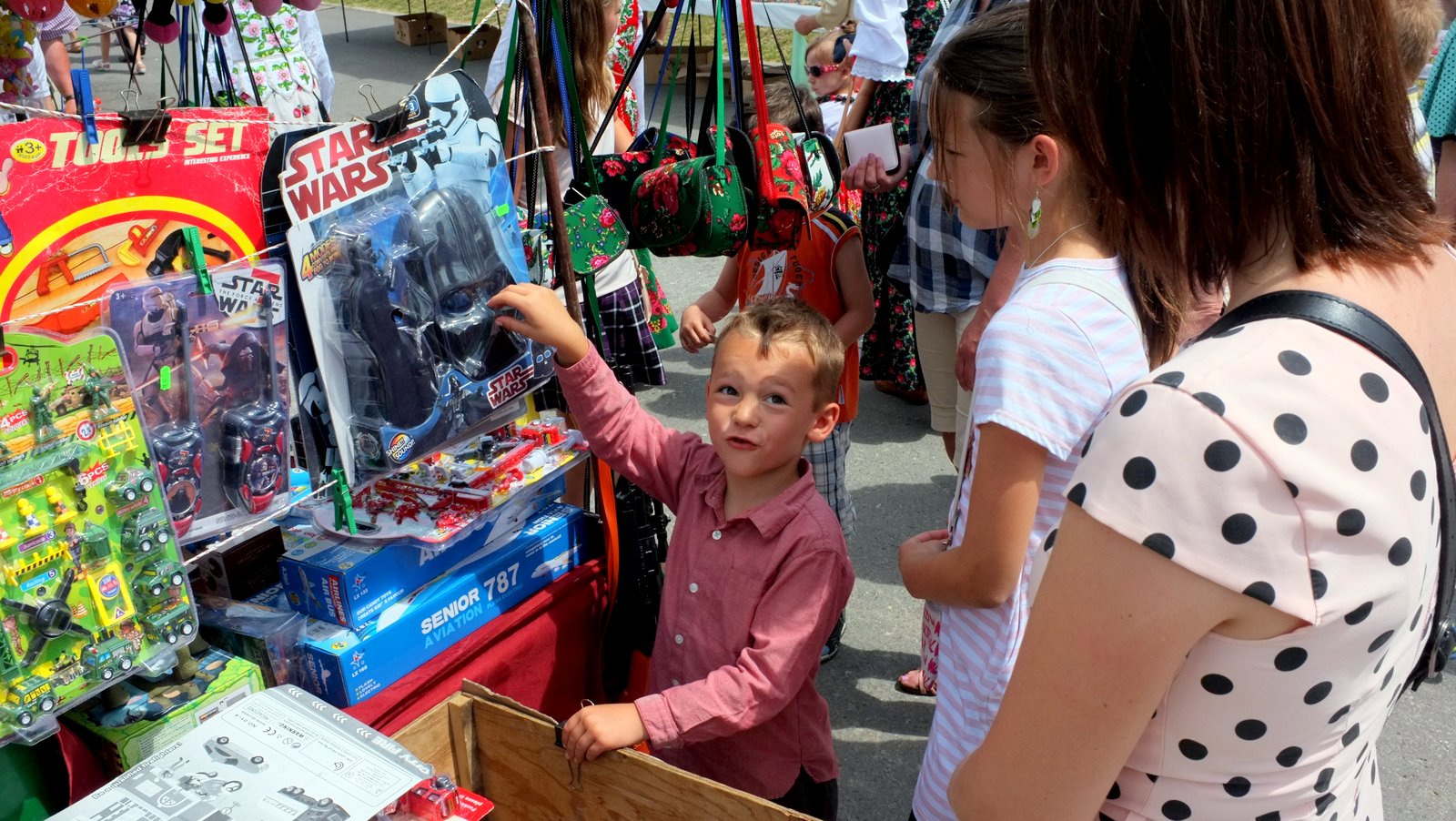
Been playing with a few older photos in Lightroom.
polska
My always obsession...


Been playing with a few older photos in Lightroom.
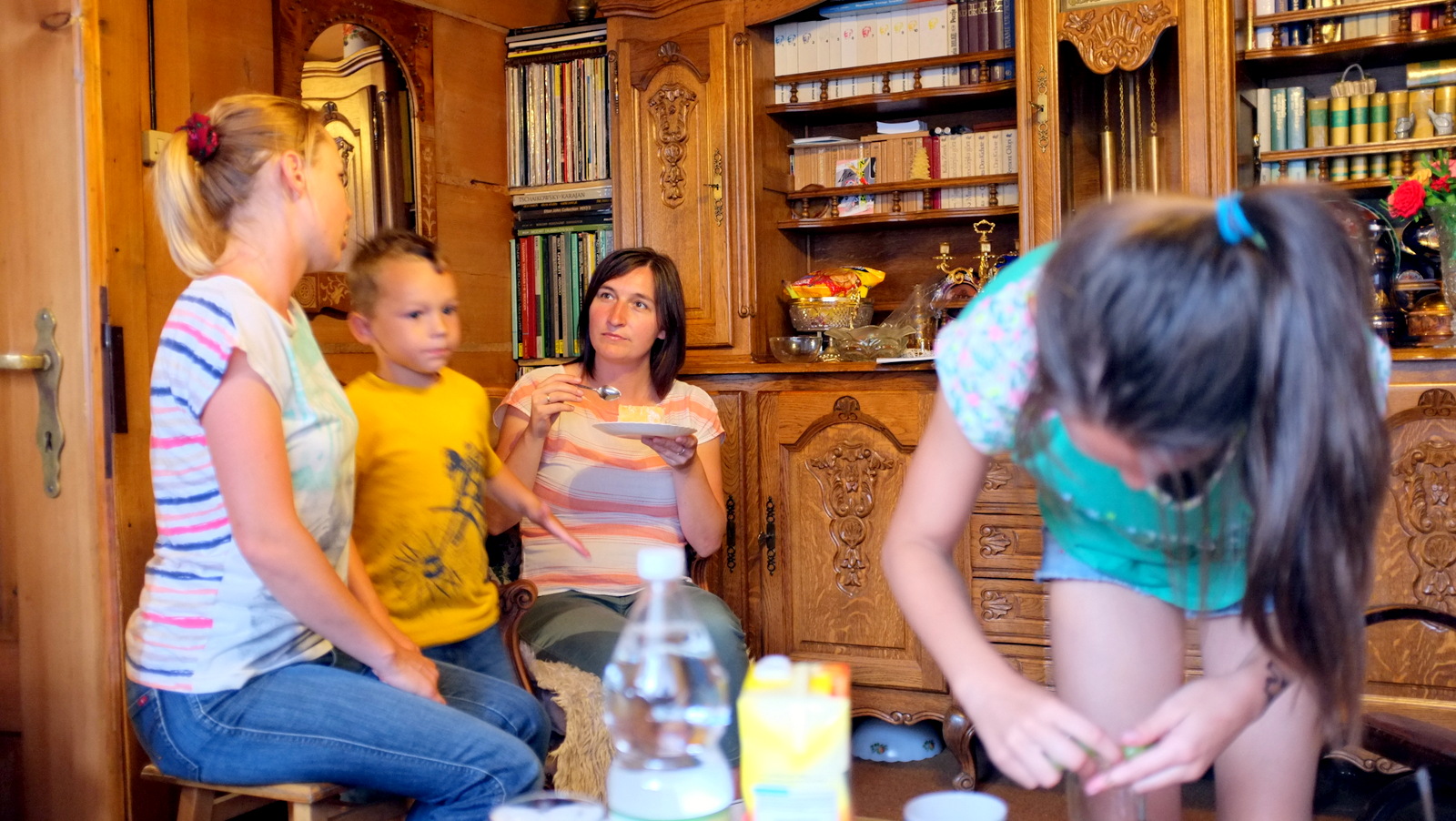
The Boy wanted to get into the Girl's room; the Girl wanted some "alone time," which we all do from time to time. With the two of them, that conflict is a frequent occurrence. As parents, K and I must balance the two opposing factors:
I feel like we need to be keeping score of the whole thing: one time forcing L to let the Boy in her room; one time getting the Boy to understand that the Girl needs some privacy from time to time.
The Boy was looking for his Bugatti (toy, of course).
"I last saw it on the counter downstairs," I tell him.
He thumps his way downstairs, wanders around a while. Then I hear him ask K, "Mommy, what's a counter?"
During the announcements at the close of Mass, Fr. Longenecker pointed out the fact that the text of the communion hymn dates from the twelfth century and the music from the sixteenth. At that moment, several thoughts that had been swirling randomly in Mass coalesced.
First, at one point, I was thinking about how different a Roman Catholic Mass is from the church services I attended in my youth. All the smells and the bells have no correlation with the staid services we had. And yet there was a certain similarity: each service was identical in its format just as each Mass is identical in its order of liturgy. I suppose that's true of all churches.
Still, our church being Protestant (though its members then would have begged to differ most vociferously), liked to suggest that if it wasn't in the Bible, we didn't do it. I found myself in Mass briefly wondering about the liturgy (for lack of a better term) the church followed: it's no where in the Bible. I believe the pastor would have suggested it's one of the traditions mentioned in 2 Thessalonians 2.15: "Therefore, brethren, stand fast and hold to the traditions which ye have been taught, whether by word or our epistle."
Thinking about it further, I remembered the little distinctives of our service. We had a short warm-up message called a sermonette. Google shows that other denominations use the sermonette format, but it's certainly not a common feature. After the sermonette were announcements, followed by something called special music, then the sermon.
The special music was always some kind of choir performance or solo piano performance. Choral numbers were always selections from sacred music (but we had to be careful about that text!), but instrumental music was often some kind of classical composition. I choked down a laugh in Mass thinking about that, wondering if it was "special" music if it appeared every week.
The first Sunday after Easter is Divine Mercy Sunday. Since this particular celebration began in Poland, it's a pretty big thing for the Polish community. At our church, we have a newly-consecrated shrine to the Divine Mercy with relics of St. Faustina and St. Pope John Paul II.


Not bad for a little Catholic church in Greenville, SC, home of Bob Jones University -- probably the most virulently anti-Catholic school in the States.
The name comes from the verb przepalać, which means to overheat, blow, or scorch. For instance, when a lightbulb (żarówka) blows out, the verb of choice to chronicle the event is "przepalać" (with the reflexive "się" added to confuse foreigners). Likewise with a fuse -- they're still fairly common in Poland and in much of Europe, with the old buildings that still have old wiring.

It also means "scorch," though, as in to scorch sugar, as in to caramelize sugar. It's from this that the name "przpalanka" comes from.

I first encountered przepalanka when my neighbor, a fellow American who was getting married in early 1997, invited me over for a Friday evening game of chess. I still didn't know how to play chess, and he less so. We were basically just moving pieces around without any sense of strategy, but we could chat. And so when I entered, he greeted me with a strange declaration: "Look, we made vodka!"

We made it for our wedding, too. And it was the result of a jolt of terror during the wedding celebration.
"We're about out of vodka!" K proclaimed at about ten in the evening, when the party was just getting started.

Fortunately, she just meant przepalanka -- else it would have been the end of the party.
The dinner was infinite. Every two hours or so they brought out another course. And there were snacks on the tables at all times. We had cutlet for the main course followed later by meat and rice; the egg-roll-type things were served with barszcz; cold cuts stayed on the table all evening, too. And of course there was vodka. The seventy some odd bottles R made certainly did not go to waste.
There was a most interesting traditional dance. E began waltzing with R, then someone would approach them, clap, and cut in. Whenever someone was done dancing with E, he/she/they (often couples danced with E, making a strange circle) headed over to where R was. After dropping money into a hat held by some lady, the shook R’s hand and took a shot which R had poured.
During the dance the band would often stop playing and whoever was dancing with E would make up a verse, often belting it out while another sang the slightly out of tune harmony so common to this area. One lady must have taken six or more verses.
After this was completed, the crowd grabbed E and R and tossed them up and down. R had quite a frightful expression the entire time. It looked like a blast to me, but R solemnly informed me, “It’s dangerous! I could have smashed my head on the floor or the ceiling!”
Joe and I went out for a walk this morning to take some pictures. He did a lot this weekend to help me with my new camera. I feel much more confident in my picture-taking ability now.
Journal entry from my first Polish wedding
To get this, figure out the name of the piece of music and look up the imperative form of the Polish word for “to roll out dough.”
A package for Christmas from the Polish shop.
Plums in chocolate, finger-sized sausages ("You can eat as many of those as you want this summer in Poland," I told E when he fussed about not being able to eat yet another bit), fermented rye flour for soup (L requested it for her birthday meal -- that's my Polish girl!), fat links of sausage, German coffee (the type I always bought in Poland -- Tchibo Exclusive, which you can get from Amazon, but it's not the same, is it?), and other goodies.


When I got home, K excitedly led me to the front door to show me a box sitting by the door. "How wonderful," I thought, not realizing what was in it.
How wonderful, indeed.
I first went to Krakow in the summer of 1996 (June 22 to be precise, according to my journal), catching a train in Radom at five in the morning to arrive some time around eight. I'd just arrived in Poland with my fellow Peace Corps volunteers, most of whom and come like I, to teach English. Half a dozen of us boarded the train, found an empty compartment, and chattered away as the train clattered away. "I never really thought I would be in this city. To be honest, I never thought about this city. But never the less, here I am," I wrote that first evening.
What struck me then was the ancient architecture: St. Mary's Basilica on the rynek, Wawel castle on the hill overlooking the old town, the rynek itself with its cobbles and pigeons. When I arrived at my home for two years (which eventually stretched to seven years), I went to Krakow frequently, and the churches and ancient architecture grew known and, dare I say it, common. It became part of "home" in an extended sense.
What I came to notice, sadly, was the negative, in particular the old bus station, where I arrived and departed for every trip to Krakow (and every trip to the north). It was small, with a crowded waiting room and only six ticket windows, most of which remained shuttered. Lines for tickets were long; lines waiting to get on buses out back were long. And everything -- everything -- was dull gray concrete.

I hated waiting there. It was stuffy in the summer and freezing in the winter. It reeked of stale beer and urine, and everyone seemed angry -- and no wonder. Yet in the mid-nineties, there was no other option. There were a handful of private bus companies running, but the vast majority was the state-run Polskie Koleje Samochodowe, known simple as PKS. And due to where I lived, I had to wait somewhere. There was one direct bus to Lipnica Wielka that left every evening around six. If I finished at three, I had three hours.
There were options, of course. Most often, I simply planned my arrival to the station at around 5:30 to minimize waiting. In the meantime, I wondered the streets, sat in some cheap restaurant drinking tea, or dropped into a church to sit for a while.
The best option was a church: it was quite, relatively warm in the winter and cool in the summer, and free. I could find a quiet spot, sit, and read. Wandering the streets was always enjoyable -- who doesn't enjoy wandering around an ancient city? -- but in January, it was simply miserable.
Restaurants were the trickiest of all. The decent ones (i.e., clean and well-light) were often more expensive than what I was willing to pay. There was a McDonald's at the end of Florianska Street even in the mid-nineties, and I often dropped in for the simple reason of the cleanness of its restrooms and the brightness of its lights. But it was always crowded, often with fellow travelers like me, so the management quickly instituted a policy that restricted the restroom facilities to paying customers. I simply began buying a small order of fries or a small drink as an easy way around the problem.

On the other hand, I learned I could always visit a milk bar for a quick, decent, cheap bite and a warm place to sit. Opposite the bus and train stations, in fact, there was a famous one, though notorious might be a better term: Bar Smok -- the Dragon Bar.
I didn't need to see a faded picture from the sixties to know how old the place was: one look at the sign was enough.

It was legend, though. Everyone knew about Bar Smok -- Poles from all over the nation and even the Americans scattered throughout the country in my PC group.
I believe I ate there once. That was enough. I likely waited there a couple more times, but as far as eating -- by the late-90s, no thanks. It wasn't the food as much as the atmosphere. As Gazetta Wyborcza explains it:
Krakowscy bonzowie pili tu gorzałkę, pielgrzymi zajadali się bułkami z jajkiem, a pechowcy czasami tracili obiad, podjedzony przez bezdomnych. Ale bigos i grochówka na stojąco były tu bezkonkurencyjne. (Source)
That introduction explains it fairly succinctly: there could be drunks consuming cheap vodka; there were often pilgrims having a cheap meal of rolls with an egg; and the unlucky did occasionally have food snatched from their plates by random homeless folks. When I dropped in the few times I did in the mid- and late-nineties, I saw all of these things. I didn't get a chance to try the bigos or pea soup that the introduction describes as "without competition." The other stuff just got in my way, I suppose.

The old pictures tell a different story, though. Not a story of homeless men grabbing pierogi off of the diners' plates but a story of a fashionable, affordable restaurant with a modern, colorful neon sign. It stands in contrast with the gray office and apartment buildings around it, a flash of color in an otherwise-gray world. It was this fact that makes the neon signs stand out: "Nieco abstrakcyjny i kolorowy, rozjaśniał szarą rzeczywistość gomułkowskiej Polski," writes one article ("Somewhat abstract and colorful, [the neon] lightened the gray of Gomułka-era Poland" -- Source).

By the time I arrived, though, it had just become part of the gray. Dated and dilapidated, it was another of seemingly-endless examples of architecture that seemed like it could have never really been anything but dated.
By the time I left, though, in 2005, it was all gone: the old bus station, the Dragon Bar, and all the the gray buildings surrounding them, all torn down to make room for "Galeria Krakowa," a modern shopping complex that could only be called a mall.

The bus station had moved to the cobblestone area in front of the train station, and the old buildings were not even a pile of rubble.

It's tempting to say something like, "No one really misses the bus station, but it's a real tragedy about the neon sign." Indeed, there is a small movement in Krakow (perhaps Poland?) to rescue the neon signs of the fifties, sixties, and seventies, but there's no sign of the Smok neon:
[P]o kilku latach nikt nie jest w stanie nam powiedzieć, gdzie się teraz znajduje "Smok". Od kilku dni próbujemy bezskutecznie to ustalić. A tymczasem to jeden z najcenniejszych przykładów neonów krakowskich. Zaprojektował go Adam Marczyński, profesor krakowskiej ASP, związany z Grupą Krakowską.
Więcej szczęścia miał neon kina Wanda przy ul. Gertrudy, które przegrało rynkową walkę z multipleksami. Ponieważ fasada (wraz z napisem) uznana została za zabytek - neon przetrwał.
The group was able to find the neon sign for the Wanda movie theater, but only because the building that housed it was declared a historical landmark building, and so the neon survived.
It's tempting to say that, to suggest that such an ugly building as the old PKS in Krakow is better off in memory only. Yet there seems to be a tragedy in that. Yes, it's an ugly building. Yes, it would be, had it survived, horribly dated. But I still think there's some value in keeping those buildings. Perhaps not all of them, but some. As it is, with fewer and fewer such places still standing every year, an entire portion of Polish architectural history is disappearing.

Left in its wake are the distinctly modern designs that seem just as destined to appearing dated at the old Bar Smok and buildings of its era.
I felt the same way about the old PKS station in Nowy Targ, a station I knew much better because of the frequency of trips I took to the NT, the nearest real city (in Poland) from where I lived.

It too was strikingly dated, a relic from the sixties that was increasingly out of place architecturally. Yet that's precisely why it should still be standing: like so much of architecture, it's a palpable reminder of our past, of where we came from. "Perhaps Poles just want to forget that part," a friend suggested in 2013 when we walked by the place.

Perhaps. And perhaps renovation simply wasn't economically or architecturally feasible. Or maybe enough people just want to forget.
"Door" in Polish is a strange word. Like "pants" in English, it's always plural -- drzwi. It's likely because it's etymologically connected to "tree" and "wood," and since old doors were made of planks, it makes sense to call them something like "planks" (though that's not what drzwi translates to literally).

This morning, the Boy went to tell K as she was getting ready for a shower that he'd heard a scratching at the door, that it was Bida, our cat, who was trying to get his attention so that he would let her in, that he heard it and wondered what it was, that he'd figured it out, and that he let her in. K stood patiently, towel wrapped around her, listening to this whole story patiently, then asked, in Polish, for privacy: "Could you please shut the door so that I could shower?"

He replied, in English: "I'll close them and lock them so no one will come in." He applied Polish grammar to English, pluralizing a word that would be plural in Polish but is singular in English.

Why couldn't this have been on a Friday night? Why didn't the schedulers realize the entertainment value of this debate? Still, I think back over the years and can't understand how we got here, and yet I understand perfectly how we got here.
Yet how did our family get here?
Ten years ago, we lived in Asheville.

Fifteen years ago, we lived in Poland.

And yet that's just us -- the two of us. What matters now is the four of us.