Matching Tracksuits

fun in fours

polska 2013

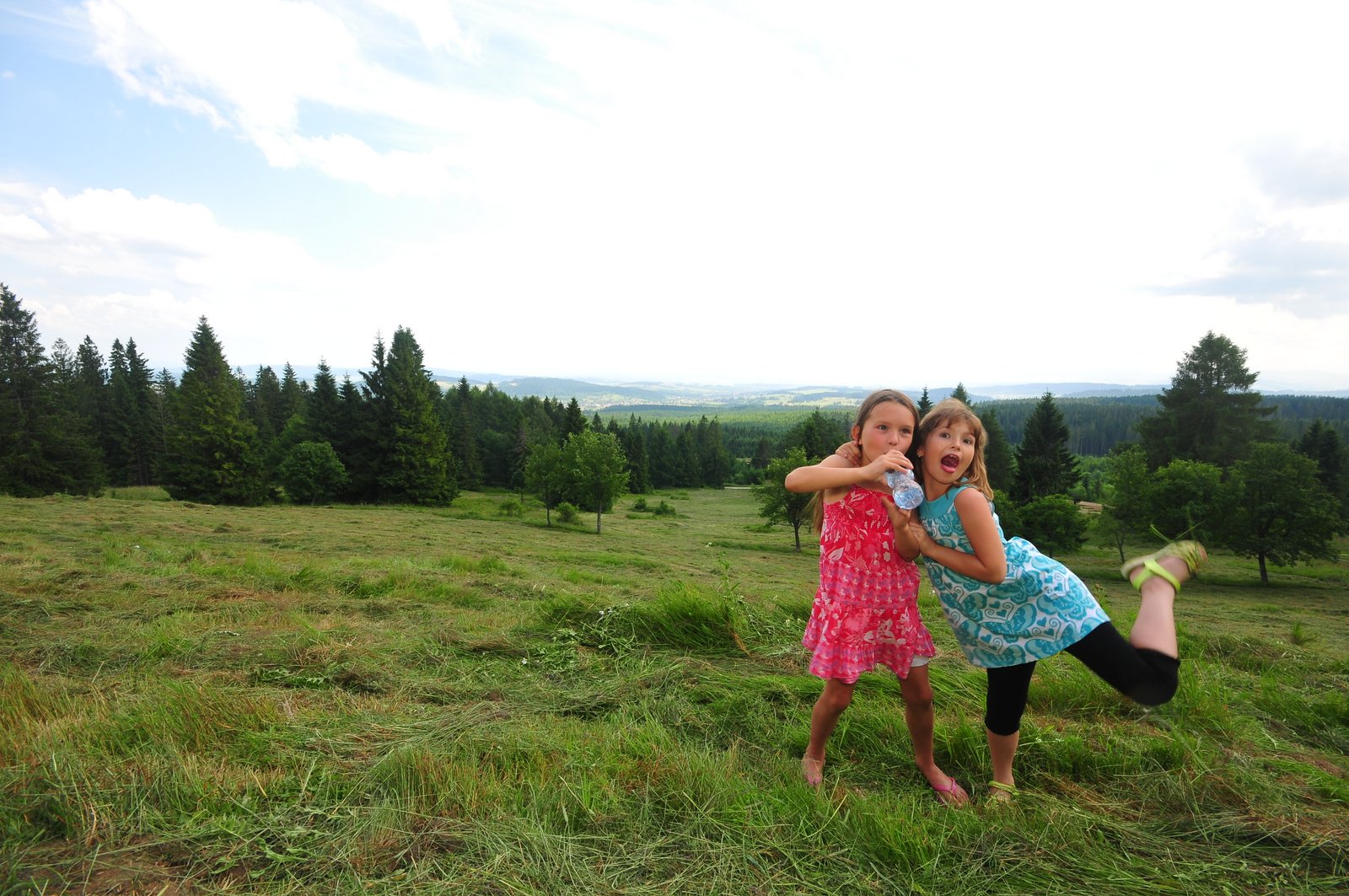
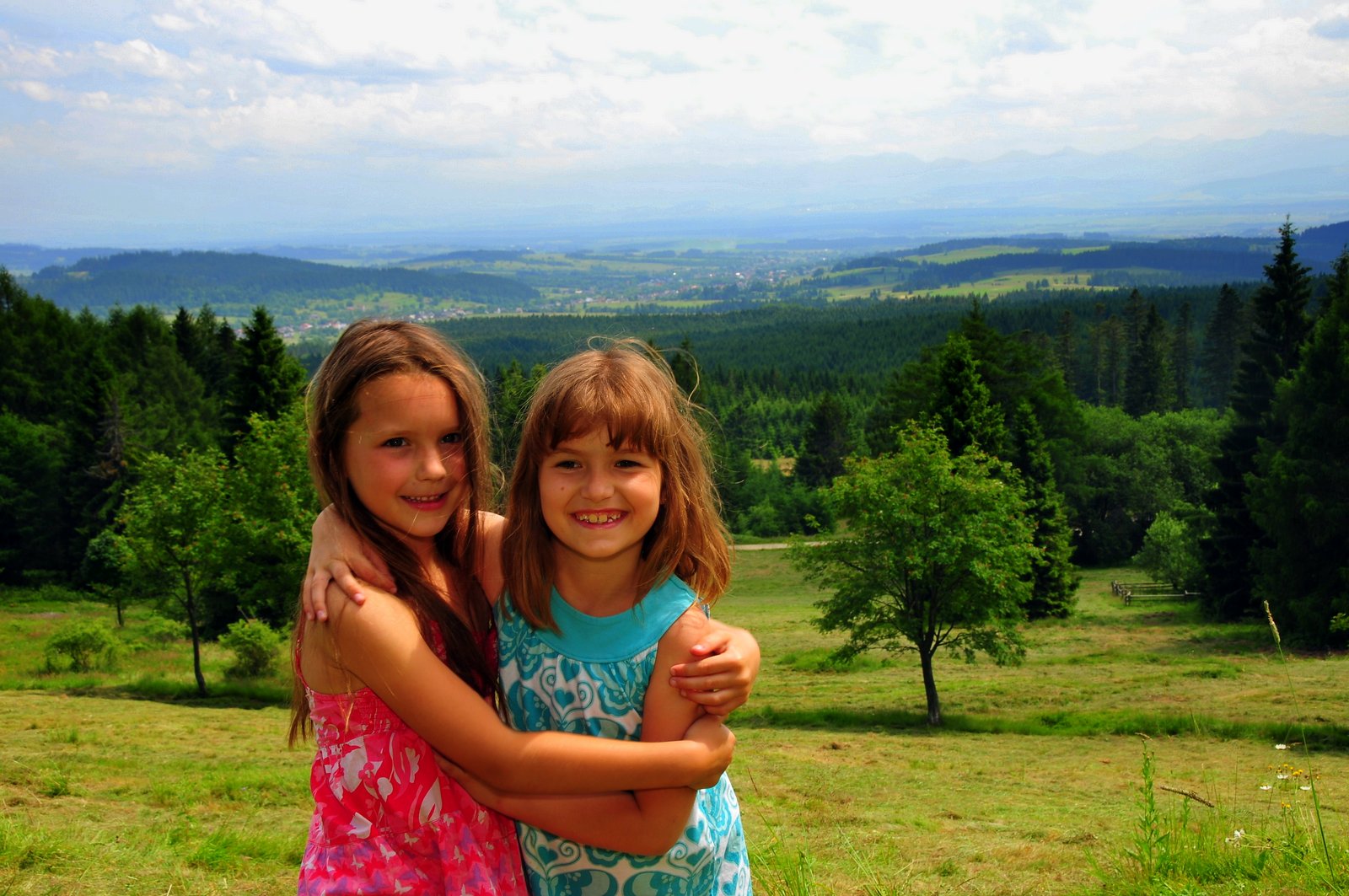
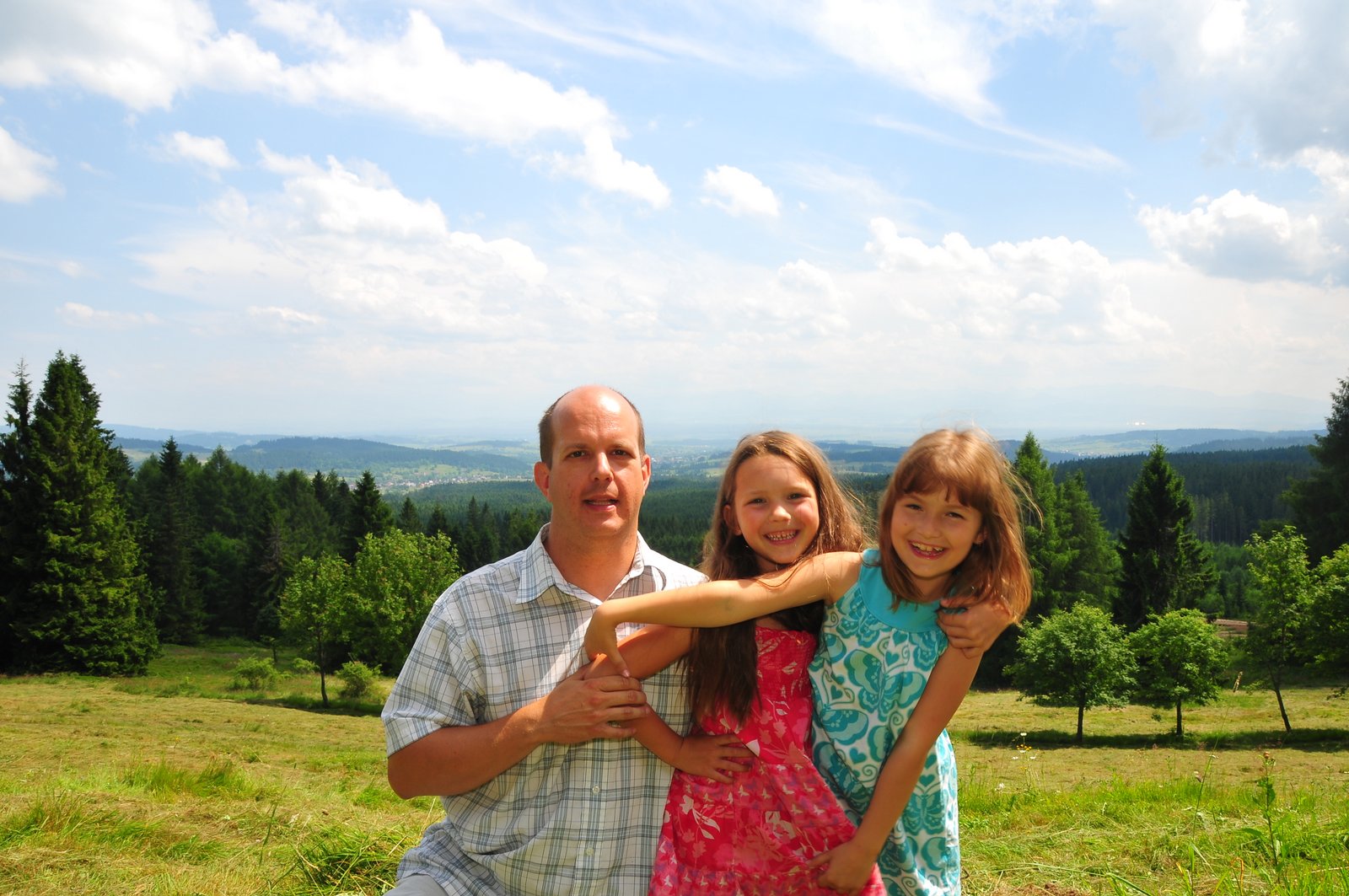
Ognisko in Spytkowice

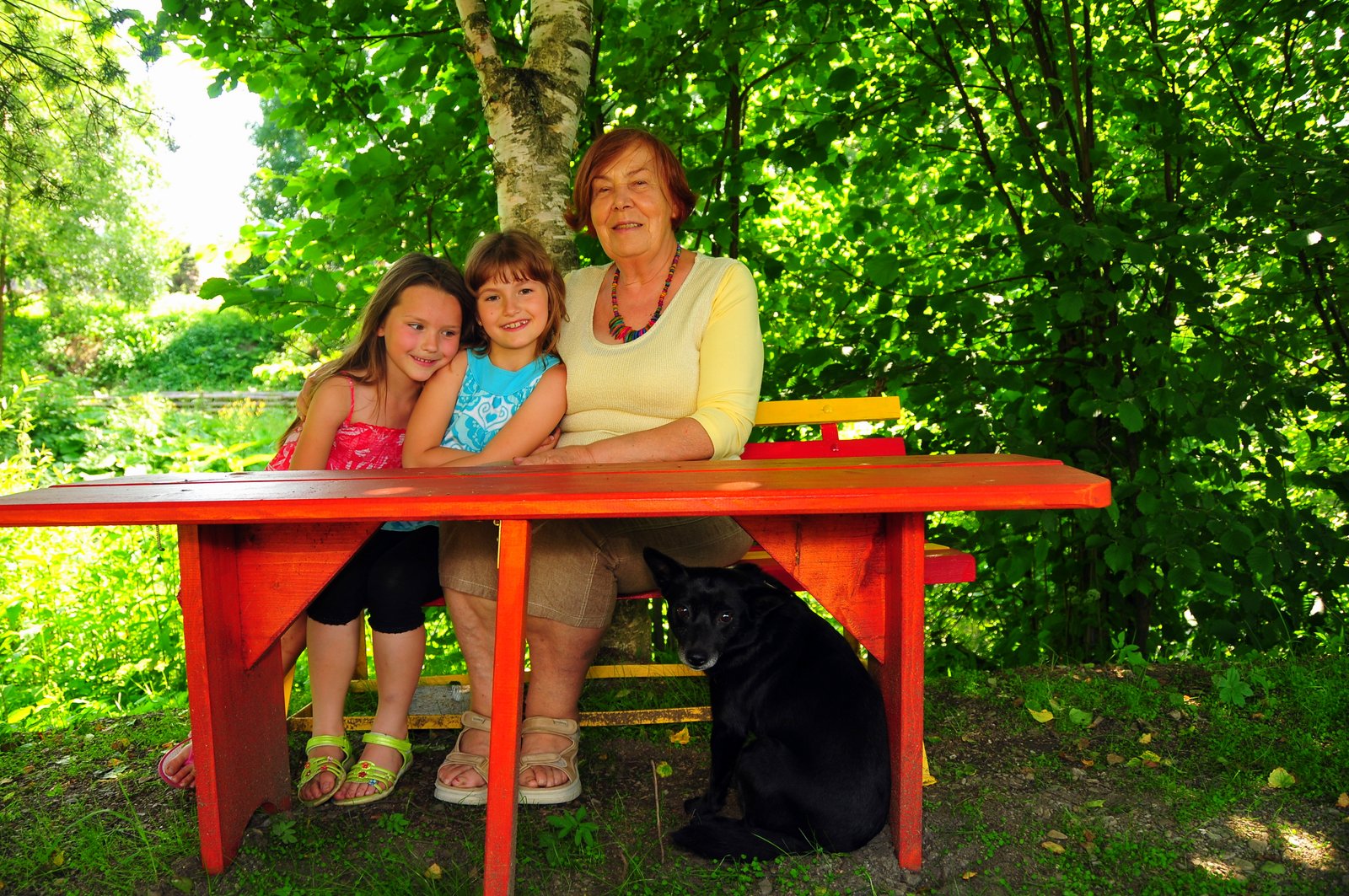
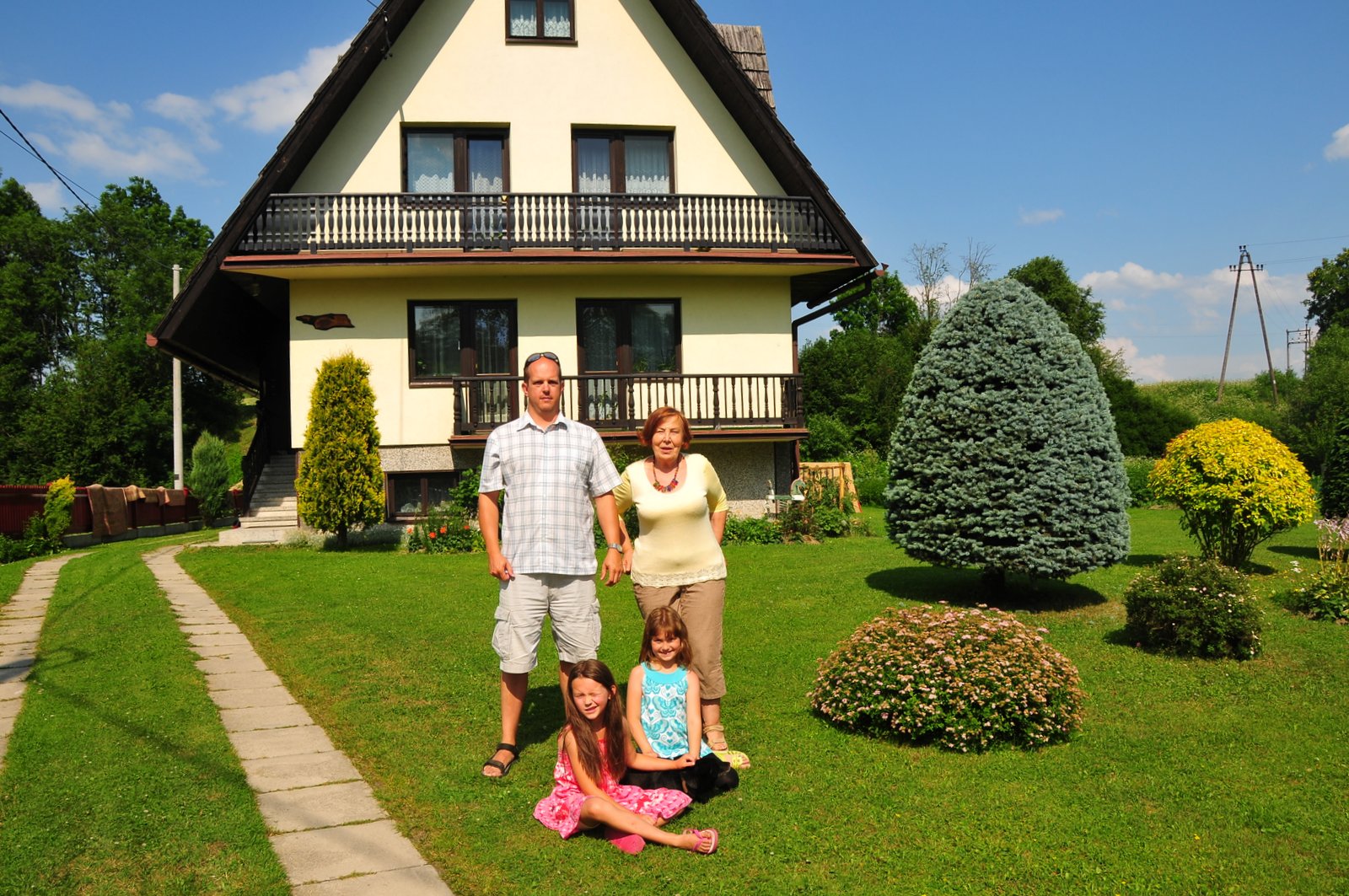
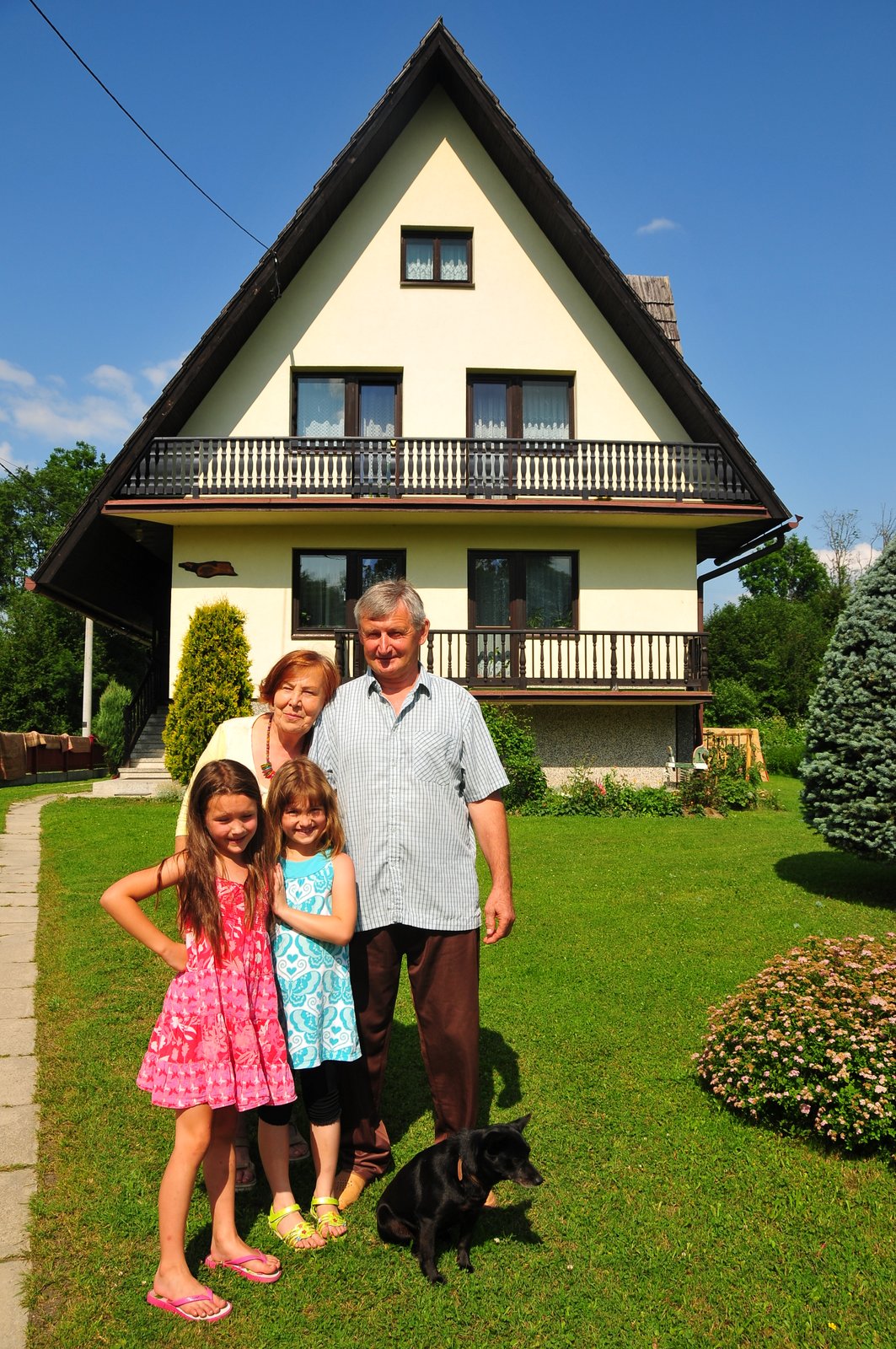
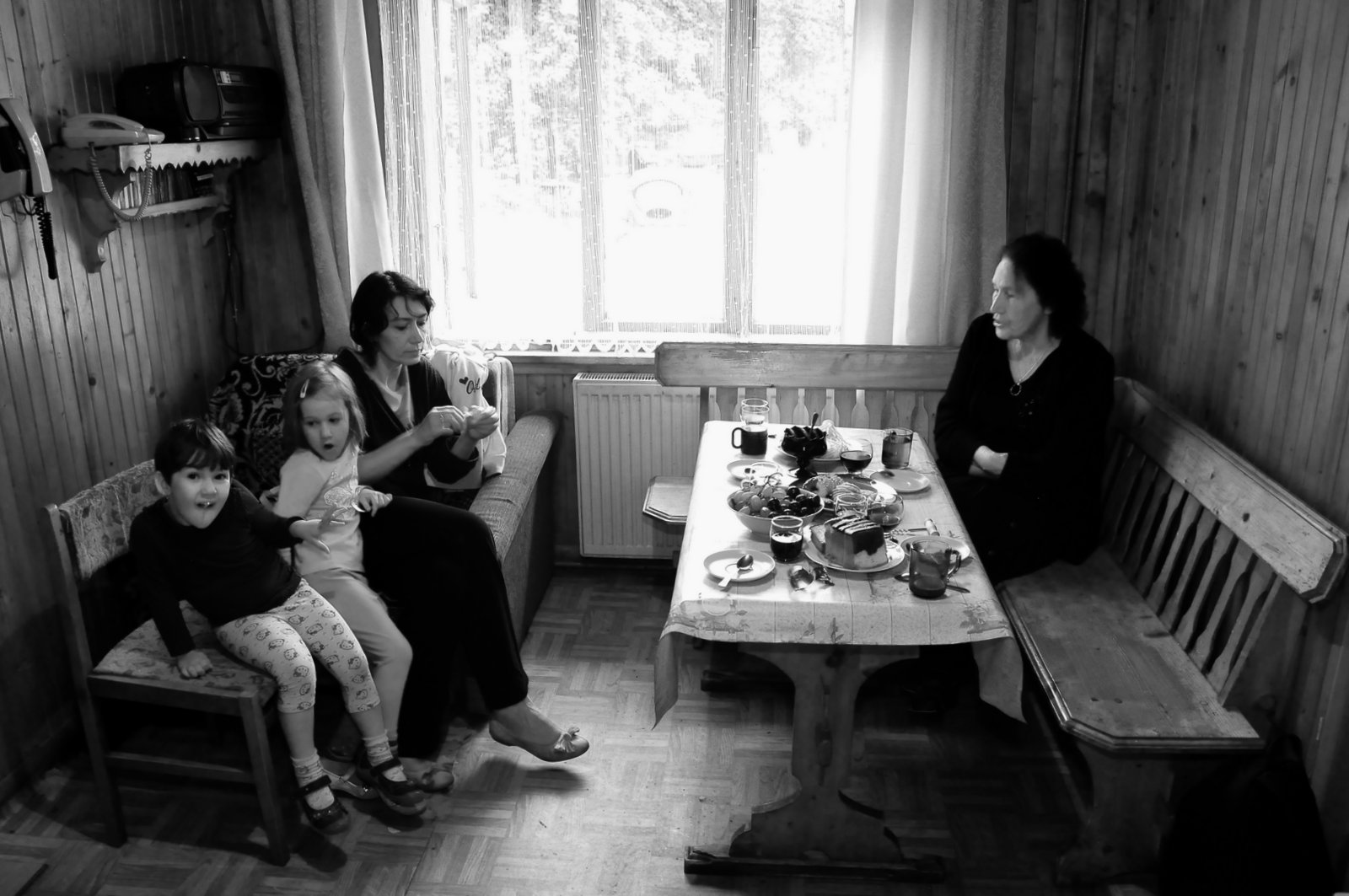
“Don’t folks in America have summer homes?” The word Babcia used was the Polish version of да́ча (“dacha”), a Russian term for a seasonal home, often in the forest or at the lake.
DSC_5936

Family homes often serve that role here in Poland.
DSC_5942

Someone stays behind; everyone else marries and moves away. The result: a summer home.
DSC_5944

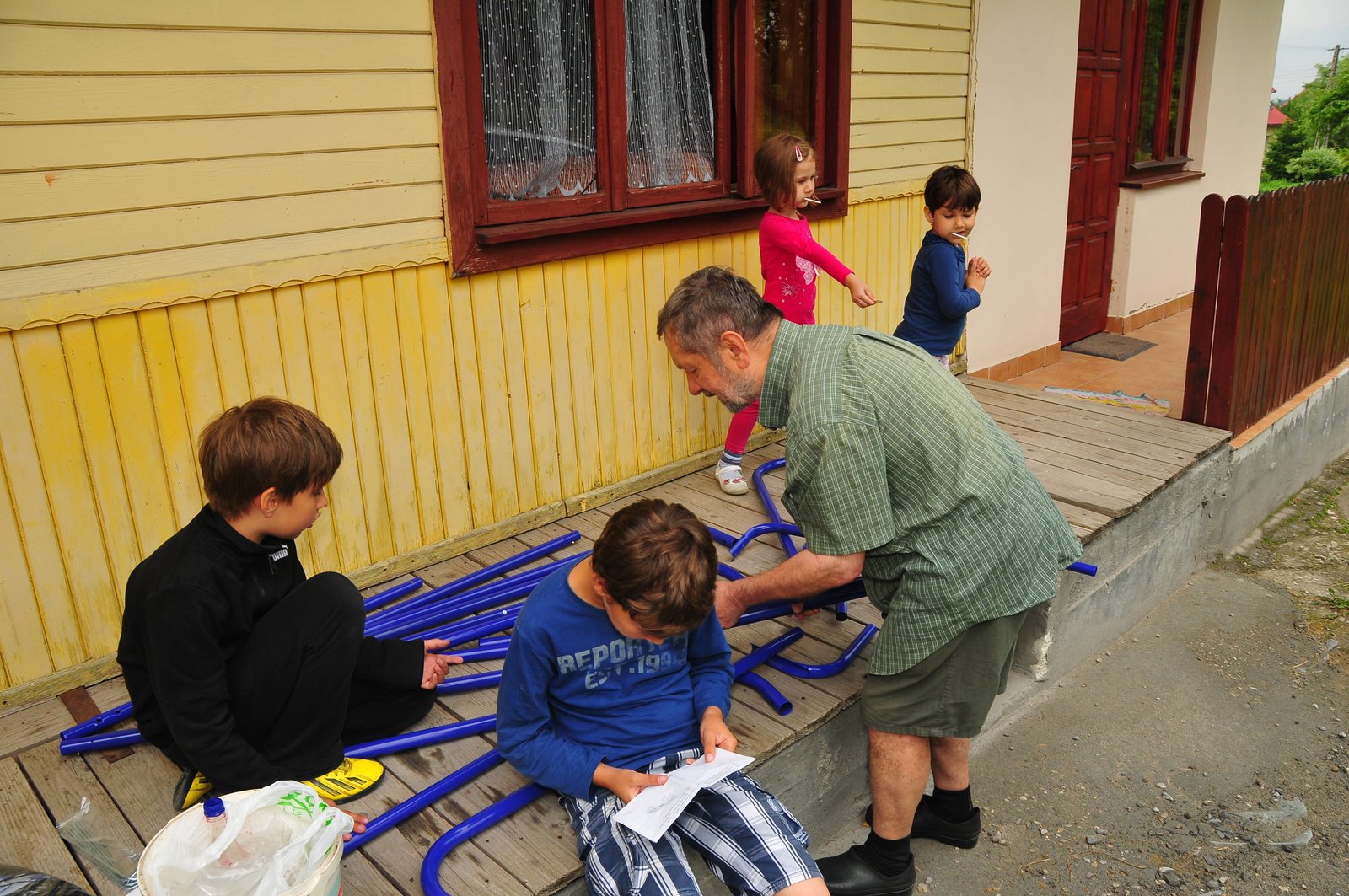
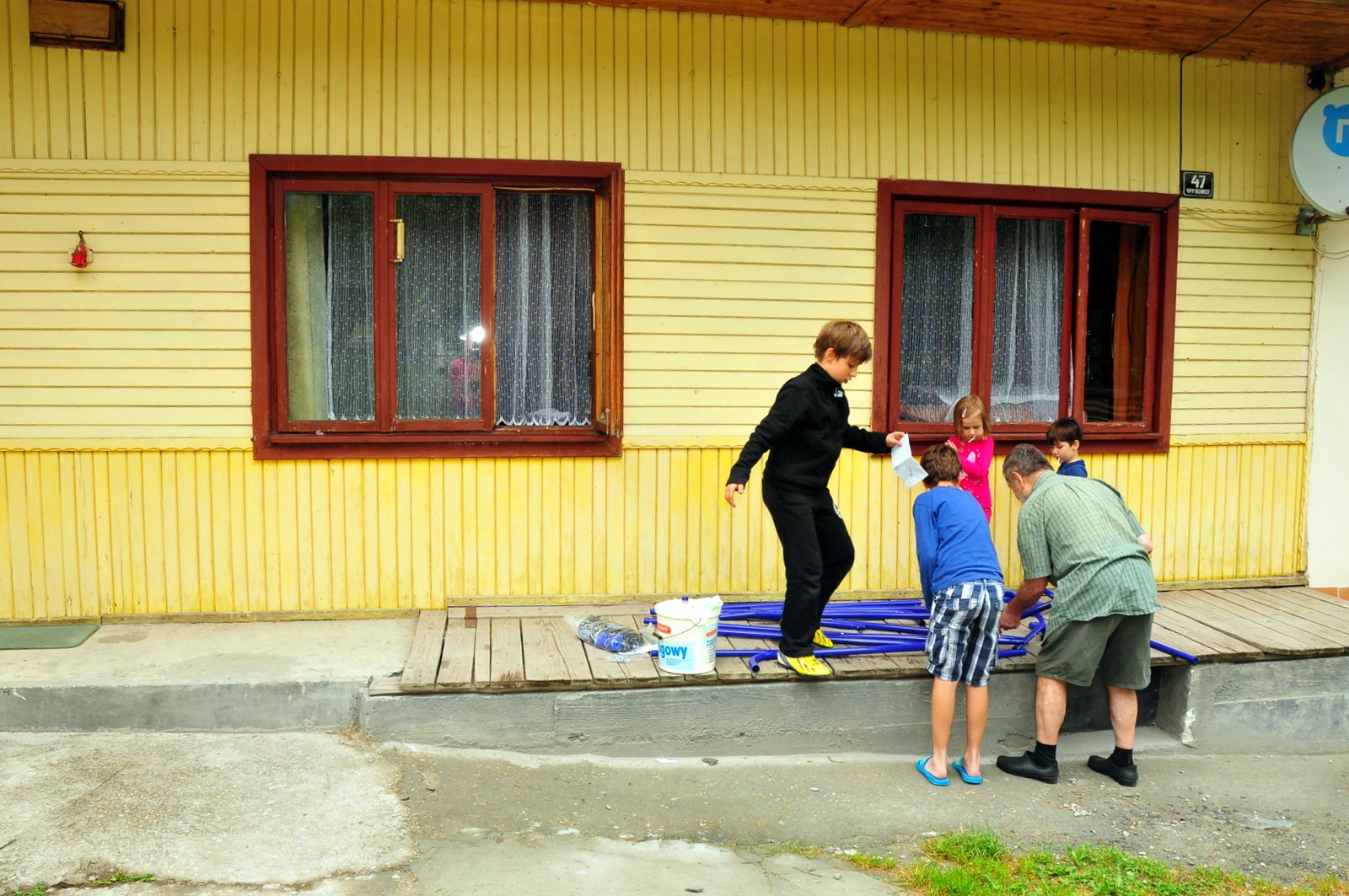
Then everyone — aunts, uncles, children, grandchildren — can spend the summer there. And if there’s enough room, one can even set up a soccer field.
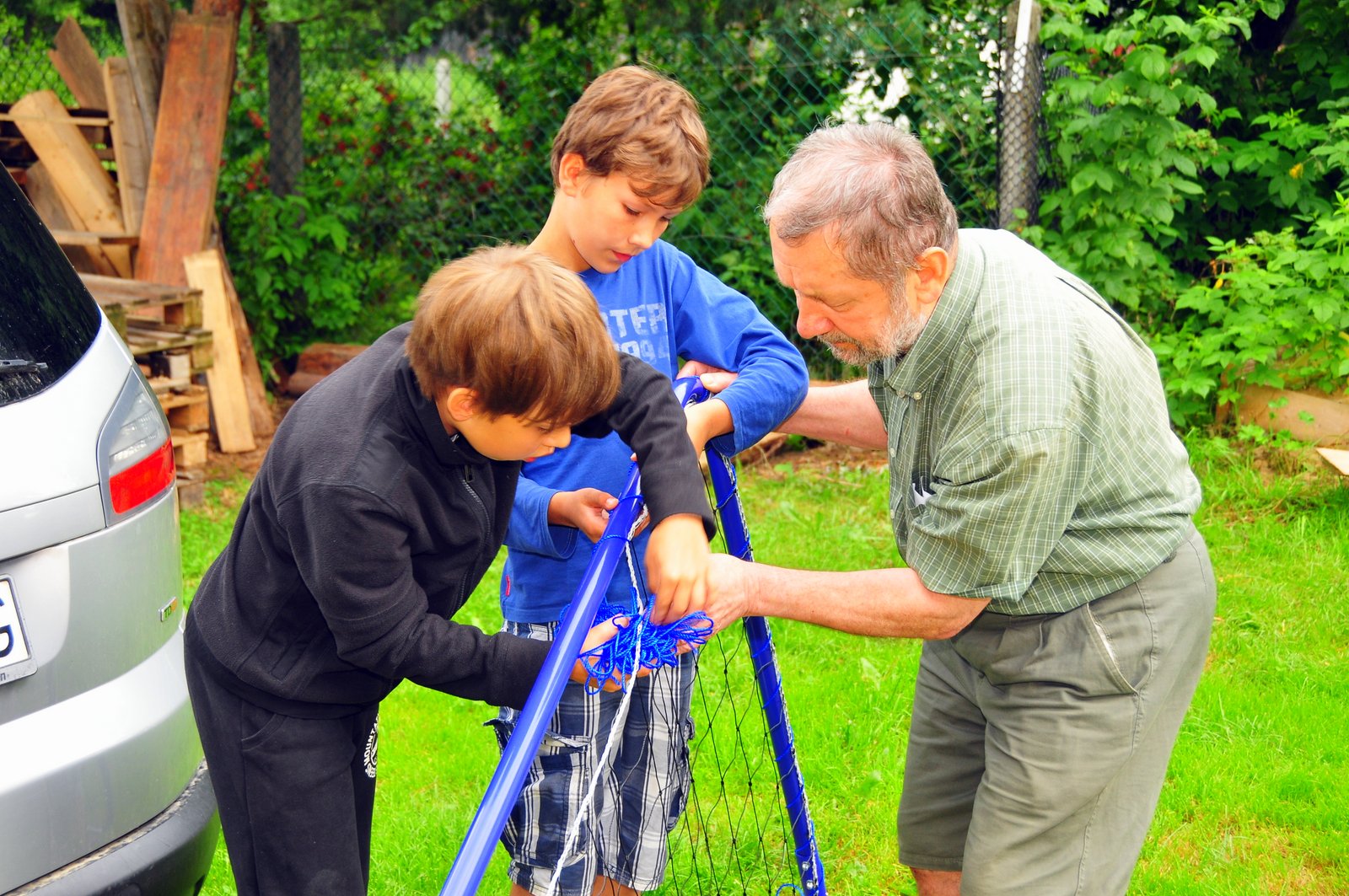
DSC_5947

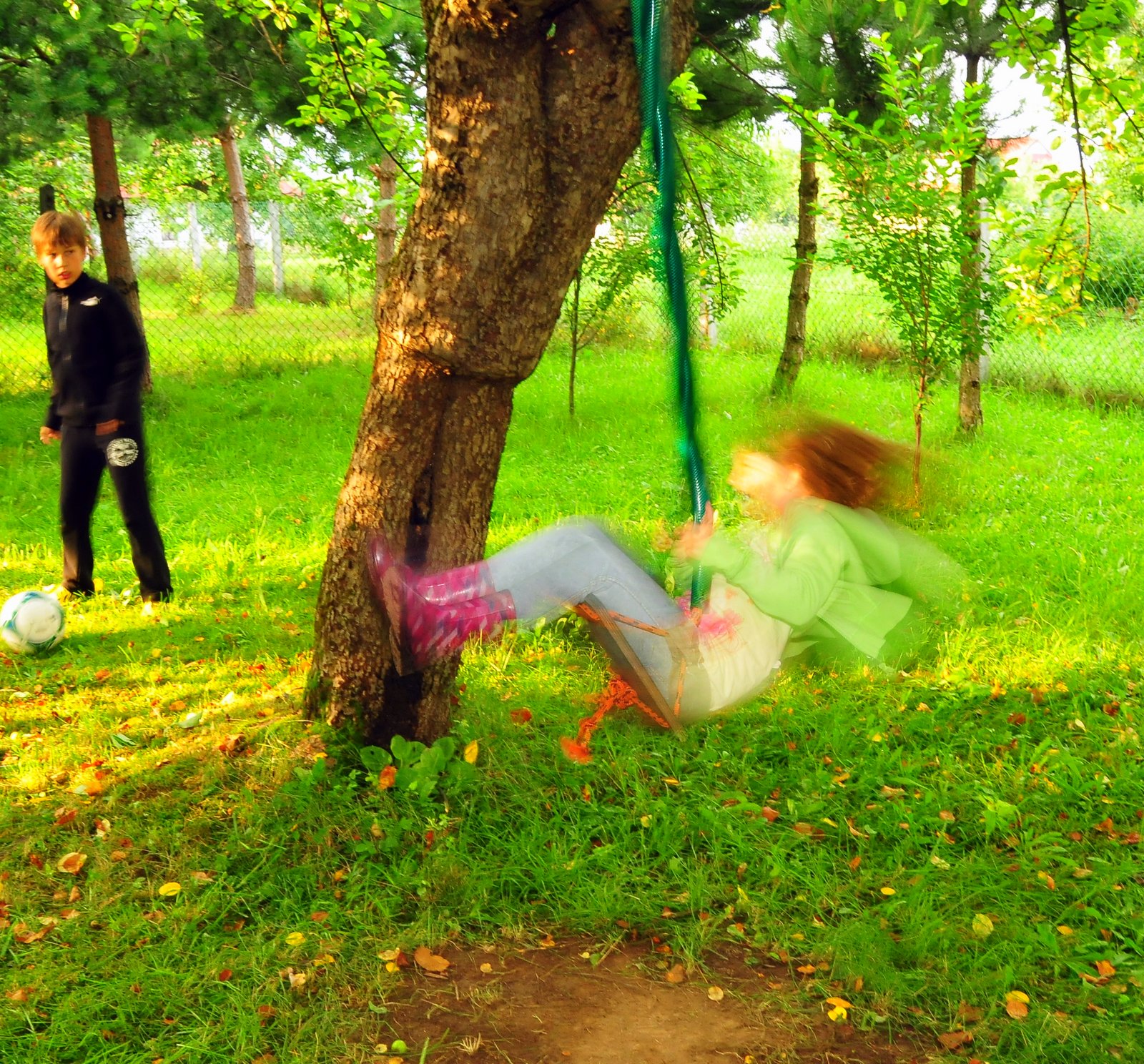
A few apple trees and you have the perfect place for a swing.
DSC_5952

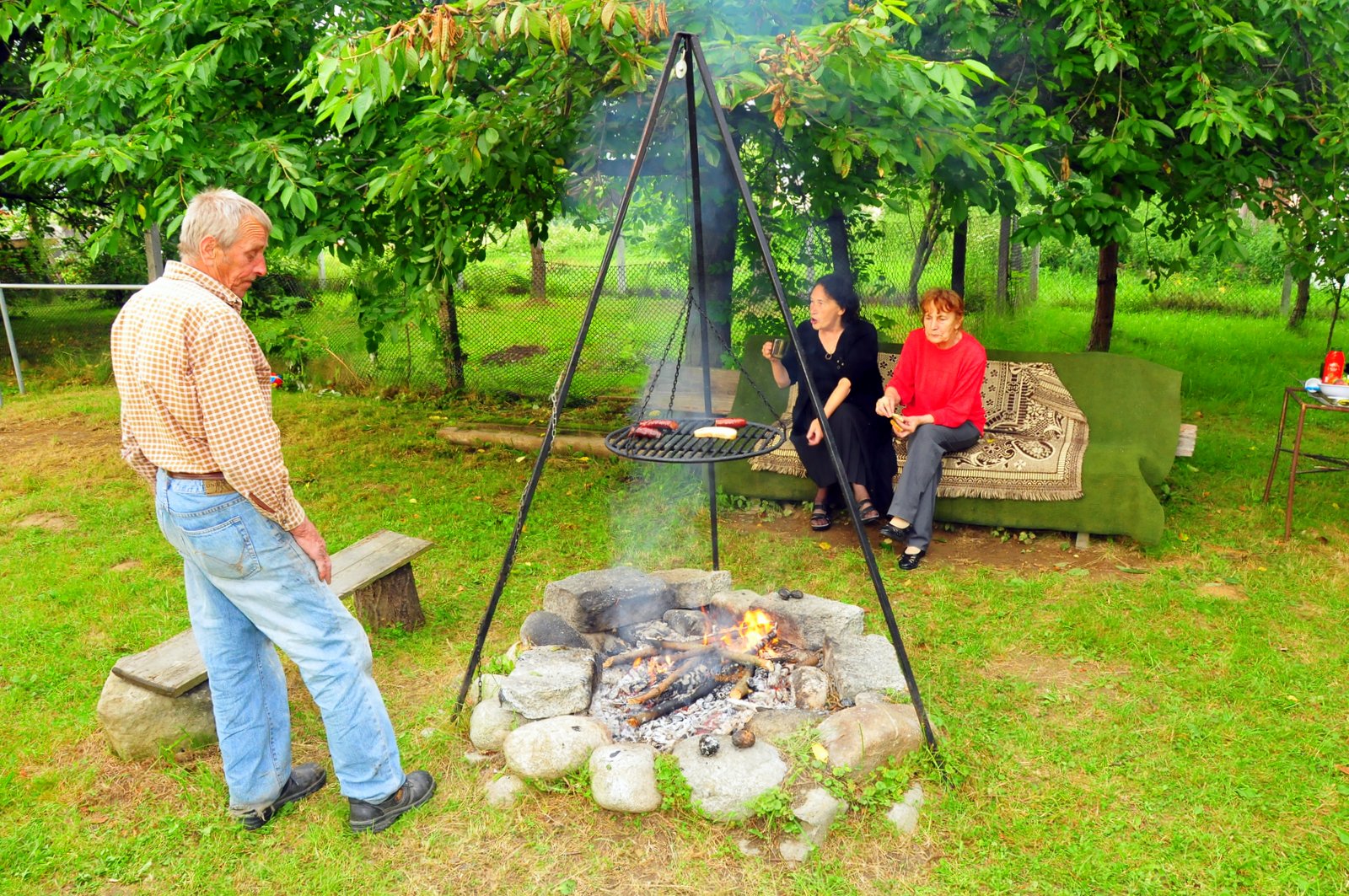
And of course, there’s the obligatory fire pit.
DSC_5954

Dzień Dobry

Walking down the street, I pass a group of children playing. "Dzień dobry" they call to me, a complete stranger. I've always liked that about Polish children.

Theme Music

Anyone who has lived in Central Europe probably recognizes this theme song from a Czechoslovakian cartoon called Pohádky z Kechu a Kapradí­ and known in Poland as Żwirek i Muchomorek.

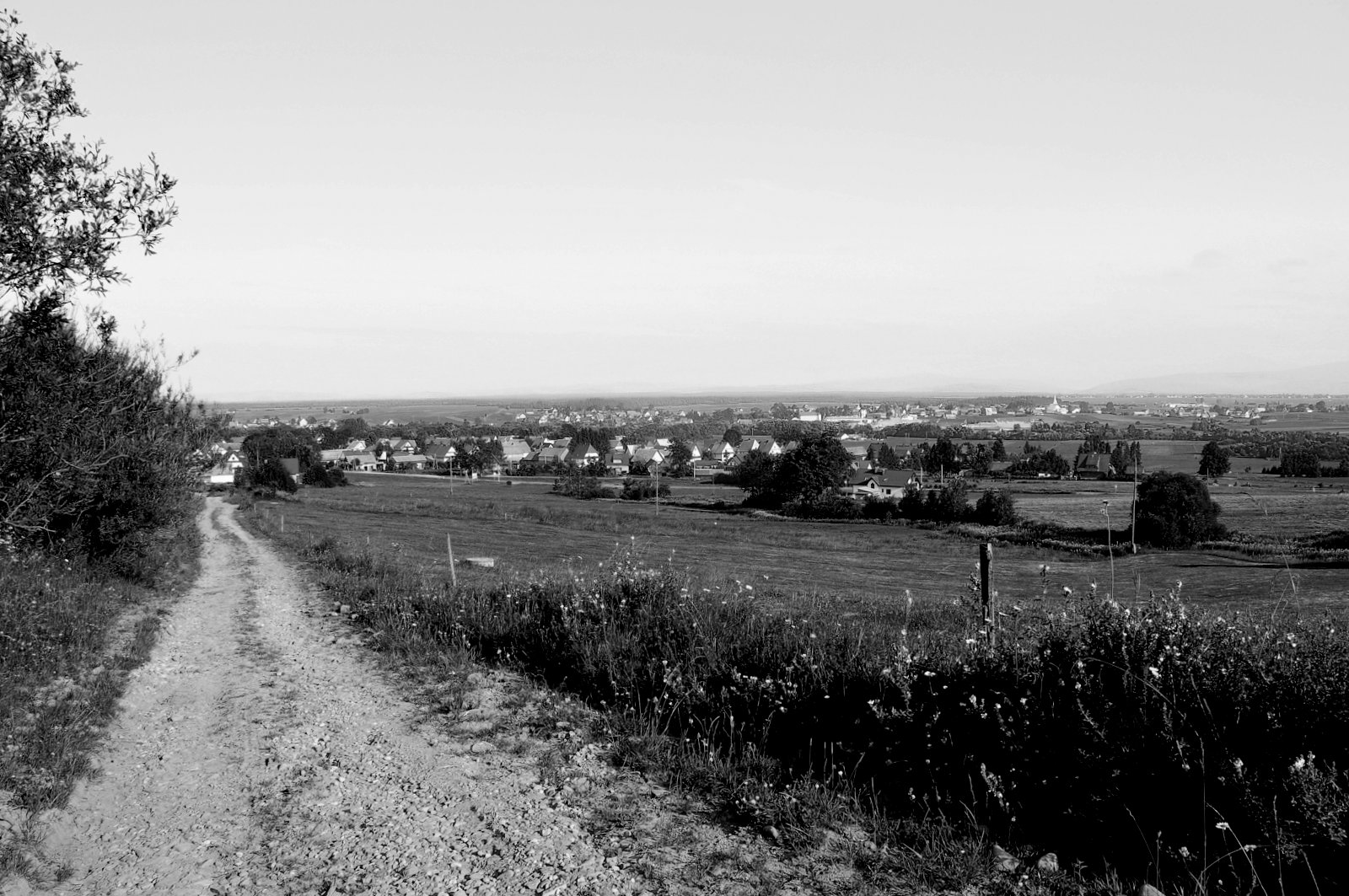
Road from the Fields

DSC_5522

Another Day in Lipnica

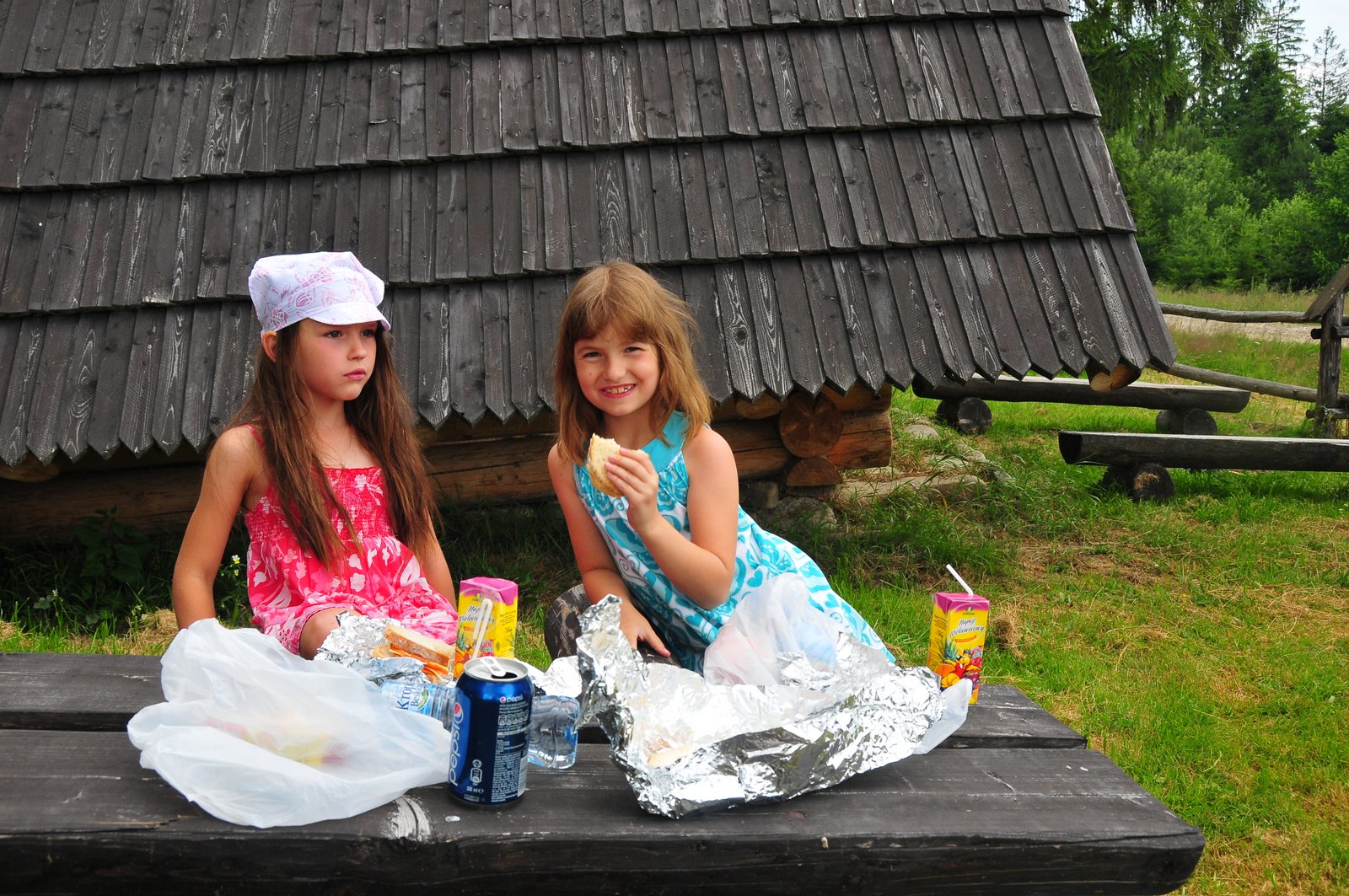
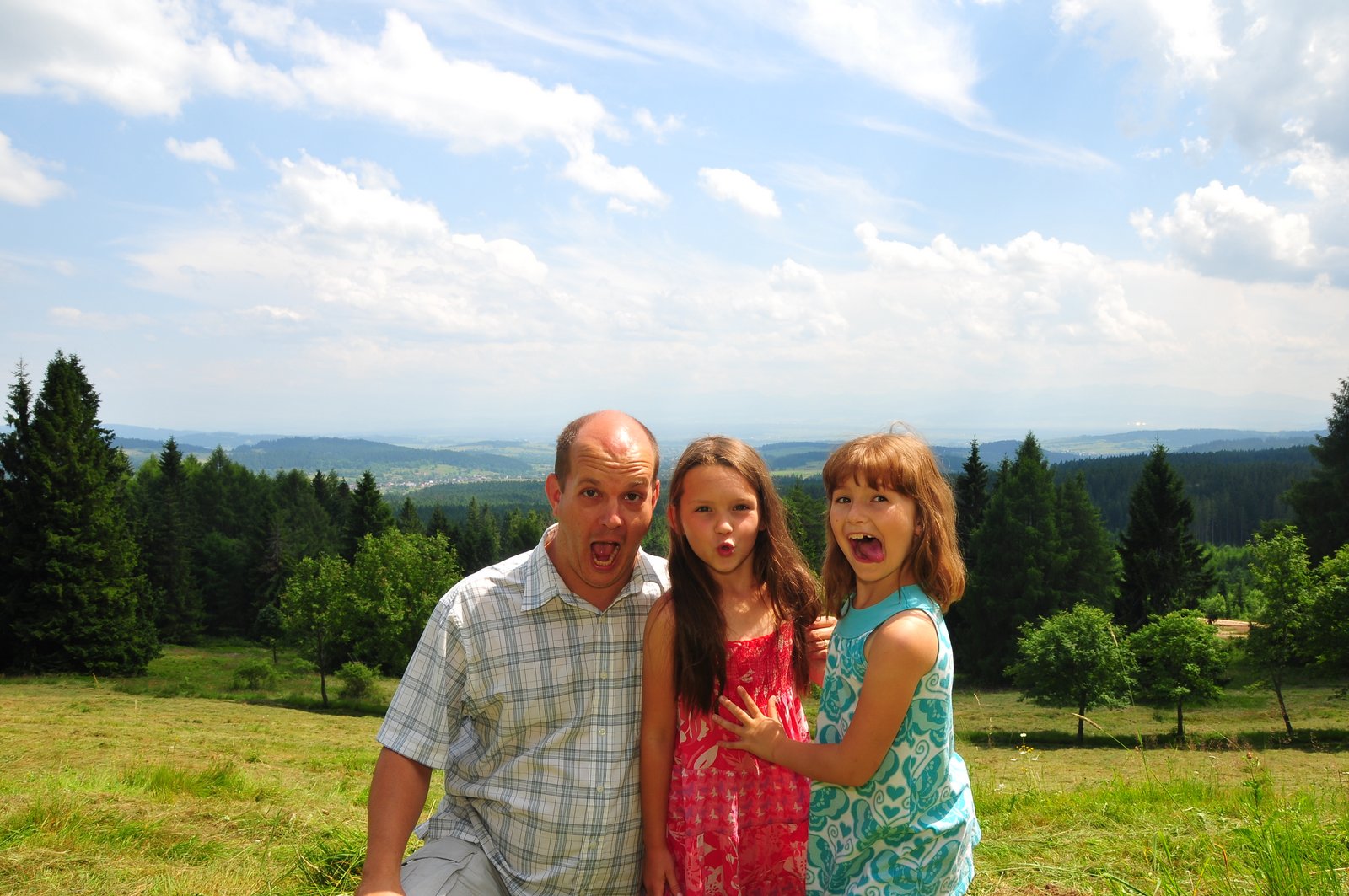
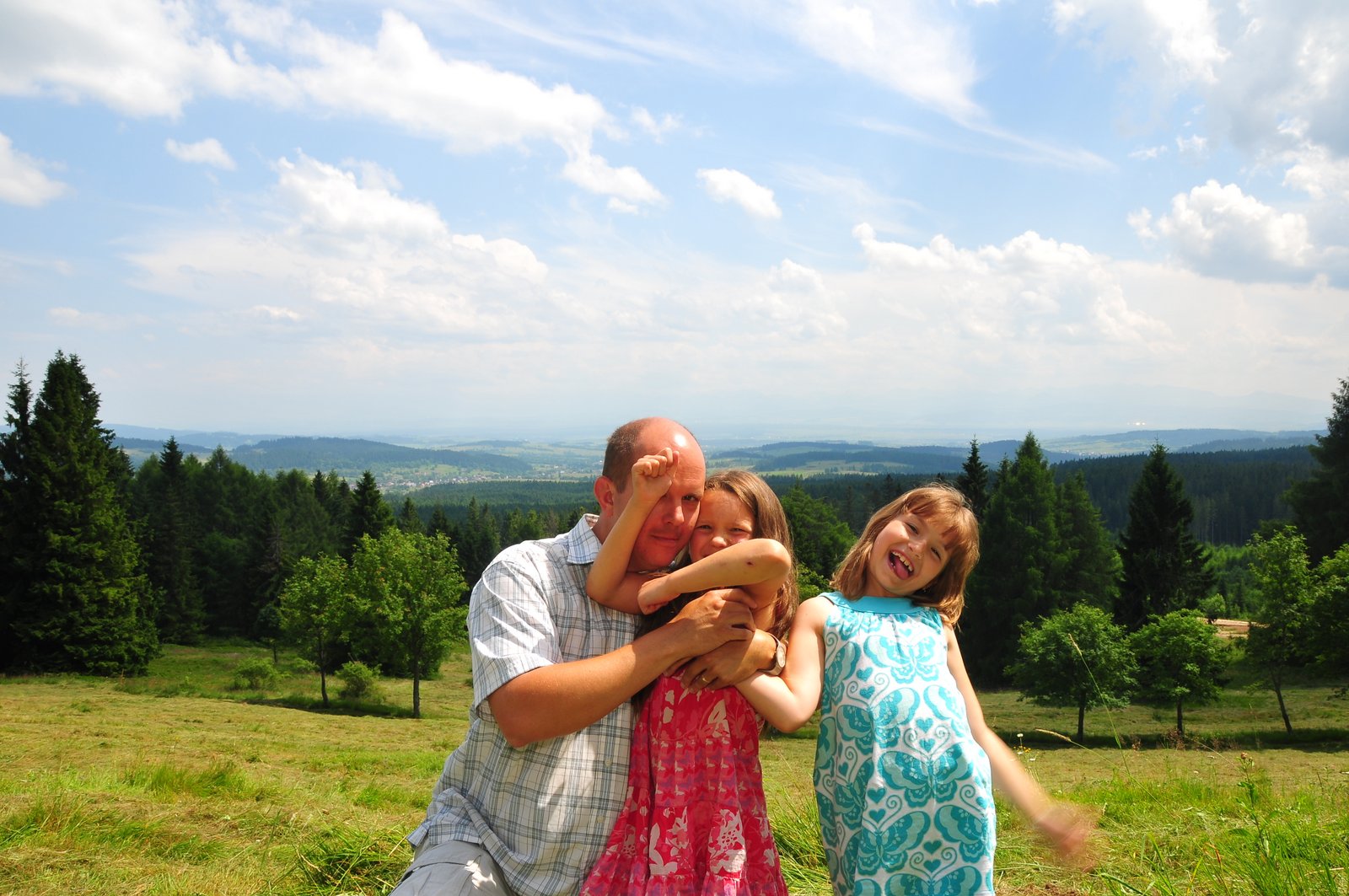
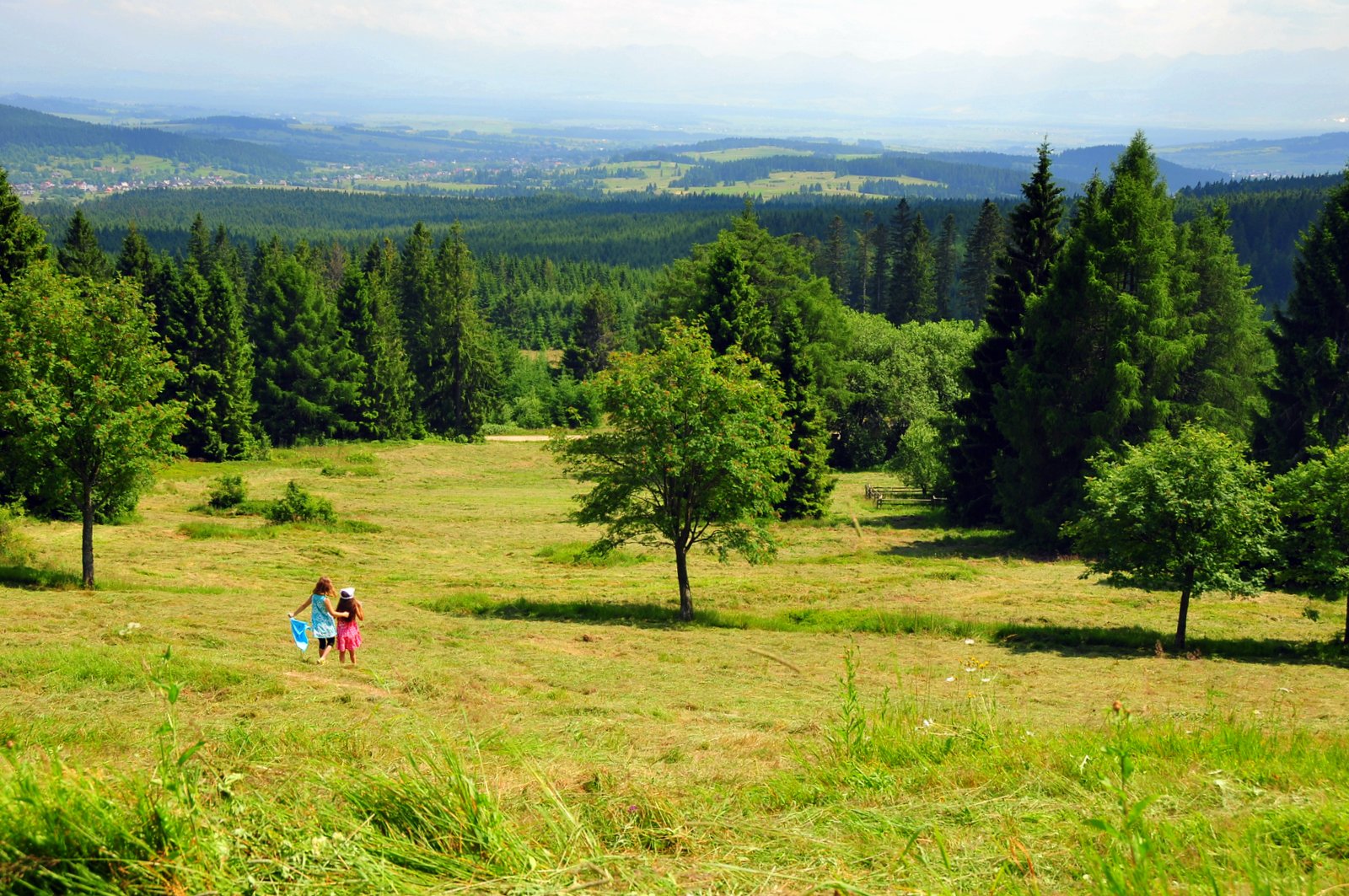
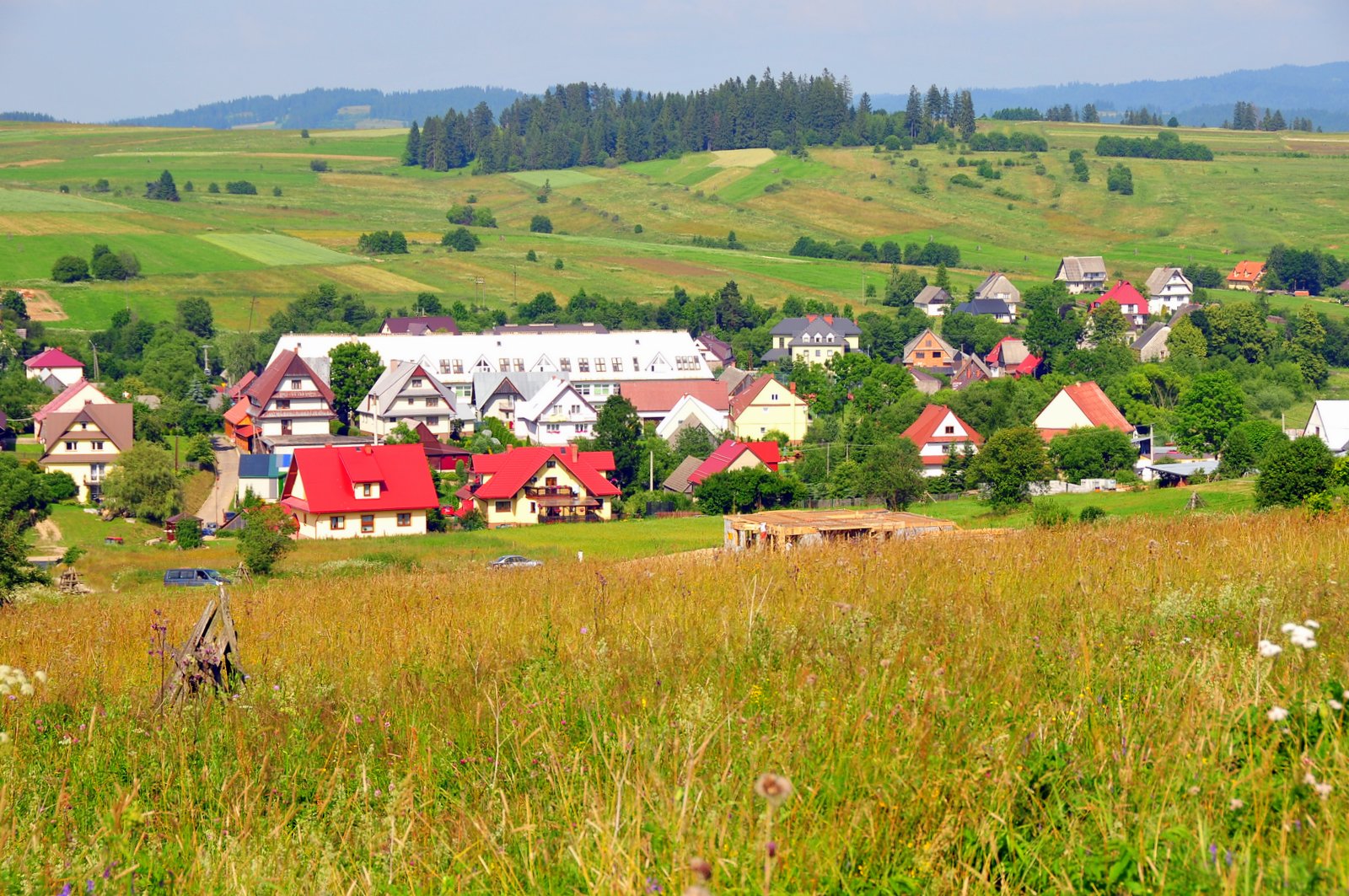
The day starts by breaking the law. But I'm getting ahead of myself. For the seven years I lived in Lipnica, one of my favorite places was a meadow at the base of Babia Gora, accessible via a barely-paved road traversed only by tractors and horse-drawn wagons. It occurred to me the other day that it would be a great place for a picnic followed by a few portraits. I knew going there by bike was out of the question, but I recalled traversing that barely-paved road in a car. So today, I pack the girls into the car and off we go.

I discover that there have been a few developments: a small shelter for picnics and scattered picnic tables. We have our picnic; the girls finish eating as I head off for some photos of what I've always thought were ruins of some apparently and relatively ancient building. Trees up to ten meters high grow within the foundation -- it has to be ruins. Once the girls eat their sandwiches, their peaches, their cookies, we head up into a high meadow for some photos.

We head back down, where a forestry officer meets us.

"Do you have permission?" he asks.

"Permission for what?" I think. "To take pictures? Surely we don't have to seek permission to take pictures everywhere." Instead, I simply ask, "For what?"

He almost laughs. "To be here."

"What do you mean?"

"This is a national park. You're not allowed to drive here." I think of the four or five cars I've seen passing us while we ate and had our photo session.

"Really?"

"The only ones who have permission to be here are those who work for the park and those who have permission to log in the park." That explains the cars. "Do you have a driver's license?" he asks.

"Of course."

"So you've passed a driving test. 'No Entry' signs are the same everywhere." It occurs to me at this point to disagree: Polish signs are simply circular white signs with a red circle around it; American signs are red circular signs with a white rectangle in the middle -- only very vaguely similar.
Instead I explain that I did see the sign but that there was what I thought was an explanatatory sign under it that restricted the "No Entry" sign to select vehicles. I explain that my Polish is not so good and, having traveled this road before in an auto, I just assumed that it was okay for me to pass. And there was a rectangular sign underneath the main sign, and I have traveled that road by car several times.

In the end, he has mercy on me and tells me only not to do it again.

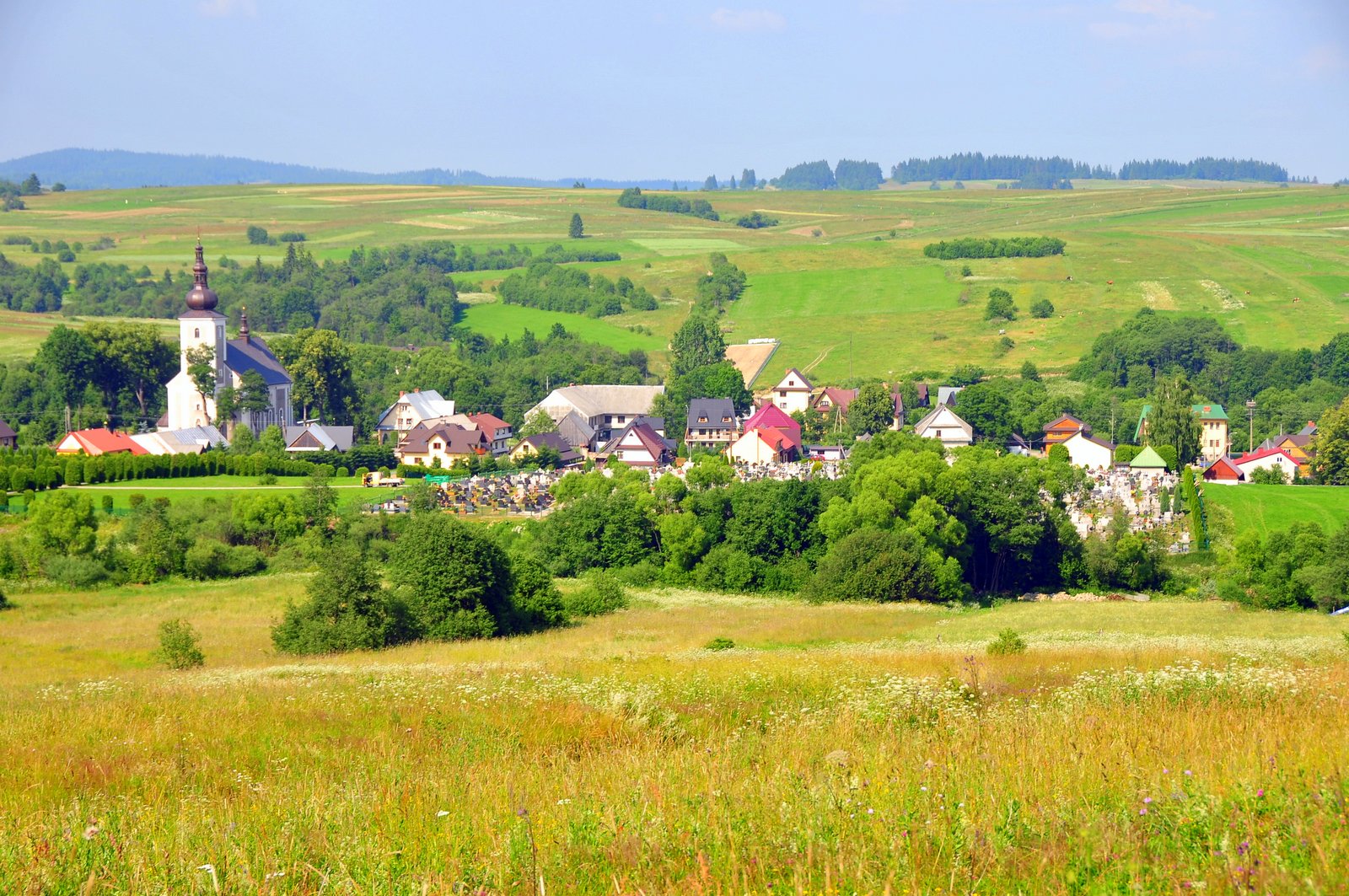
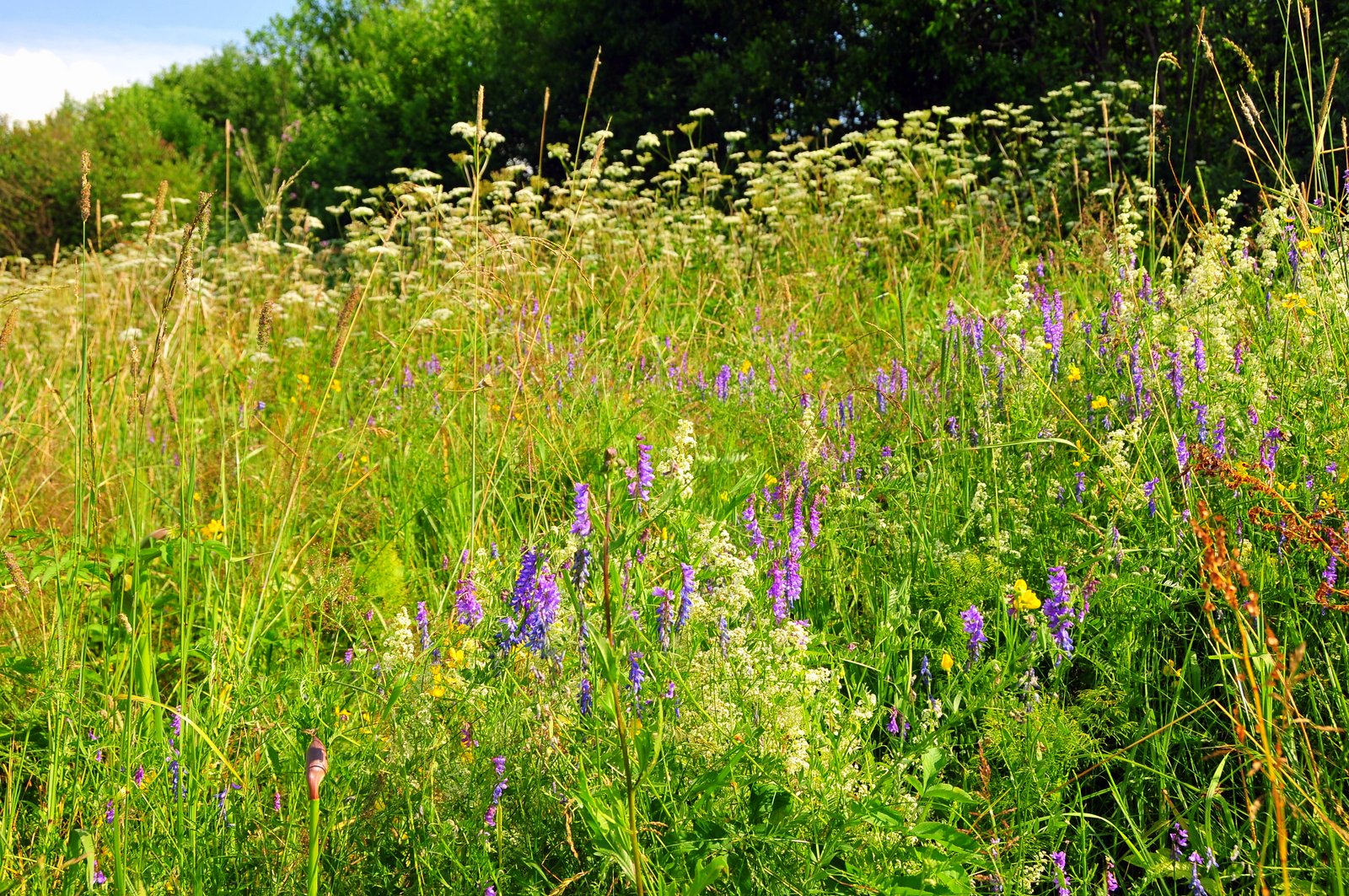
Afterward, we head back down to Lipnica Wielka centrum, my home for seven years. We meet with family (for all intents and purposes), then take a walk up into the hills, the walk I took countless times when I lived in Lipnica. Today, the fields are thick and deep with weeds, grass, and wildflowers; I've tried it with equally thick and deep snow -- it's tough-going either way.

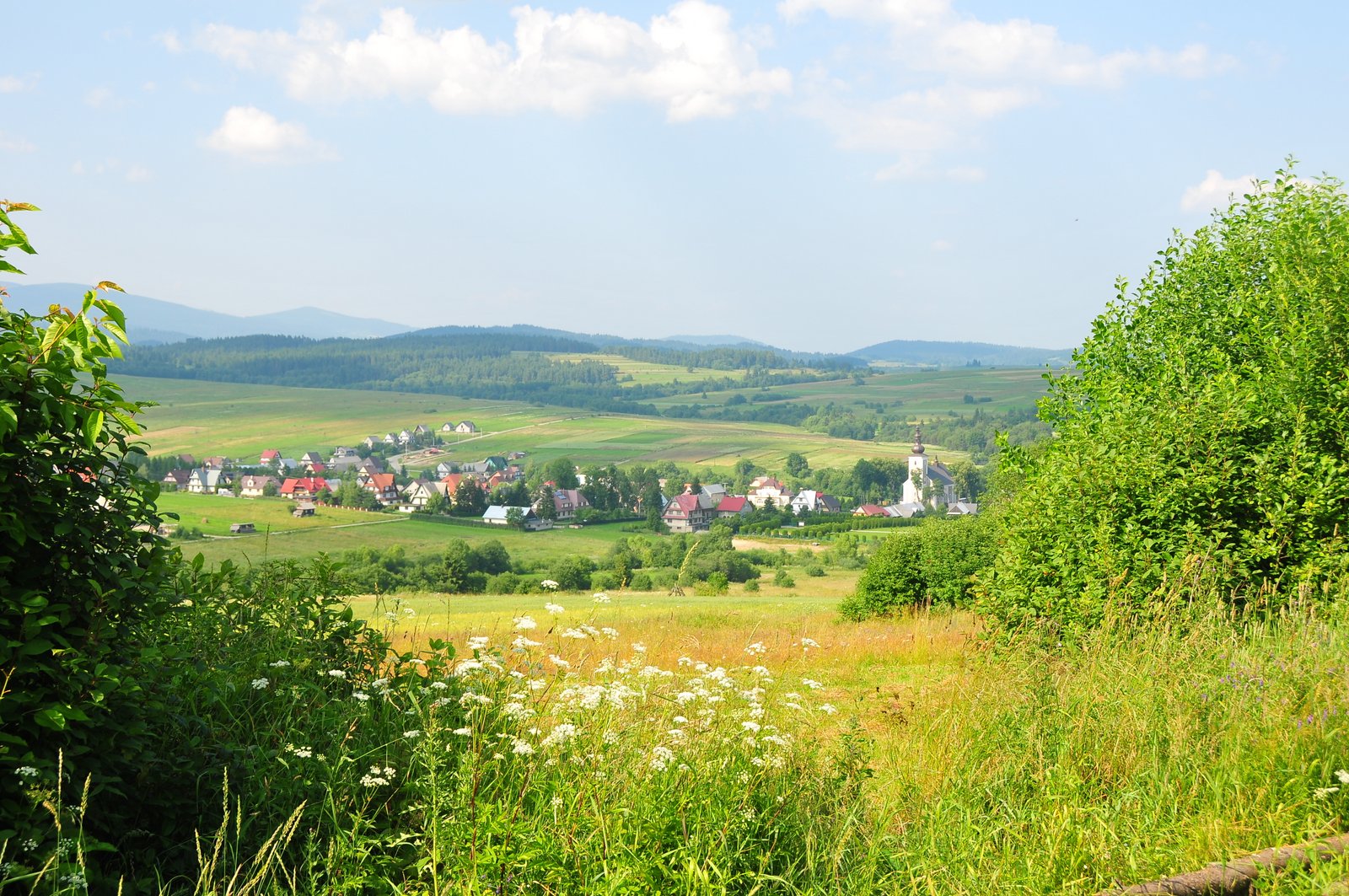
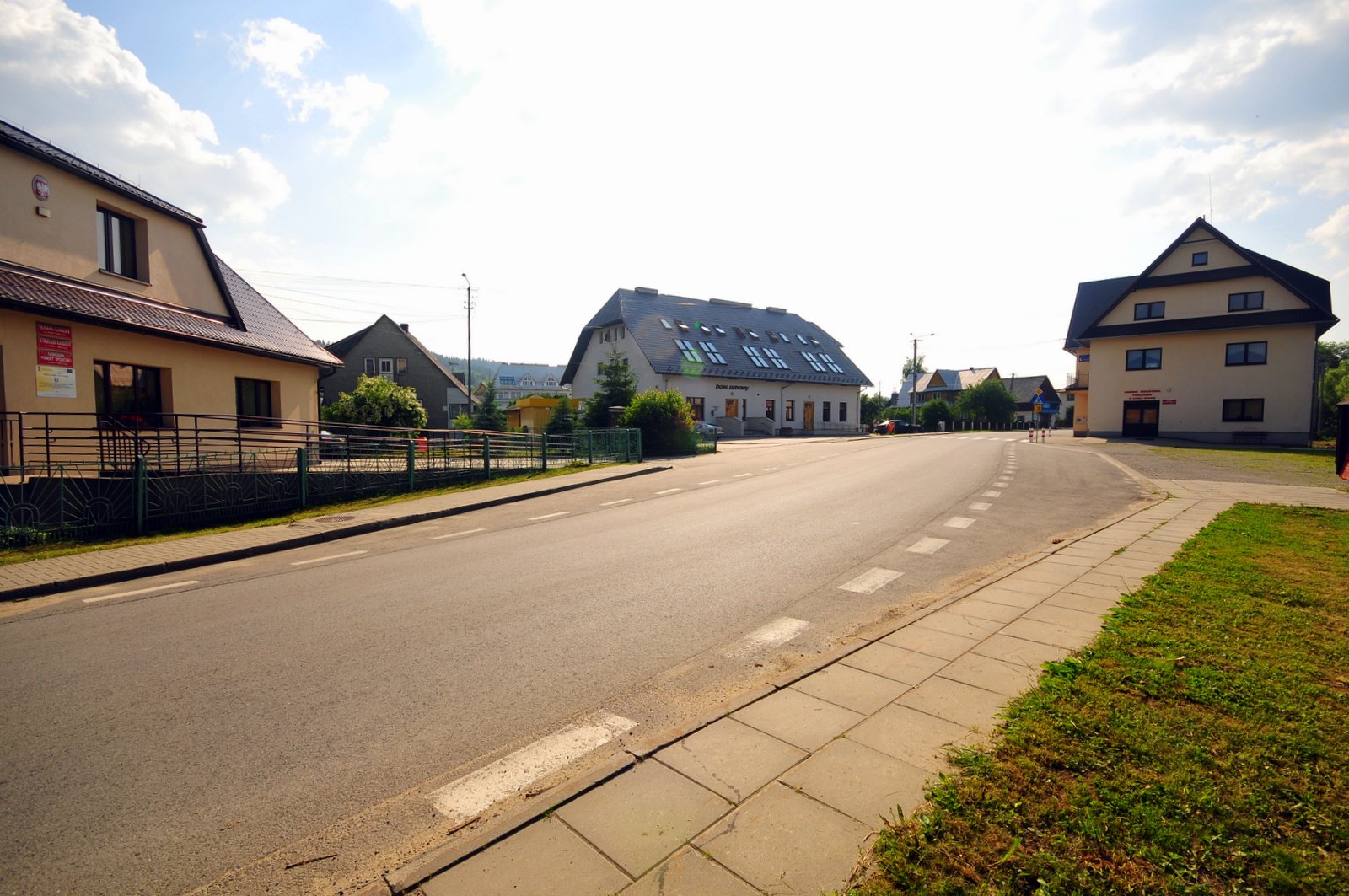
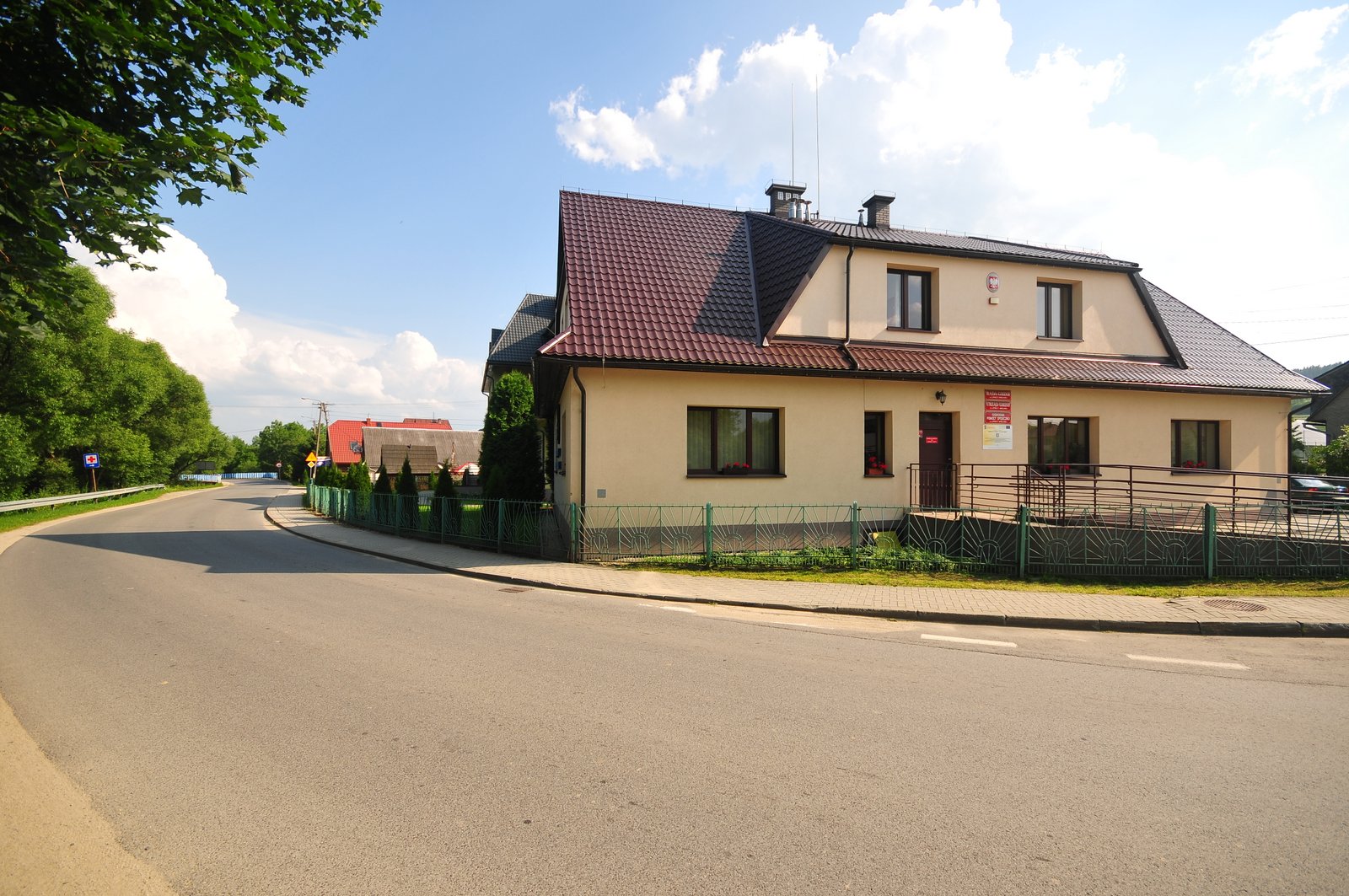
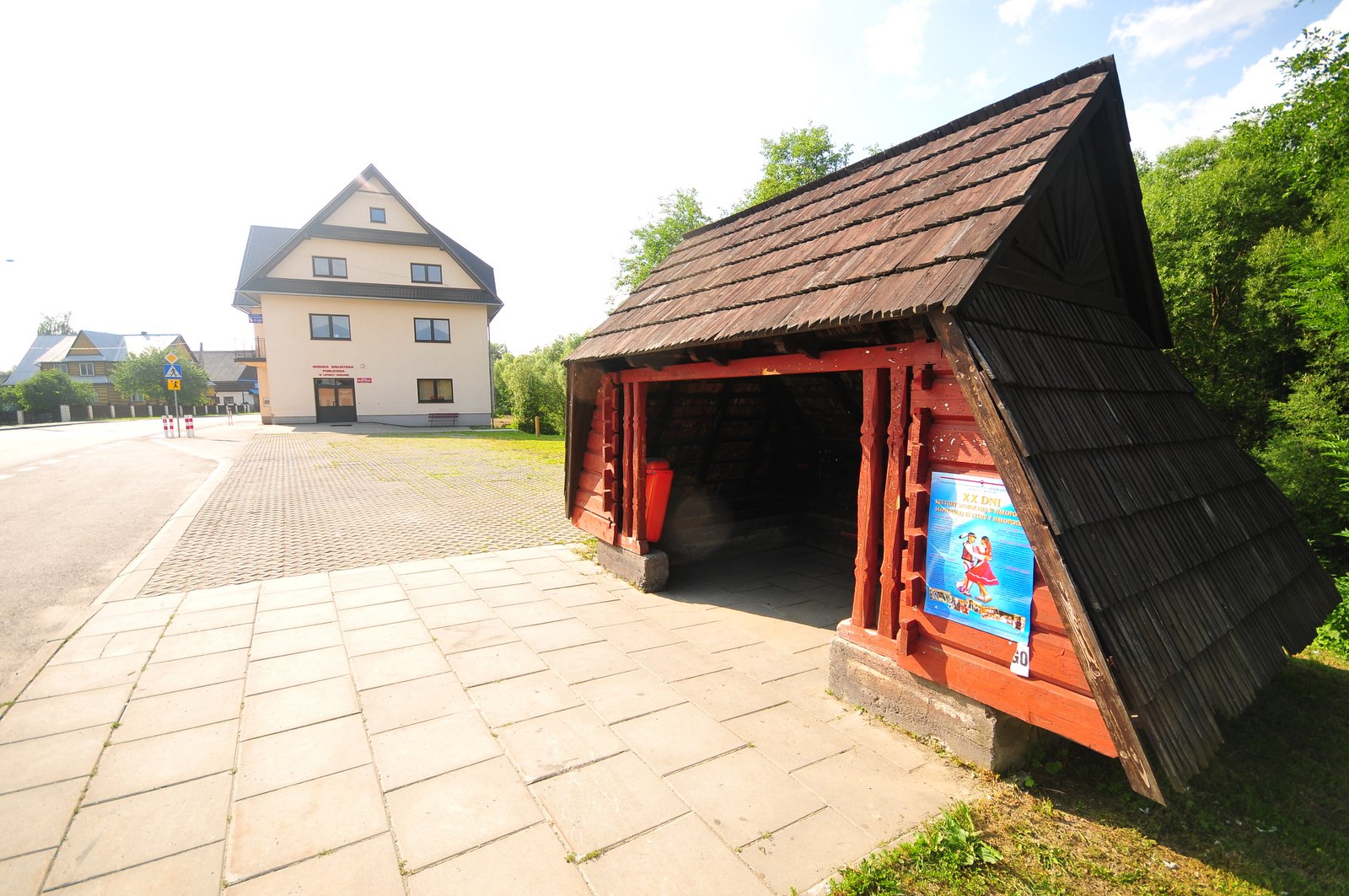
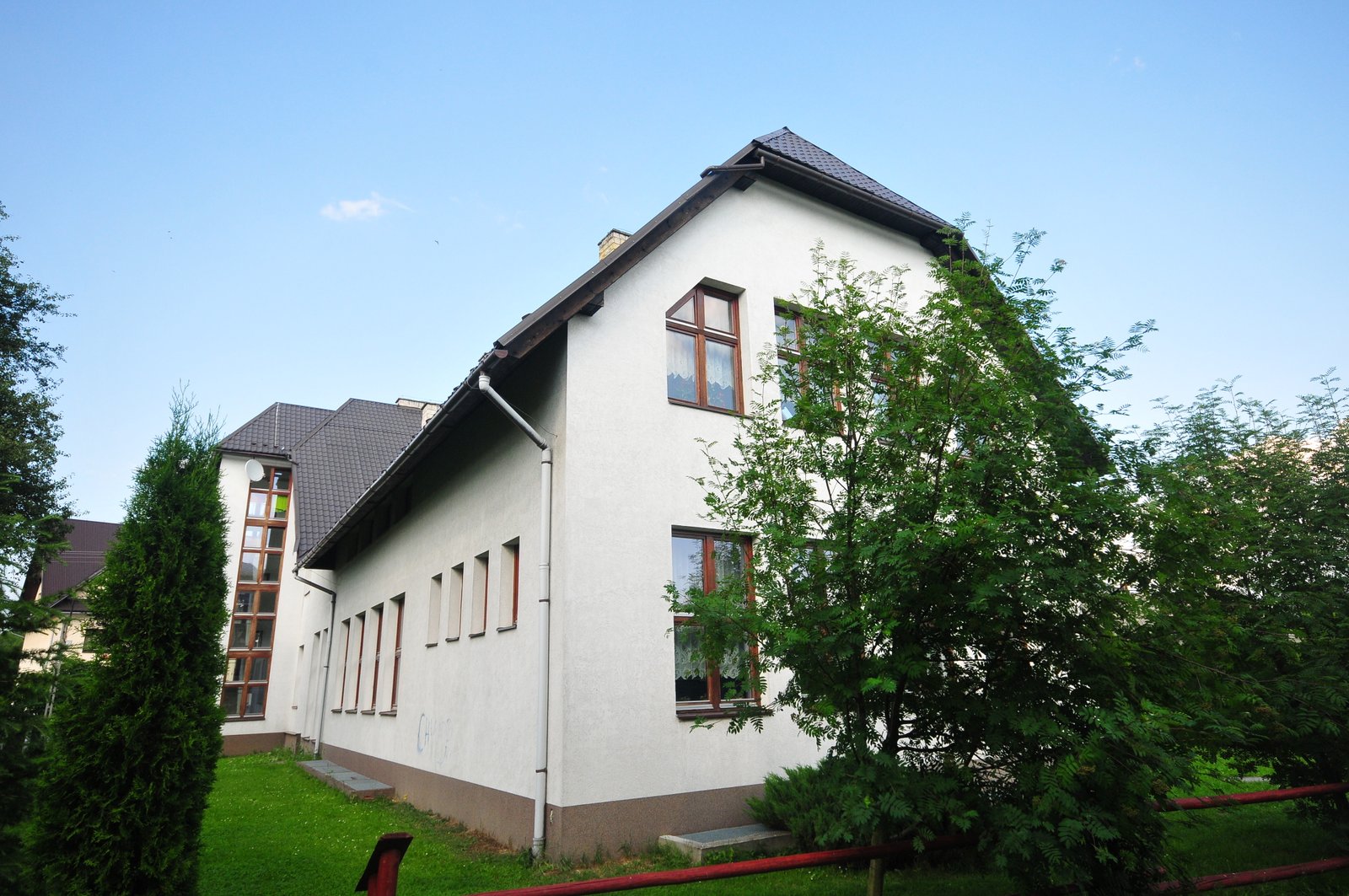
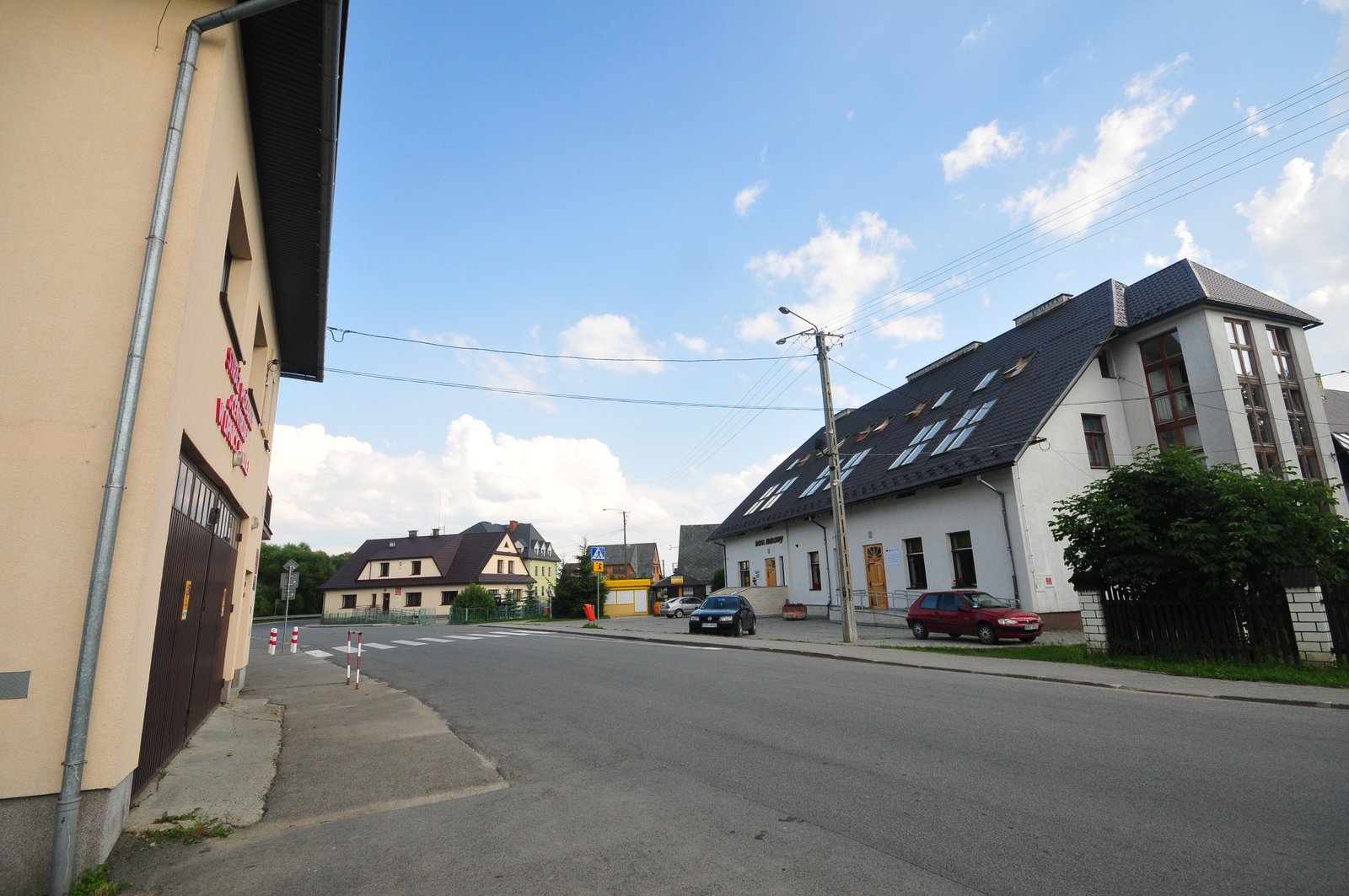
I head back down into the village, passing through what could be generously called the town square: LW is not a town, and this area is not square, but it is in the center, it is the location of the main government facilities, and at one time, it was rumored to be possibly developed into a potential real rynek.

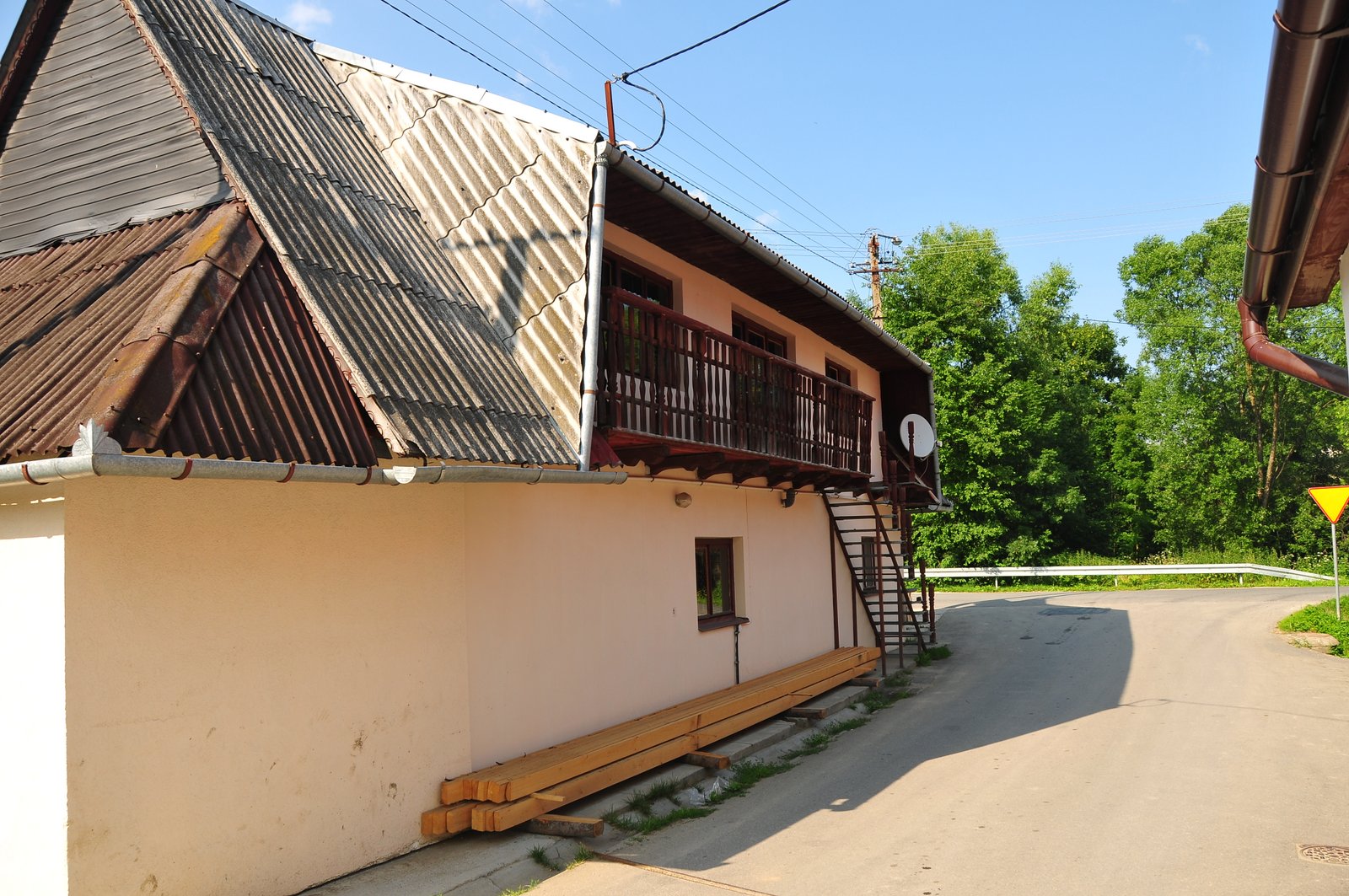
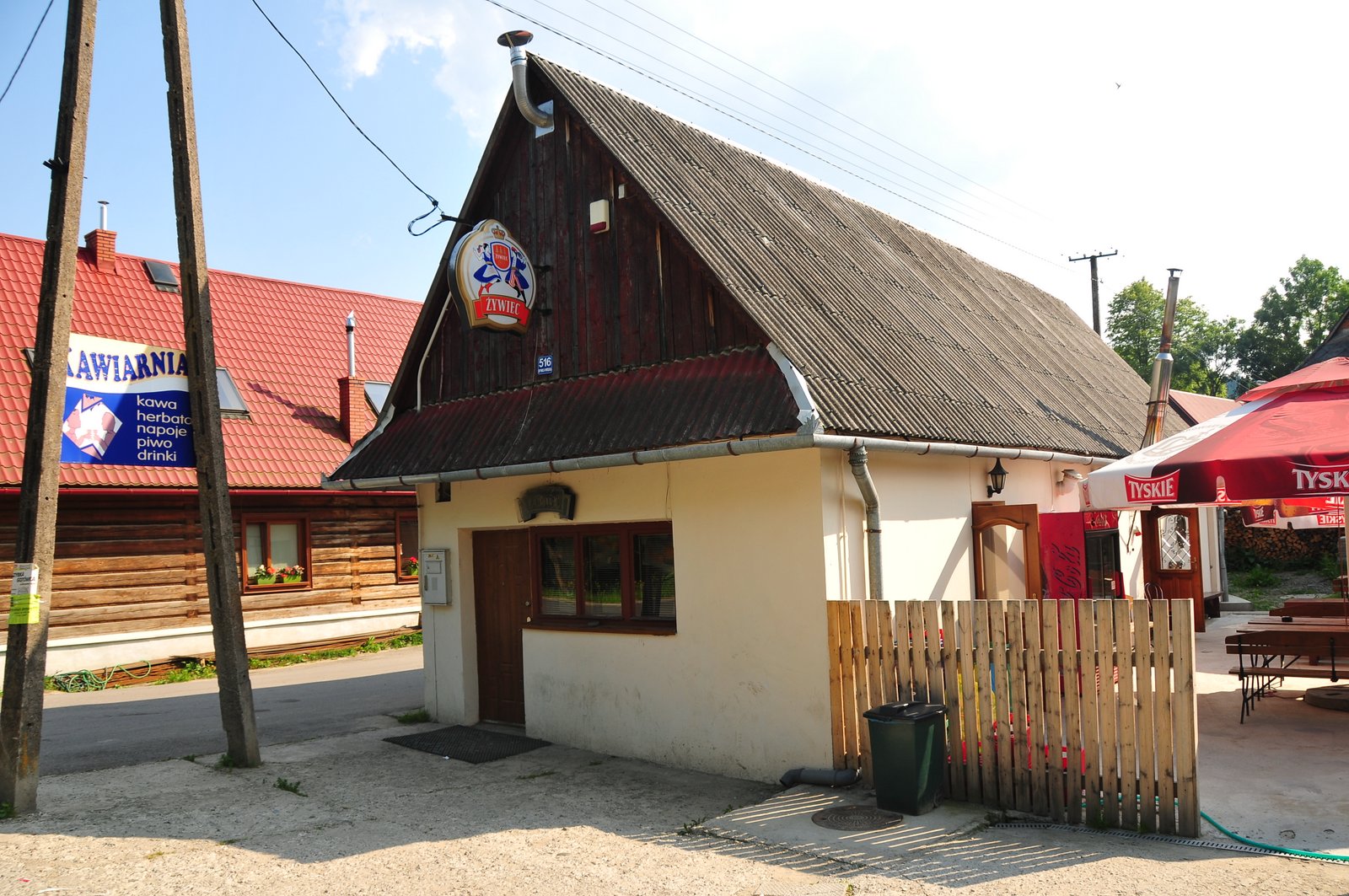
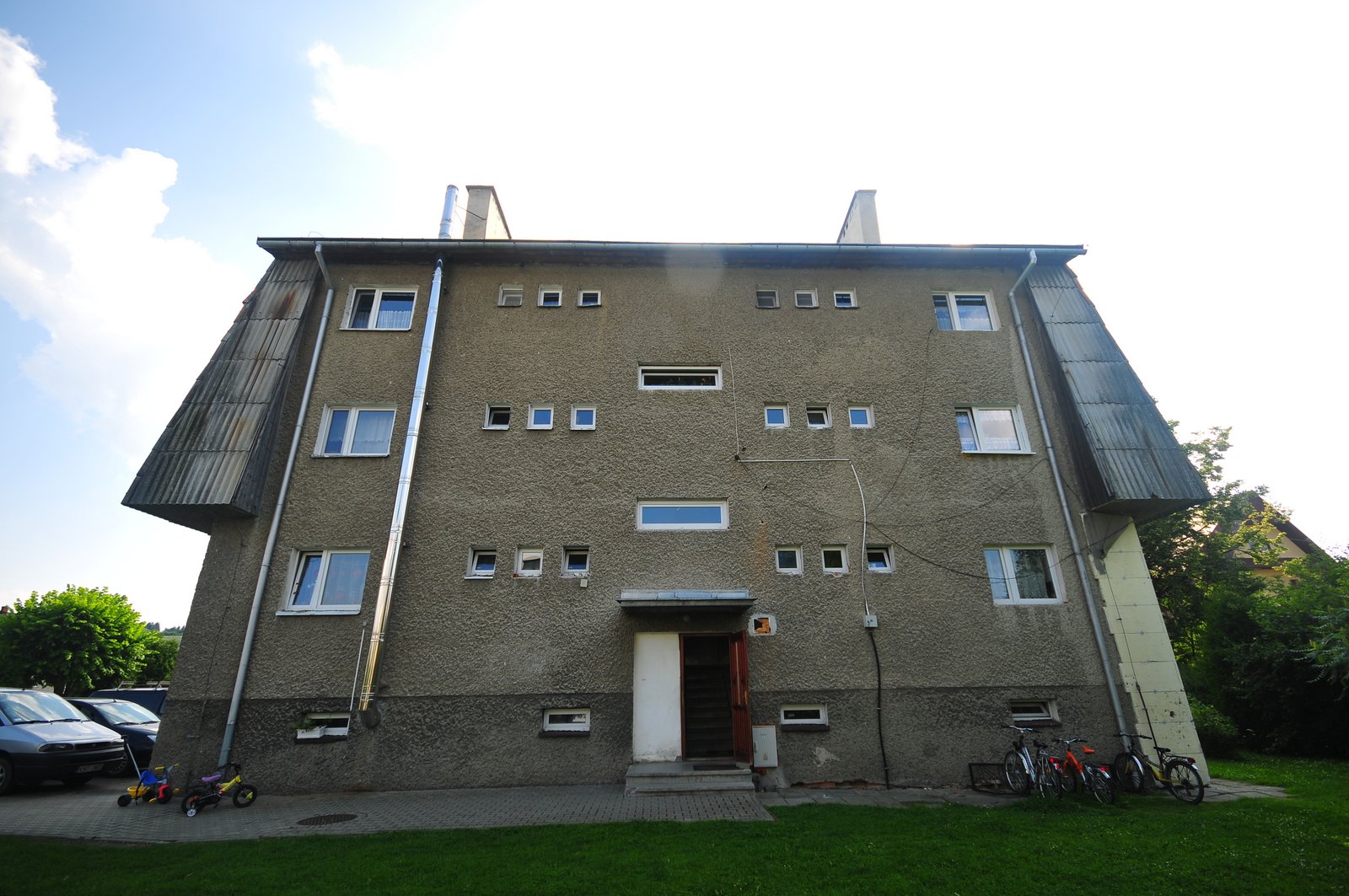
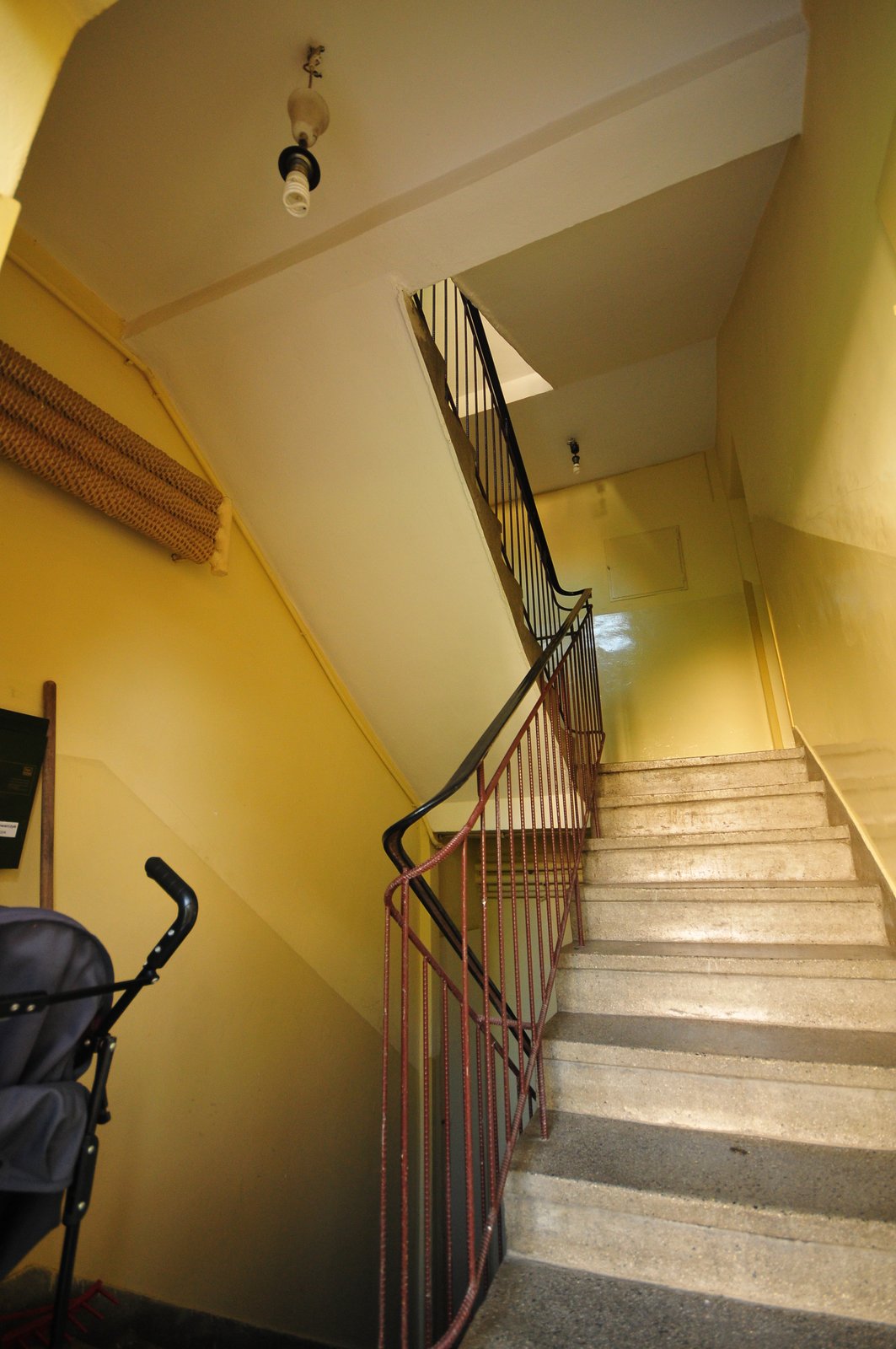
I pass the bar that provided just about the only entertainment in the area -- conversation and relaxation on a Friday night that was priceless. I walk by the teachers' housing that, from the outside (and even from the first steps into the main entrance) hasn't changed a bit since 1996.

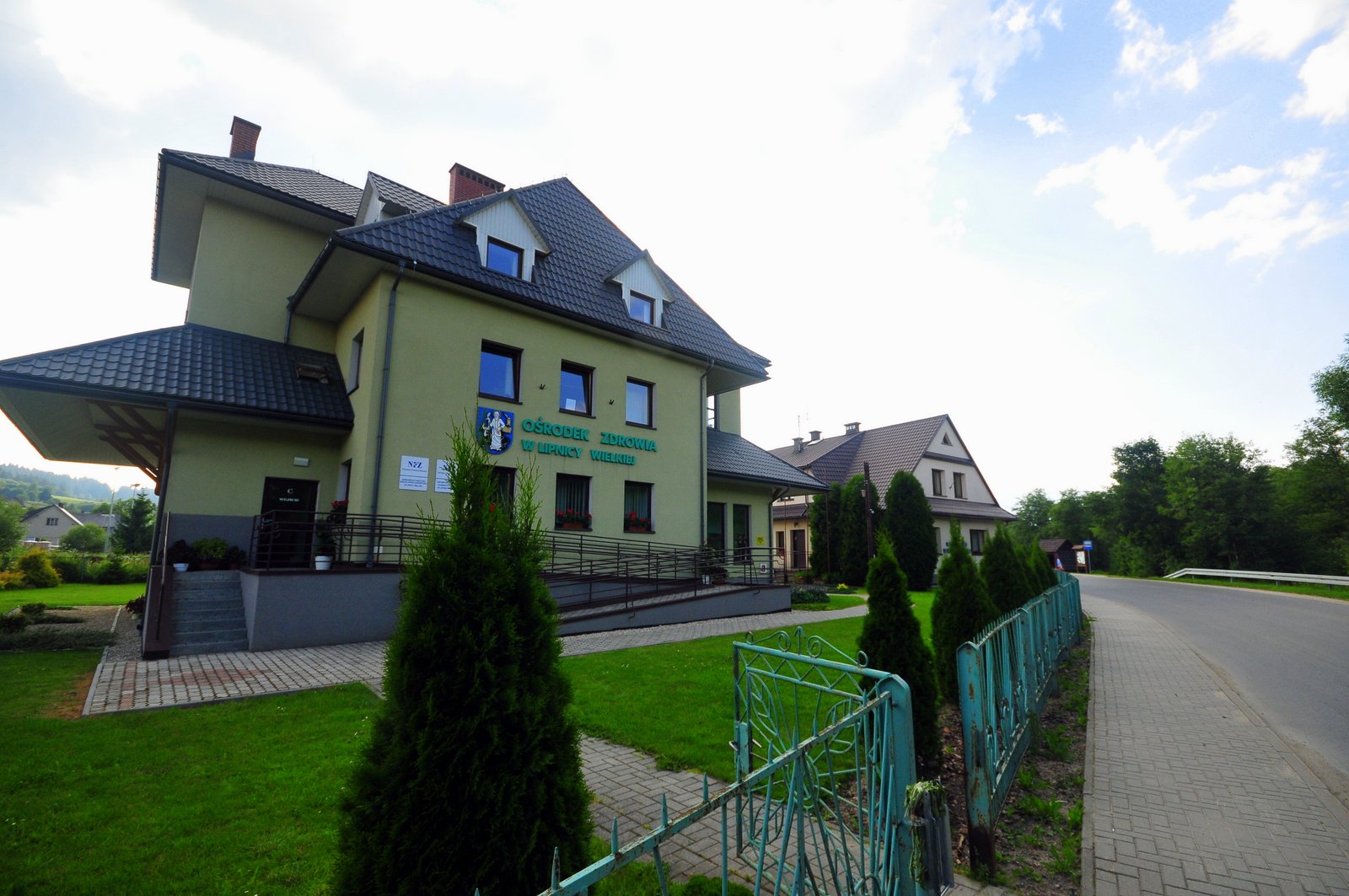
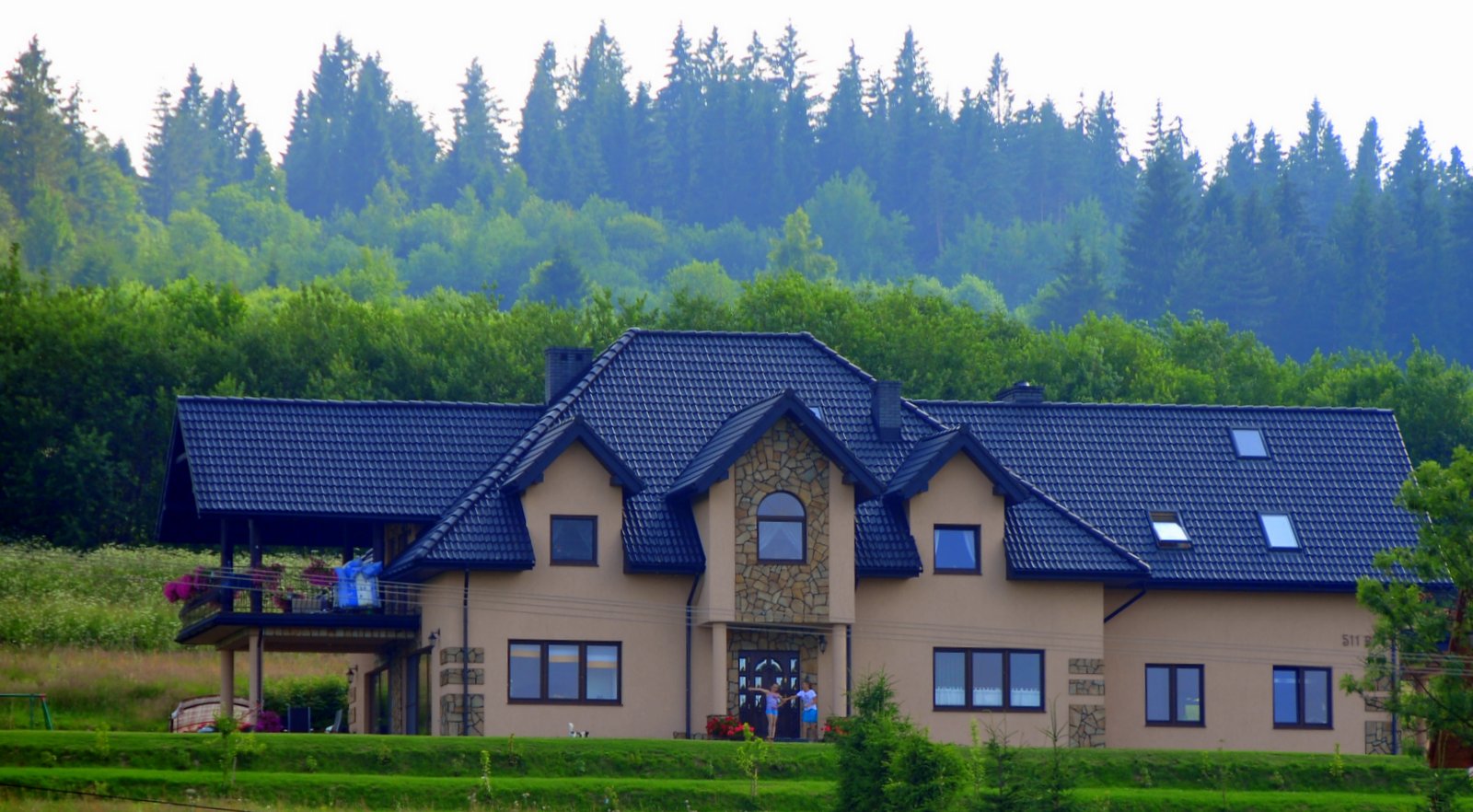
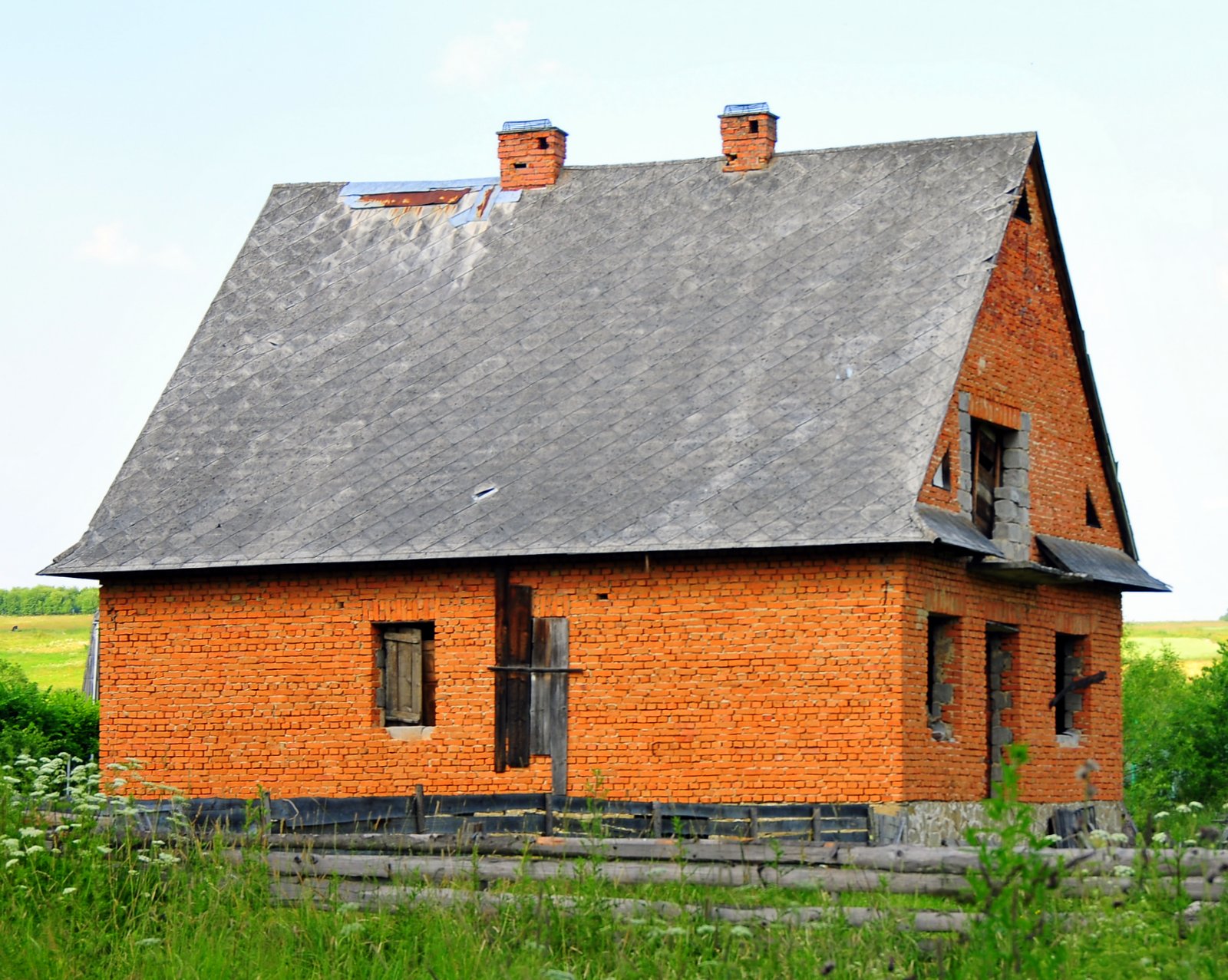
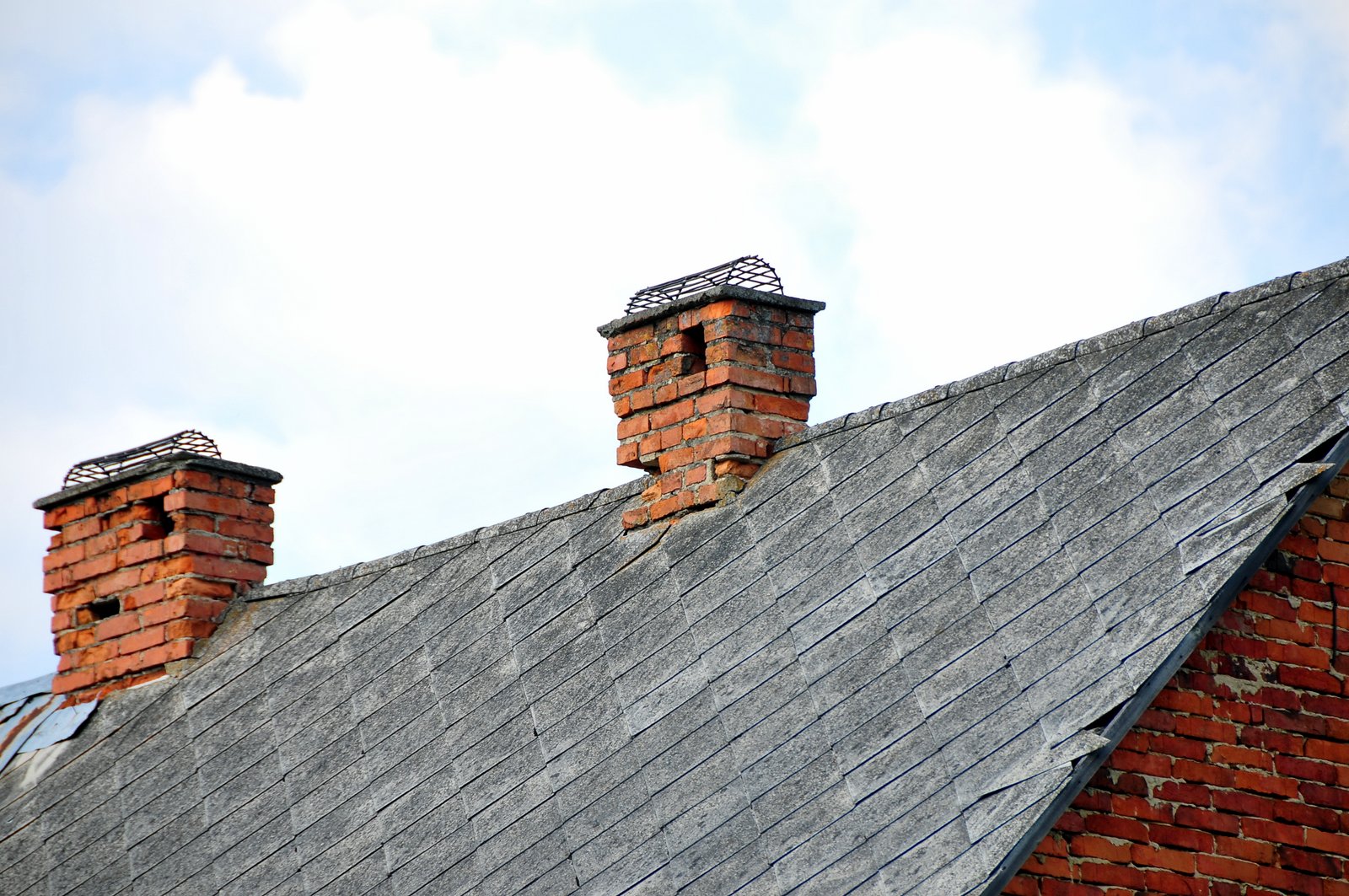
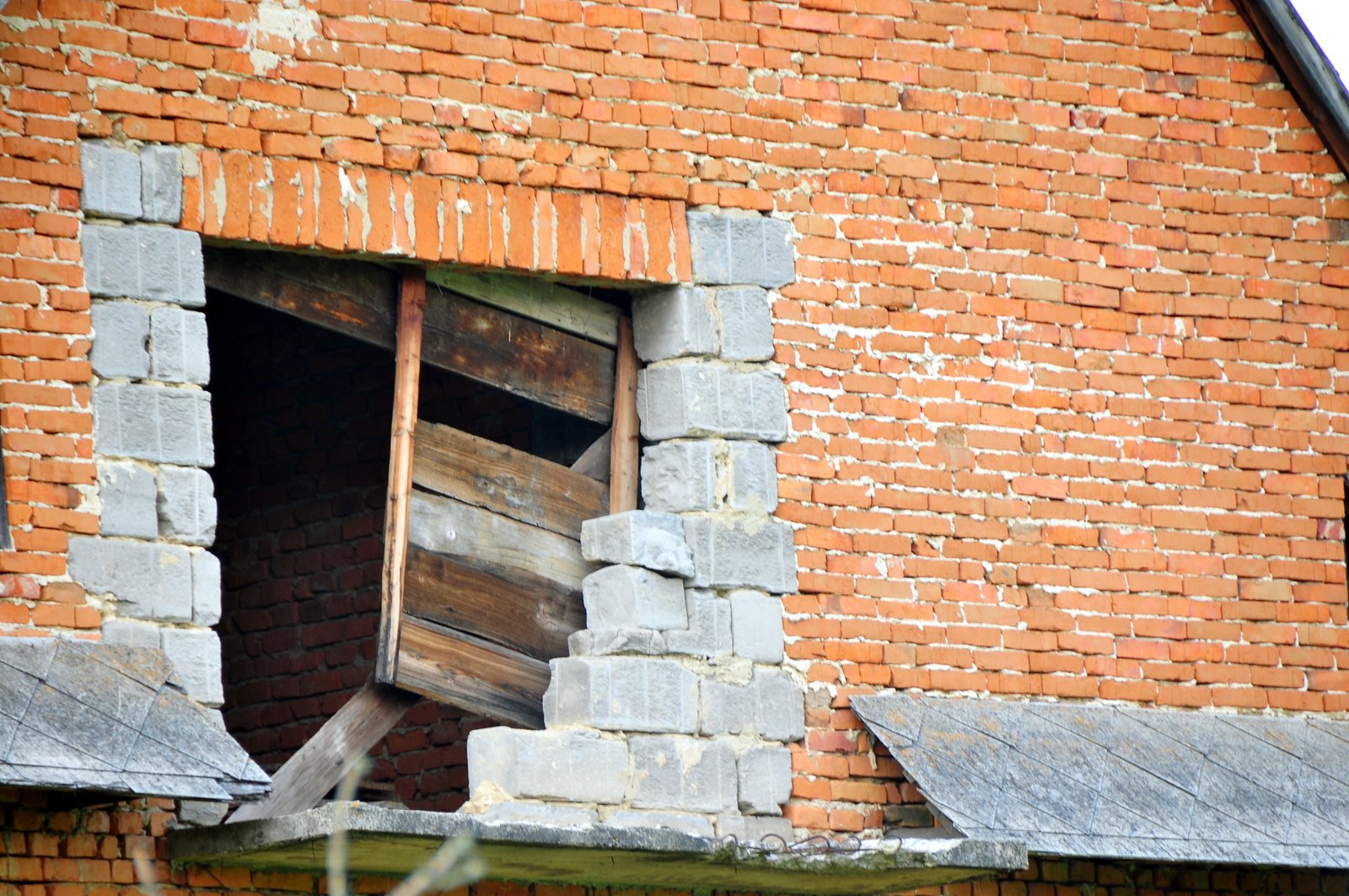
Here in LW Centrum I find the real irony of the village. In some ways, it's developed so drastically in the last seventeen years since I first arrived. There's a new health center; the city hall has been completely renovated; there are new street lights and new athletic facilities. But the real development is private: seemingly countless new houses, with one new, enormous home. And yet the ironies: the same house that was abandoned and incomplete, standing "raw," when I arrived in 1996 stands in the same condition. Some bricks have fallen away from the chimney, and it looks a bit worse, but otherwise, it's the same house.

"What happened?" I once asked someone, but I've since learned it's the same story a thousand times over in Poland: they started building, then went abroad, most likely heading for the States.

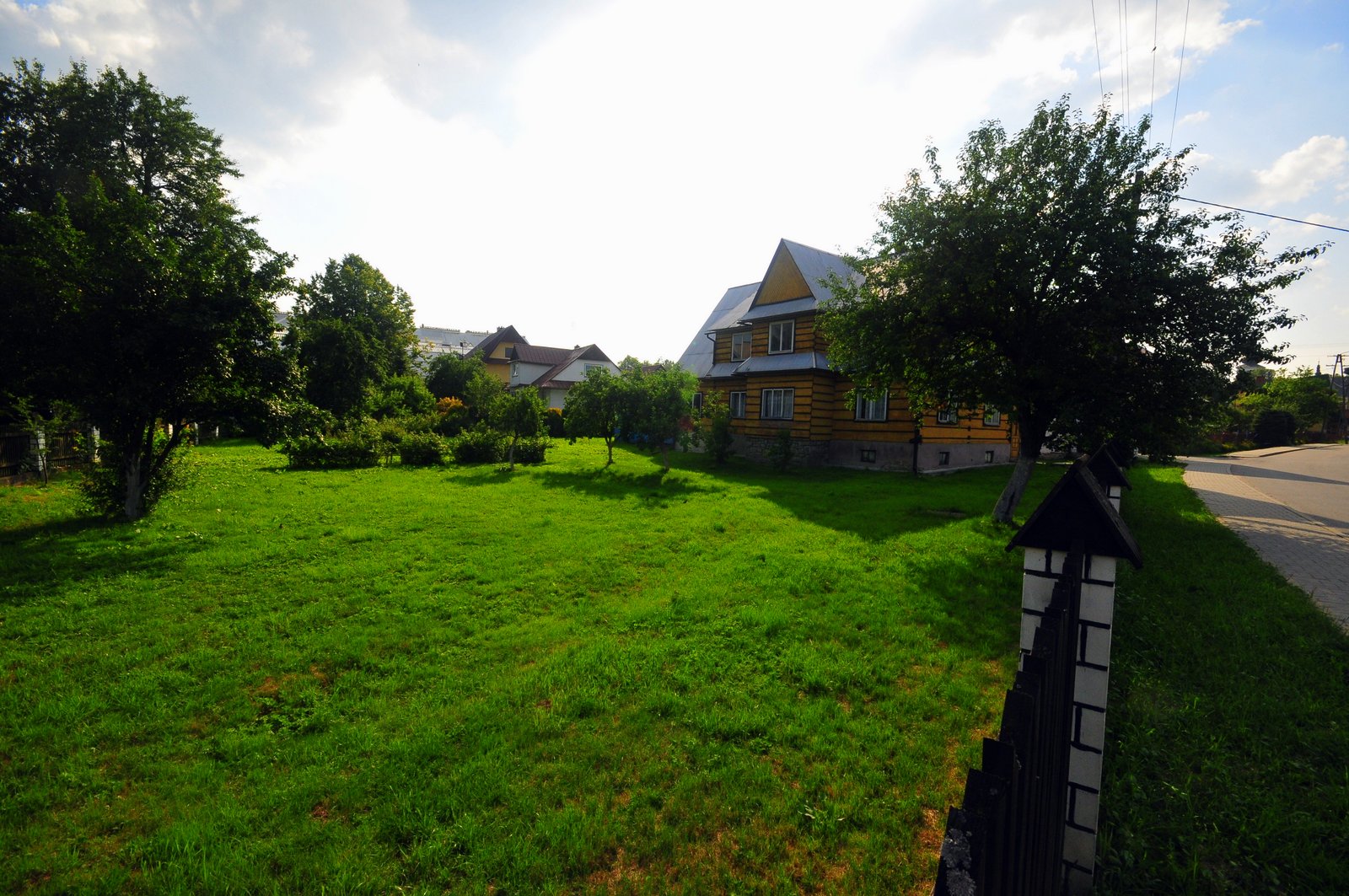
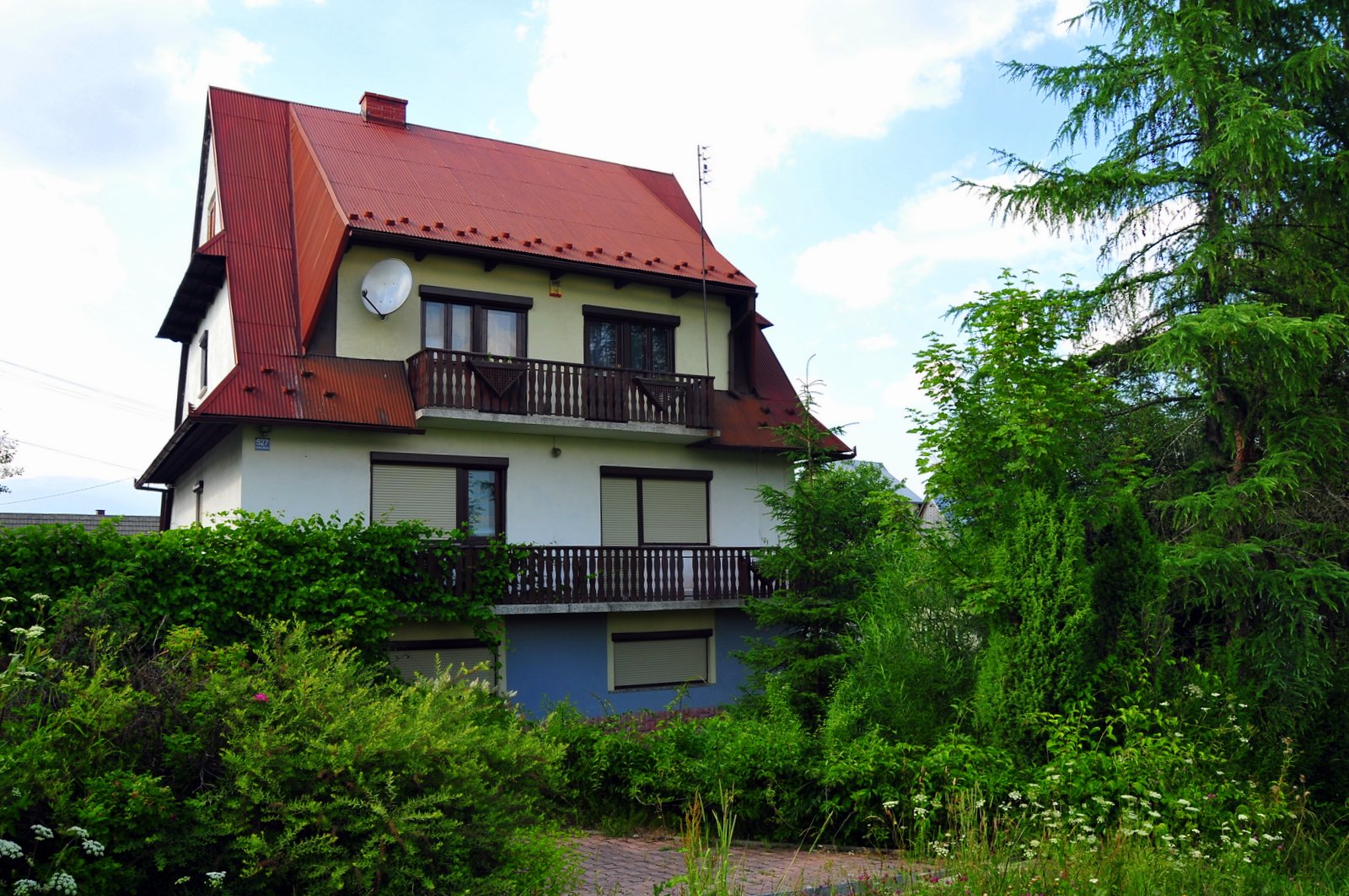
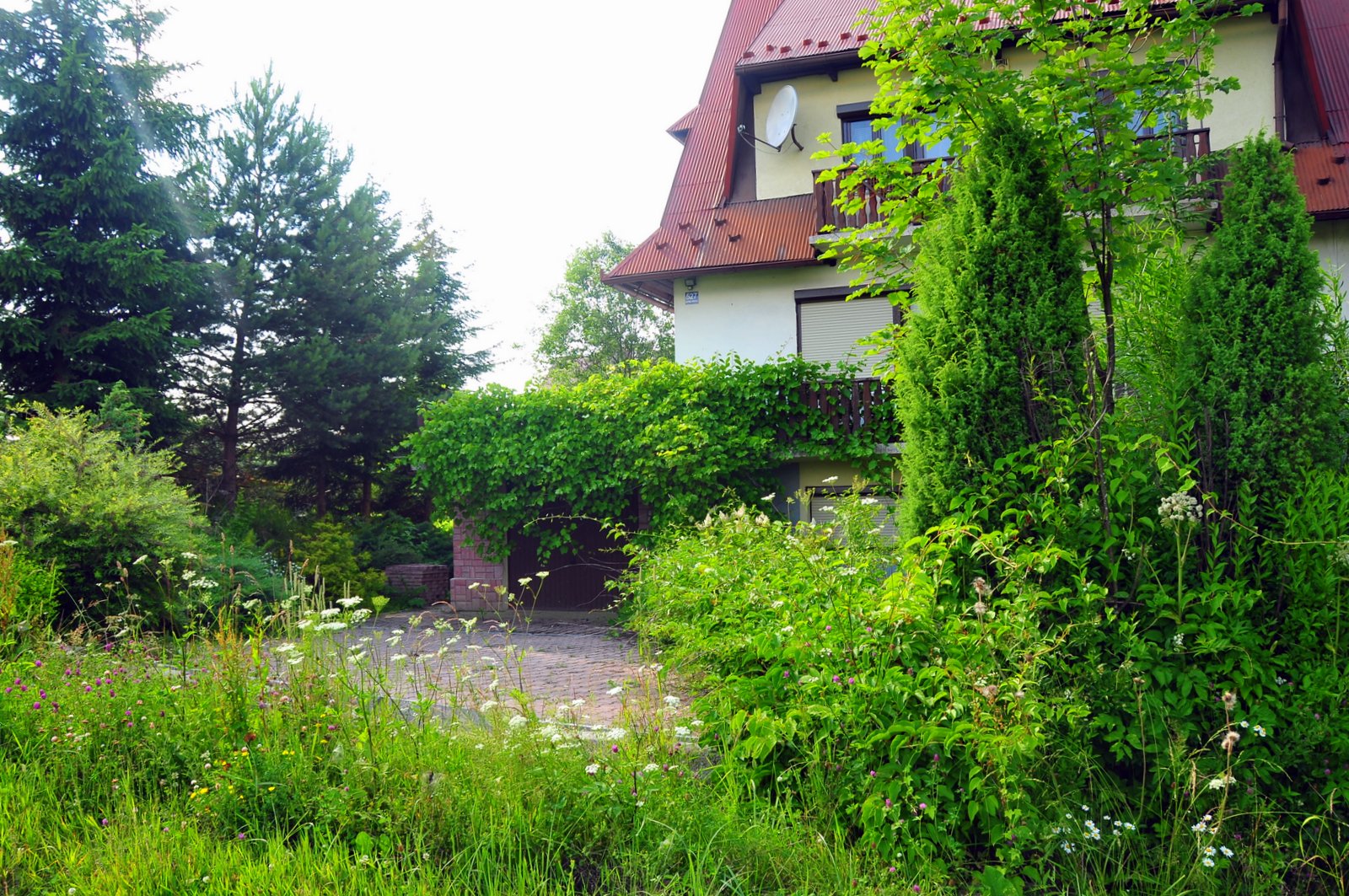
Then there are the houses in between: finished, once inhabited, now abandoned. I pass by one house in which I once attended a Sunday gathering. It was like most homes in the area: loved, cared for, with a lovely lawn. Now, it's not quite a ruin, but close.

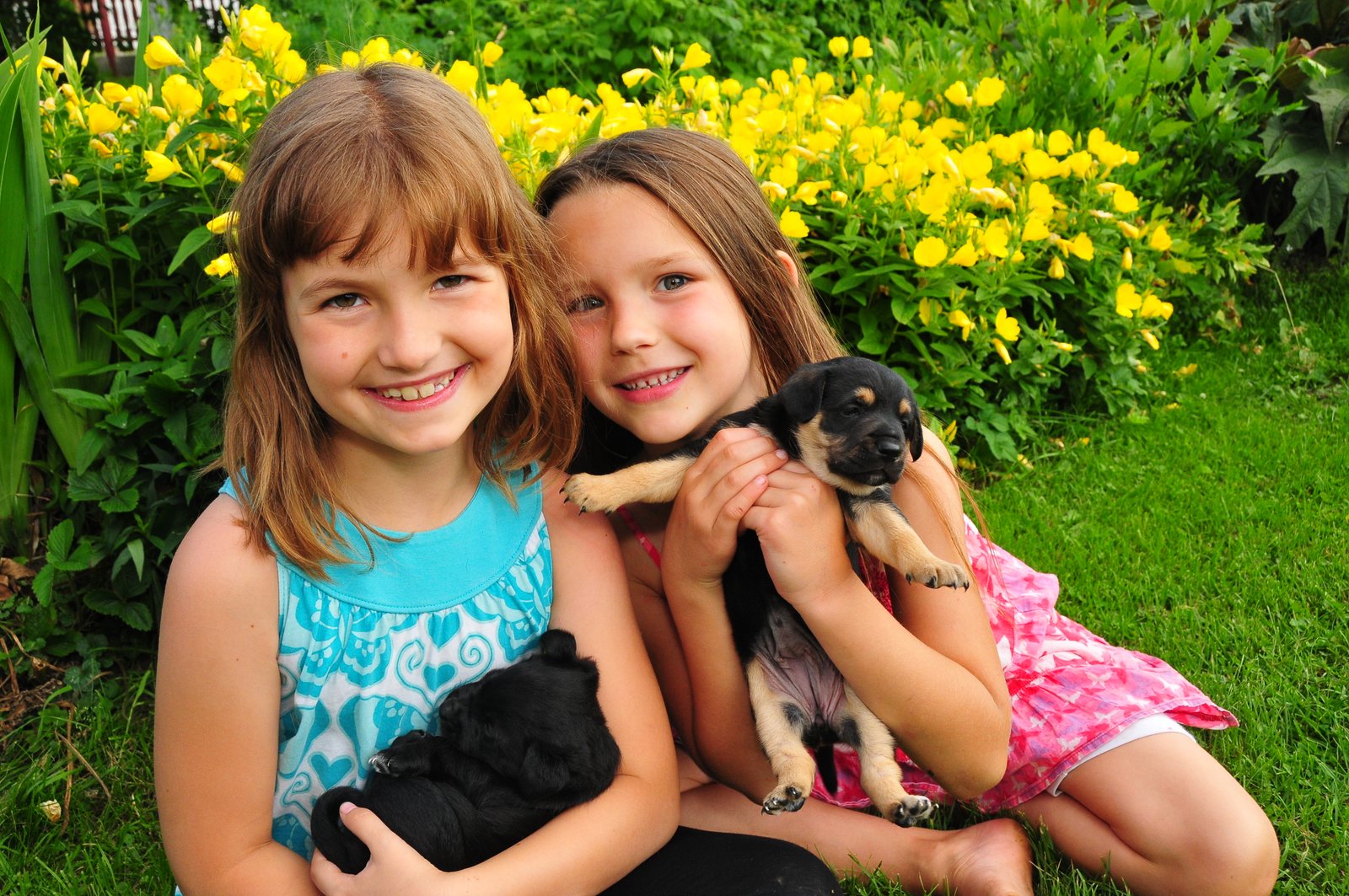
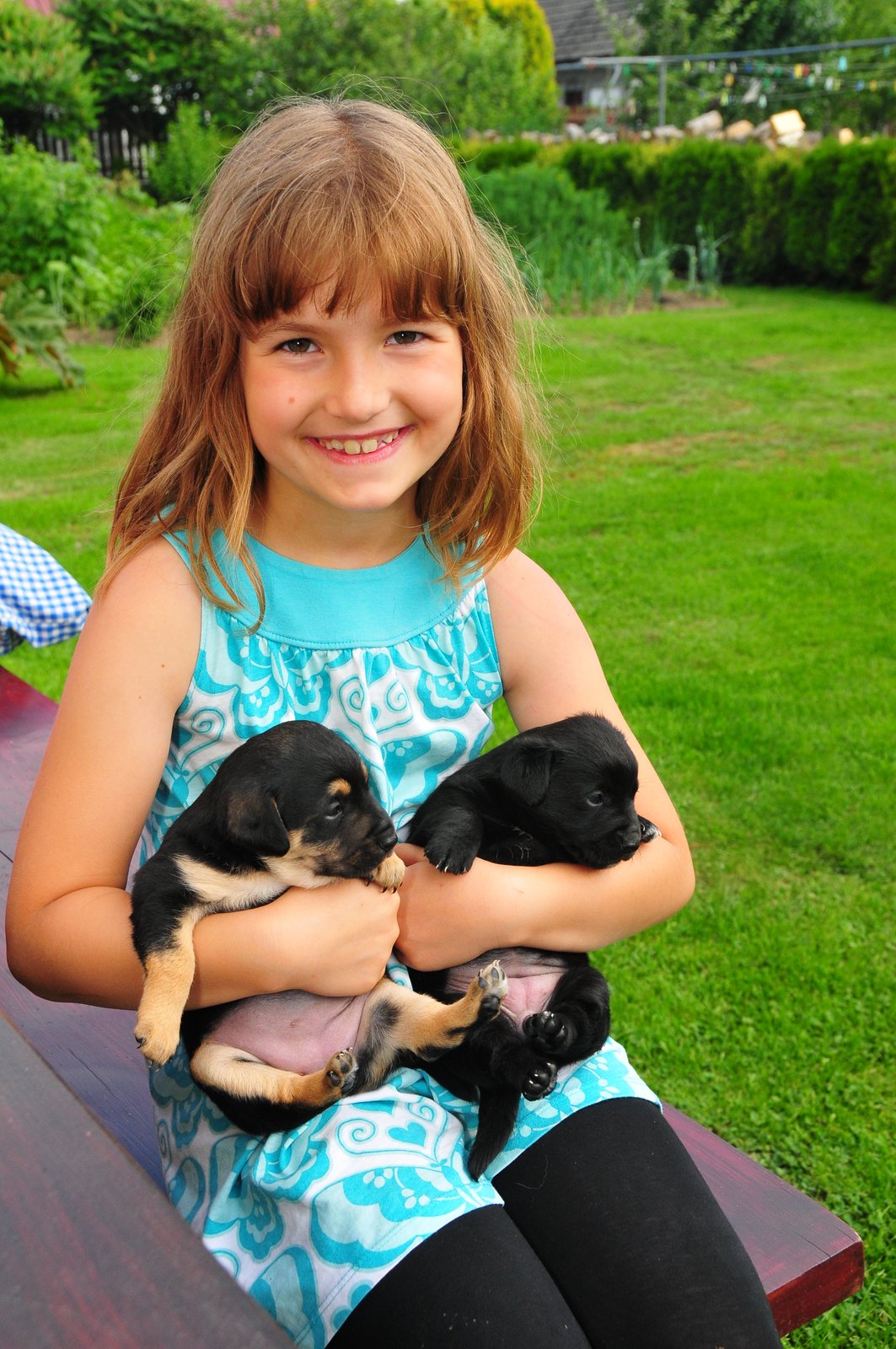
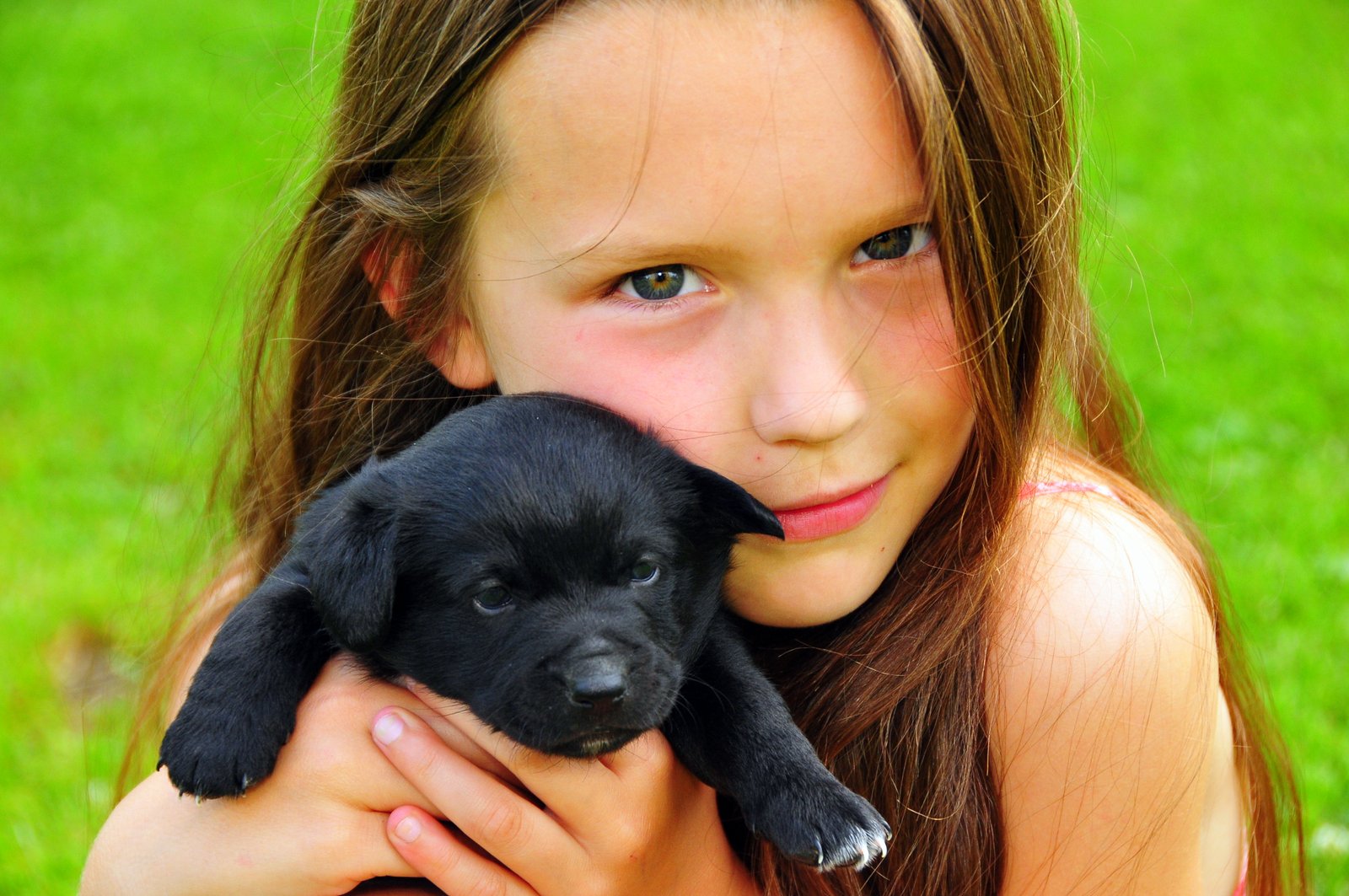
I return to find the girls with Pani B across the street, at a neighbor's house. It's undoubtedly paradise for them: two young puppies run about the yard -- as much as the girls let them.

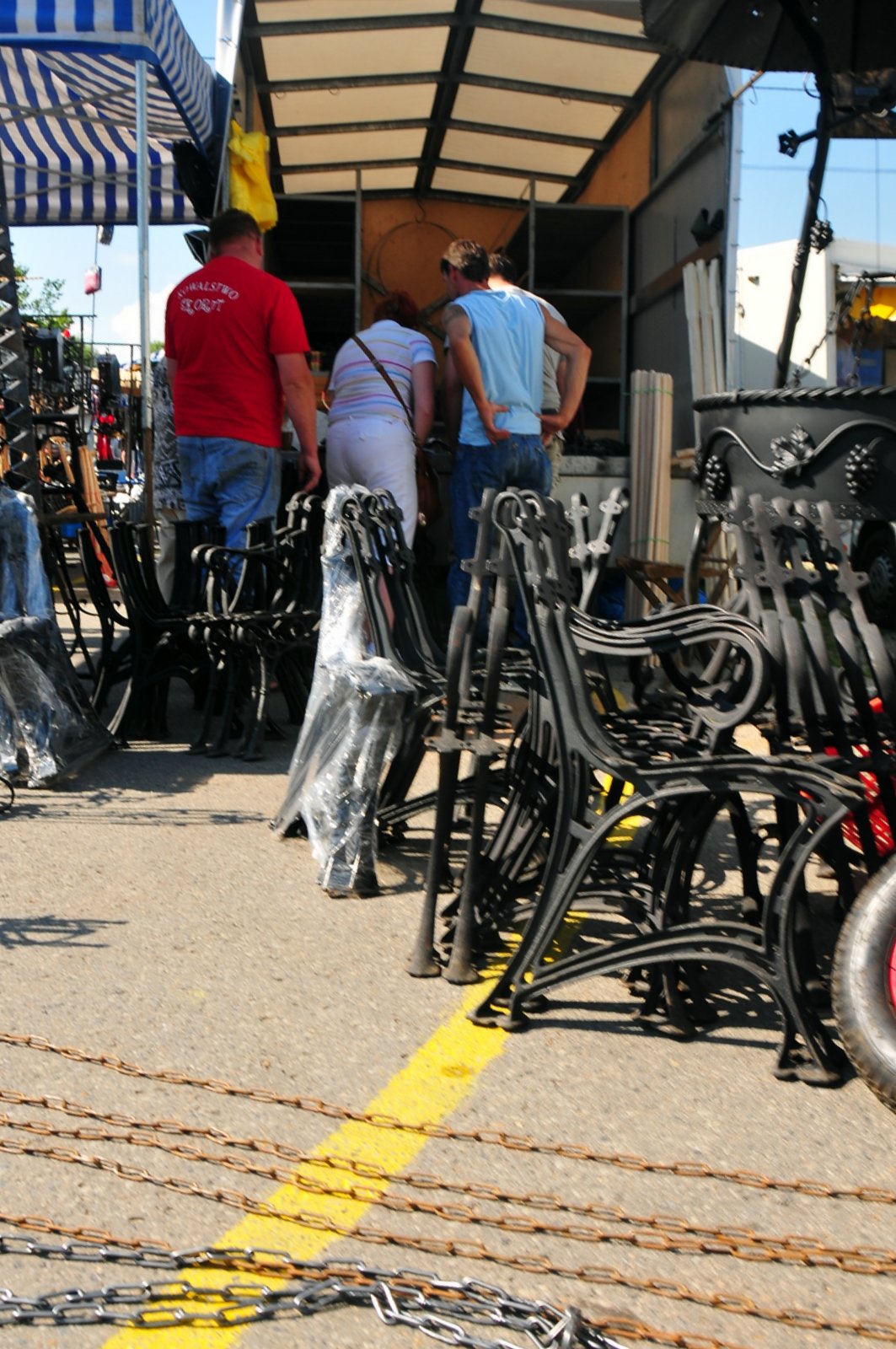
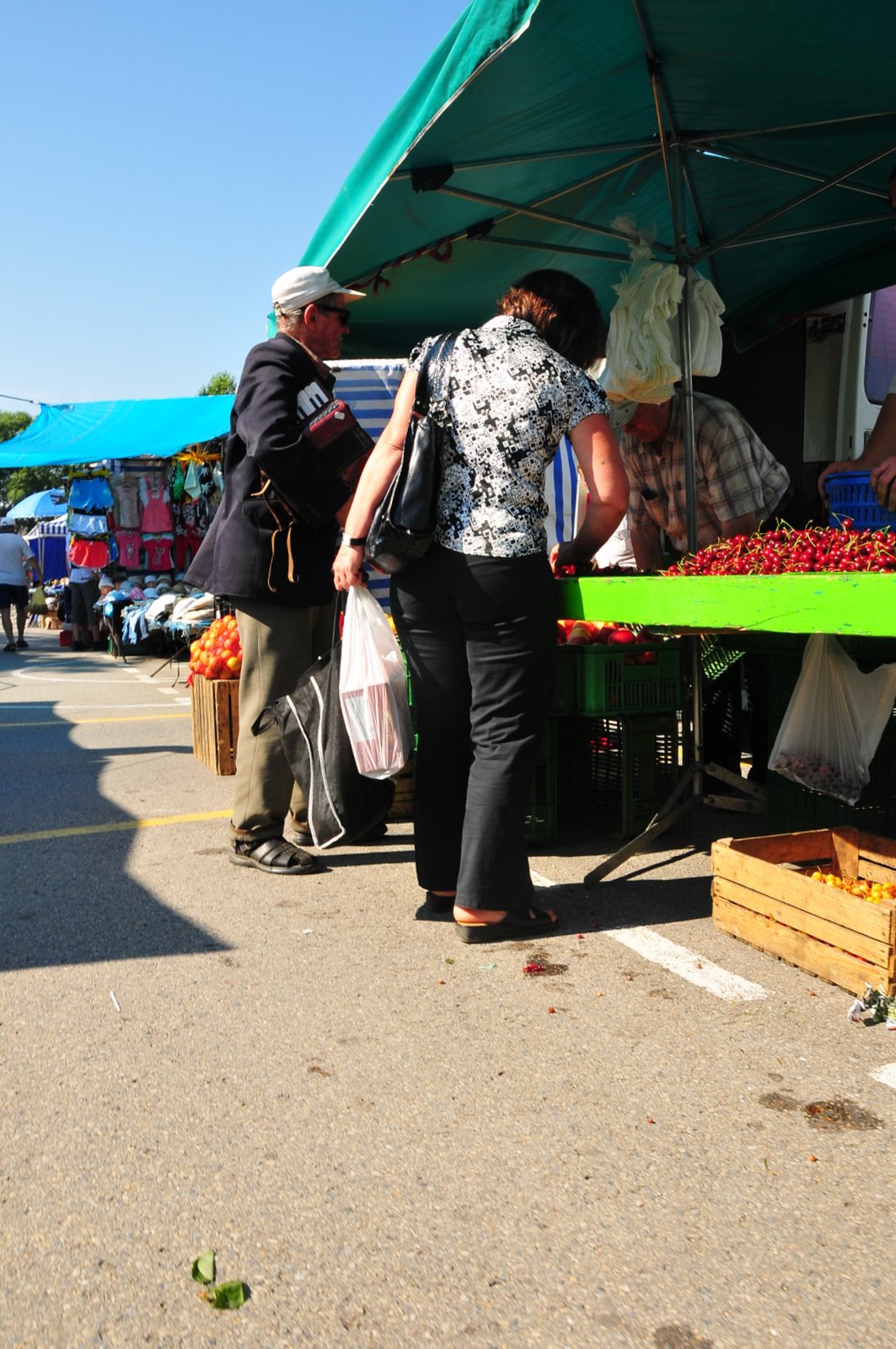
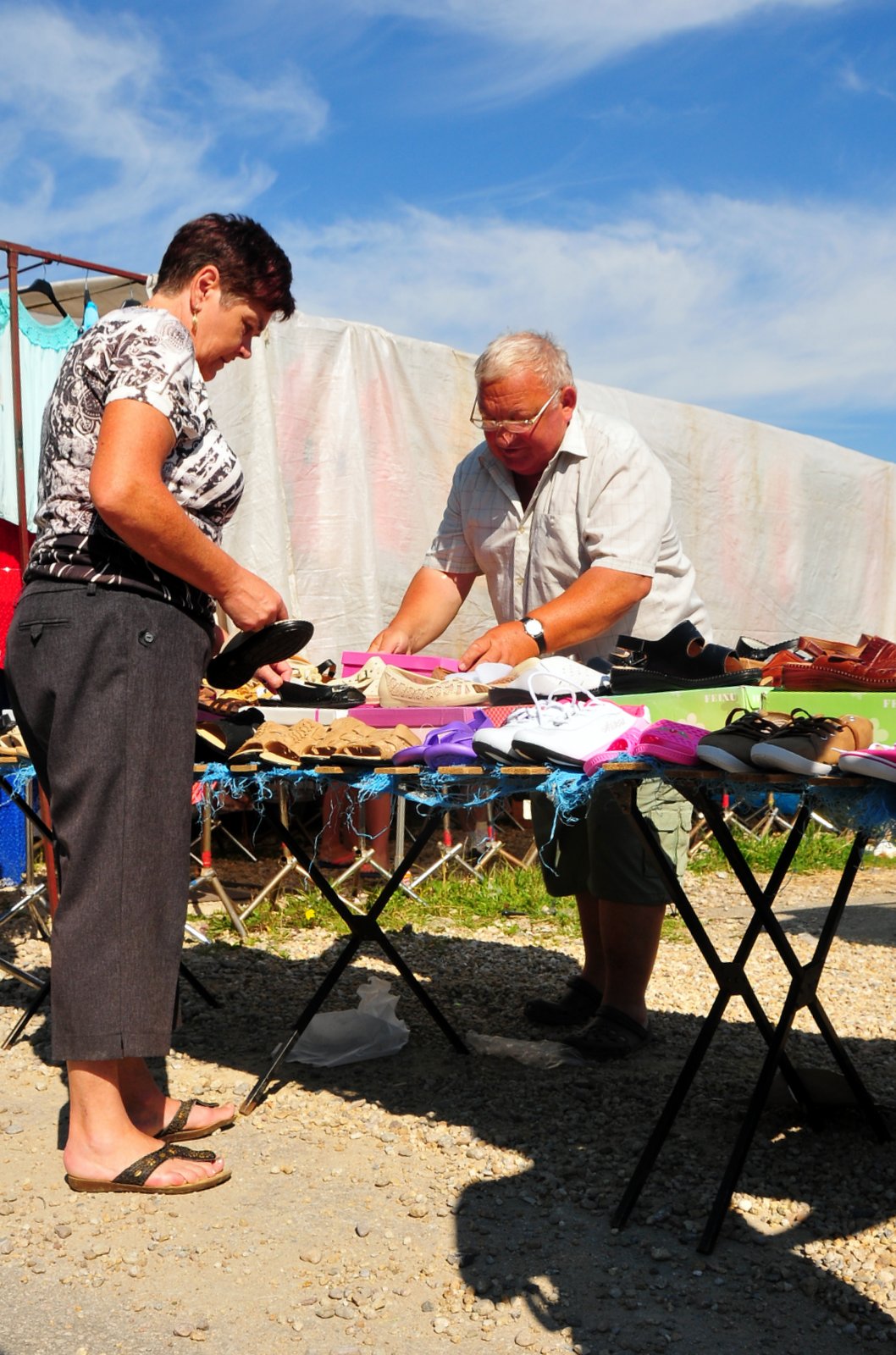
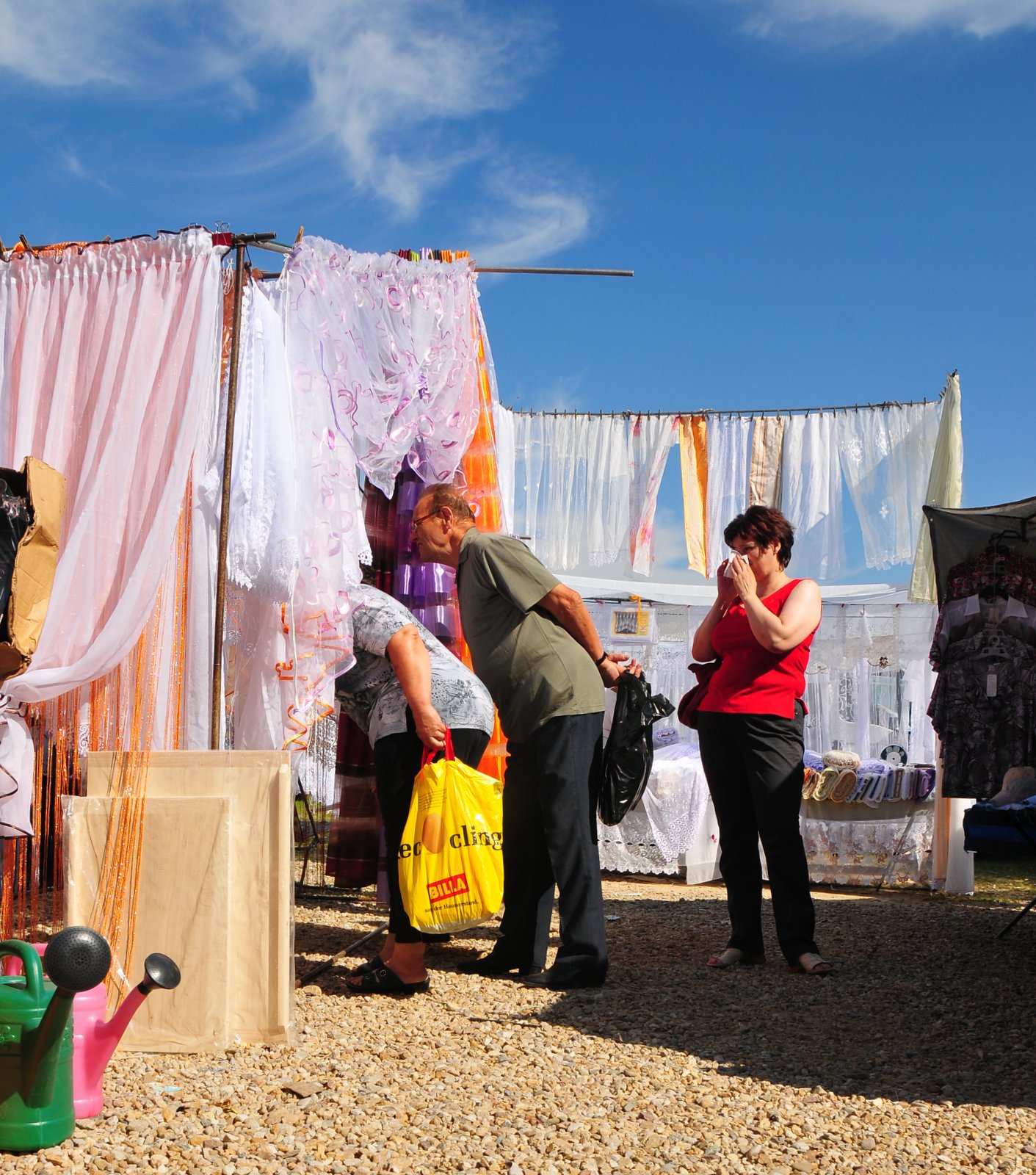
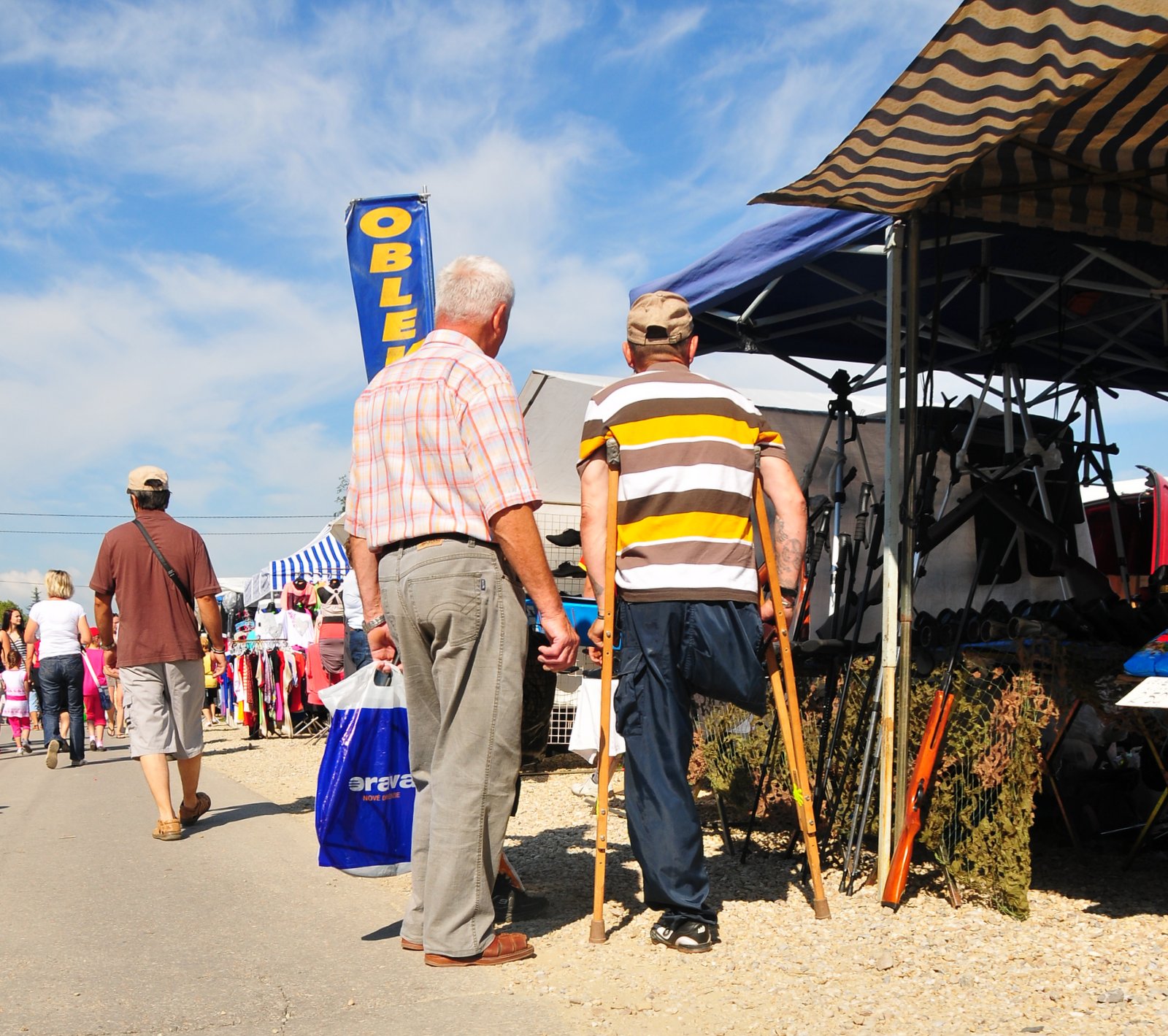
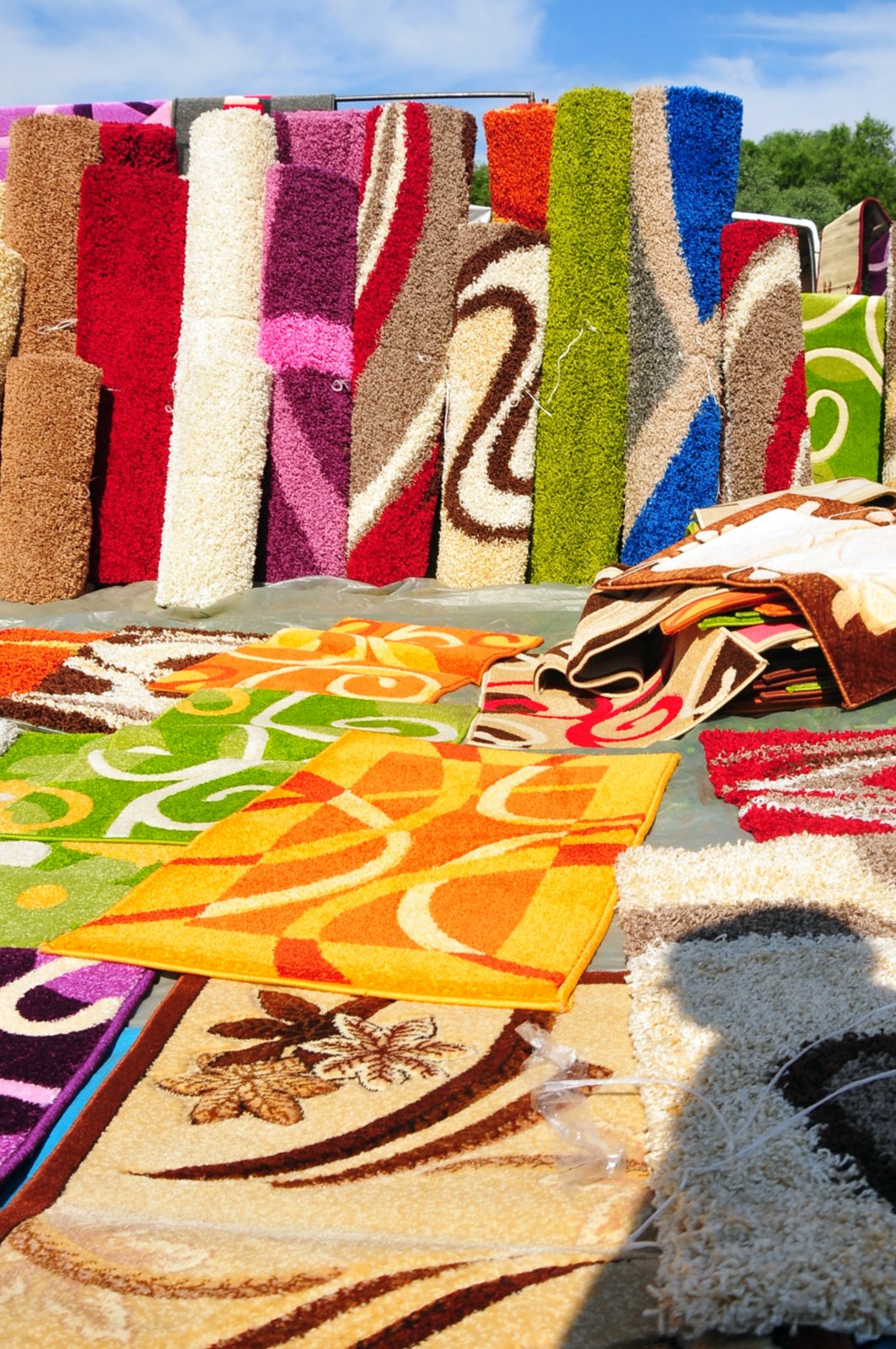
Scenes from the Market

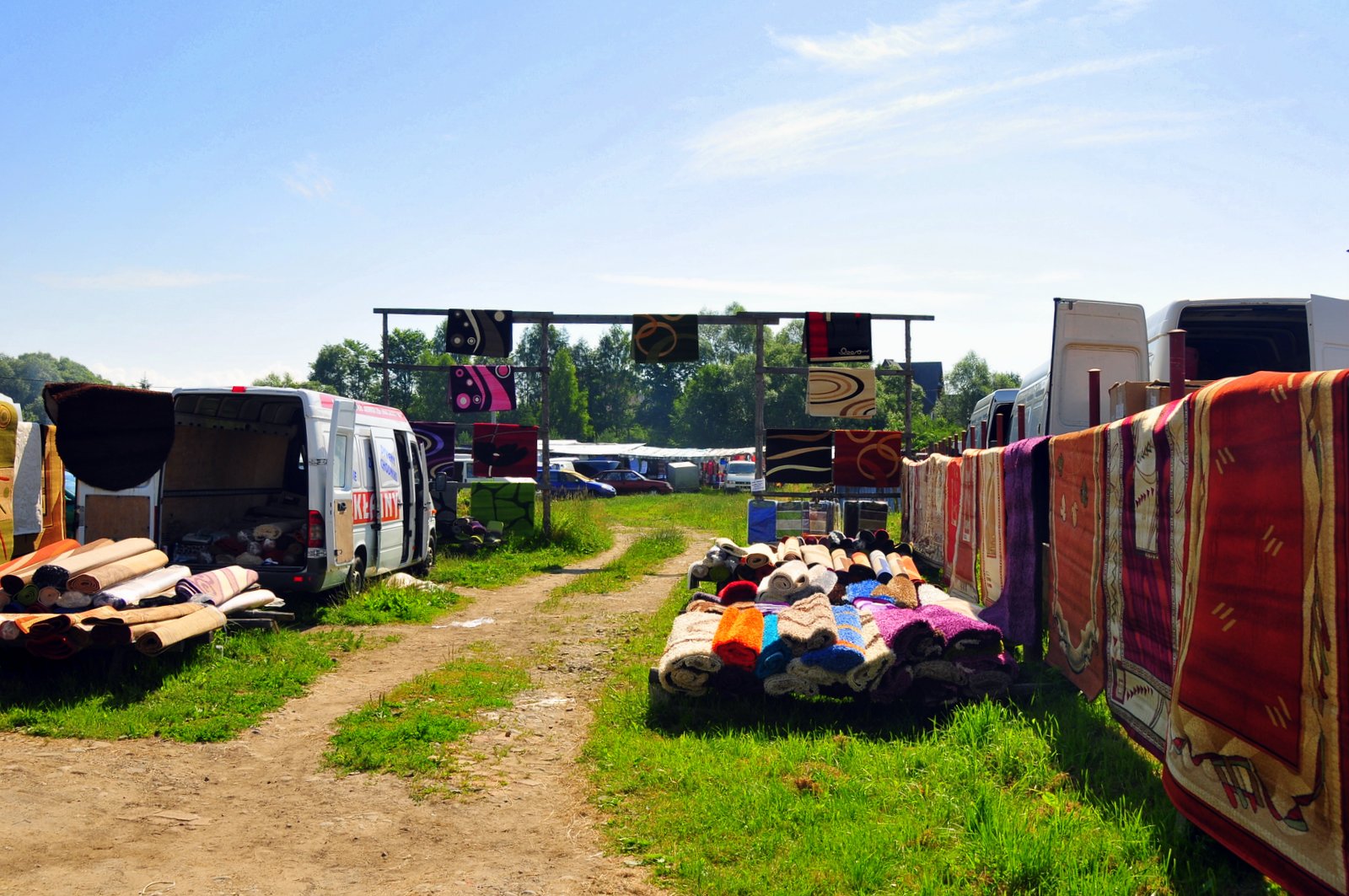
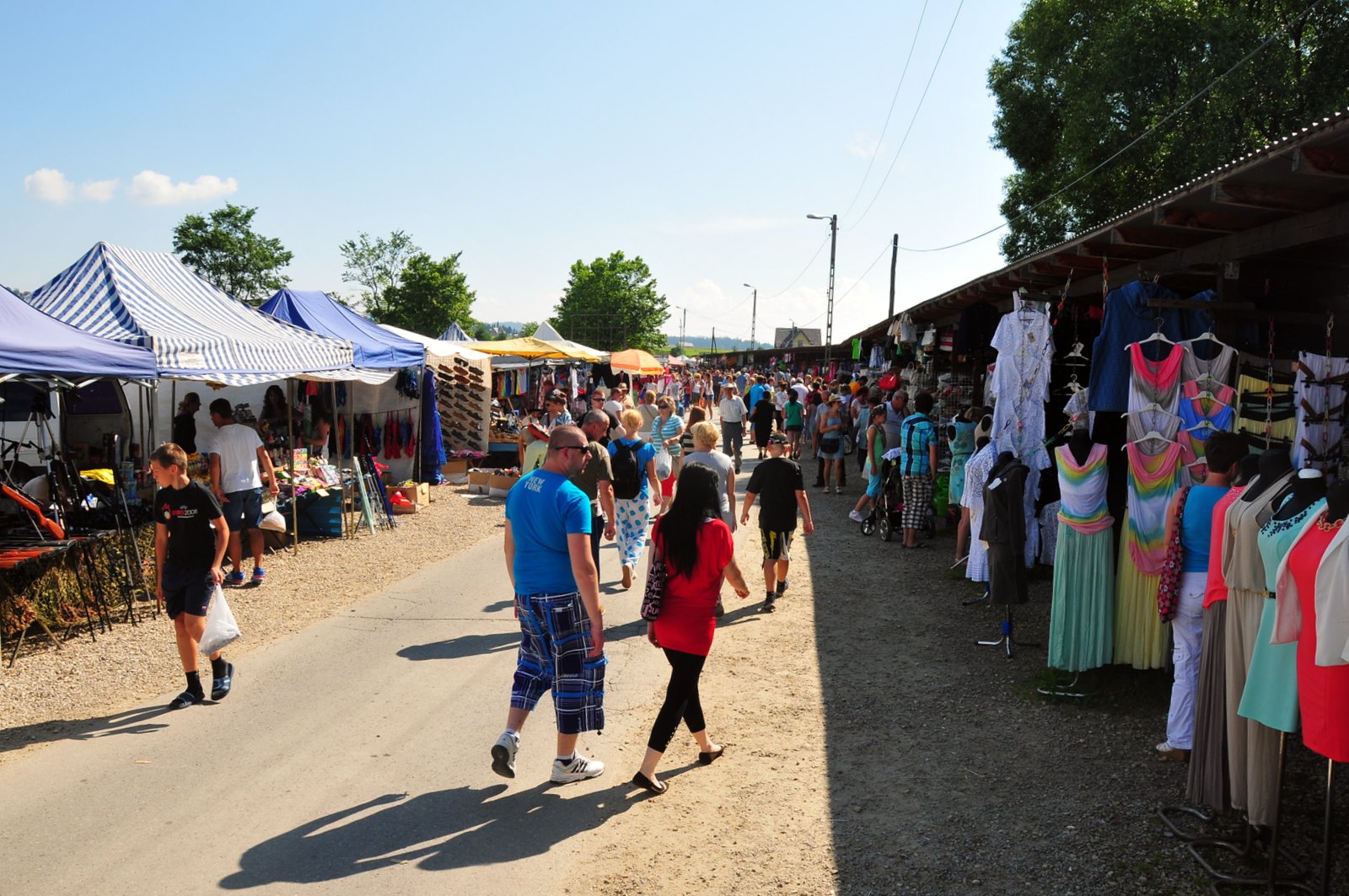
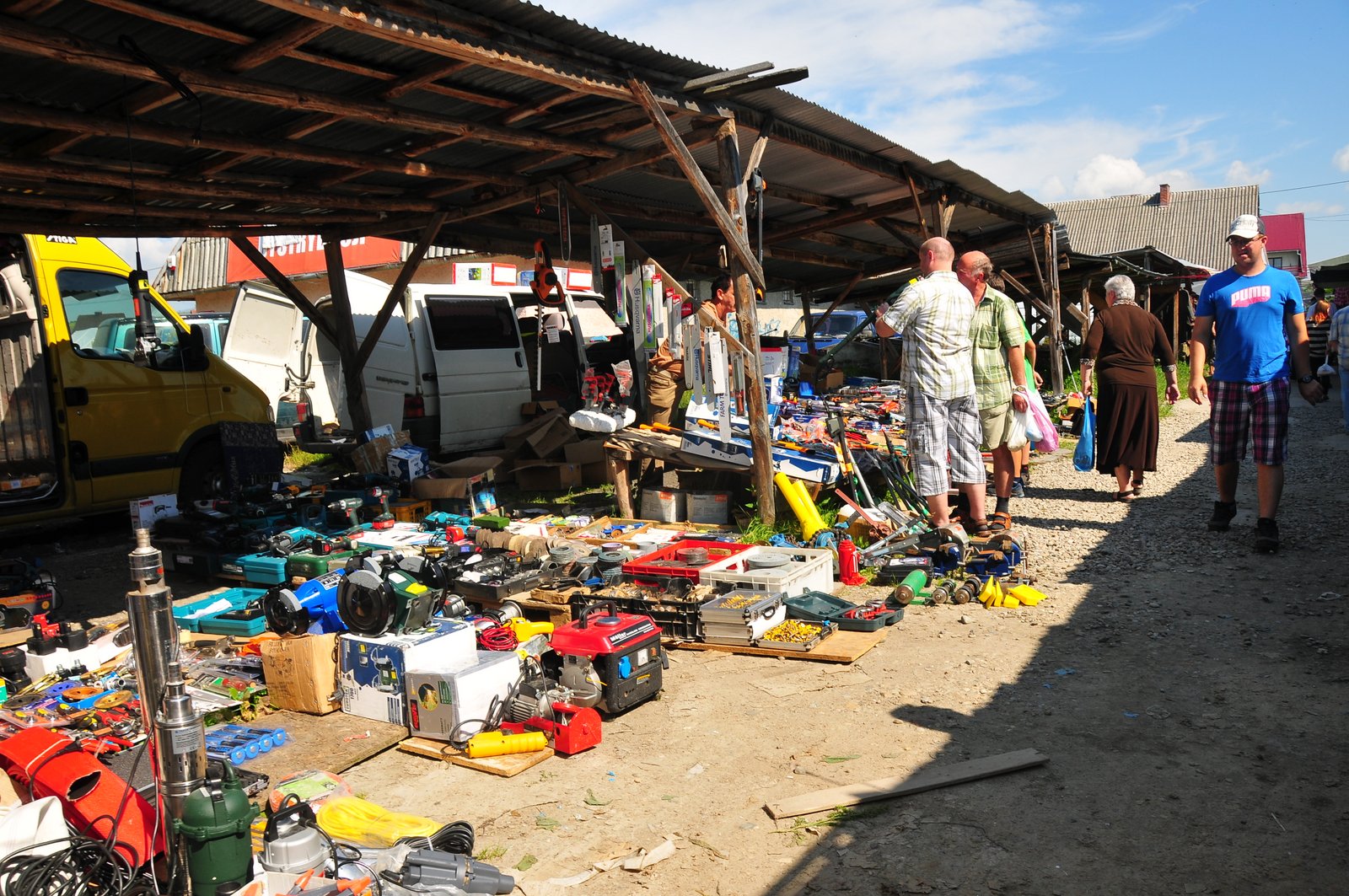
DSC_5736

DSC_5737

DSC_5738

DSC_5739

DSC_5740

DSC_5741

DSC_5742

DSC_5743

DSC_5745

A Day in Zakopane

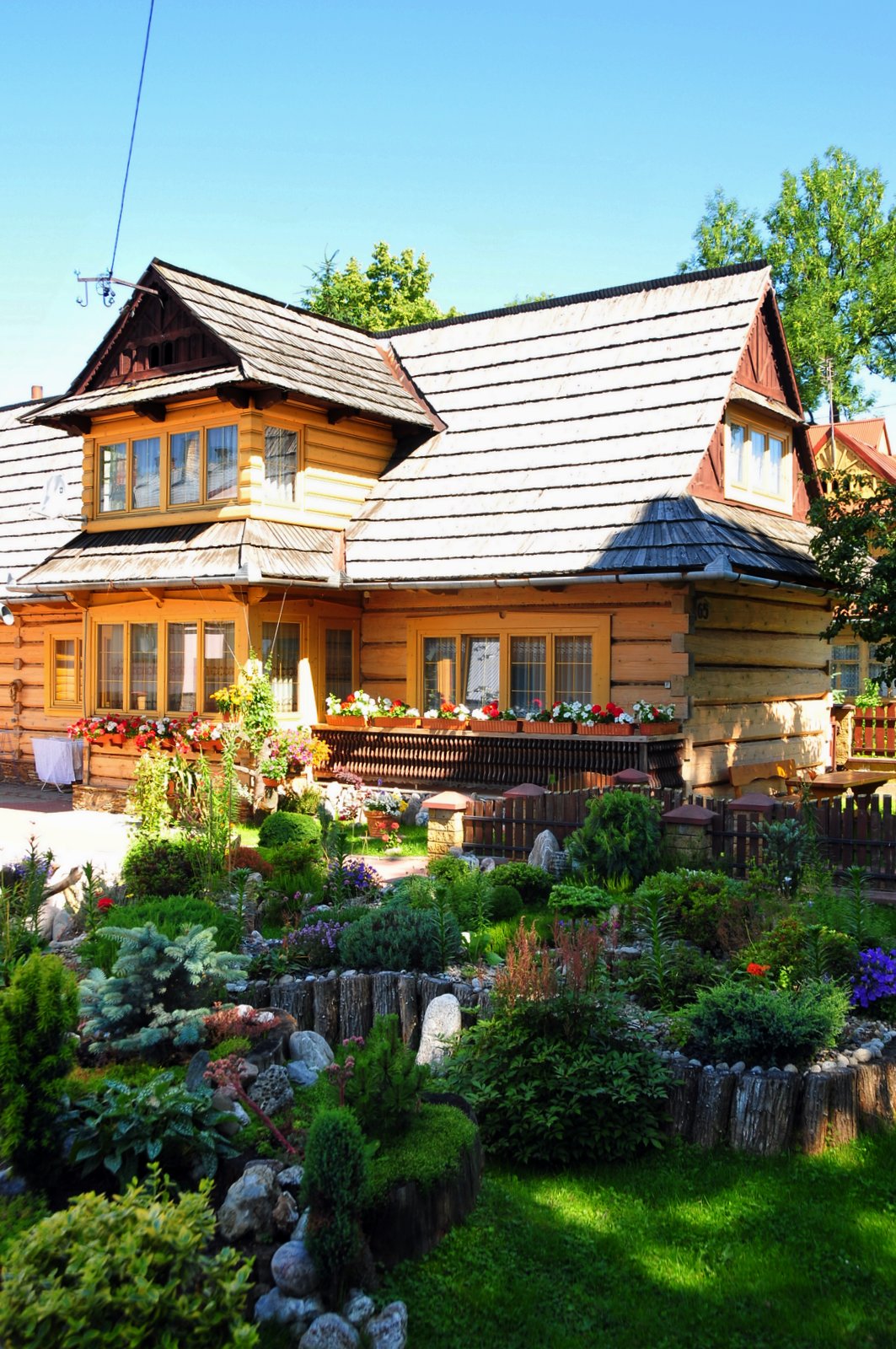
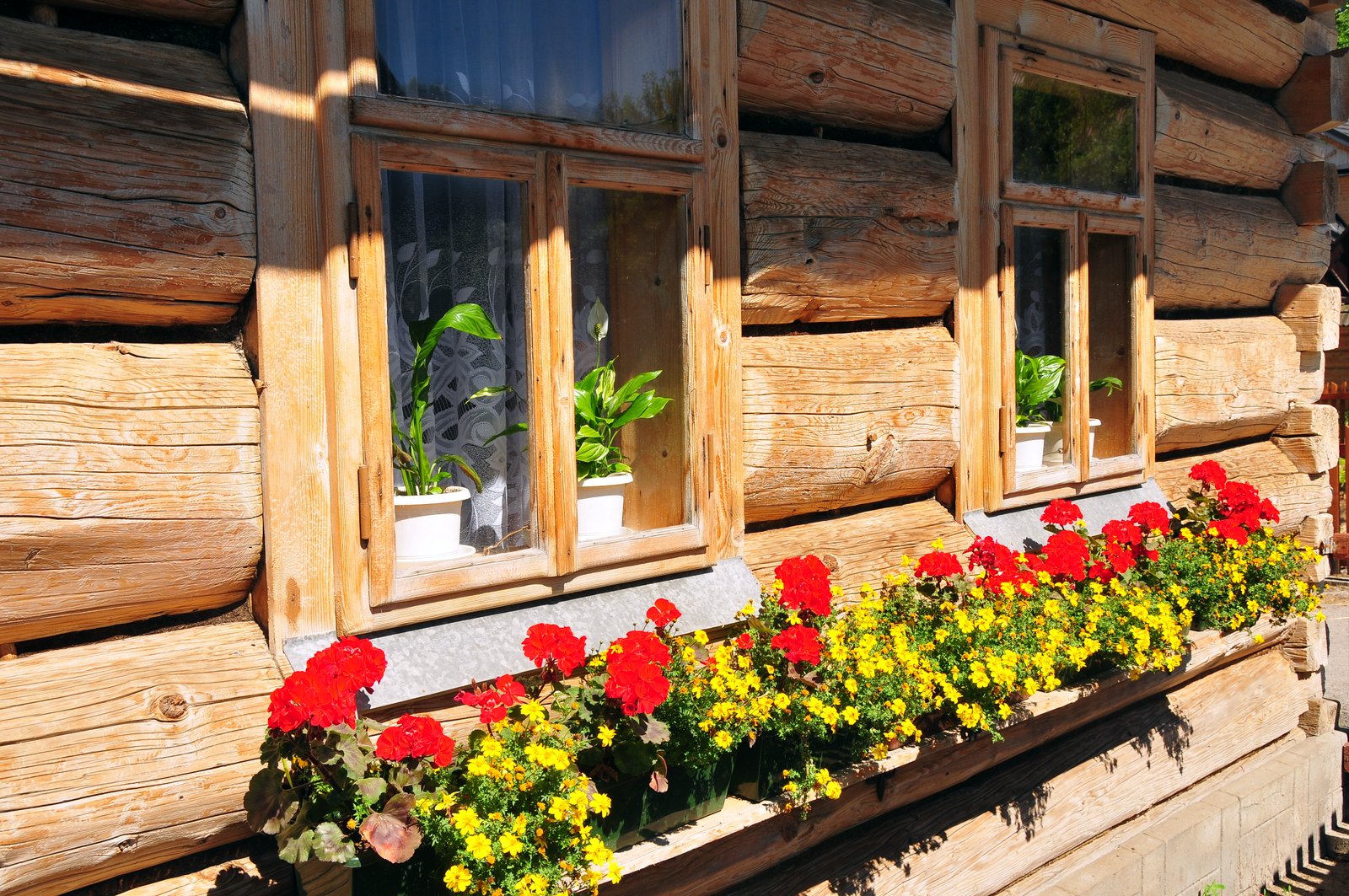
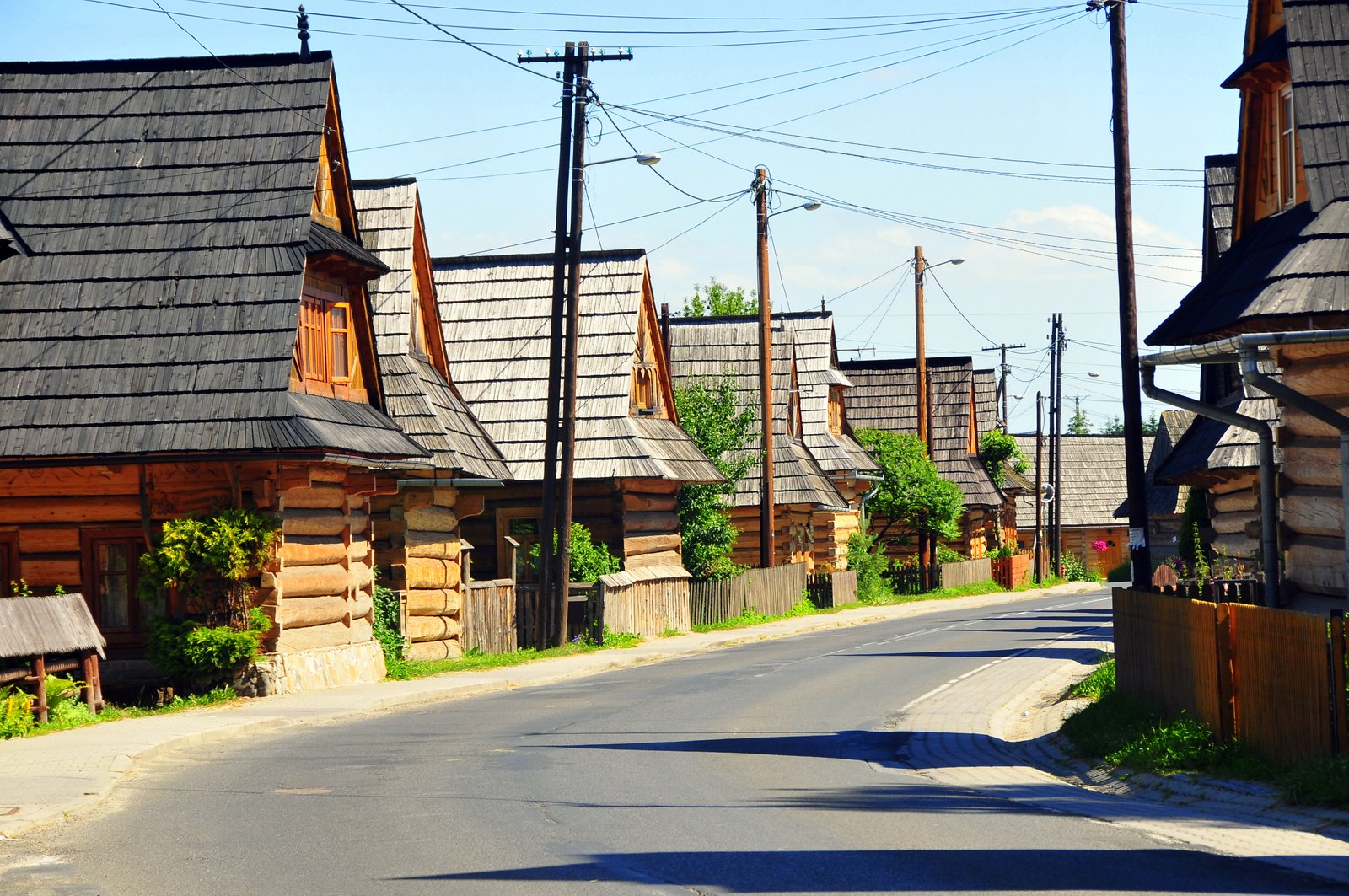
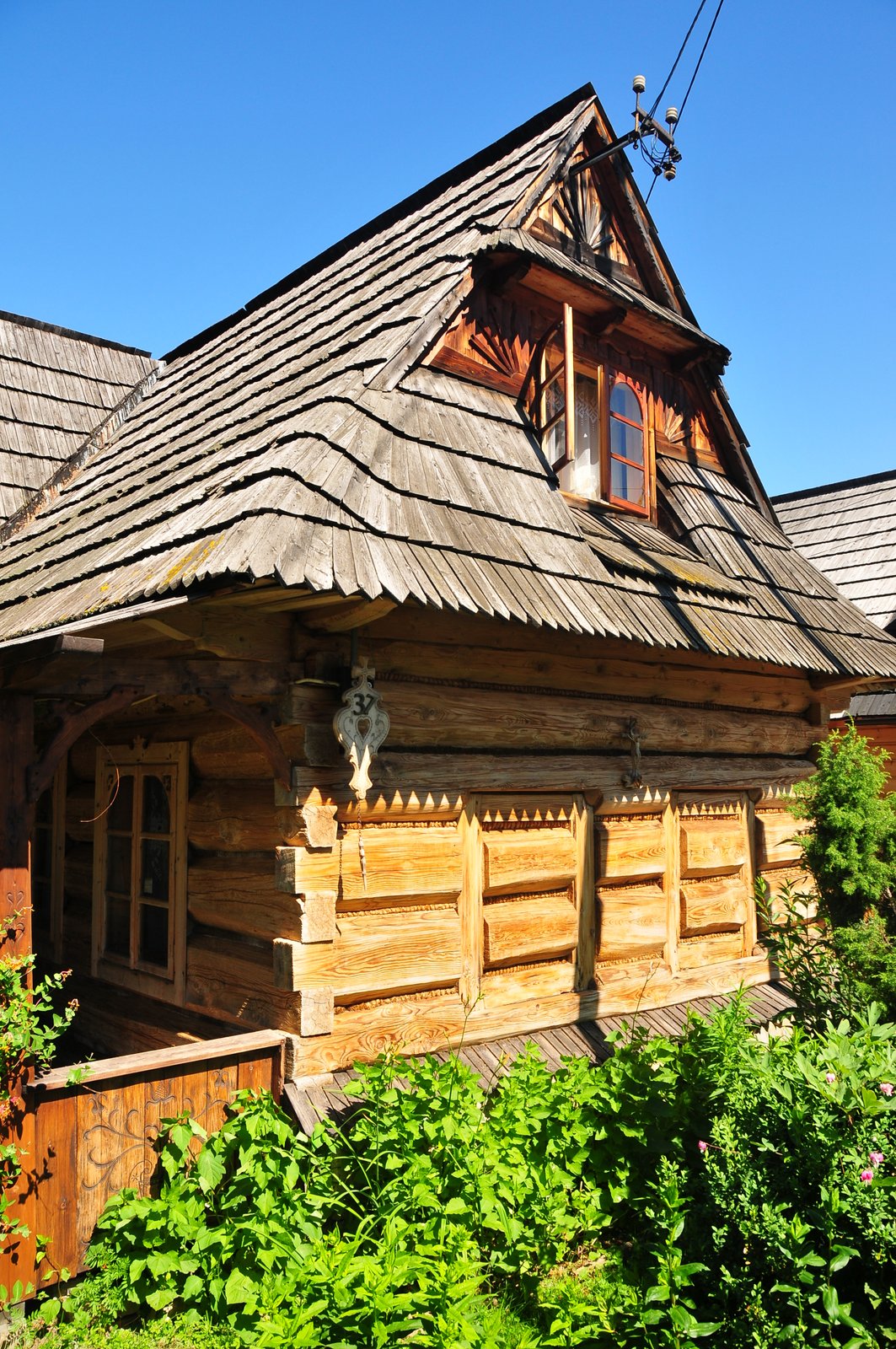
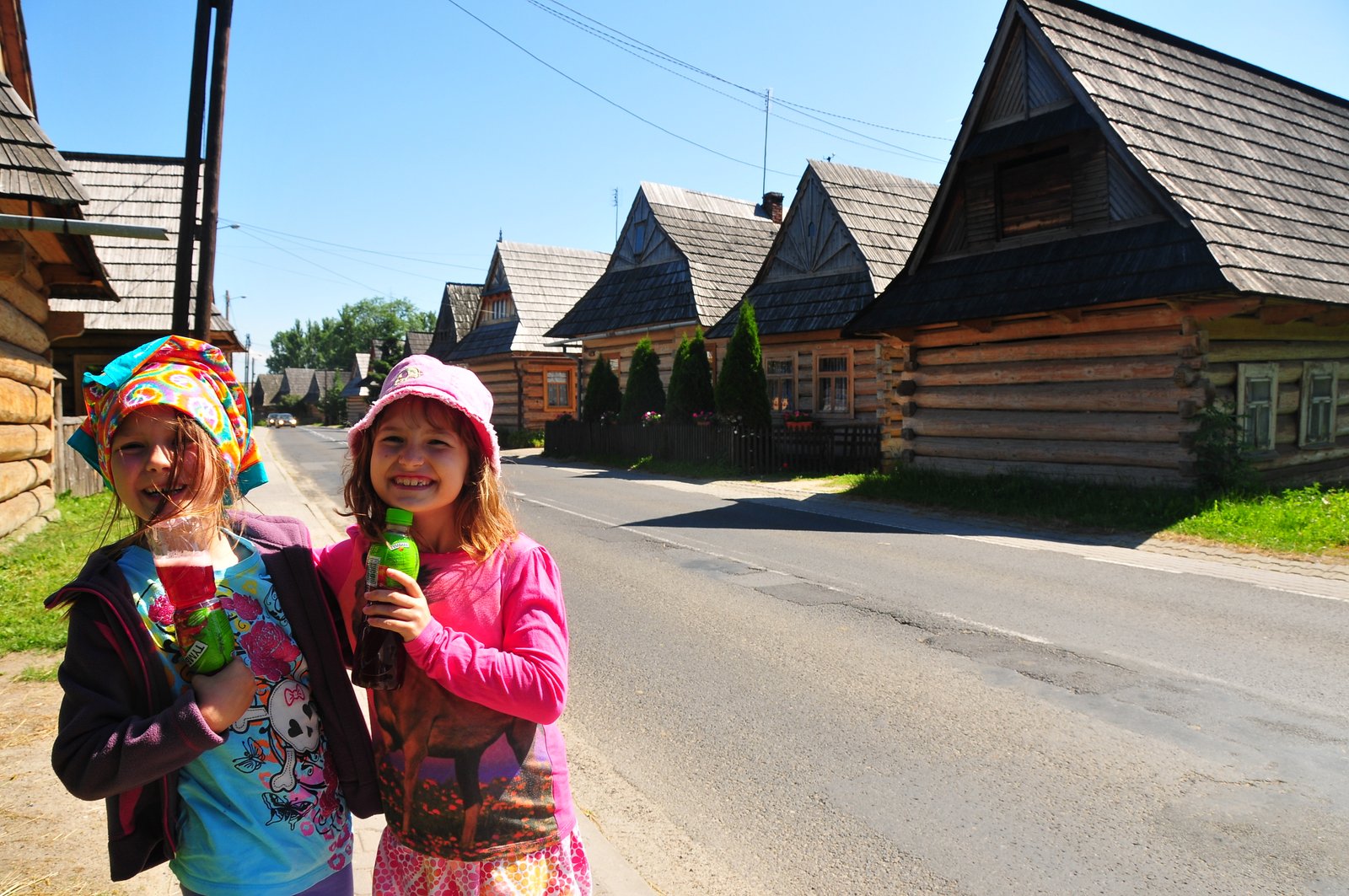
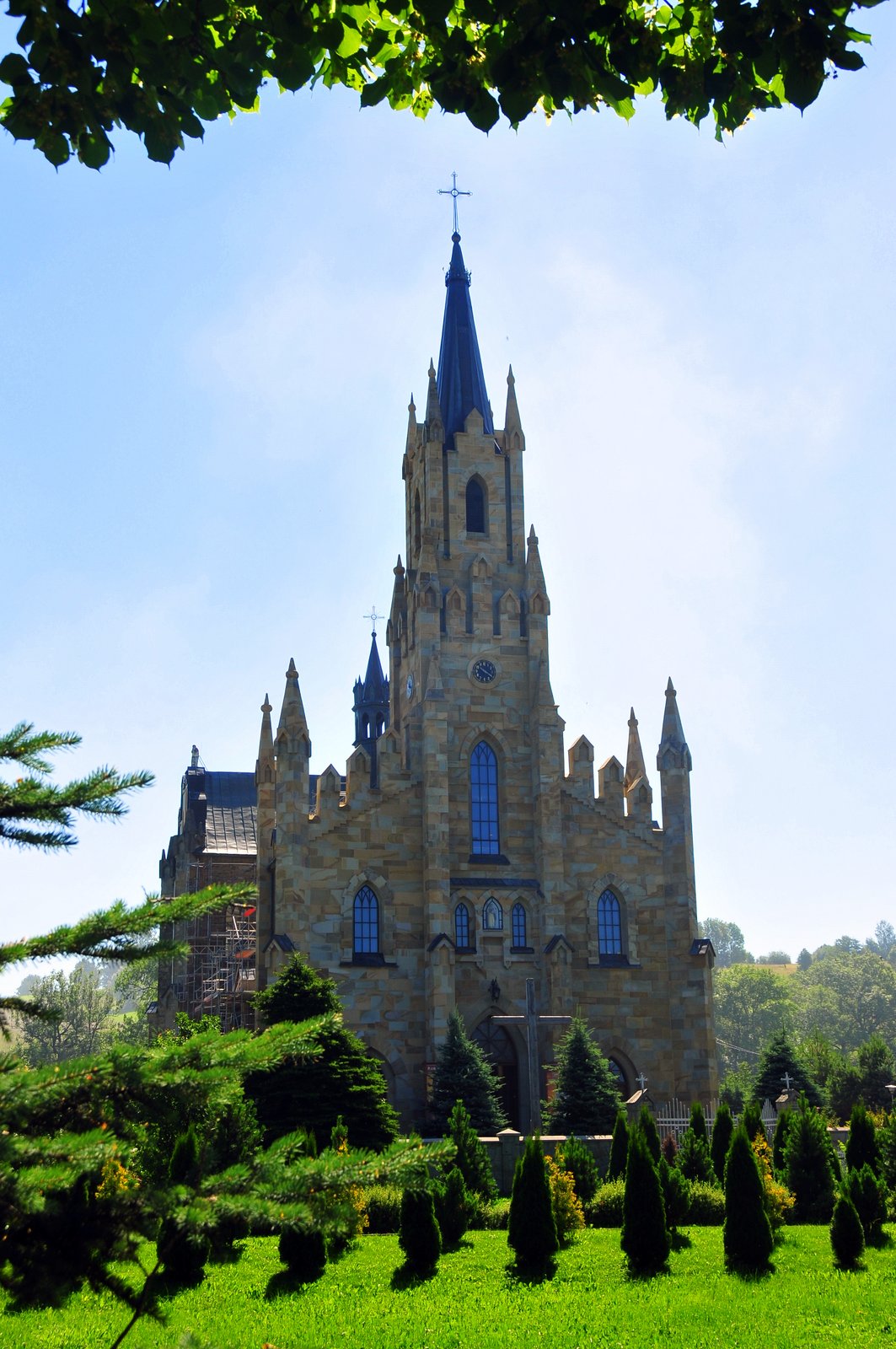
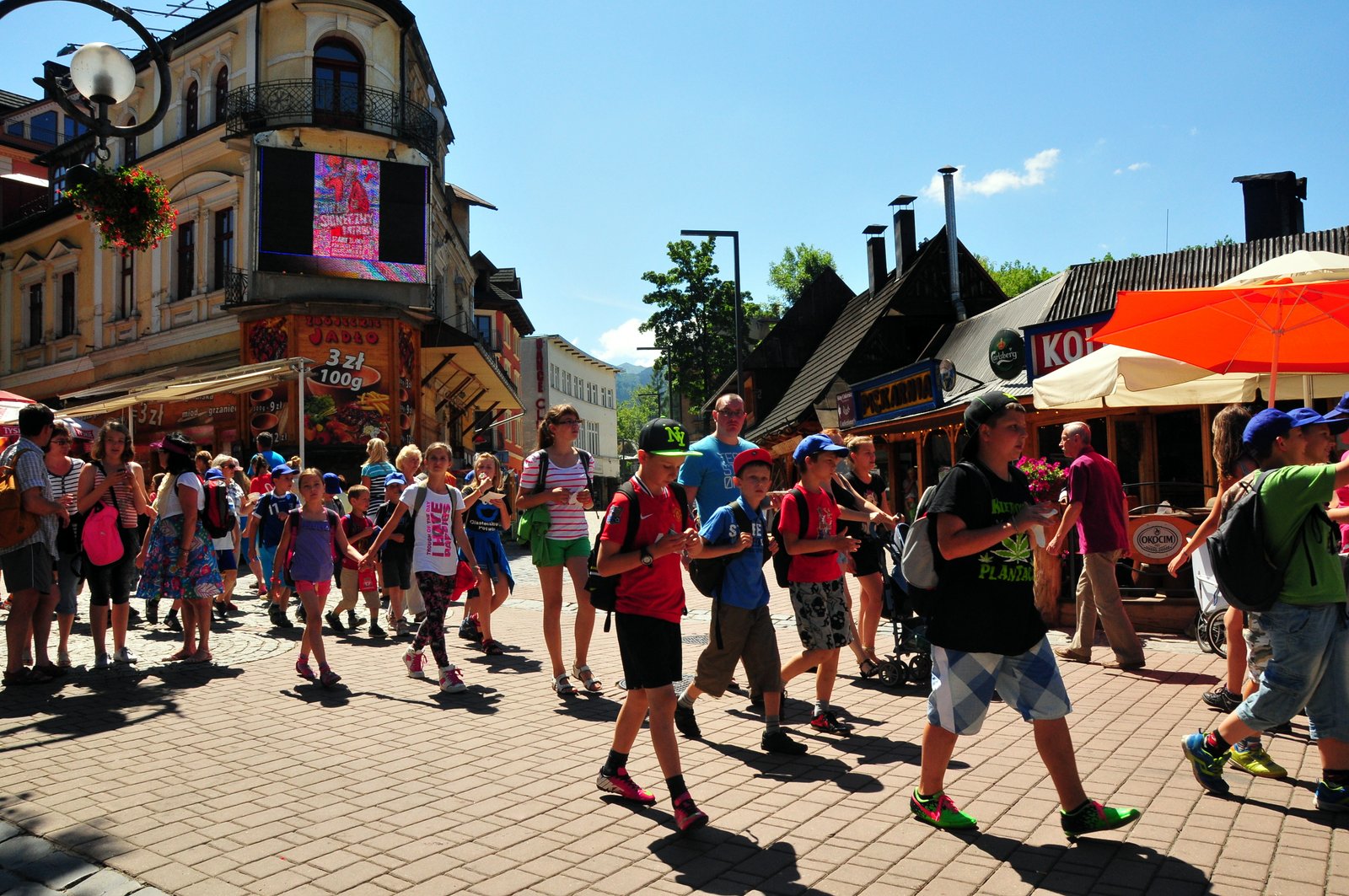
A day in Zakopane, the reputed "Winter Capital of Poland" (or more likely, given the number of tourists all year long, the Mountain Capital), begins in Chochołów, a small village on the way. It's famous for its traditional wooden houses. Unpainted, untreated, they positively shine after their yearly spring scrubbing. And the irony: the village church is made of stone.

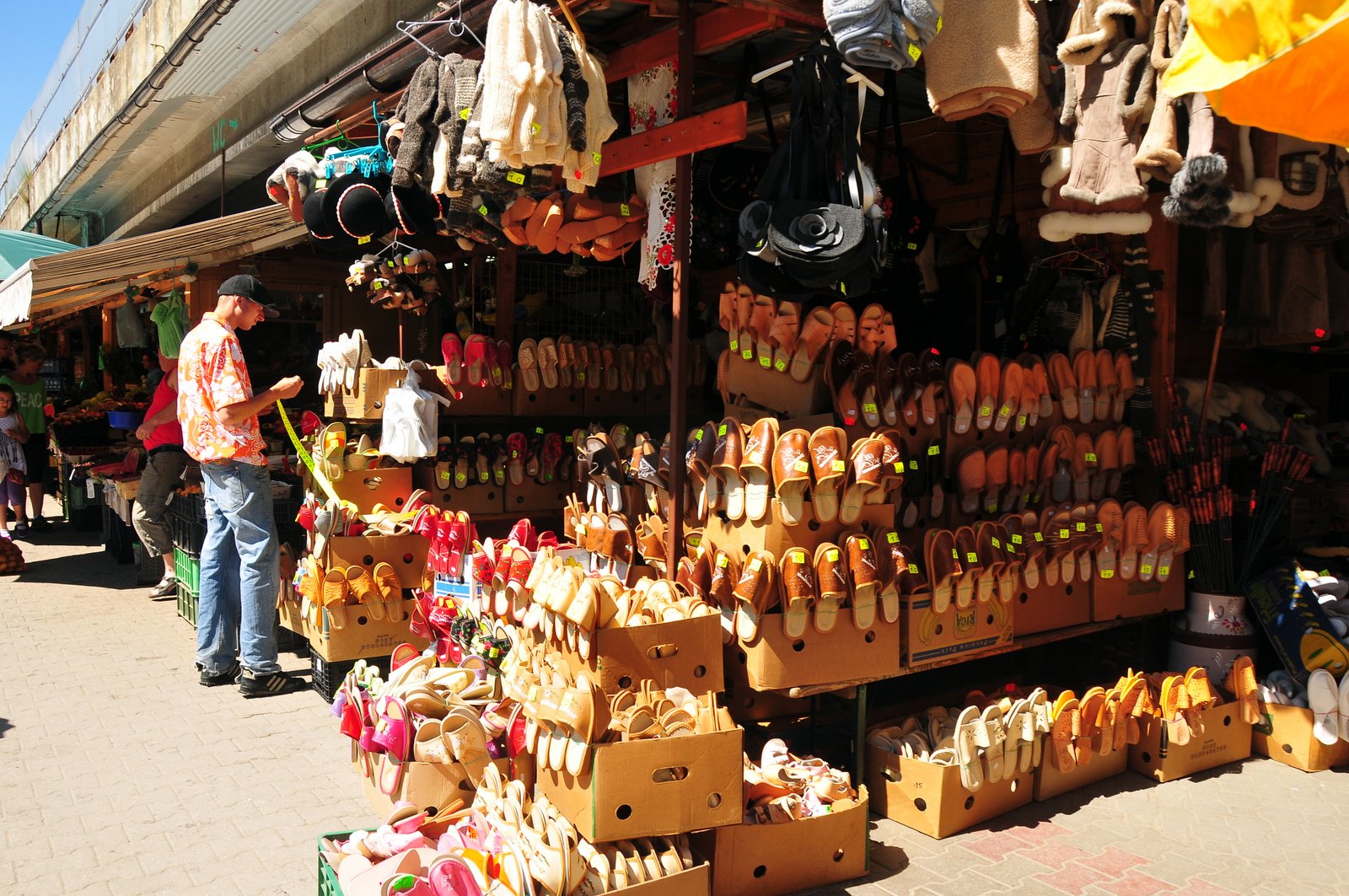
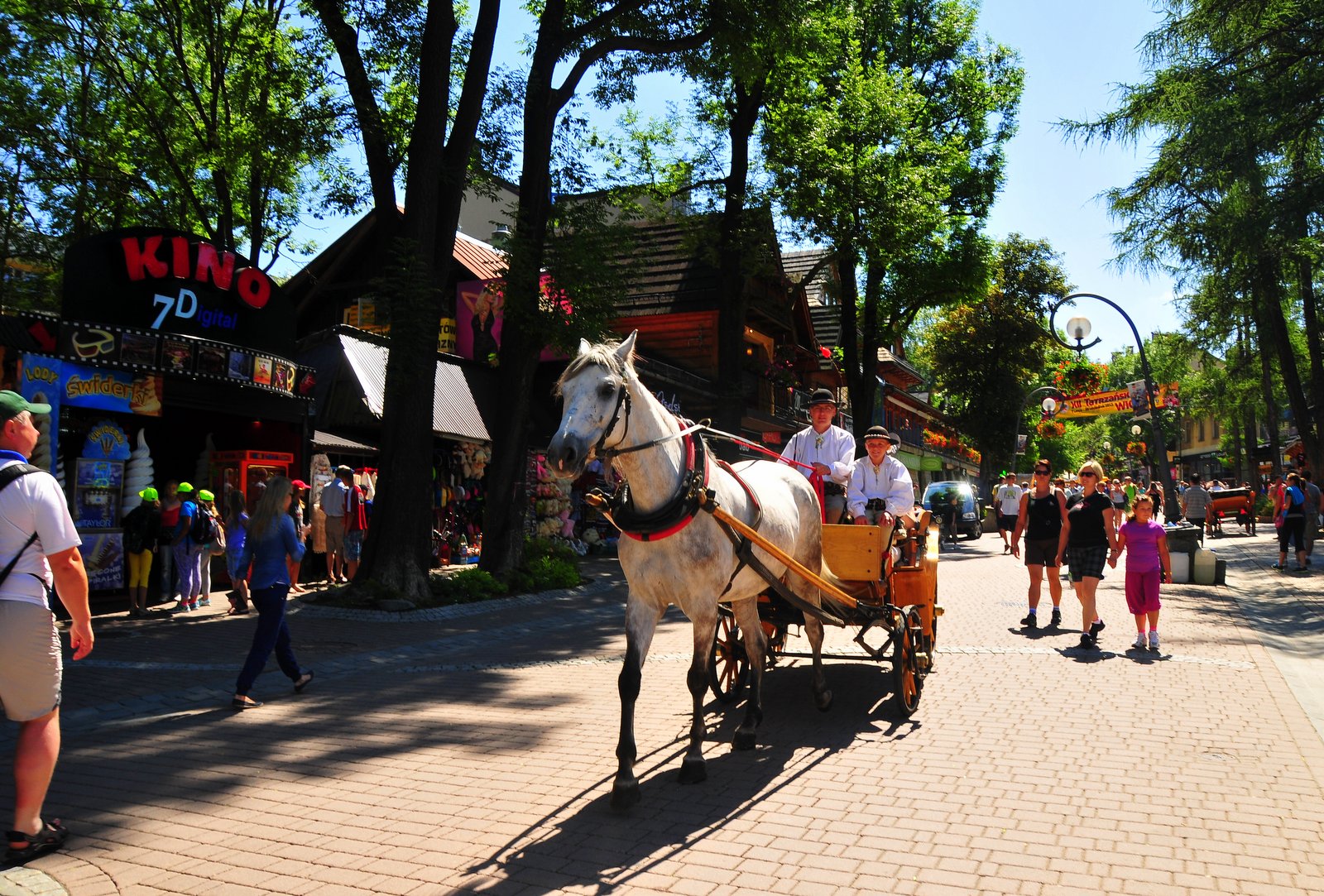
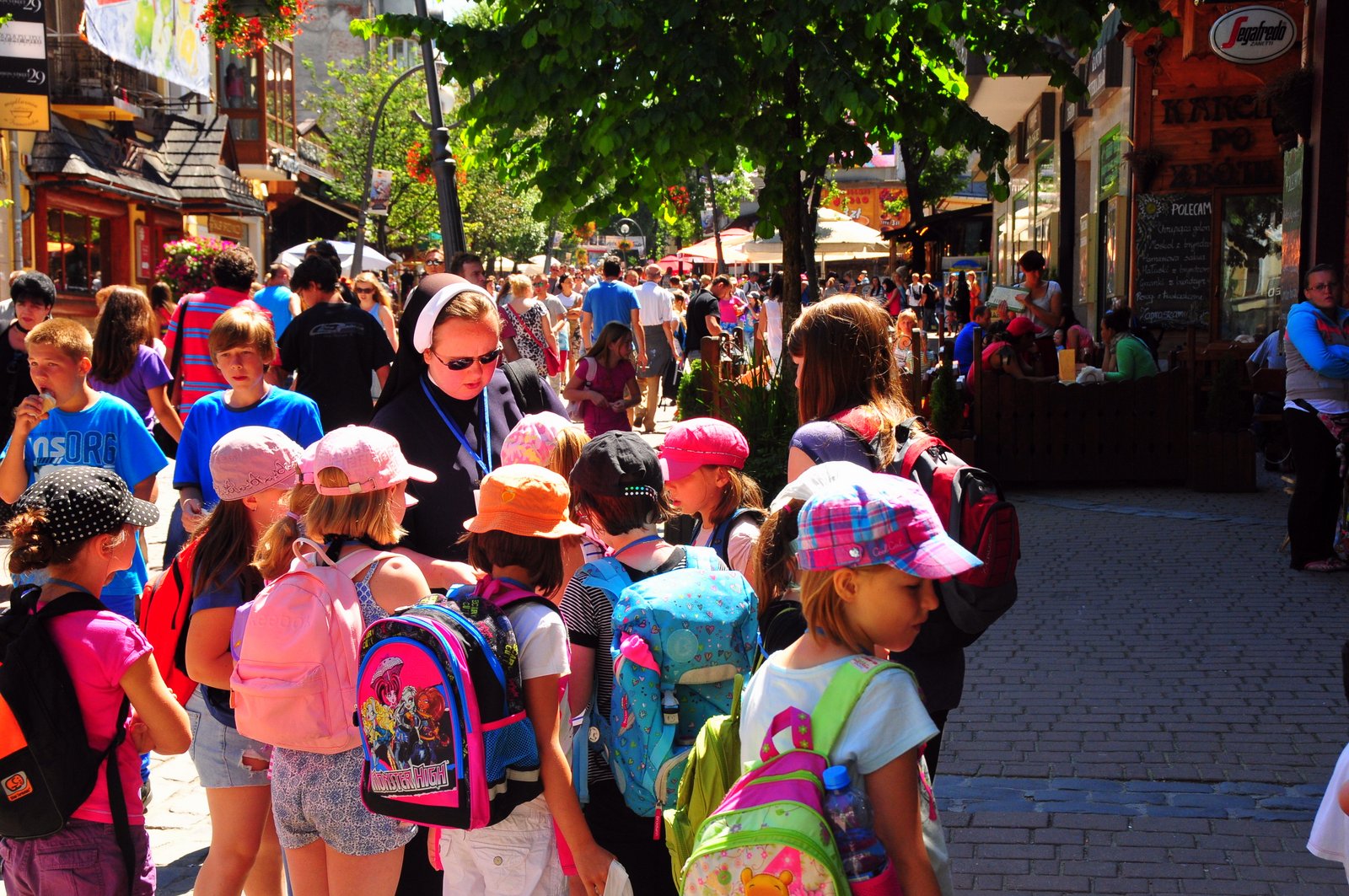
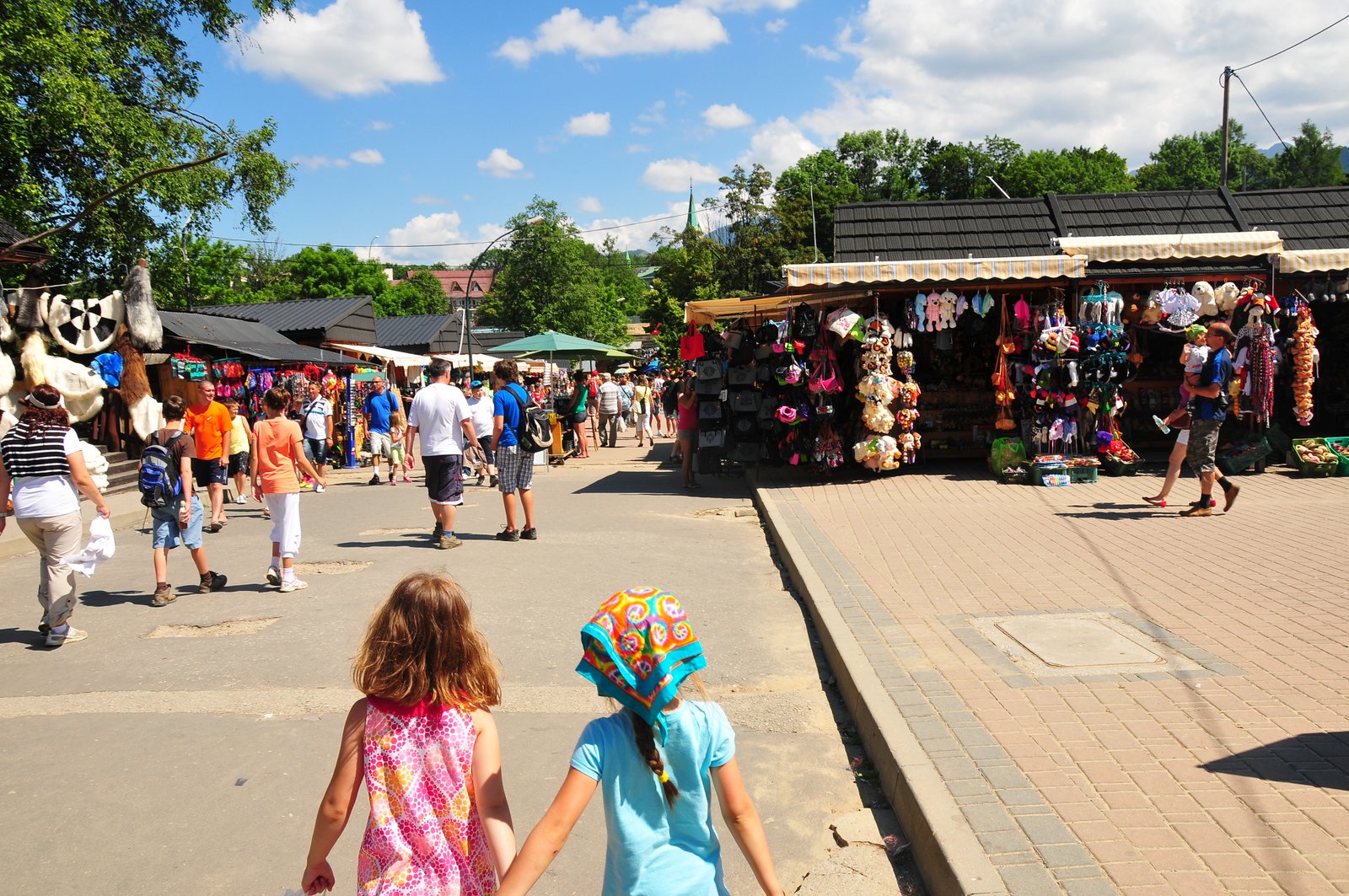
We make it to Zakopane and find a parking spot at the base of ulica Krupówki, the main tourist street. We head up the street and I provide simple instructions: "You can stop at two places each on the way back down. While we walk up the street, have a look around; on our way back down, you can show me where you want to go." And what drew L like a lodestone? The shops that sell the plastic nonsense anyone can buy in any corner of the so-called developed world. The plastic nonsense made in China that is taking over the world.
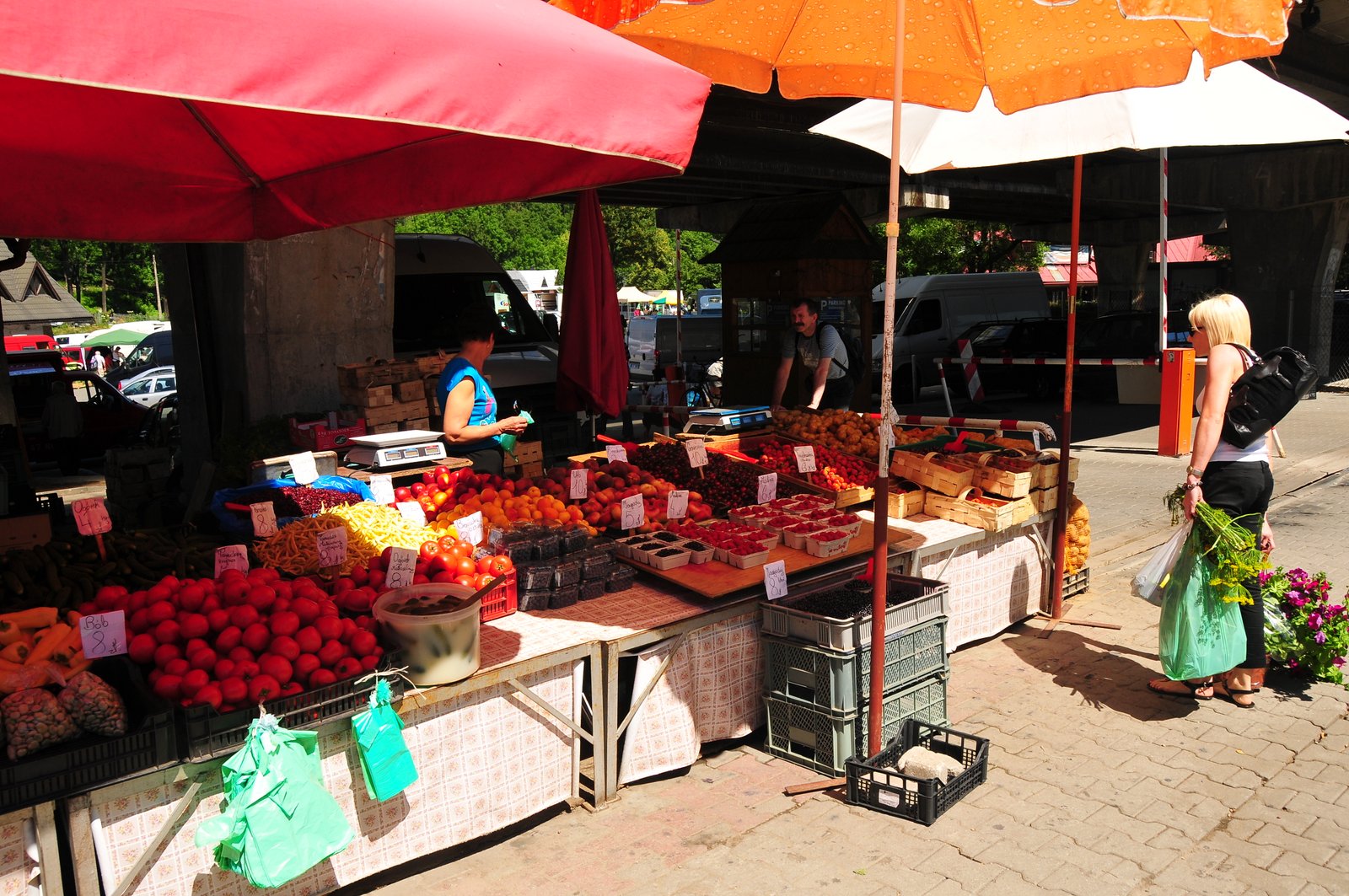
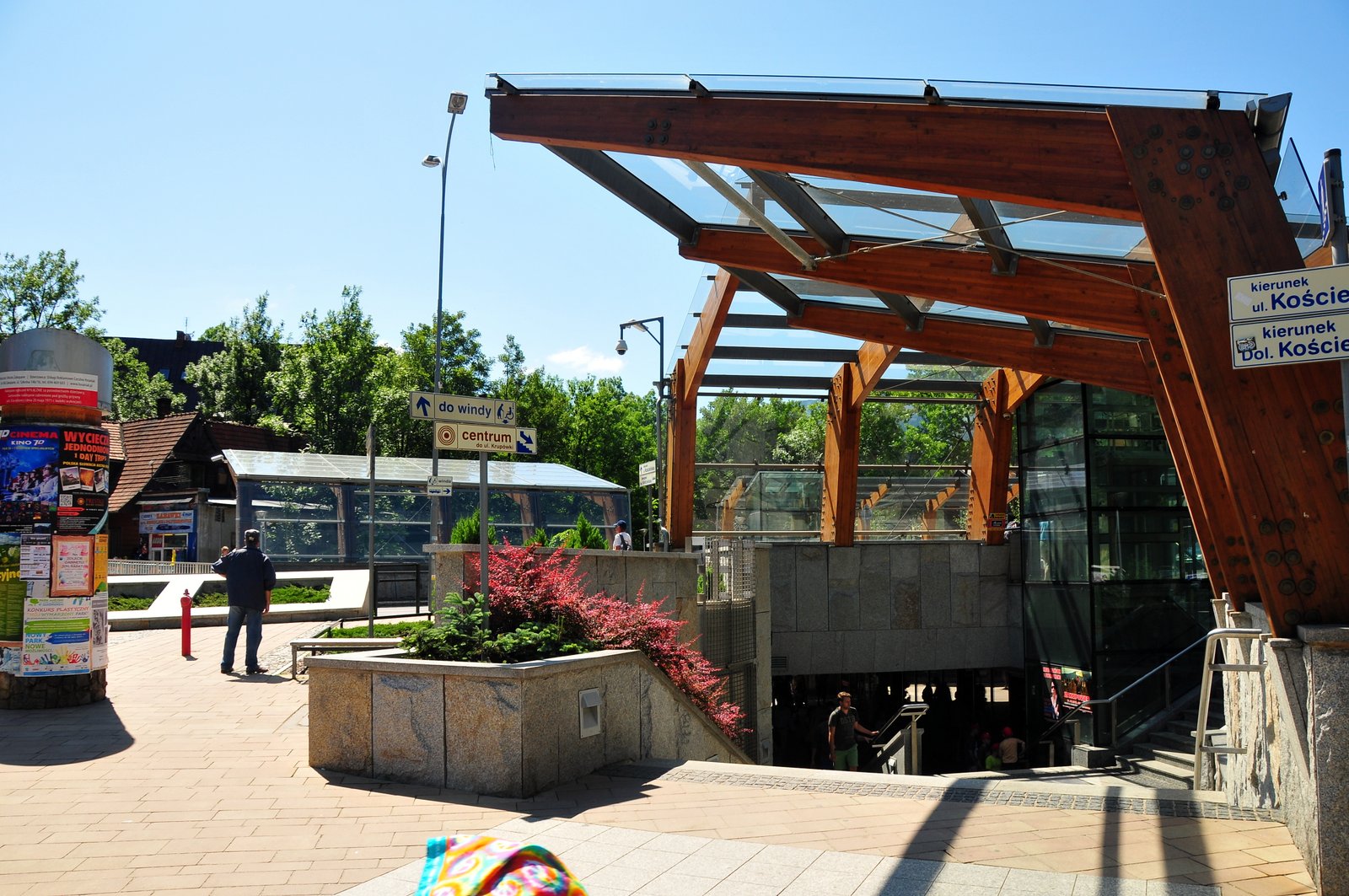
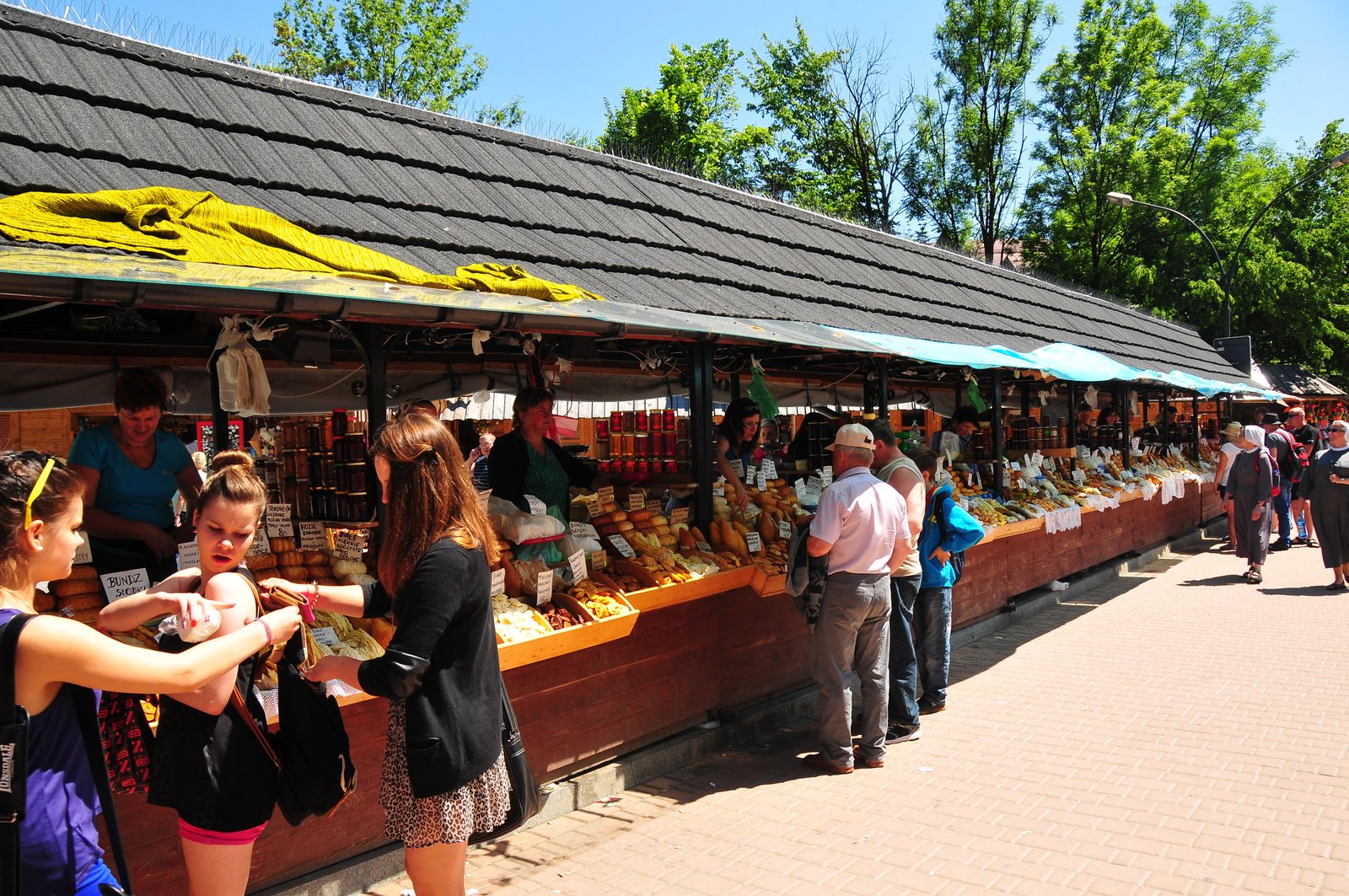
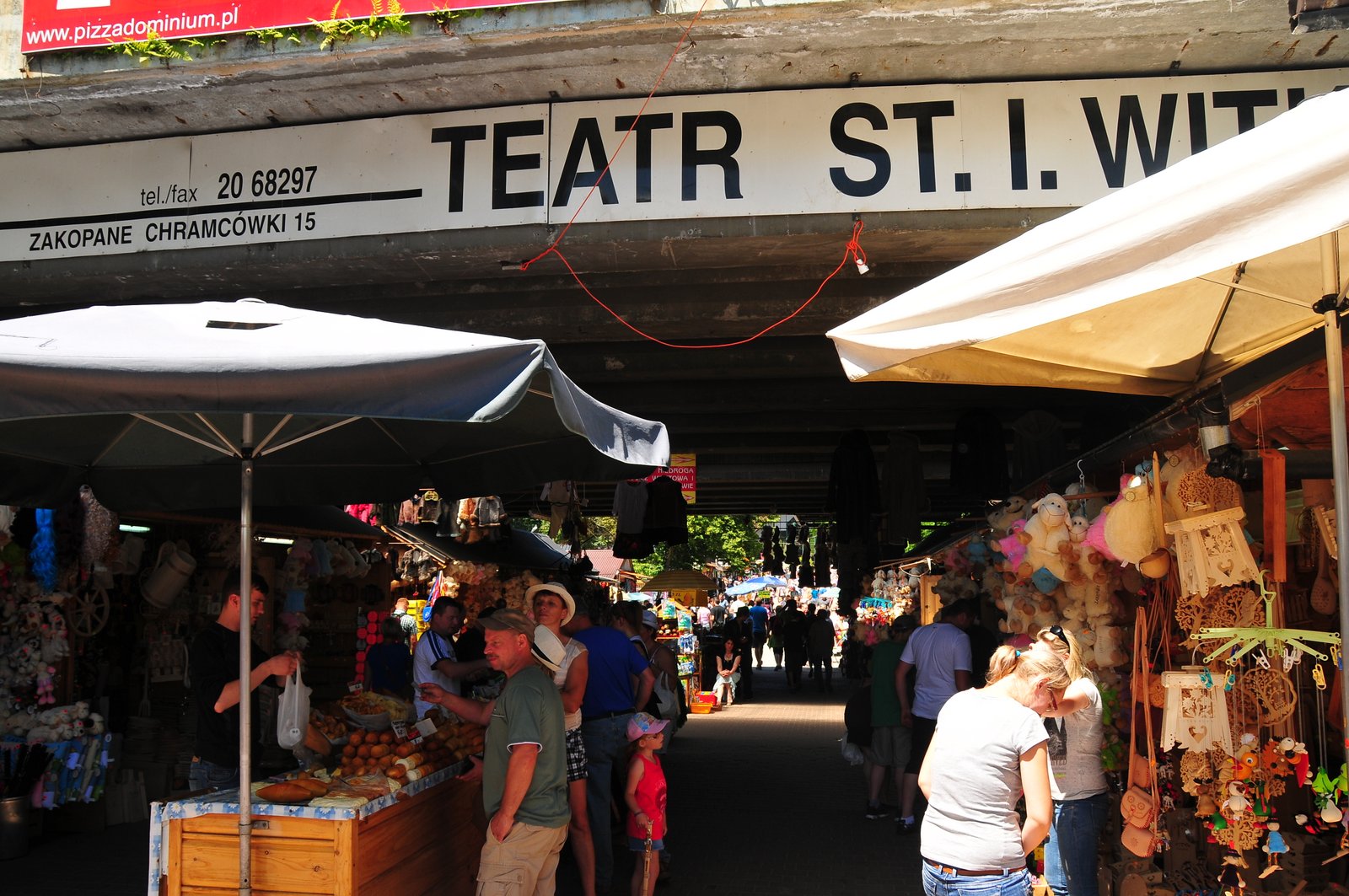
We cross under ul. Nowotarska/Koscieliska (the one becomes the other when they meet Krupówki) using the new passage under the busy street. In the past, with all the people passing through, it was impossible to drive through this area in less than ten minutes. But that's all that's new: the rest is just as it was when I first walked down the street. The long line of cheese mongers all selling exactly the same product has new, younger ladies behind the piles of cheese, but that's the only difference.

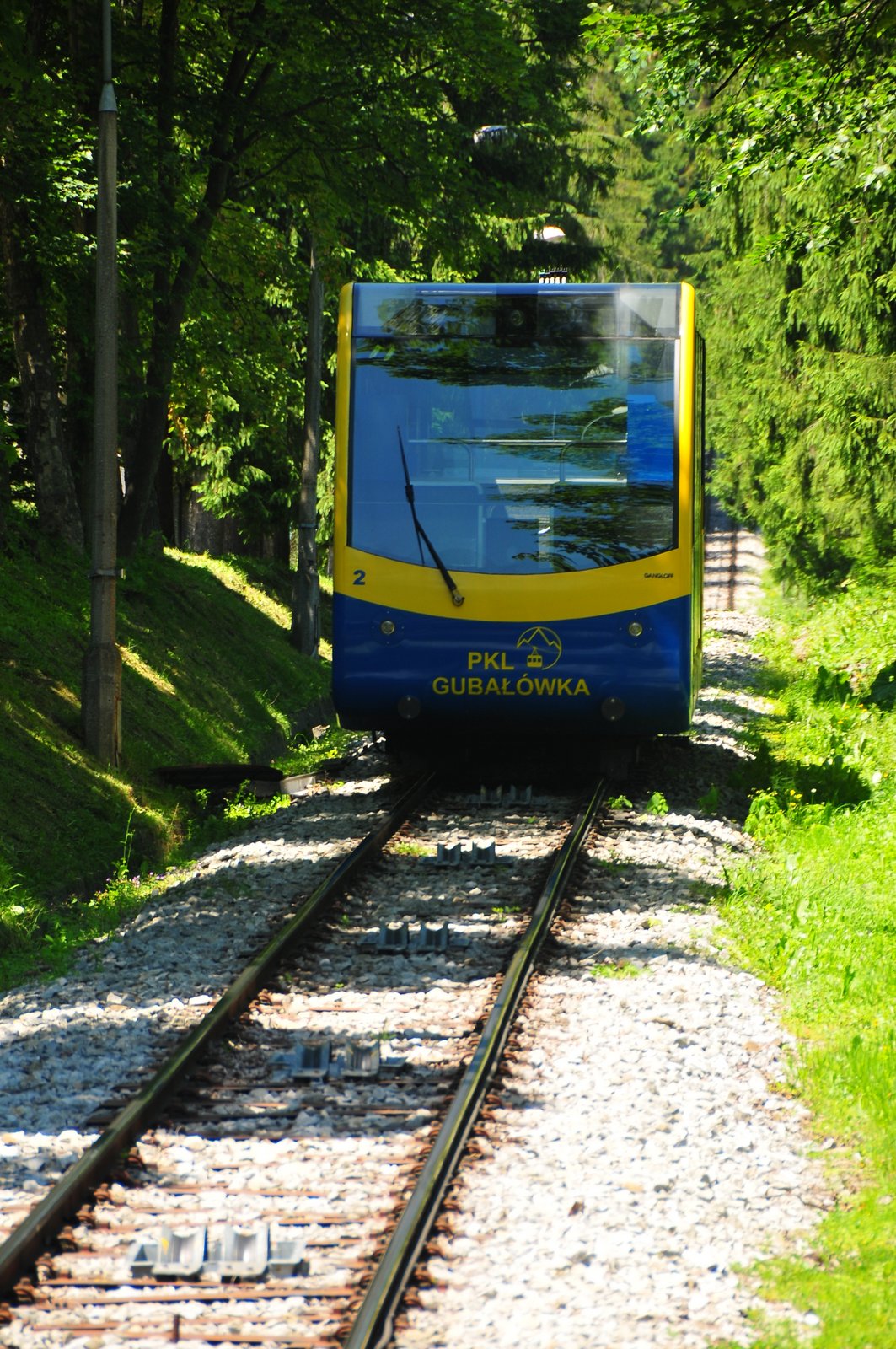
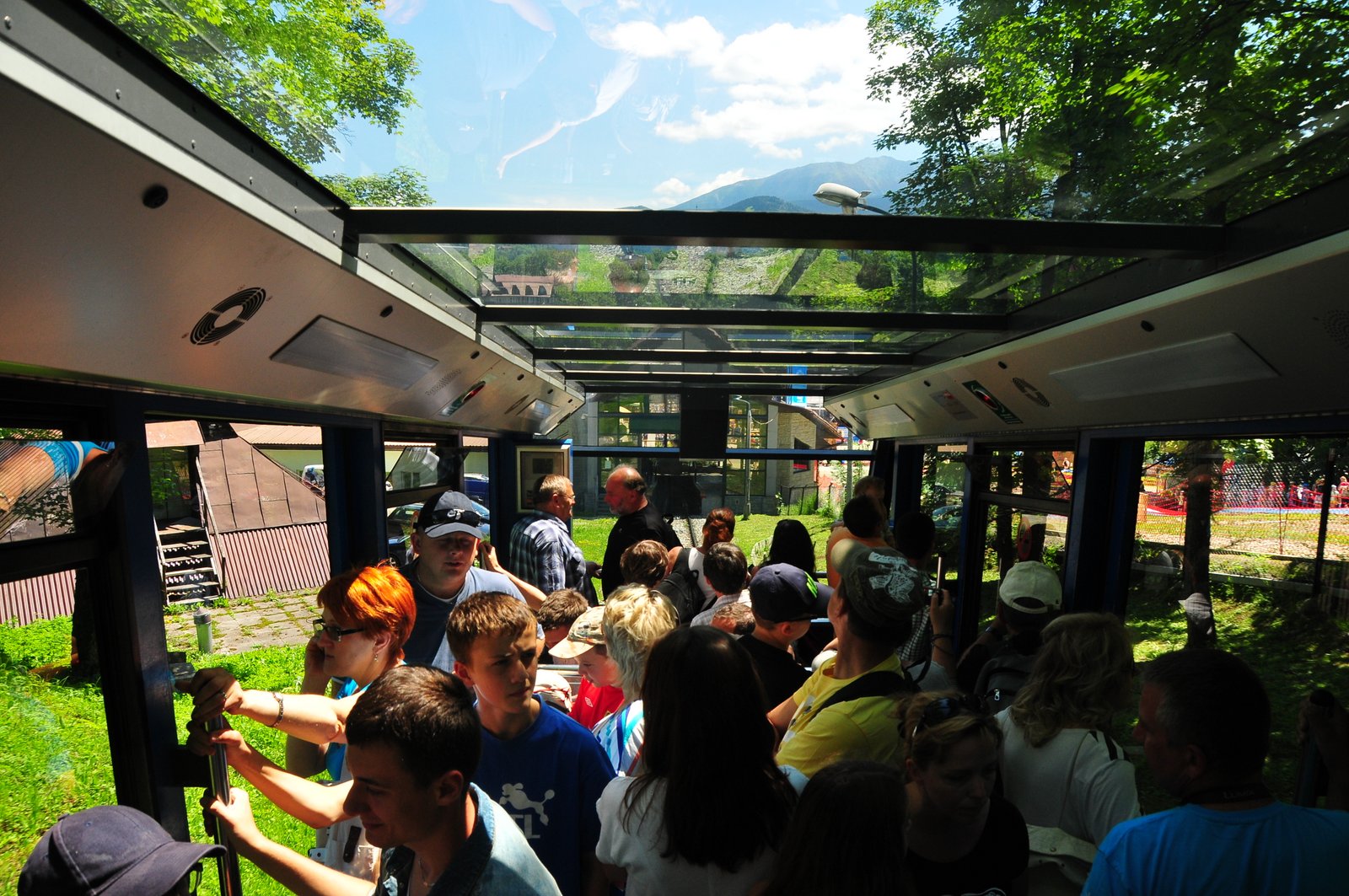
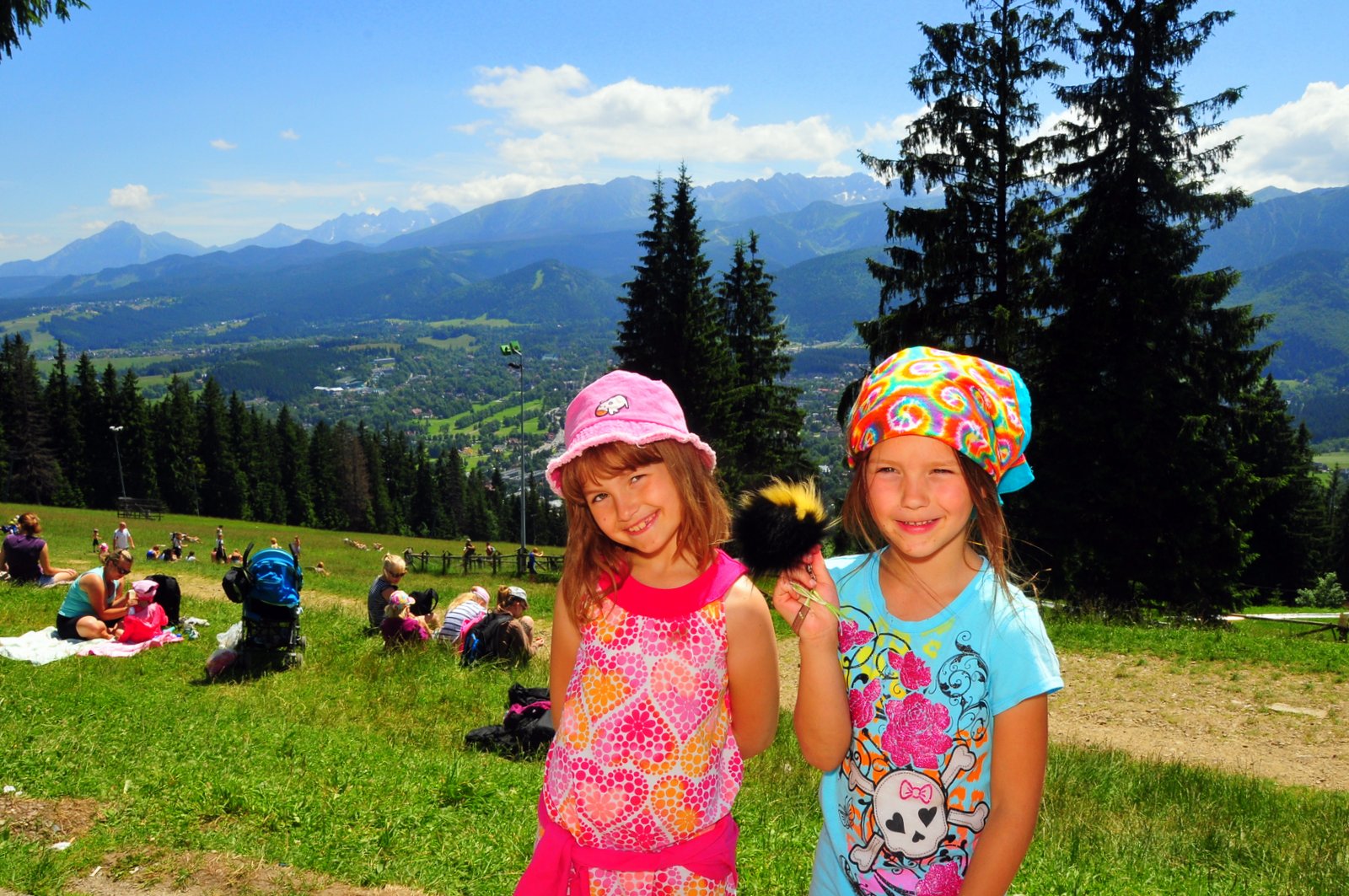
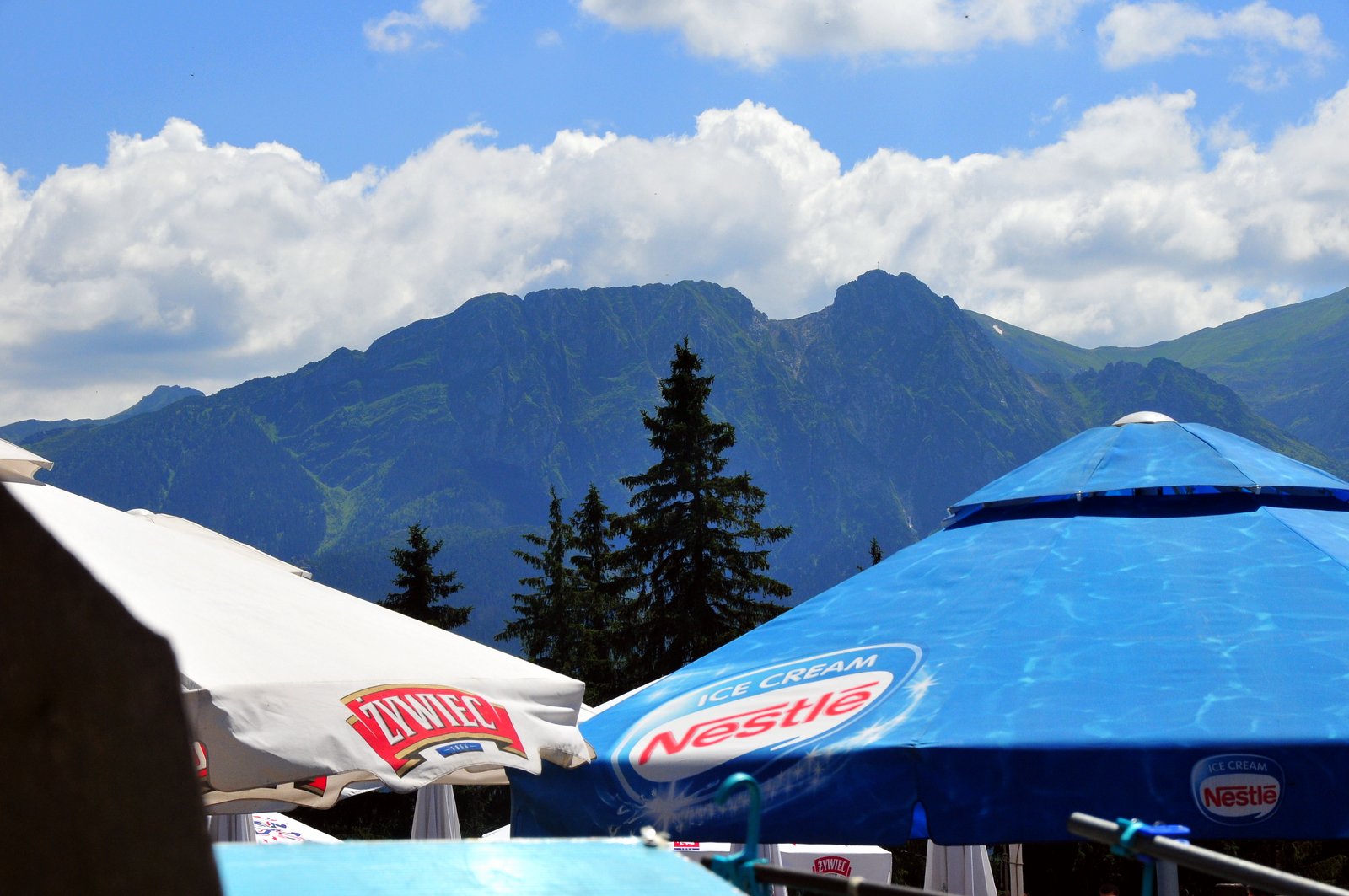
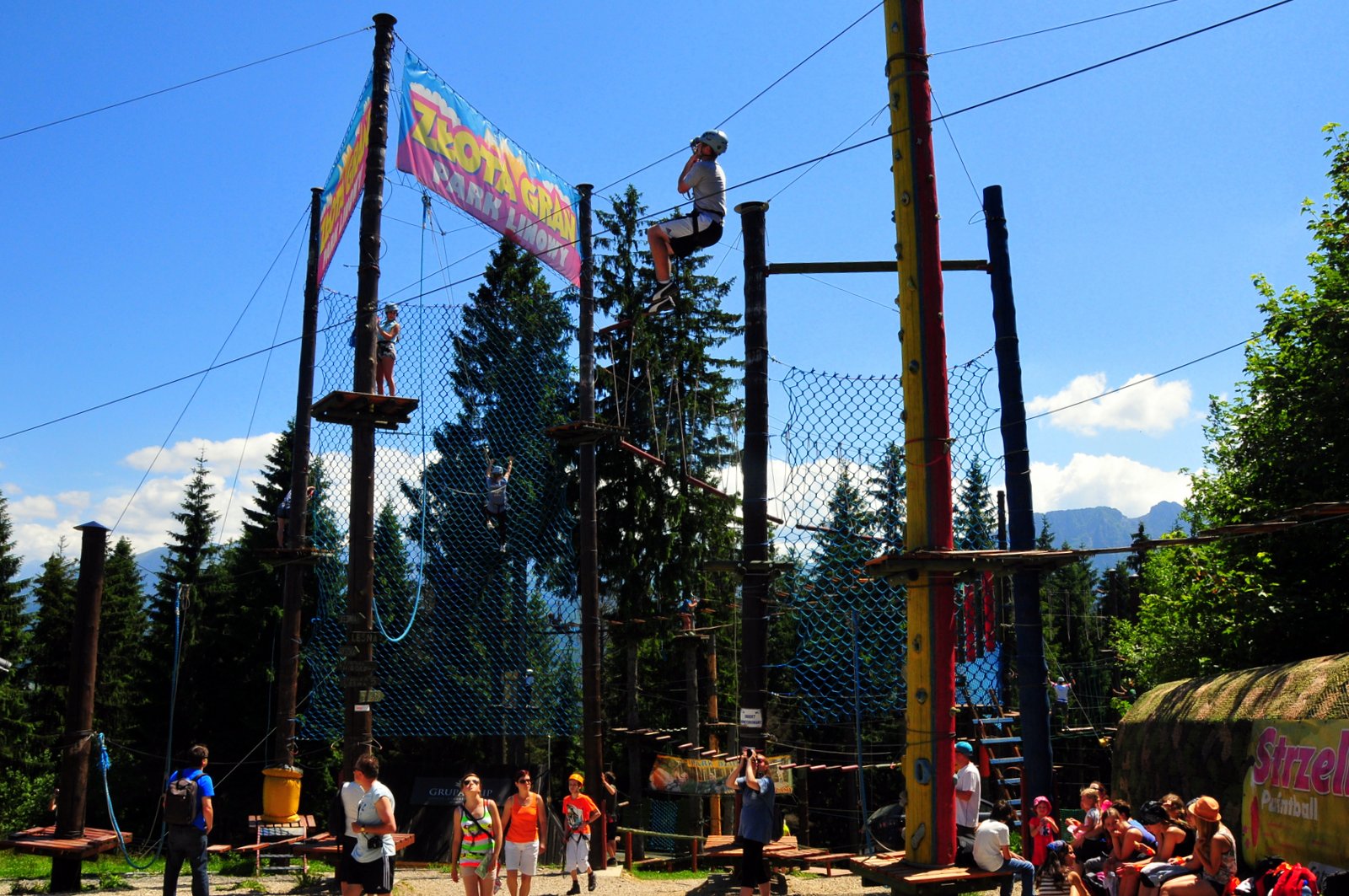
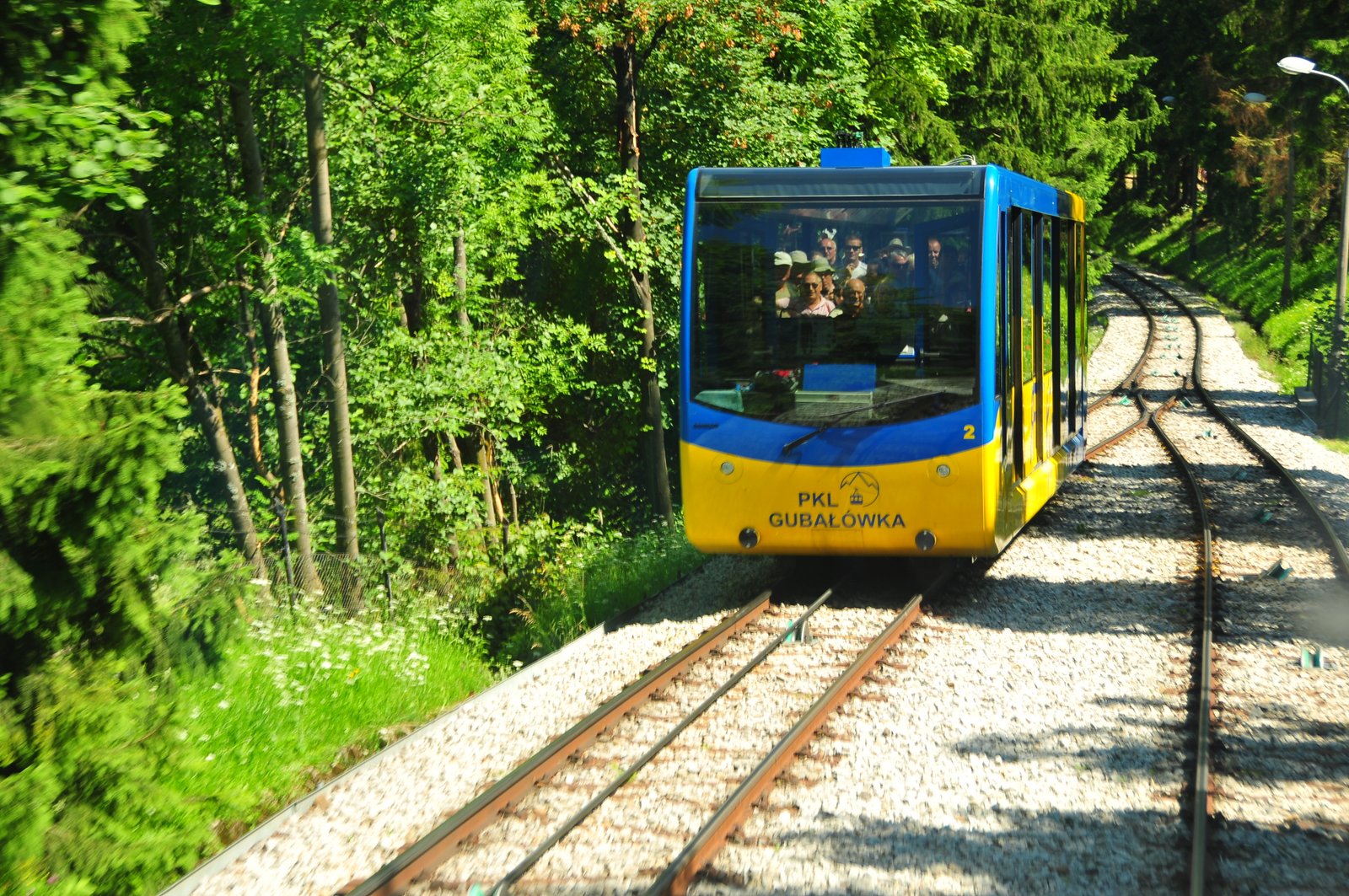
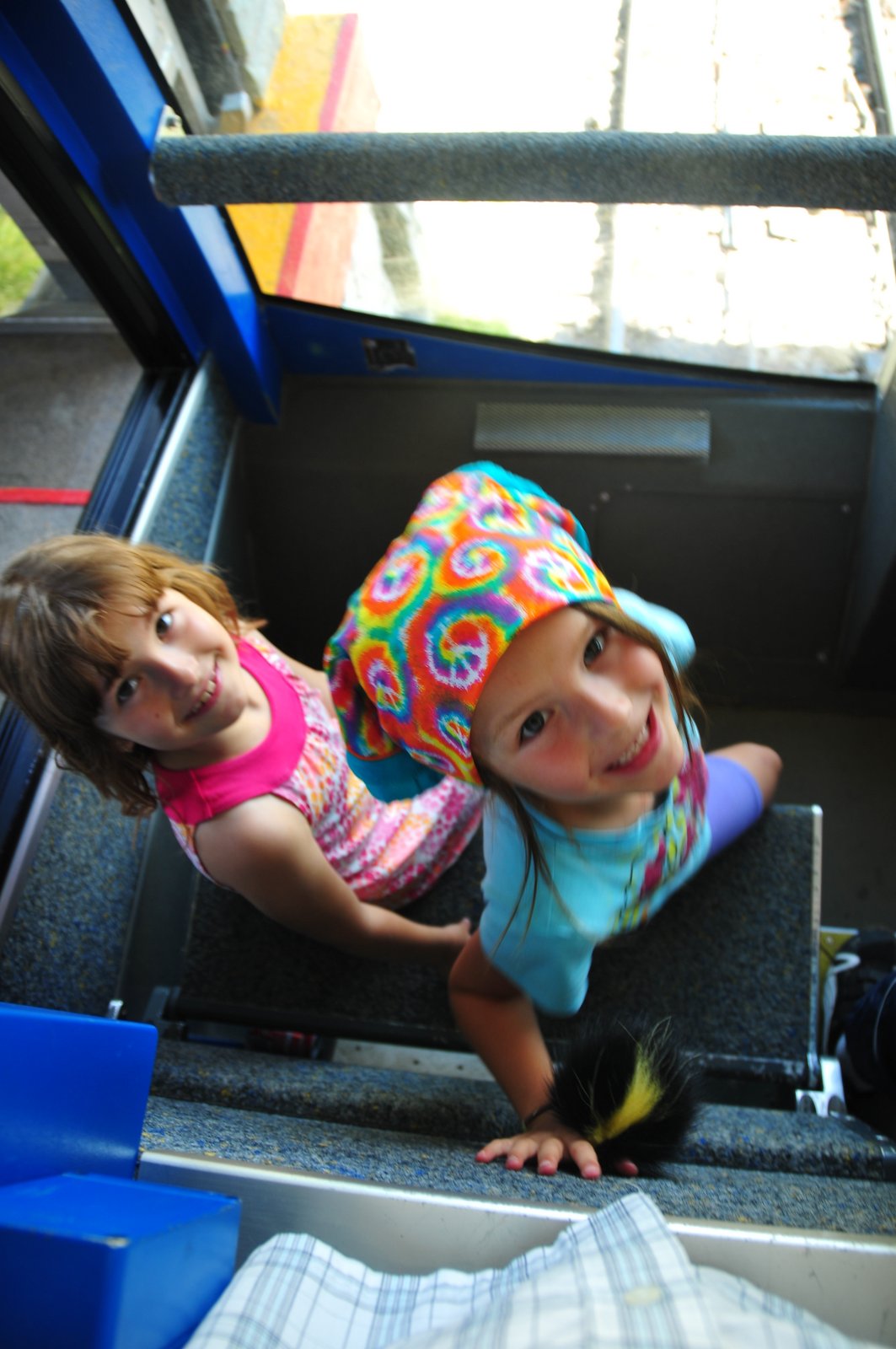
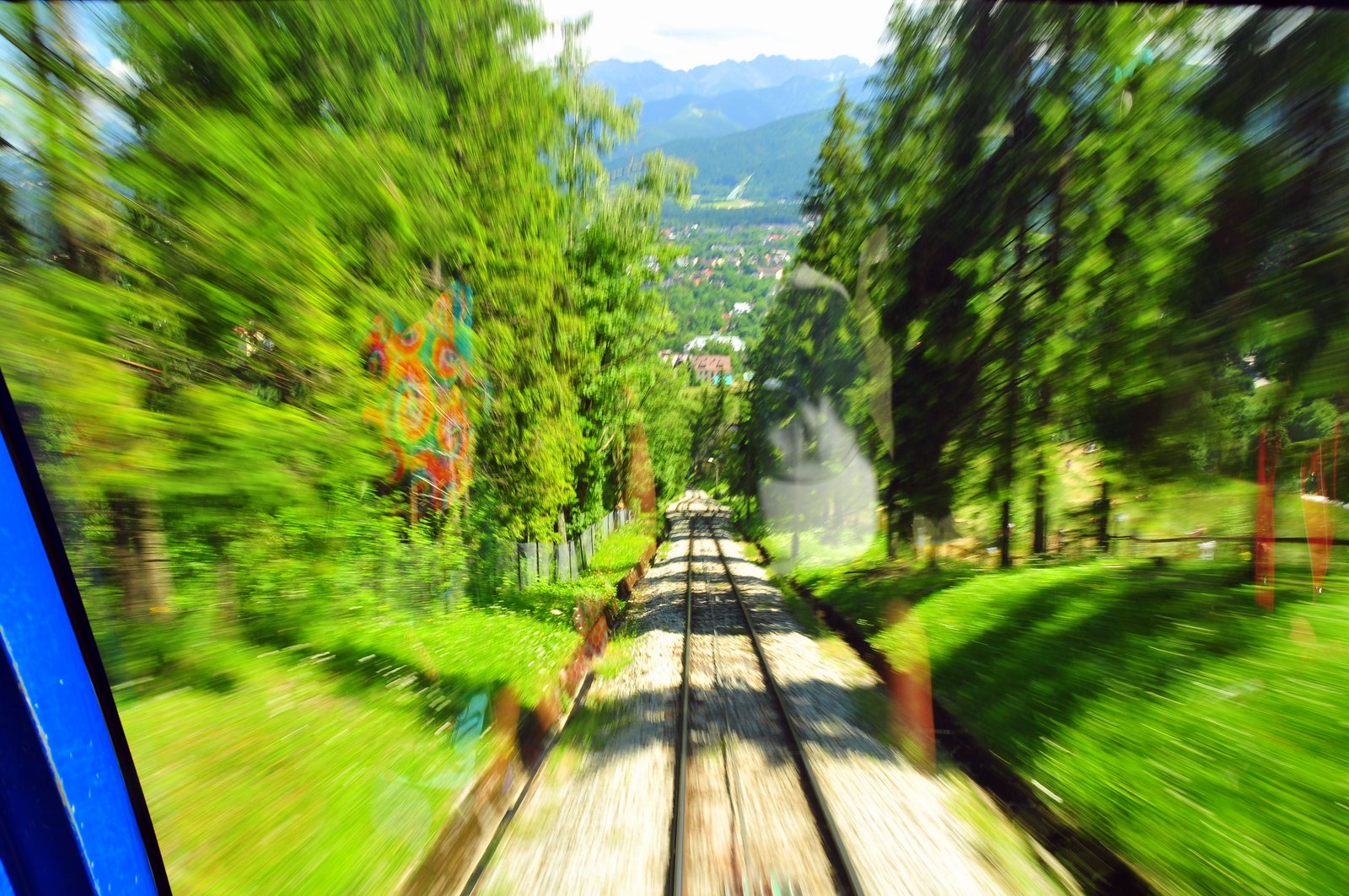
We take the funicular to Gubałówka Hill, perhaps the ultimate tourist trap of the whole area.

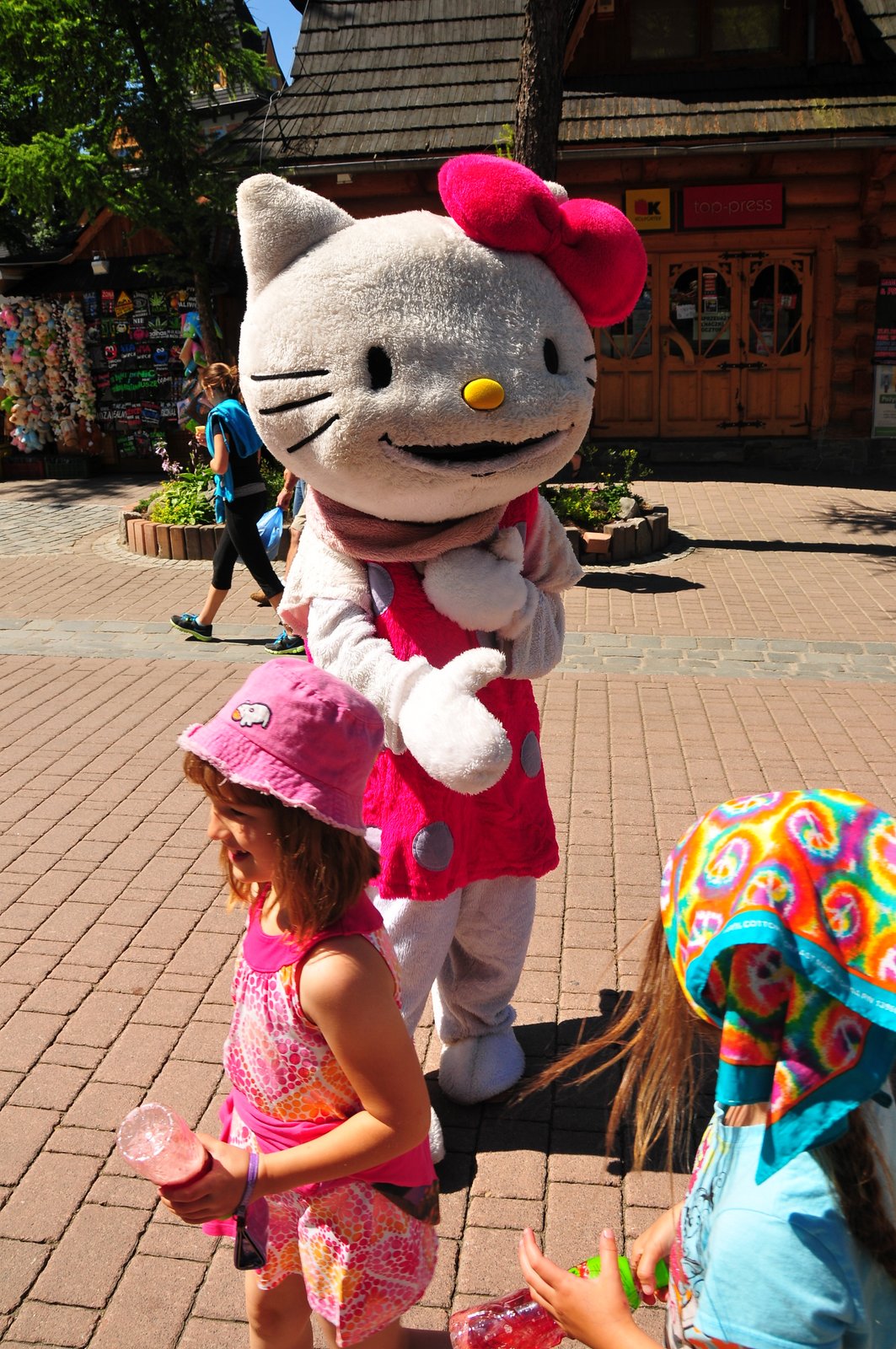
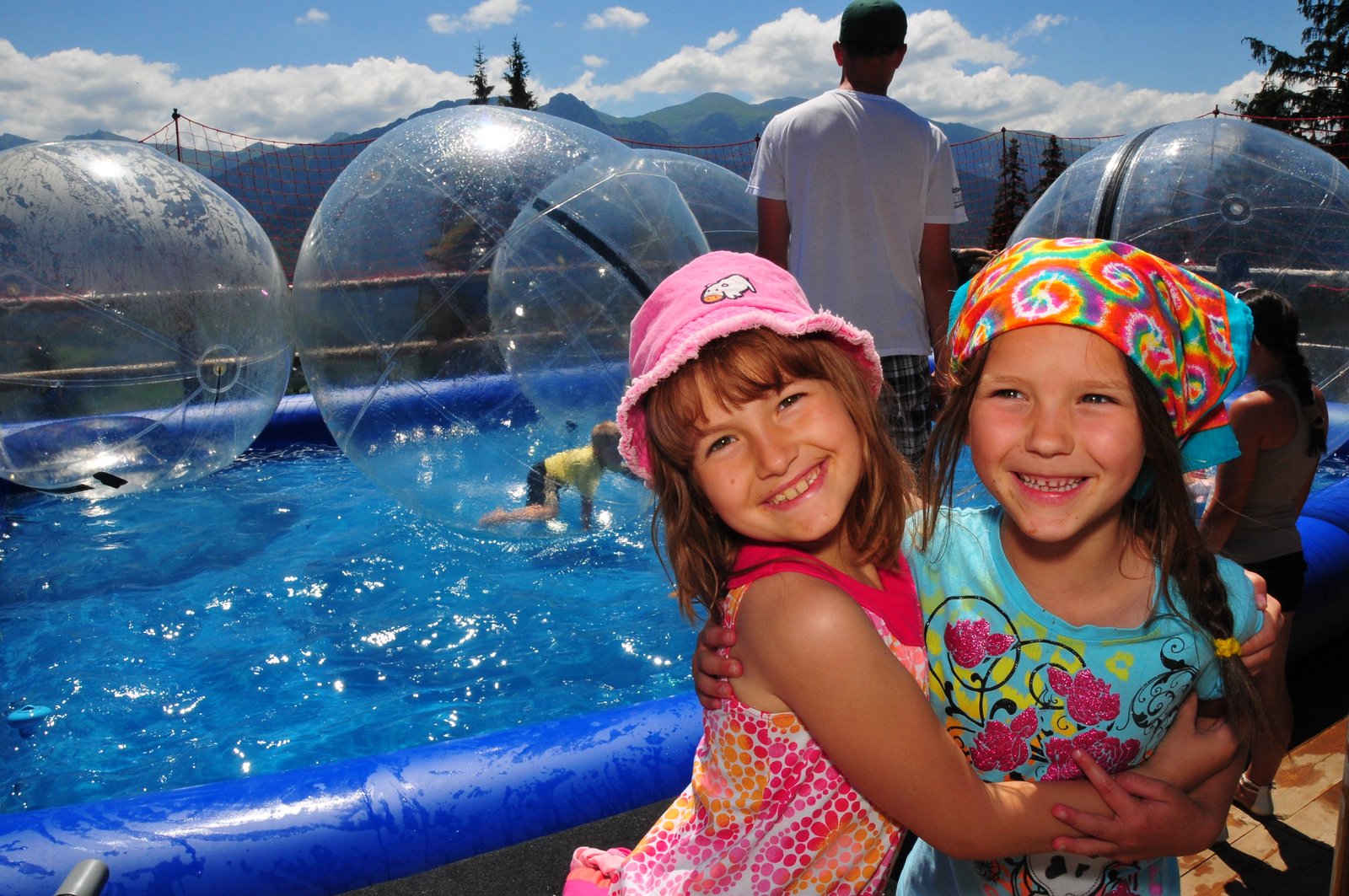
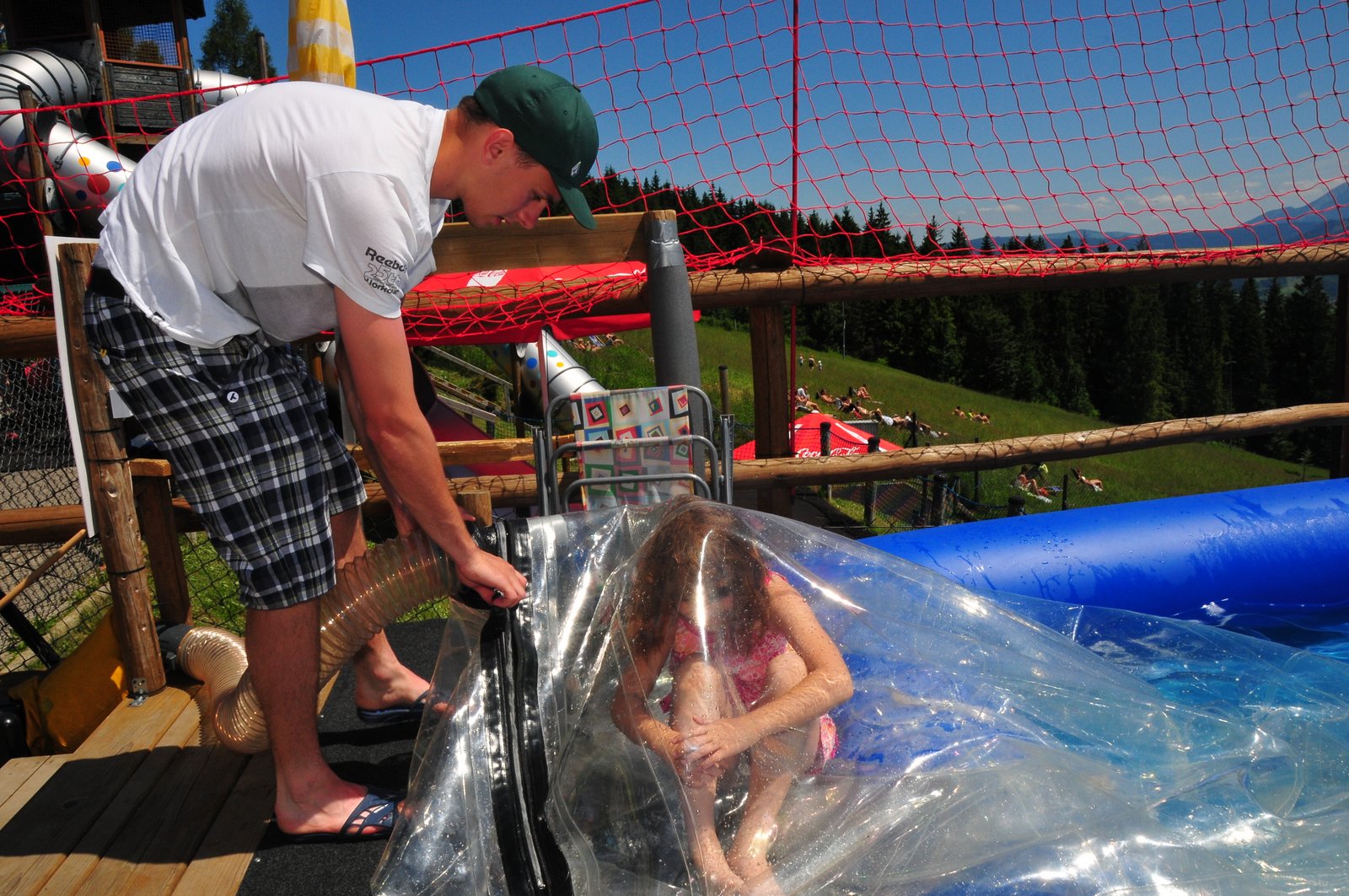
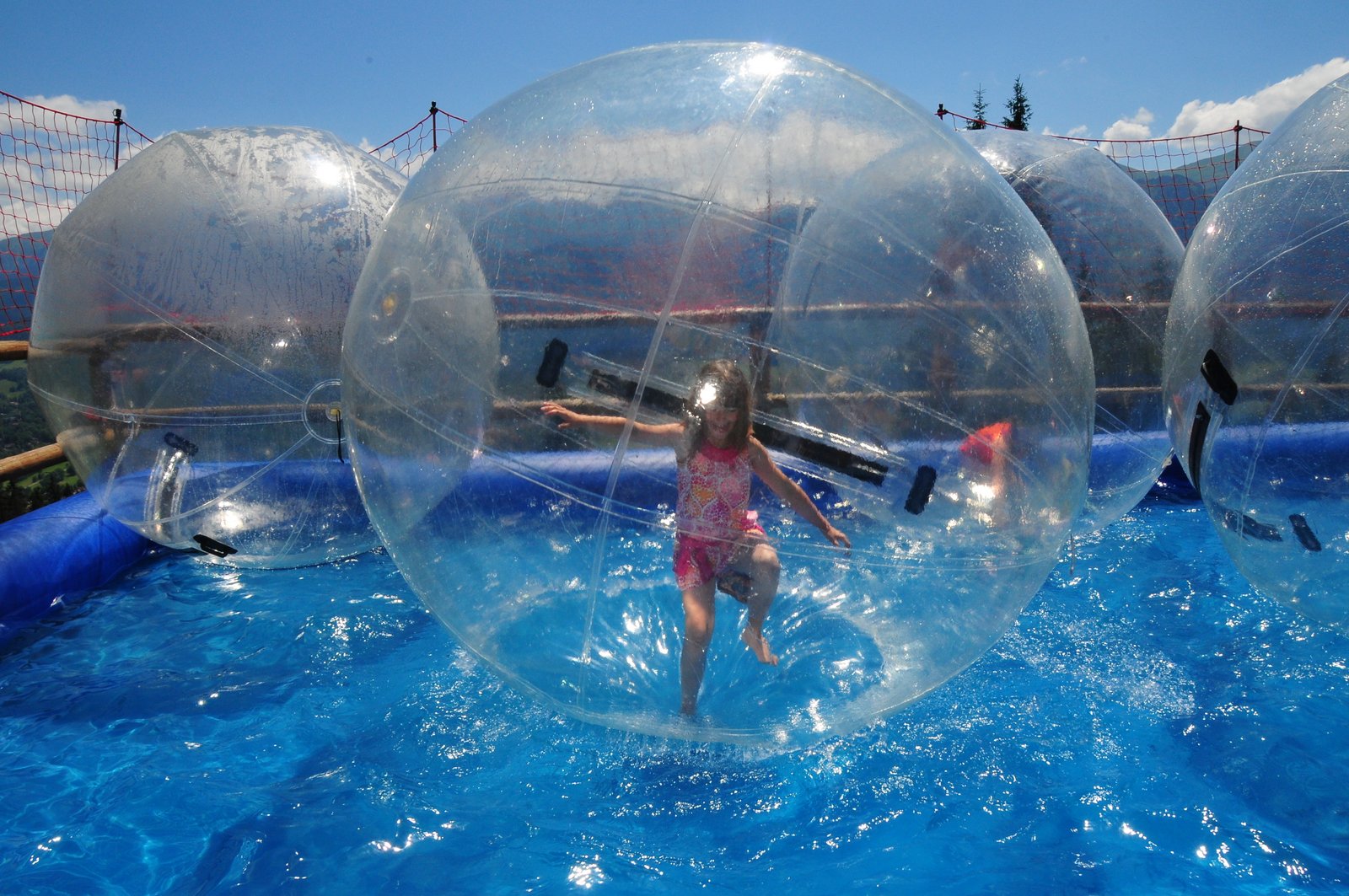
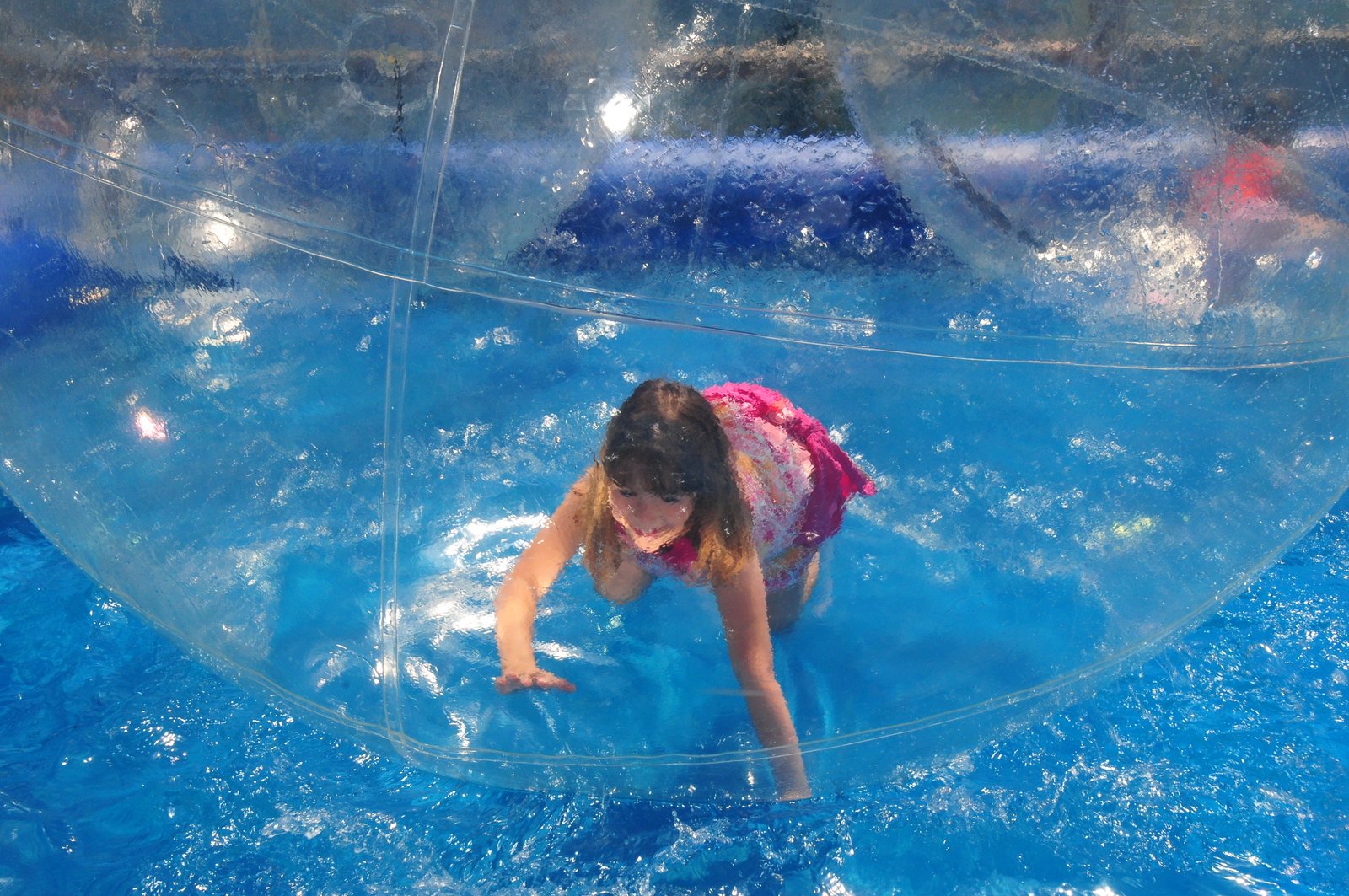
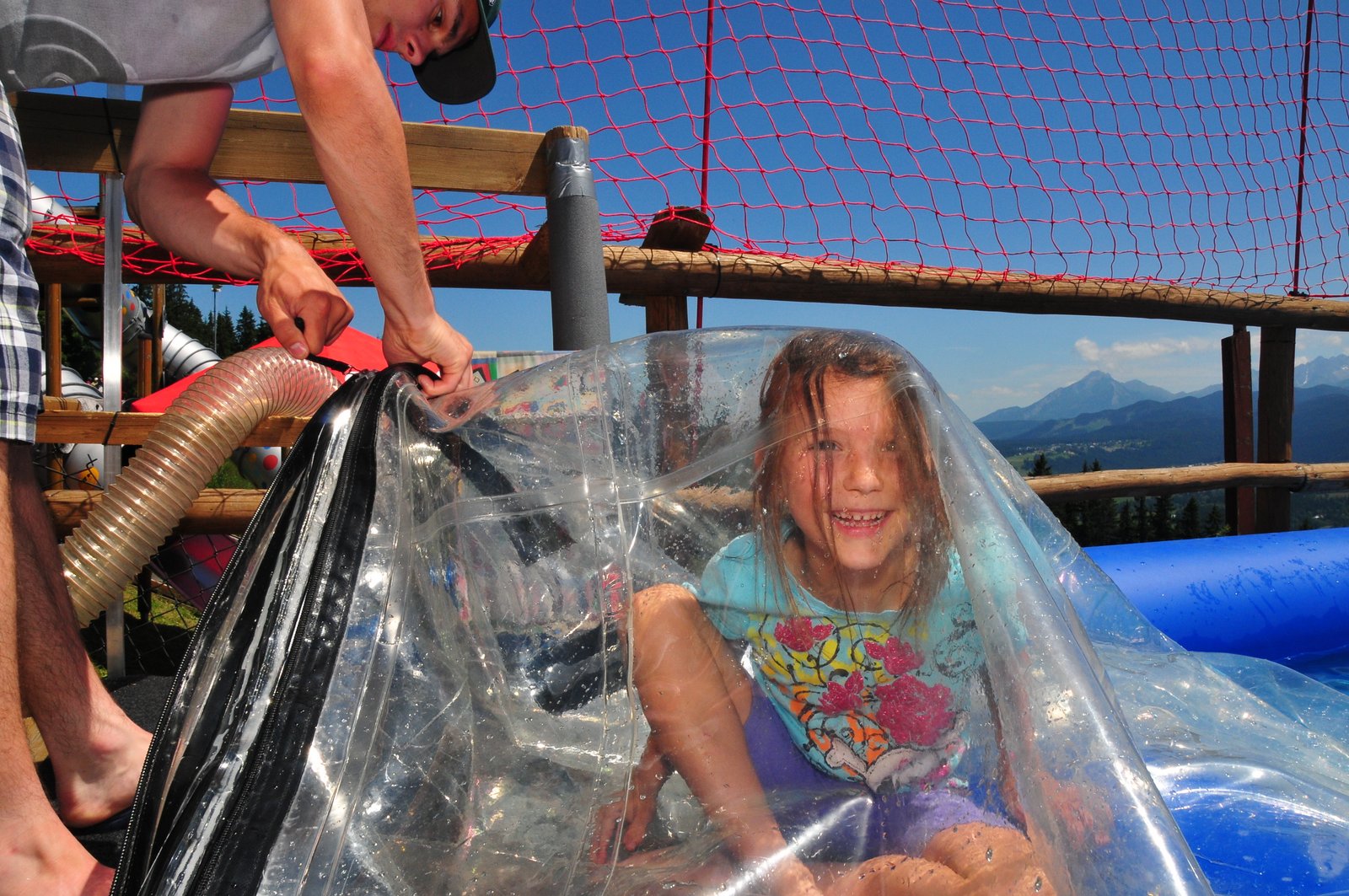
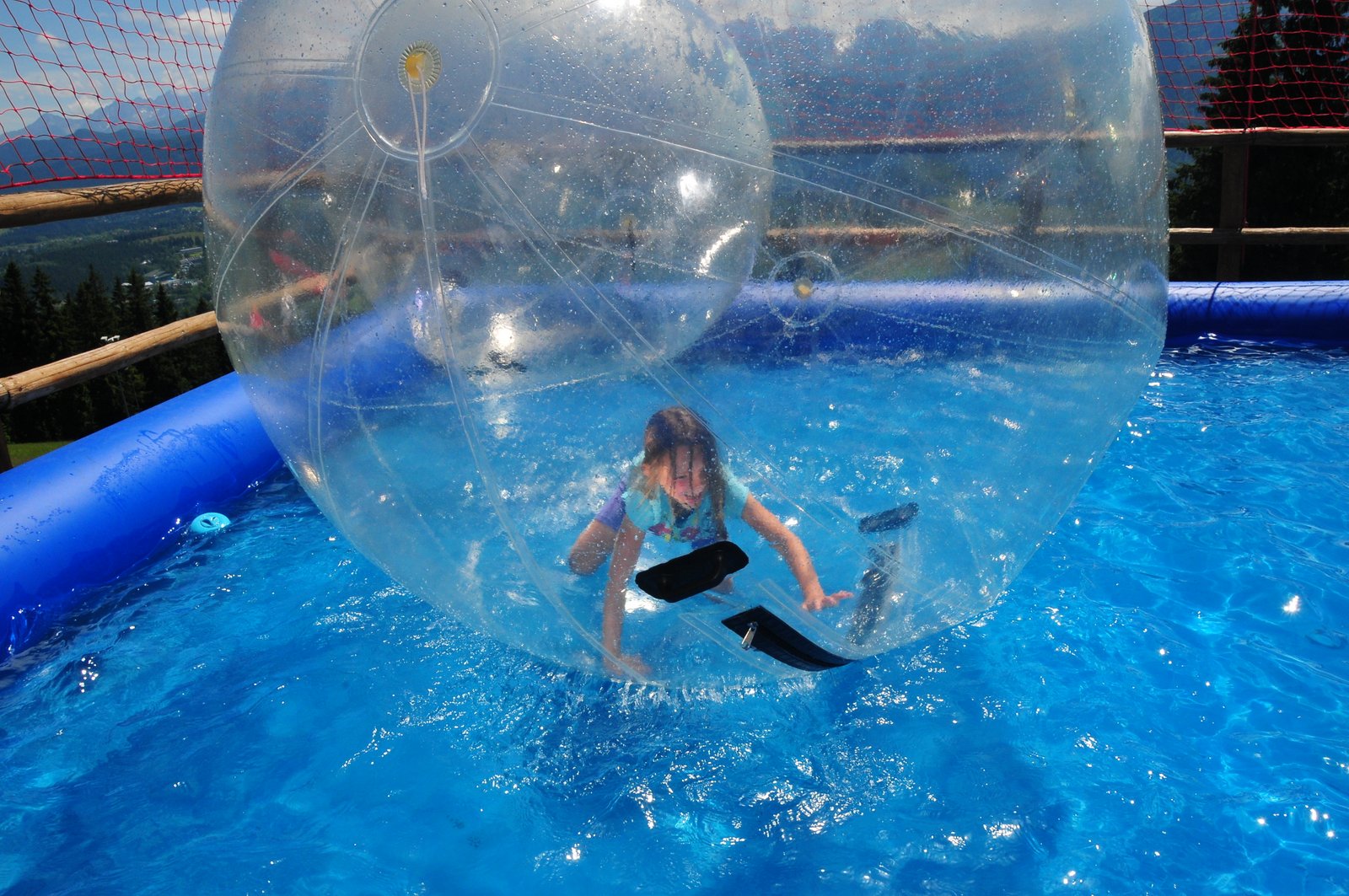
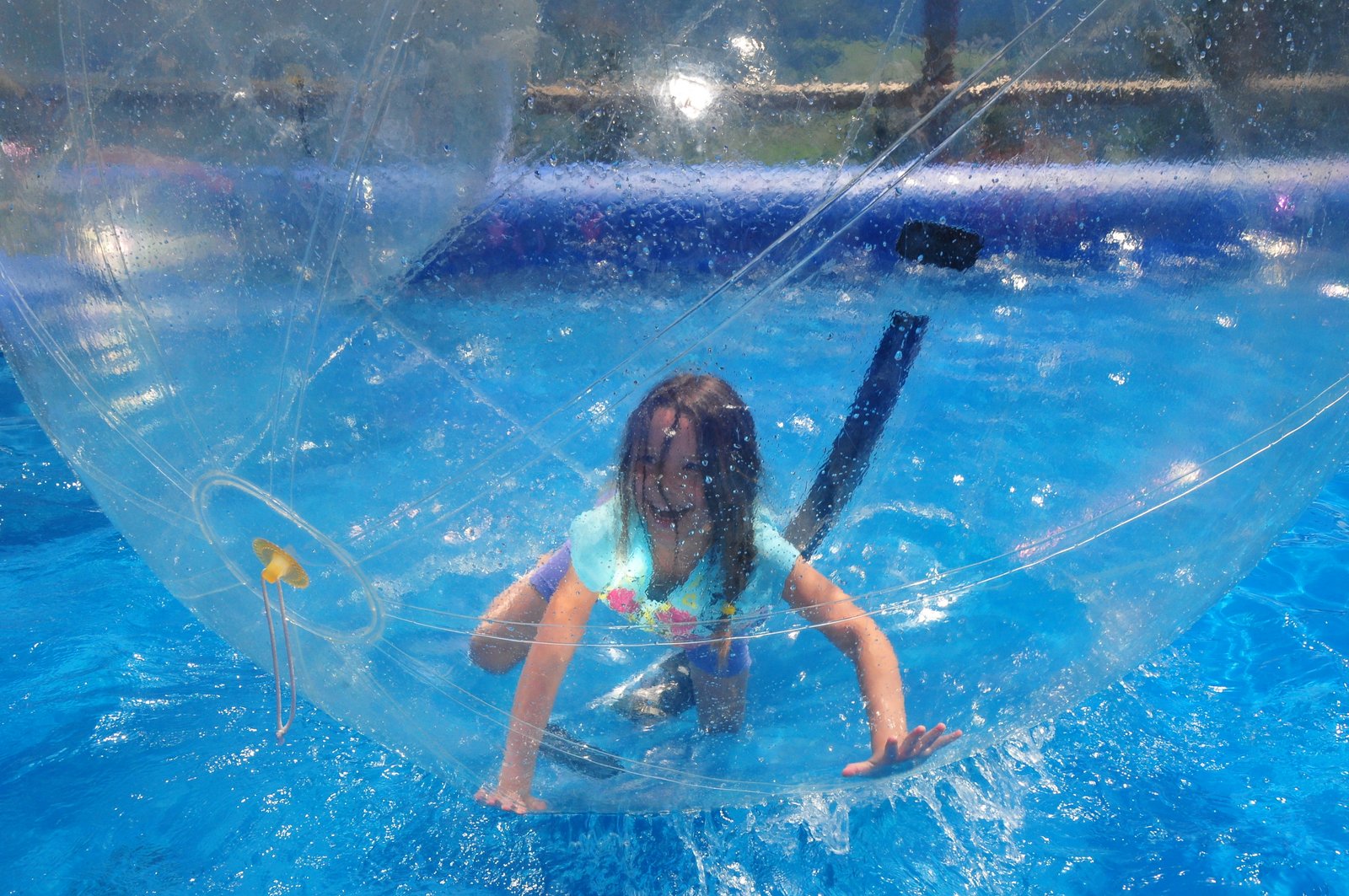
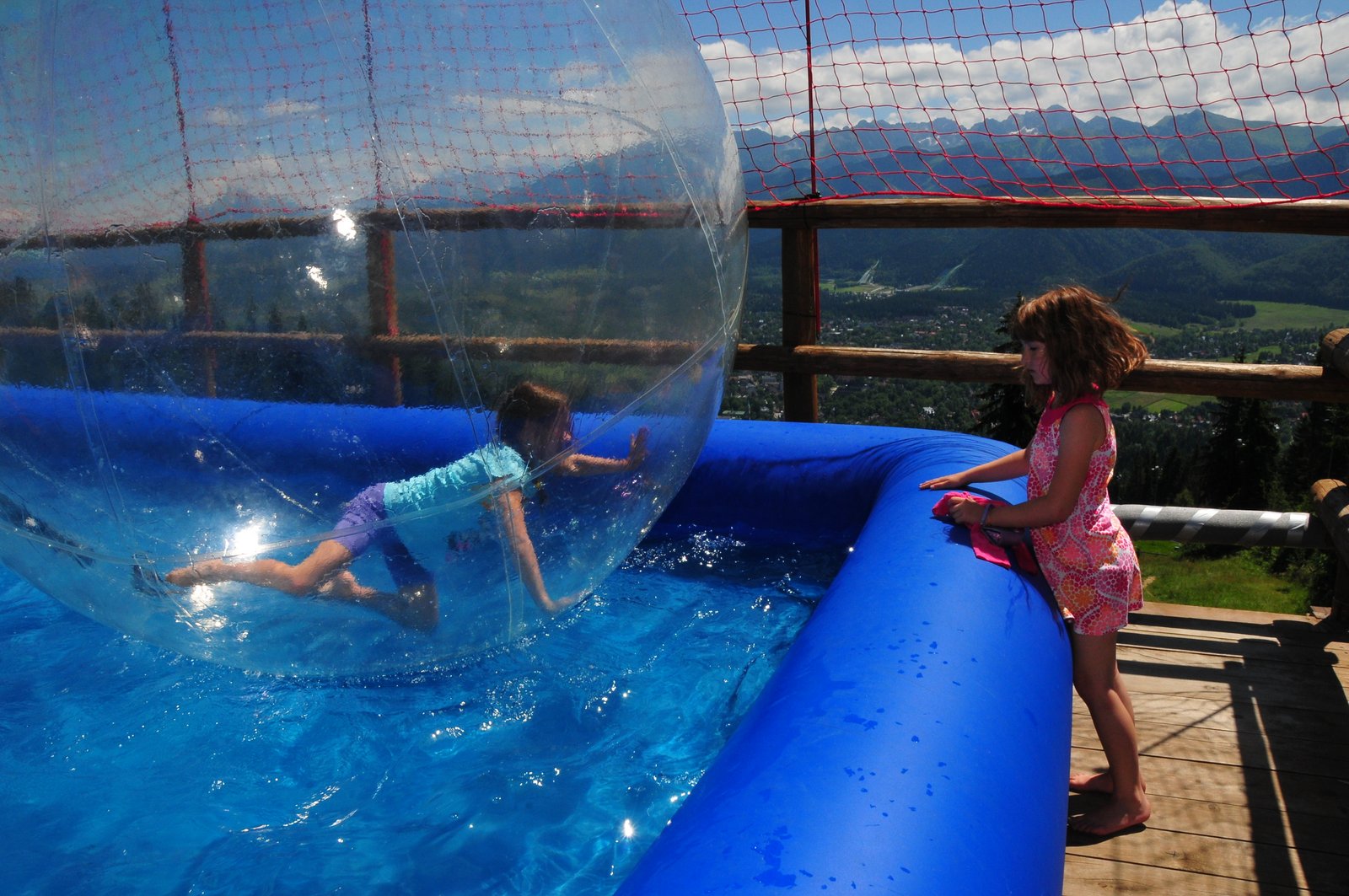
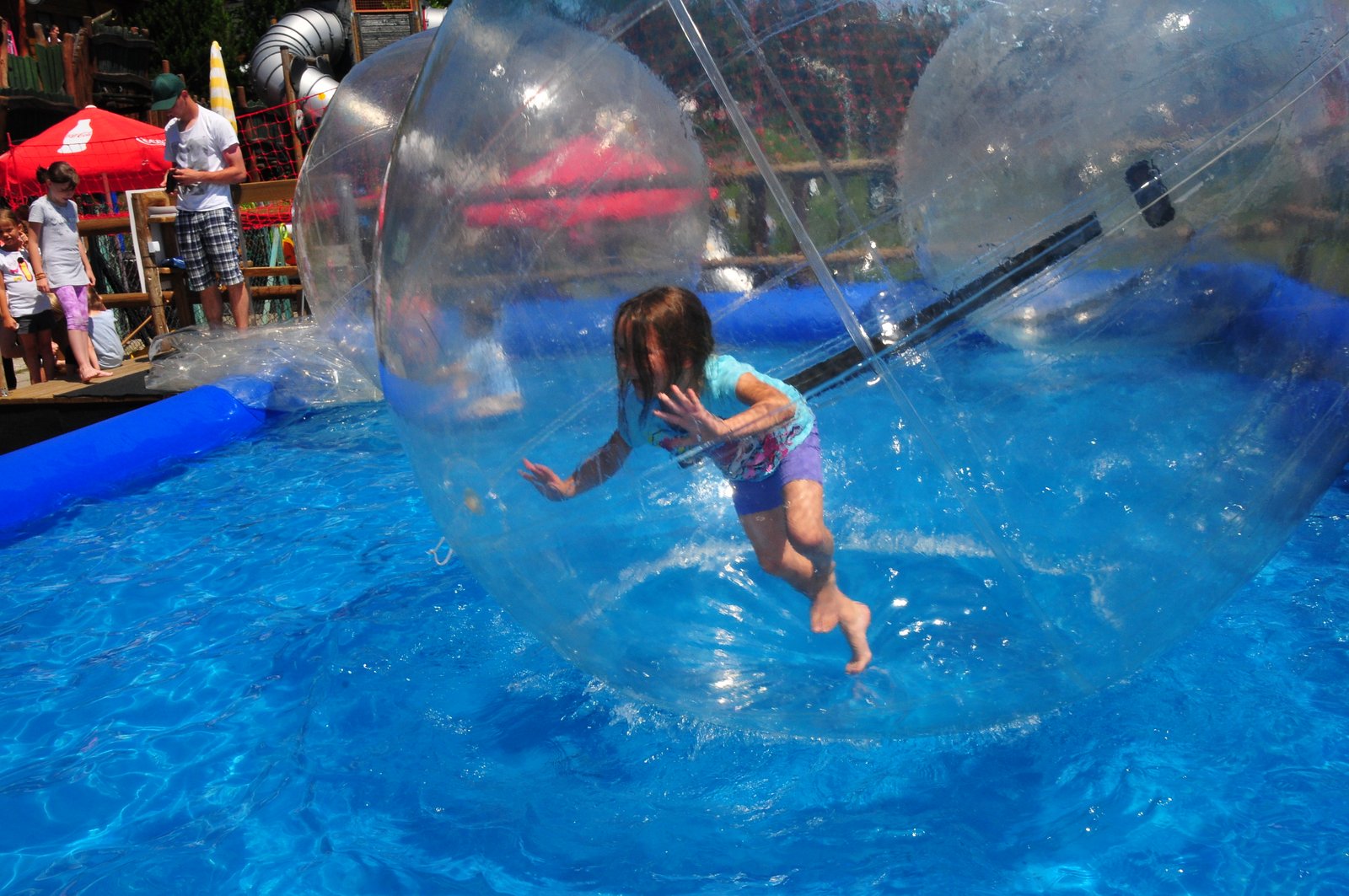
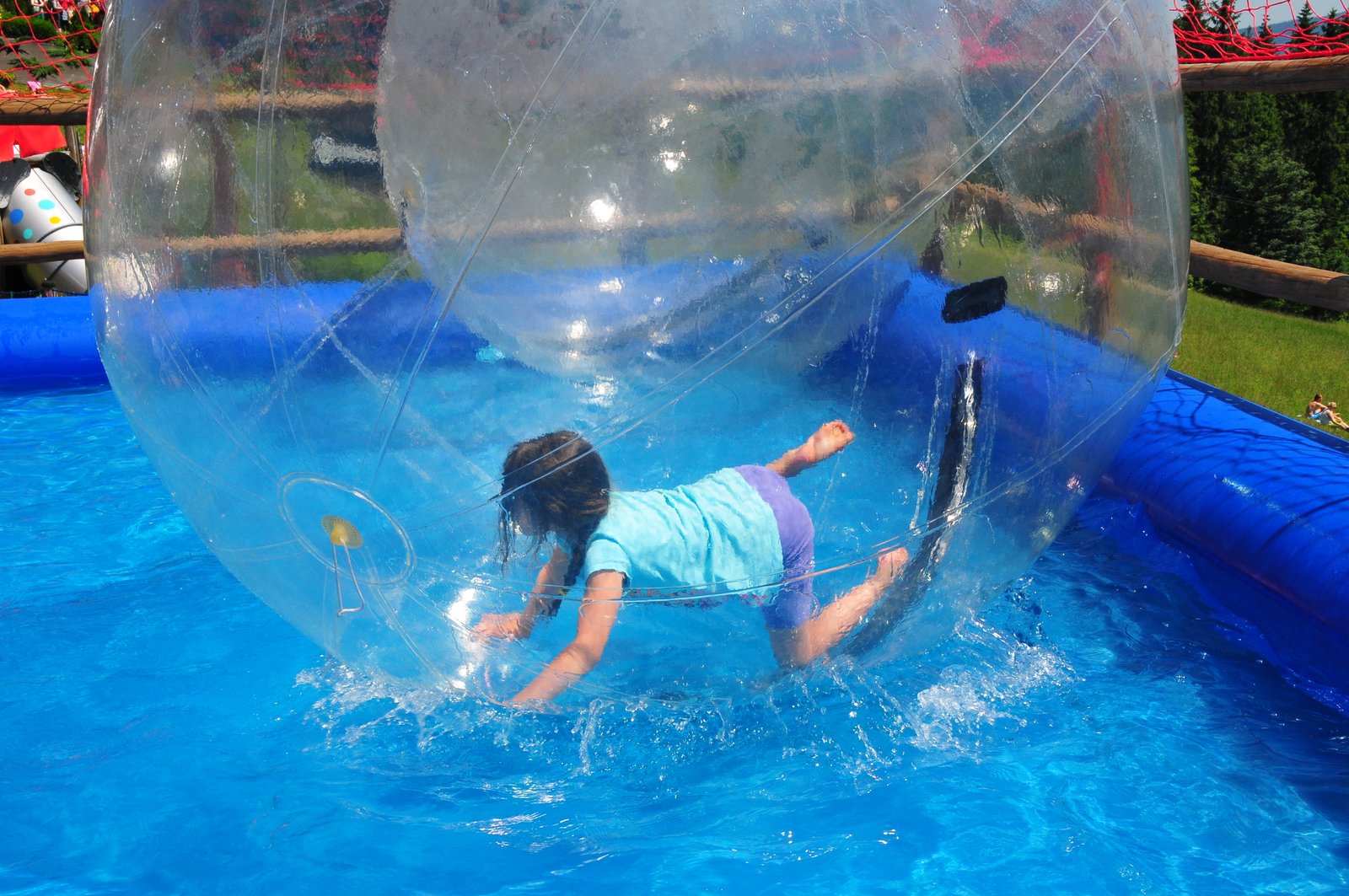
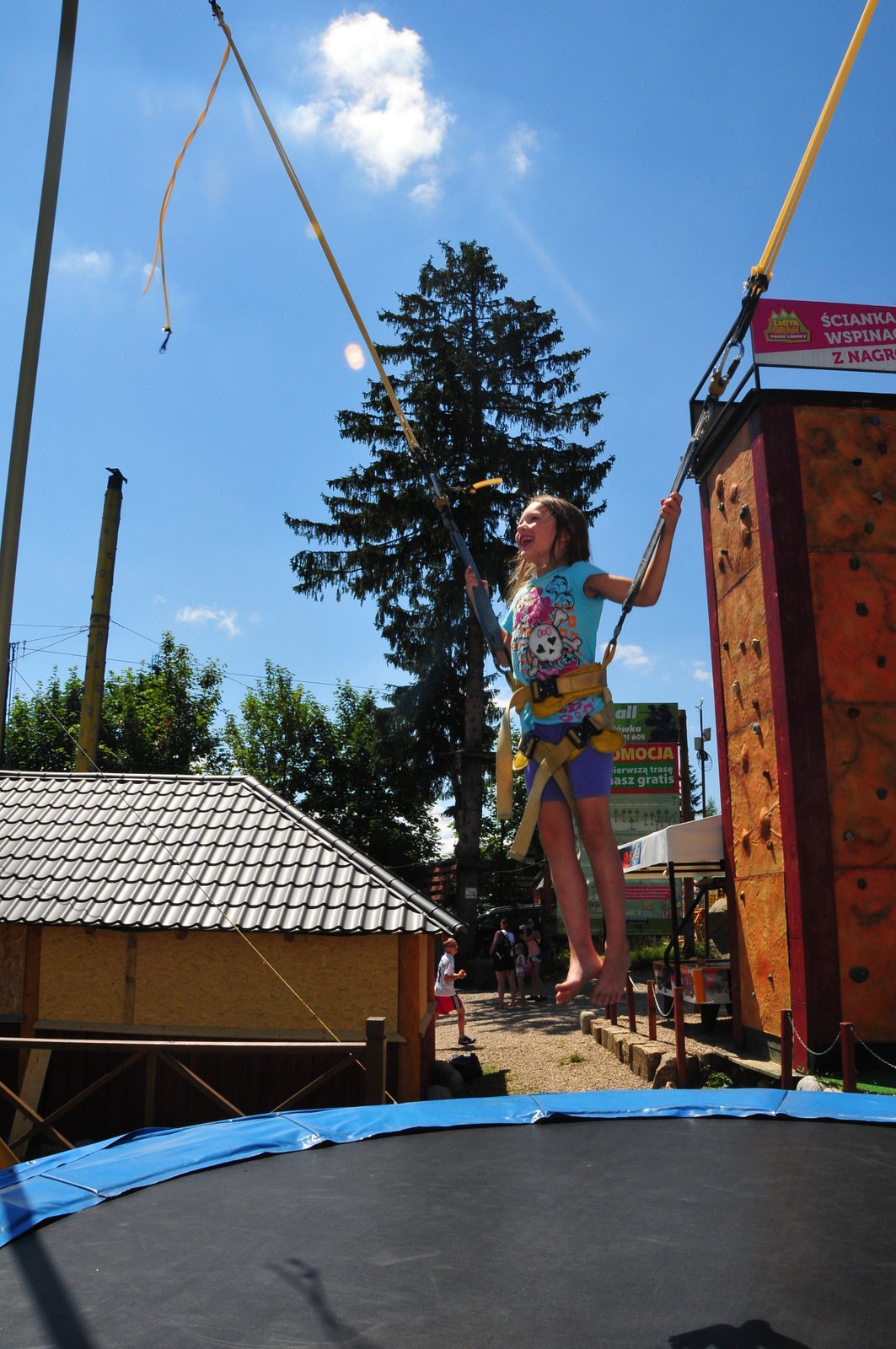
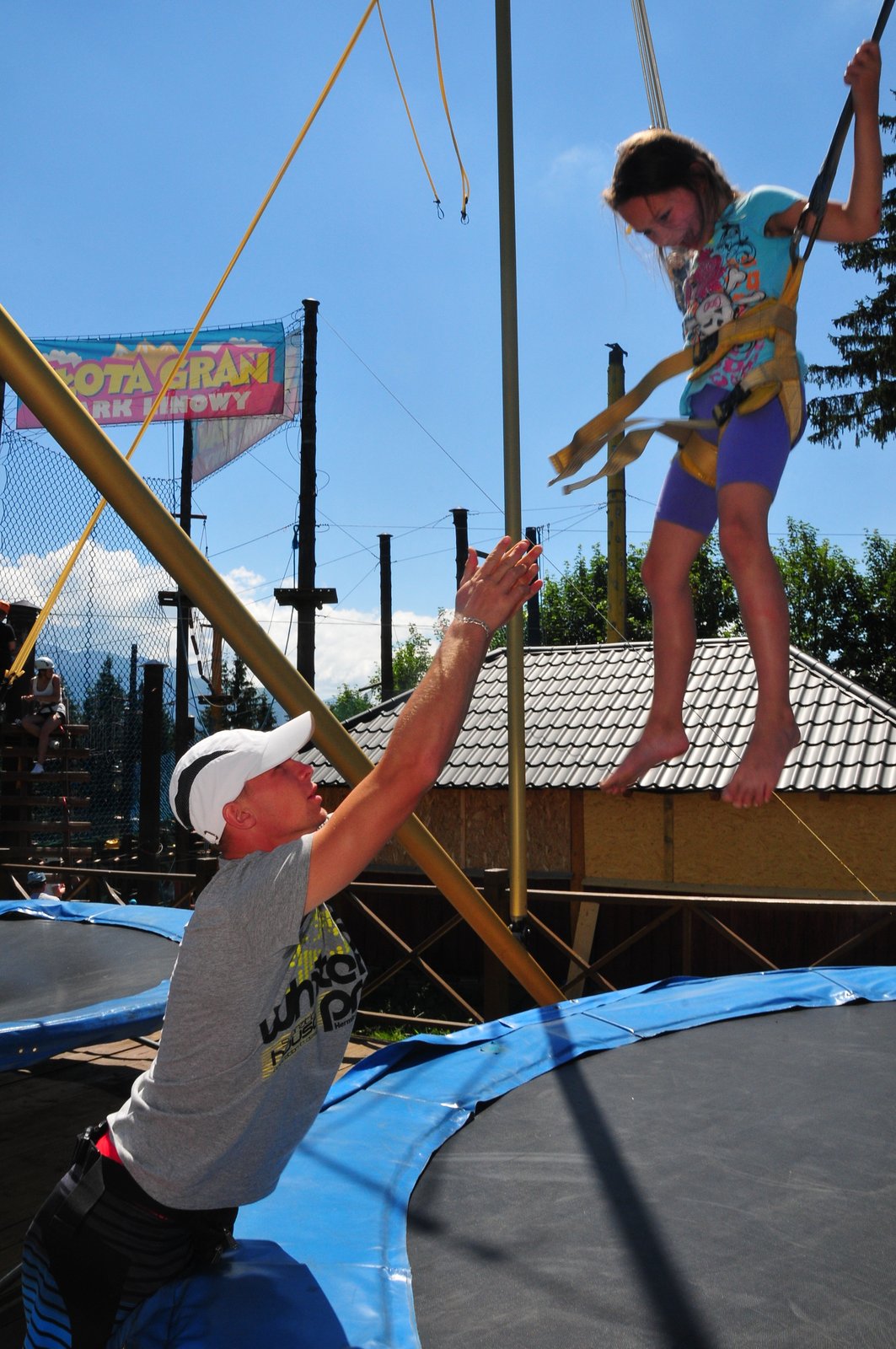
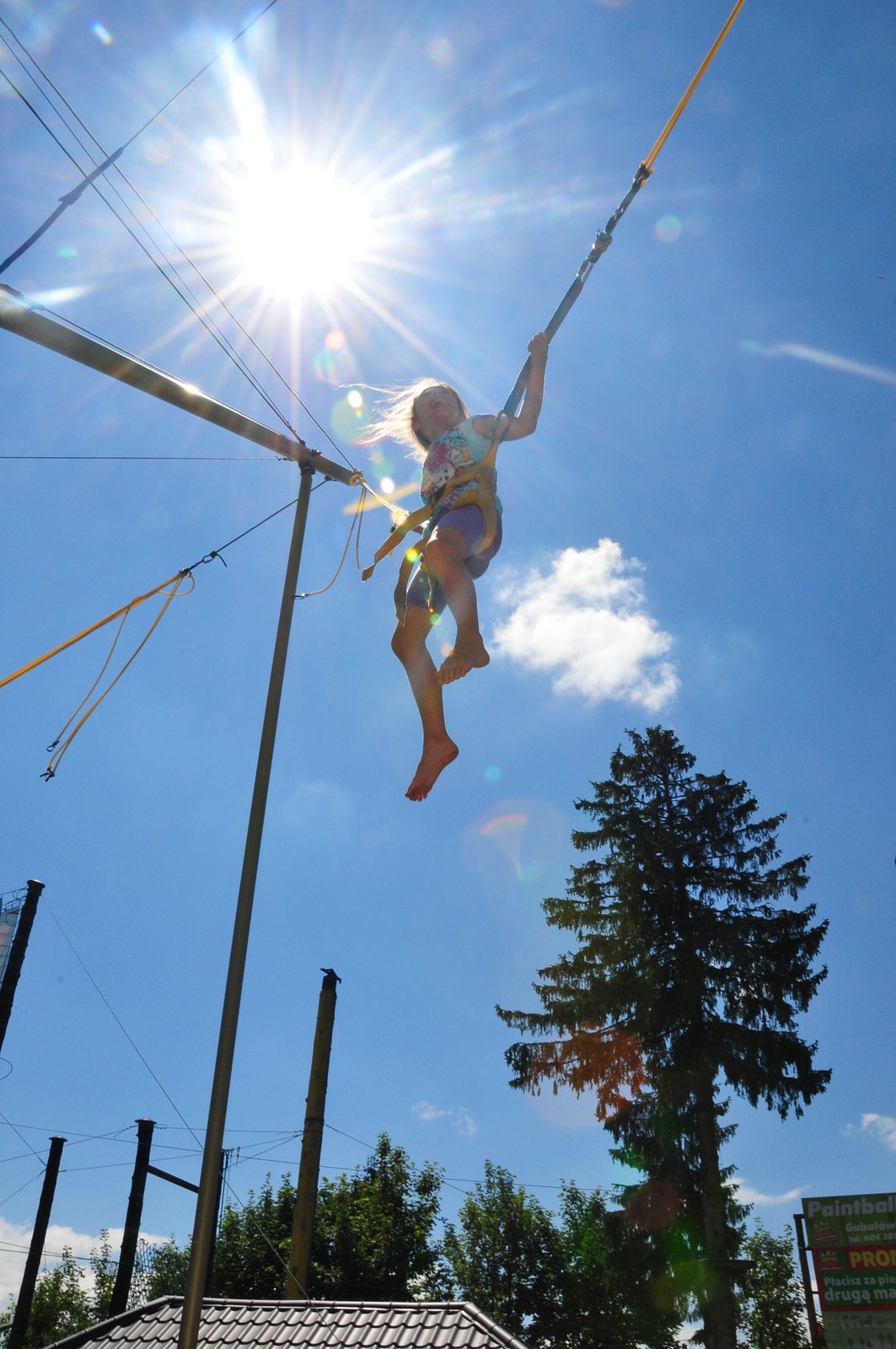
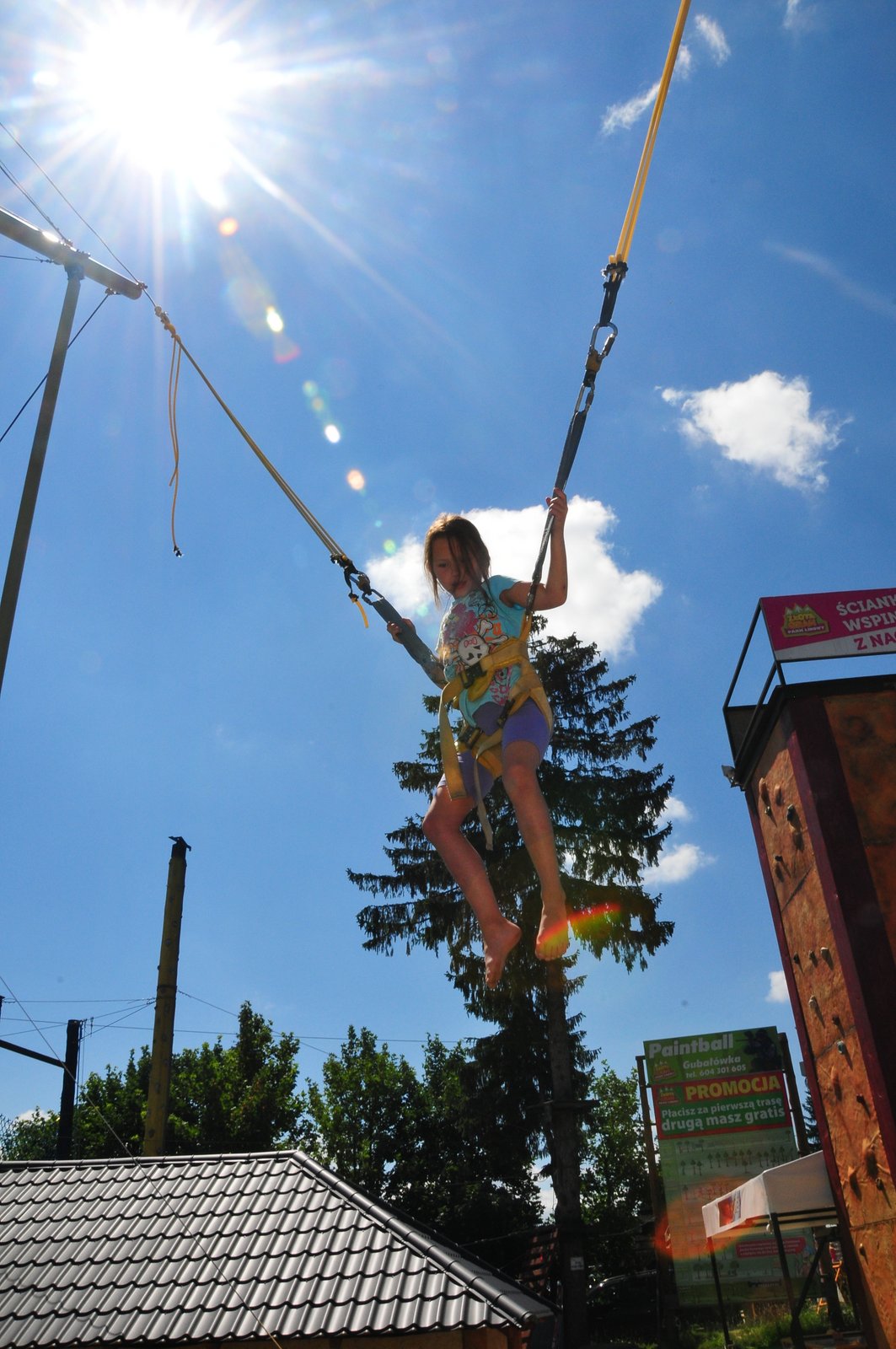
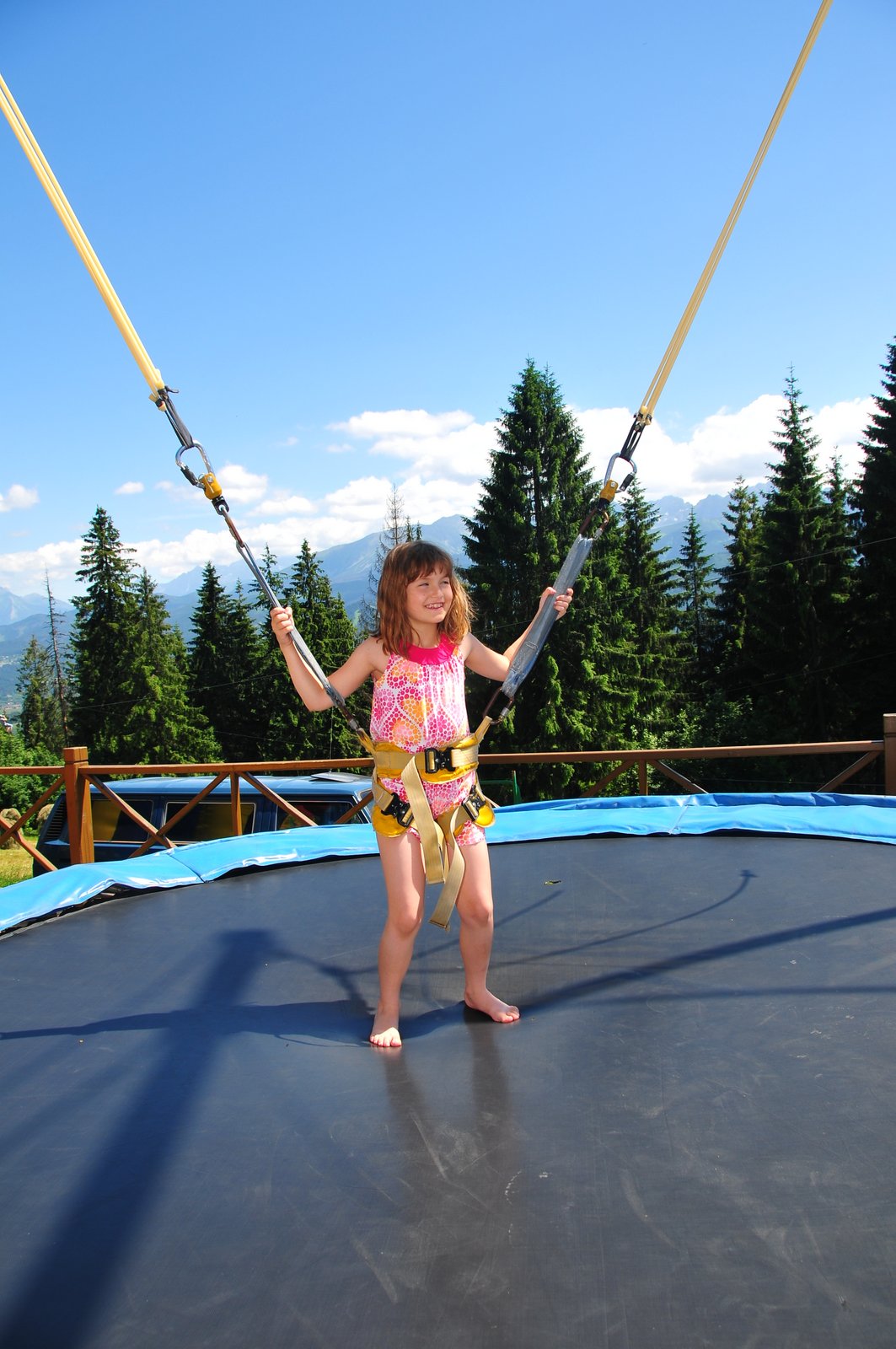
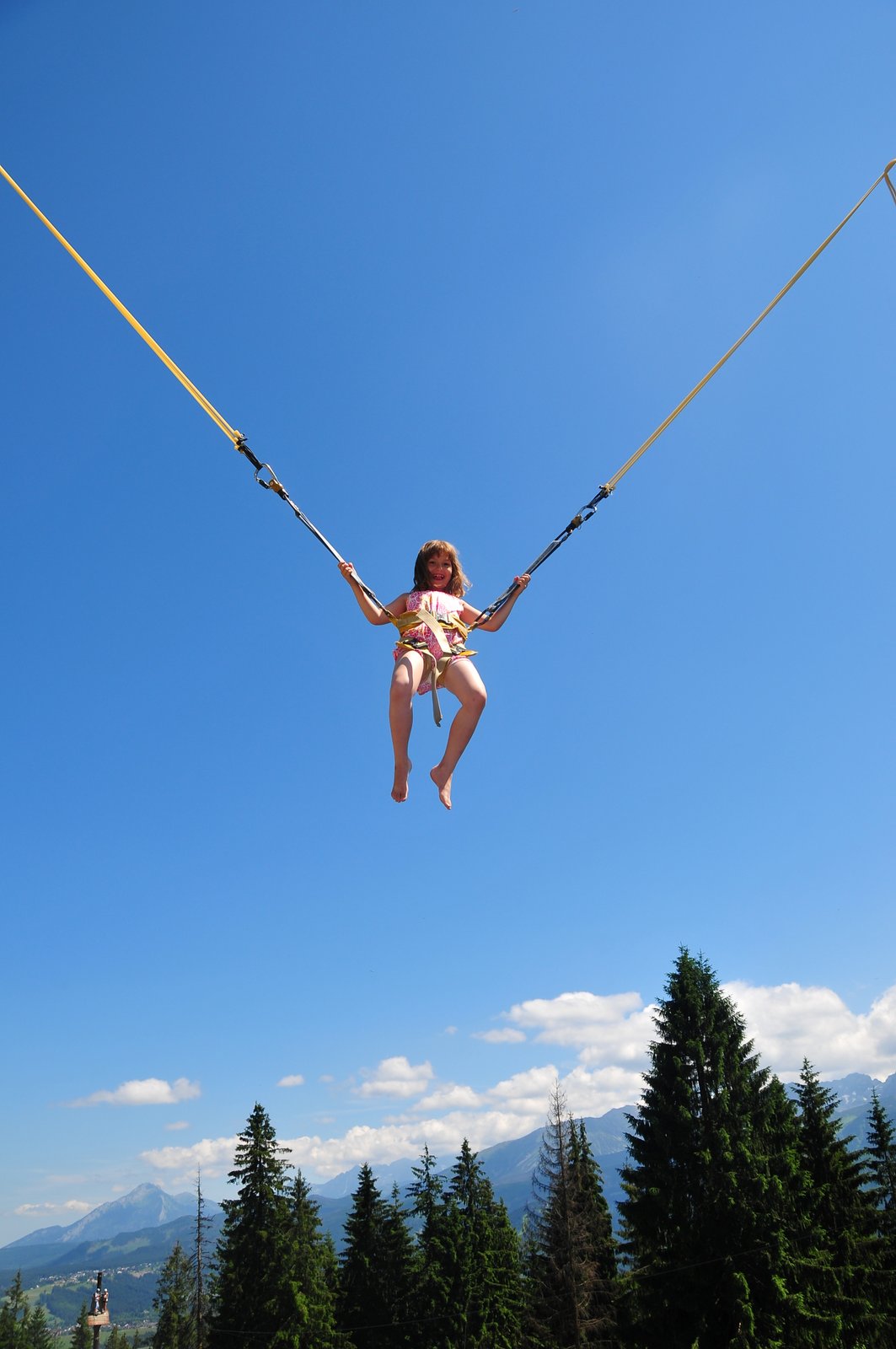
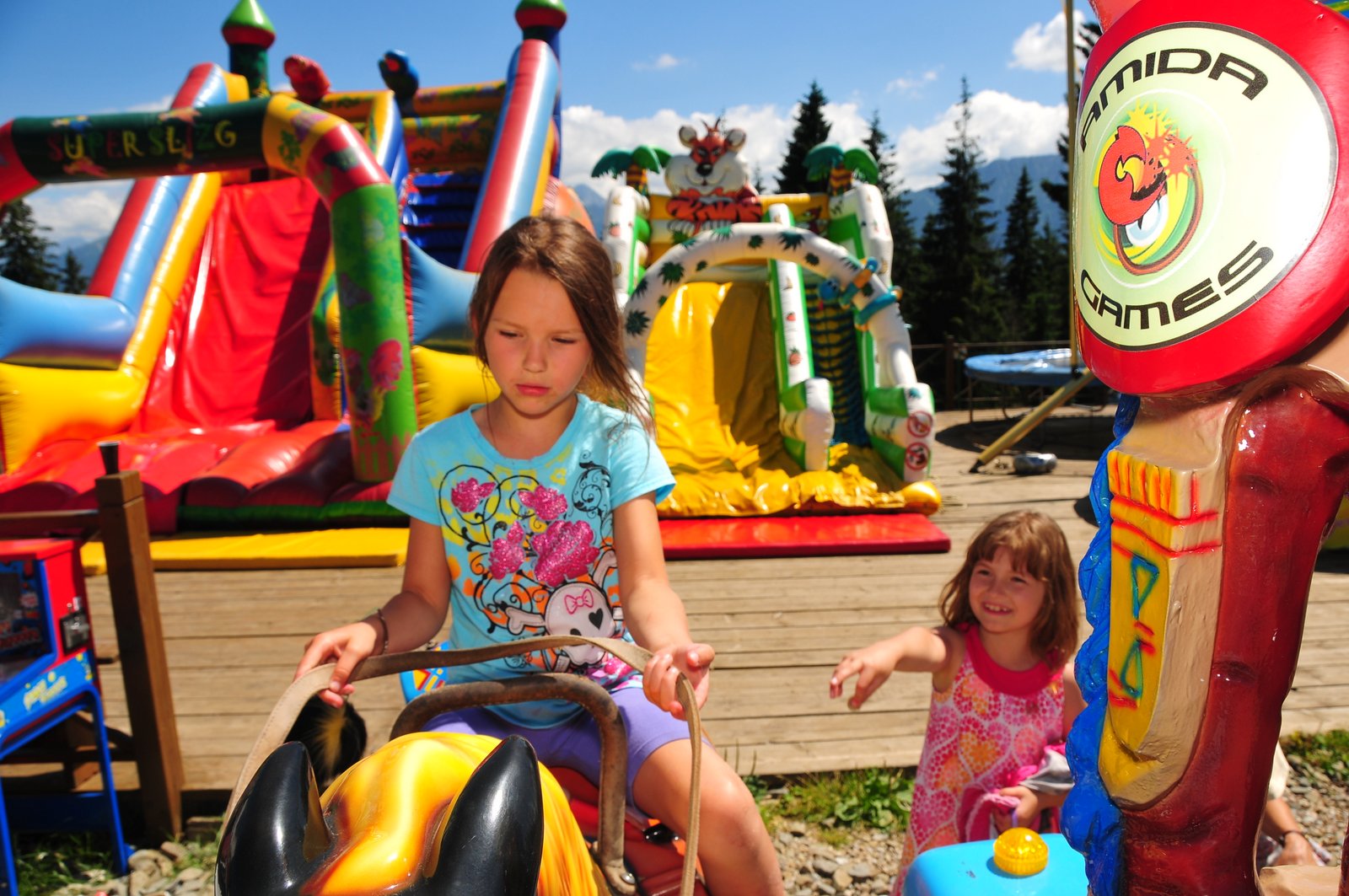
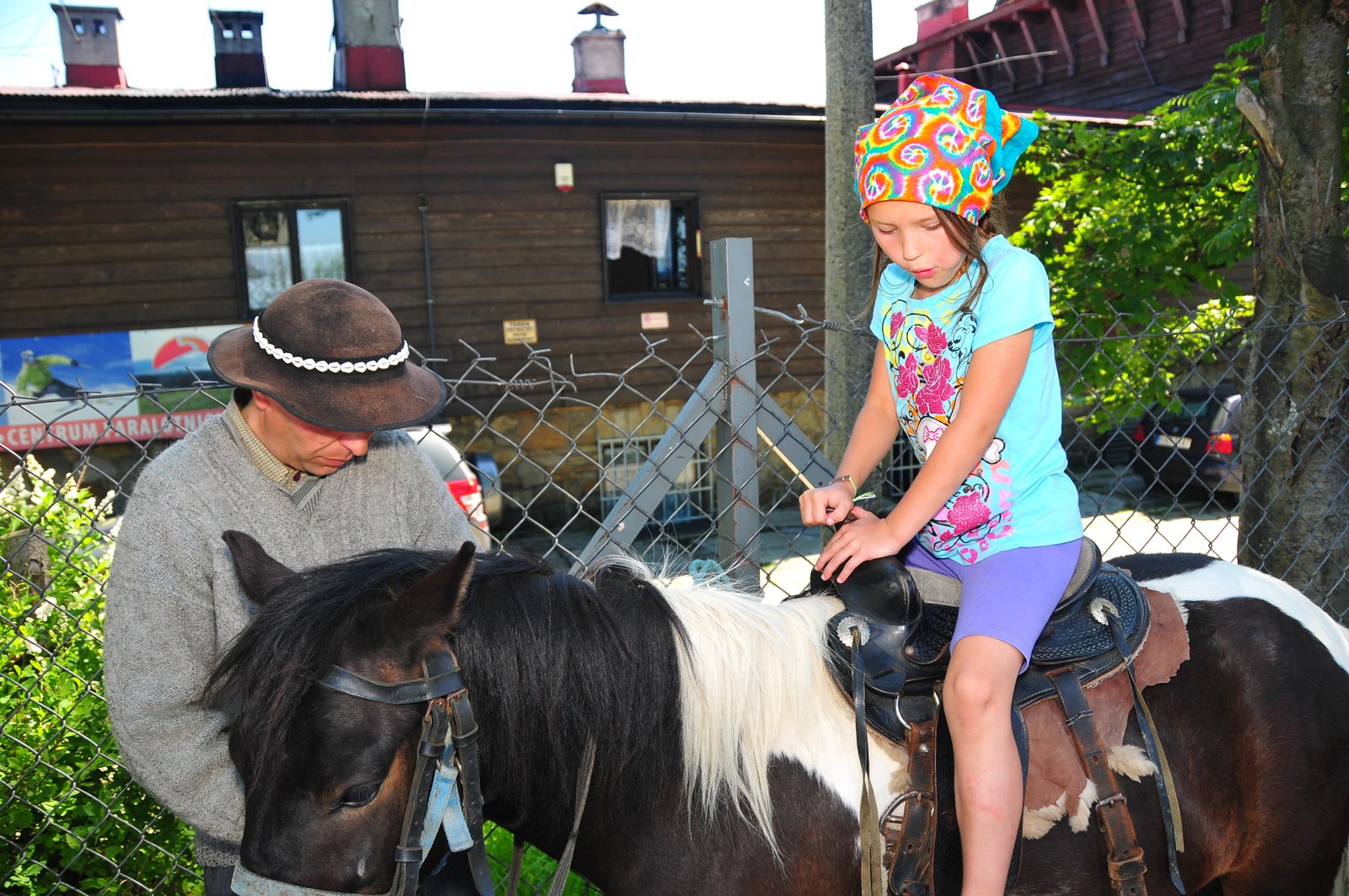
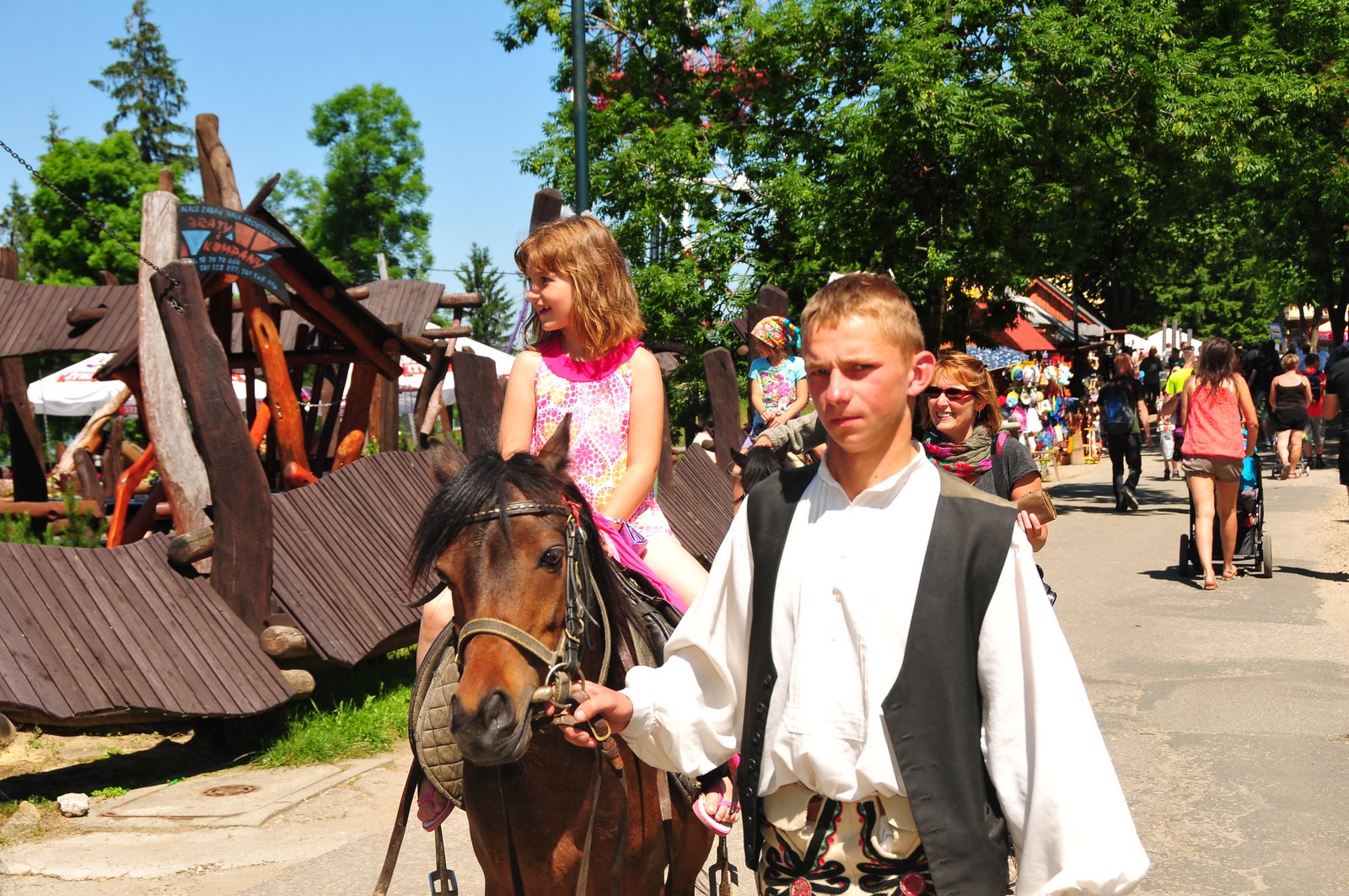
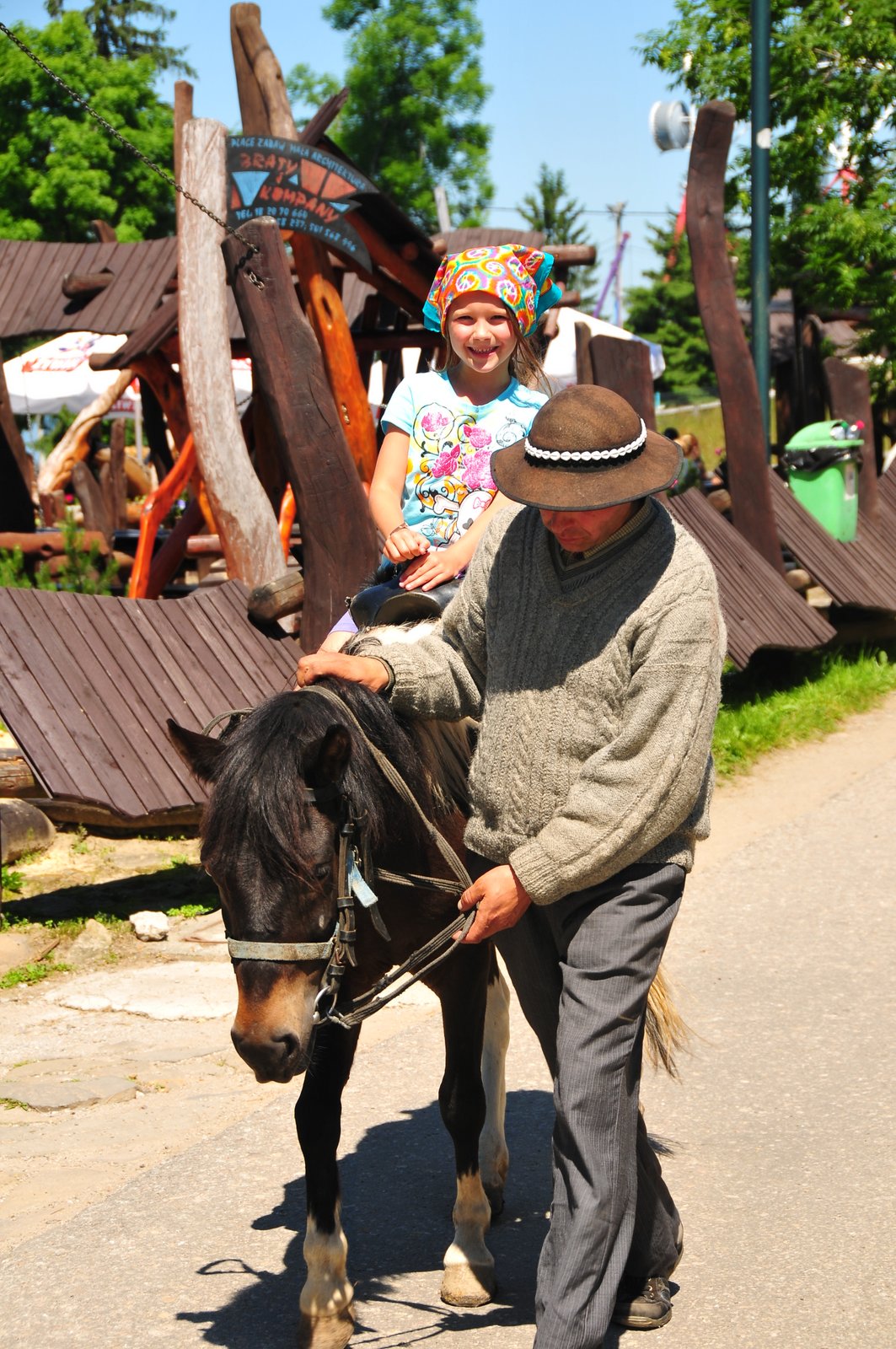
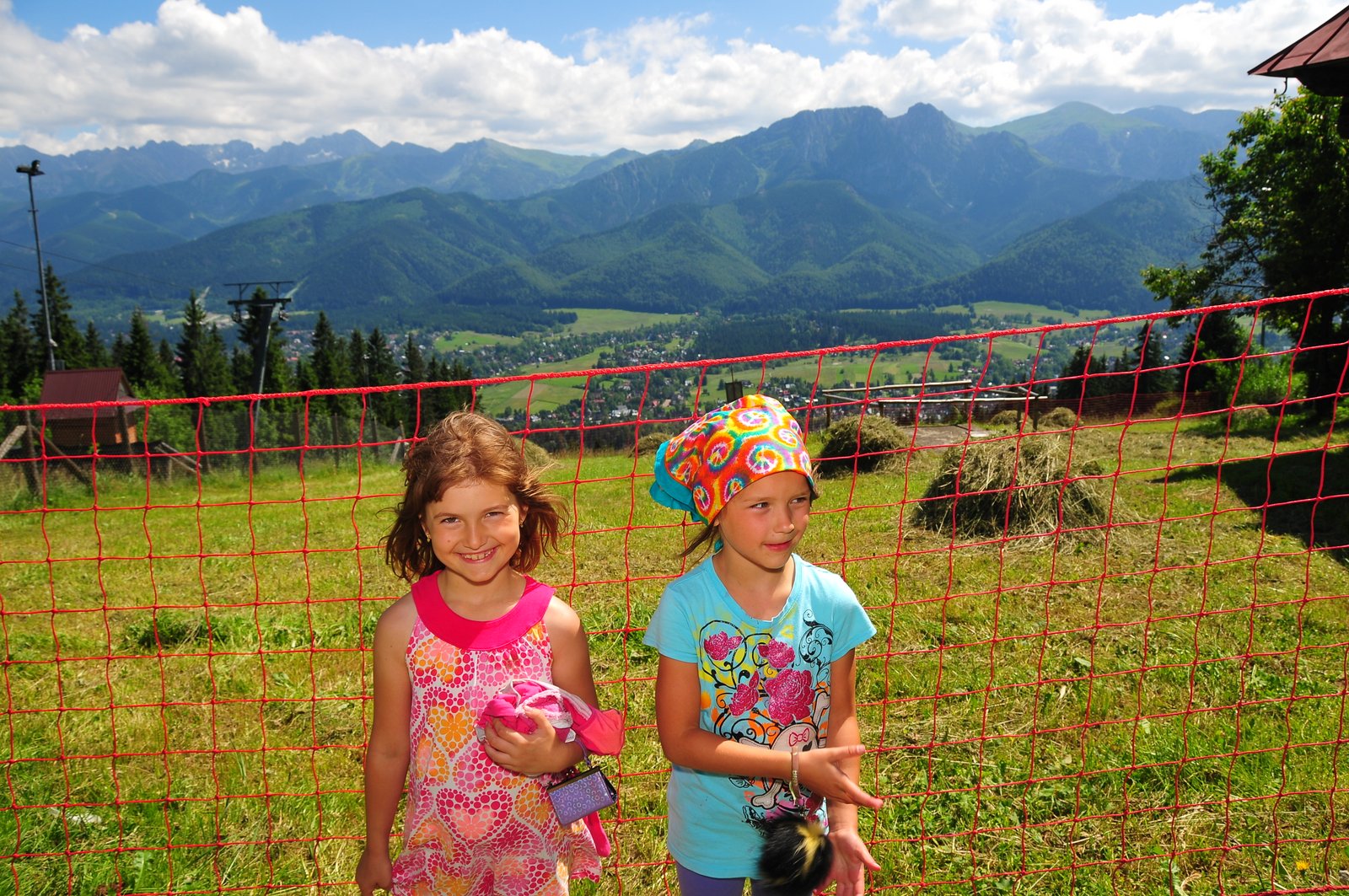
There are more attractions for two little girls -- pony rides, trampolines, giant floating, air-filled, girl-filled balls -- than one can possibly imagine, not taking into account all the plastic nonsense for sale.

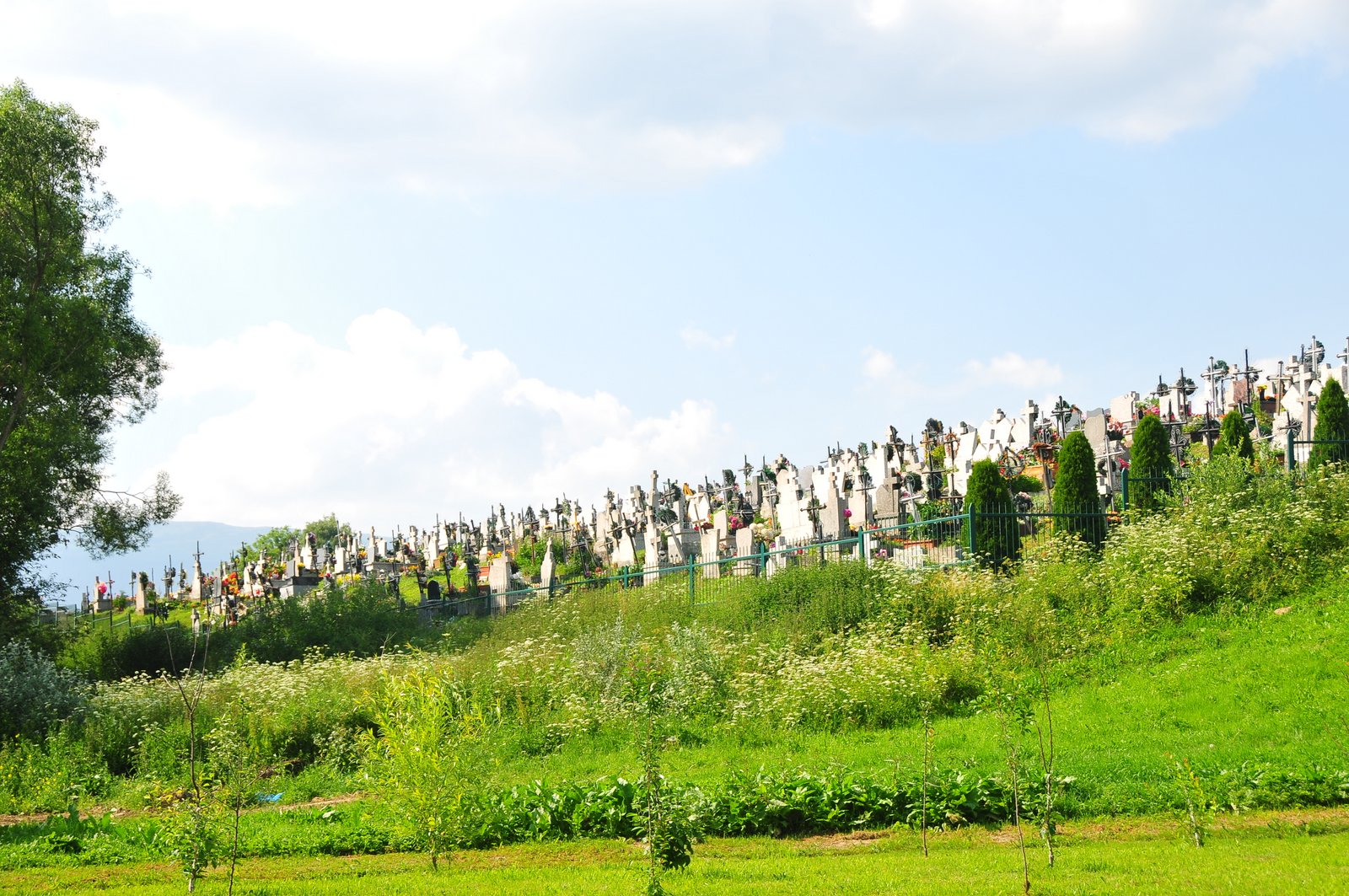
We stop at Cmentarz Zasłużonych na PÄ™ksowym Brzyzku, a cemetery in Zakopane for those who have in one form or another made significant contributions to culture. Novelists, painters, composers, poets, teachers.

The girls find the grave of Kornel Makuszyłski, author of Koziołek Matołek, a series of books that were eventually turned into an animated series about a goat's search for Pacanów, where they make goat shoes. The girls stand for a while and pay their respects, then walk down the path, with S listing all the stories about Matołek she knows and L counting.

Corrections

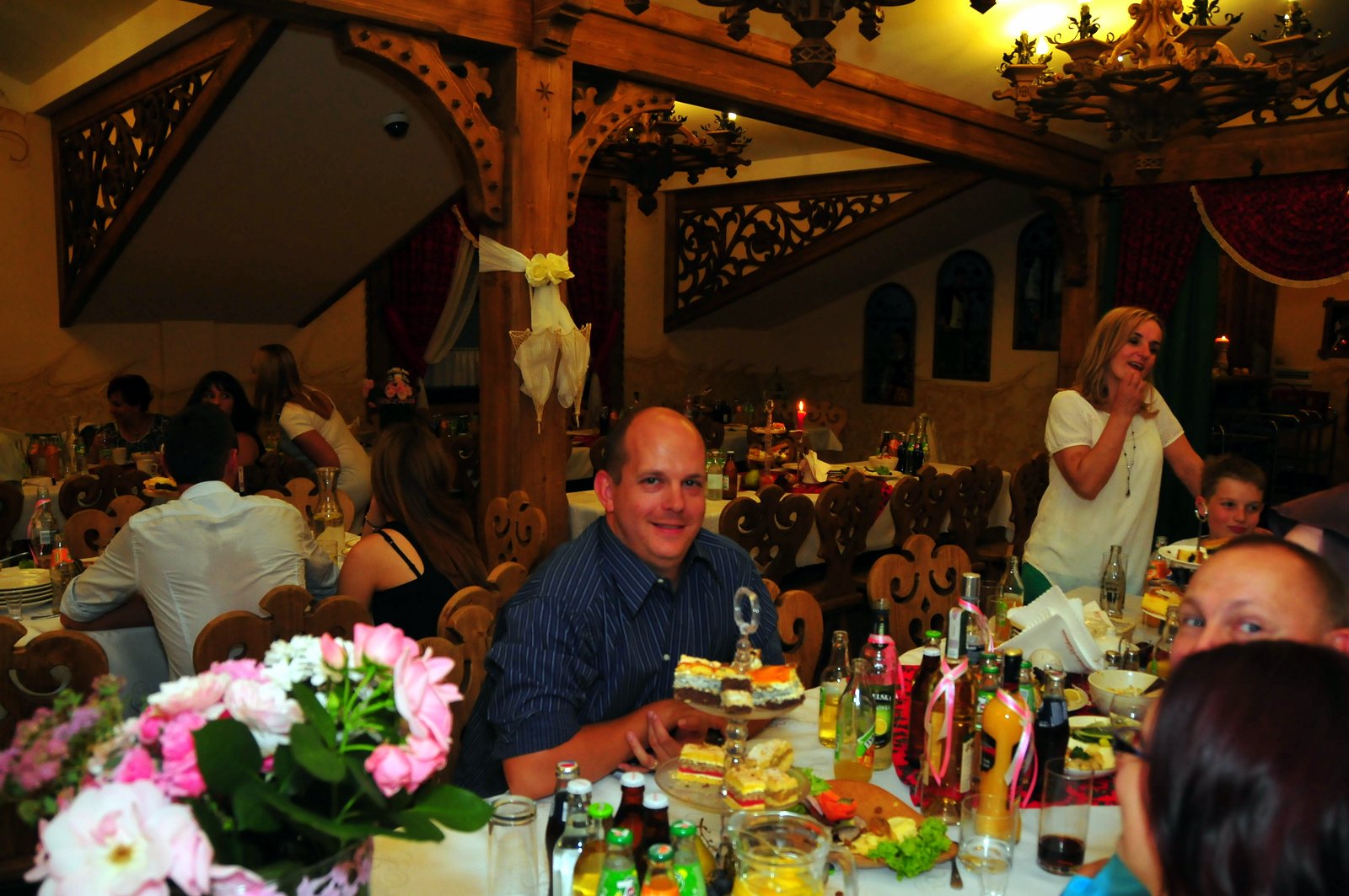
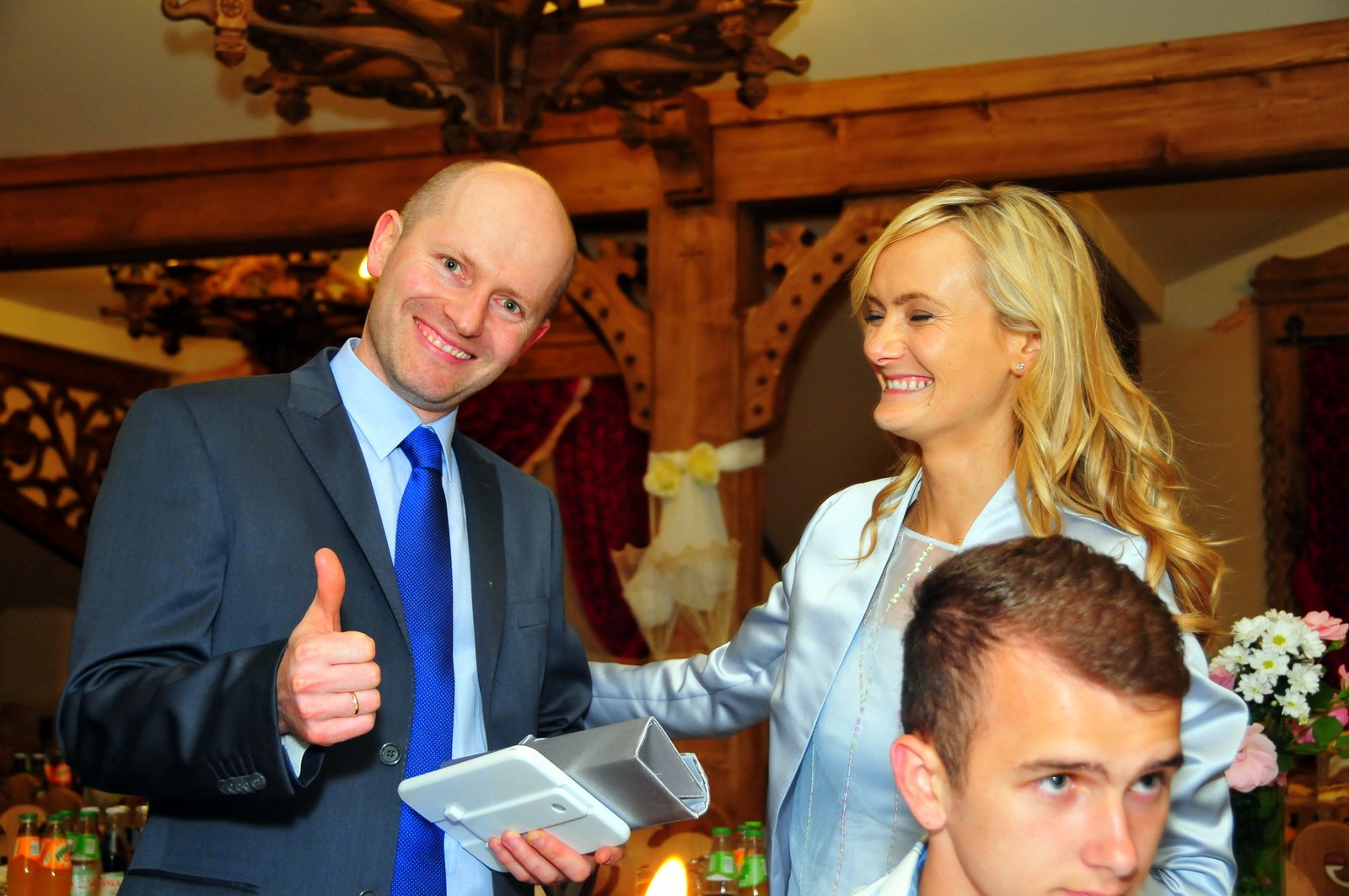
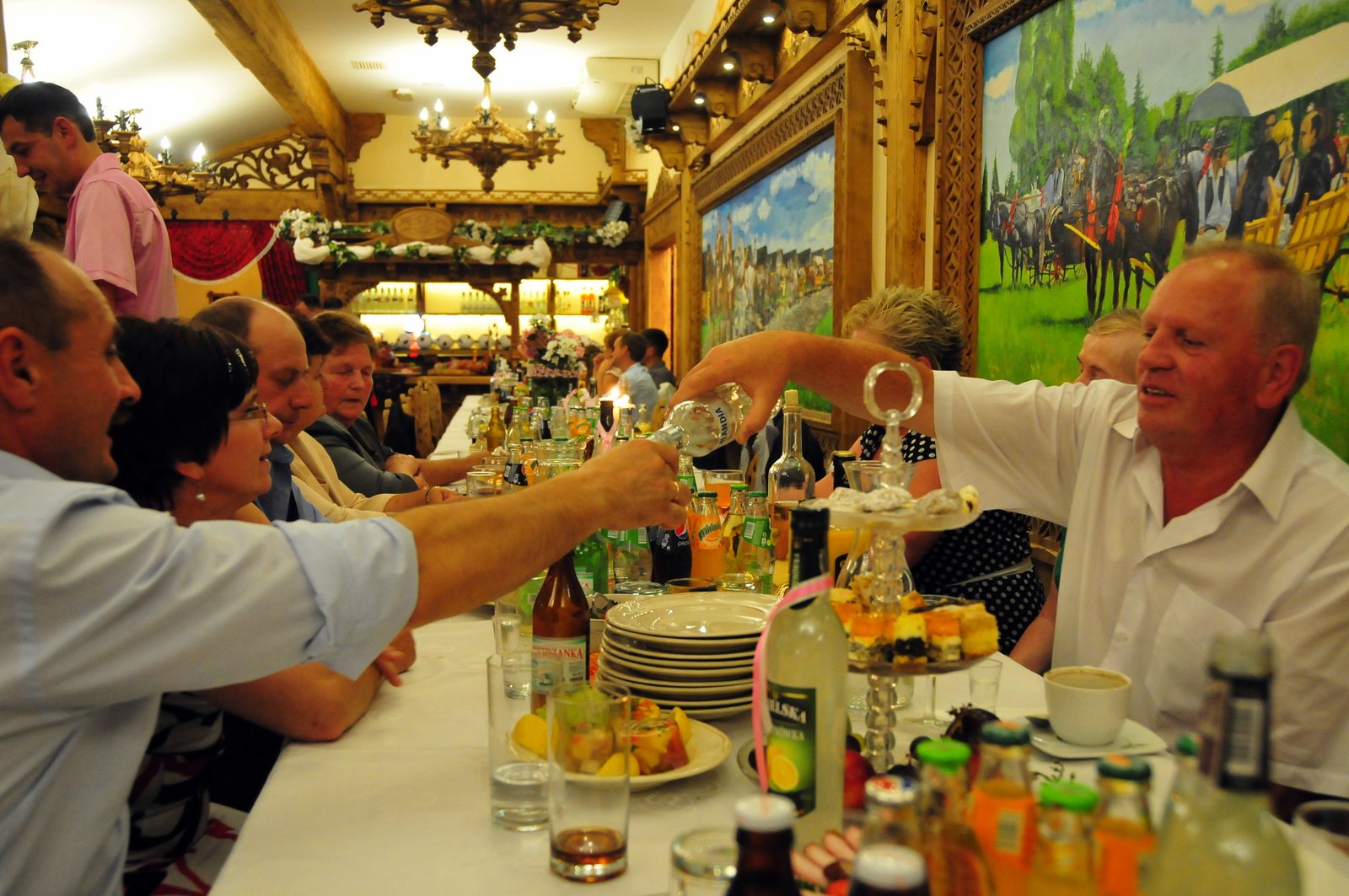
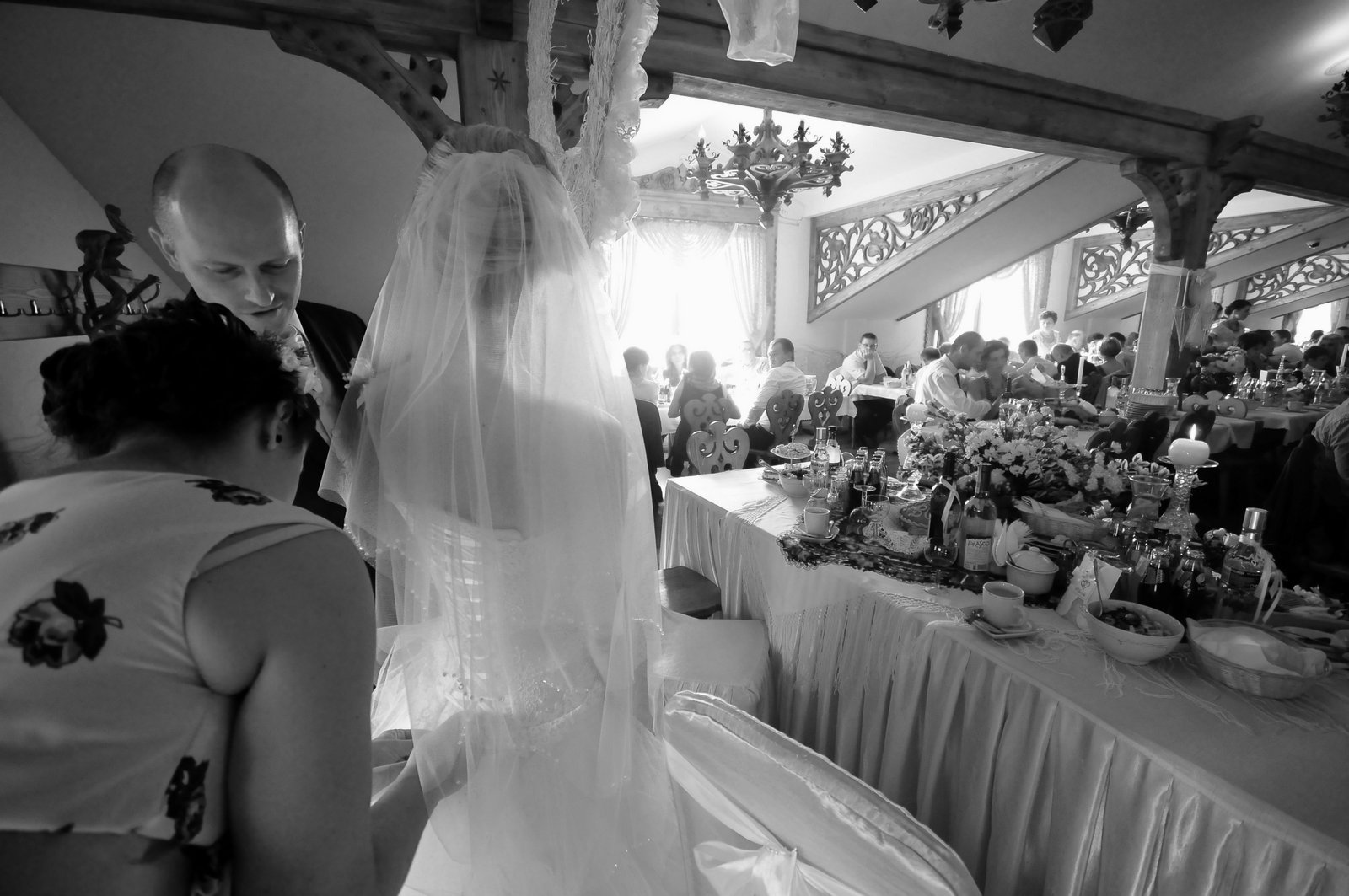
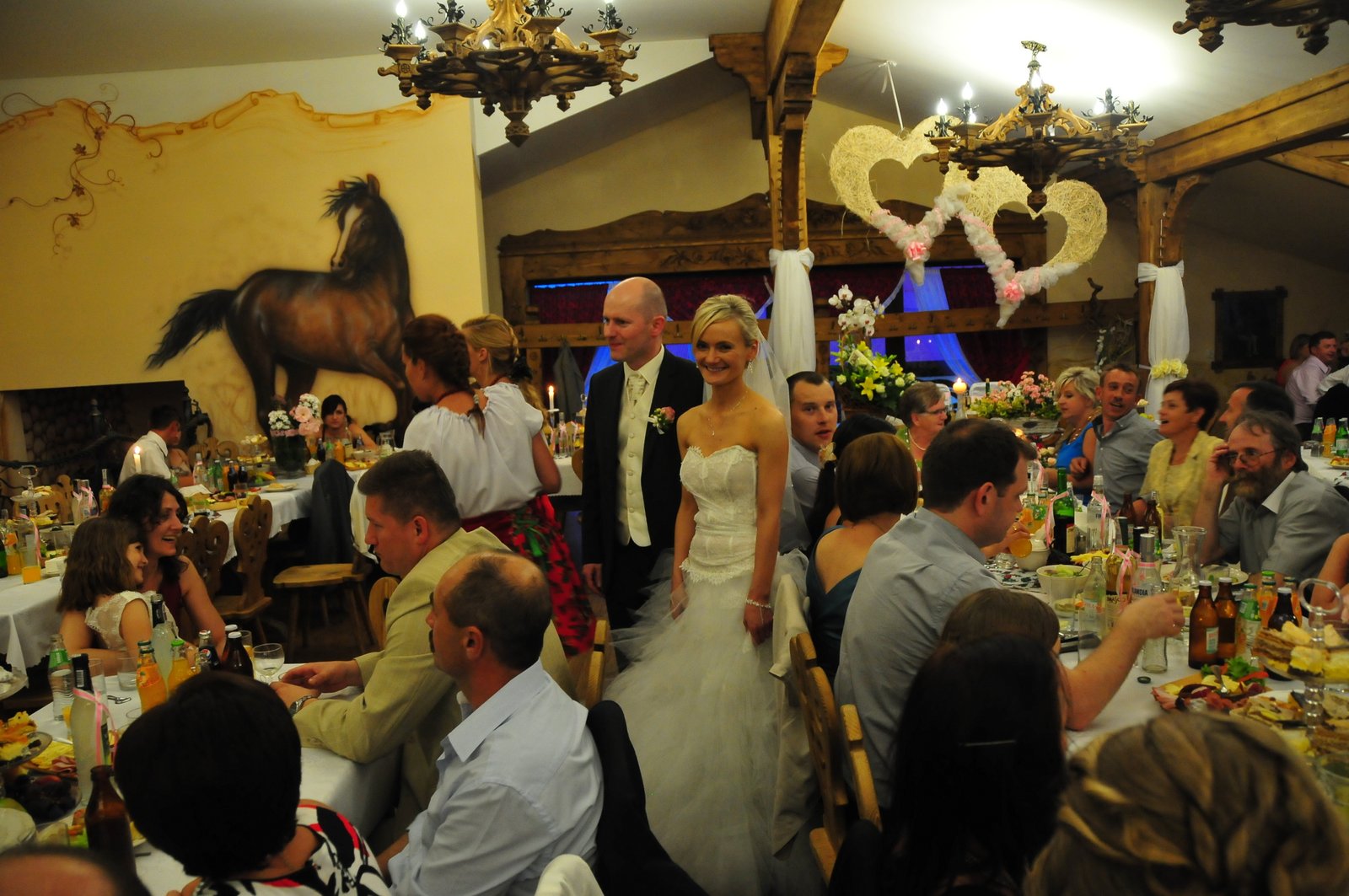
The second day of a Polish multi-day wedding celebration is much more relaxed than the first. Gone are the formalities of the first day: the greeting line, the formal wear, and the attendant ceremonies. And it starts late enough that we can get in a photo session.

DSC_5403

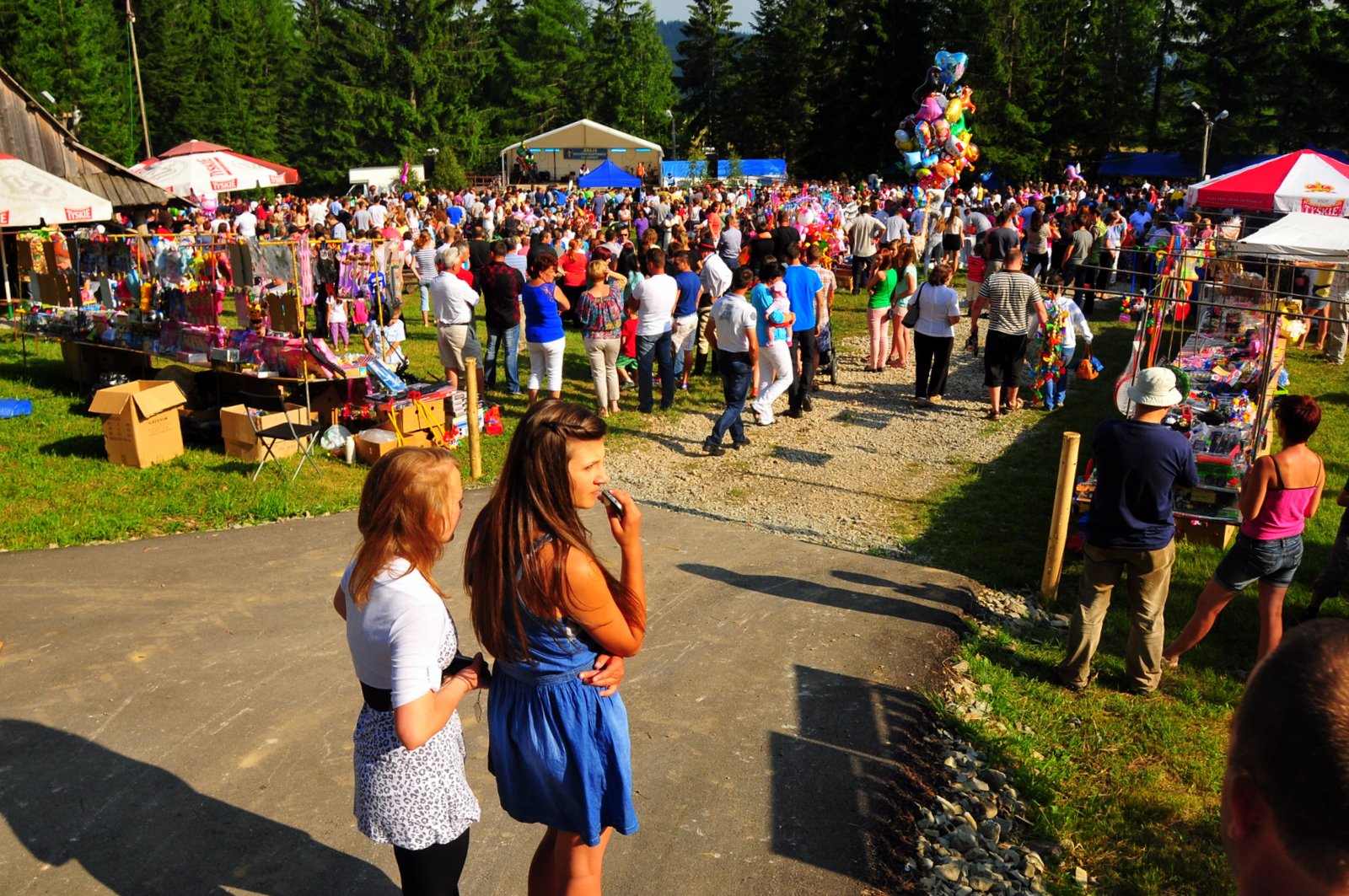
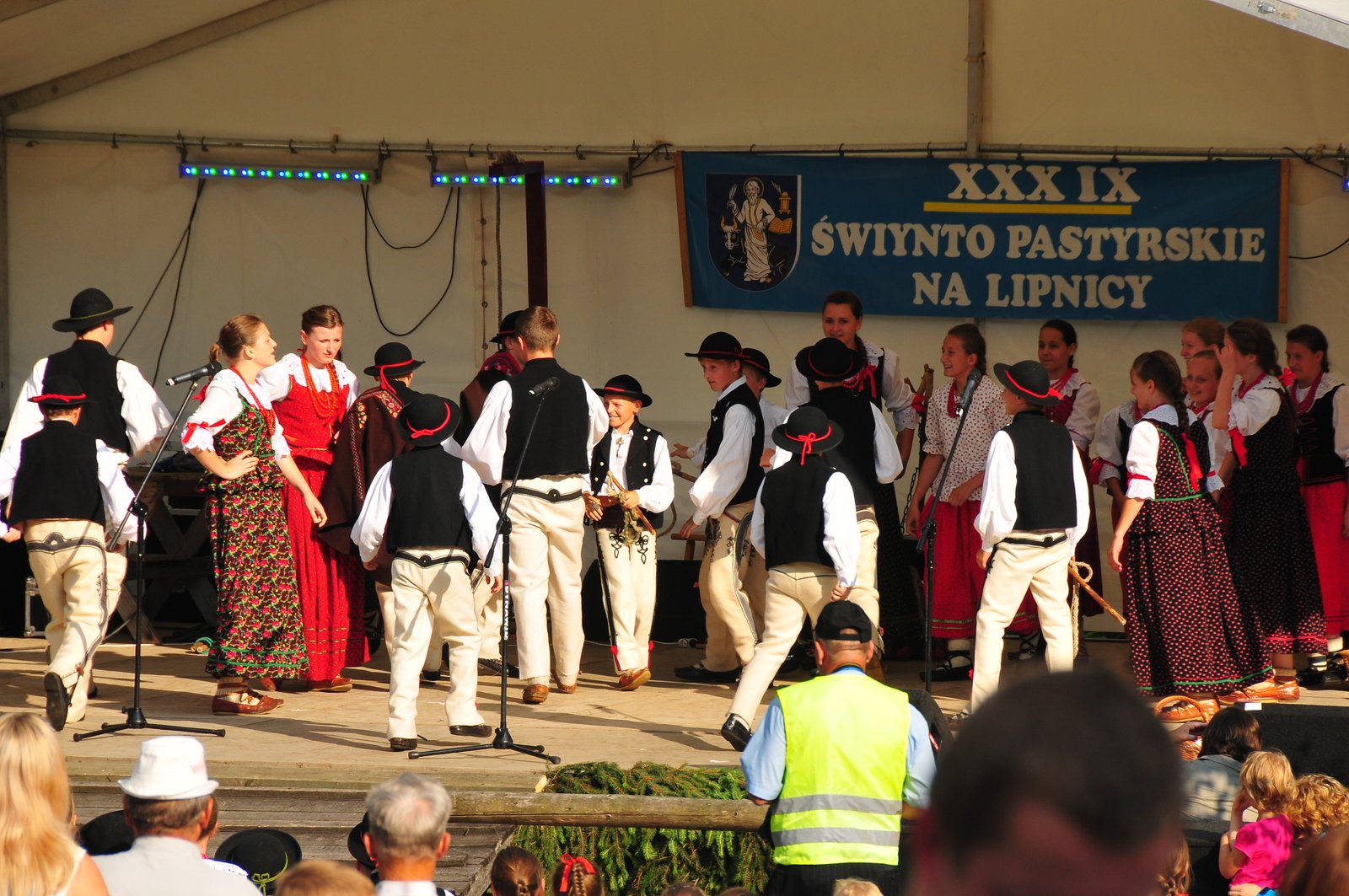
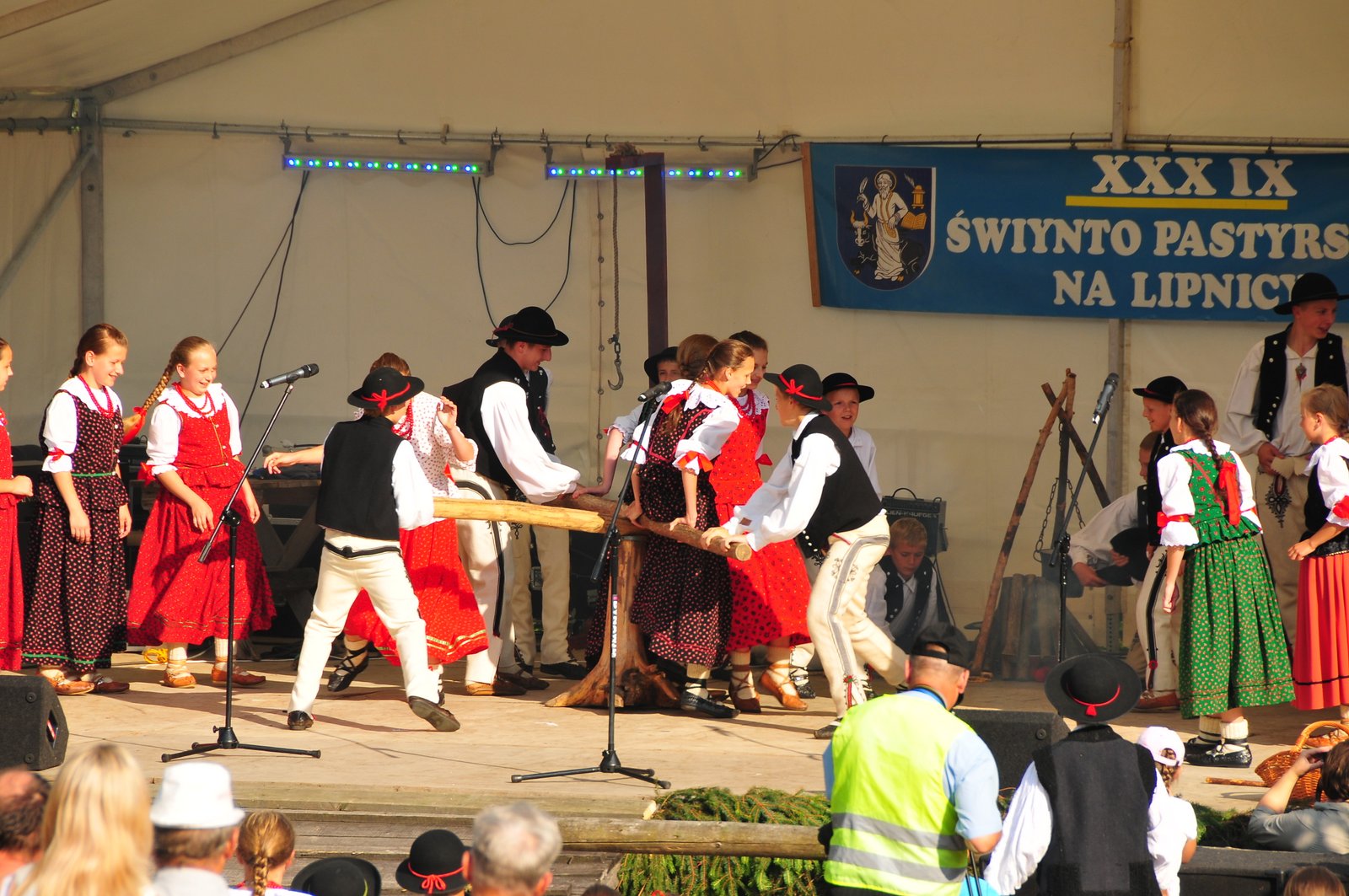
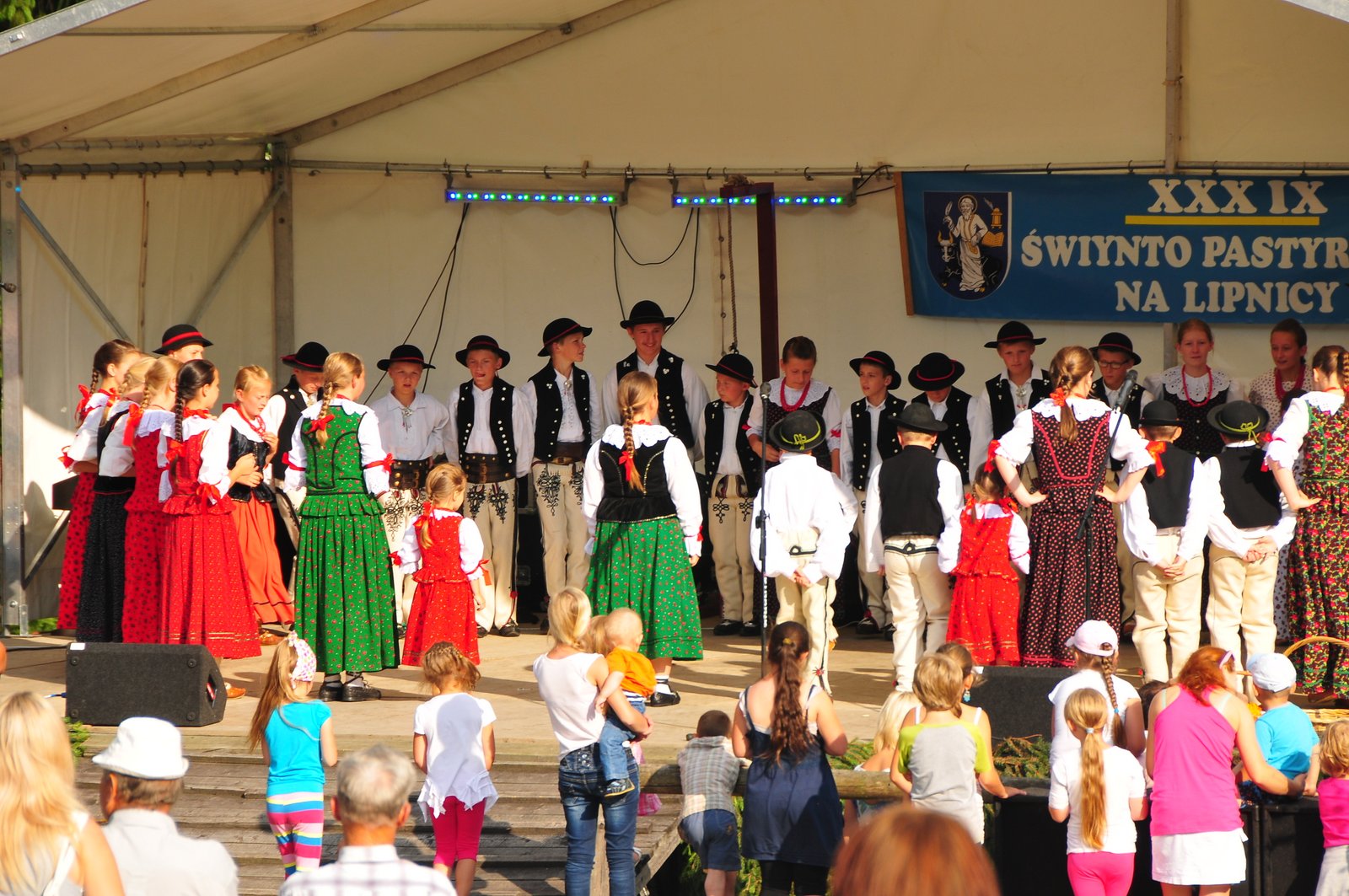
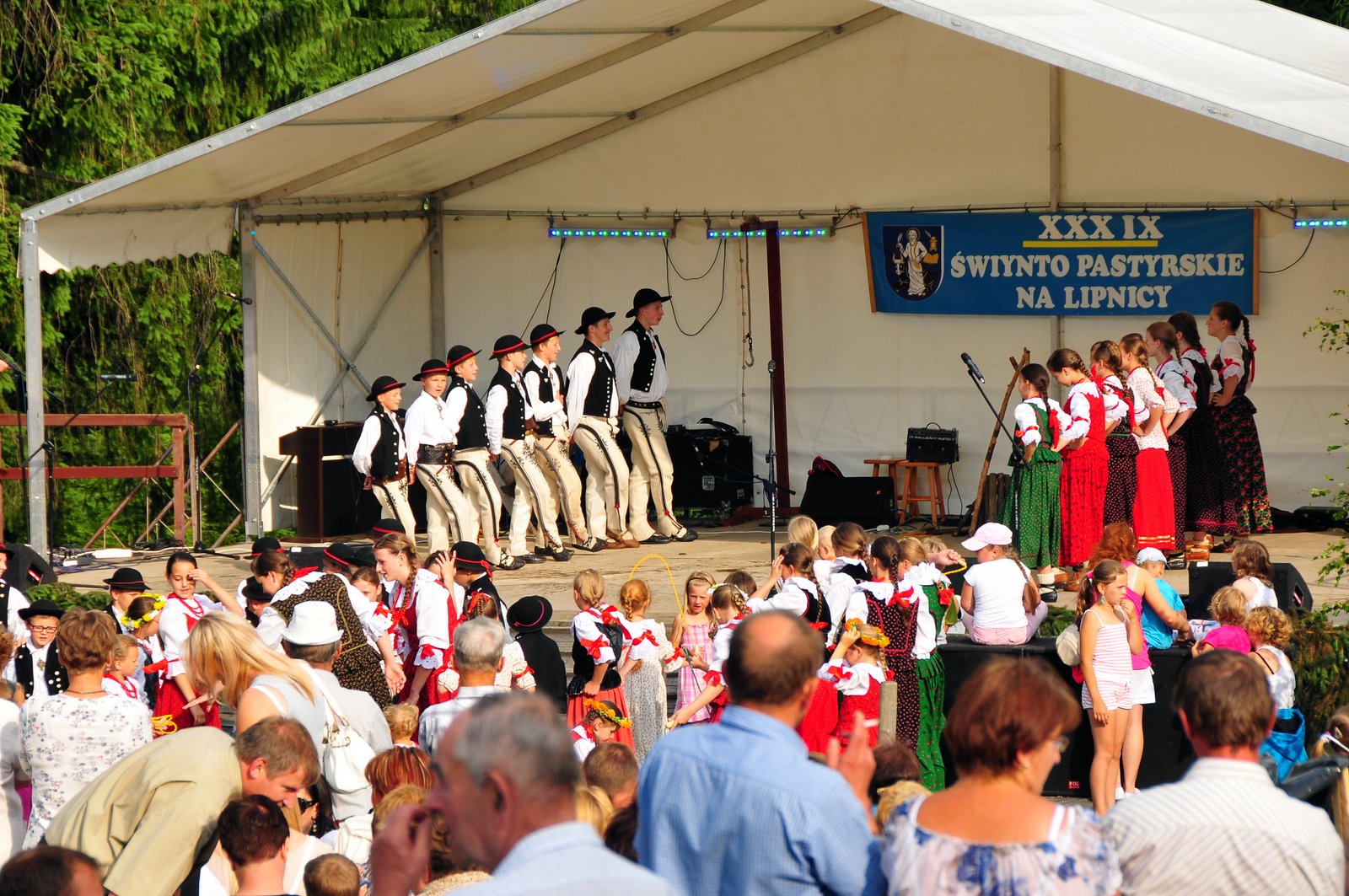
But one thing that doesn’t change is the length — long enough to pop away for a little while to Lipnica’s annual folk festival to see some regional dancing.

“That’s how Mama used to perform,” I explain to L, but with the proliferation of odpust-type deals in cheap plastic goods, she’s not exactly watching with rapt attention.

DSC_5412

DSC_5417

DSC_5419

DSC_5424

DSC_5426

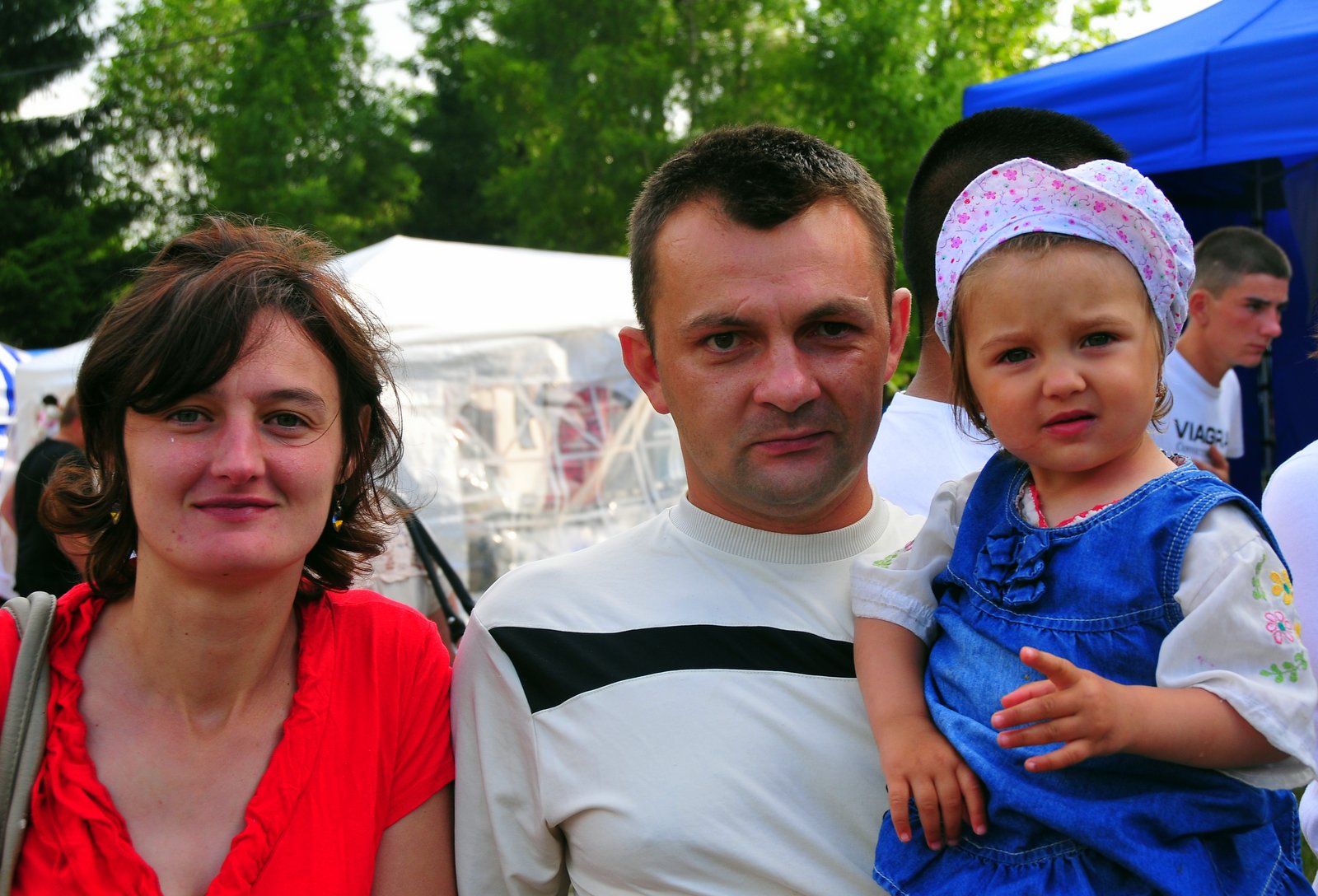
In some ways, though, I planned this quick visit to the festival as much for myself as for the Girl. It’s the best opportunity to meet folks I haven’t seen in ages, people I might not otherwise get to see. Like my buddy S, who owned a shop down the street that I frequented as much for a soda and chat as for any particular shopping.

DSC_5428

When I return to the wedding party, I see again just how small a world it is: there sits a former student.

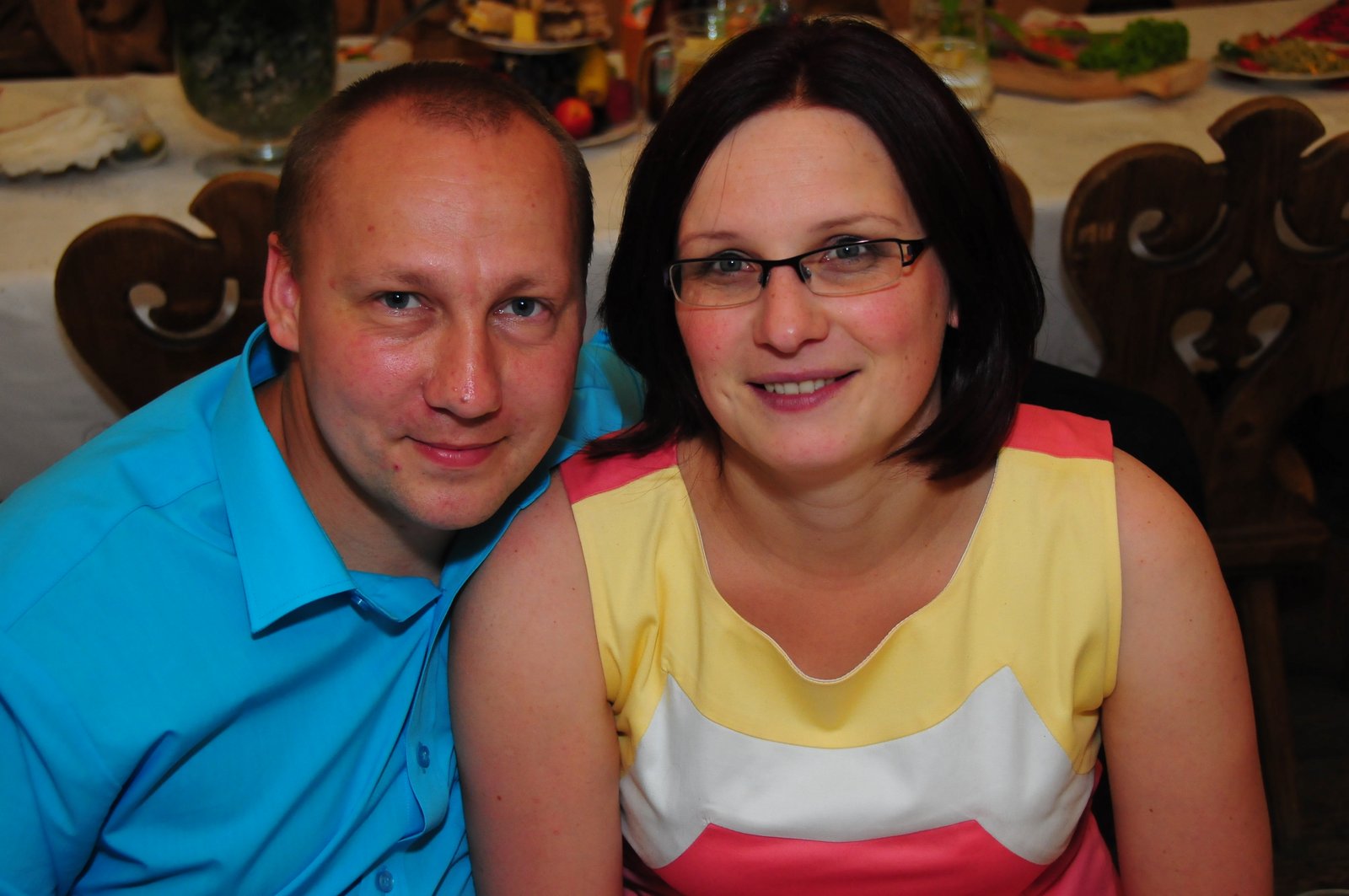
“Do you remember me?” he asks. The face is familiar, but I can’t remember the name. “Don’t you remember G and D, always giving you problems, always being a little crazy?” Now it all comes back to me. I sit with him and his wife, also a former student (ironically named K like my own sweet wife), and we talk about old times, new times, changes in the meantime.

DSC_5479

In the end, we and a few other family members — K’s uncle and aunt — find we’ve outlasted just about everyone,

DSC_5468

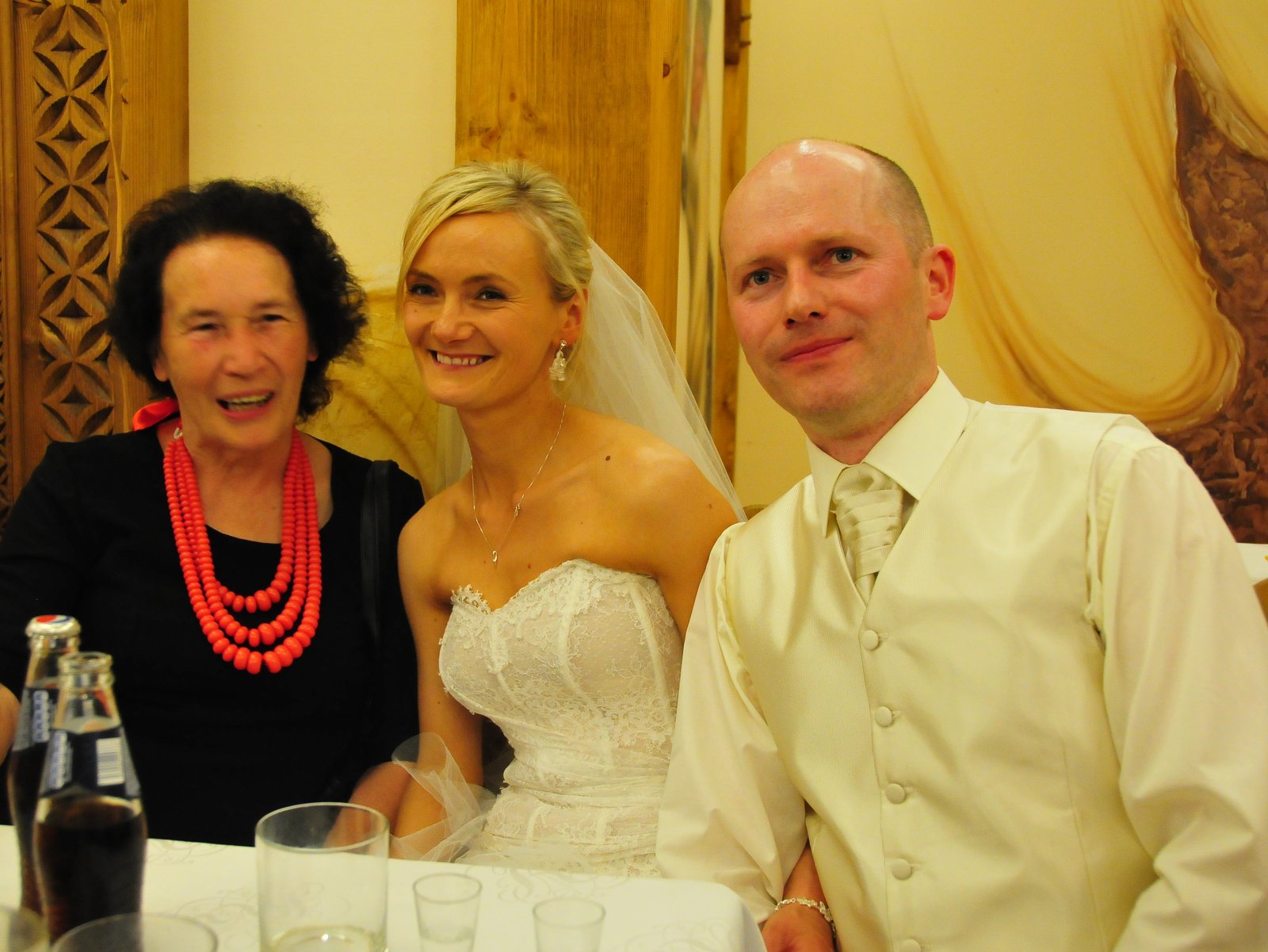
including the bride and groom.

DSC_5496

All good things, though, come to an end,

DSC_5483

even all-night parties.

Wedding

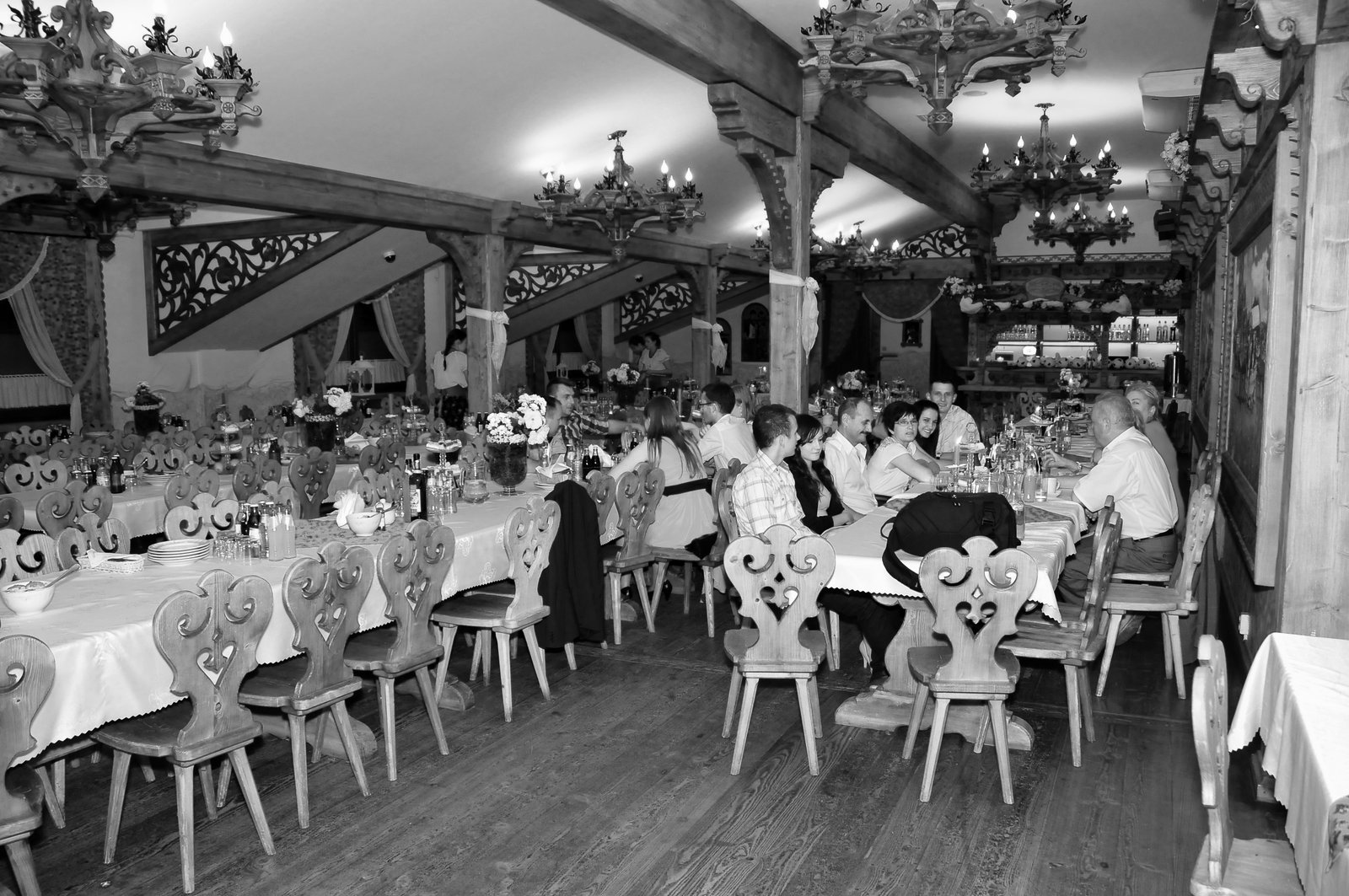
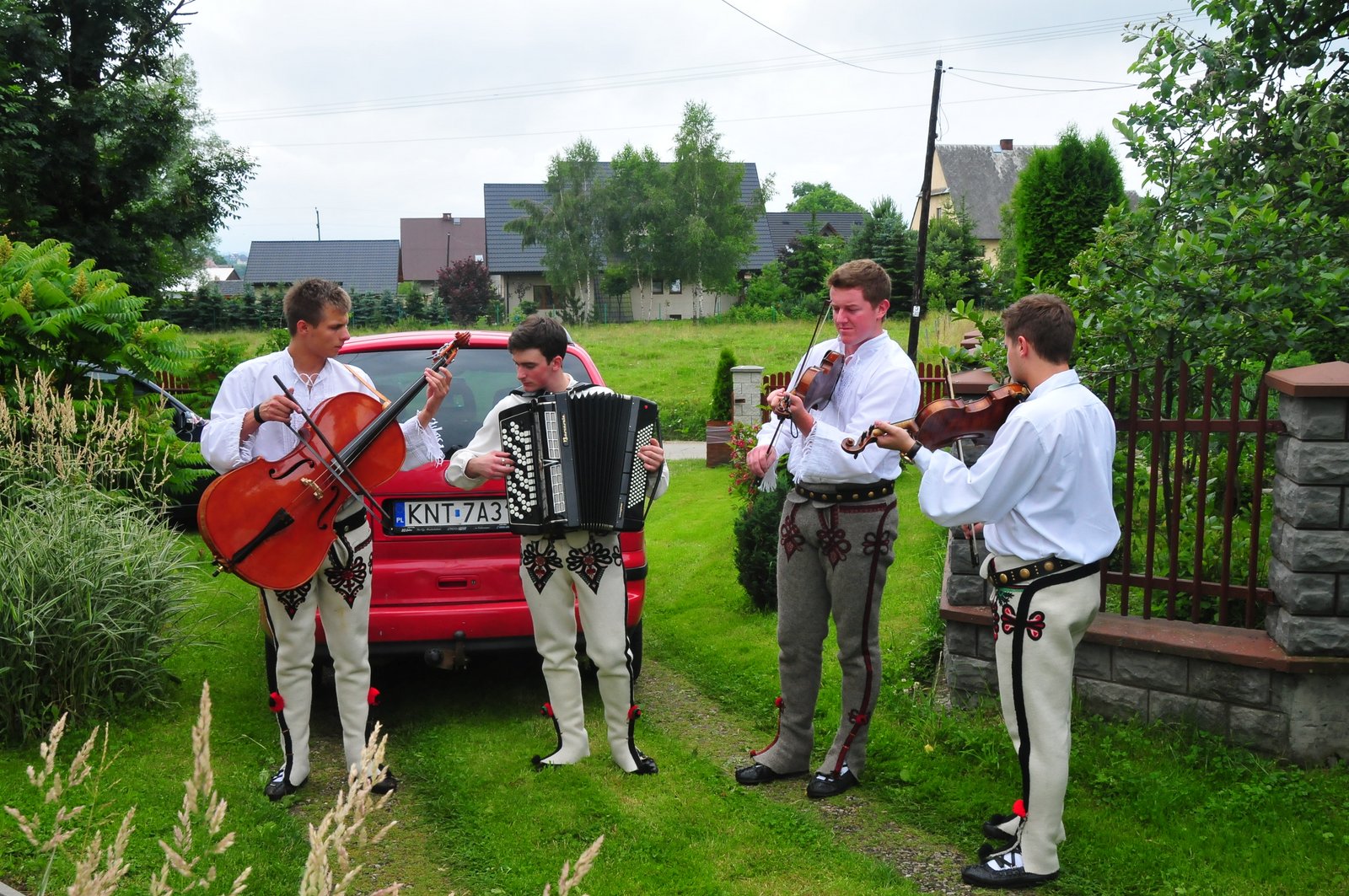
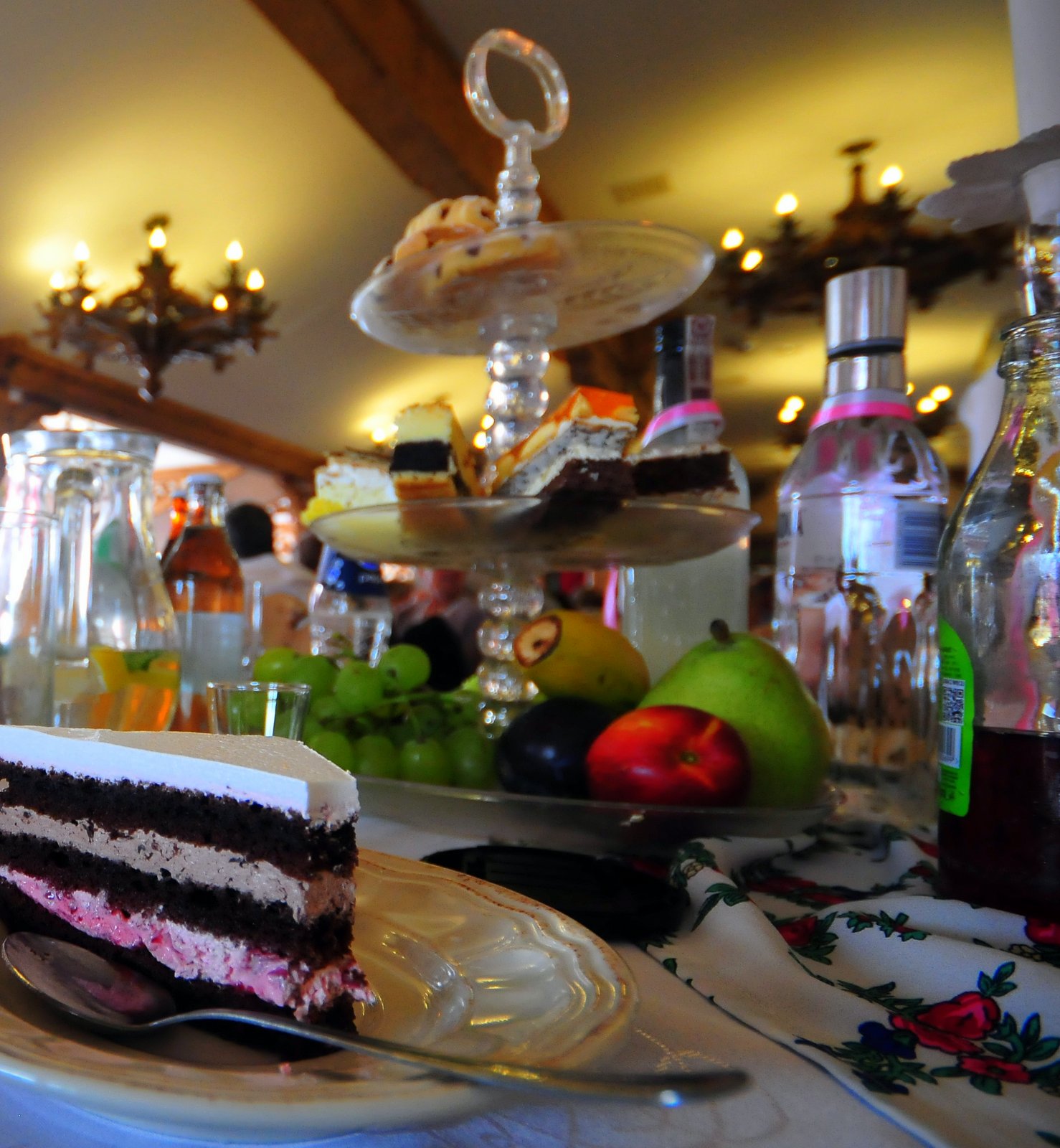
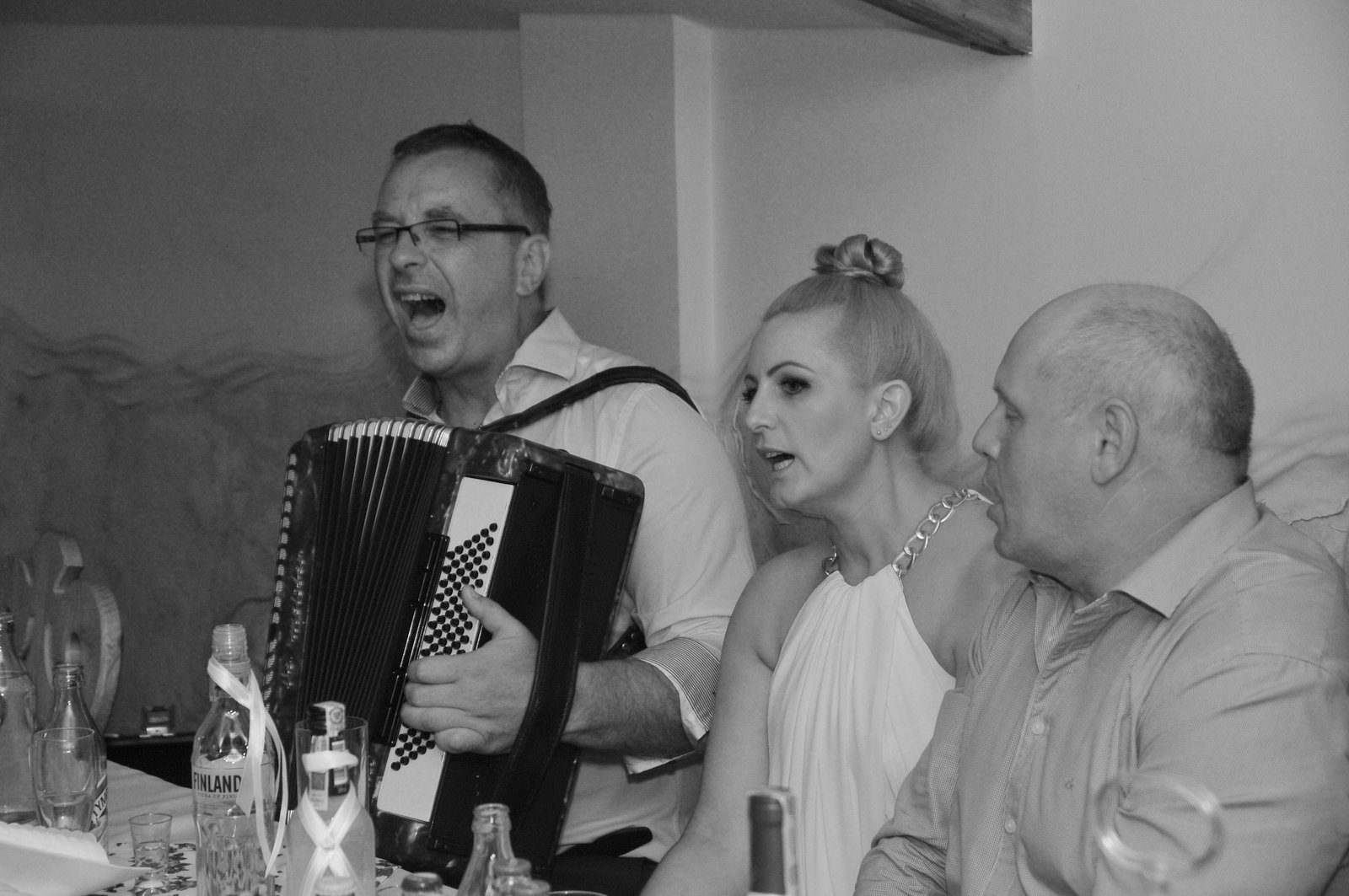
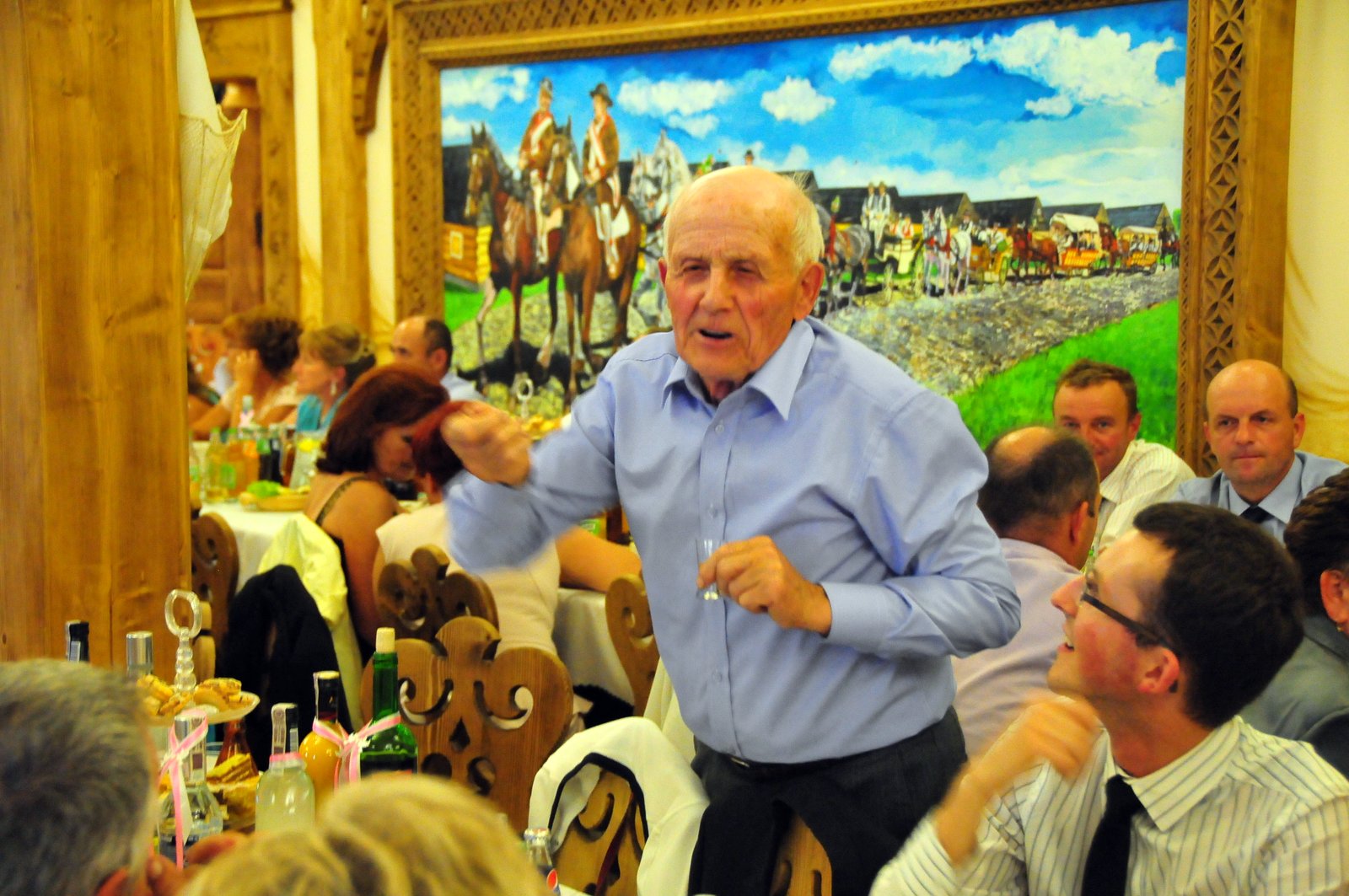
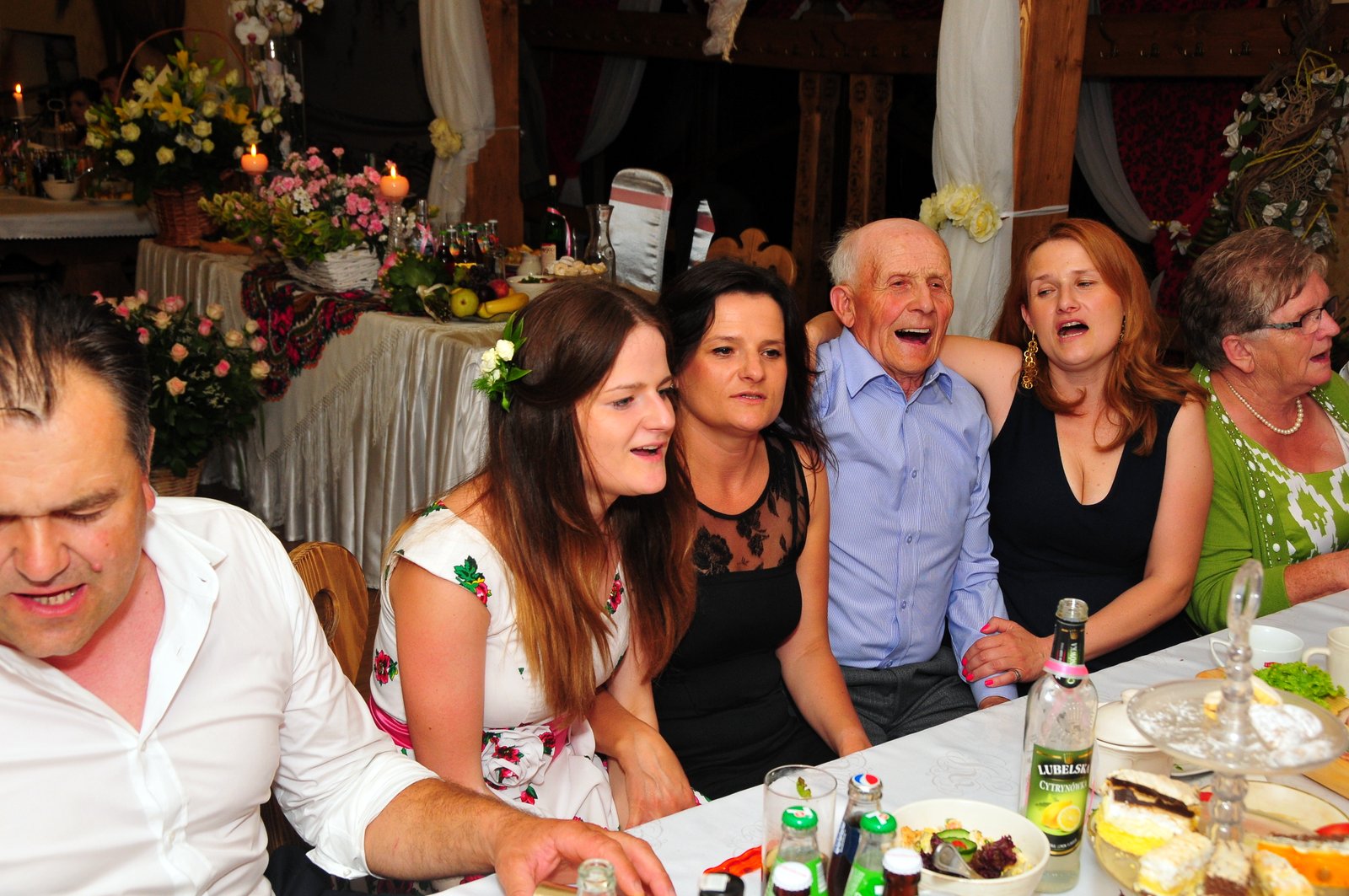
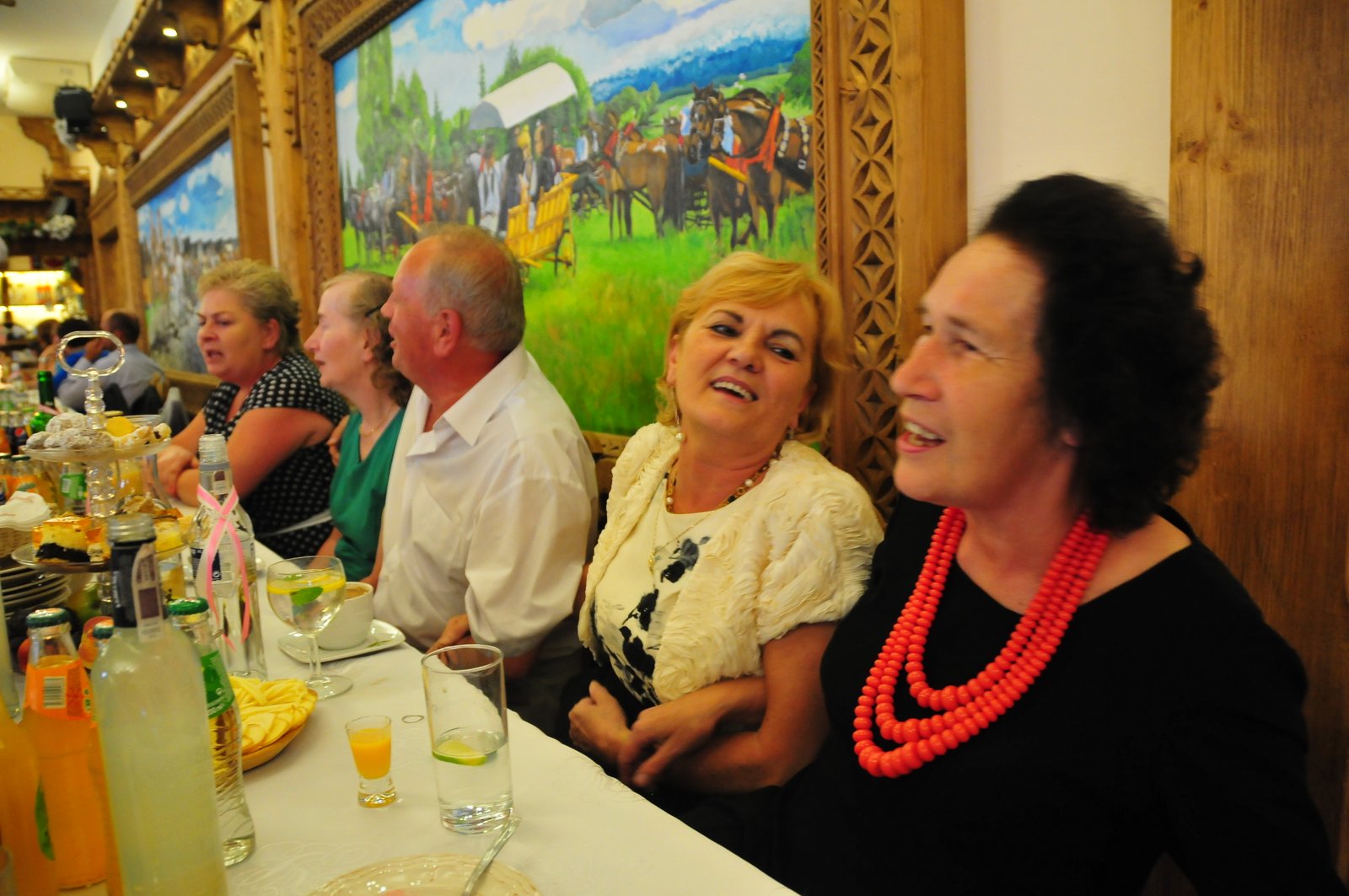
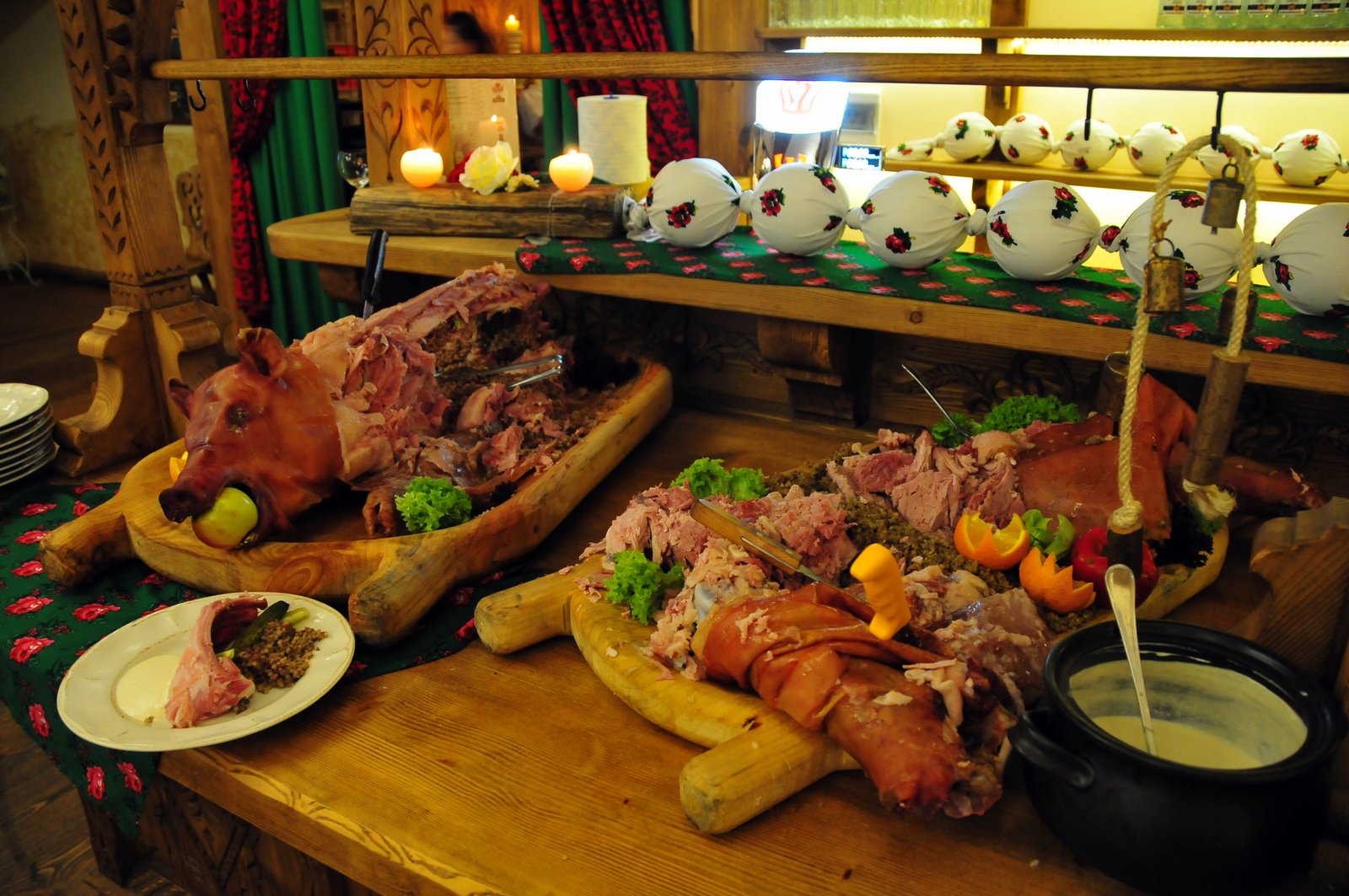
Singing, dancing, telling jokes, eating, reminiscing, drinking, telling stories -- a continuous, enormous party that starts in the early afternoon and ends in the early morning.

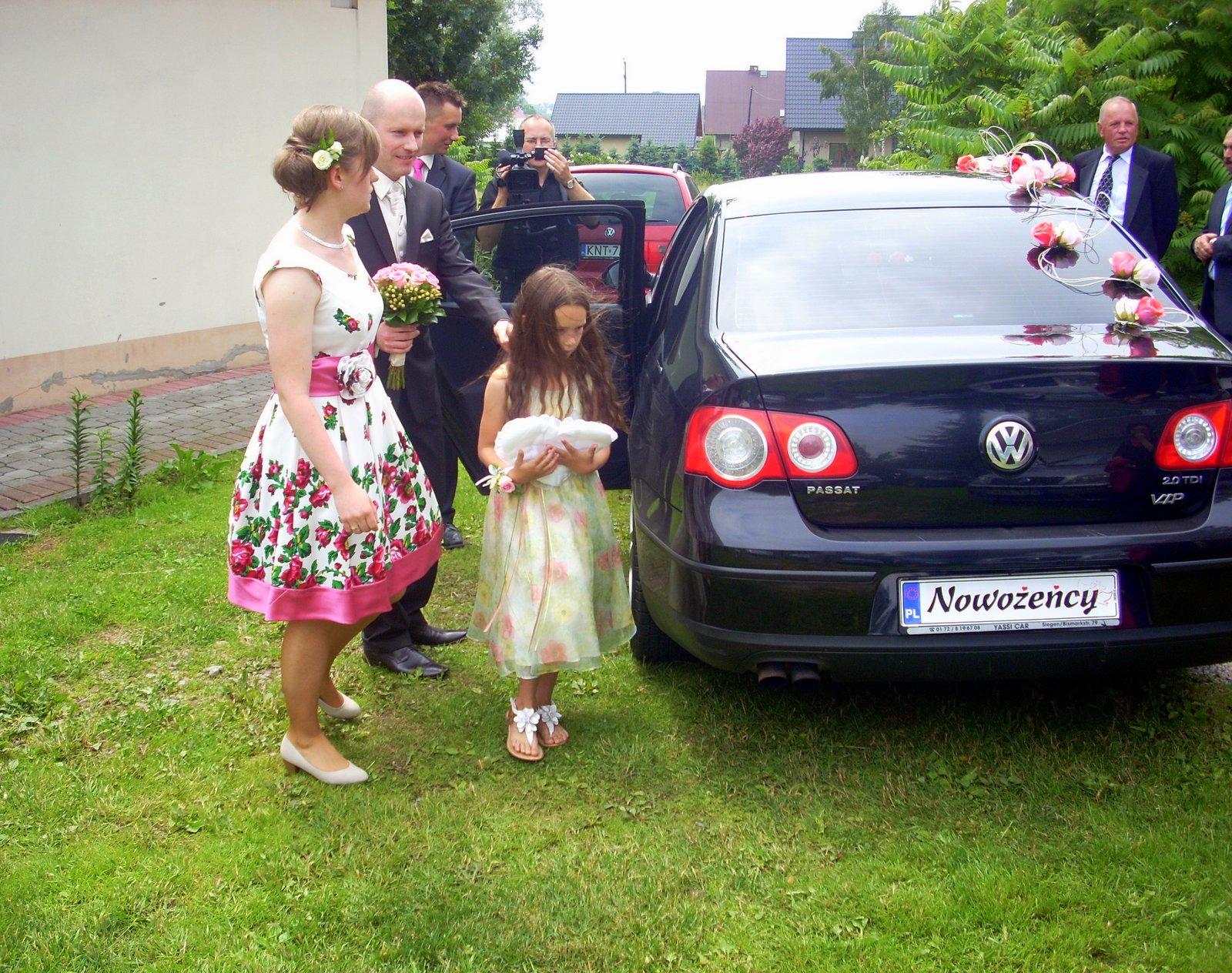
The Girl got to be ring bearer, a double twist on tradition, and she got to experience her first Polish wedding party.

Click images to enlarge.

Weddings

A traditional southern Polish wedding lasts three days; a generous modern southern Polish wedding lasts two. The second day is called "Corrections." You'll pardon me if, given the fact that K's cousin had a generous modern southern Polish wedding, all I have the energy to say today is "Sto lat młodej parze."