Matching Tracksuits

fun in fours

polska 2010

Pasieka

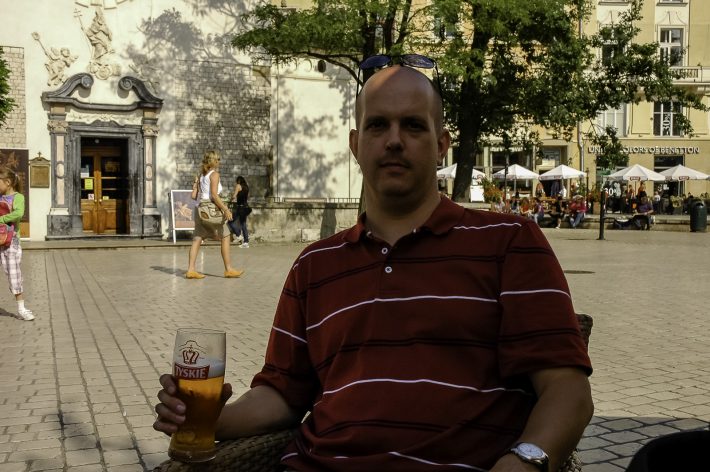
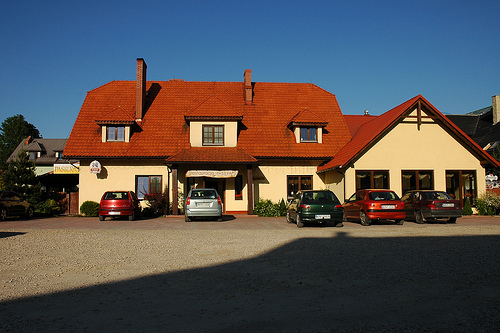
When K and I began dating, we met every one evening a week at Pasieka, a small restaurant in her home village. It gave us a chance to see each other during the week (it was a long-distance relationship: all of seven kilometers between our villages), and I didn’t have to cook for myself one day a week.
DSC_4361

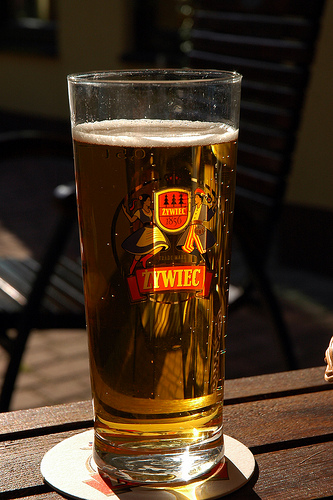
We’d have a beer or two, talk about our week thus far, make plans for the weekend — it was the highlight of the week. After our marriage, we visited Pasieka less frequently, but when we come back to Poland, we have to go back to Pasieka.
DSC_4362

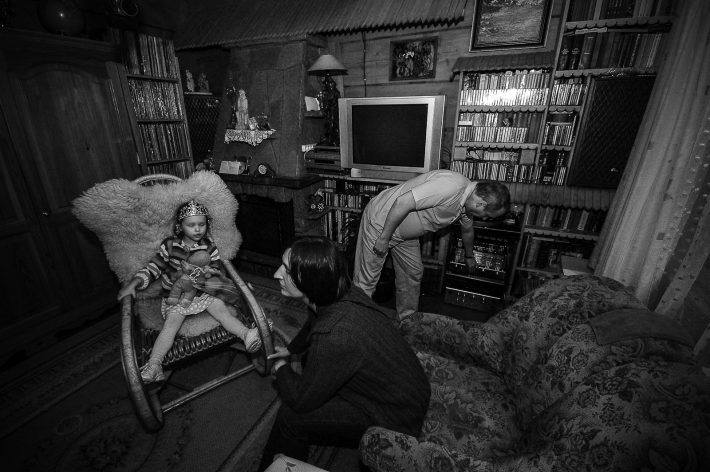
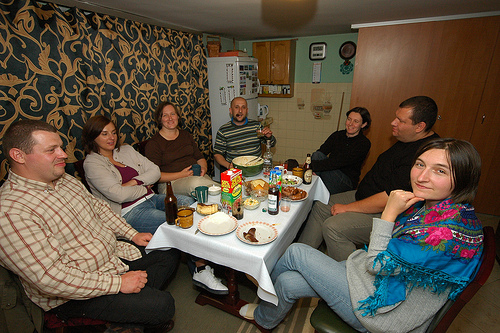
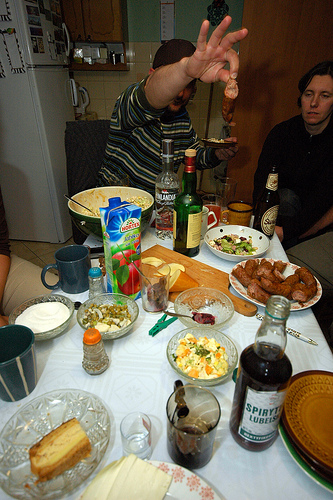
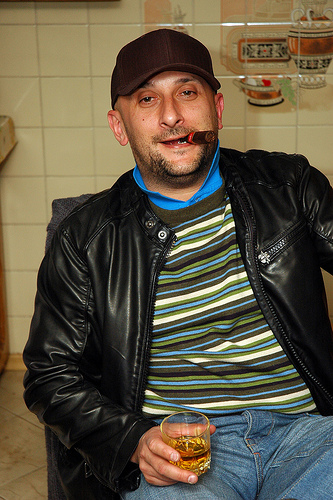
We walked to the restaurant for a bite of supper and to meet with “Johnny,” a friend who now lives abroad.
DSC_4367

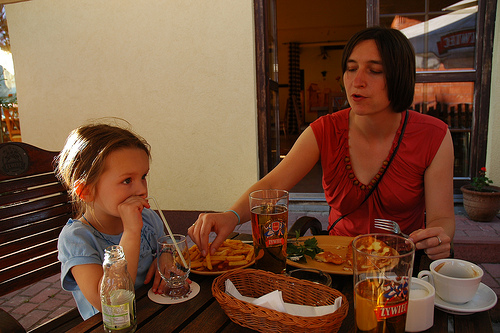
Except for the order of fries for the little girl who joined us, it was just like old times.
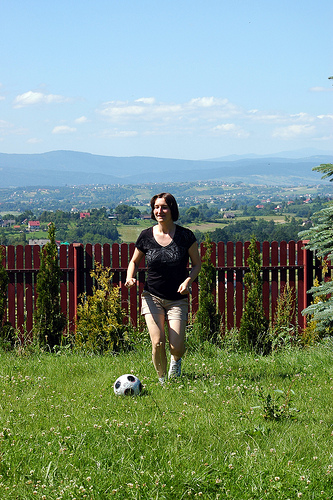
Football and Family

Just a few kilometers outside Krakow and couple of hundred meters higher lies a small group of homes on top of a small hill that have earned the name G. Is it a town? I’m not sure. When preparing the GPS, I asked my father-in-law, “What street does D [K’s brother] live on?”

“There are no street names in G,” he laughs. “Only numbers.”

Such a small place that has no street names — sounds pleasant.

DSC_4295

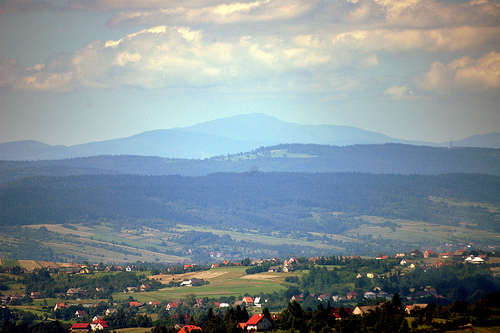
And a great place to spend the evening after a long day in Krakow. Family and a great view: what else could we want? Perhaps a little entertainment, and the sport of choice in Europe is soccer football.

DSC_4297

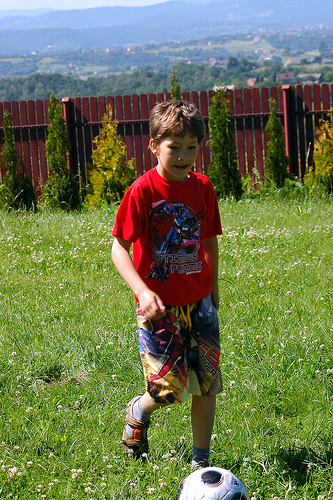
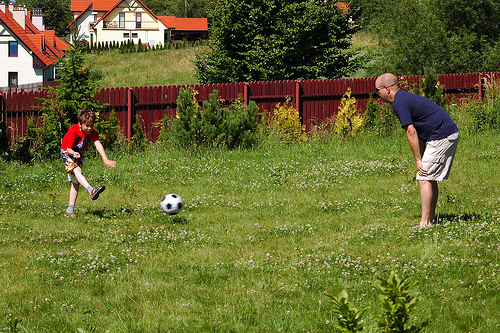
The mutual opponent: W, who is K’s godson. He’s quite the footballer, and to be honest, both K and I have a hard time keeping up.

DSC_4299

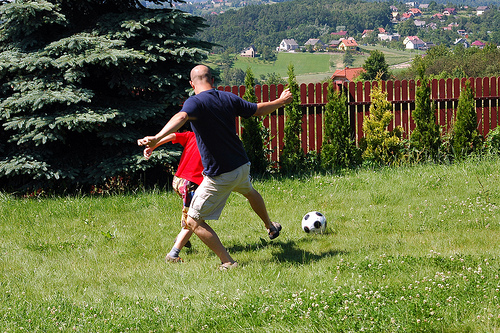
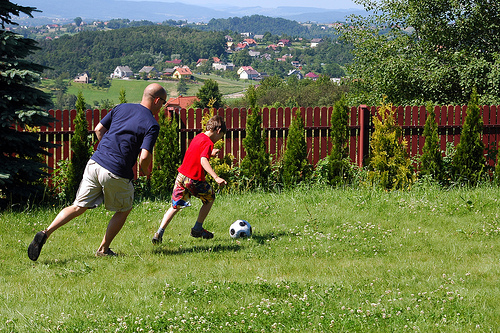
When I face off against him, I think in terms of basketball: every beginner has one or two moves he feels comfortable with and repeats. I watch W as we play, figure out his favorite moves (a fake to his right, my left, followed by a charge to his left). He makes the move again and again. I come to expect it. I charge him, hoping to force the move.

DSC_4300

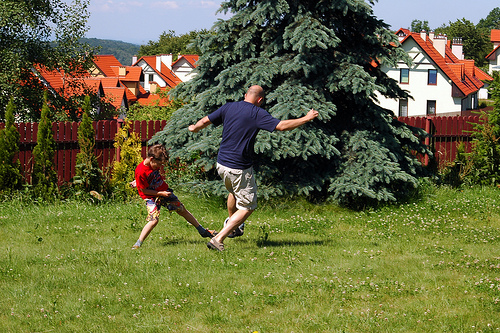
Sure enough, fake right, charge left. And every single time he fakes me out. I know it’s coming; I throw out a leg like I see the pros do on television, and he shoots right past me.

DSC_4303

If I charge and unfairly use my size advantage, I occasionally catch up and manage to kick the ball out-of-bounds. It works a time or two, but I realize anew how footballers have to be in amazing condition: I’m tired within a few minutes, and panting shortly there after.

DSC_4304

Finally, a new strategy: keep my distance and force him to shoot from afar. It works. Temporarily.

DSC_4312

In the end, the views win: W goes in to play video games, and I give up panting, looking at the view from our improvised football pitch.

DSC_4328

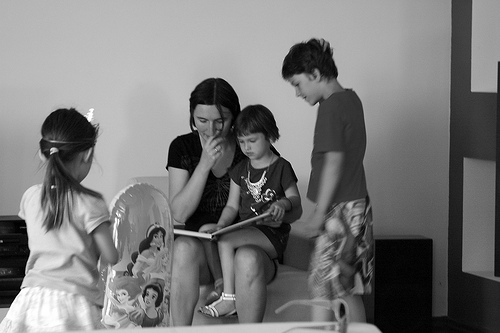
I go inside to find K reading classic English nursery rhymes to the kids. She translates them to Polish, but they just lose something — the rhyme, the rhythm just aren’t there. The same goes with translating nursery rhymes the other direction:

Once upon a time there lived a witch named Baba Jaga,
who lived in a house made of butter.

It just doesn’t sound as good as

Była sobie Baba Jaga
Miała chatkÄ™ z masła

Certainly part of it is cultural: in the original there’s no mention of “a witch named.” Everyone simply knows that Baba Jaga is a witch. Koniec. Kropka.

DSC_4350

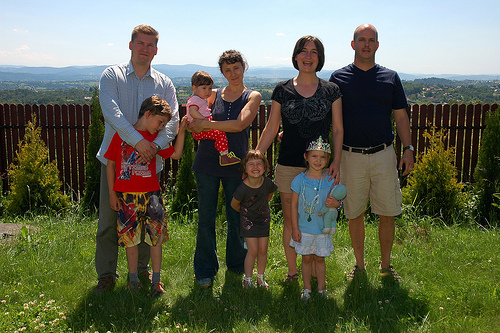
Before heading out, we gather everyone for a quick group family portrait,

DSC_4353

and other with just the kids — something of a trick with the smallest.

Krakow II

From Wawel, we head up ulica Grodzka toward the rynek, looking for food. We find a small restaurant that’s essentially an upscale bar mleczny and sit down for lunch. Nothing special, but good Polish eats — the sign of a good bar mleczny.

Arriving at the rynek, we begin looking for the countless bird seed mongers that traditionally seem to fill the rynek. We can’t find a single one. What’s more, the centerpiece of the rynek, the Sukiennice (Cloth Hall), is closed for renovation, with all the booths moved outside.

It’s not the same rynek.

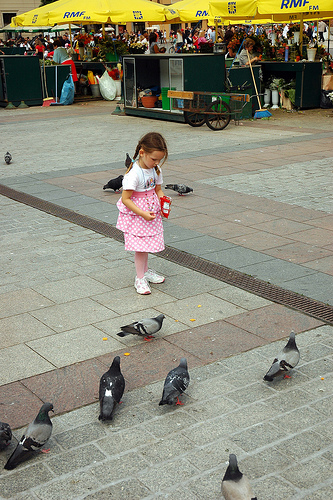
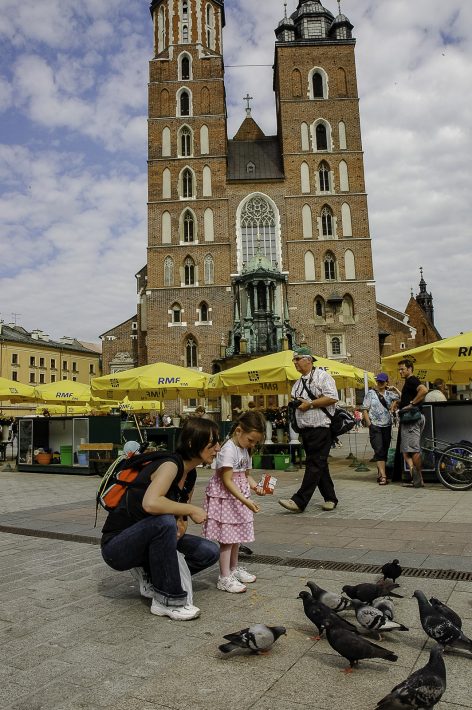
Still, we have crackers in a backpack, so L wades into the mass of pigeons and begins aggressively throwing crackers at the pigeons.

DSC_4213

The result is predictable.

After a few moments, K provides the much-needed assistance. But it seems that cheese crackers are not a favorite of Krakow pigeons. Perhaps there are too many chemicals — after all, what are preservatives? A frightening thought. Maybe we should make our own? After all, how difficult can it be?

It can’t be more difficult than finding refreshment on the rynek for a decent price. It’s something like the airport: cafe owners know that the average person is, at least temporarily, there to stay. Who’s going to walk two blocks to save a few zloty?

And lose such a view? Location is everything, for buyers and sellers.

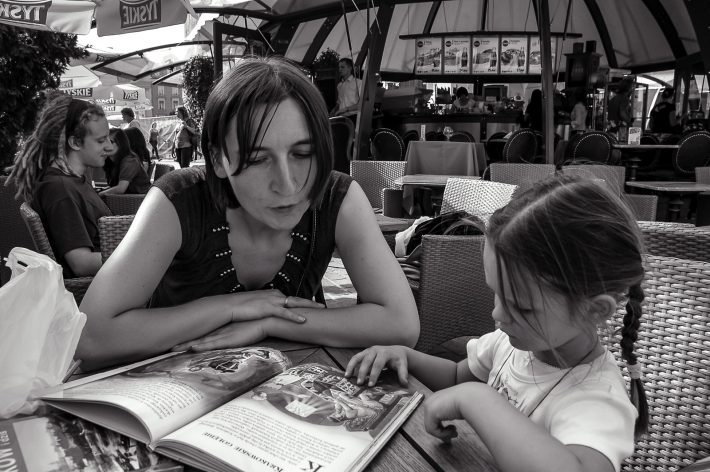
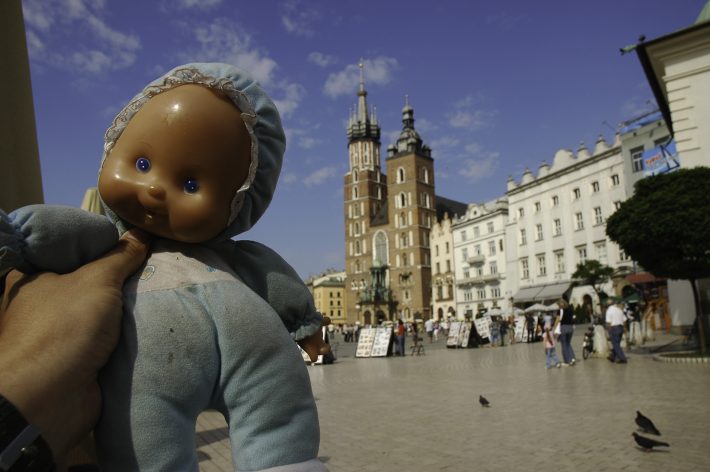
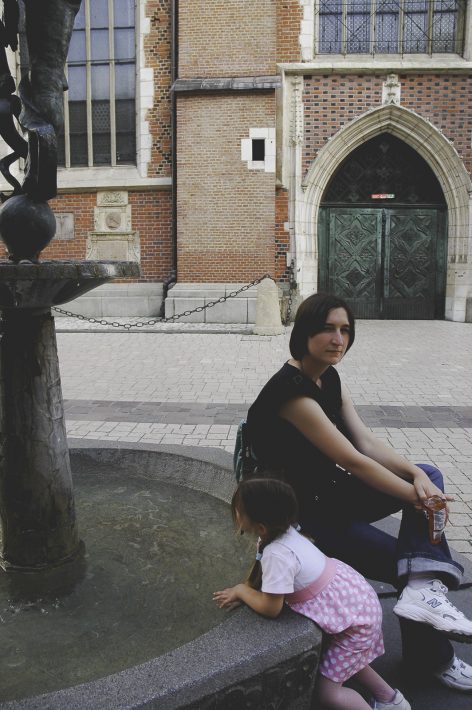
Given the view, the price might just be worth it. Baby certainly thought so.

The last stop: Empik — something like a Polish Borders Books or Barnes and Noble. Though L has a relatively large library, we’re of the opinion that she can never have too many books. Especially Polish books. And so we arrive in the hopes of loading up on new books. What is L interested in? Disney. The Polish version of the “Princess Collection.”

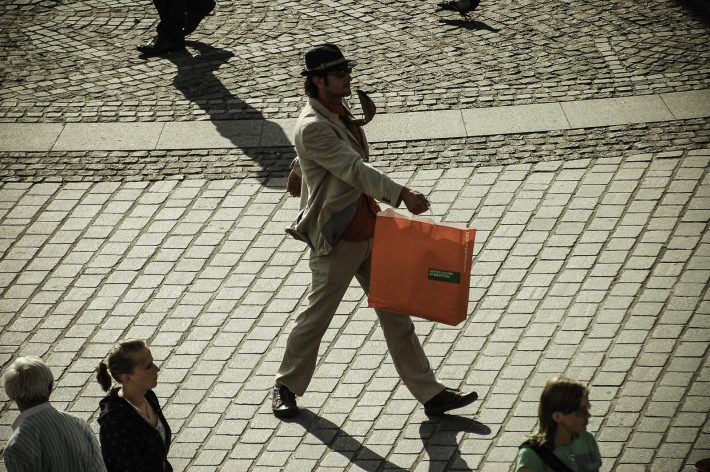
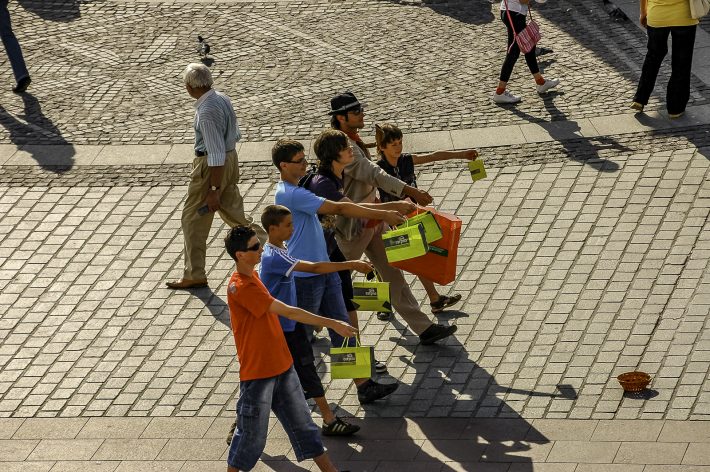
As K is working to convince L that a Polish “Princess Collection” is entirely unnecessary, I look out the window of the third floor. One of the many street performers begins his act. Relatively original. No face paint, nothing to suggest a clown.

Just someone in a hurry to get home with his shopping. As passers-by stop and imitate, the performer drops the bag, startling observers. He pulls out smaller bags and invites them to join him.

An amusing act, but not the famous Biala Dama. We didn’t see her last year either. We’re not the only ones looking for her.

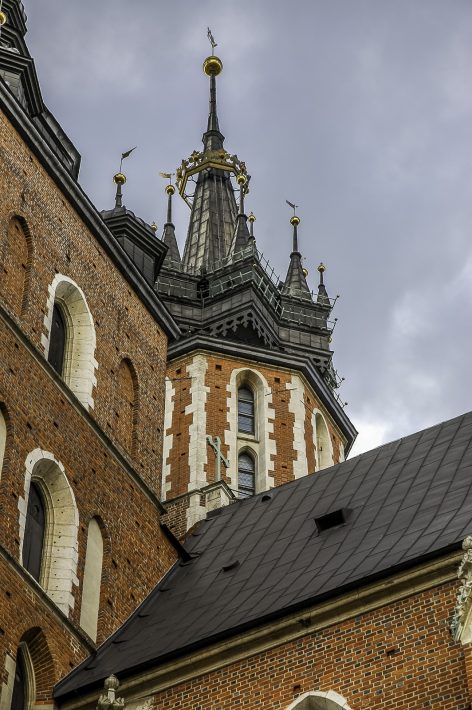
We sit next to the Basilica of St. Mary for a rest, planning on going inside, when Mass begins and we realize we won’t see the interior this year. Disappointing, but we’re all probably too tired to worry much about it.

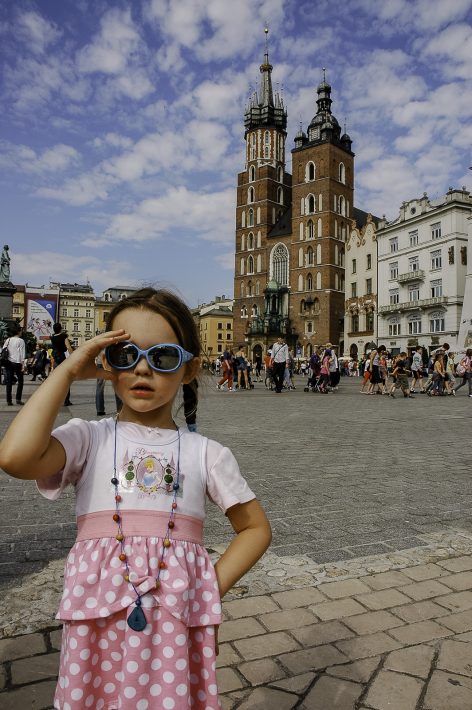
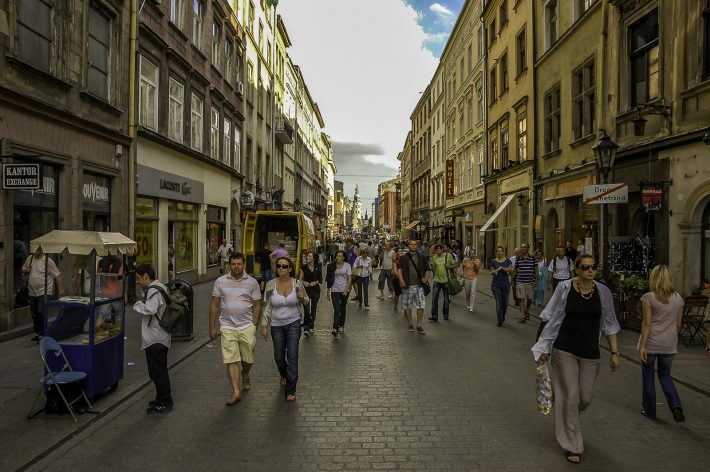
The views from the outside are spectacular as it is.

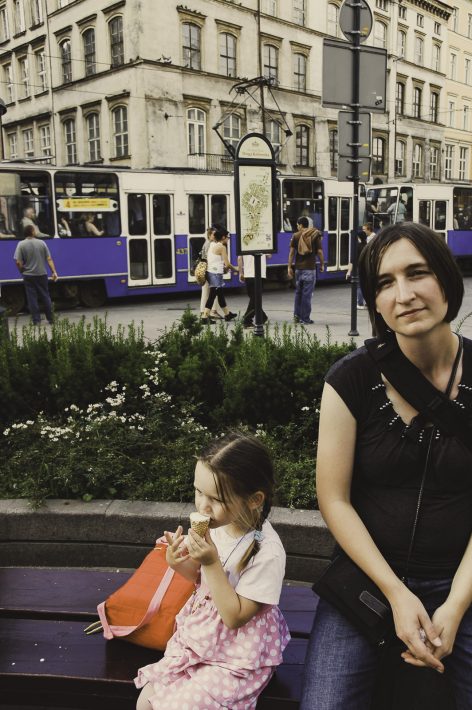
Finally, it’s time to go: the call from K’s brother has come. He and his family are on their way home. Suddenly, we’re in a hurry. Still, there’s always time for a little ice cream.

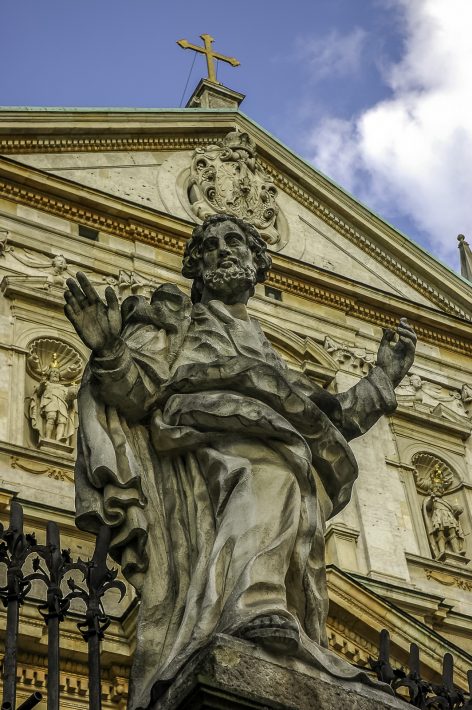
And a shot of one of the famous statues in front of the Church of Saints Peter and Paul.

A couple of last glances and we’re back at our car.

The spell is broken as we fight our way out of Krakow: aggressive drivers, narrow roads, unexpected detours, and exhaustion all make it more difficult. Next time, perhaps we’ll just buy a small apartment on the rynek.

Krakow I

For everyone who visits it, Krakow holds a special place in their memory. Its cobblestones, countless chapels, churches, hidden cafes, hundreds of churches, and enormous market square invite wandering.

I've been to Krakow more times than I can remember; K lived in Krakow for five years. Yet despite all the time we've spent in the city, a visit to Krakow is a highlight of a trip to Poland. To come to Poland without going to Krakow is simply unimaginable.

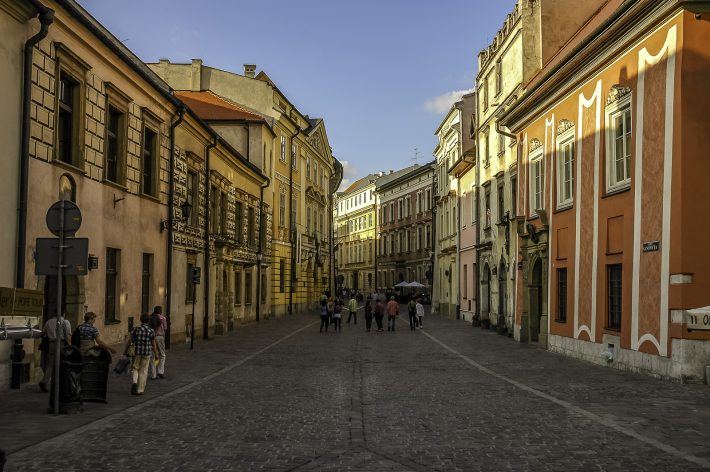
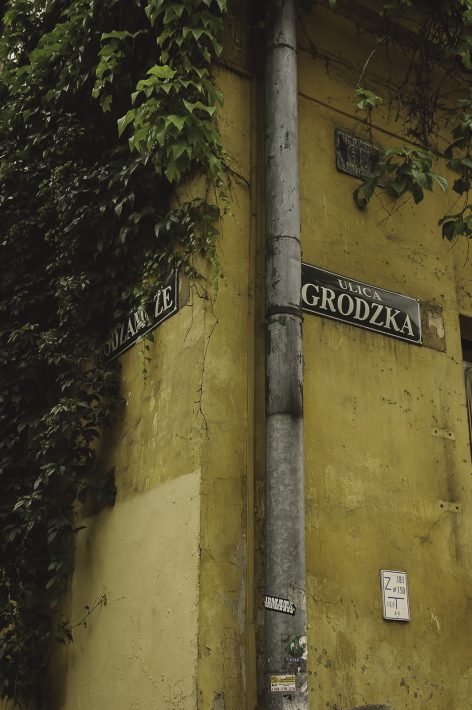
We park on the Wawel castle side of the old town and approach the rynek from the opposite corner, along Grodzka Street.

Wawel is to be our focus for the first part of our visit: with L now able to state her desires and shout her complaints, we have to make slightly different plans. Visiting the Wawel dragon, making the journey though the dragon's cave, shopping for Polish-language children's books,  feeding the pigeons on the rynek.

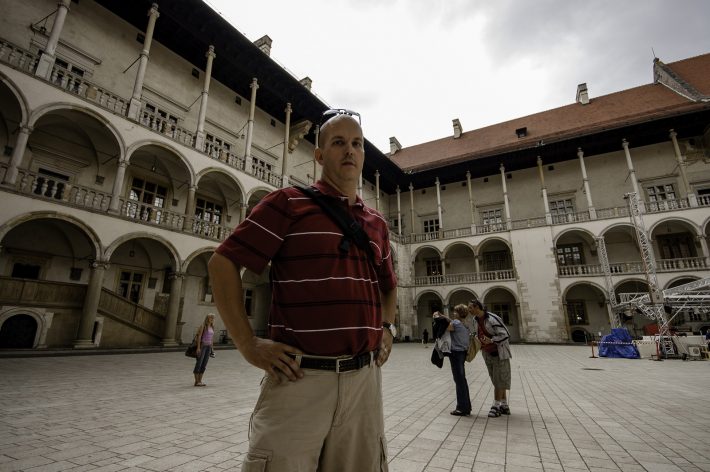
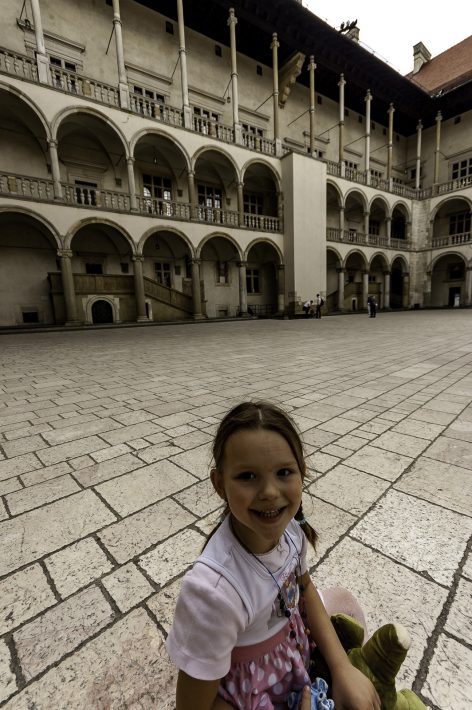
We begin with a stroll through the grounds of Wawel castle, the royal residence.

To take a tour of the residence would be something of a waste: L would get little out of it, and K and I have taken the tour many times ourselves. Instead, it's a refreshment walk -- a nostalgia tour.
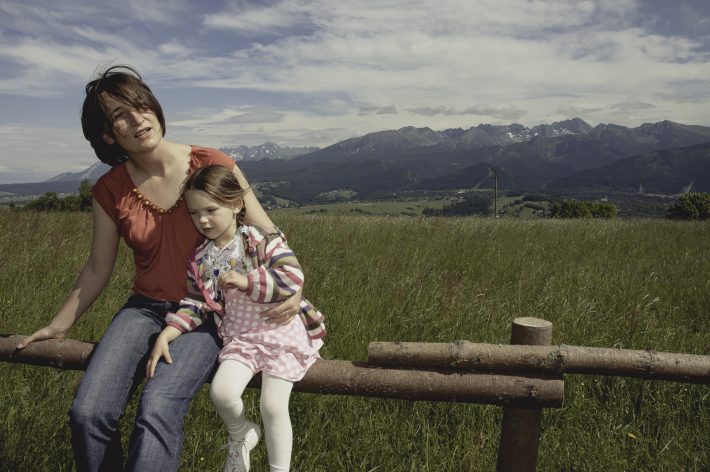
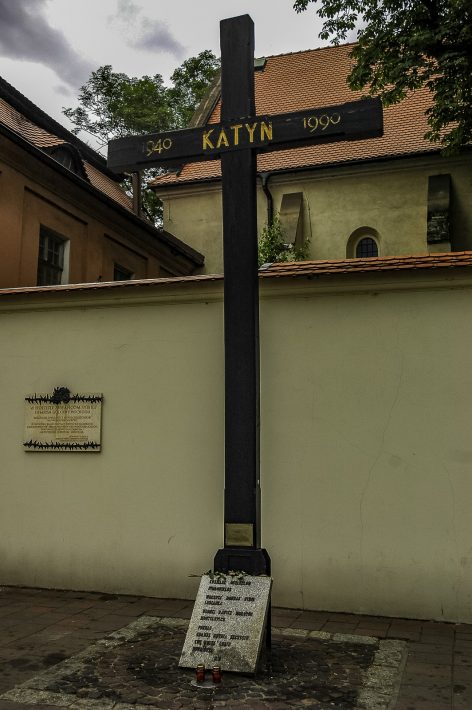
We do, however, head to the grave of Lech Kaczynski, the Polish president killed earlier this year in a plane crash. He was on his way to celebrate the anniversary of the Katyn massacre, but became a victim himself. Ironically, just down the street from his final resting place is a monument -- one of many -- to the victims of Katyn.

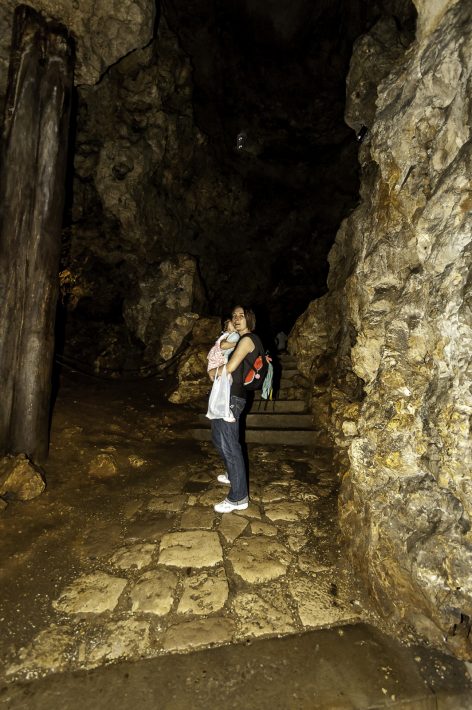
We also head into the cave of the Wawel dragon.

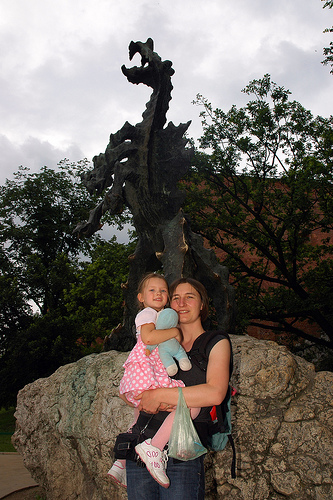
According to legend, the Wawel dragon ("smok Wawelski" in Polish) tormented the inhabitants of ancient Krakow by, well, eating them and their livestock.

DSC_4148

The king sent all the knights to destroy the dragon, but predictably the reverse happened. As in most legends, it was a commoner -- in this case, a cobbler's apprentice named Skuba Dratewka -- who saved the day. He placed a lamb carcass stuffed with sulfur outside the dragon's lair.

The dragon drank so much water from the Vistula River that he exploded. Problem solved, and Dratewka got his reward: the king's daughter's hand in marriage.

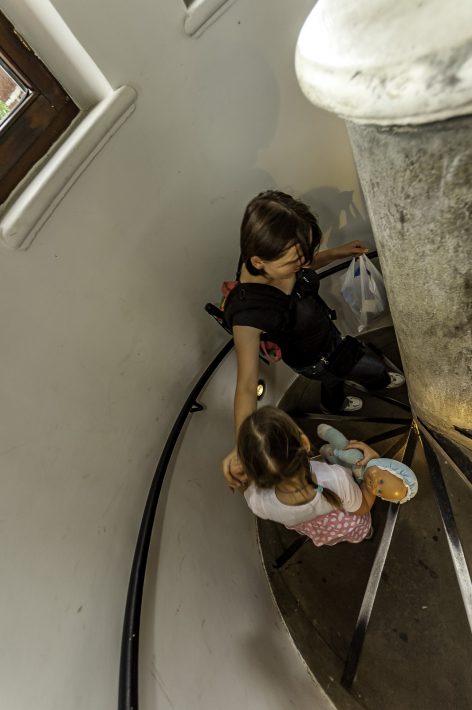
Modern visitors to Wawel gain access to the cave via a long spiral staircase that seems to fall endlessly into the ground.

L becomes frightened, refusing to walk on her own. "Hold me! Hold me!" It's understandable: after all, a dark, tight, slippery stairway is unnerving even for us adults.
By the time we make it to the bottom, though, two things are evident: first, we have to see some pigeons; second, we have to eat. And soon.
To be continued...

ZÄ…b

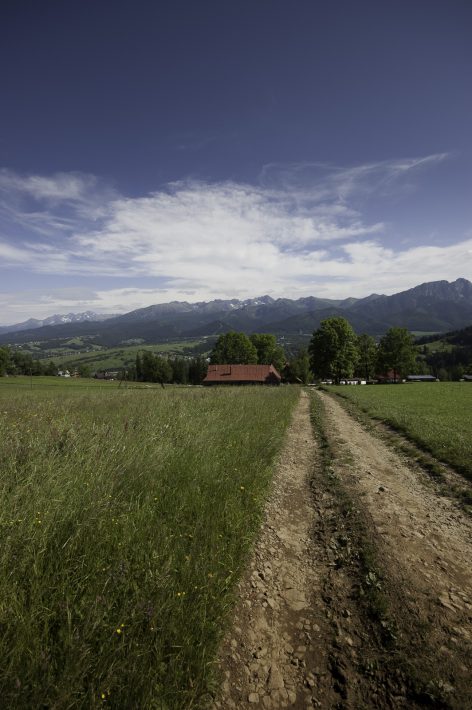
In many ways, the visit to ZÄ…b is the highlight of any trip back to Poland. As the most elevated village in Poland, ZÄ…b (Polish for "tooth") offers incredible views; as K's mother's home village, it offers wonderful visits with family.

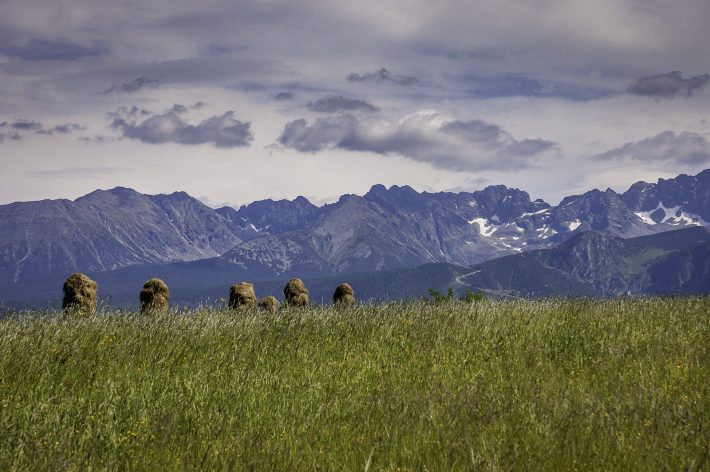
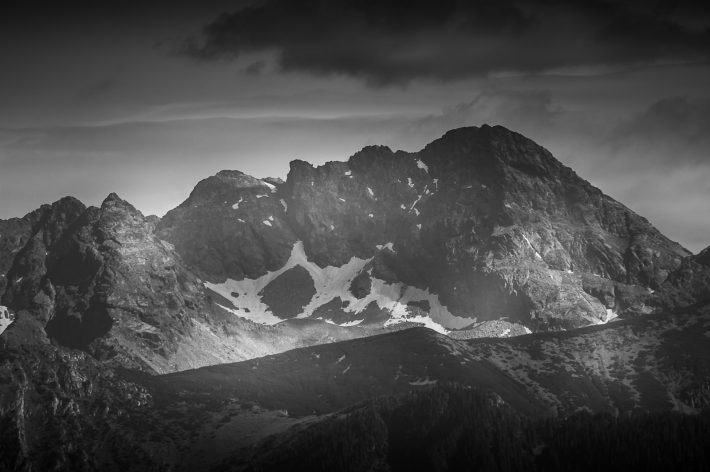
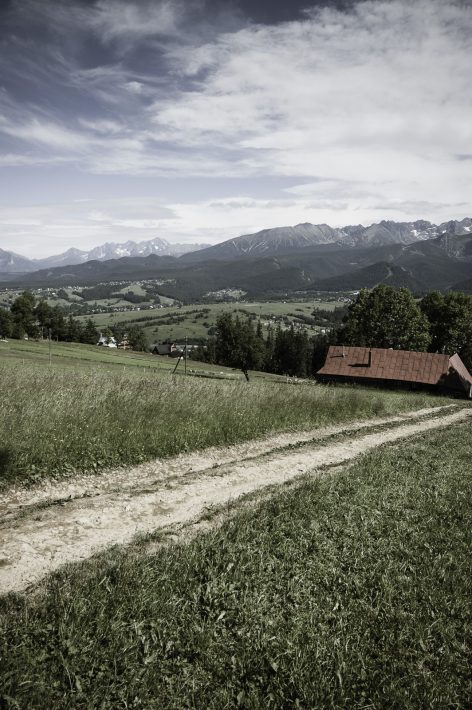
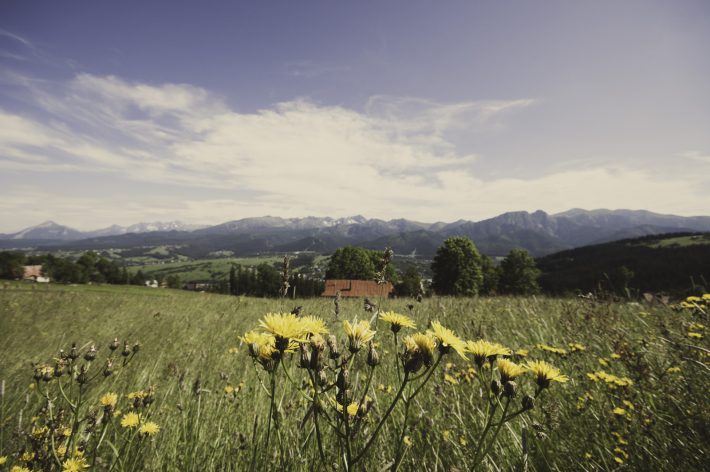
The views are indeed spectacular. From a field called Formanowa, the Tatra Mountains stretch out in their entirety just a few kilometers away.

It's a beautiful spot, and it's still -- for now -- only used as a hay field. Certainly, it's the most valuable hay field in the world: I'm sure there are many developers who would be more than happy to build on land with such a view.

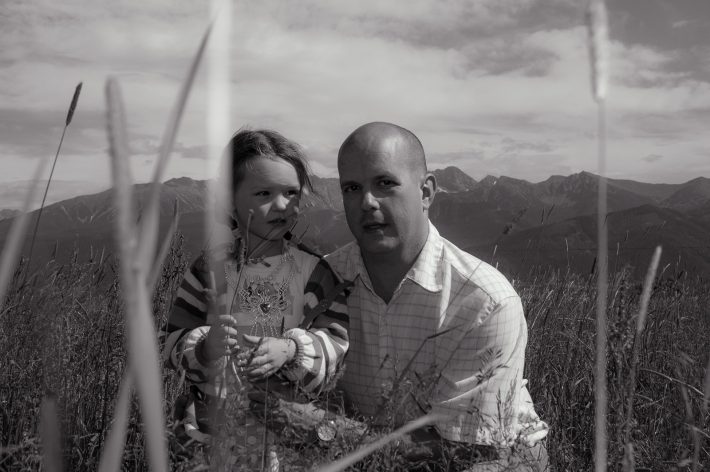
For now, it's a spot for taking portraits

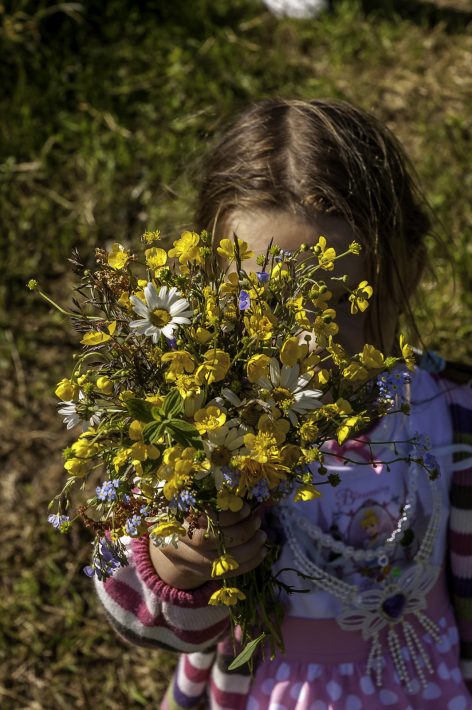
and picking flowers for great-grandmother.

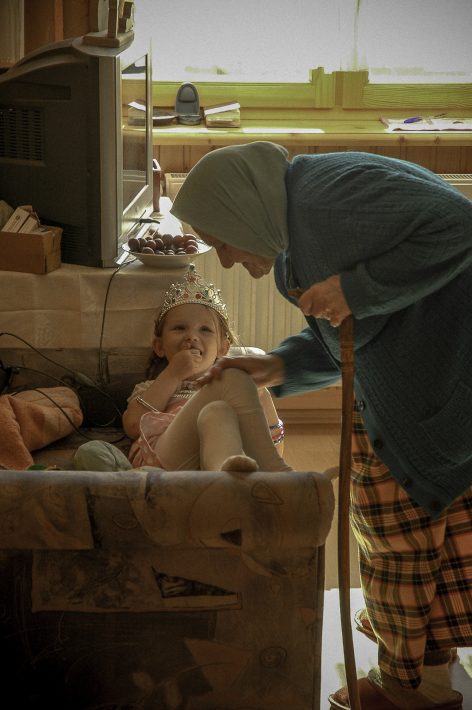
"When you see great-grandmother, don't be afraid," K explains. L has had very little experience with the elderly, and we don't know how she might react. It turns out our worries were for naught. But let's not get ahead of ourselves. There were still more pictures to take and flowers to pick.

When we arrive at K's godmother's home, we find Prababcia (great-grandmother). L immediately follows, holding the flowers out in front of her, offering them to Prababcia. For now, Prababcia is simply tired and wants to sit down.

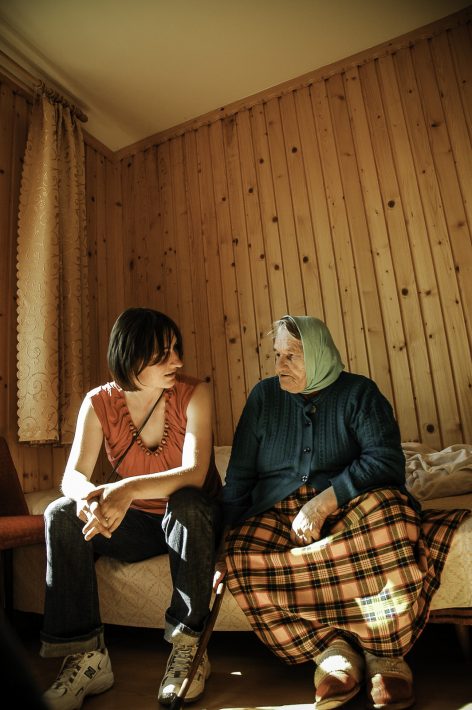
As K and Prababcia sit in her room, Prababcia begins to tell stories about the Second World War. Stories about the Nazis demanding information about the number of Jews and Gypsies in ZÄ…b and the leader of the village plainly lying: "There are no Jews here, nor Gyspies," though there were a few of each. Stories of villagers being arrested, hung, tortured, and shot. Stories of survival.

L and Prababcia hit it off immediately. When the rest of the family arrives, and we go to the living room to sit and talk, Prababcia and L retreat back to Prababcia's room. L prances and dances about the room, singing, "My kochamy ciebie." "We love you." Prababcia sits and smiles, then gets up to tickle L. Fortunately, I'm passing through the hallway, near the camera bag.

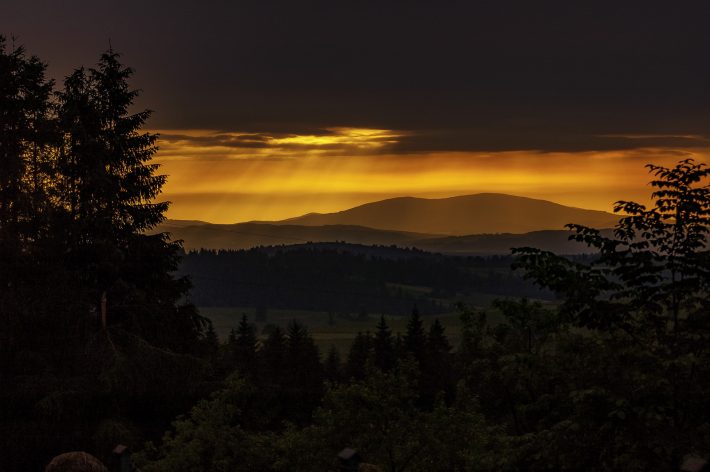
A visit with an uncle who still lives in the family home ("This is where grandma grew up," K explains to L as we enter.) brings the day to a close. The only thing that could make it better is a perfect sunset.

Multi-Purpose Party

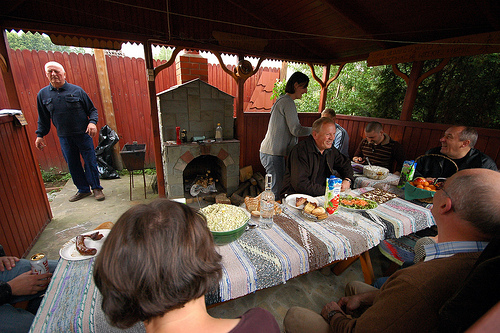
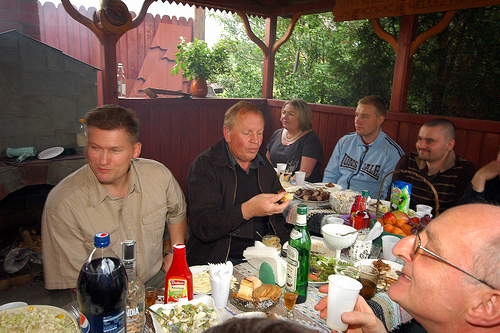
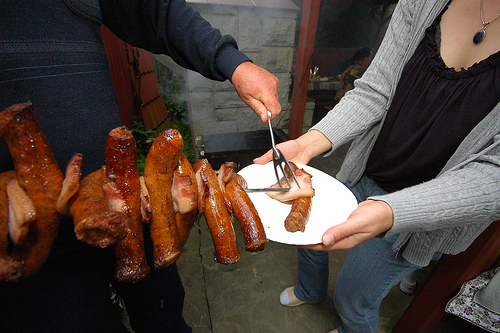
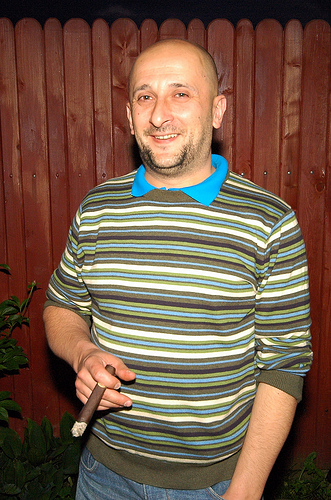
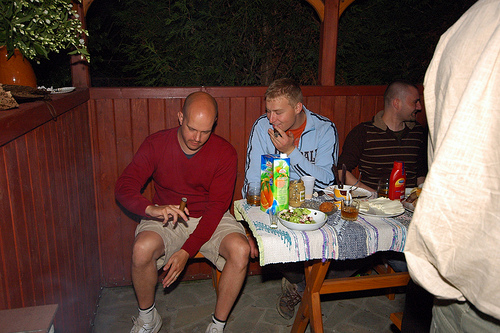
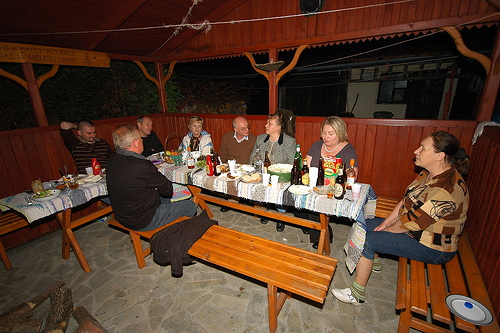
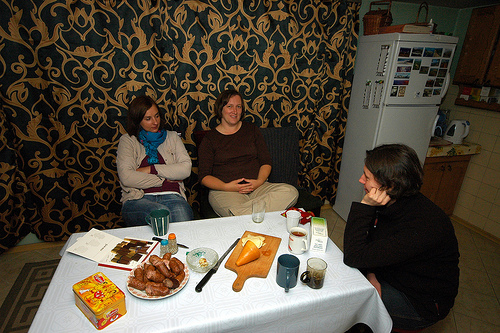
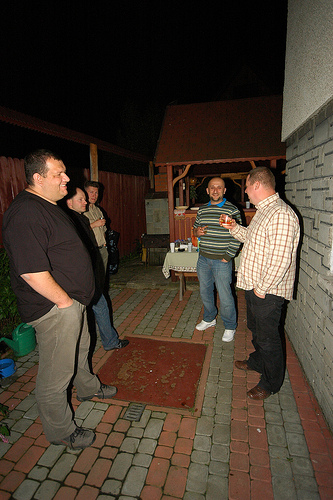
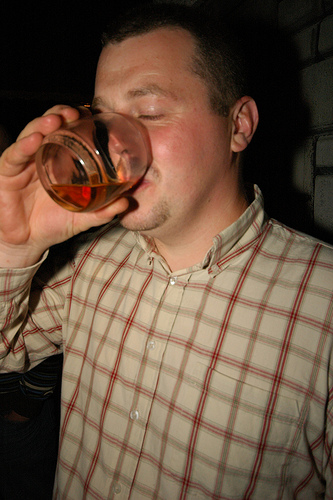
Most folks don't need an excuse for a party. We had two: first, it was my father's-in-law name day recently. In Poland (as in many countries), that's more important than a birthday. Second, the Americanized daughter returned for a visit.

As is often the case, pictures are better suited for describing a party than words.

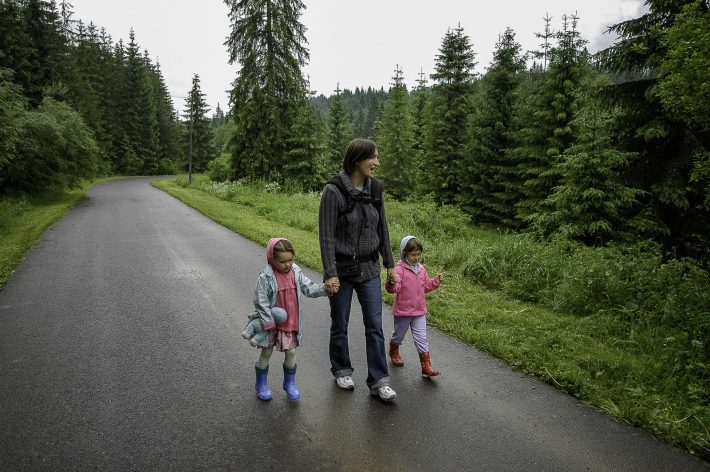
Slovakian Walk

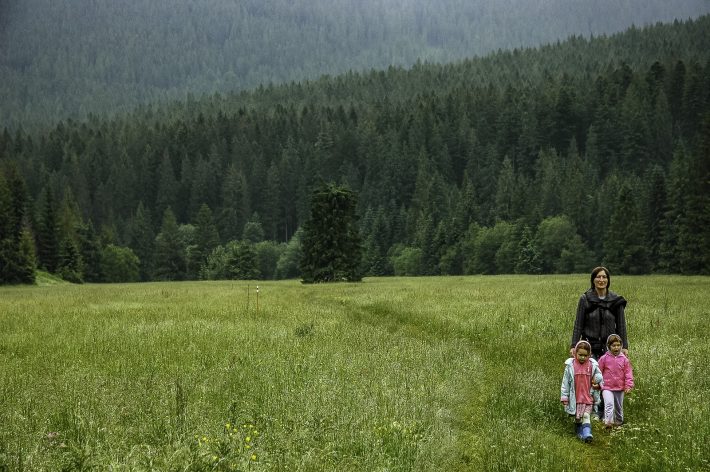
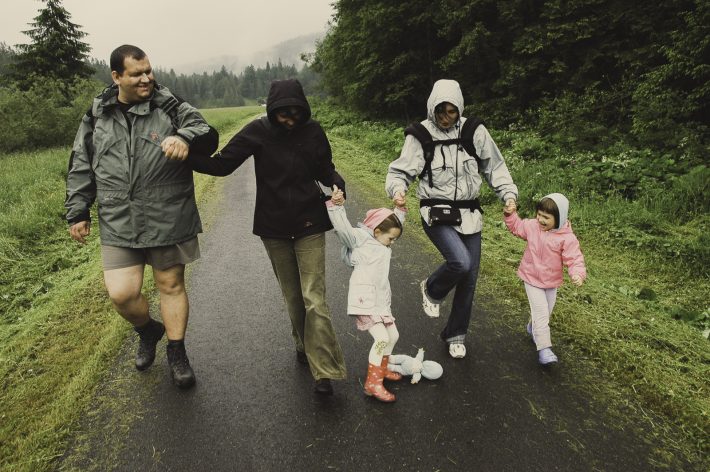
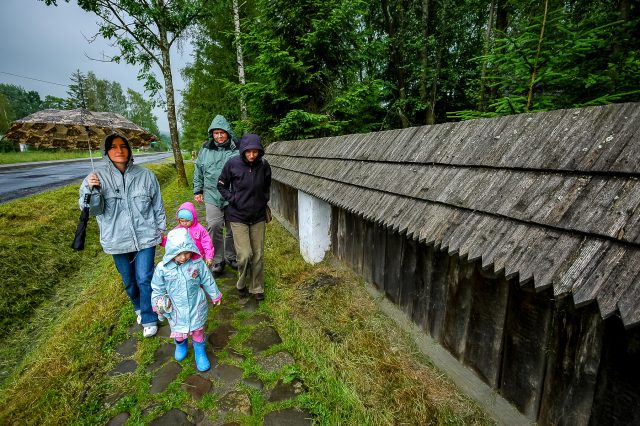
It wasn't supposed to rain. "Bedzie pogoda," everyone says, which is oddly appropriate when literally translated. A word-for-word translation is, "Will be weather"; a less literal reading: "There will be weather." It seems a little odd: there's always weather. Still, it's synonymous with "There will be good weather."

"Bedzie pogoda." Not quite. But at the very least, "Bedzie spacer..."

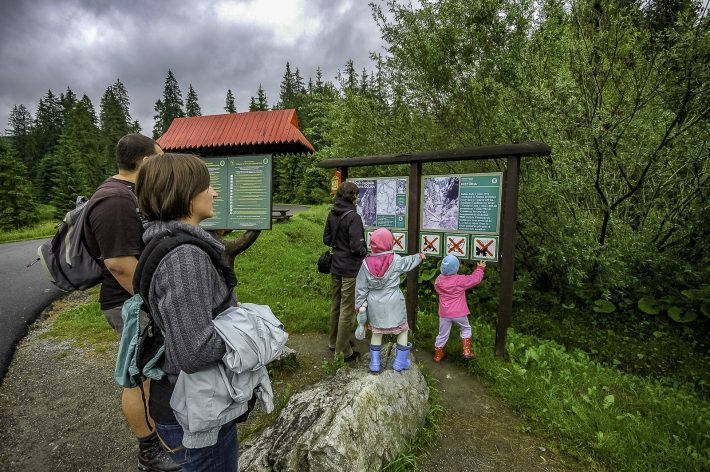
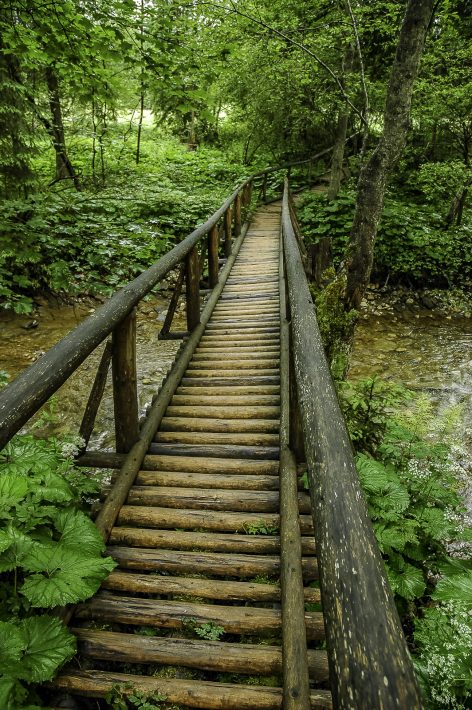
And there will be signs. With two little girls under the age of five, we had to turn it into a game. Easy enough: let's look for the path marks.

And so off we went. The sequence was simple.

Adult: "I see one."

Children: "Where?! Where!?"

There were plenty of places they didn't look but I did -- not for signs of course. For something less concrete, literally and figuratively.

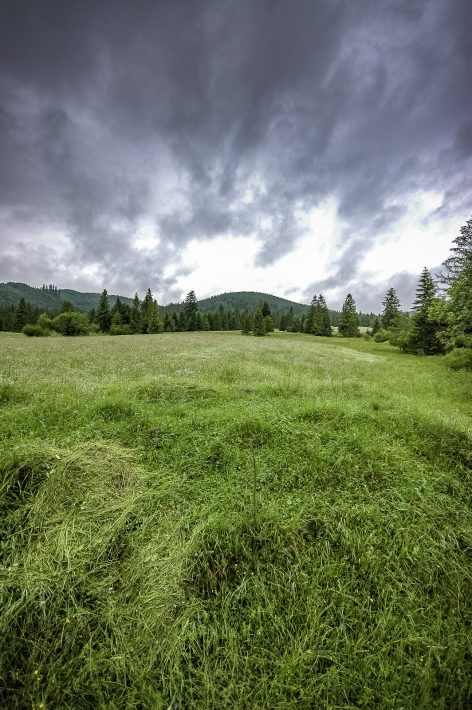
In some ways, shooting in heavily overcast conditions is easy: it makes one look less at the sky and thus focus on the things at hand. On the other hand, the light can be, at best, tricky.

Given the wet, slippery conditions, I wasn't the only one looking down instead of looking up.

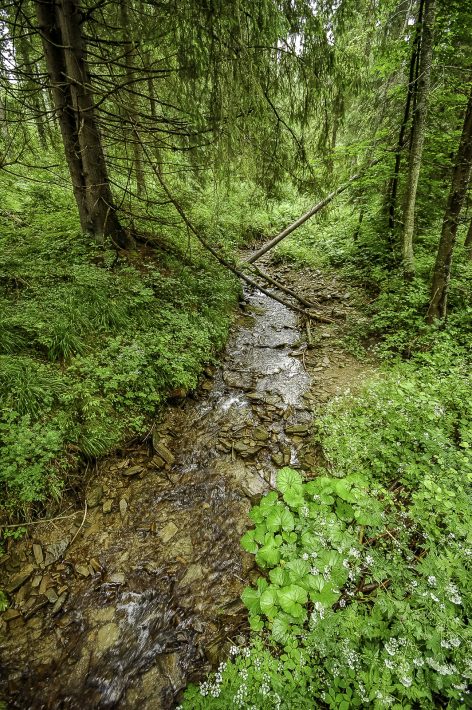
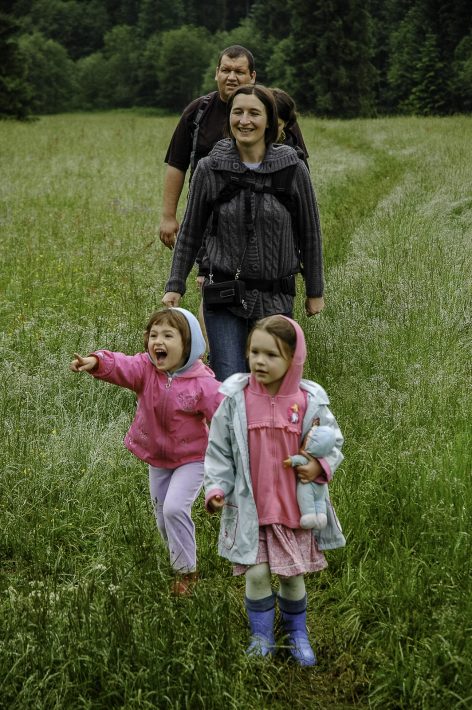
Yet the hunt for the signs continued. Through the forest, through the meadow, we looked for the elusive marks. When they became obvious (striped stakes driven into the ground beside the path), the girls become somewhat blind to them.

But the moment of discovery was as exciting for us as the girls.

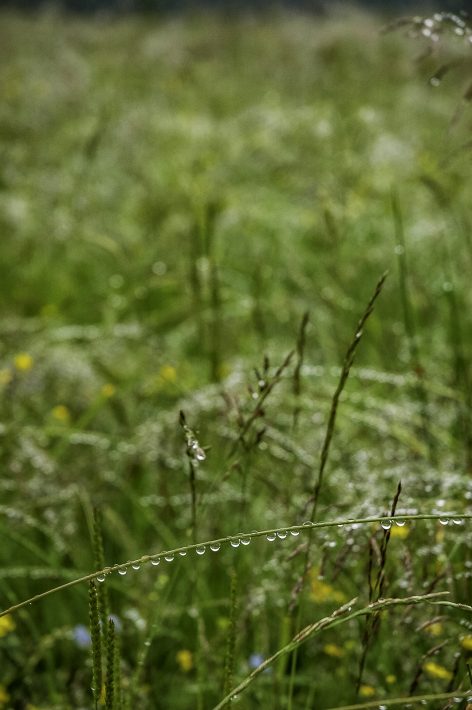
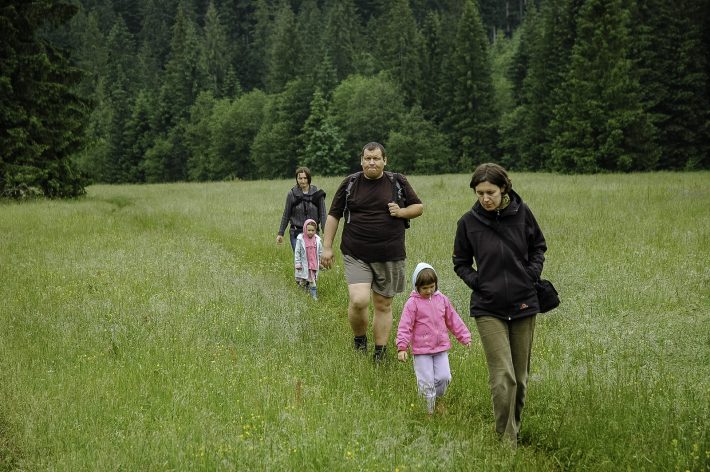
But for a great deal of the time, it was just walking. As the lingering droplets on the grass made our pants increasingly wet, it started to become a question of plodding.

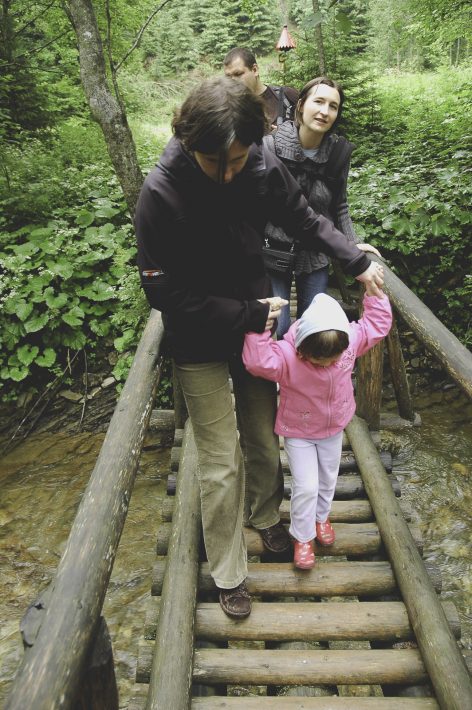
Finally, we got to the forest, and the "almost" plodding became pure plodding as we slogged our way through mud and up hills, the girls on shoulders or strapped to one's back.

Once we got back onto the paved path -- an oxymoron? -- the frustration lifted, as did the clouds.

By the time we returned home, the sun was breaking through the clouds.

It sort of figures.

Football

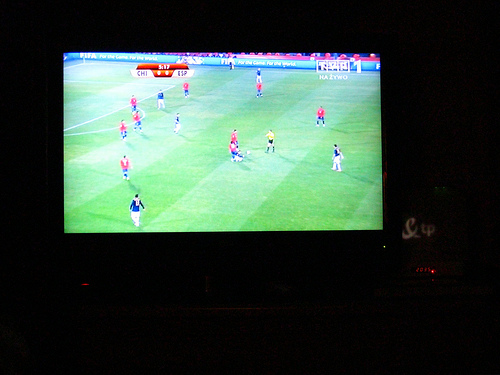
With the Word Cup in full swing, it’s a great time to be in Poland: three matches a day during the qualifying round.

IMG_0363

It was in Poland that I fell in love with football. Notice: I used the worldwide term (regardless of language), and I am not referring to that ridiculously named American version that employs foot-to-ball contact only in punts, kick-offs, and field goals/extra points.

What do I love about football? It’s very much like life:

  1. You can go for long, “boring” periods where players simply bat the ball around, then suddenly — out of seemingly nowhere — a goal. Yet the boring periods aren’t if you watch what’s really going on. Just like life.
  2. Referees can, and often do, make mistakes, and players have to suck it up and live with it. From Maradonna’s “Hand of God” to Chilean player’s unintentional tripping of a Spainsh player in the game above (which resulted in a red card), there are bad calls every game. As in life, those inflicted with injustice simply have to suck it up and move on.
  3. There are occasionally instances of injustice (like the US’s lost goals) that go unexplained. Players and fans have to suck it up and move on.
  4. There’s a lot of trickery and faking injuries. Players try to get something for nothing — just like life.

Not only is it life like, but football is also athletic in the extreme. Unlike American “foot” ball, real football involves few if any breaks. The action is continuous. American FB games look like this: play for three to seven seconds; mill about for two minutes; repeat. Real football involves running. Continuously.

This is, incidentally, why sponsorship in the States is so hard to find, and thus why it’s not televised often: where does one put the commercials?

Orawian Time Machine

We’re reliving the past in more ways than one. The promised sun disappears; plans change.

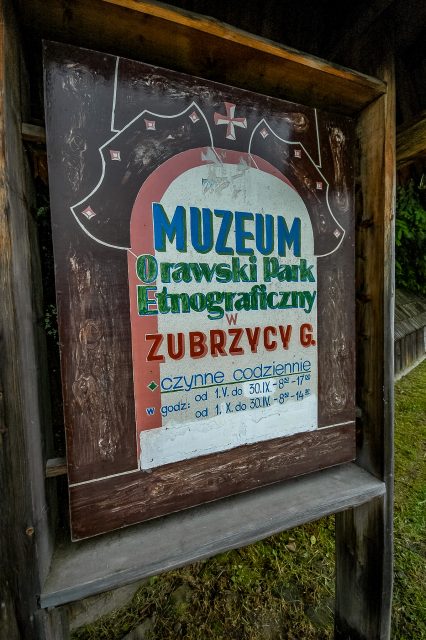
We end up visiting the outdoor ethnographic museum in Zubrzyca Gorna — for probably the fifth time.

Certainly, it was a different age altogether. Survival was at stake; comfort was an after-thought. That was what Christmas and Easter were for: a few creature comforts.

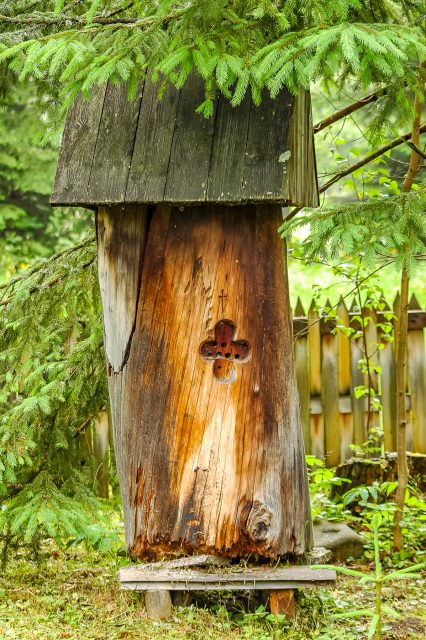
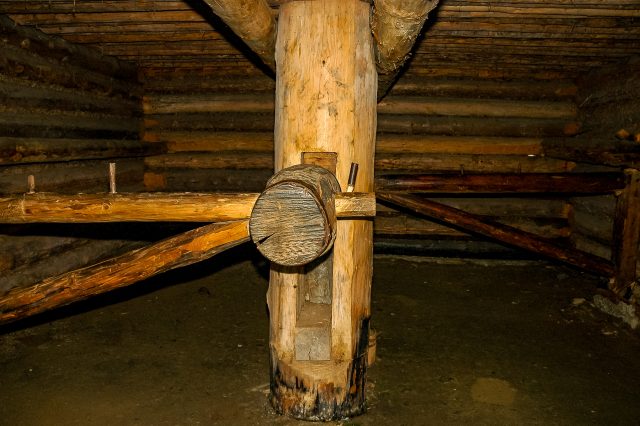
We wind through the museum, seeing how Polish highlanders kept bees in the eighteenth and nineteenth centuries,


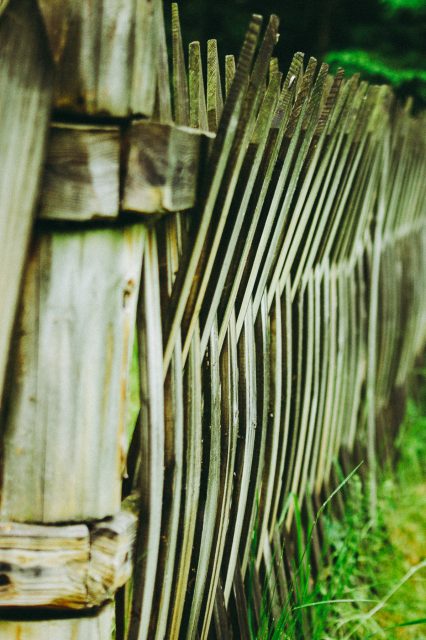
how they made fences (theoretically without nails, but in this particular case, clearly with modern intervention),

and how they forced oil out of flax seeds long before electricity and hydraulics made the task simpler.

In many ways, such a life is enviable. Sure, no Facebook and cell phones, but the slower pace and rough, subsistence living created in everyone an appreciation for what was, and a realistic understanding of the difference between wants and needs.

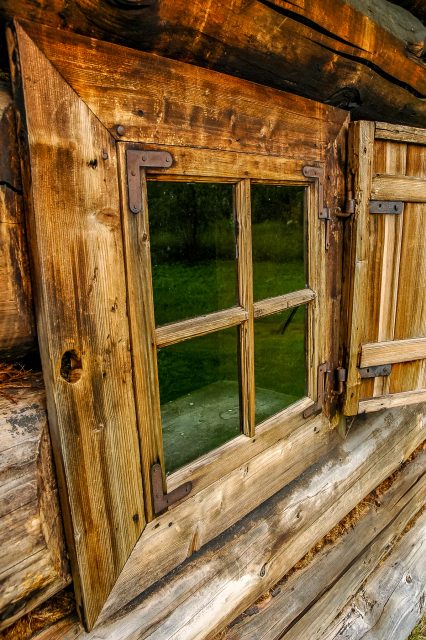
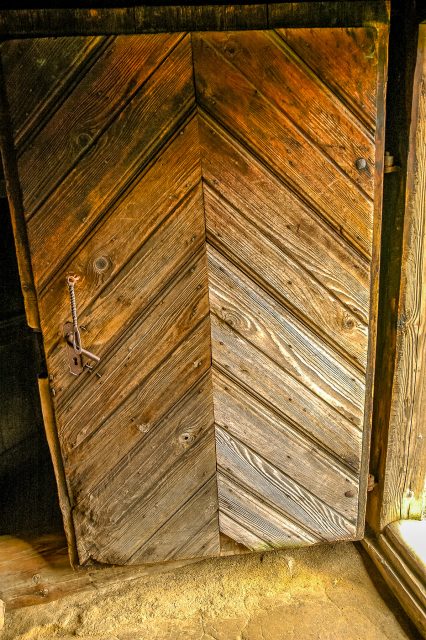
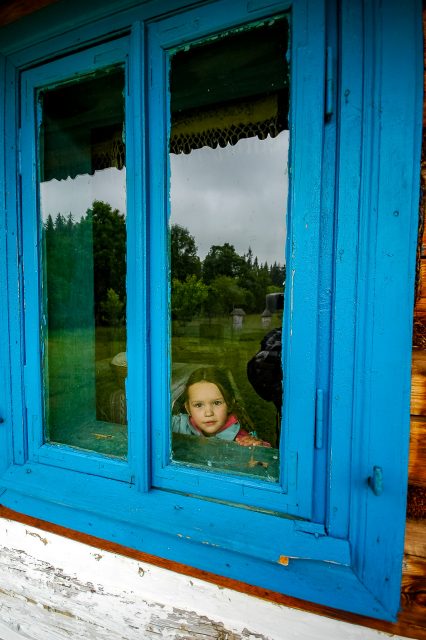
A roof over one’s head, windows and doors to keep out the cold:

Things we take for granted as we reach for more and more were, at the time, the goal.

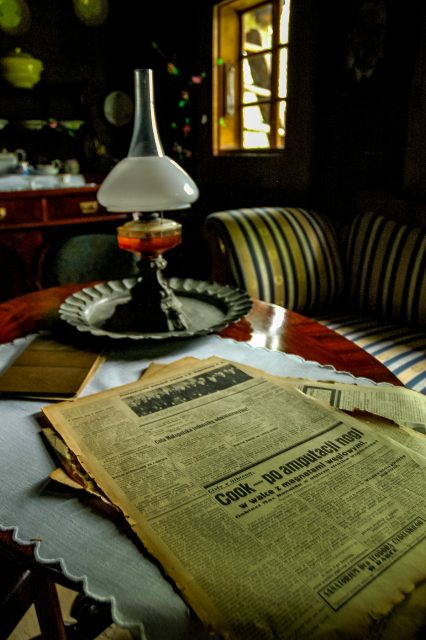
Visible headline: “Cook — after amputation of leg”

Leisure was a thing for the relatively rich. Even then, simple pleasures: reading a month-old newspaper by lamplight.

The same might be said of the soul: spirituality was not something to be squeezed in between recovering from a hang-over and watching the afternoon football game.

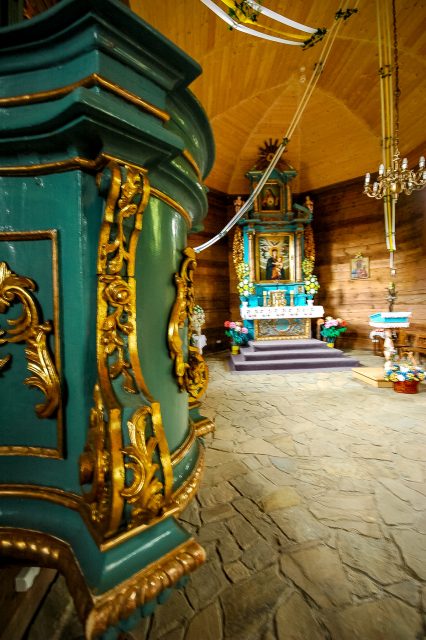
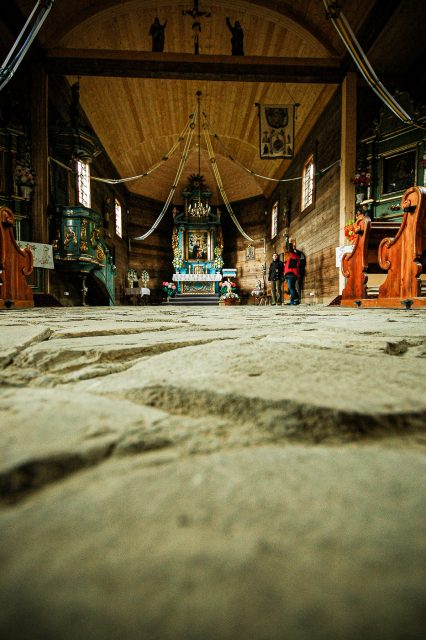
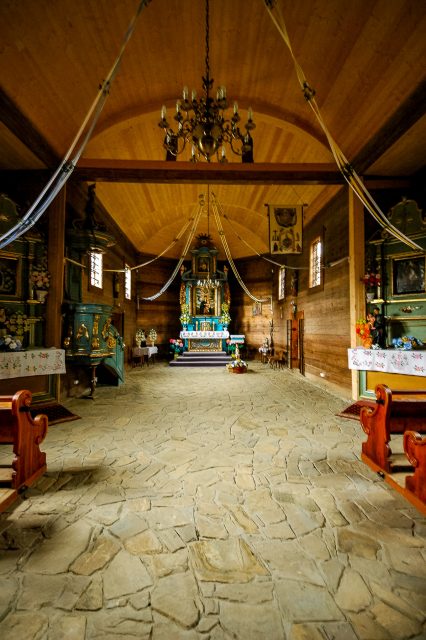
I used to be horribly offended at the reality of beautiful churches built in the midst of poverty. “Think how many mouths those resources could feed,” I’d say, as if the body is the only thing that needs nourishment. In the last few years, I’ve come to understand a couple of things: first, these churches were not built at the expense of the poor: usually, the rich subsidized the construction (probably with mixed motivation).

Second, these churches served to provide something of an aesthetic oasis for many. Finally, if one believes in the doctrine of the Real Presence, wouldn’t one want to create the most beautiful house possible?

More photos available at Flickr.

Friends and Family

Friends, family, and the World Cup