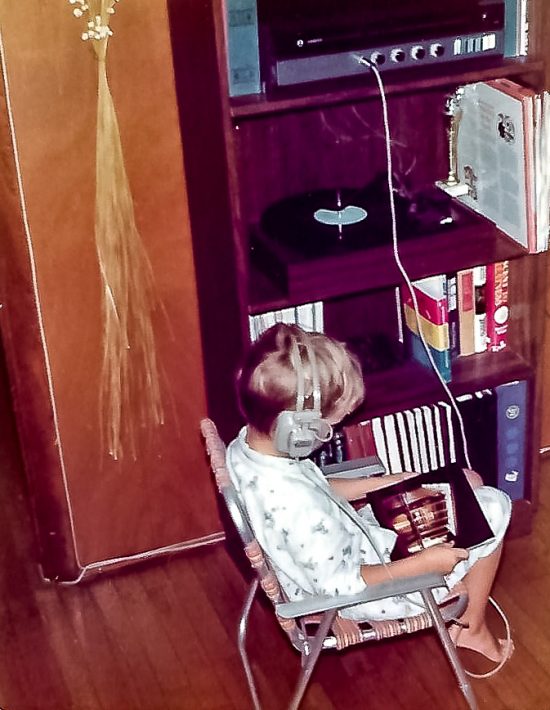
1978
Thursday 01 October 2020 | 0 Comments
fun in threes, sometimes fours
memory
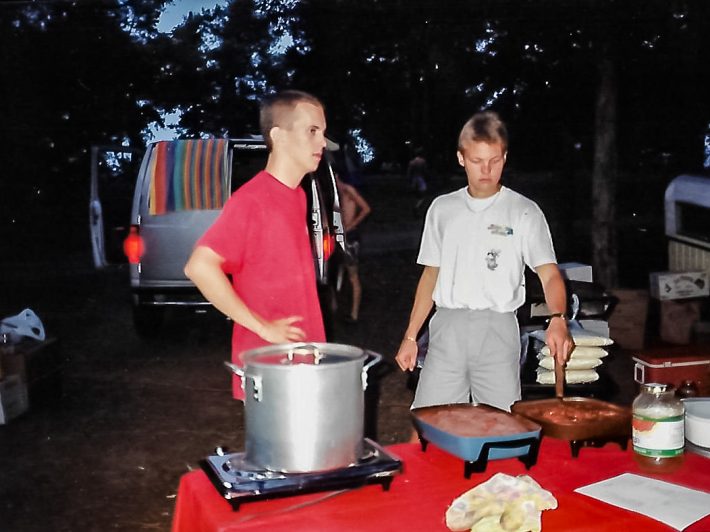
My friend M grew up on a farm with his grandparents. His father passed away; I never really knew what happened to his mother. But from the time I met M, he lived with Ma and Pa as he called them, and as I came to call them.
Their farm was just outside the city limits, a place in the county that felt so different and distant from my suburban, cookie-cutter neighborhood that I felt I might be in a different state. In a different country.
We spent a fair amount of our time there shooting .22s and shotguns. We'd shot at birds and usually miss. We'd shoot at squirrels with the .22s and miss; we'd shoot at them with the shotguns and, well, it wasn't pretty. We were stupid -- what can I say?
One Sunday afternoon in 1990, just before I started my senior year of high school, Pa gave us a task. "There are raccoons that are just givin' the garden a hard time. How about sittin' up on the hill above the garden and seein' if you boys can take care of the problem?" He needed to say no more. We took a bottle of Mountain Dew, Pa's double-barrel 16-gauge shotgun and Papa's bolt action 20-gauge (a bolt-action shotgun? really?) and took positions on the slope just behind the garden.
About an hour before sundown, the raccoons made their way into the garden. We waited until they were among the cornstalks, reasoning that they would sustain the least damage from stray pellets, then fired away. Papa's shotgun had a two-shell clip and held one in the barrel. I discharged those in short order then reloaded as quickly as I could. M fired one then the other barrel, broke the gun over his knee, tossed out the spent shells, and was firing again before I knew it. I think we reloaded twice. M might have reloaded thrice.
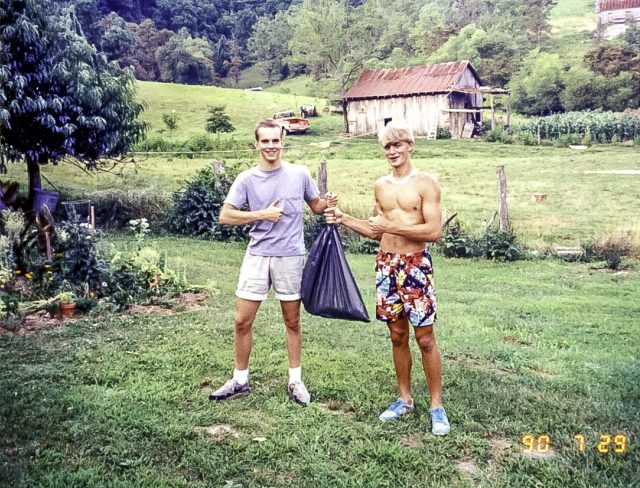
All told, we killed three raccoons that afternoon and earned the gratitude of both Ma and Pa. And we had a hell of a good time.
I've long ago lost touch with M. I last saw him in 1998 during the summer I came home after two years in Poland and one more year waiting. He'd made some bad decisions, and the place of our meeting was something out of an O. Henry short story. After that, we corresponded a few times, but the last we communicated was in late 1999.
That was almost thirty years ago now, and I still think back on that day fondly. Not because of the death we dealt but because of the innocent friendship lost. I don't feel guilty for killing those 'coons, though: they were doing real damage to the garden, and we took care of the problem in the country-folk way. Sure, we probably could have trapped them and released them somewhere else, but Pa was not a sentimental man, and he would have regarded that as a waste of time.
Years later, I thought of this day when I read the poem "The Early Purges" by Seamus Heaney:
The Early Purges
I was six when I first saw kittens drown.
Dan Taggart pitched them, 'the scraggy wee shits',
Into a bucket; a frail metal sound,Soft paws scraping like mad. But their tiny din
Was soon soused. They were slung on the snout
Of the pump and the water pumped in.'Sure, isn't it better for them now?' Dan said.
Like wet gloves they bobbed and shone till he sluiced
Them out on the dunghill, glossy and dead.Suddenly frightened, for days I sadly hung
Round the yard, watching the three sogged remains
Turn mealy and crisp as old summer dungUntil I forgot them. But the fear came back
When Dan trapped big rats, snared rabbits, shot crows
Or, with a sickening tug, pulled old hens' necks.Still, living displaces false sentiments
And now, when shrill pups are prodded to drown
I just shrug, 'Bloody pups'. It makes sense:'Prevention of cruelty' talk cuts ice in town
Where they consider death unnatural
But on well-run farms pests have to be kept down.
Today, the Boy made his first kill. Birds were in our blueberry bushes, and the Boy had his bb gun. Somehow, he was close enough that one shot dropped a robin that was making an evening snack of our still-unripe berries.
The Girl was furious about it. She was literally in tears, shouting at him that he had no right to kill an innocent bird that had done nothing to us.
"In this time of the pandemic, we have to share," she muttered as we ate dinner -- fish our neighbor caught a couple of weeks ago when the governor let boat ramps open again before reclosing them due to a general failure to follow the newly-established guidelines.
I didn't point out the obvious irony, nor did I point it out when she popped chicken nuggets into the toaster oven for her evening snack.
The other day was Clover's birthday. I think it was her birthday. L insists -- positively and passionately insists -- that it is the 21st of May. Or the 20th. Or maybe it was the 19th. I'm not sure. I'm not sure about her certainty. But we celebrated Clover's third birthday this week nonetheless by getting her an agility course.
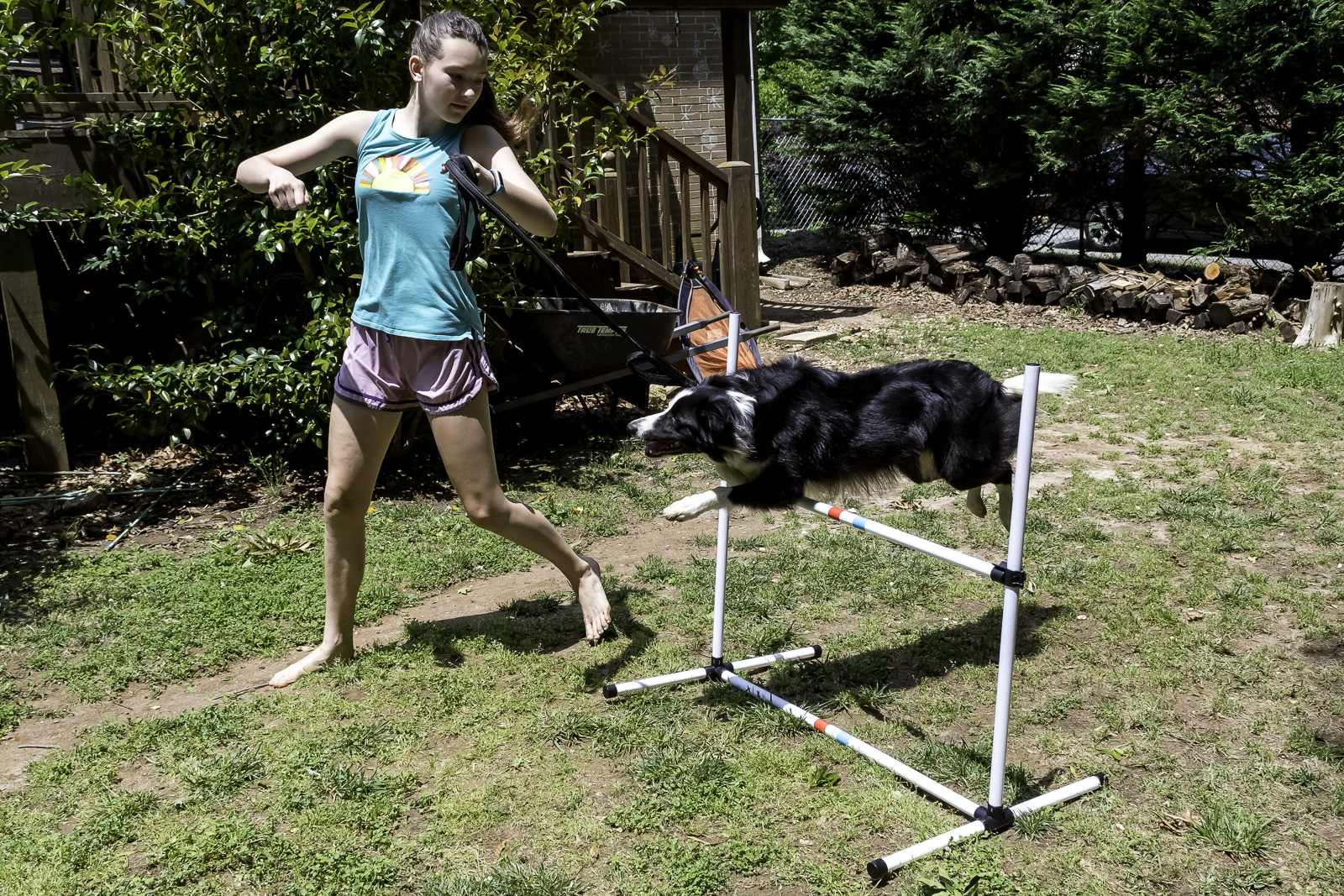
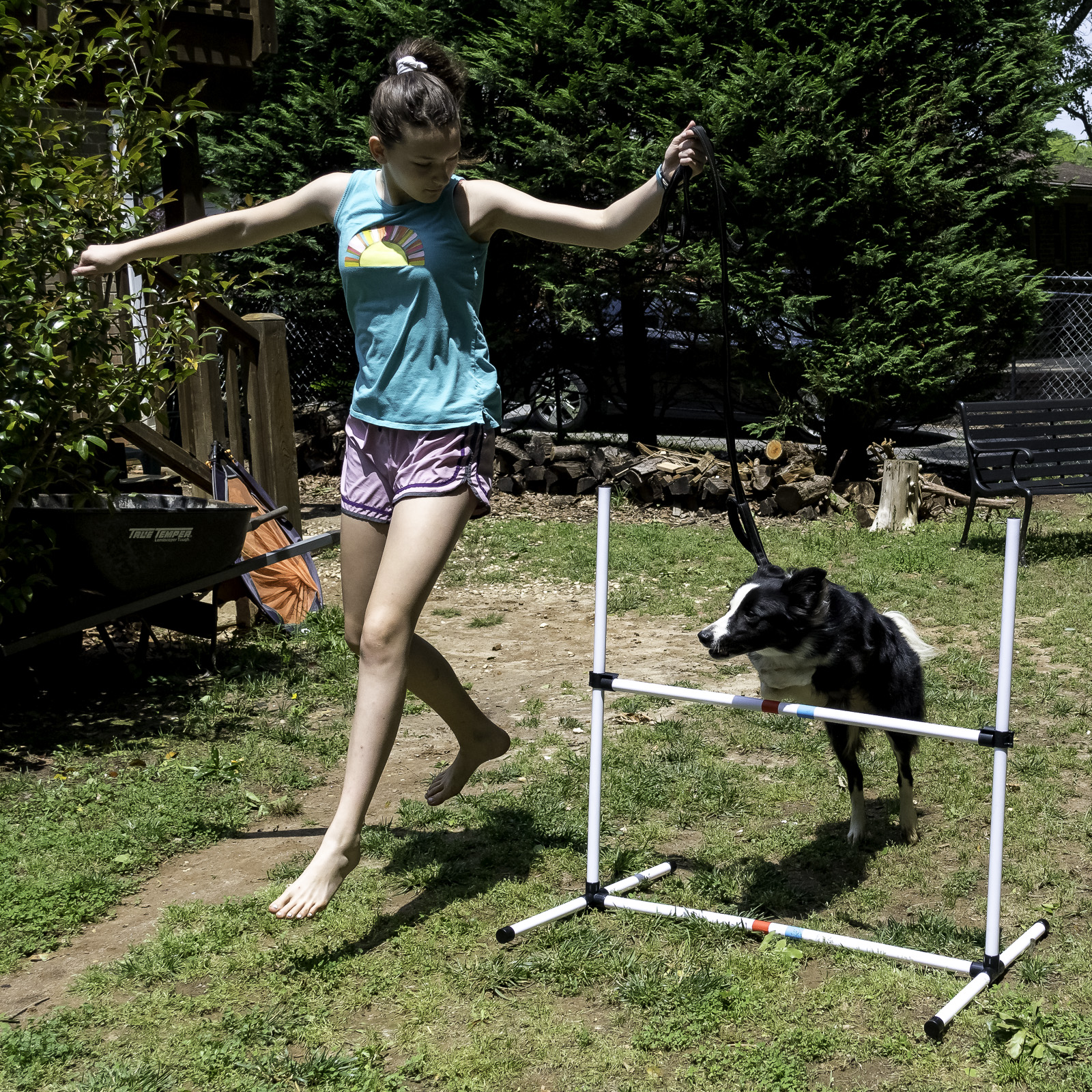
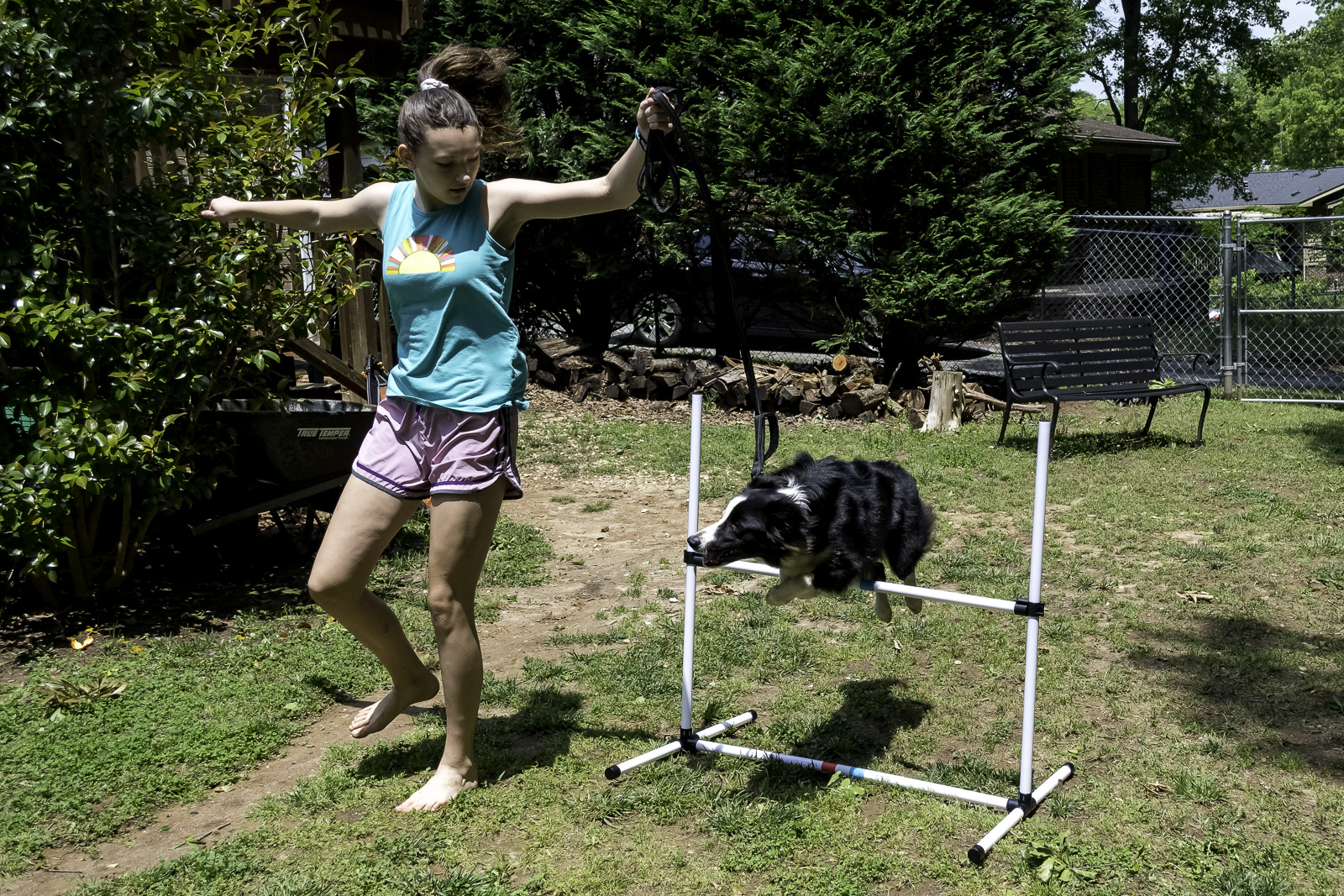
She's already got a few new tricks up her, well, I guess tangled in the long hair on her hindquarters. (Cliches sometimes break down, I suppose.)
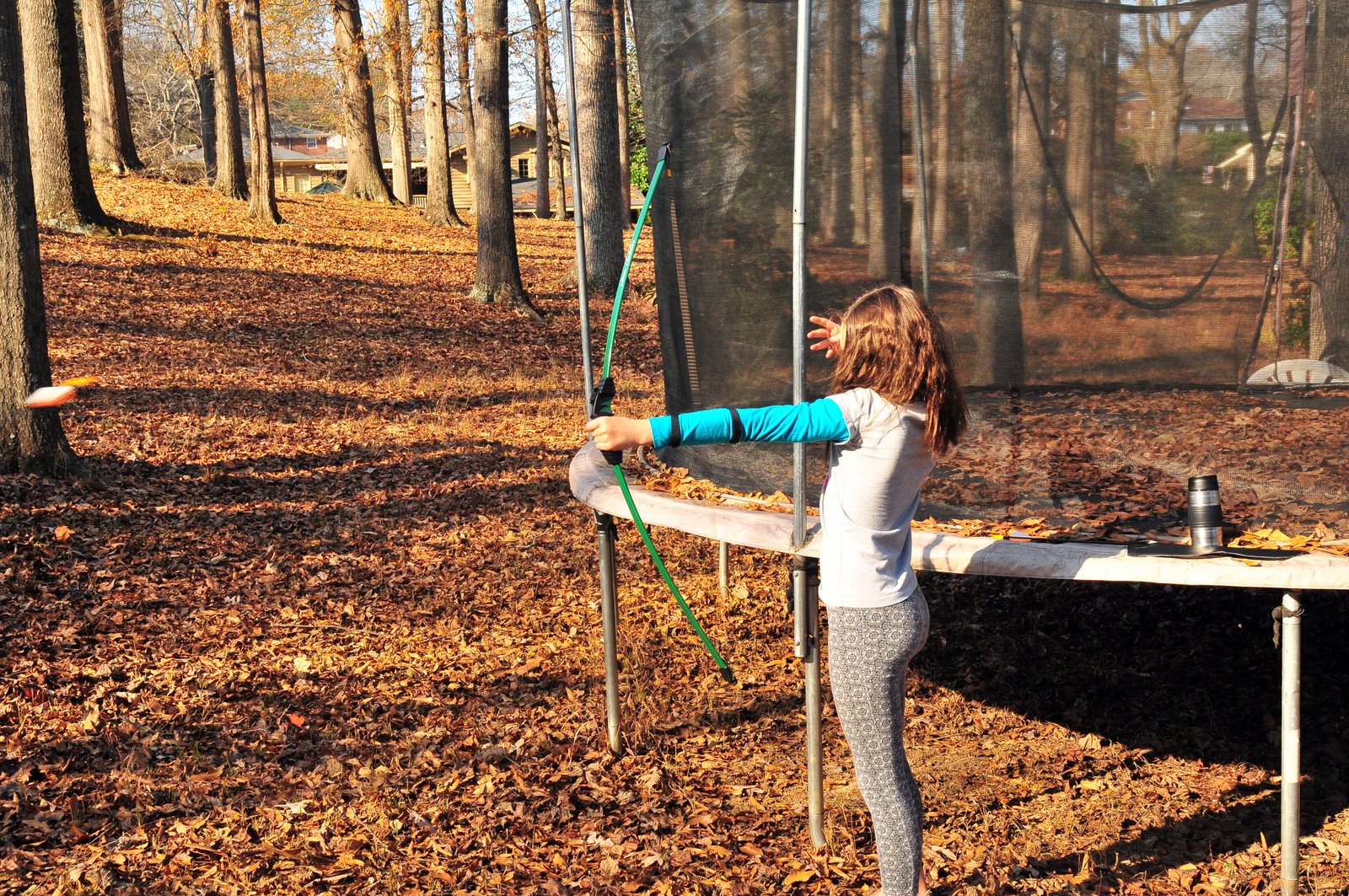
E talked K into doing a little exploring after dinner. While K was still in her good clothes.
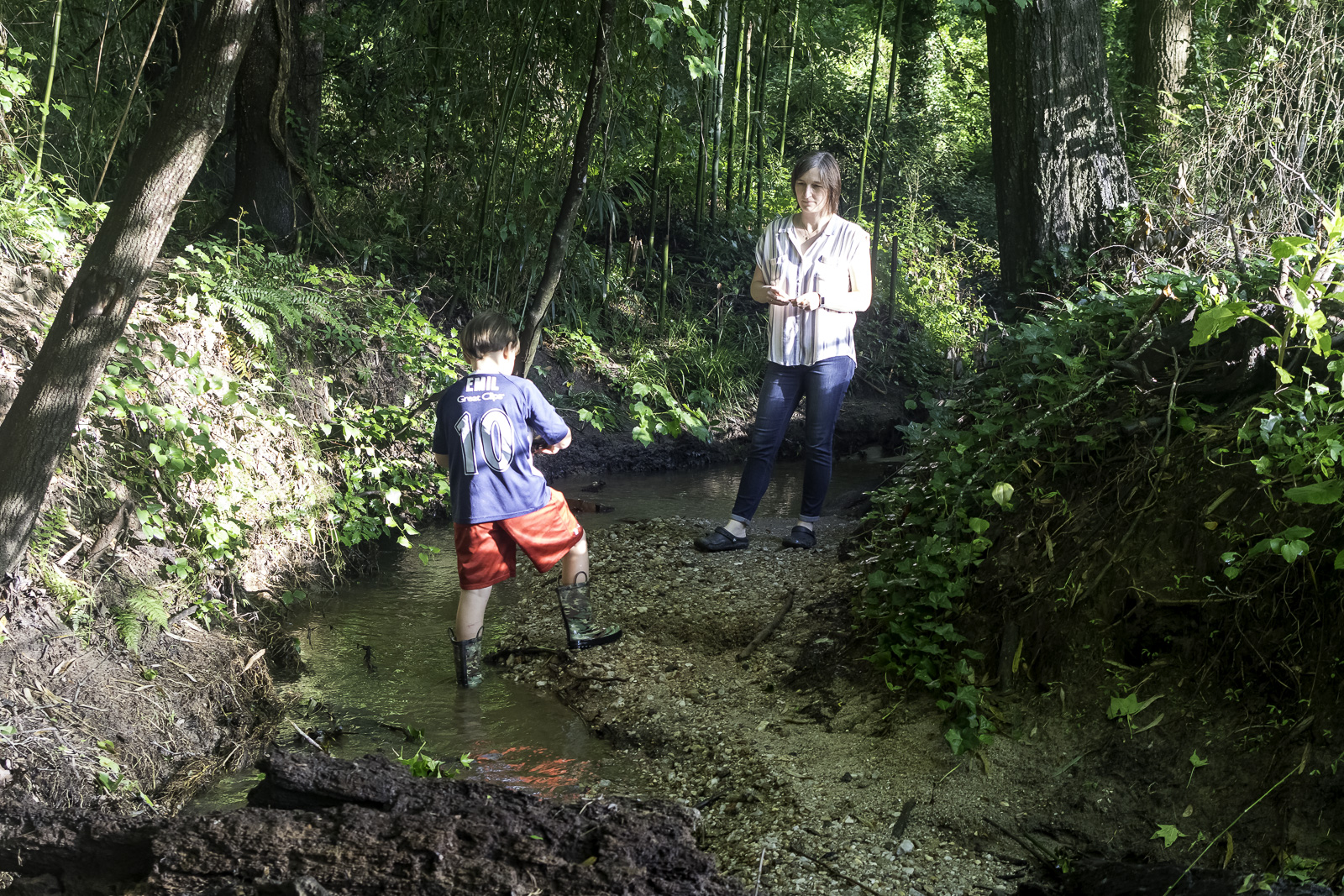
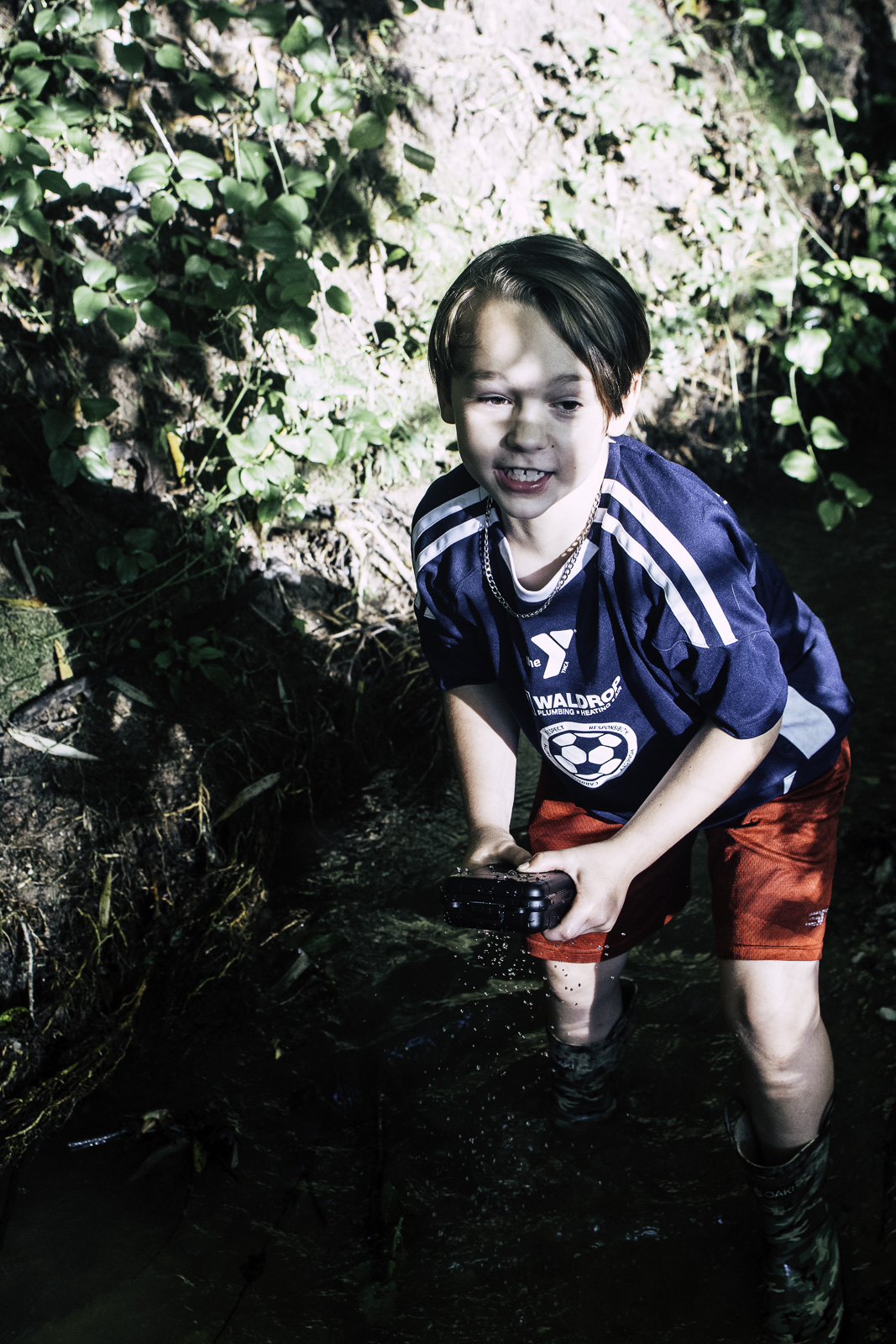
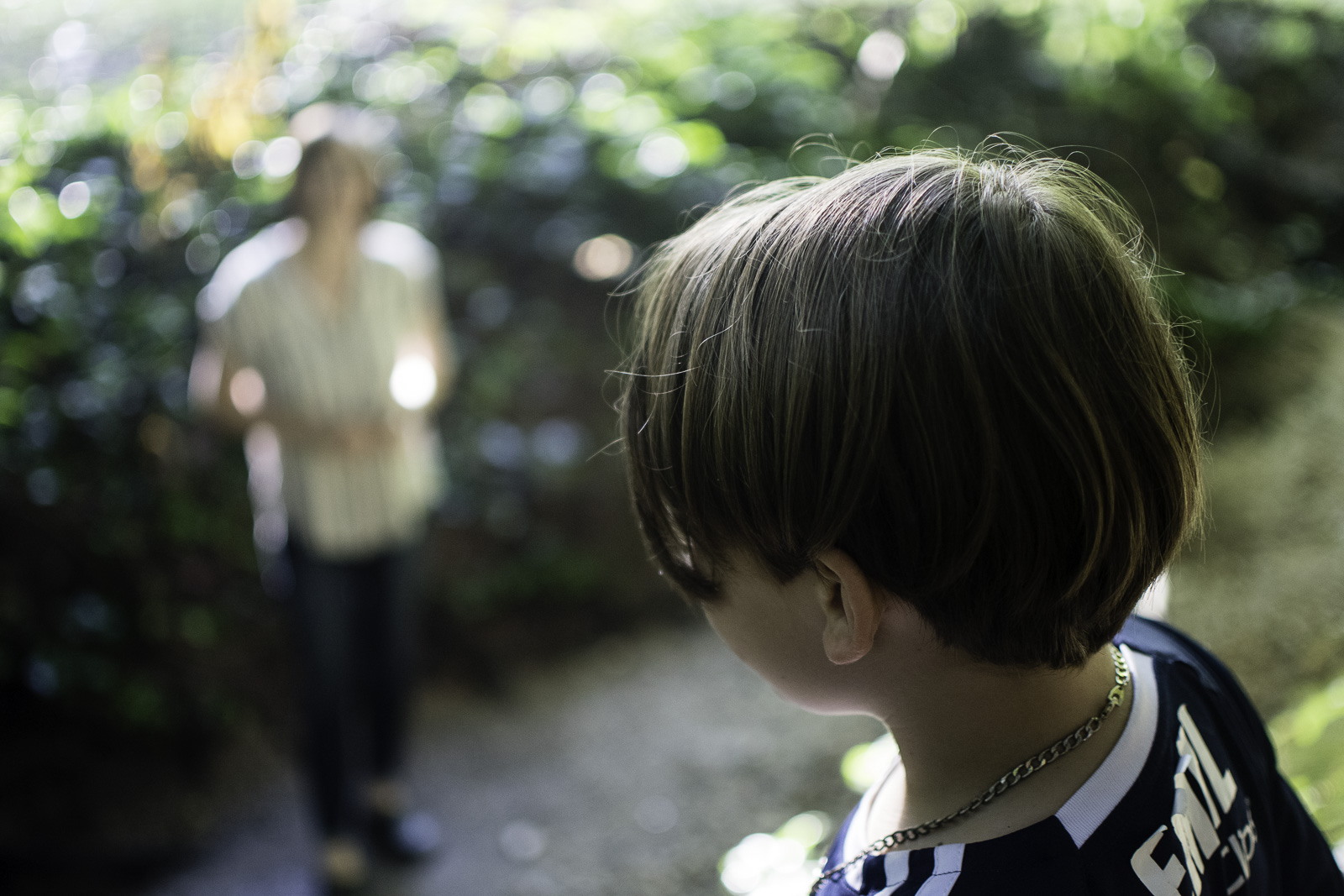

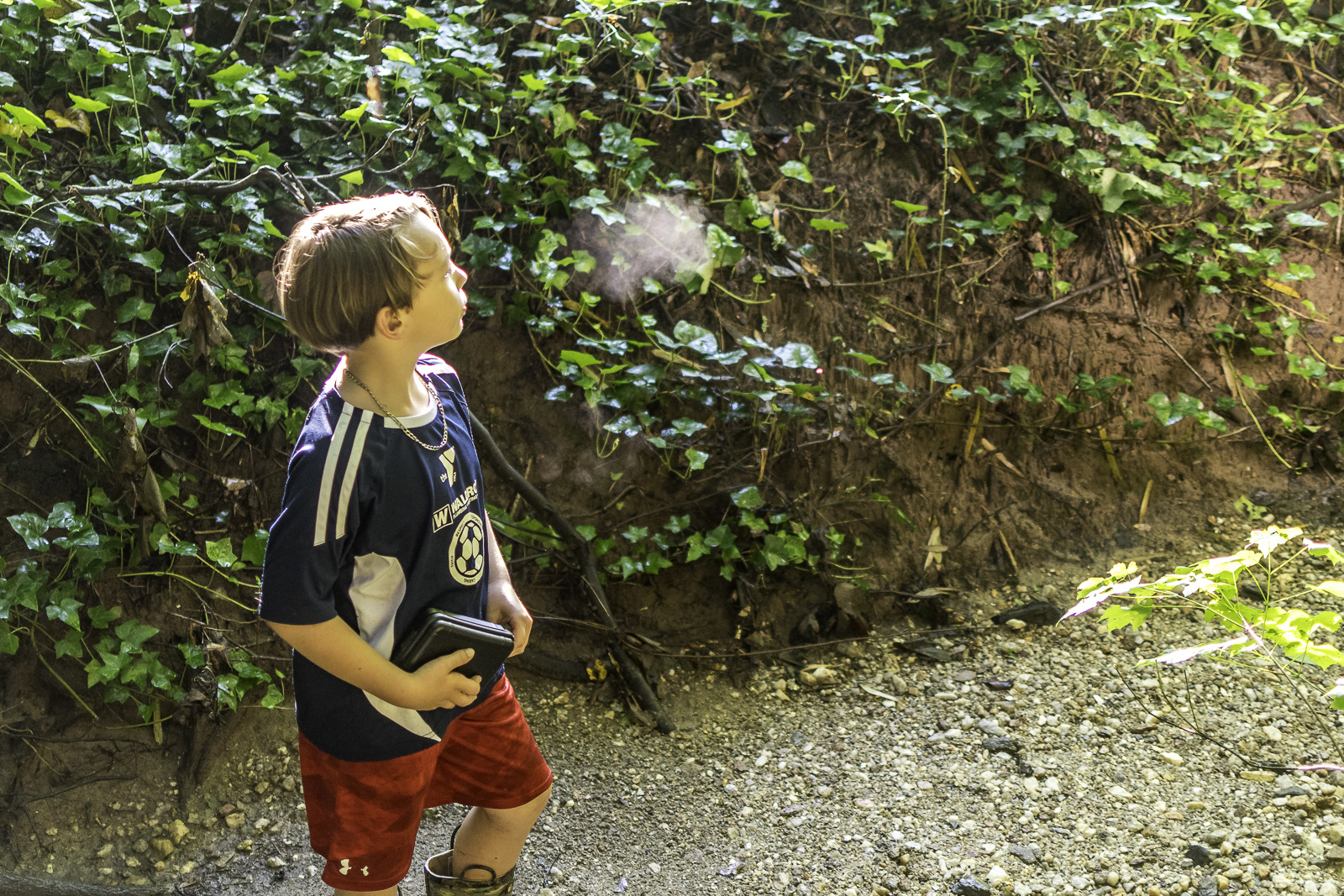
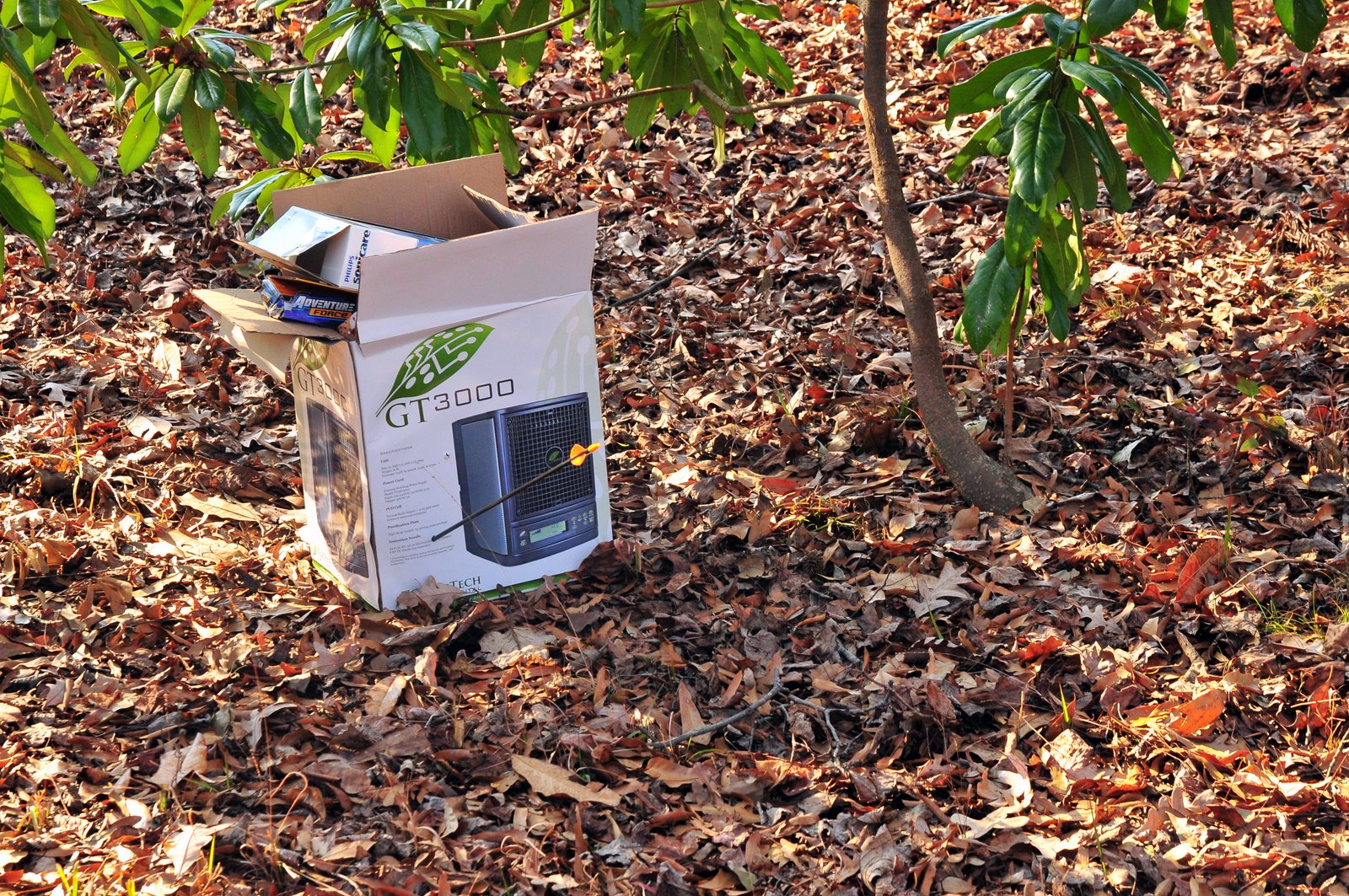
He was keen to show her how the plastic box his survival gear came in is, in fact, watertight.
In 1986, I went to Austria with a group of about 120 teenagers from various congregations of our church. We didn’t go as part of a mission trip — our church members didn’t proselytize, for that was the responsibility of the leader through his television program. (Members’ job was to support him, i.e., pay for his TV time.)
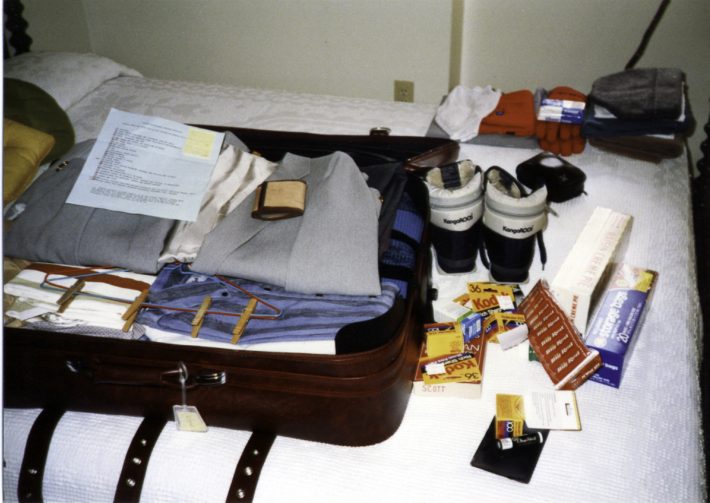
The program was called the Winter Education Program, and it was intended to teach us kids who went about two things: winter sports (like the church’s SEP did for summer sports) and theology (which could more aptly be called programming since questioning was out of the question). It was, in reality, an extended ski trip for the kids whose parents could afford it.
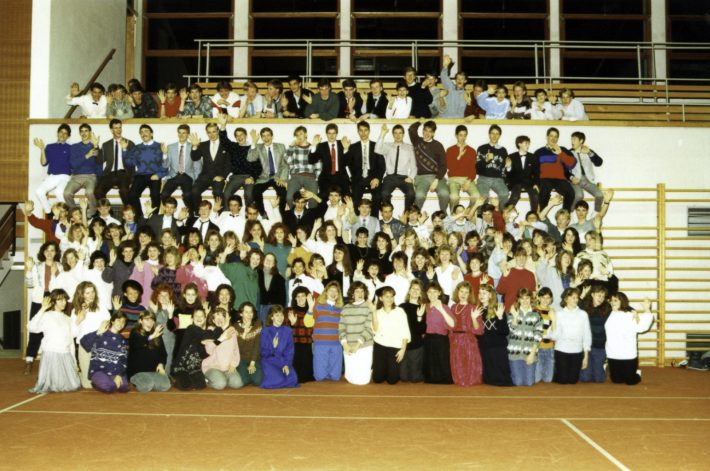
I really remember very little about it other than two salient points: first, I never really connected with anyone there and didn’t develop any close friendships. When I went to the summer equivalent a few years later, I made great friends, some of whom I’m still in contact with. Second, I bought my first Pink Floyd cassette on this trip, A Momentary Lapse of Reason. My father, taking his duty to protect me very seriously, had to approve a given band before I could buy anything by them, and I had a suspicion that Pink Floyd wouldn’t make the cut. (There’s a double pun in there for anyone familiar with their discography.)
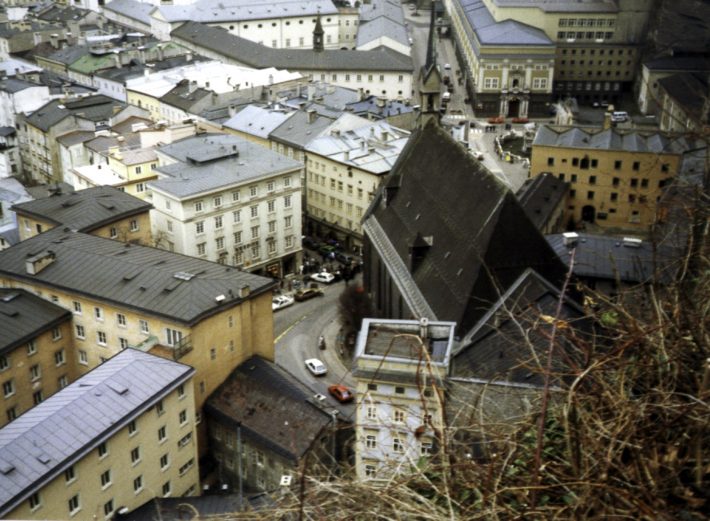
I hadn’t even thought of this whole adventure in probably 25 years when going through photos we took from Nana’s and Papa’s condo, I found these images. It’s a significant event (in a sense) of my youth, and it’s something my wife and children know nothing about. And that realization is what really got me thinking.

I’m forty-seven years old now. That’s roughly 17,155 days and change. By any conservative estimate, I’ve had thousands of little experiences that I remember to some degree or another, making them at least slightly significant, about which my family knows nothing about. They were insignificant at the time, but I remember them years later — that provides some degree of import, I think. There is, of course, no way or reason to share all these experiences with them, but that means much of my life is a mystery for them.
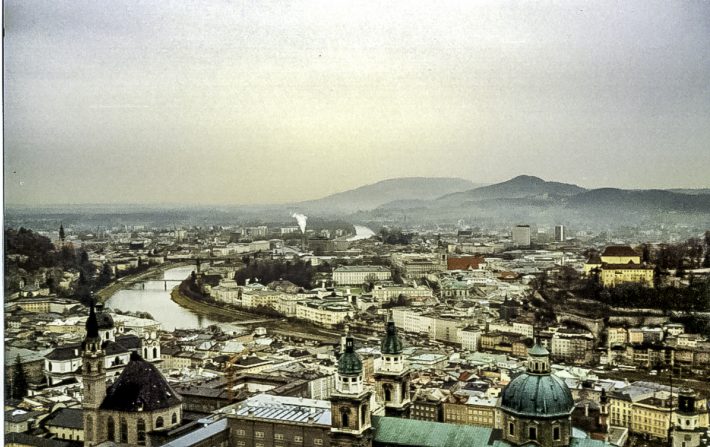
The same, though, is true for my own parents. I know only what they’ve told me, and now that Nana has passed, there are stories upon stories that I will never know.
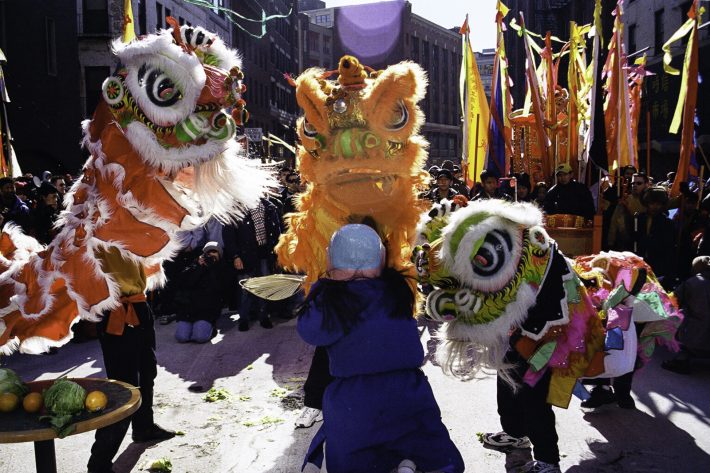
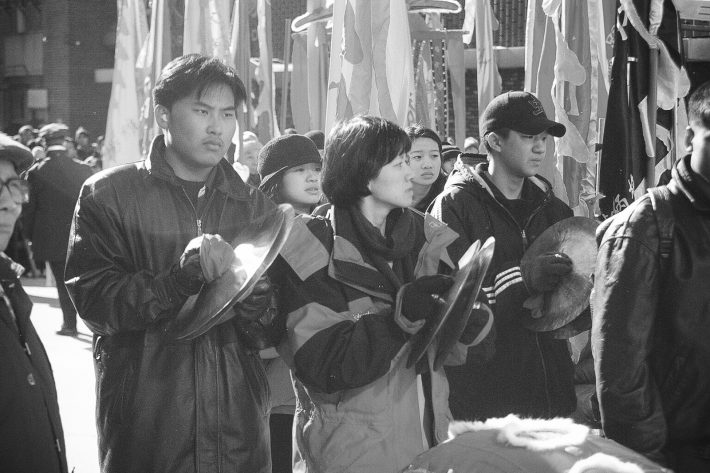
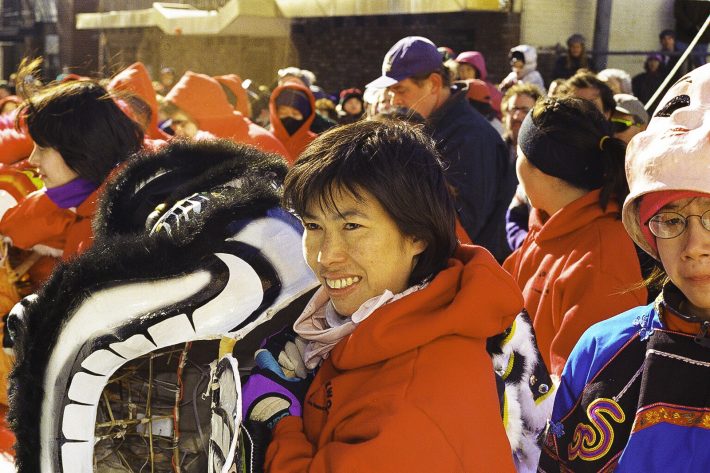
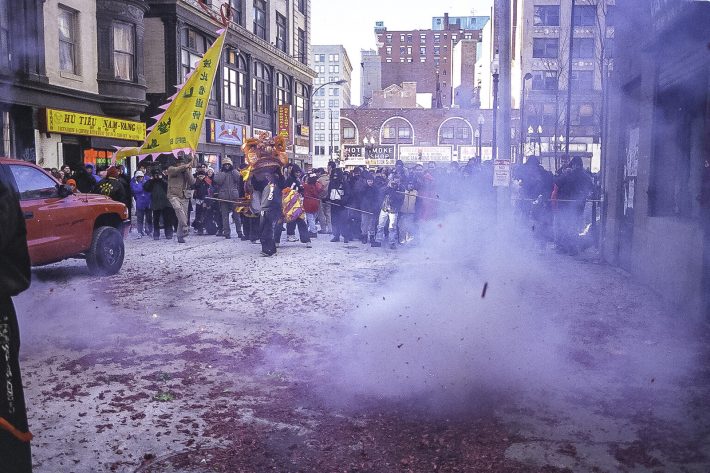
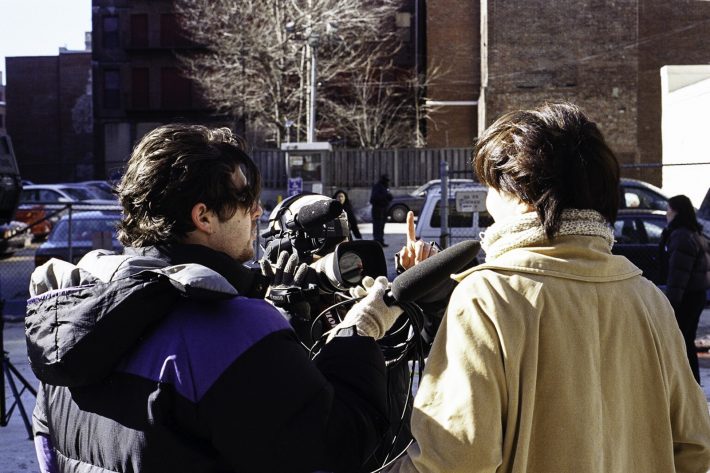
Twenty years ago this month, I headed to Chinatown in Boston on a Saturday morning with several coworkers to video, photograph, and interview participants in the community’s Chinese New Year celebration.

We were all working for Digital Learning Group, shortened to DLG in conversation, which would soon be rebranded DLI (Digital Learning Interactive), a company making interactive textbooks for college courses. This was 2000 — pre-social media, pre-almost-everything-we-call-the-internet-today. There was really innovative thinking behind that company, but we all seemed to be figuring it out as we went along.
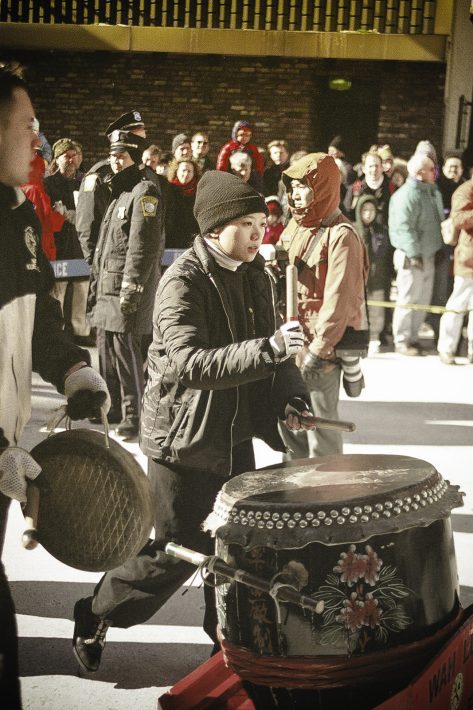
I volunteered to take photos, and I didn’t even have a digital camera at the time. I took my Nikon FG, my best lense, and a lot of optimistic hope on that photoshoot.
My job had nothing to do with technology at that time, though. A graduate student in philosophy of religion, I’d been hired as the editor for the intro to religious studies book that was just under development.
At the time, I was studying at Boston University and writing things like this in my journal:
I’ve been reading Durkheim for class next week and I have to admit that he’s a little frustrating. I sometimes feel as if he takes me on great, circular arguments that assume points vital to that which he is trying to prove. For example, he talks about the fact that society needs an ideal to create itself (Elementary Forms of Religious Life 422), yet he’s not quite clear whence comes this ideal. He seems to indicate that it comes from the sacred/profane distinction, hinting at some kind of epiphany the believer experiences during some religious ritual. Yet whence comes the sacred/profane distinction? As I understand Durkheim, this comes from society. Yet religion, he indicates, in a way gives birth to society (418). In fact, religion and society are all but indistinguishable, yet he uses one to discuss/prove the other, and then a few pages later, the other to prove the first. It’s incredibly annoying.
We honestly really didn’t know how we were going to use the material: we had authors creating content for the sections on Islam, Christianity, and Judaism, but nothing for eastern religions.
The author for our Judaism section was Jacob Neusner, who sent in a 50+ page resume. At that time, he had 500 book publications to his name, and by the time he passed in 2016, had over 900 books published. How on earth did he do that? I wrote about it in my journal:
That seems completely impossible — five hundred books? I think he was born in the 30’s; finished his grad work in the 60’s. That gives him forty years of academic life. But let’s say he began writing as undergrad, when he was twenty. So that’s fifty years, which comes up to ten books a year, or a book every 36.5 days. That has got to be a slight misrepresentation; it has to include books he’s edited and such.
I can attest to the man’s speed: I was unable to keep up with editing his work while he wrote it. He sent in a new chapter every couple of days, and because I was working on a number of other projects, I was taking about a week per chapter.
I look back on that time, and I don’t recognize myself. I read my journal from that time — I was still writing daily — and I don’t see myself in my concerns. That’s always the case, I guess.
Still, I enjoyed working that job. I enjoyed being part of the .com explosion, of working on something that seemed so innovative.
Ultimately, though, I quit the job. Poland had sunk its hooks in me more deeply than I’d initially realized. I was getting letters from students (“Czy mogłabym pisac do Pana po polsku, bo wiem, że jak piszę po angielsku to robię dużo będów i Pan się może denerwuje czytając list z takimi bądami.”) and finding that I missed it all so terribly.
Plus, by then I’d moved to the tech side and was getting great money for essentially making a computer jump through hoops. I was learning much but accomplishing little, I felt.
Now, twenty years later, I’m back in America with a big slice of Poland here with me, teaching again, feeling like it was all so inevitable, this path I’ve taken.
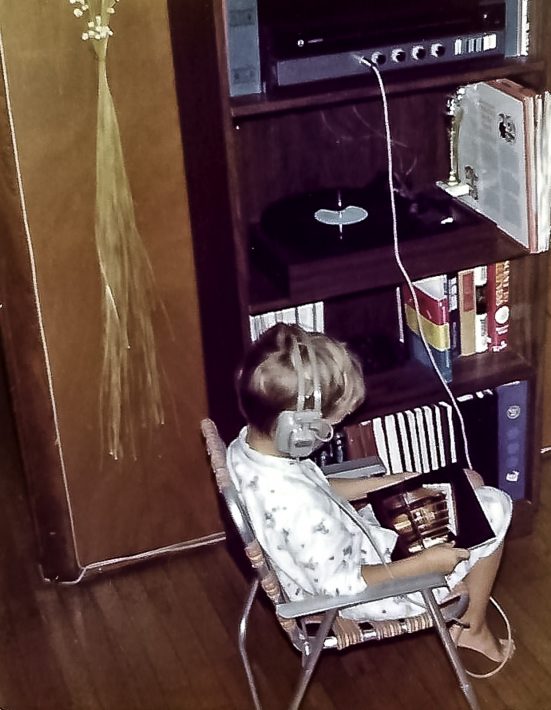
How did I come to love music so much? Nature or nurture? Well, I can’t say much about nature because I have no idea about the genetic magic that might lead to a love of music. I can say there was some nurture involved.
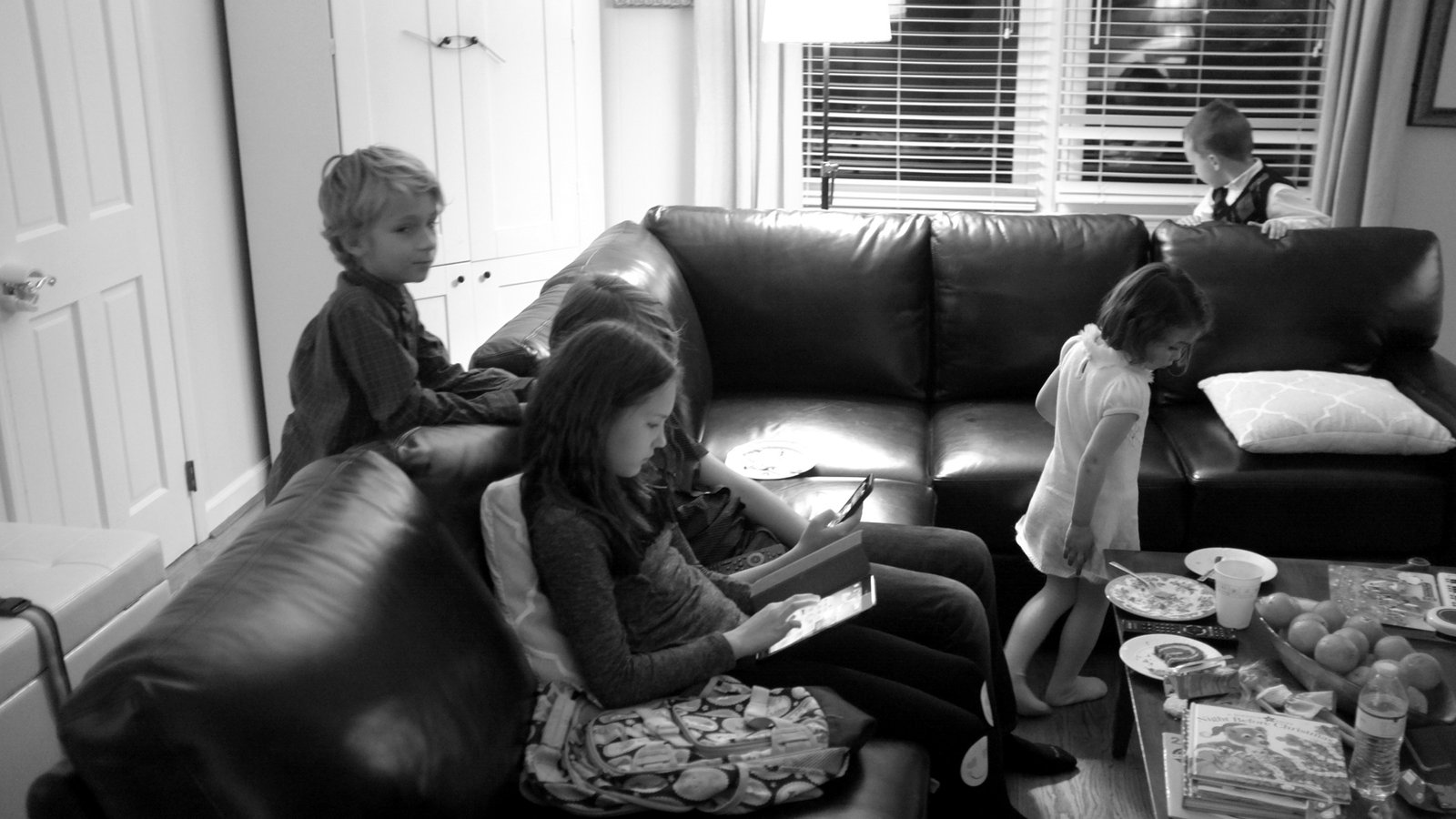
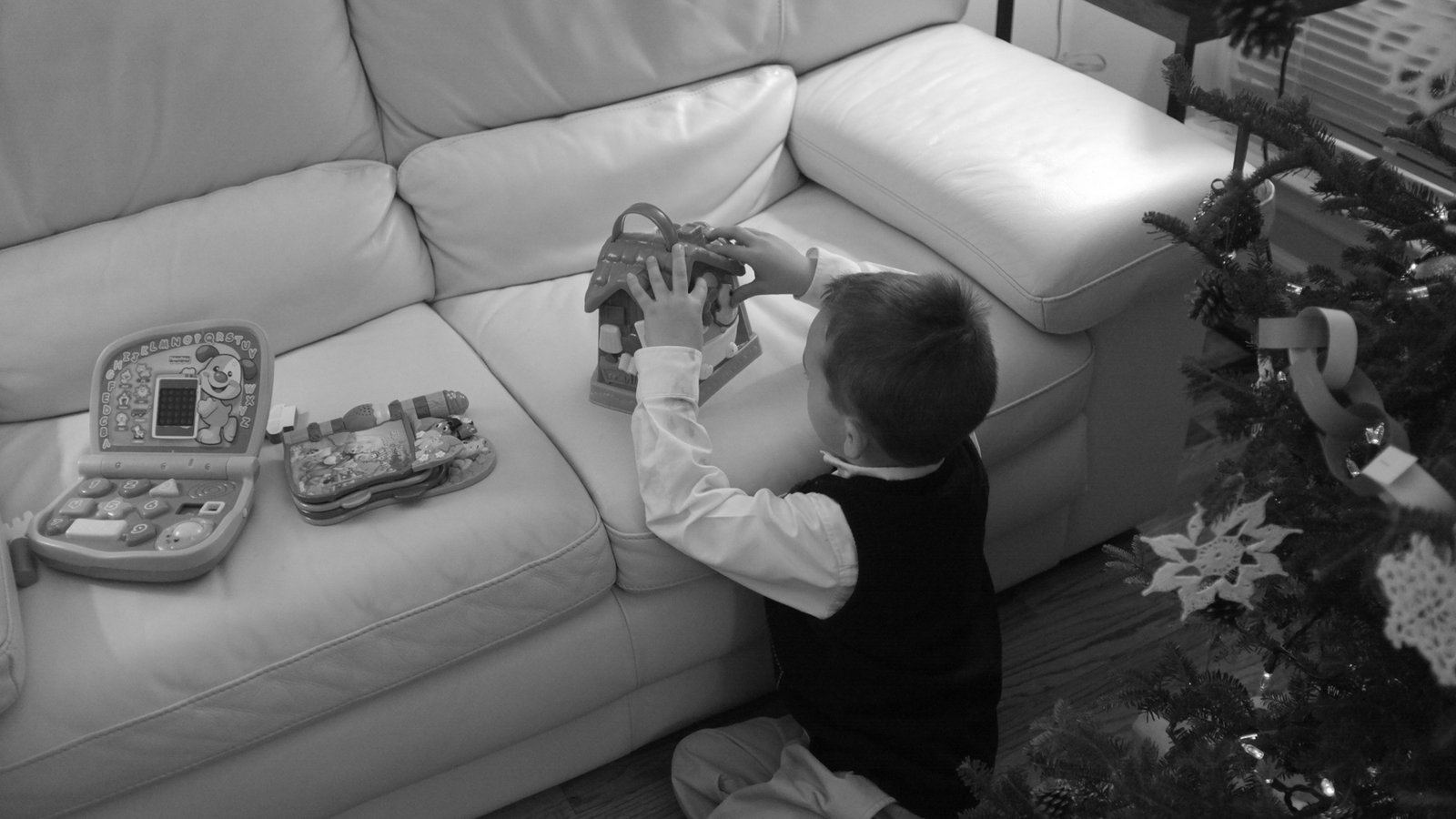
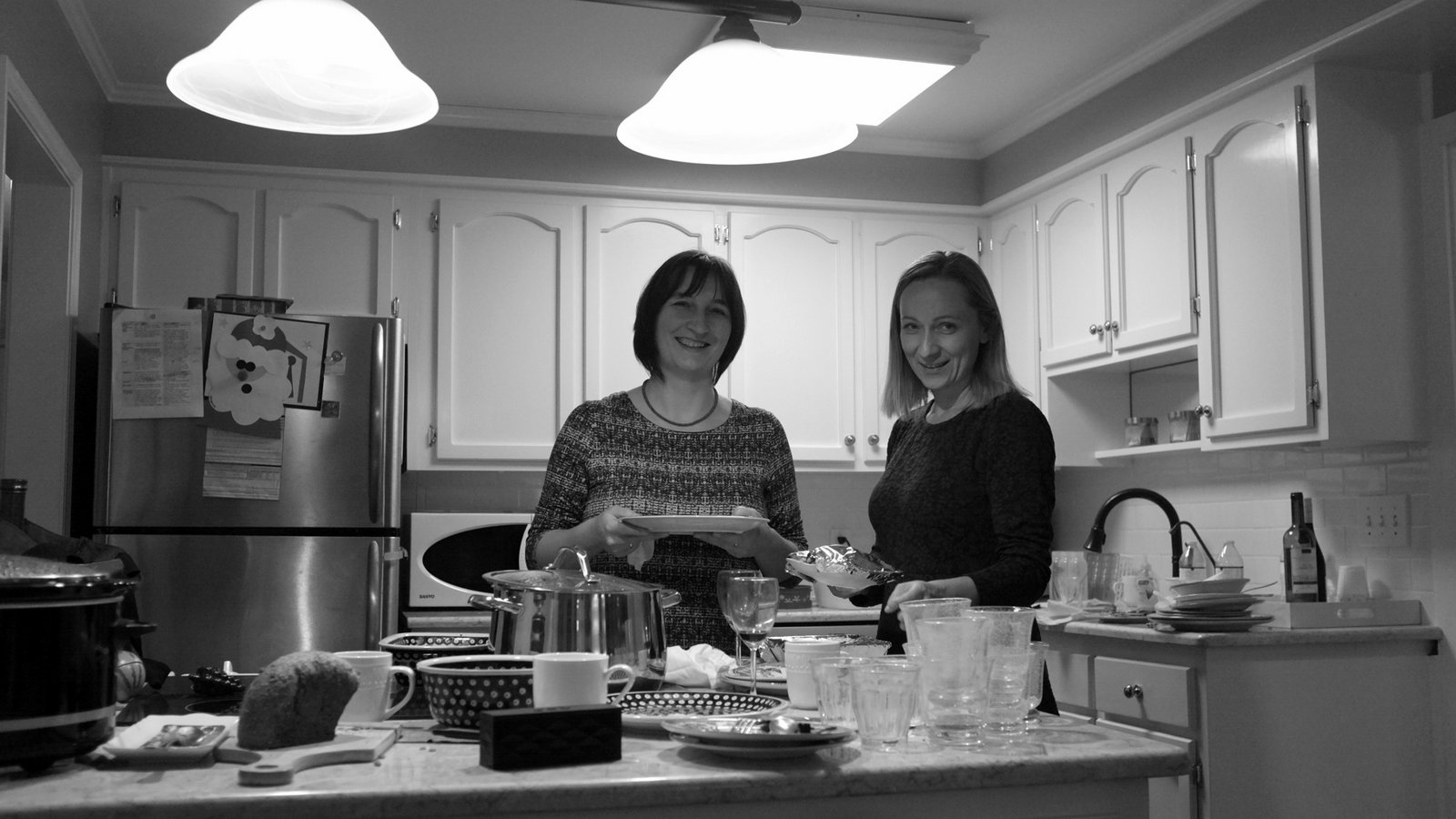
I'm not quite sure where they got it -- maybe we gave it to them, or perhaps they just bought it themselves. In a way it doesn't matter. What matters is that when E found the little Leap Frog play house that was just like the one he played with as a little toddler ("Daddy, I'm not a toddler any more. I'm a little boy."), he was utterly enchanted. He took the little house over to the small couch in the sitting area just off of the dining room in our friends' house (they do Christmas; we do Easter; another family has taken Halloween, even though it's not a traditional Polish holiday) and just played with it as if it were the greatest thing. I wondered for a moment if perhaps he was experiencing his first little bout of nostalgia.
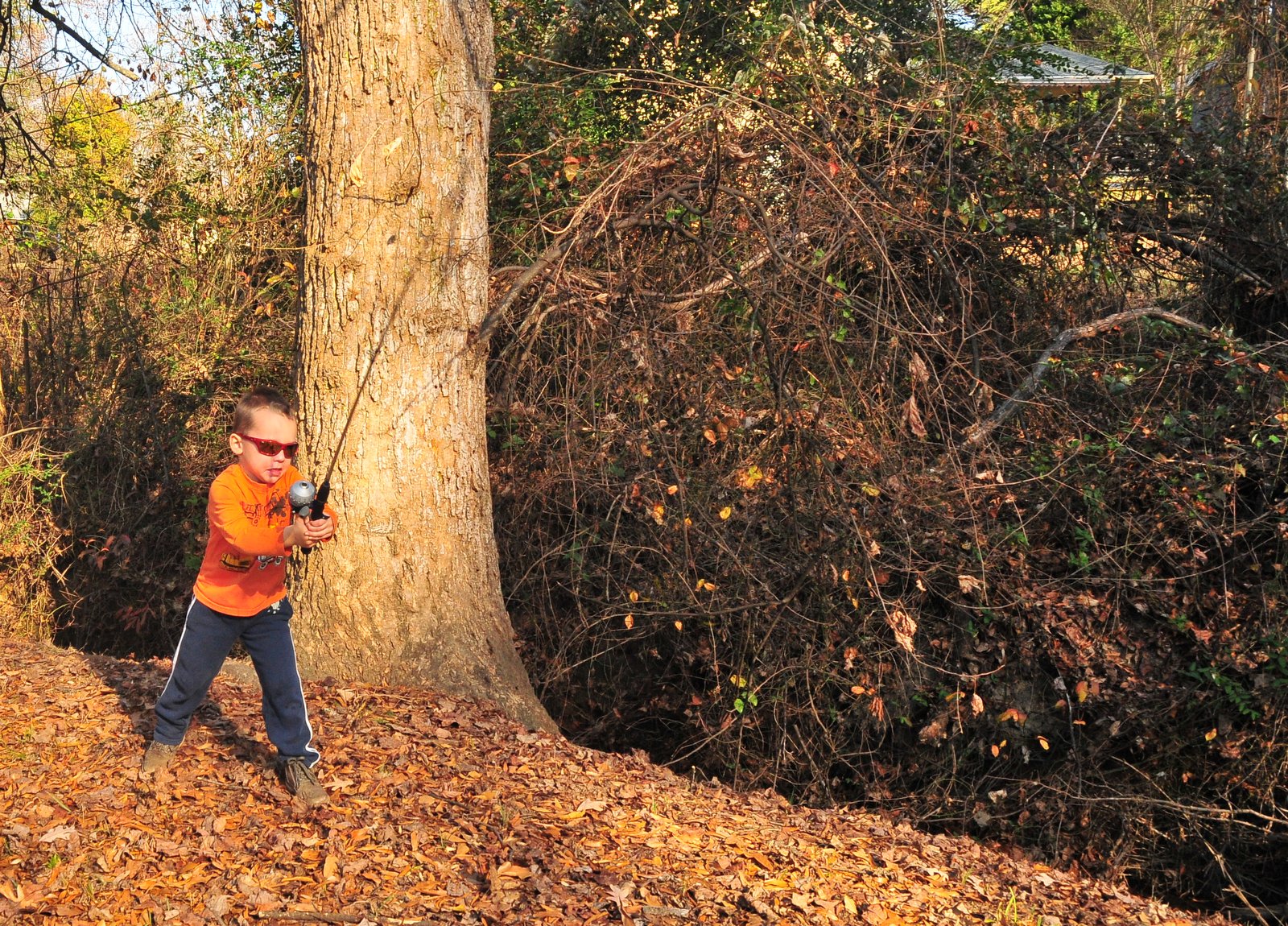
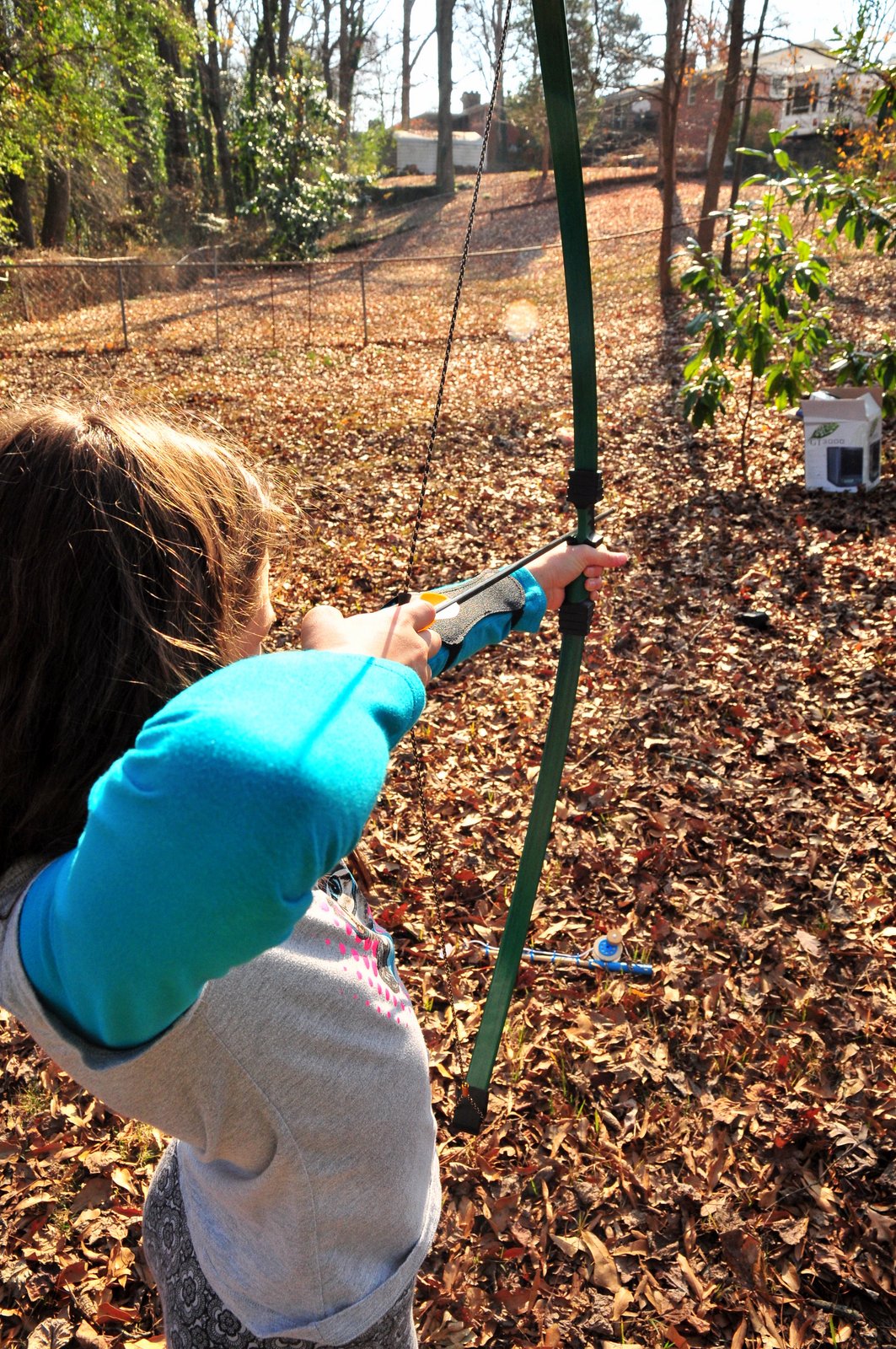
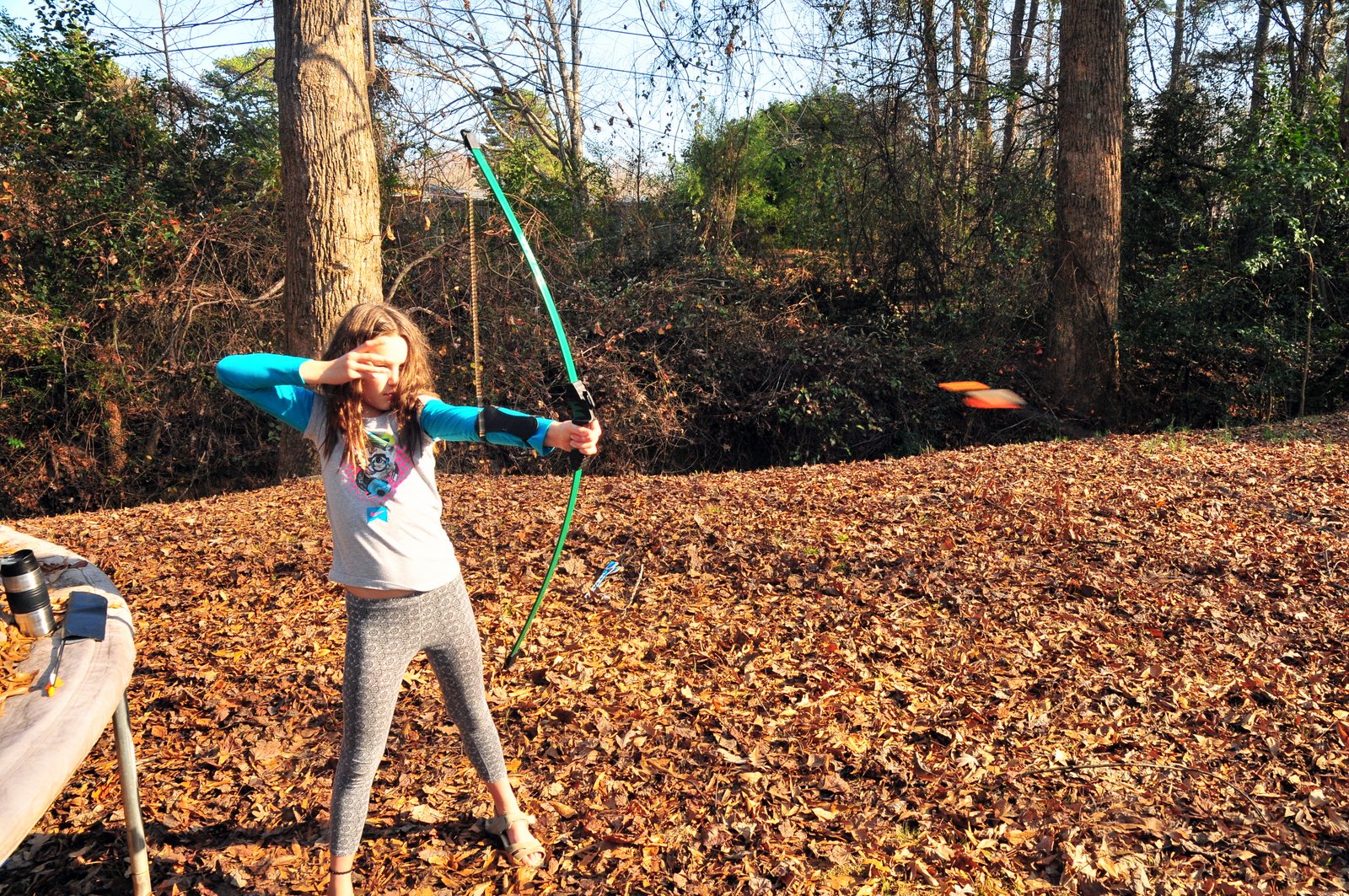
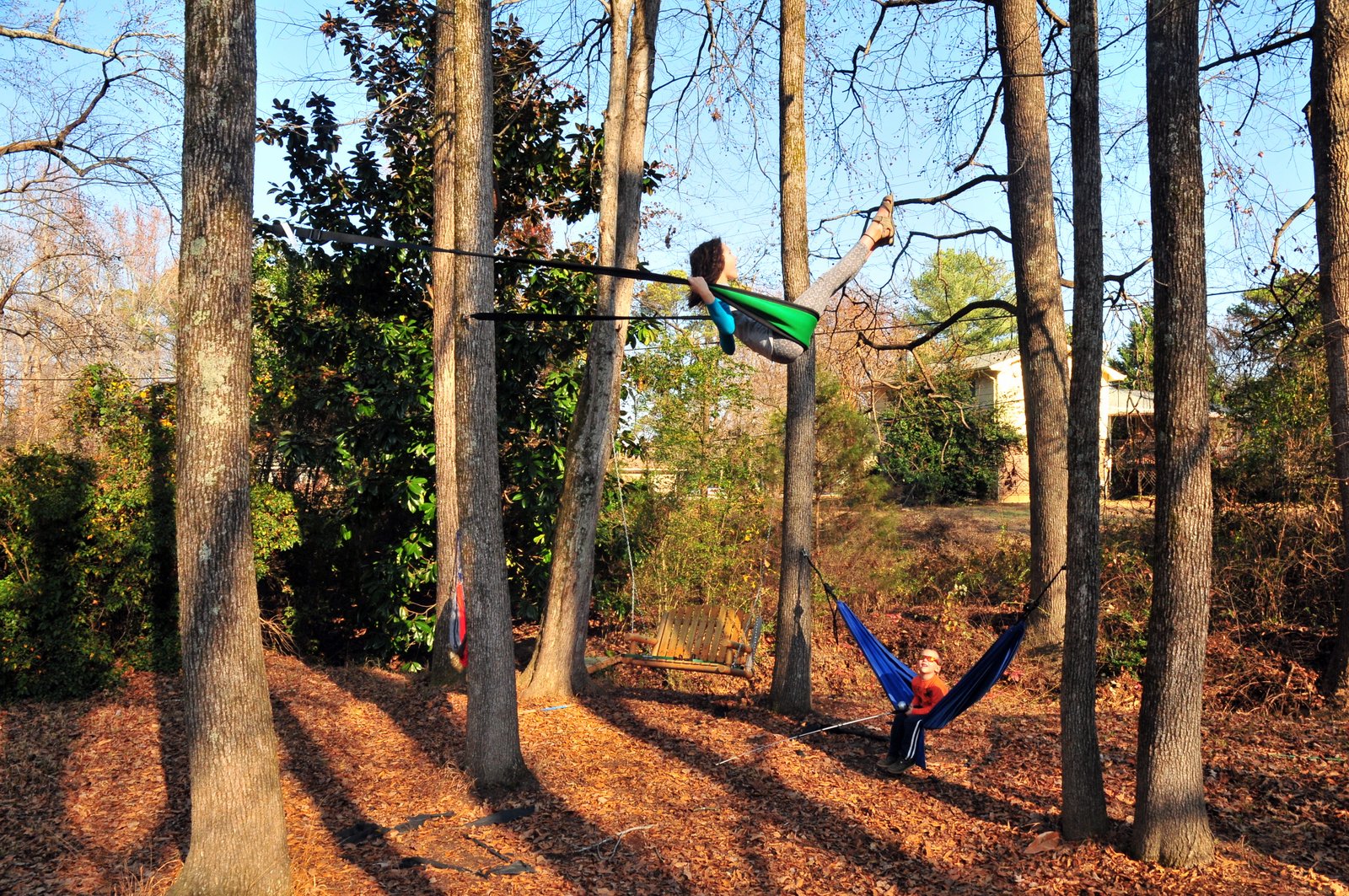
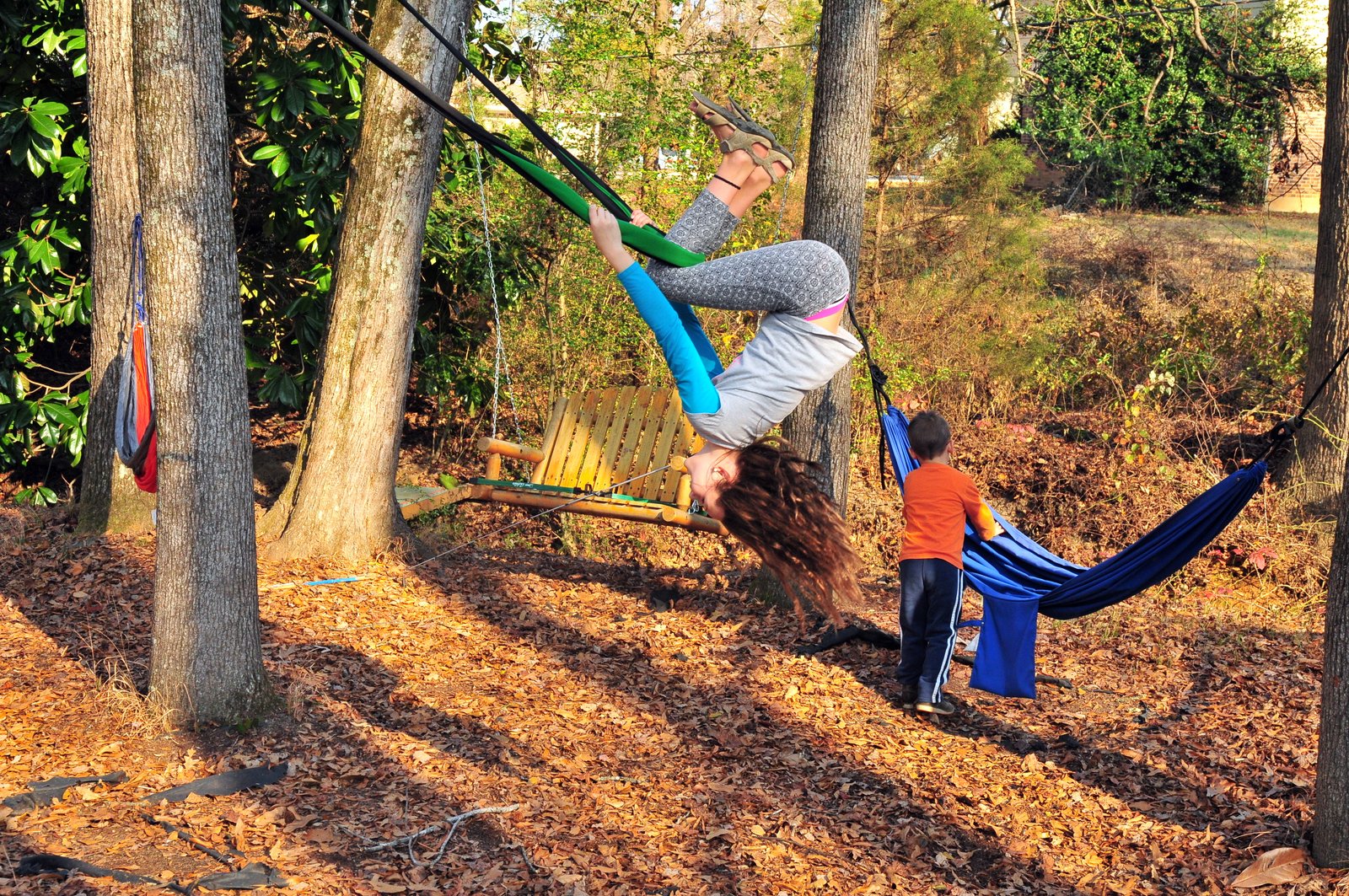
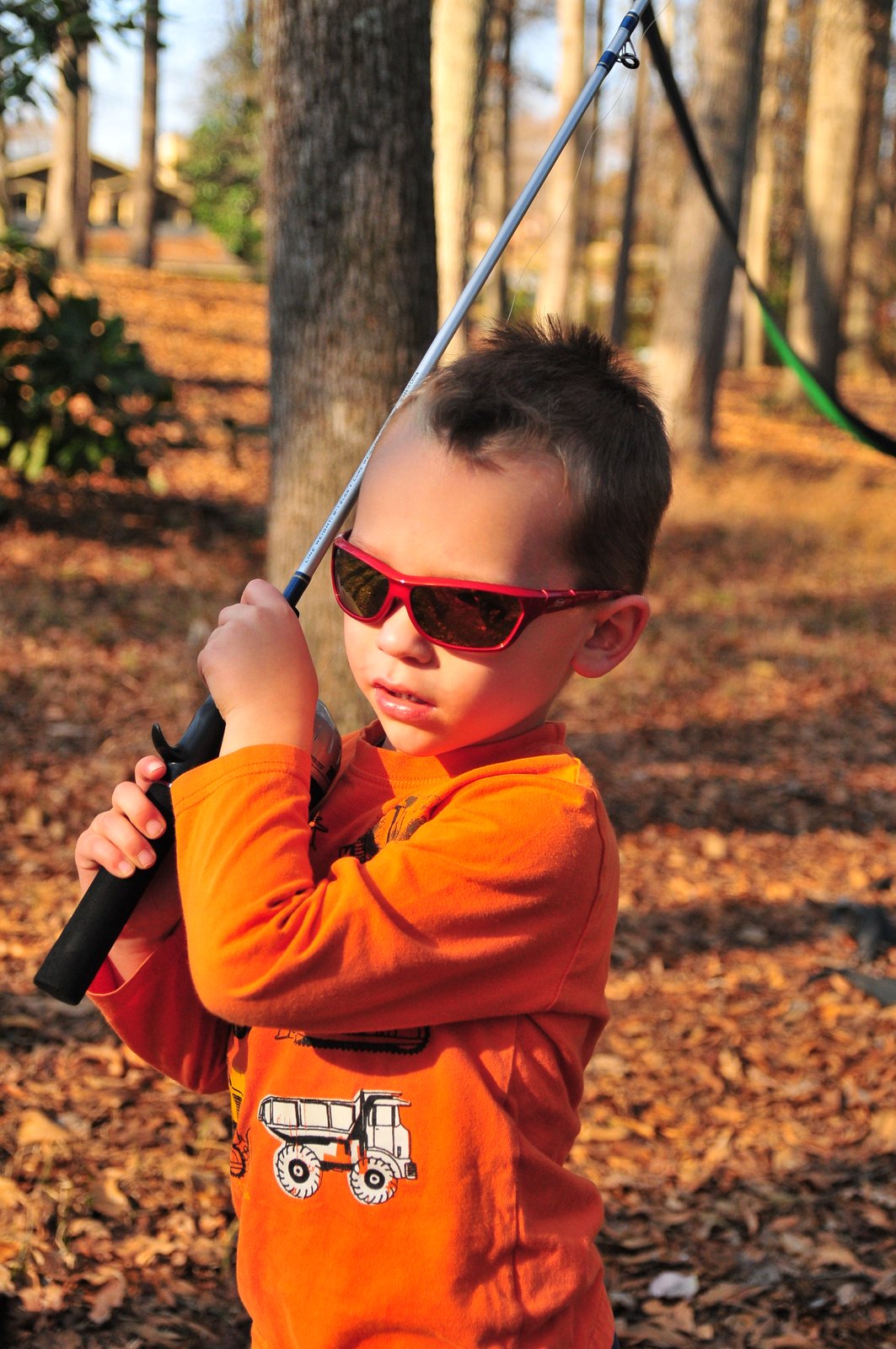
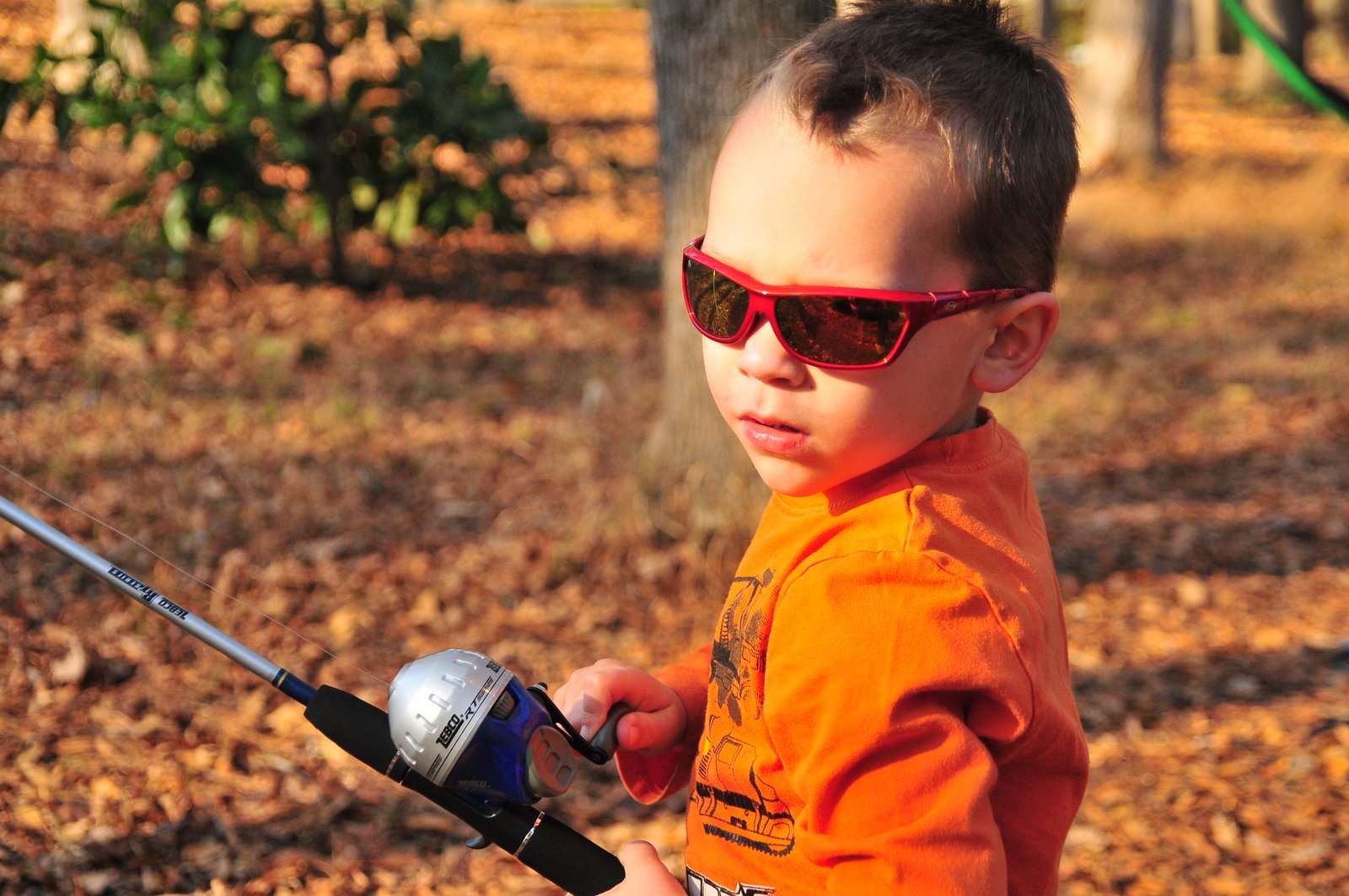
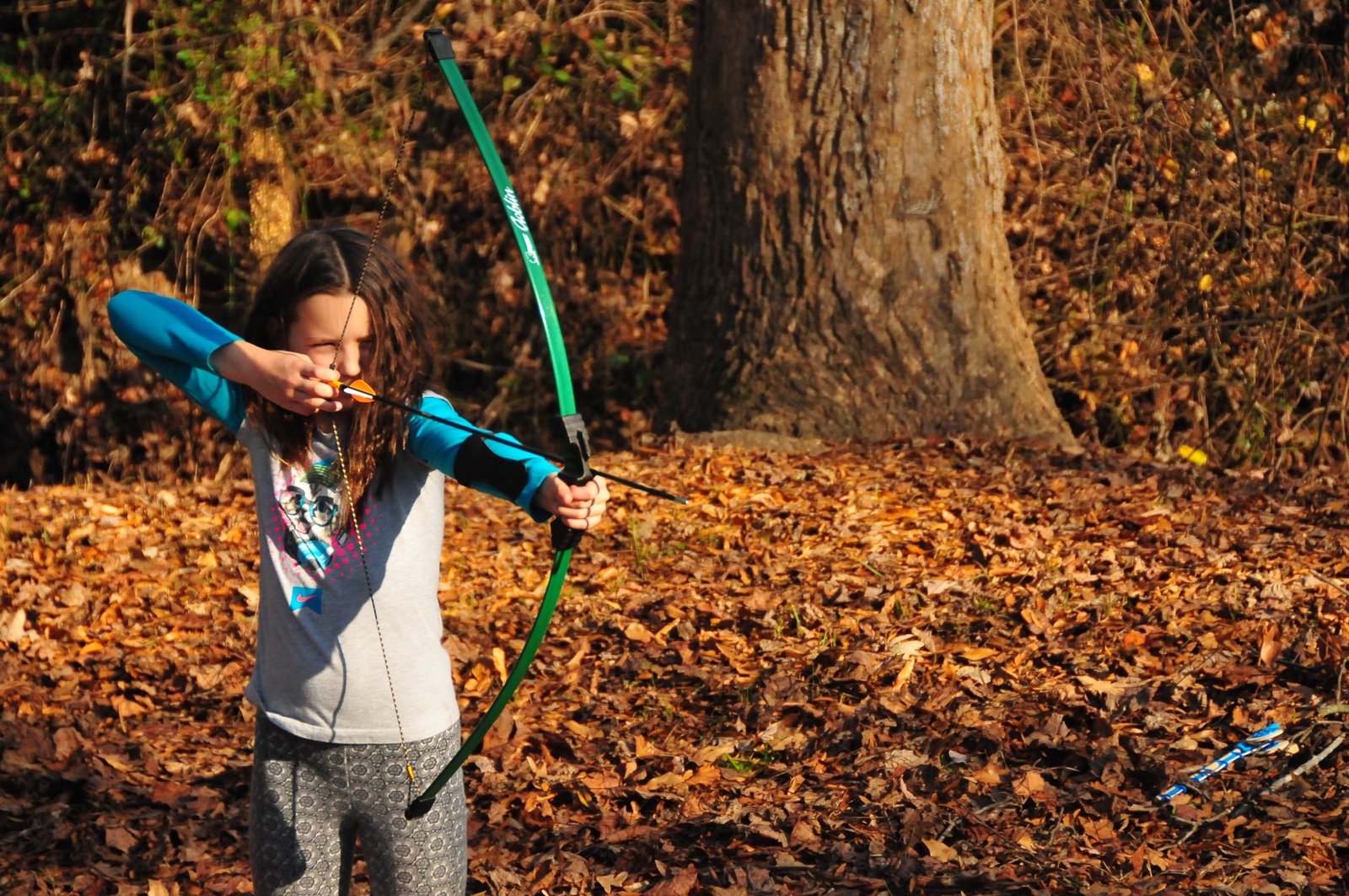
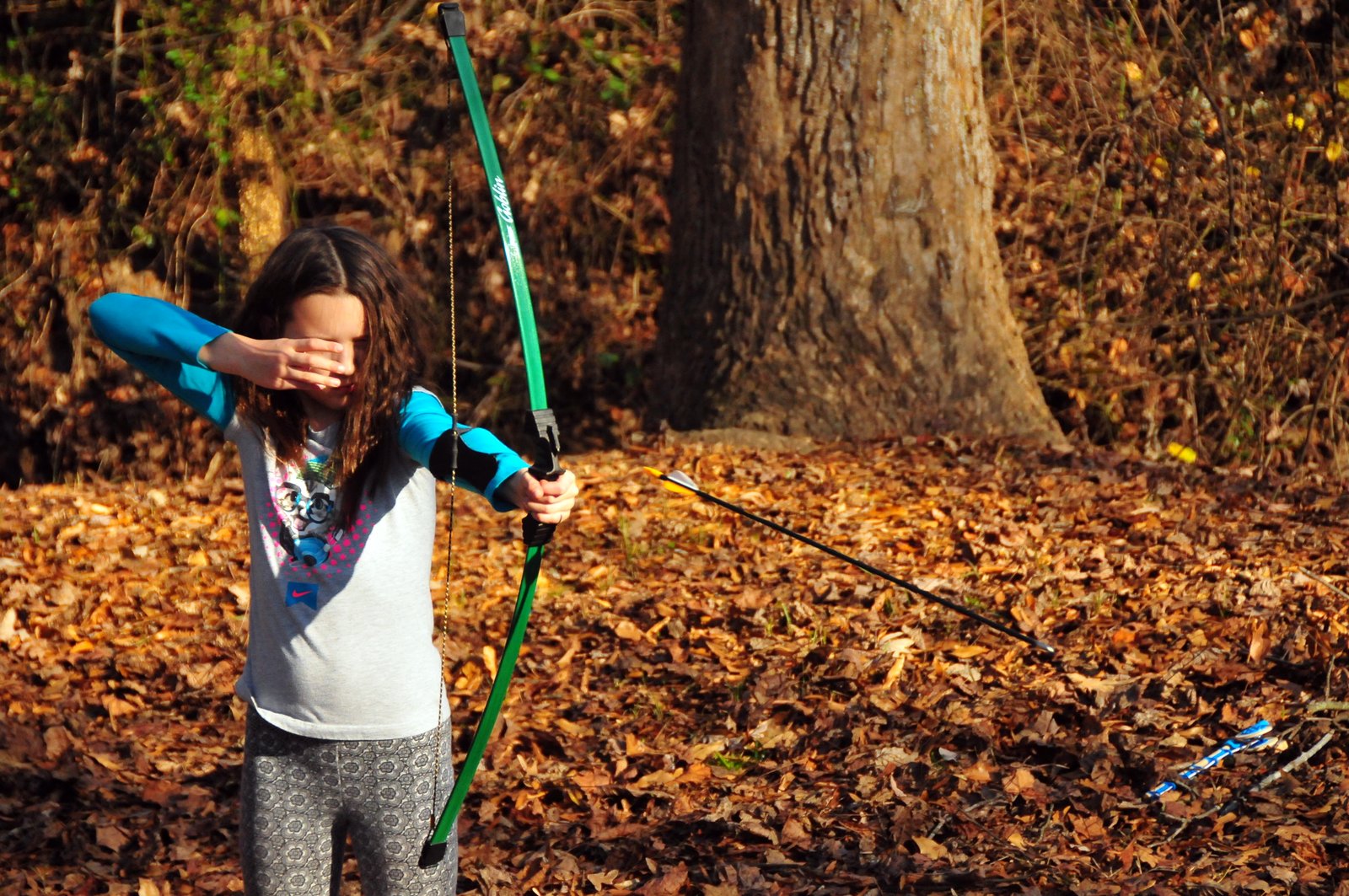
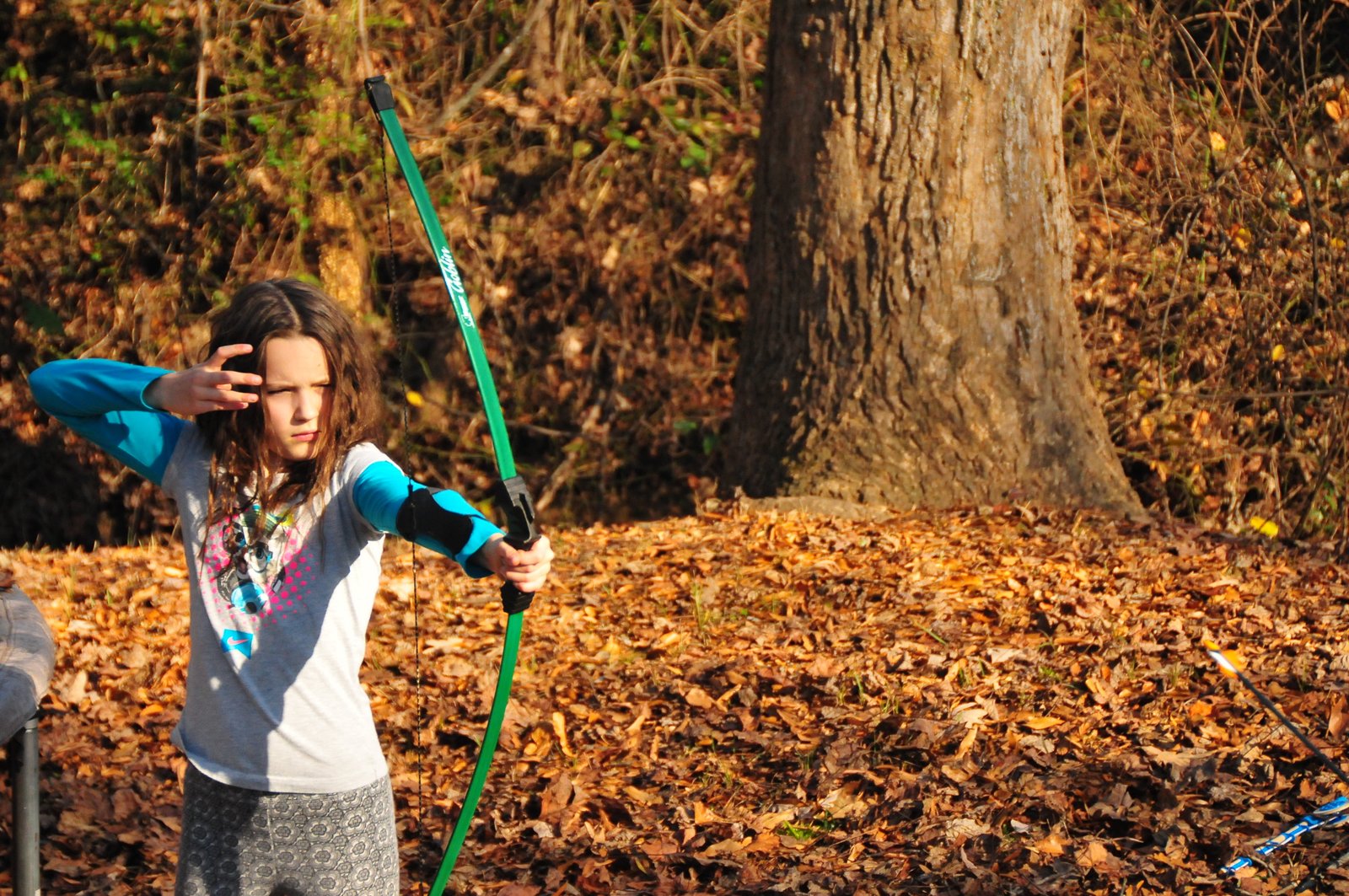
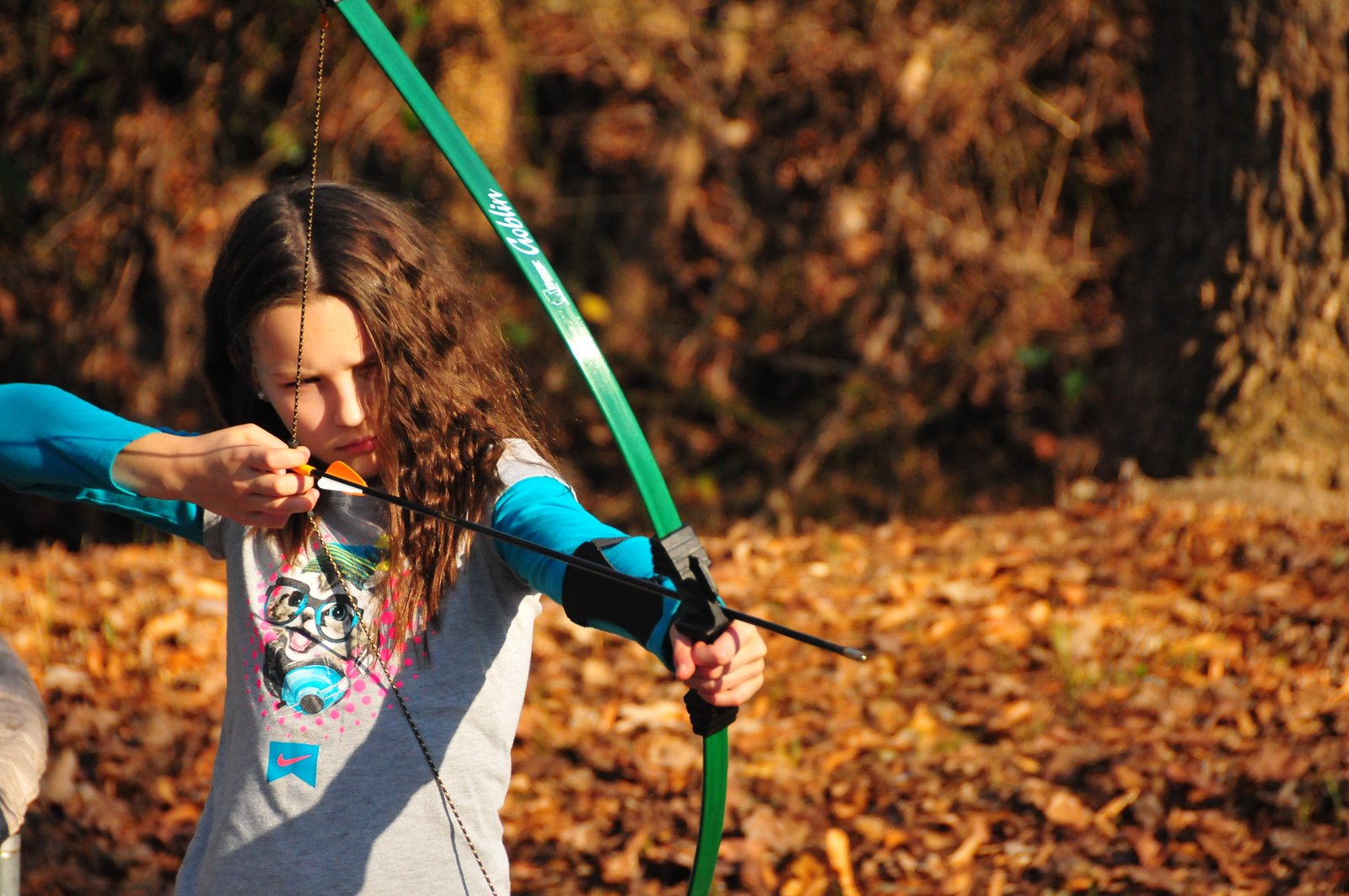
I always wonder about that: what will set my kids off when they're adults, what will send them back into the past with a certainty that times were somehow better then and a strange emptiness with the realization that those times will never return. Or maybe that's just the stuff of romantics, and perhaps my kids won't grow up to be nostalgic romantics.
But there are worse things than being nostalgic romantics. Nostalgic romantics get to sing Christmas carols with an abandon that others lack. The act is a time machine.
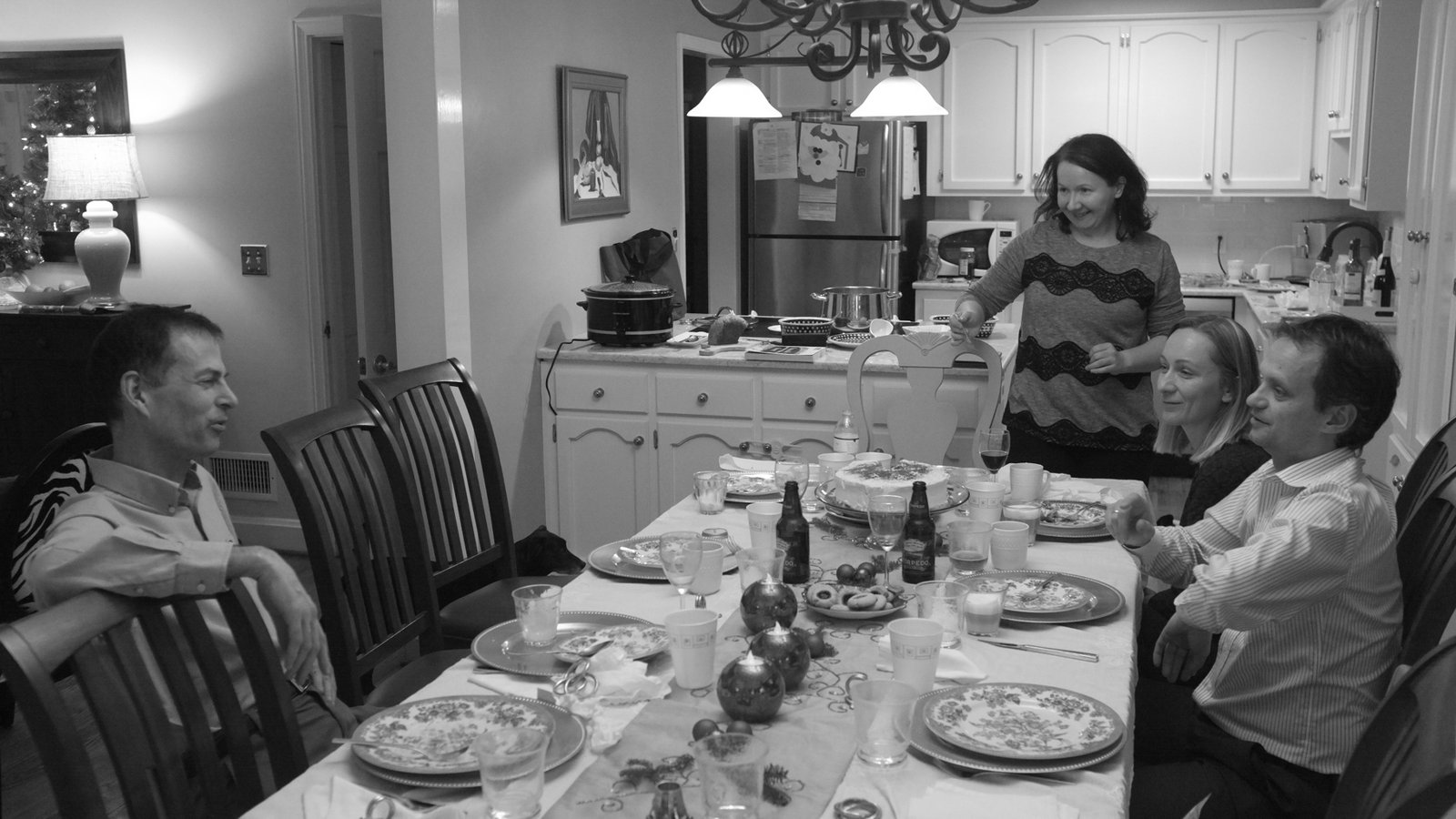
It's what makes movies like White Christmas so charming almost seventy years later.
And that's all I've got for this Christmas...
It used to be something of an obsession. “What was I doing around this time X years ago?” I’d ask before opening up my journal for that month some years earlier and reading to see what happened. Yet what if I’d had a way to thumb through pictures the way I thumbed through my journal entries? For most of my life, I had about as much interest in photography as I had in basket weaving. Then I moved to Poland. And a couple of years after returning to the States, I moved back to Poland, then armed with a digital camera. And so I can open up a photo viewer and easily look over my shoulder.
September 2001: I’d just moved back, and I was still taking daily walks in the fields behind the house where I rented a room. Such pictures now seem almost unreal: did I really live there?
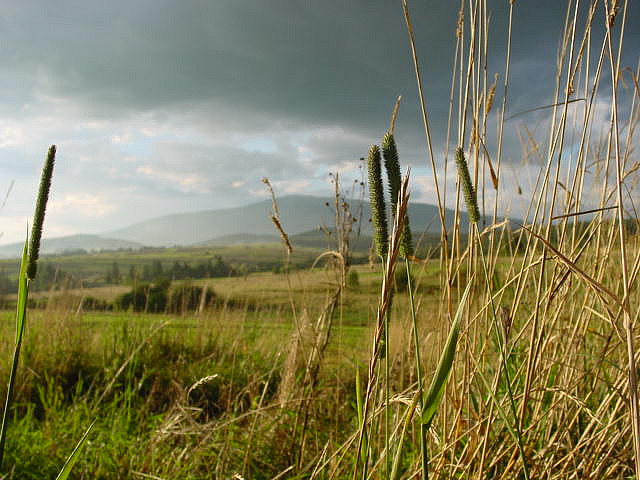
September 2002: The fascination remained. I was still talking almost daily walks in the fields, heading up to a small patch of trees known to locals as “Cats’ Castle”, watching the sunset from various locations, impressed that the church was visible from almost every point in the central part of the village.
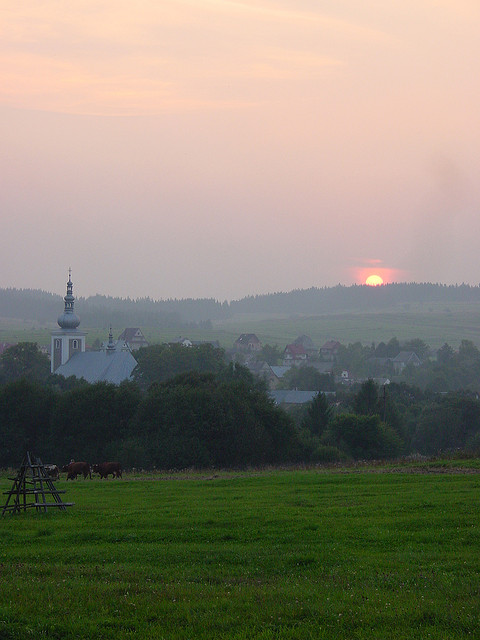
And then an empty year. Did my computer crash? Did I not take many pictures? Whatever the cause, September 2003 is void of pictures.
September 2004: K and I had just gotten married. We’d brought all our lovely wedding gifts — the glass paintings and various prints — to my apartment which was then our apartment. We looked through pictures of our wedding and spent lovely afternoons creating photo albums.

September 2005: Back to the States, to Asheville. “This is where I want to live,” K said the moment she saw the small town surrounded by mountains. It was understandable: it looked so much like her own home. And have a few lovely parks about didn’t hurt either.
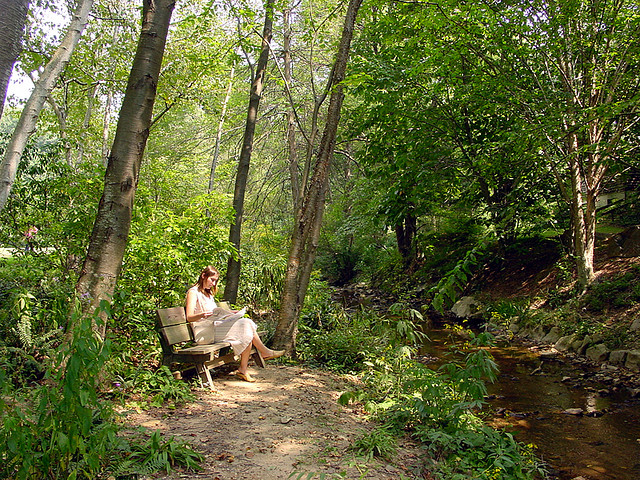
September 2006: The Girl was just a few months away. We’d heard all the stories, but who can really prepare for how a child is going to change one’s life?
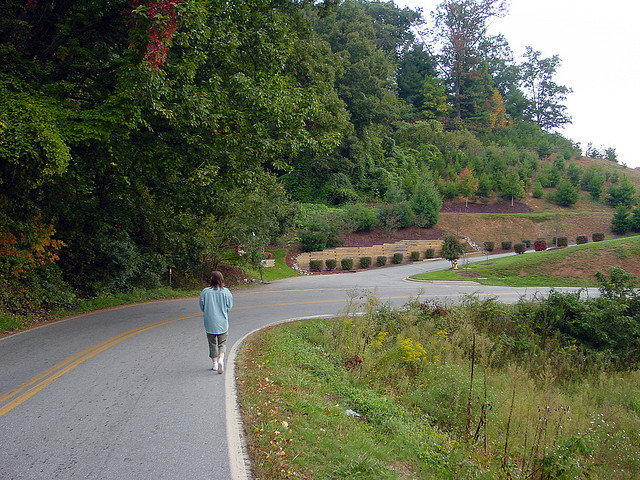
September 2007: The Girl was with us, and already showing her precocious nature. She sat only to roll; she crawled only to crash; she lived only to giggle and fuss.

September 2008: L, able to walk, began asserting her independence. The innocence would surely linger?
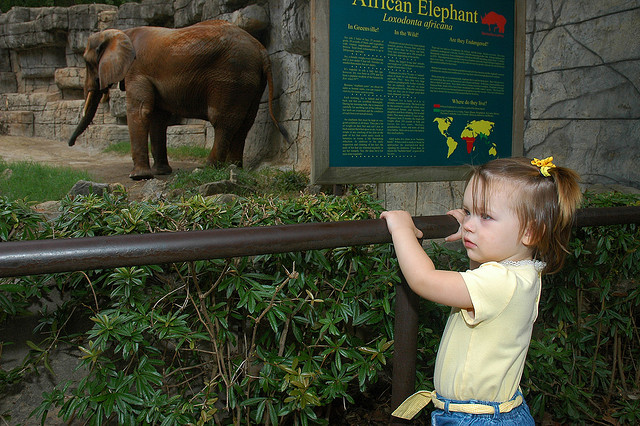
September 2009: Independence increased.
September 2010: We learned quickly that owning a house is owning a project. A never-ending, always-bank-account-draining, eternally-exhausting project.
September 2011: Where did that baby go? Certainly she’s somewhere around here?
September 2012: If I could have glanced forward in time from 2001, surely a wife, two children, a house, and a cat on a tired Wednesday night would seem just as unrealistic as the fields of Lipnica Wielka seem to me now?
I grew up in a border town -- half in Virginia, half in Tennessee -- about three hours north of where we presently live.
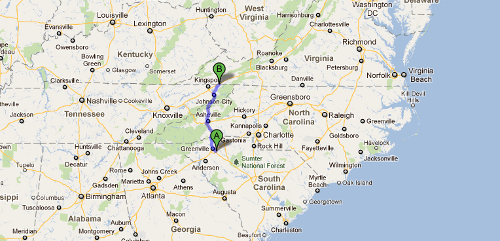
In the last fifteen years, I've only gone back a handful of times. Today, K and I are making the trip to meet with people I haven't seen in twenty years, most of whom I knew only in passing, and many of whom I probably won't recognize, and if I do, I likely won't remember their names immediately. Yet there are a few, and to see them again will be worth it.
I wonder, in the age of social networking, will future generations have twenty-year reunions?