Matching Tracksuits

fun in fours

learning

Apologies

Dear Teresa,

Two observations.

First, not all apologies begin with I’m sorry. In fact, some of the most graceful and moving apologies have ended with those words.

Second, and more significantly for you, not all utterances including “I’m sorry” are in fact apologies. For example, if you were to get in trouble with a teacher yet feel that you had done nothing, saying “I’m sorry you think that I…” only feels like an apology because it includes those sometimes-deceptive words. It is, in fact, an accusation.

Mildly amused and annoyed,
Your Teacher
Dac, Redux

When L began speaking Polish, we made a video of her saying her first word.
Now that the Boy is beginning to speak, we thought we’d do the same.
With the same word.

Chatting

Fitting the Pieces

Dear E,

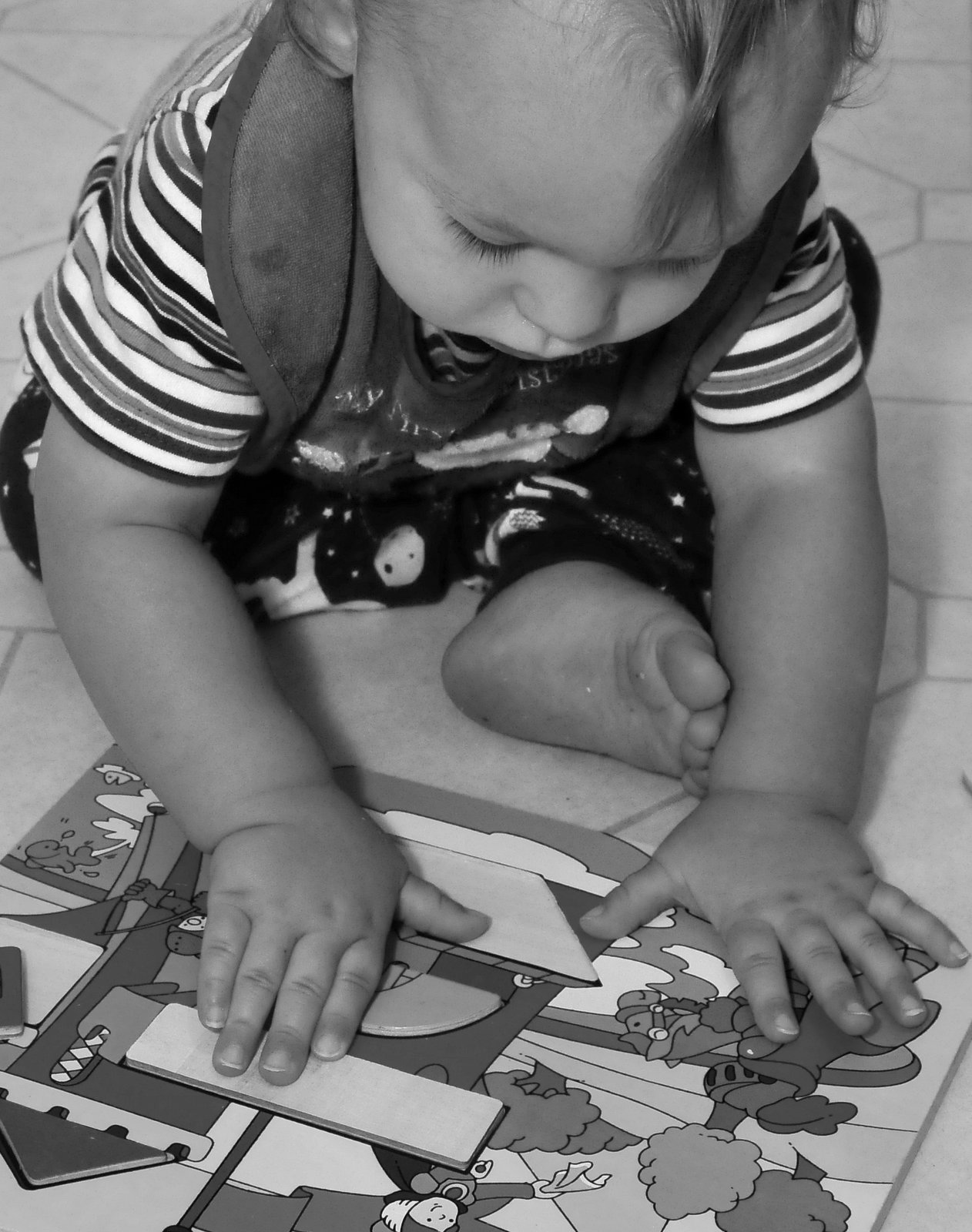
I wish I could tell you that life is like the puzzle you struggled with today, that there are a few missing parts and with a little trial and error, you can figure out where they fit. Life is a puzzle, but it's more like the puzzle "Dalmatains," with a mass of similarly patterened pieces that seem almost impossibly random.

VIV_7613

You'll struggle at times to make the slightest bit of progress, only to find yourself wondering if perhaps you didn't force a piece here or there after all. "Maybe they don't fit quite that snuggly," you'll say to yourself as you plod off to bed one night.

81zQGlKs9oS._SL1500_

But rest assured, there is a bigger picture, it is accessible (if not difficult), and it is beautiful.

Your Dad

Mistakes

“Tata, will you fix this for me?” She has in her hand two walkie-talkies that she got for Christmas or a birthday. “I think the battery is dead.”

“Will you fix this?” Words that at the time warm and terrify. It’s my job, in a way, this “fixing.” Most fixing is nothing more than re-stringing a toy guitar or gluing a broken bit of plastic. But it’s fixing, and that makes me a bit of a hero to L. Yet I can’t fix everything for her all the time. She will have to learn to fix things for herself.

“No, but I’ll help you.” She hands me the walkie-talkie. “You’ll have to open this. Do you know what you’ll use?”

“Yes.”

“What is it?”

“Śrubokręt.”

“And what’s that in English?”

“I don’t know.”

We head to the basement, and I show her the screwdrivers, teaching her the word in English.

“Which one do you think you’ll use?” She looks at the screw and points to a Phillips screwdriver.

“What’s this called?” I tell her. “And this one?” she continues, indicating a small straight slot screwdriver. I tell her.

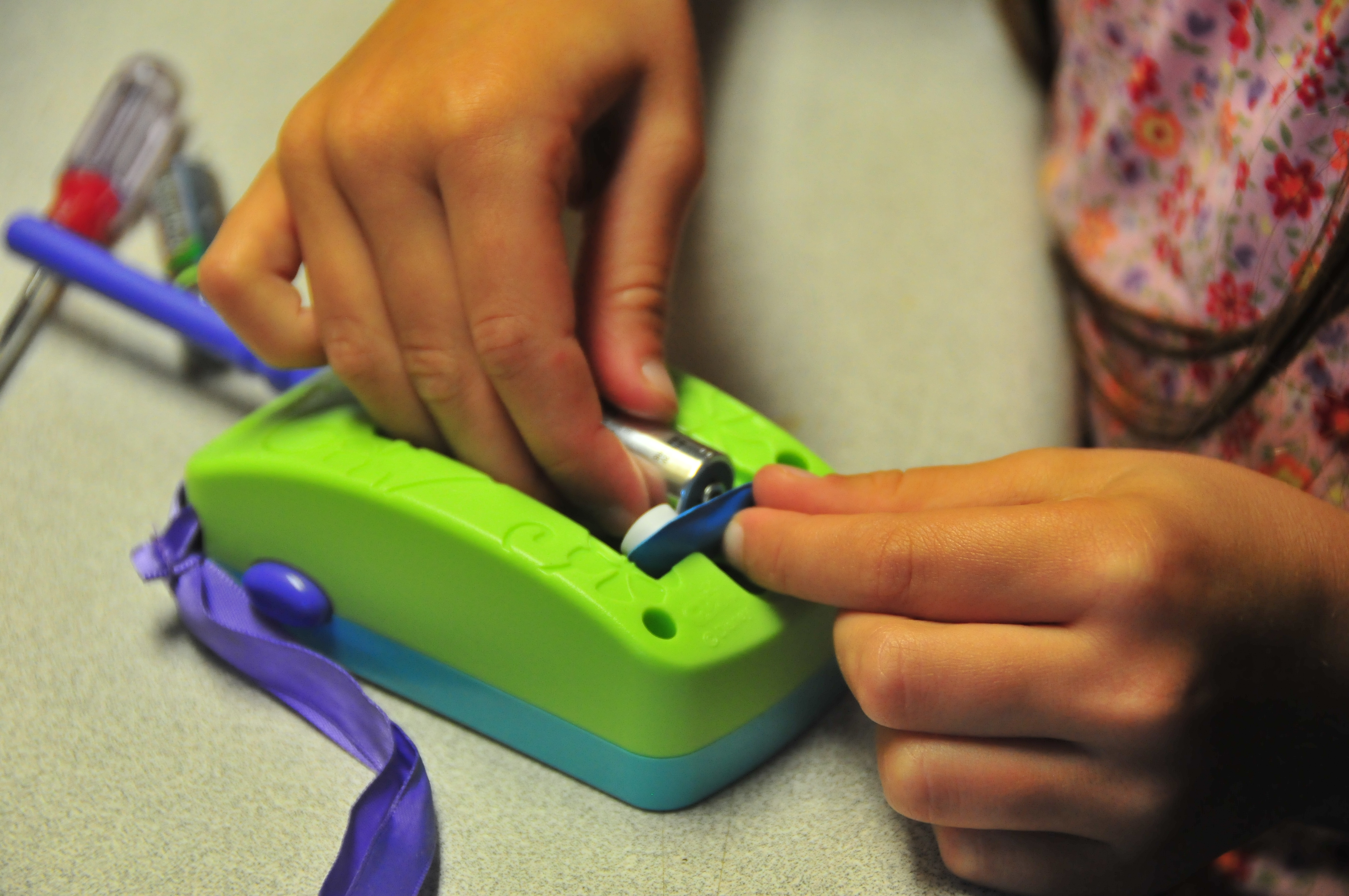
Through a short bit of trial-and-error experimentation, we find the appropriate screwdriver and open the battery compartment to find a nine-volt battery. I show her how to pop off the connectors, then replace them so she can do it.

“I’ll go check to see if we have this type of battery,” she informs me, returning with two AA batteries.

“We don’t have this type of battery, but maybe these will work.”

Of course they won’t. Only throught some very serious scheming could we get this to work. There’s simply no easy way, perhaps — I don’t know much about batteries and electronics — no way at all.

Still, it’s better for her to figure it out on her own.

VIV_7505

She squeezes, pushes, grunts — it’s no use.

“Maybe when we go to the store today, we can get one of these batteries,” she finally concludes, as does the lesson.

Time

L is learning to tell time with her new analog watch. “It’s nine-sixty!” she just announced.

Defining Courage

I've been using ideas from George Hillocks, Jr.'s Teaching Argument Writing (Heinemann) in my classroom for some months now. South Carolina's shift to the Common Core standards necessitates a shift in writing focus to argumentative writing, which is not the same as persuasive writing. The latter relies on rhetorical tricks -- arguments from emotion, arguments from authority, etc. -- while the former involves claims, counterclaims, evidence, warrants, backing, and a host of other rhetorical goodies.

We've been working on "how to develop and support criteria for arguments" (to quote Jim Burke's blurb about the book), and one of the things Hillocks suggests is to use inductive reasoning to determine some general criteria from specific examples. The extended example he uses in his book is about courage, and since that fits perfectly with my current district-mandated heros-theme unit (the theme is mandated, not the unit itself -- well, not entirely), I thought I would use it as is, out of the box, so to speak. Hillocks provides specific scenarios for students to discuss and generalize about. I gave students all the scenarios and told the groups to choose five.

We began working as a class so we could get the feel for the work, and I gave them as an example the easiest.

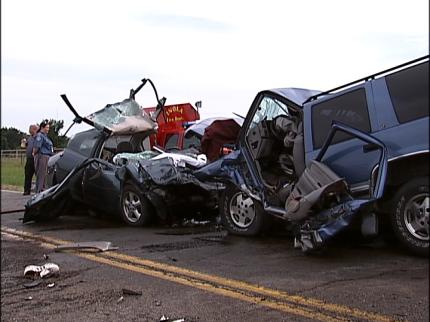
In the small town of Clinton, teenage boys liked to play “chicken” with their cars. Two boys raced their cars directly at each other. The first boy to swerve to avoid the crash lost. Were the boys courageous when they played “chicken”?

Obviously, the boys of Clinton might be foolhardy or immature, but a courageous act this is not. Indeed, it somehow seems to be the opposite of courageous. Yet a handful of students doggedly insisted, against the judgment of the rest of the class that this acts lack of overriding noble cause (not their exact words) made this foolish at best, that this was a very courageous act.

"They're risking their lives! They could die!" they persisted.

I thought it might be a fluke, perhaps some kids insisting on playing devil's advocate. But these same kinds held the same line in all similar scenarios.

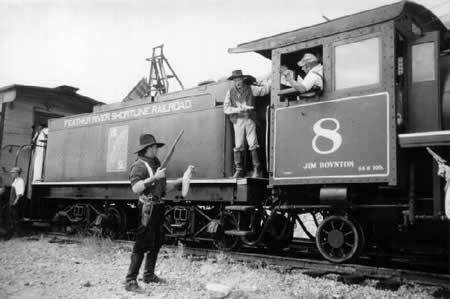
Harry learned that millions of dollars in gold would be moved by train from Washington, D.C. to Chicago. He knew it would be heavily guarded and protected by the very best alarm systems. The security guards were top-notch and heavily armed. Harry and his two companions were also heavily armed when they dropped from a bridge to the top of one of the train's boxcars. They immediately took fire from a guard stationed on the top of another car. They returned fire, killing the guard. Was their attempt to steal the gold courageous?

Who cares about these guys' motivation? Who cares that they were violating countless moral dictates and laws for material personal gain: these guys were risking their lives and that made their acts courageous.

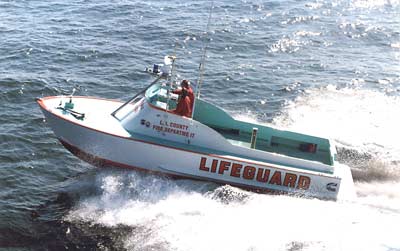
On the oceanfront, Mr. Jones heard a swimmer shouting for help. He saw sights indicating that this part of the beach was extremely dangerous because of undertows. A lifeguard asked Jones to help him move a boat into the water to be used to help rescue the drowning man. Instead, Jones said, “Don't be silly!” He ran into the water to swim out to the drowning person. Was Jones's effort to save the swimmer courageous?

Who cares that the lifeguard clearly knows something Mr. Jones doesn't, hence his insistence on using the boat? Who cares that in acting impetuously, Mr. Jones was likely giving the lifeguard another potential victim. He was risking his life, and that's all that matters.

I know of course that much of this is a function of age: thirteen-year-olds are quite fond of justice and courage, and they see the lack of the former in as many places as they see examples of the latter.

The Privilege of Teaching

“You’re raising our daughter! She spends more time with teachers than with her parents,” a parent once told me regarding a student.

It was the first time anyone had said aloud what I’ve thought often enough. Such notions most forcefully — and most obsessively — worked their way into my thinking when we began leaving our daughter with “strangers” at day care. It was a stab of guilt, feeling K and I were somehow neglecting our responsibilities as parents, letting someone do the majority of our childrearing for us.

The irony of being a teacher myself didn’t go unnoticed. I thought of a film — I can’t remember the title — that had a scene in which a young girl drops off her child for day care then heads uptown to her job as a nanny.

I see into parts of their lives no one else sees. A young man writes, “I ask my mom [to play chess with me]. ‘I’m too busy at the moment. How about later?’ Knowing that later will be near 7 PM, I slither back to my room.” It’s a vivid flash of what his evening is like, of what he might be experiencing at the very moment I’m reading his paper. It’s a window few look through.

Failed Experiment

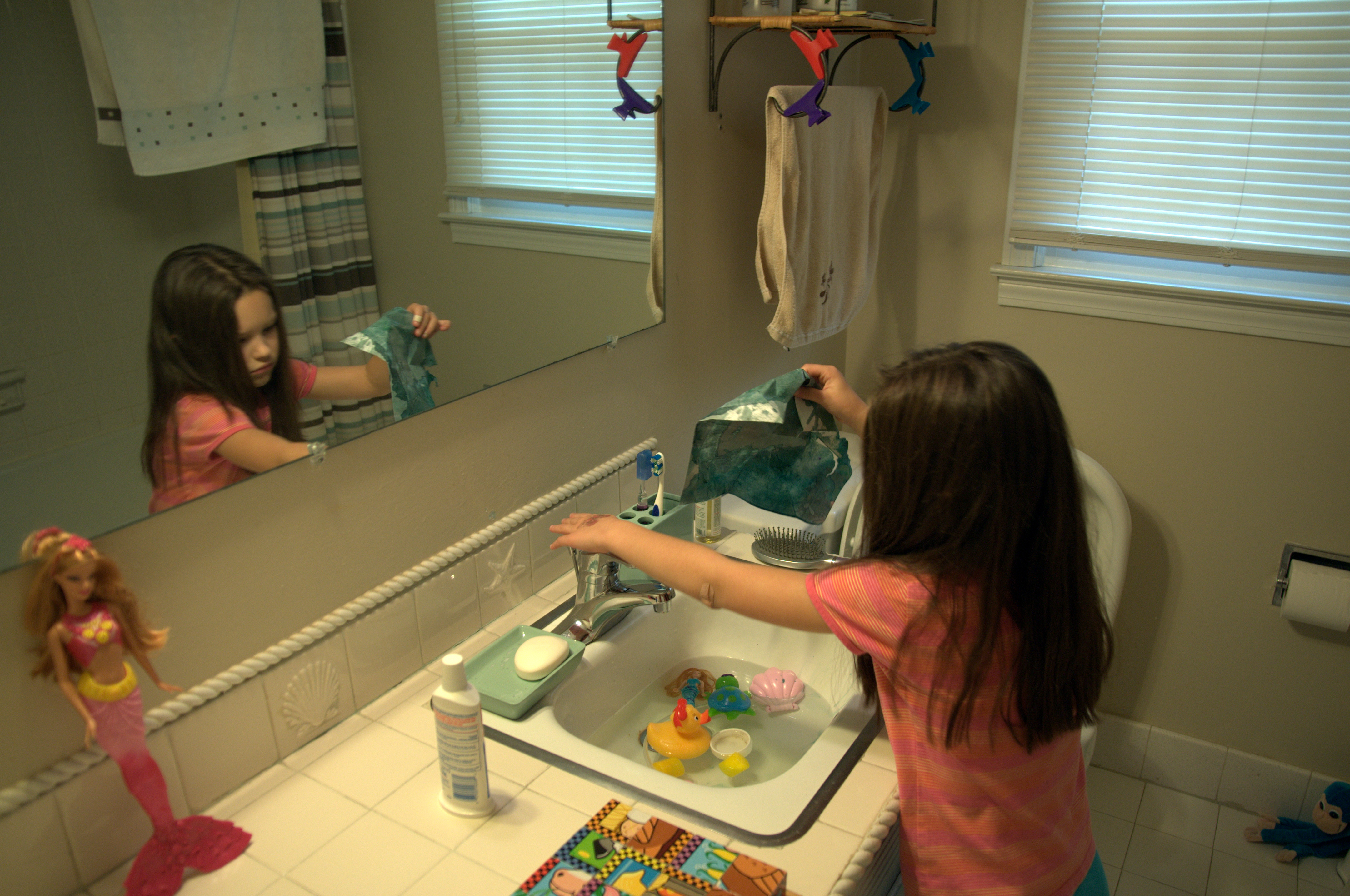
The Girl tried an experimental paper boat as she'd seen in Curious George.

Sadly, it didn't work.